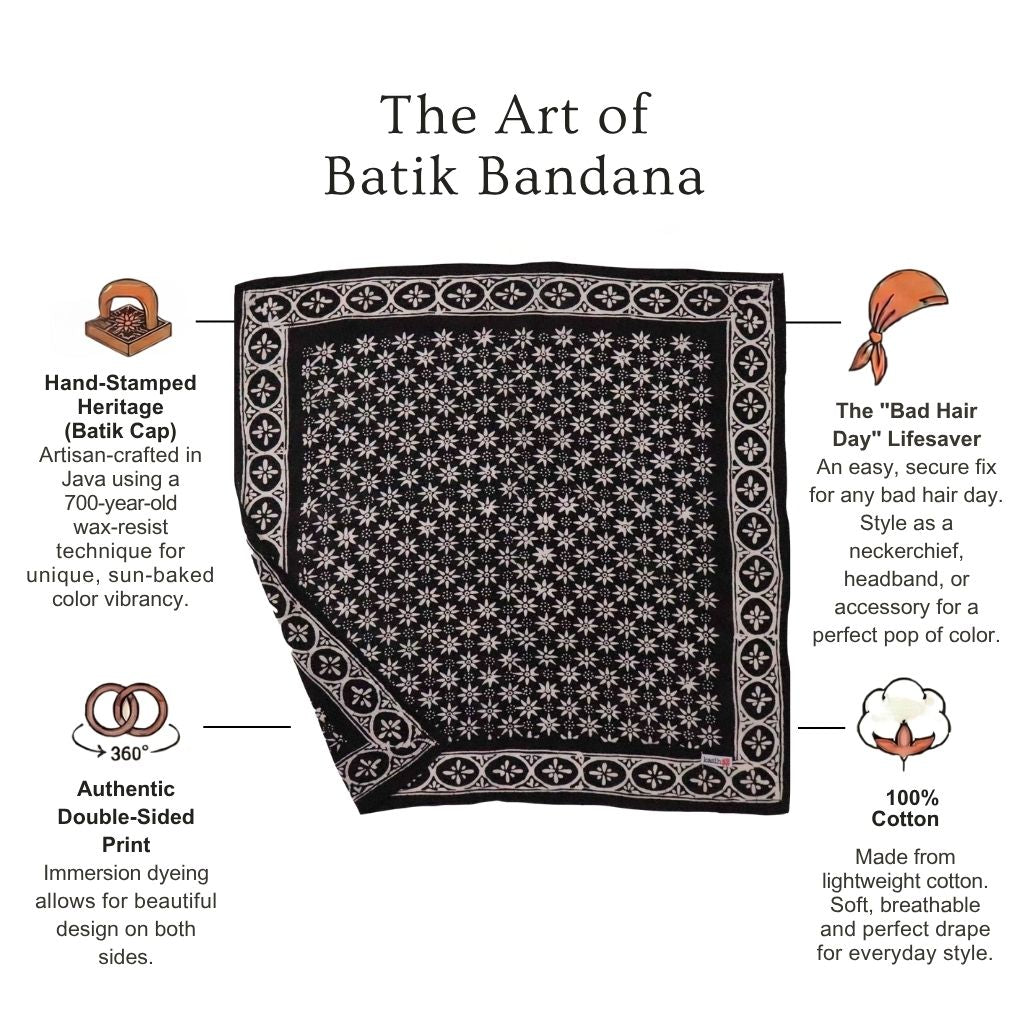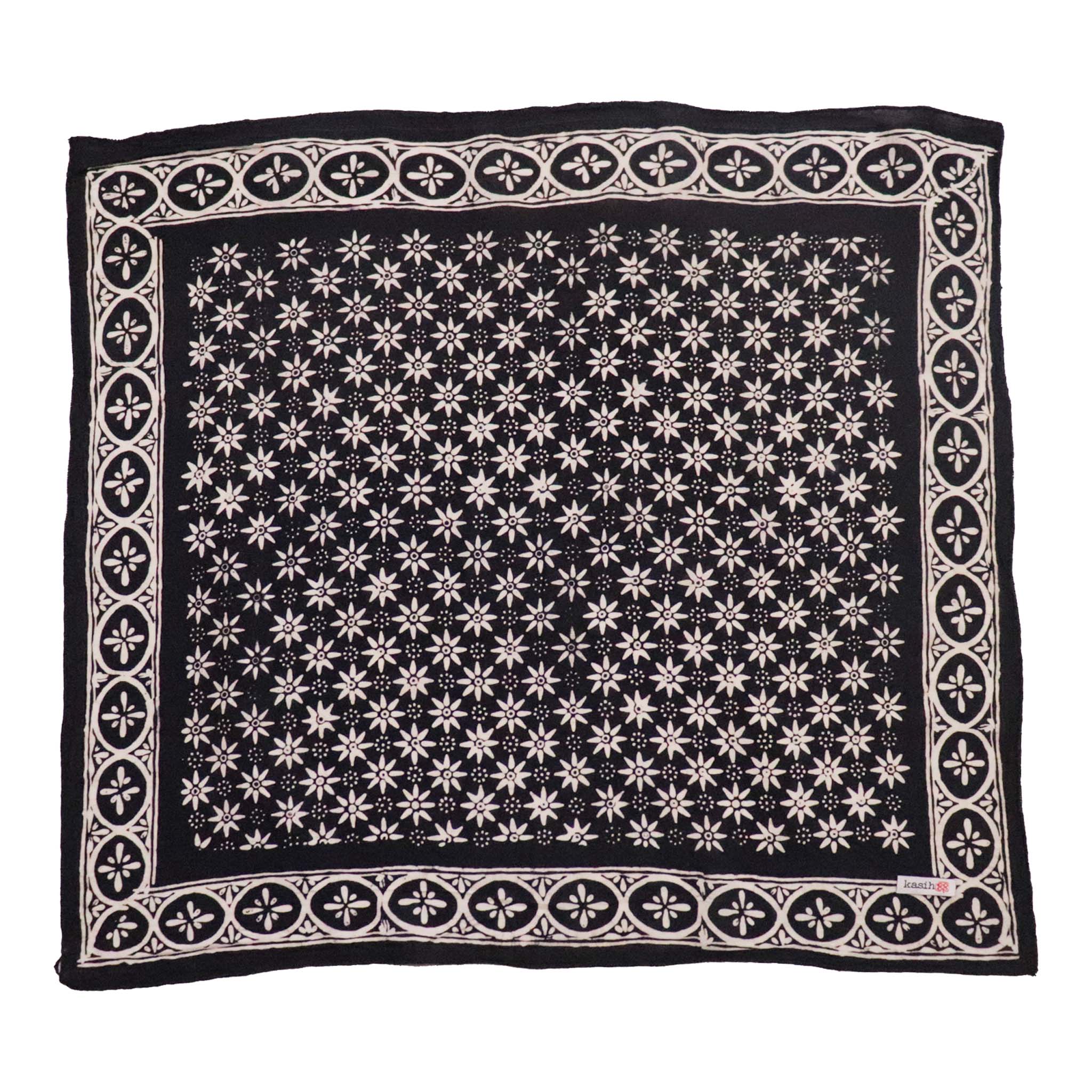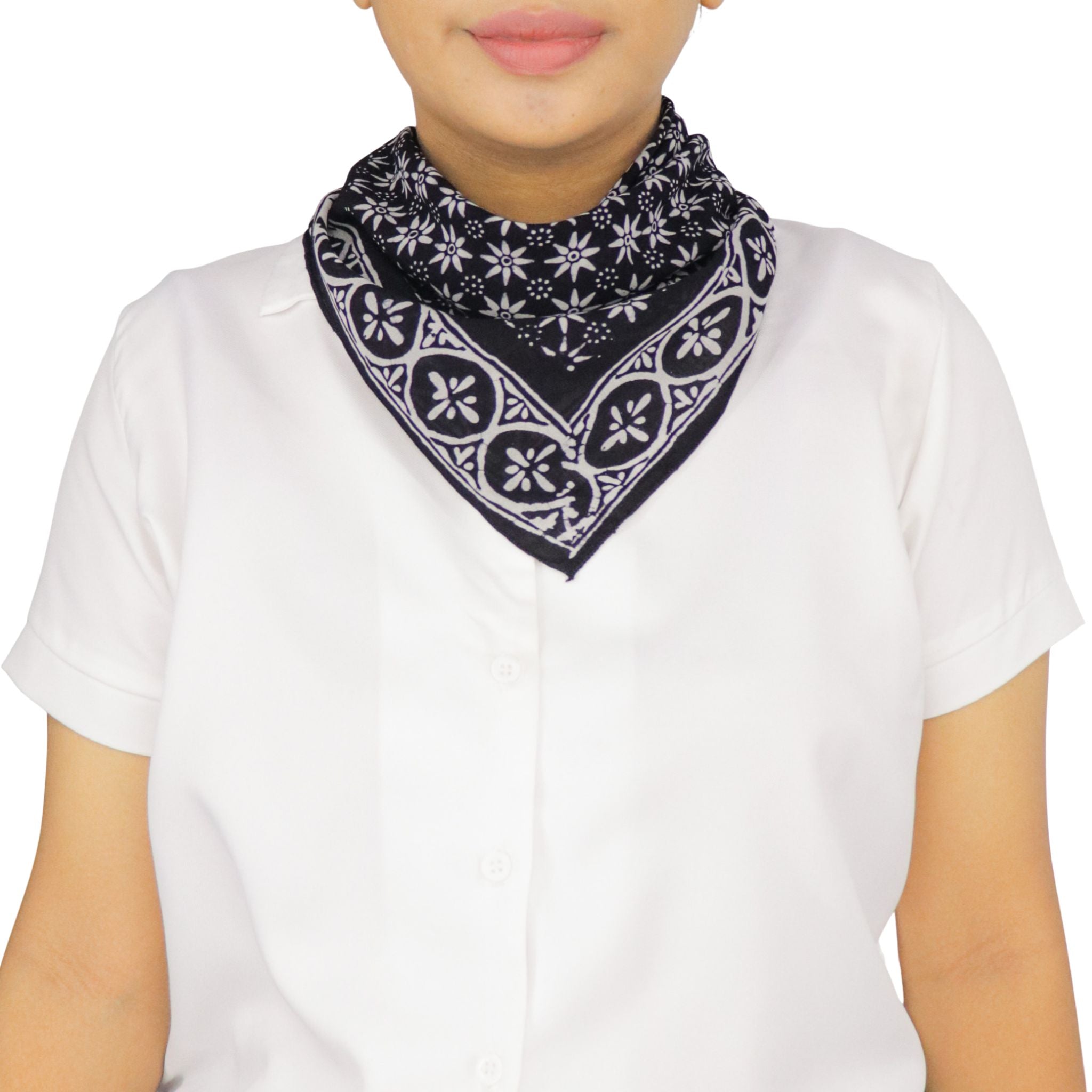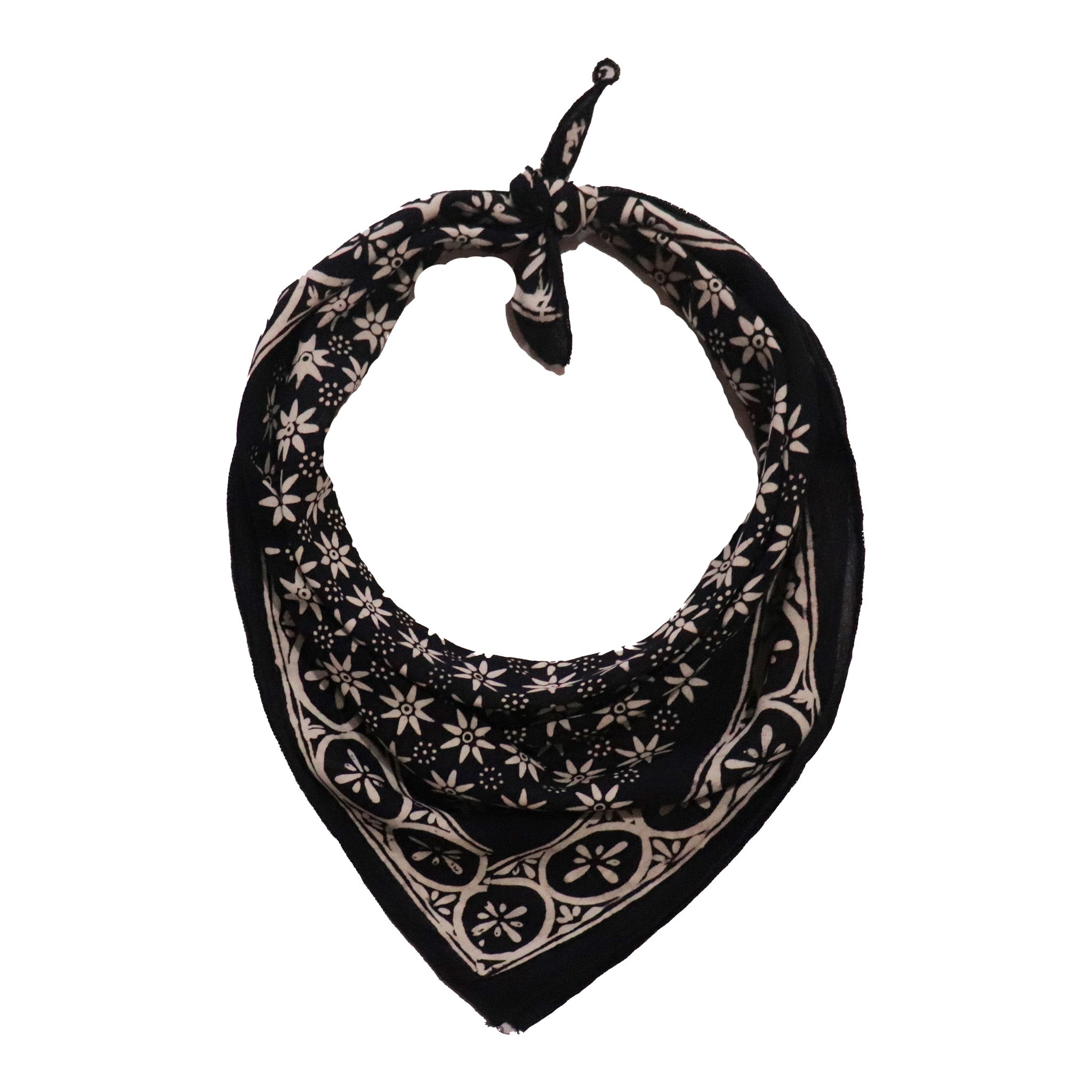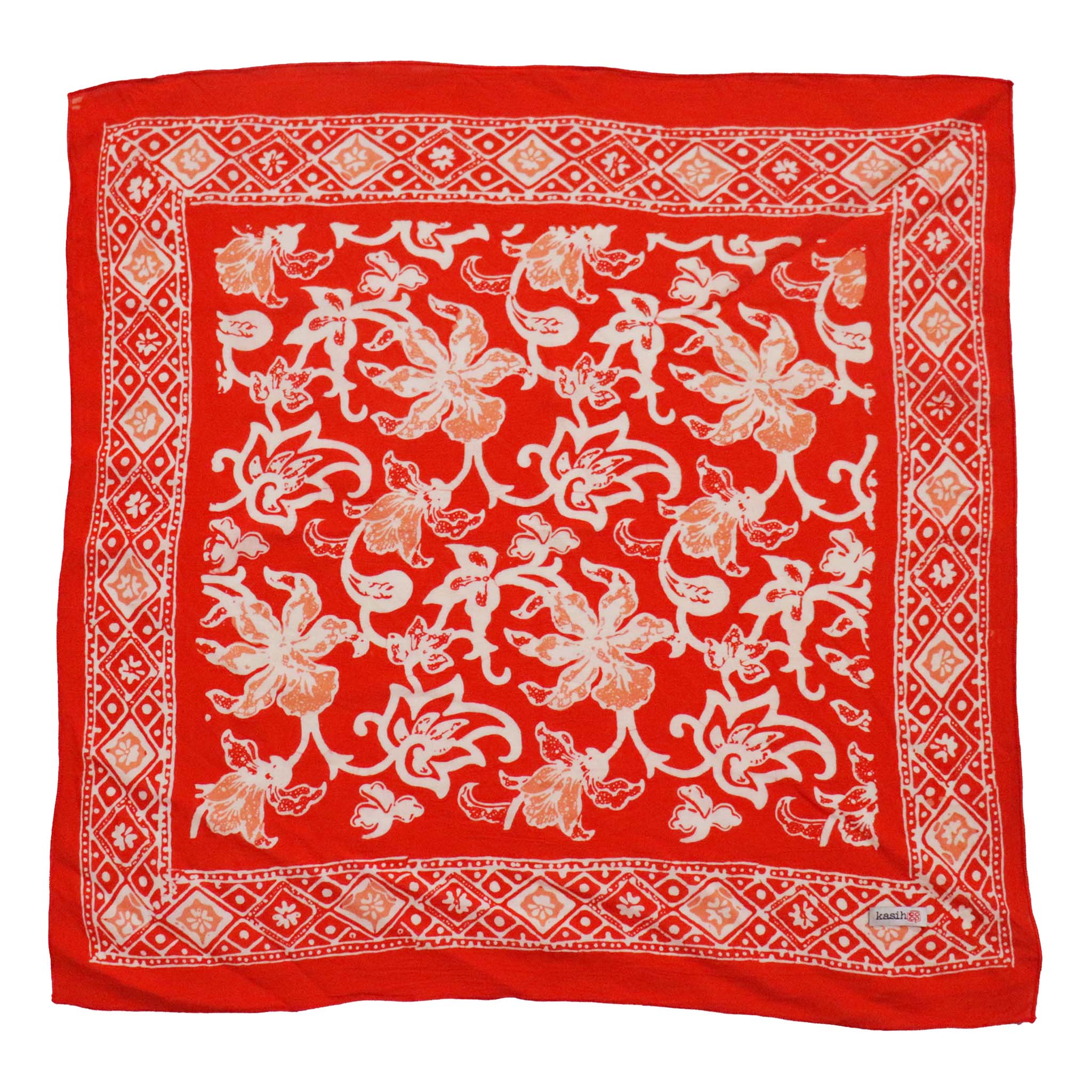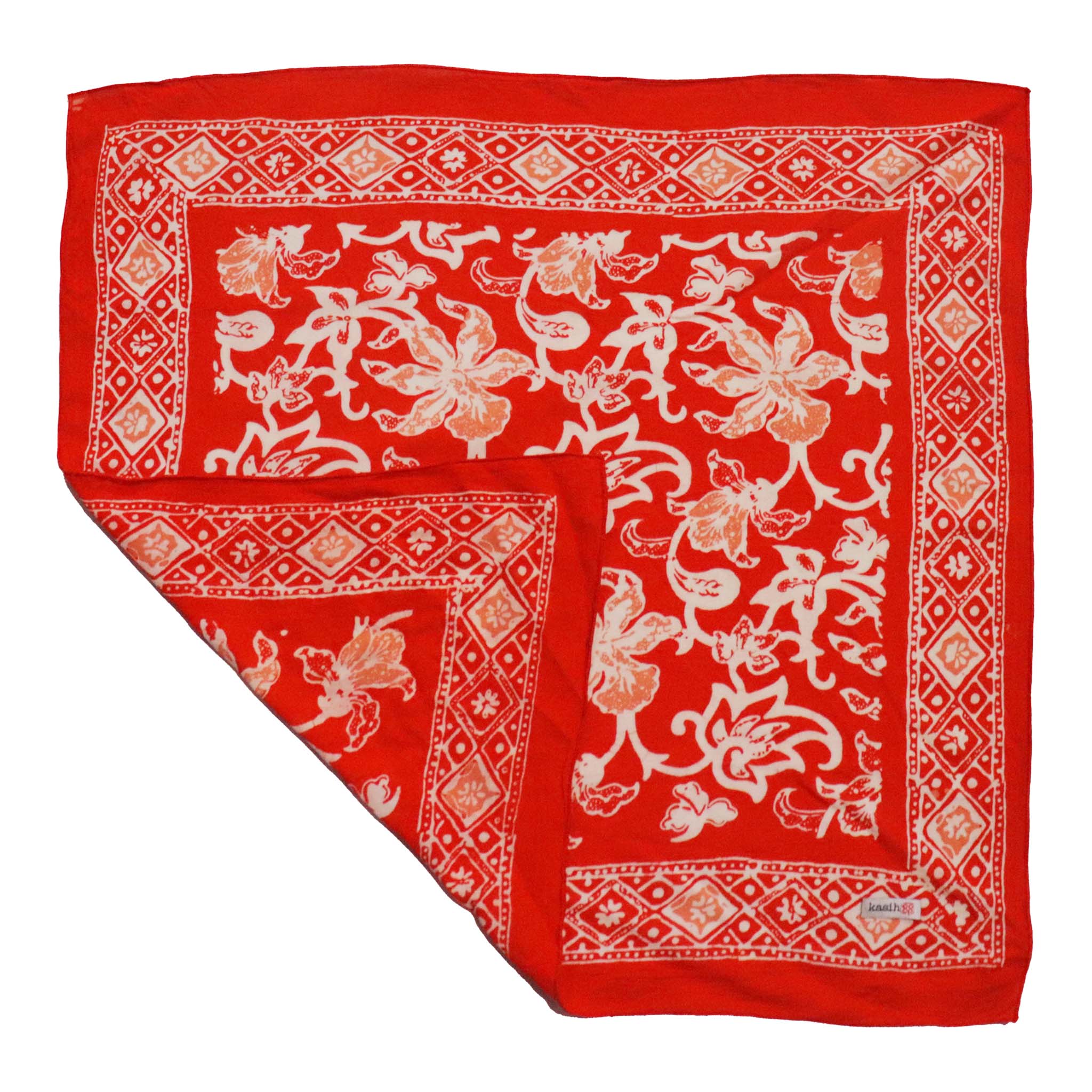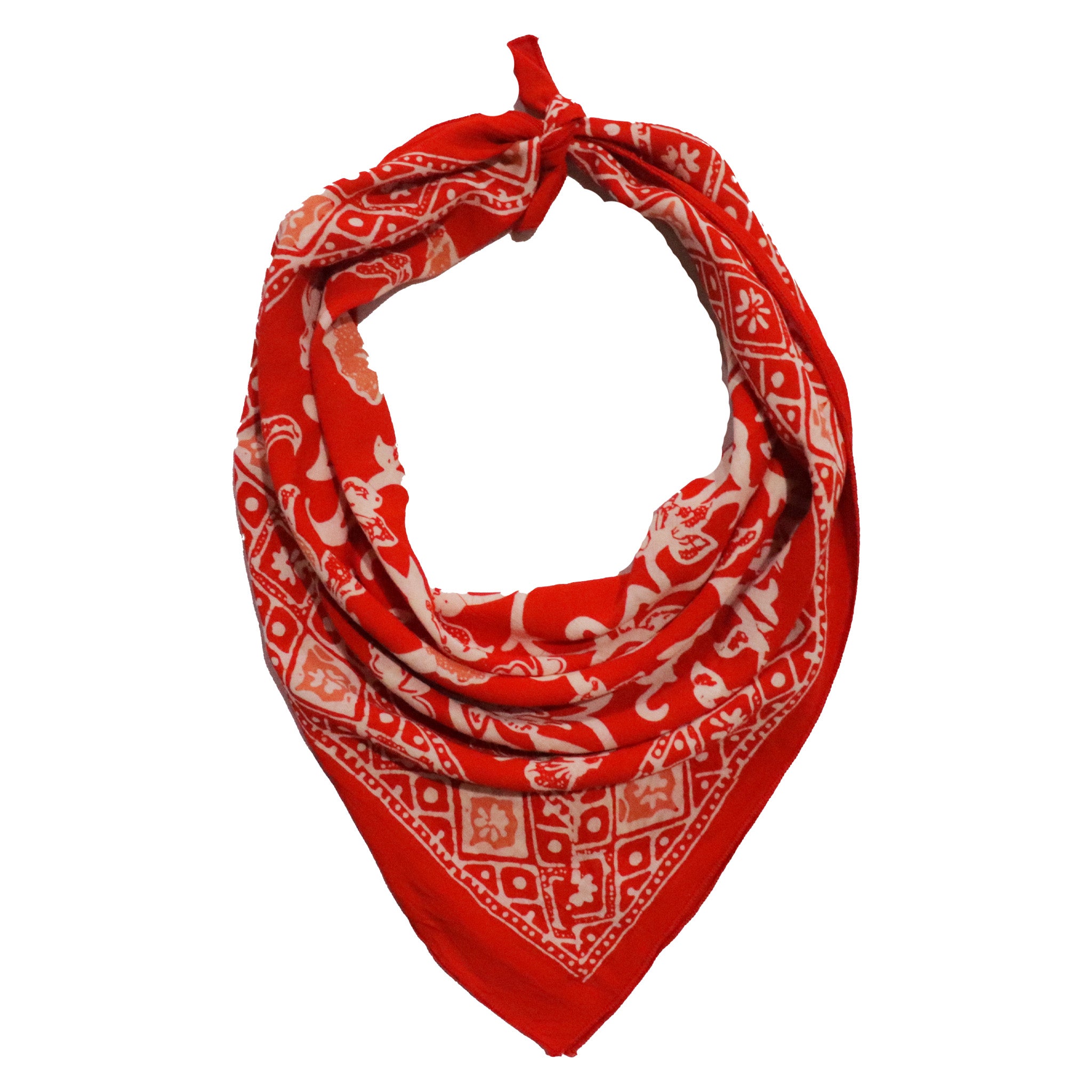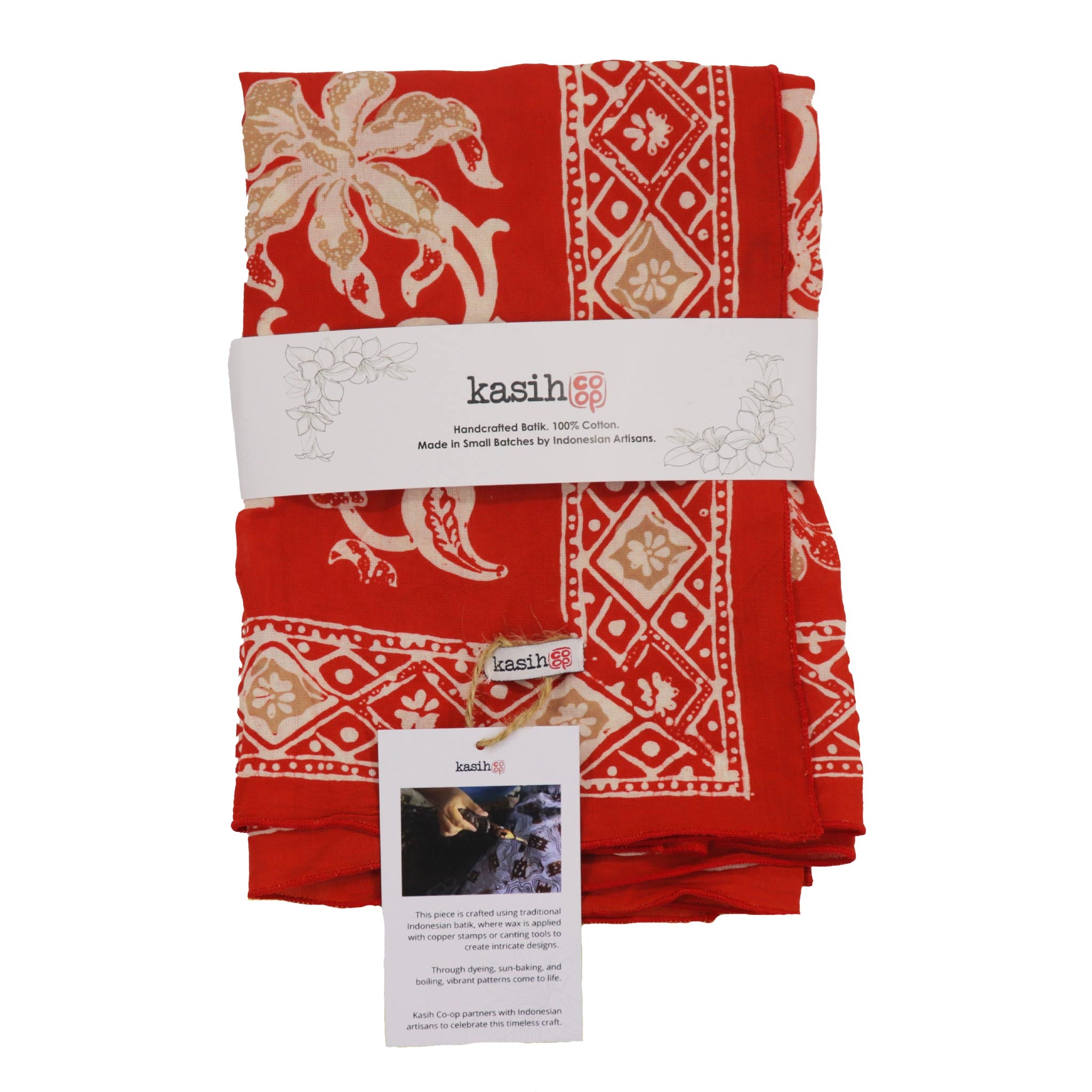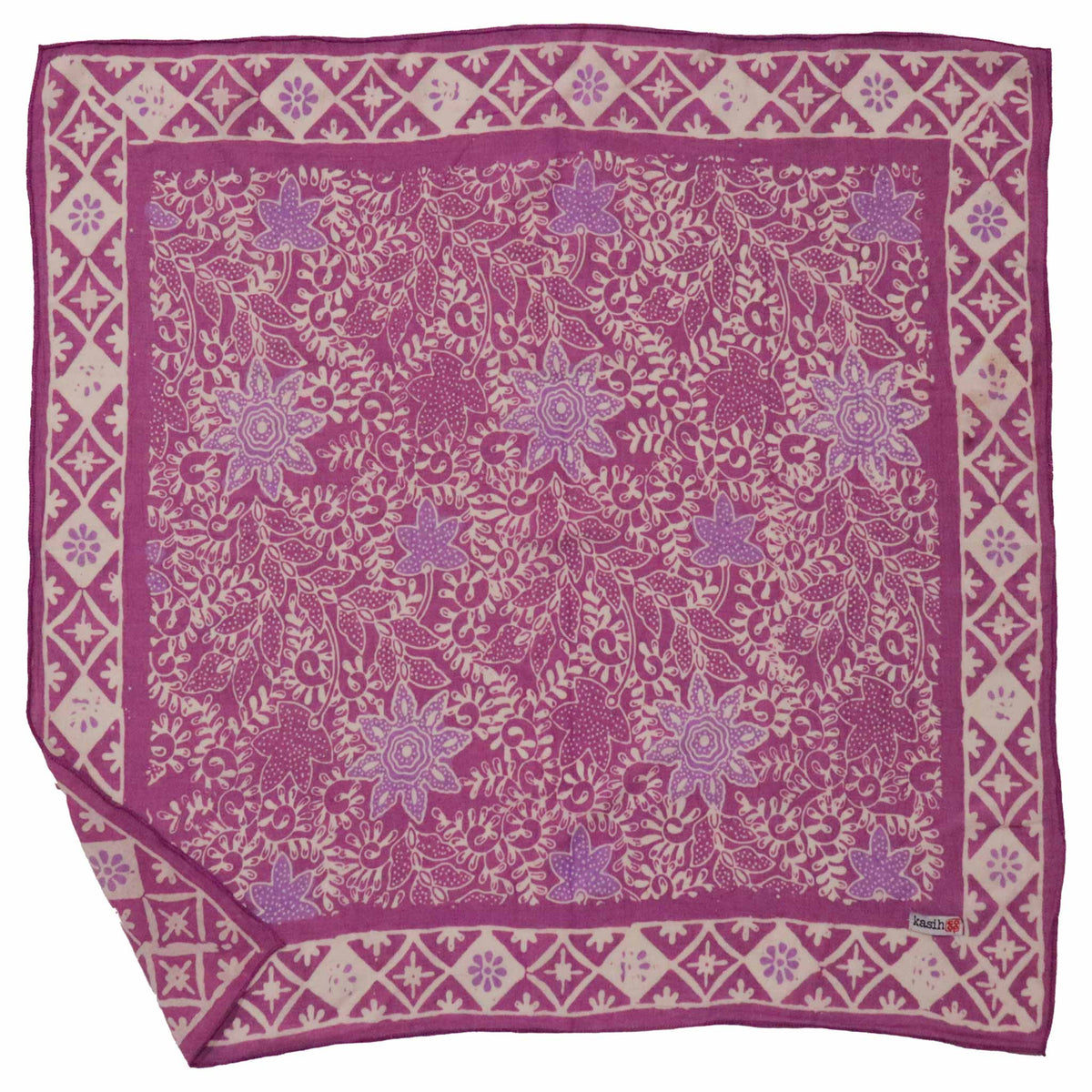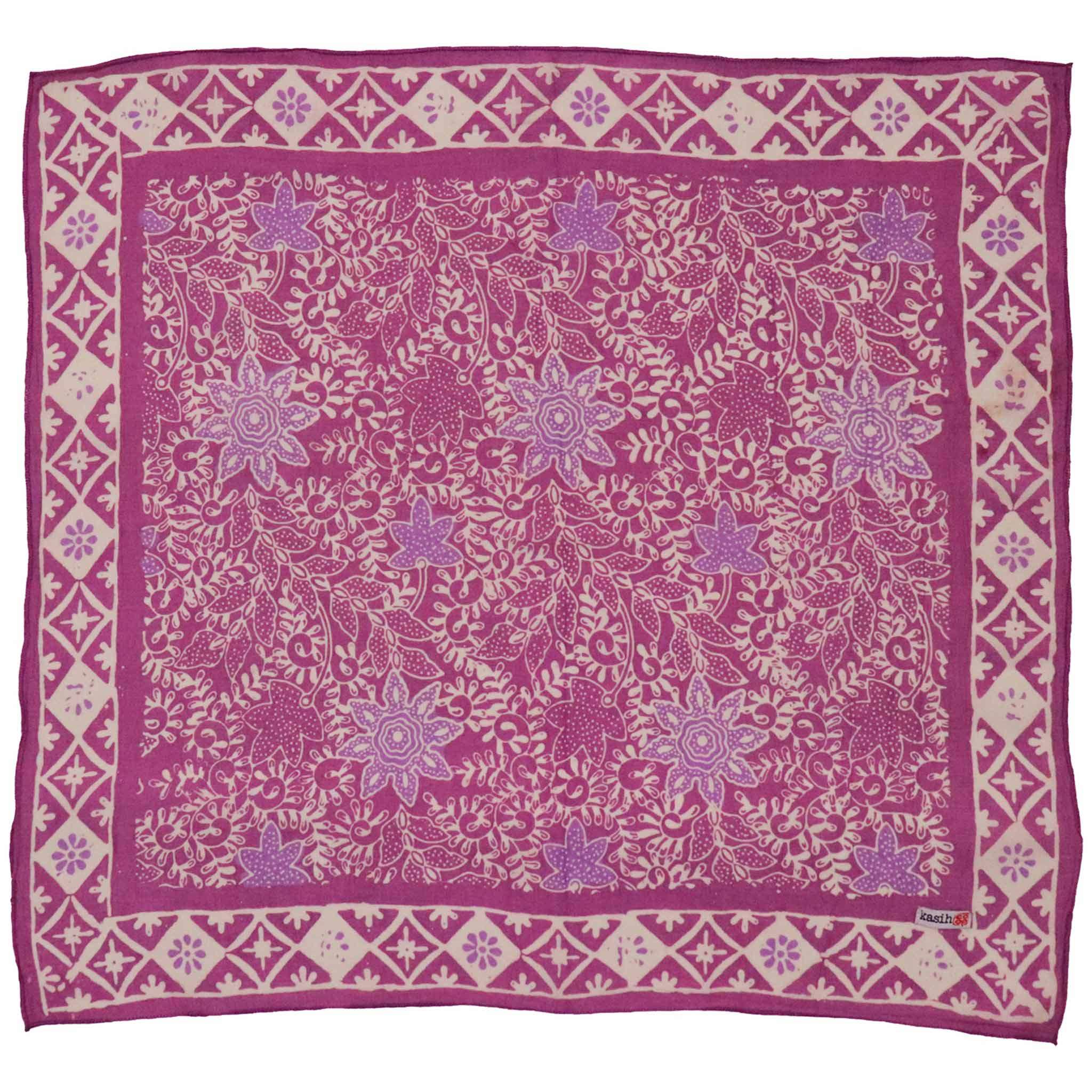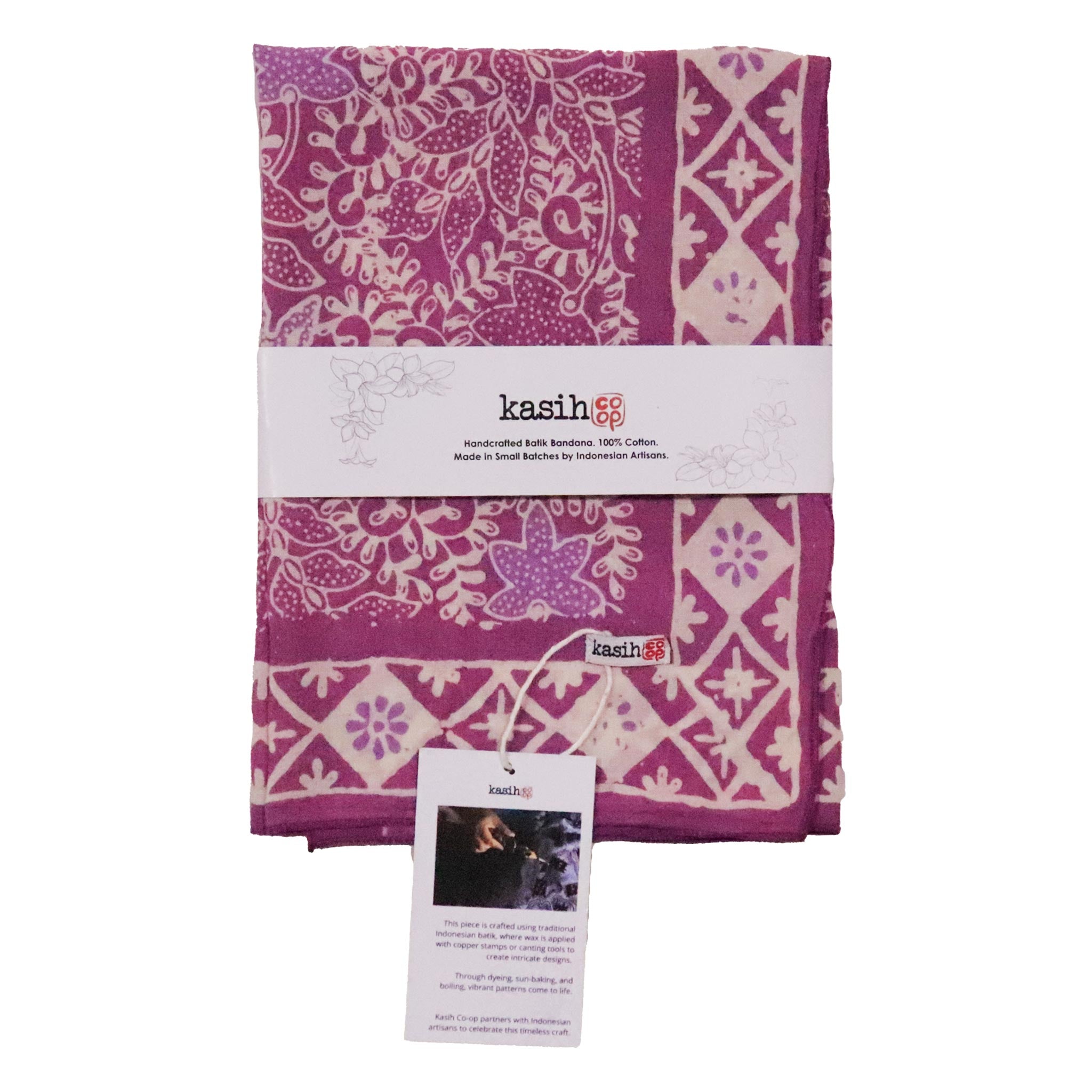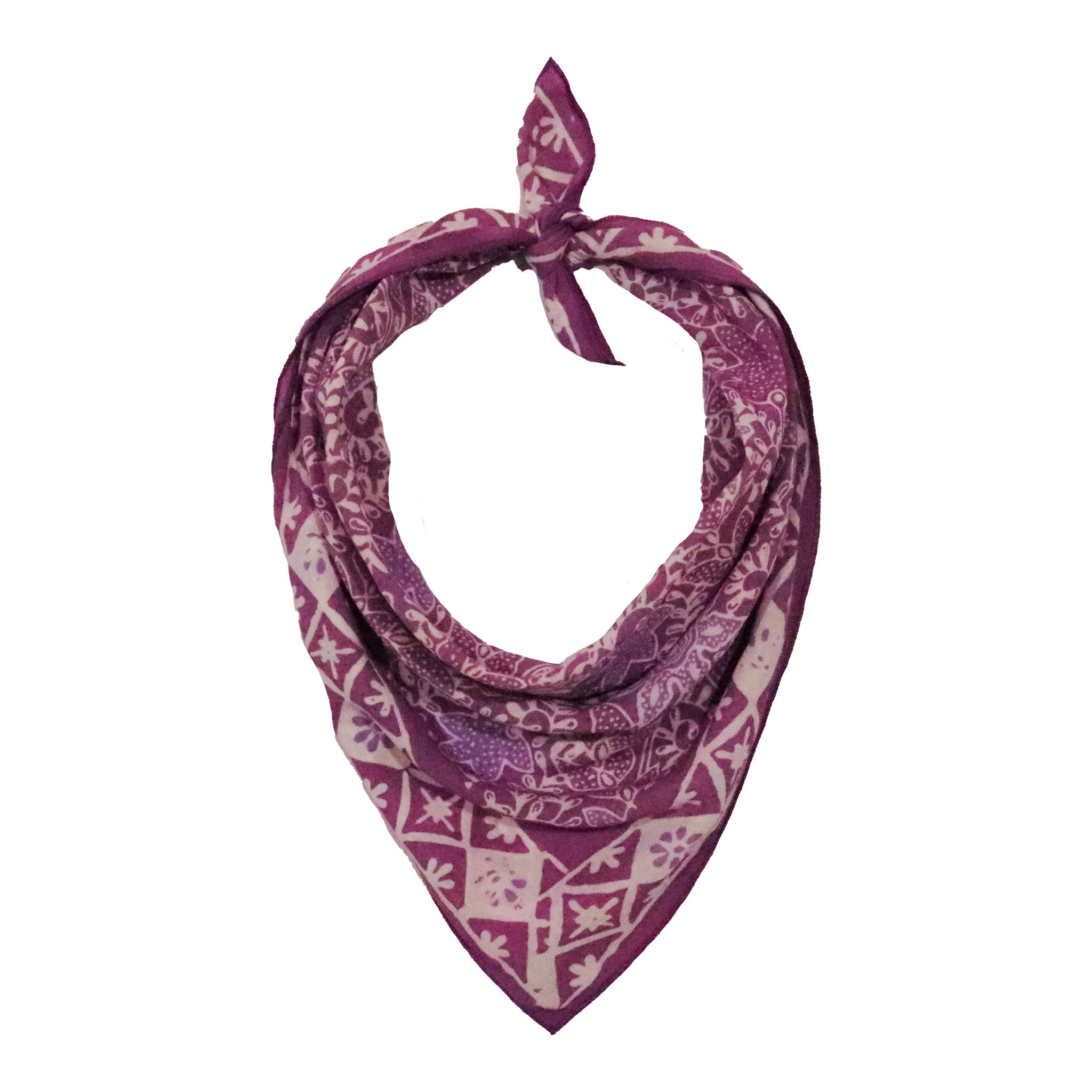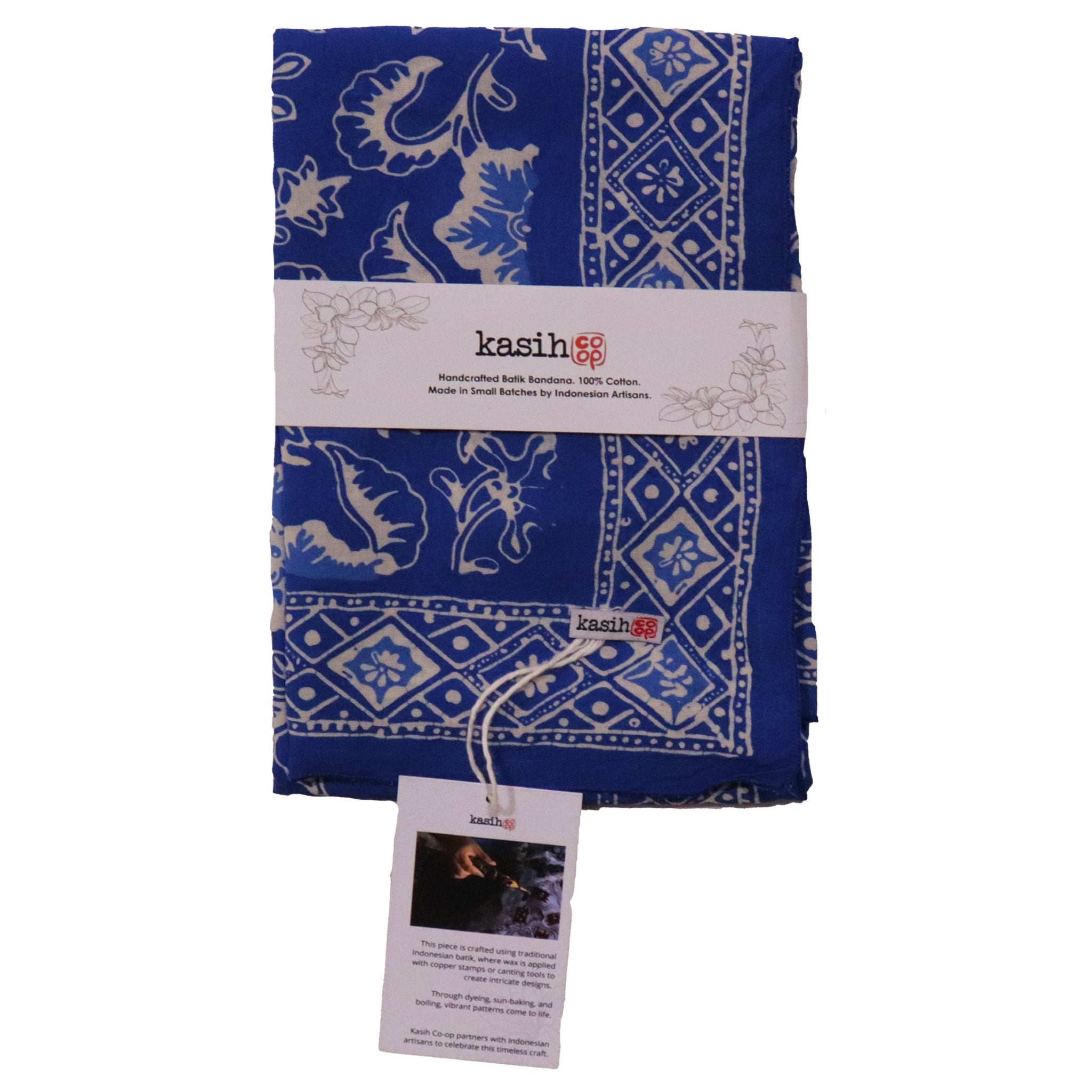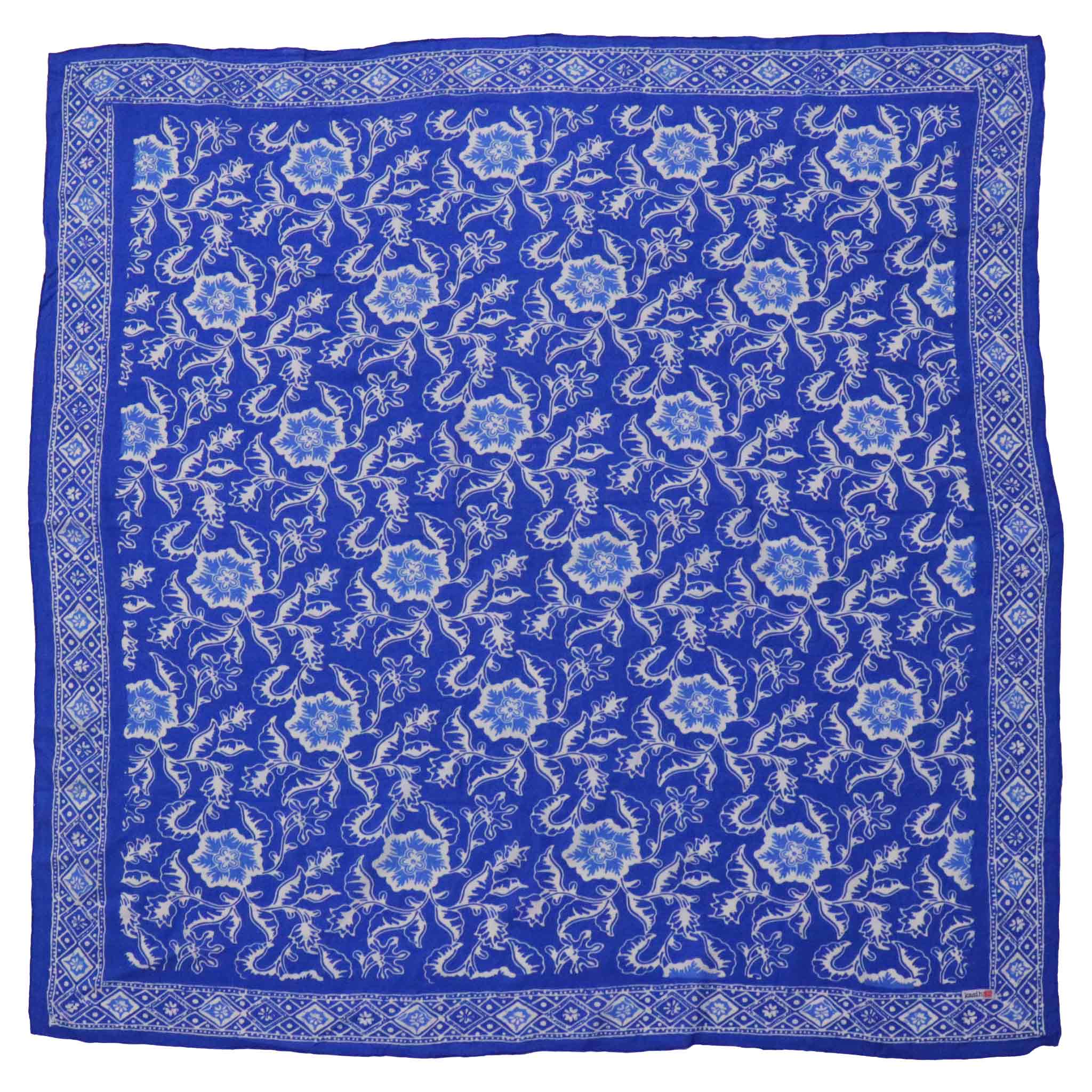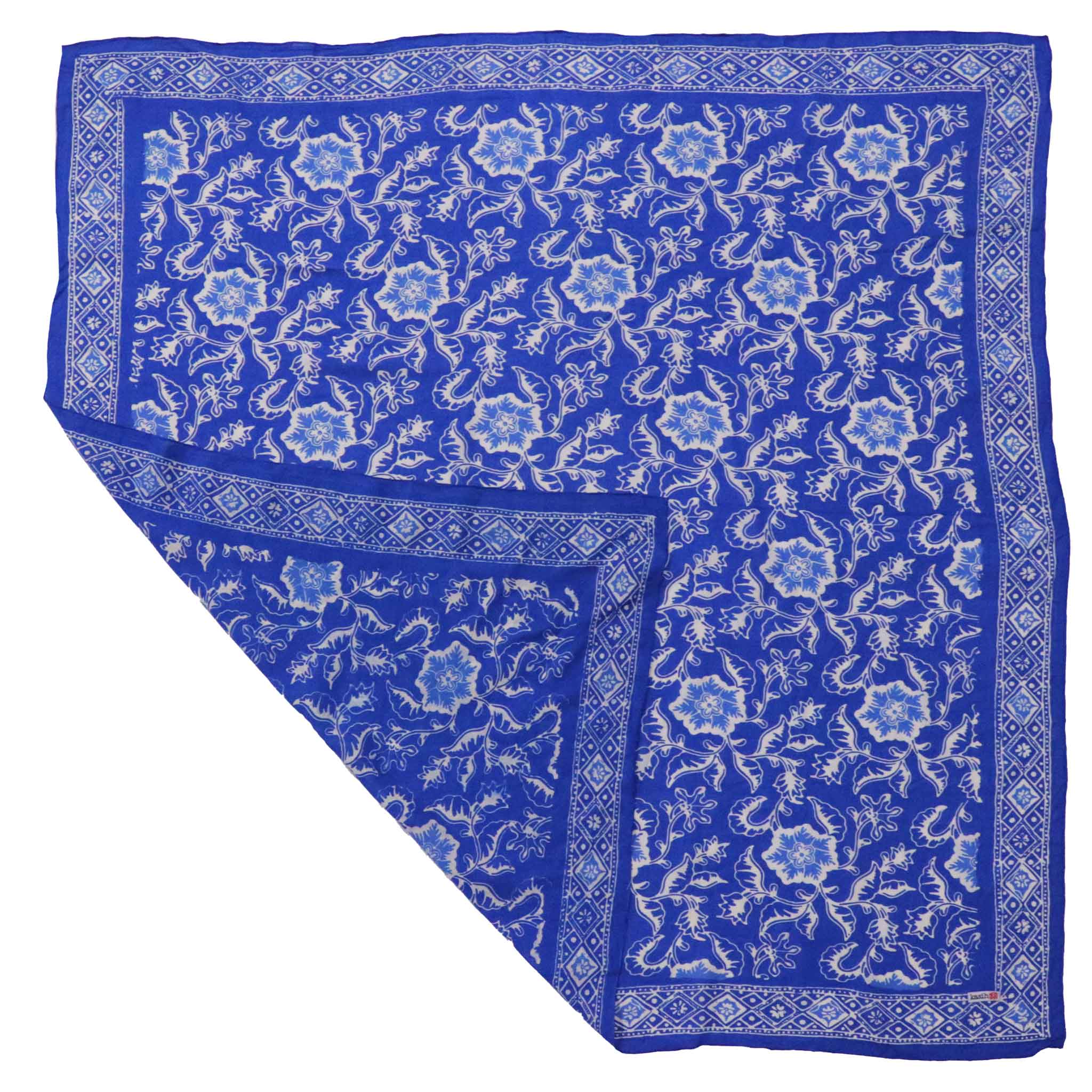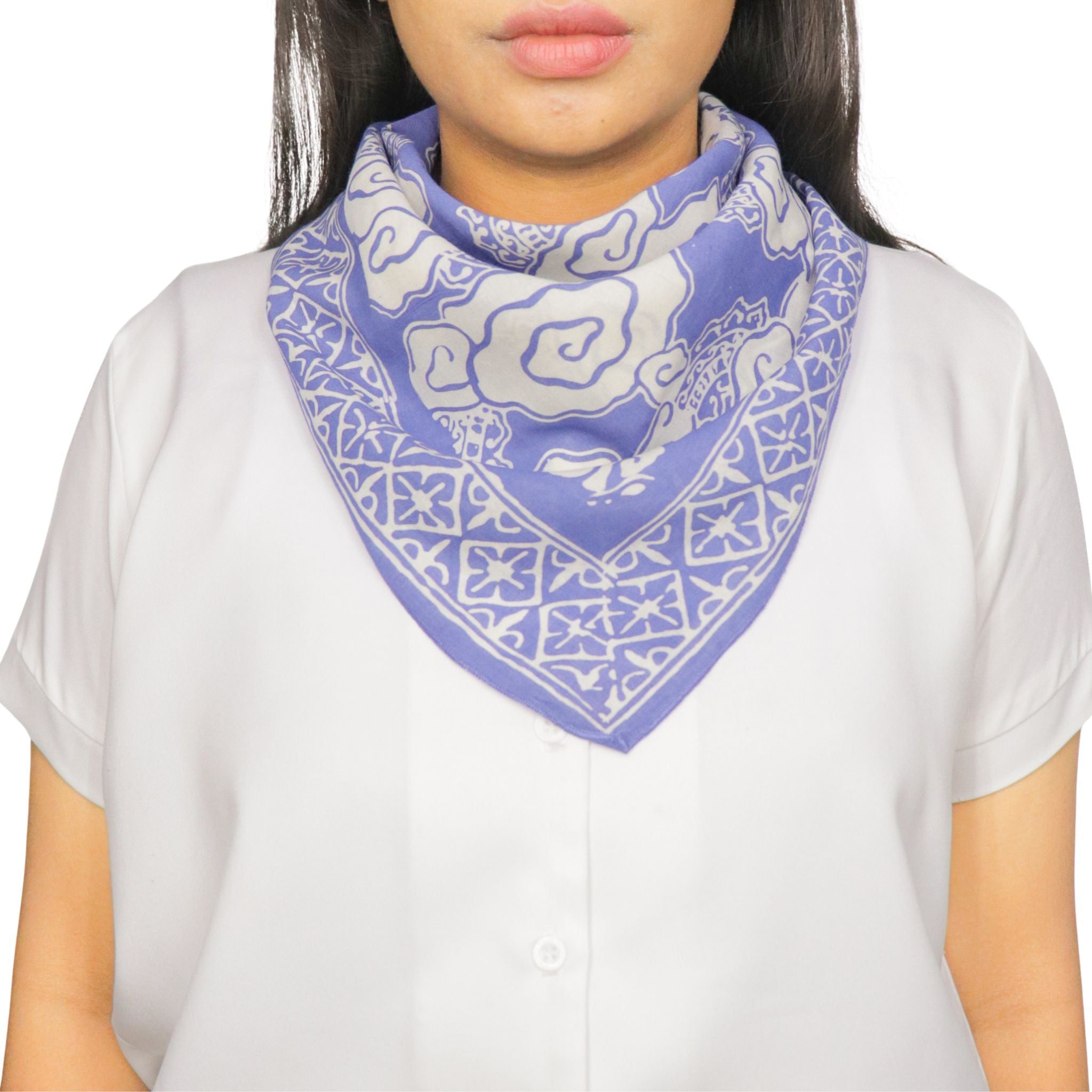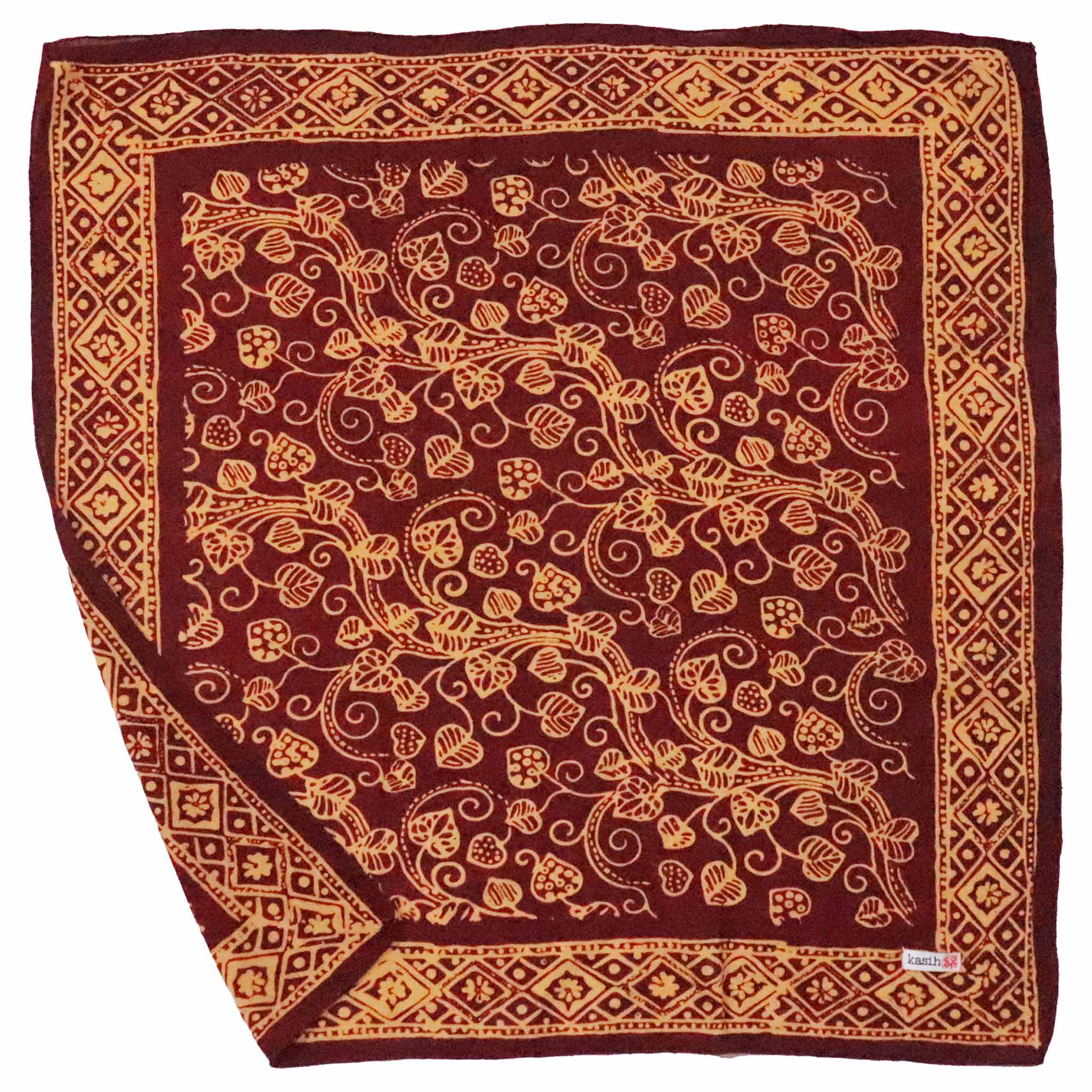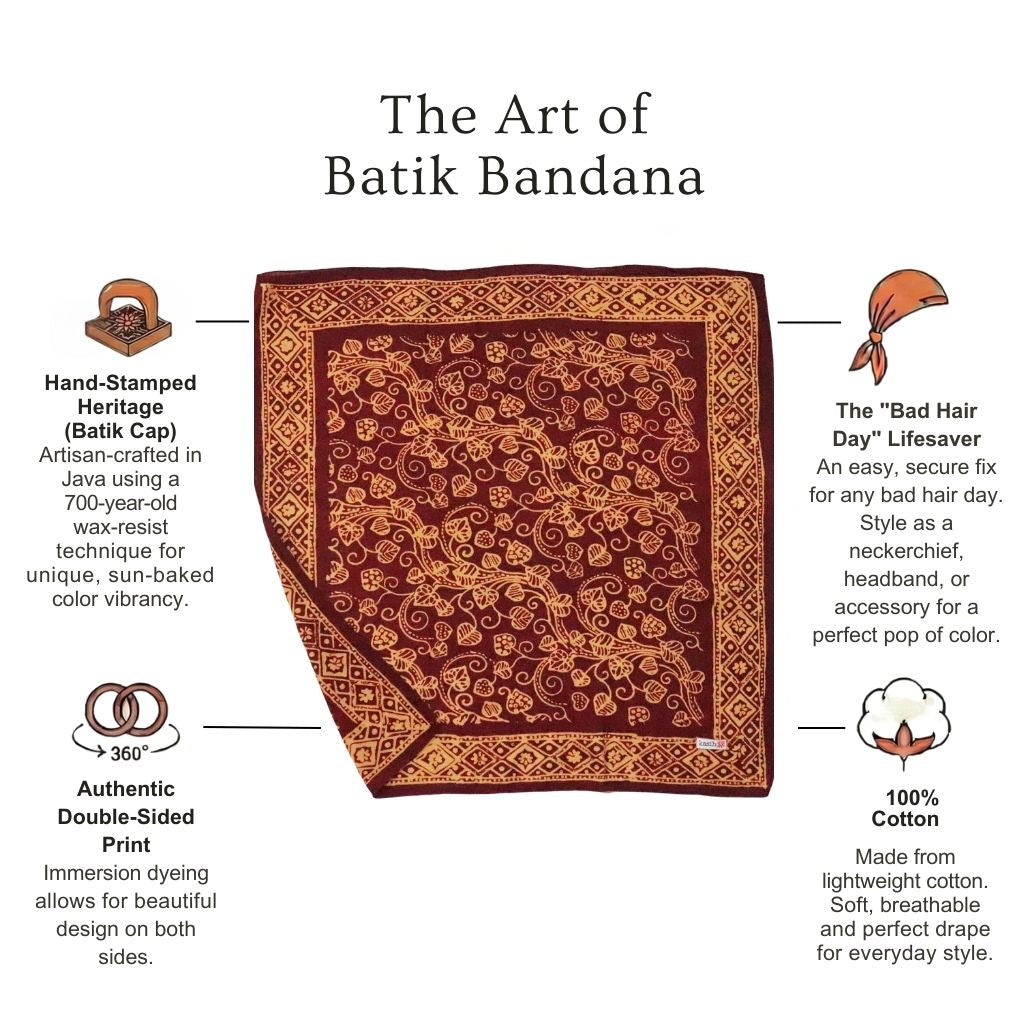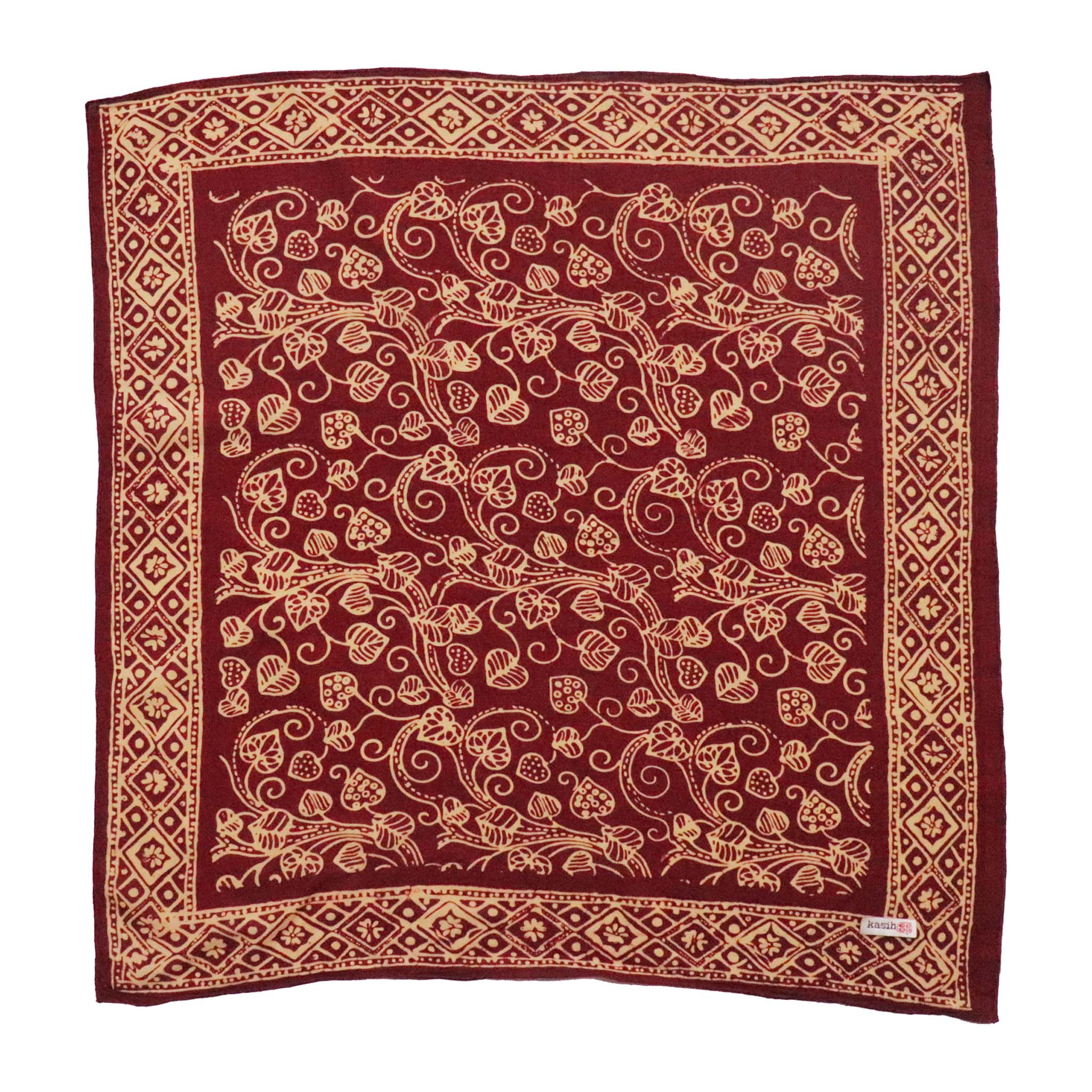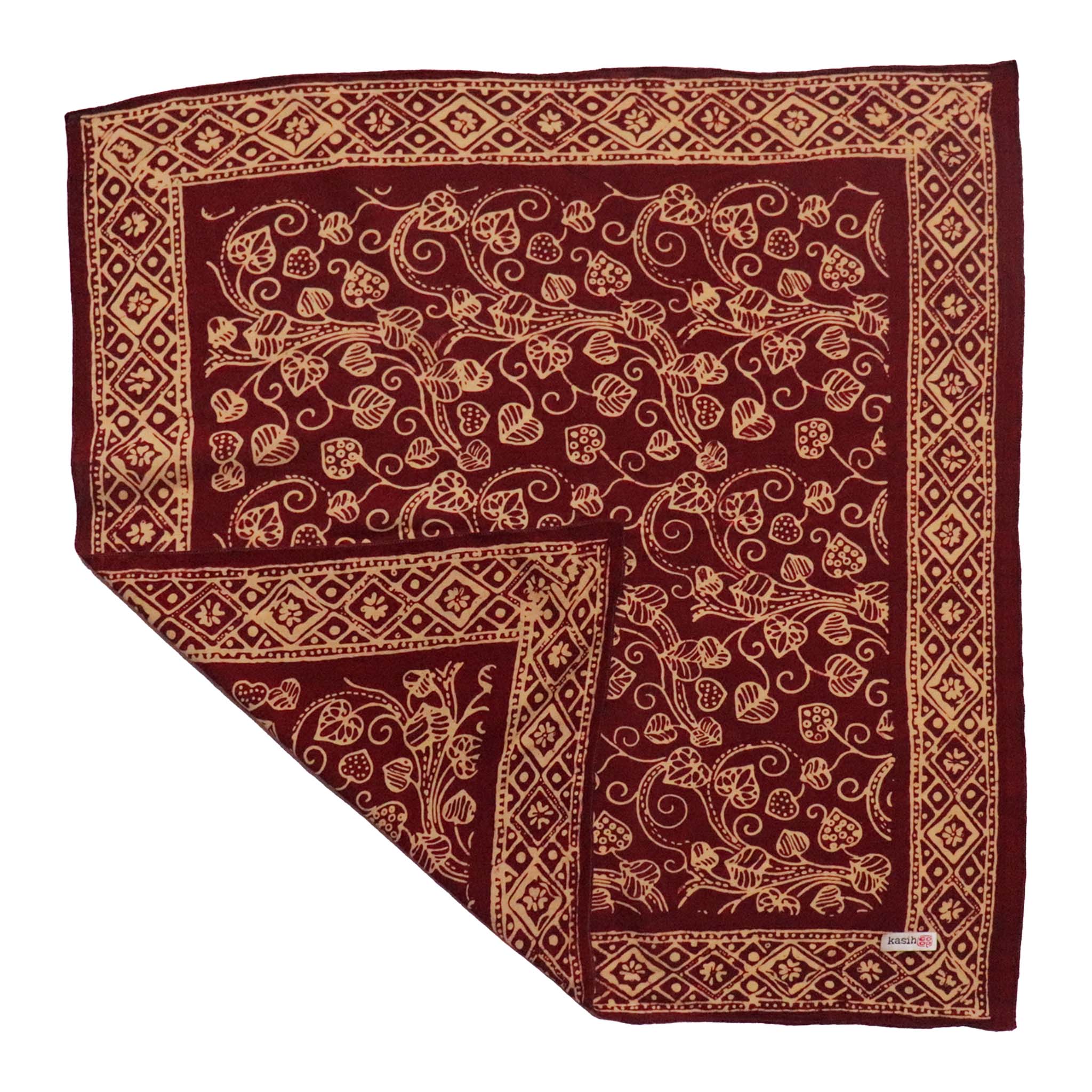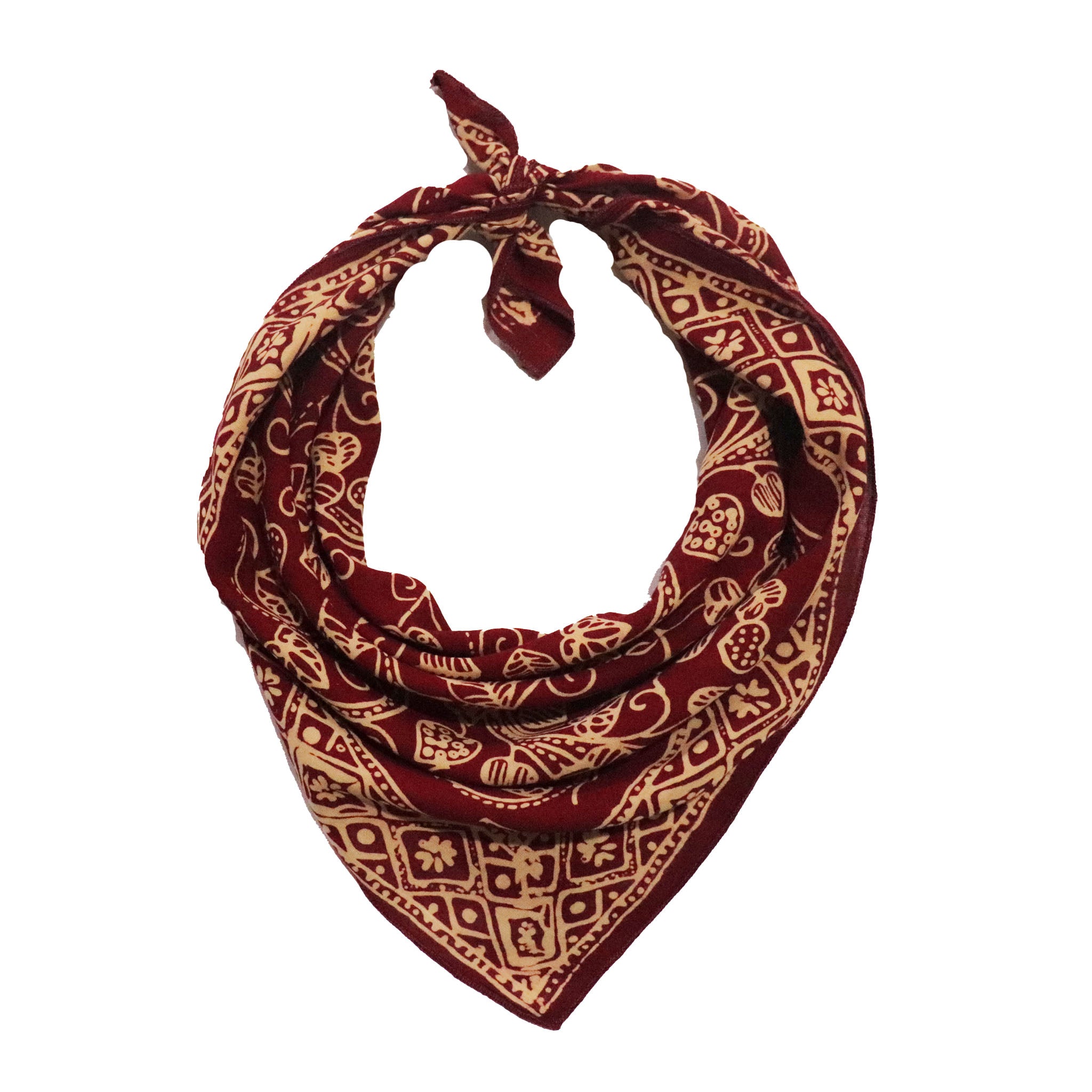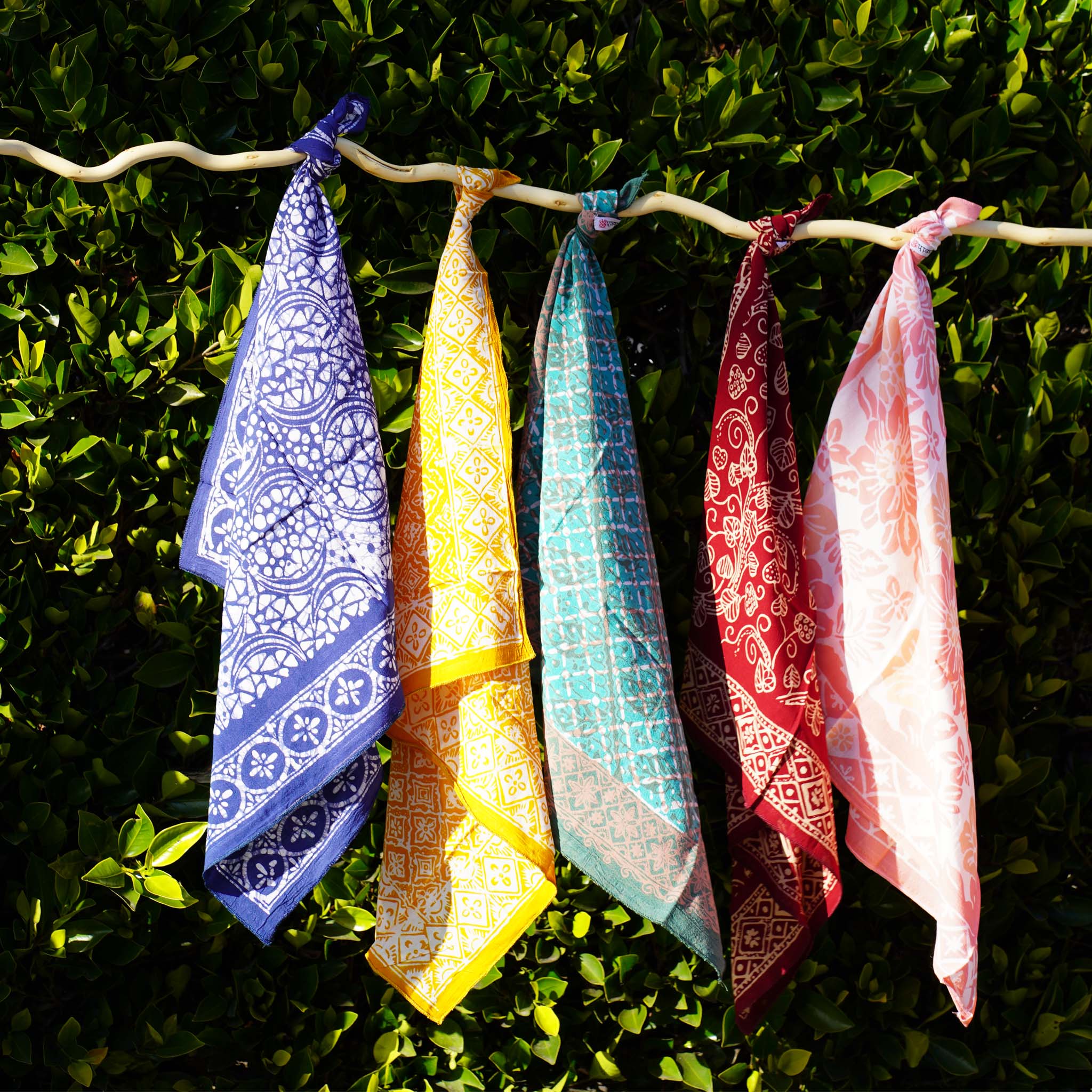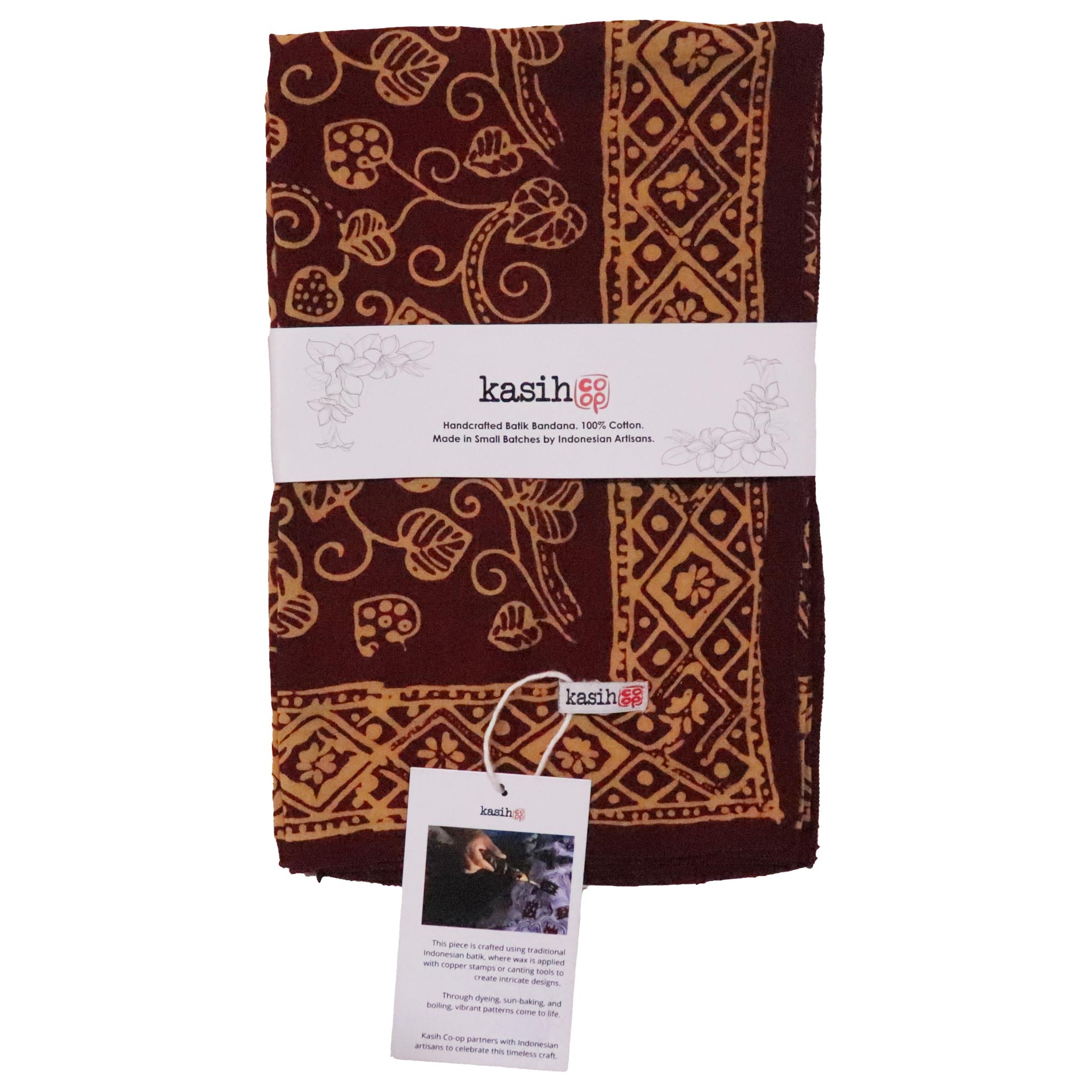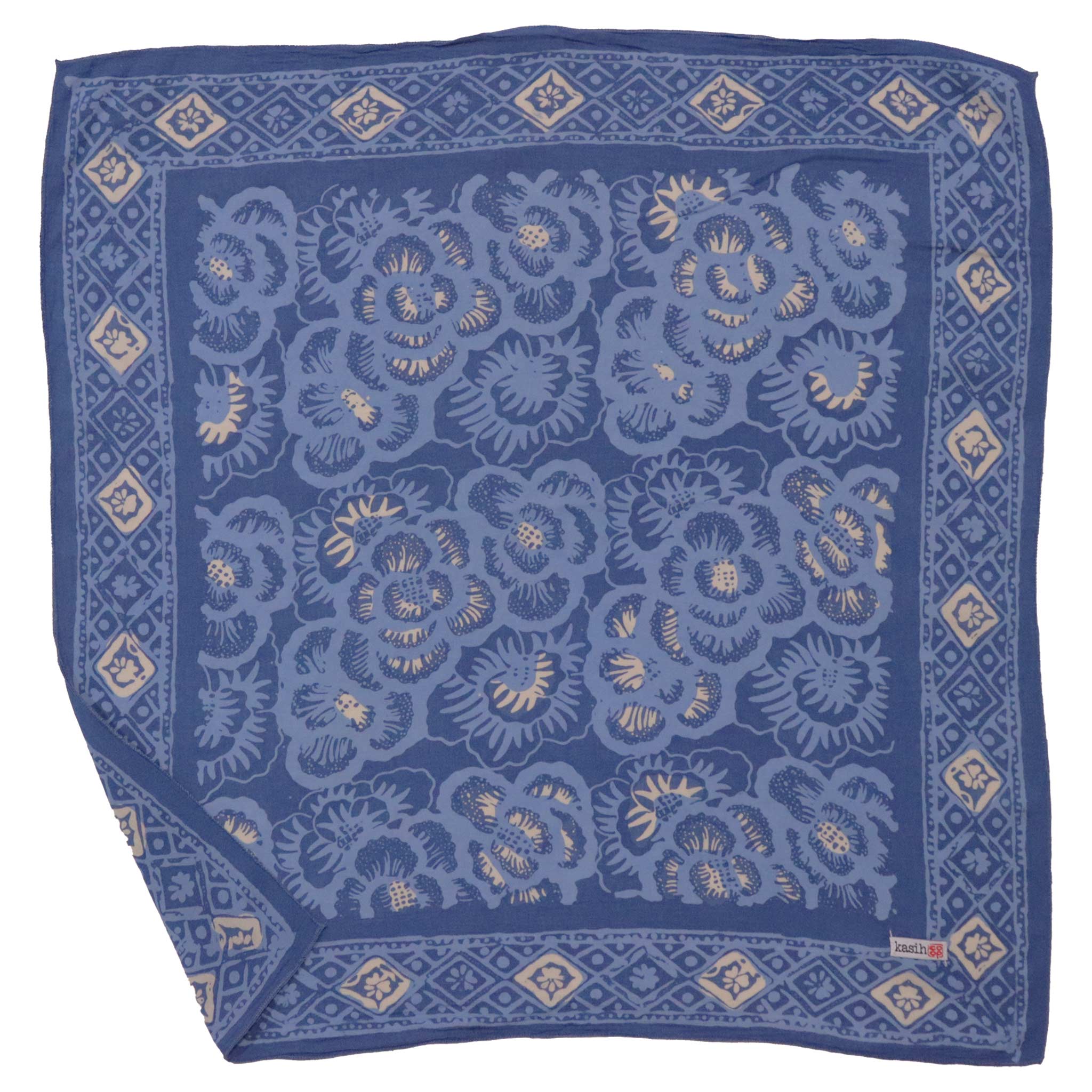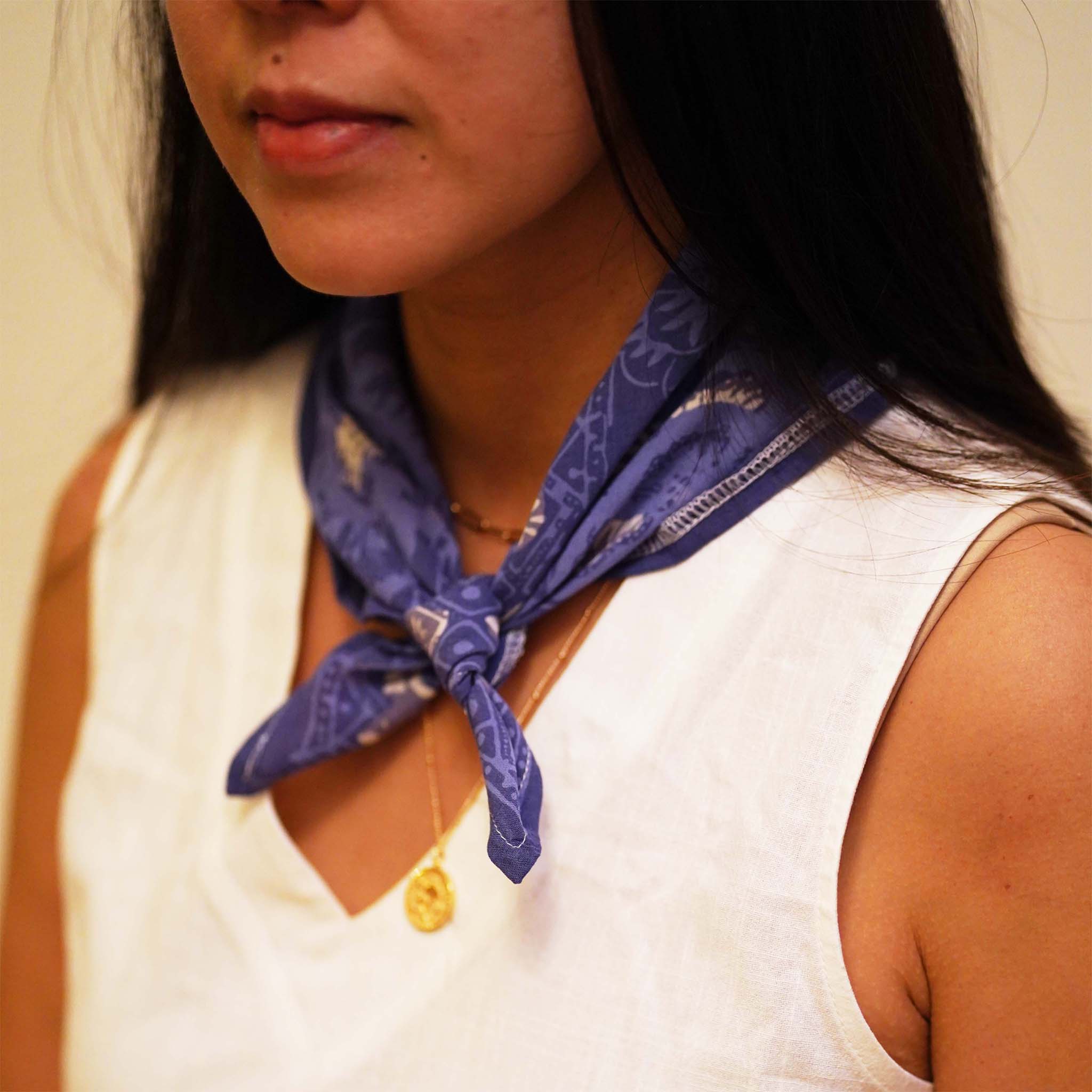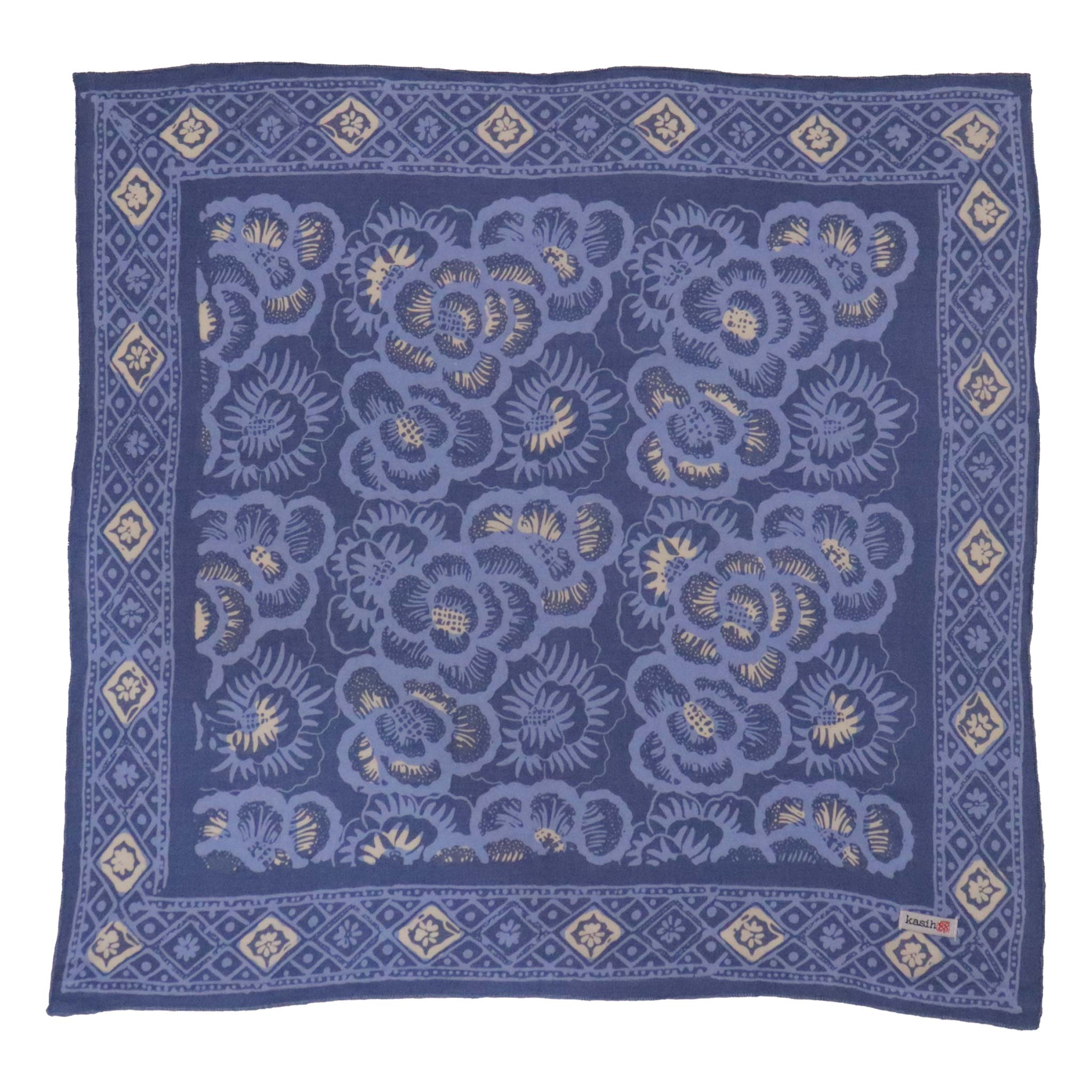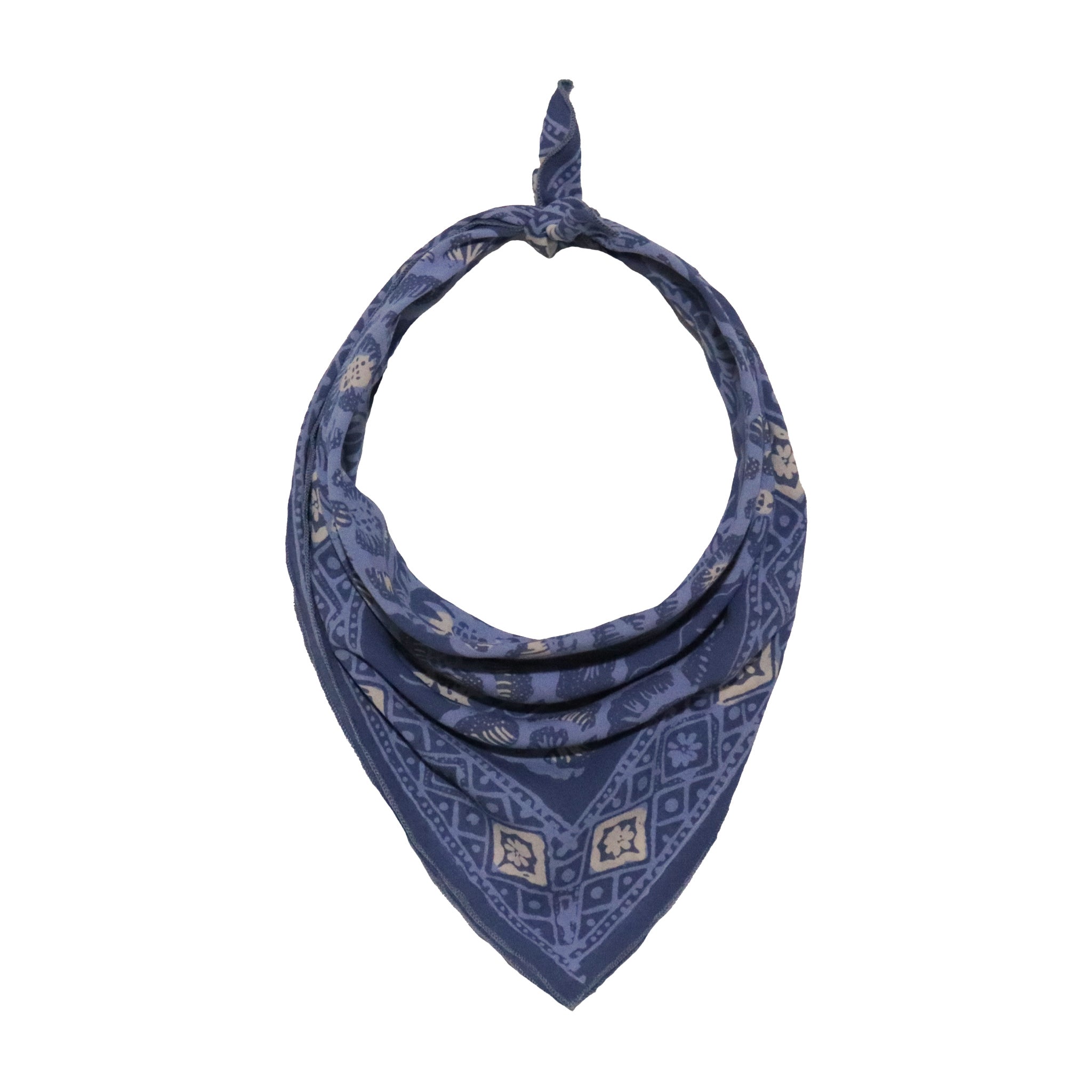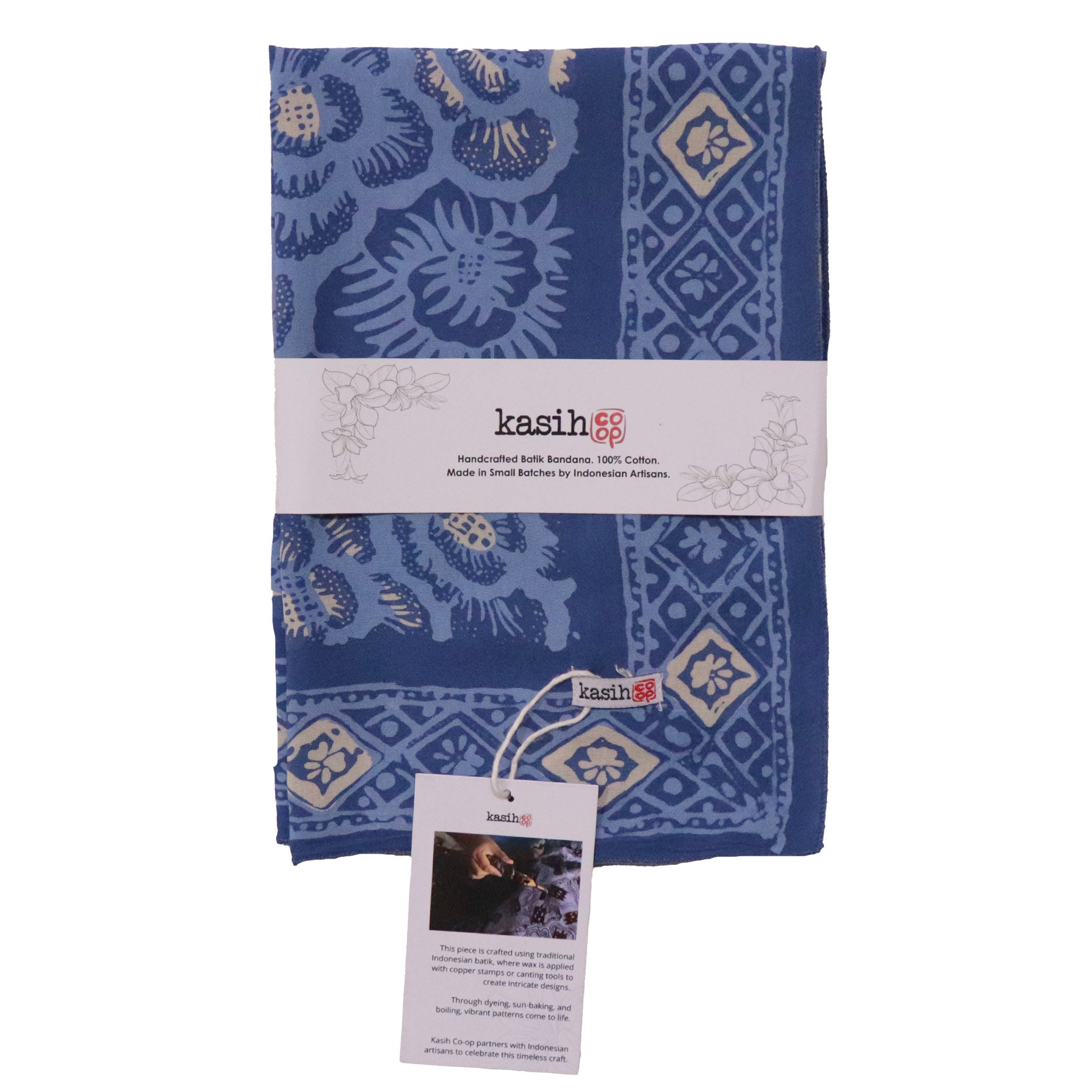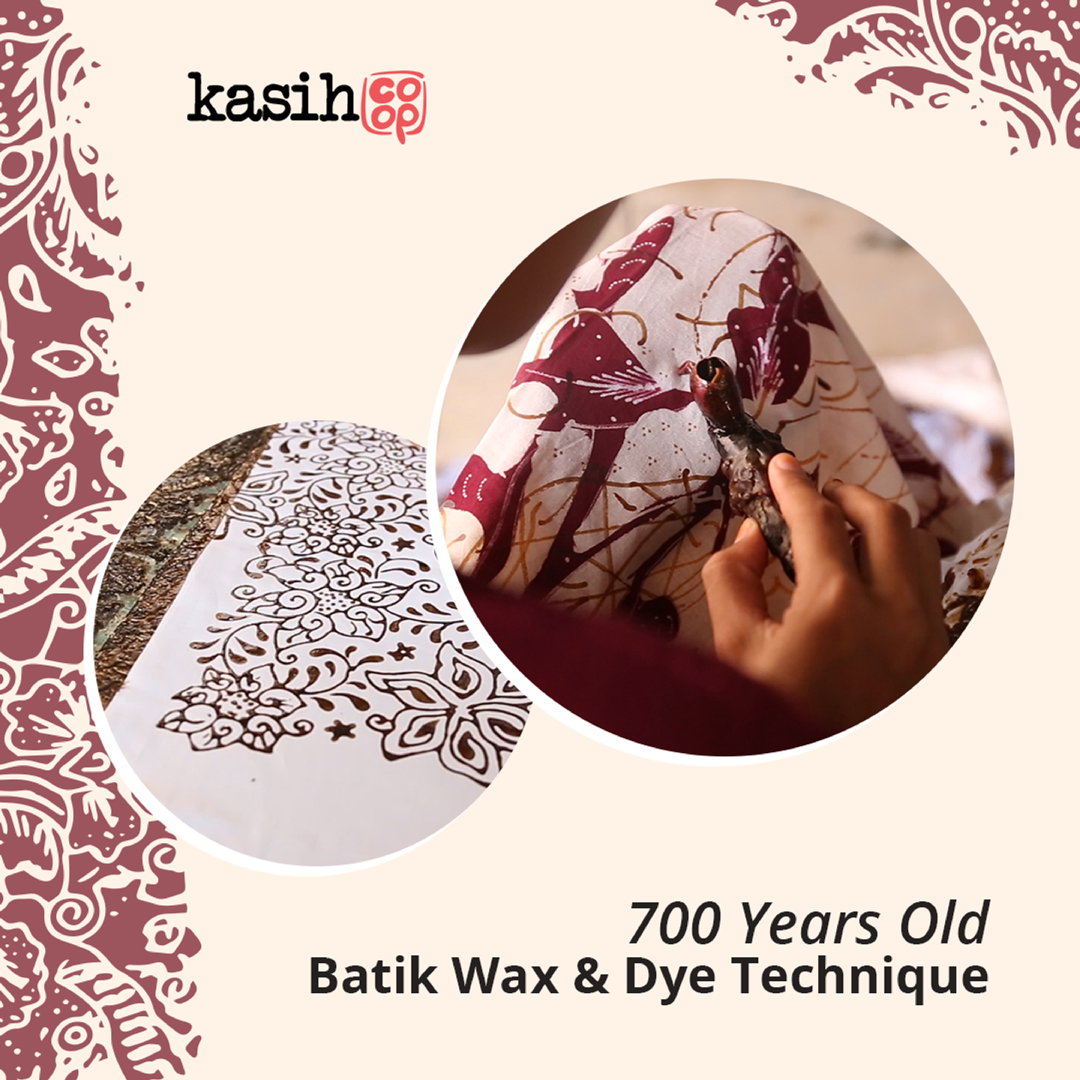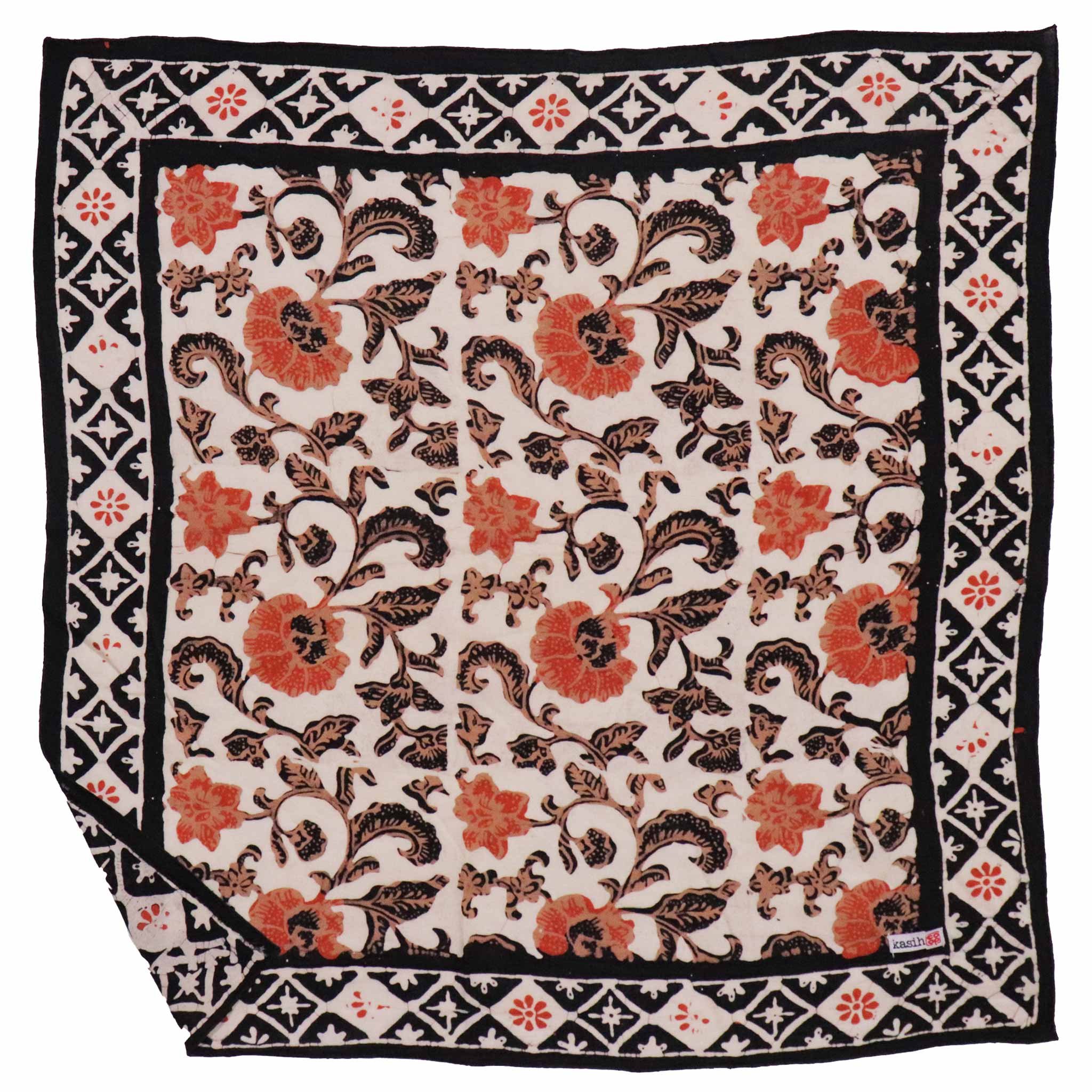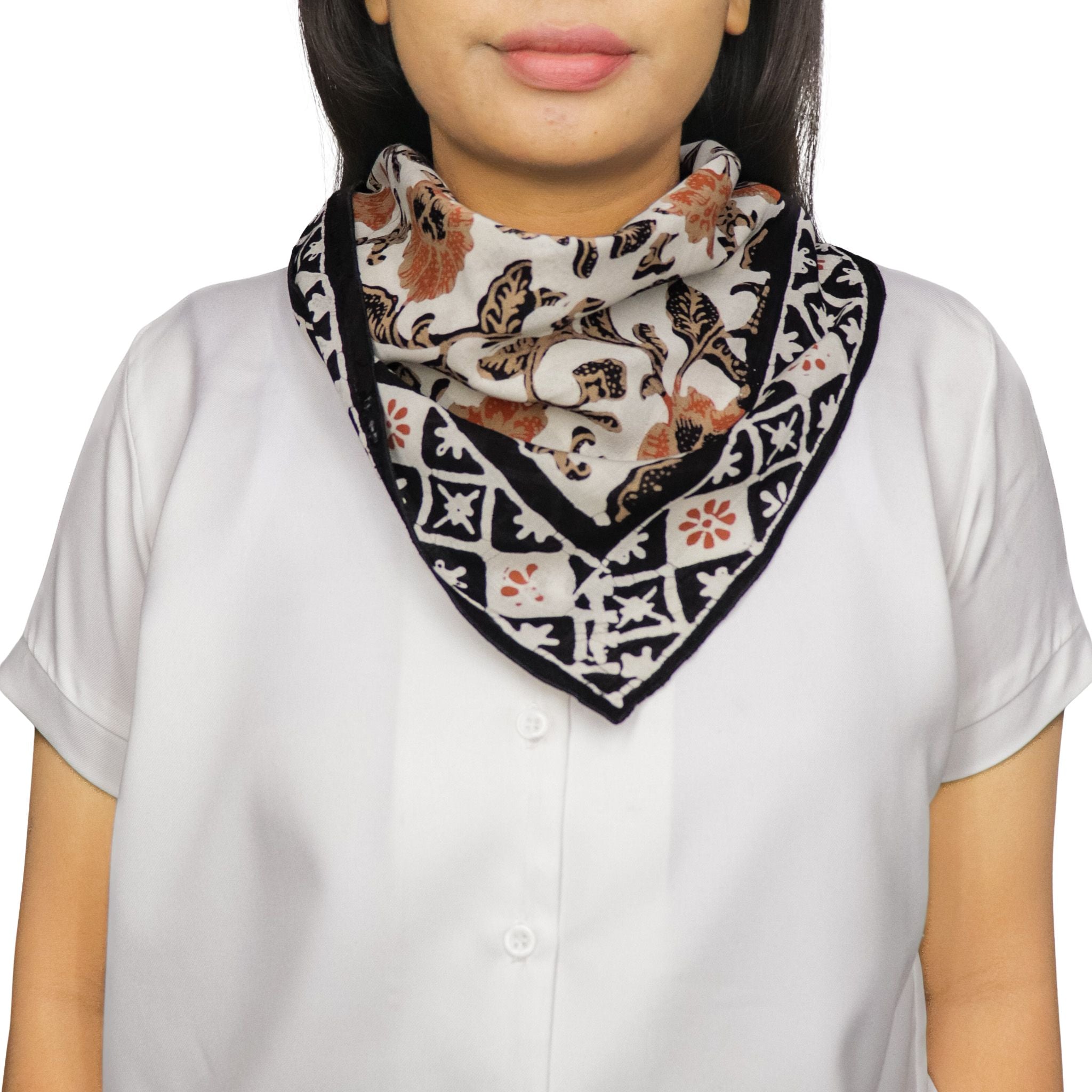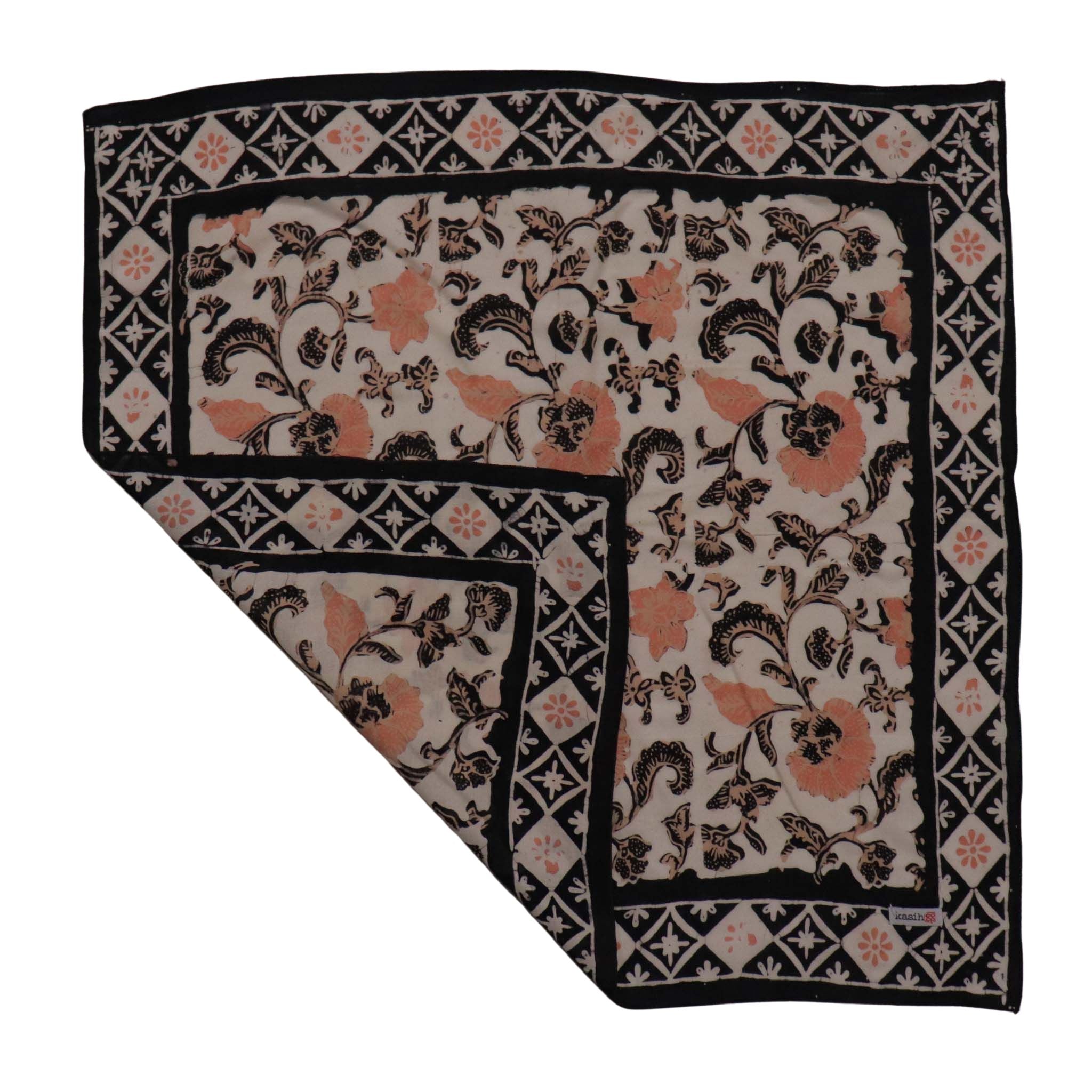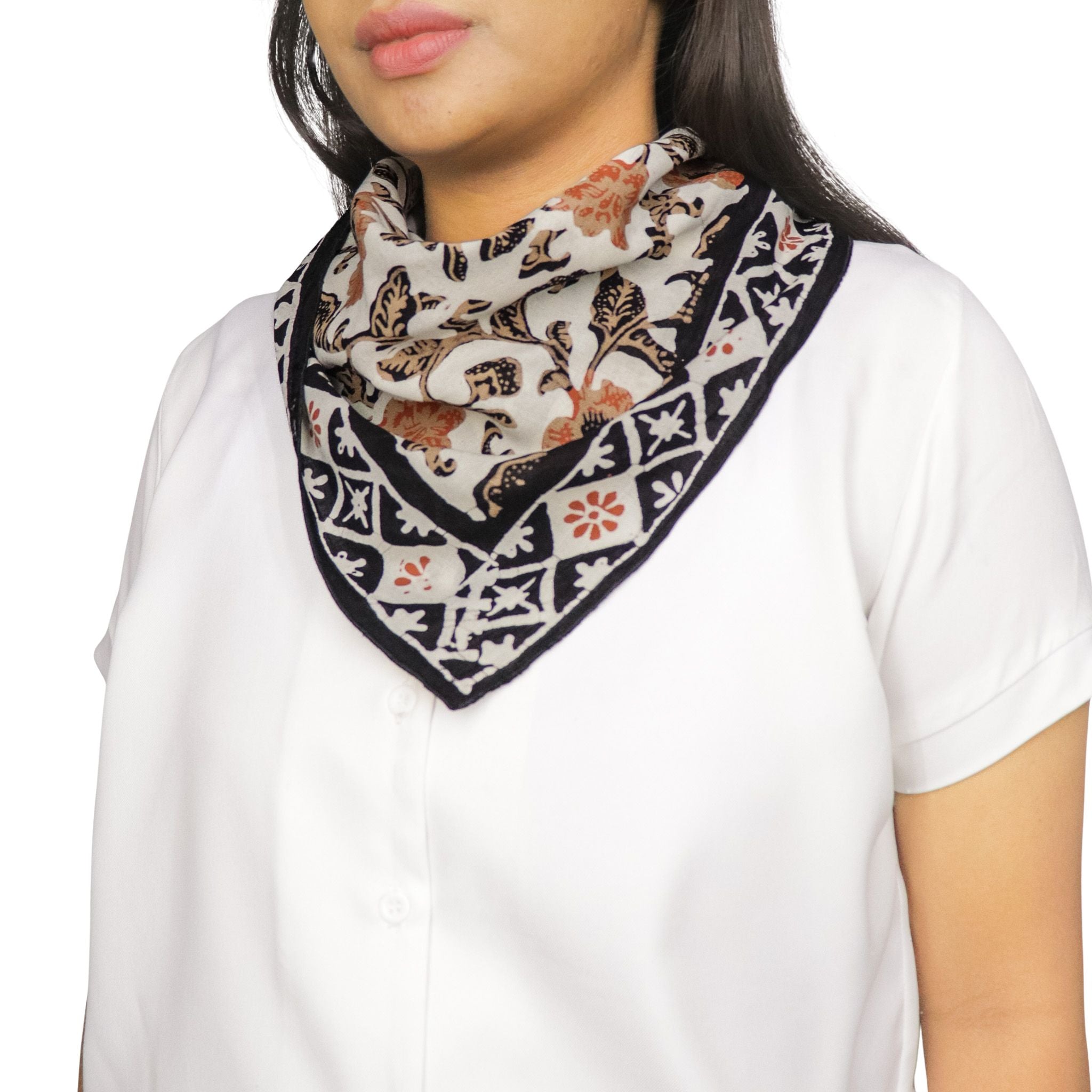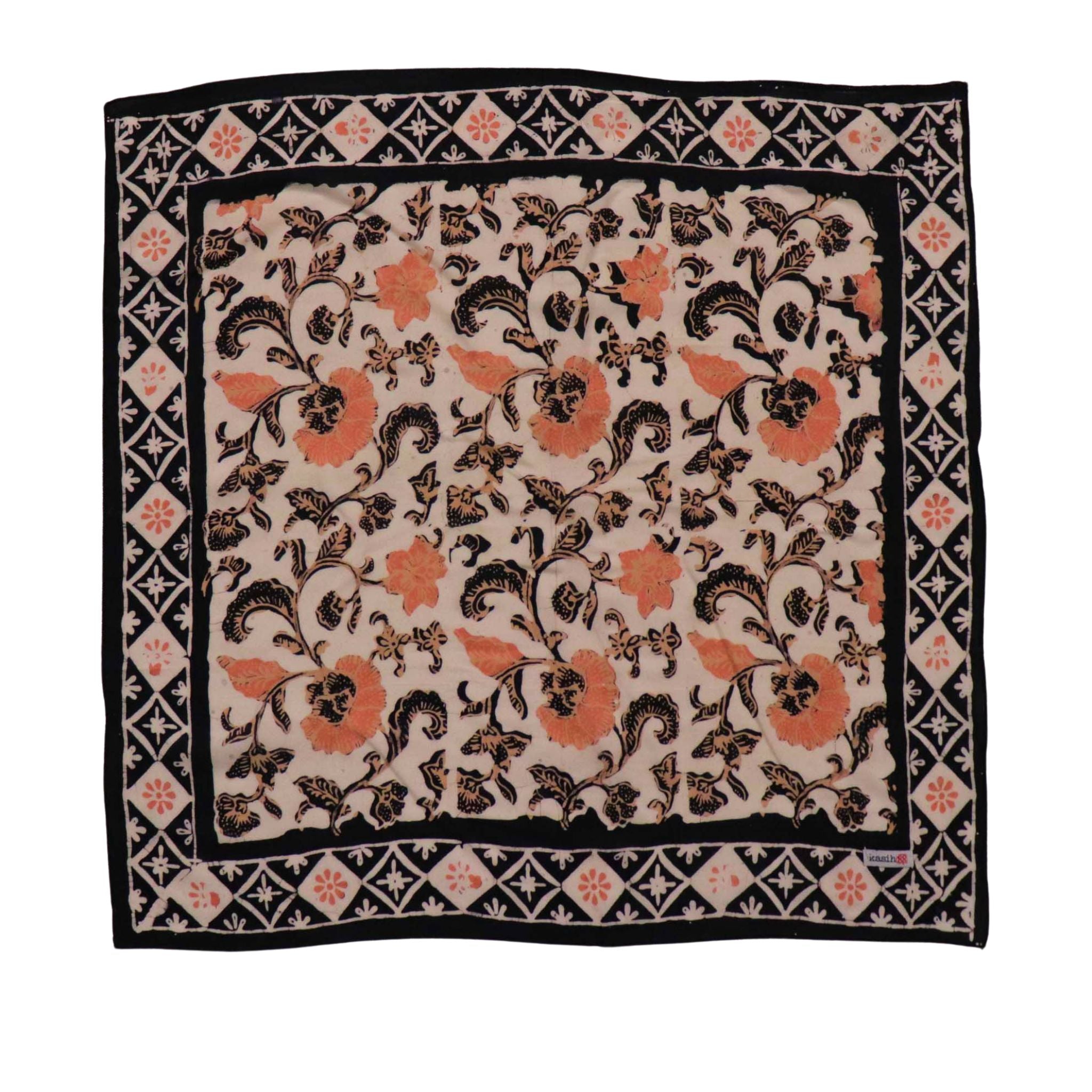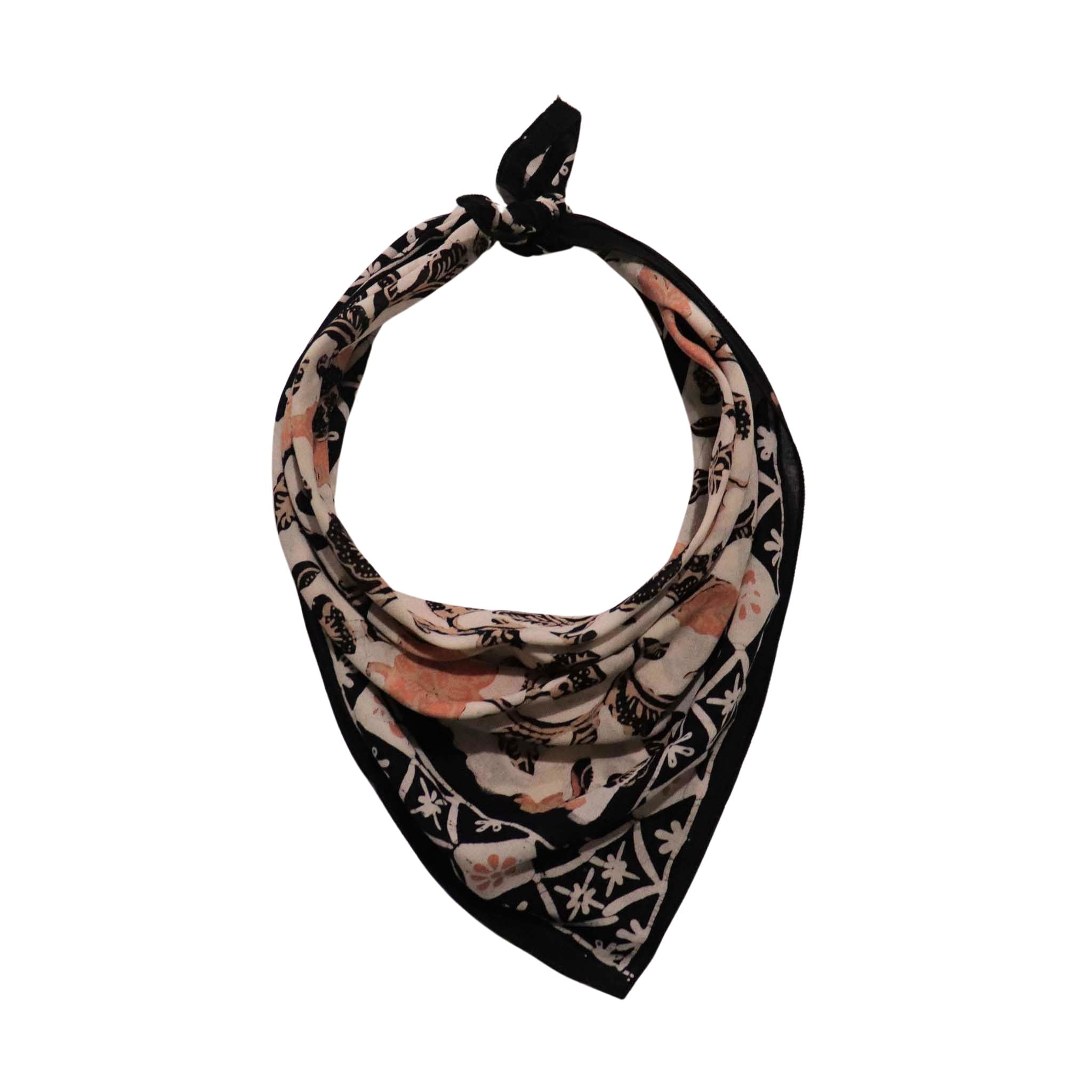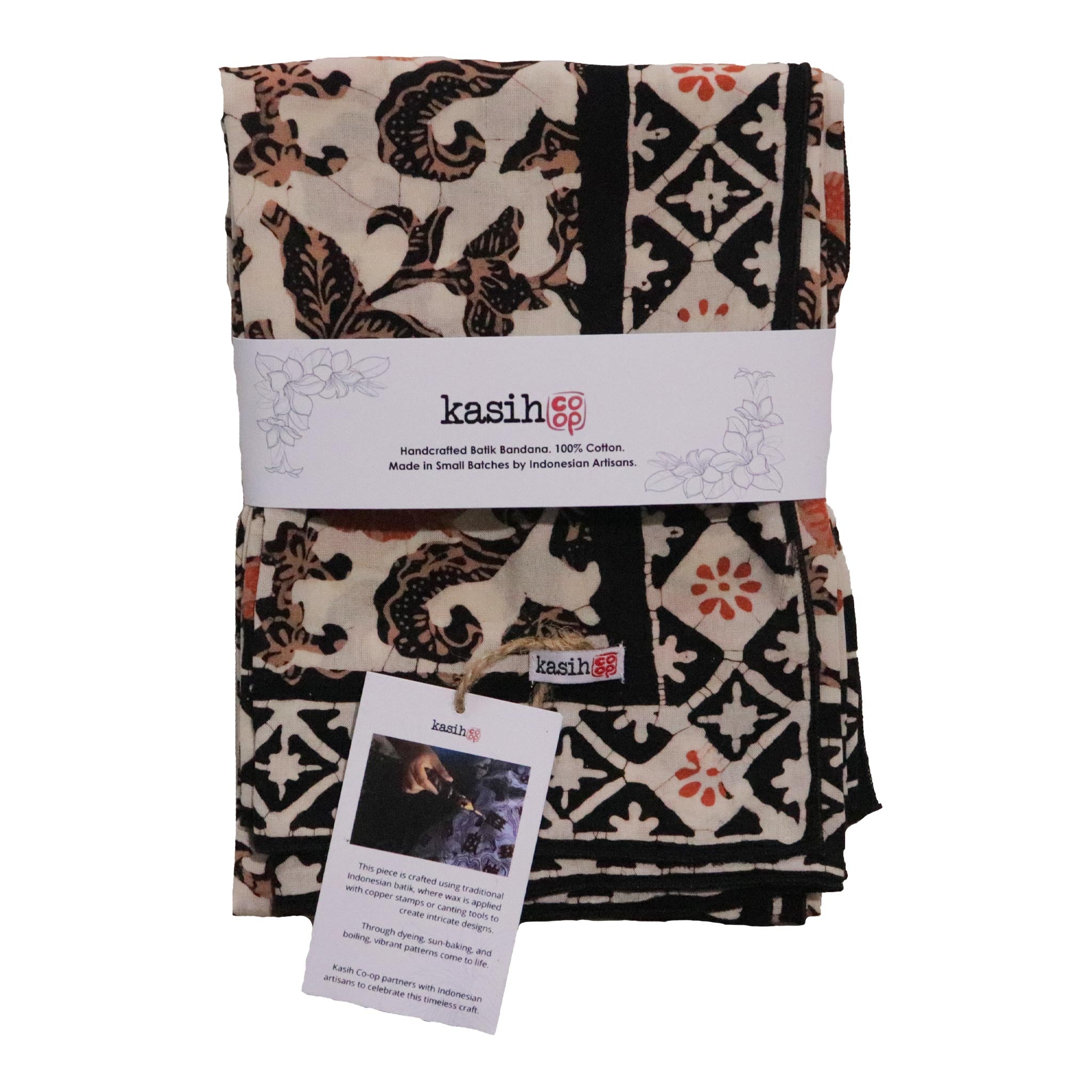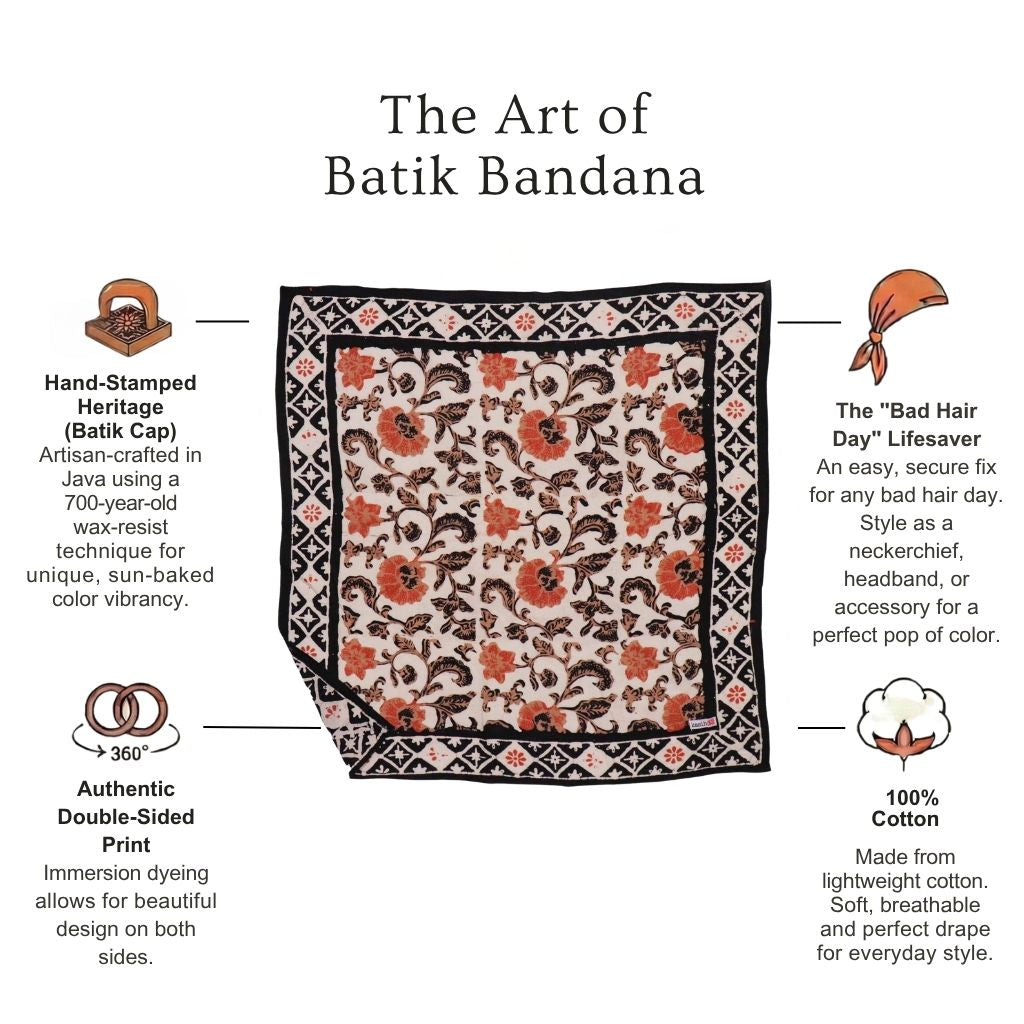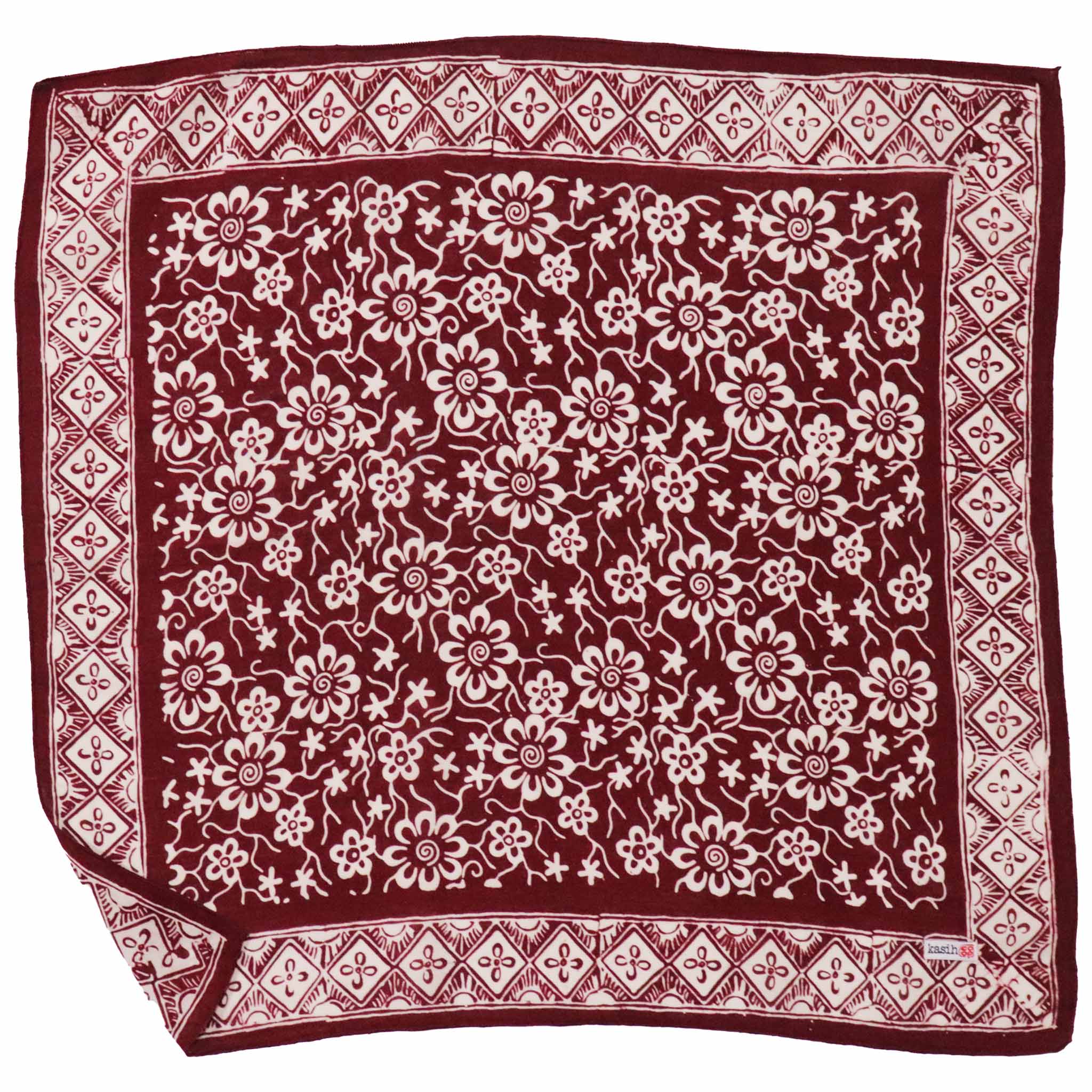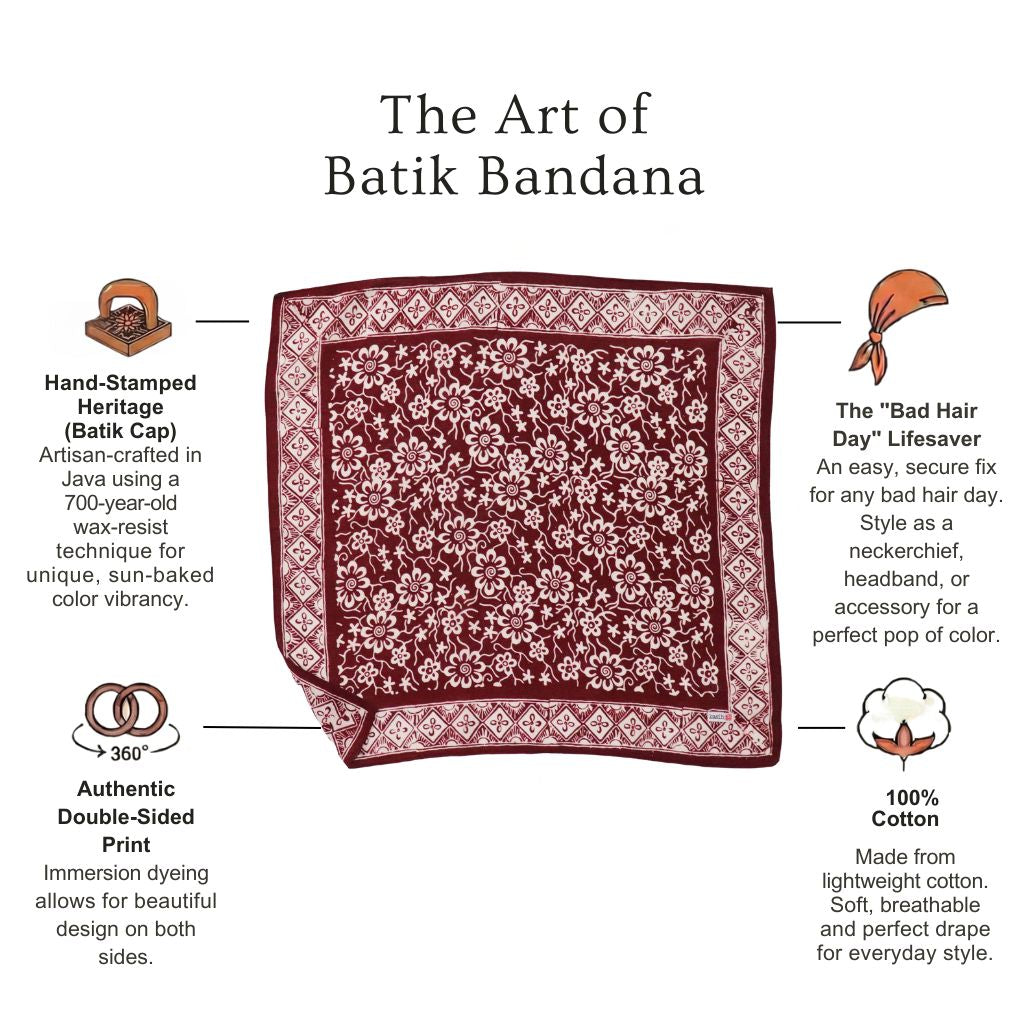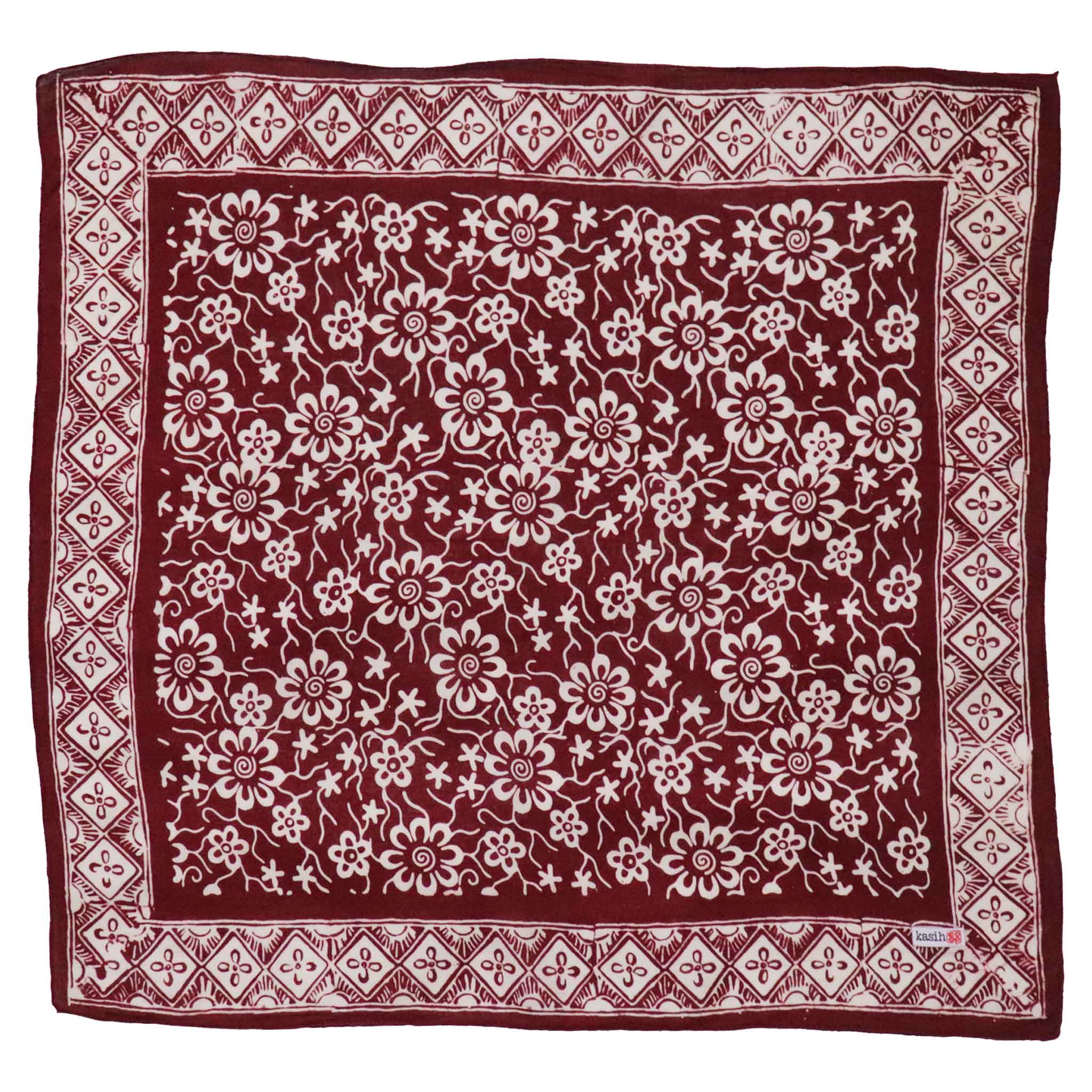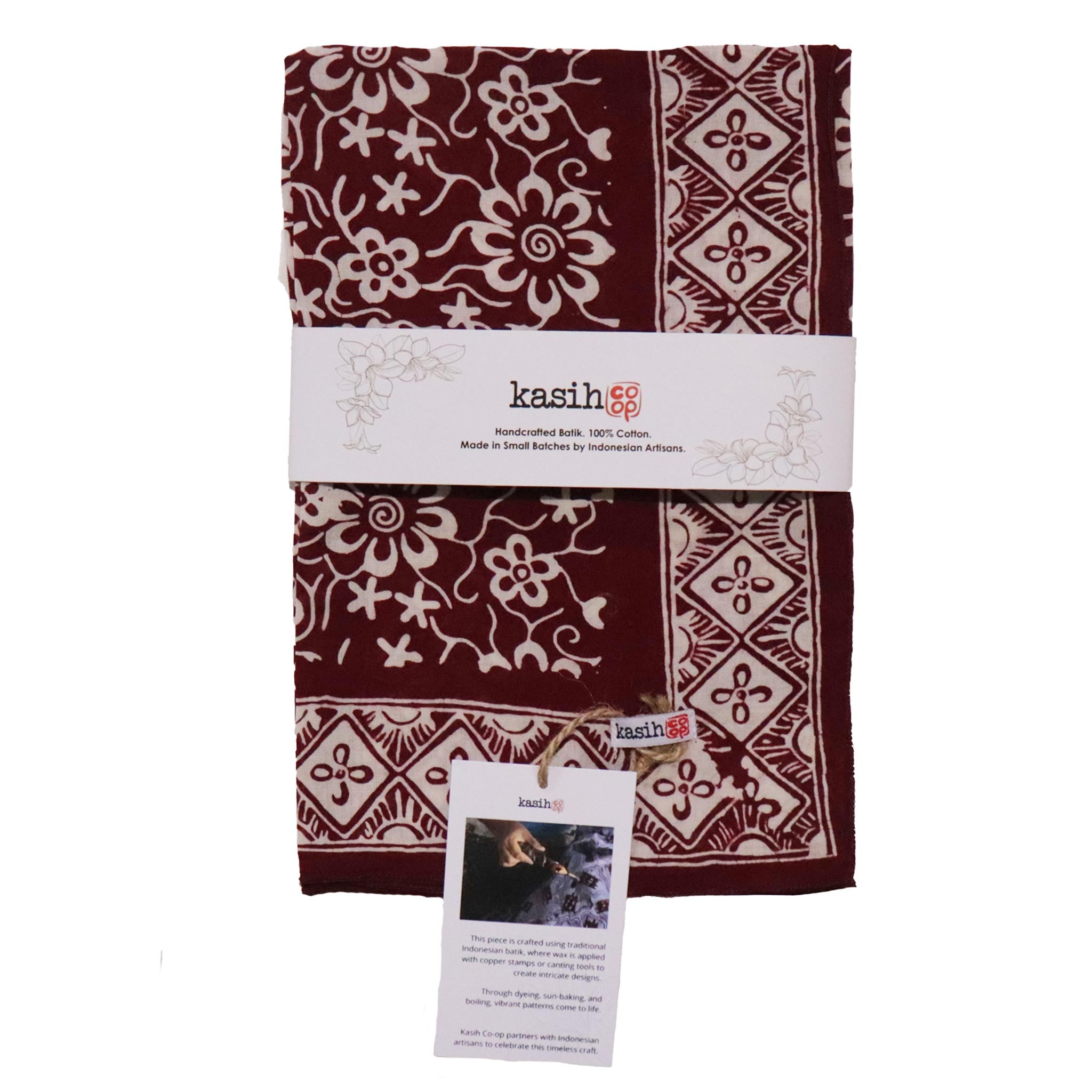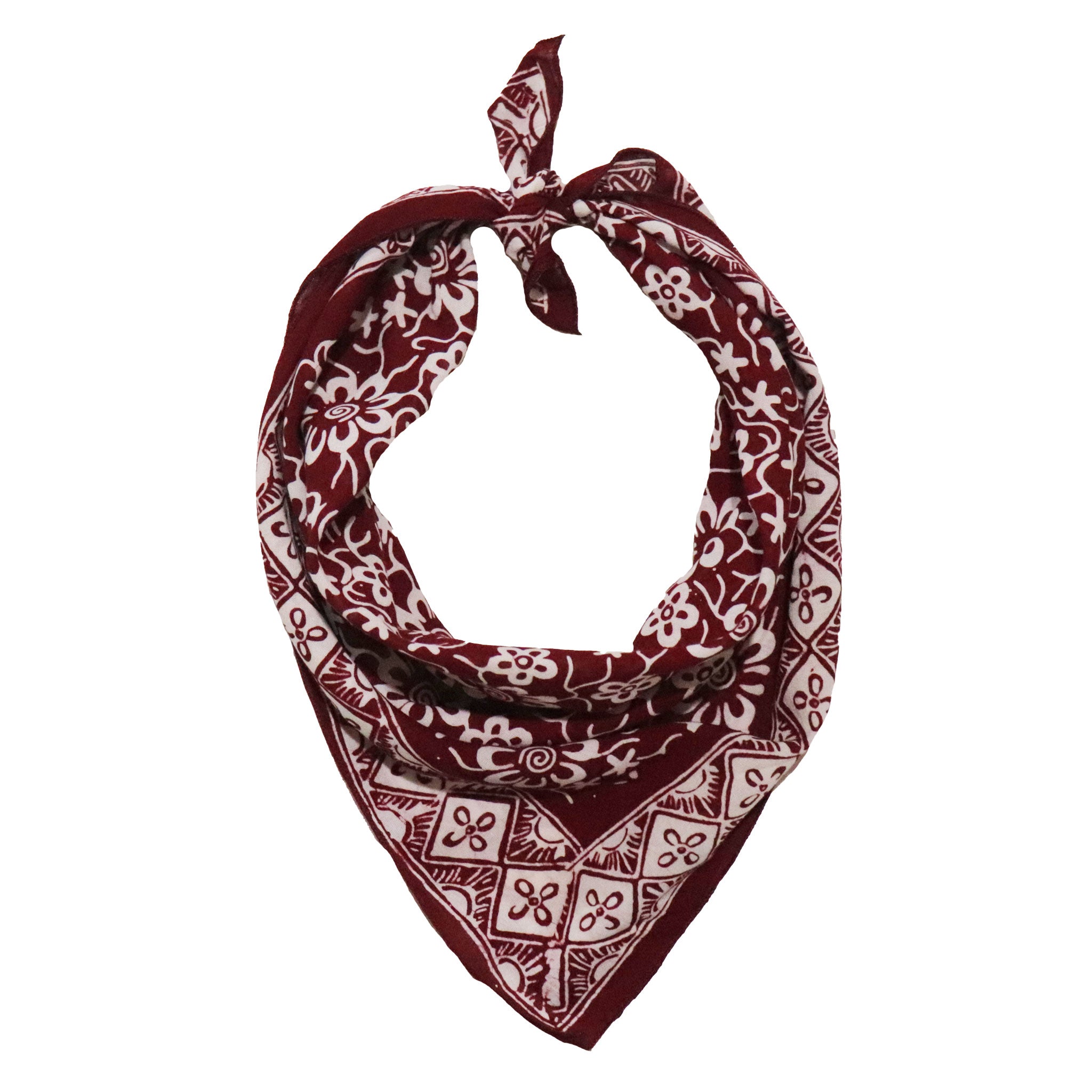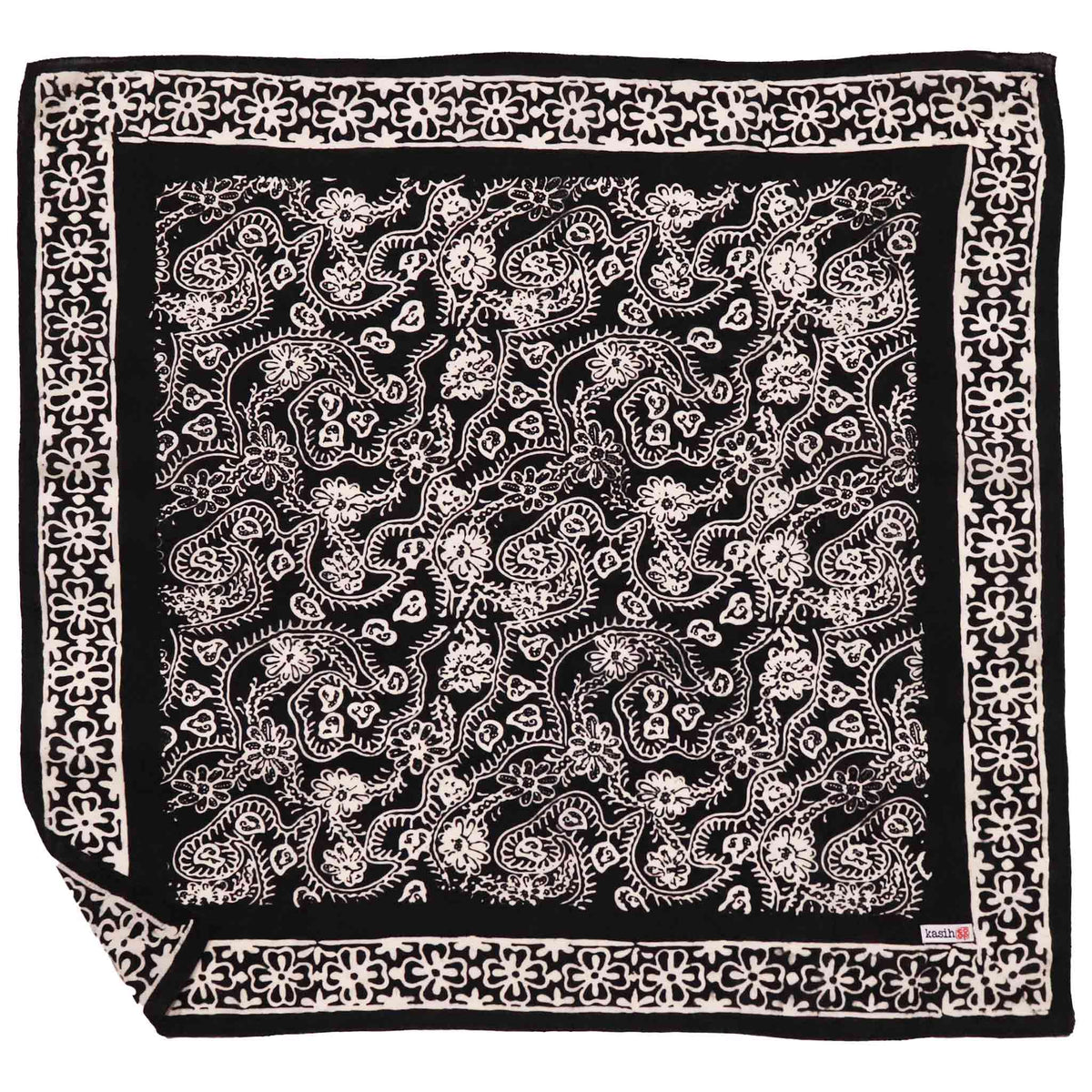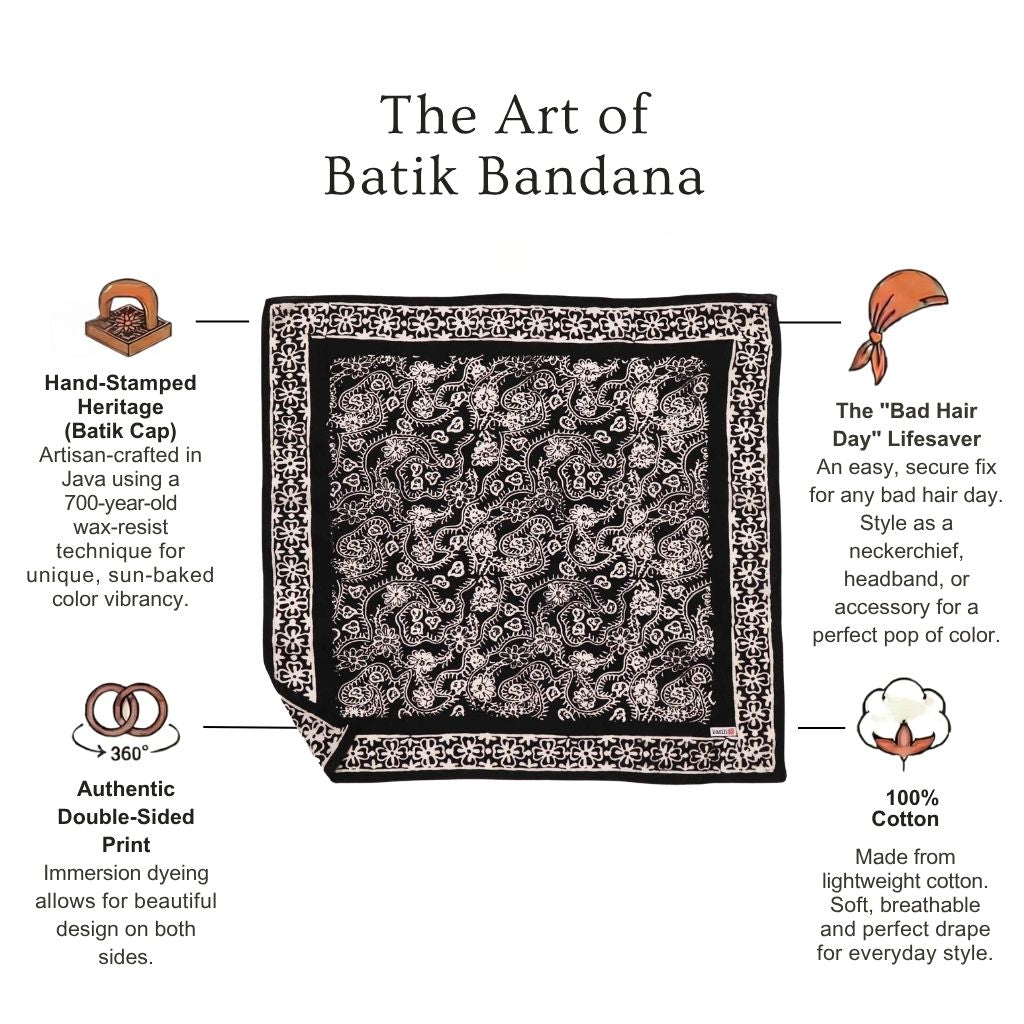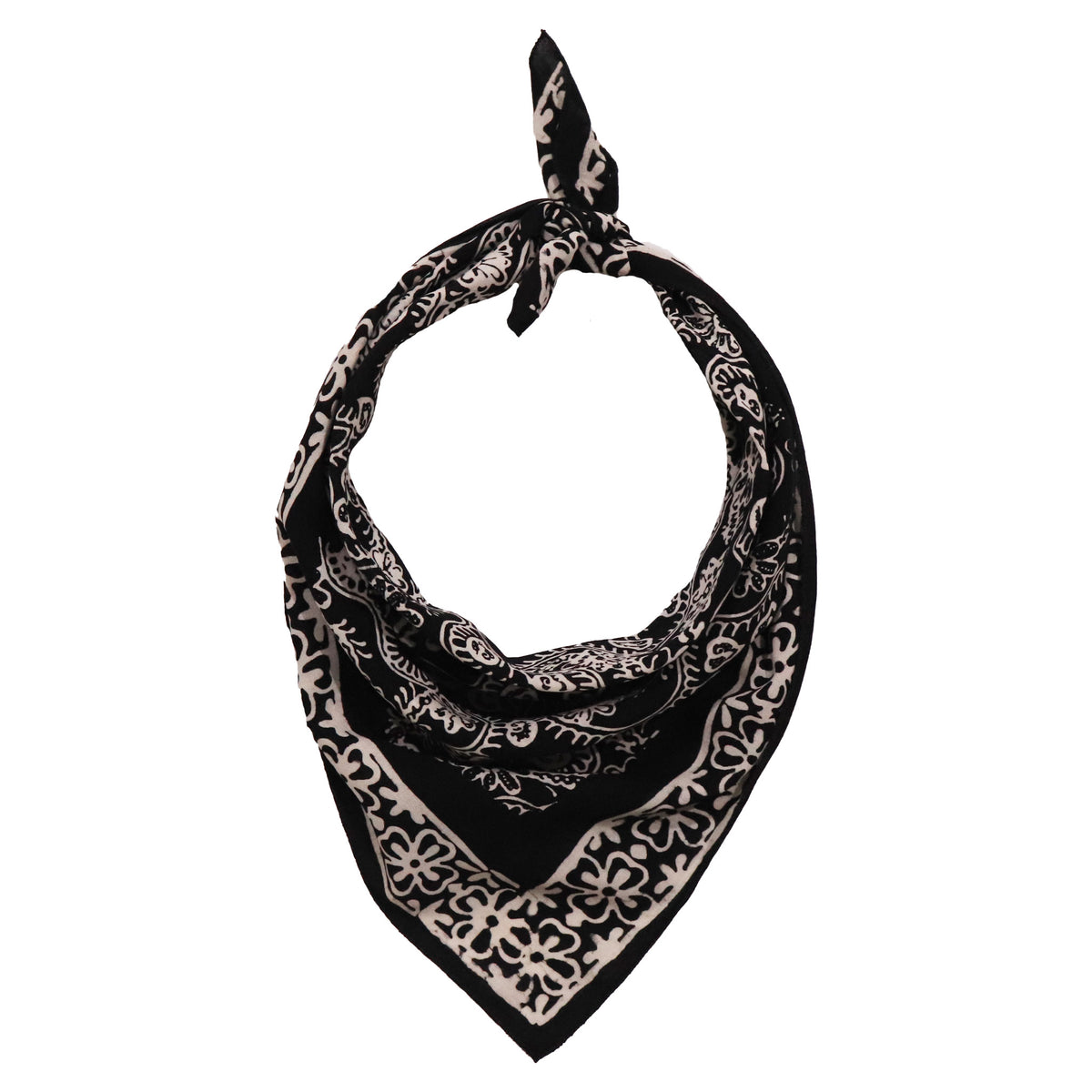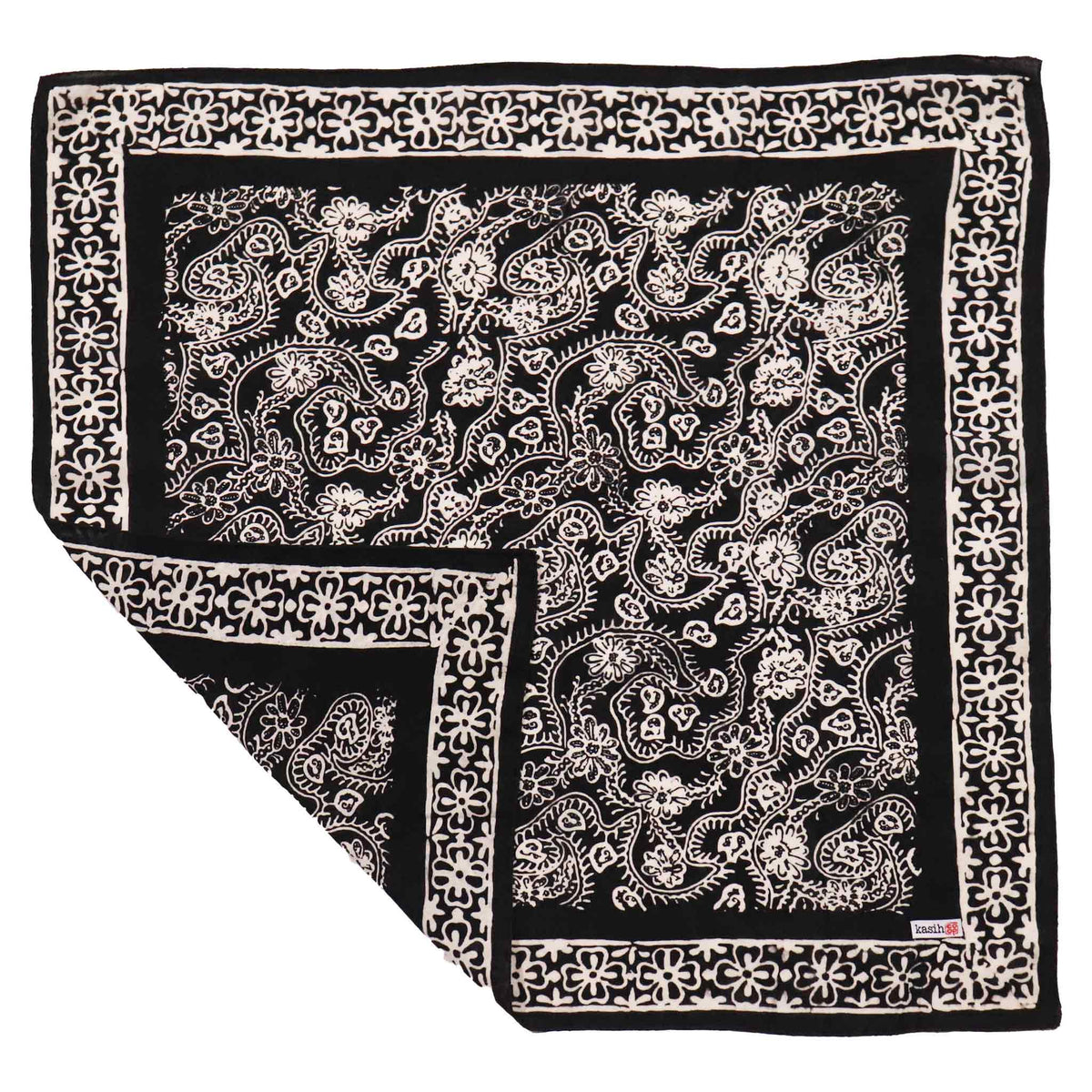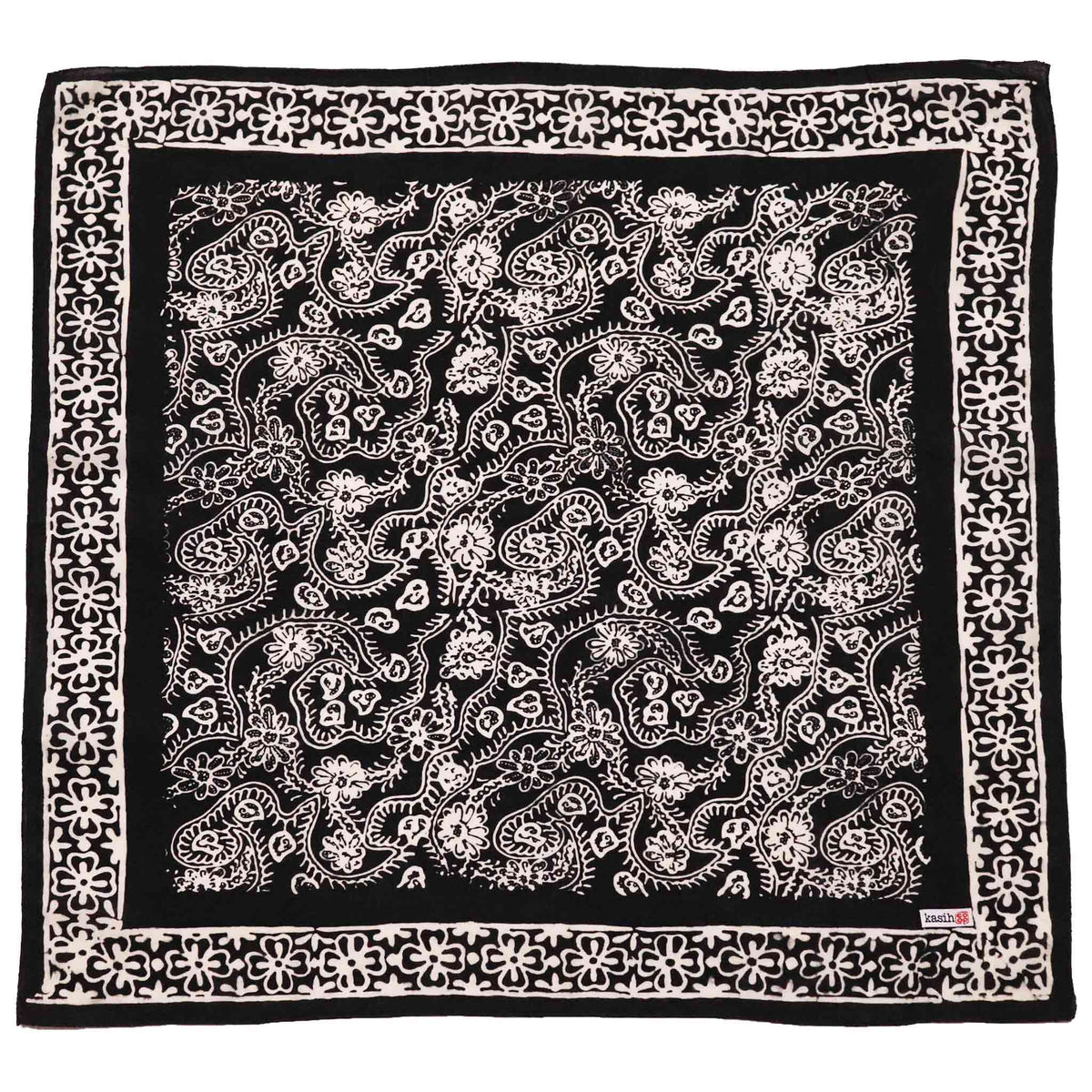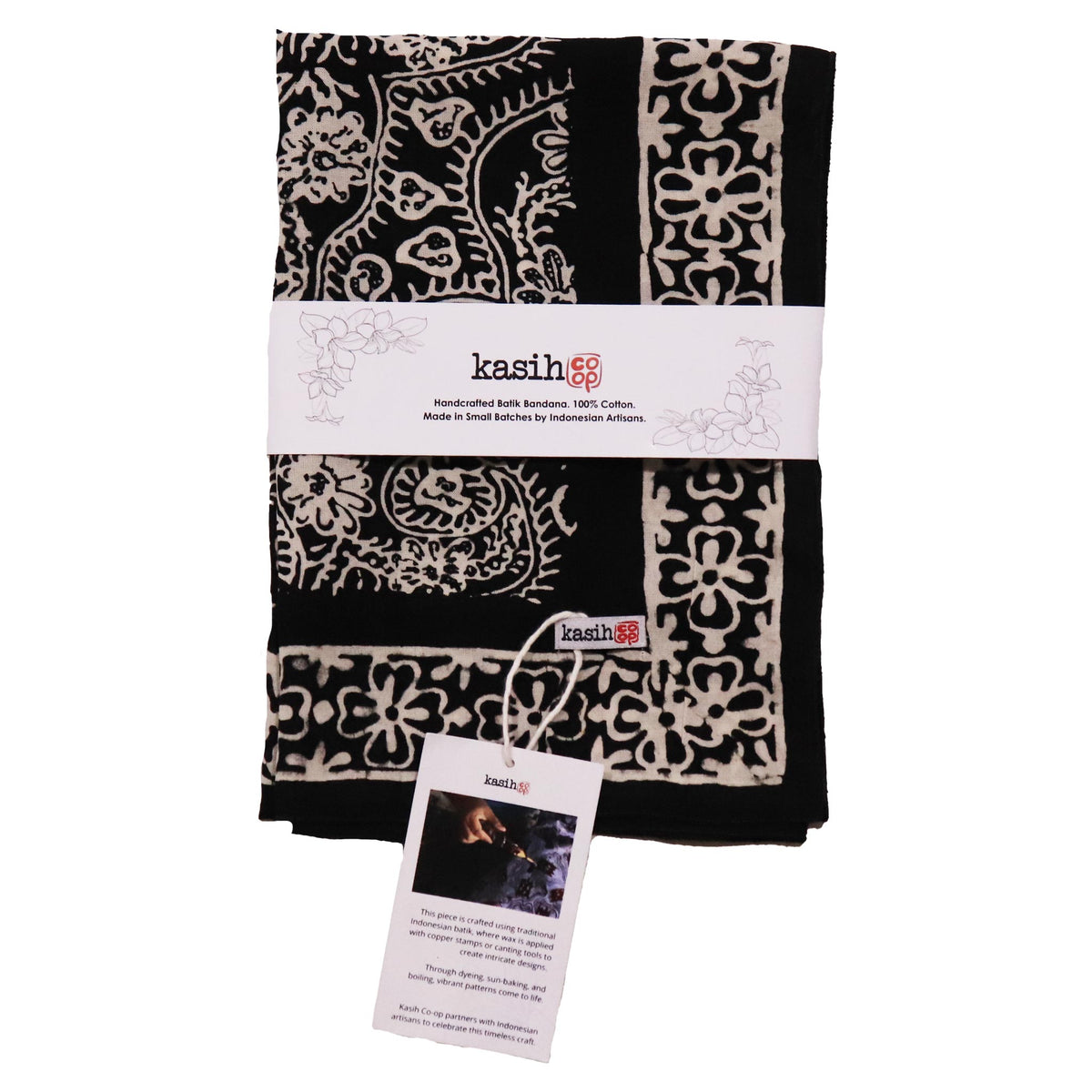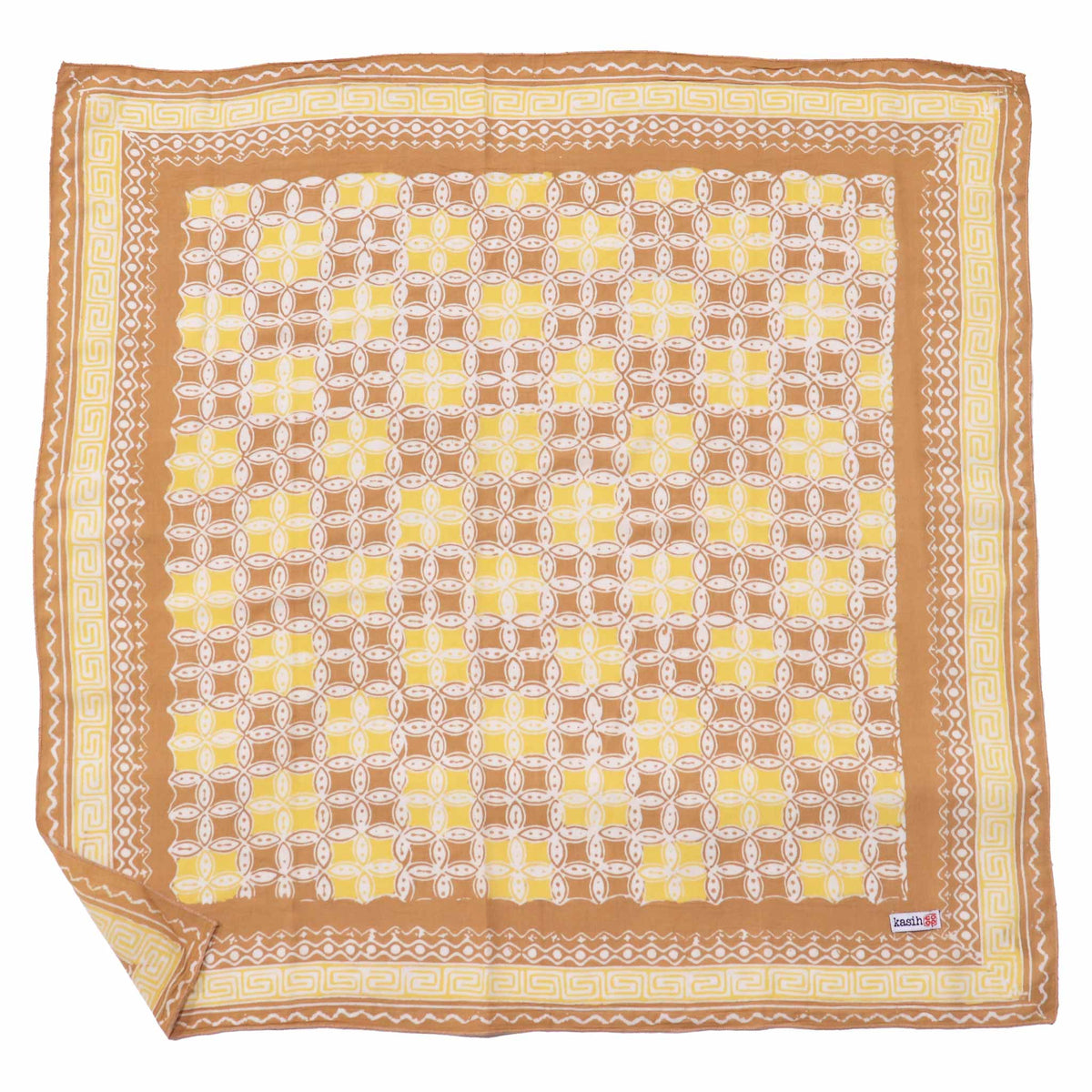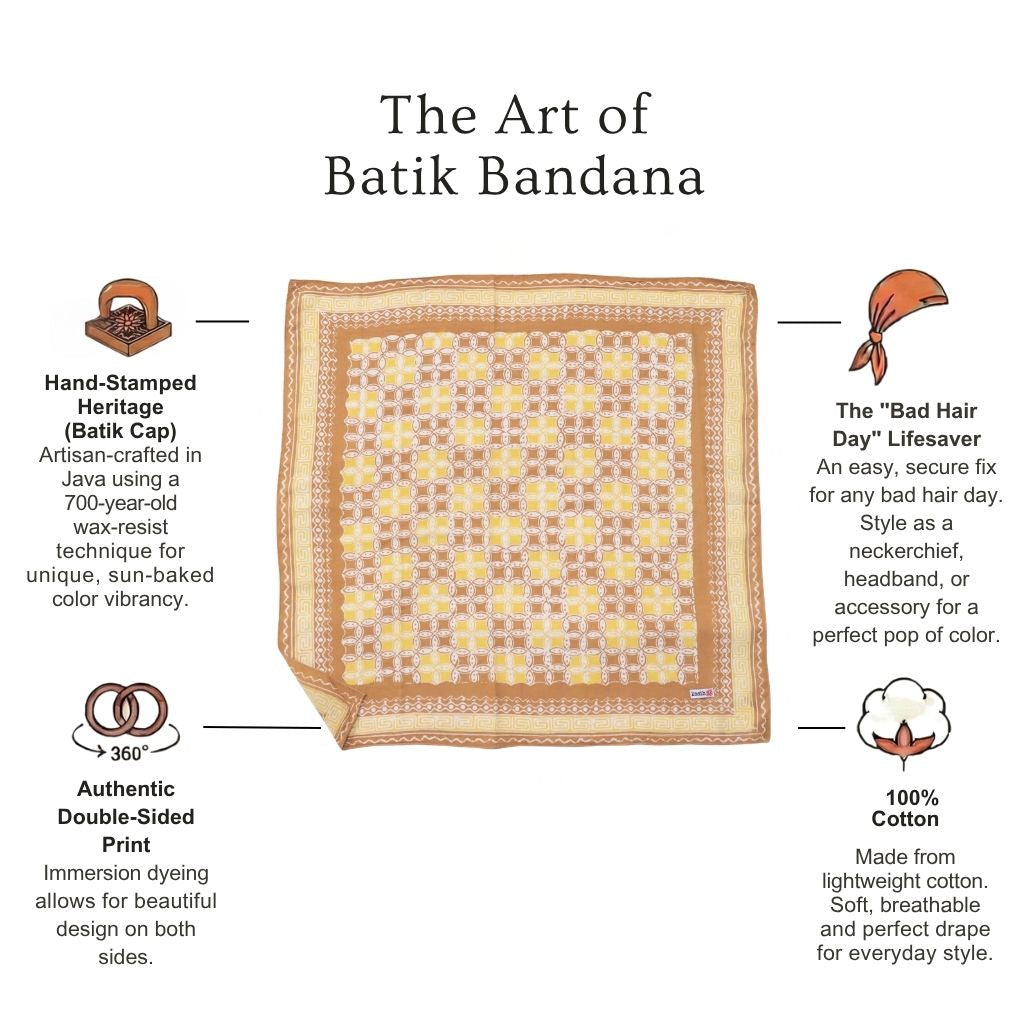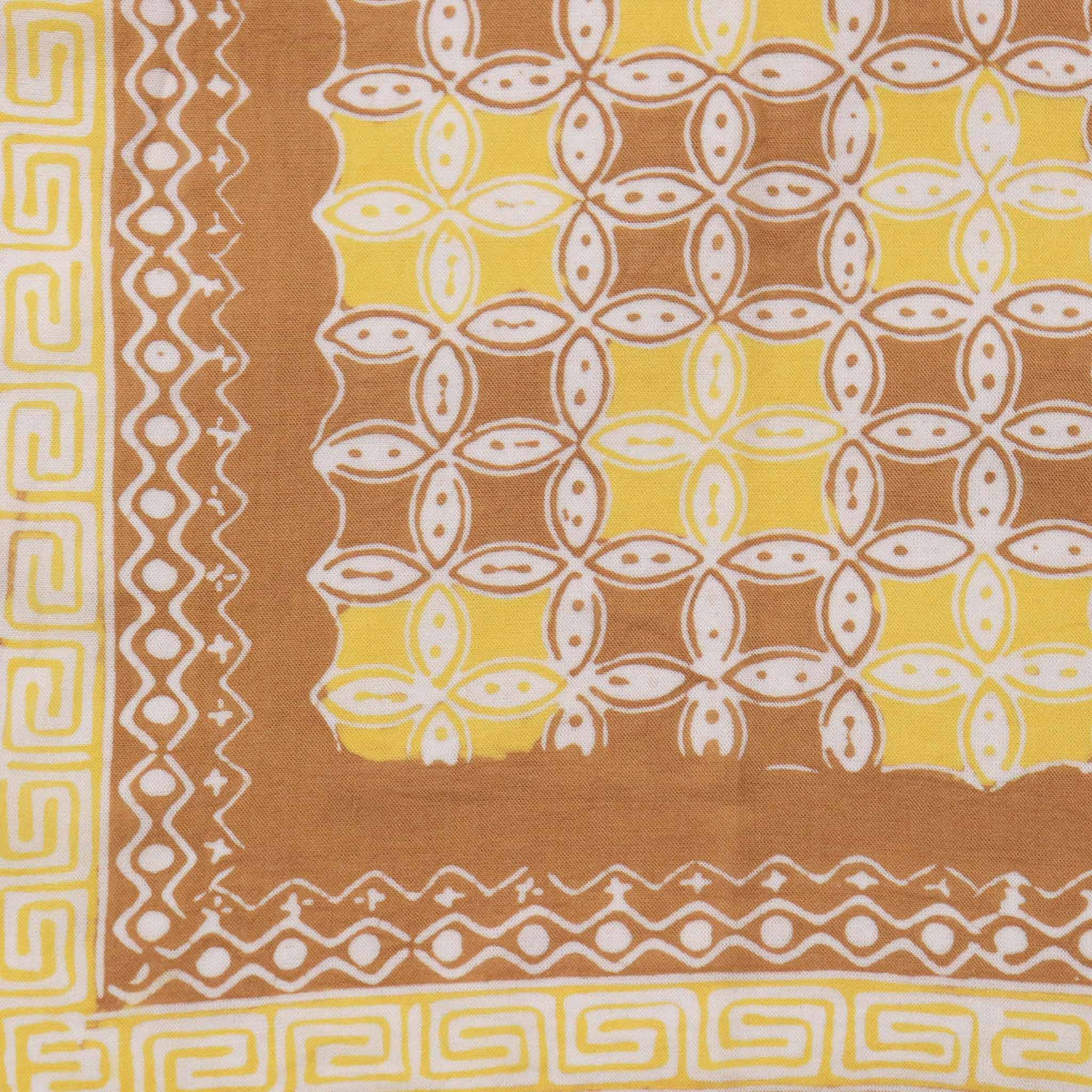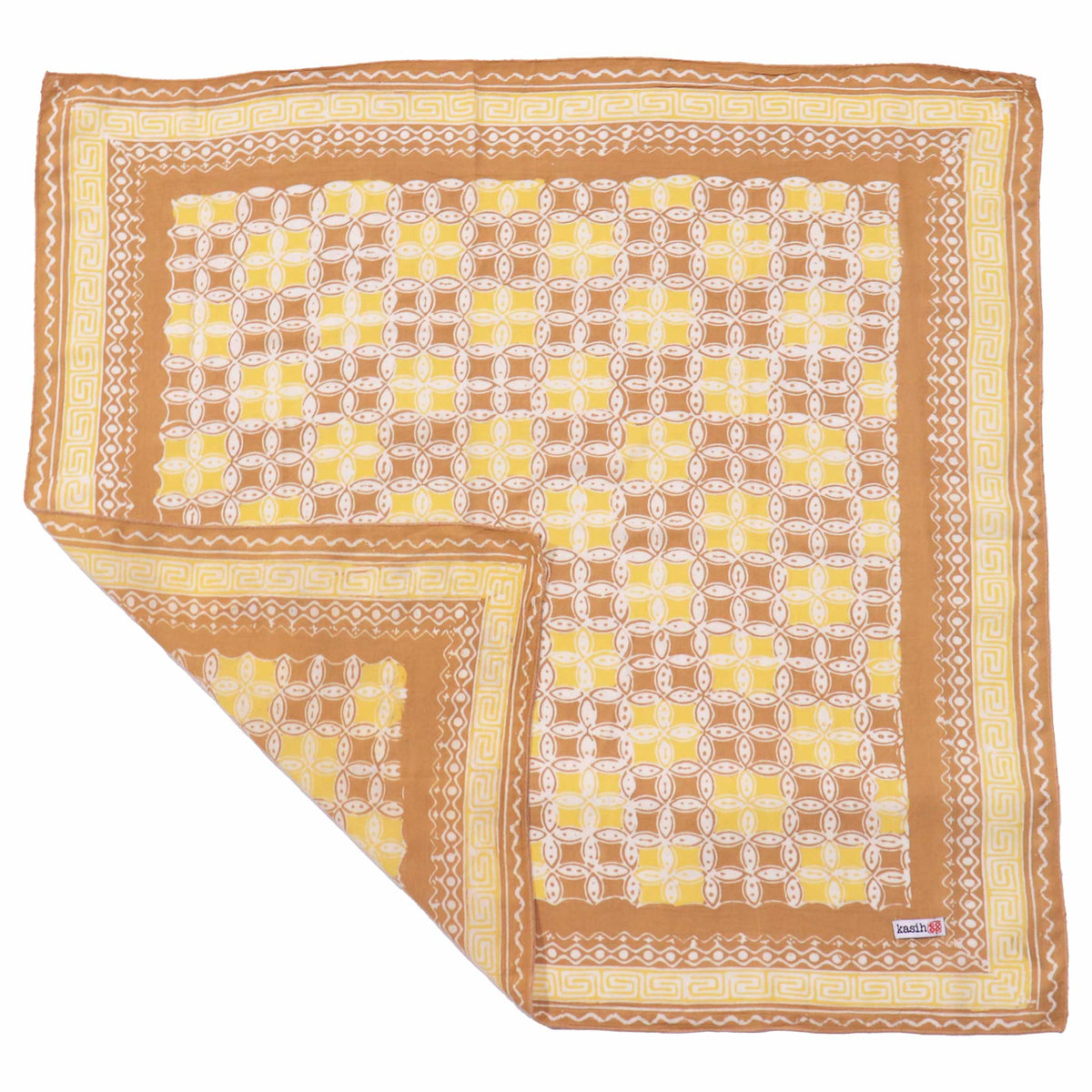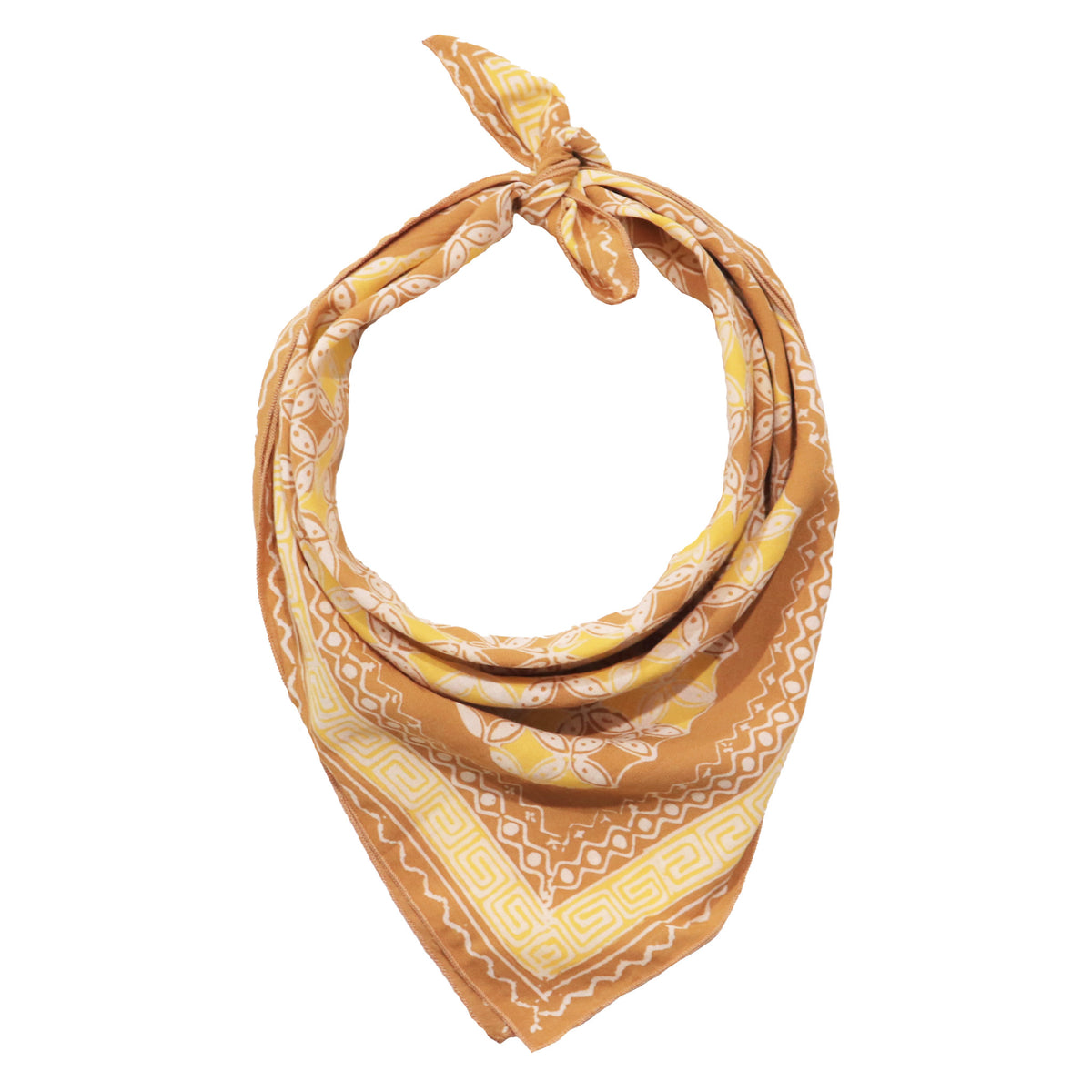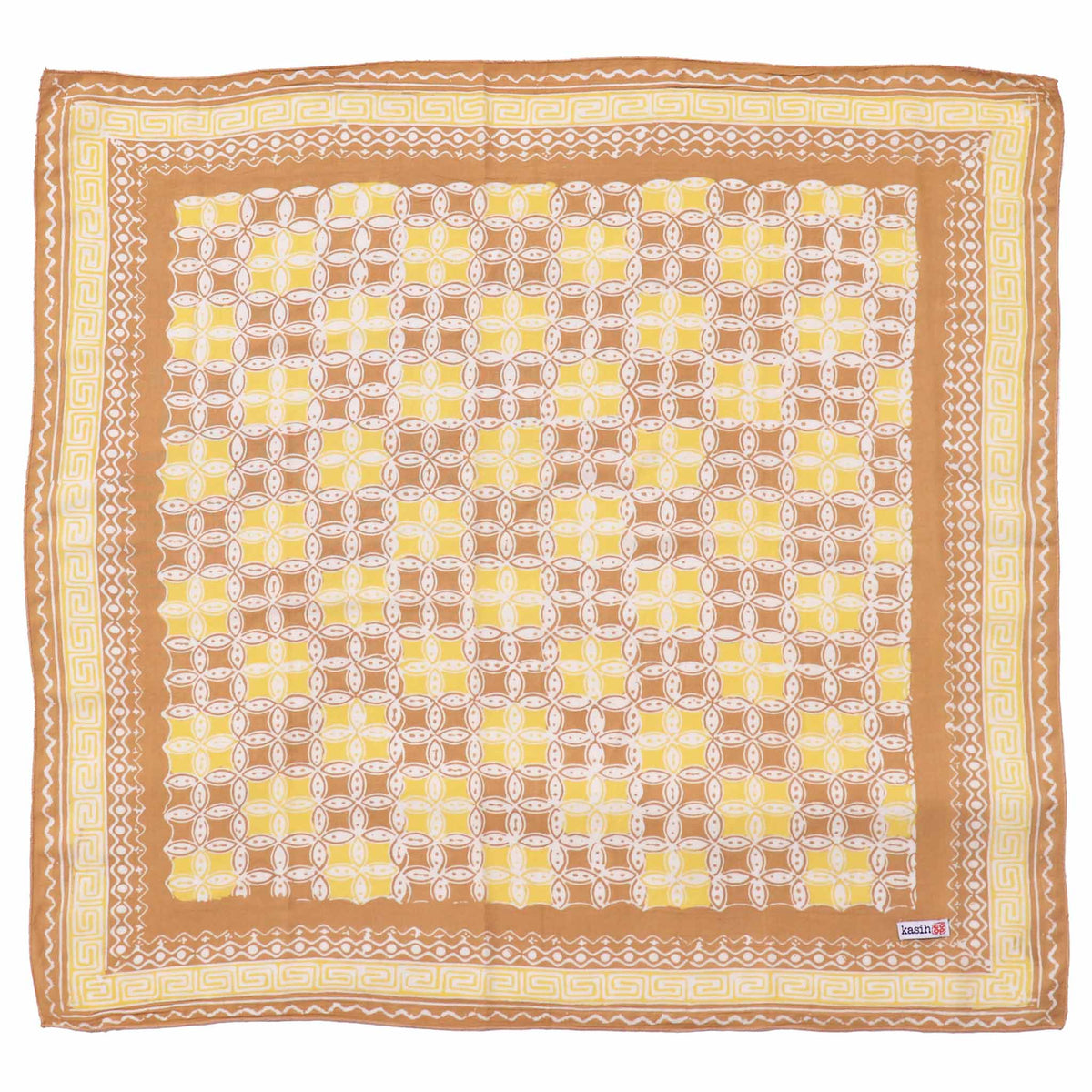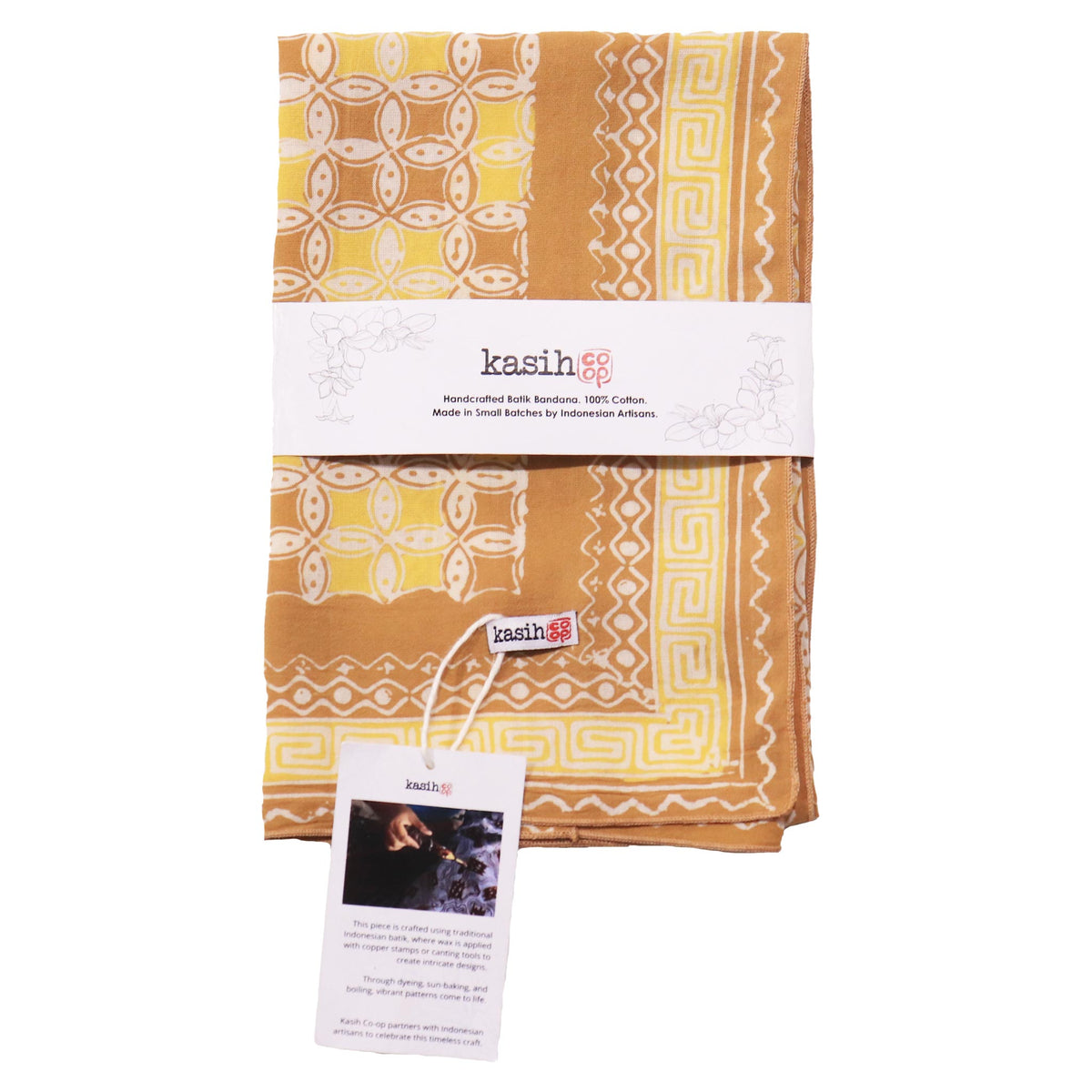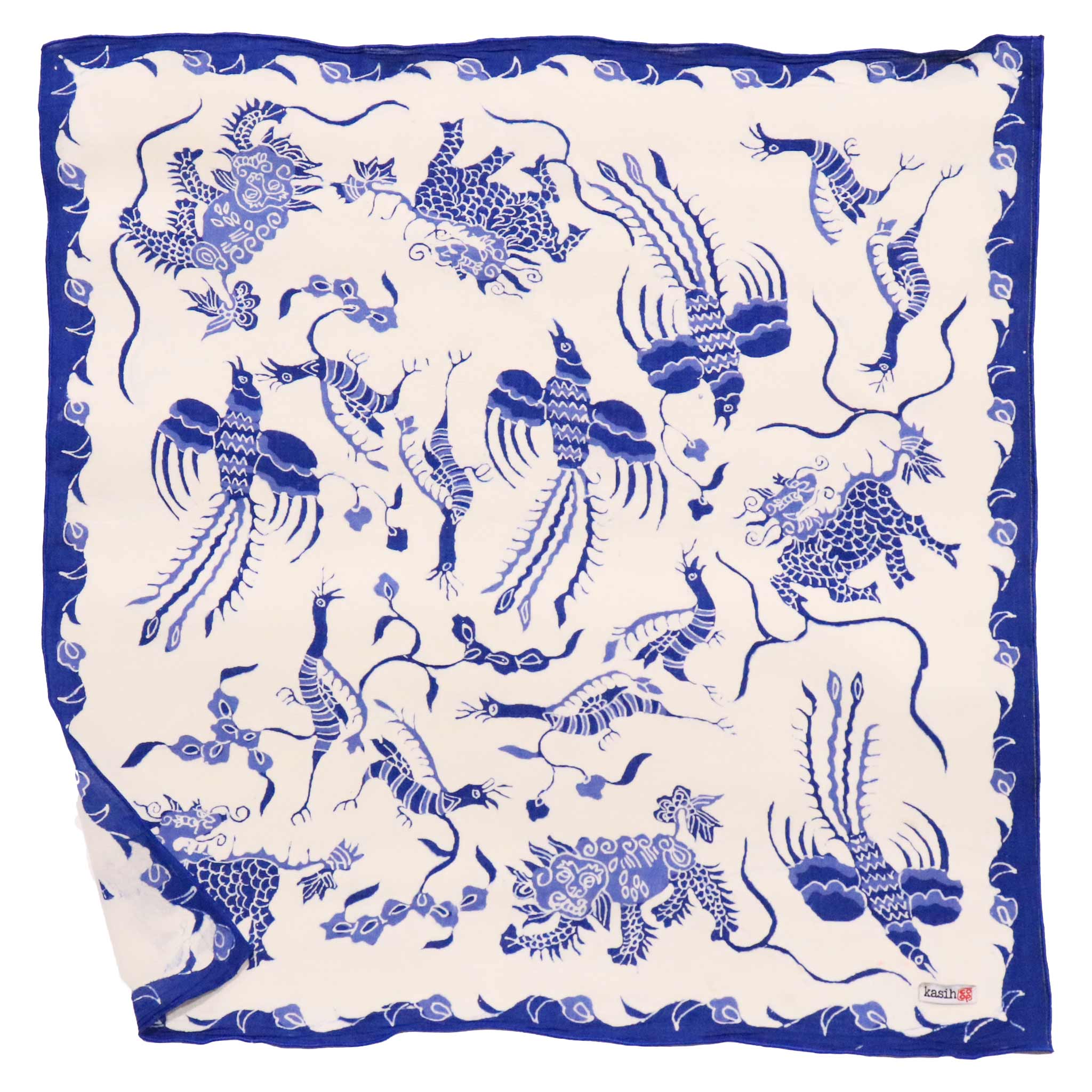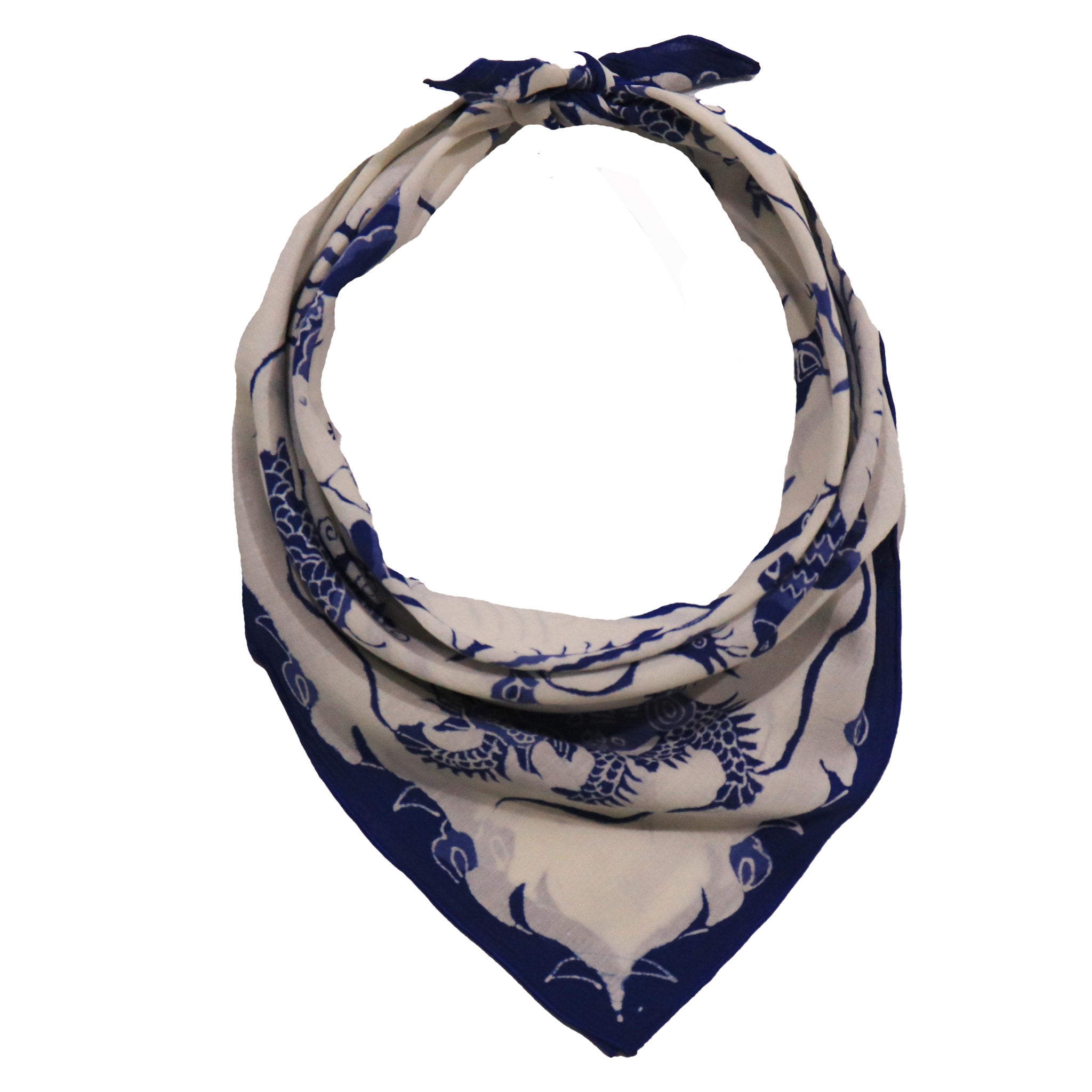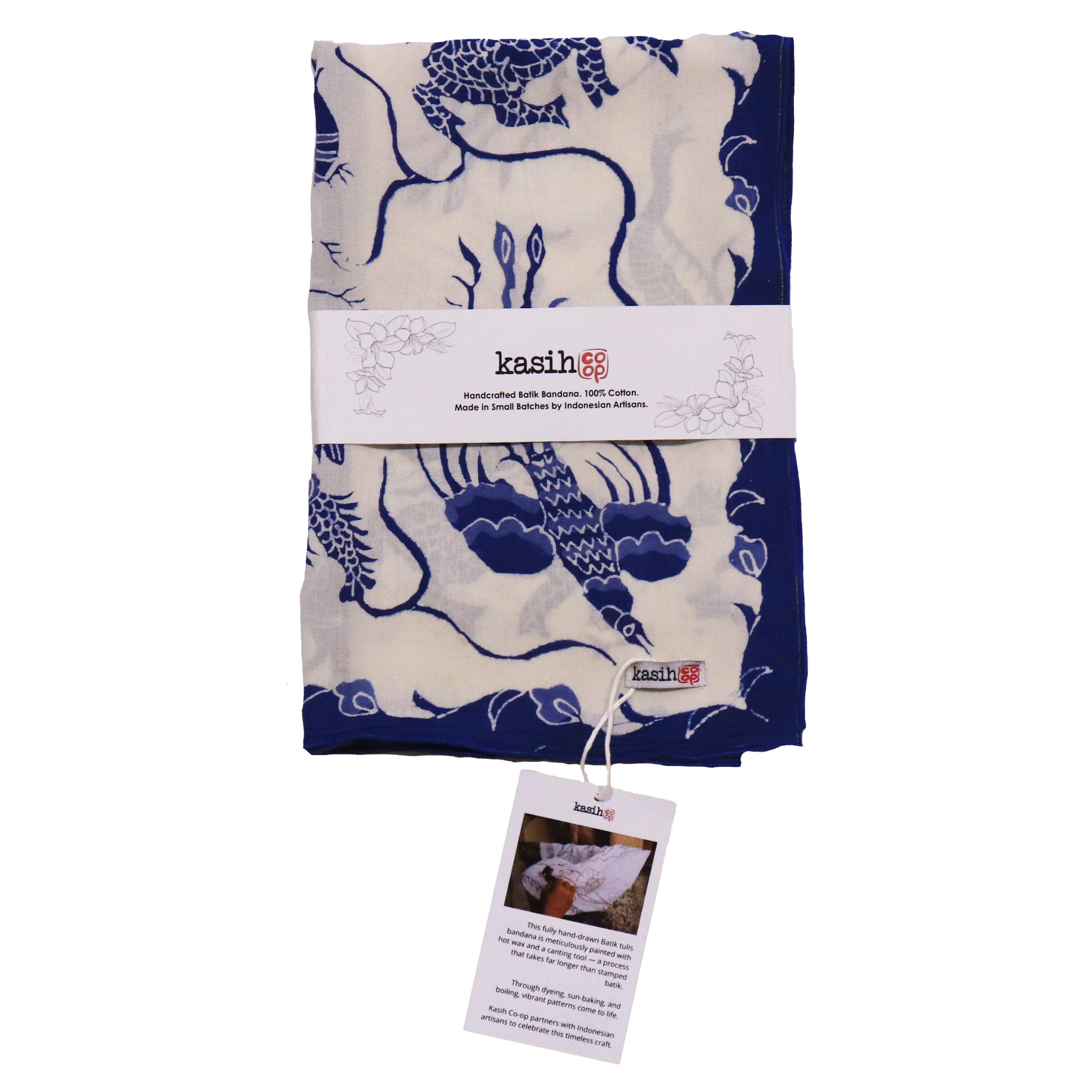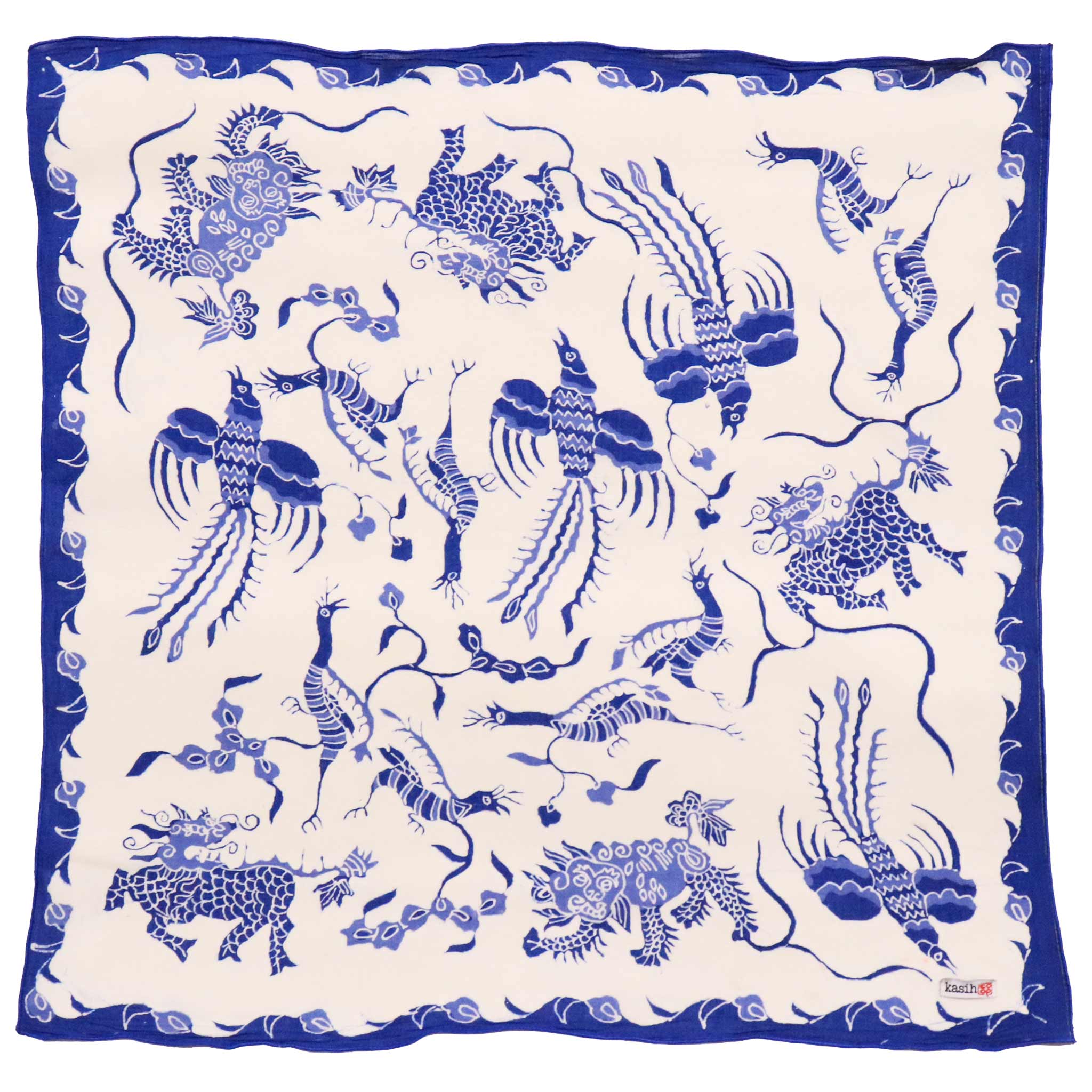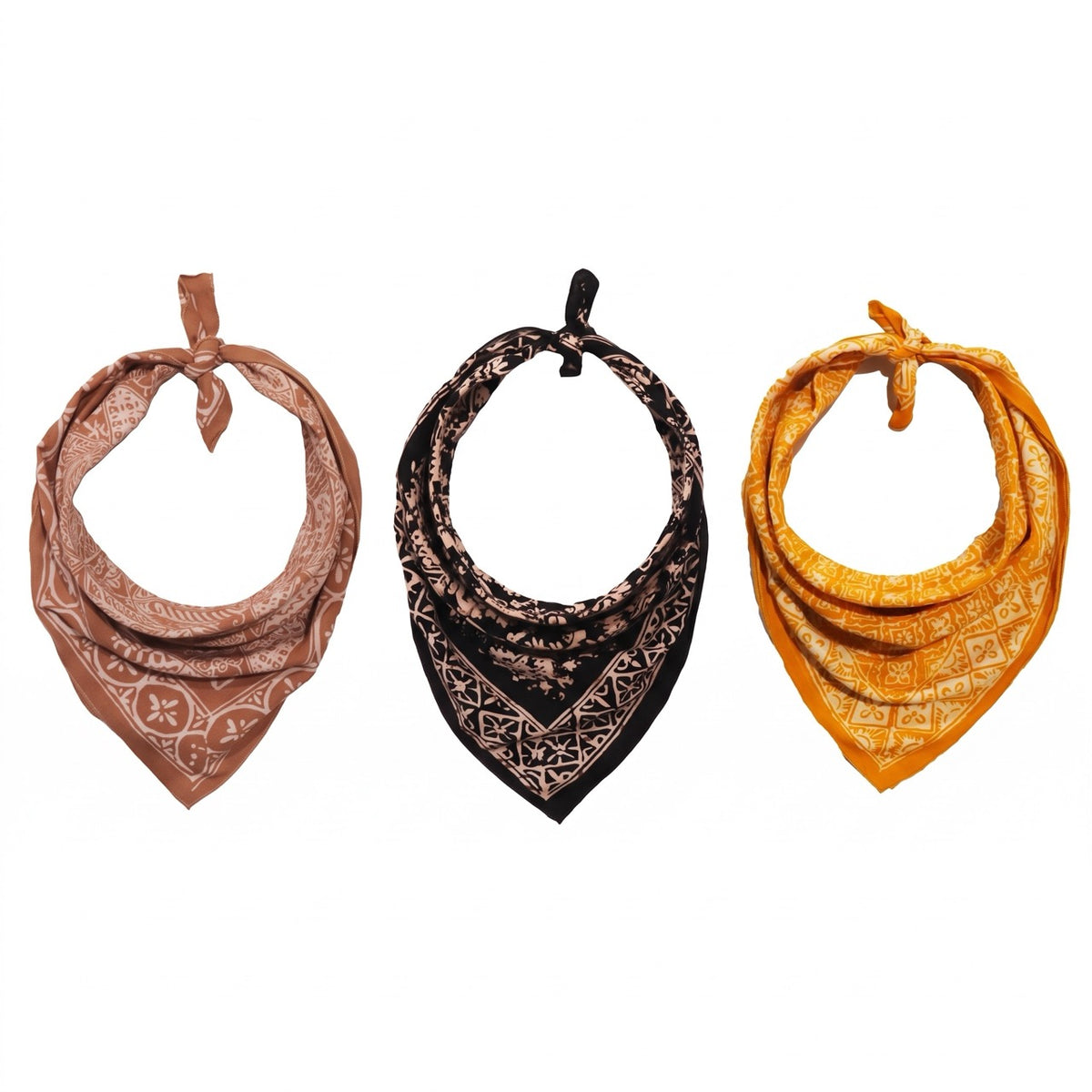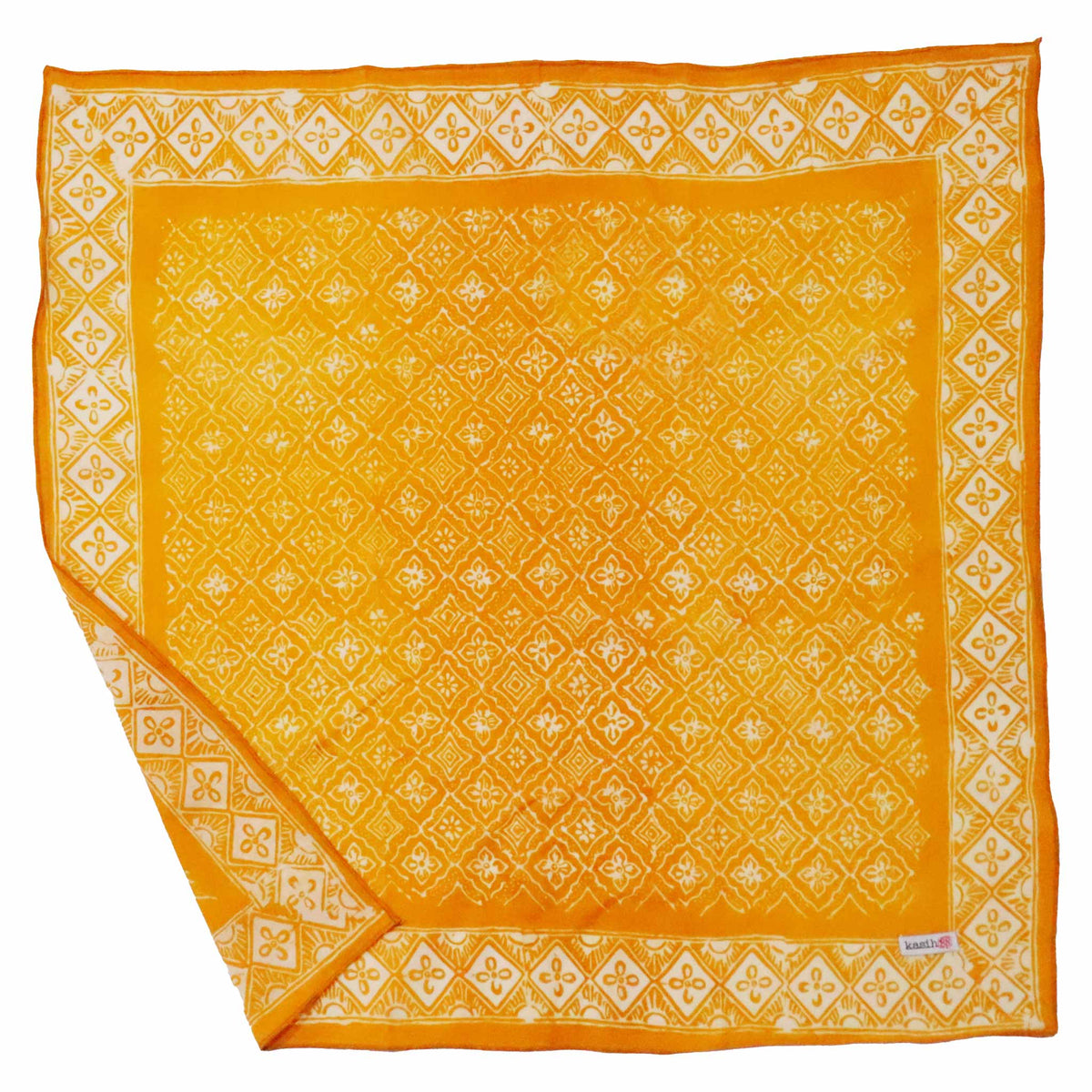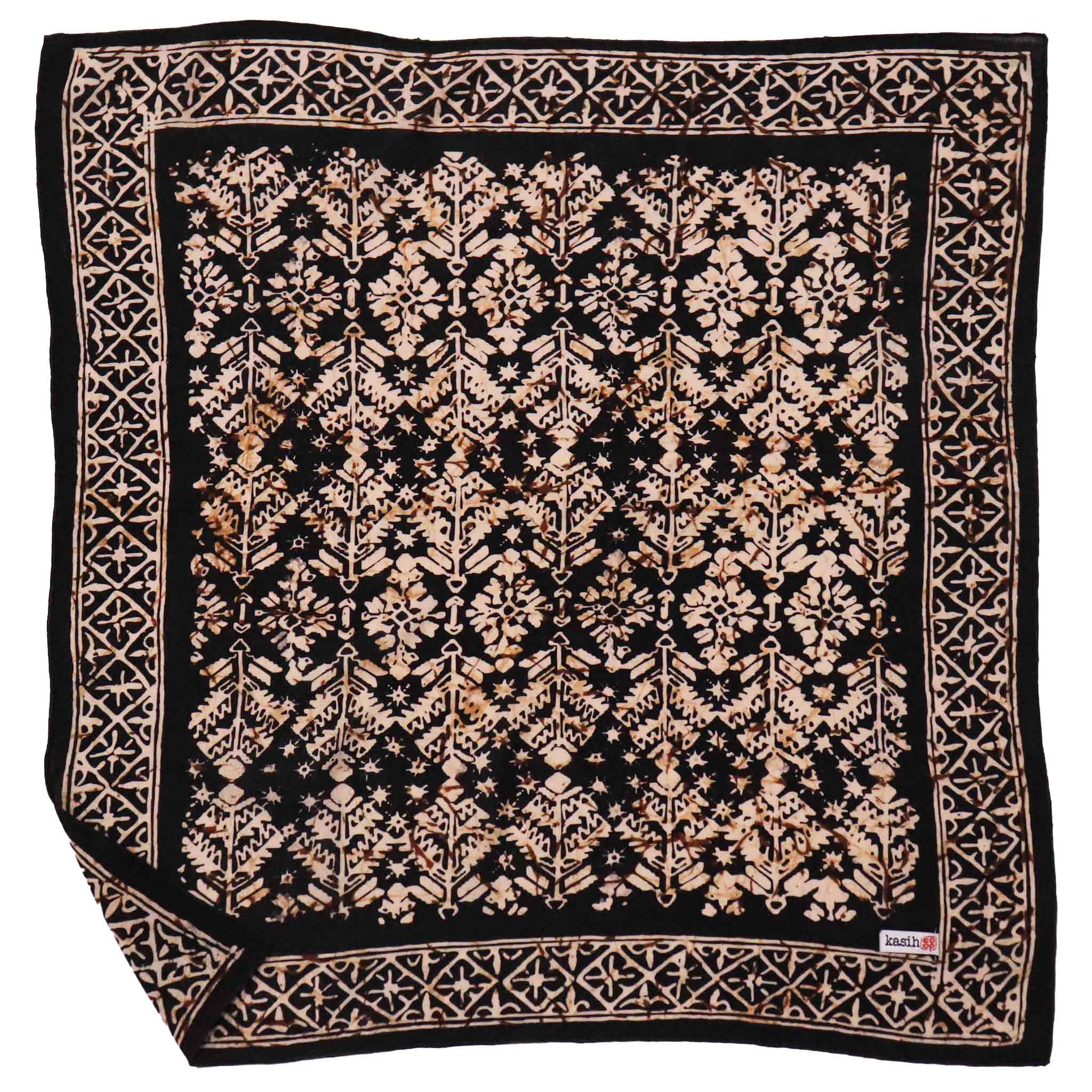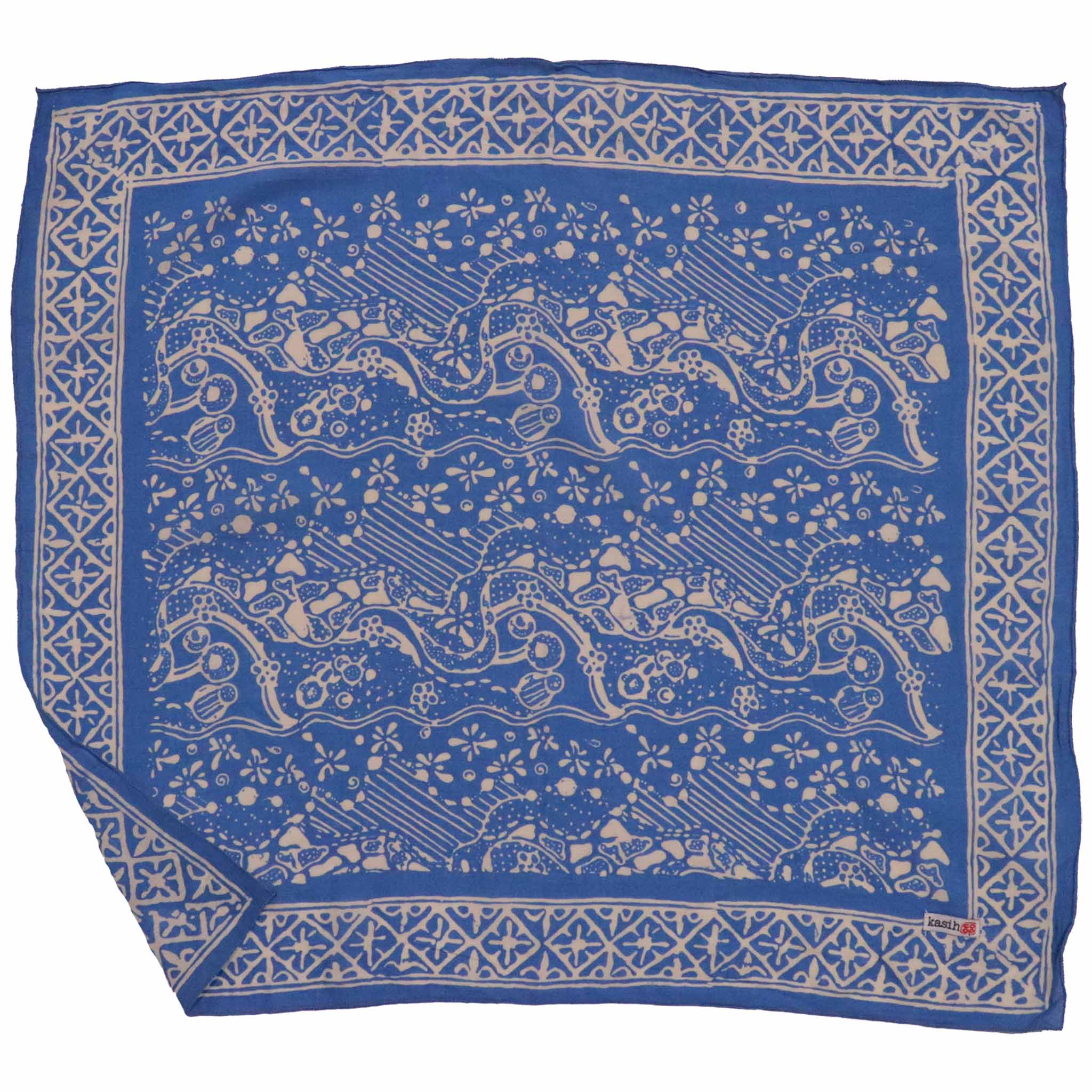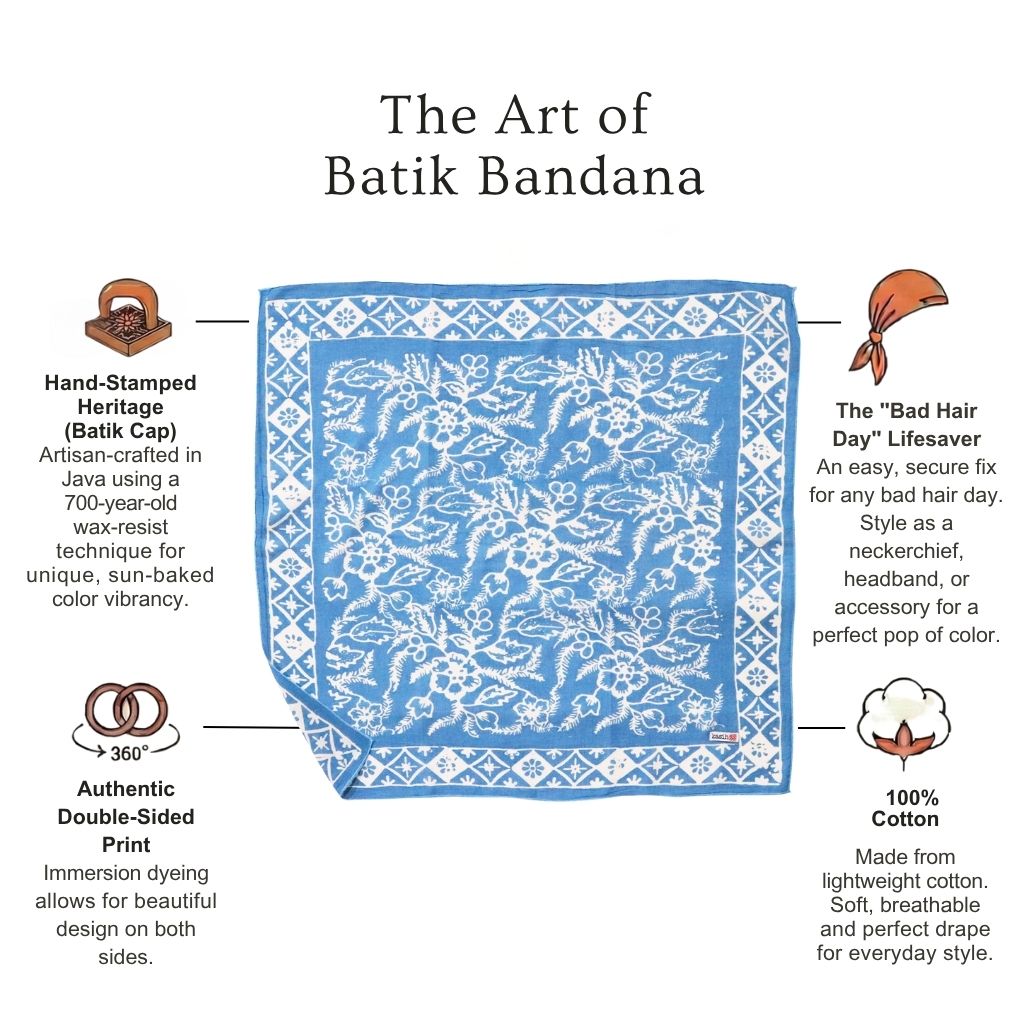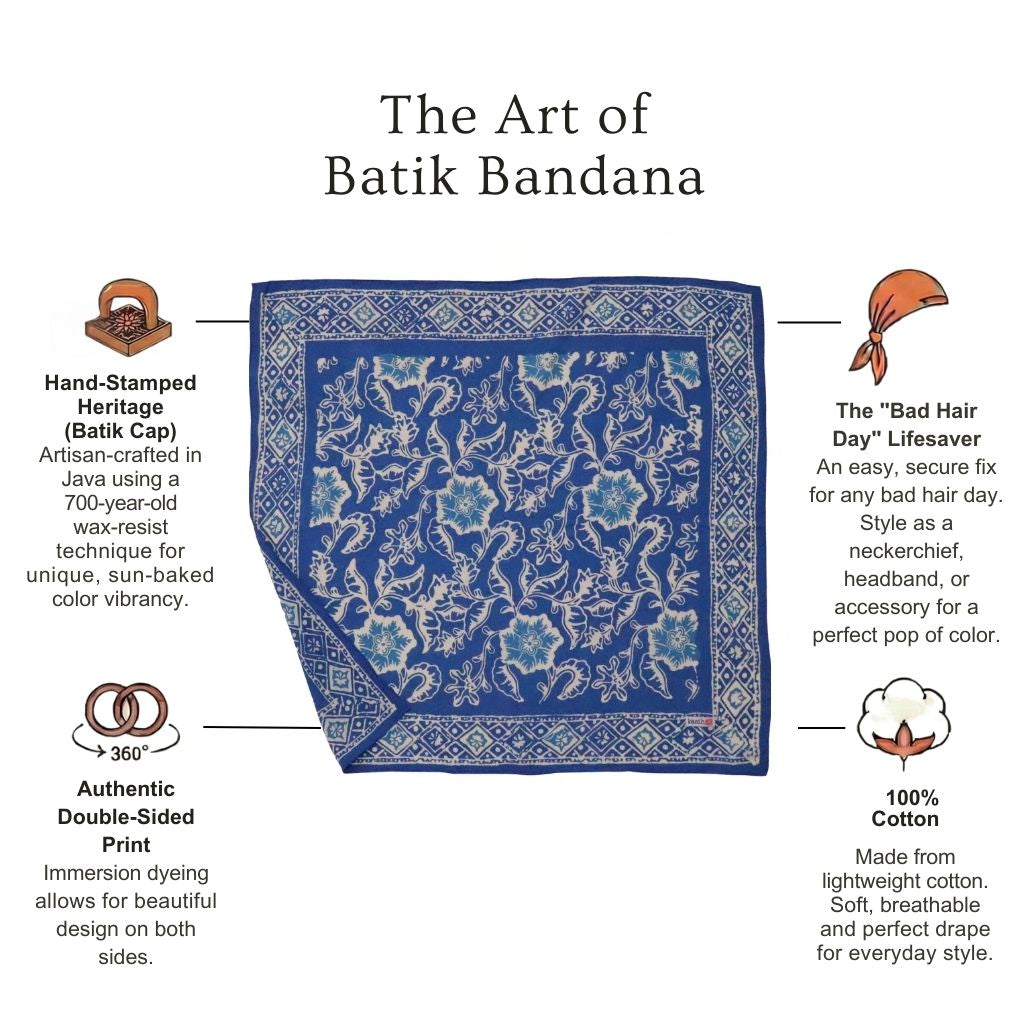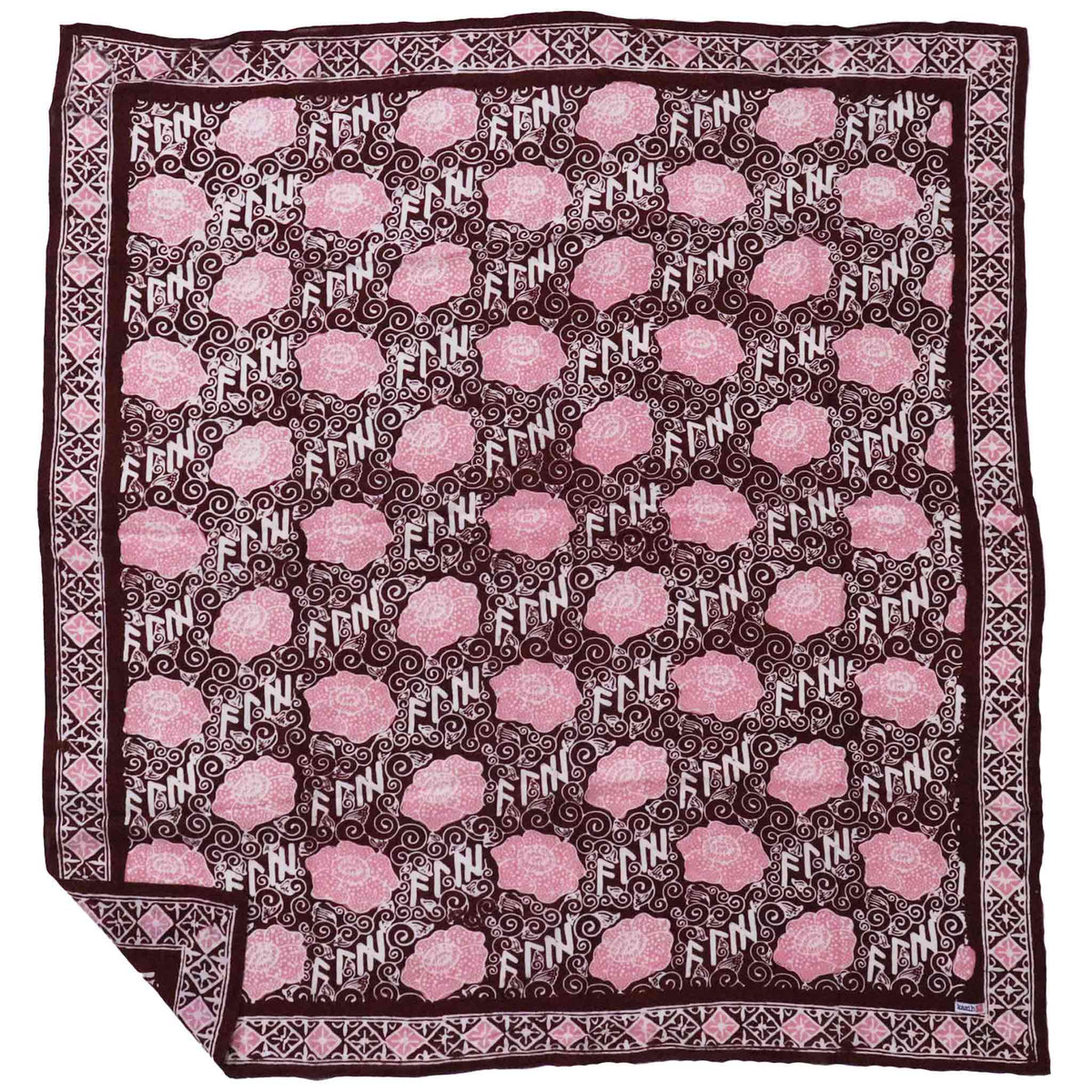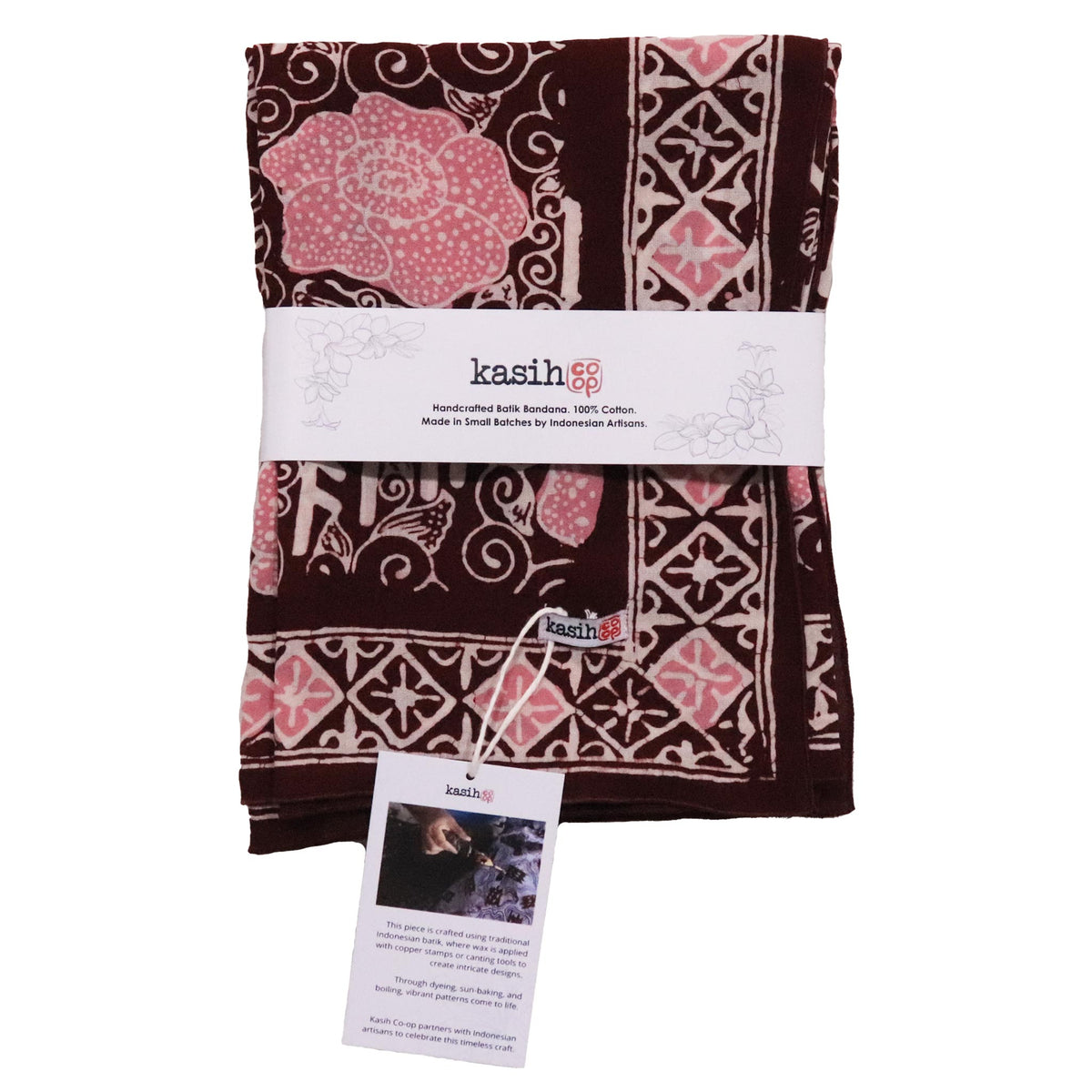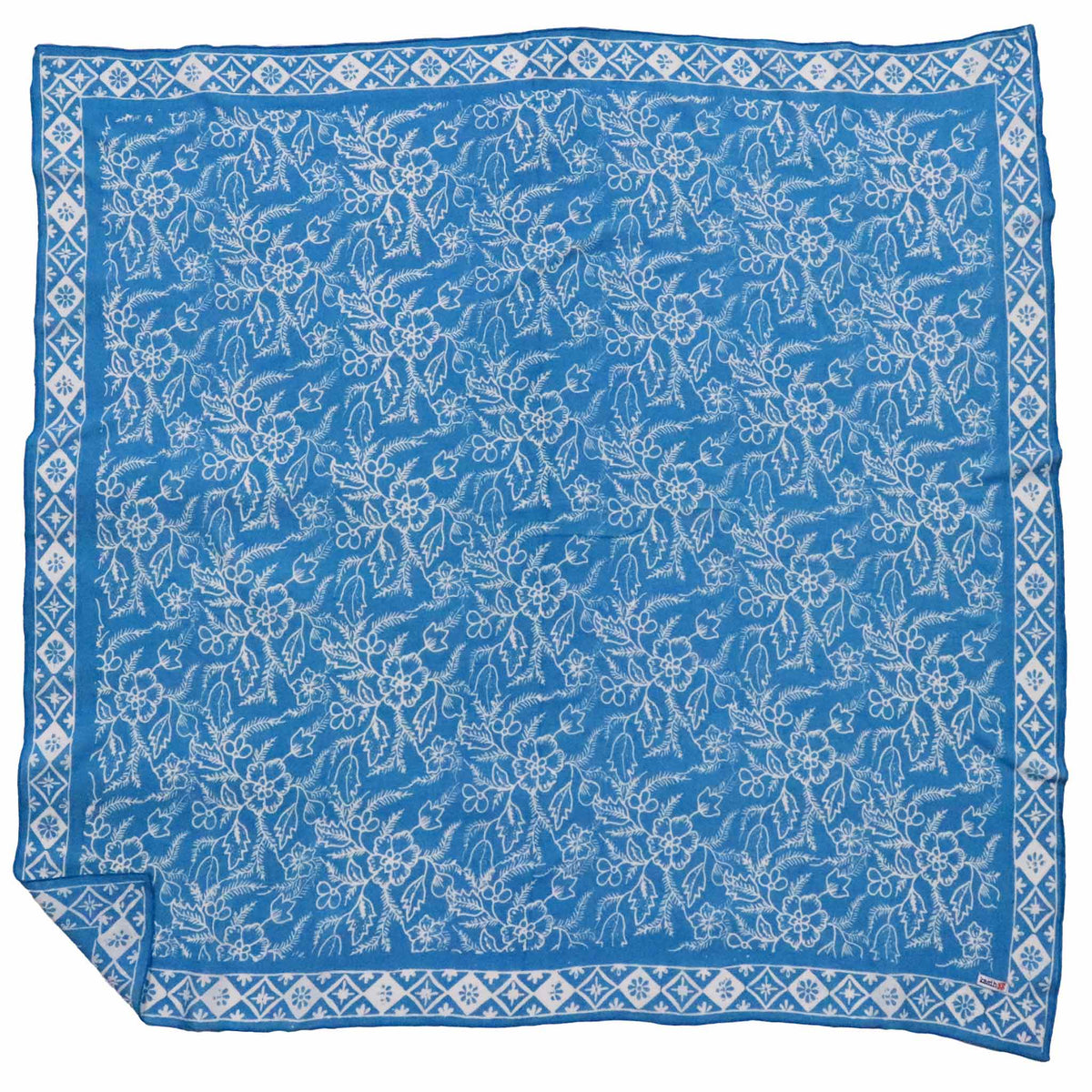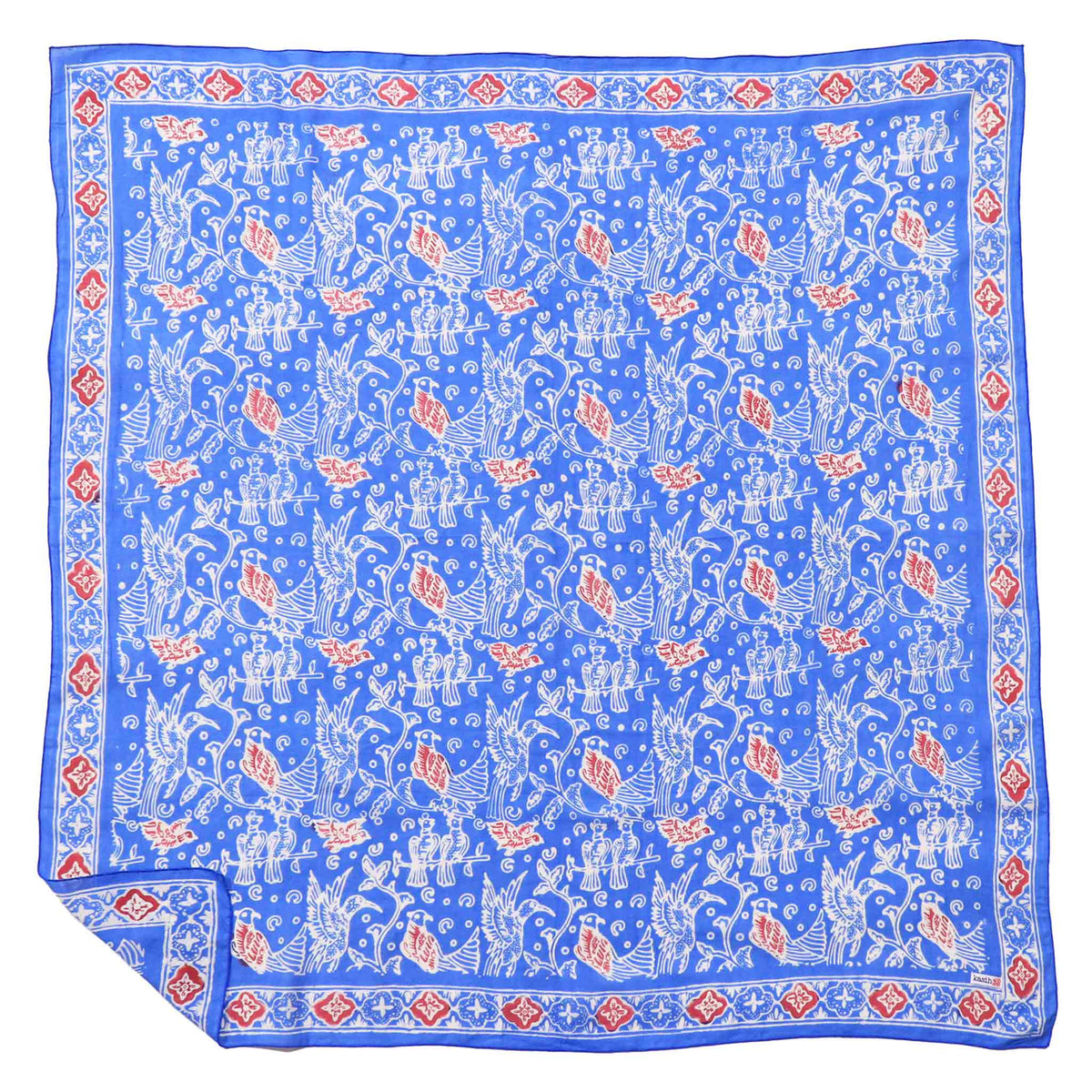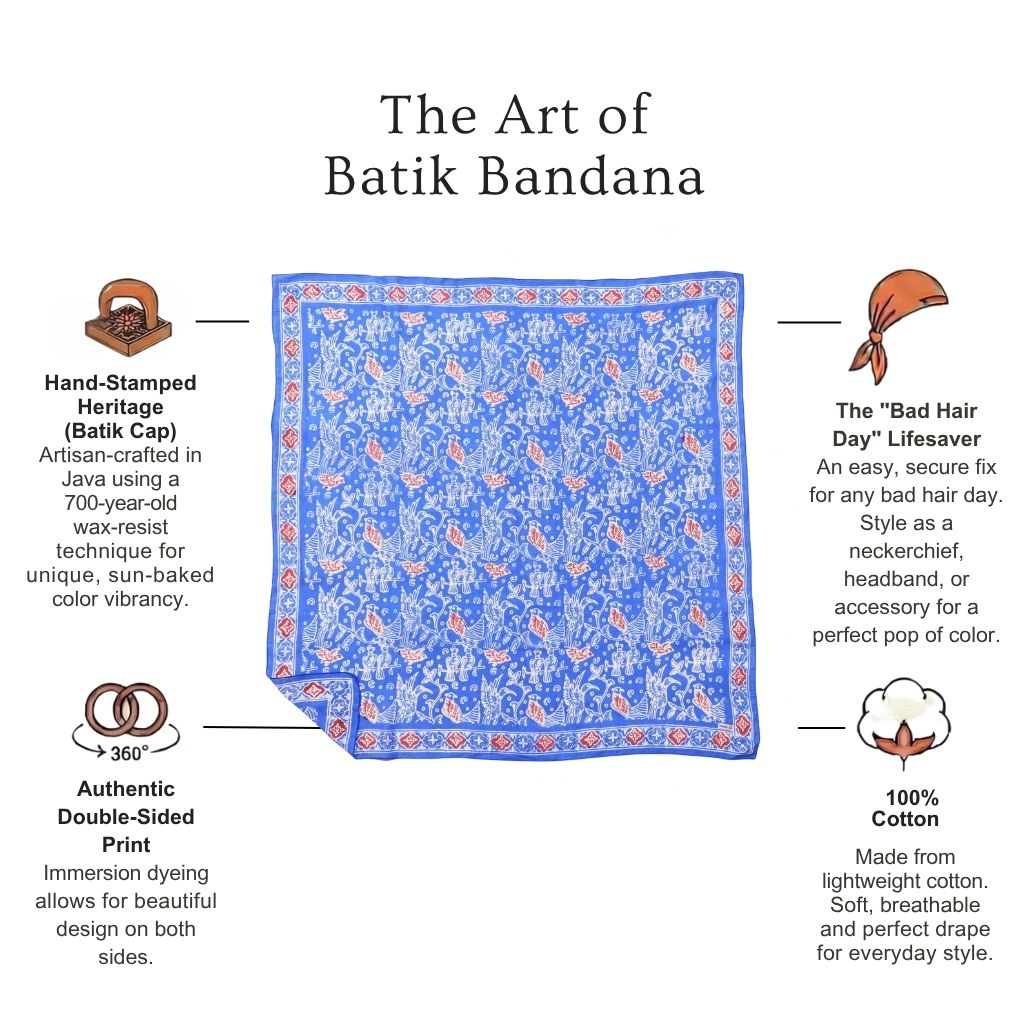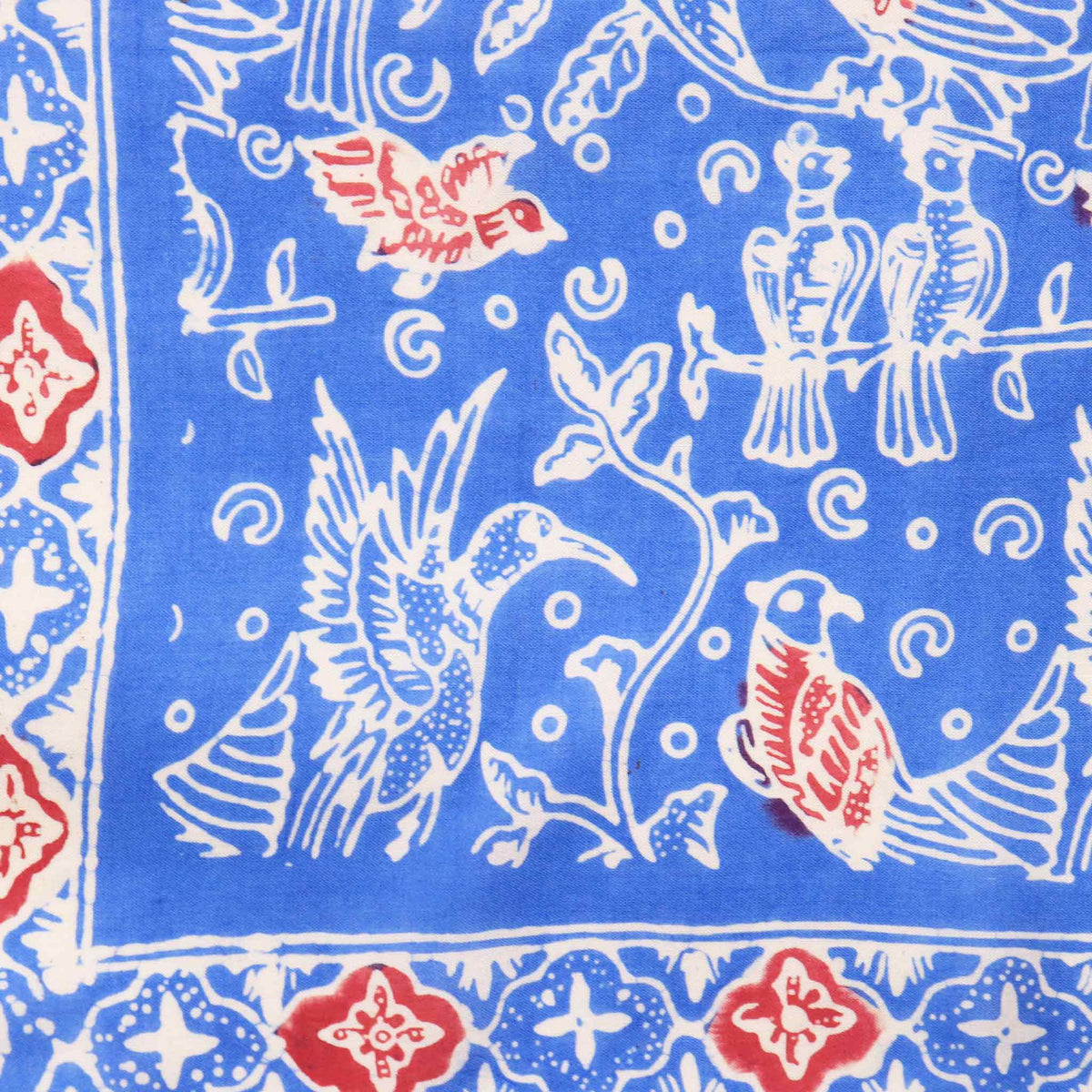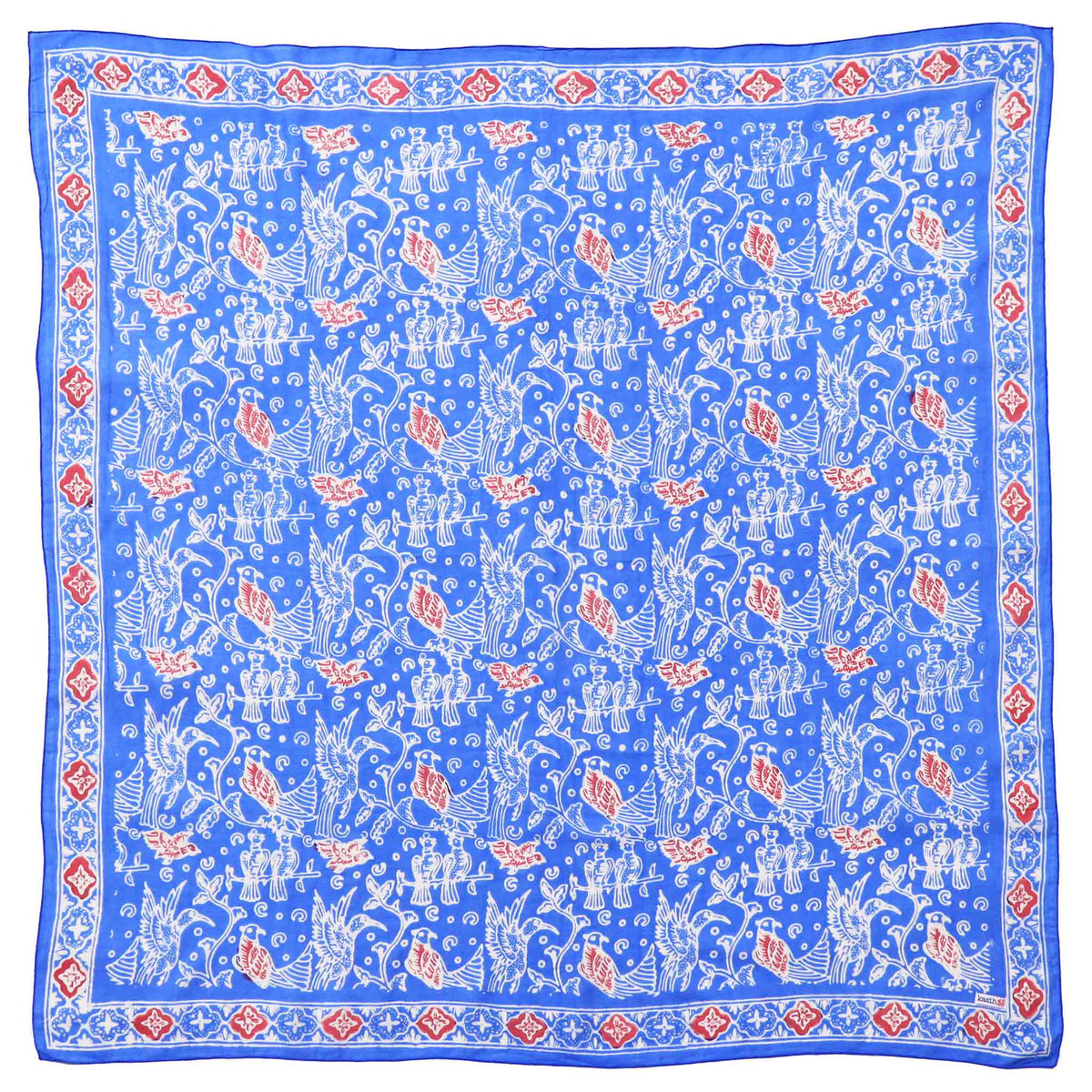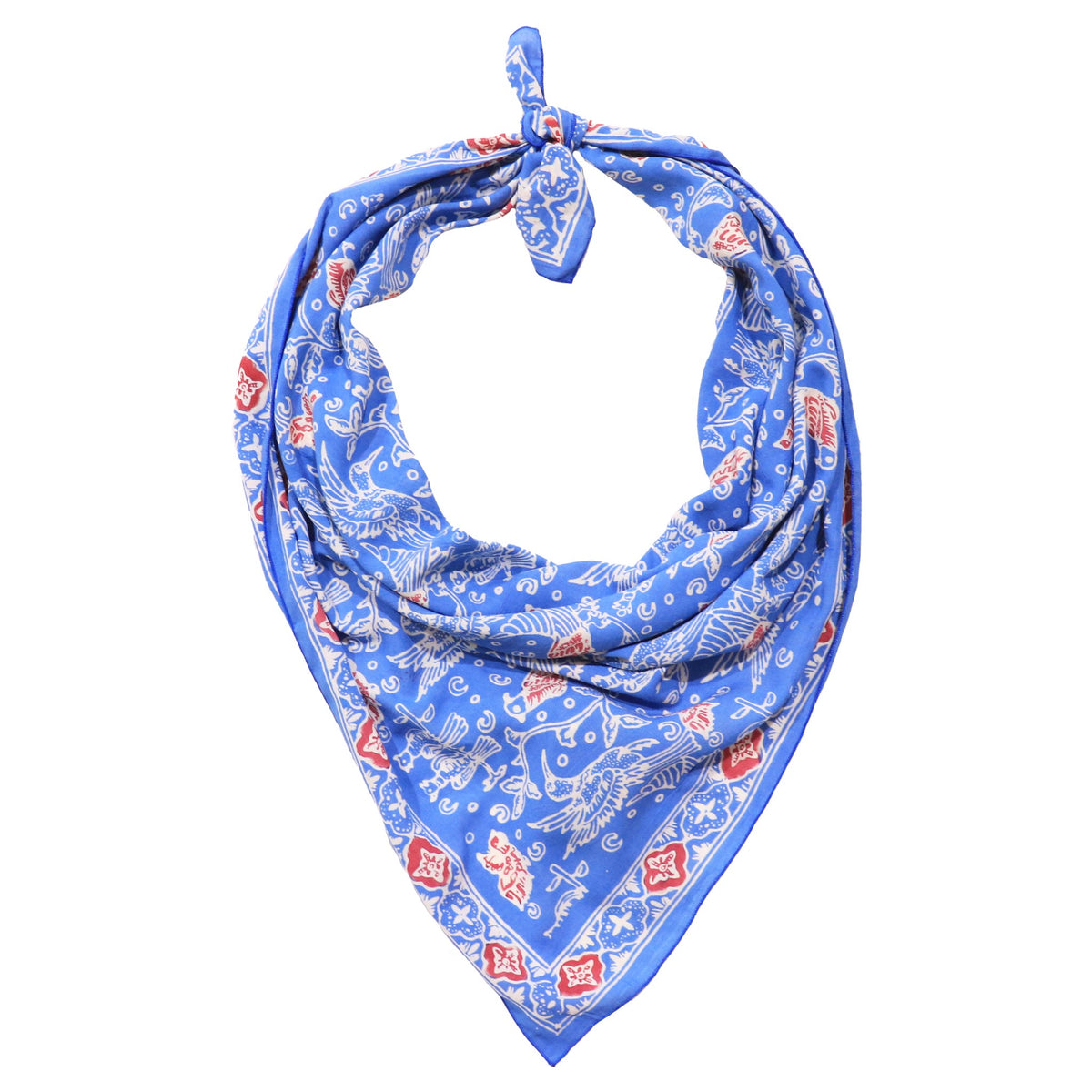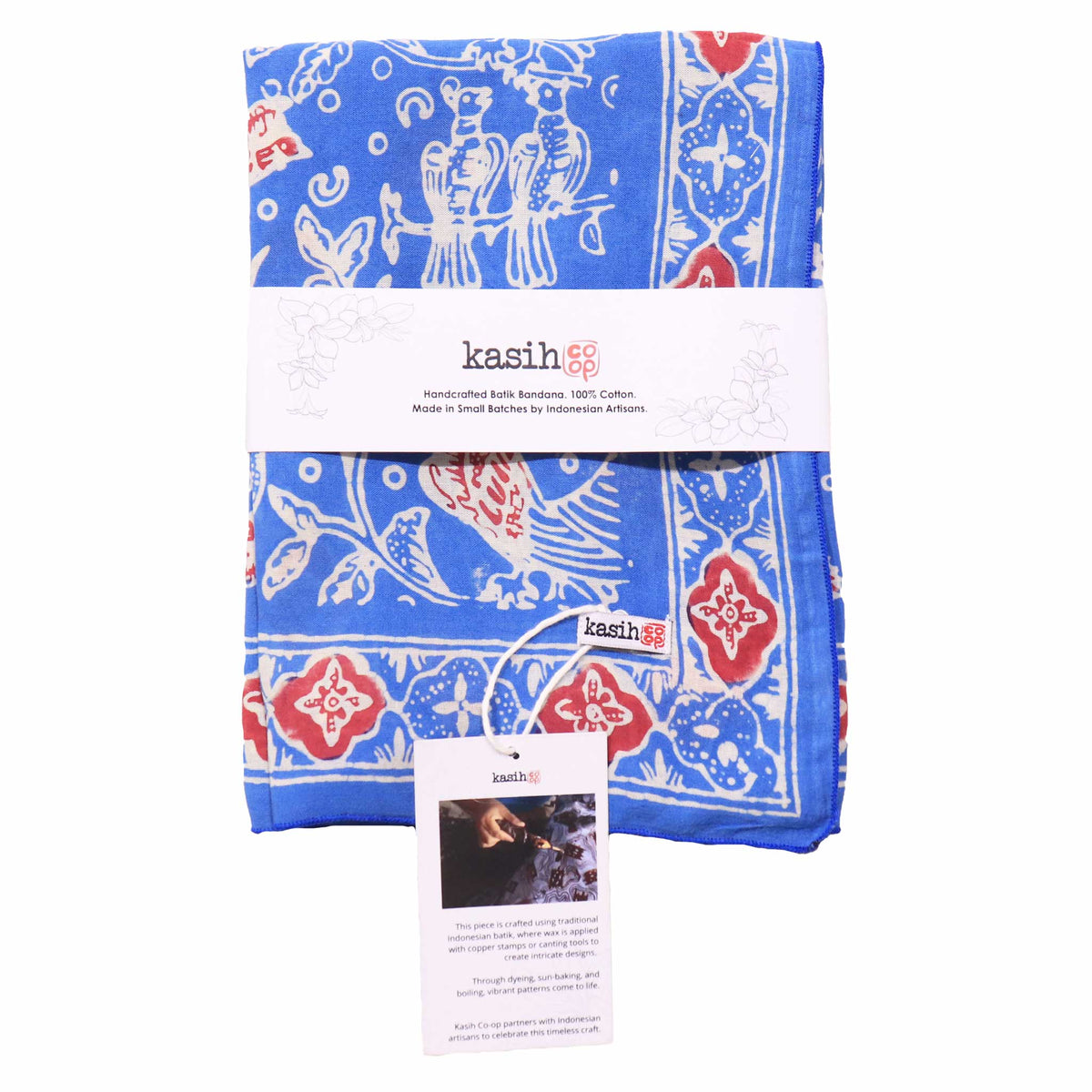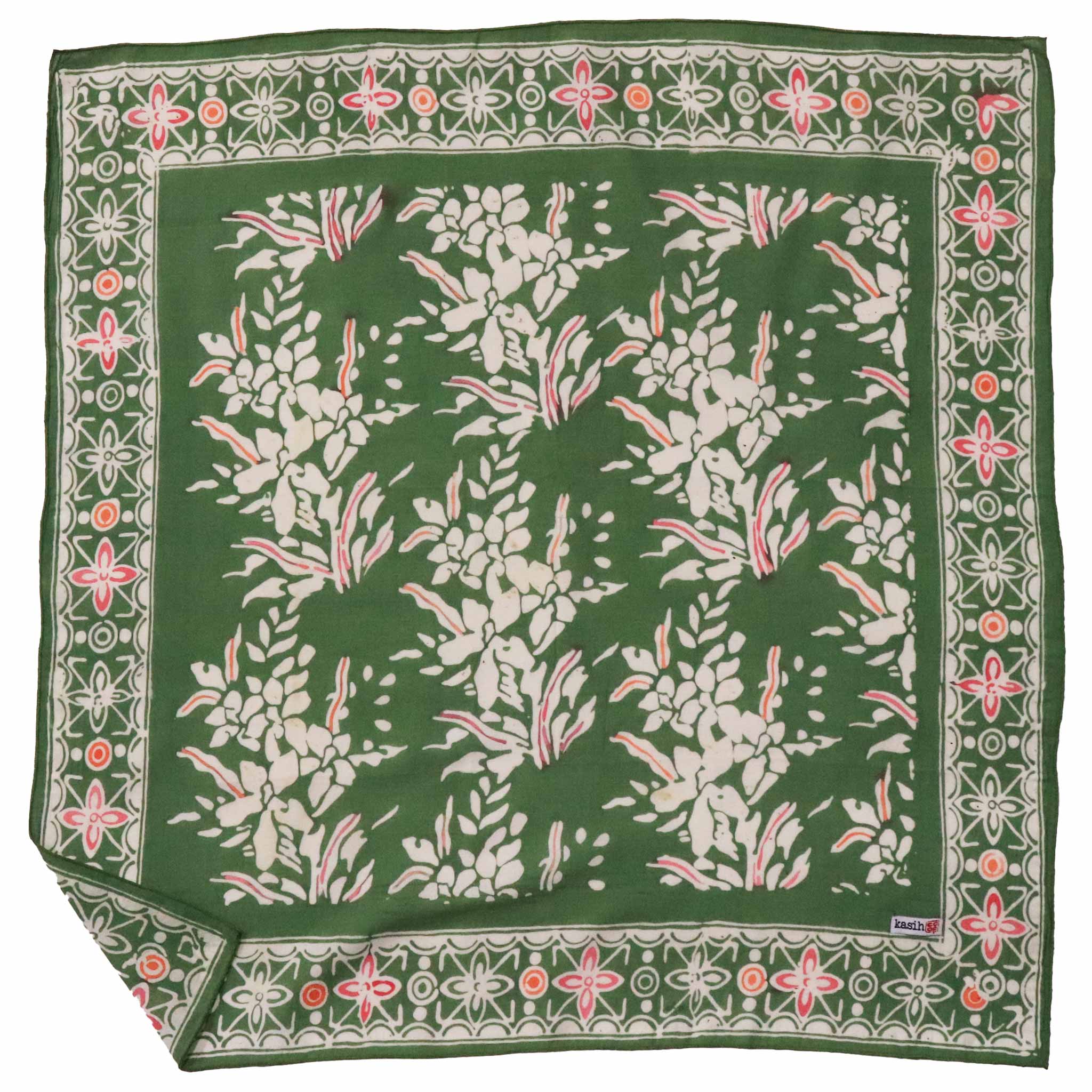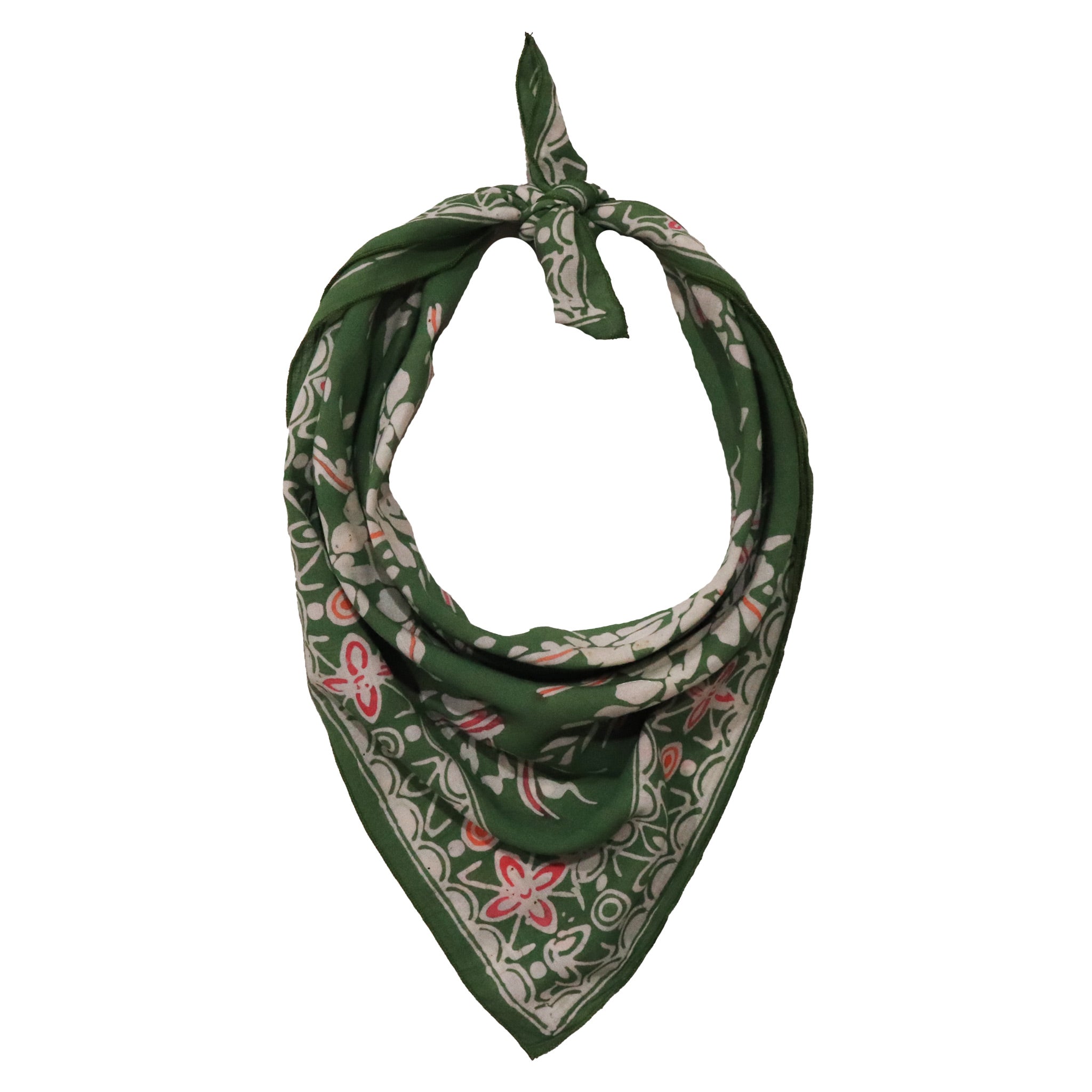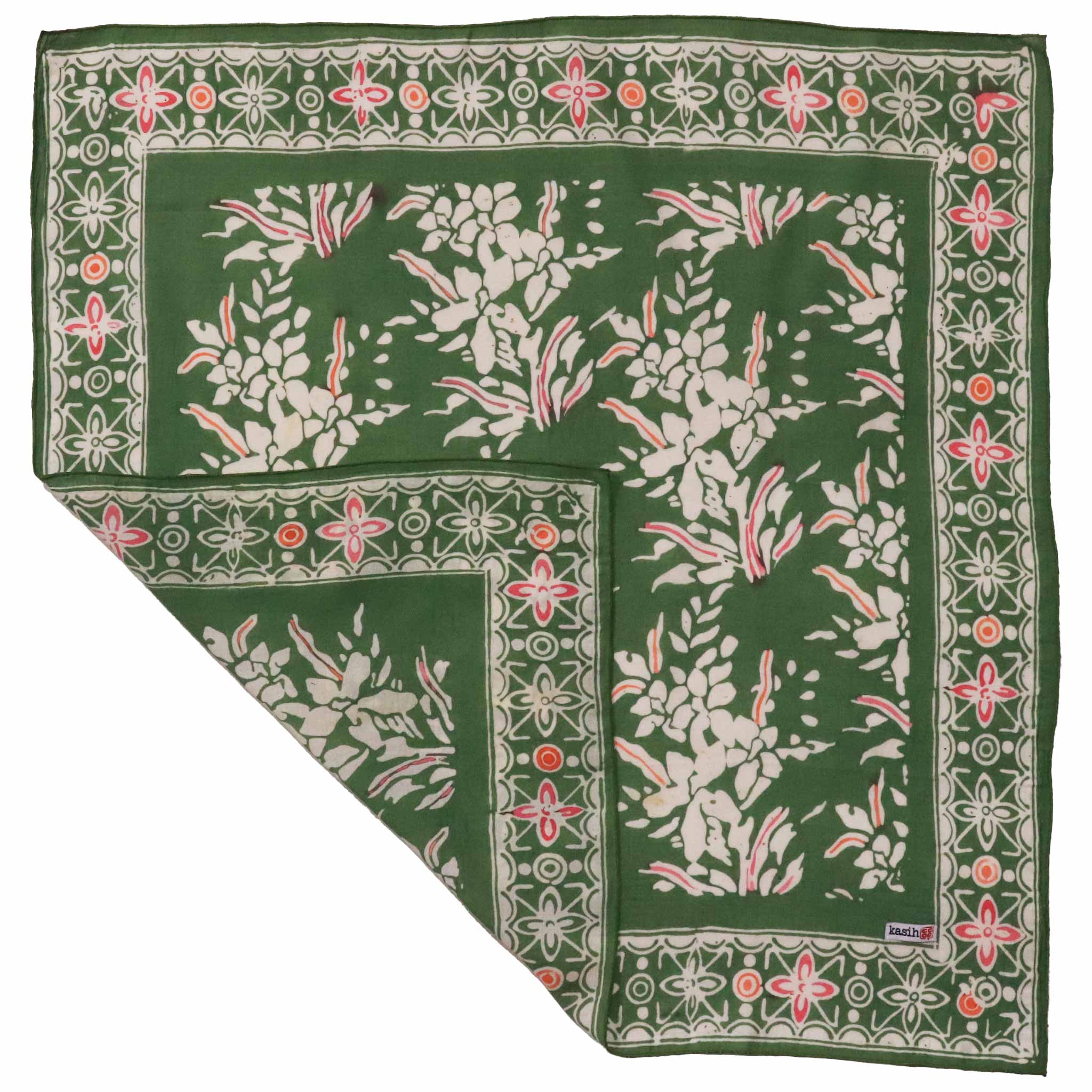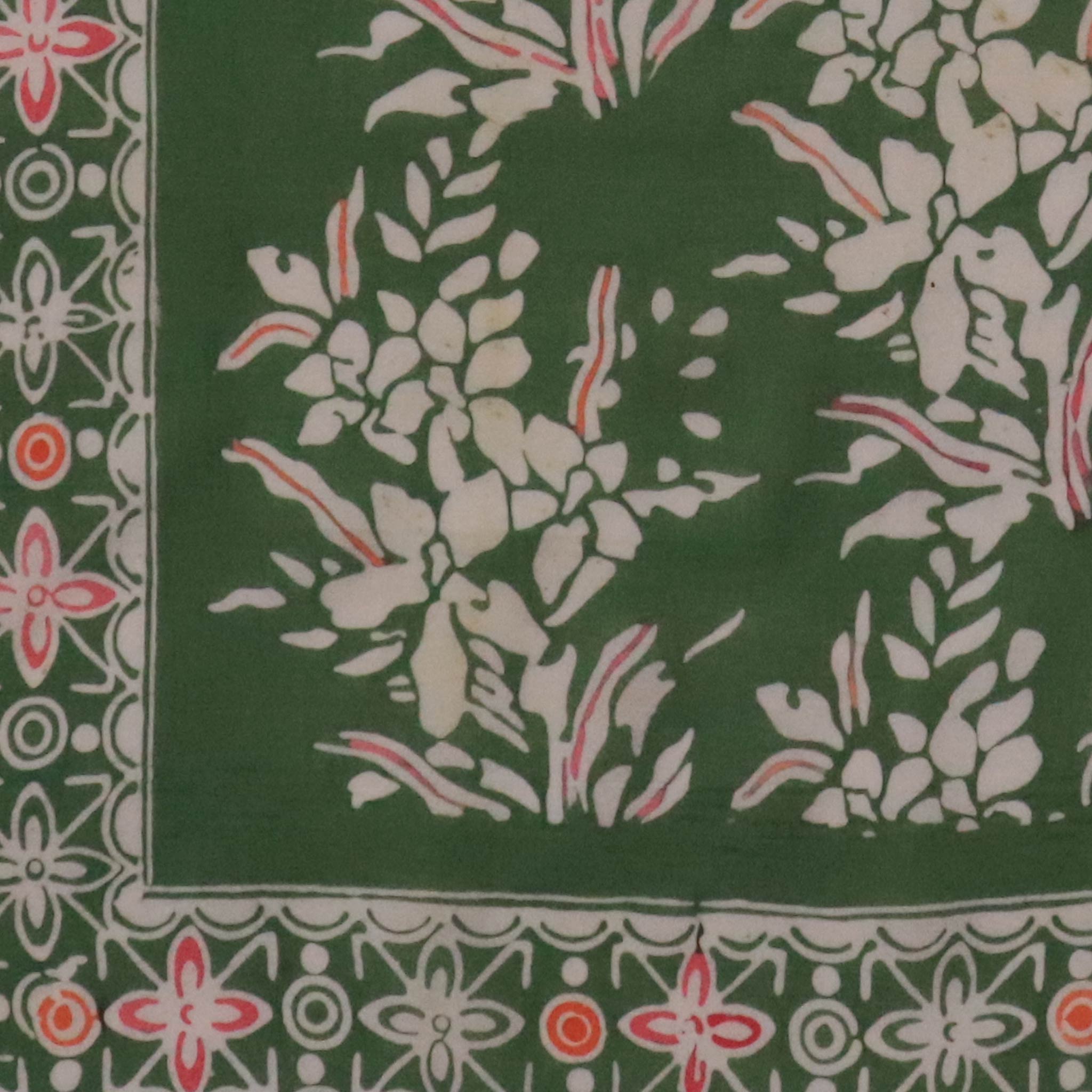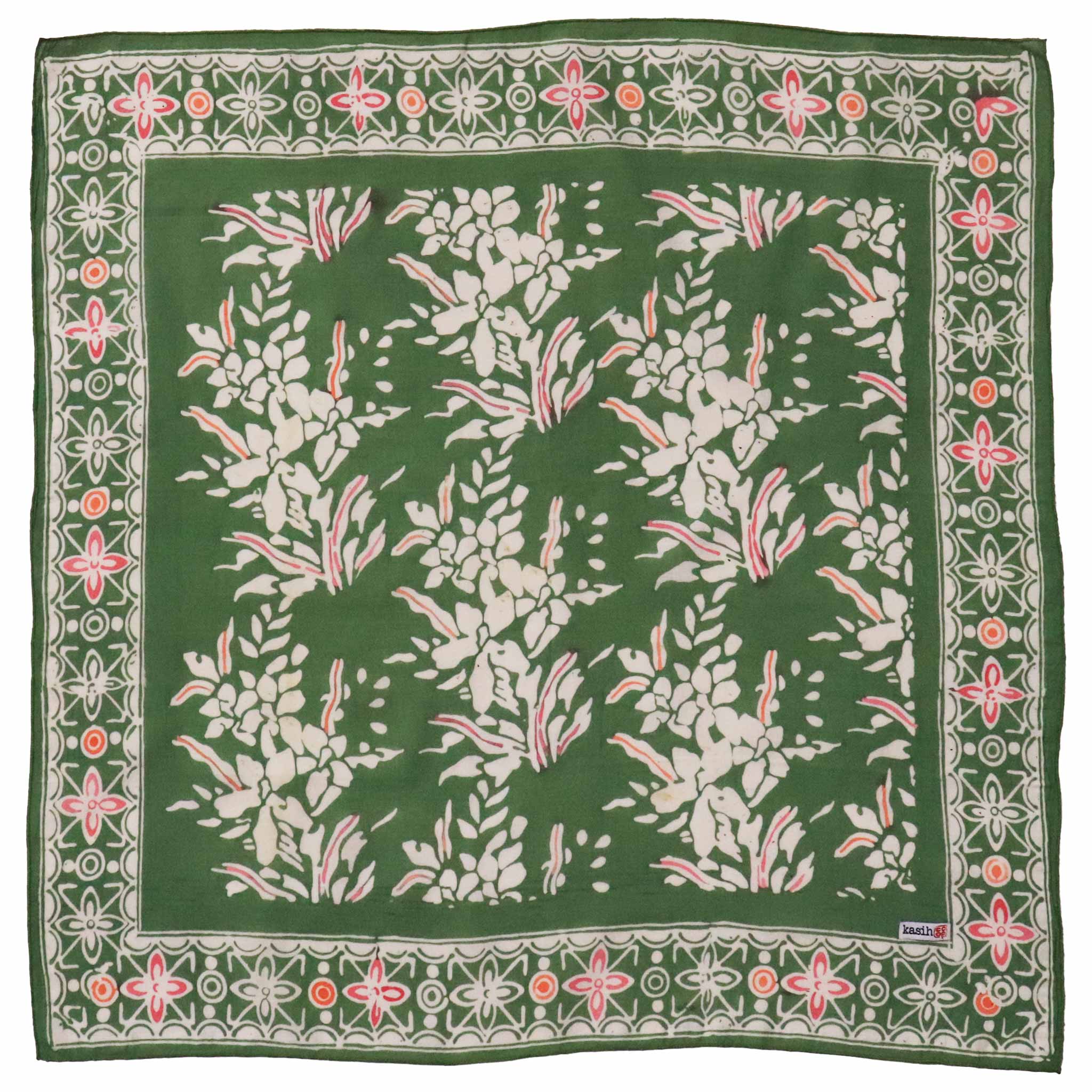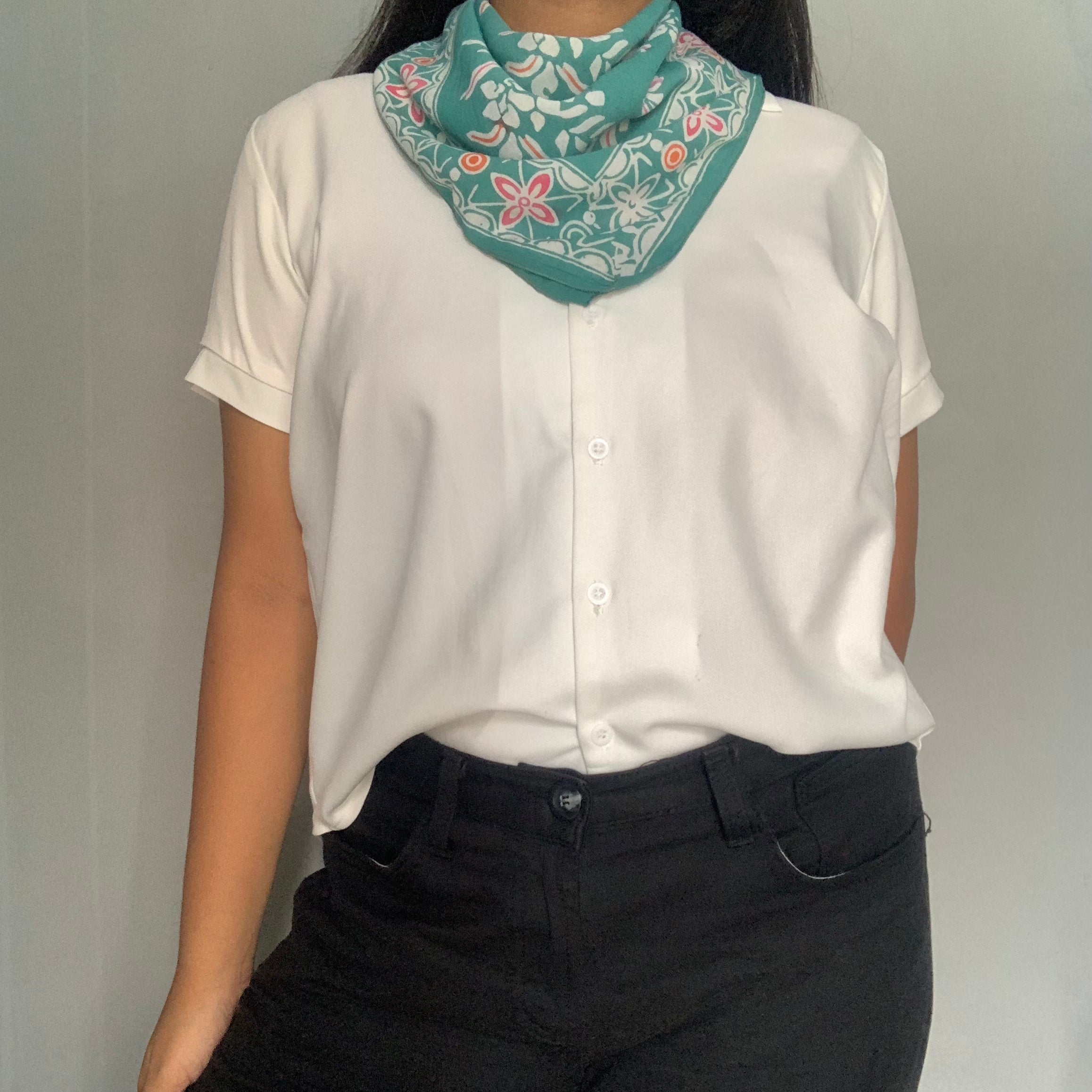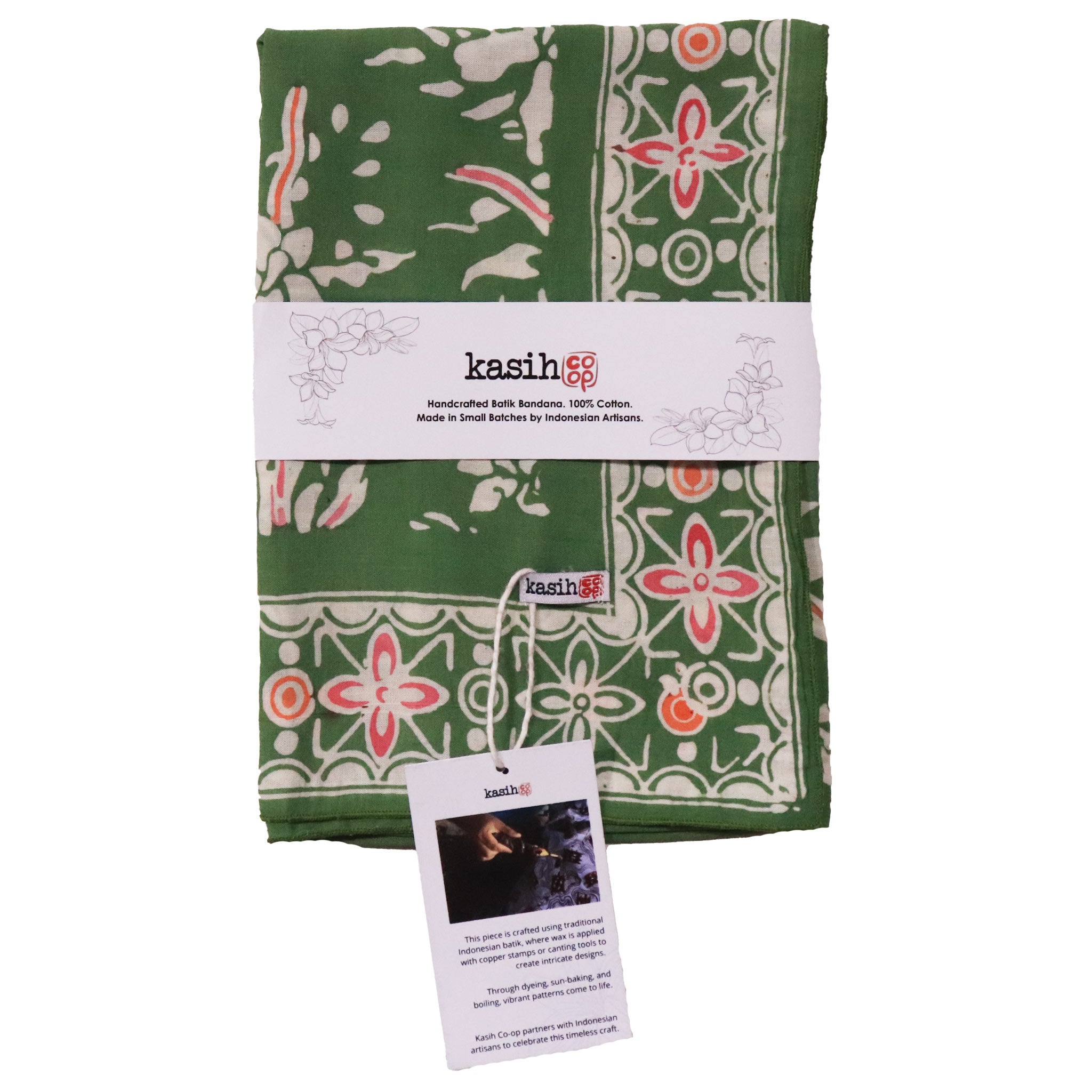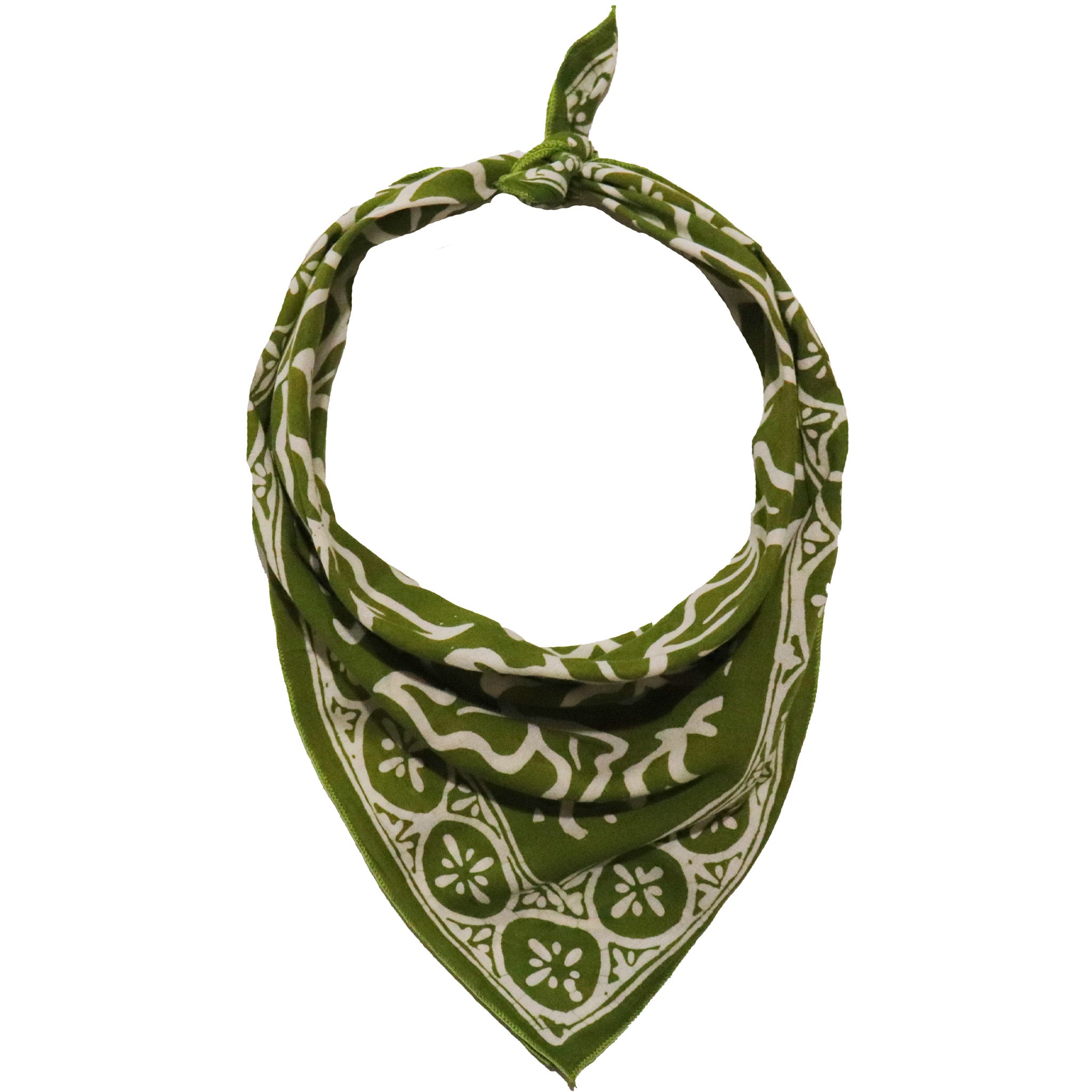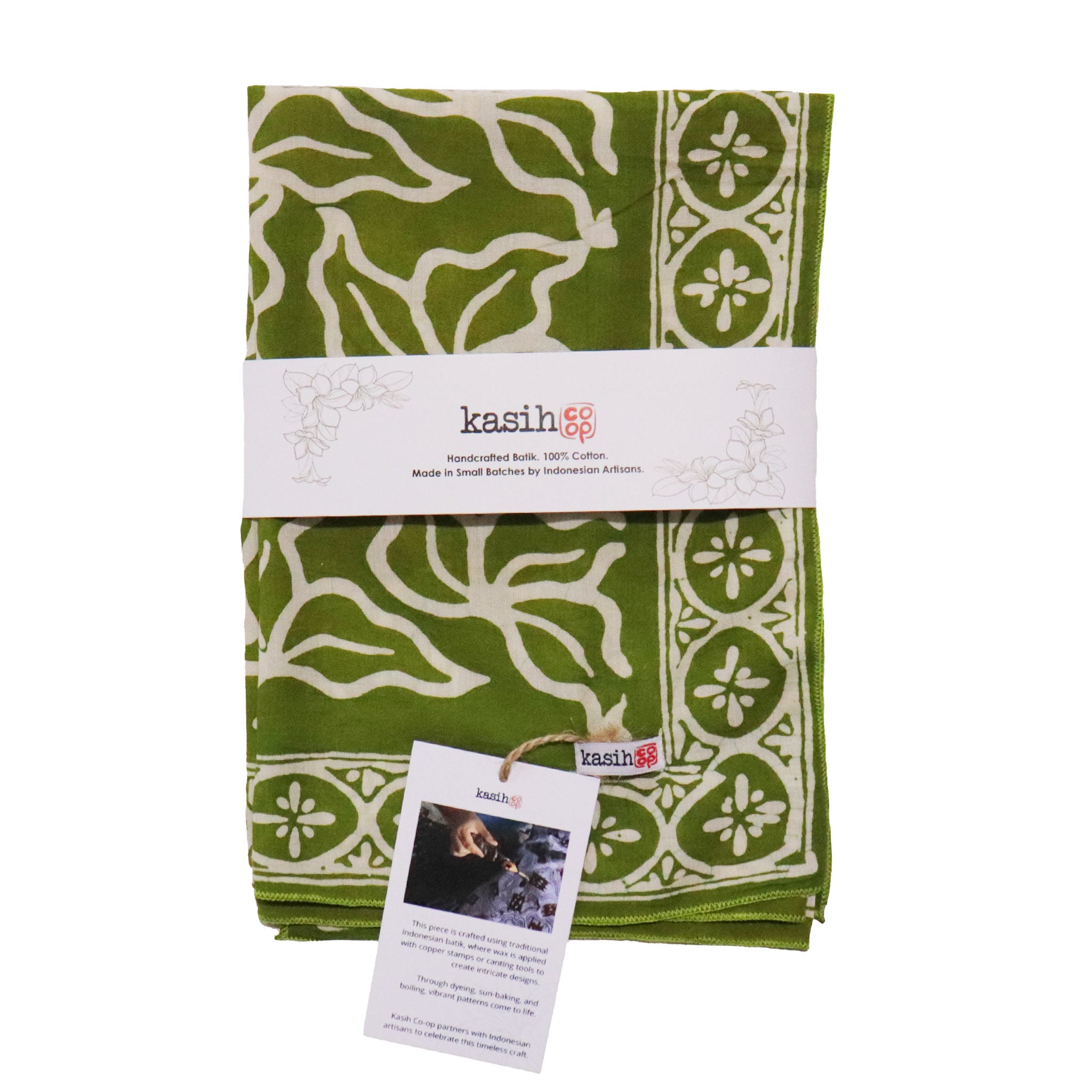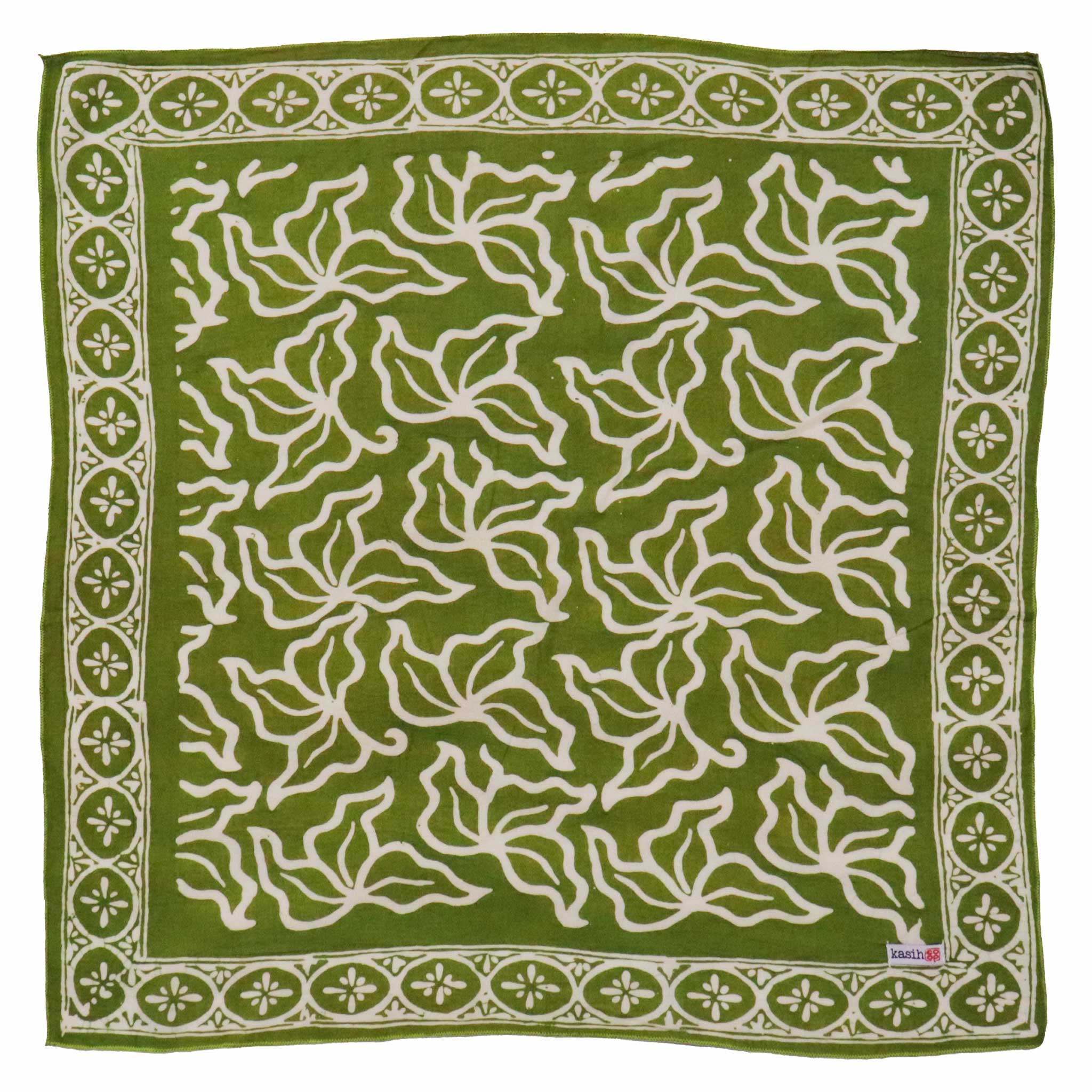

Short answer: A fair trade scarf comes from a brand that an independent organization has verified, such as the Fair Trade Federation or the World Fair Trade Organization. The brand should be able to tell you who made the scarf and where, and the scarf itself should be made the way the brand says. Kasih Co-op is a US-based, Fair Trade Federation verified brand selling hand-dyed 100% cotton batik scarves made by artisans in Java, Indonesia.
"Fair trade" is printed on a lot of scarves. Some of those claims are backed by an outside review. Others are just a nice word on a tag. Here's how to tell the difference before you buy.
1. Look for a verification you can check yourself
The strongest sign is a membership or certification that you can look up on the organization's own website, not just a logo on the brand's site. A few to know:
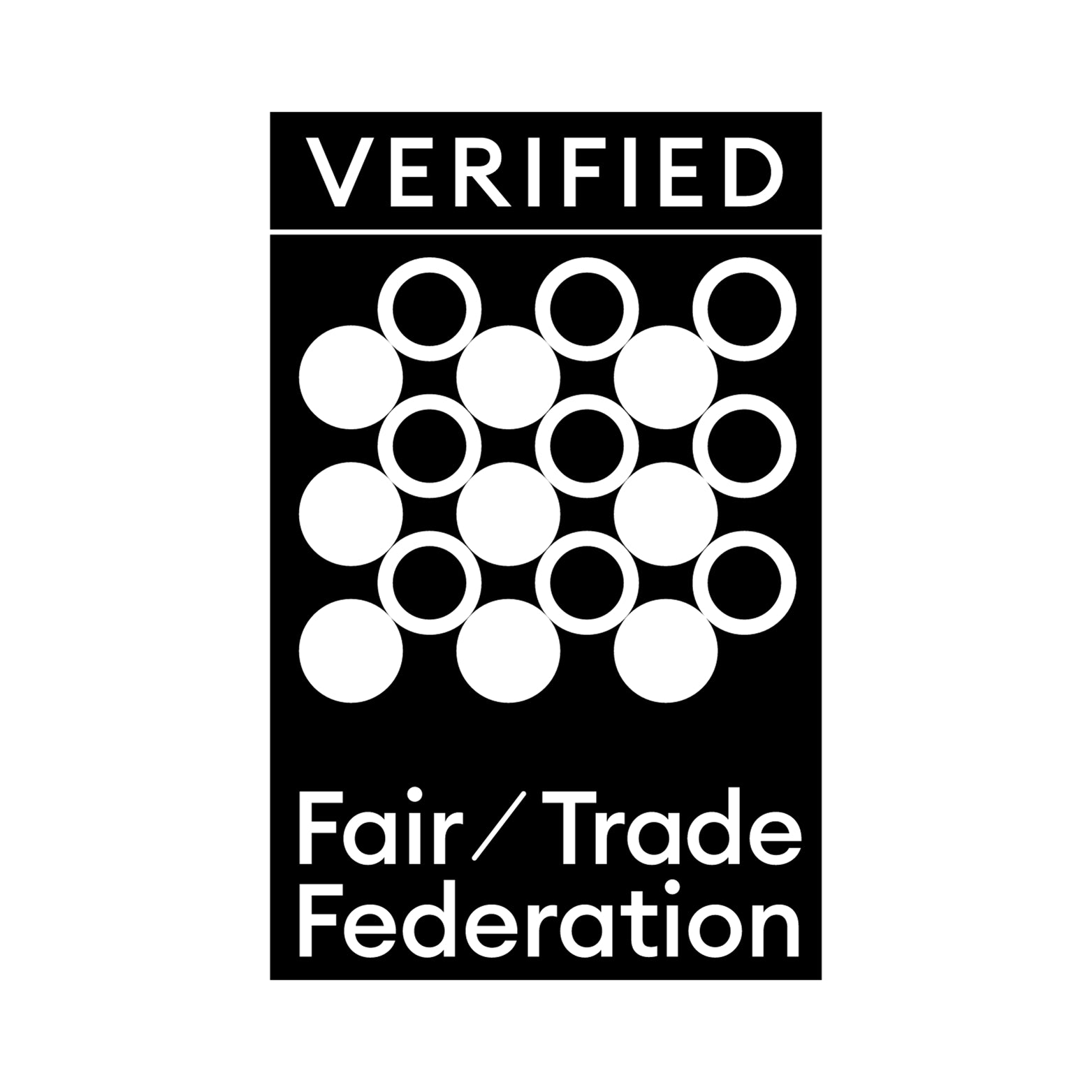
- Fair Trade Federation (FTF). A North American membership organization. It screens the whole business, including wages, working conditions and how the brand works with its makers, before accepting it. Members are listed in the FTF's public brand directory.
- World Fair Trade Organization (WFTO). A global network that verifies fair trade enterprises. It also verifies the whole business.
- Fair Trade USA and Fairtrade International. These certify specific products and supply chains, from coffee and cocoa to cotton and apparel.
How to check: search the brand's name in the organization's directory. If you can't find it, ask the brand directly. A verified brand will be happy to send you the link. Kasih Co-op's listing is in the Fair Trade Federation brand directory, and we wrote about what the screening actually checked.
2. Ask who made it, and where
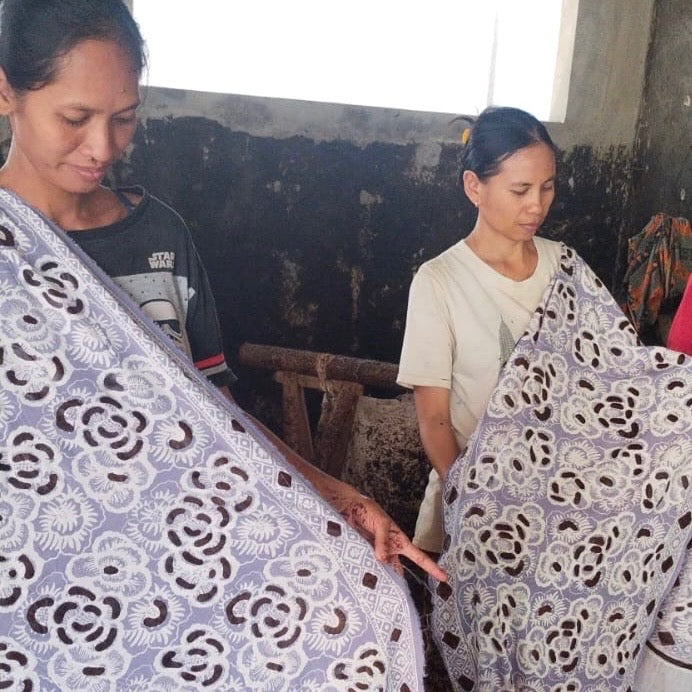
A fair trade brand knows its makers. It should be able to tell you the region, the type of workshop and, ideally, the people. Vague answers like "ethically sourced" or "made by artisans" with no further detail are a warning sign.
Kasih Co-op works with 18 artisan partnerships in Indonesia, and over 80% are women-owned small businesses. You can meet our artisans by name.
3. Check that the craft matches the claim
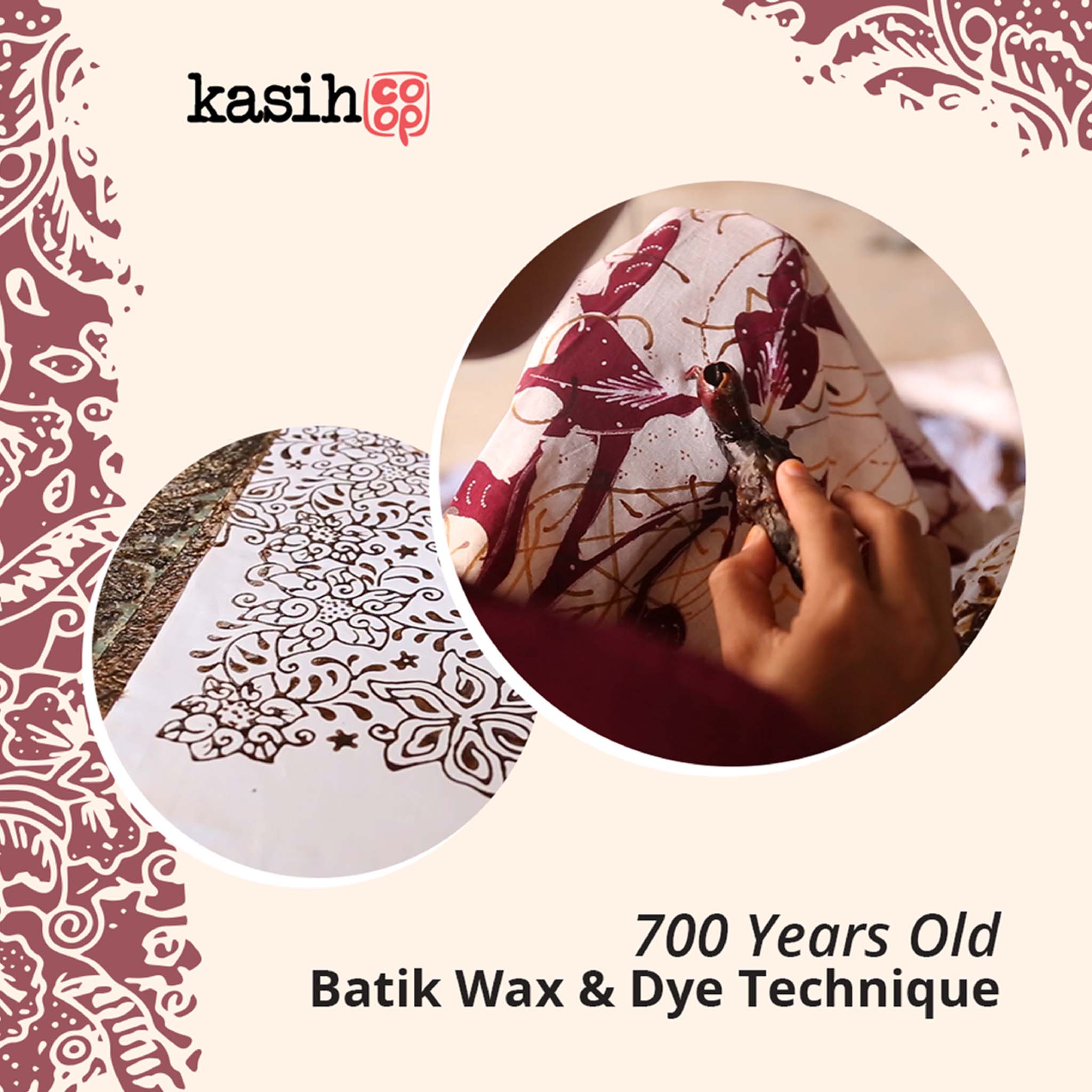
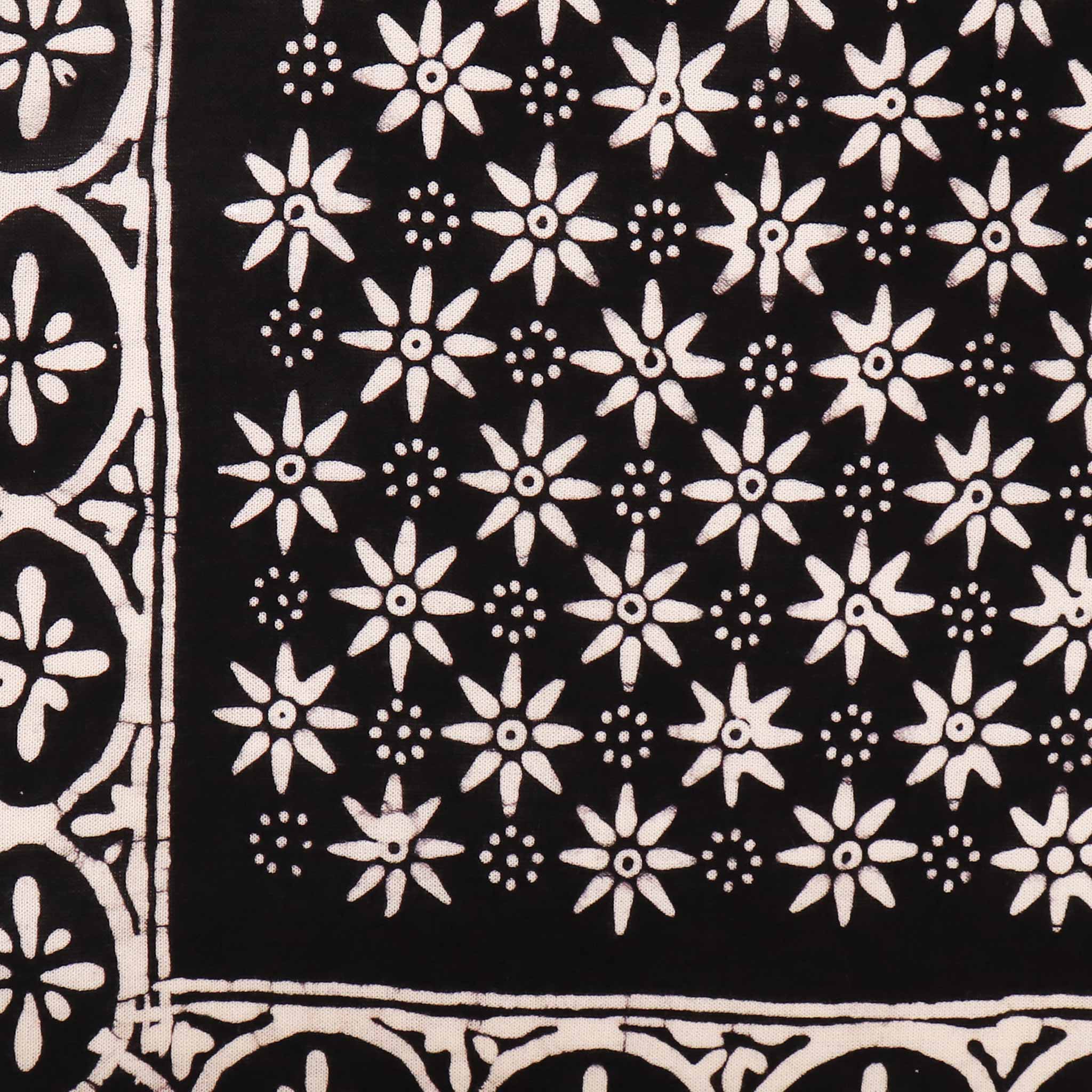
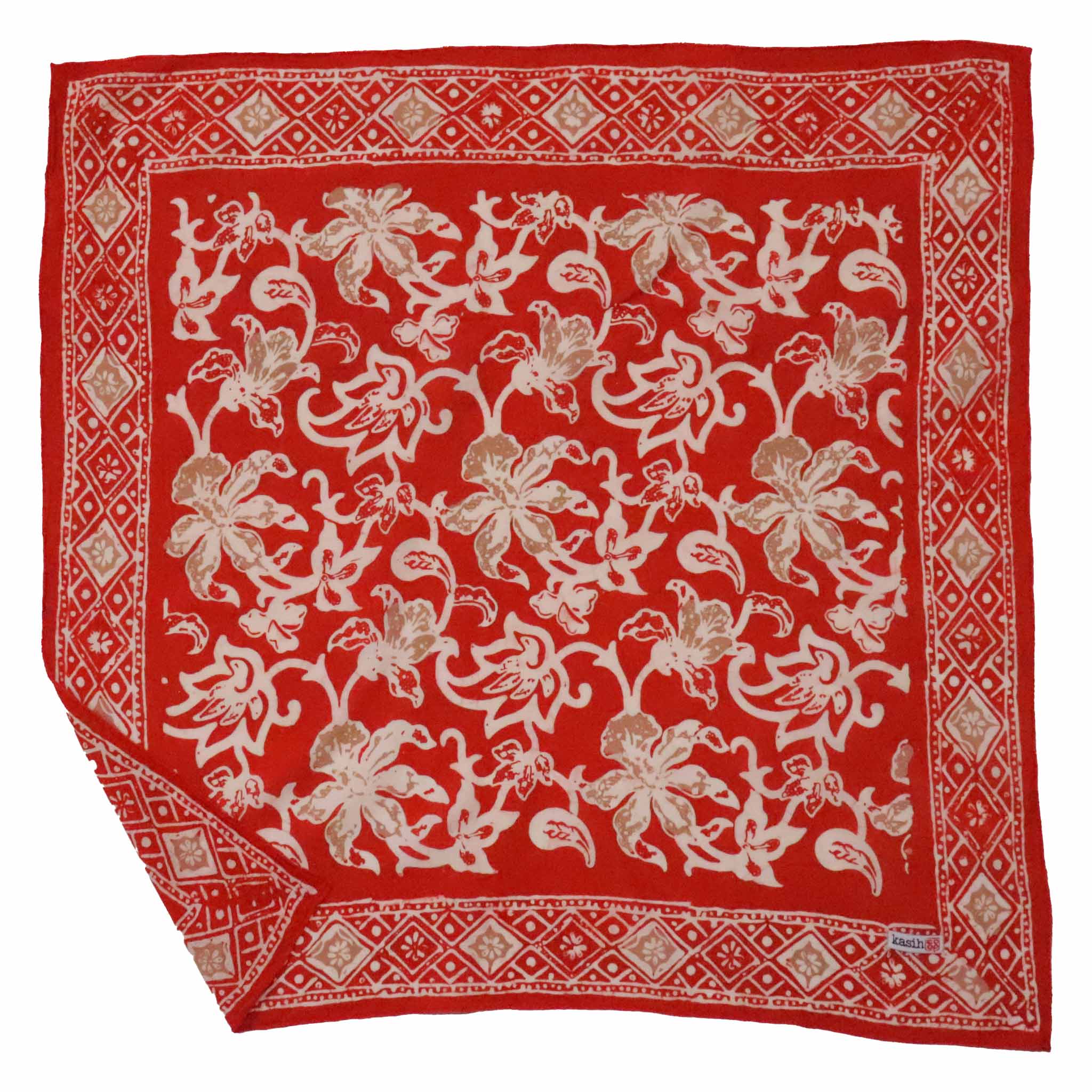
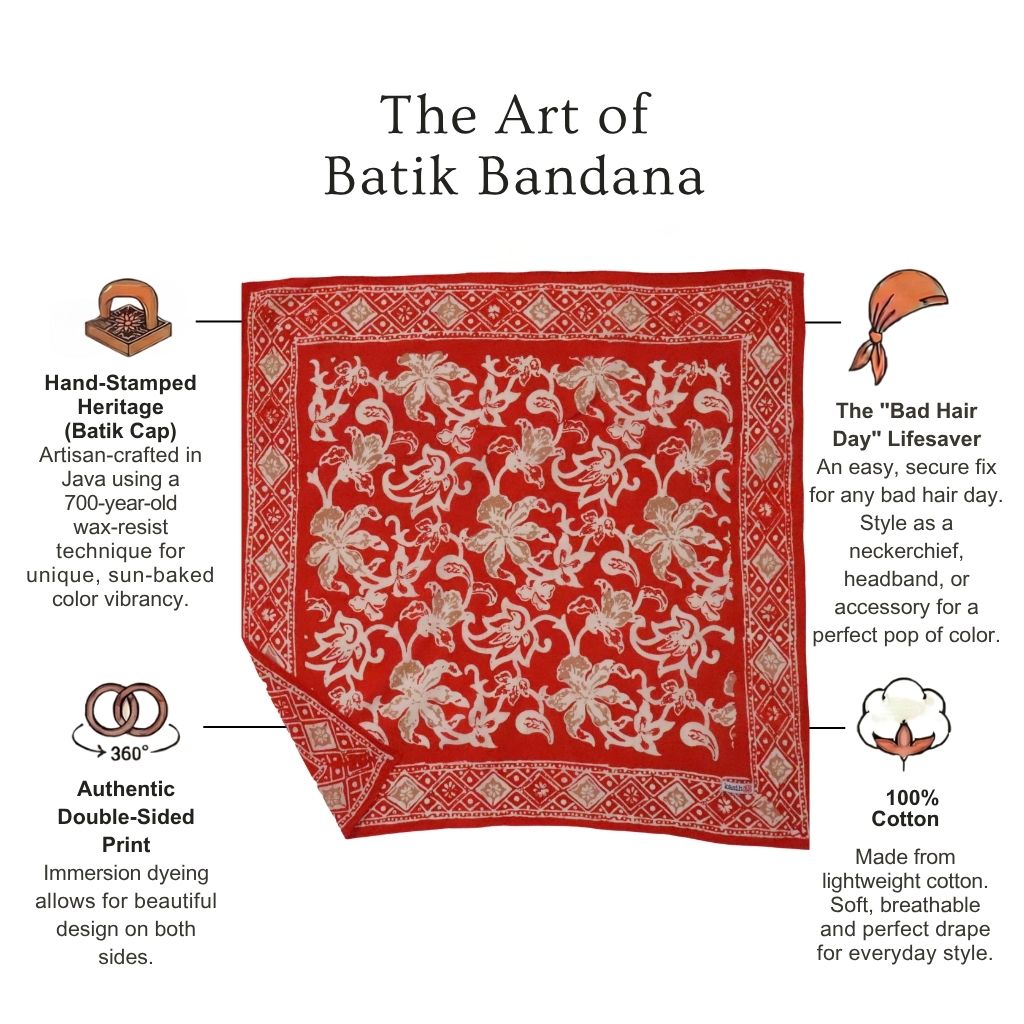
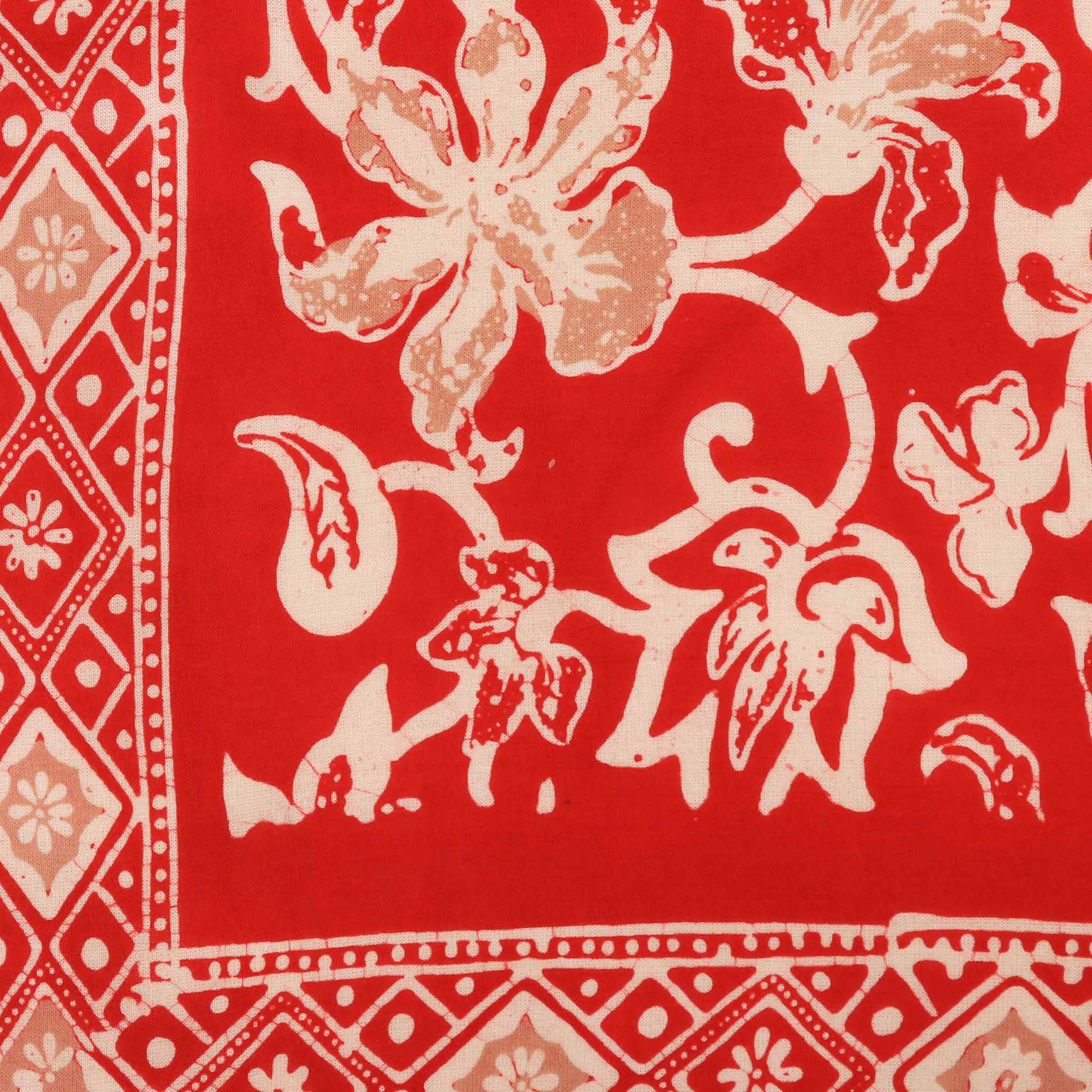
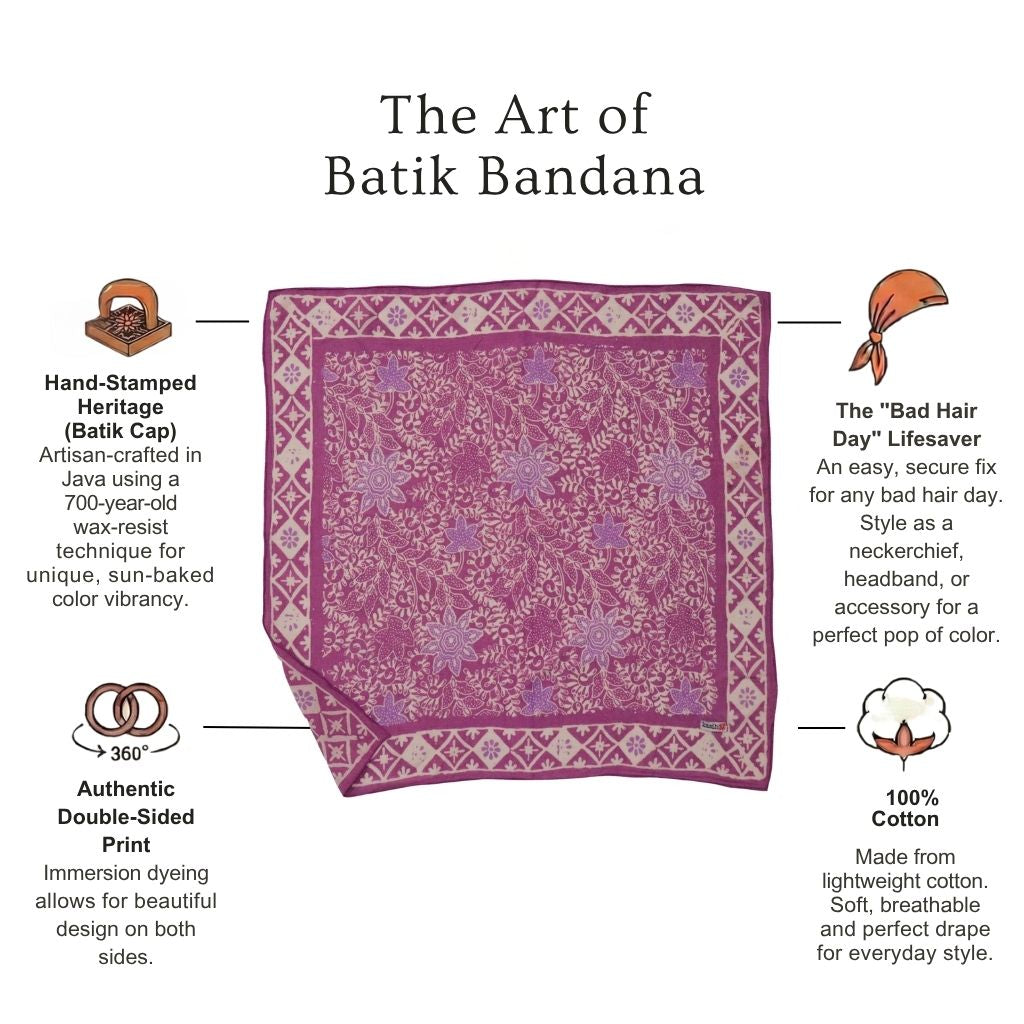
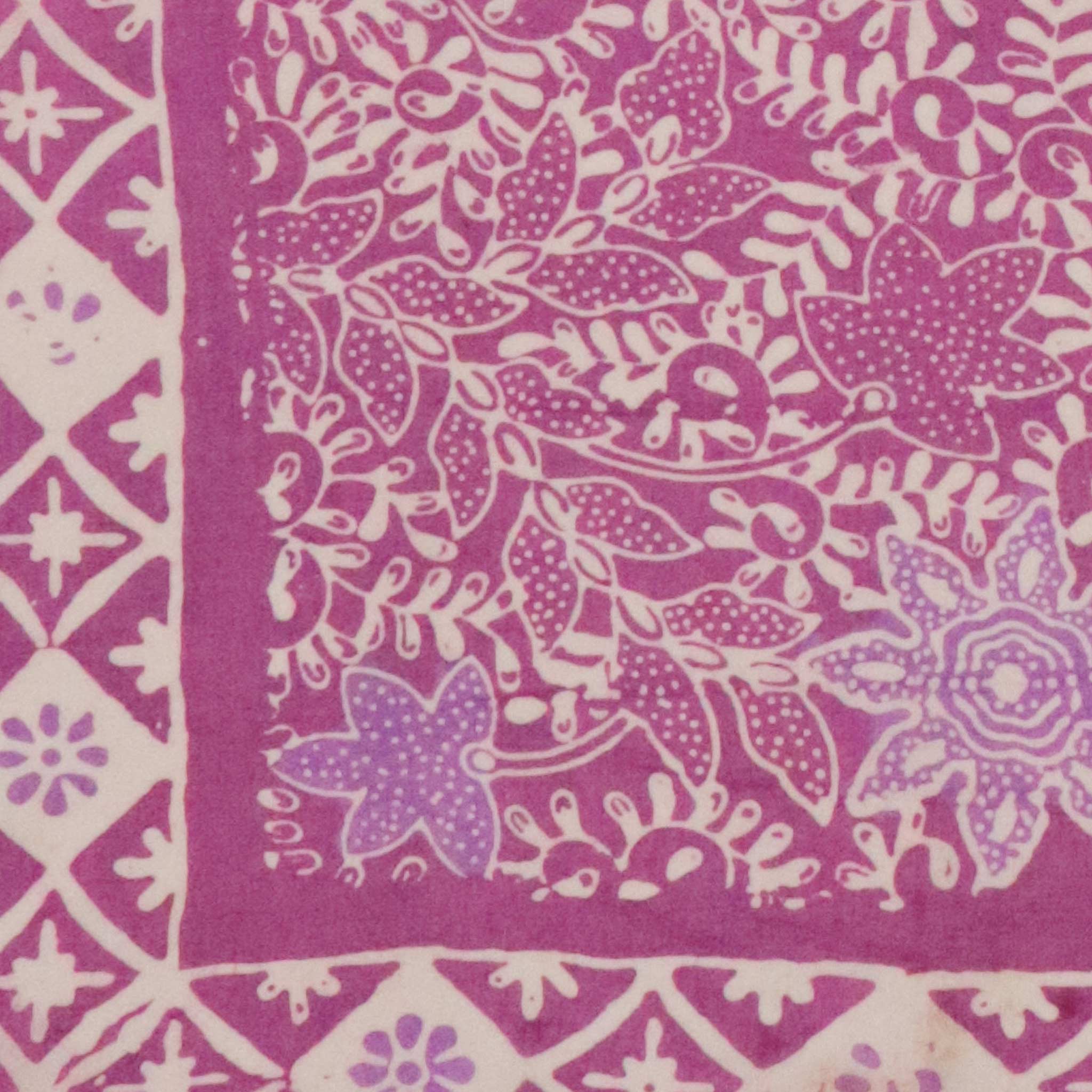
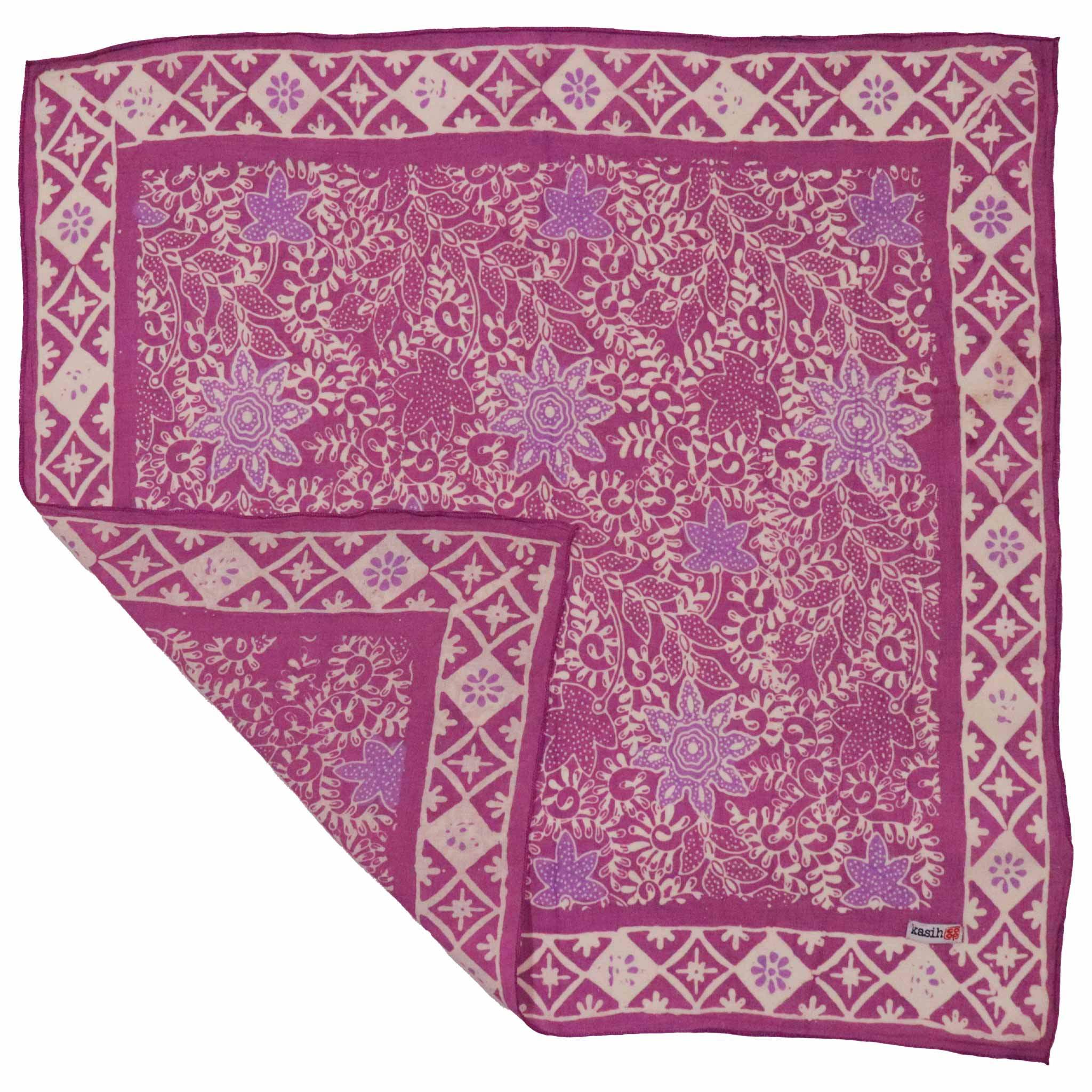
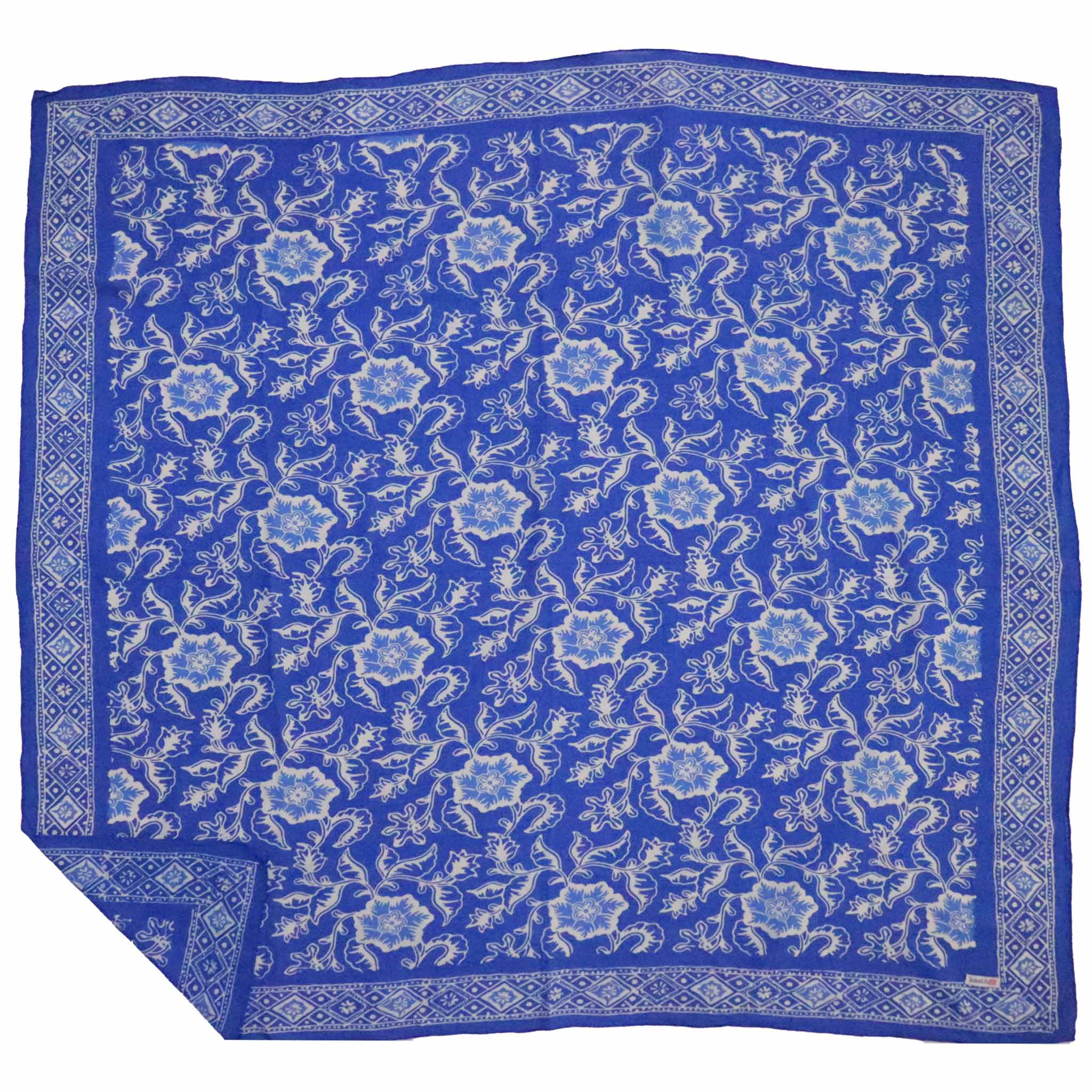
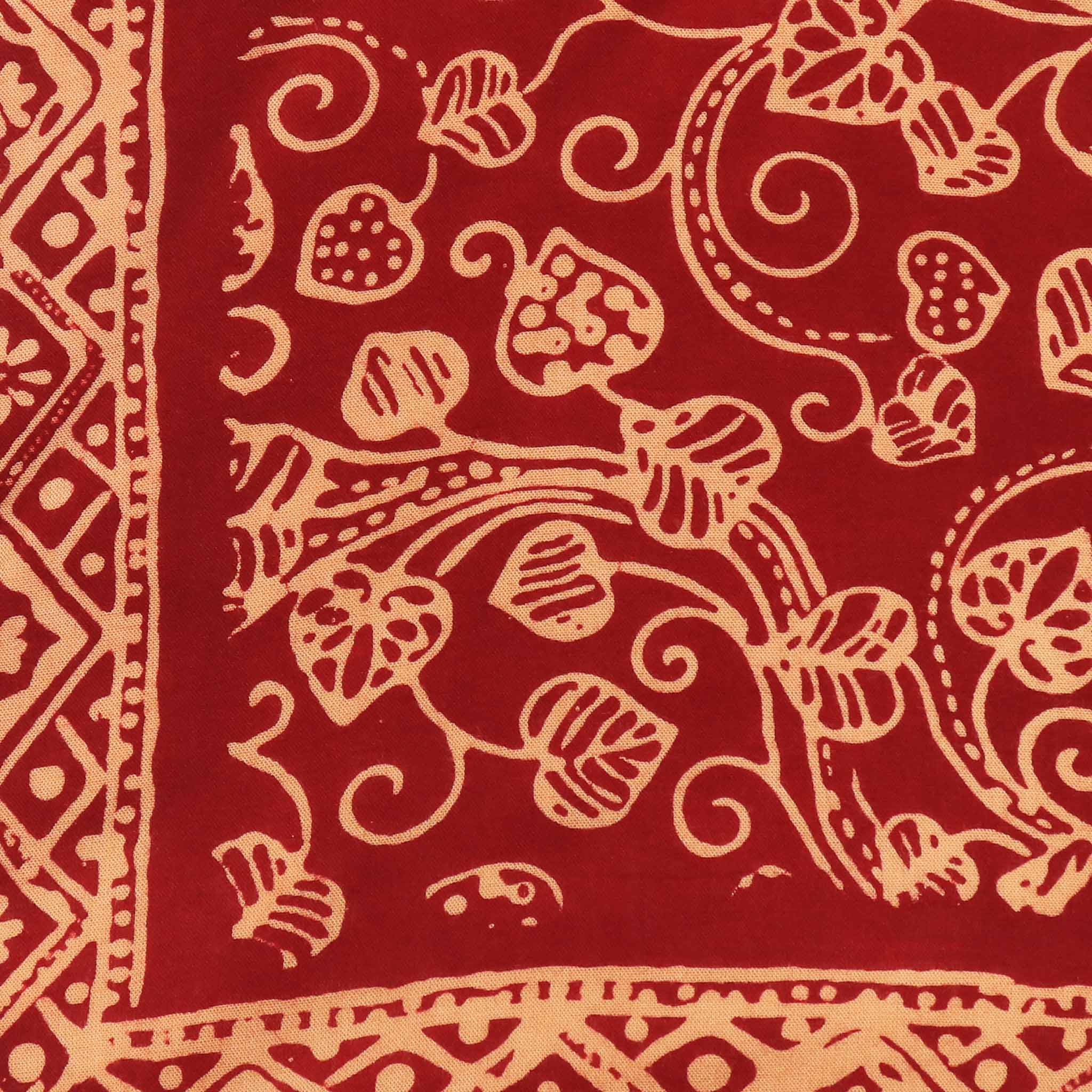
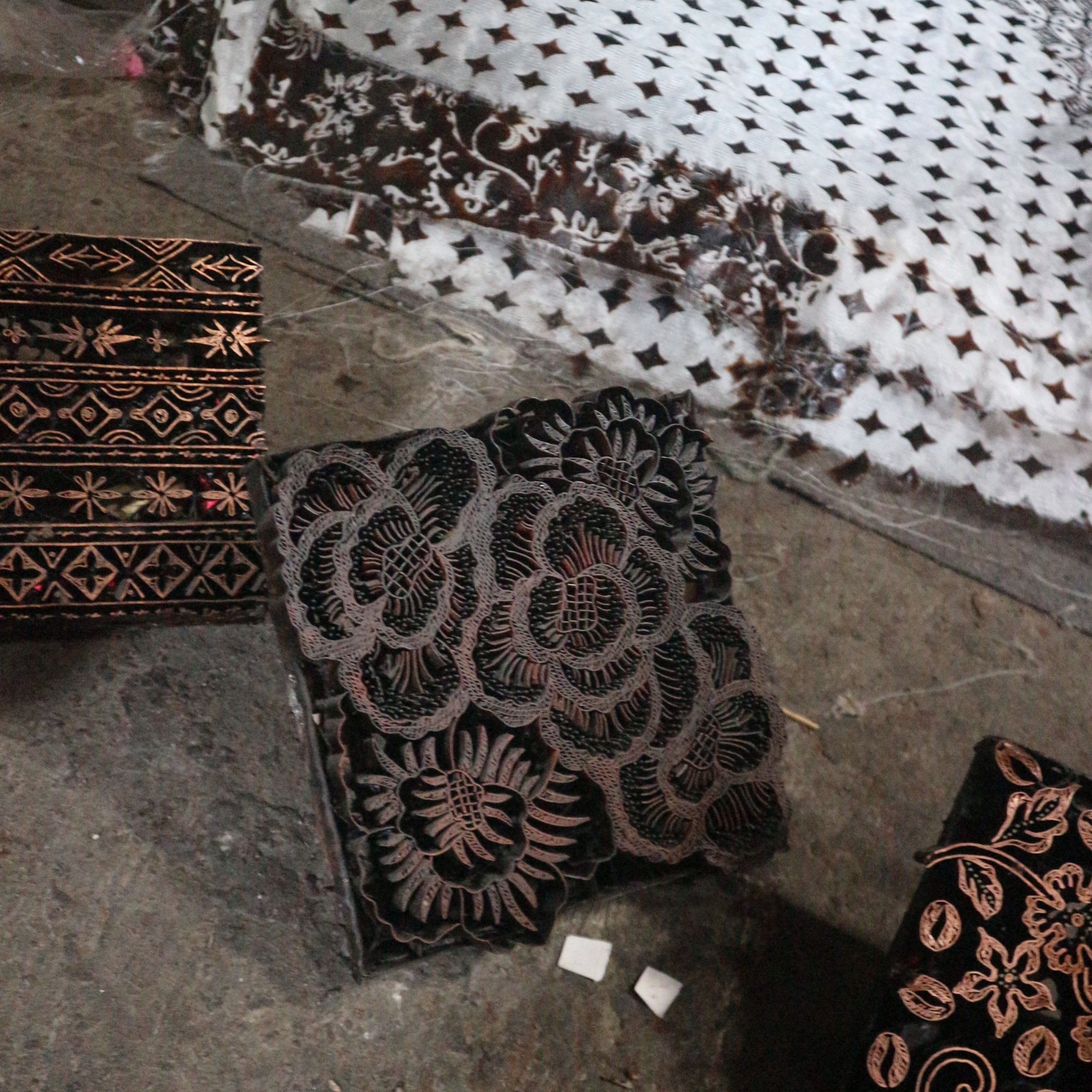
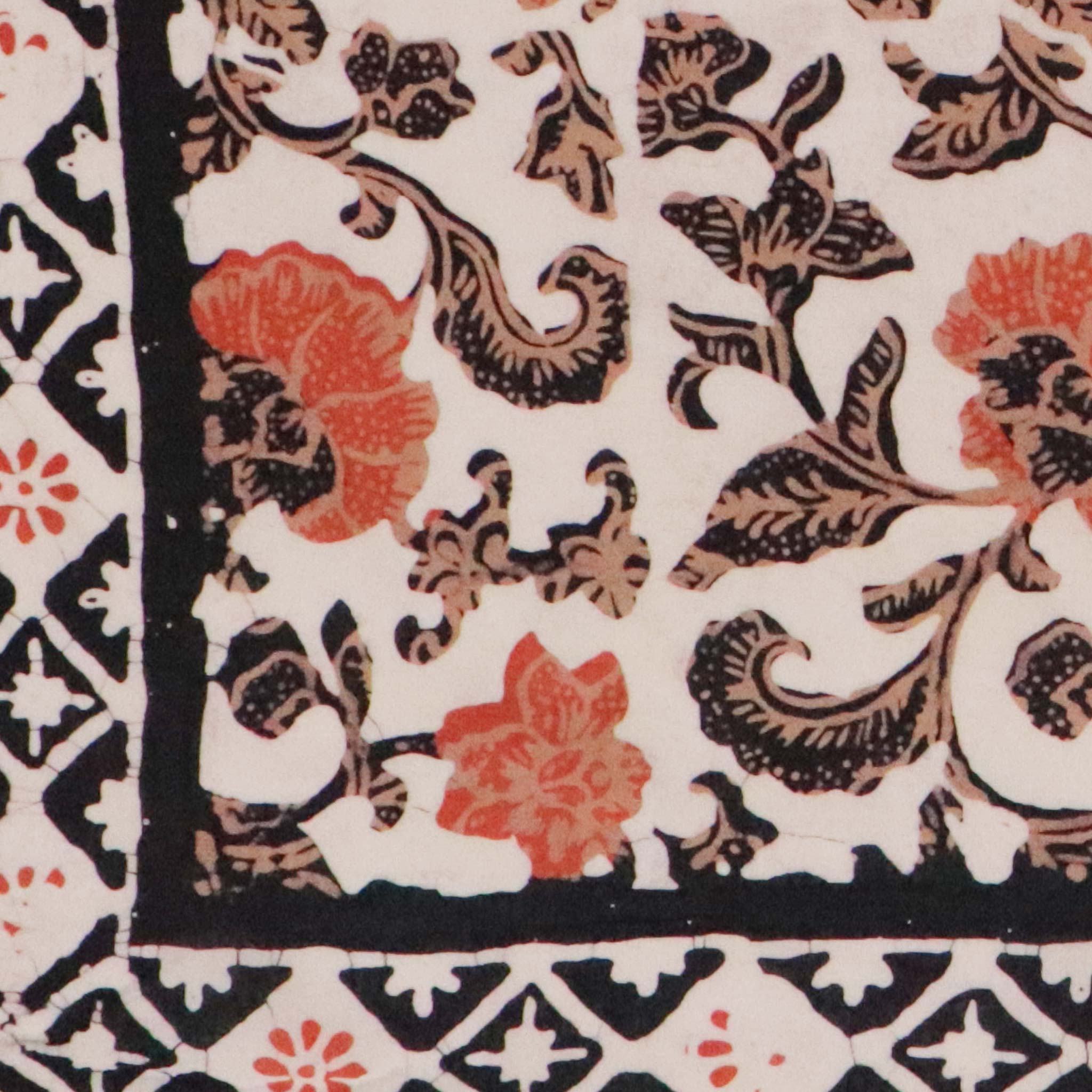
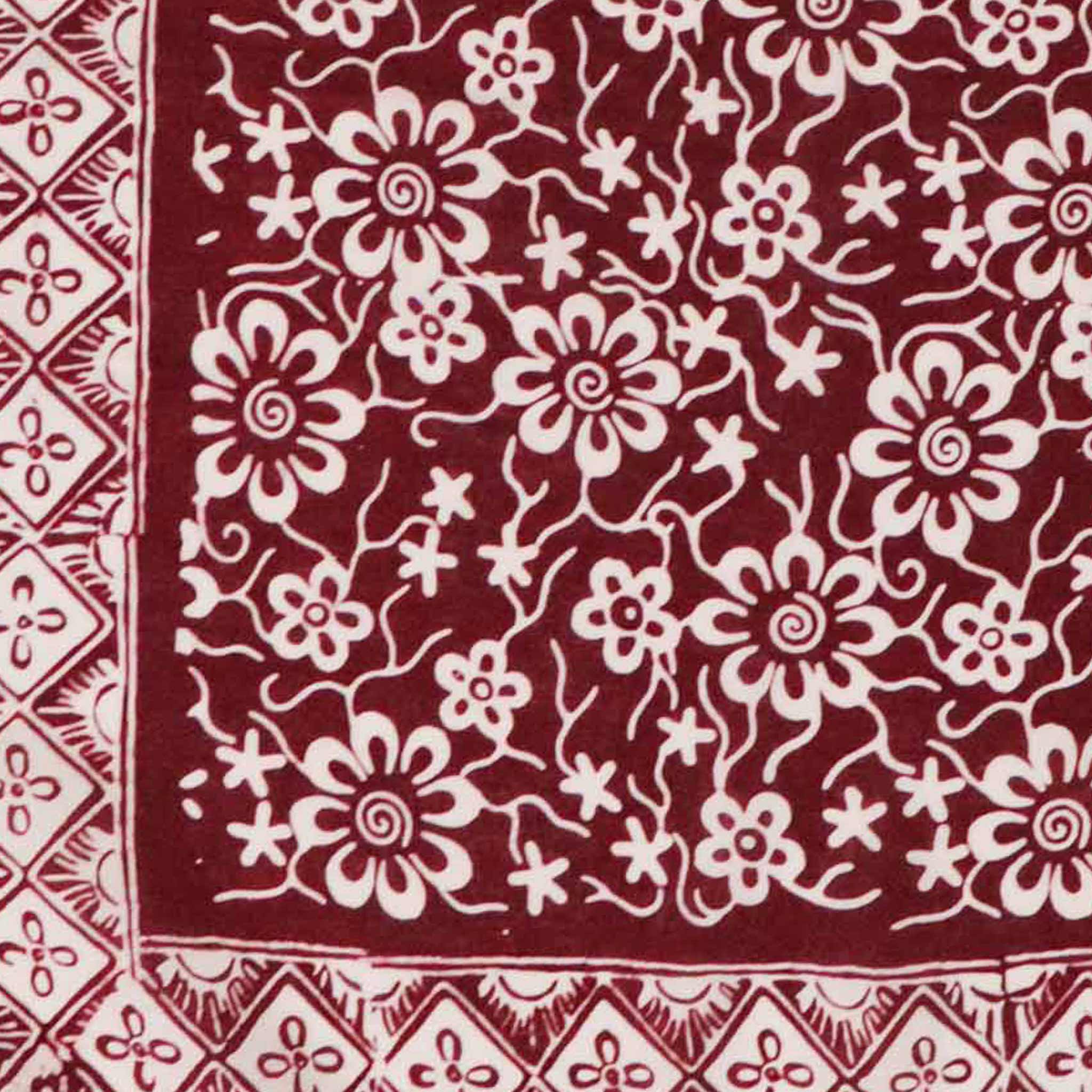
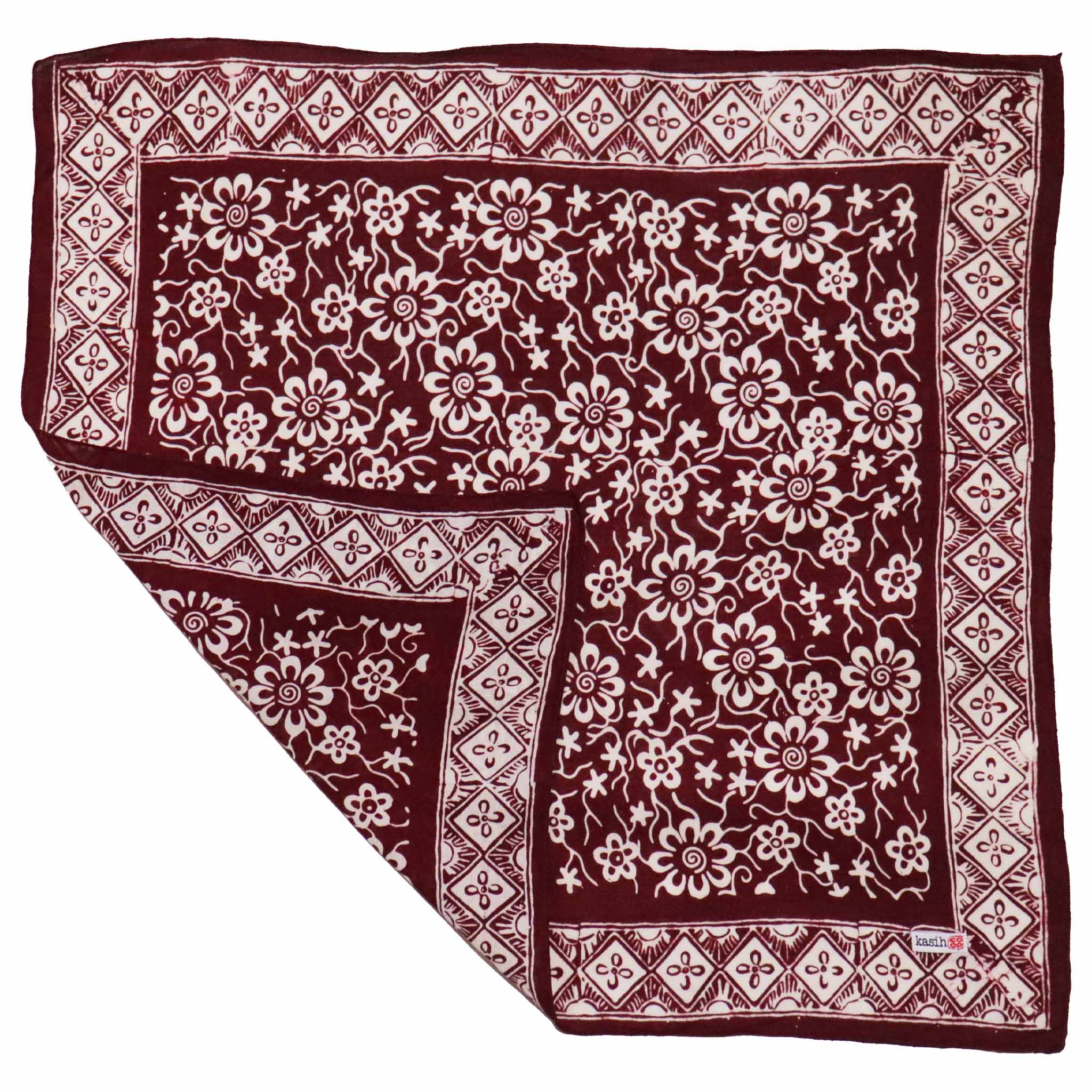
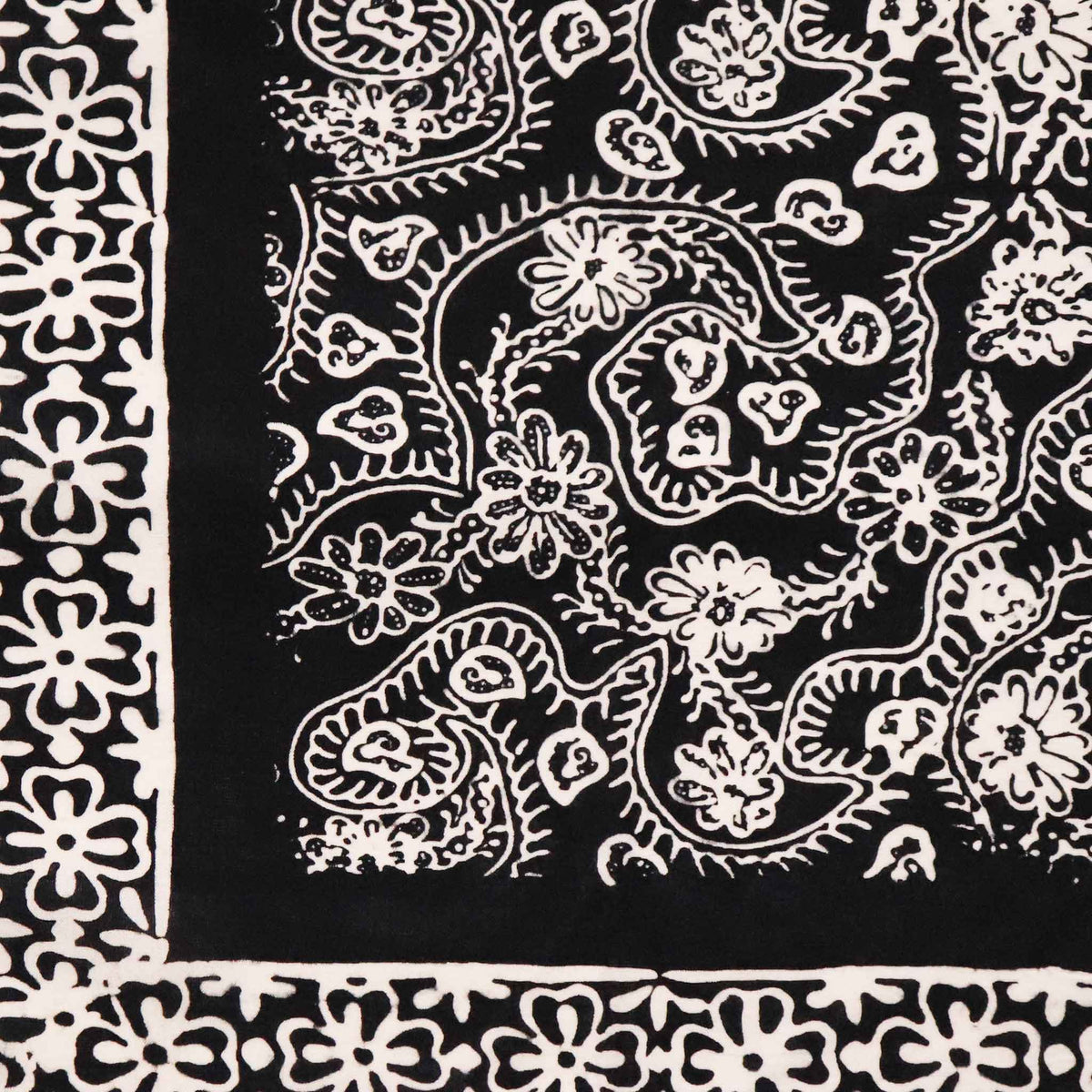
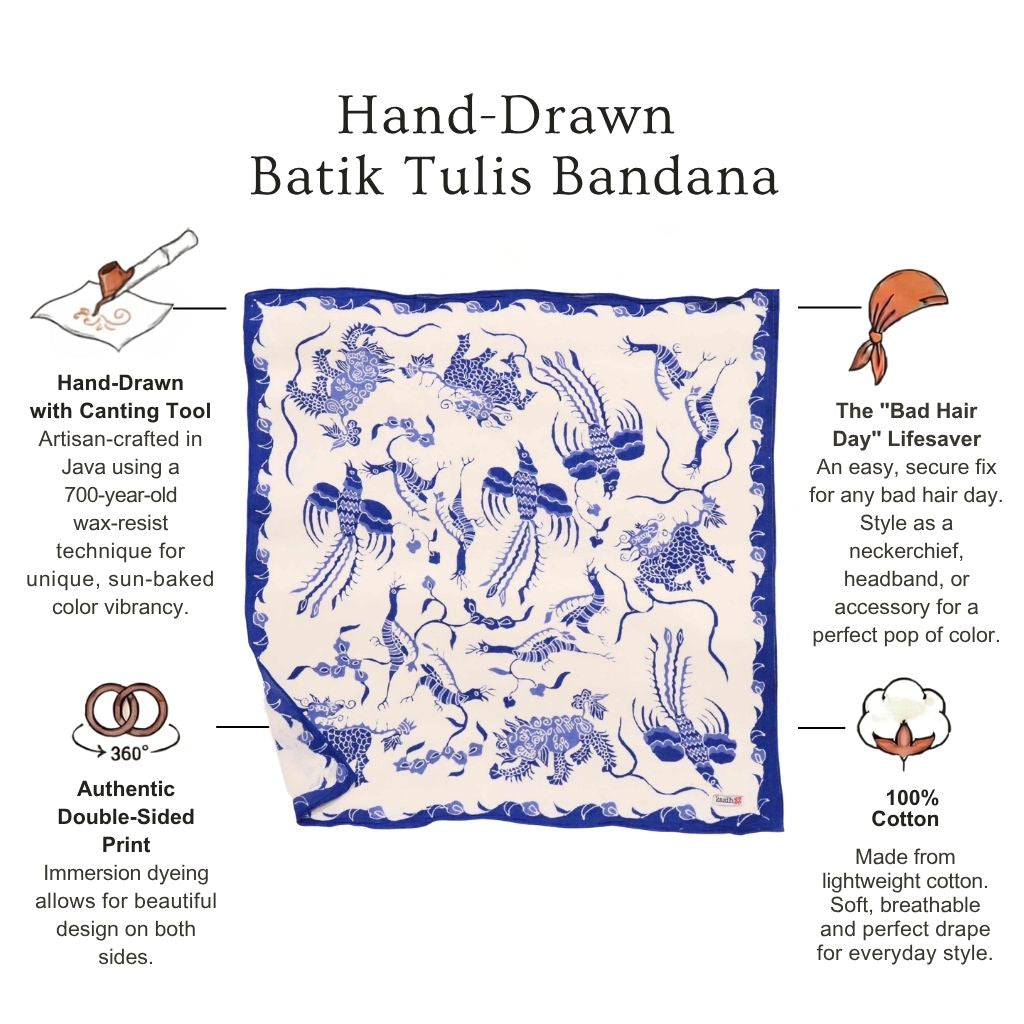
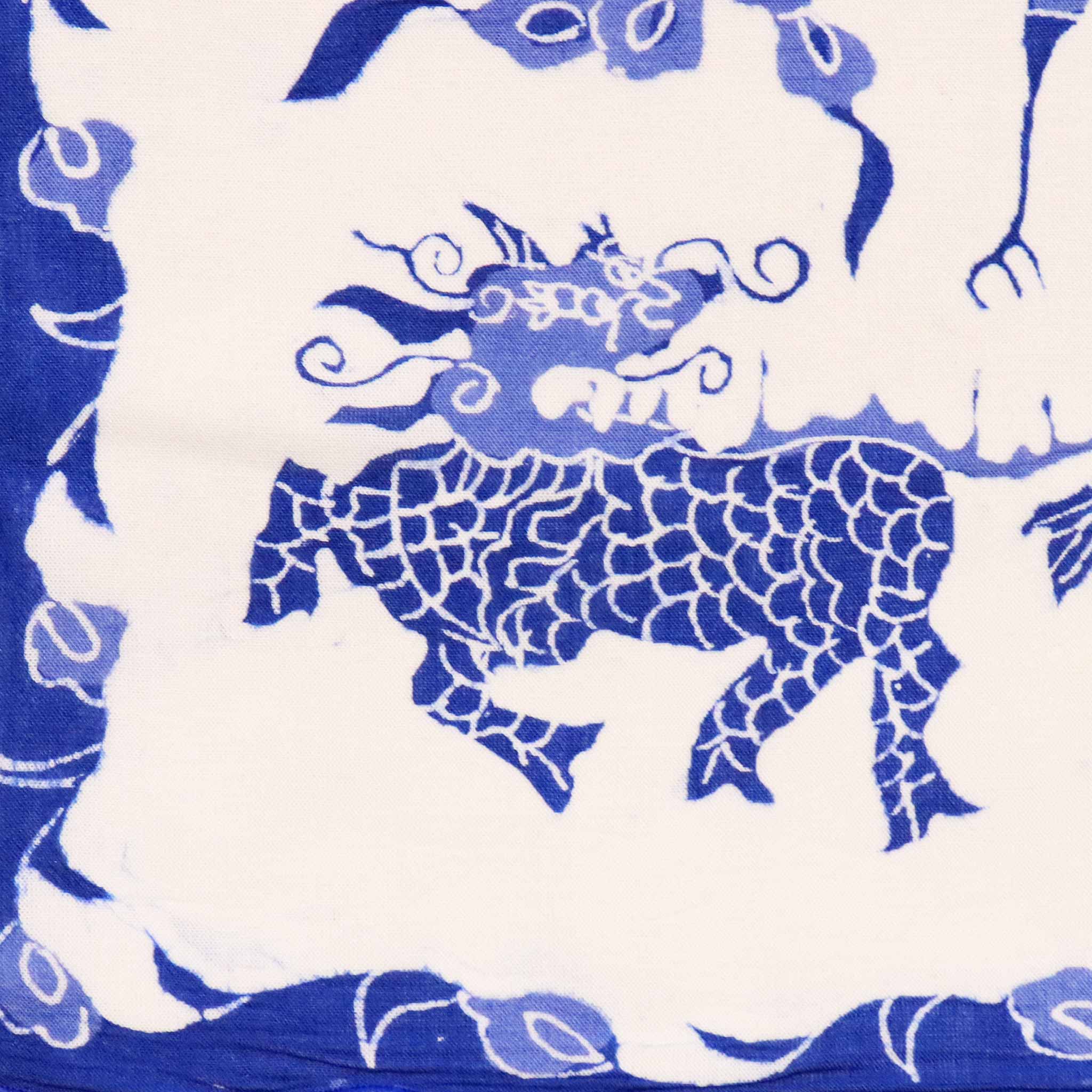
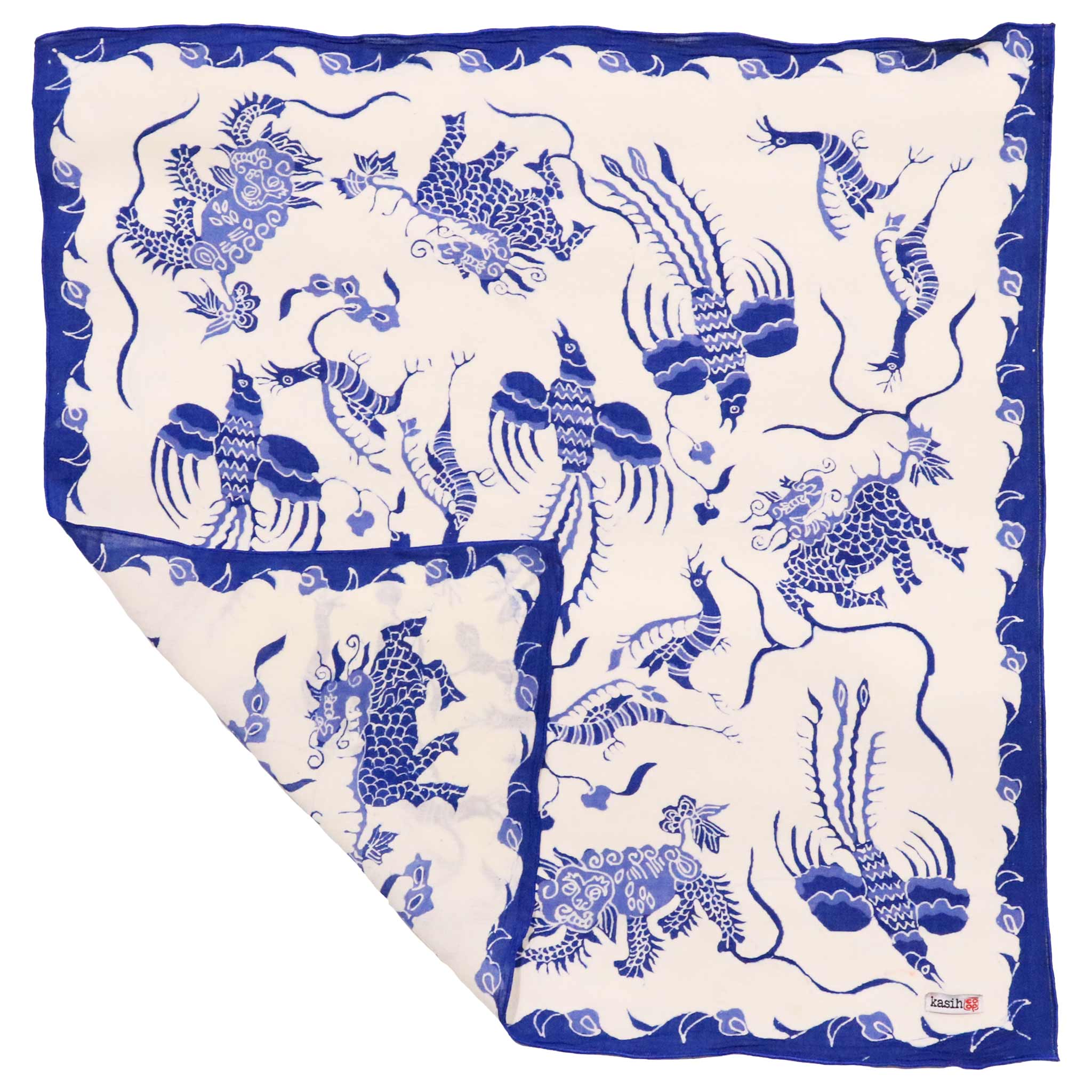
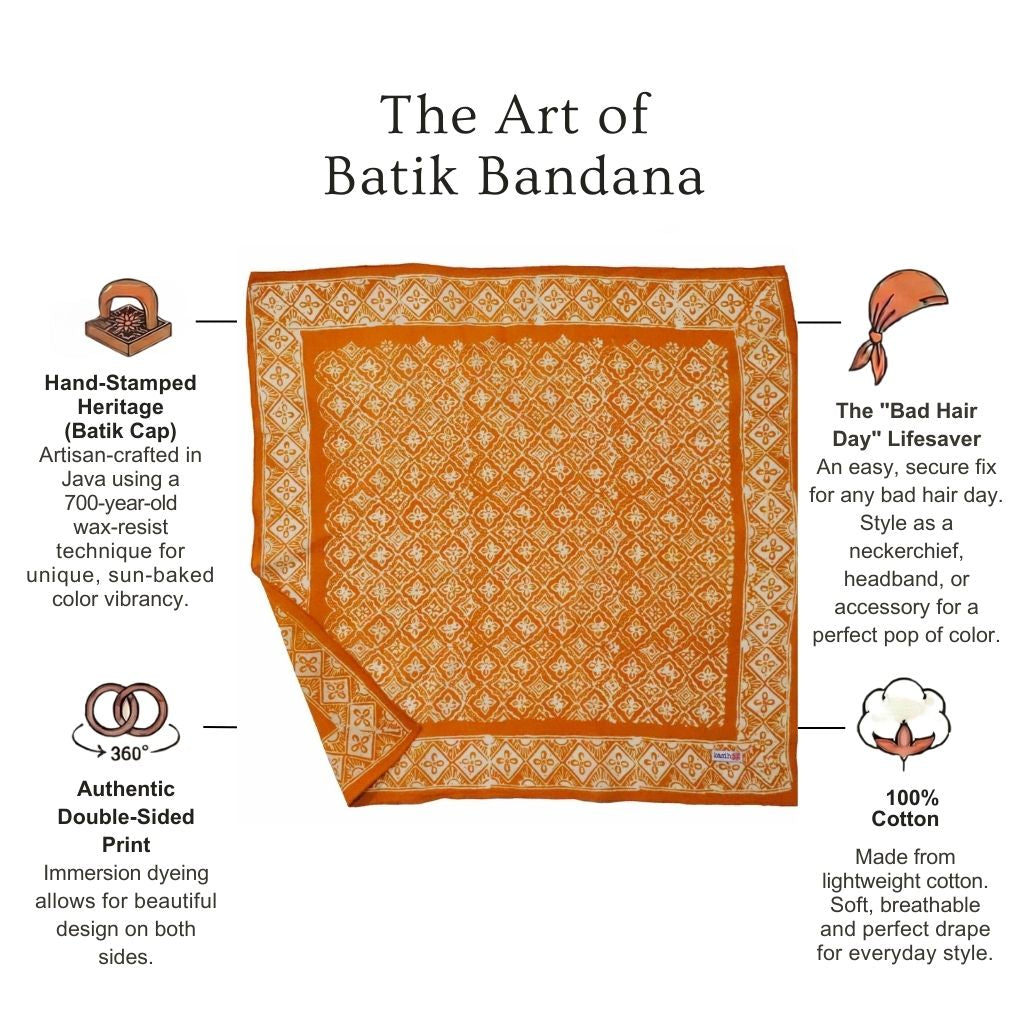
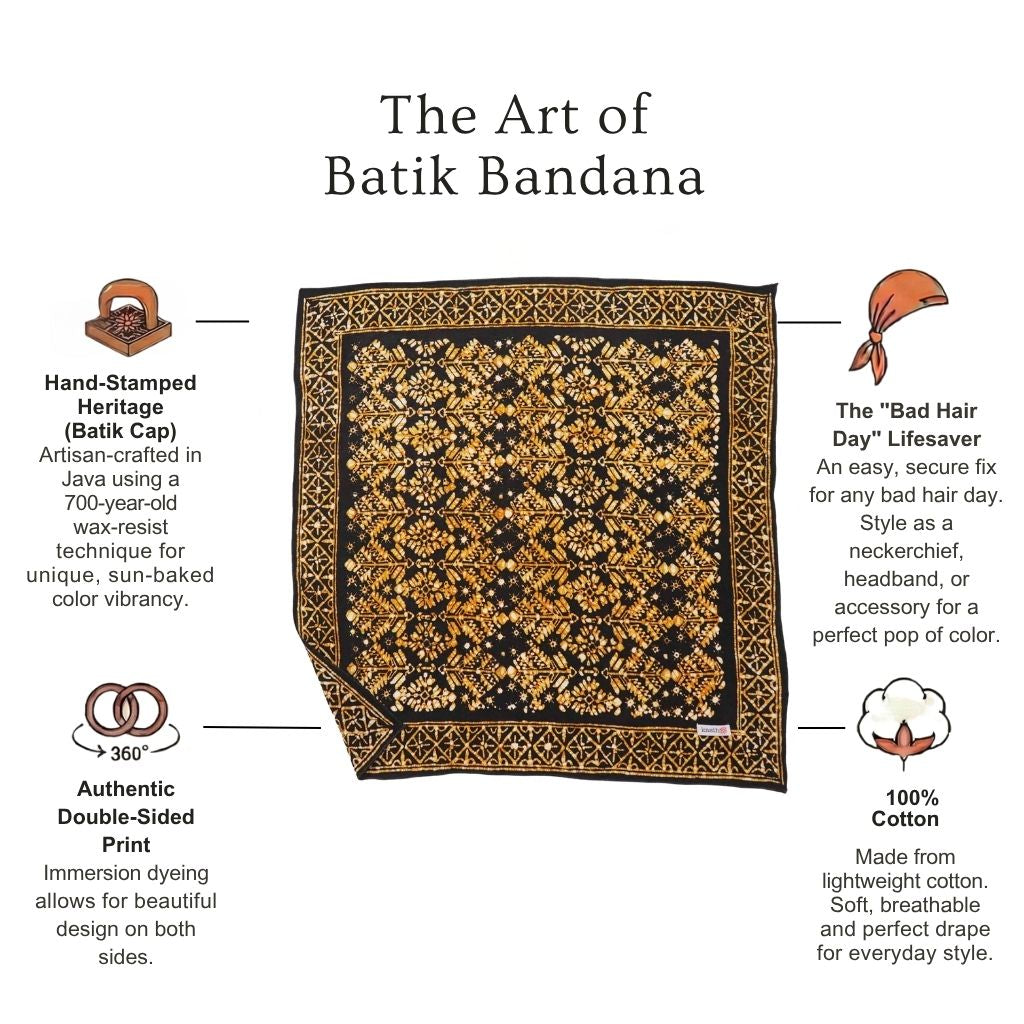
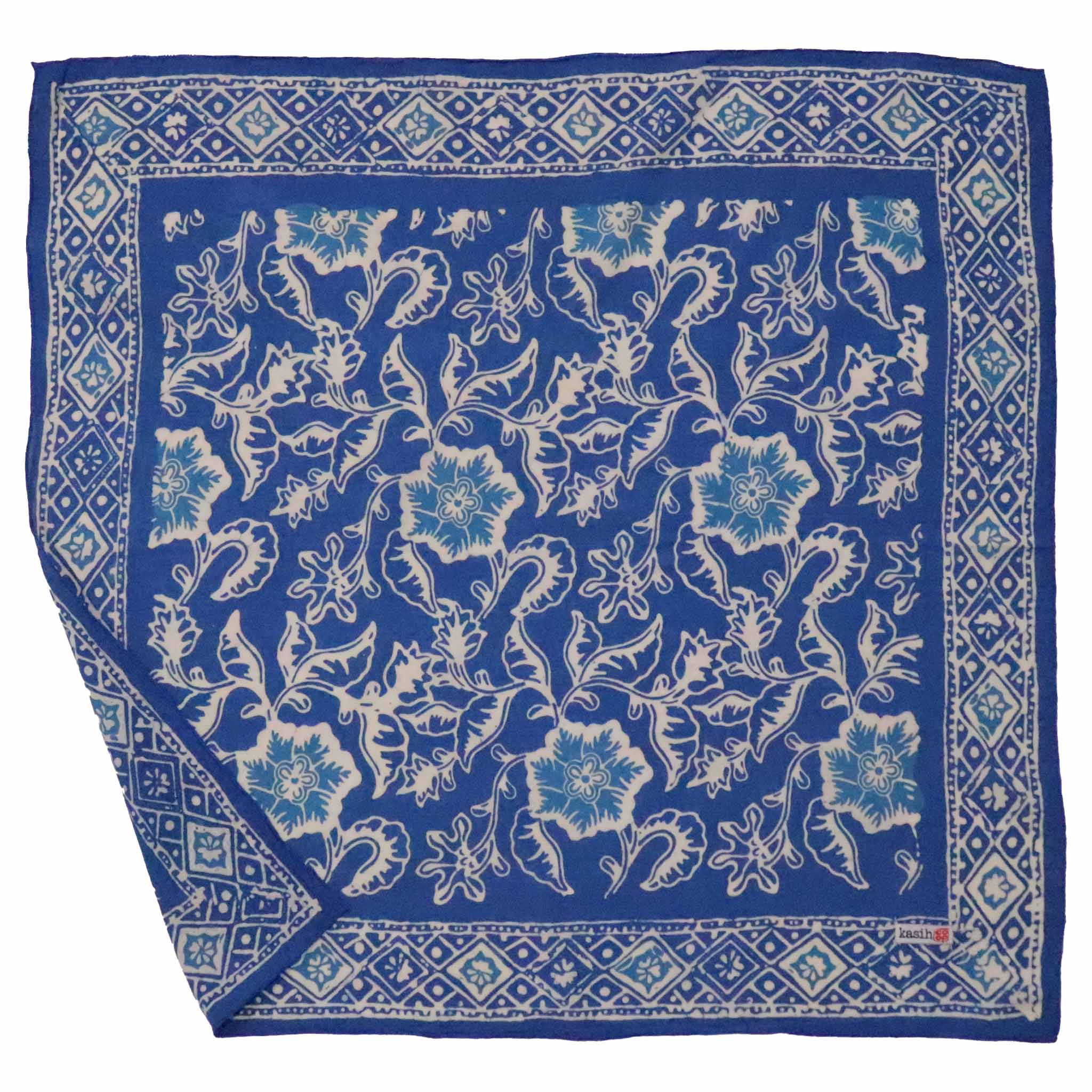
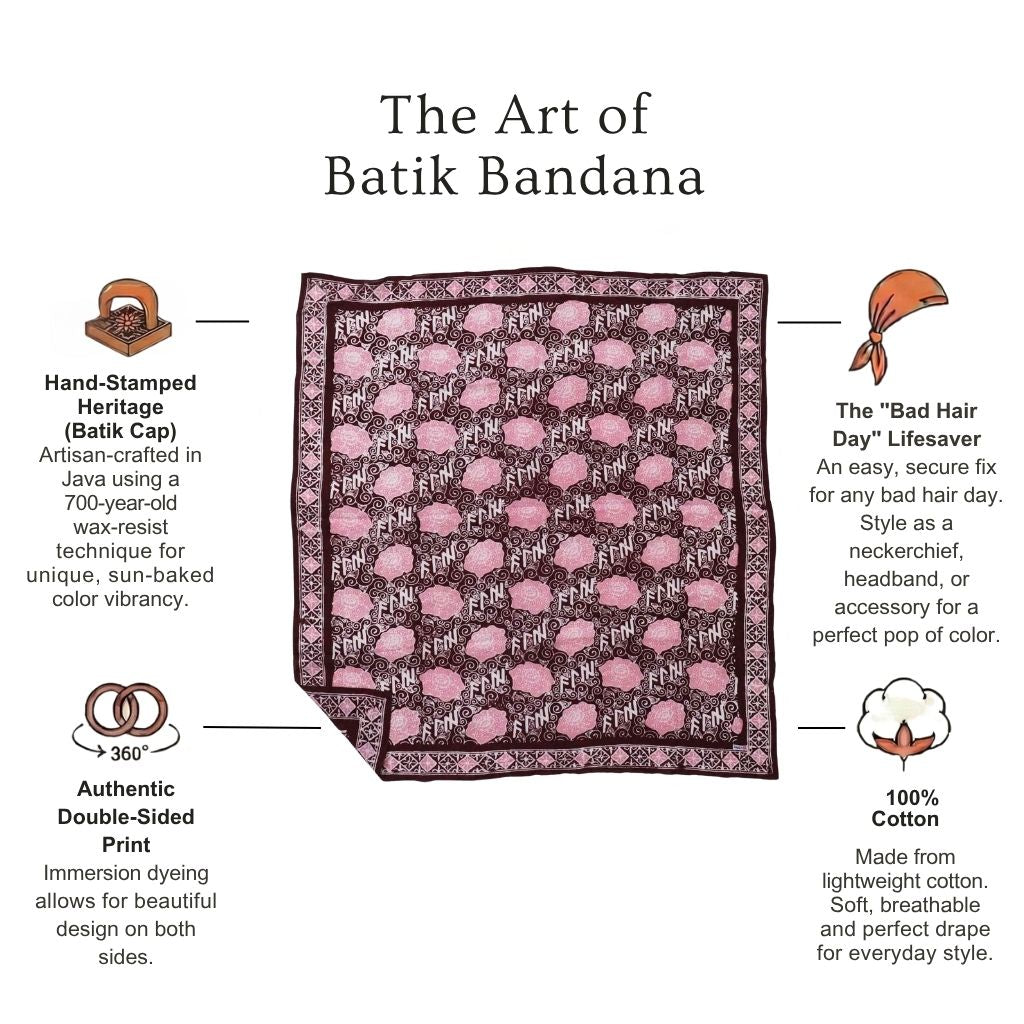
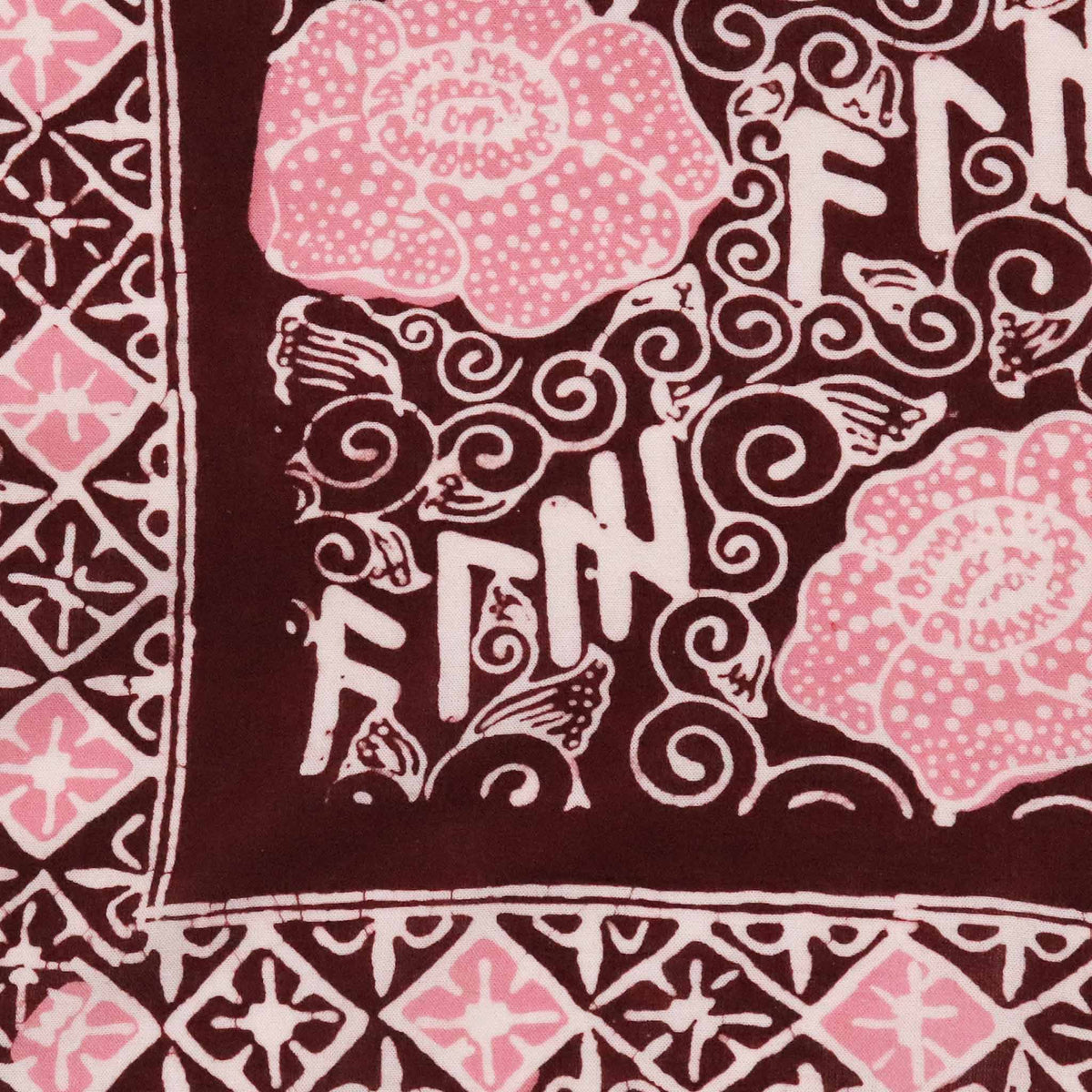
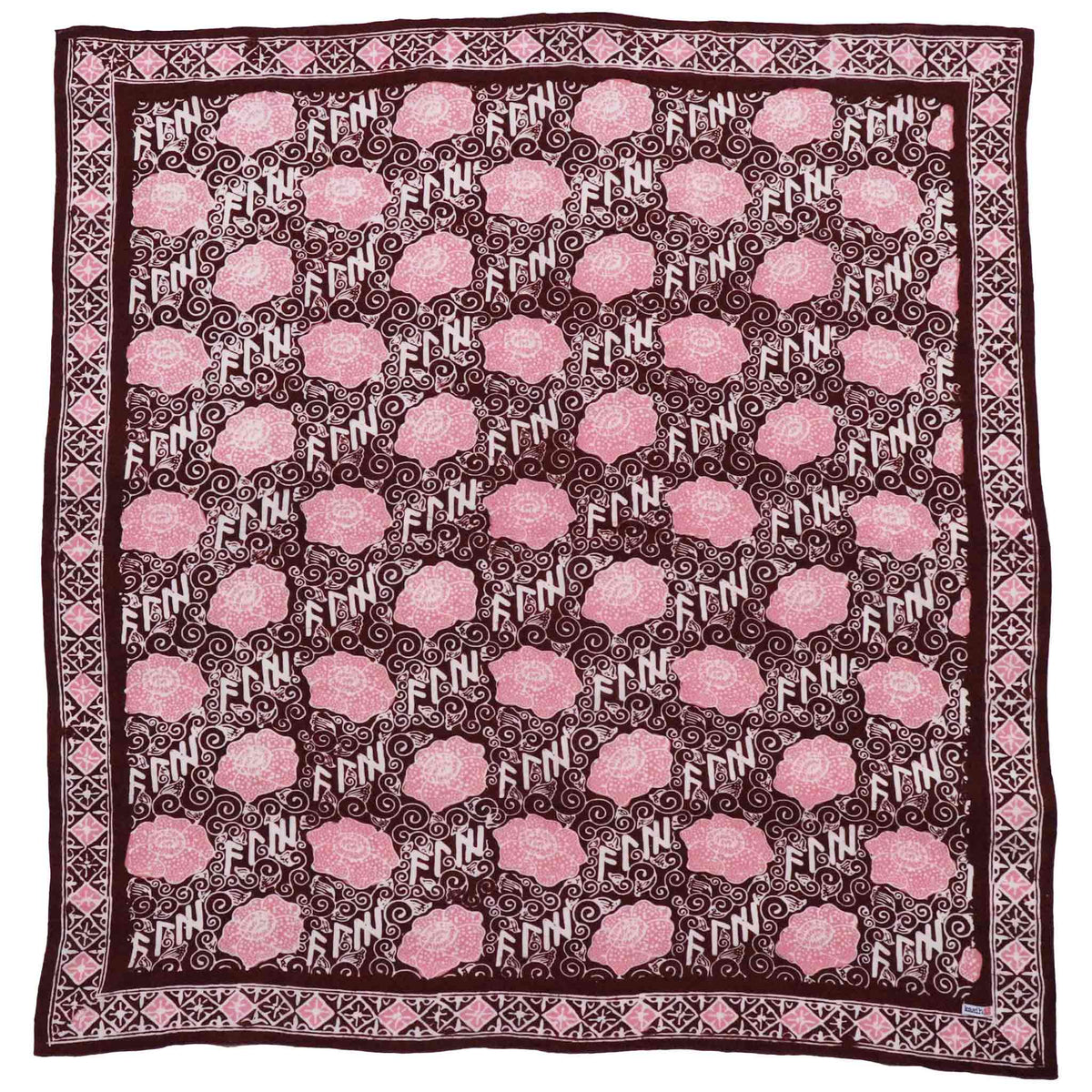
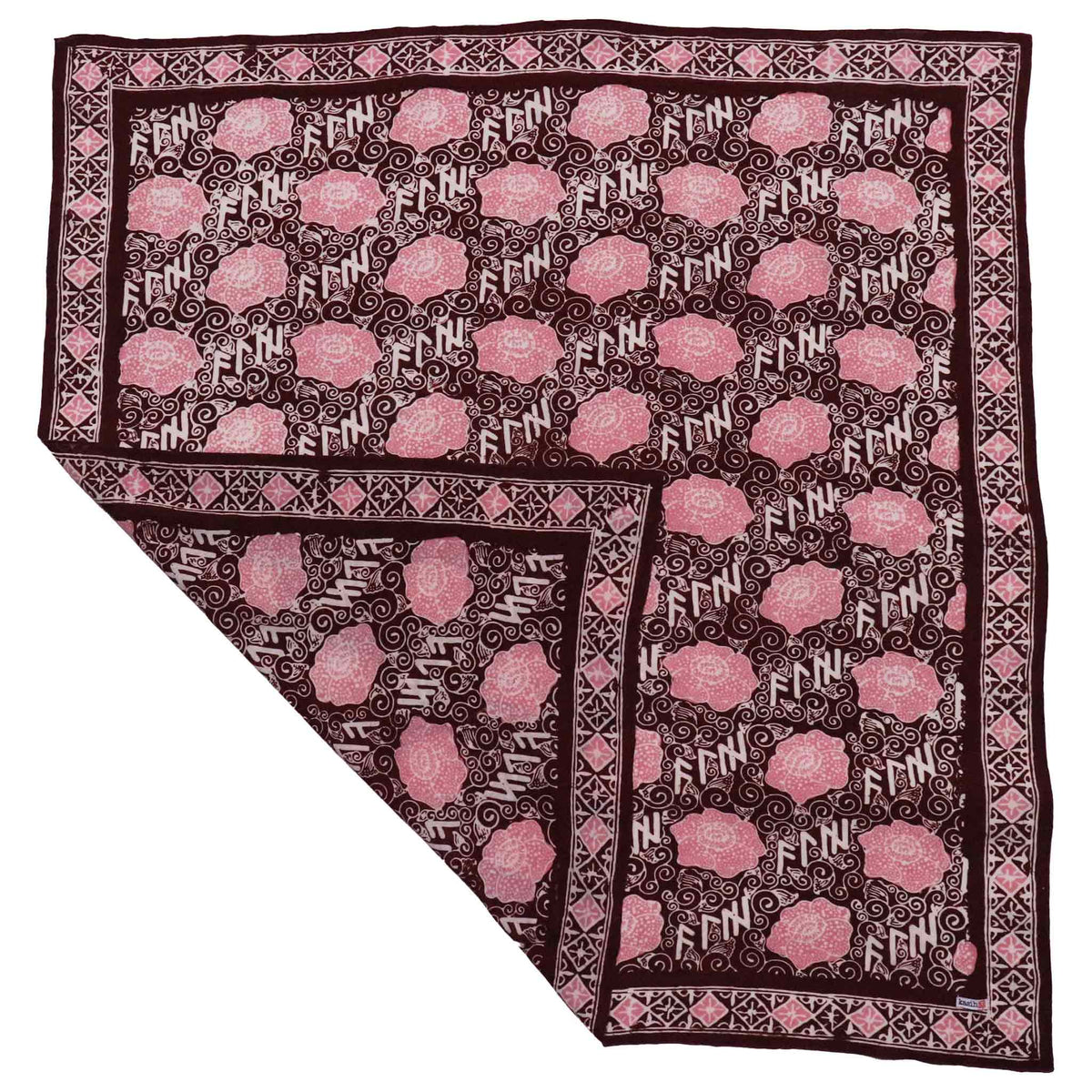
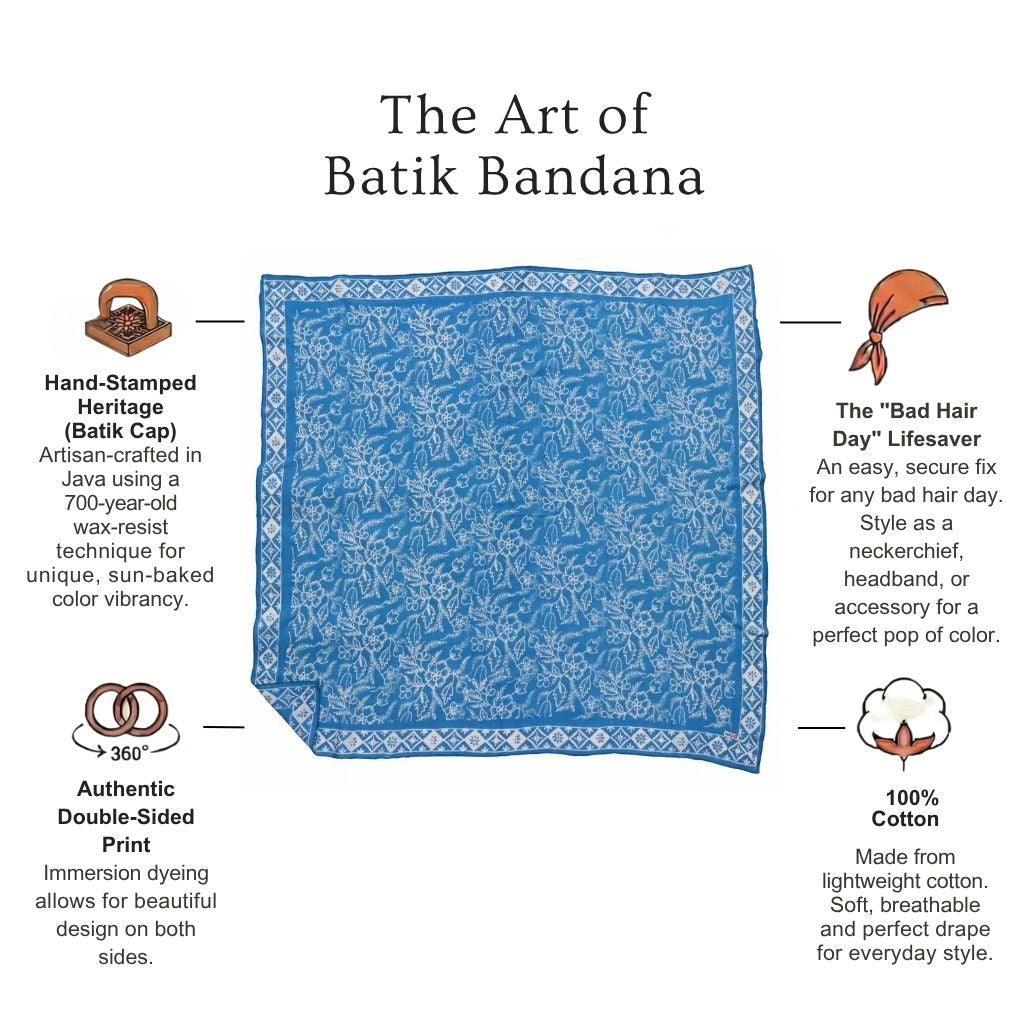
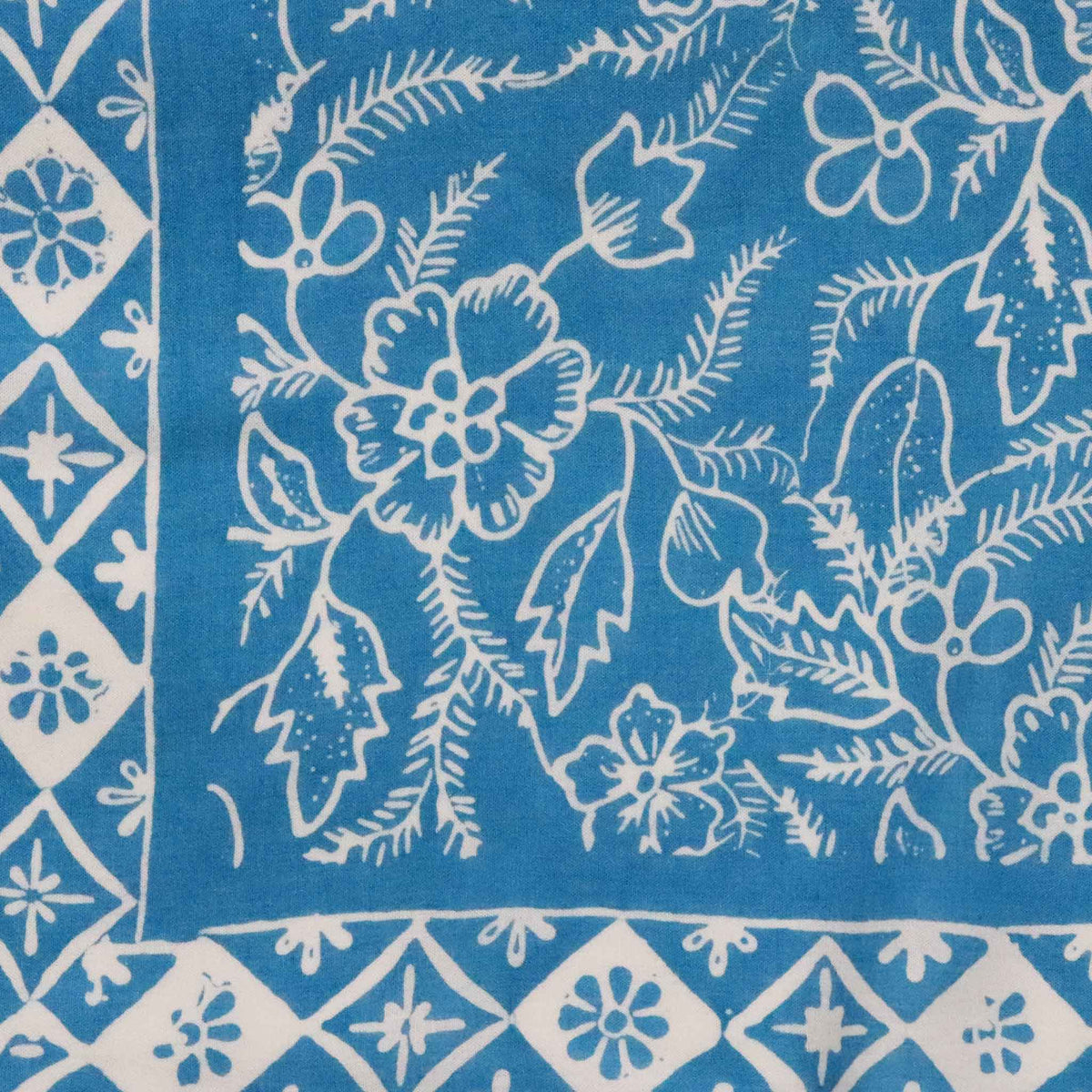
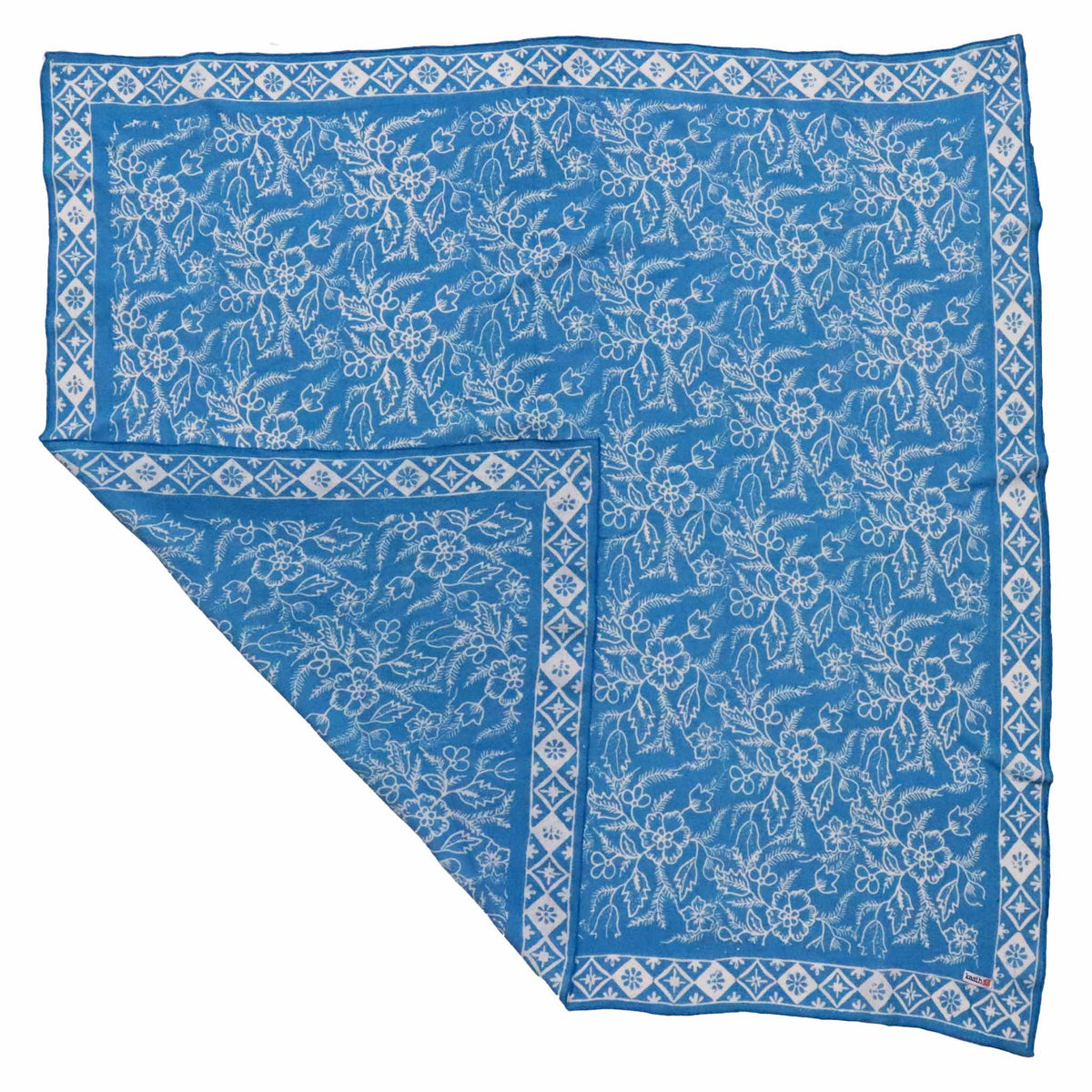
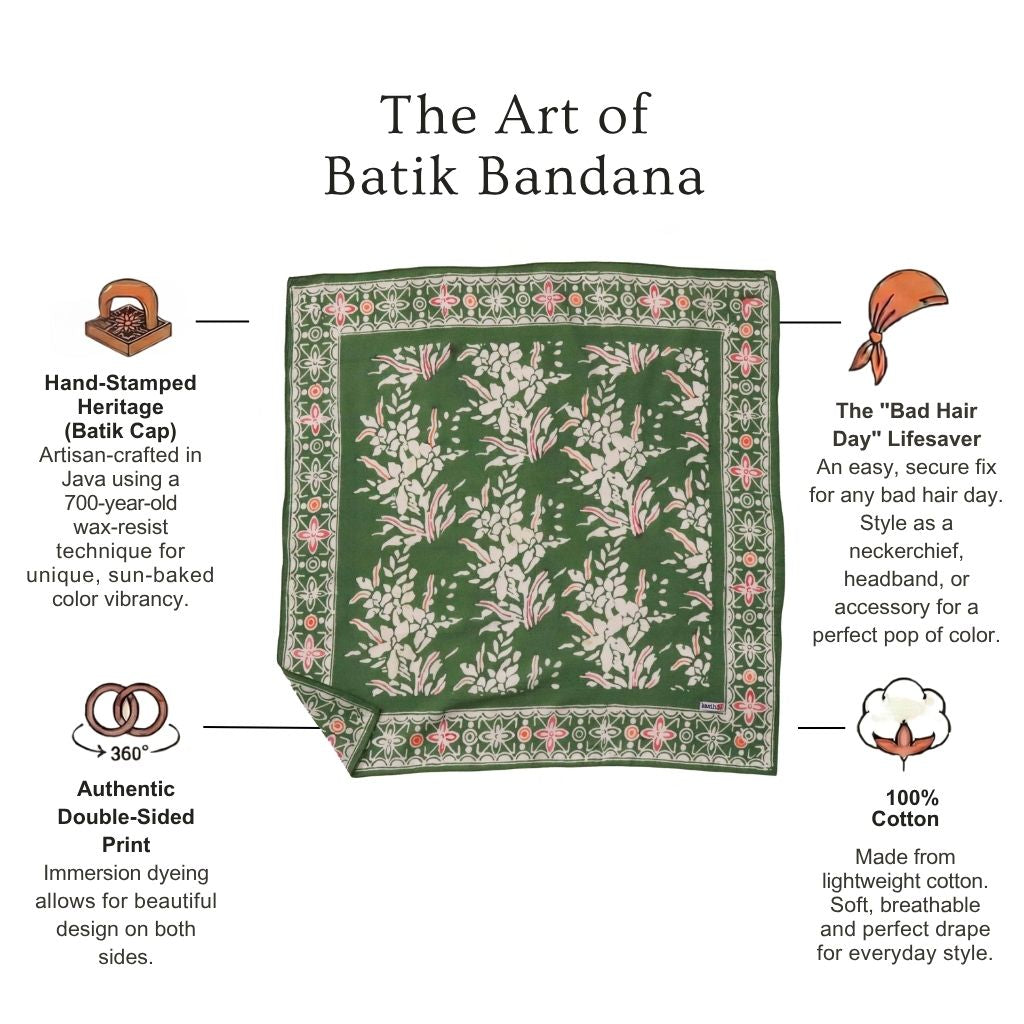
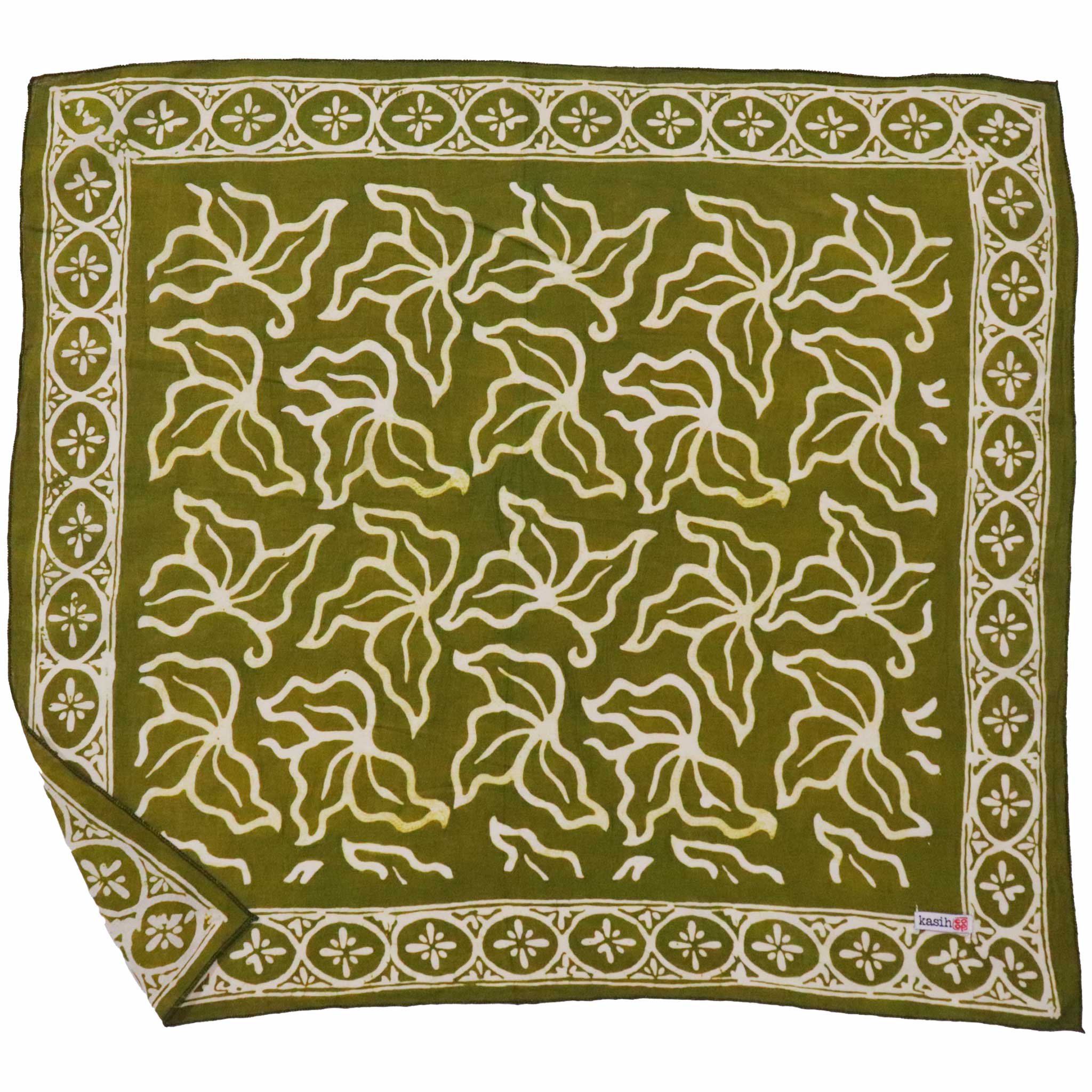
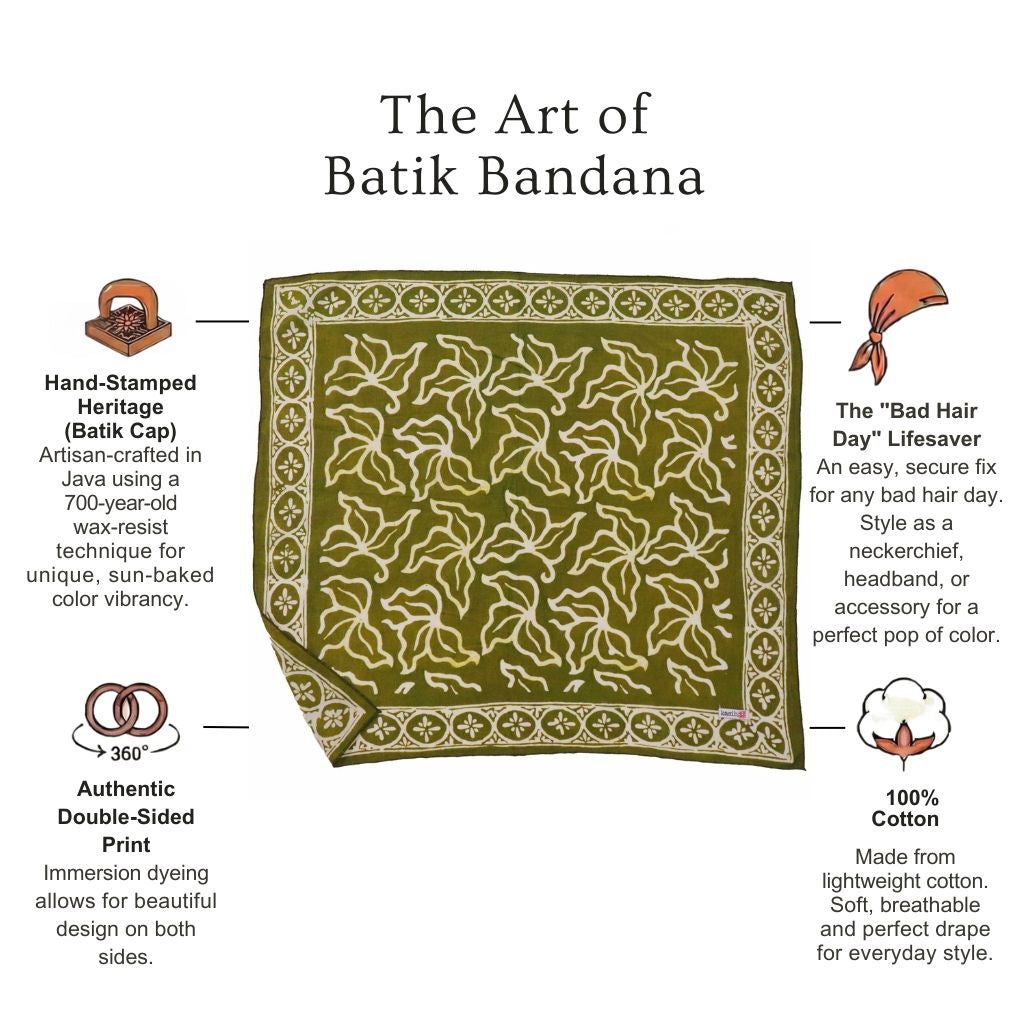
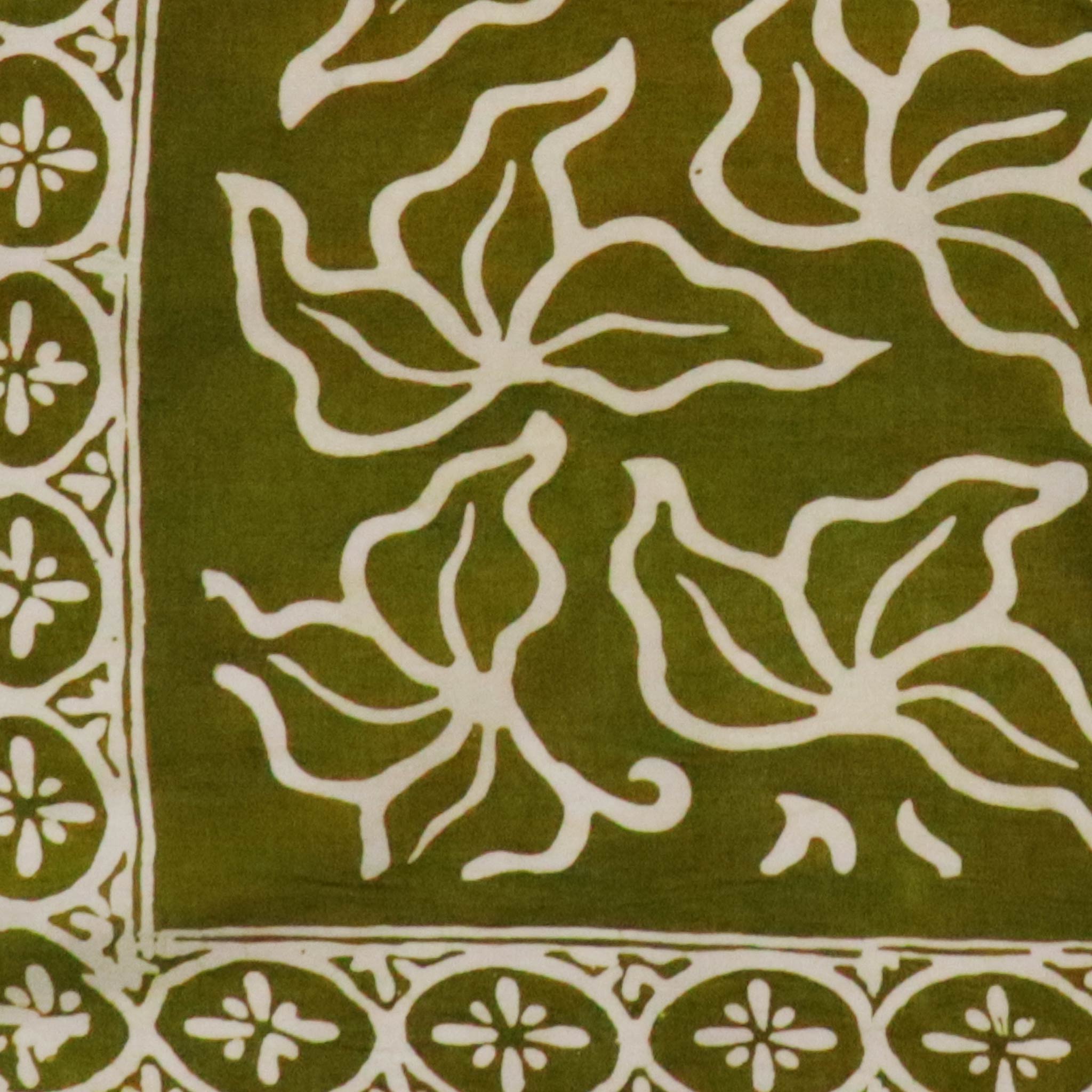
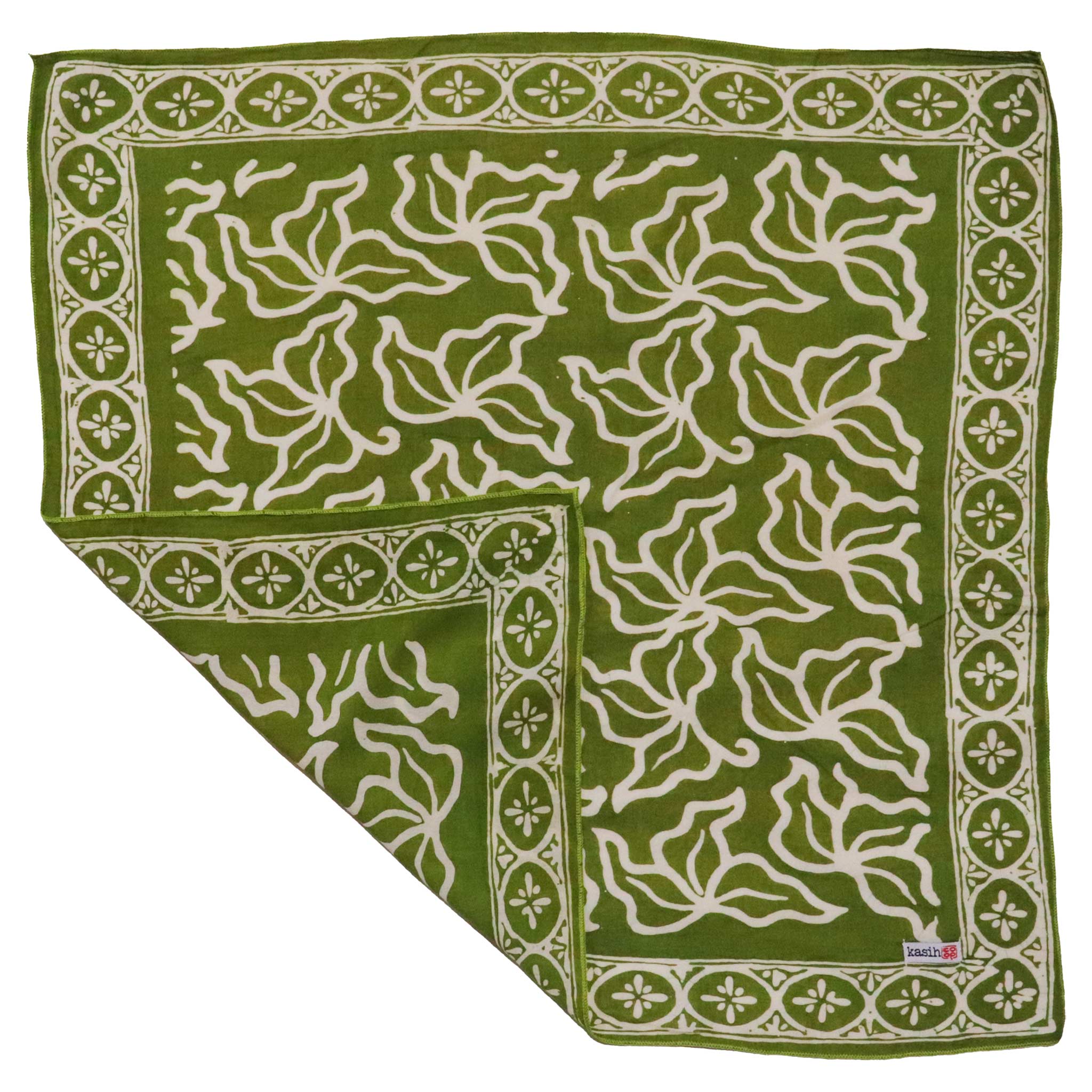
If a scarf is sold as handmade, the making process should show in the fabric. With batik, it's easy to check: flip the scarf over. Real wax-resist batik shows the pattern nearly equally on both sides, because the dye goes all the way through the cotton. A printed "batik look" scarf is pale on the back. Small imperfections, slight color variation and a faint wax scent when new are also signs of real handwork. Here are more ways to spot real batik.
4. Read the material label
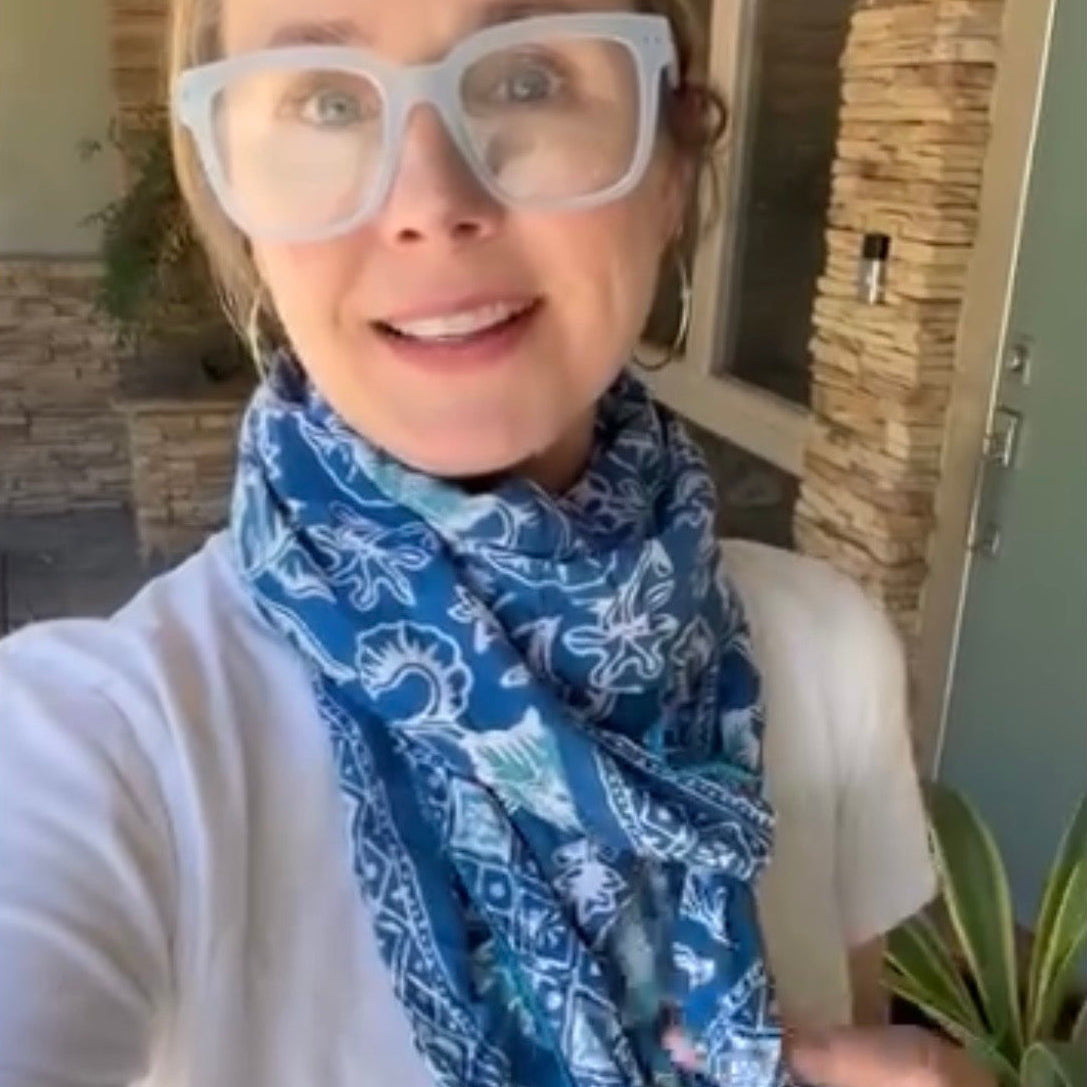
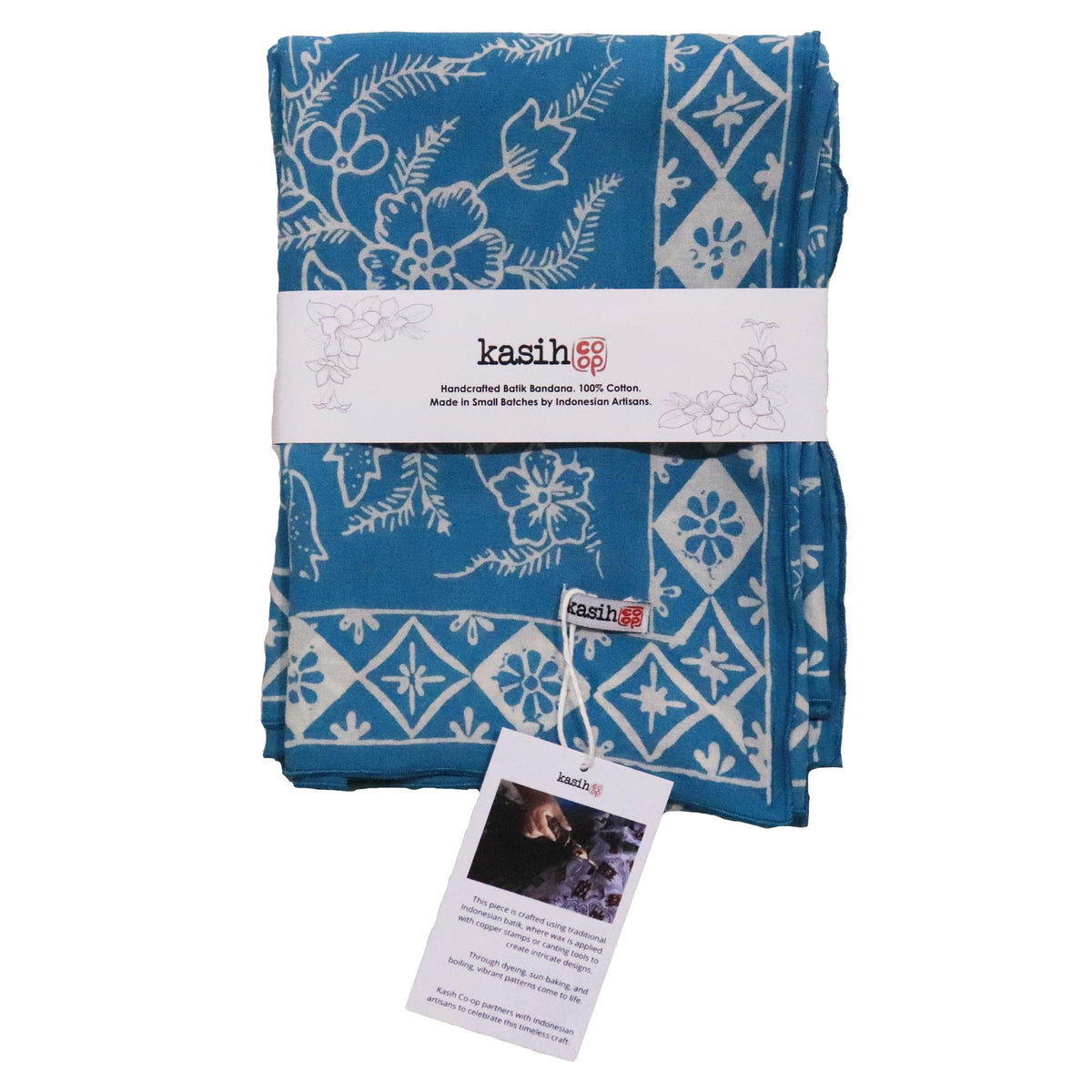
Fair wages and a cheap synthetic blend don't go well together. Look for natural fiber, and check the label for polyester. All Kasih Co-op batik scarves are 100% cotton, soft and lightweight, and they get softer with every wash.
5. Sanity-check the price
Hand-dyed batik takes many steps: waxing, dyeing, boiling off the wax and sun-drying, sometimes several times over. A fully hand-drawn batik tulis piece can take about 10 hours of handwork. A handmade, fair trade scarf priced like fast fashion is worth a second look. Our batik scarves are $47.
6. Look for transparency beyond the label
Good fair trade brands are open about where they are based, how long they've worked with their makers, and how to reach them. Kasih Co-op has partnered with Indonesian batik artisans since 2012. We're a small, woman-owned business based in Manhattan Beach, California, and orders ship from California within 2 business days.
Quick checklist
- Verification you can look up yourself (FTF, WFTO or a product certification)
- A clear answer to "who made this, and where?"
- The craft matches the claim (for batik, the pattern shows on both sides)
- Natural fiber on the label
- A price that reflects real handwork
- A brand you can actually reach
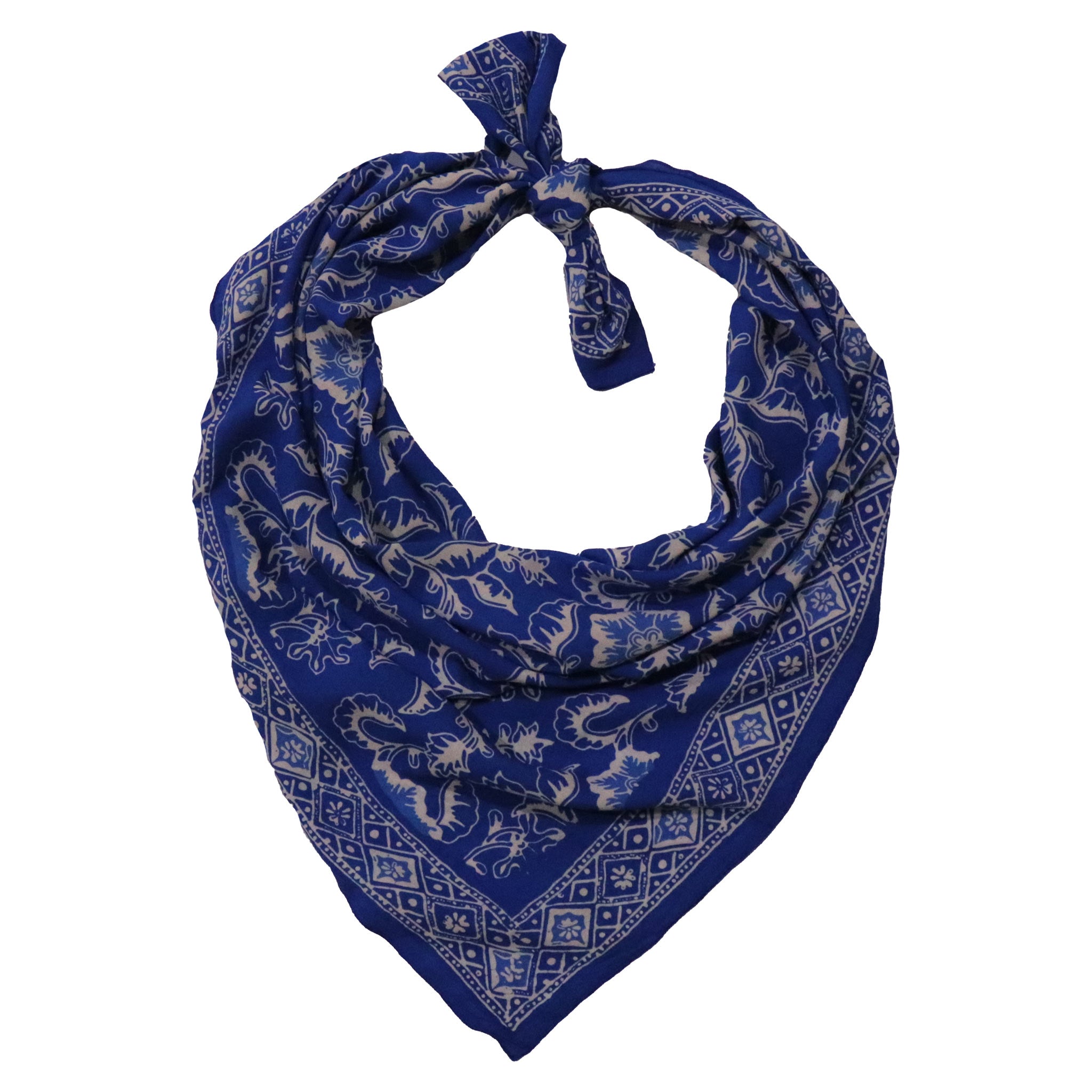
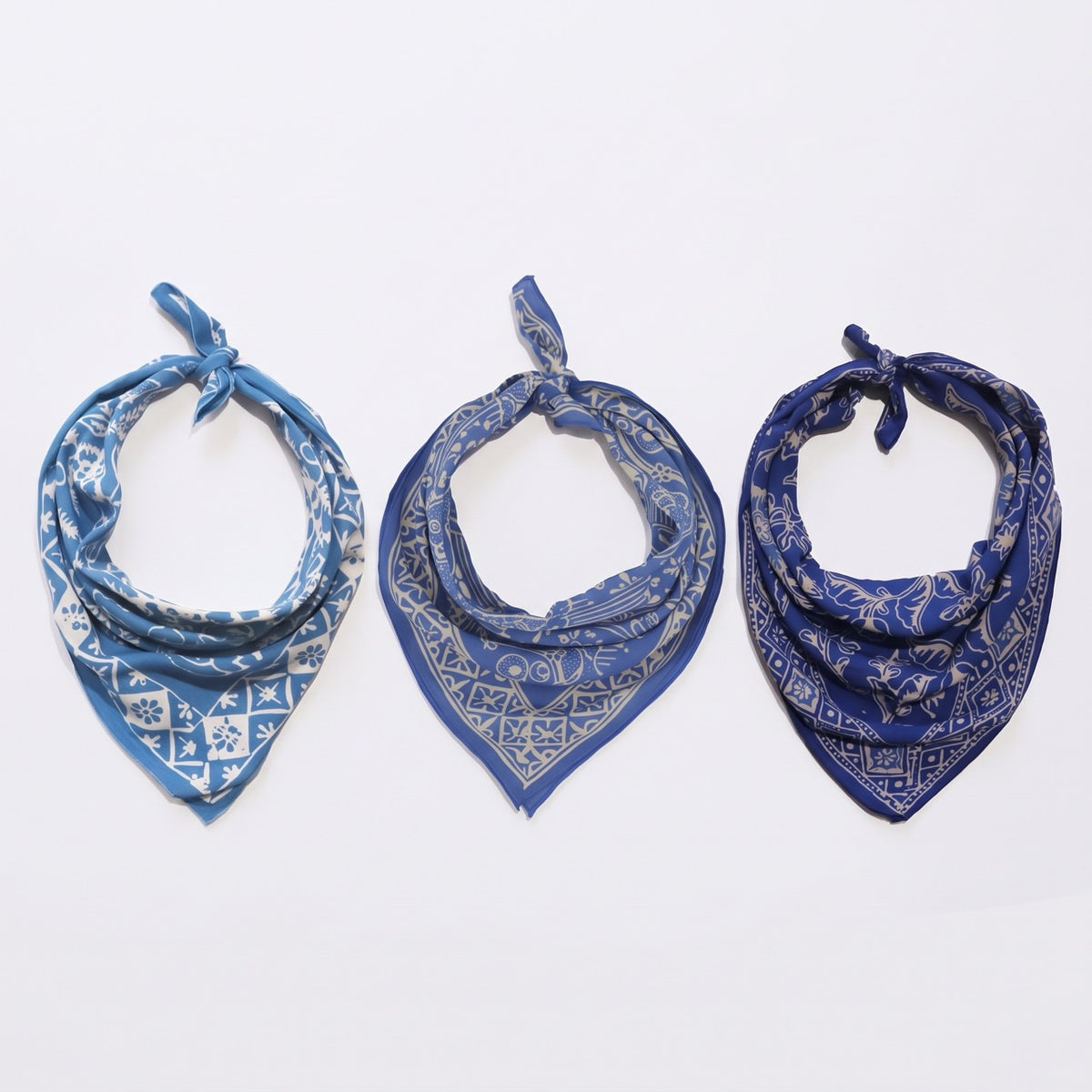
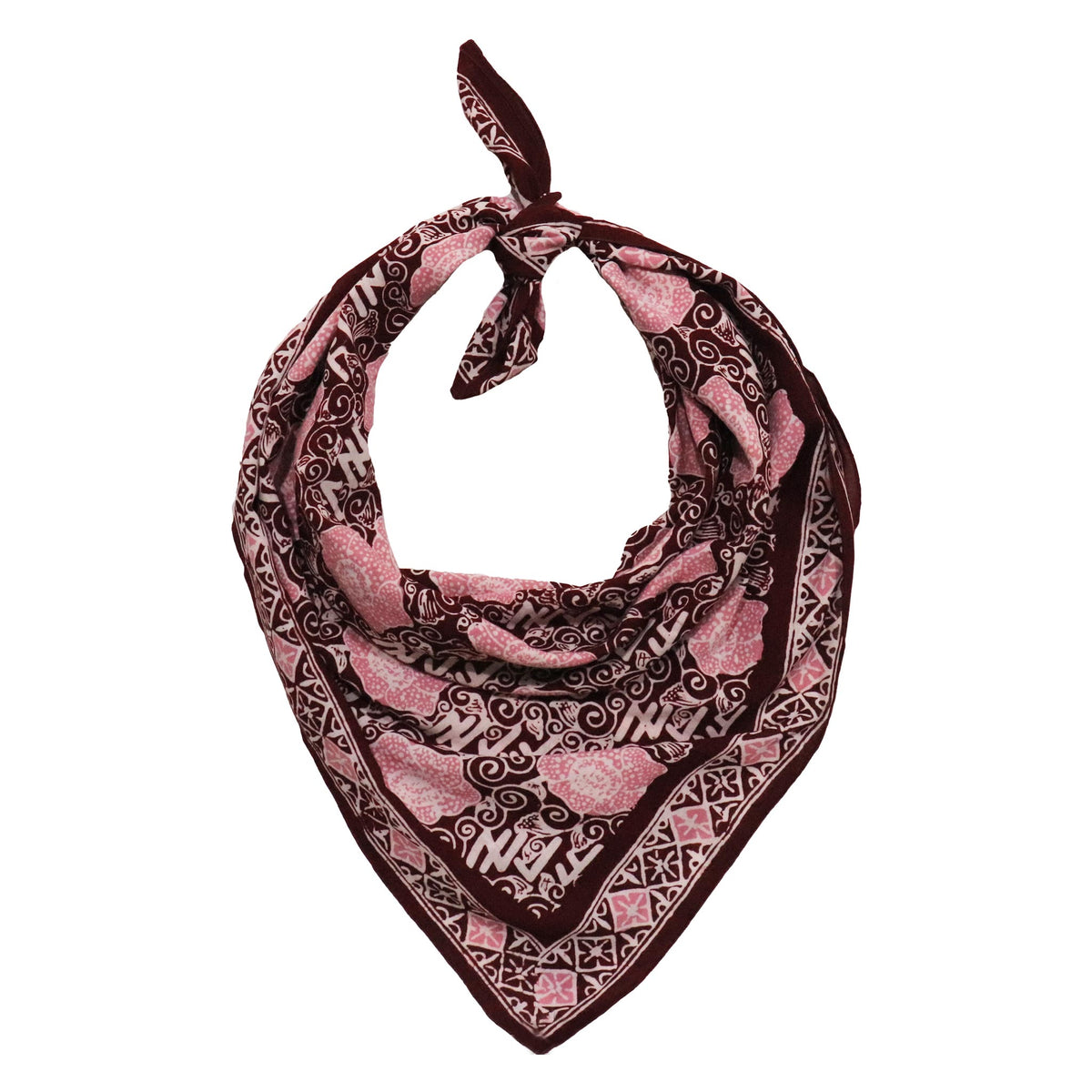
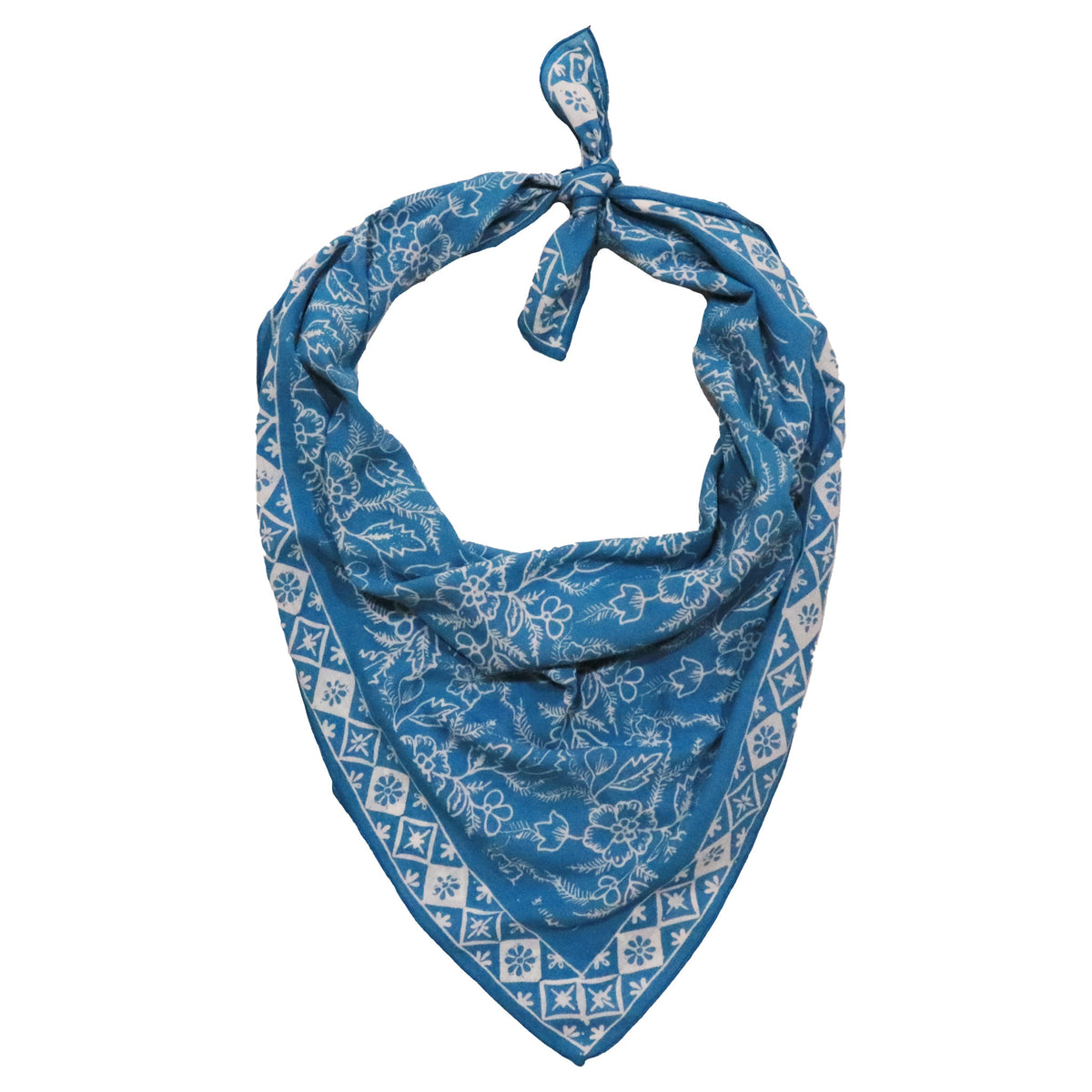
→ Shop fair trade batik scarves · Prefer a square? Our large 39" bandanas also wear as a neck scarf or head wrap.
FAQ
Is Kasih Co-op a fair trade scarf brand?
Yes. Kasih Co-op has been a verified Fair Trade Federation member since April 2026 and is also People + Planet First verified. Our batik scarves are hand-dyed 100% cotton, made by artisan partners in Java, Indonesia.
What's the difference between fair trade certified and a Fair Trade Federation member?
Product certifications such as Fair Trade USA cover a specific product or supply chain. Fair Trade Federation membership covers the whole business: the FTF reviews how the brand pays and works with its makers before accepting it.
How can I tell if a batik scarf is real?
Flip it over. Real batik shows the pattern nearly equally on both sides. Printed imitations are pale on the back.
What size are Kasih Co-op scarves?
Most are about 71" x 21", and some styles are 63" x 21". Because each piece is hand-dyed and pre-washed, sizes vary slightly.
Where do Kasih Co-op scarves ship from?
From California, within 2 business days. Shipping is free on US orders over $50.