Bali est l'un de ces endroits qui sont à la hauteur de leur réputation. Les temples, les rizières en terrasses, la nourriture, les couchers de soleil, tout est vrai. Mais c'est aussi le cas de la circulation, des attrape-touristes et de ce que les contenus de voyage ne vous montrent jamais. Voici une version plus honnête de ce à quoi vous pouvez vous attendre.
La circulation à Canggu est bien réelle
Canggu est aujourd'hui une mini-Jakarta. Ce qui était autrefois un paisible village de surfeurs est maintenant rempli de cafés, d'espaces de coworking et de touristes – et les routes n'ont pas suivi. Si vous y séjournez, prévoyez du temps supplémentaire pour vous rendre n'importe où, surtout en fin de matinée et en soirée. Votre meilleure option est de louer un scooter, mais si vous n'en avez jamais conduit, la circulation de Canggu n'est pas l'endroit pour apprendre. Envisagez de vous installer à Seminyak ou Ubud si vous voulez quelque chose d'un peu plus gérable.
La "meilleure période pour visiter" dépend de ce que vous voulez
Il n'y a pas de réponse unique et juste. La haute saison (juillet-août) signifie foule, villas entièrement réservées et prix plus élevés partout — mais le temps est toujours ensoleillé. La saison intermédiaire (avril-juin et septembre) est vraiment le moment idéal : beau temps, moins de touristes et des prix qui n'ont pas encore complètement flambé. La saison des pluies (novembre-février) est la moins chère, et l'île est nettement plus calme — mais la pluie ne plaisante pas. Elle arrive vite, elle arrive fort, et elle peut gâcher une journée entière à la plage. Prévoyez des activités intérieures en cas de repli.
Les prix près des temples sont négociables — mais connaissez votre limite
Les souvenirs près des grands temples sont souvent marqués 3 à 5 fois le "vrai" prix. Le marchandage est attendu et tout à fait normal — mais il y a une limite entre négocier et être irrespectueux. Une bonne règle : commencez à 50-60 % du prix demandé et voyez où cela mène. Si un vendeur ne bouge pas et que l'article vous tient à cœur, il est acceptable de le payer. Votre voyage ne vaut pas la peine d'être gâché pour quelques milliers de roupies.
Aussi, si vous le pouvez, évitez les produits de masse. Il y a de l'artisanat balinais véritablement magnifique si vous regardez au-delà des zones touristiques. Vous vous sentirez mieux avec ce que vous ramènerez chez vous.
Tous les "trésors cachés" ne le sont pas vraiment
Si vous l'avez trouvé sur TikTok ou Instagram avec un million de vues, ce n'est plus un secret. Cette cascade magnifique, cette balançoire au bord de la falaise, cette plage "secrète" ? Il y a une file d'attente pour y accéder. Allez-y tôt le matin (avant 8h fait une vraie différence), ou trouvez l'endroit sœur plus calme et moins fréquenté à proximité qui n'a pas encore fait le buzz. Les locaux les connaissent généralement – demandez à votre chauffeur ou à l'hôte de votre villa au lieu de simplement chercher sur Google.
Les bureaux de change à Bali peuvent vous arnaquer
Tous les bureaux de change ne sont pas légitimes, et certains sont très doués dans ce qu'ils font. Les astuces courantes incluent un comptage rapide pour vous embrouiller, afficher un excellent taux sur le tableau puis utiliser discrètement un moins bon, ou des "frais" qui apparaissent de nulle part à la fin. Restez avec les bureaux de change autorisés (cherchez la certification Bank Indonesia), ou retirez simplement de l'argent dans un grand distributeur bancaire comme BCA ou Mandiri. Le taux ne sera pas parfait, mais vous saurez exactement ce que vous obtenez.
Respectez la culture — cela va au-delà de la simple tenue vestimentaire
Il y a un code vestimentaire dans les temples — les épaules et les genoux doivent être couverts — mais le respect culturel à Bali va au-delà. Certaines zones ne sont pas destinées à être photographiées. Certaines cérémonies ne sont pas des contenus. Lorsqu'une procession a lieu dans la rue, vous vous arrêtez et attendez — vous ne la filmez pas à deux pas. Les Balinais sont sincèrement parmi les personnes les plus accueillantes que vous rencontrerez, et ils remarquent lorsque les visiteurs traitent leur foyer avec soin.
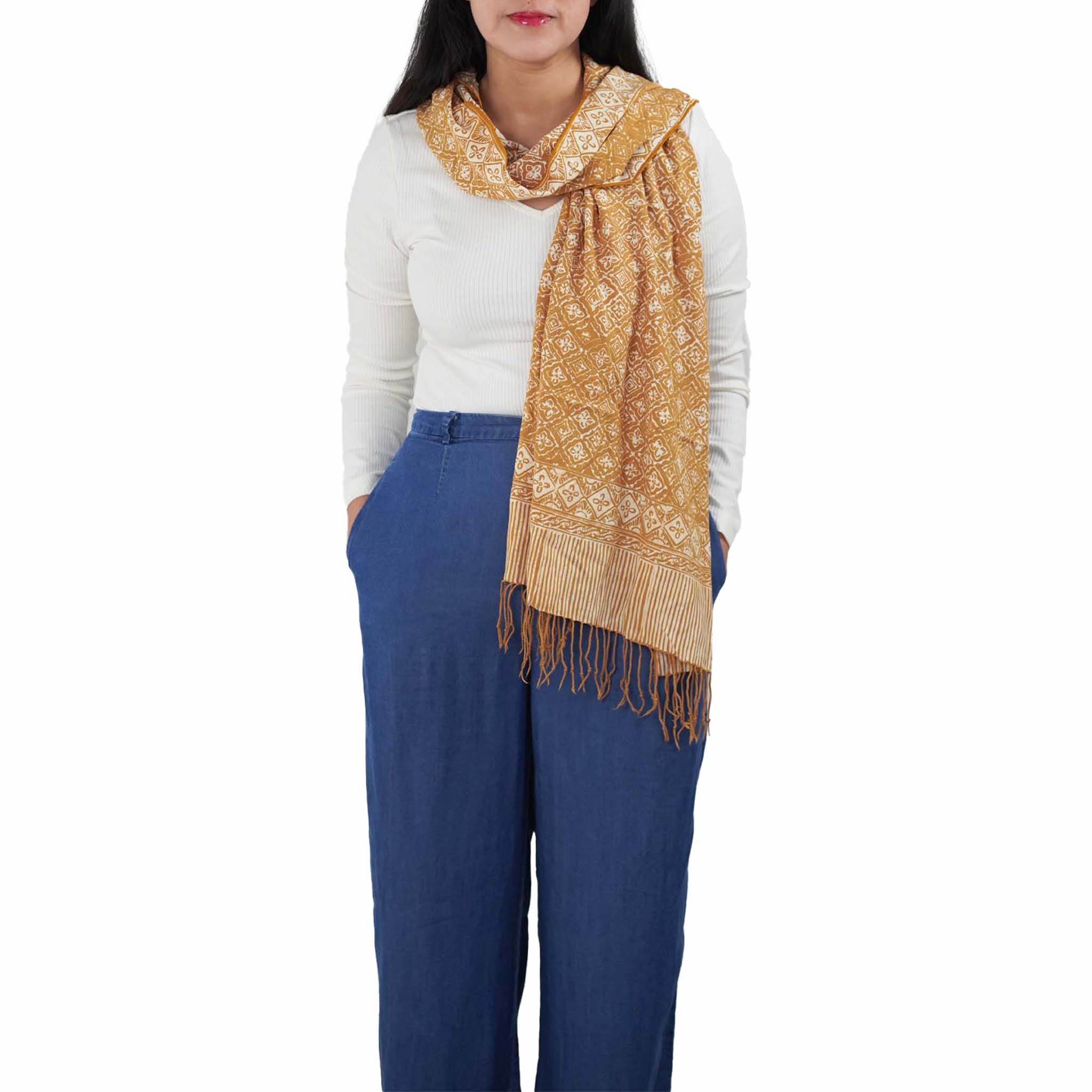
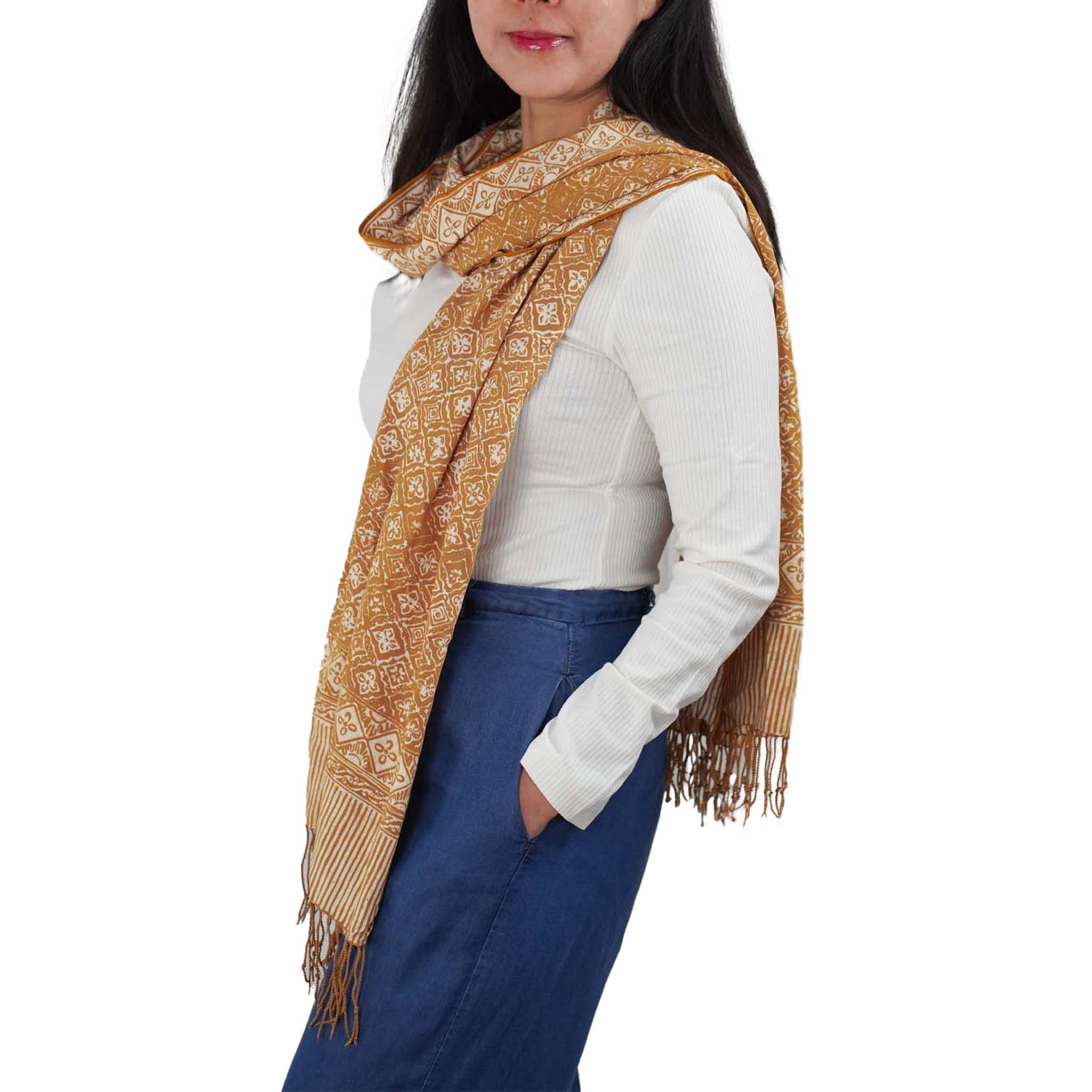
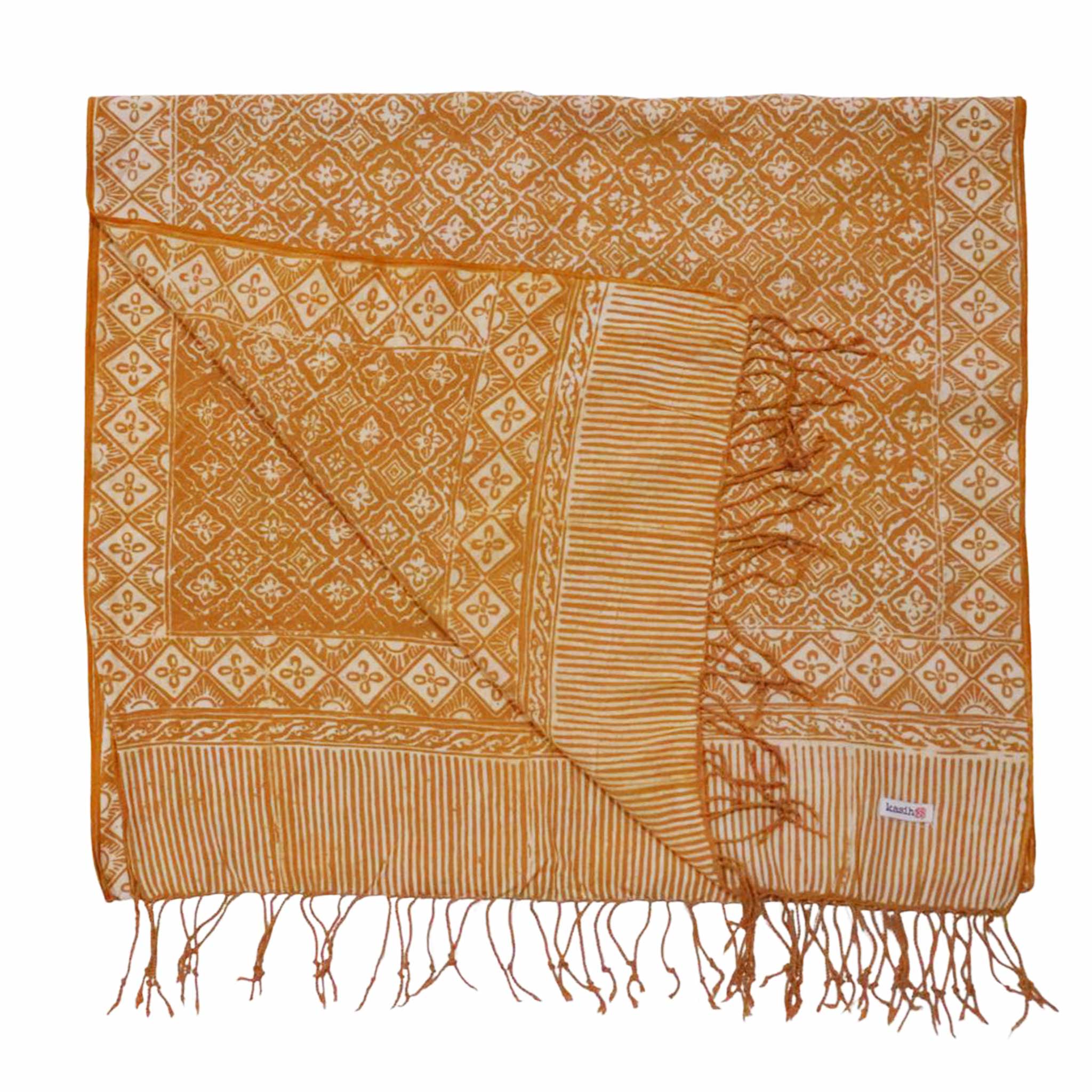
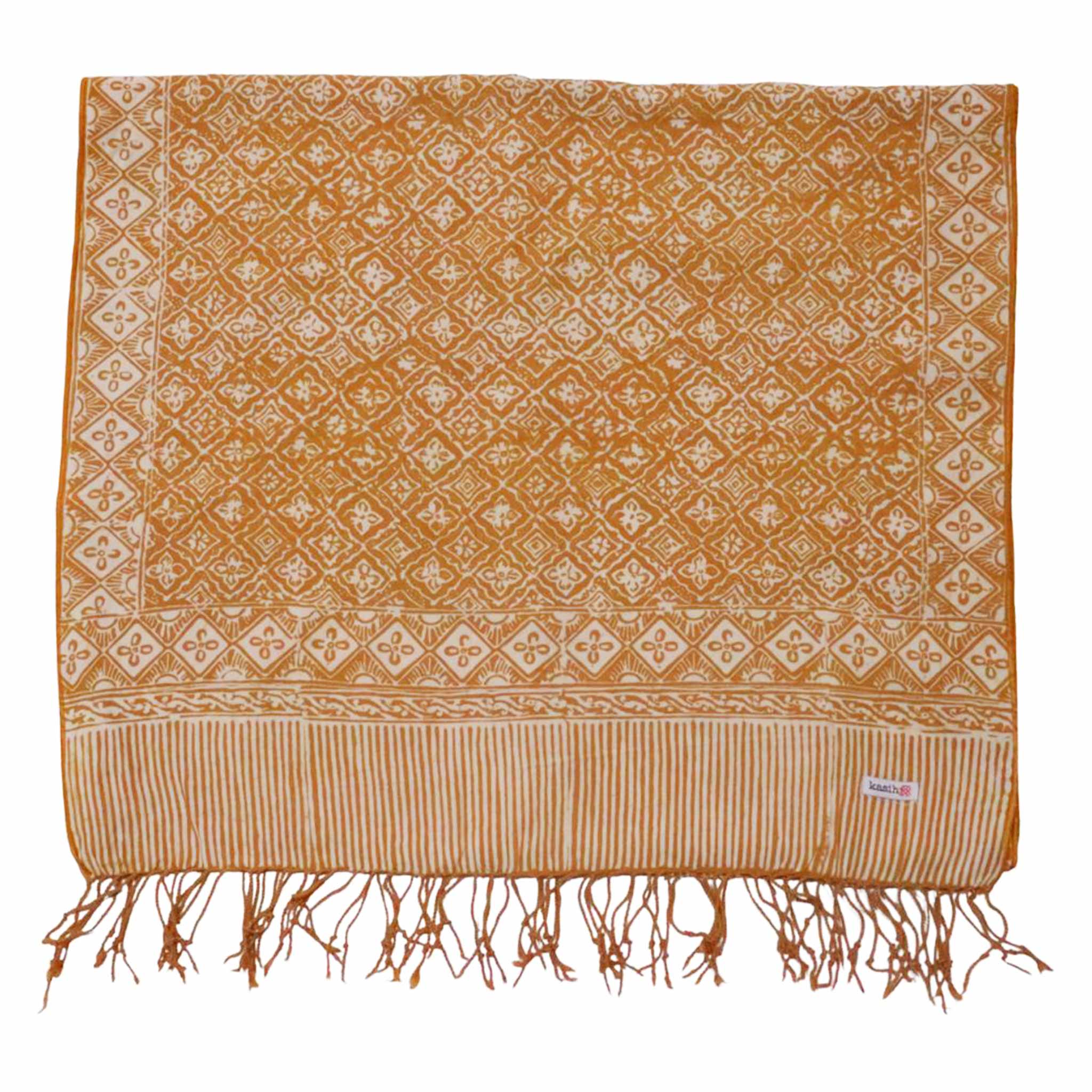
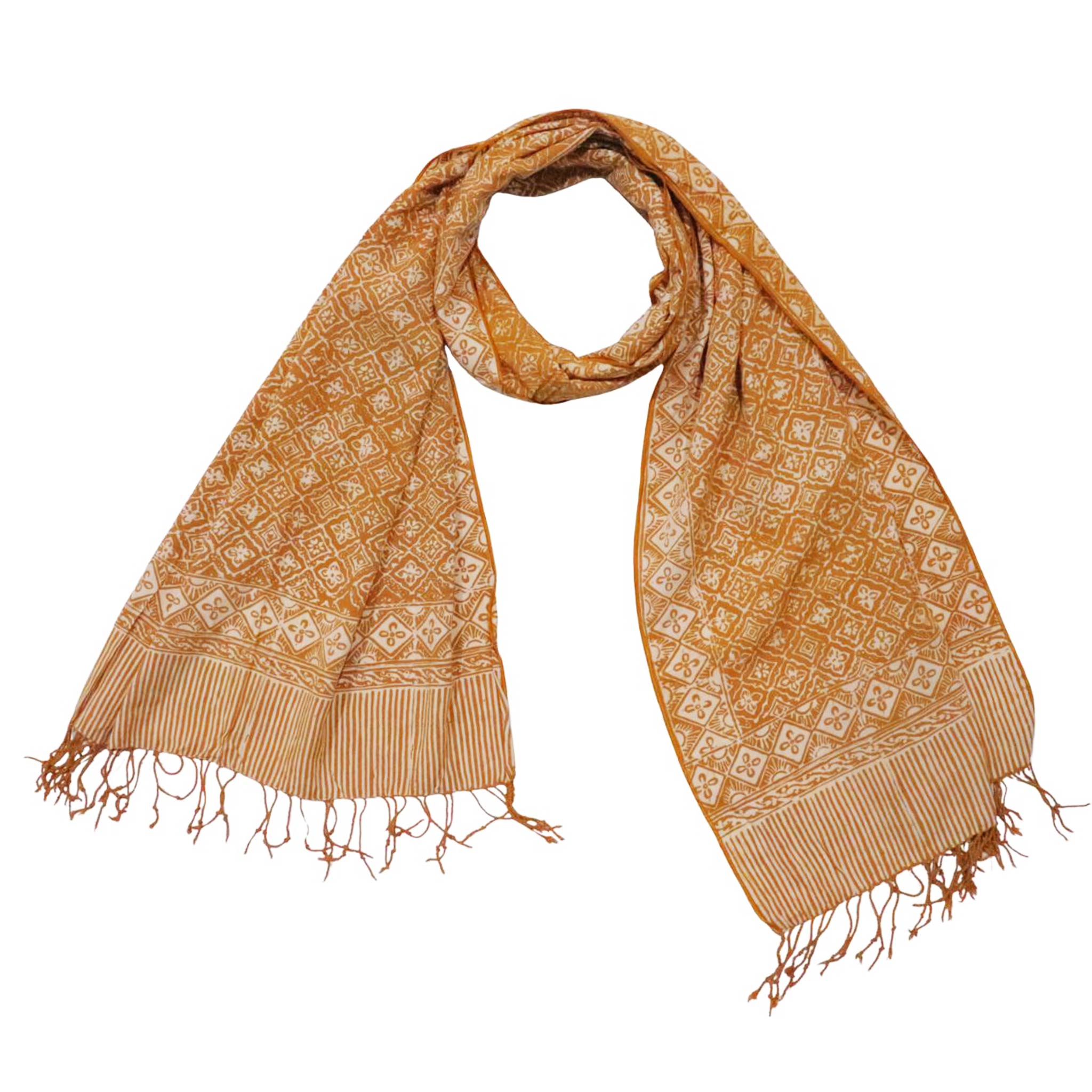
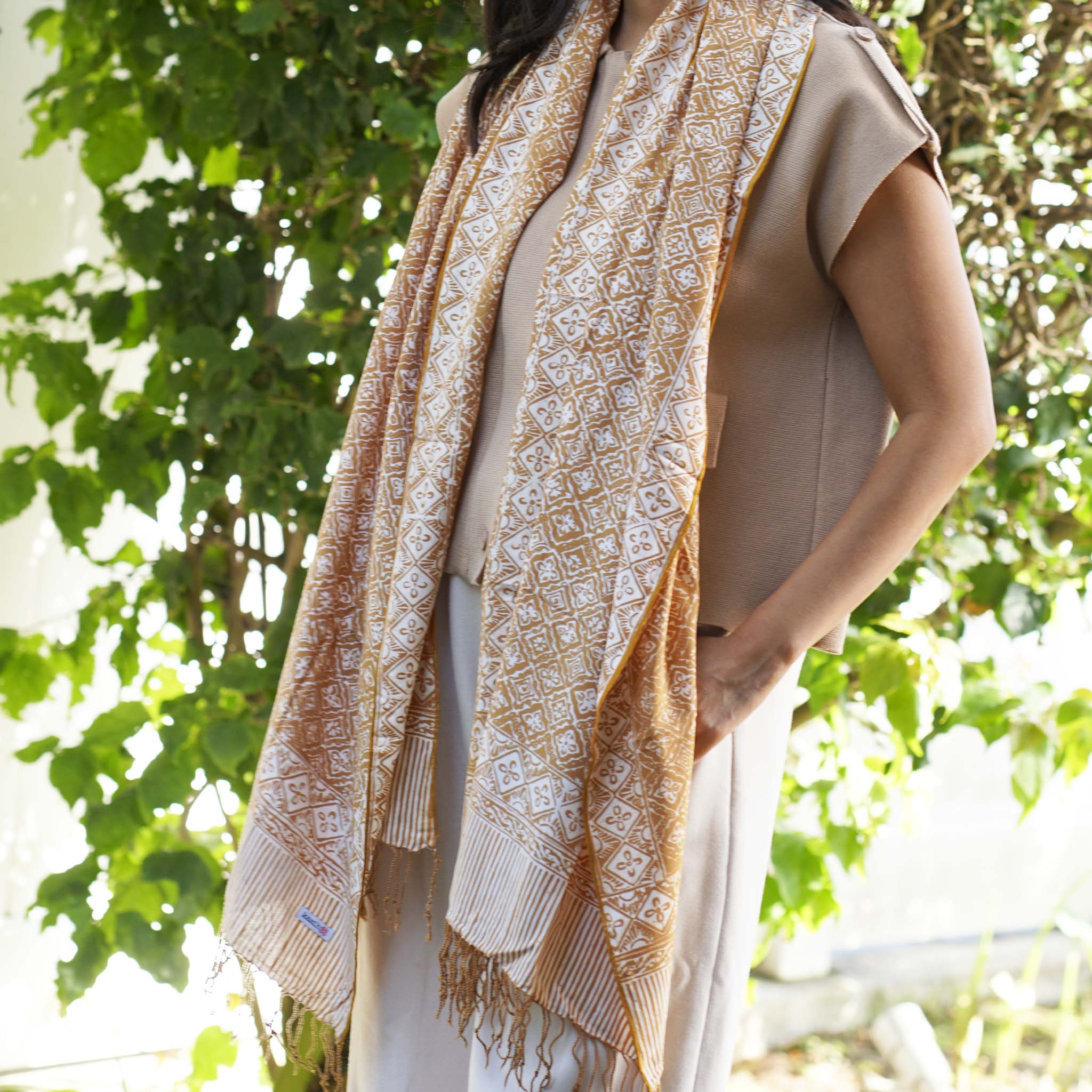
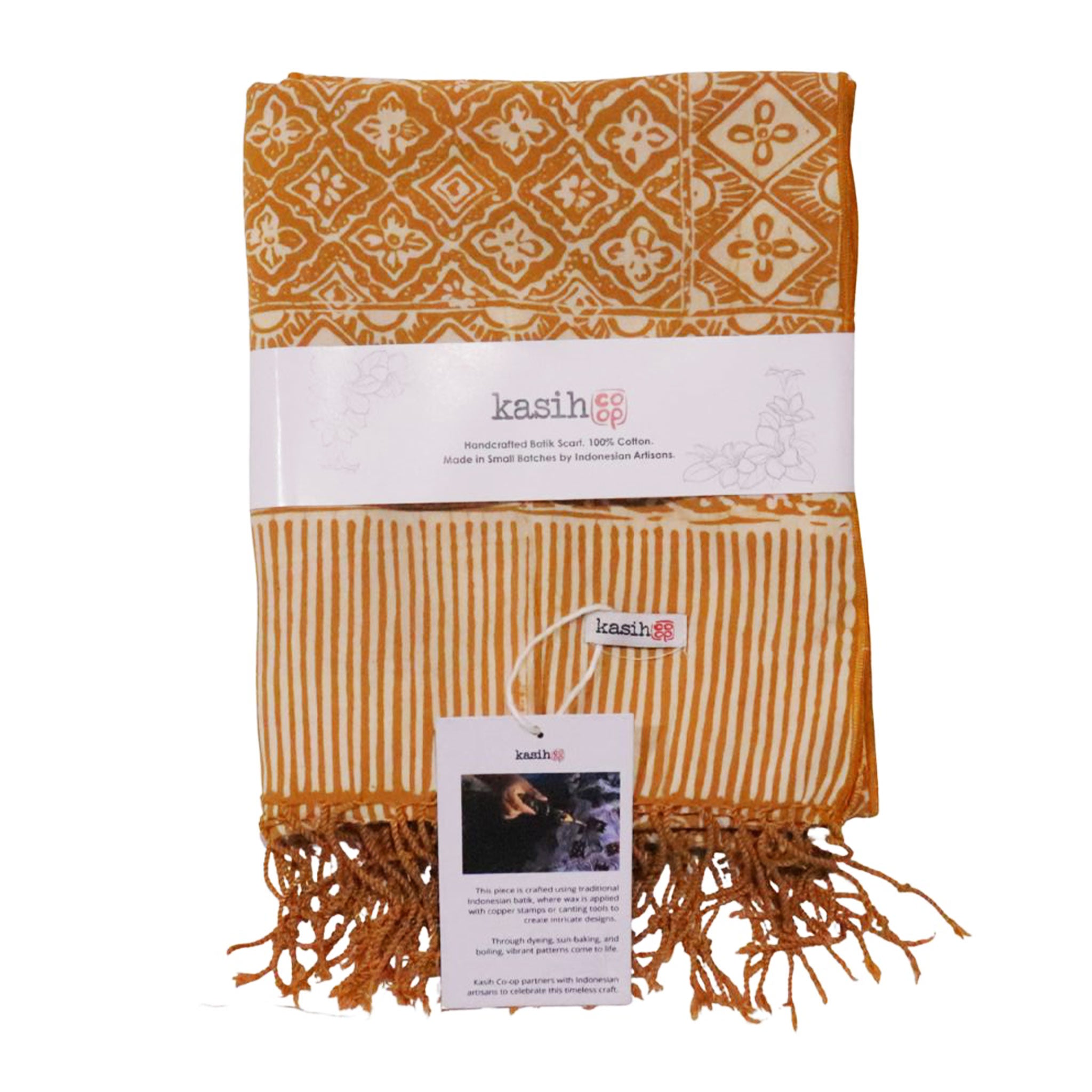
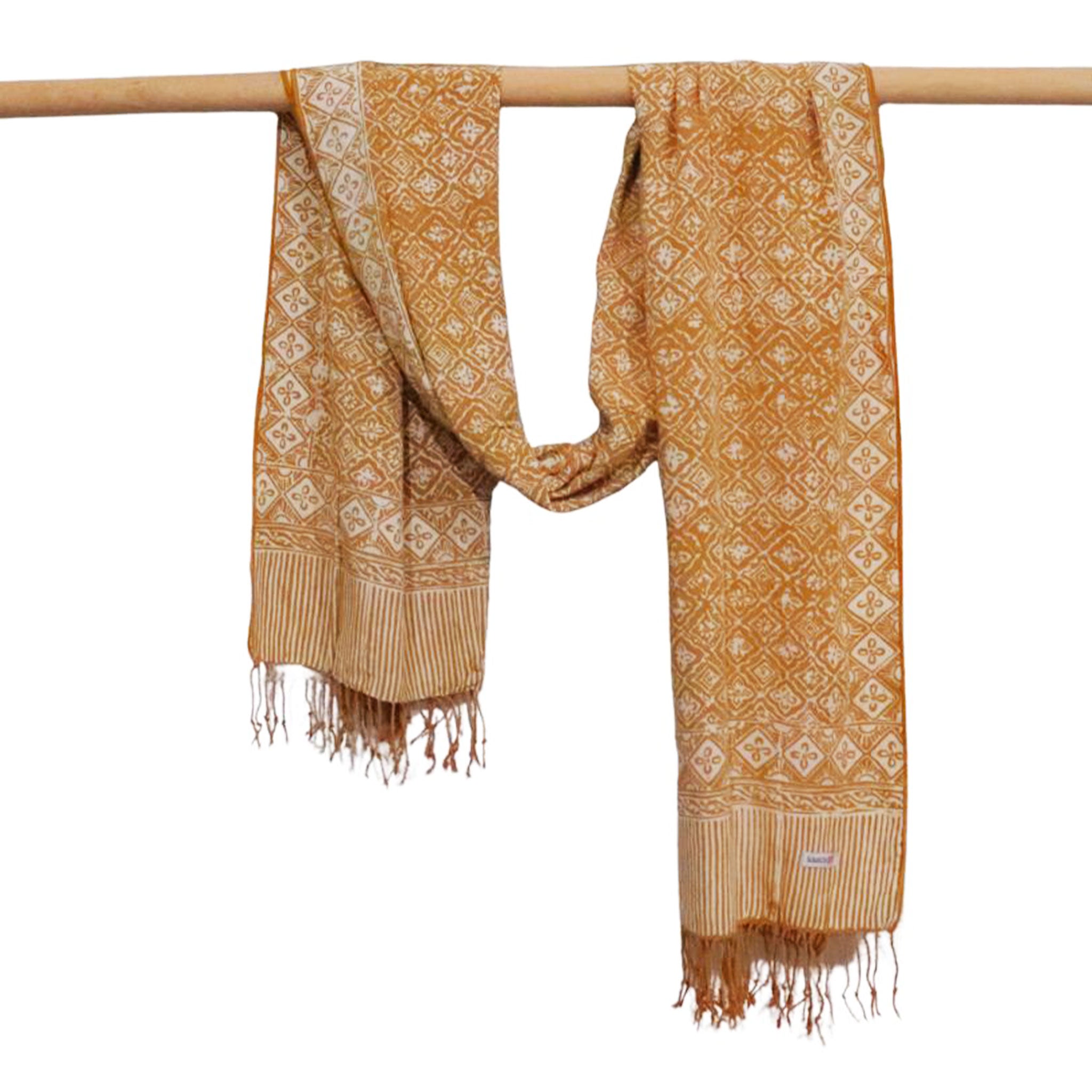
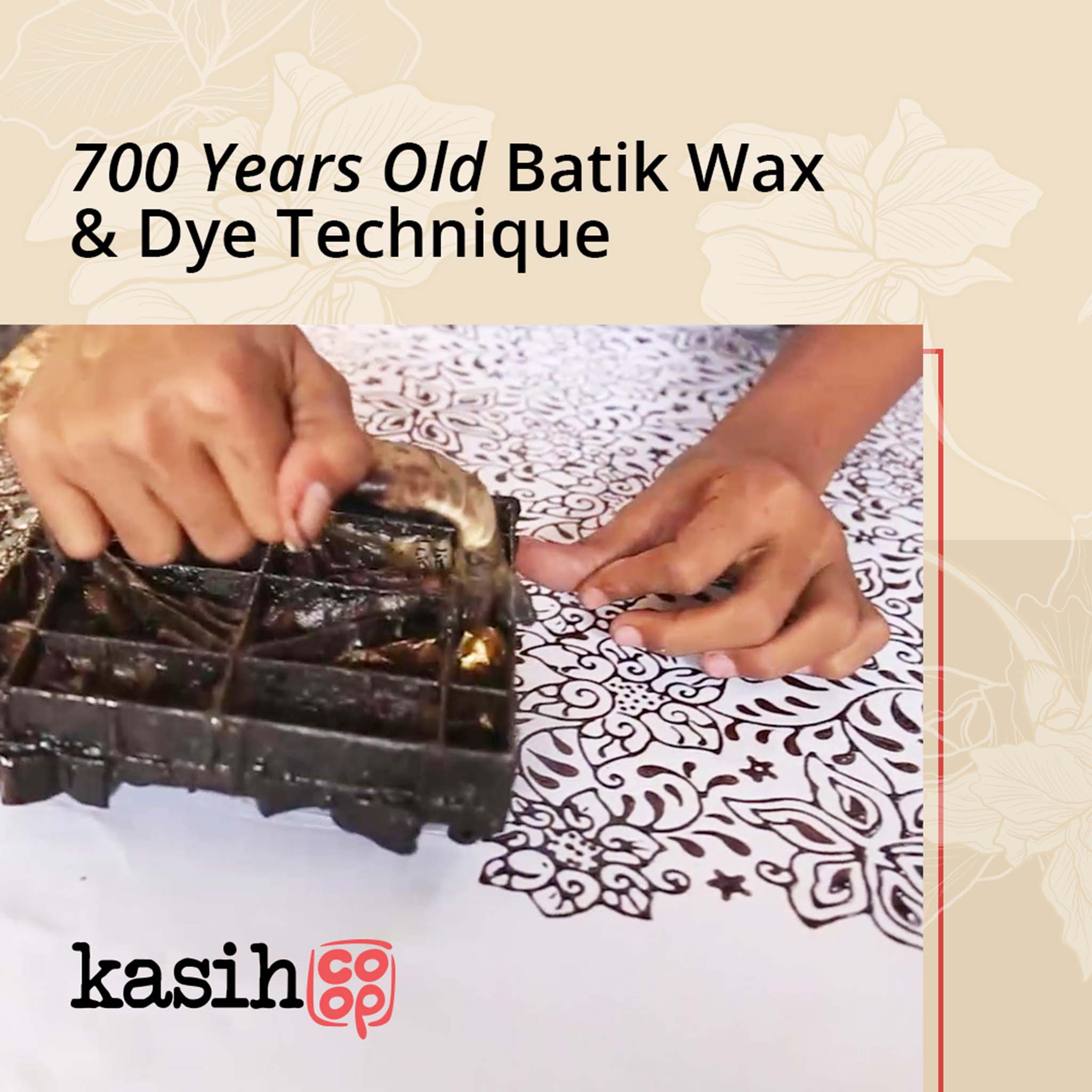
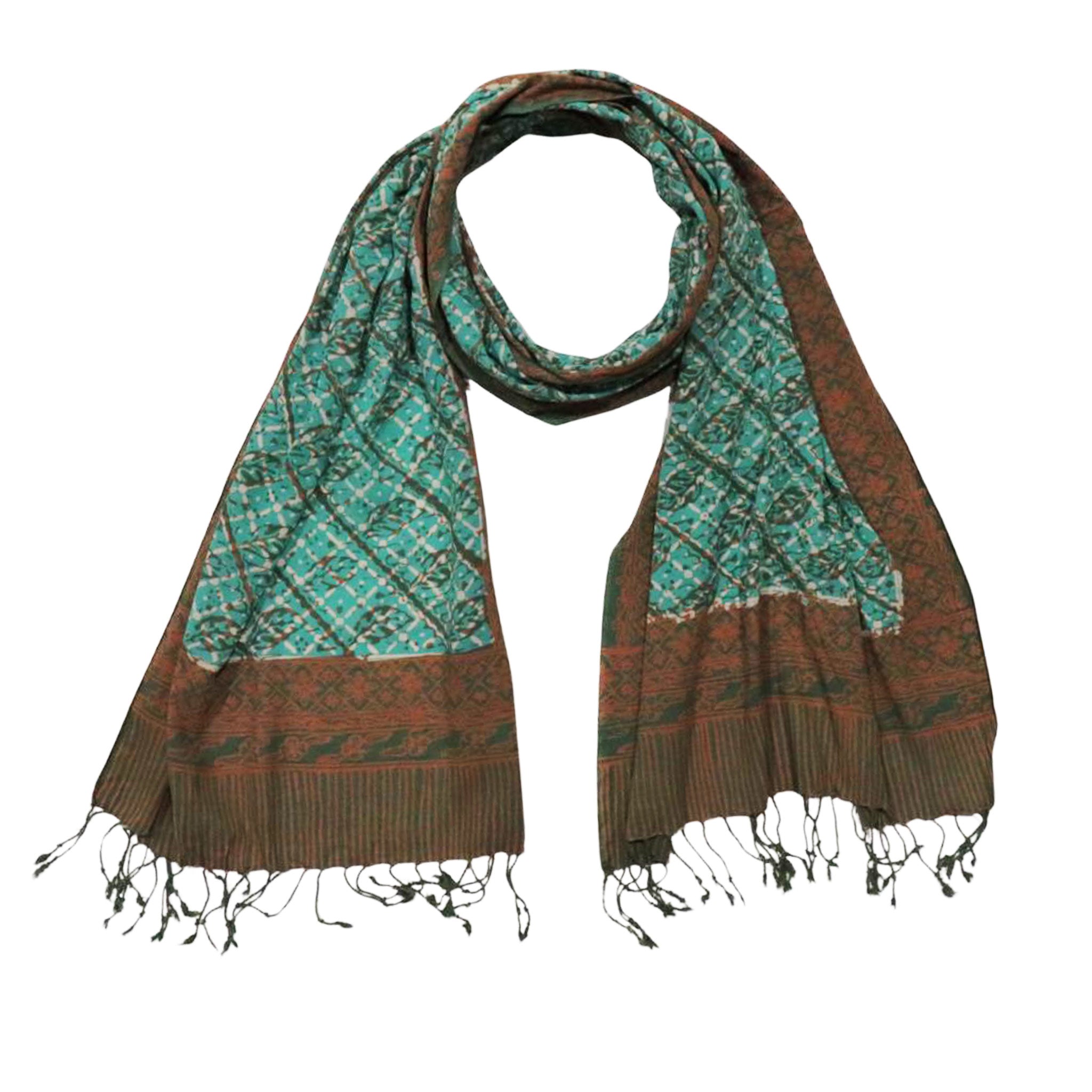
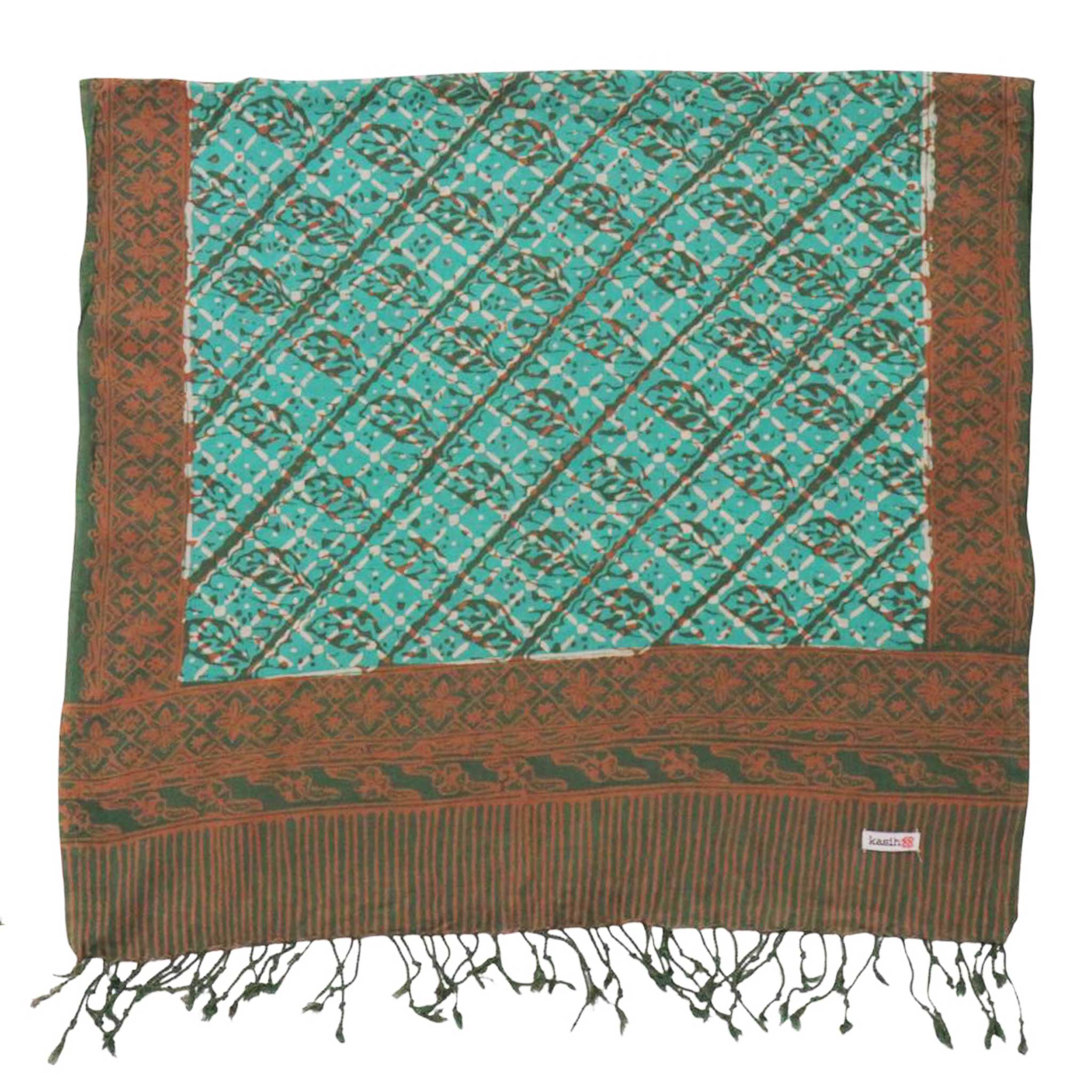
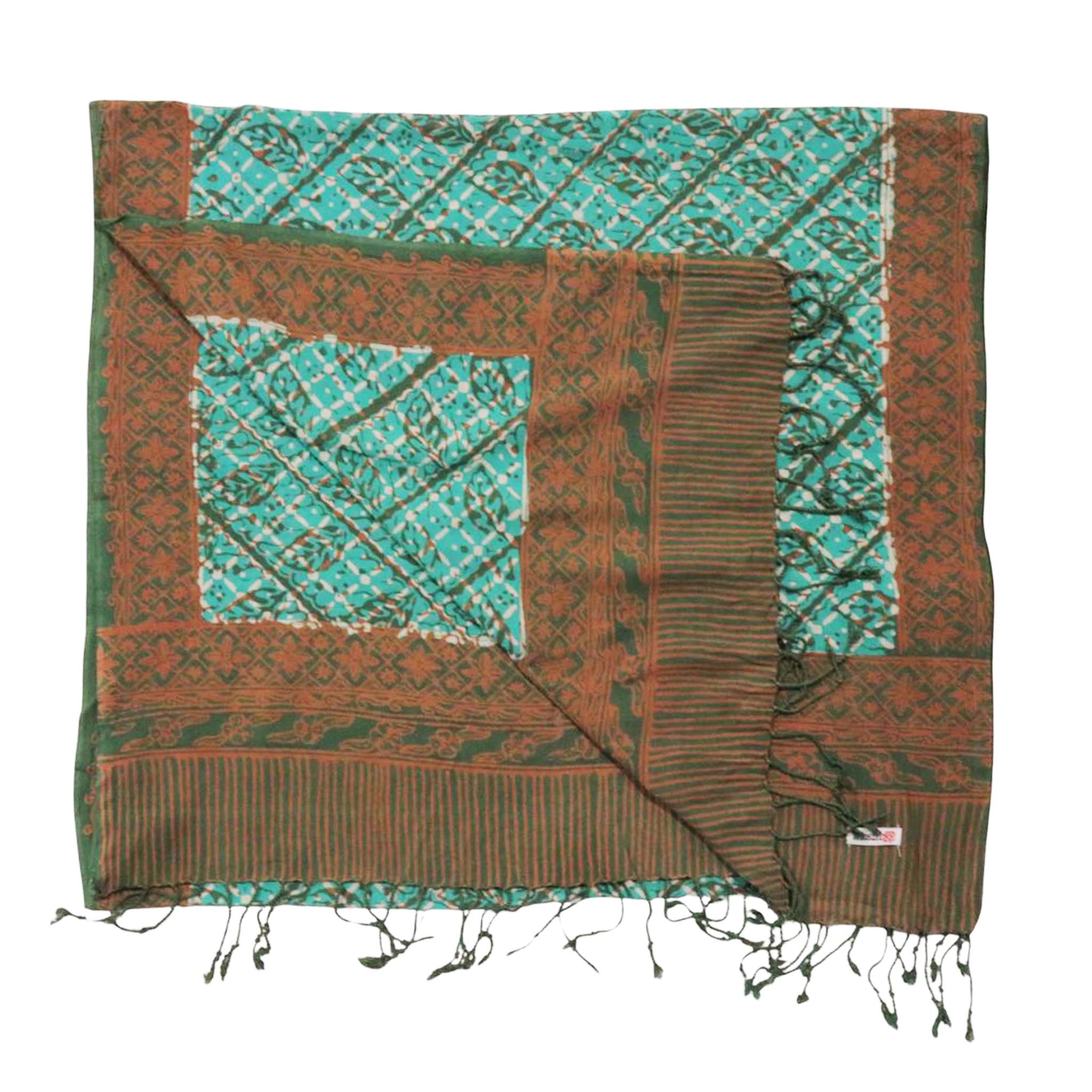
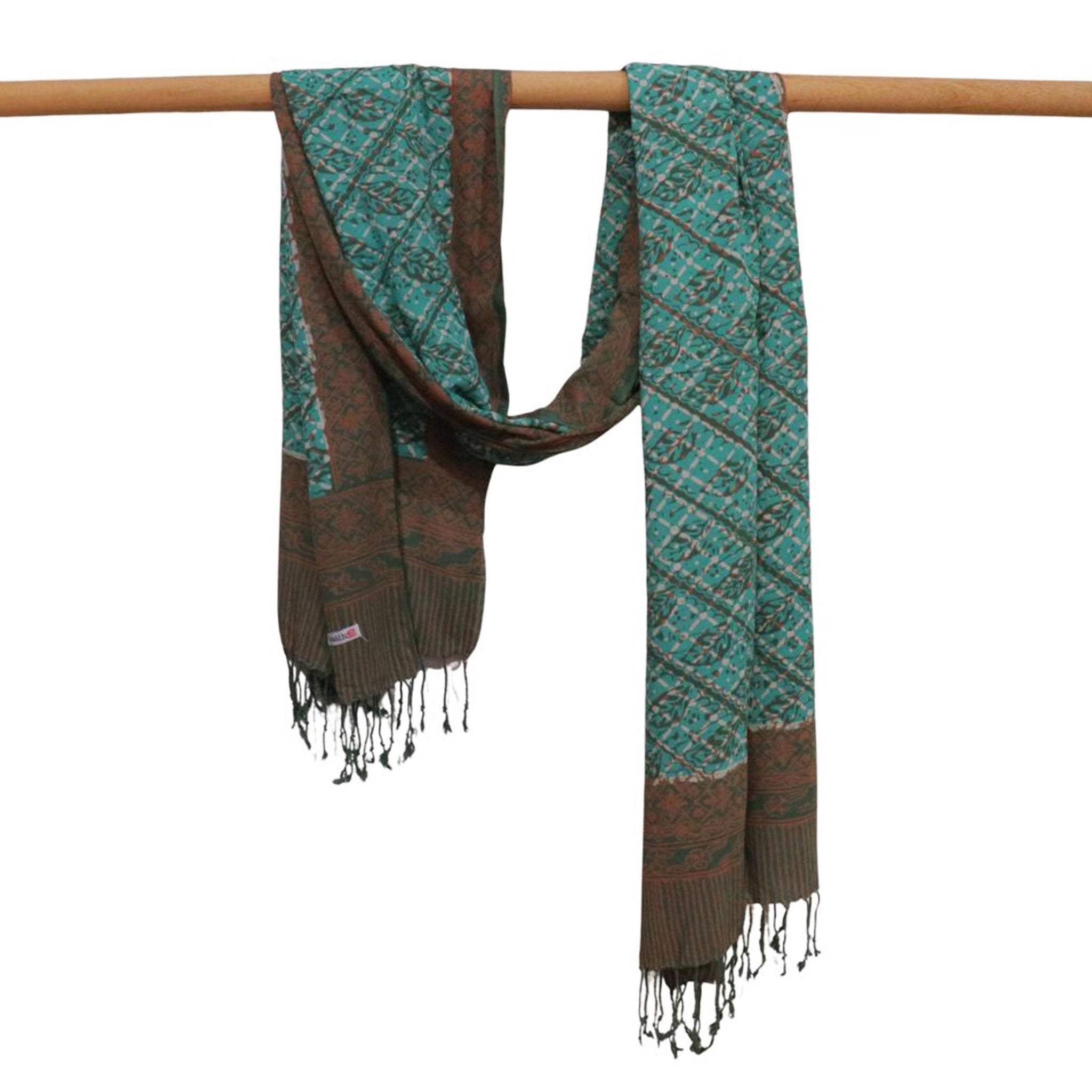
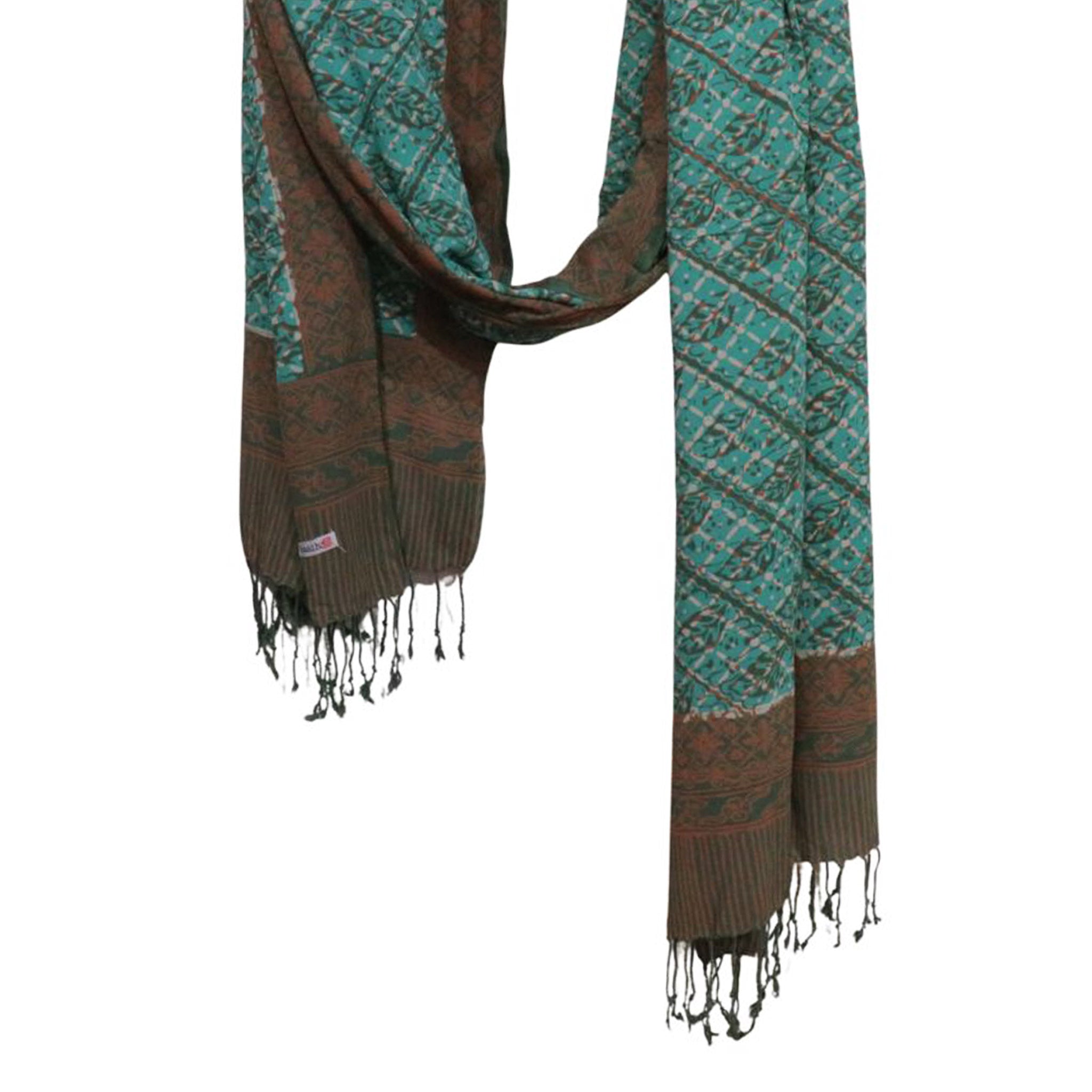
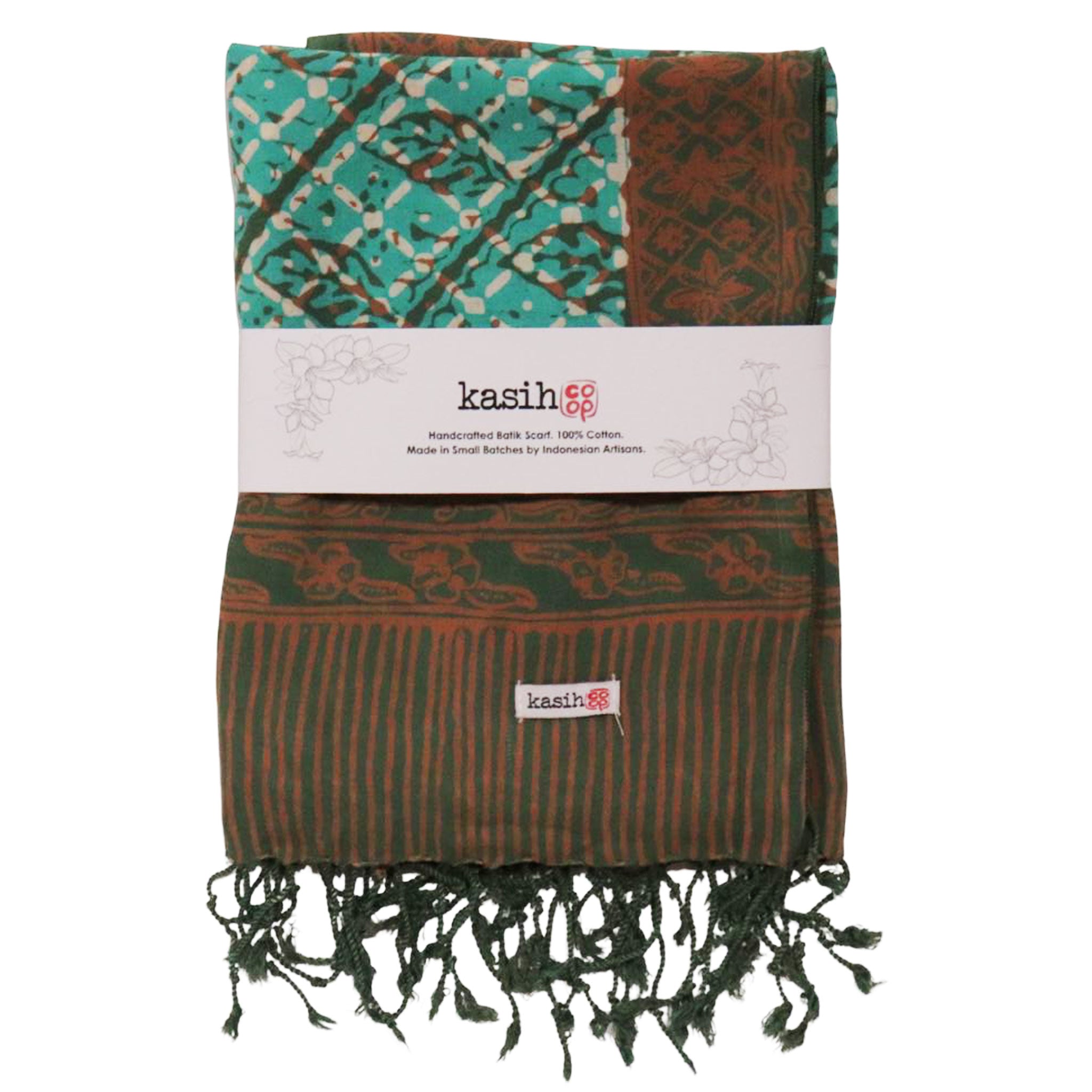
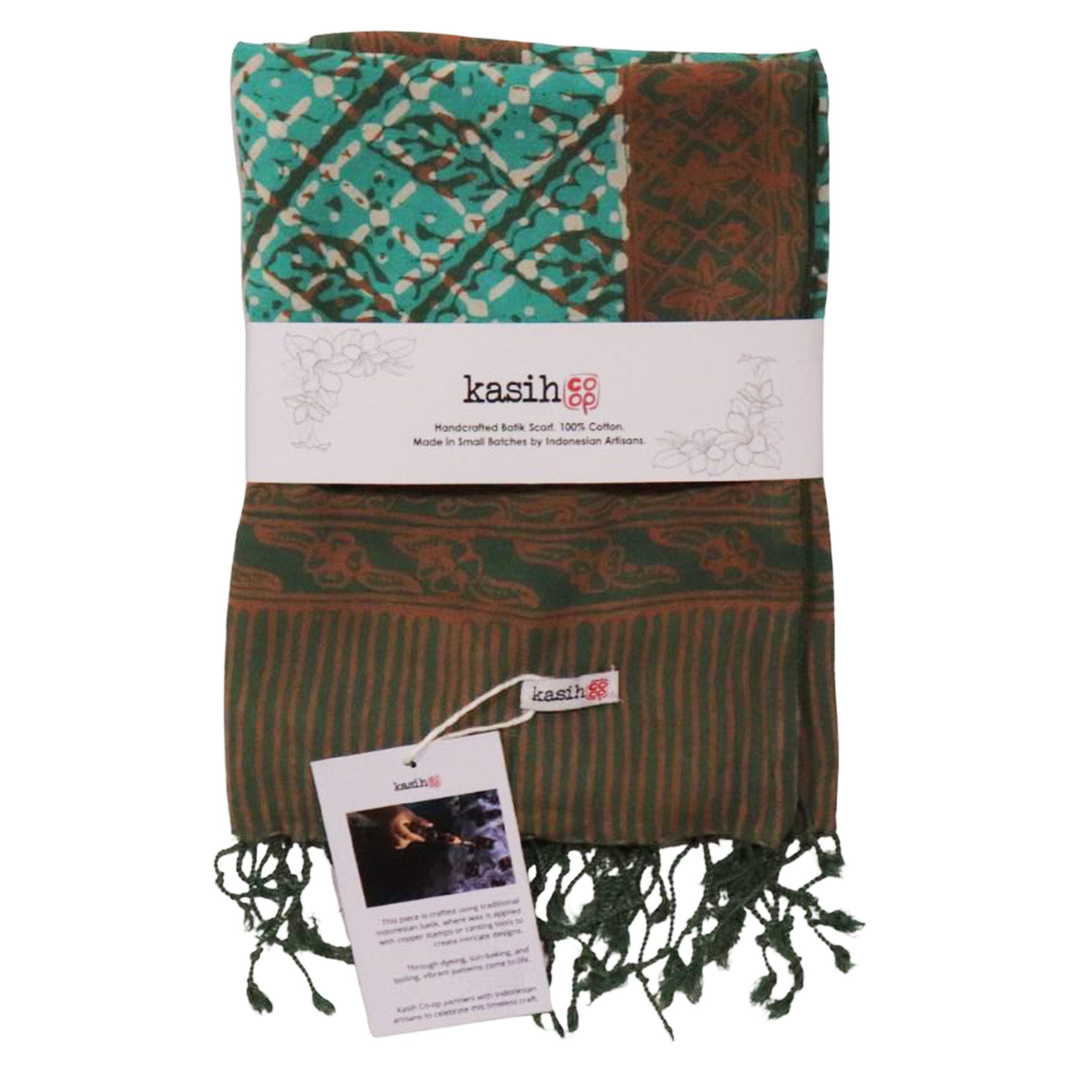
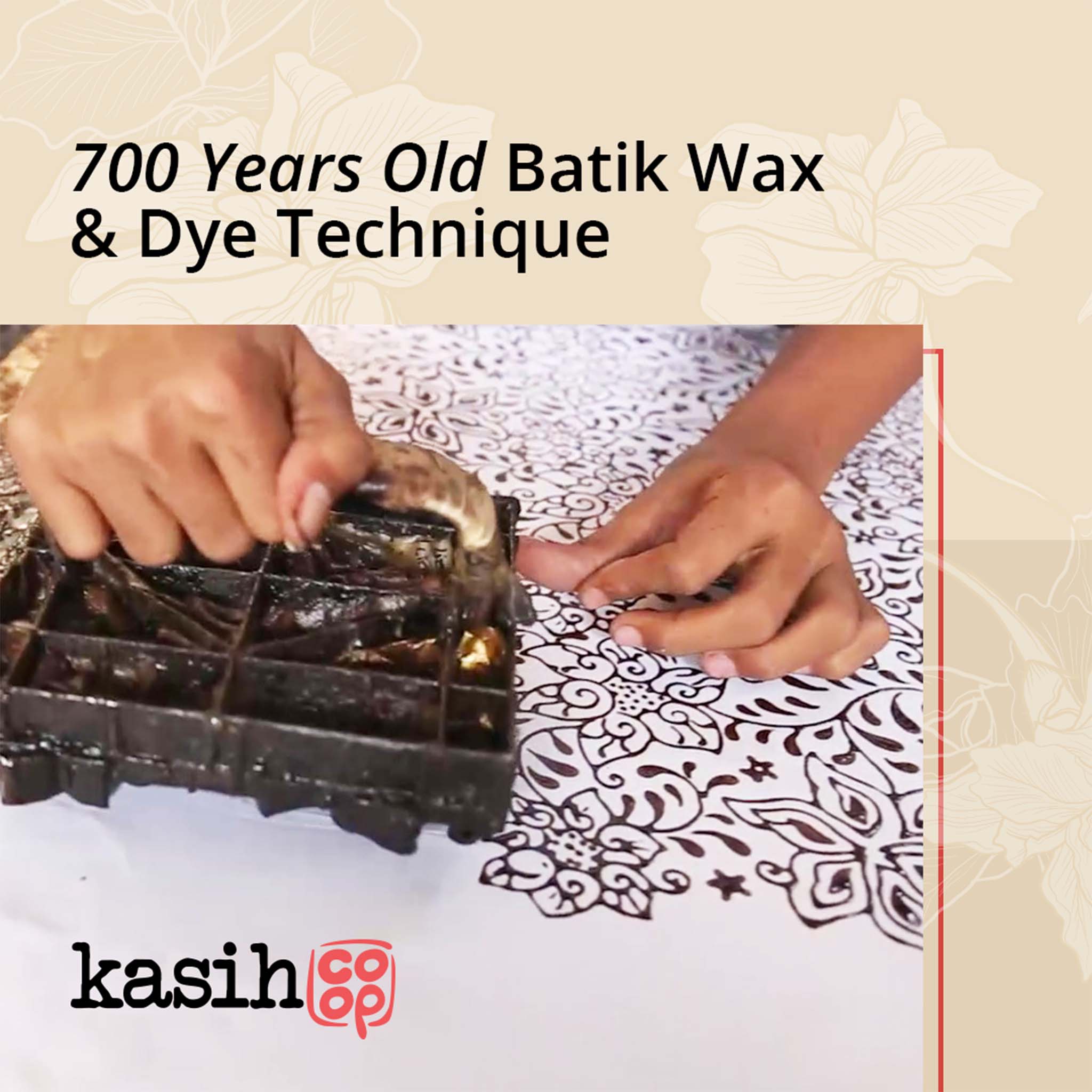
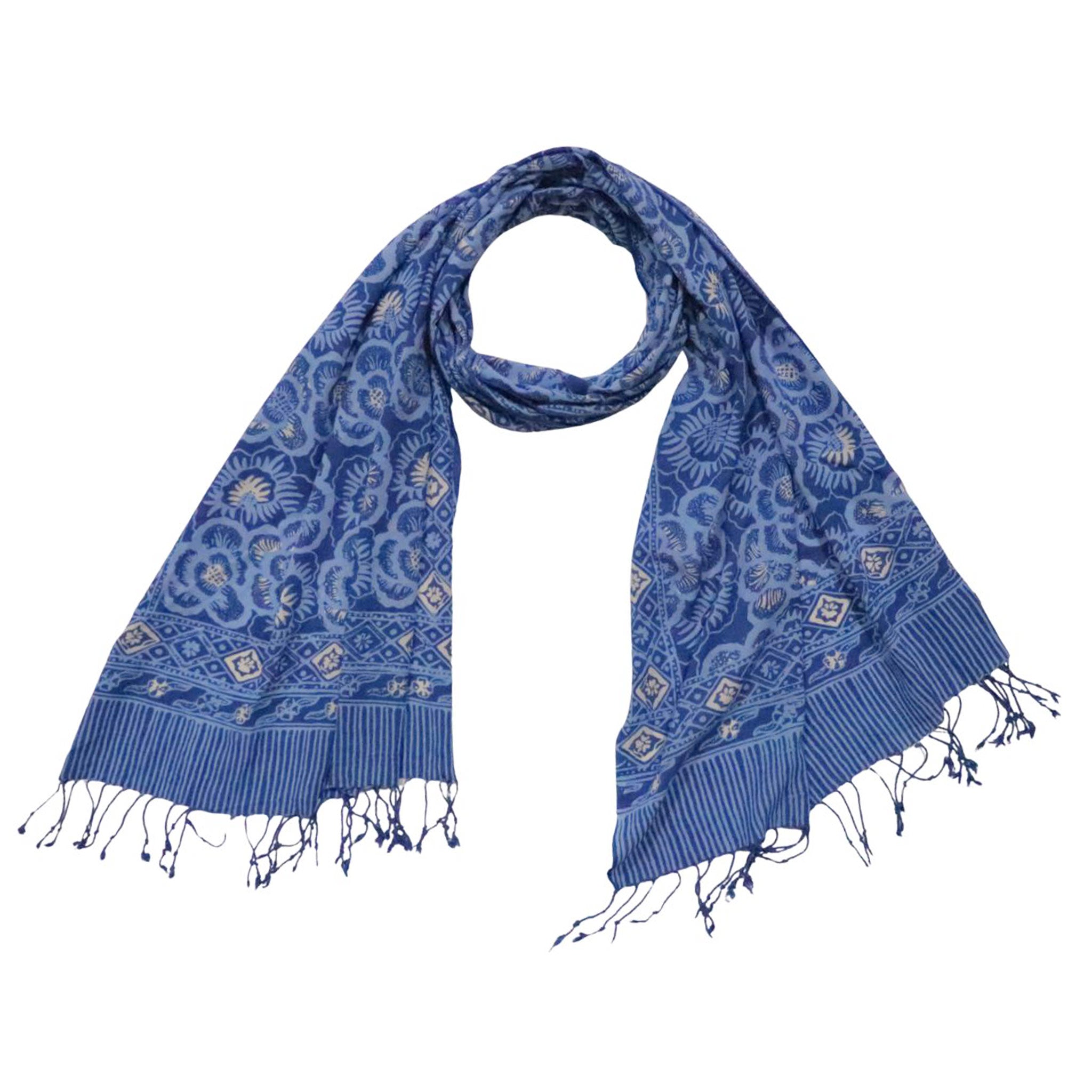
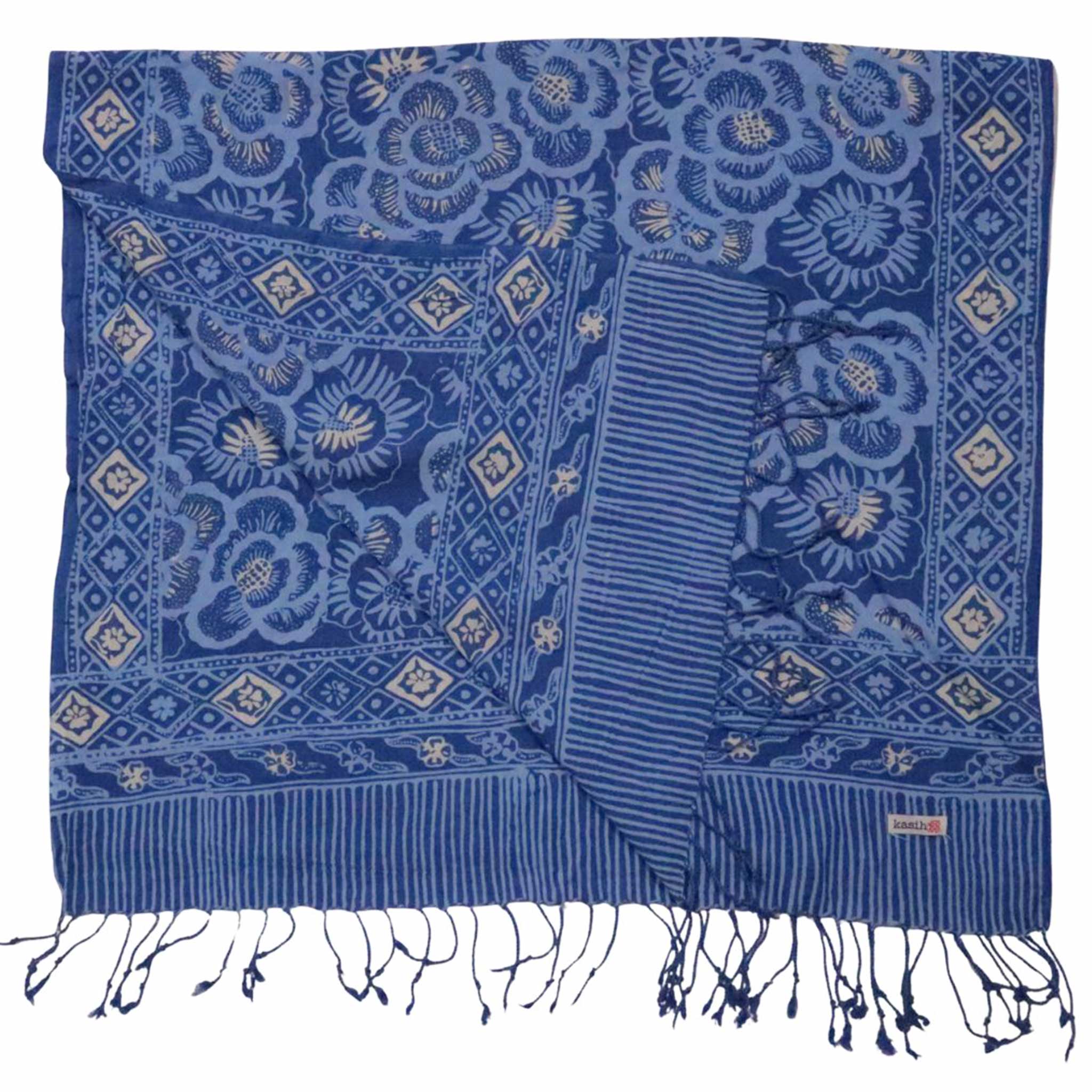
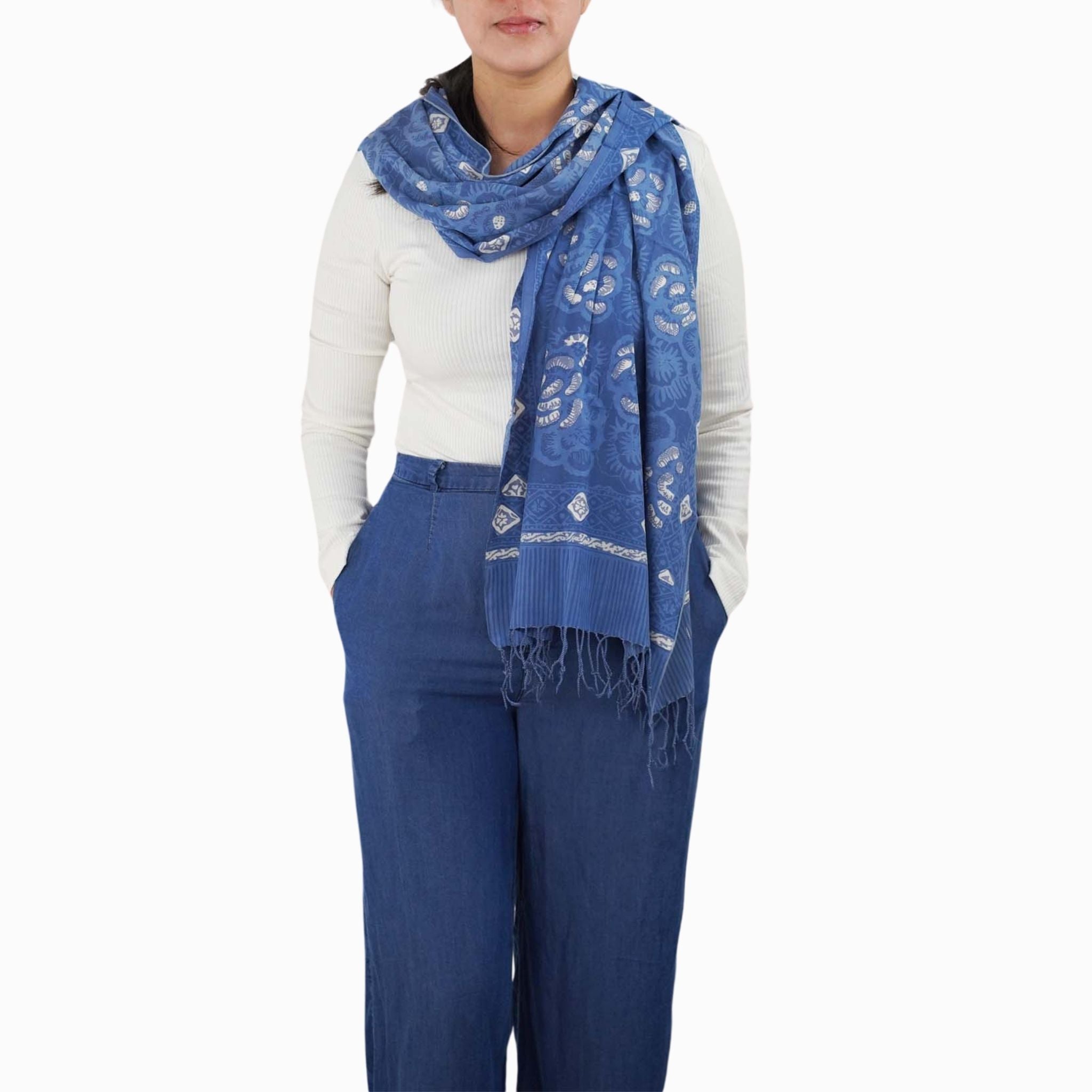
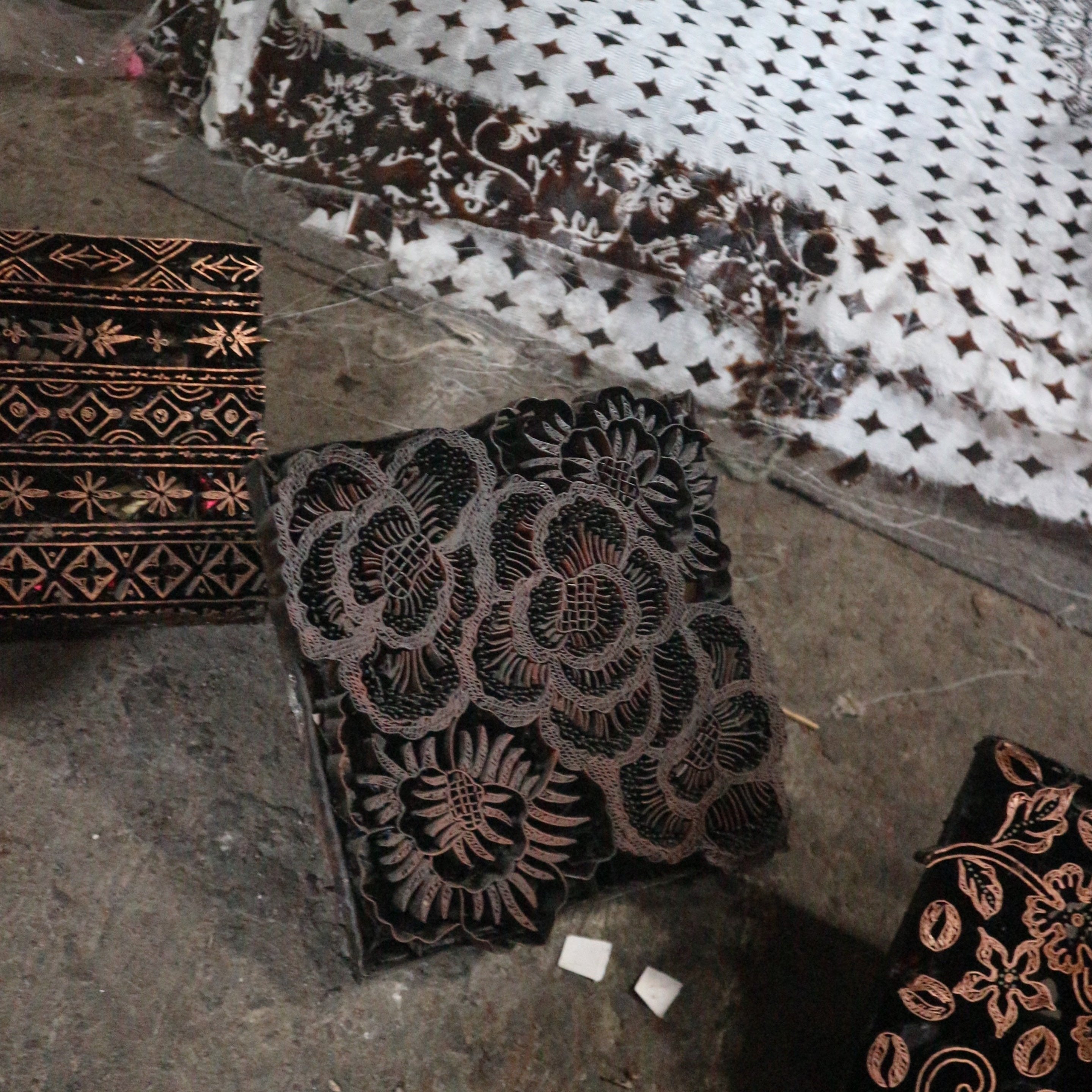
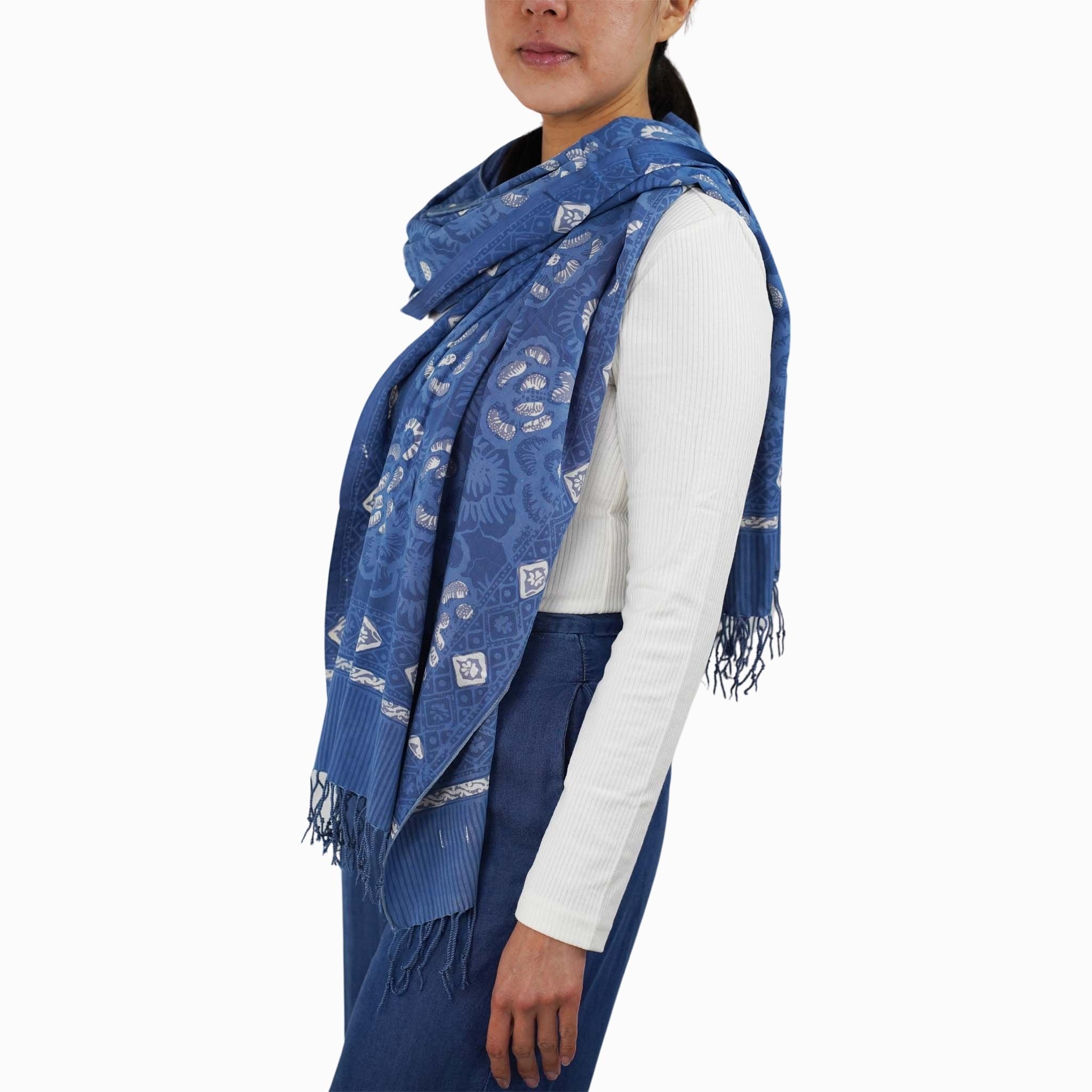
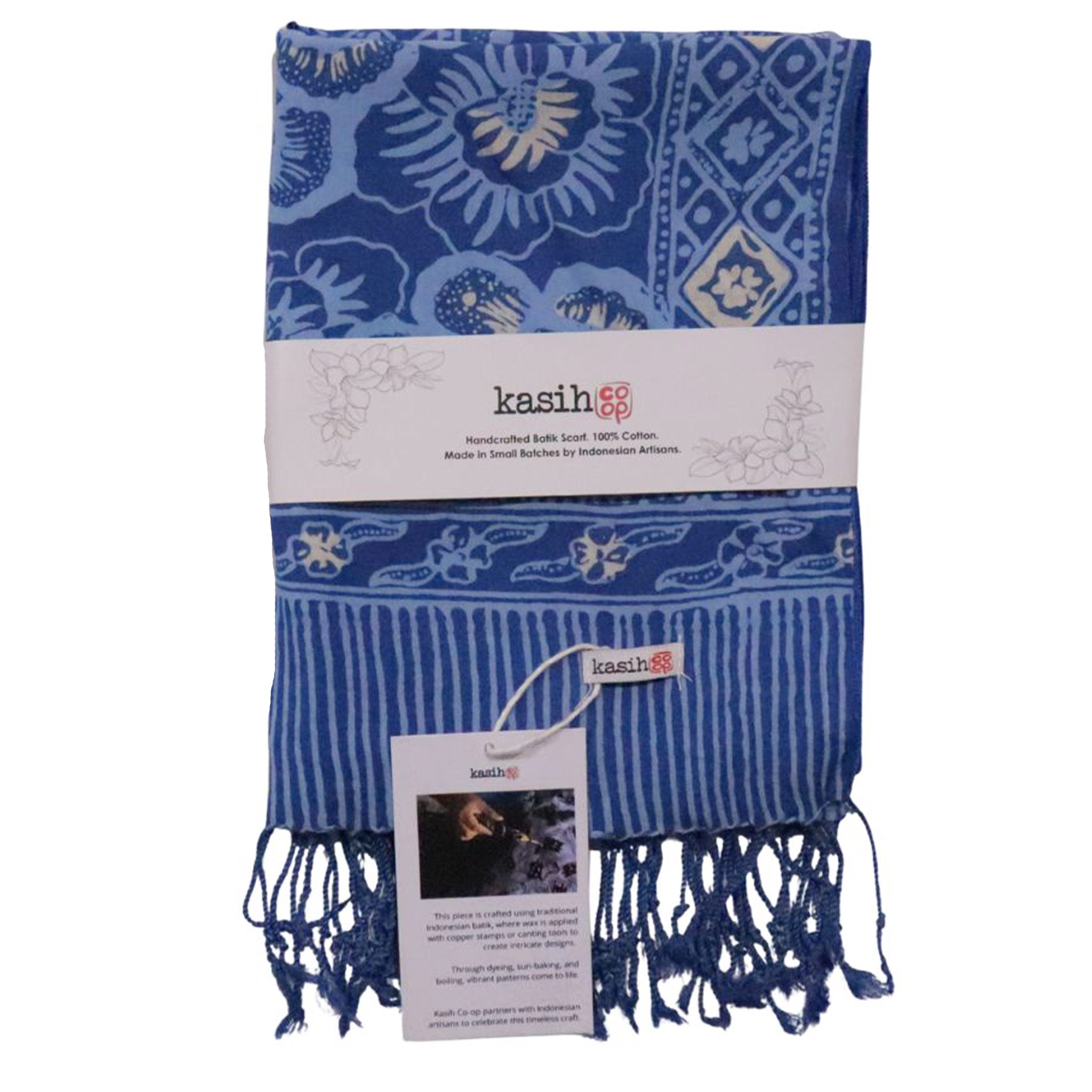
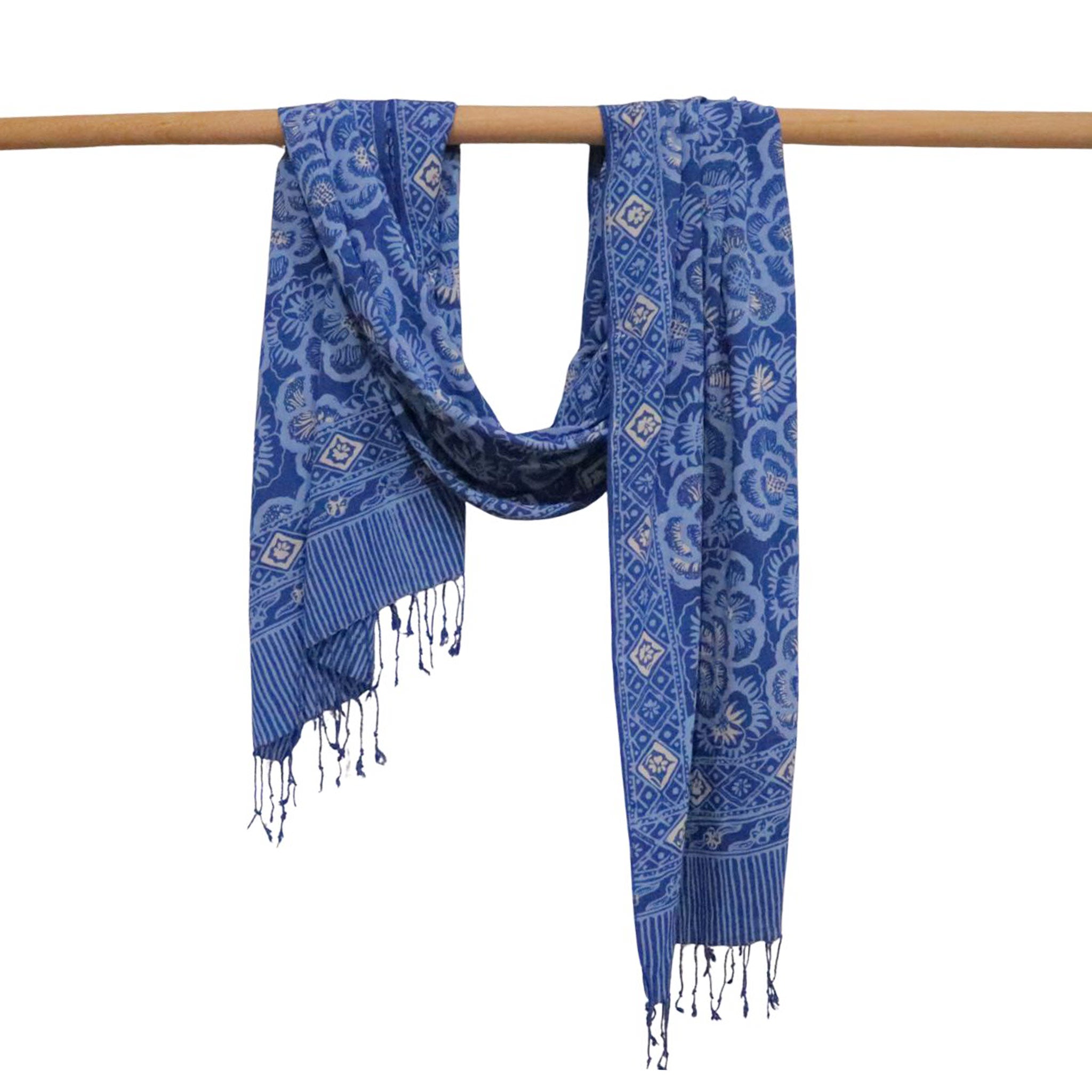
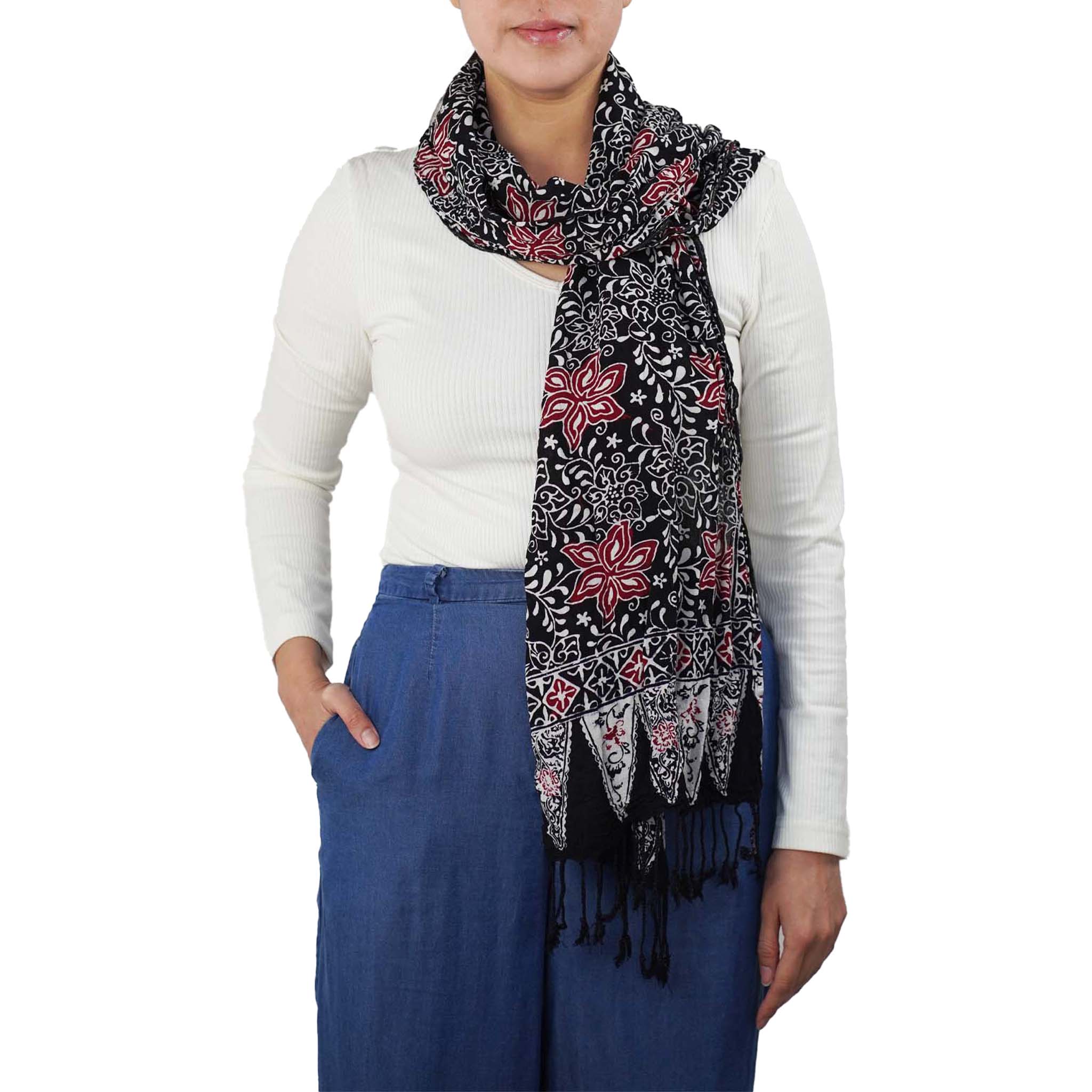
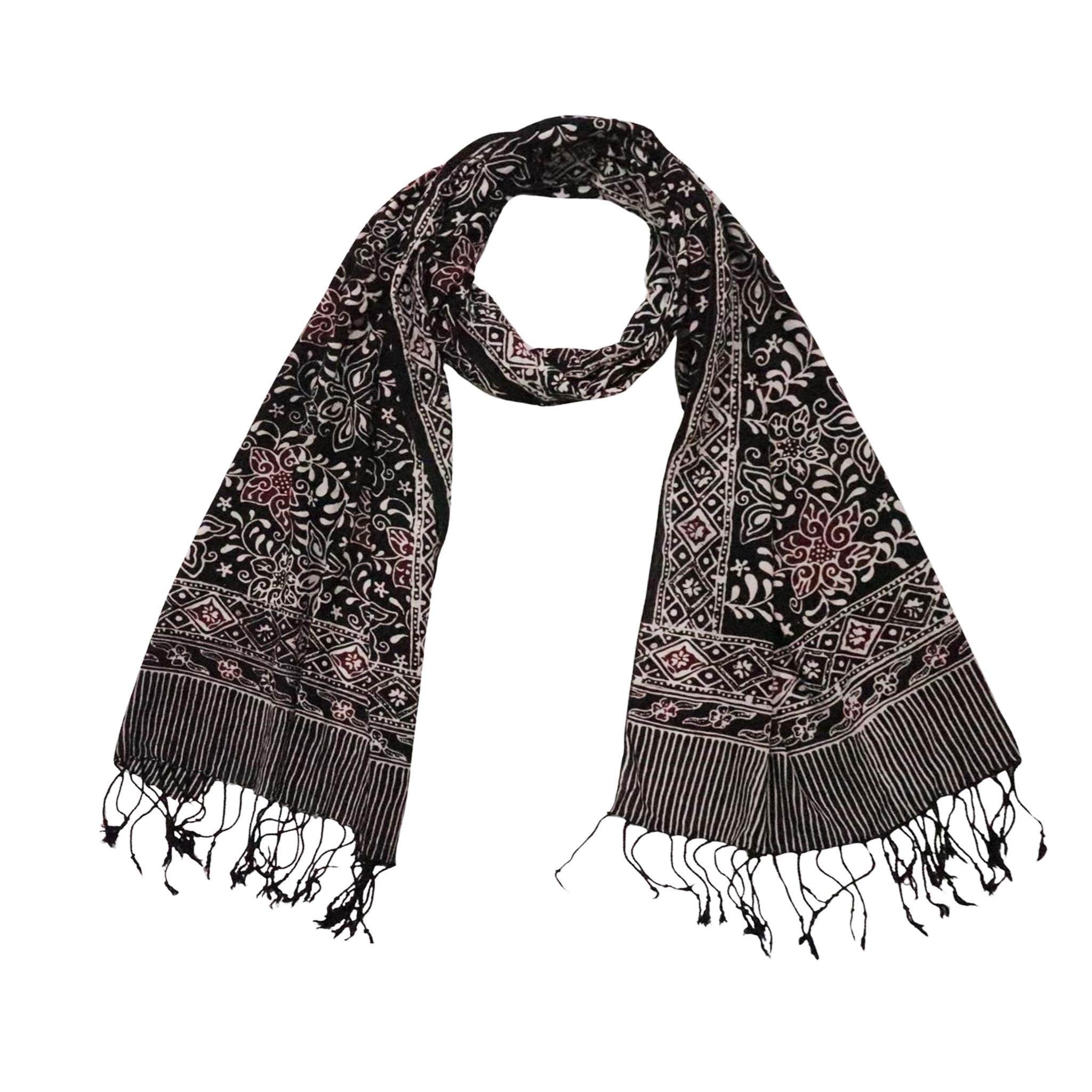
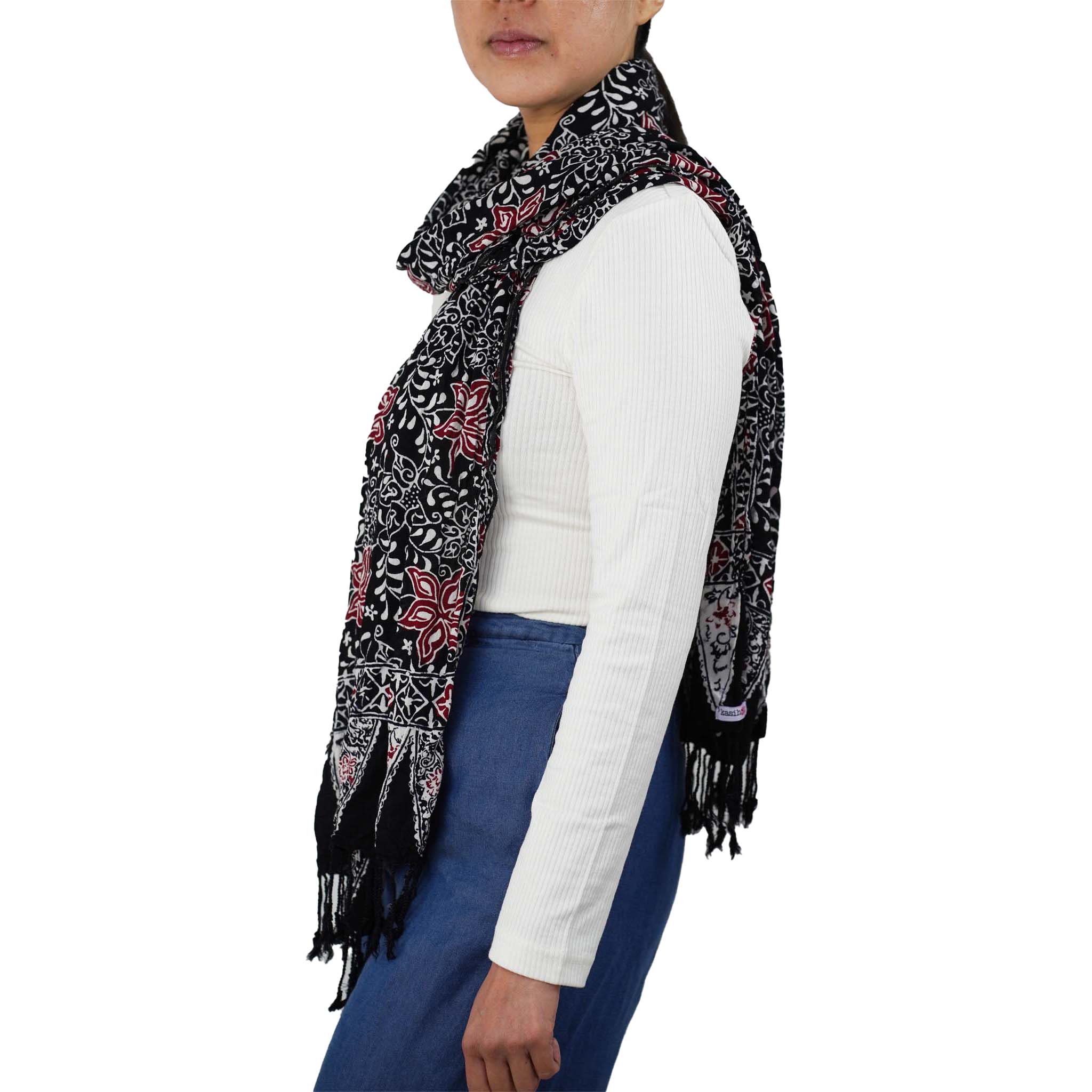
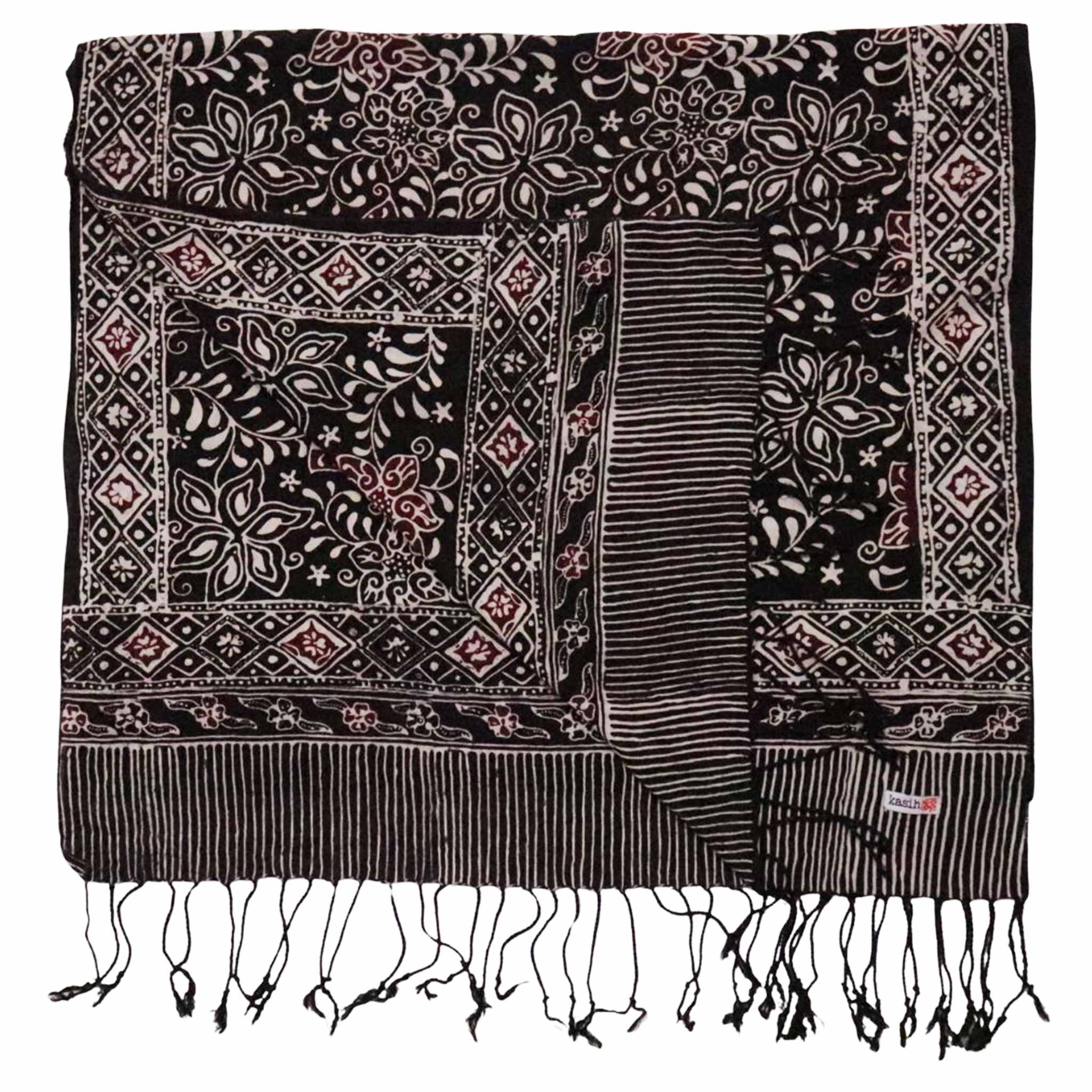
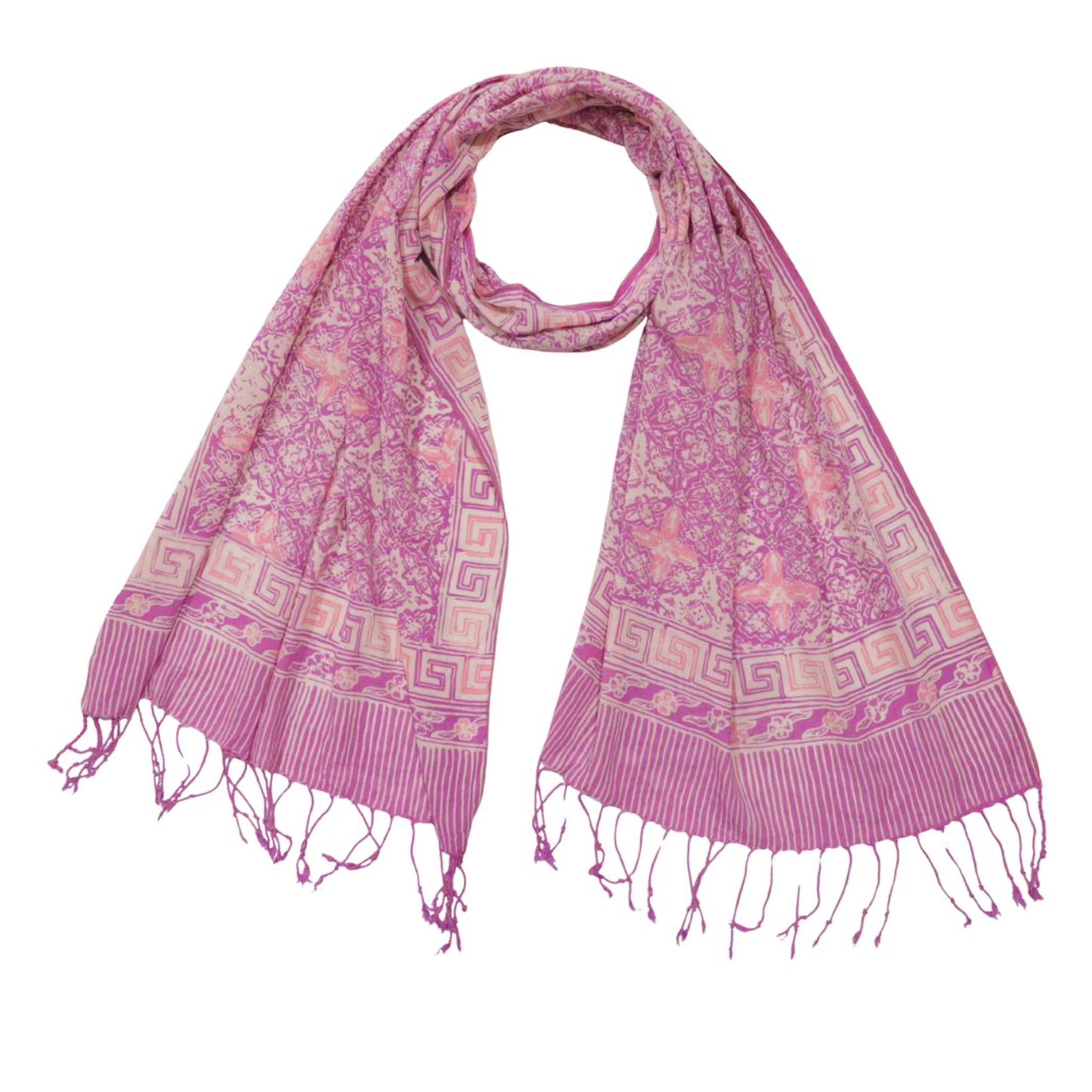
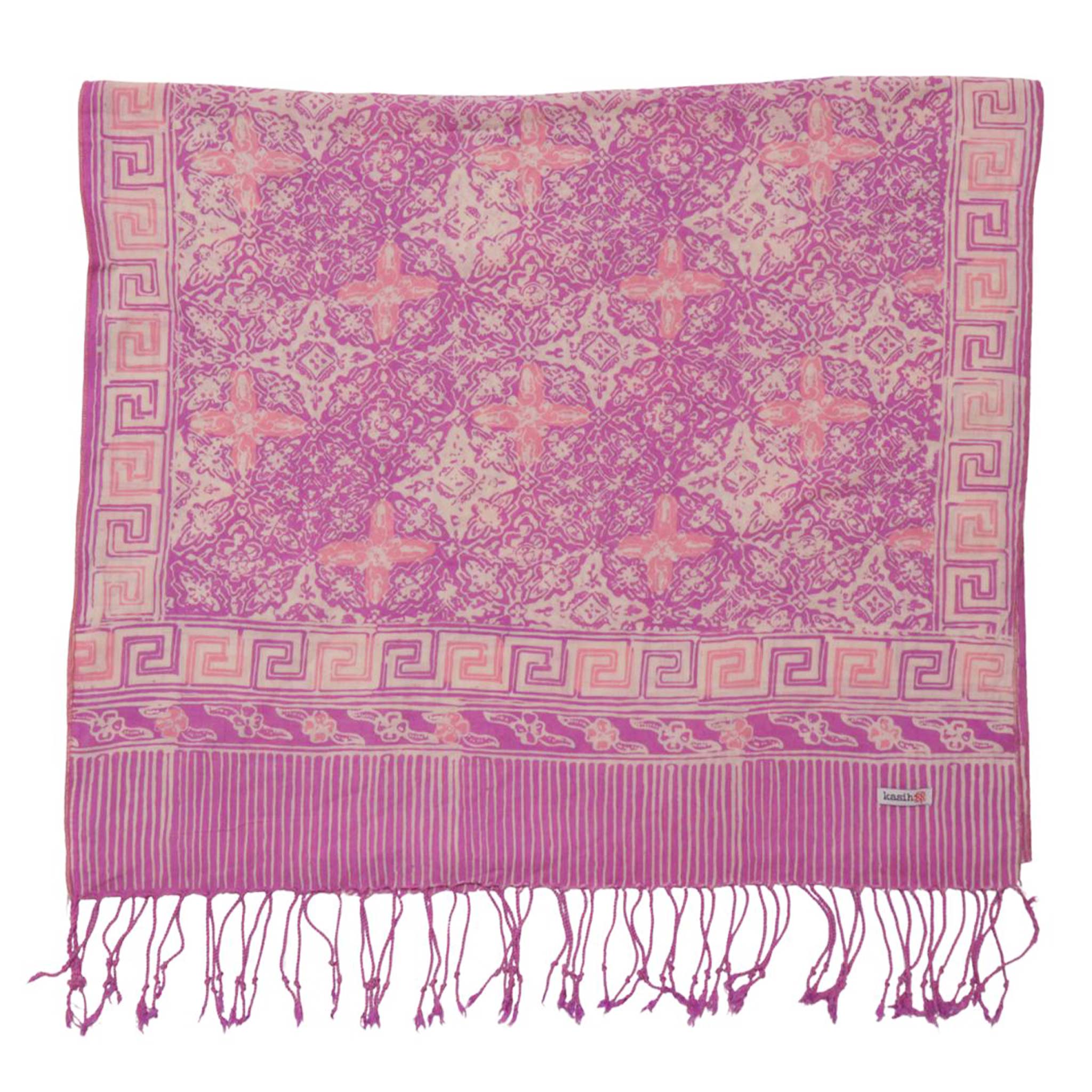
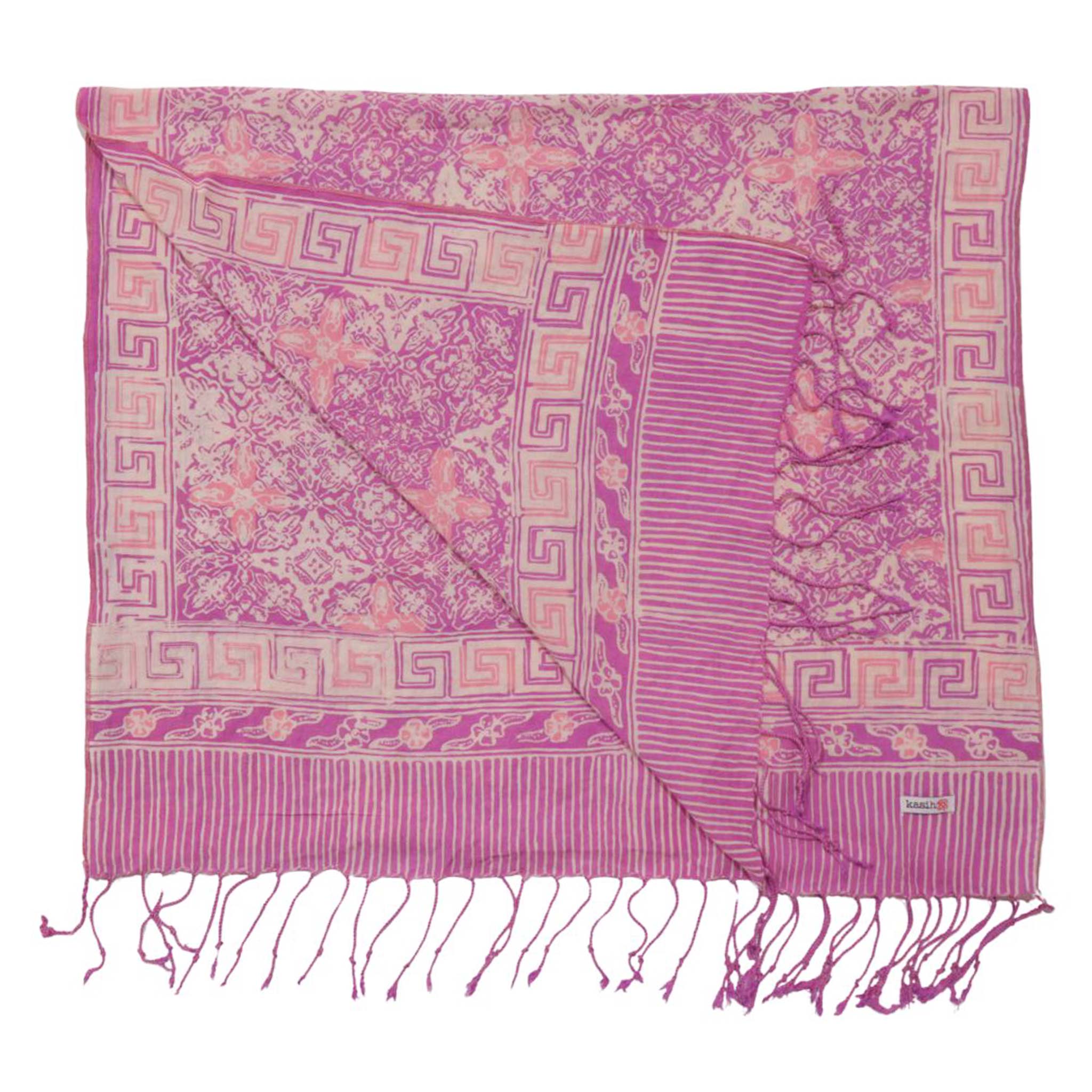
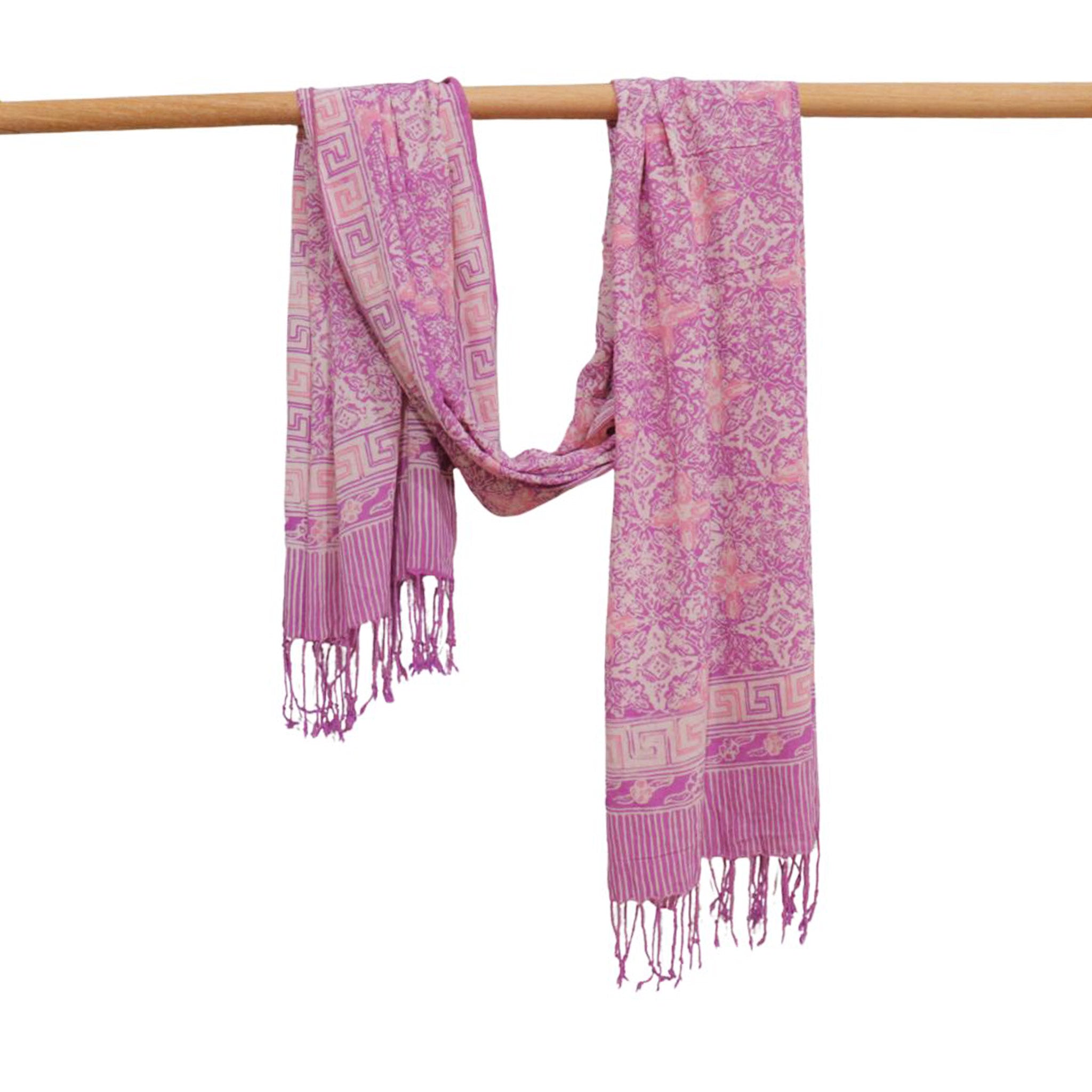
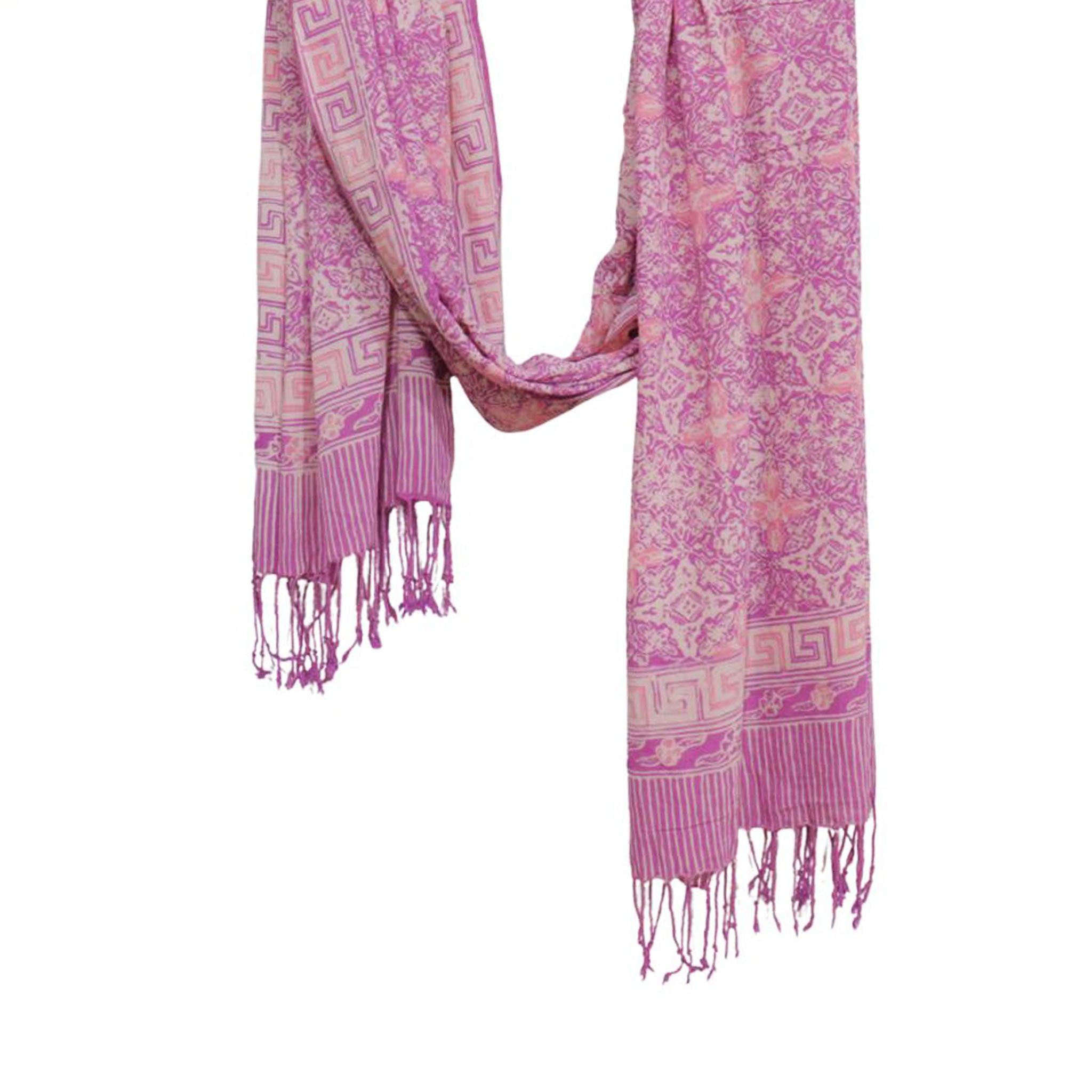
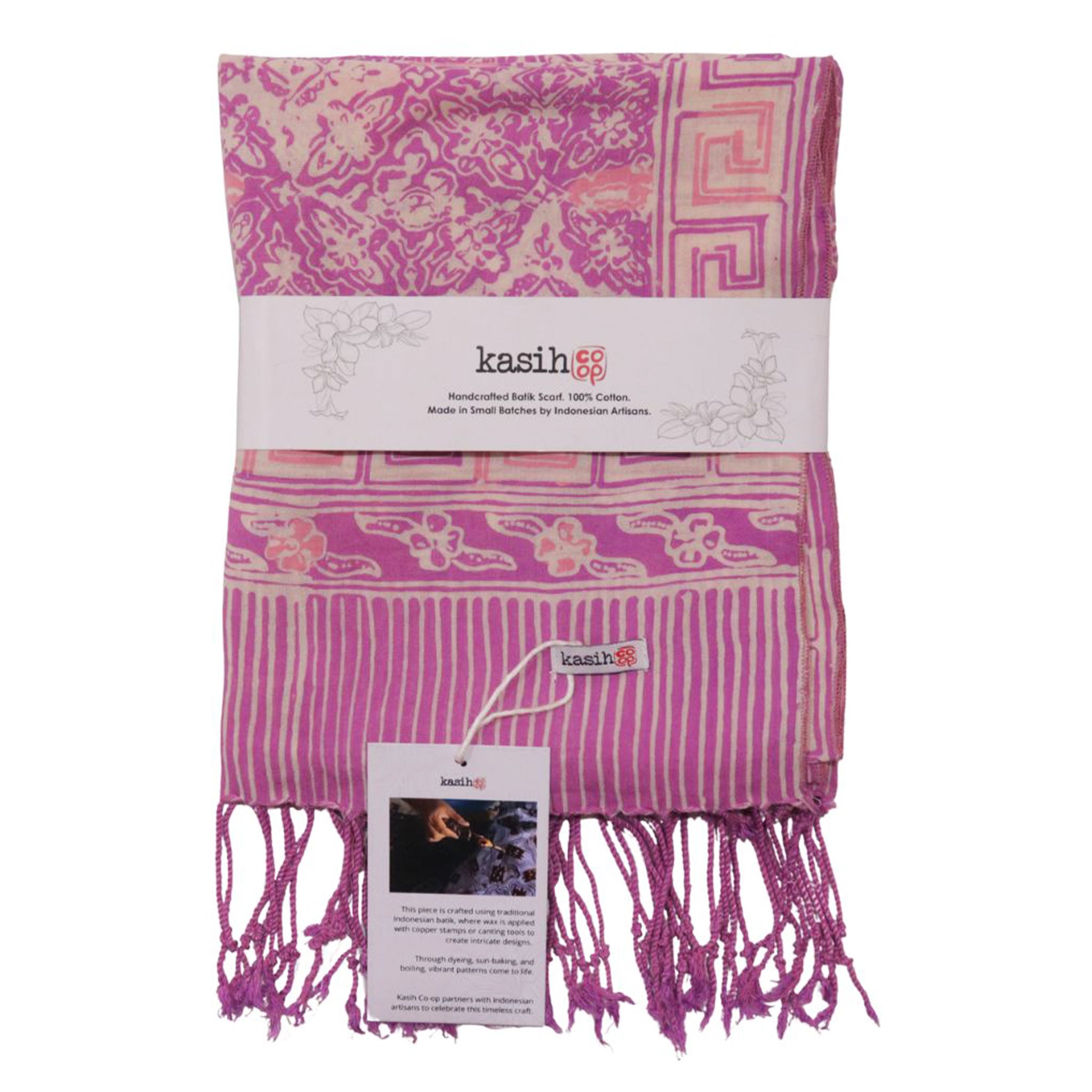
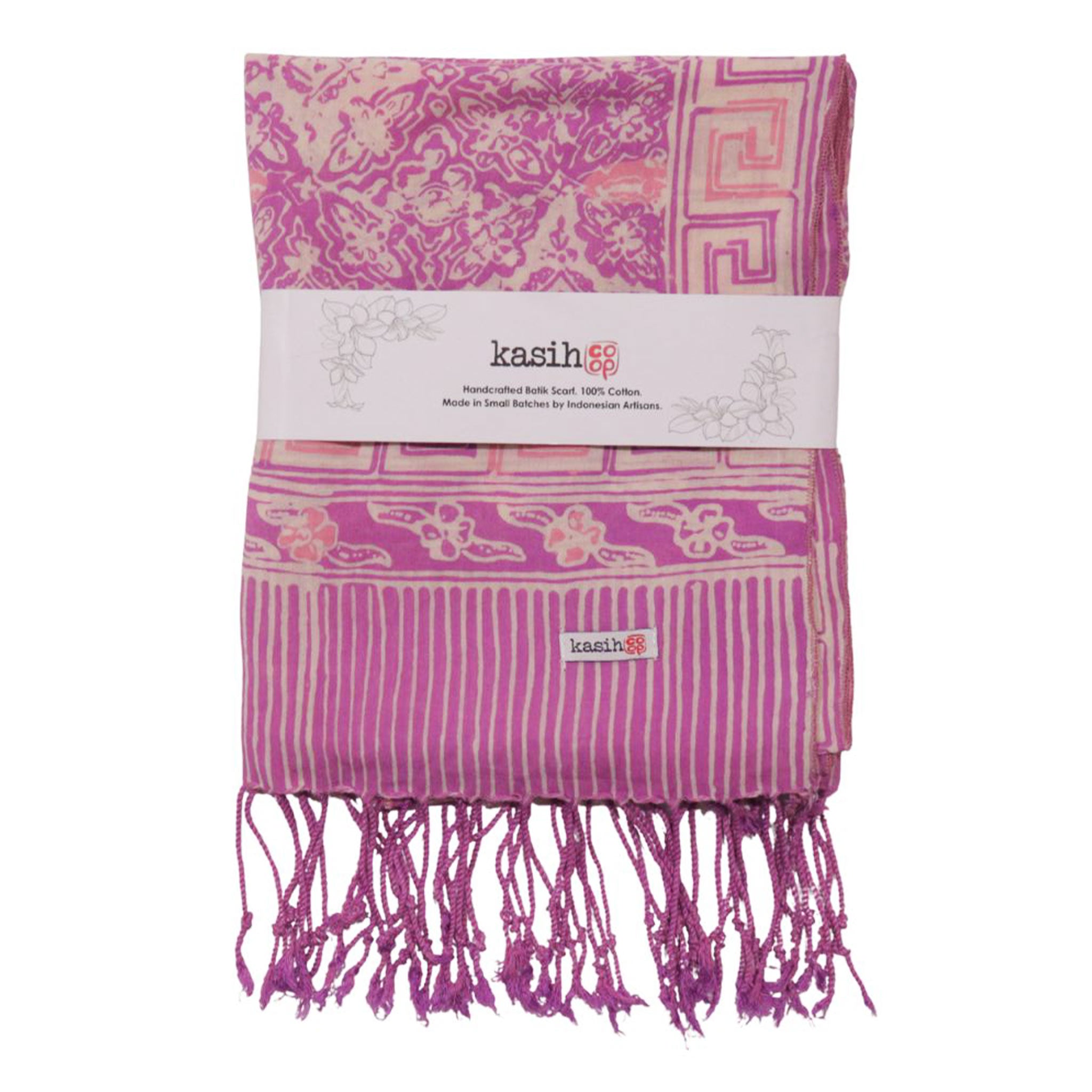
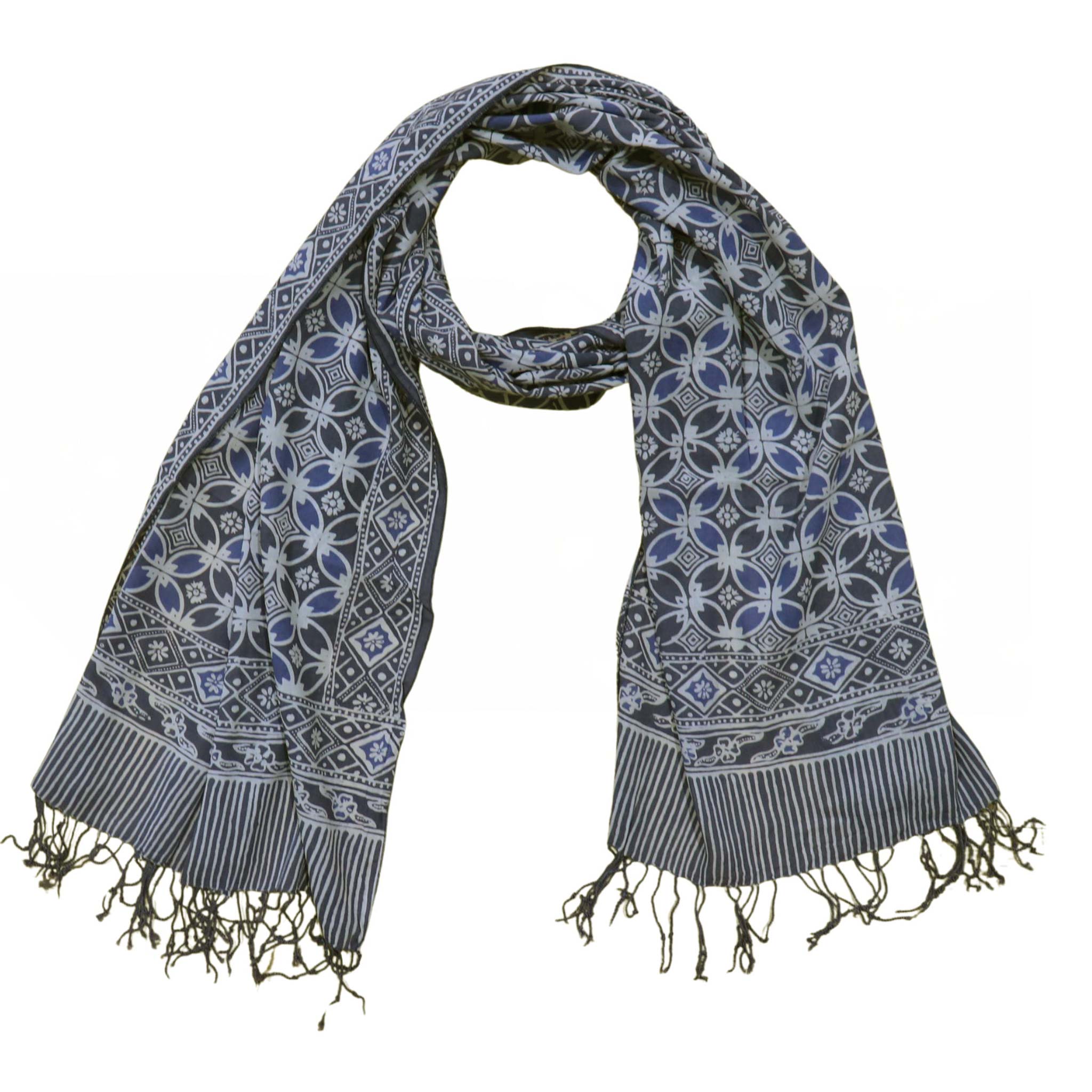
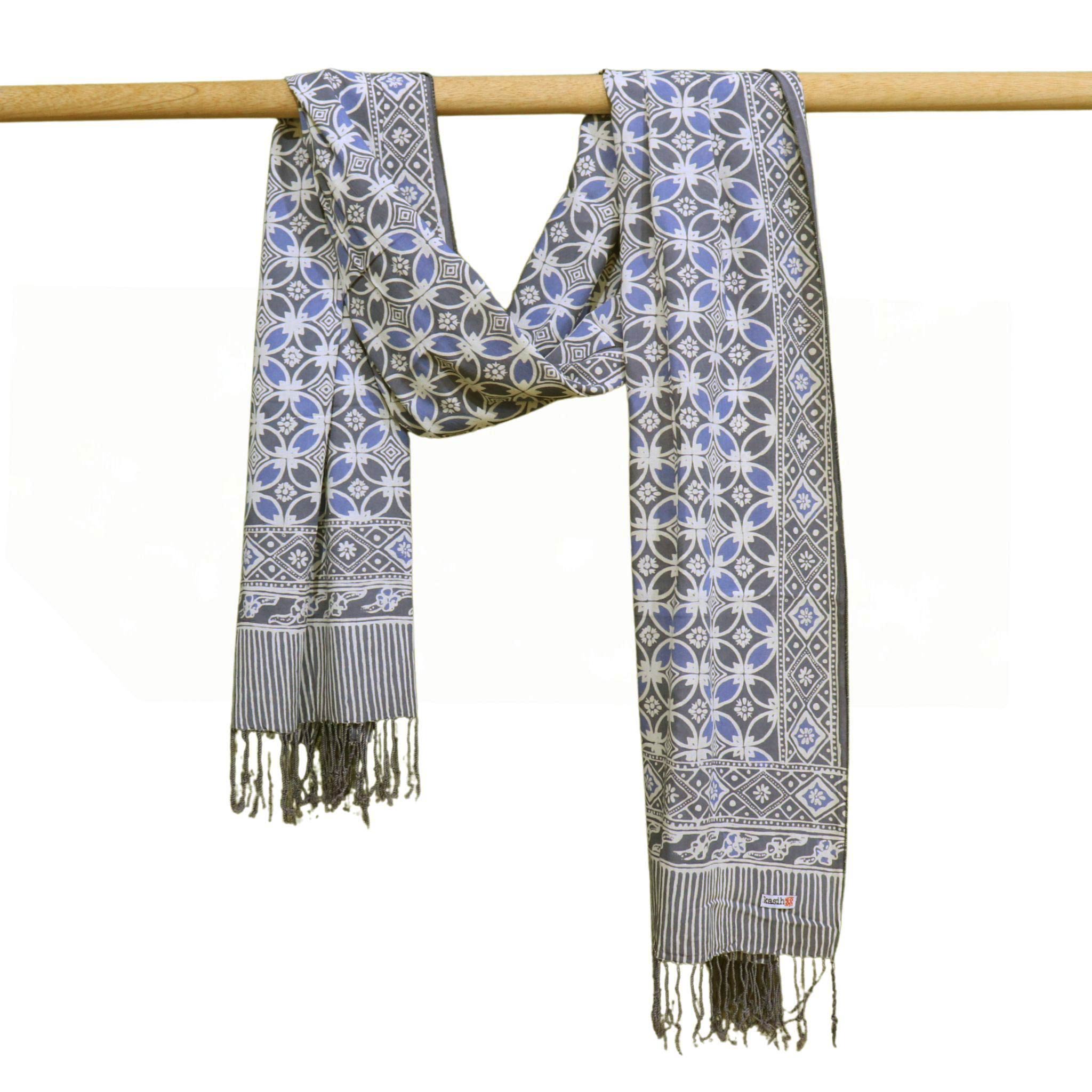
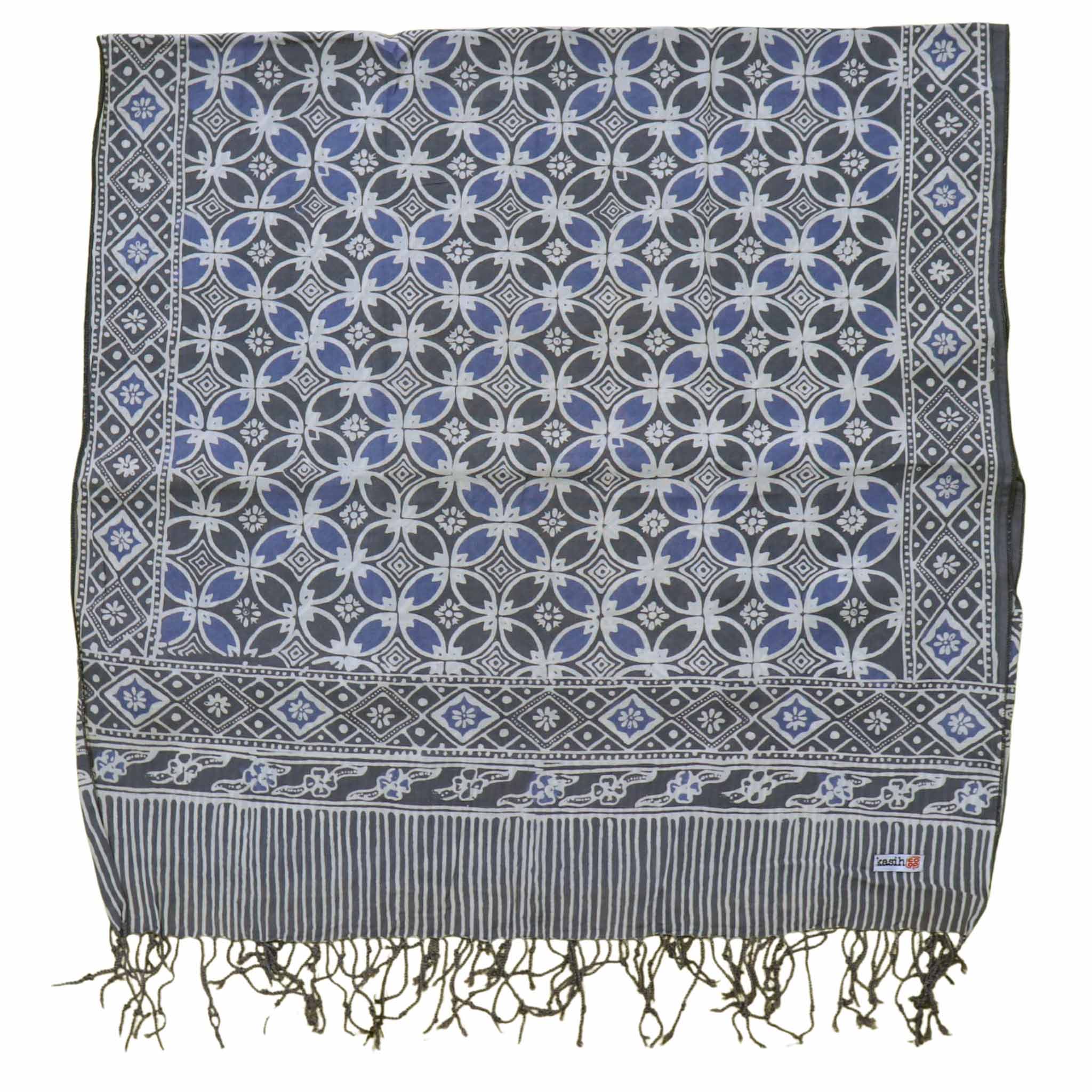
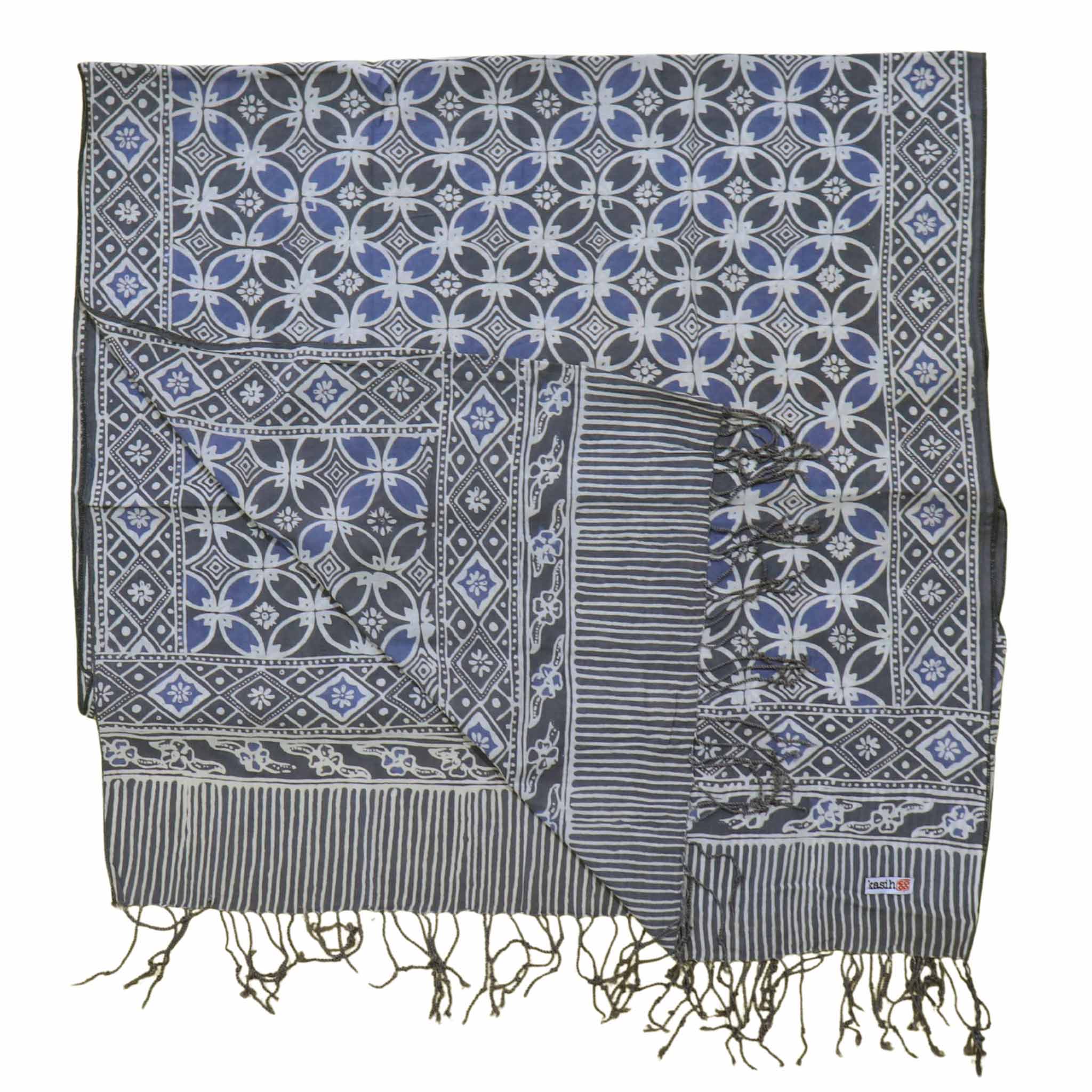
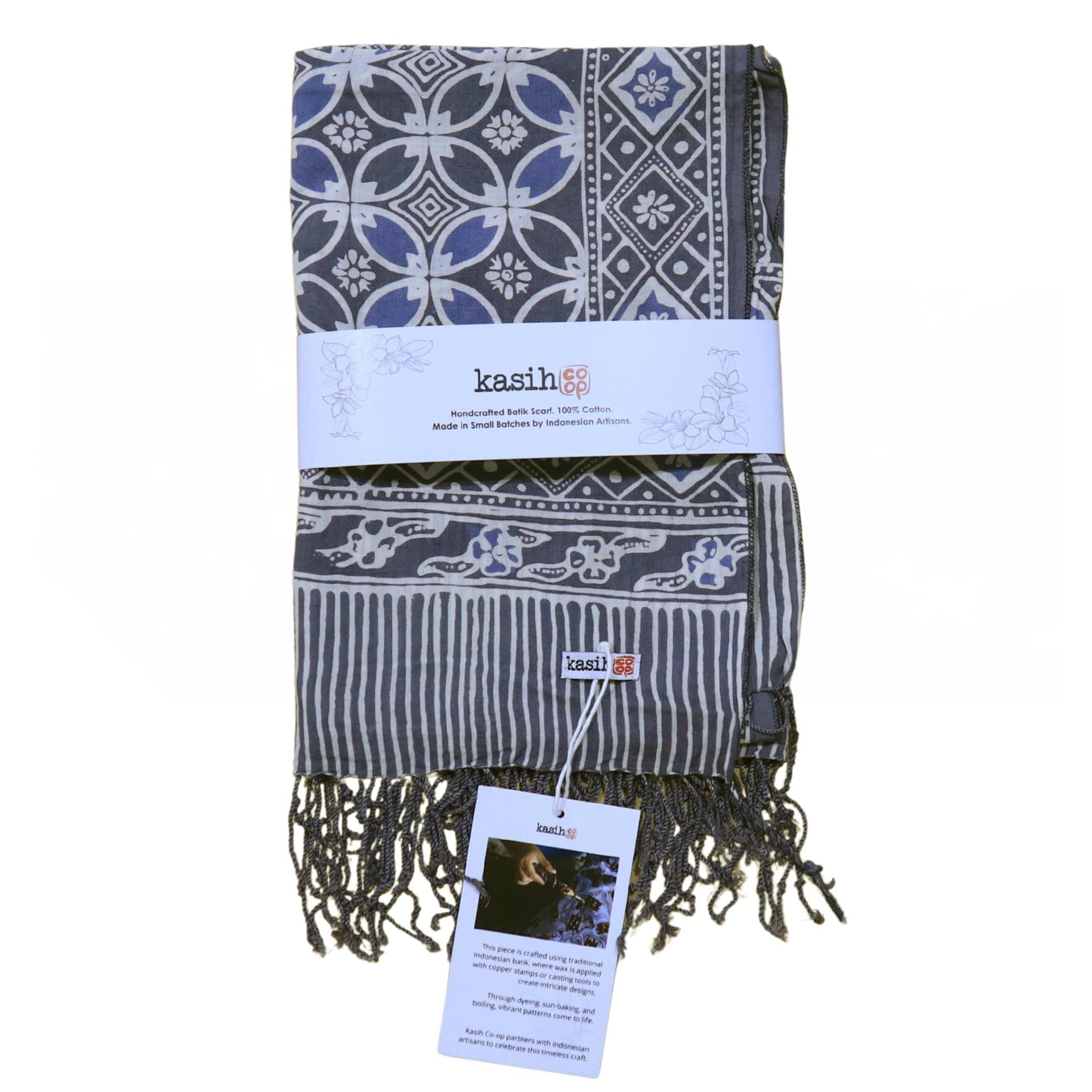
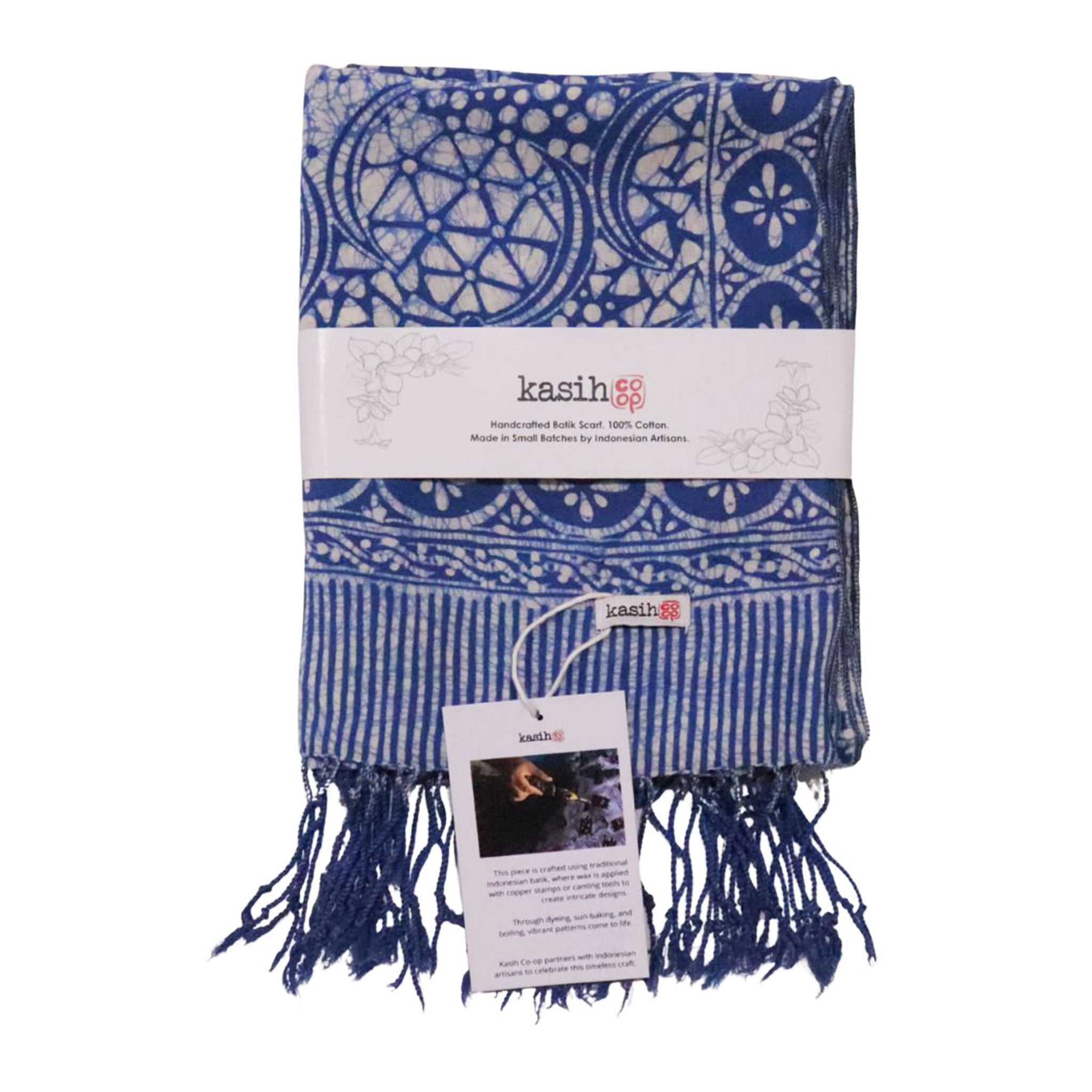
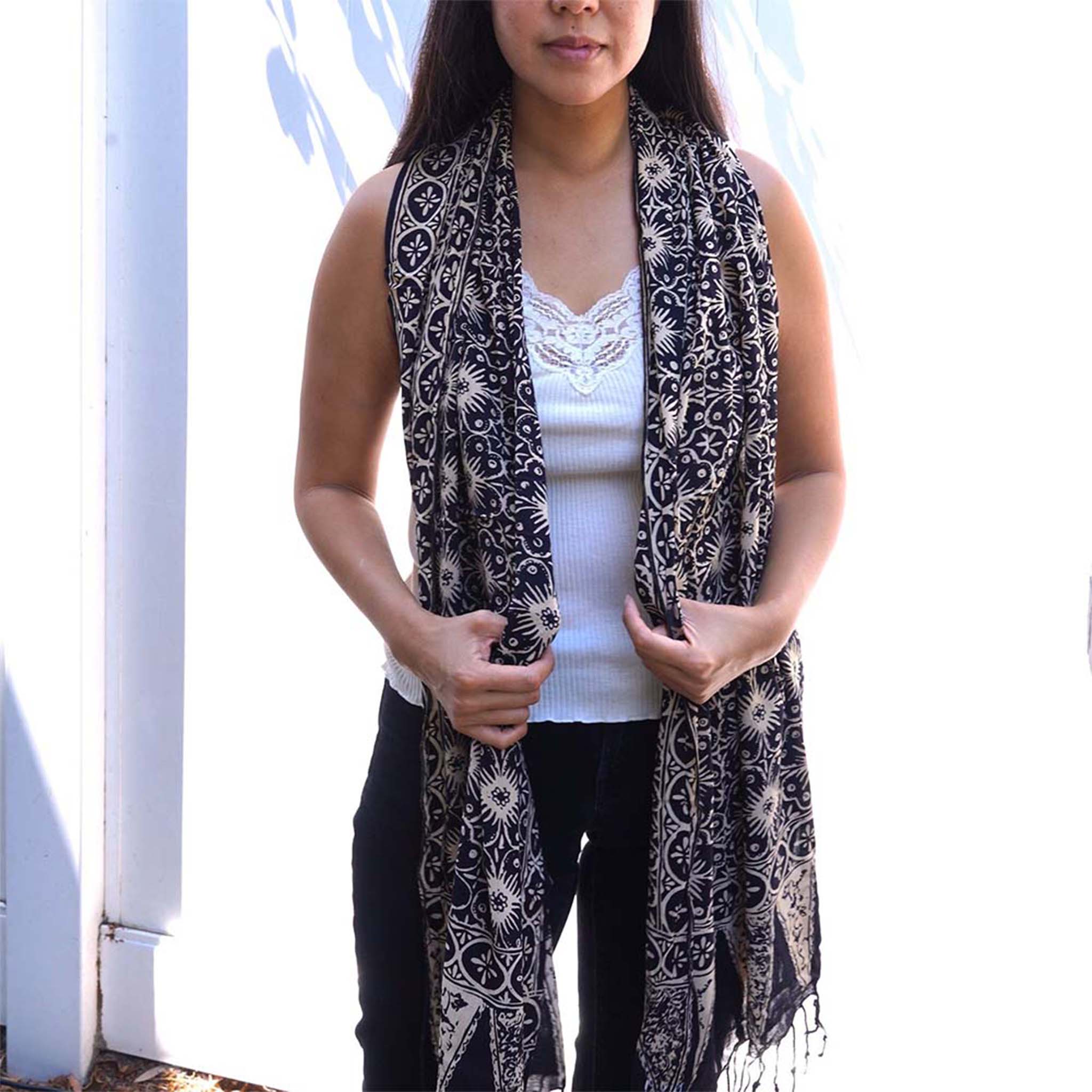
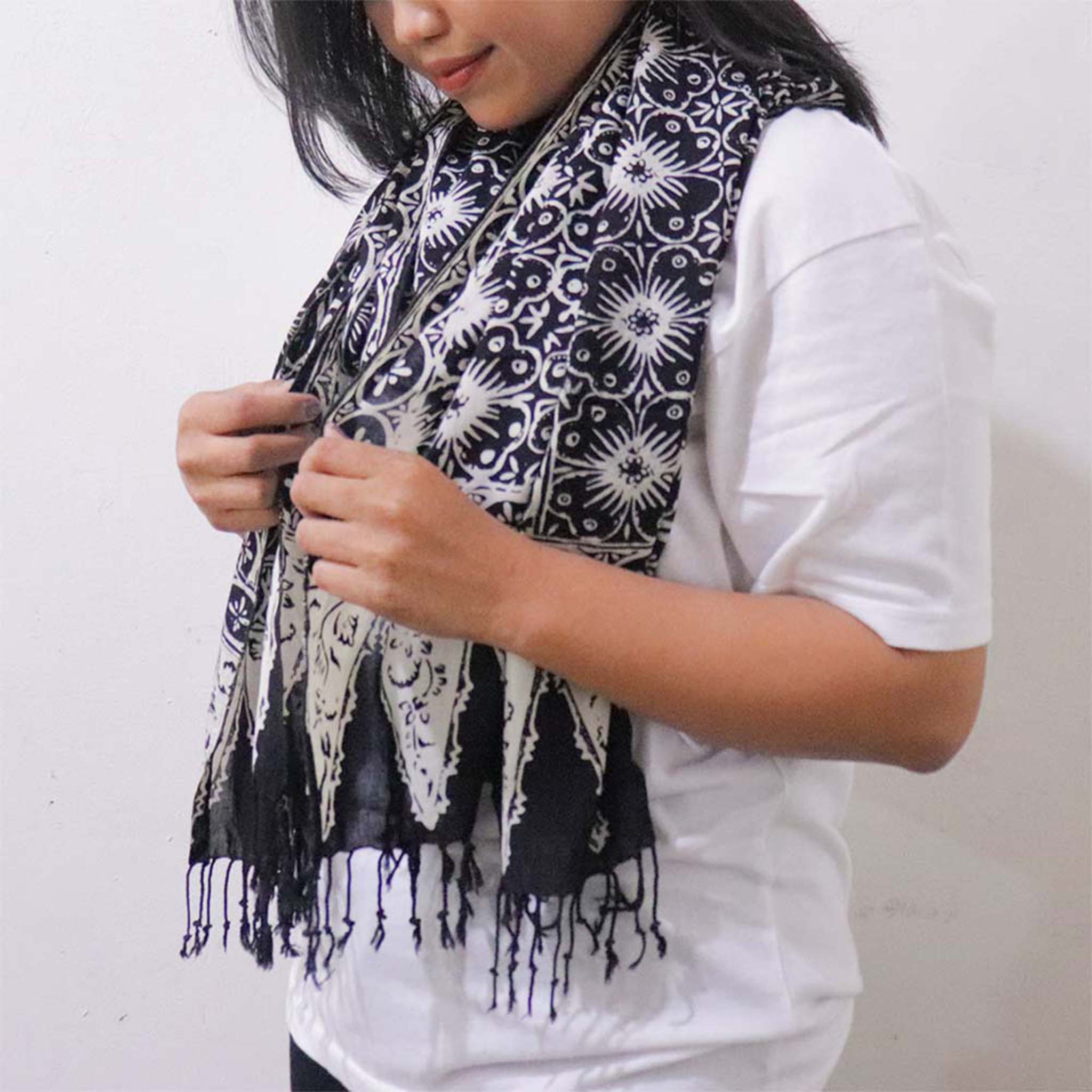
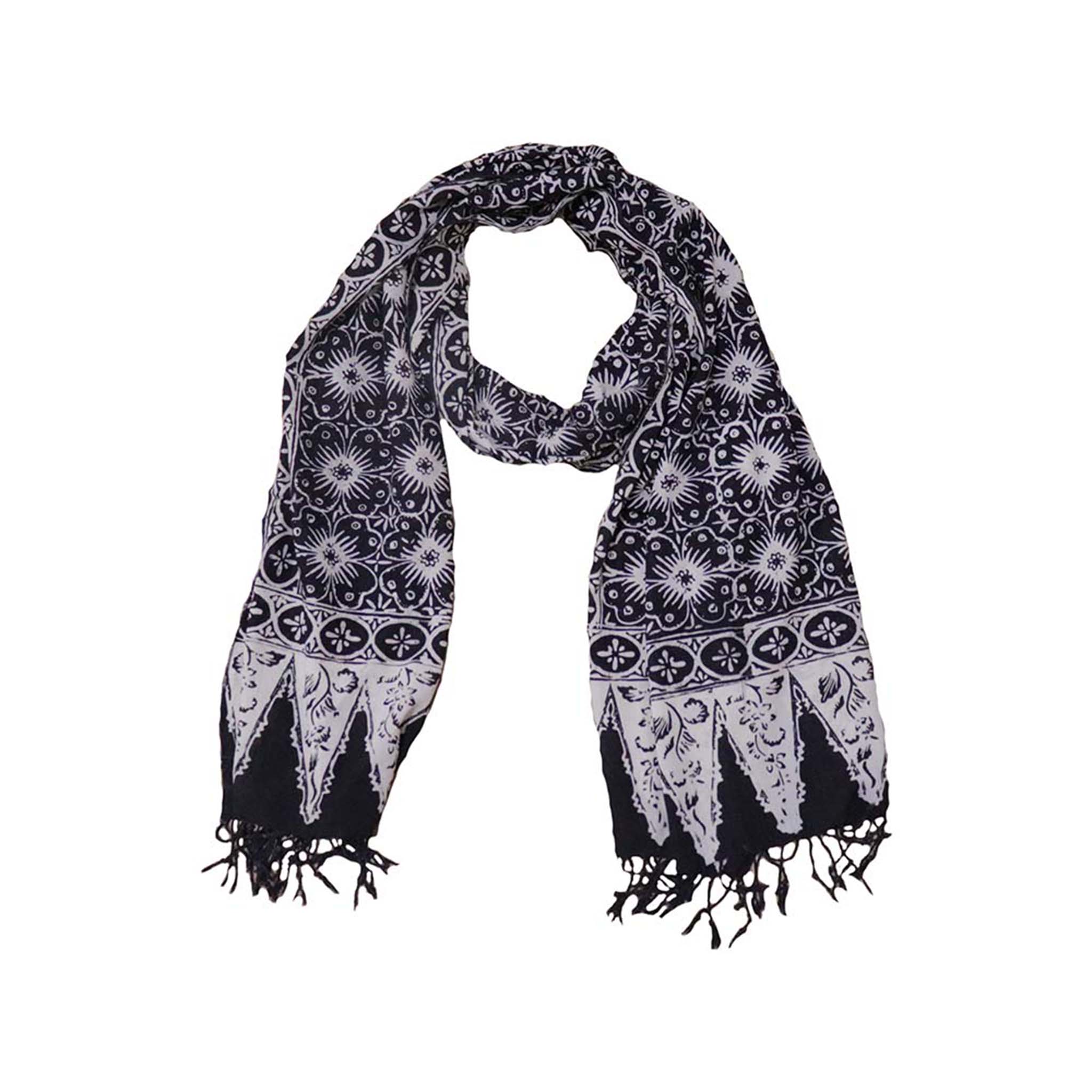
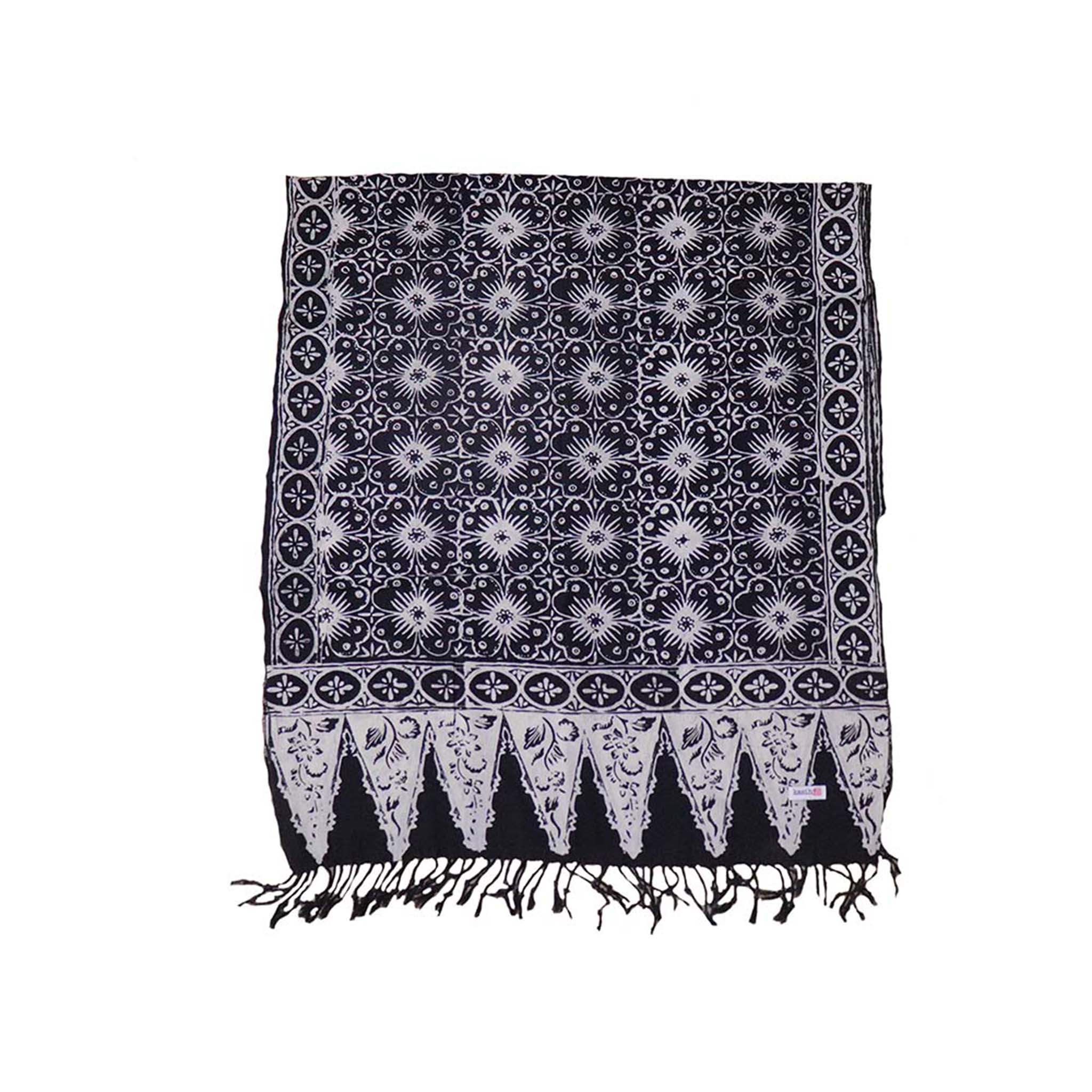
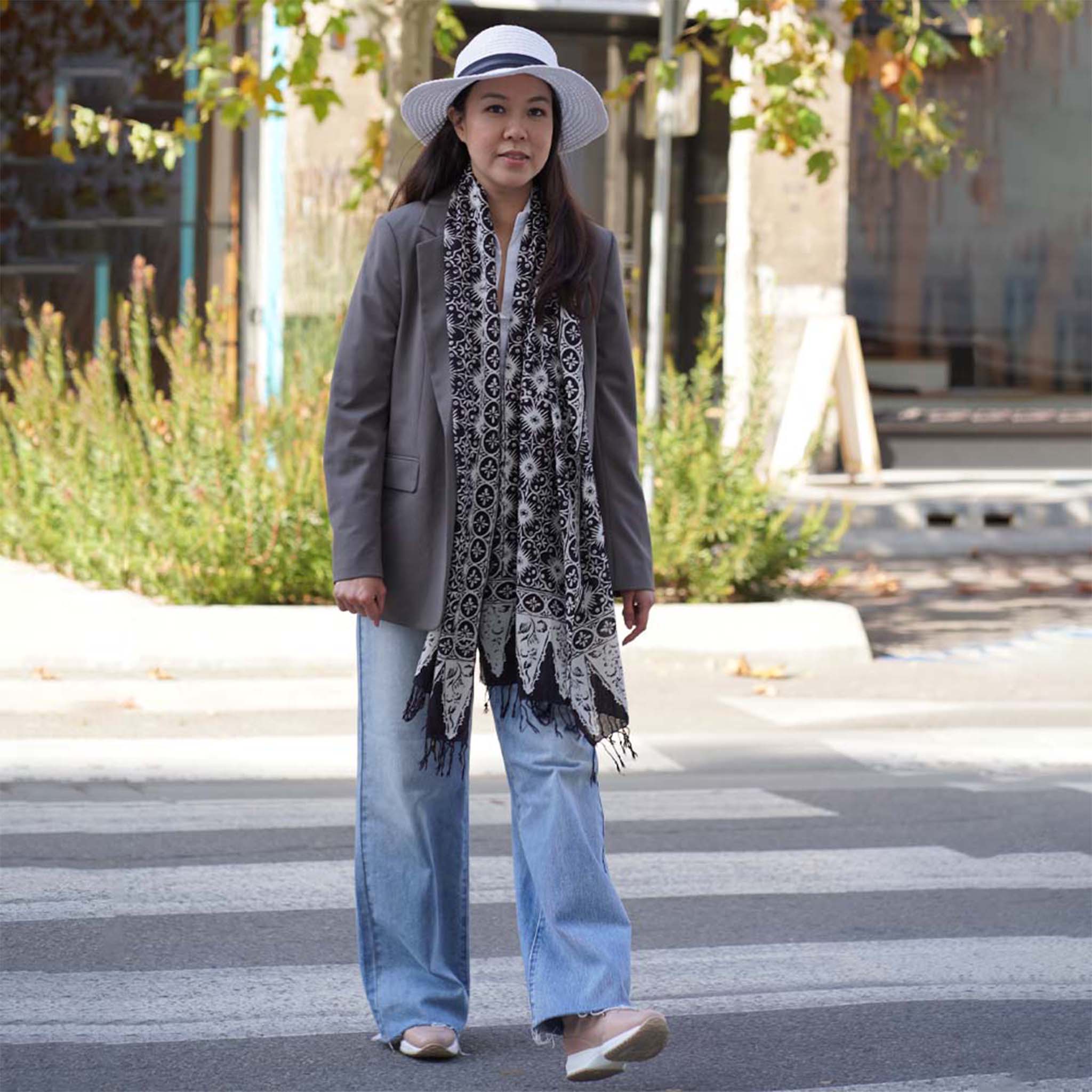
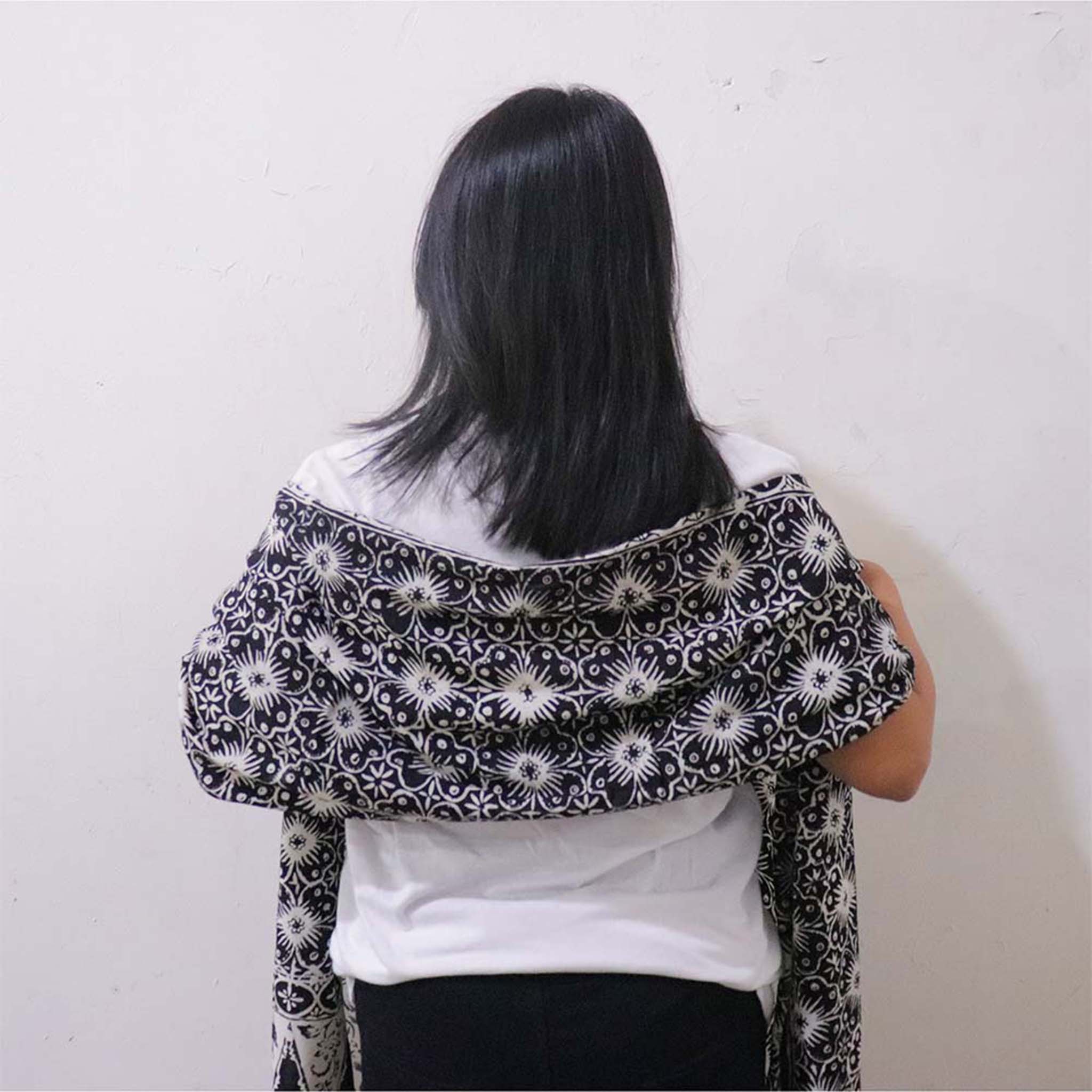
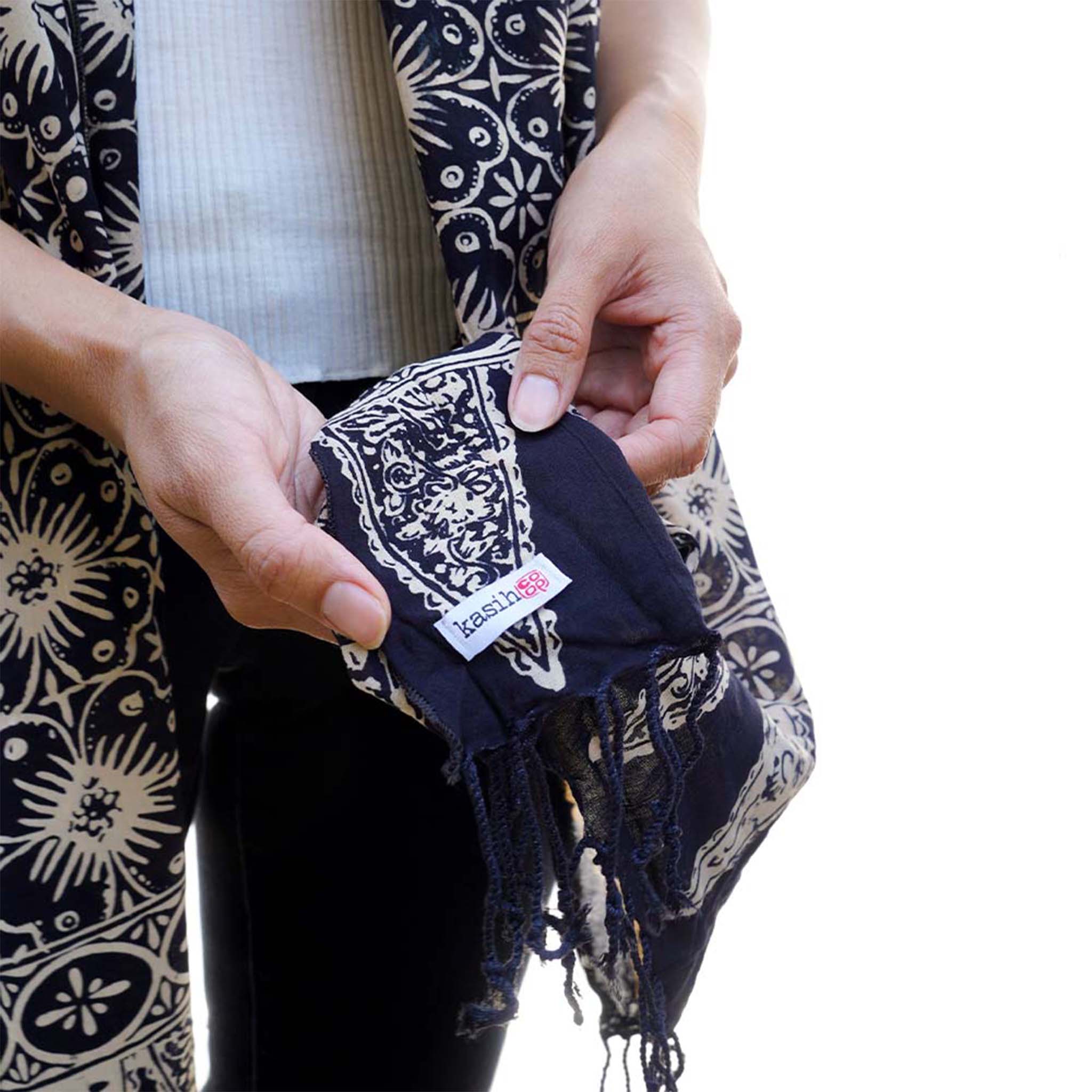
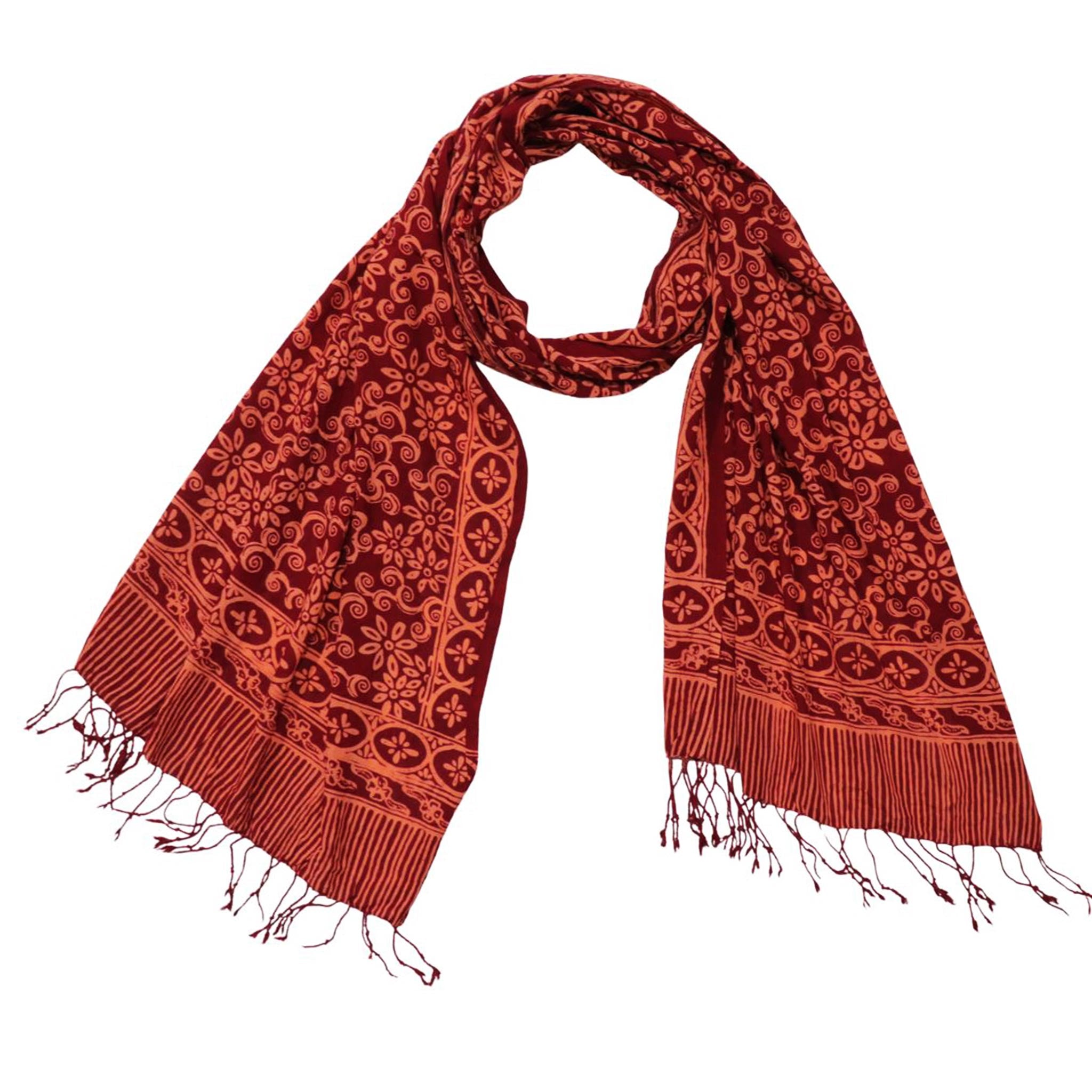
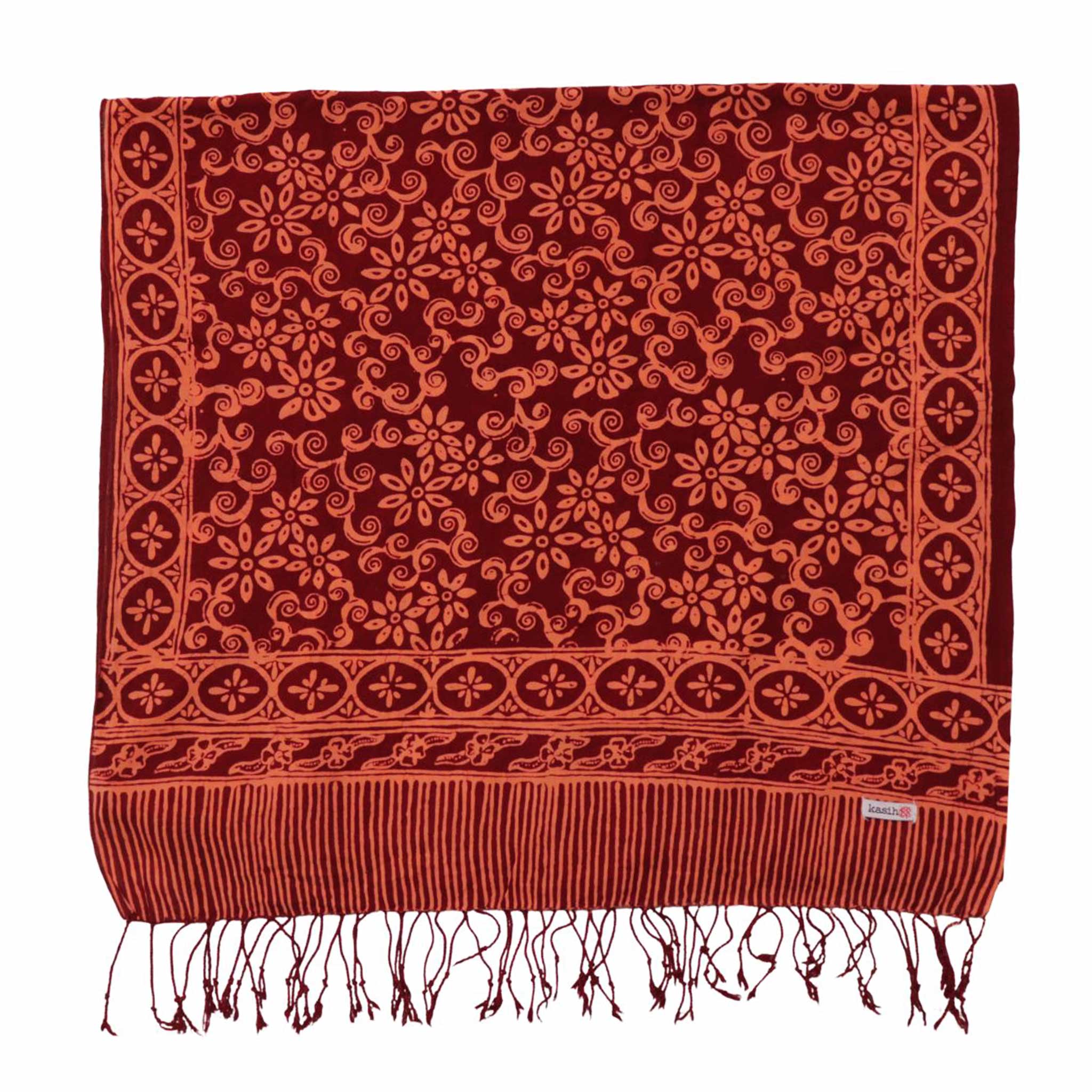
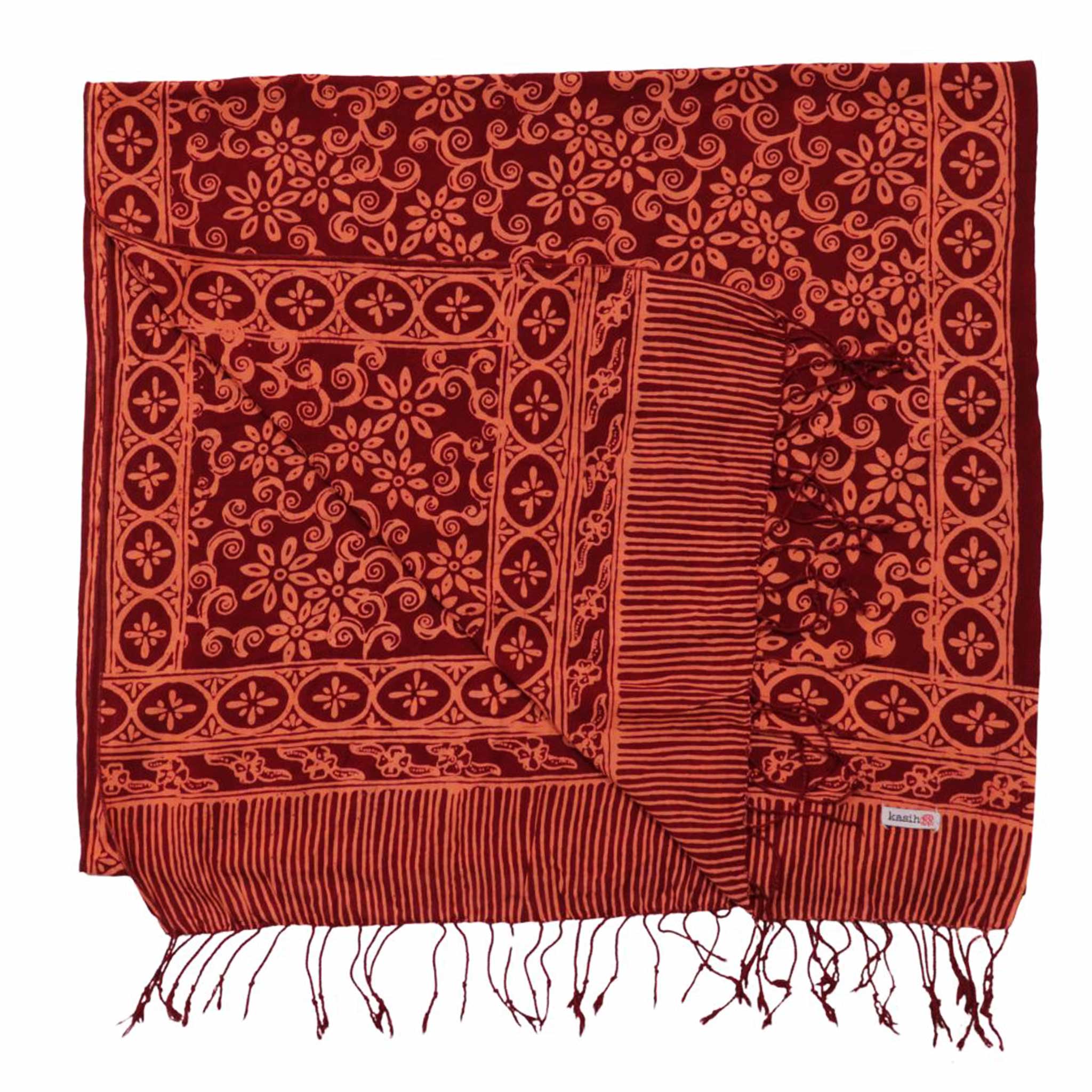
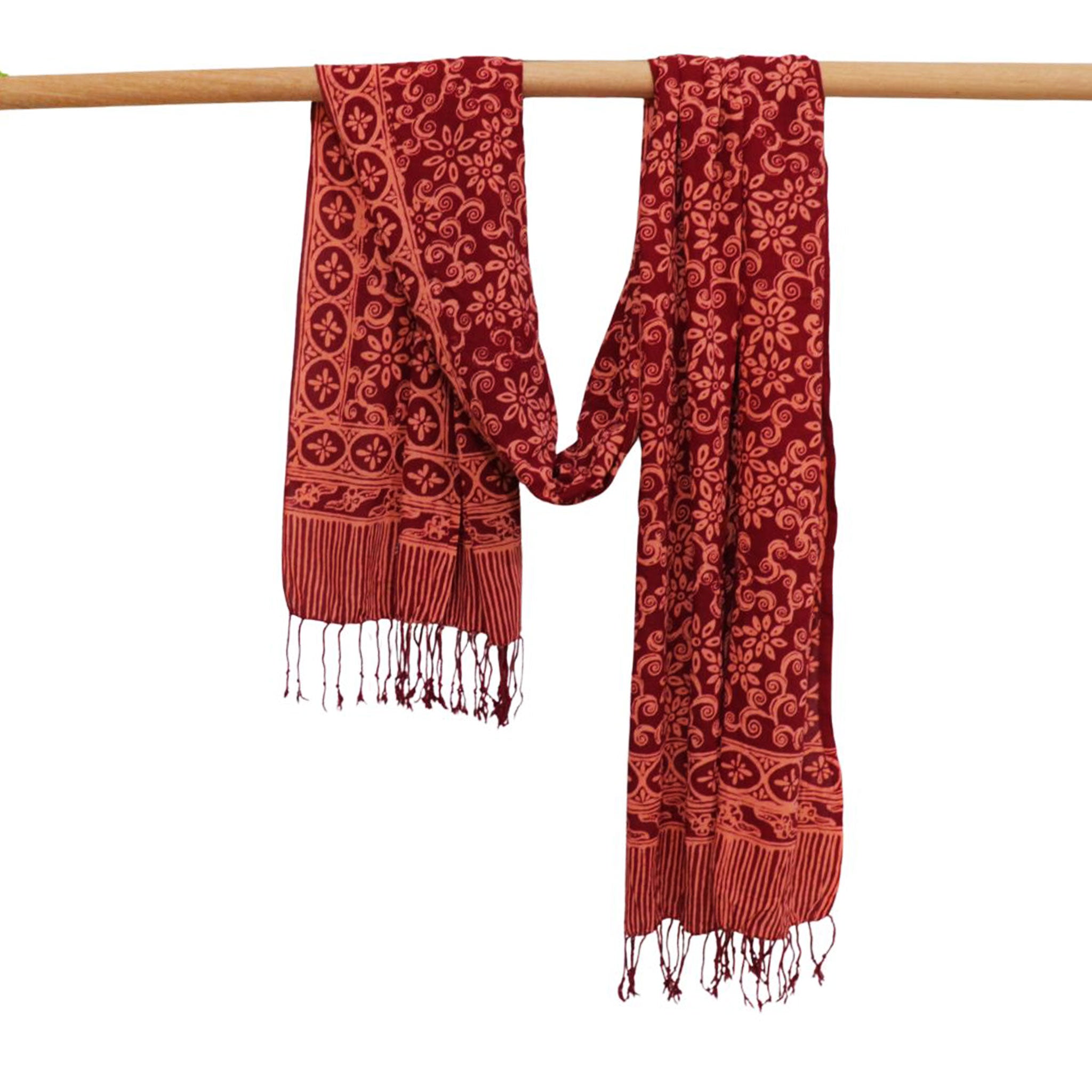
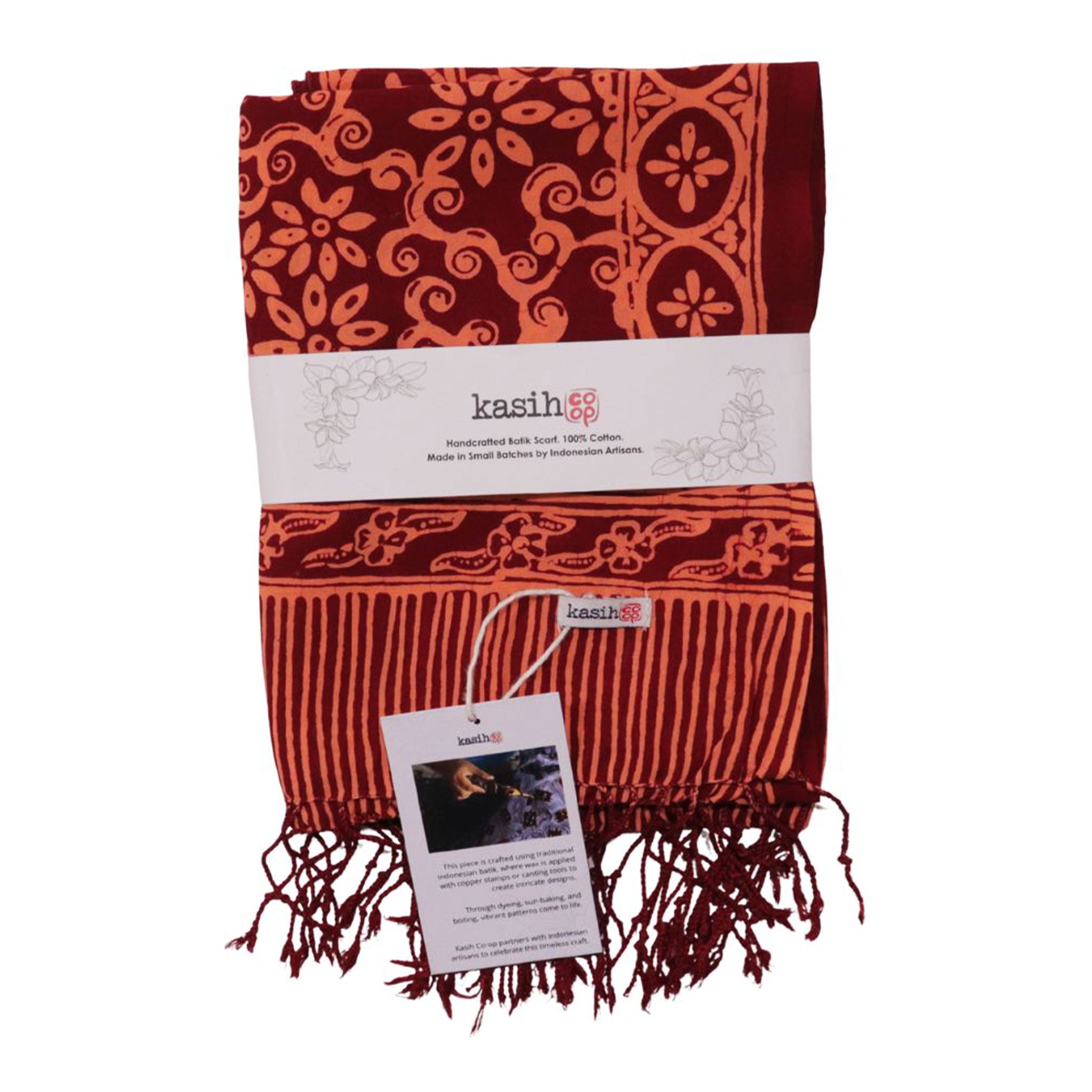
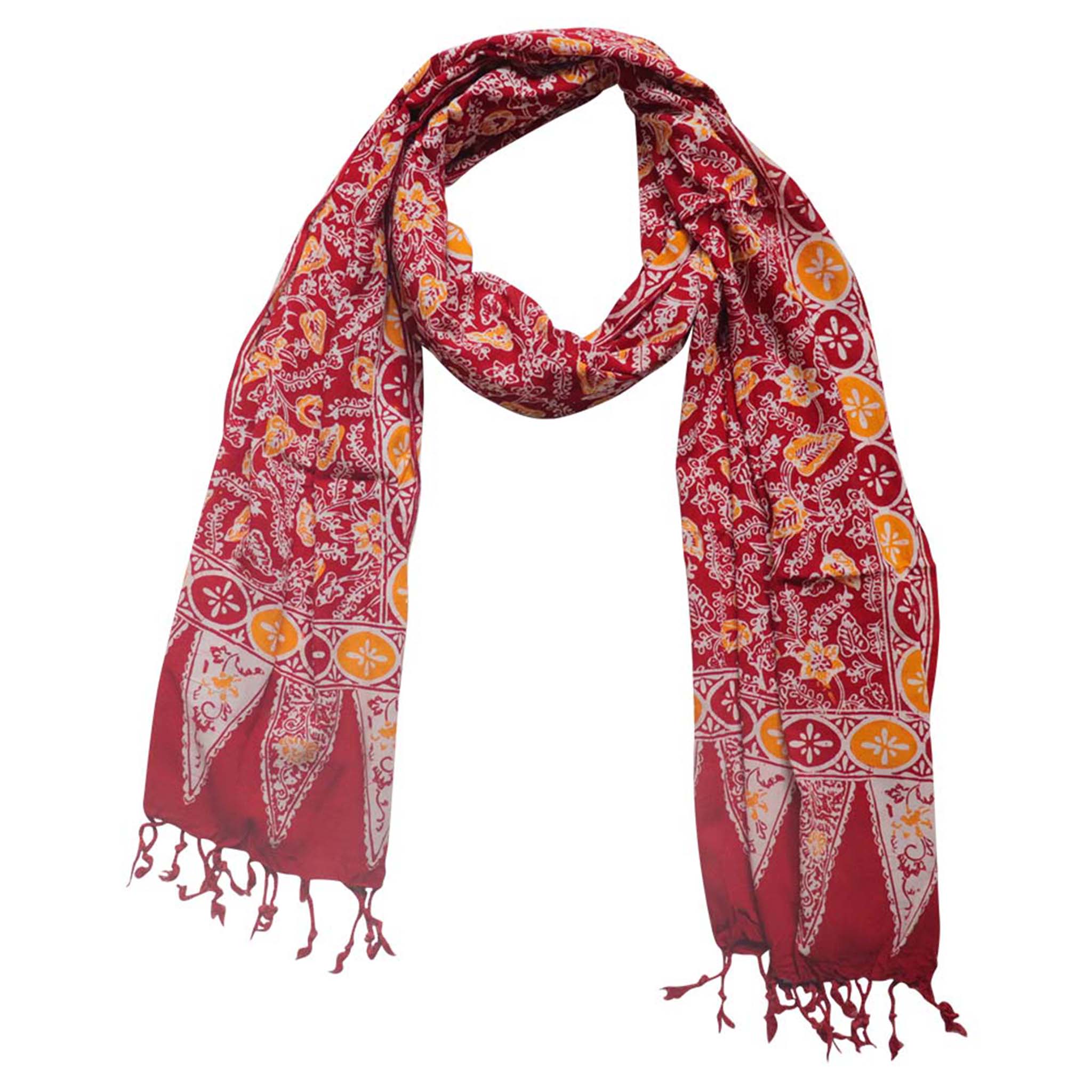
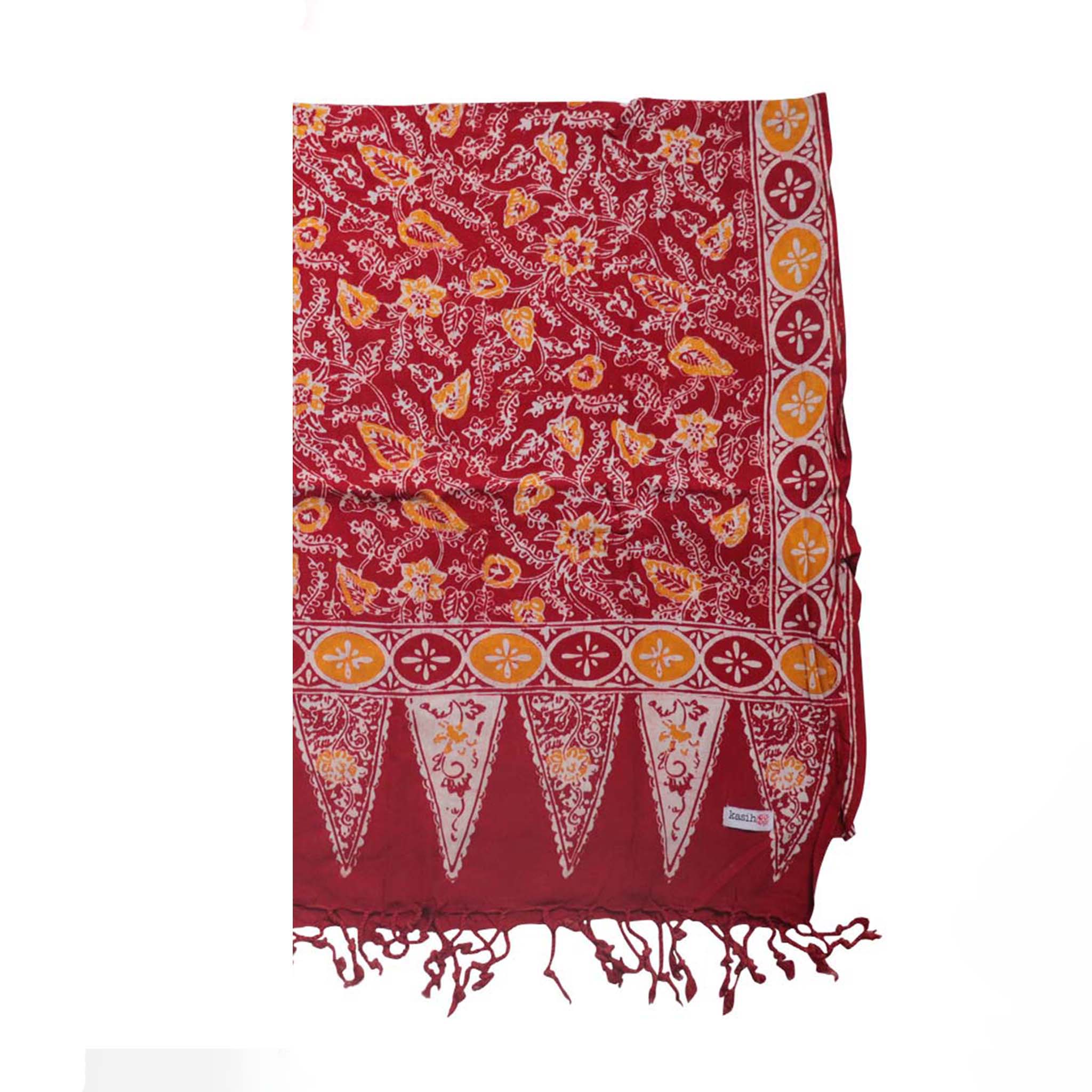
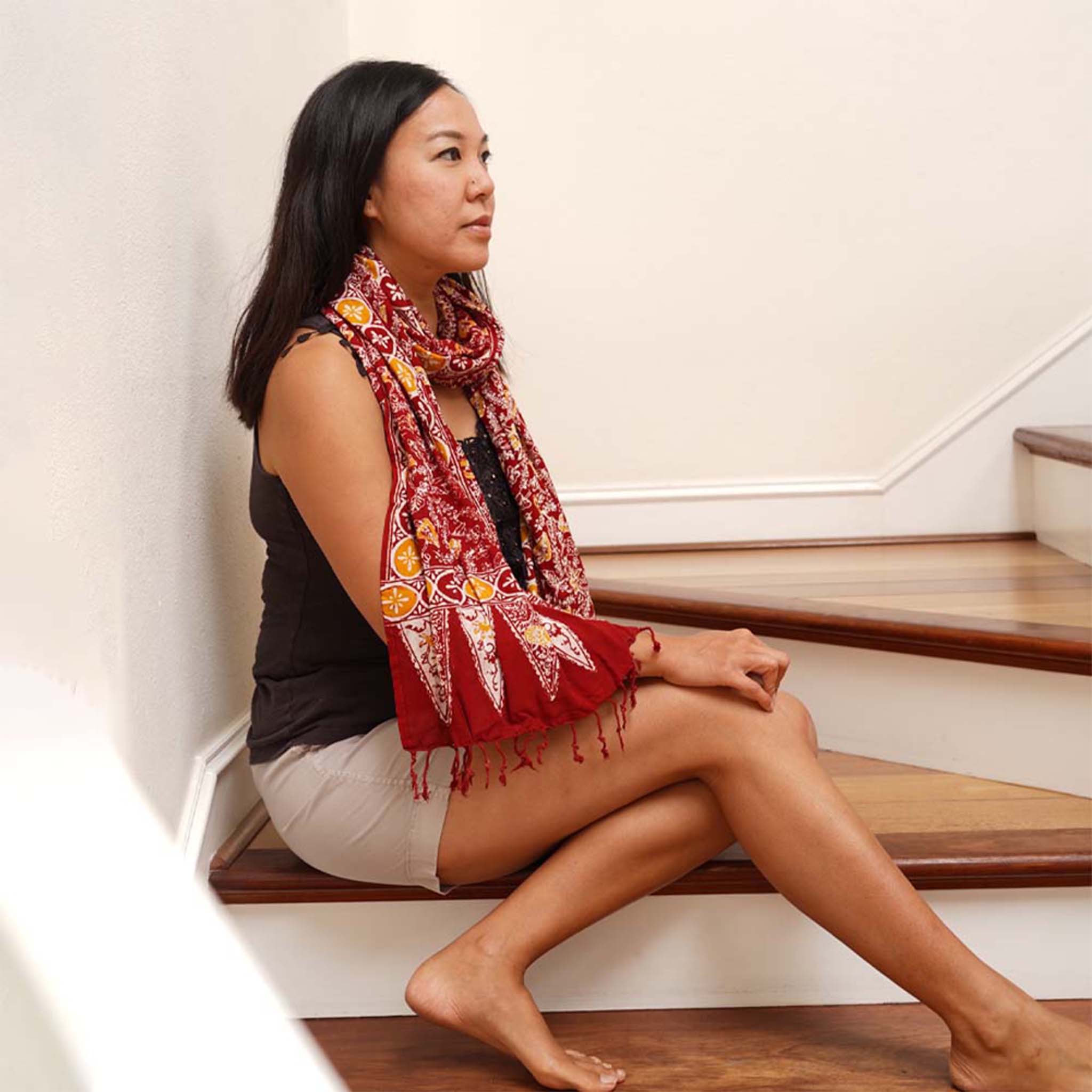
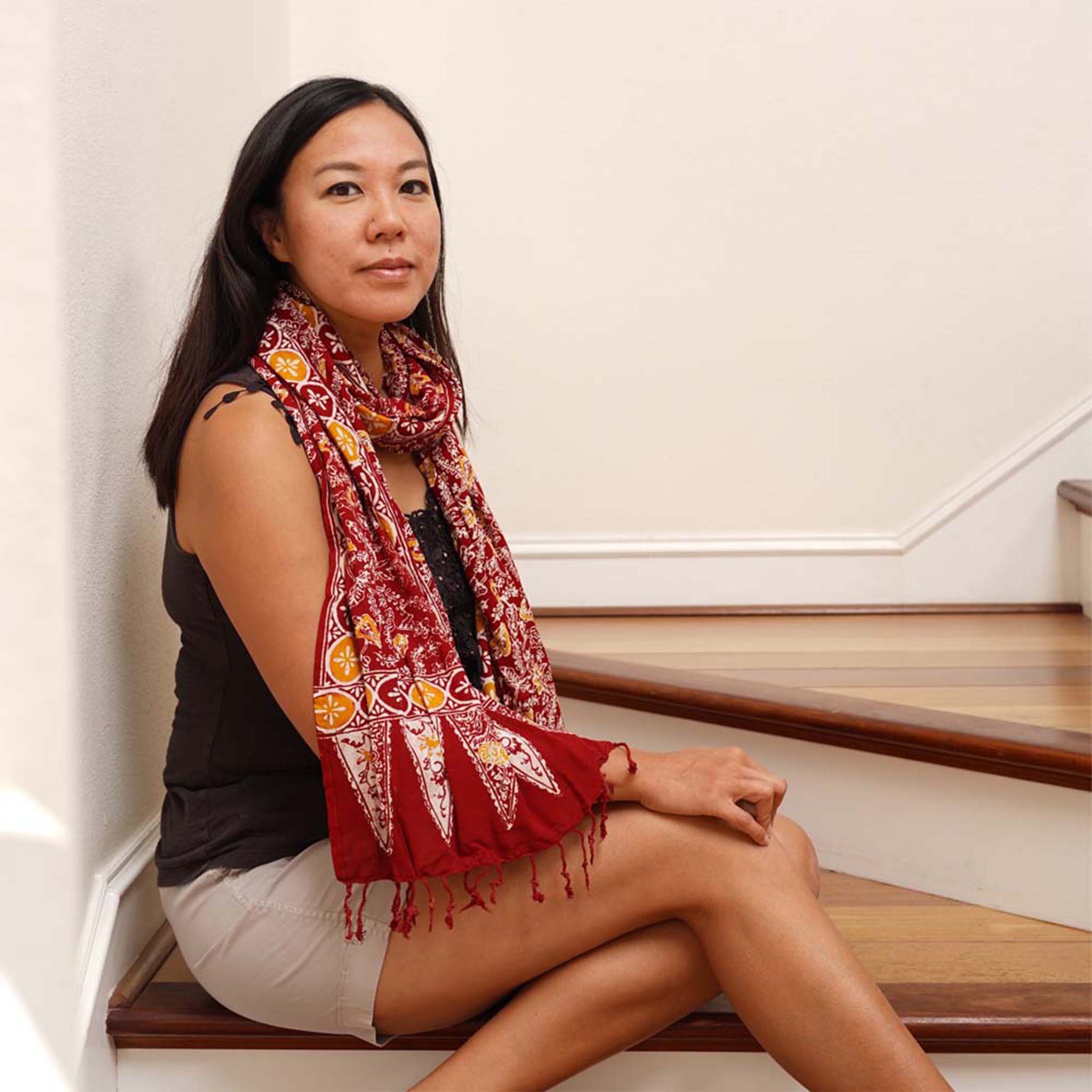
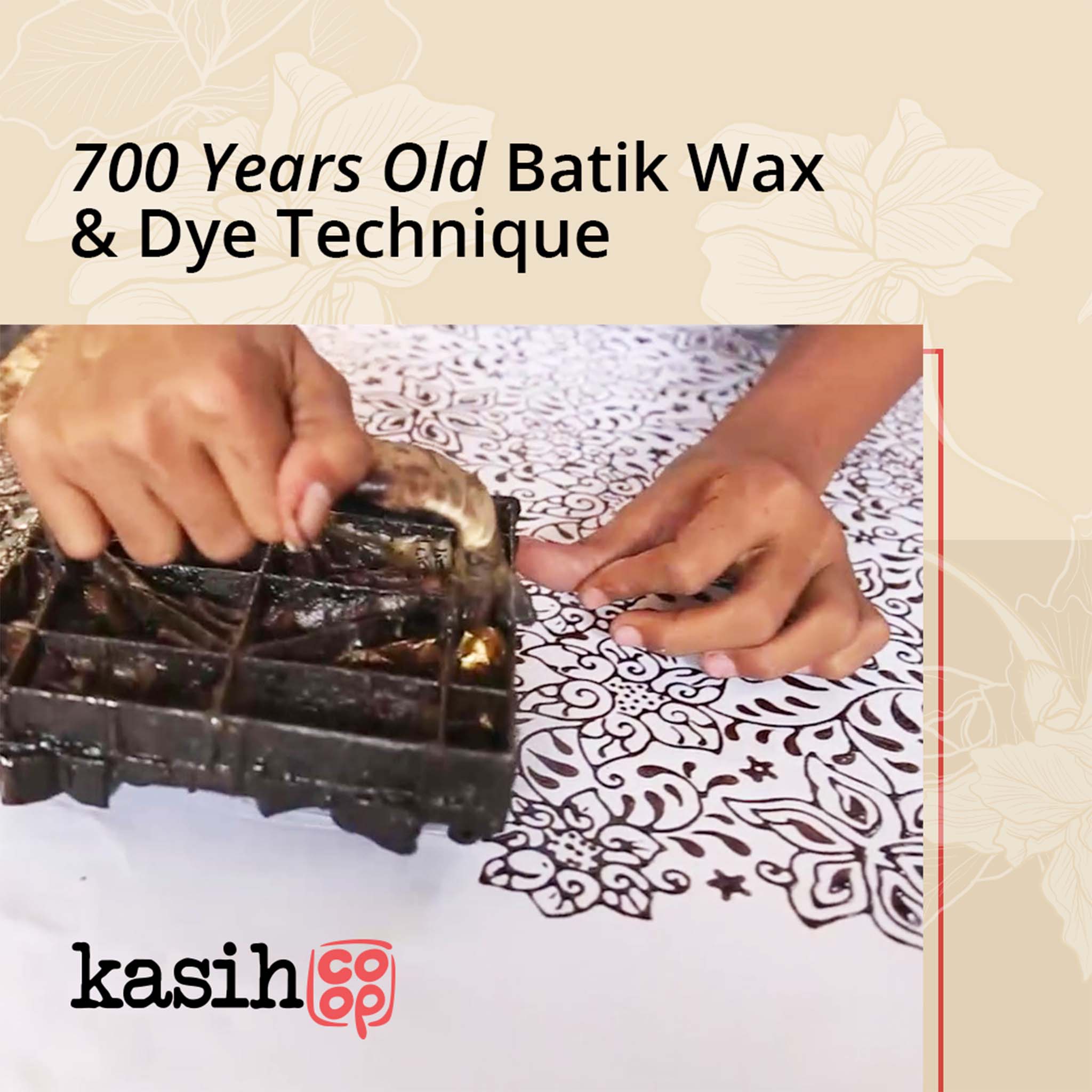
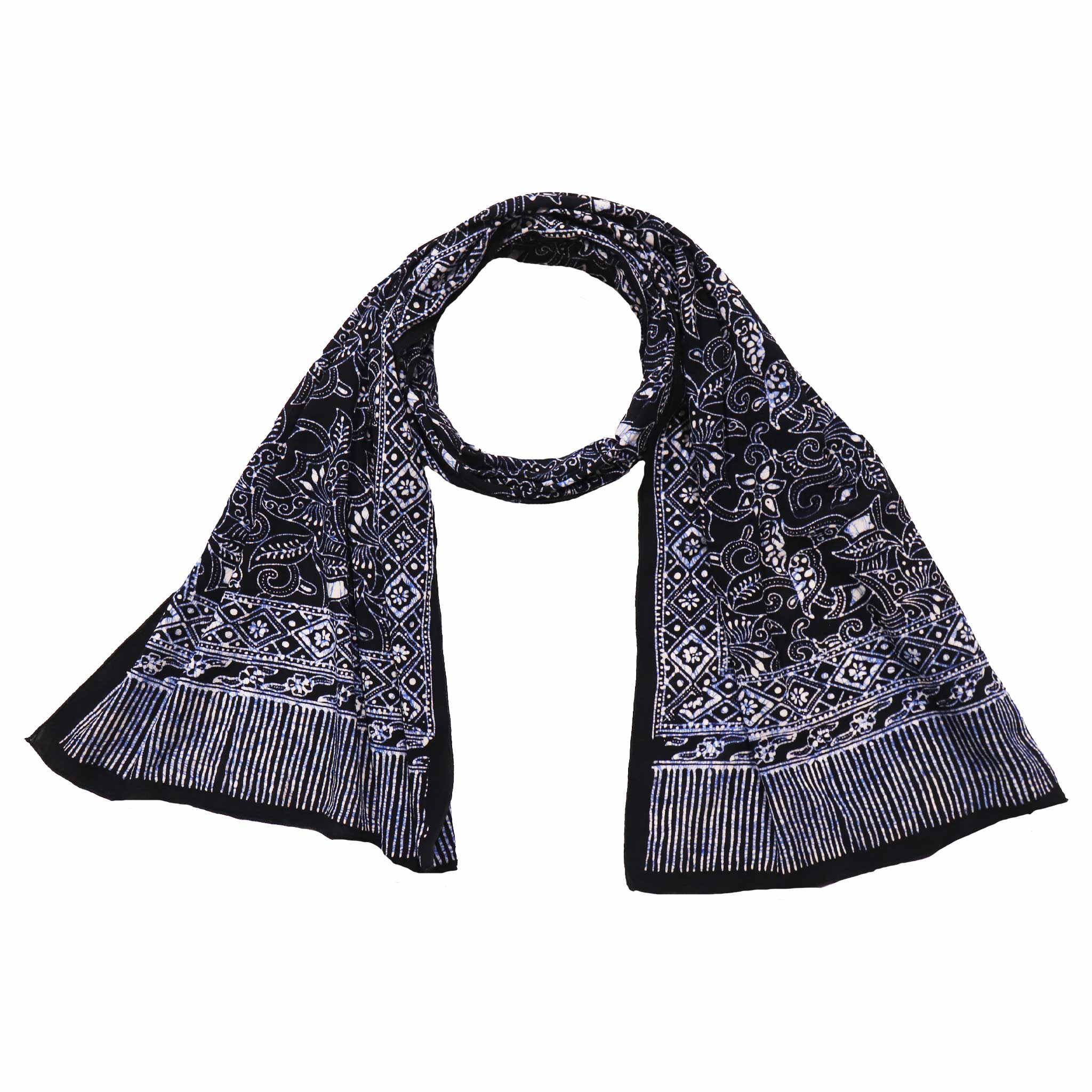
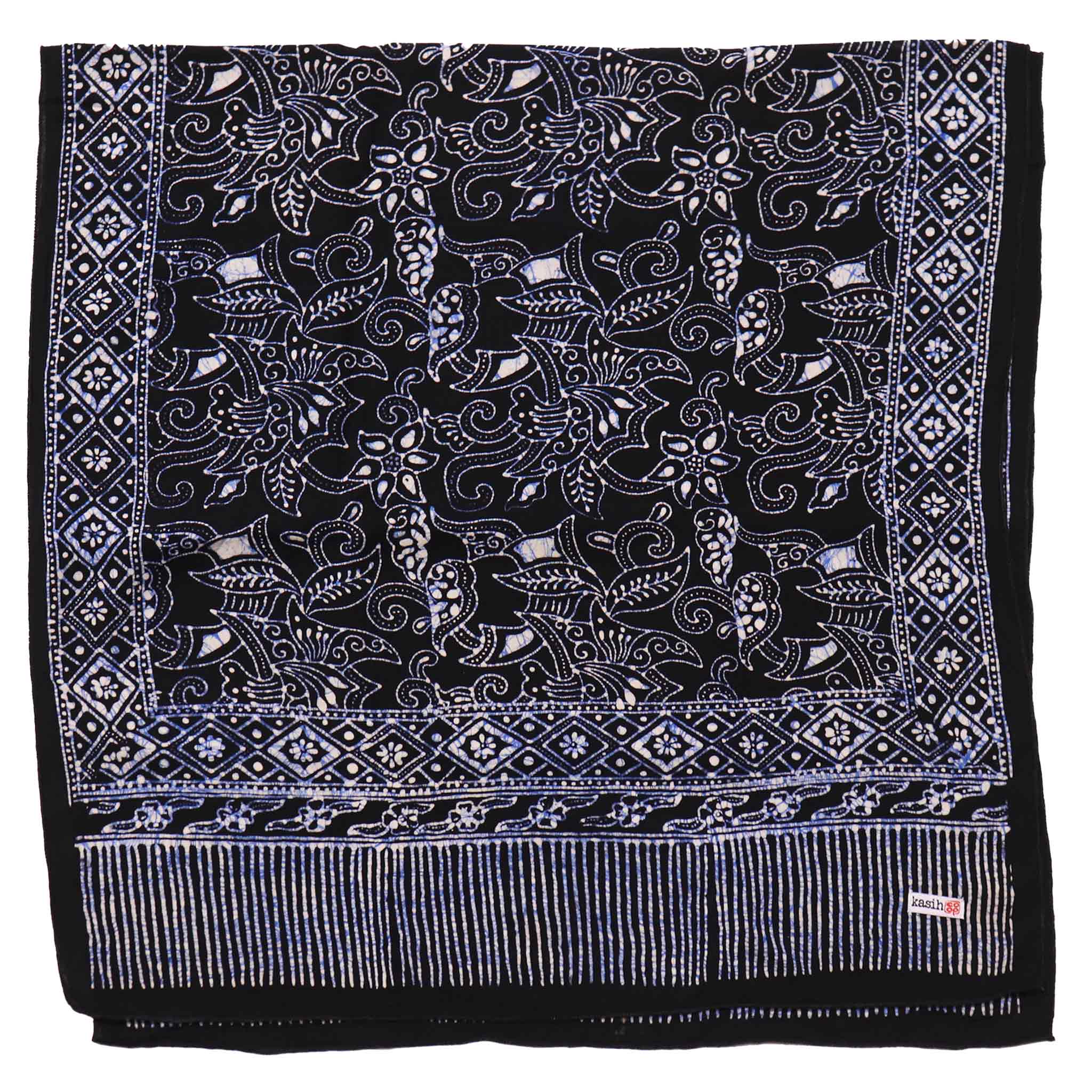
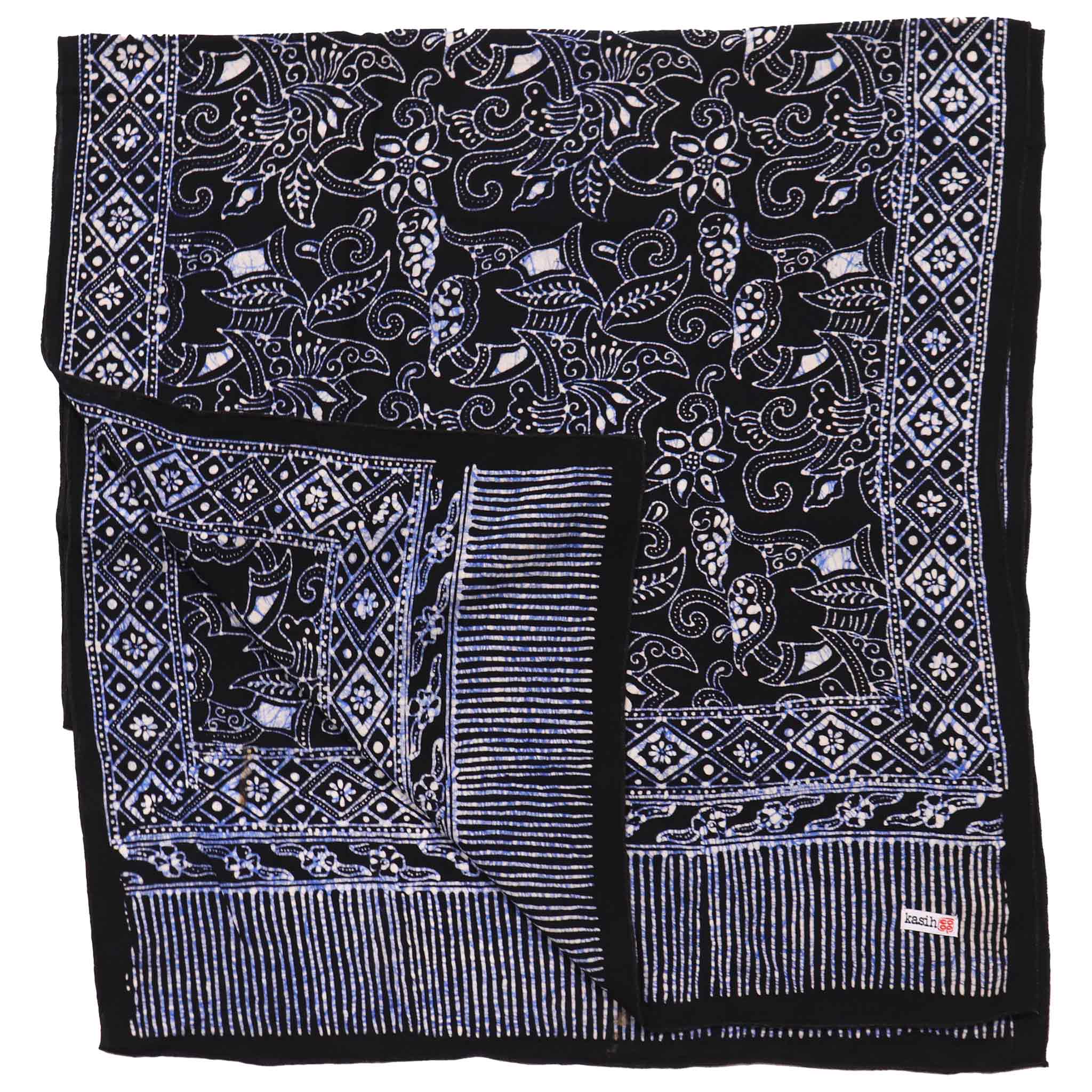
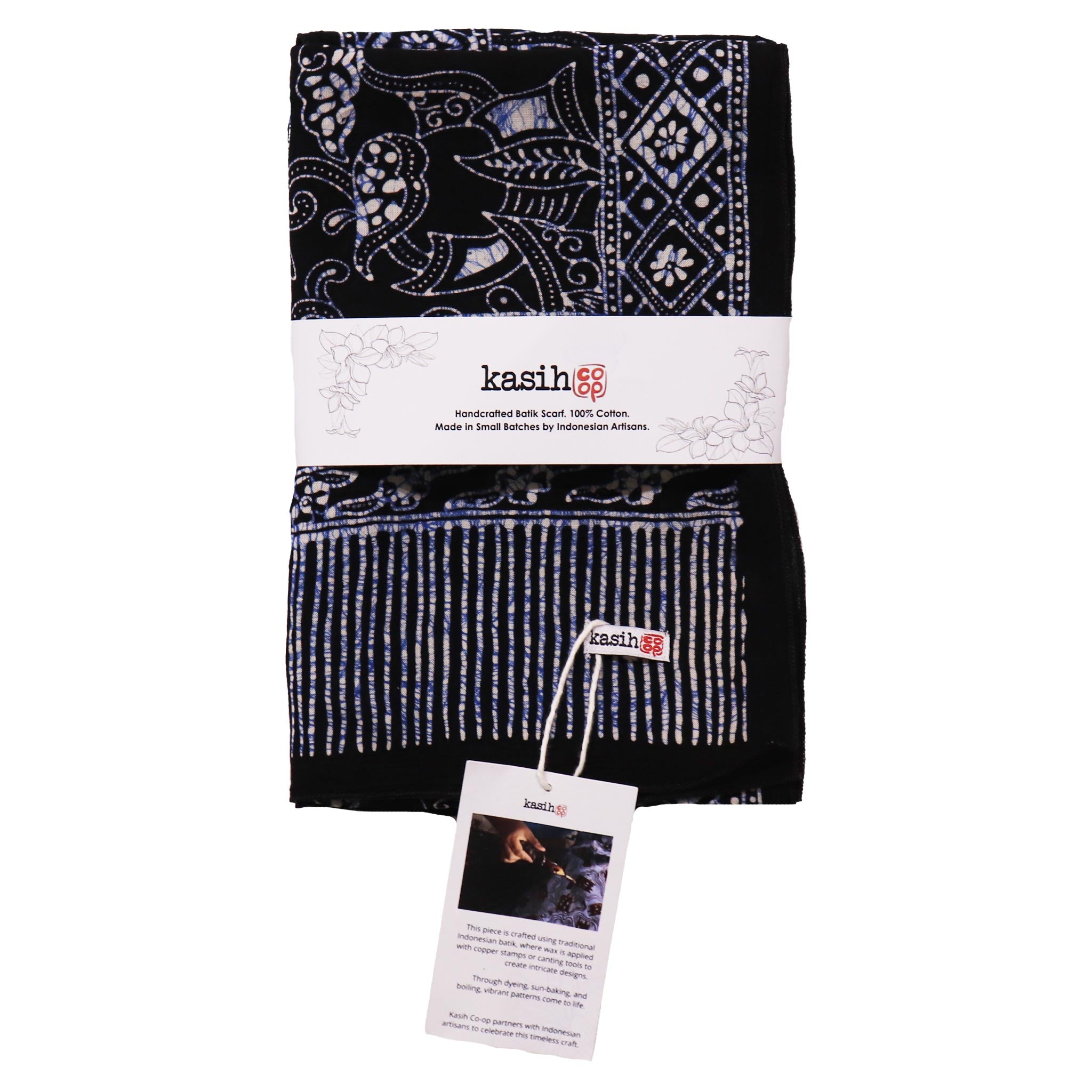
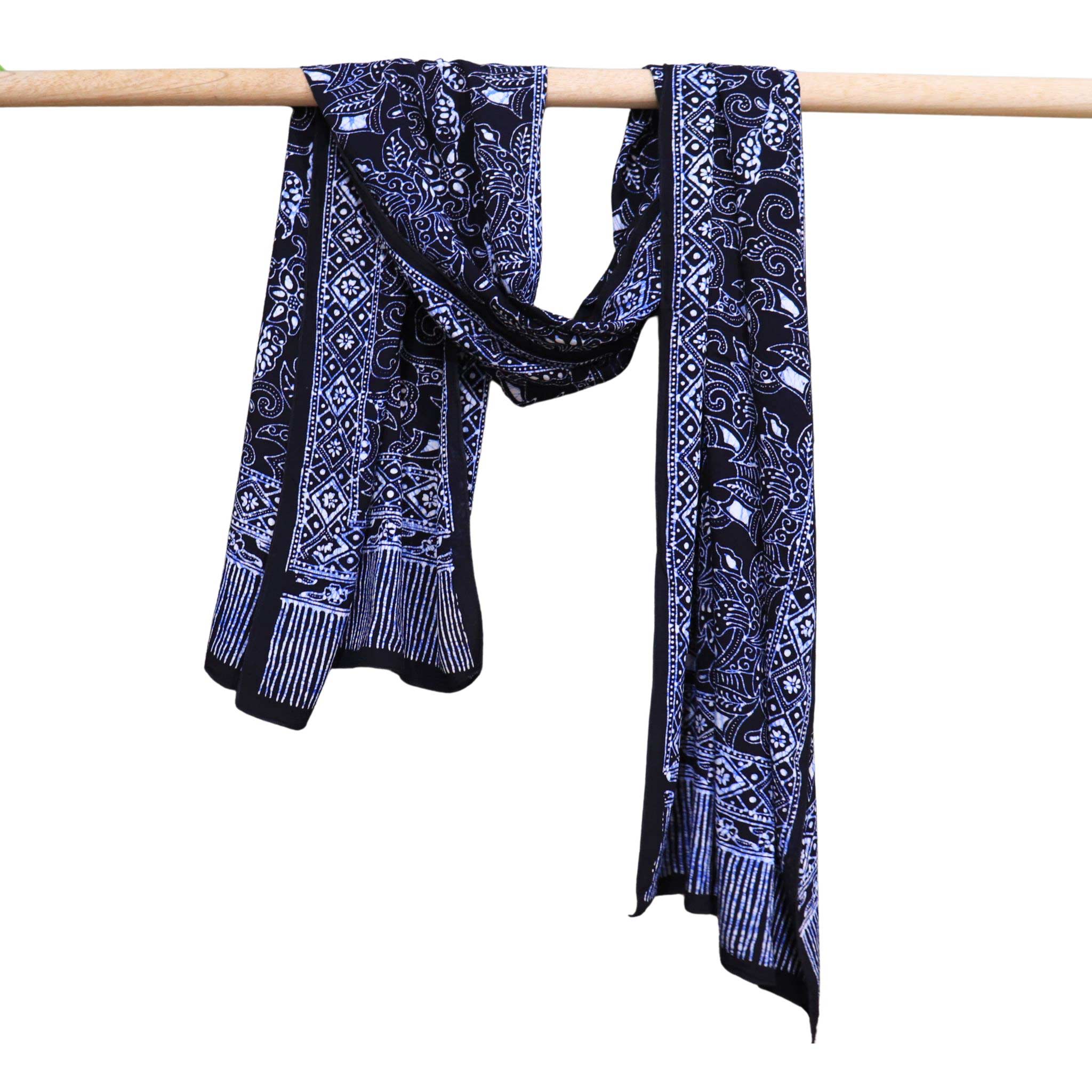
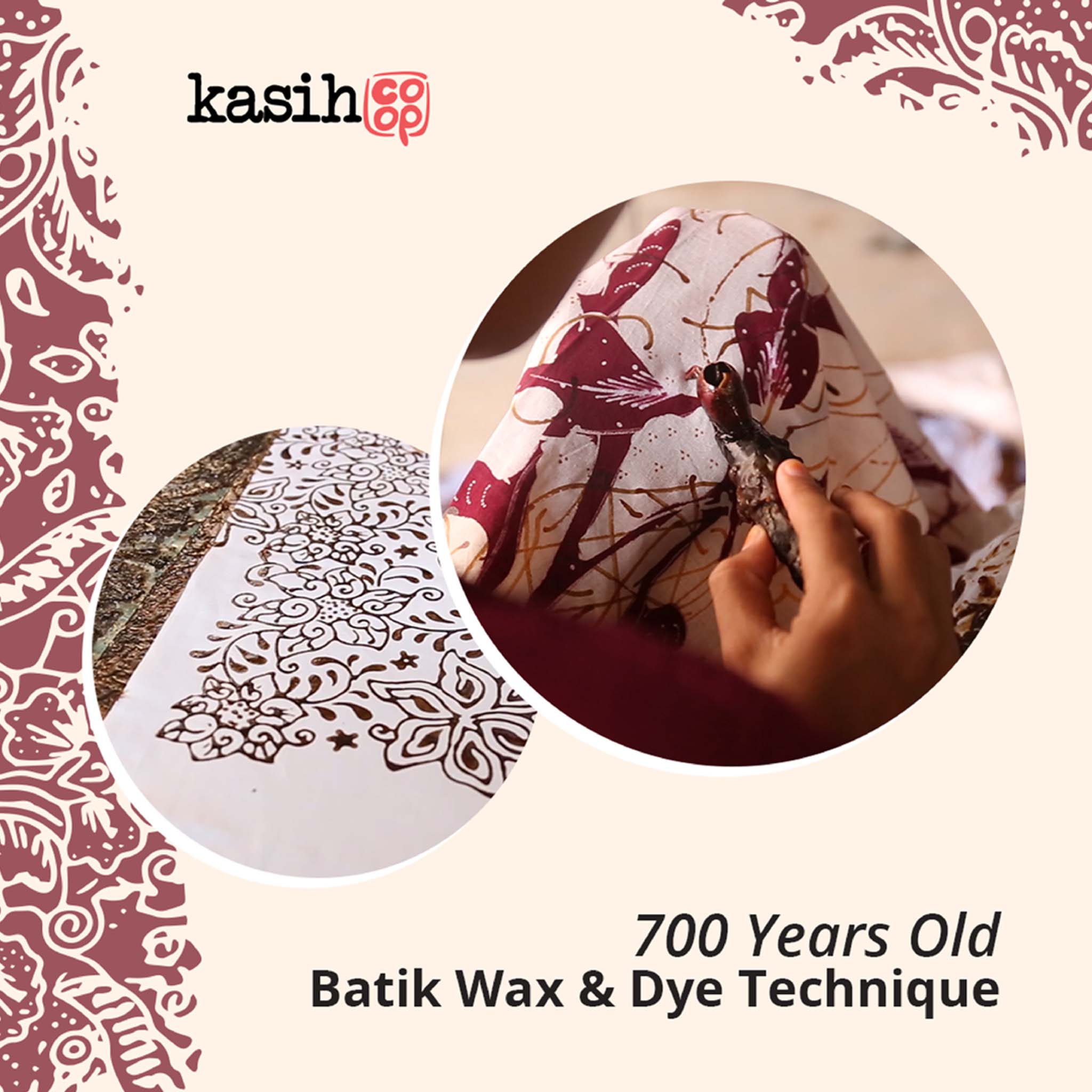
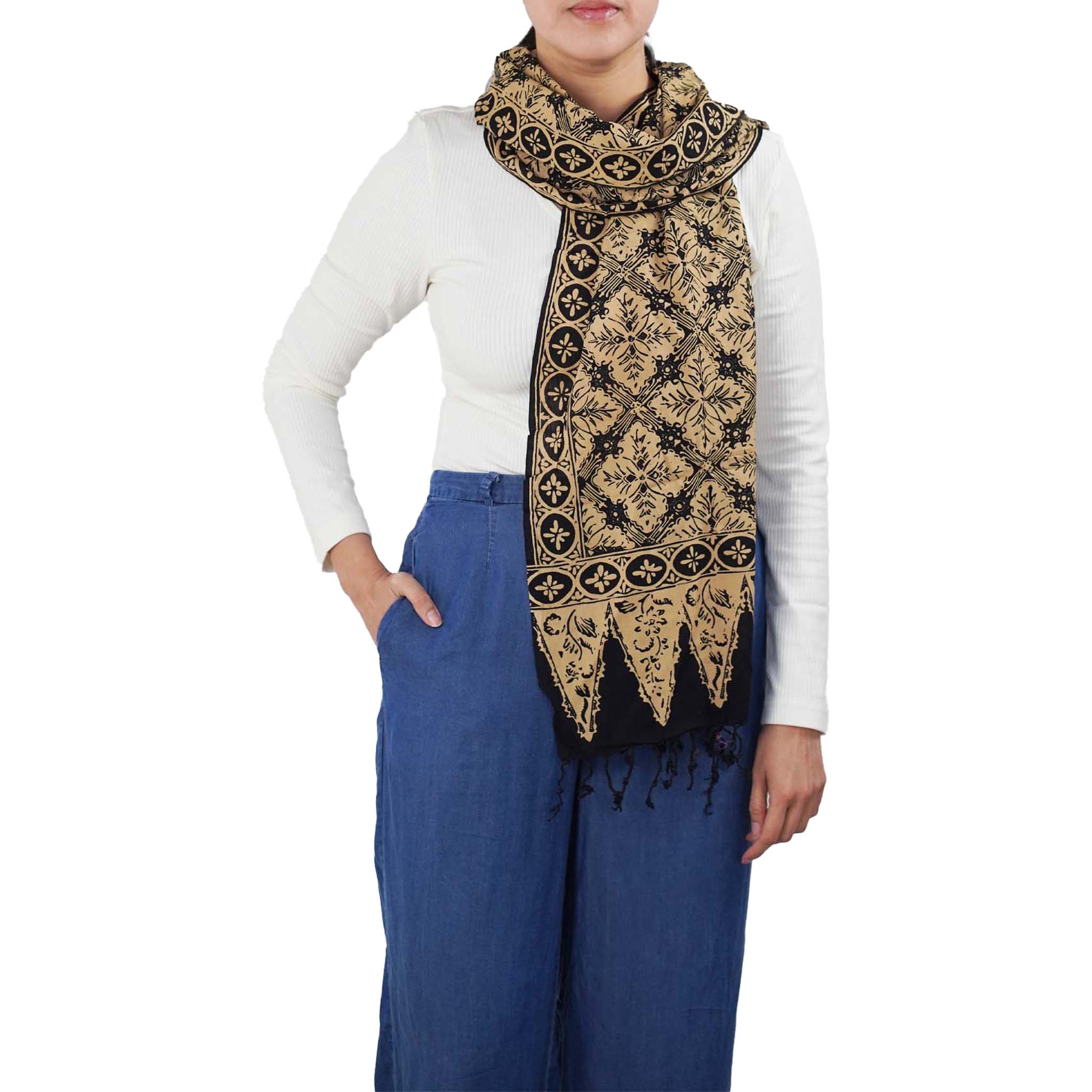
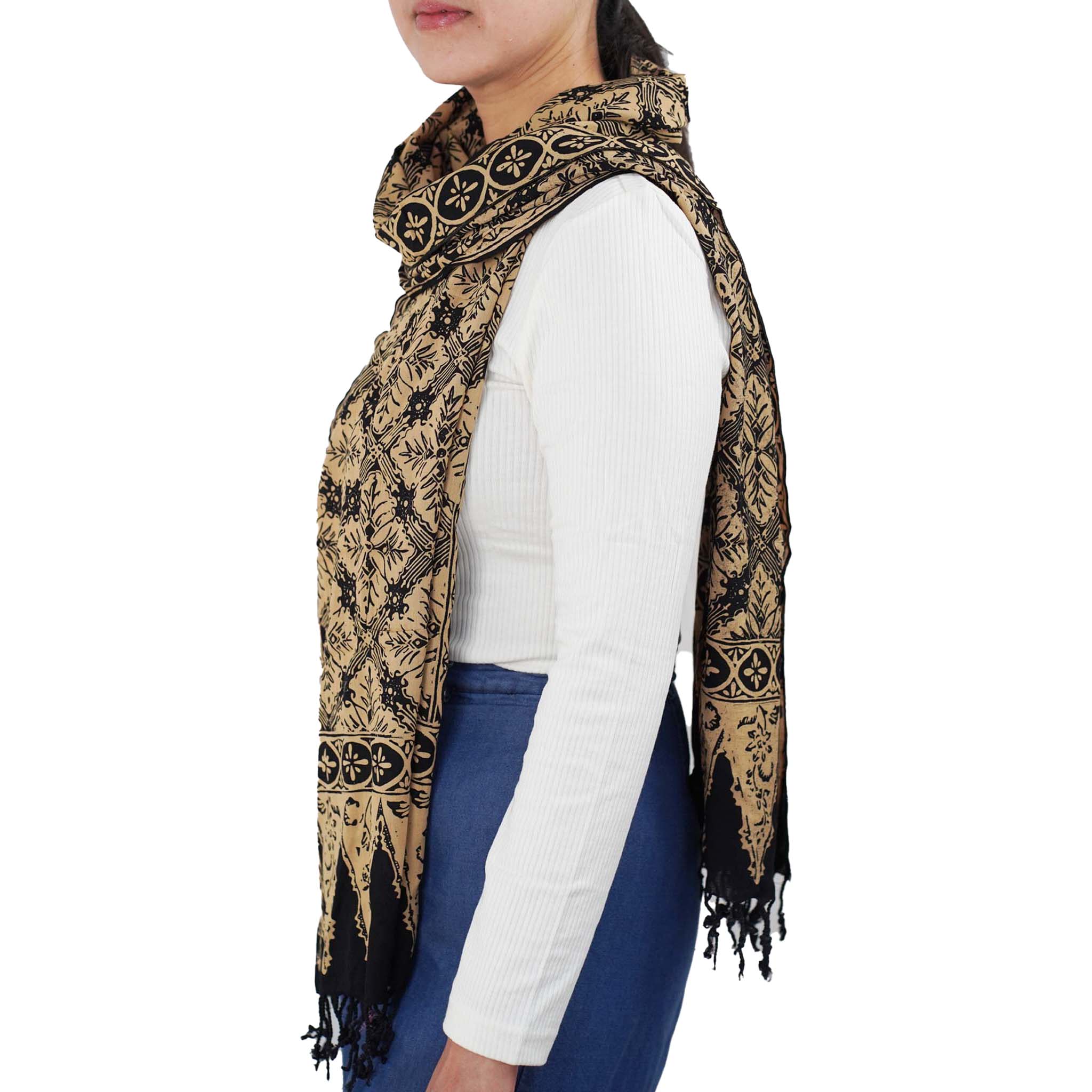
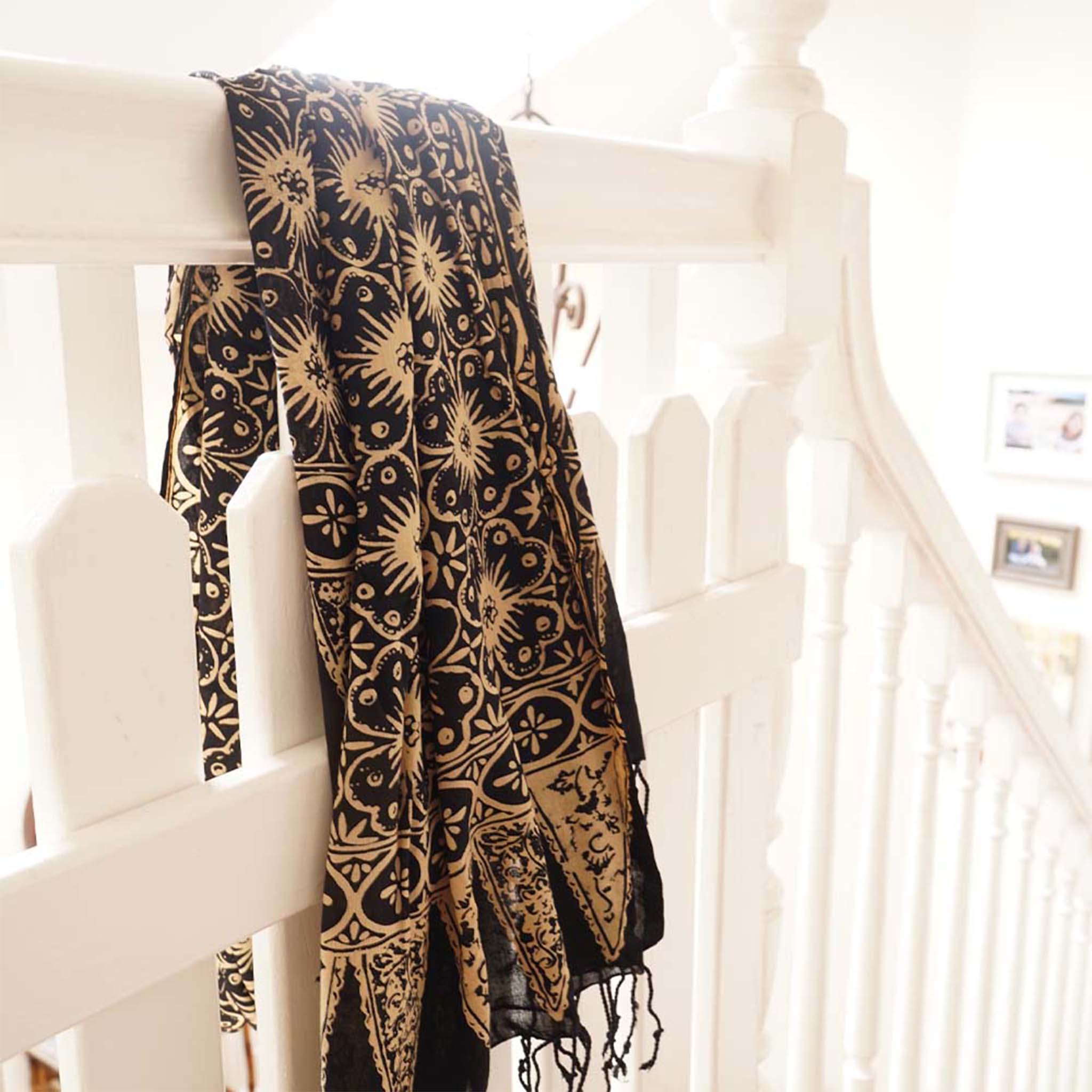
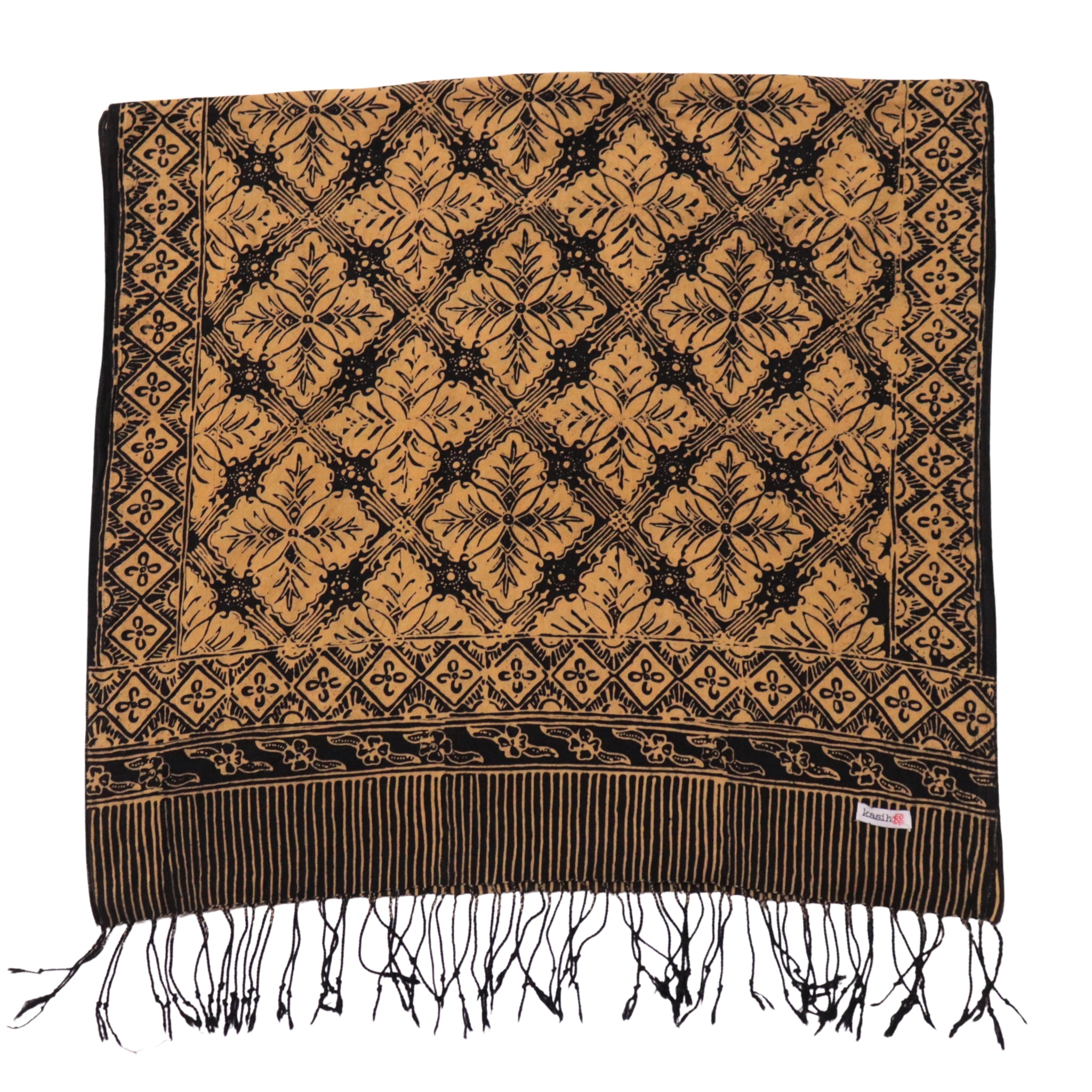
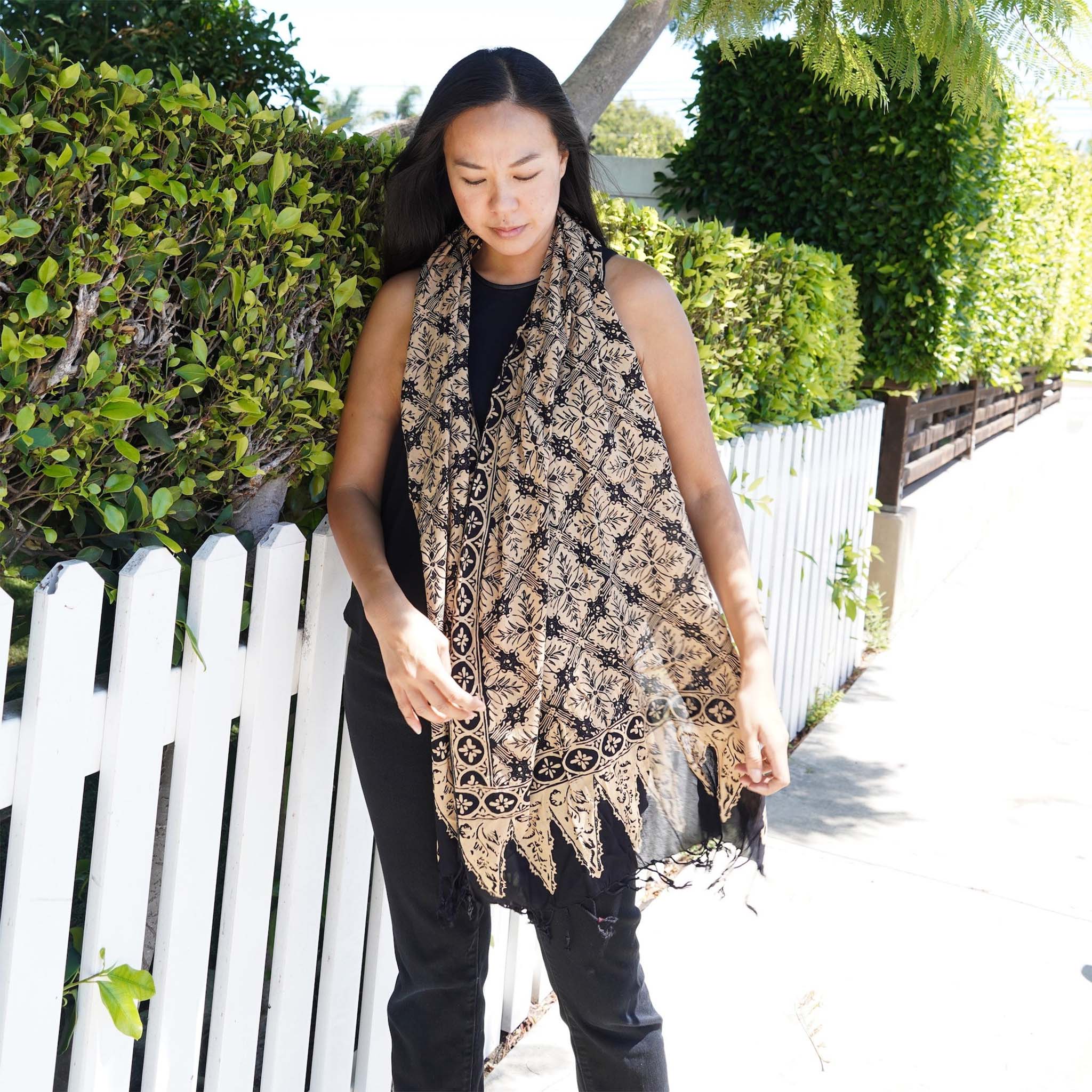
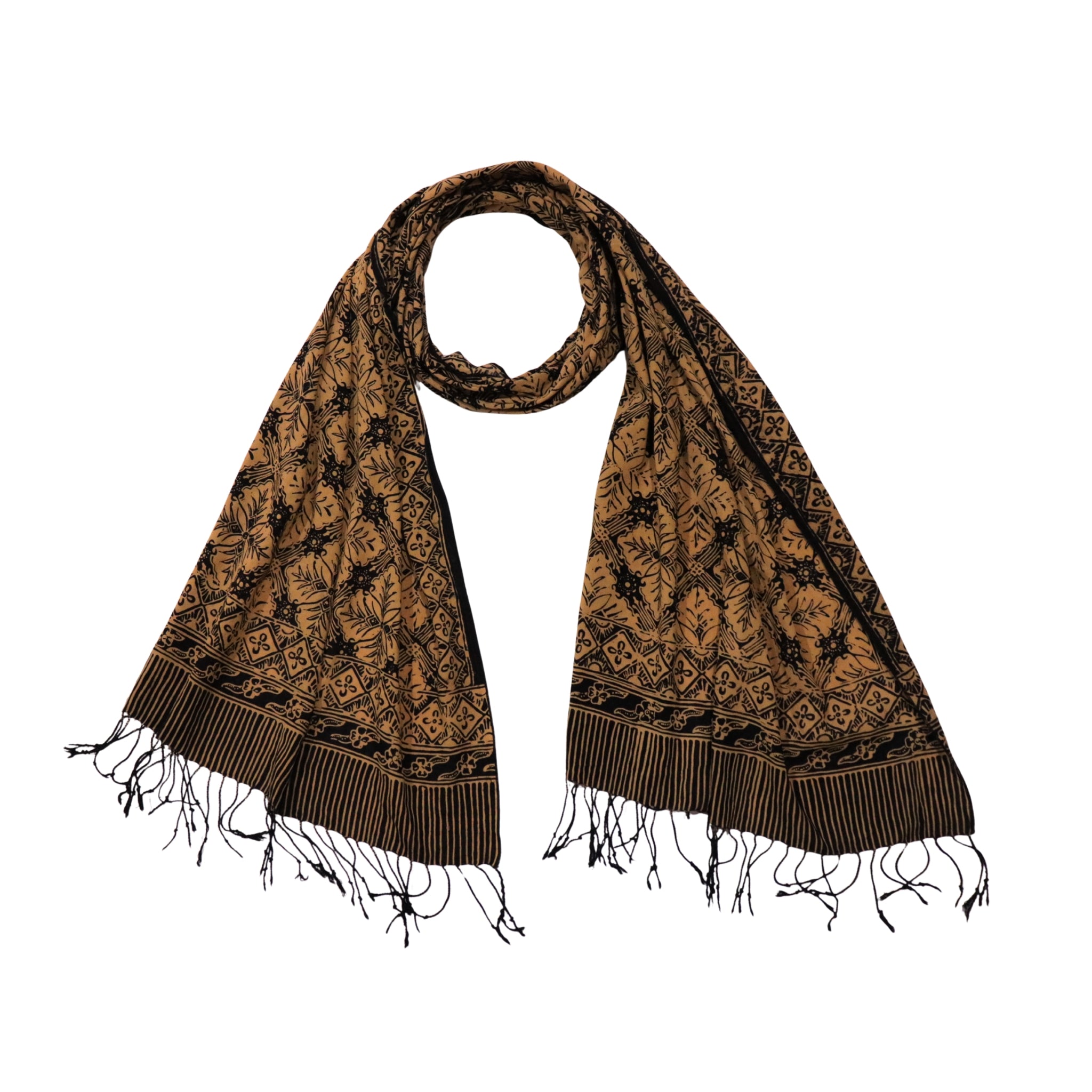
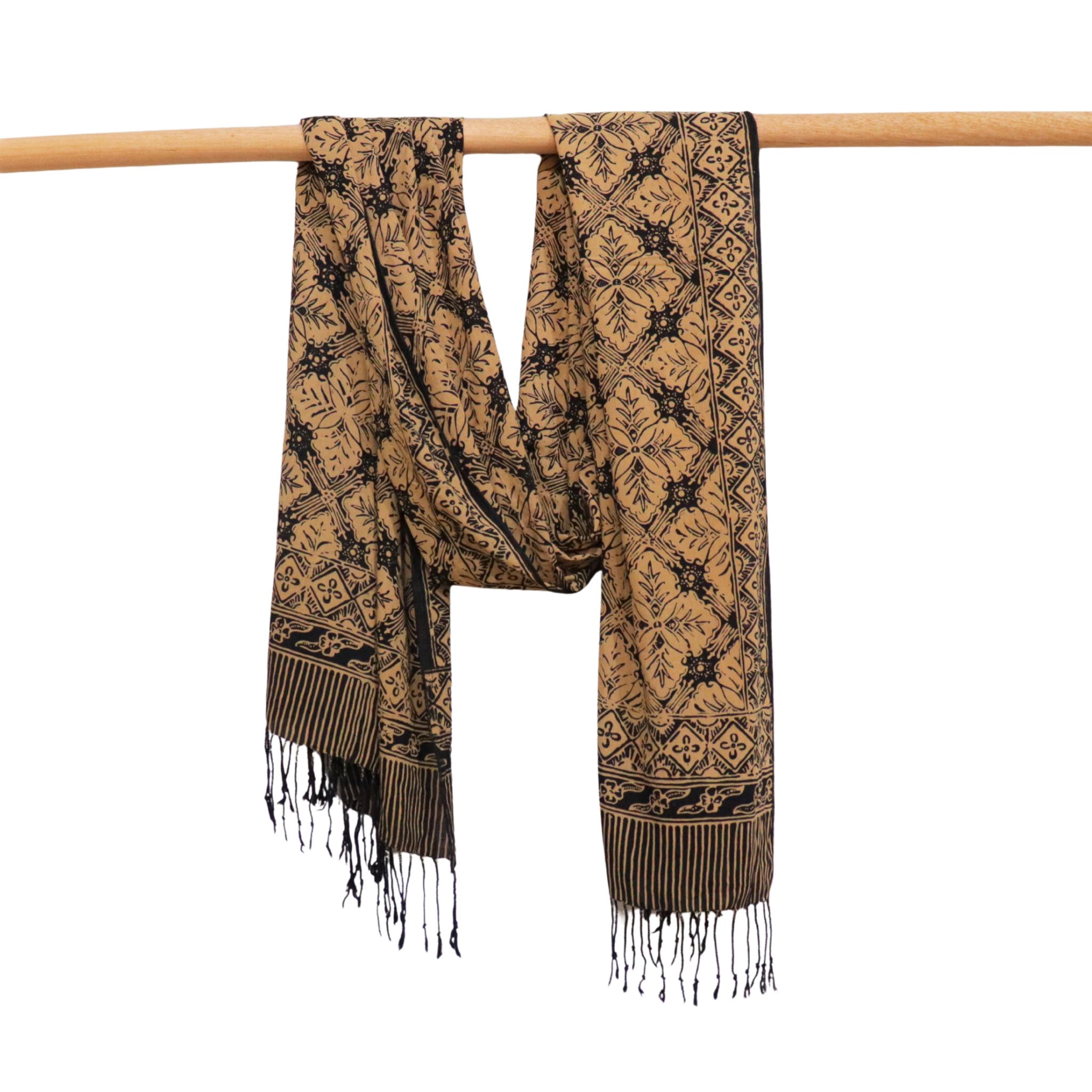
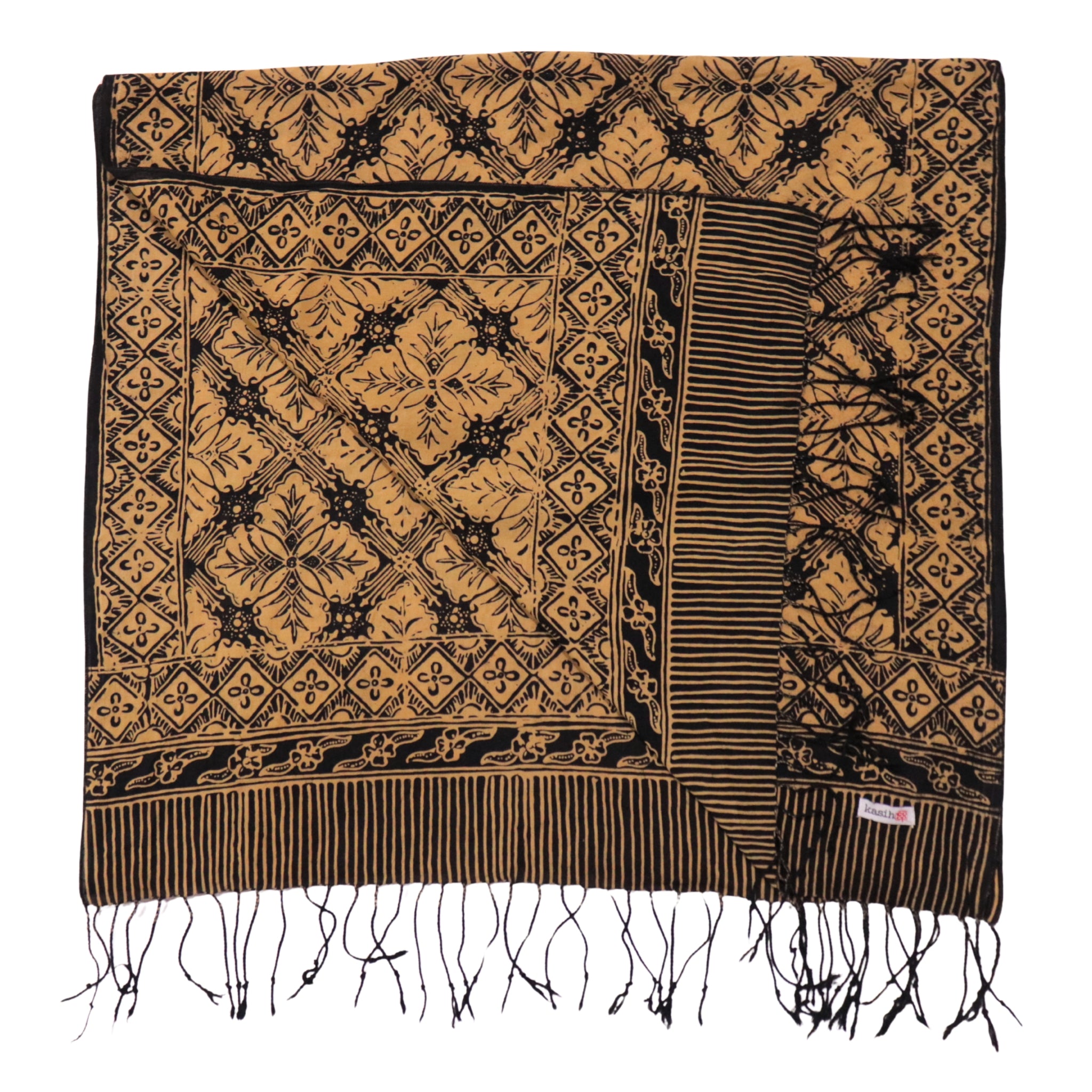
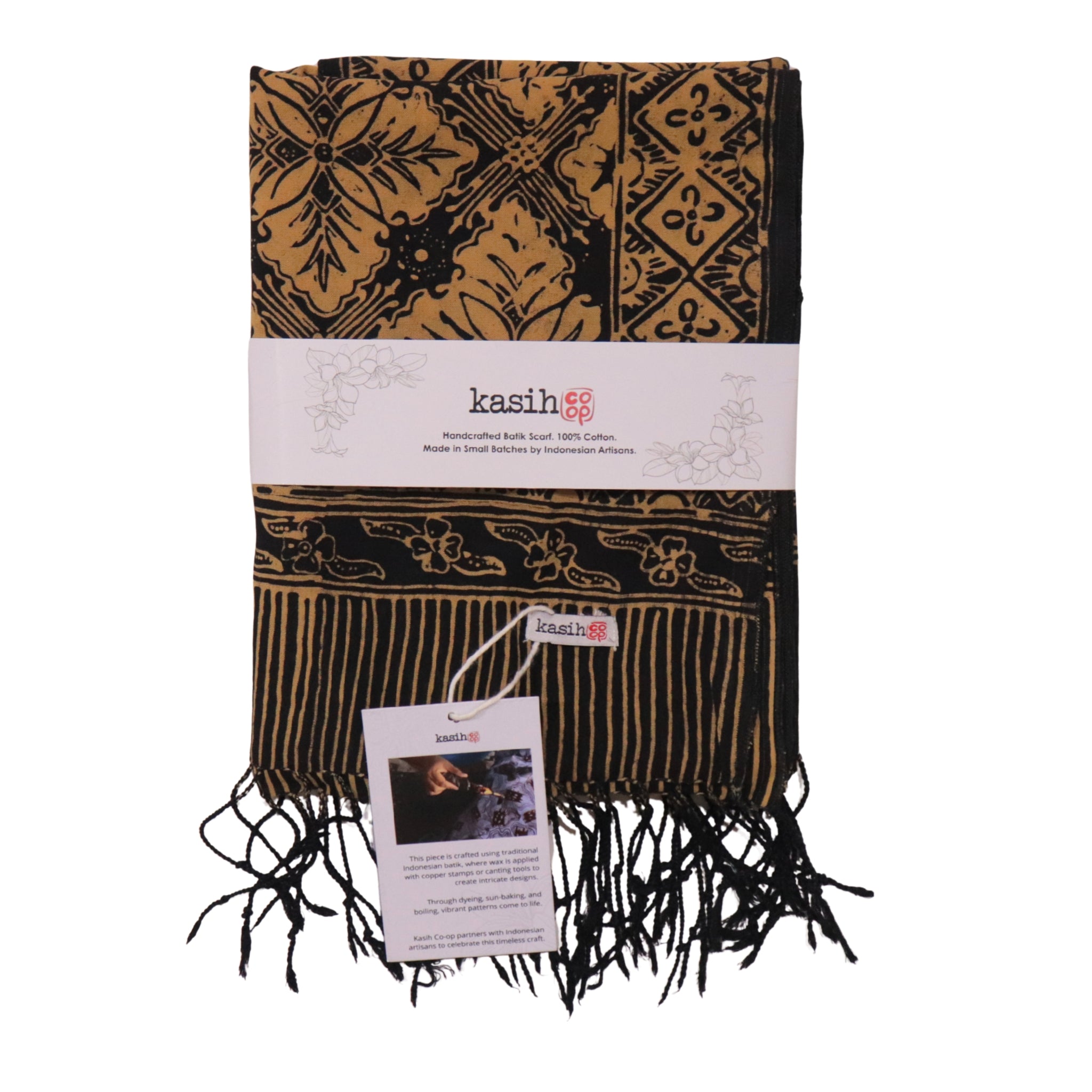
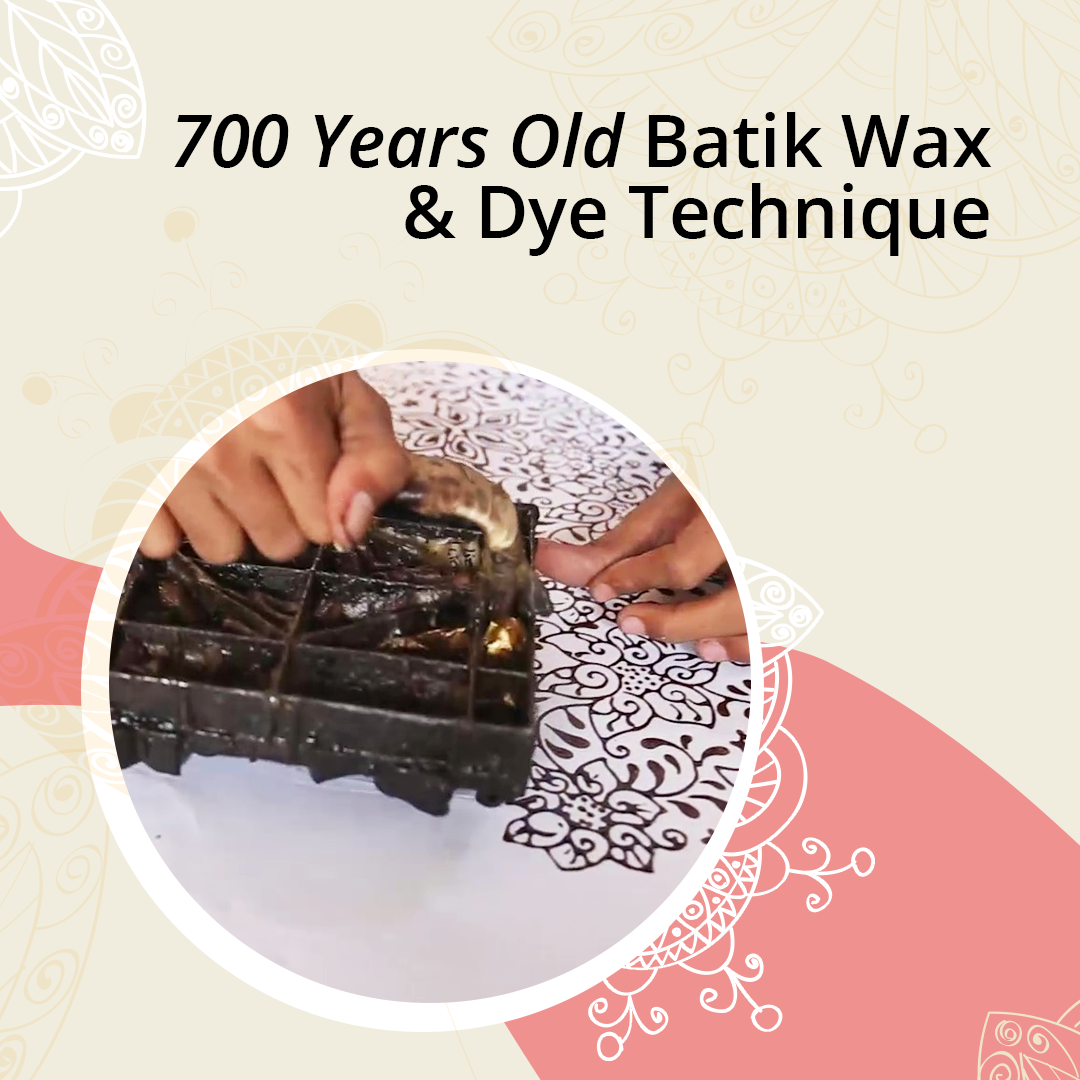
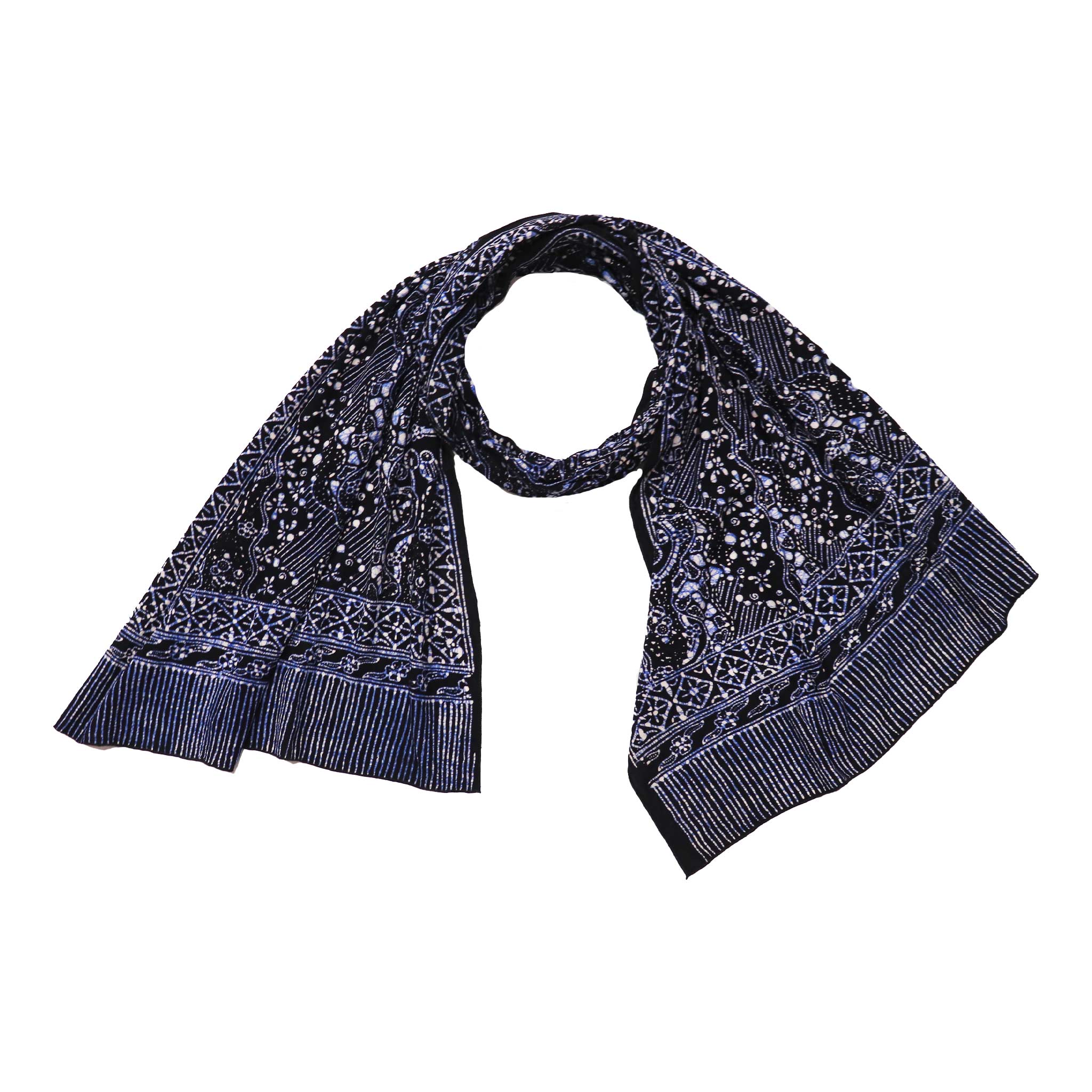
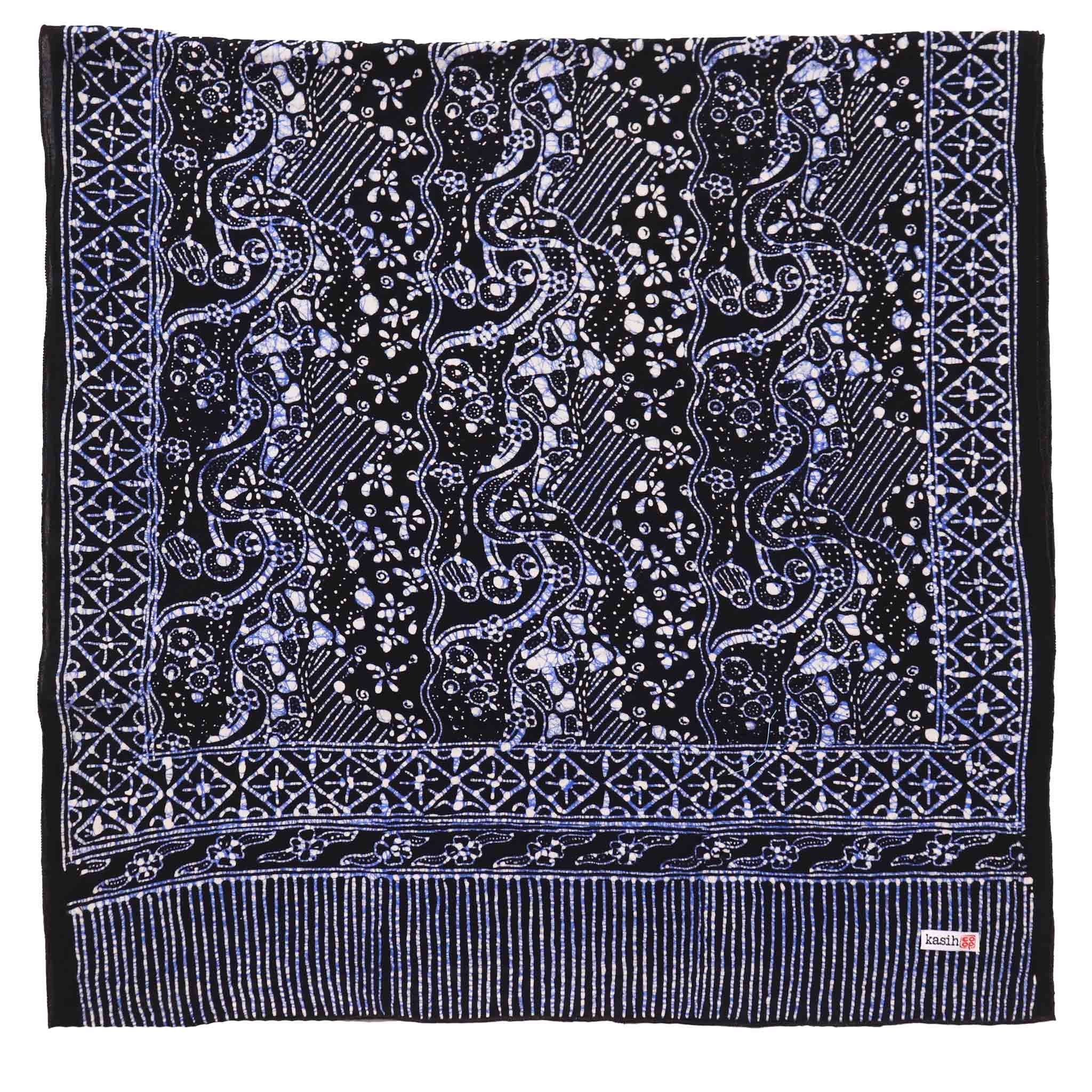
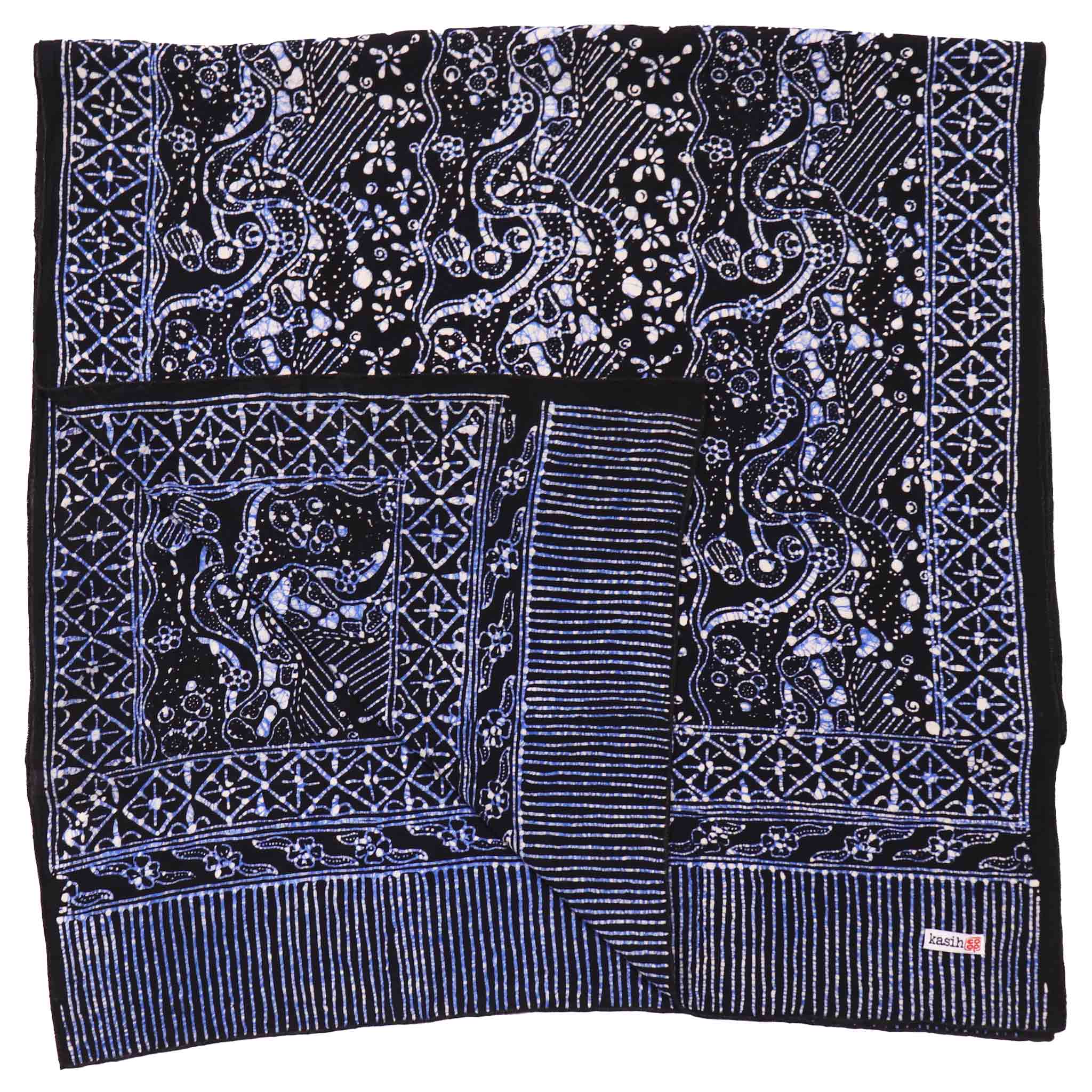
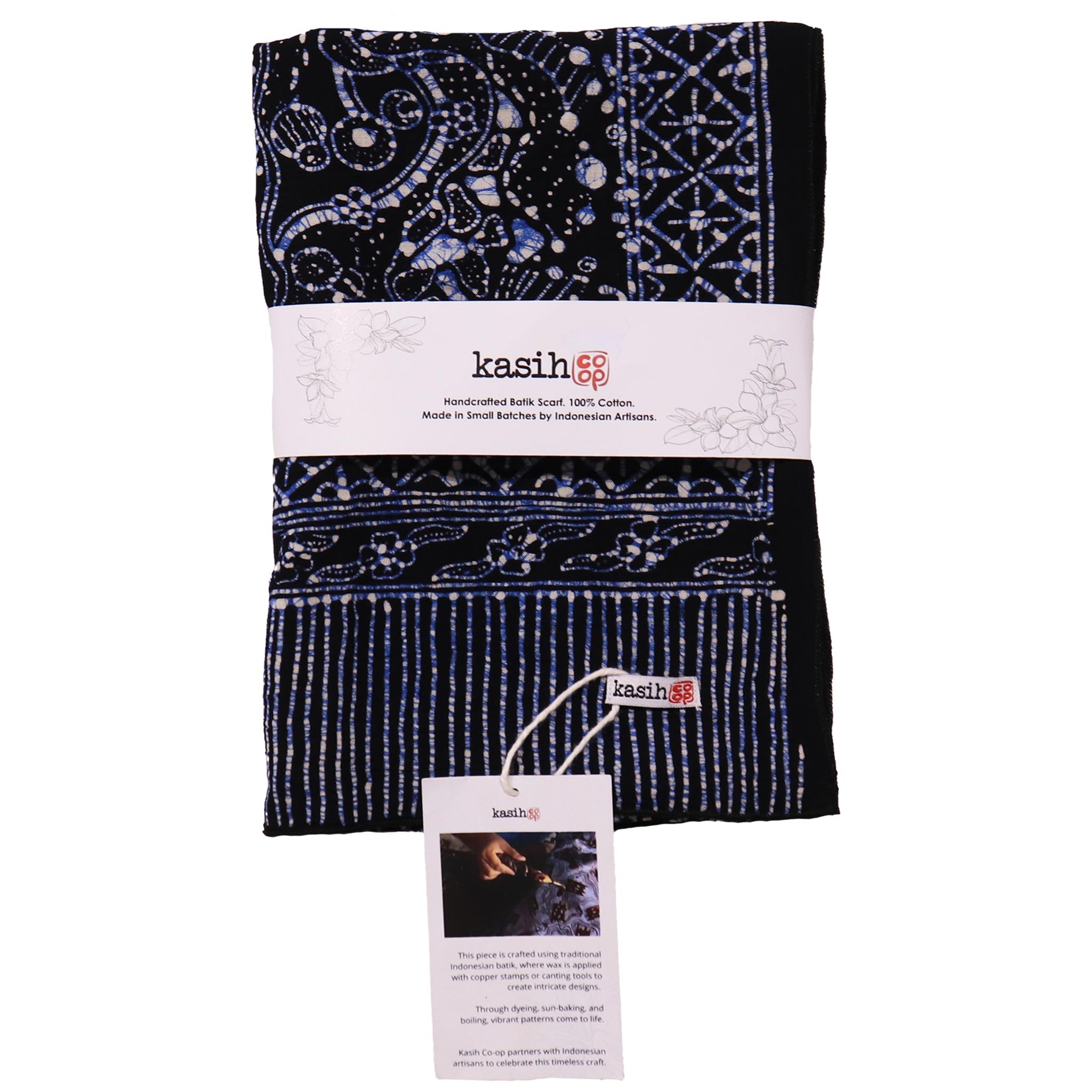
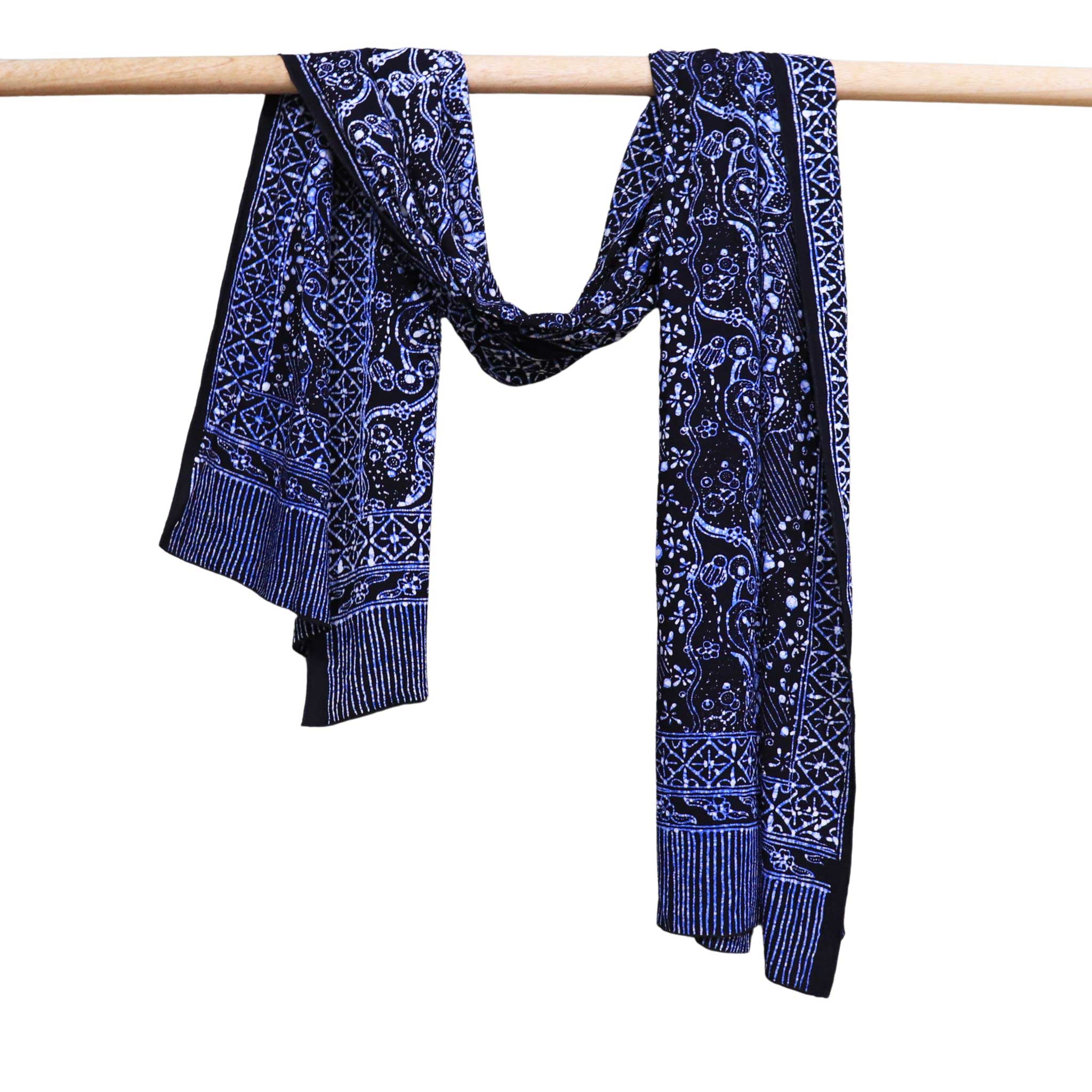
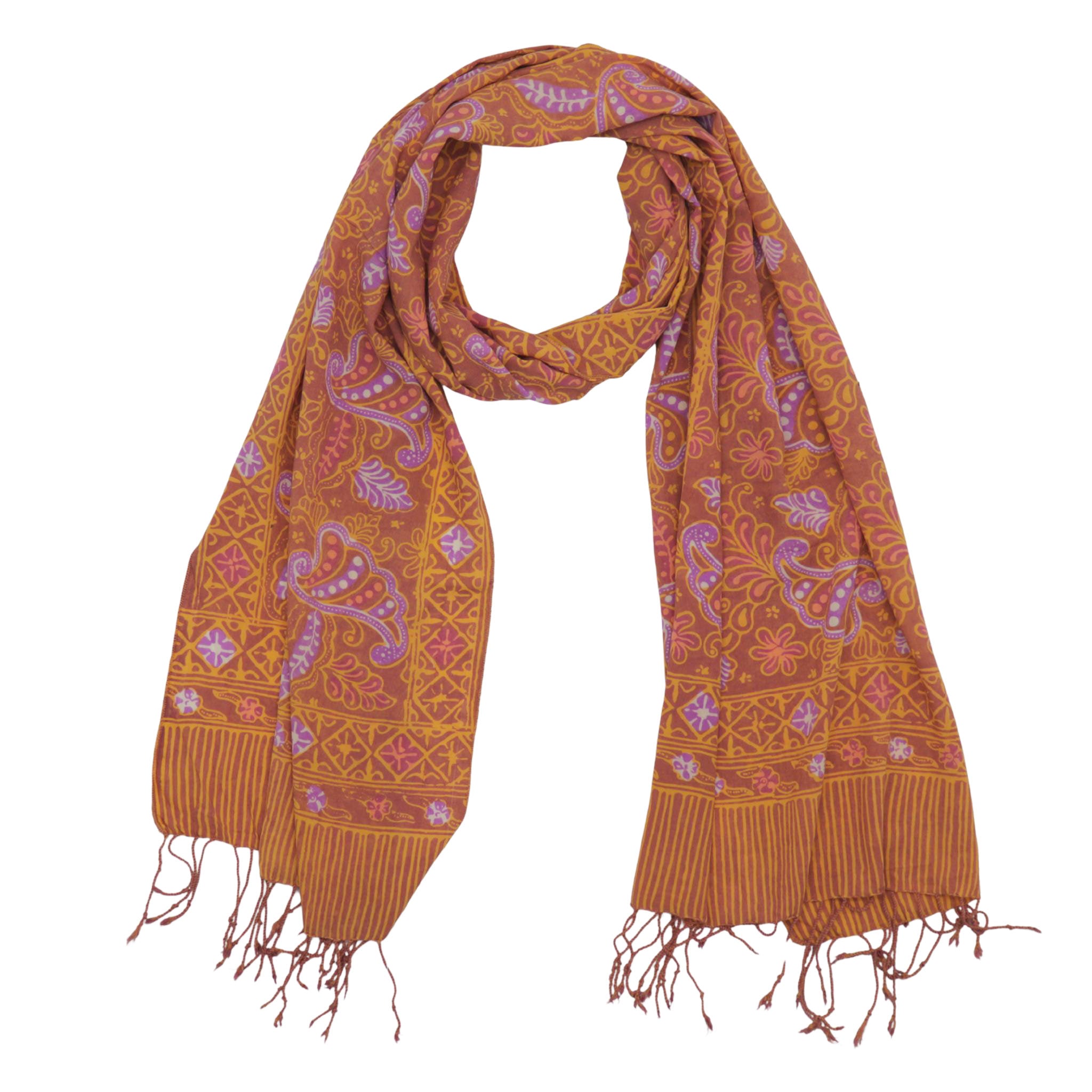
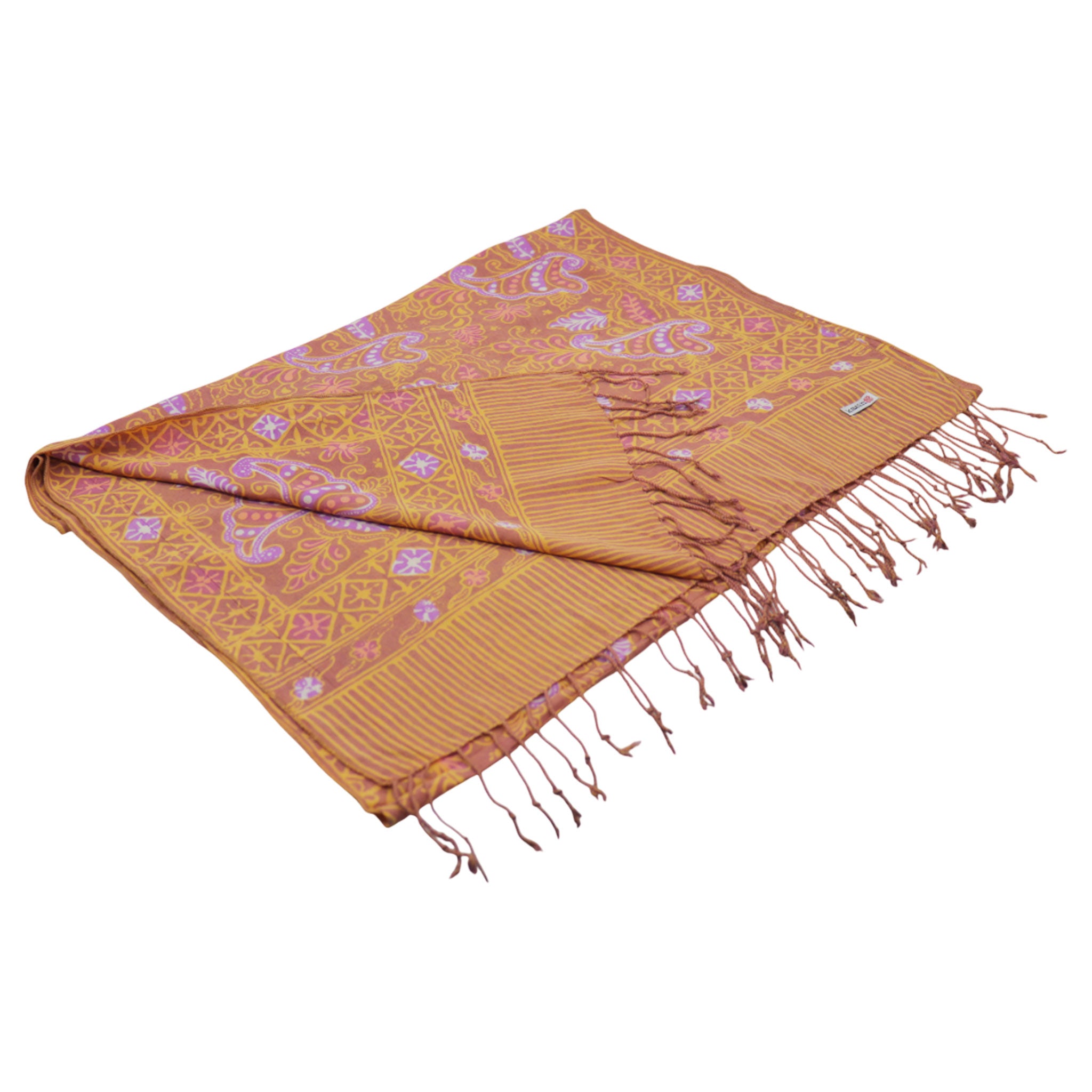
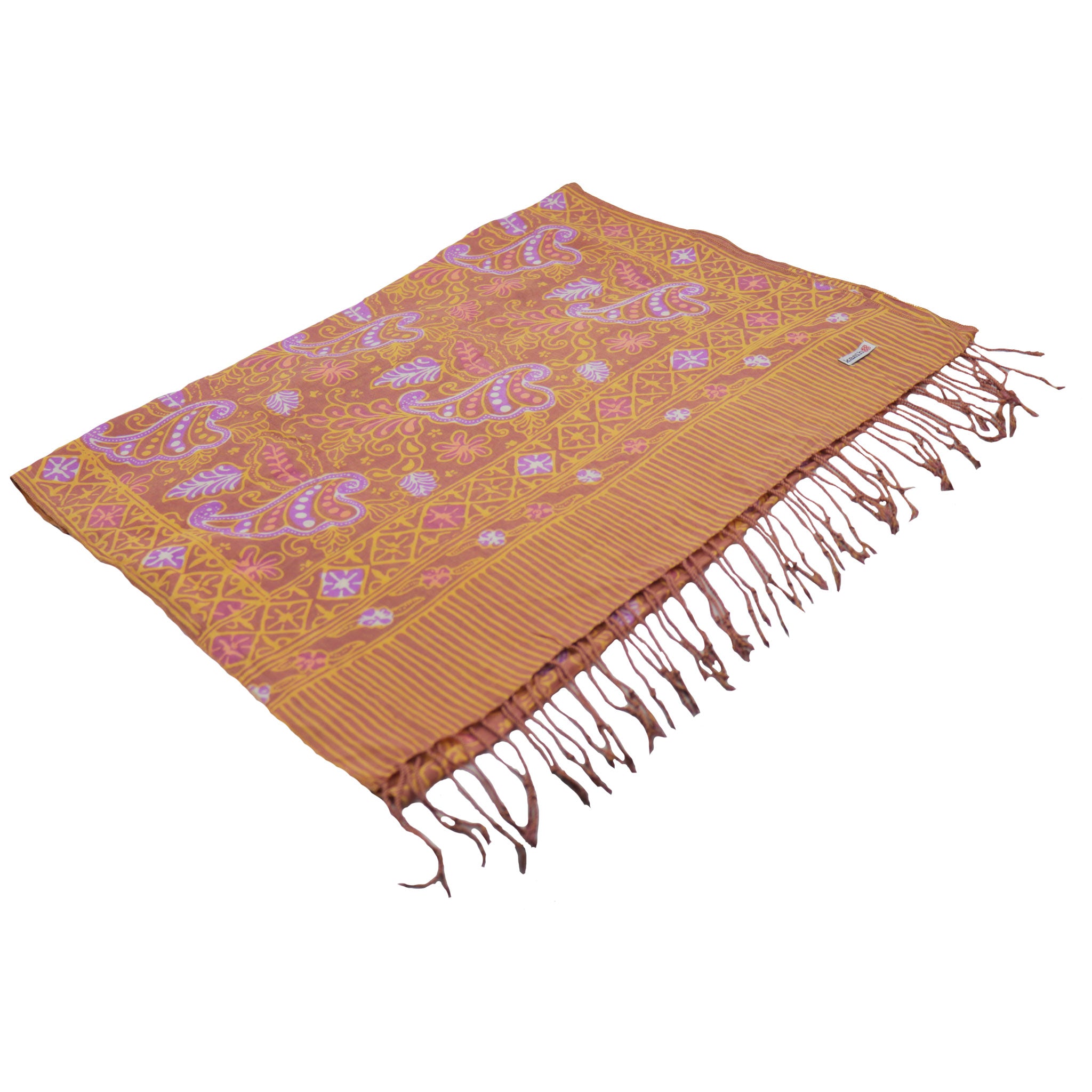
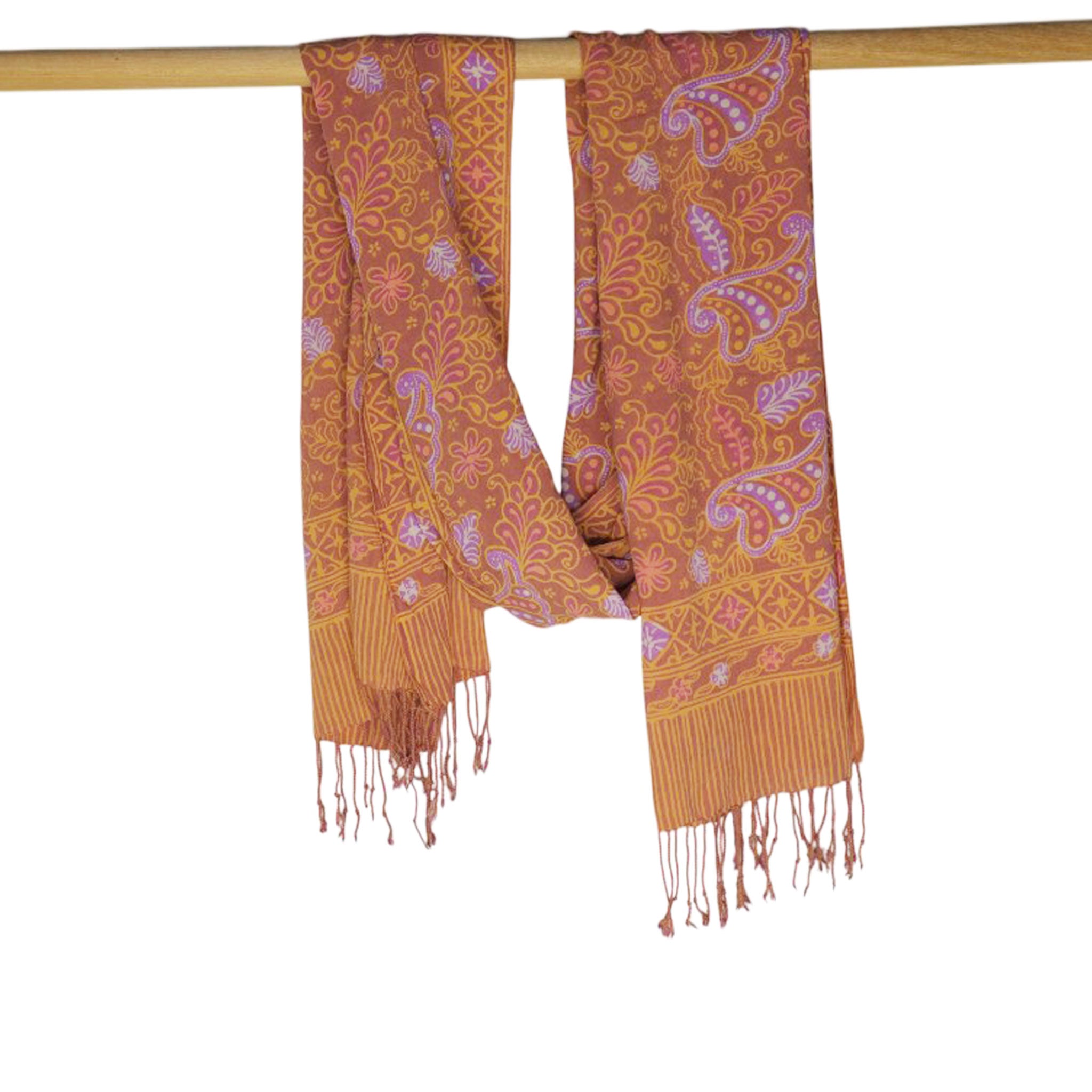
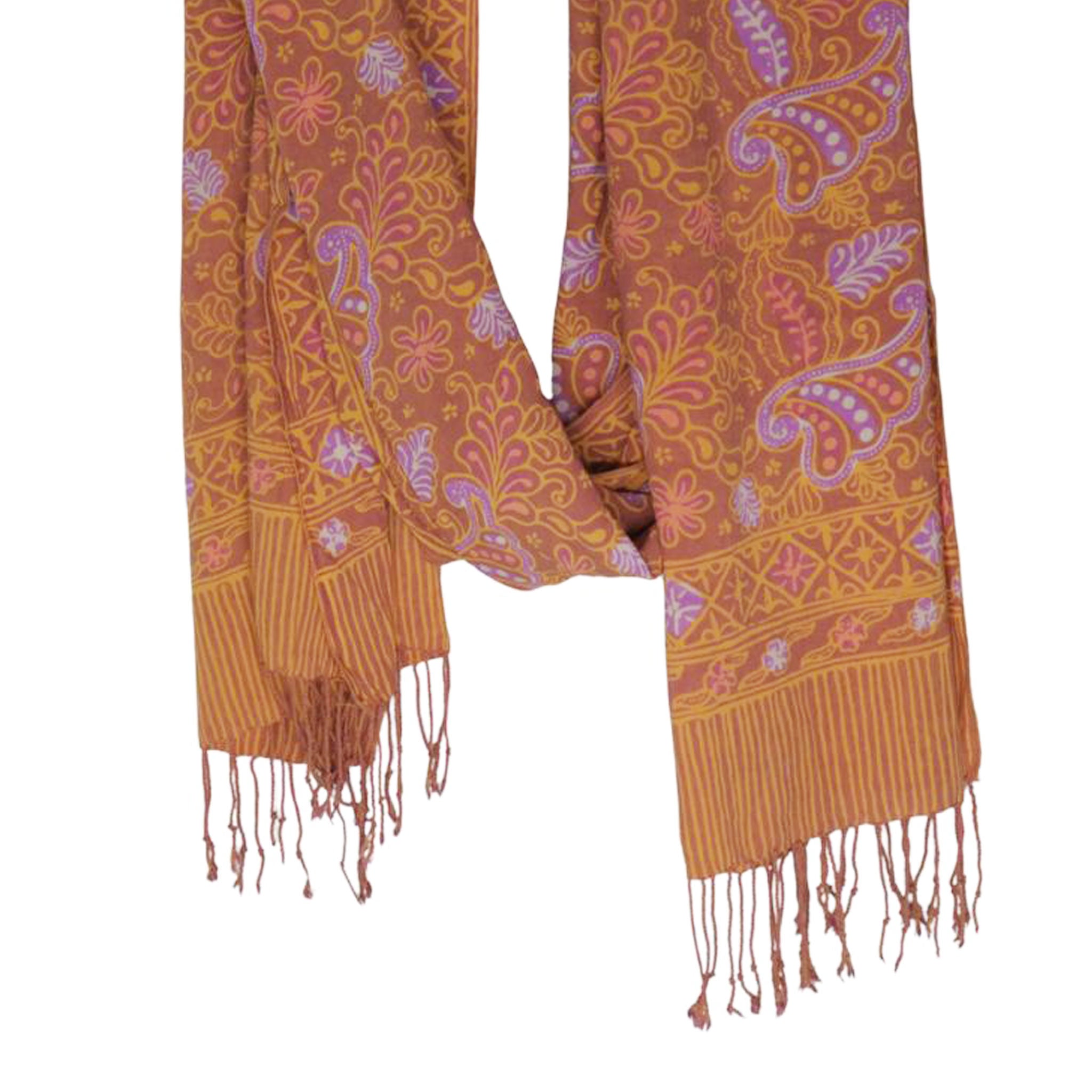
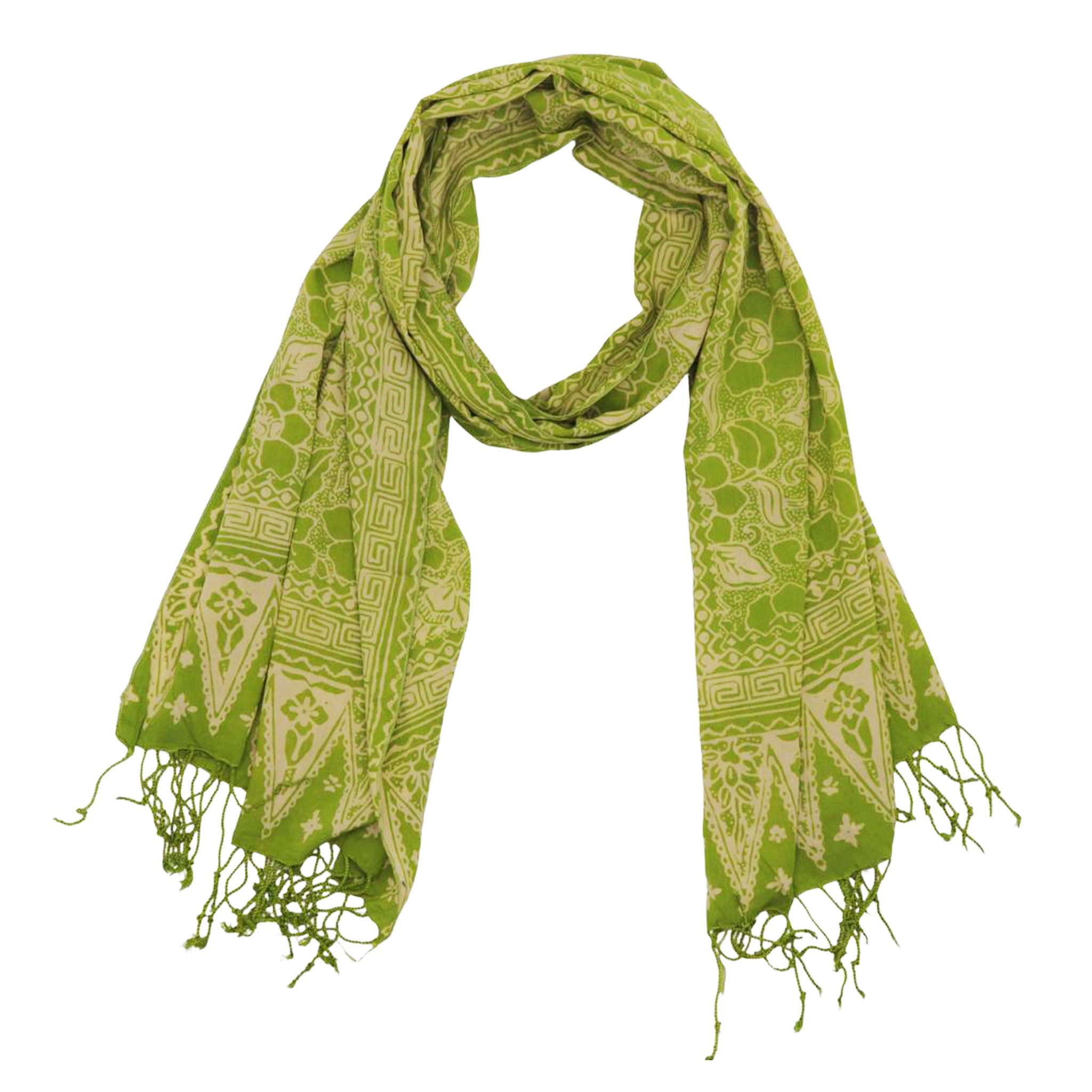
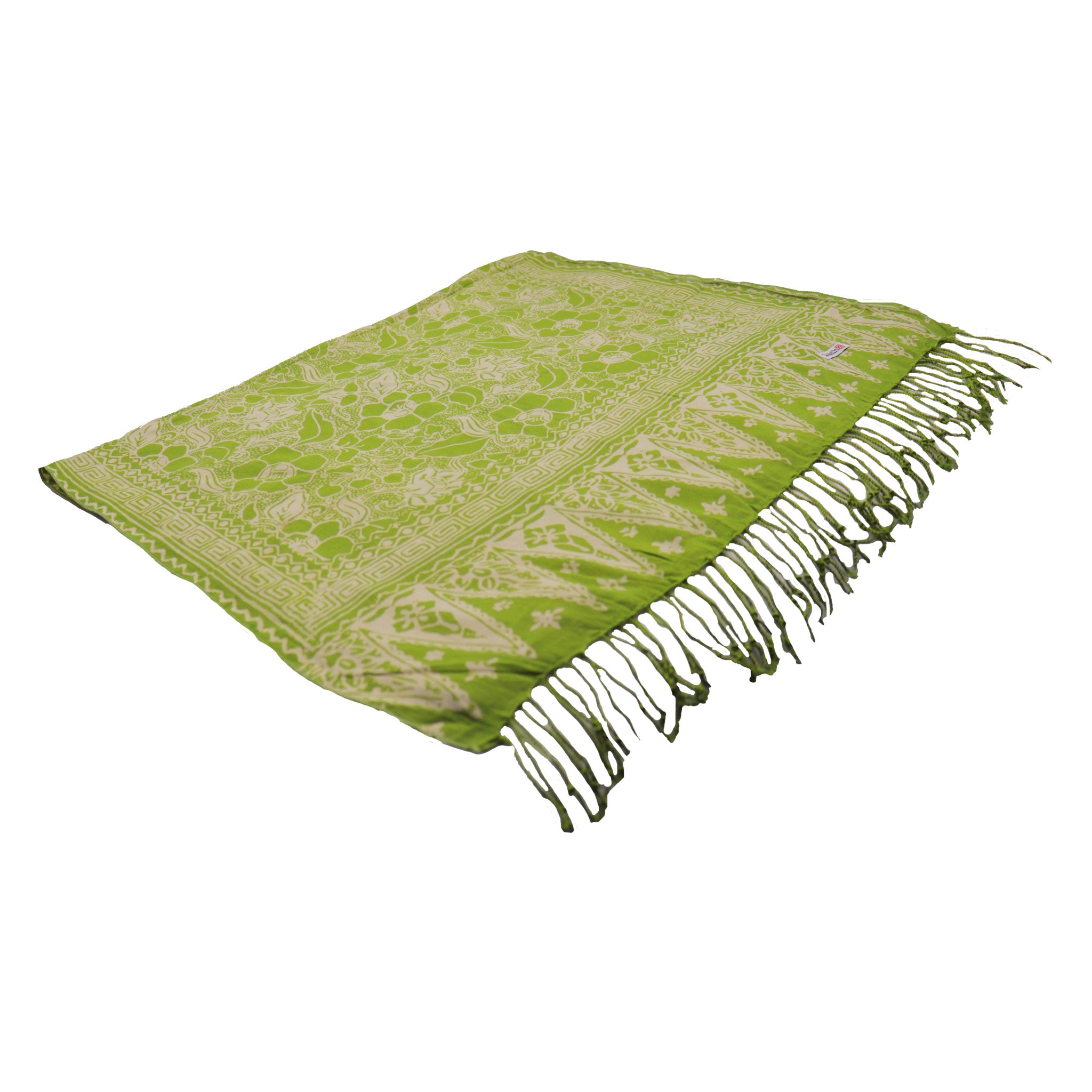
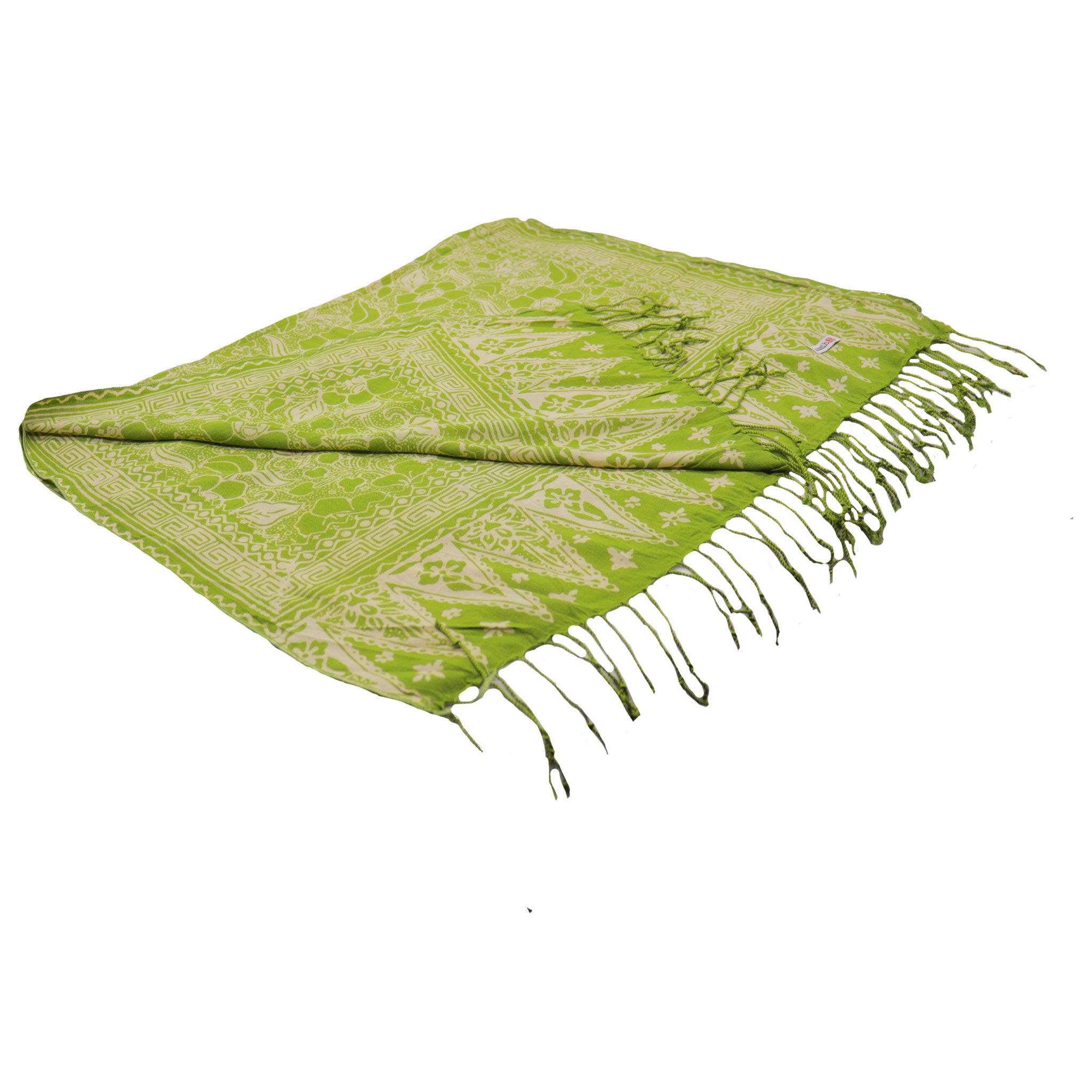
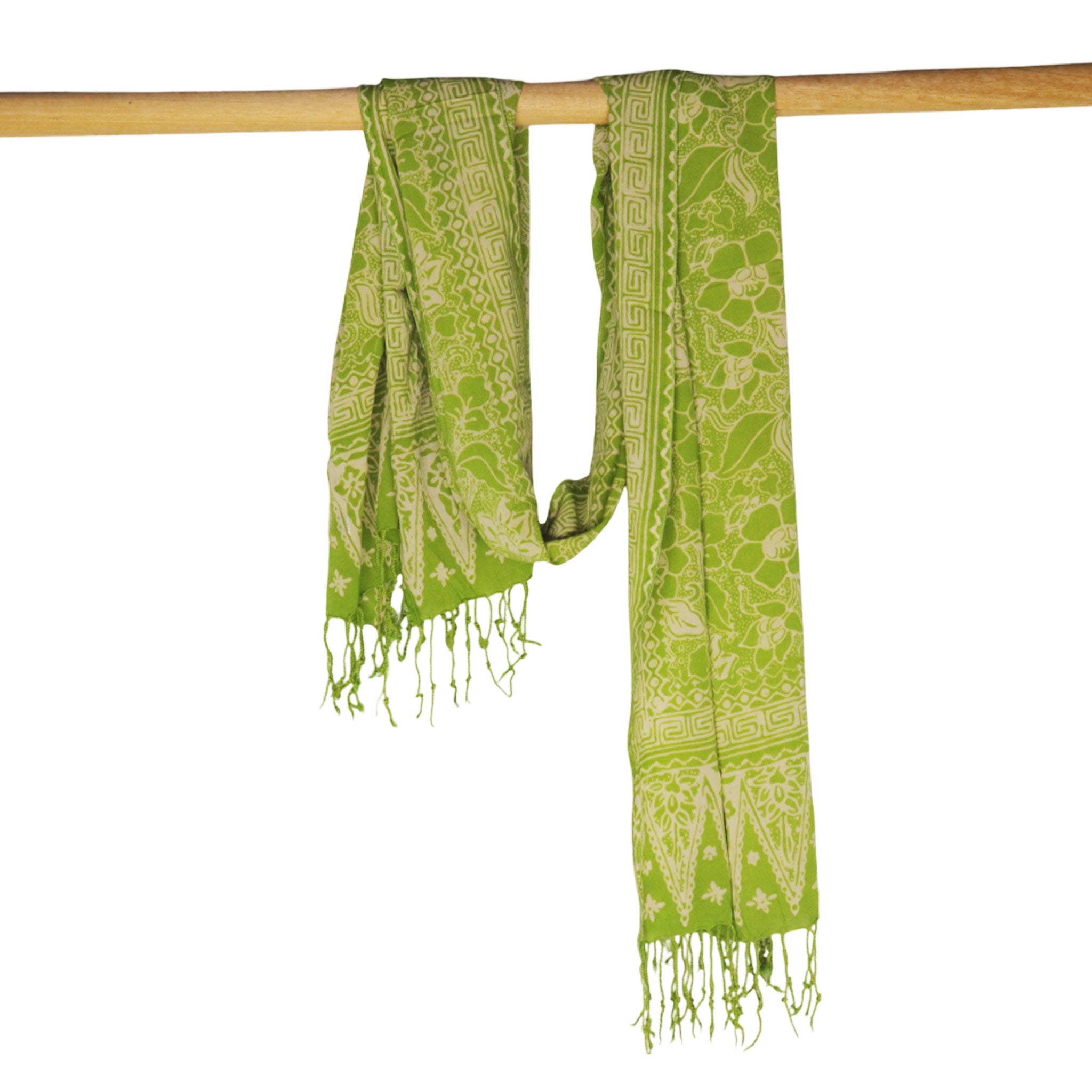
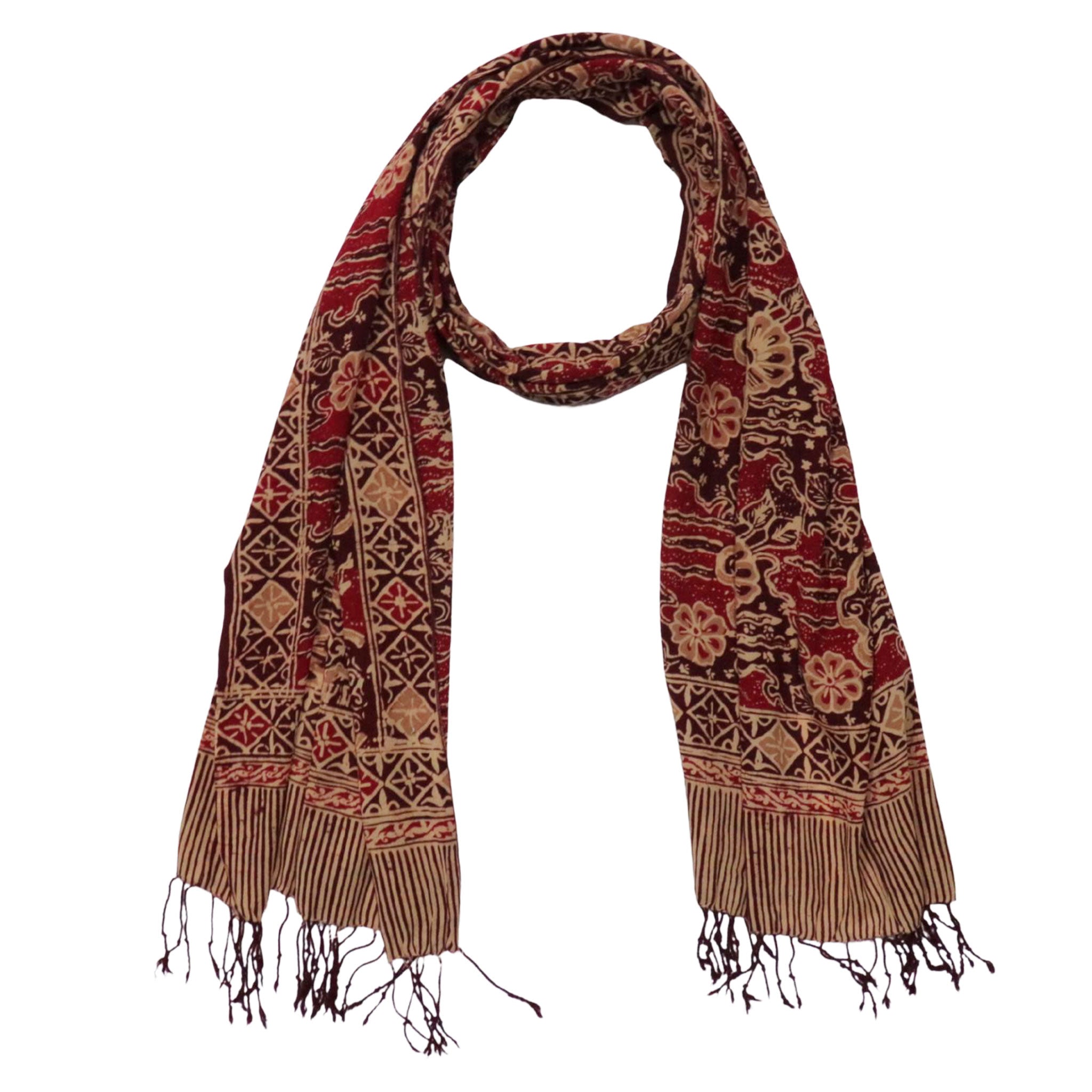
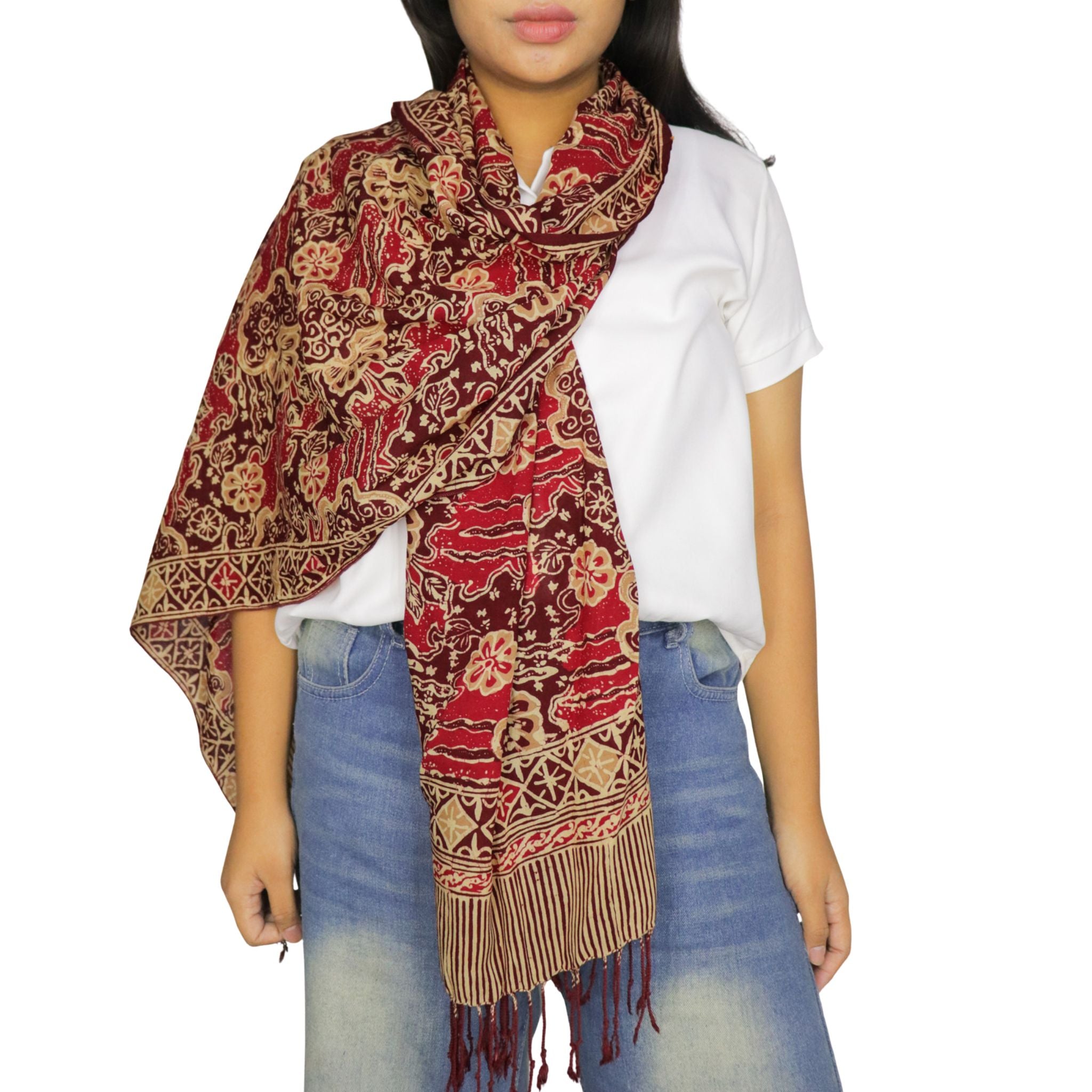
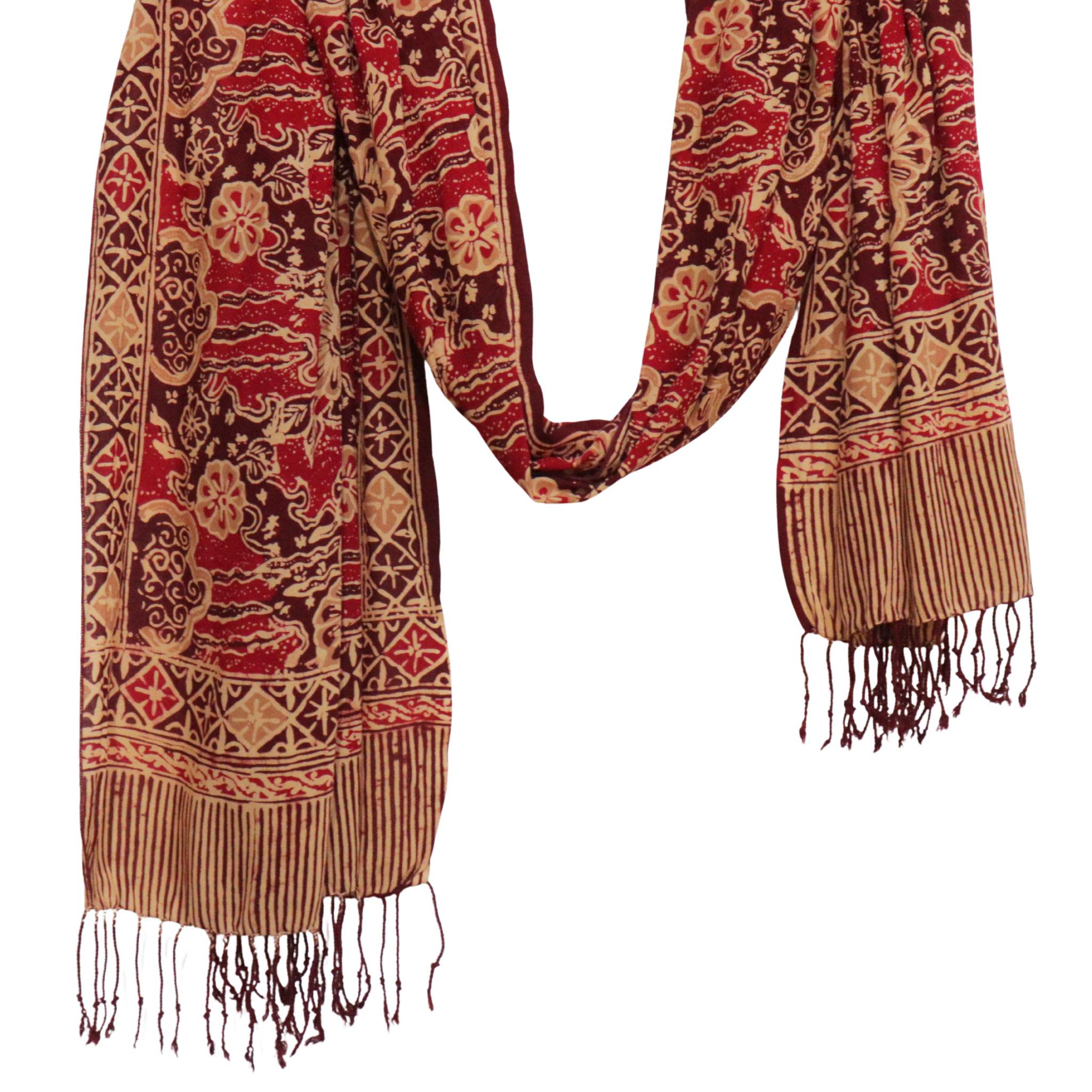
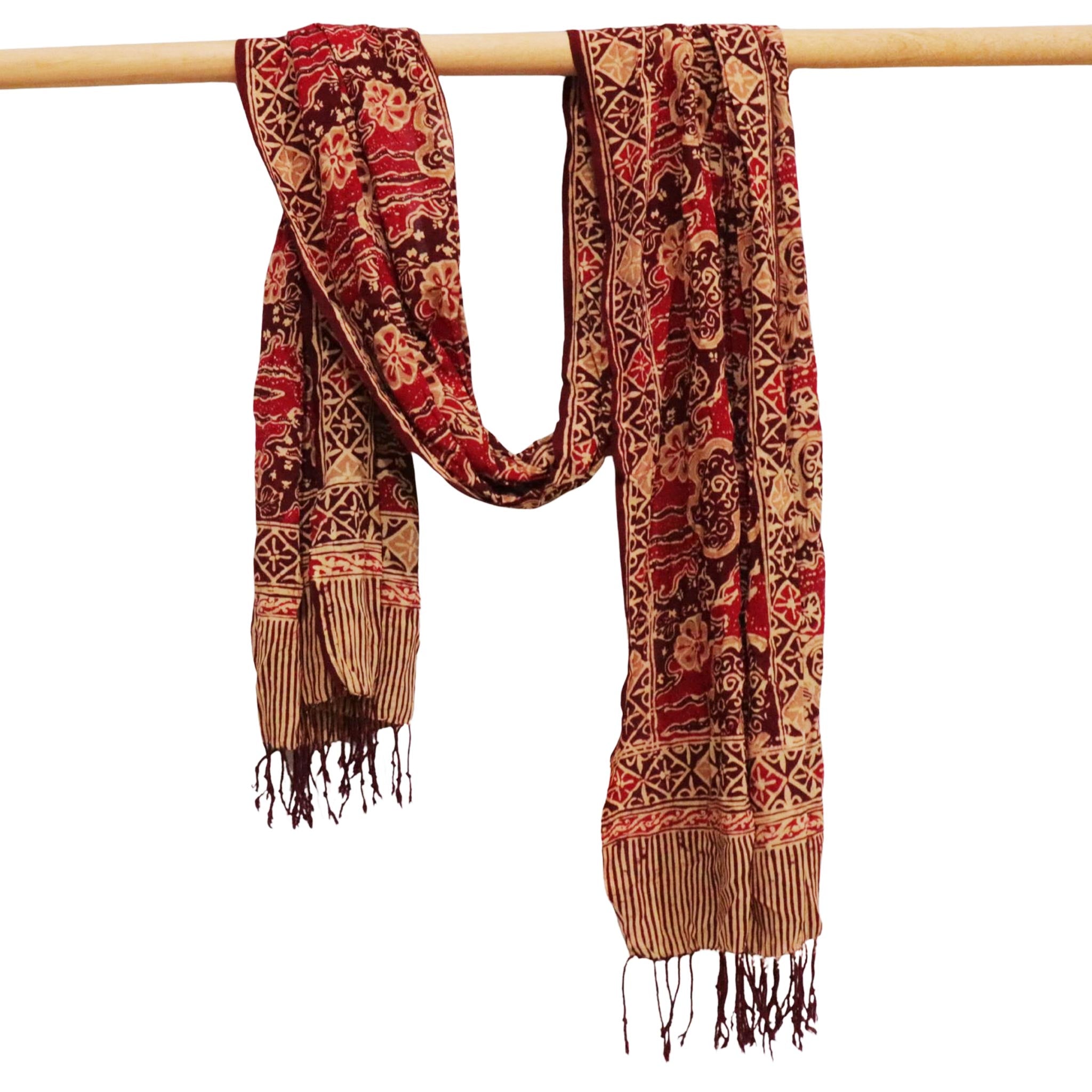
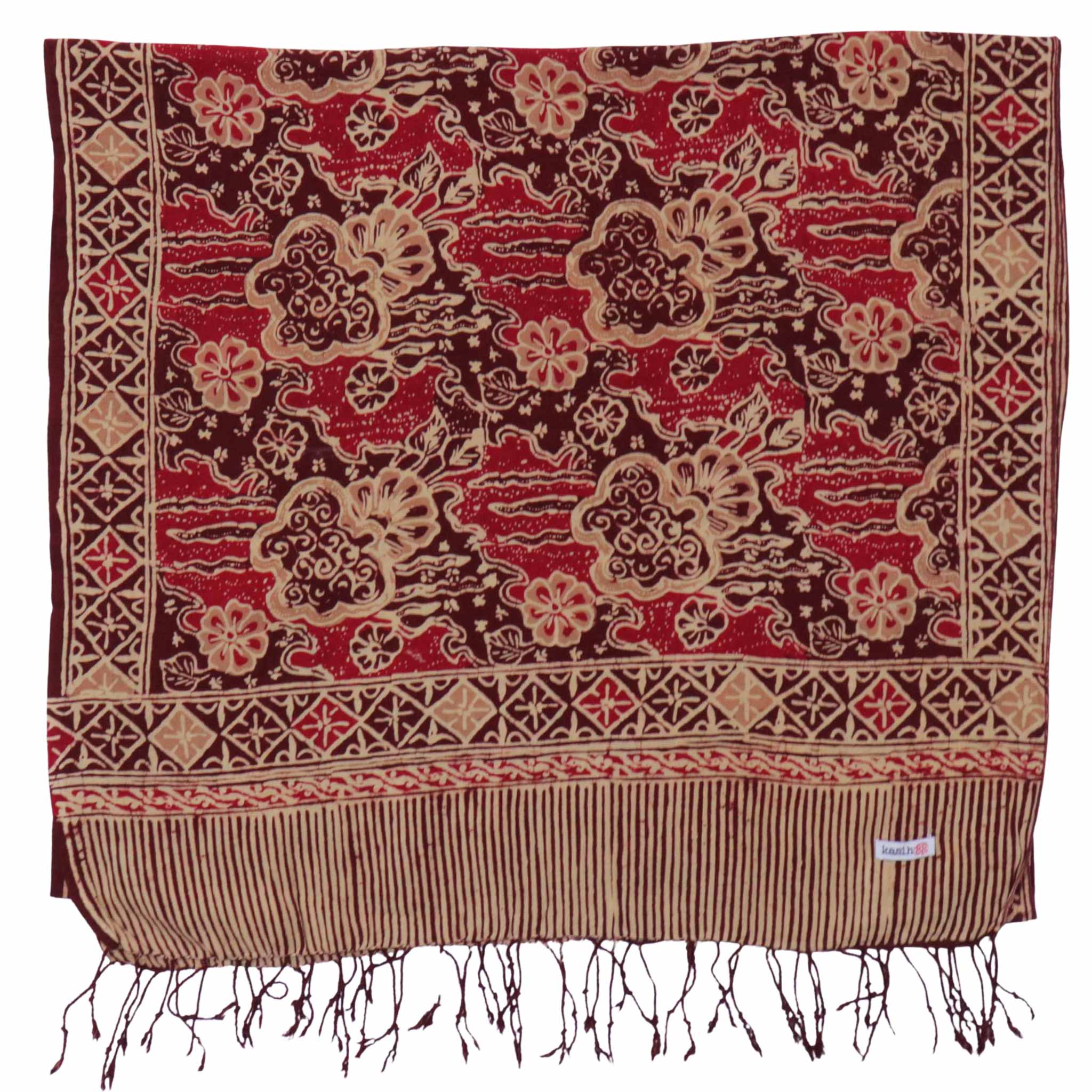
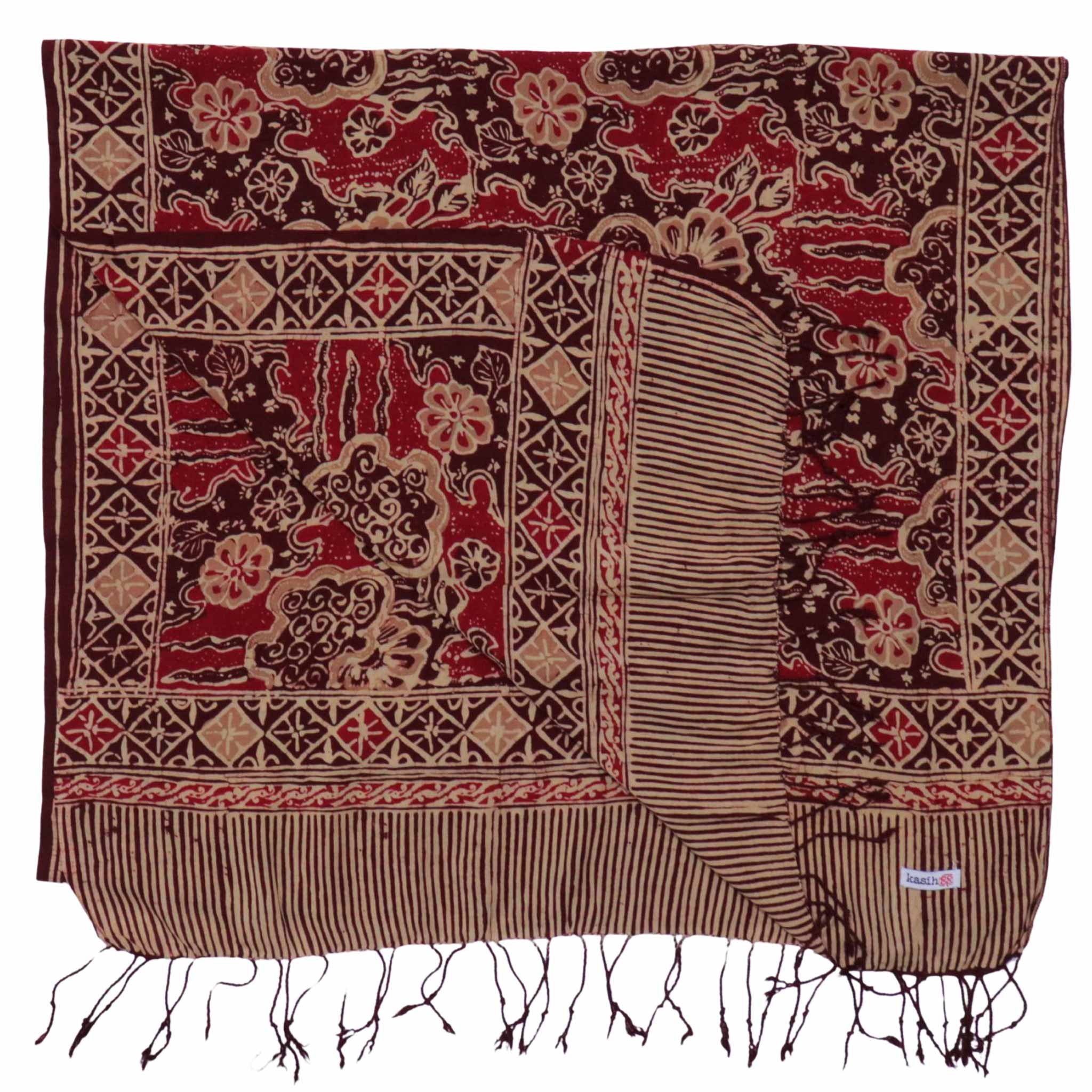
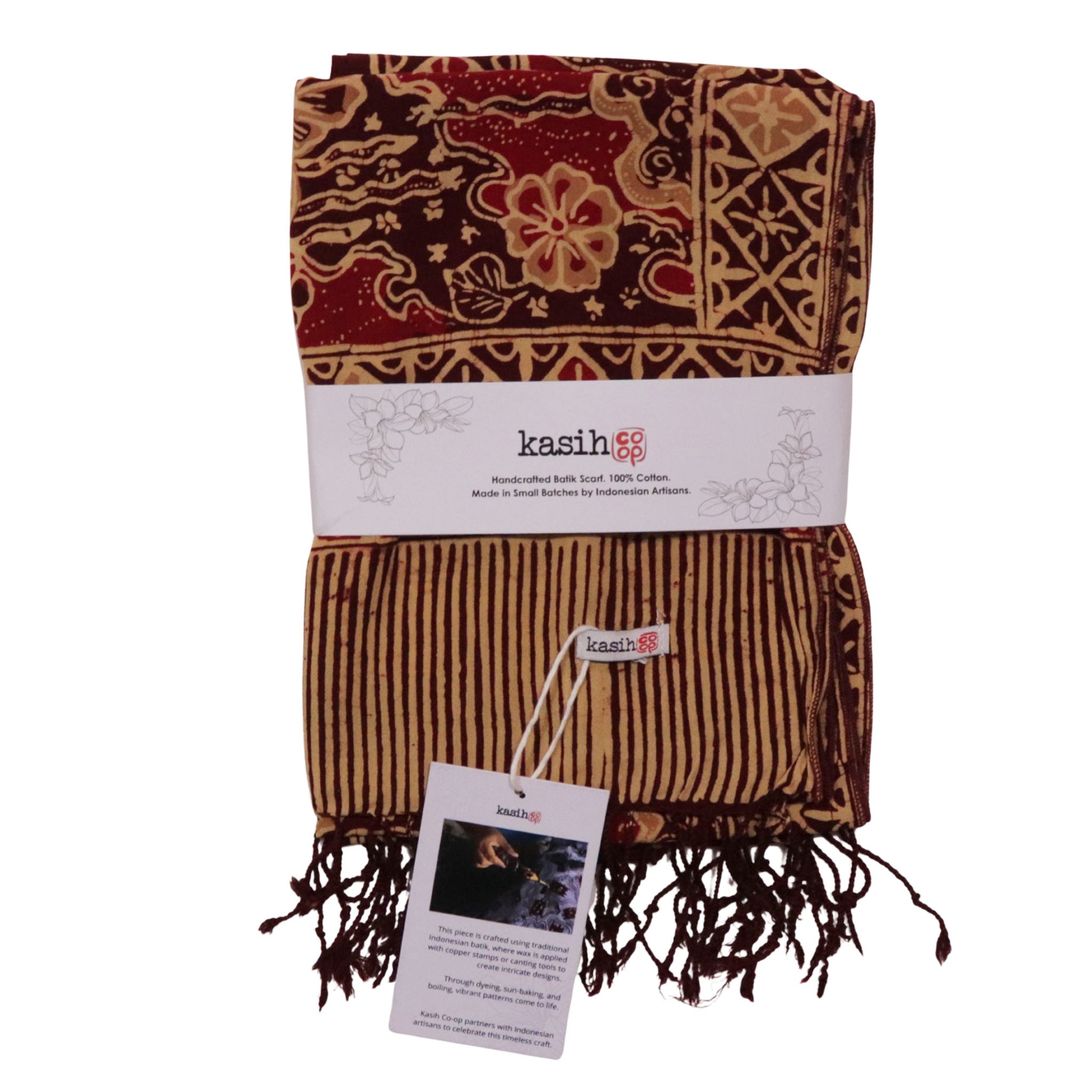
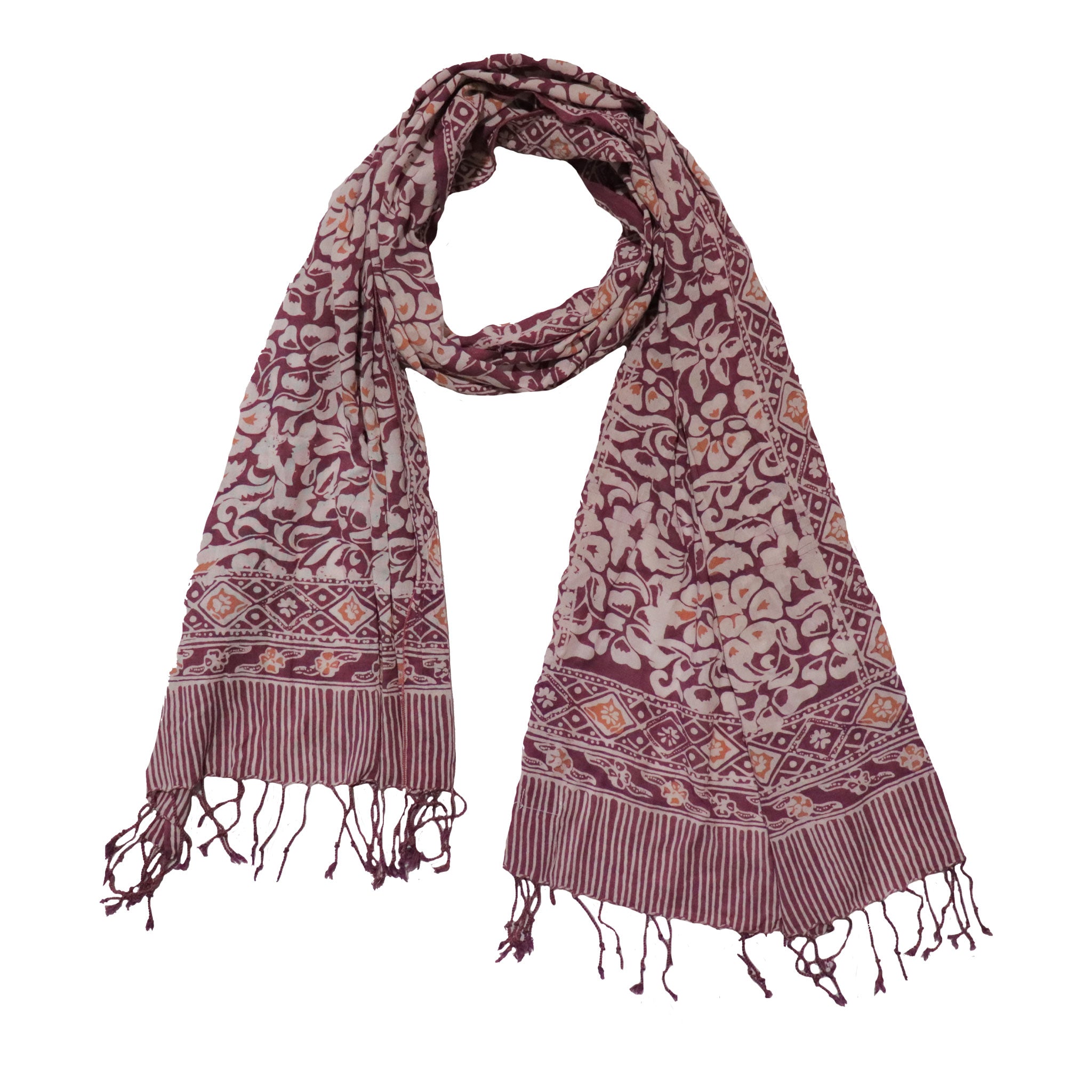
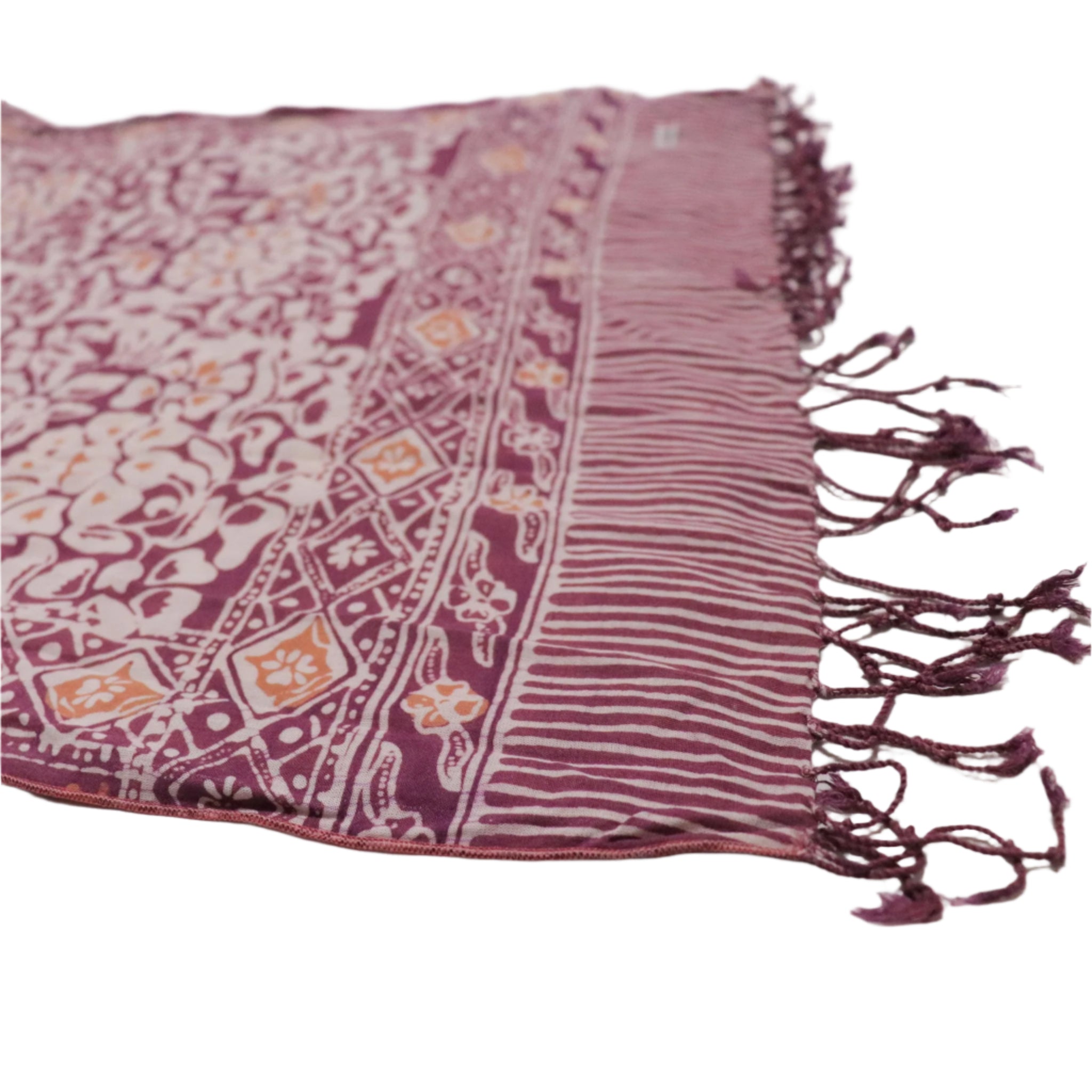
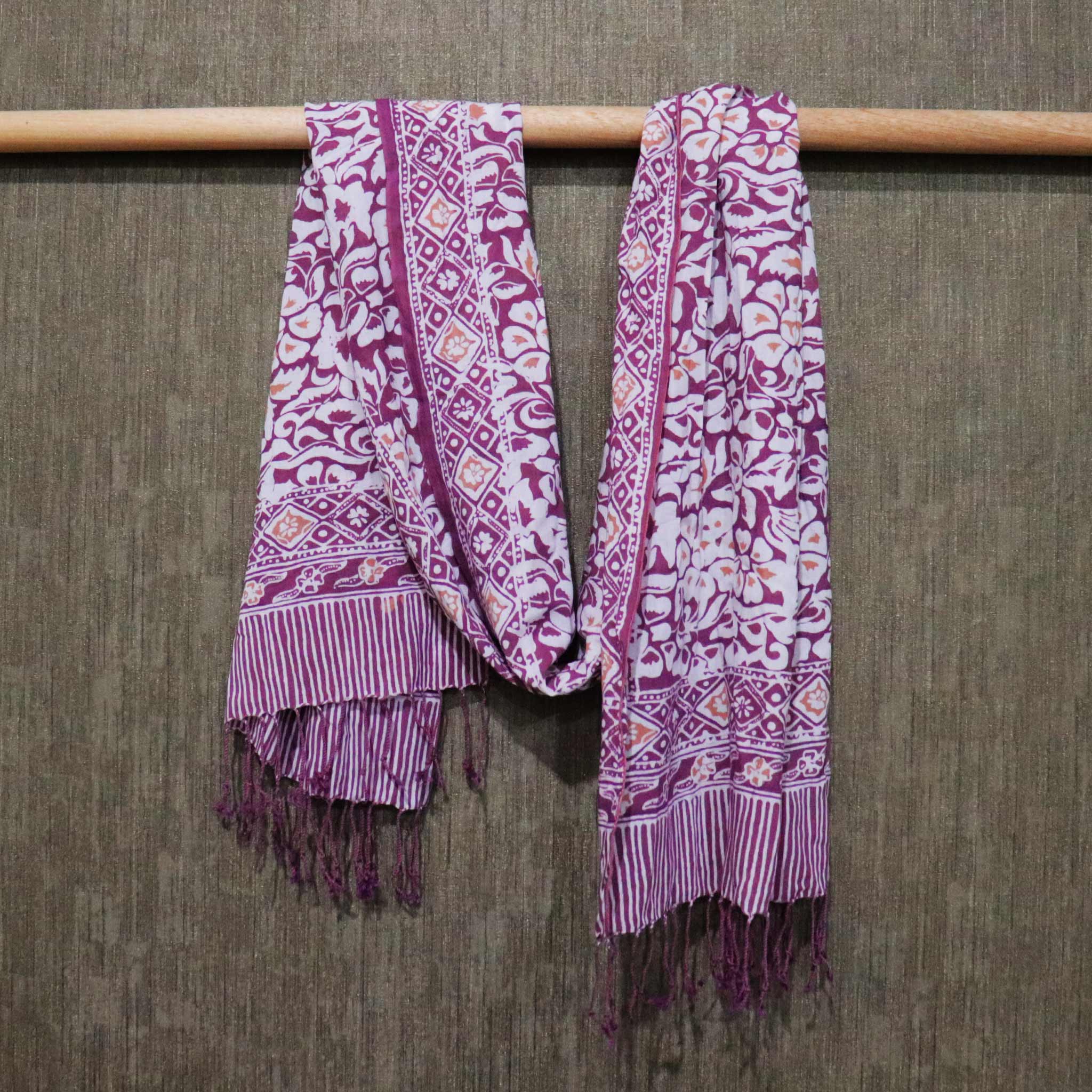
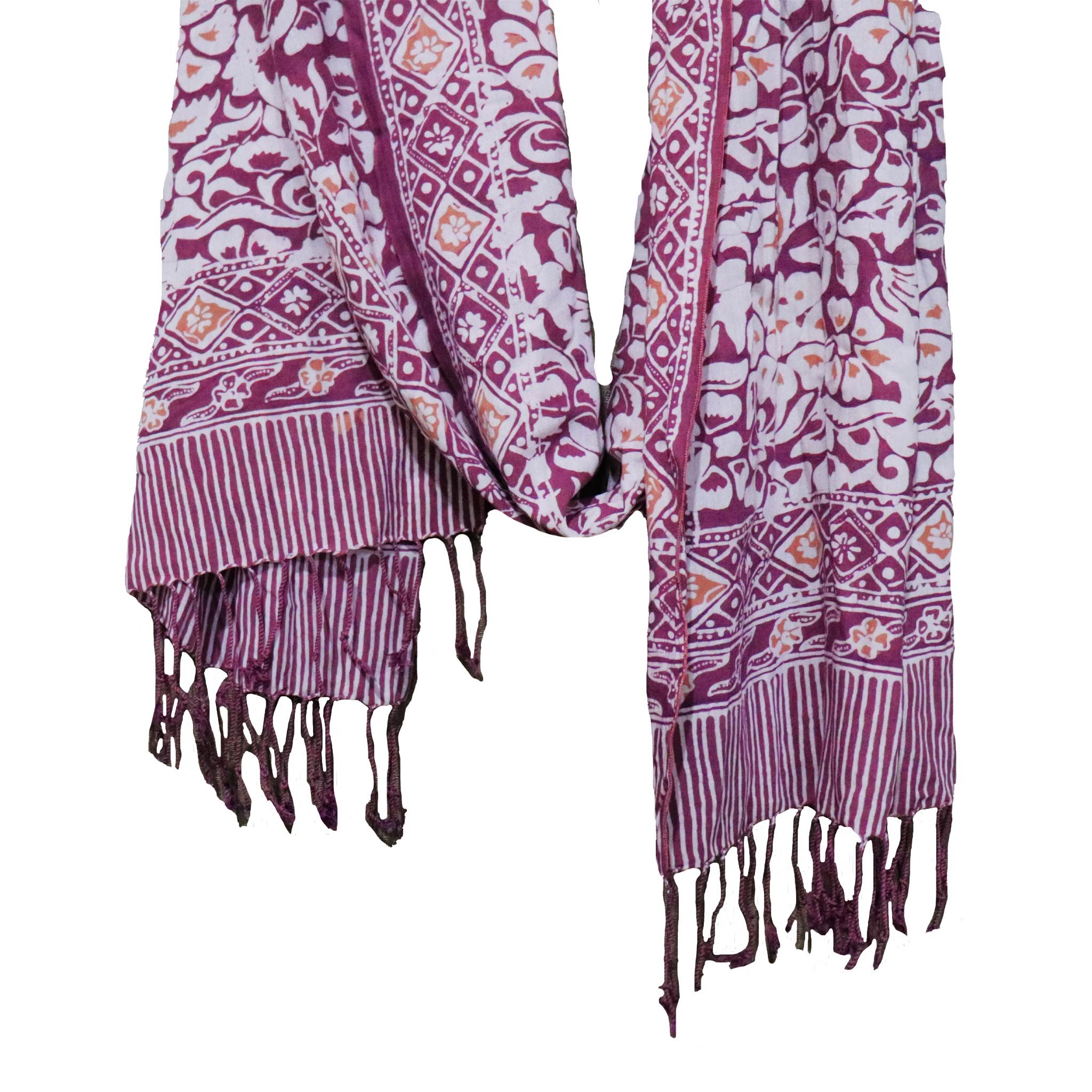
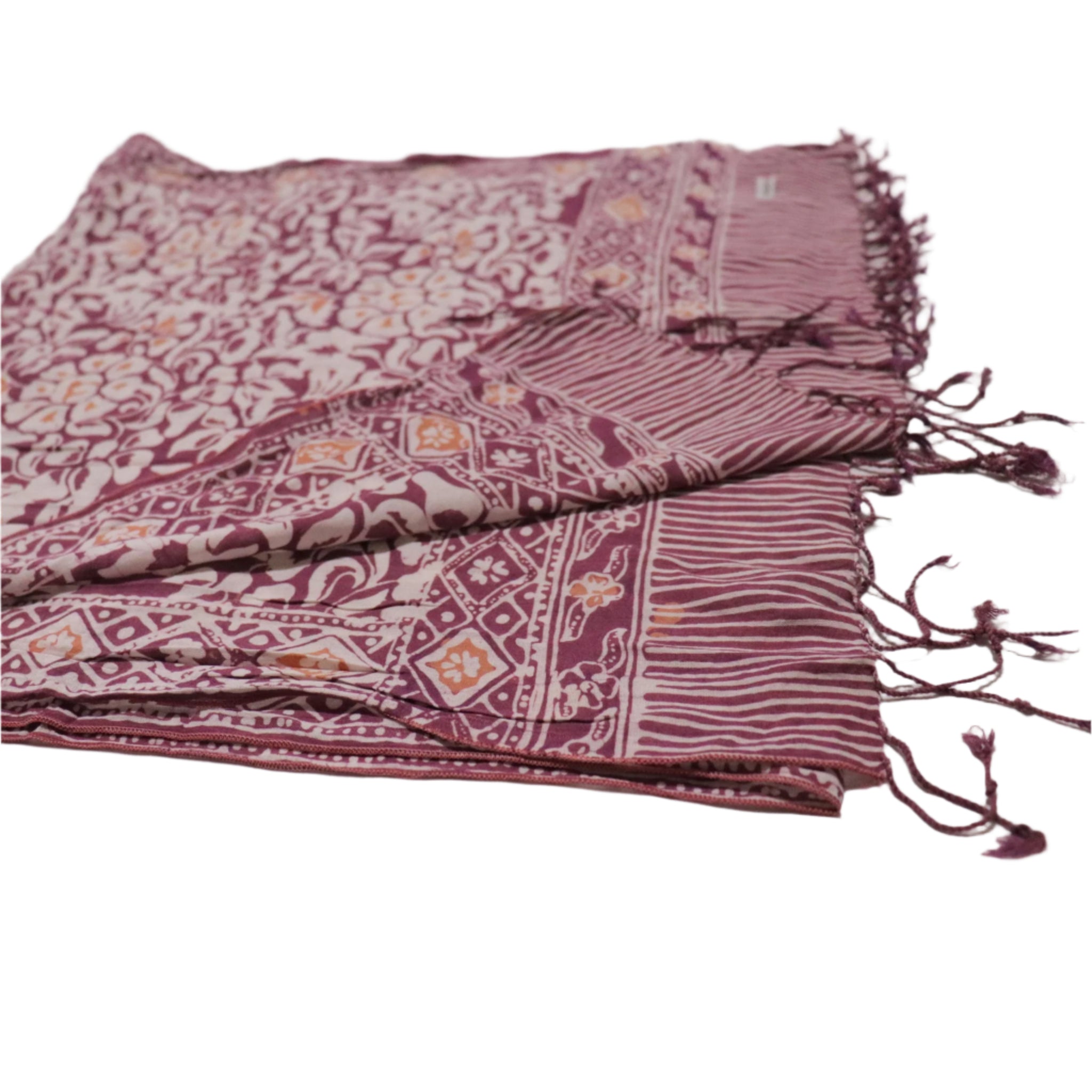
Un conseil pratique : emportez un foulard léger avant de partir. La plupart des temples exigeront que vous vous couvriez, et avoir le vôtre signifie que vous n'aurez pas à vous précipiter pour louer un sarong rêche à l'entrée. Nous avons un faible pour ces foulards en coton batik faits à la main de Kasih Co-op — légers, respirants, fabriqués par des artisans indonésiens. Il est juste d'apporter quelque chose fait avec ce genre de soin dans un endroit comme Bali.
Une dernière chose : donnez-vous plus de temps que vous ne le pensez
La plupart des gens essaient de trop en faire lors d'un voyage à Bali — Ubud, Seminyak, Nusa Penida, Uluwatu, tout cela en cinq jours. Vous passerez la moitié de votre temps en transit et partirez avec l'impression d'avoir été pressé. Choisissez deux ou trois zones, allez plus lentement, et vous vous souviendrez réellement de ce que vous avez vu. Bali récompense ceux qui ne sont pas pressés.
Bali en vaut à 100 % la peine — tant que vous savez à quoi vous attendre.
Gardez ça avant votre voyage.