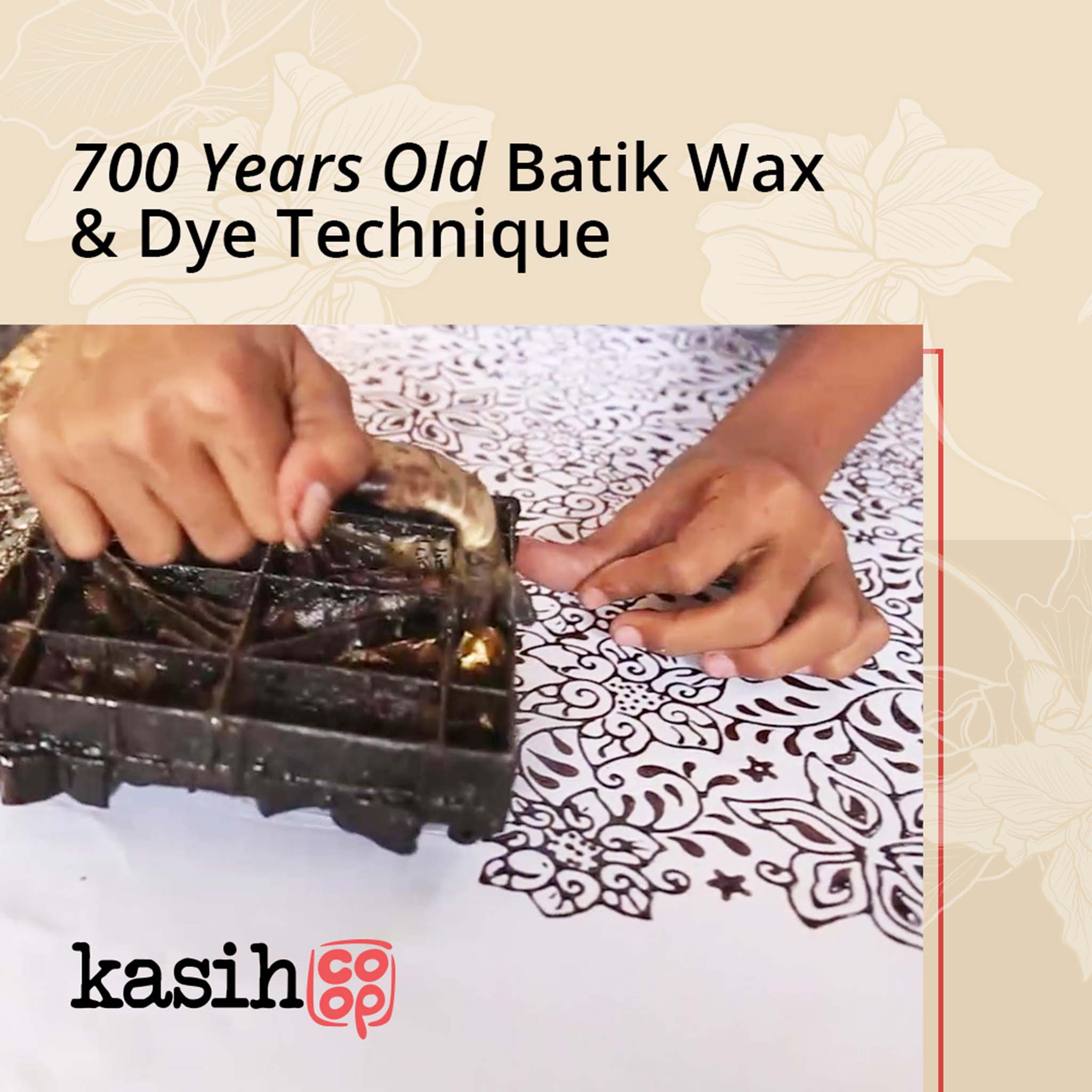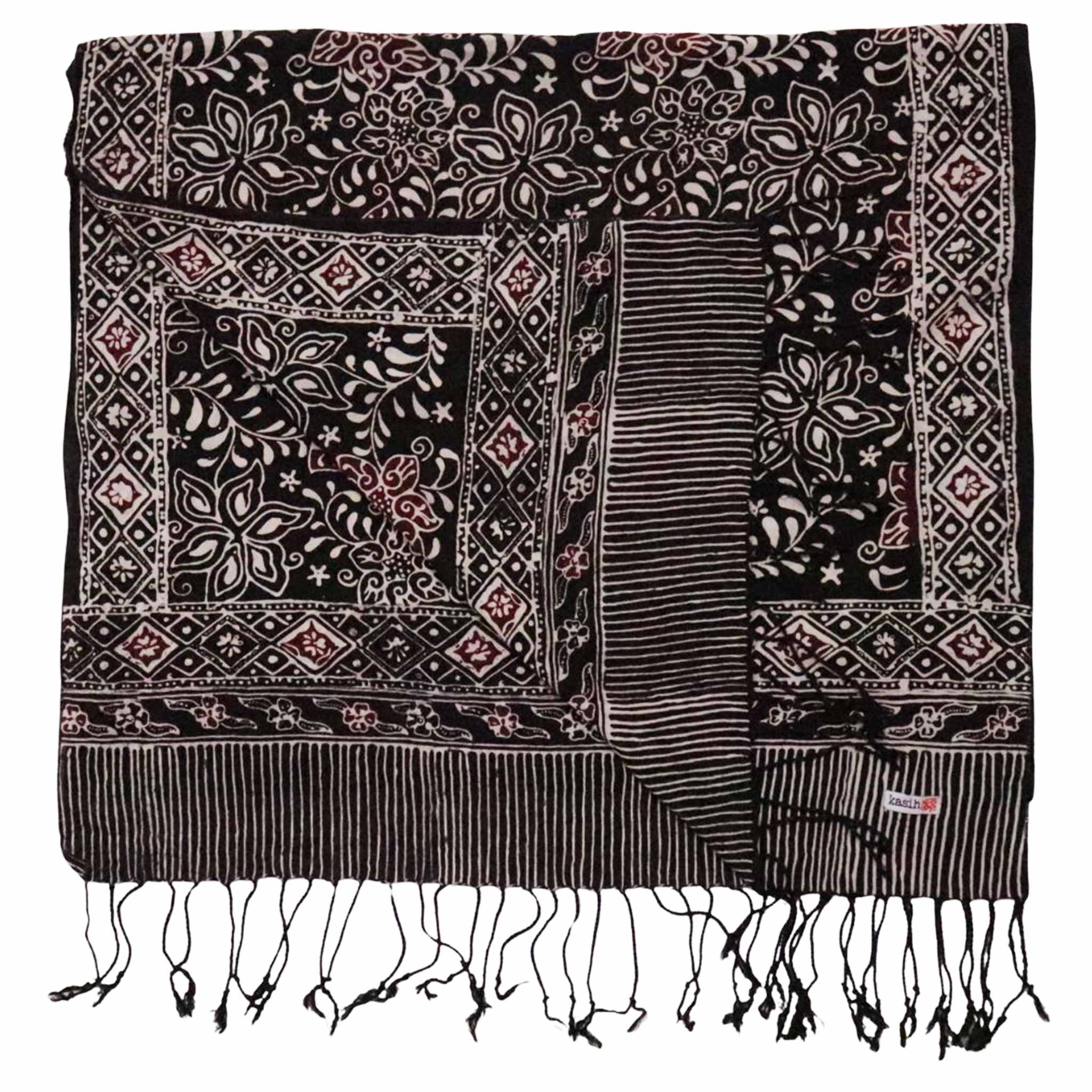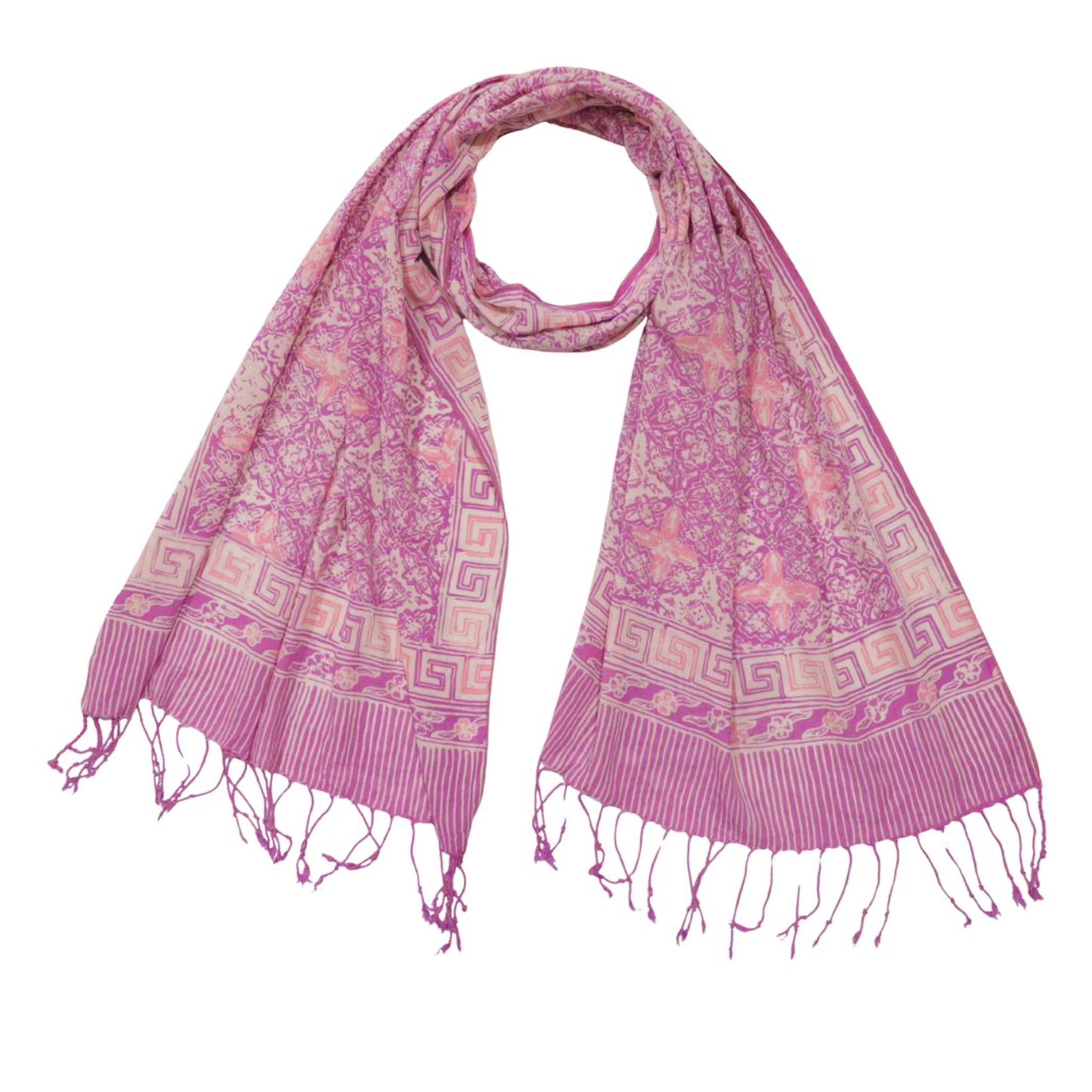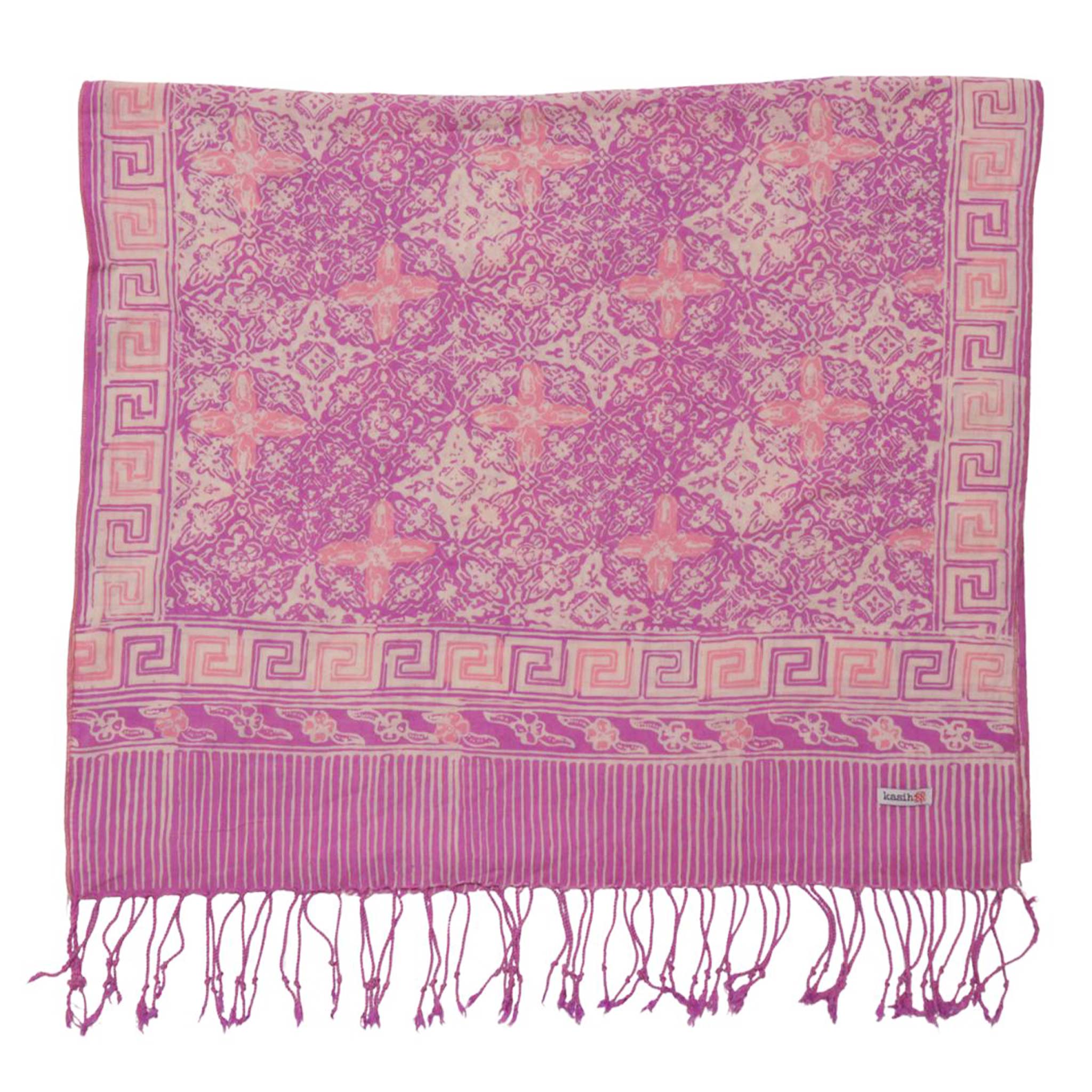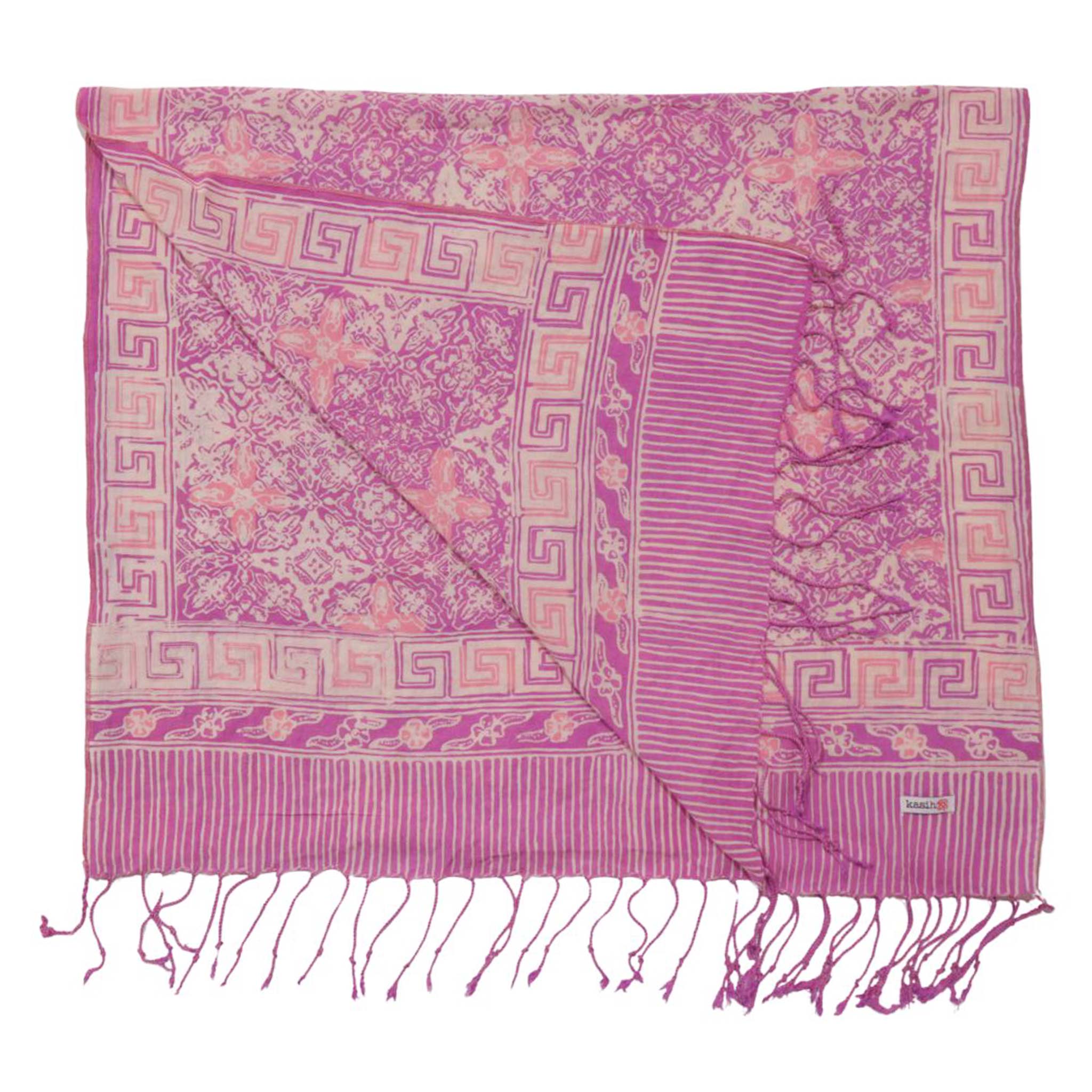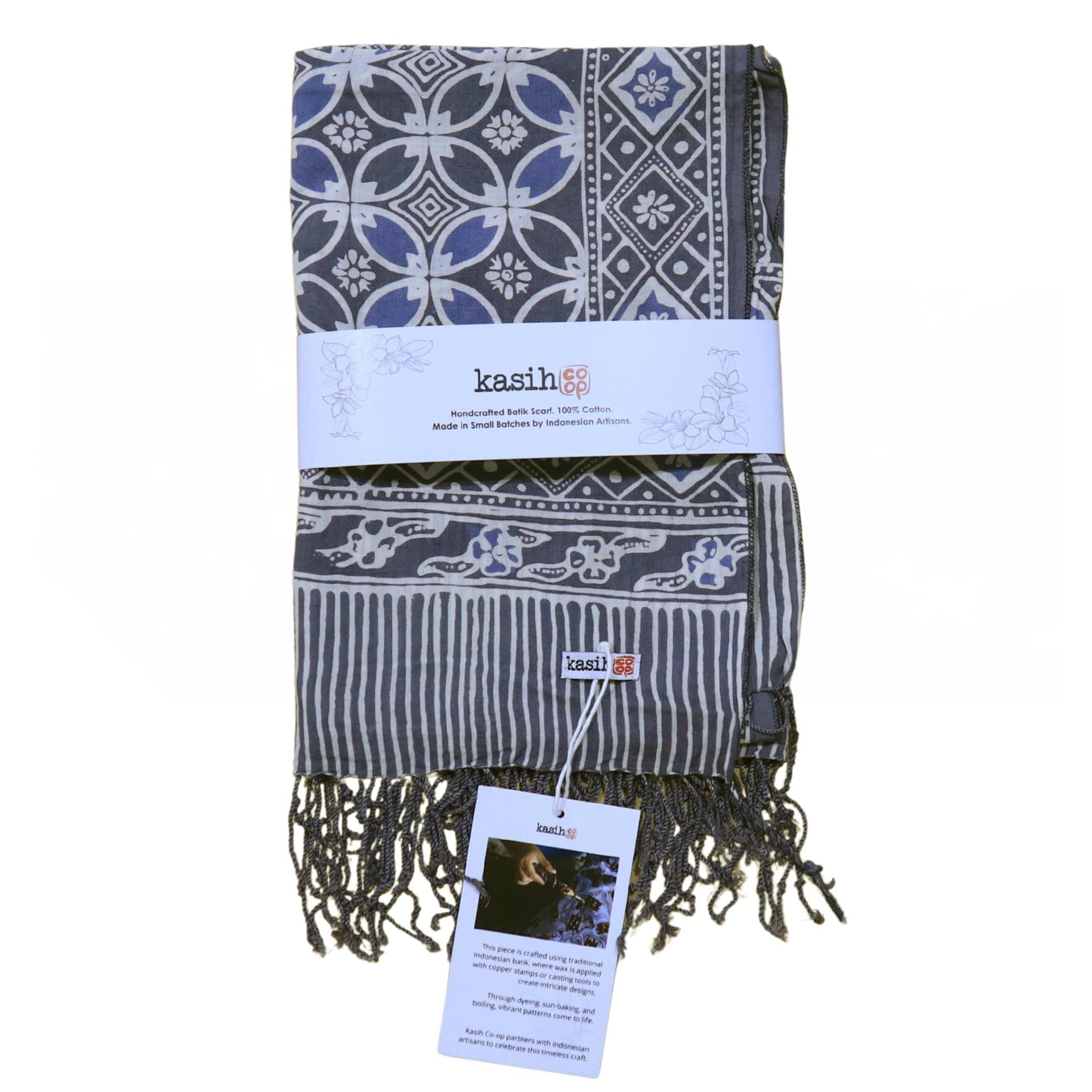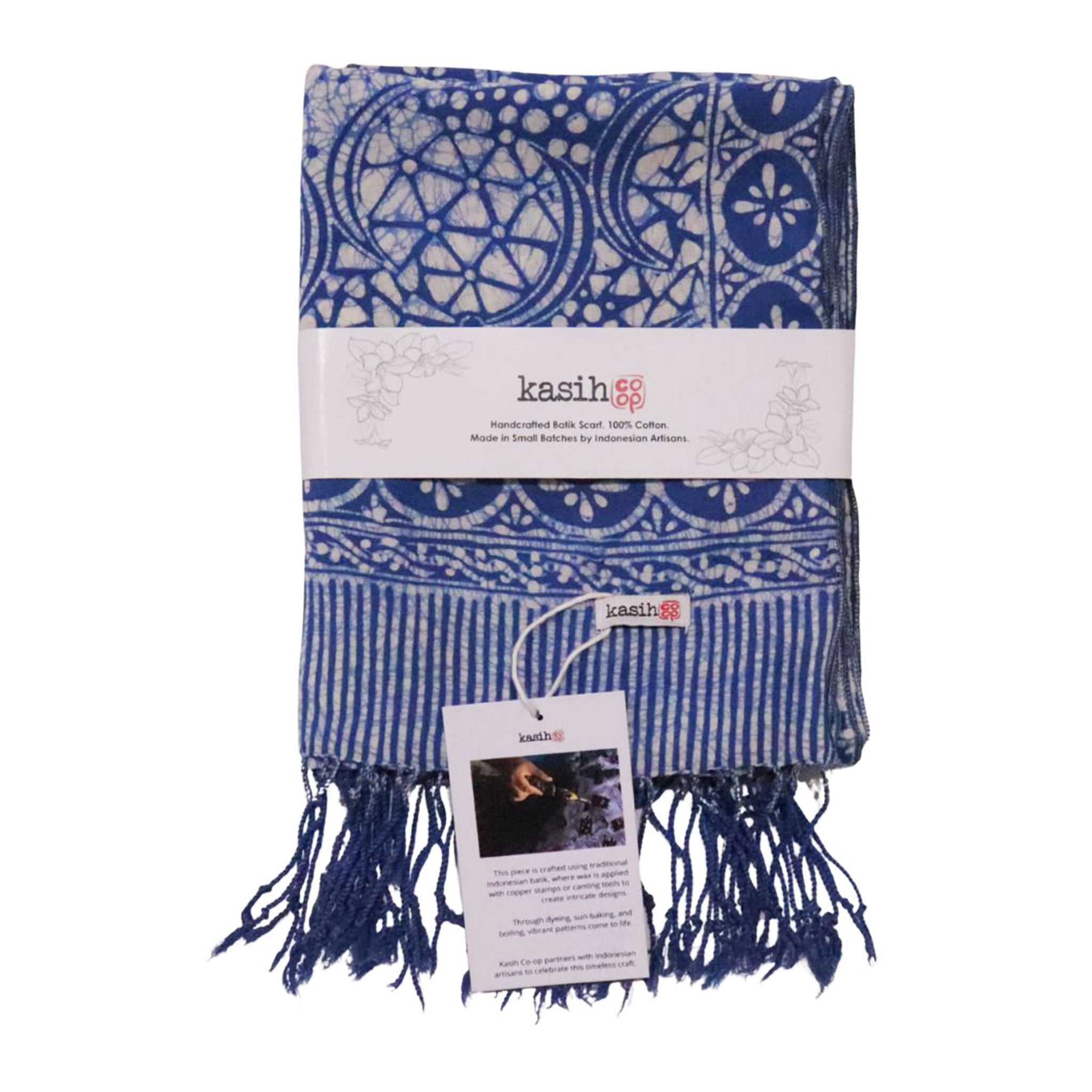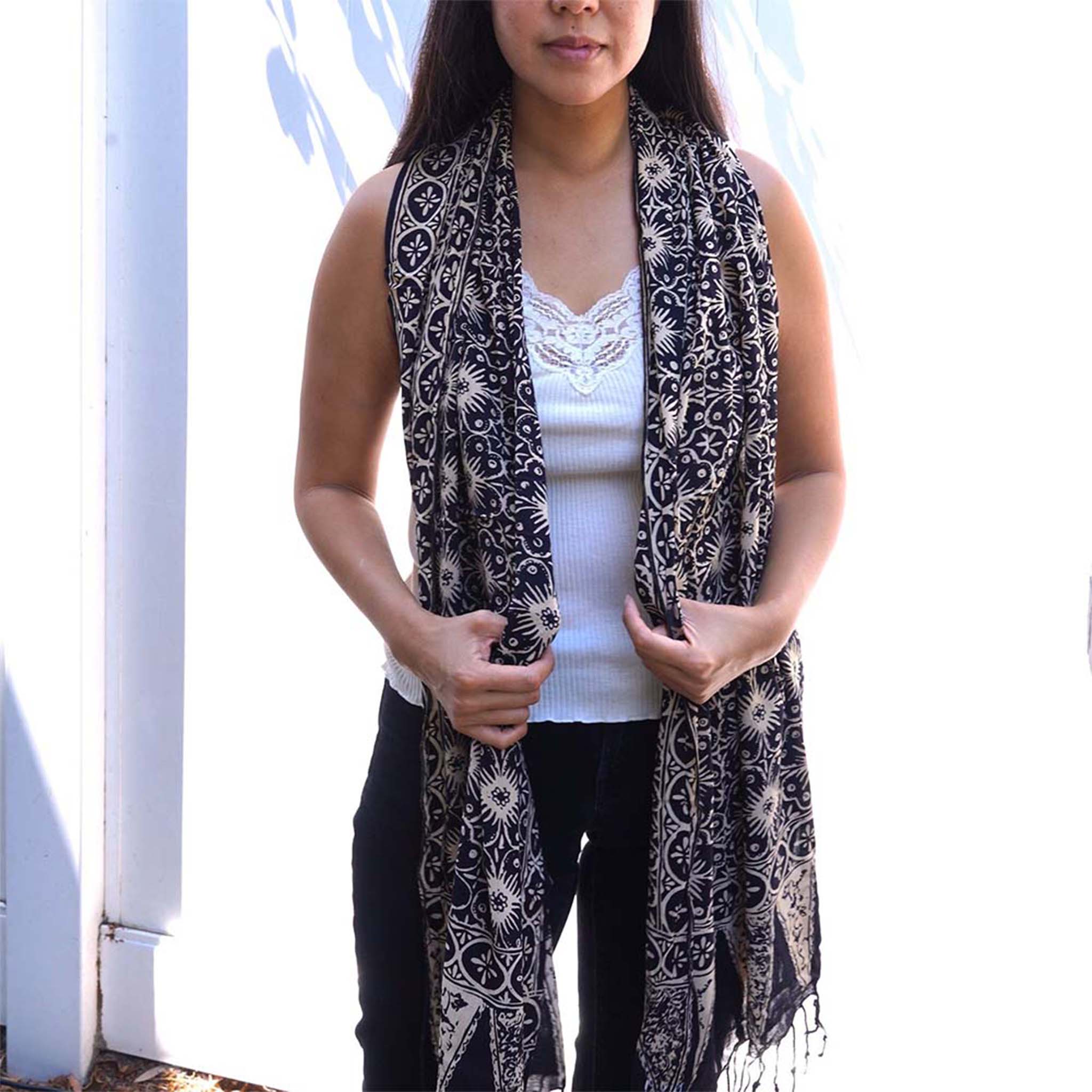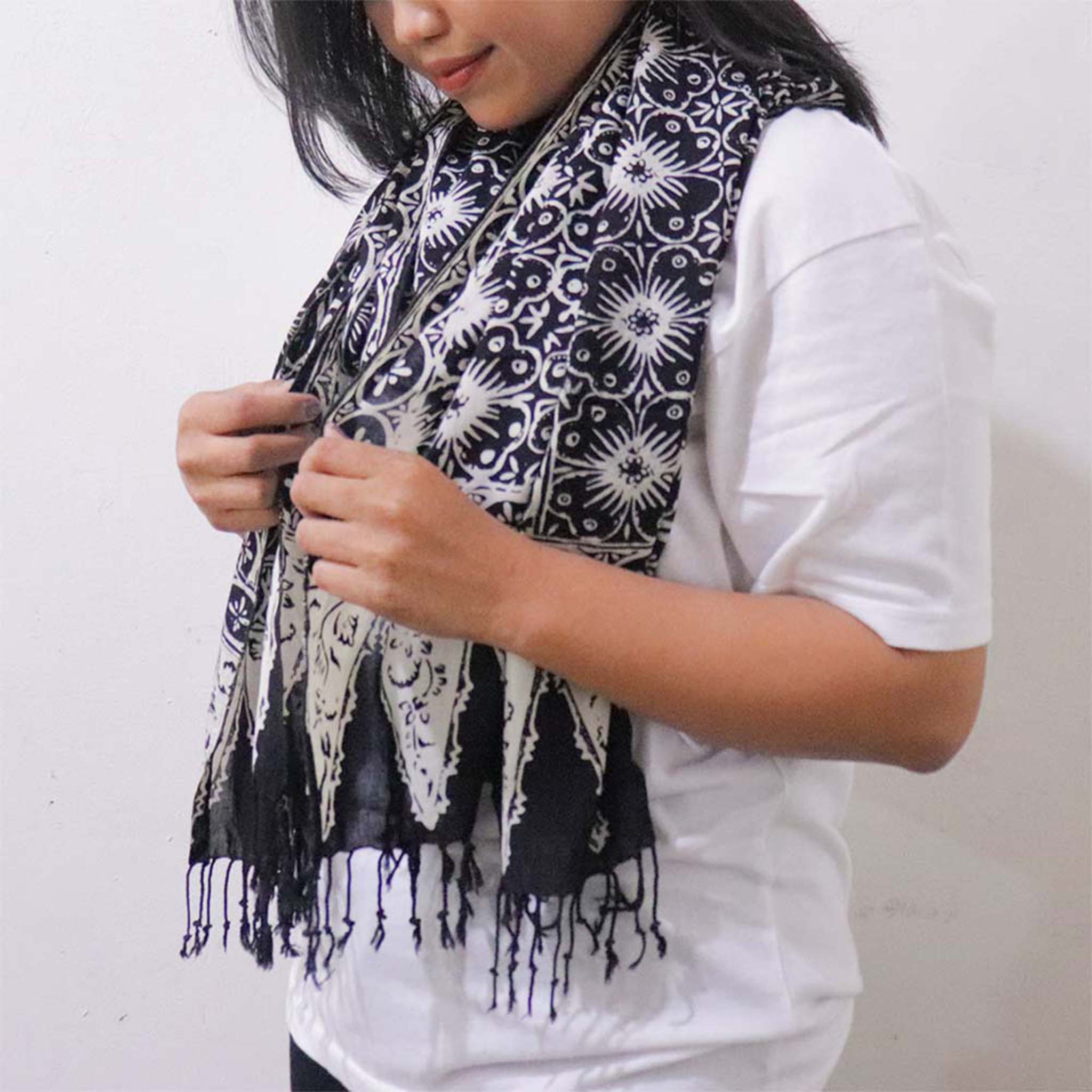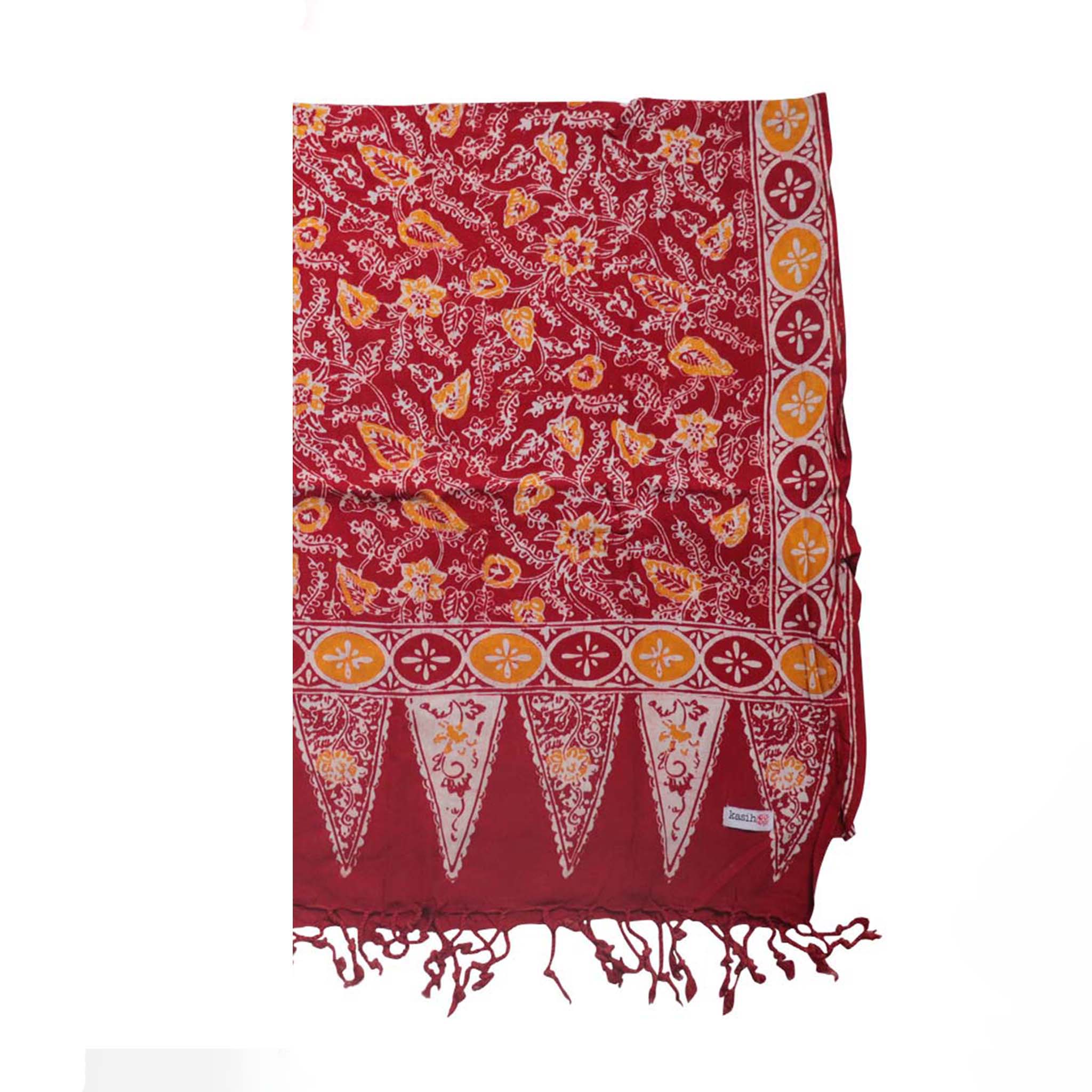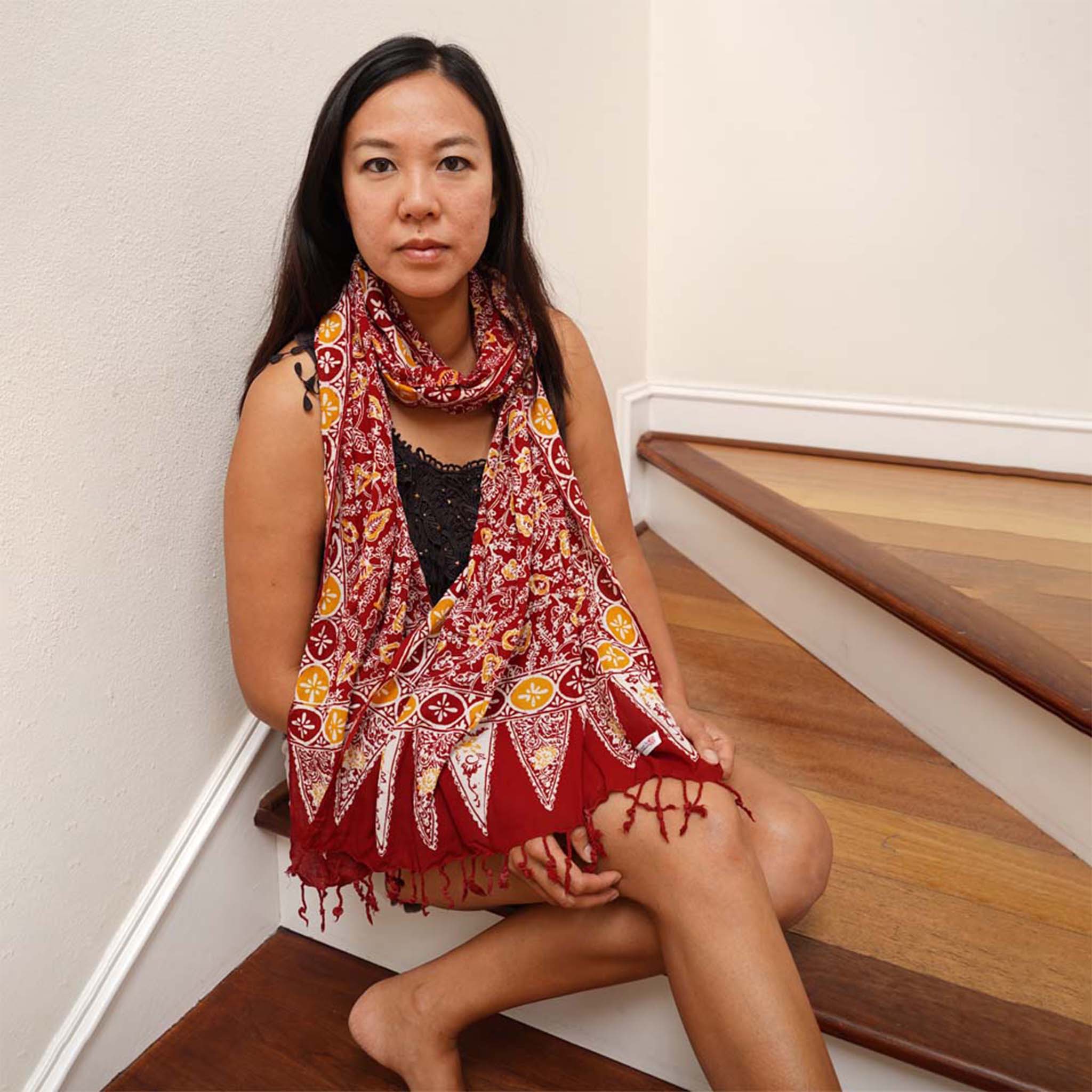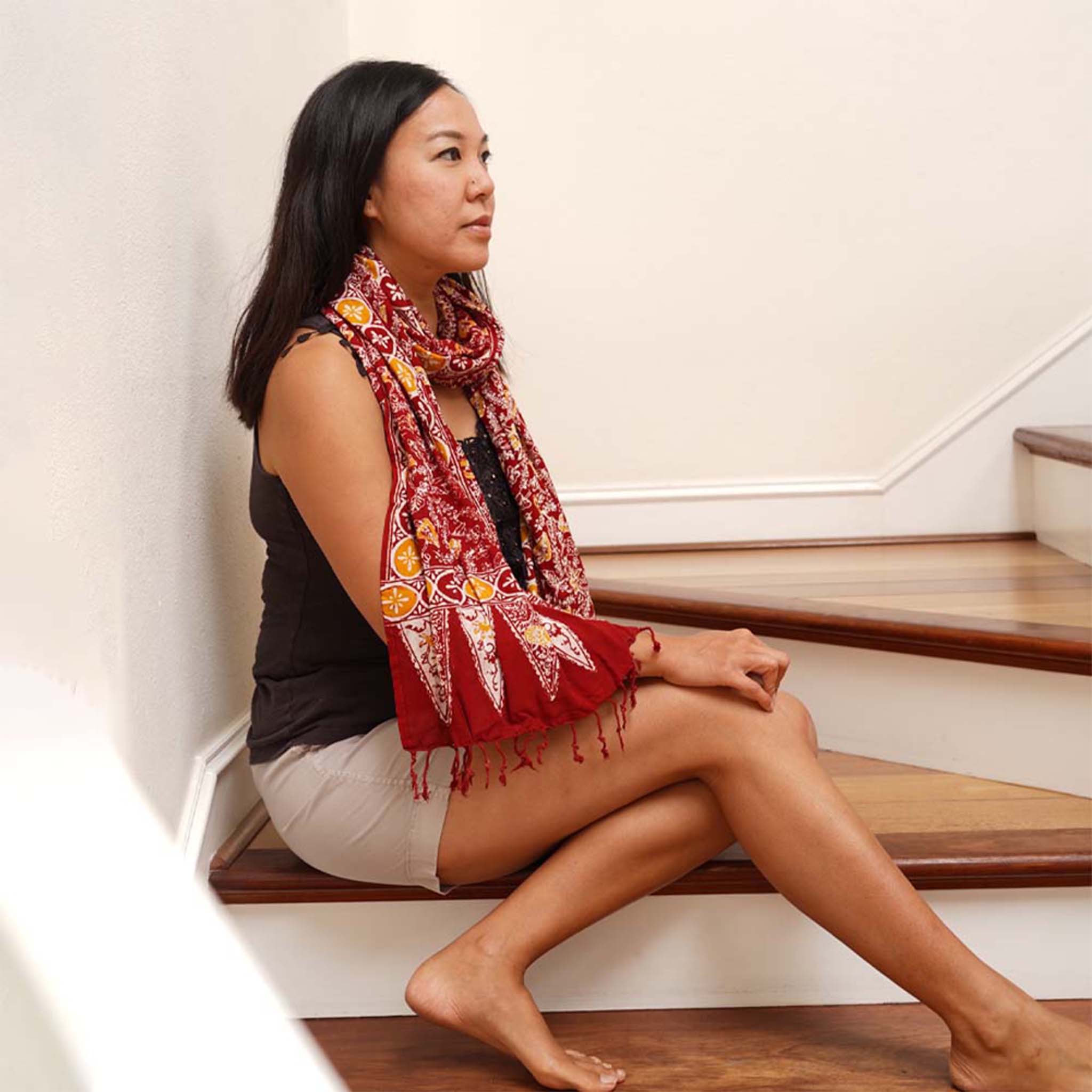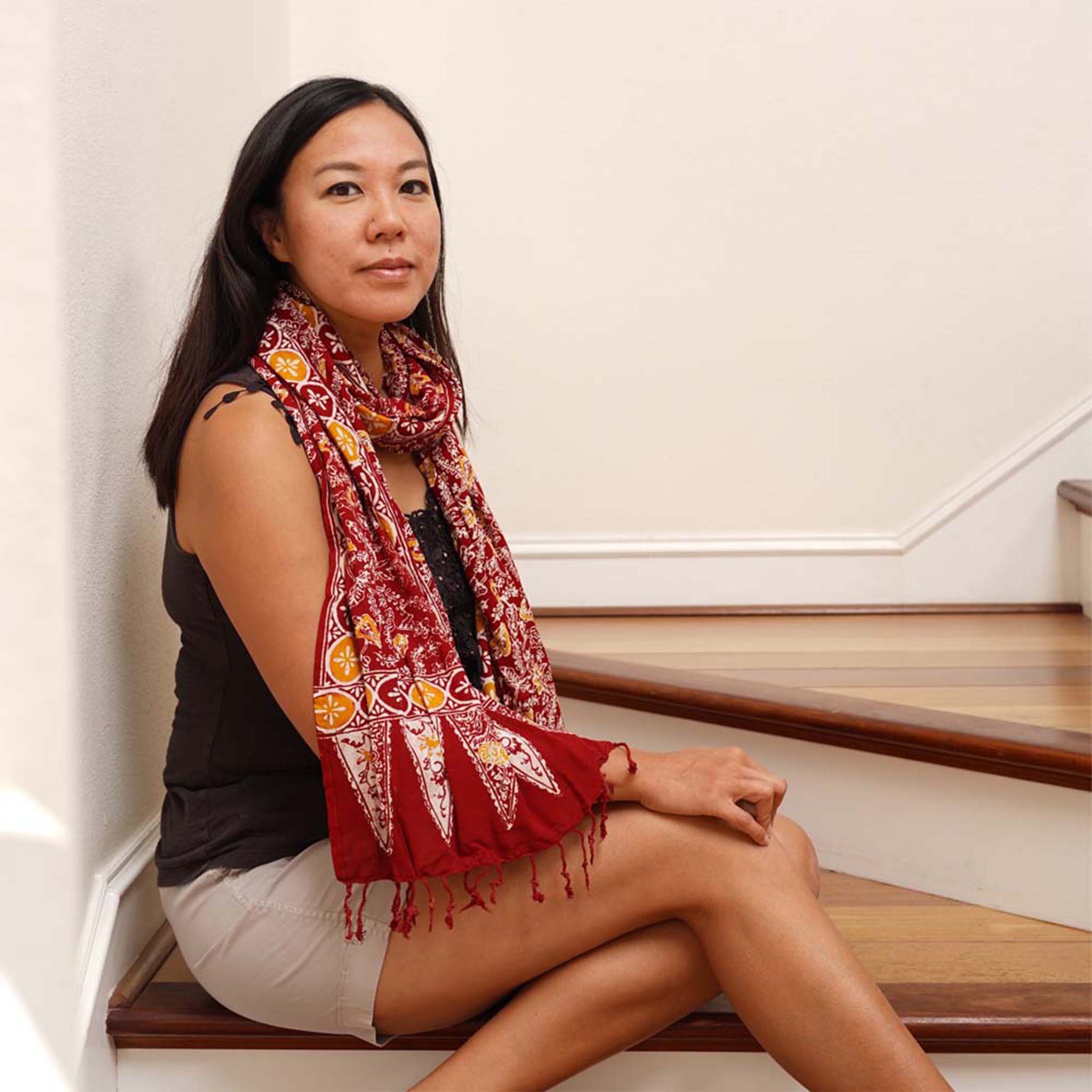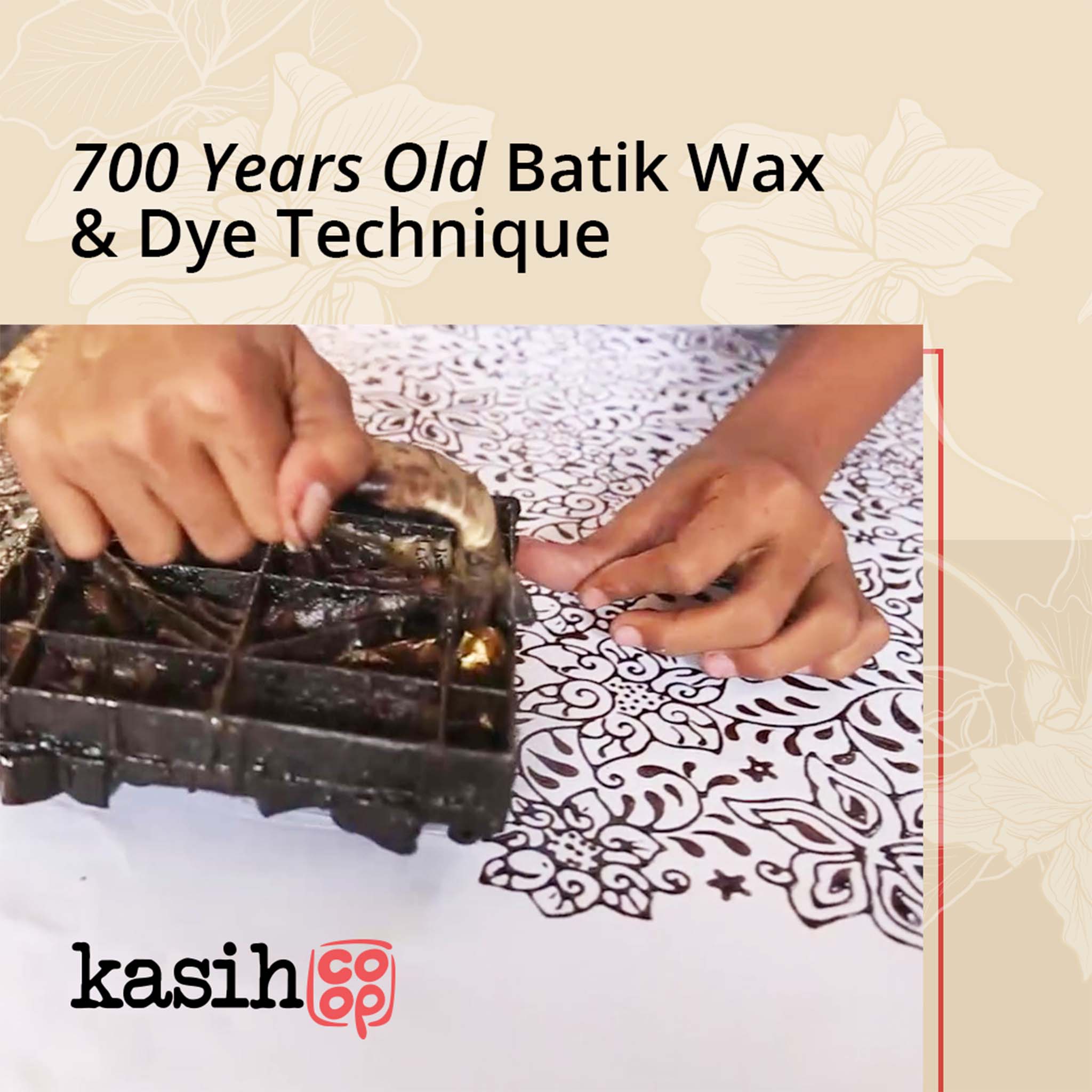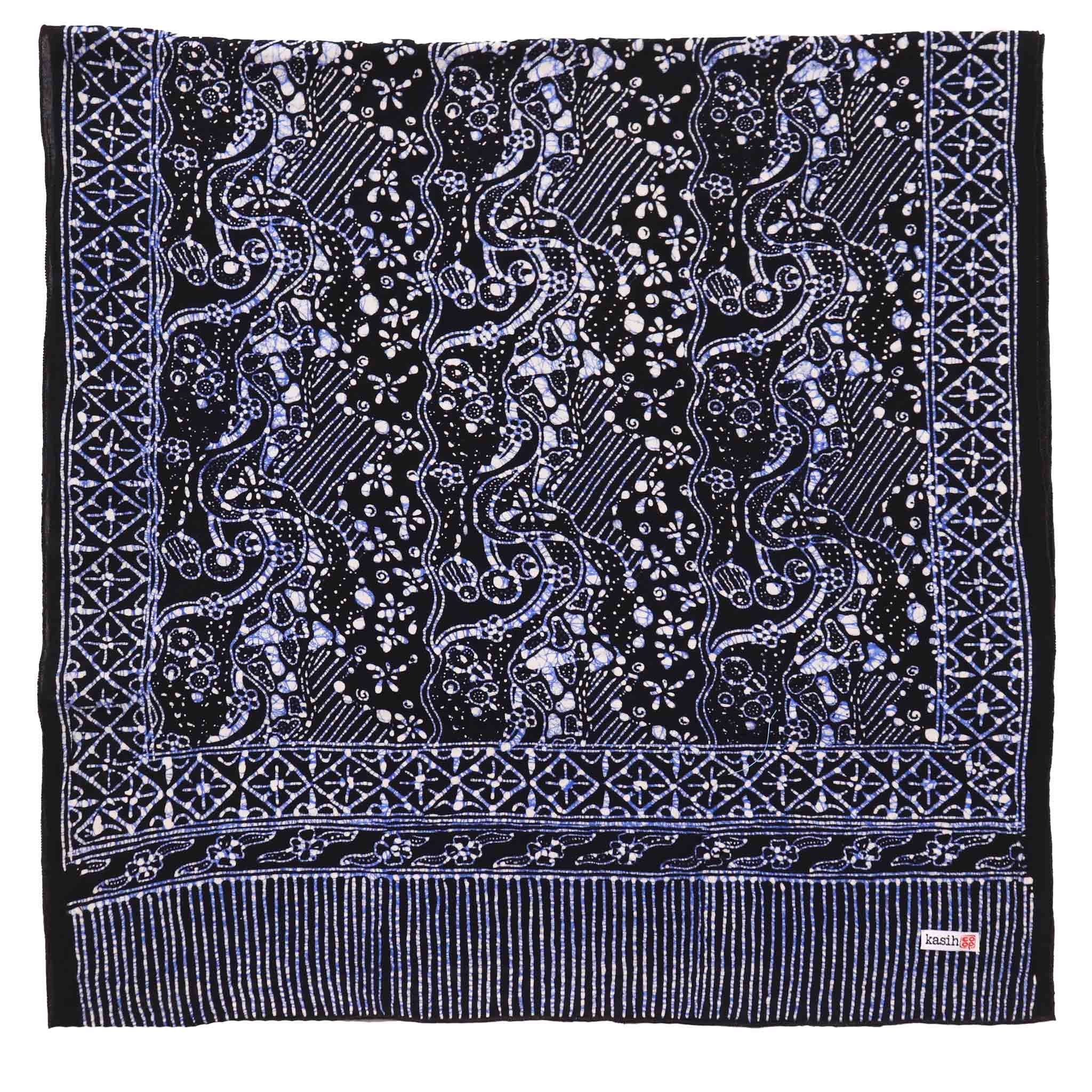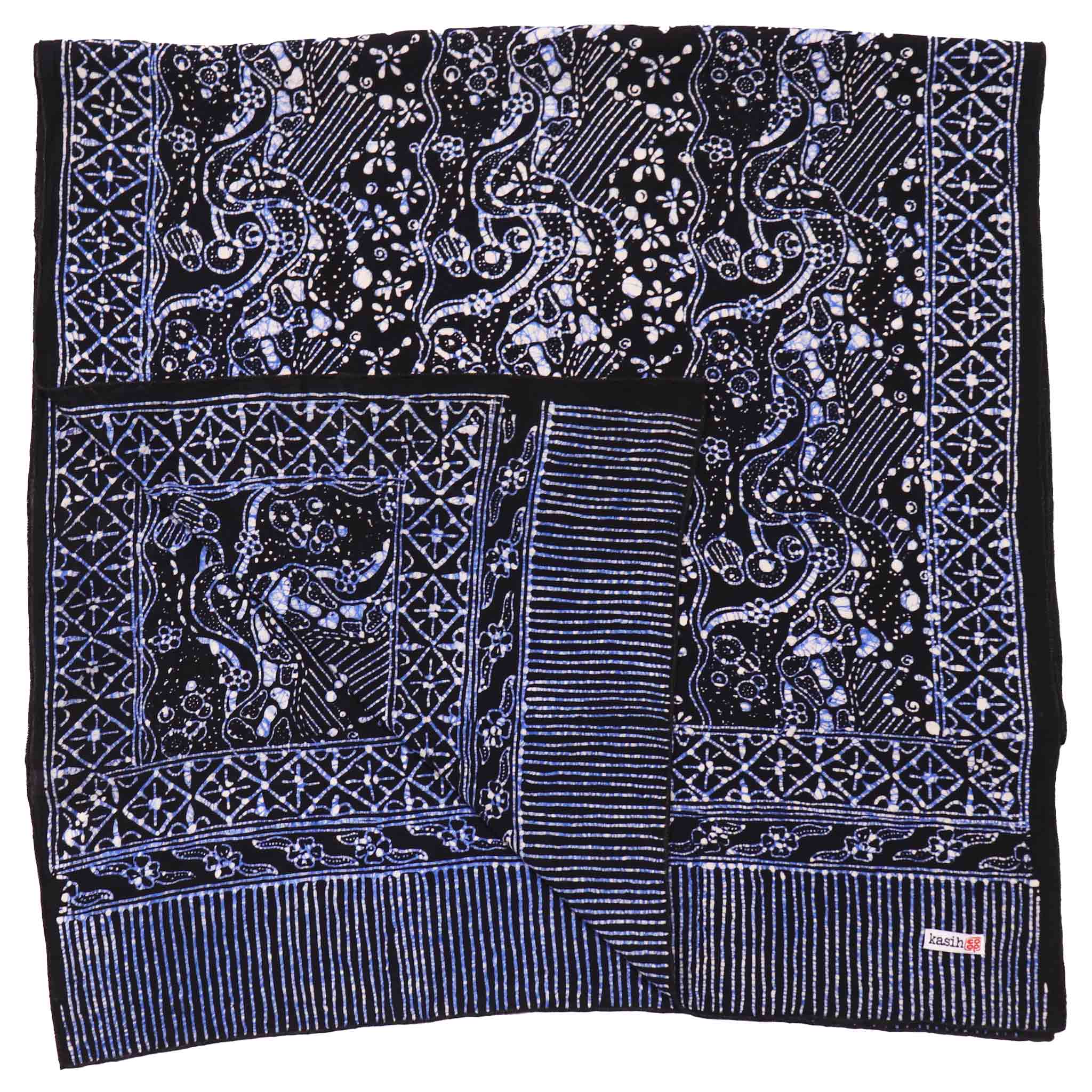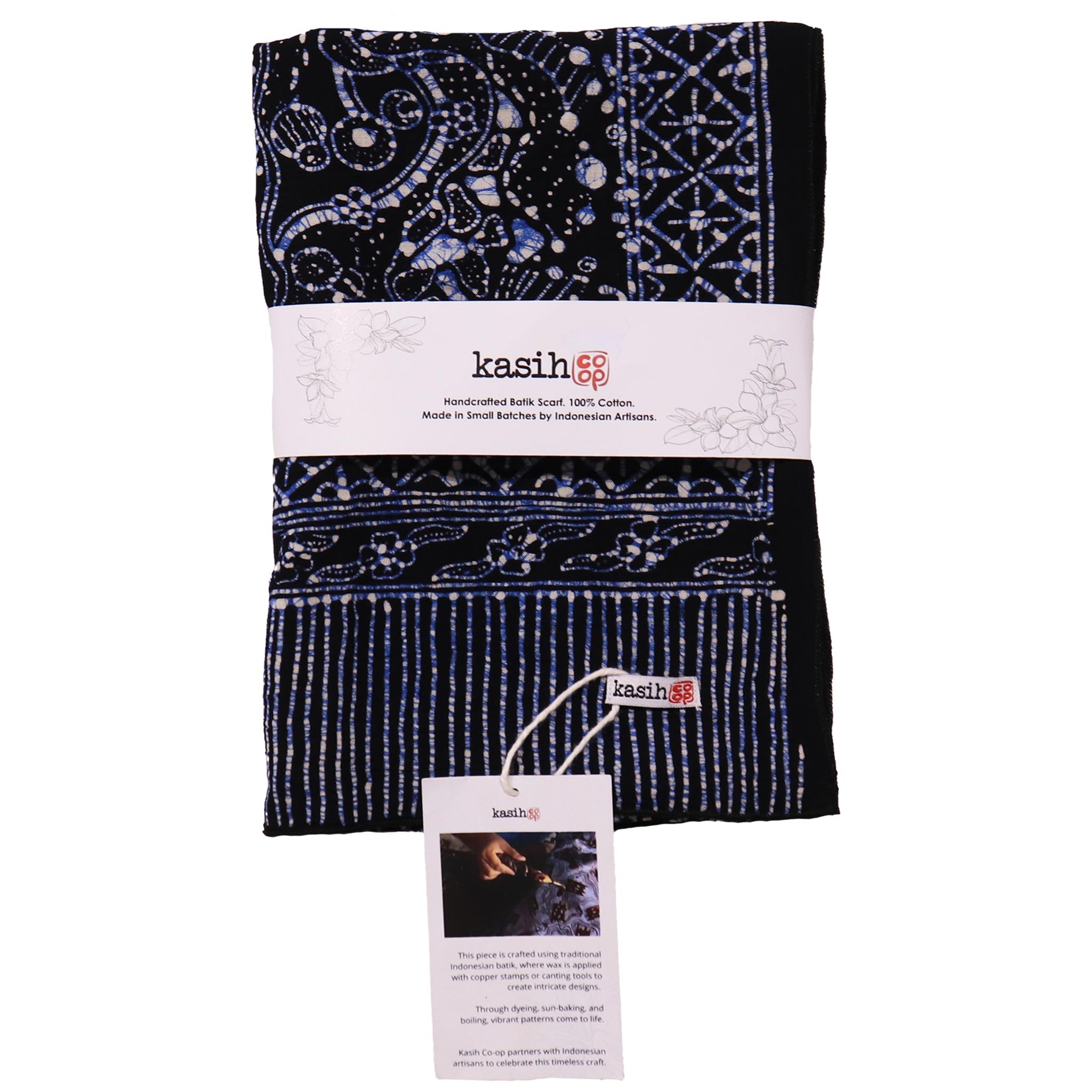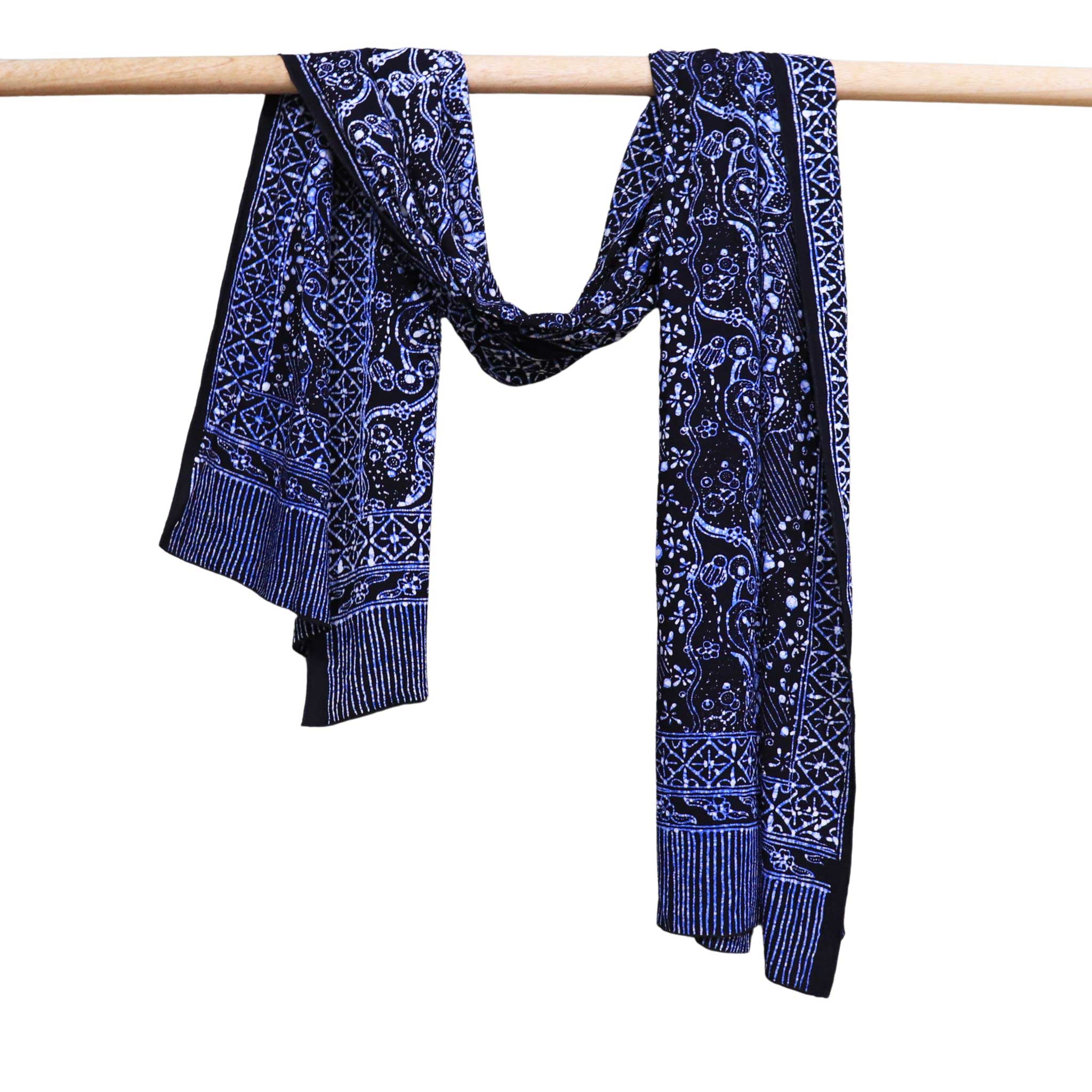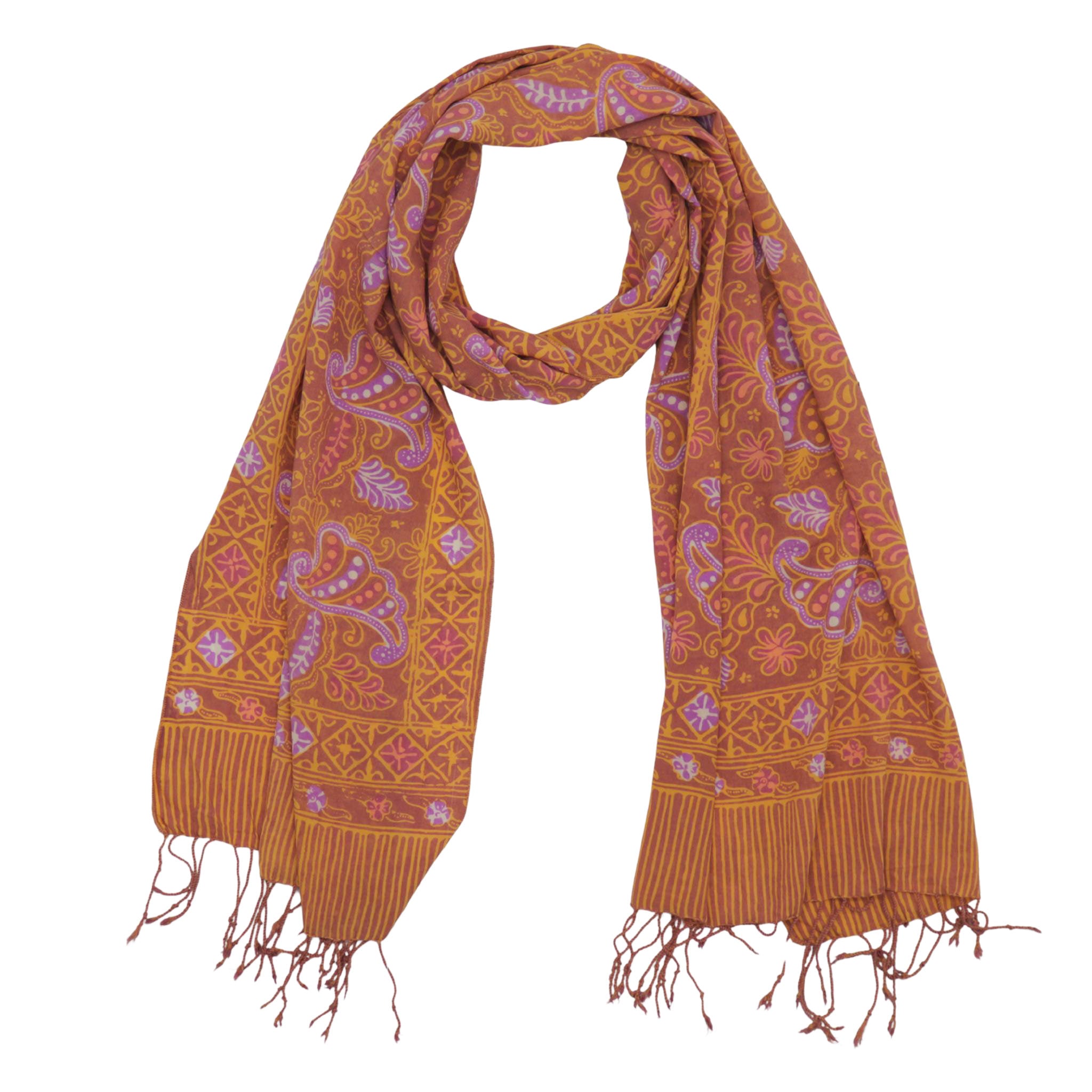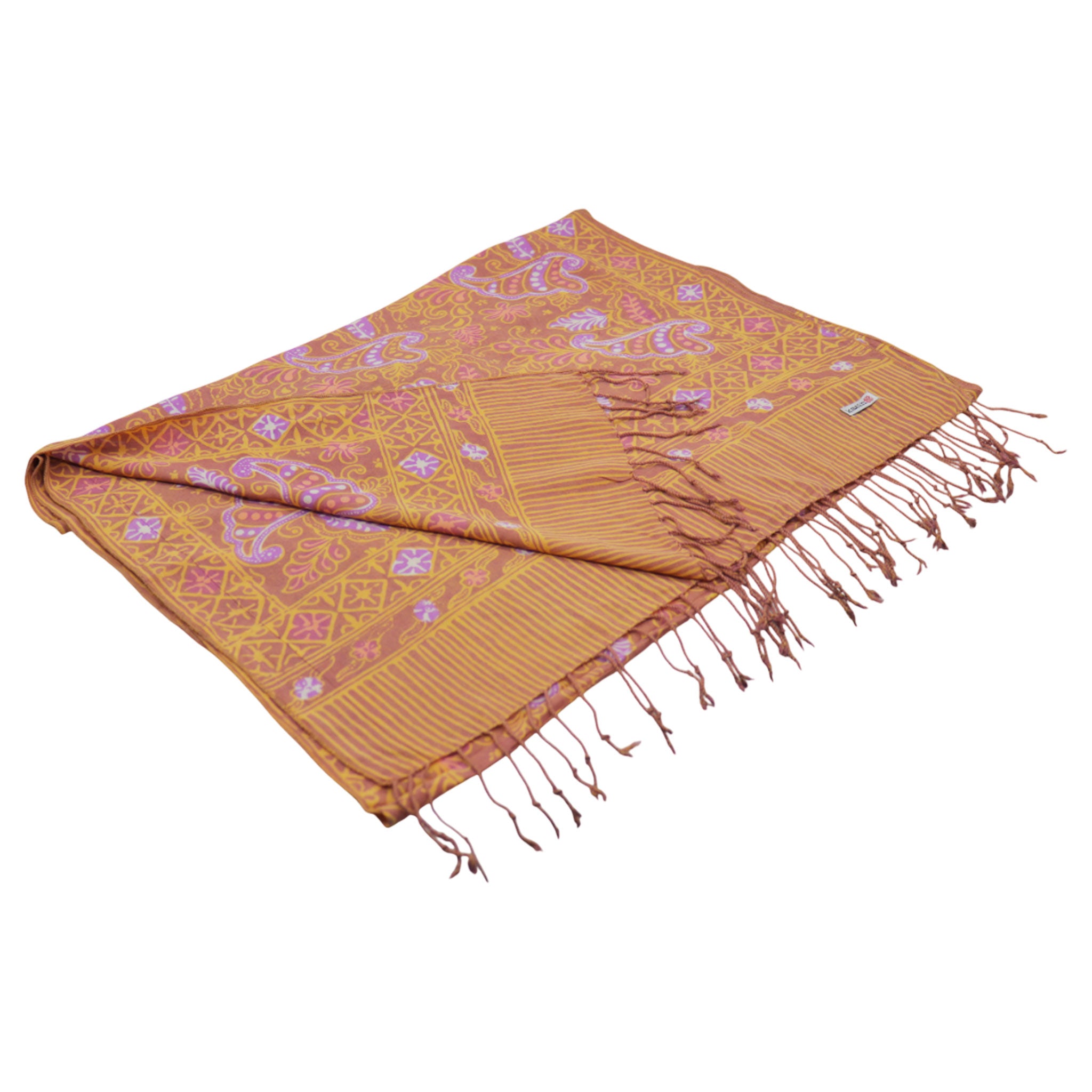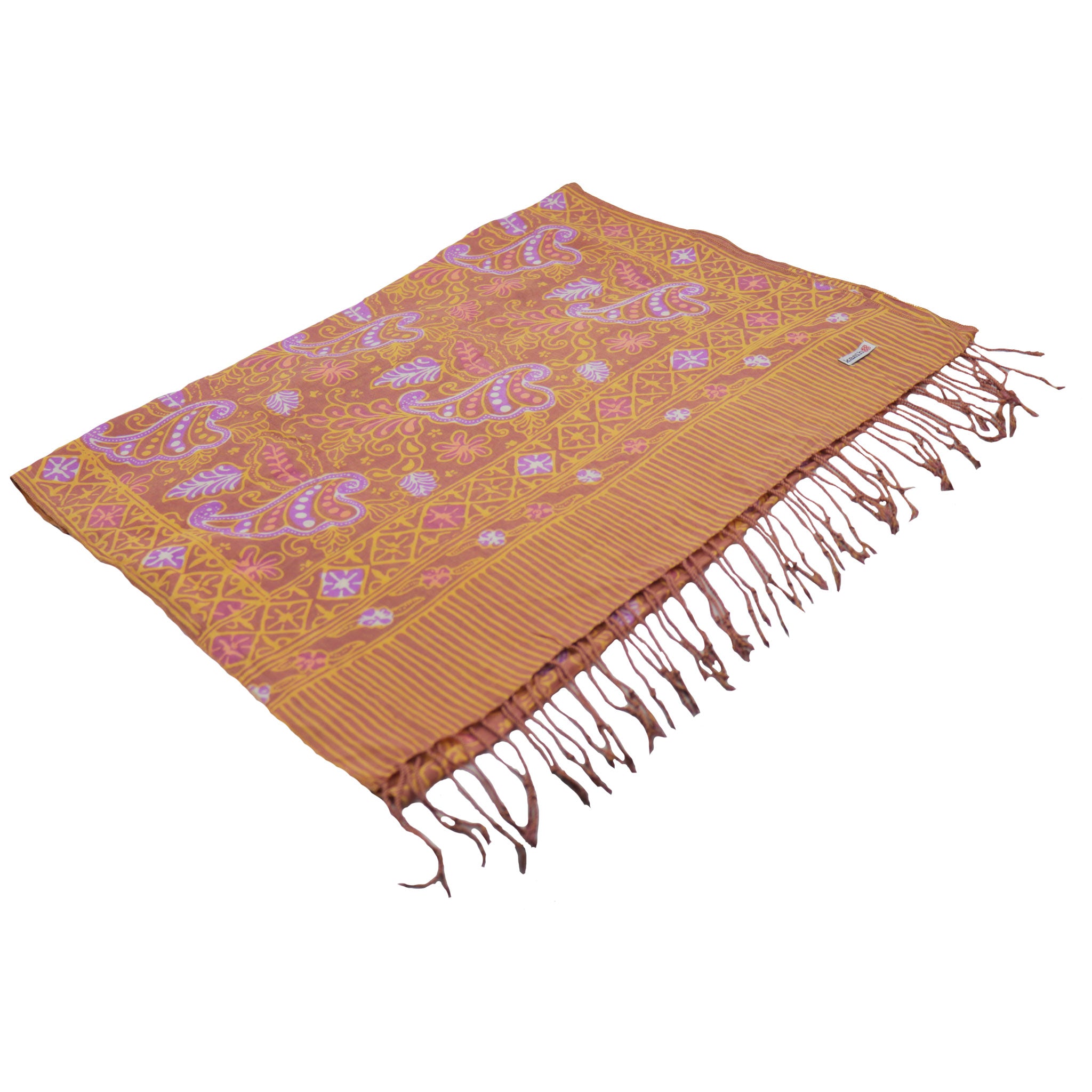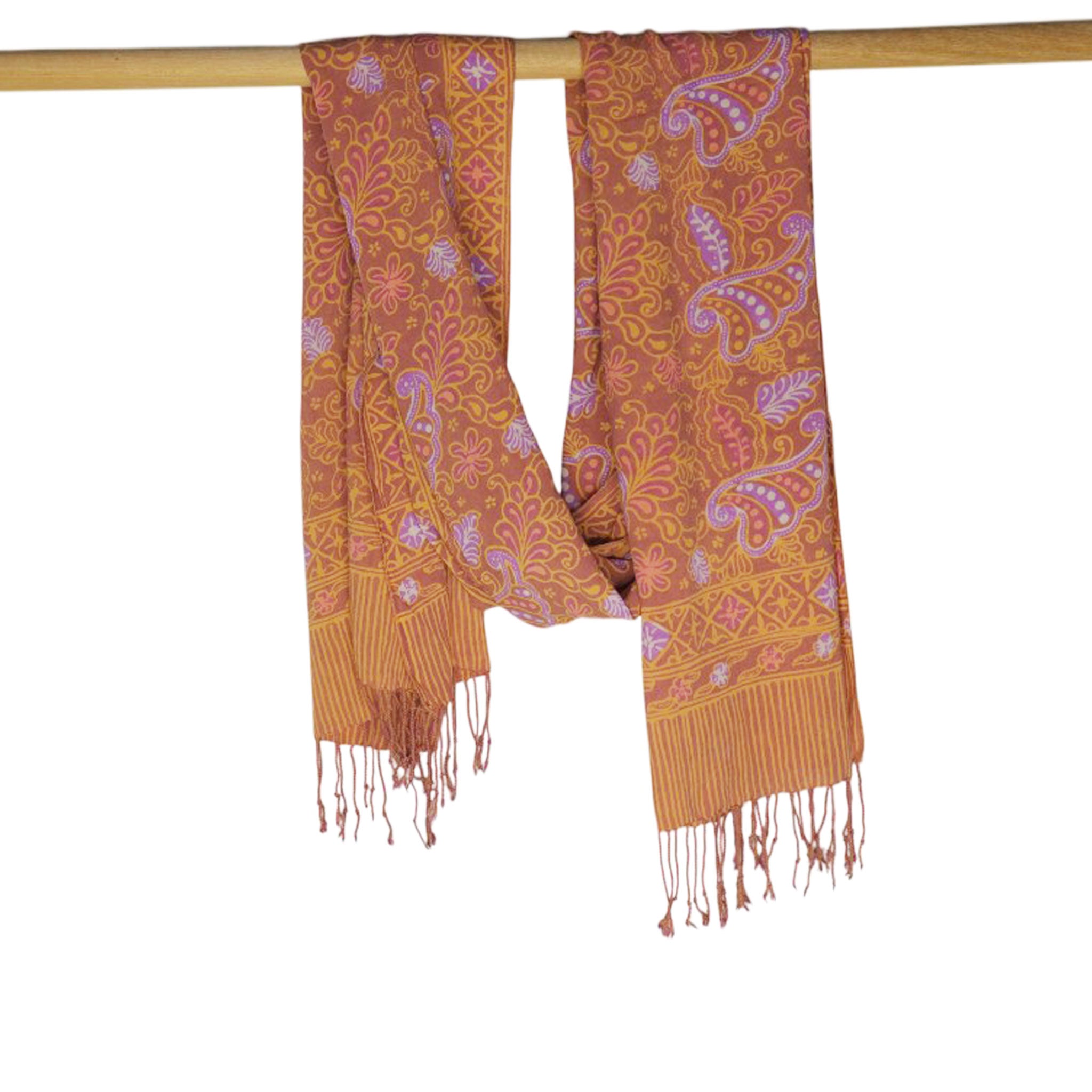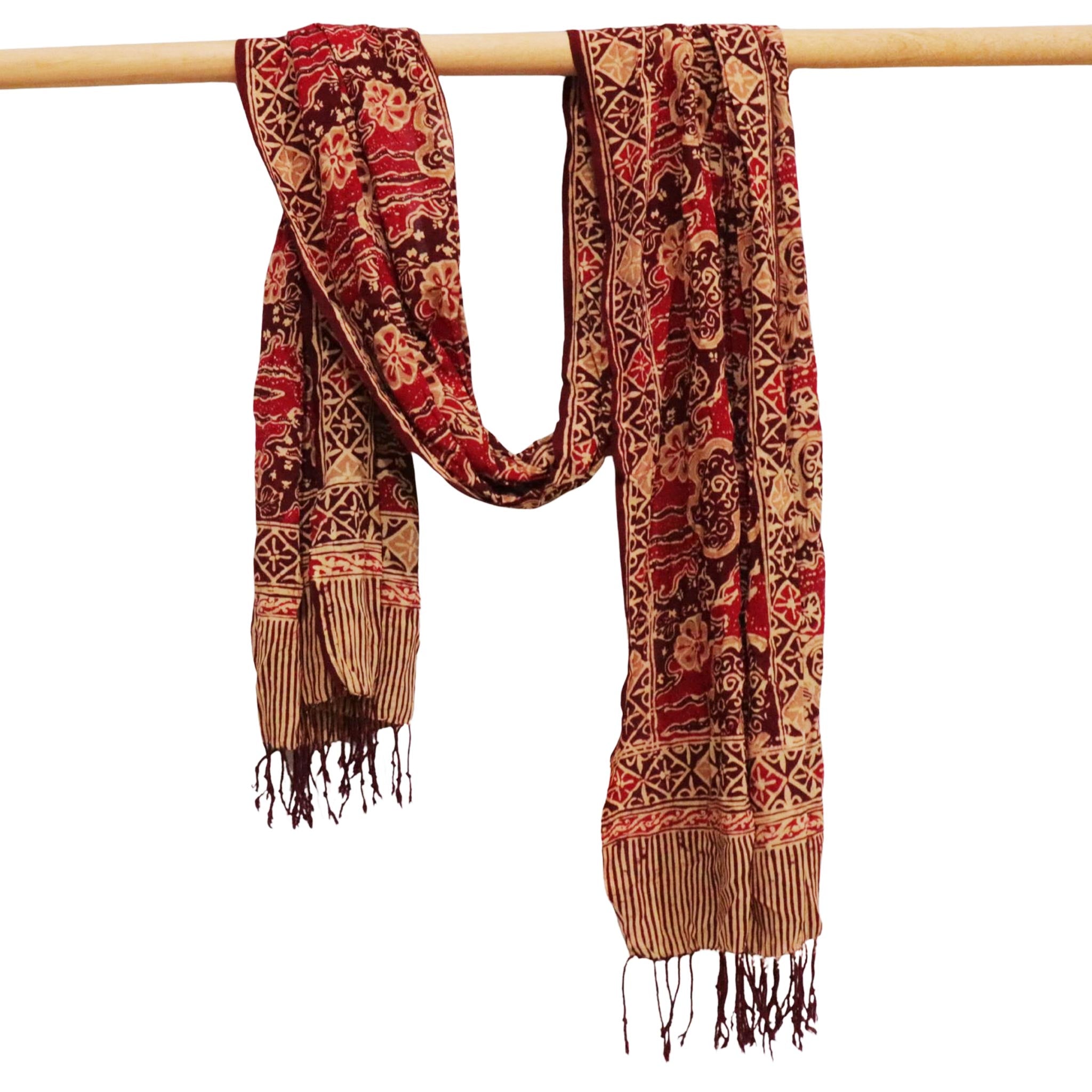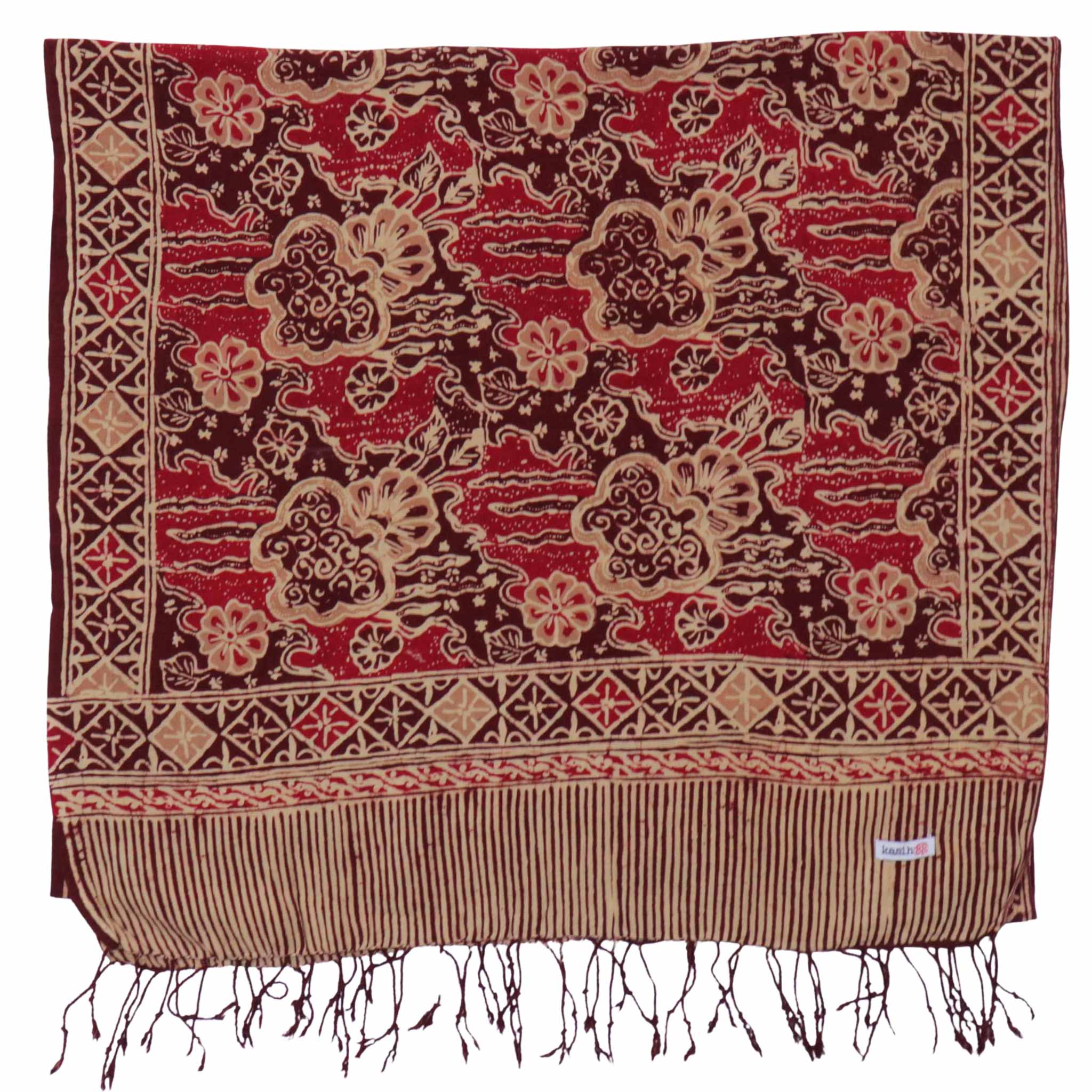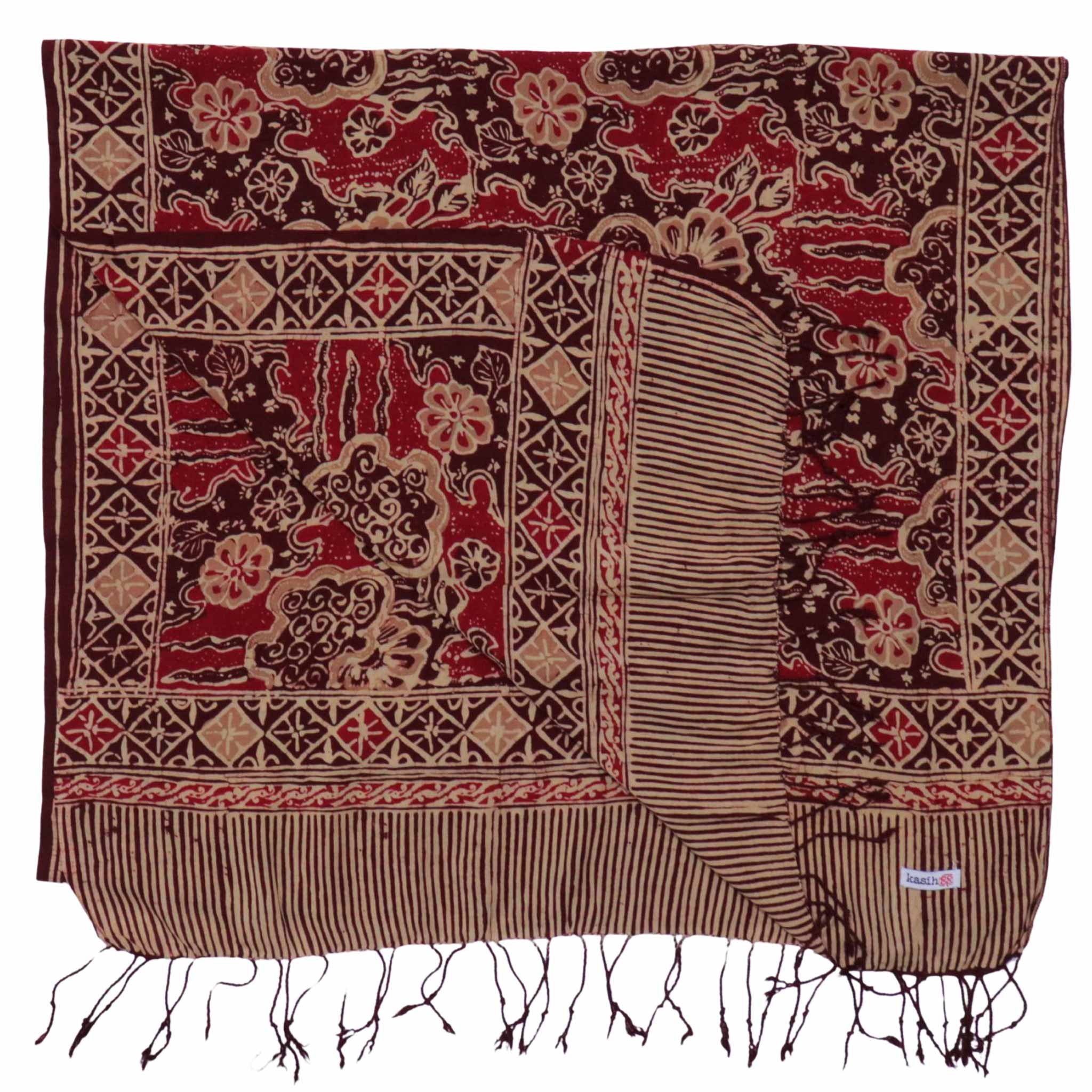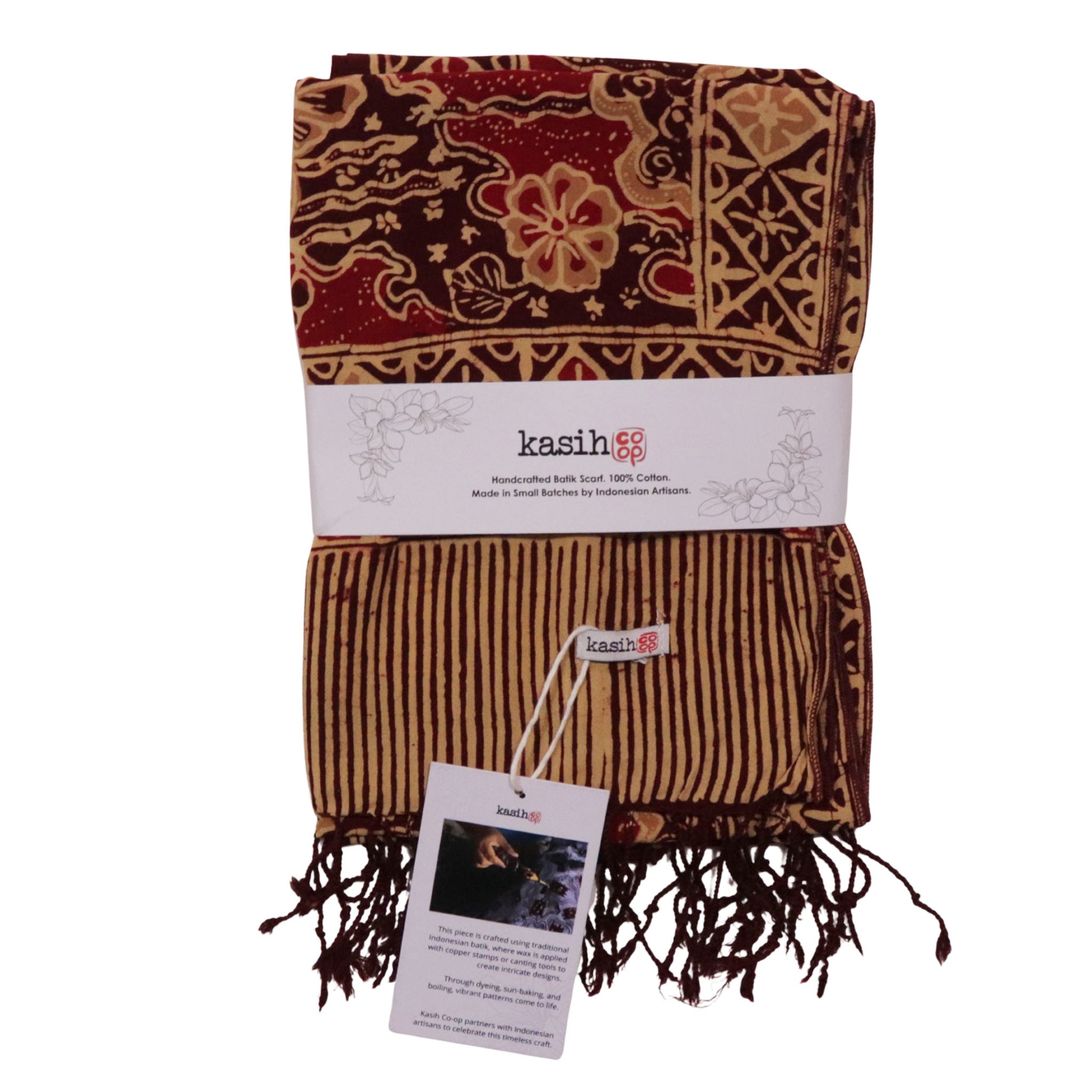
Le batik fait partie de la culture indonésienne depuis des siècles — mais si vous pensez que c'est juste le tissu de votre grand-mère, détrompez-vous. Le batik a connu l'une des plus grandes transformations de l'histoire de la mode. Voici comment il est passé des murs des palais au style urbain.
👑 Il est né pour la royauté
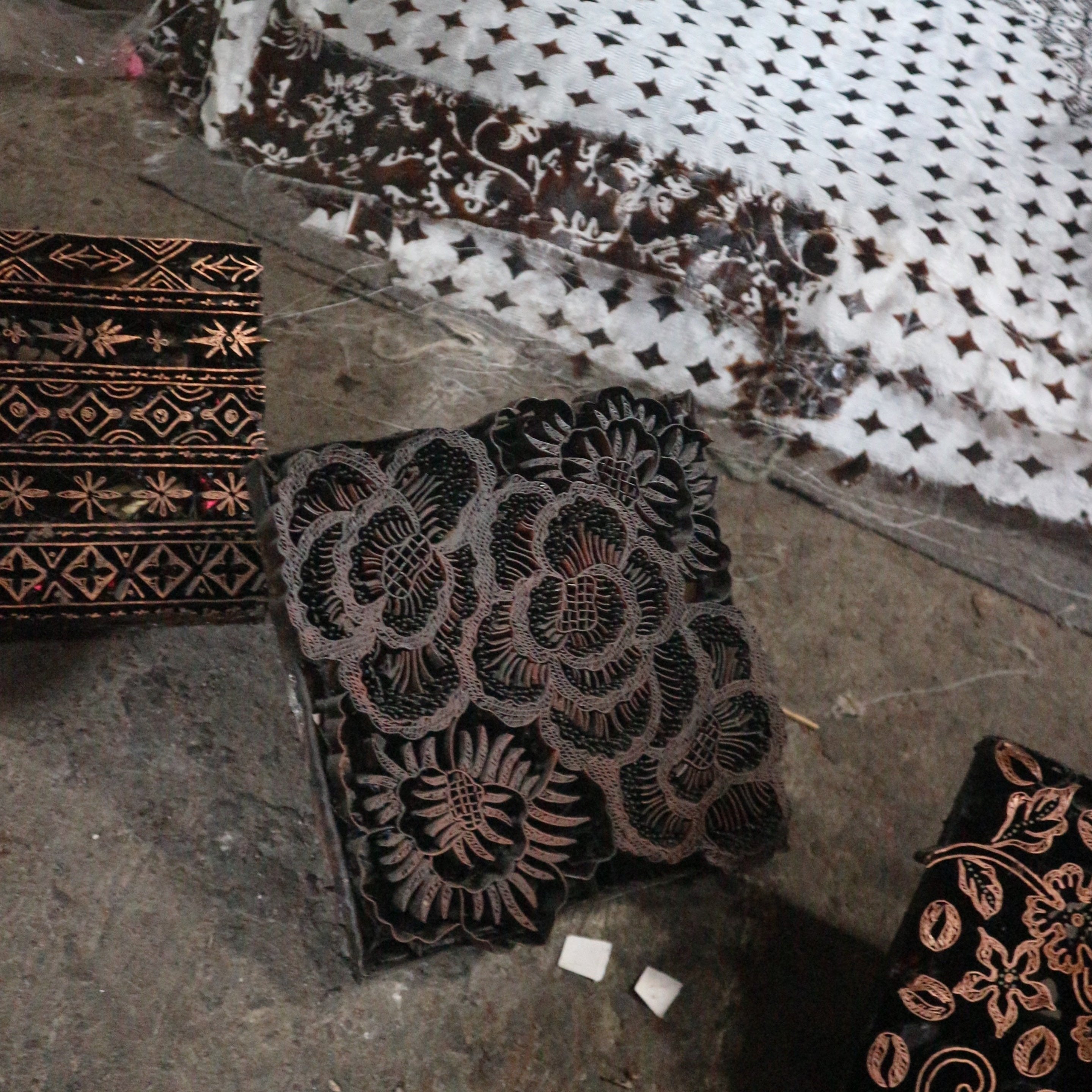
Le batik n'a pas commencé comme un vêtement de tous les jours. Dans la culture javanaise, il était profondément lié aux cours royales — certains motifs étaient exclusivement réservés au Sultan et à la famille royale. Porter le mauvais motif en tant que roturier ? C'était tout simplement interdit. Le batik était également présent lors des cérémonies sacrées, des naissances aux enterrements, portant un poids spirituel profond dans chaque fil.
Aujourd'hui ? Vous pouvez acheter une pièce de batik à votre marché local, la porter au brunch, et personne ne vous arrêtera.

👗 Modernisation du batik
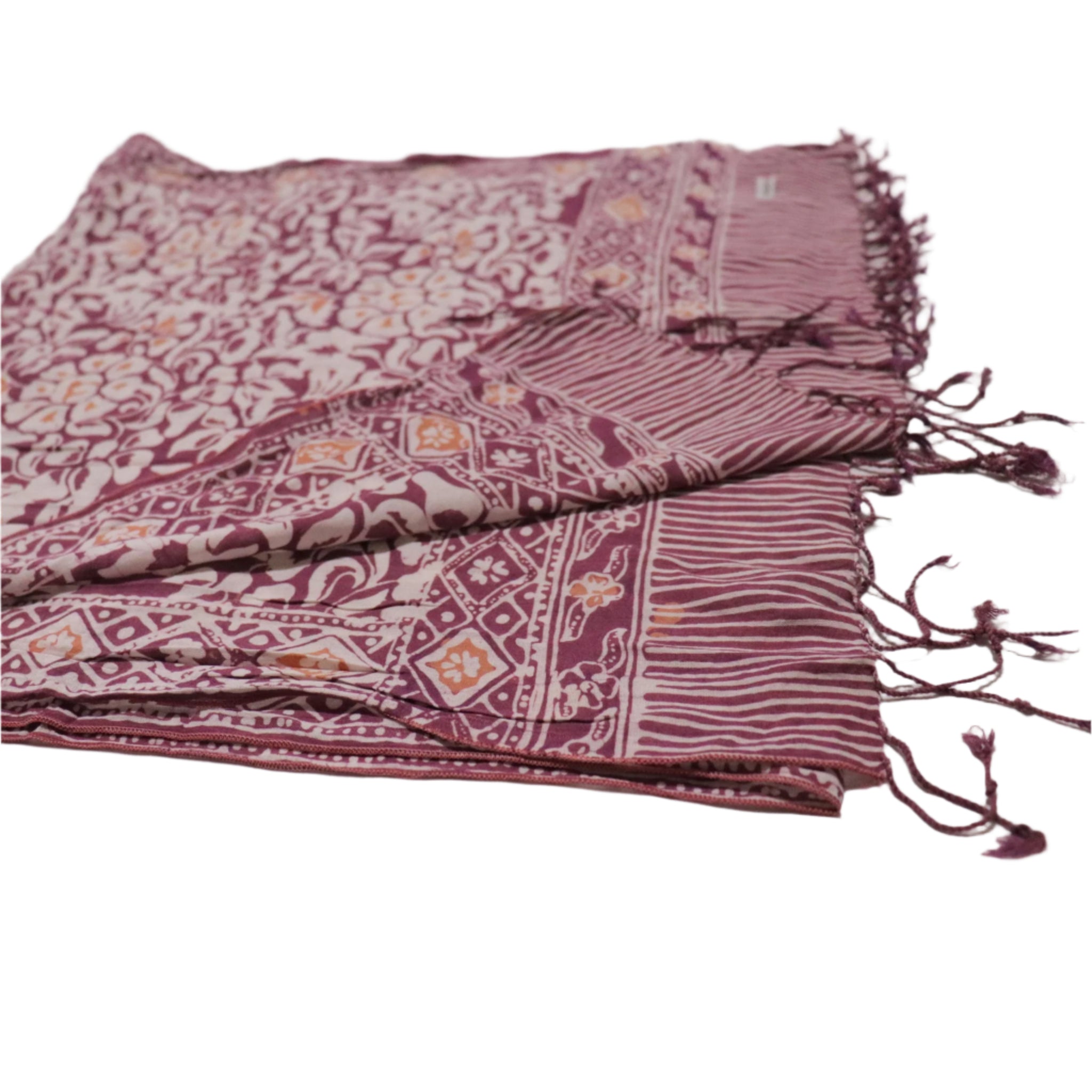
Traditionnellement, le batik était porté comme une tenue de cérémonie — pensez aux ensembles de kebaya complets pour les femmes, aux beskap pour les hommes, ou aux longs sarongs enroulés autour de la taille. C'était structuré, superposé et très intentionnel.

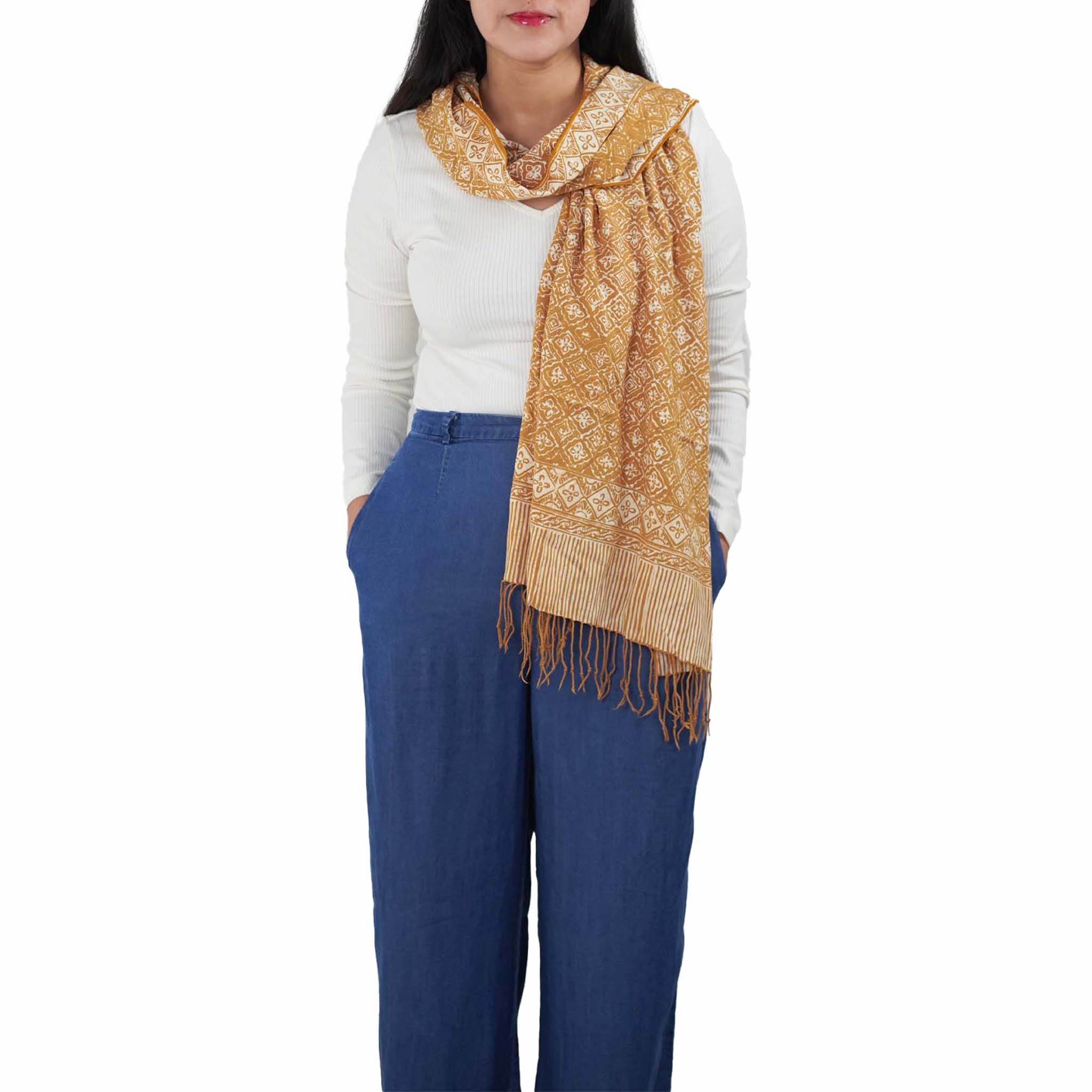
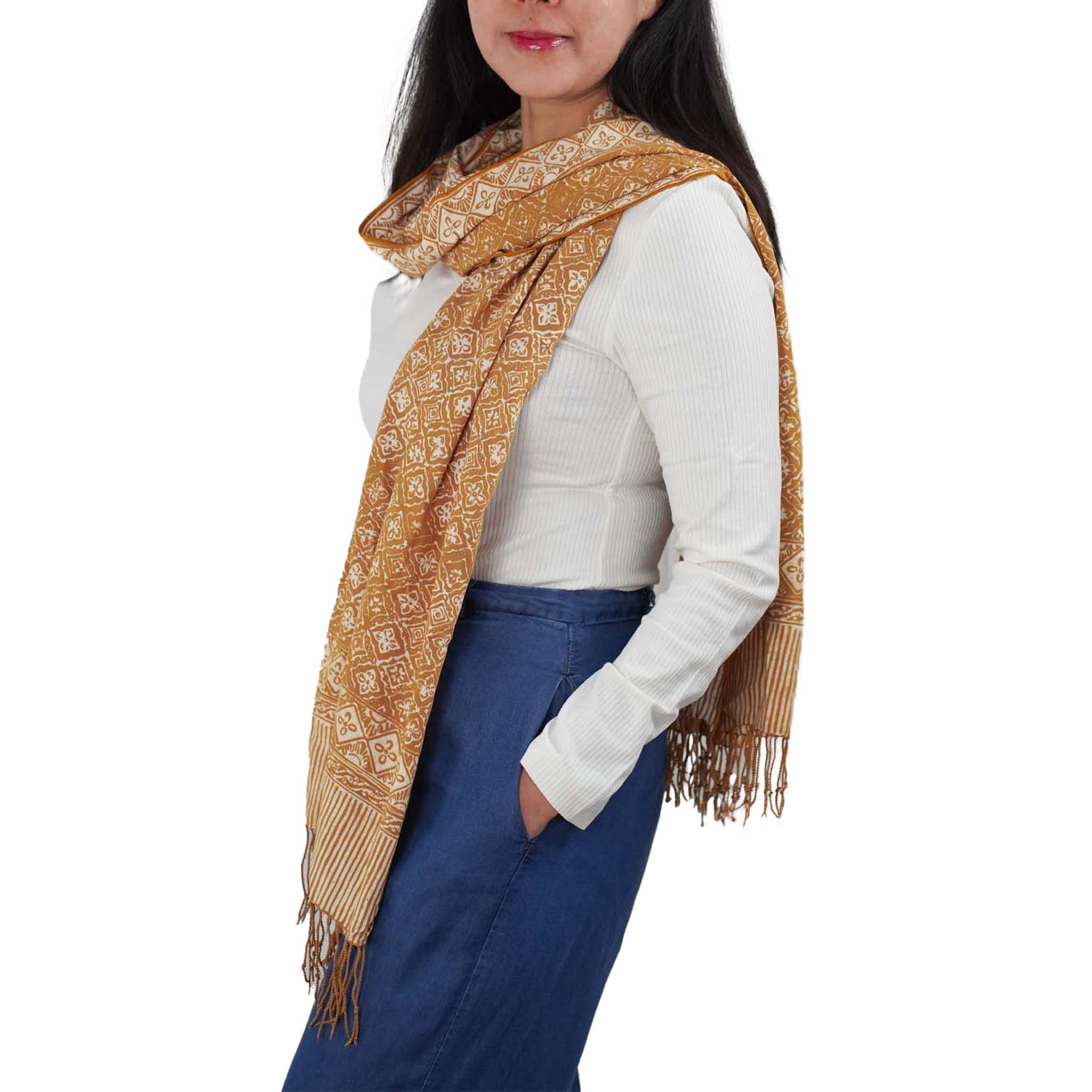
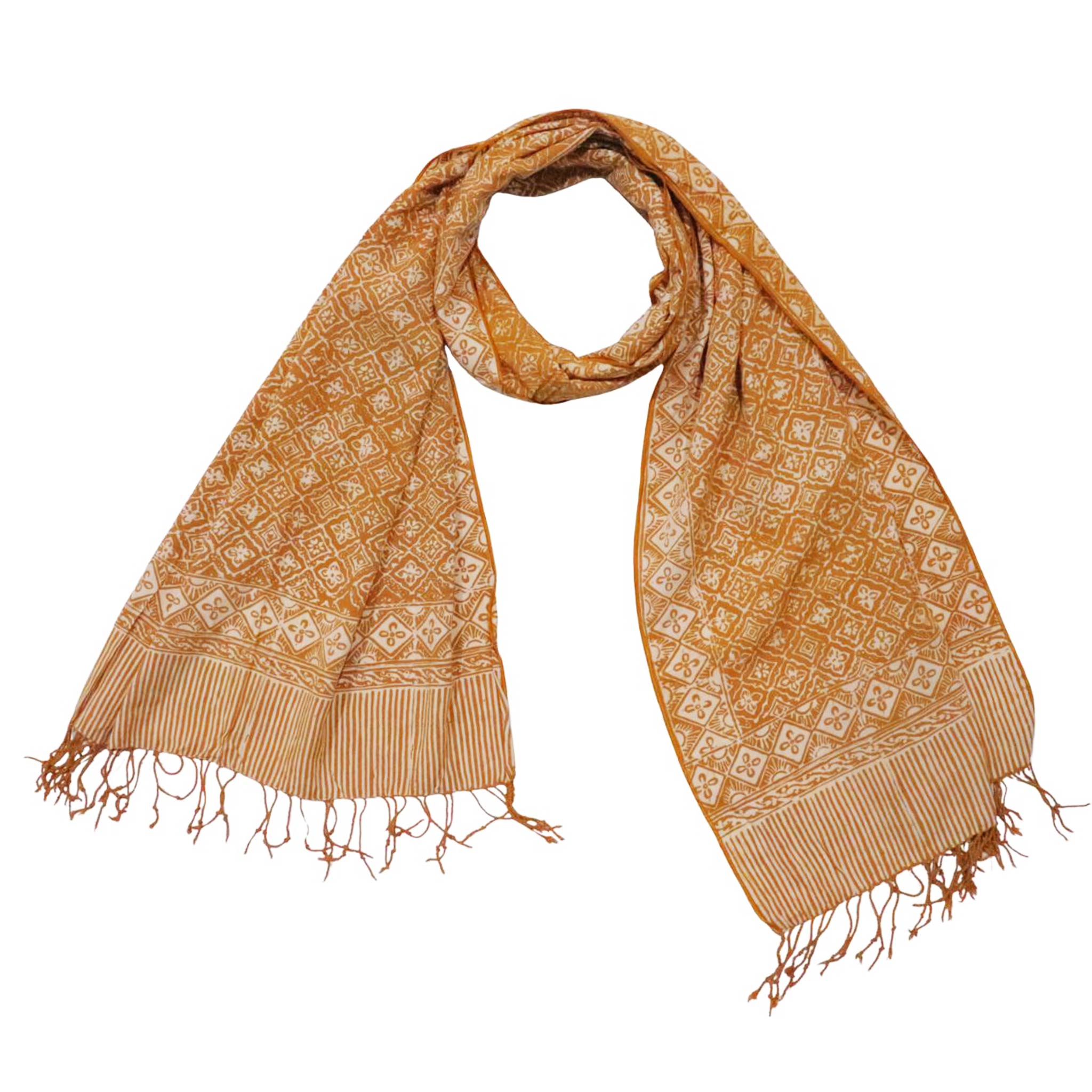
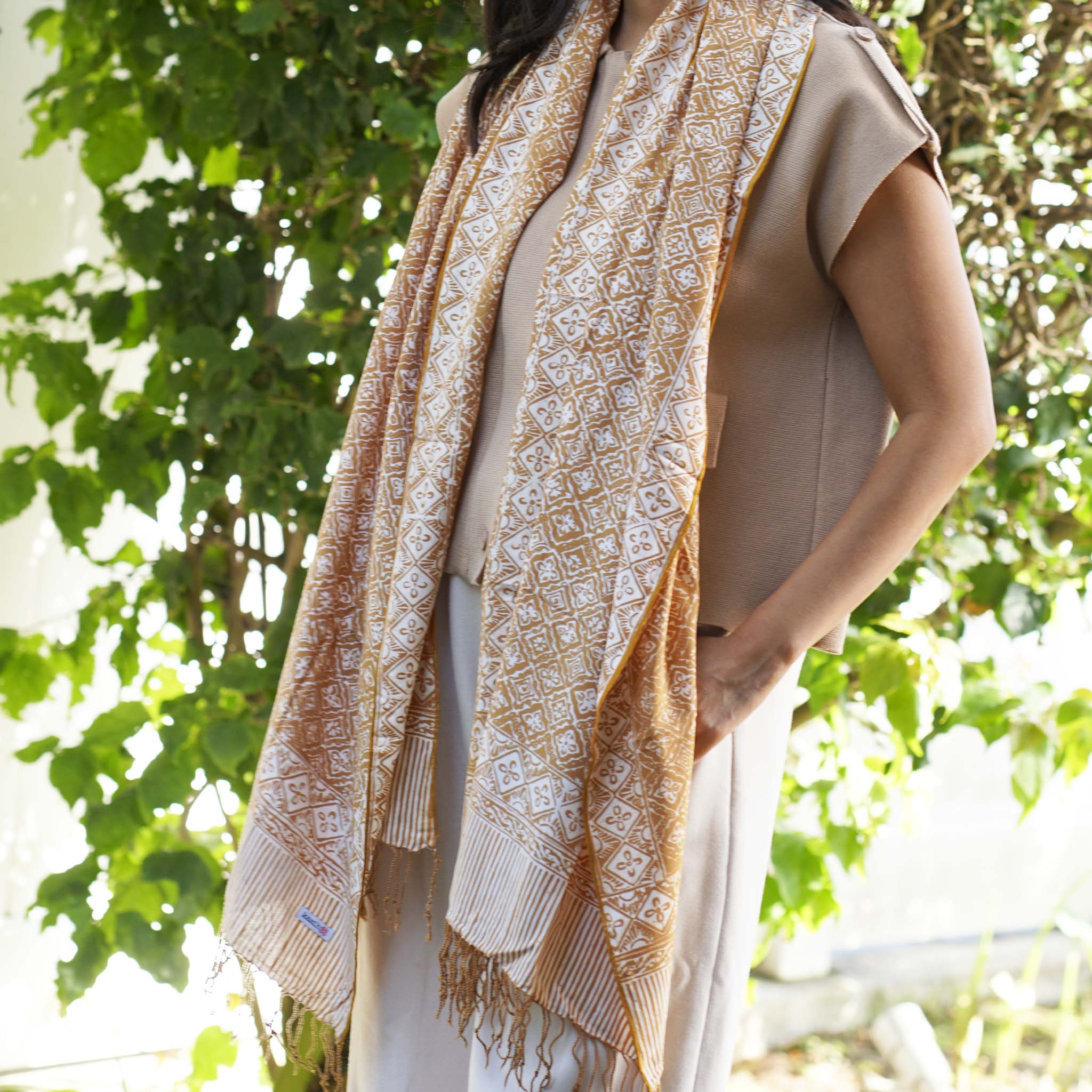
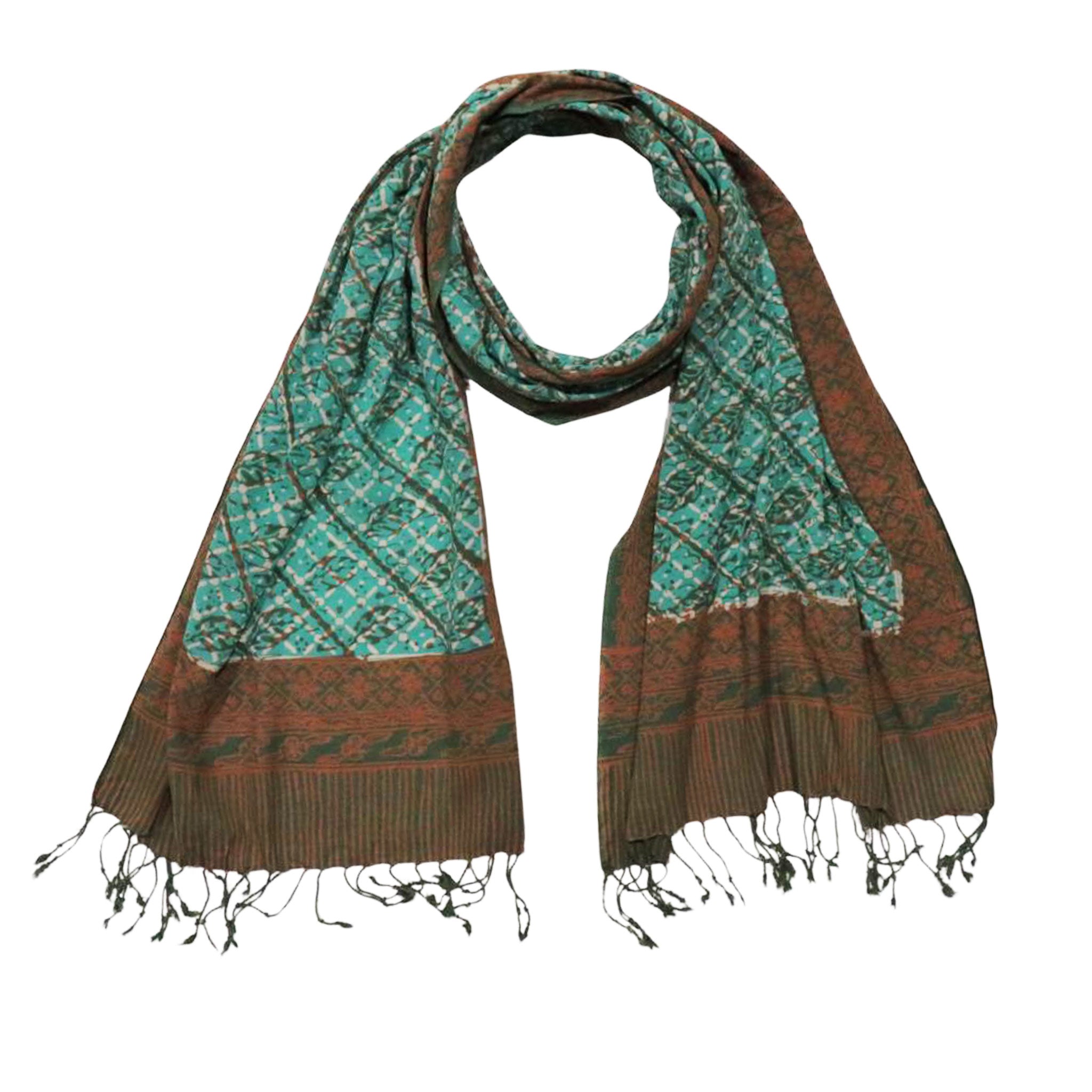
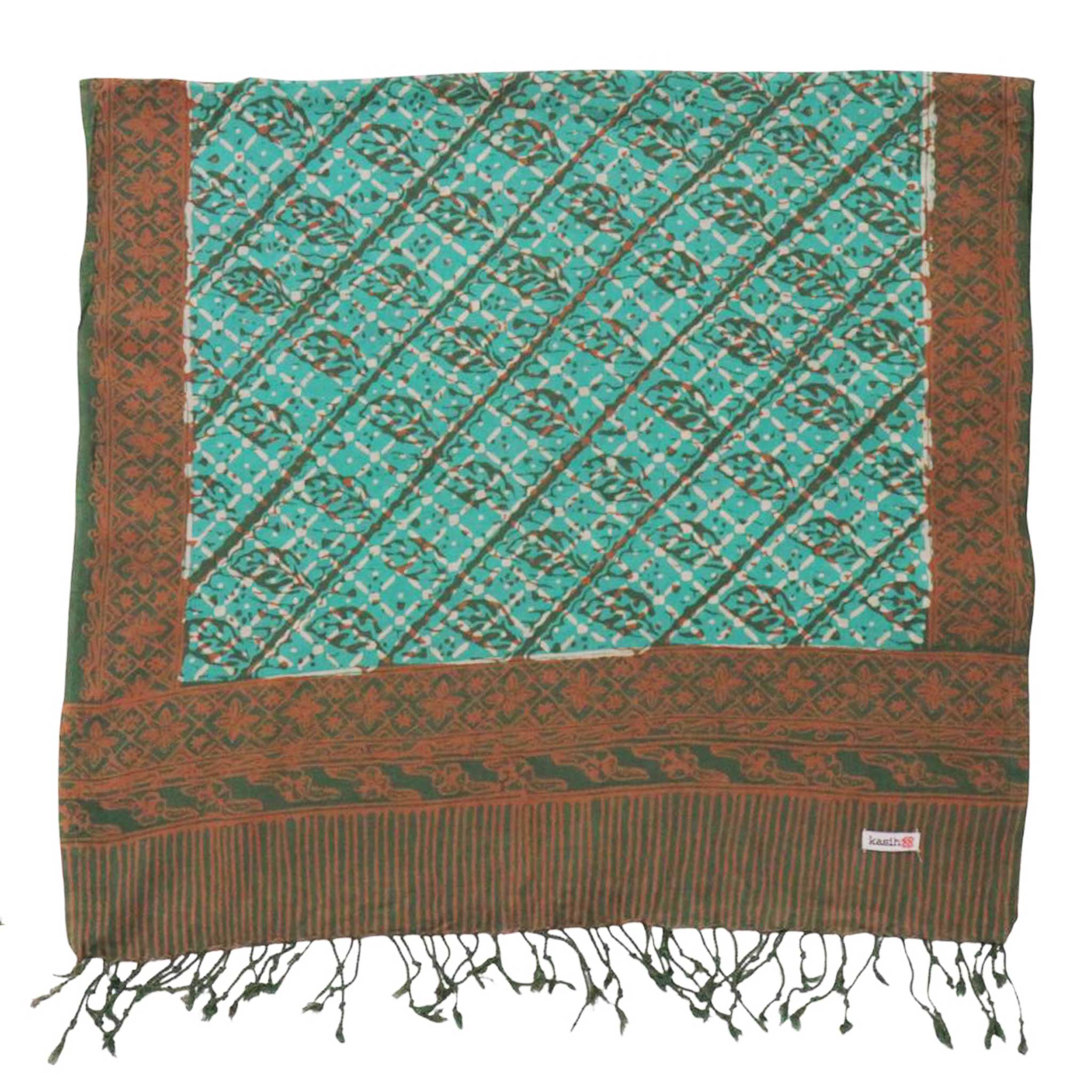
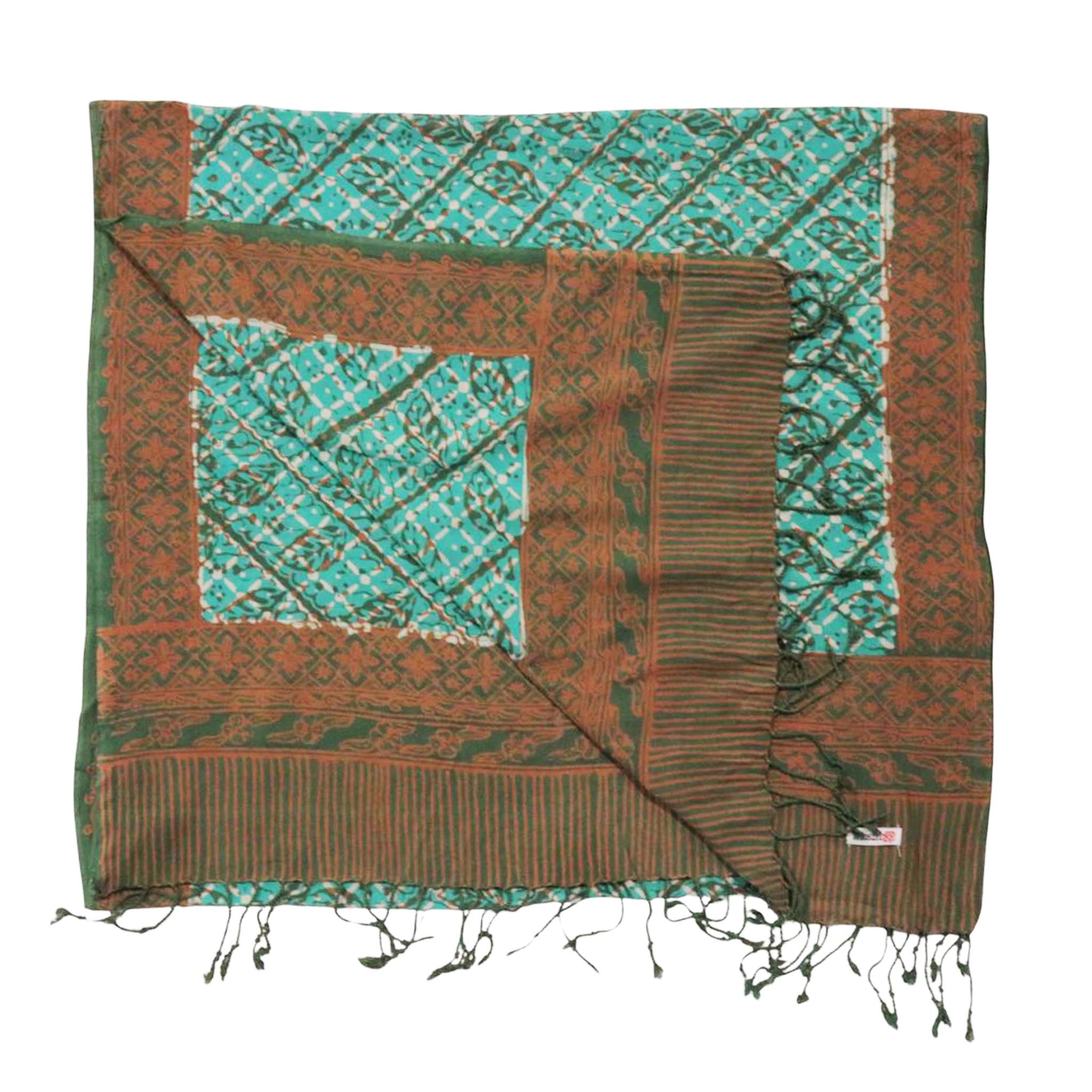
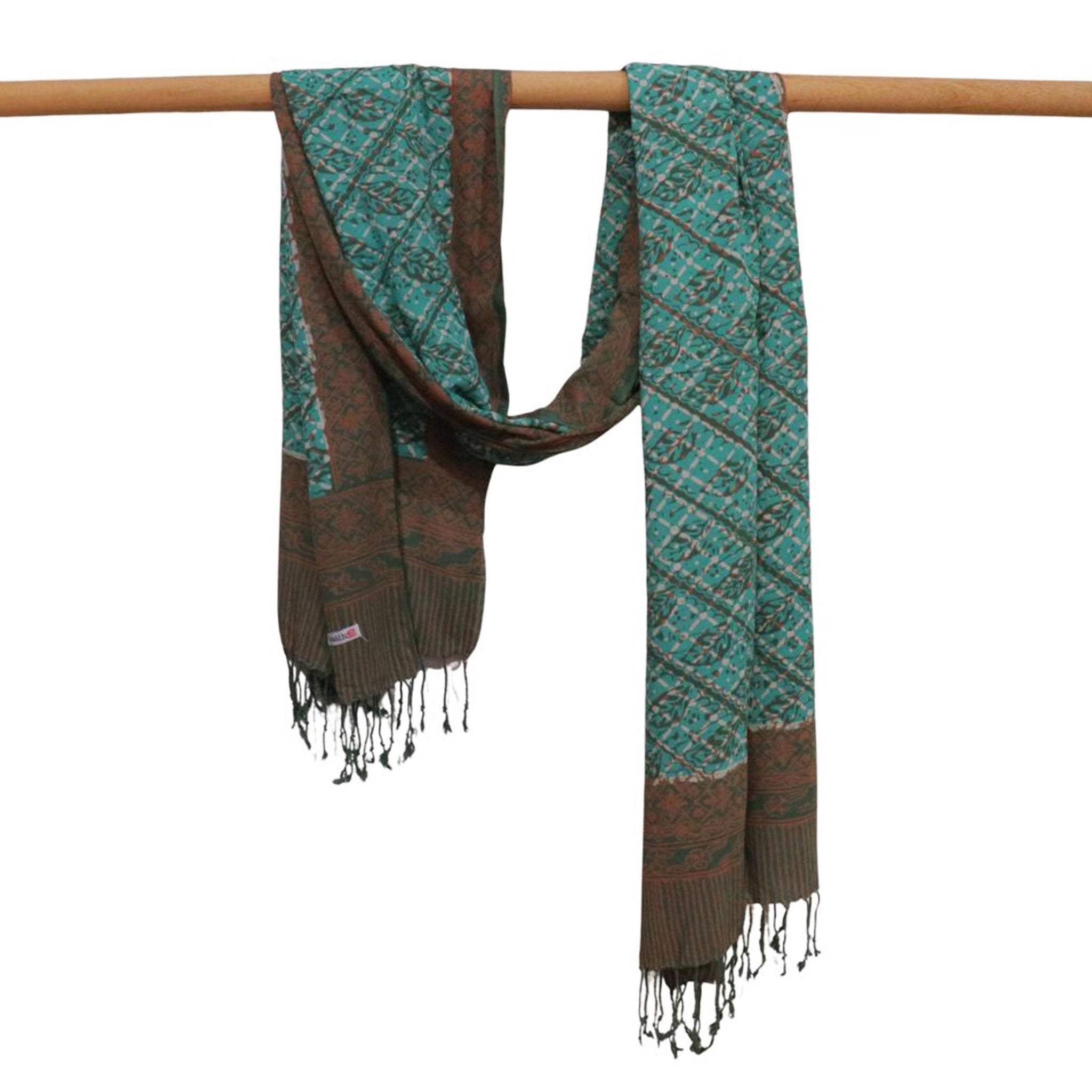
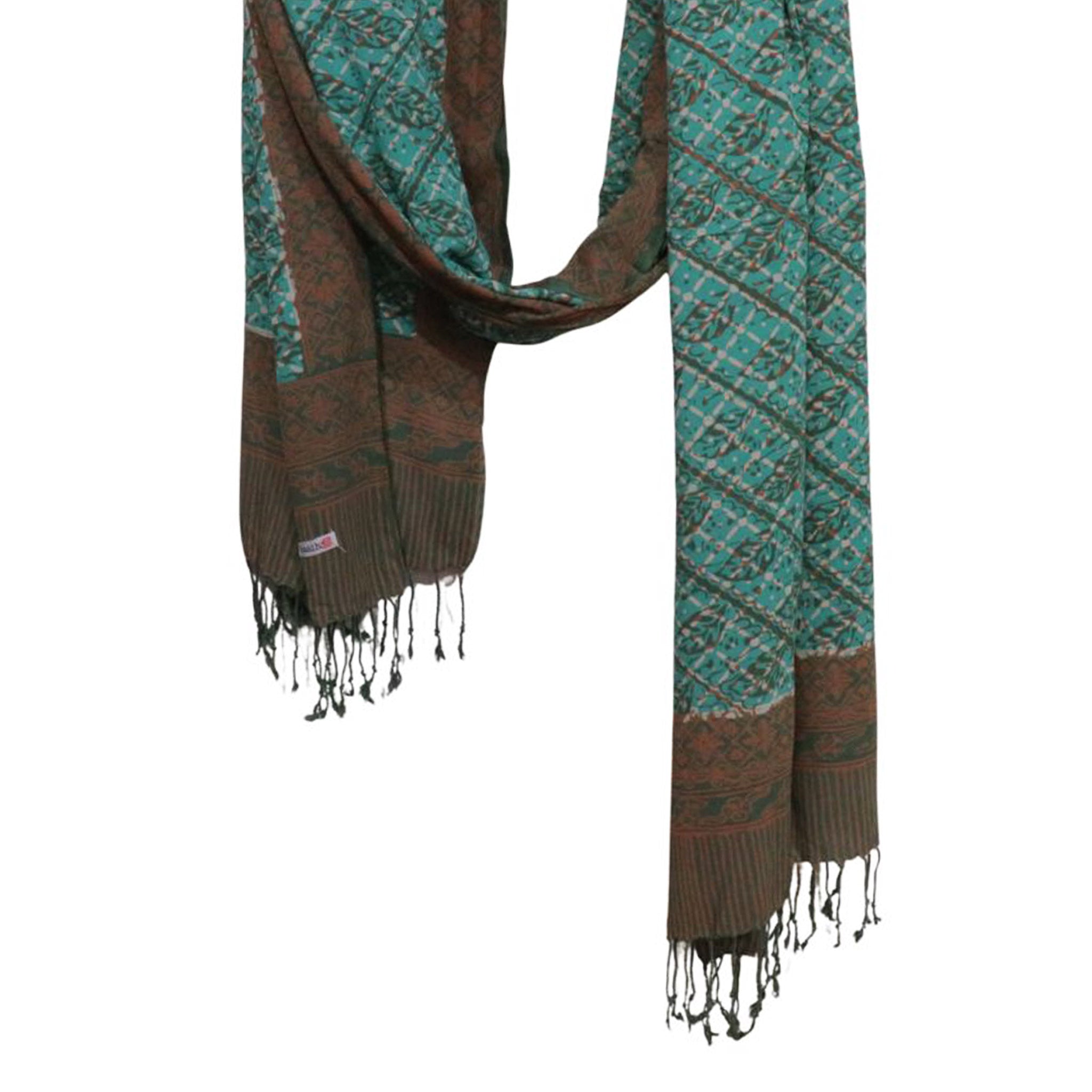
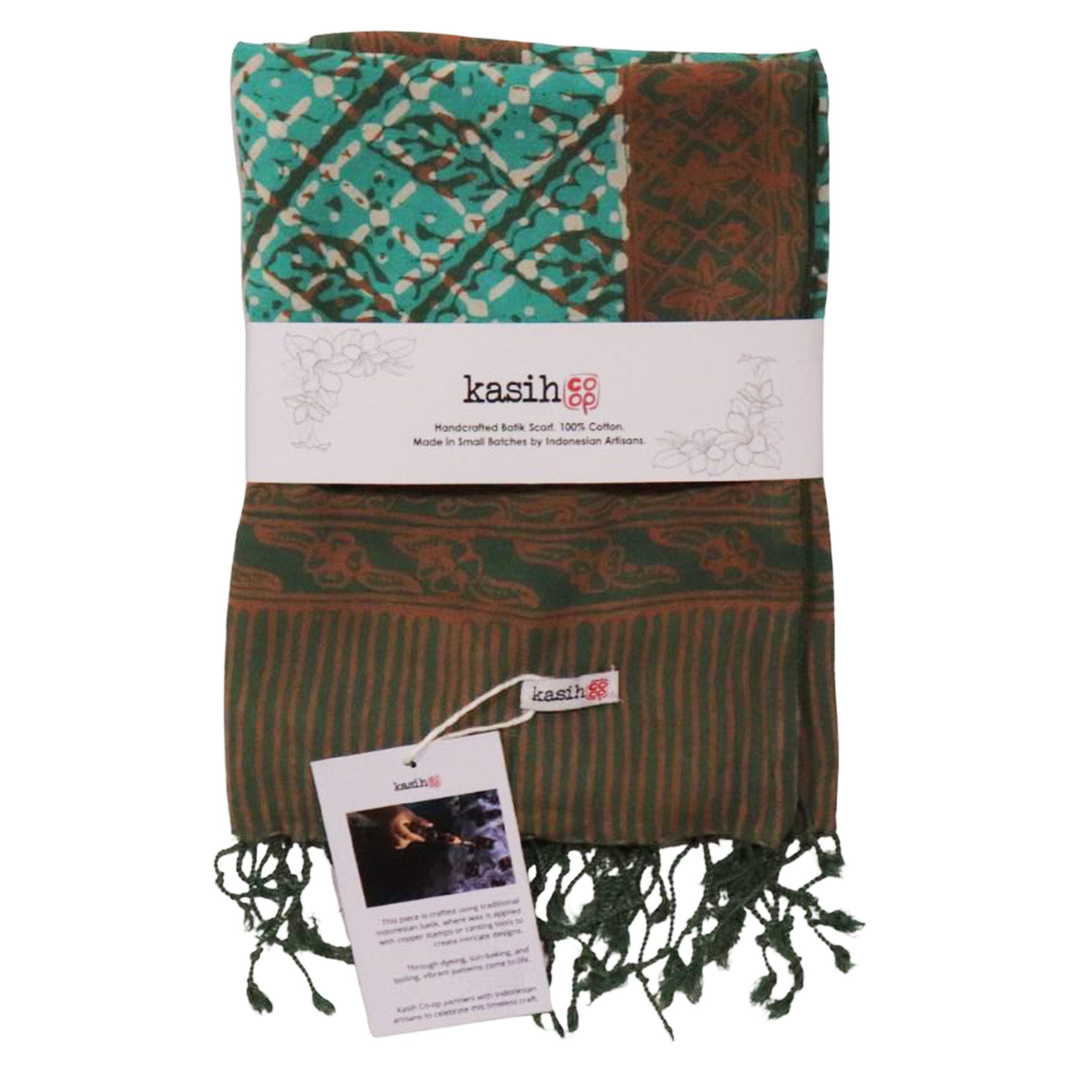
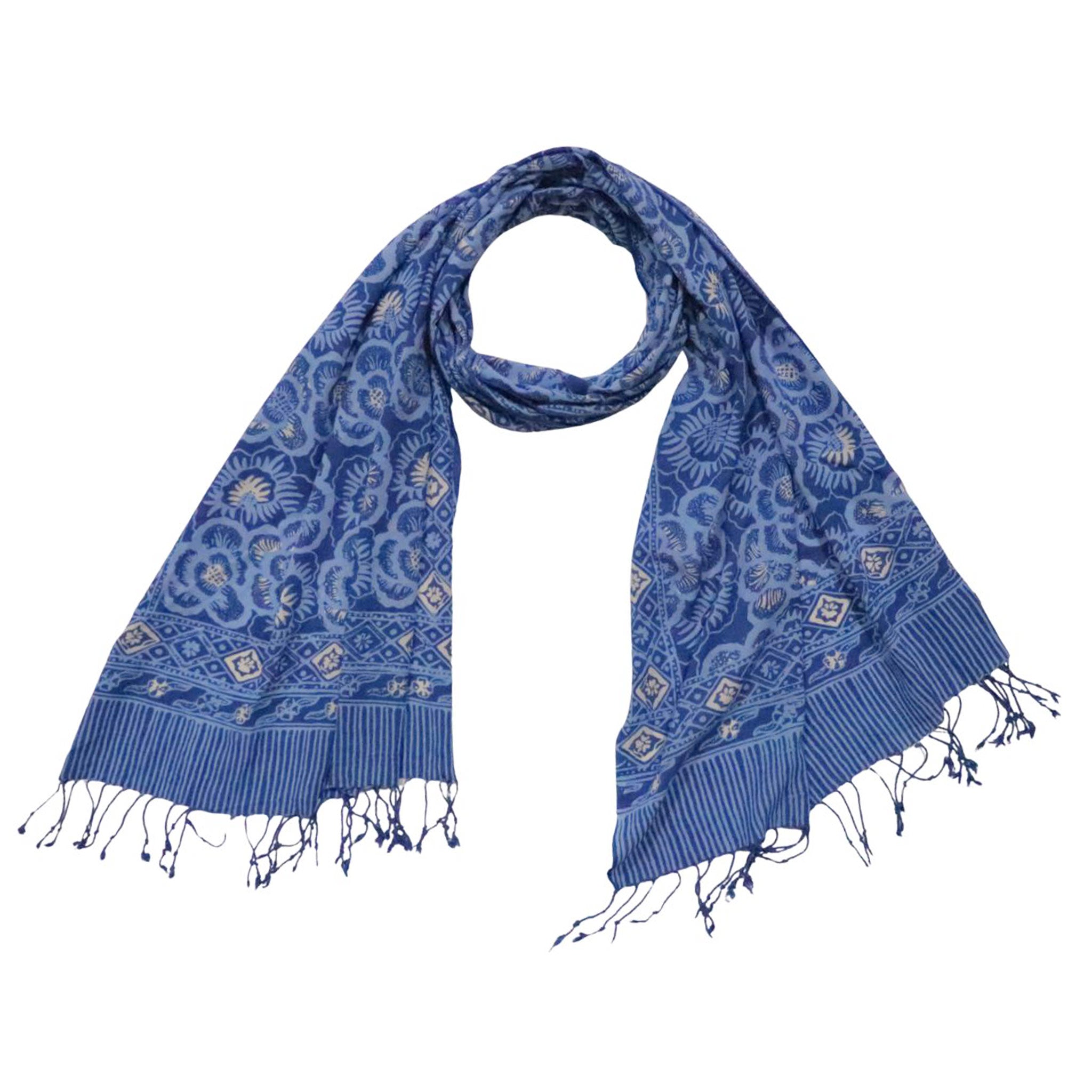
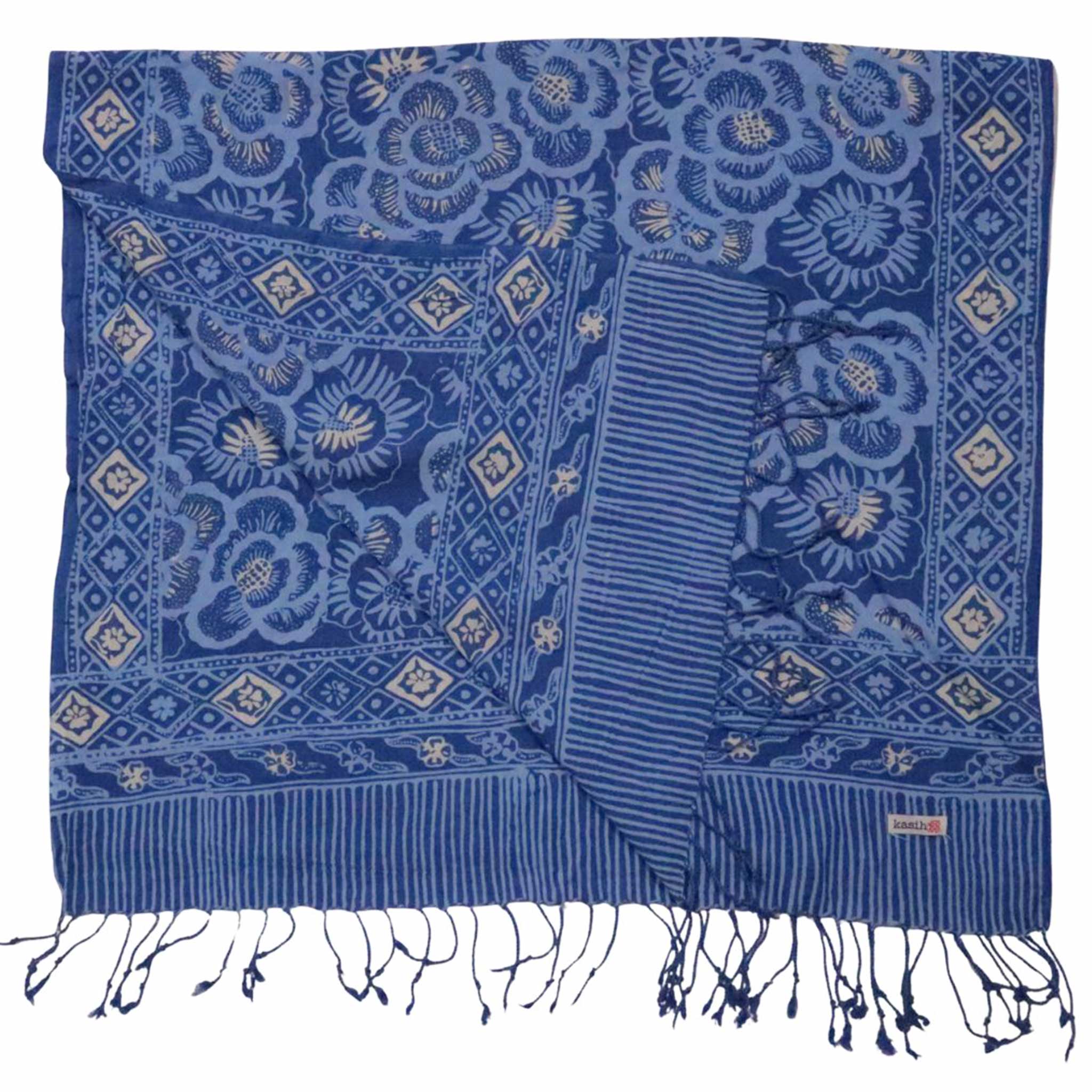
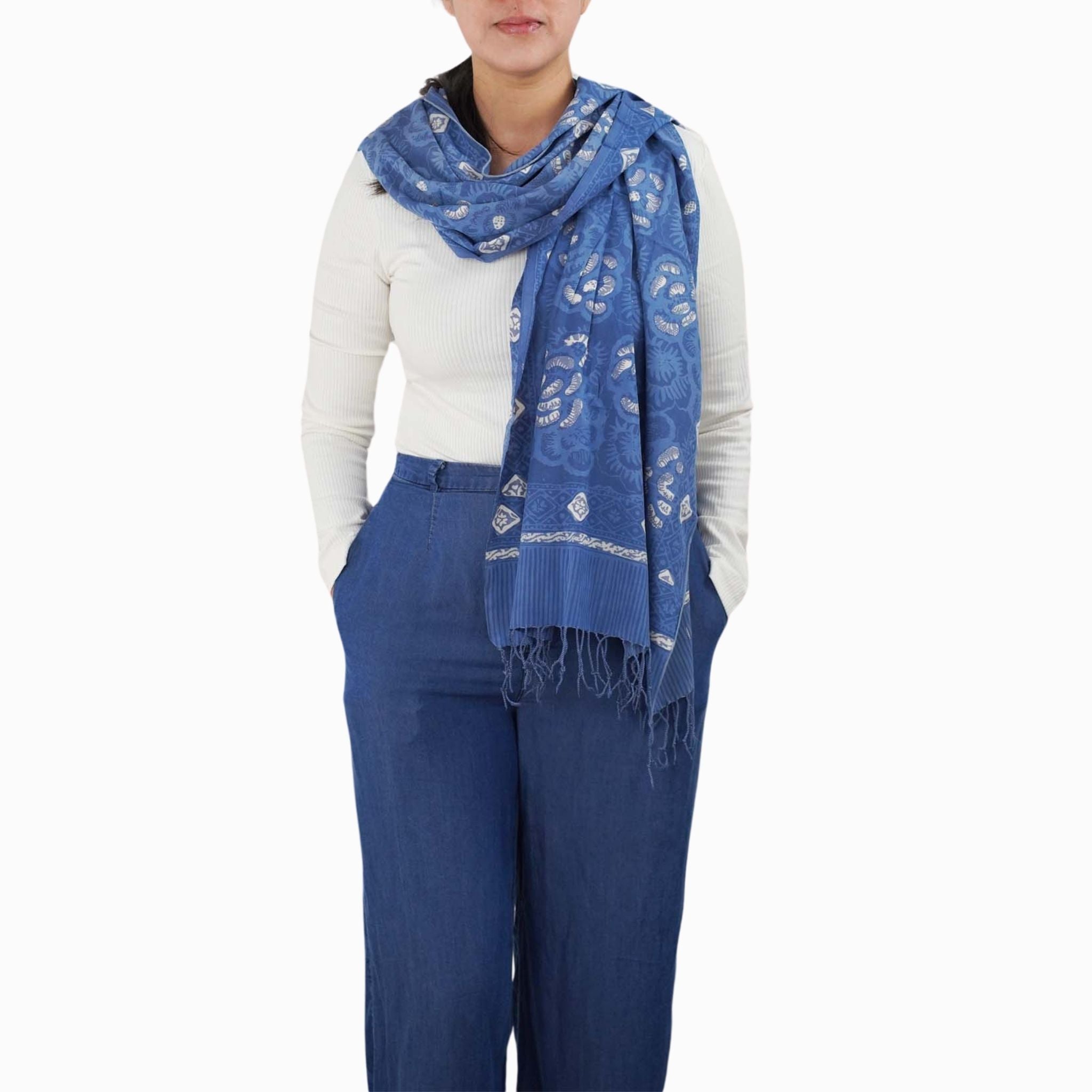
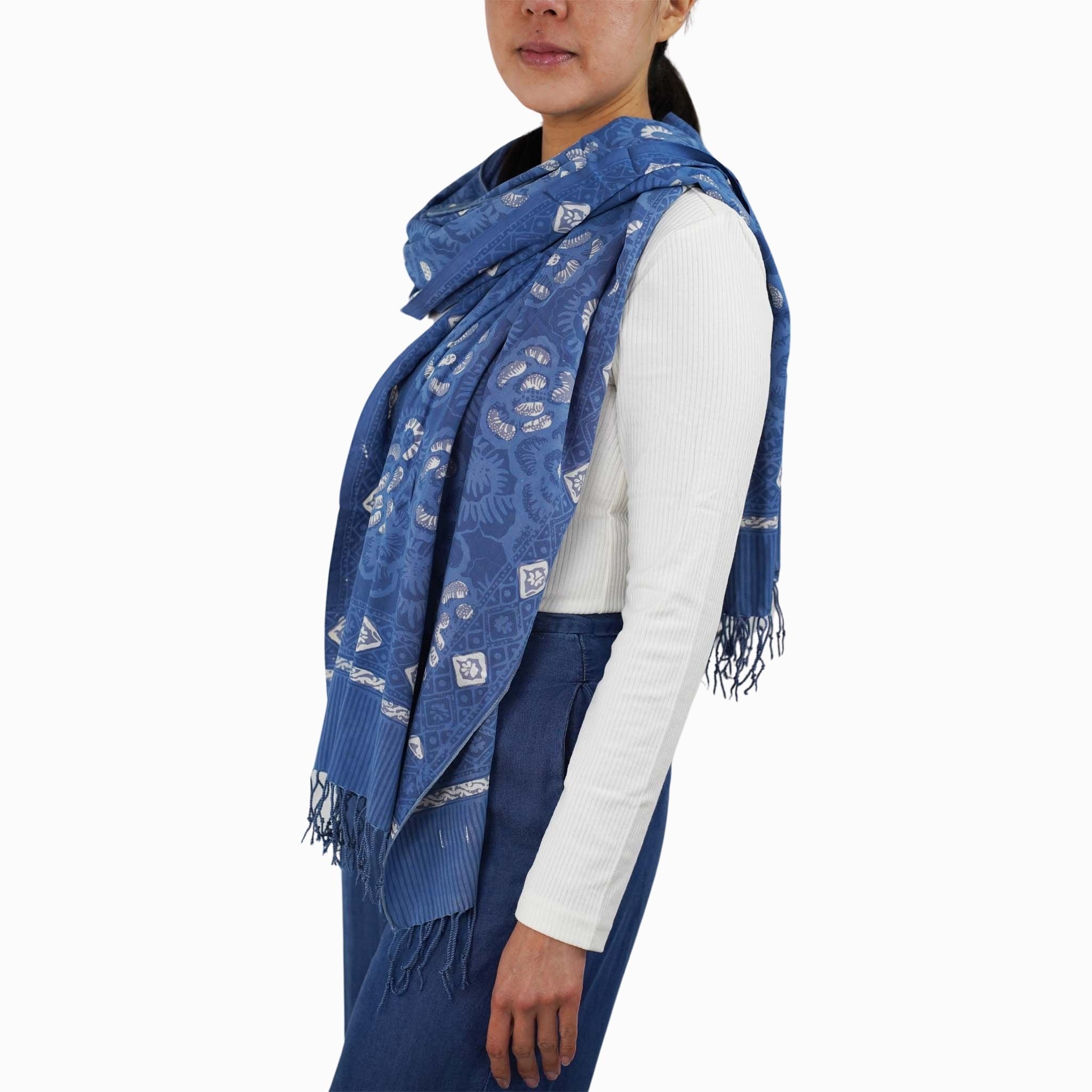
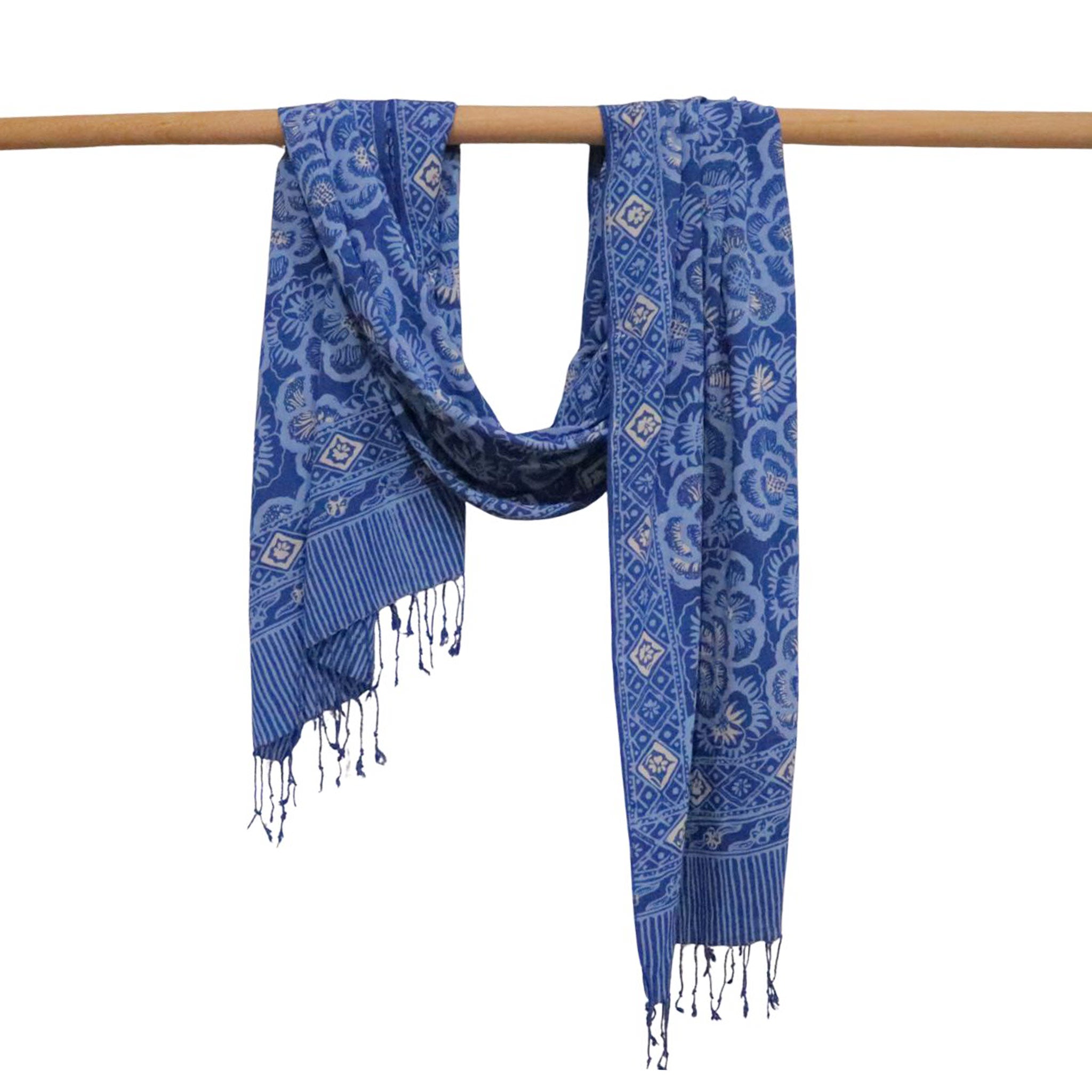
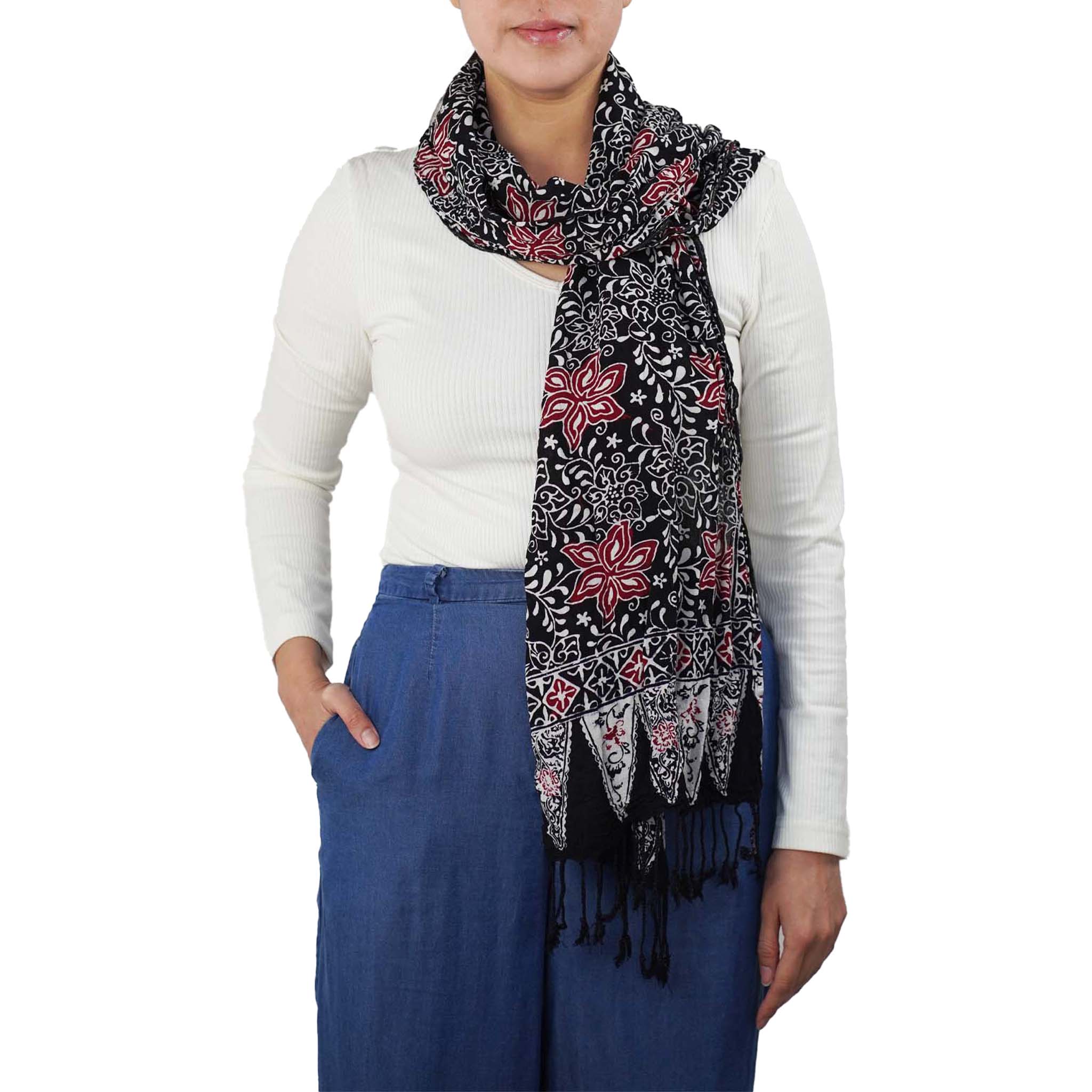
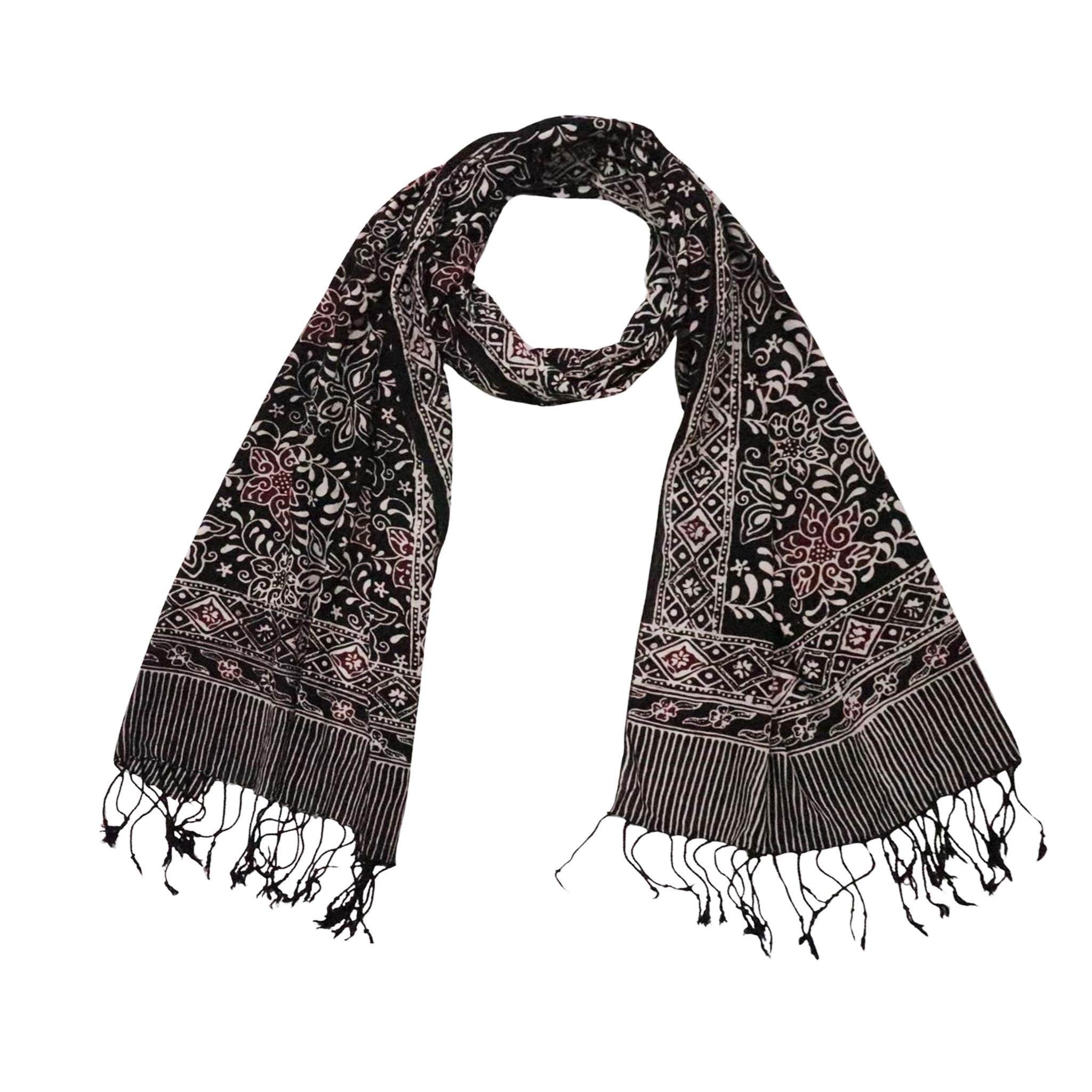
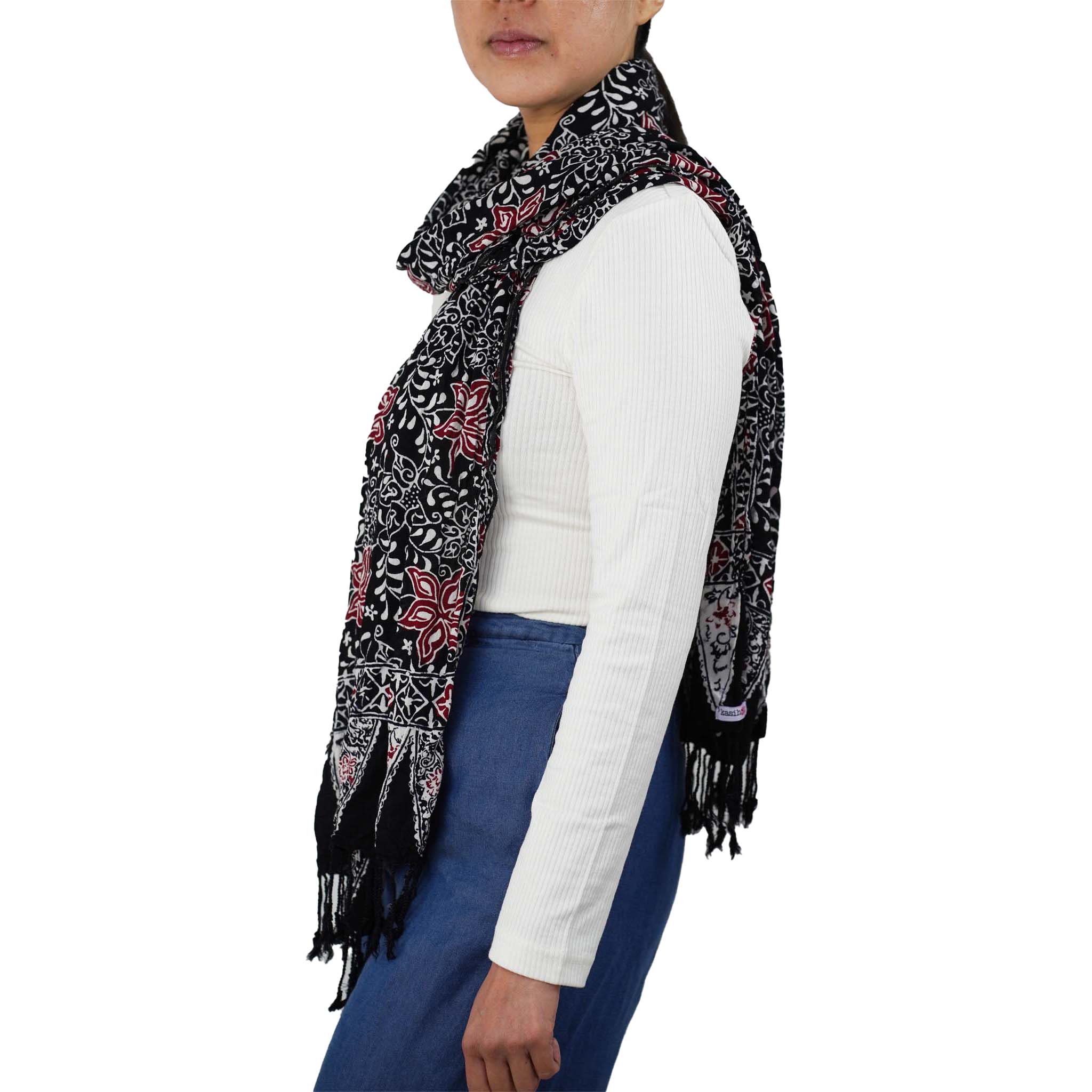
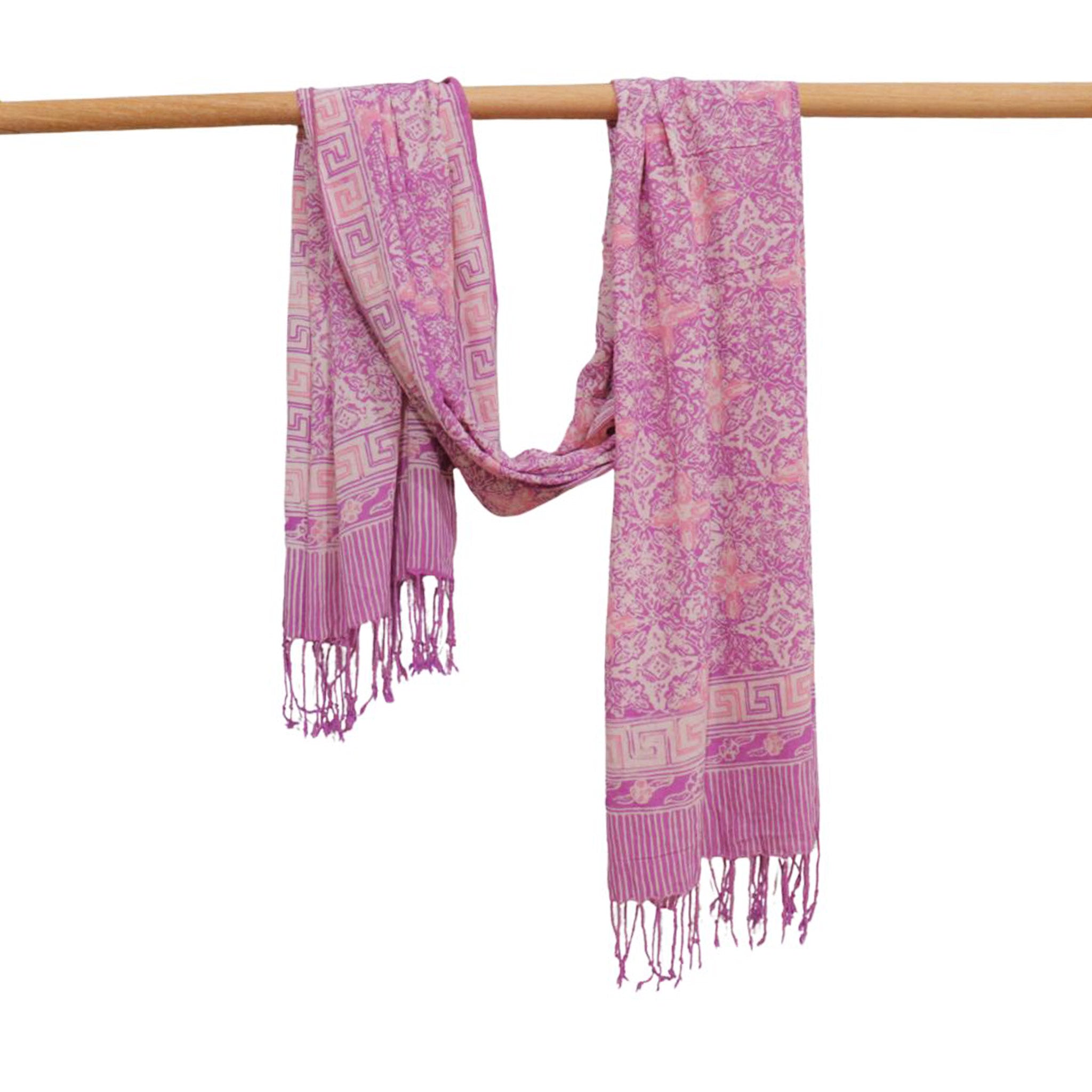
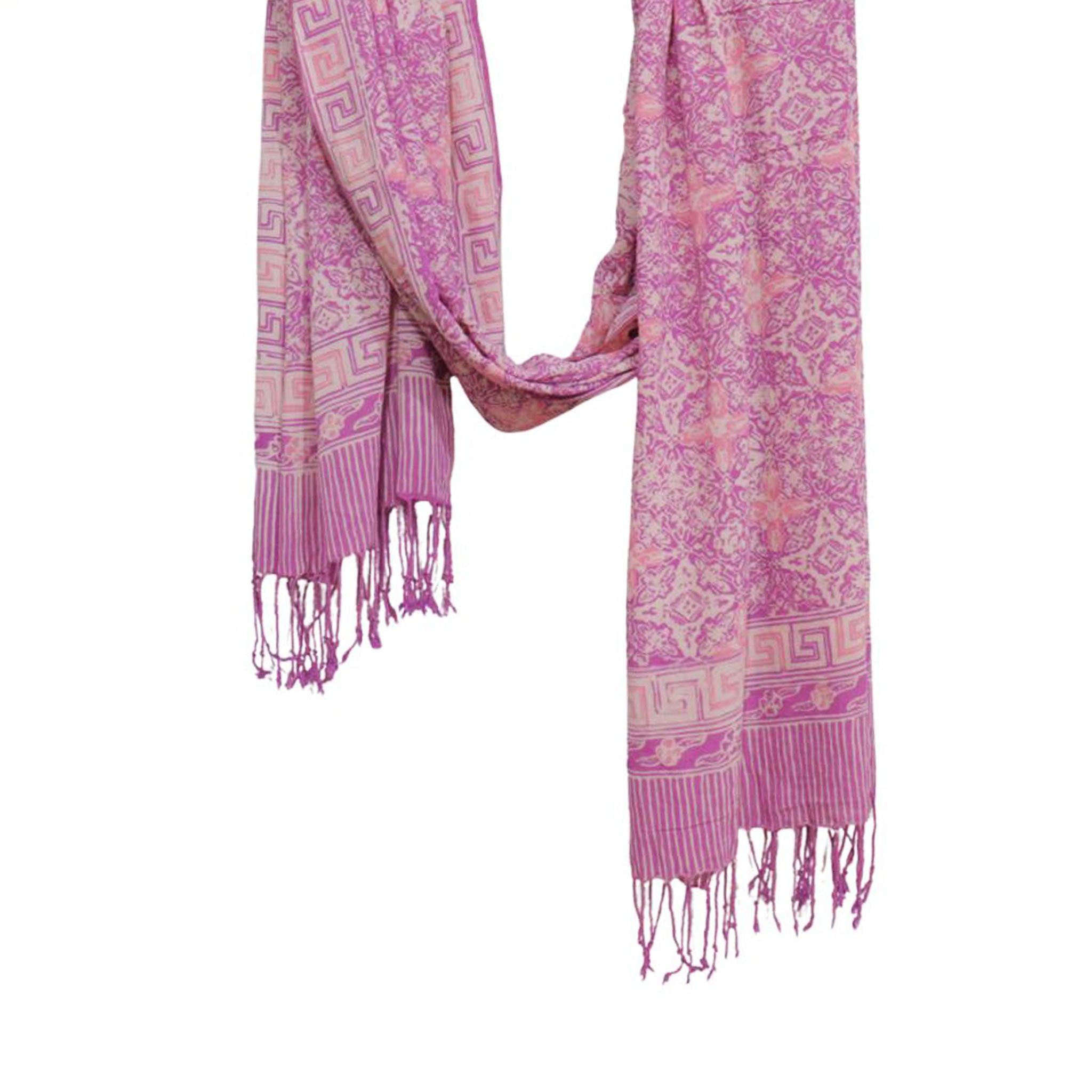
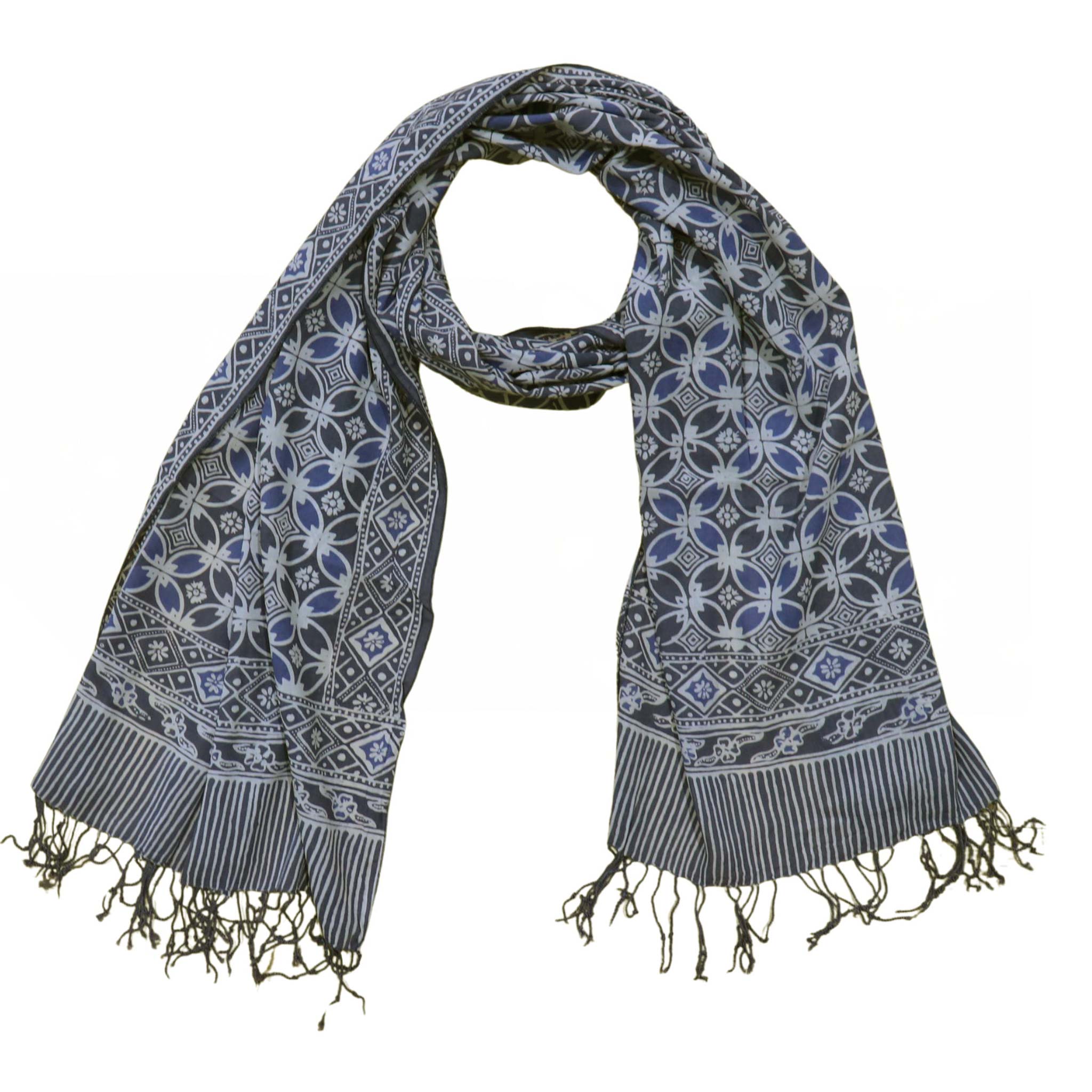
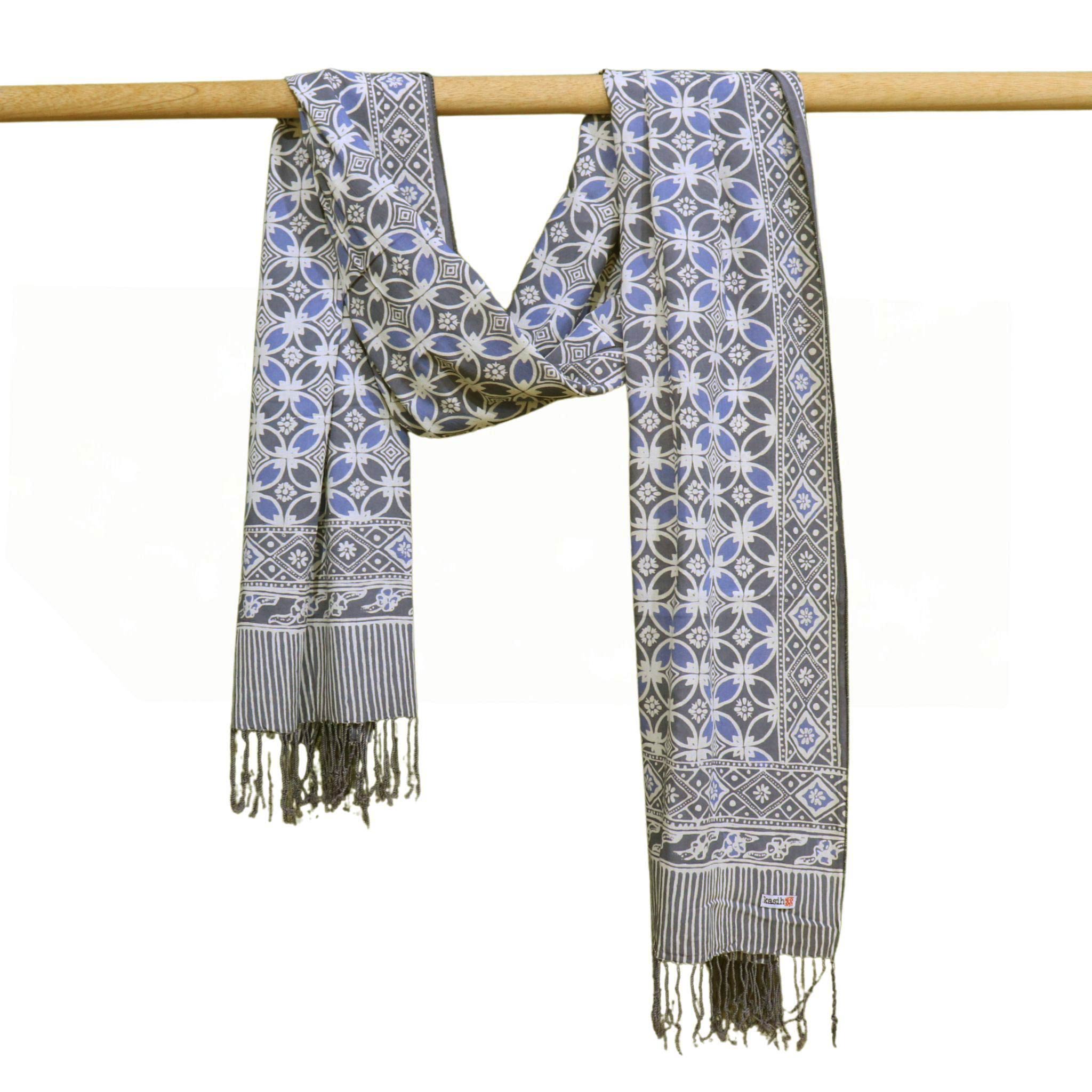
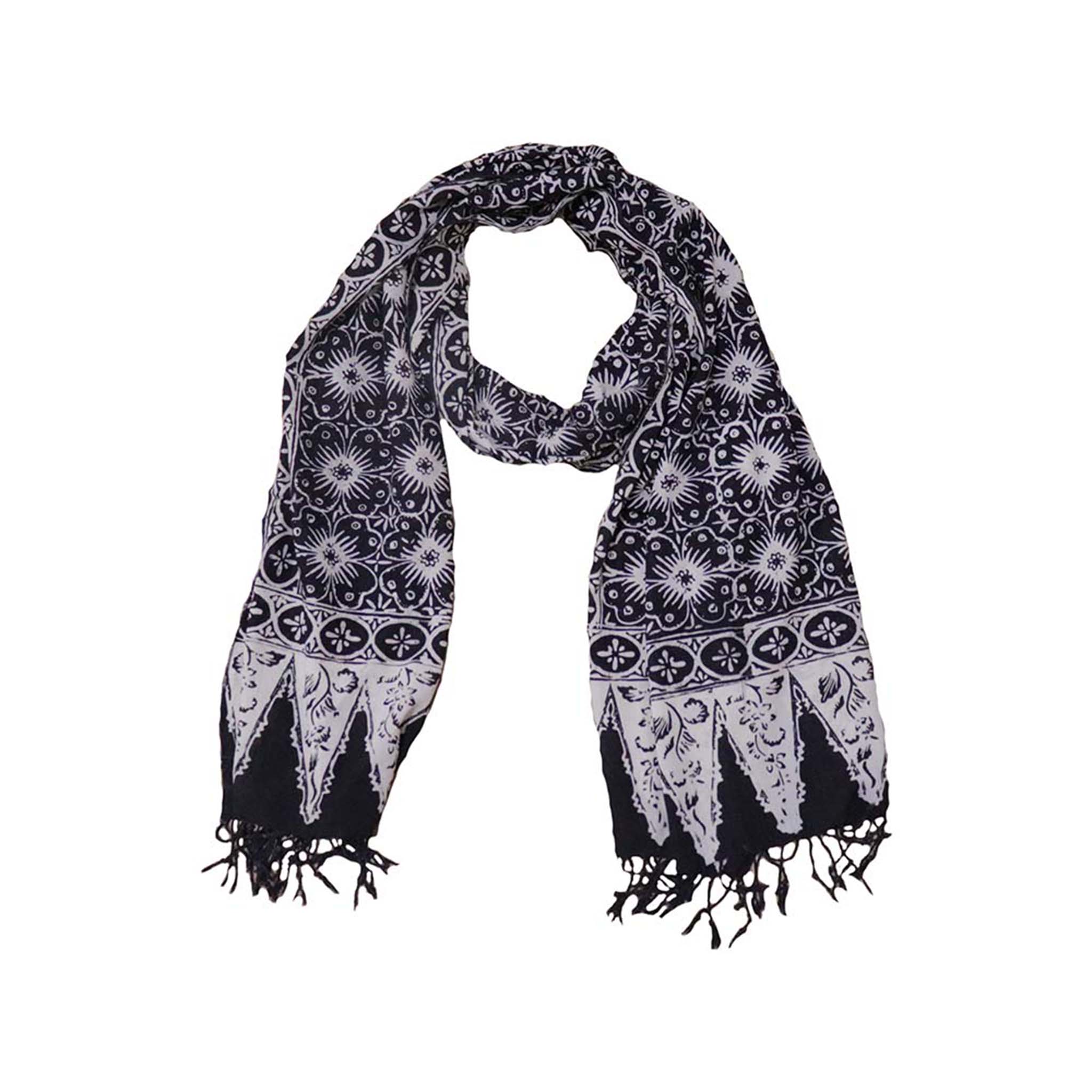
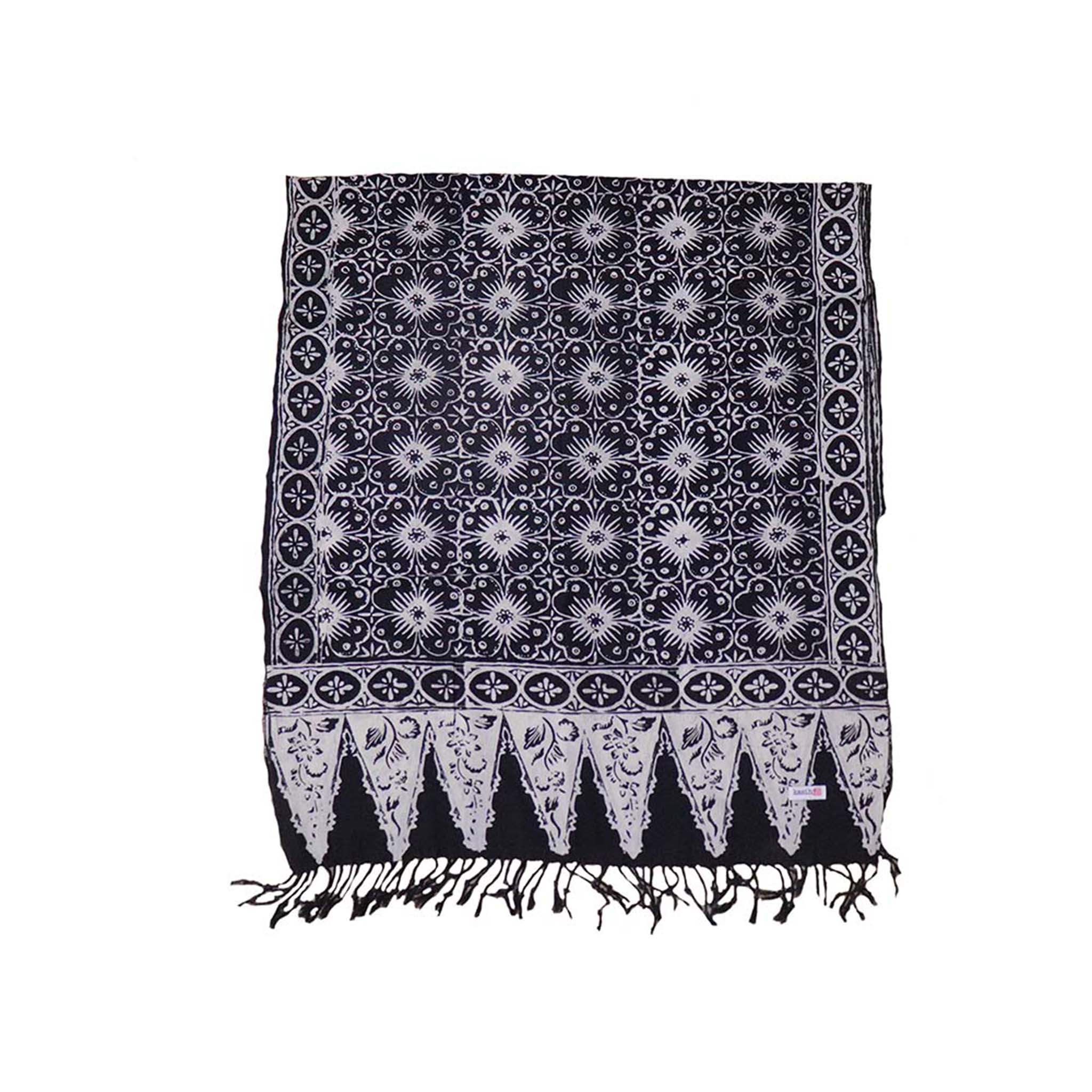
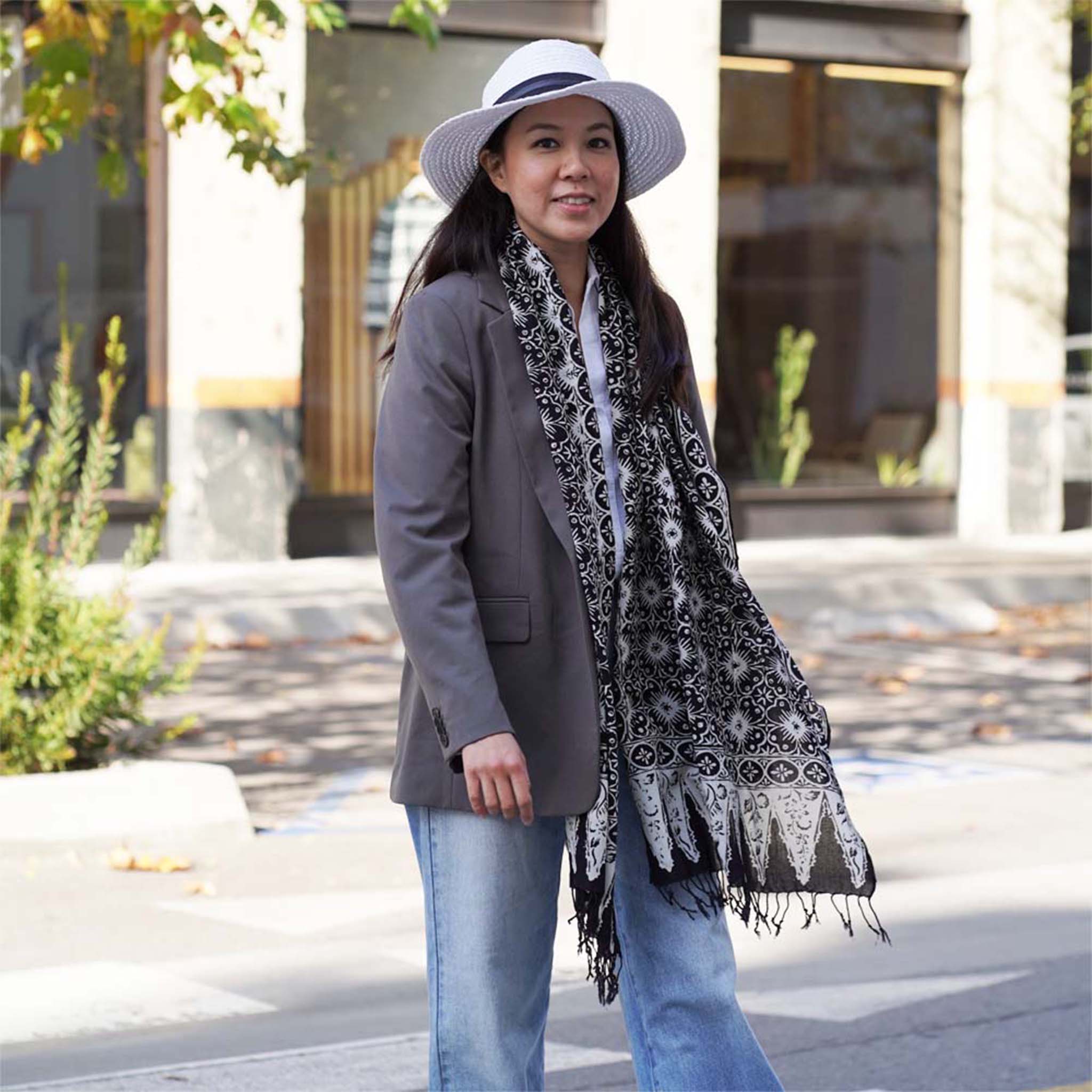
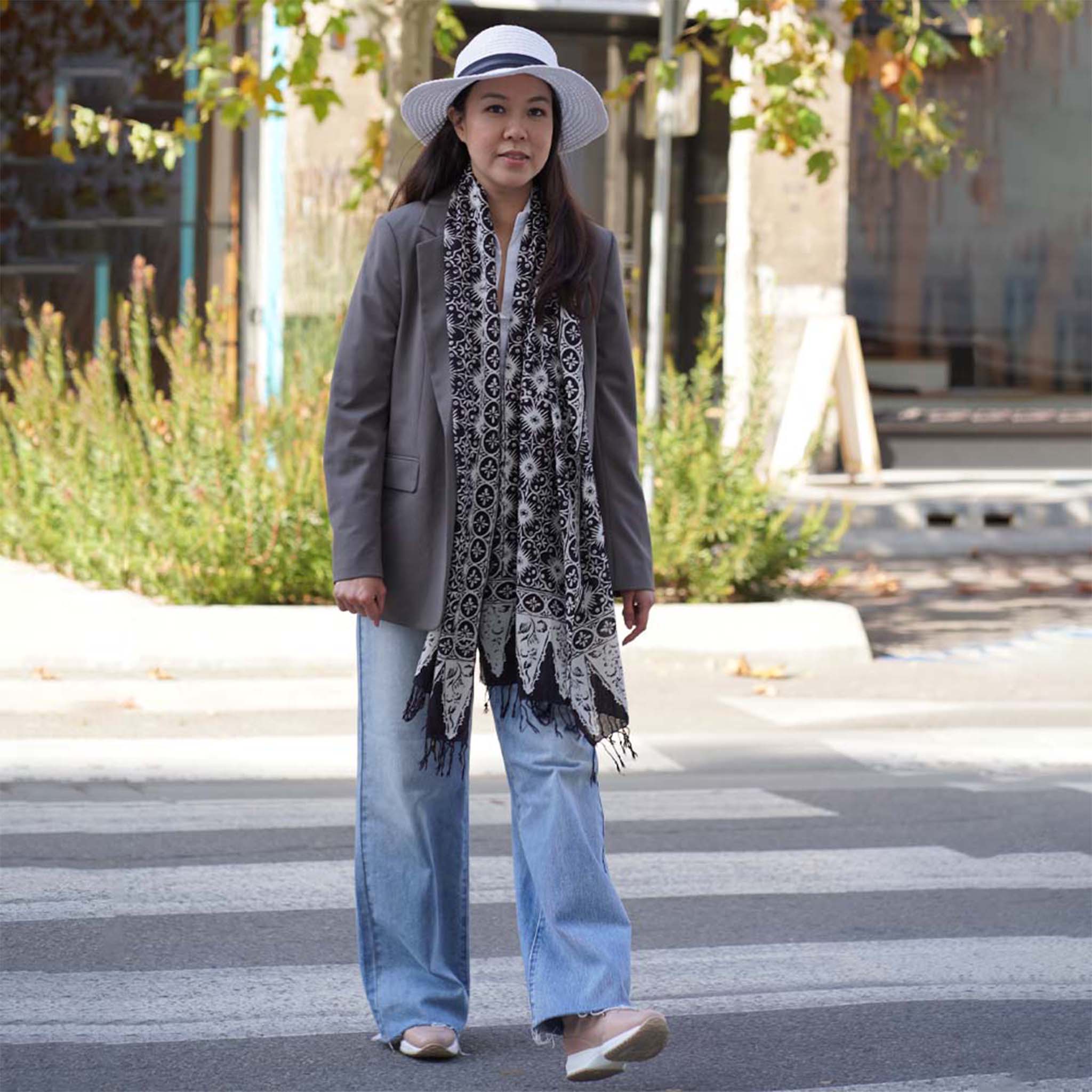
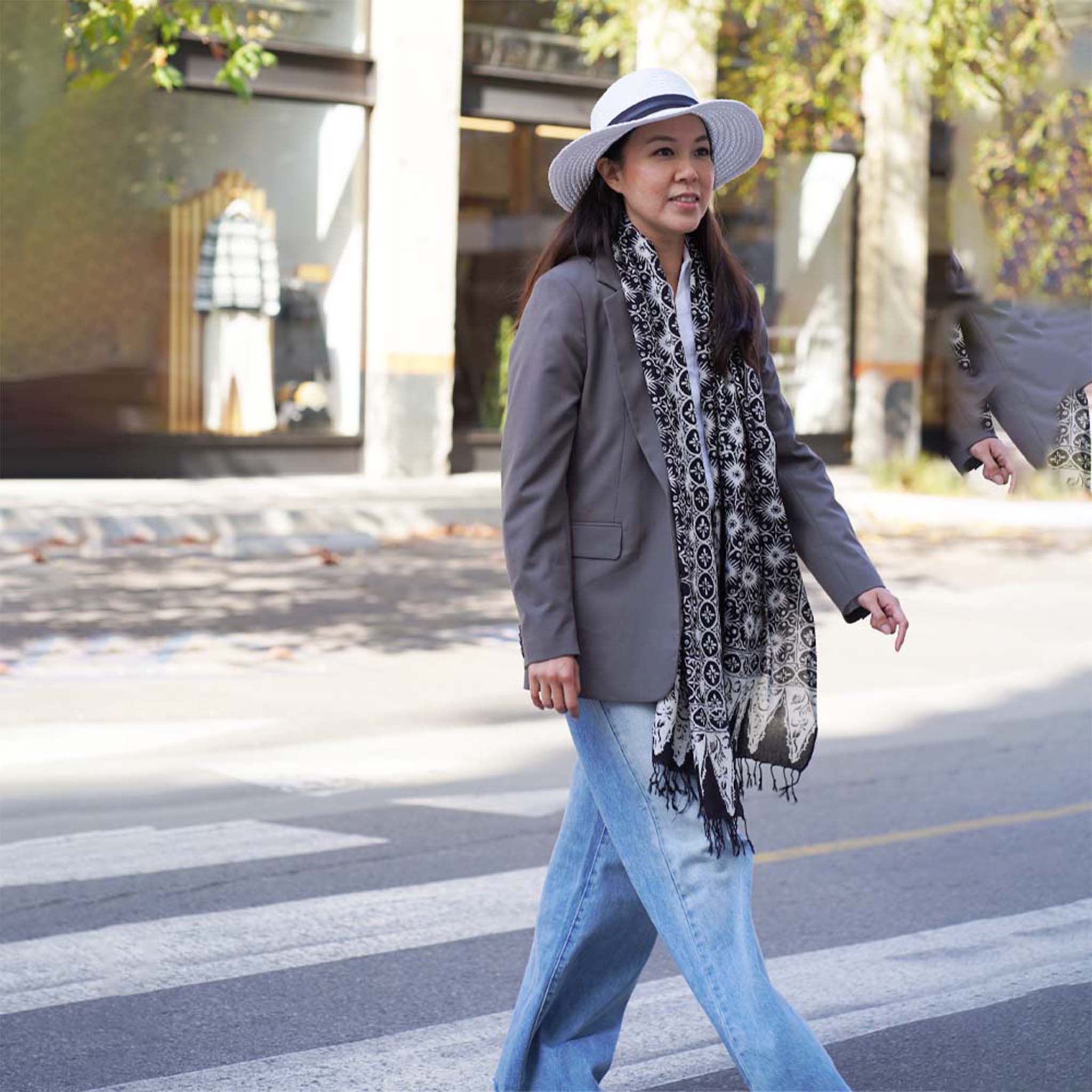
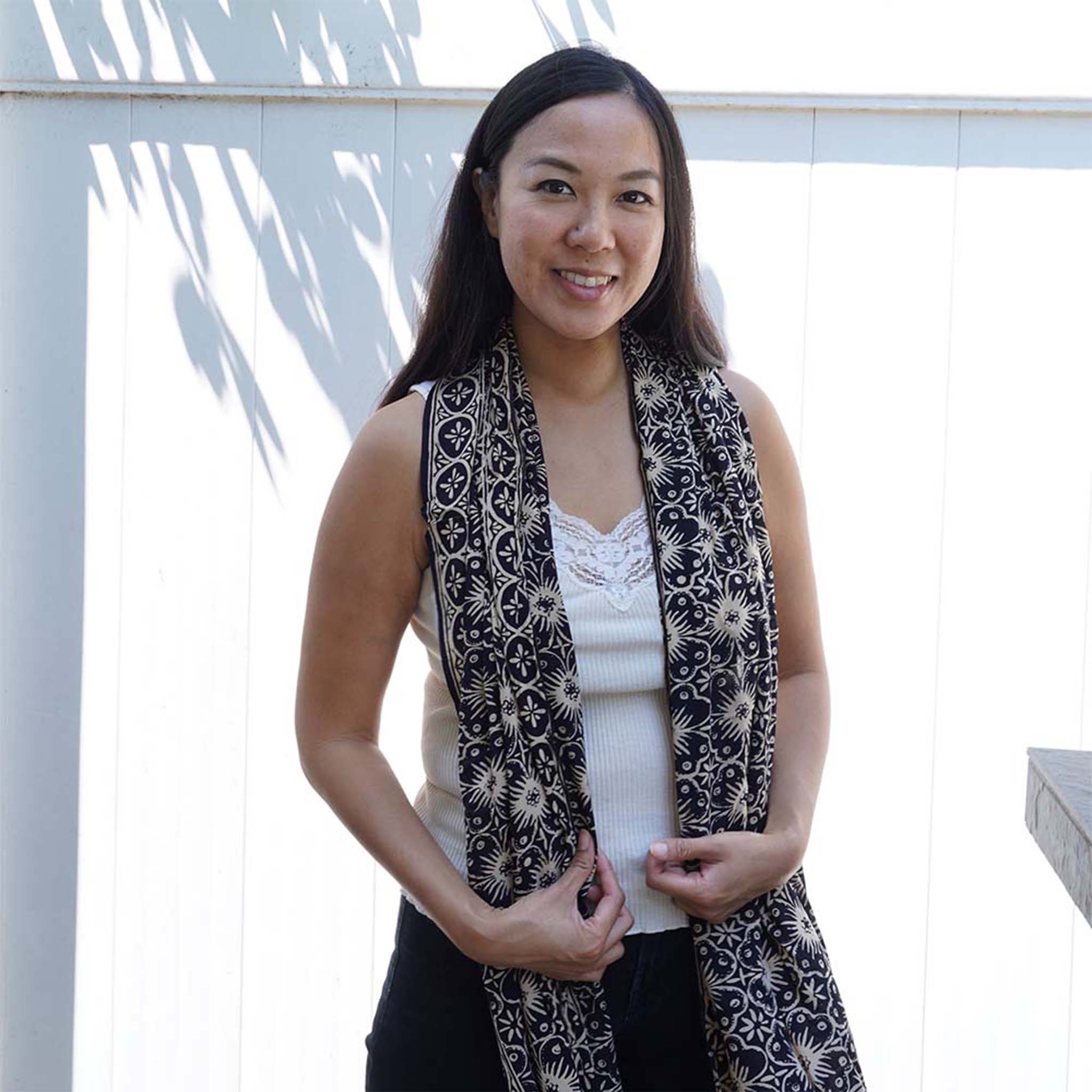
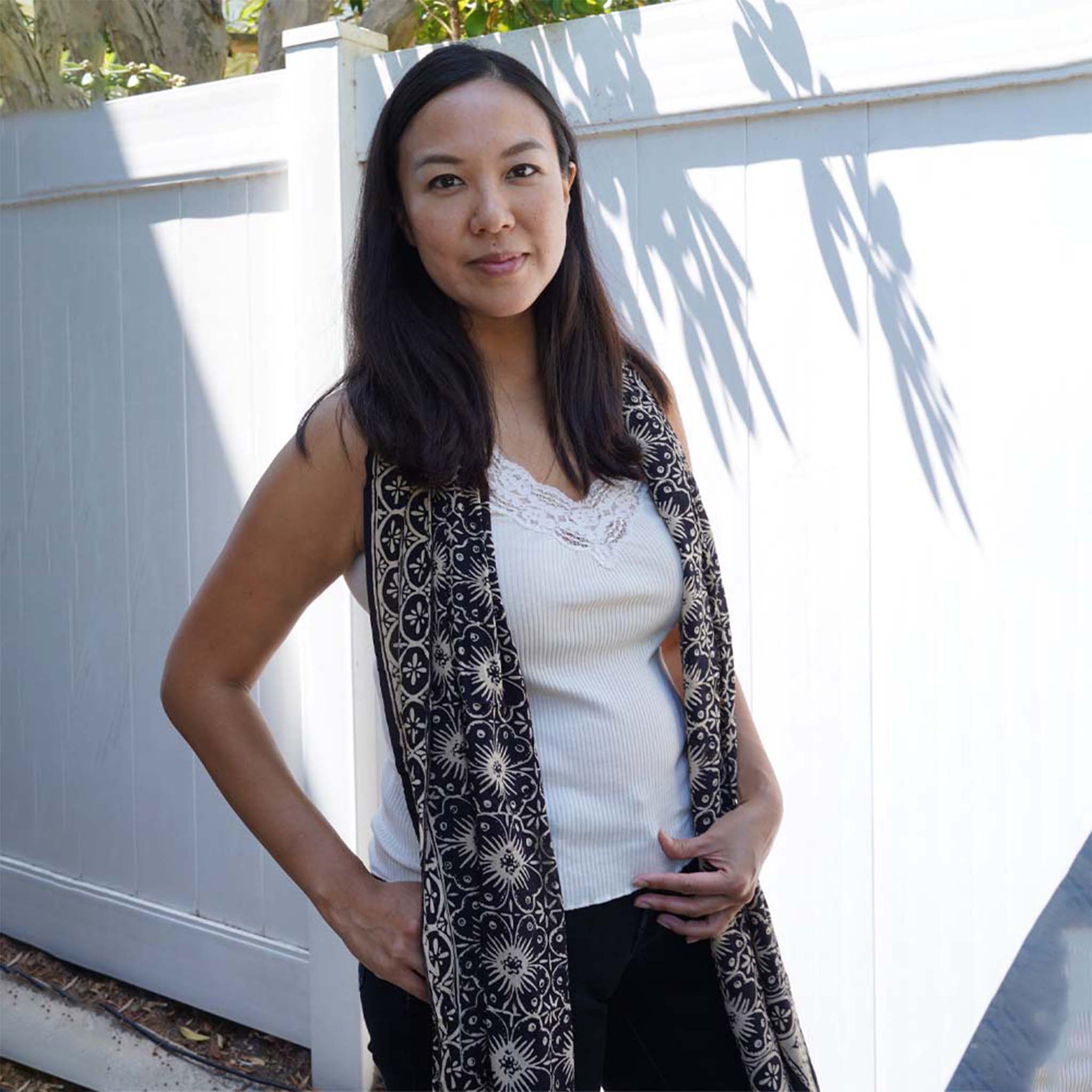
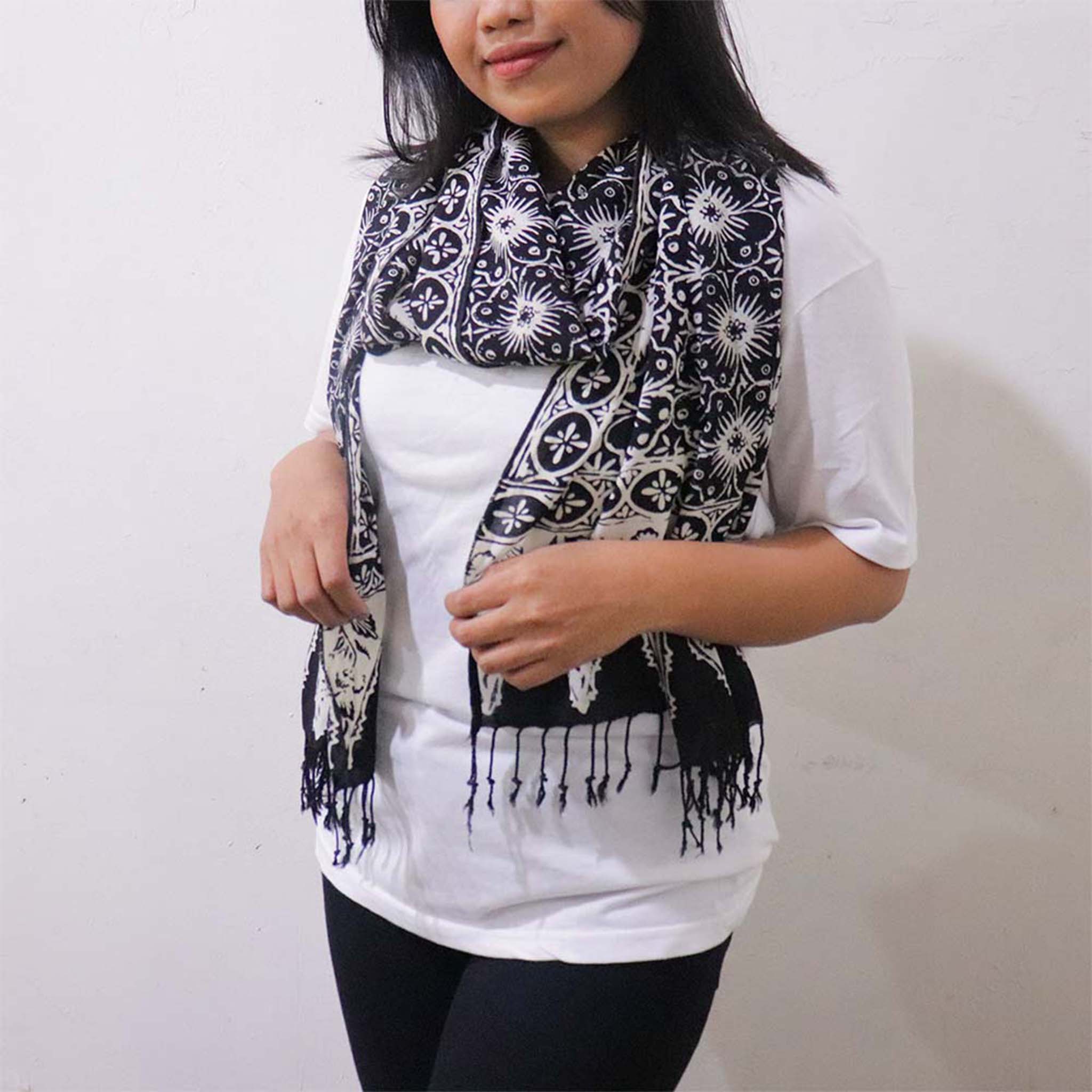
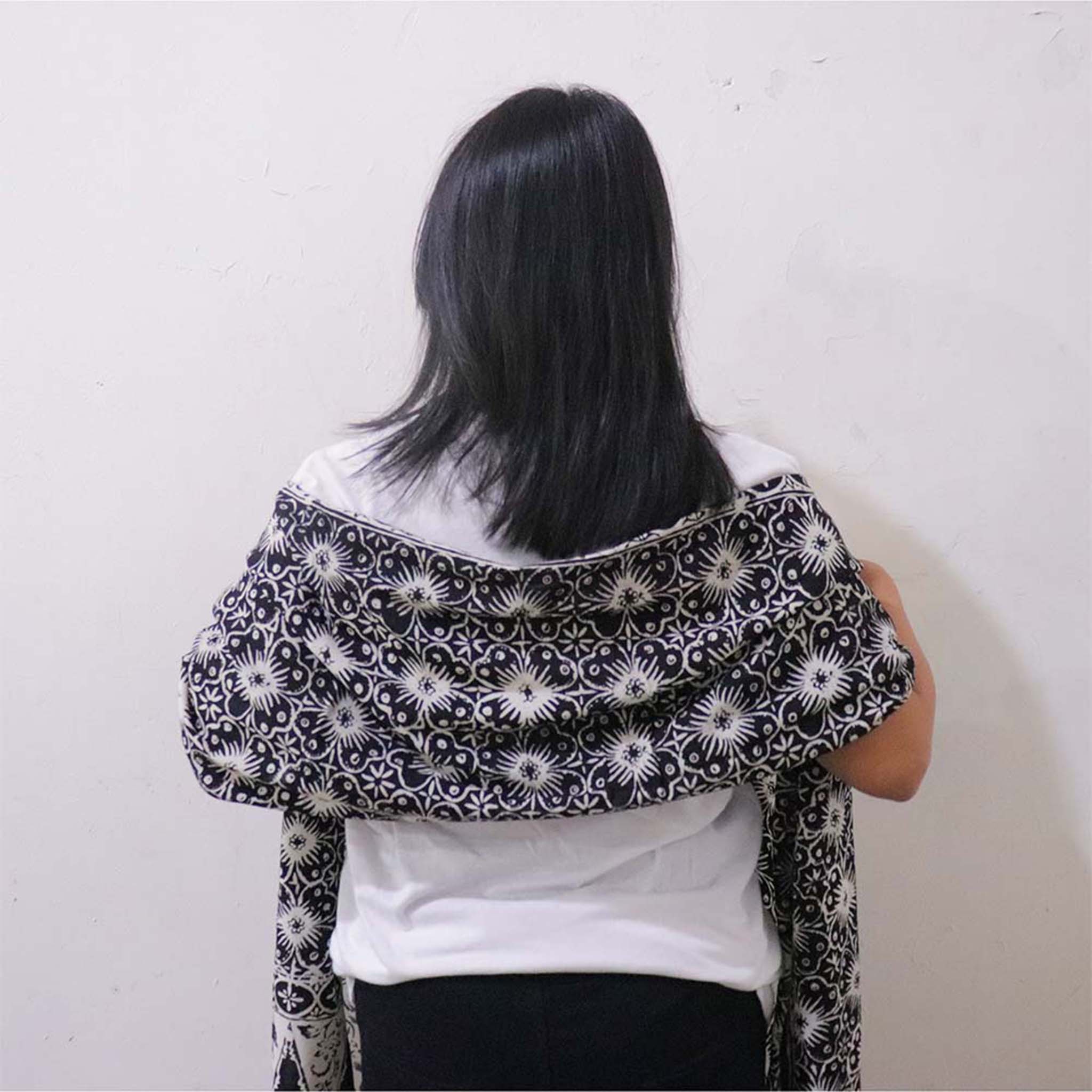
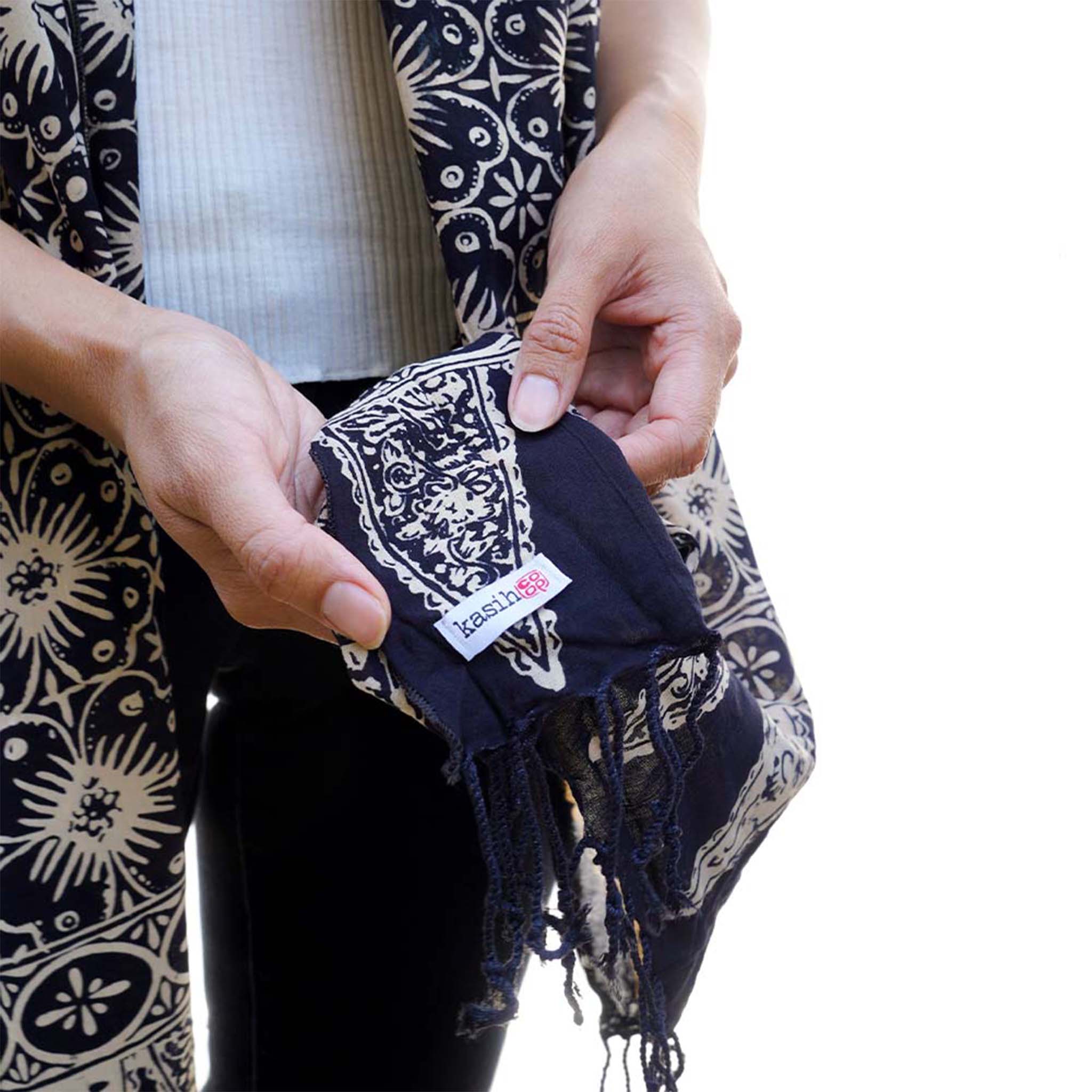
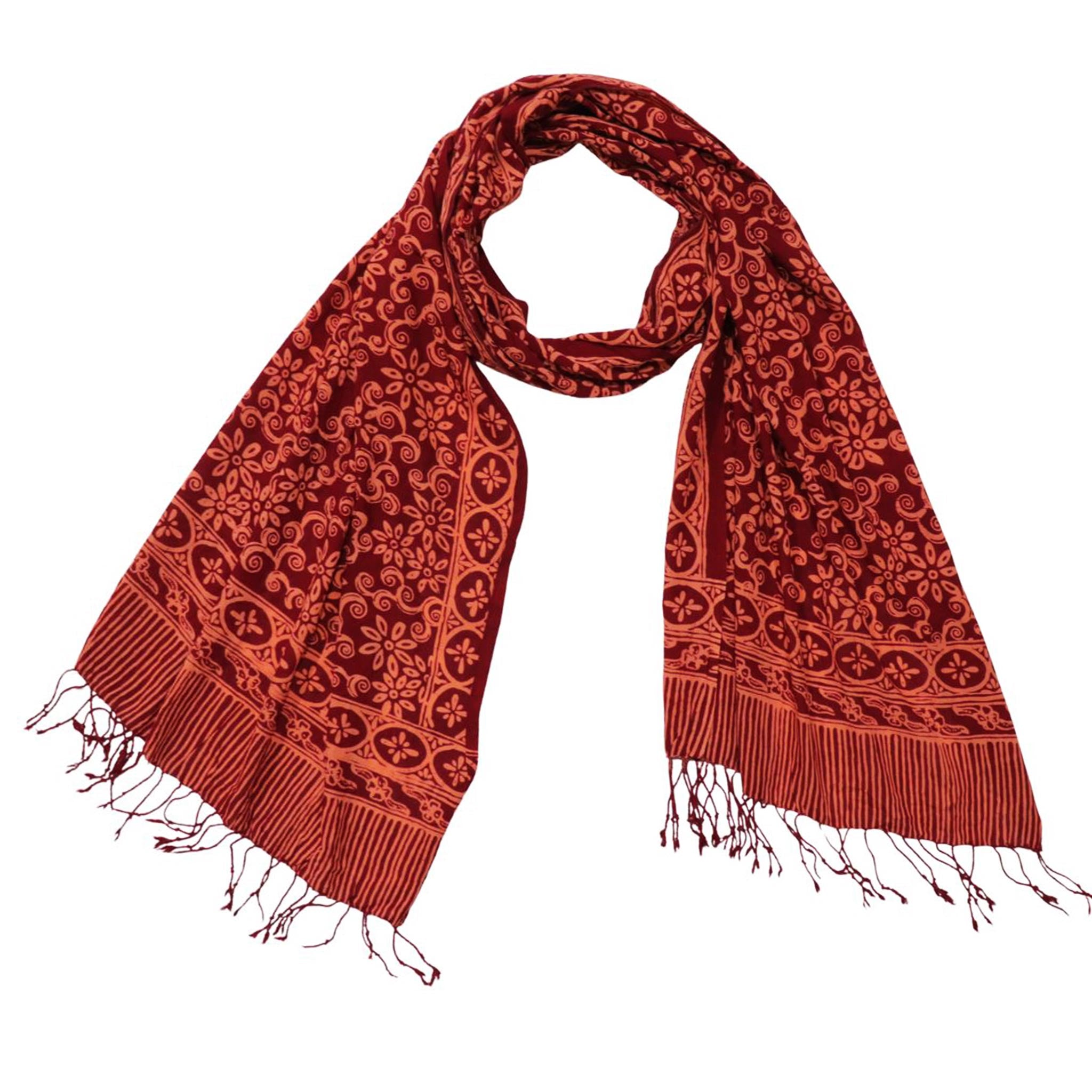
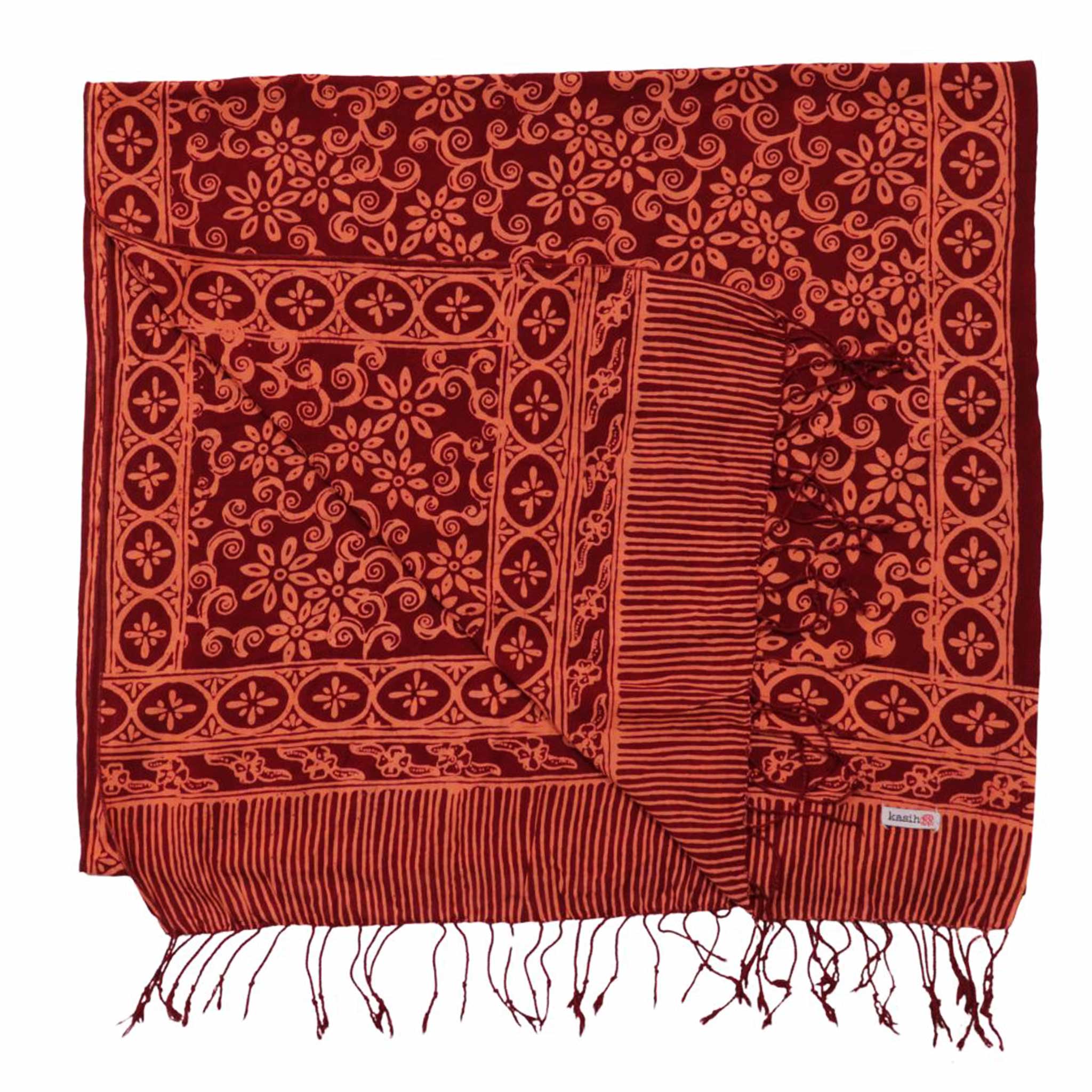
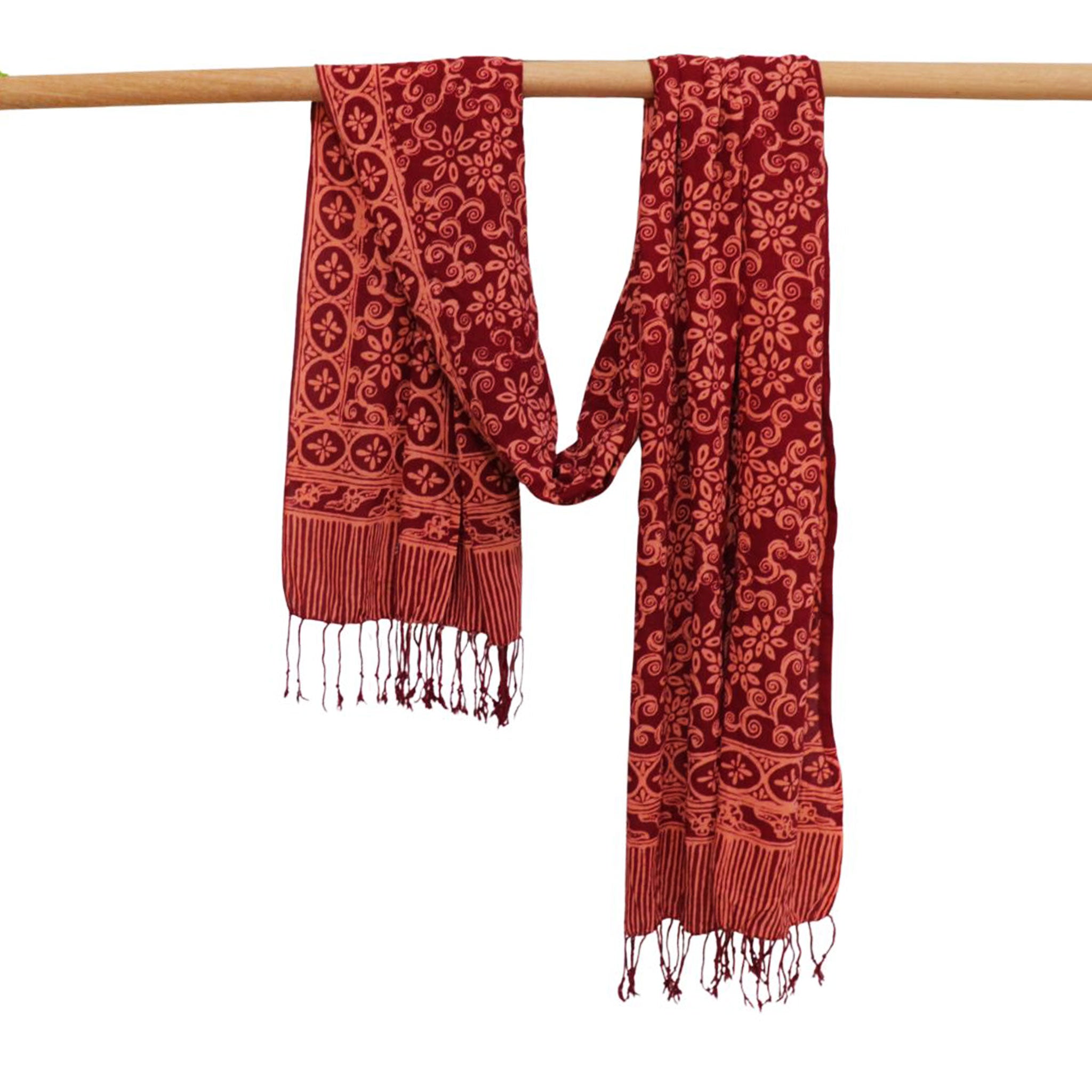
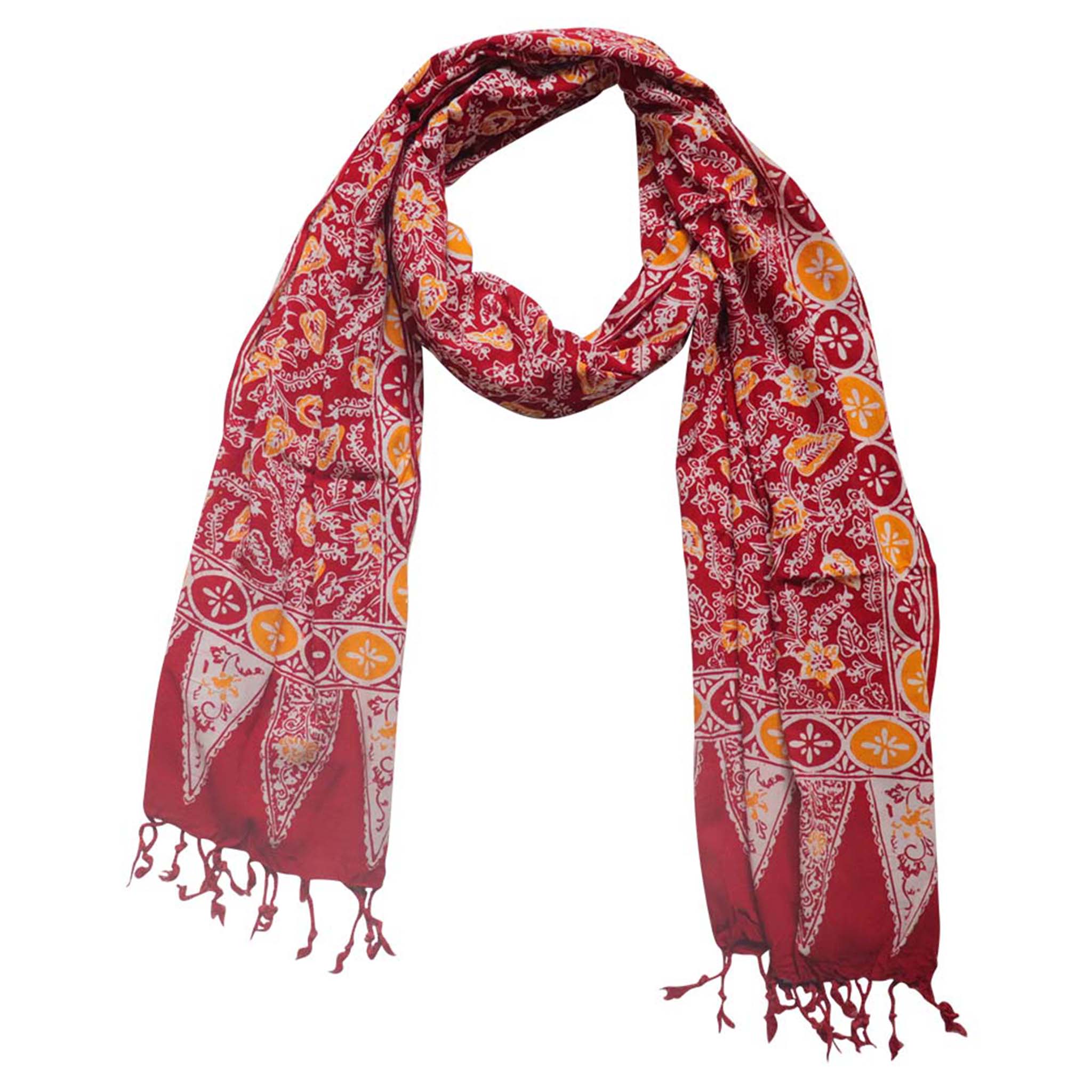
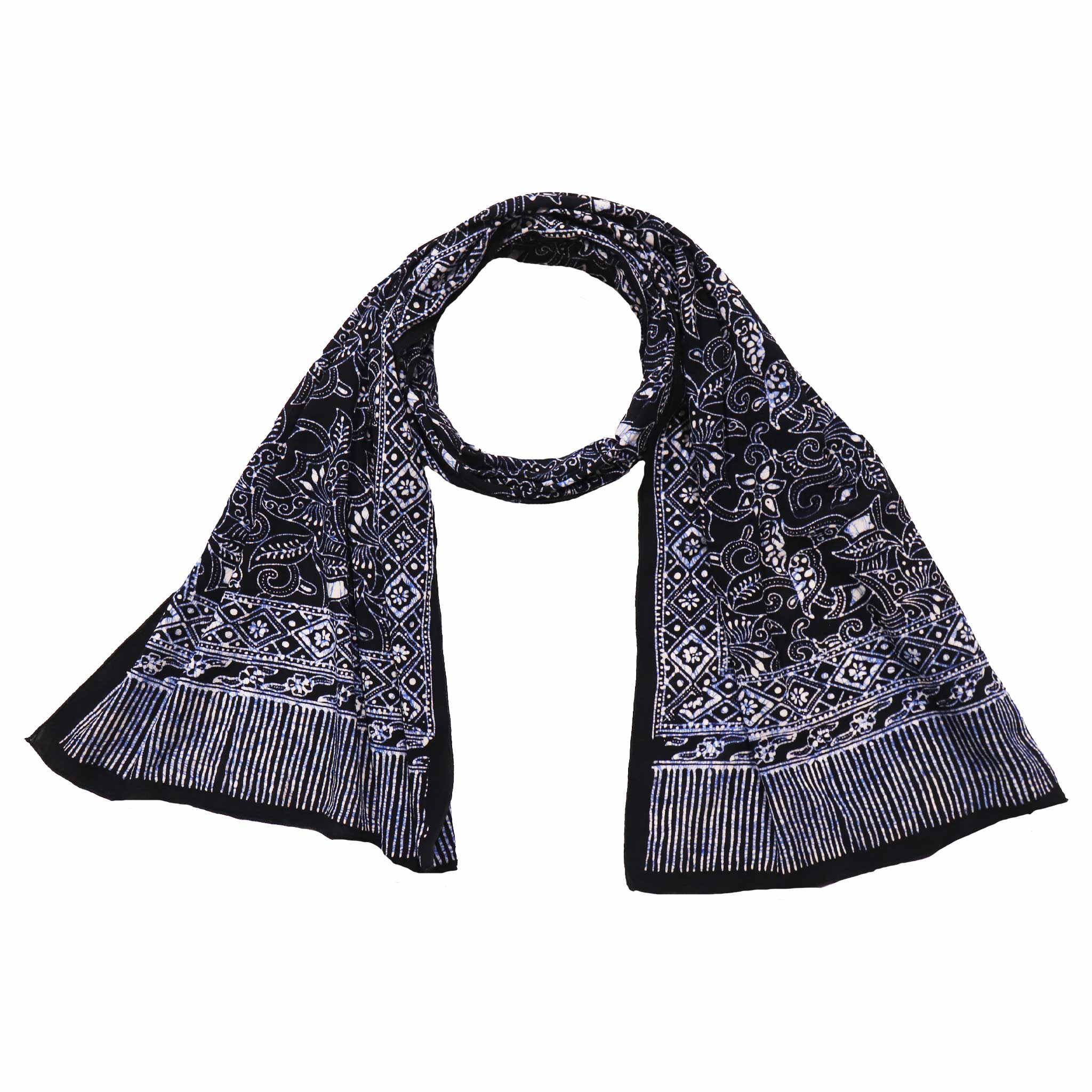
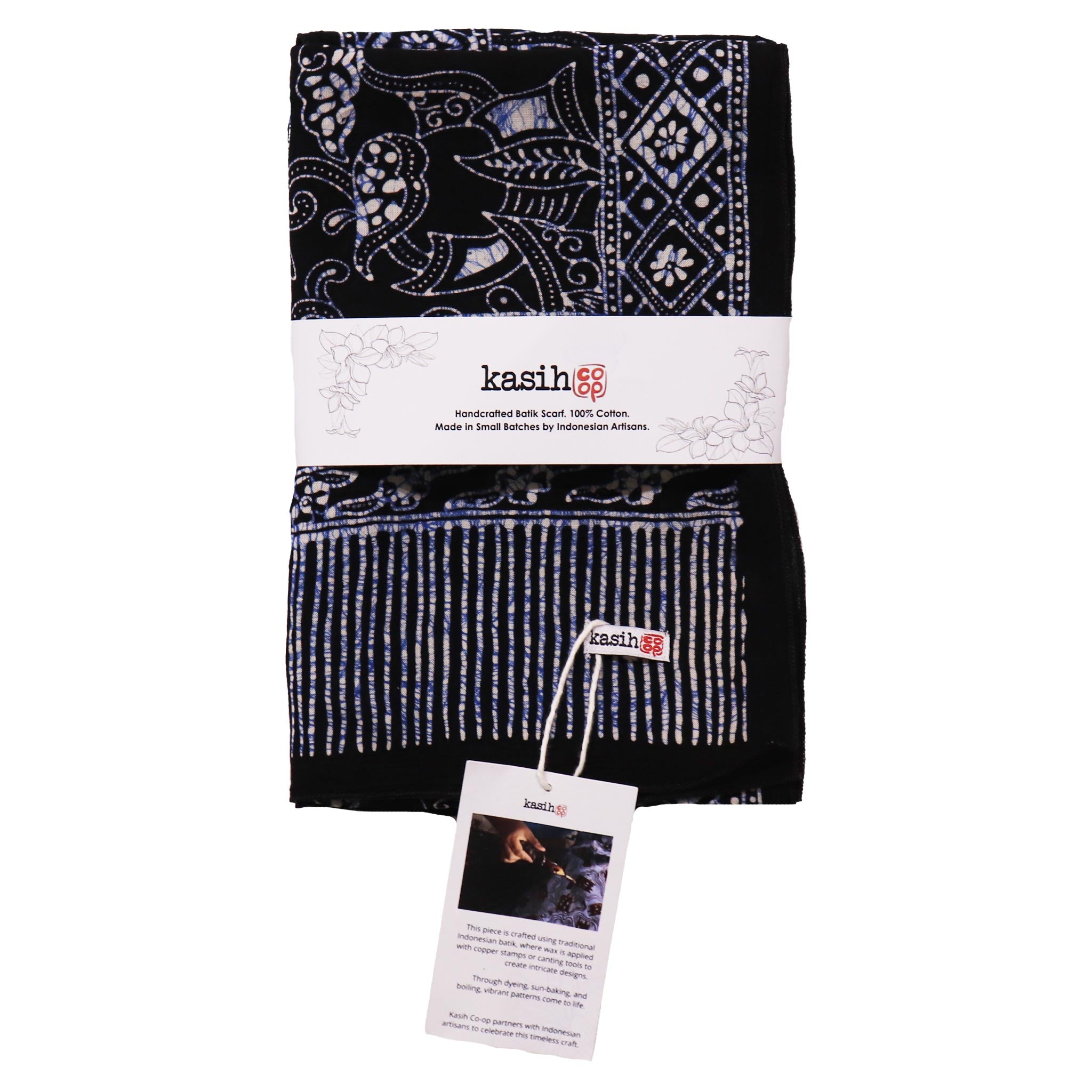
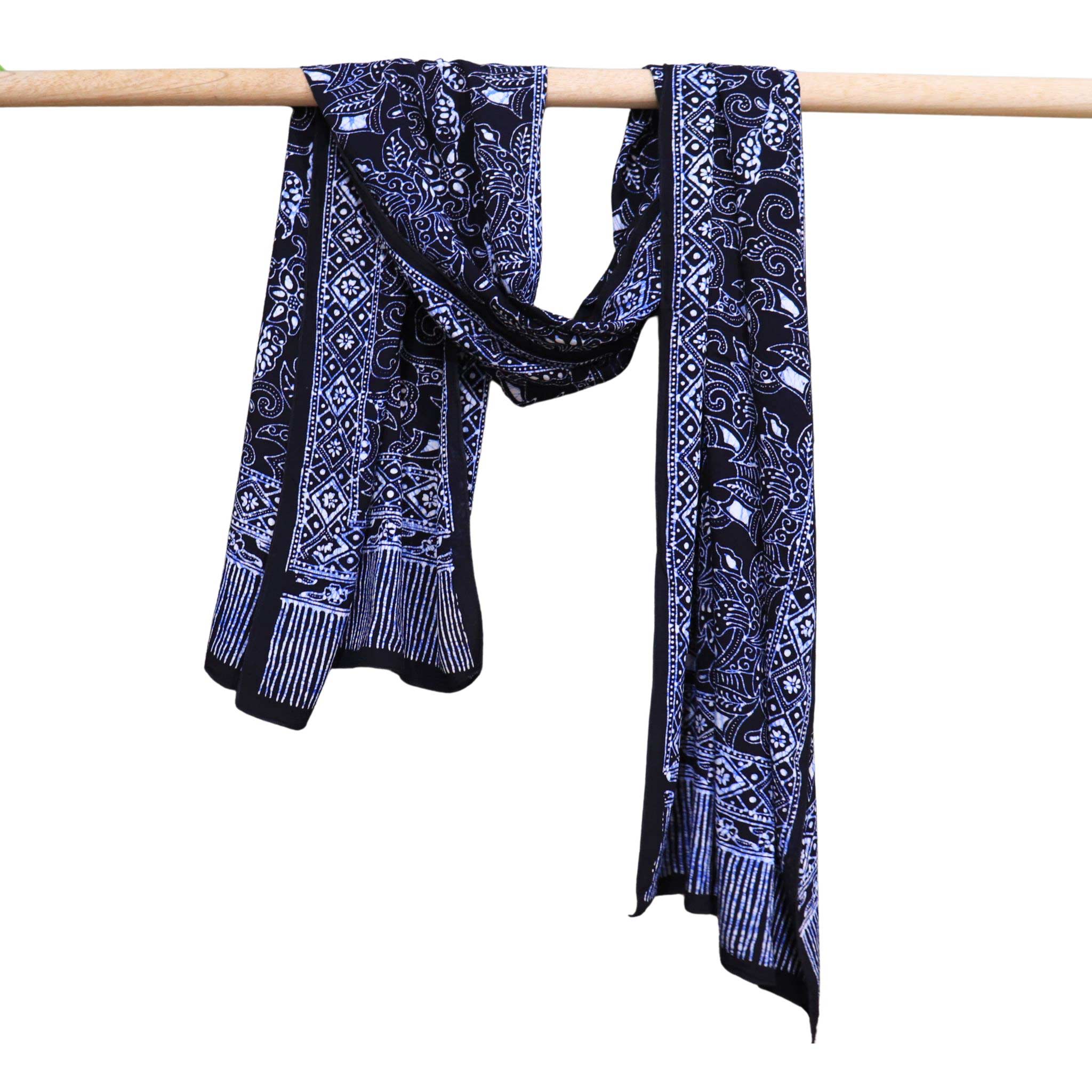
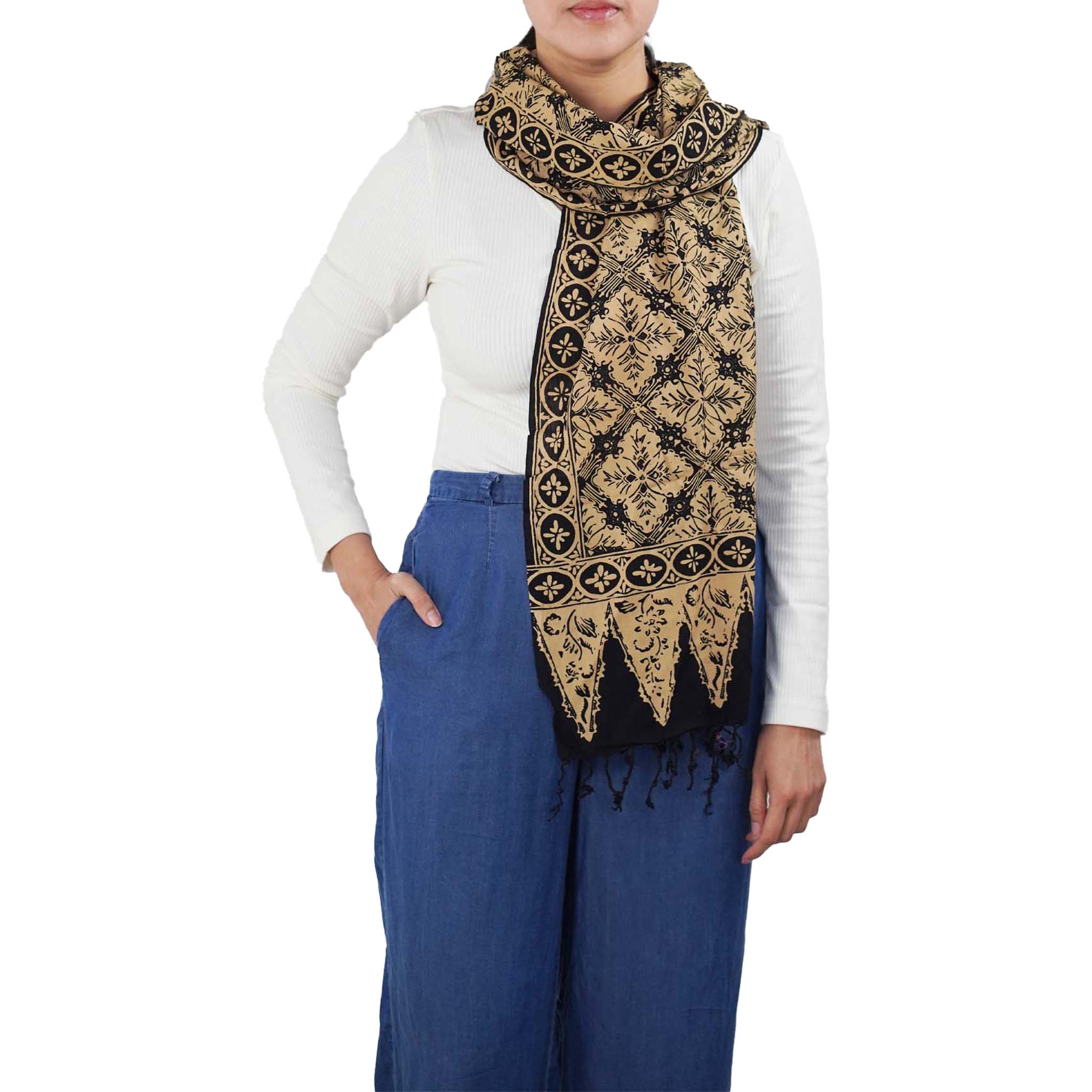
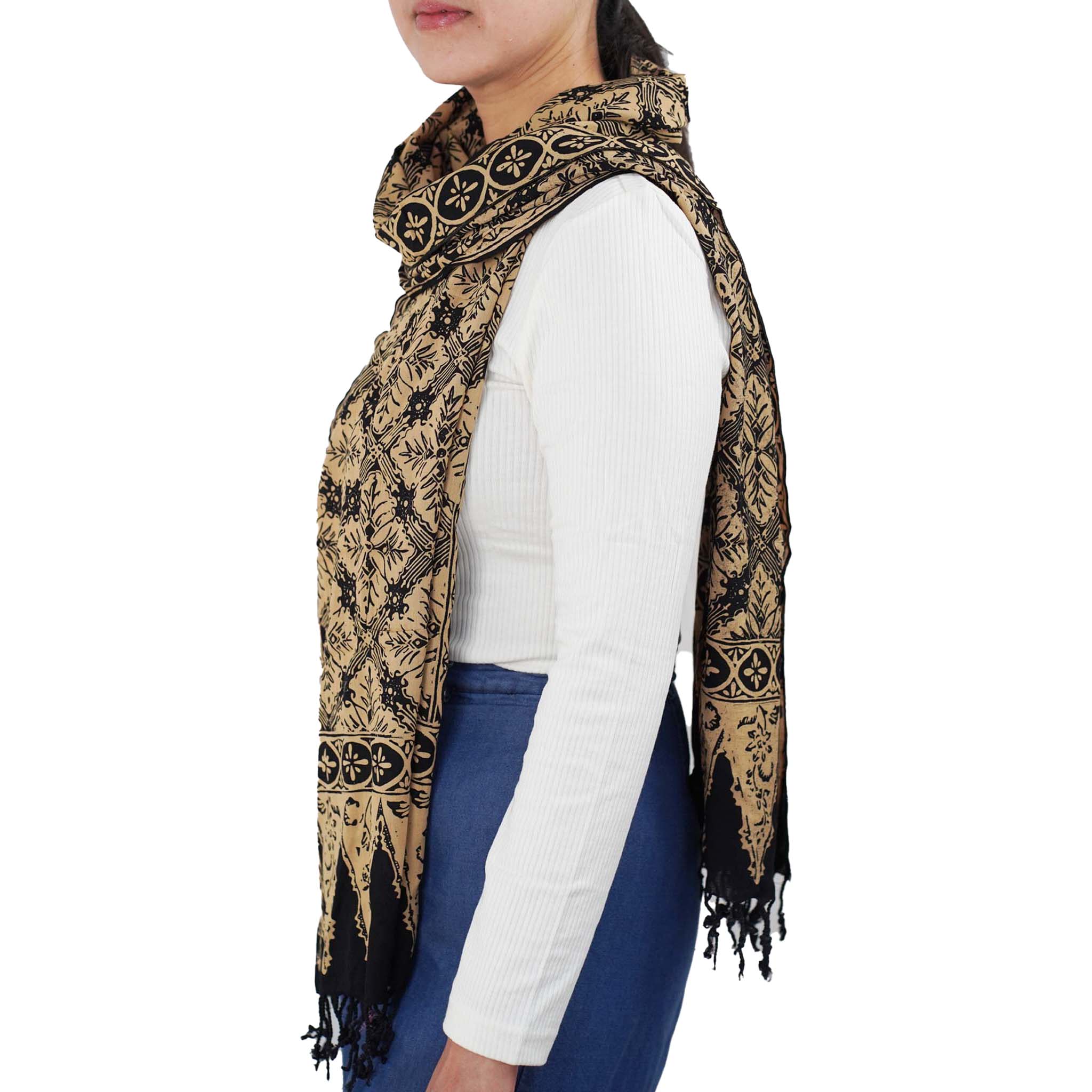
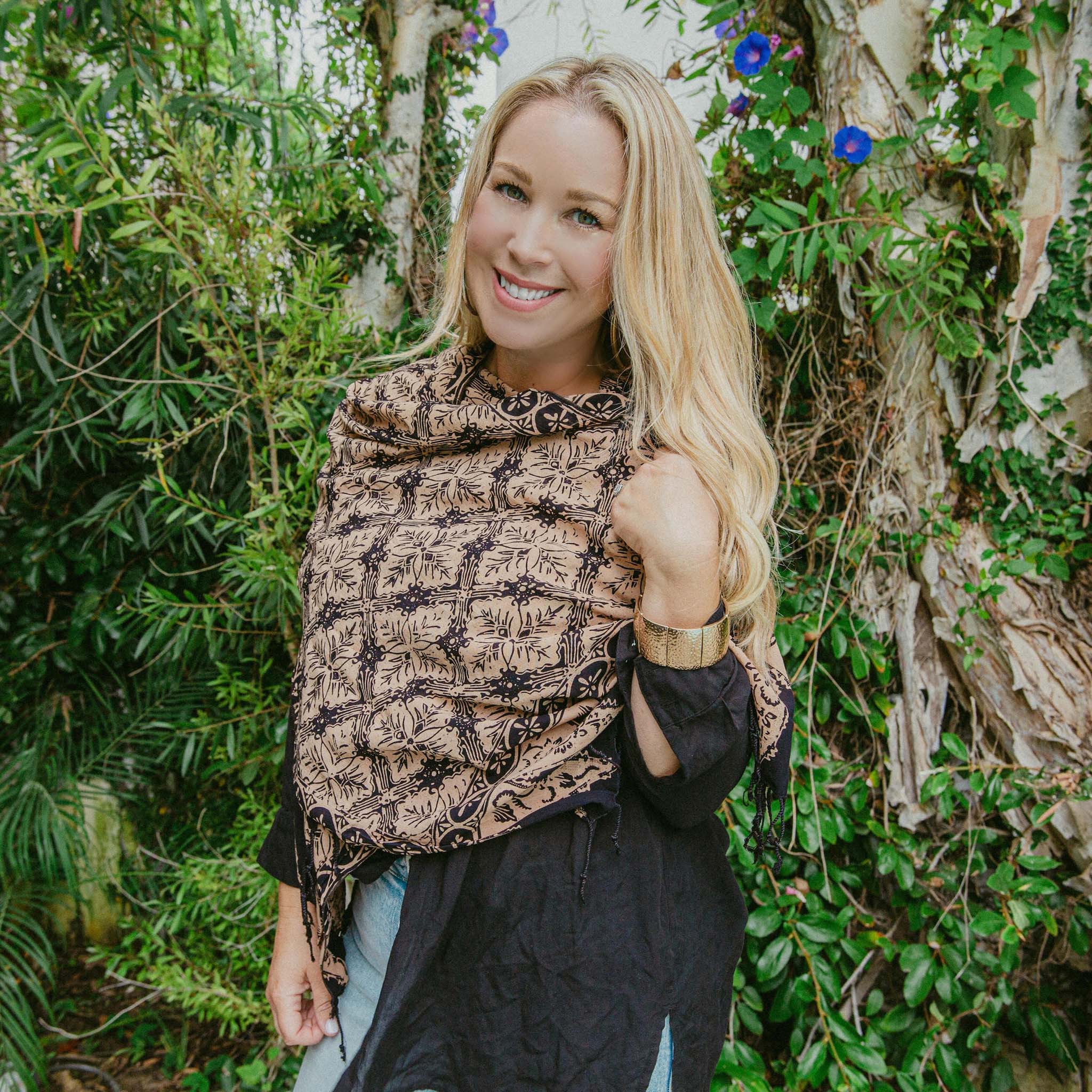
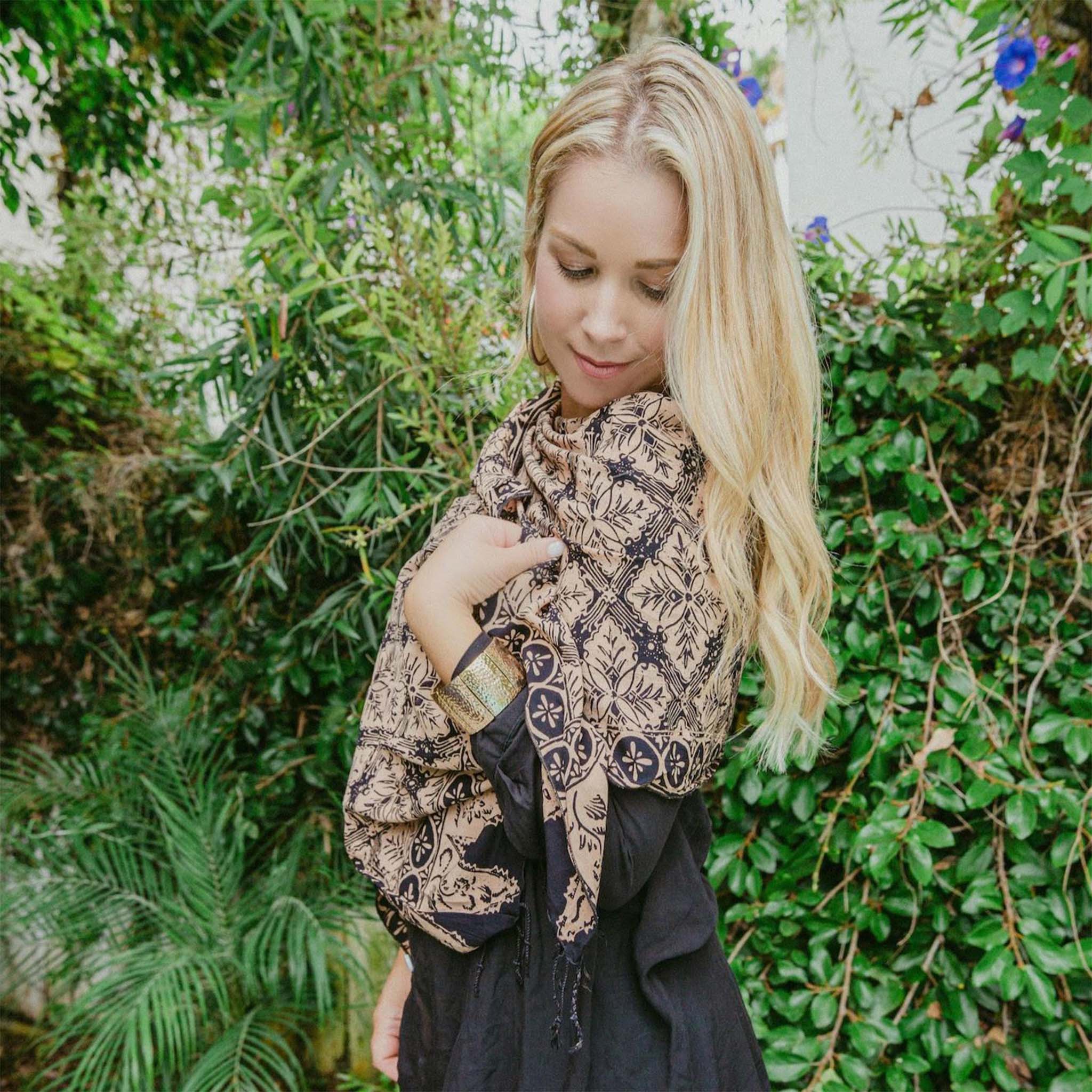
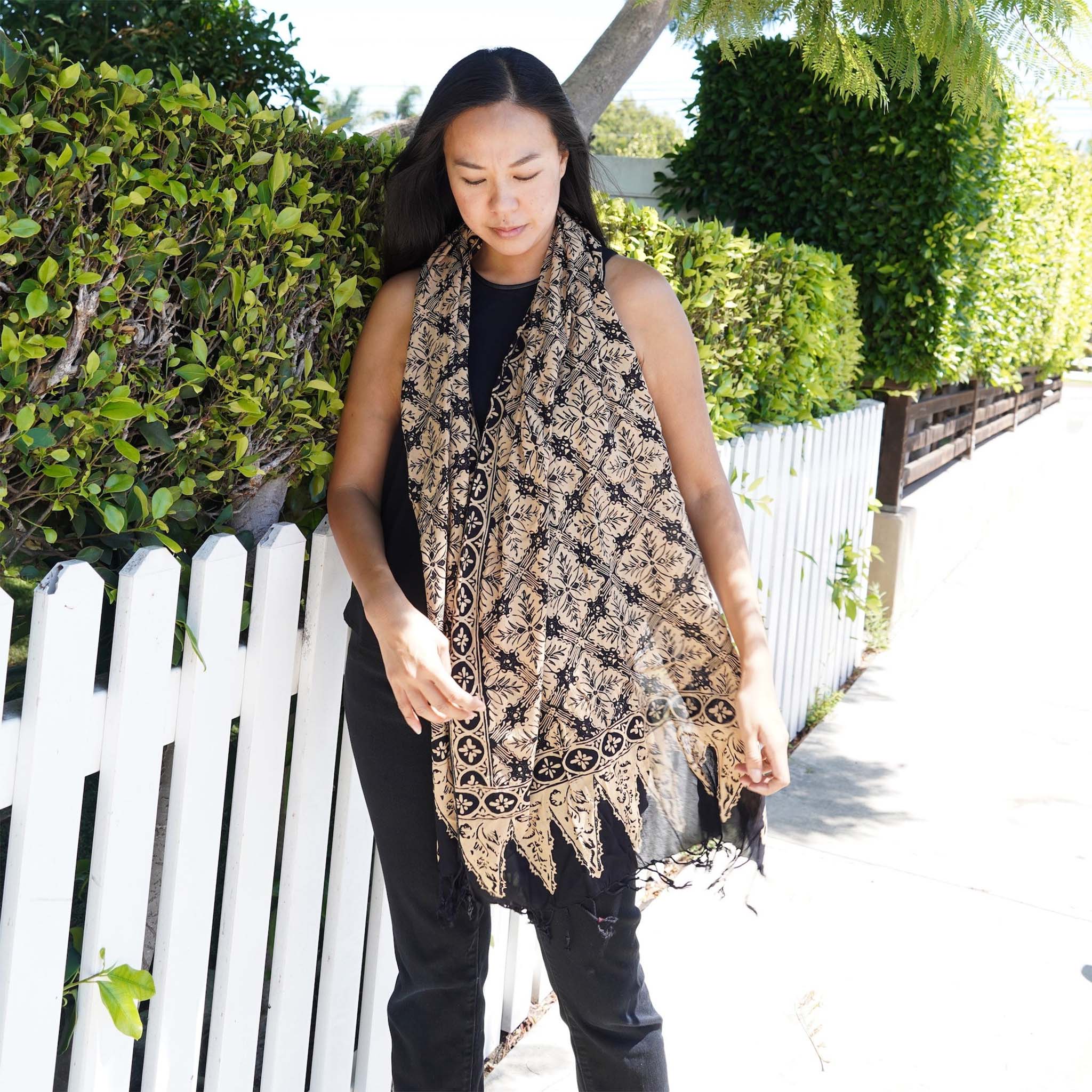
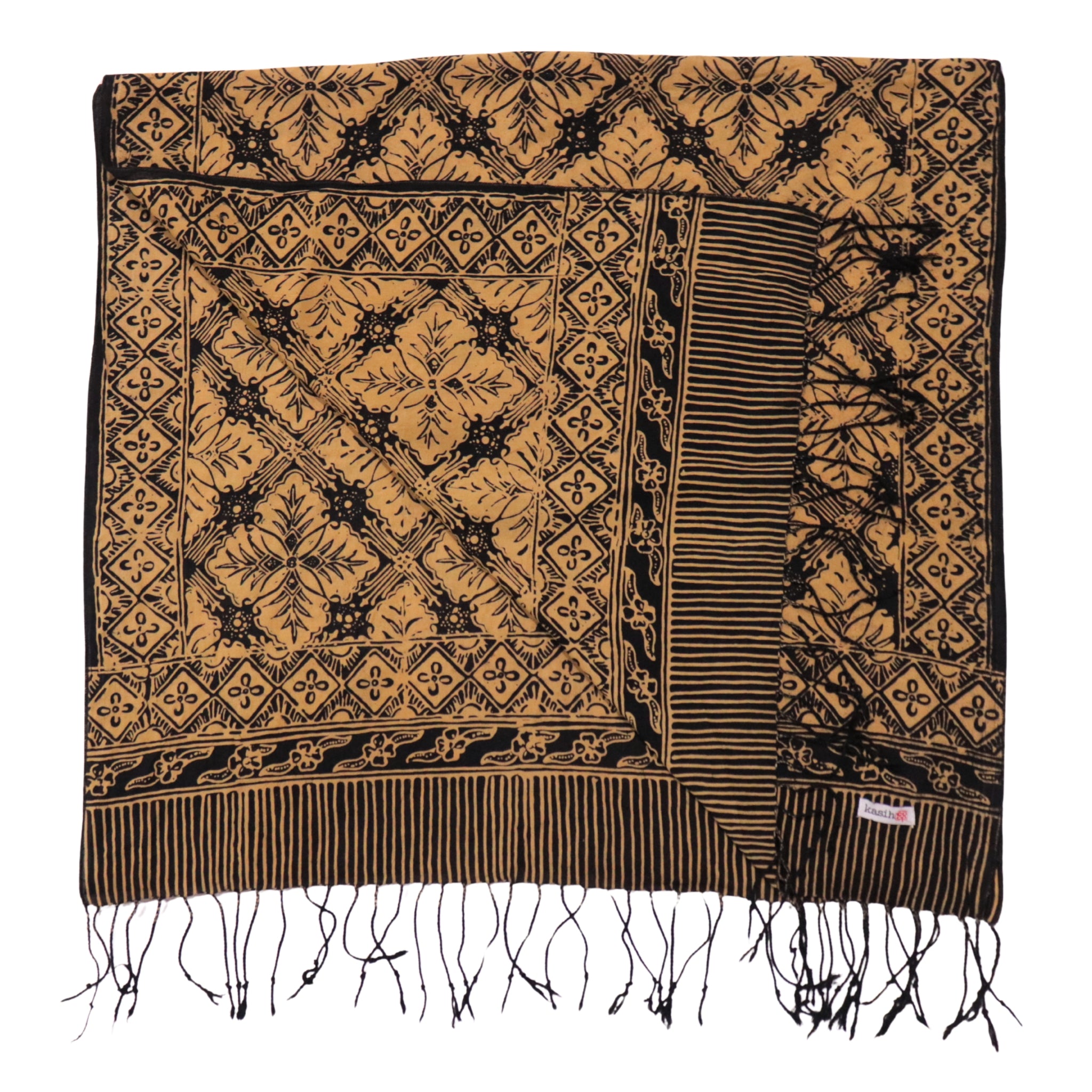
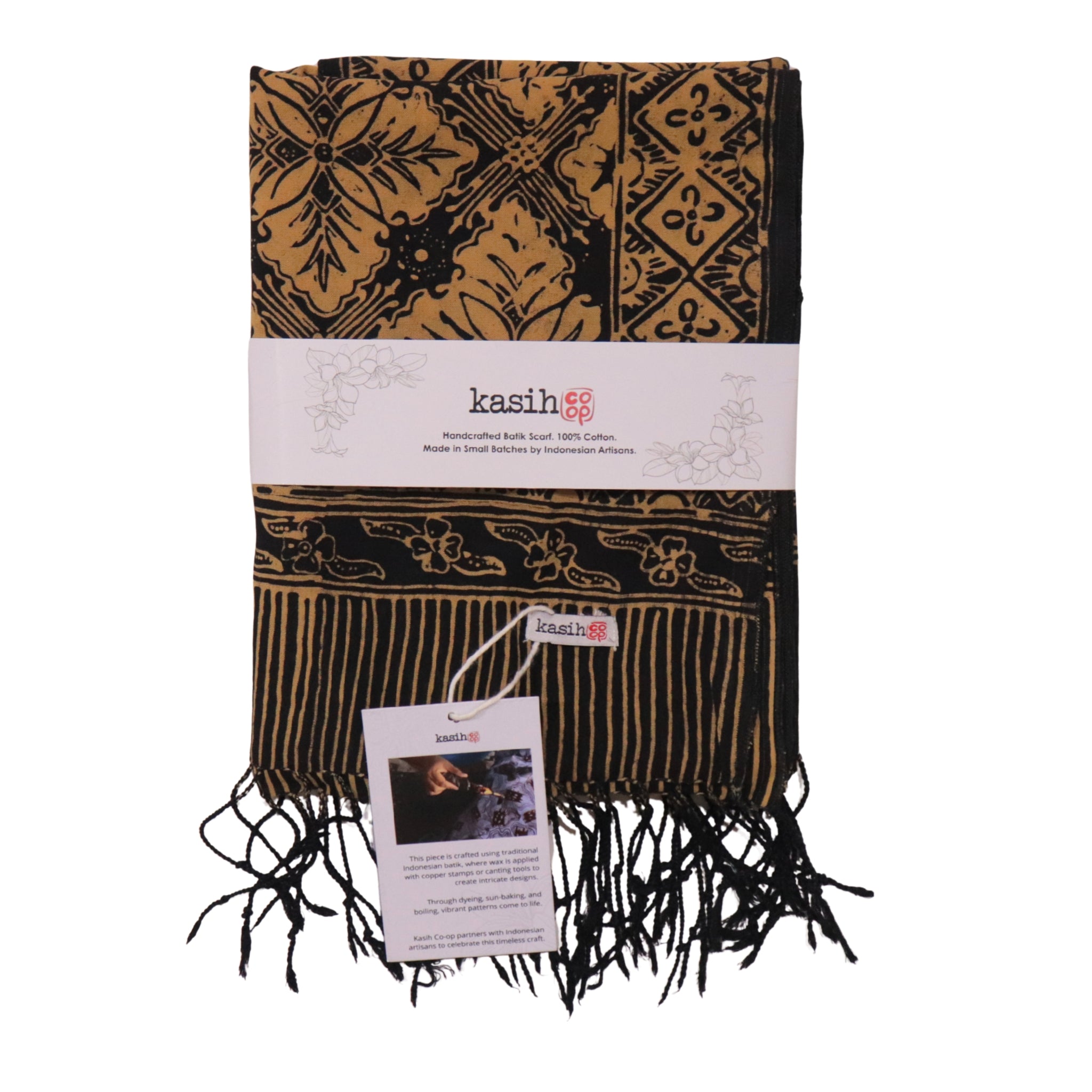
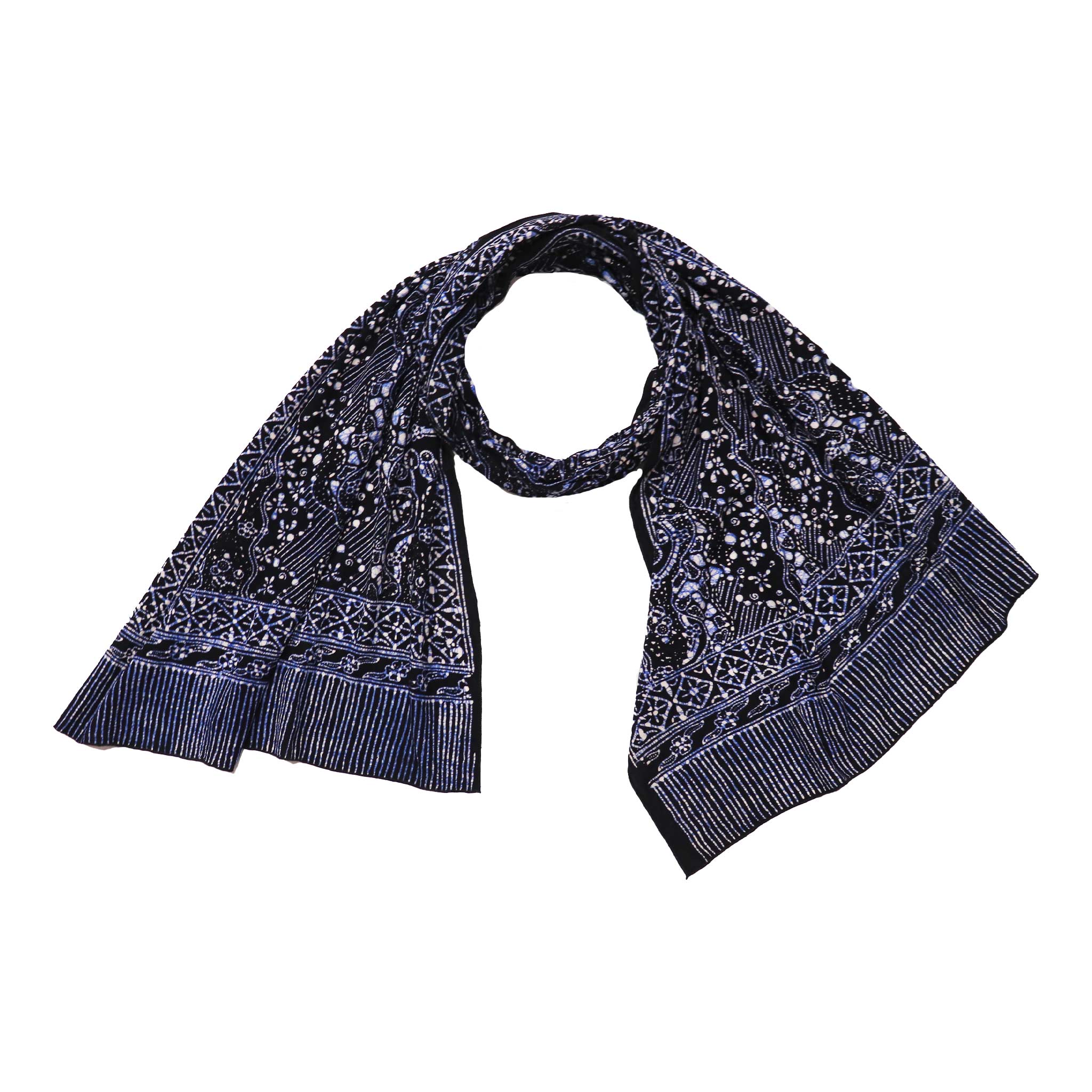
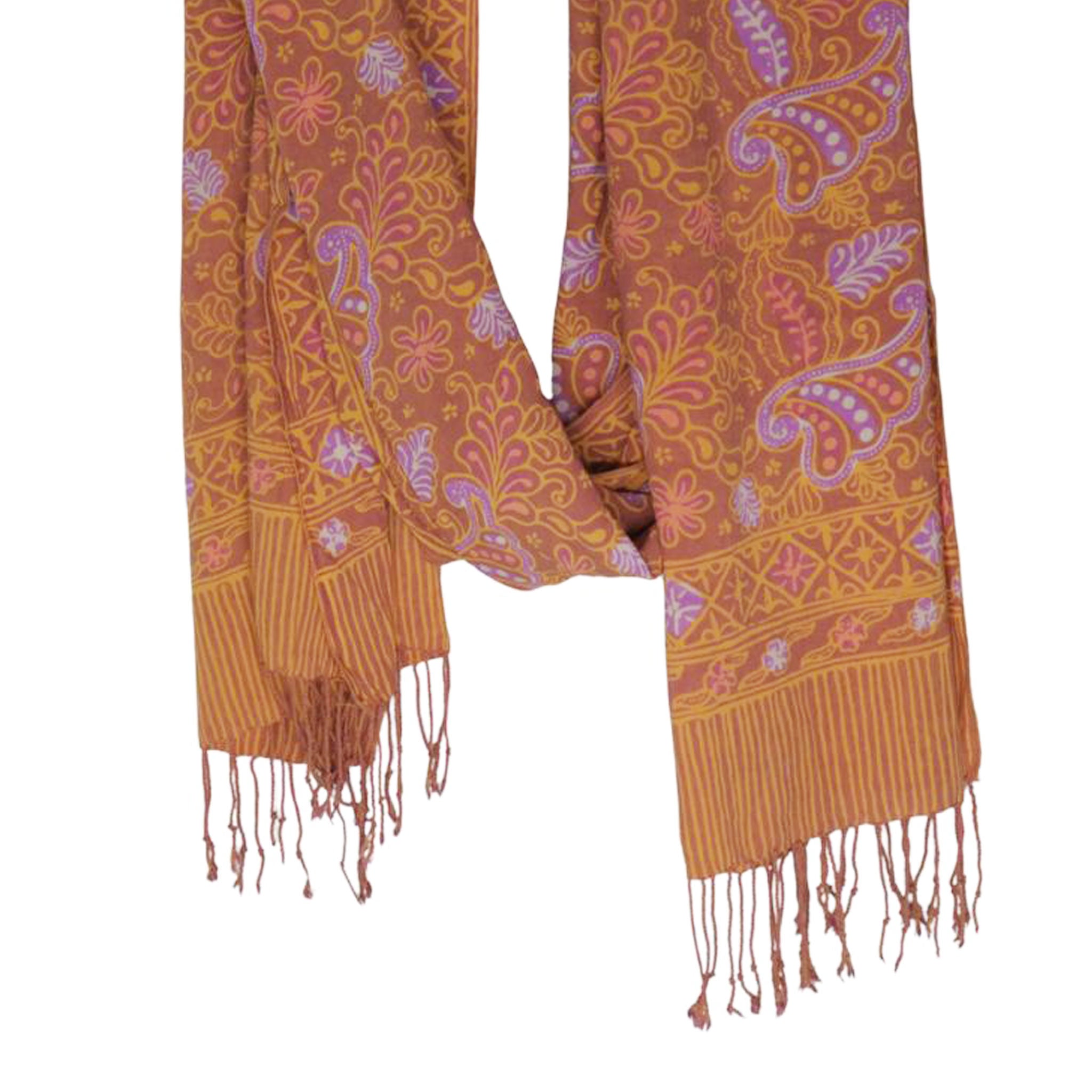
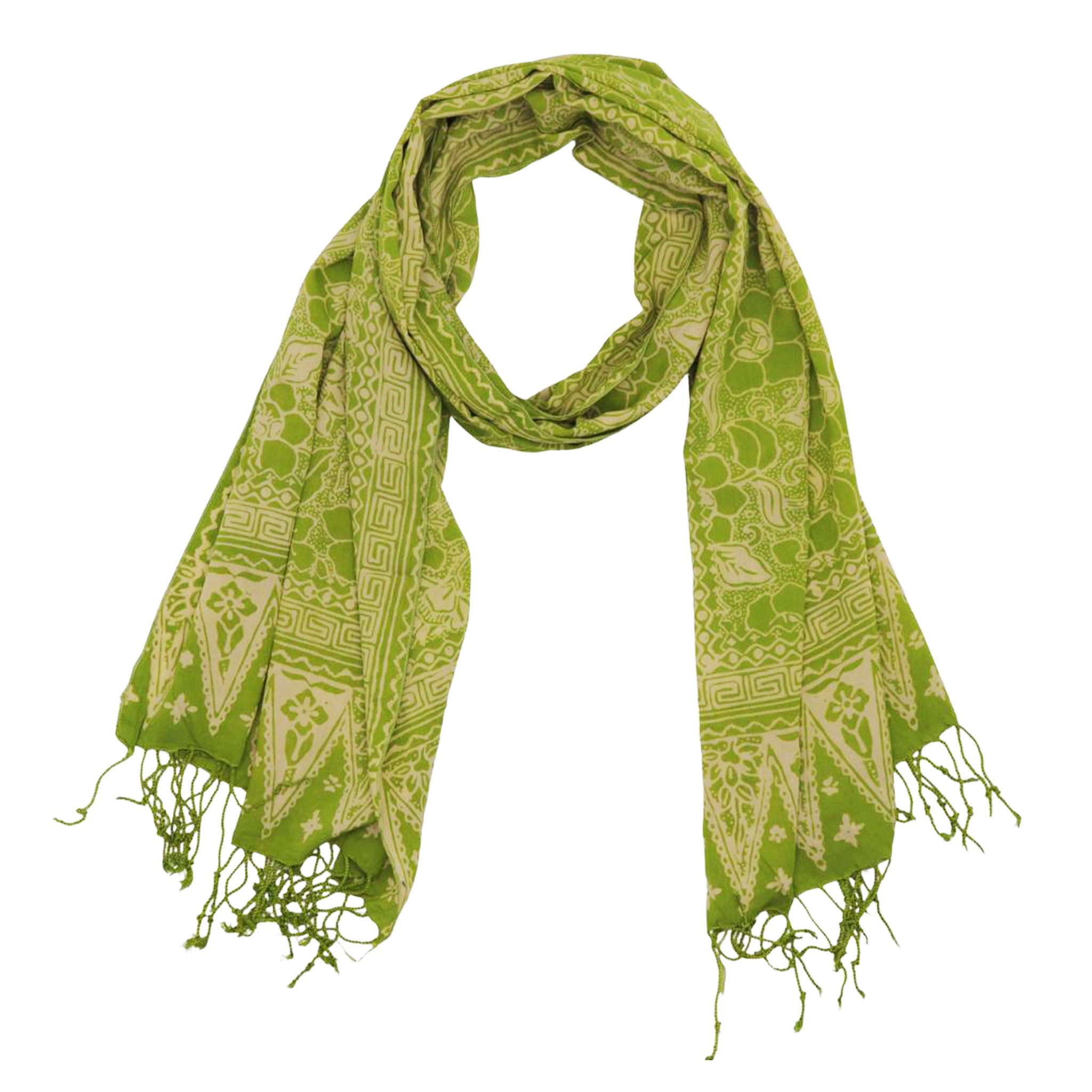
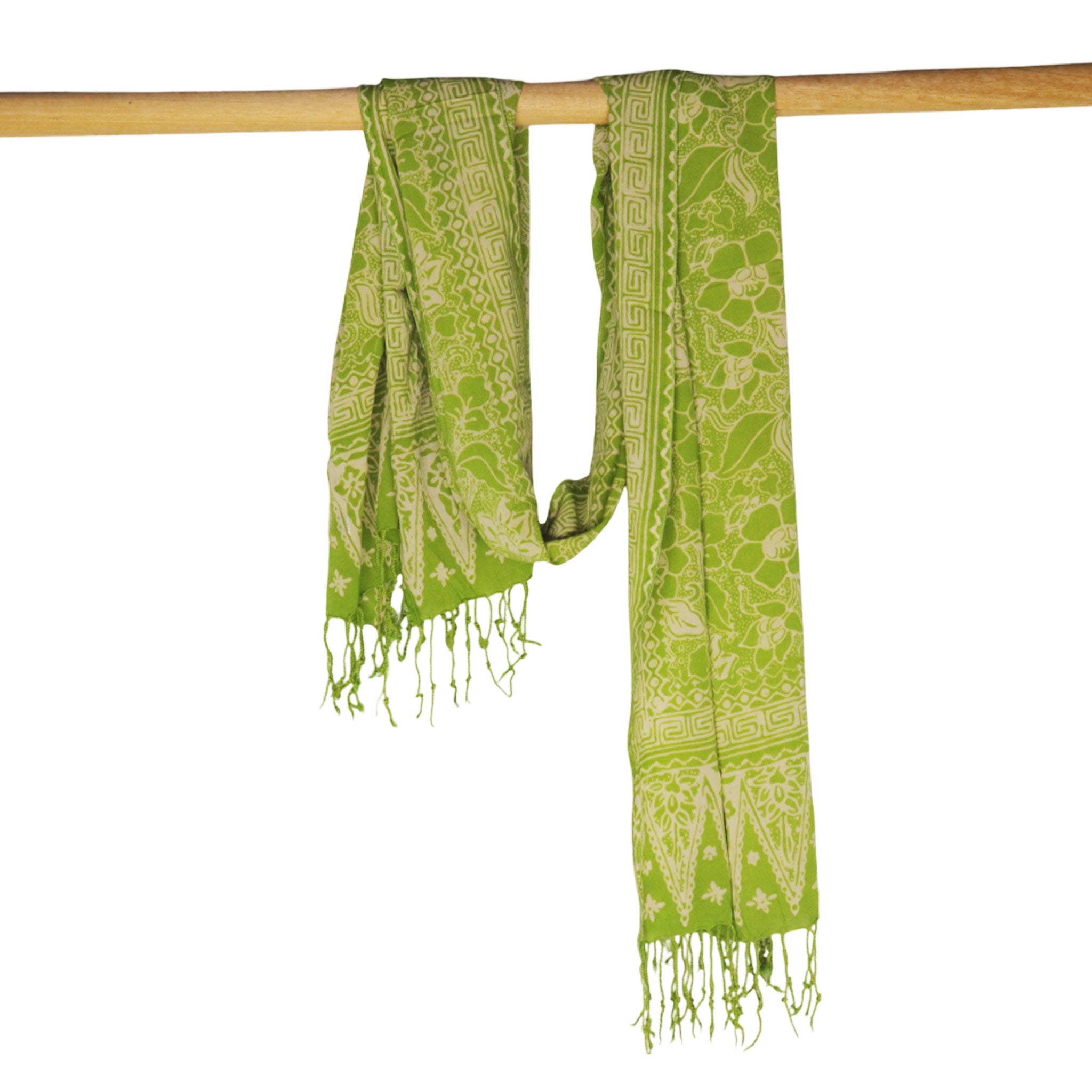
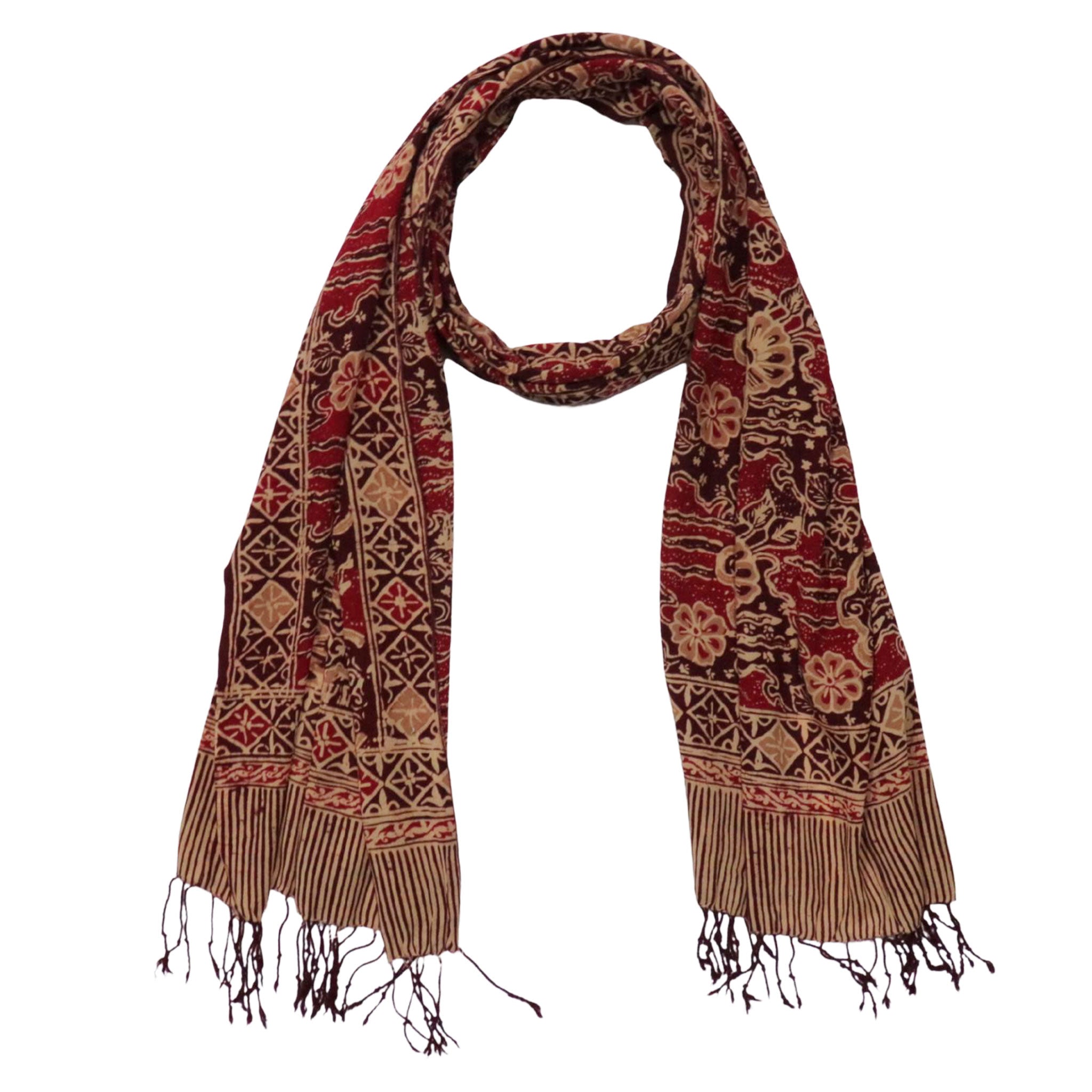
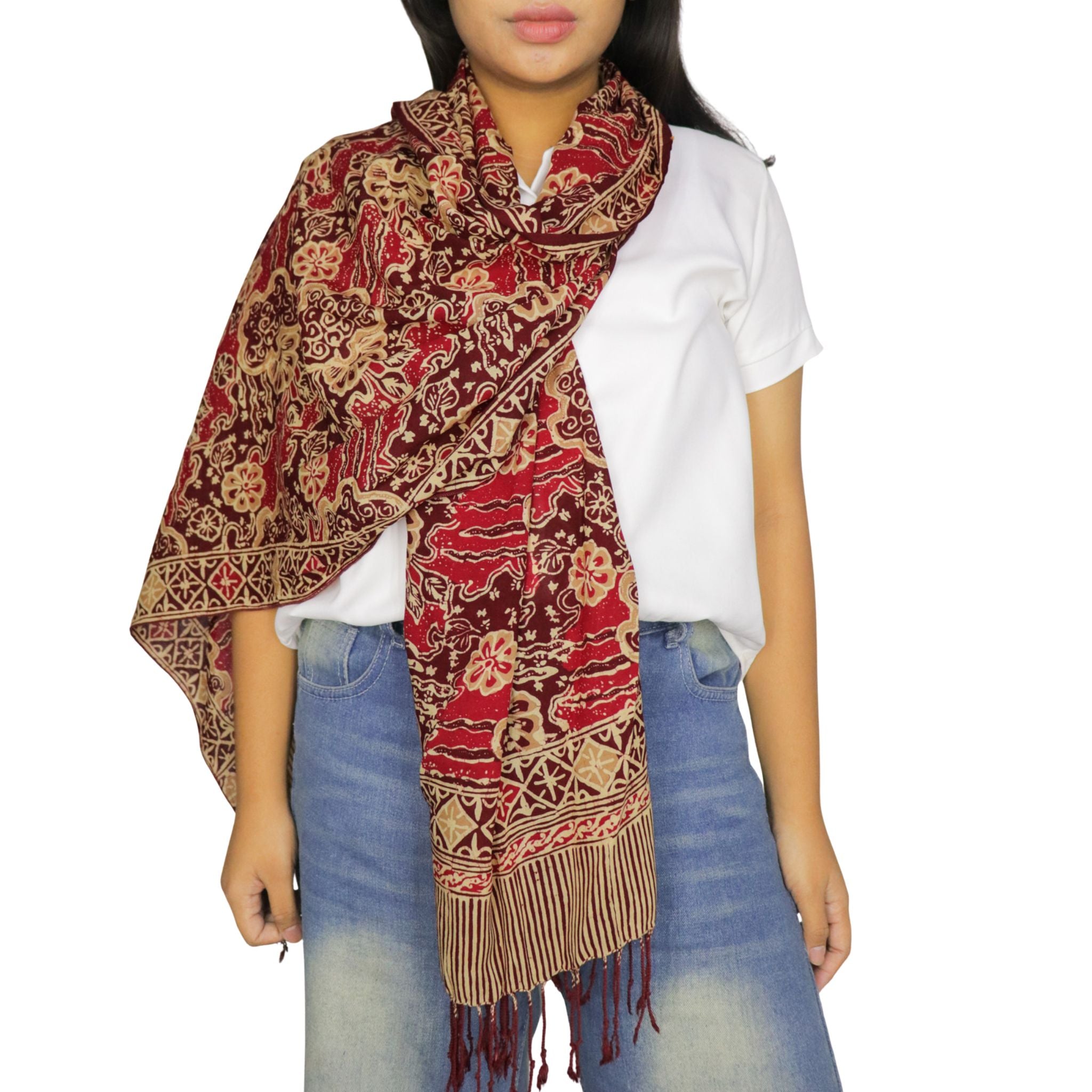
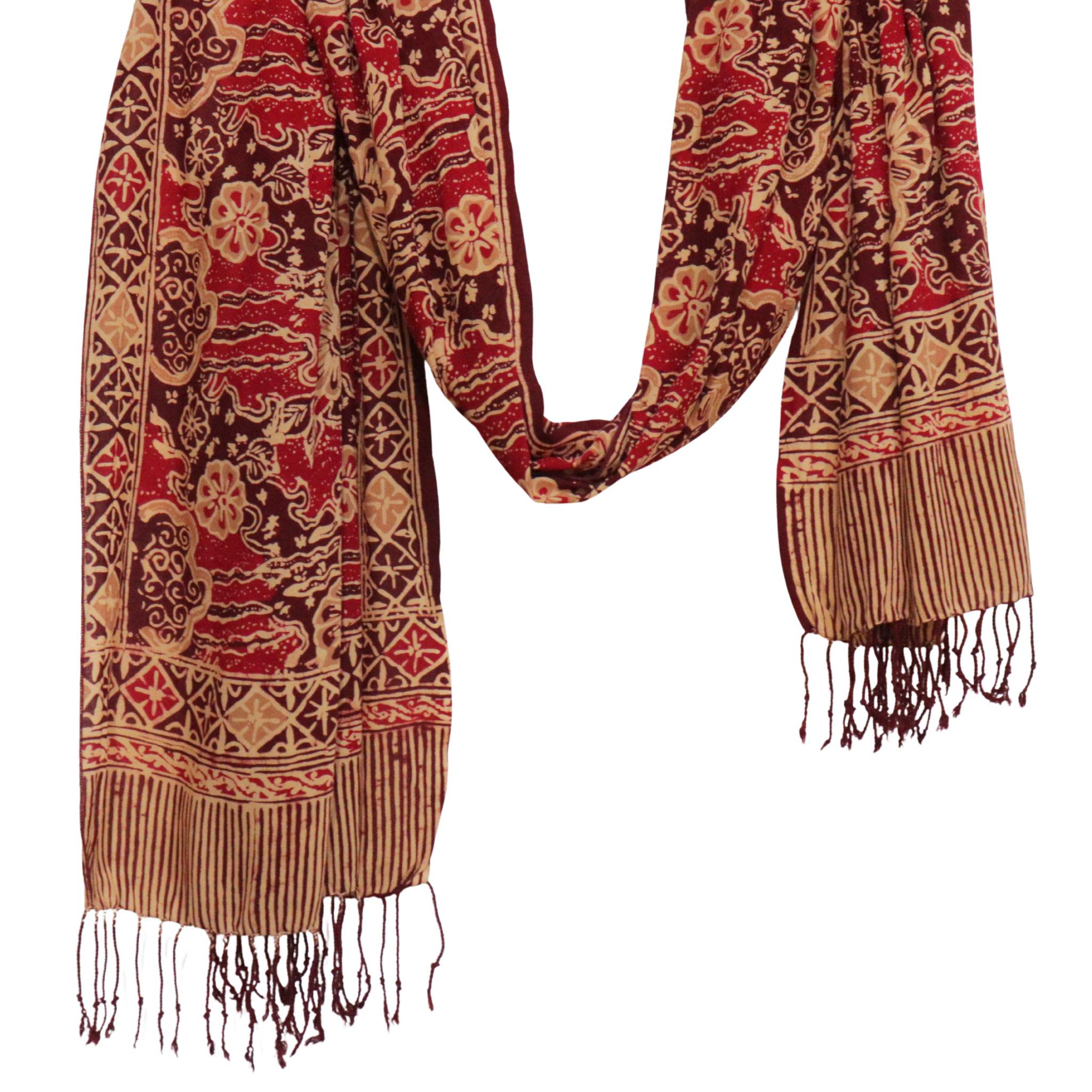
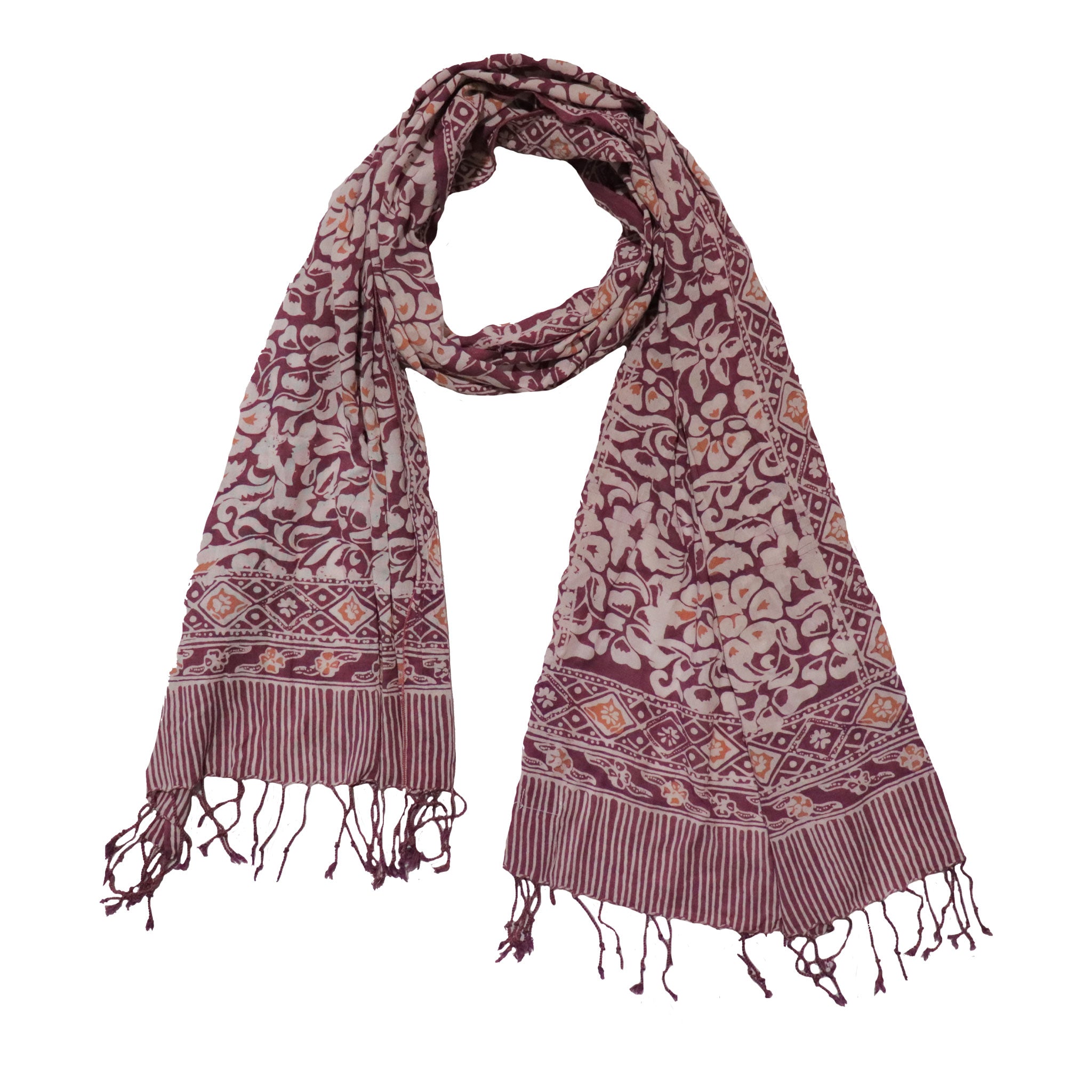
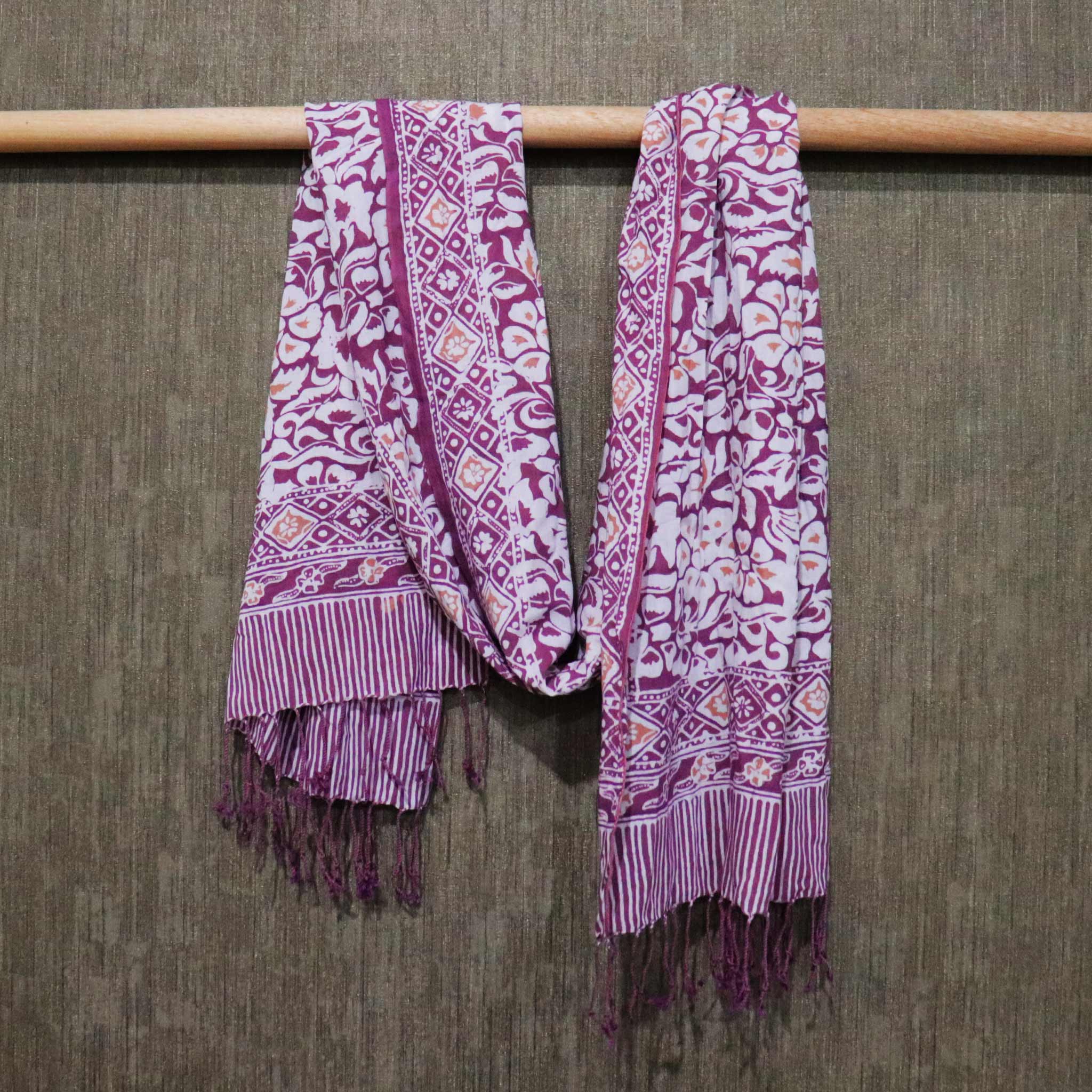
Maintenant, le batik peut être stylisé avec littéralement n'importe quoi. Un bandana batik avec un t-shirt blanc. Un foulard batik attaché à un sac. Intégré au streetwear, superposé sur des basiques, ou porté comme un accessoire de déclaration. Les règles ont disparu — et honnêtement, ça n'a jamais été aussi beau.

🧬 Signification vs. Esthétique
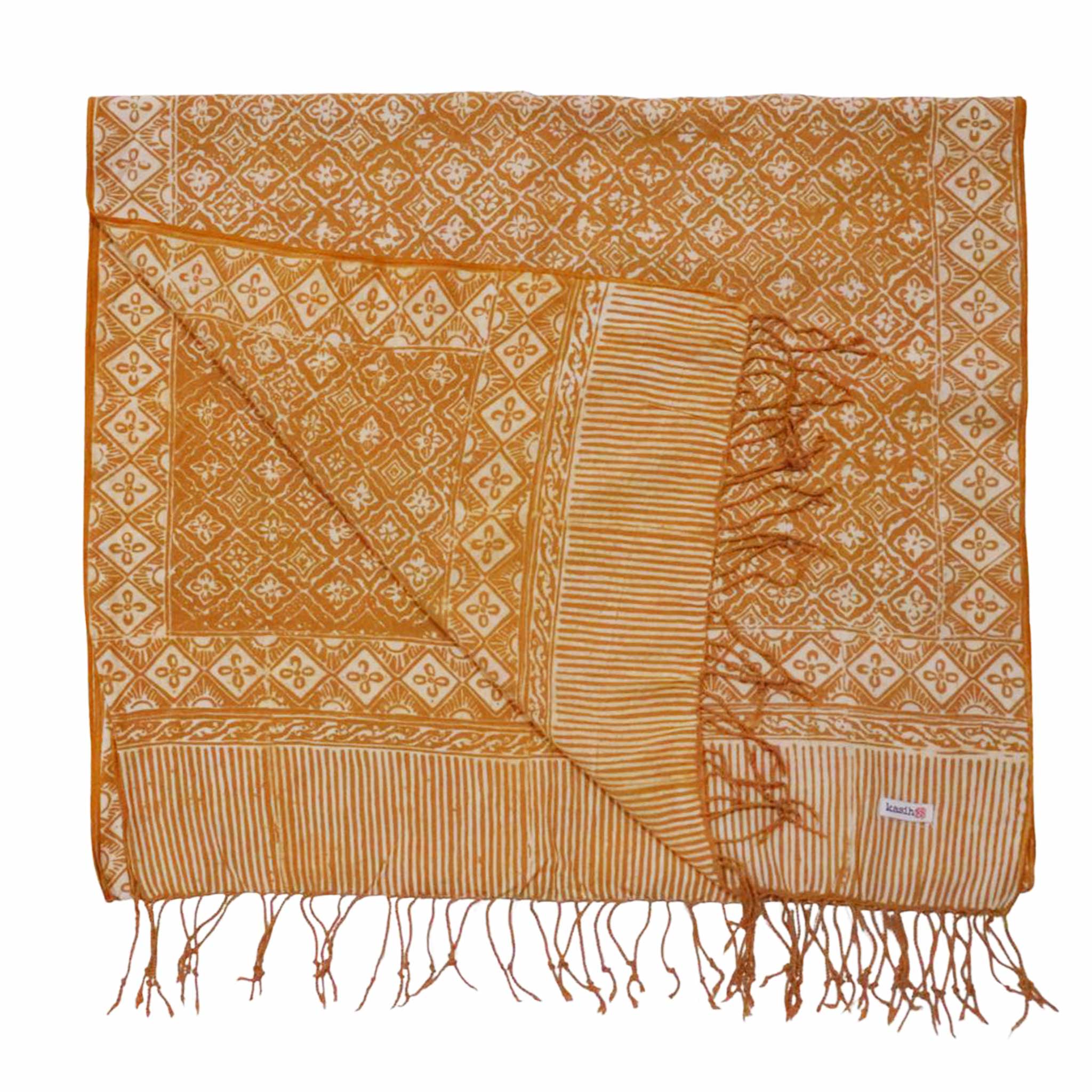
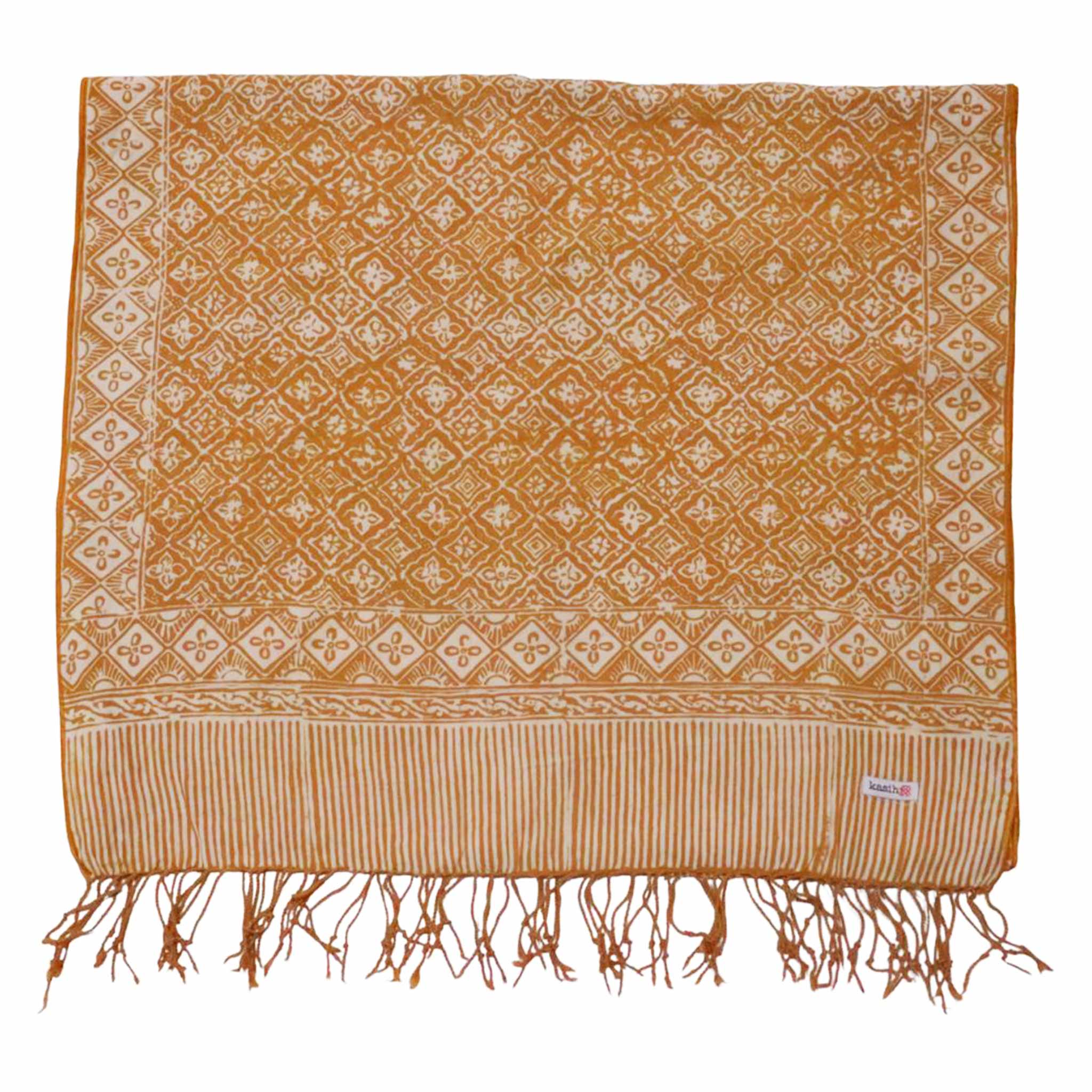
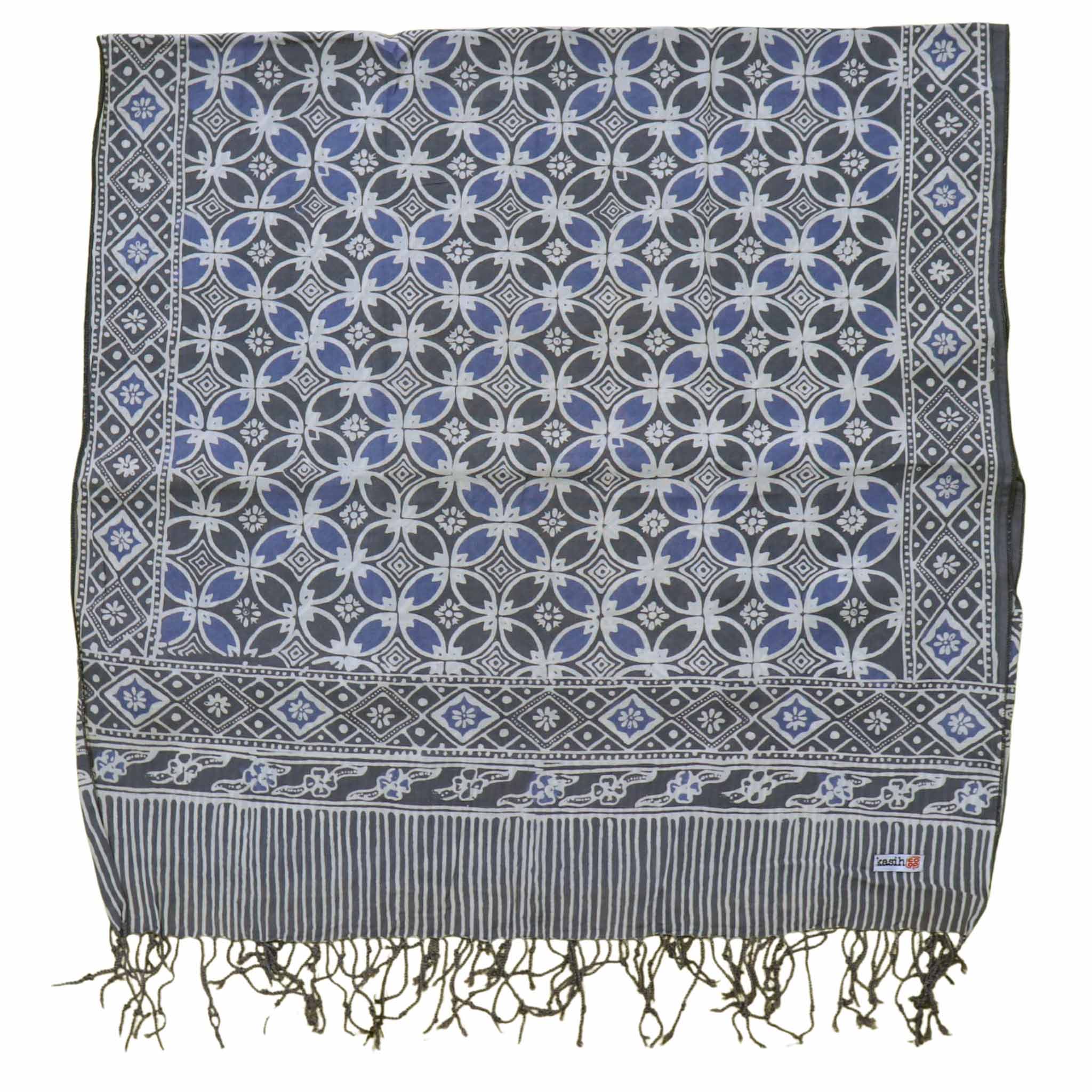
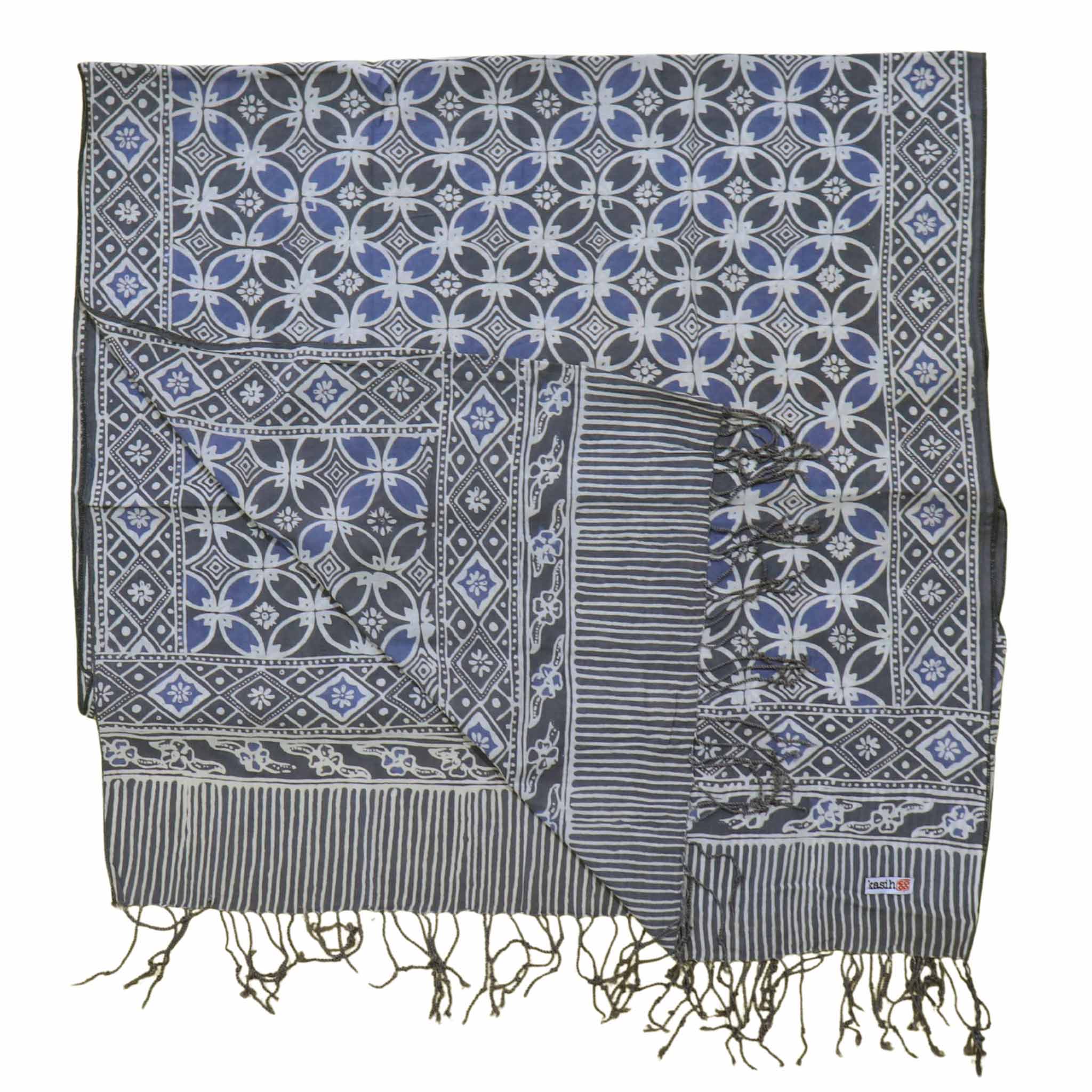
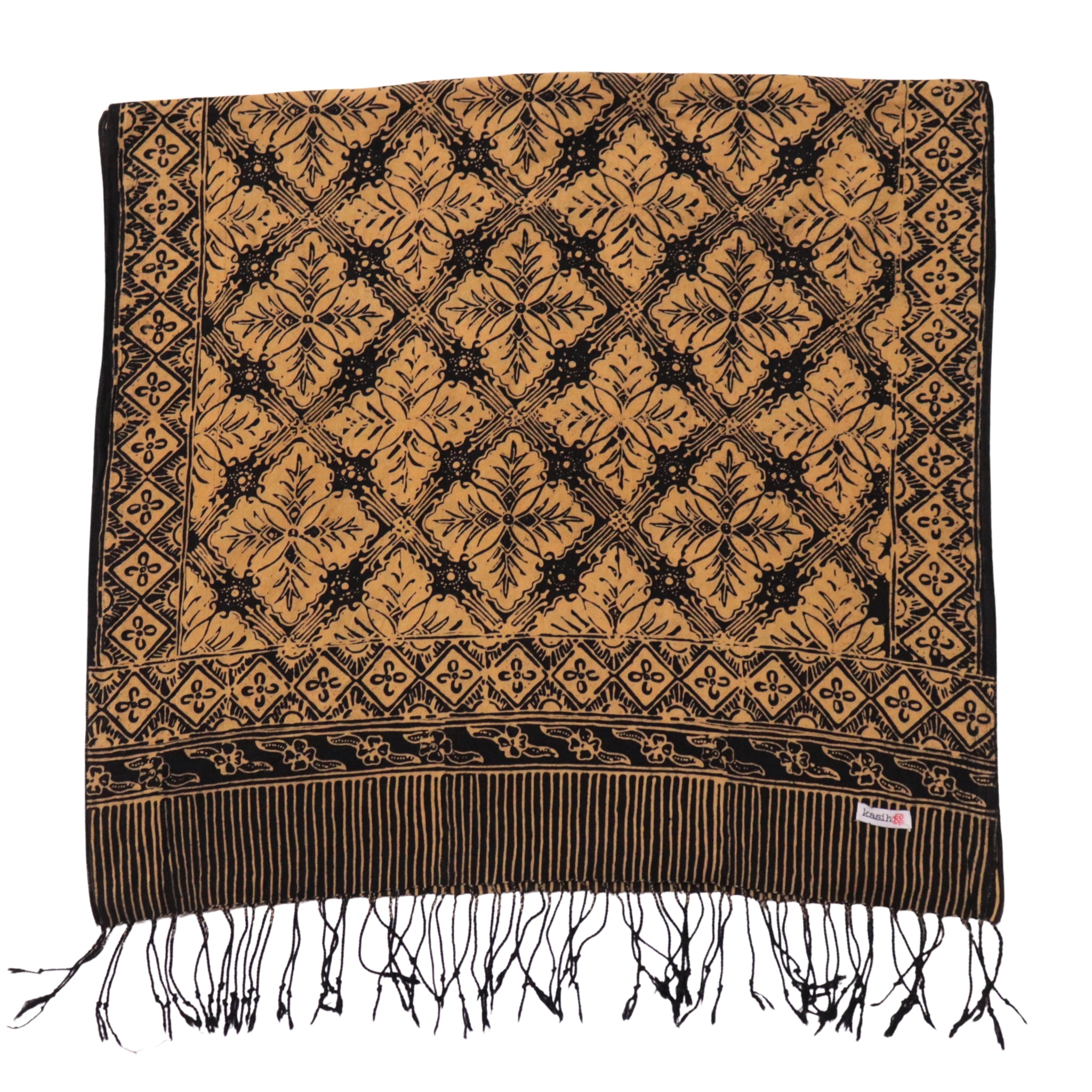
Chaque motif de batik était autrefois un langage à part entière. Le motif Parang symbolisait la force et était réservé à la royauté. Le Kawung représentait le pouvoir et la justice. Les motifs étaient choisis intentionnellement — pour les mariages, les grossesses, les funérailles — chacun portant une prière ou un message.
De nos jours, beaucoup de gens portent du batik simplement parce que c'est joli — et c'est tout à fait acceptable. Mais connaître l'histoire derrière le motif que vous portez ? Cela le rend encore plus spécial.

⚖️ Règles strictes vs. Liberté totale
L'ancien batik était accompagné d'un livre de règles. Certains motifs pour certaines personnes, certaines occasions, certains rangs. C'était un système visuel de hiérarchie, et enfreindre les règles avait de réelles conséquences sociales.
Le batik moderne jette le livre de règles. Mélangez les imprimés. Associez-le à du denim. Portez-le à l'envers si vous voulez. Aujourd'hui, le batik appartient à tout le monde — et sa beauté est qu'il s'adapte à celui qui le porte.

☕ Des cérémonies aux sorties café
Il était une fois, on ne voyait le batik qu'aux mariages, aux cérémonies traditionnelles ou aux événements officiels importants. C'était une tenue d'occasion, réservée aux moments spéciaux.
Maintenant ? Le batik est partout. Tenues quotidiennes, tenues d'aéroport, courses, festivals, espaces de travail créatifs.

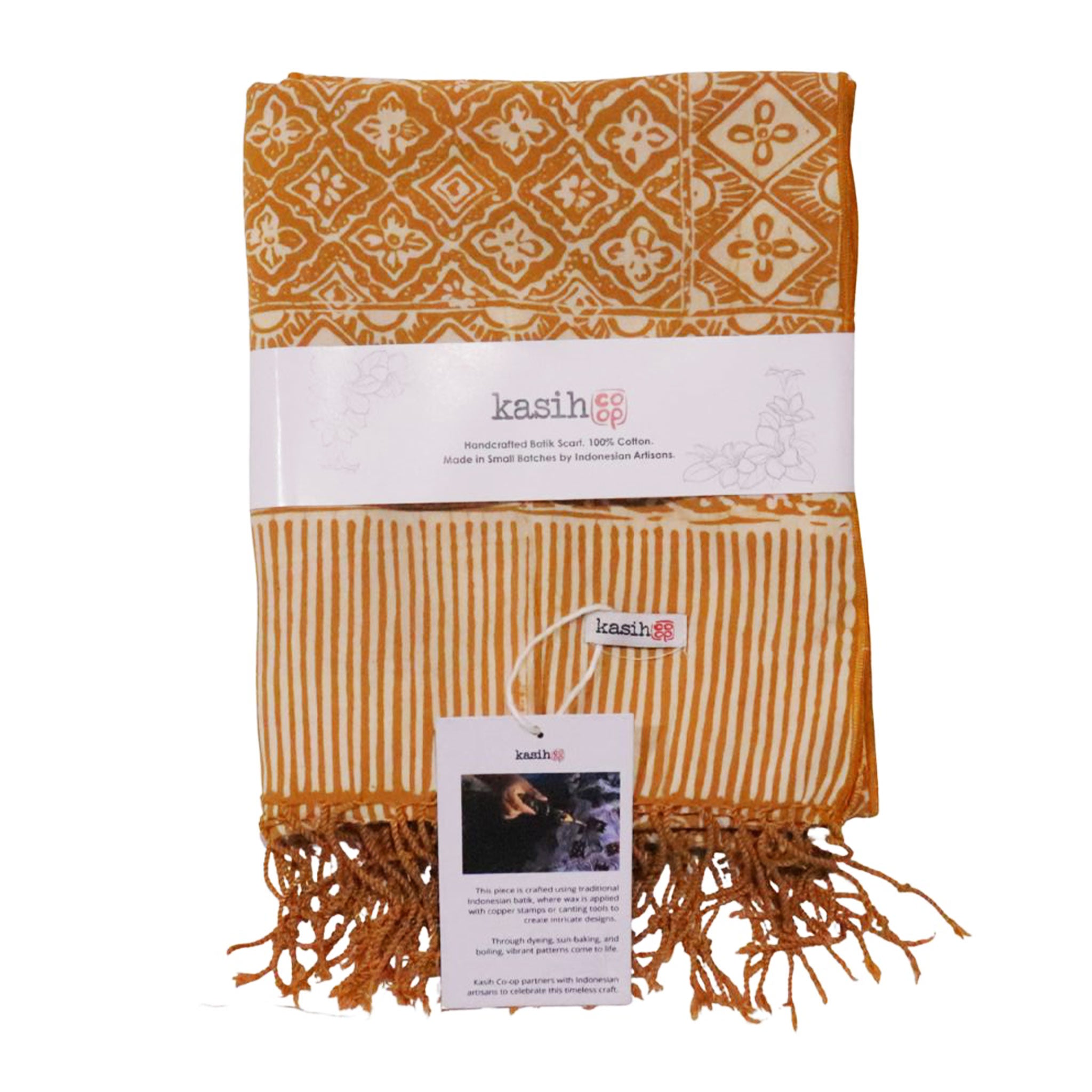
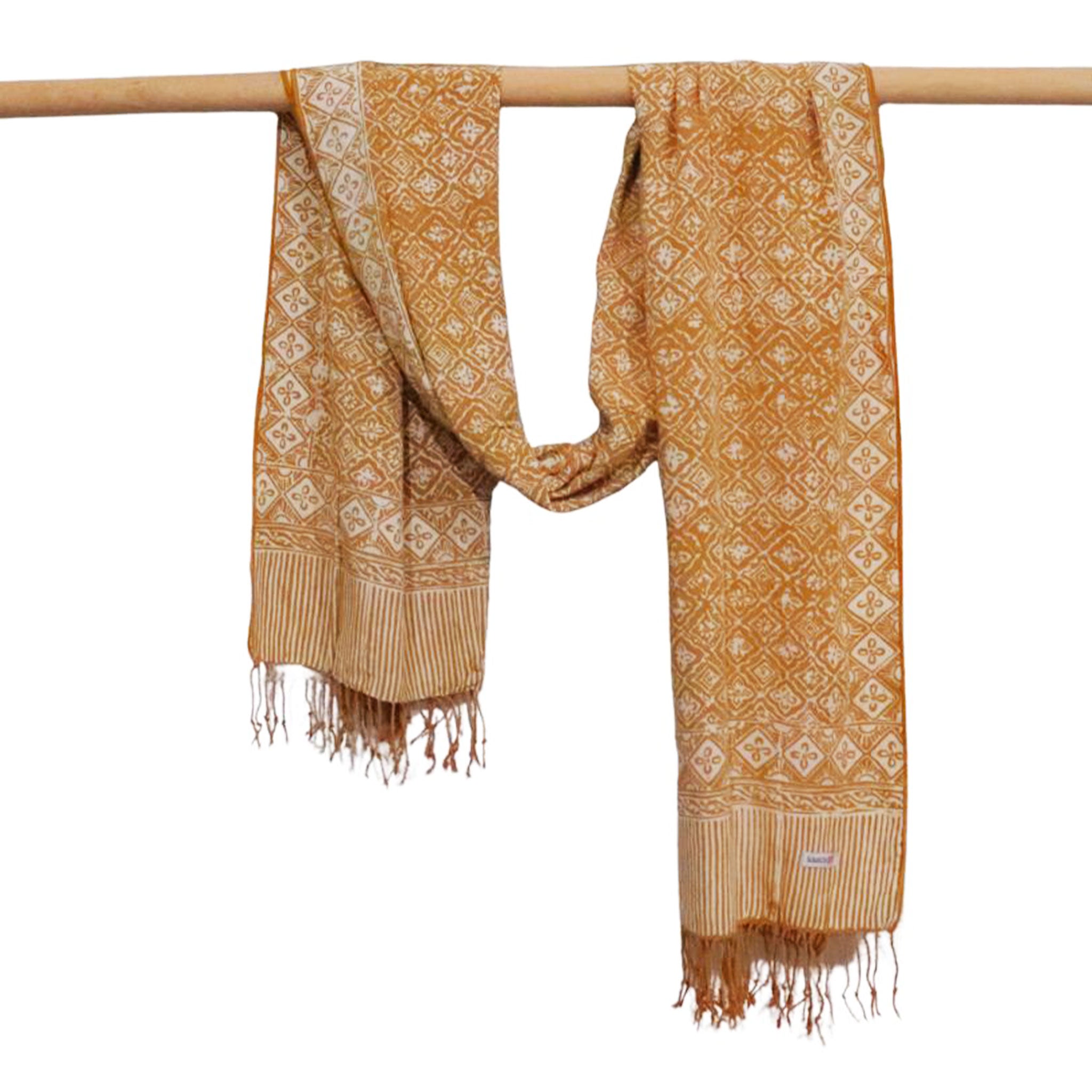
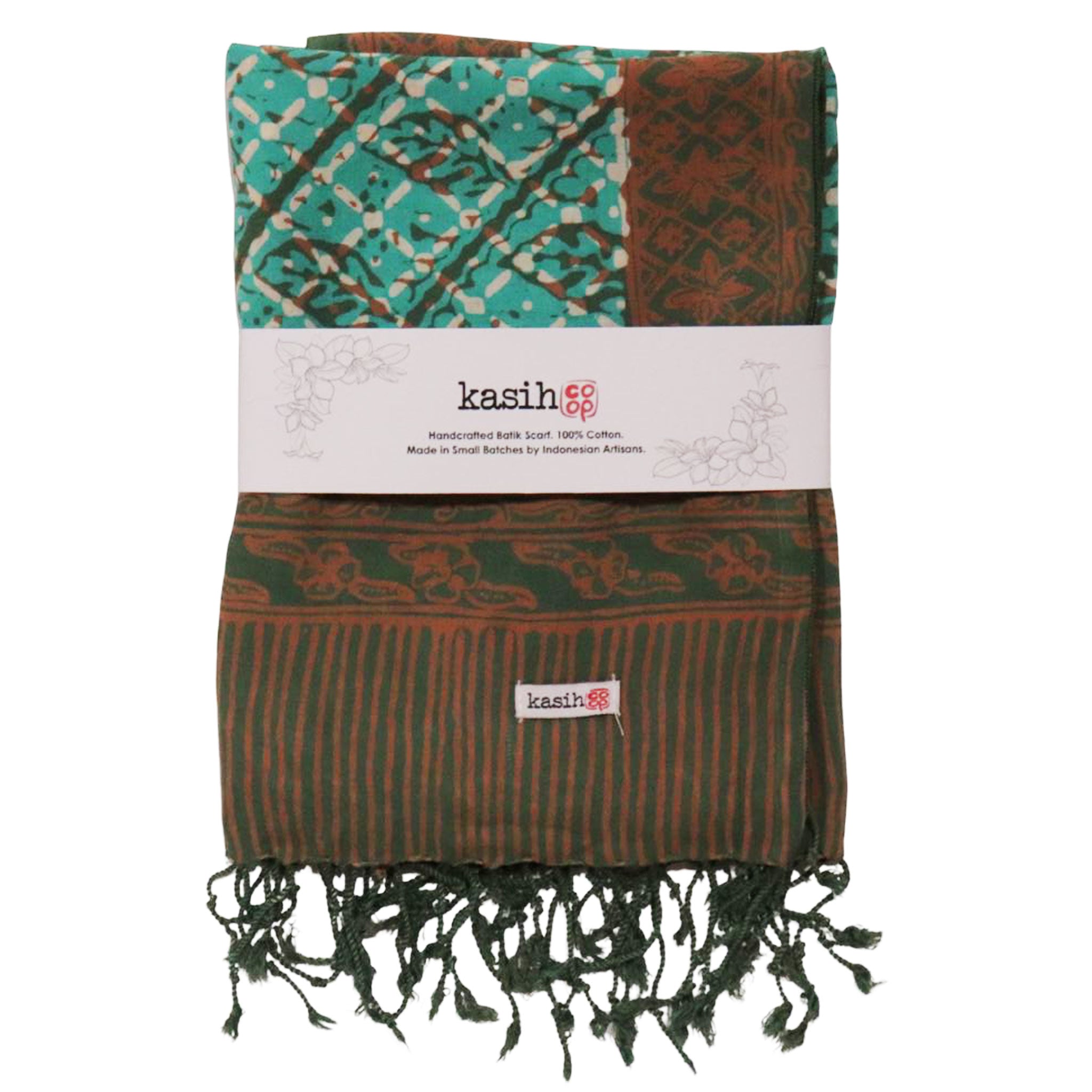
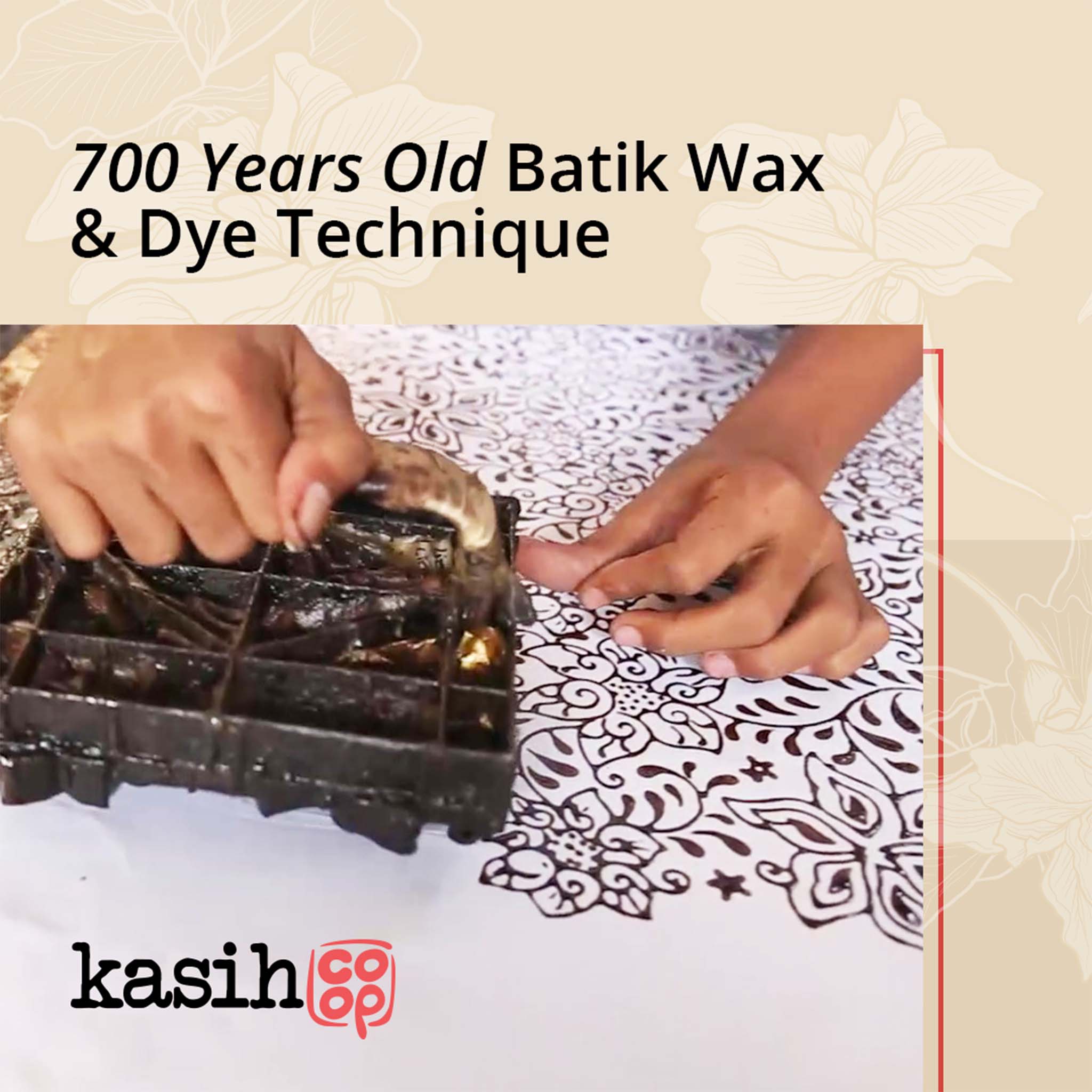
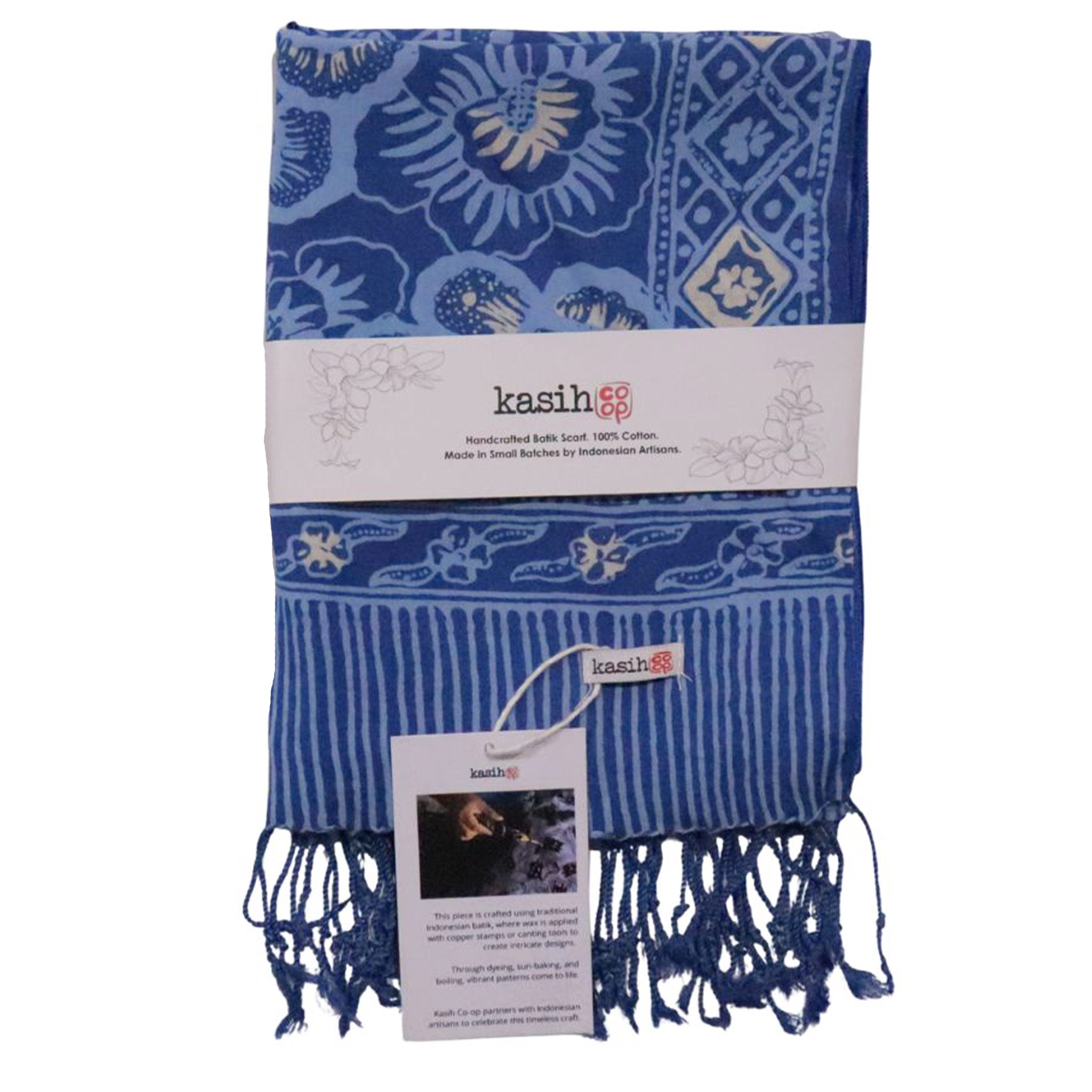
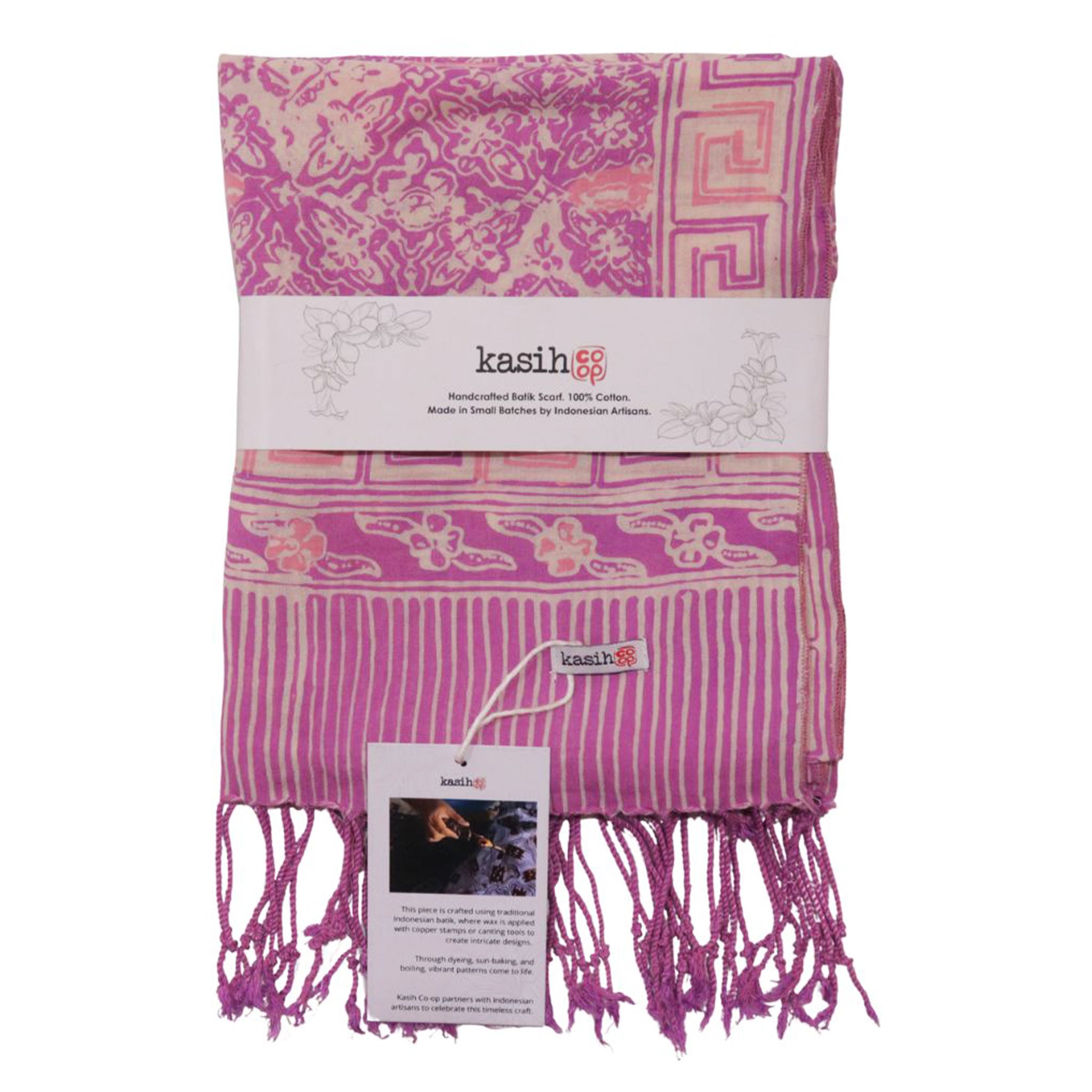
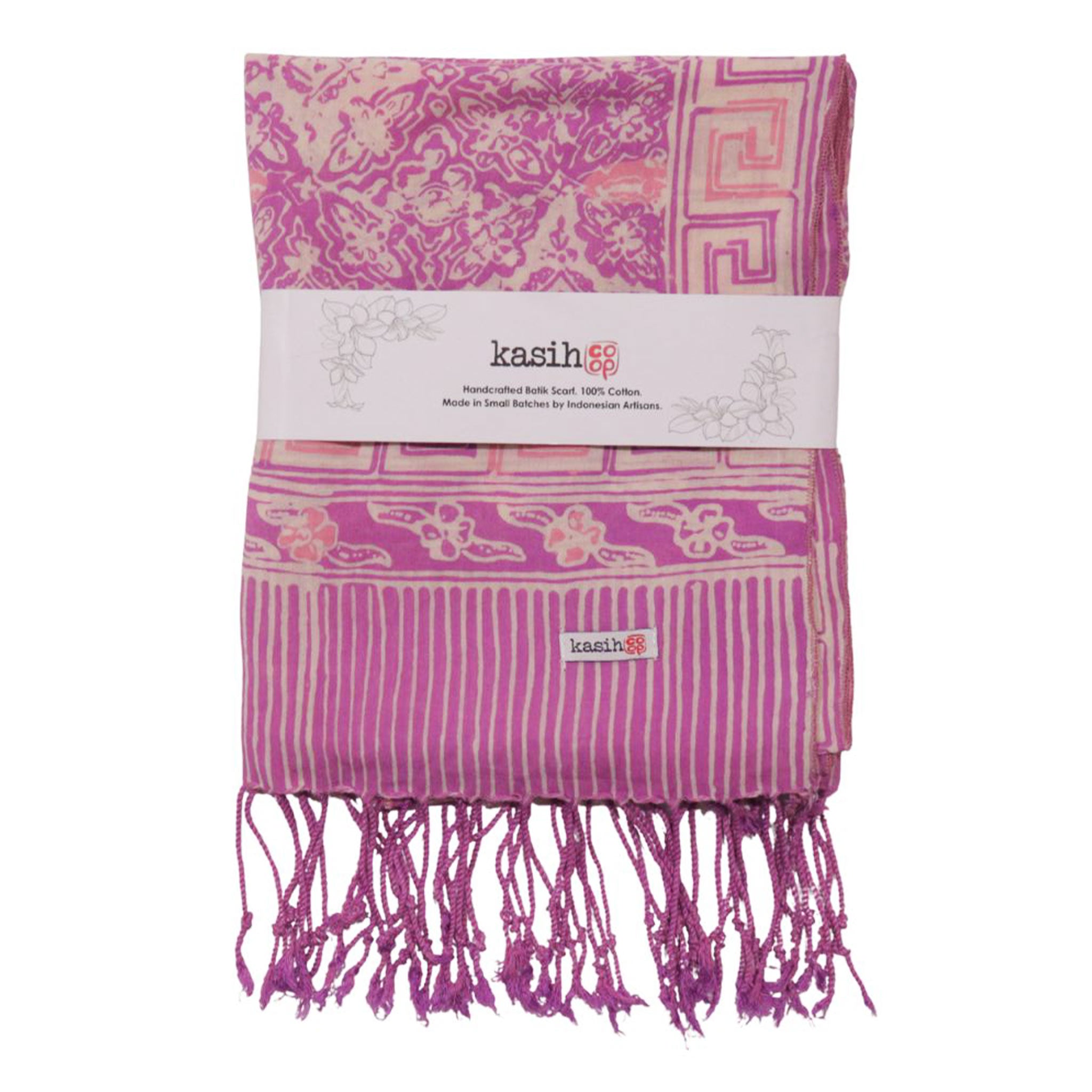
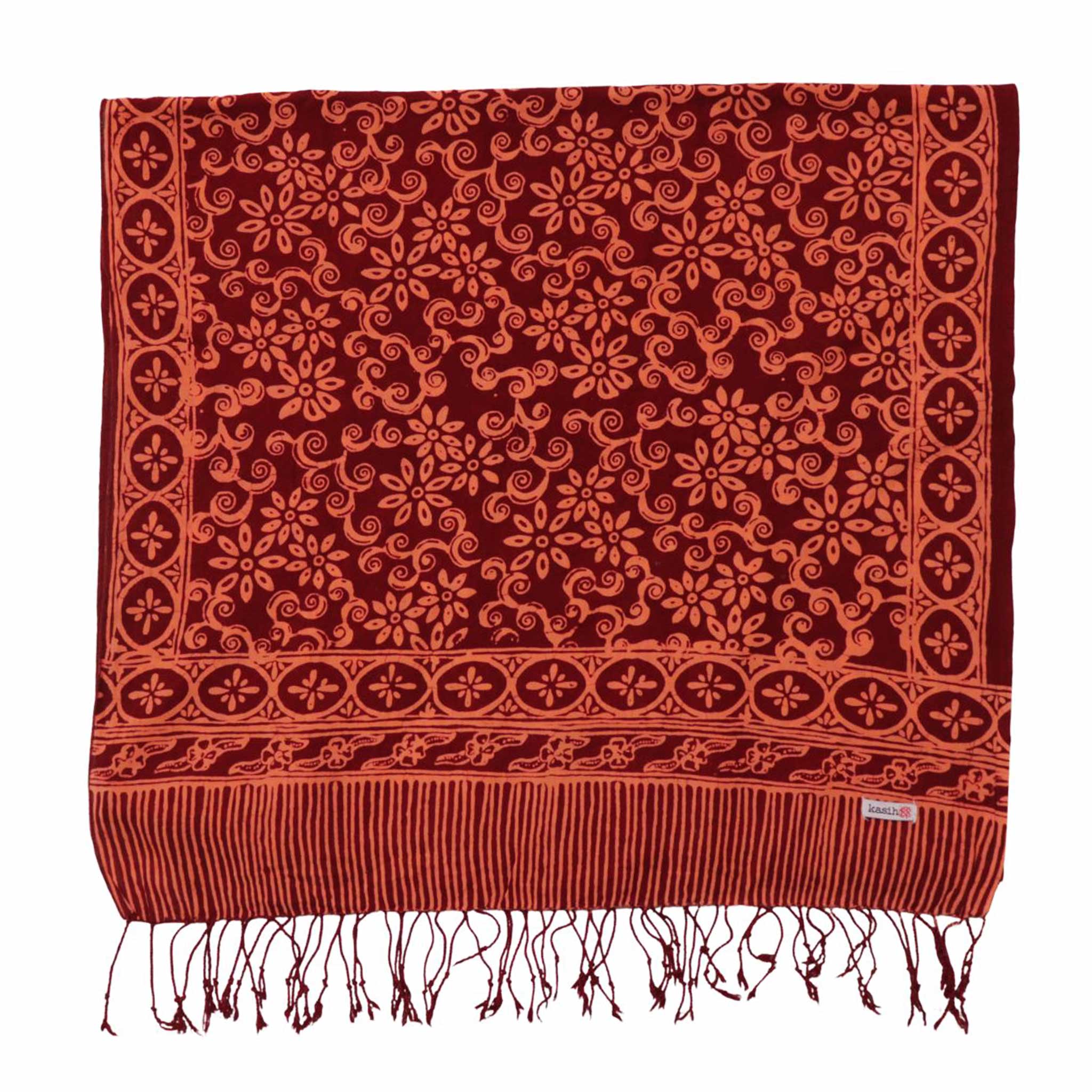
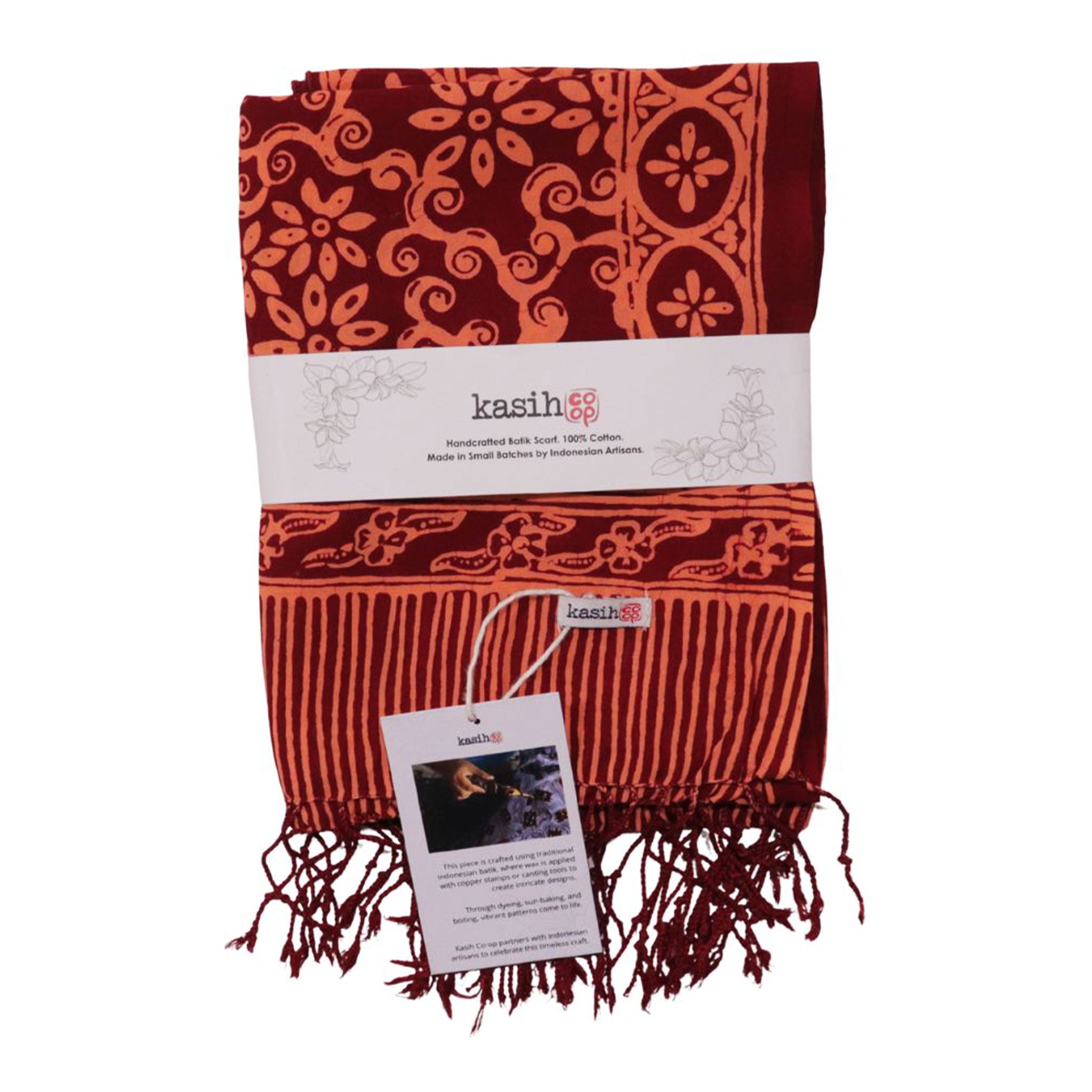
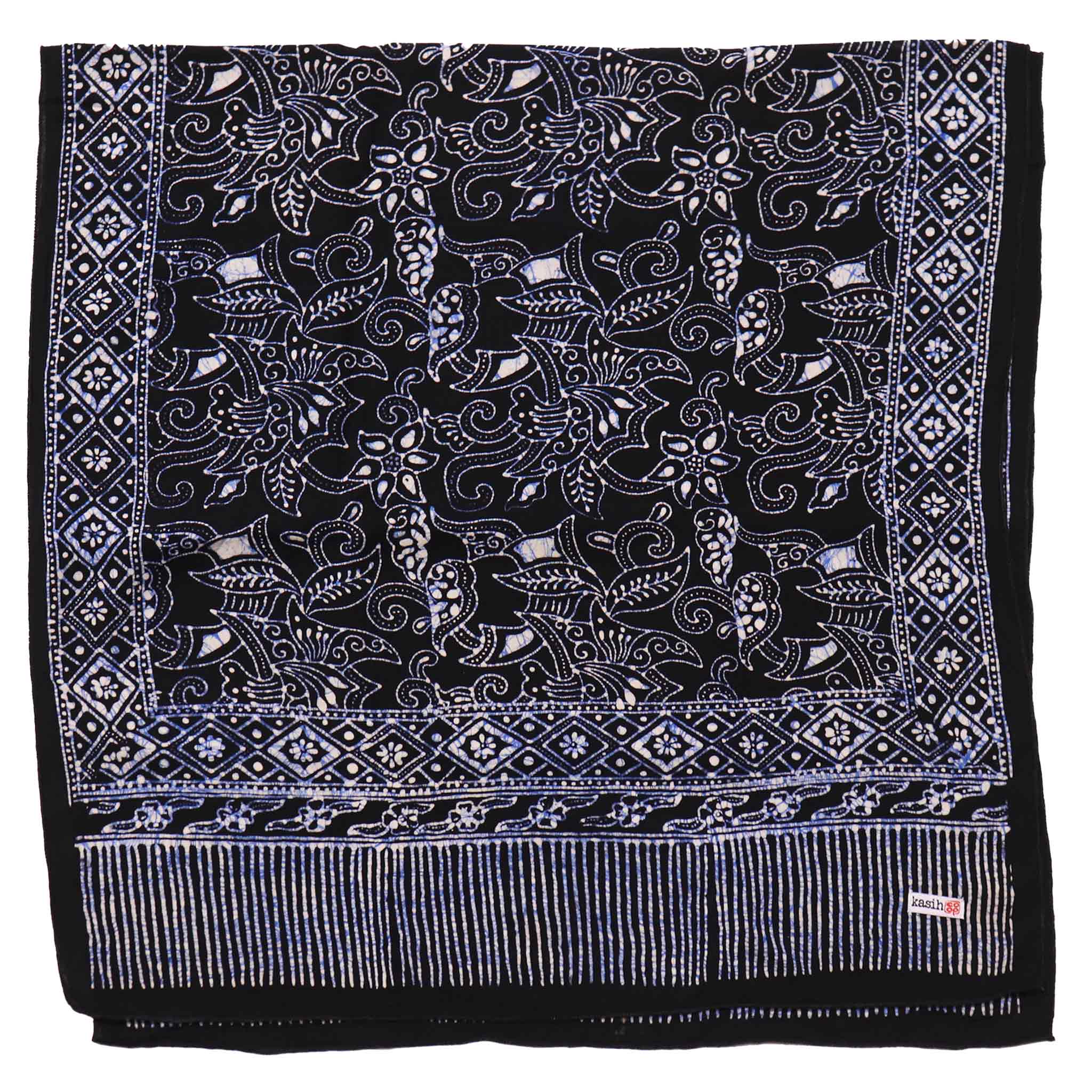
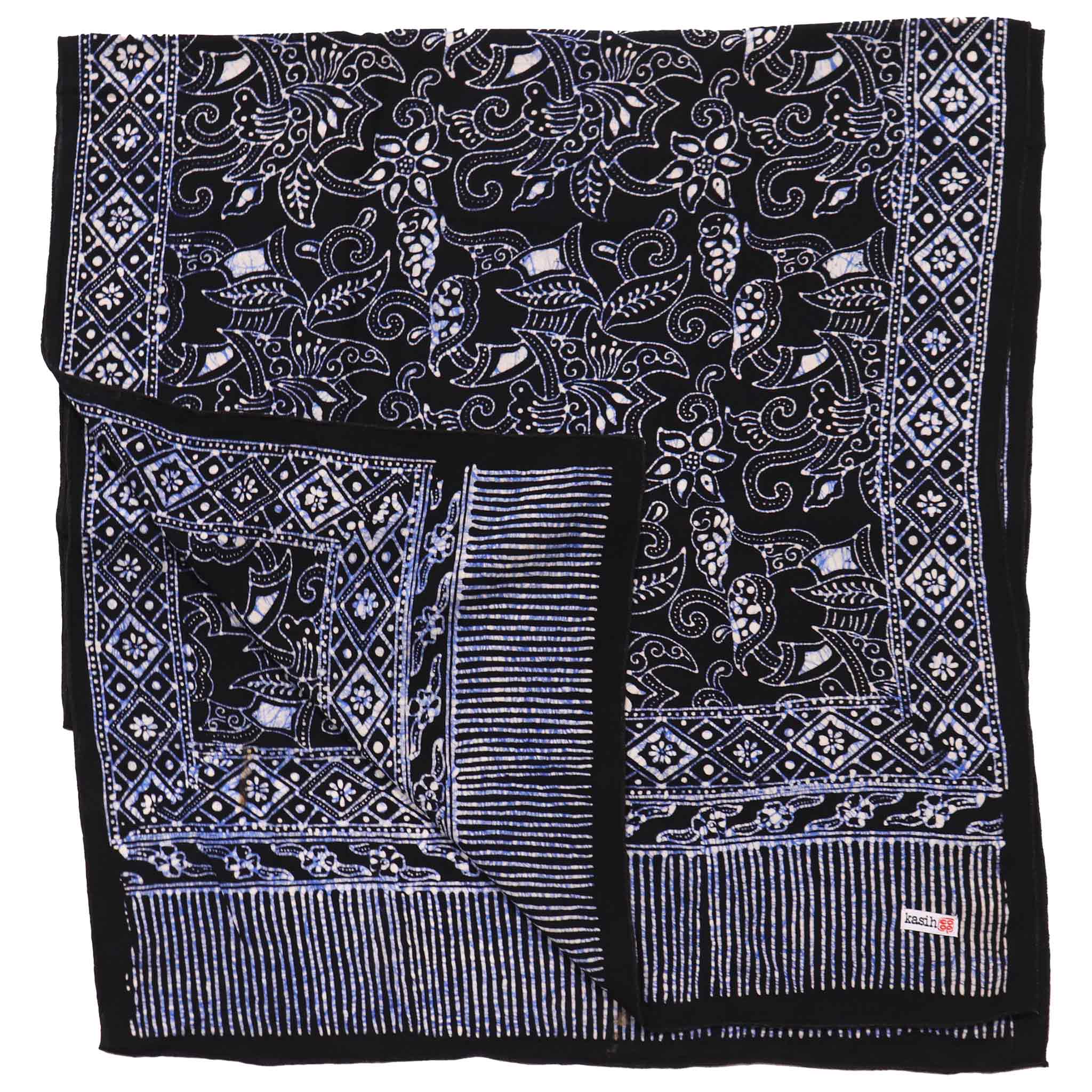
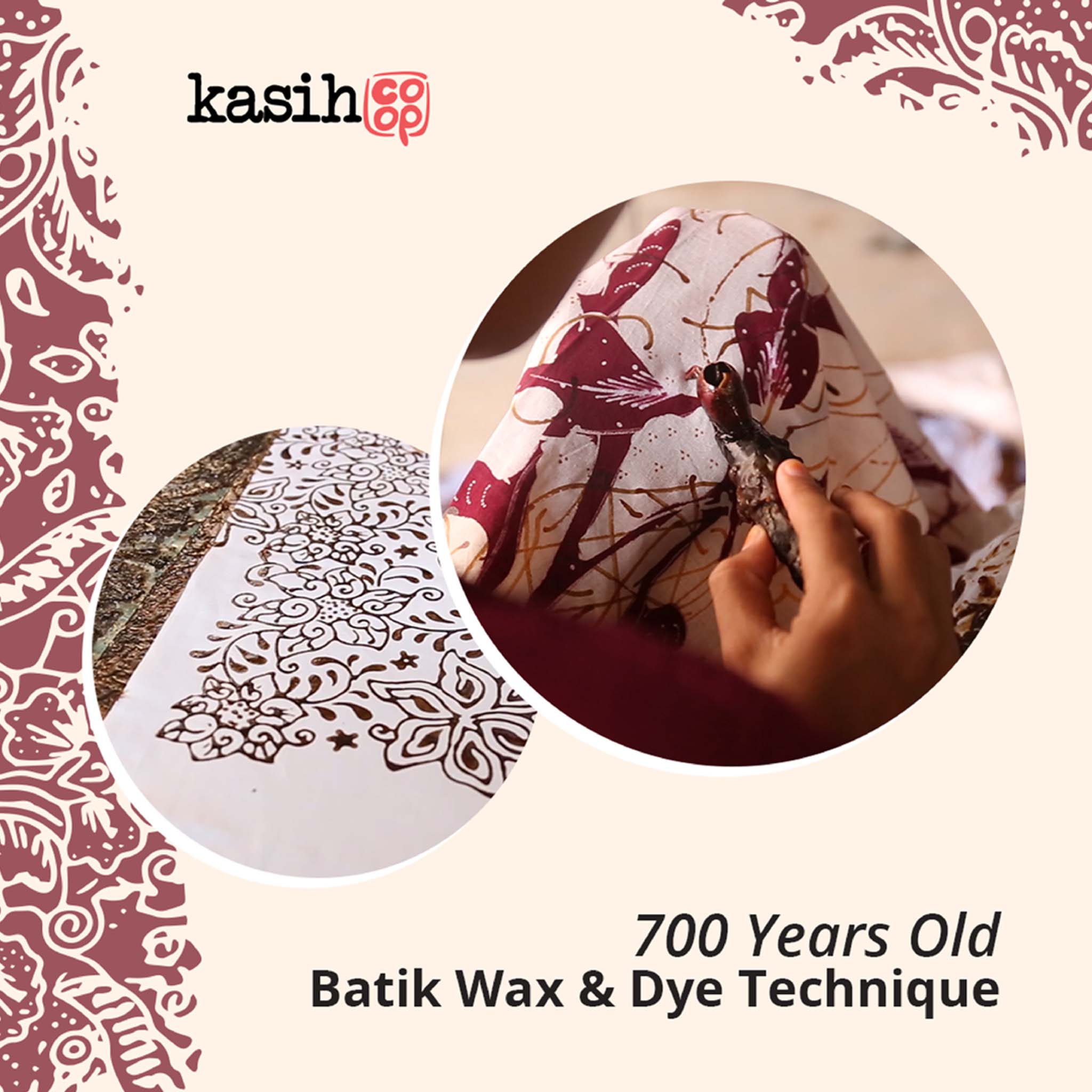
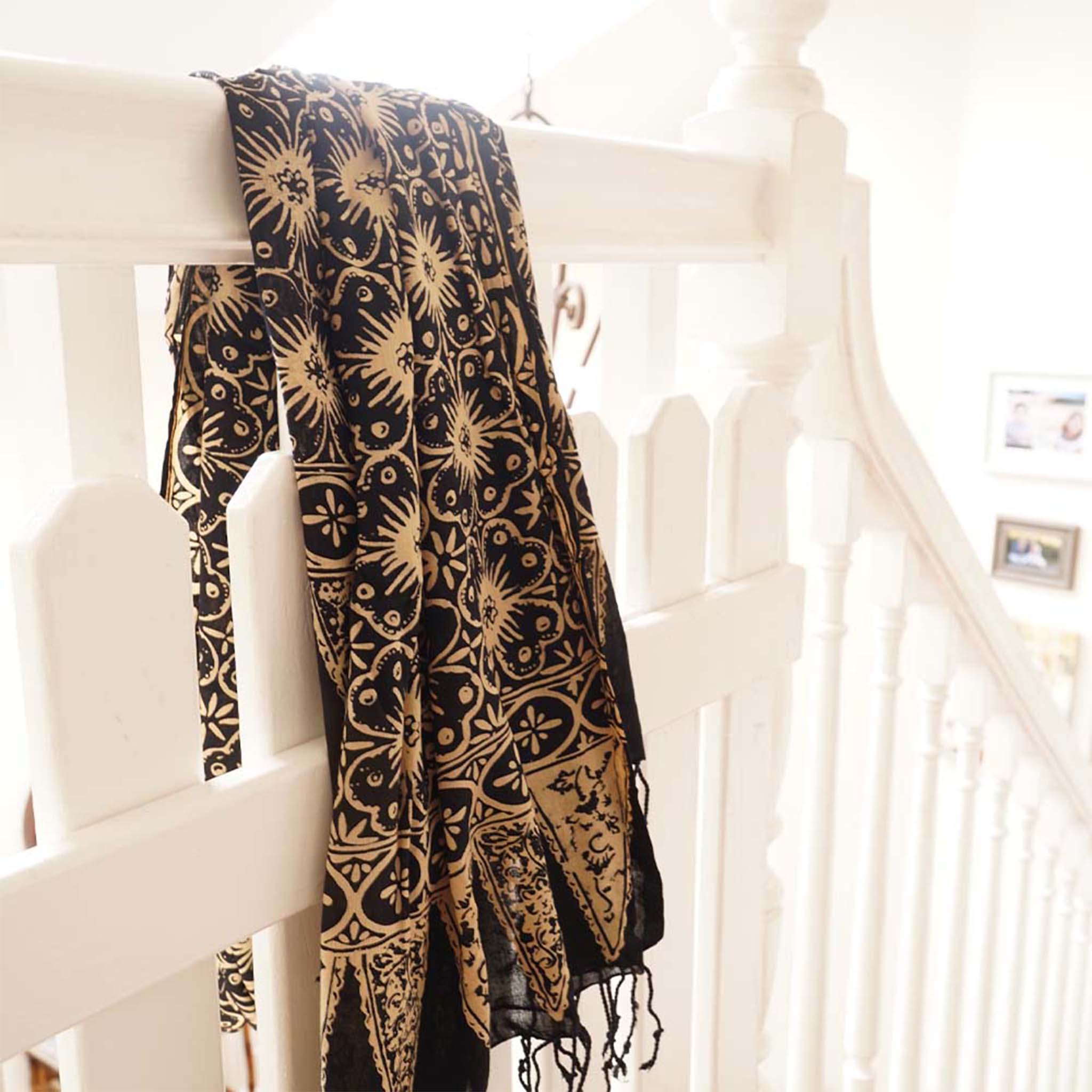
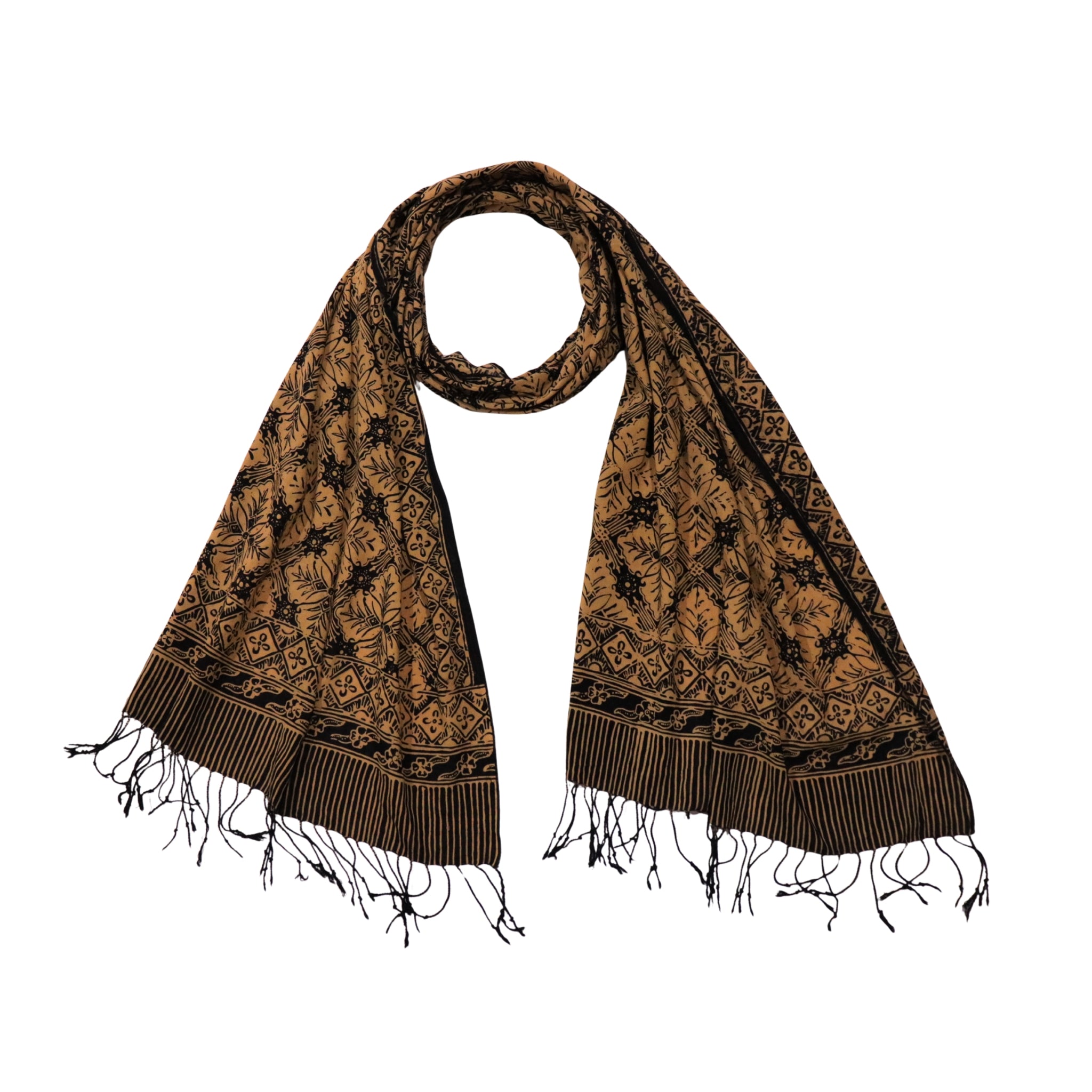
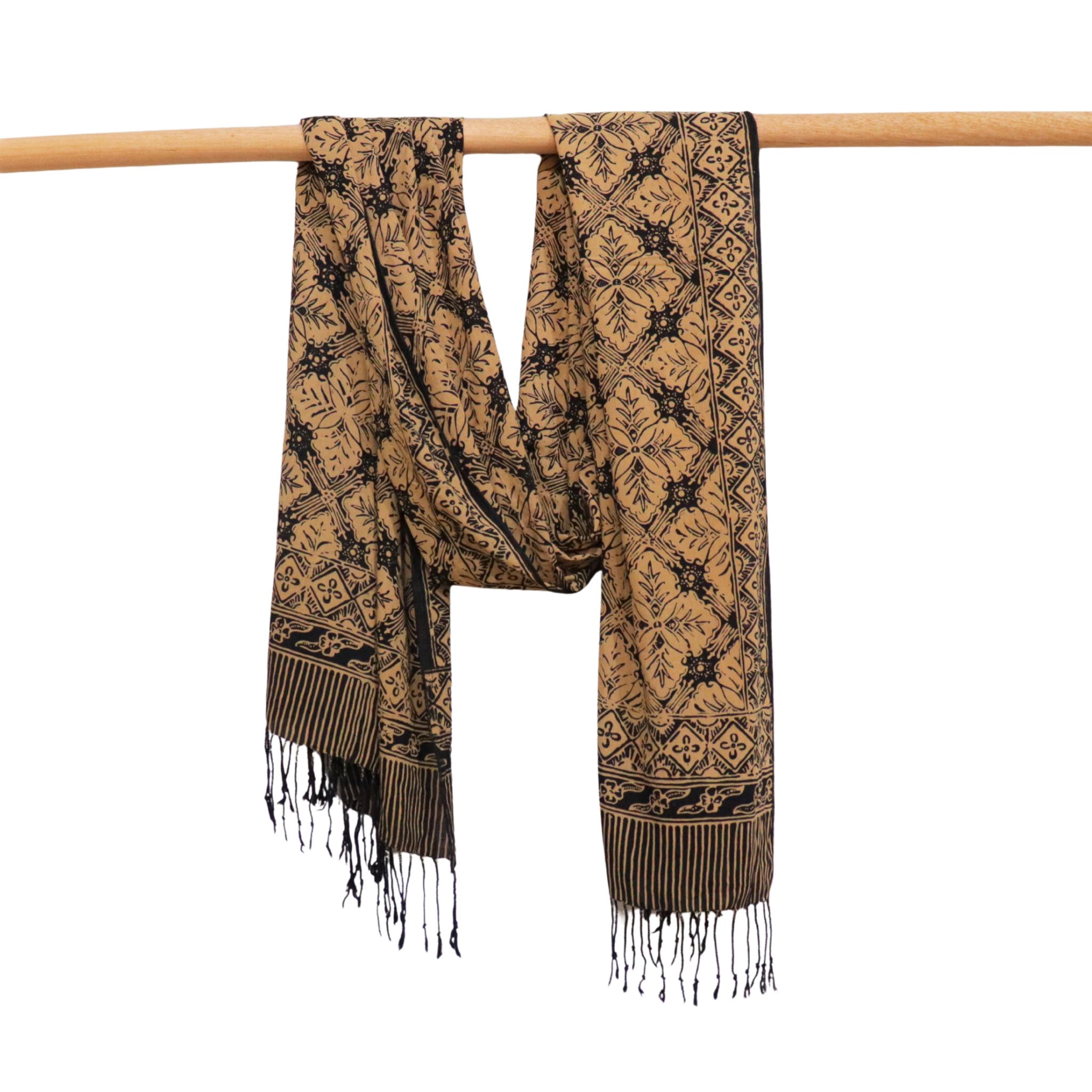
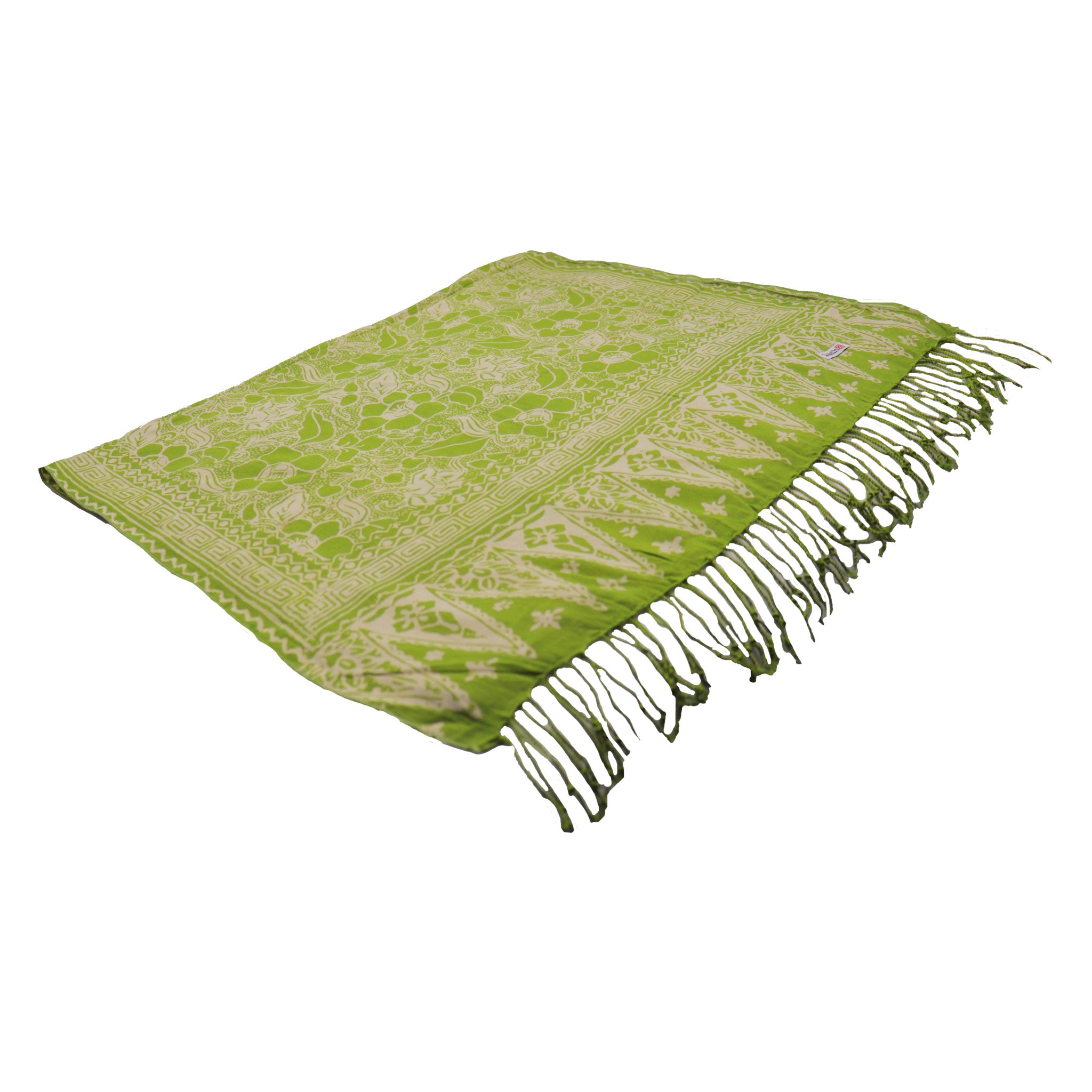
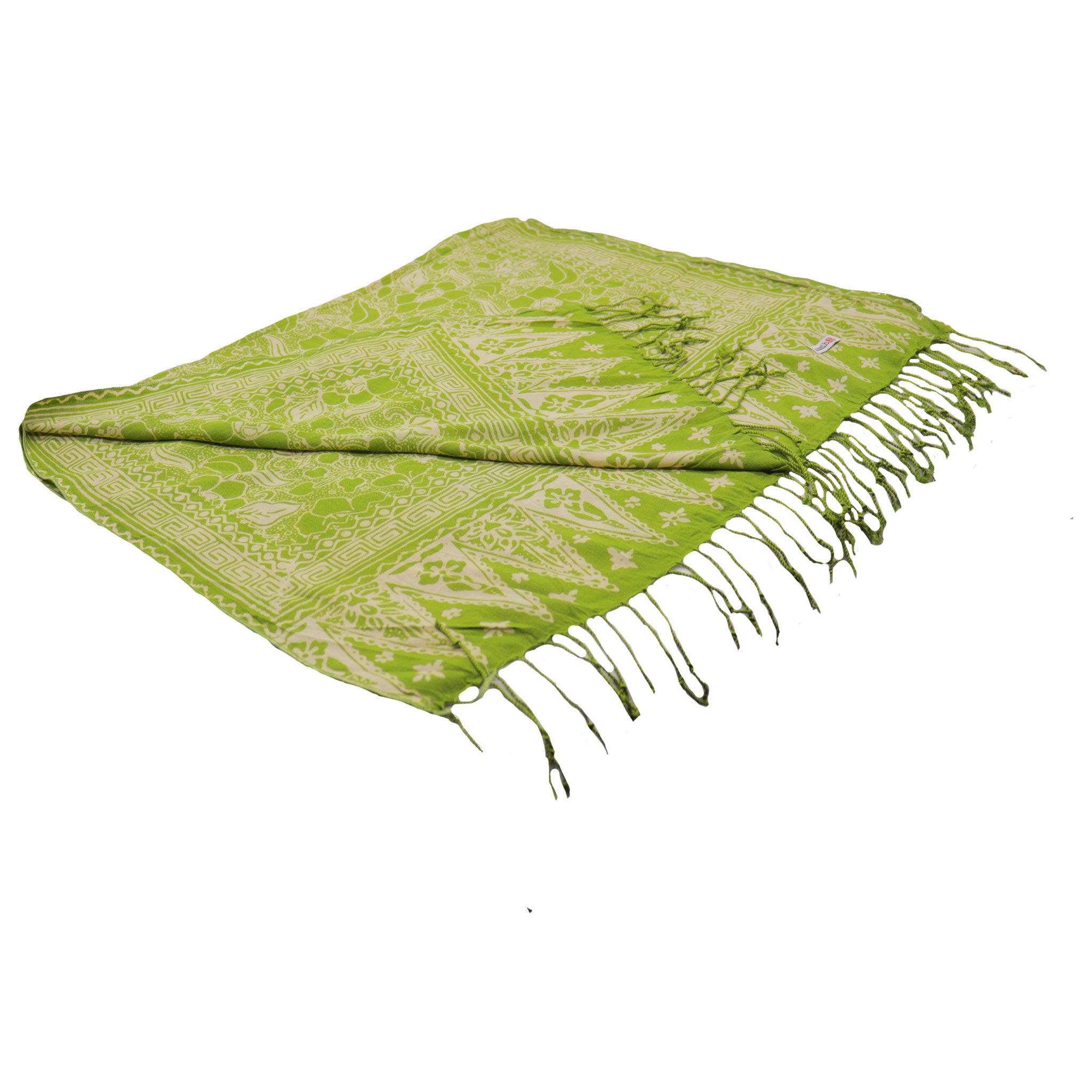
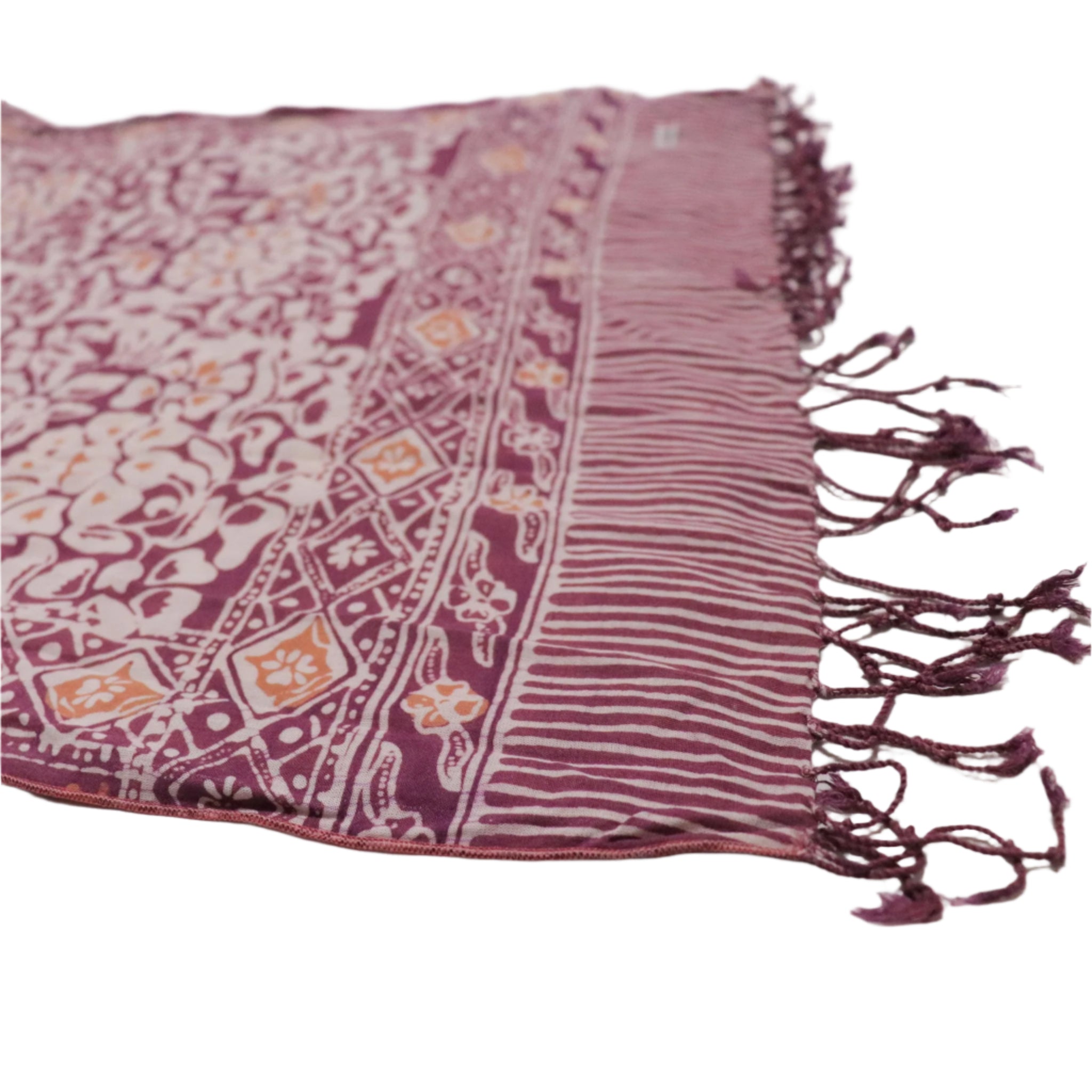
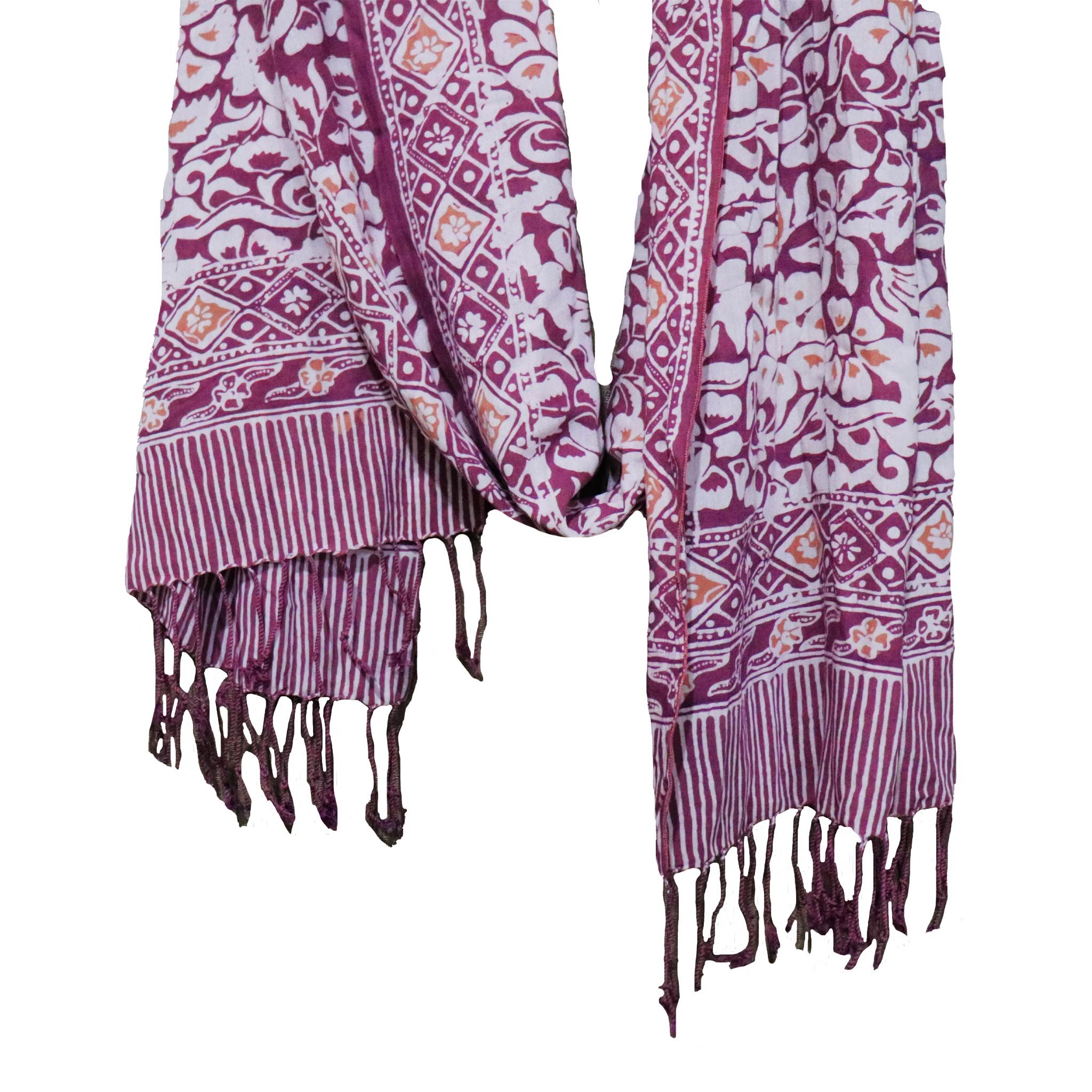
Le batik n'a pas perdu son identité en se modernisant — il a juste trouvé un public plus large. Et avec des pièces faites à la main comme les bandanas et les foulards en batik, cette tradition perdure de la manière la plus portable possible.