La plupart des guides de randonnée vous donnent les mêmes conseils. Portez de bonnes chaussures. Apportez de l'eau. N'oubliez pas la crème solaire. Et oui, tout cela est vrai.
Mais après un certain temps sur le sentier, vous commencez à réaliser qu'il existe une deuxième liste. Ce qui ne figure pas dans les guides officiels, mais qui sauve discrètement la situation à chaque fois.
Voici cette liste.
Une gourde solide
Non négociable. L'hydratation affecte tout : votre énergie, votre humeur, votre capacité à prendre de bonnes décisions lorsque le sentier se divise et que vous ne savez pas quelle direction prendre. Apportez plus d'eau que vous ne pensez en avoir besoin.
Des en-cas qui vous donnent réellement de l'énergie
Le mélange montagnard, c'est bien. Mais, soyons honnêtes, apportez quelque chose avec des protéines et des graisses, pas seulement du sucre. Vous sentirez la différence après la deuxième heure.

Celui-ci est toujours négligé, et il ne devrait pas l'être. Un bandana est l'une des choses les plus légères que vous puissiez glisser dans votre sac et, d'une certaine manière, la plus utile une fois sur le terrain.
Portez-le autour du cou pour vous protéger du soleil. Pliez-le en bandeau pour empêcher la sueur de couler dans vos yeux. Mouillez-le et utilisez-le pour vous rafraîchir. Attachez-le à votre poignet comme marqueur de sentier. Transformez-le en une pochette improvisée pour transporter de petites choses lorsque vos mains sont occupées. C'est le genre de chose à laquelle on ne pense pas tant qu'on n'en a pas besoin, et puis on s'en sert constamment.
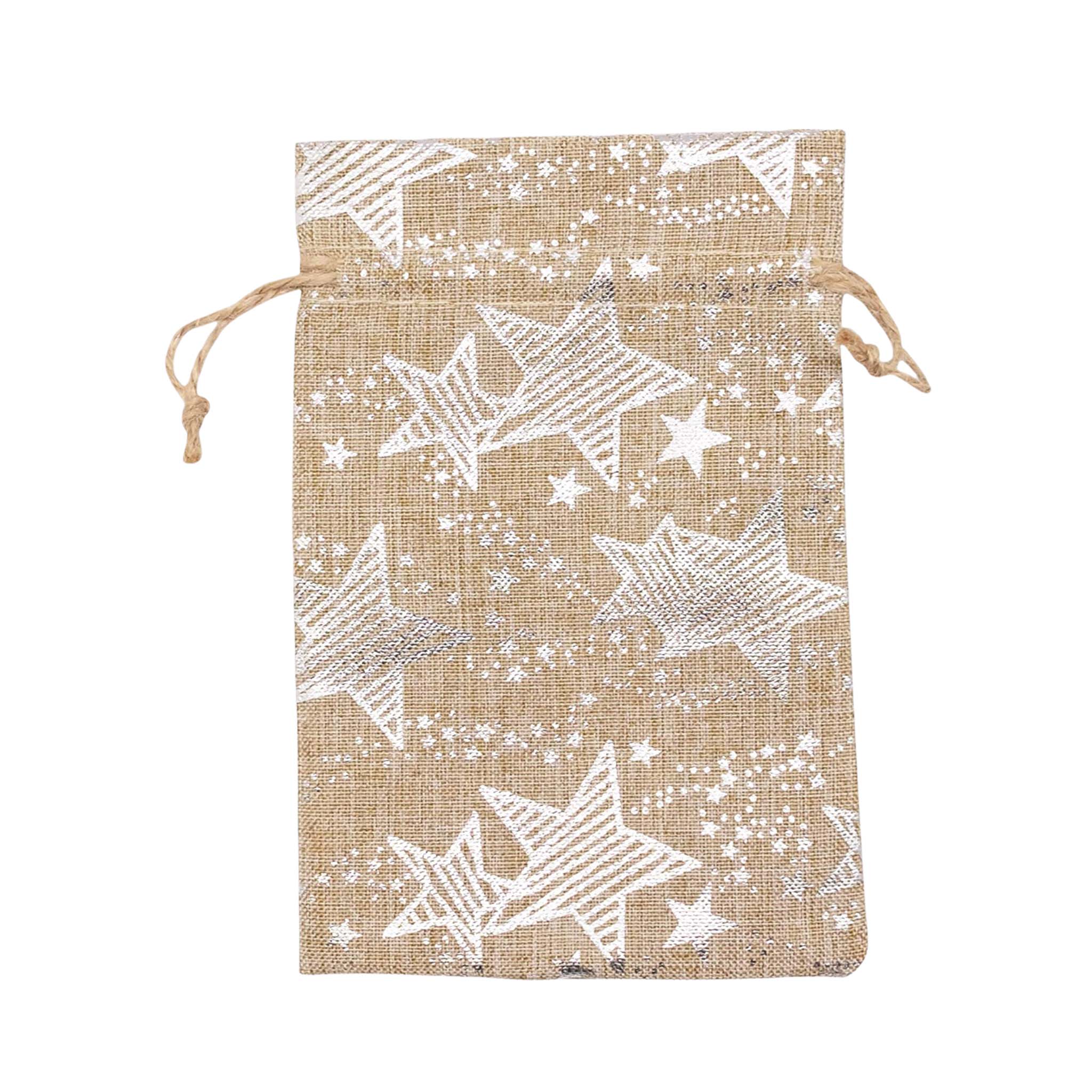
Les bandanas Kasih Co-op sont 100 % coton batik, fabriqués à la main par des artisans indonésiens. Doux, respirants et vraiment magnifiques. Le genre de chose qui a l'air bien sur le sentier et encore mieux en dehors.
Bâtons de randonnée
Tout le monde ne les utilise pas, mais une fois que vous l'avez fait, il est difficile de revenir en arrière. Les bâtons de randonnée soulagent étonnamment la pression sur vos genoux, surtout lors des descentes raides lorsque vos jambes sont déjà fatiguées. Ils aident également à l'équilibre sur les terrains inégaux, les traversées de rivières ou les graviers où une seule mauvaise marche peut avoir des conséquences.
Les bâtons réglables en valent la peine. Vous les voulez plus courts en montée, plus longs en descente. Les options légères en aluminium ou en fibre de carbone se rangent suffisamment petites pour être accrochées à votre sac lorsque vous n'en avez pas besoin.
Si vous avez de mauvais genoux ou si vous prévoyez un long sentier avec un dénivelé important, ne les négligez pas.
Une trousse de premiers secours de base
Les ampoules arrivent. Les coupures arrivent. Vous n'avez pas besoin de quoi que ce soit de fantaisiste, juste les bases dans une petite pochette. L'objectif est de gérer les petits problèmes avant qu'ils ne deviennent des raisons d'écourter la randonnée.
Des couches dans lesquelles vous pouvez réellement bouger
Le temps change vite. Une veste légère qui se range dans un petit espace vaut chaque centime. Vous voulez quelque chose que vous pouvez attacher autour de votre taille sans qu'il ne vous gêne.
Un téléphone entièrement chargé — et une sauvegarde
Votre téléphone est votre carte, votre lampe de poche et votre contact d'urgence, le tout en un. Une petite batterie externe ne pèse presque rien et vous offre des heures supplémentaires. Ne la négligez pas.
Aucun des articles de cette liste n'est compliqué. Aucun d'entre eux n'a besoin d'être cher. Ils doivent juste être là quand vous en avez besoin. De bonnes chaussures lorsque le terrain devient difficile. De l'eau lorsque votre énergie diminue. Des bâtons lorsque vos genoux commencent à se manifester. Un bandana lorsque le soleil est fort ou que la pluie arrive de nulle part.
Préparez-vous intelligemment. Sortez. Le reste se fera tout seul.