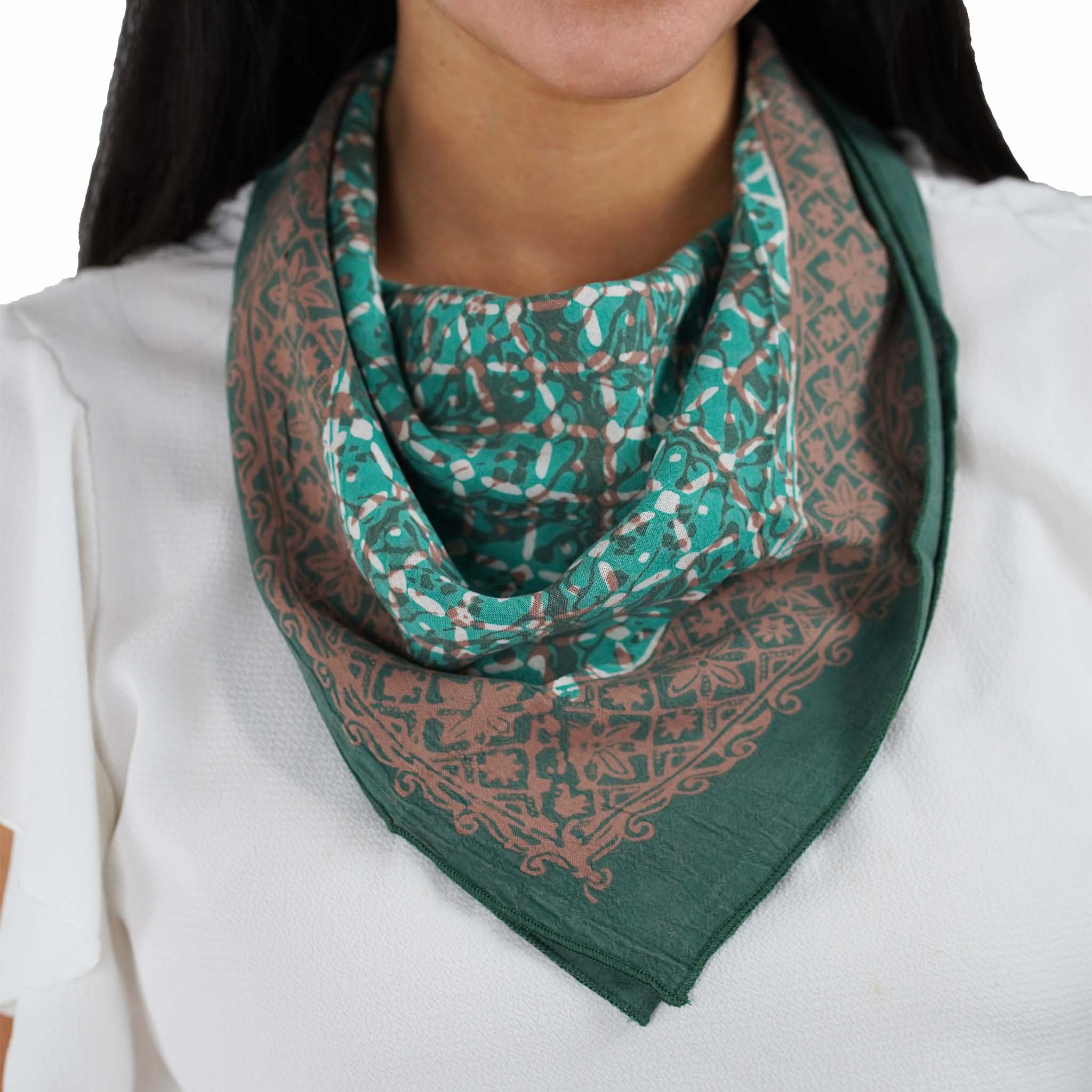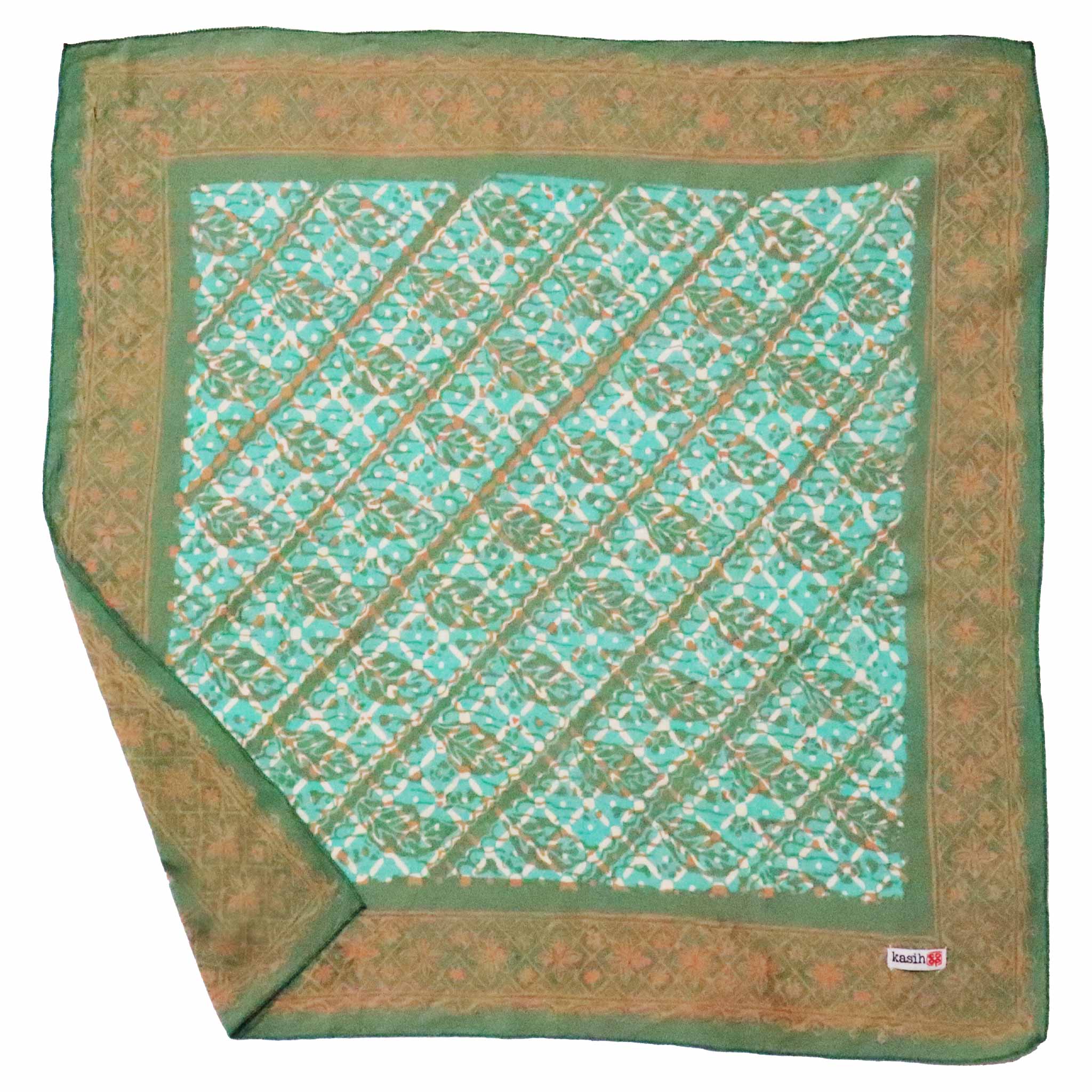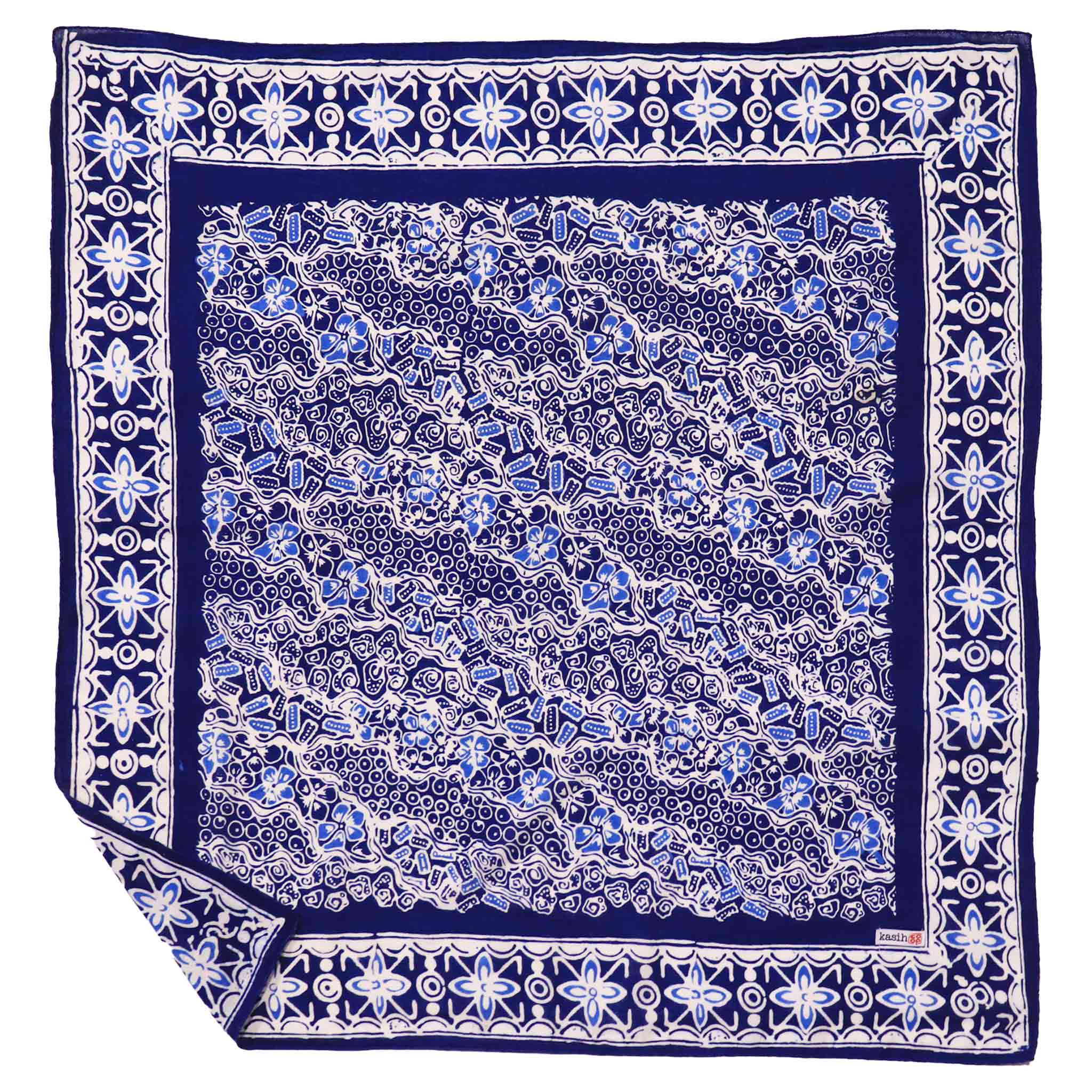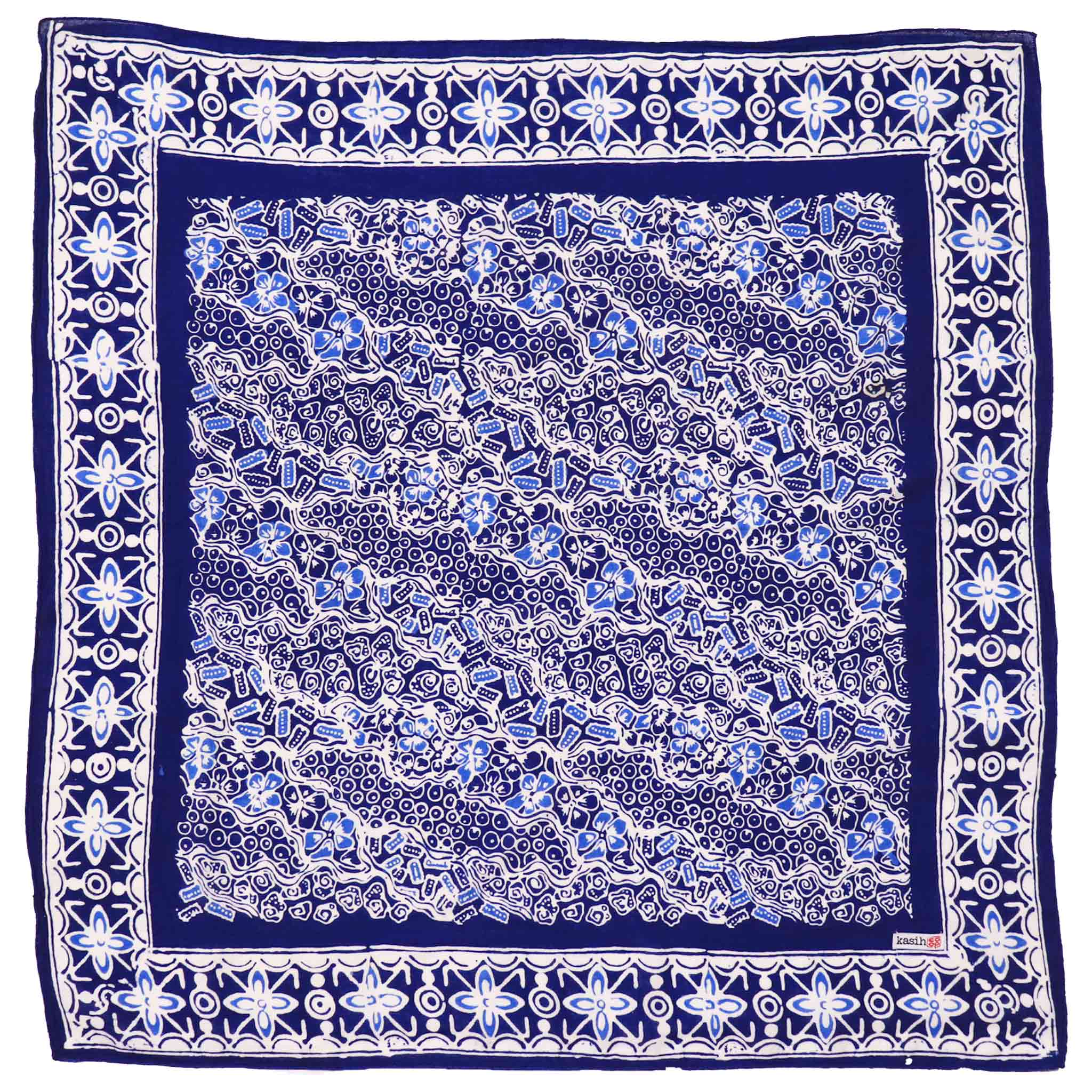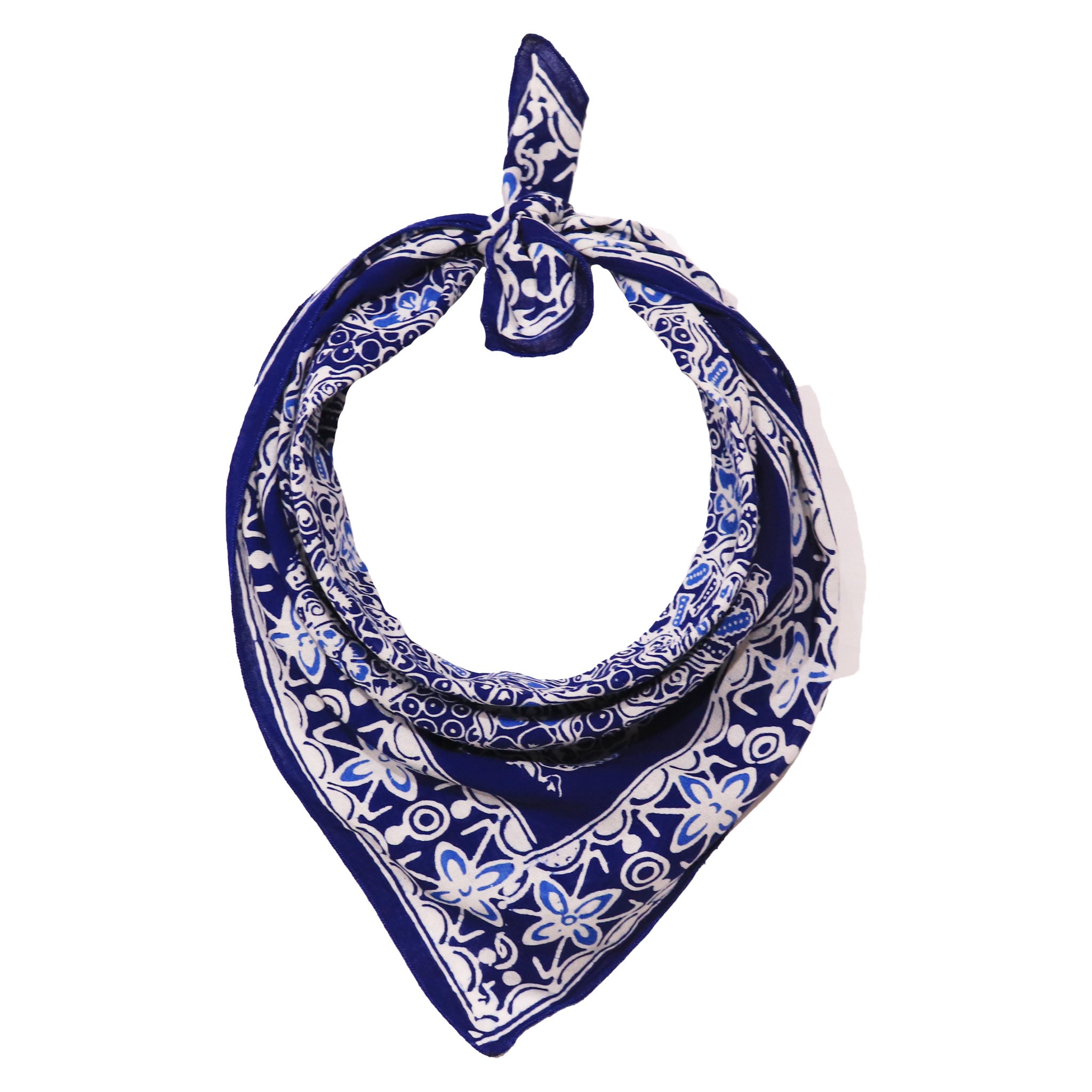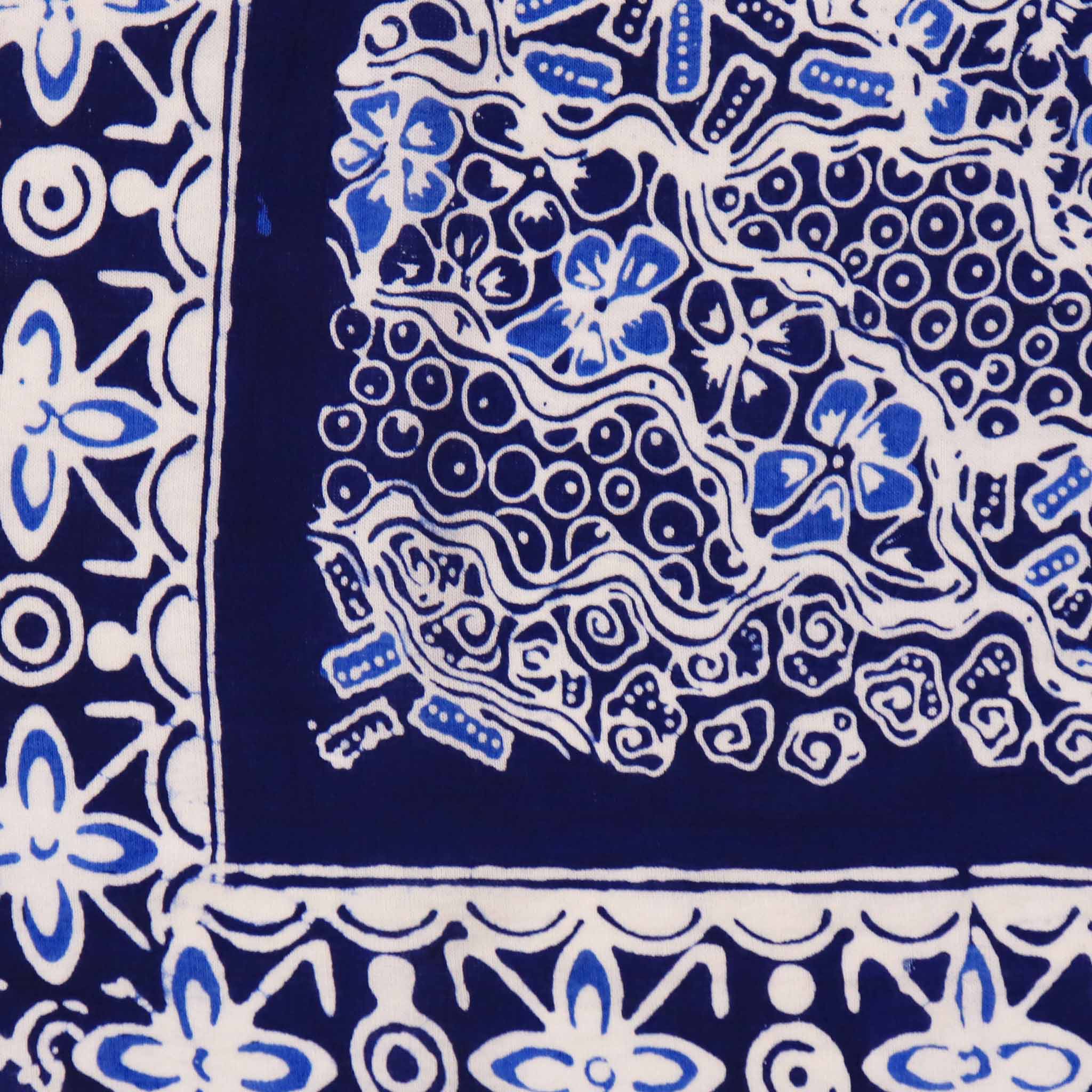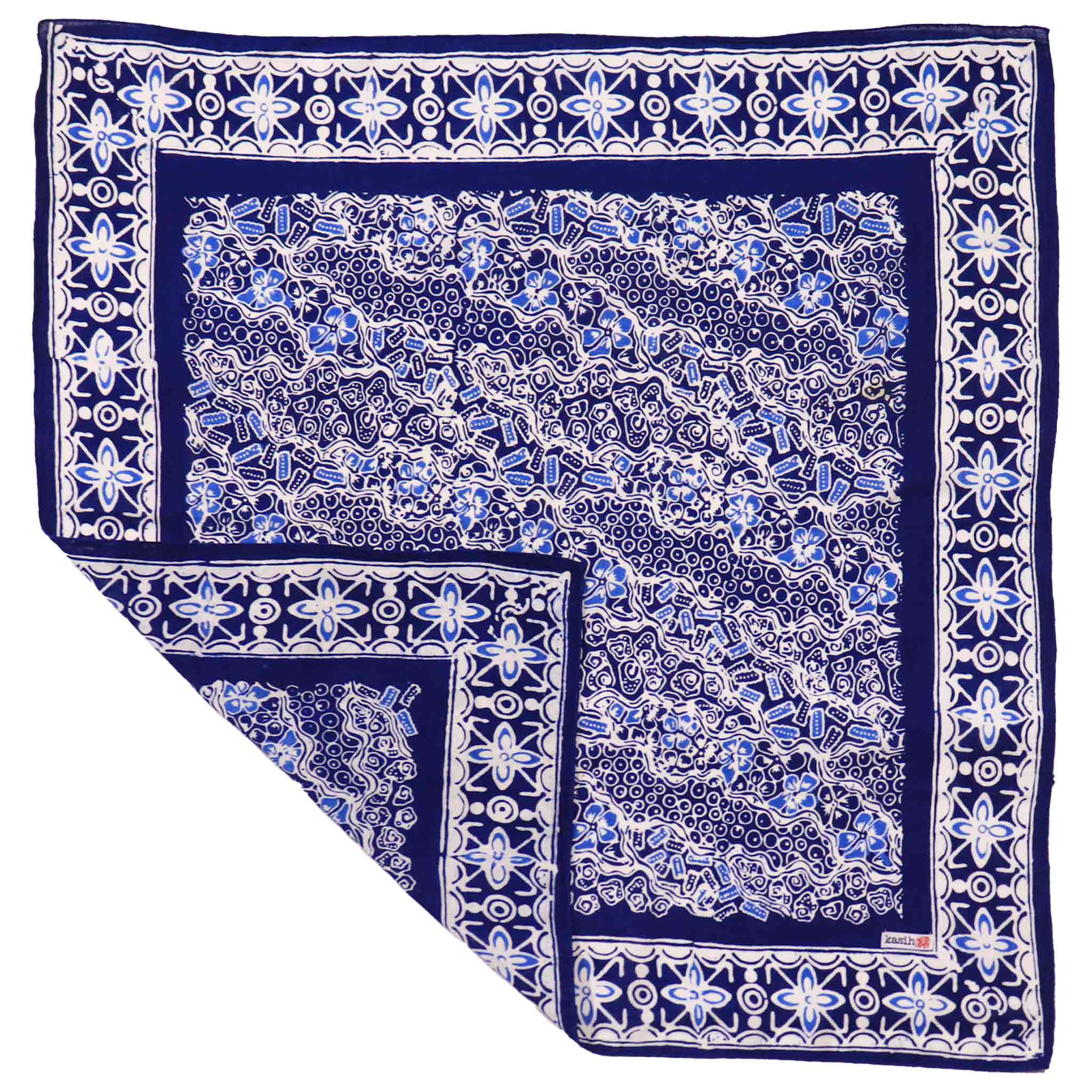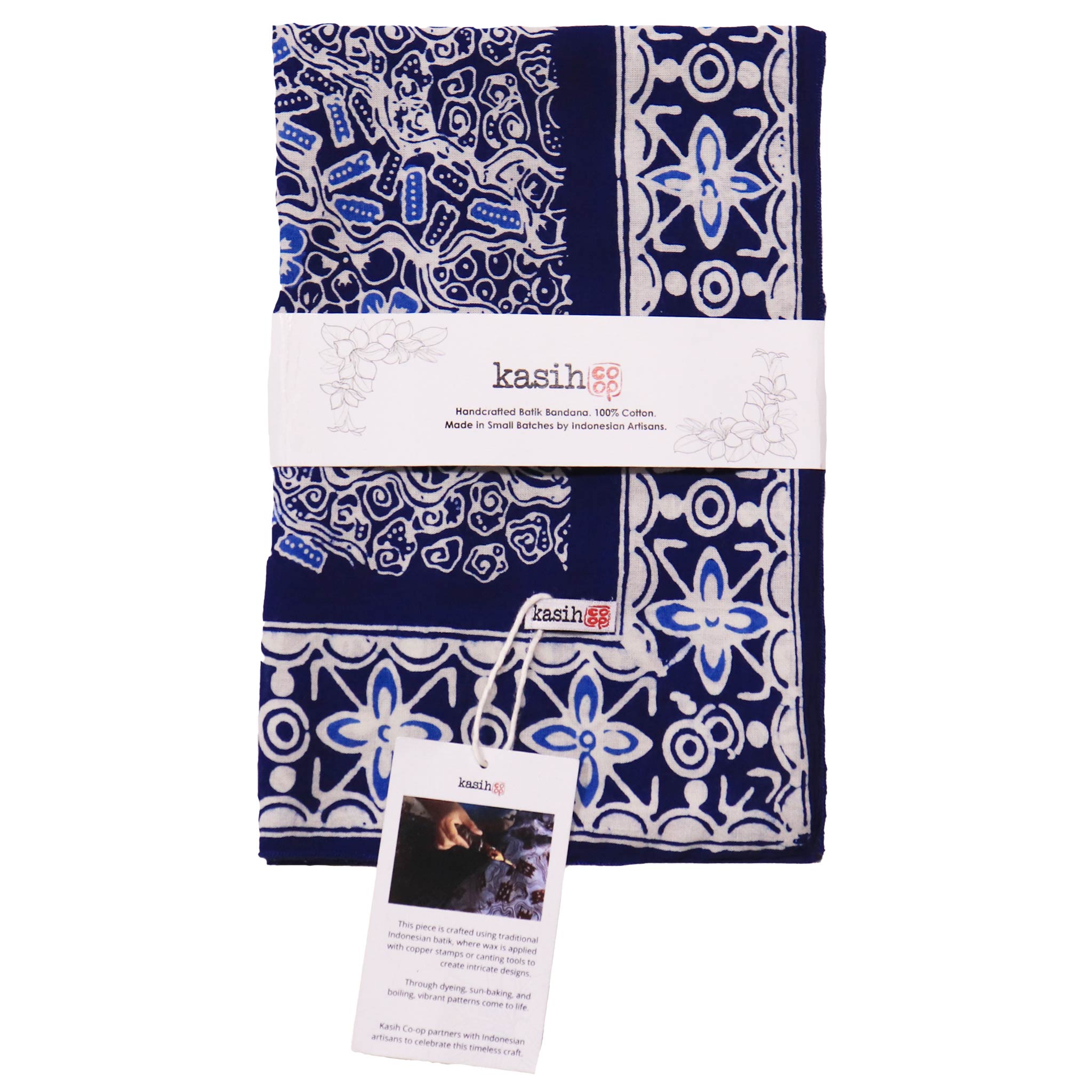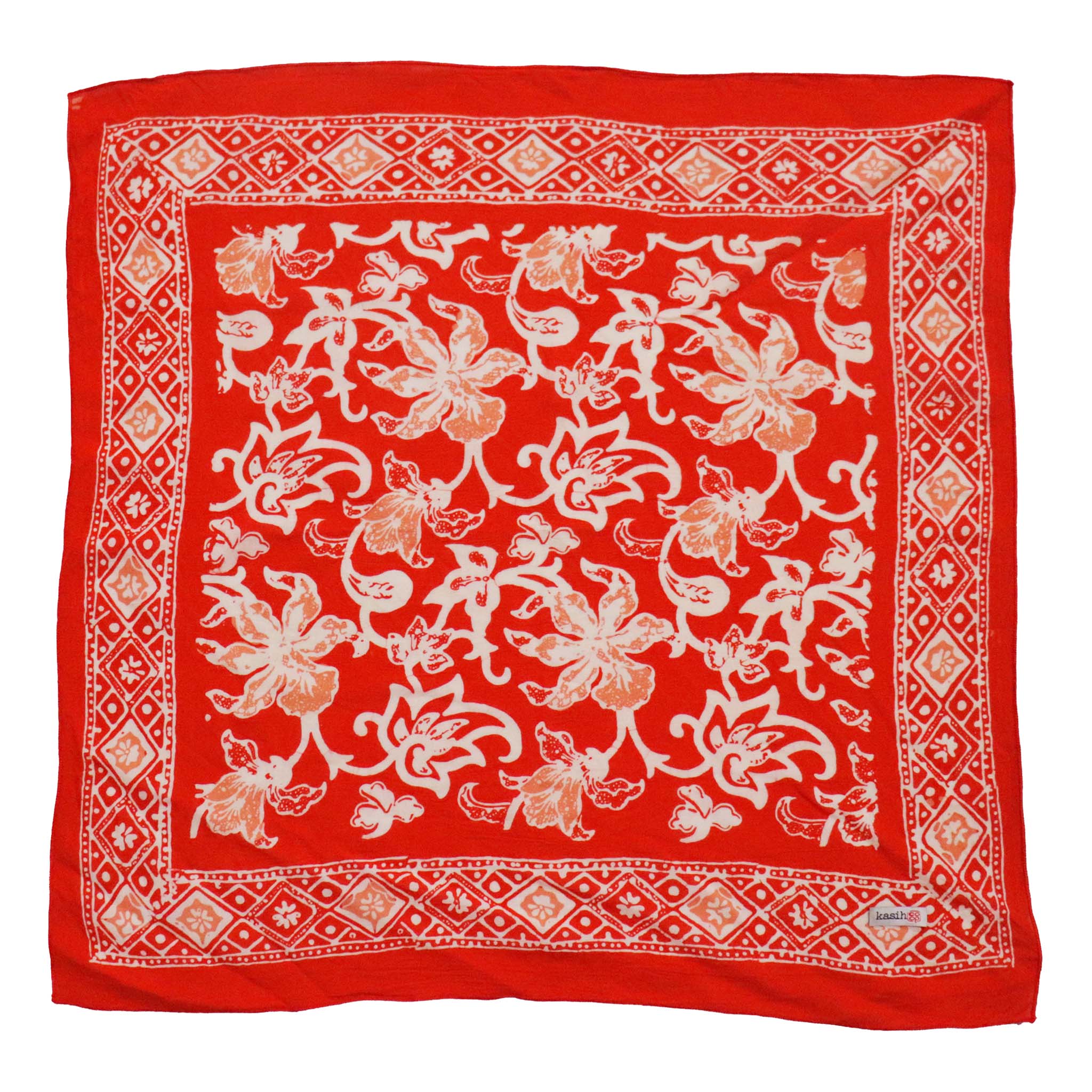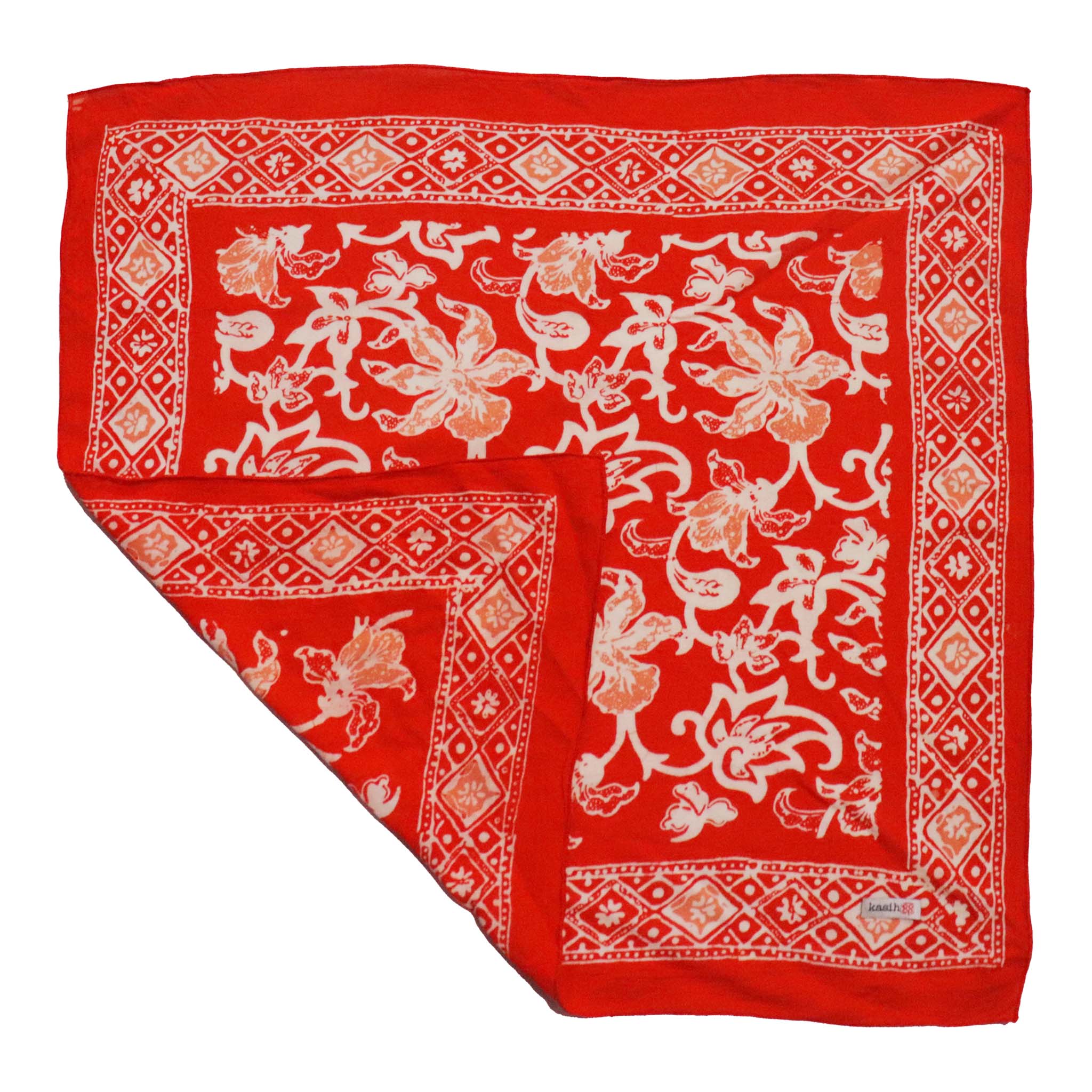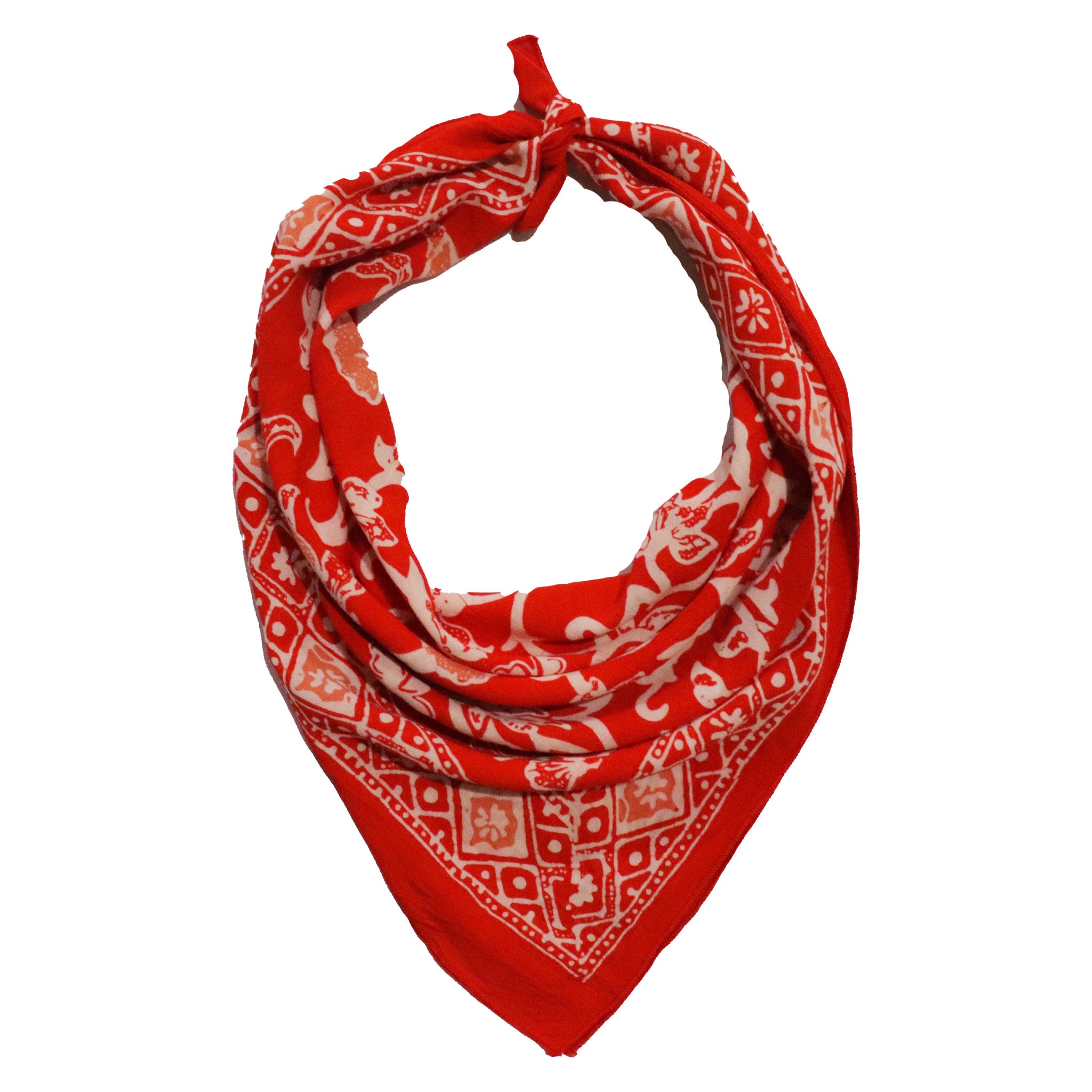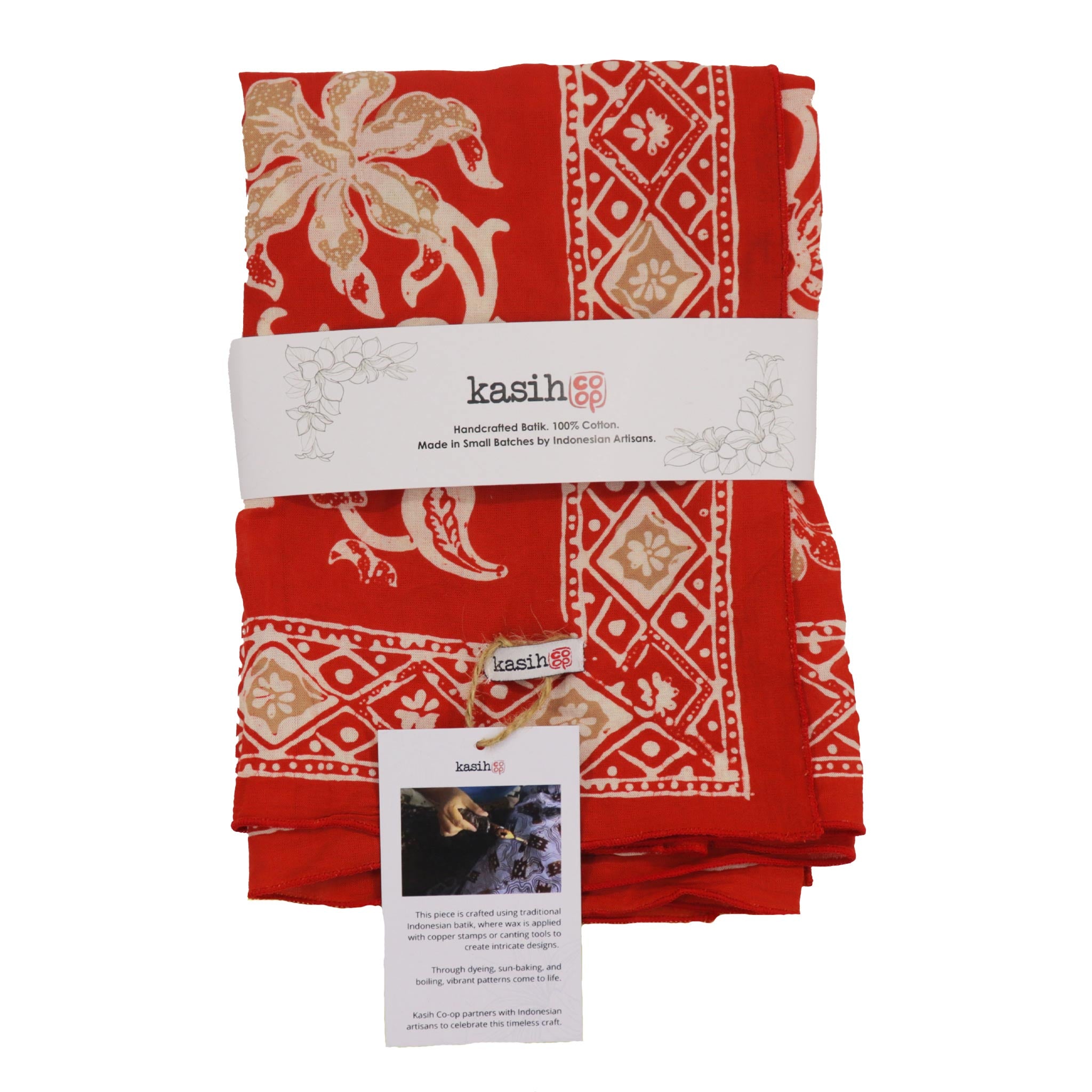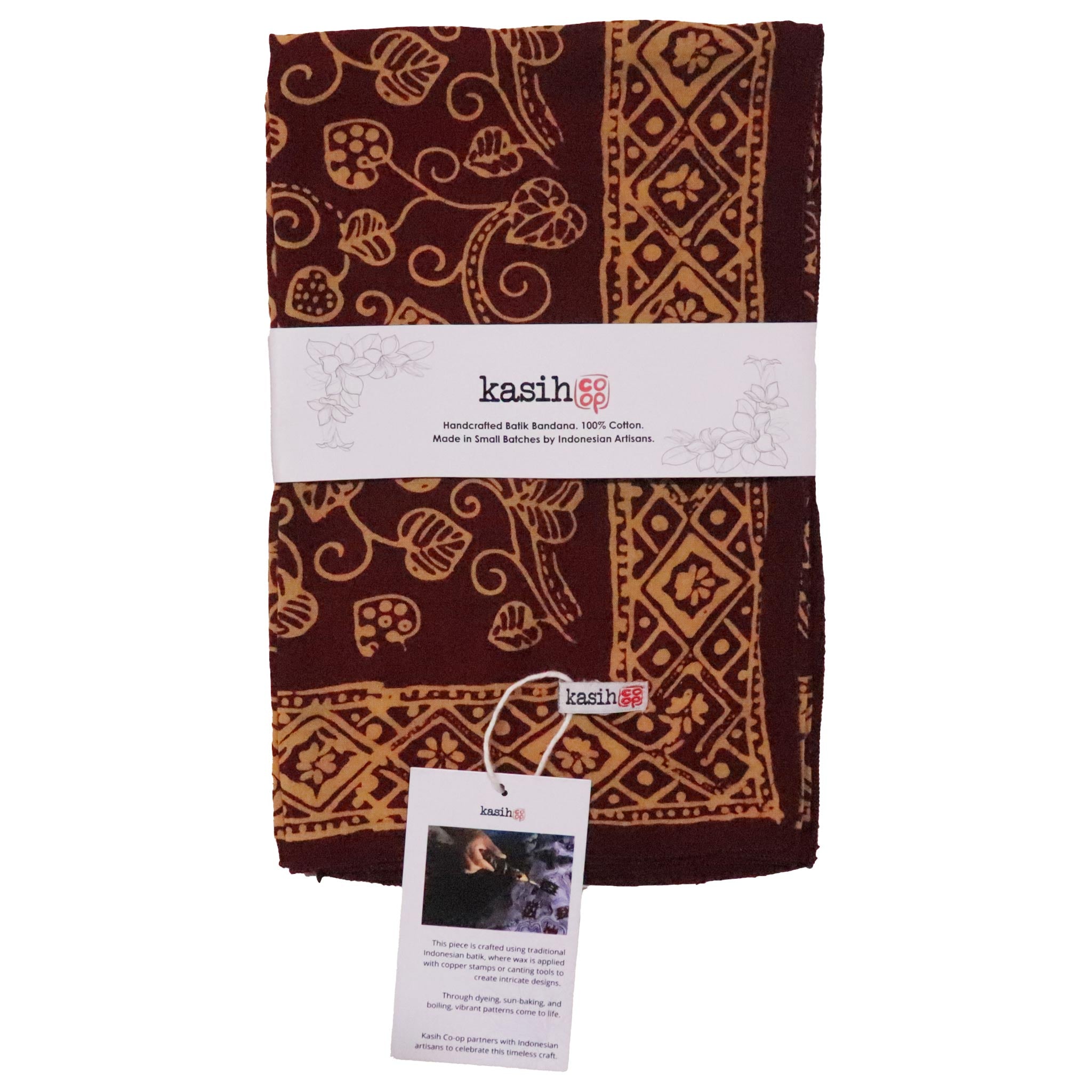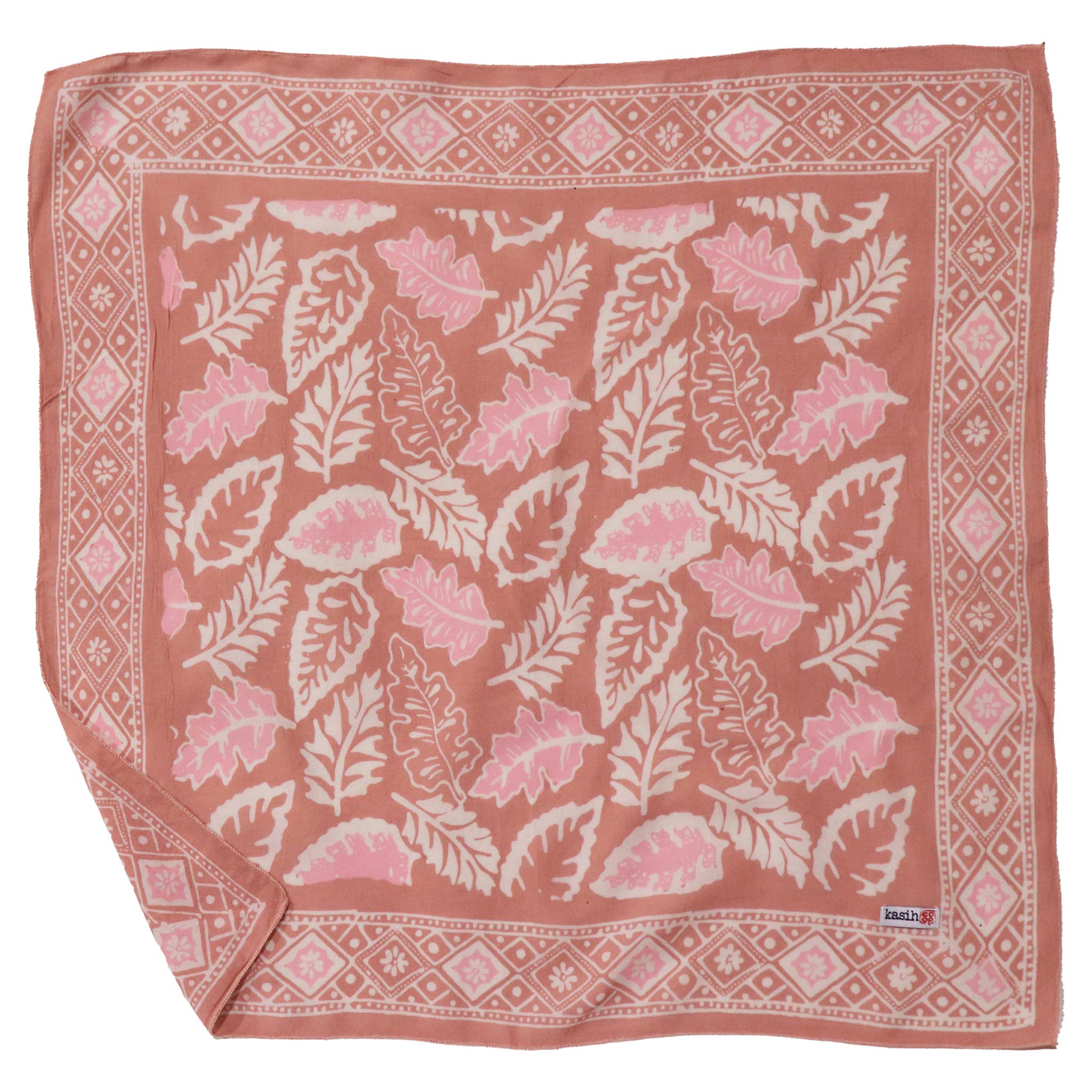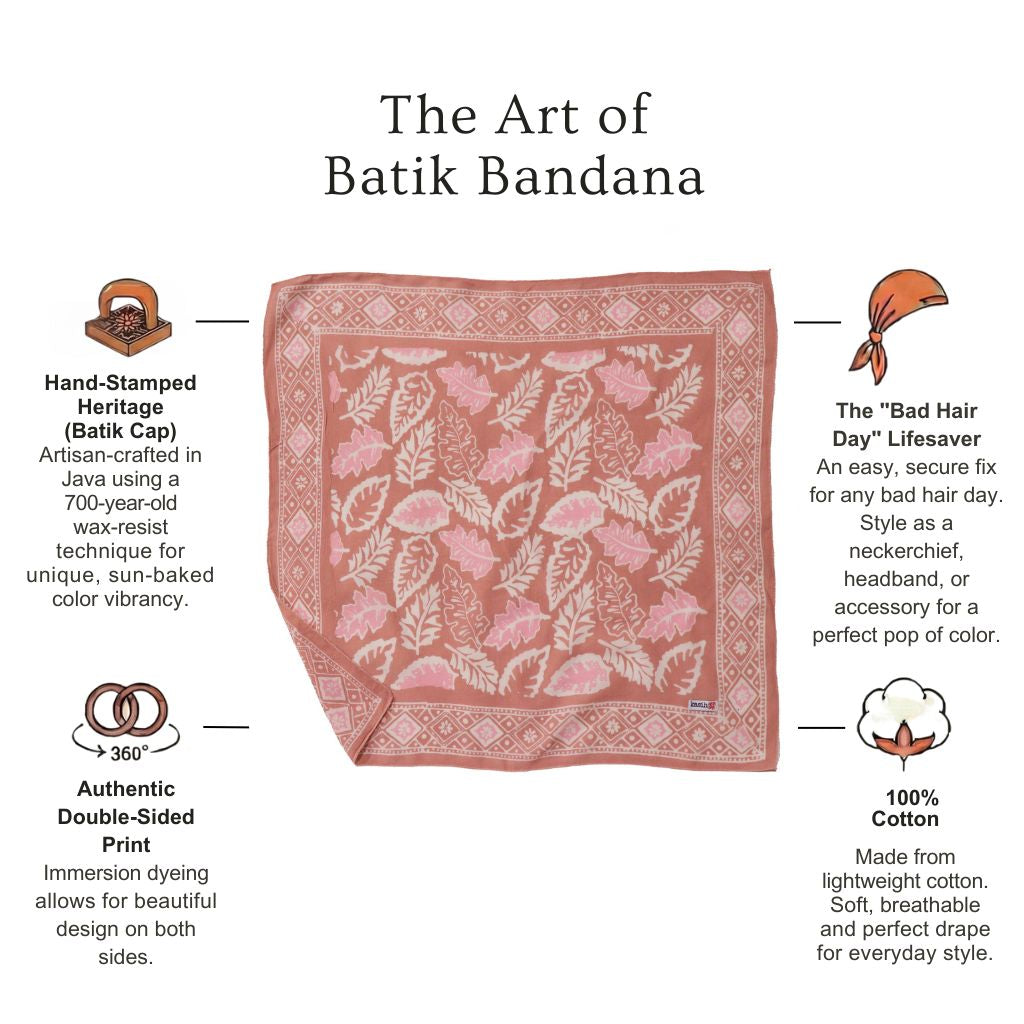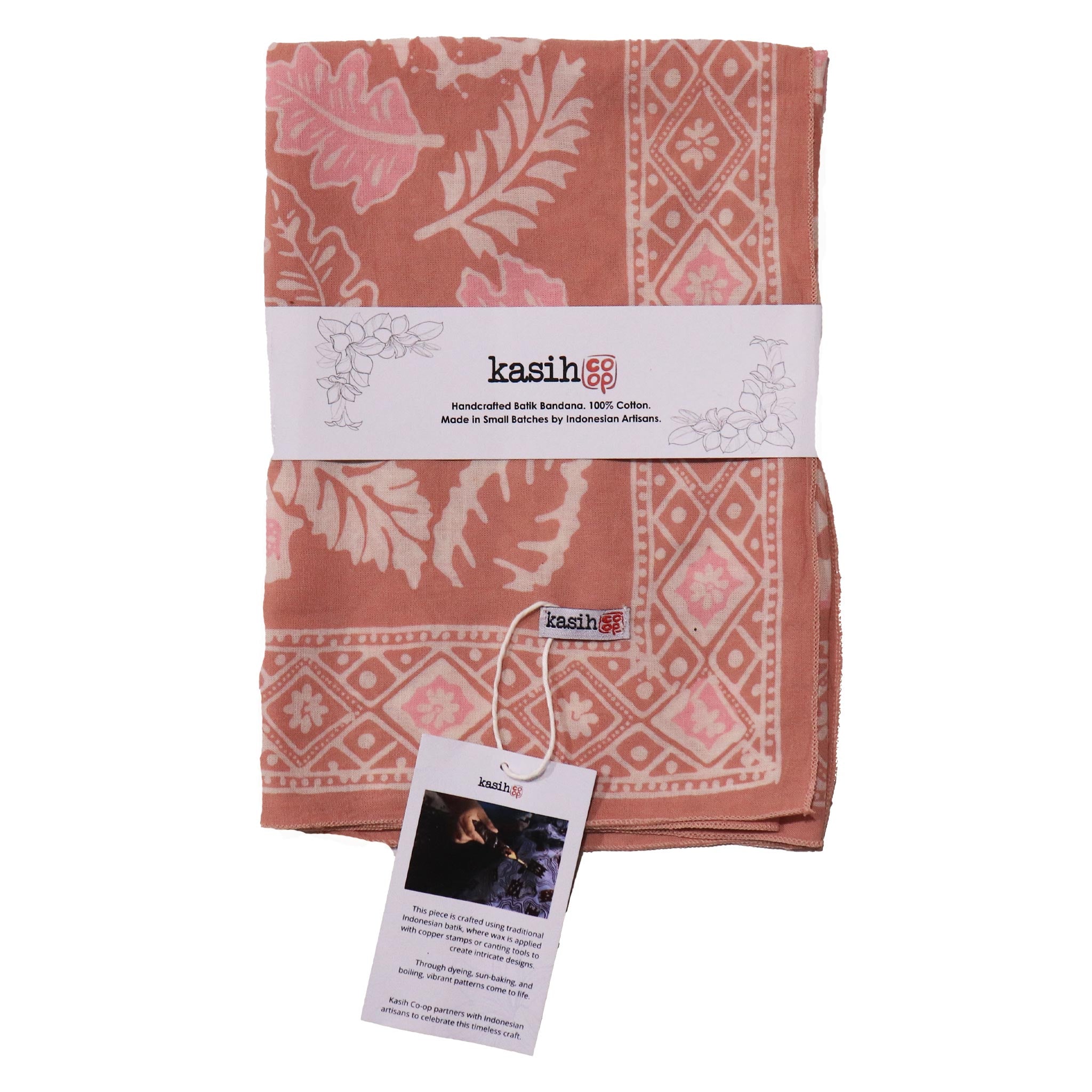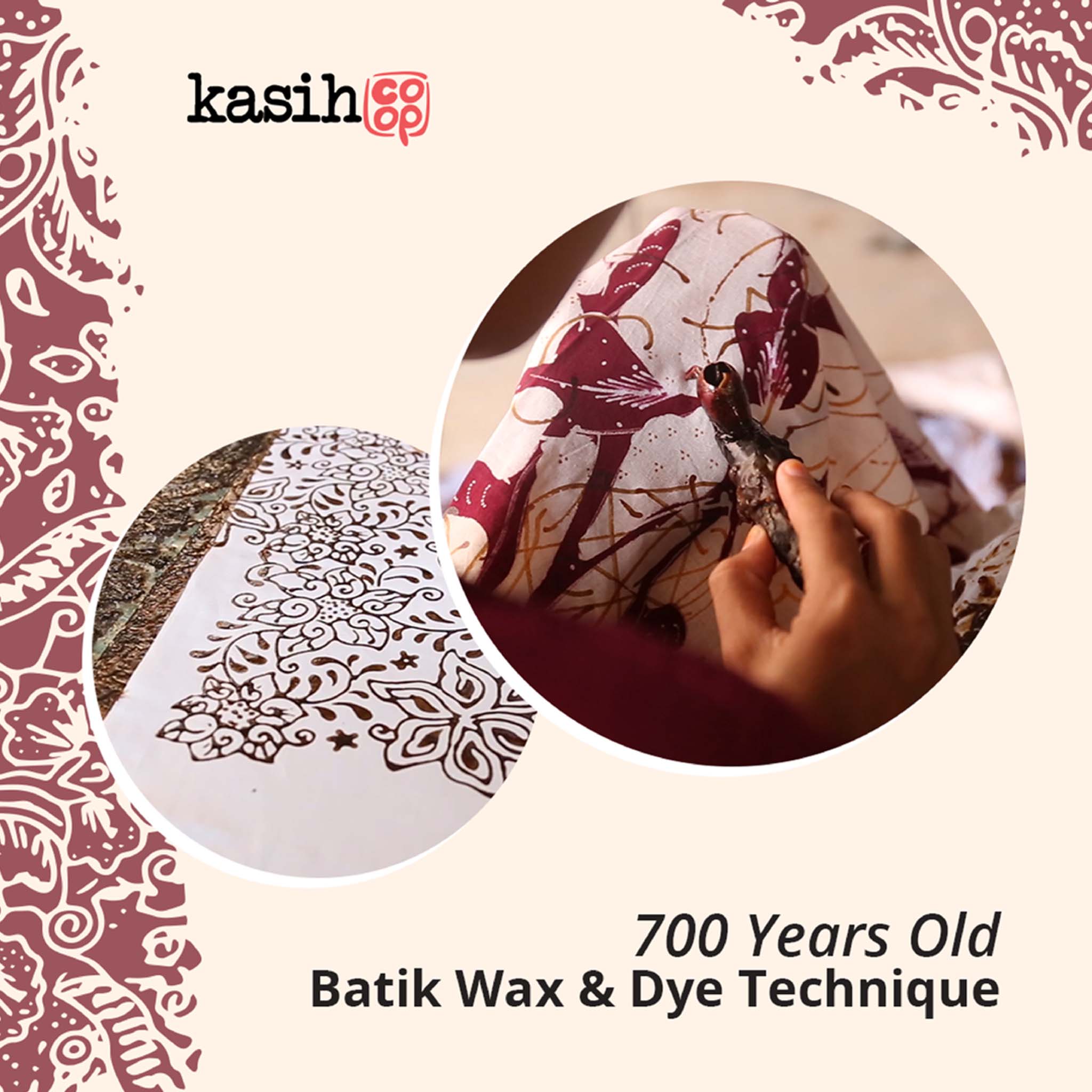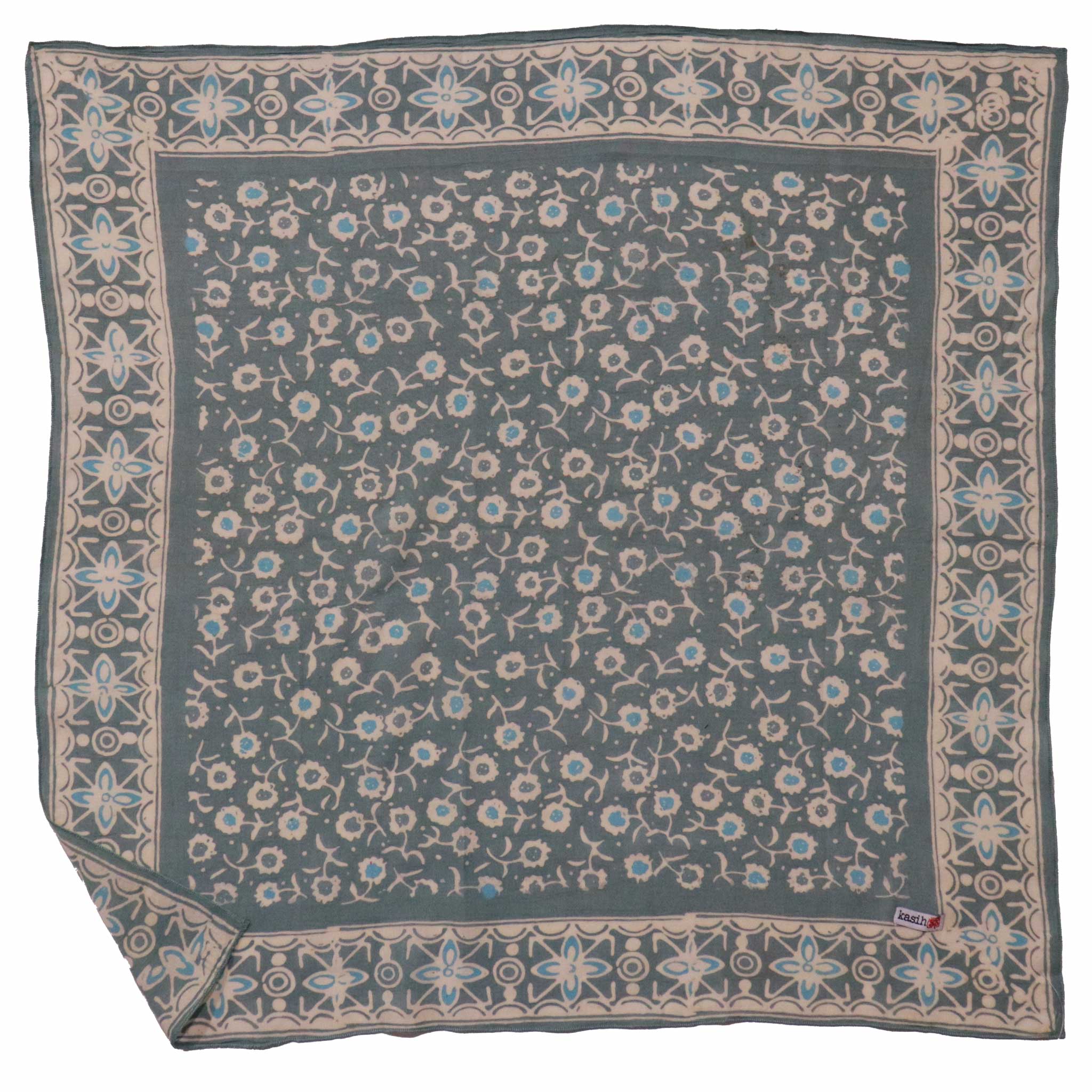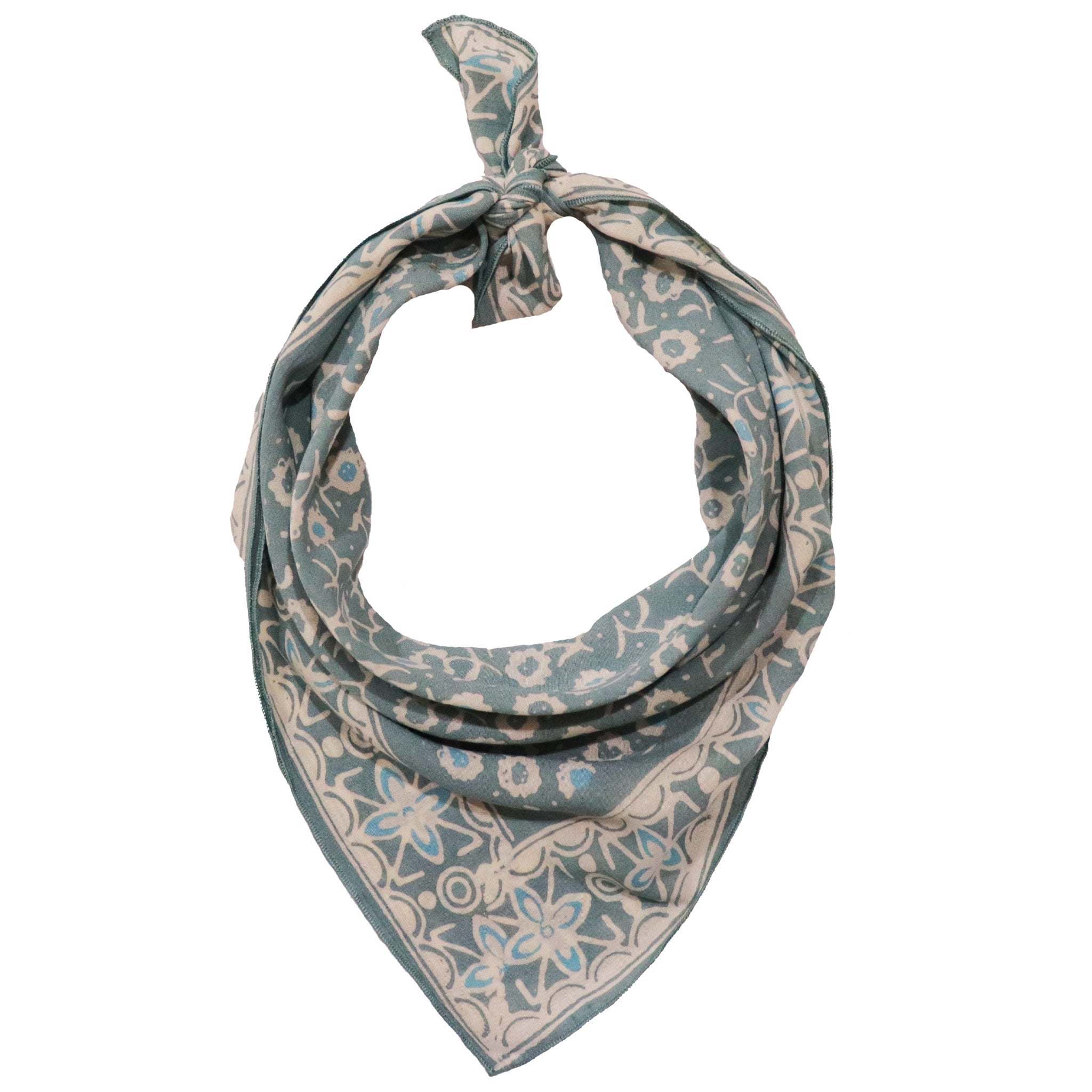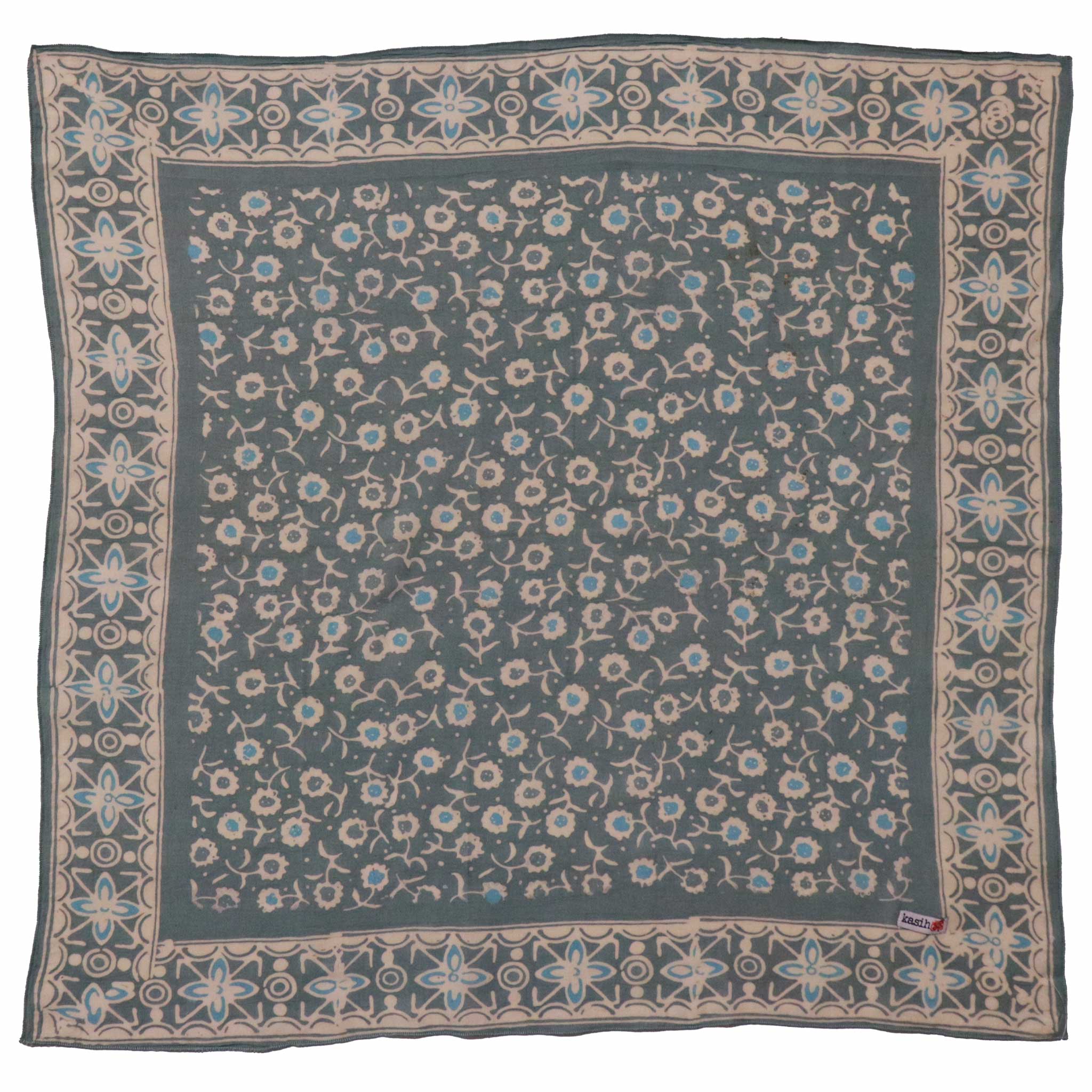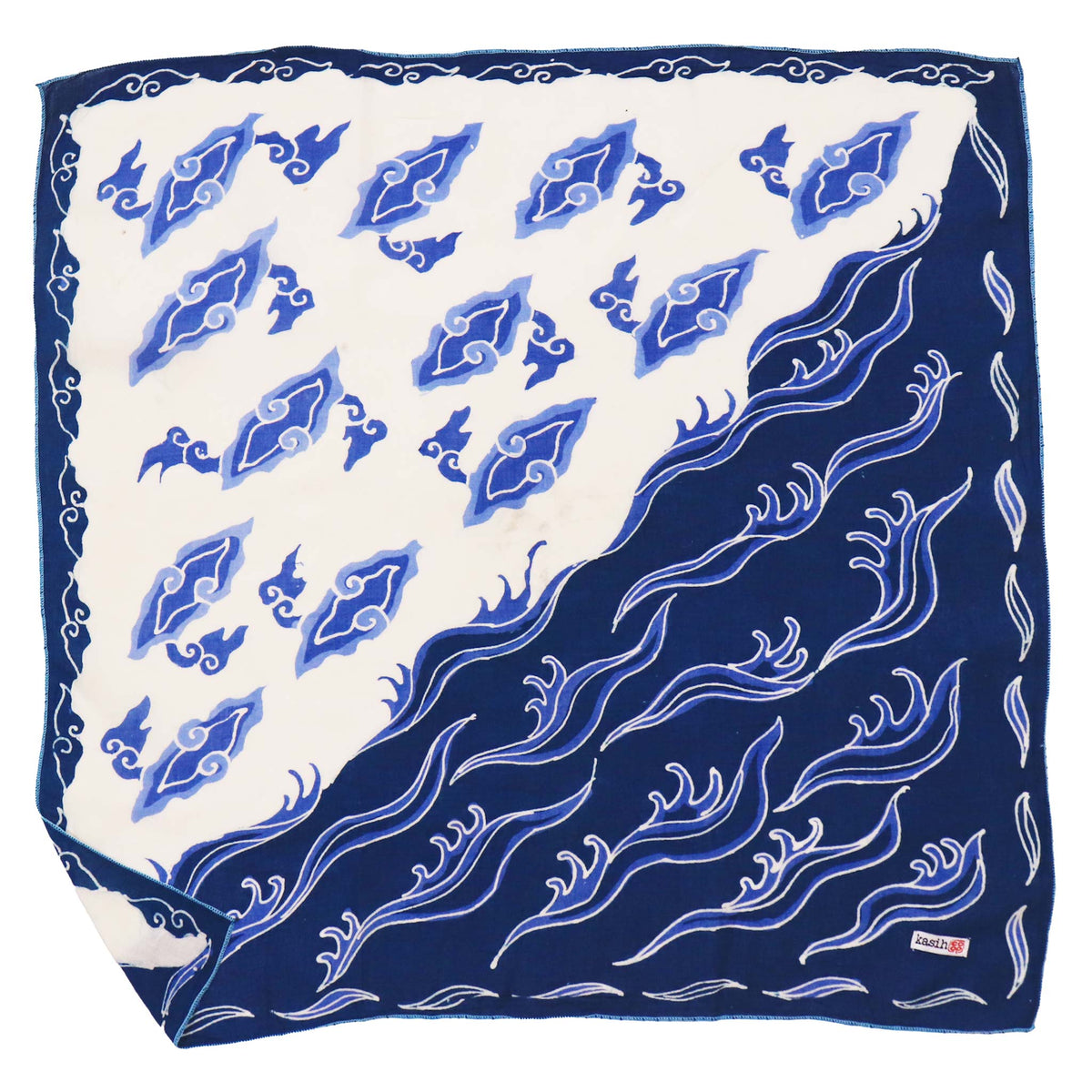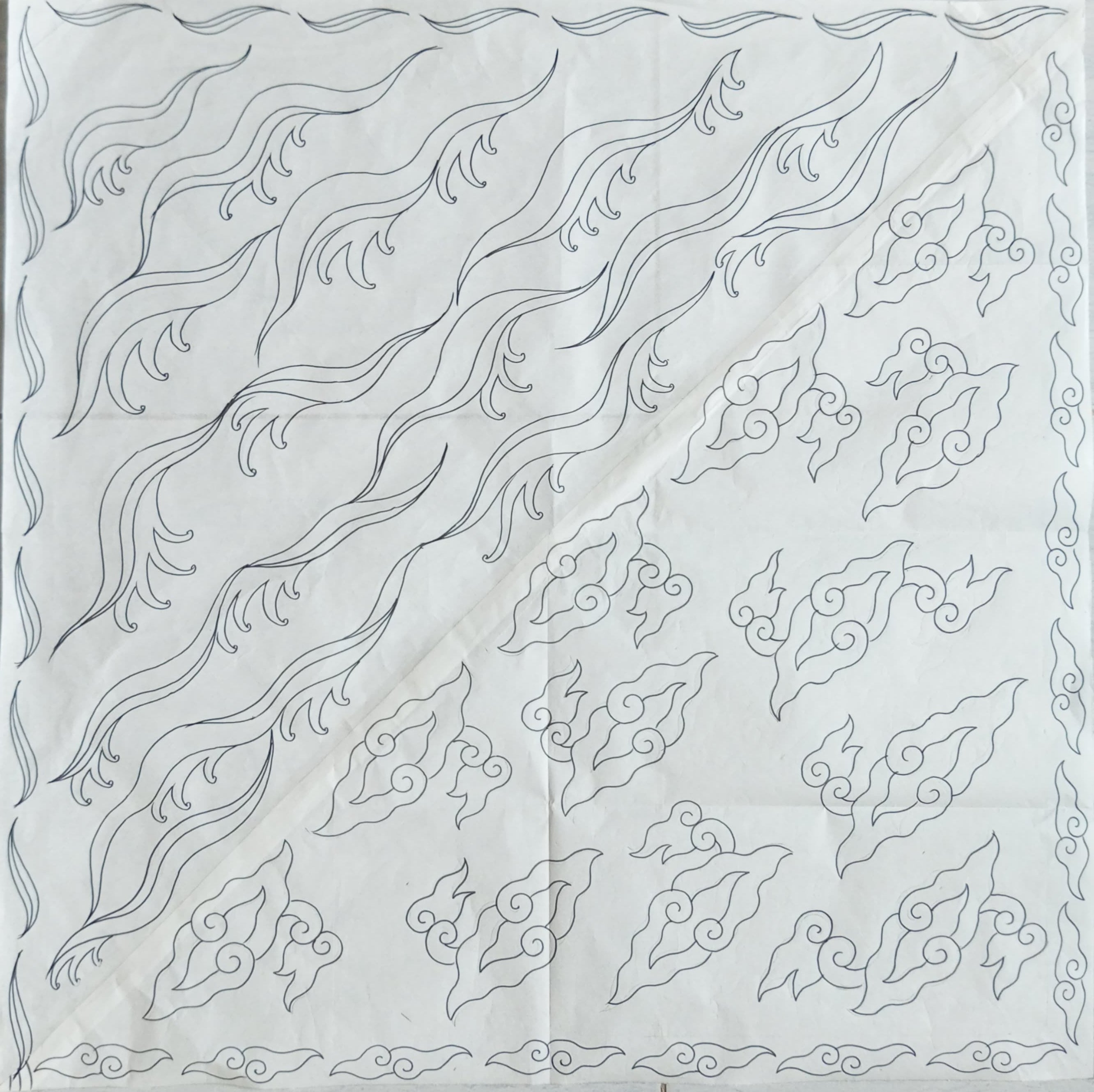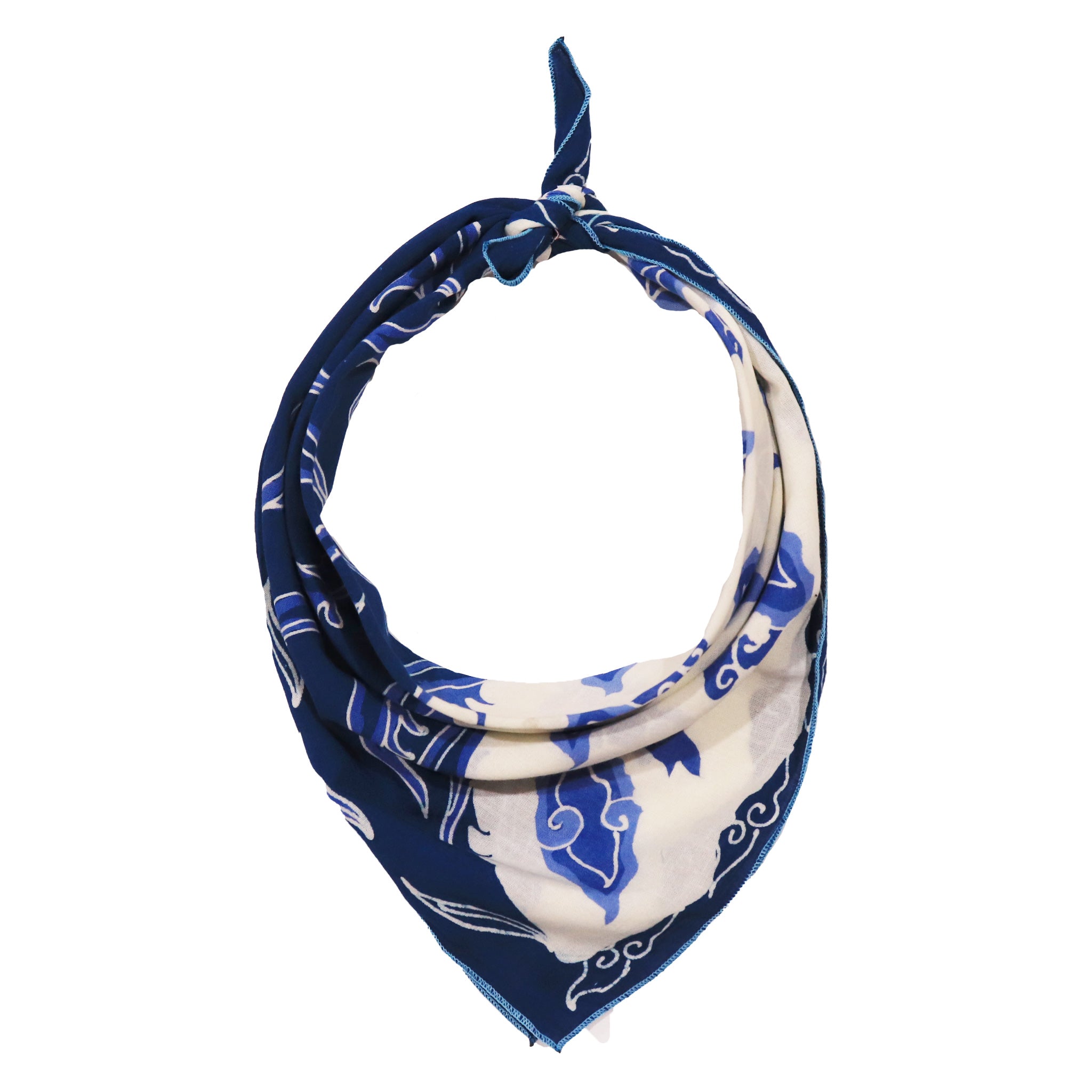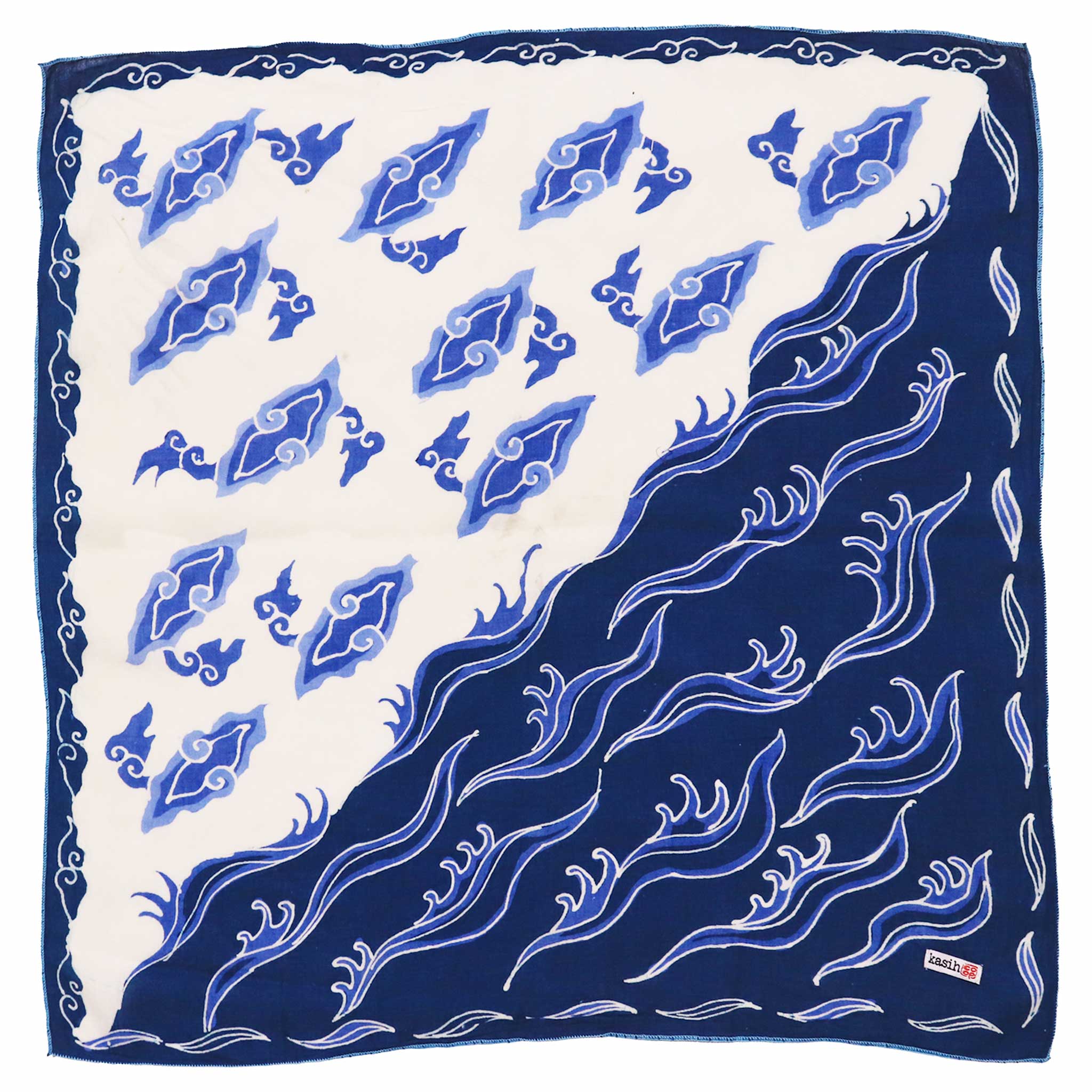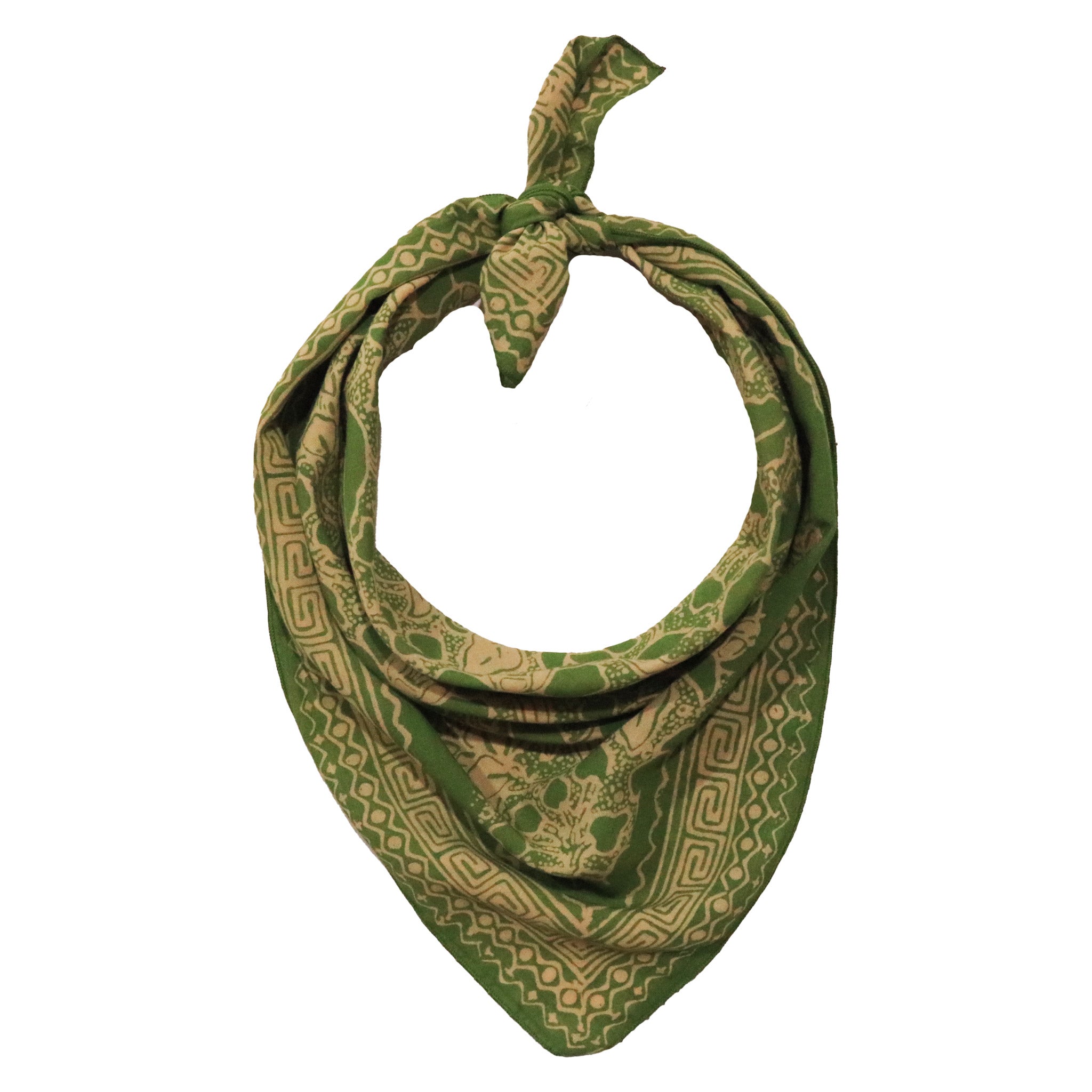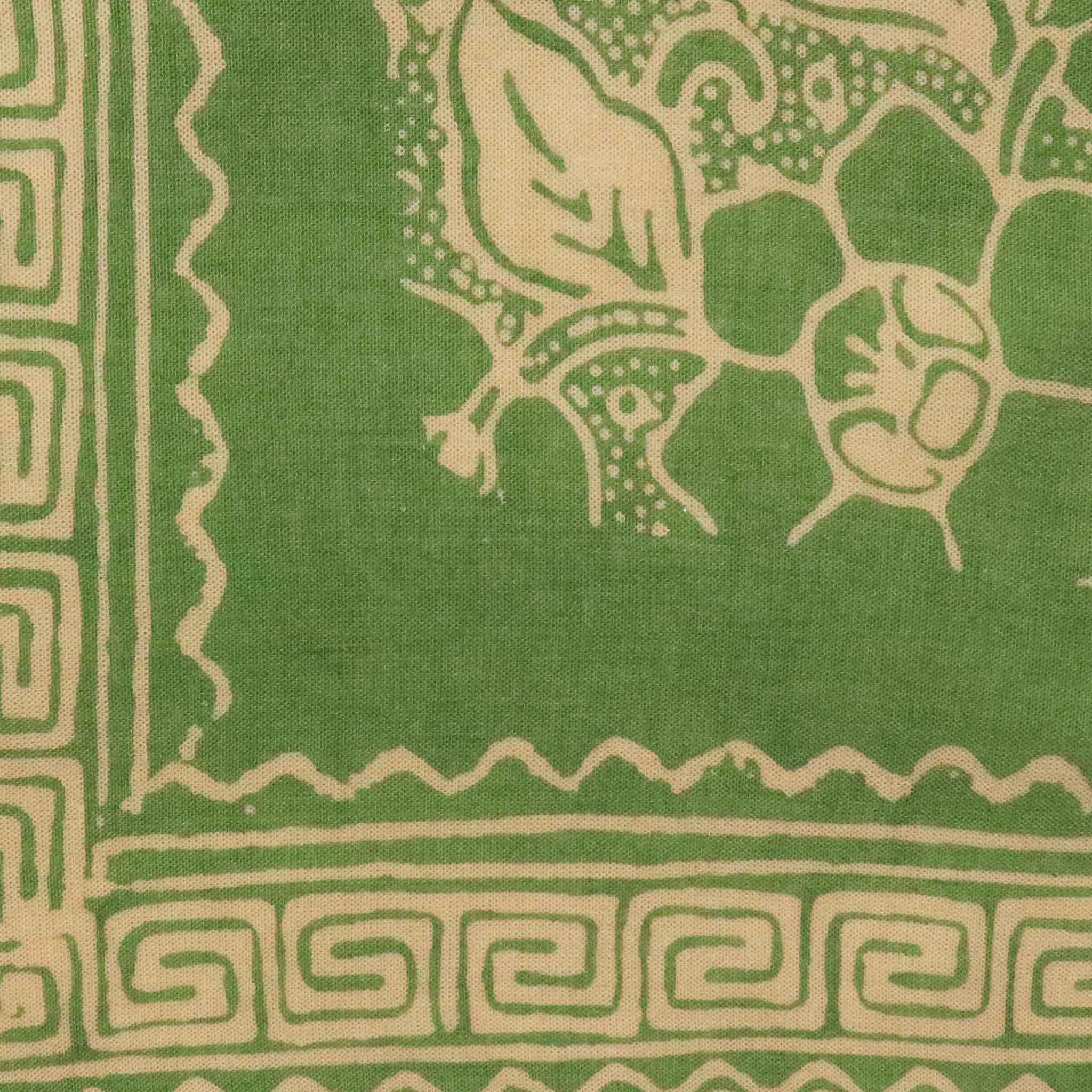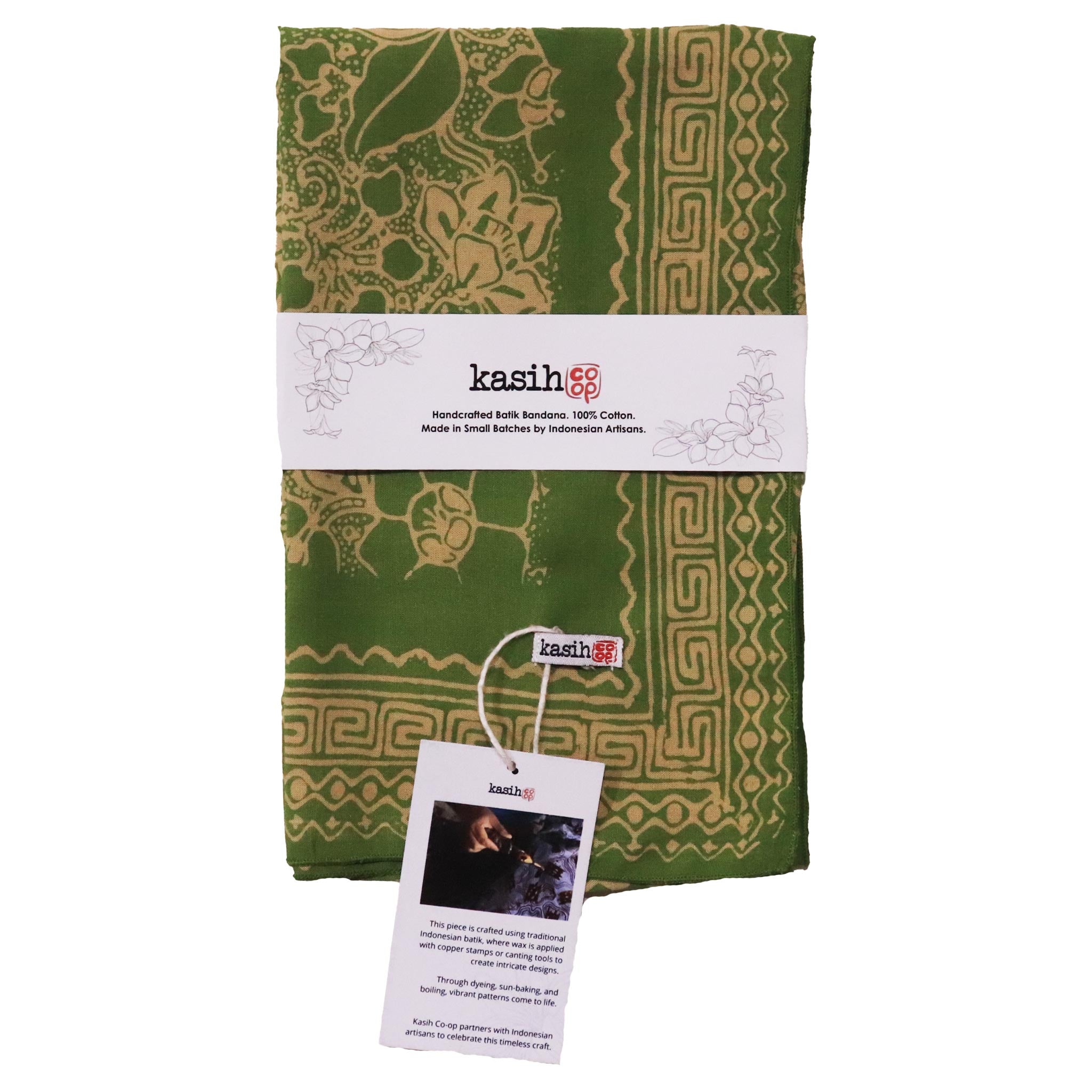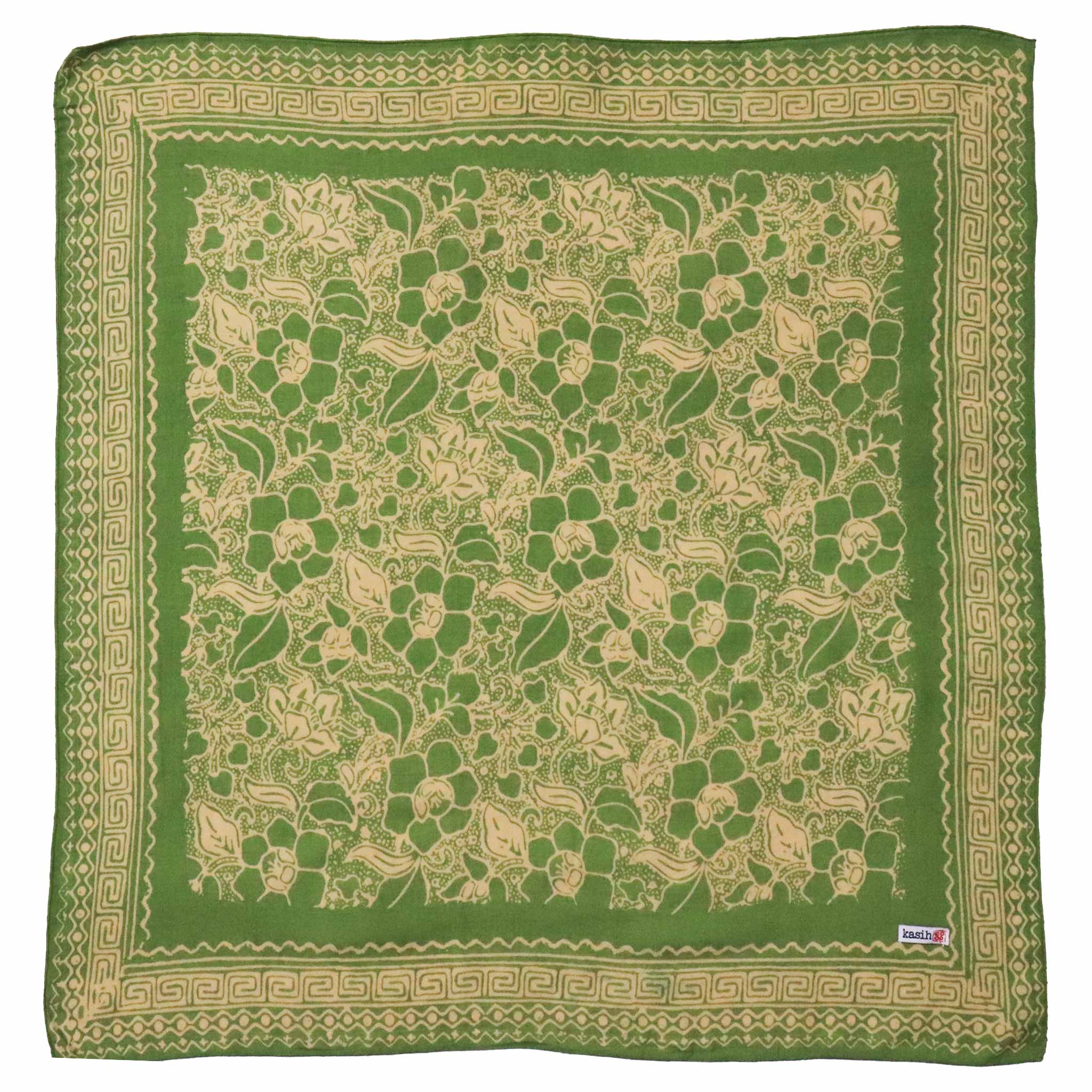
Il existe une tradition dans le batik indonésien qui pourrait être l'astuce originale pour s'habiller.
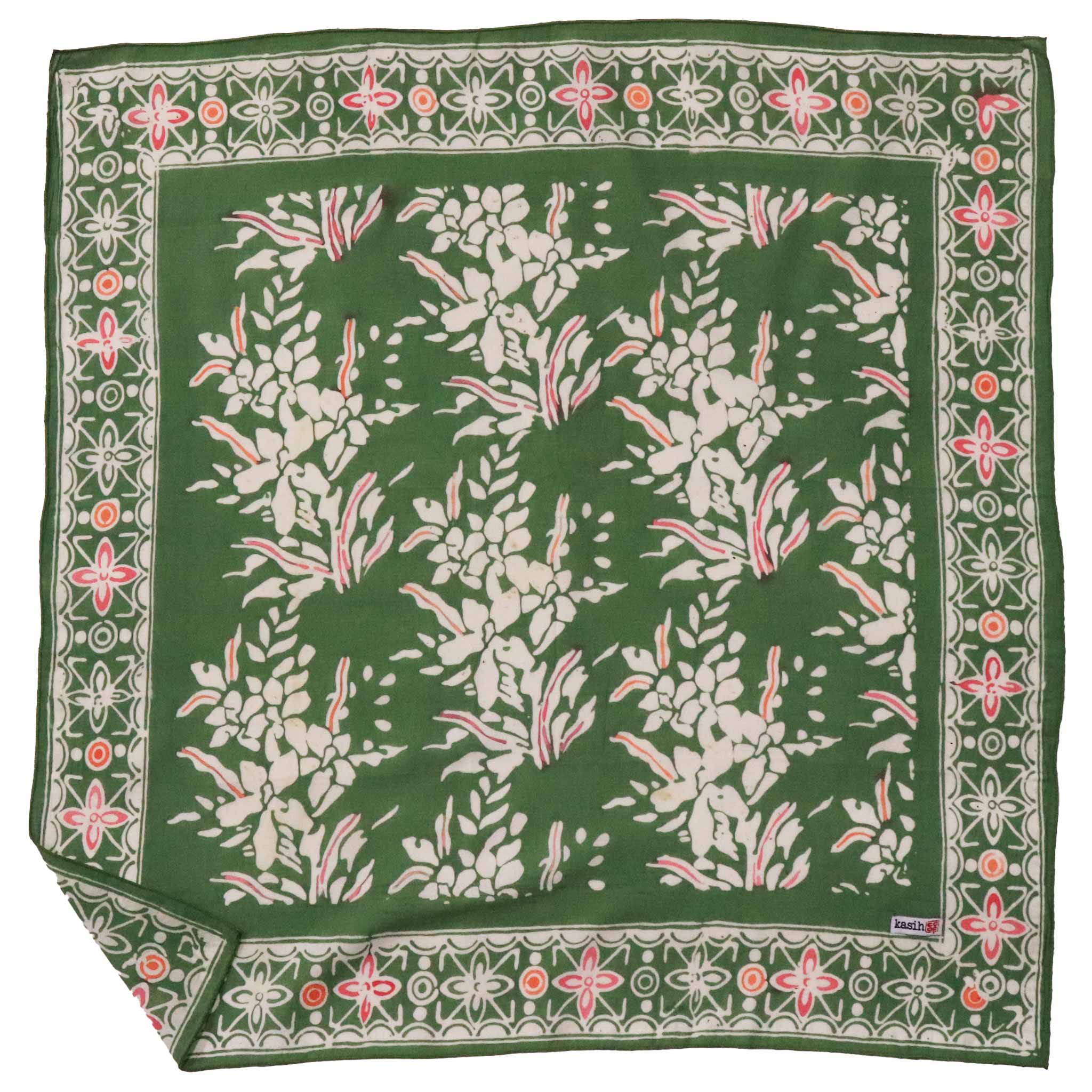
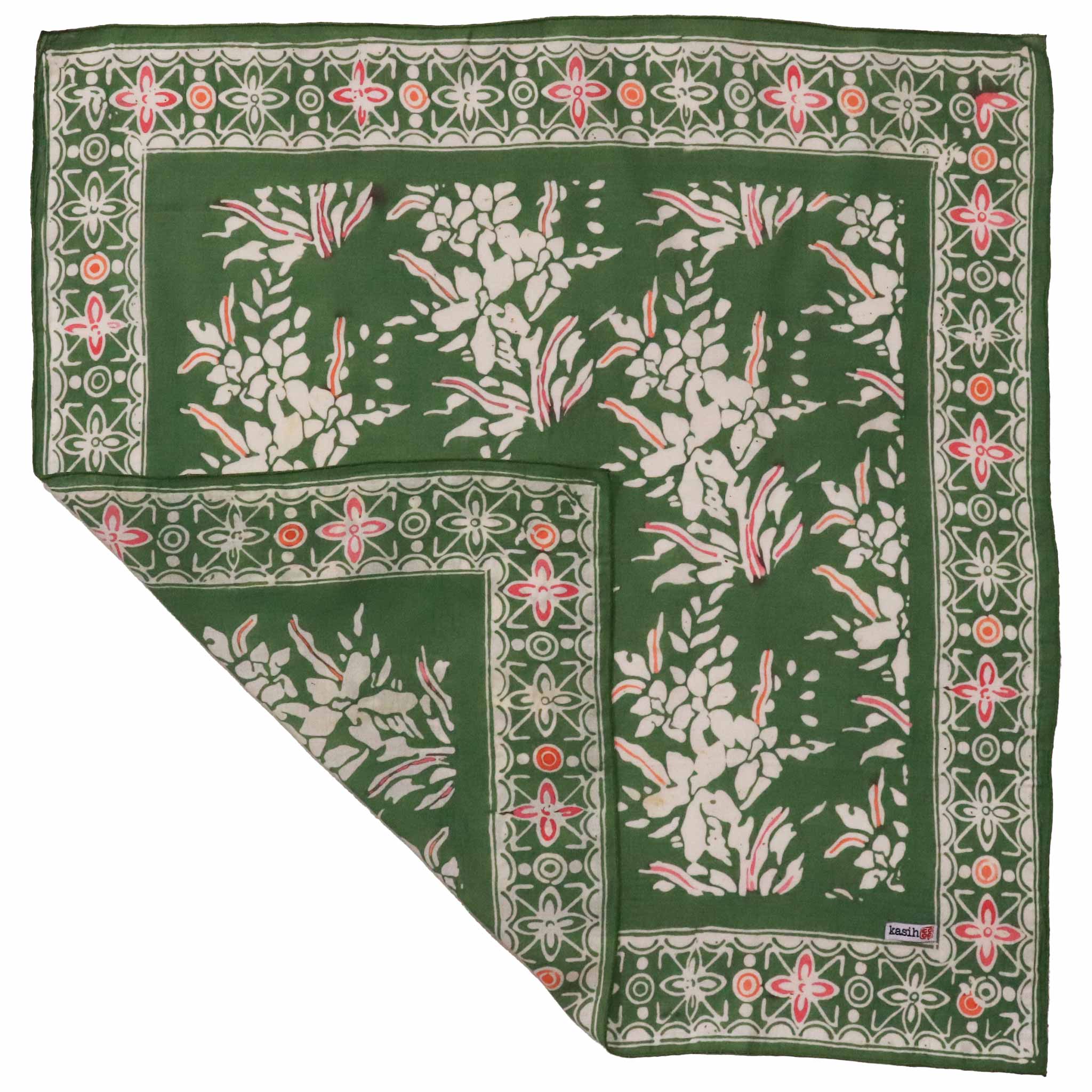
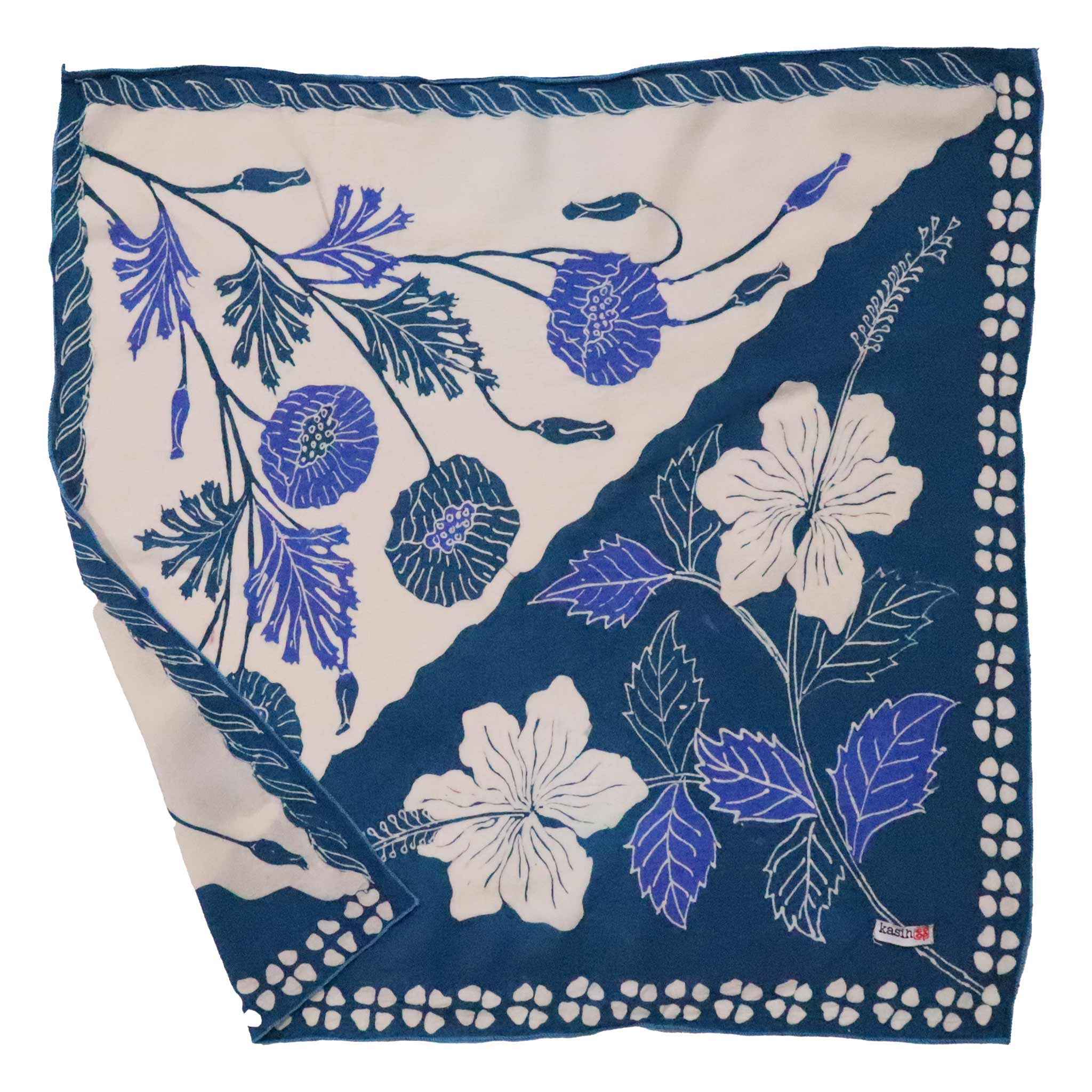
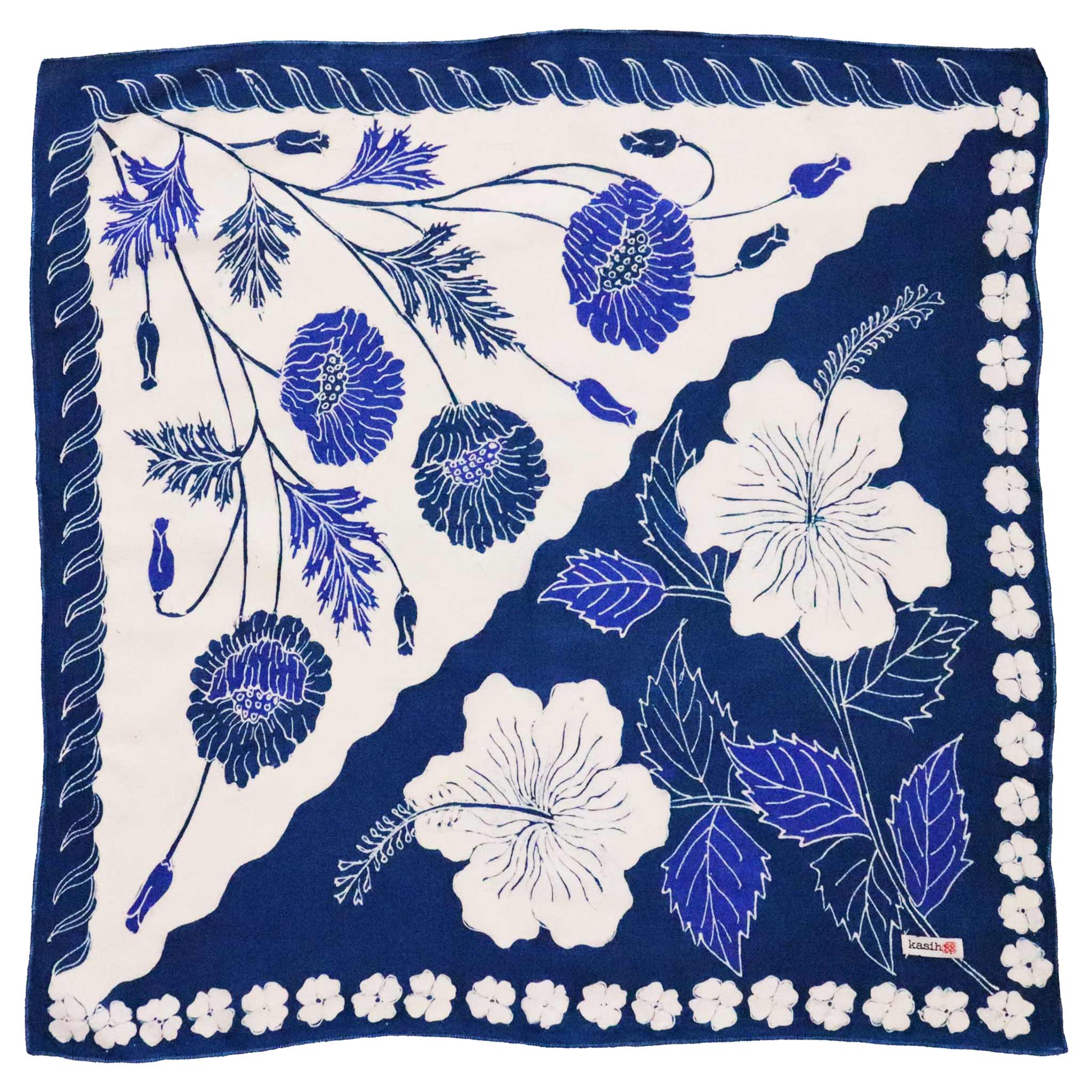
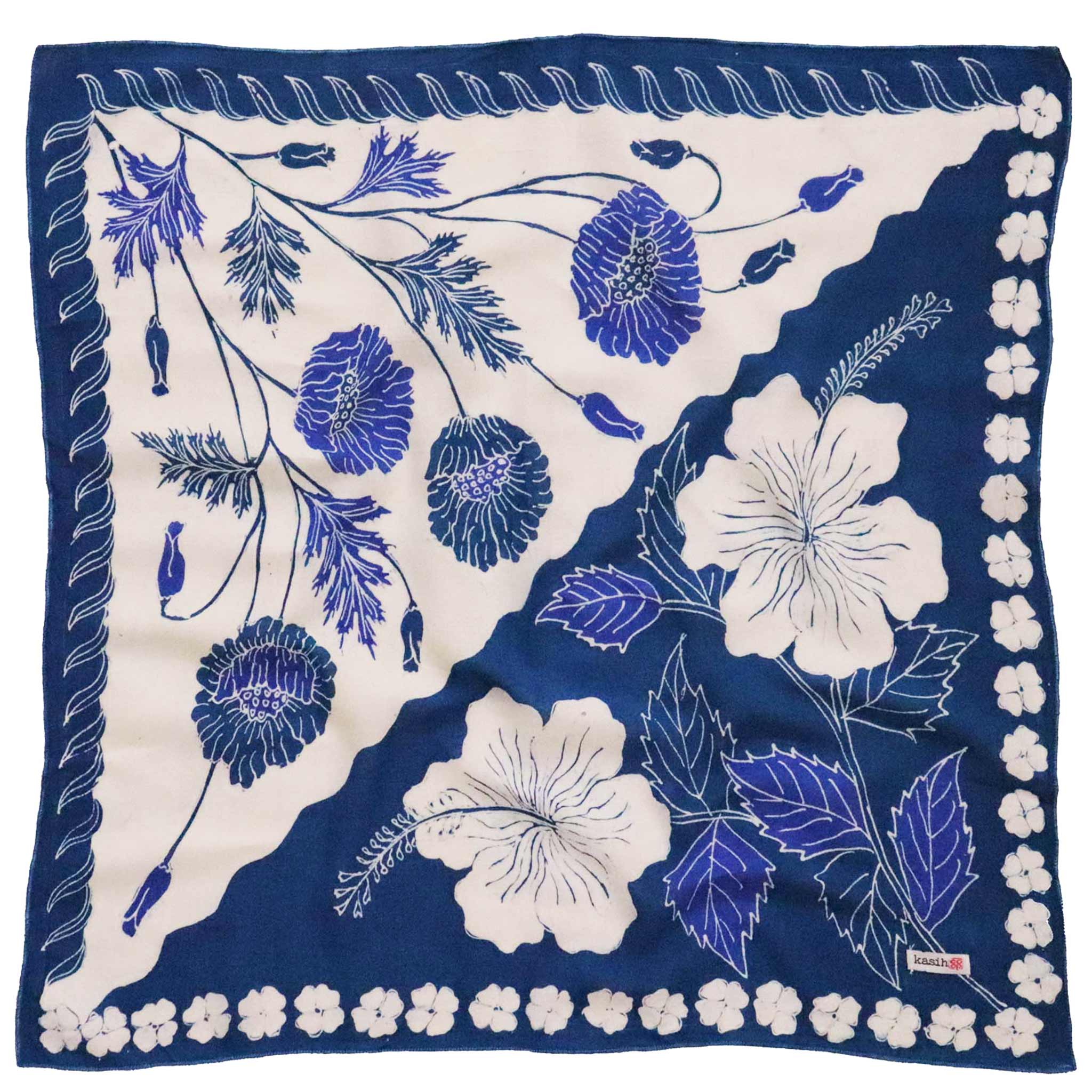
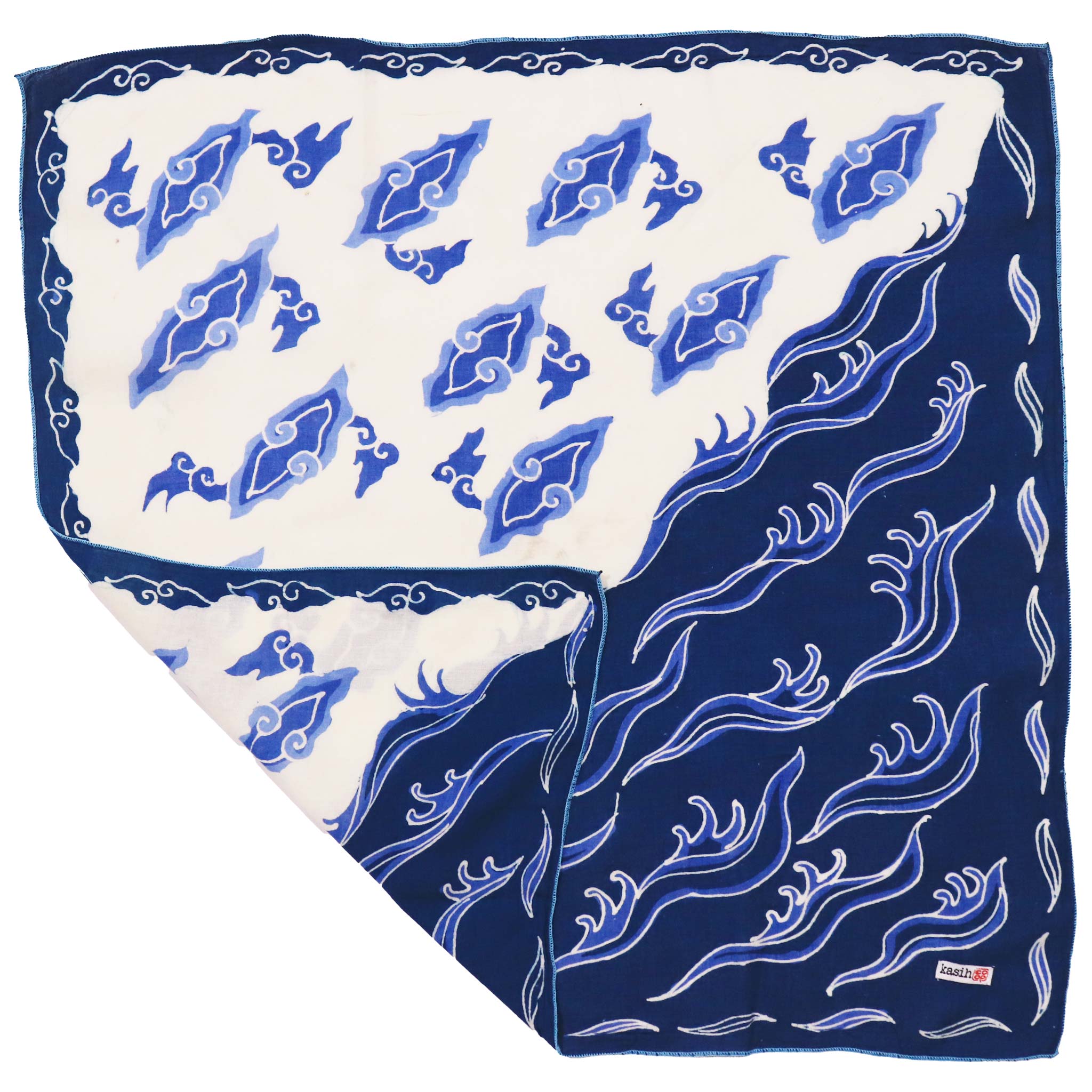
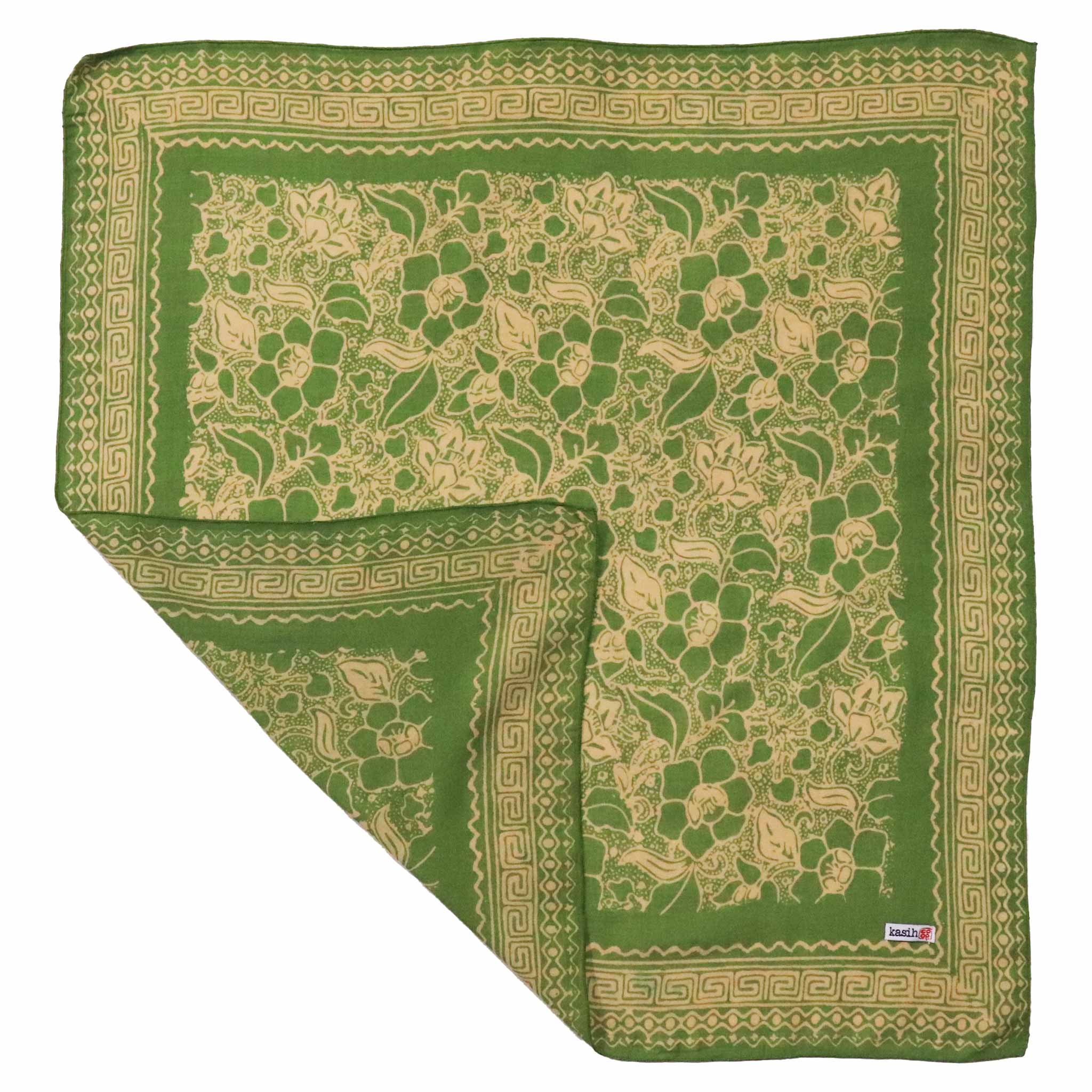
Il s'agit du batik pagi sore et l'idée est simple. Un tissu, deux motifs complètement différents. Chaque moitié a son propre design, sa propre histoire de couleurs, divisée en diagonale sur le tissu. Portez une moitié à l'extérieur le matin. Retournez-la le soir. Look différent, même tissu.
Pagi signifie matin. Sore signifie fin d'après-midi. Le nom est tout le concept.
Comment ça fonctionnait
Le batik pagi sore a des racines qui remontent au moins au début du 20e siècle à Java, mais il a pris tout son sens pendant l'occupation japonaise de l'Indonésie dans les années 1940. Le tissu était rare. Le coton était précieux. La division diagonale n'était pas aléatoire — c'était une ingénierie intentionnelle. En concevant deux motifs complètement différents sur un seul tissu, les artisans ont offert aux gens un moyen d'obtenir deux looks à partir d'une seule pièce.
Le côté du matin était généralement plus doux, plus clair. Le côté du soir est plus audacieux, plus foncé. Un tissu qui comprenait que la femme qui le portait n'était pas la même personne à 7h du matin qu'à 19h.
C'était astucieux. C'était économique. Et c'était discrètement, profondément pratique, comme le sont toujours les meilleurs artisanats traditionnels.
Ce qui rend sa fabrication difficile

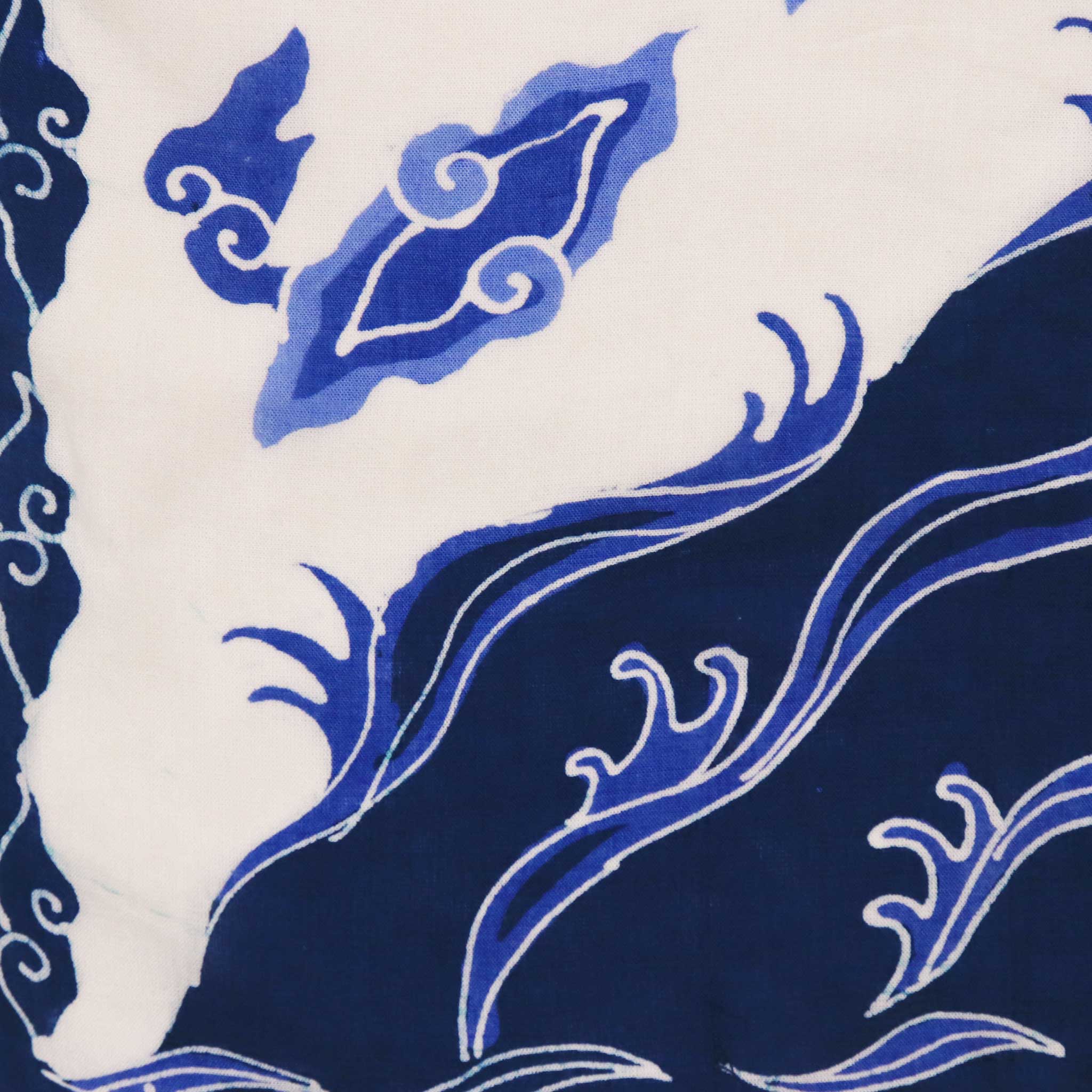
Voici ce qui est facile à manquer à propos du pagi sore : les deux moitiés doivent fonctionner séparément et ensemble. Les motifs ne peuvent pas s'affronter là où ils se rencontrent. Les couleurs doivent avoir un sens dans la conversation même lorsqu'elles sont différentes. La ligne diagonale qui les divise doit ressembler à une décision de conception, et non à une couture.
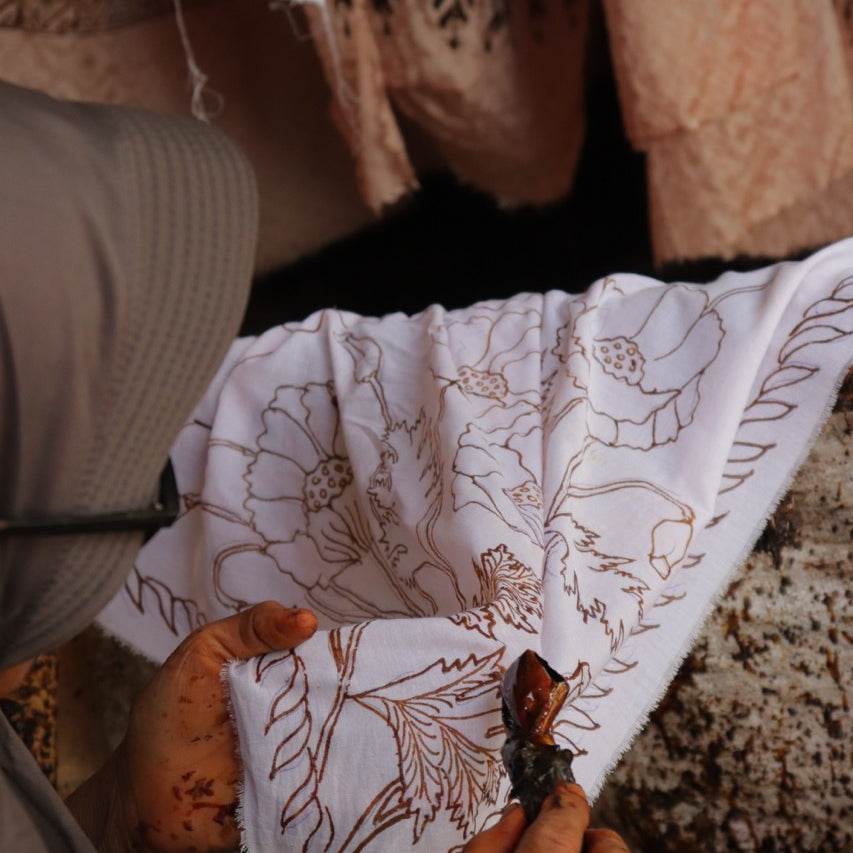
C'est beaucoup demander à une seule pièce de tissu. C'est pourquoi le batik pagi sore est considéré comme l'un des formats les plus exigeants techniquement — et pourquoi il est devenu une sorte de marqueur de l'artisanat.
Notre version

Lorsque nous avons créé Kasih Co-op, le pagi sore nous a semblé un point de départ naturel. Non pas parce qu'il était traditionnel, mais parce que l'idée de porter deux mondes dans une seule pièce nous semblait honnête par rapport à ce que nous sommes.
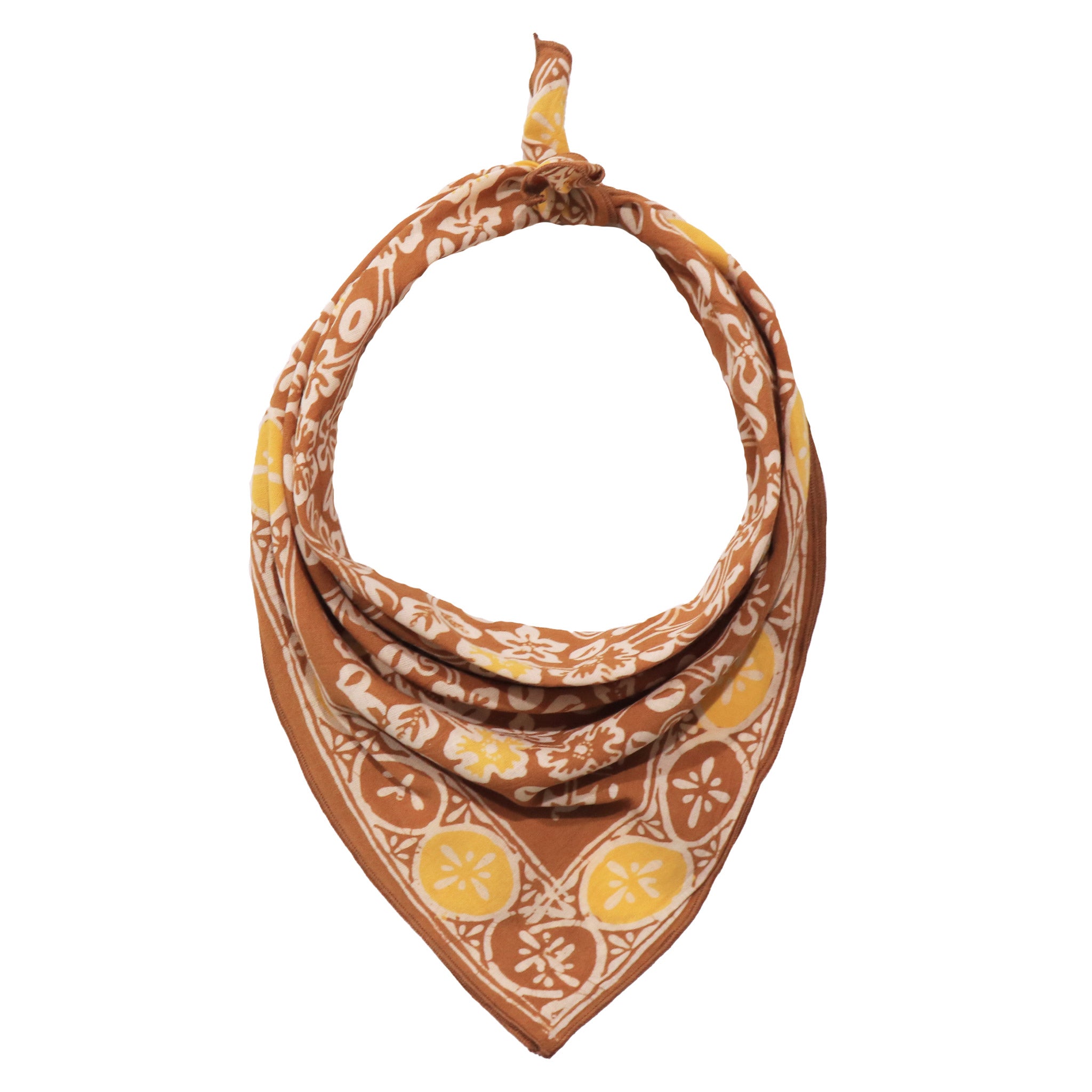
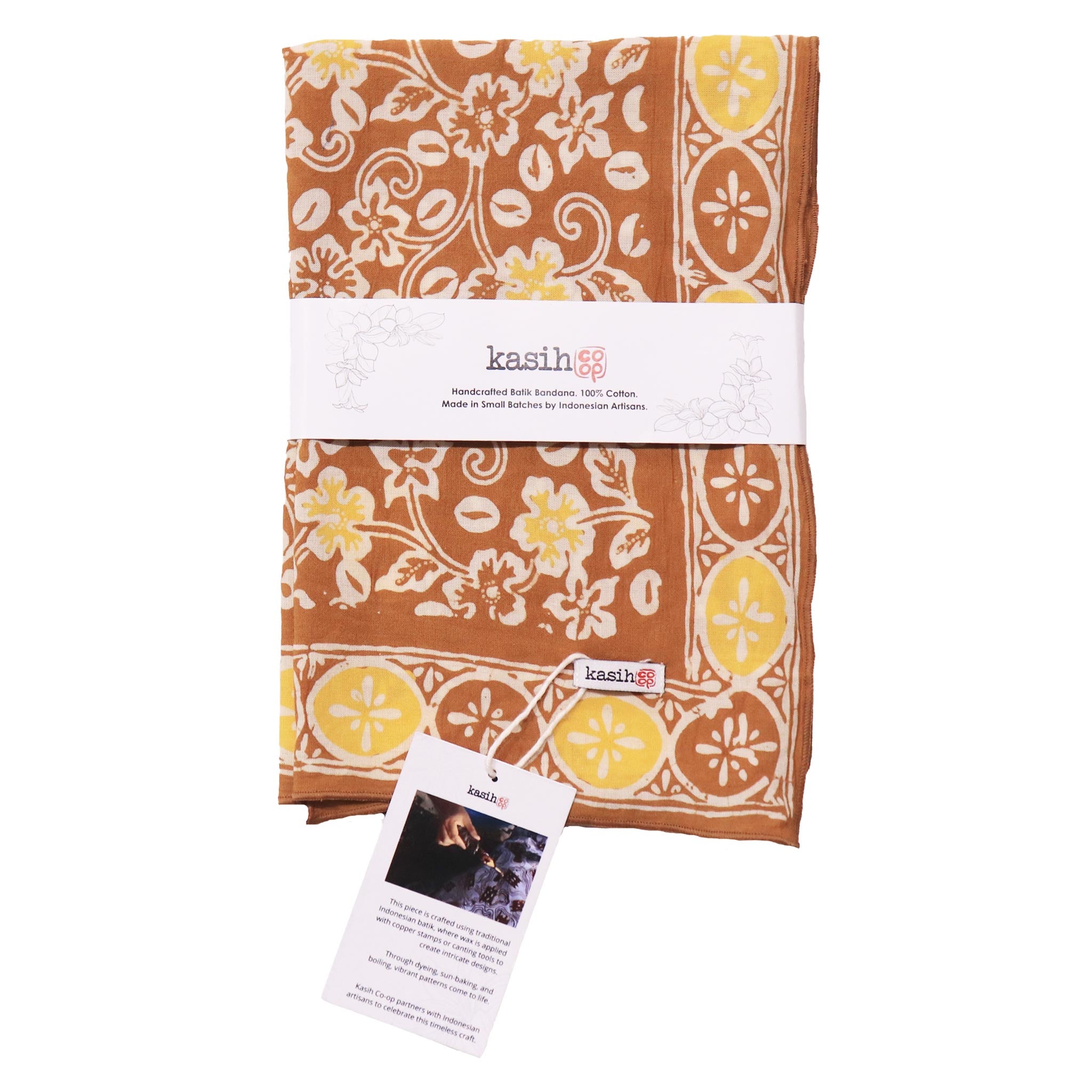
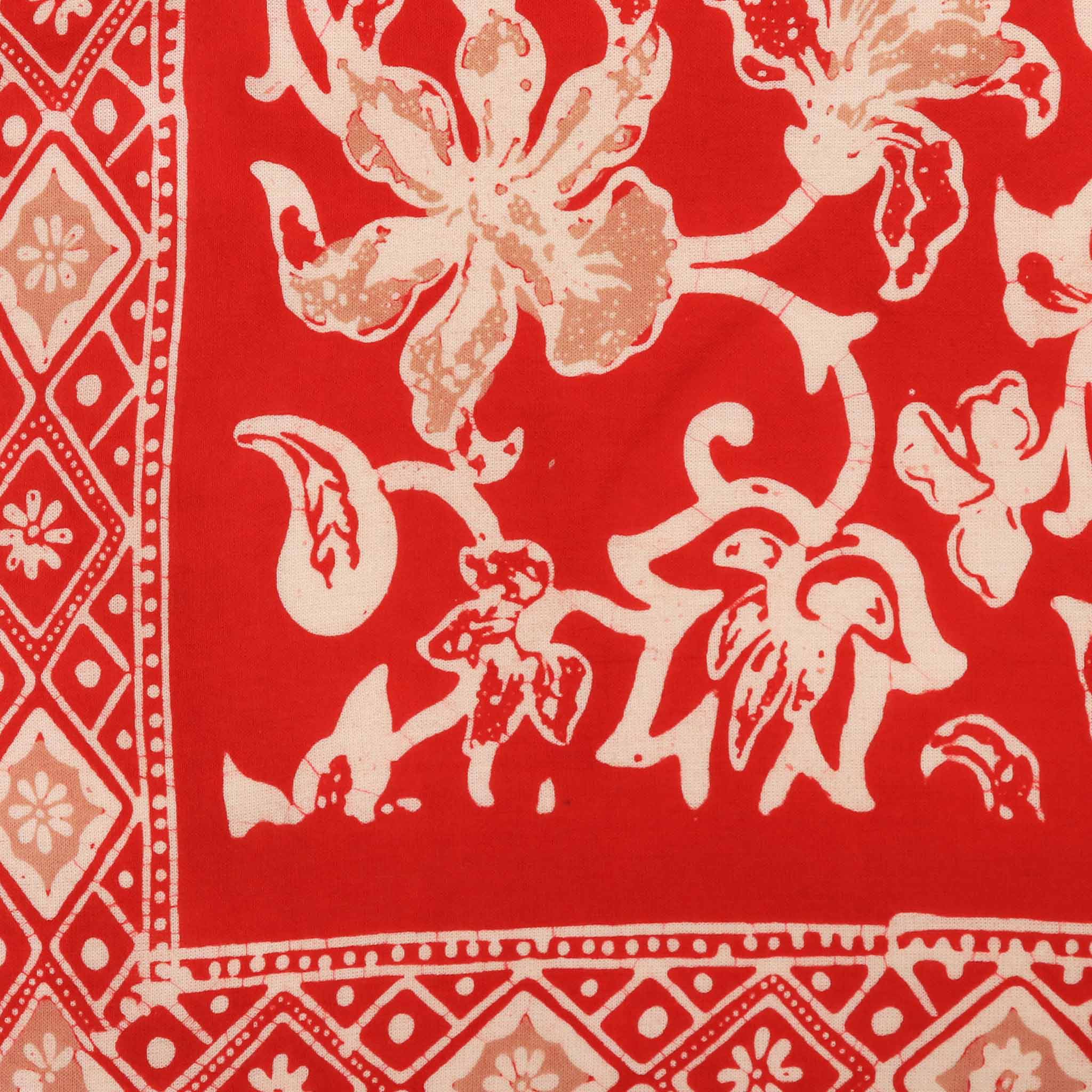
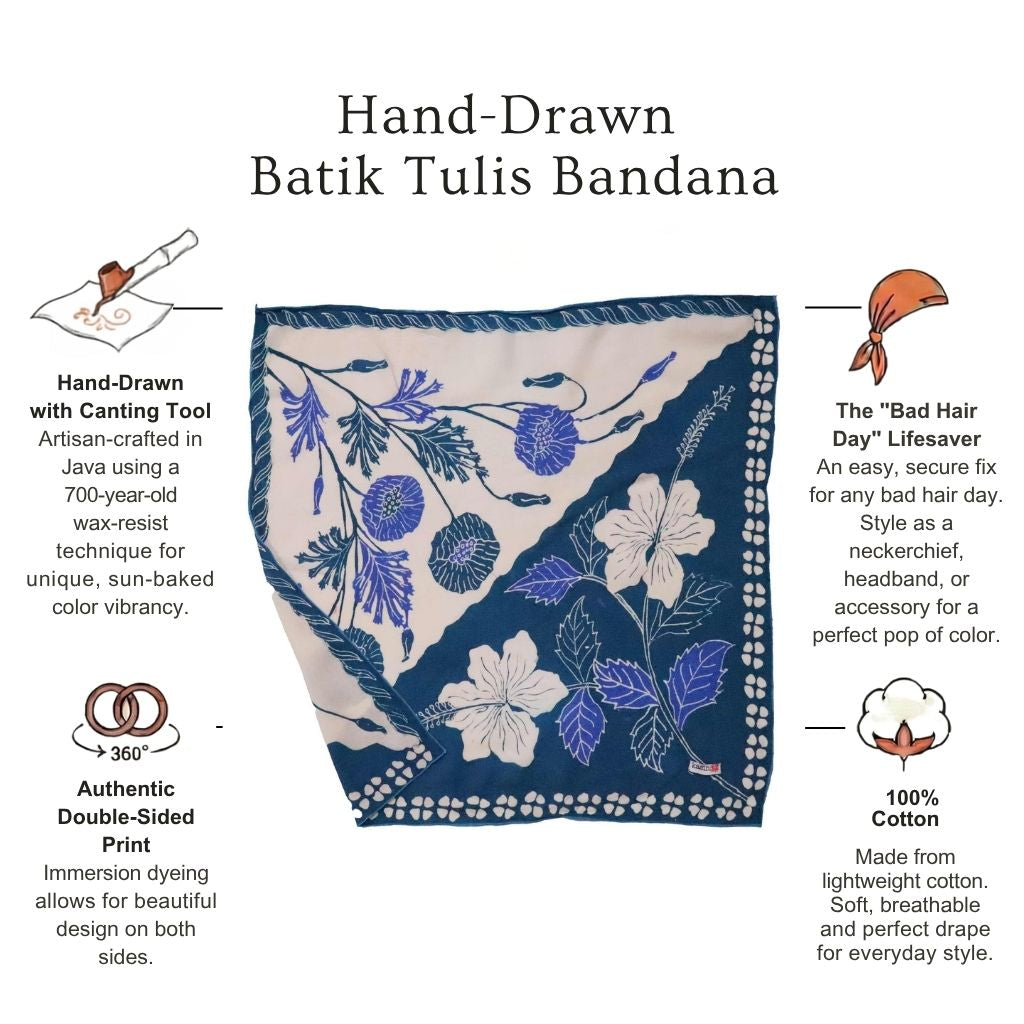
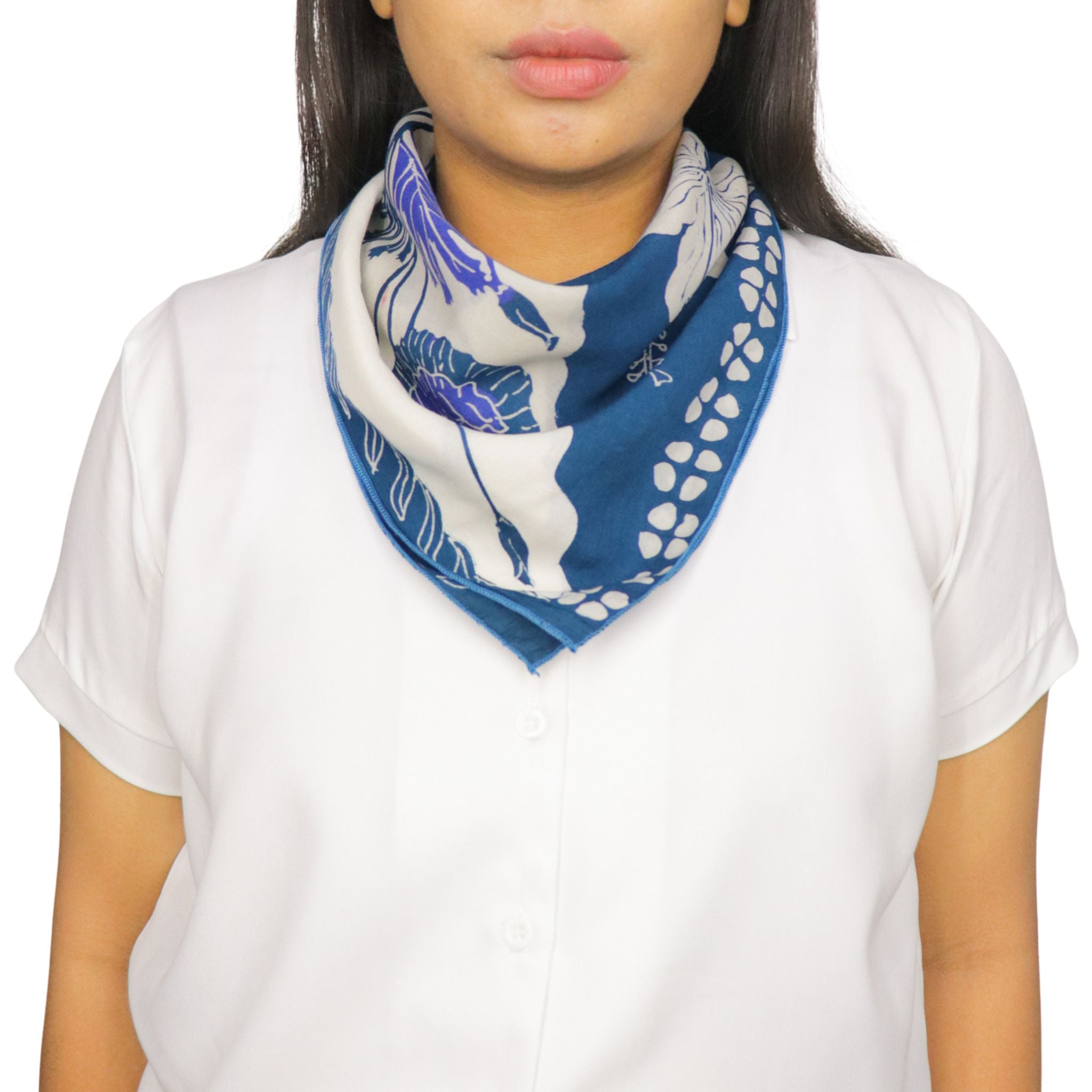
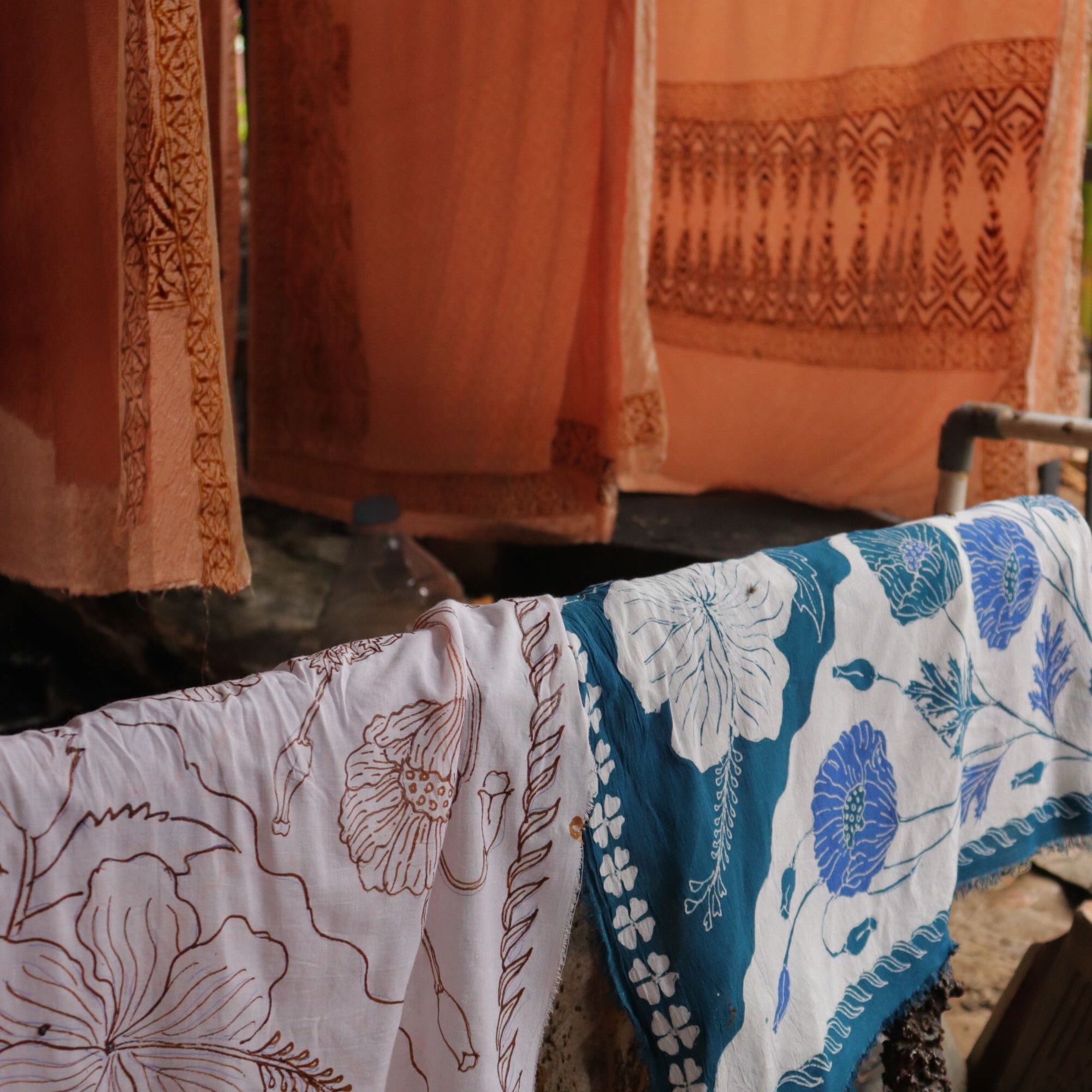
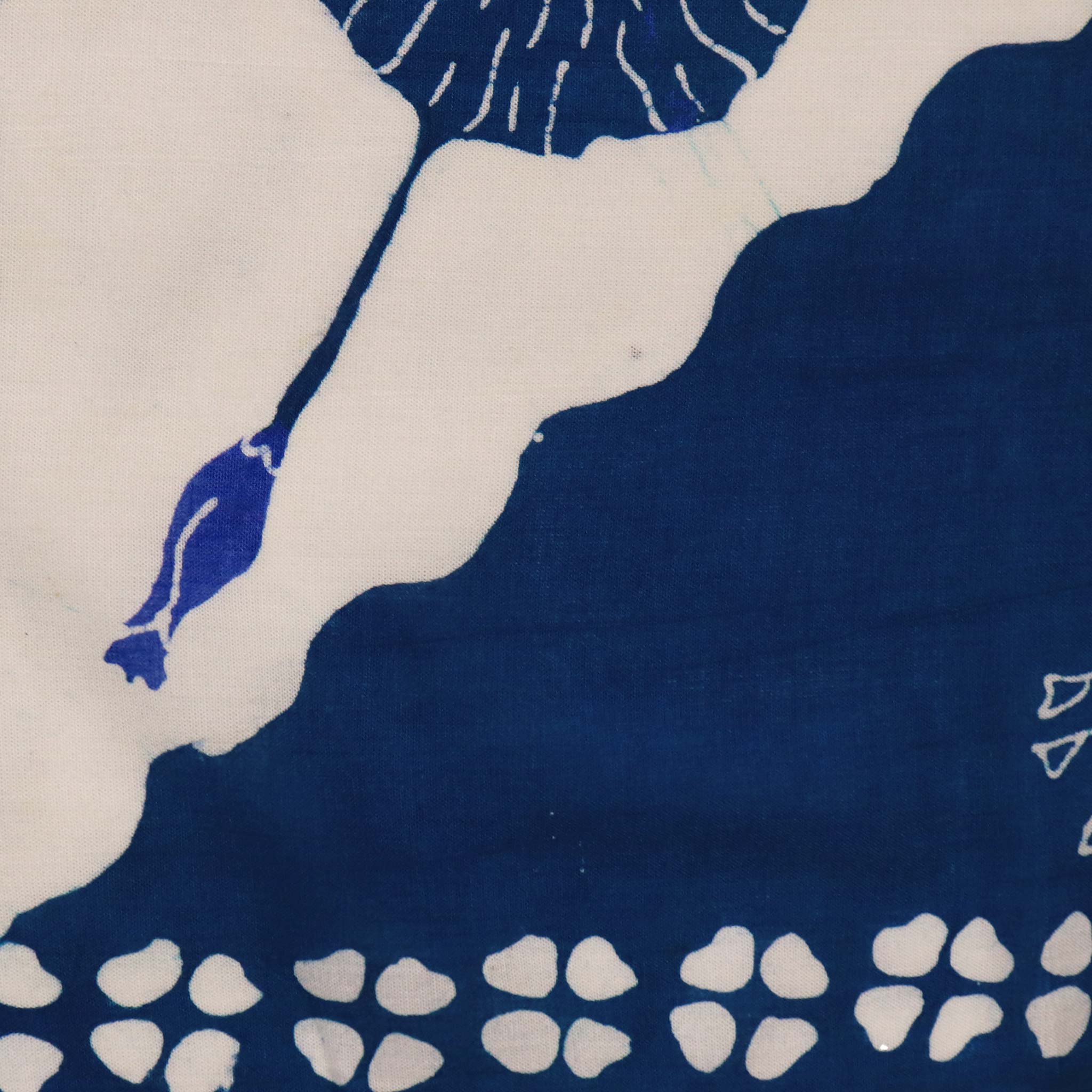
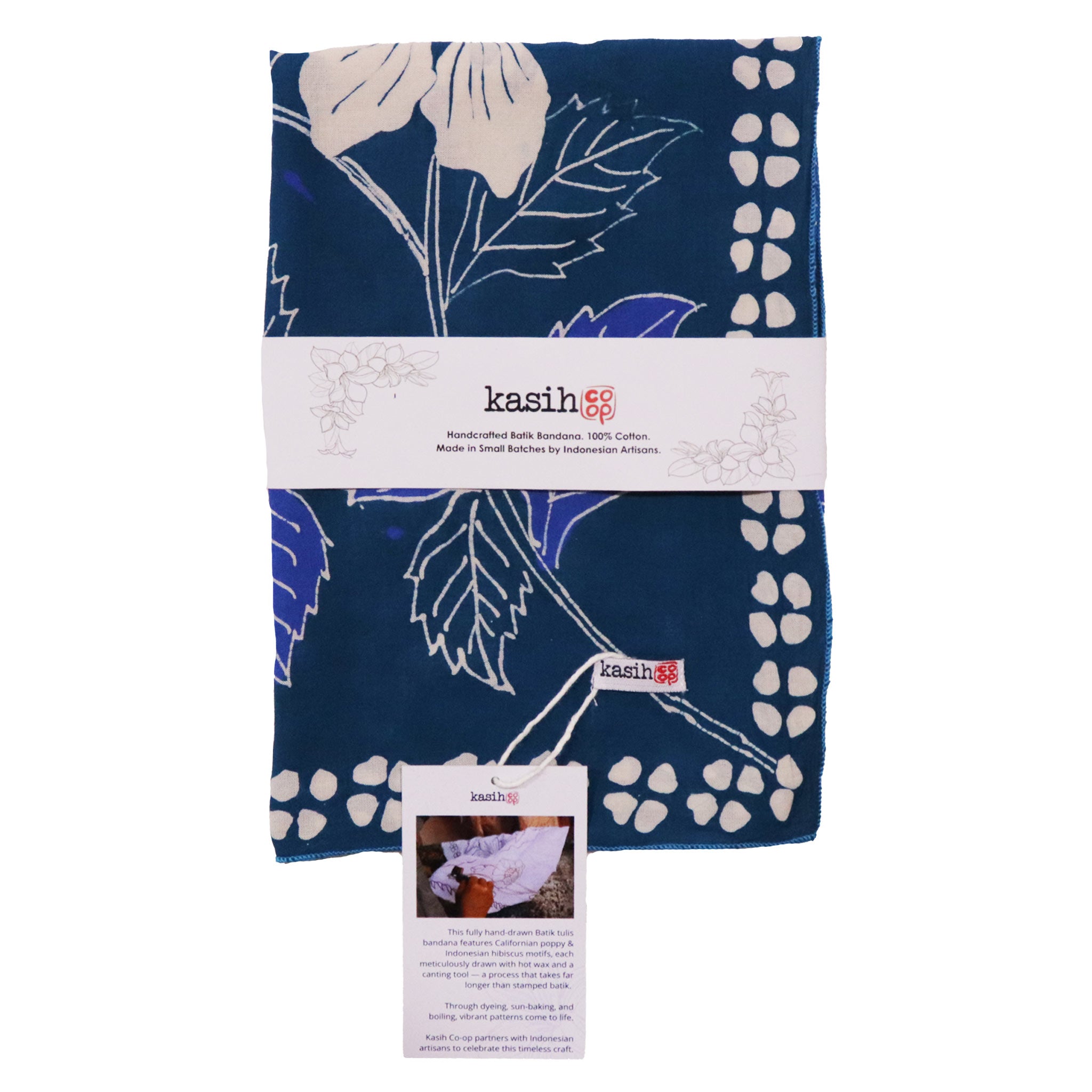
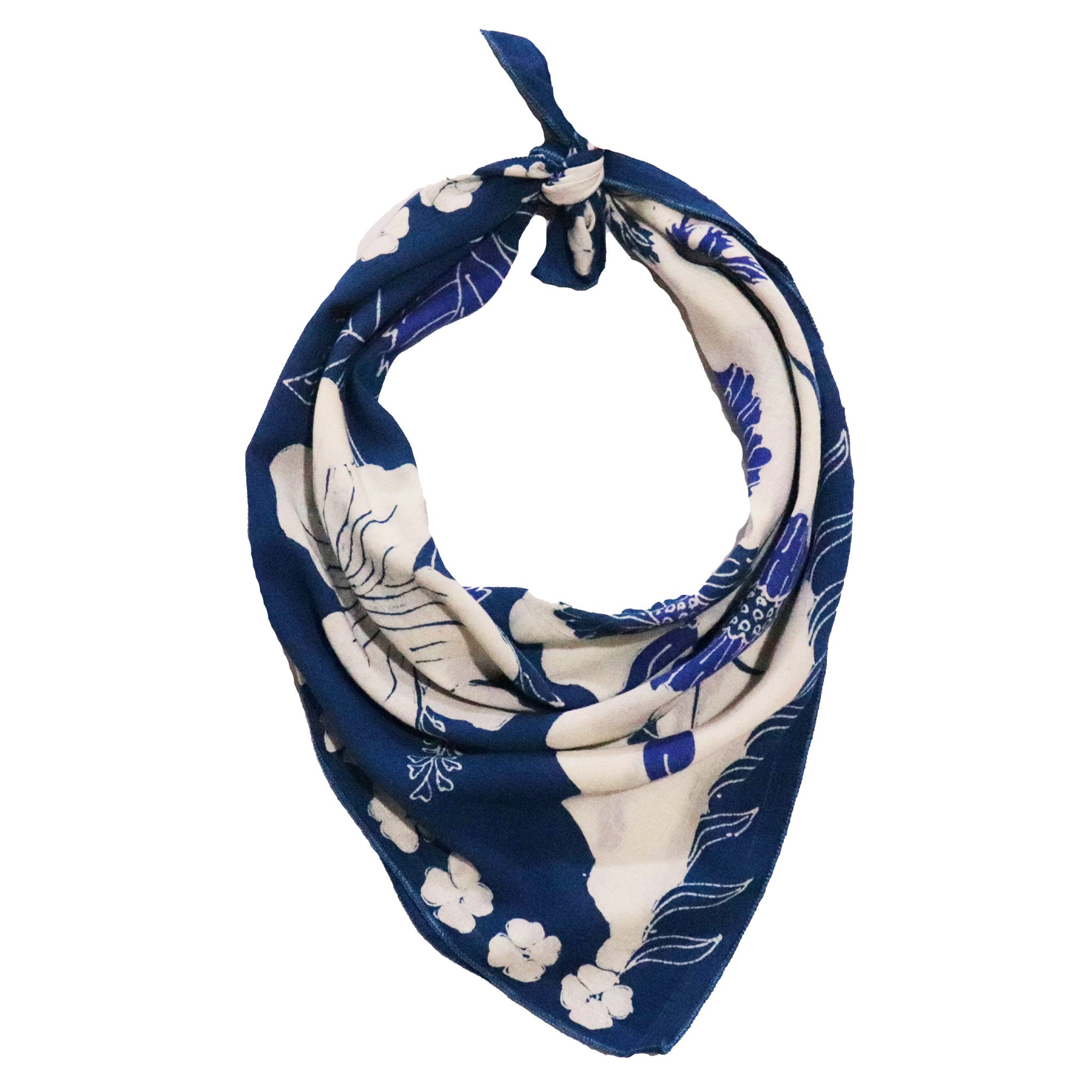
Notre version est le bandana Hibiscus Poppy. Une moitié porte l'hibiscus, enraciné en Indonésie. L'autre porte le pavot de Californie. Deux fleurs, deux lieux, un seul tissu. La coupe diagonale est la même technique que celle utilisée par les artisans javanais depuis des générations. L'histoire derrière elle se trouve être la nôtre.
Vous pouvez acheter le bandana Hibiscus Poppy [ici].