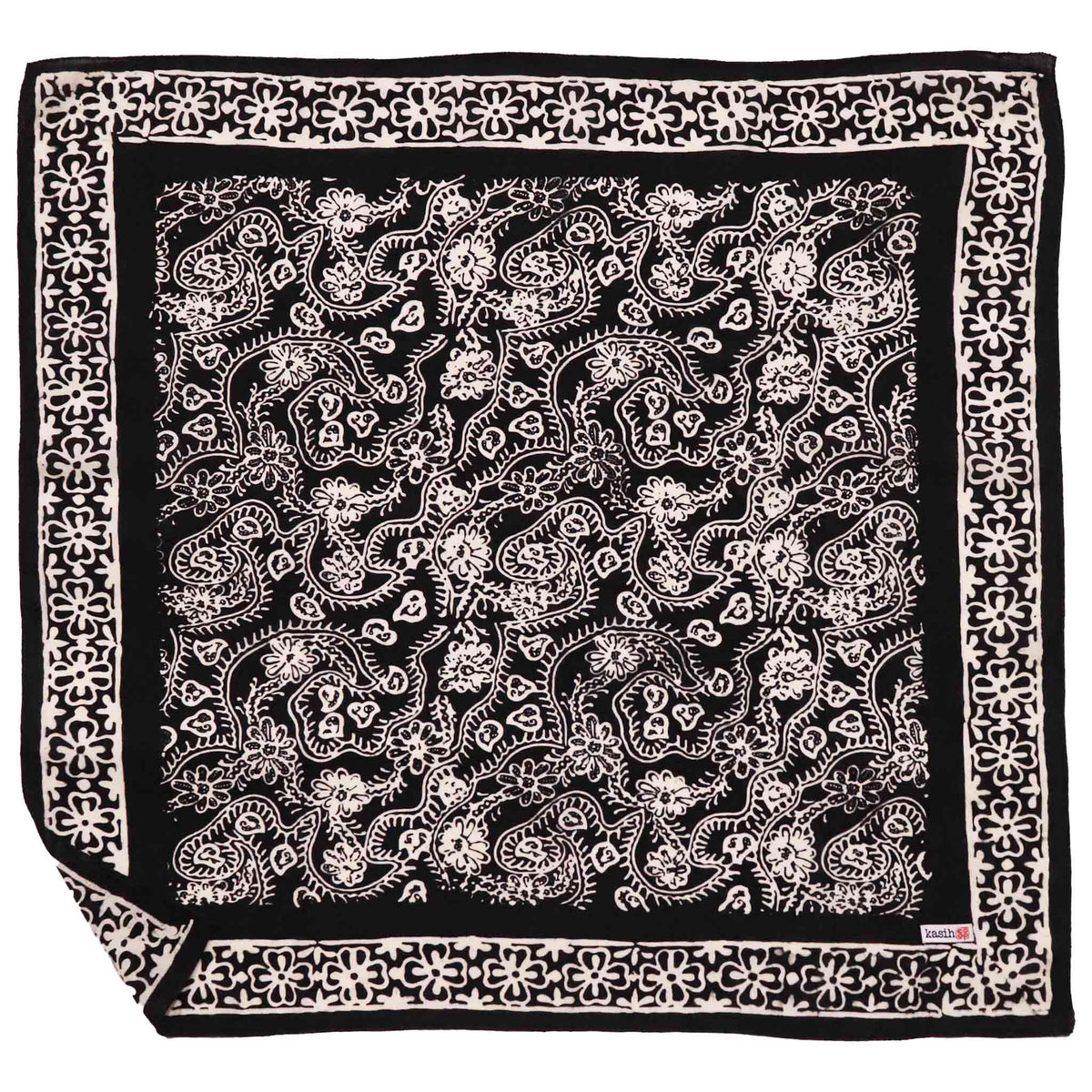
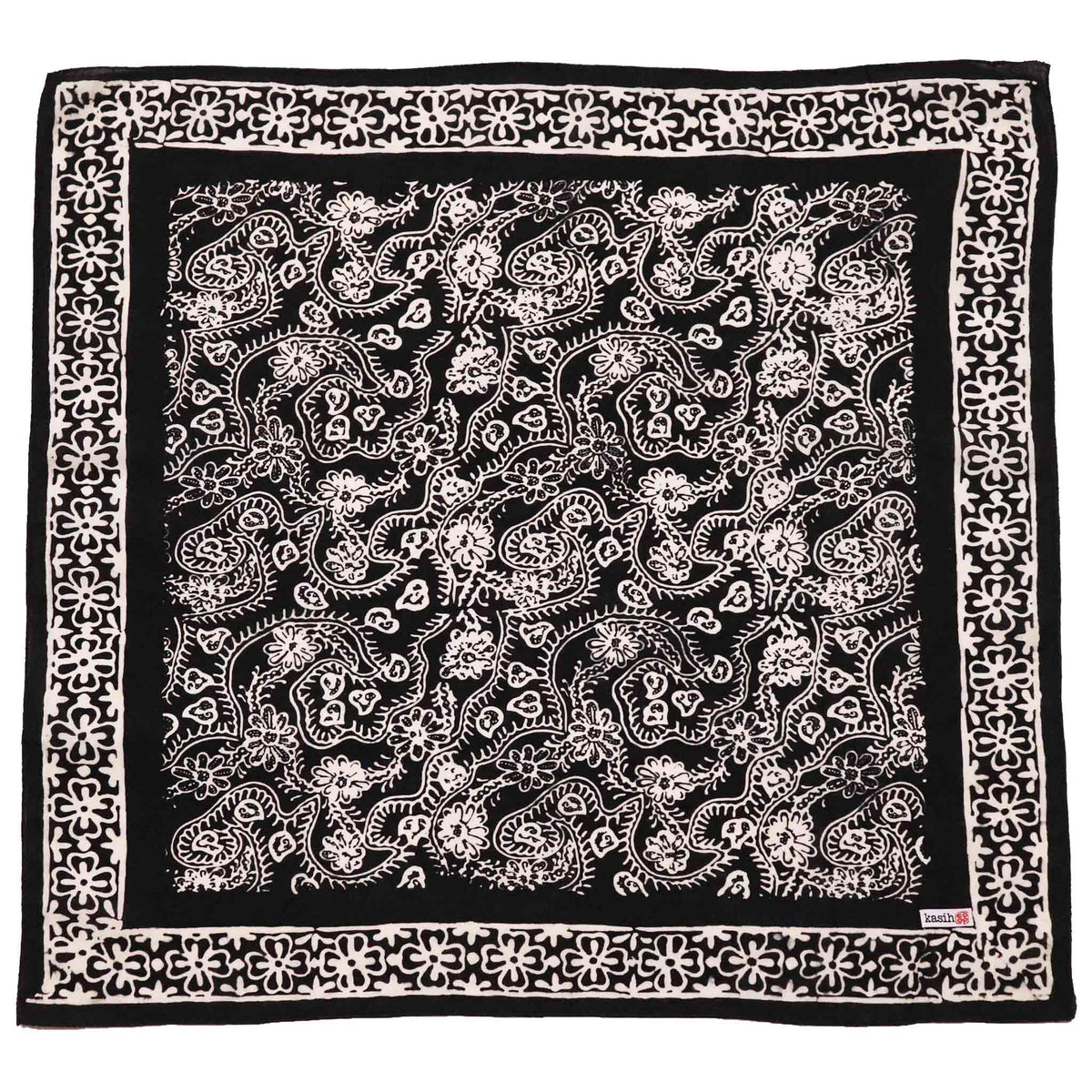
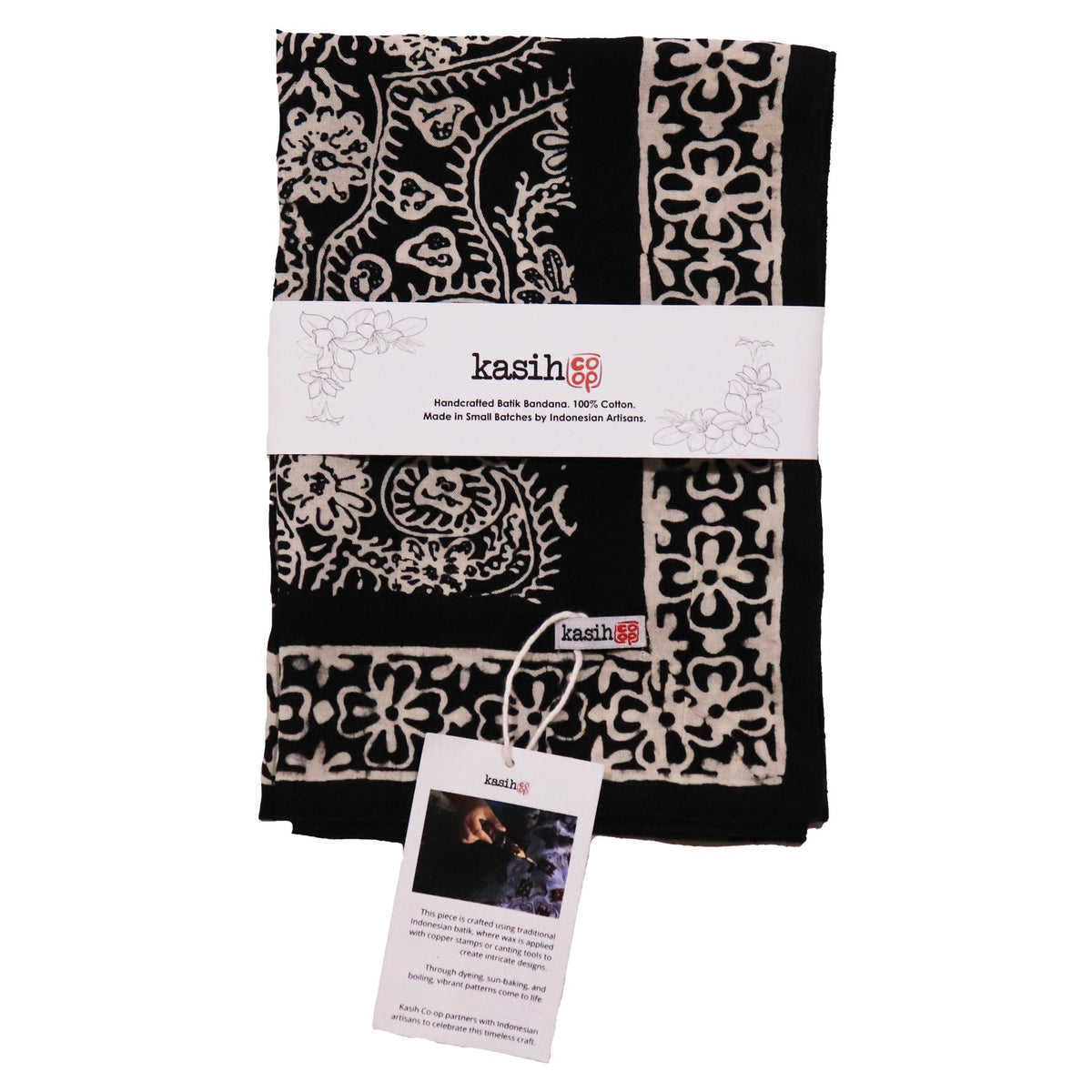
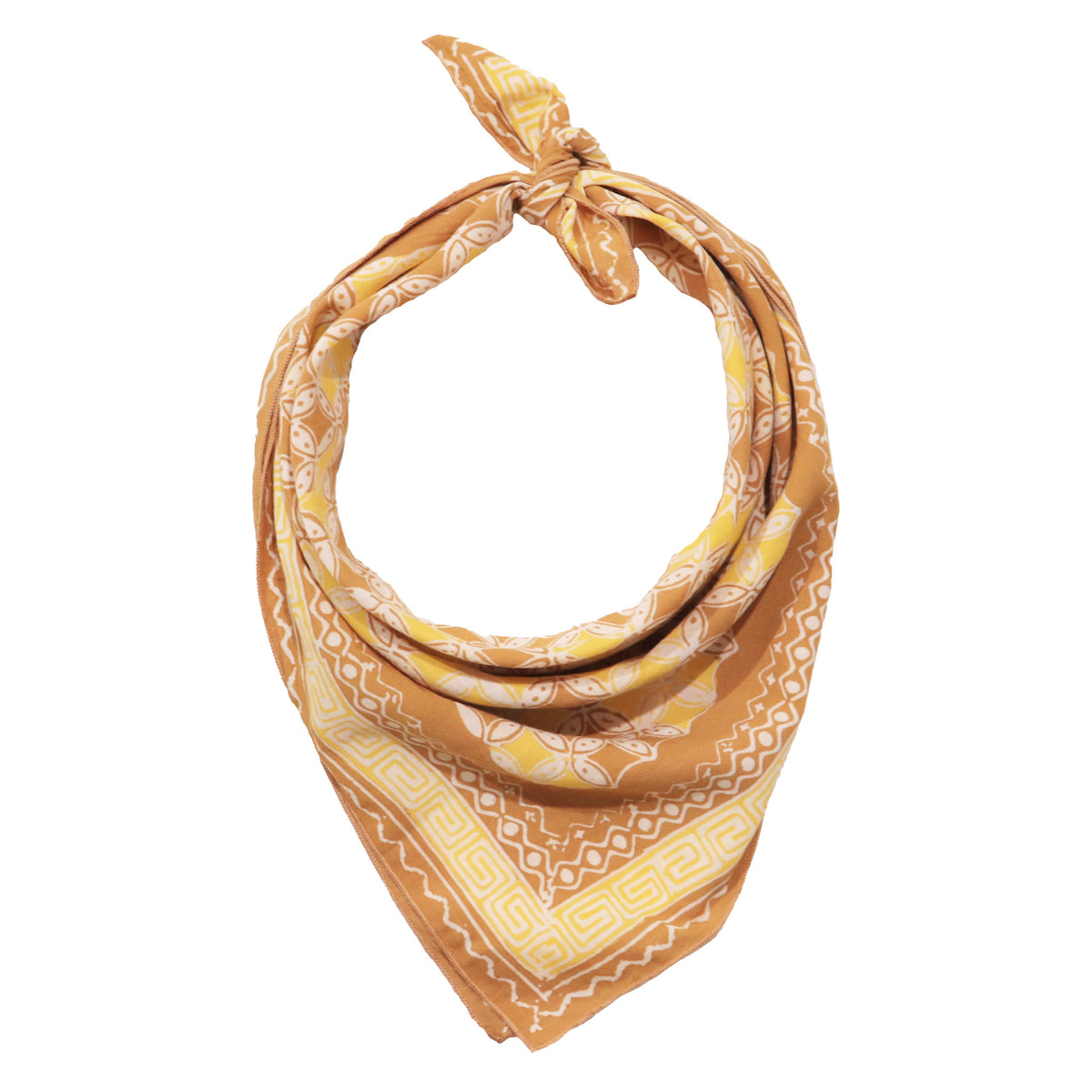
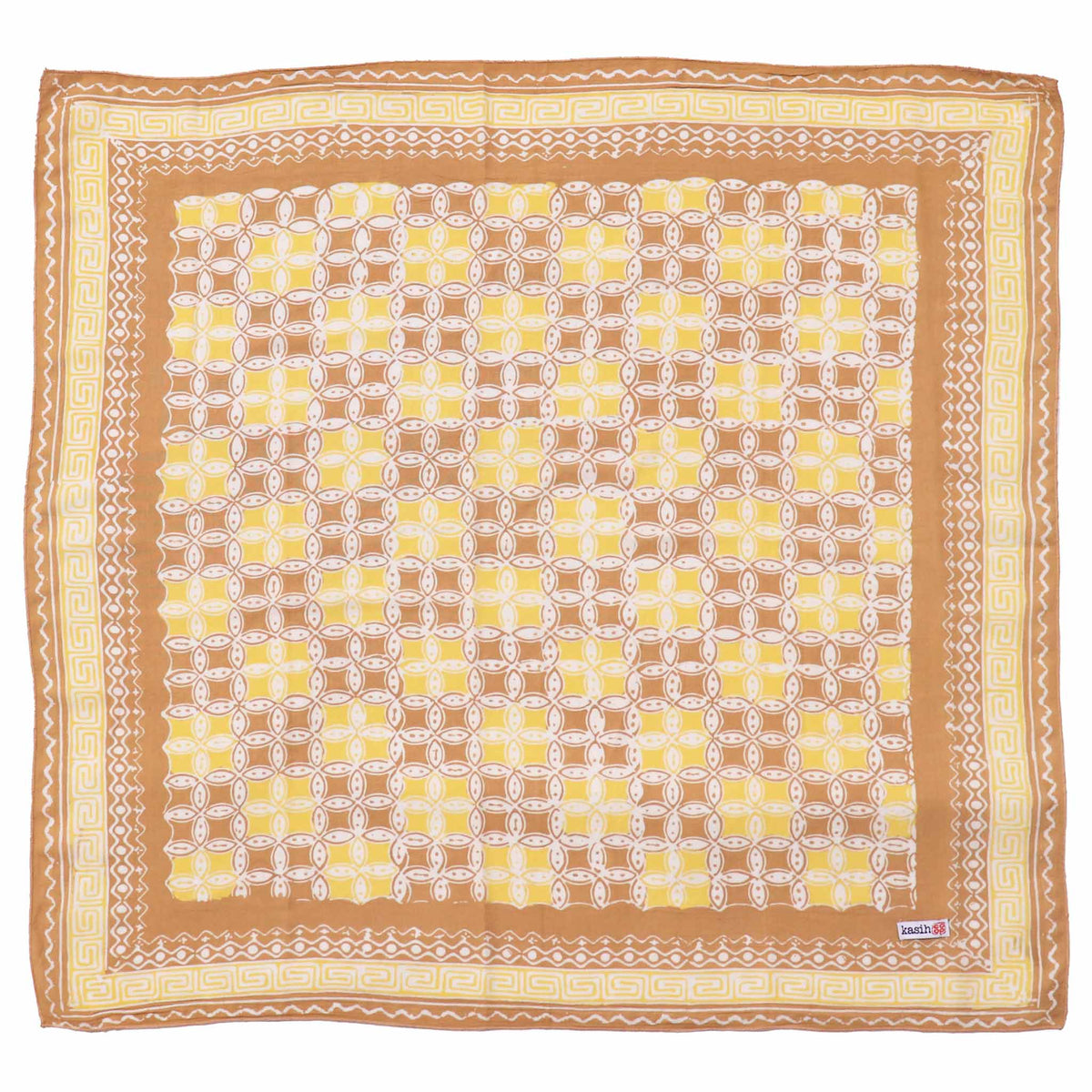
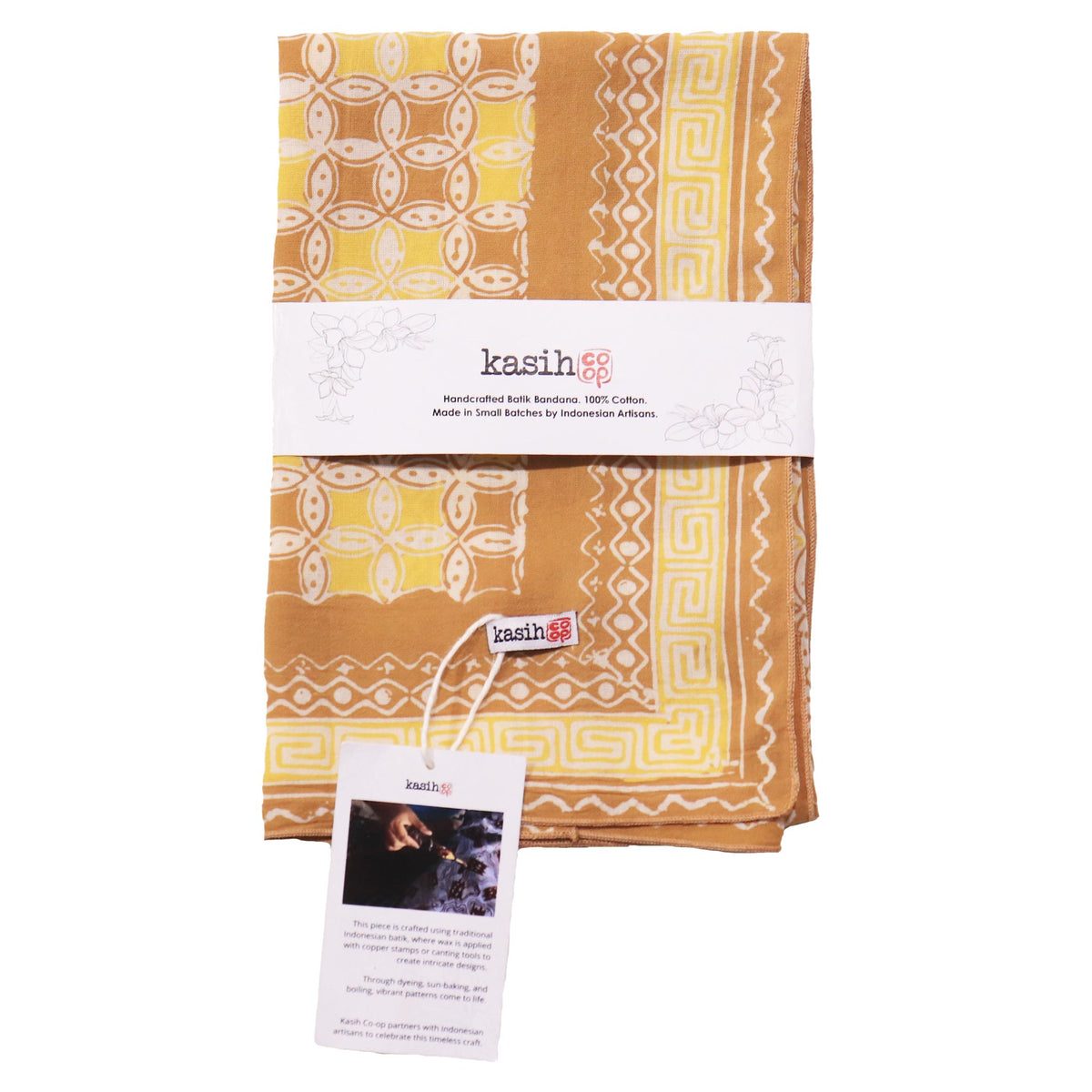
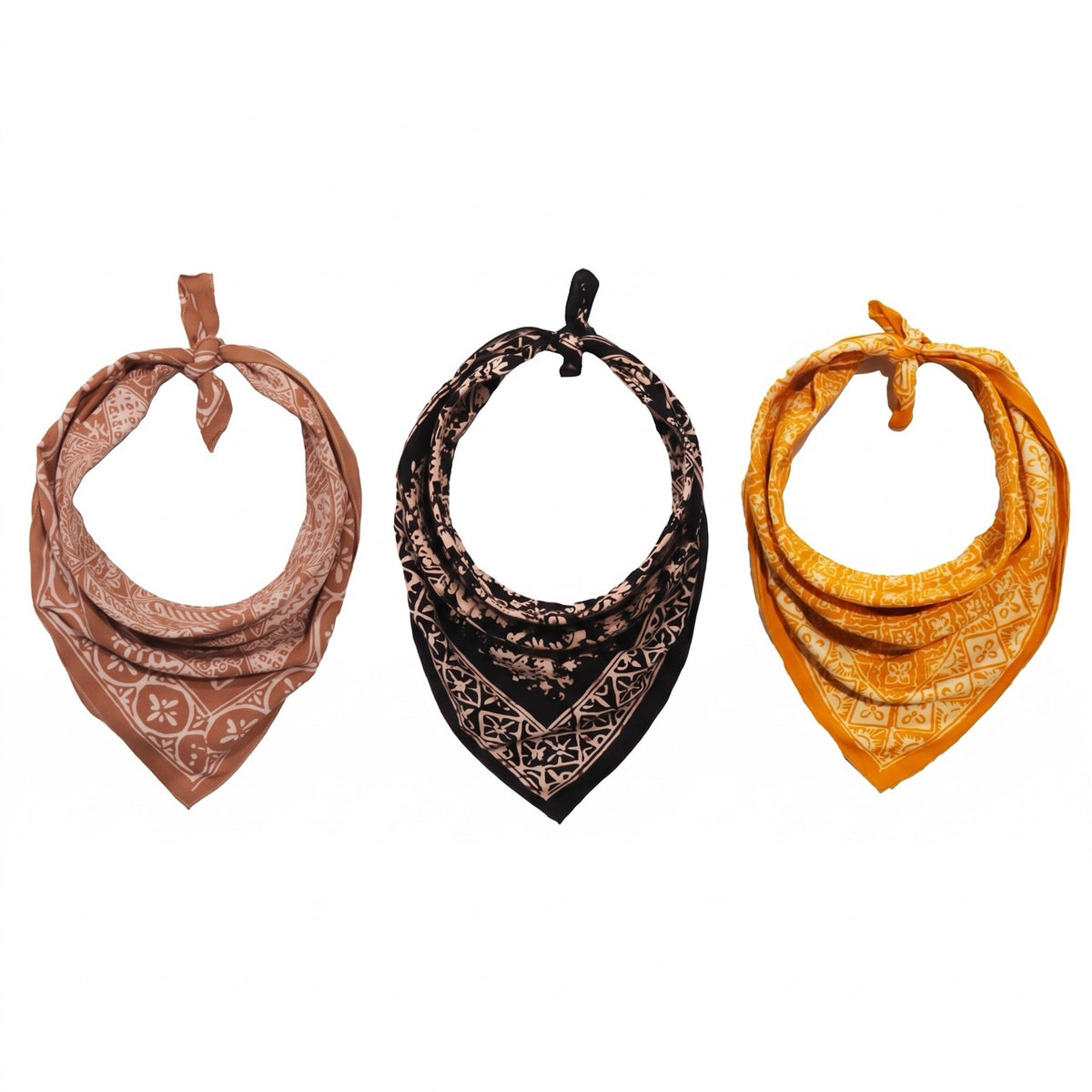
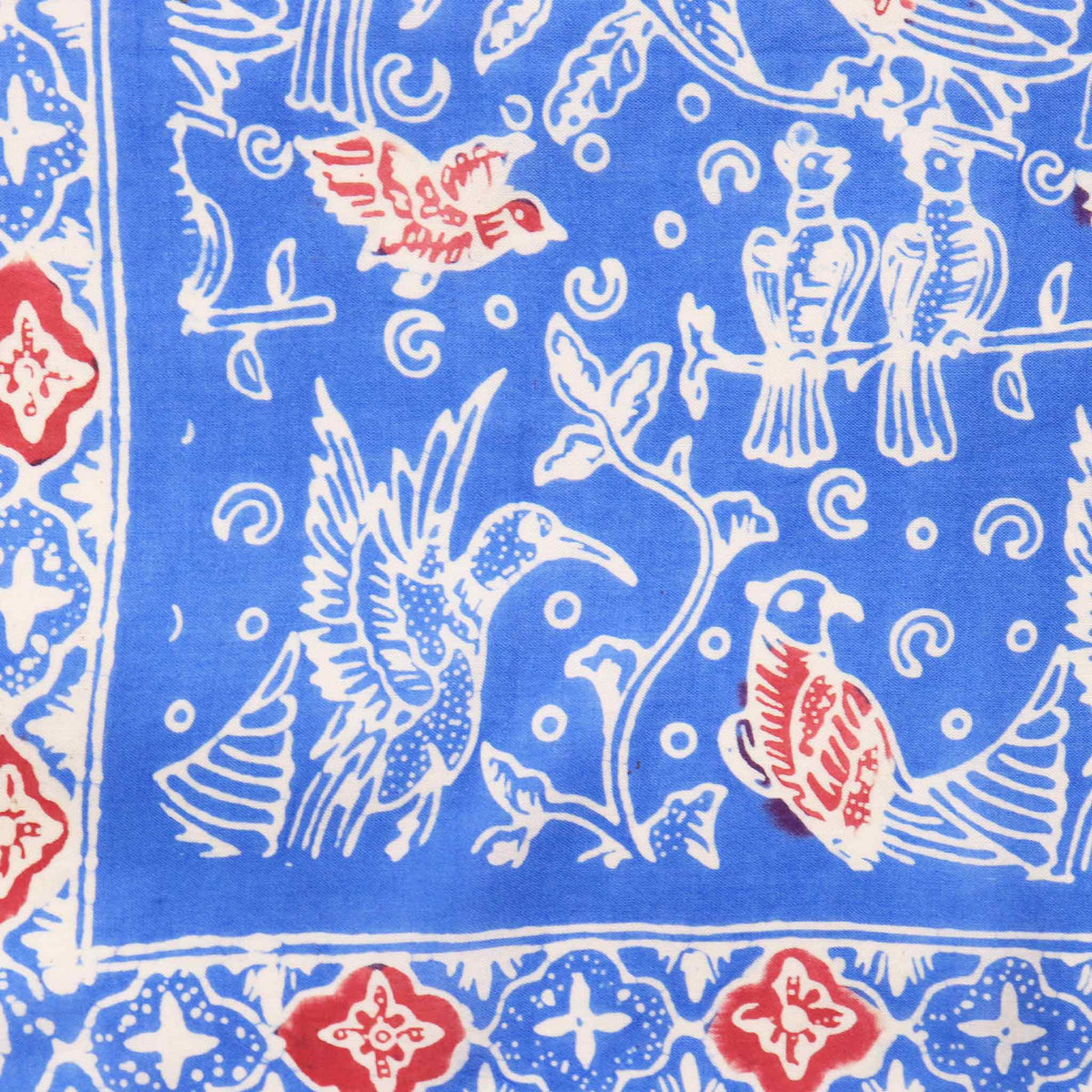
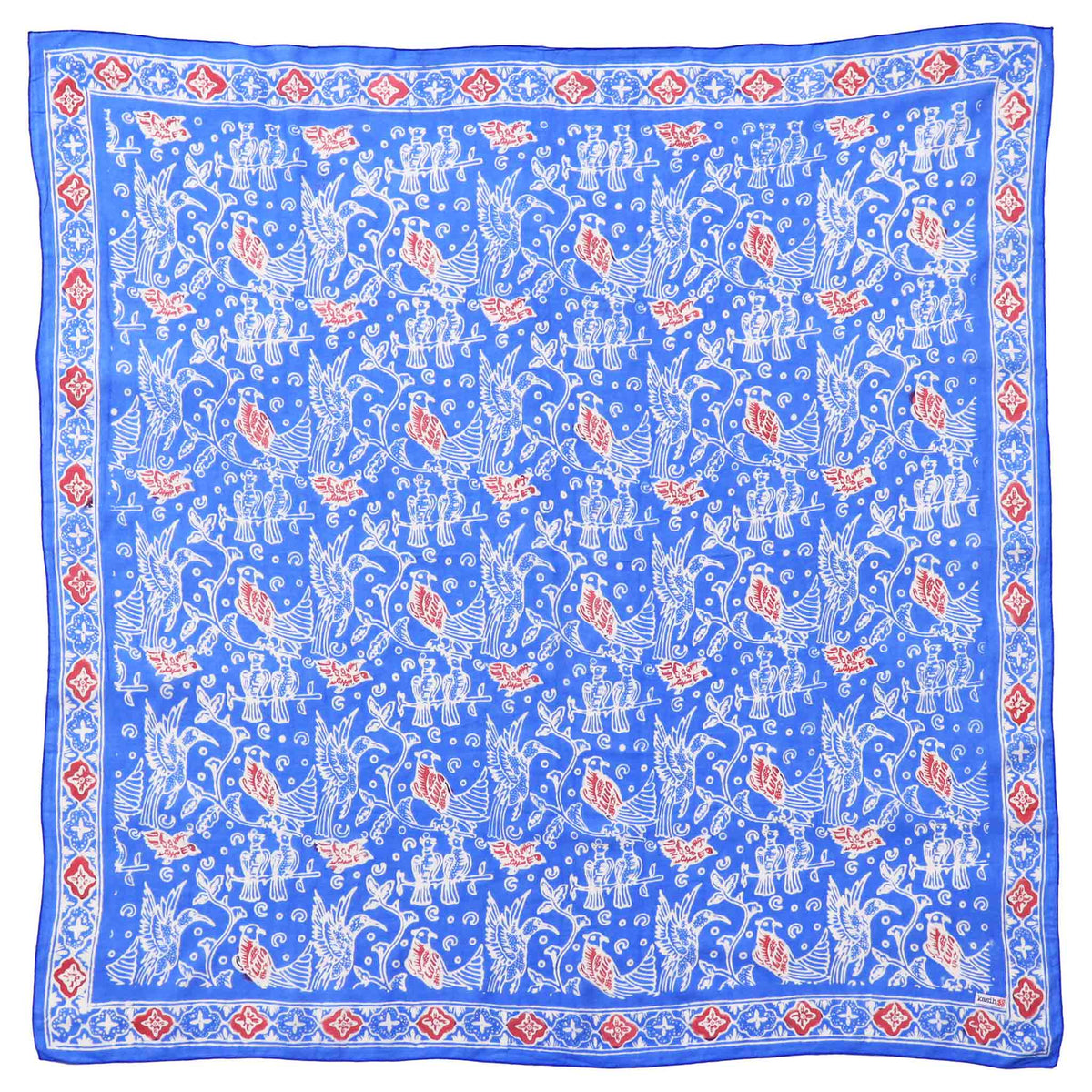
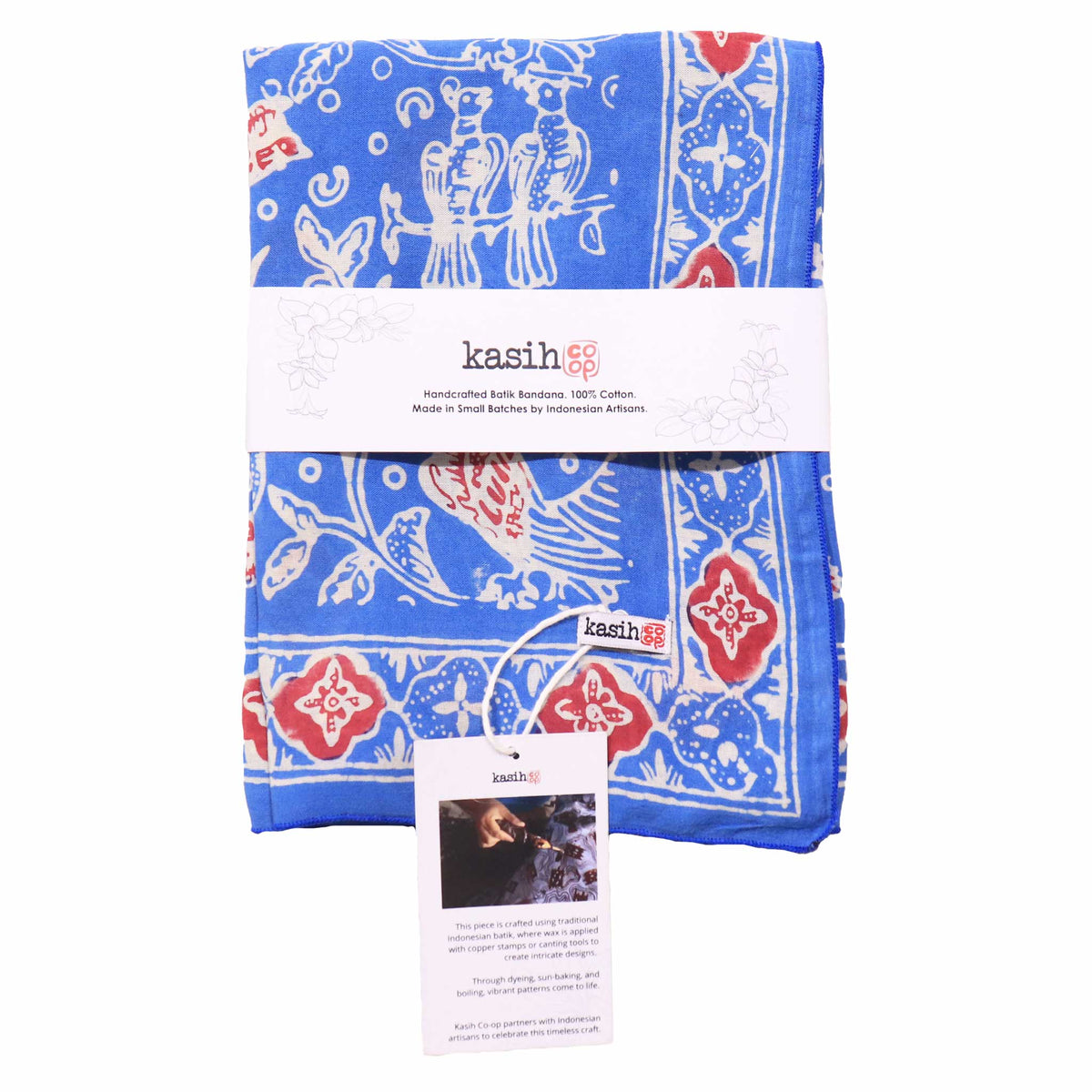
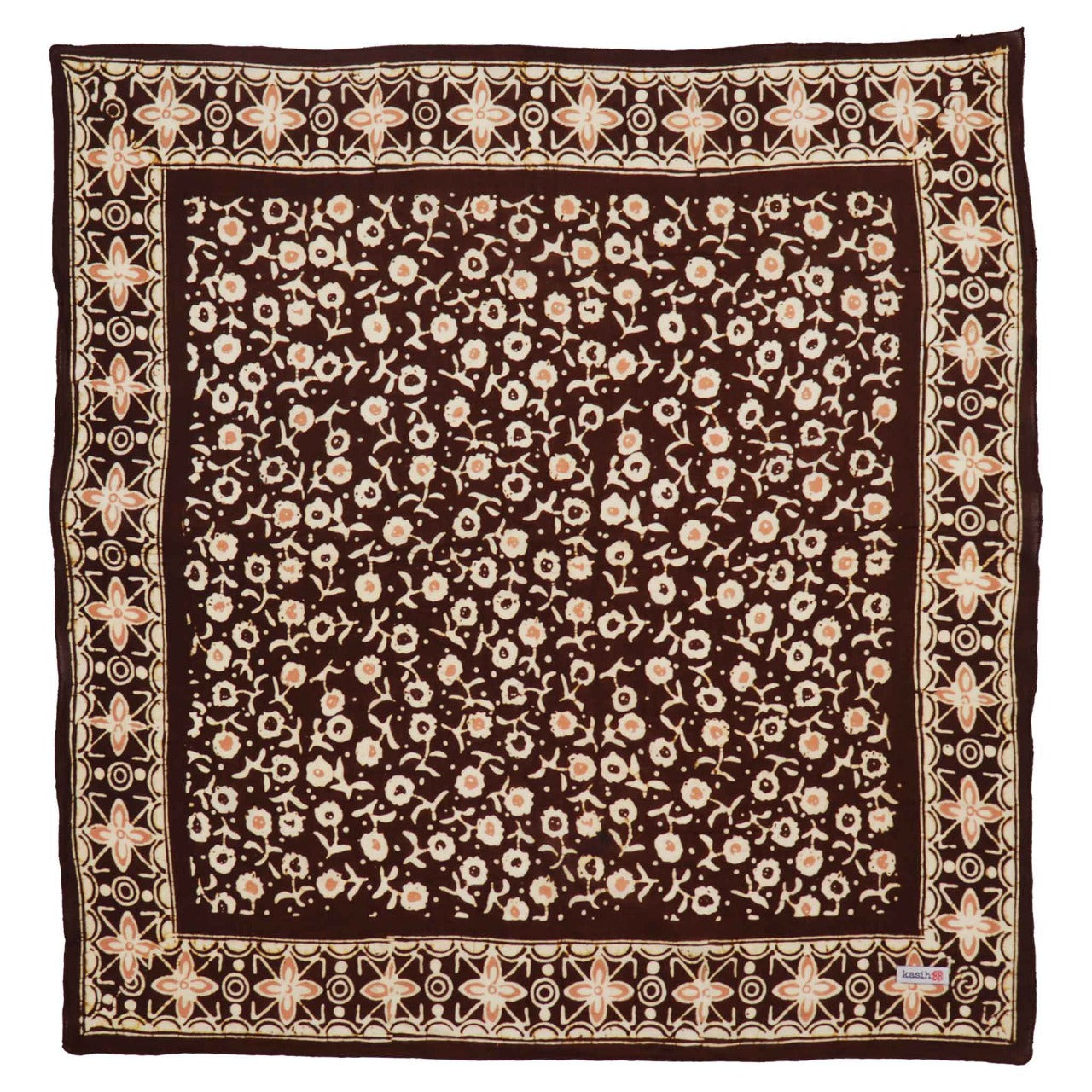
Hand Dyed 100% Cotton Batik Bandanas






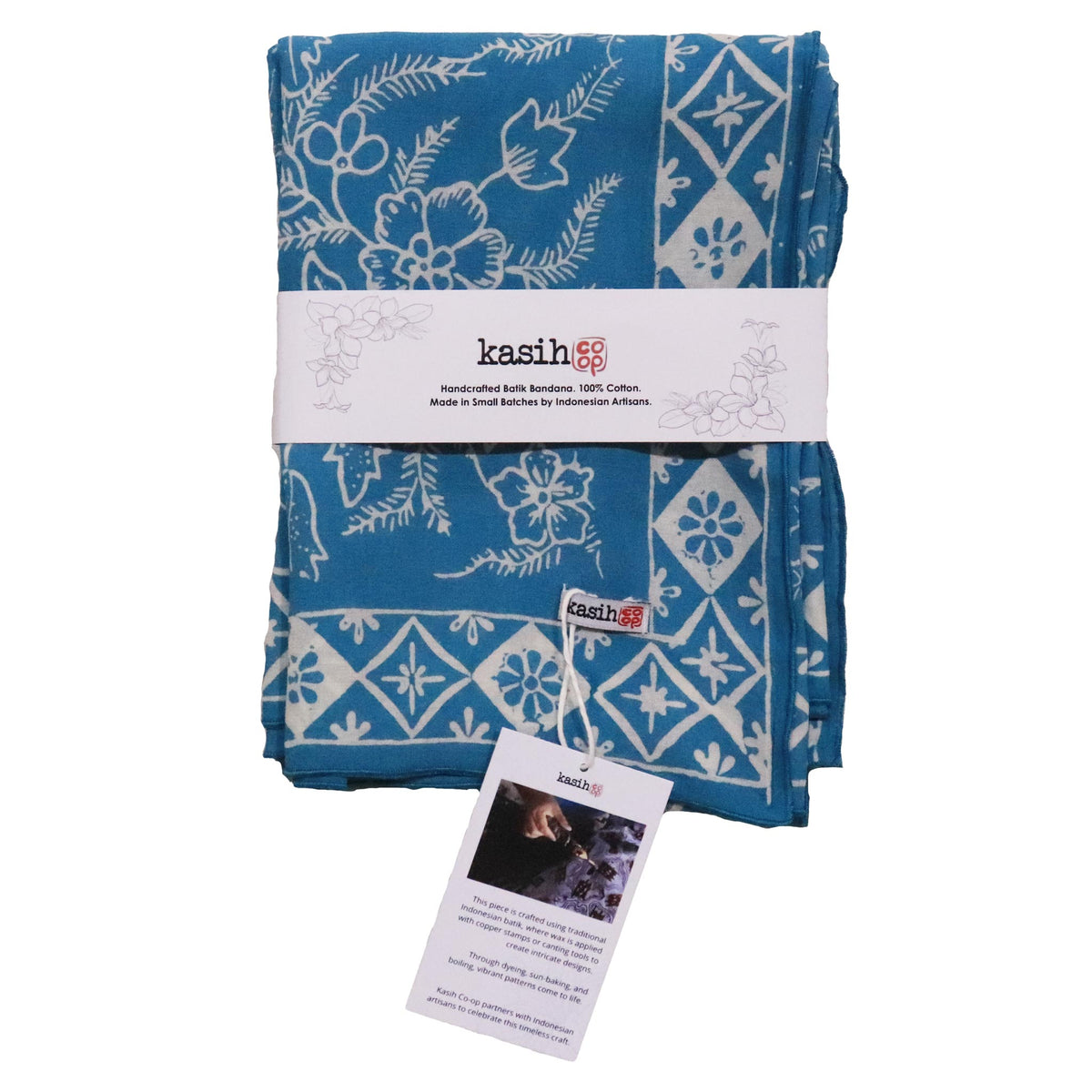

















Why Shop Batik Bandanas from Kasih Co-op
- Since 2012 — 14 years partnering directly with Indonesian batik artisans
- 18 artisan partnerships across Java, Bali, and Sulawesi
- Over 80% women-owned artisan businesses
- 60,000+ handmade pieces shipped to customers from our online store
- 1,700+ five-star reviews from over 2,000 verified customer reviews
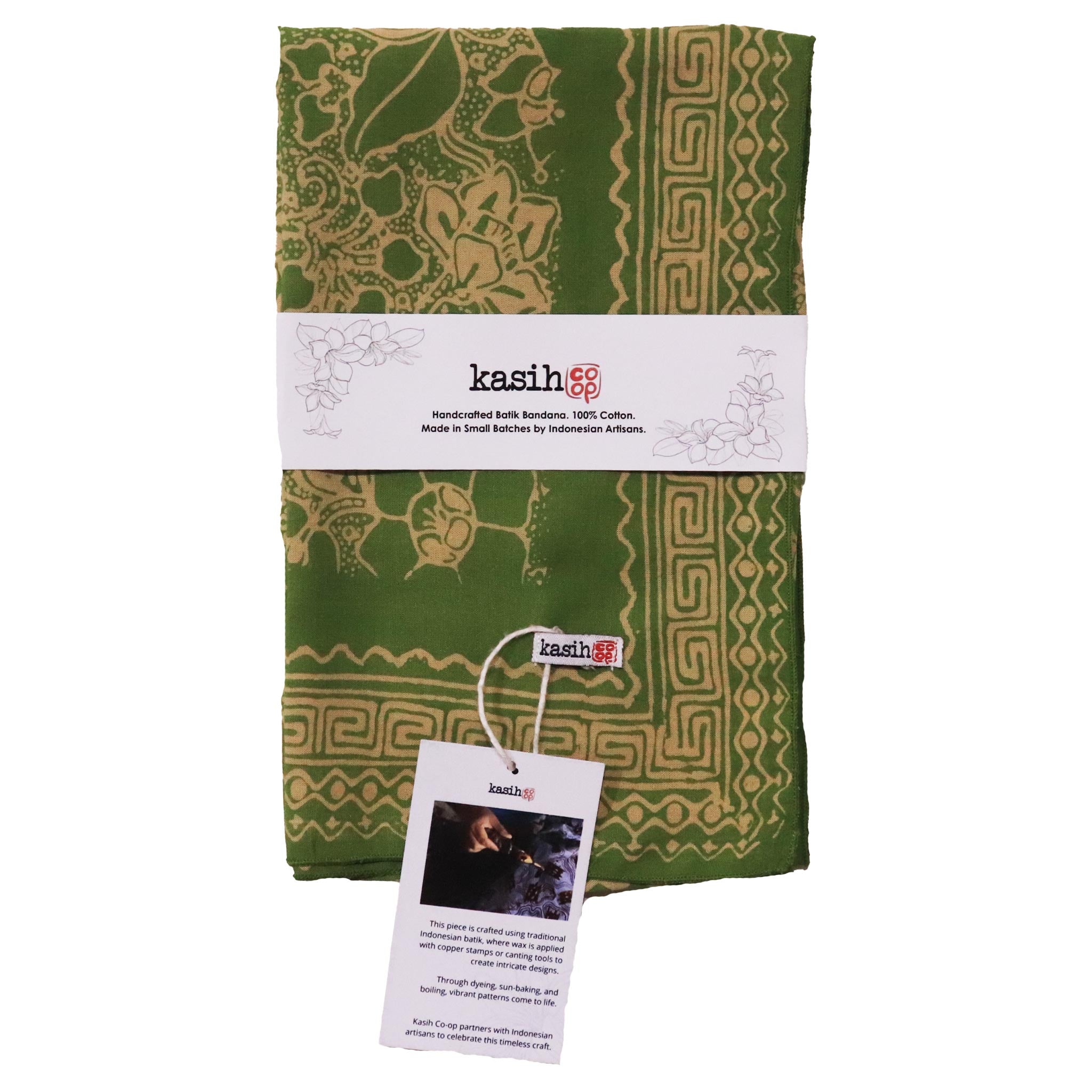
- 10 hours of handwork for a single batik tulis bandana: hand-drawing with a canting tool, multiple rounds of hand-dyeing, and lorod (removing the wax), not counting sun-drying
Verified fair trade. Kasih Co-op has been a verified Fair Trade Federation member since April 2026 and is also People + Planet First verified. Membership required a full review of our wages, working conditions, and business practices with our artisan partners. A portion of profits supports education for girls in Indonesia.
Our story. Kasih Co-op is a US-based source for authentic Indonesian batik: a small, woman-owned business based in Manhattan Beach, California, founded by Ivana, who grew up in Indonesia. Kasih means "love" in Indonesian. Ivana travels to Indonesia every year to design new patterns side by side with our artisan partners, and every bandana ships from California within 2 business days.
Batik Bandana Guides
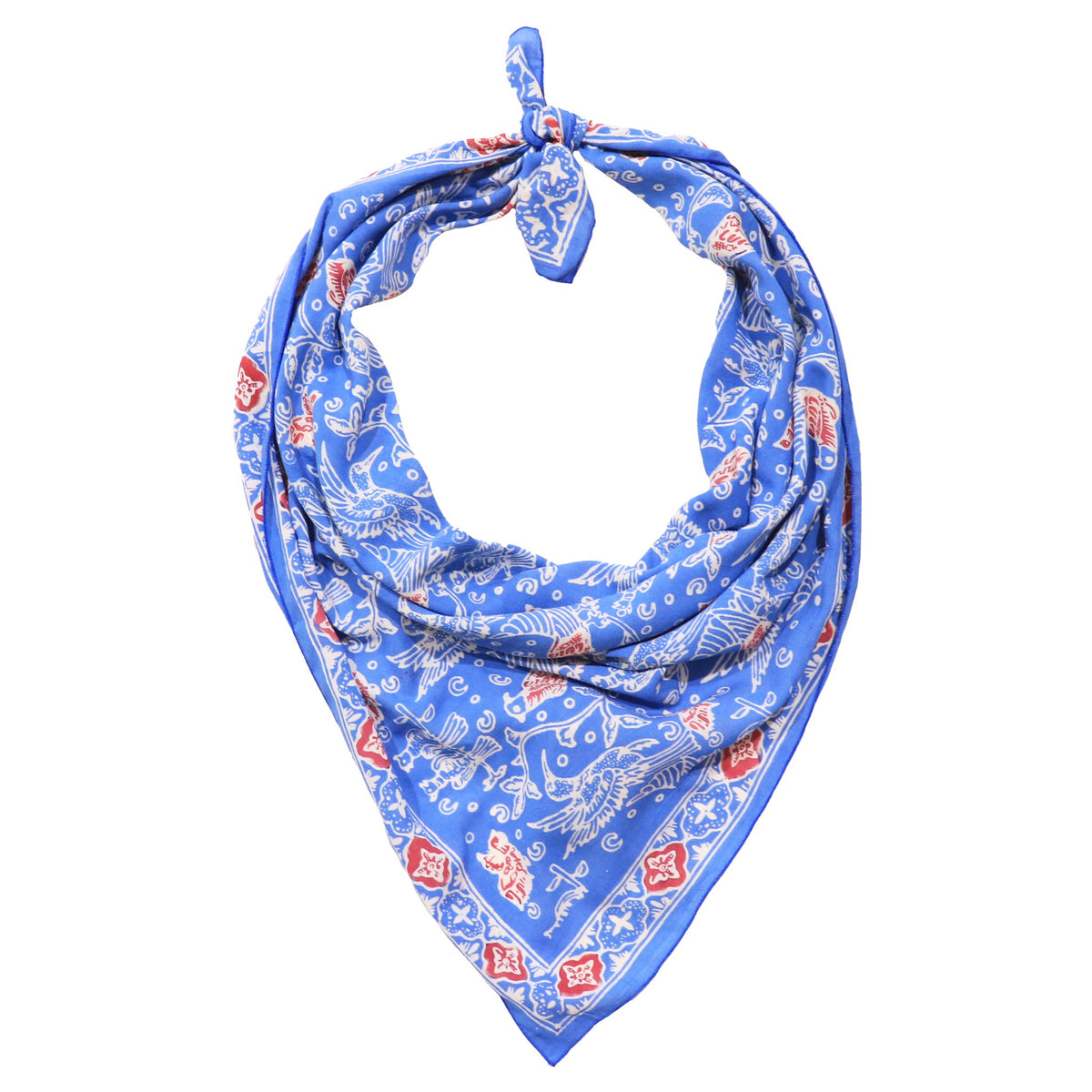
How to Tie and Wear a Batik Bandana (7 Ways)
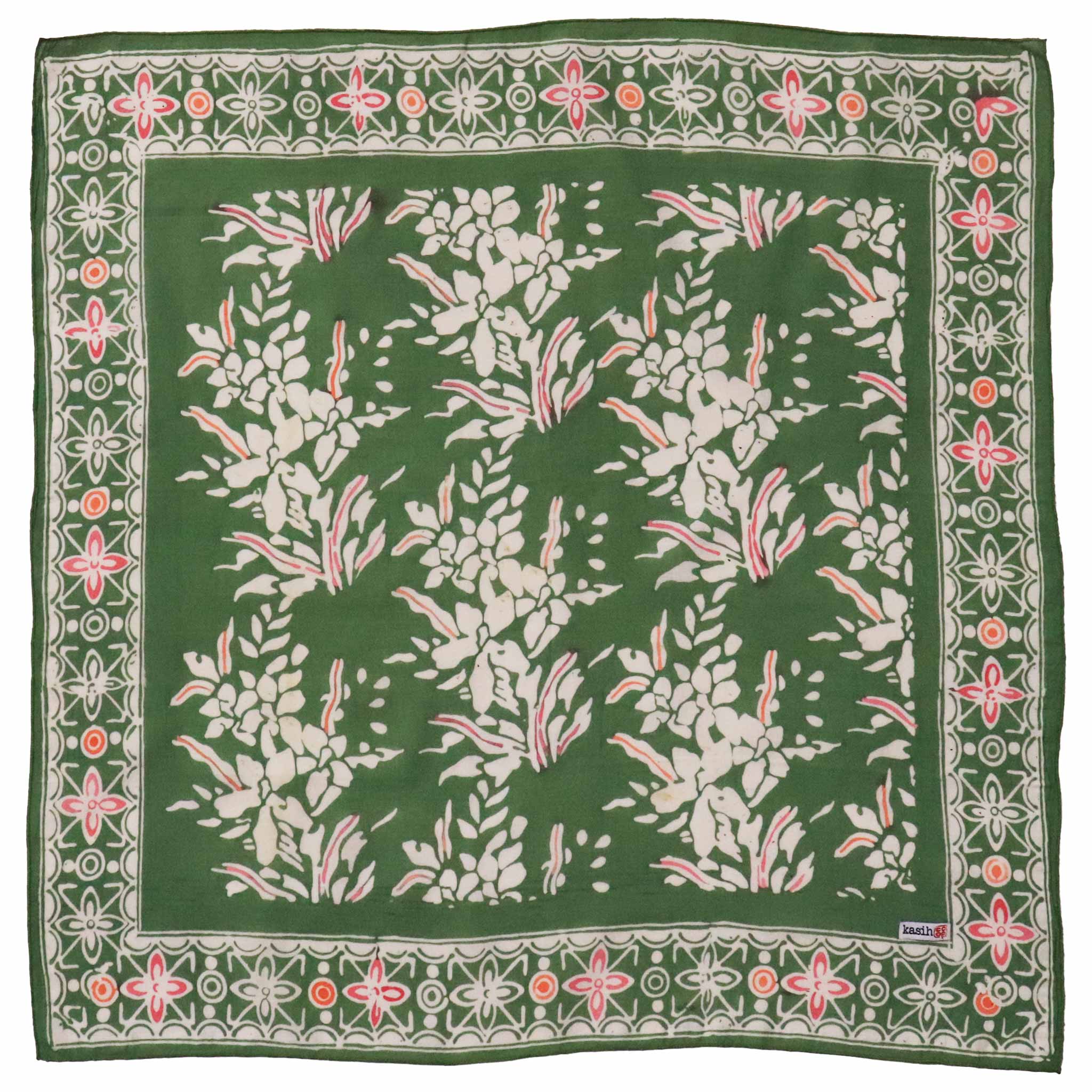
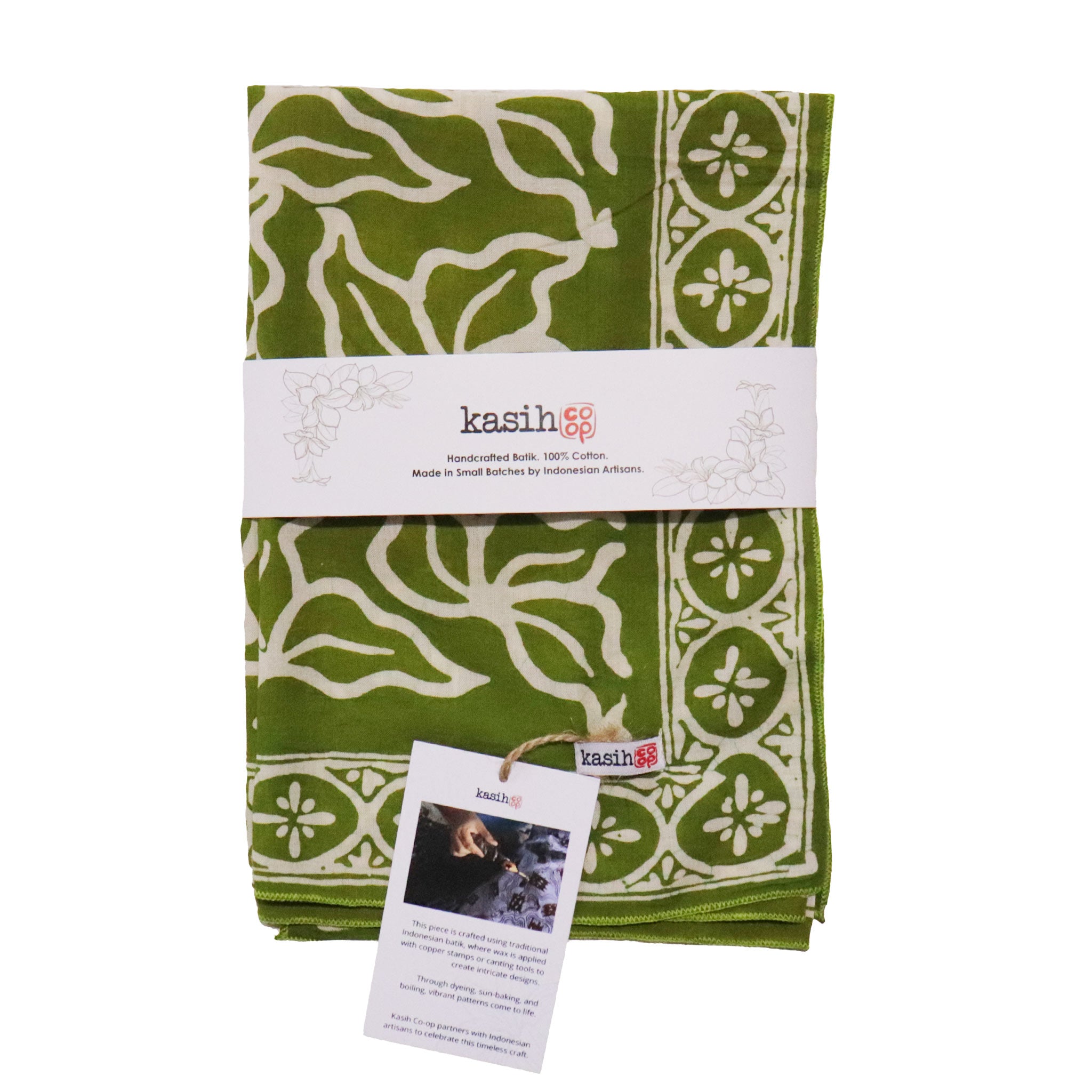
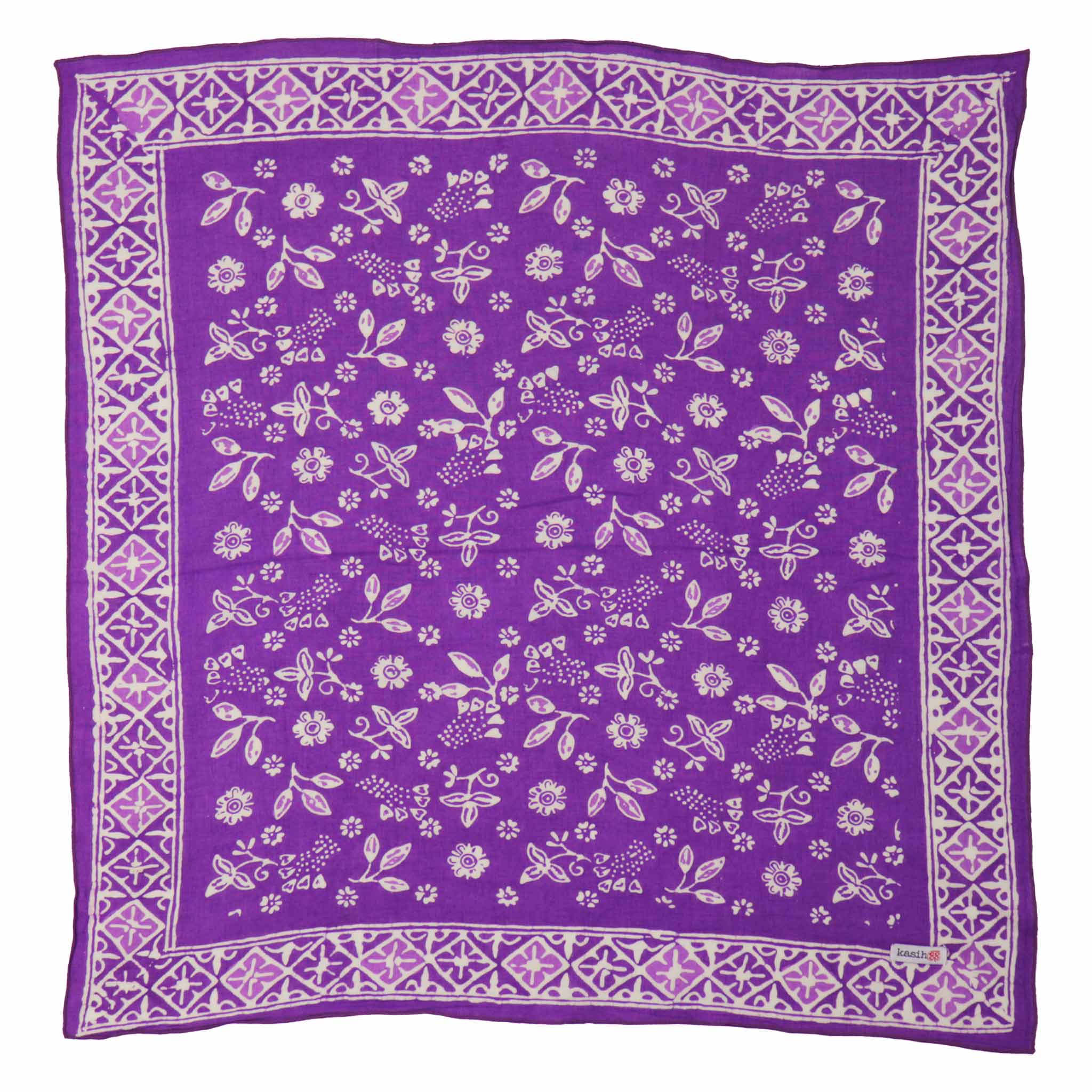
Our standard bandanas measure about 21"–23" square, and our large bandanas measure 39" square. Here is which size works best for each style. For more hair styles, see 7 Easy Bandana Hairstyles, and for exact measurements, our bandana size chart.
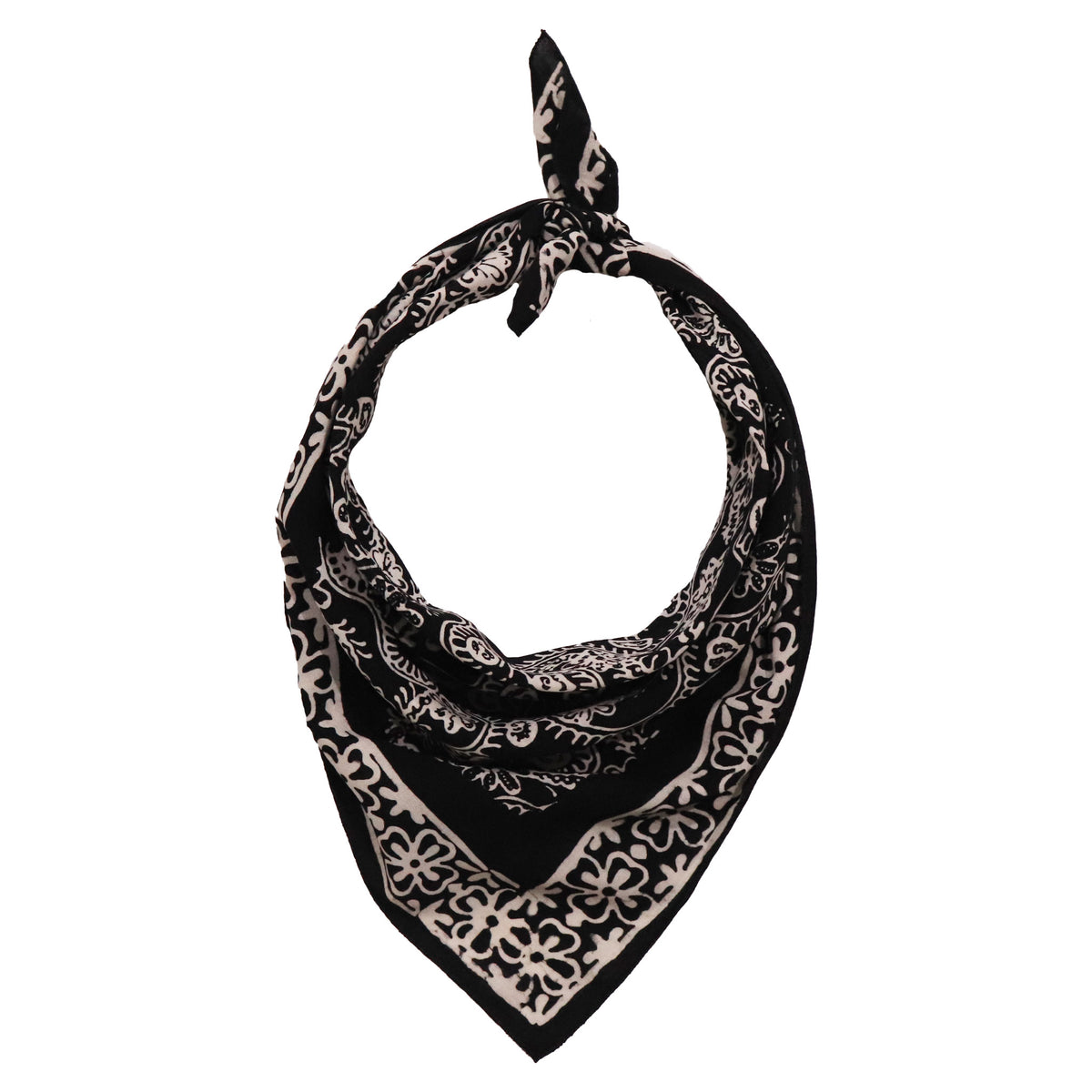
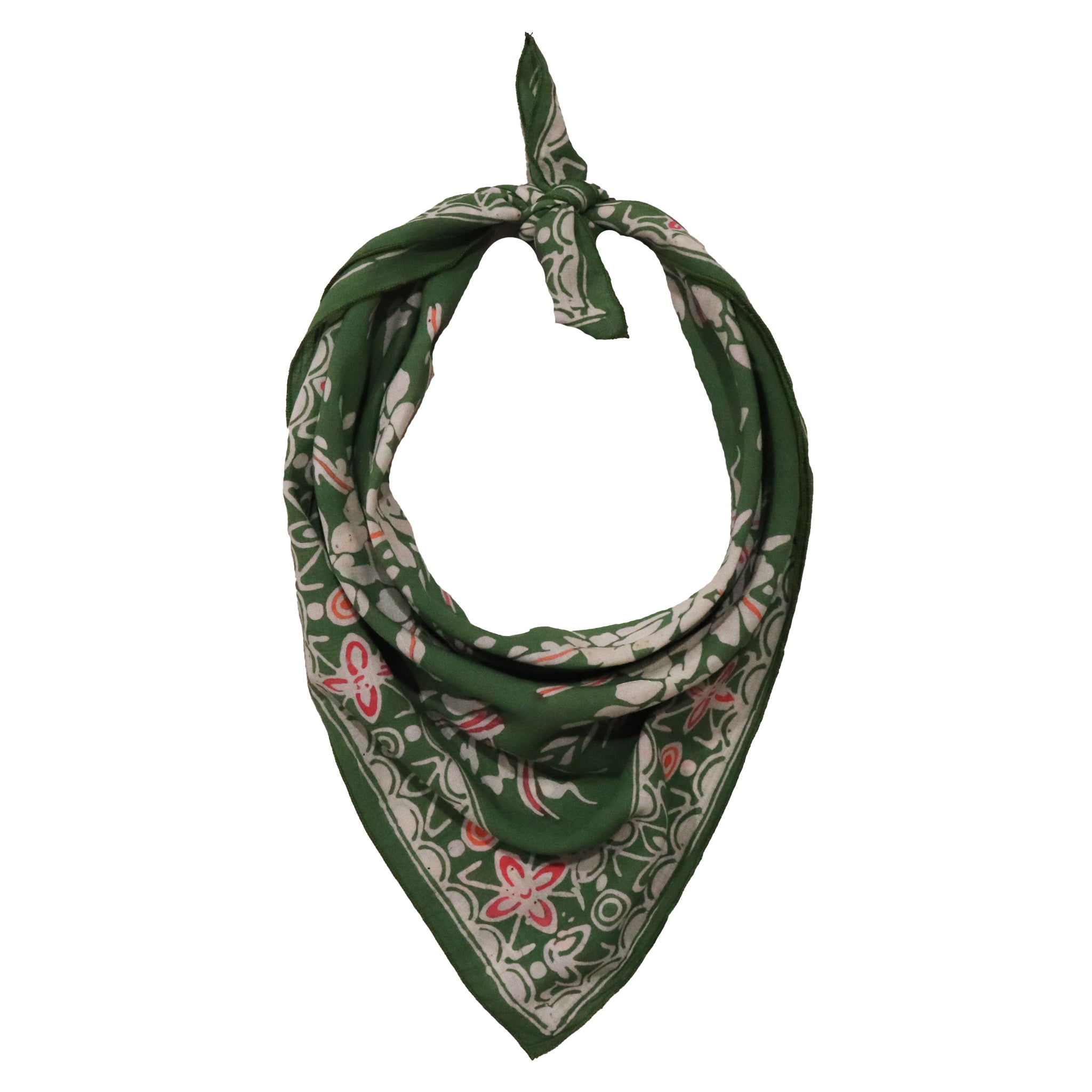
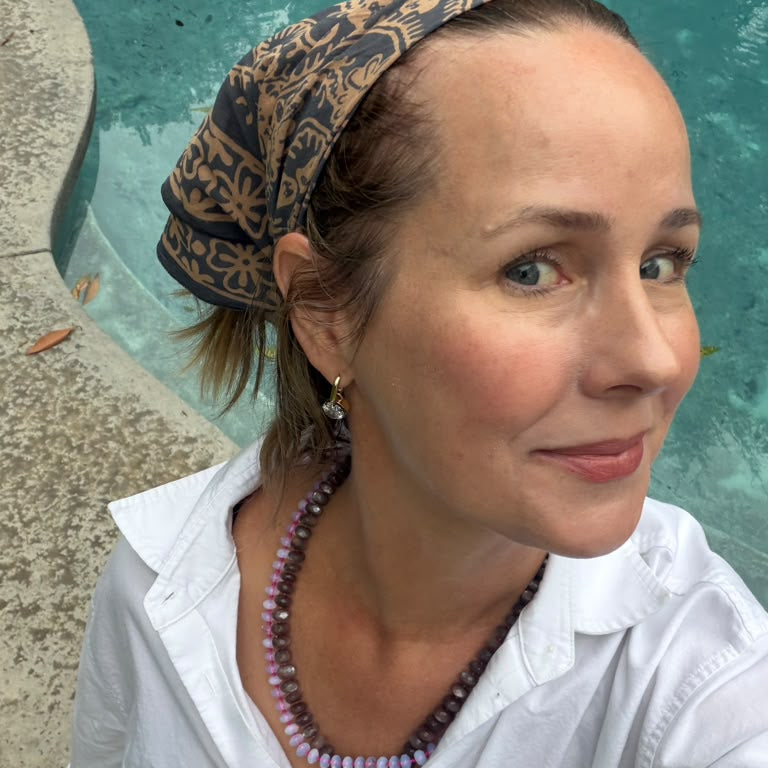
- Classic headband (21"–23"). Fold the bandana into a triangle, then roll or fold from the long edge into a 2"-wide band. Place it under your hair at the nape of your neck and knot it on top of your head, or knot it at the back for a cleaner look.
- Hair wrap or head scarf (39"). Fold the large bandana into a triangle, lay the long edge across your forehead, and tie the two ends at the back of your head over the third point. The extra fabric of the 39" size covers your full head comfortably and leaves long ends to tuck or let hang.
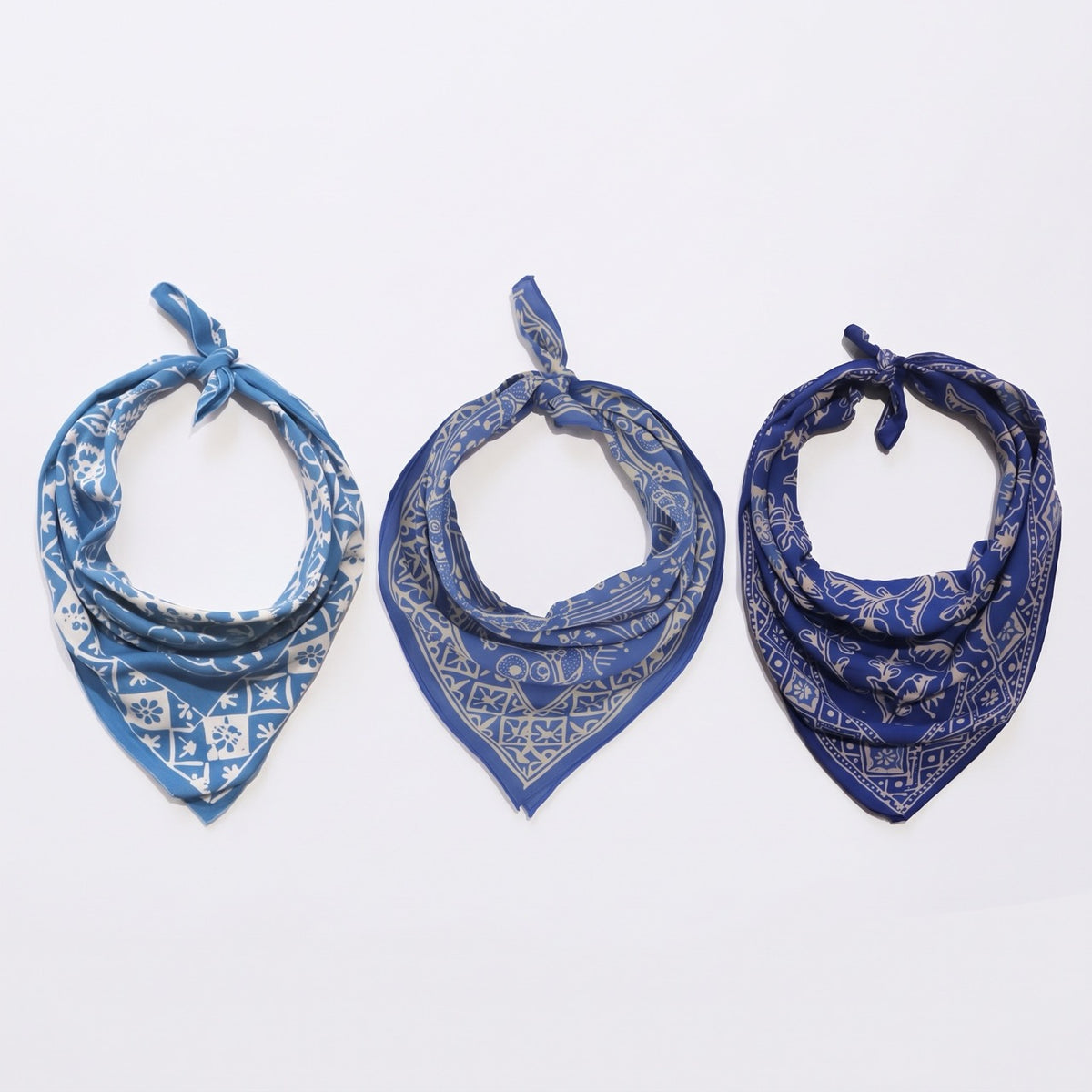
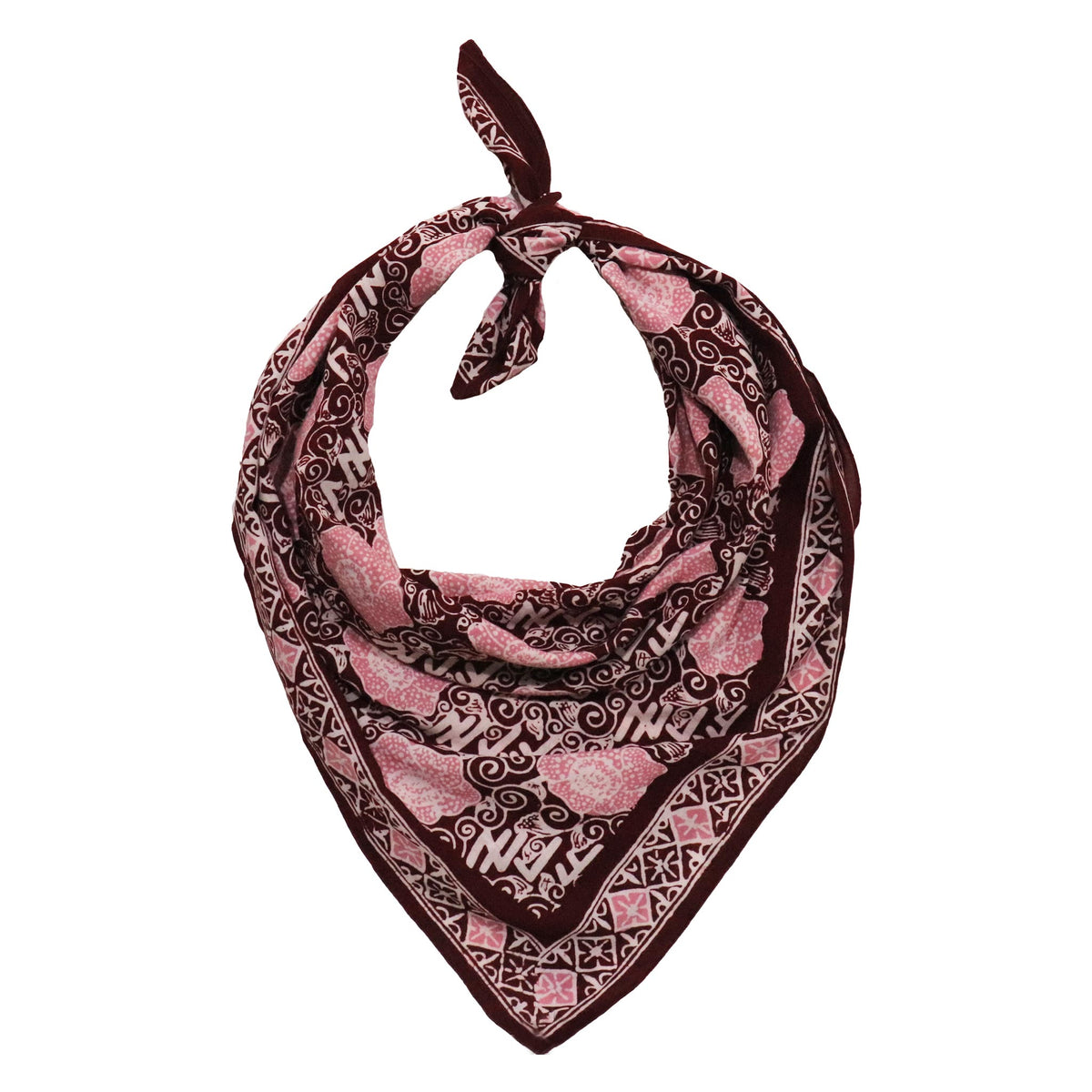
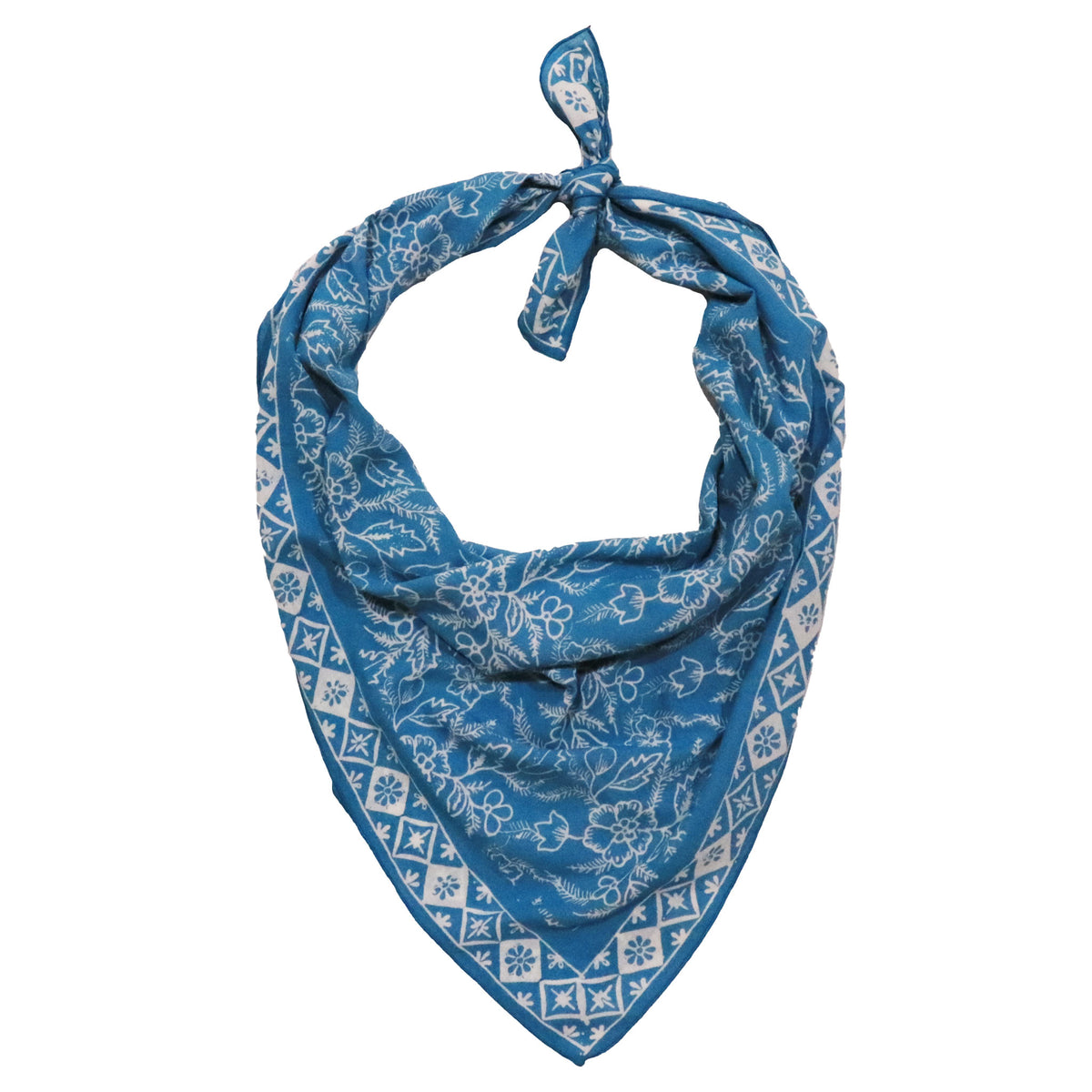
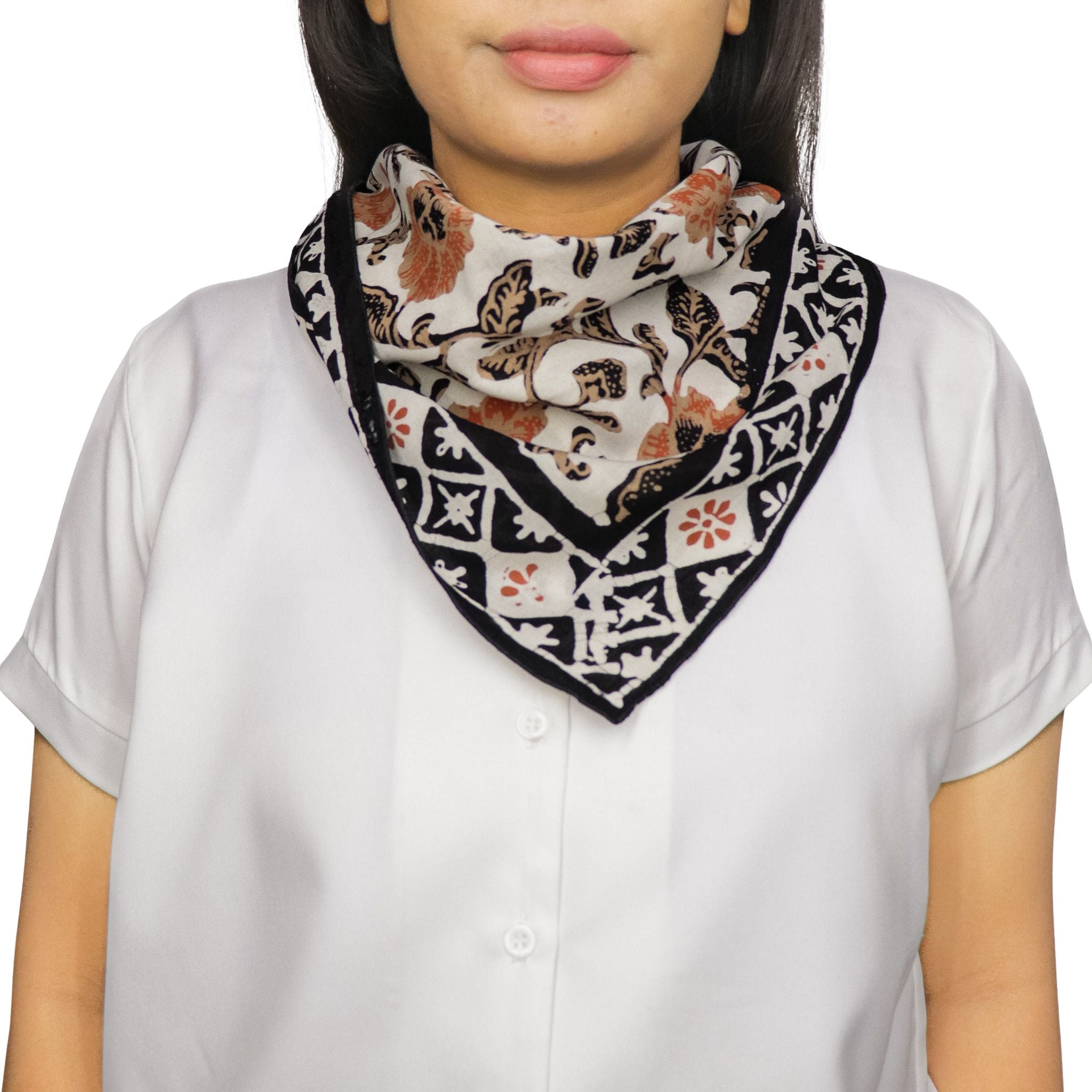
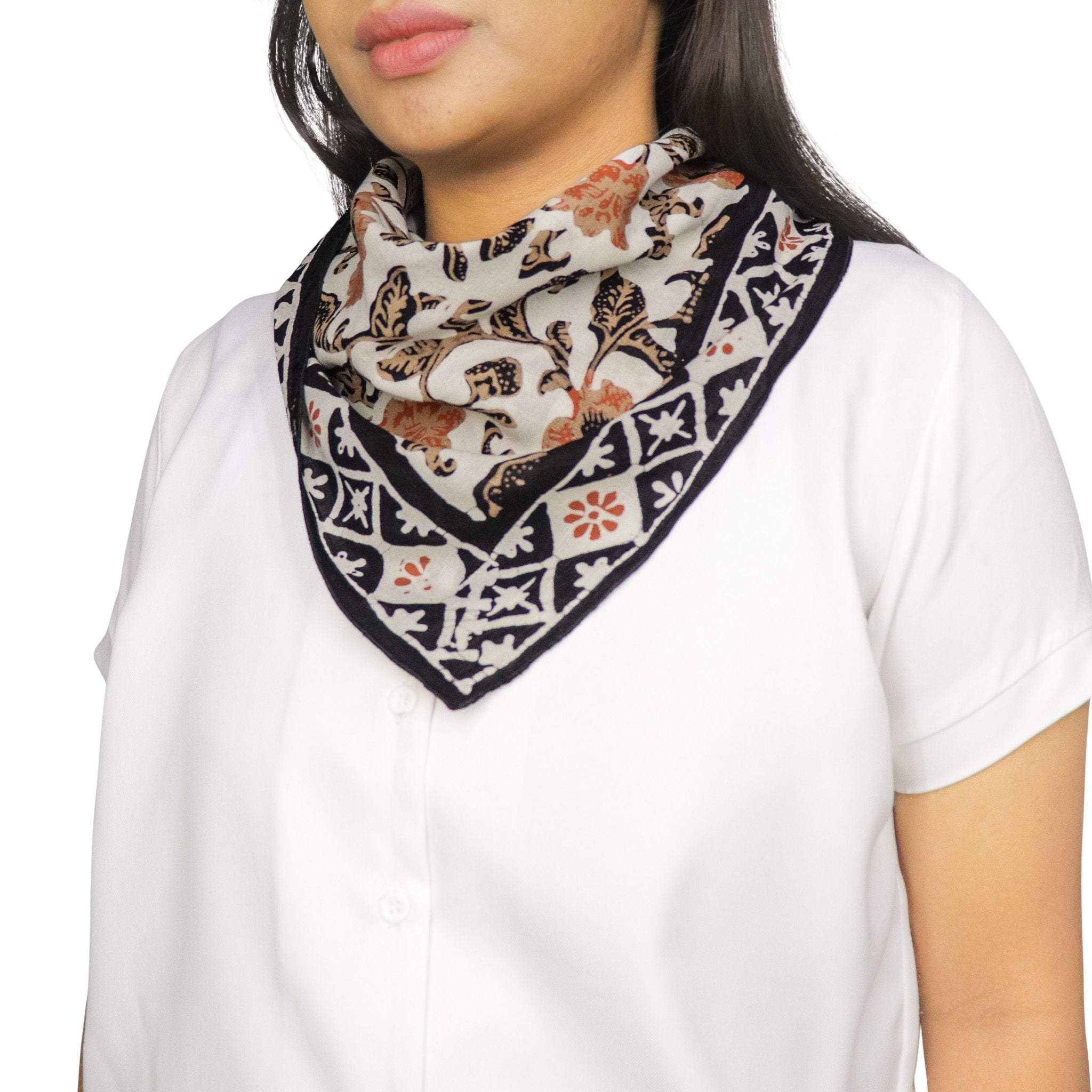
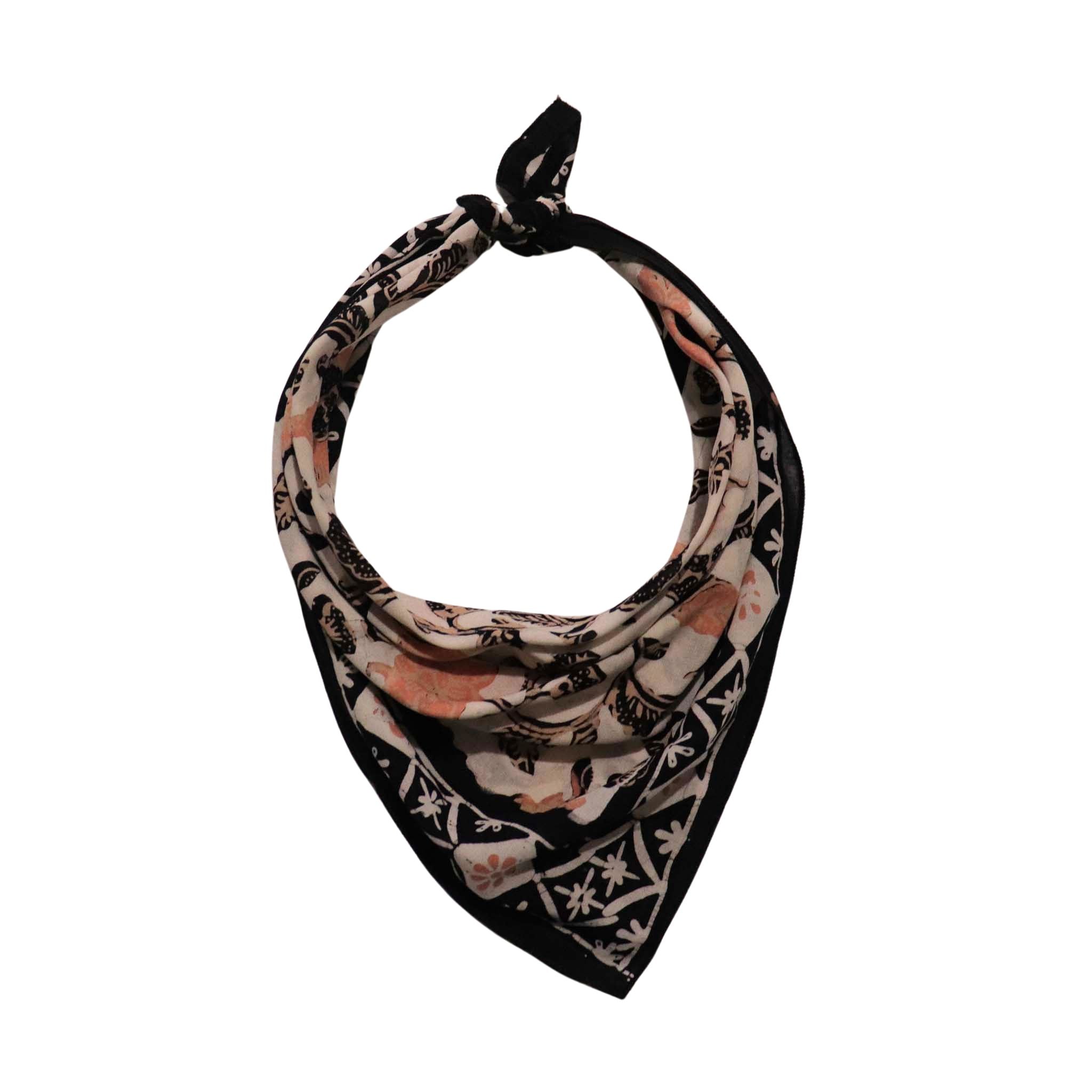
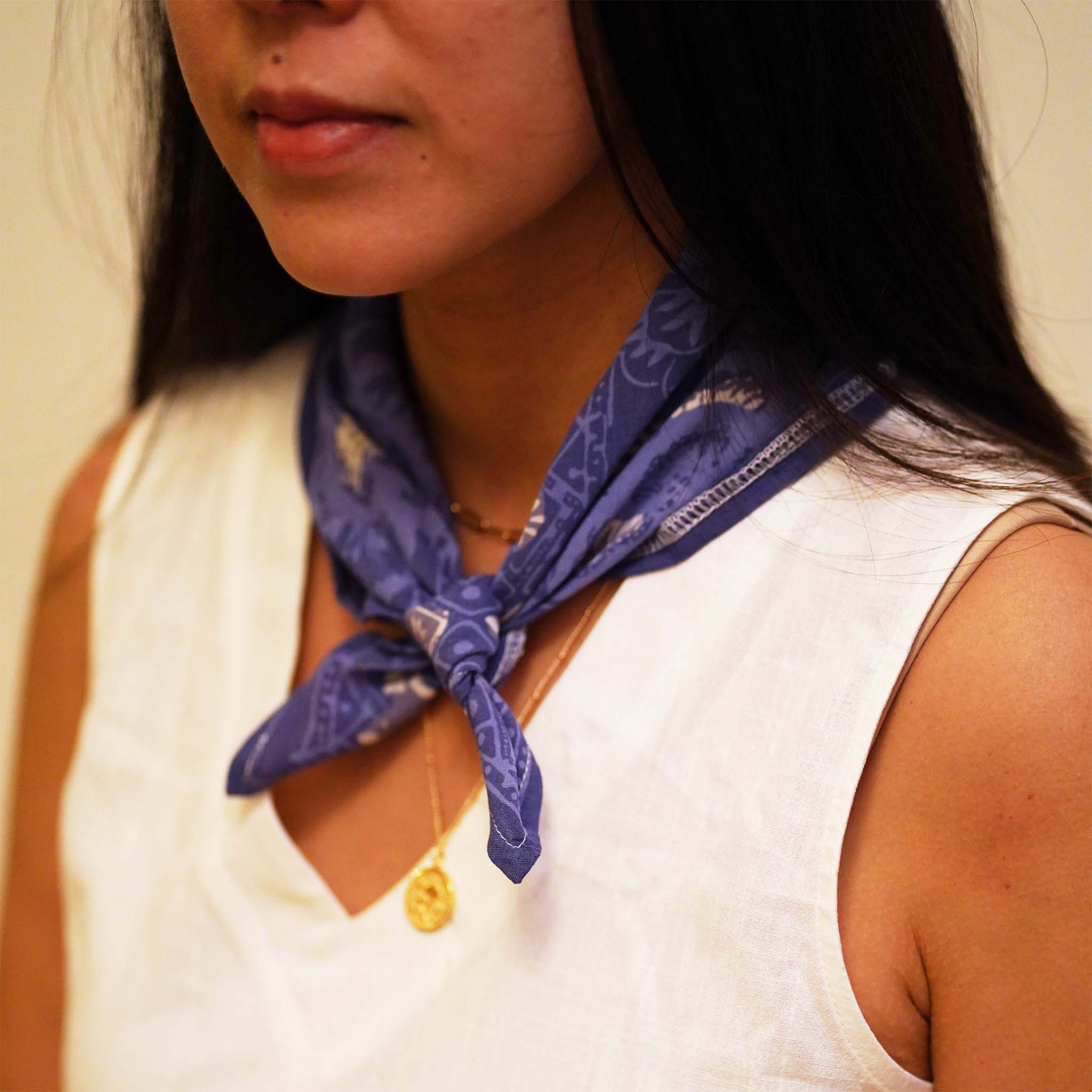
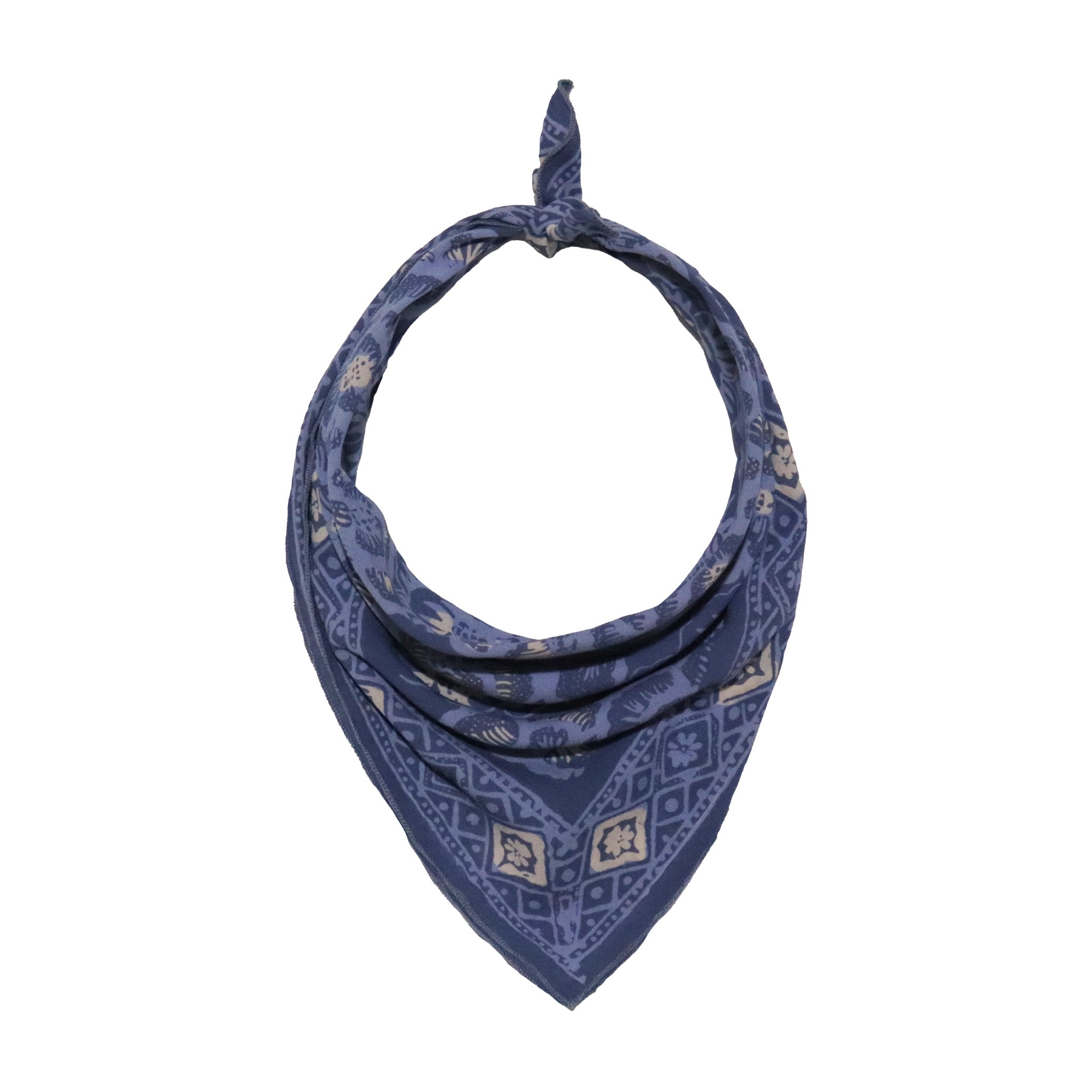
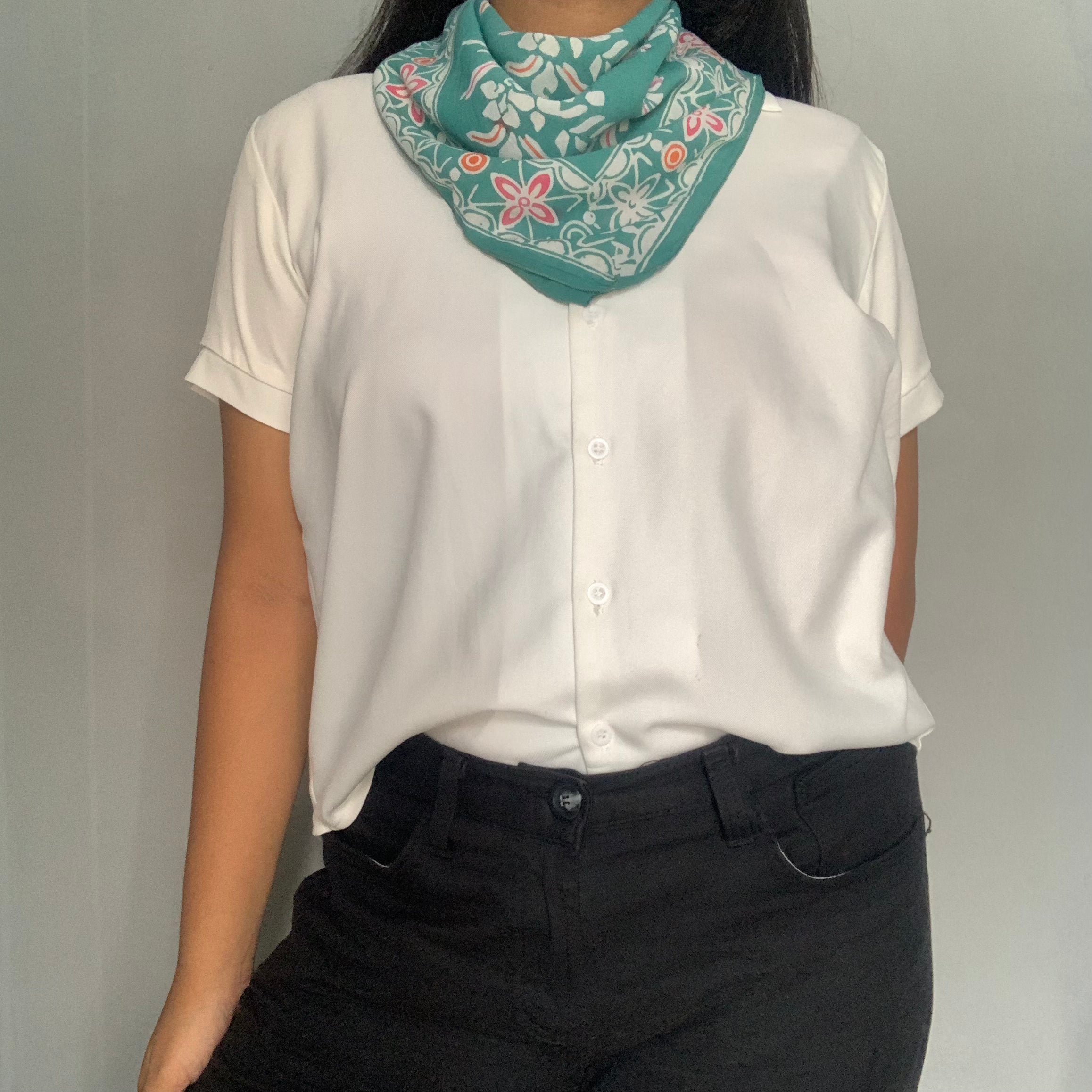
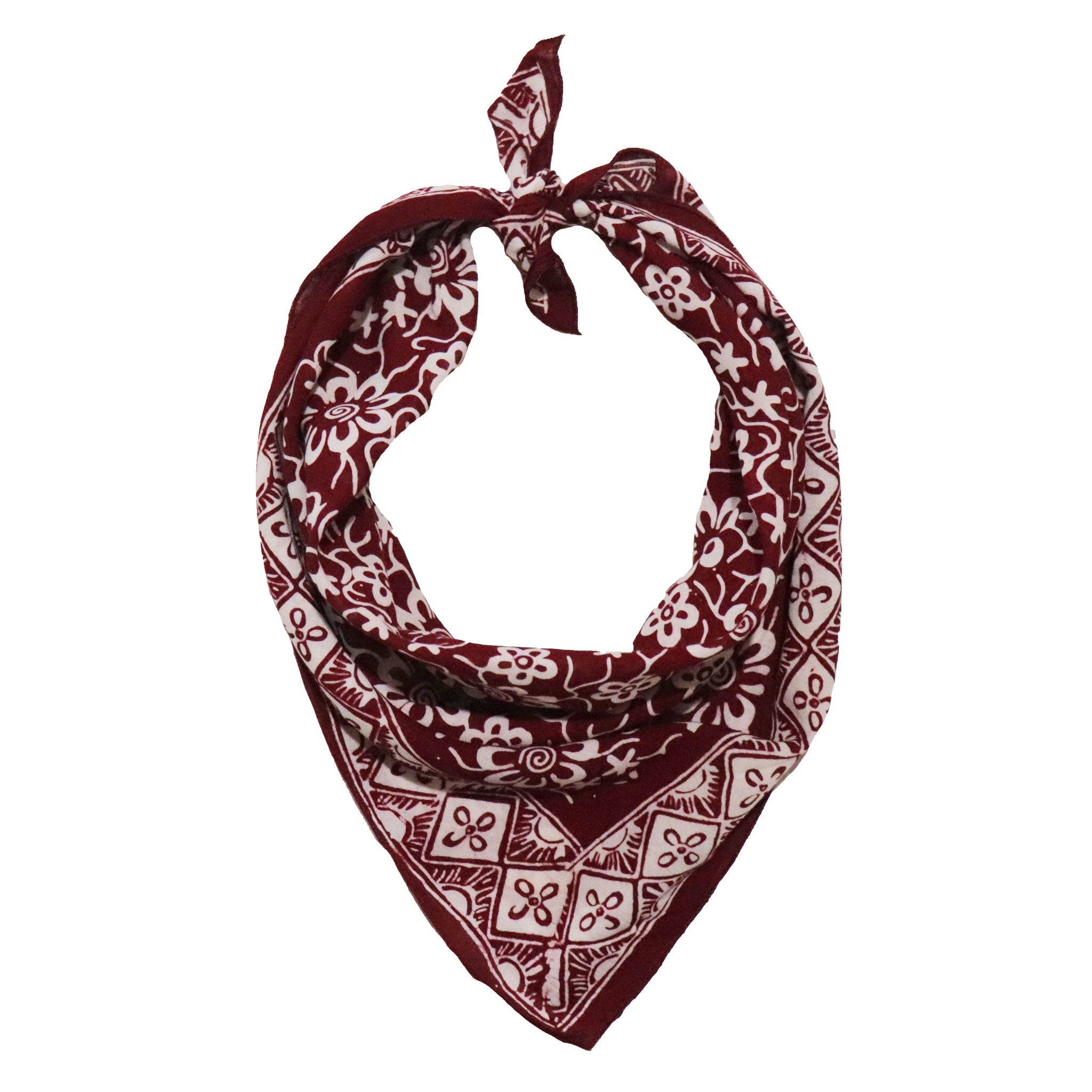
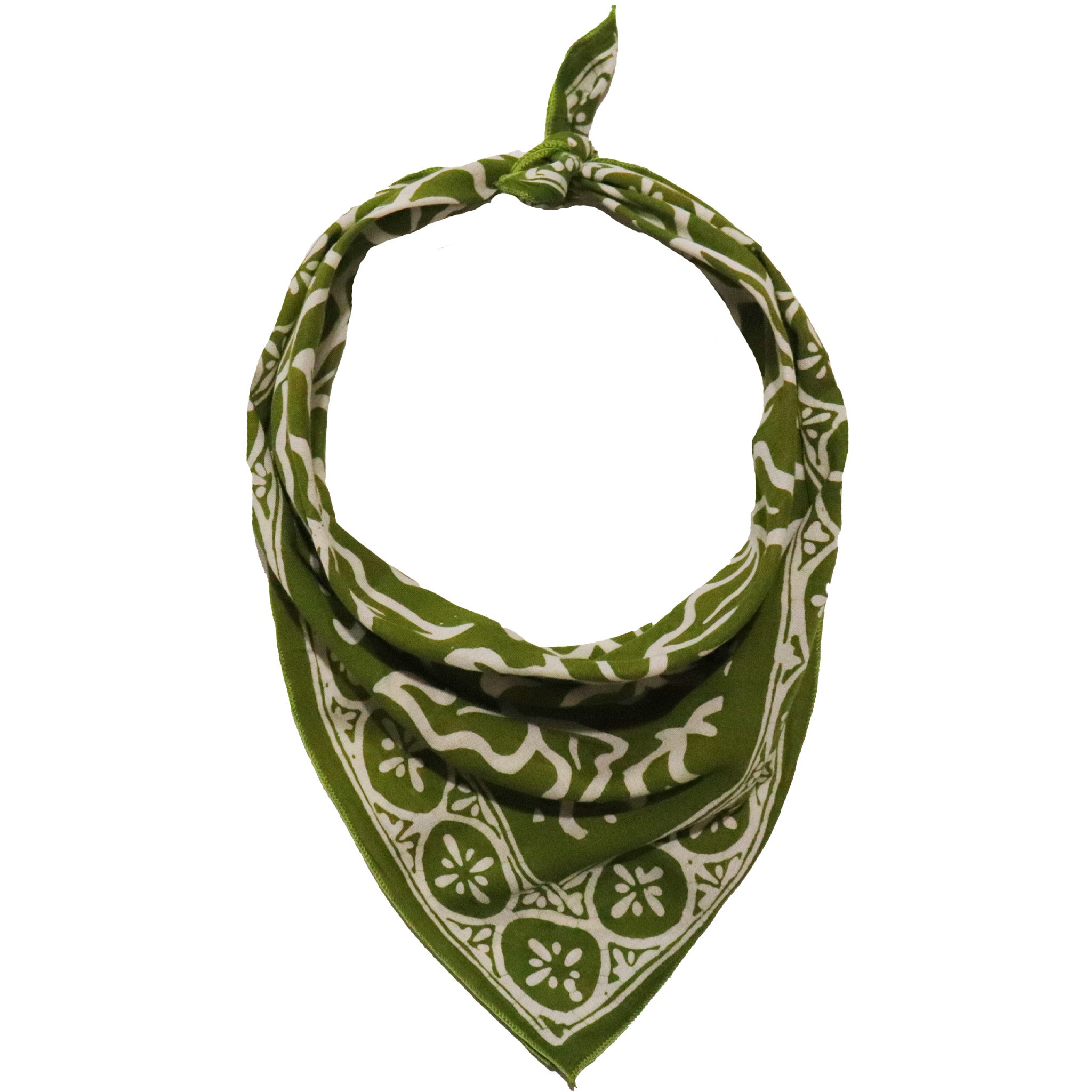
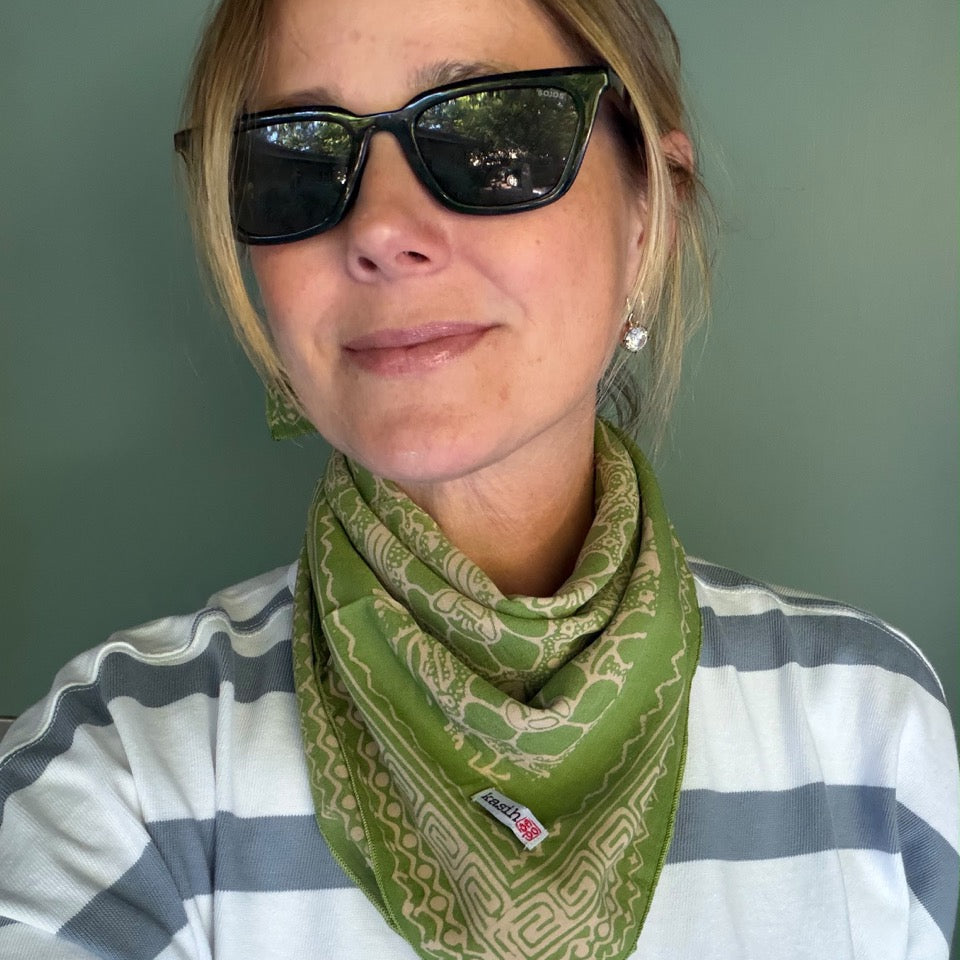
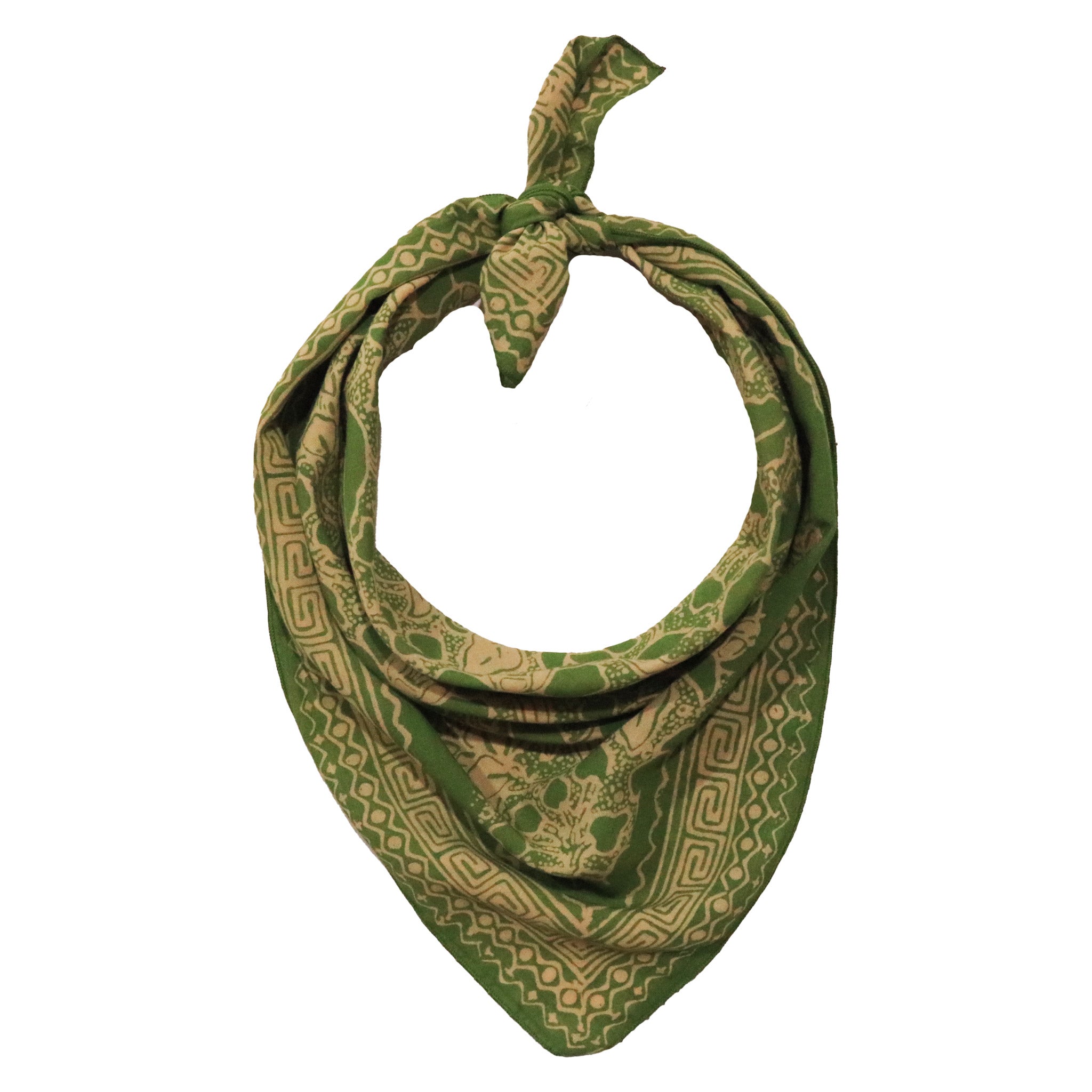
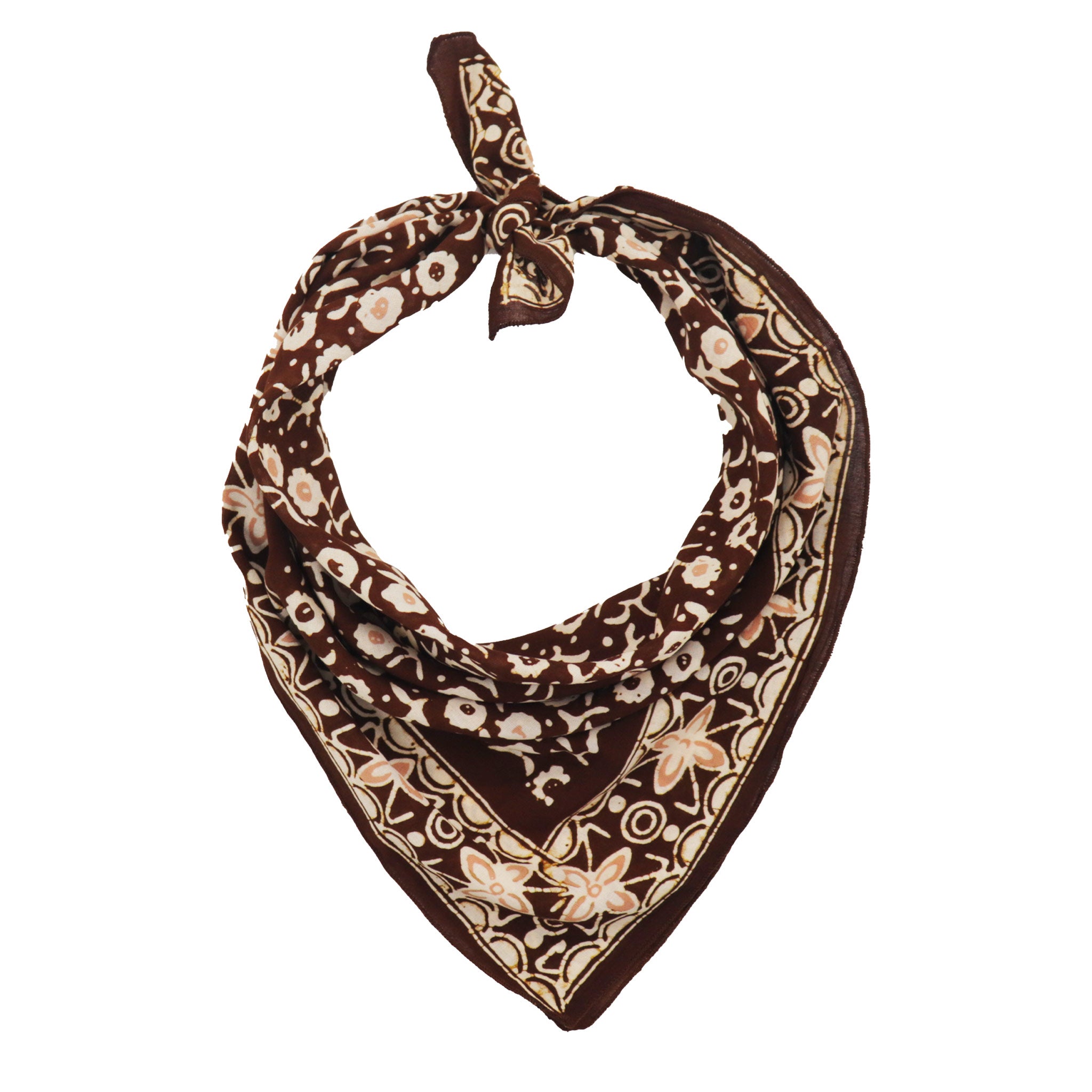
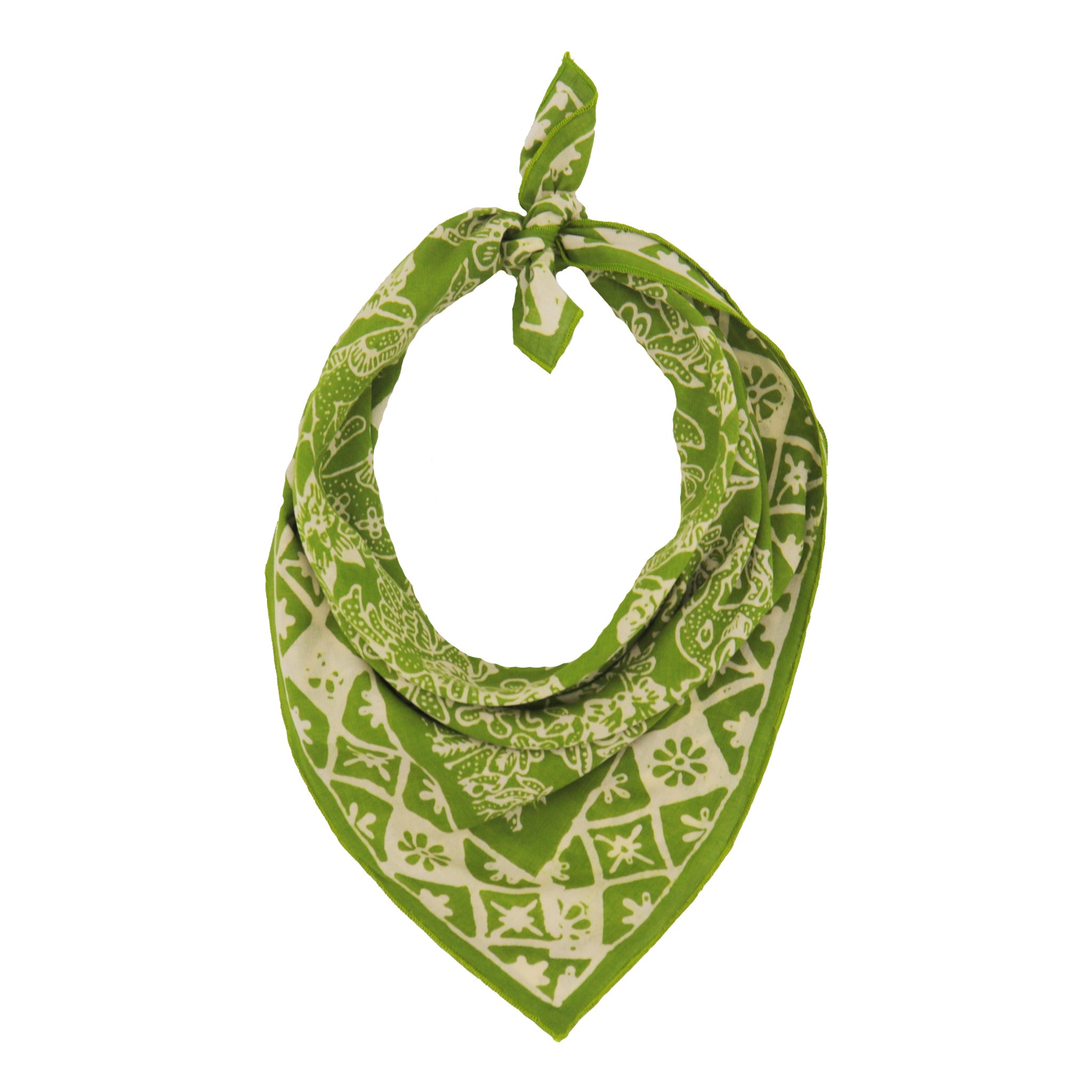
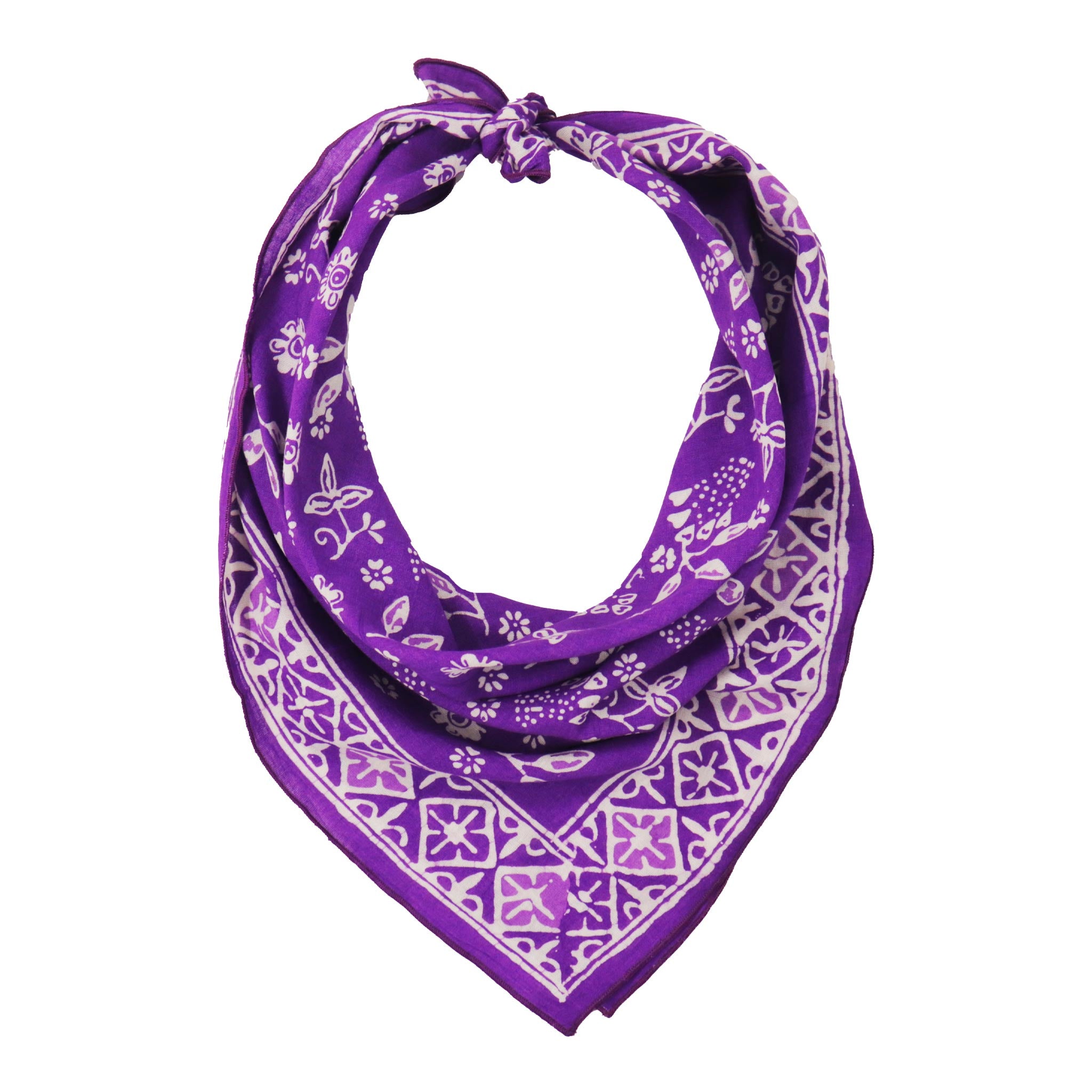
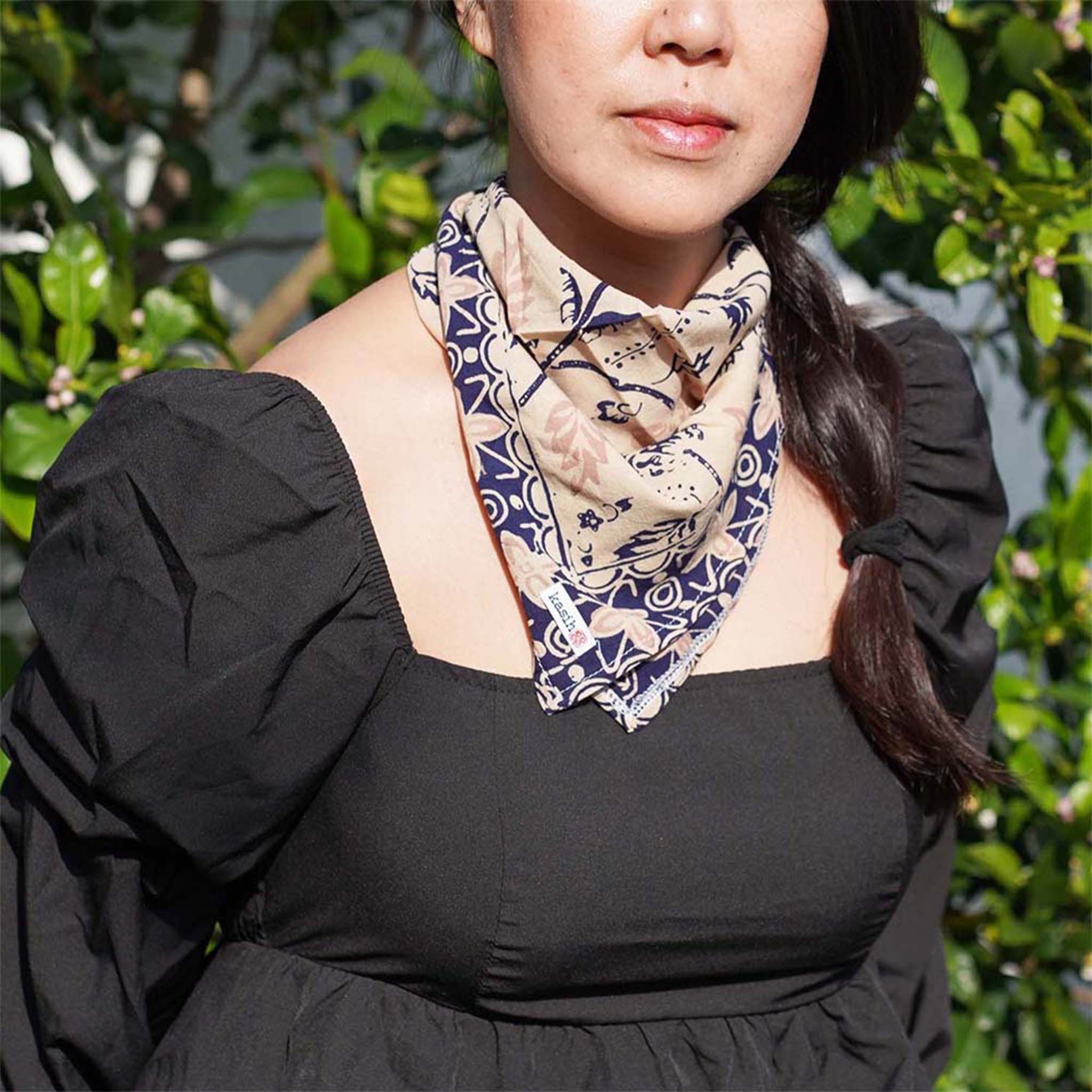
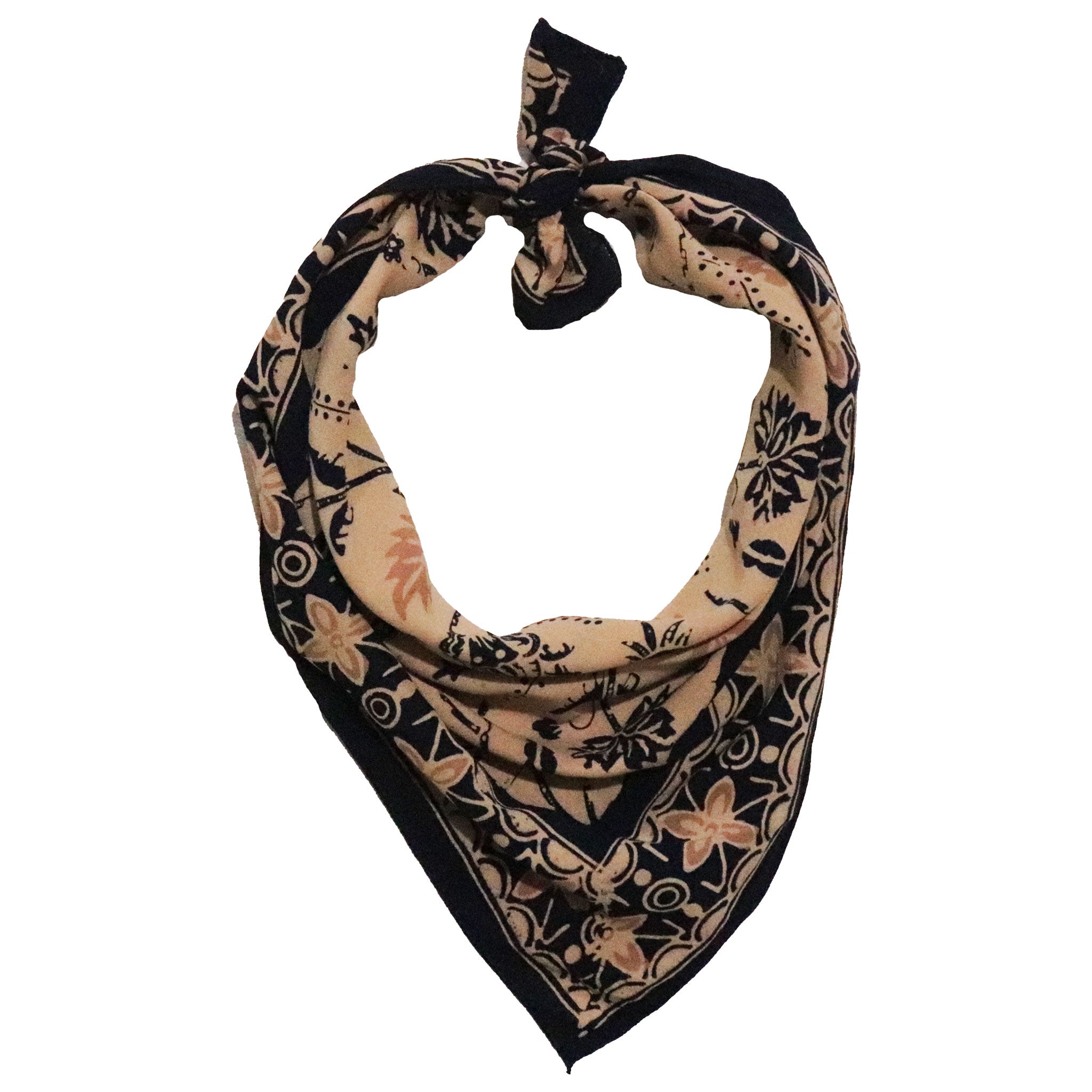
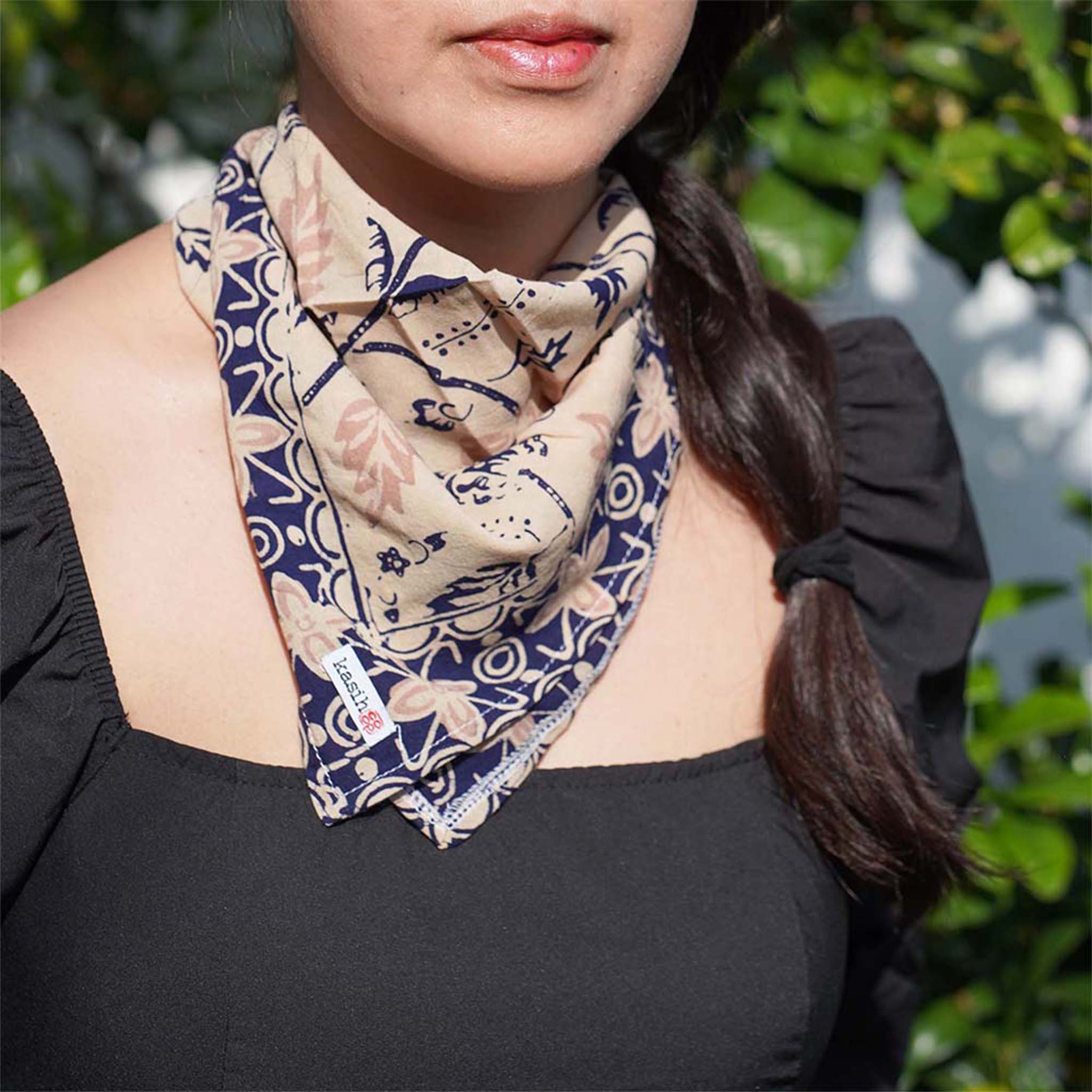
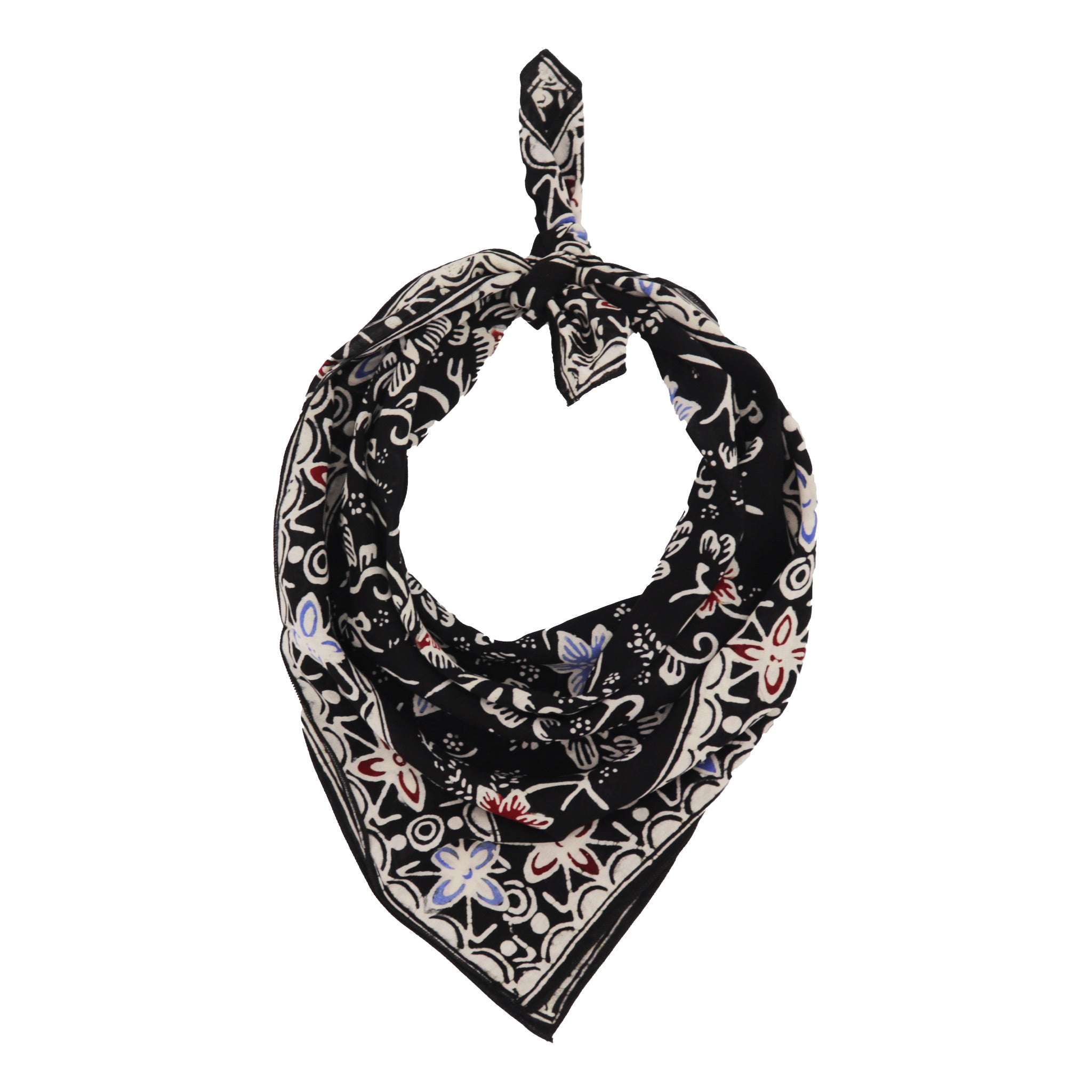
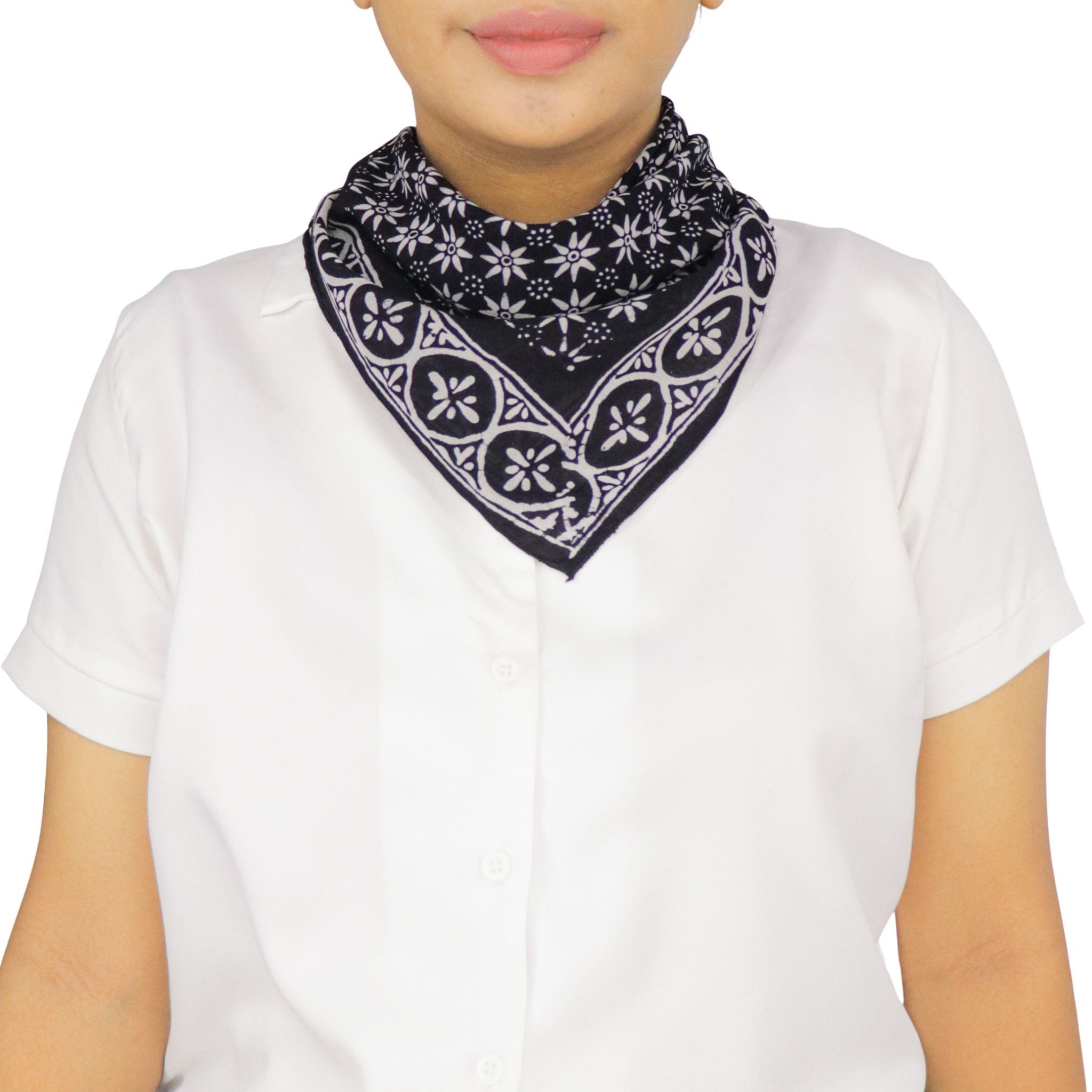
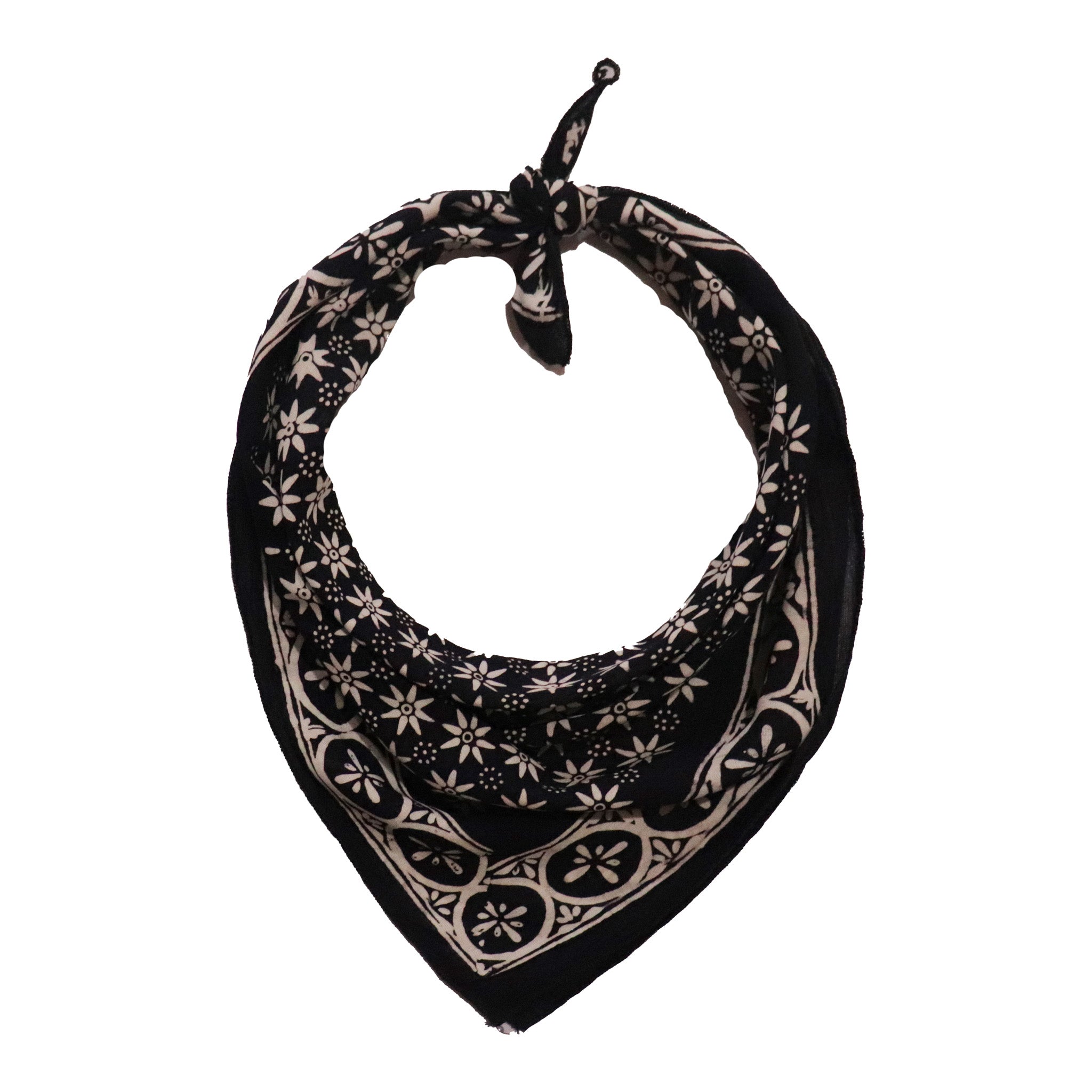
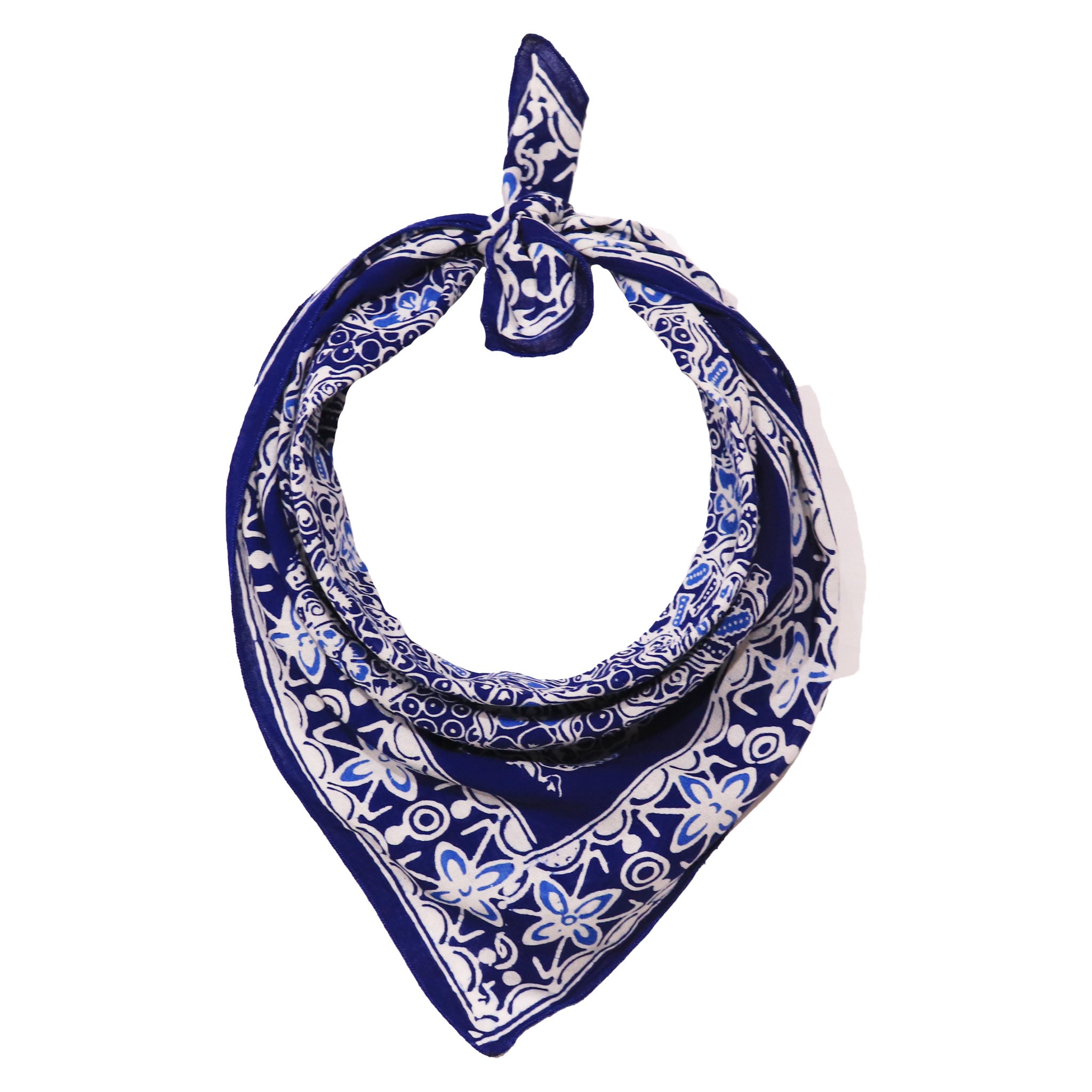
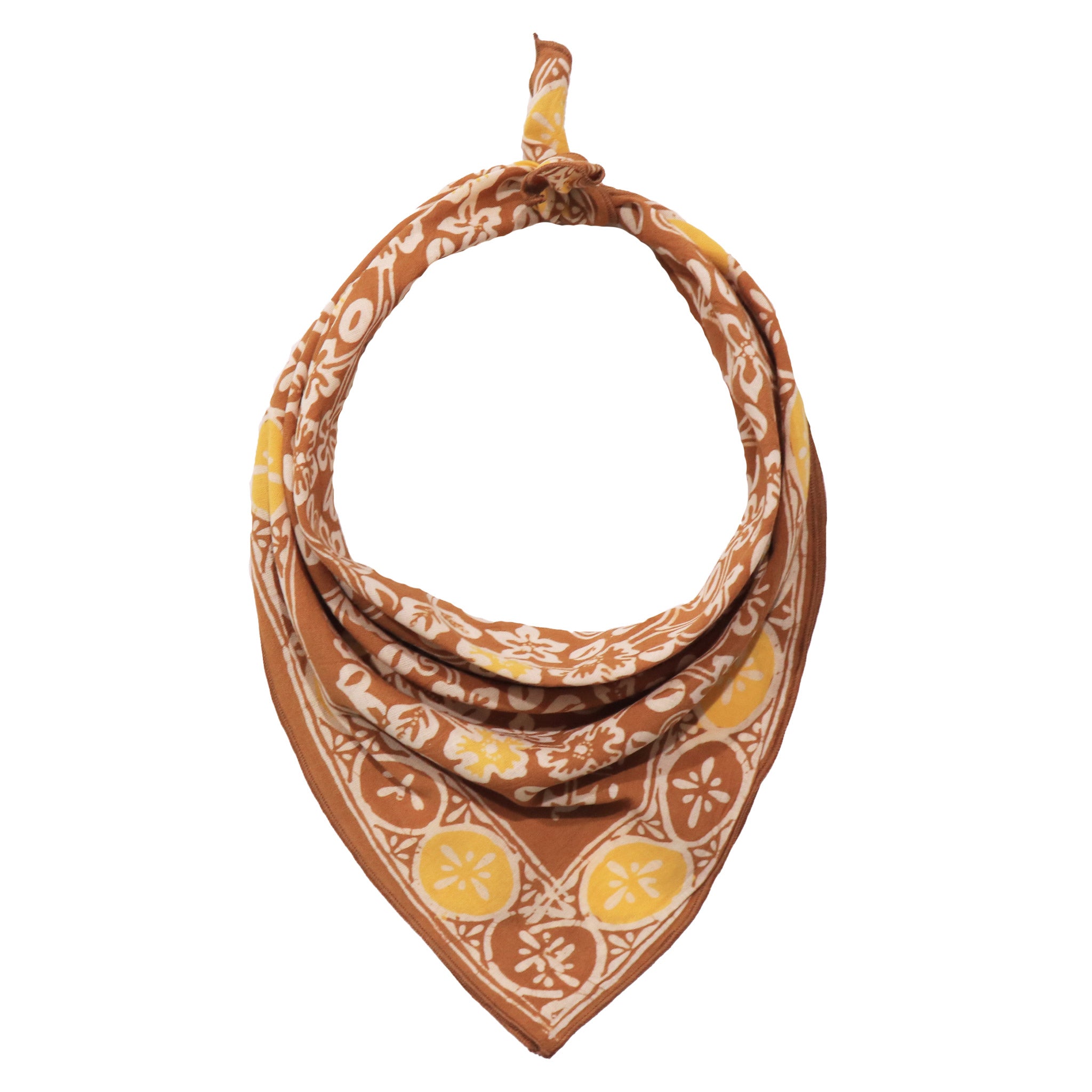
- Neckerchief (21"–23"). Fold into a triangle, drape the point in front, and knot the ends loosely at the back of your neck, or wear the knot to the side for a relaxed look.
- Ponytail or bun scarf (21"–23"). Fold into a 1"–2" strip and tie it around your ponytail or bun with a small bow or knot.
- Large neck or shoulder scarf (39"). Fold the large bandana into a triangle and wrap it around your neck like a shawl, or loop it twice for warmth.
- Dog bandana (21"–23"). Fold into a triangle and knot the ends behind your dog's neck, leaving two fingers of space. Breathable 100% cotton is gentle on fur and skin.
- Gift wrap or bag accent (any size). Wrap a gift Japanese furoshiki-style and knot the corners on top, or tie the bandana to a tote handle. The wrapping becomes part of the gift.
Batik Tulis vs. Batik Cap vs. Printed Batik: How to Spot Real Batik
"Batik" describes a process, not just a look. True batik is made with hot wax that resists dye, and the technique has been practiced on Java for centuries. Many inexpensive "batik-style" bandanas are simply screen-printed with a batik pattern. Here is how the three compare.
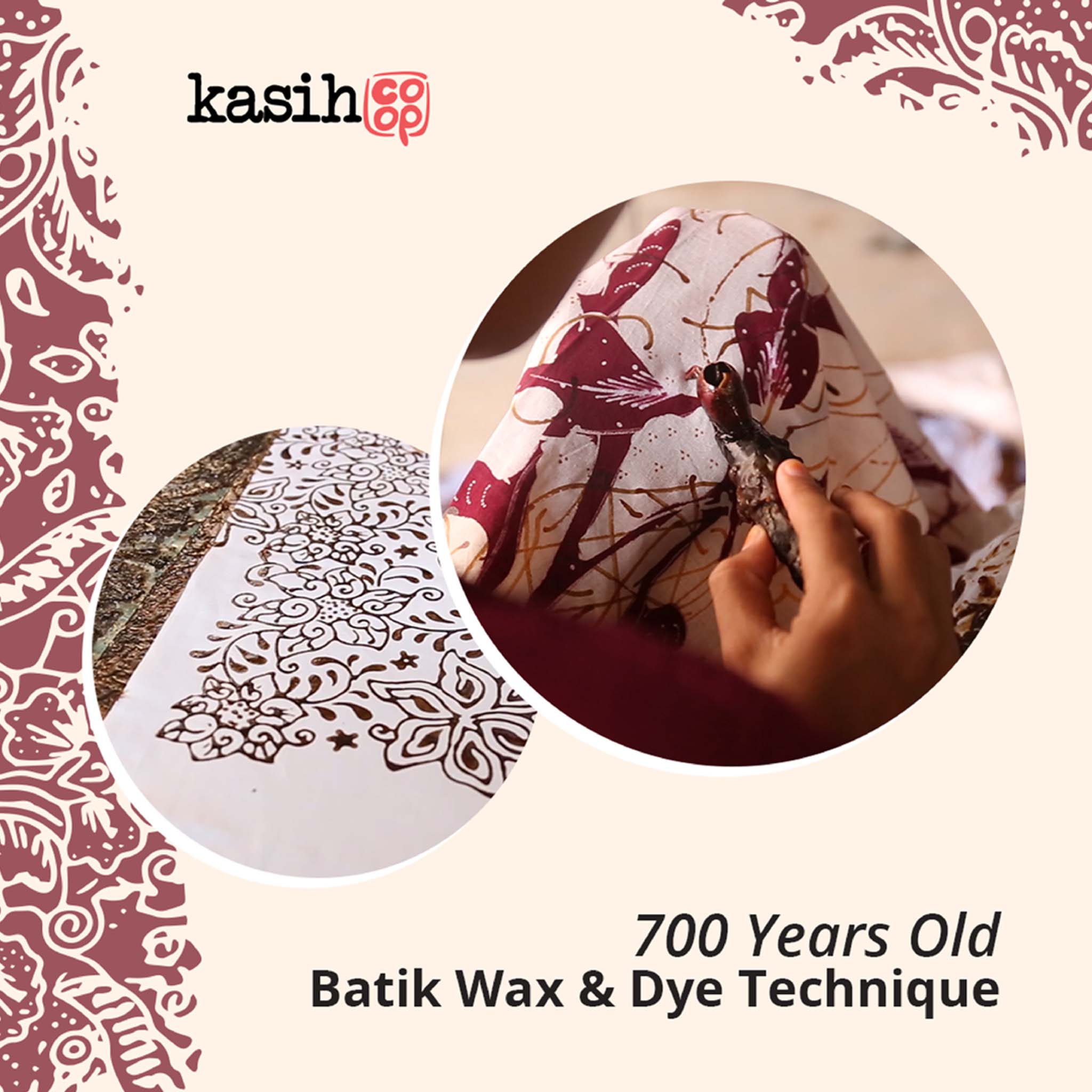
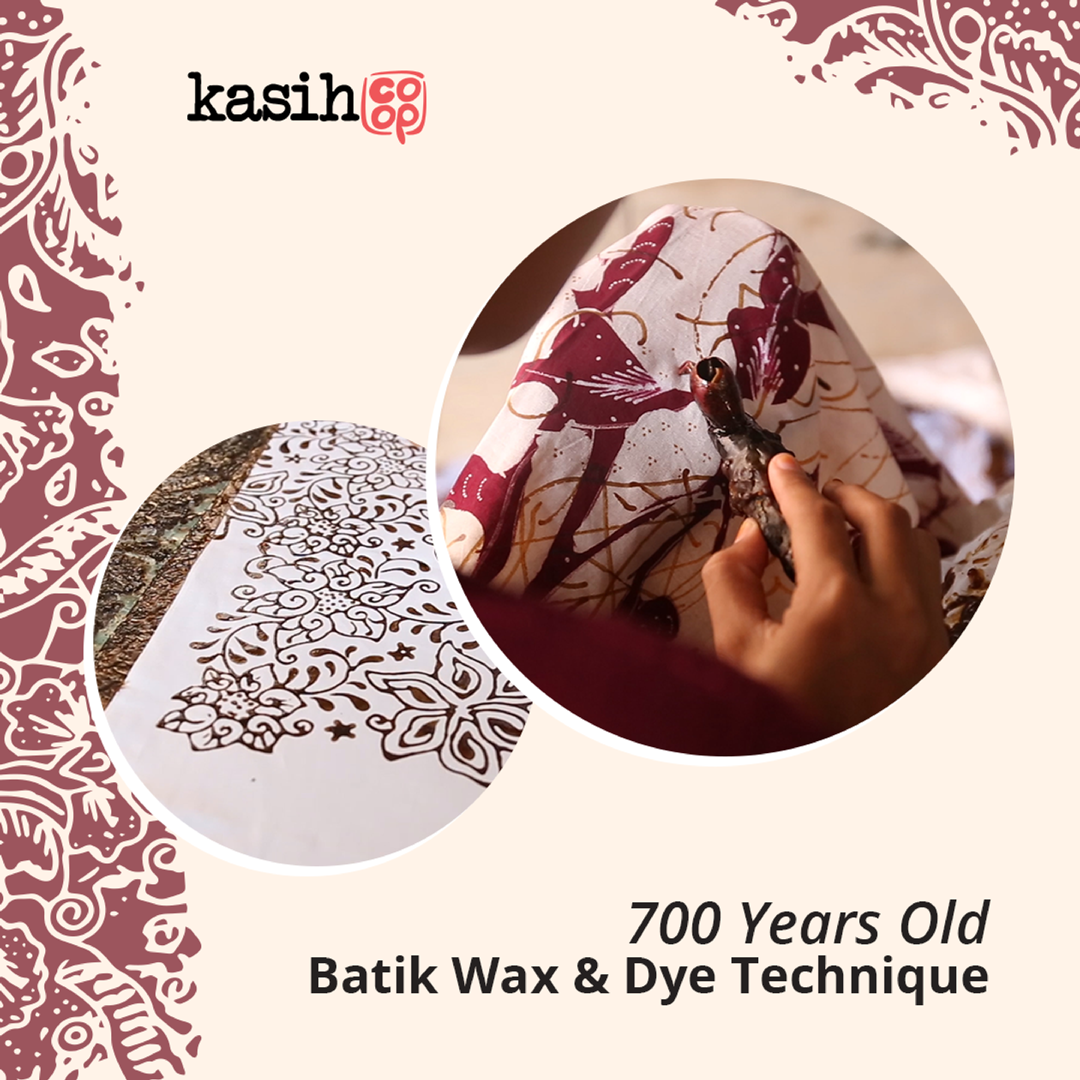
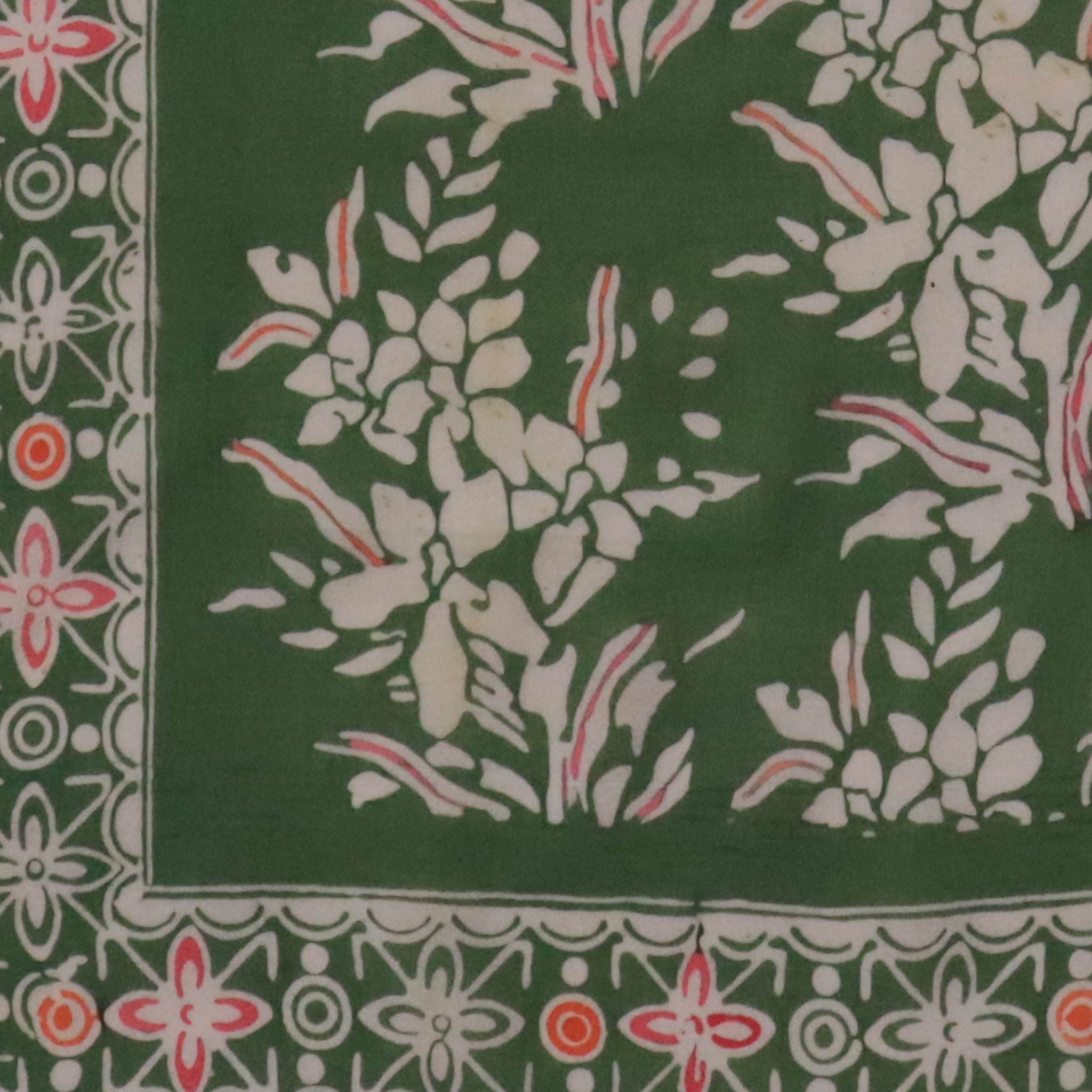
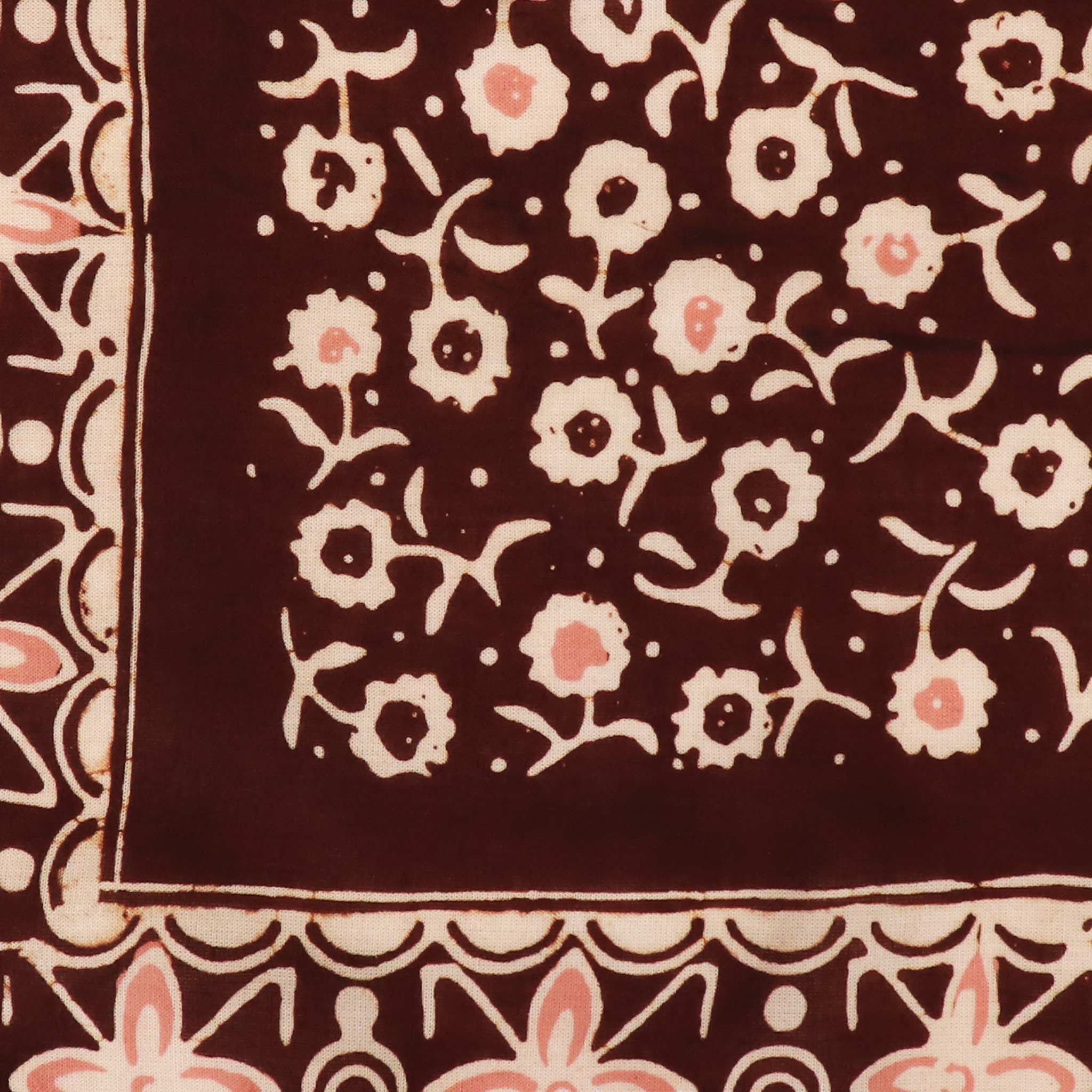
- Batik tulis (hand-drawn). An artisan draws every line of hot wax by hand with a canting, a small copper pen. It is the most time-consuming and most valued form of batik: one of our batik tulis bandanas takes about 10 hours of handwork, from drawing to dyeing to wax removal, before it's sun-dried. Look for tiny irregularities in line thickness and dots that show the human hand.
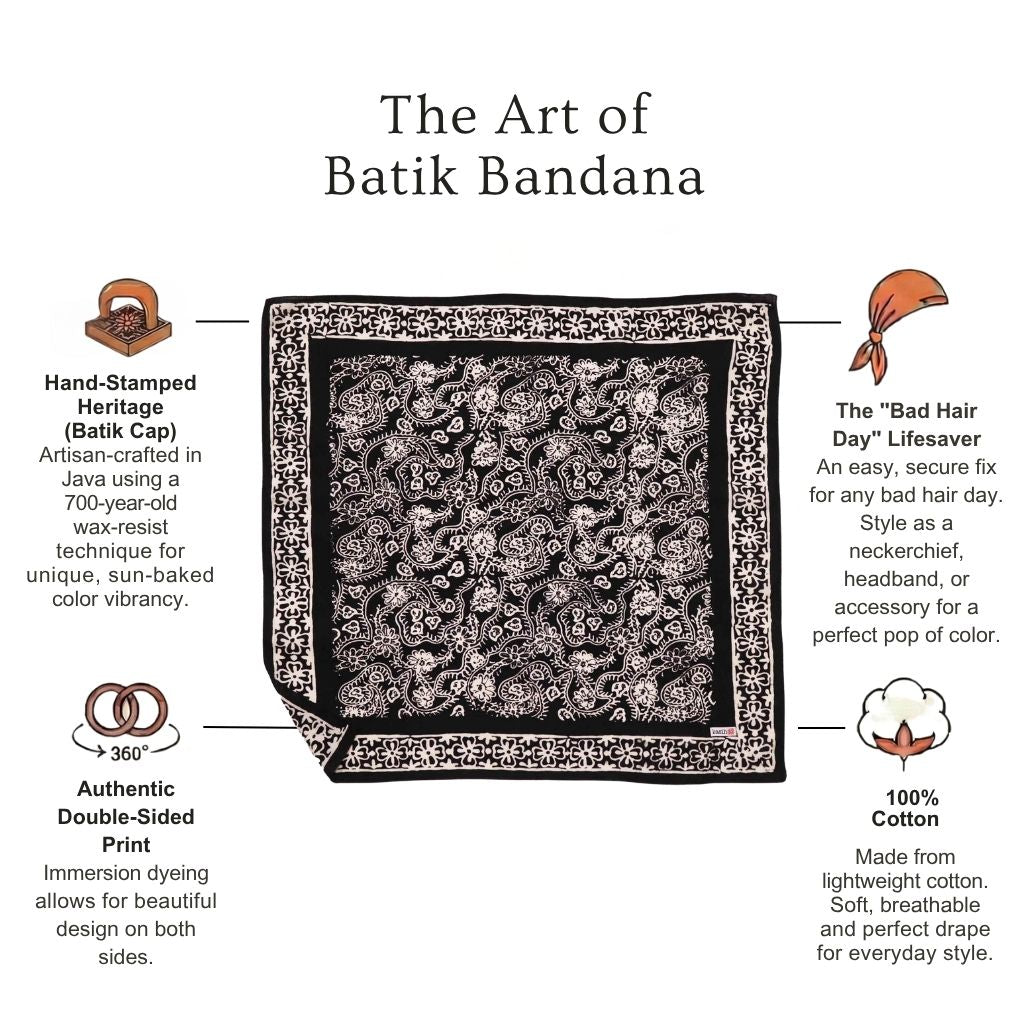
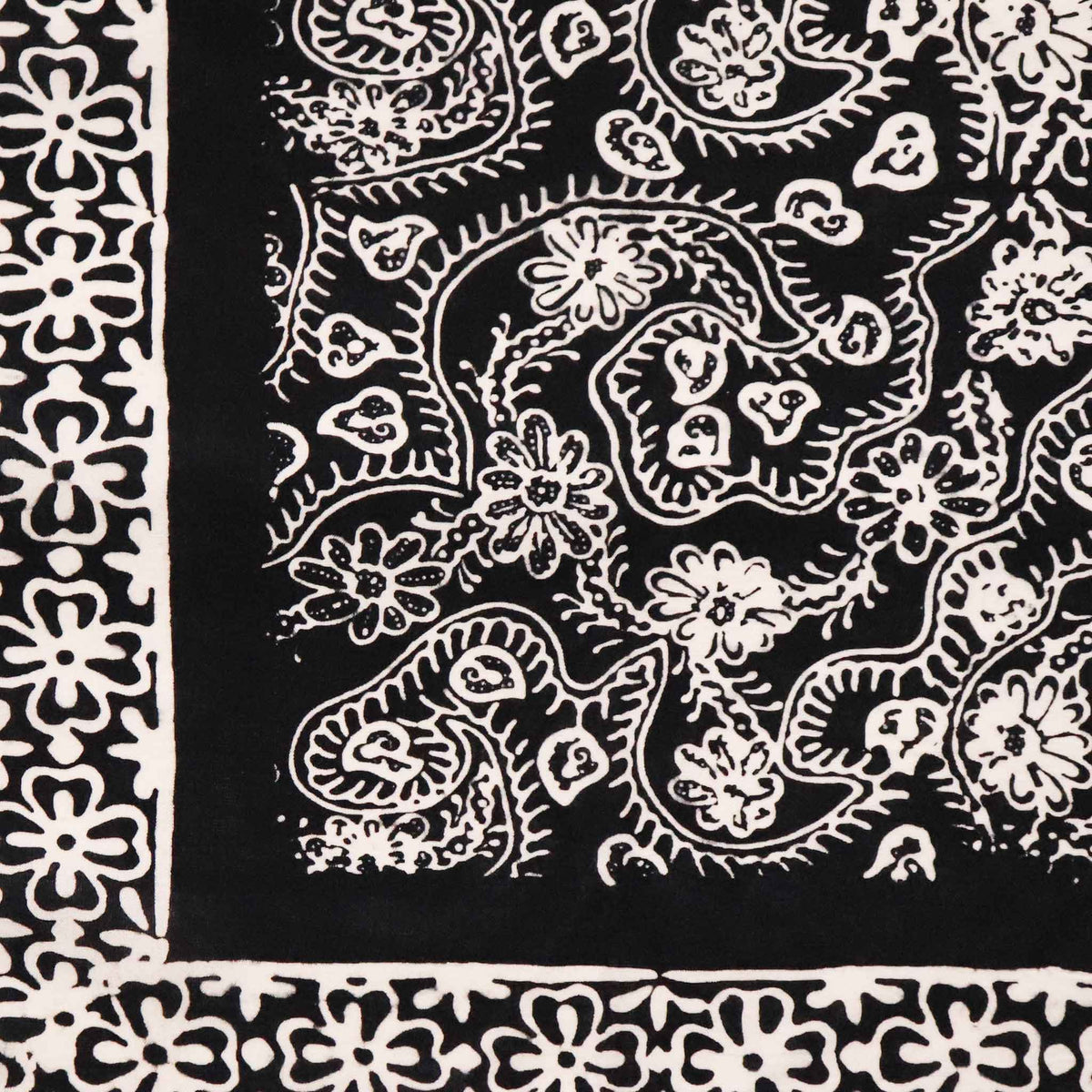
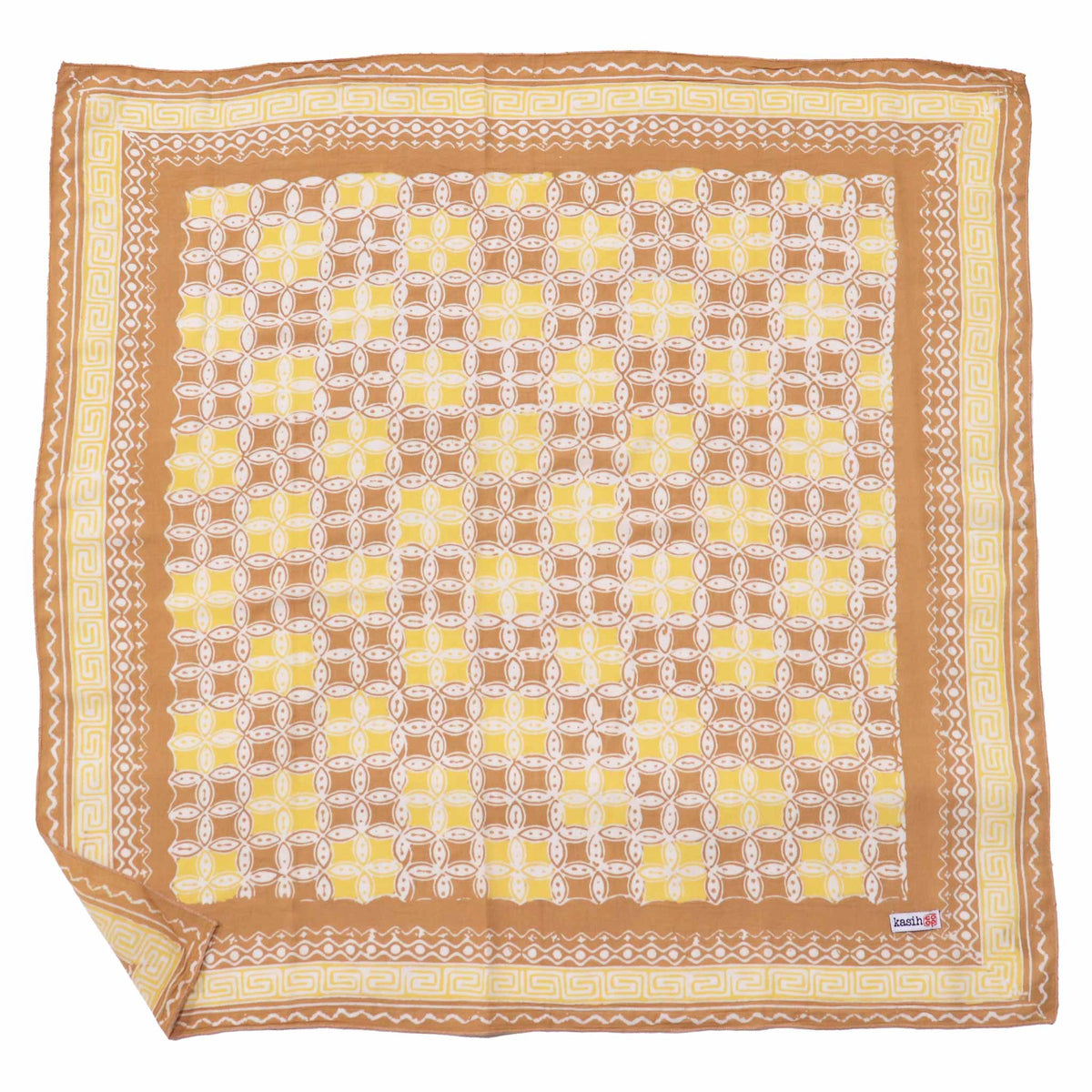
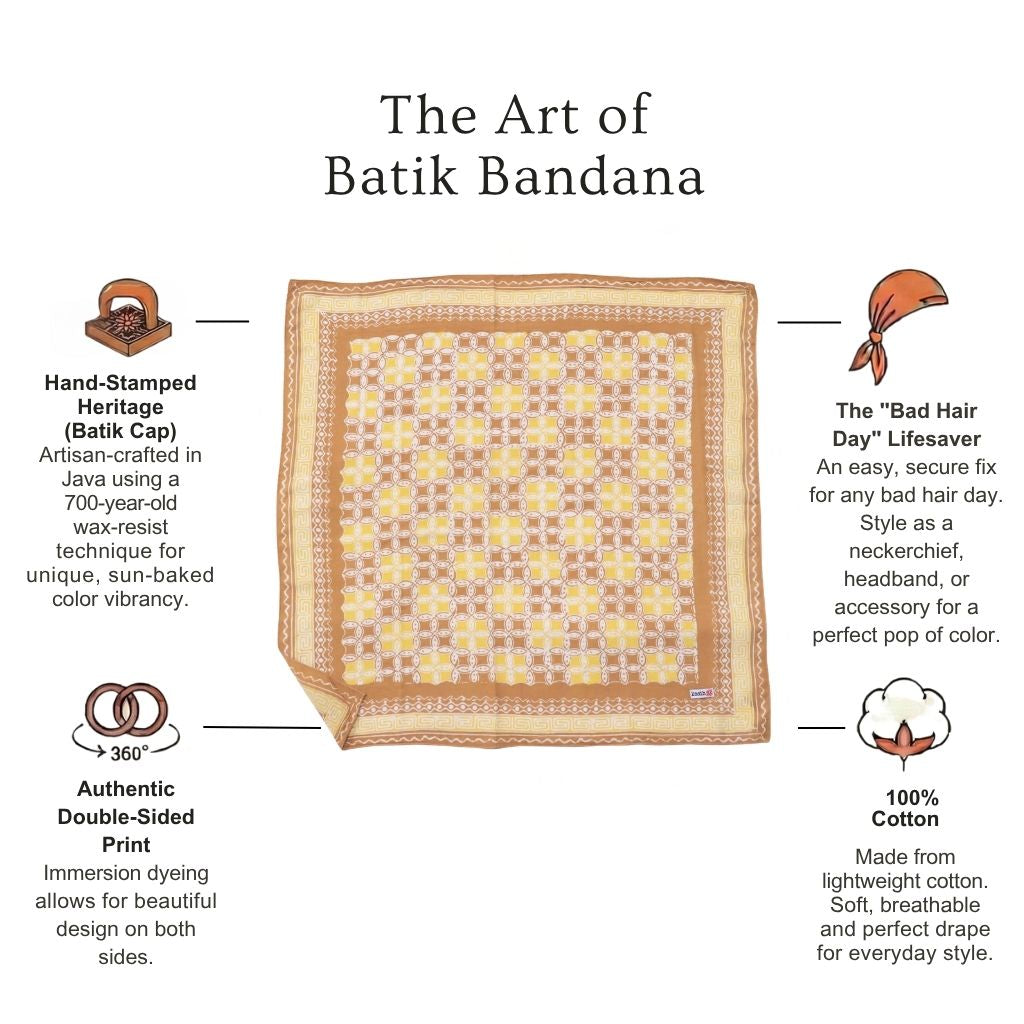
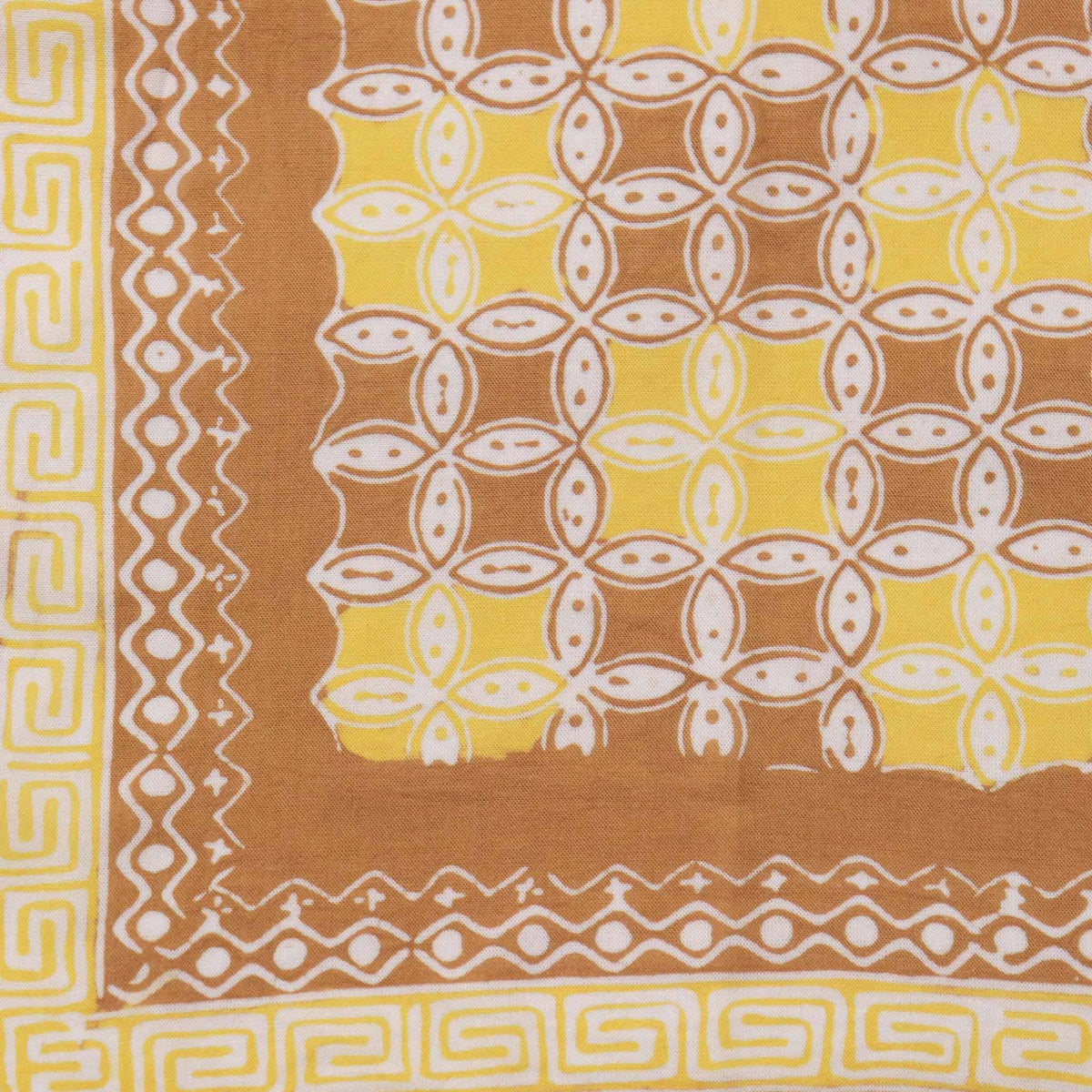
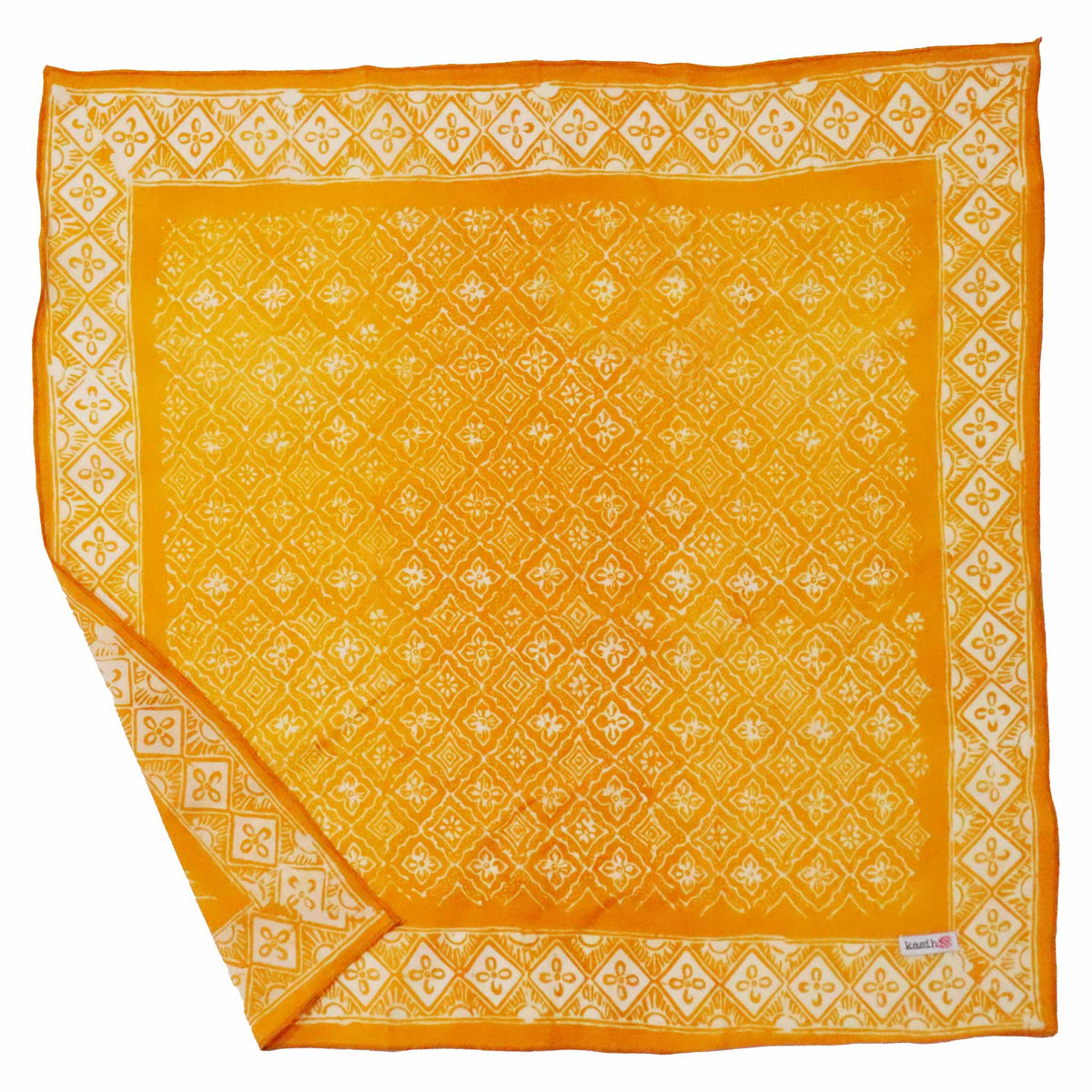
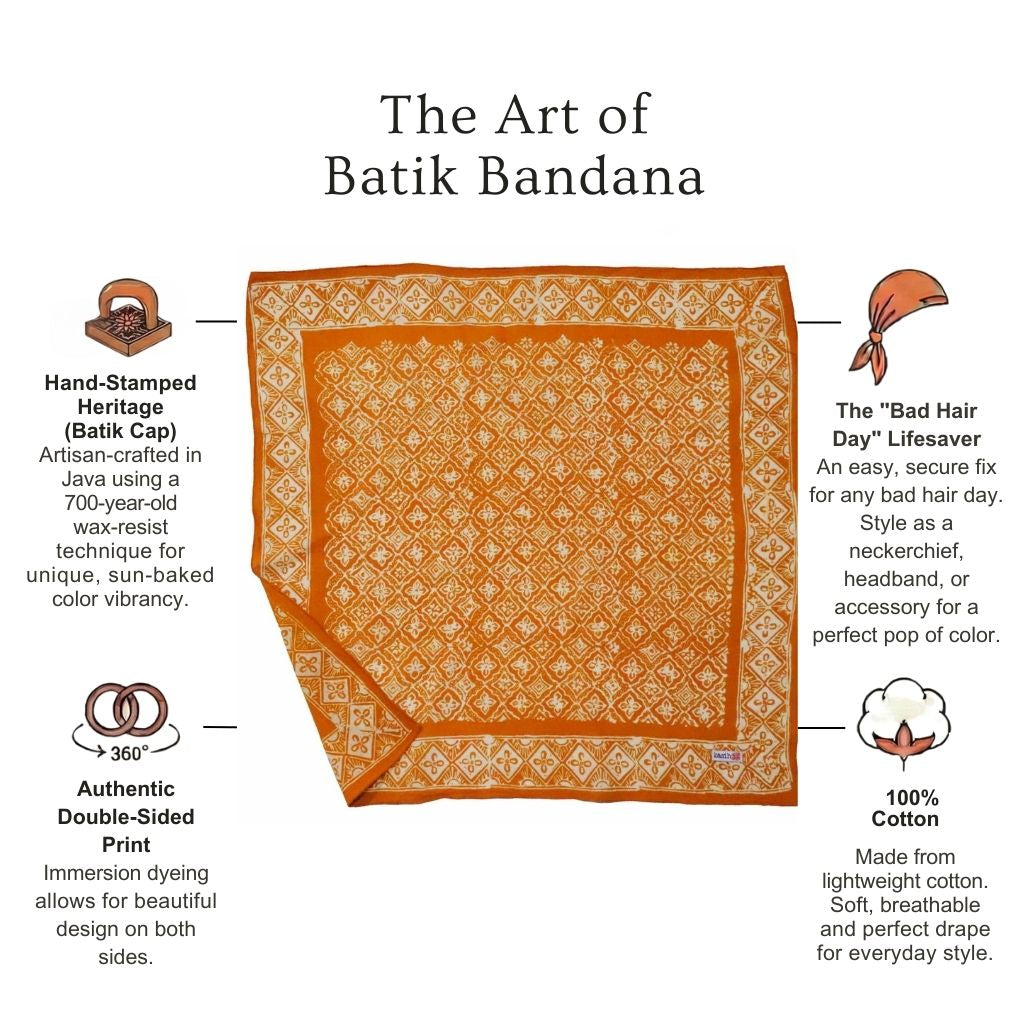
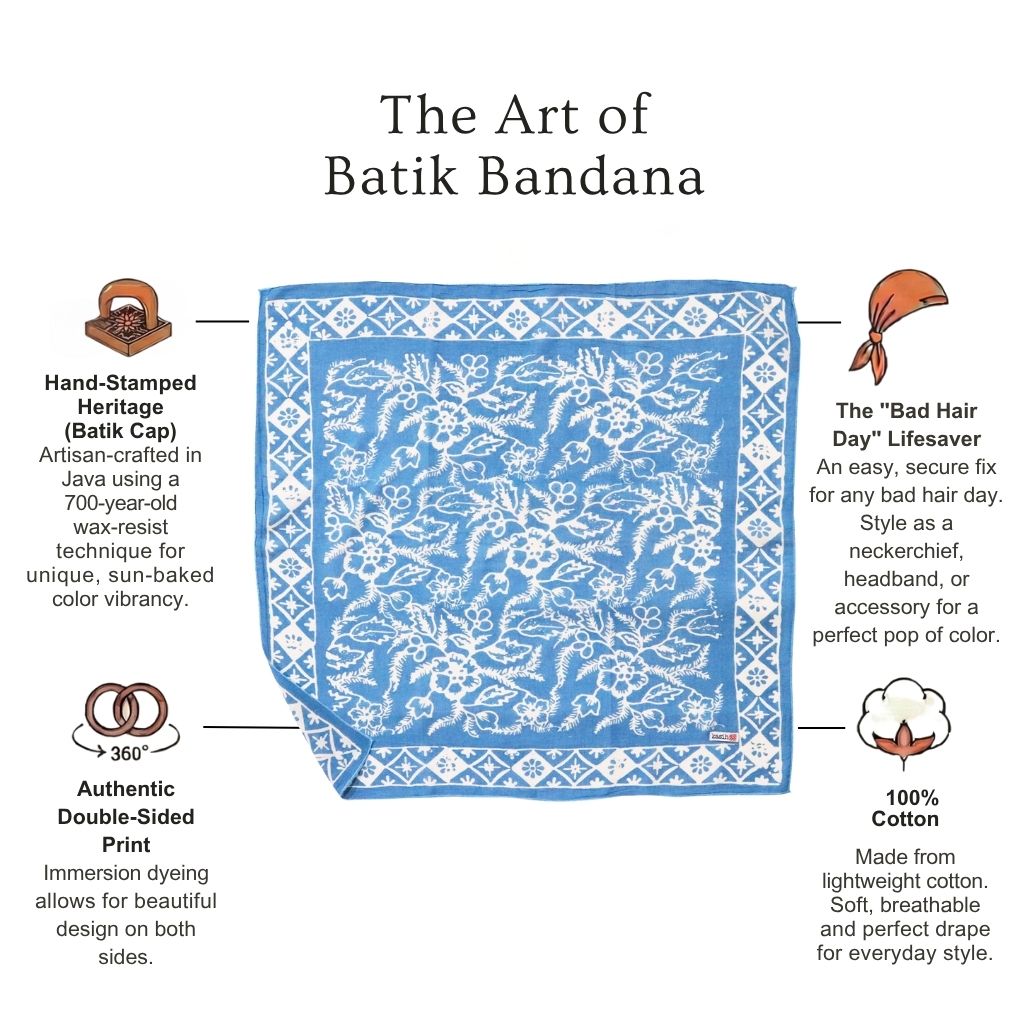
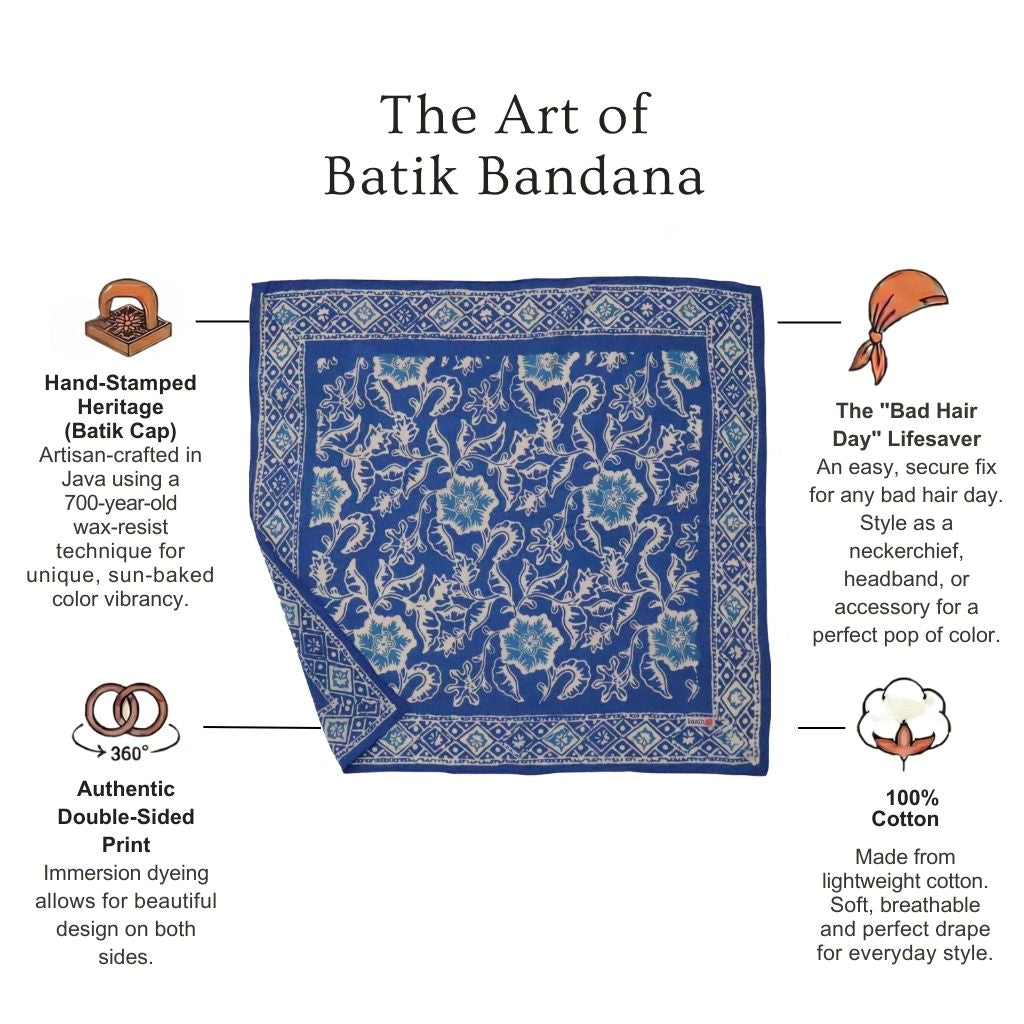
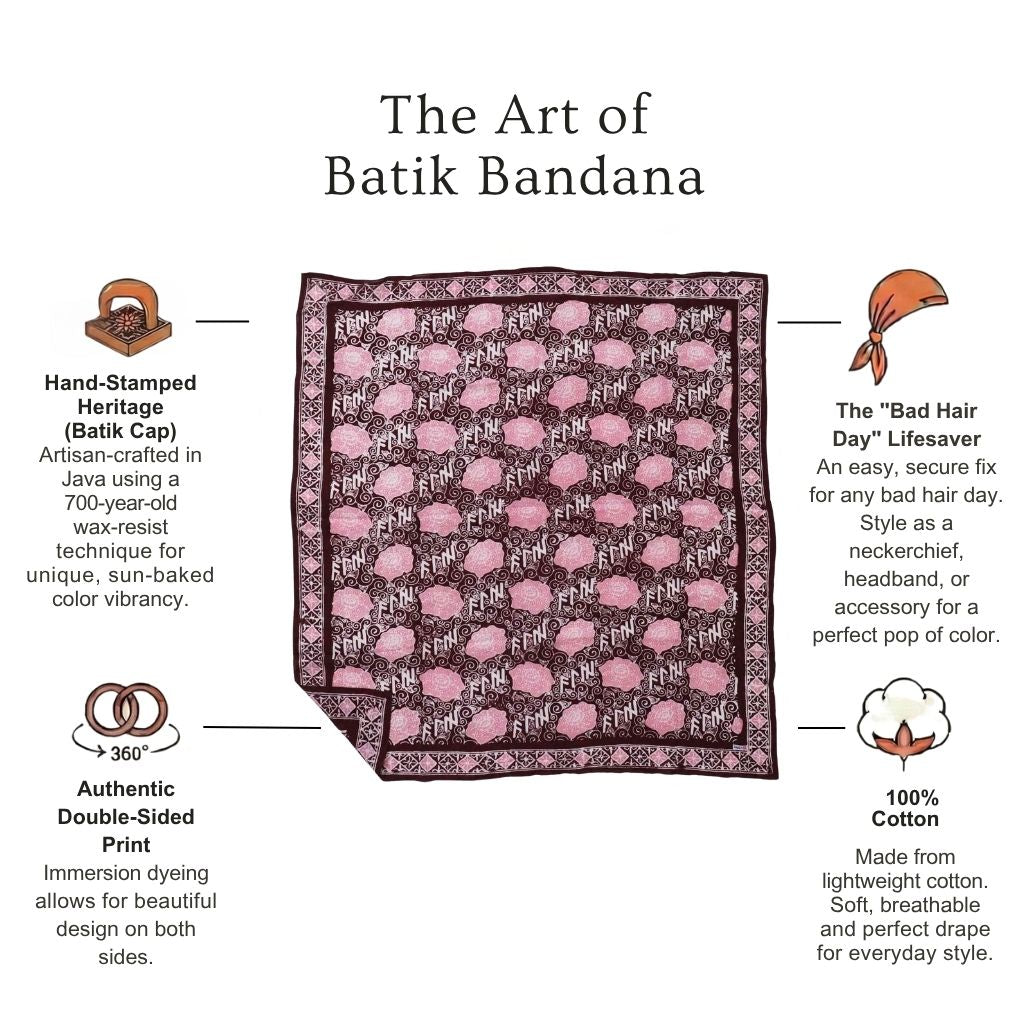
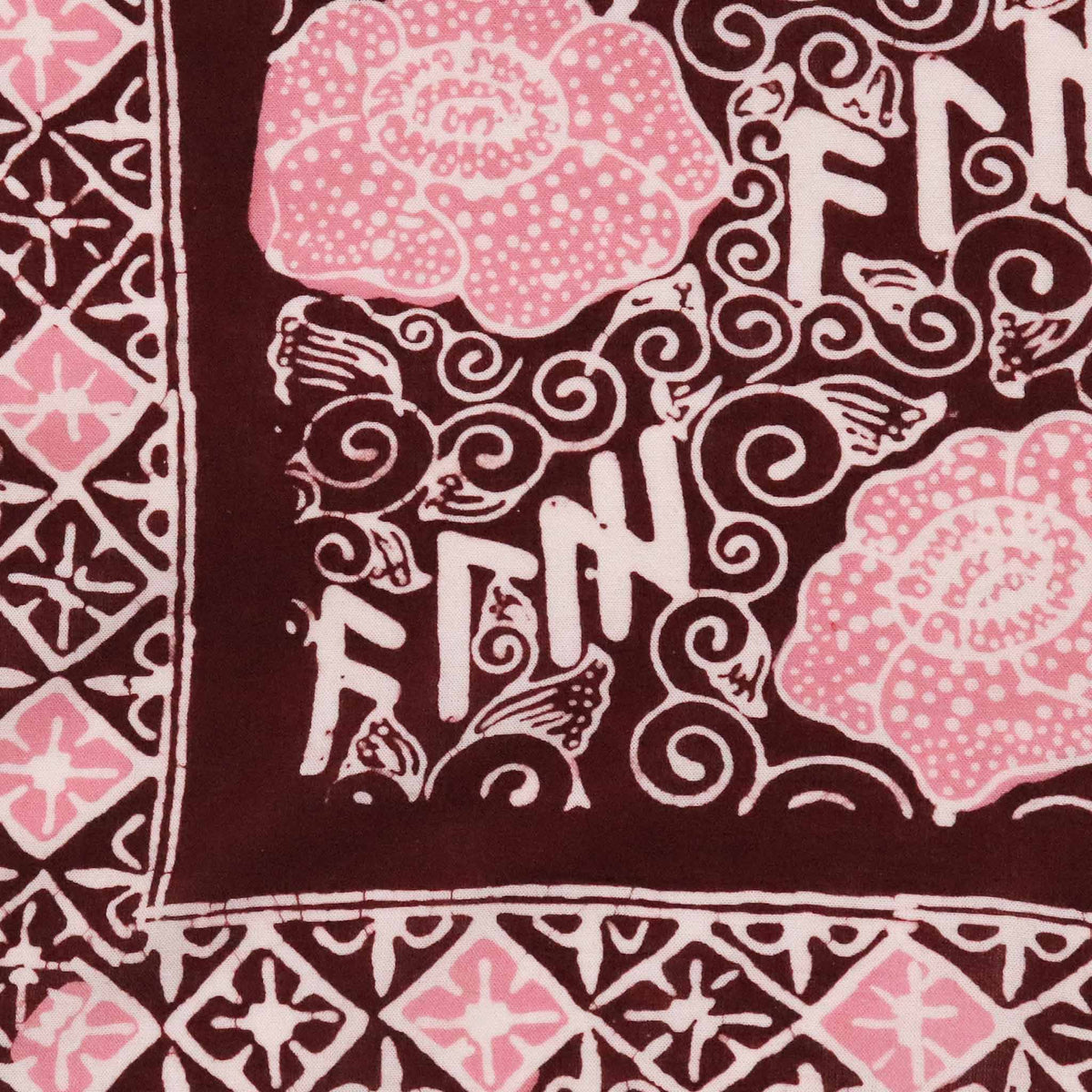
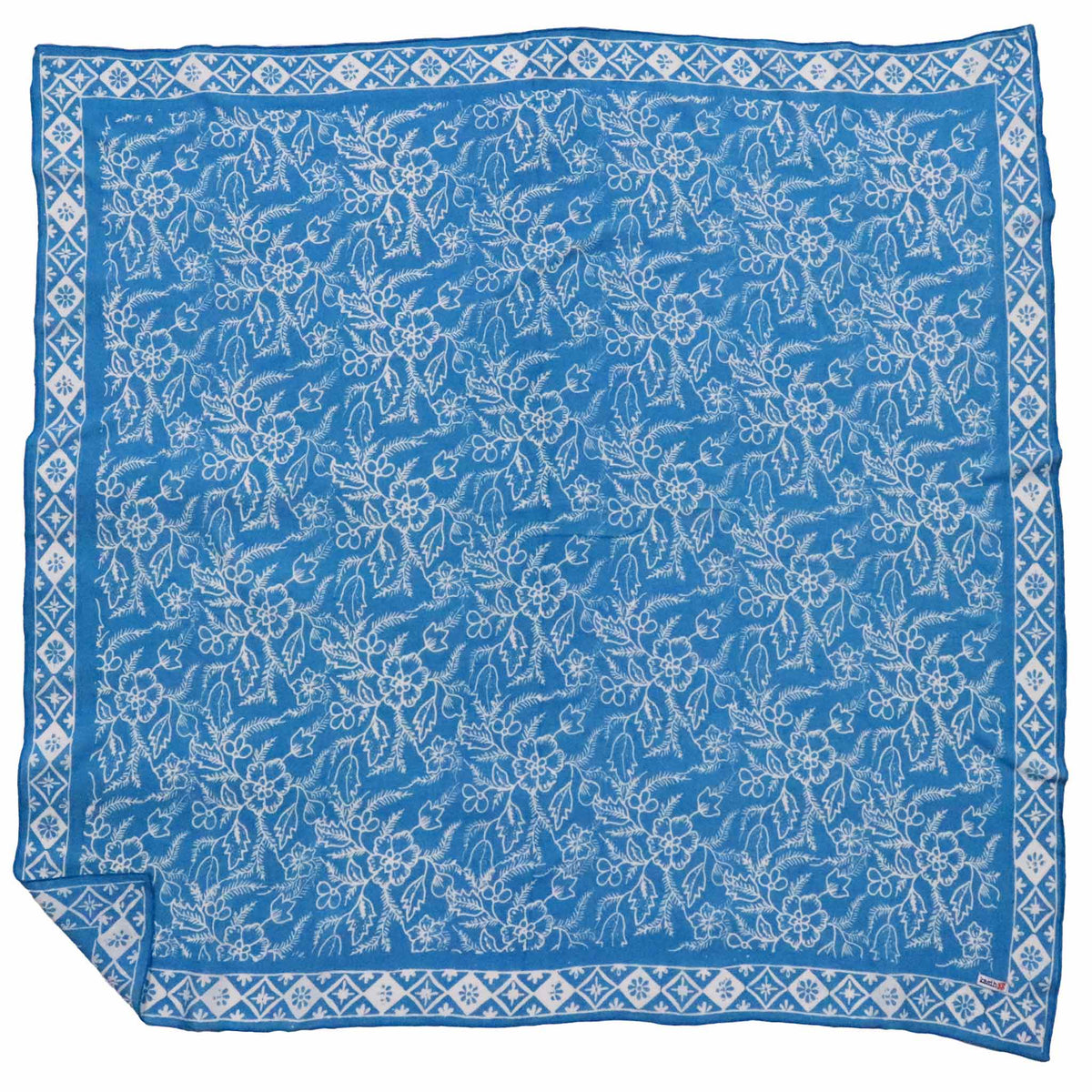
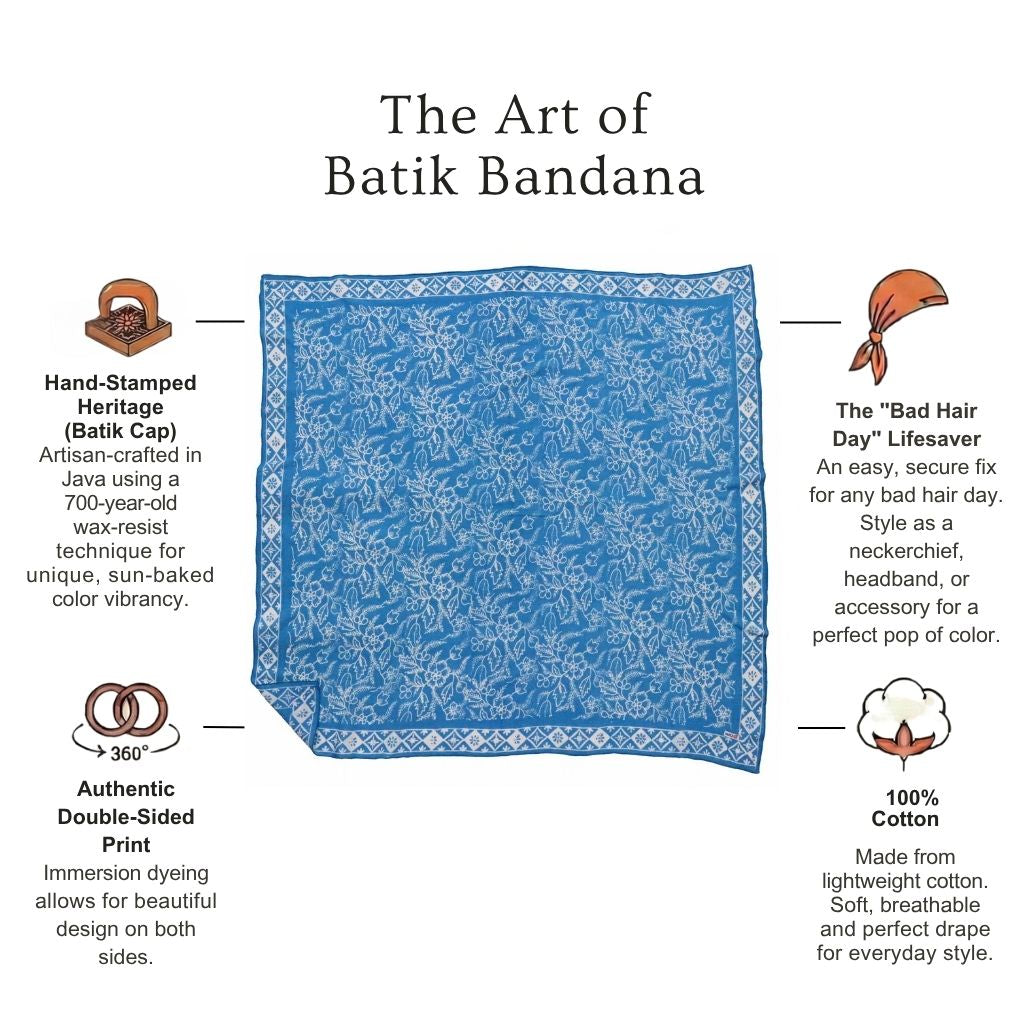
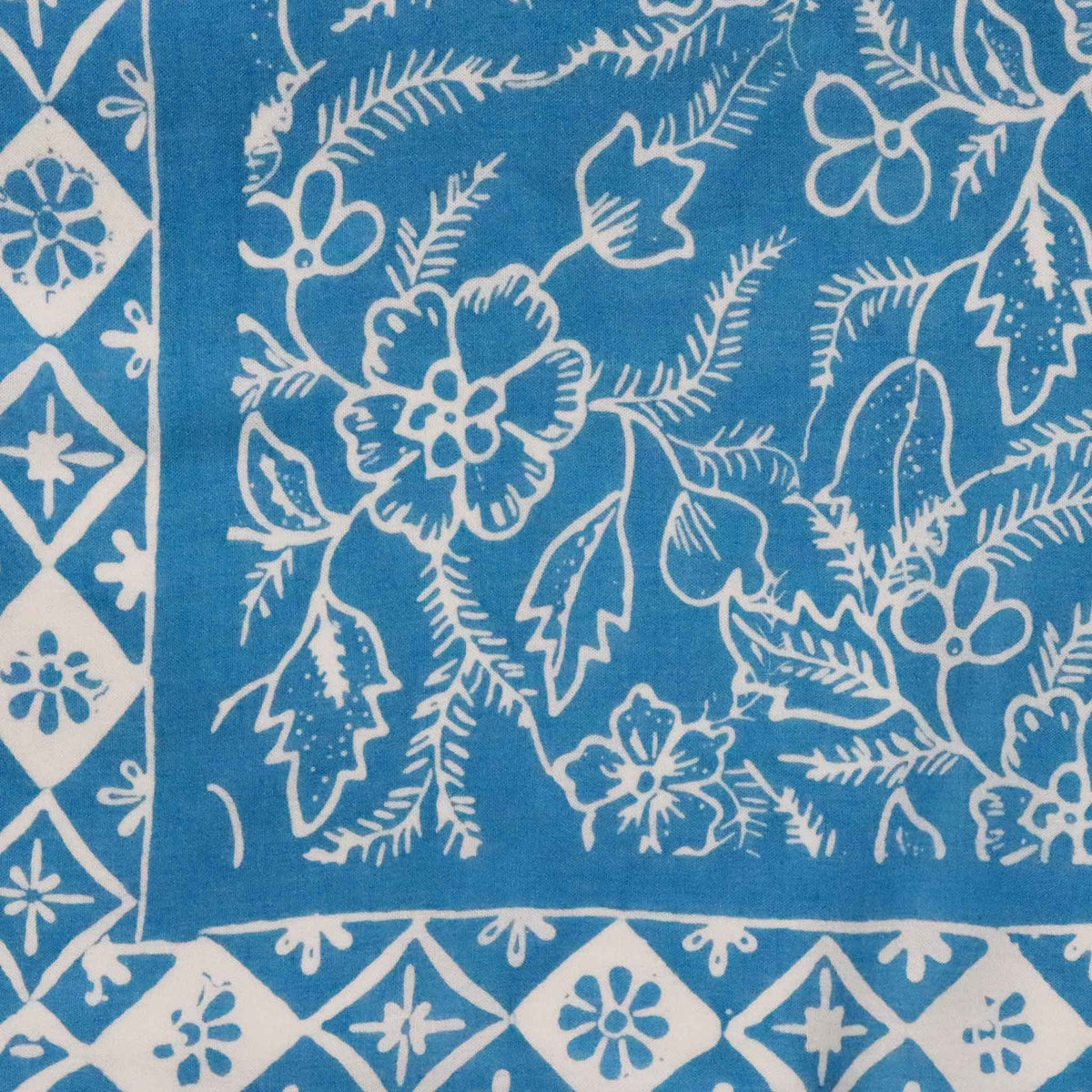
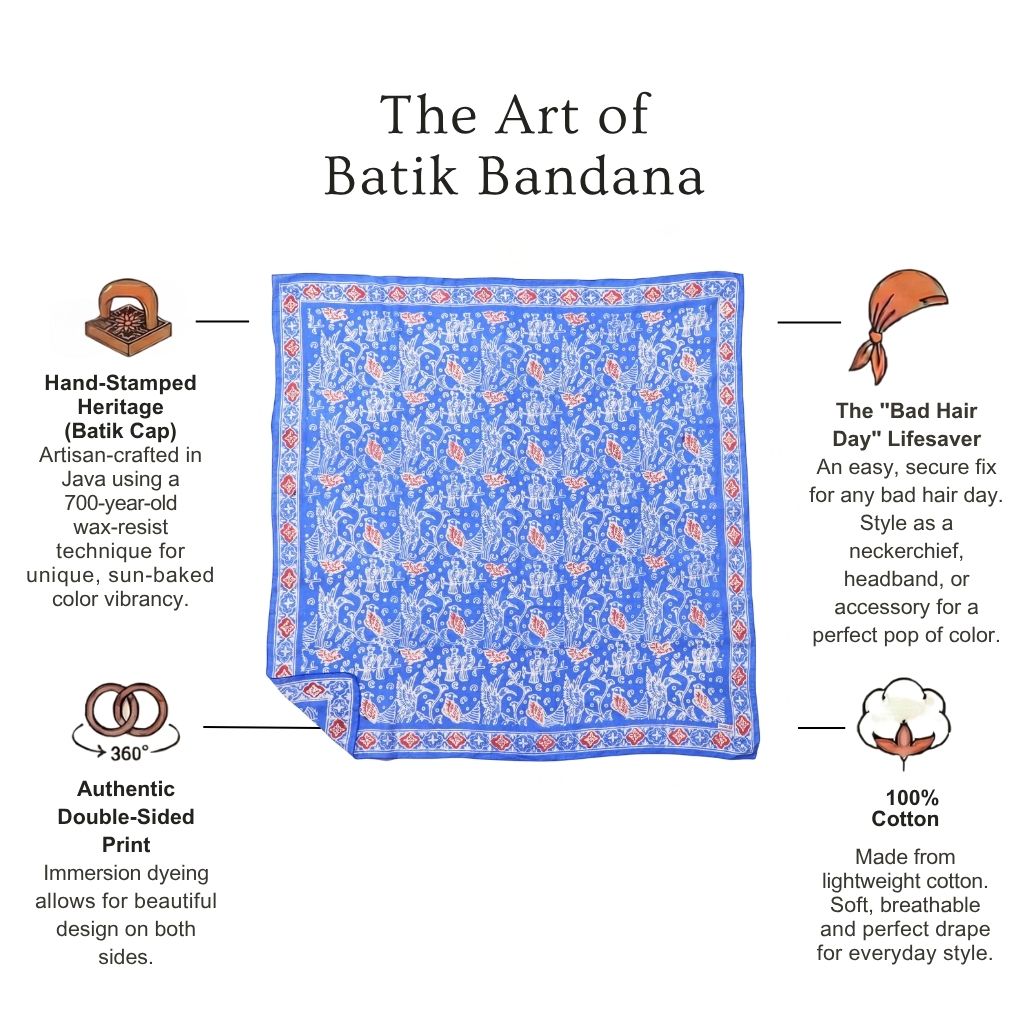
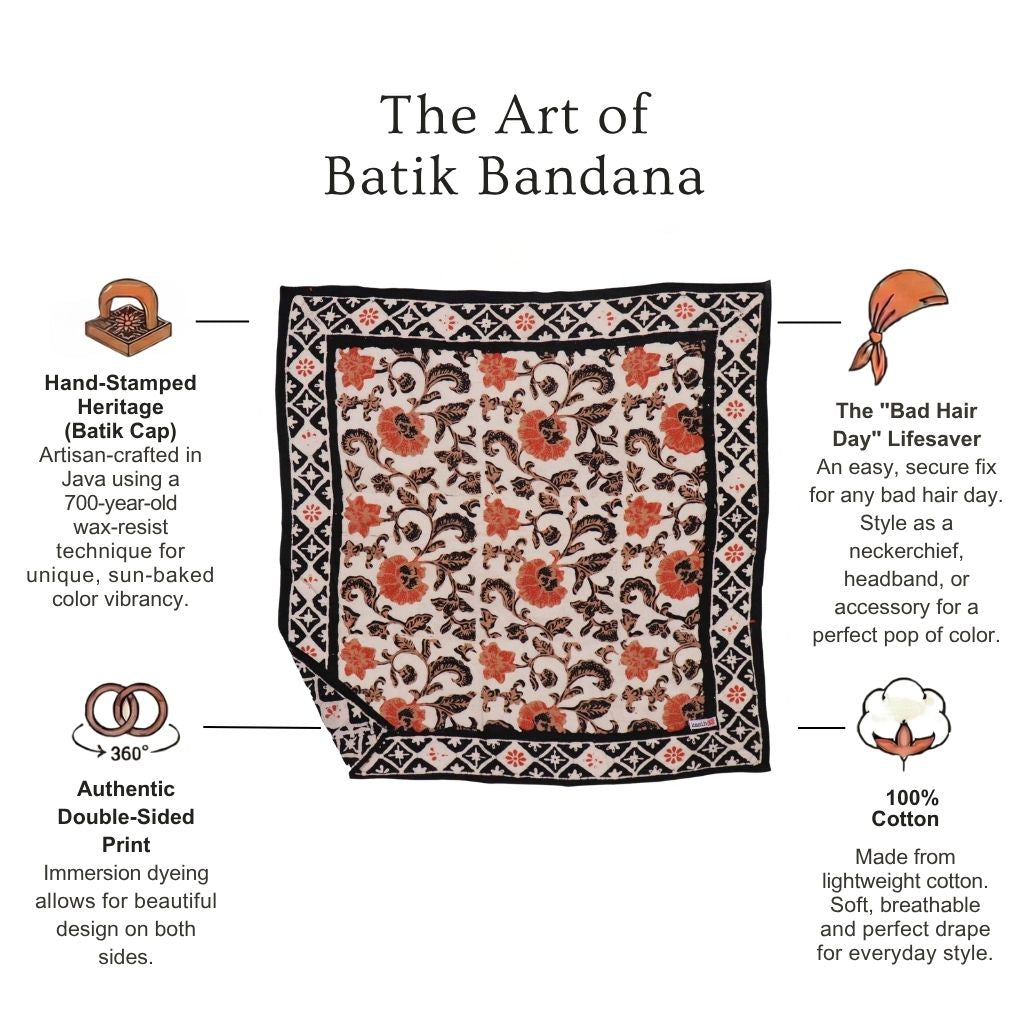
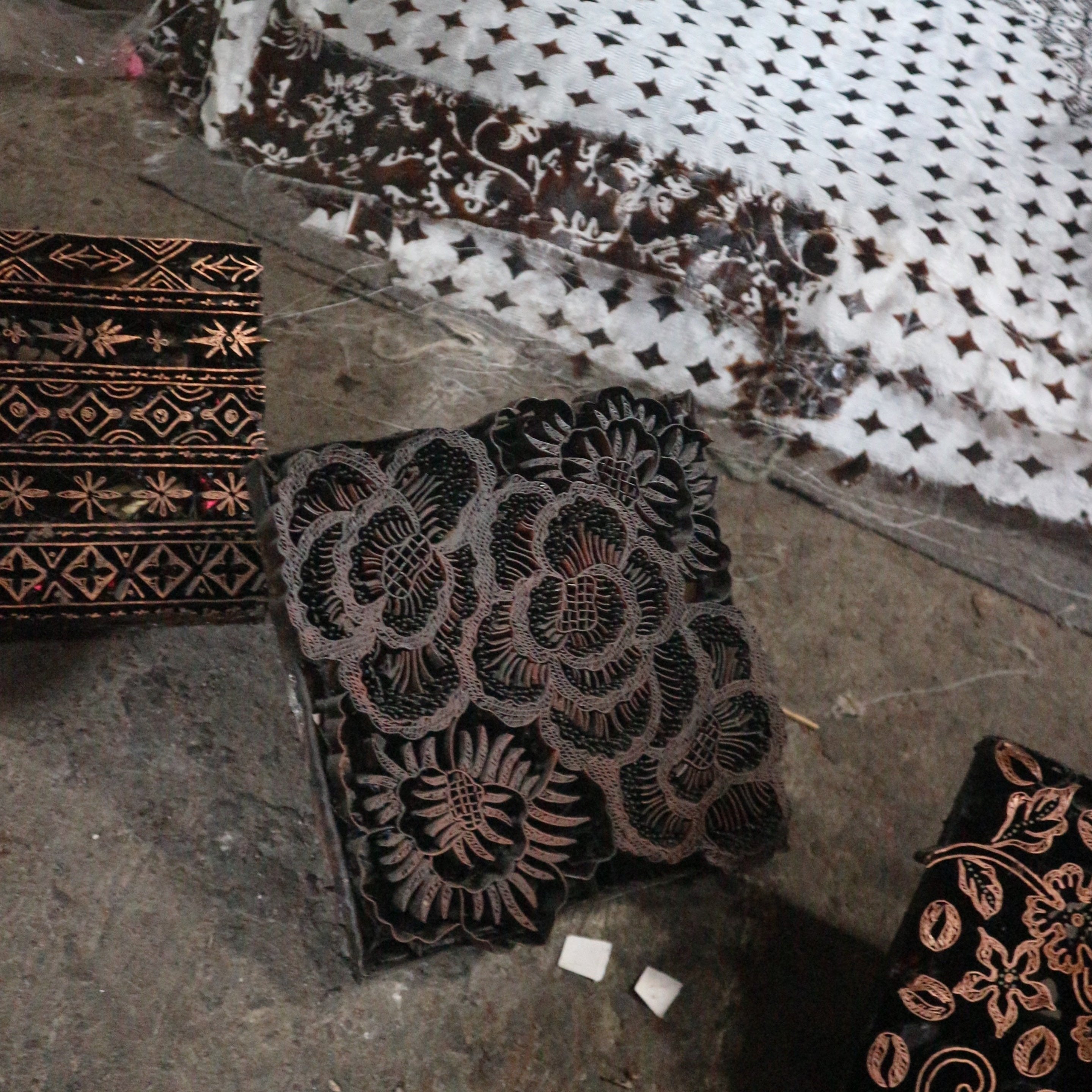
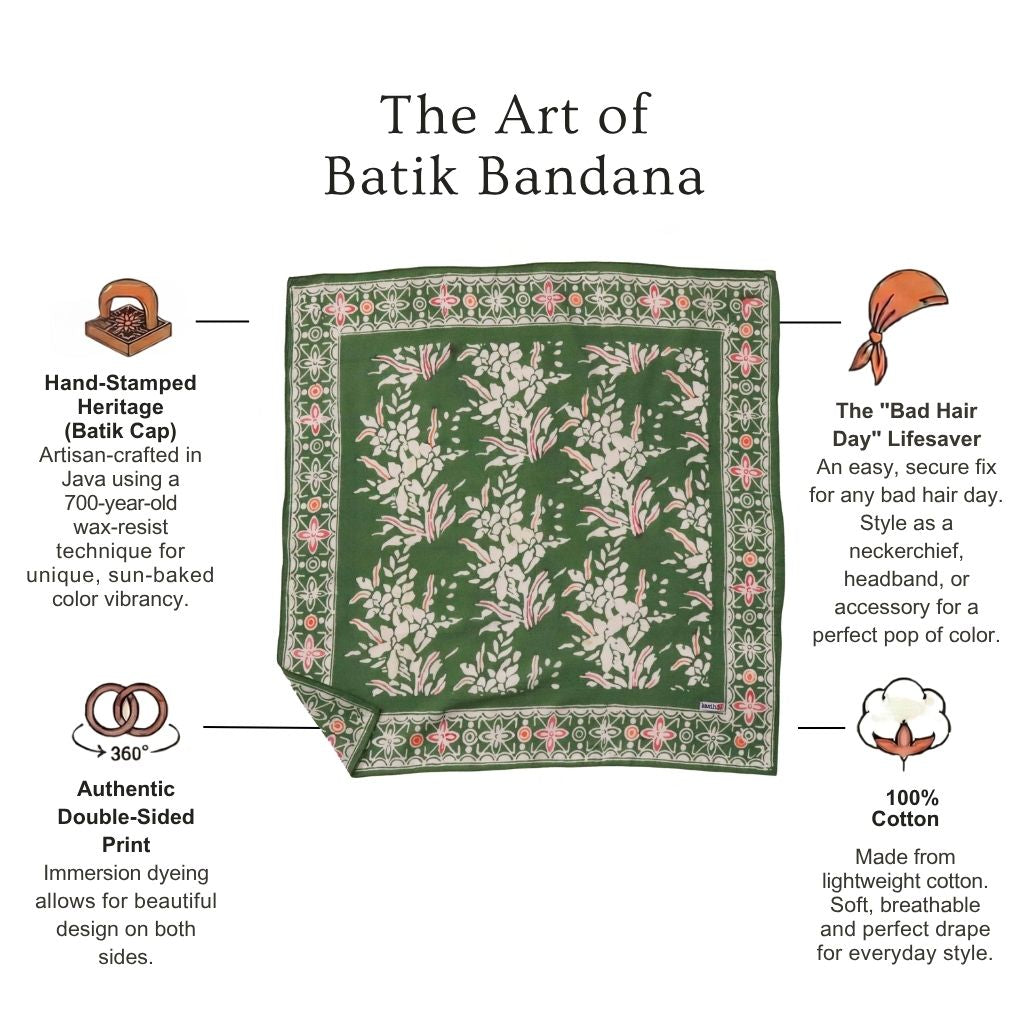
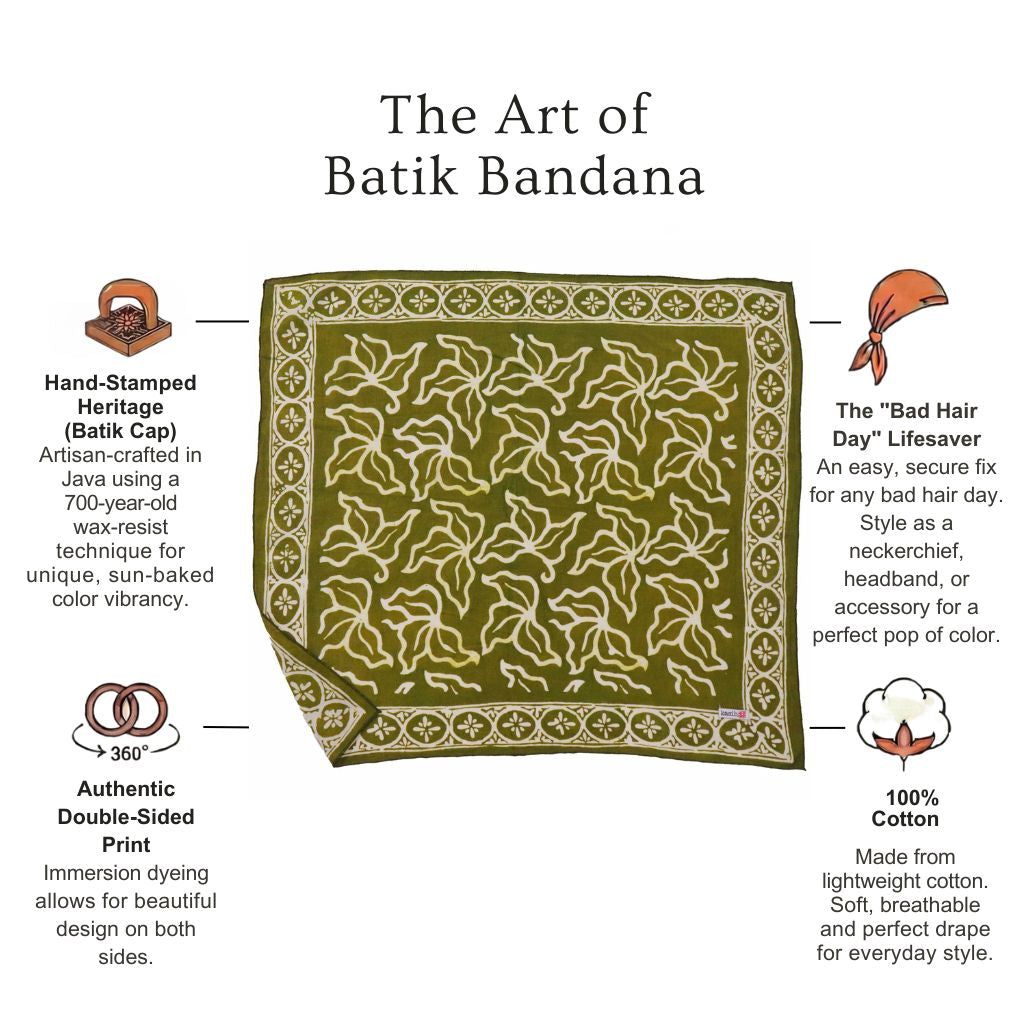
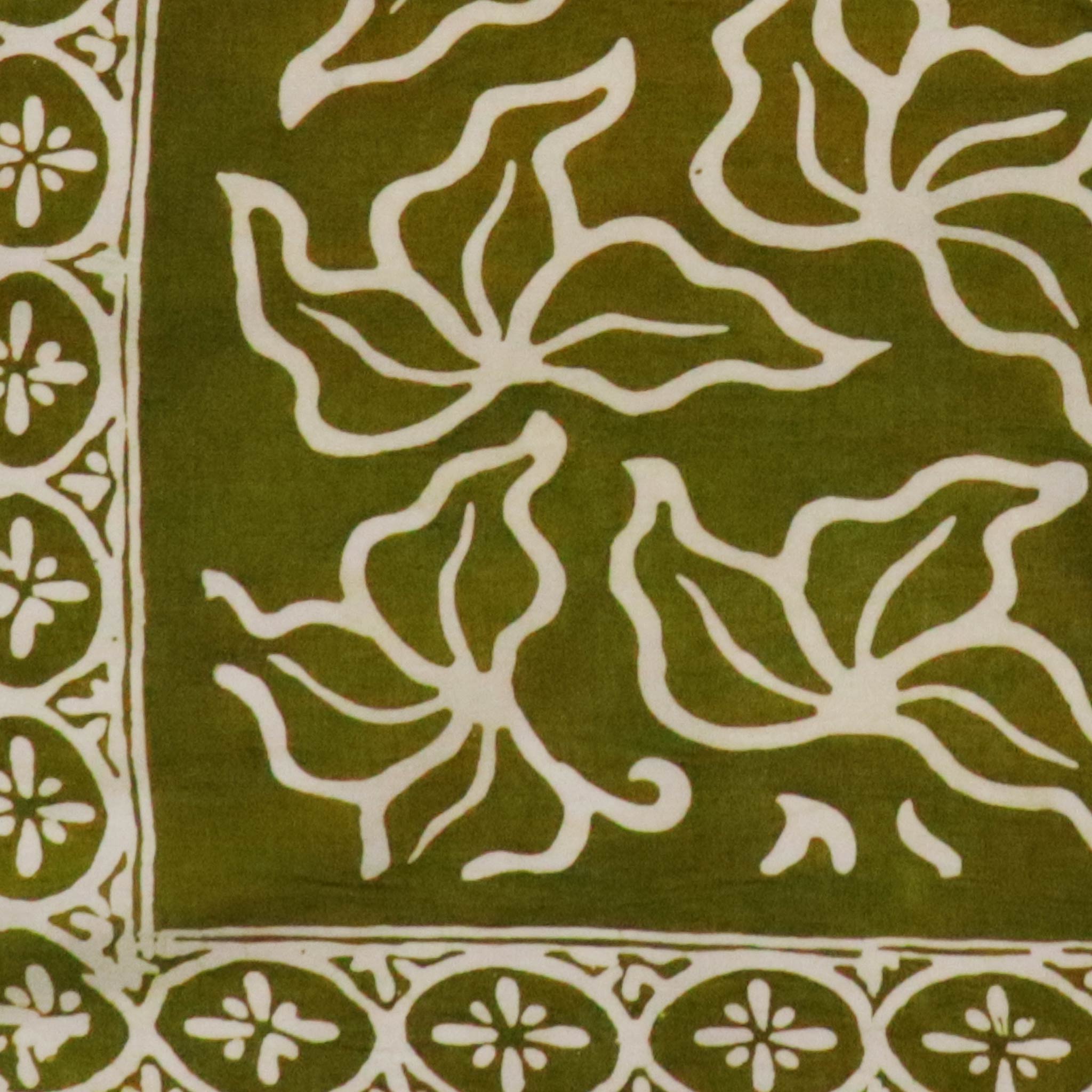
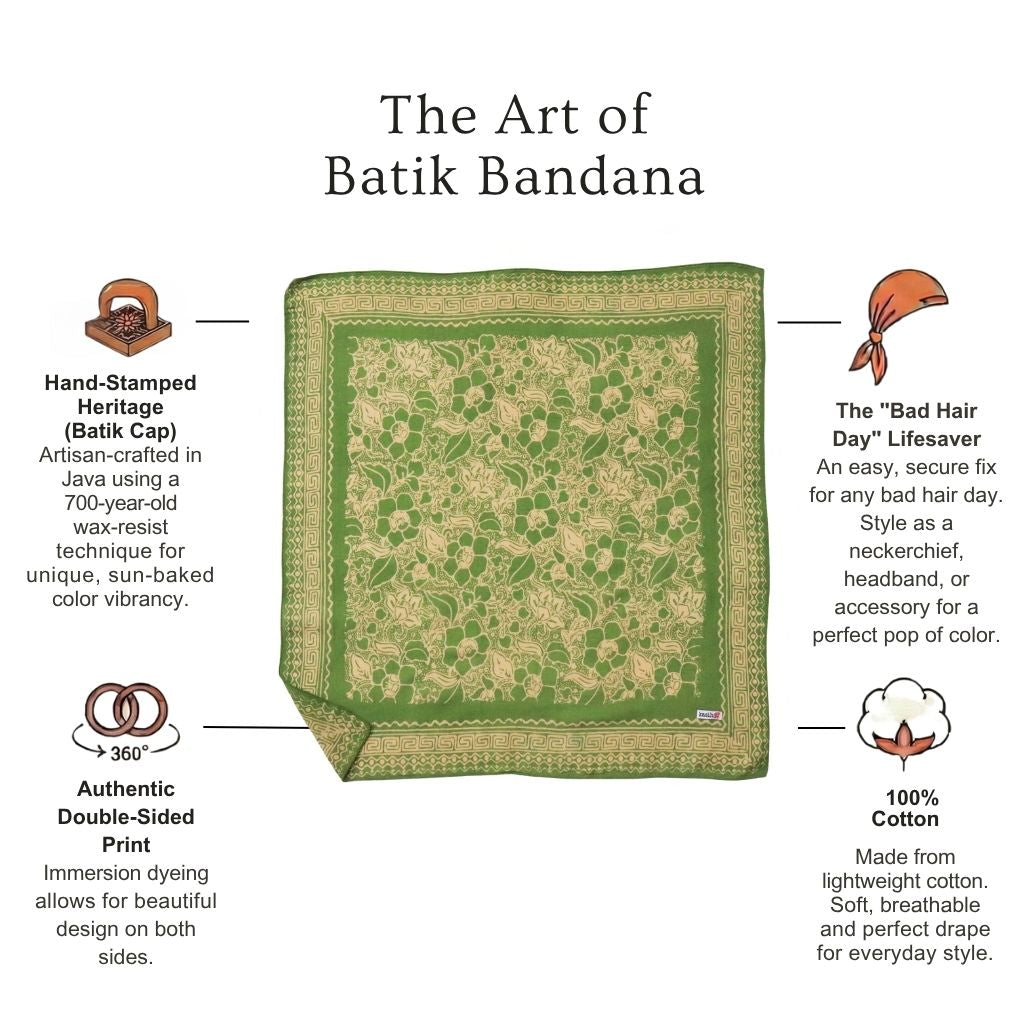
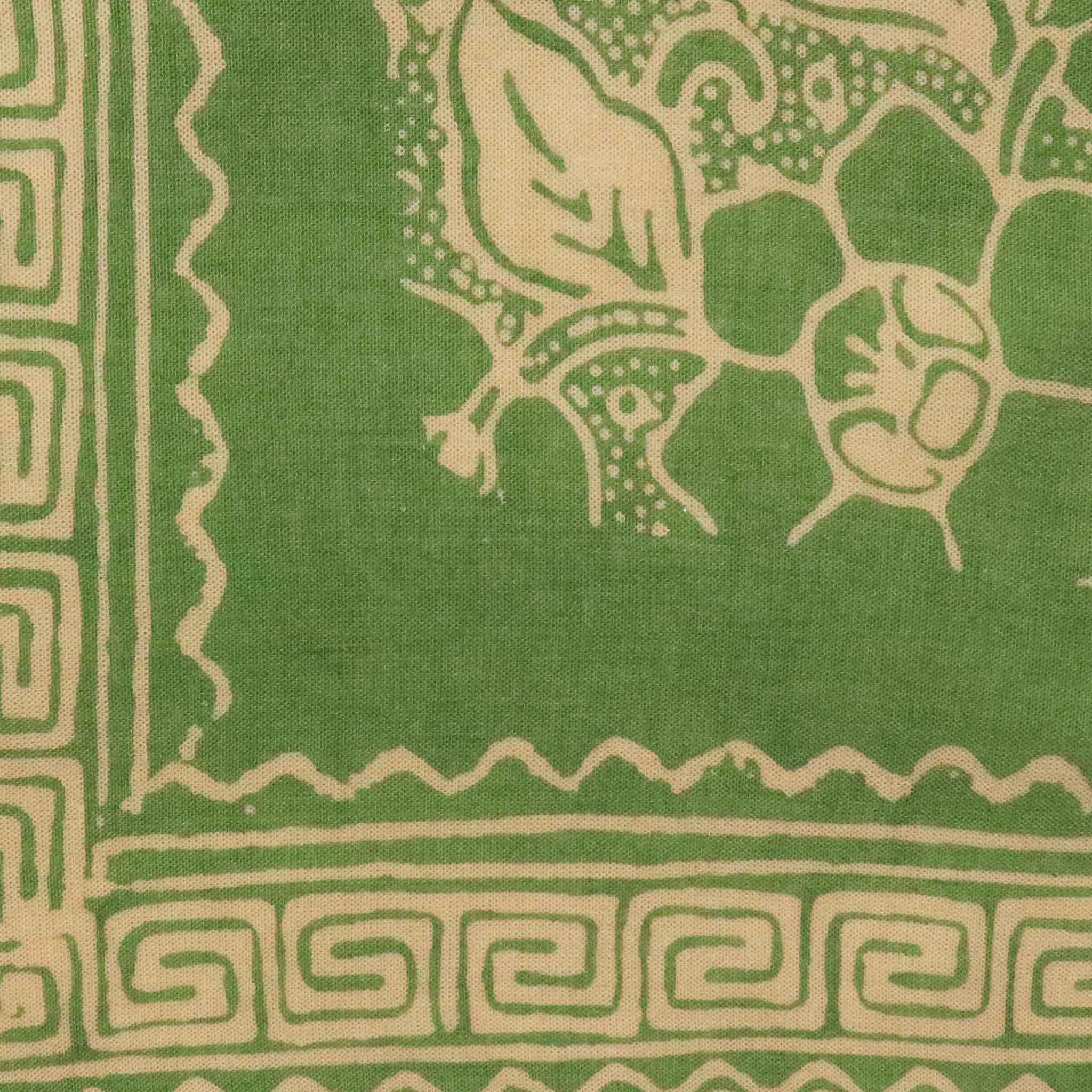
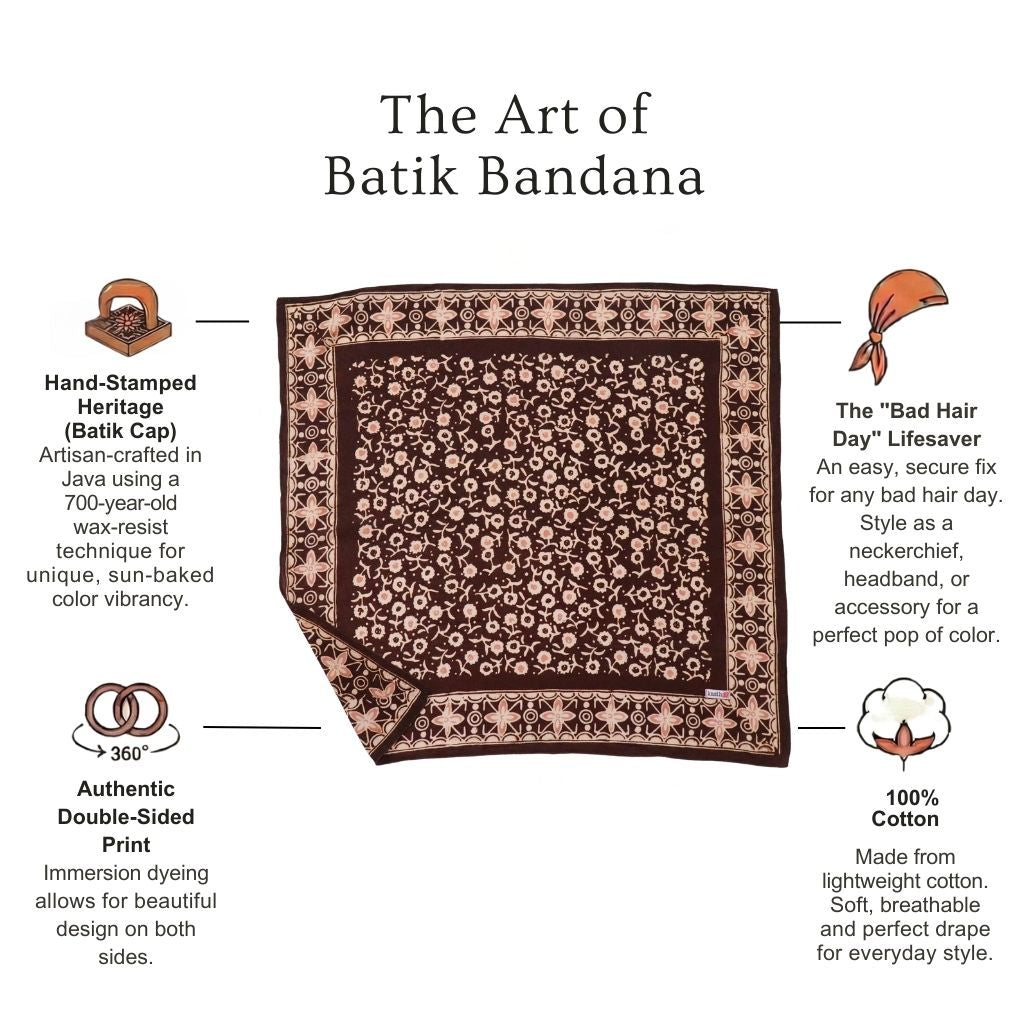
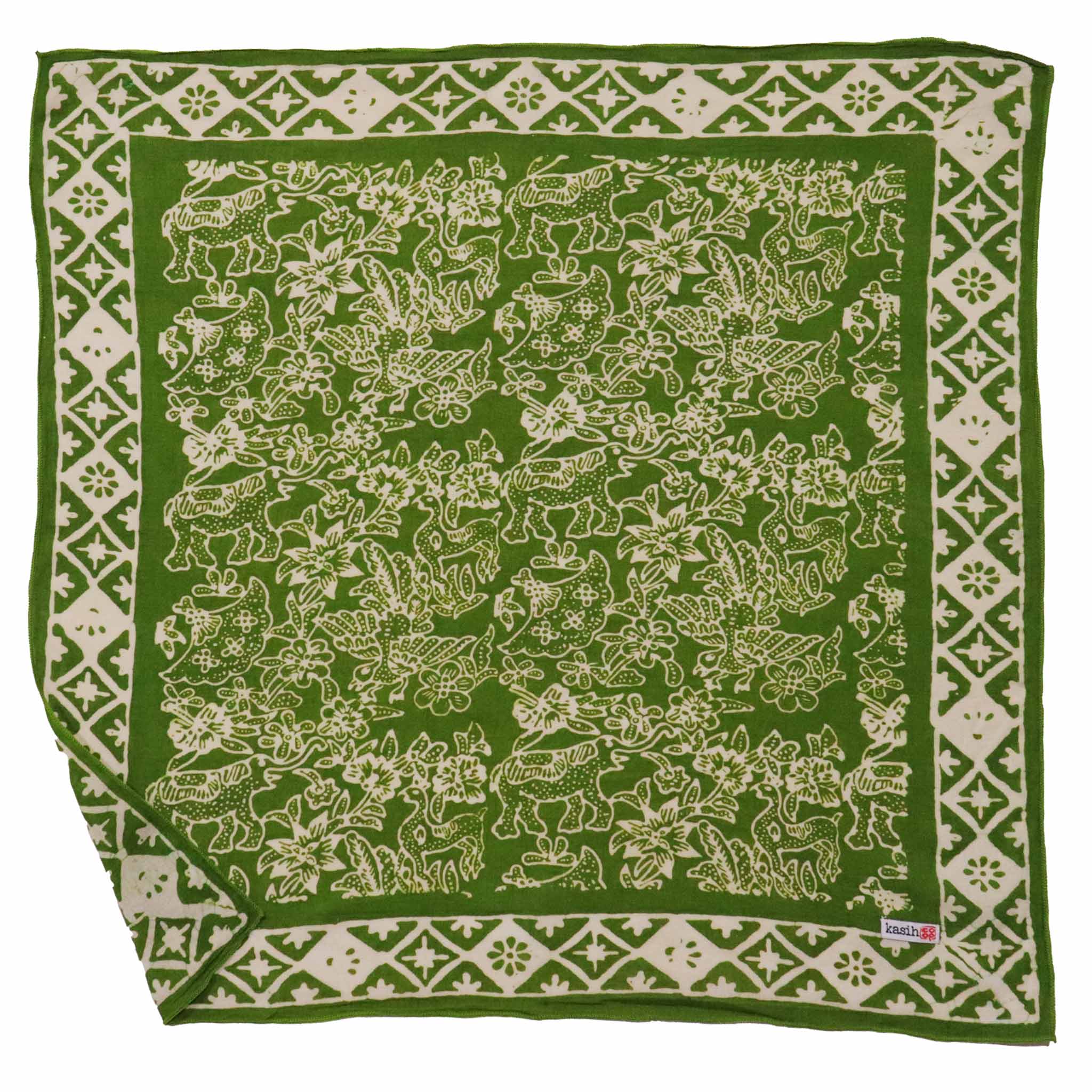
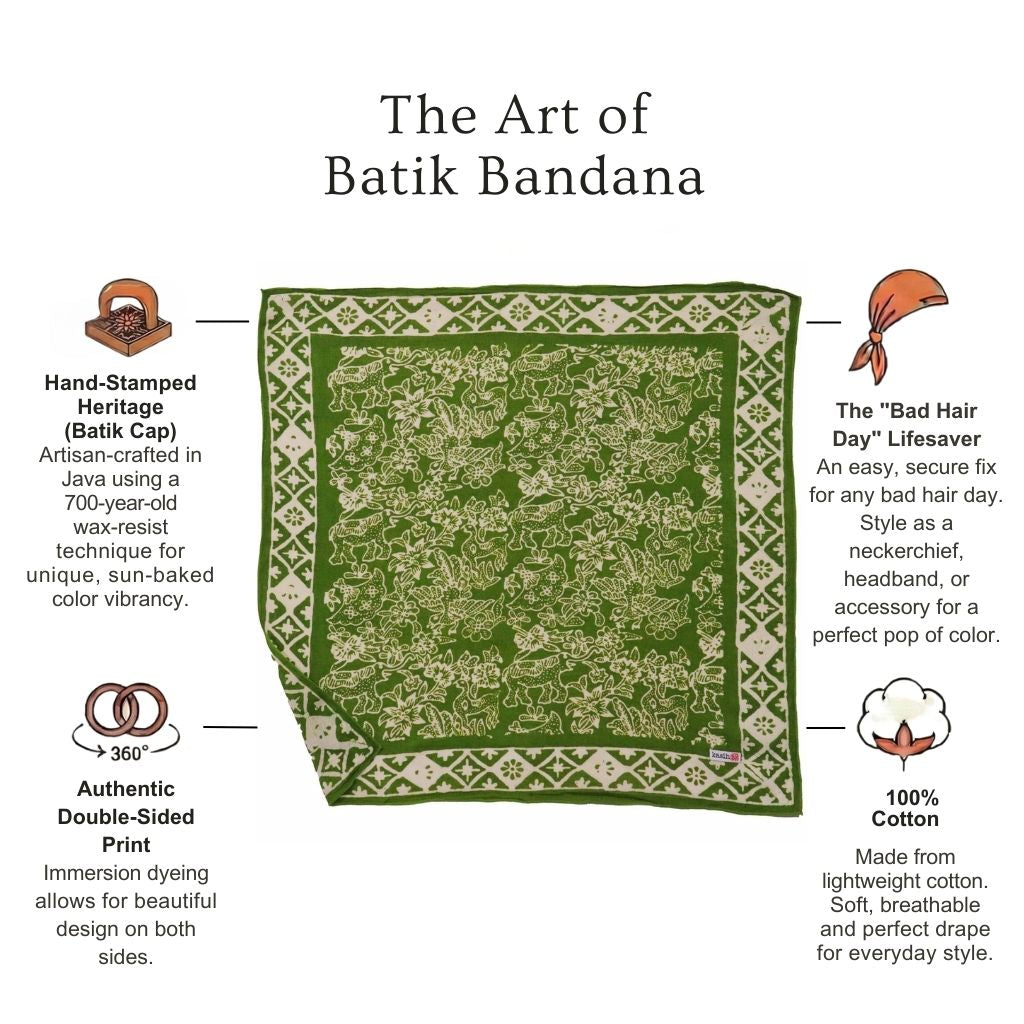
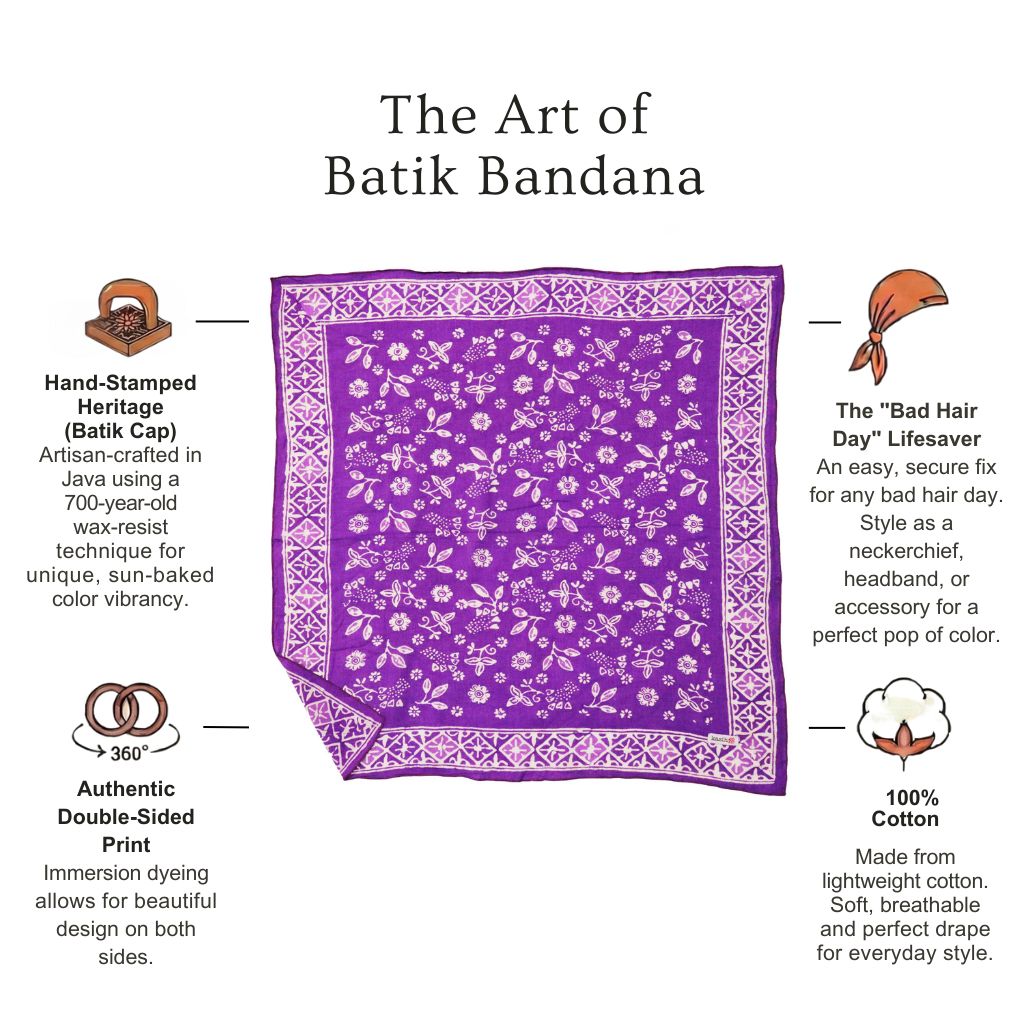
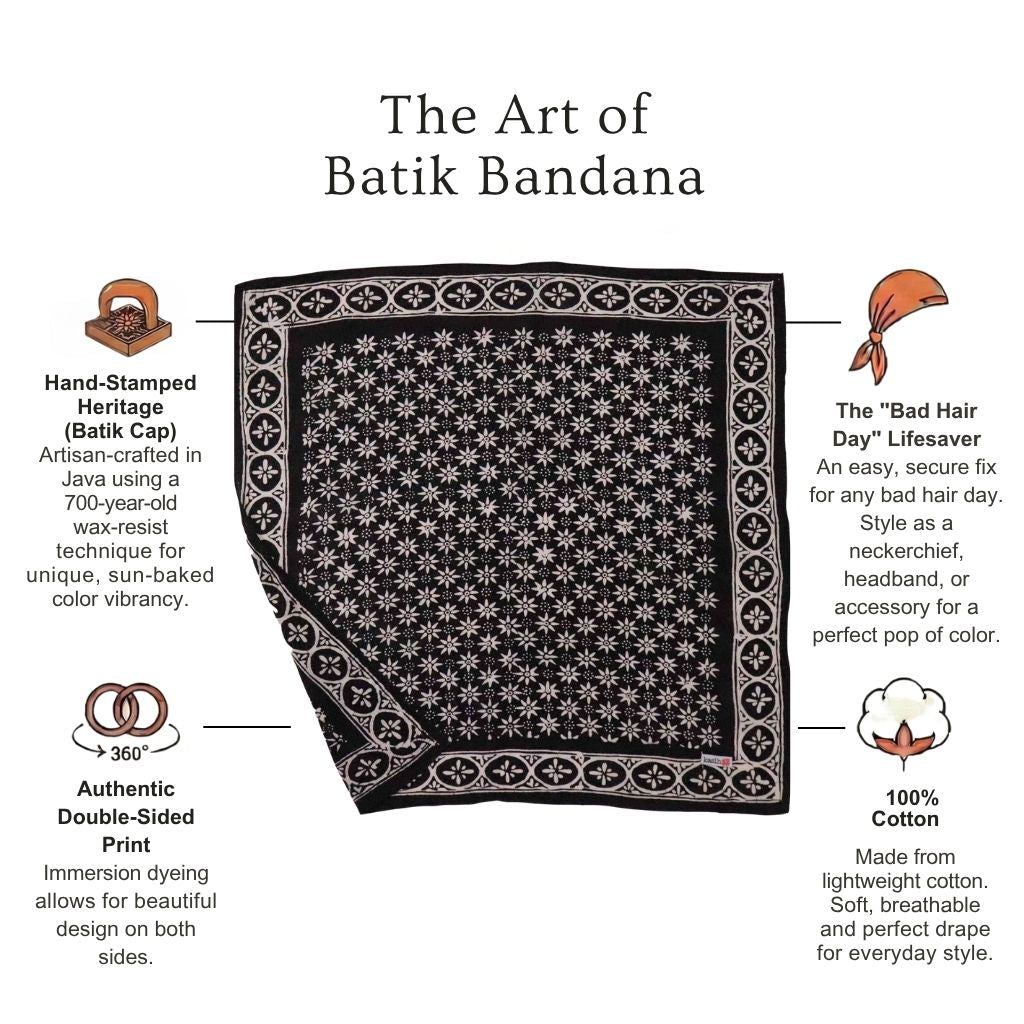
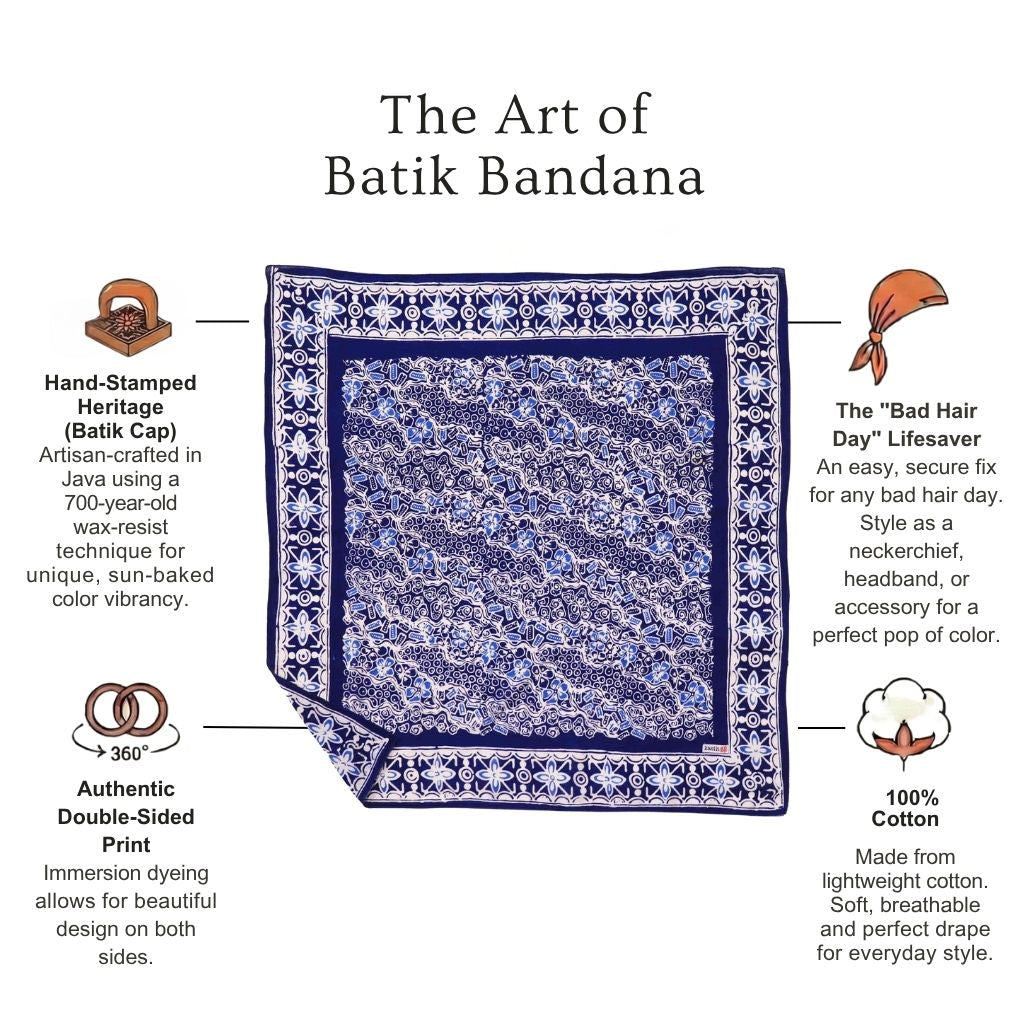
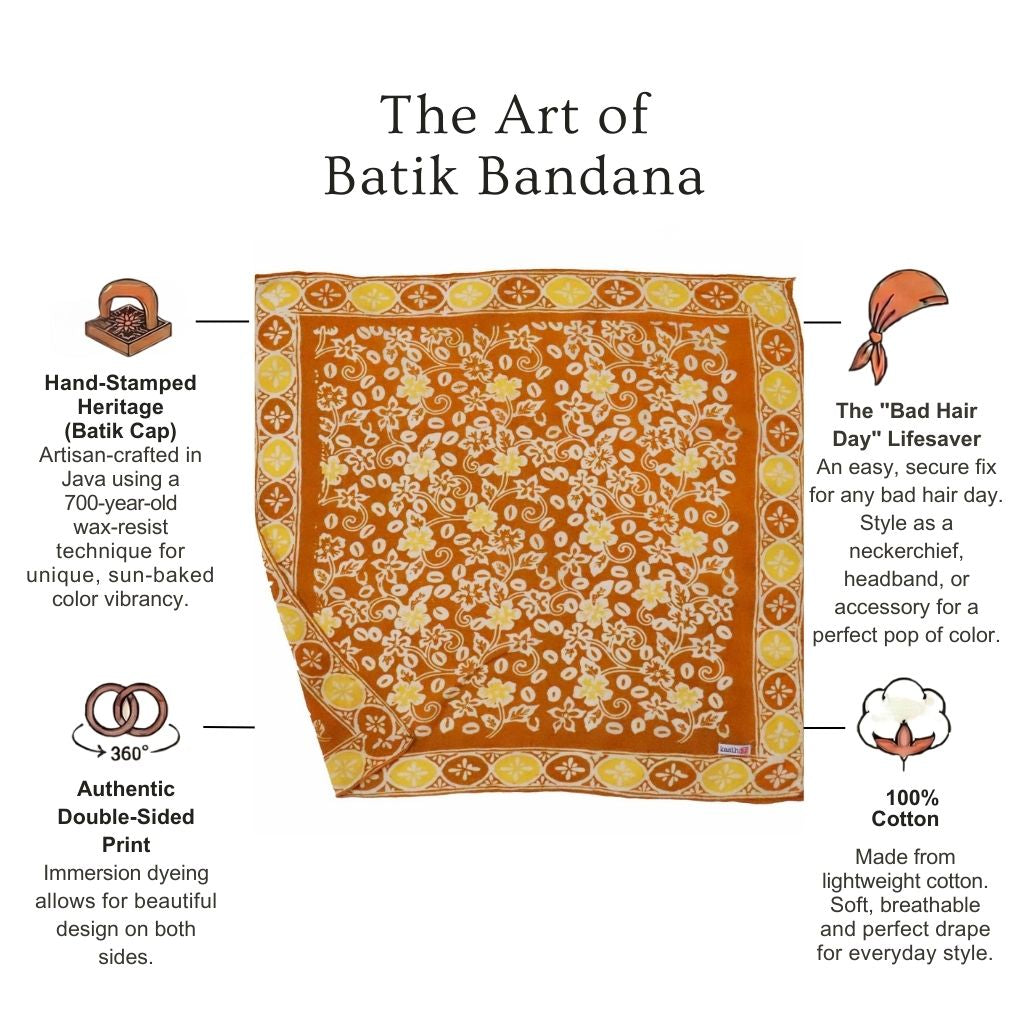
- Batik cap (hand-stamped). An artisan dips a hand-made copper stamp (cap, pronounced "chop") into hot wax and presses it onto the cloth, repeating the motif across the fabric. It is still handmade and dyed in the same wax-resist way, but faster than tulis, which makes it more affordable. Look for slight shifts where each stamp meets the next.
- Printed "batik." A batik pattern is printed onto the fabric by machine or screen. No wax is used.
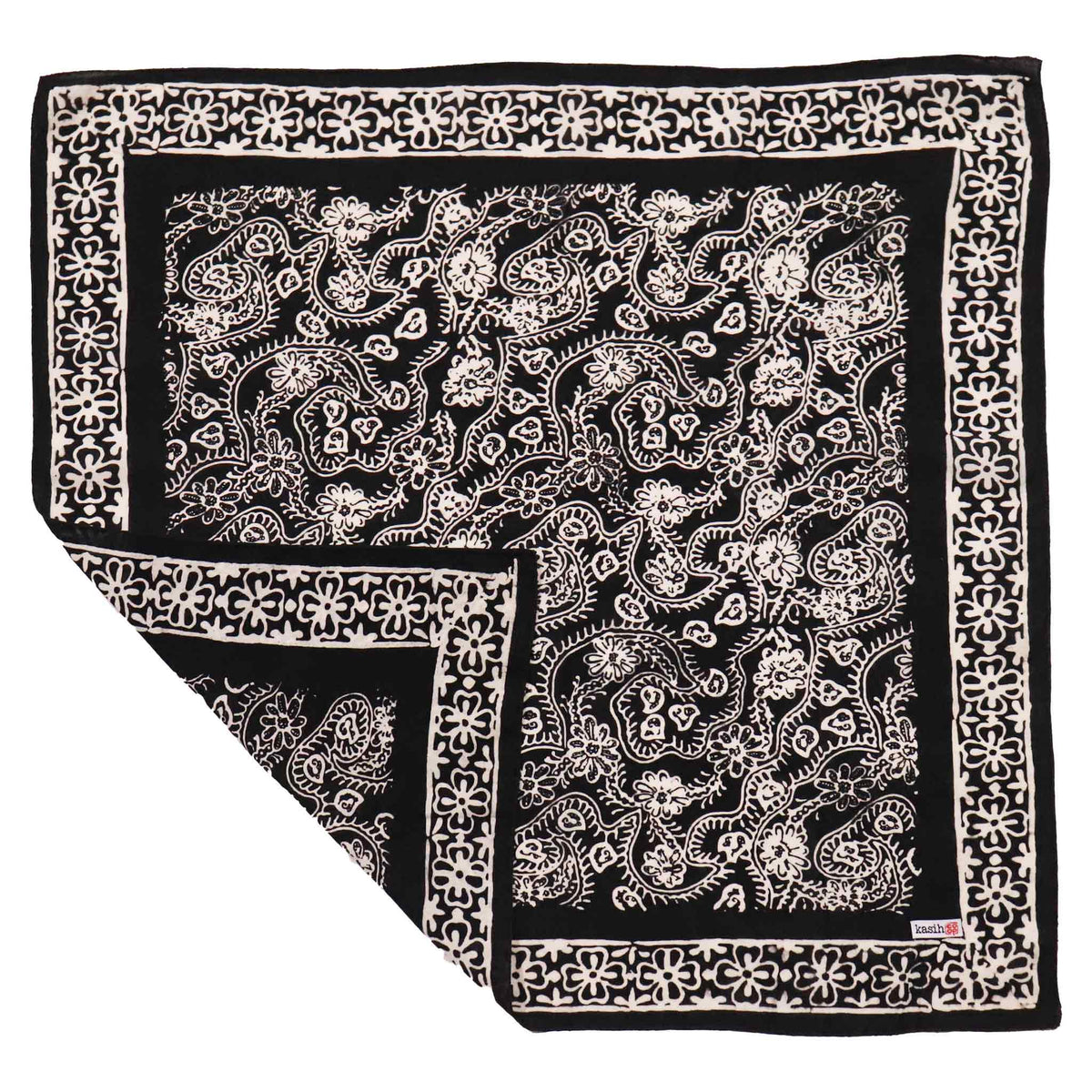
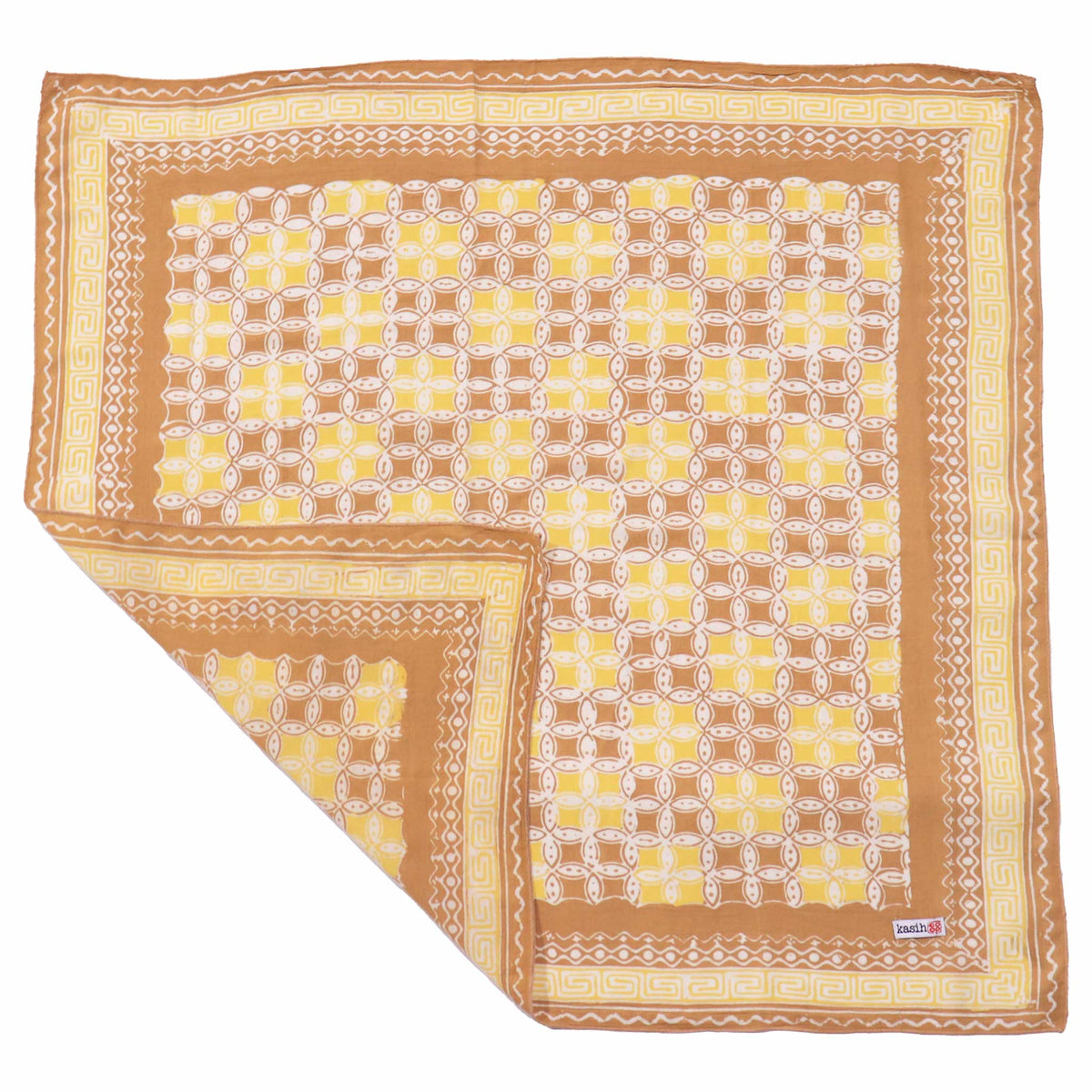
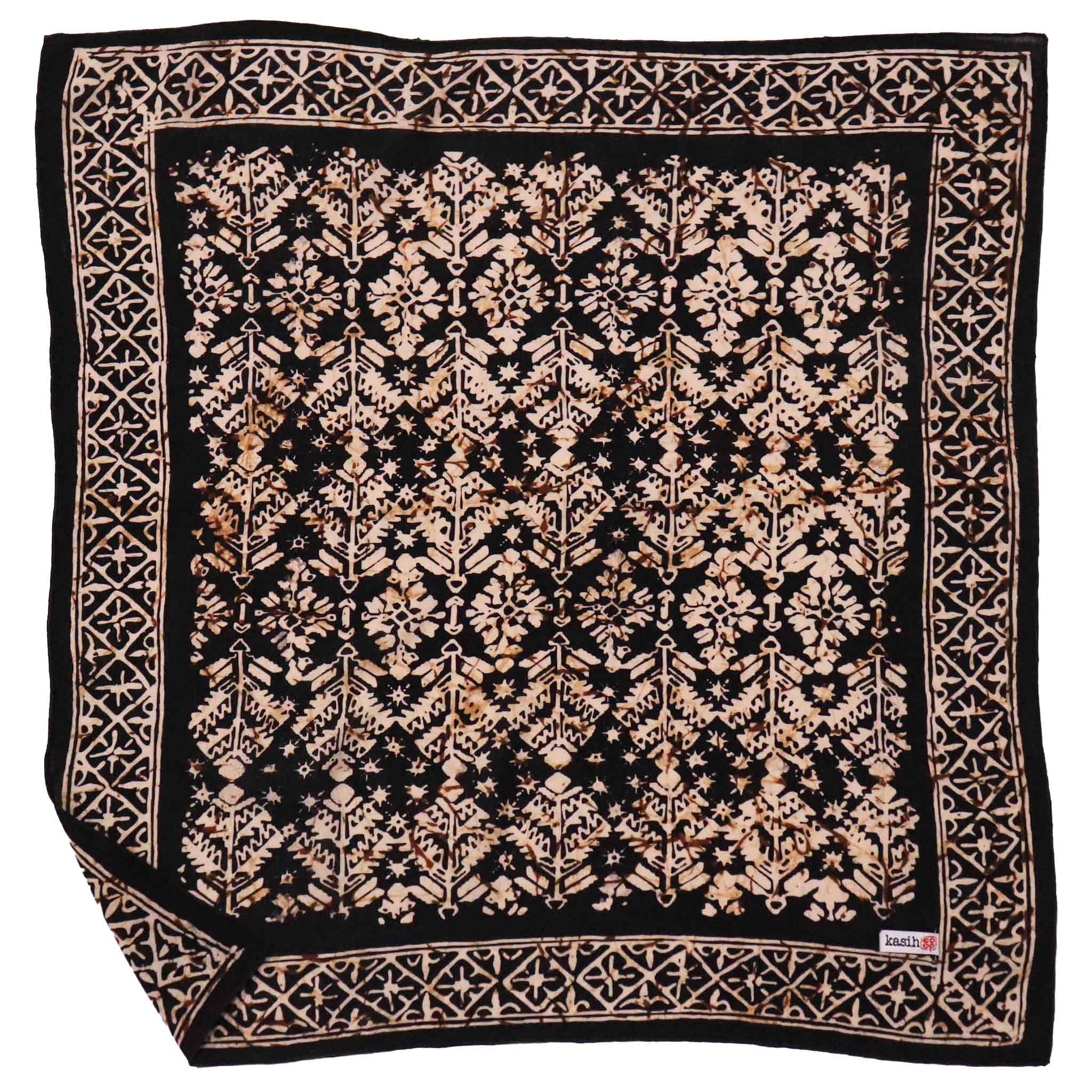
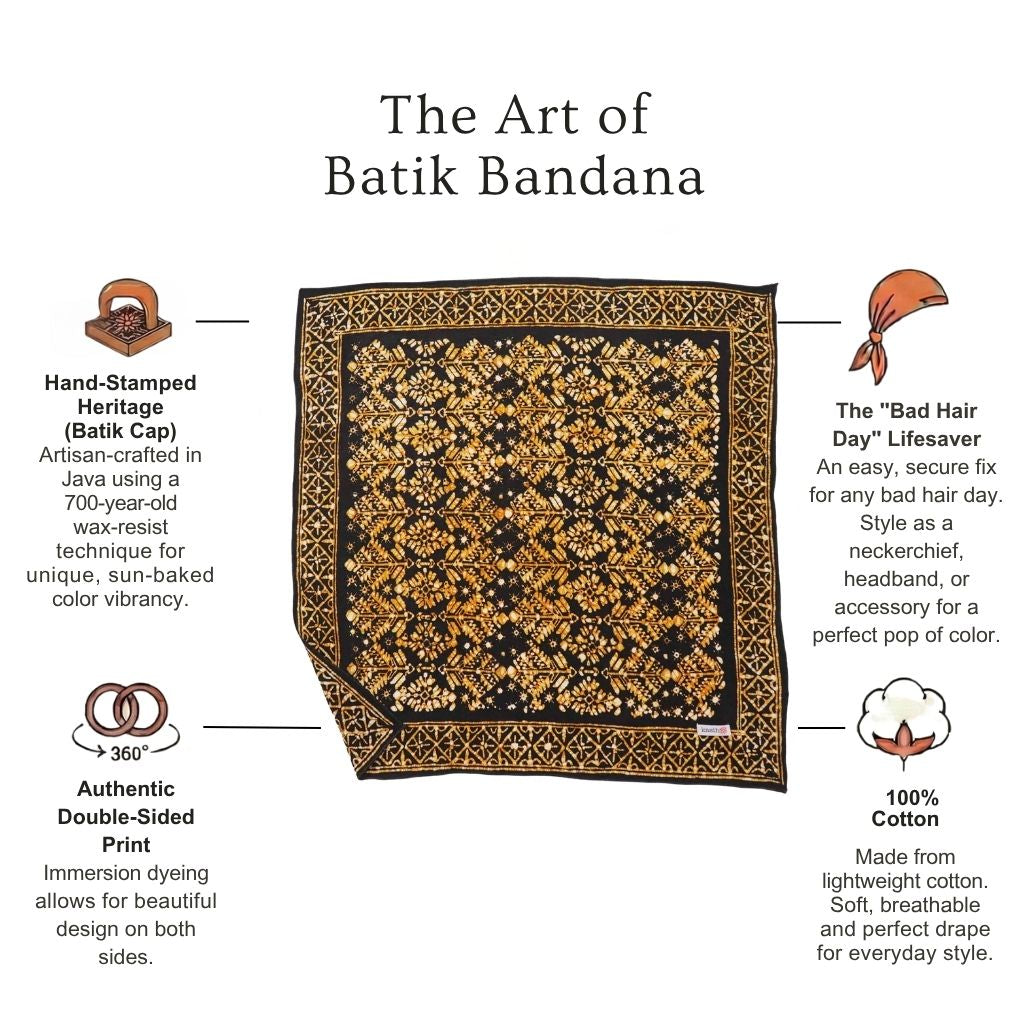
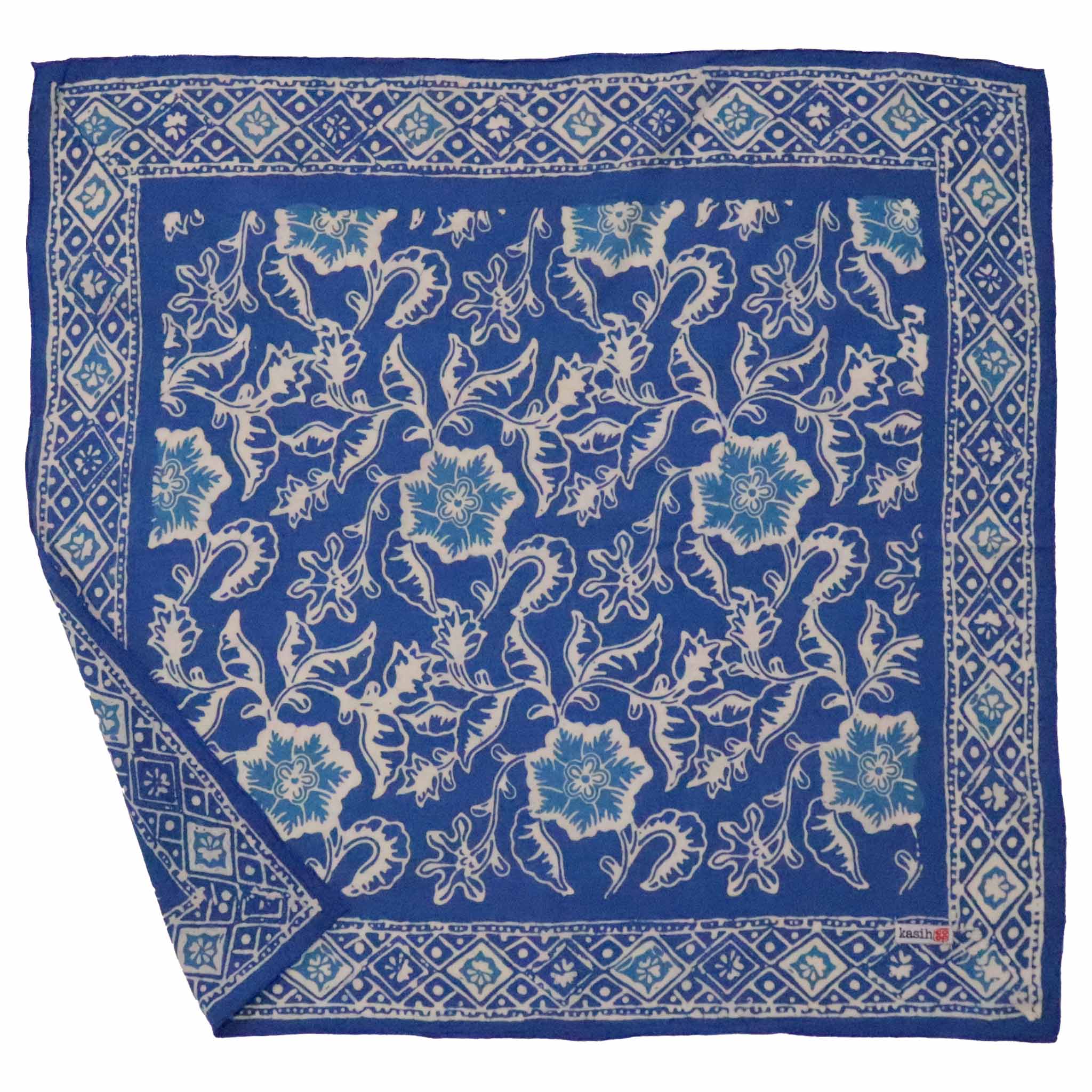
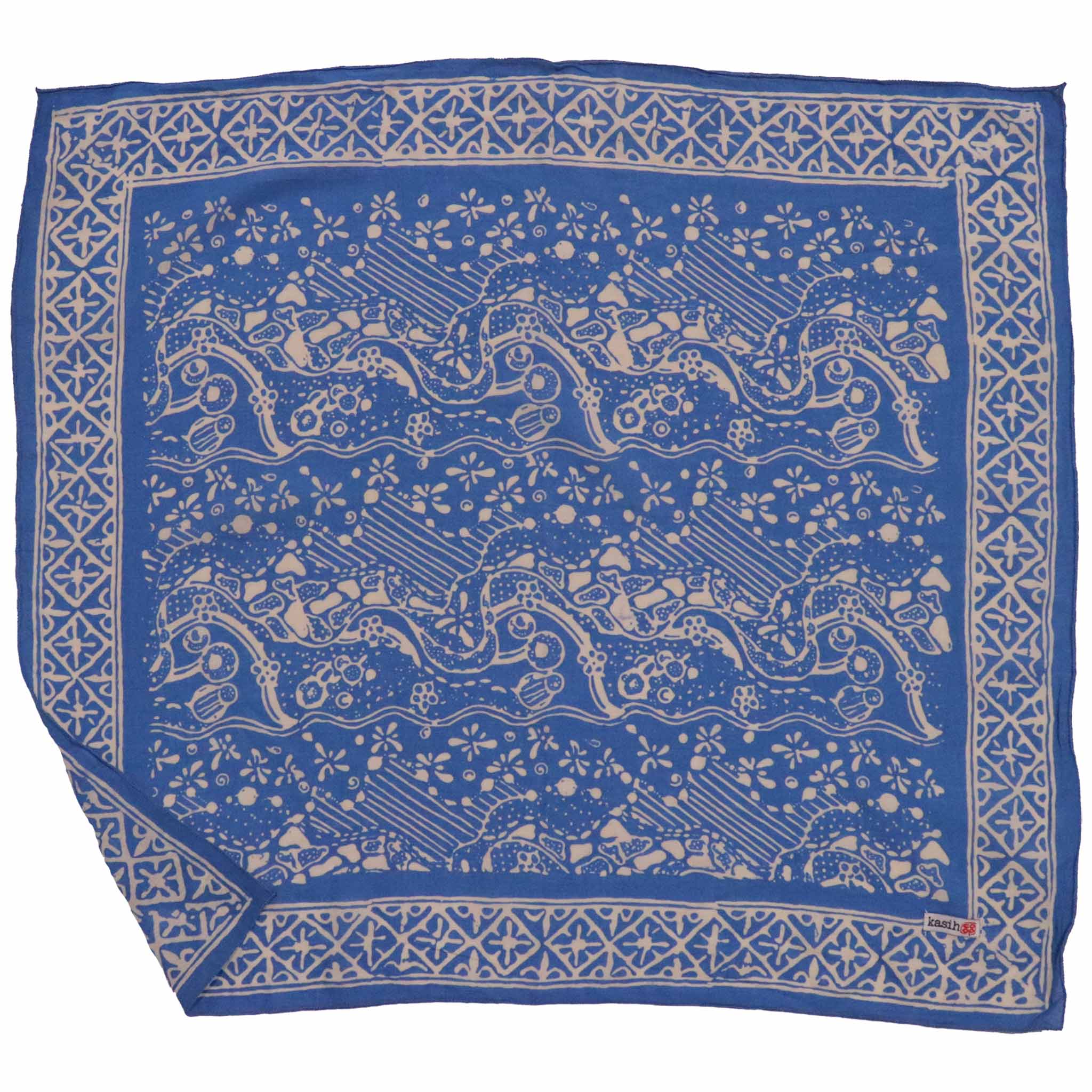
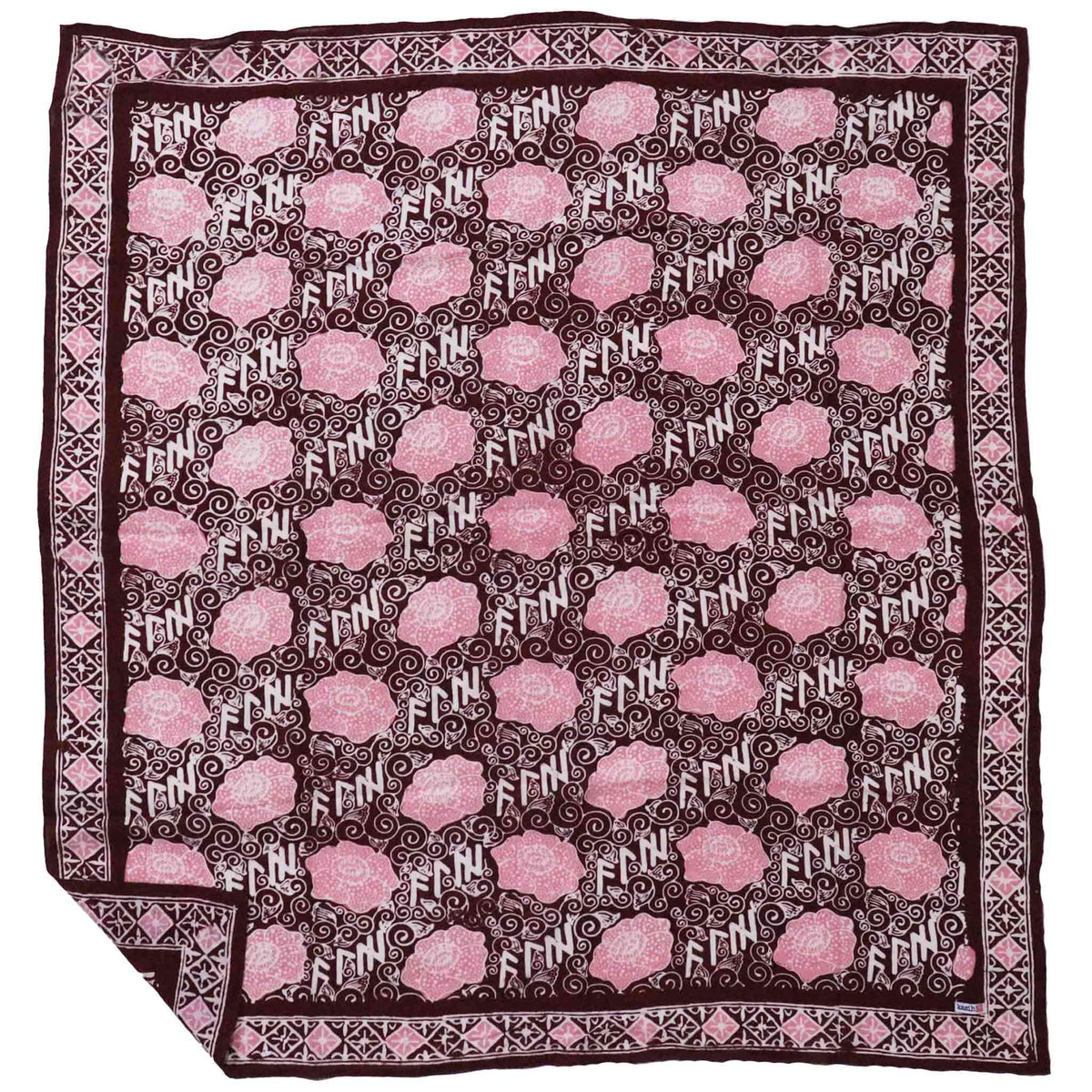
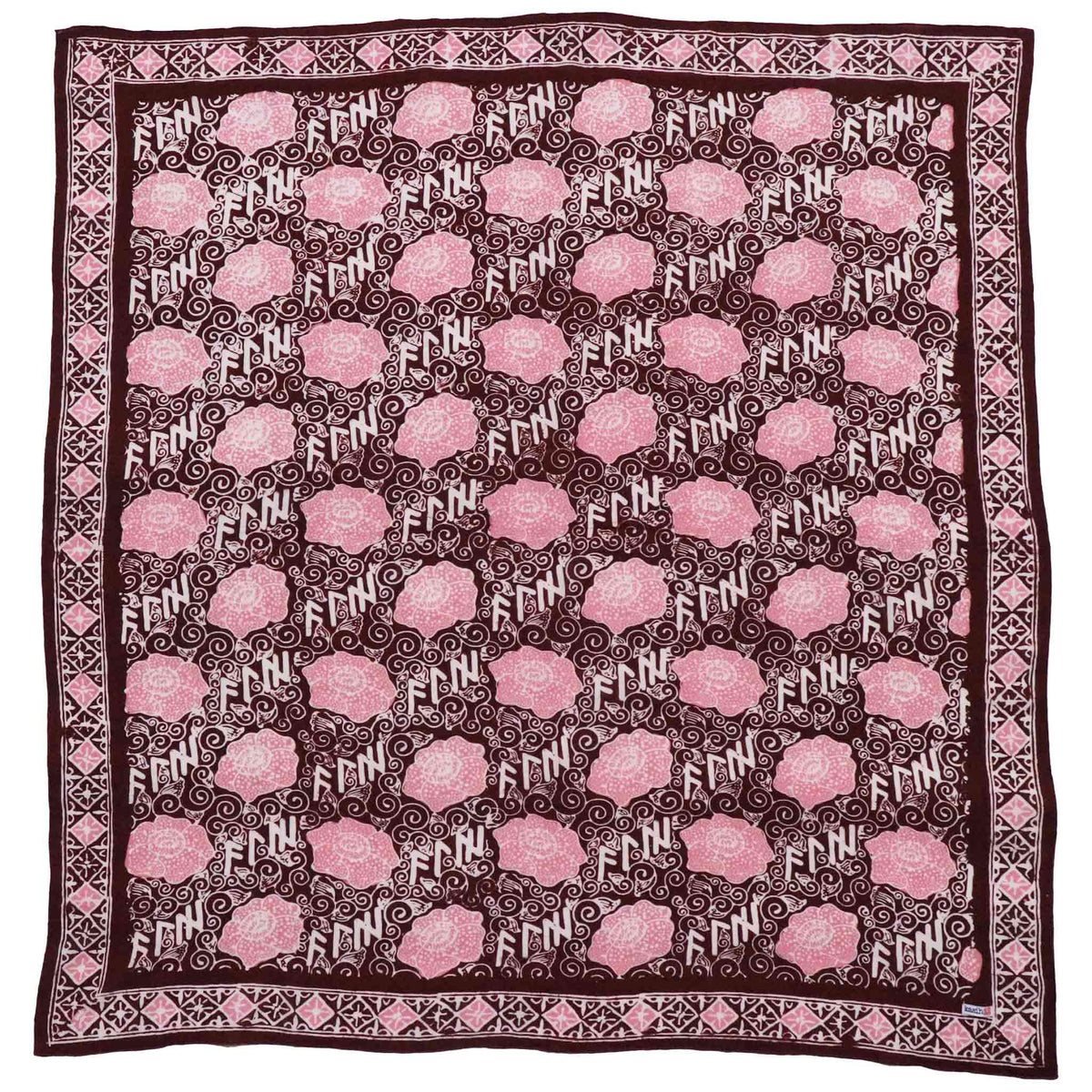
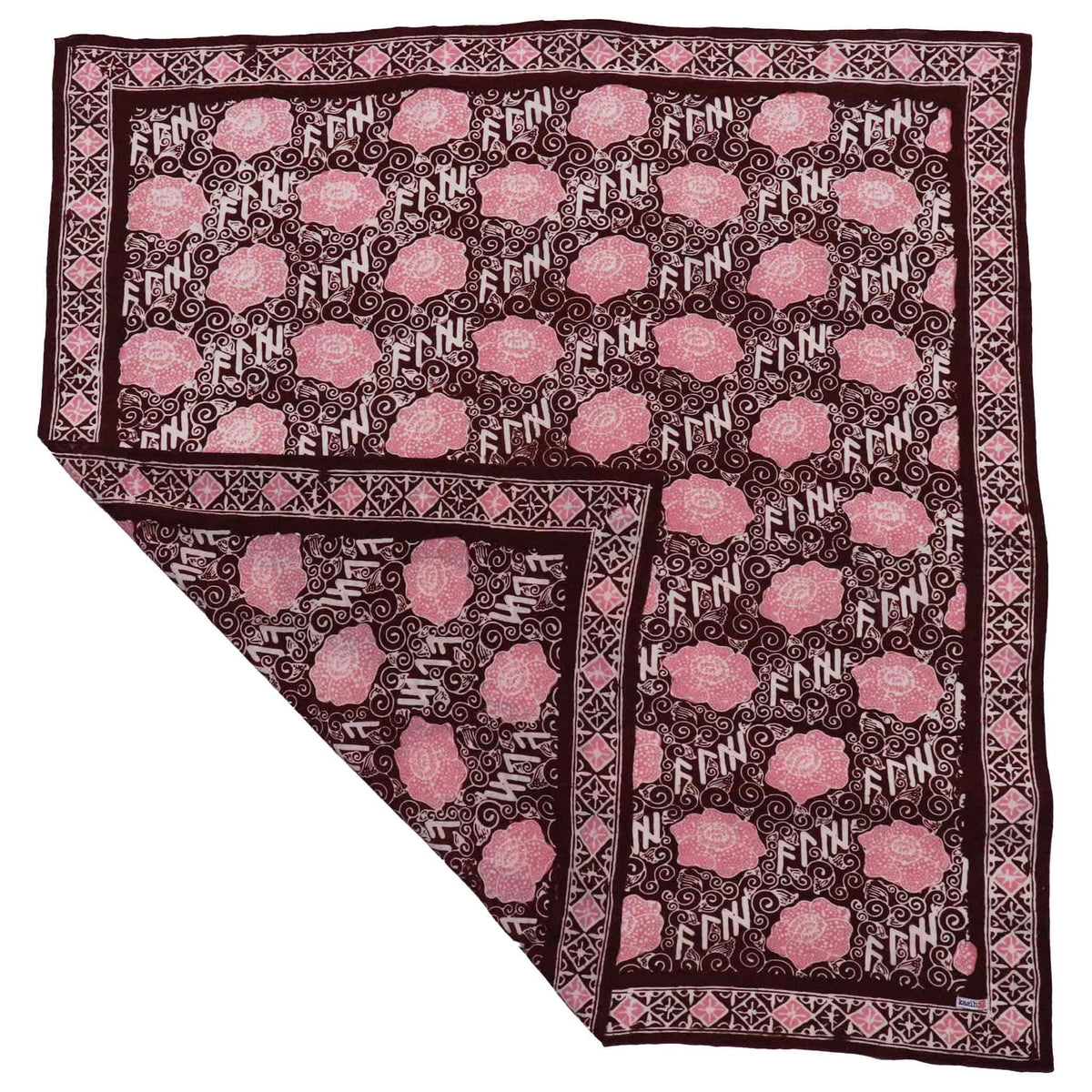
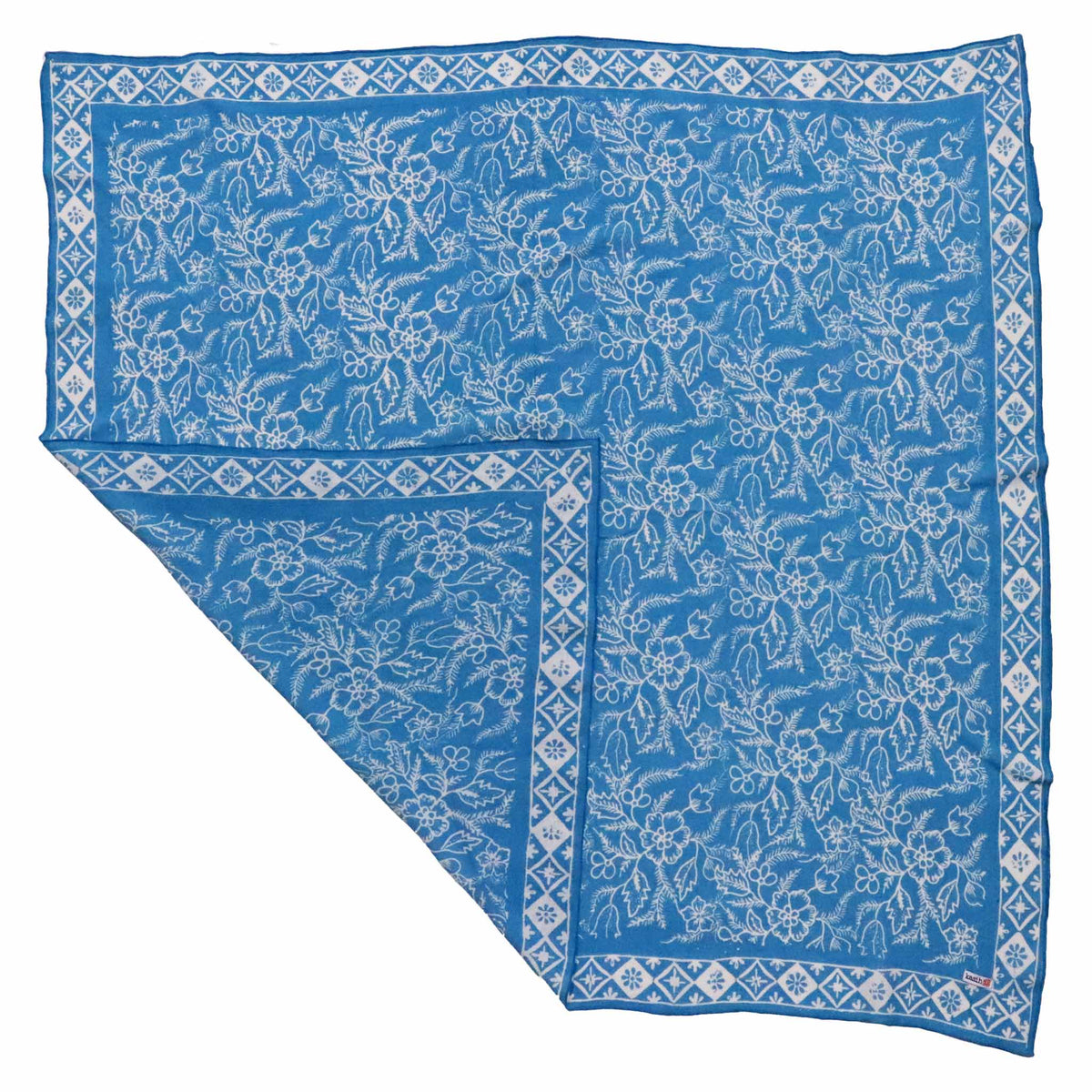
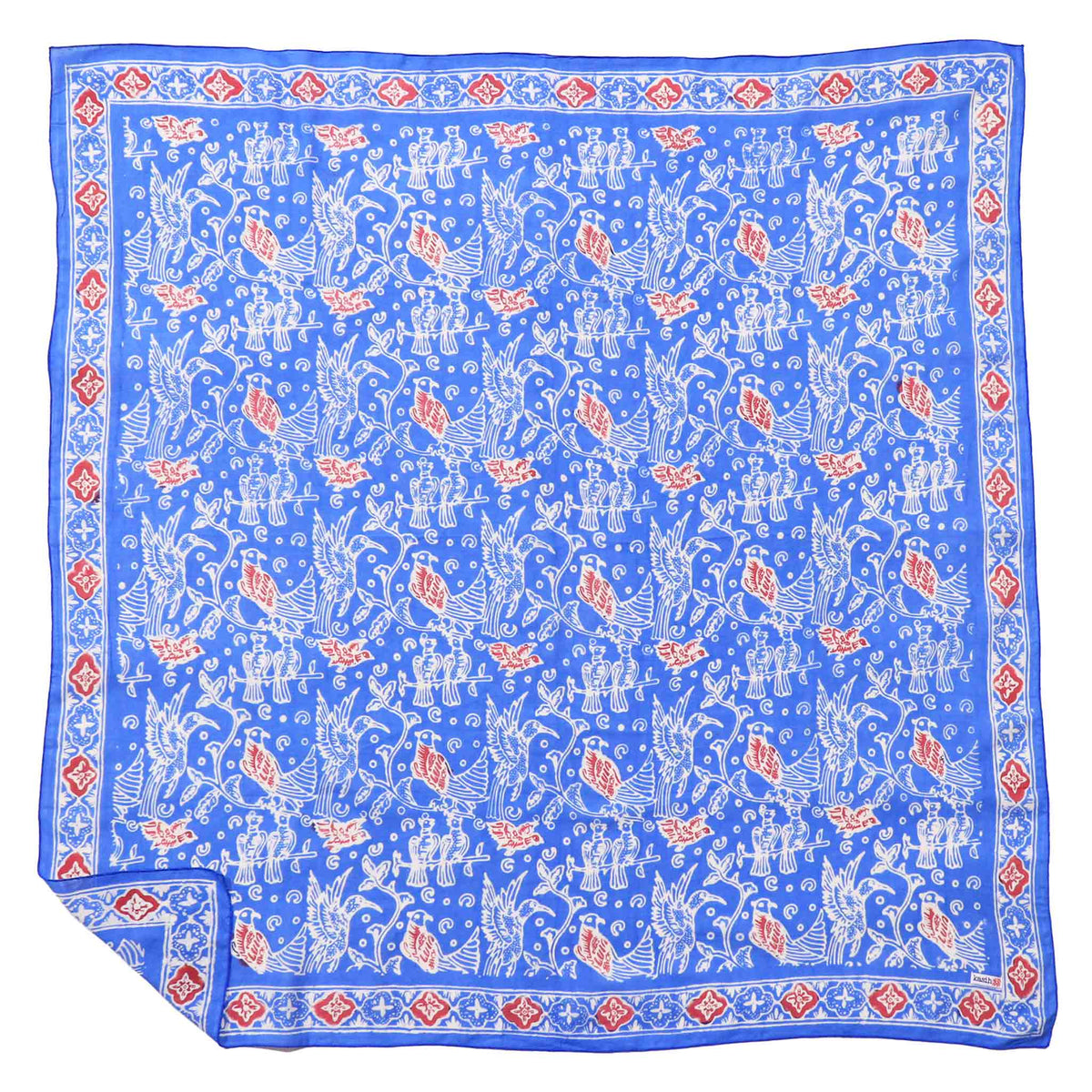
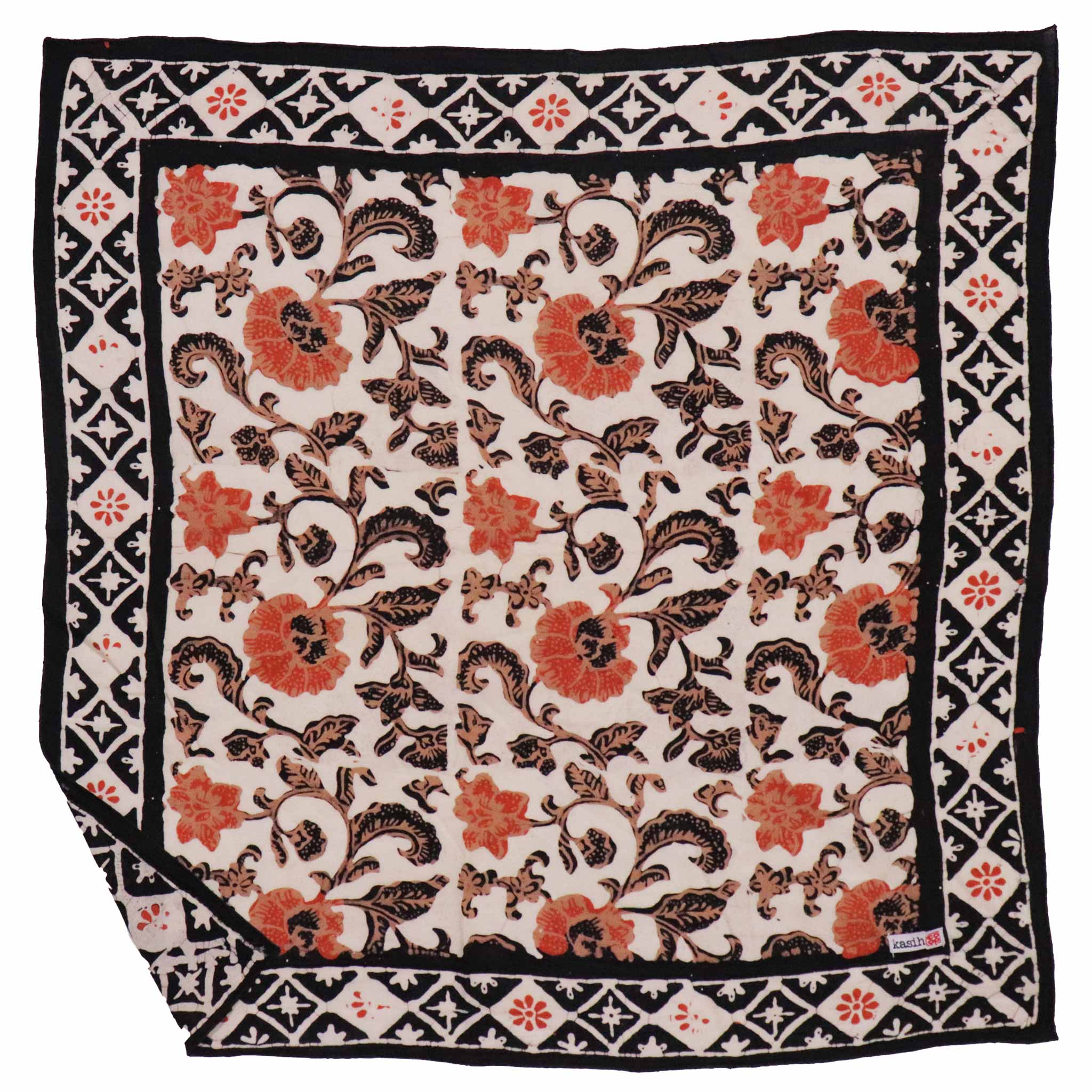
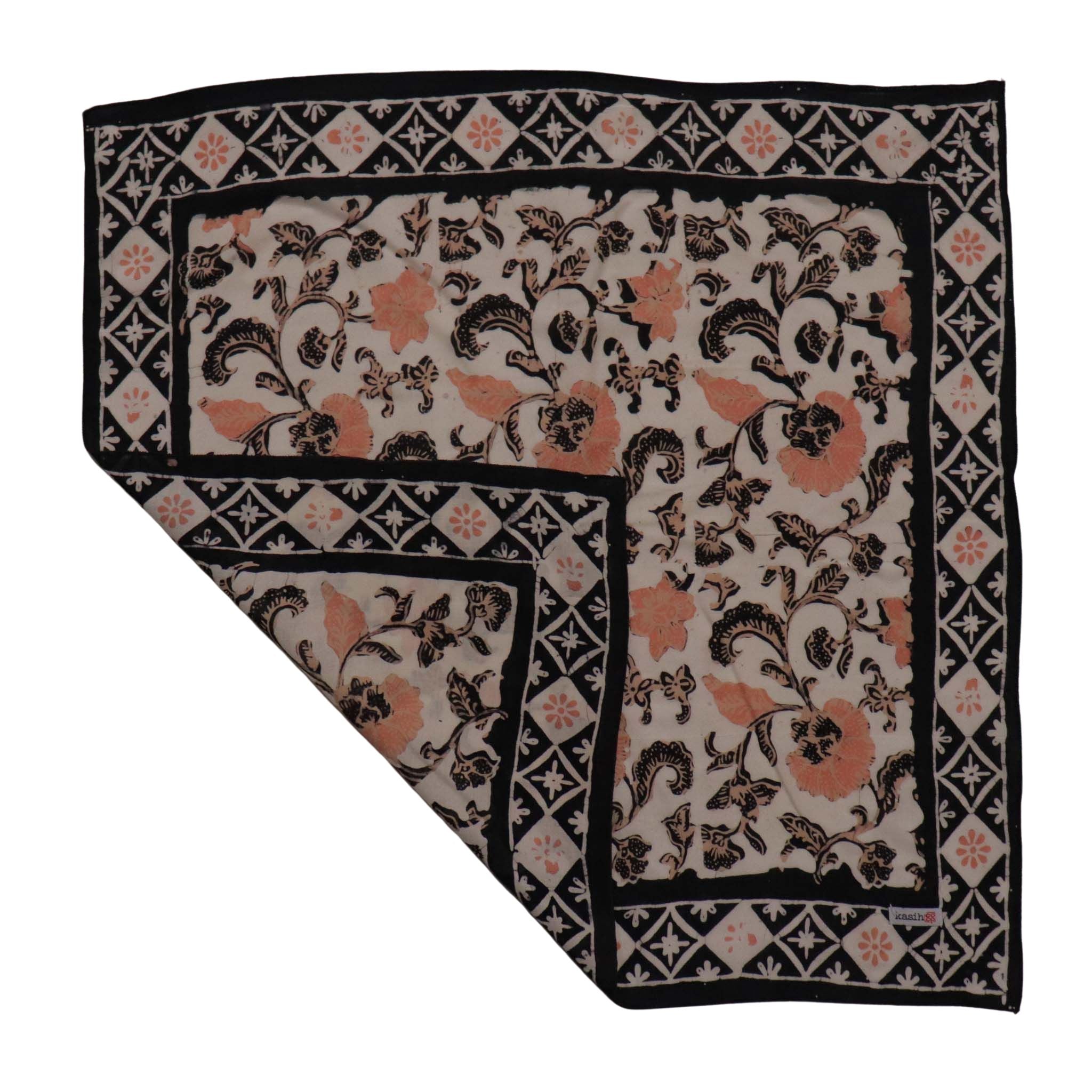
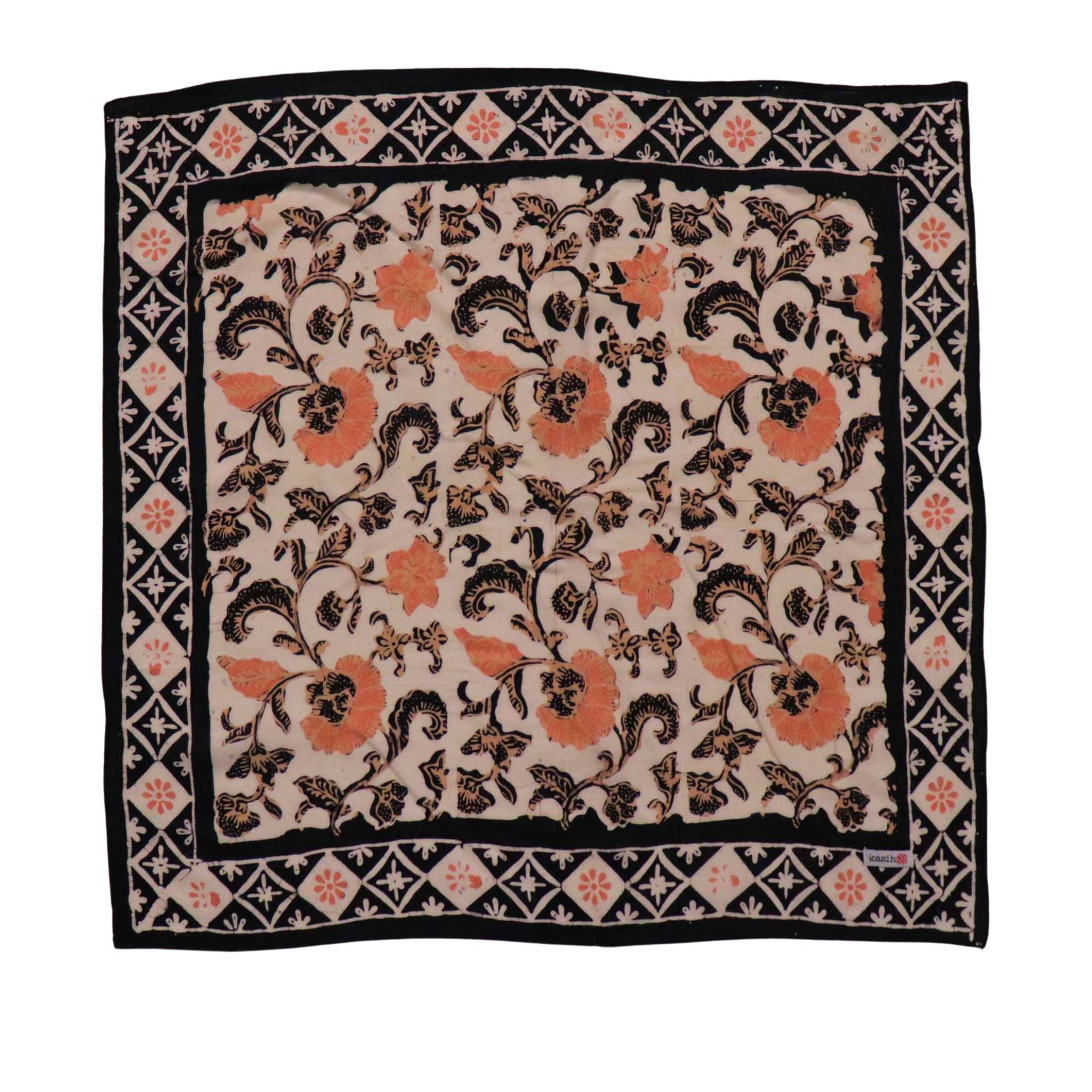
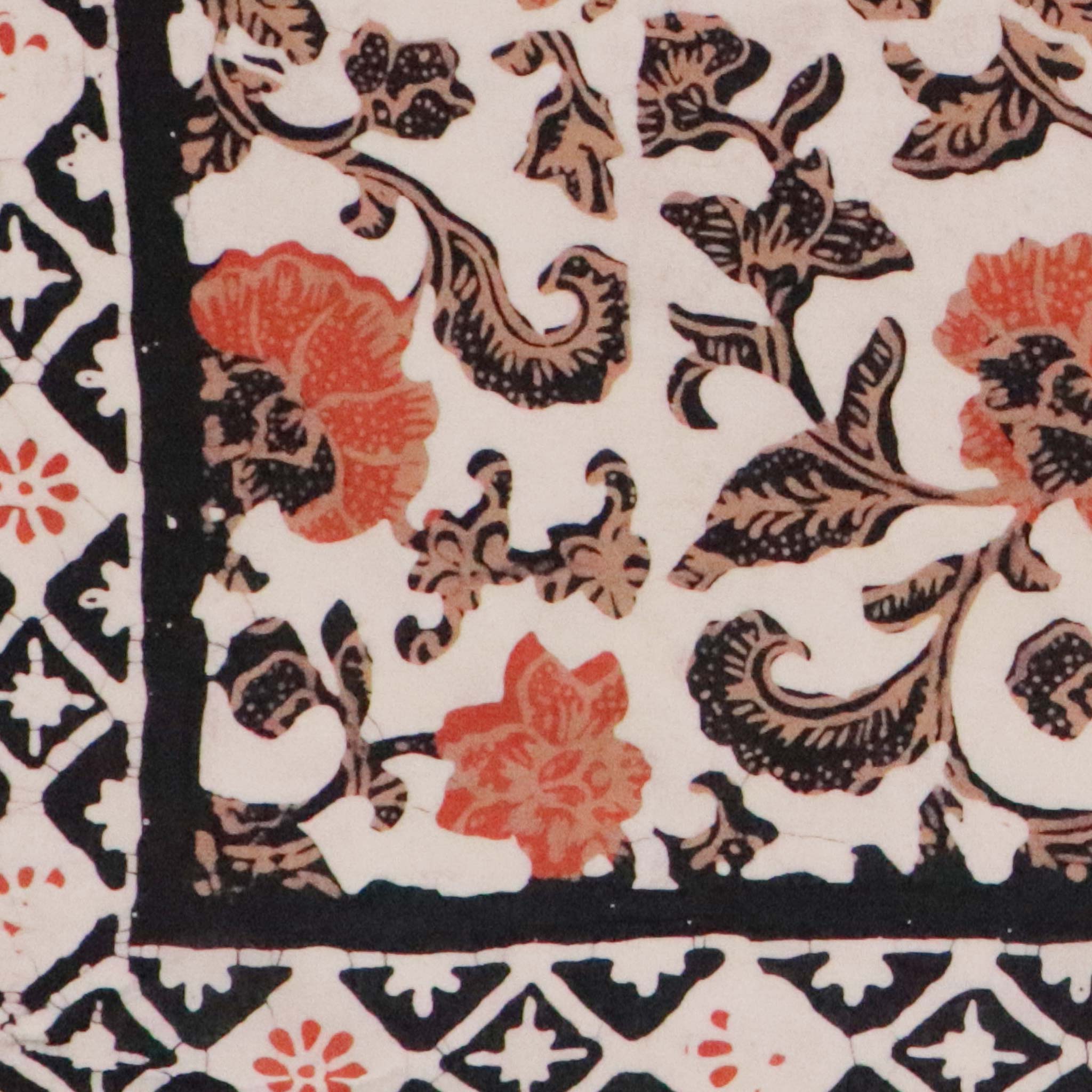
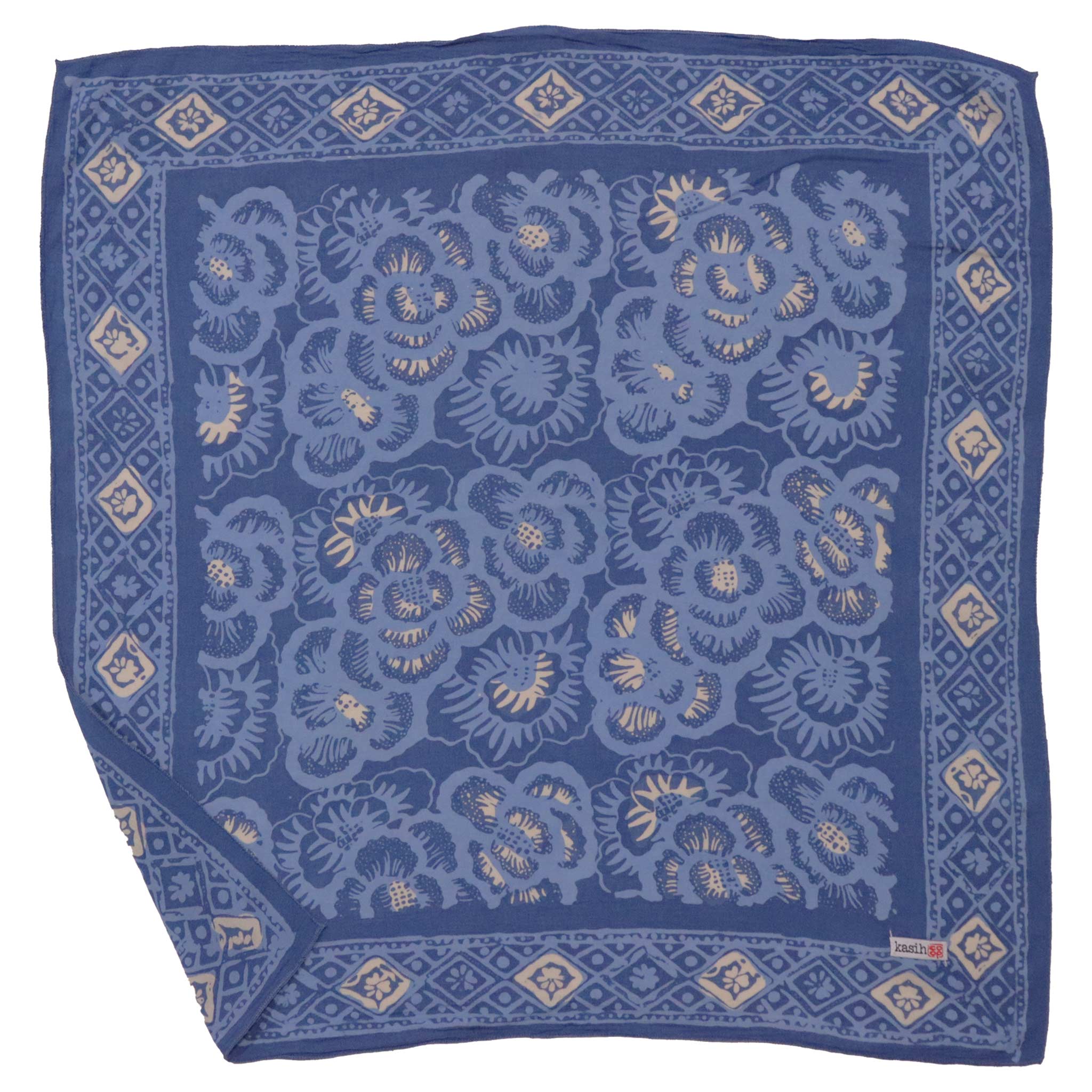
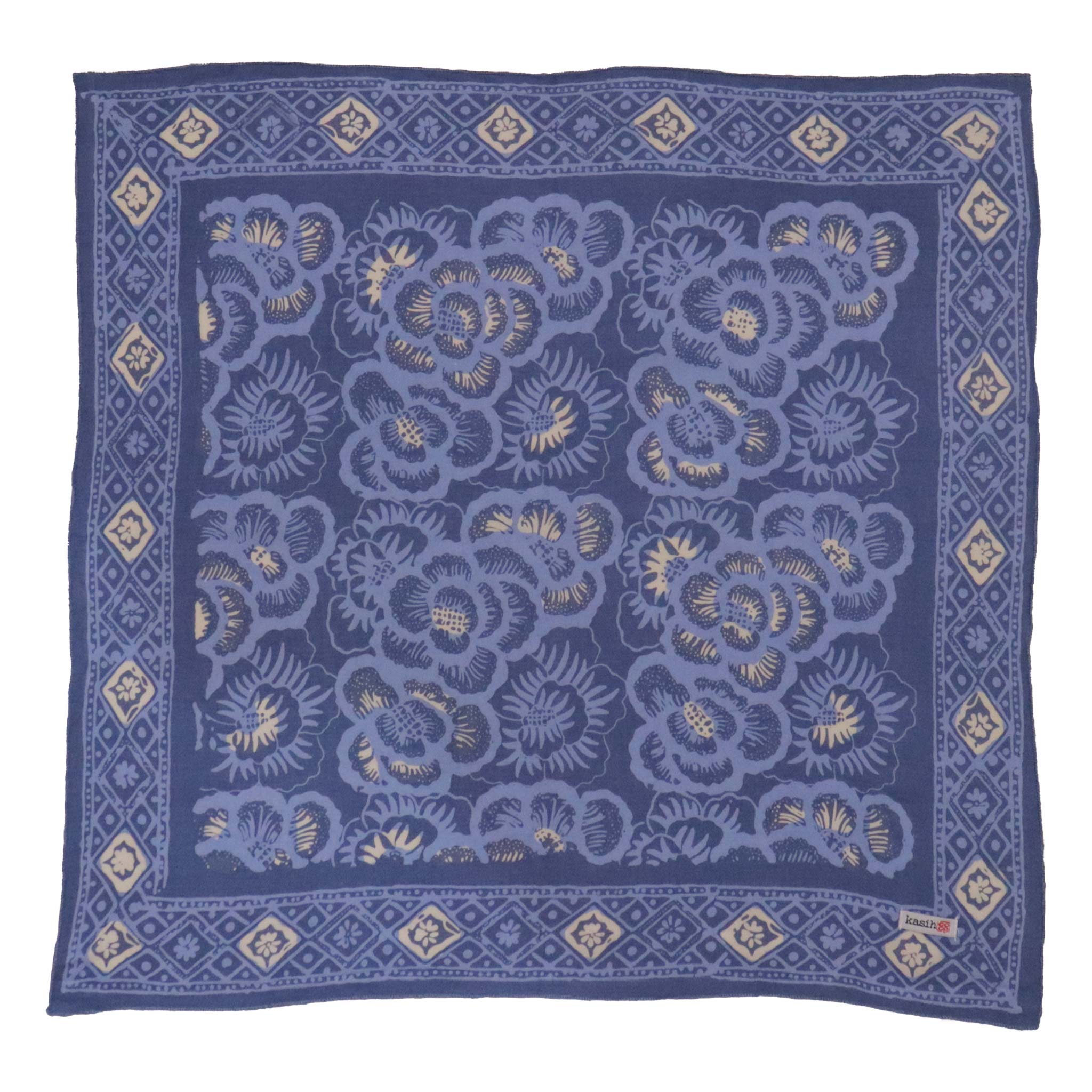
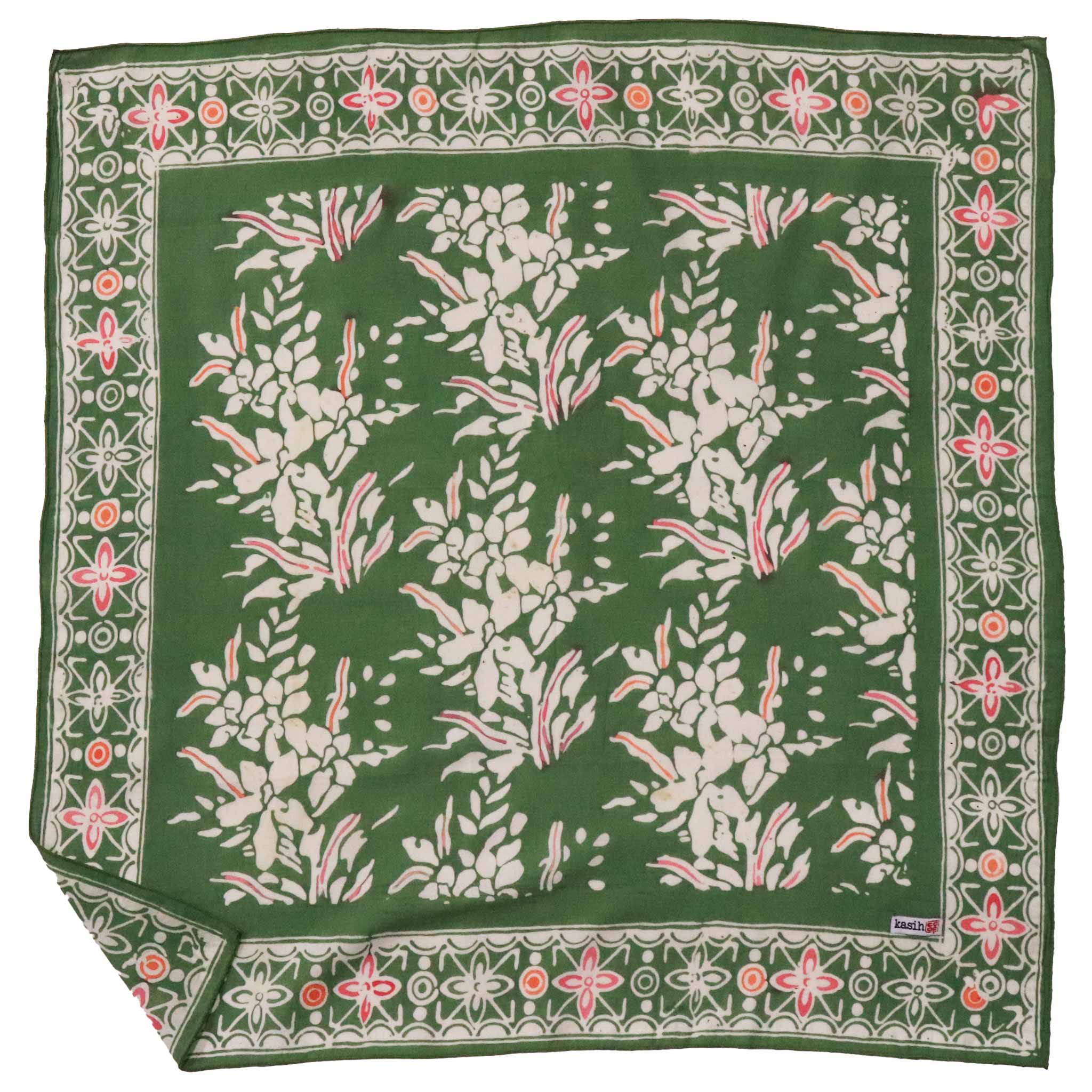
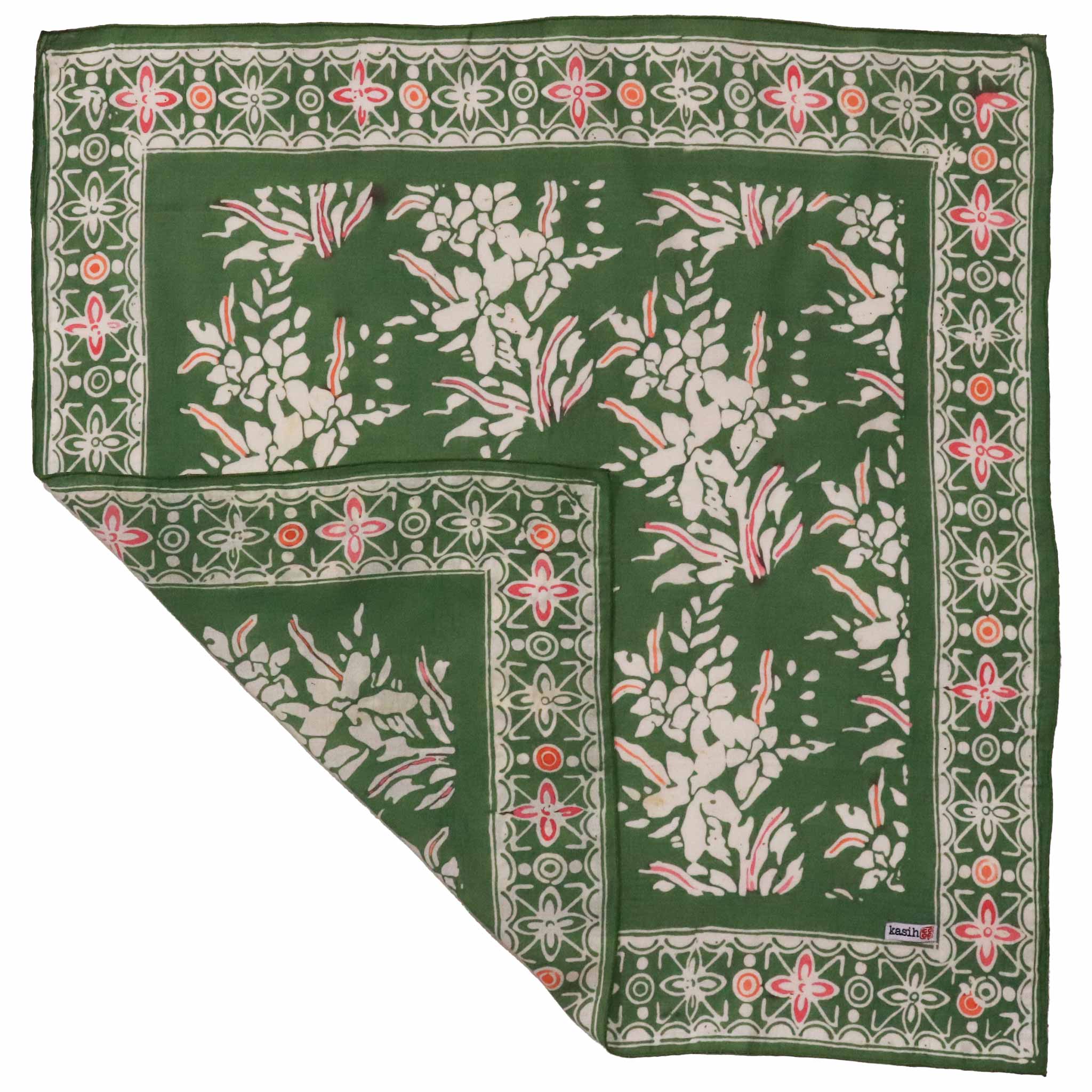
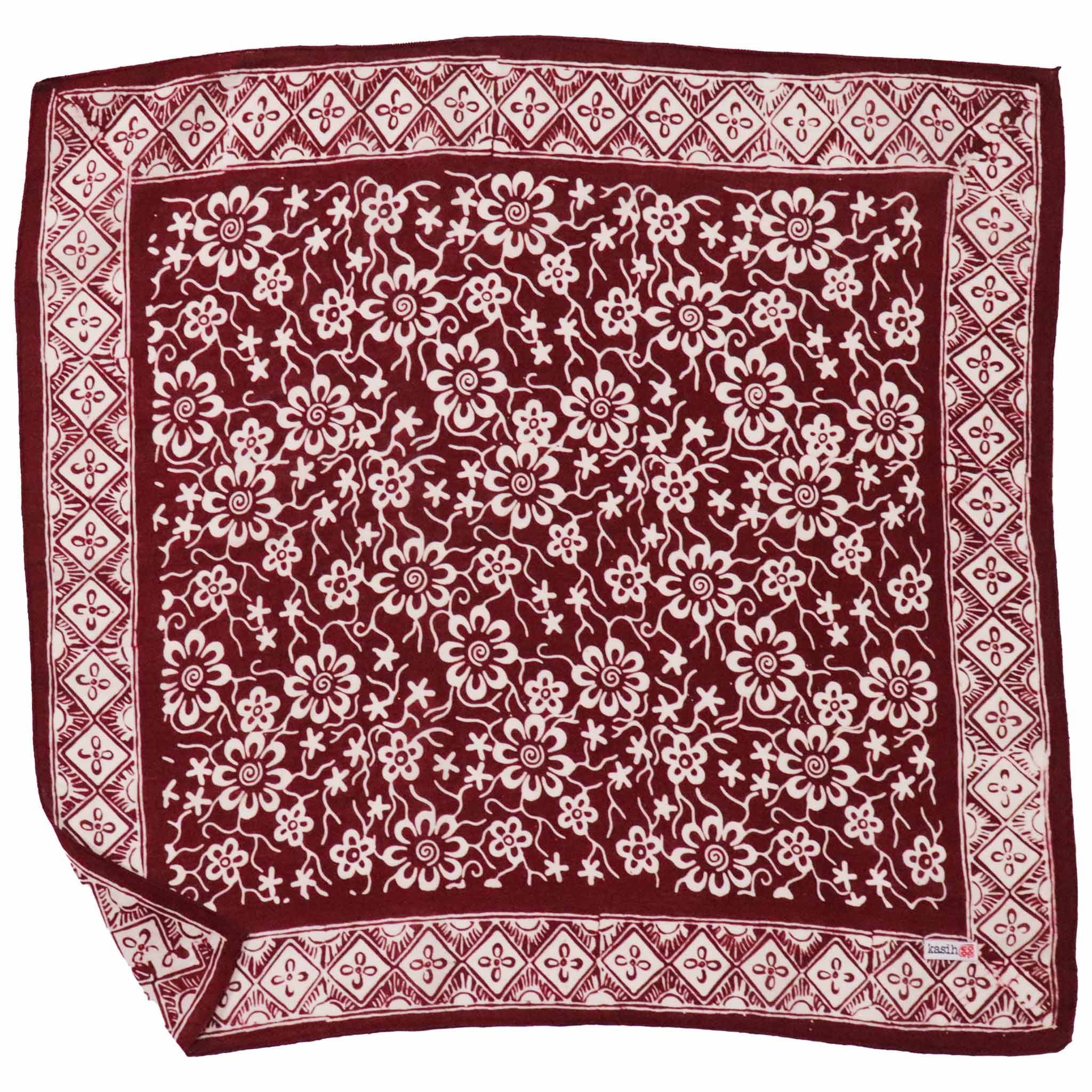
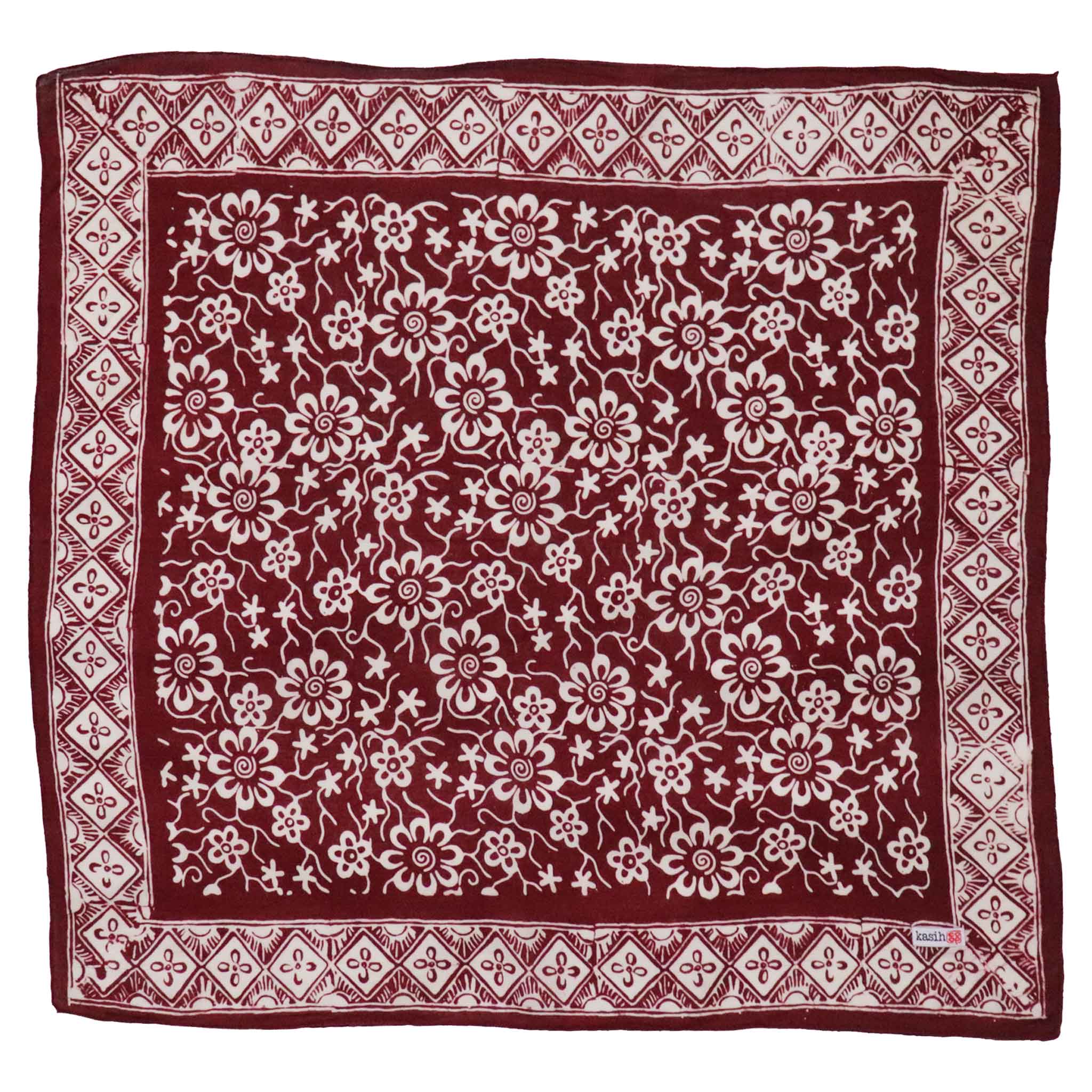
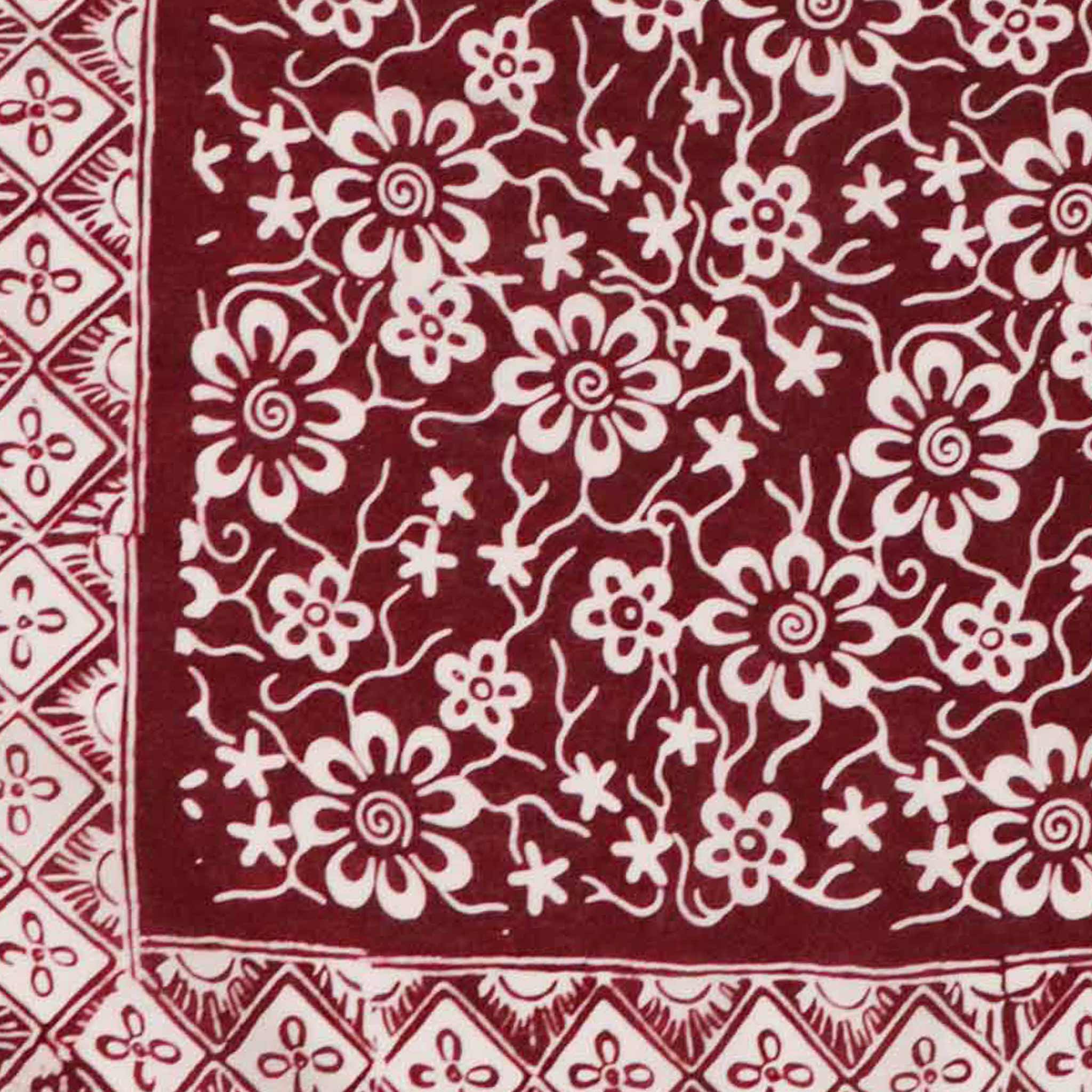
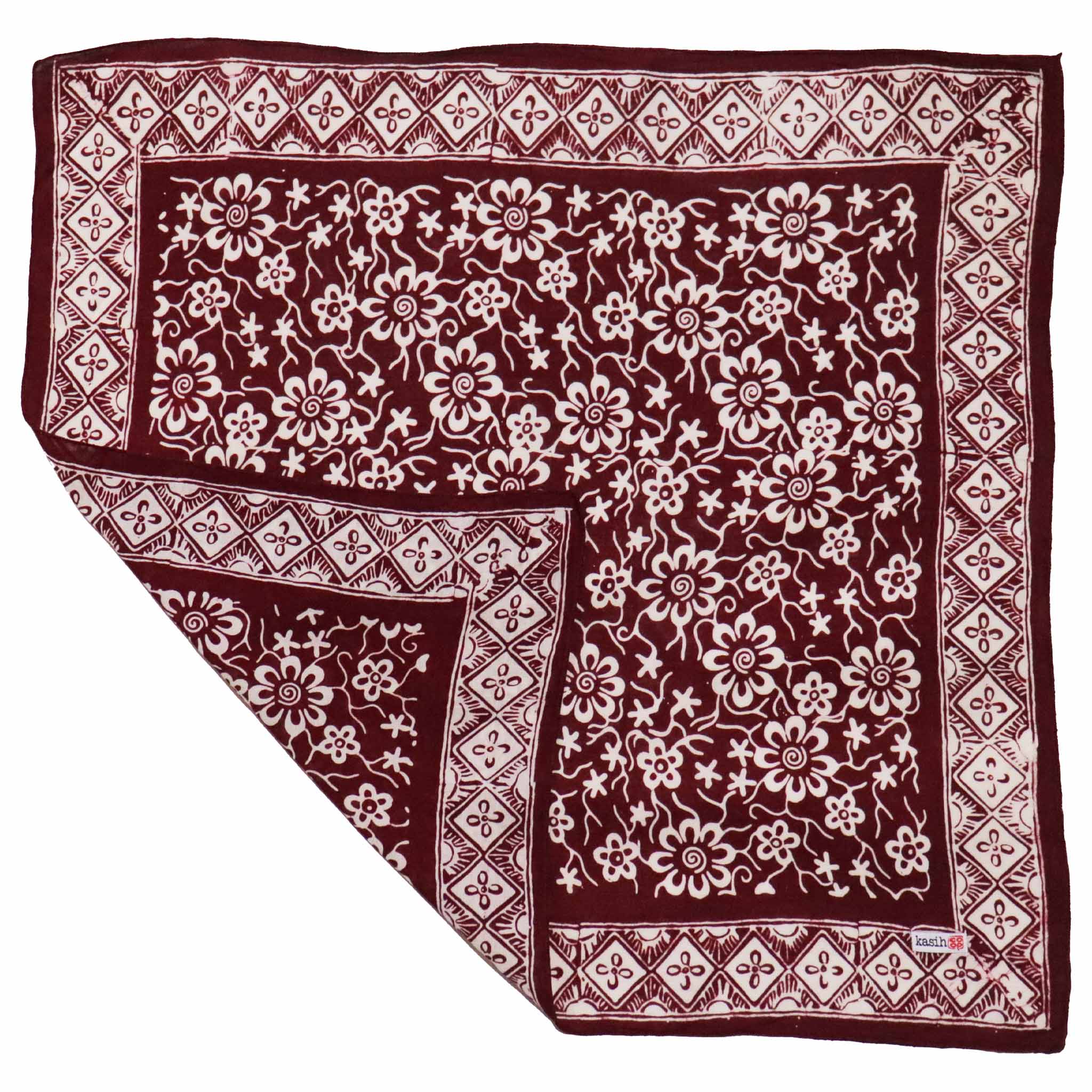
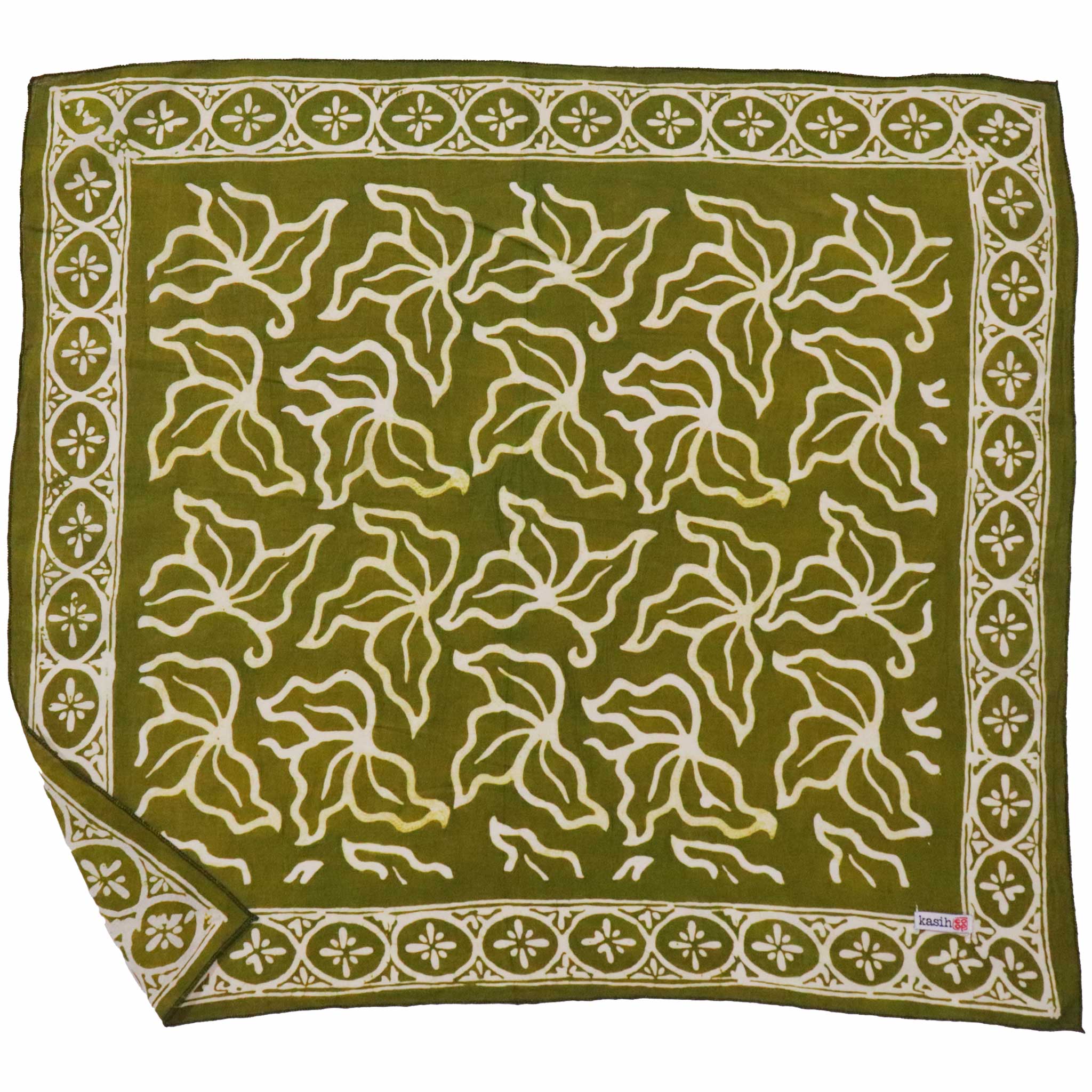
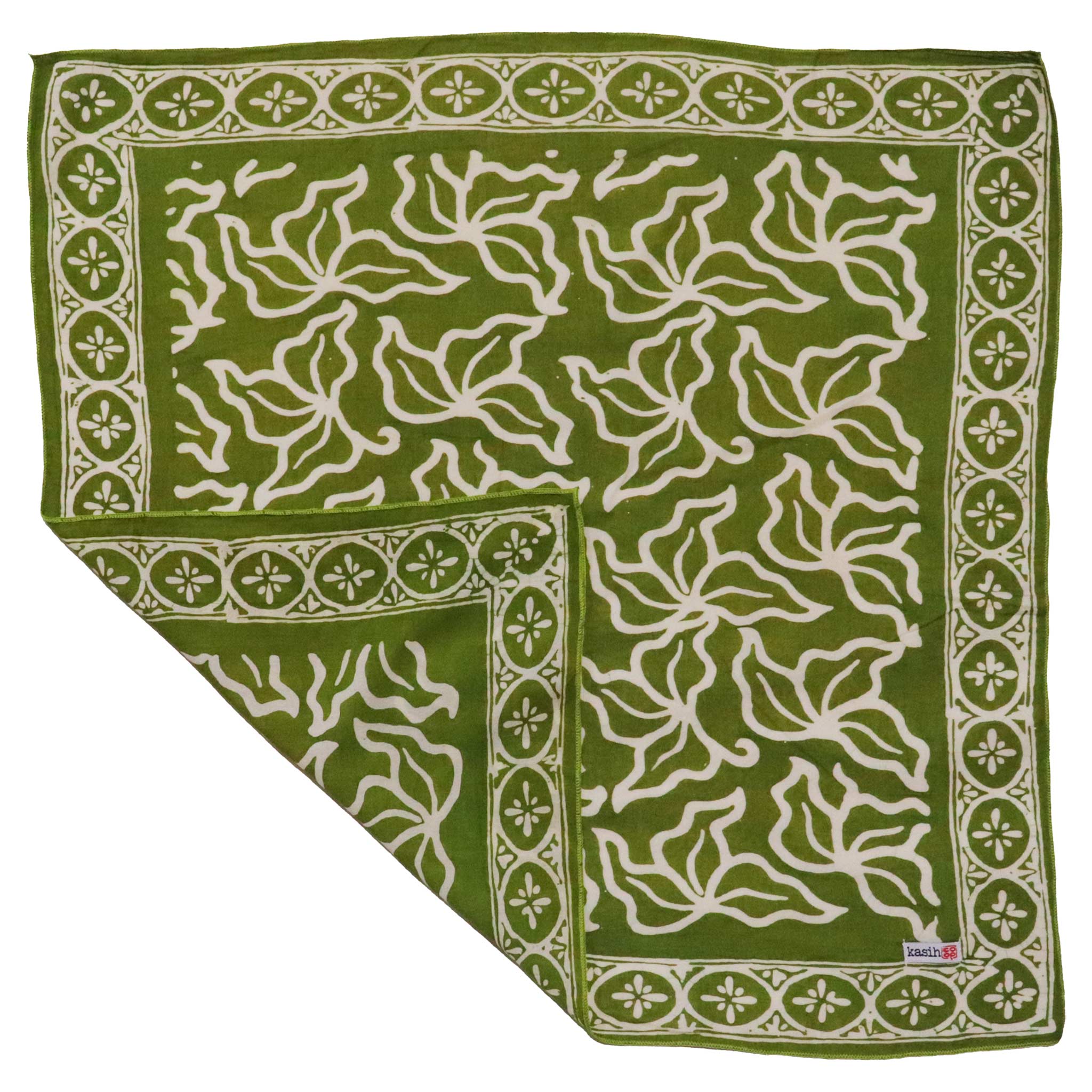
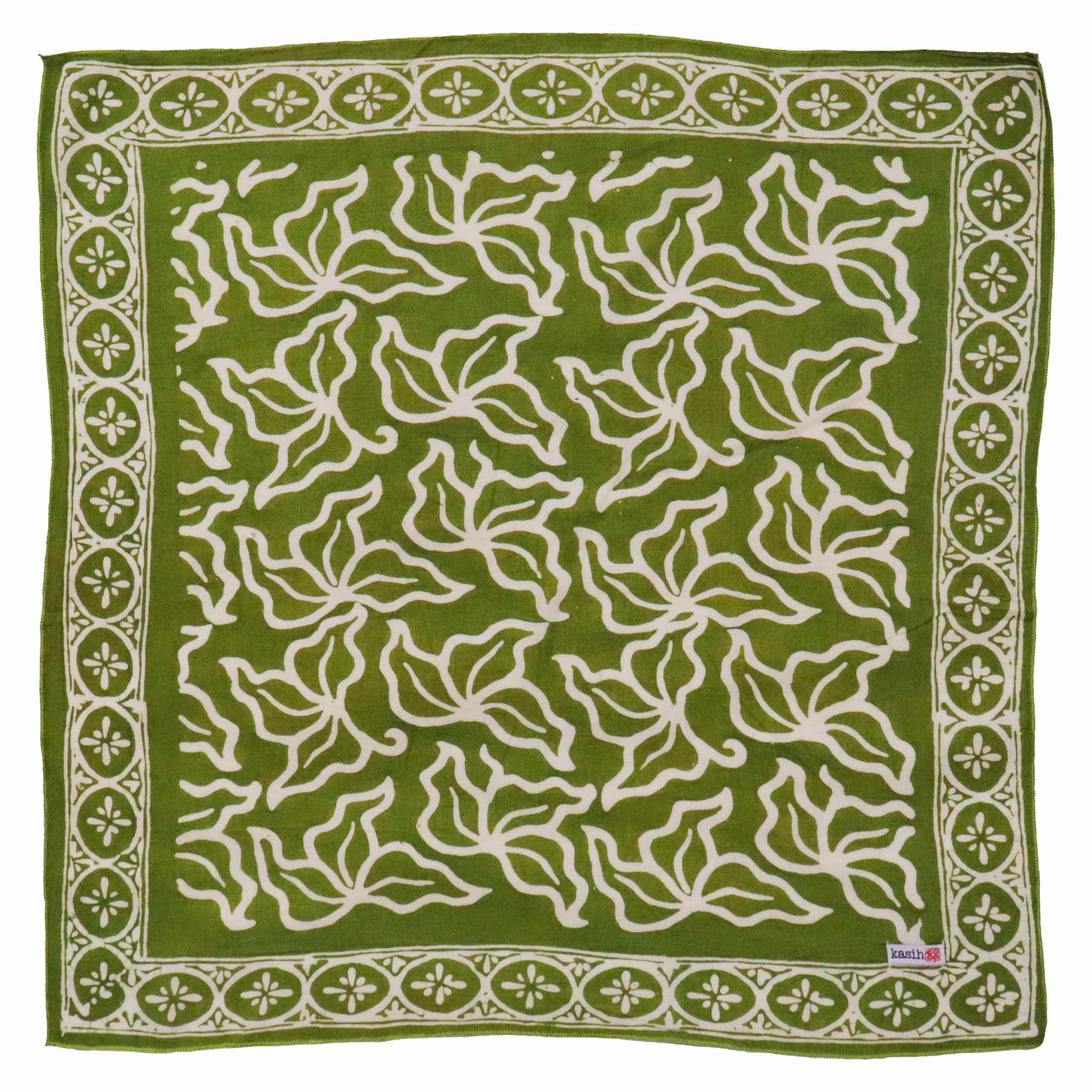
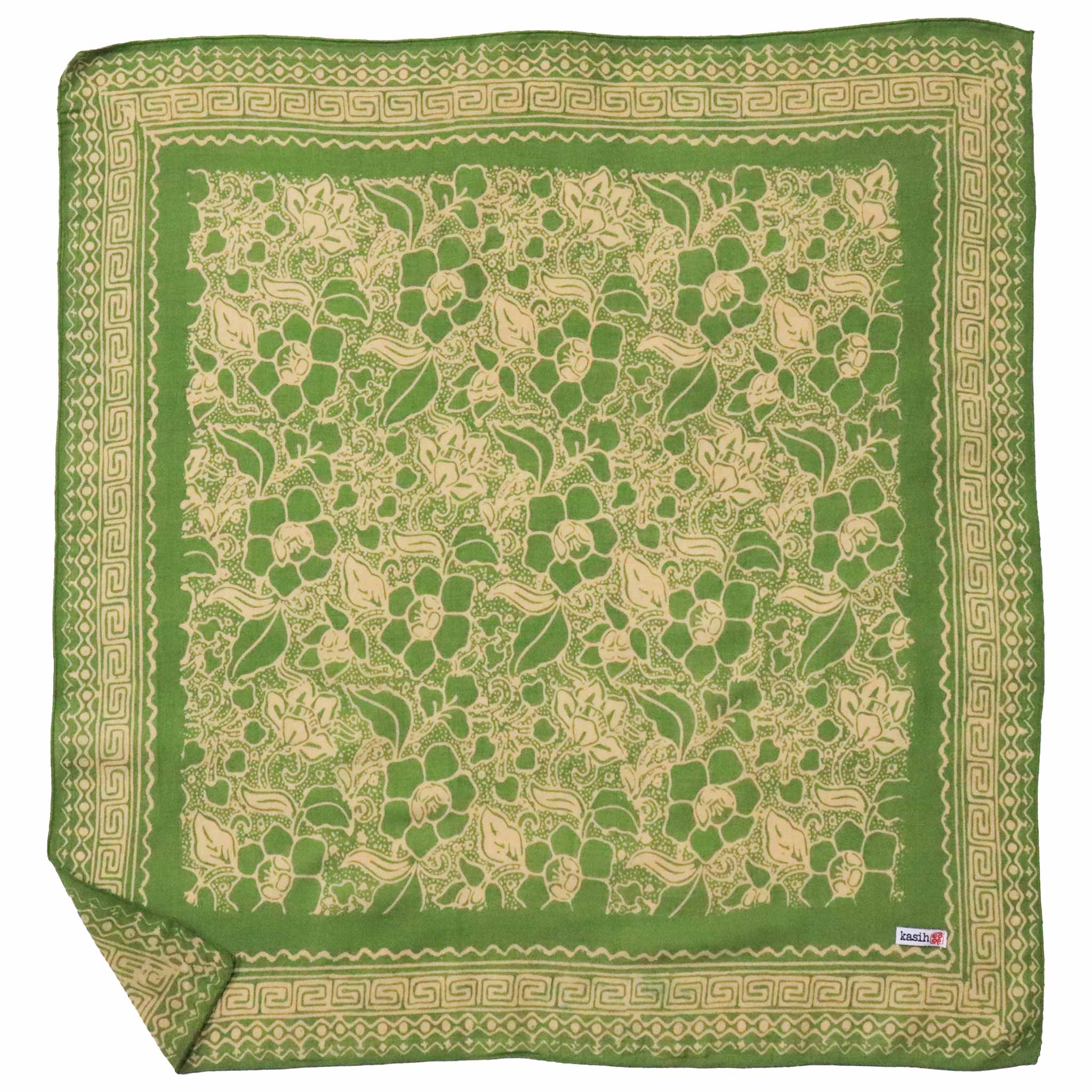
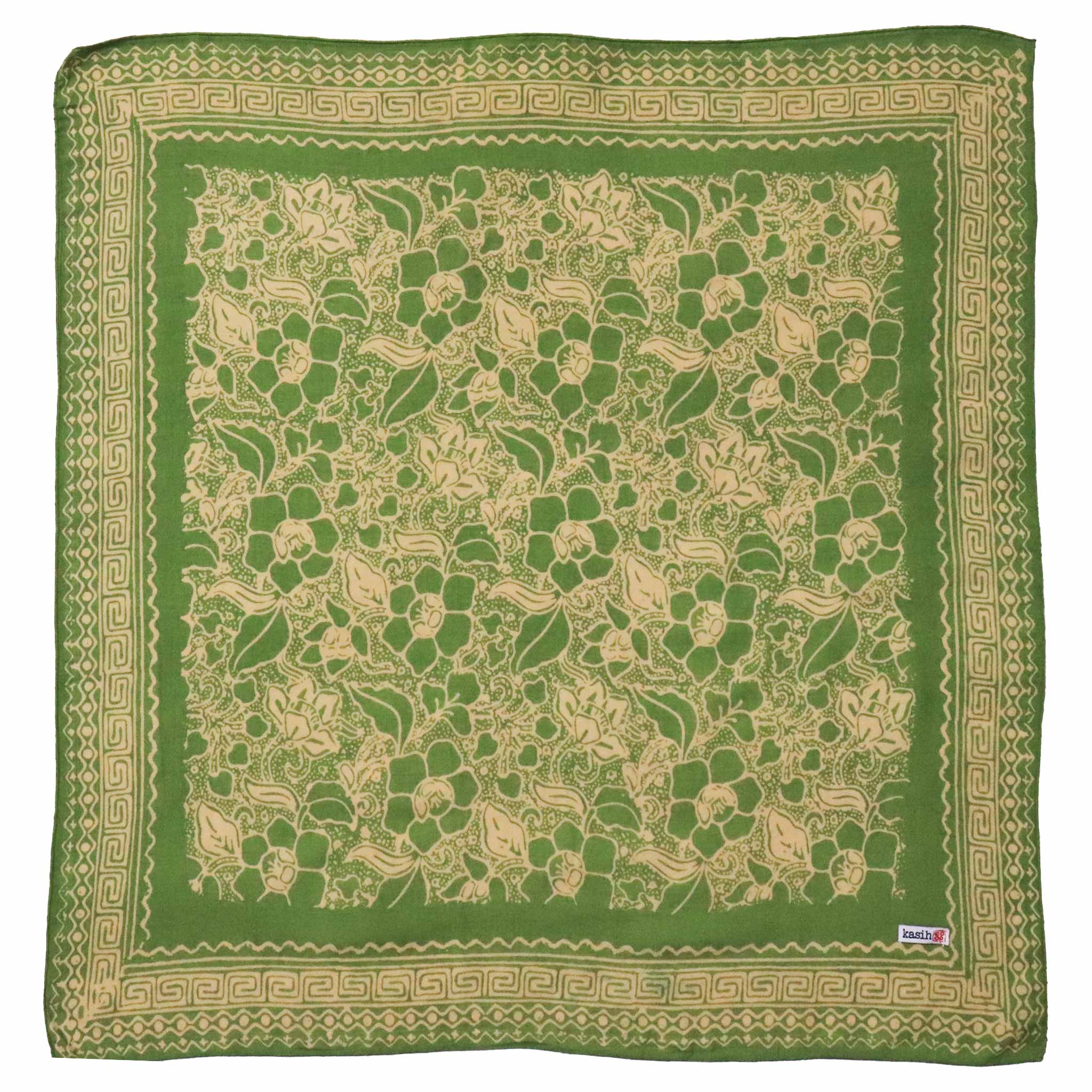
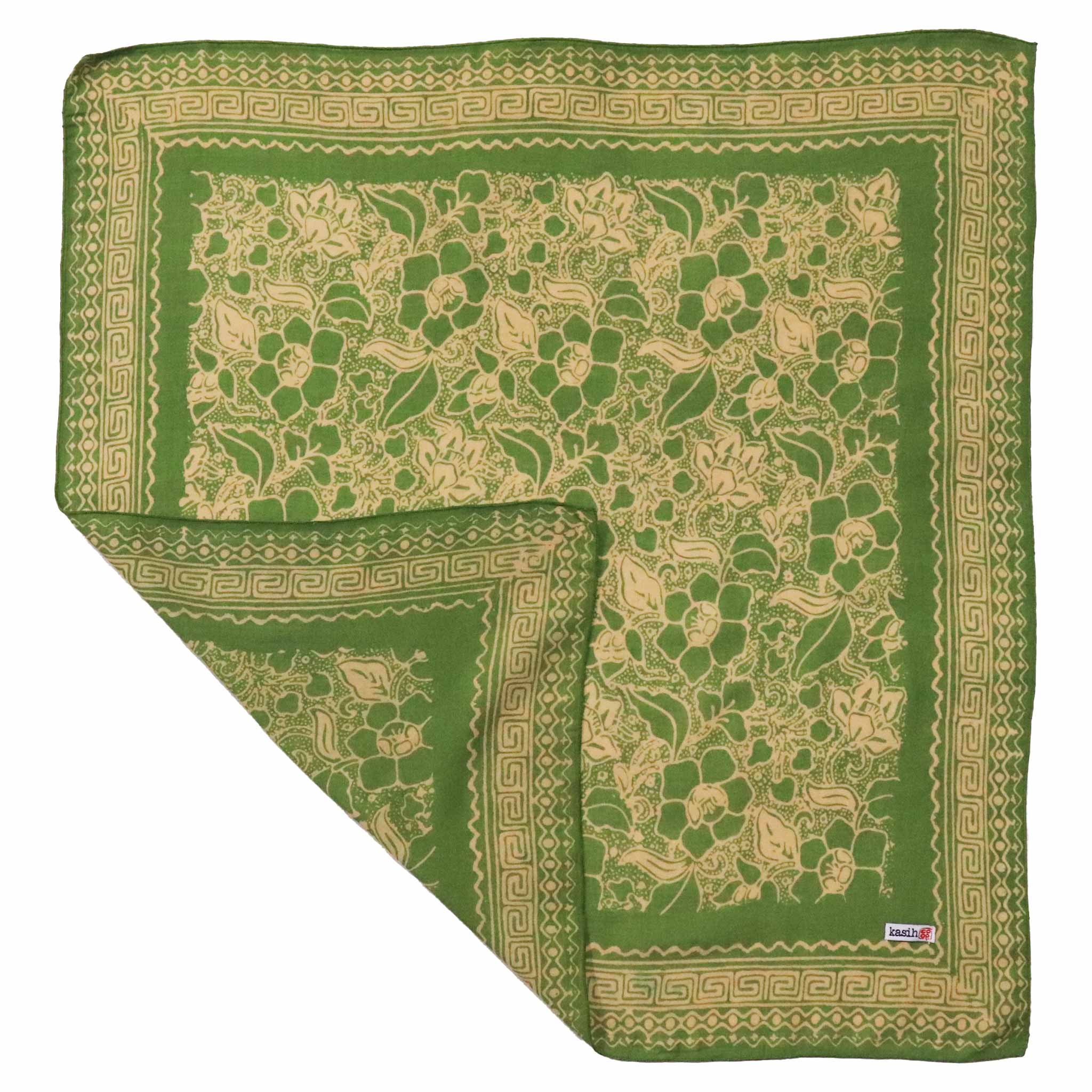
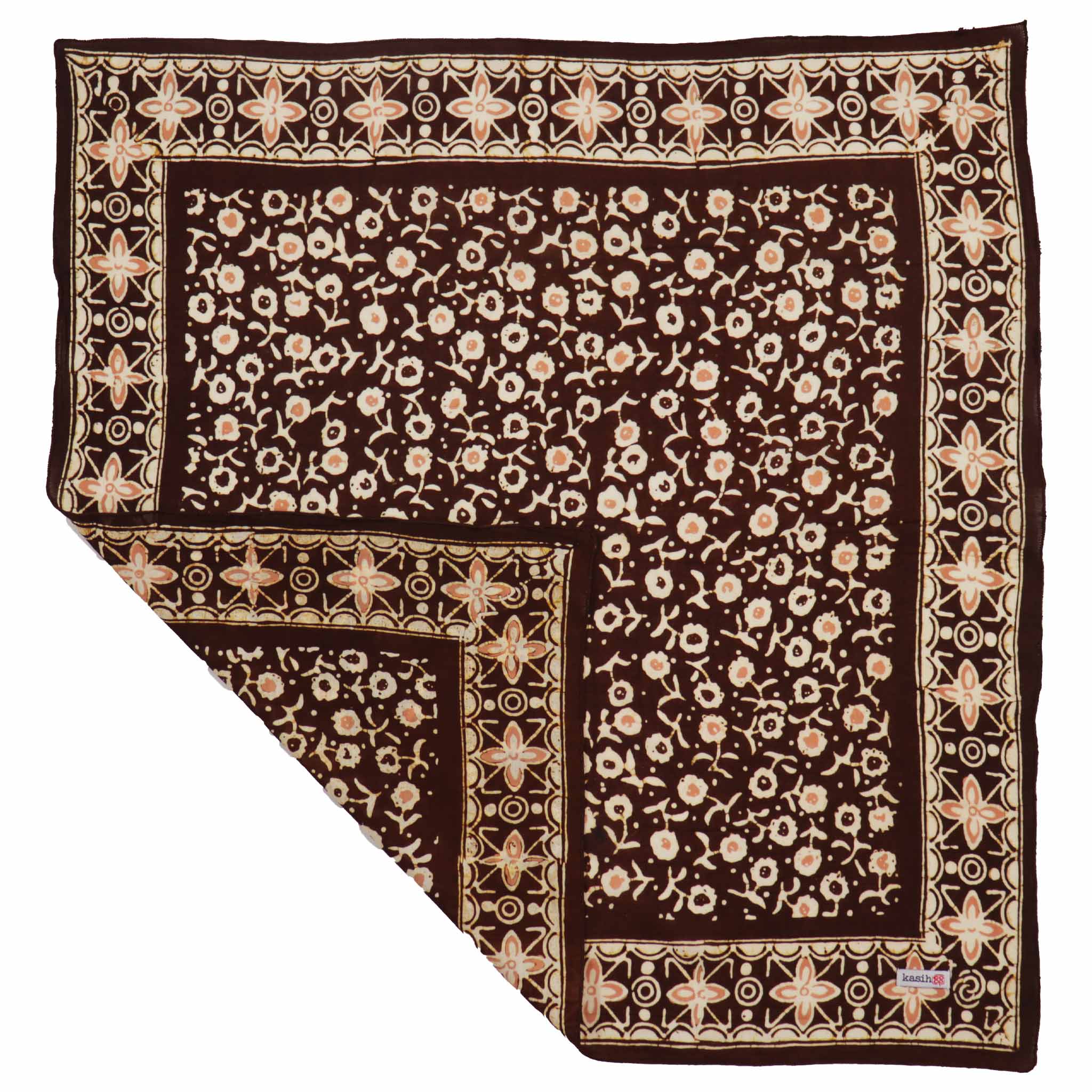
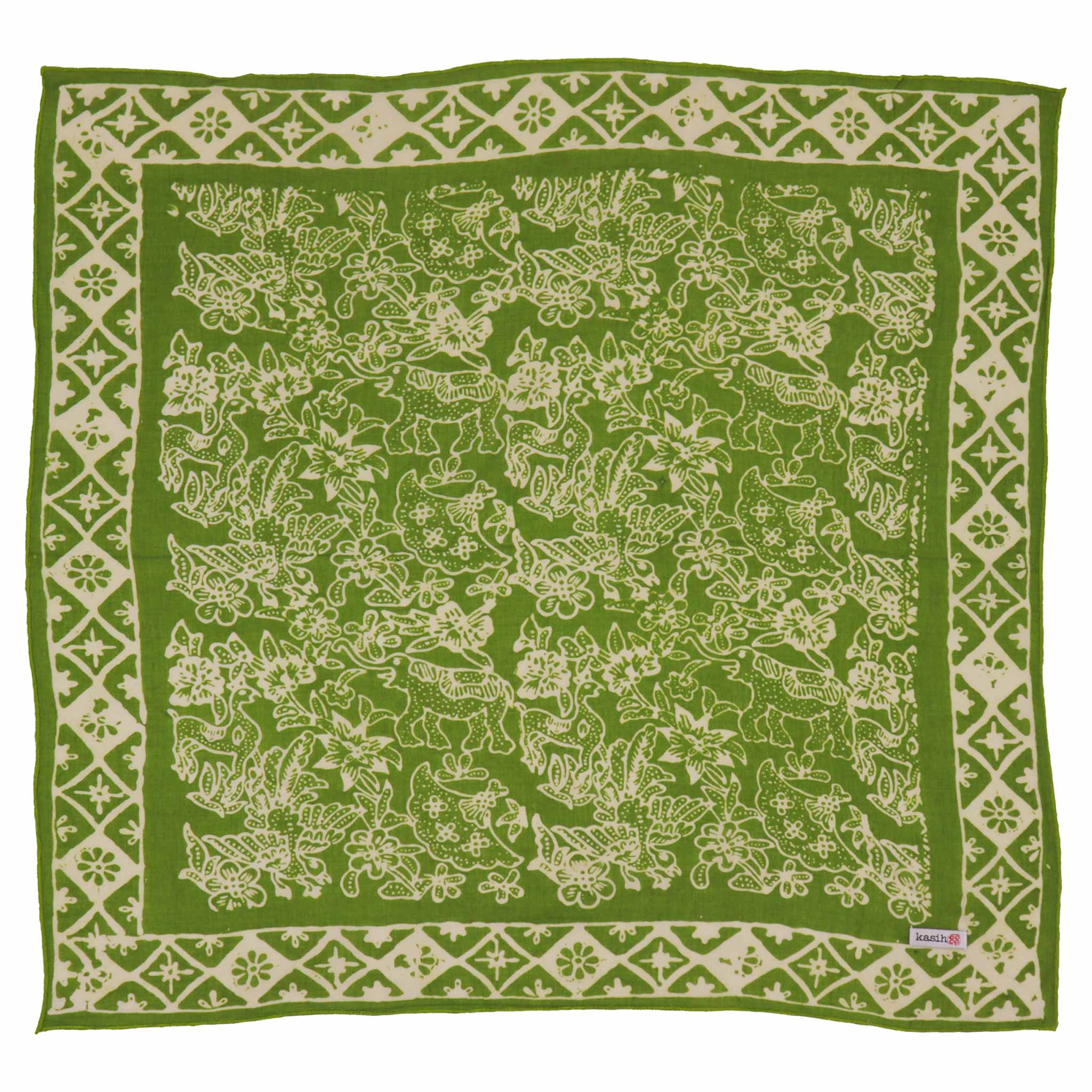
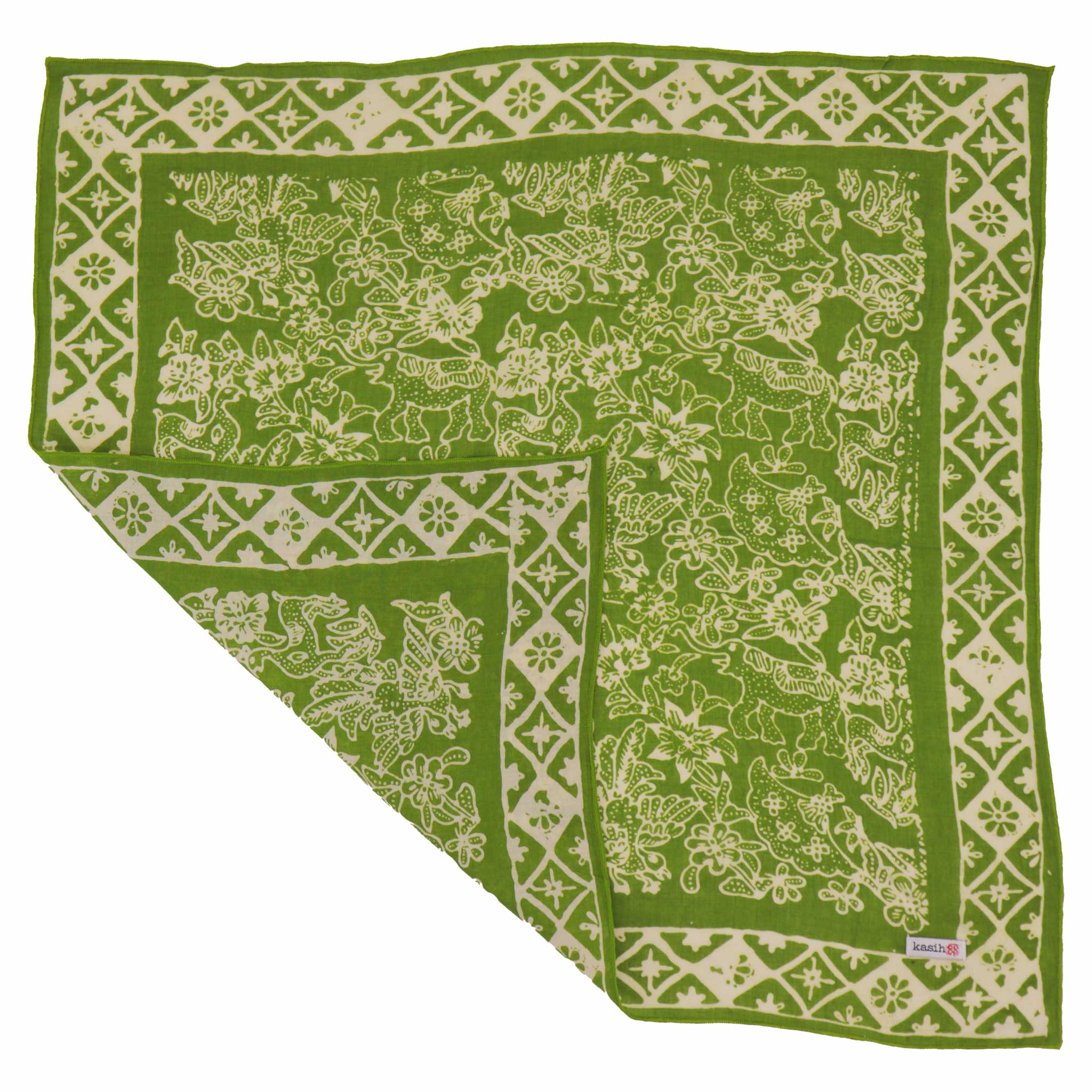
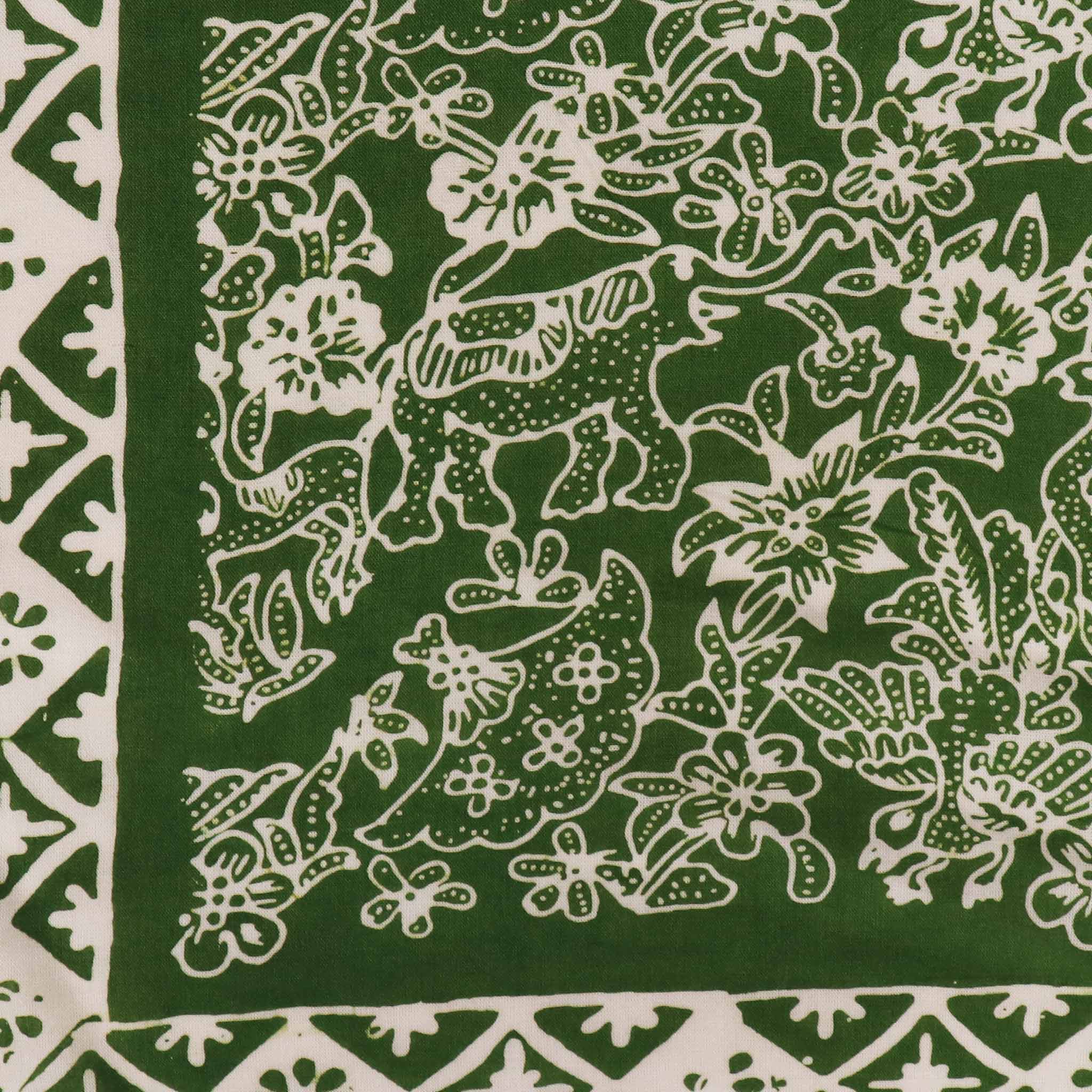
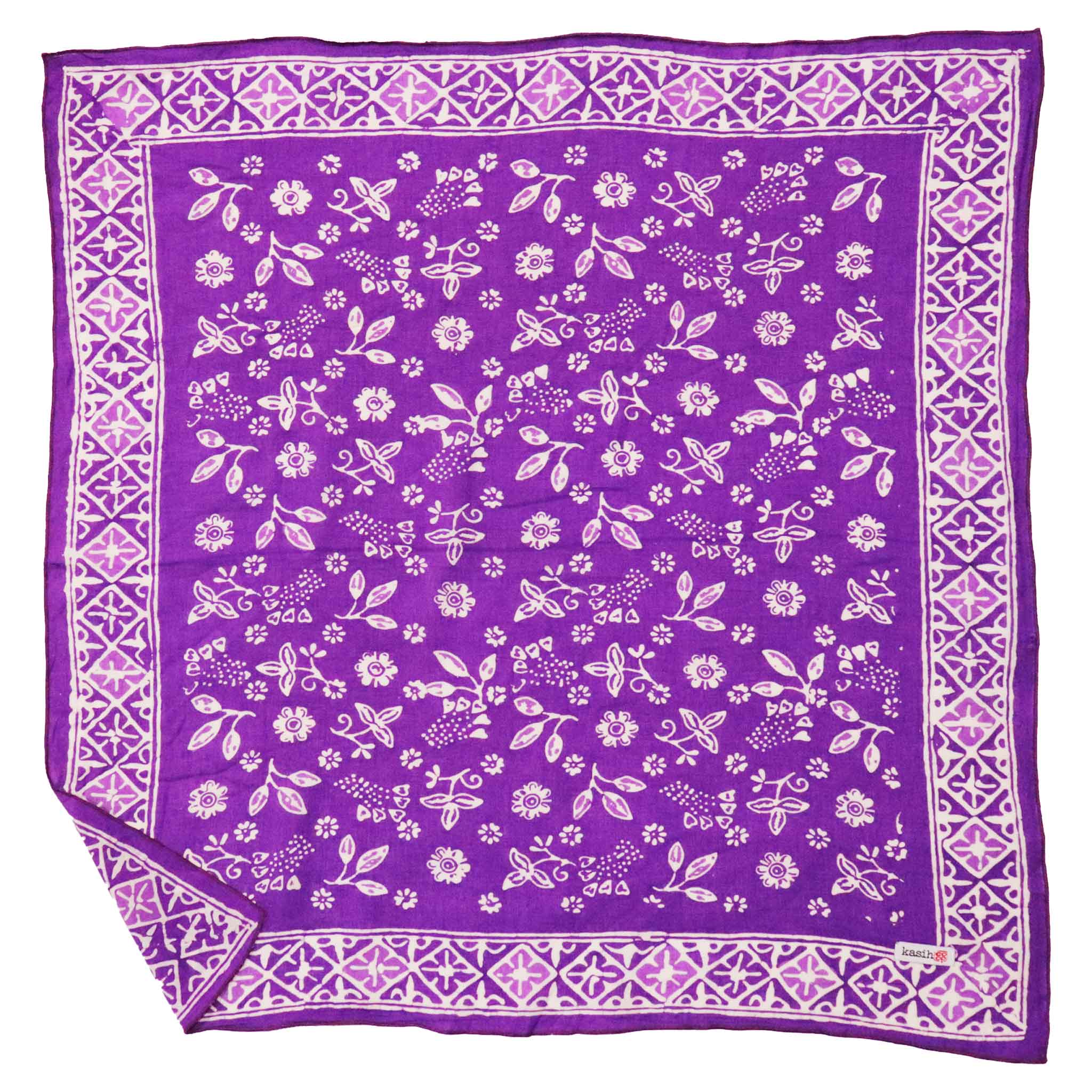
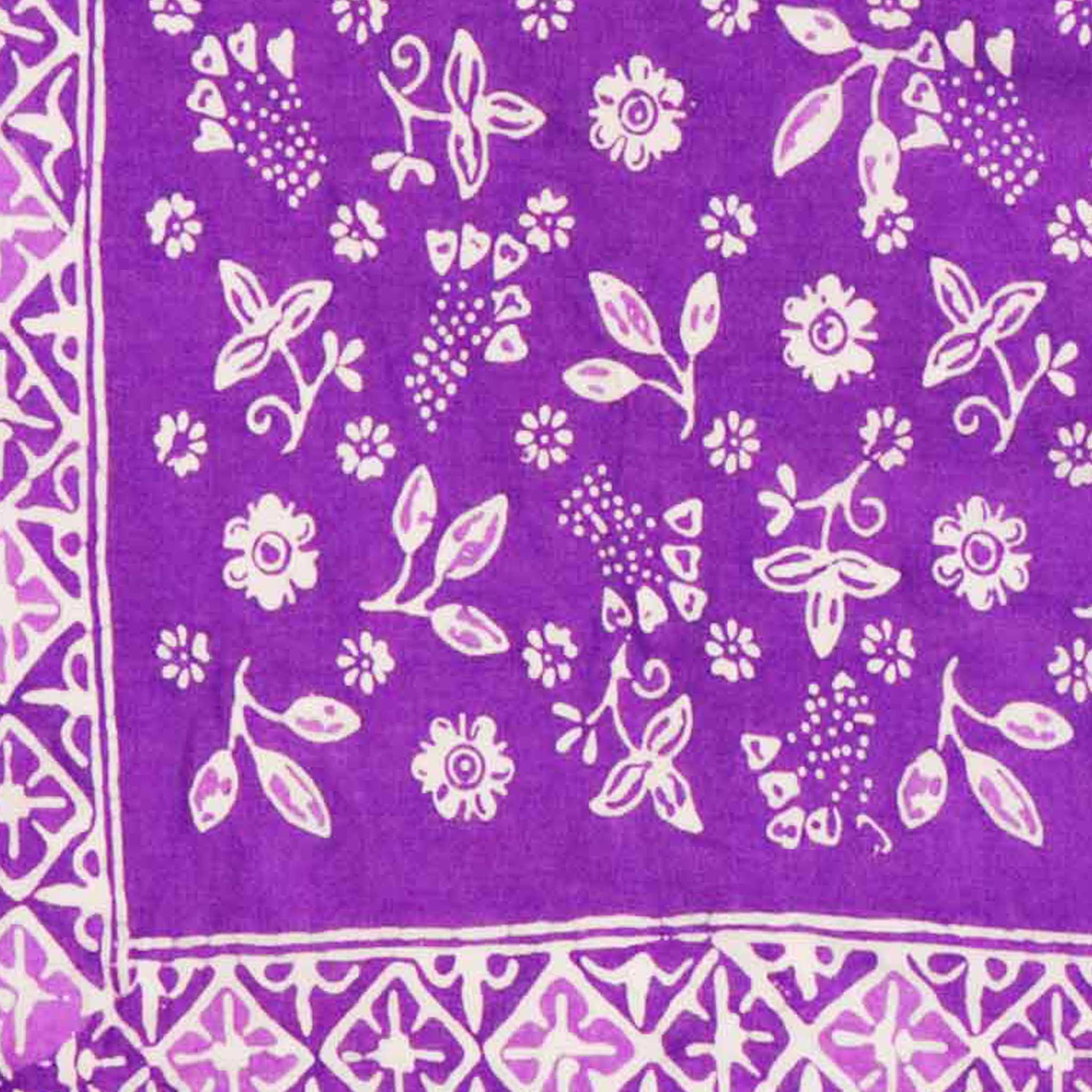
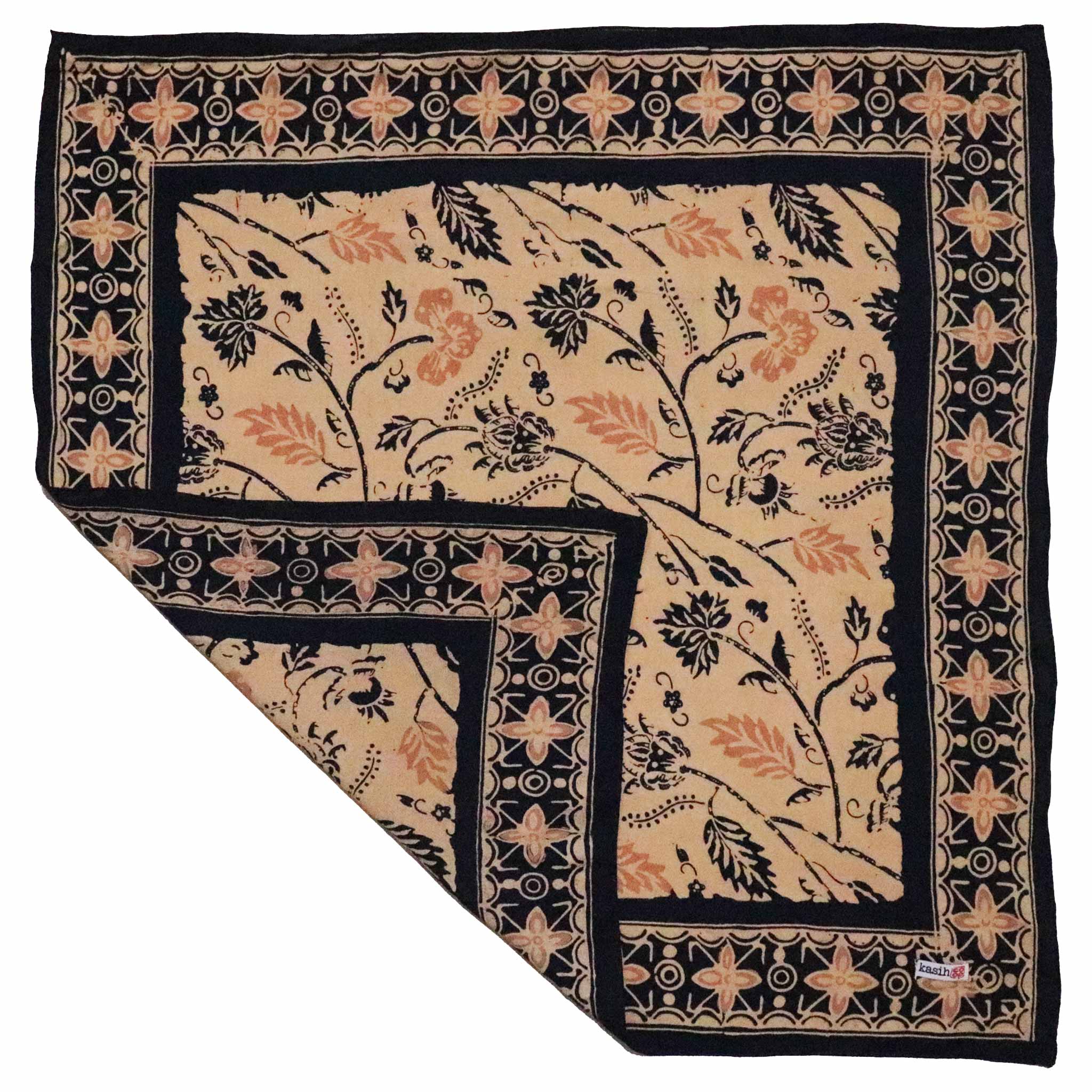
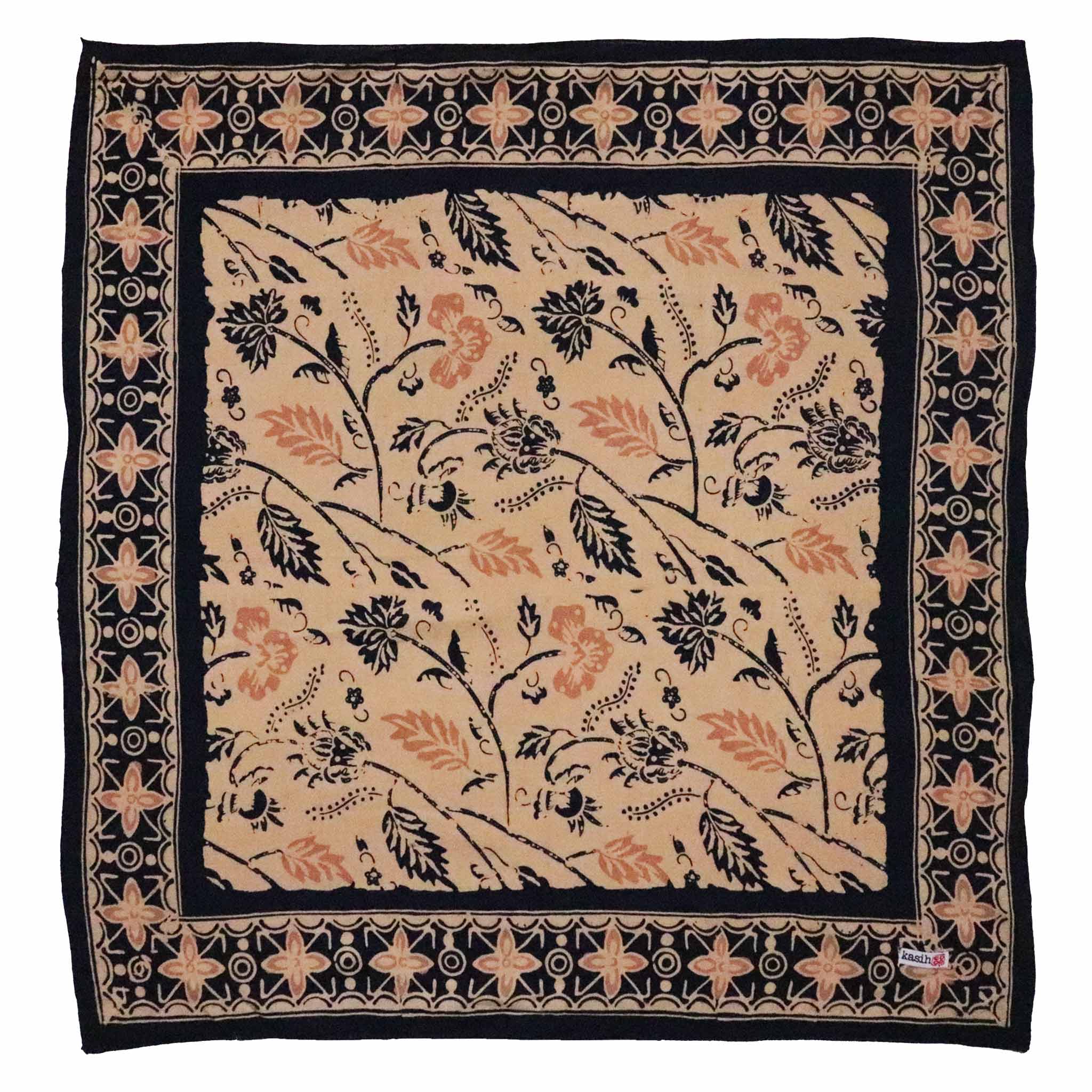
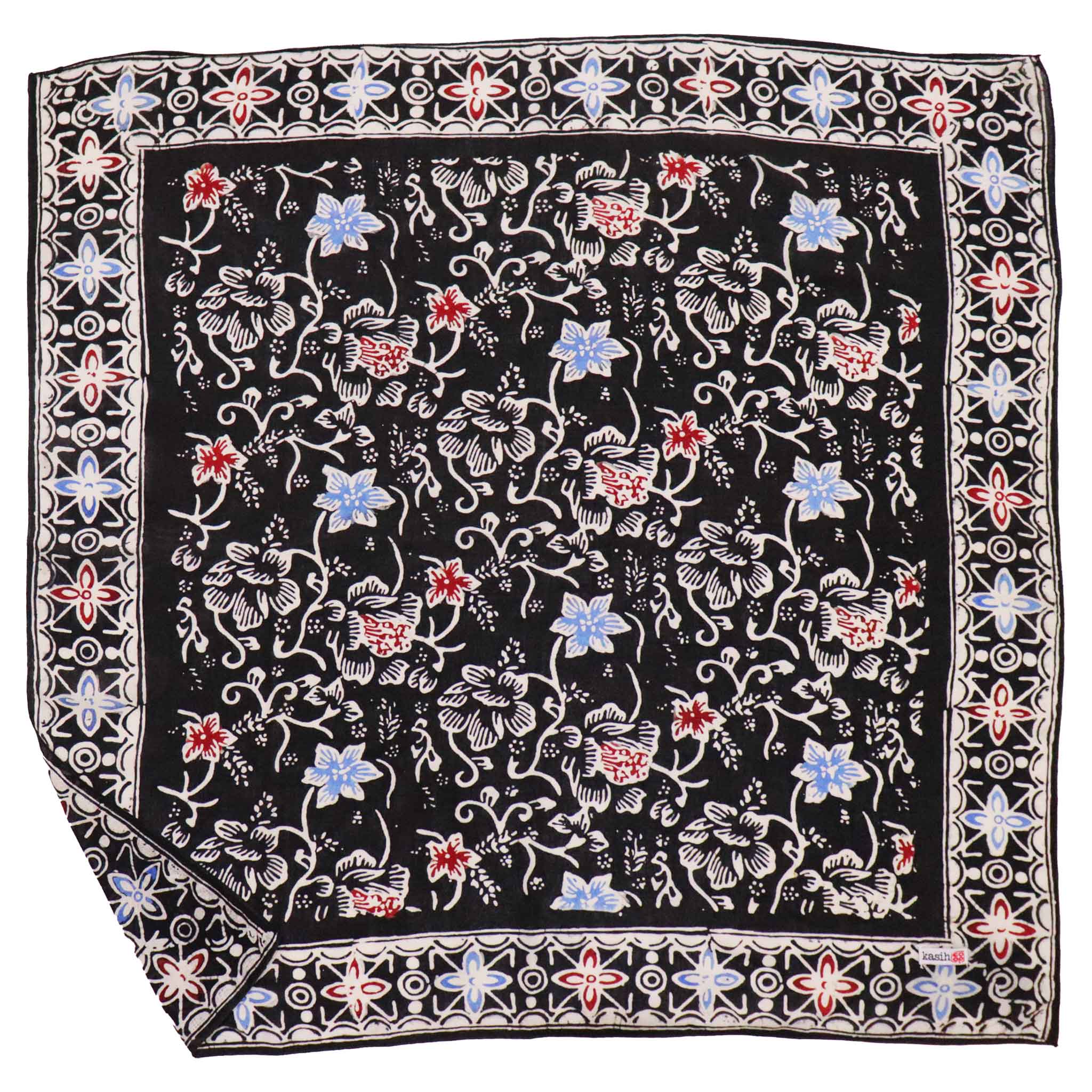
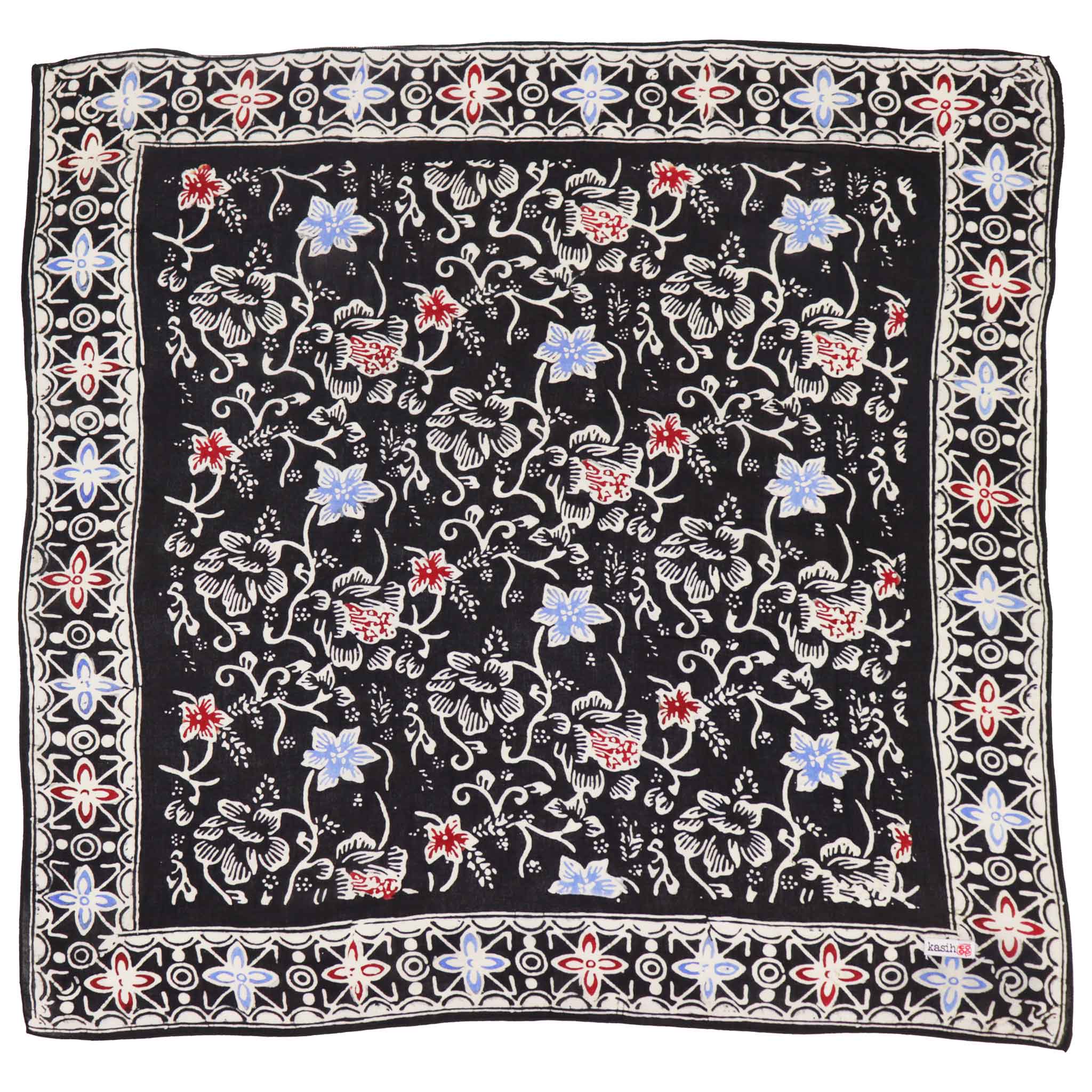
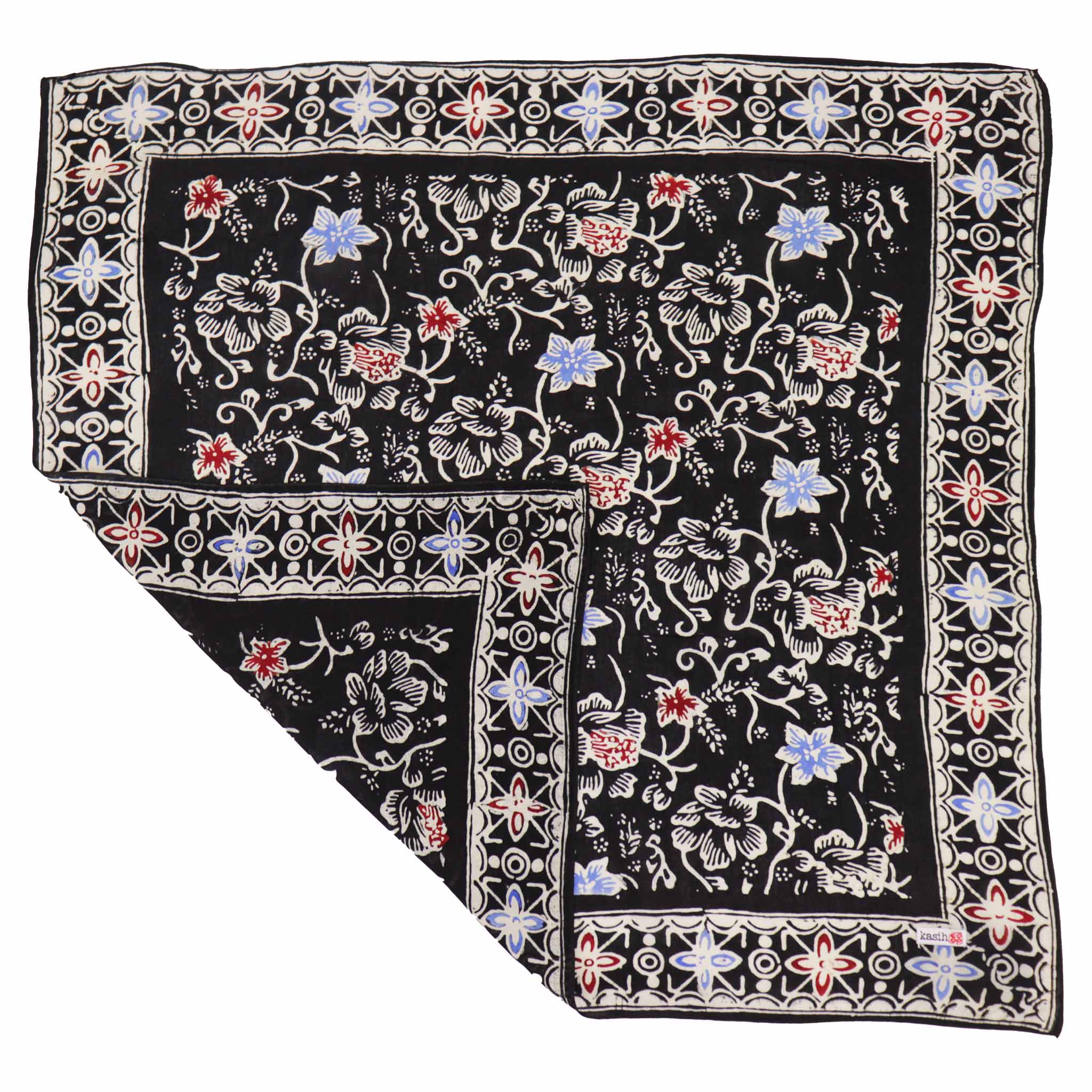
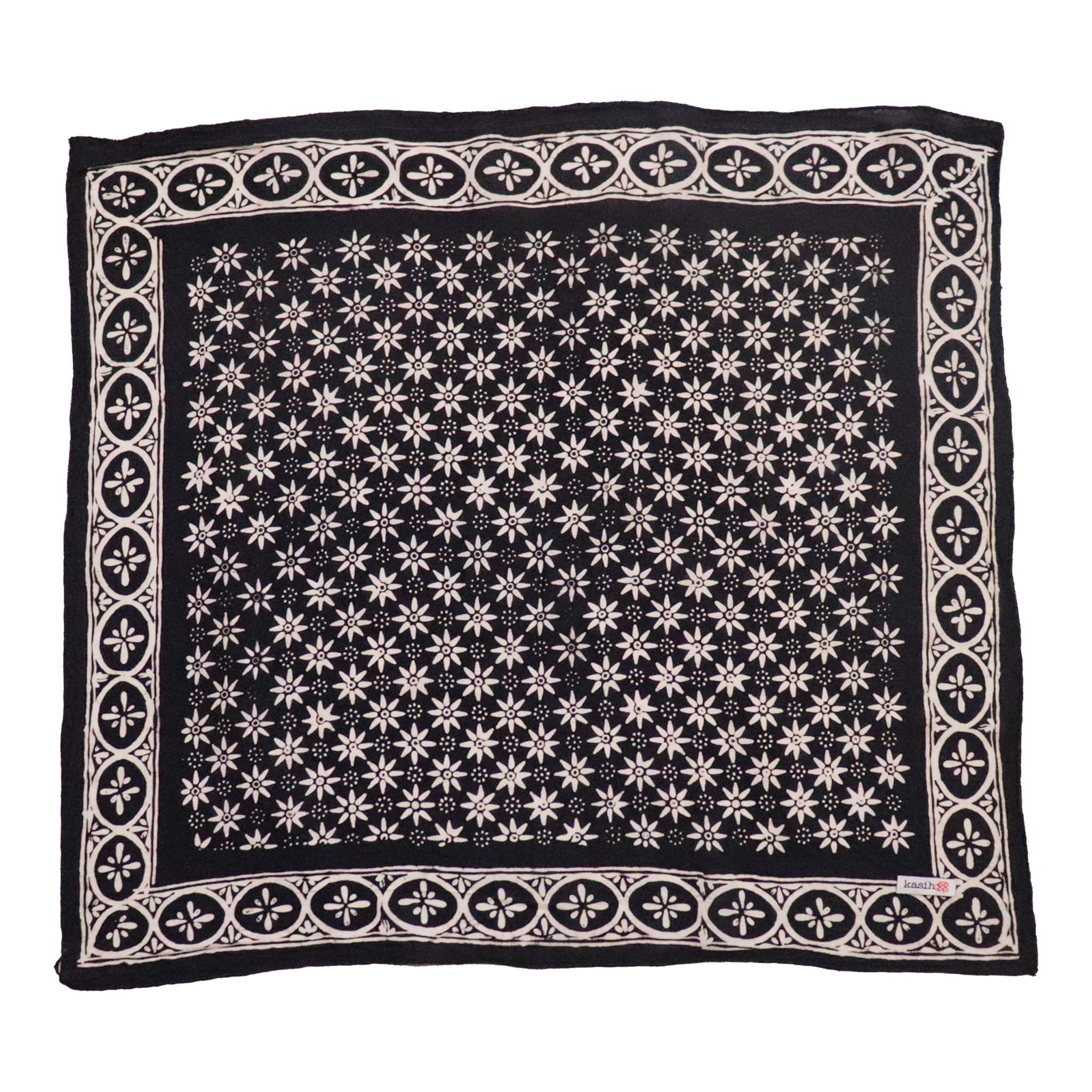
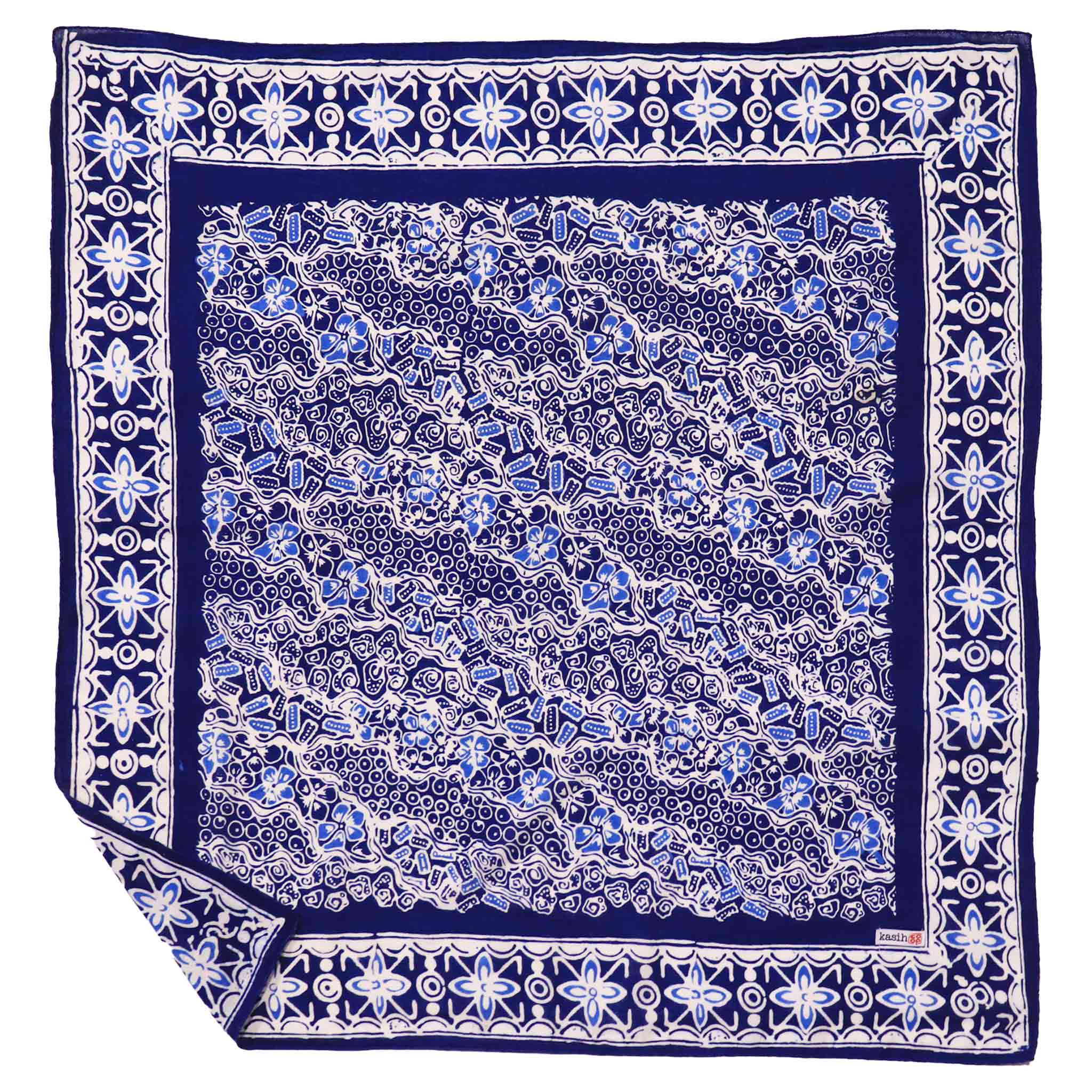
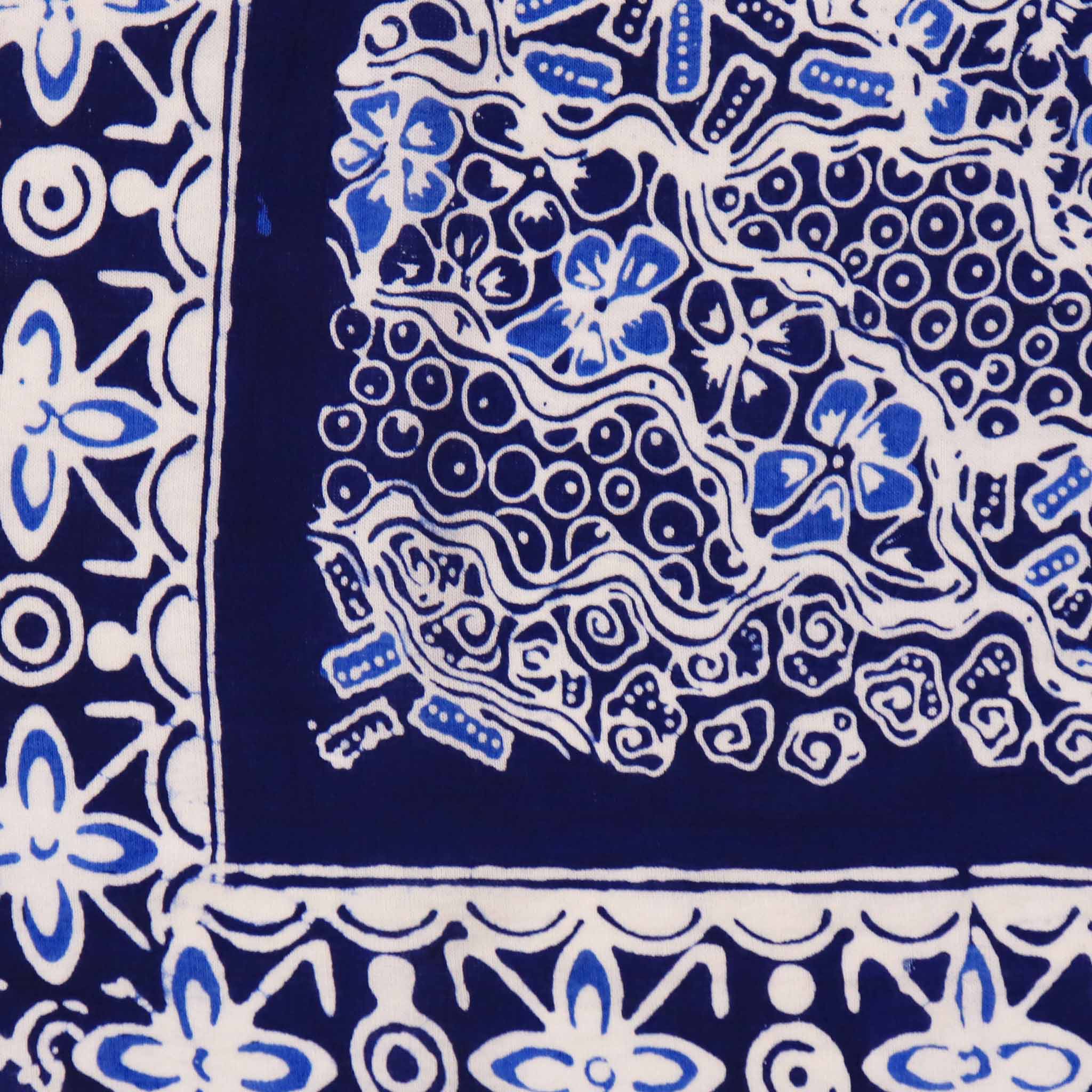
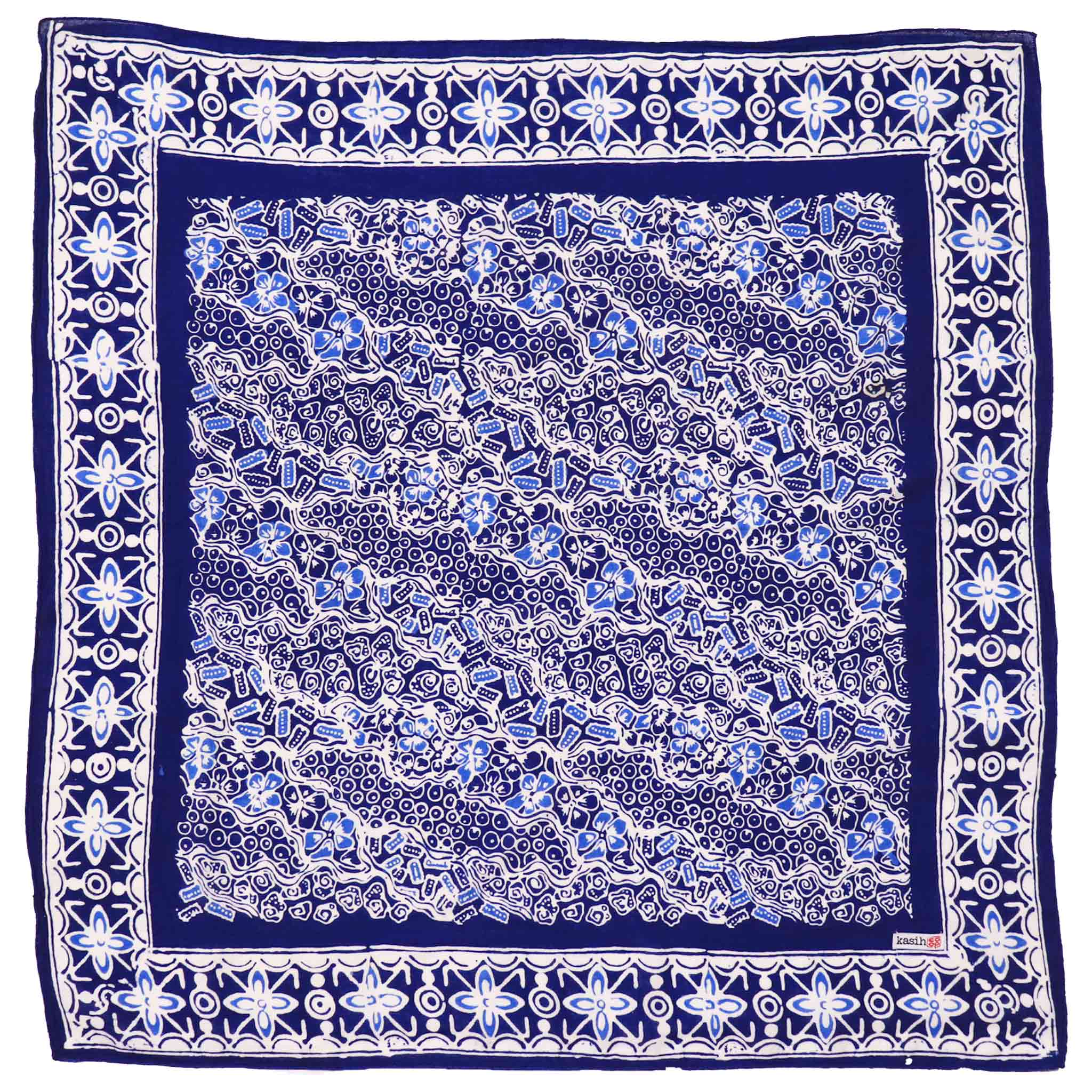
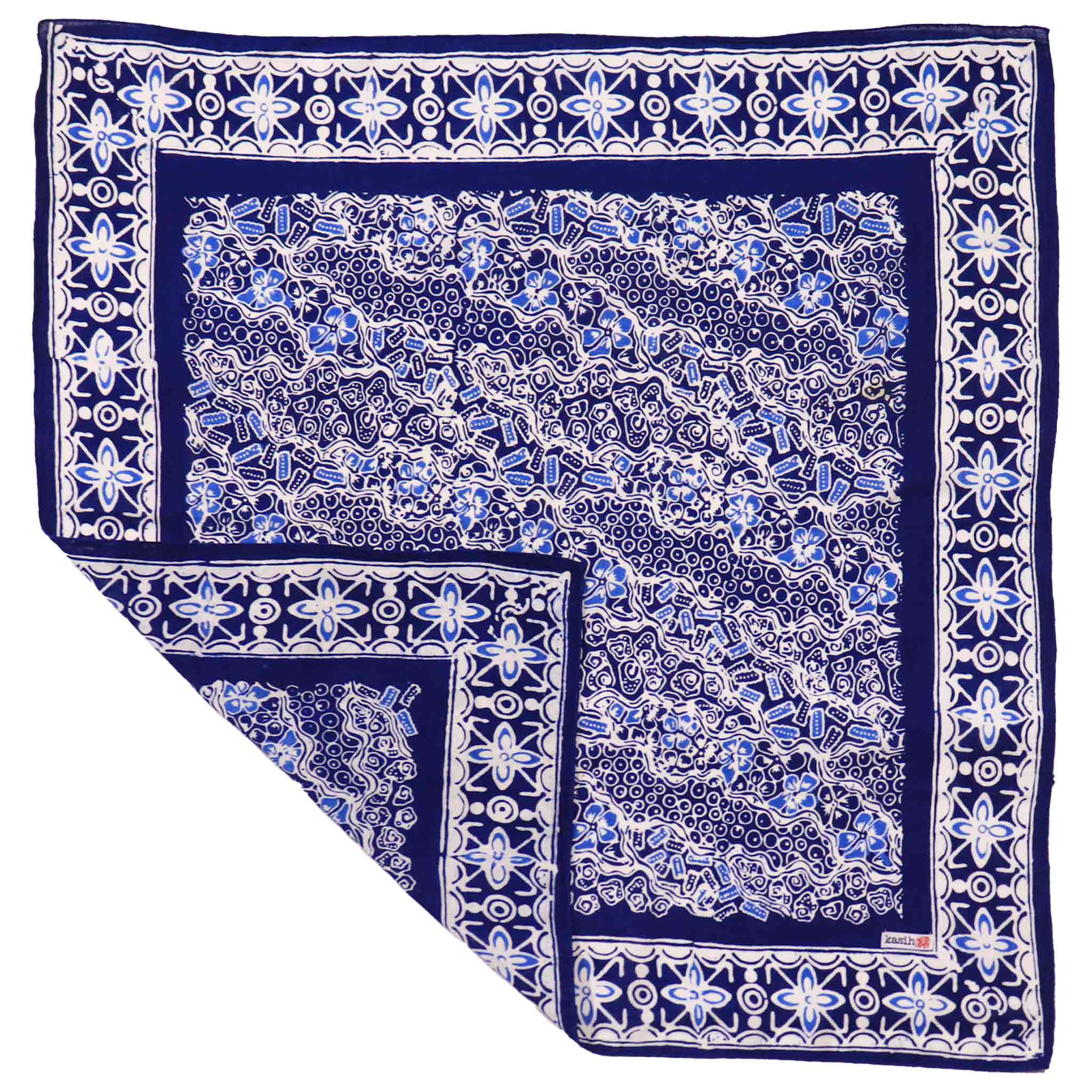
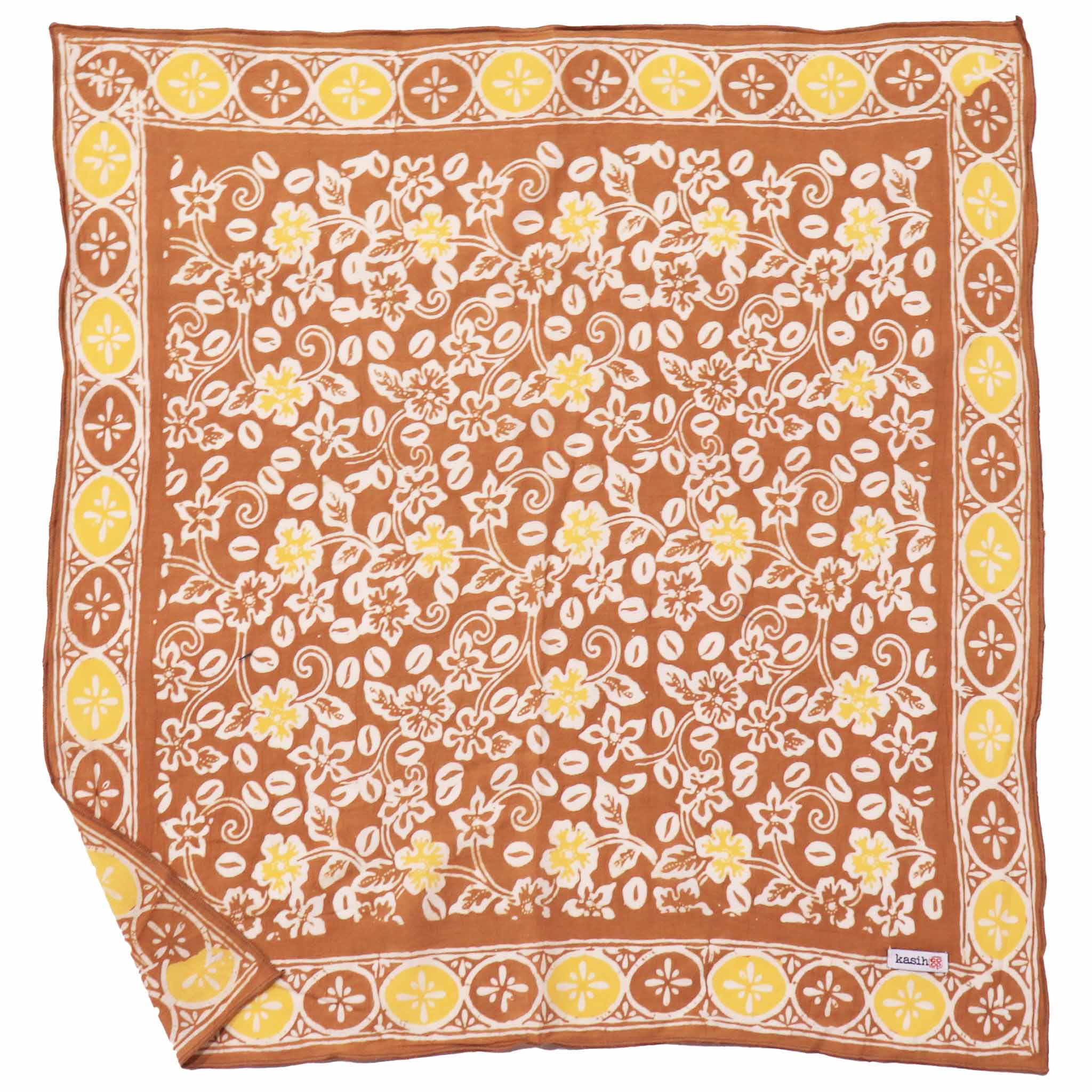
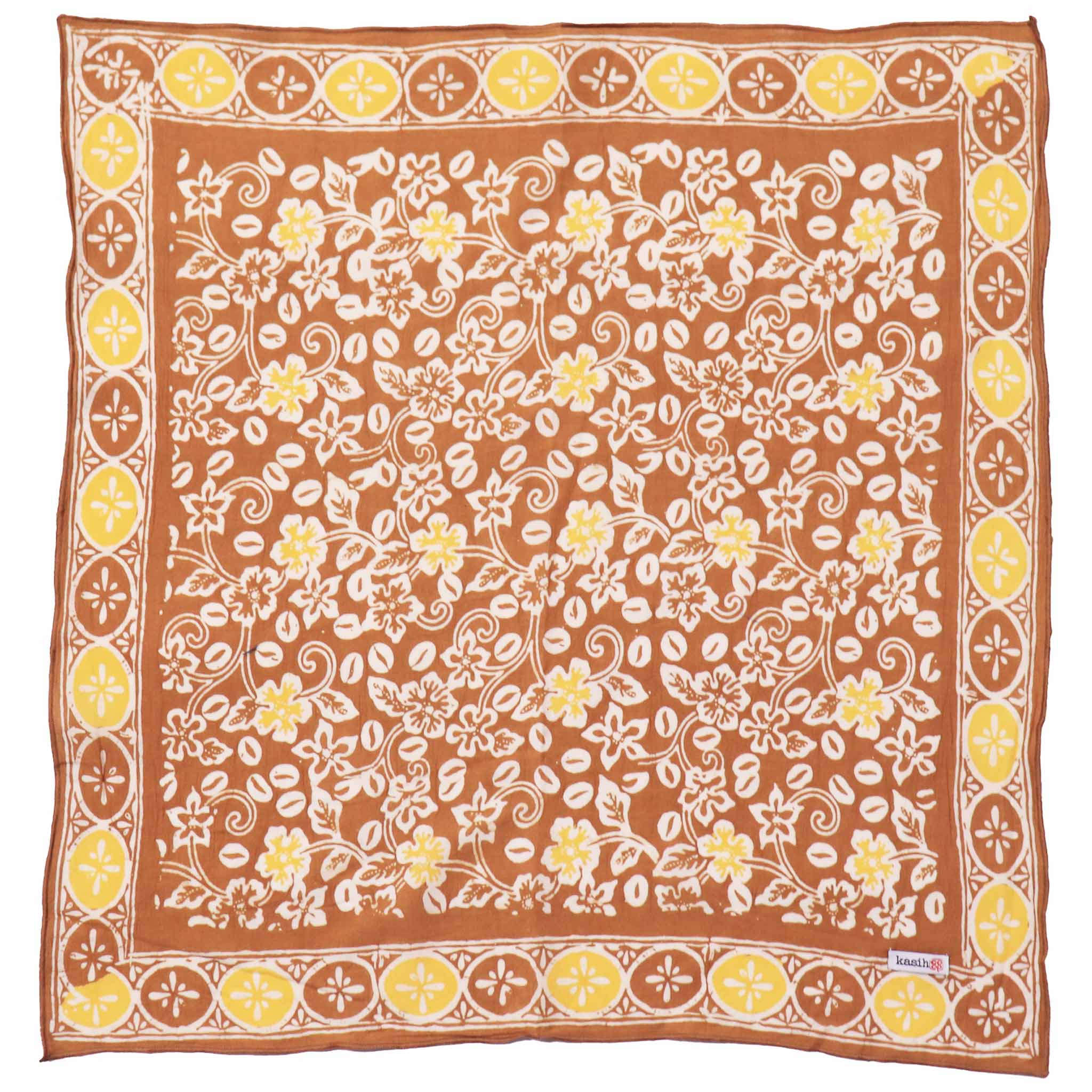
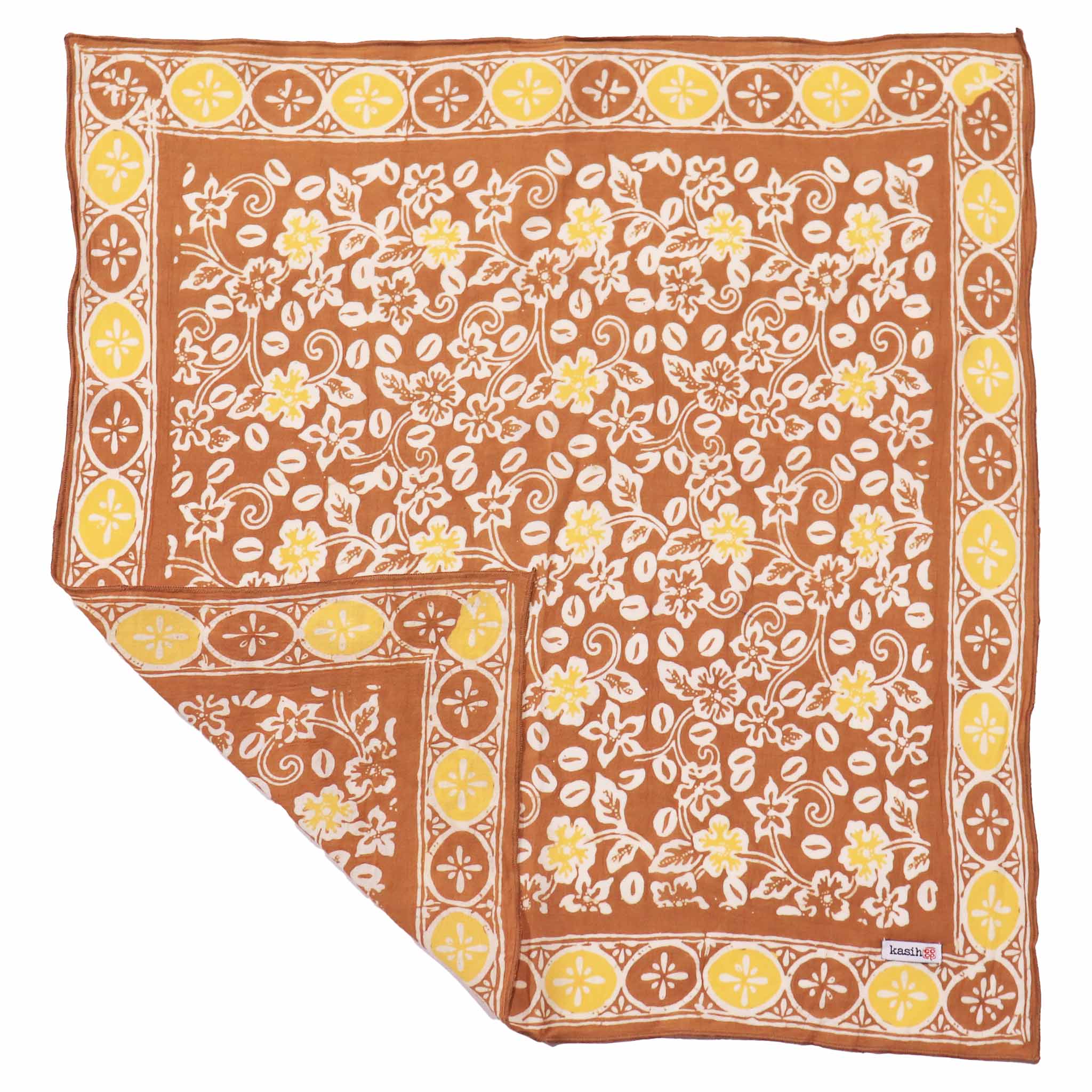
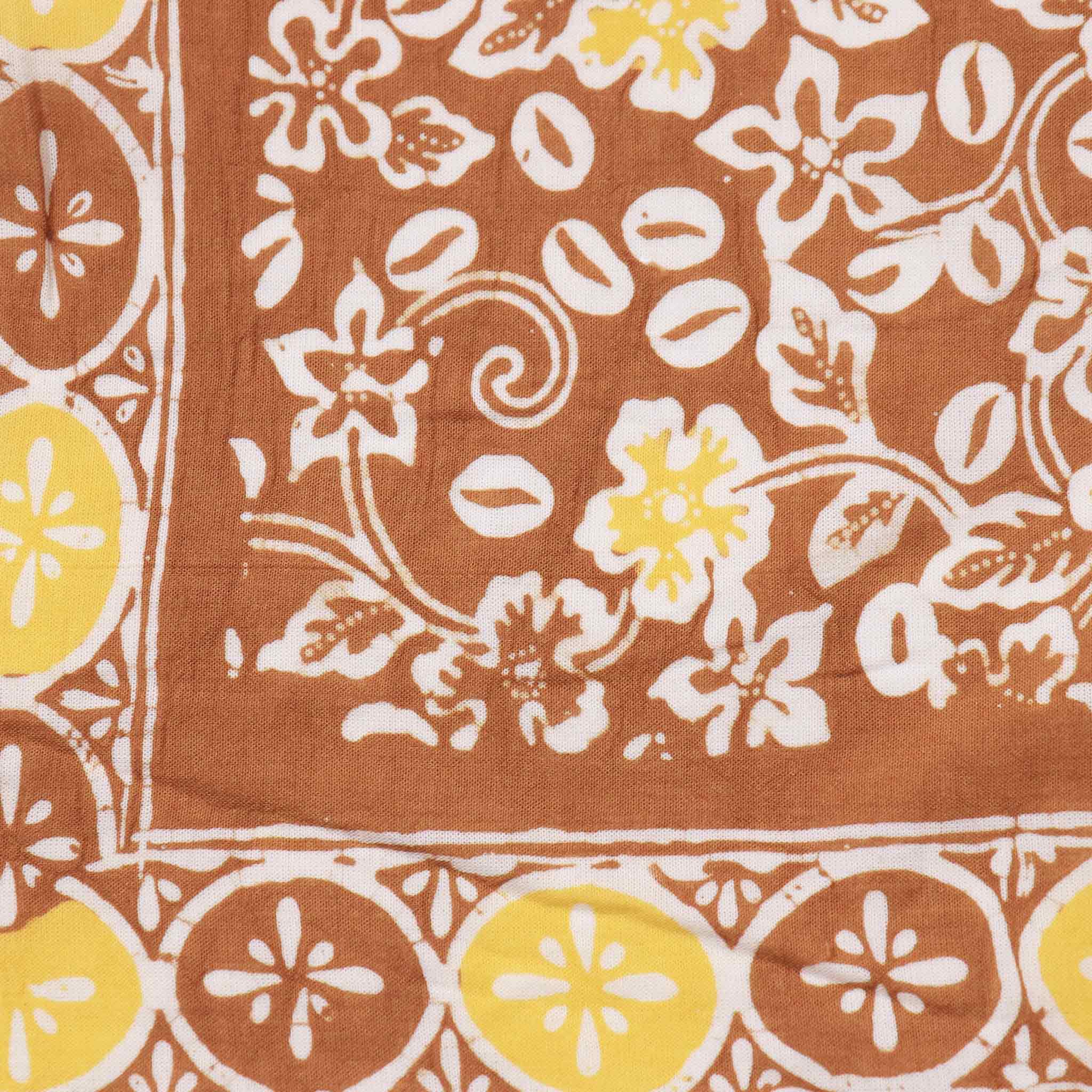
The easiest test: flip it over. In real wax-resist batik, the dye soaks all the way through the cotton, so the pattern and color look nearly the same on the back as on the front. Printed fabric is noticeably paler on the back. Other signs of real batik include faint hairline "crackle" lines where wax cracked in the dye bath, small color variations, and edges that aren't perfectly square from pre-washing.
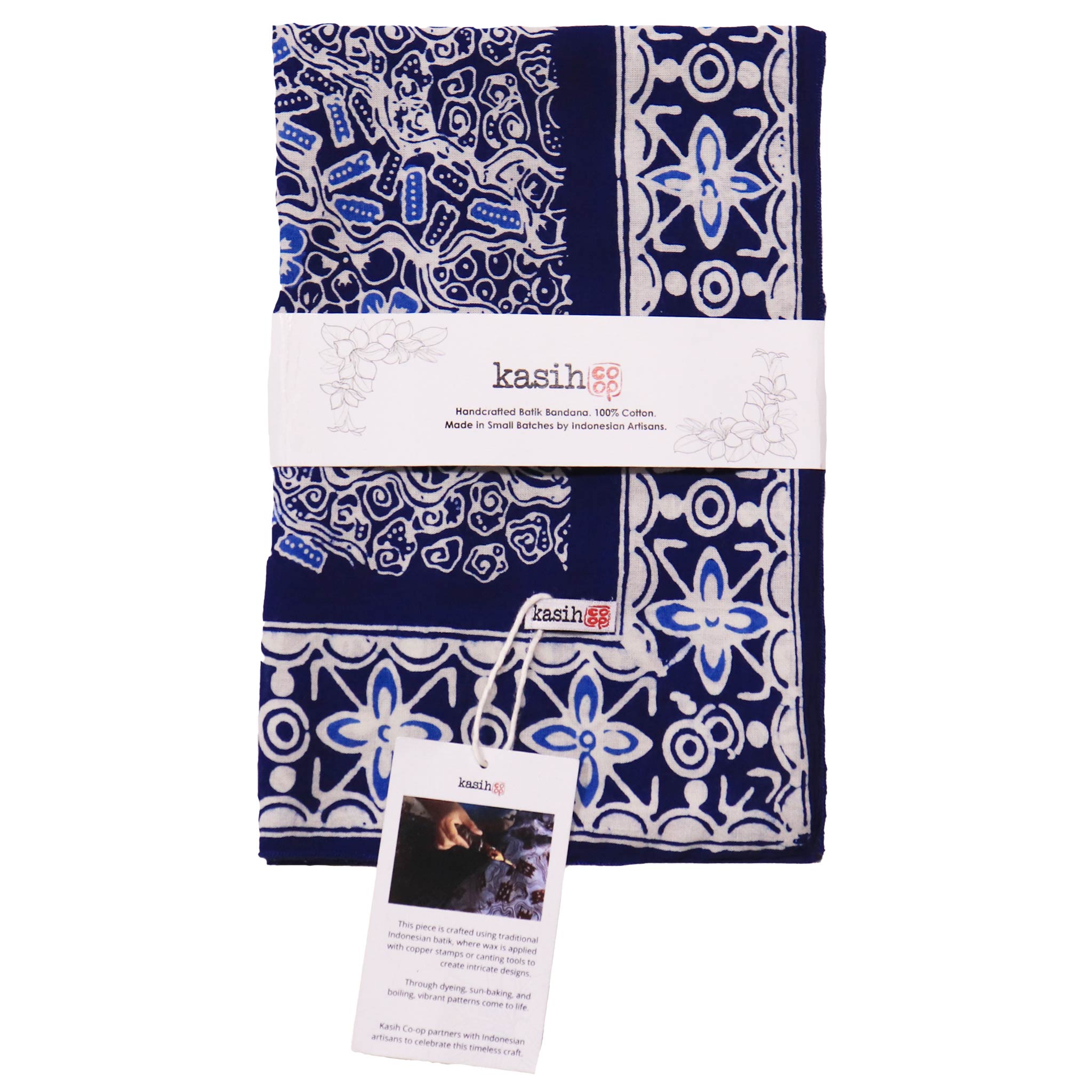
Every Kasih Co-op bandana is genuine batik cap or batik tulis. Our fully hand-drawn pieces are in our Batik Tulis Bandanas collection.
What Batik Motifs Mean
Traditional Indonesian batik motifs often carry meaning, and some were historically reserved for royalty or special occasions. A few motifs you'll see across our collections:
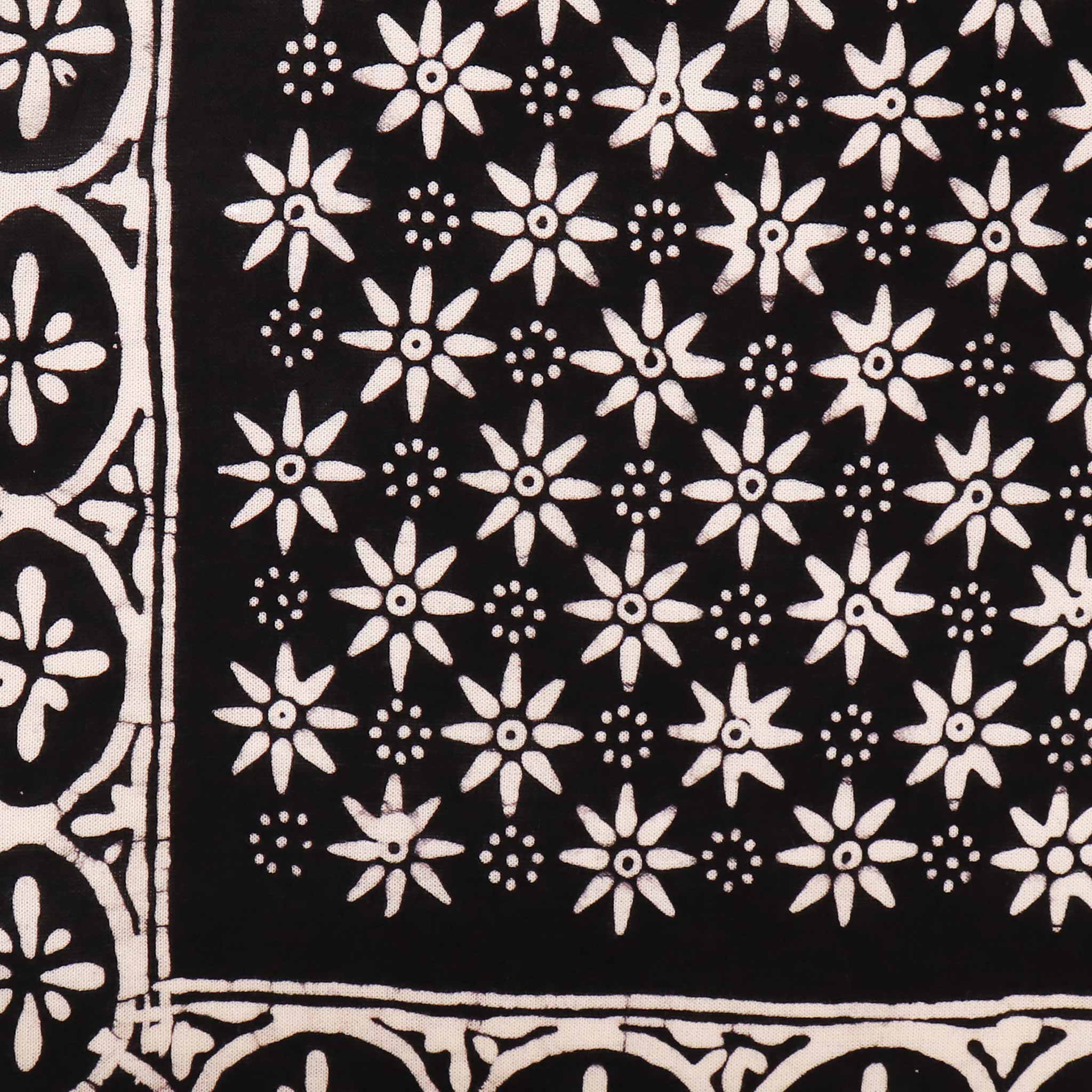
- Parang and Lereng / Liris (diagonal patterns). Repeating diagonal bands, among the oldest Javanese motifs. They are often associated with strength, perseverance, and an unbroken spirit. Our Liris Black & White bandana is a modern take on this family of designs.
- Kawung (four-petal circles). Inspired by the fruit of the sugar palm, often read as a symbol of purity and wisdom.
- Mega Mendung (layered clouds). From Cirebon on Java's north coast, the rolling clouds are associated with patience and calm.
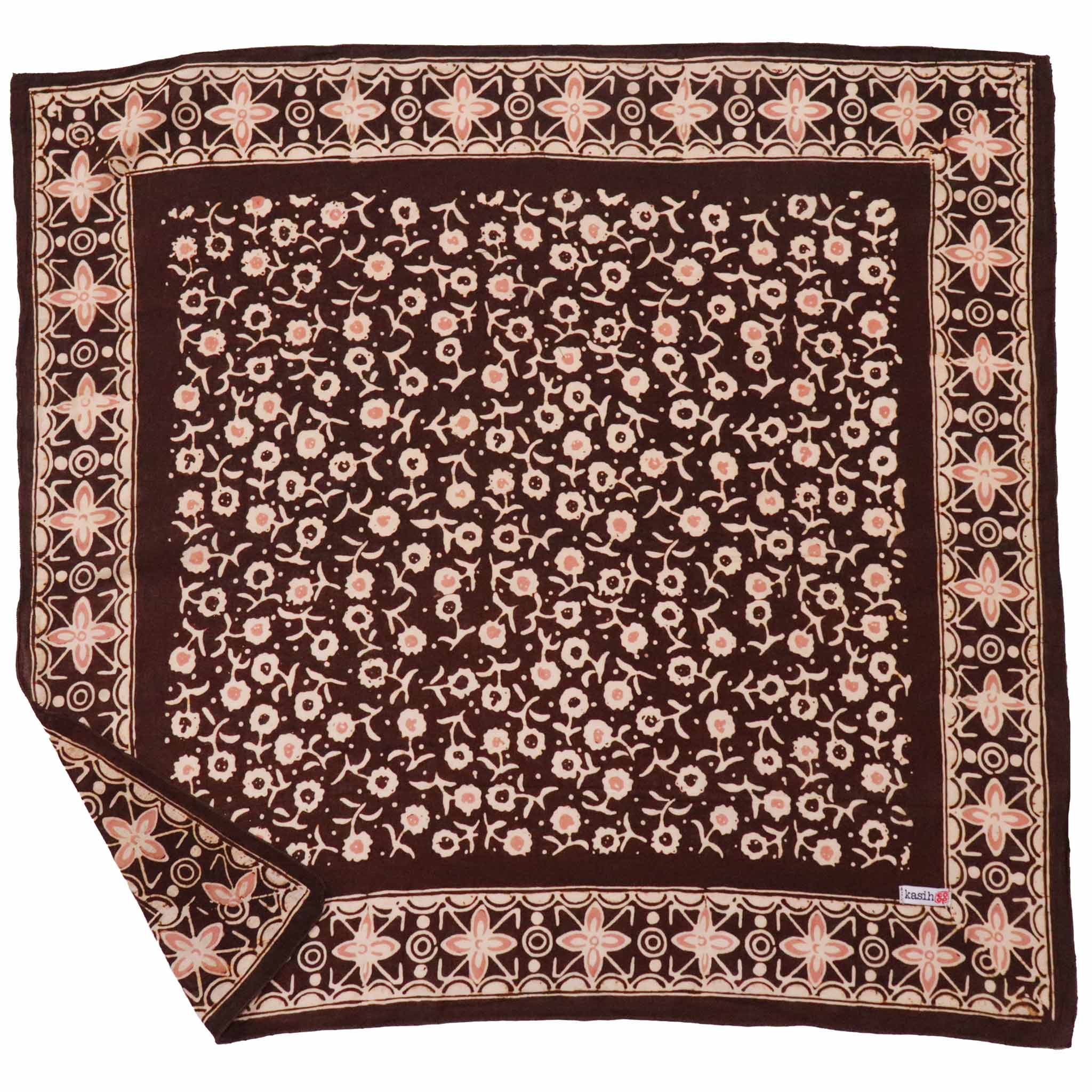
- Truntum (small scattered stars or blossoms). Traditionally linked to love that grows over time, and often worn by parents at Javanese weddings.
- Kamboja / Frangipani and other florals. Coastal (pesisir) batik from Java's north coast embraced flowers, birds, and bright colors, reflecting centuries of trade with other cultures.
Many of our bandanas are contemporary designs created with our artisan partners, so they blend traditional wax-resist craft with modern botanical and geometric patterns.
Caring for Hand-Dyed Batik Cotton
Batik dyes are set into natural cotton by hand, so a little gentle care keeps colors rich for years. Batik cotton also gets softer with every wash.
- Wash separately the first few times. Some excess dye may release in early washes, especially in deep reds, indigos, and browns.
- Use cold water on a hand-wash or delicate cycle, with a mild detergent or baby shampoo.
- Skip bleach and harsh stain removers, which can lift the dye.
- Line dry in the shade. Long, direct sun exposure is the most common cause of fading.
- Iron on medium while slightly damp if you want a crisp finish.
- Expect beautiful imperfection. Slight shrinkage, small color variations, and edges that aren't perfectly square are natural results of hand-dyeing and pre-washing, not defects.
Meet the Artisans Behind This Collection
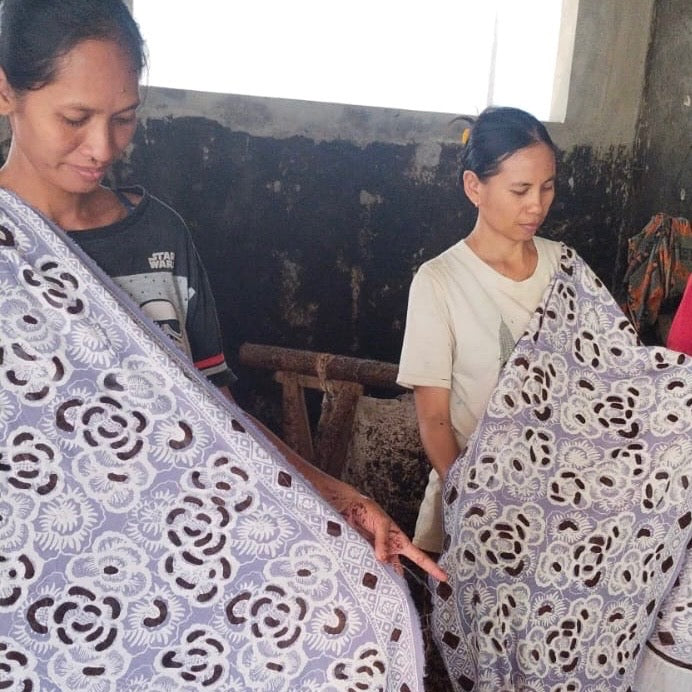
Our bandanas are made by master batik artisans on Java, Indonesia, many of whom learned the craft from their parents and have practiced it for over 20 years. Among them are Mrs. Ari, Mrs. Umaroh, Mrs. Rosipa, Mr. Alan, and Mr. Fajar.
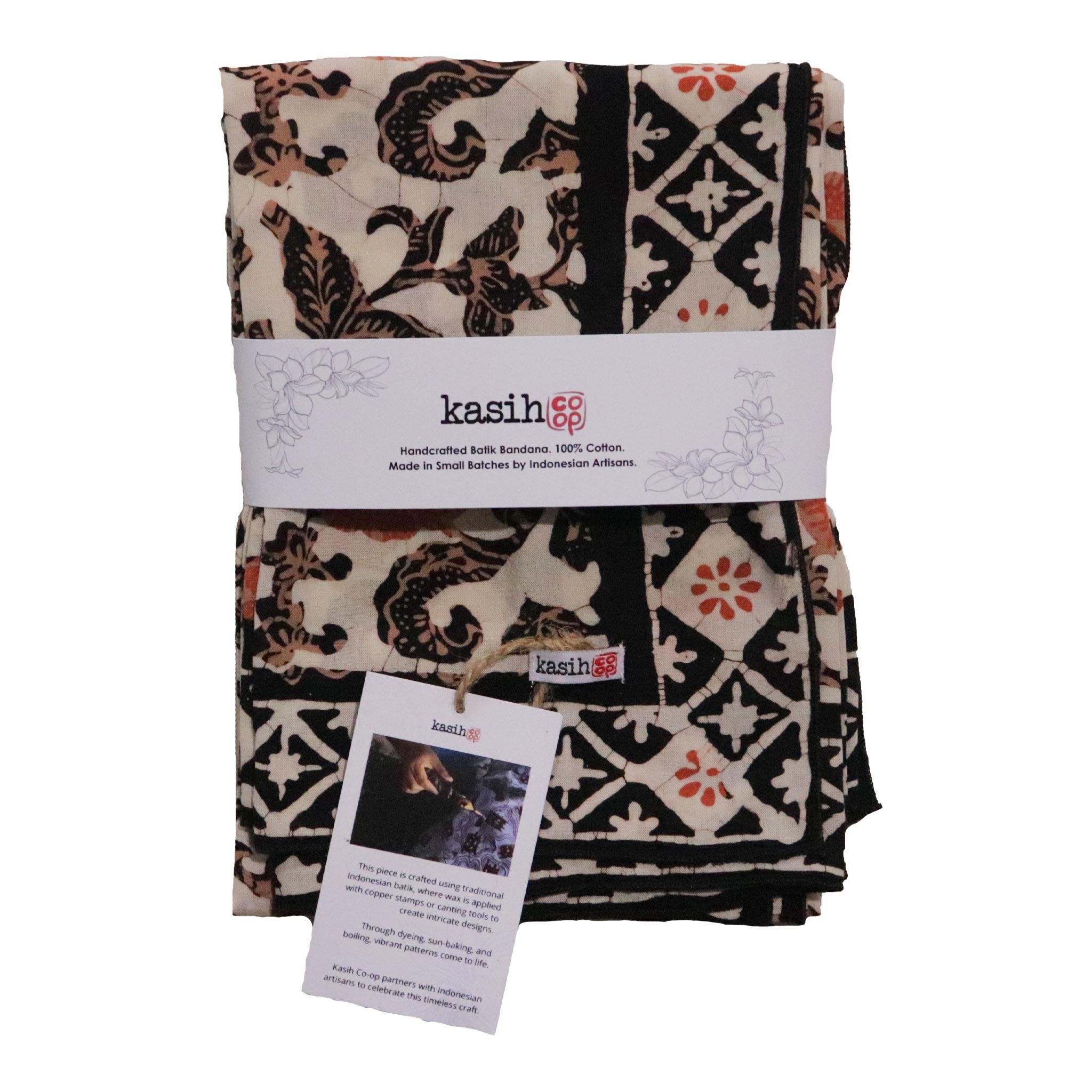
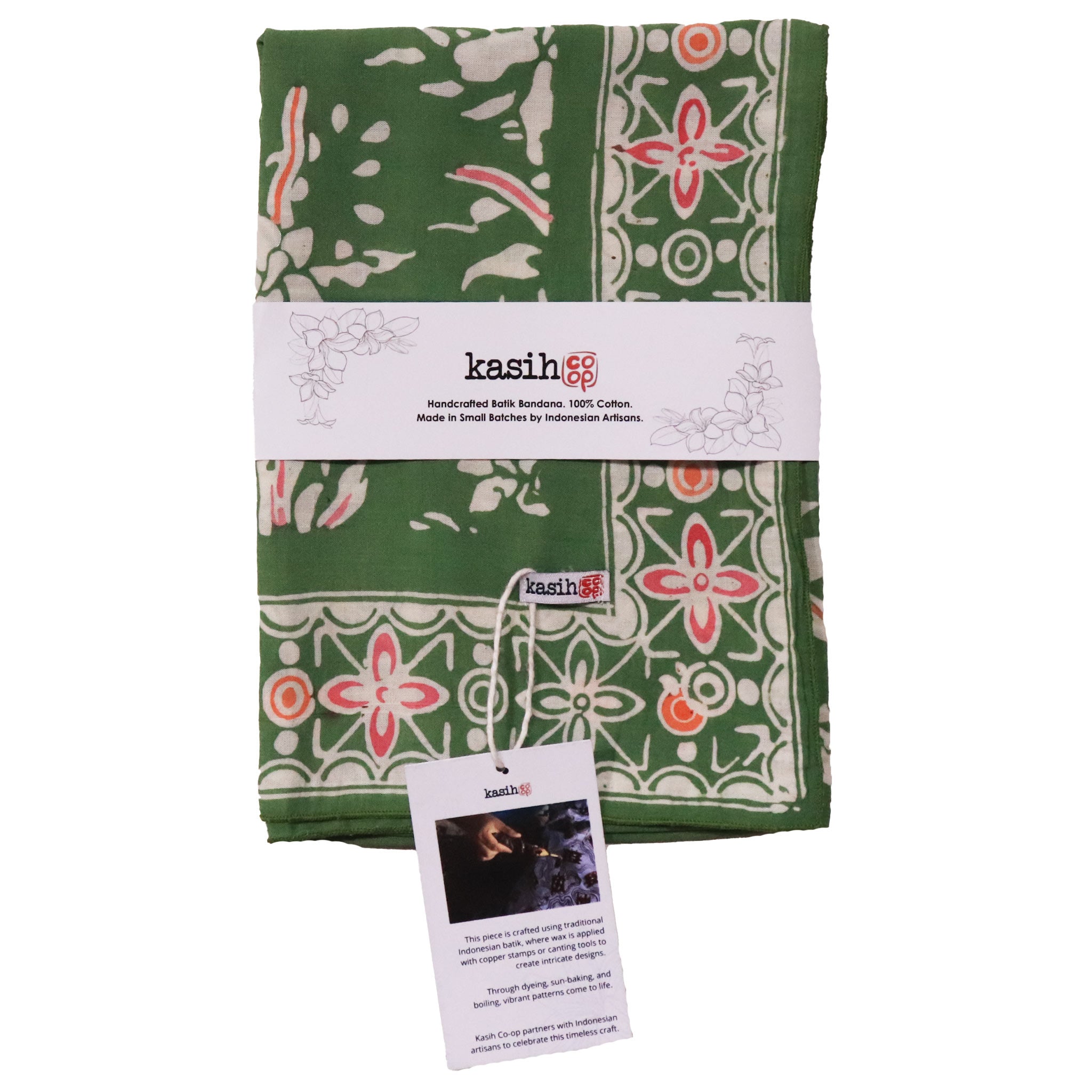
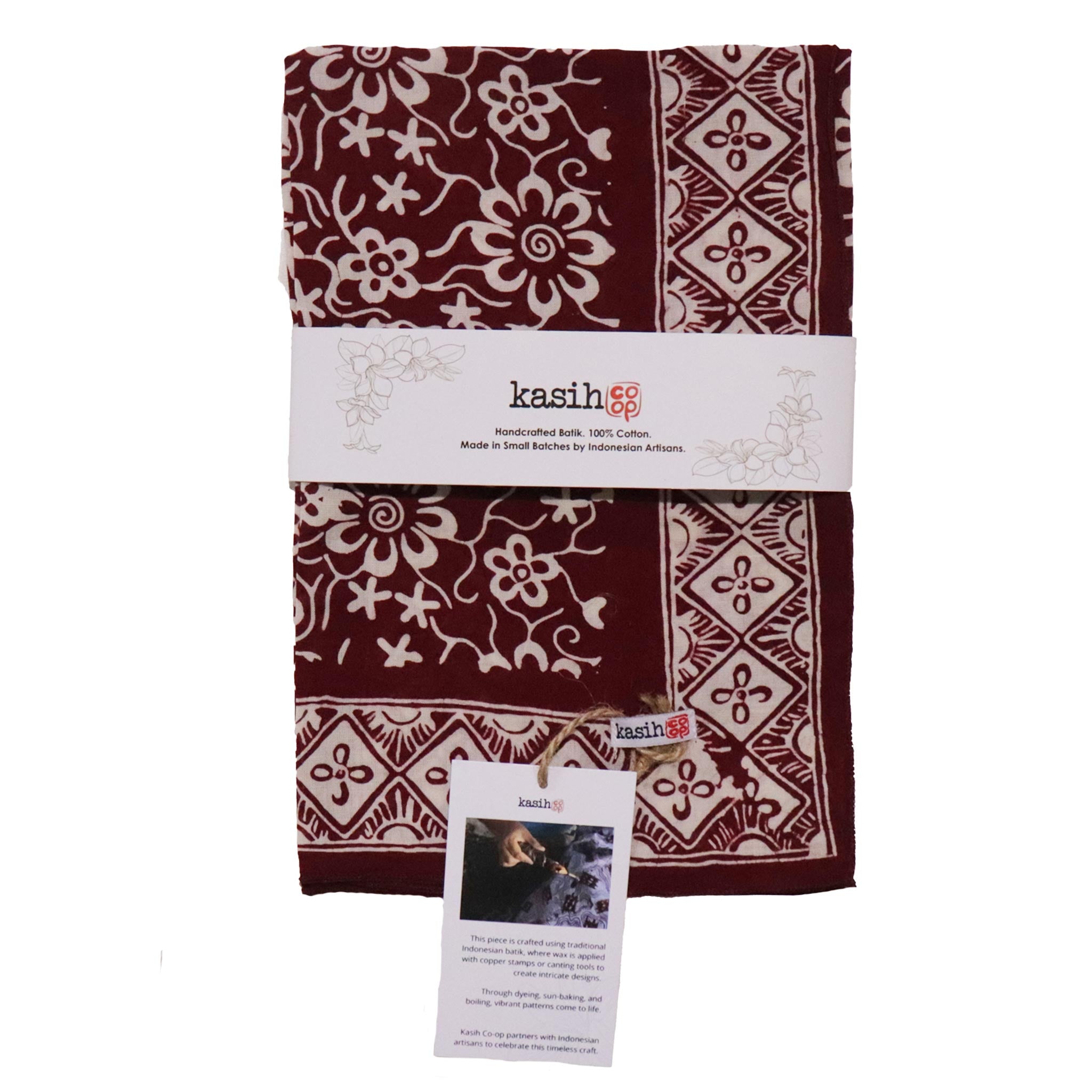
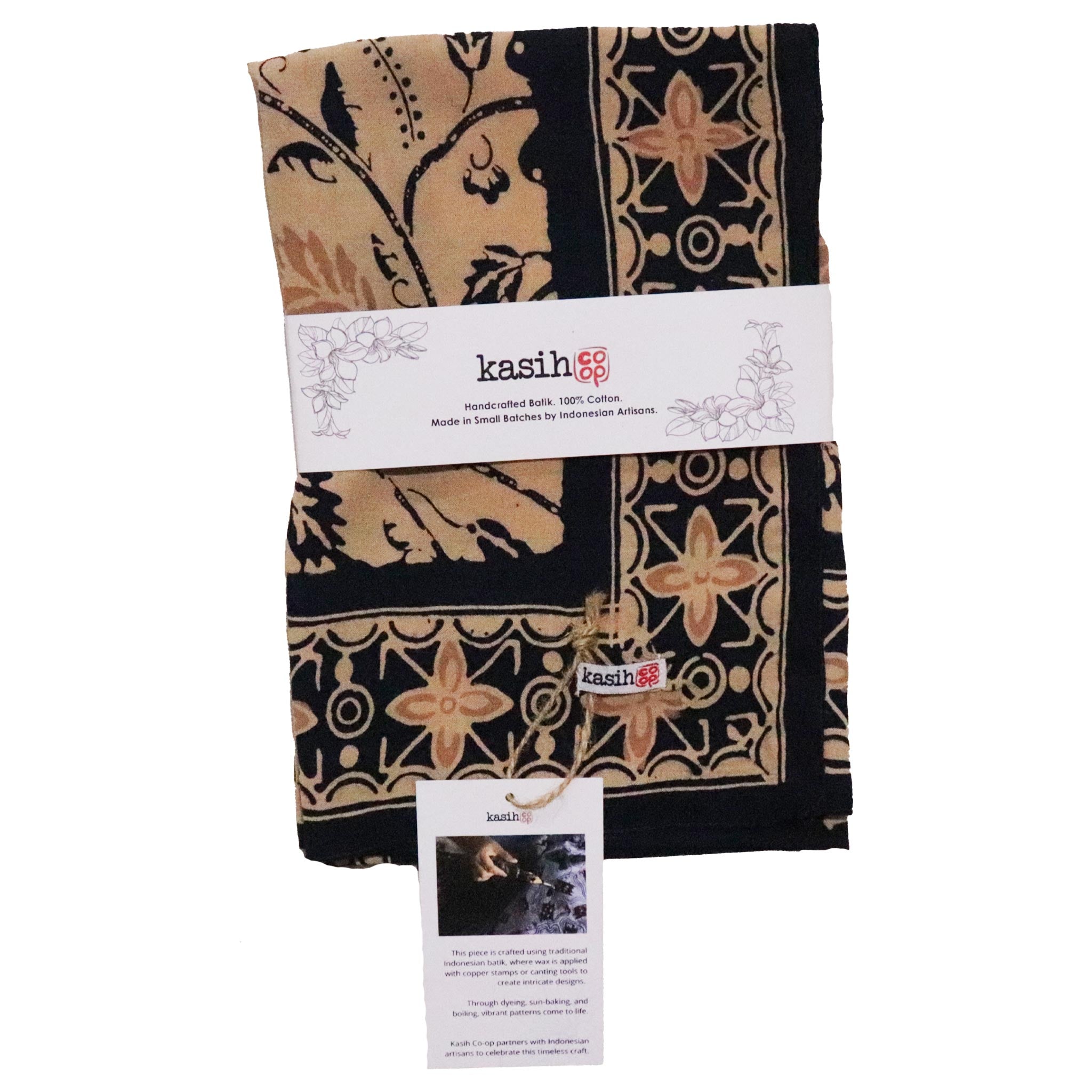
Each bandana passes through many hands-on steps: preparing the 100% cotton mori cloth, applying hot wax with a copper stamp or canting pen, dyeing, boiling off the wax, and drying in the sun. Repeating these steps for each color is what gives batik its depth, and why no two pieces are exactly alike.
Over 80% of our artisan partners are women-owned small businesses. Through our fair trade partnerships, artisans are paid fairly for their work and collaborate with us on designs. Read our artisans' stories.
Batik Bandana FAQs
What makes Kasih Co-op bandanas unique?
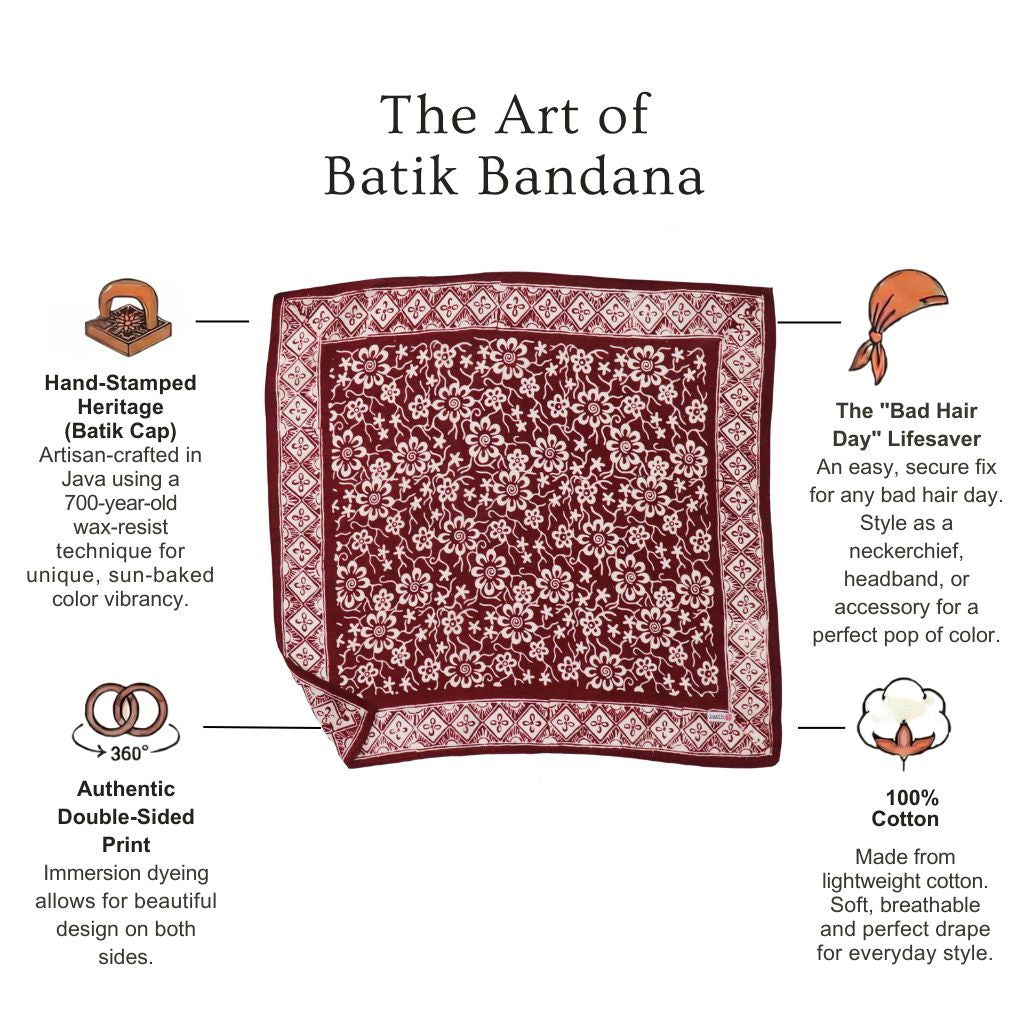
Every bandana is genuine Indonesian batik, made by hand with a centuries-old wax-resist technique by artisans on Java. Because the dye soaks through the cotton, the pattern shows on both sides, and no two pieces are exactly alike. Kasih Co-op has been a verified Fair Trade Federation member since April 2026, so your purchase supports fair wages for our artisan partners.
What size are your bandanas?
Our standard bandanas measure about 21" x 21" or 23" x 23". Our Large 39" Bandanas measure about 39" x 39", big enough to wear as a head wrap or shoulder scarf. Because each piece is hand-dyed and pre-washed, sizes can vary slightly and most are not perfectly square.
Is the pattern printed on both sides?
Yes. Our bandanas aren't printed at all. They're dyed with the wax-resist batik method, so the dye penetrates the fabric and the pattern looks nearly identical on the front and back.
How can I tell your batik is authentic and not printed?
Turn it over. Real wax-resist batik has rich color on both sides, while printed imitations are paler on the back. You may also see fine hairline crackle lines from the wax, small color variations, and slightly uneven edges, which are all signs of handmade batik.
What's the difference between batik tulis and batik cap?
Batik tulis is fully hand-drawn: an artisan applies every line of wax with a small copper pen called a canting, and with multiple rounds of hand-dyeing and wax removal, a single bandana takes about 10 hours of handwork. Batik cap is hand-stamped with a copper stamp dipped in hot wax. Both are genuine handmade, wax-resist batik. Shop our Batik Tulis Bandanas.
Why does my bandana look slightly different from the photo?
Each bandana is dyed by hand in small batches, so color depth can vary from batch to batch and from screen to screen. If you prefer a lighter or darker version of a design, add a note to your order or message us and we'll do our best to pick one for you.
Will the colors bleed or fade?
A little excess dye can release in the first few washes, so wash your bandana separately at first. To prevent fading, wash in cold water and dry in the shade rather than in direct sun.
How do I wash my batik bandana?
Hand wash, or machine wash on a delicate cycle in cold water with a mild detergent or baby shampoo. Don't use bleach. Line dry in a shady spot. Your bandana will get softer with every wash.
What are your bandanas made of?
100% natural cotton. It's soft, lightweight, and breathable, which makes it comfortable for all-day wear and for sensitive skin, unlike synthetic polyester bandanas.
Can I wear a bandana as a head scarf or hair wrap?
Yes. Our 21"–23" bandanas work well as headbands and ponytail scarves. For a full head wrap or head covering, choose a 39" large bandana. See our "How to Tie and Wear a Batik Bandana" guide above for step-by-step styles.
Can I use your bandanas for my dog?
Absolutely. Our 21"–23" bandanas fit most small to large dogs when folded into a triangle. The breathable cotton is gentle on fur and skin.
Are your bandanas fair trade?
Yes. Kasih Co-op has been a verified Fair Trade Federation member since April 2026, after a full review of our wages, working conditions, and business practices. We are also People + Planet First verified.
Who makes your bandanas?
Master batik artisans on Java, Indonesia, many with more than 20 years of experience. Kasih Co-op works with 18 artisan partnerships, and over 80% are women-owned small businesses.
How fast do you ship?
Orders ship from California within 2 business days. Standard shipping takes 4–8 business days, and Priority shipping takes 2–5 business days. Every order includes tracking.
Do you offer free shipping?
Yes, free shipping on orders over $50 within the US.
What is your return policy?
You can return or exchange unused items in their original packaging within 30 days of delivery. Returns are free within the contiguous US (the original shipping fee is deducted from your refund). Refunds are processed within 10 business days of receiving your return. See our full return policy.
Do you offer gift wrapping?
Yes. Add our eco-friendly gift wrap to your cart for $5 and include a personal message in your order notes. Bandanas also make lovely reusable gift wrap themselves.
Will you restock a sold-out color?
Our bandanas are made in small hand-dyed batches, so some designs come back in new batches and others are one-time runs. Check our New & Restocked collection, or message us about a specific design.
Do you sell wholesale?
Yes. Boutiques, museum shops, and retailers can order through our wholesale page or find Kasih Co-op on Faire.
What does "Kasih" mean, and how do you pronounce it?
Kasih means "love" or "affection" in Indonesian. It's pronounced "KAH-see."
Key Insights
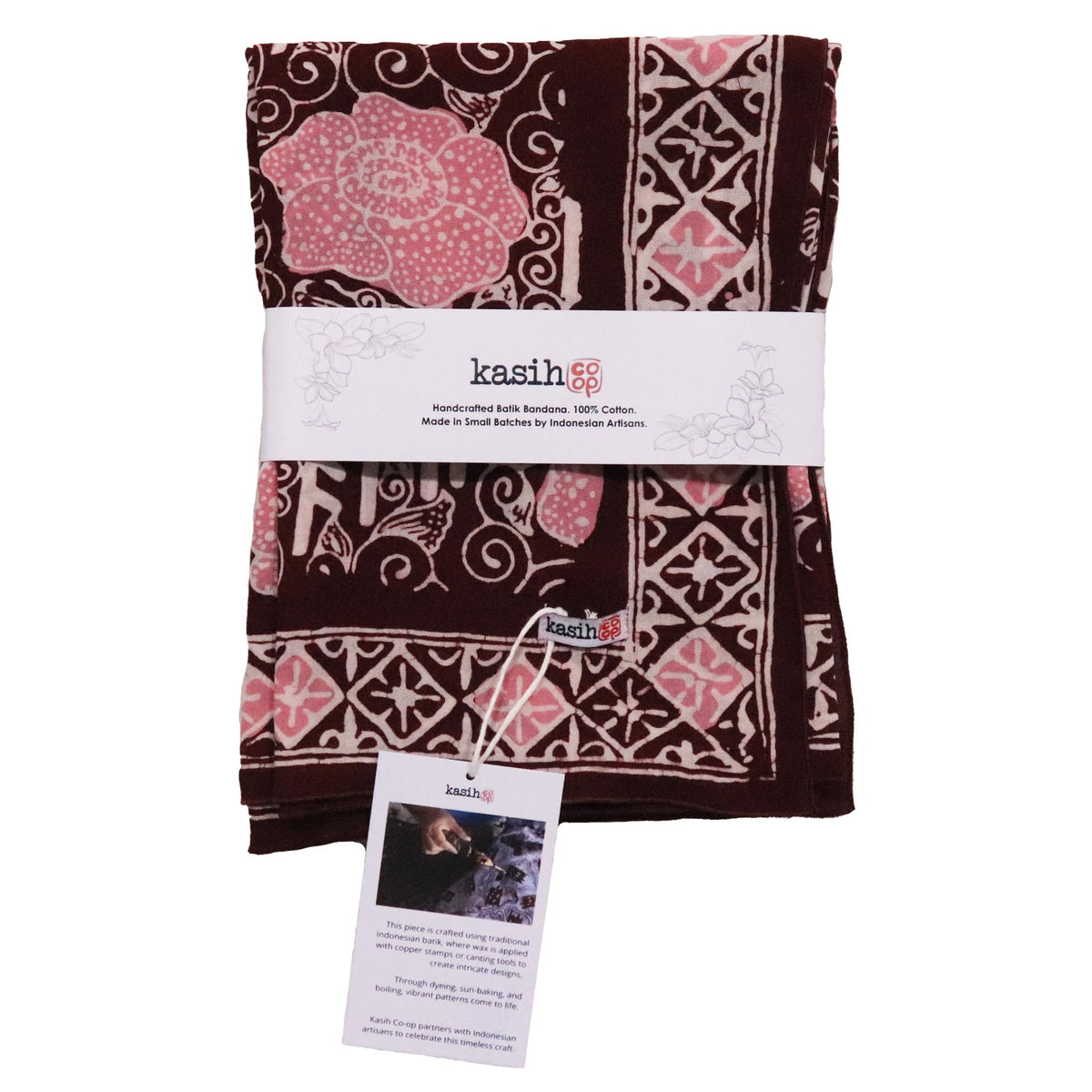
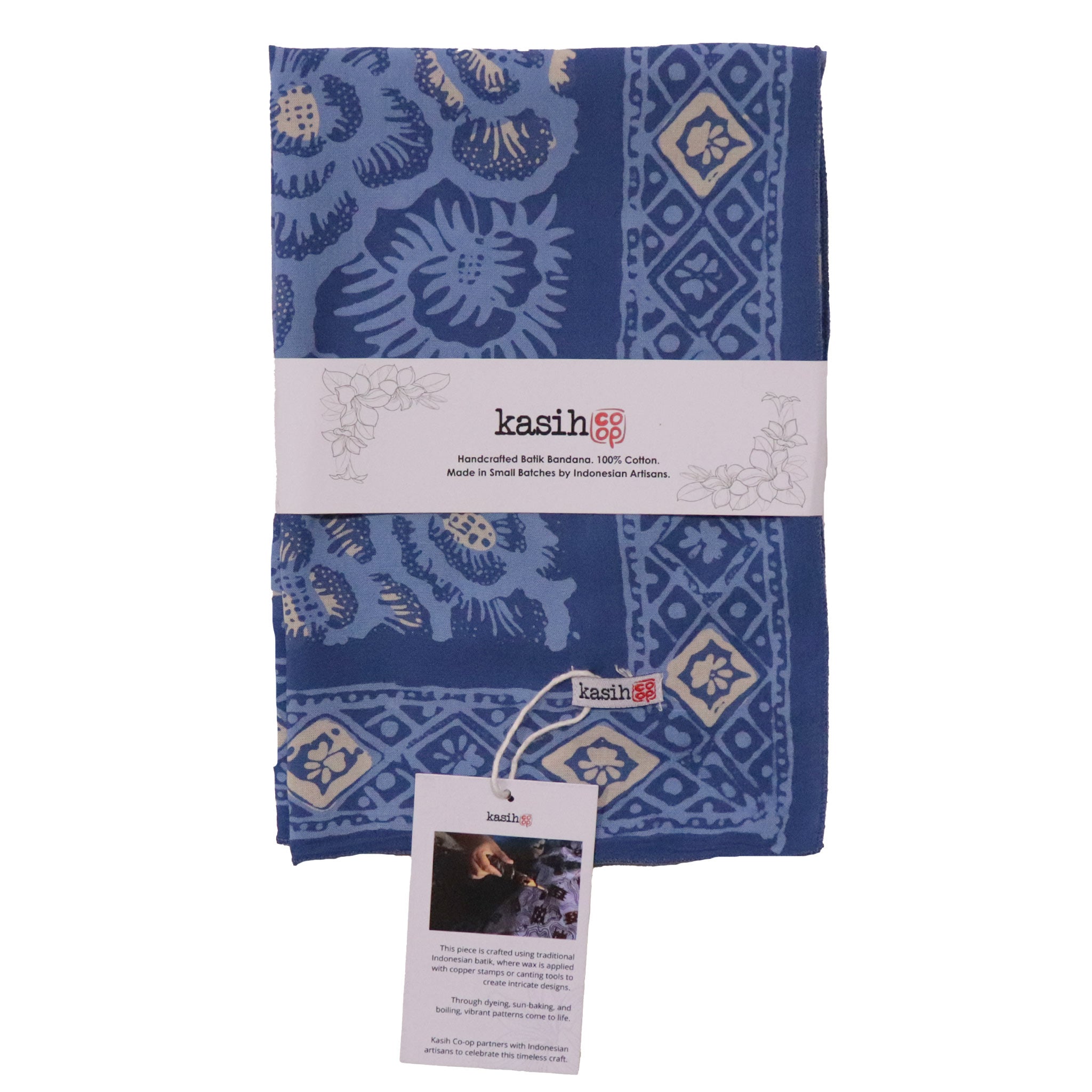
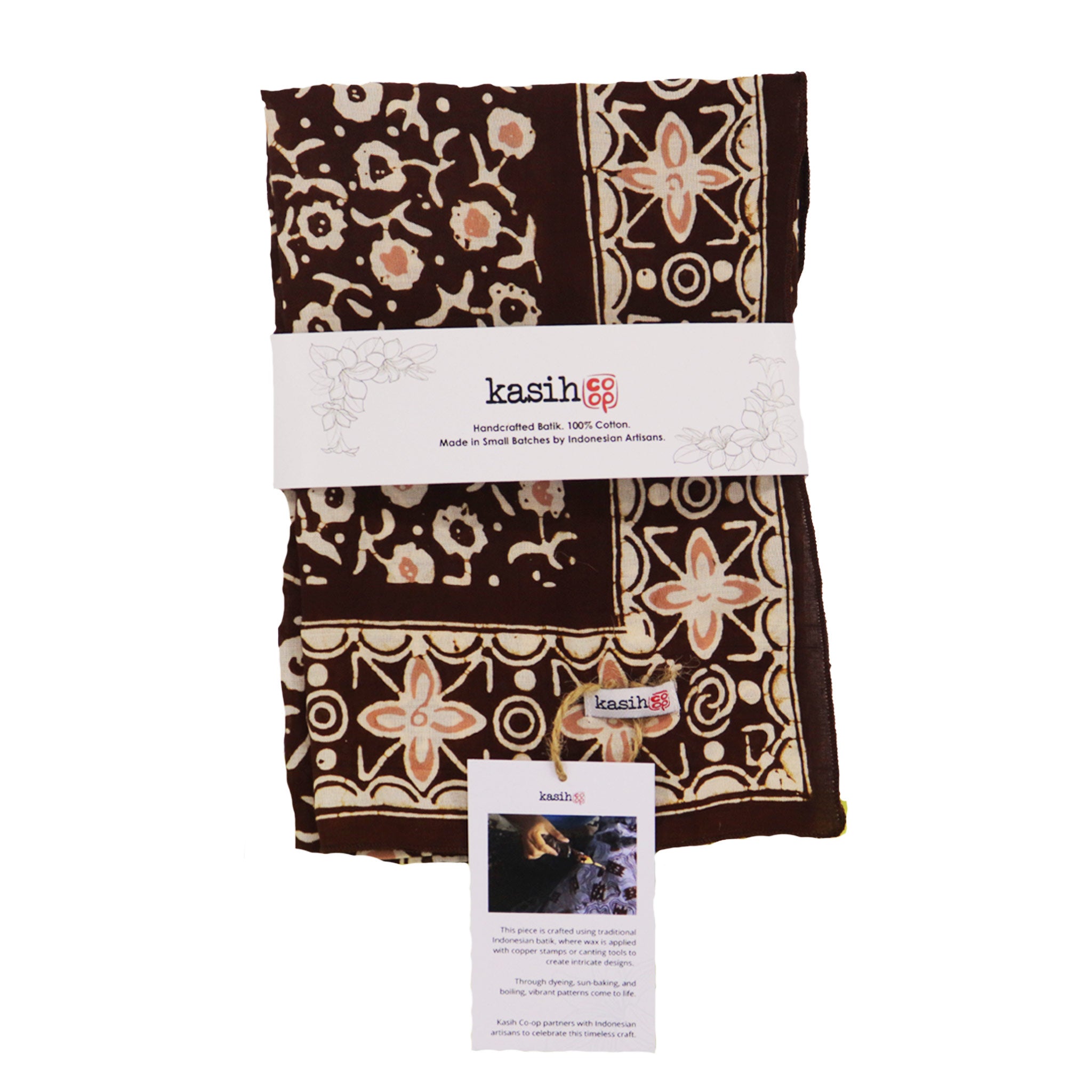
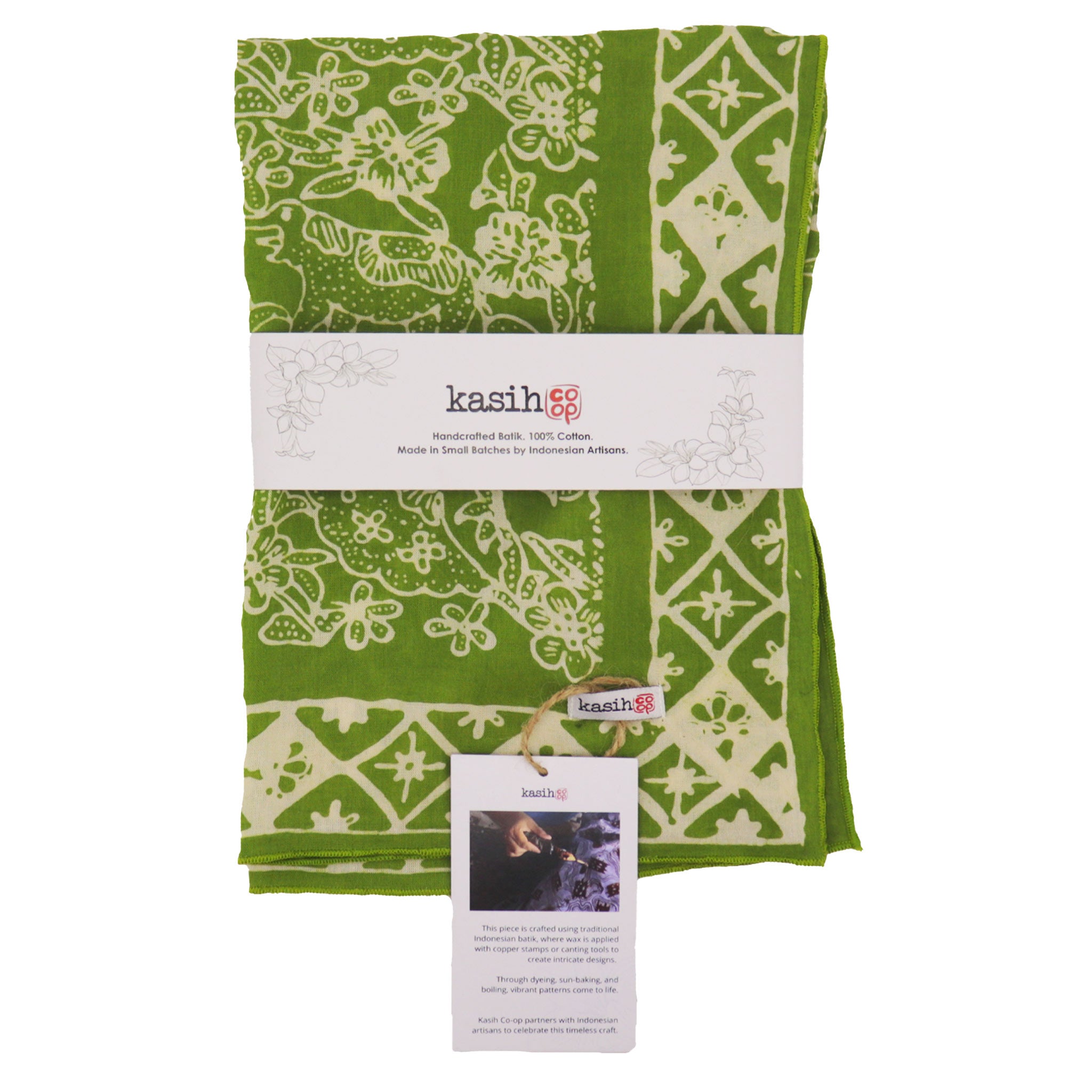
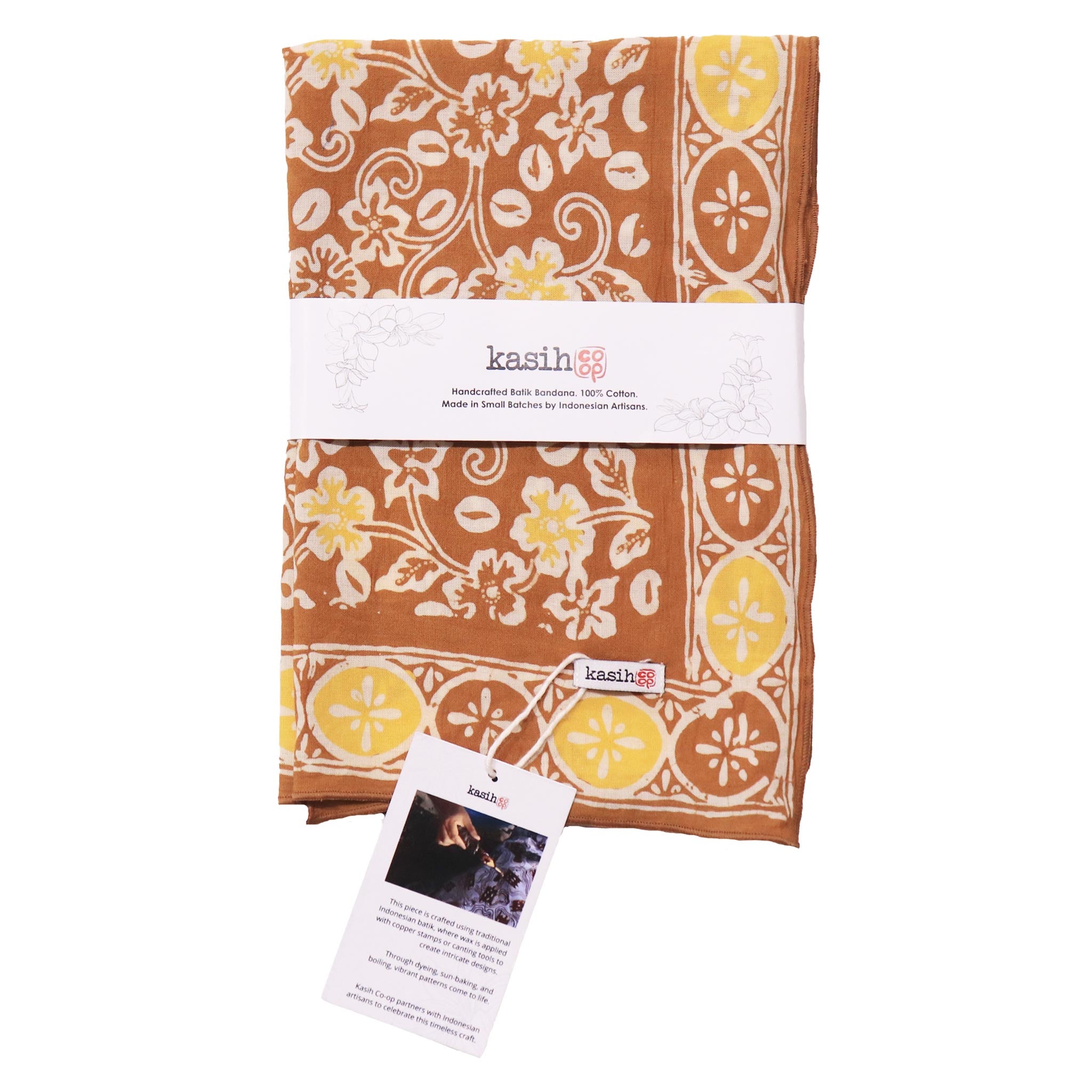
- Kasih Co-op bandanas are genuine Indonesian batik, hand-stamped (cap) or hand-drawn (tulis) with hot wax on 100% cotton, never printed.
- Real batik shows the pattern on both sides of the fabric; printed imitations are pale on the back.
- Sizes: about 21"–23" square for headbands, neckerchiefs, and dogs; 39" square for head wraps and scarves.
- Kasih Co-op has been a verified Fair Trade Federation member since April 2026 and works with 18 artisan partnerships, over 80% of them women-owned.
- Founded in 2012 and based in Manhattan Beach, California, Kasih Co-op has shipped 60,000+ handmade pieces and earned 1,700+ five-star reviews.
- Care: wash cold and separately at first, skip bleach, and dry in the shade to keep colors vibrant.