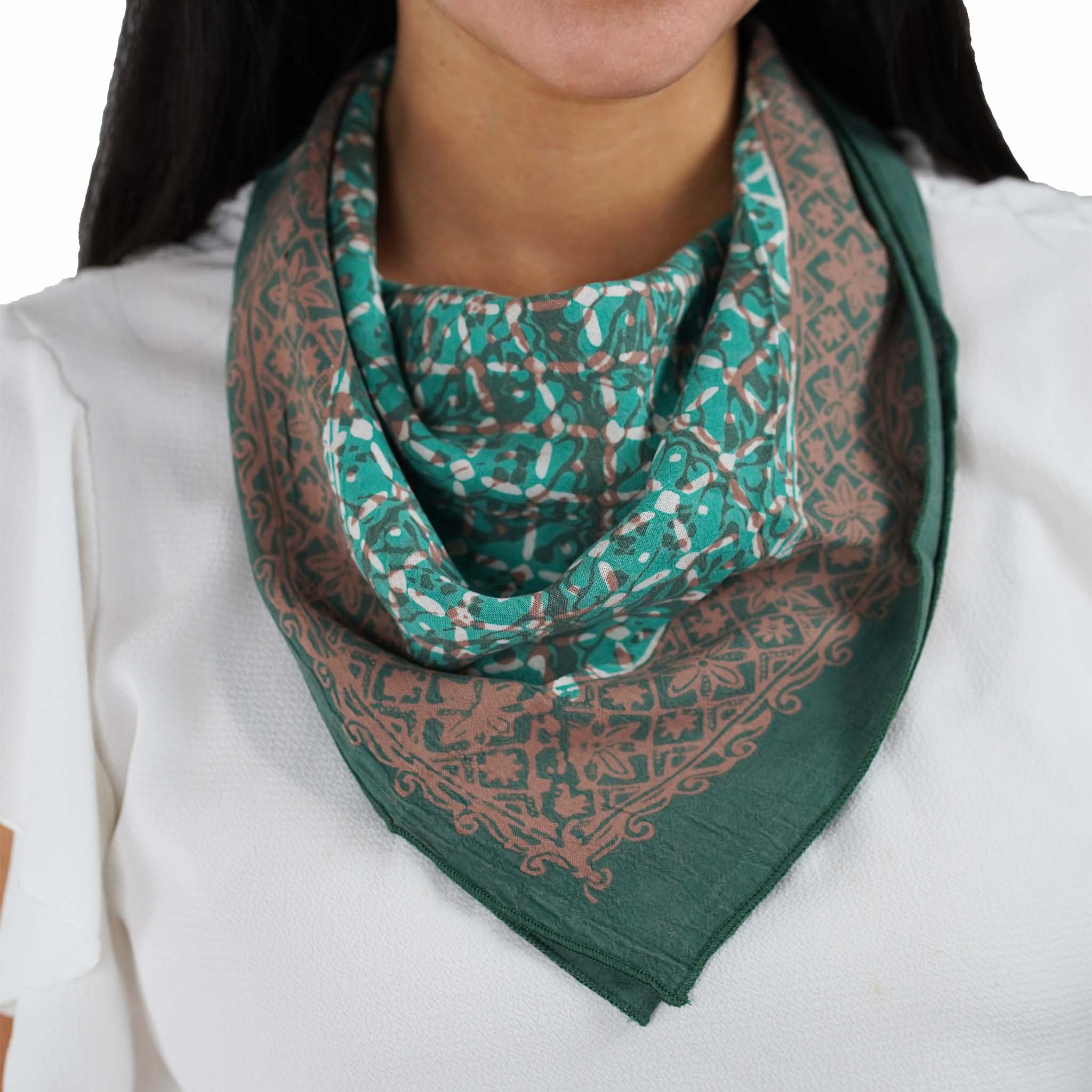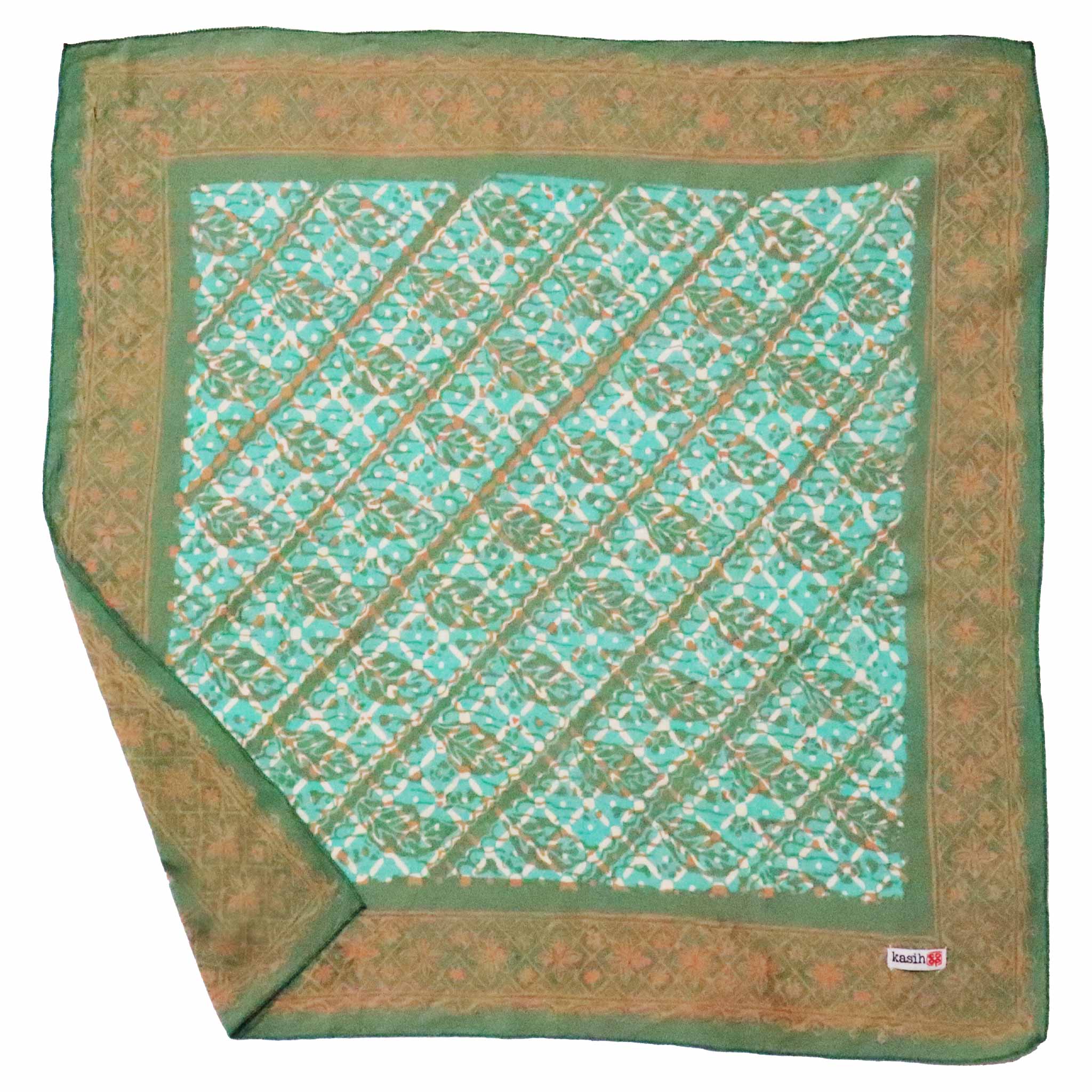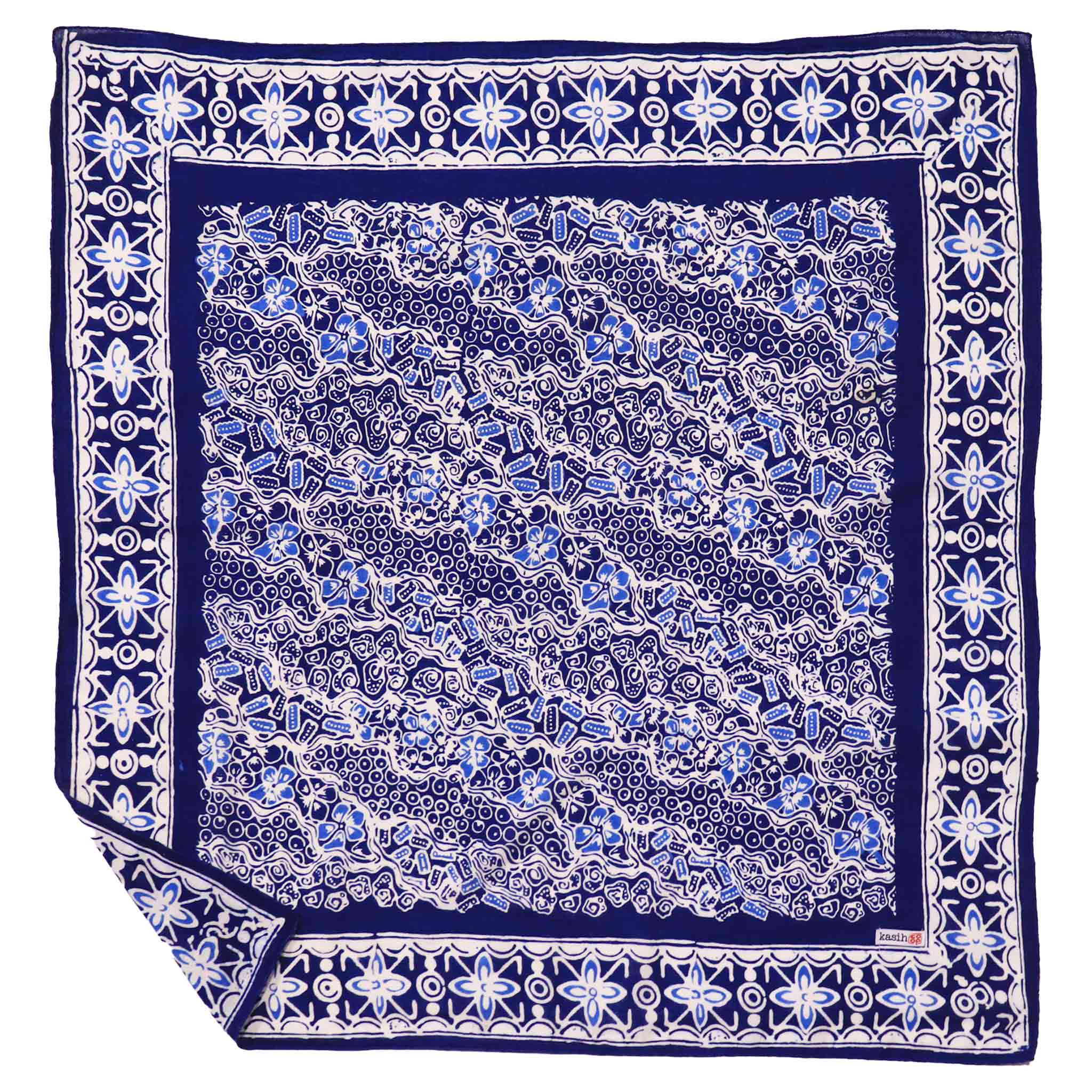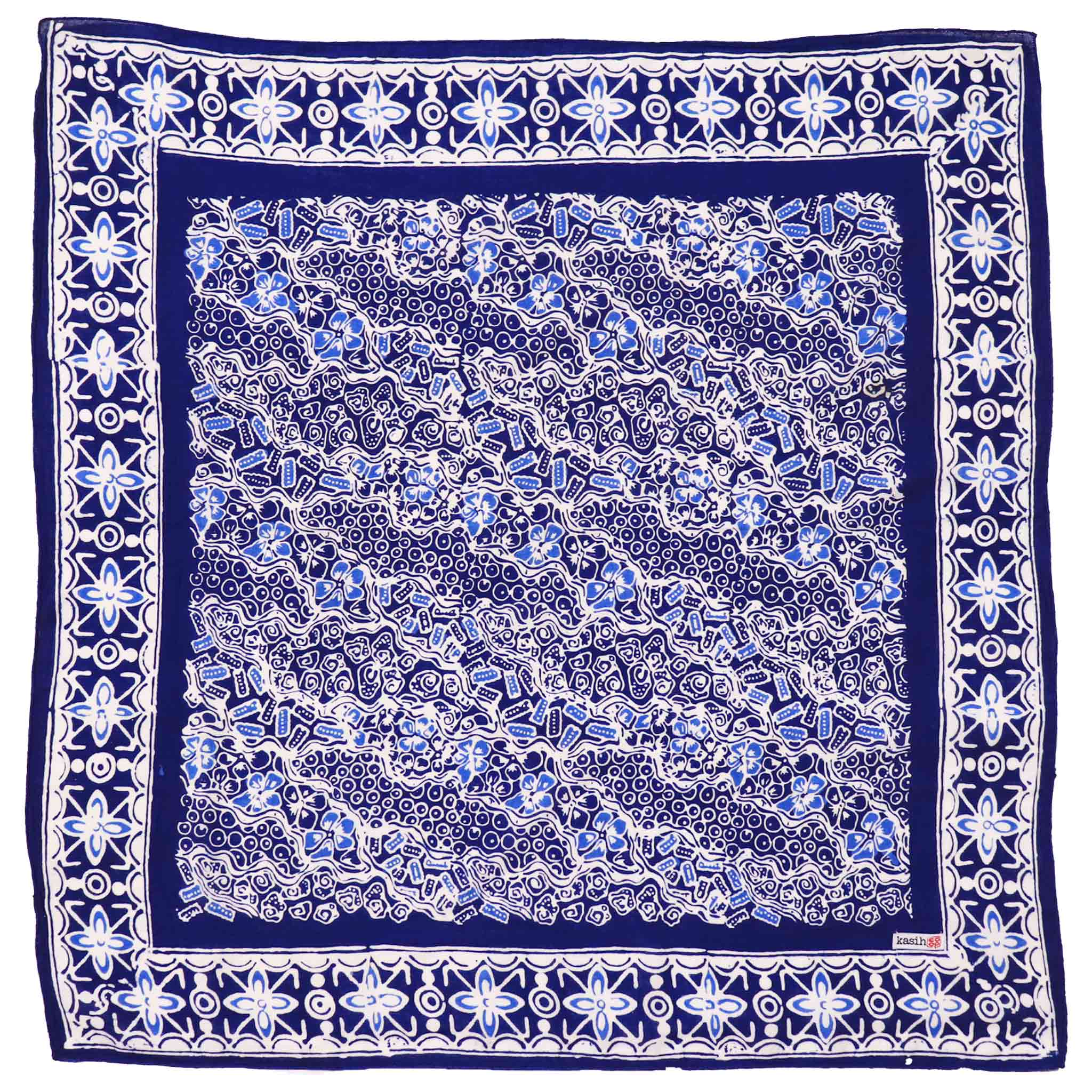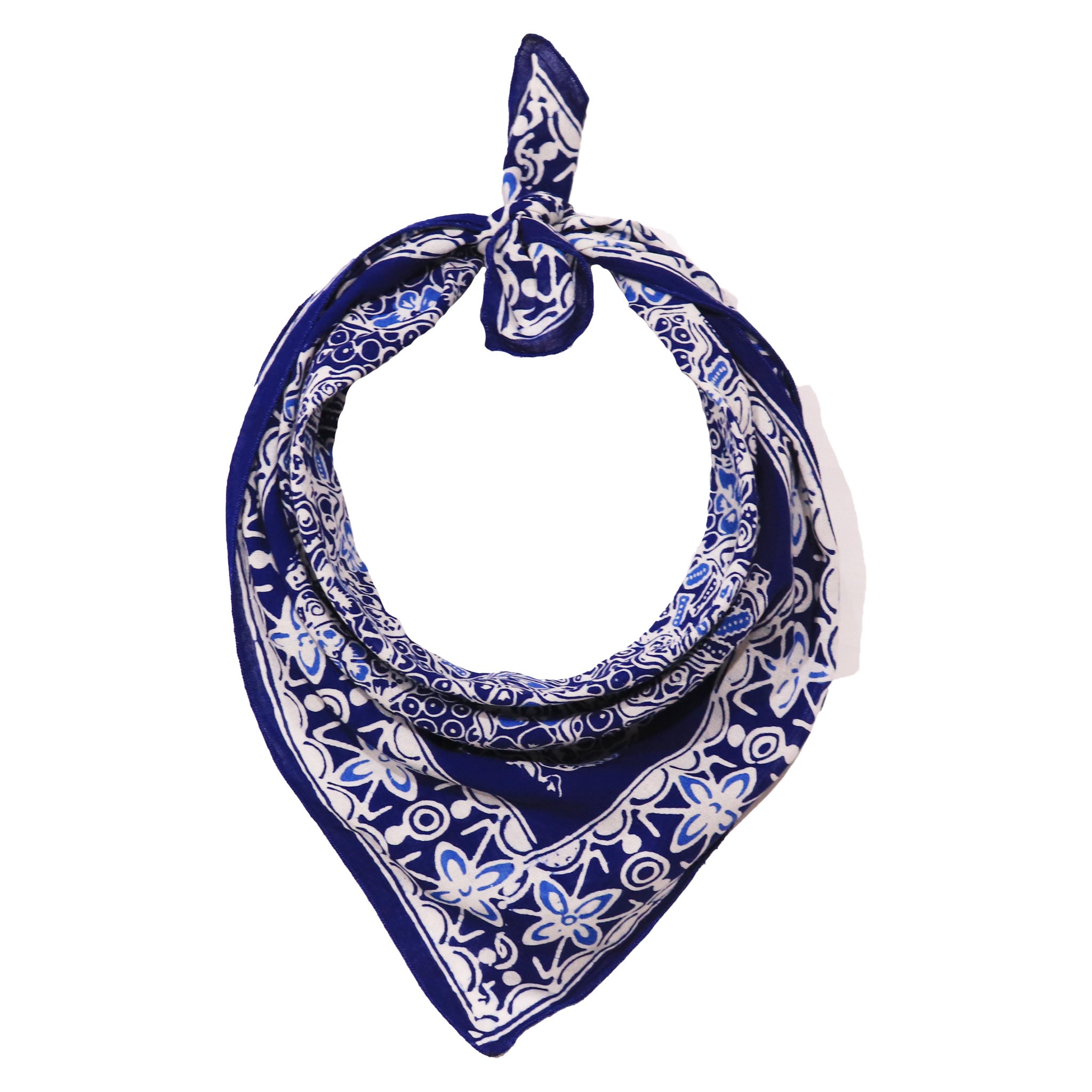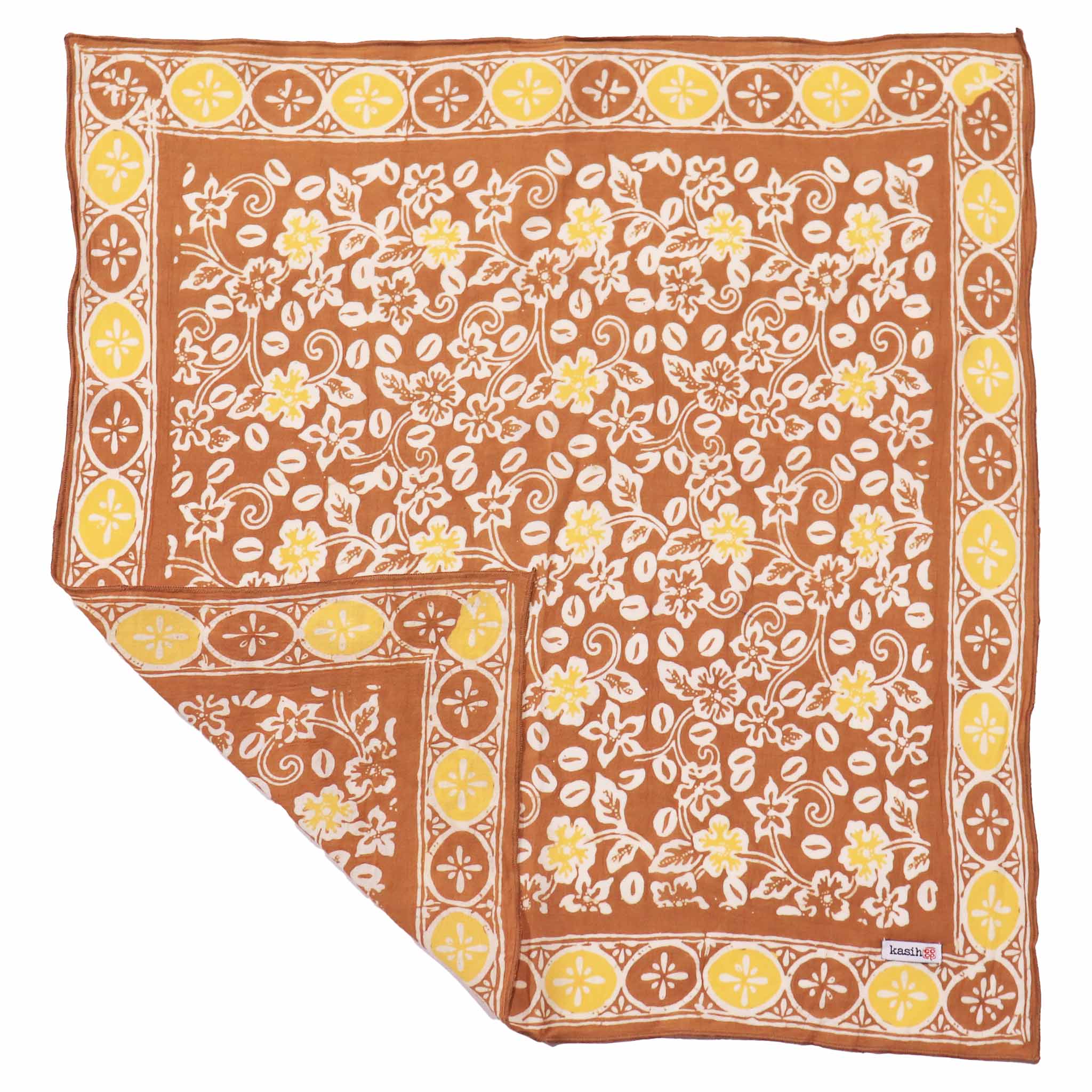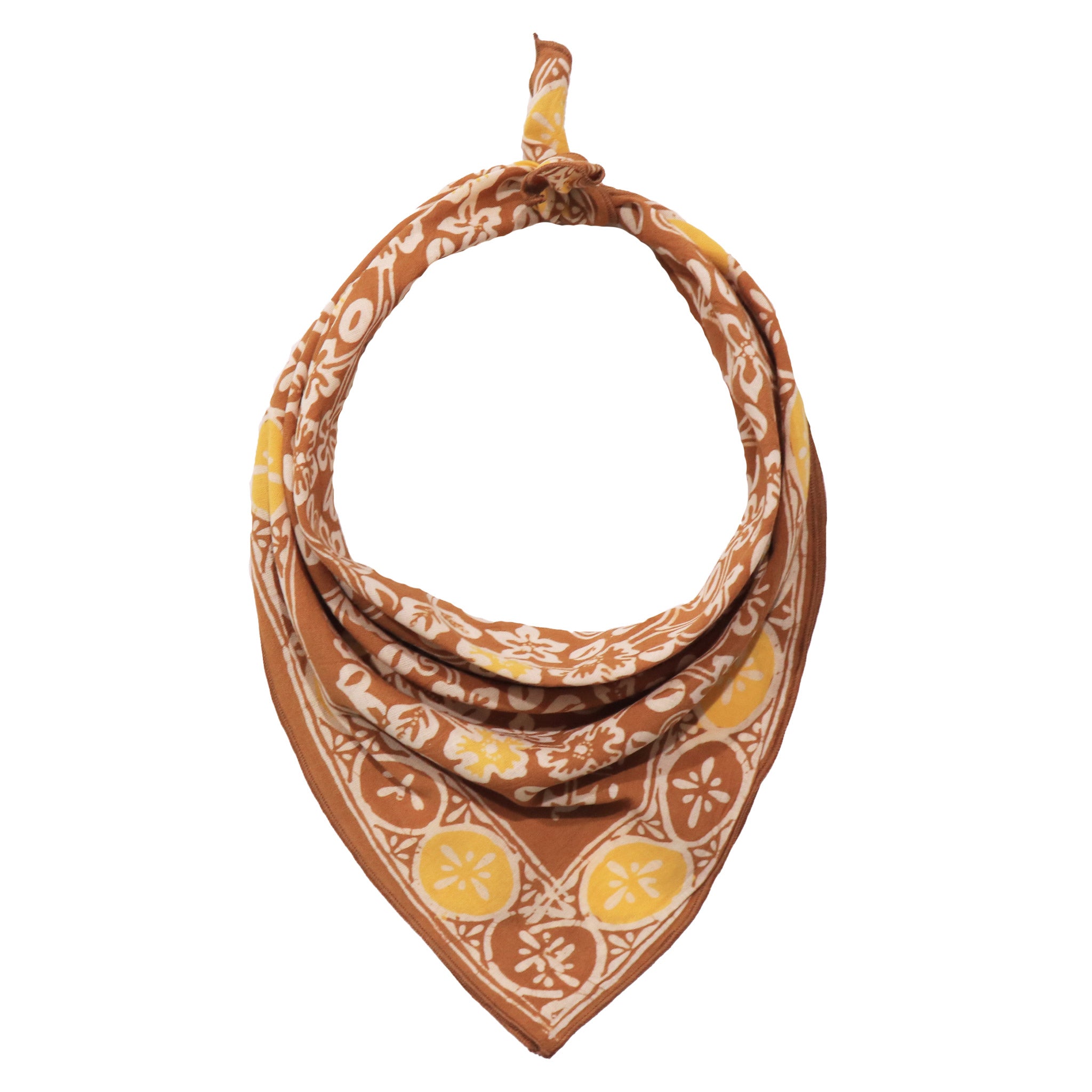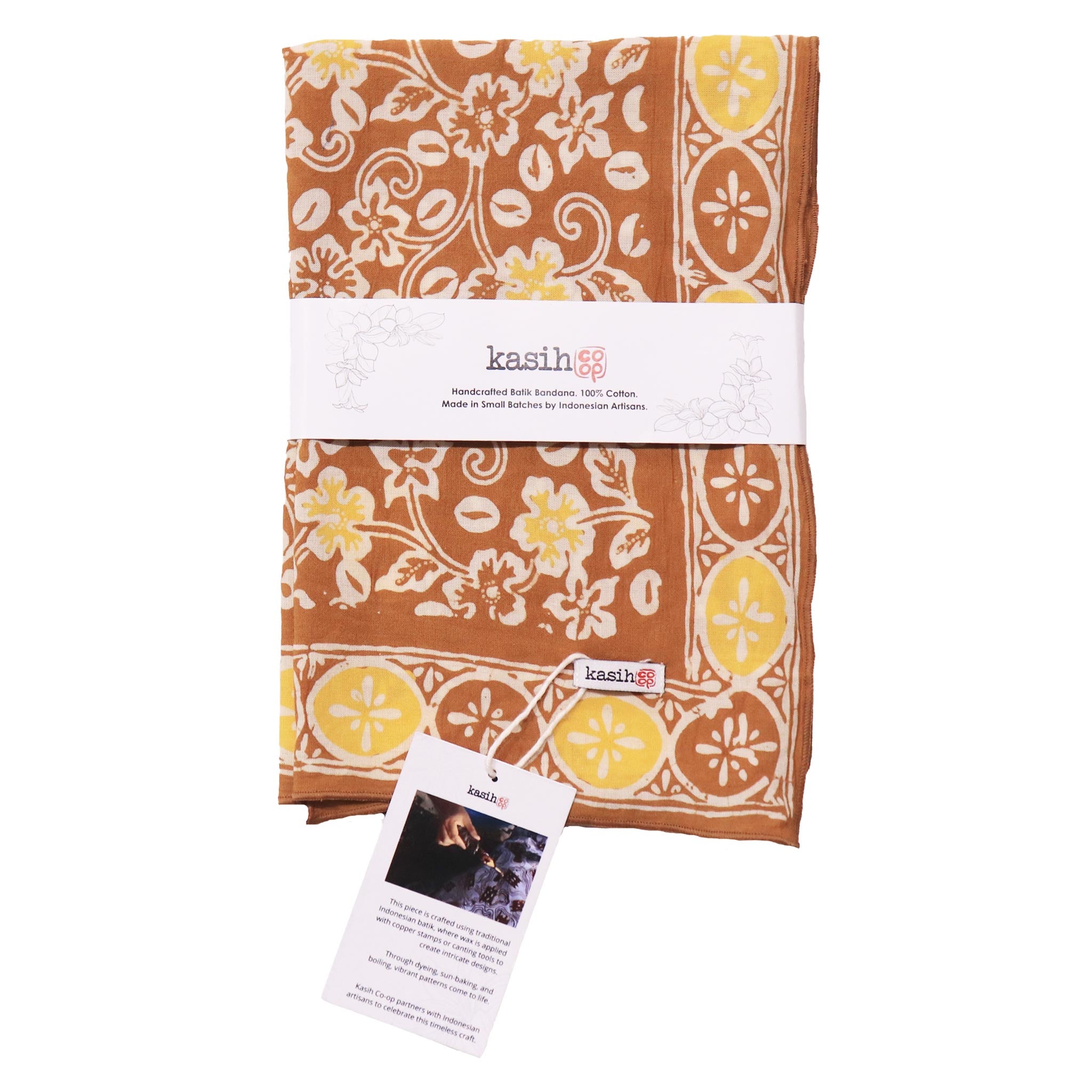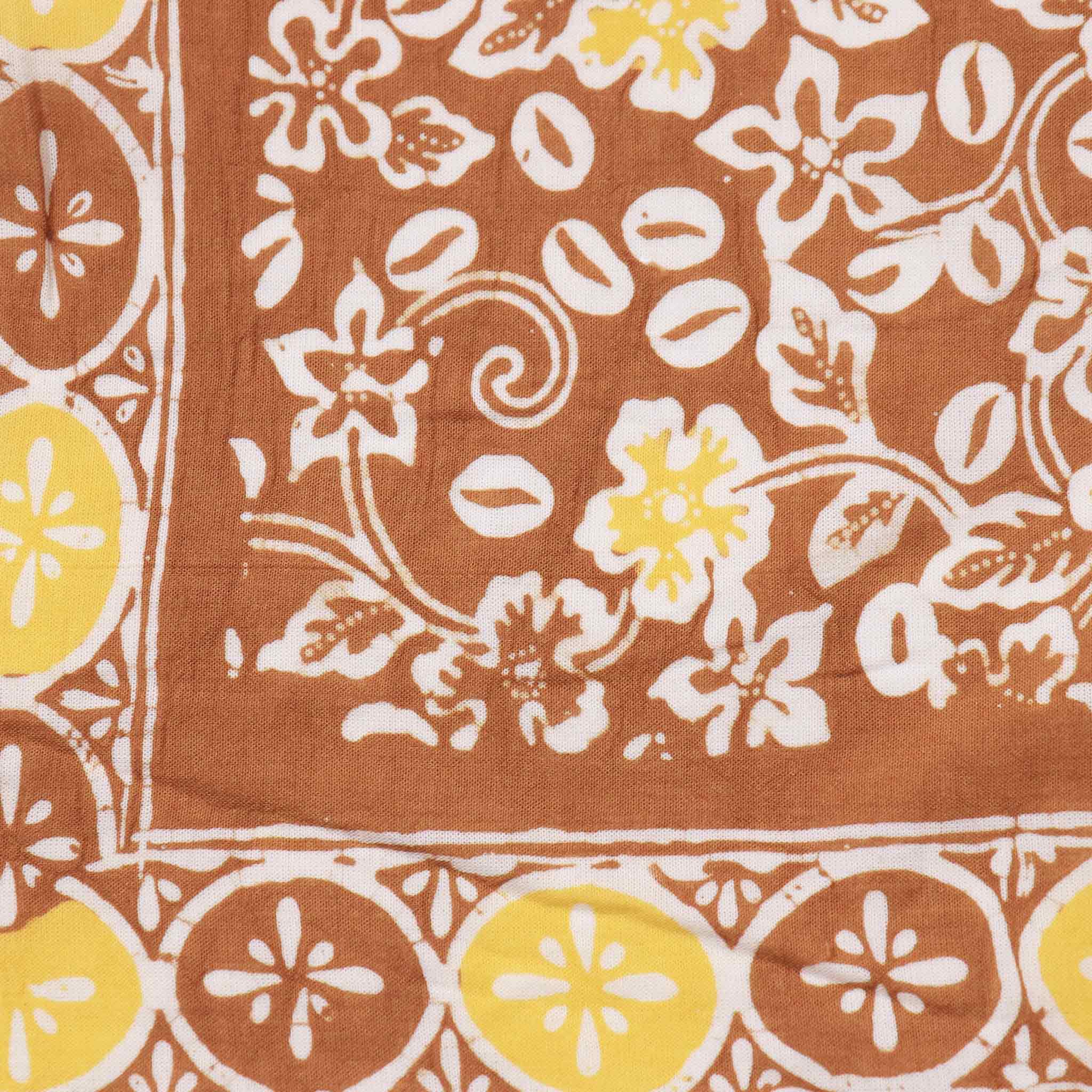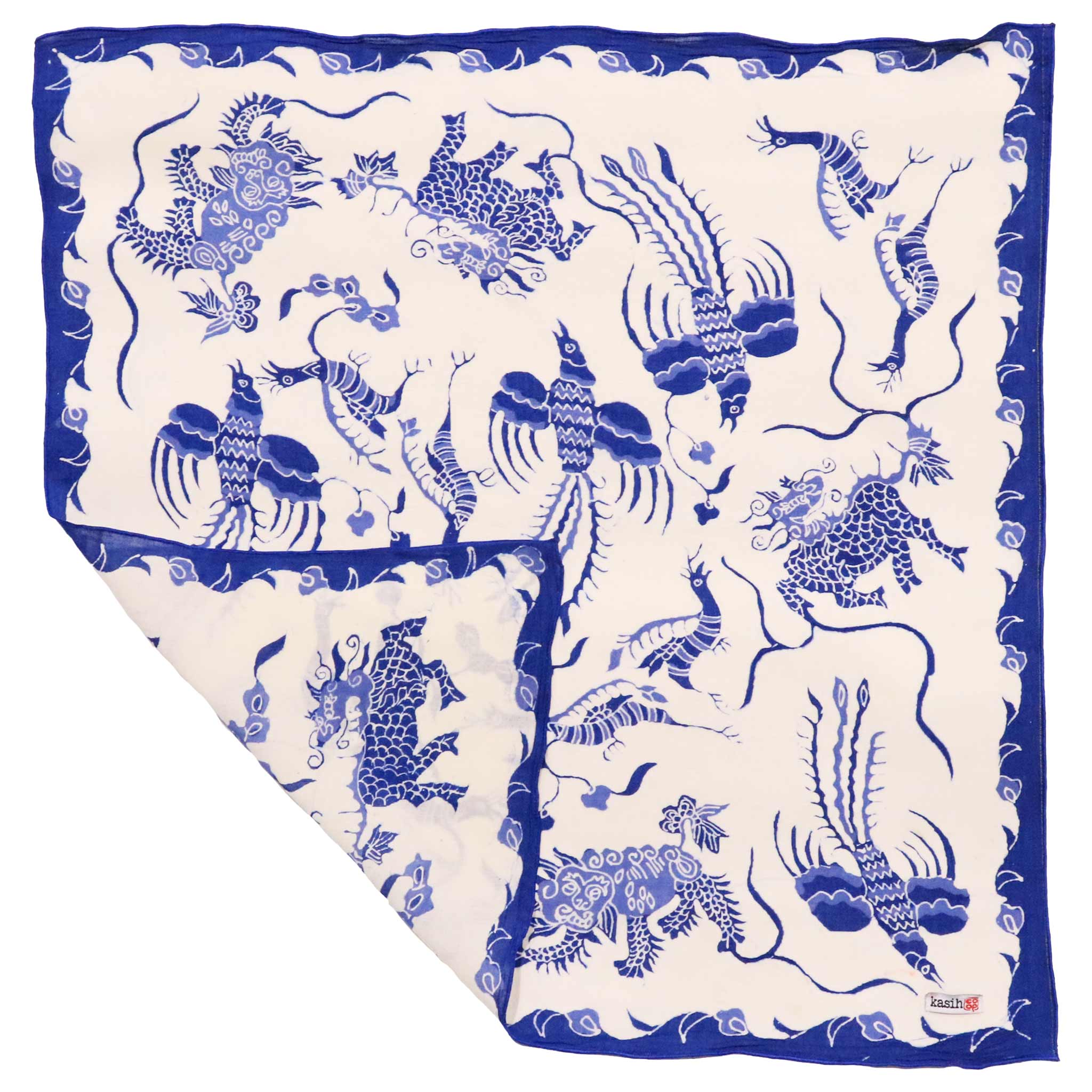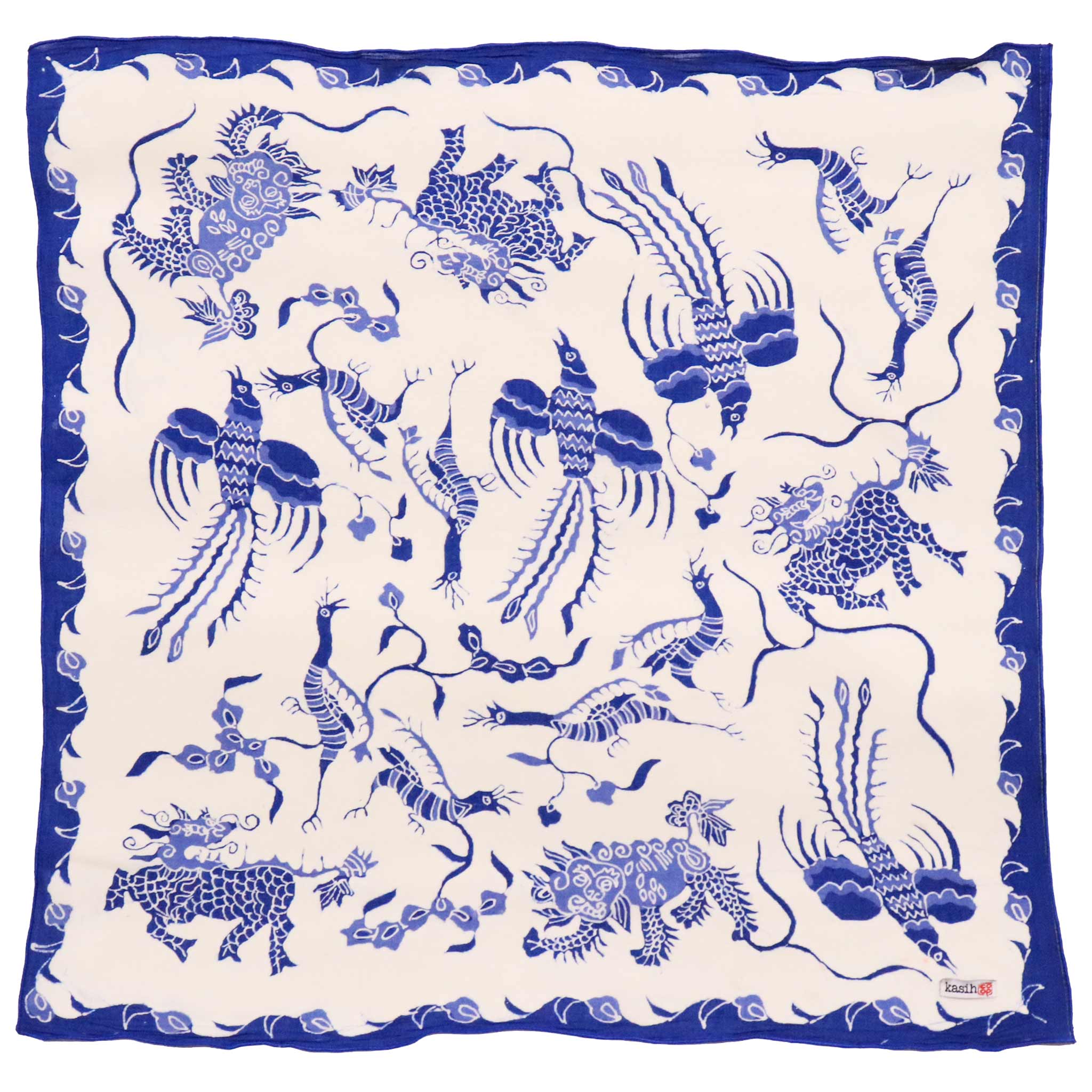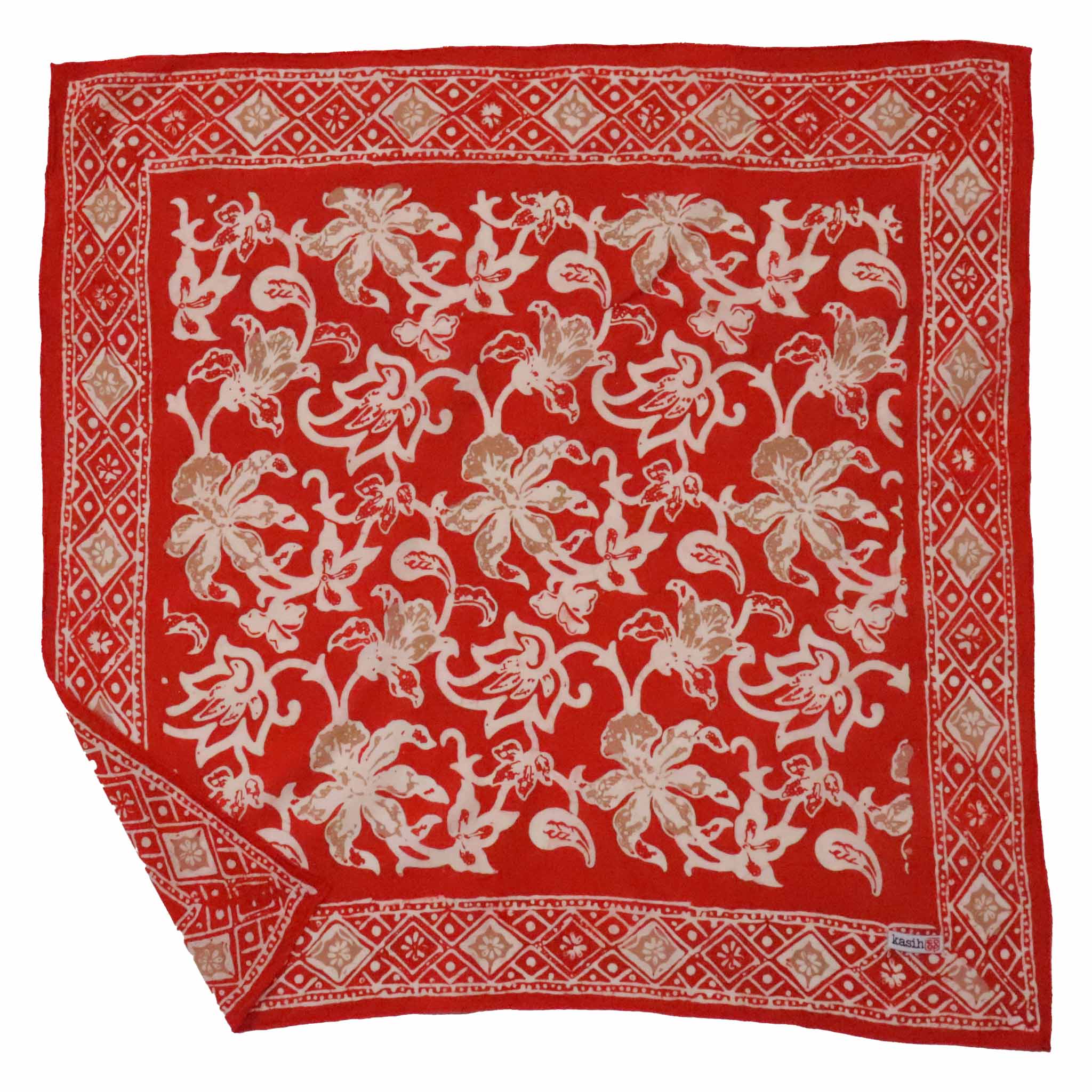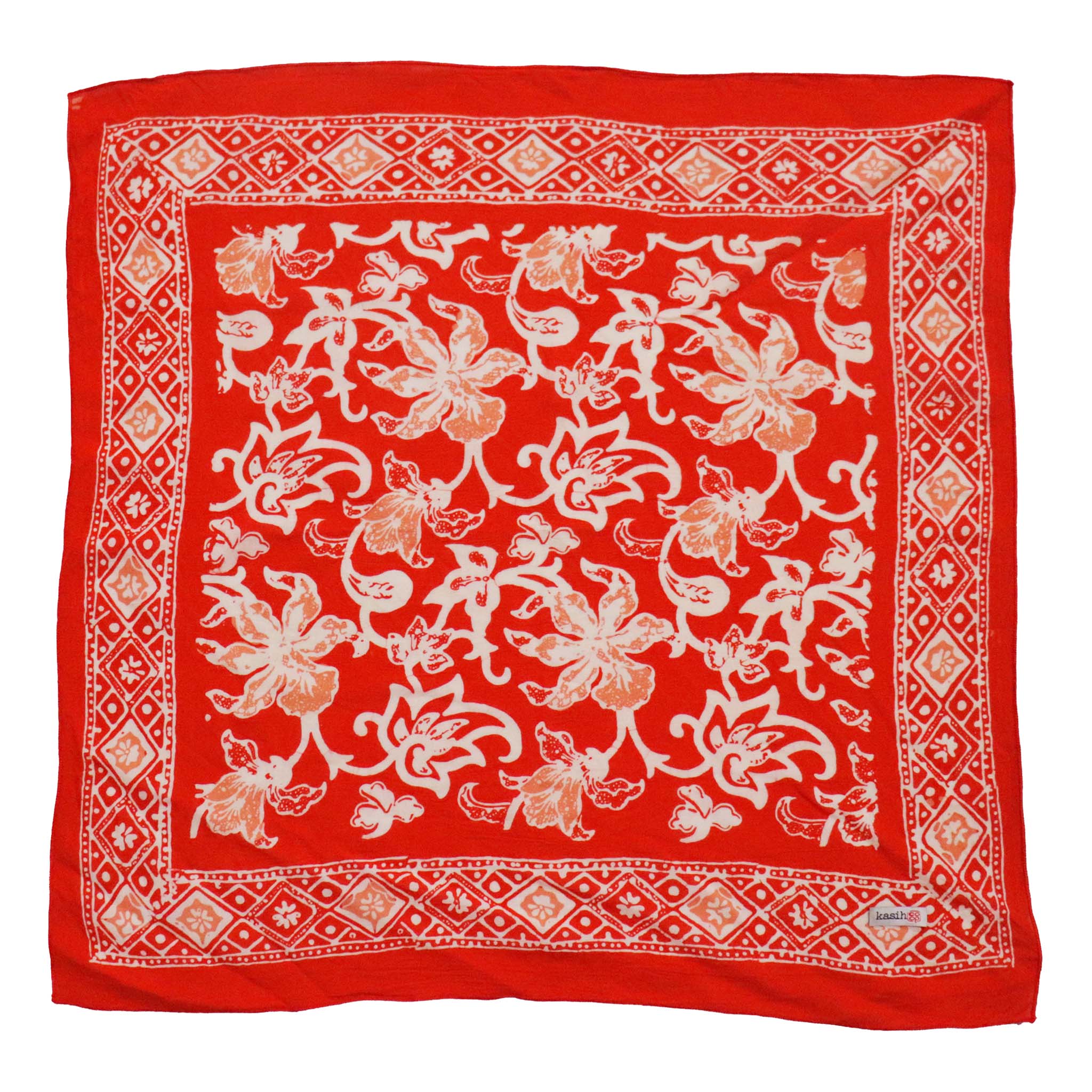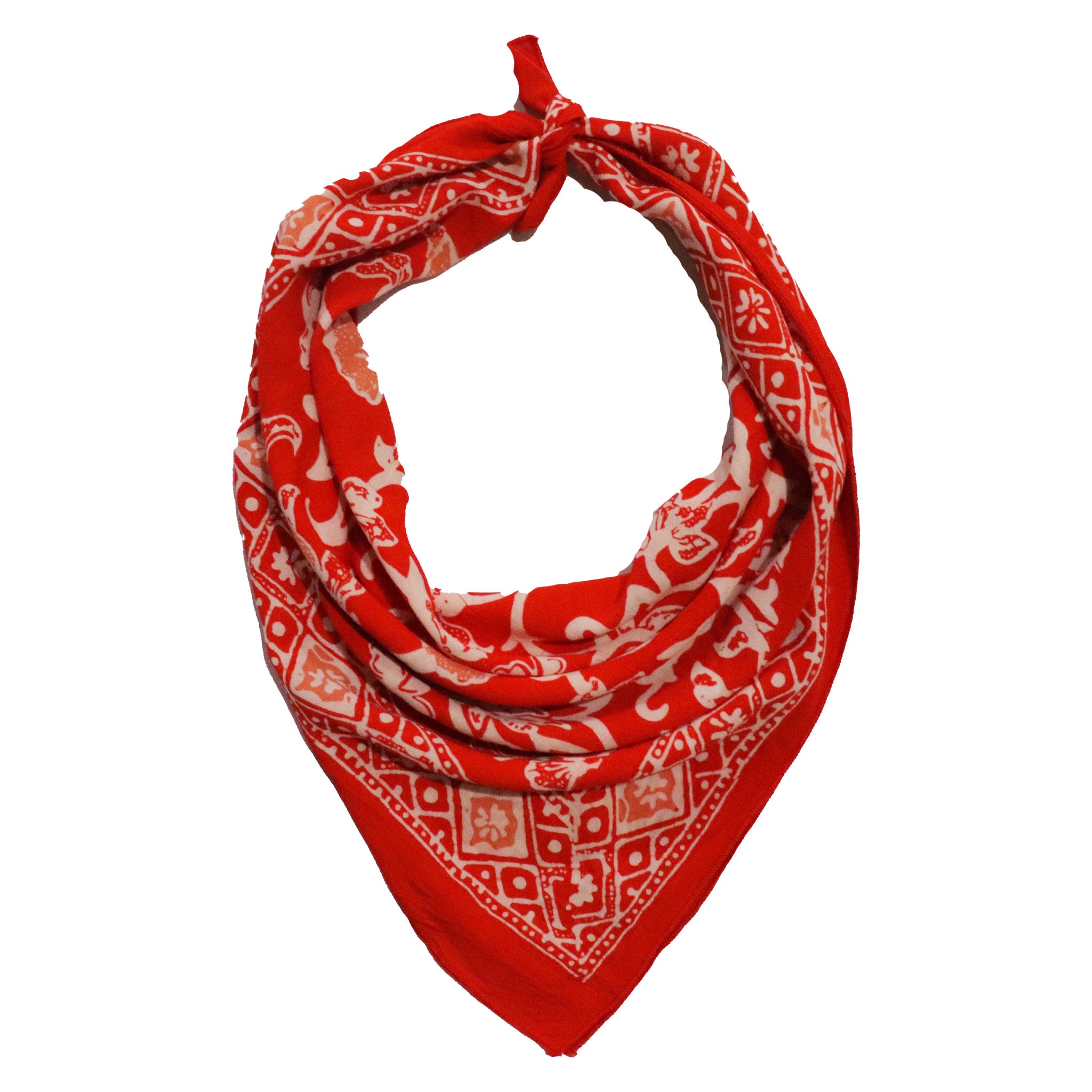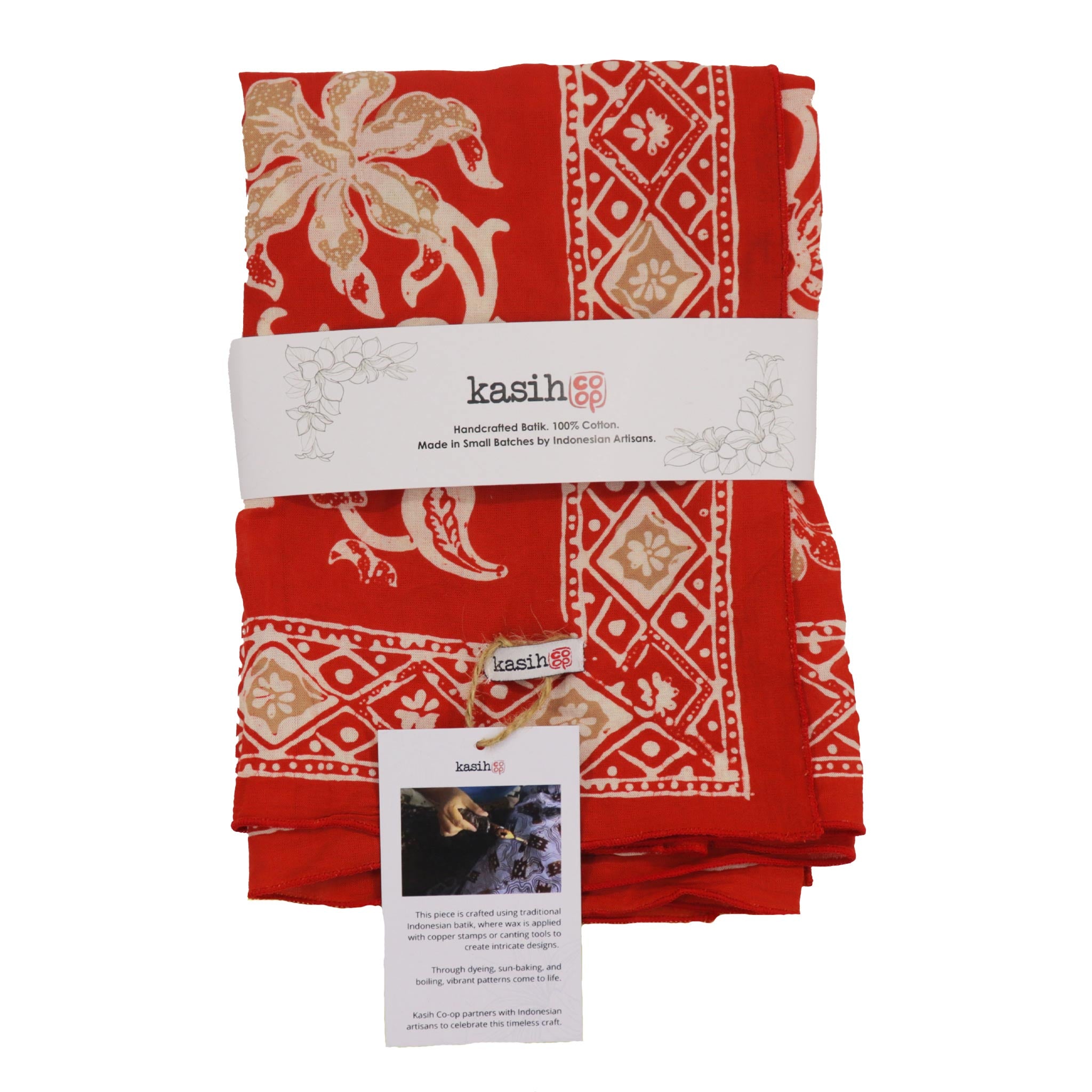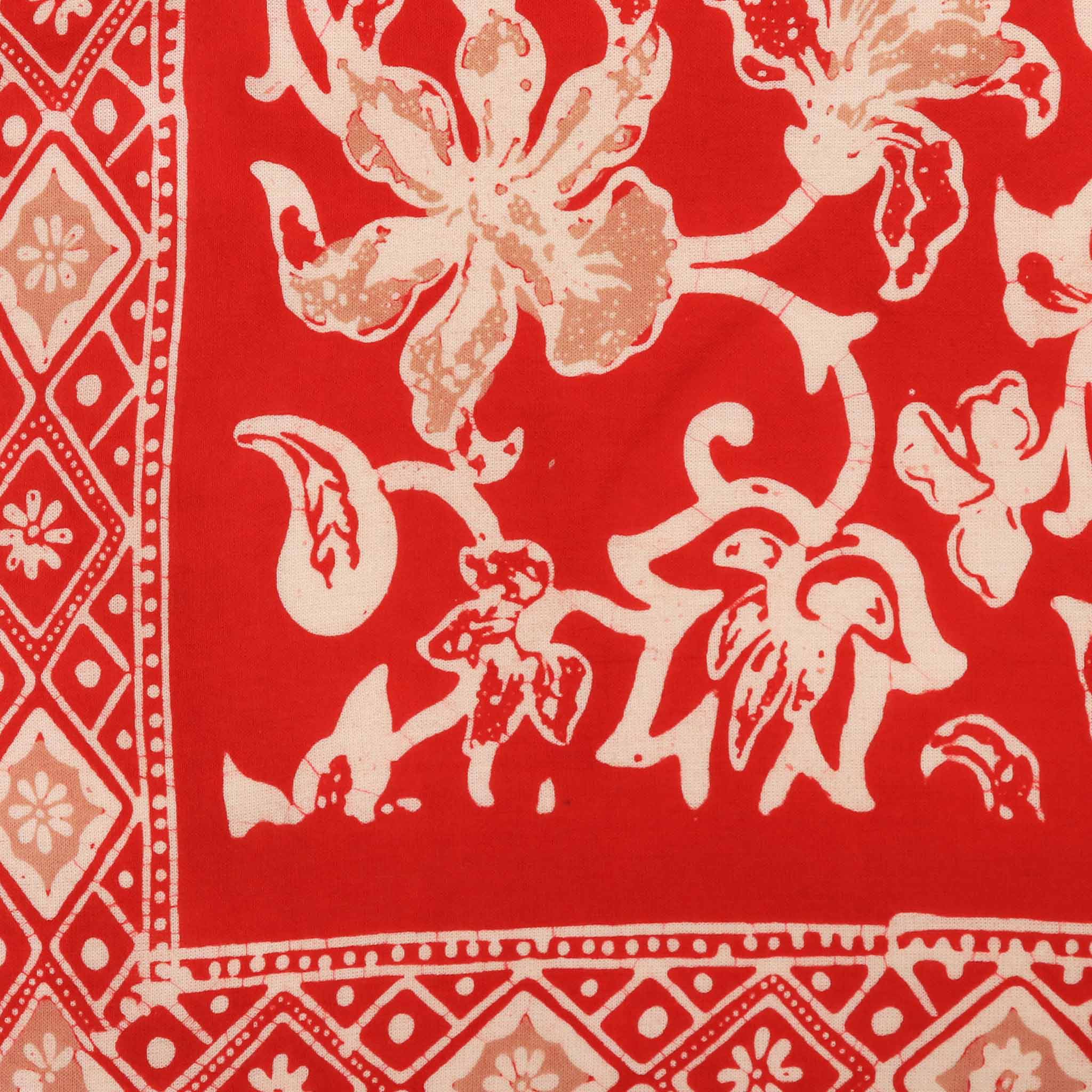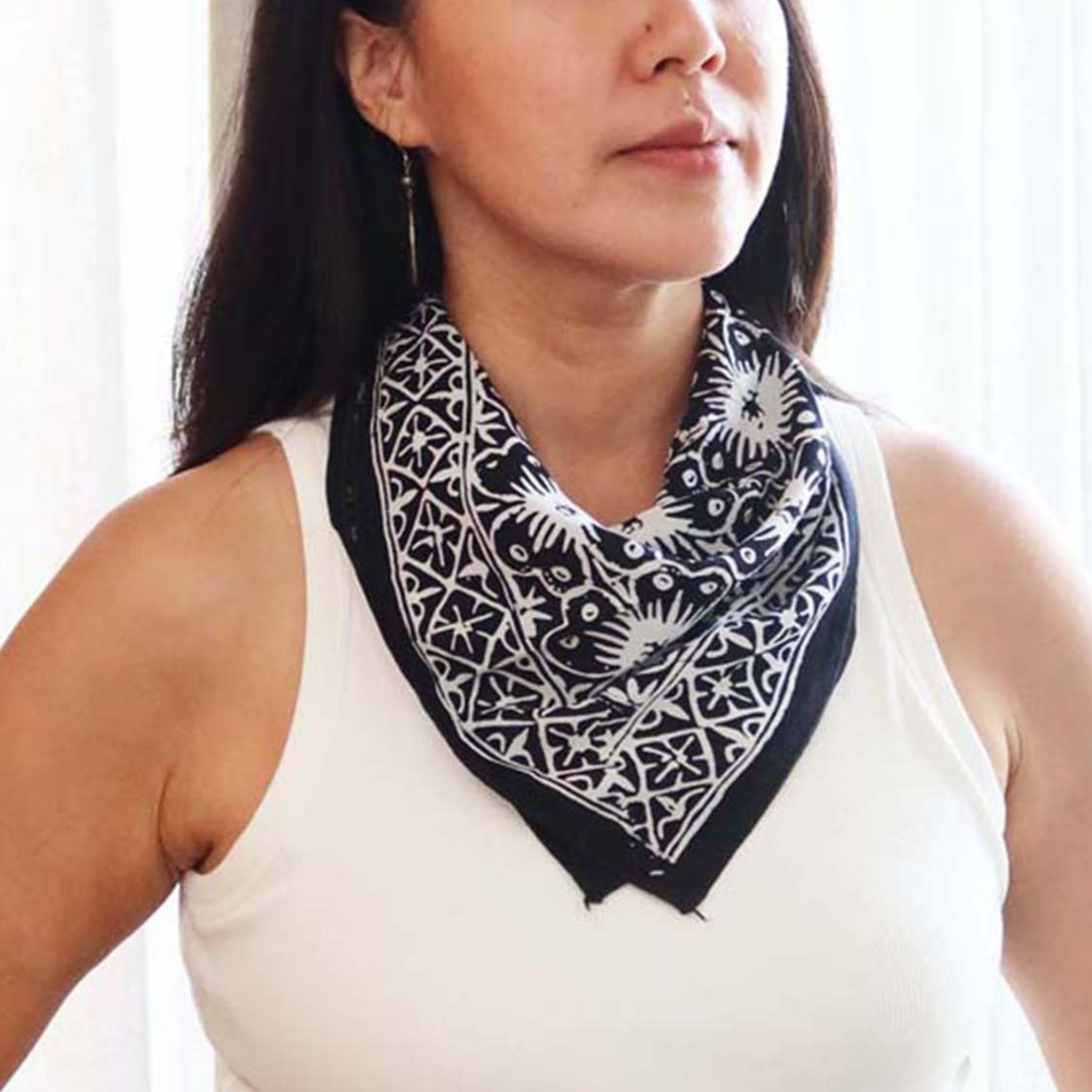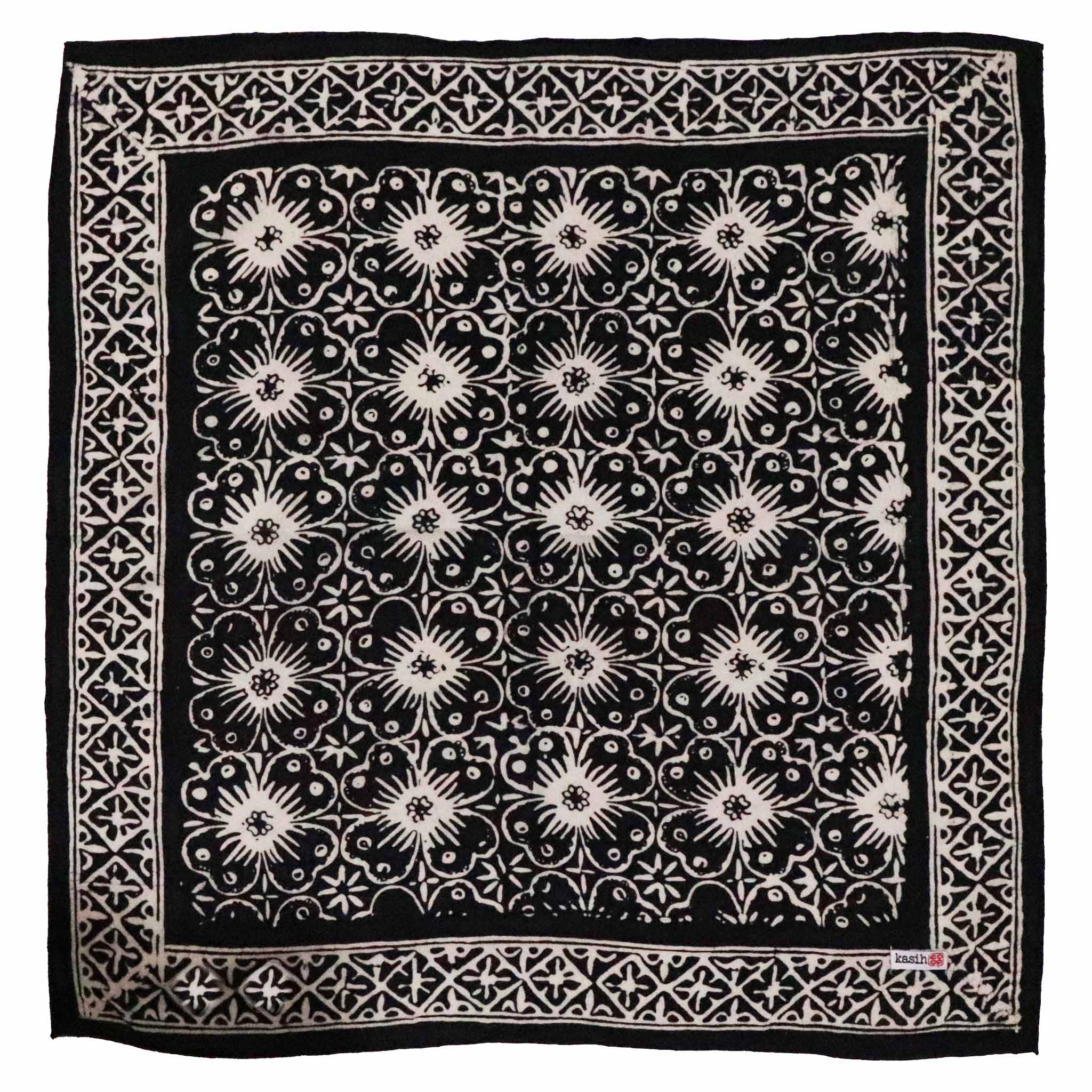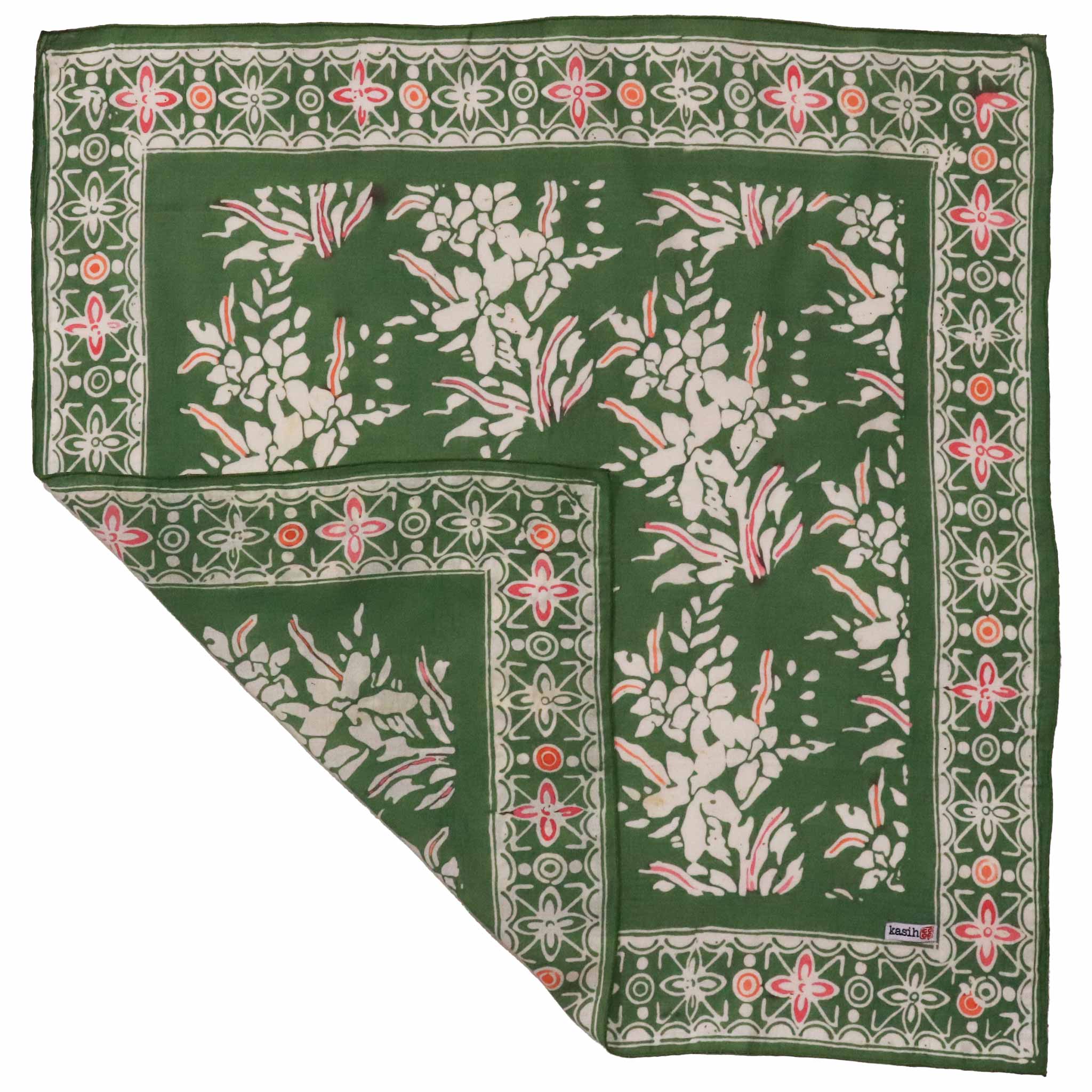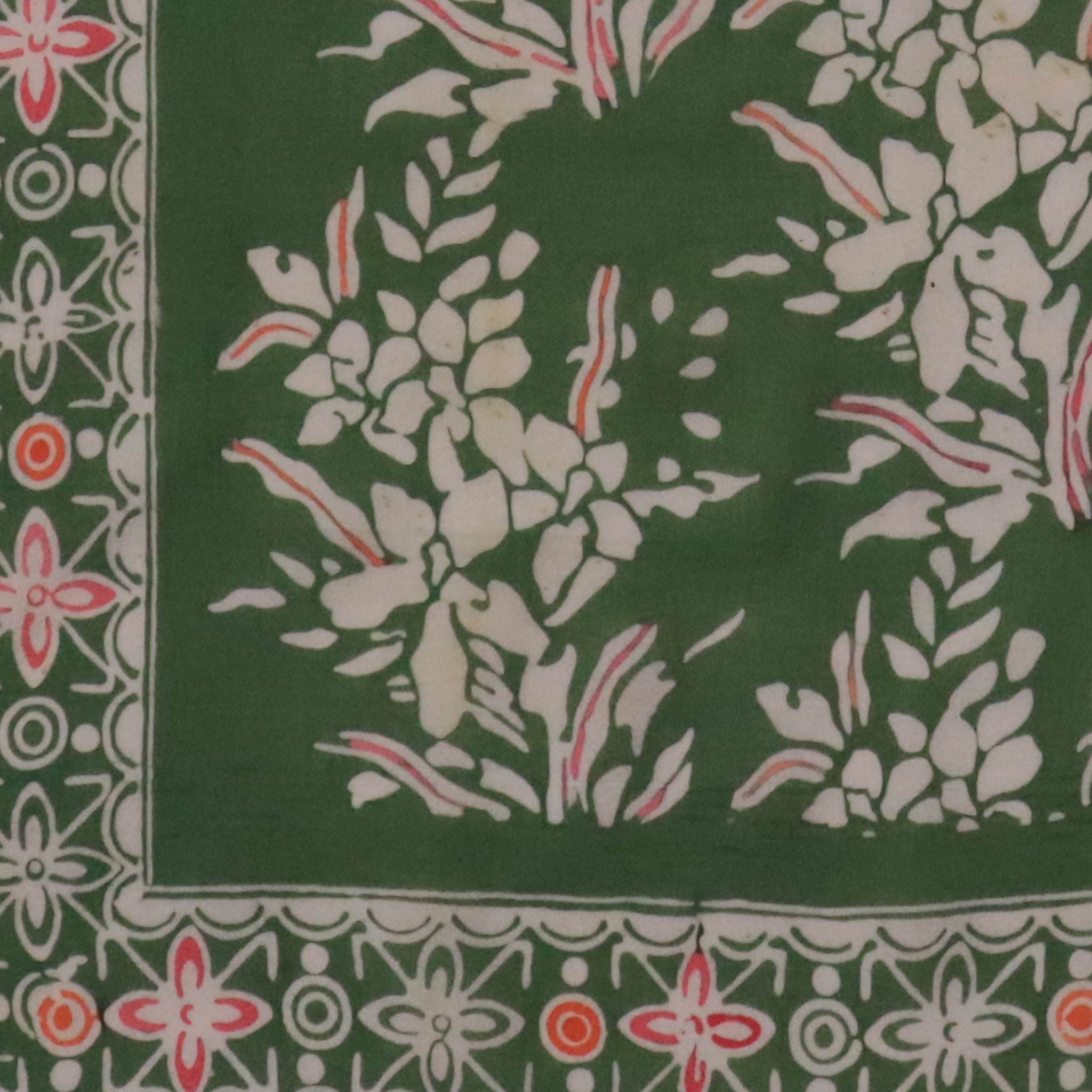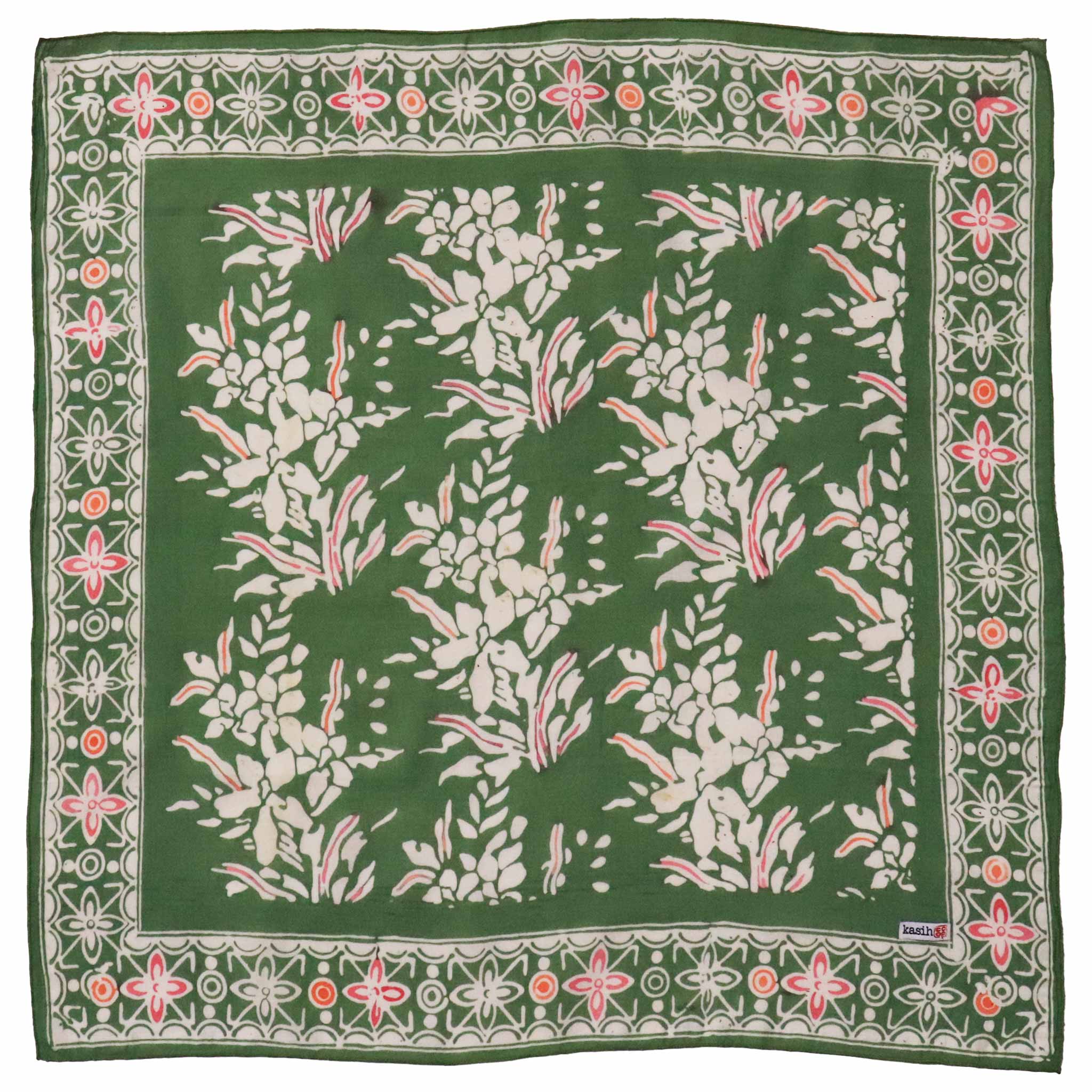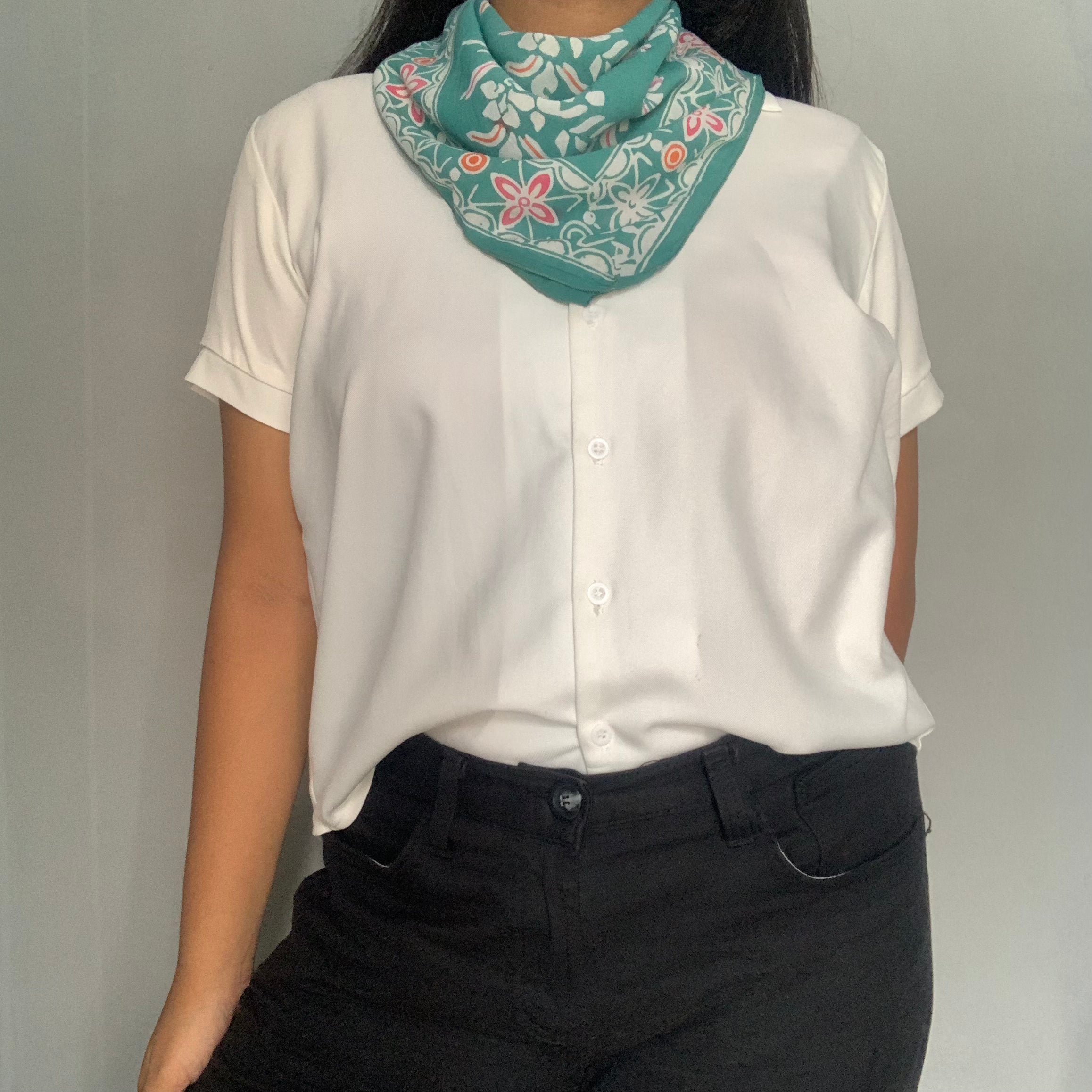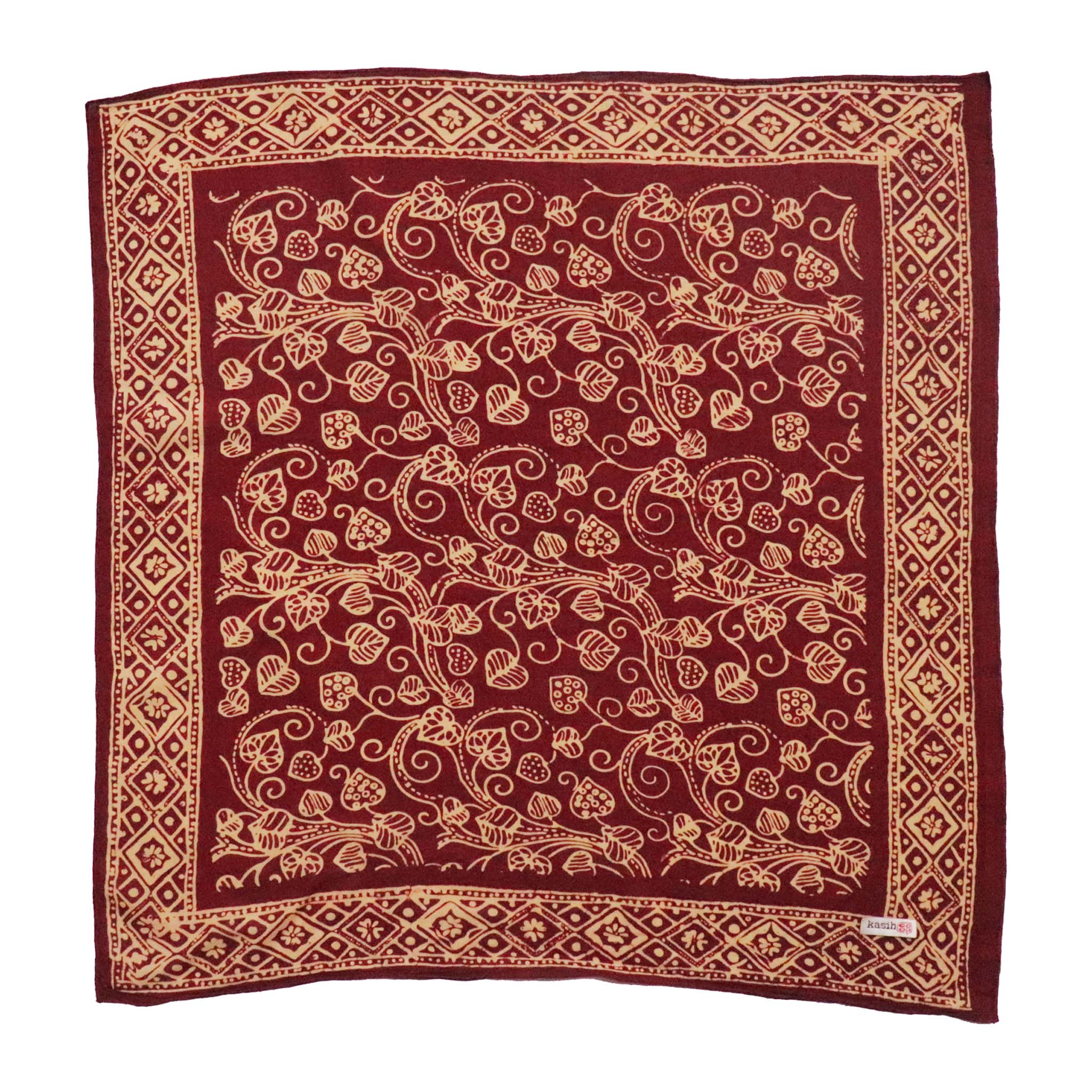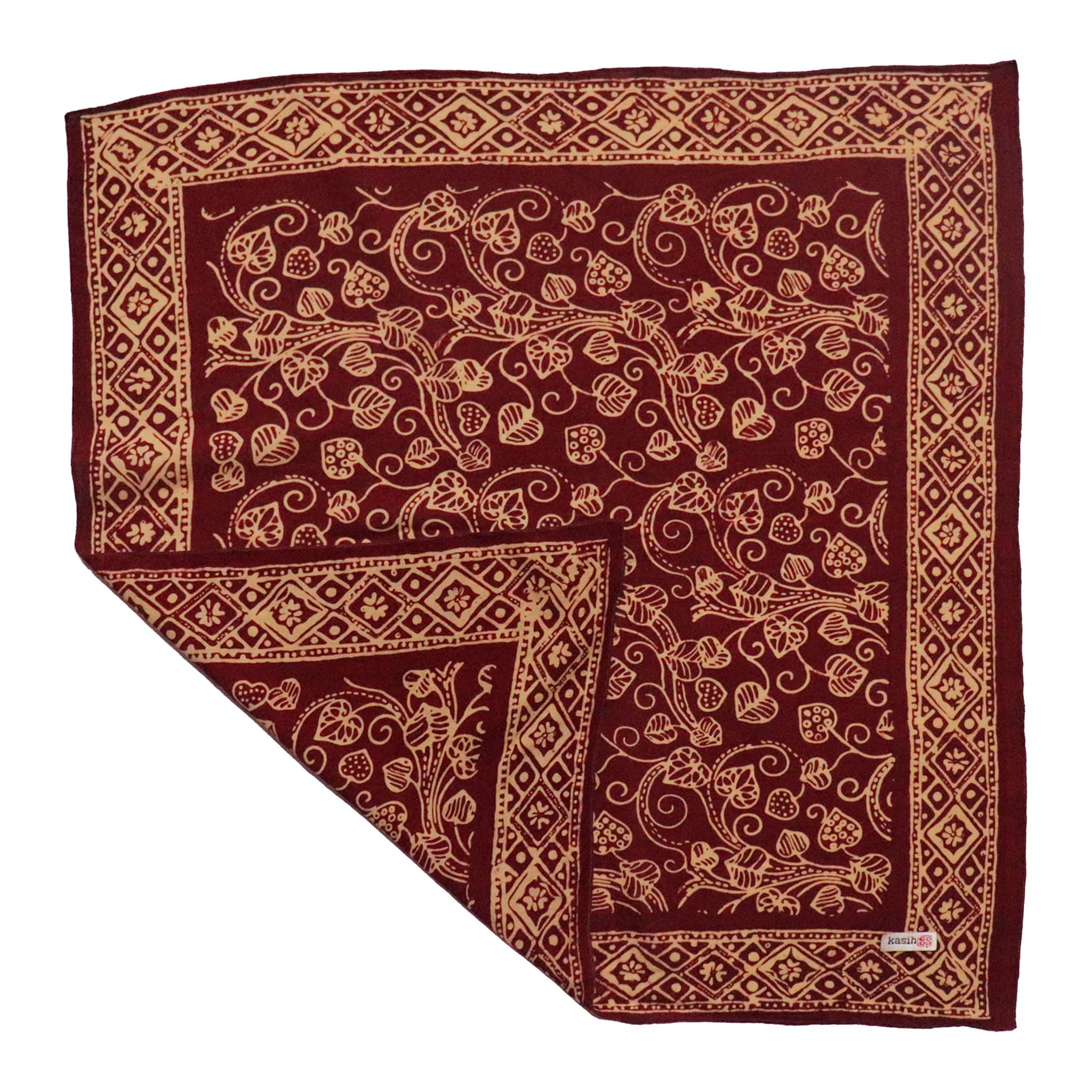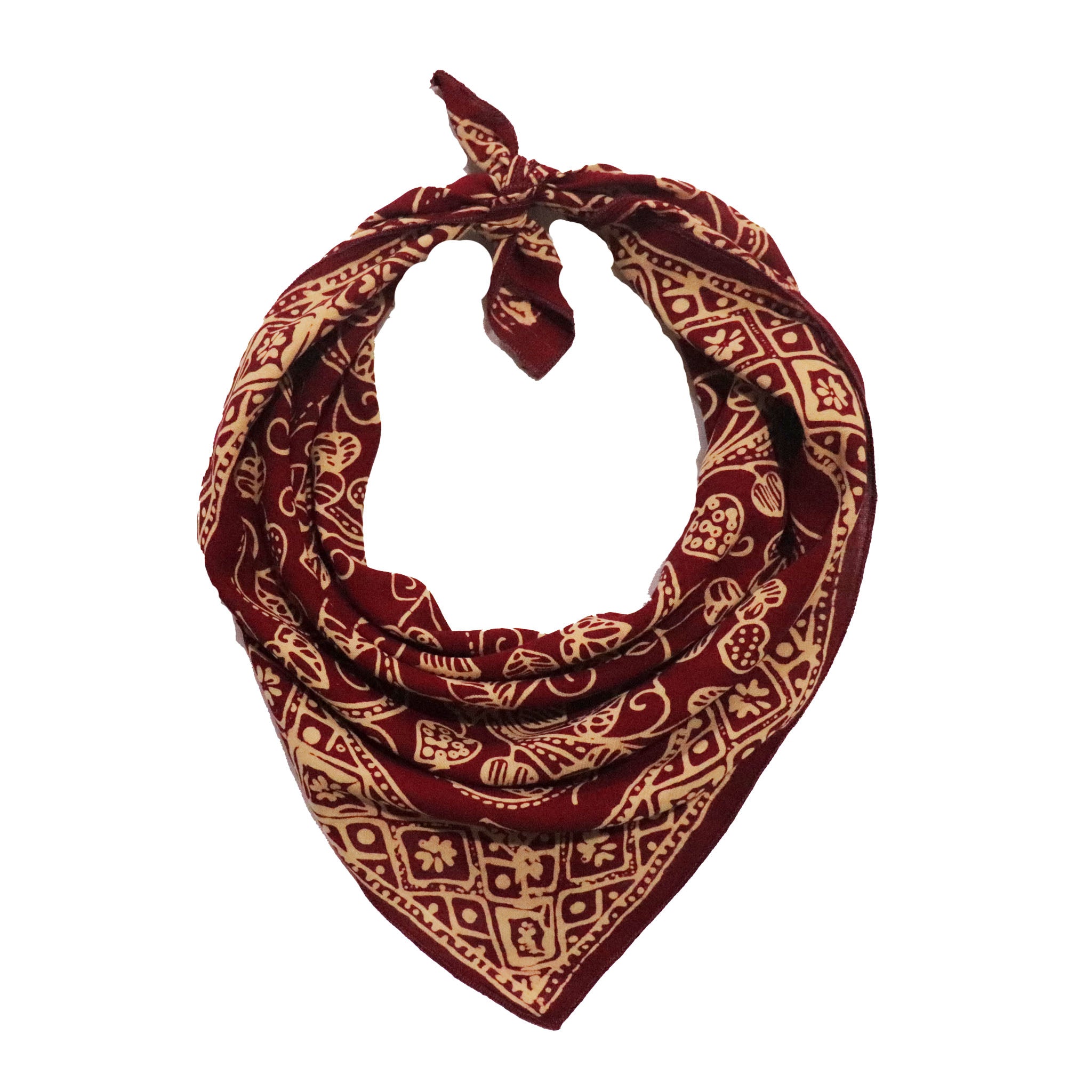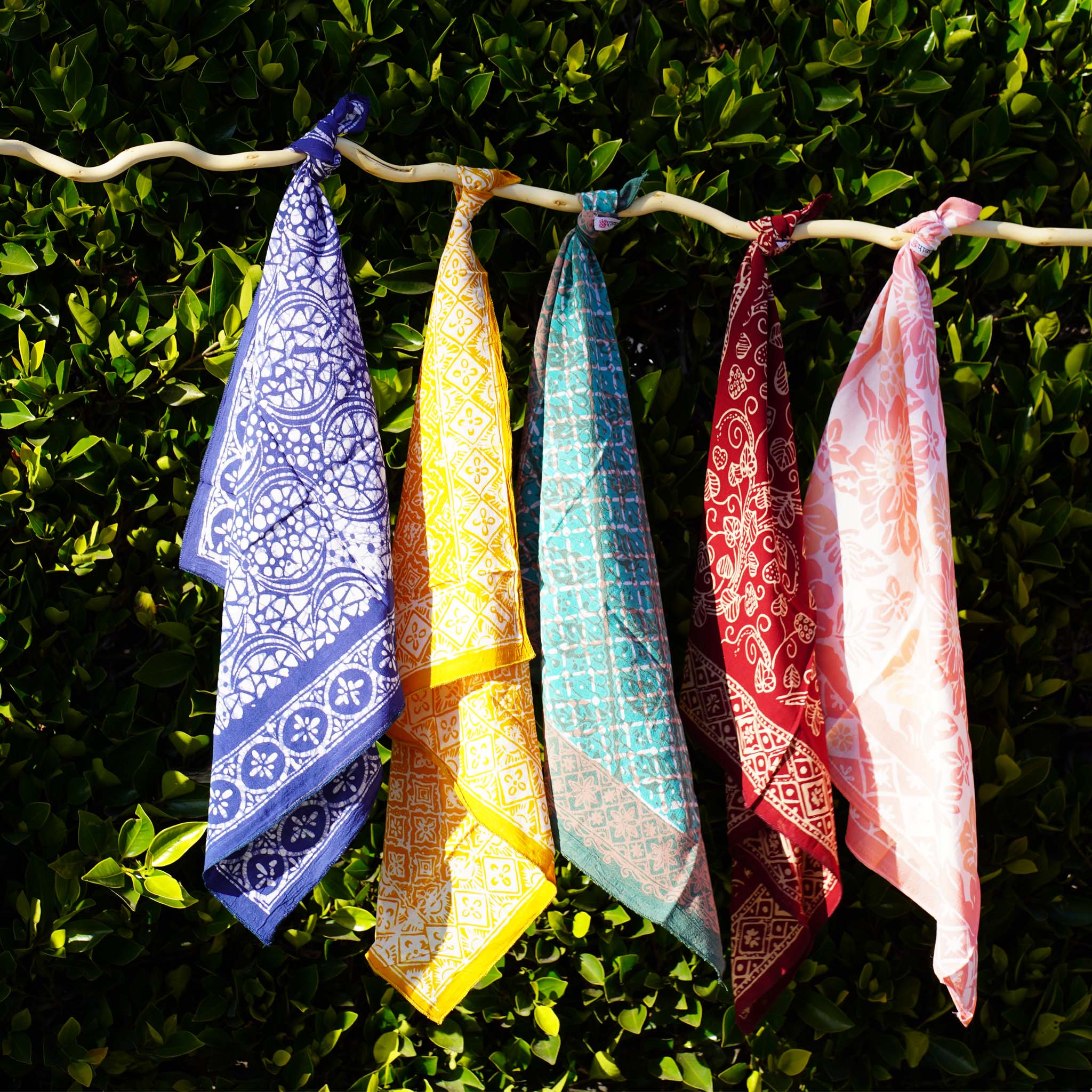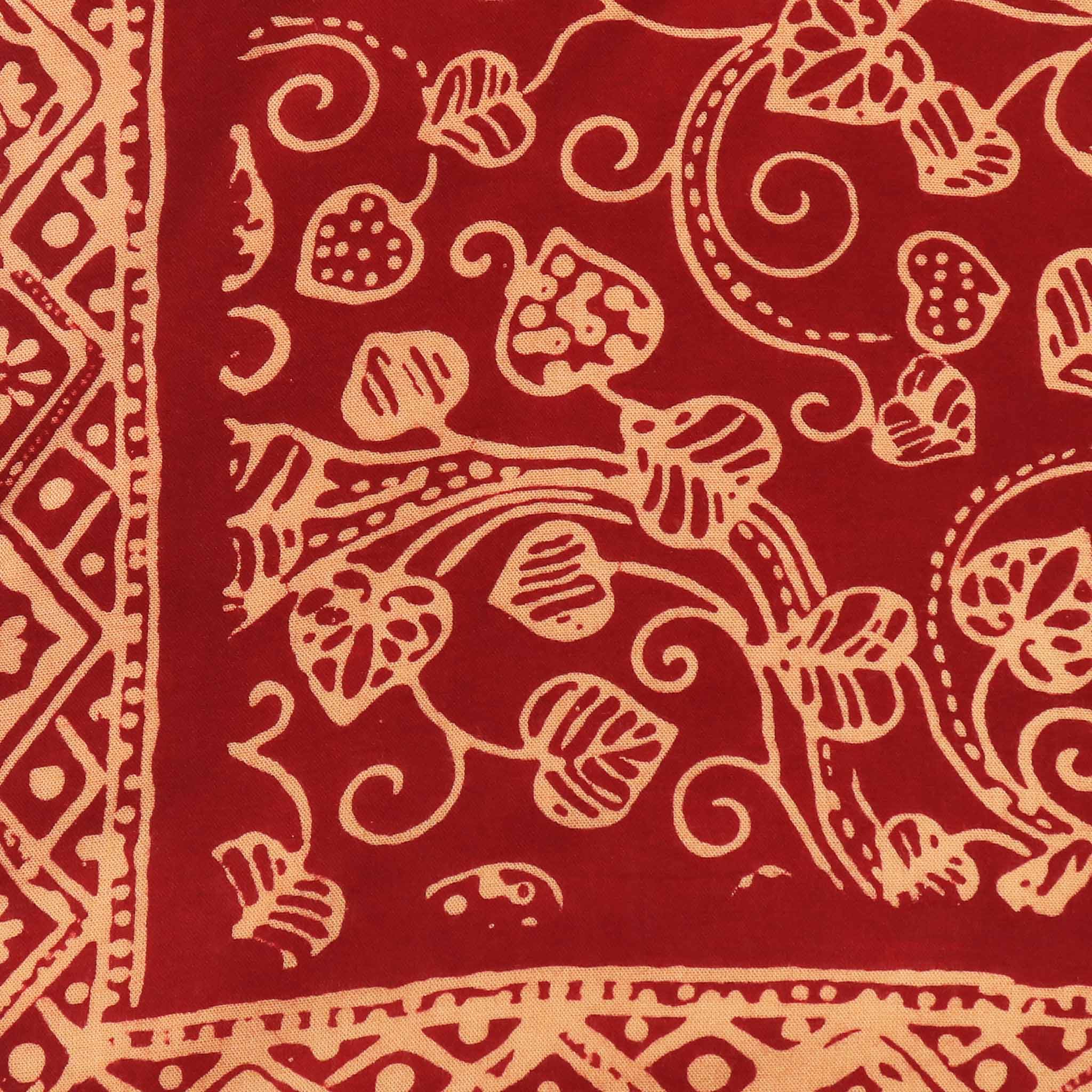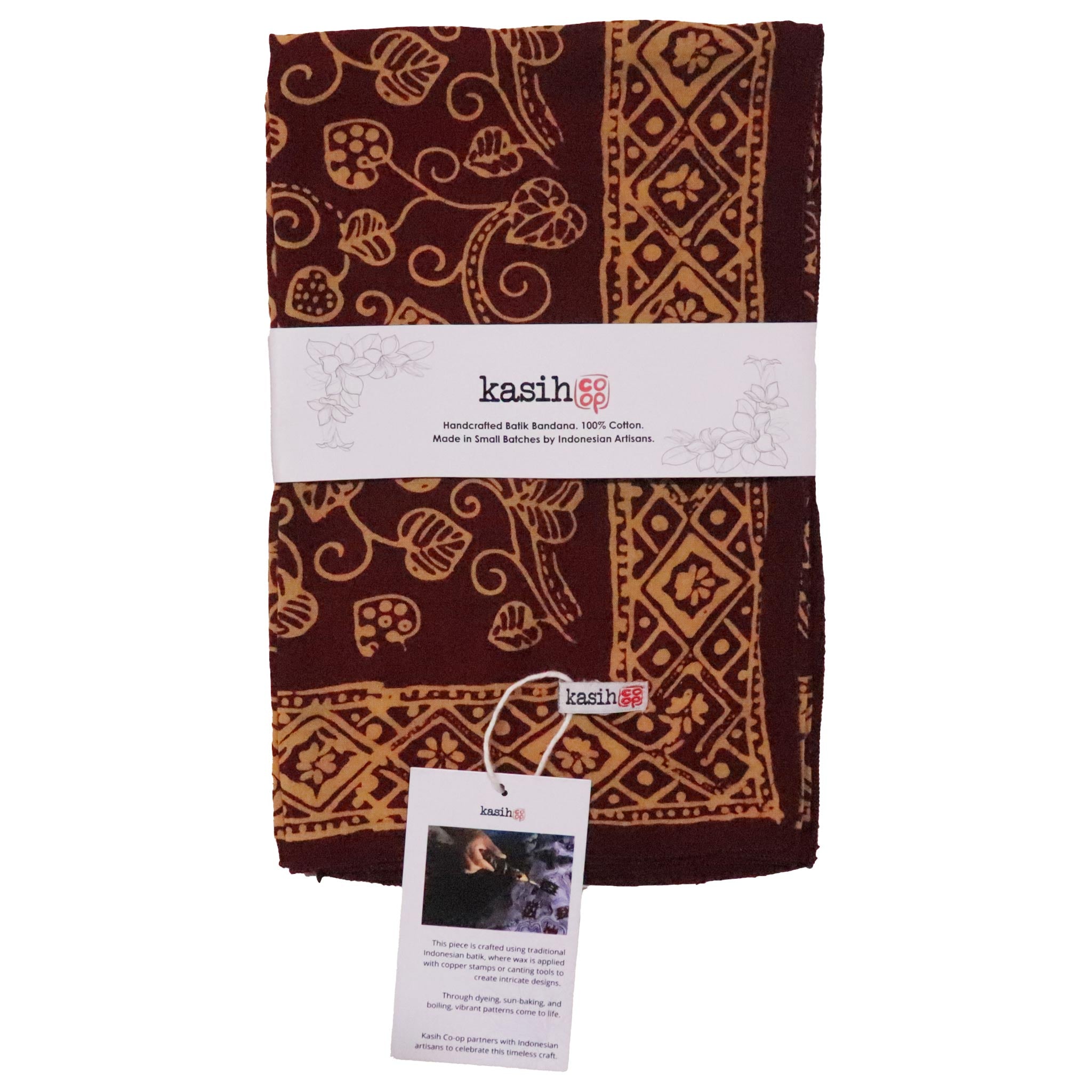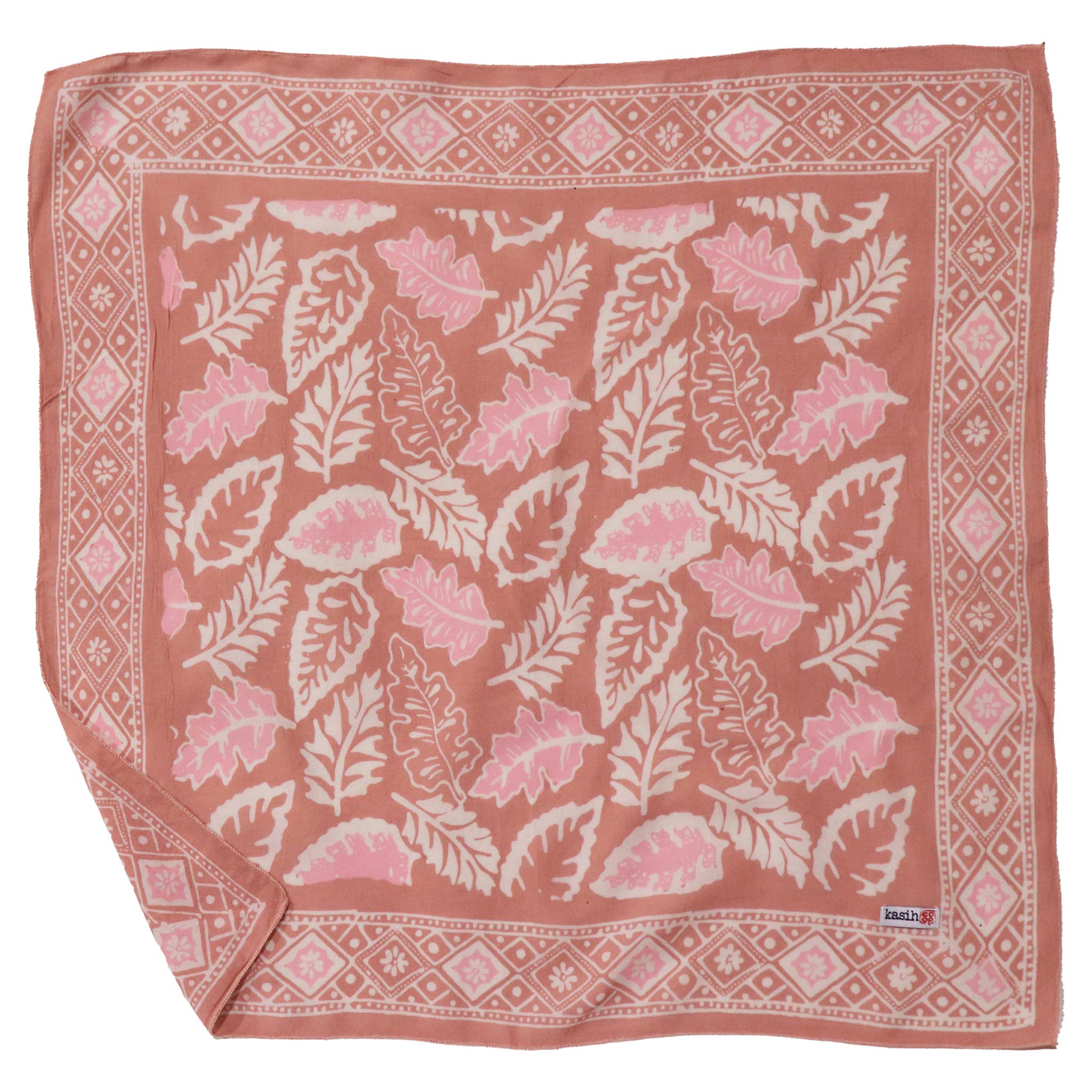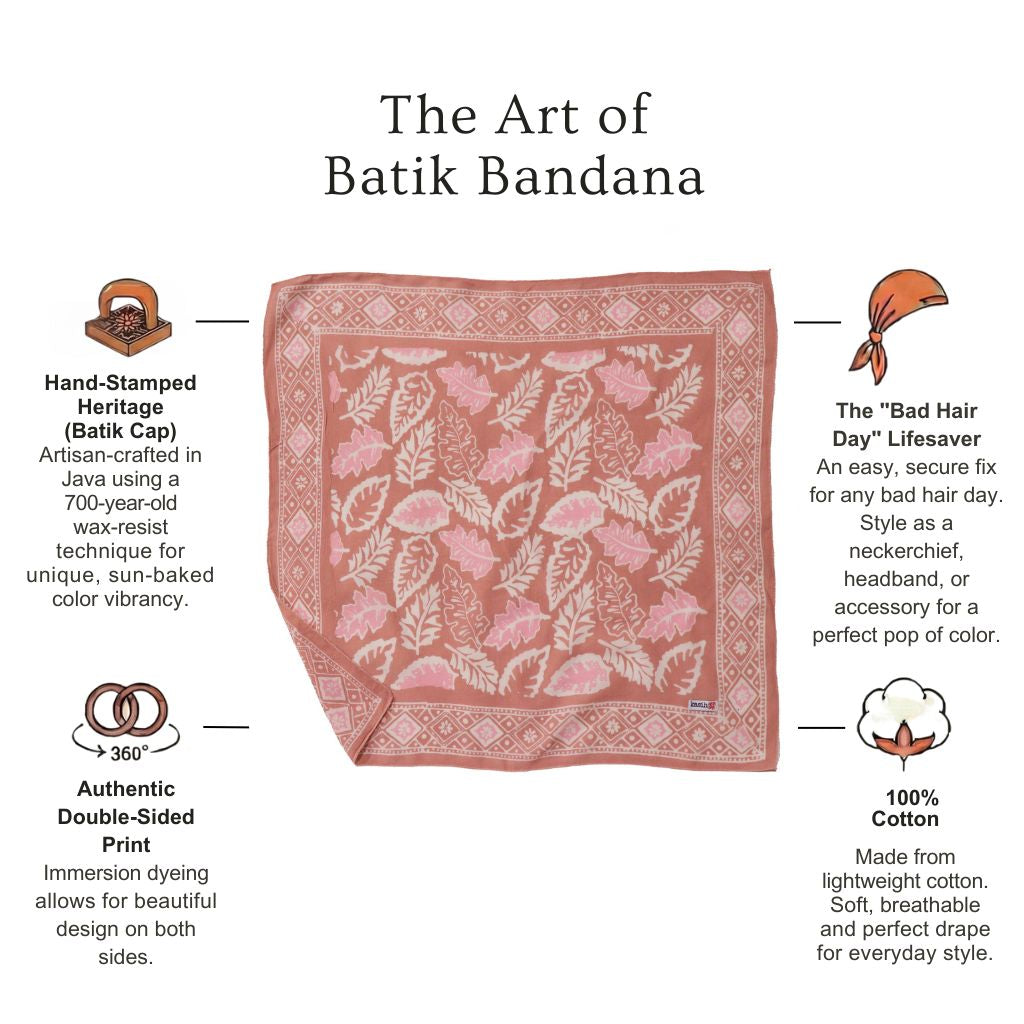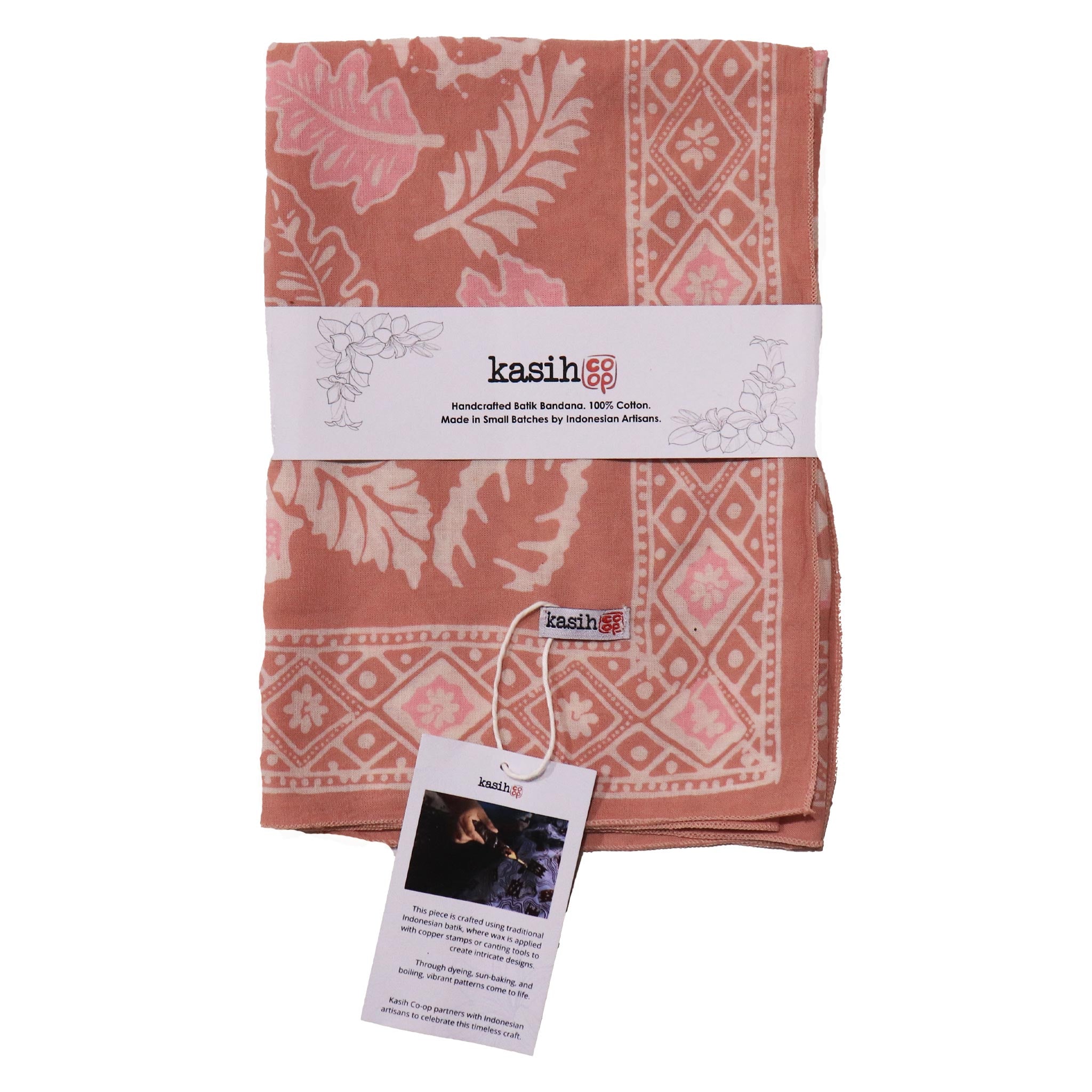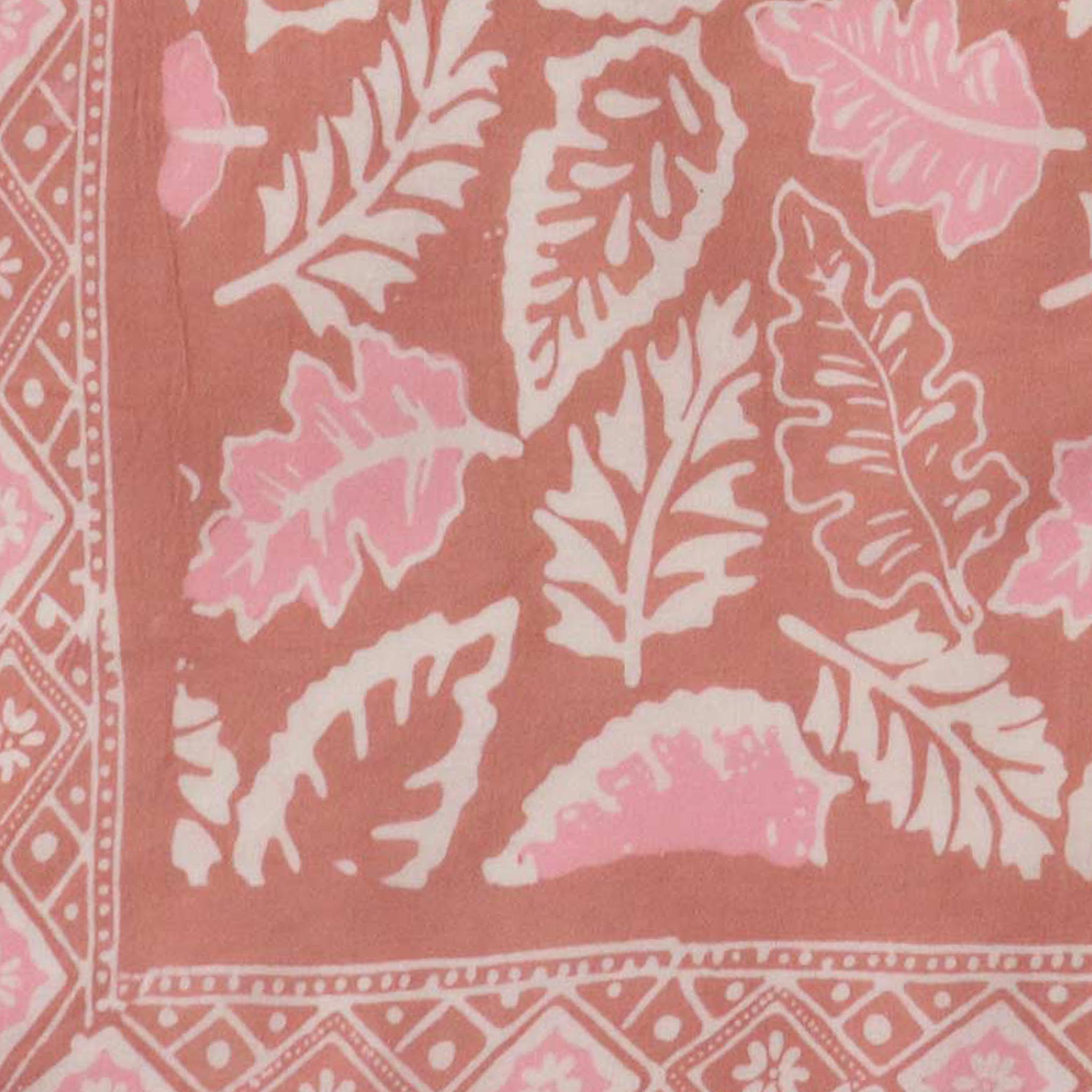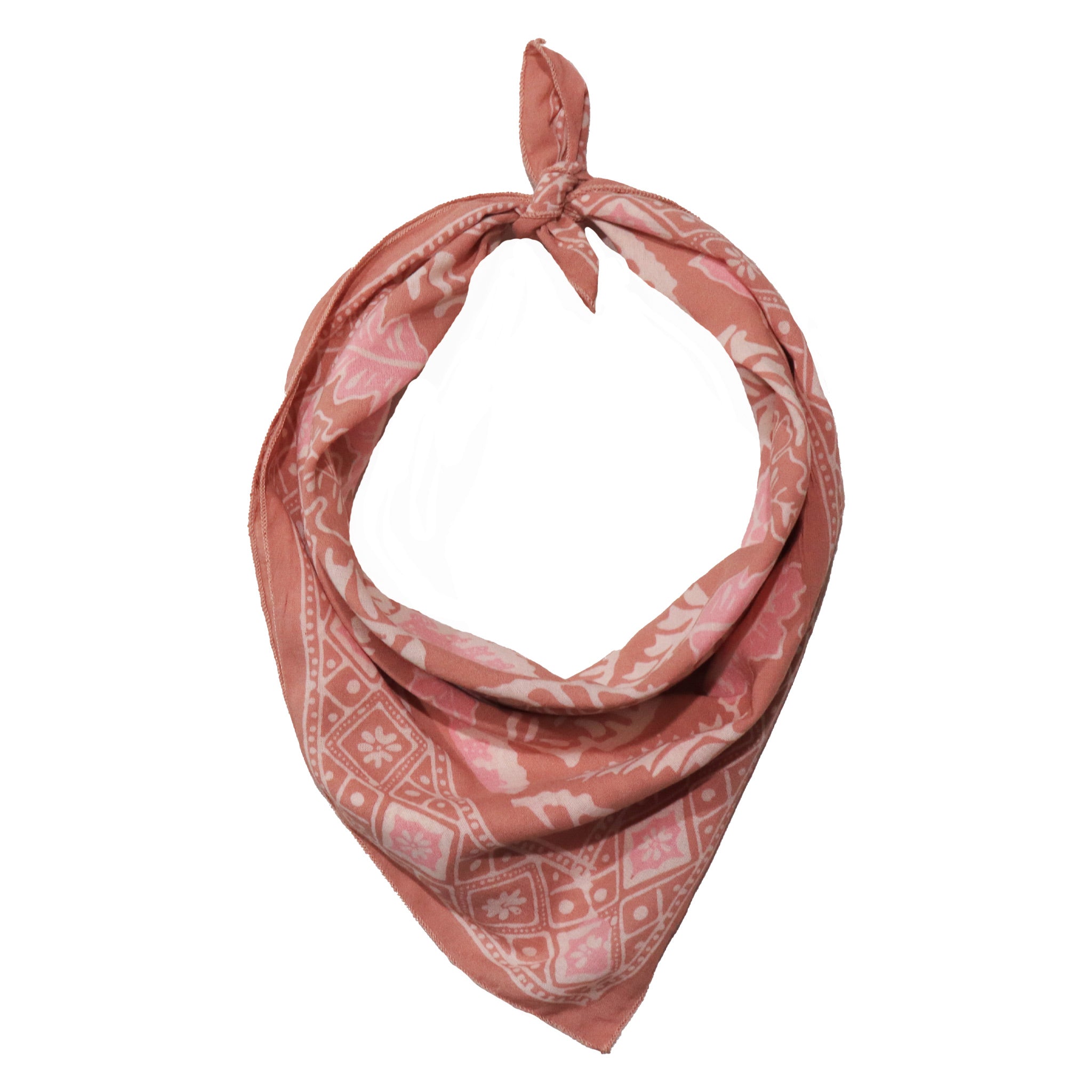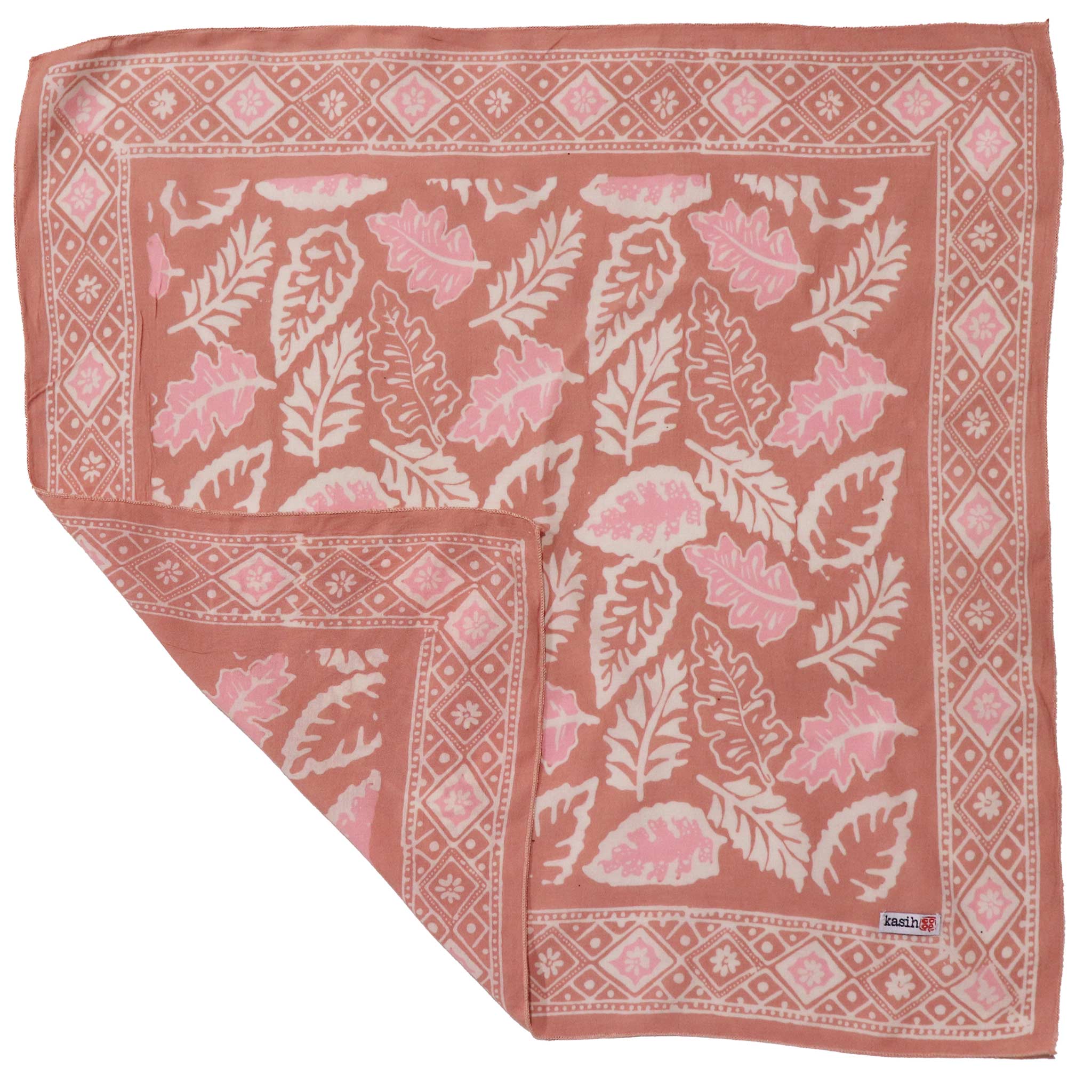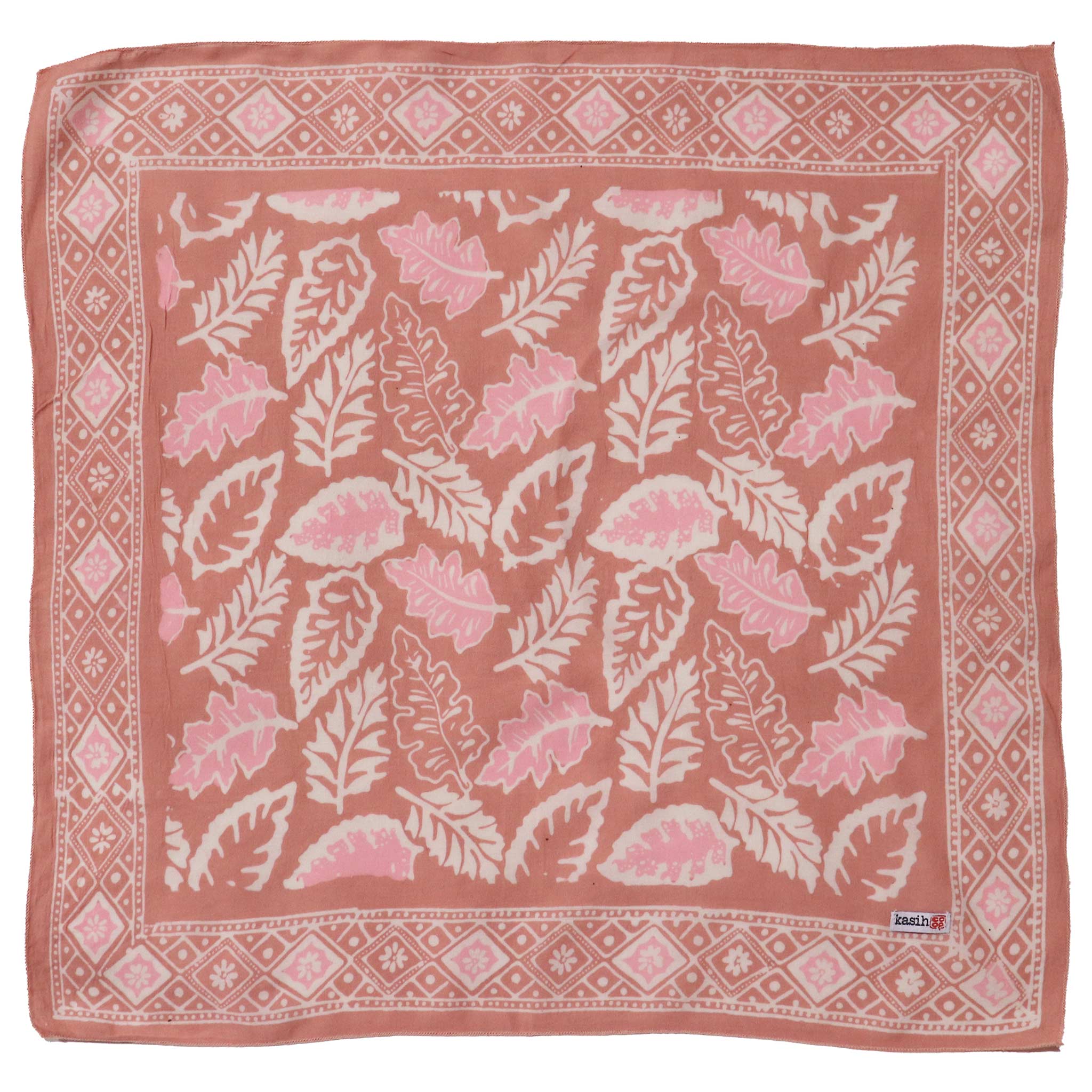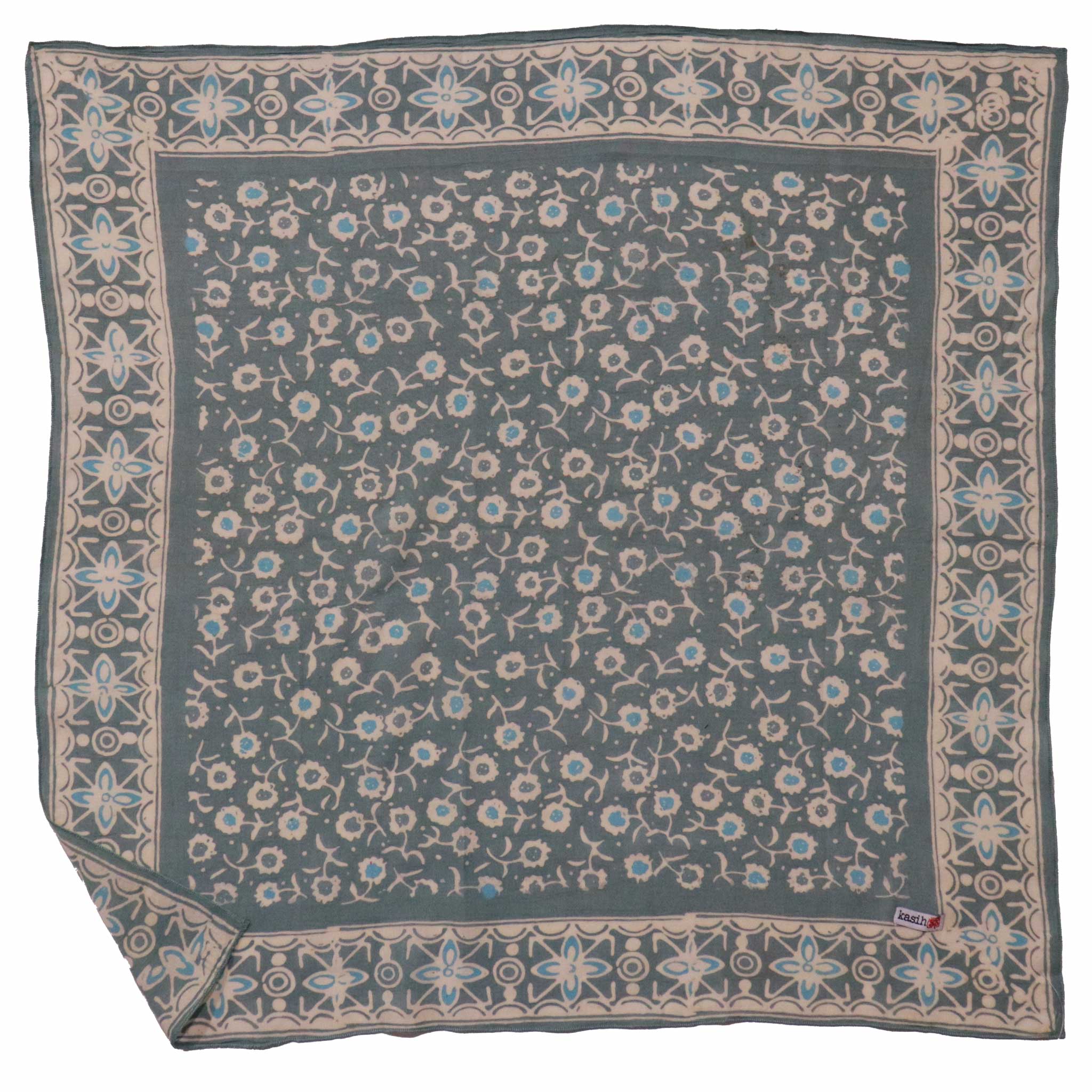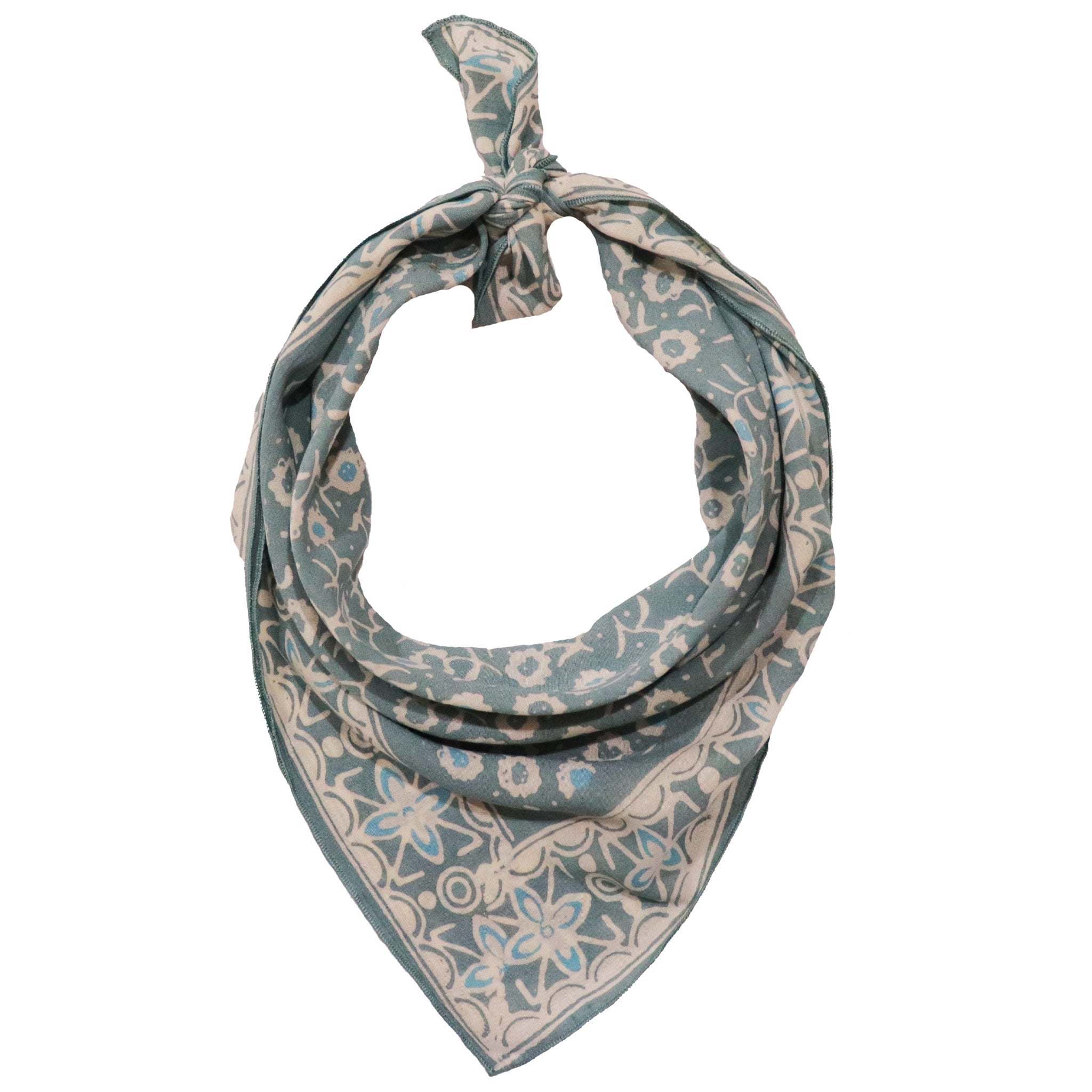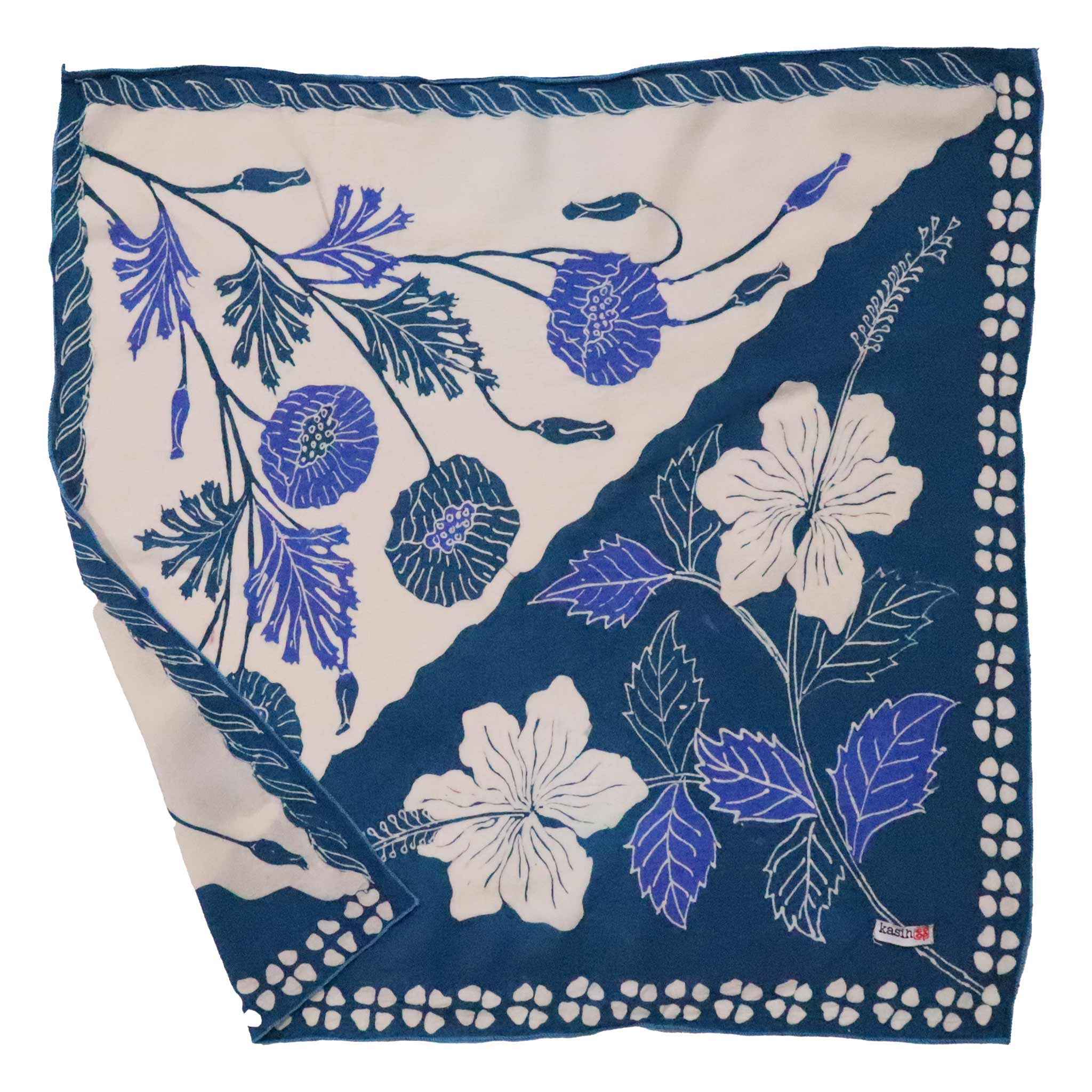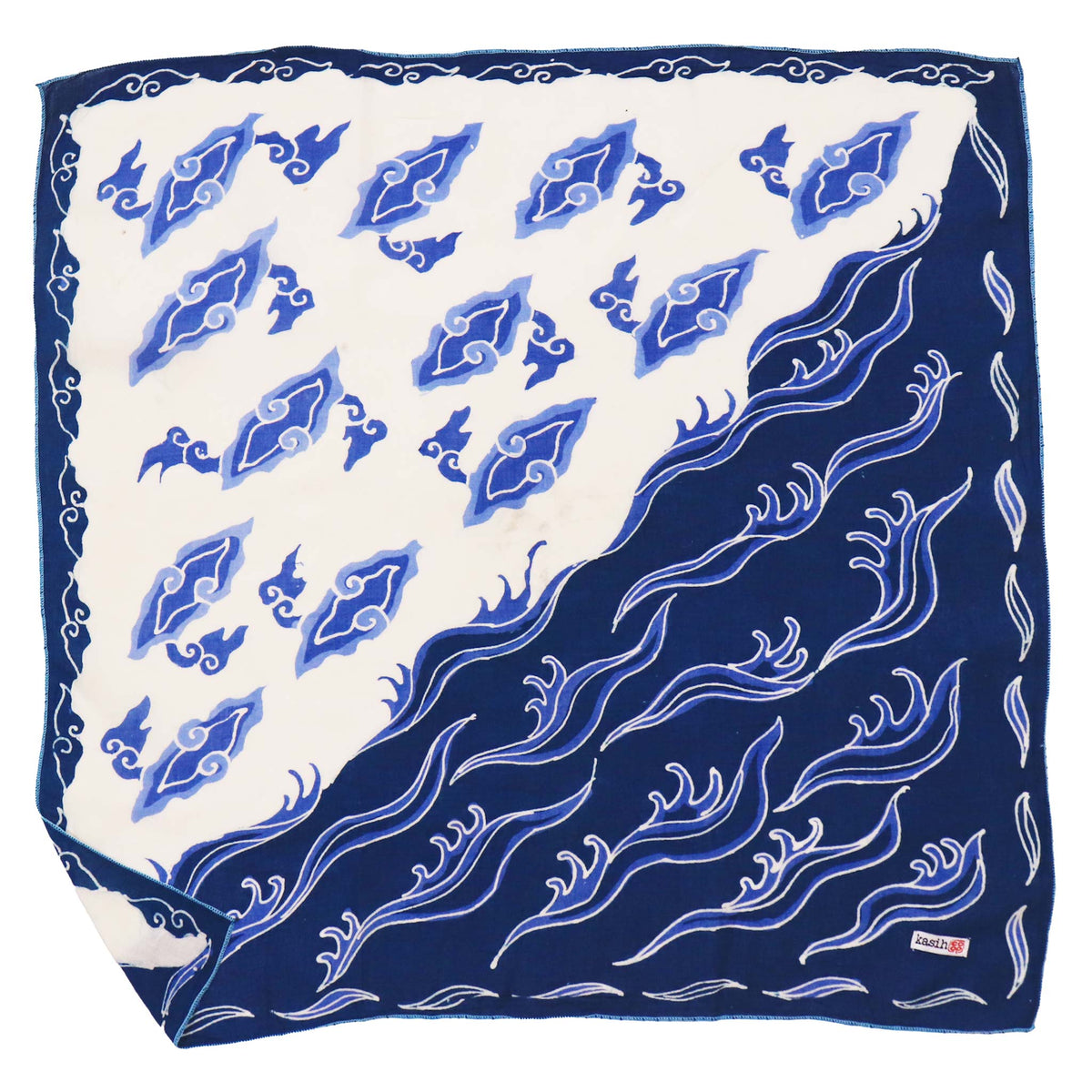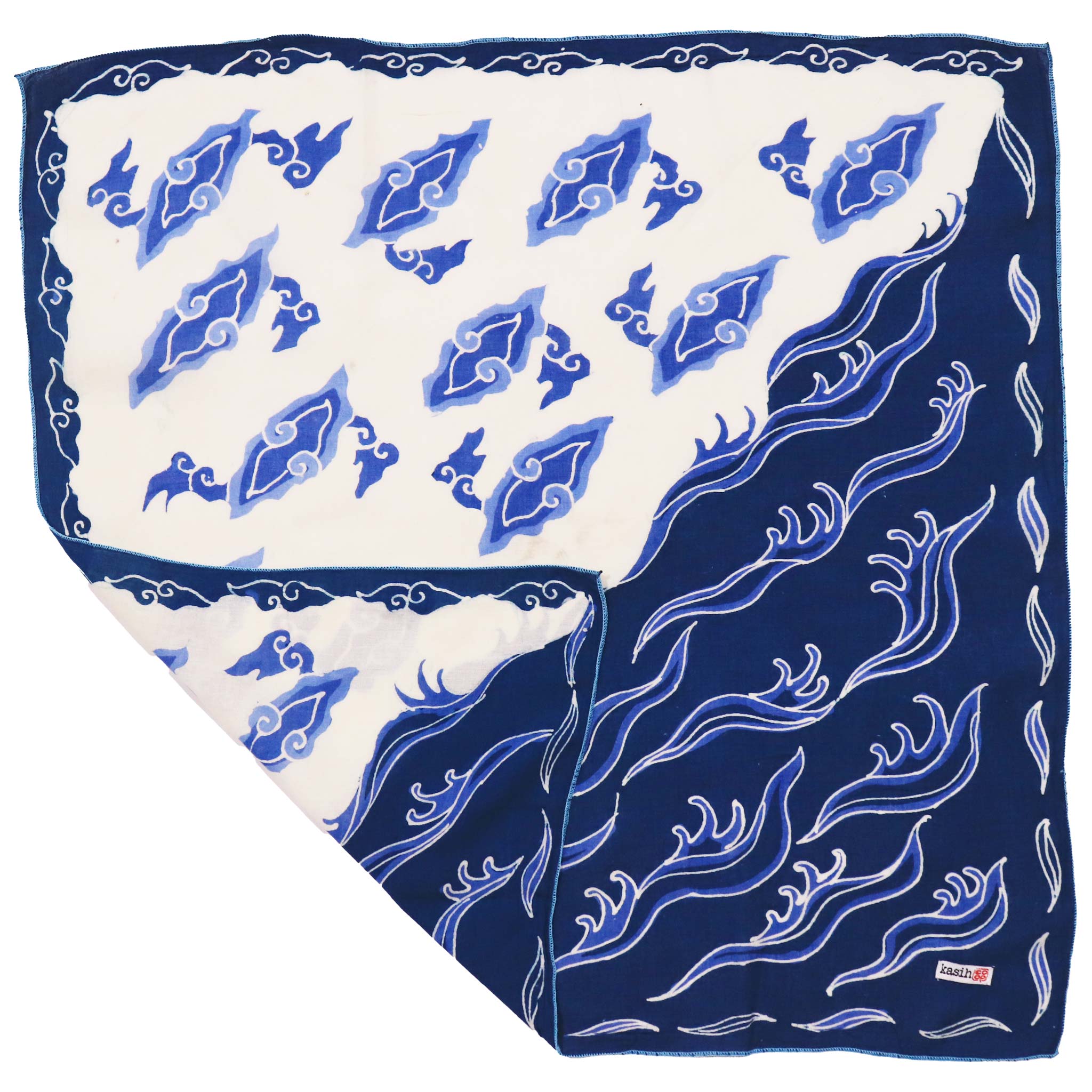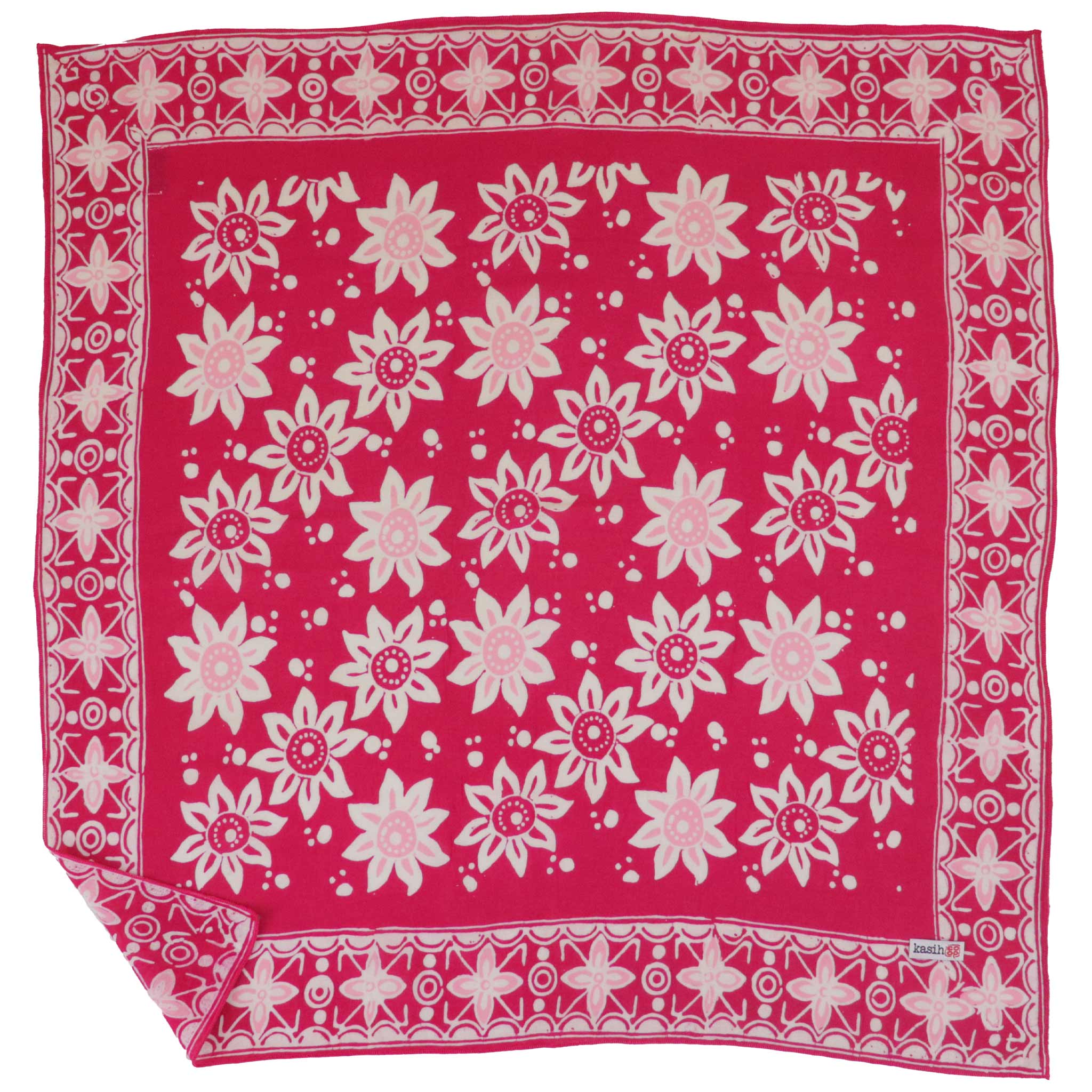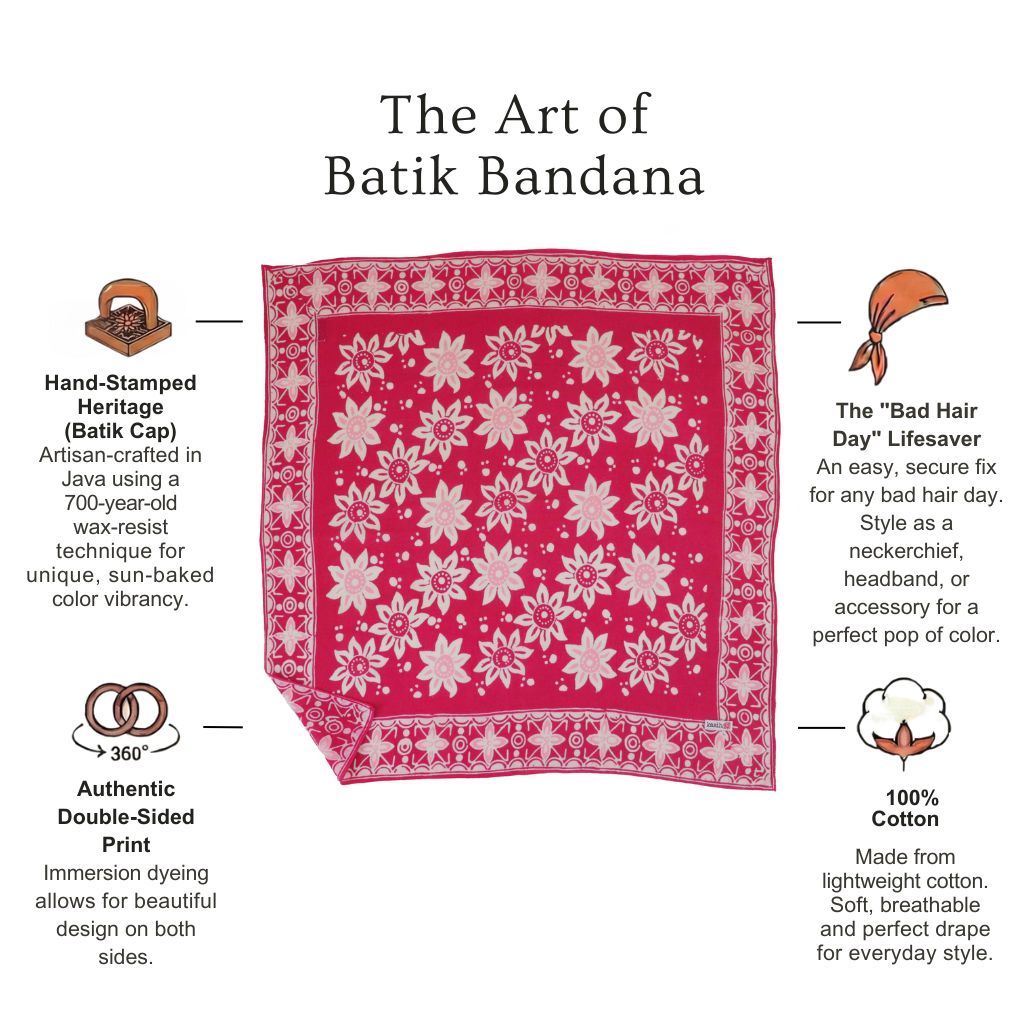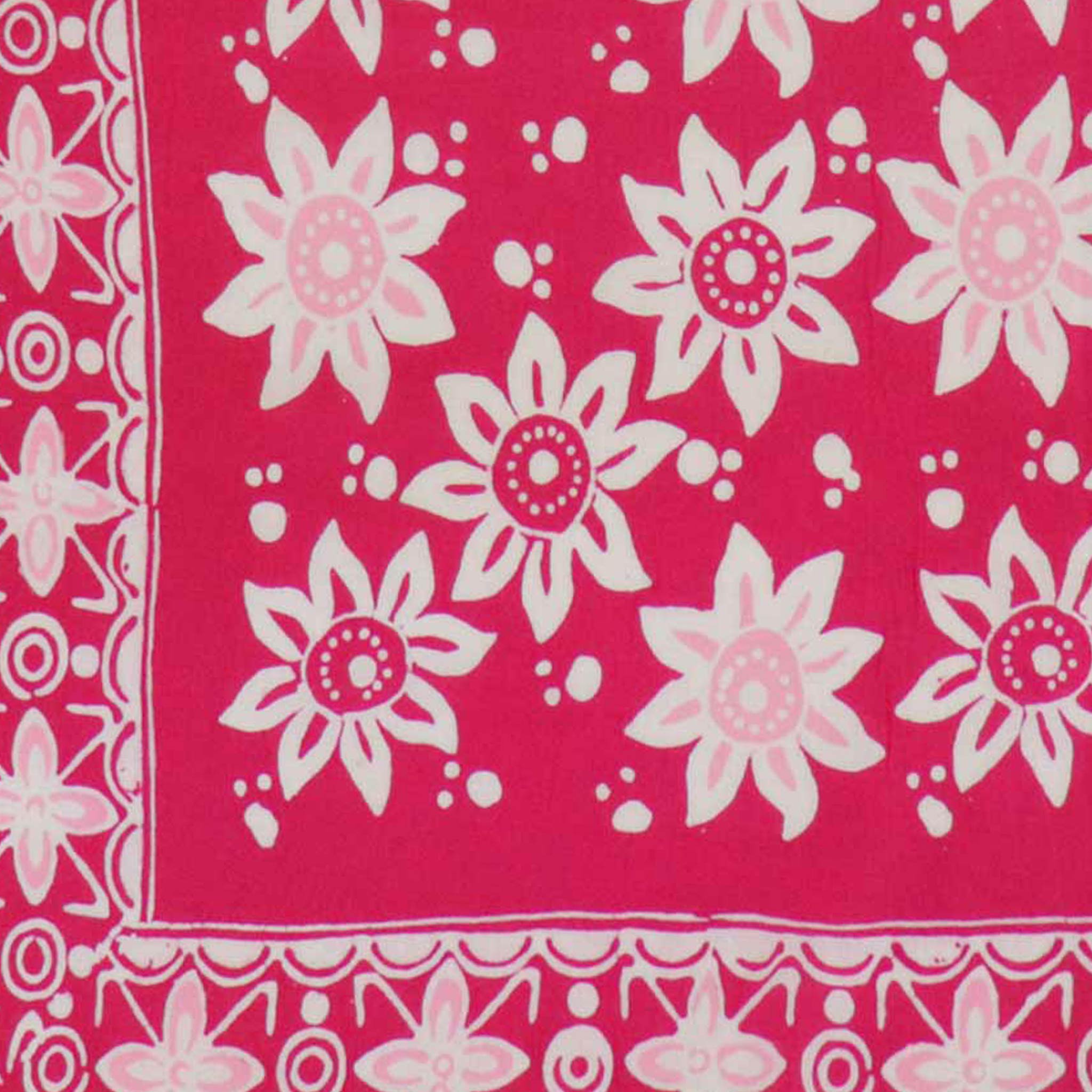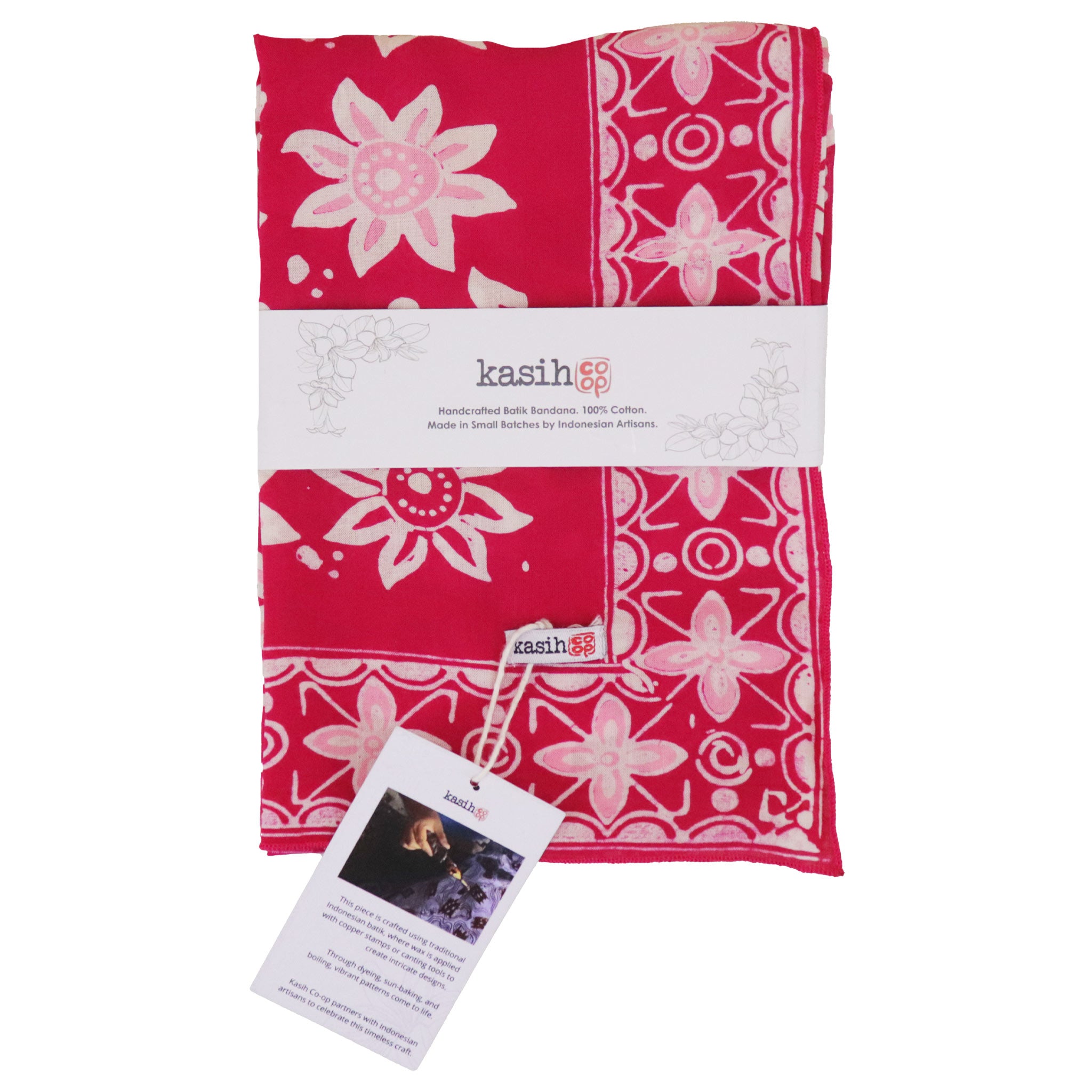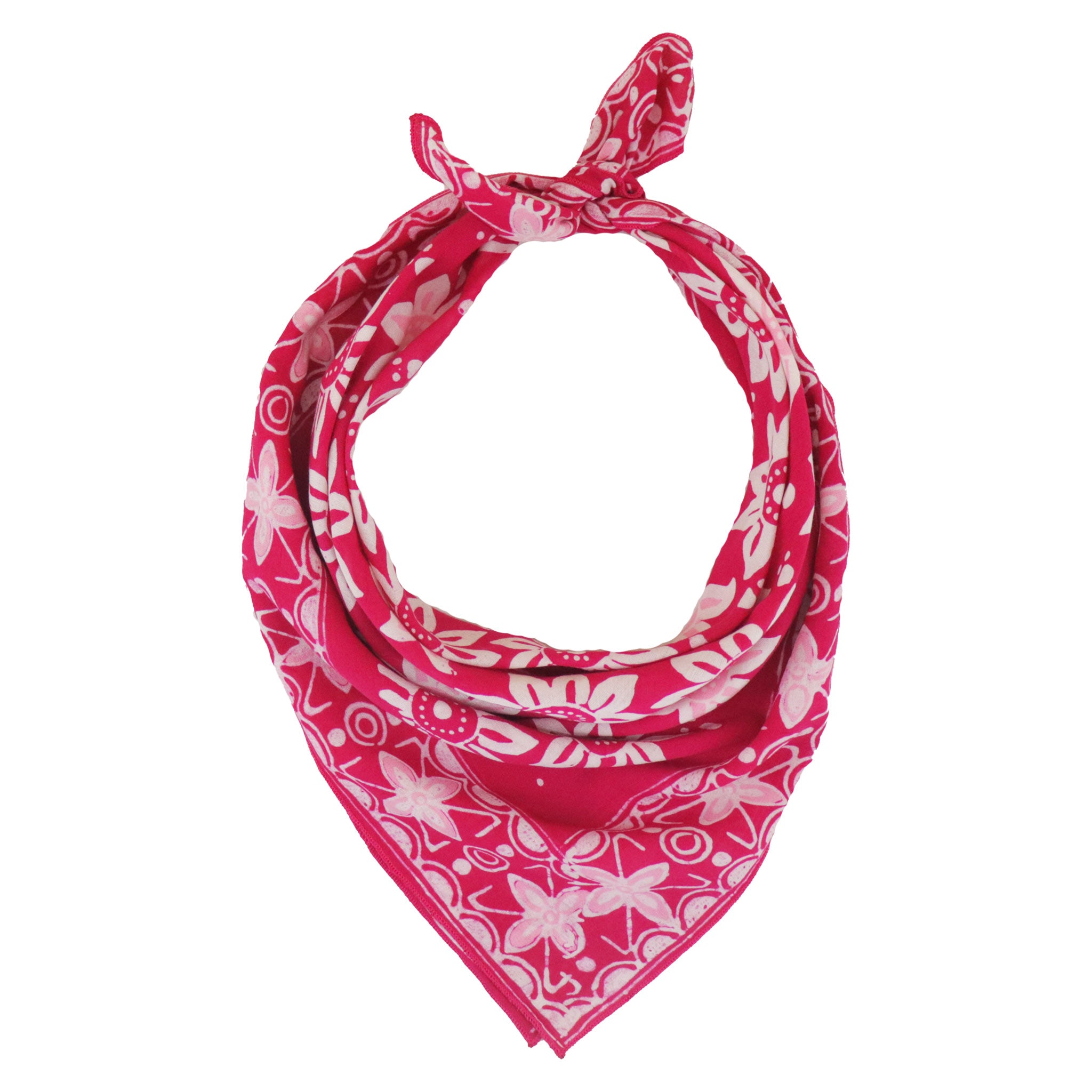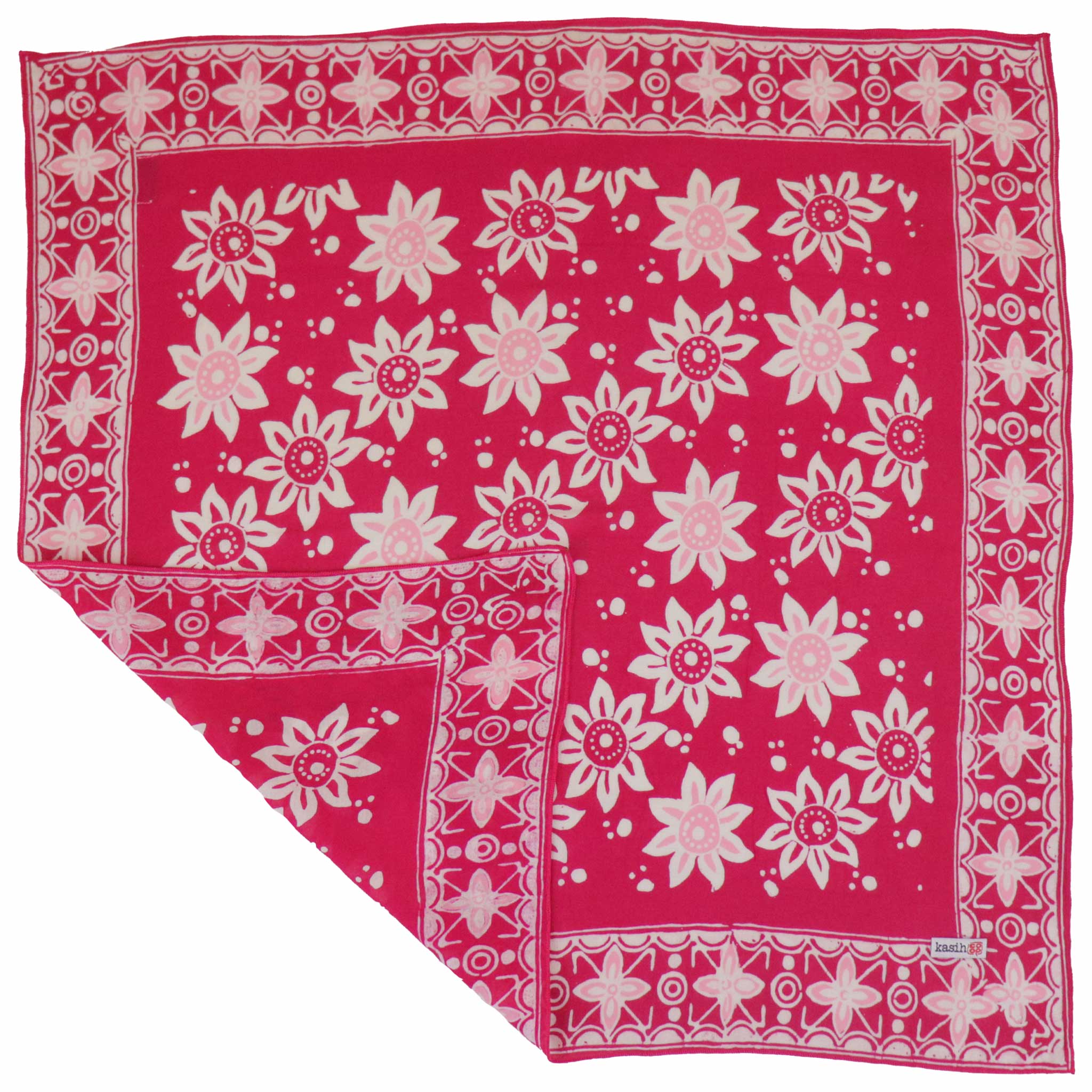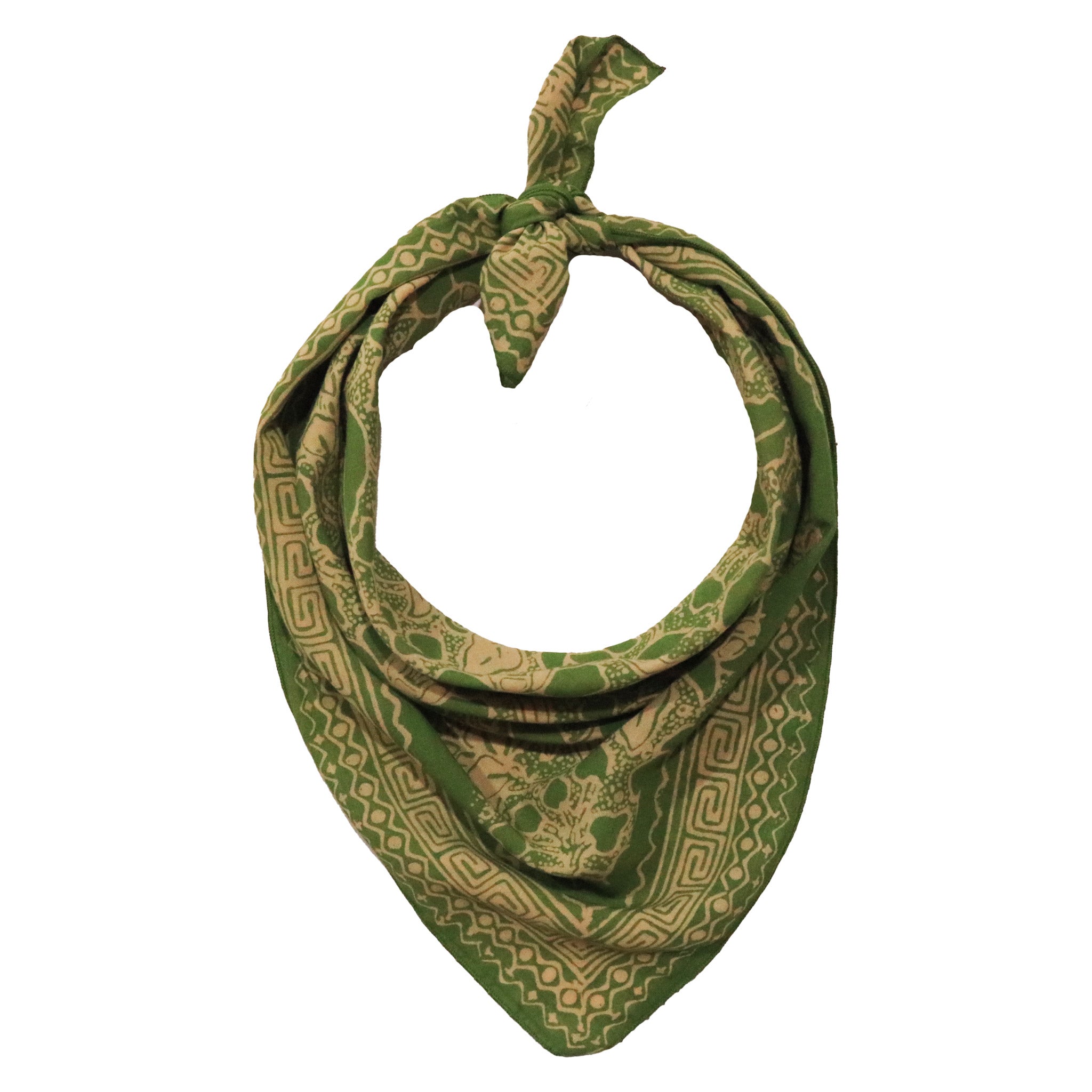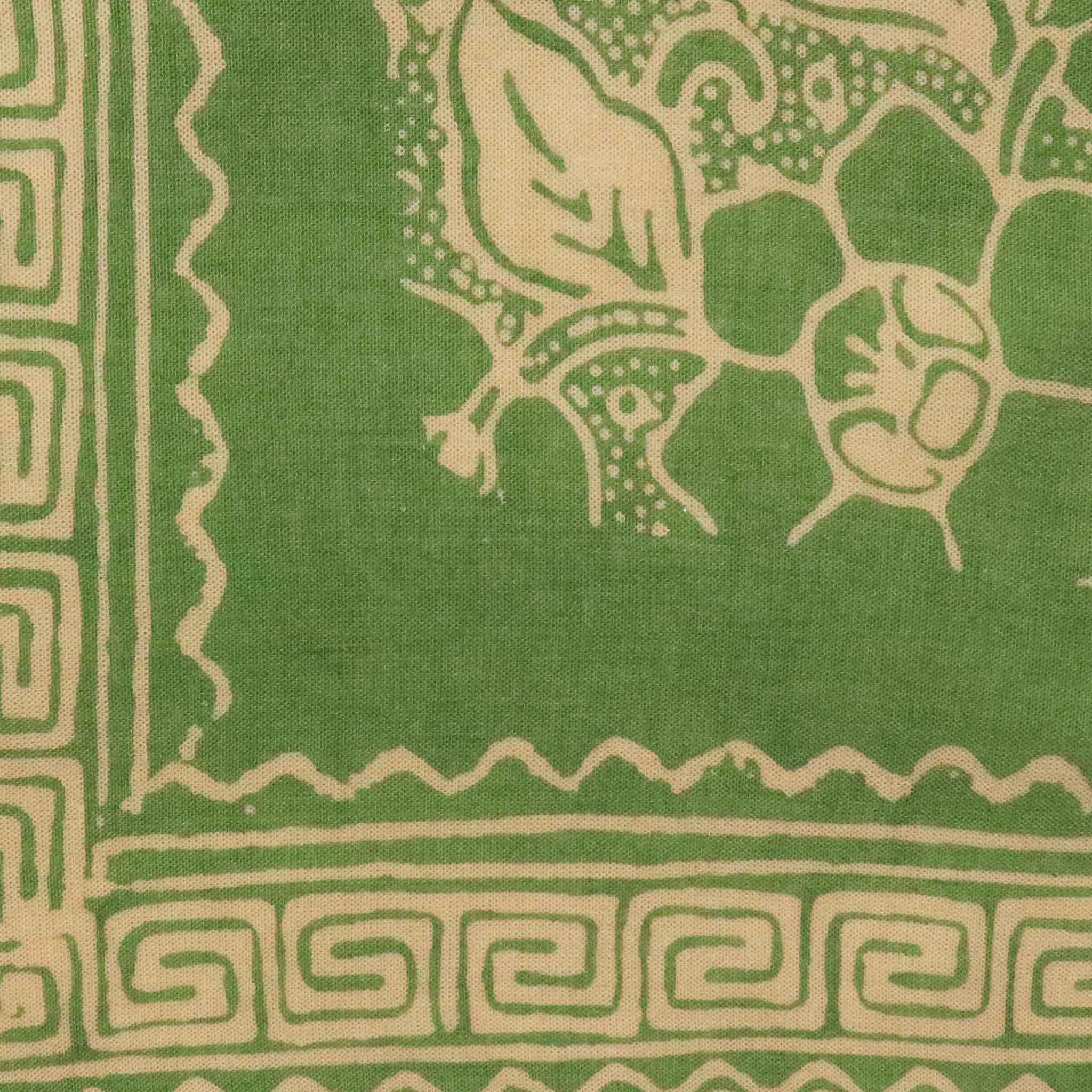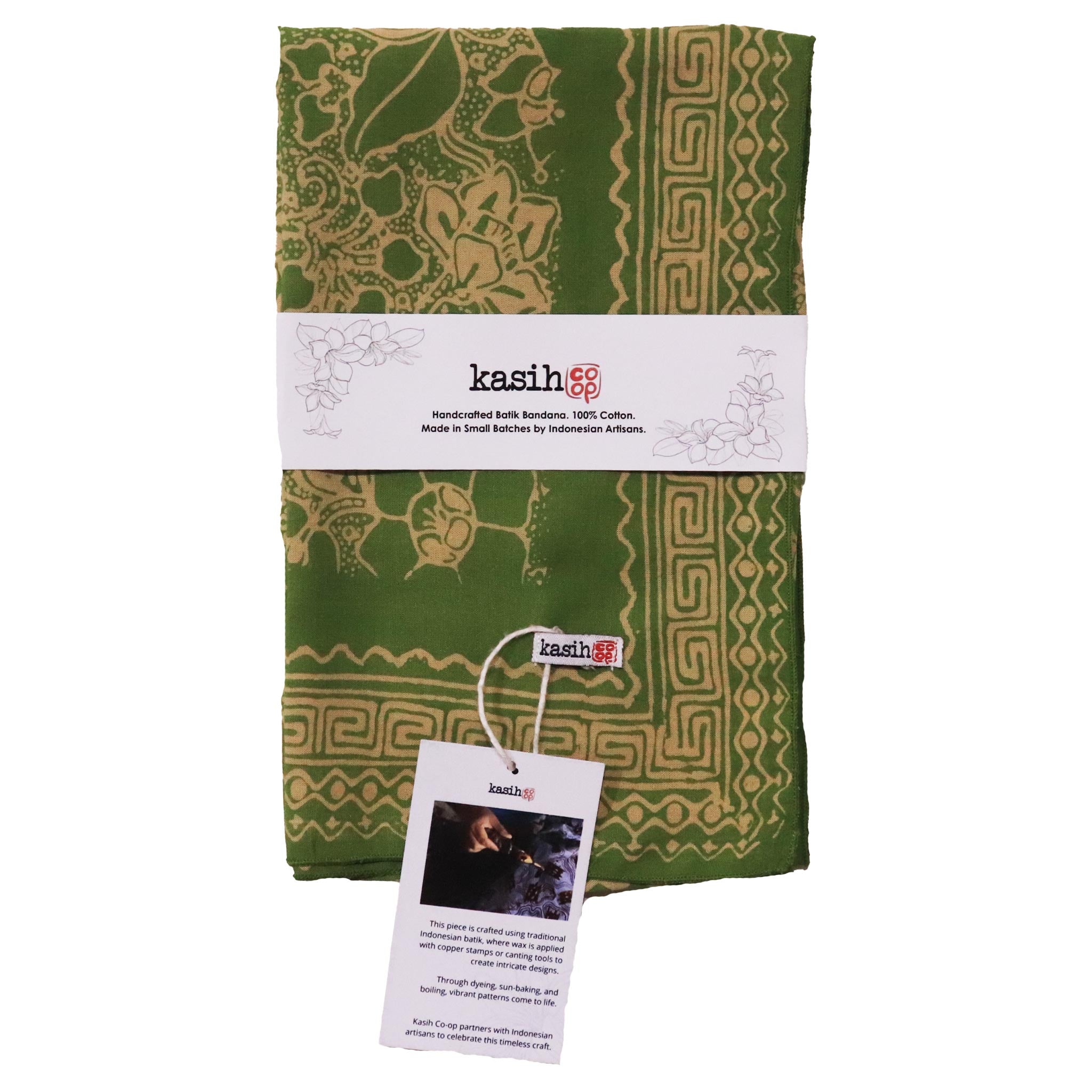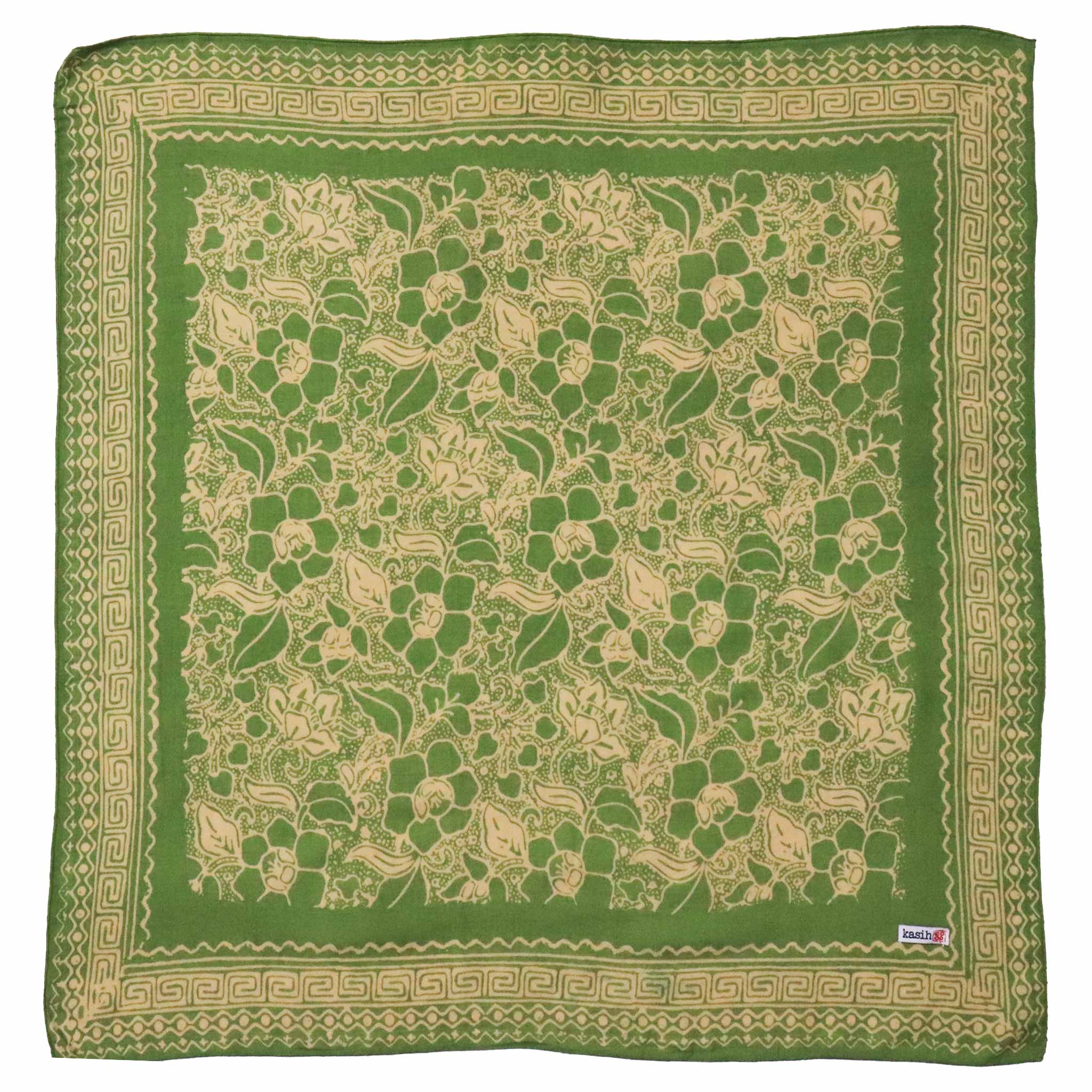
Hibiscus Poppy is one of my favorite designs we’ve ever made—not because it was complicated, but because it came from very small, everyday moments.
When I was growing up in Indonesia, hibiscus flowers were everywhere. They lined my daily walk to school, blooming quietly along the streets. Back then, they were just part of the background—something familiar you don’t think twice about. They were bright red and huge. My mom would show me how to take out the hibiscus style and suck on the nectars. They are barely there and barely sweet but the memories stayed on.
Years later, after moving to California, I started noticing poppies instead. They showed up along the open fields, bright orange. Different place, different flower—but the same feeling of familiarity.
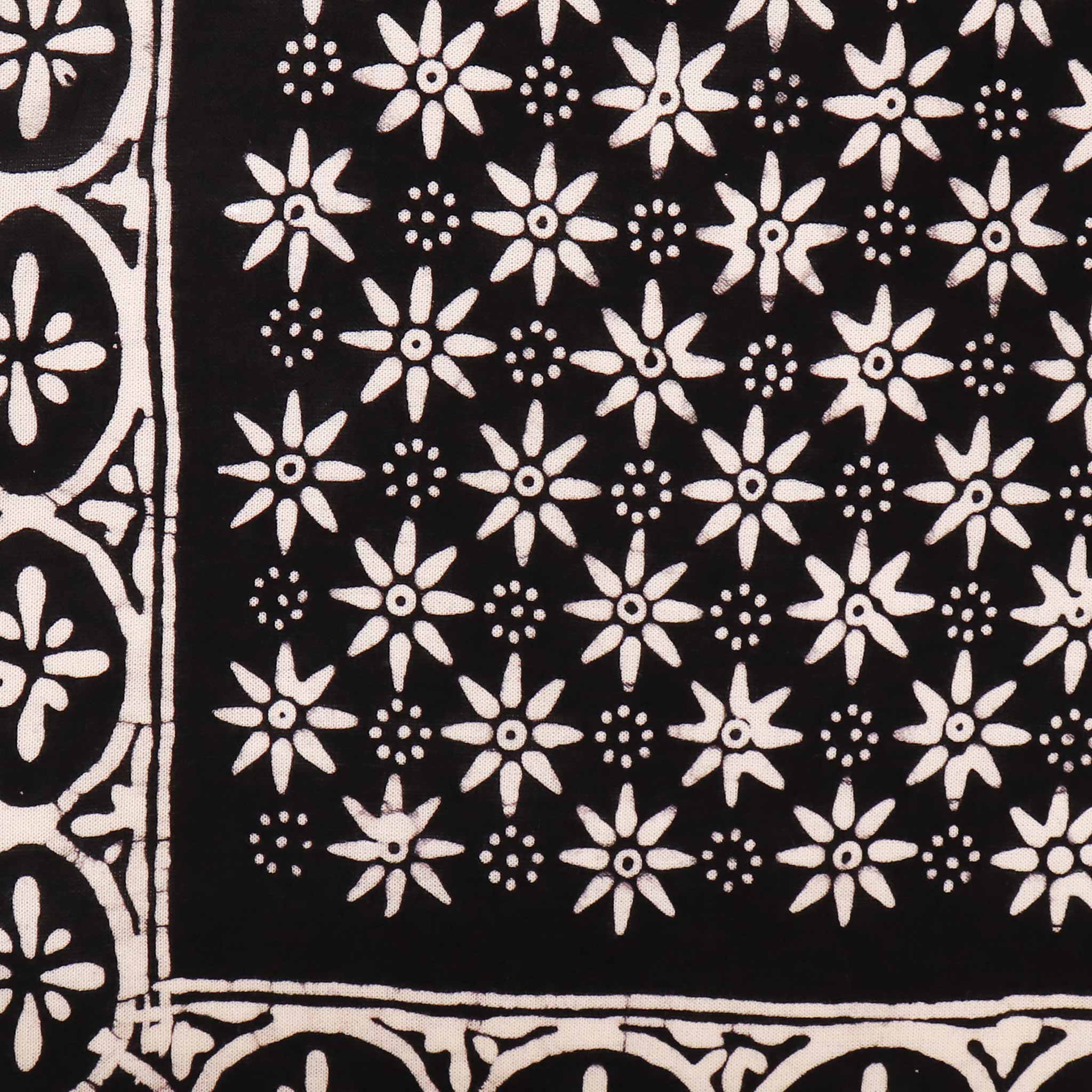
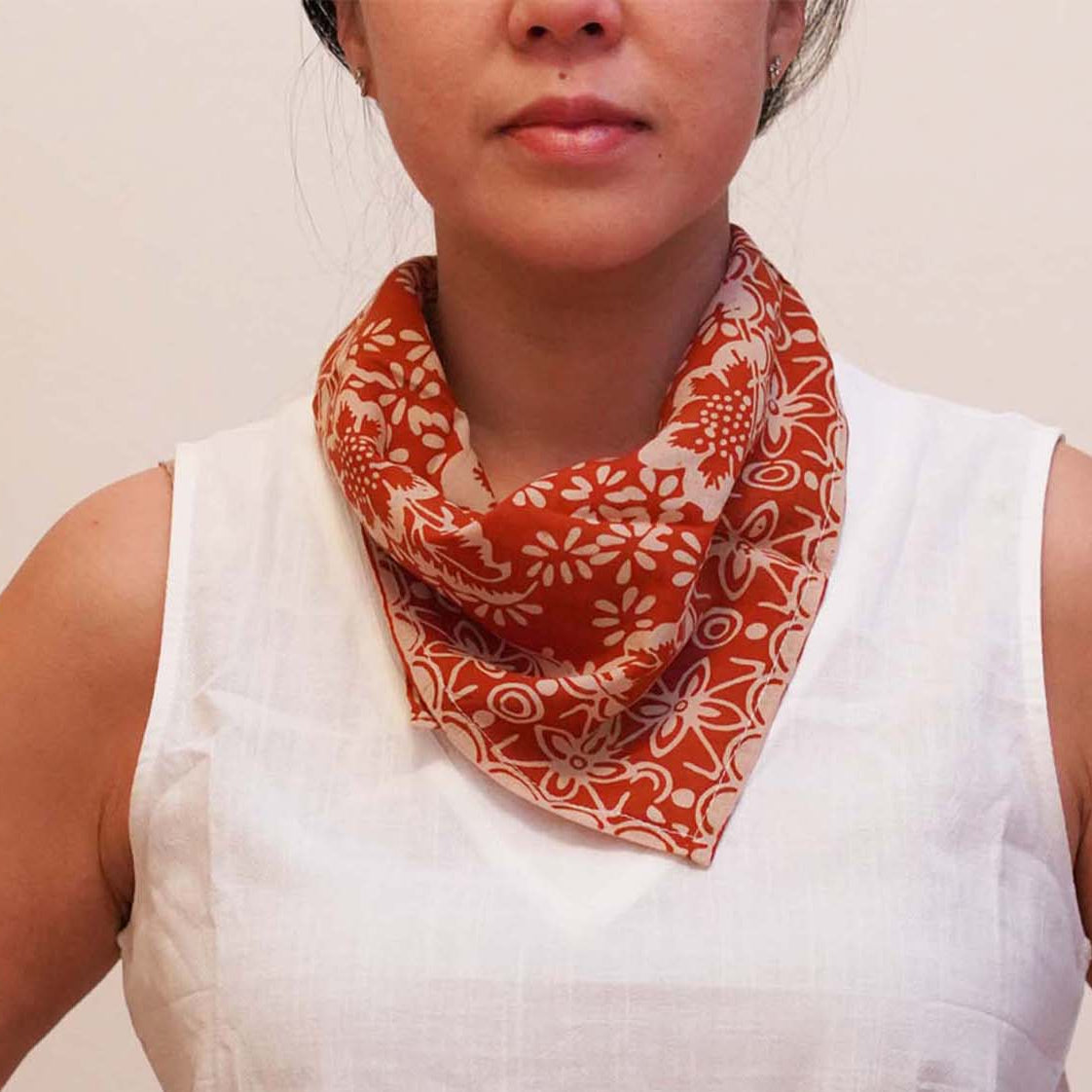
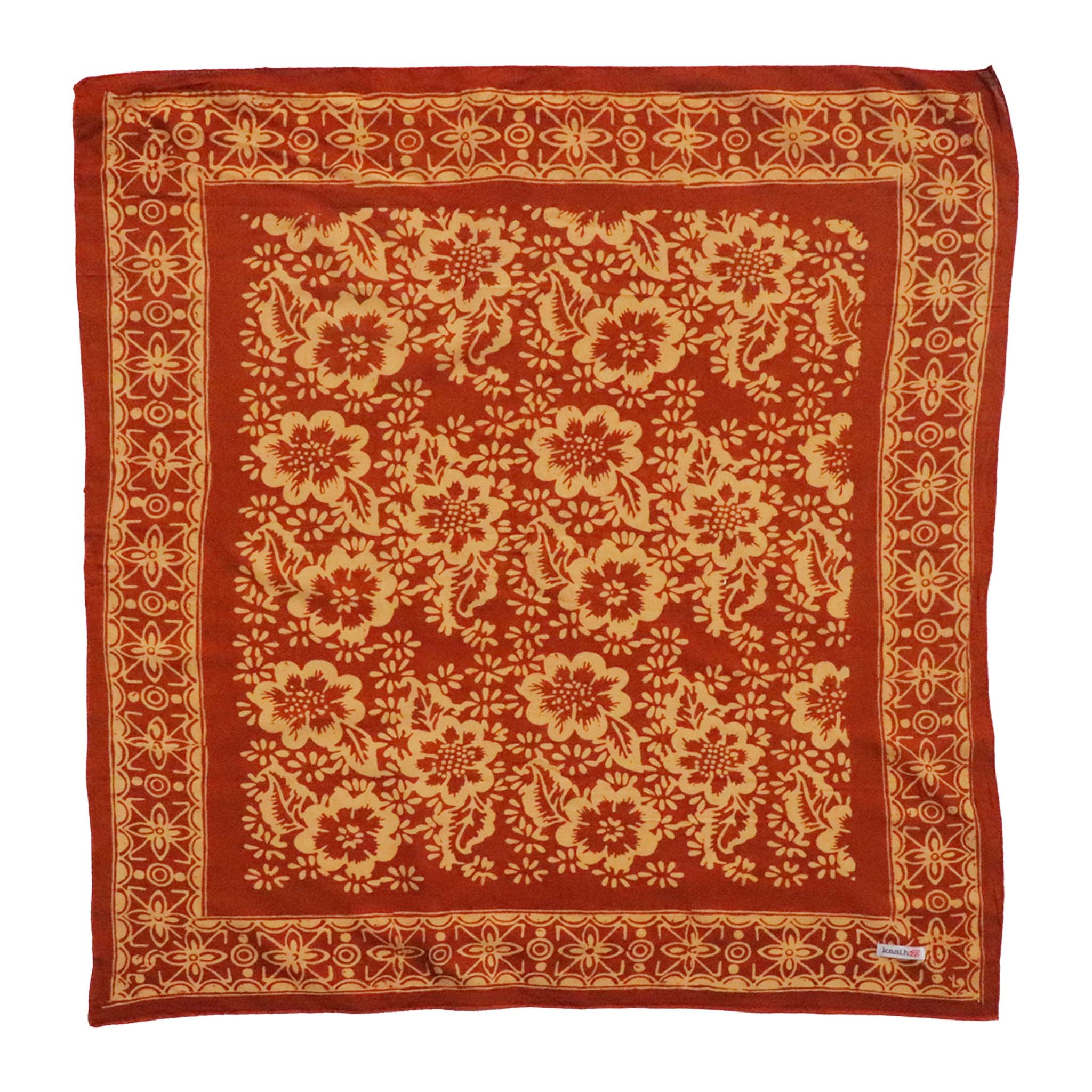
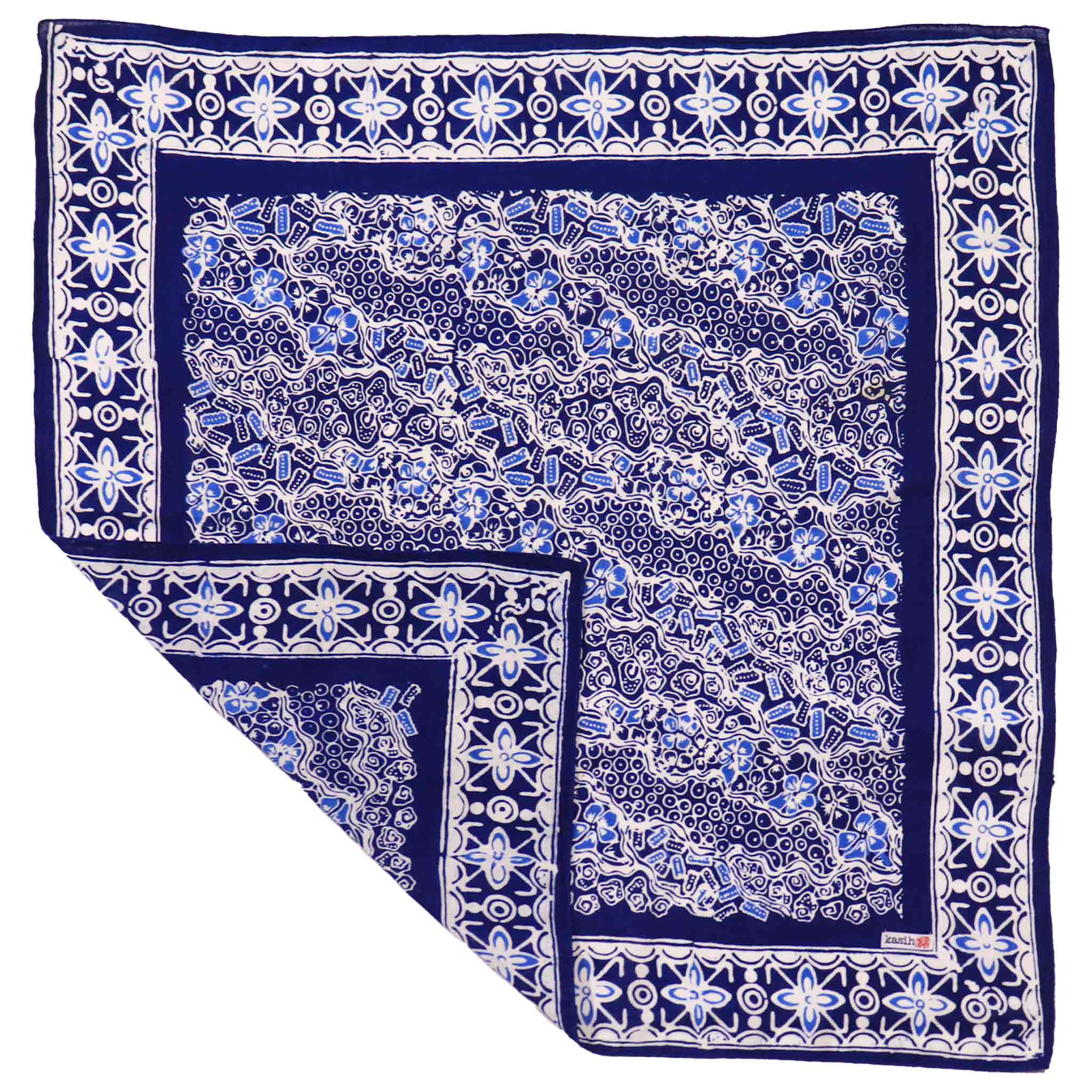
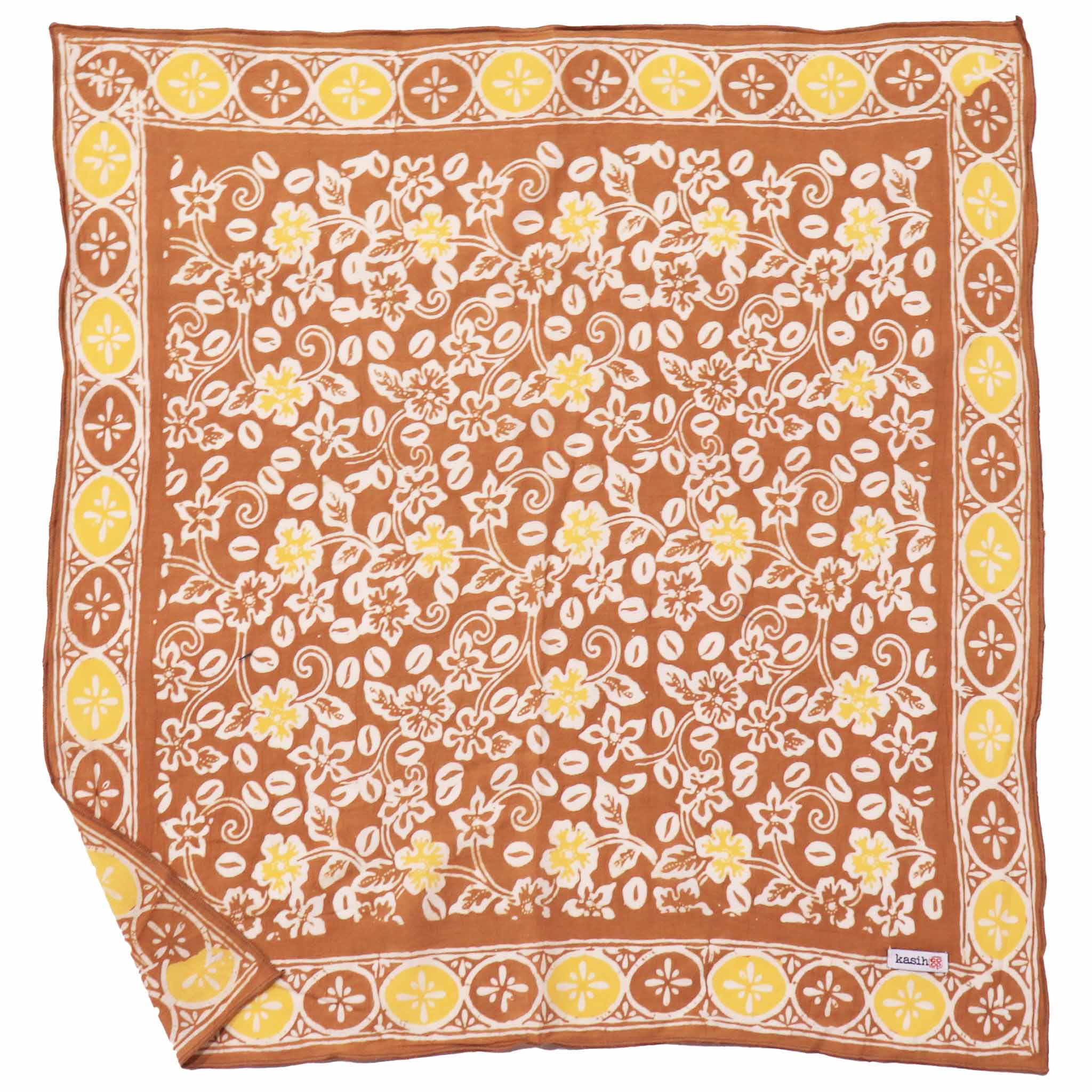
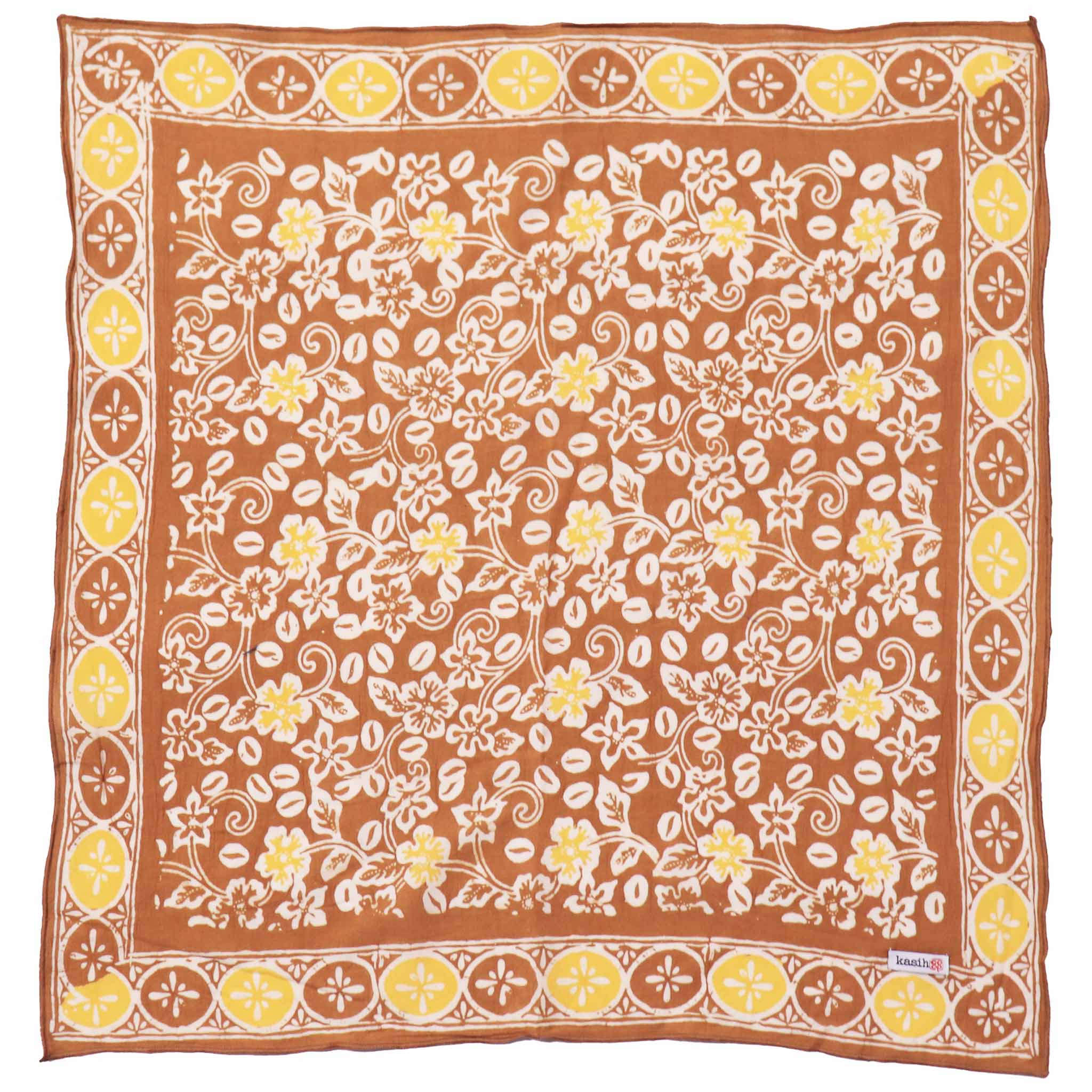
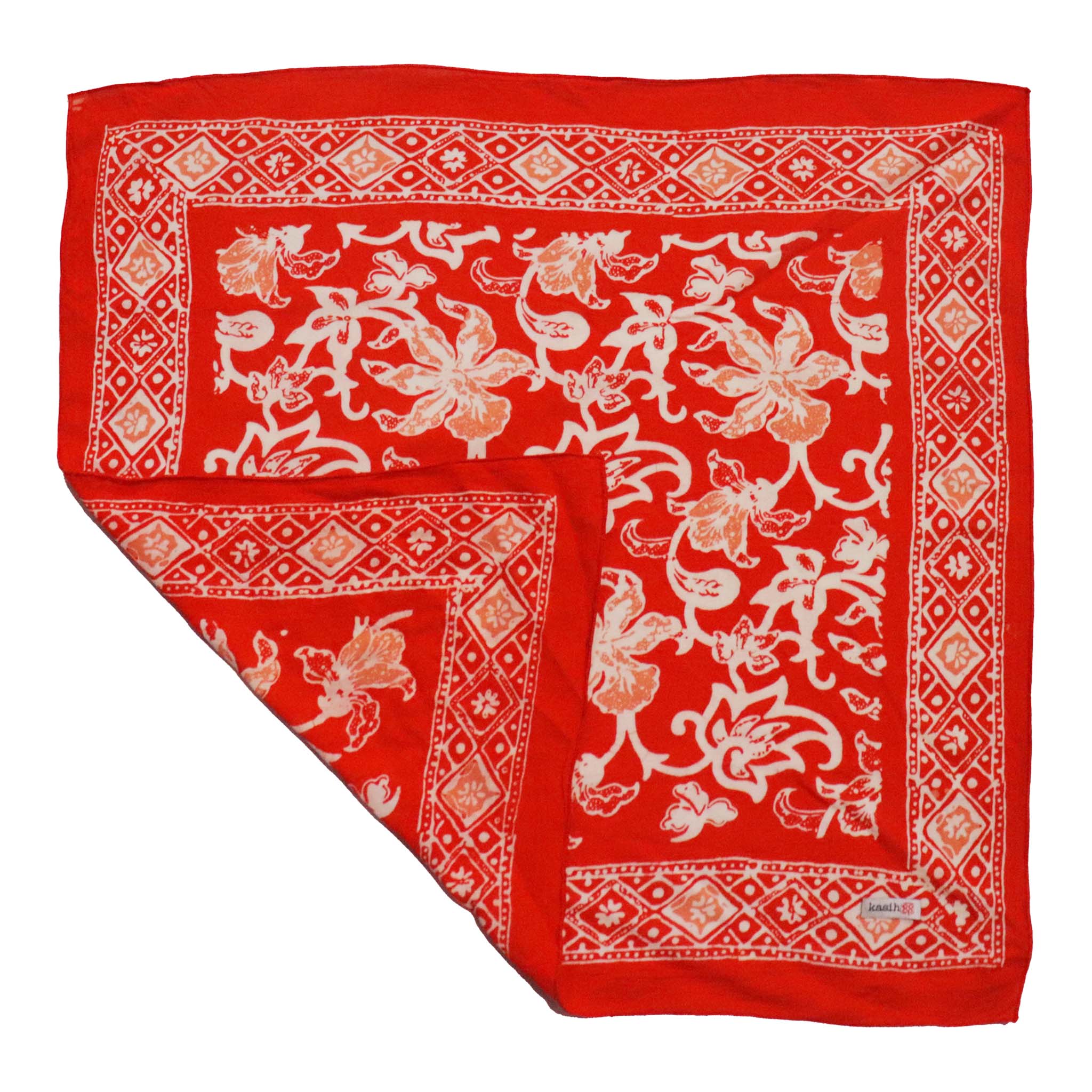
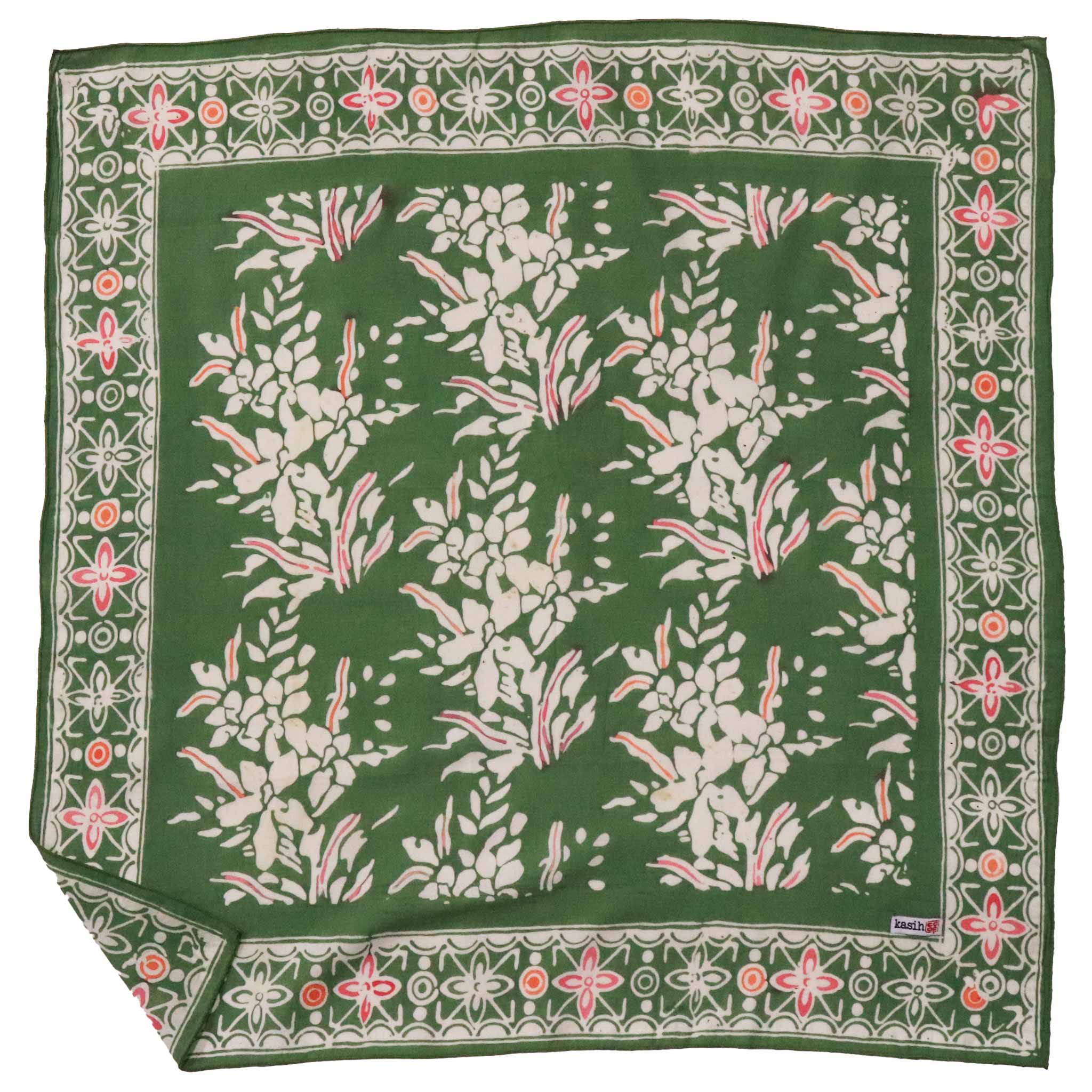
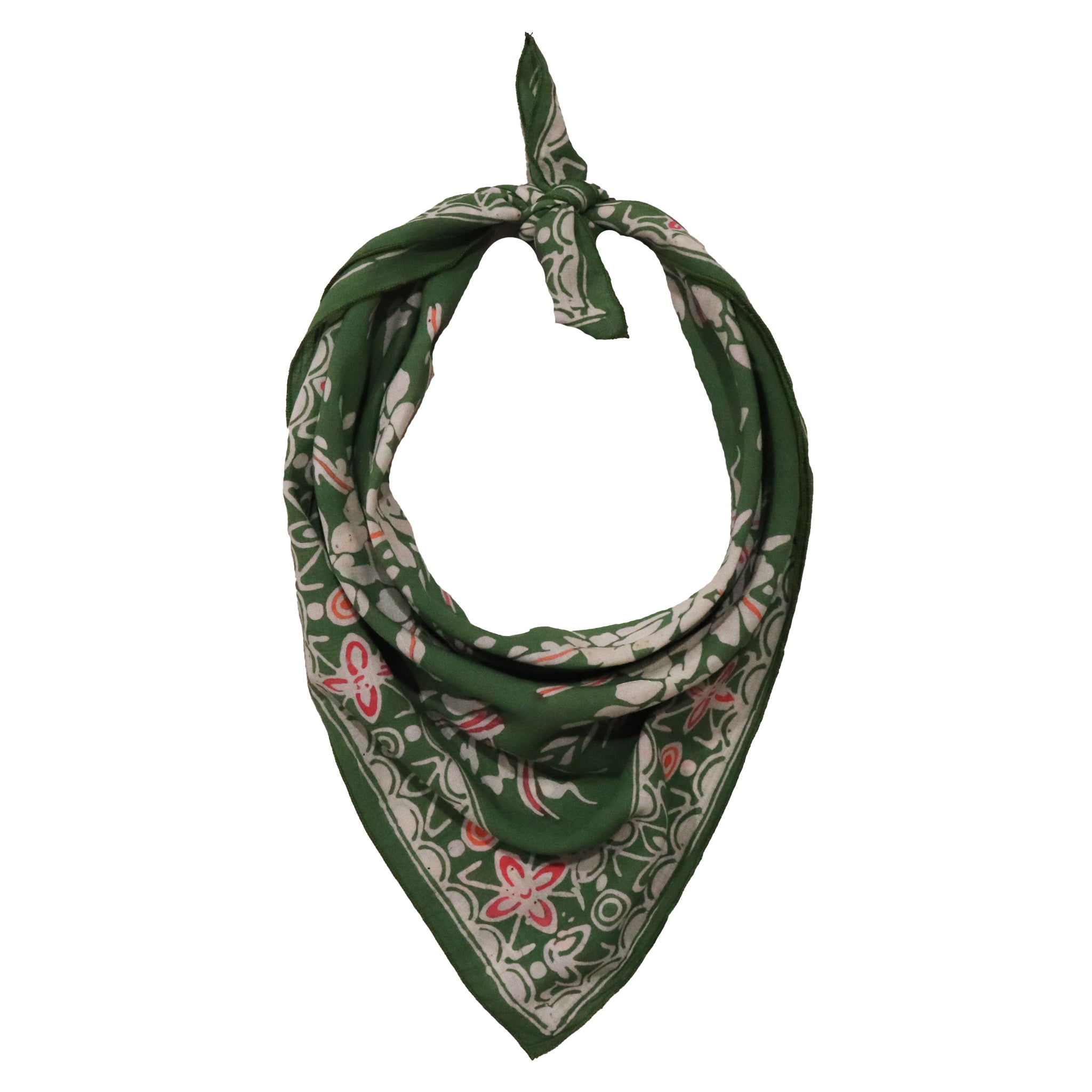
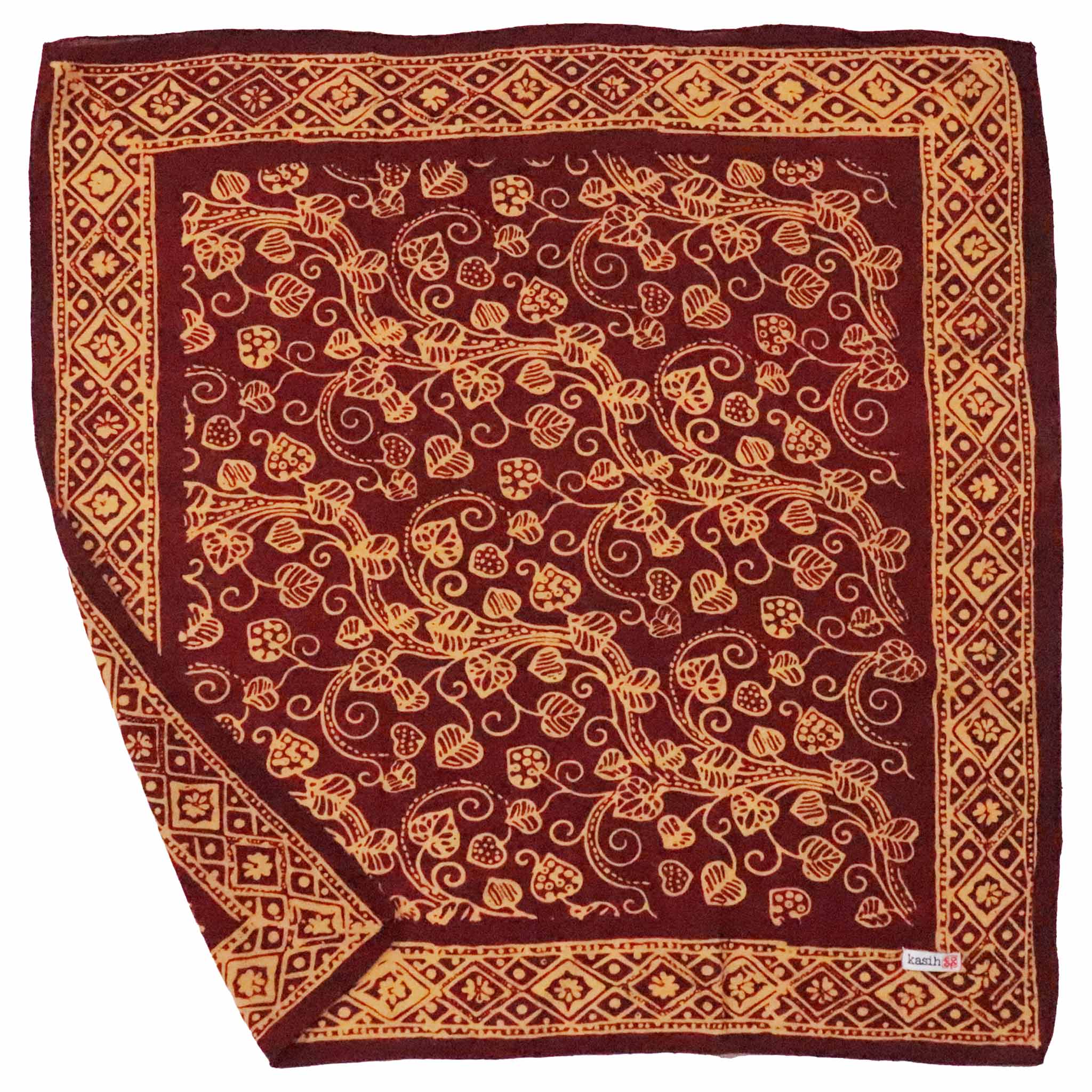
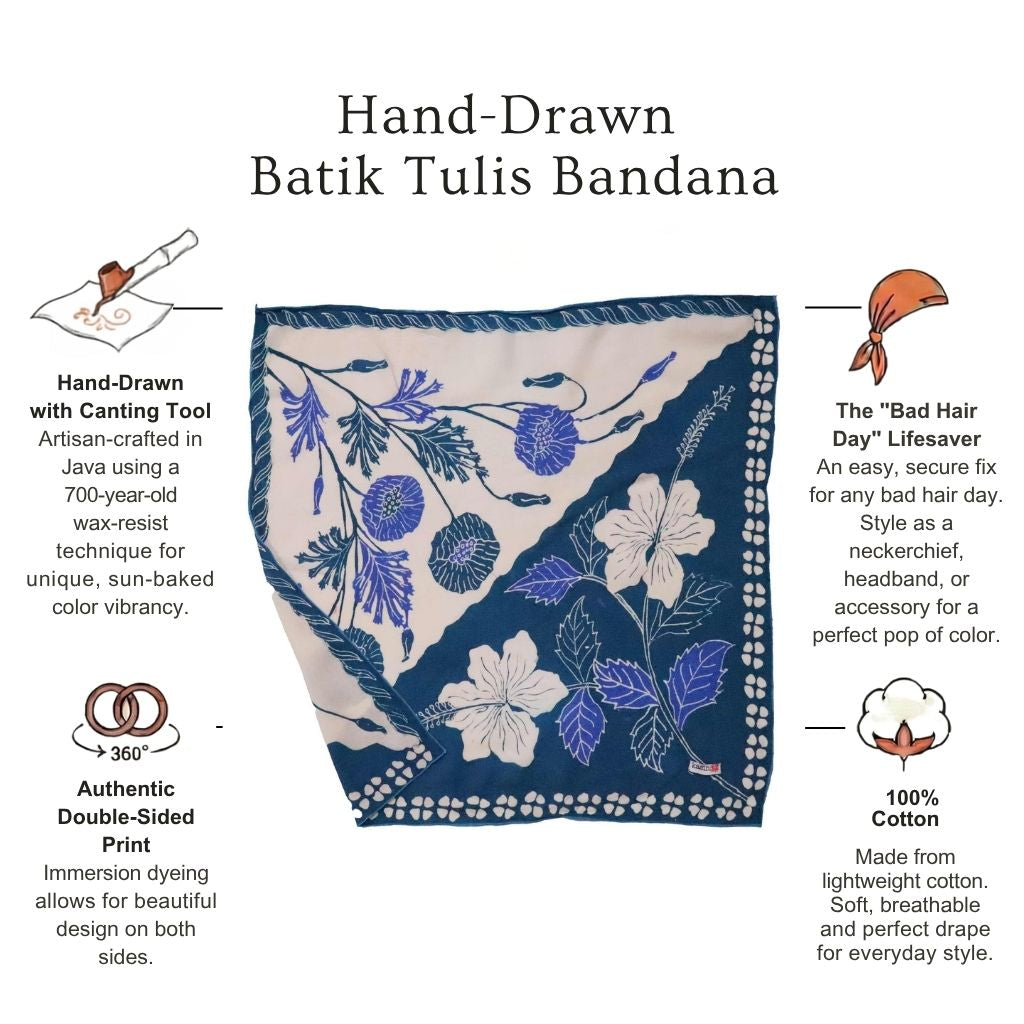
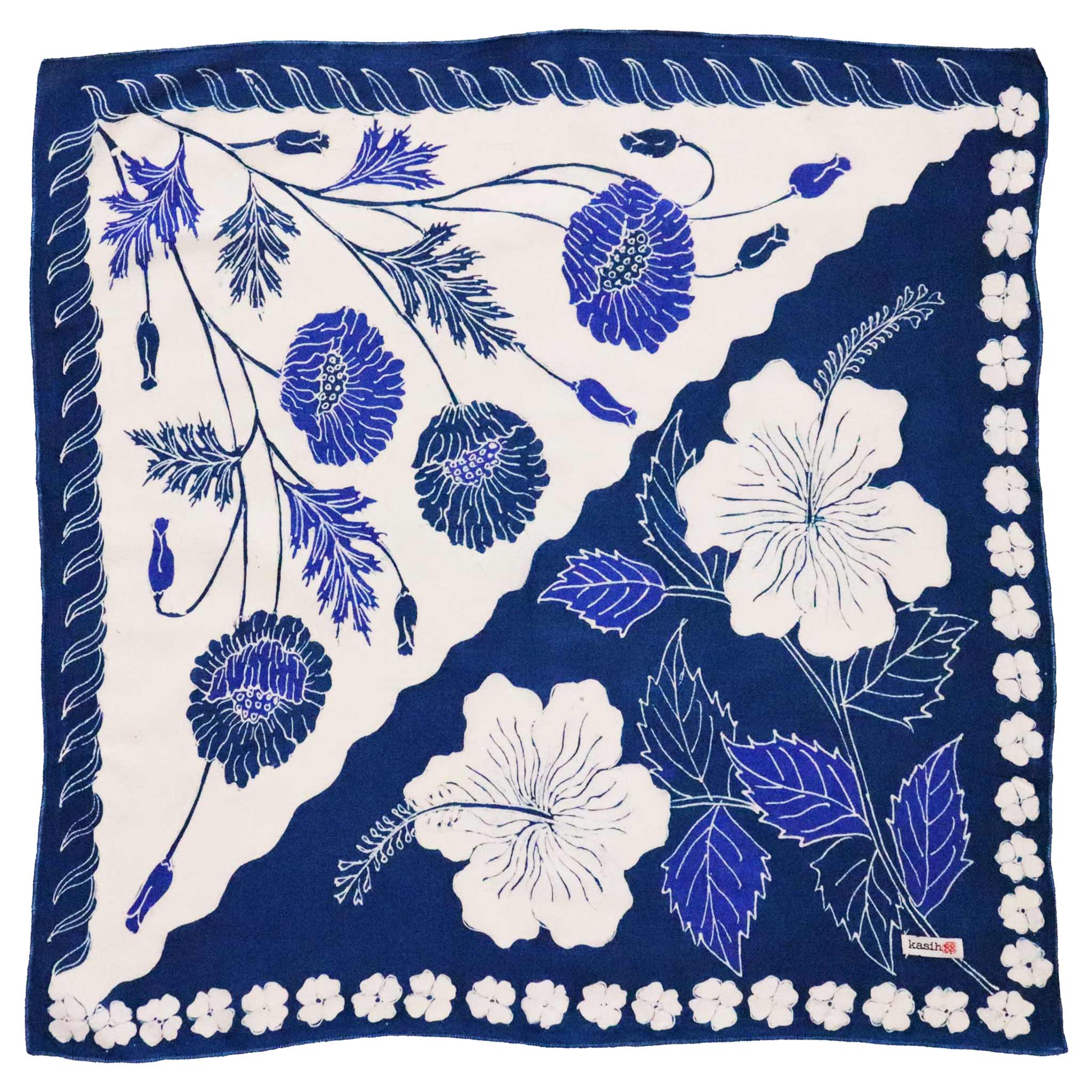
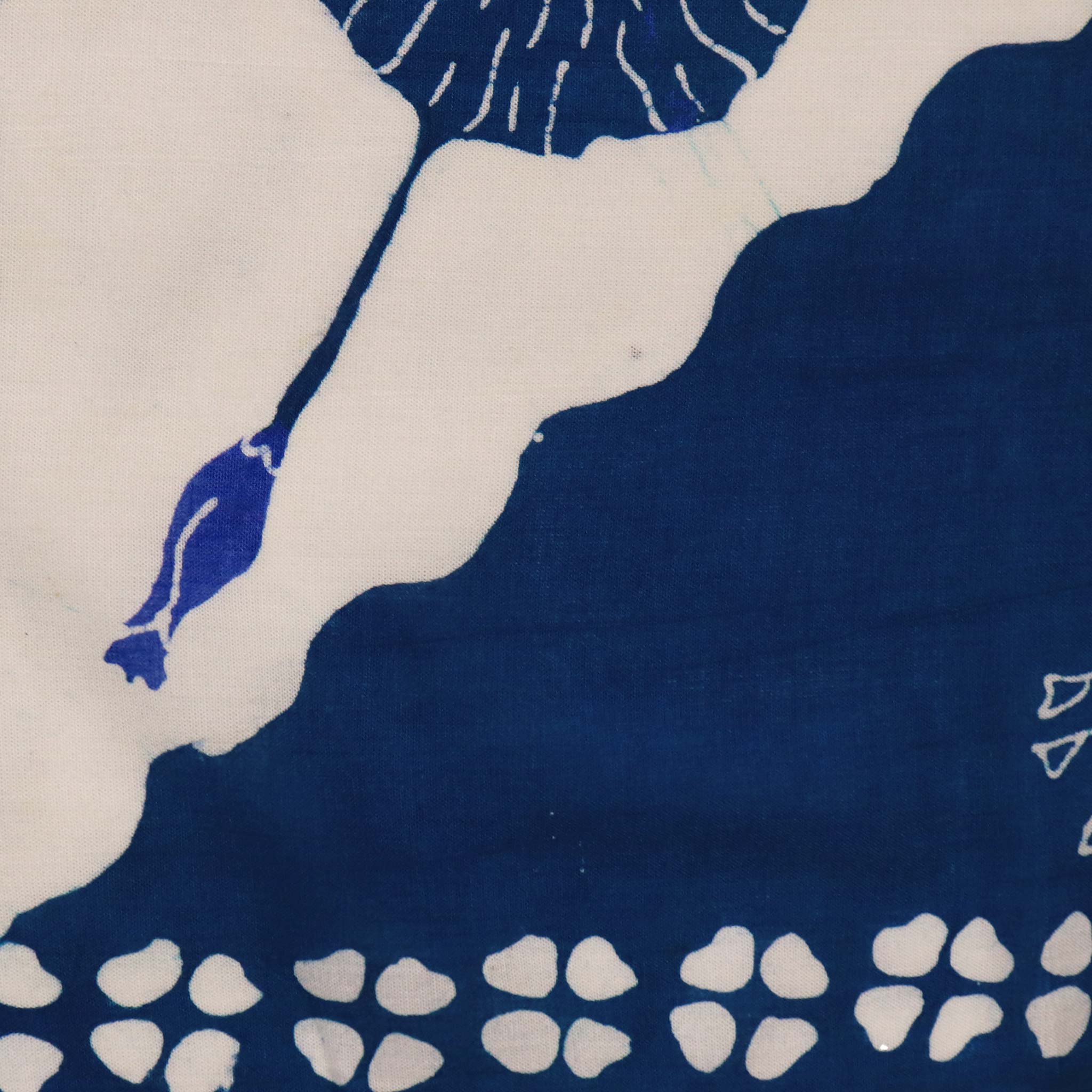
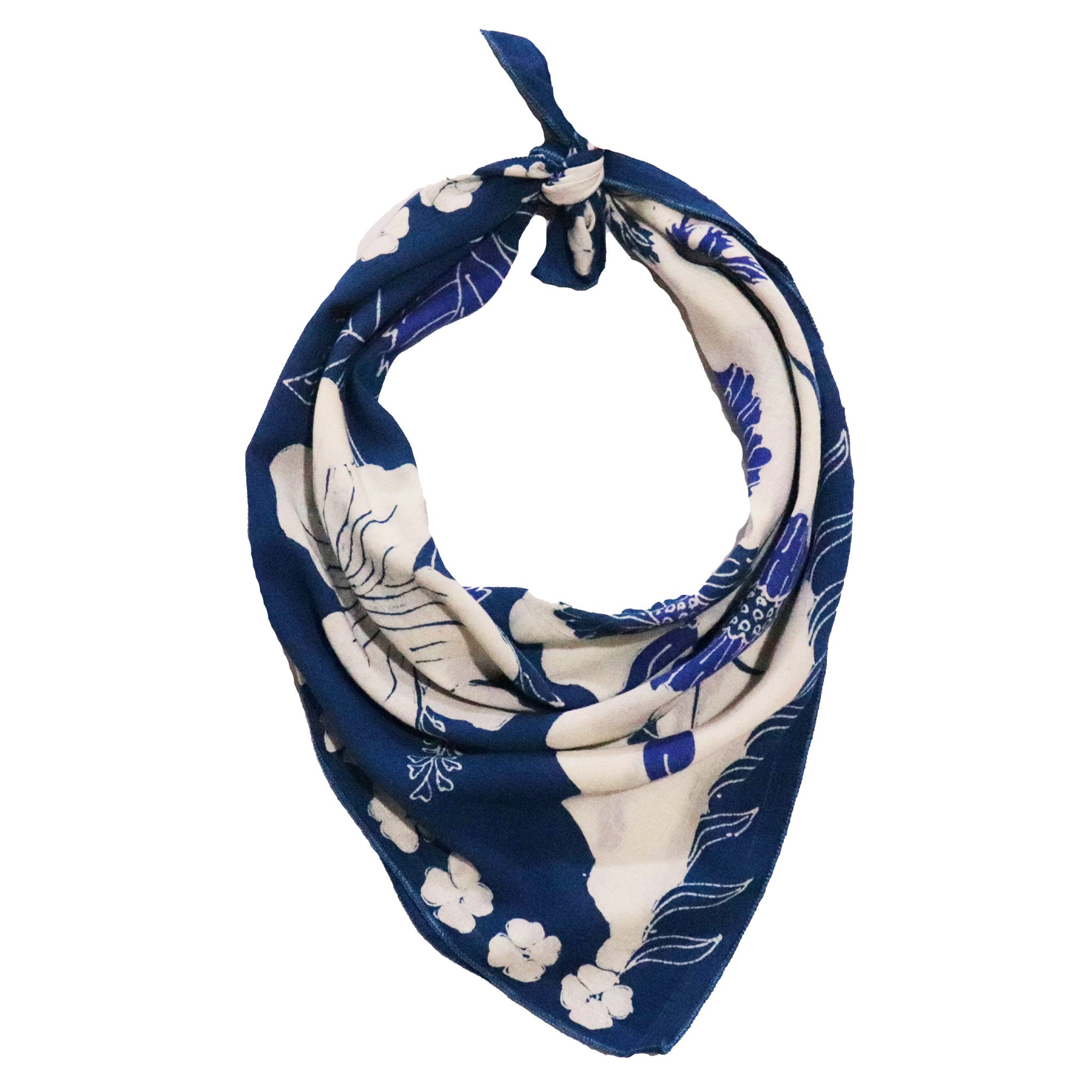
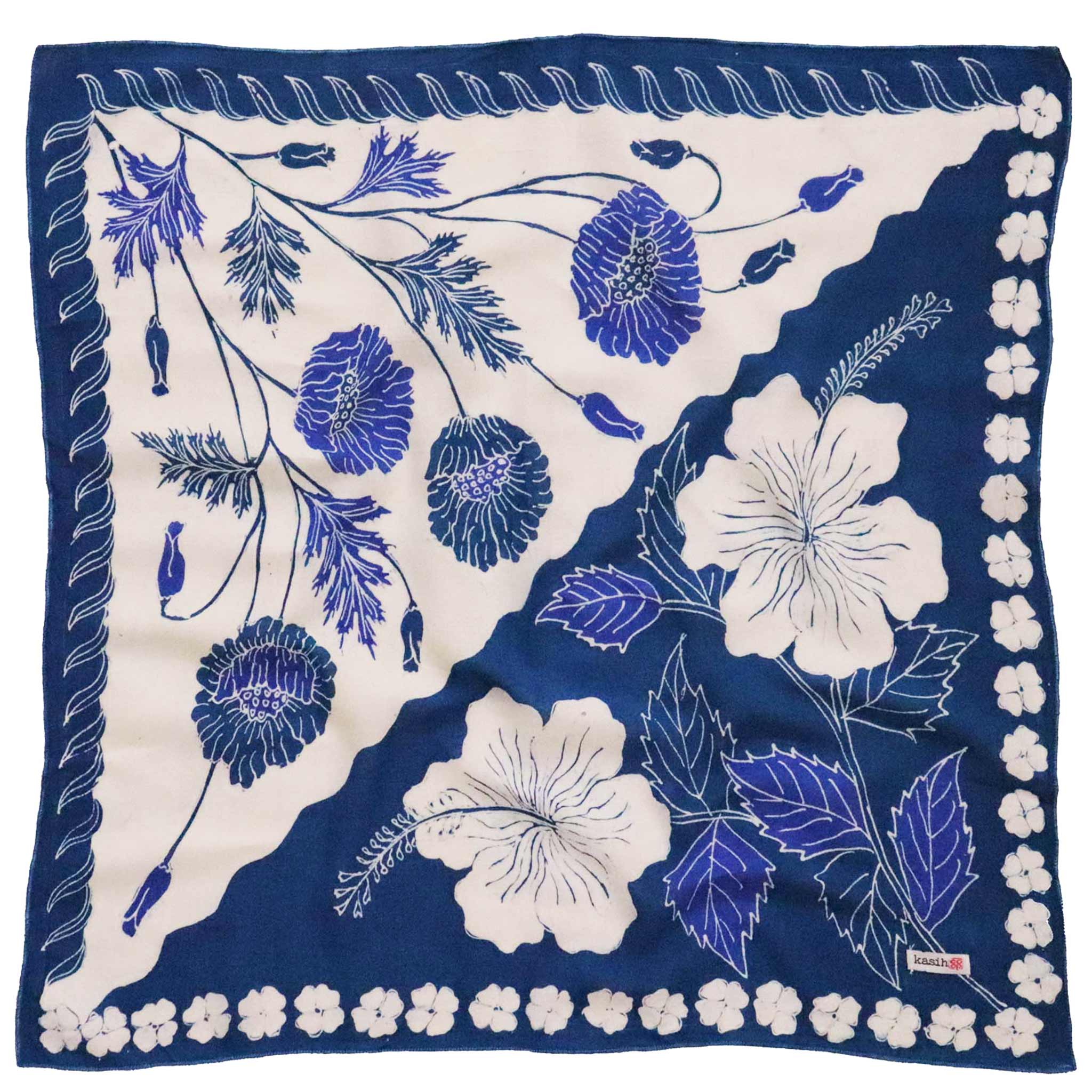
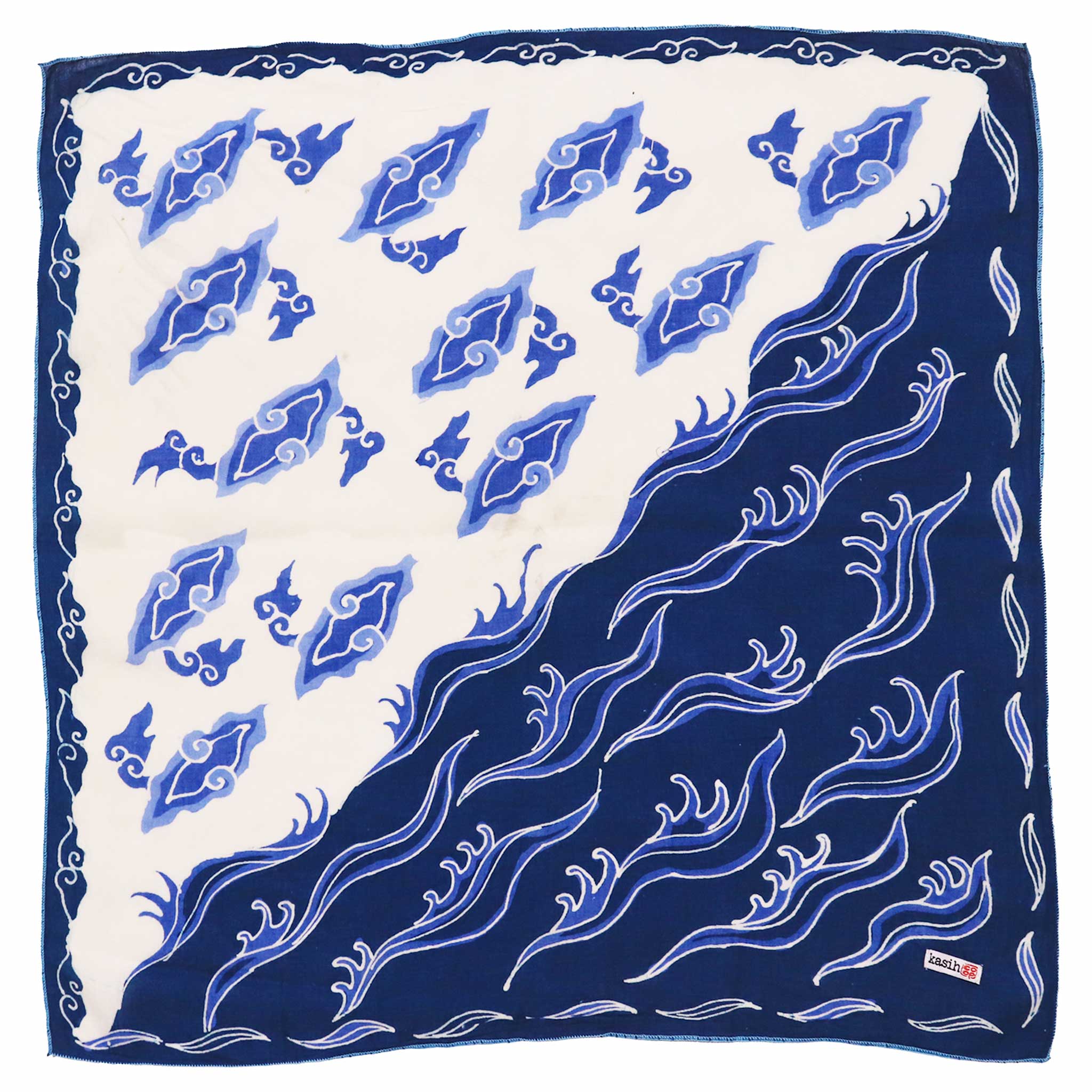
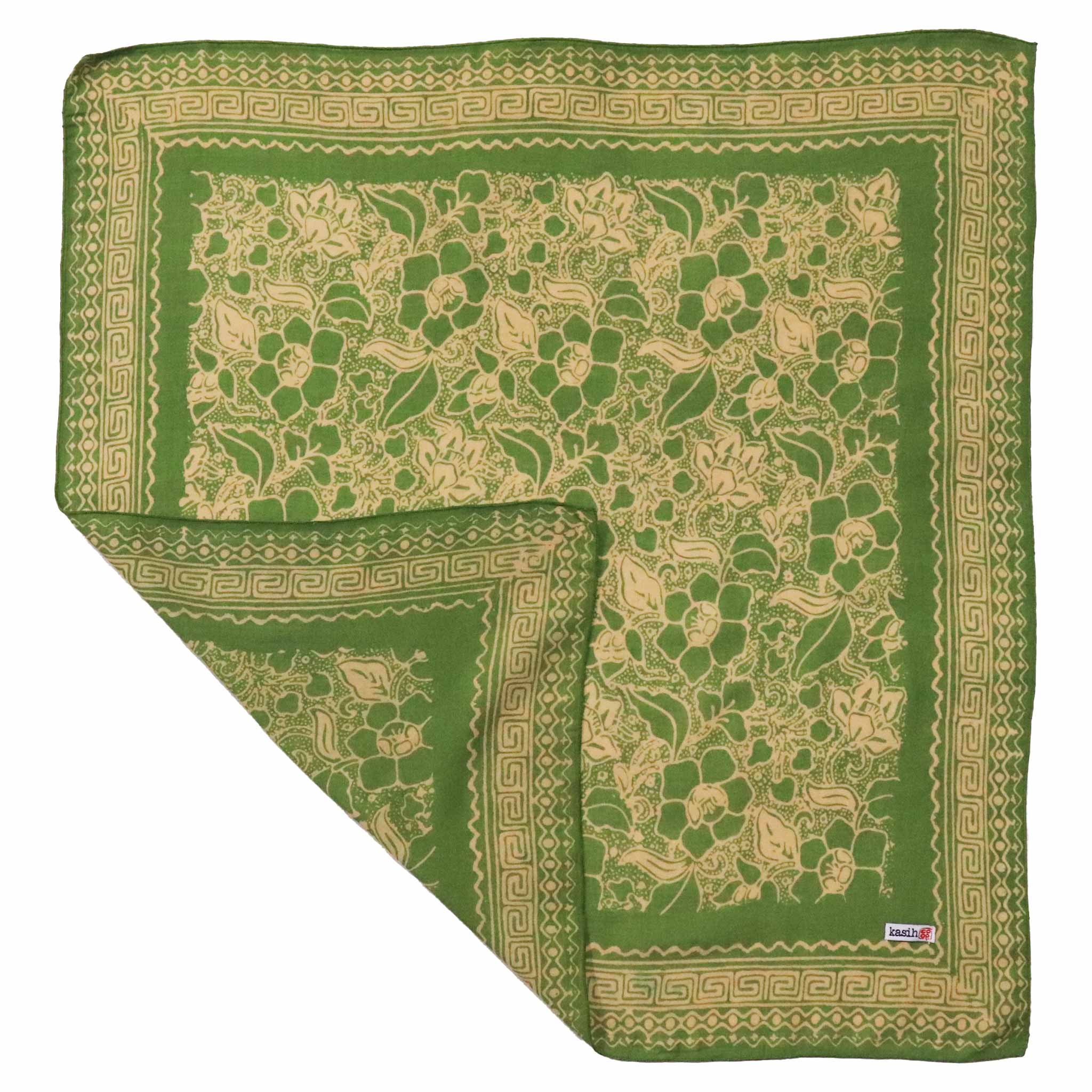
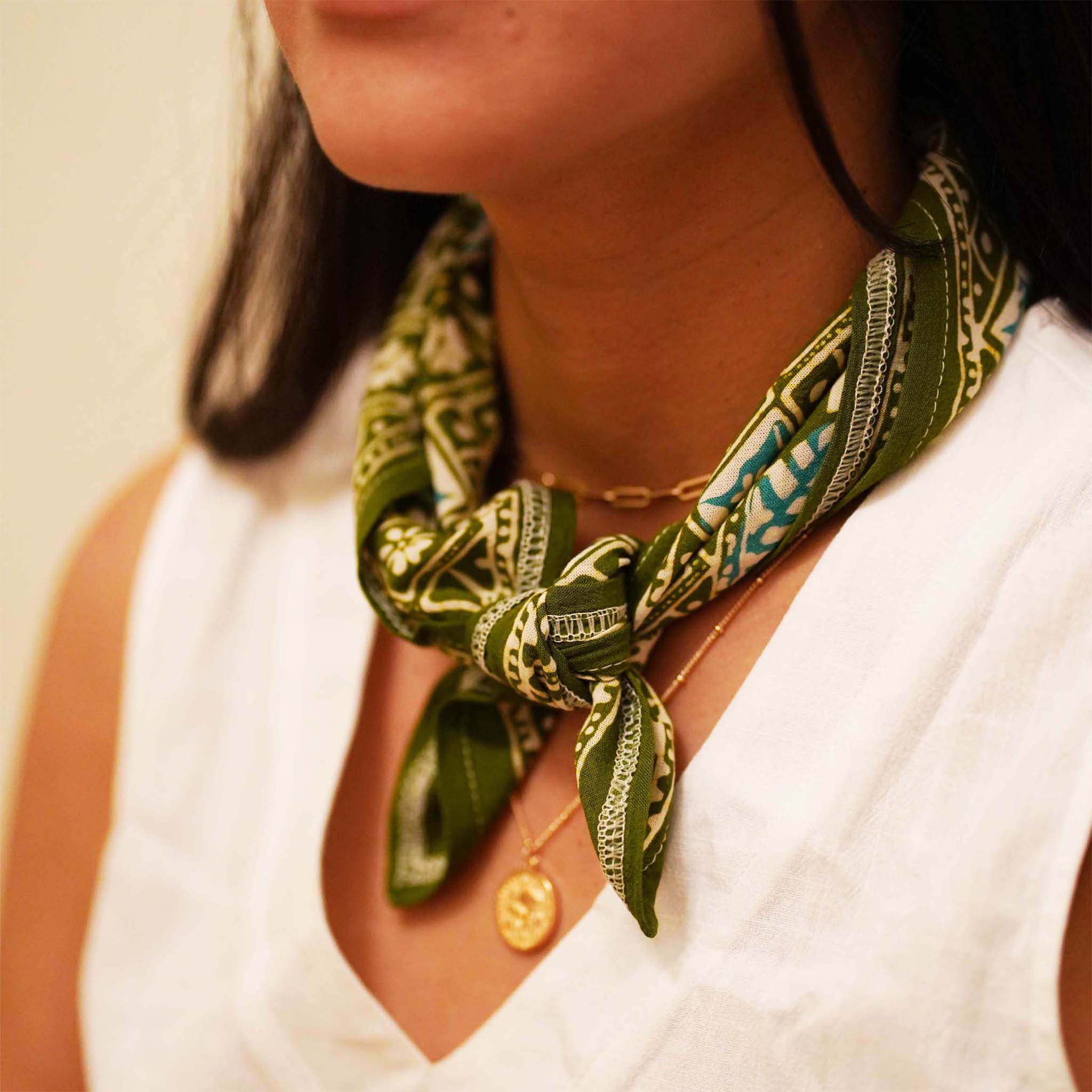
At some point, it just clicked. Those two places. Two phases of my life. Existing side by side. This bandana was designed with two different sides, each carrying its own floral story. One side reflects the hibiscus, rooted in my upbringing in Indonesia. The other reflects poppies, symbols of a newer chapter of my life in California. This diagonal pattern is another interesting part of Indonesian batik called Pagi Sore or Dusk Dawn, historically used to make the batik be worn during day time and then swap for a different look at night time. How timely that this duality also reflects my duality of growing up in Indonesia, and now living in California. Representing my history, culture and also my presence and future.
It wasn’t about choosing one over the other. It was about letting both coexist.
From a rough sketch to something more

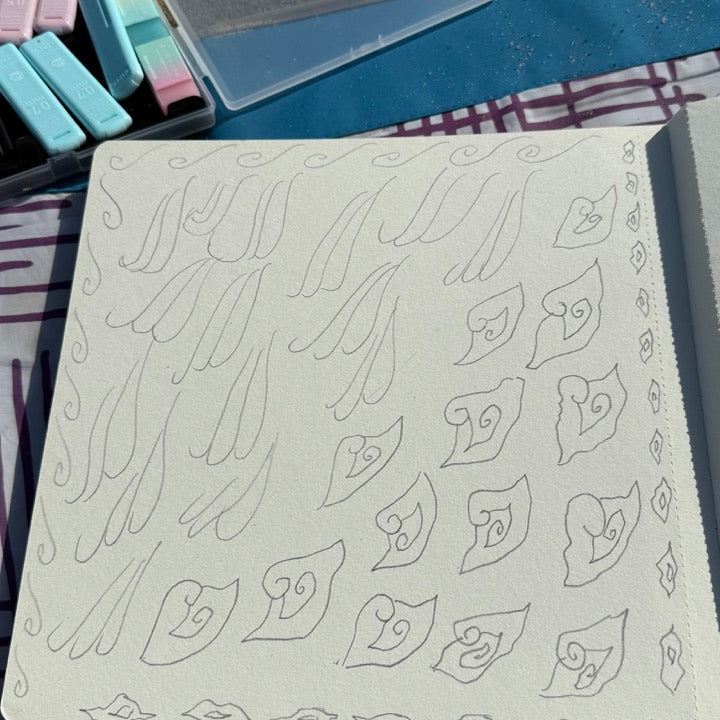
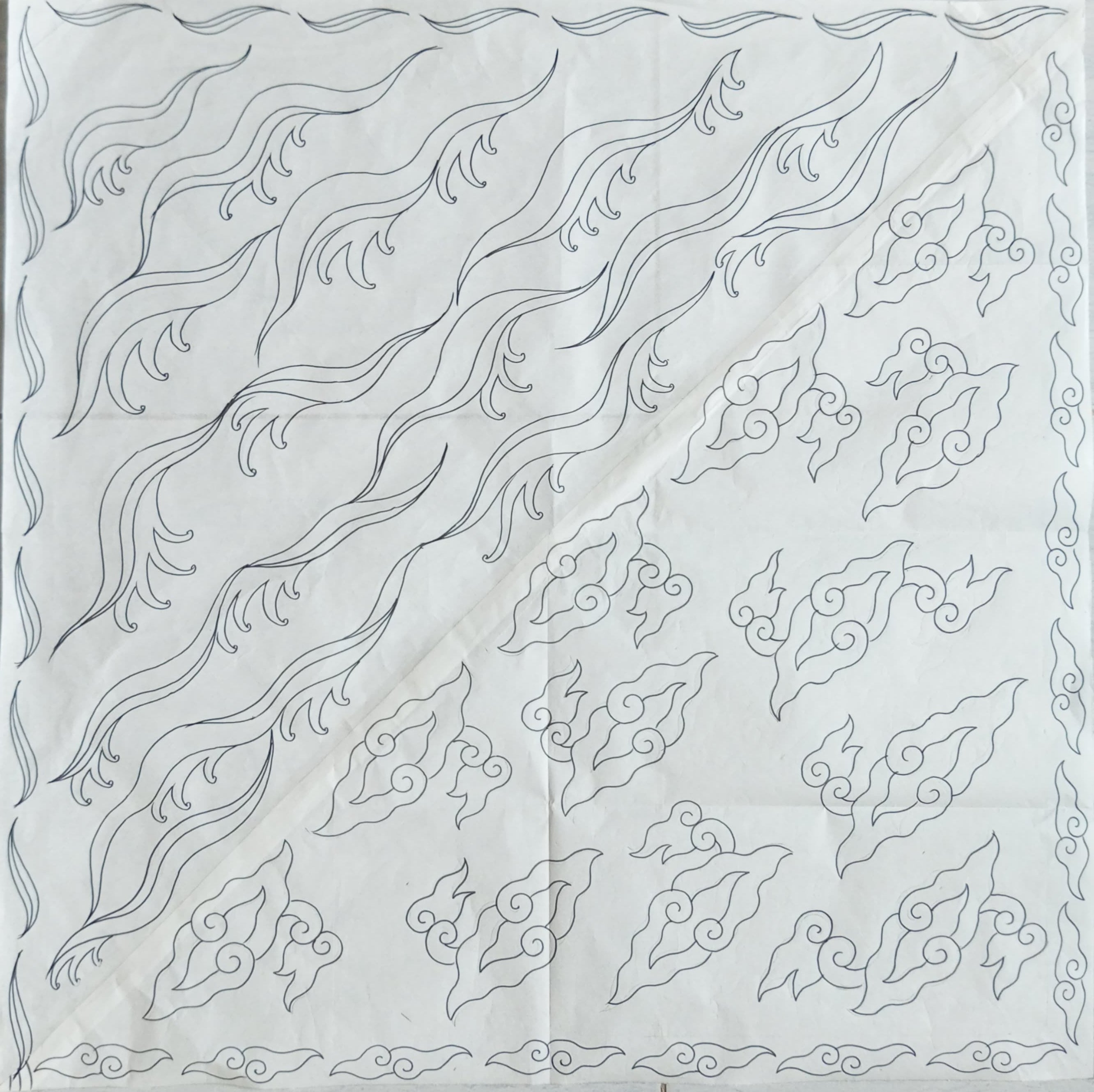
The process started very simply. I began with a rough, imperfect sketch, just lines on paper, figuring out the balance between the two designs. Nothing polished, nothing final.
Once the idea felt clear, I sent the sketch to our Indonesian artisan.

From there, the design started to evolve. The artisan came back with his own interpretation, refining proportions, strengthening the flow of the lines, and perfecting details that only come with experience.
We went back and forth, adjusting and refining, until the design felt right. Not overworked. Just right.
The batik process, by hand

When the design was finalized, the batik process began.
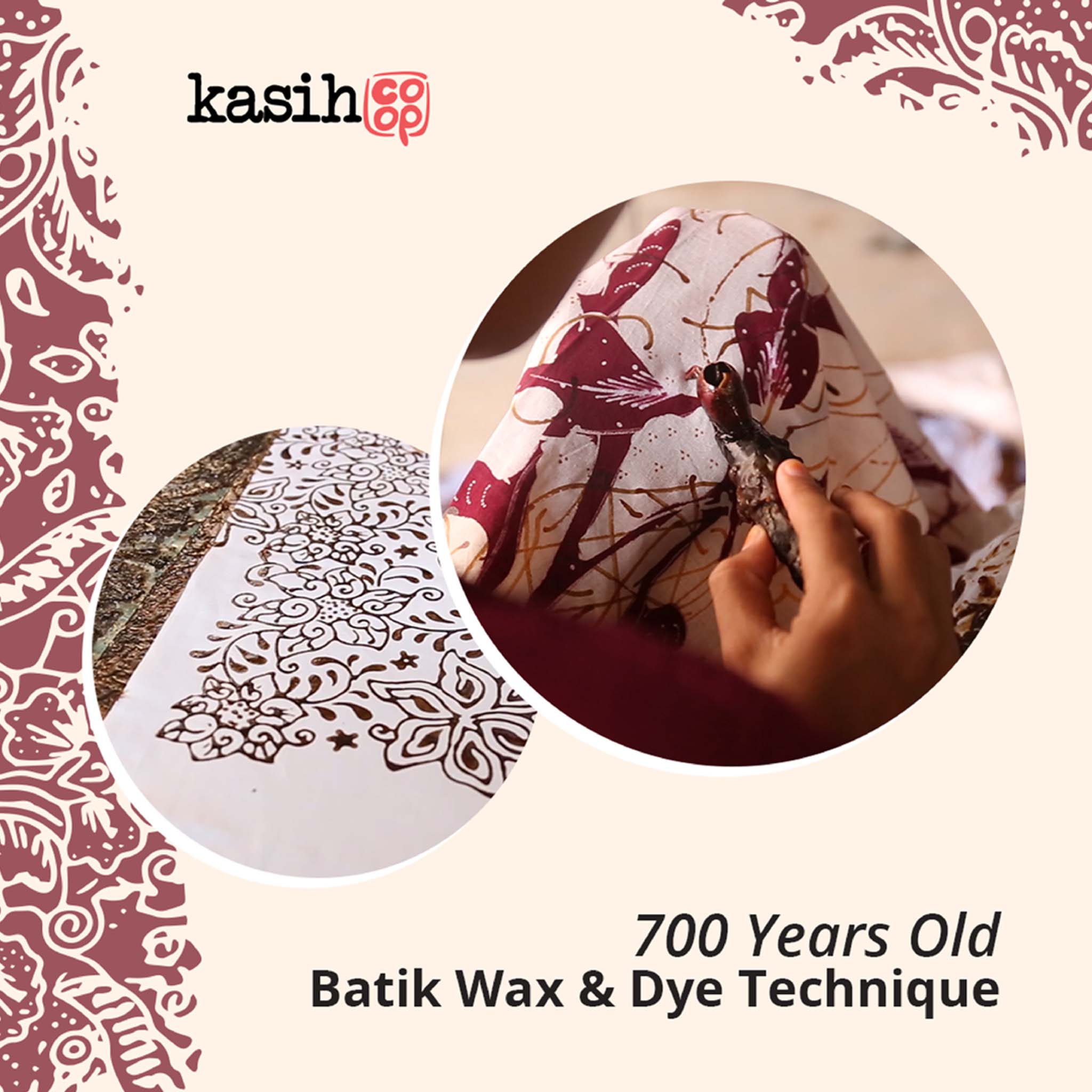
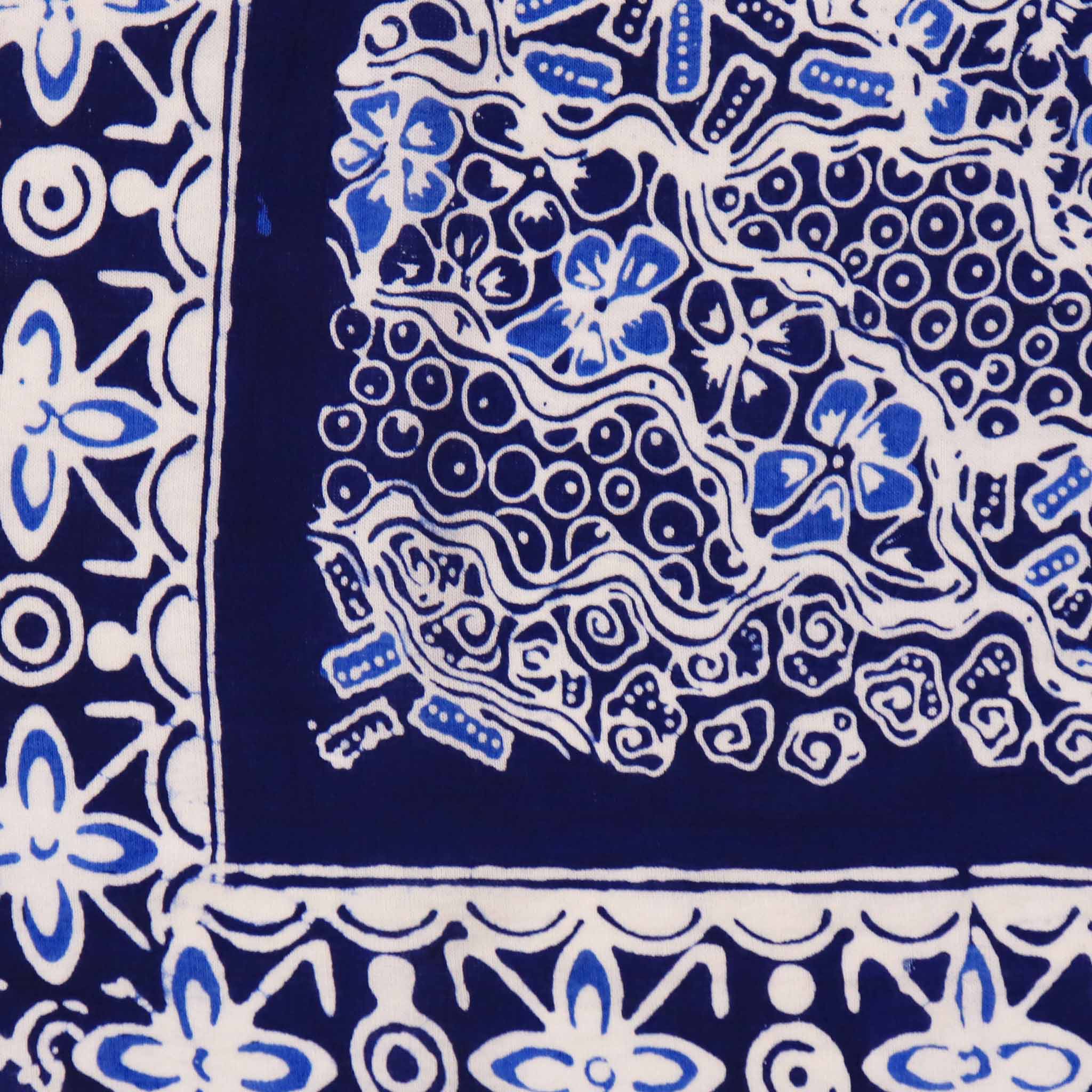
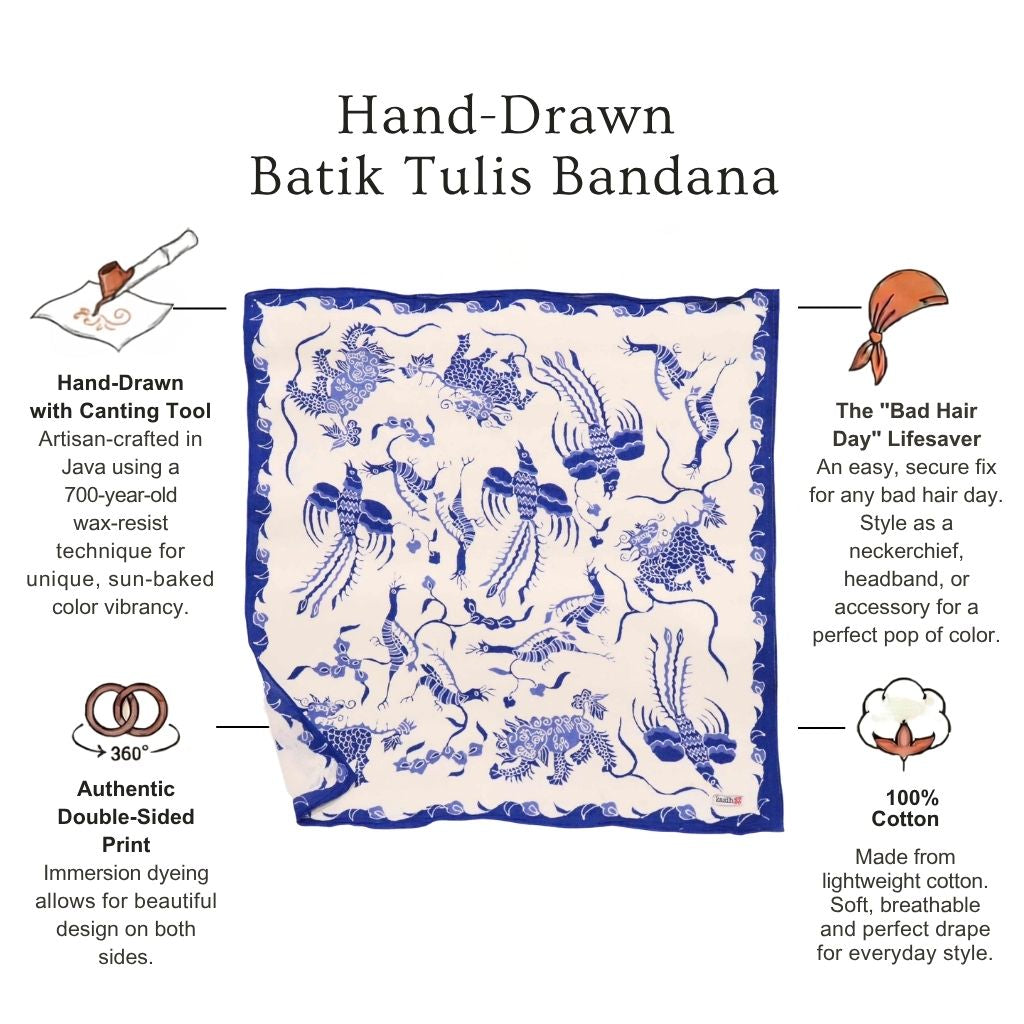
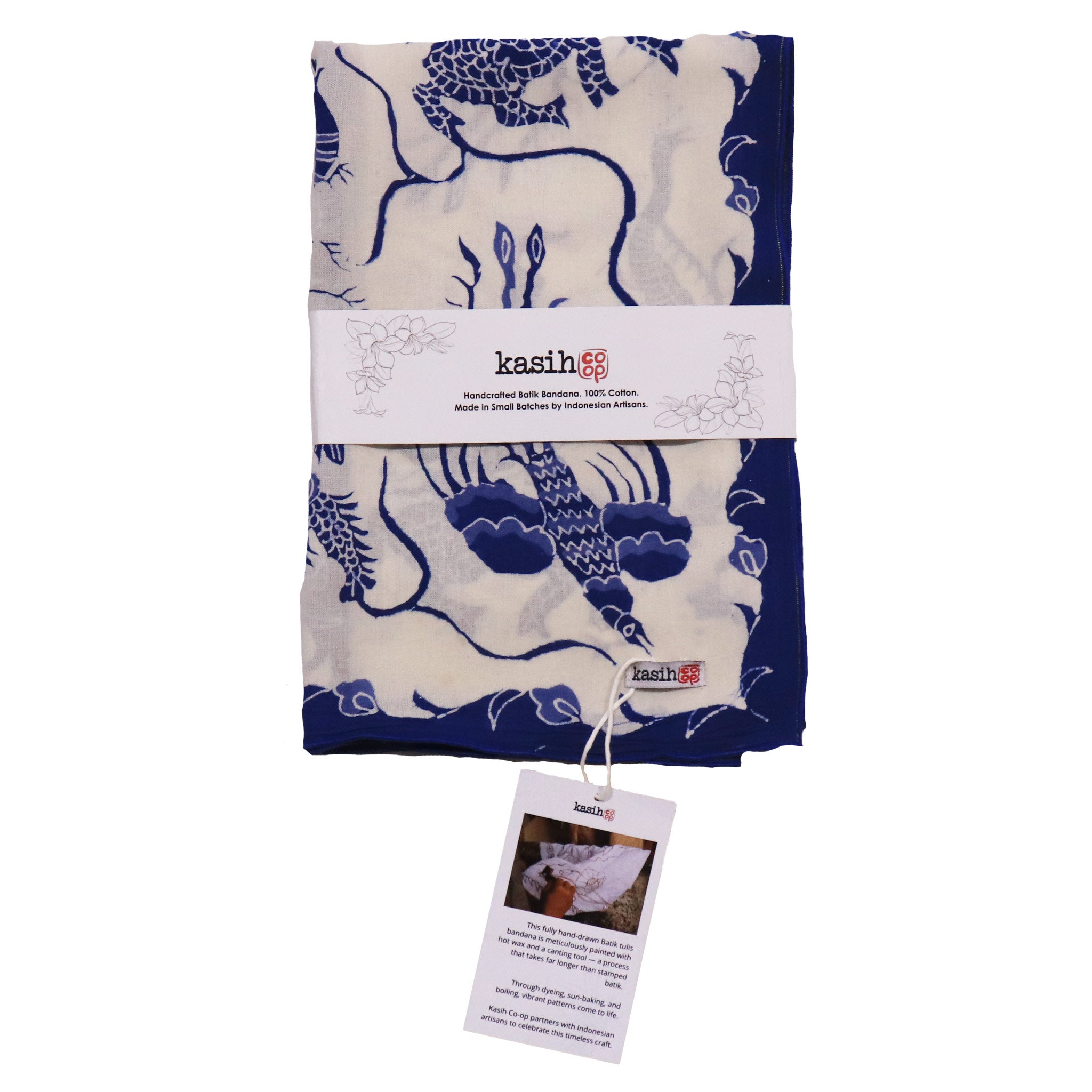
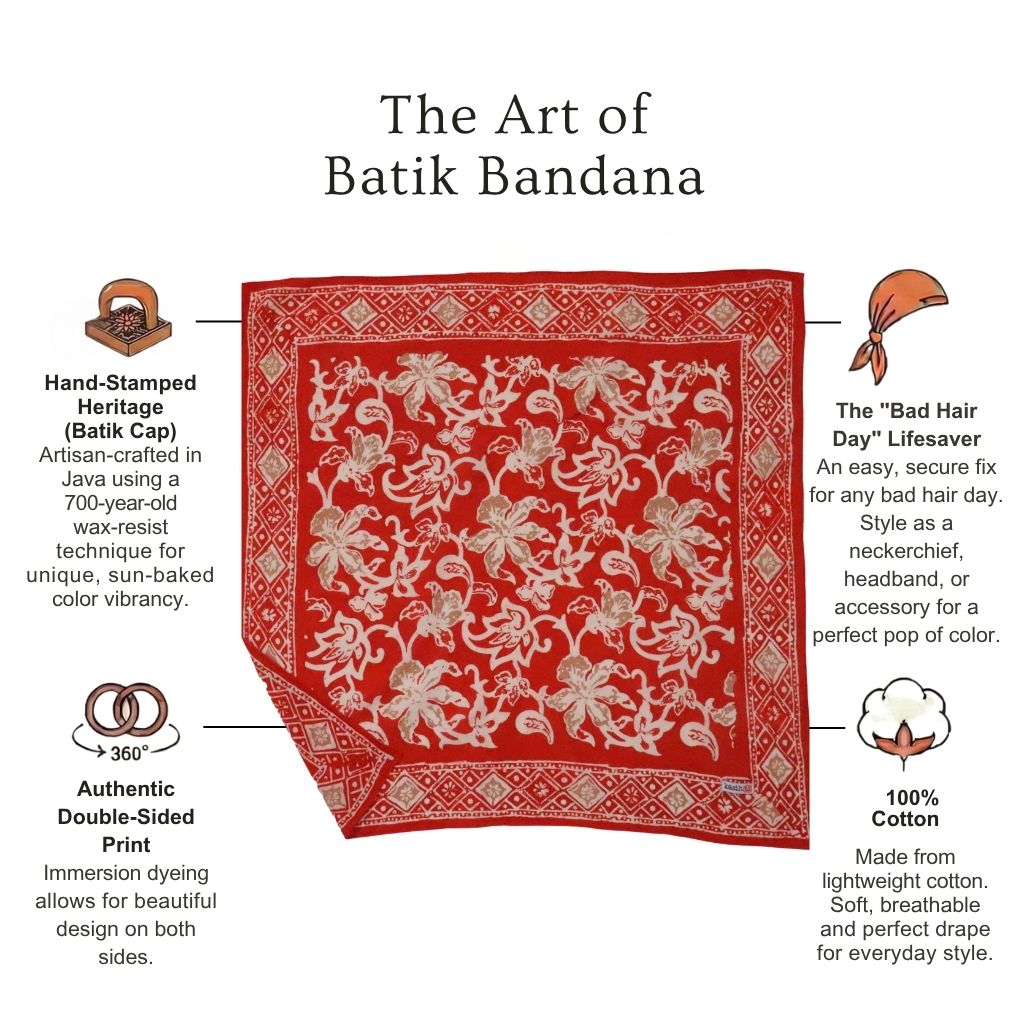
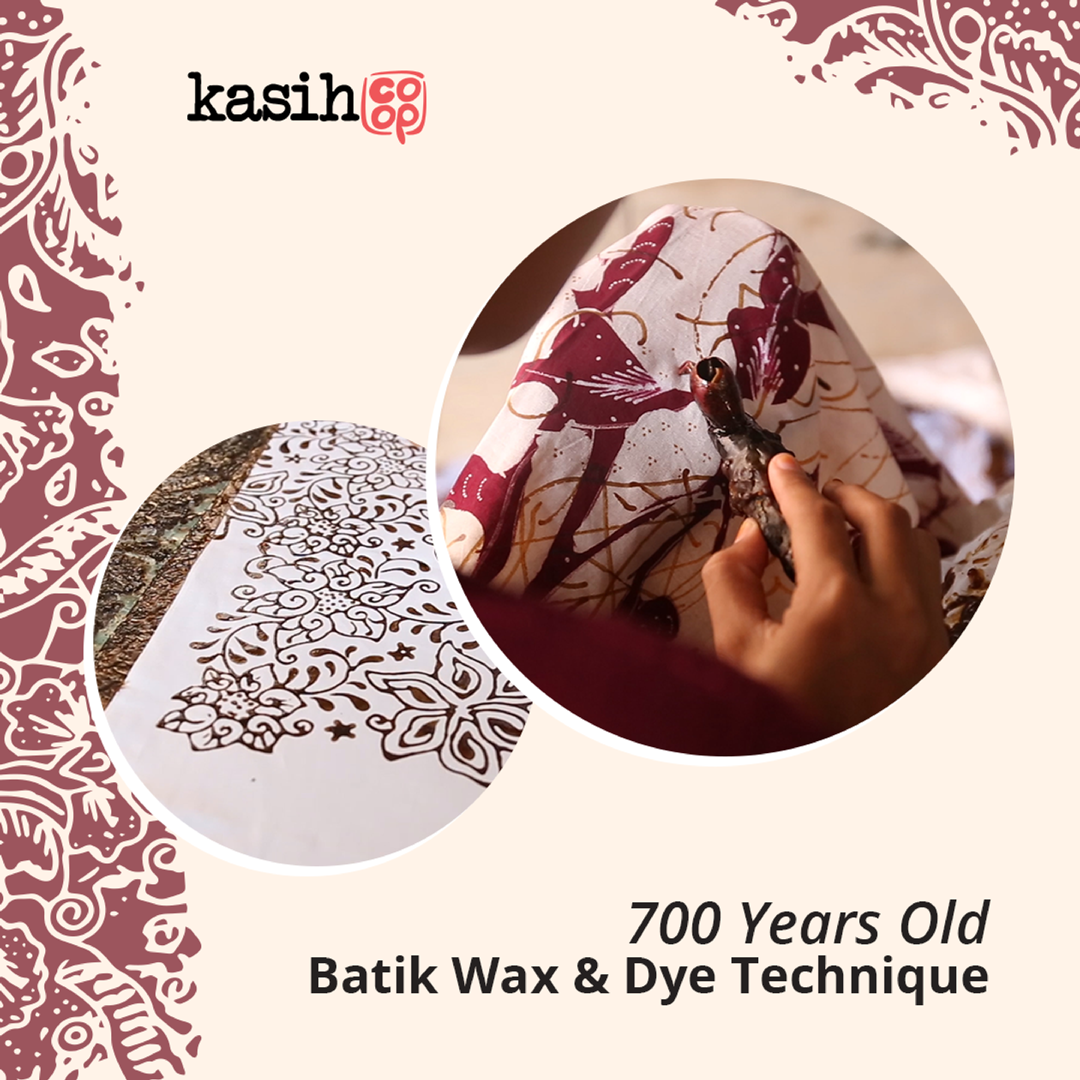
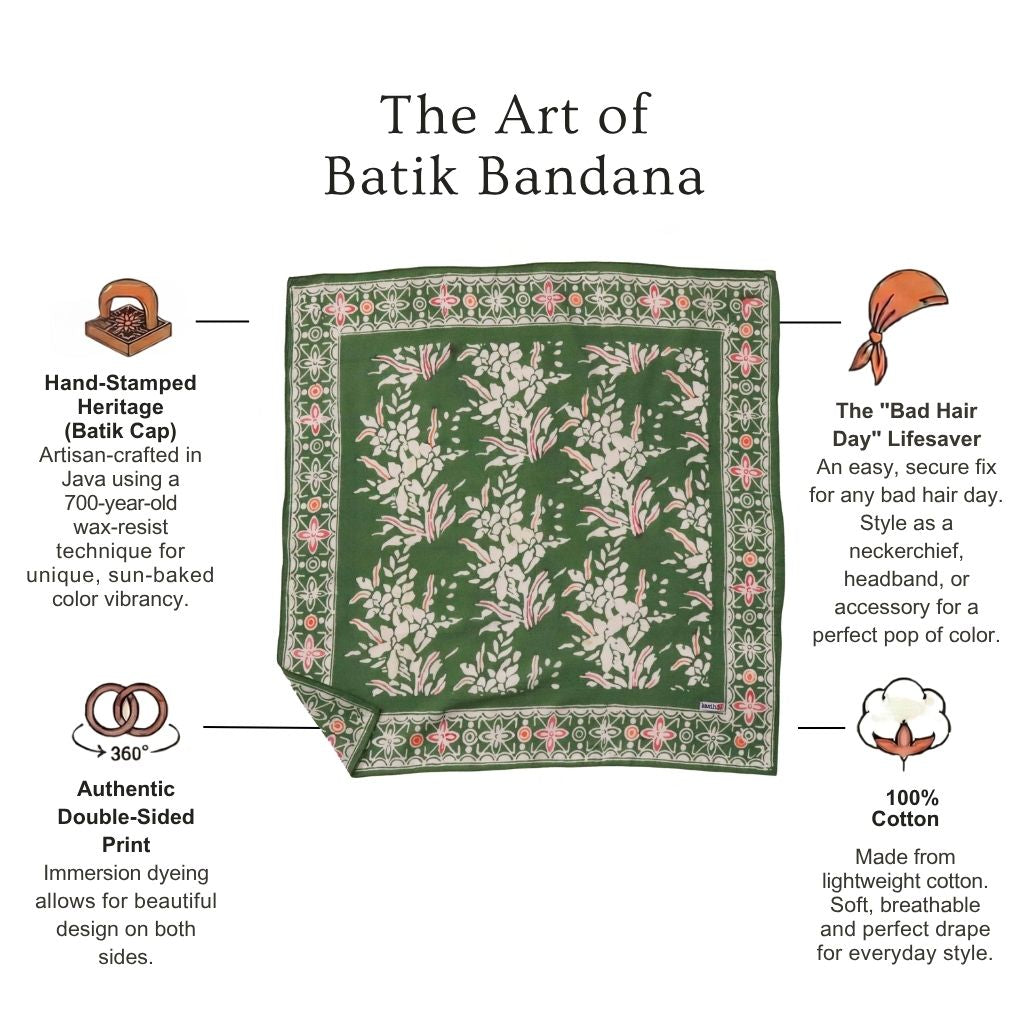
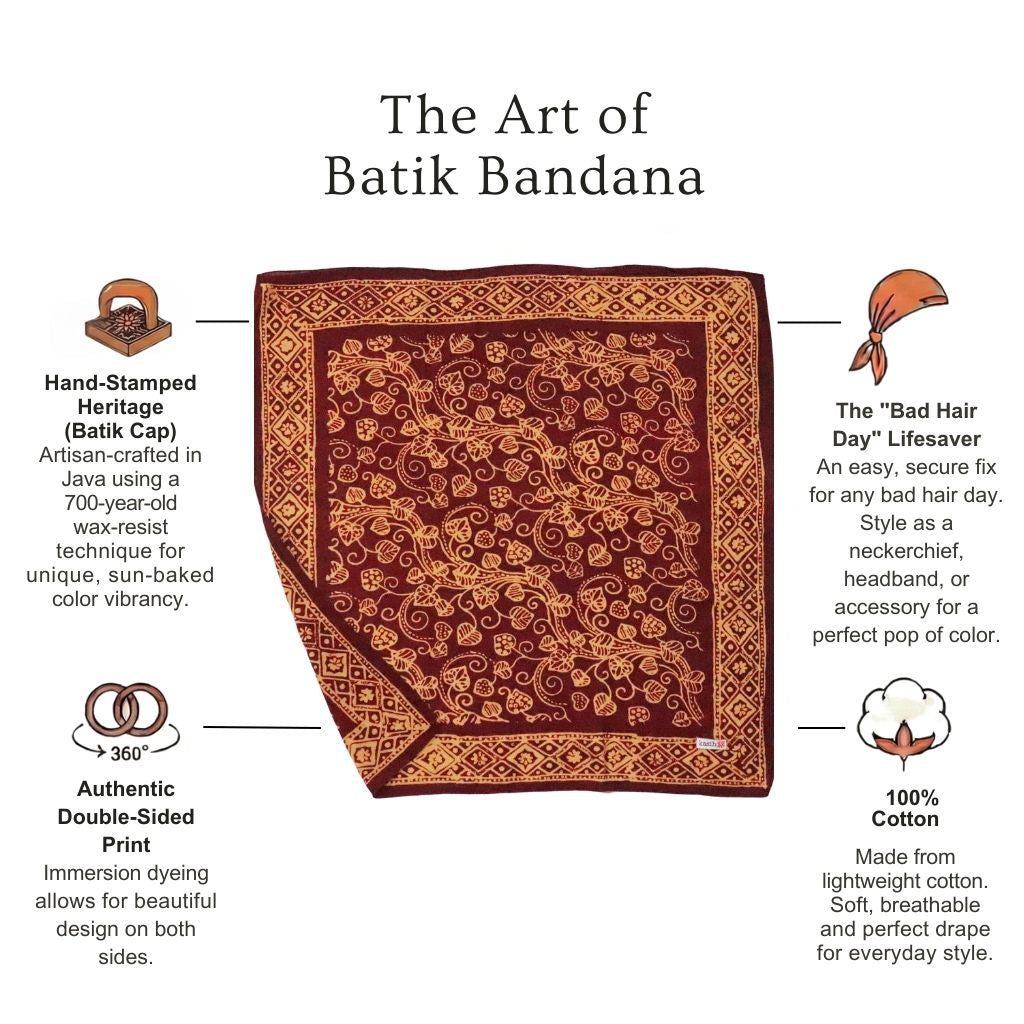
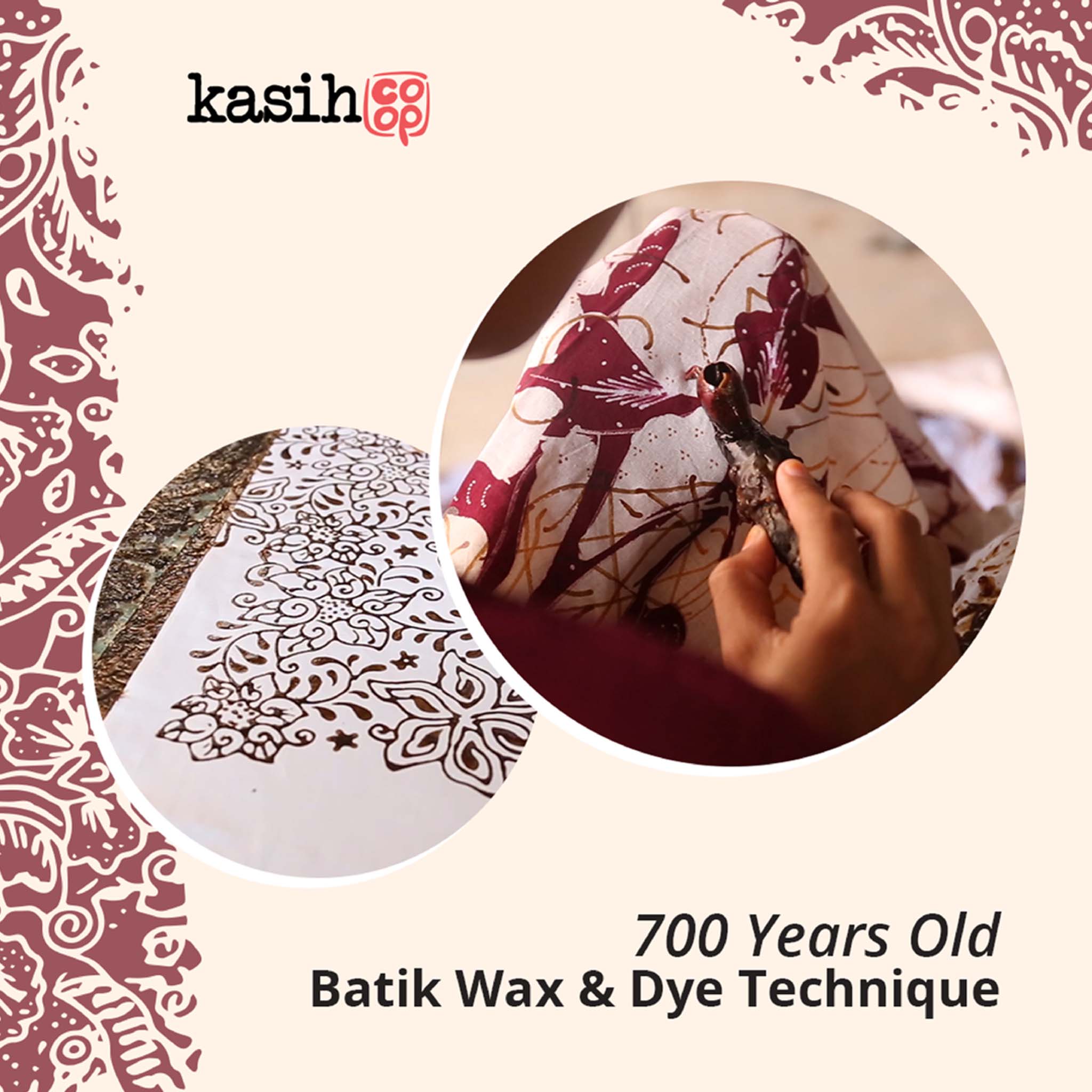
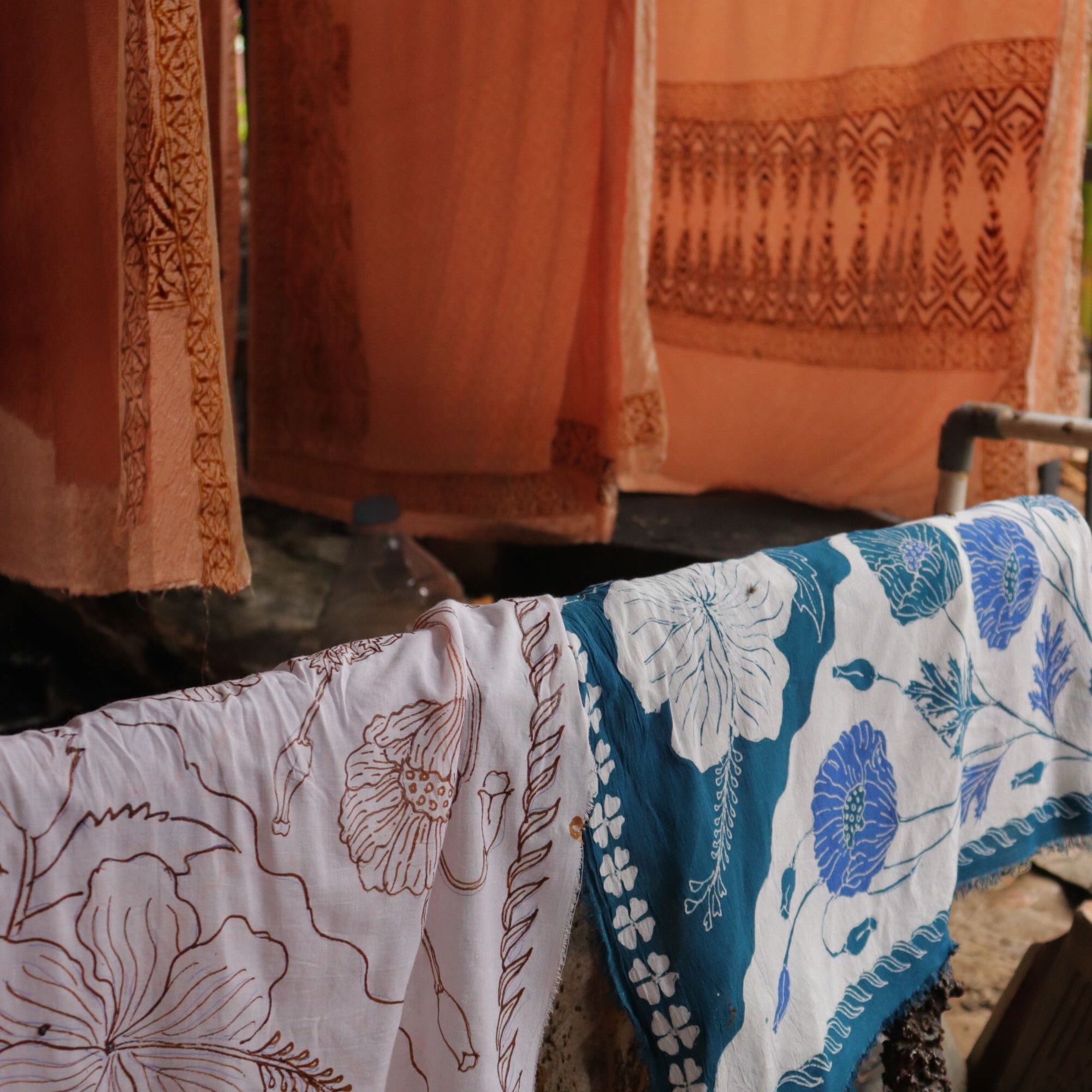
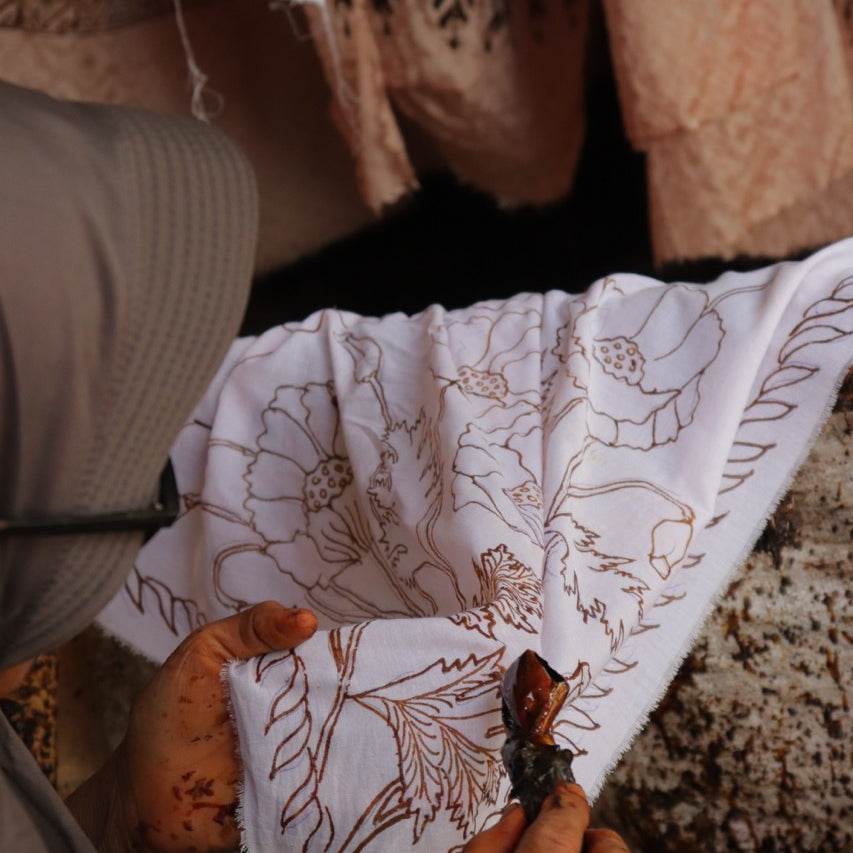
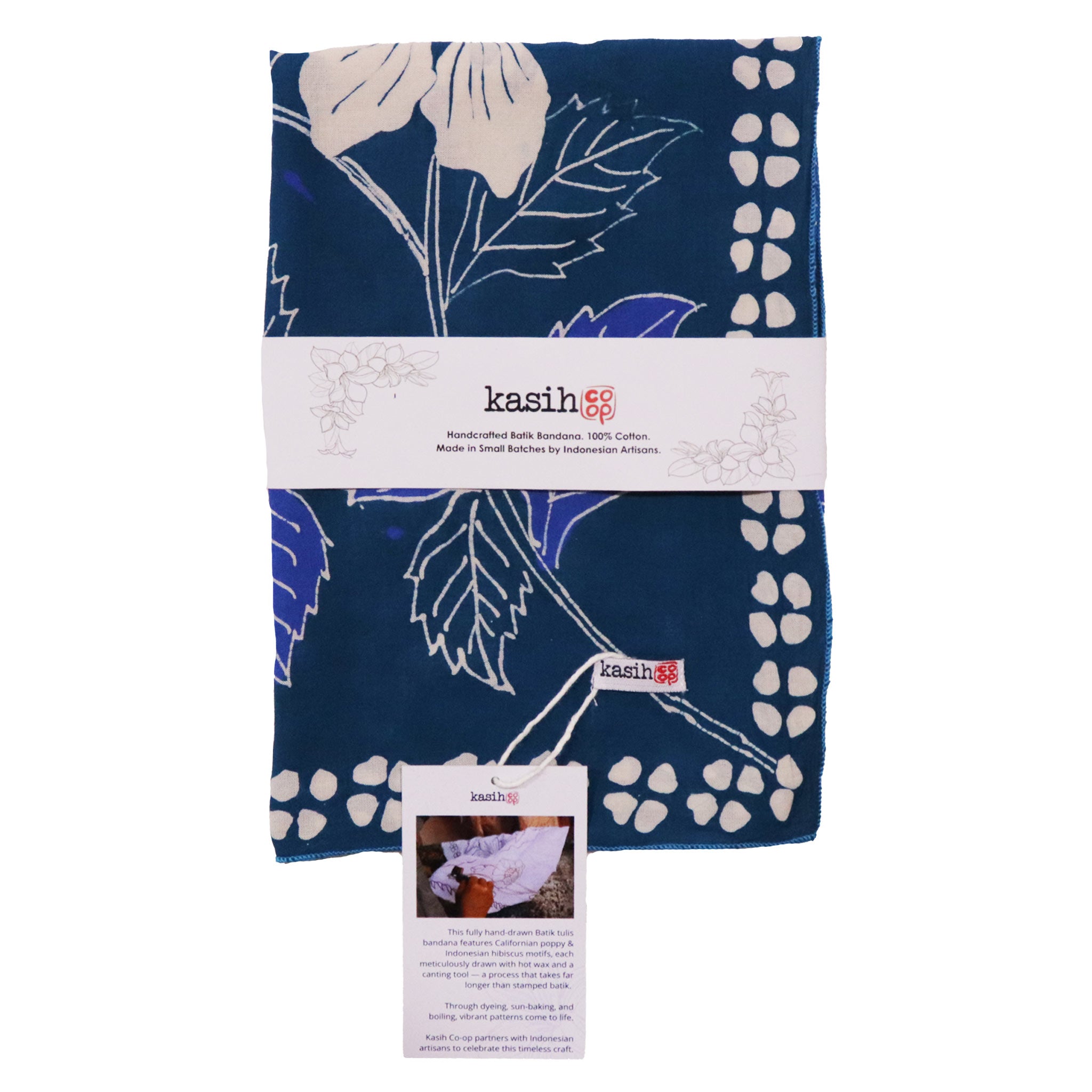
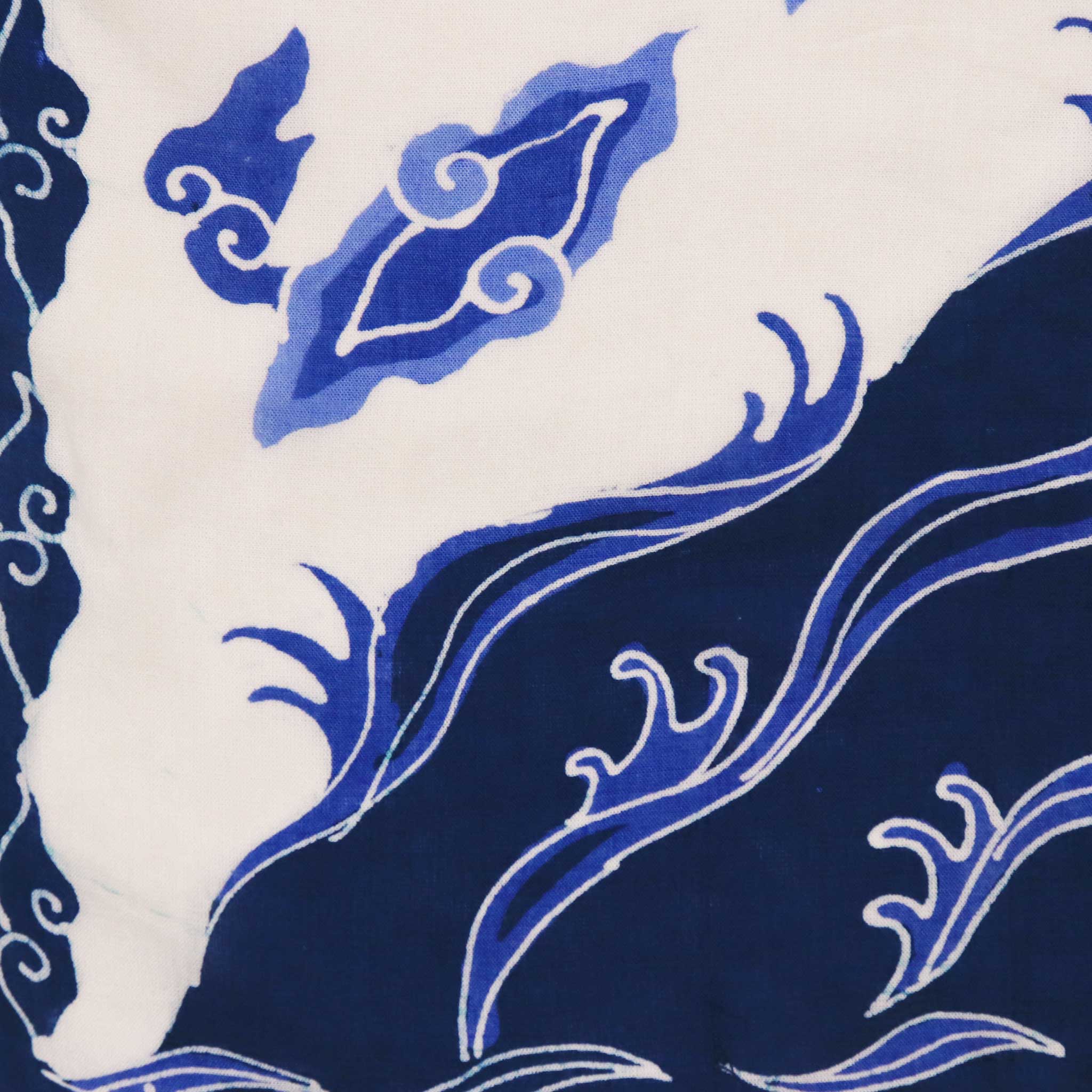
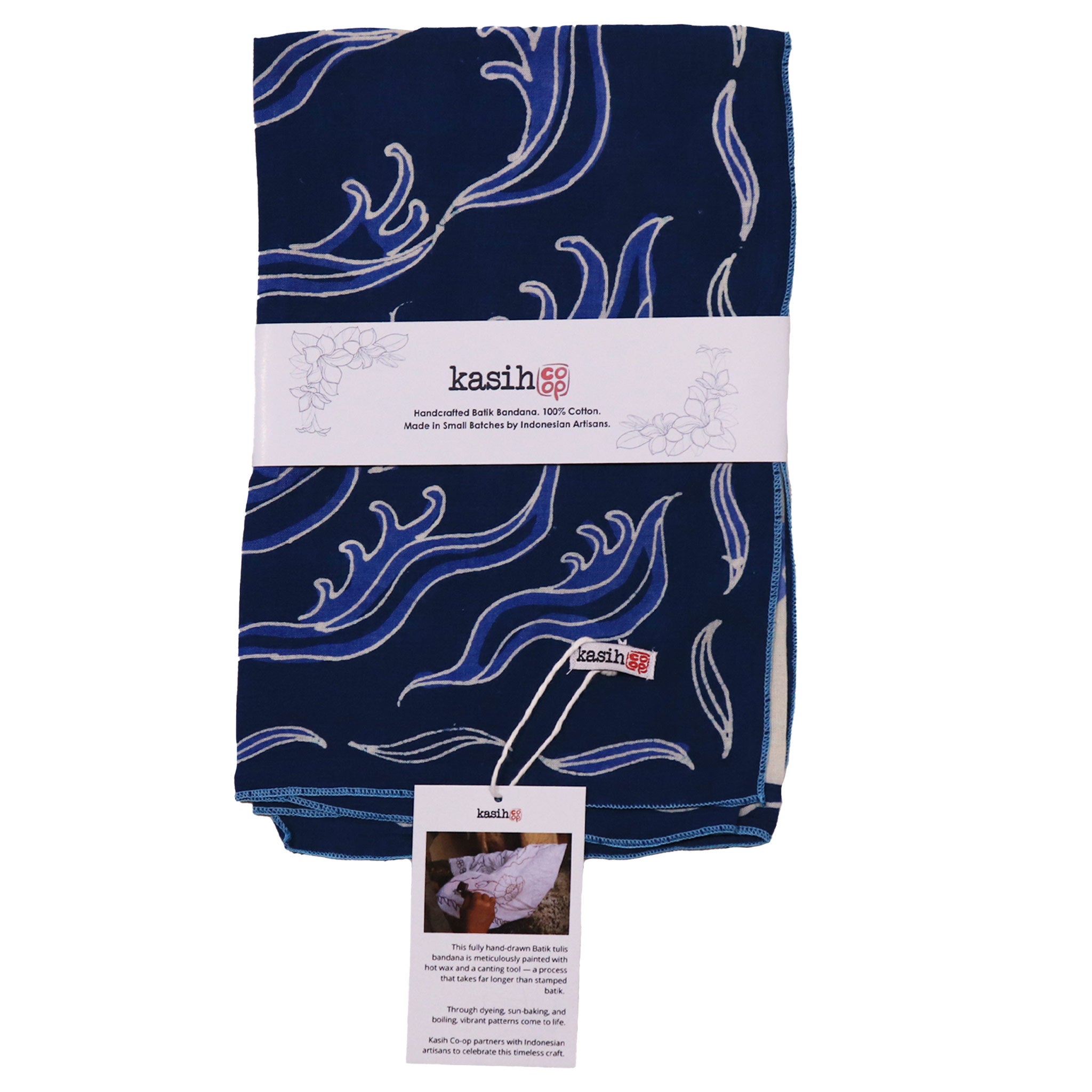
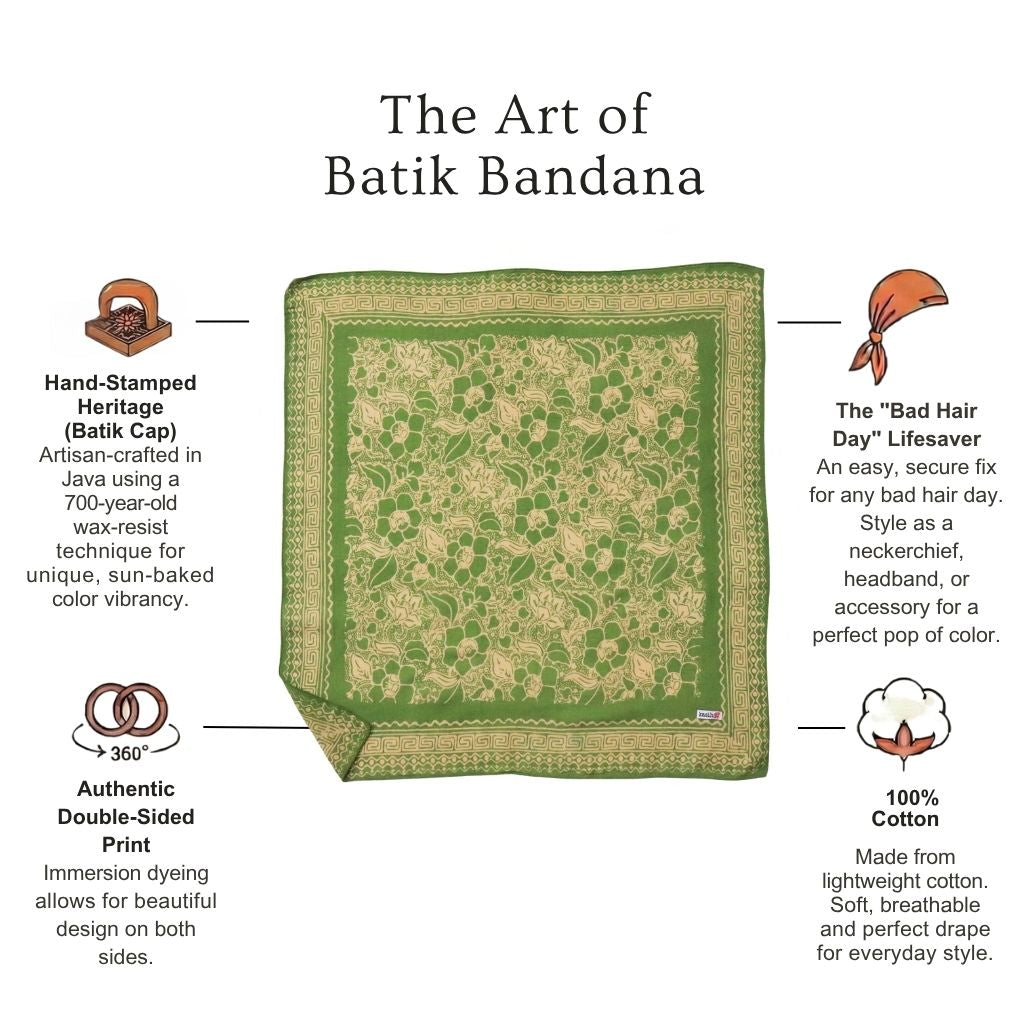
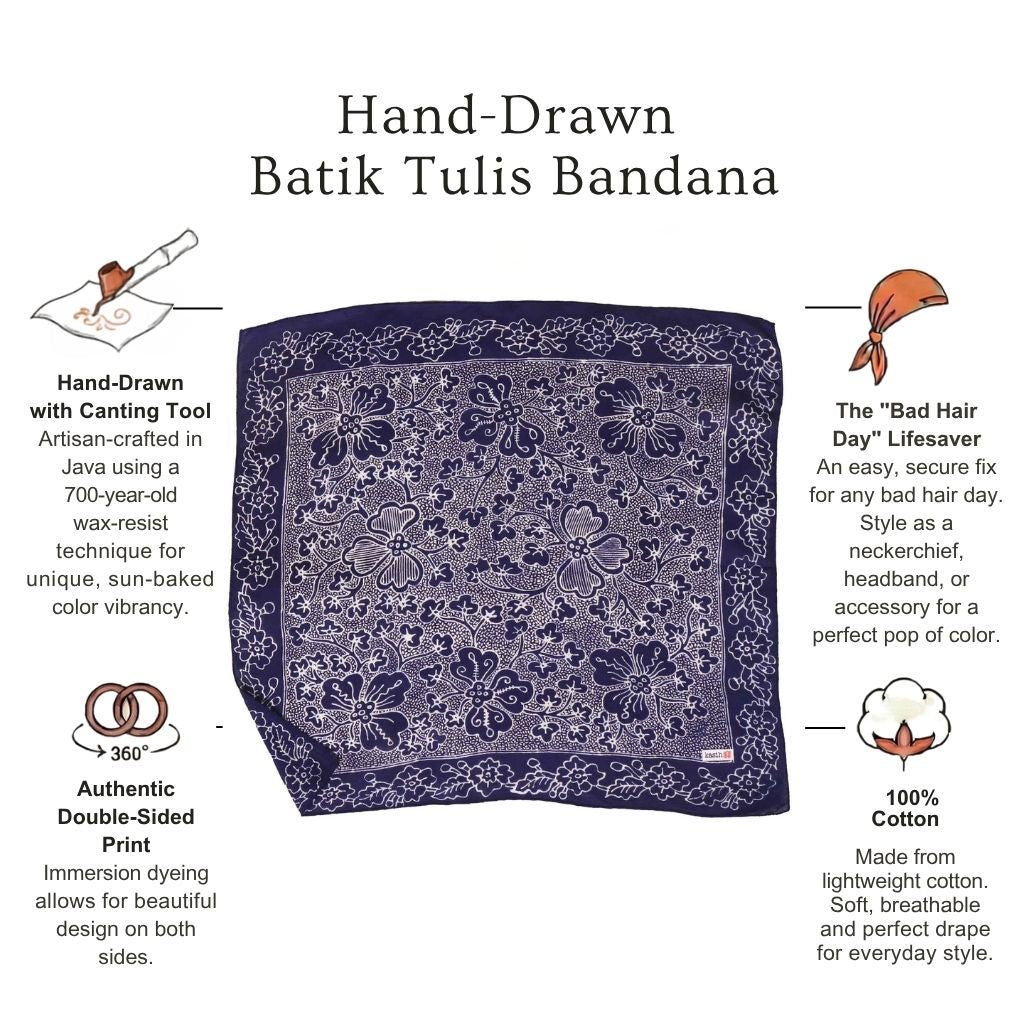
First, the pattern was drawn onto the fabric using pencil. Then, using a canting, the artisan carefully traced each line with hot wax—entirely by hand. This step requires patience and precision, as the wax determines where the dye will and won’t go.

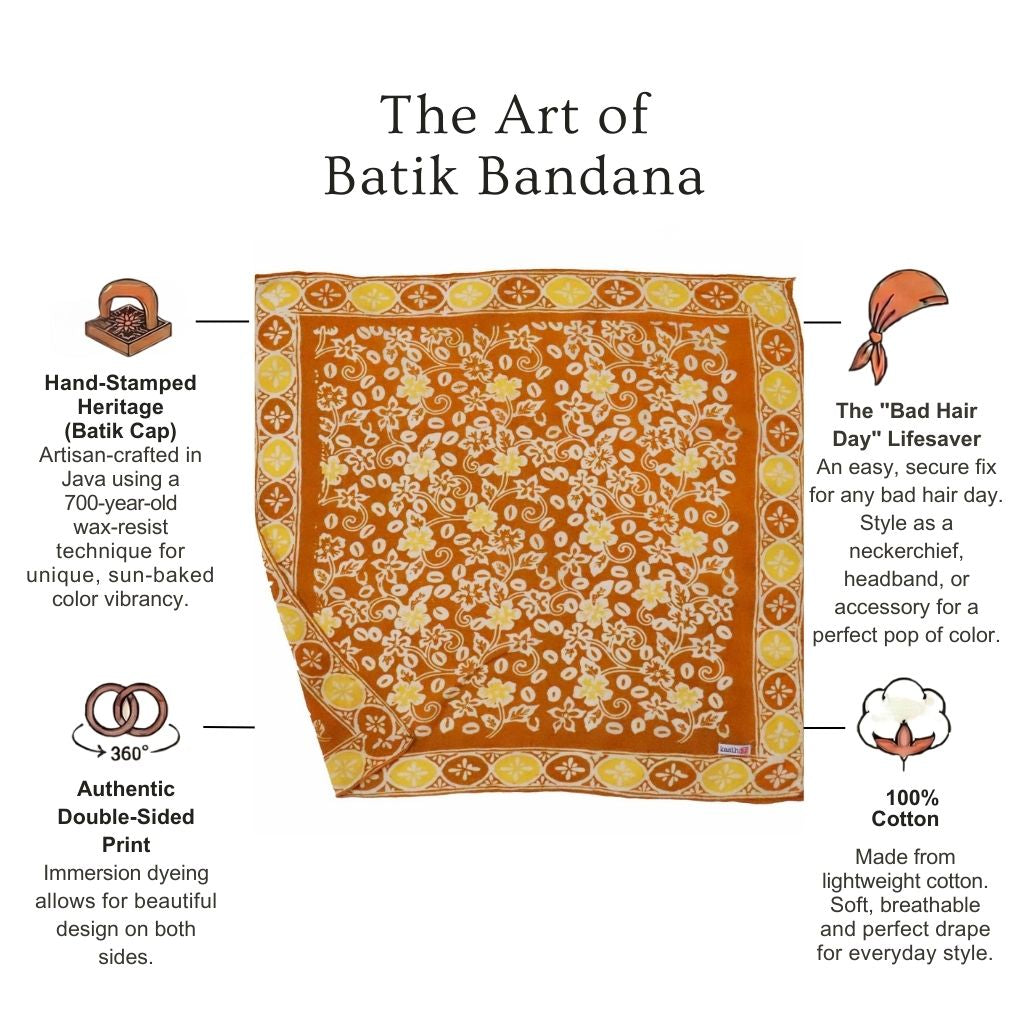
After the waxing, color was added, followed by the rest of the traditional batik process—layering, dyeing, and removing the wax to reveal the final pattern. Each step is done manually, which means no two pieces are ever exactly the same.

That’s part of what makes this bandana special. I’m deeply grateful to be able to share this story—and this piece—with you.
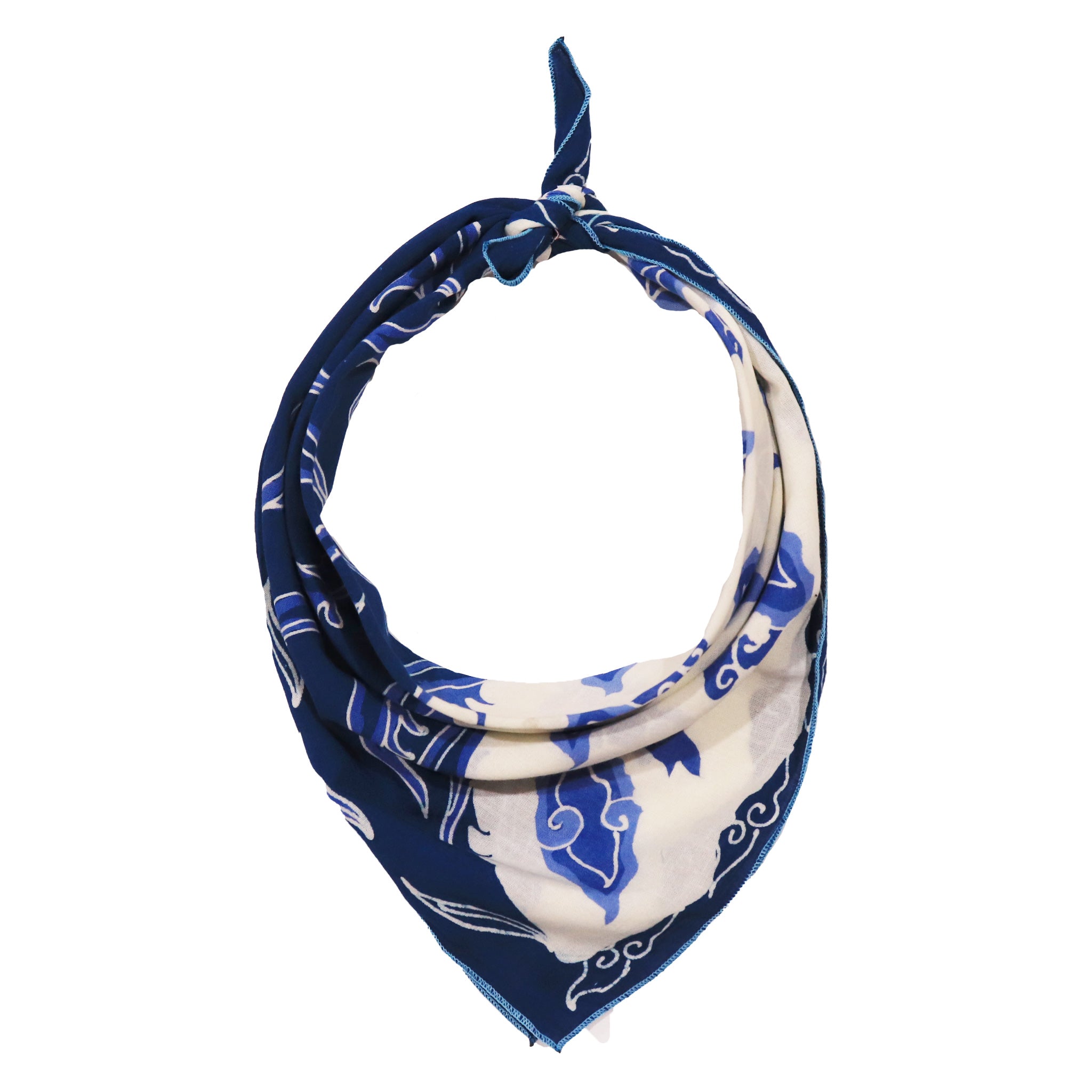
Take a look at the final piece here