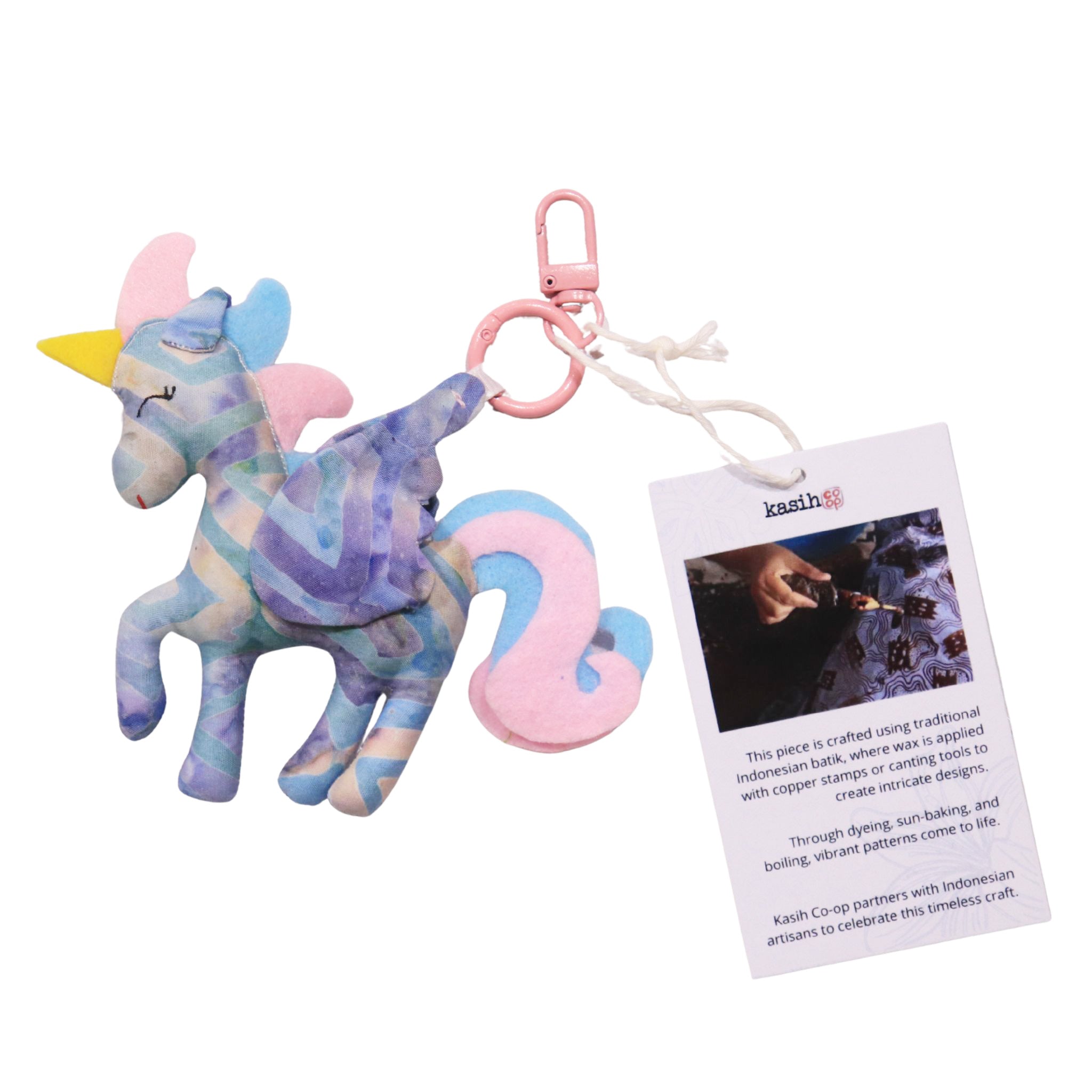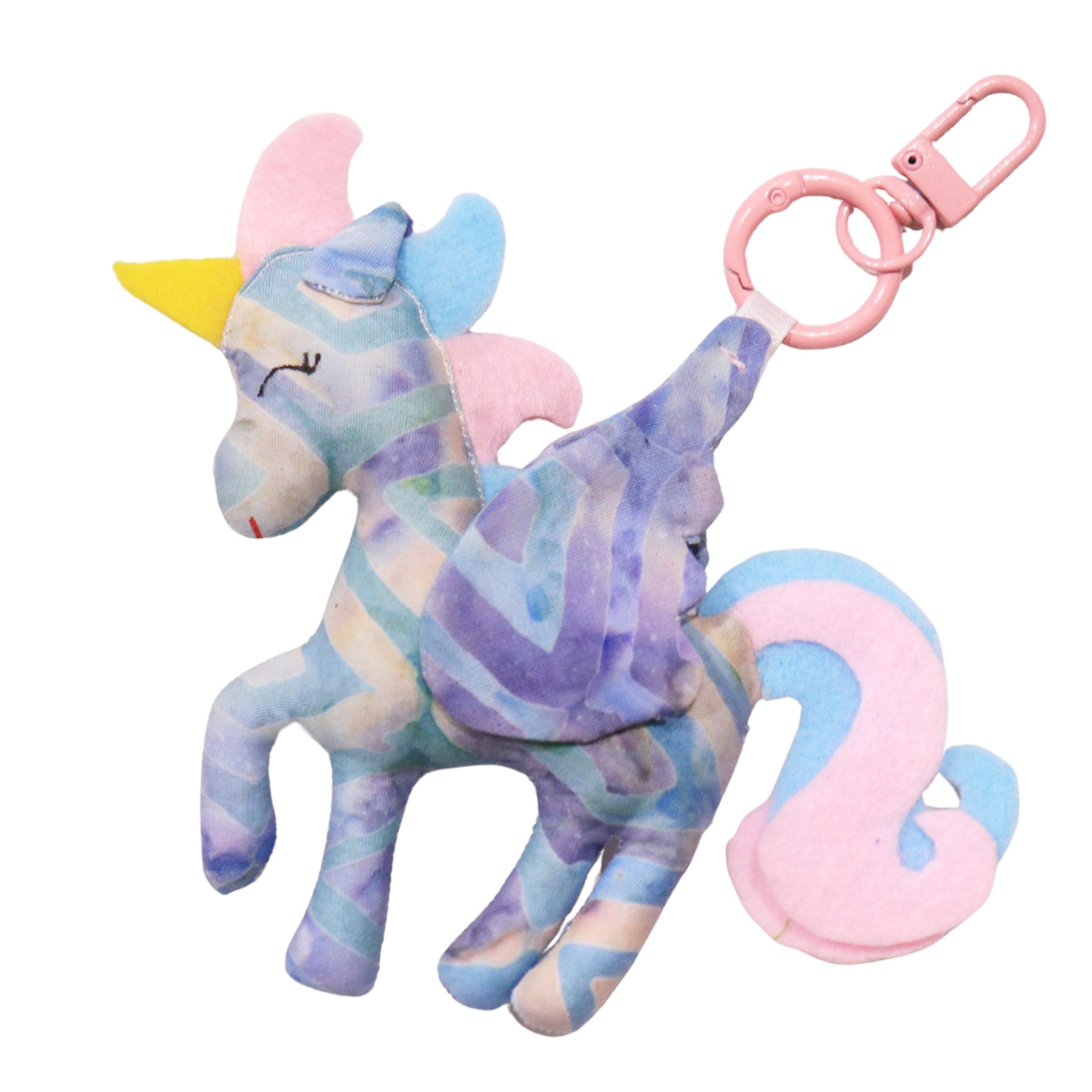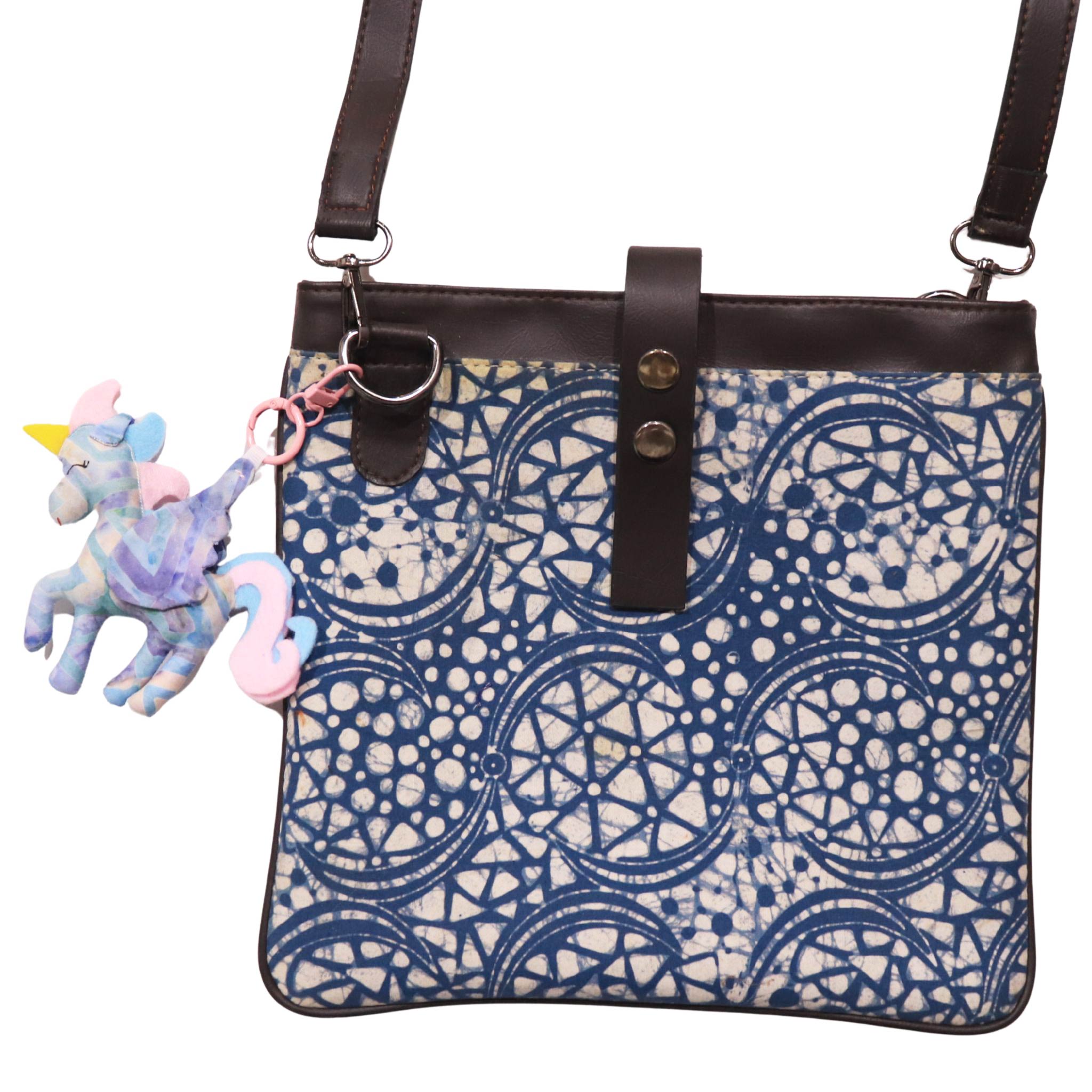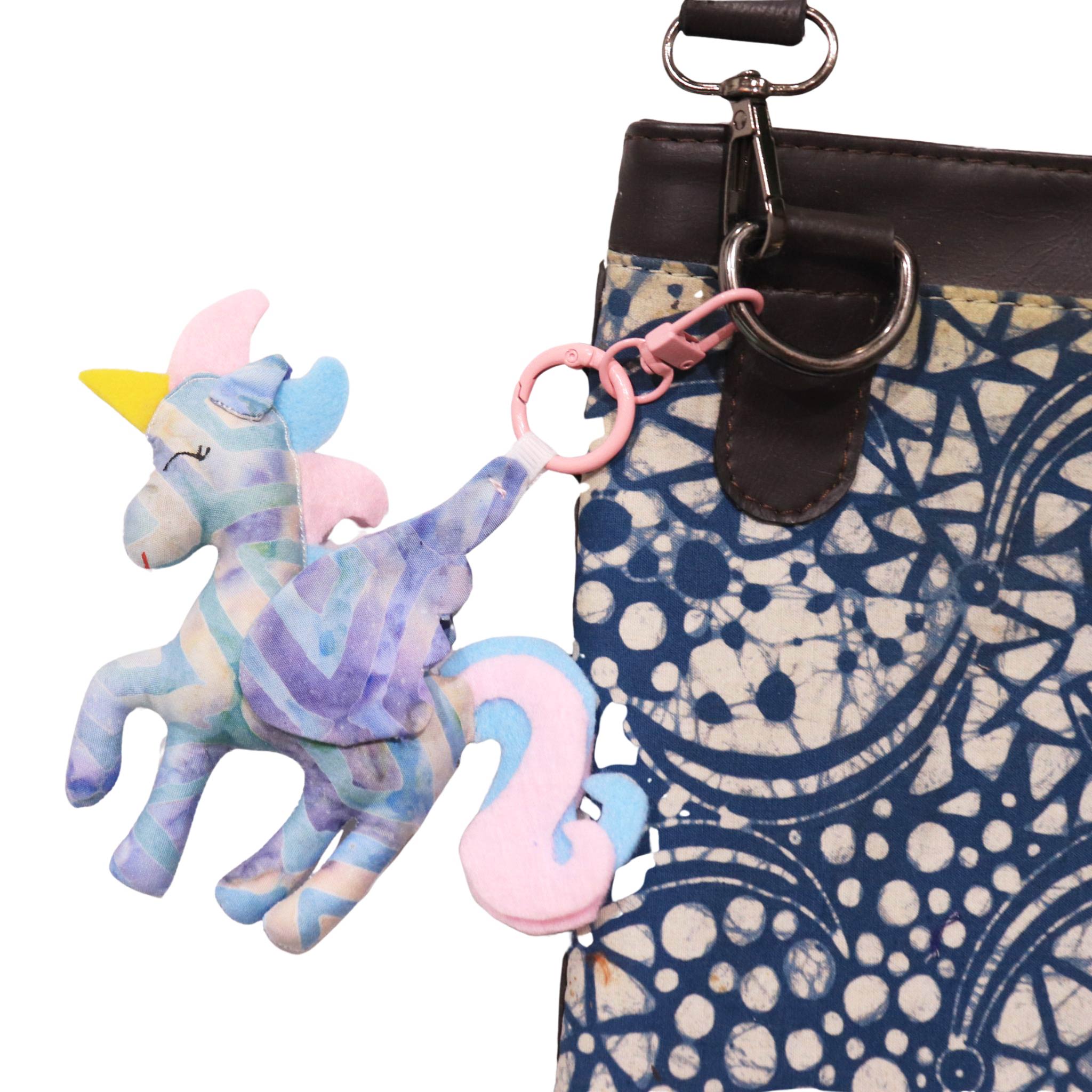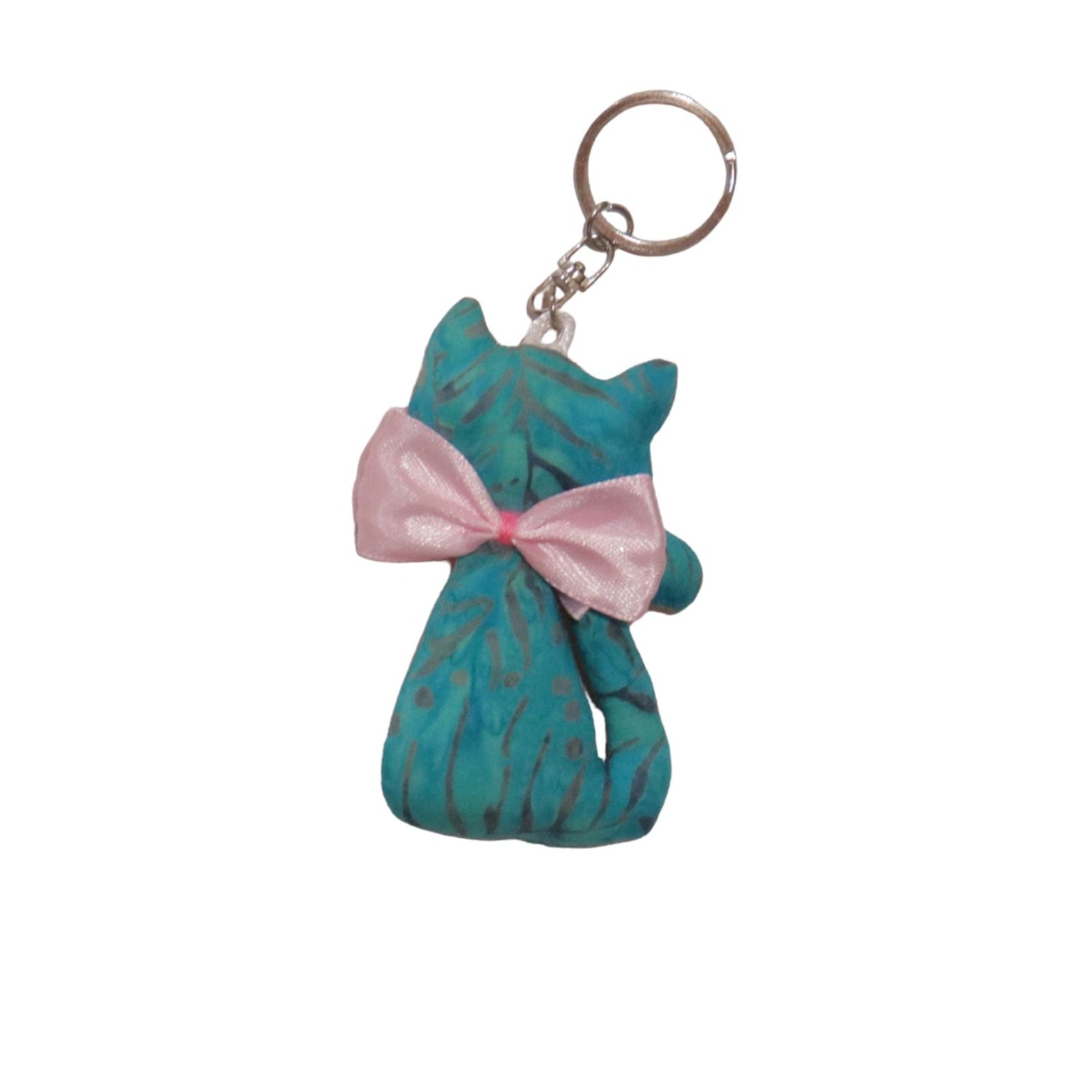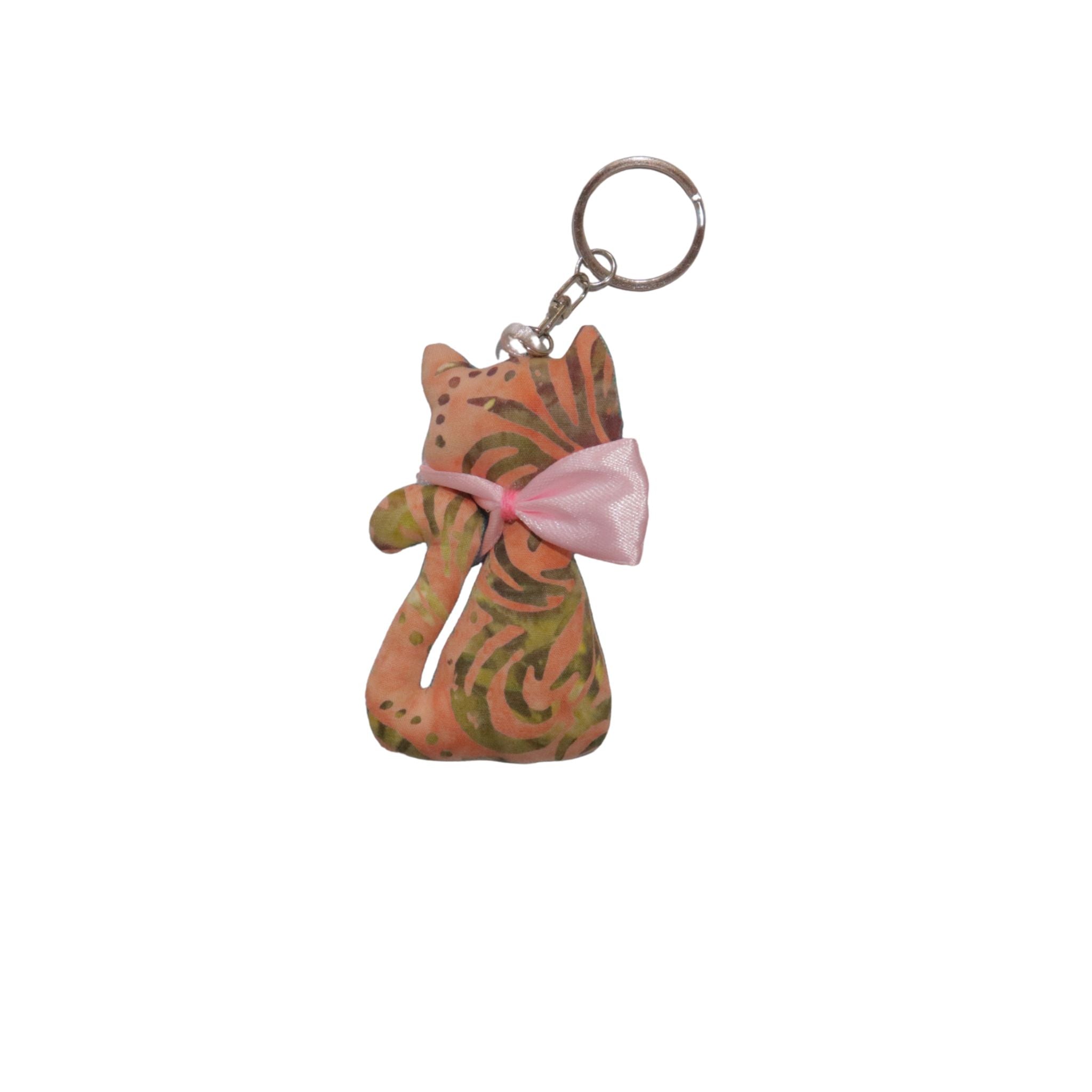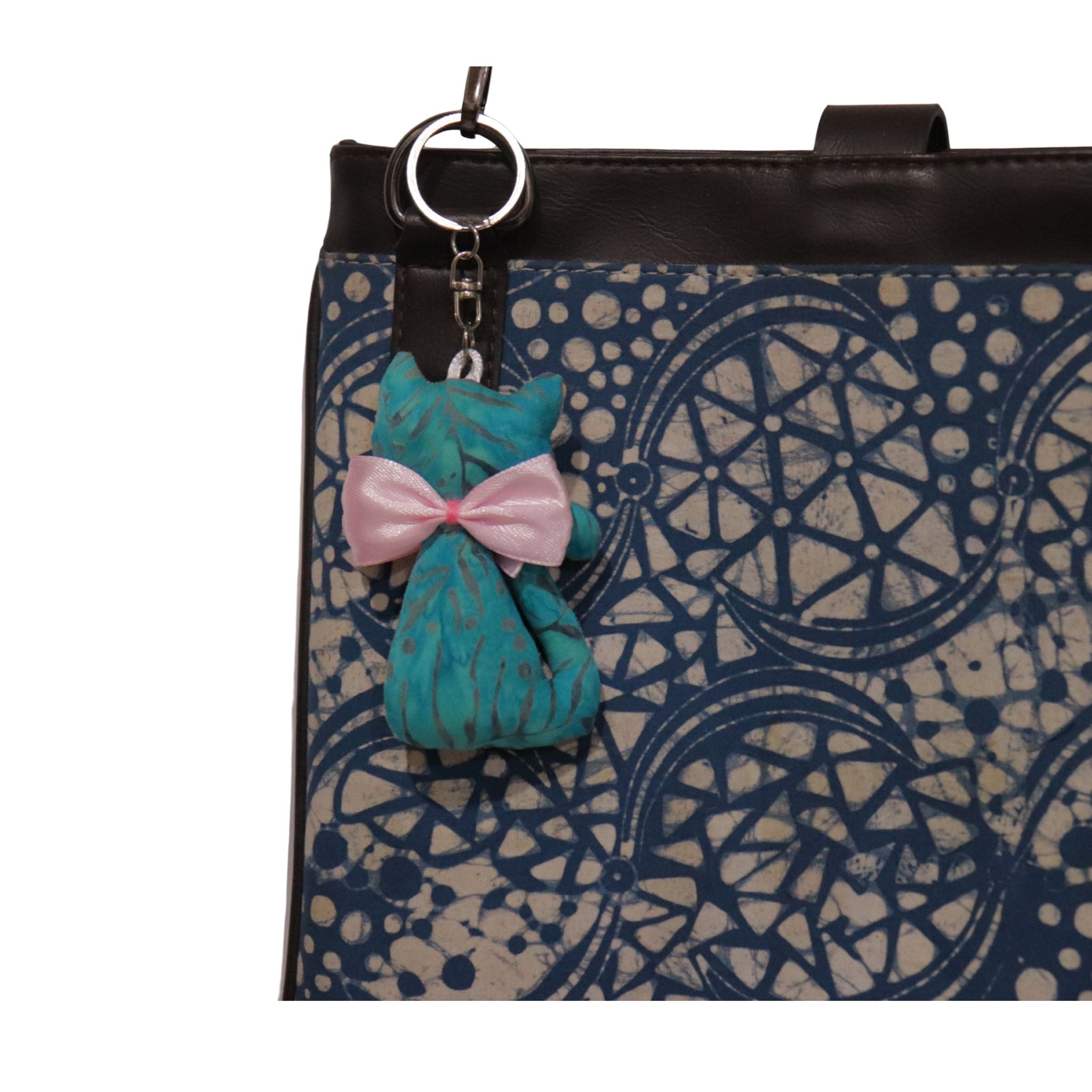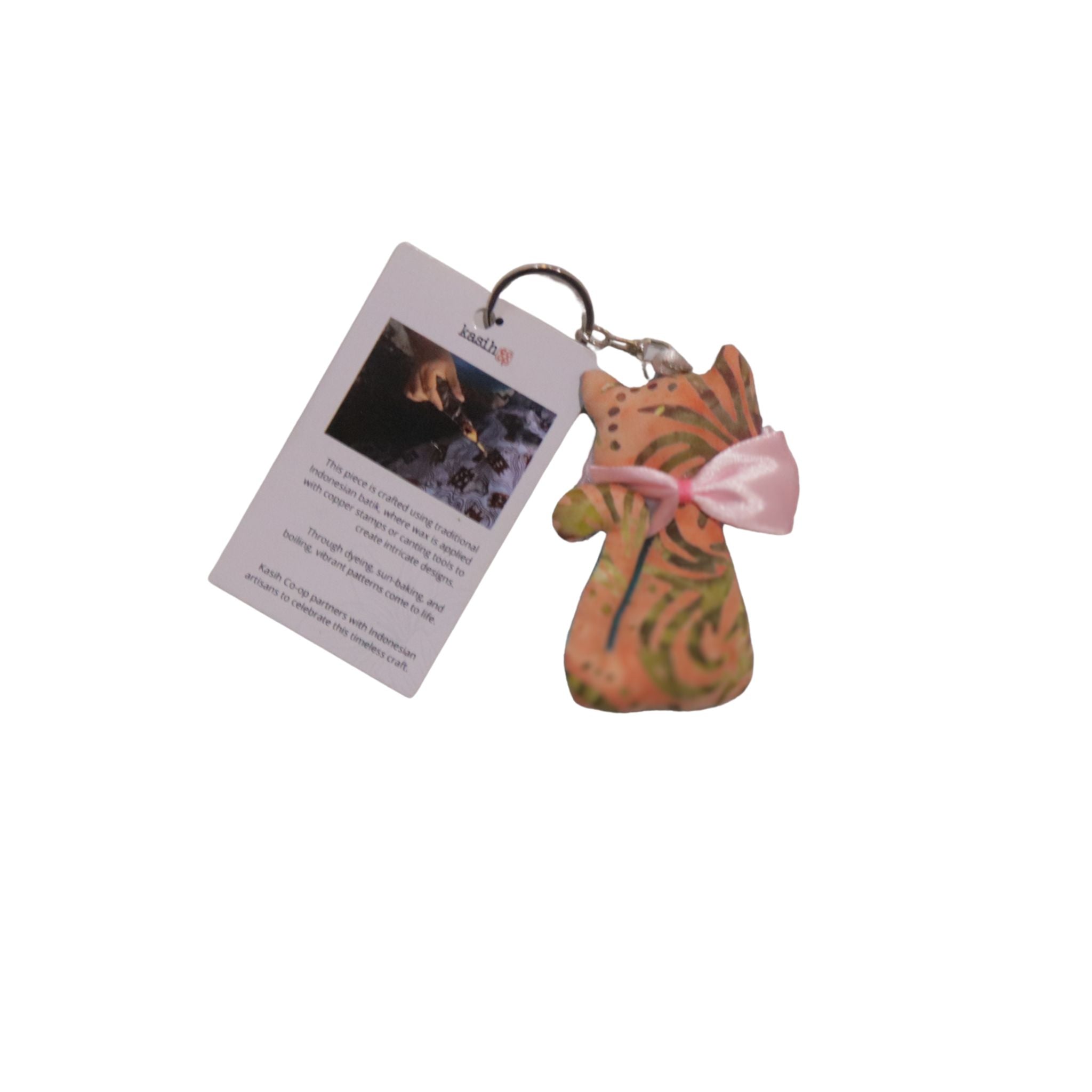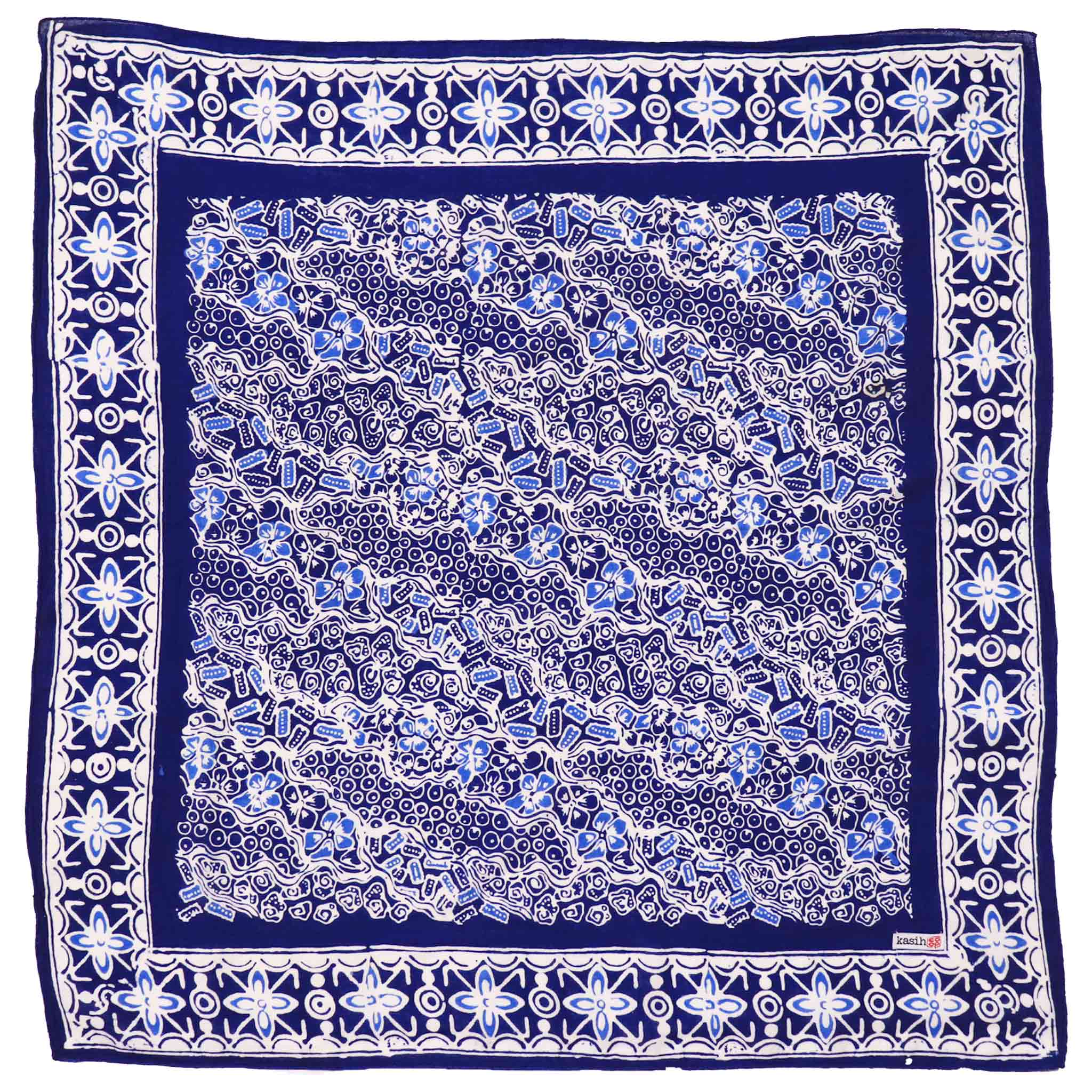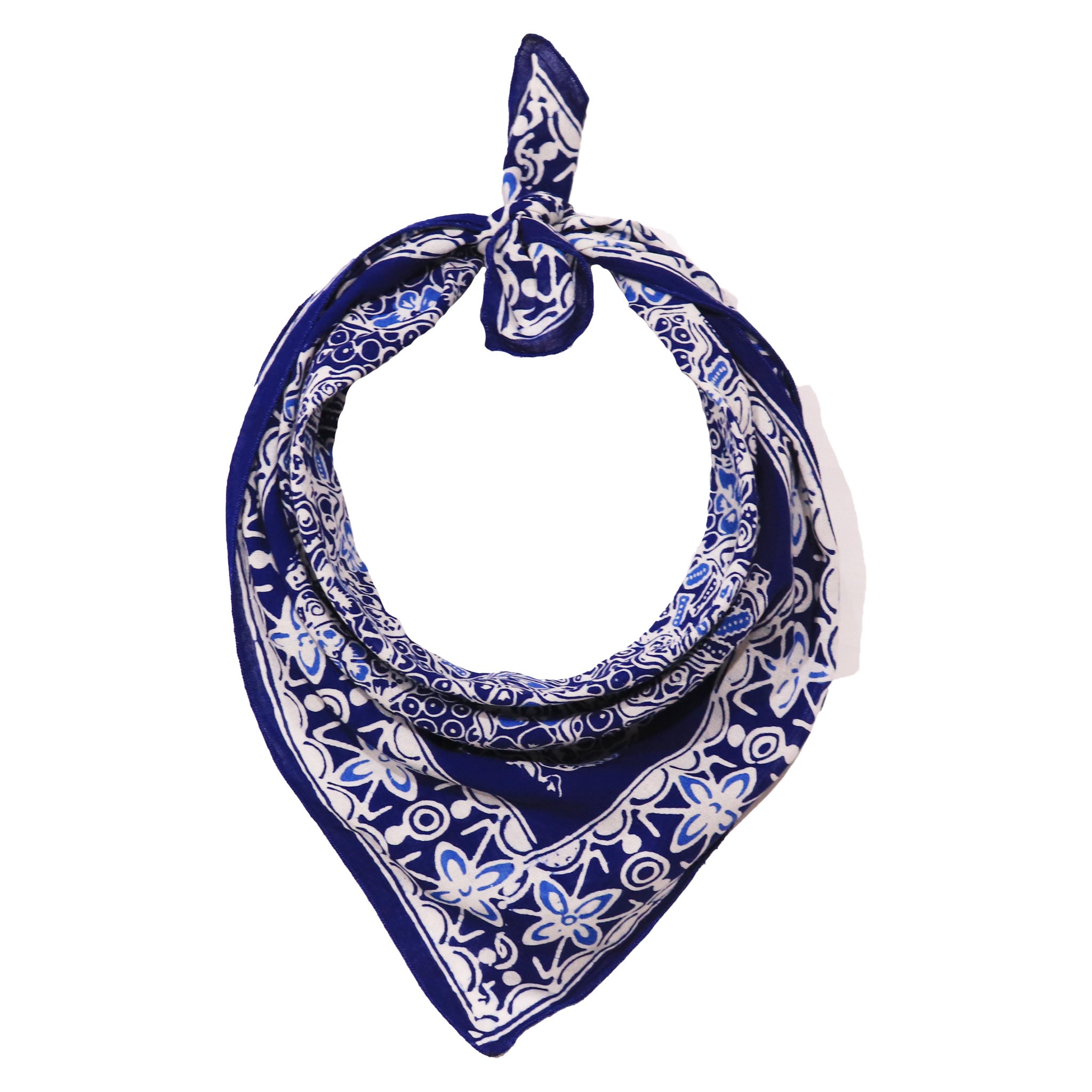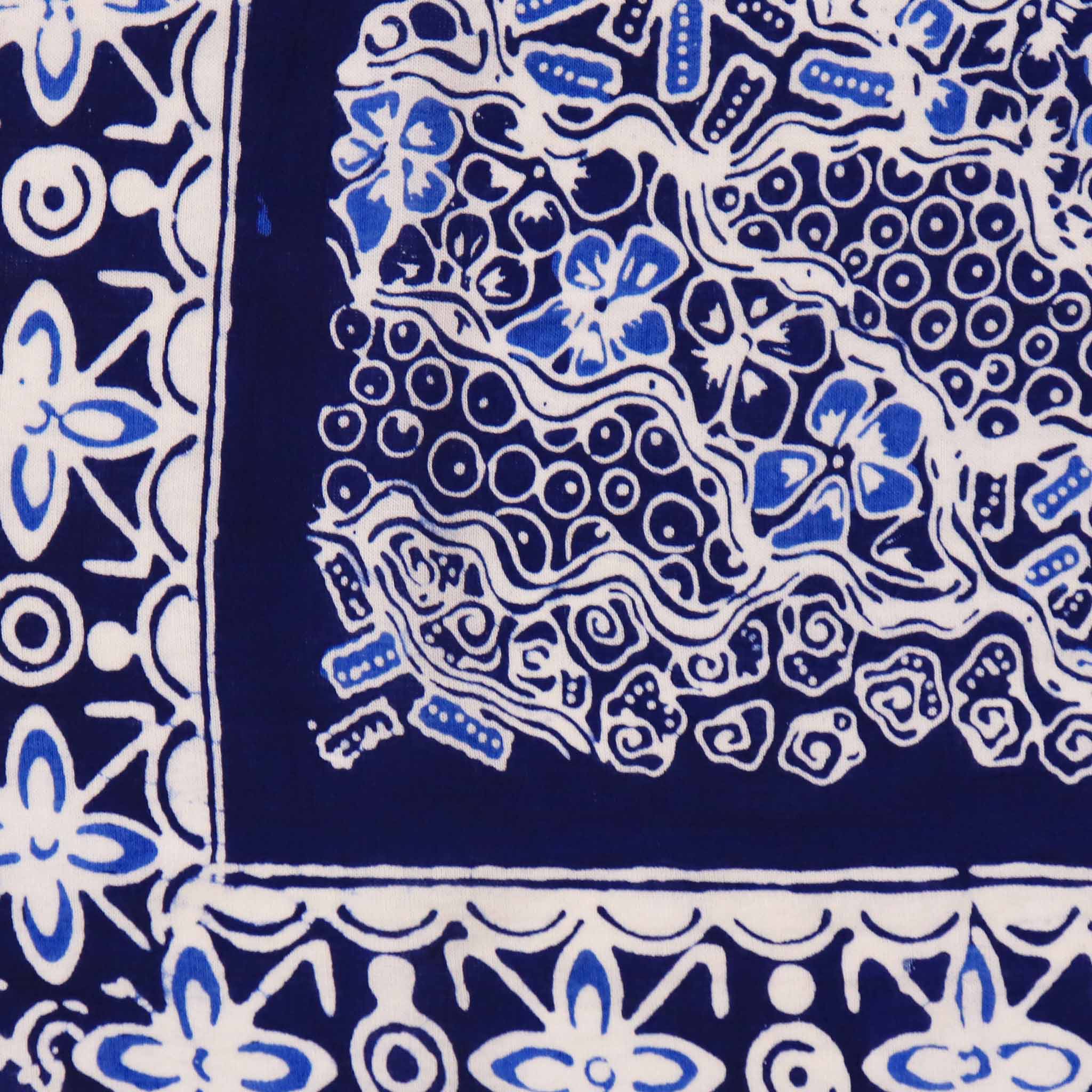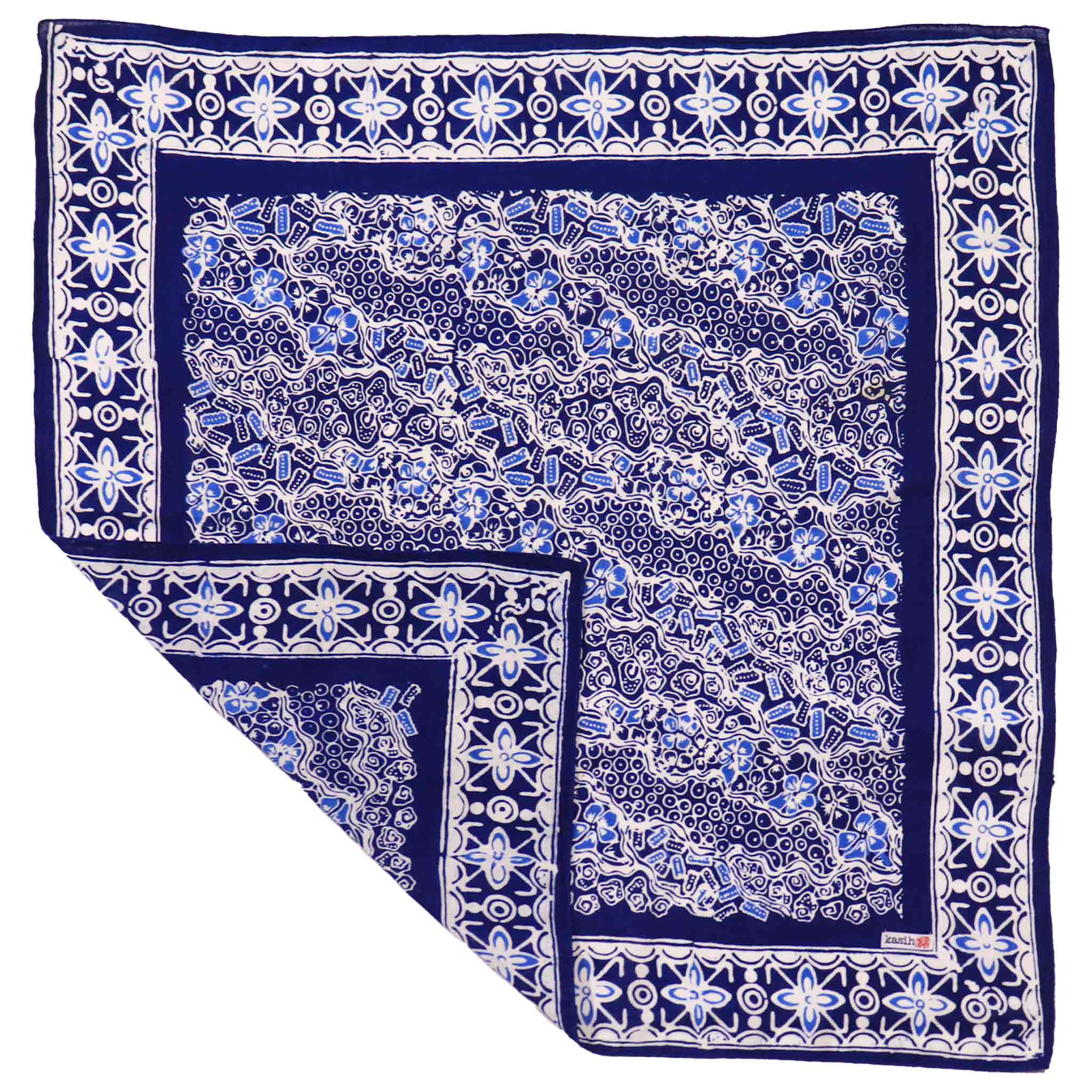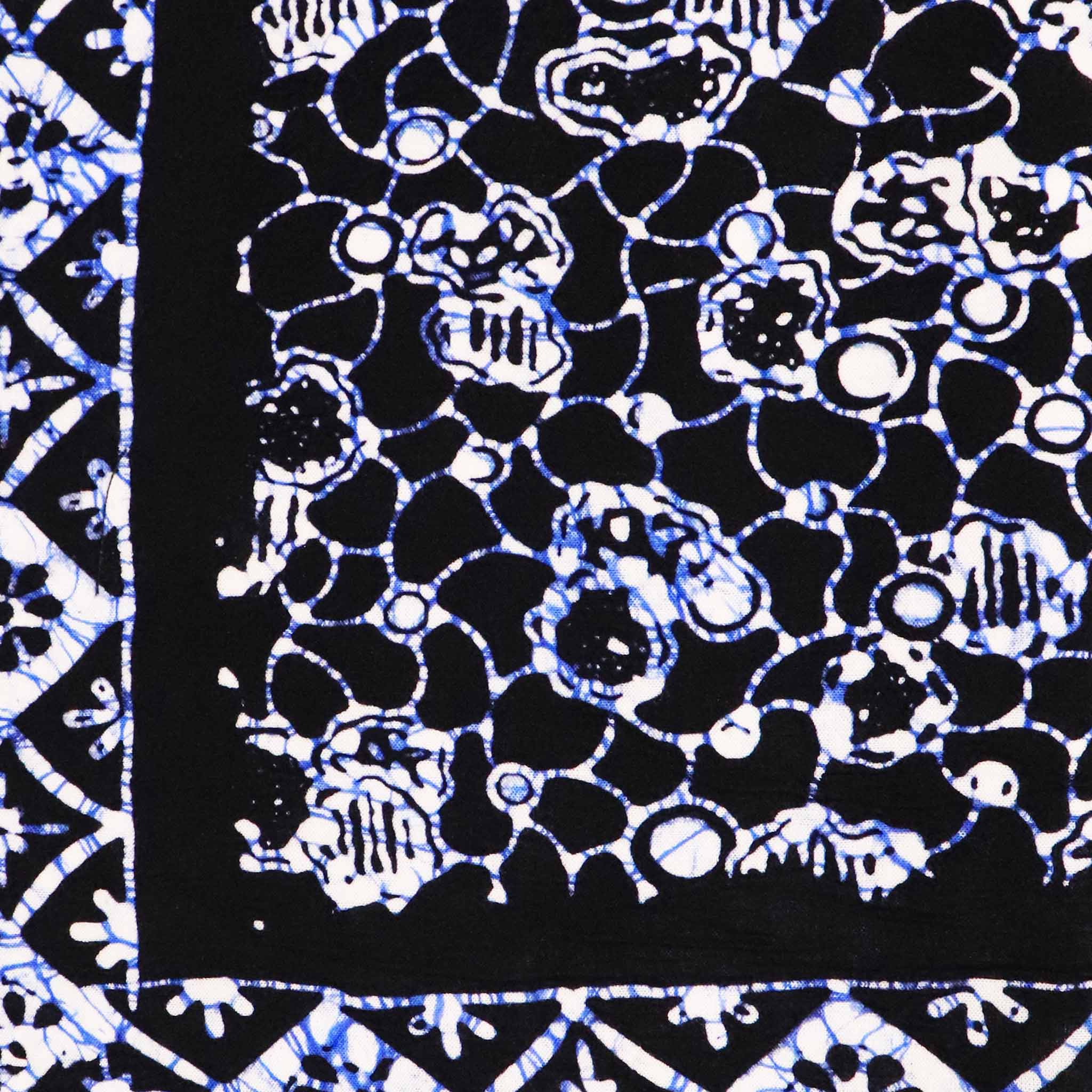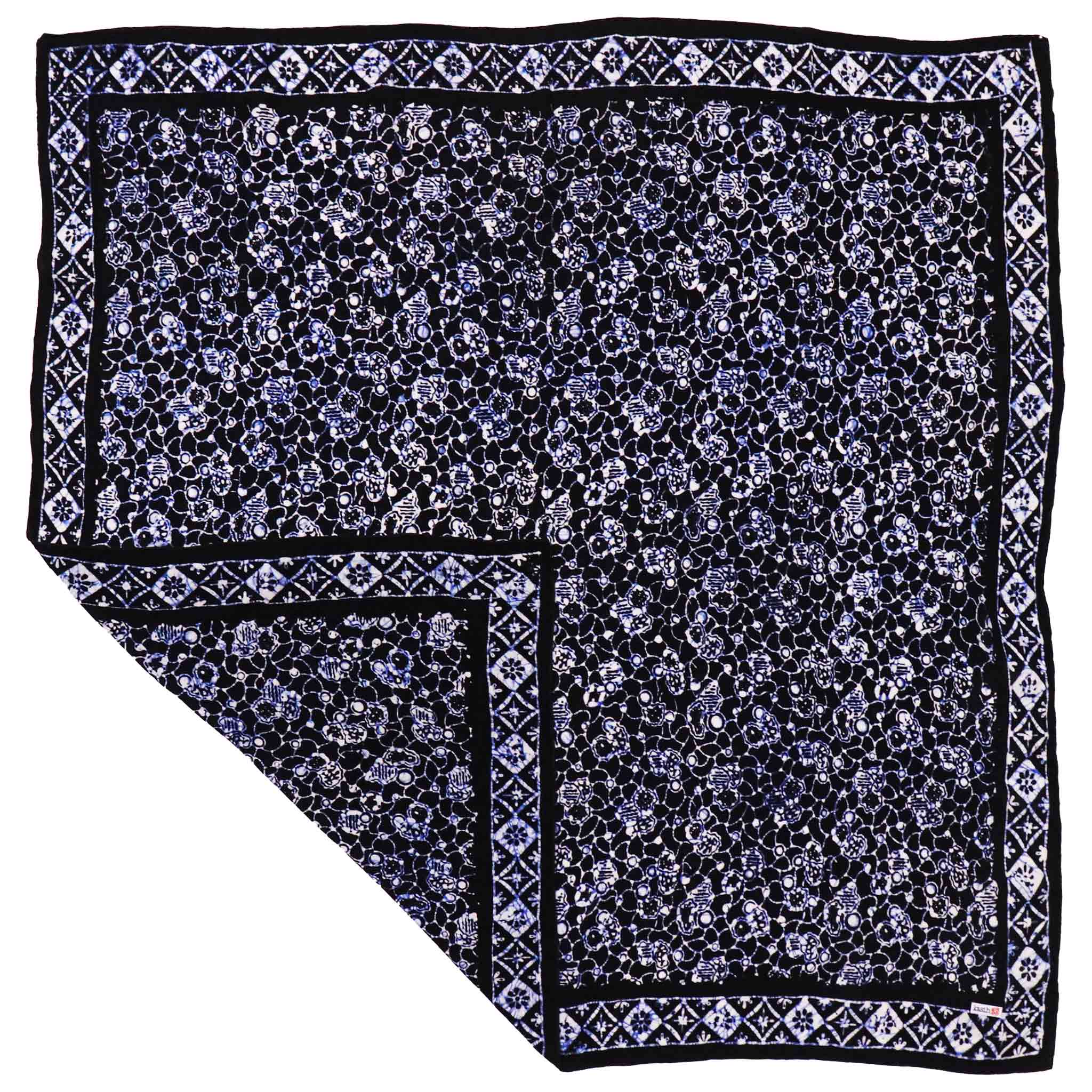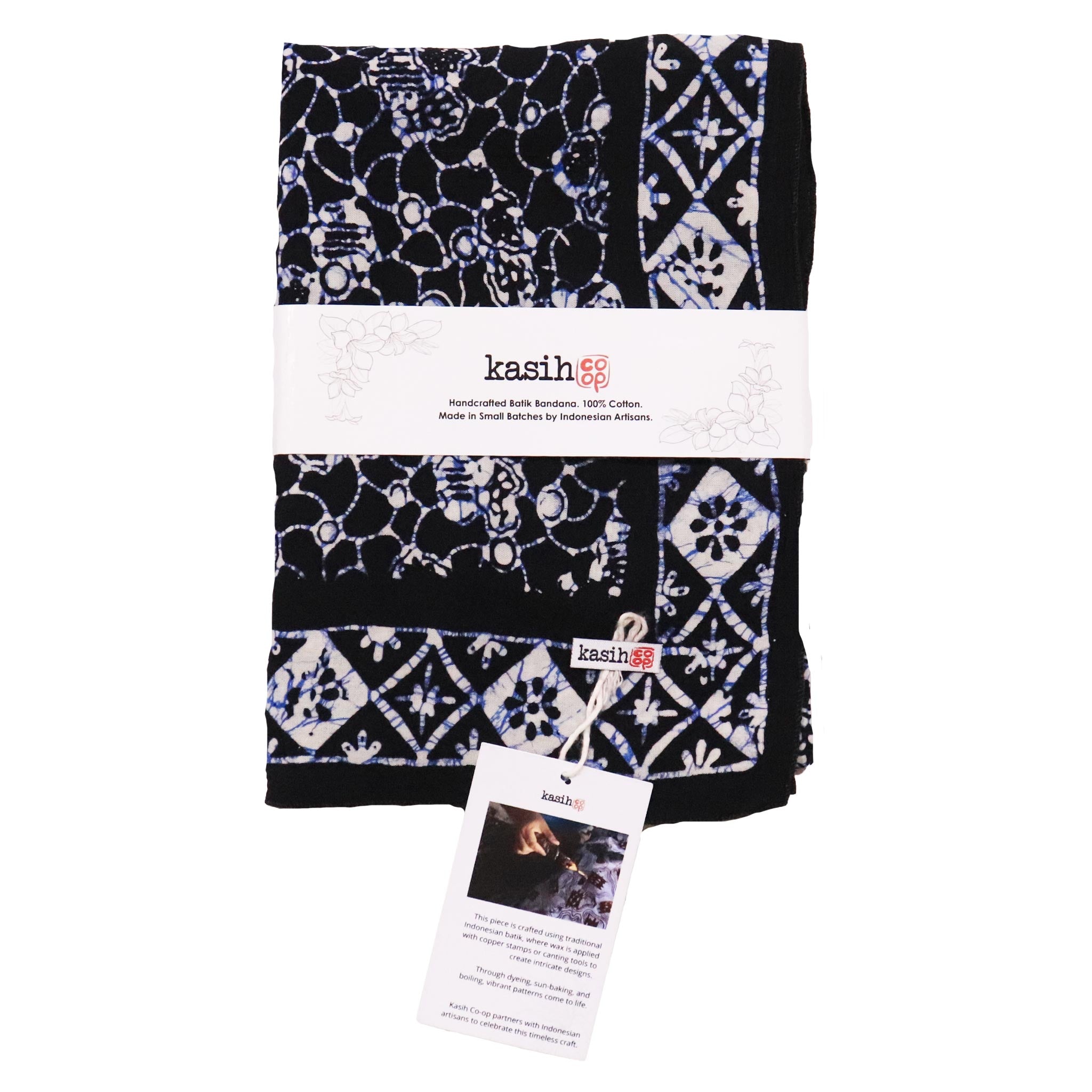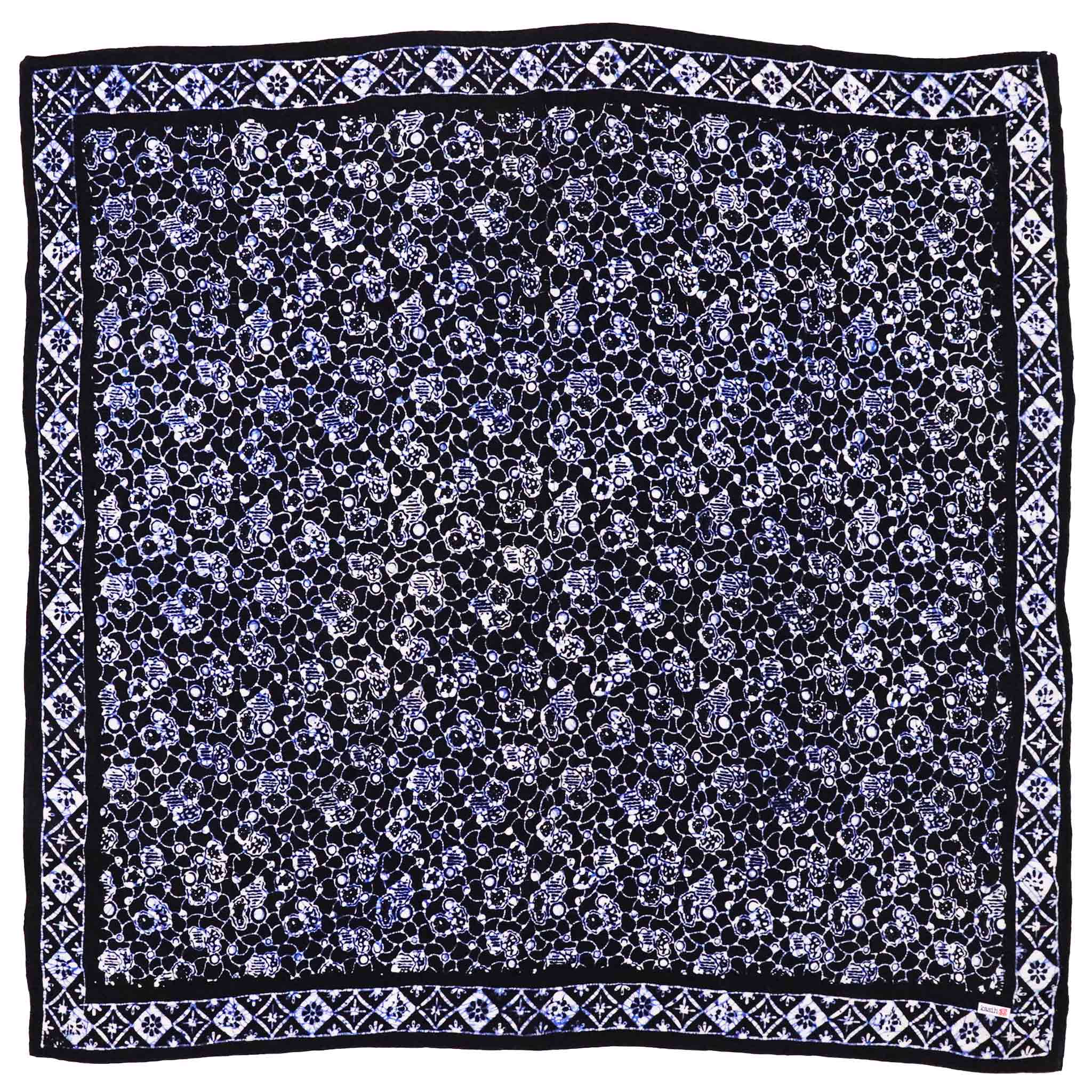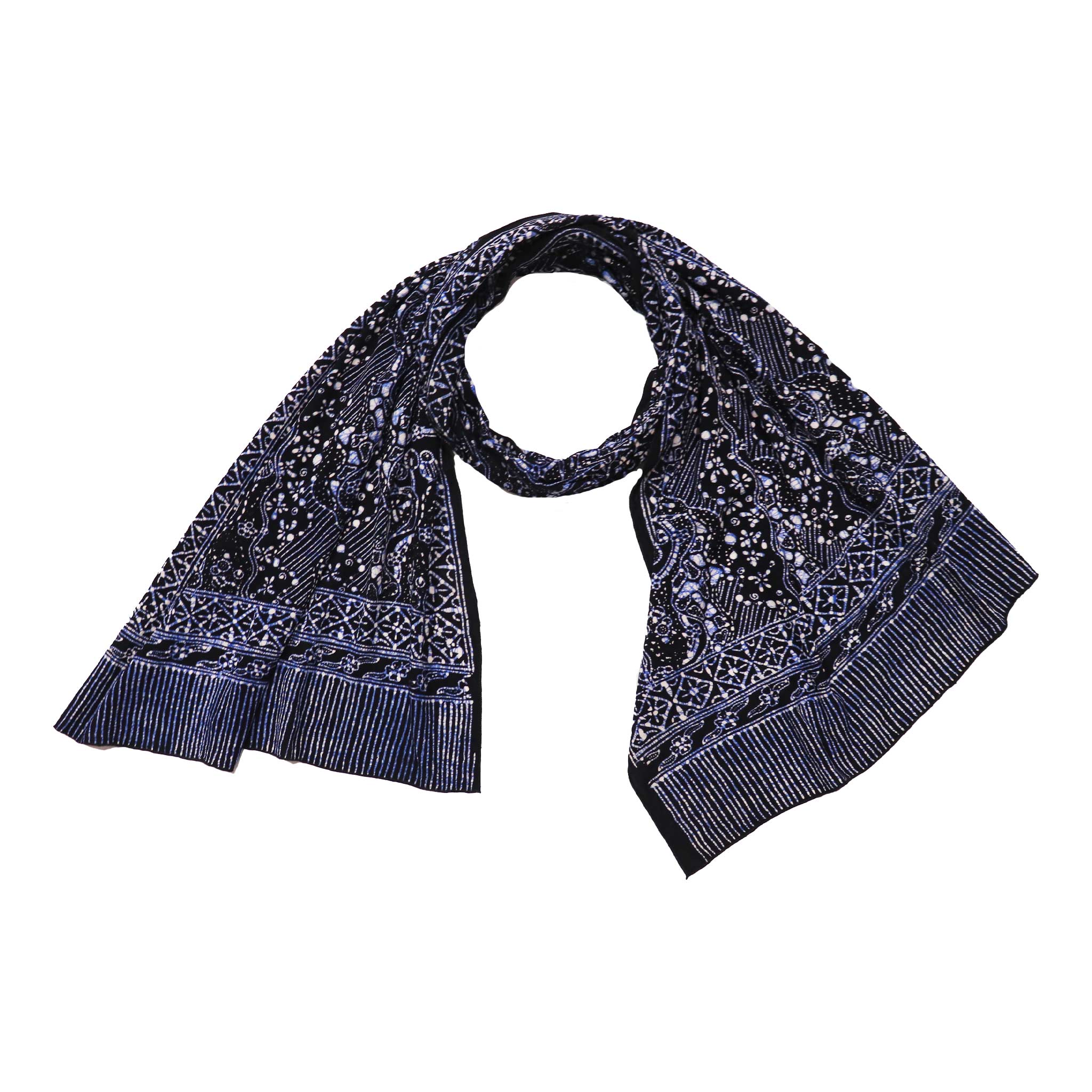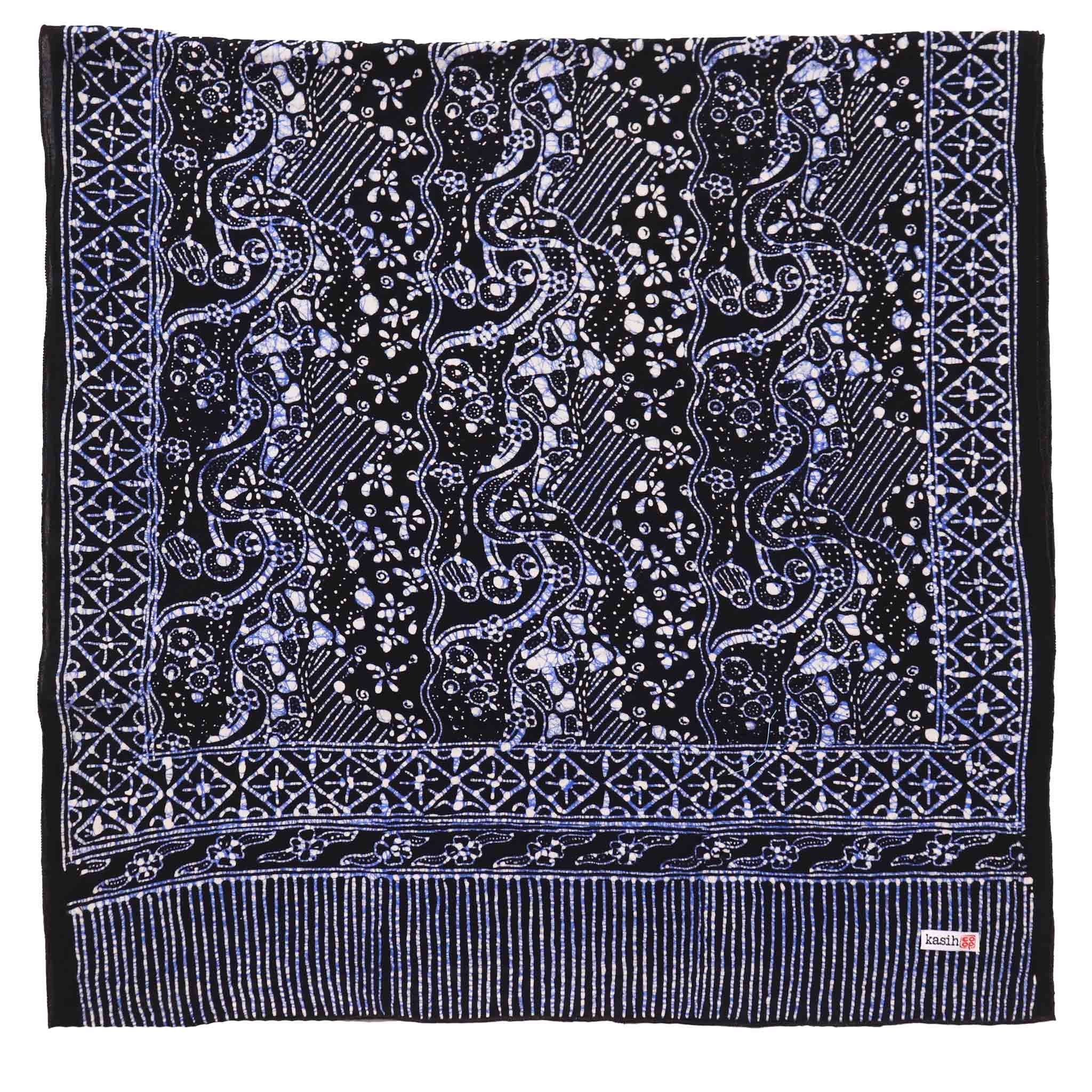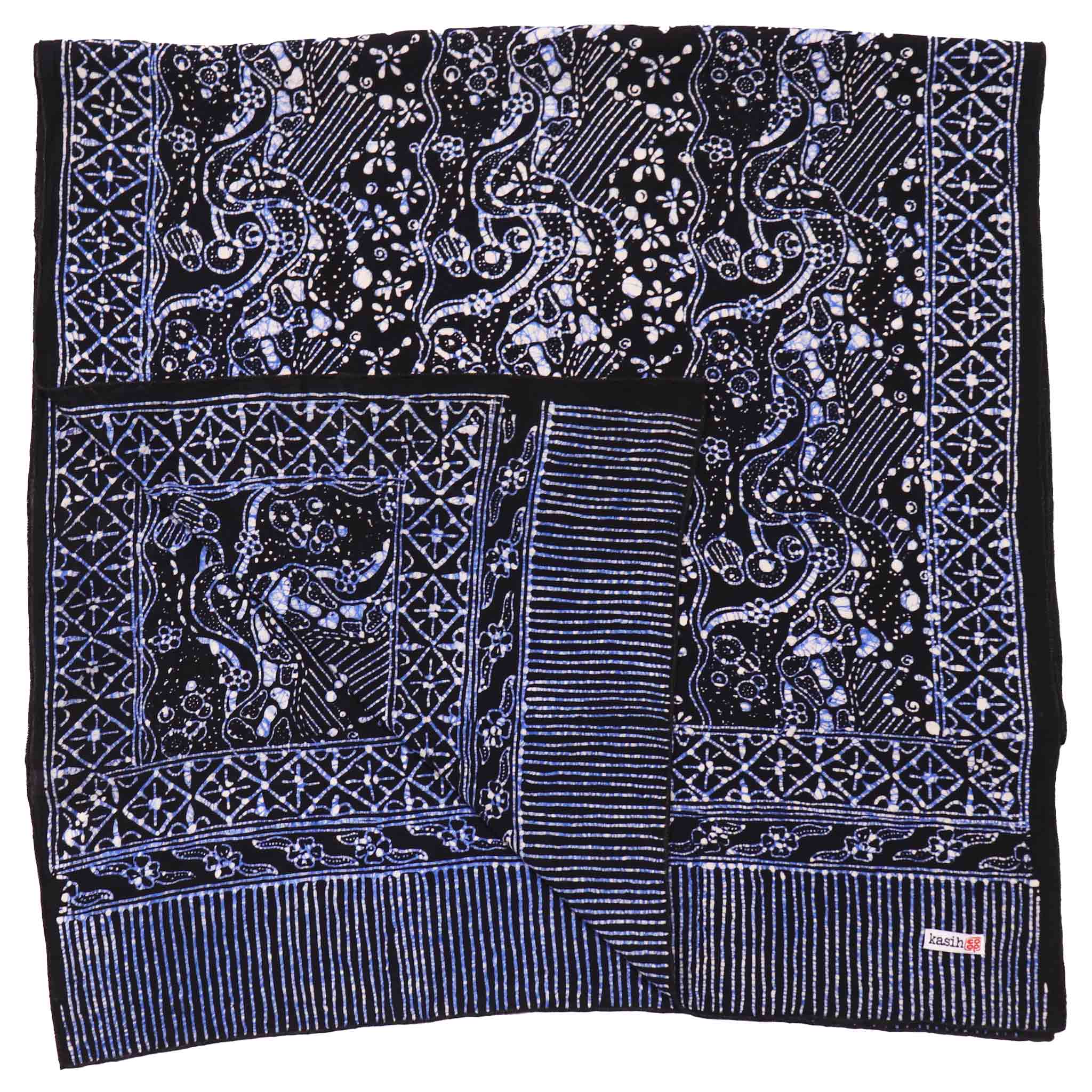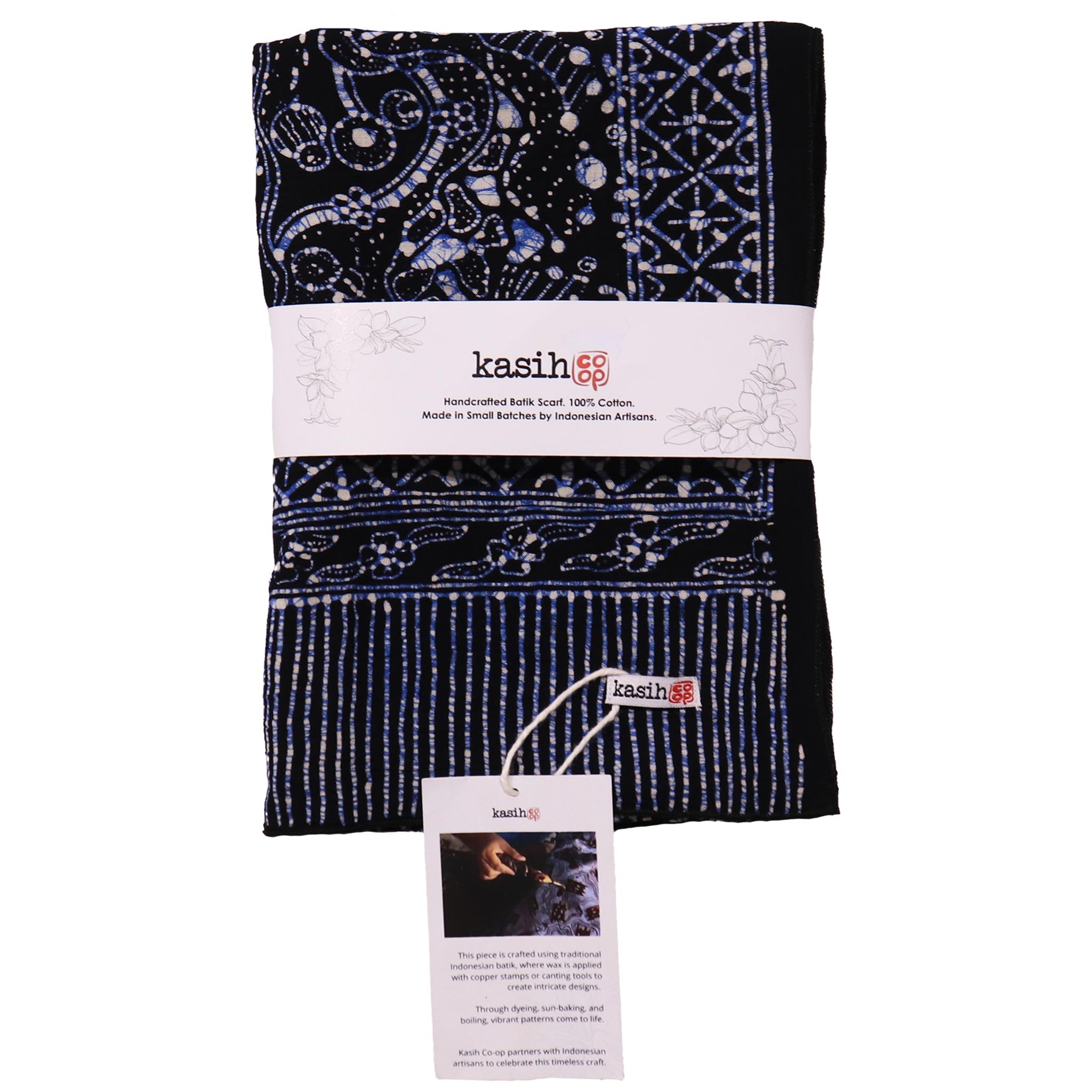
Dans un monde où les tendances changent du jour au lendemain et où les cycles de la mode évoluent plus vite que jamais, les textiles fabriqués lentement offrent une alternative rafraîchissante et nécessaire. Ces pièces soigneusement confectionnées ne sont pas seulement belles ; elles représentent la durabilité, la préservation culturelle et la production éthique. Voici pourquoi les textiles fabriqués lentement sont plus importants que jamais dans le paysage actuel de la mode rapide.
Que sont les textiles fabriqués lentement ?
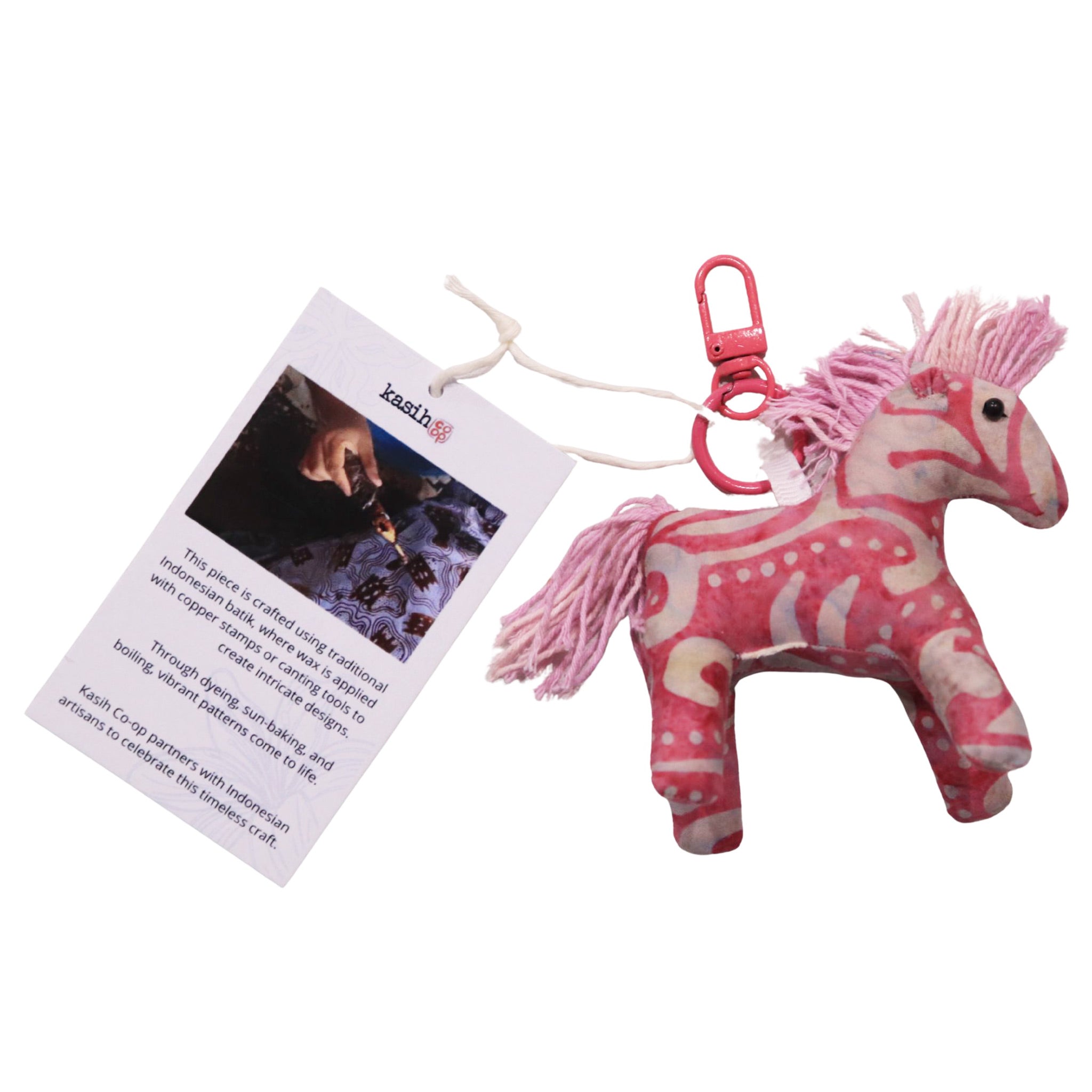
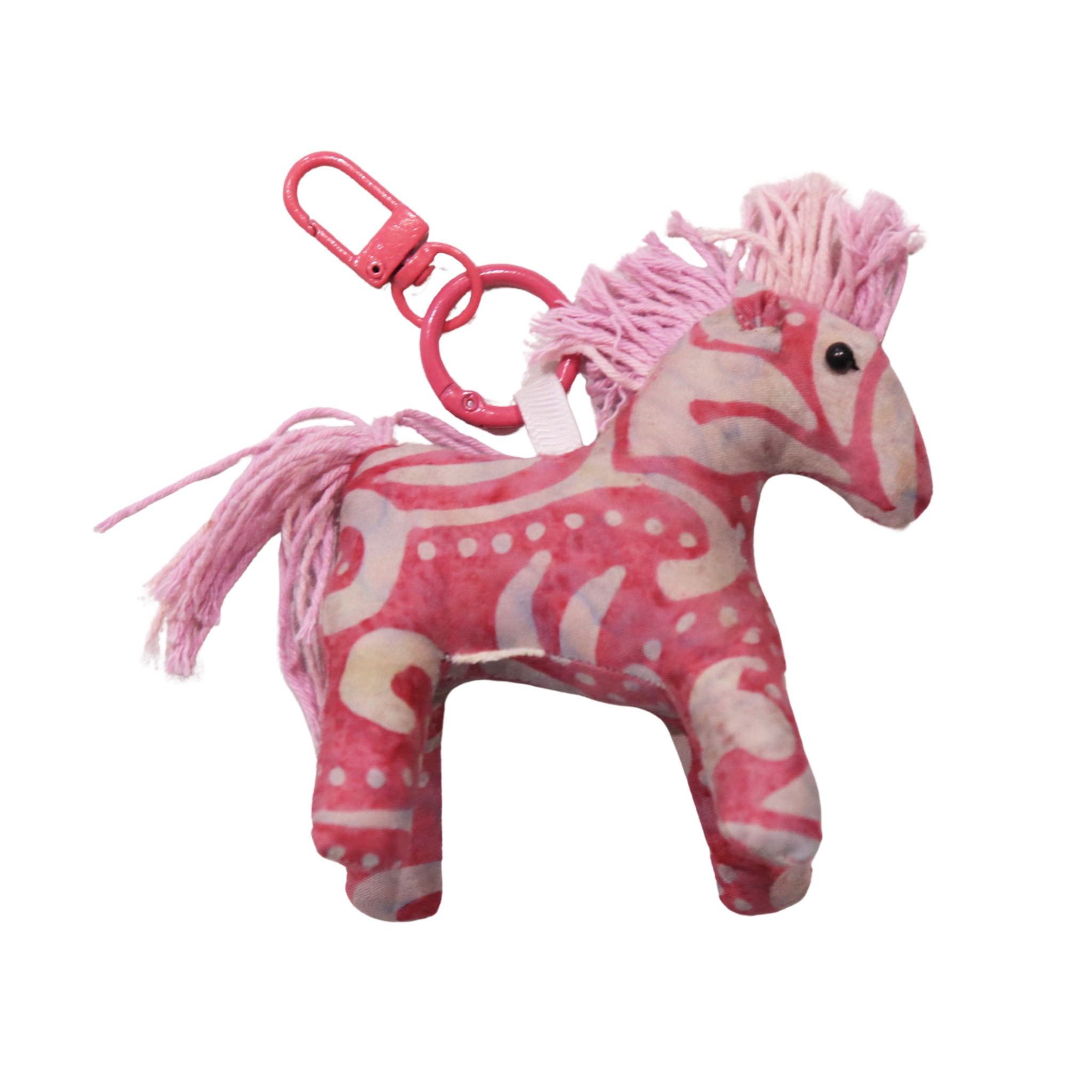
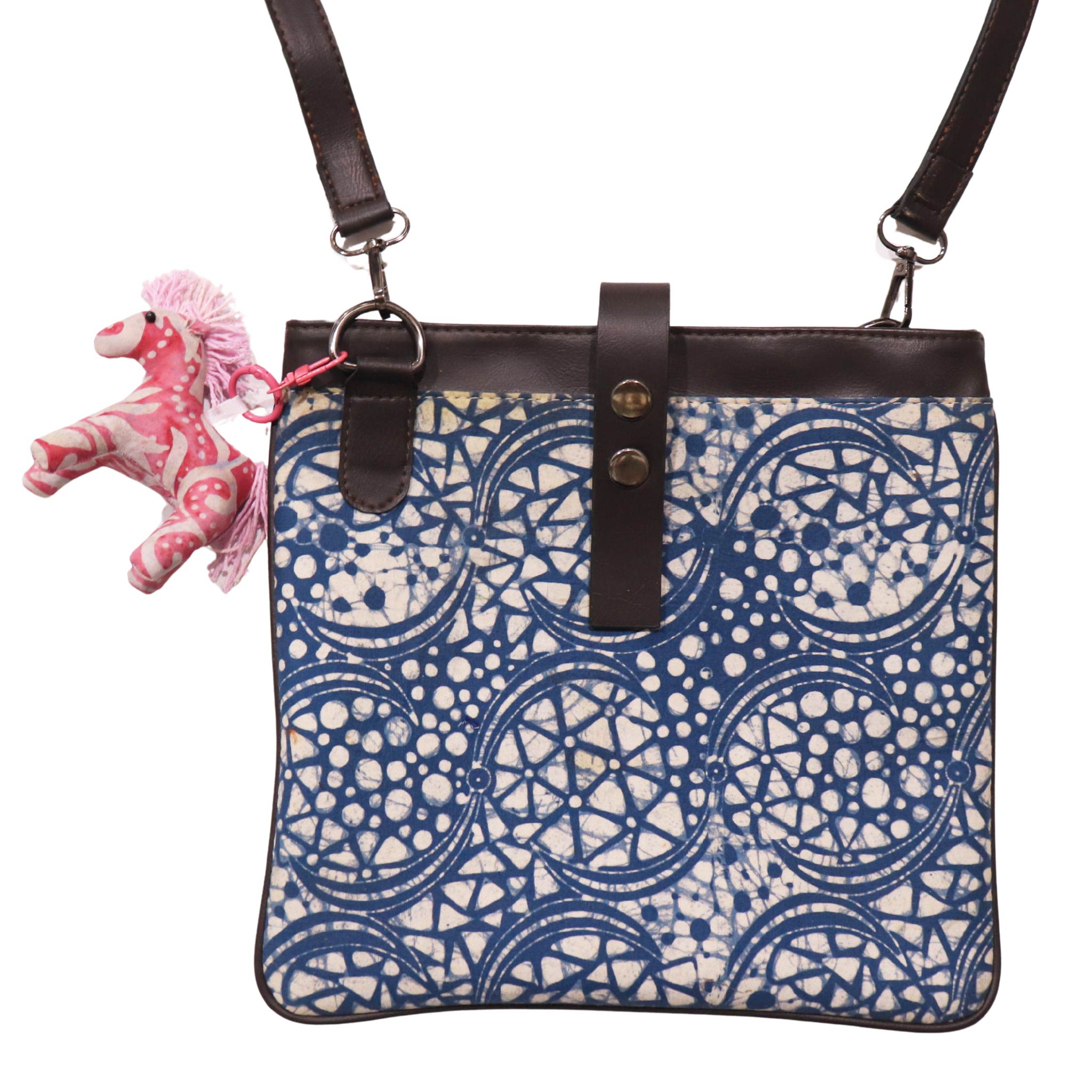
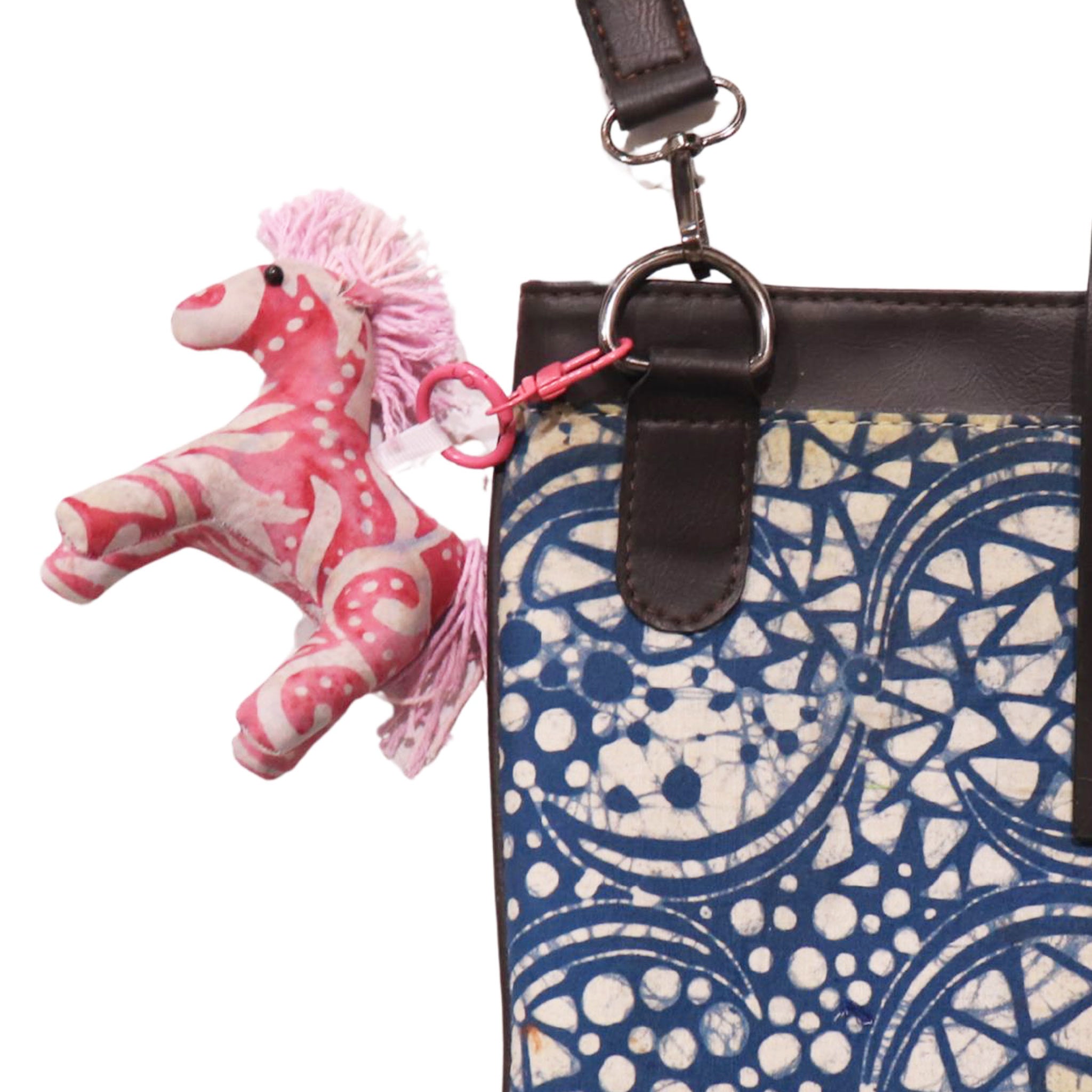
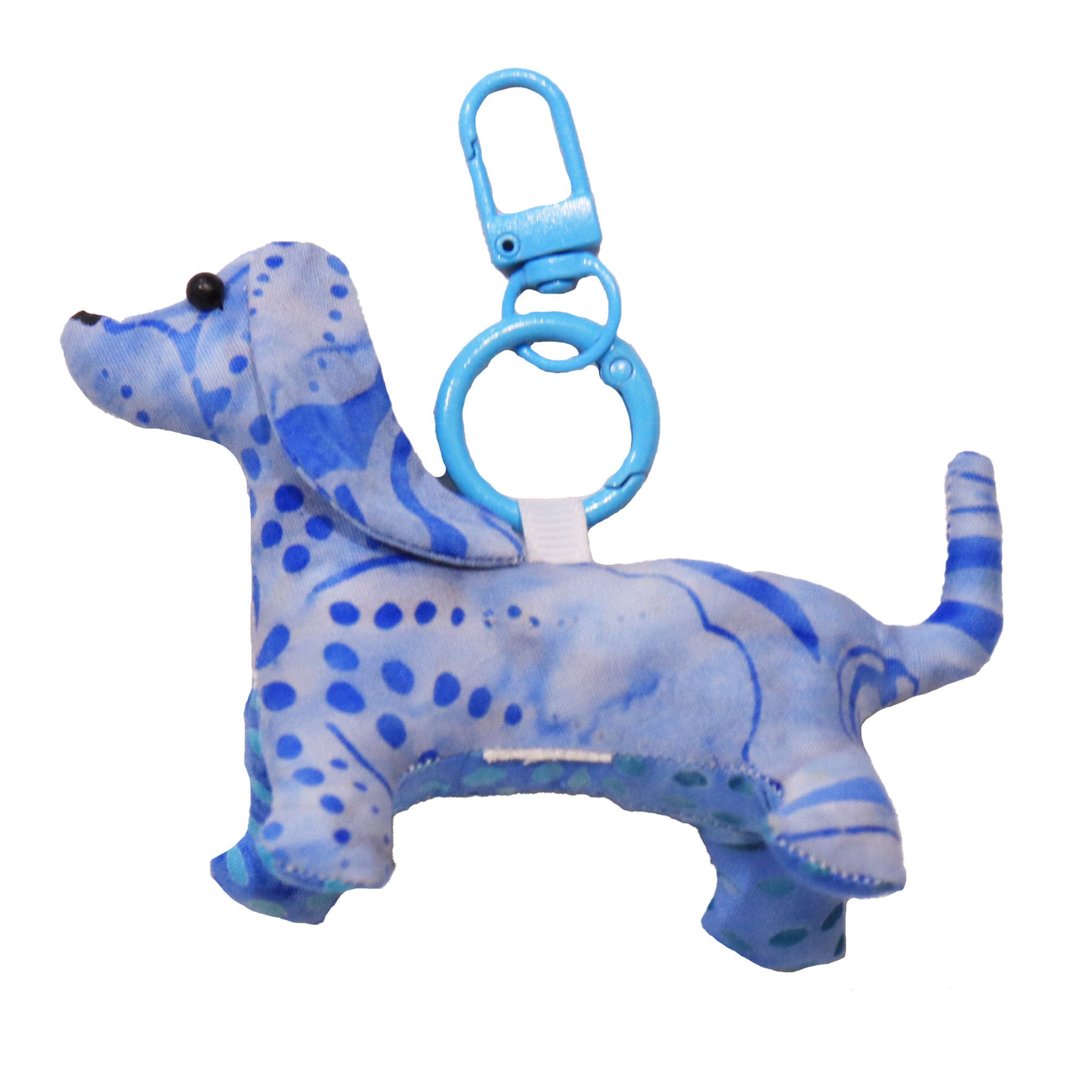
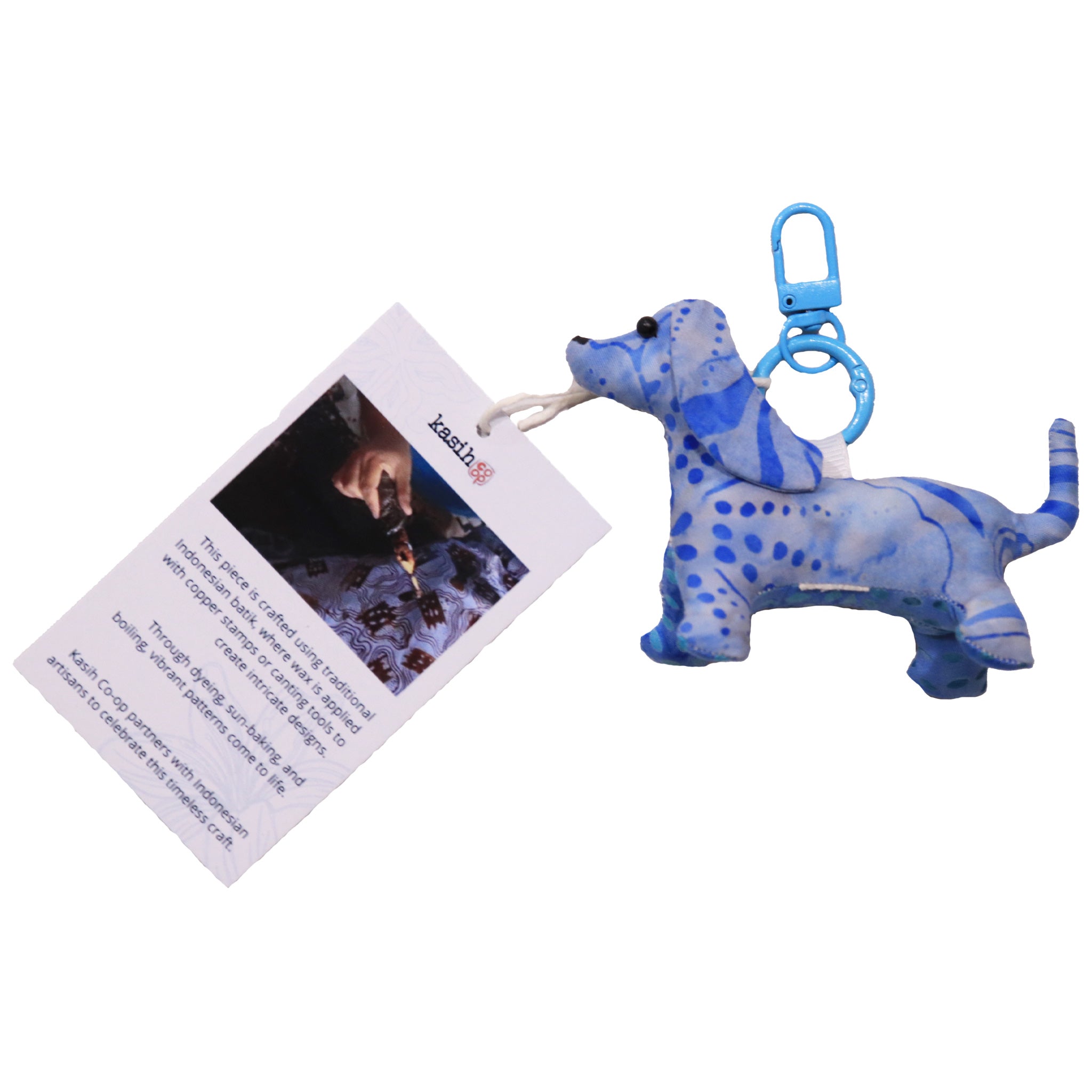
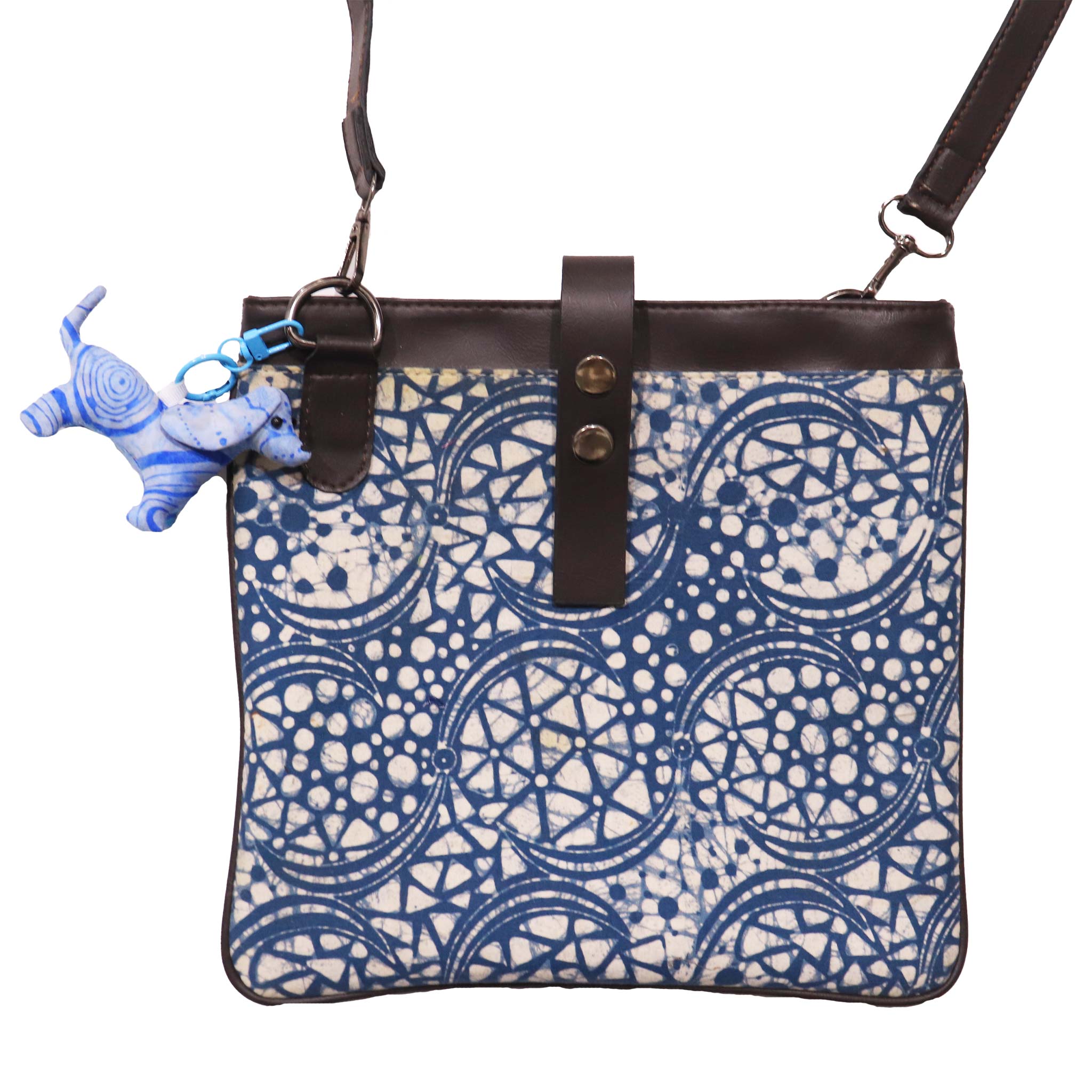
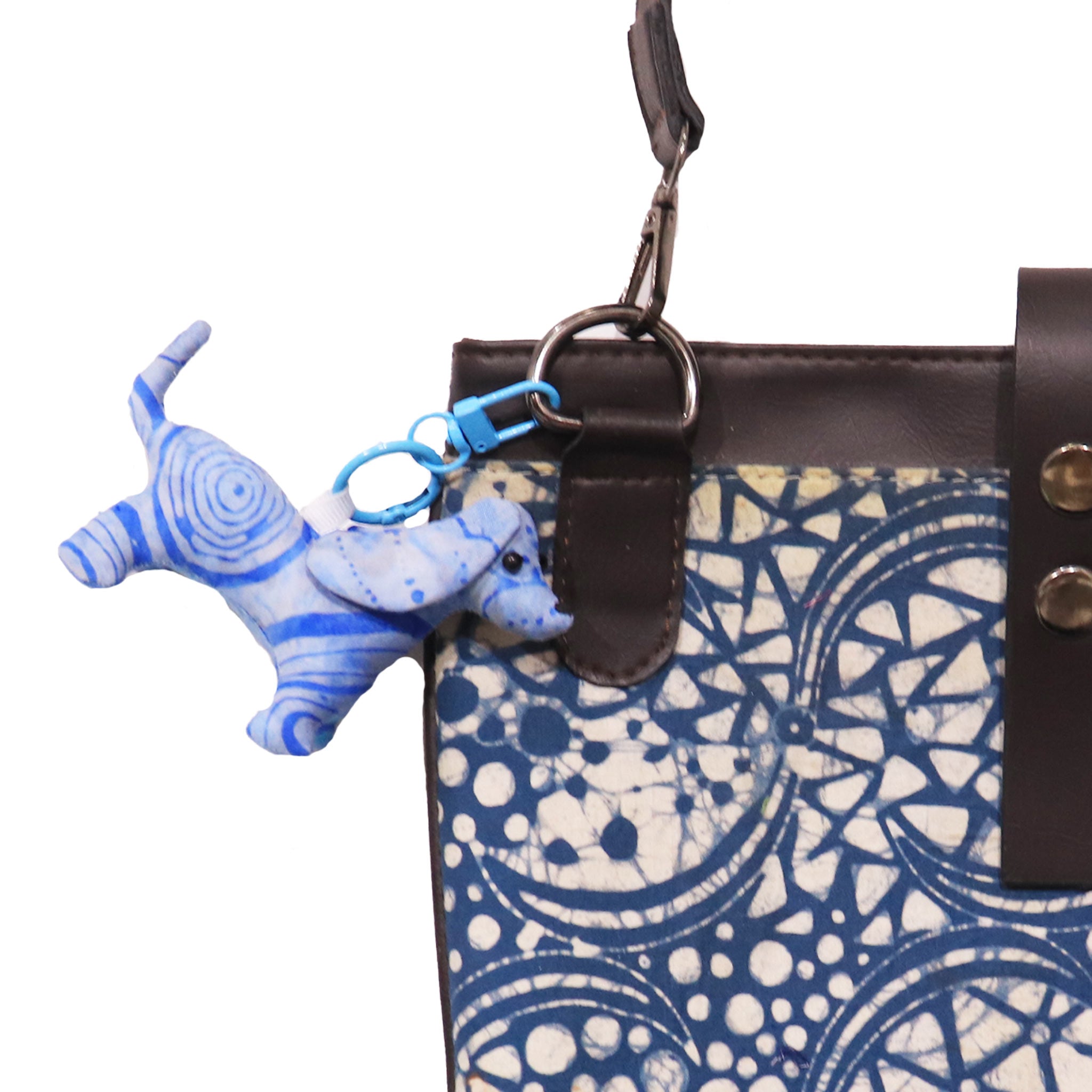
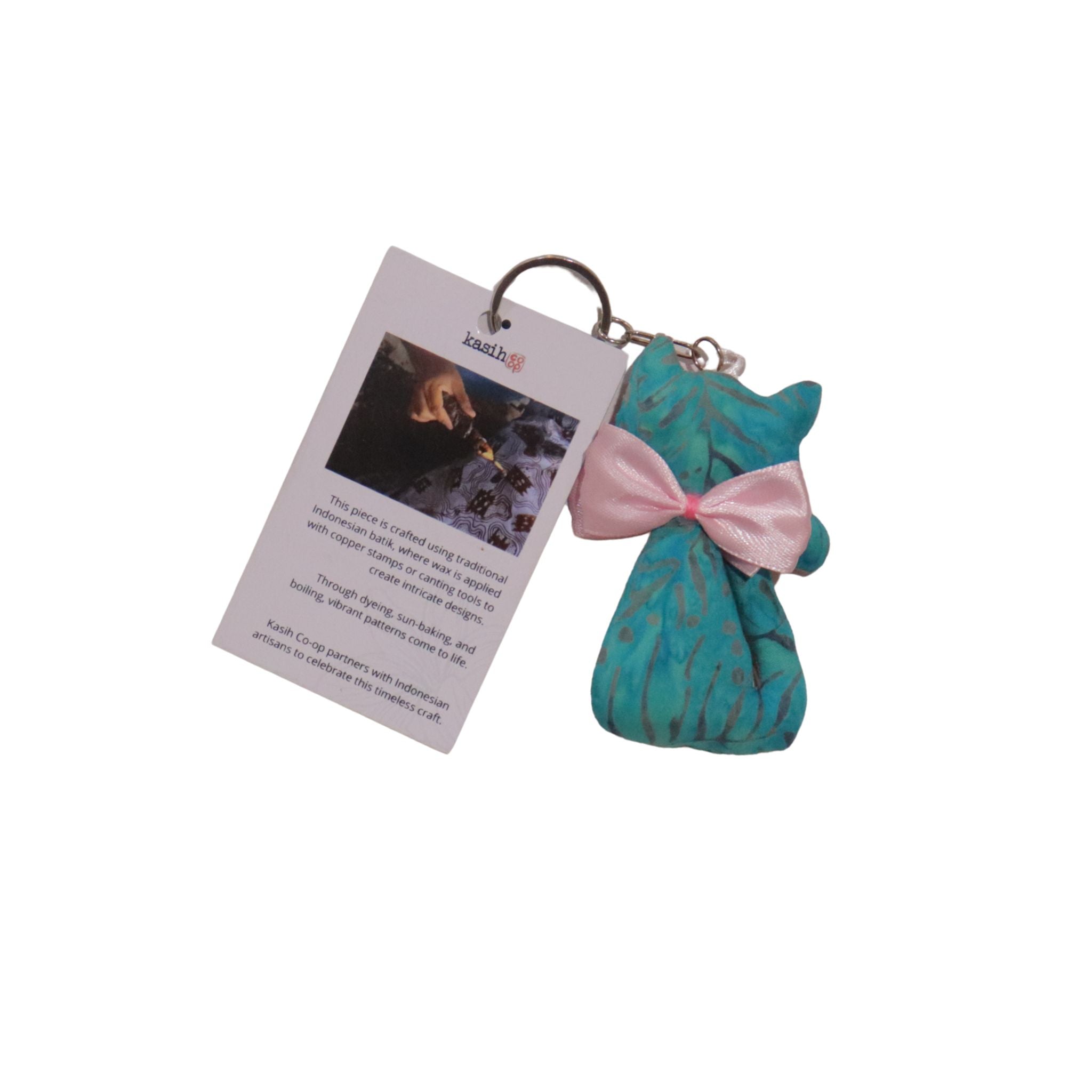
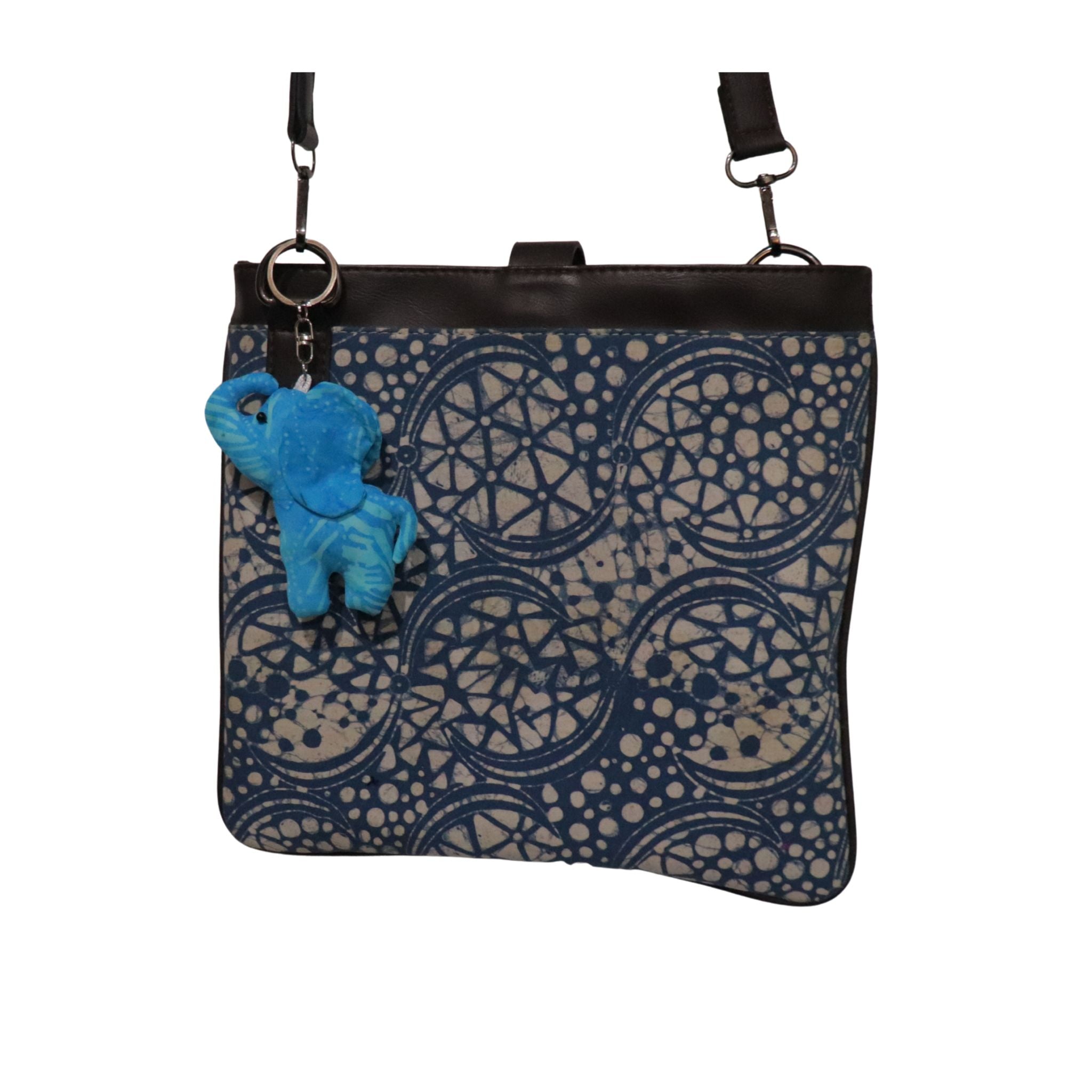
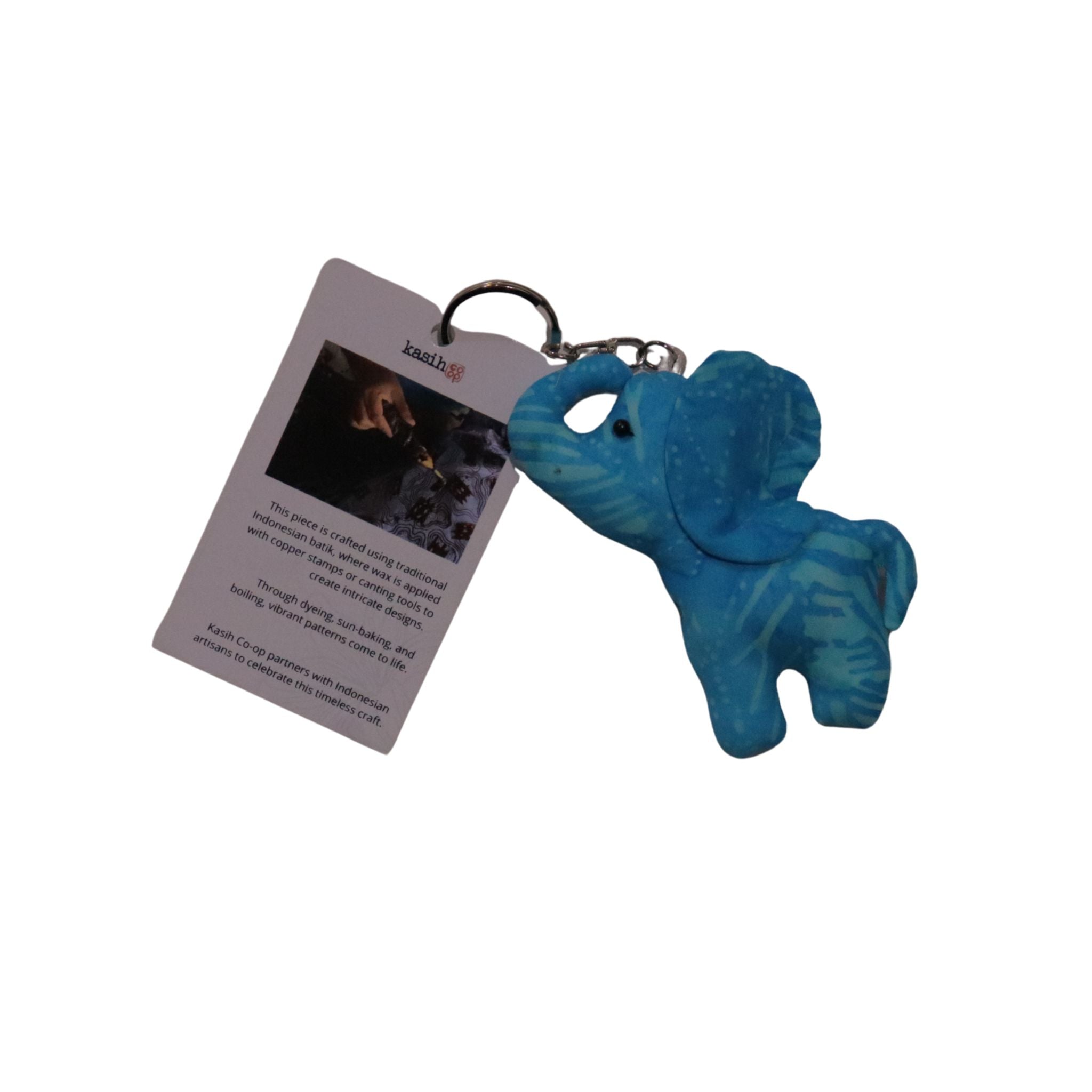
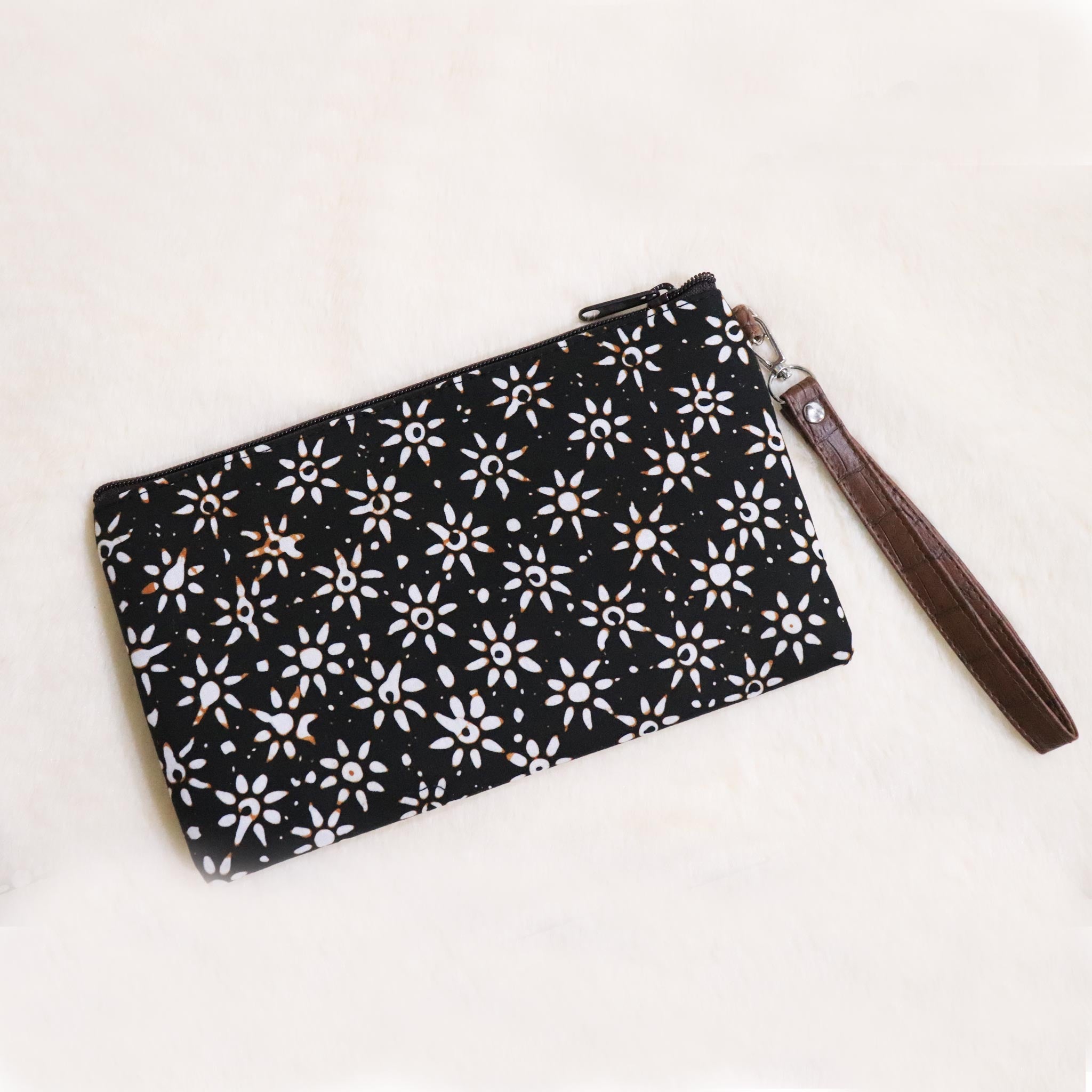
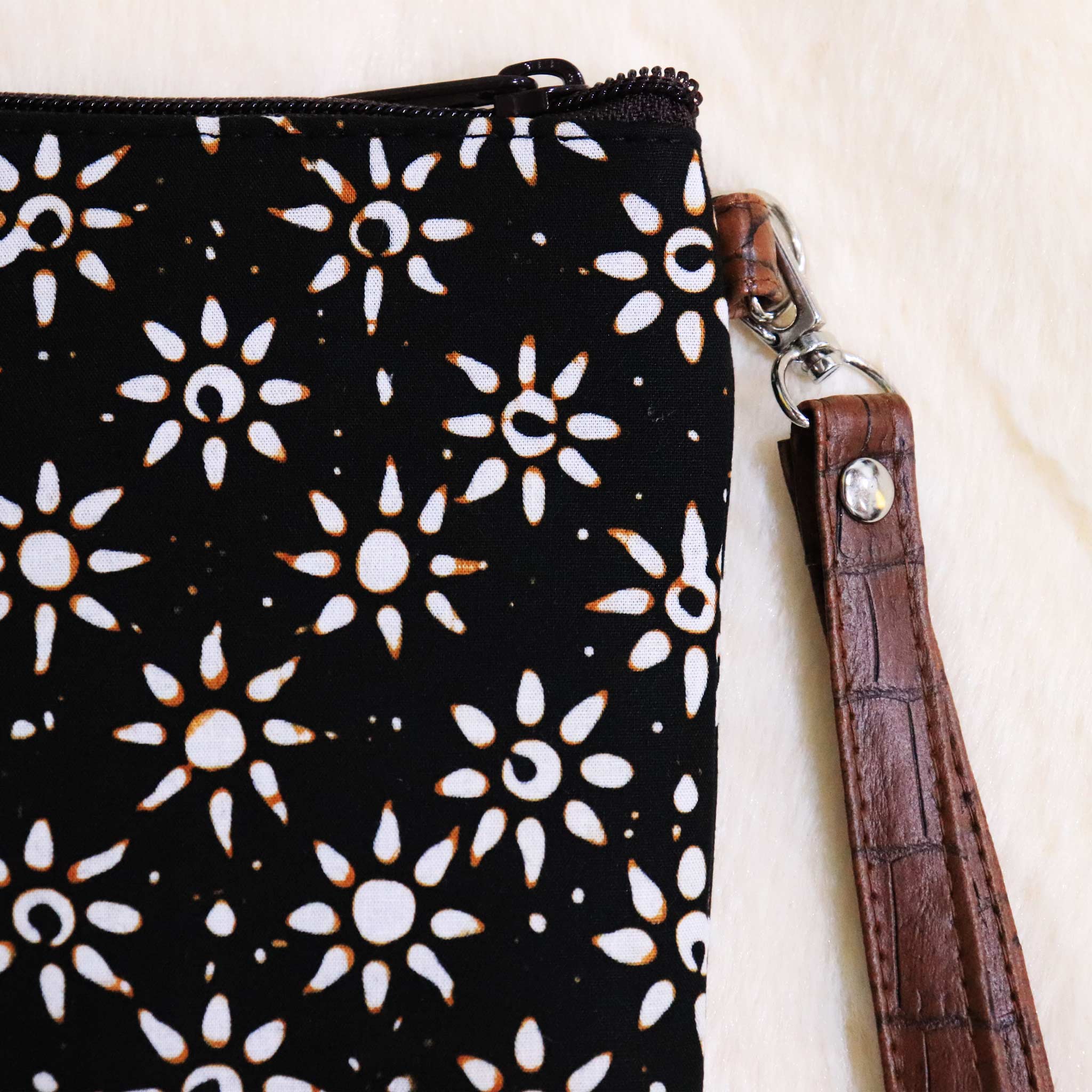
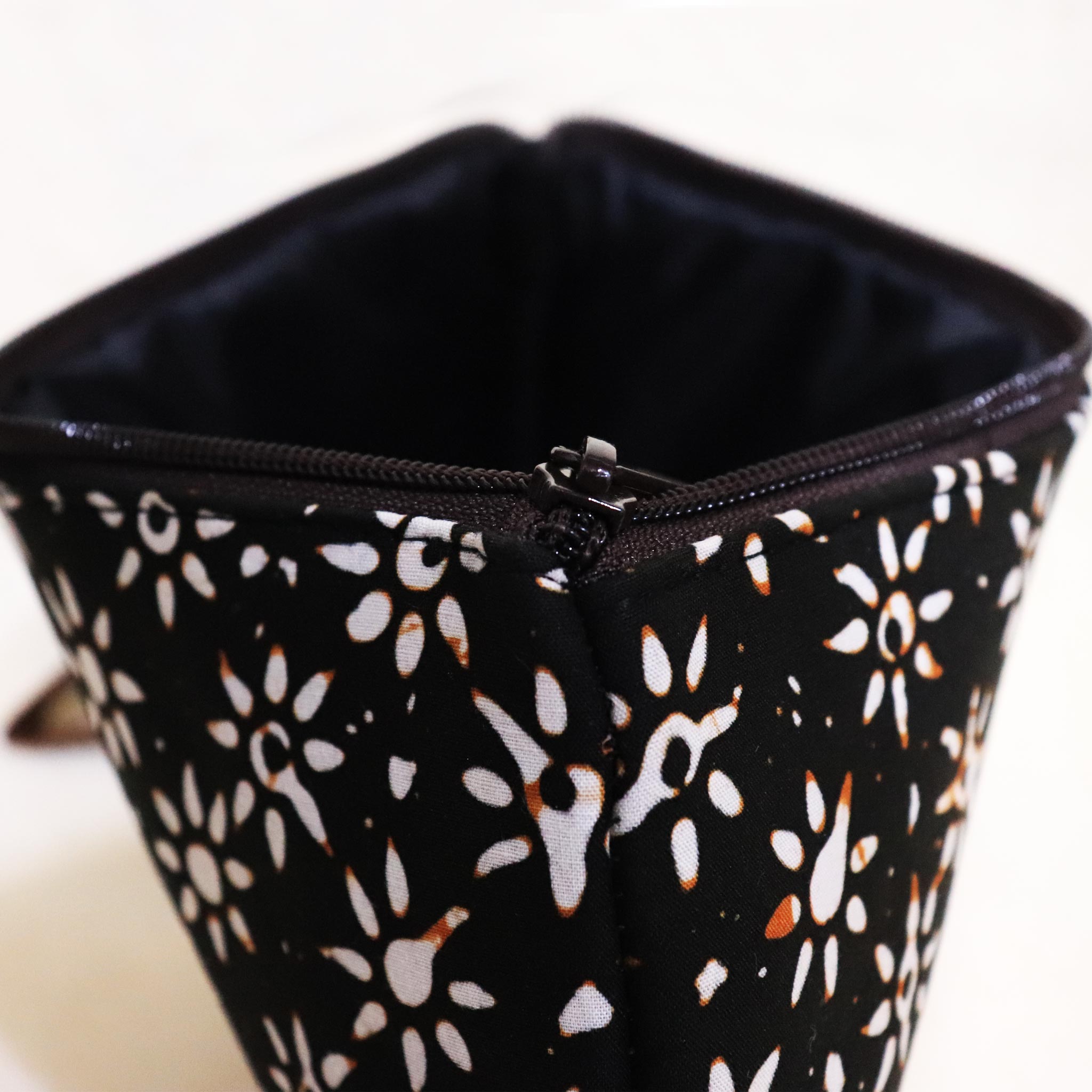
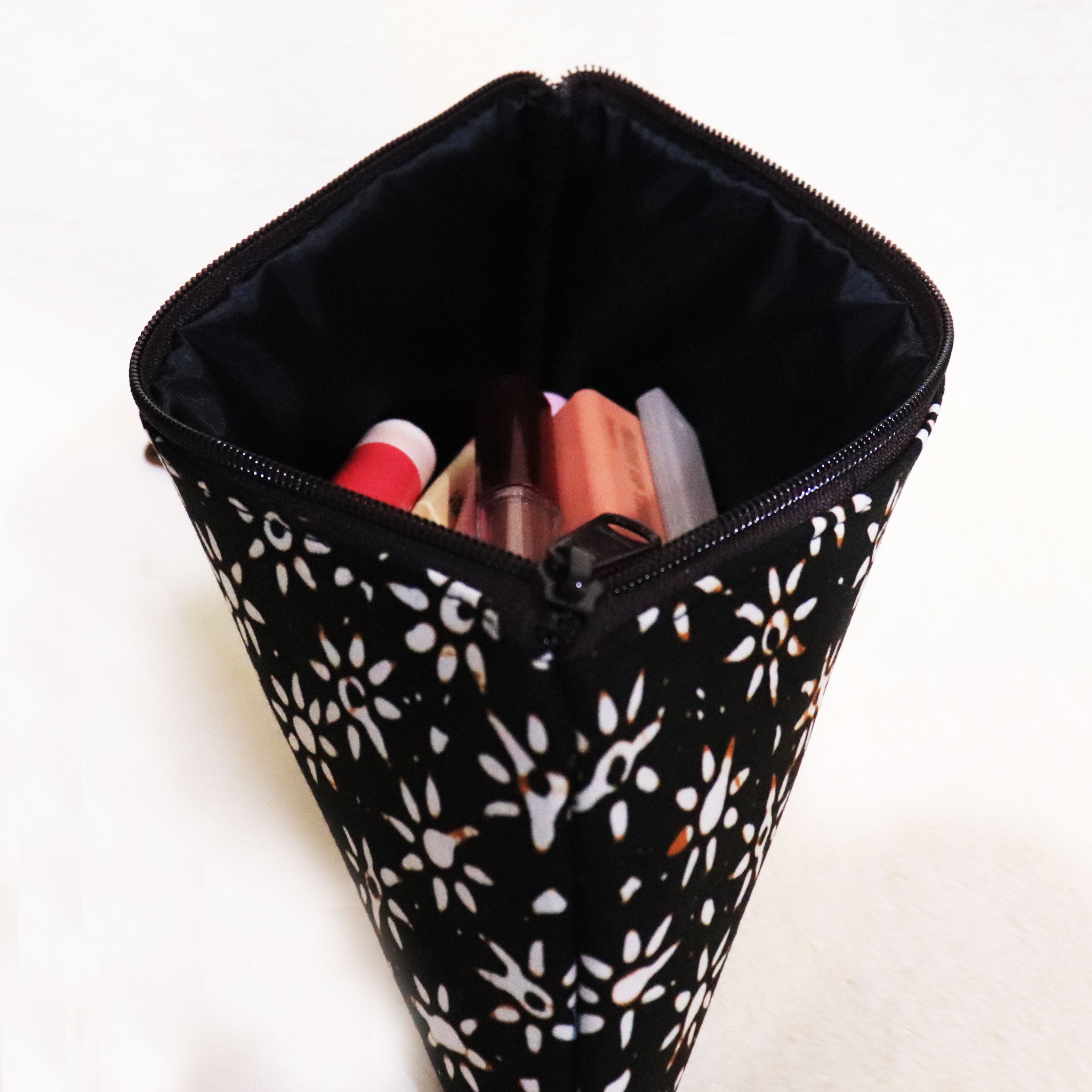
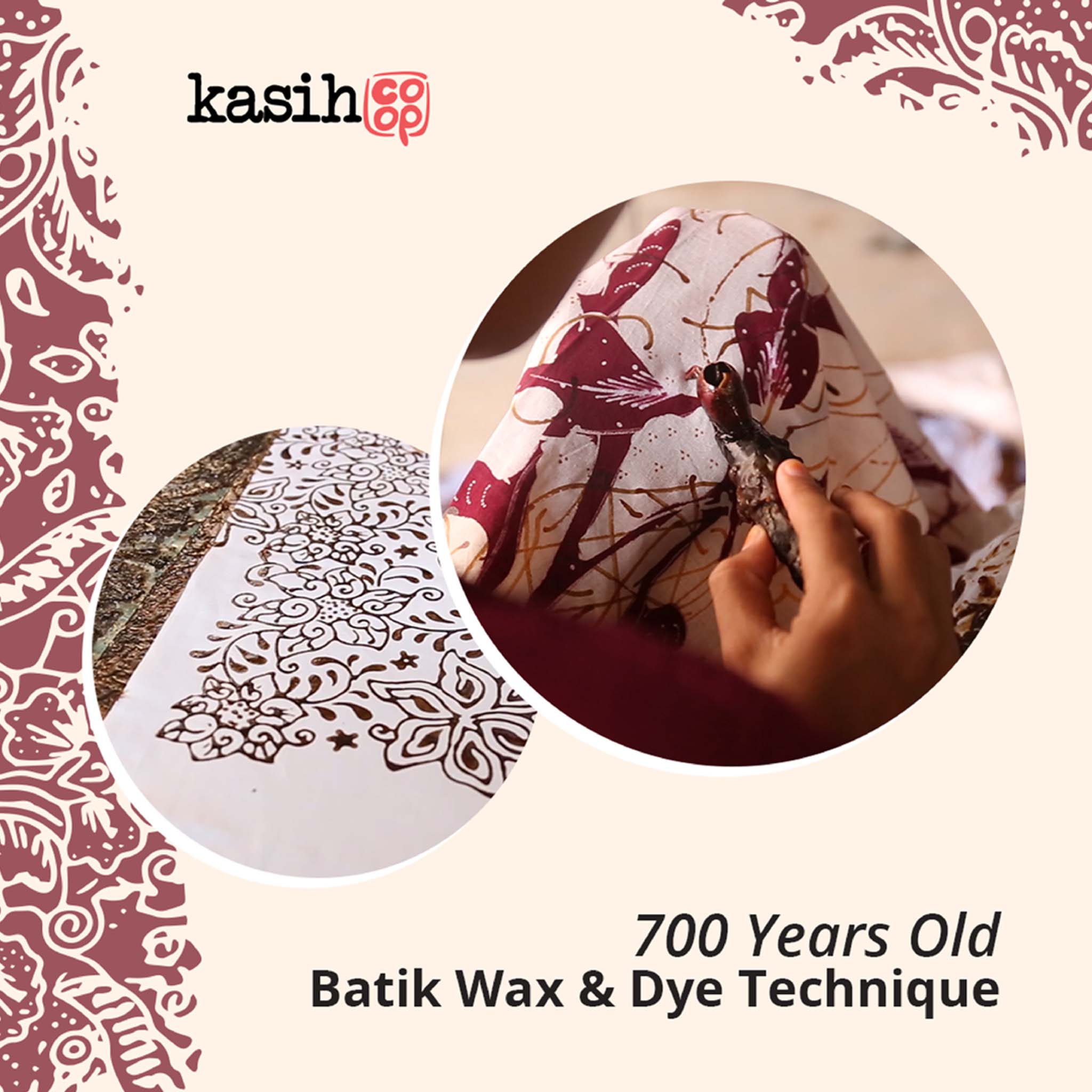
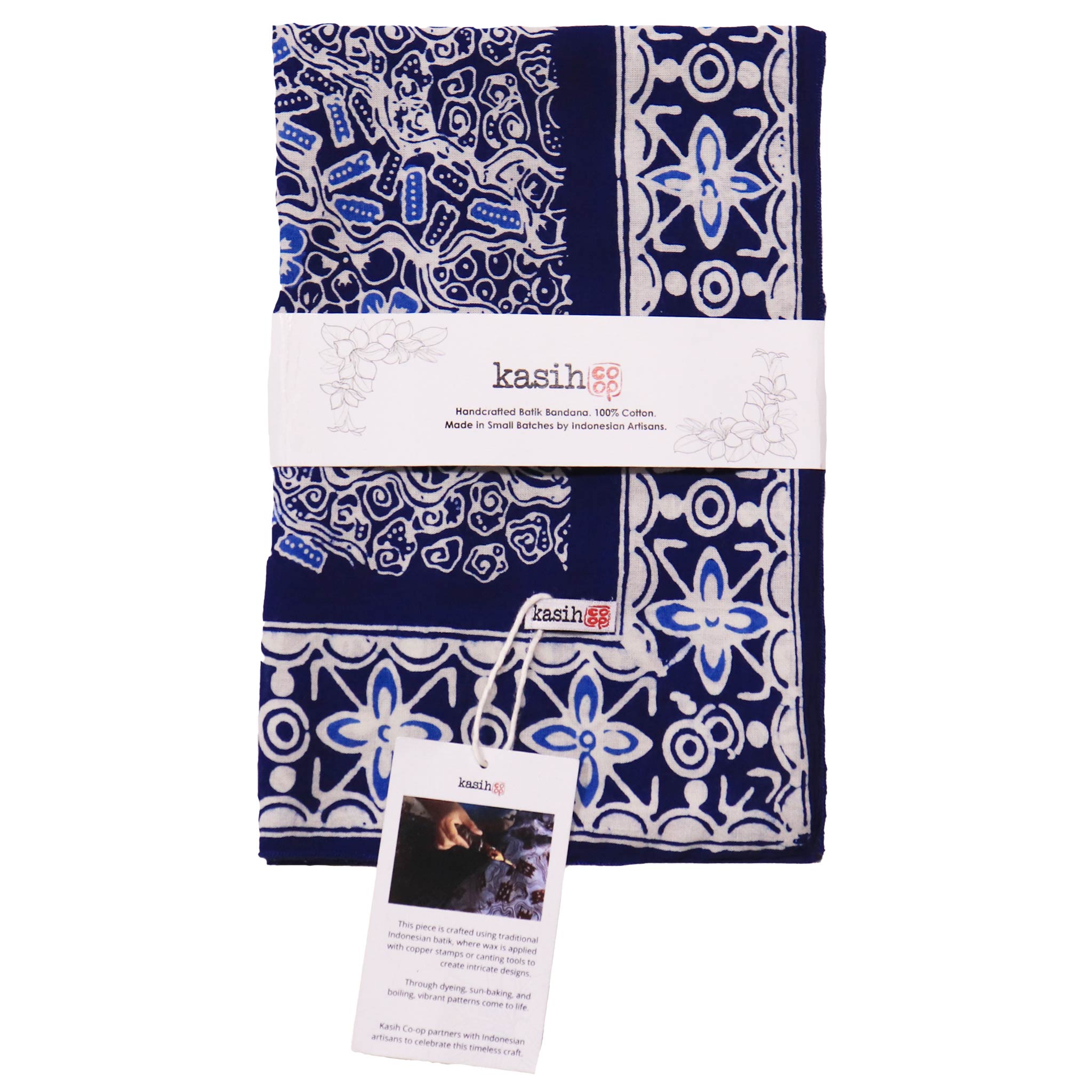
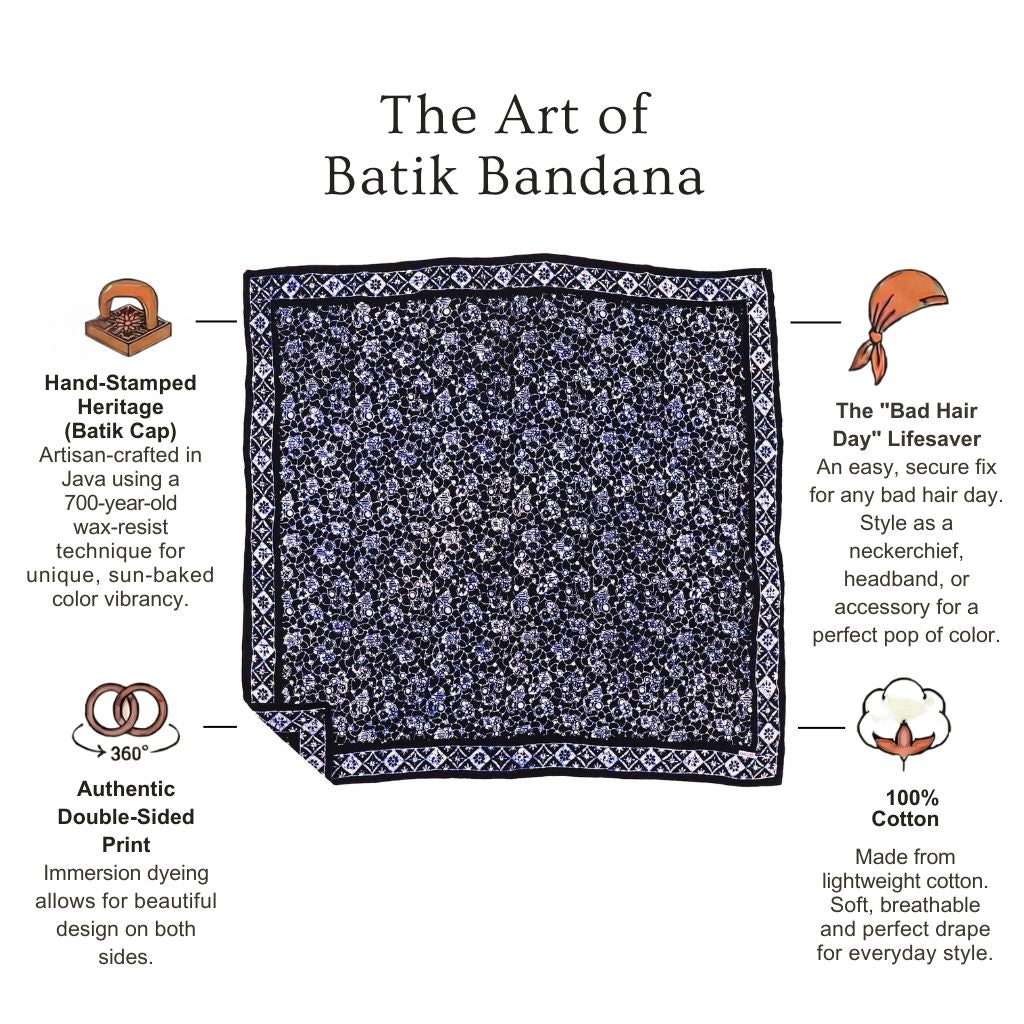
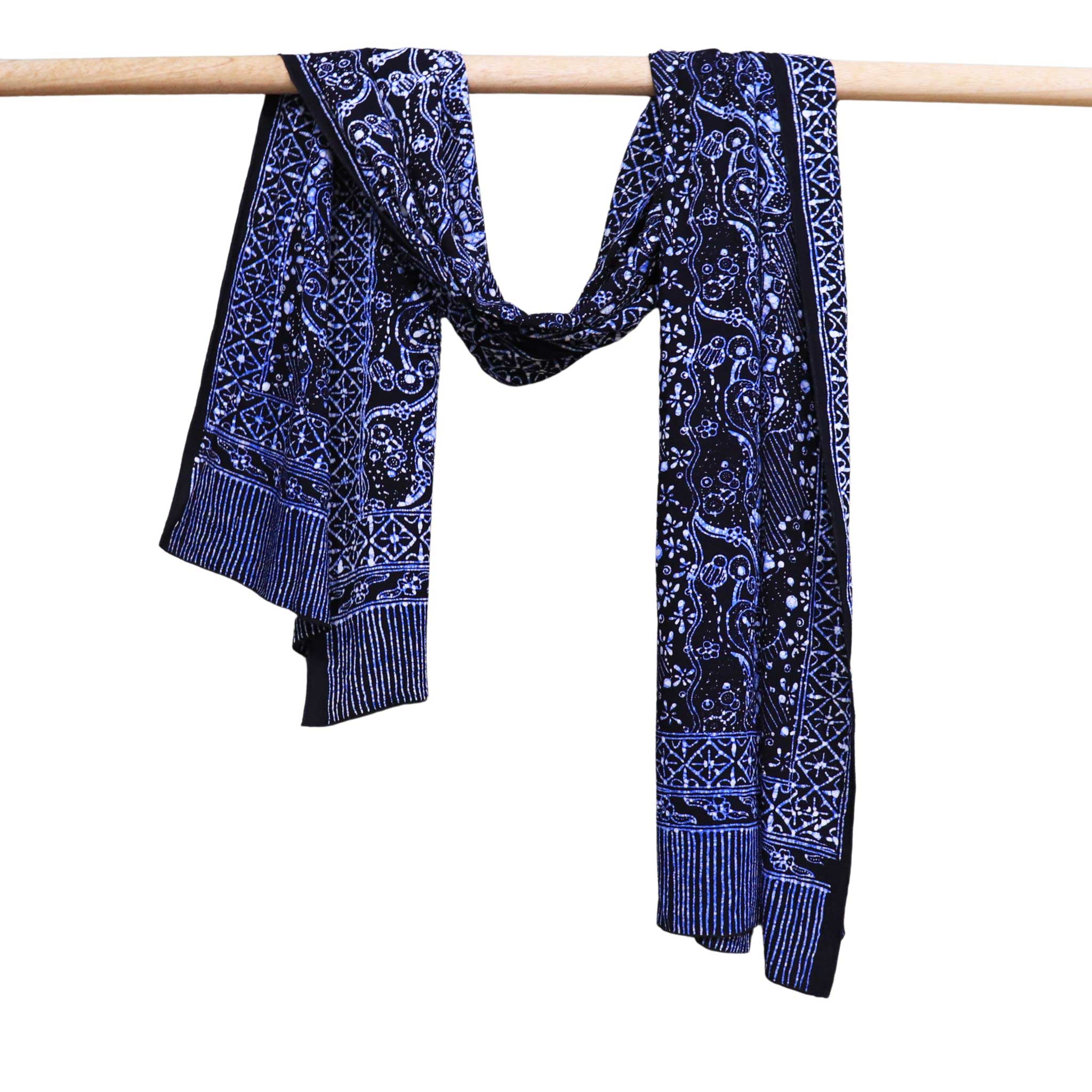
Les textiles fabriqués lentement sont des tissus créés à travers des processus intentionnels, souvent traditionnels. Ils privilégient l'artisanat sur la production de masse, la qualité sur la quantité et la durabilité sur la rapidité. Des techniques comme le tissage à la main, la teinture naturelle et la fabrication du batik illustrent cette approche. Chaque pièce prend du temps, parfois des heures, parfois des semaines, mais le résultat est quelque chose de vraiment significatif.
1. Ils préservent le patrimoine culturel
De nombreux textiles fabriqués lentement sont enracinés dans des traditions séculaires transmises de génération en génération. Le batik, l'ikat, le tenun et les méthodes de teinture artisanales ne sont pas seulement des techniques, ce sont des histoires vivantes.
En choisissant des pièces fabriquées lentement, vous soutenez les artisans qui maintiennent ces pratiques culturelles en vie. En revanche, la mode rapide reconnaît rarement les origines de ses designs, copiant souvent des motifs traditionnels sans crédit ni compensation.
2. Ils soutiennent un travail éthique et des salaires équitables
La mode rapide prospère grâce à une main-d'œuvre bon marché et une production rapide. Cela signifie souvent des conditions de travail contraires à l'éthique et des travailleurs sous-payés.
Les textiles fabriqués lentement inversent cette tendance.
Les artisans sont rémunérés équitablement pour leur temps, leur compétence et leur art. Le rythme de production respecte la capacité humaine, et non les délais des entreprises. Lorsque vous achetez des produits fabriqués lentement, vous contribuez directement à des moyens de subsistance durables et au développement communautaire.
3. Ils sont meilleurs pour l'environnement
La mode rapide produit des déchets massifs, dépend des fibres synthétiques et utilise des procédés de teinture à fort impact qui polluent les cours d'eau.
Les textiles fabriqués lentement intègrent souvent :
-
Fibres naturelles (coton, soie, lin)
-
Teintures végétales ou naturelles
-
Méthodes de production à faible déchet
-
Construction durable qui dure des années
Le résultat ? Une empreinte environnementale considérablement réduite et des produits conçus pour durer.
4. Ils encouragent la consommation consciente
Les textiles fabriqués lentement nous rappellent d'acheter moins, mais mieux.
Au lieu des achats impulsifs dictés par les tendances, les pièces fabriquées lentement nous invitent à considérer :
-
Qui a fait ça ?
-
Combien de temps cela a-t-il pris ?
-
Quelles traditions honore-t-il ?
-
Vais-je porter ou utiliser cela pendant des années ?
Ce passage à une consommation consciente aide à réduire le gaspillage et à développer une appréciation plus profonde de ce que nous possédons.
5. Ils résistent à l'épreuve du temps (en style et en qualité)
Les articles de mode rapide sont conçus pour une utilisation à court terme.
Les textiles fabriqués lentement sont conçus pour durer, tant en termes de durabilité que de design.
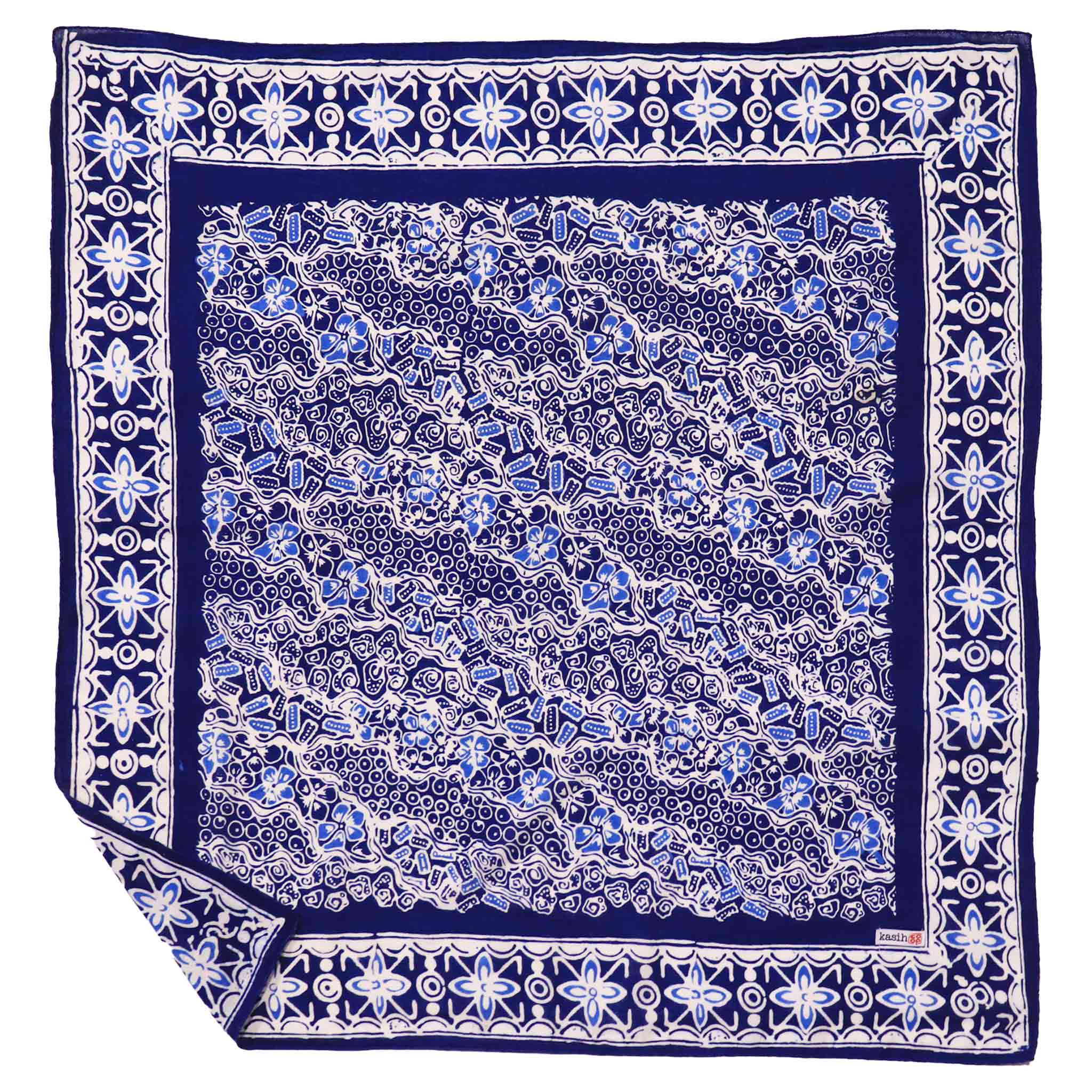
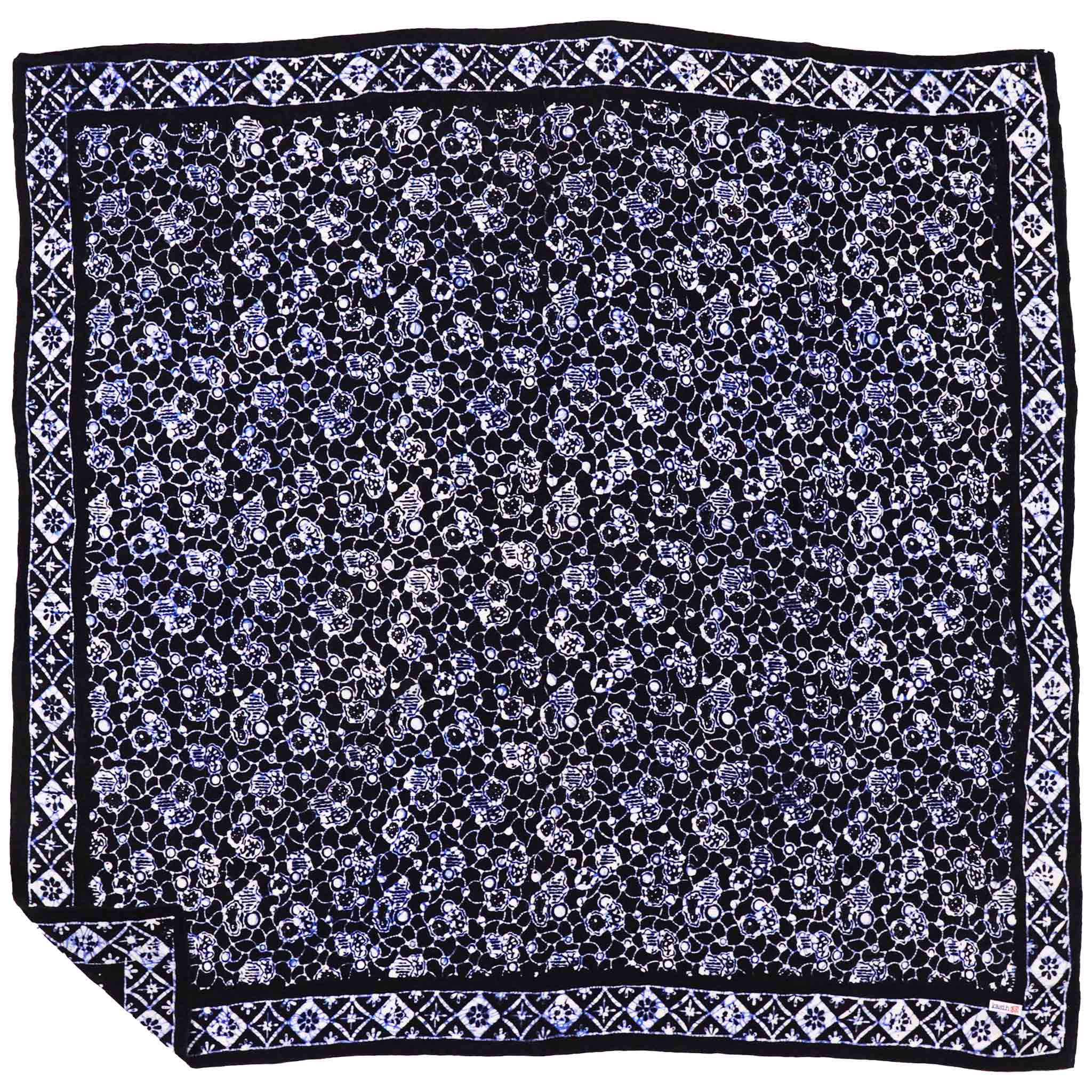
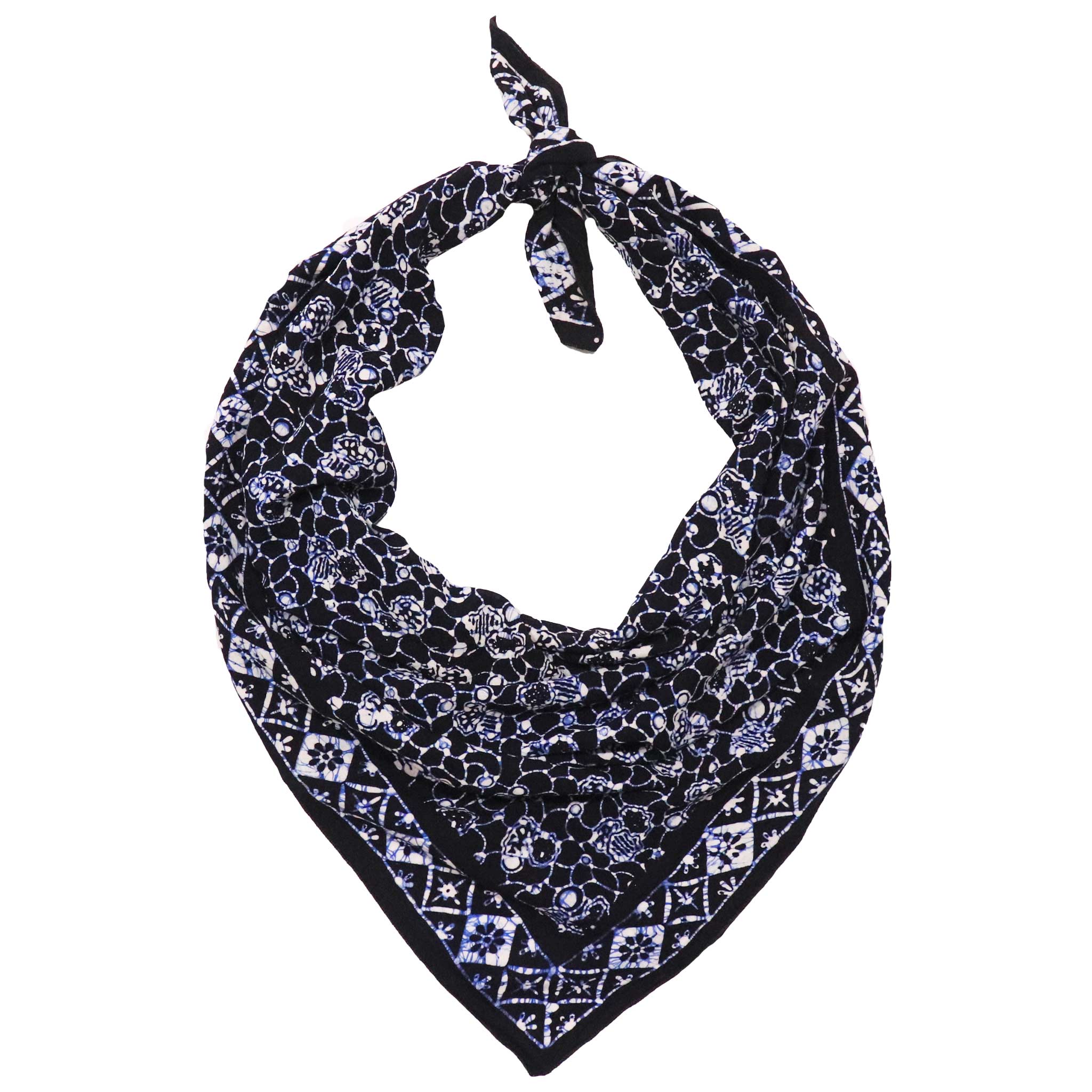
Les motifs classiques, les détails faits à la main et les matériaux naturels vieillissent magnifiquement. Un foulard, un bandana ou un textile fabriqué lentement n'est pas seulement un accessoire ; c'est un investissement. Avec le temps, il devient une partie de votre histoire personnelle.
Conclusion : Le lent est l'avenir
Dans un monde de mode rapide, les textiles fabriqués lentement offrent quelque chose de rare : l'intention.
Ils honorent la culture, protègent la planète, élèvent les artisans et nous reconnectent avec la beauté de l'artisanat.
Choisir le slow-made ne change pas seulement votre garde-robe – cela soutient un avenir plus durable, éthique et significatif pour la mode.
Si vous êtes prêt à faire ce changement, commencez par une seule pièce. Vous sentirez la différence.