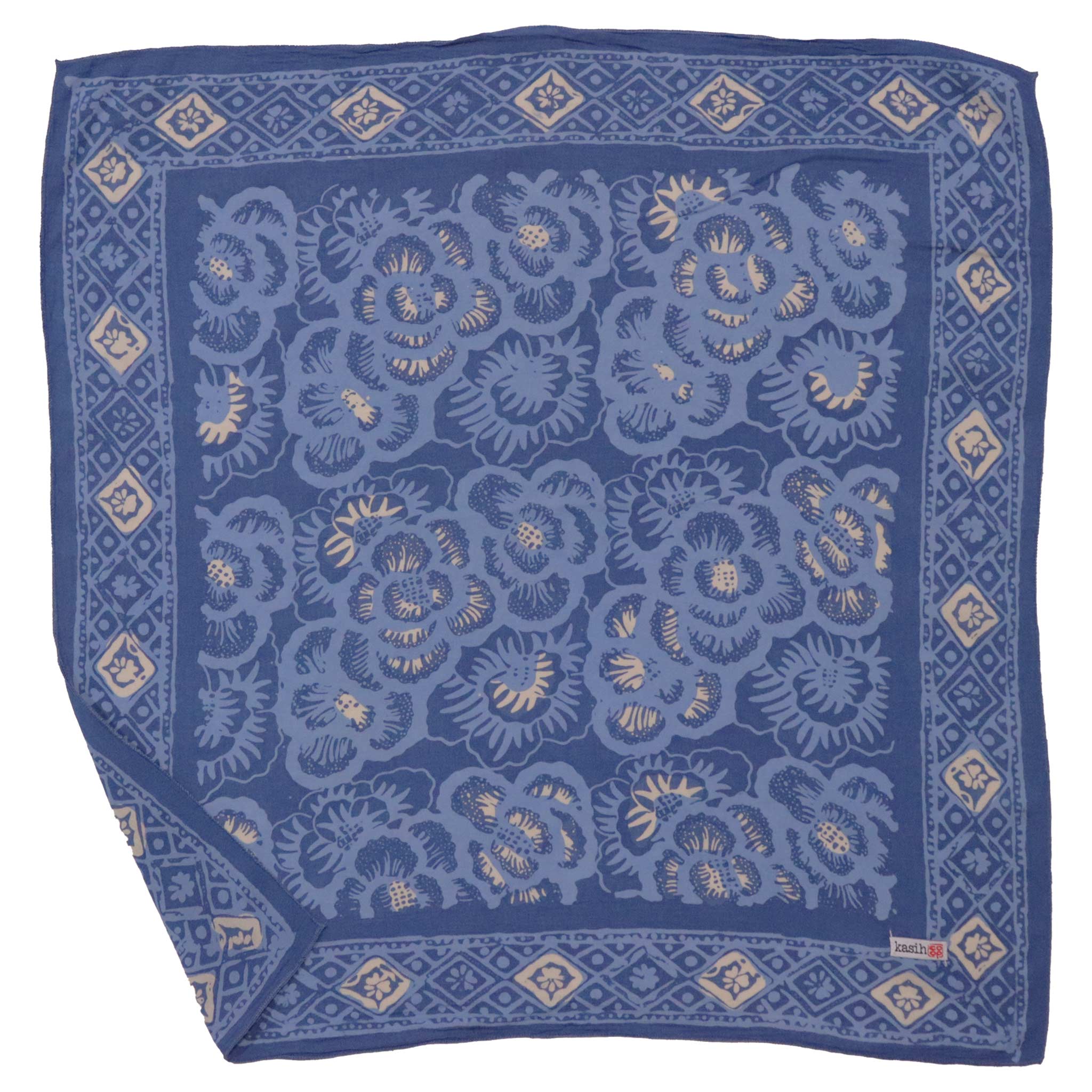

In April 2026, a Fair Trade Federation (FTF) screening committee verified Kasih Co-op as a fair trade organization. It took a detailed written application, our financials, a full producer list and outside references, reviewed against nine fair trade principles. Here's what that actually involved.
FTF verifies the business, not just a product
Some fair trade labels certify a single product. FTF looks at the whole business: who we buy from, how we pay, how we plan orders and how we treat the people who make our goods. Membership is renewed every year, so it isn't a one-time badge.
The nine principles we were screened against
- Create opportunities for economically and socially marginalized producers
- Develop transparent and accountable relationships
- Build capacity
- Promote fair trade
- Pay promptly and fairly
- Support safe and empowering working conditions
- Ensure the rights of children
- Cultivate environmental stewardship
- Respect cultural identity
What we submitted
- A long written application, with detailed questions under each principle: how we choose partners, how prices are set, when artisans are paid, what the workshops are like, how we handle cancellations, how we prevent child labor, and more.
- Our financial statement for the most recent year, with a full breakdown of sales and expenses.
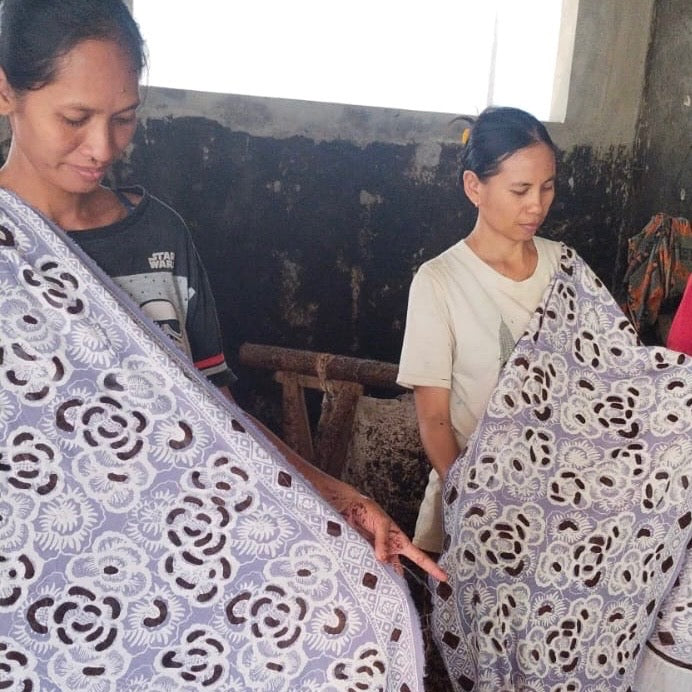
- A complete producer list: every workshop we buy from, how many people work there and how long we've worked together.
- References, including one from an artisan partner, submitted directly to FTF rather than through us.
- A non-discrimination policy.
The committee then sent follow-up questions before making its decision. FTF says the process typically takes two to four months once everything is submitted.
What the committee noted
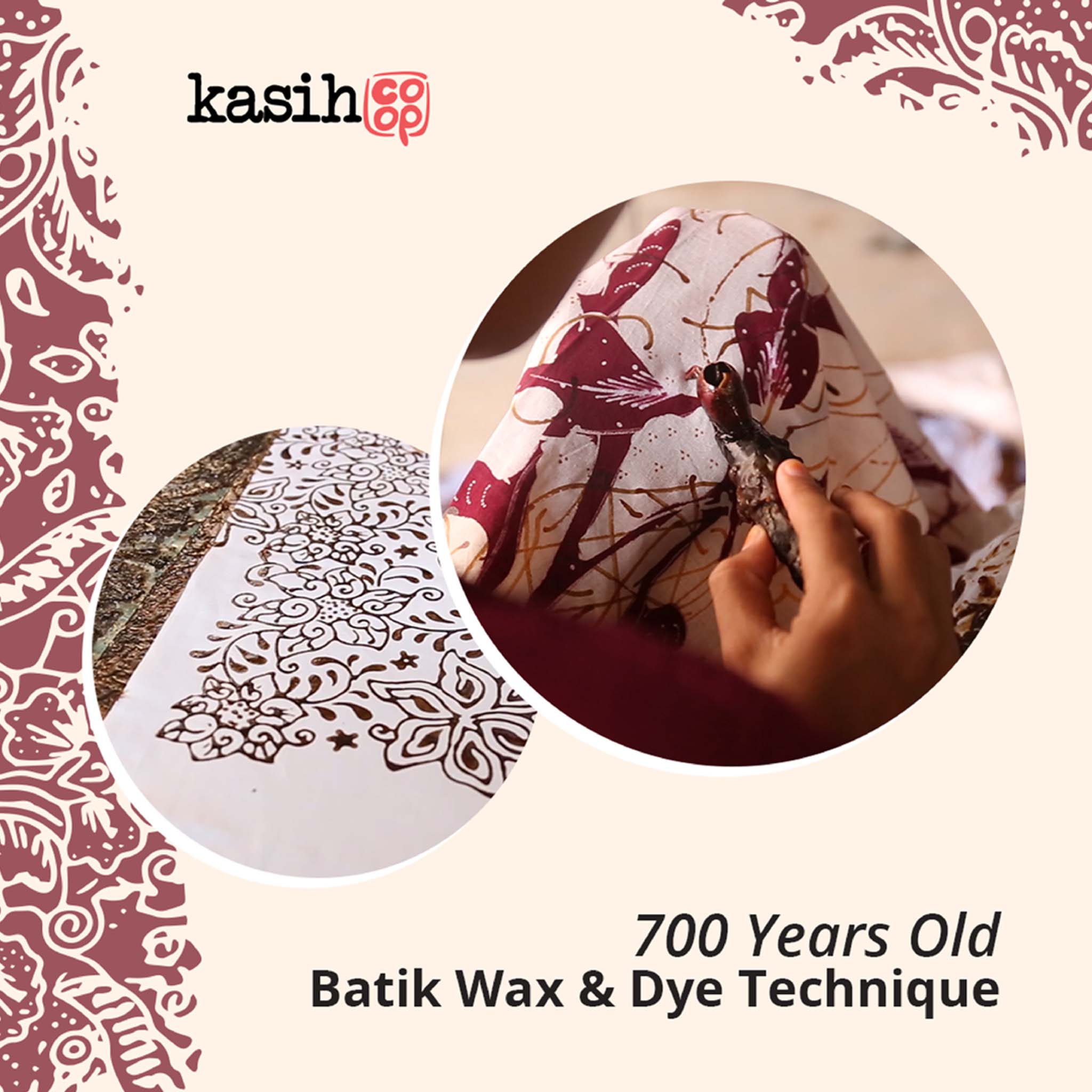
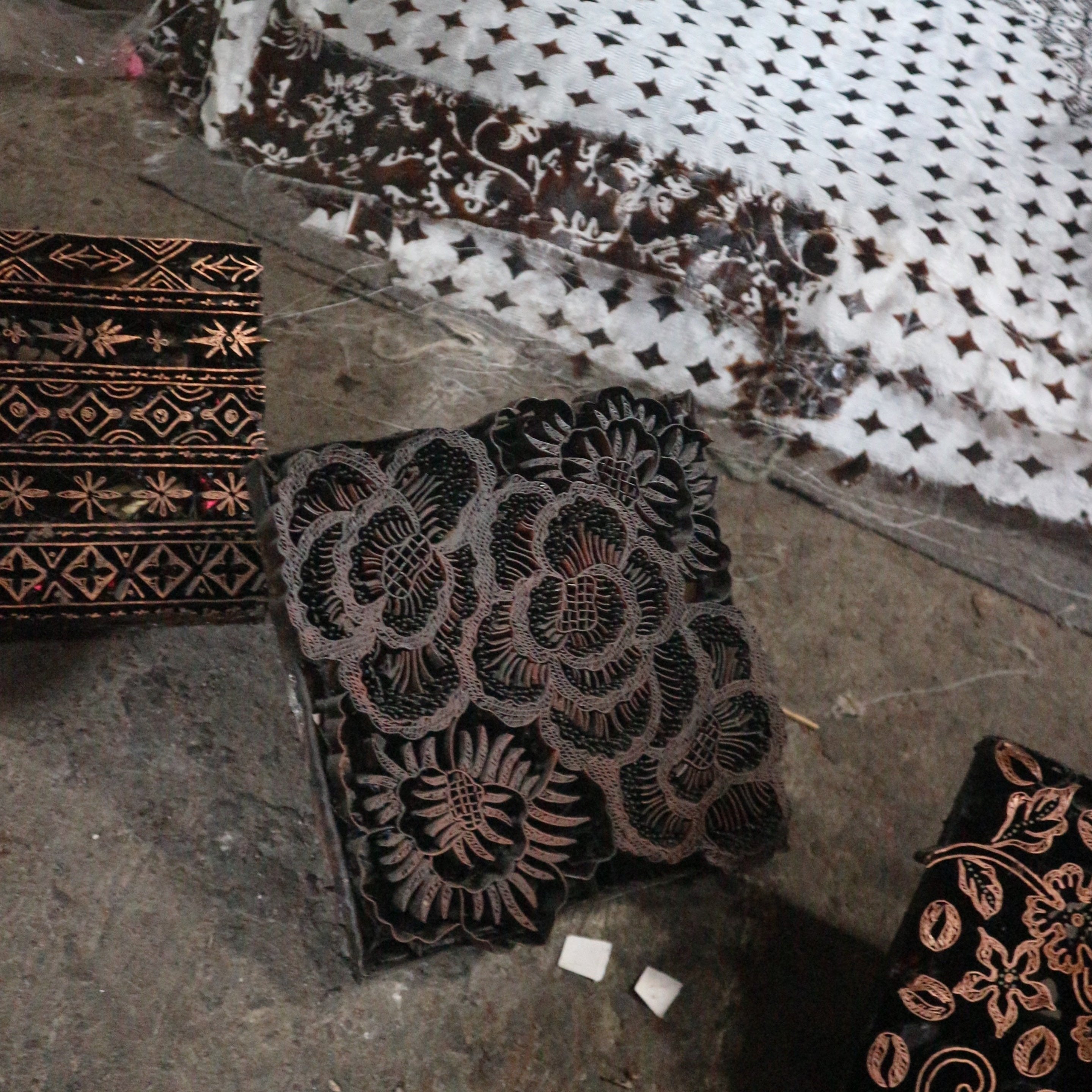
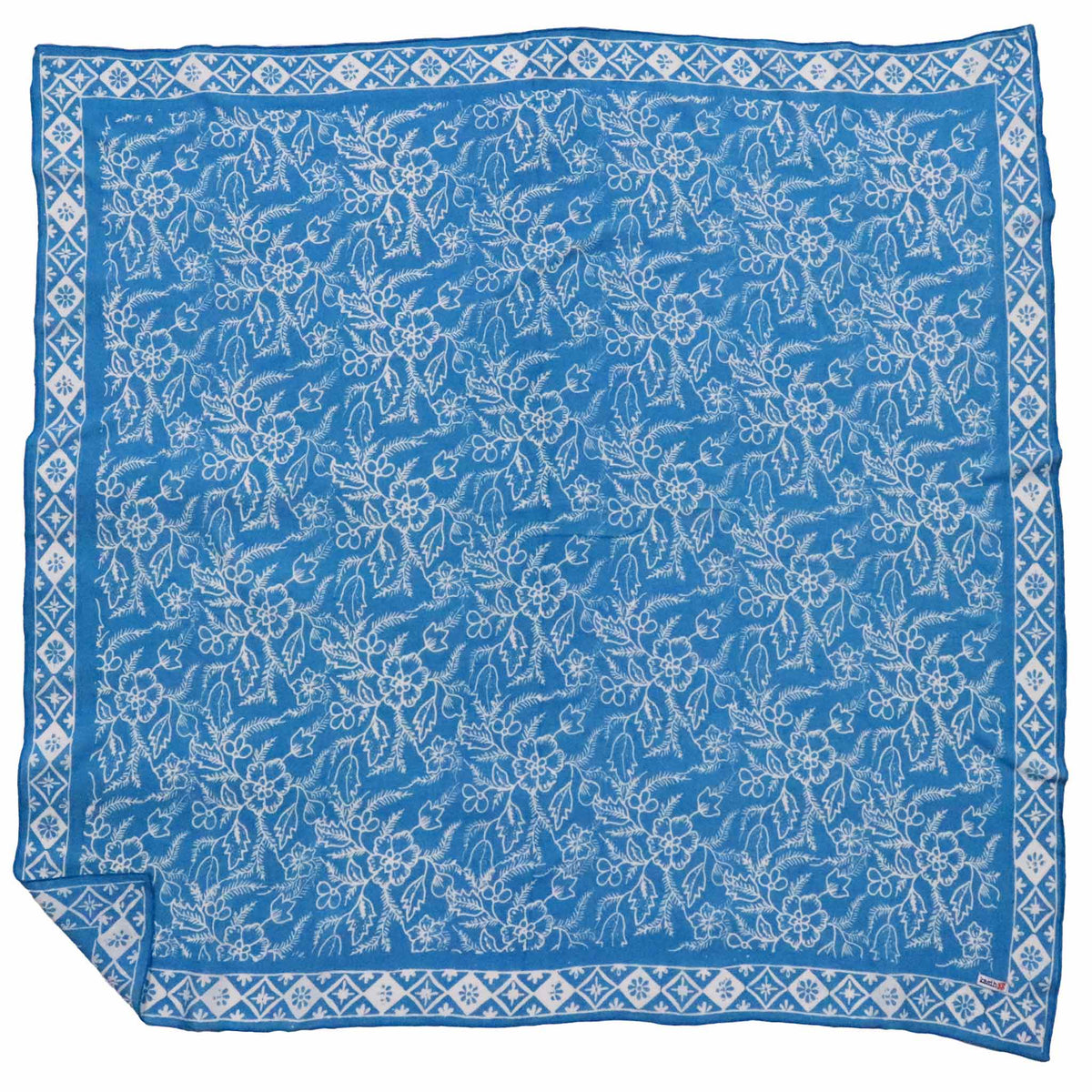
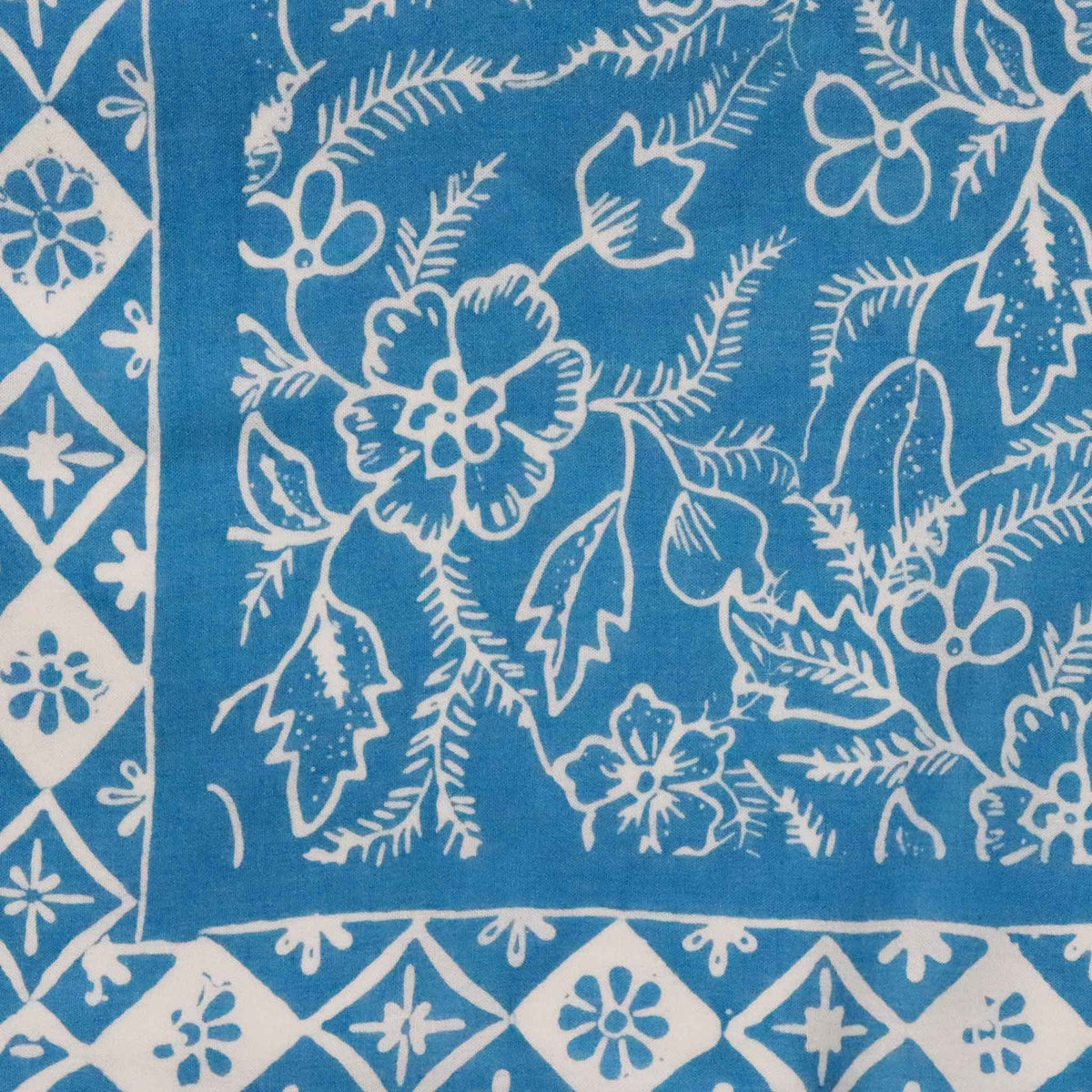
In its decision, the committee highlighted our commitment to our artisan partners' growth, clear communication with partners (including when we retire a product line), our work educating customers about slow, handmade production, and our close, collaborative design process rooted in batik culture and technique.
What they asked us to improve
FTF membership is about continuous improvement, and the committee gave us goals. The main one: a formal consent process for storytelling. Before we share an artisan's name, photo or story, we now ask their permission and explain how it will be used. You'll see that reflected in how we feature our artisans from here on.
What happens next
FTF reviews members every year: a renewal questionnaire, the prior year's financial statement and an updated producer list. We'll keep sharing what we learn along the way.
Read exactly how we work: How We Work. See our listing on the Fair Trade Federation website.