

Hand Dyed Batik Bandana, 100% Soft Cotton, Red Loop Pattern, Burgundy
Wearable art rooted in Indonesian heritage — crafted using a centuries-old batik wax-and-dye technique. A 100% ultra-soft cotton bandana you'll reach for every day.
"By far the most beautiful [bandana] I've ever seen in my life. I ordered four more within the hour." — Eddie D., verified buyer
- Pattern: Loop, Red and Pink
- Material: 100% ultra-soft cotton
- Size: 19.7"x20.5"
- Authentic Batik: Pattern shows equally on both sides (the real test of genuine batik)
- Color Care: As with all hand-dyed batik, colors may bleed — always wash separately in cold water
- Wear it as: hair wrap, neck scarf, headband, or face cover — or on your dog 🐶
Each piece is hand-stamped, sun-baked, and pre-washed in Java — which means slight color variation isn't a flaw, it's the fingerprint of the artisan who made it.

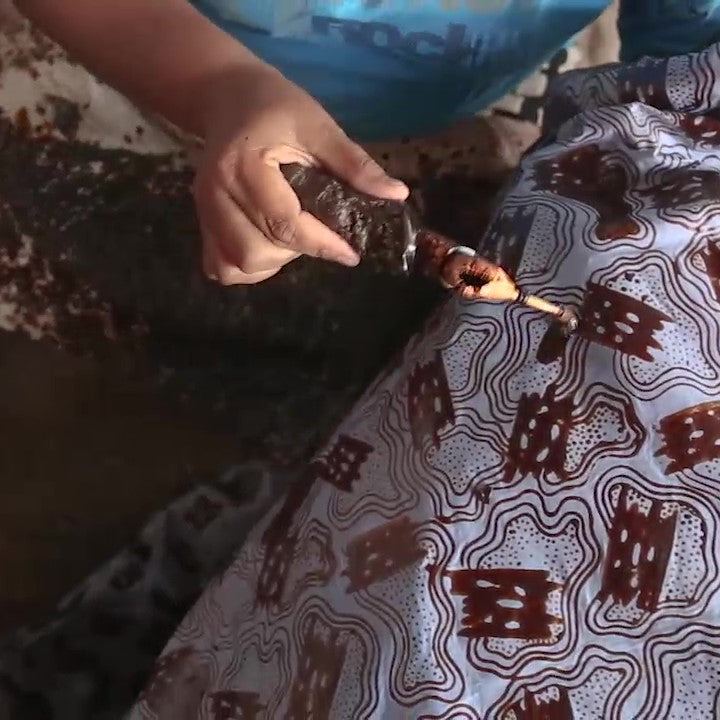
Kasih Co-op shares the culture and craft of Indonesia's batik
Handcrafted 700 years old batik wax & resist technique
FAQ for Batik Scarves & Bandanas
Is this genuine Indonesian batik, and how can I tell it's not printed?
Yes. Every Kasih Co-op piece is made with the traditional wax-resist batik technique, either hand-stamped (batik cap) or hand-drawn (batik tulis), on 100% cotton in Java, Indonesia.
Try the double-sided check: turn the fabric over. In genuine batik, the wax and dye soak all the way through, so the pattern and color look nearly identical on both sides. Printed imitations have a bright front and a noticeably faded back. Faint hairline “crackle” lines from the wax are another sign of real batik.
What's the difference between batik tulis, batik cap, and printed batik?
- Batik tulis (hand-drawn): an artisan draws every line of hot wax by hand with a canting pen. One of our batik tulis bandanas takes about 10 hours of hand-drawing, multiple rounds of hand-dyeing, and lorod (wax removal), not counting sun-drying, and no two are alike.
- Batik cap (hand-stamped): an artisan presses a hand-made copper stamp dipped in hot wax onto the cloth, repeating the motif. Still handmade and hand-dyed, but faster, so it's more affordable.
- Printed “batik”: a batik-style pattern printed by machine, with no wax. We don't sell printed batik.
Shop our Batik Tulis Bandanas.
Why does my piece look slightly different from the photo, or not perfectly square?
Each piece is hand-stamped or hand-drawn, hand-dyed in small batches, sun-baked, and pre-washed to remove the wax, using a 700-year-old process. That means color depth varies a little from batch to batch, and slight shrinkage leaves most pieces not perfectly square. This isn't a defect; it's proof your piece is handmade, and no two are exactly alike.
If you prefer a lighter or darker version of a design, add a note to your order. If an exact color match matters, message us before ordering and we'll share photos of current stock.
What size is it?
- Standard bandanas: about 21" x 21" to 23" x 23"
- Large bandanas: about 39" x 39" (100 cm)
- Batik tulis bandanas: about 20"–21" square
- Scarves: about 71" x 21" (some styles 63" x 21")
The exact size is listed in each product description. Sizes vary slightly because every piece is hand-dyed and pre-washed. See our bandana size chart.
Which size should I choose?
Choose a standard bandana for headbands, ponytail ties, neckerchiefs, and dogs. Choose a large 39" bandana for full head wraps, turbans, wild rags, and shawls, especially for long, thick, curly, or braided hair. Choose a scarf for a long neck scarf or a light layer.
How can I wear it?
- Headband: fold into a triangle, roll into a 2" band, and knot on top or at the back.
- Neckerchief: fold into a triangle, point in front, and knot loosely behind your neck.
- Hair wrap: fold a 39" bandana into a triangle, long edge at your hairline, tie at the nape, and tuck the tails.
- Ponytail scarf: fold into a thin strip and tie around a ponytail or bun.
- Dog bandana: fold into a triangle and knot behind the neck with two fingers of room.
- Gift wrap: wrap a gift furoshiki-style and knot the corners on top.
More styles: 7 Easy Bandana Hairstyles.
What is it made of?
100% cotton. It's soft, lightweight, and breathable, comfortable for all-day wear and sensitive skin, and it gets softer with every wash. Unlike synthetic polyester, cotton also grips better, so ties and wraps slip less.
How should I wash my batik so the colors last?
Gentle is key:
- Wash separately, especially the first few times.
- Hand wash in cold water, or machine wash cold on a delicate cycle inside a mesh bag.
- Use a mild detergent or baby shampoo. Never use bleach or harsh stain removers.
- Air-dry in the shade. Don't wring or twist, and avoid long direct sun exposure.
- Iron on medium while slightly damp for a crisp finish.
Will the colors bleed or fade?
A little excess dye can release in the first few washes, especially in deep reds, indigos, and browns, so wash separately at first. Fading is mostly caused by direct sun: cold washing and drying in the shade keep colors vibrant for years.
What do batik motifs like Parang, Kawung, and Mega Mendung mean?
Batik motifs are a visual language with deep meanings:
- Parang: a diagonal, wave-like pattern from Central Java's royal courts, symbolizing strength, continuity, and resilience.
- Kawung: one of the oldest motifs, intersecting circles inspired by the sugar palm fruit, symbolizing purity, justice, and remembering one's origins.
- Mega Mendung: layered clouds from Cirebon, representing patience and staying calm and controlled in the face of problems.
- Batu Pecah (Broken Stone): an organic crackle pattern inspired by fractured stone.
- Kamboja (Frangipani) and other florals: coastal batik from Java's north shore embraced flowers and bright colors, reflecting centuries of trade.
Why is Indonesian batik considered a unique cultural heritage?
Indonesian batik is a living tradition. In 2009, UNESCO inscribed Indonesian batik on its list of the Intangible Cultural Heritage of Humanity.
The craft is deeply tied to Indonesian identity and visual storytelling, with techniques and symbolic meanings passed down through generations. Some Javanese motifs were historically reserved for royalty.
Who made it, and is it fair trade?
Your piece was made by master batik artisans on Java, Indonesia, many with more than 20 years of experience. Kasih Co-op works with 18 artisan partnerships, and over 80% are women-owned small businesses.
Kasih Co-op has been a verified member of the Fair Trade Federation since April 2026, after a full review of our wages, working conditions, and business practices, and is also People + Planet First verified. A portion of profits supports education for girls in Indonesia. Meet our artisans.
How fast do you ship, and is shipping free?
Orders ship from California within 2 business days. Standard shipping takes 4–8 business days, and Priority shipping takes 2–5 business days, with tracking on every order. Shipping is free on orders over $50 within the US.
What is your return policy?
You can return or exchange unused items in their original packaging within 30 days of delivery. Returns are free within the contiguous US (the original shipping fee is deducted from your refund), and refunds are processed within 10 business days of receiving your return. See our full return policy.
Is it a good gift, and do you offer gift wrap?
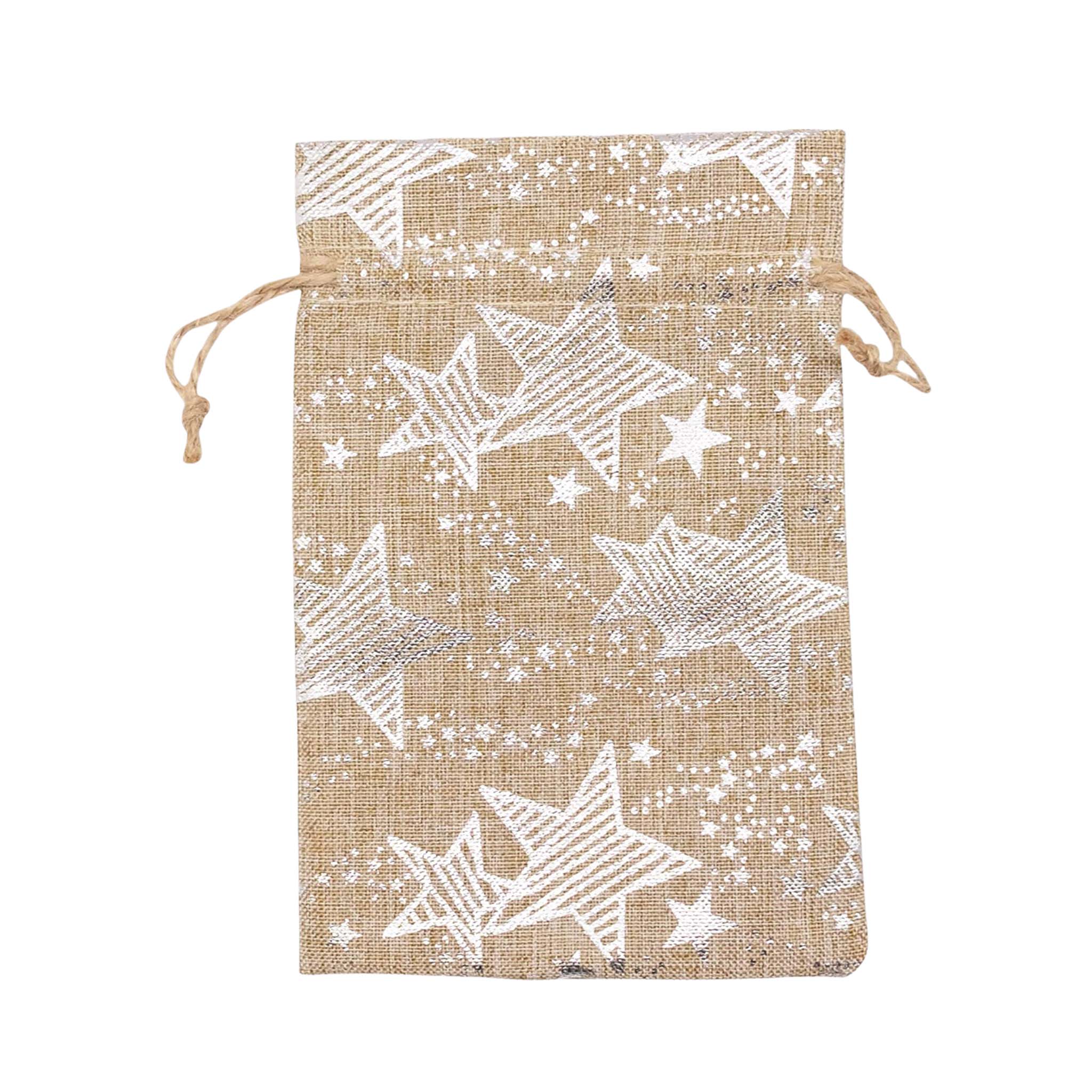
Yes. Batik bandanas and scarves fit everyone, and each one is one of a kind. Add our eco-friendly gift wrap to your cart for $5 and include a personal message in your order notes.