How Our Batik Artisans Start Their Day
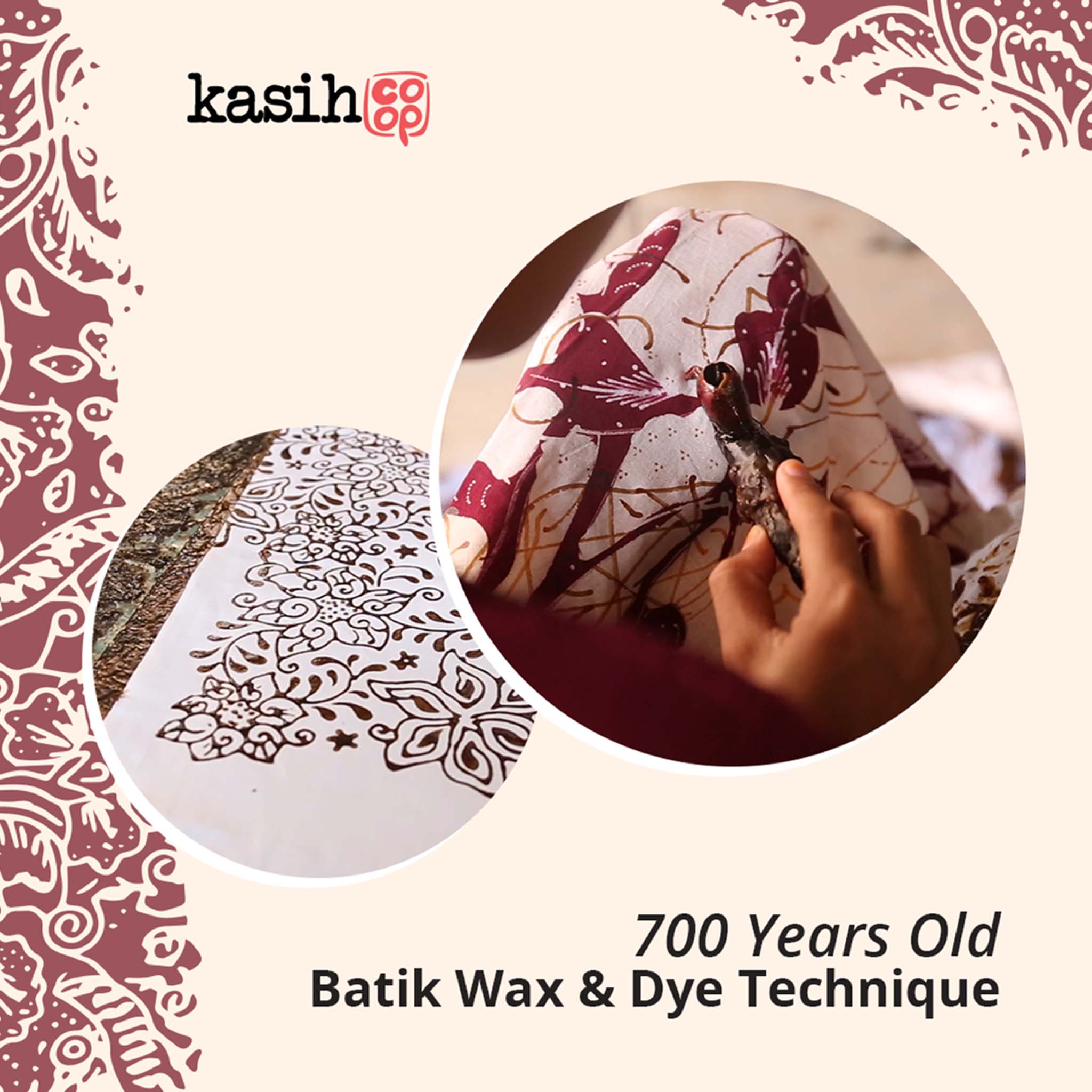
Our production begins early. The artisans prepare the cotton fabric, set up the tools, and check the wax temperature. Each step needs accuracy, because batik is a handcraft that relies on skill and consistency.
The Waxing Process
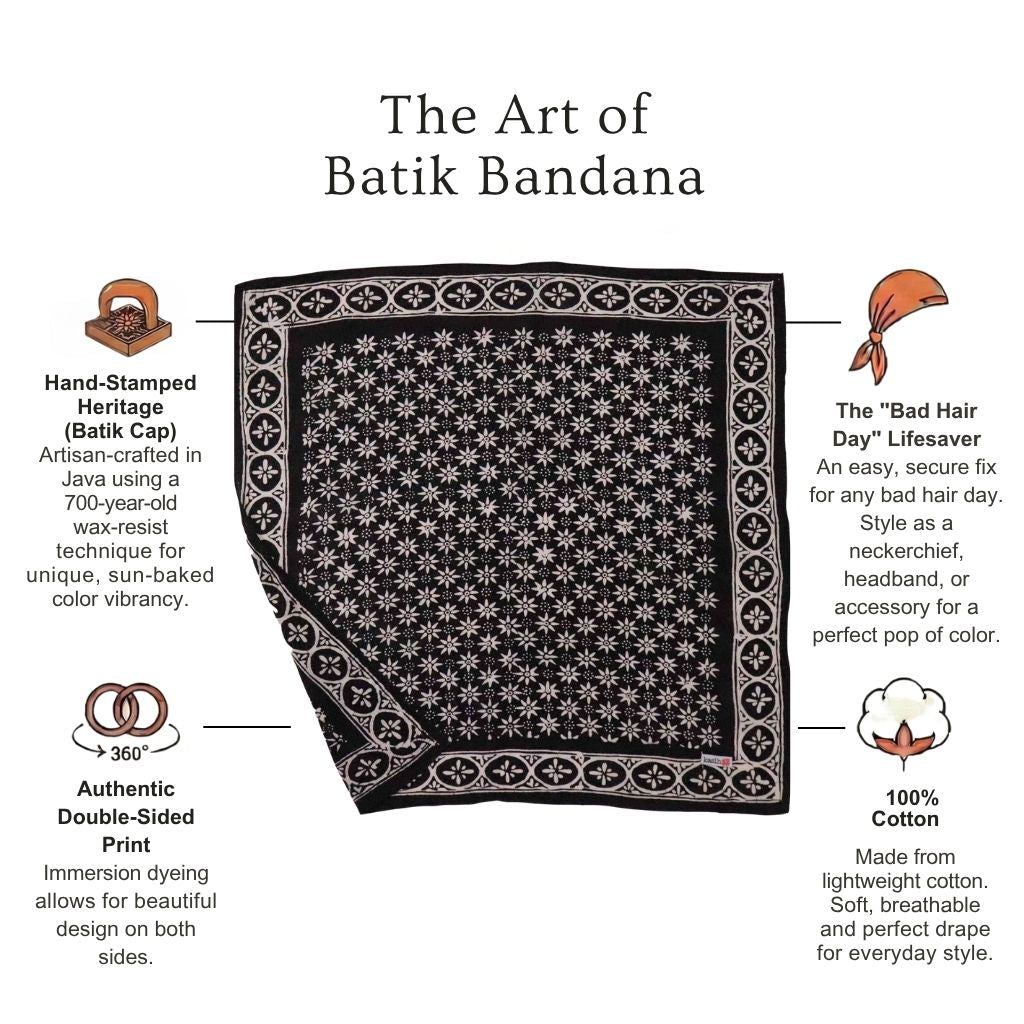
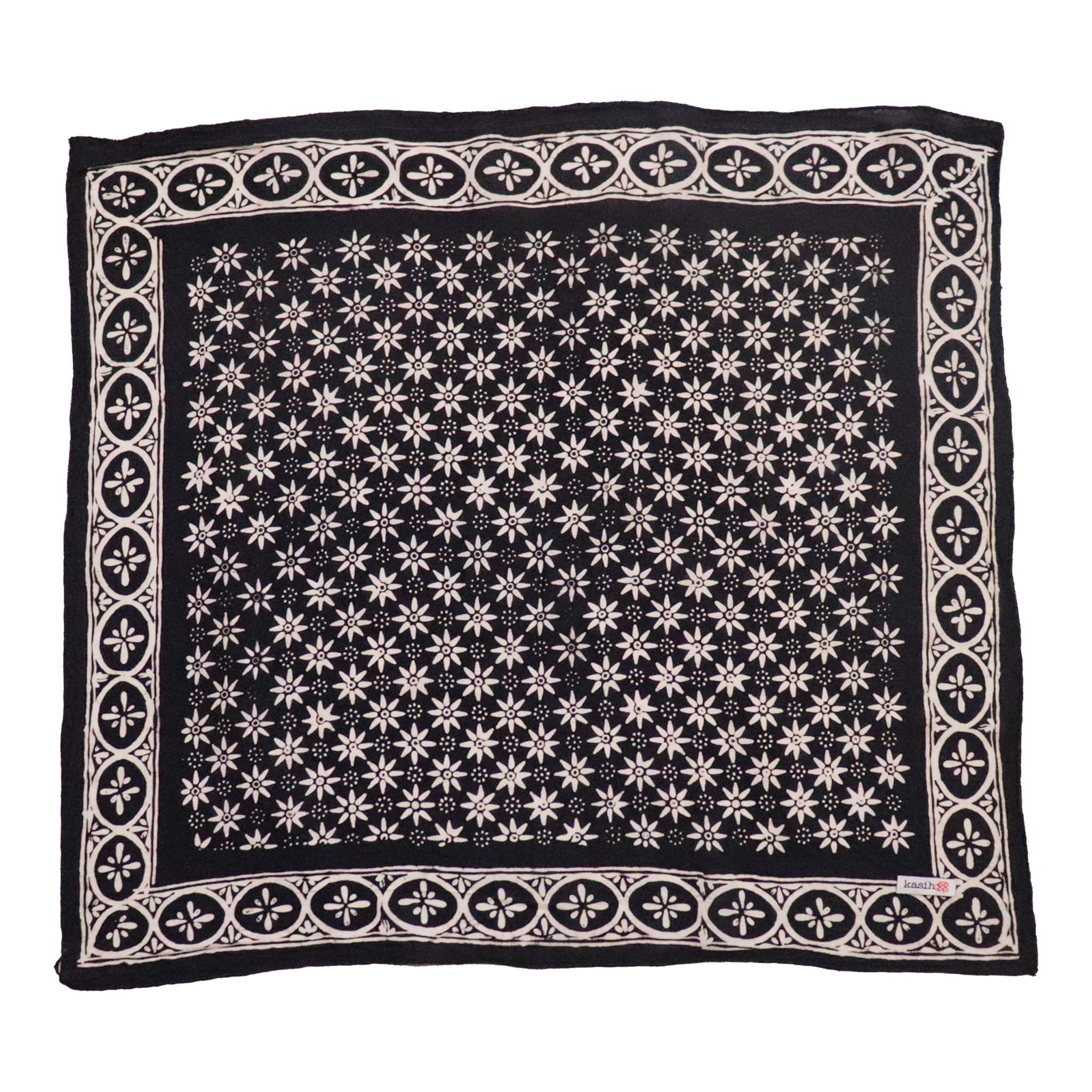
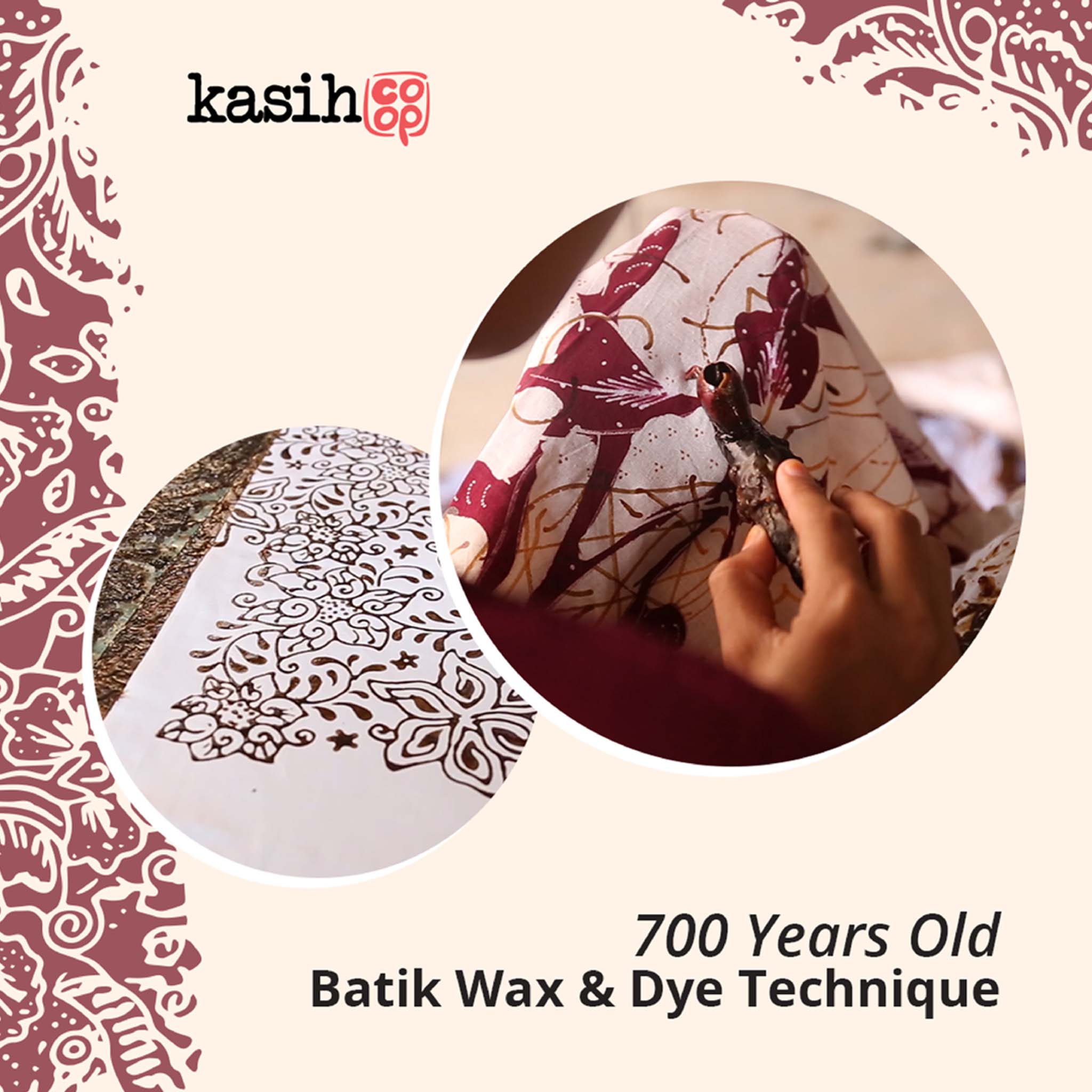
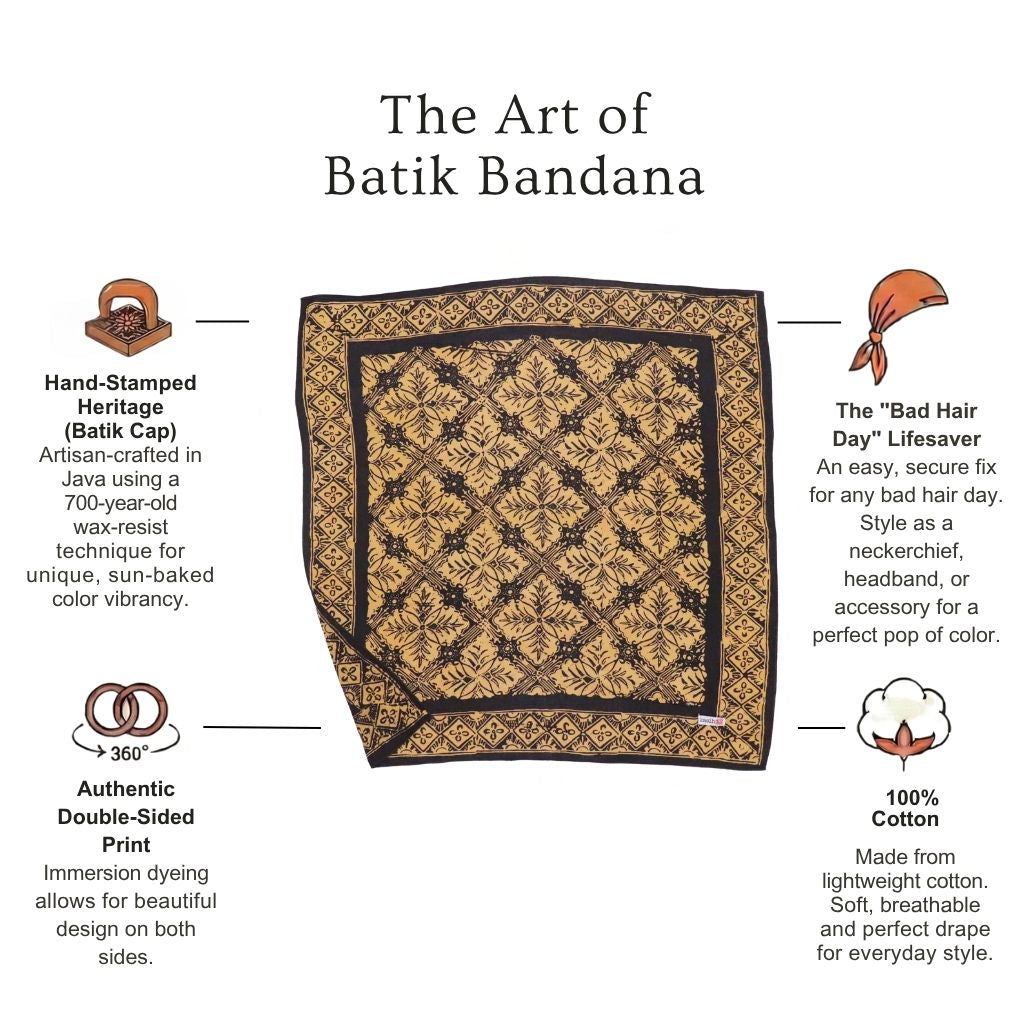
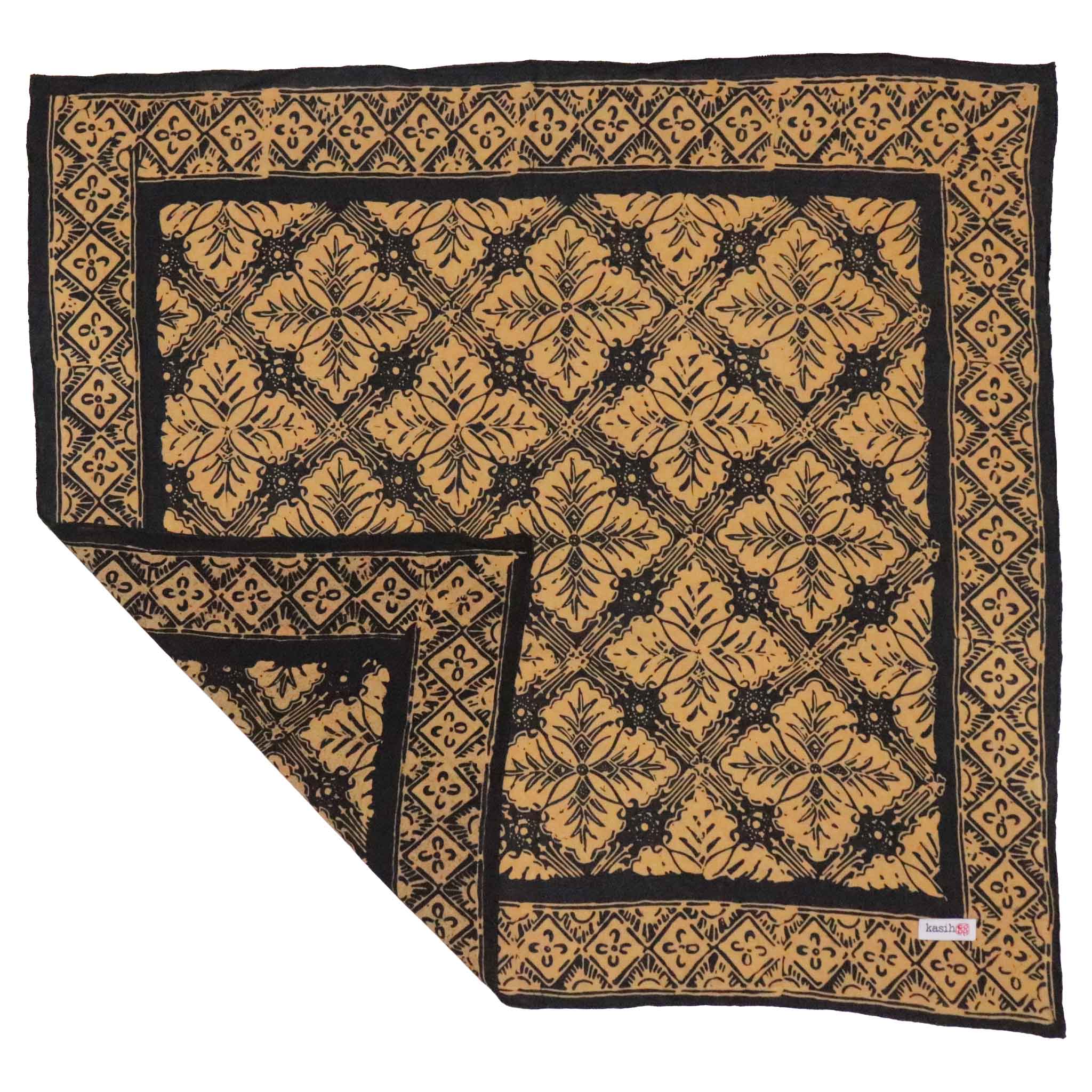
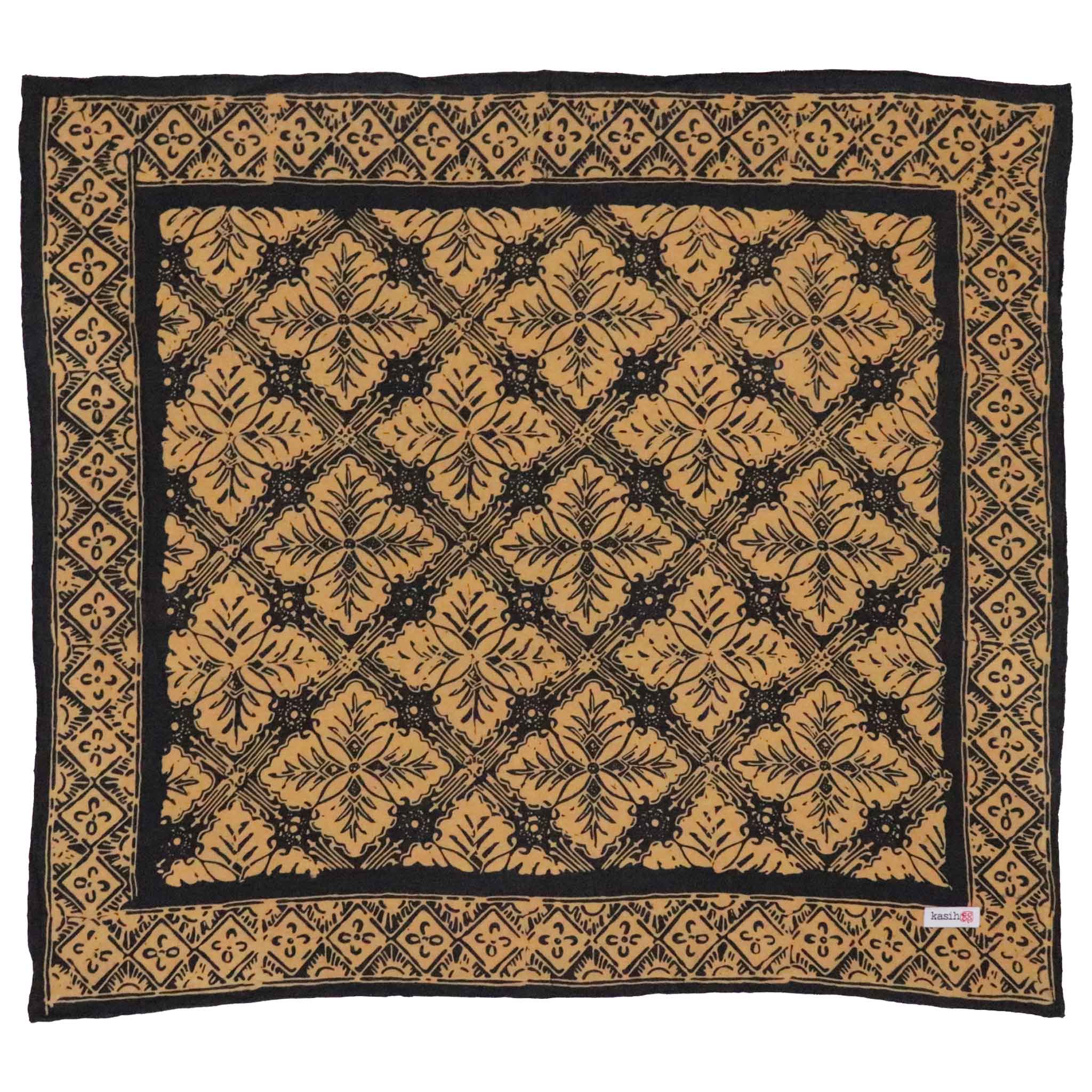
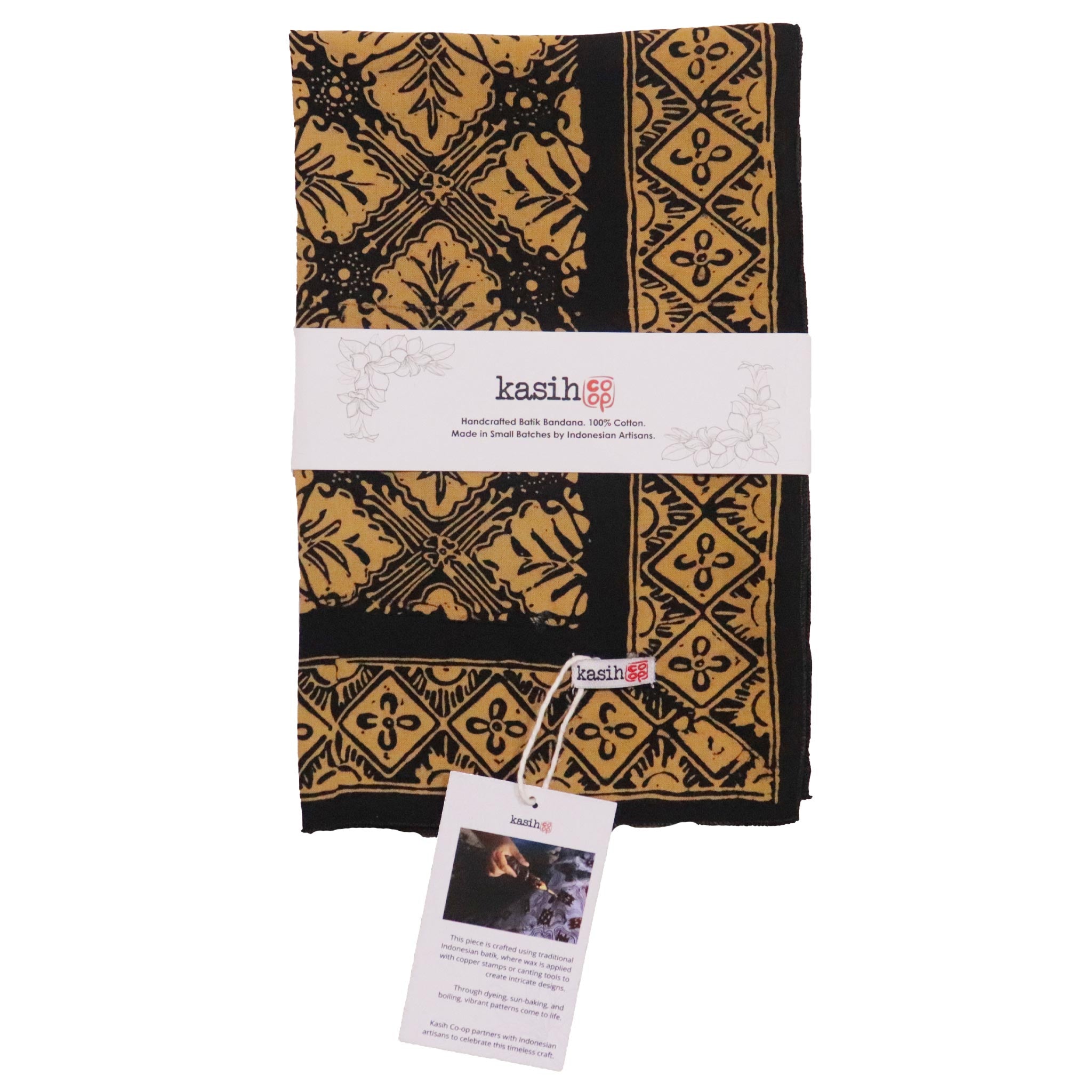
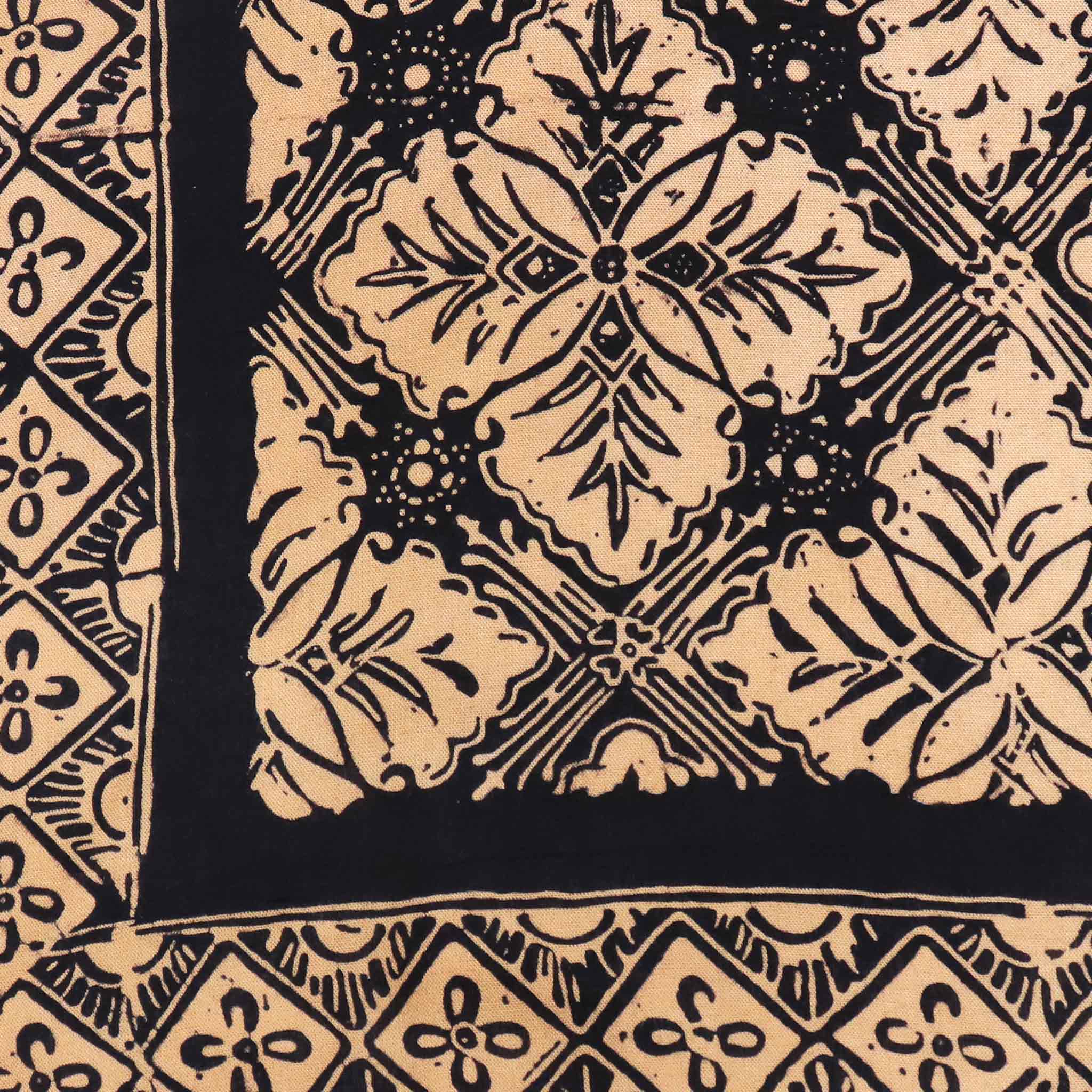
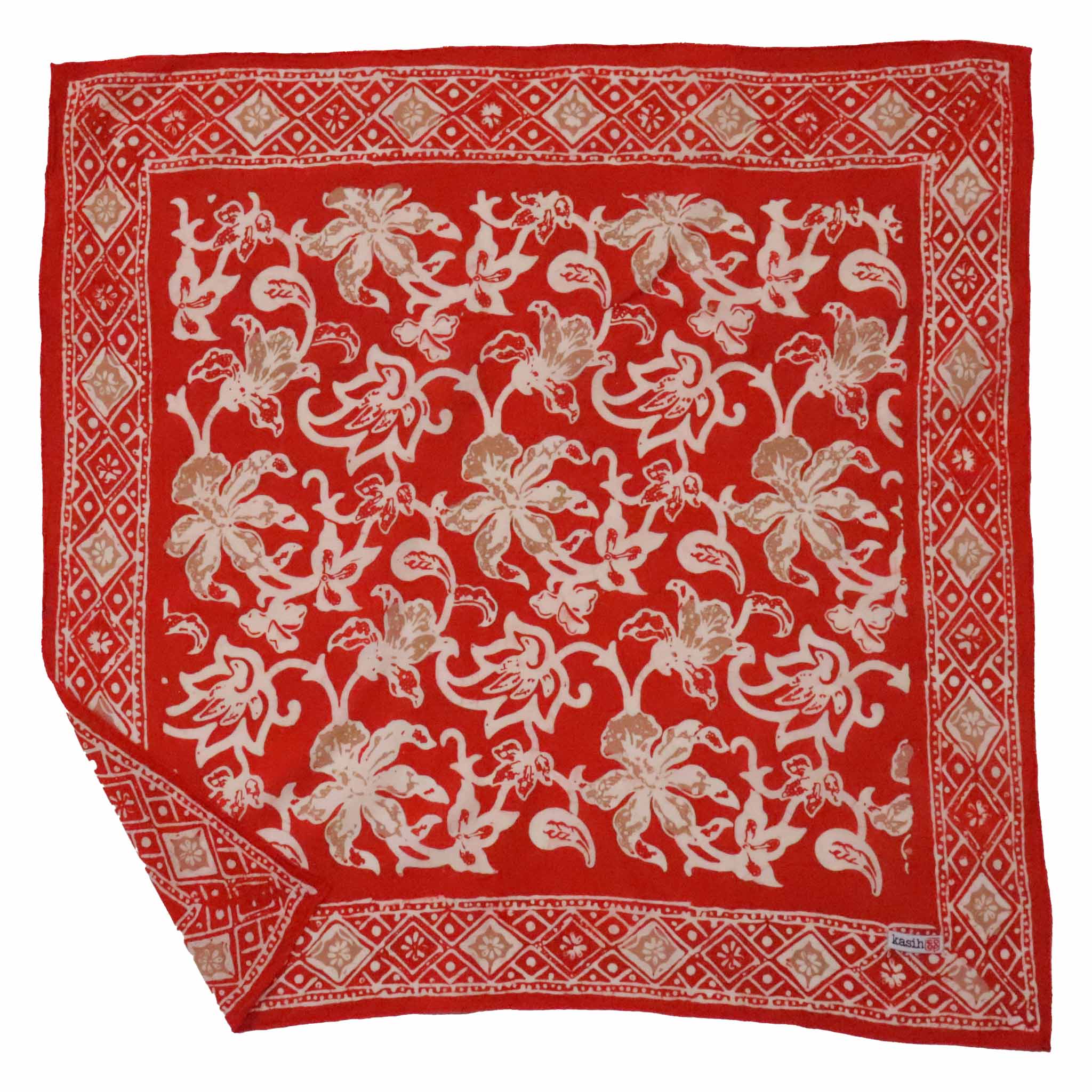
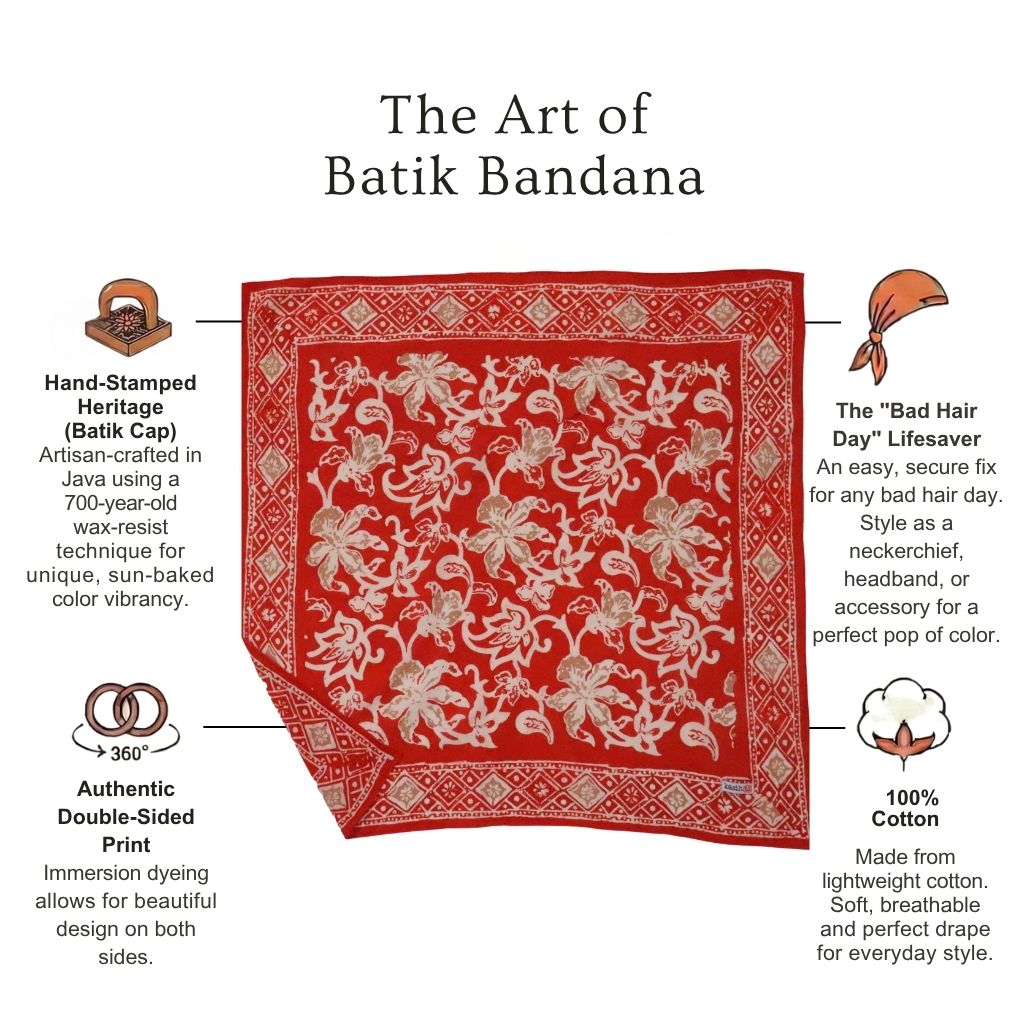
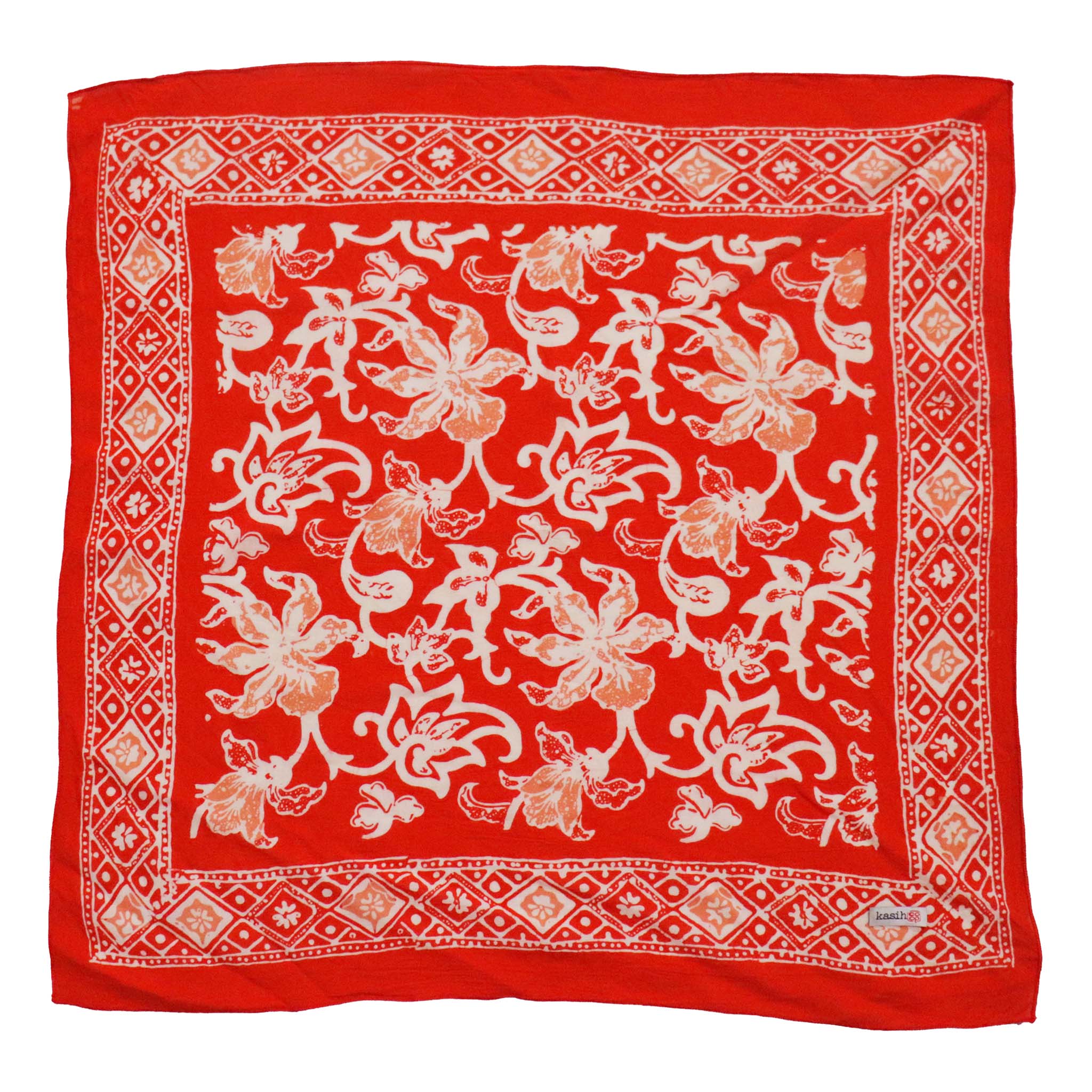
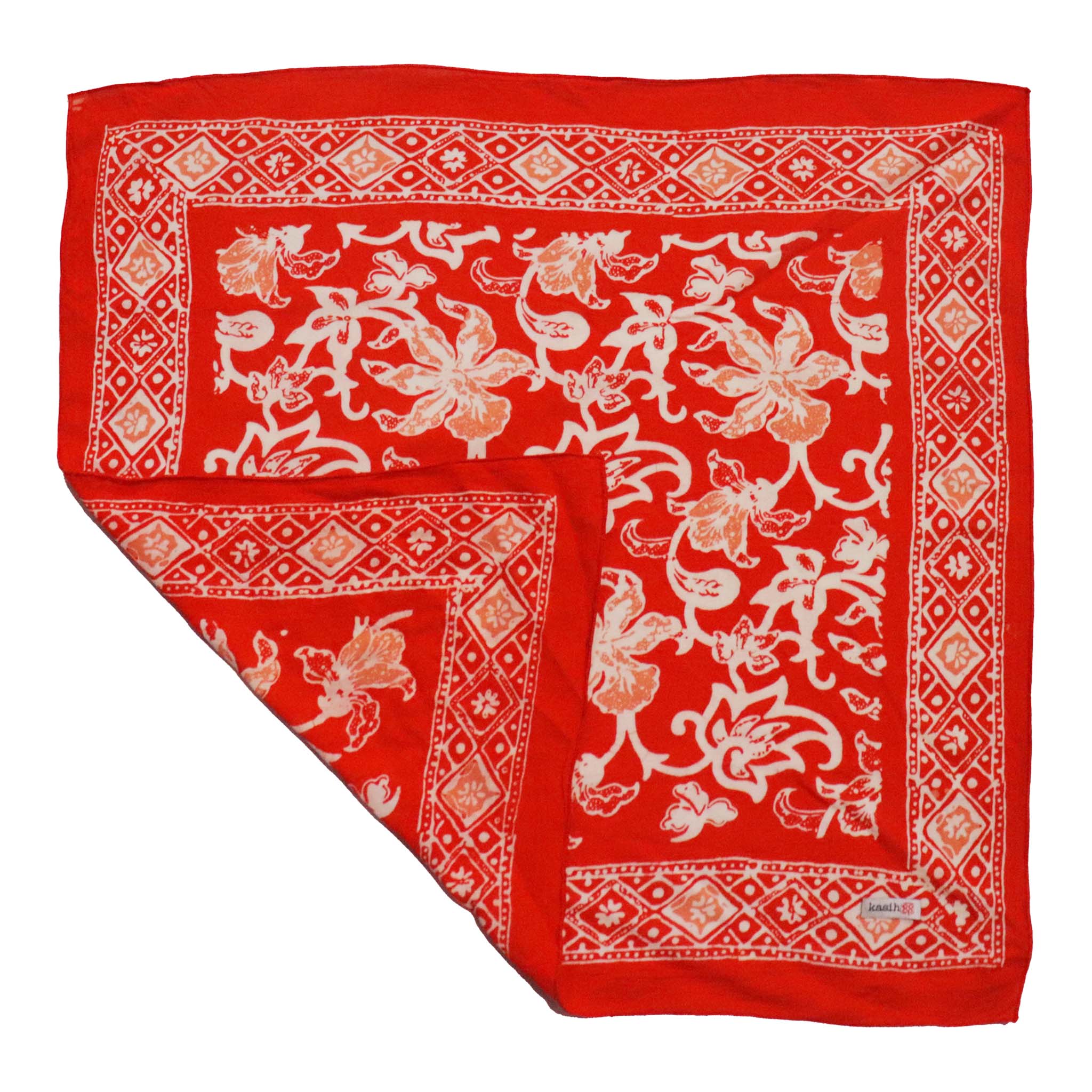
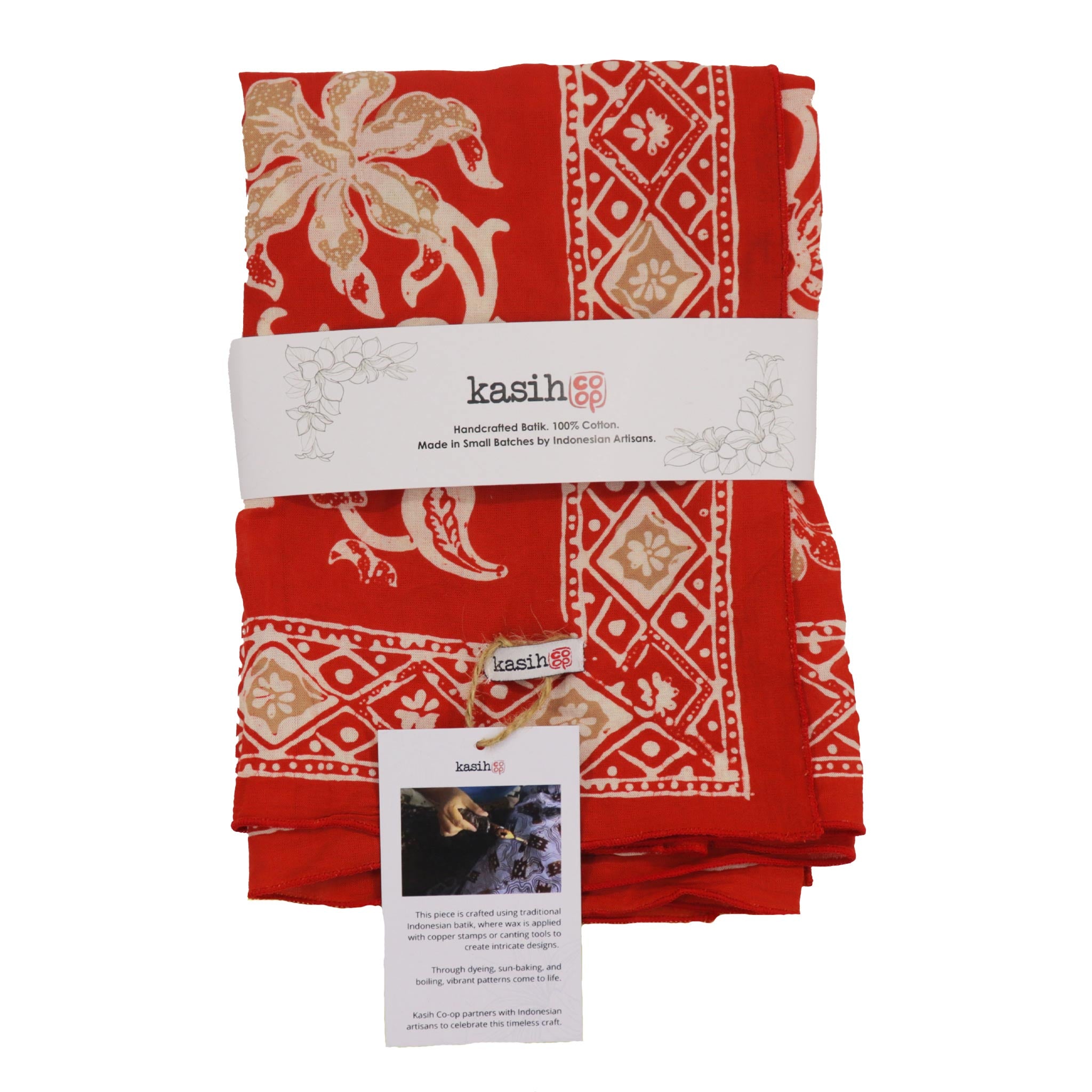
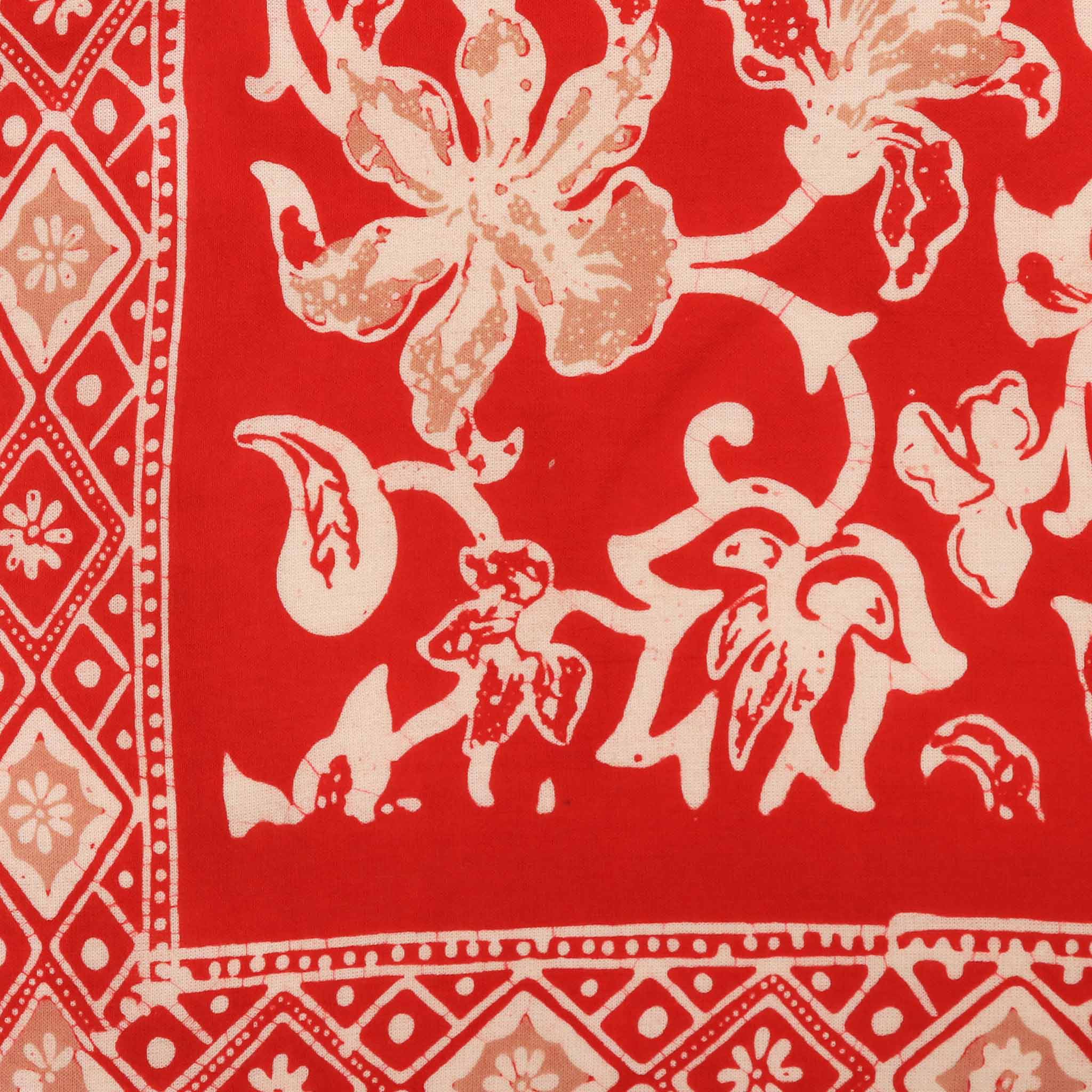
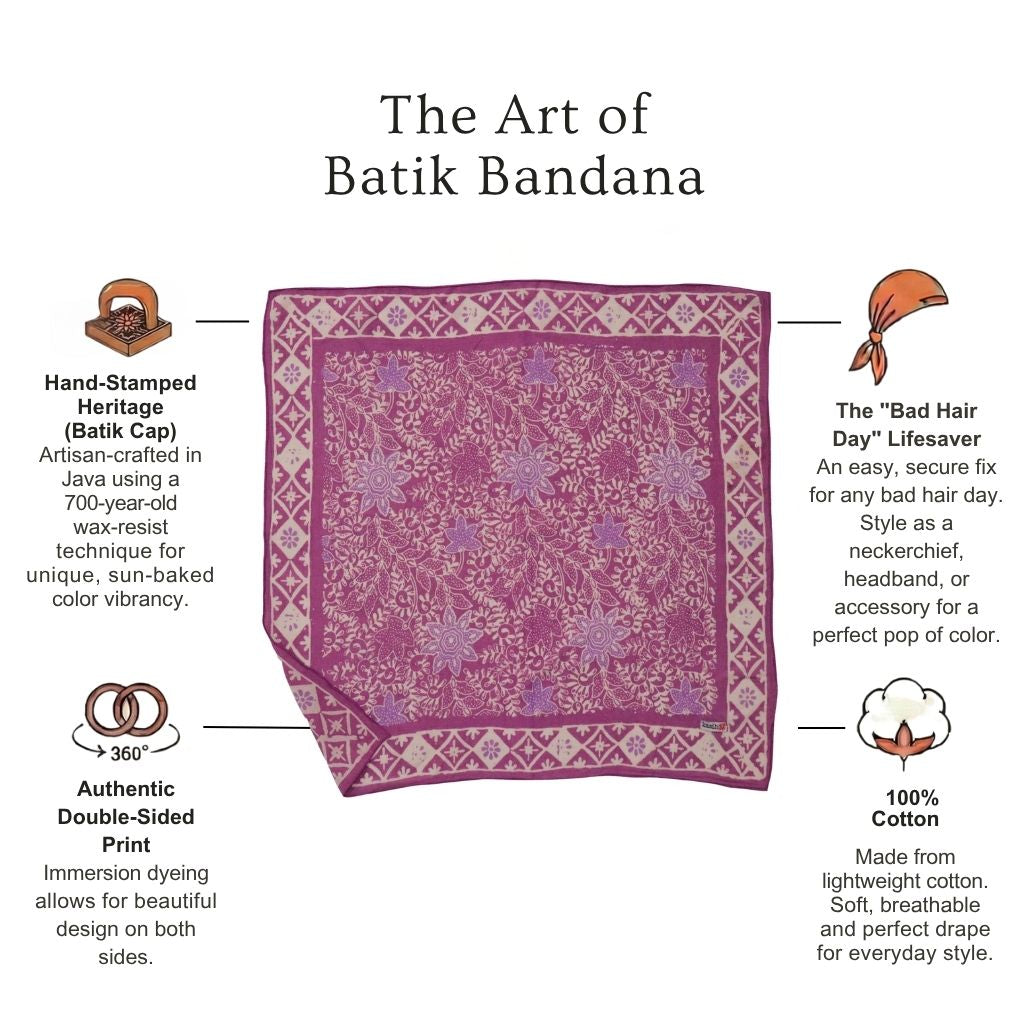
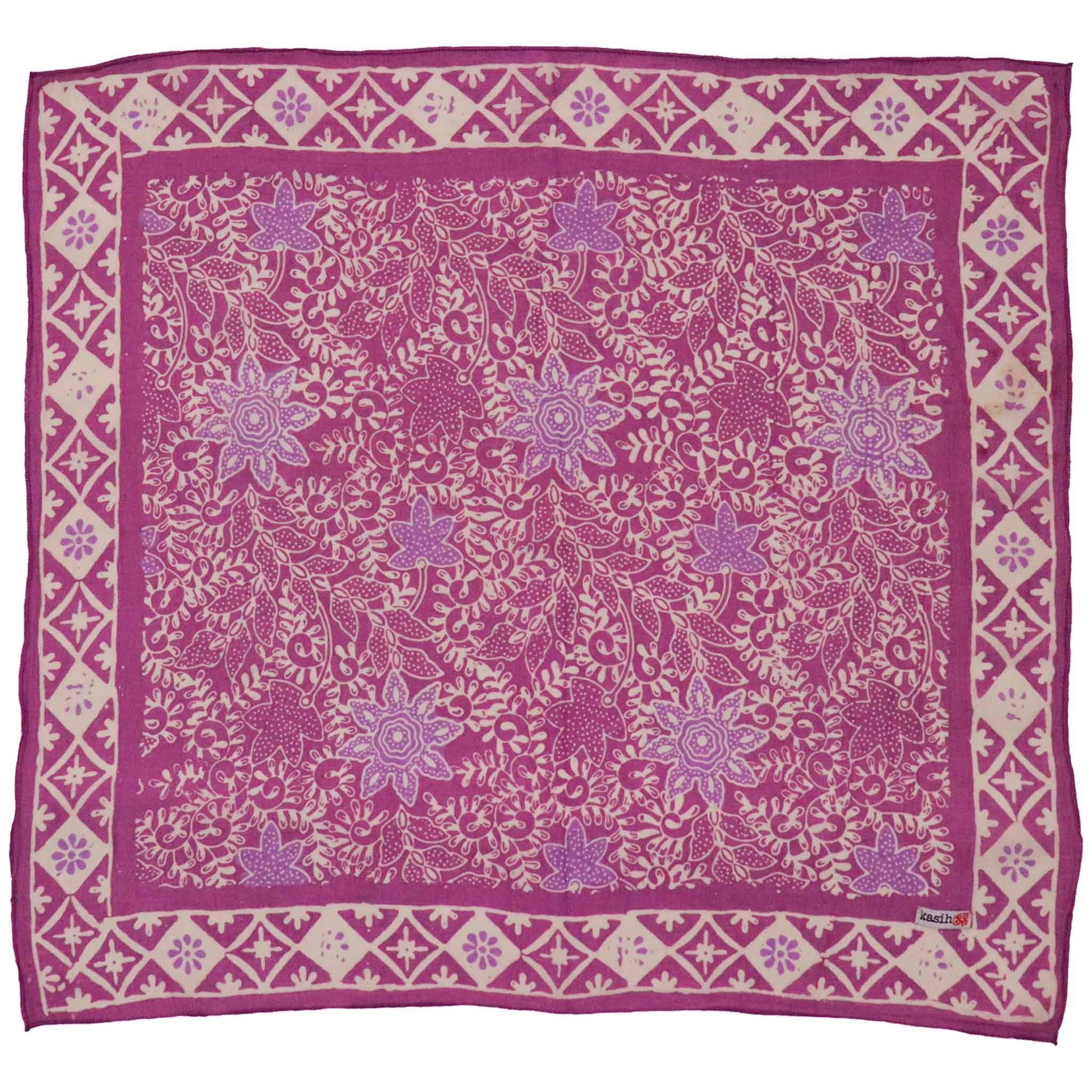
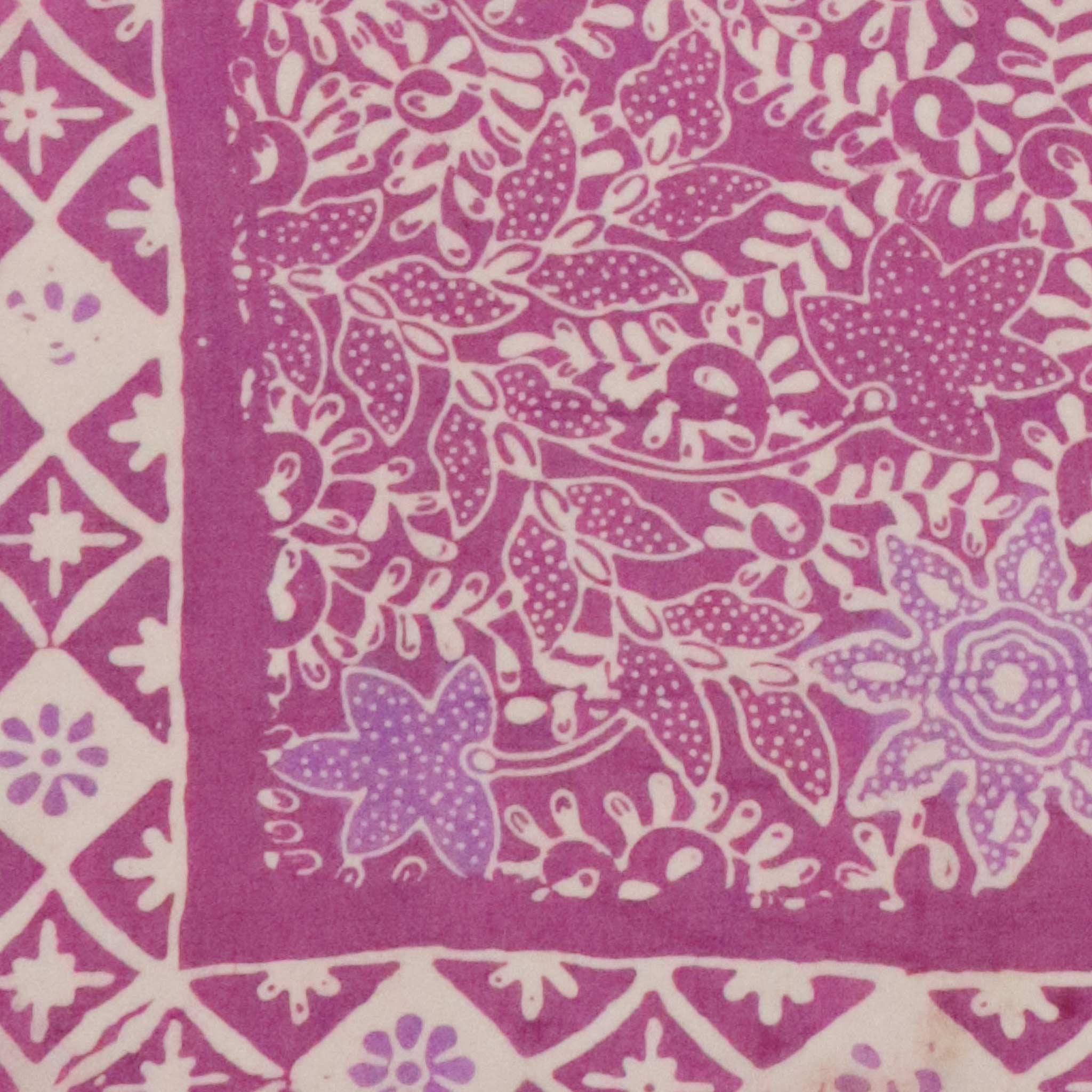
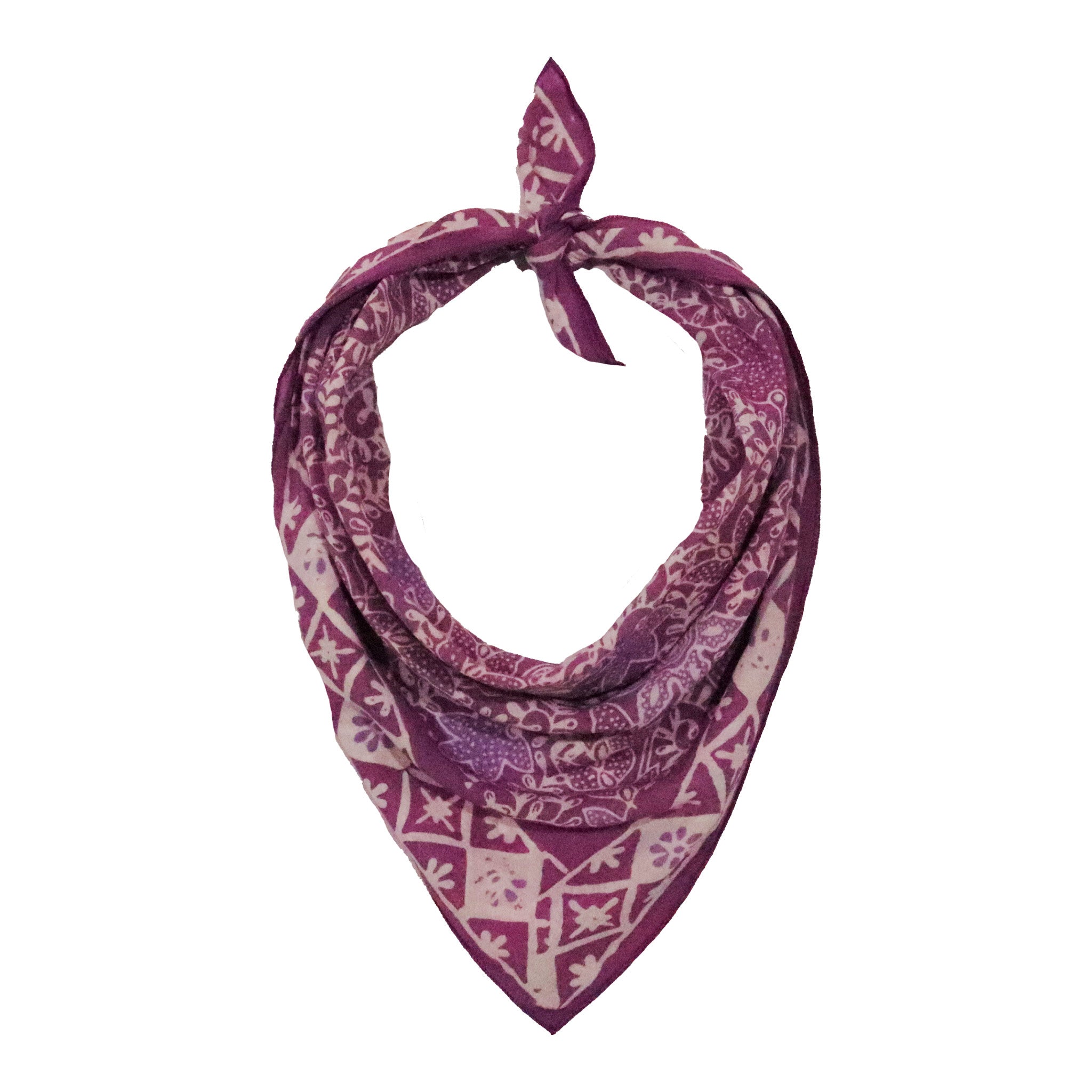
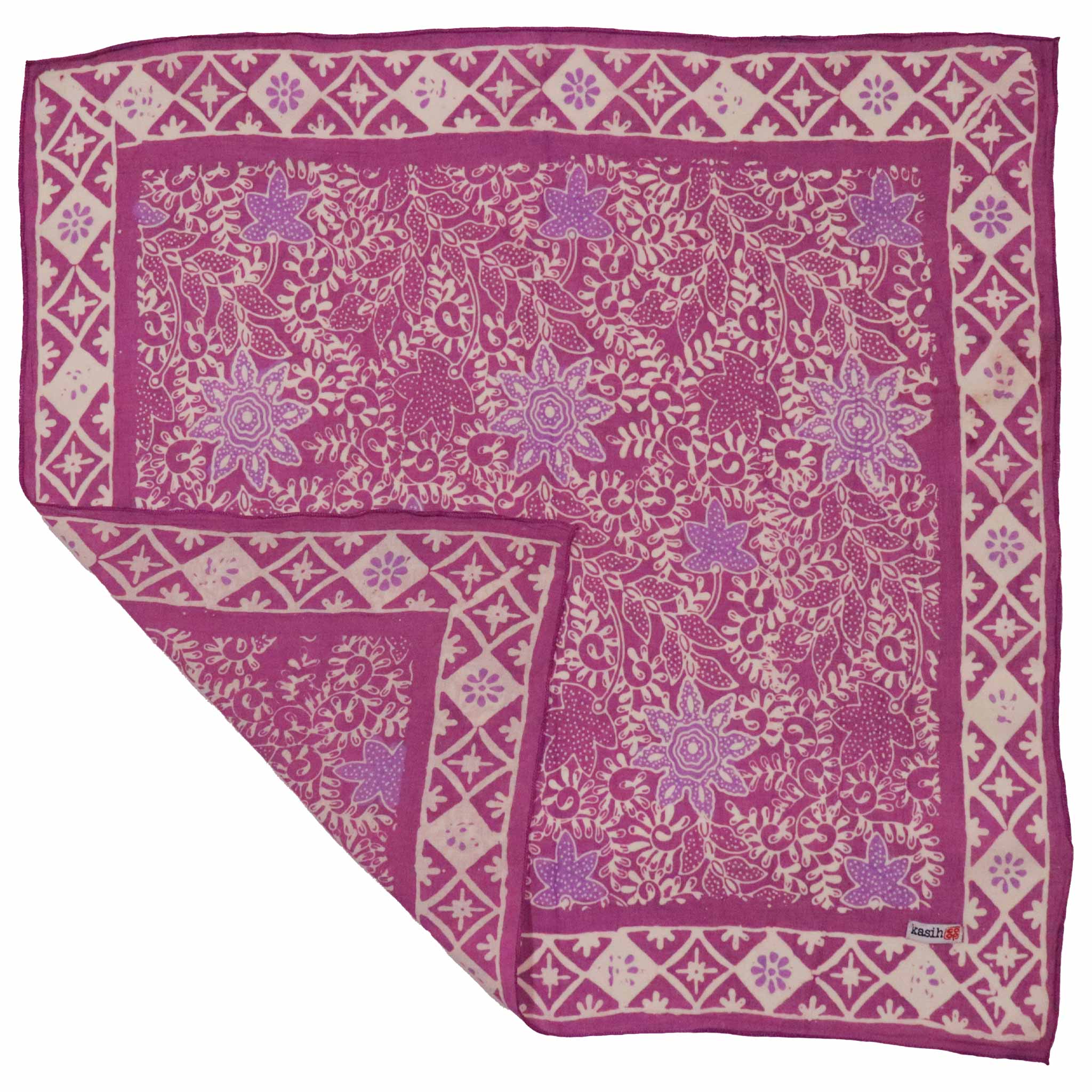
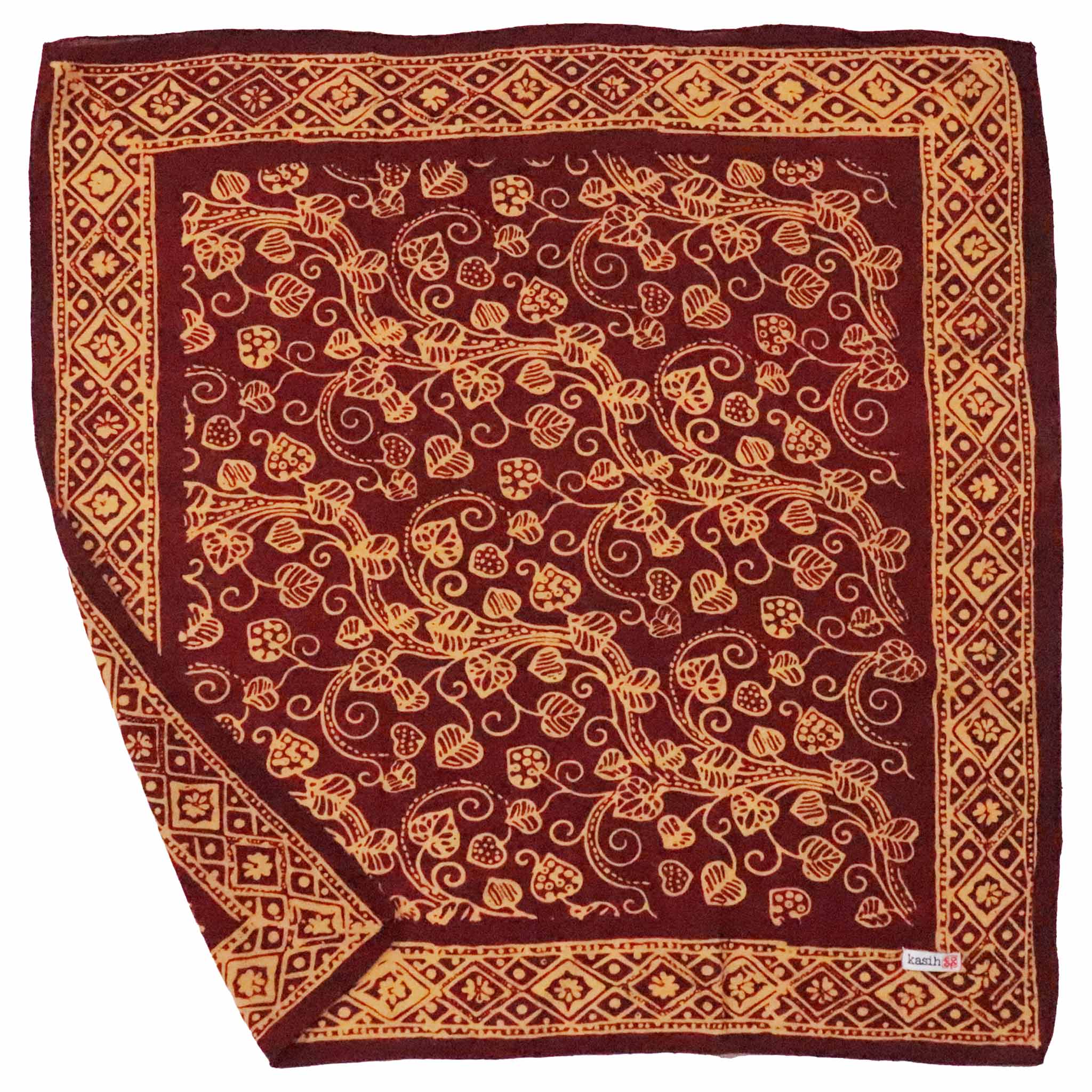
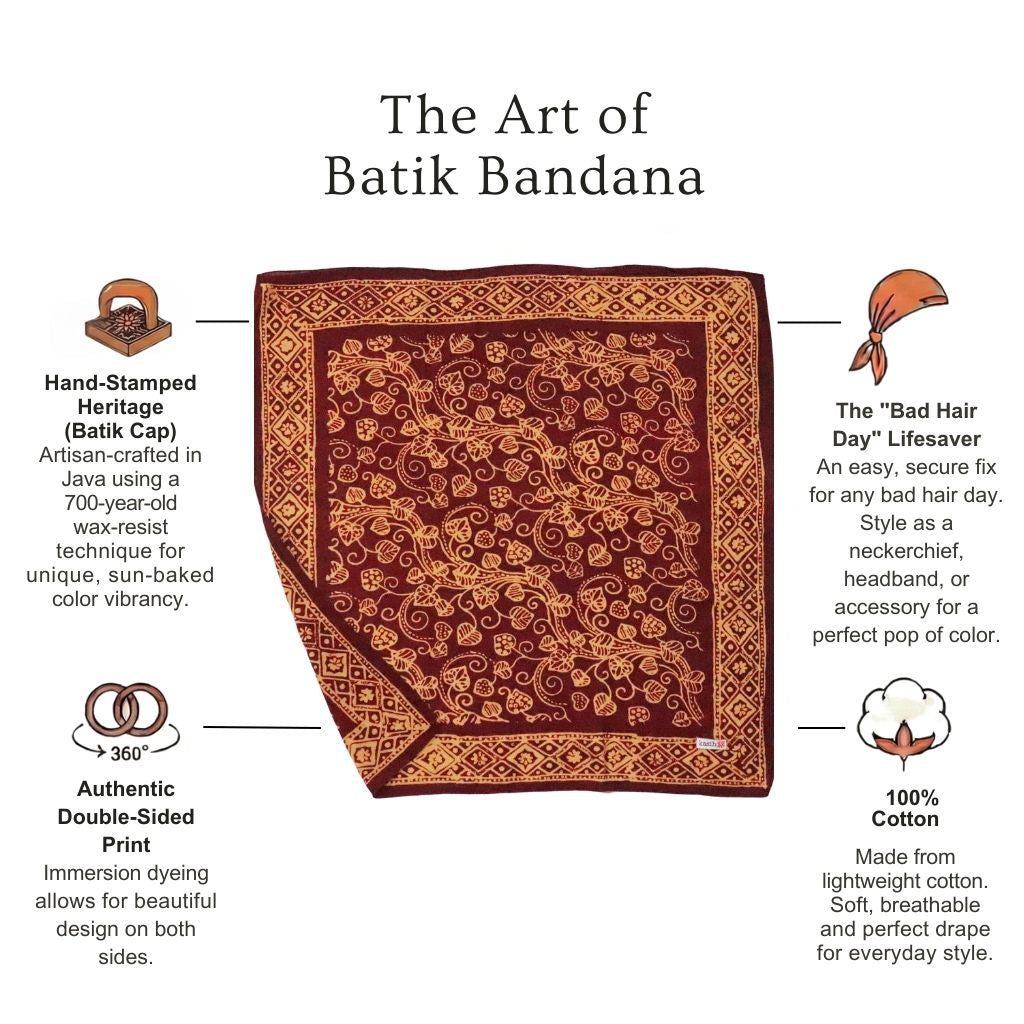
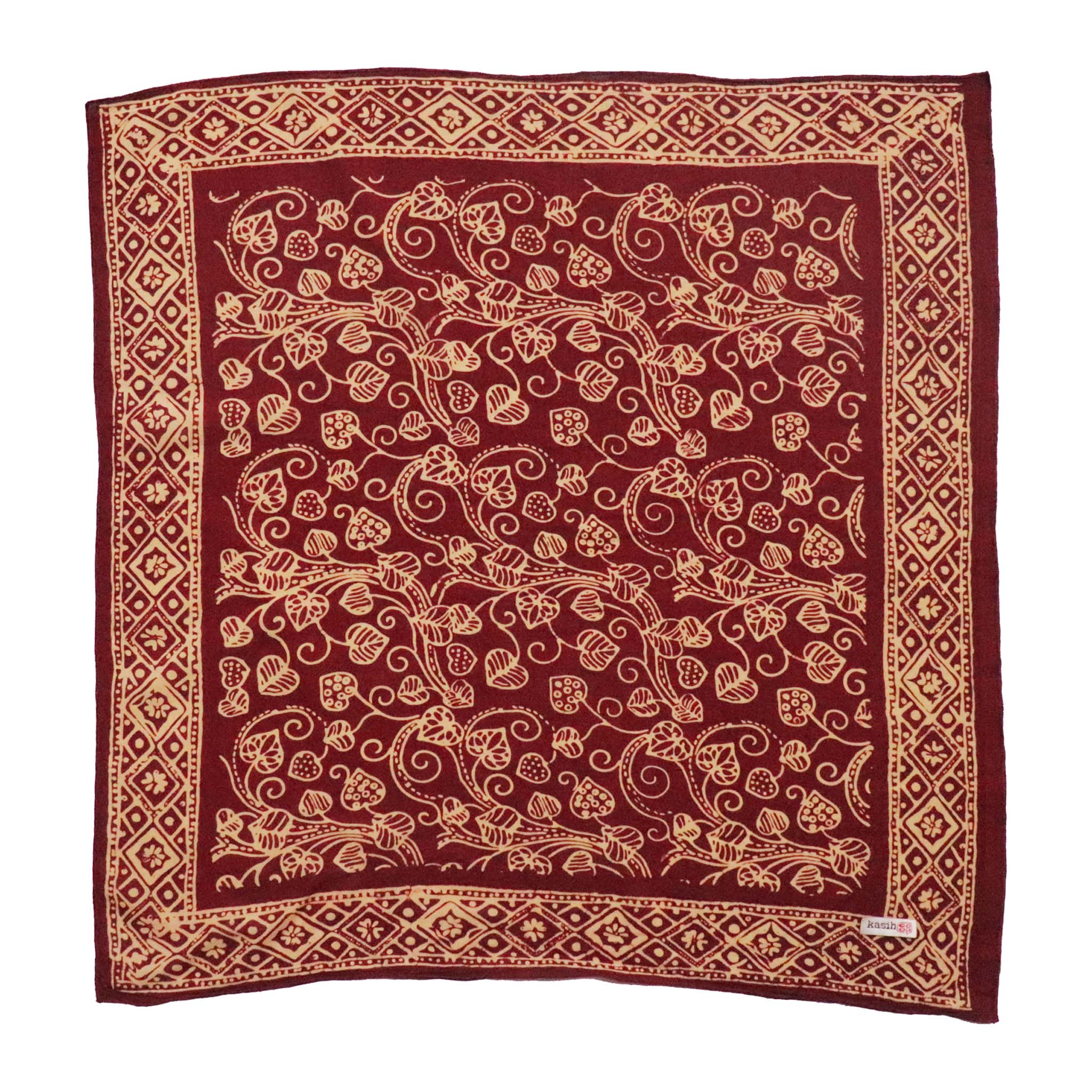
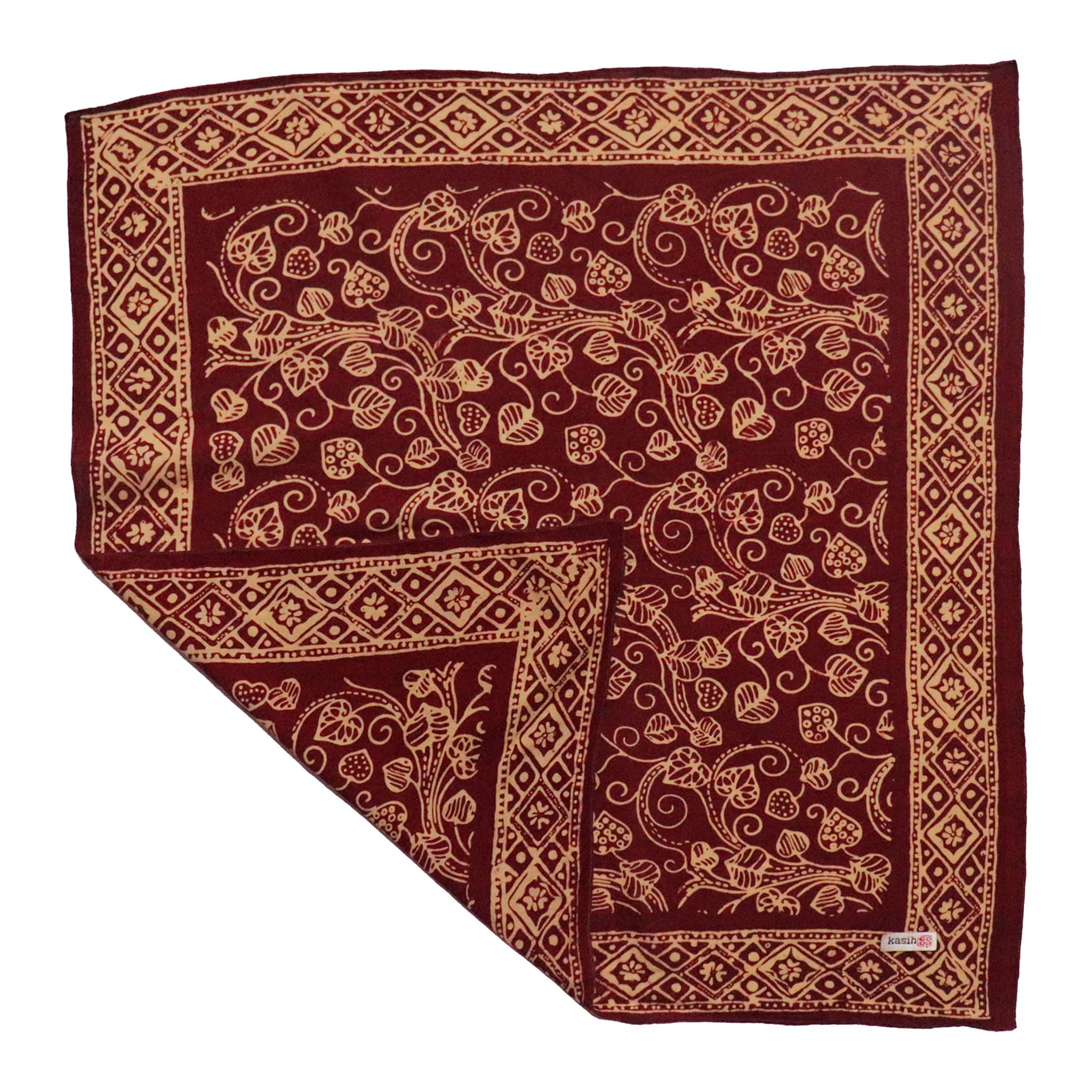
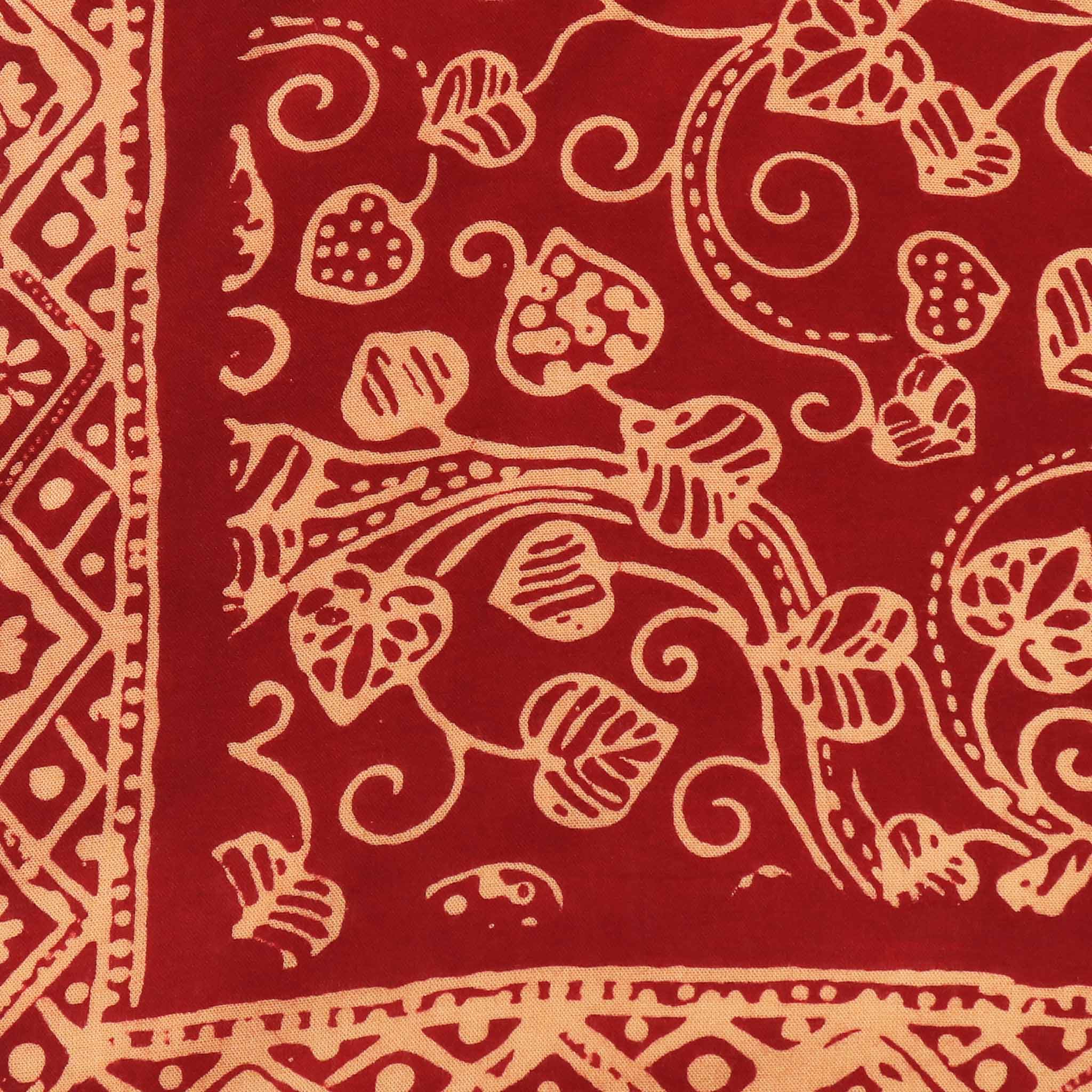
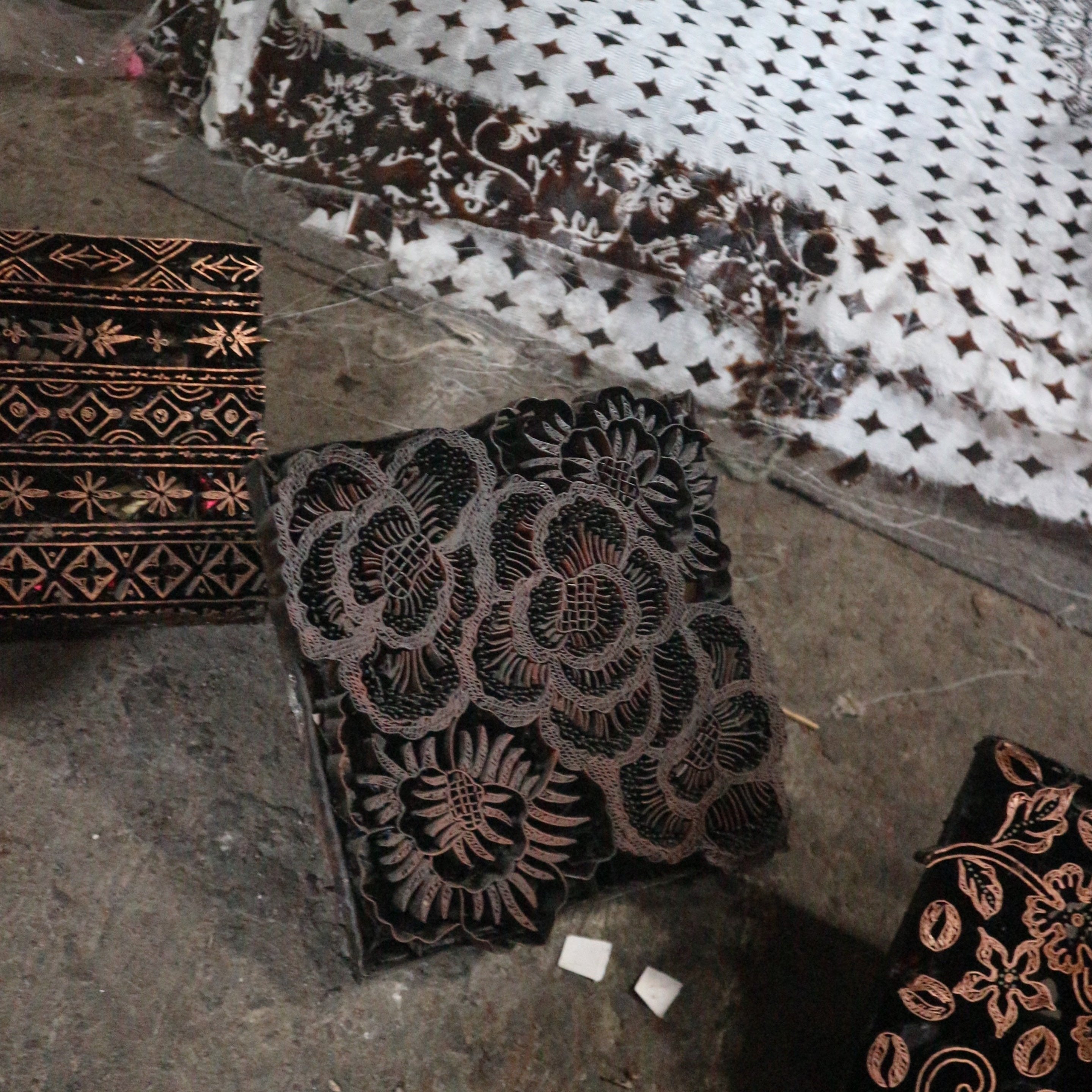
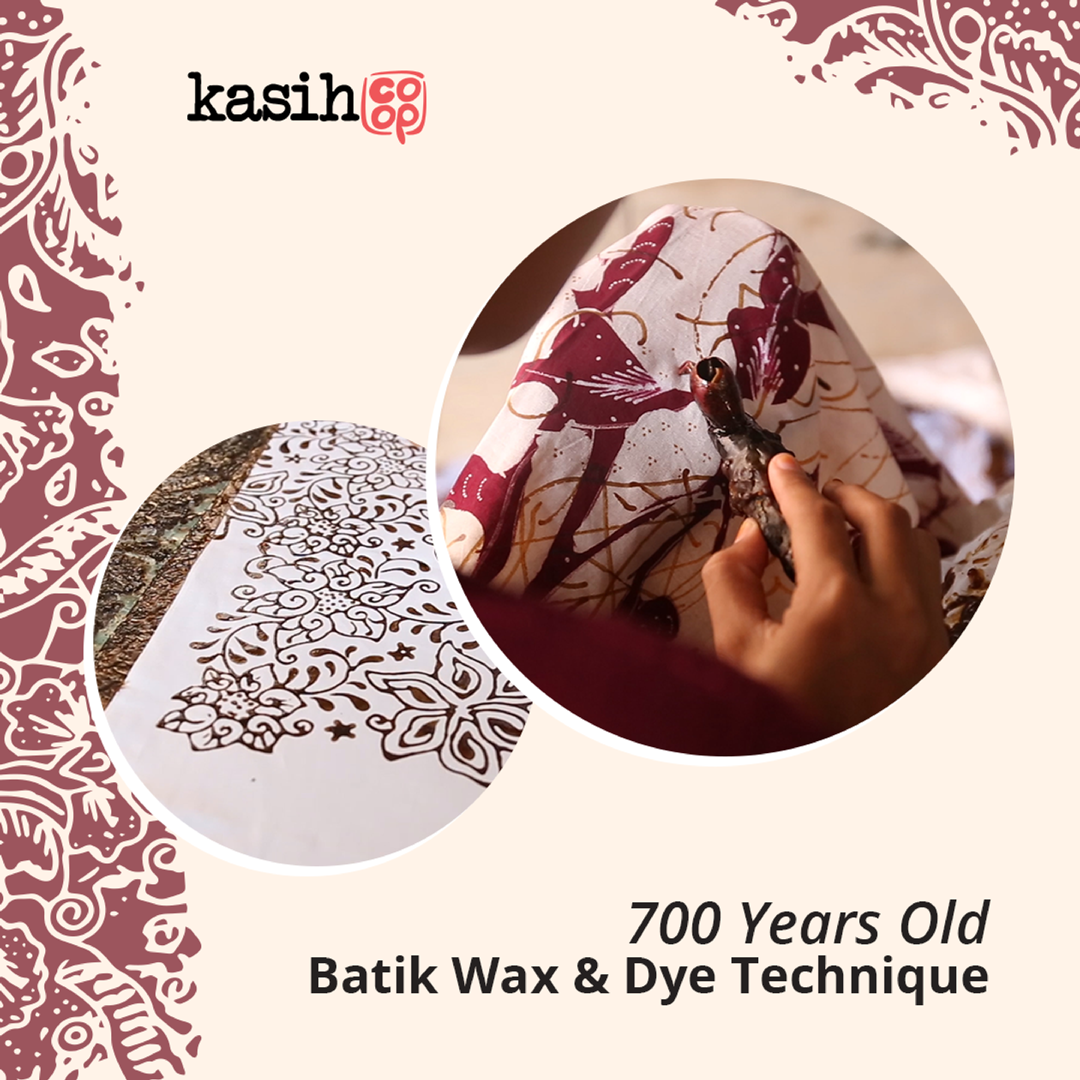
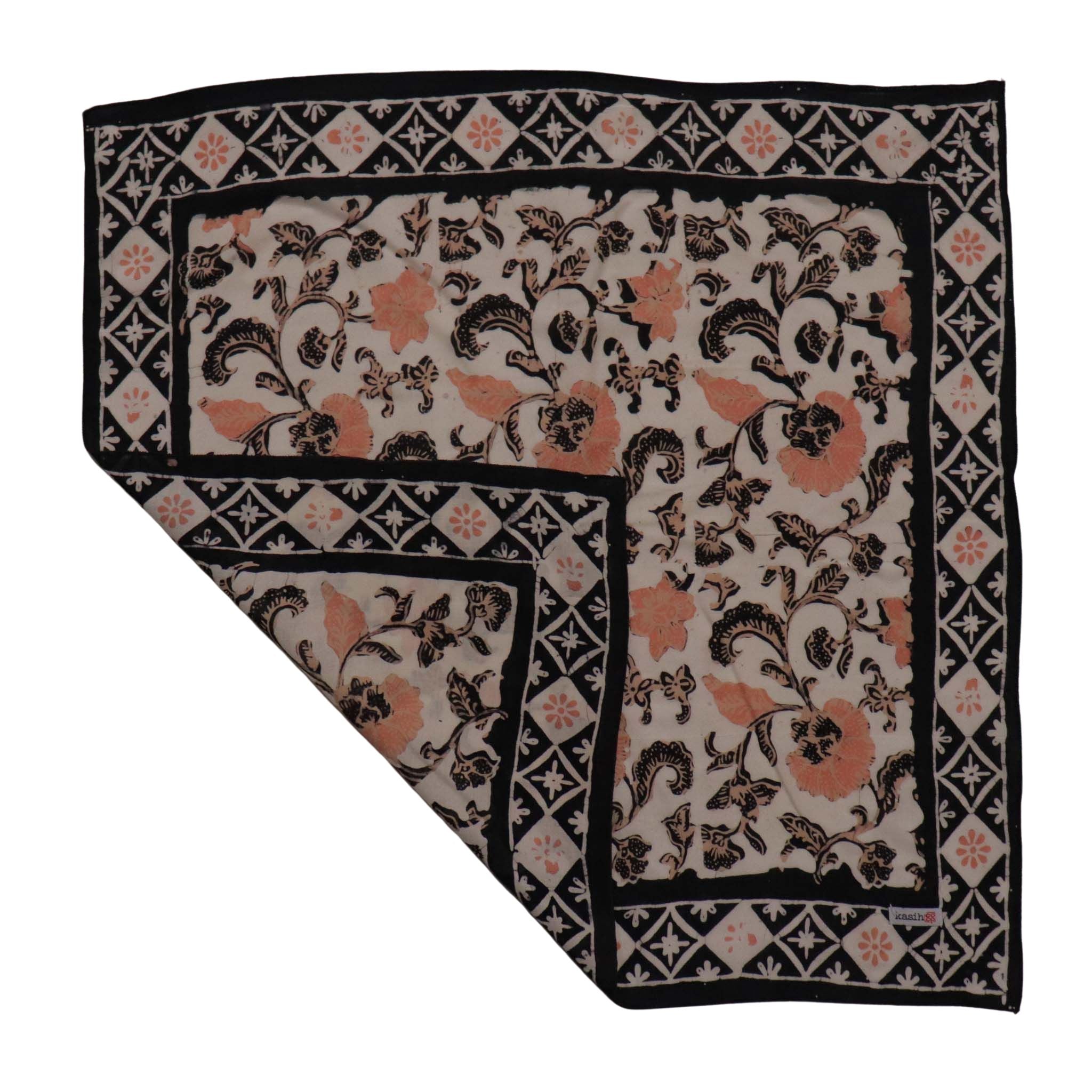
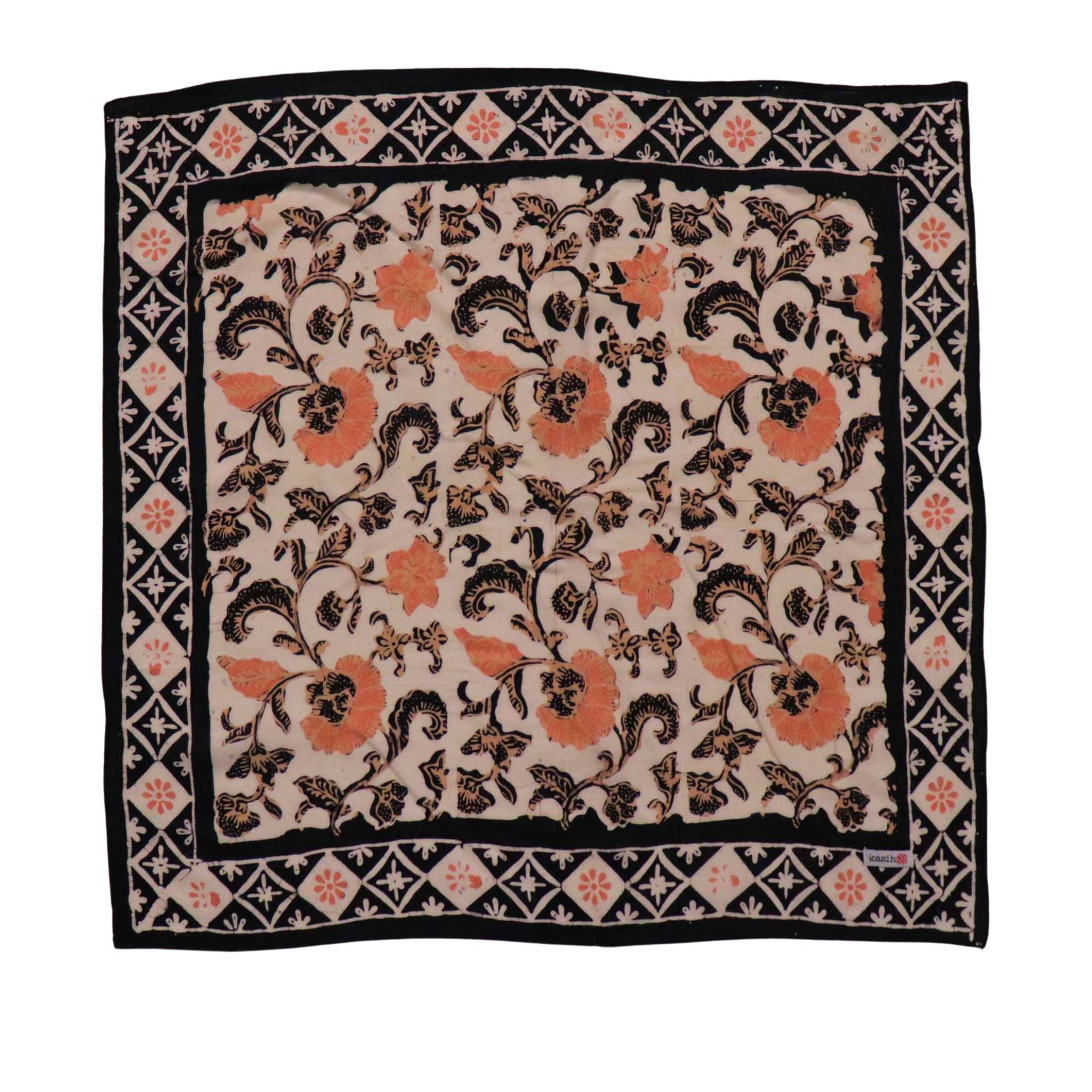
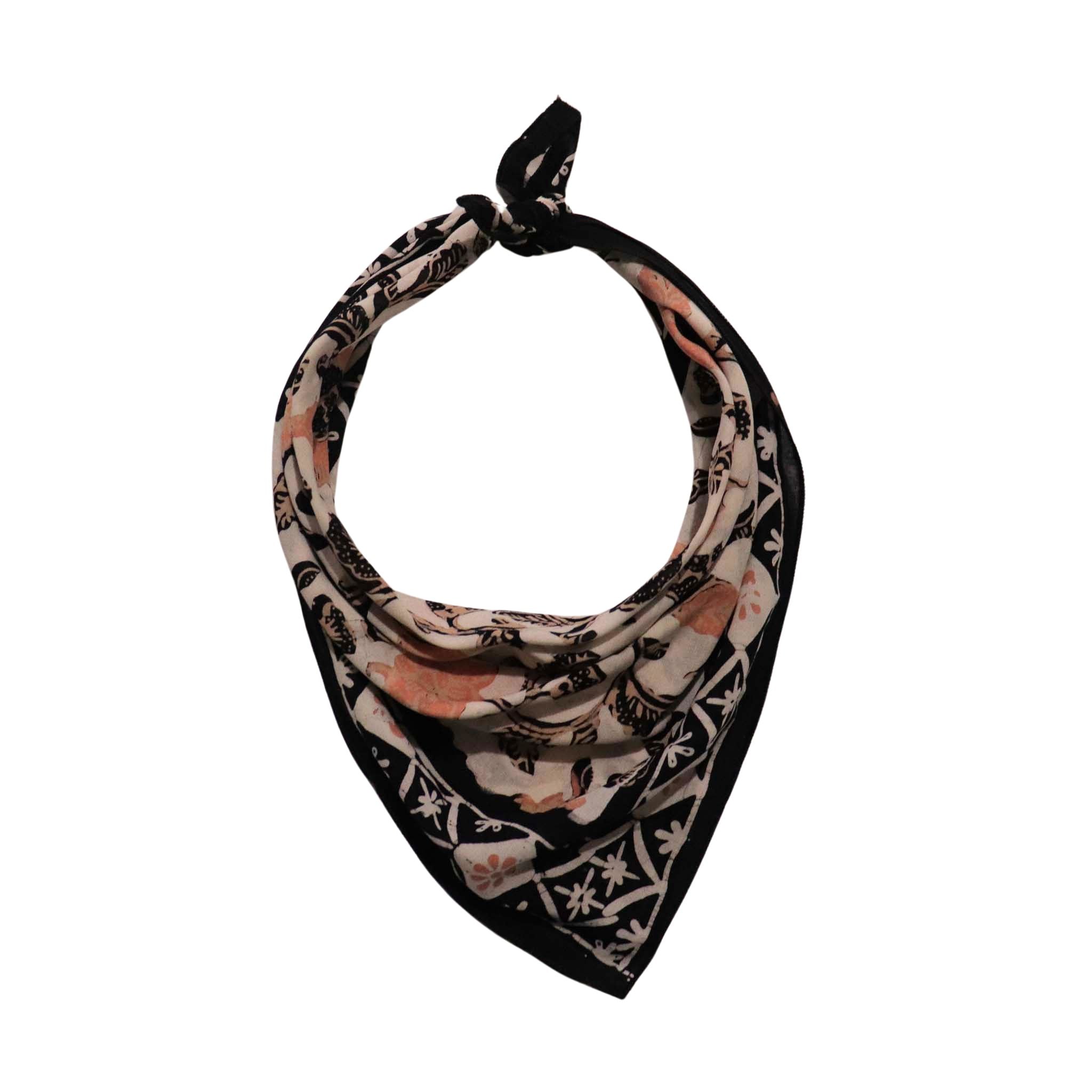
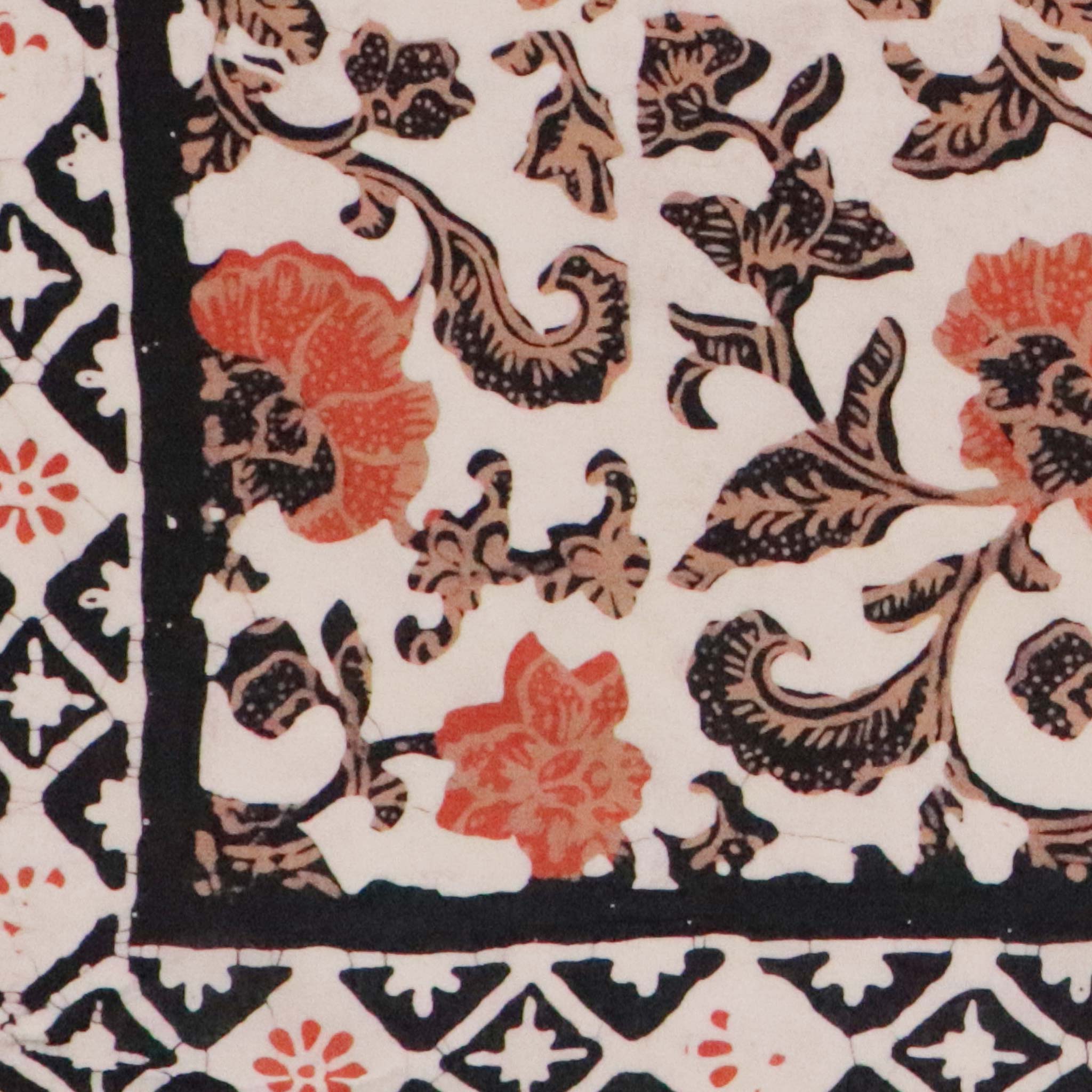
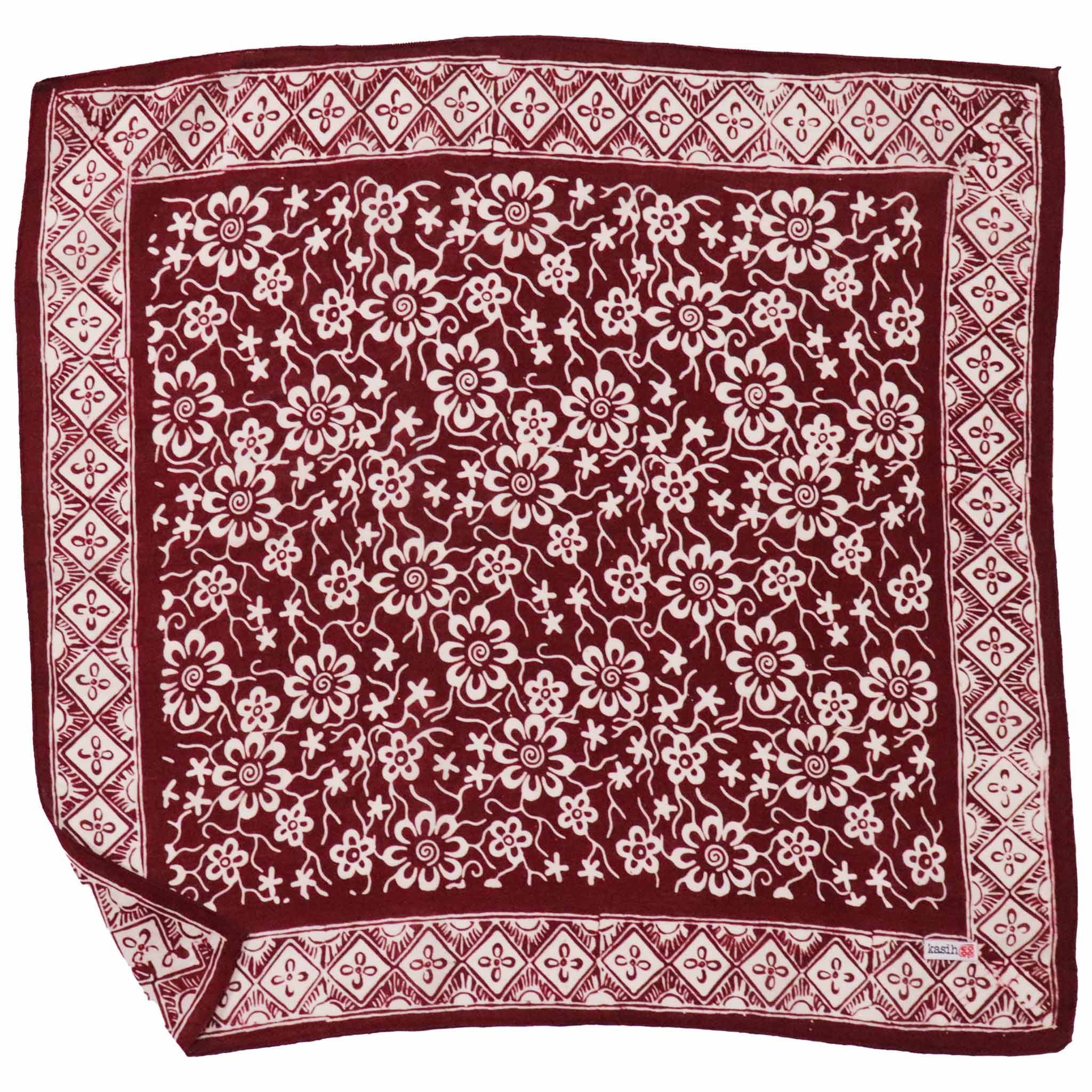
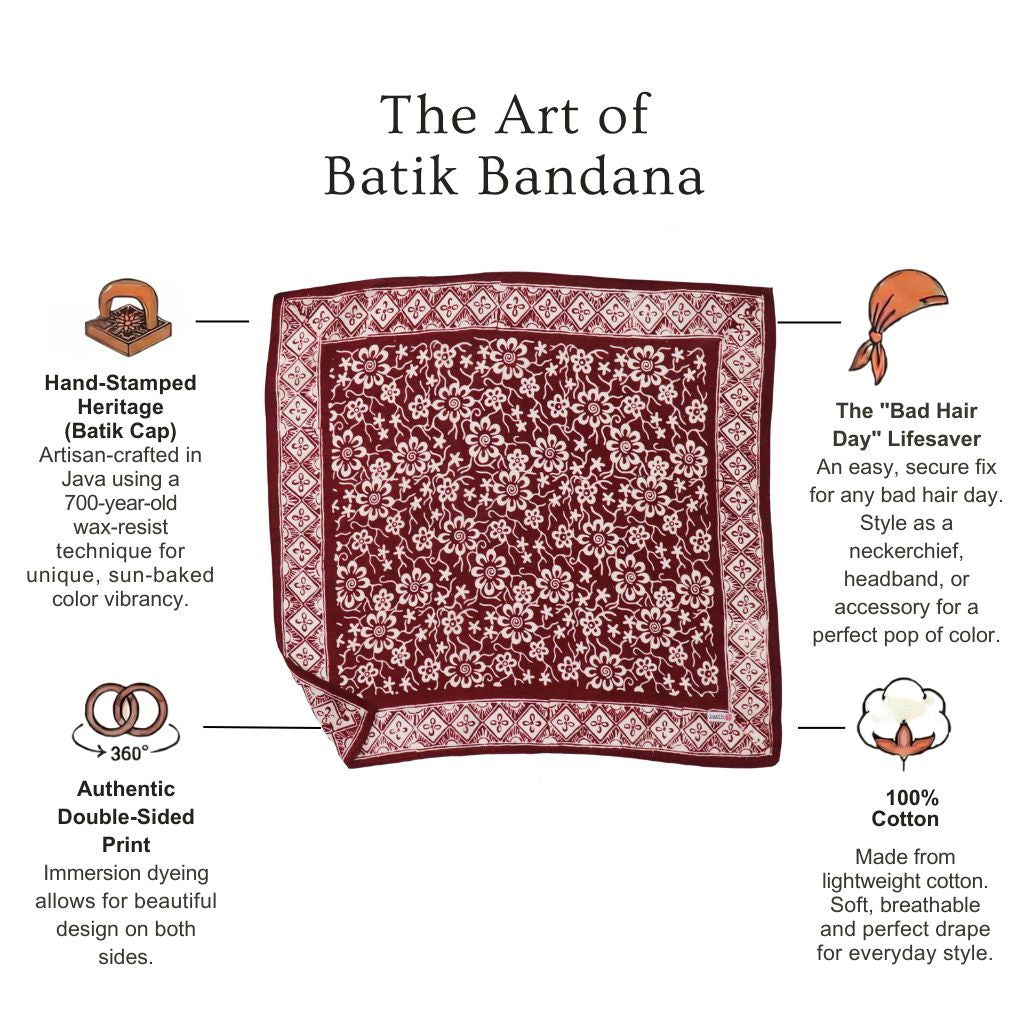
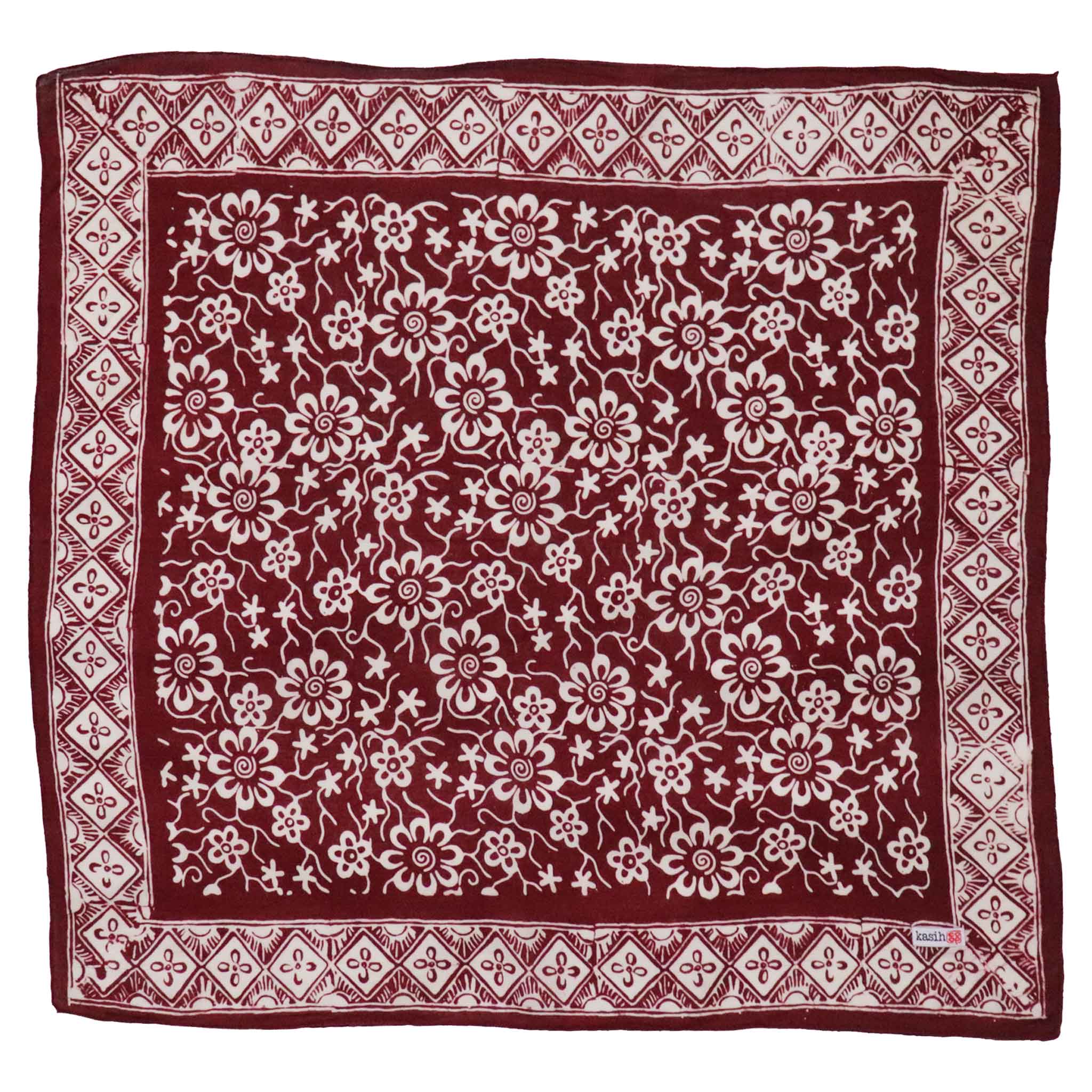
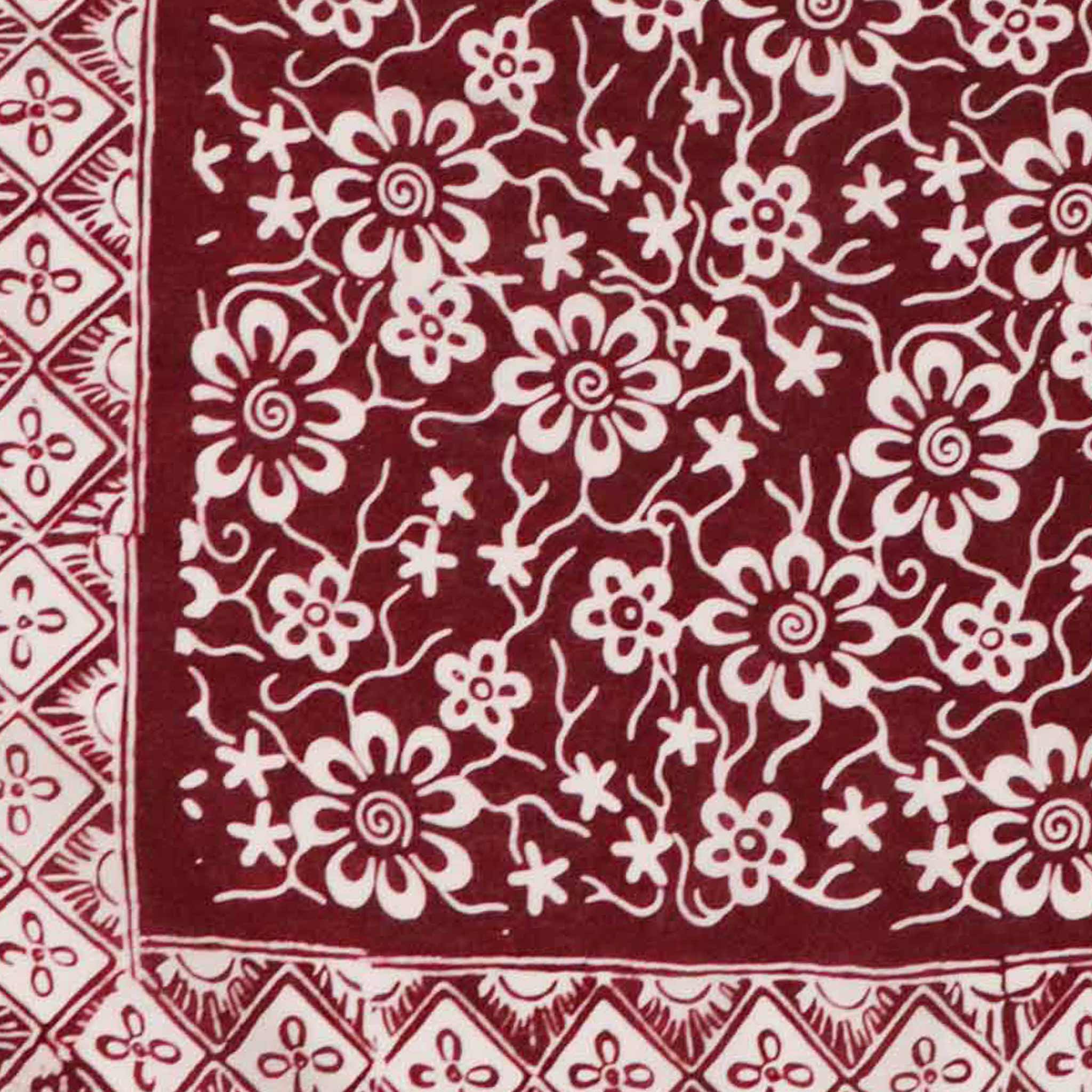
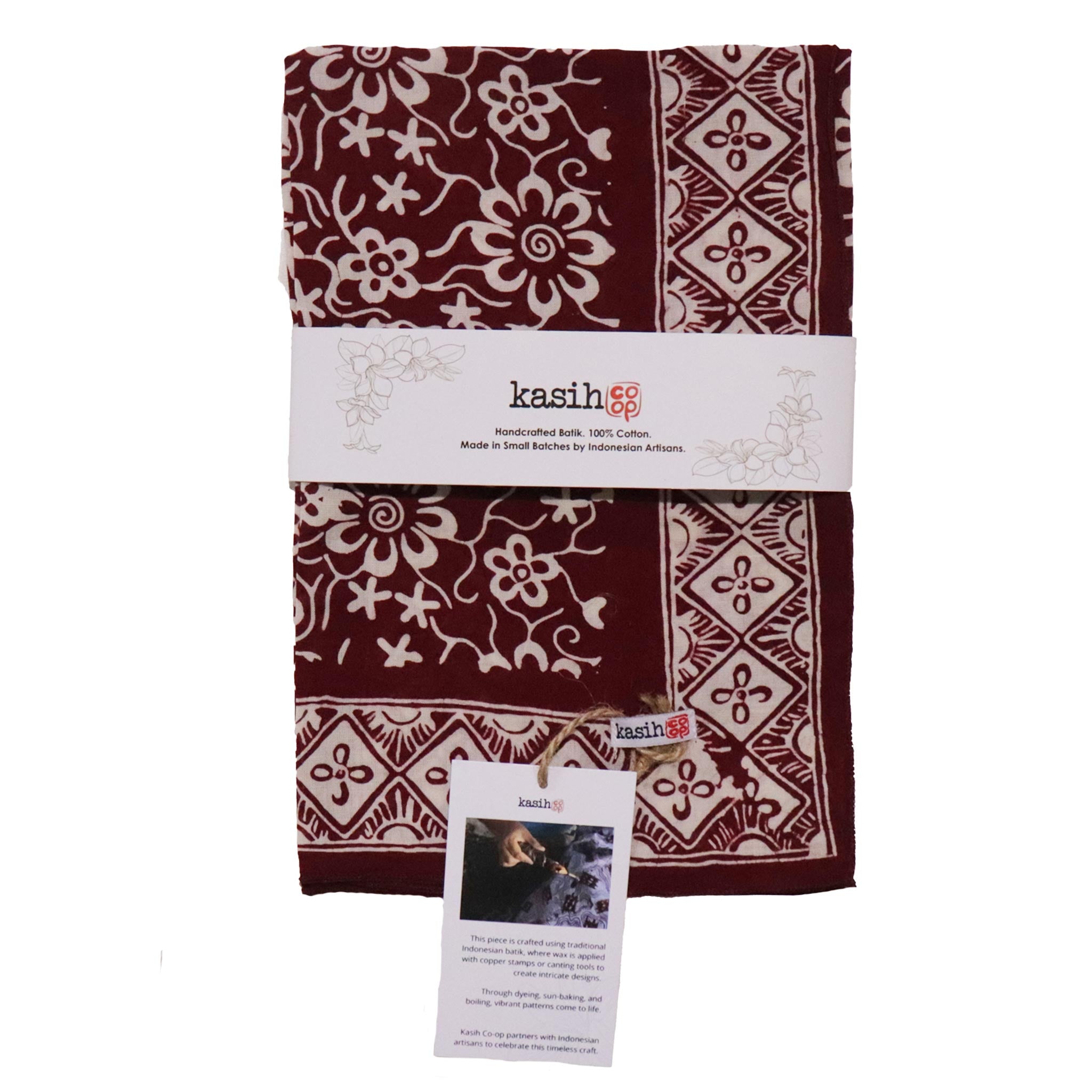
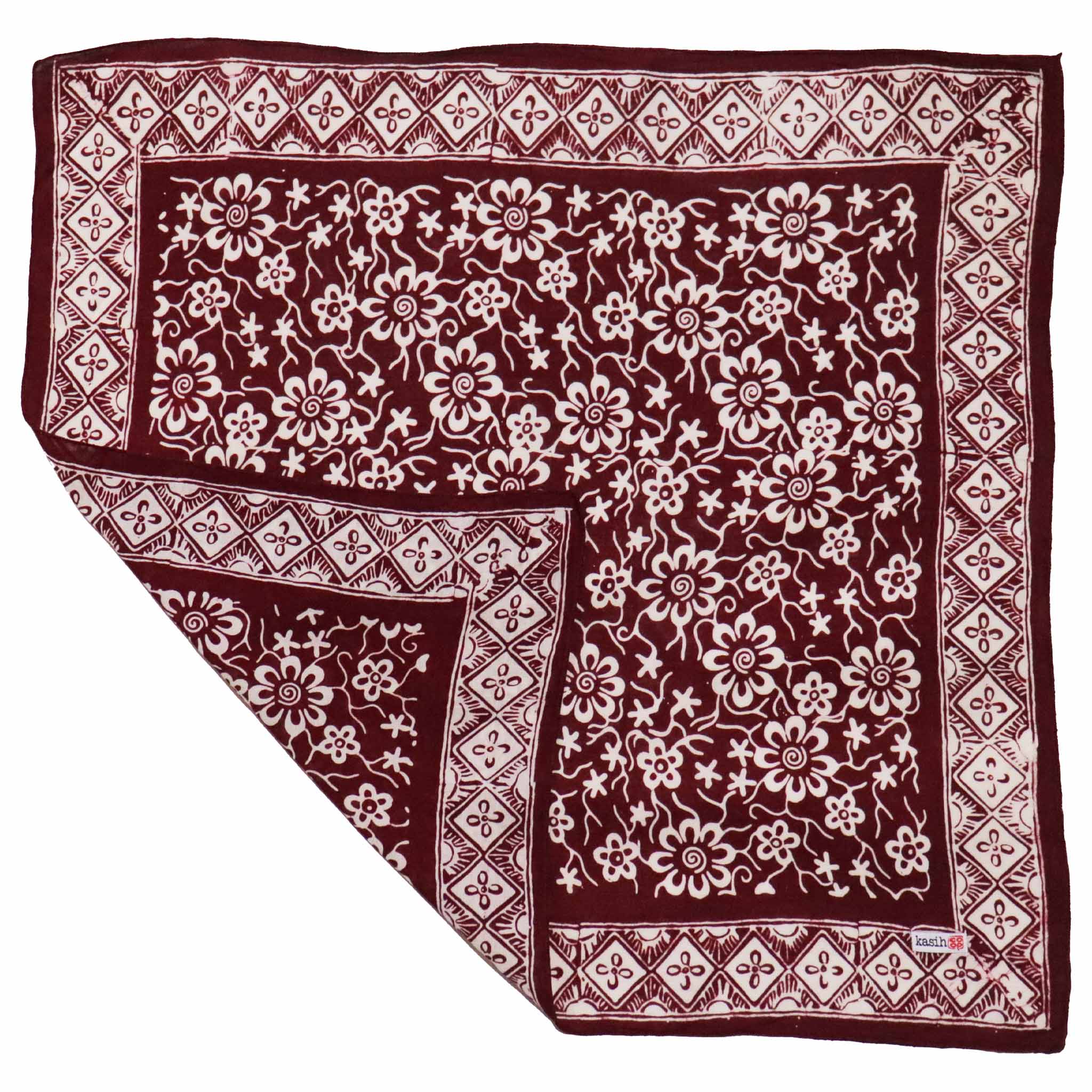
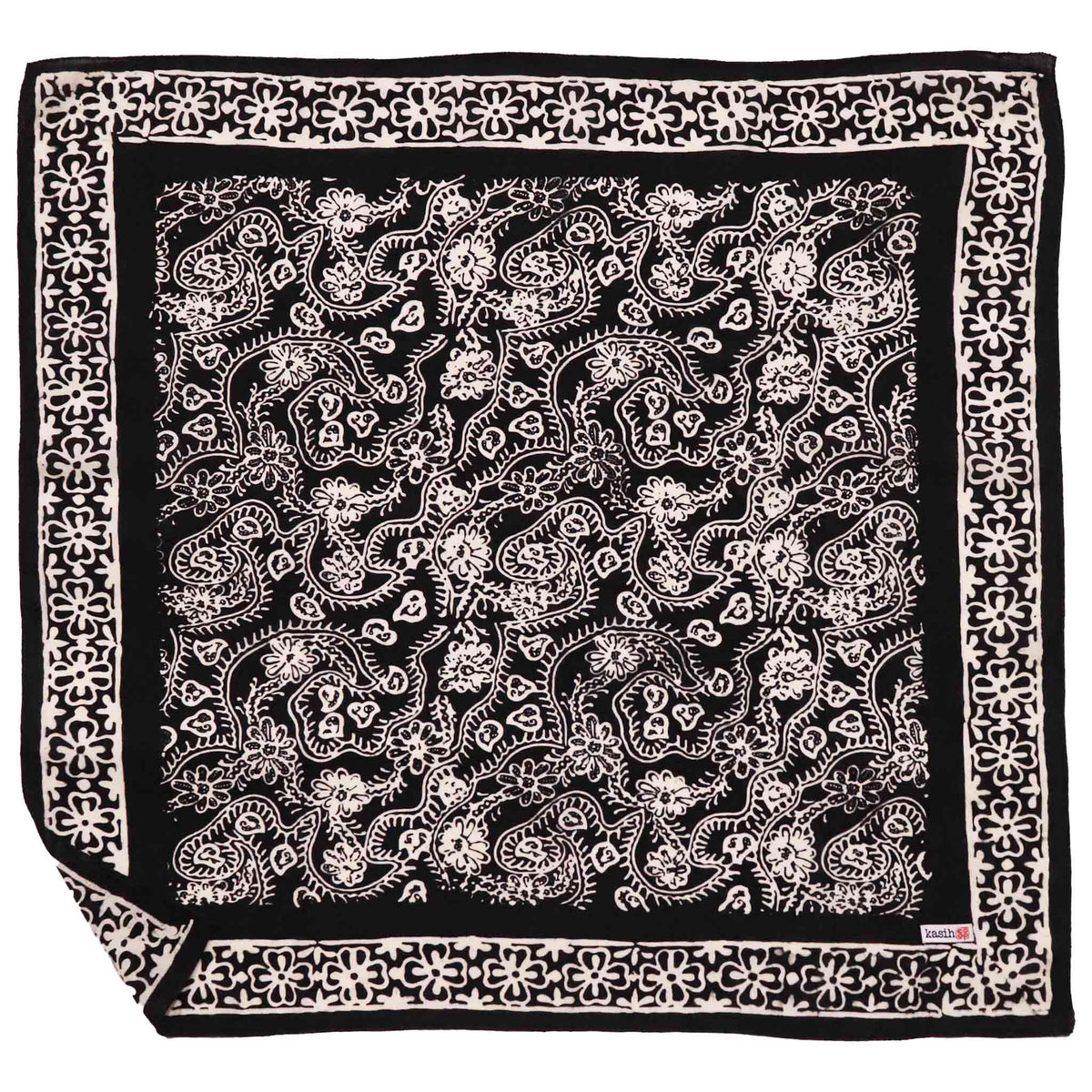
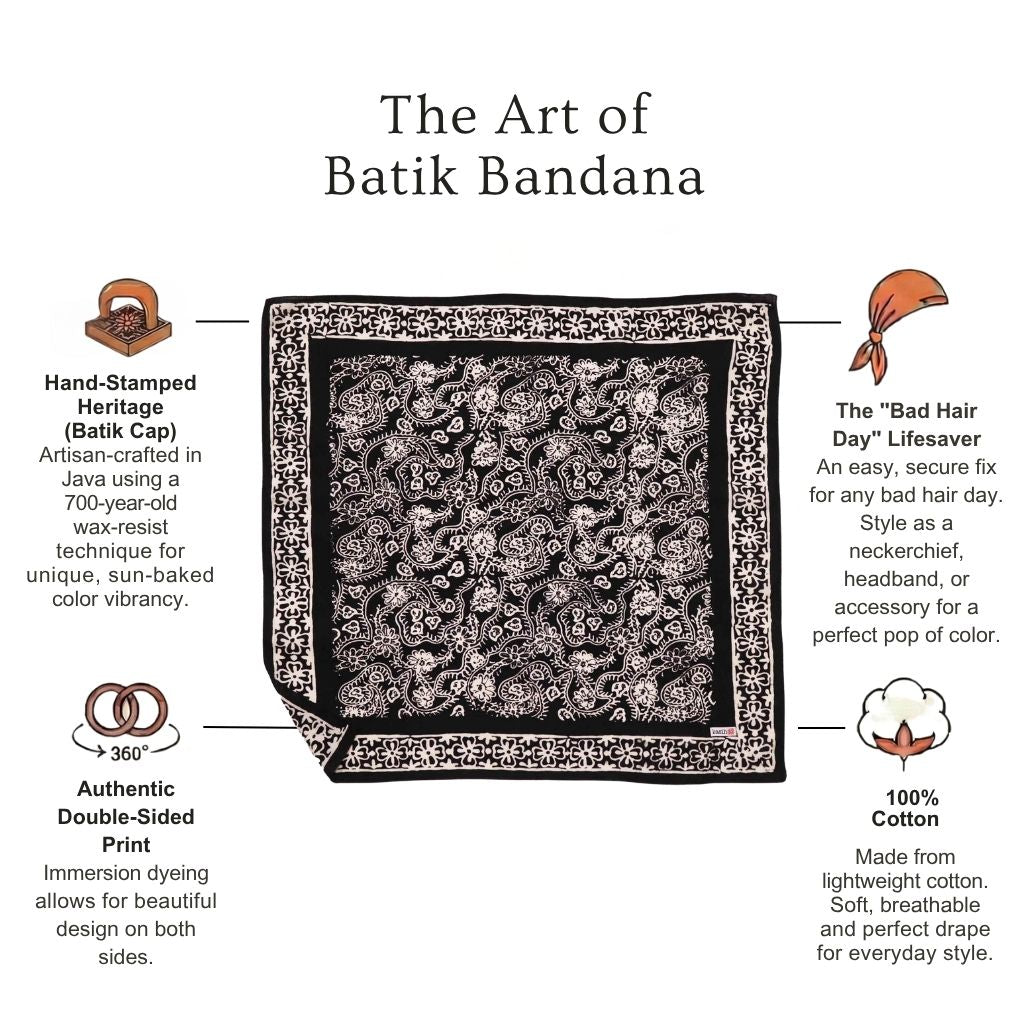
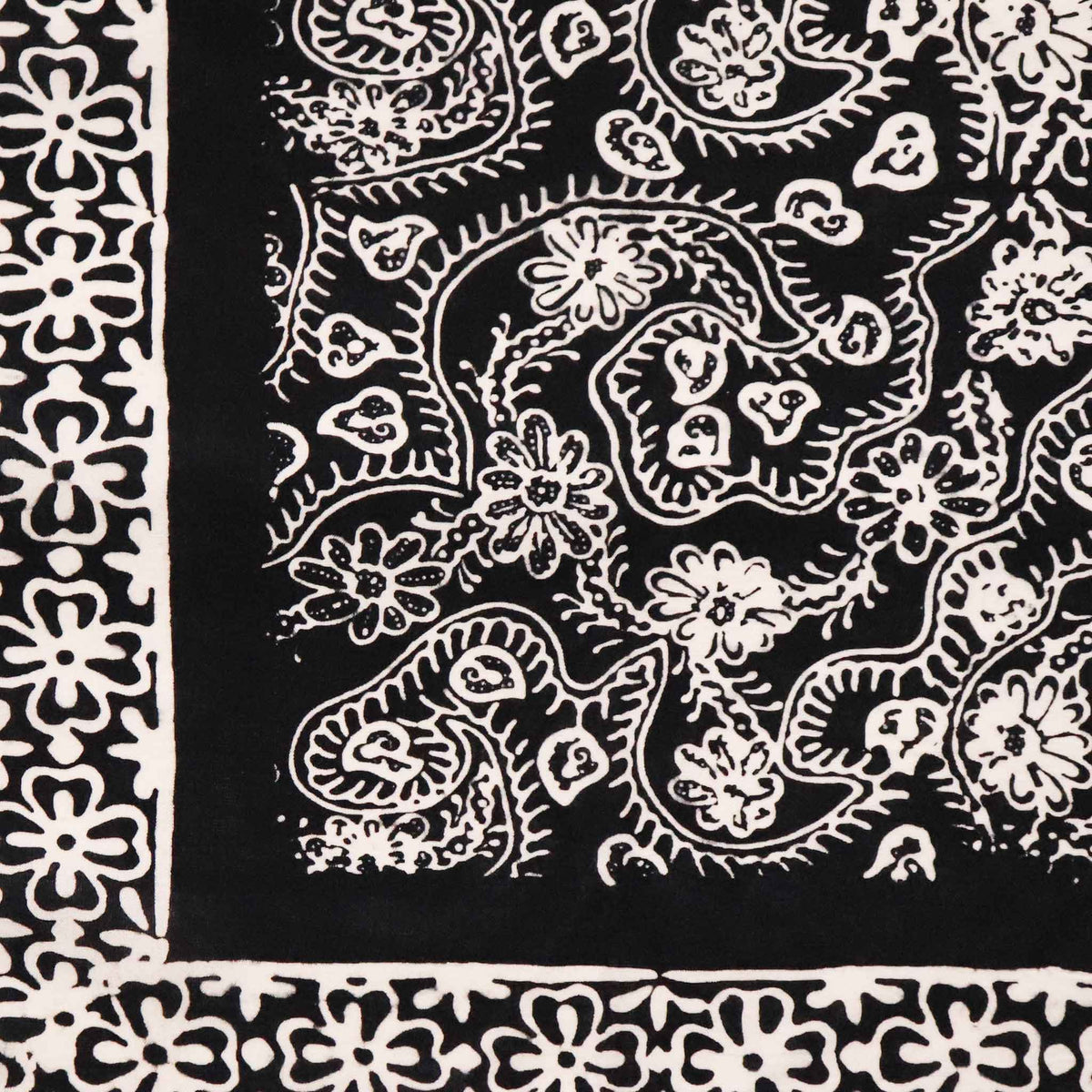
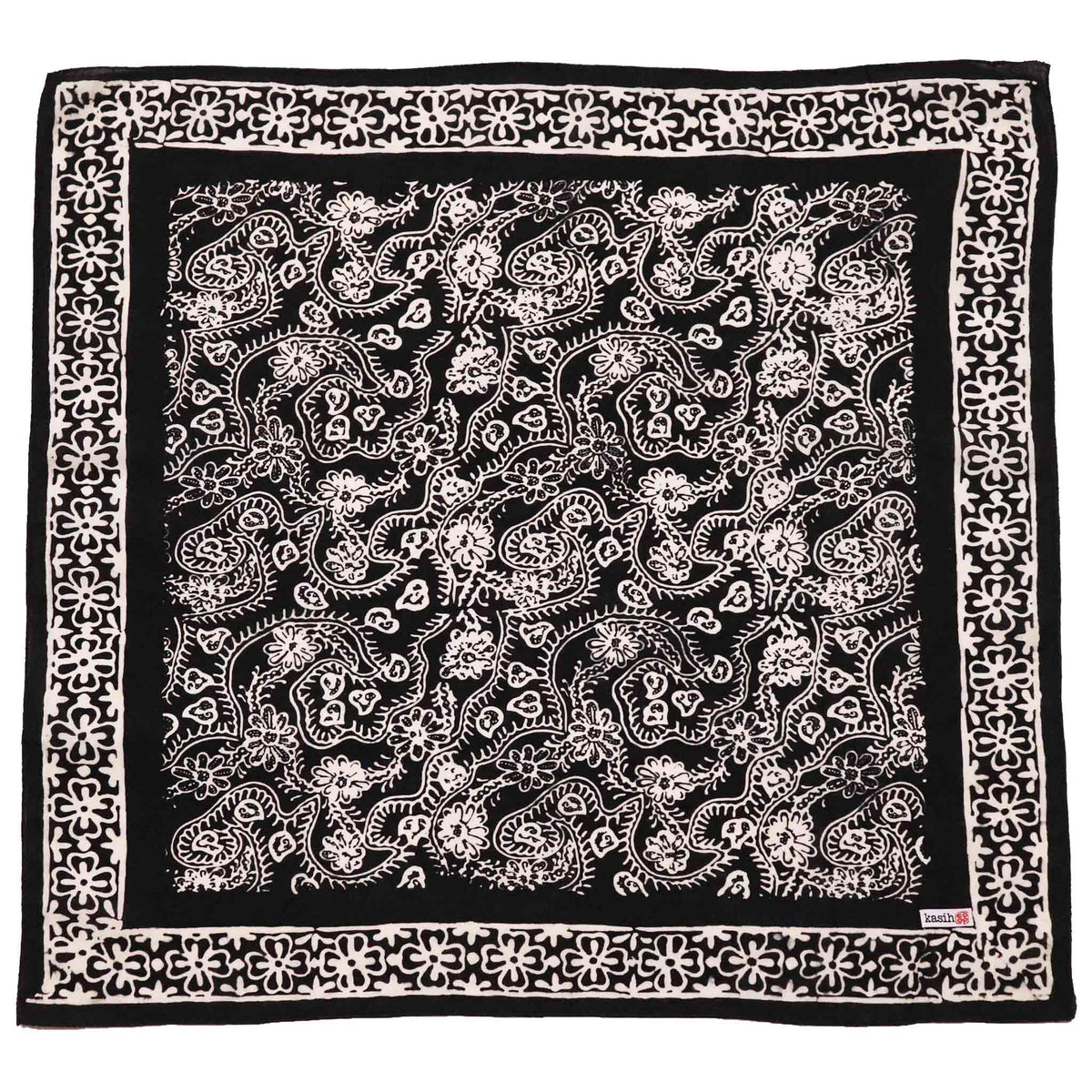
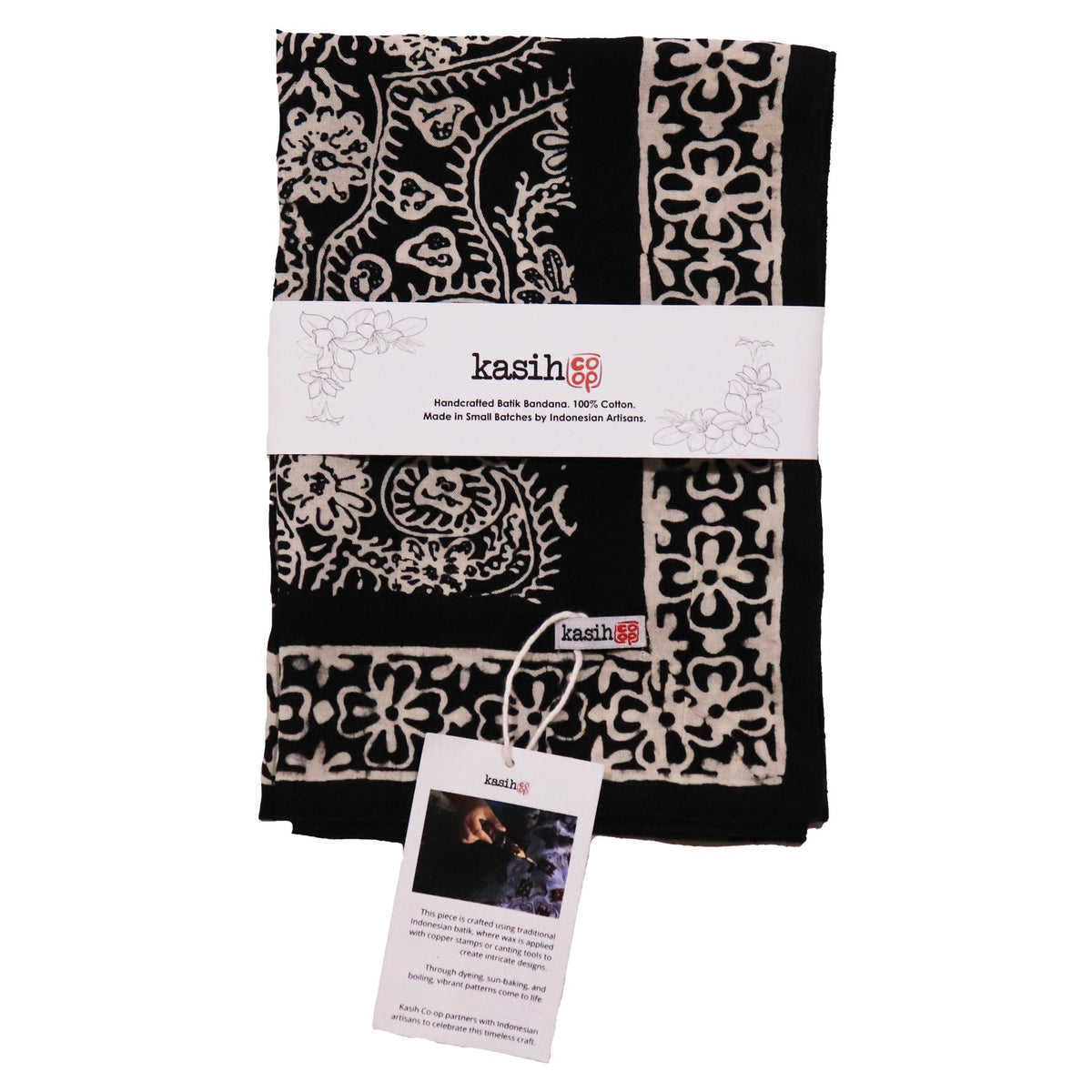
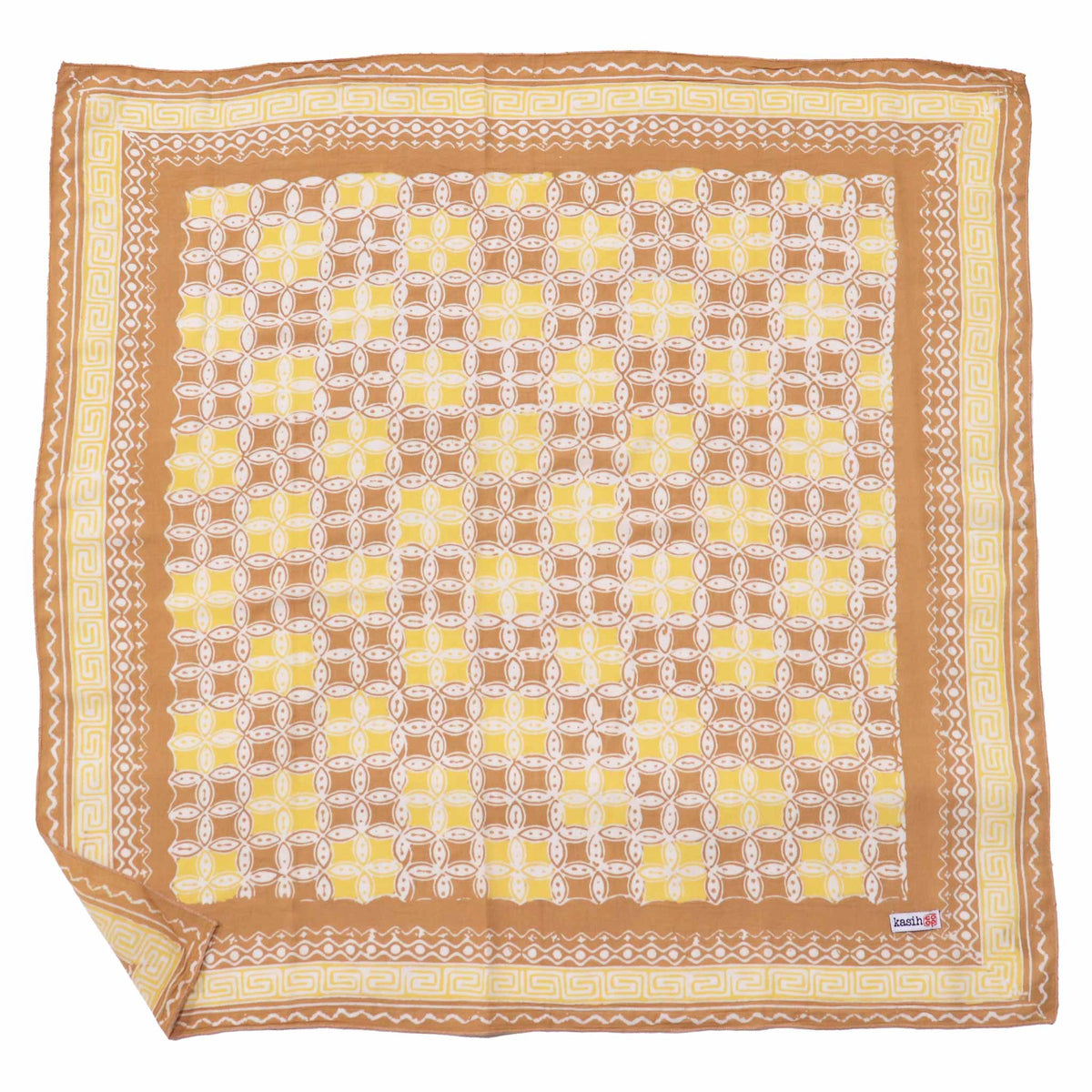
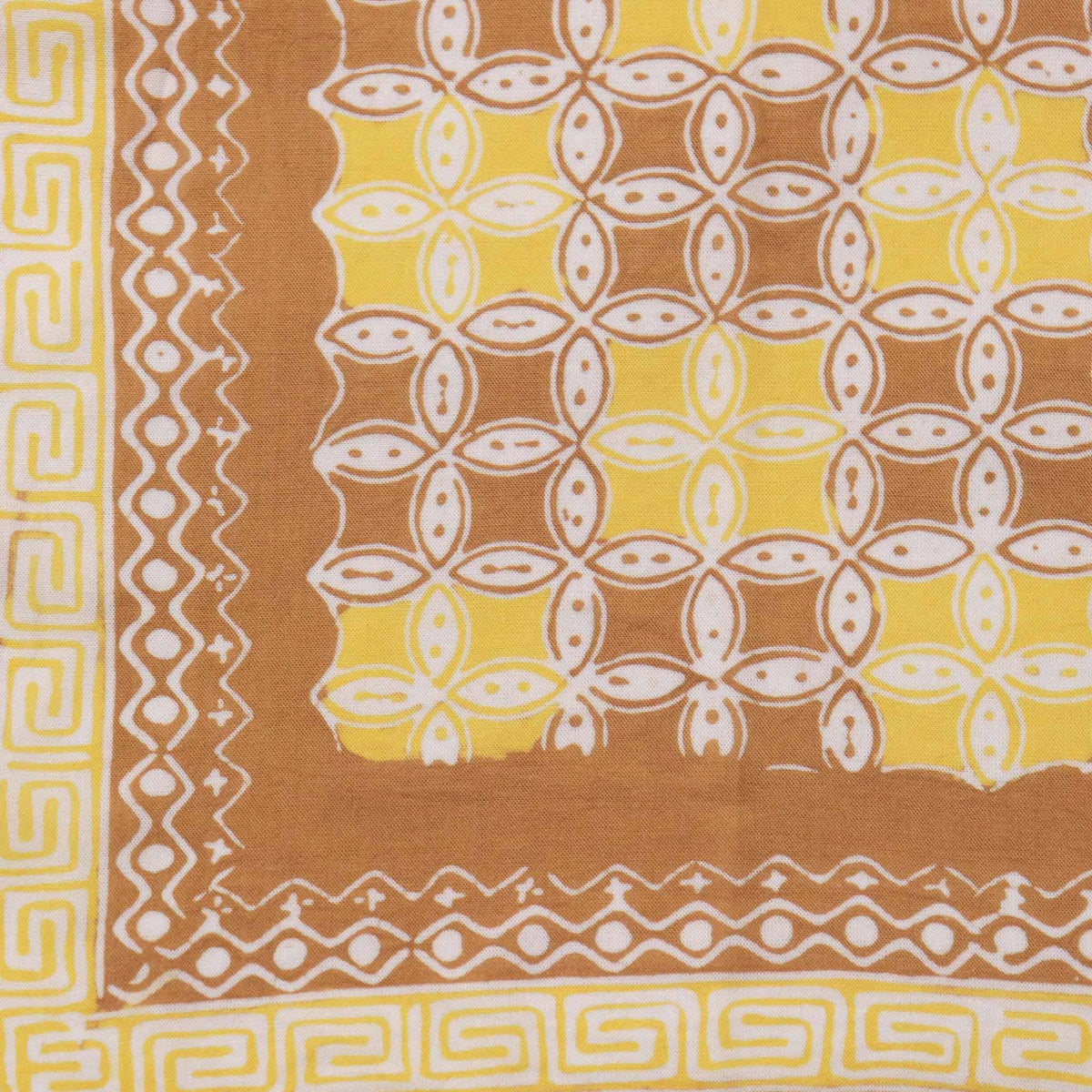
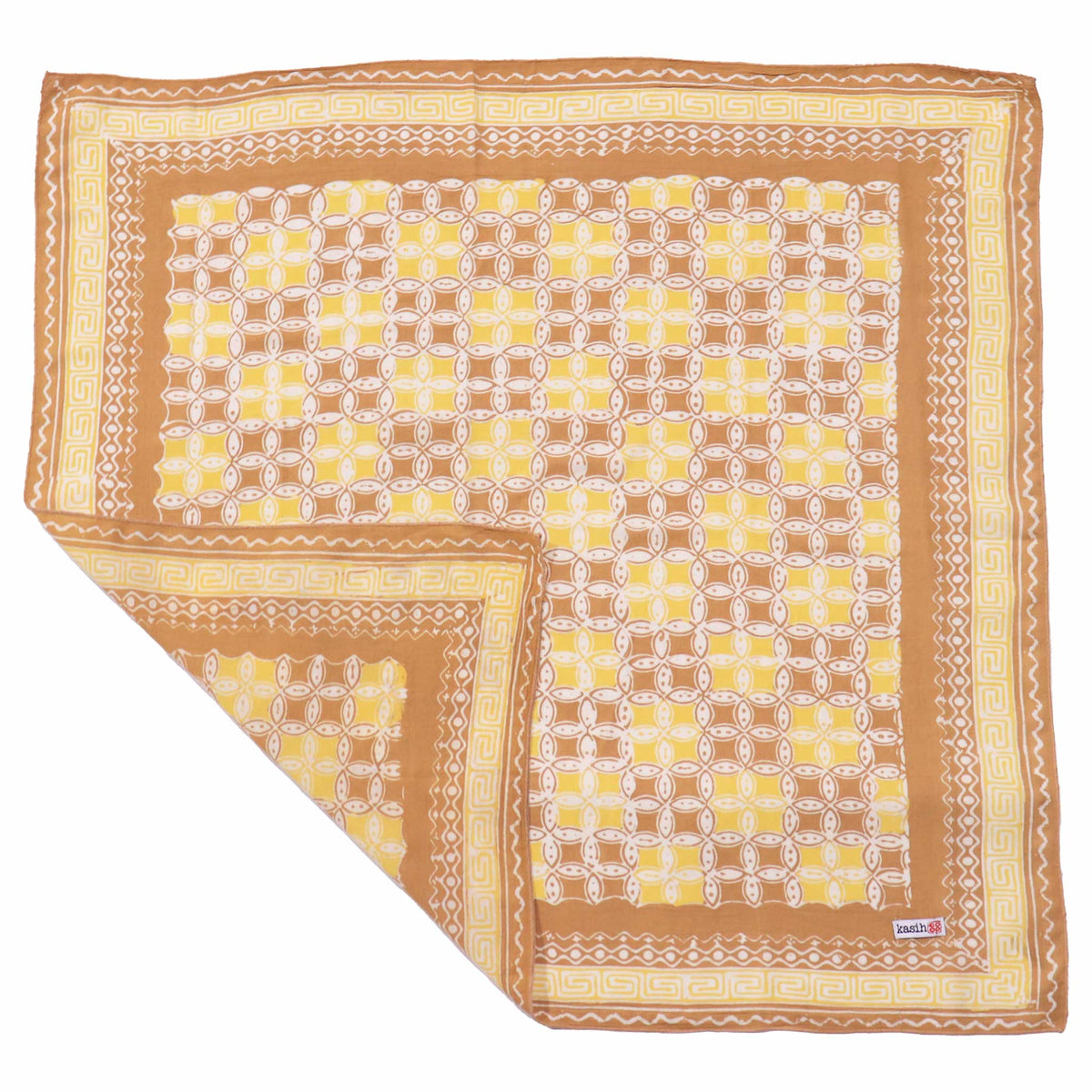
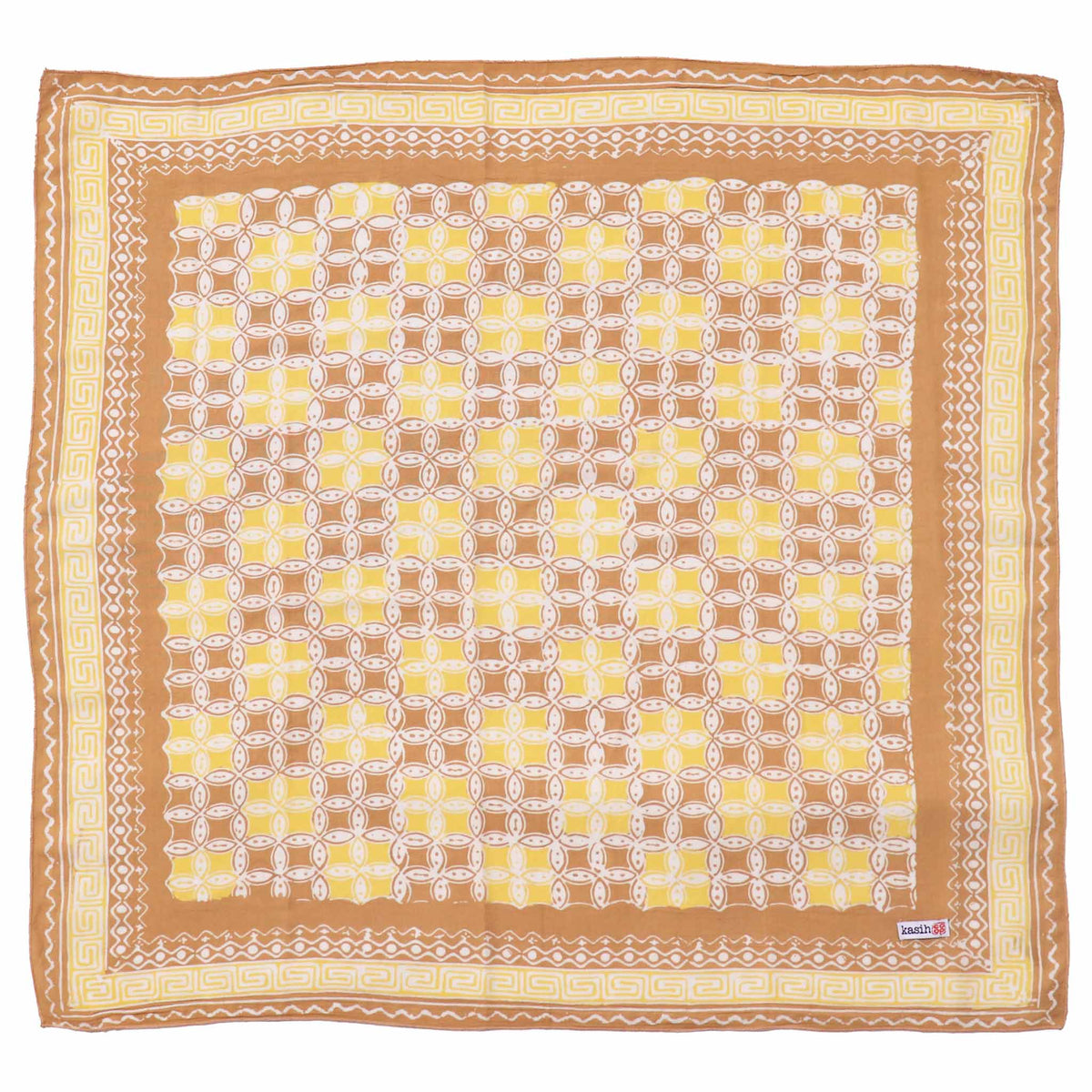
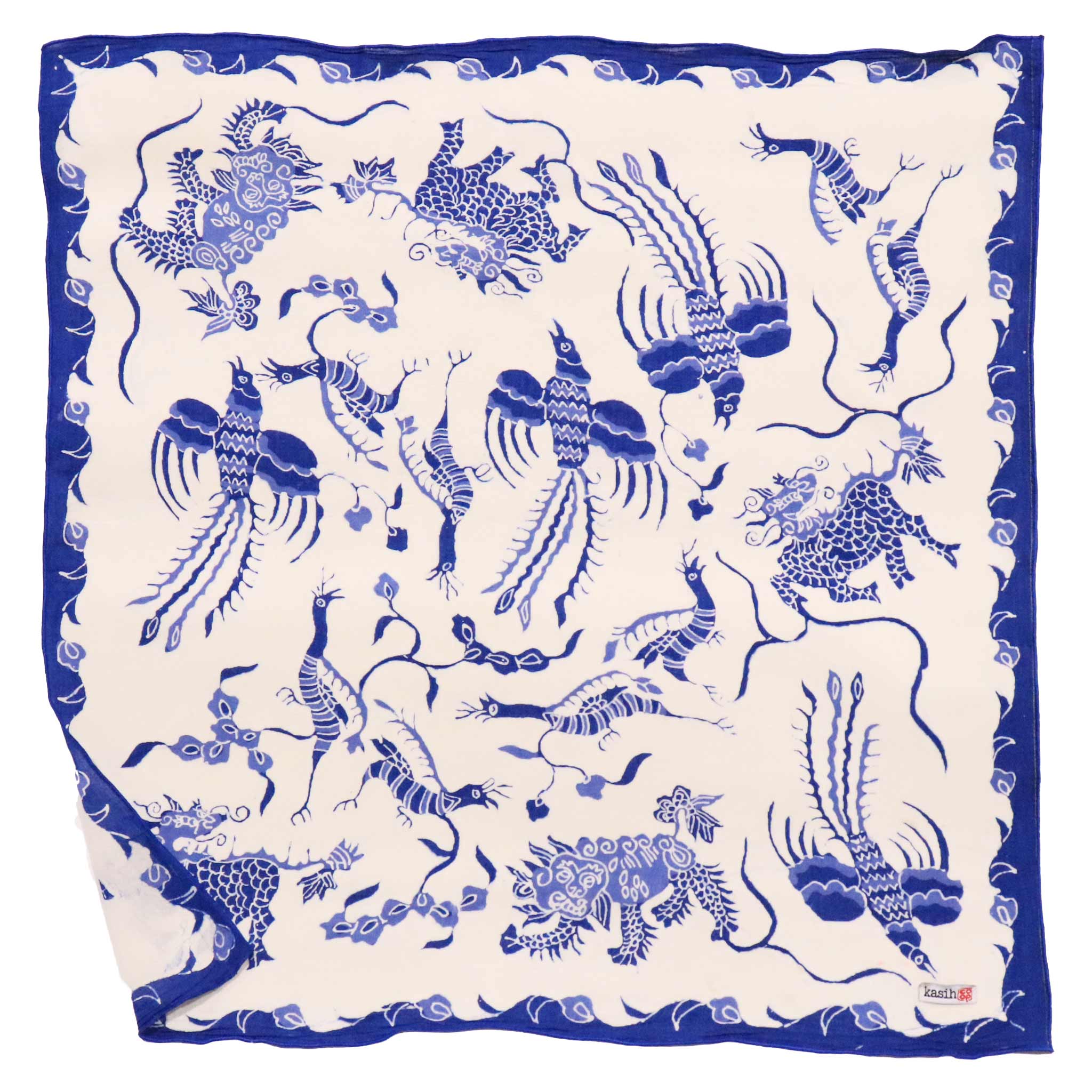
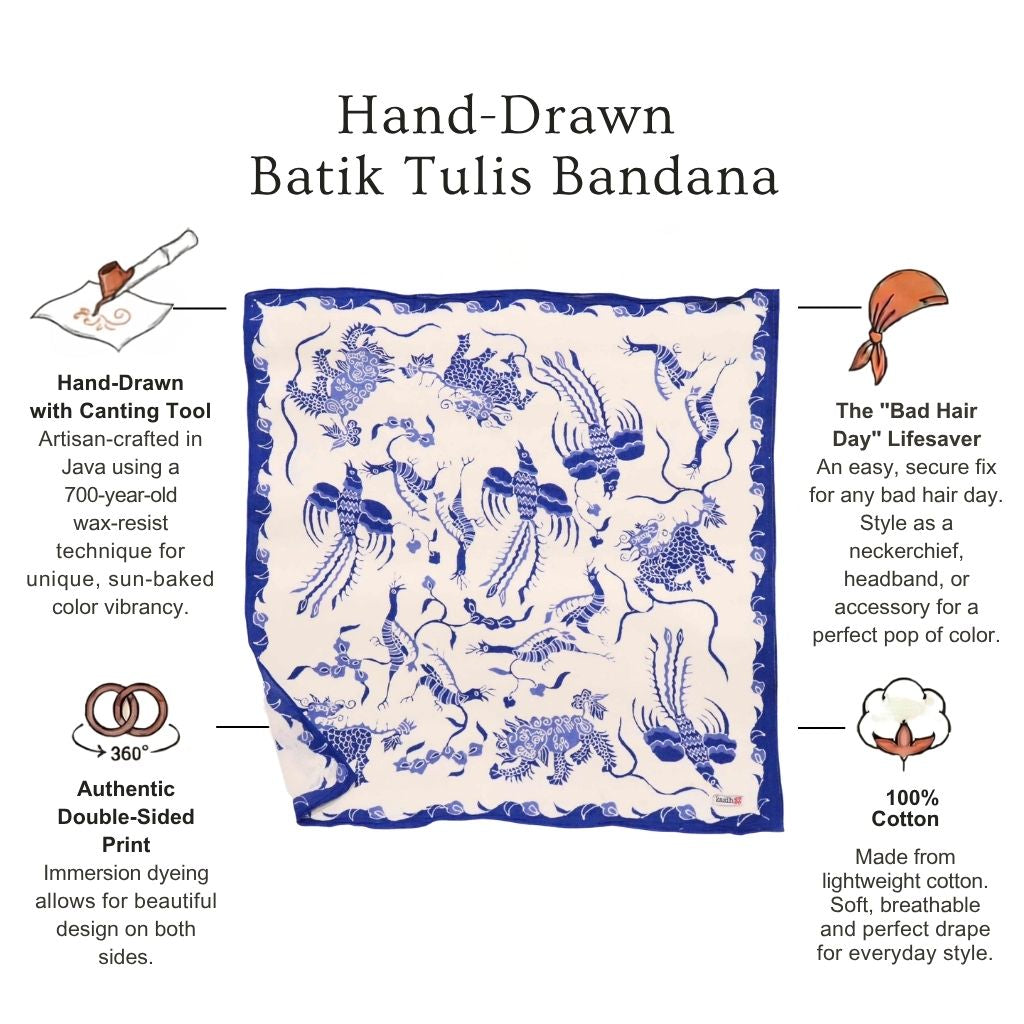
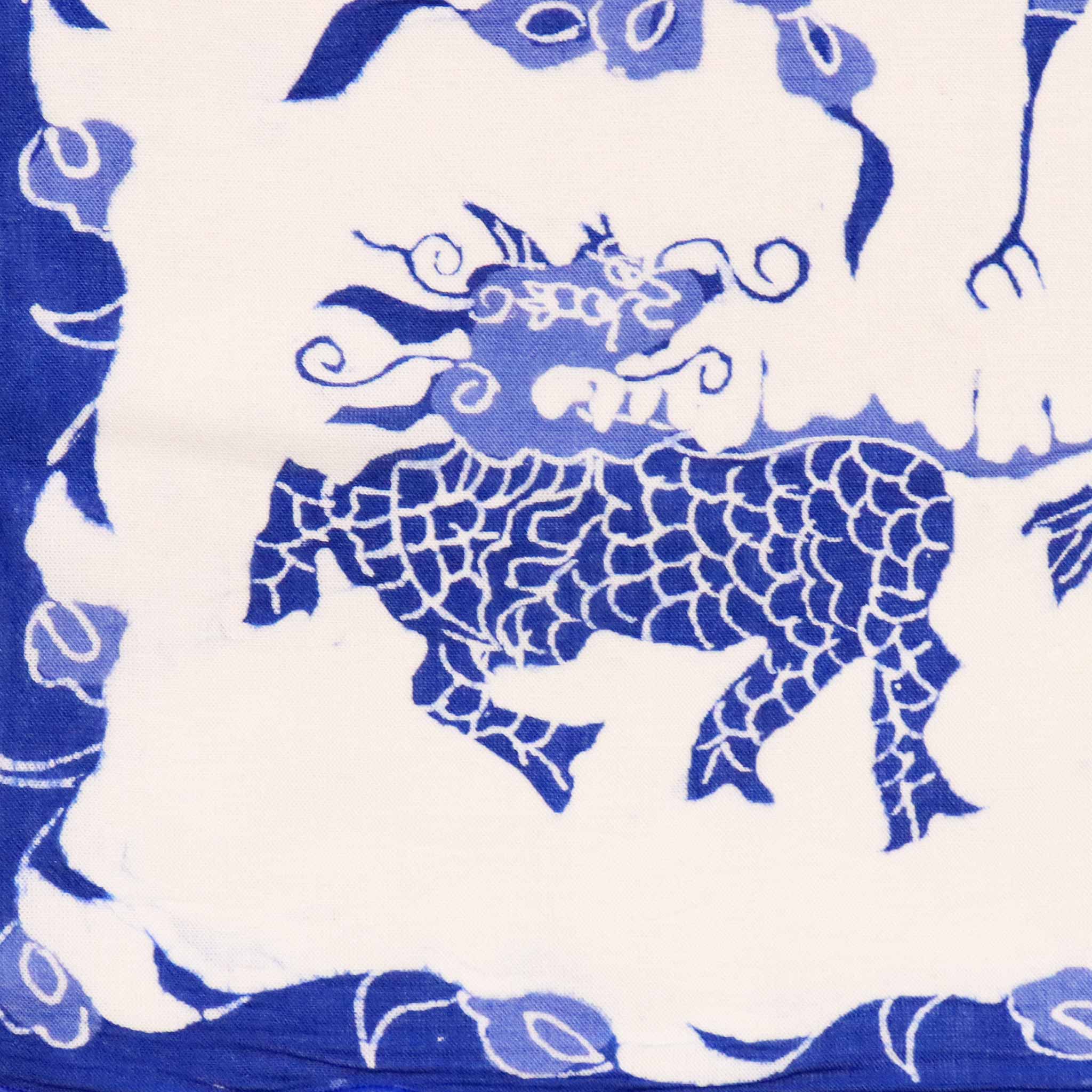
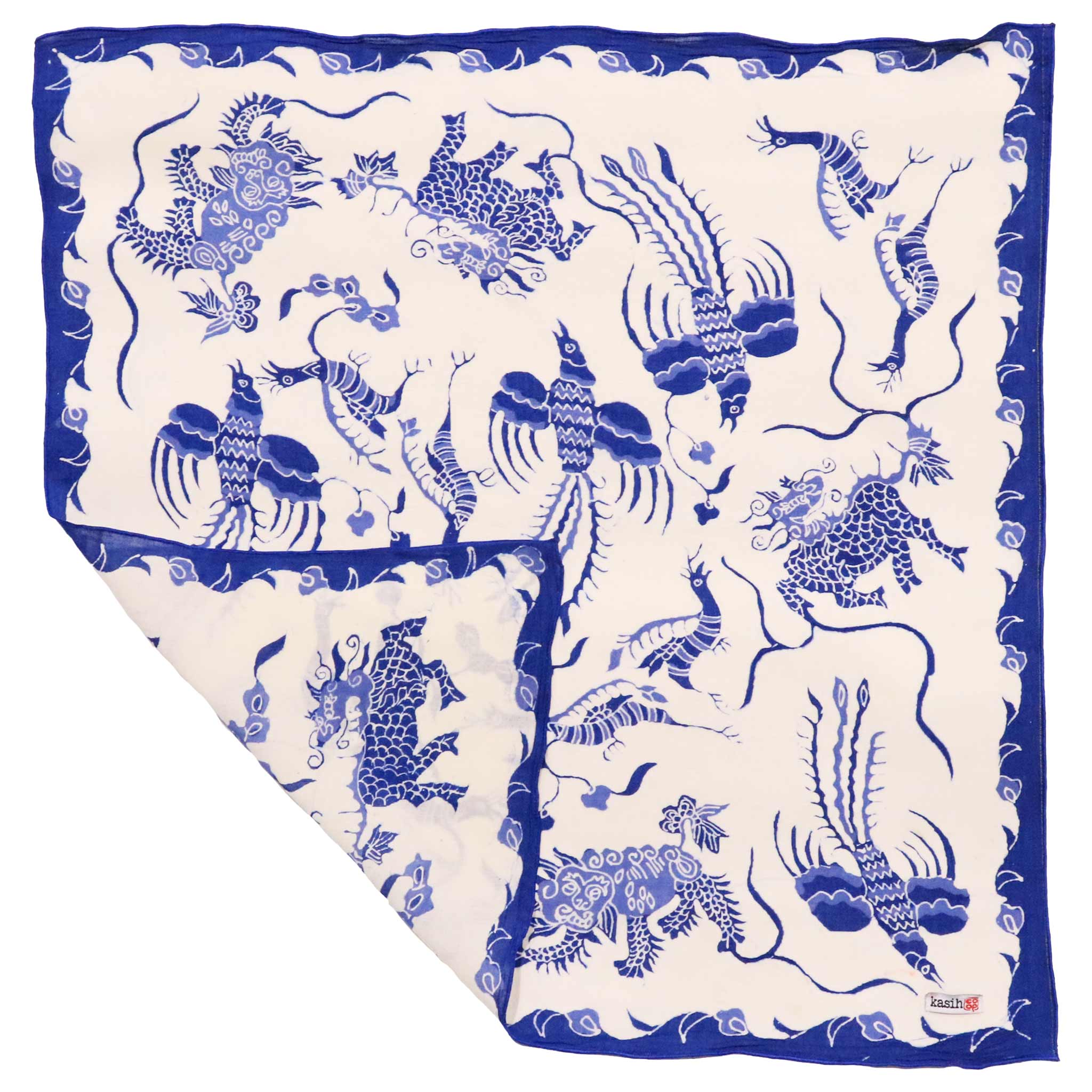
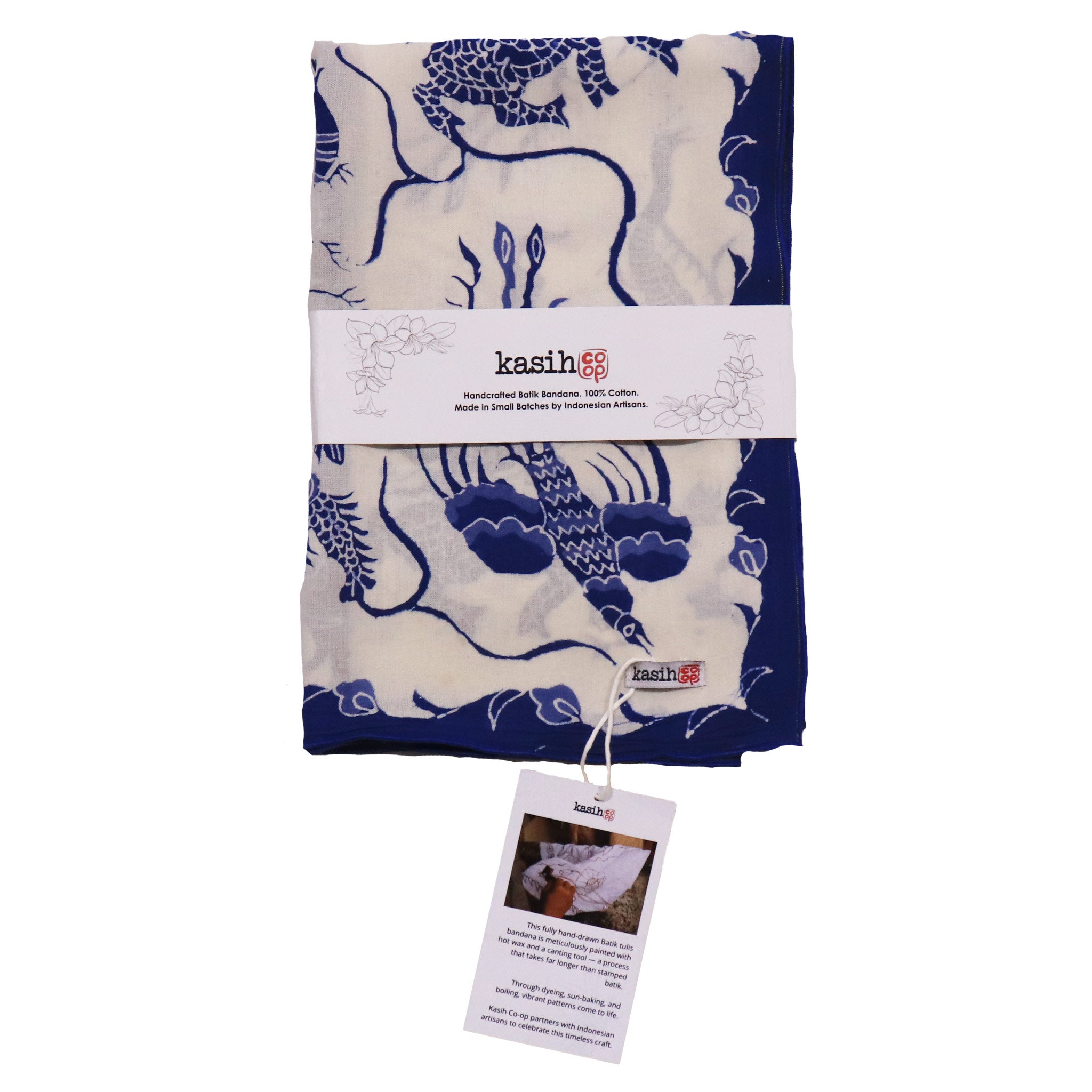
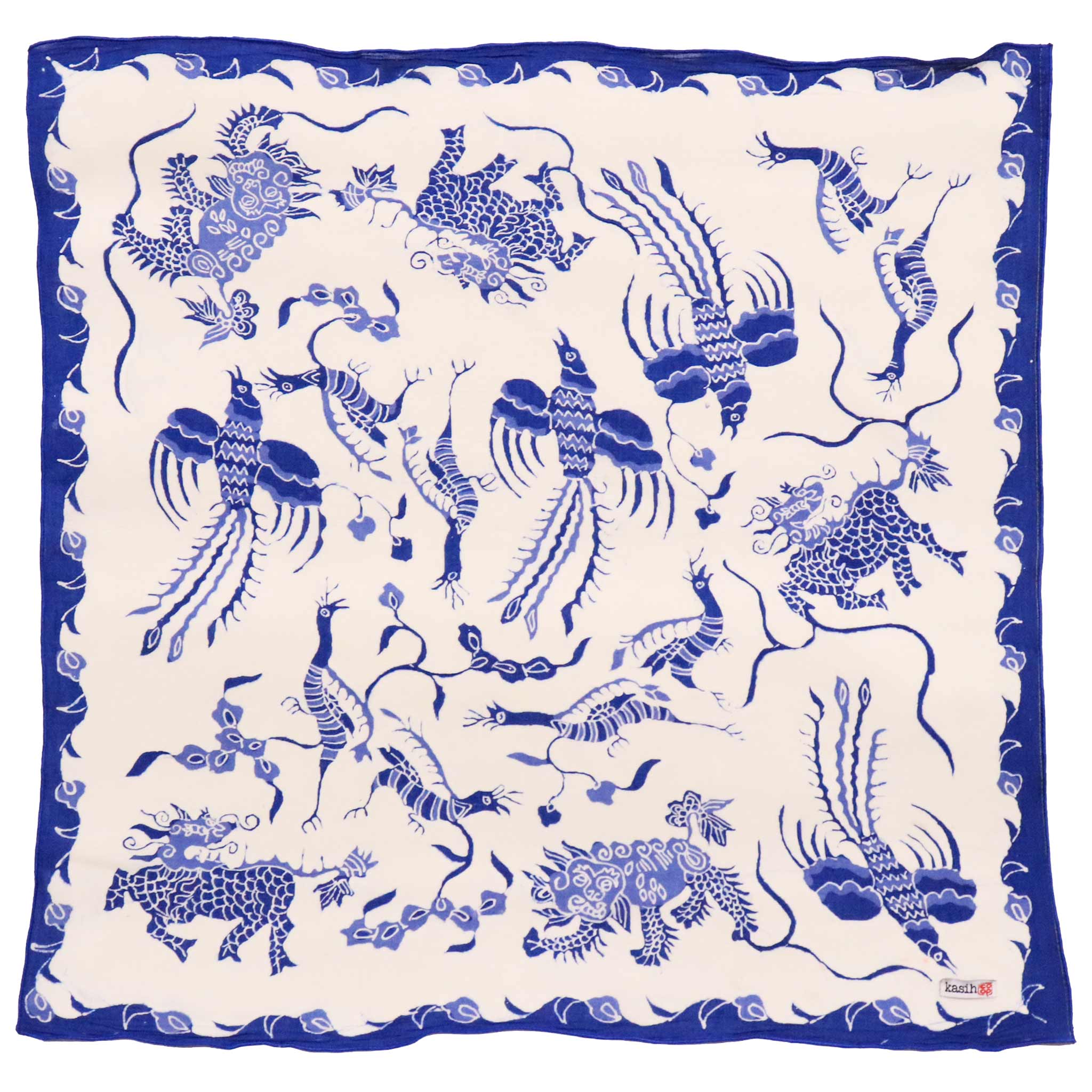
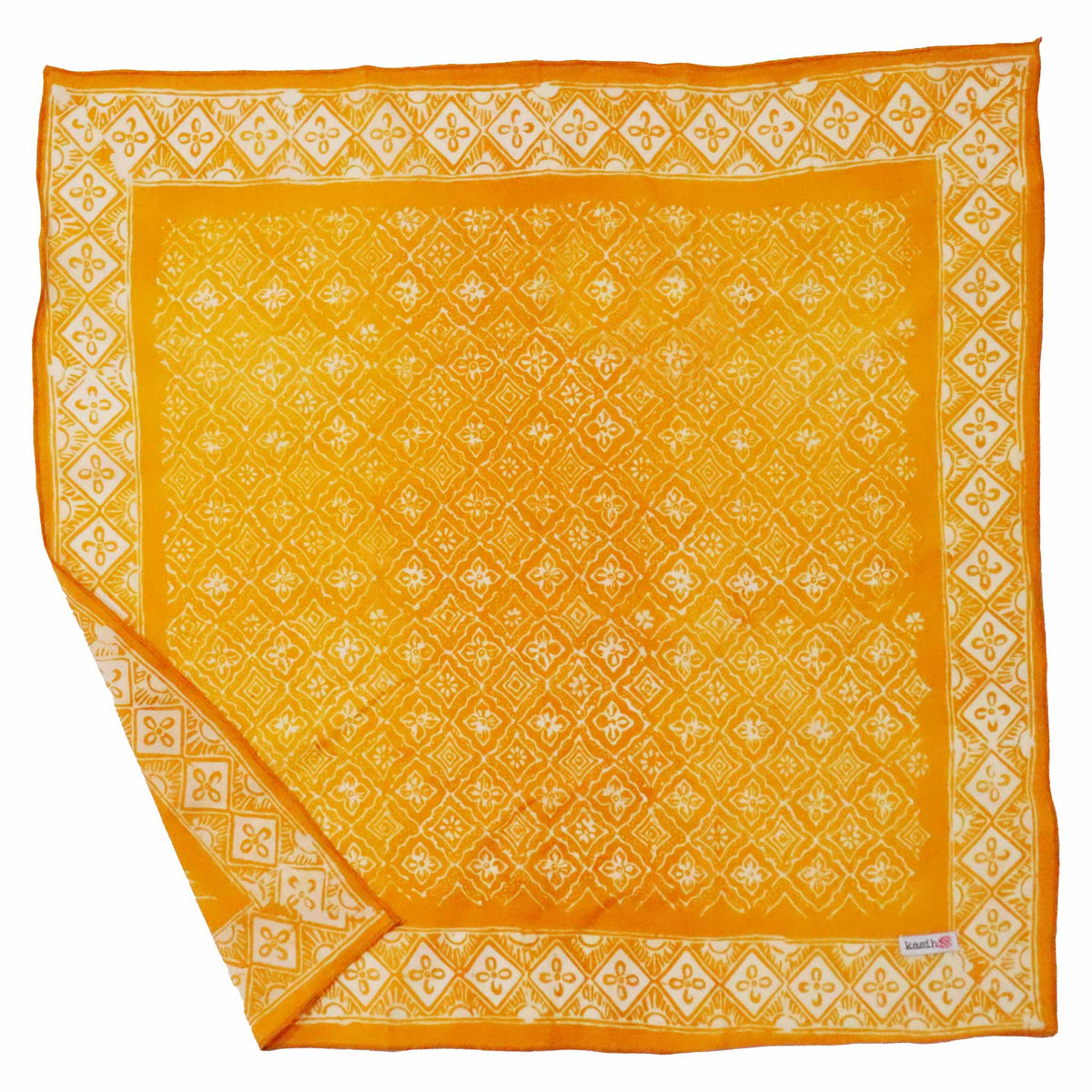
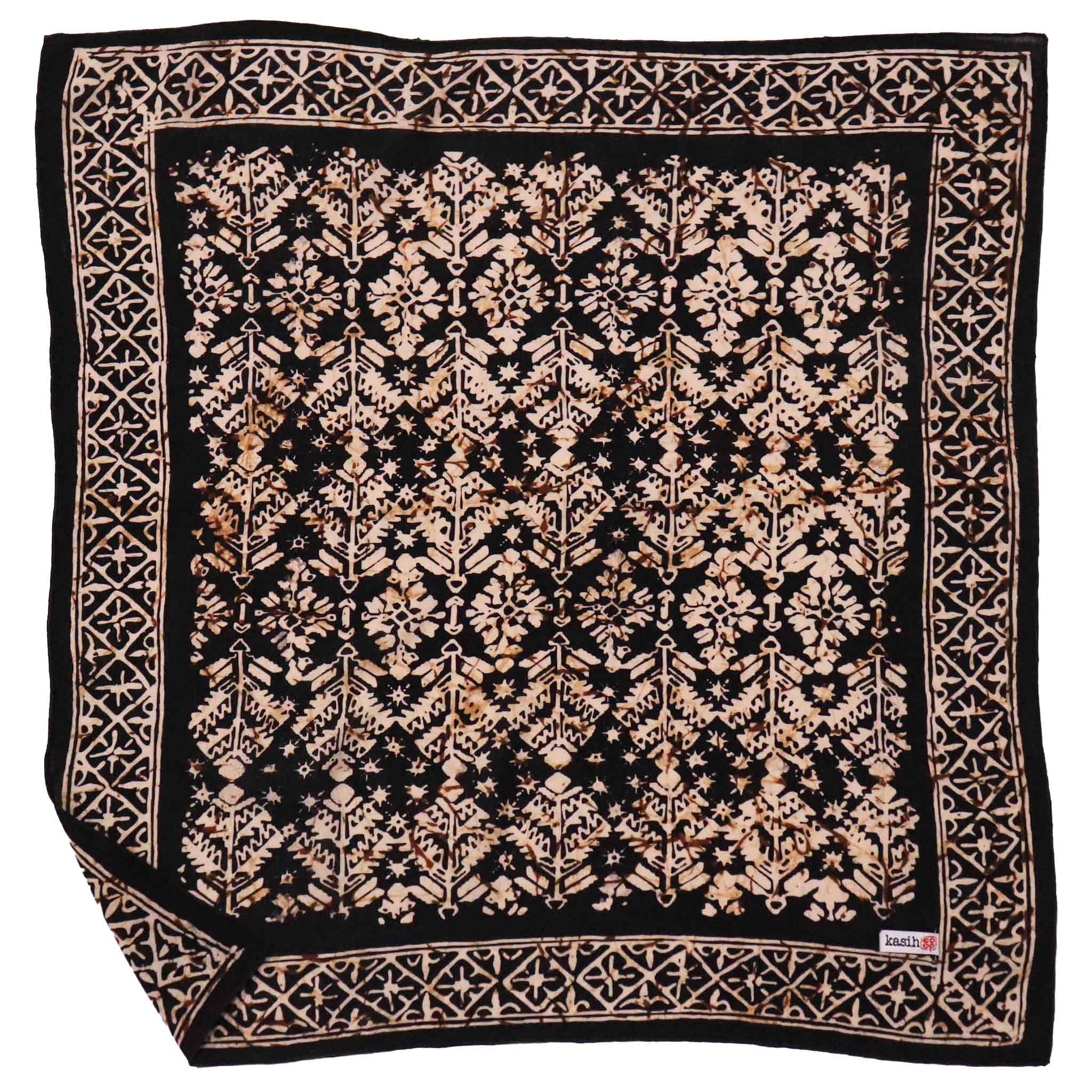
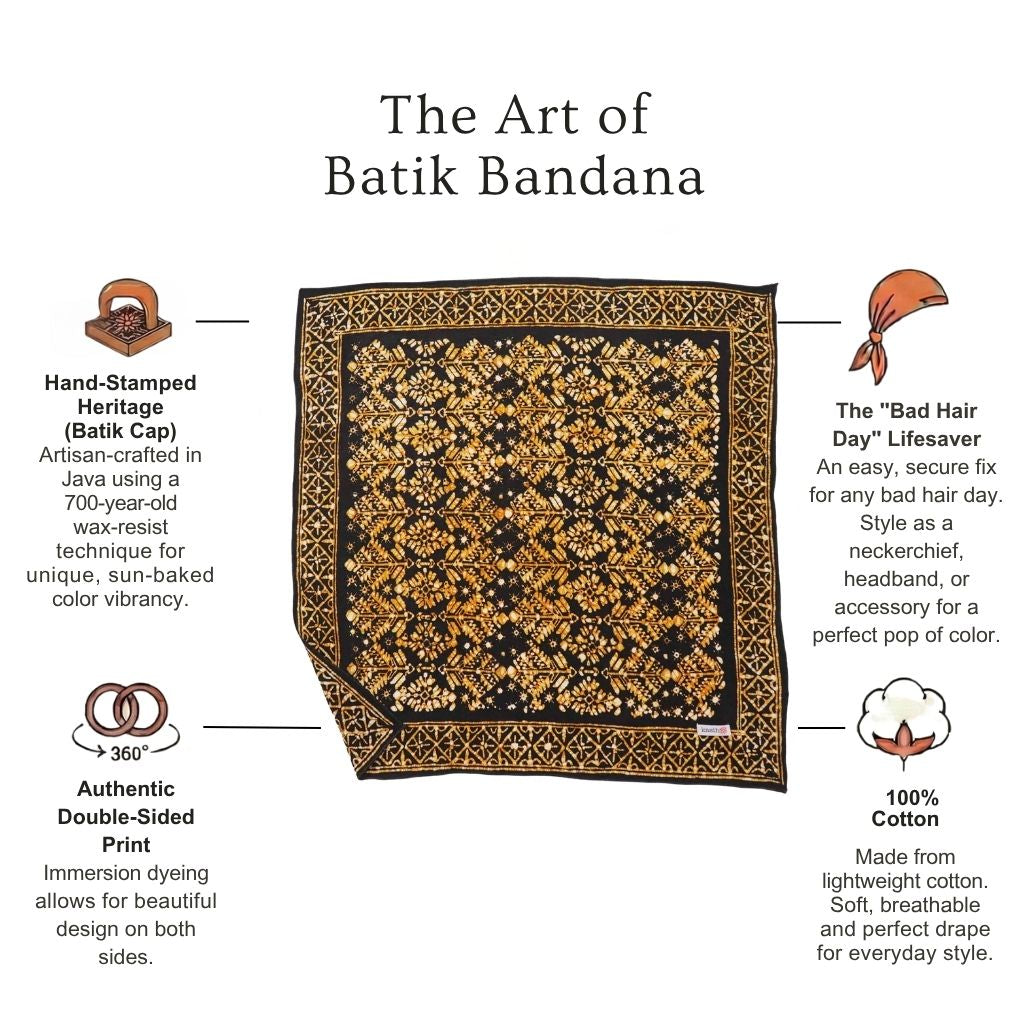
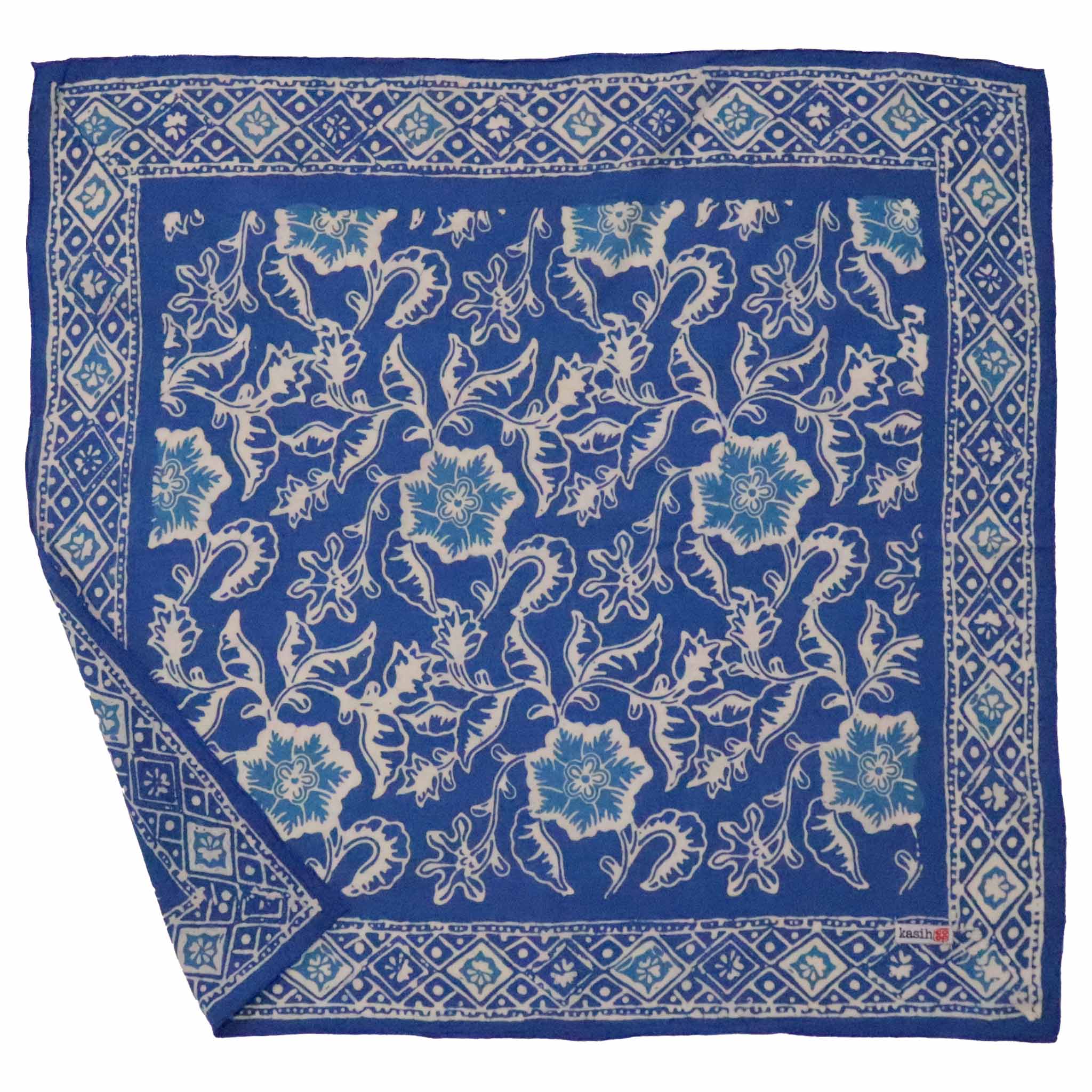
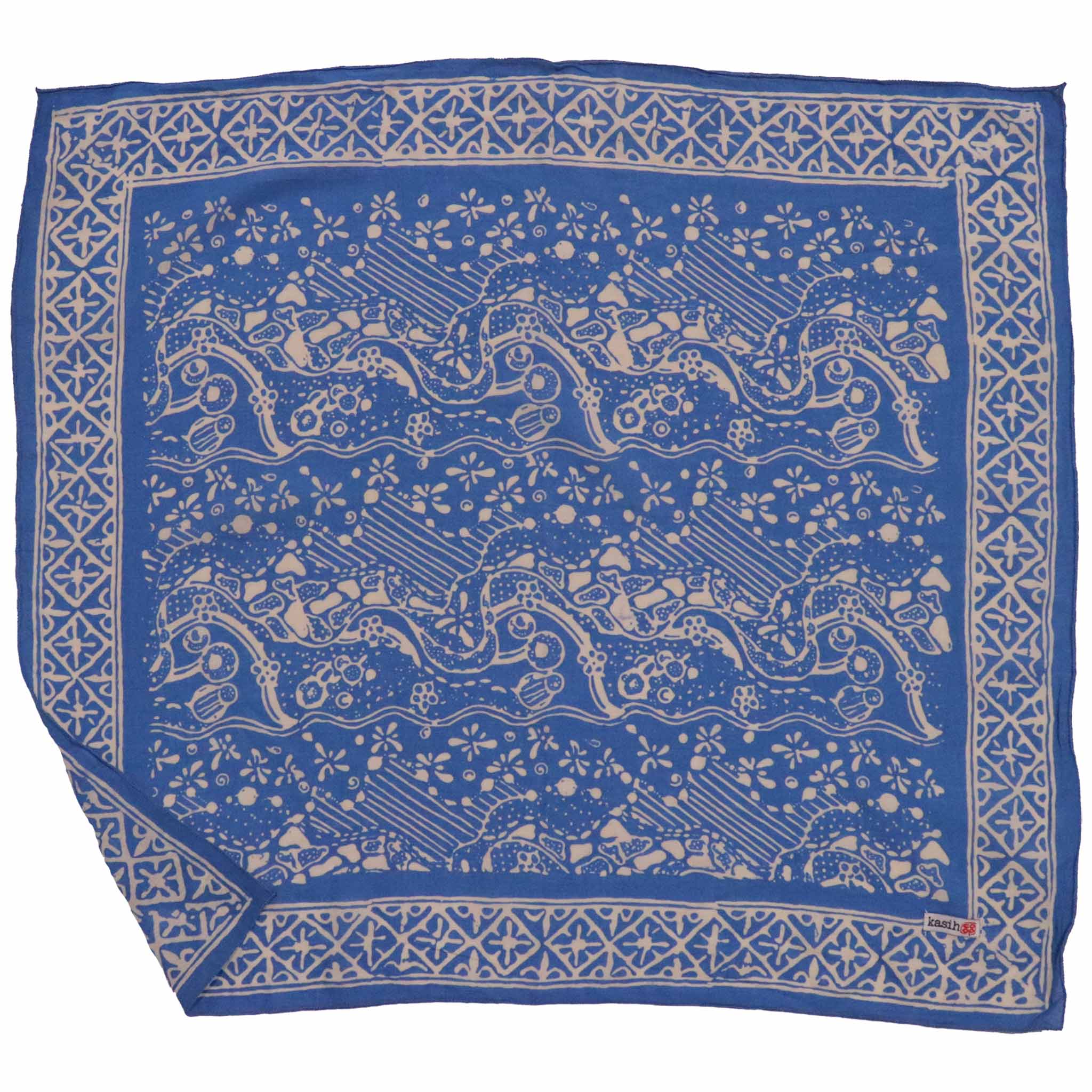
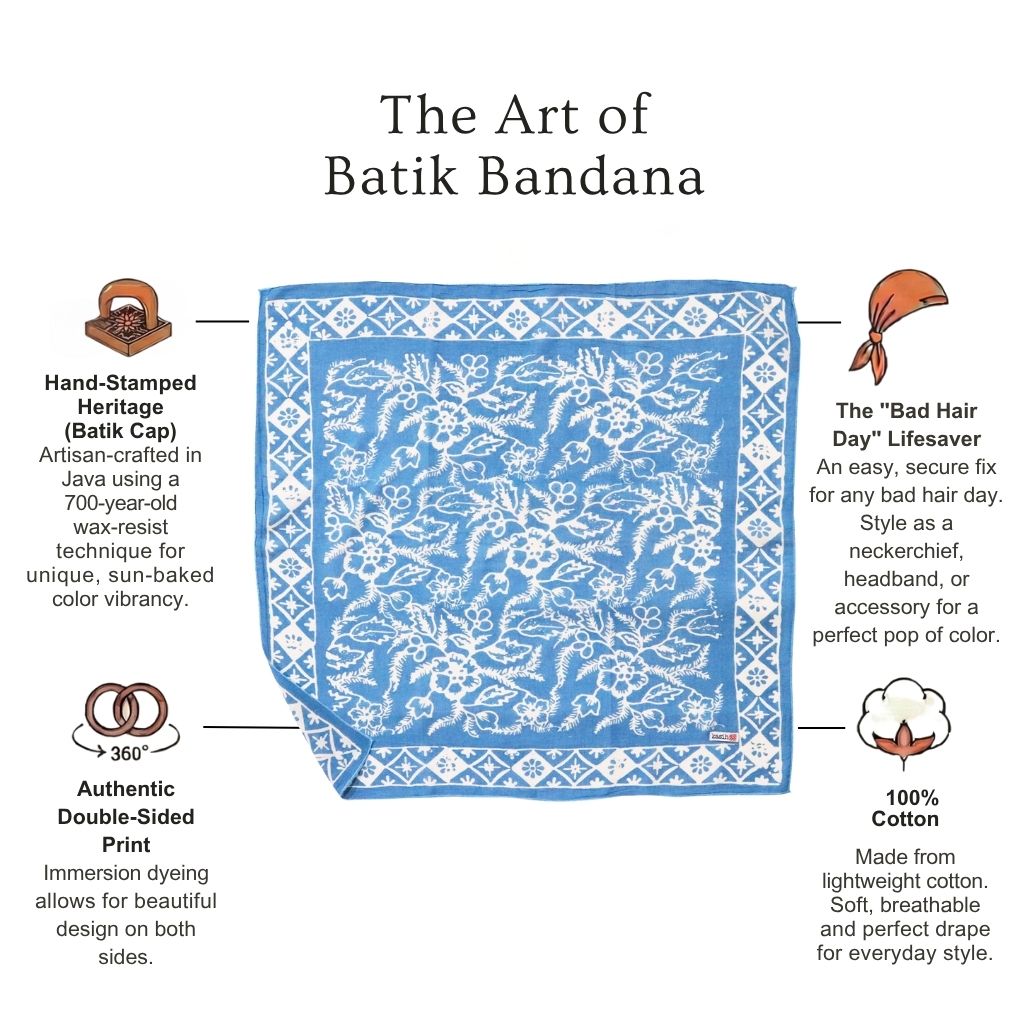
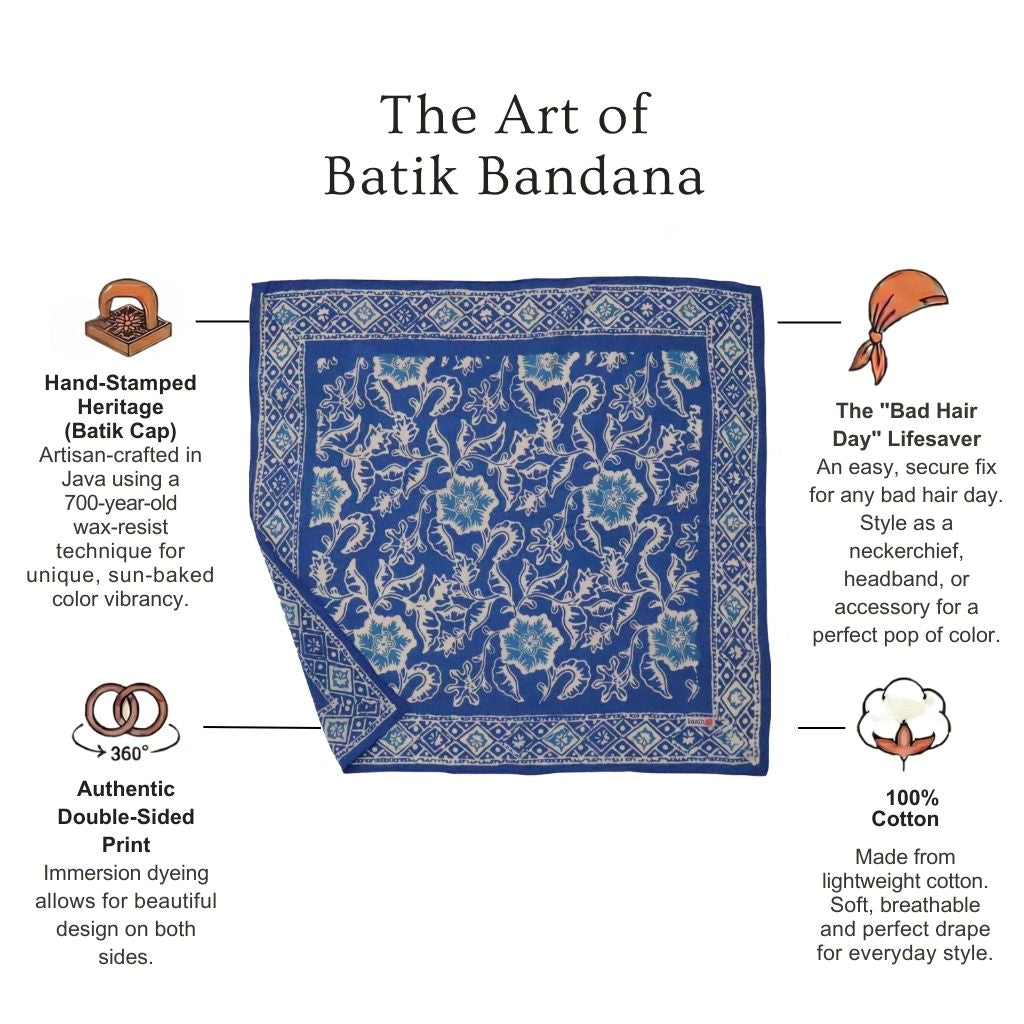
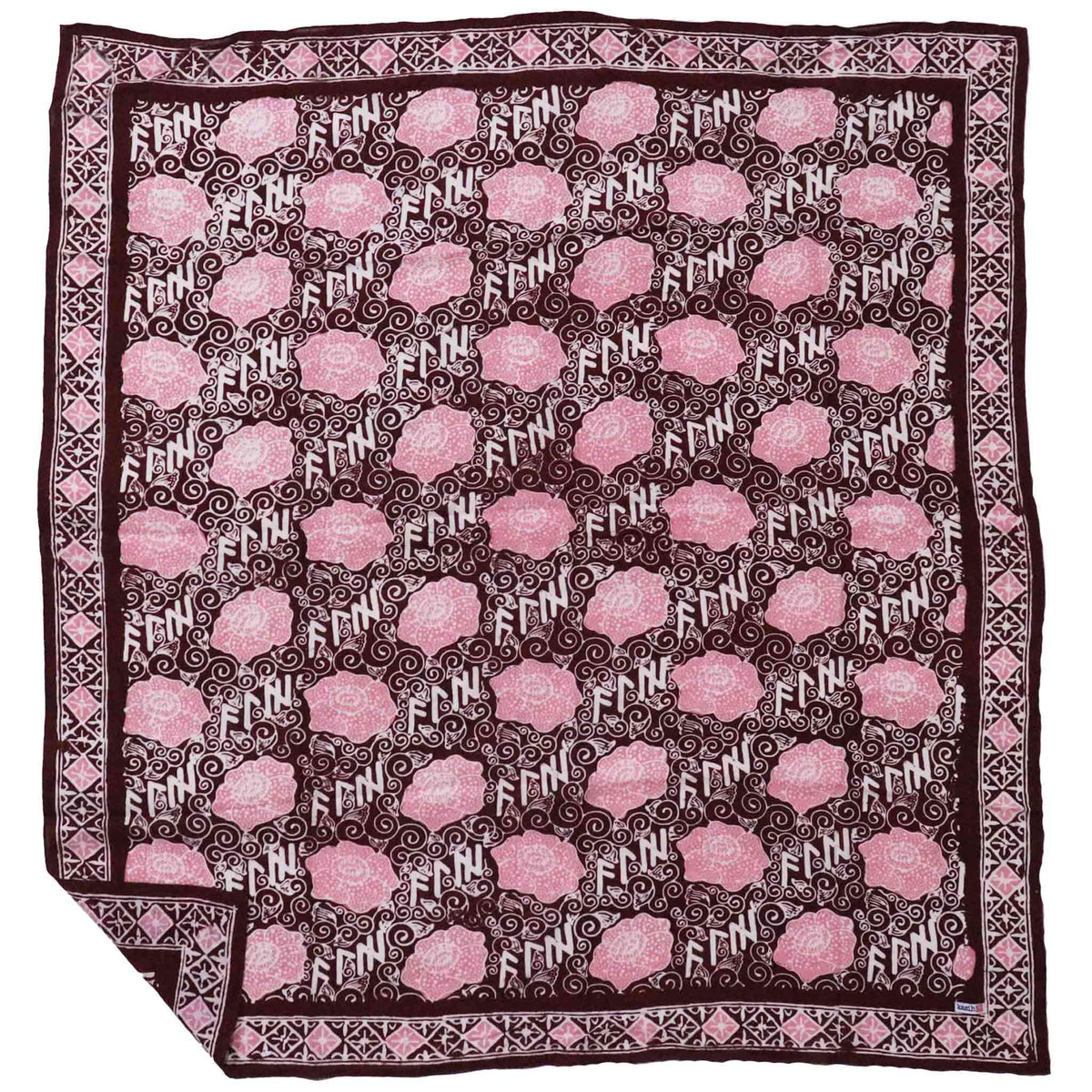
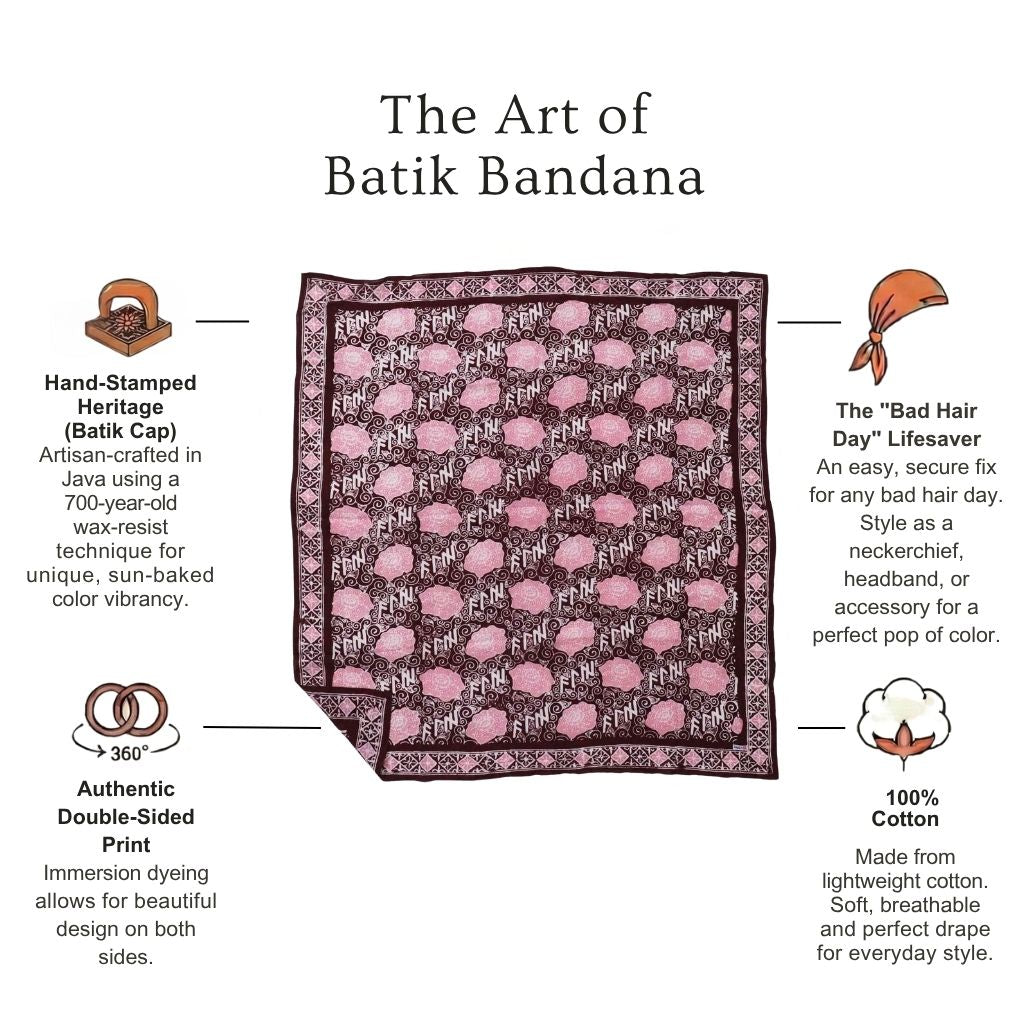
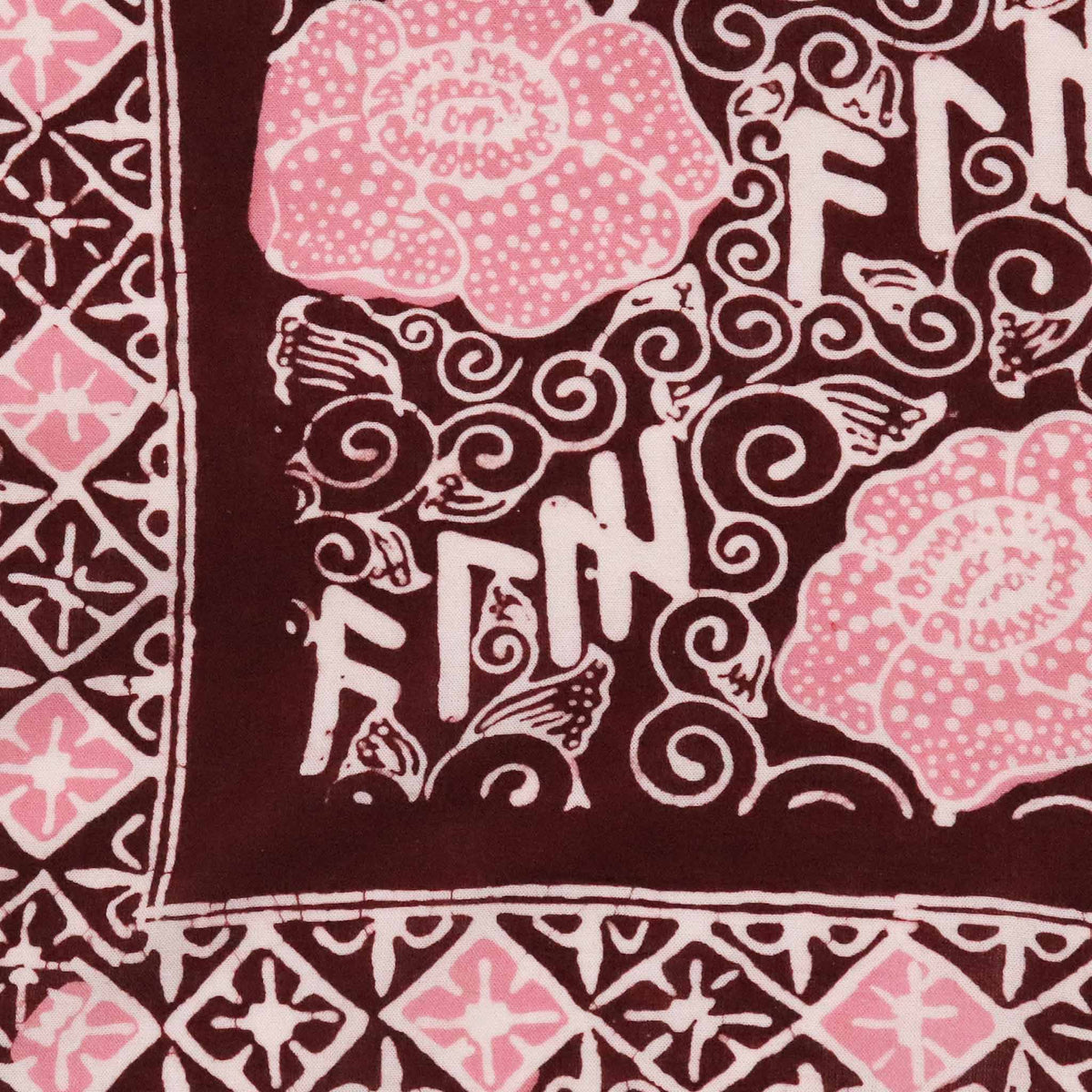
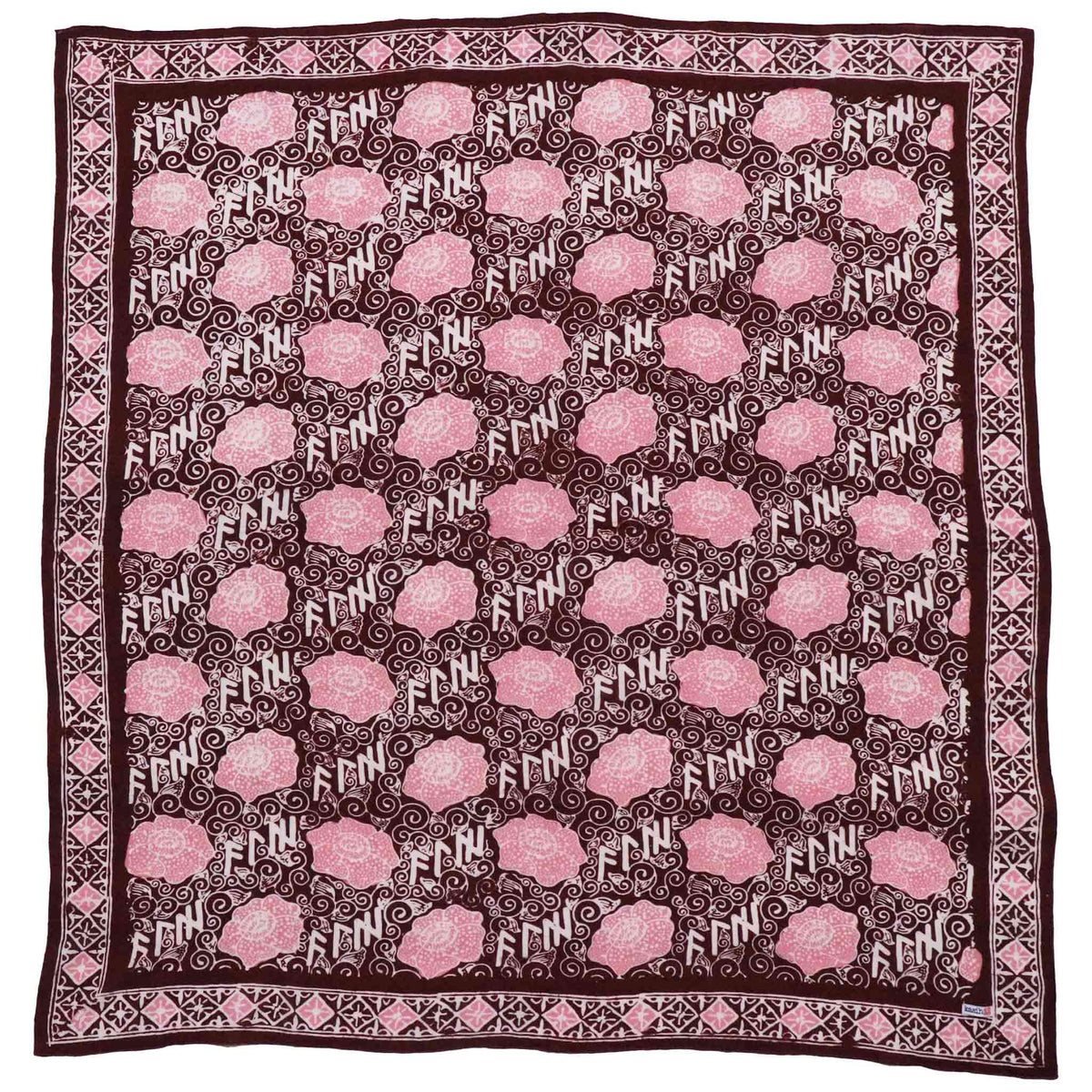
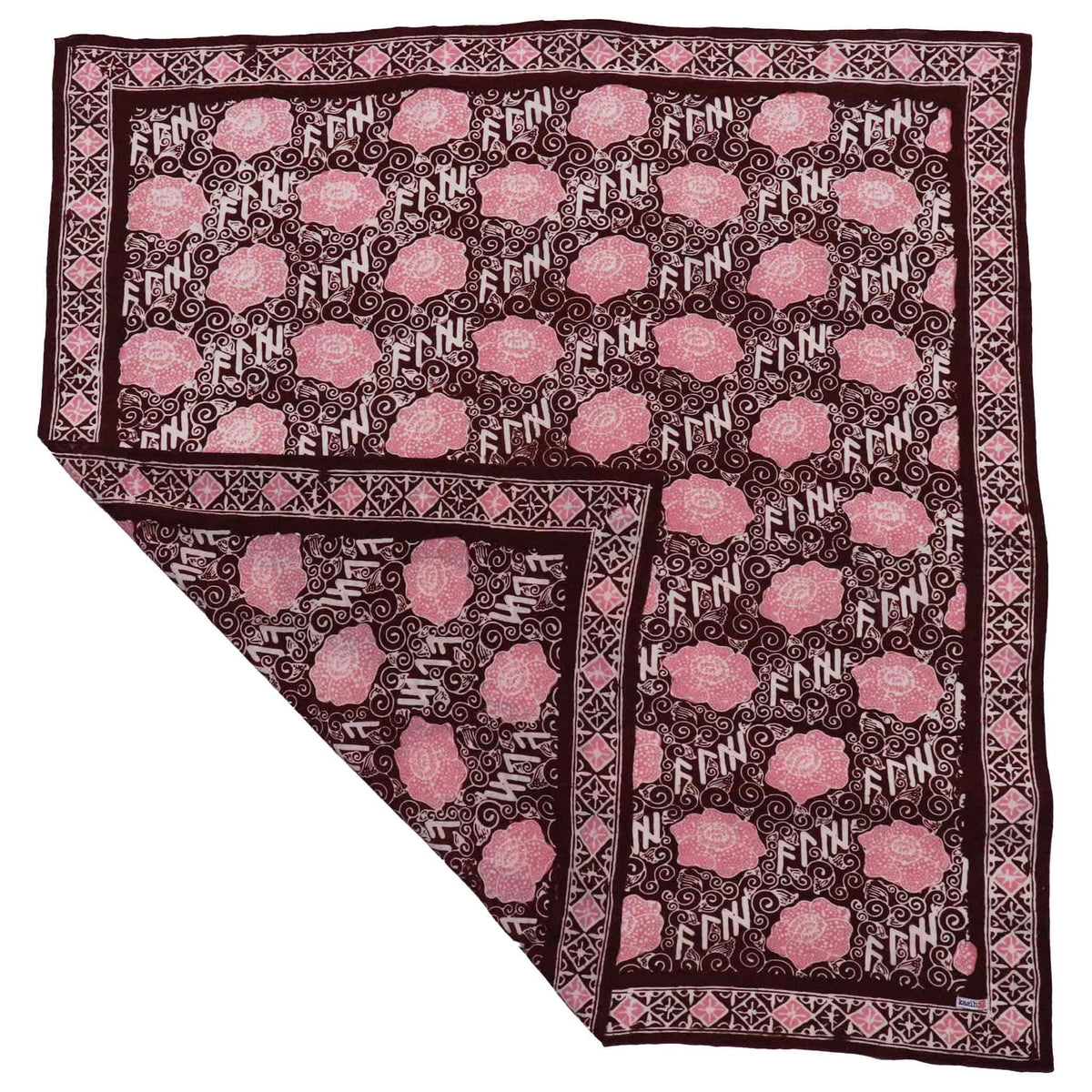
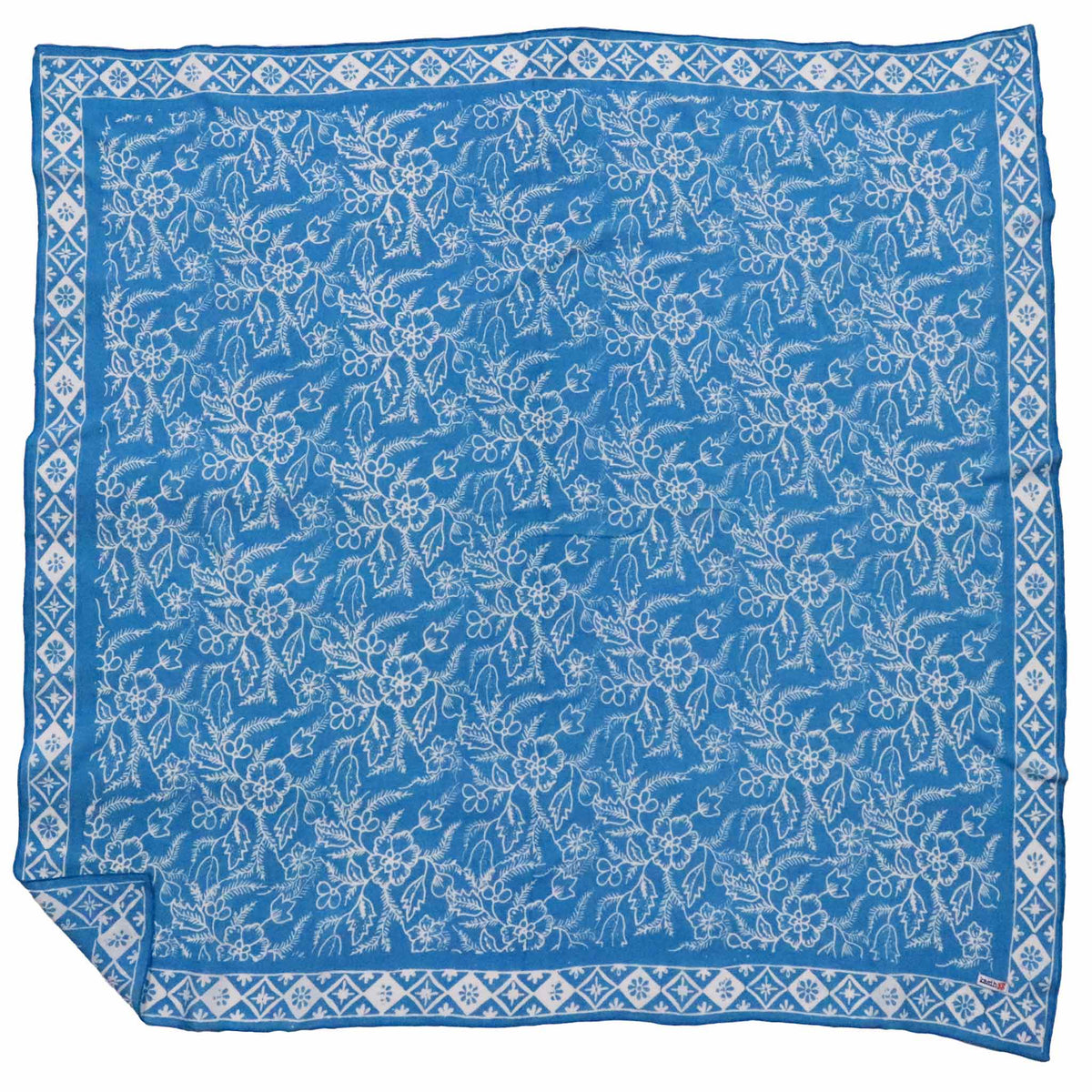
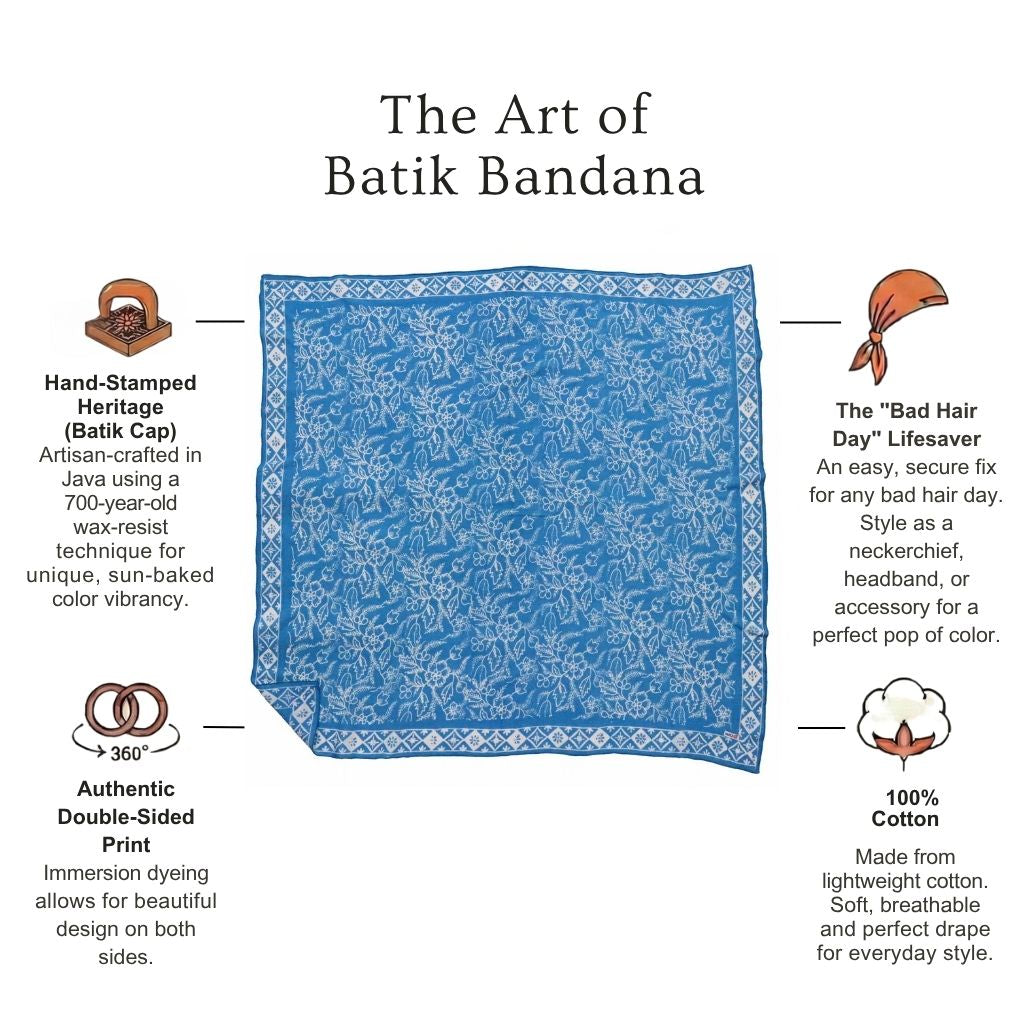
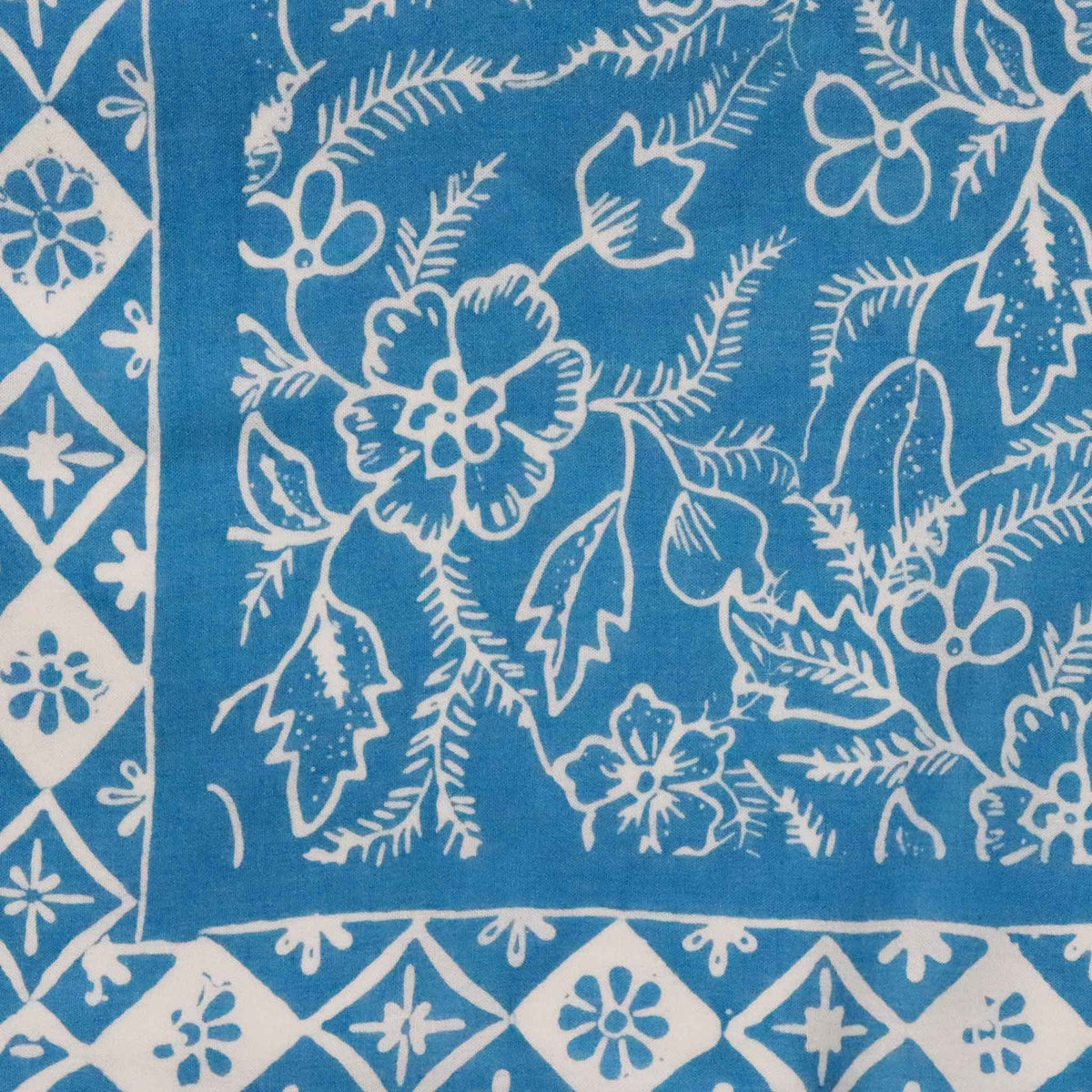
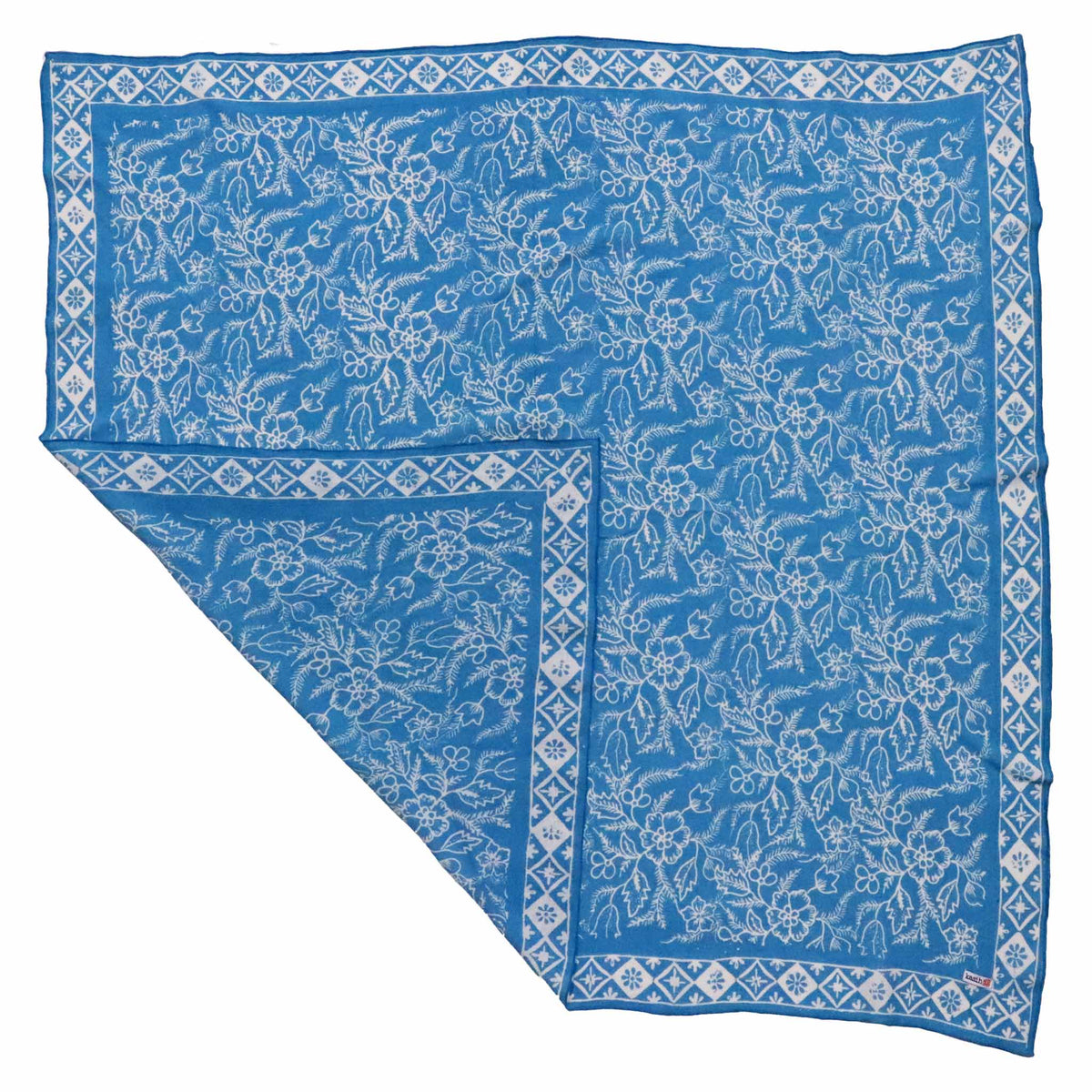
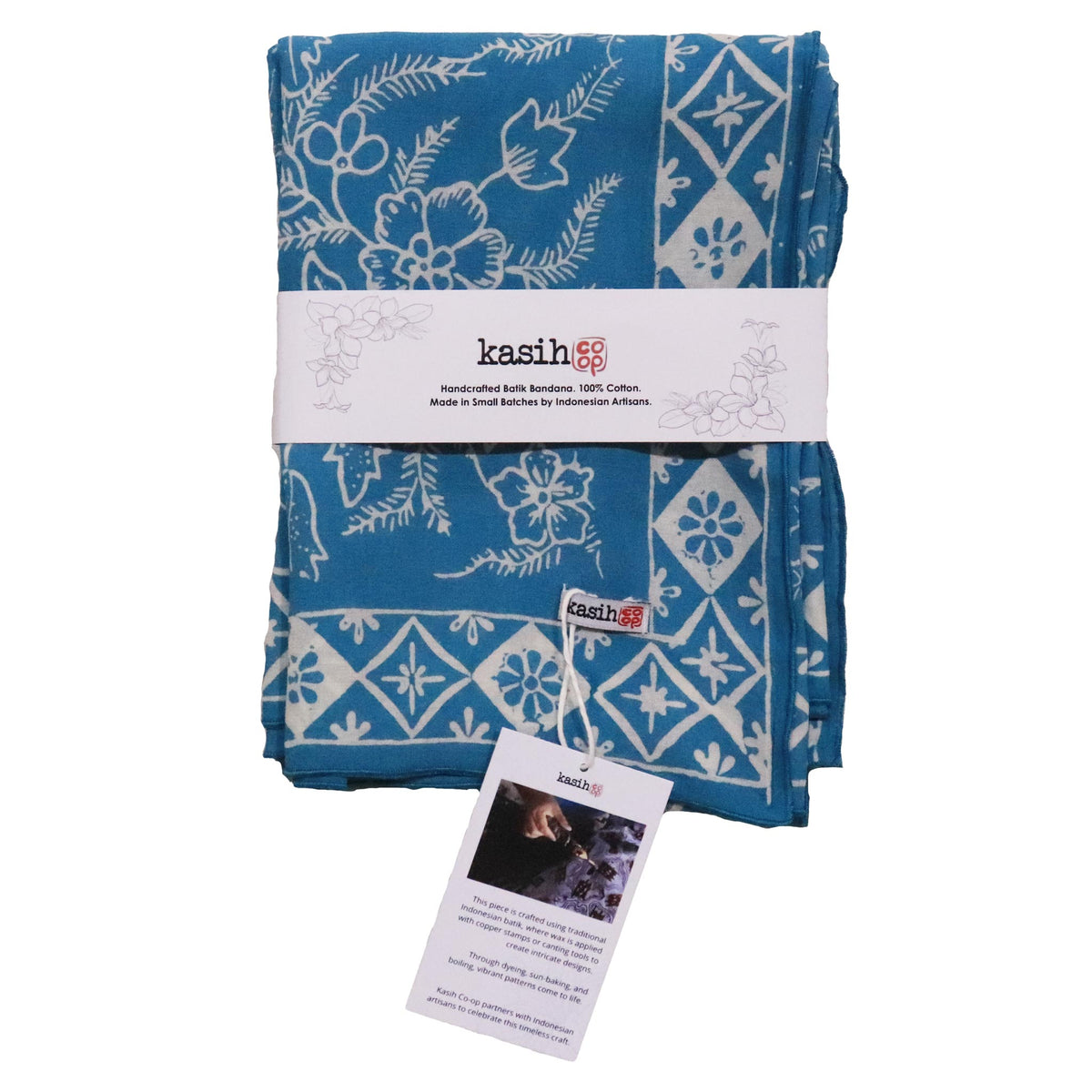
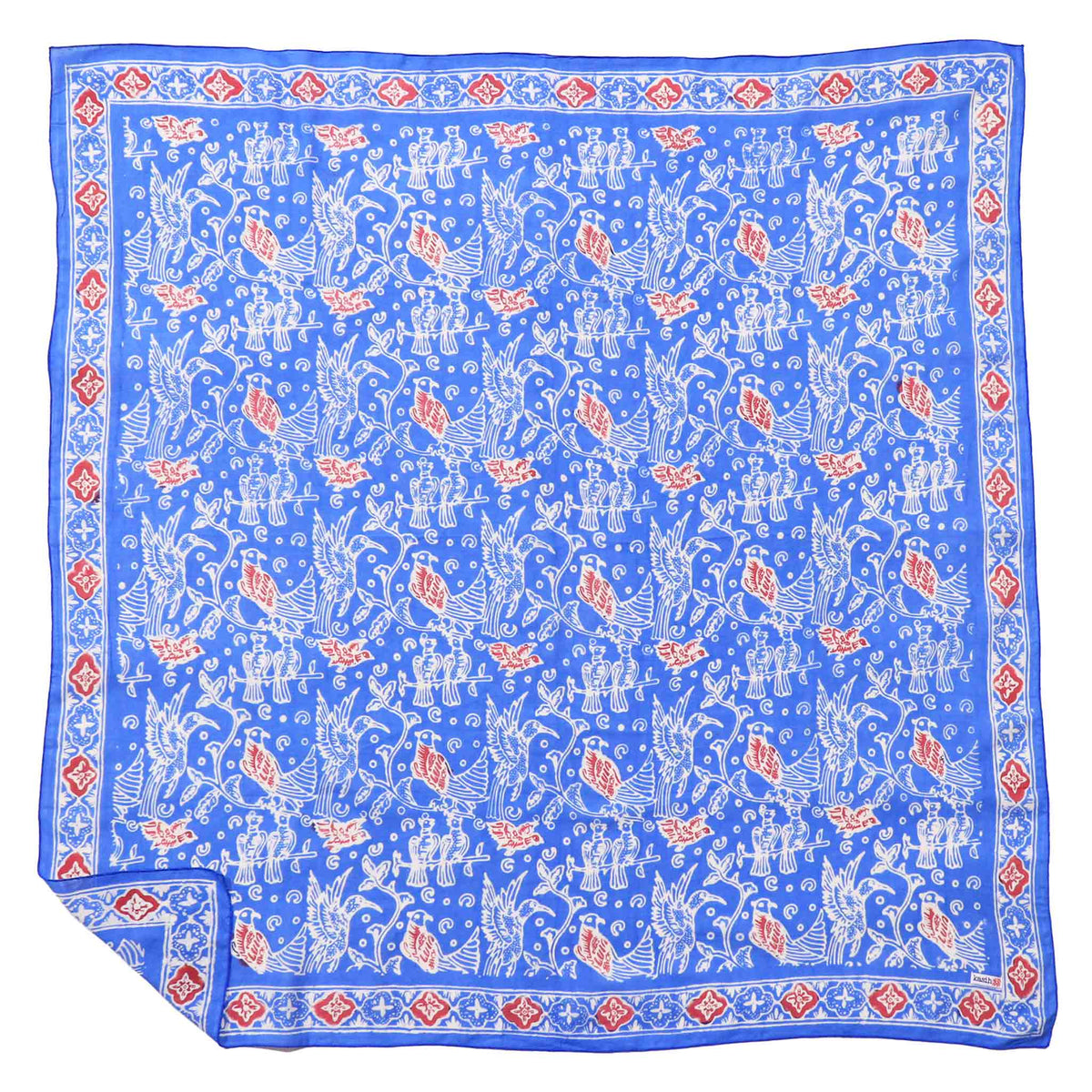
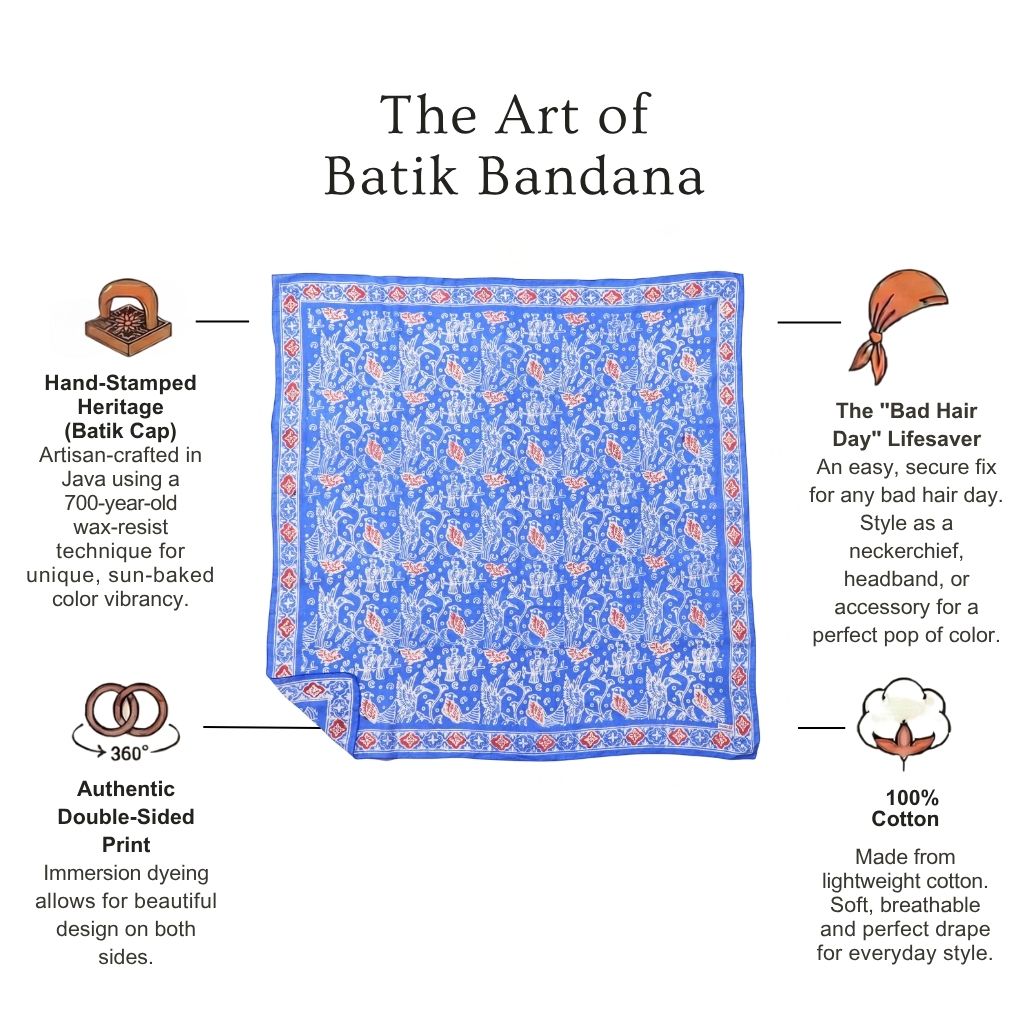
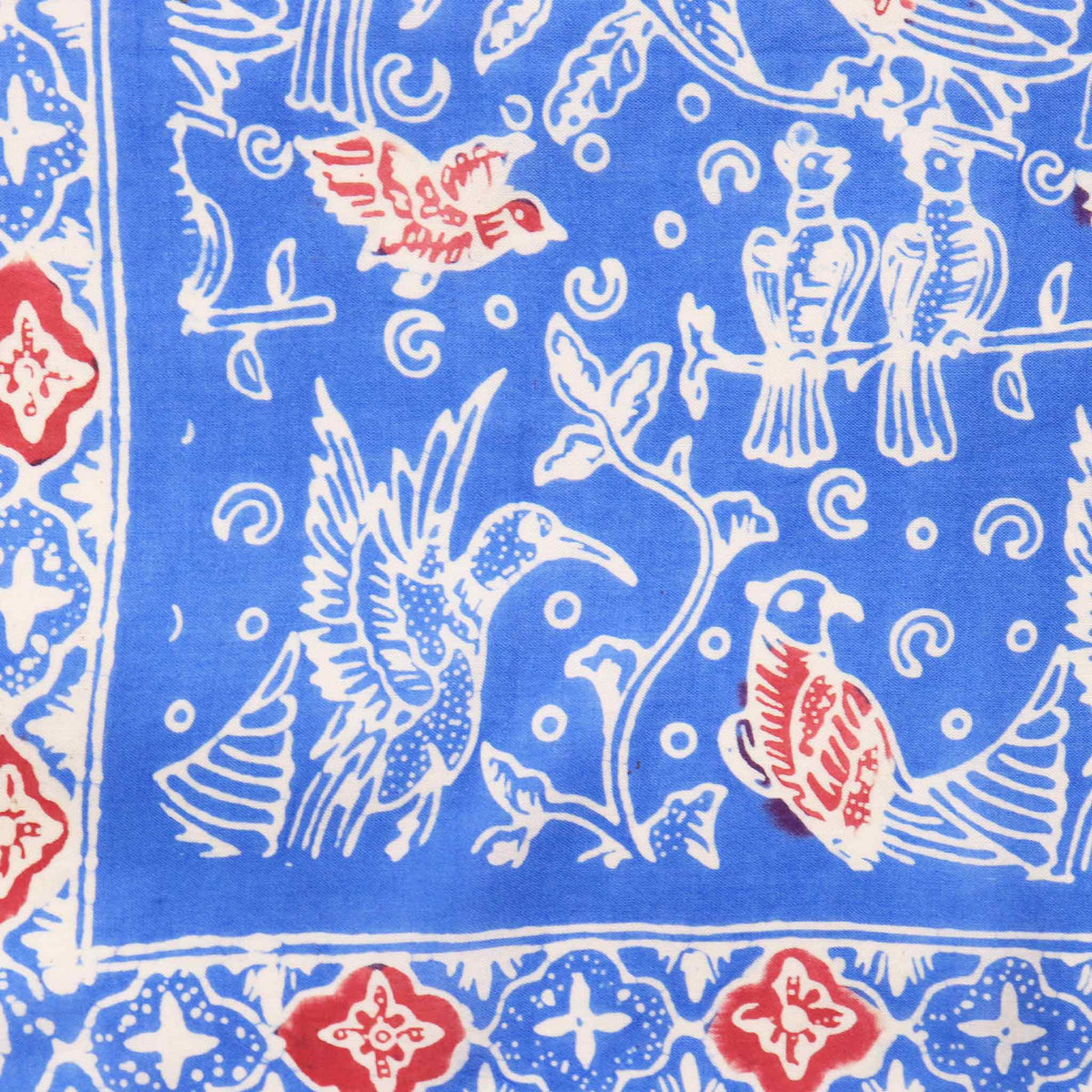
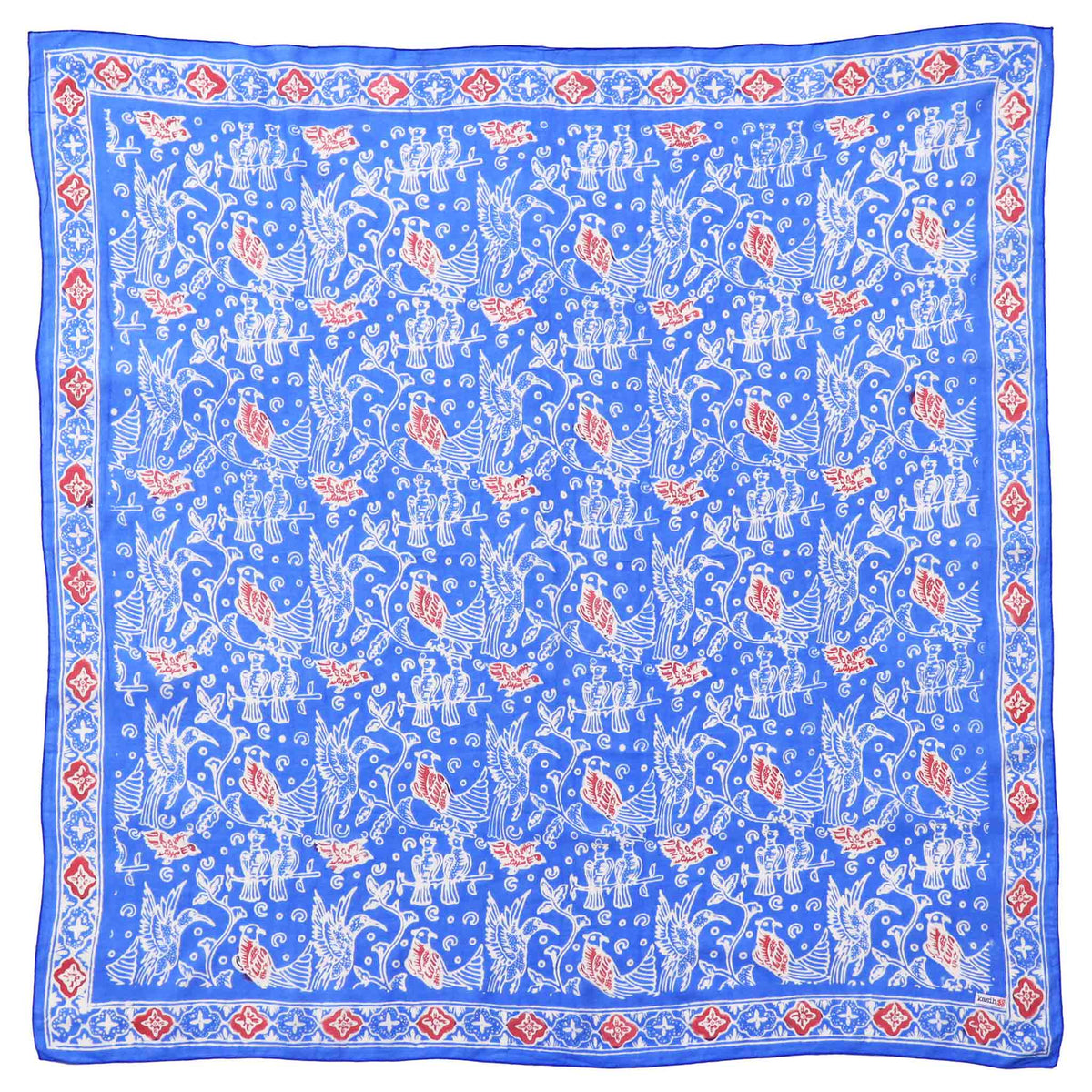
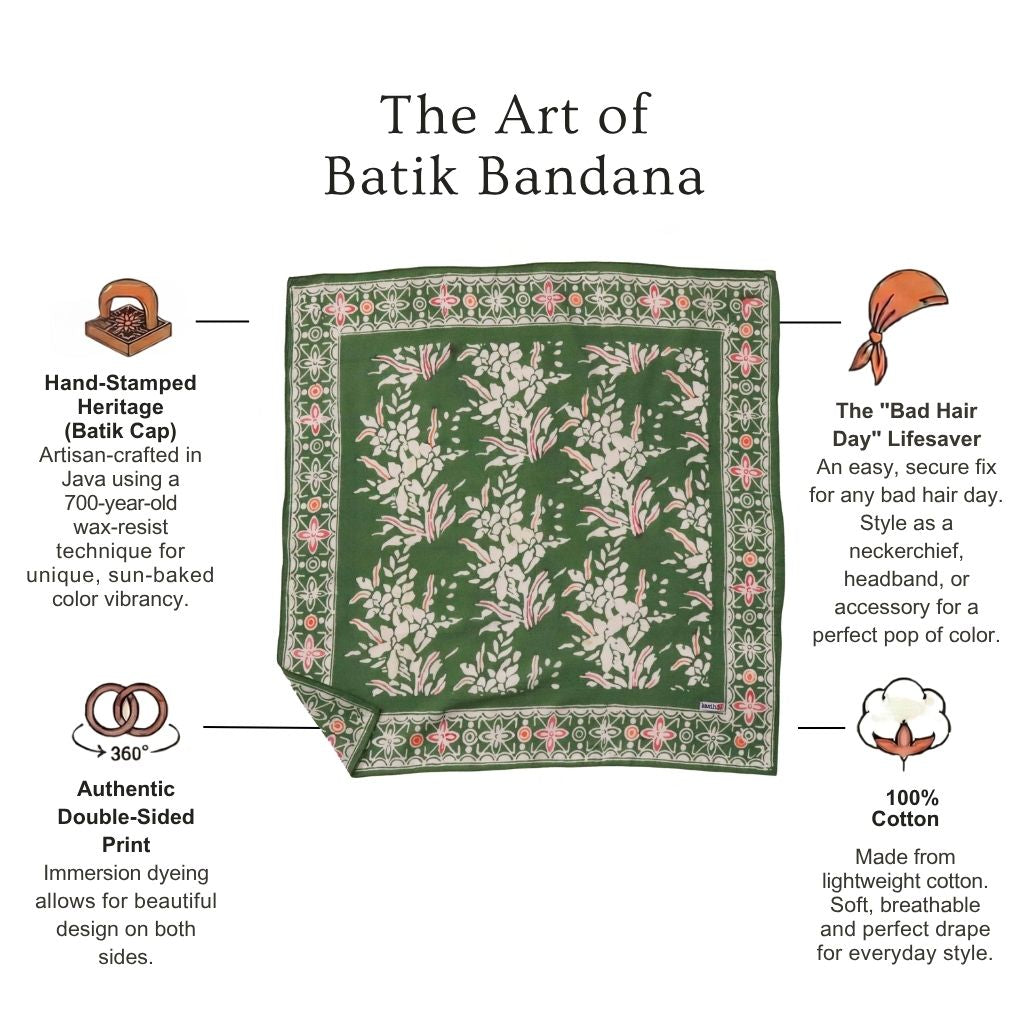
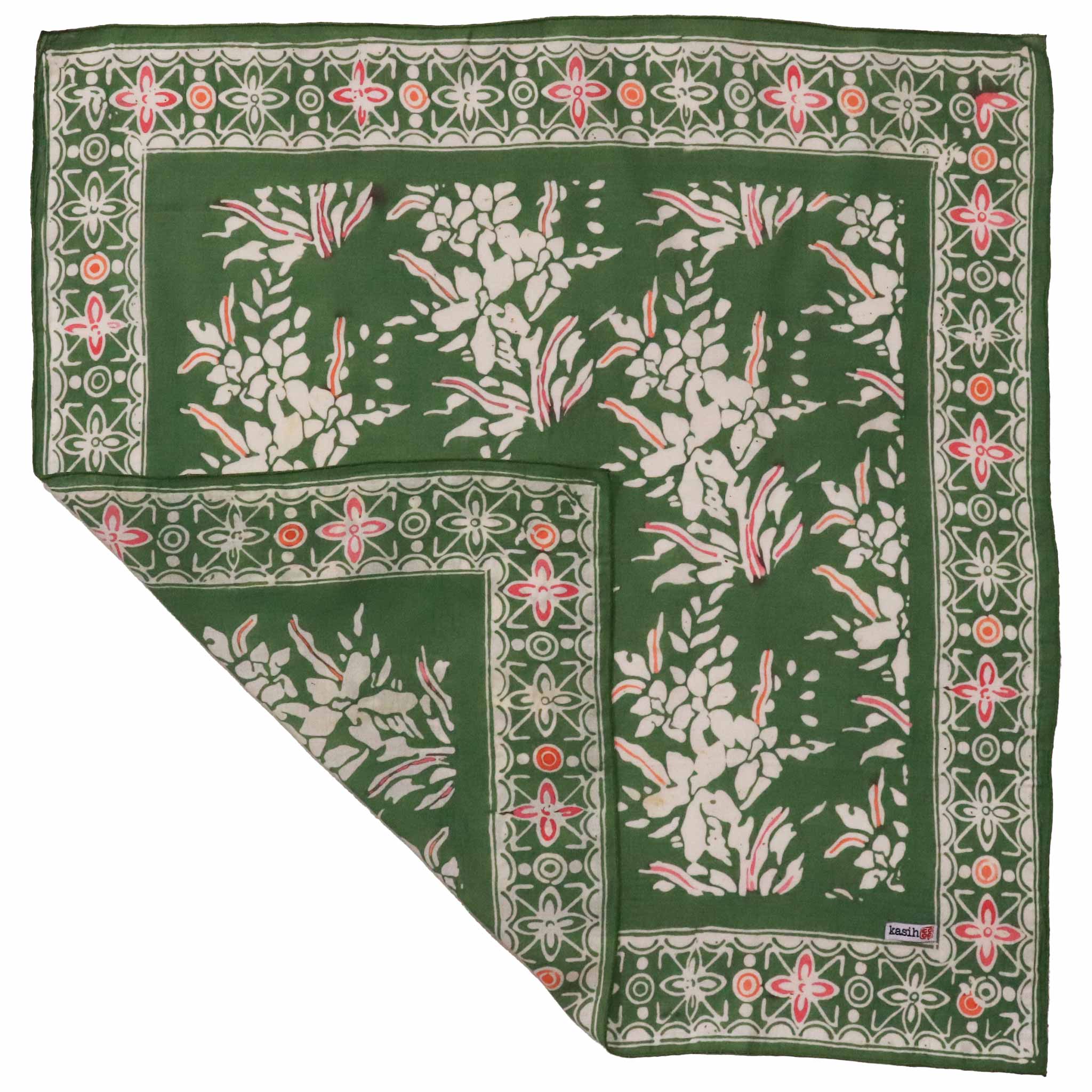
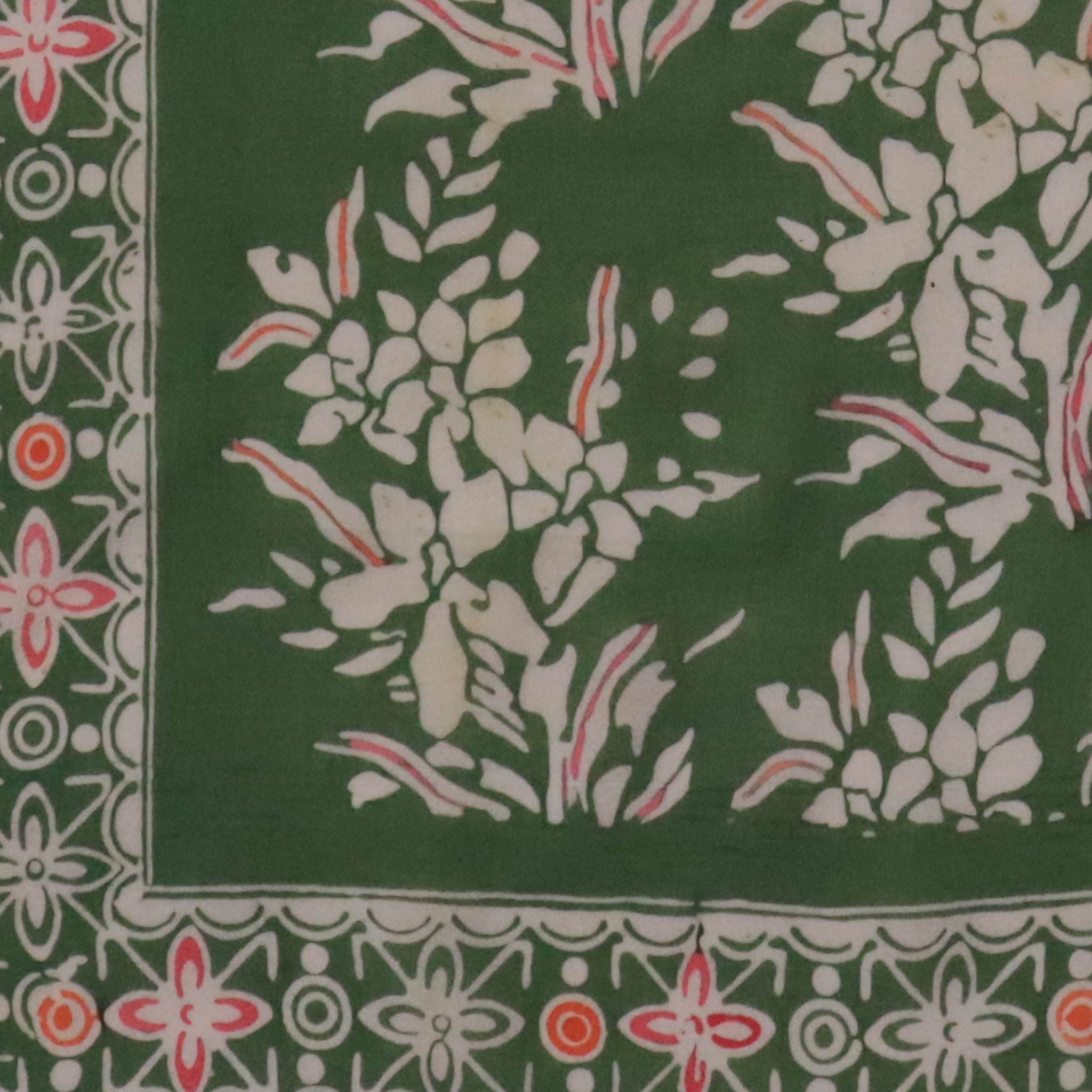
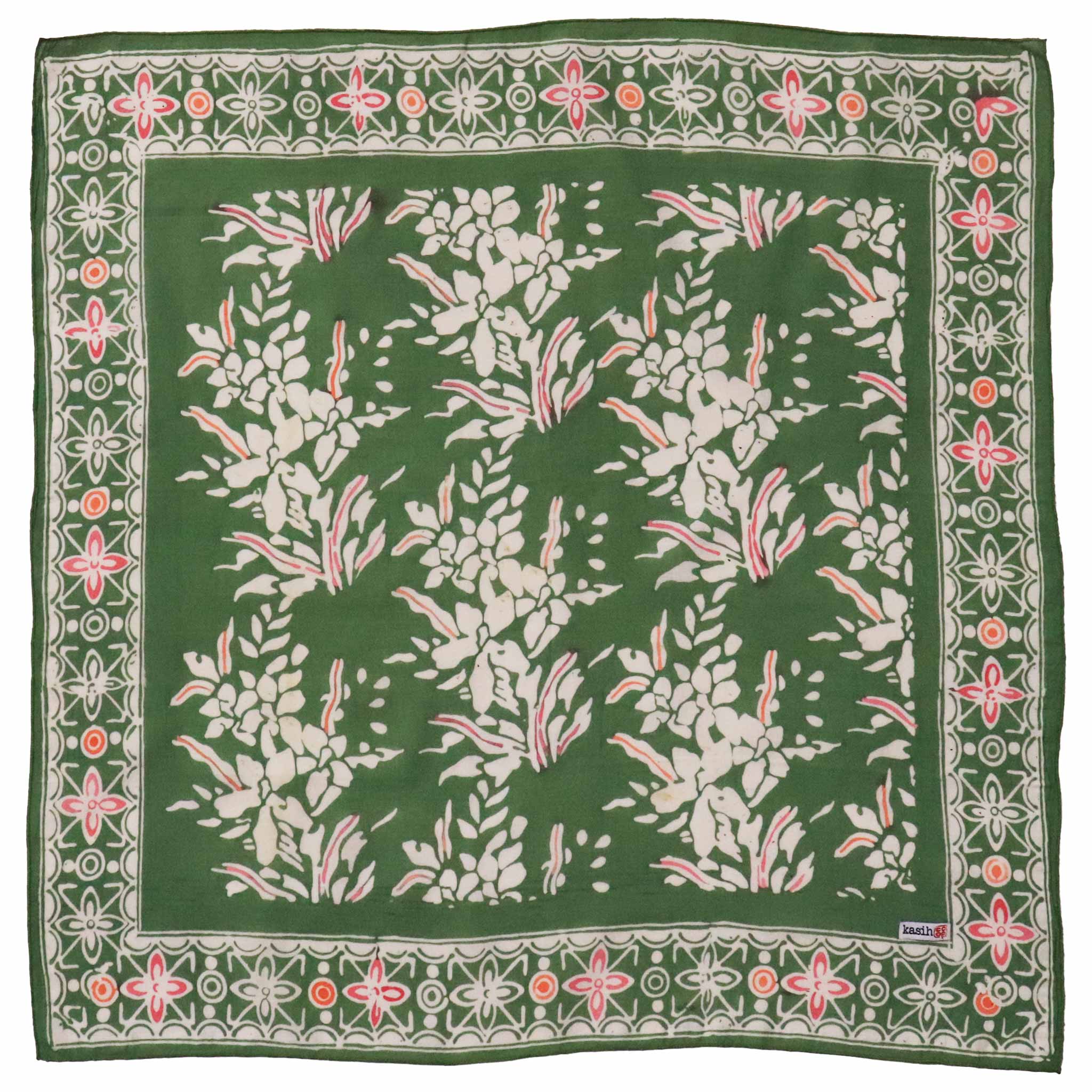
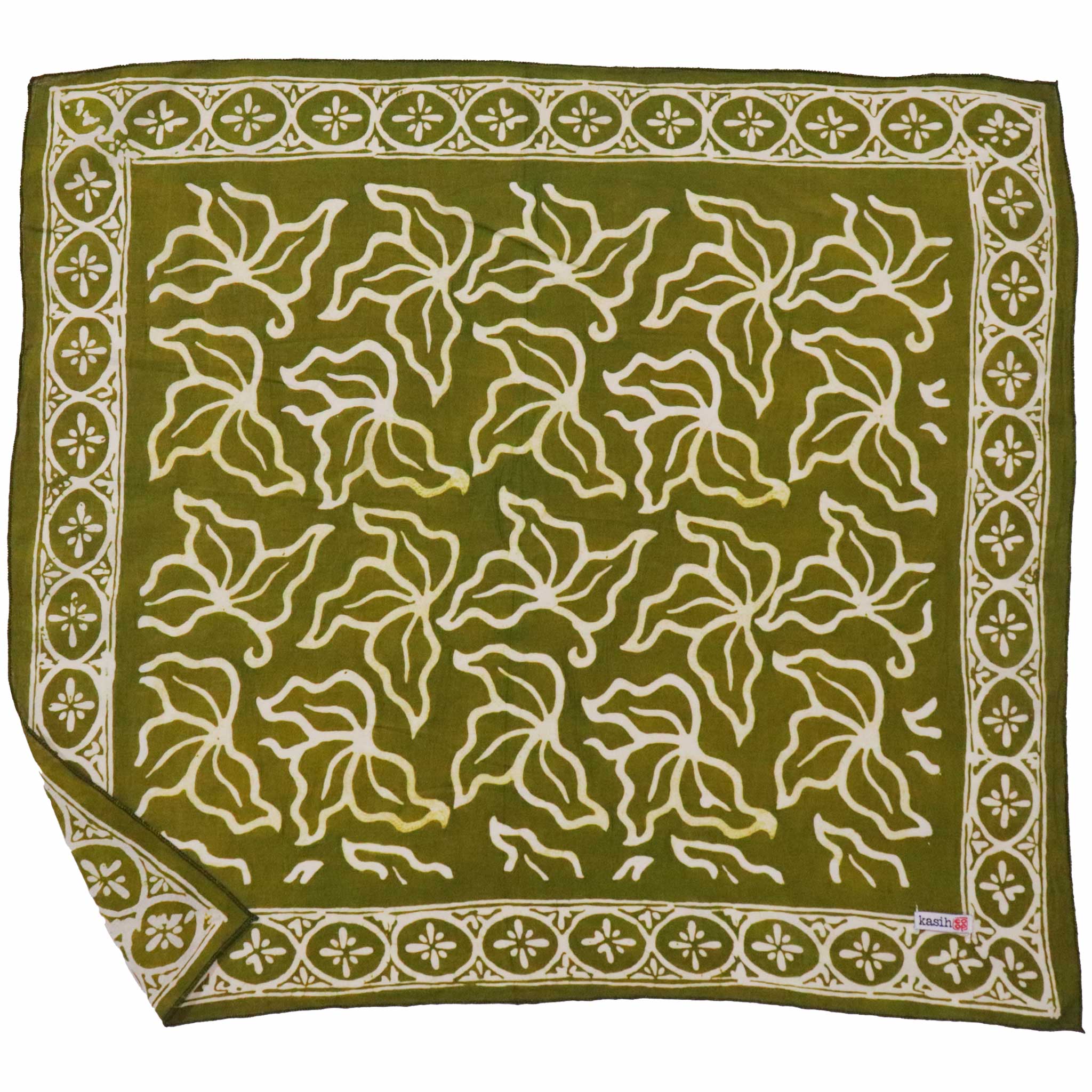
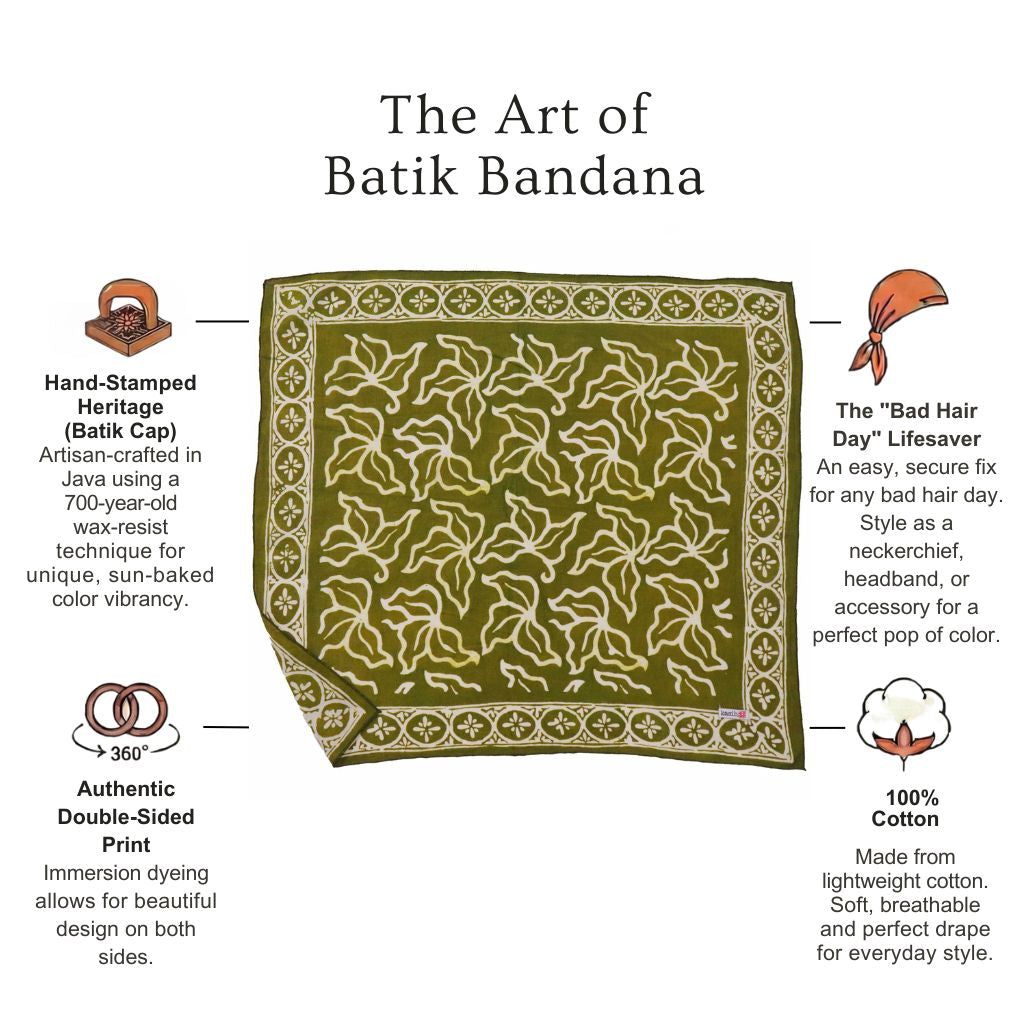
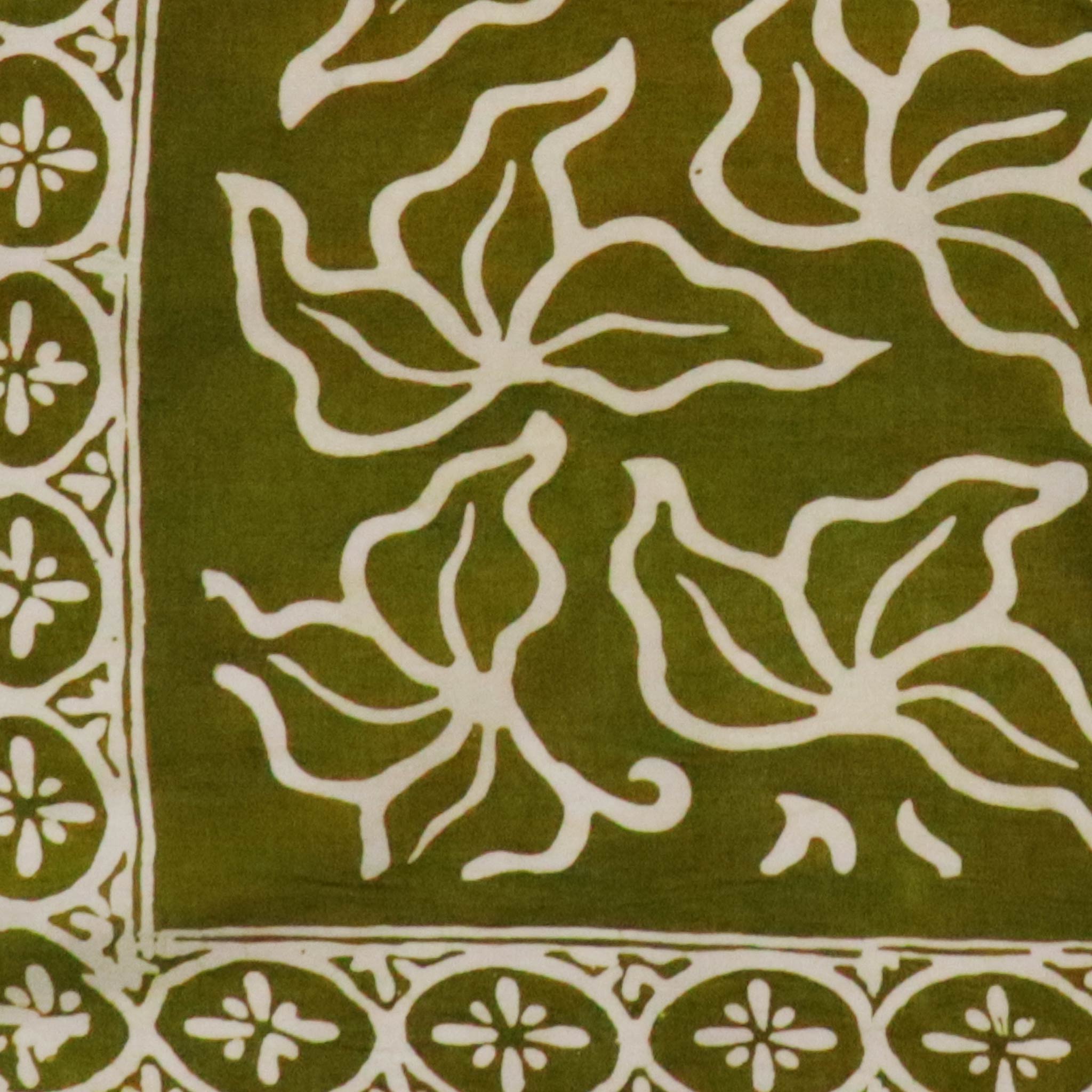
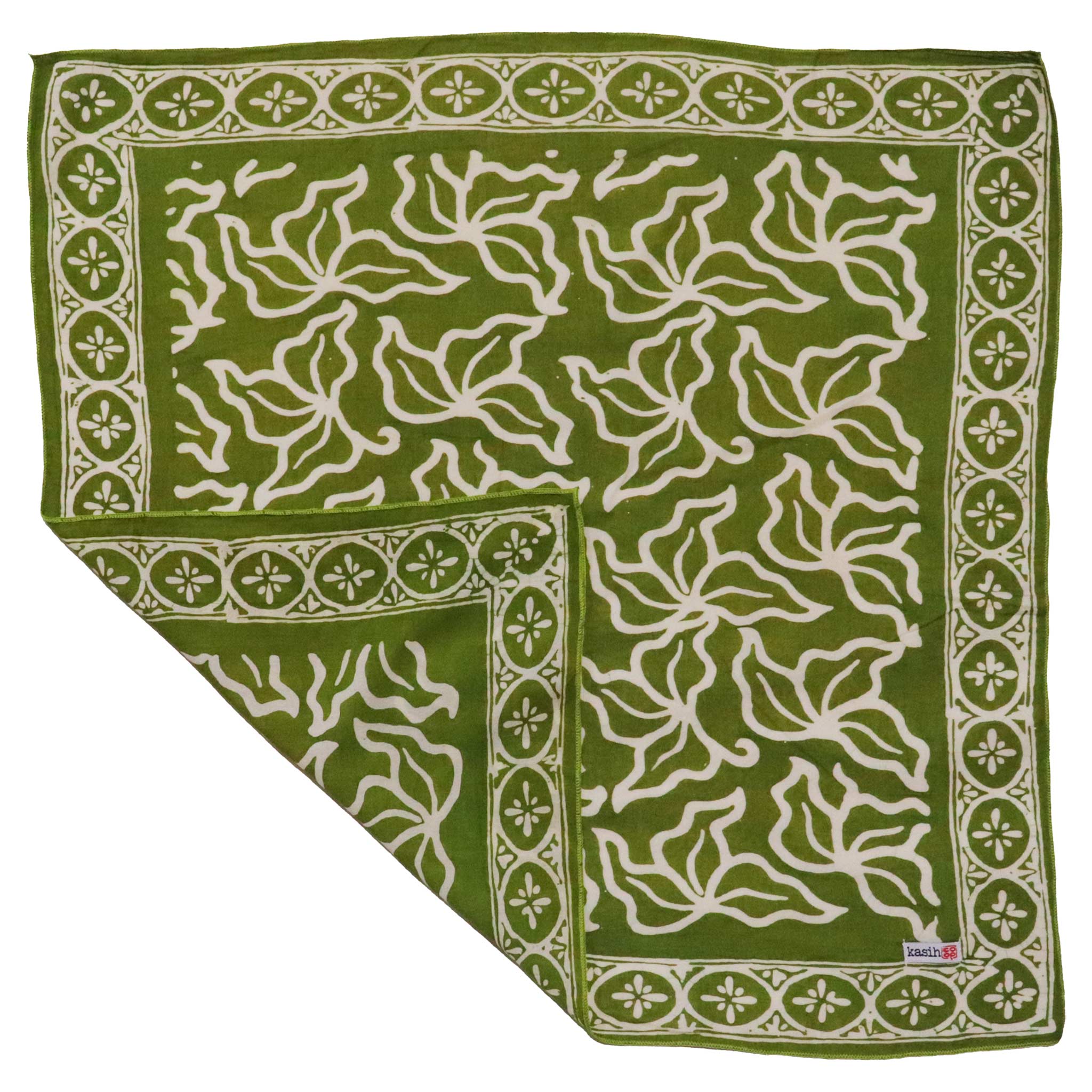
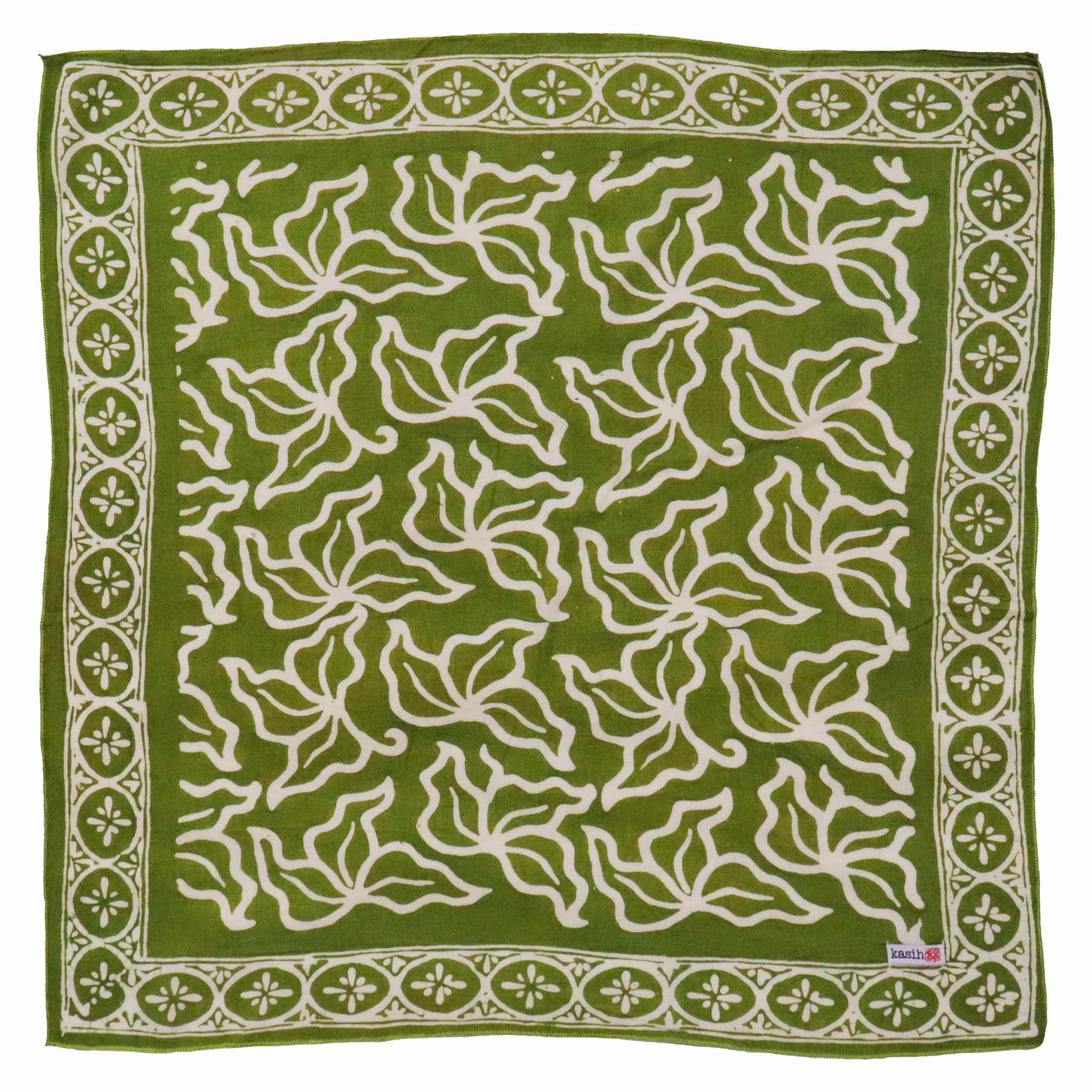
Using a canting (a small copper tool), artisans draw the batik pattern by hand. The process takes steady hands and full focus. Every line on our bandanas is created manually, nothing is printed or automated. This is what makes each piece slightly unique.
Dyeing and Finishing
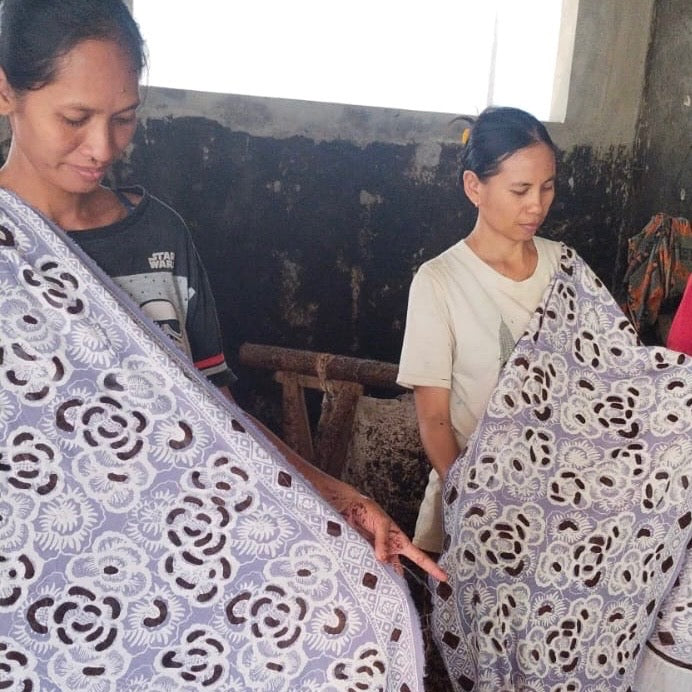
After waxing, the fabric goes through dyeing. The colors are added gradually, then the wax is removed to reveal the final pattern. This stage can take several rounds depending on the design. If the dyeing process goes wrong, the artisans sometimes have to redo the entire step to make sure the result meets the standards.
Why Handmade Matters
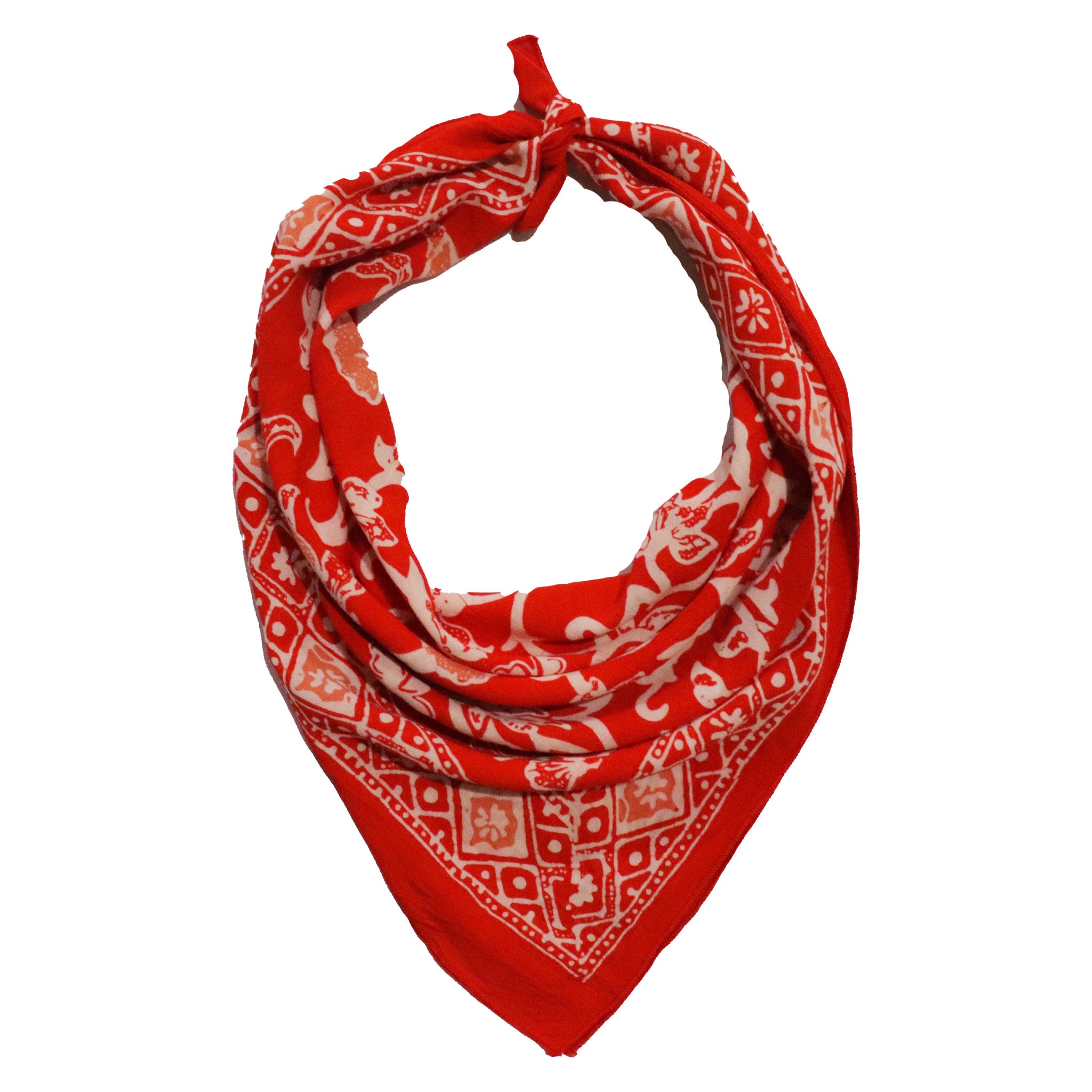
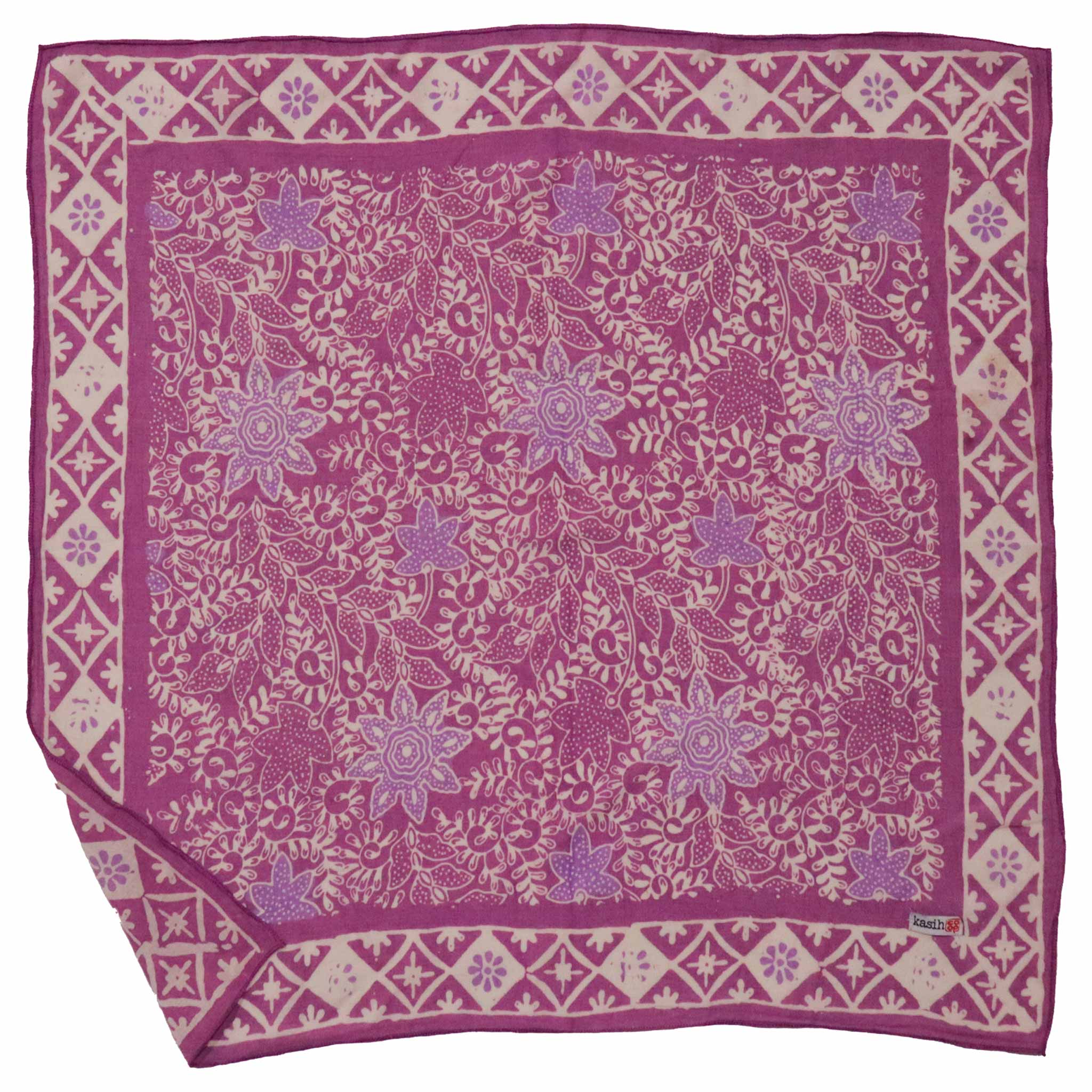
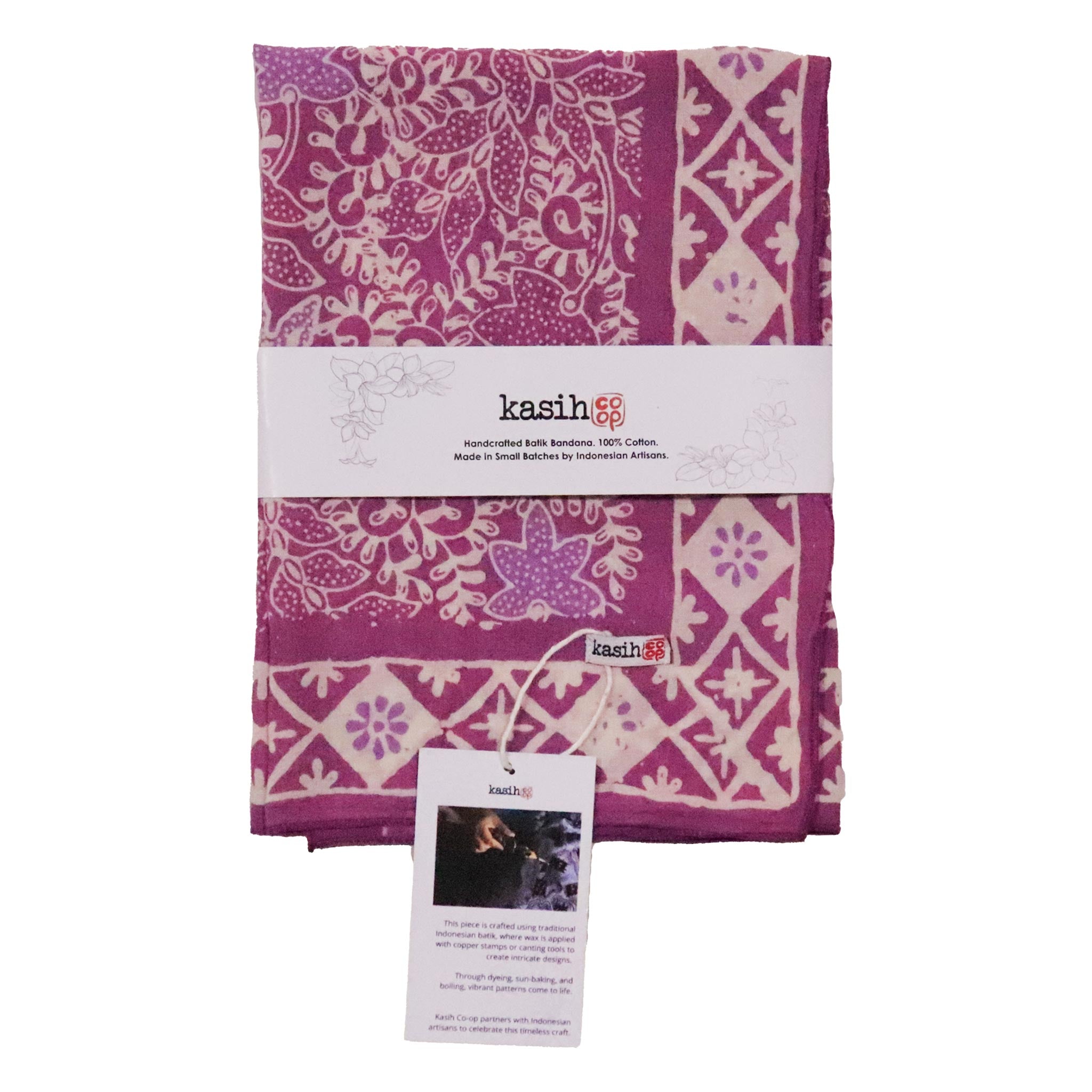
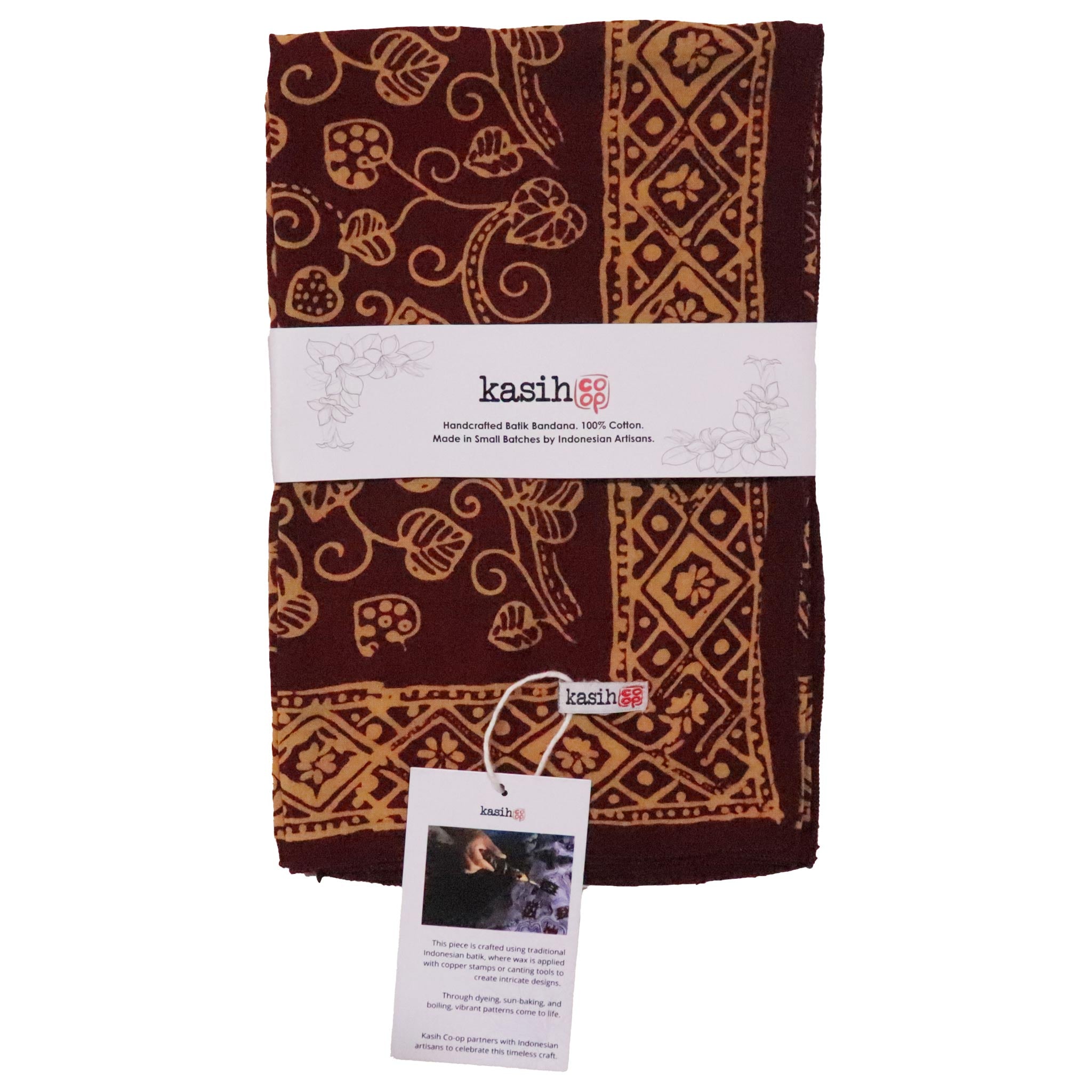
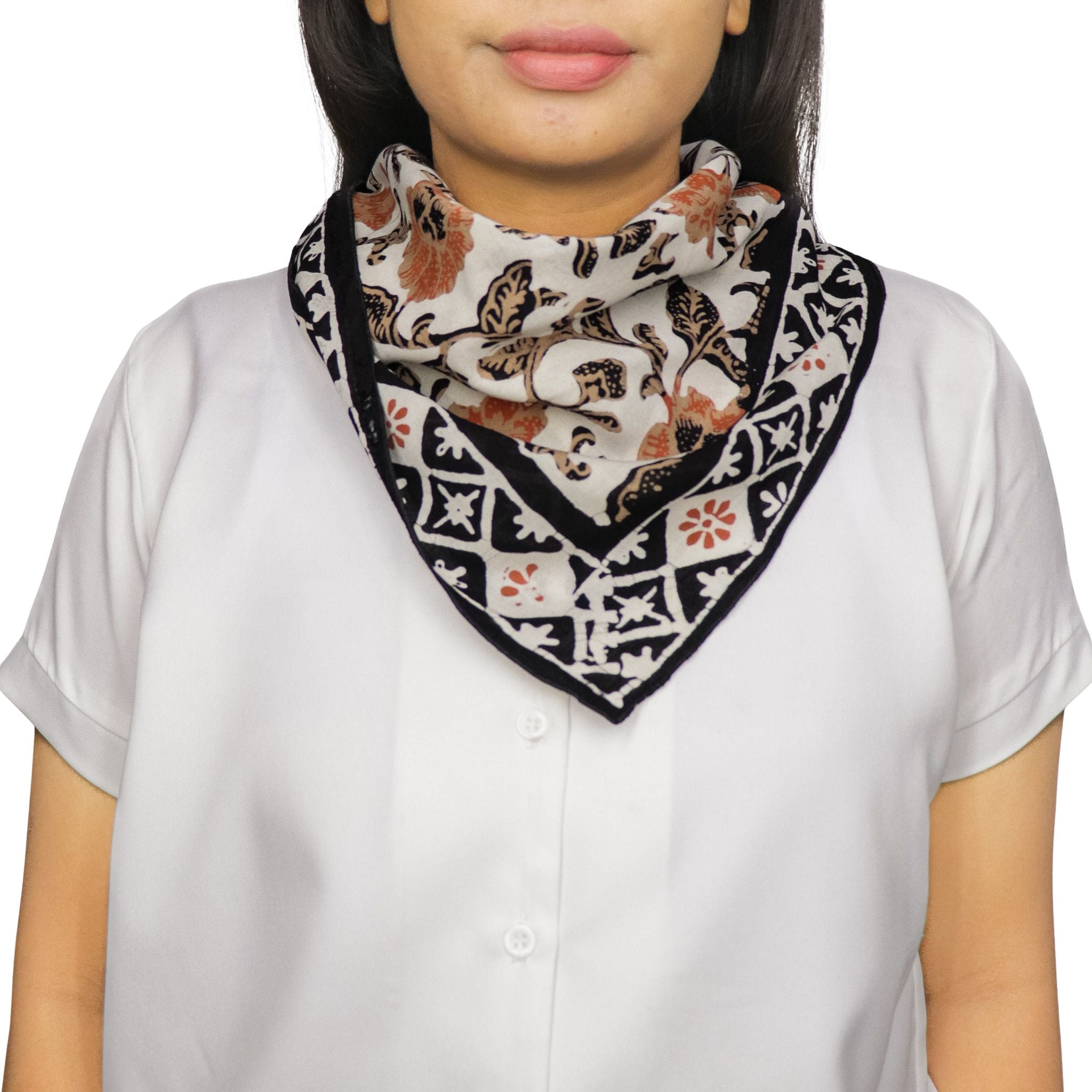
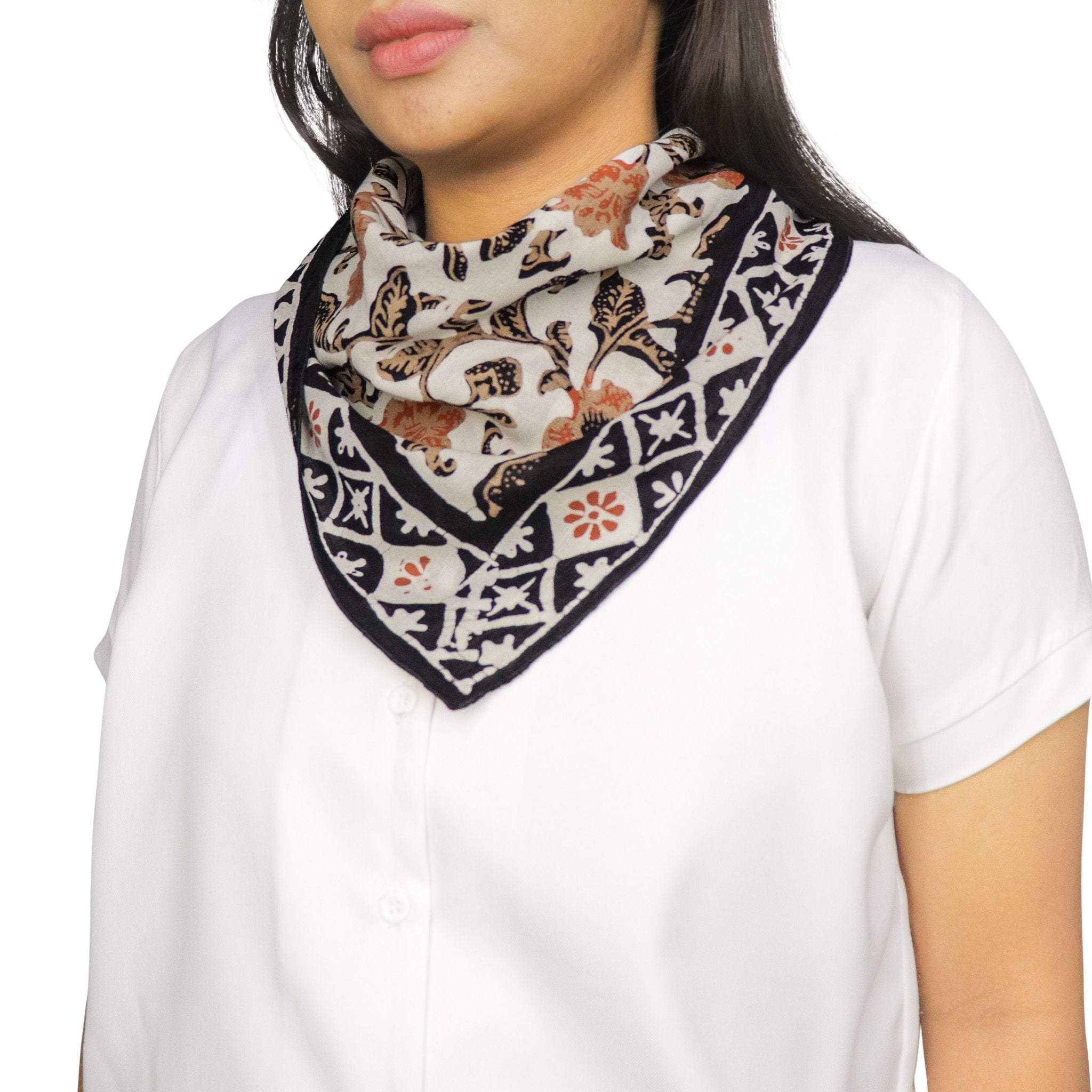
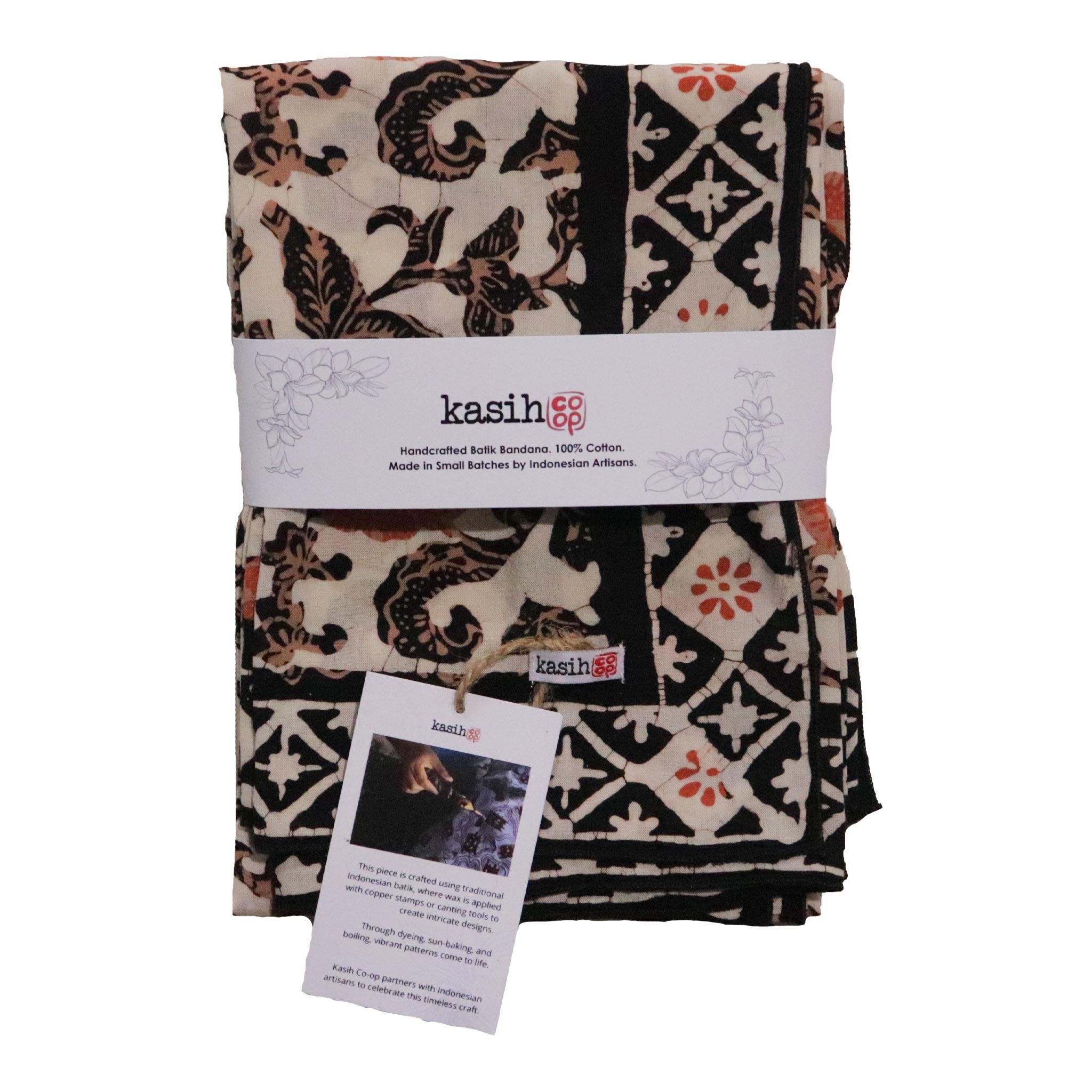
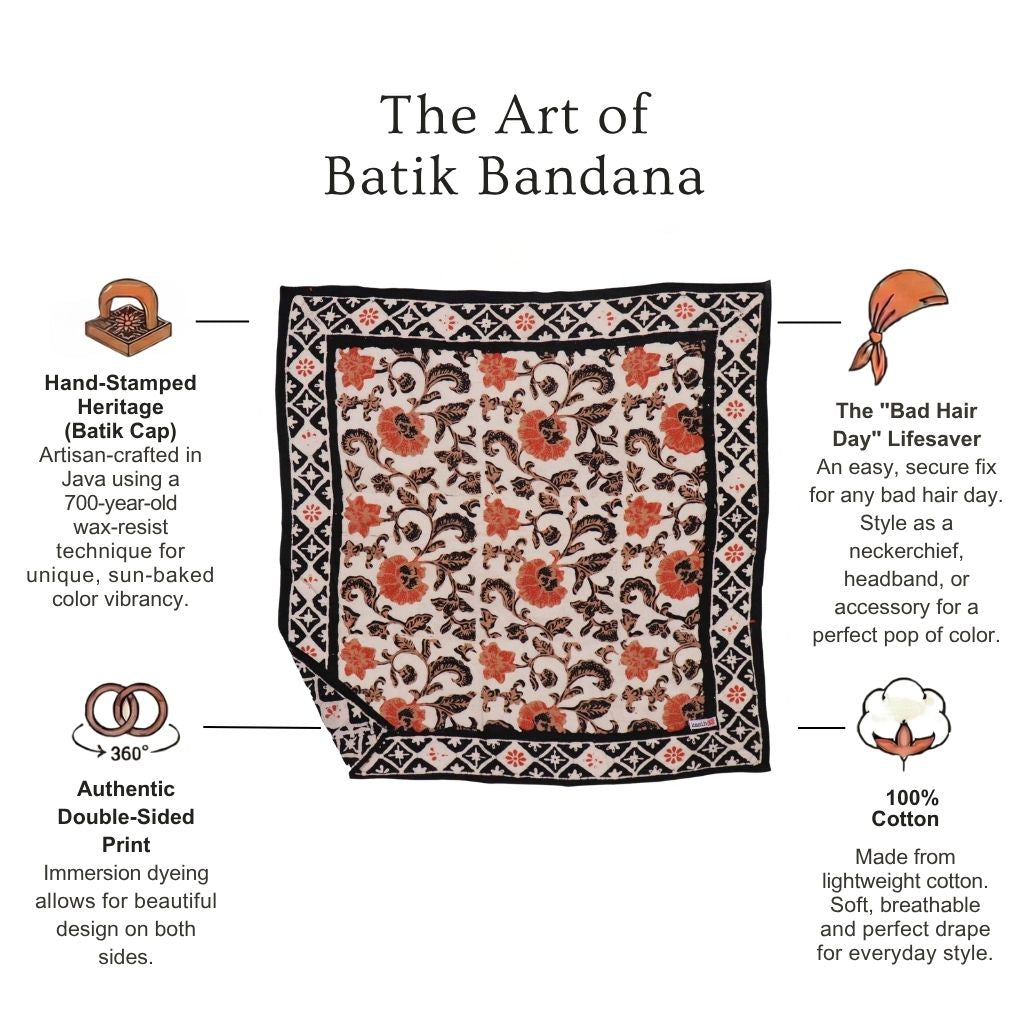
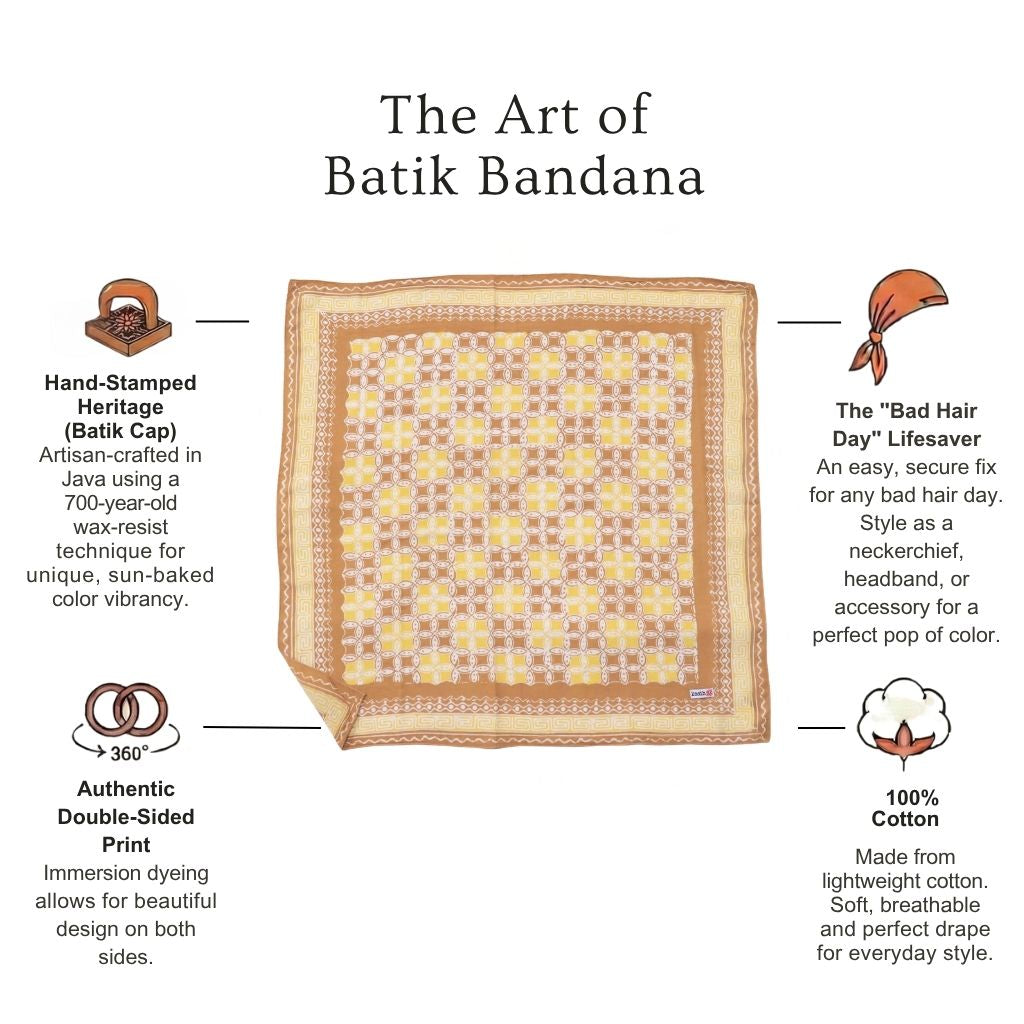
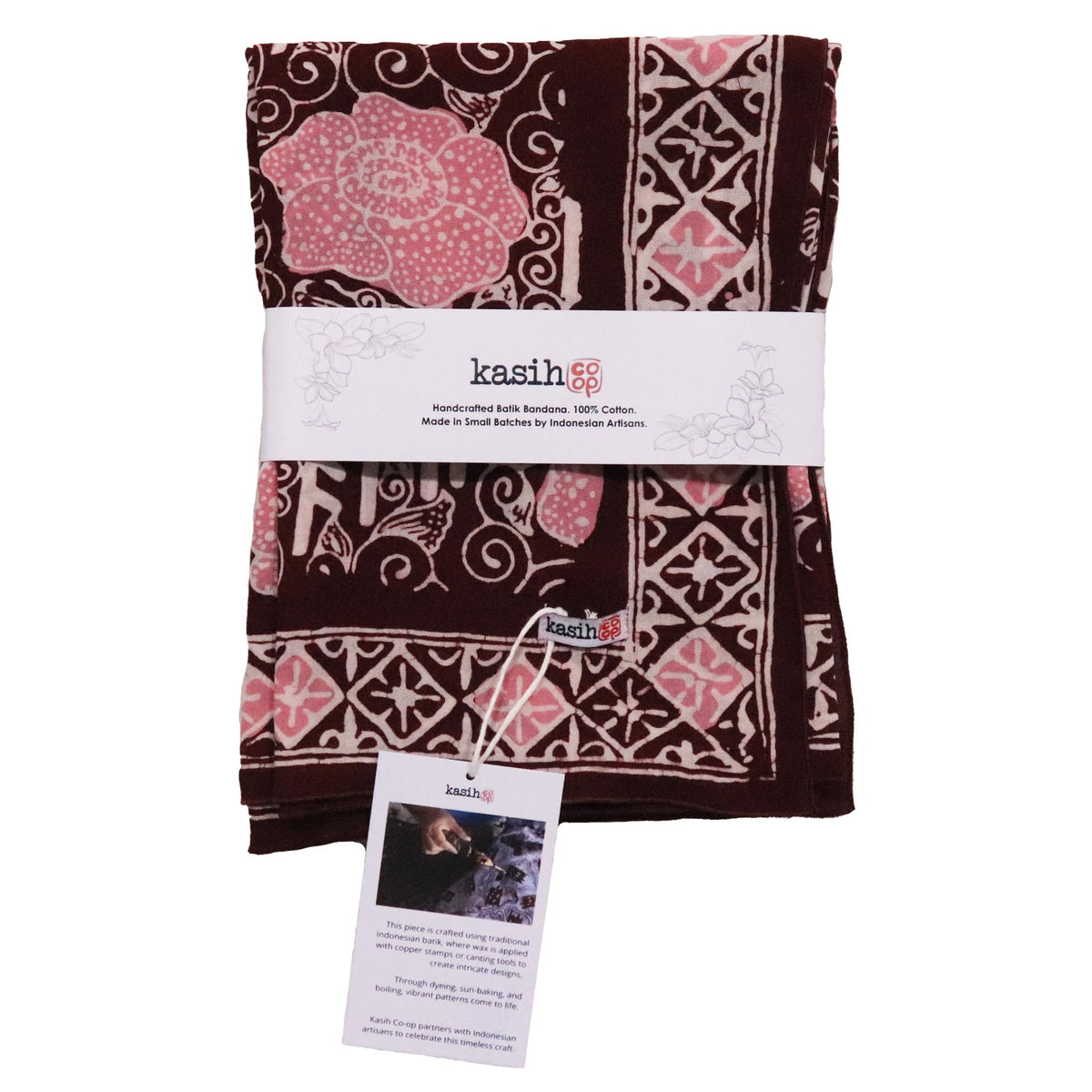
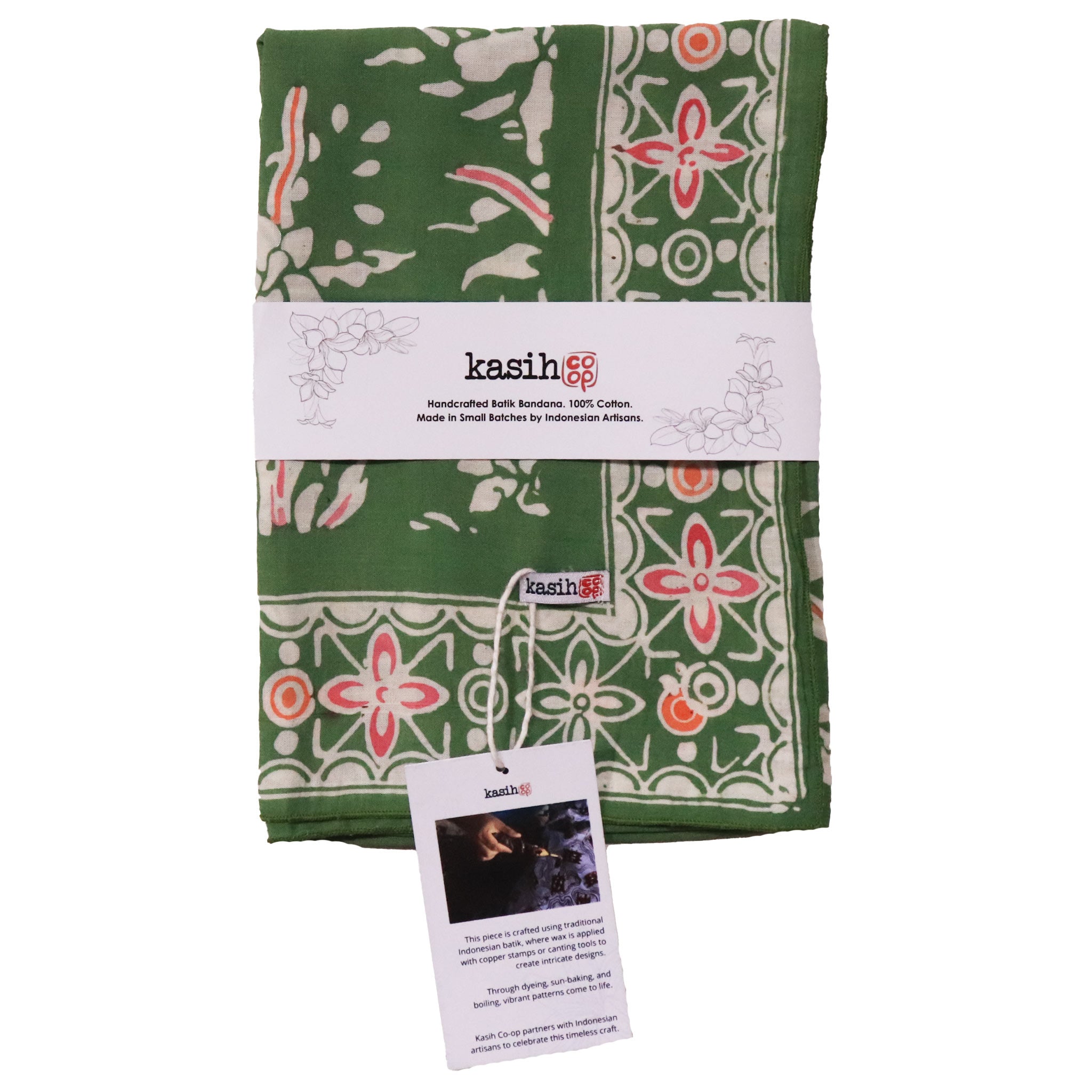
Handmade goods take more time because everything is done manually, from design, waxing, dyeing, to finishing. When you choose handcrafted bandanas, you support artisans, traditional techniques, and ethical production.
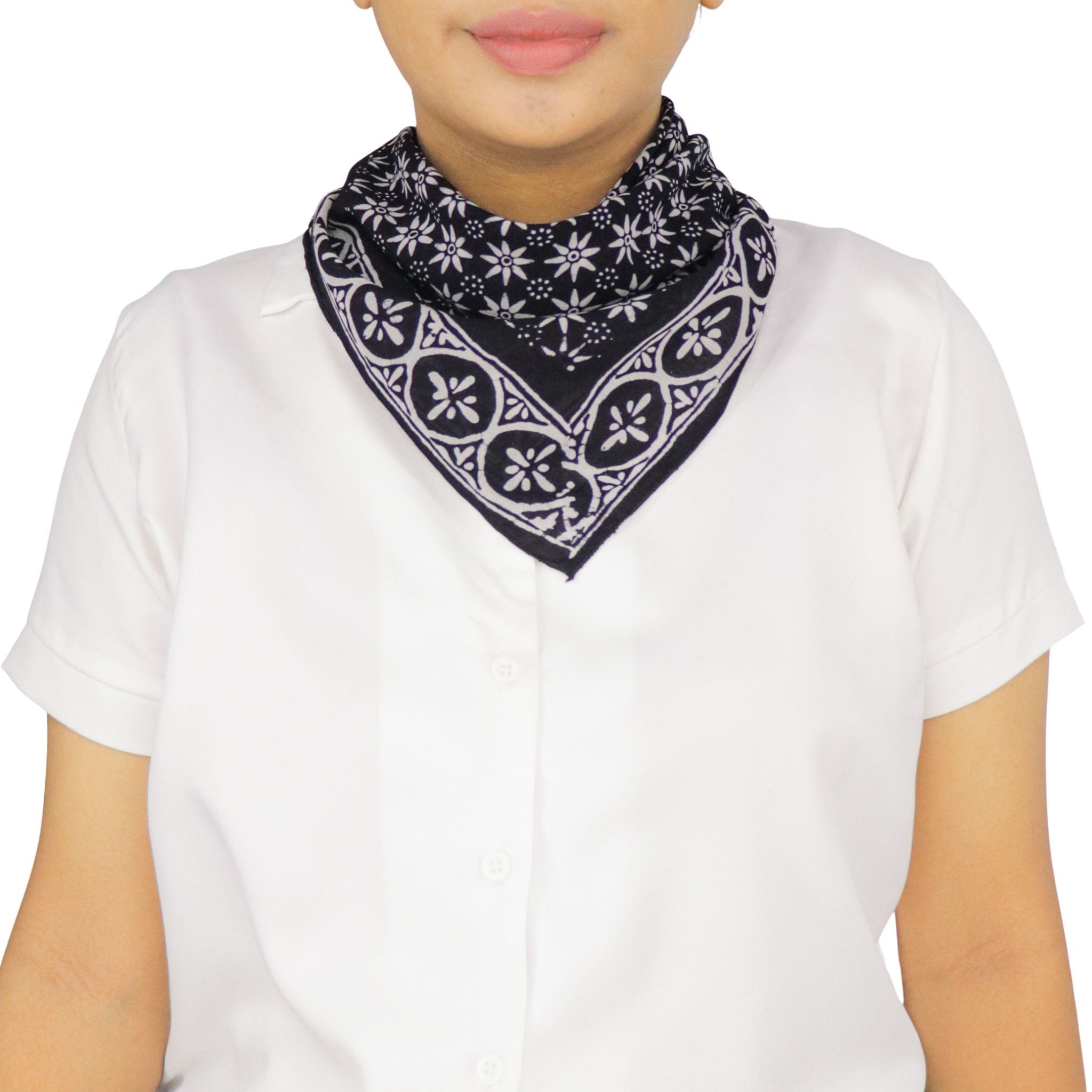
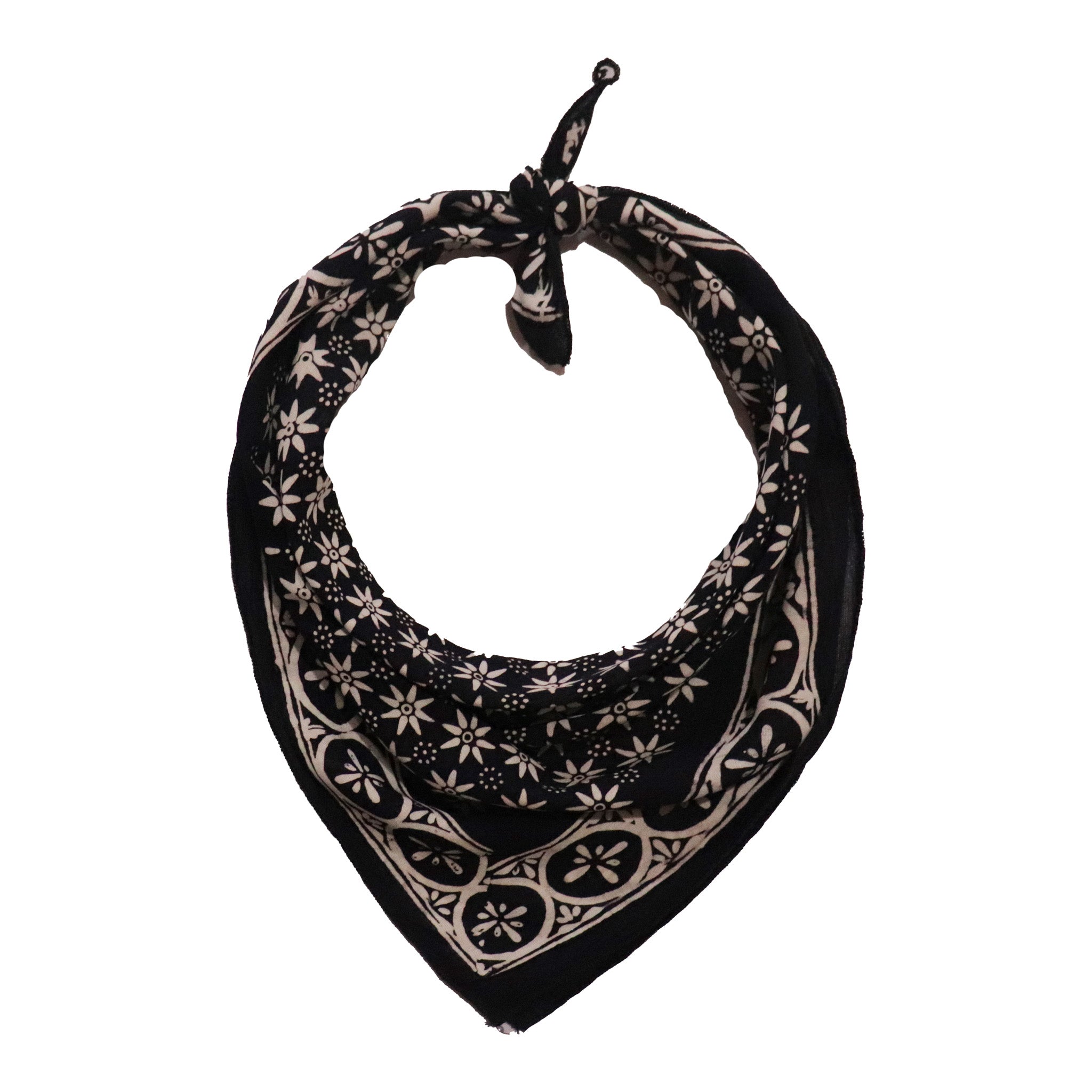
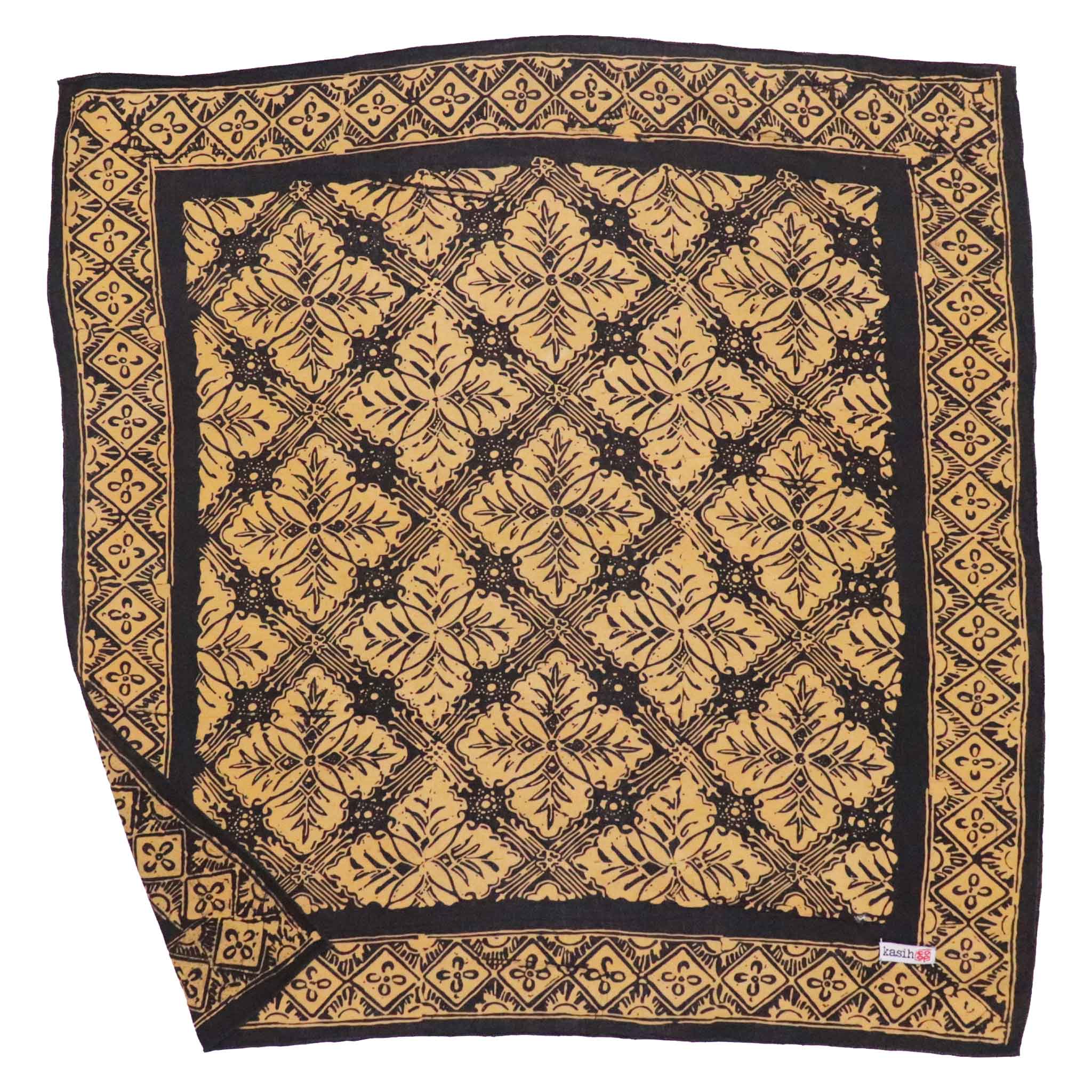
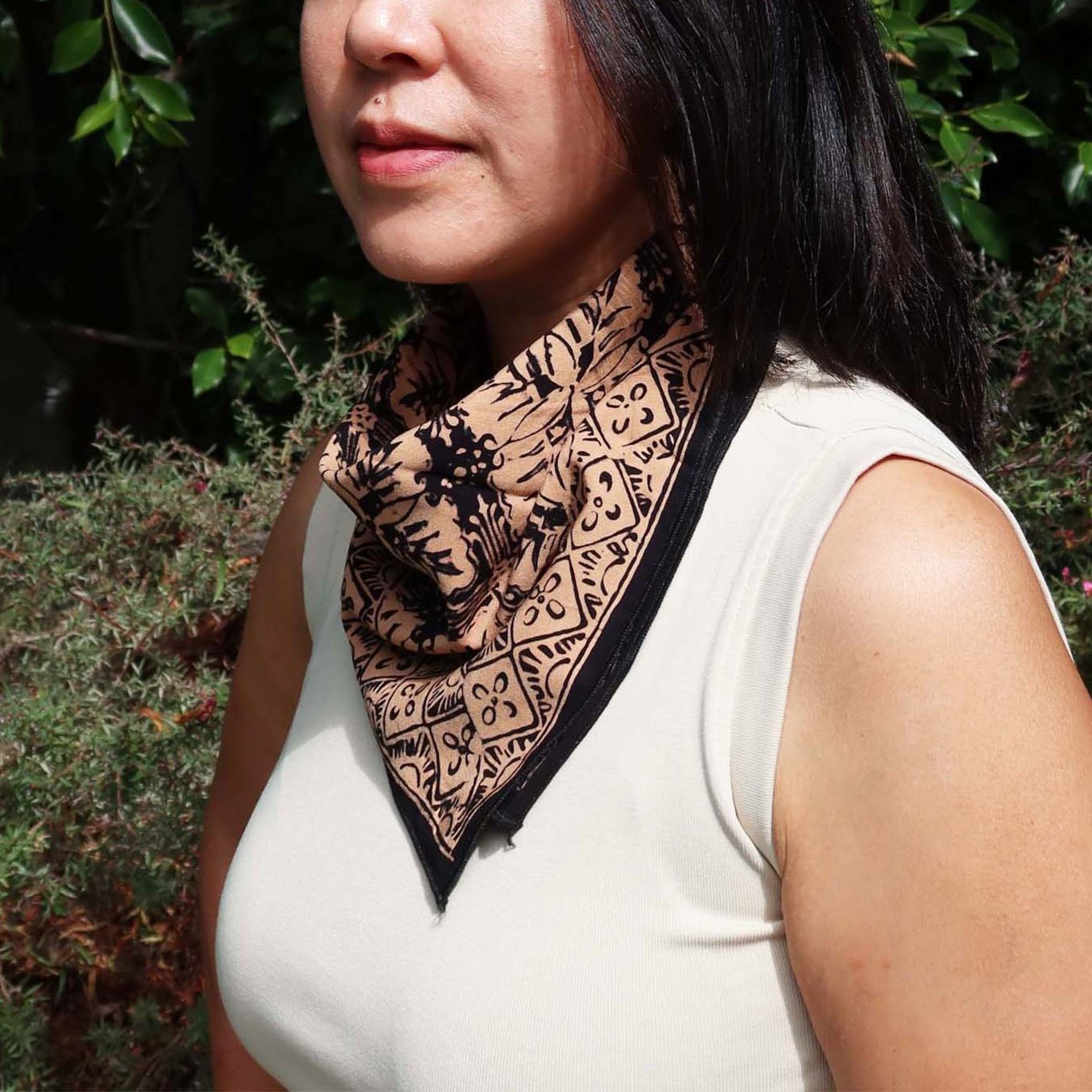
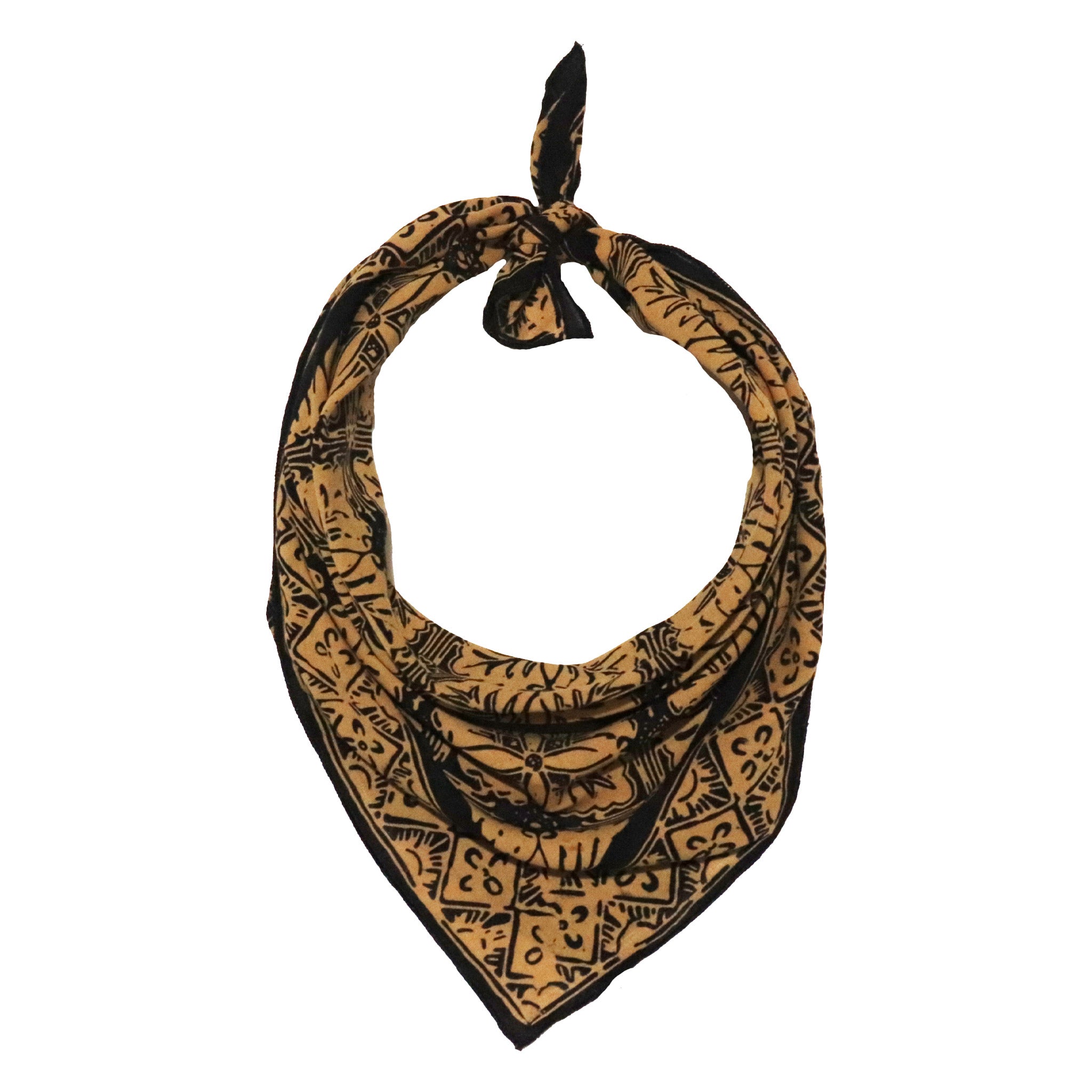
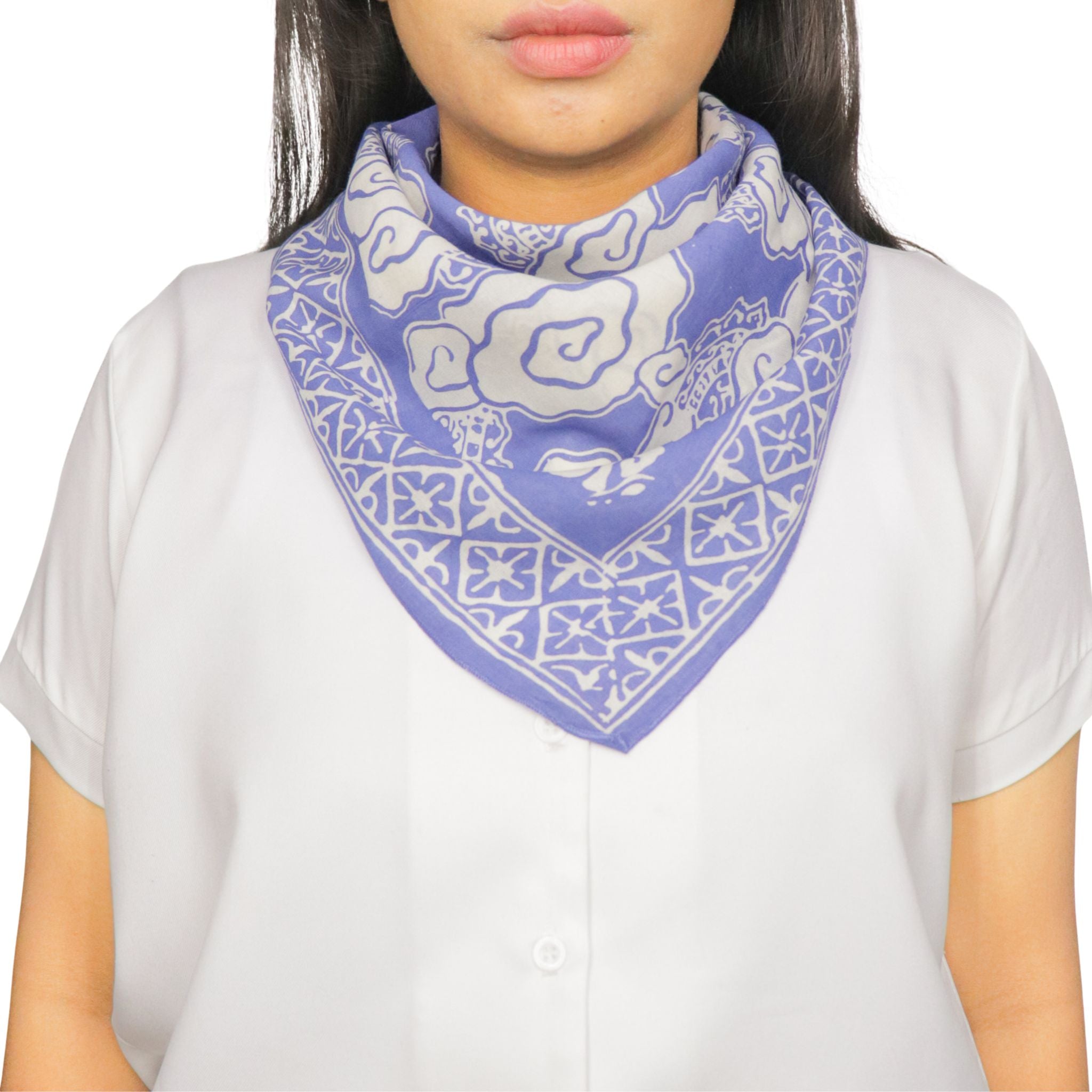
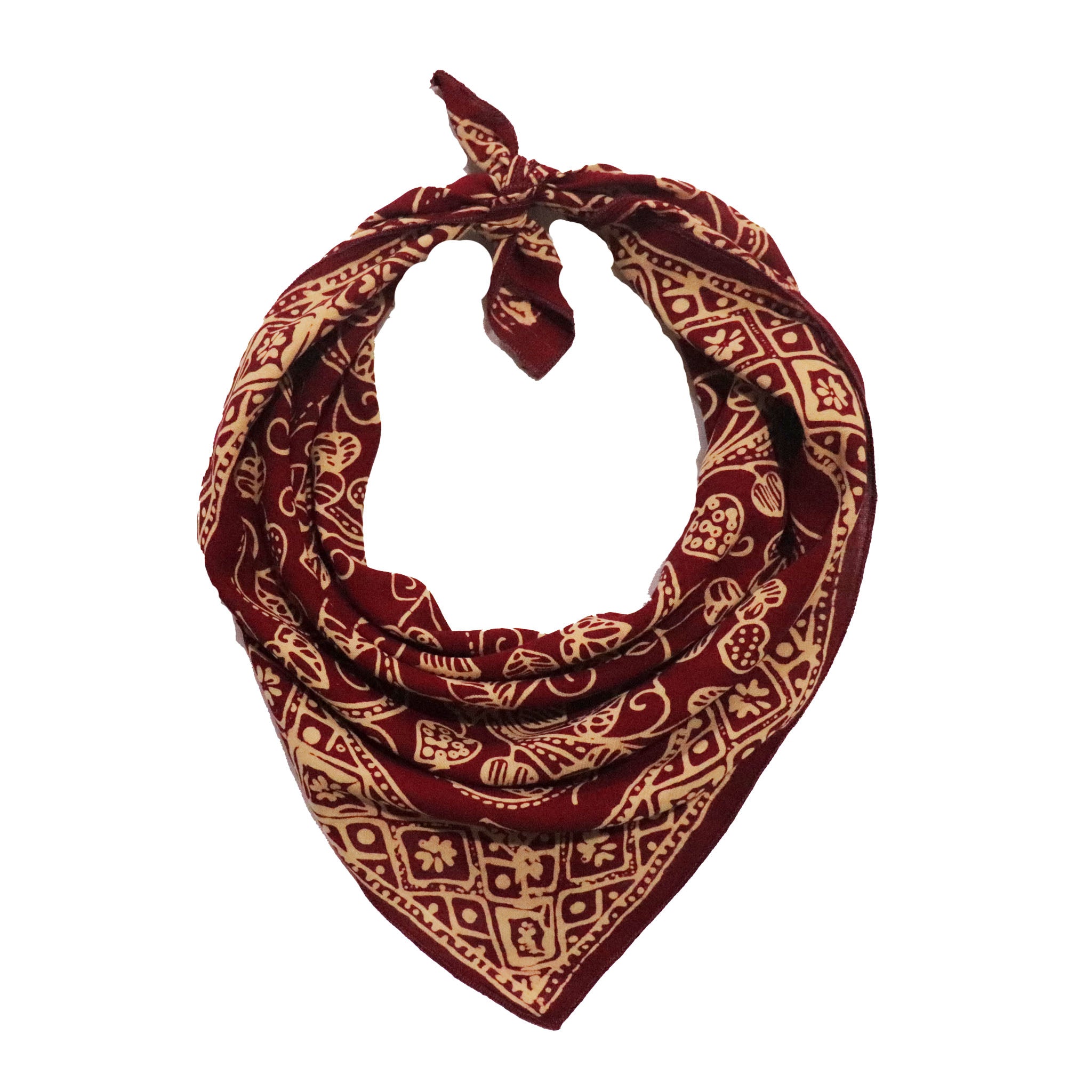
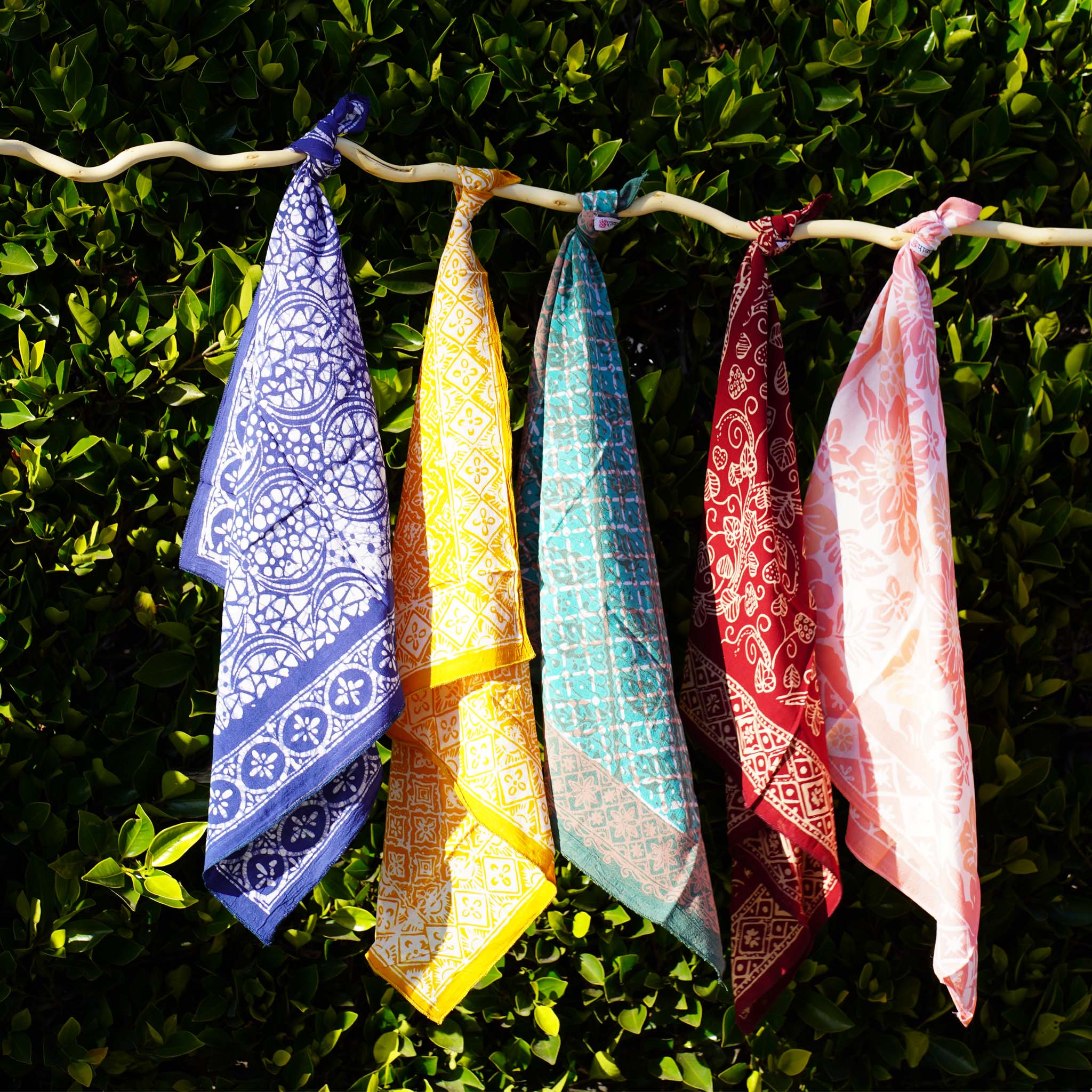
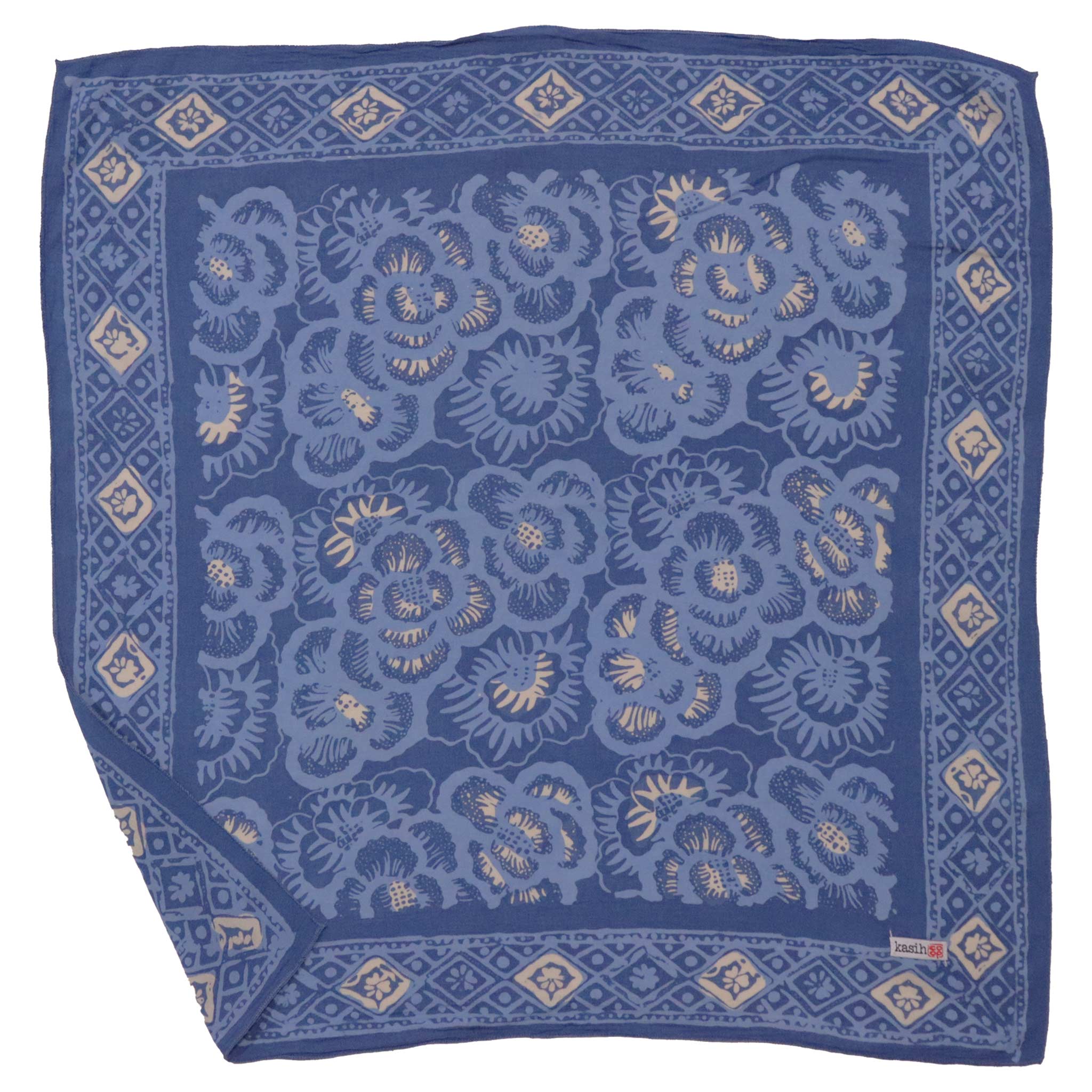
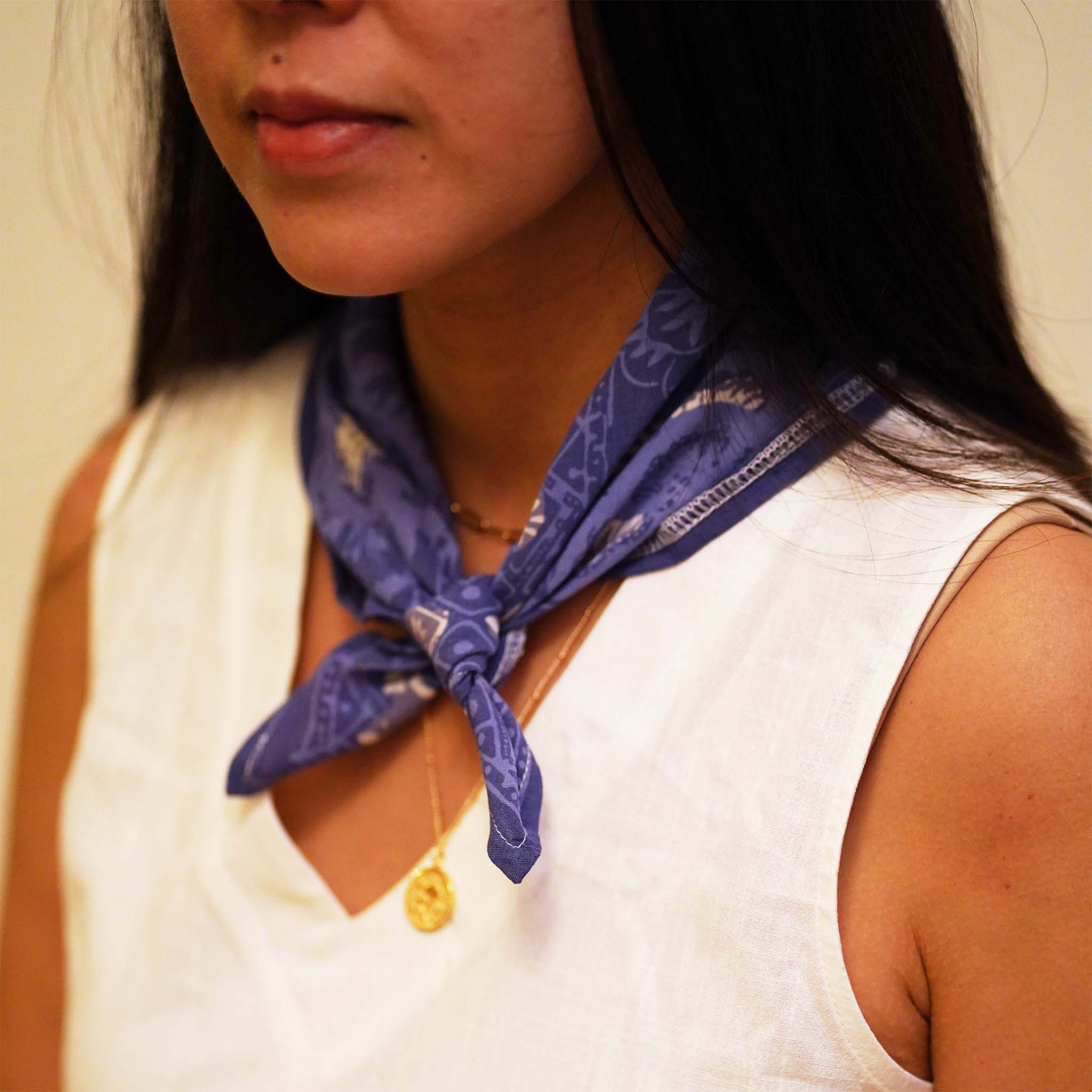
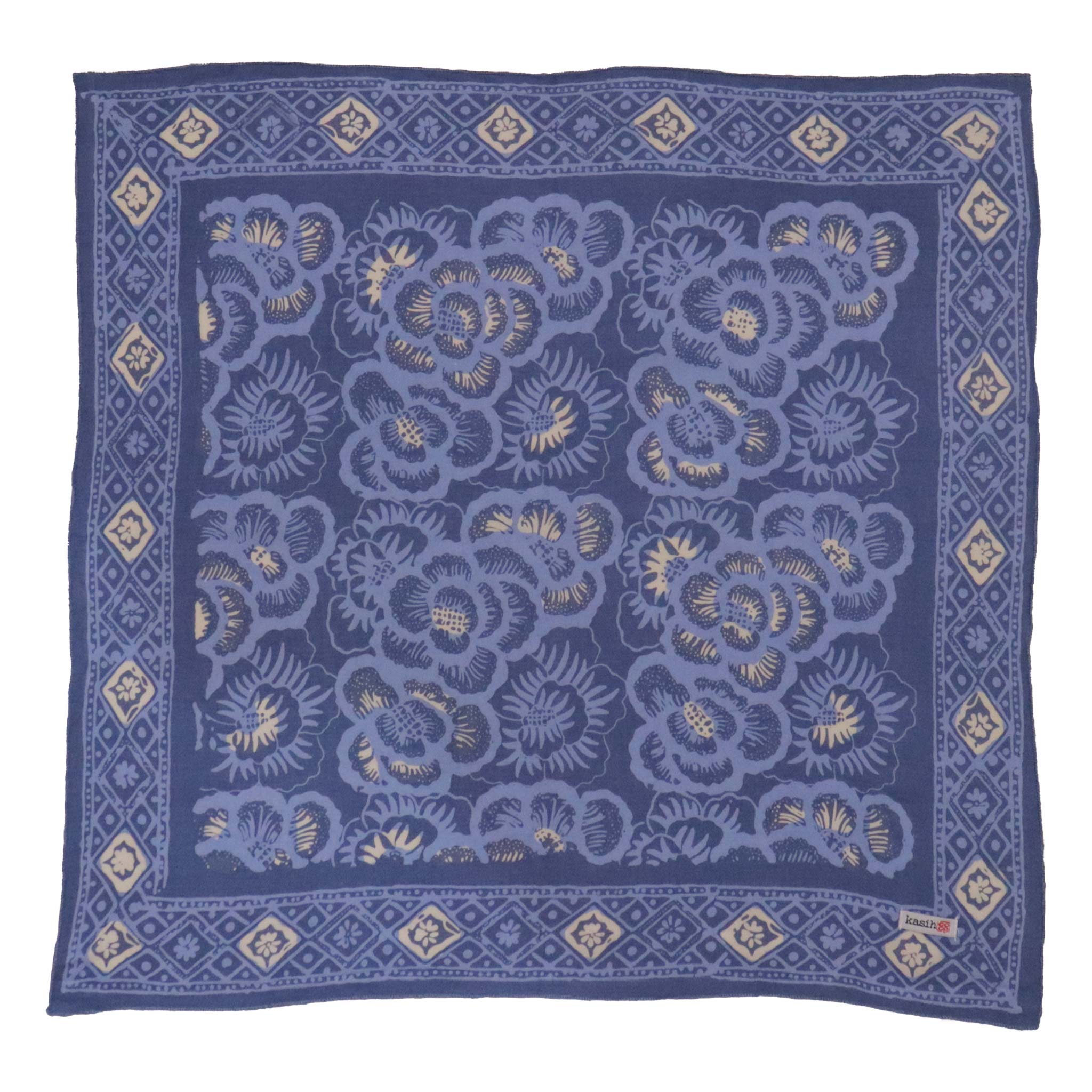
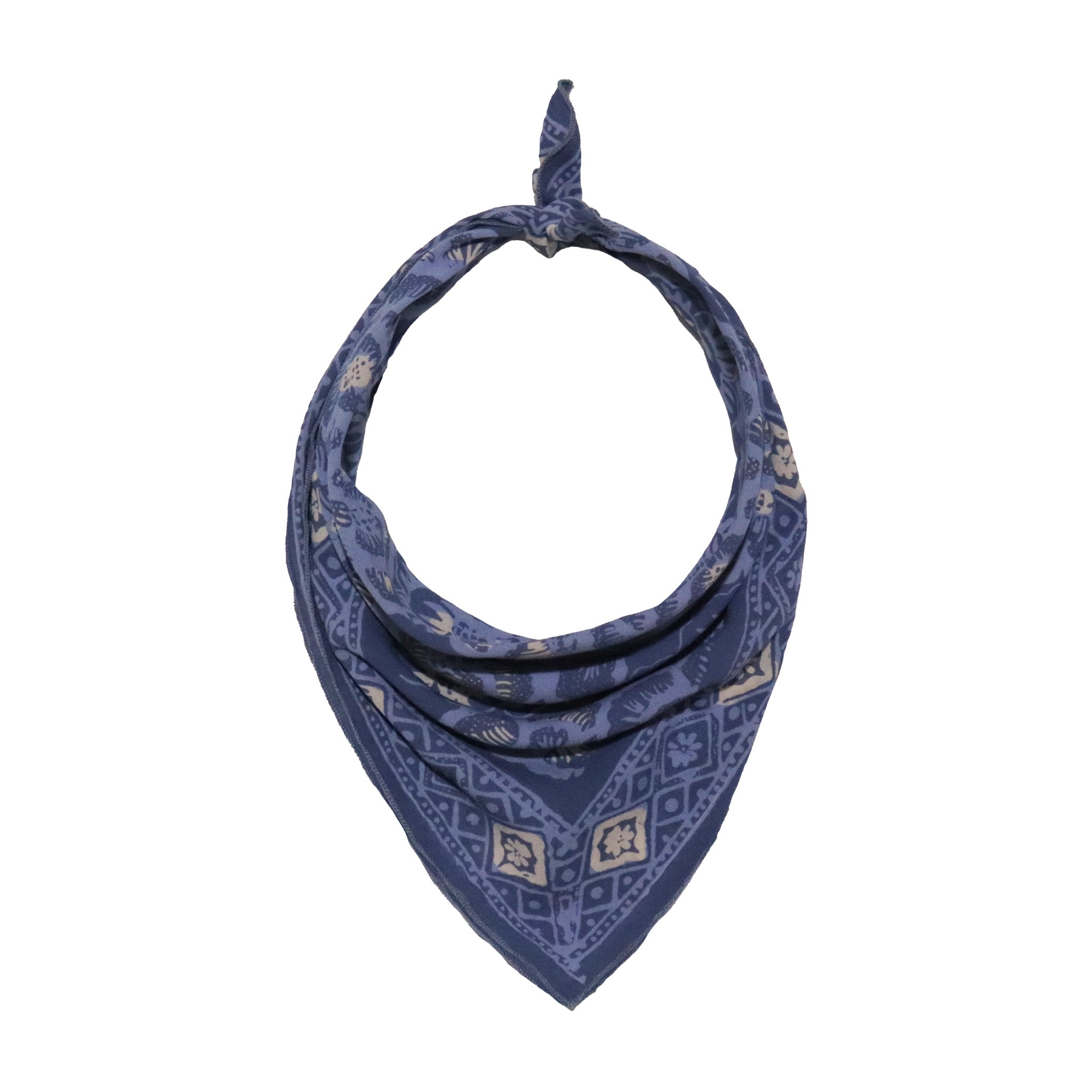
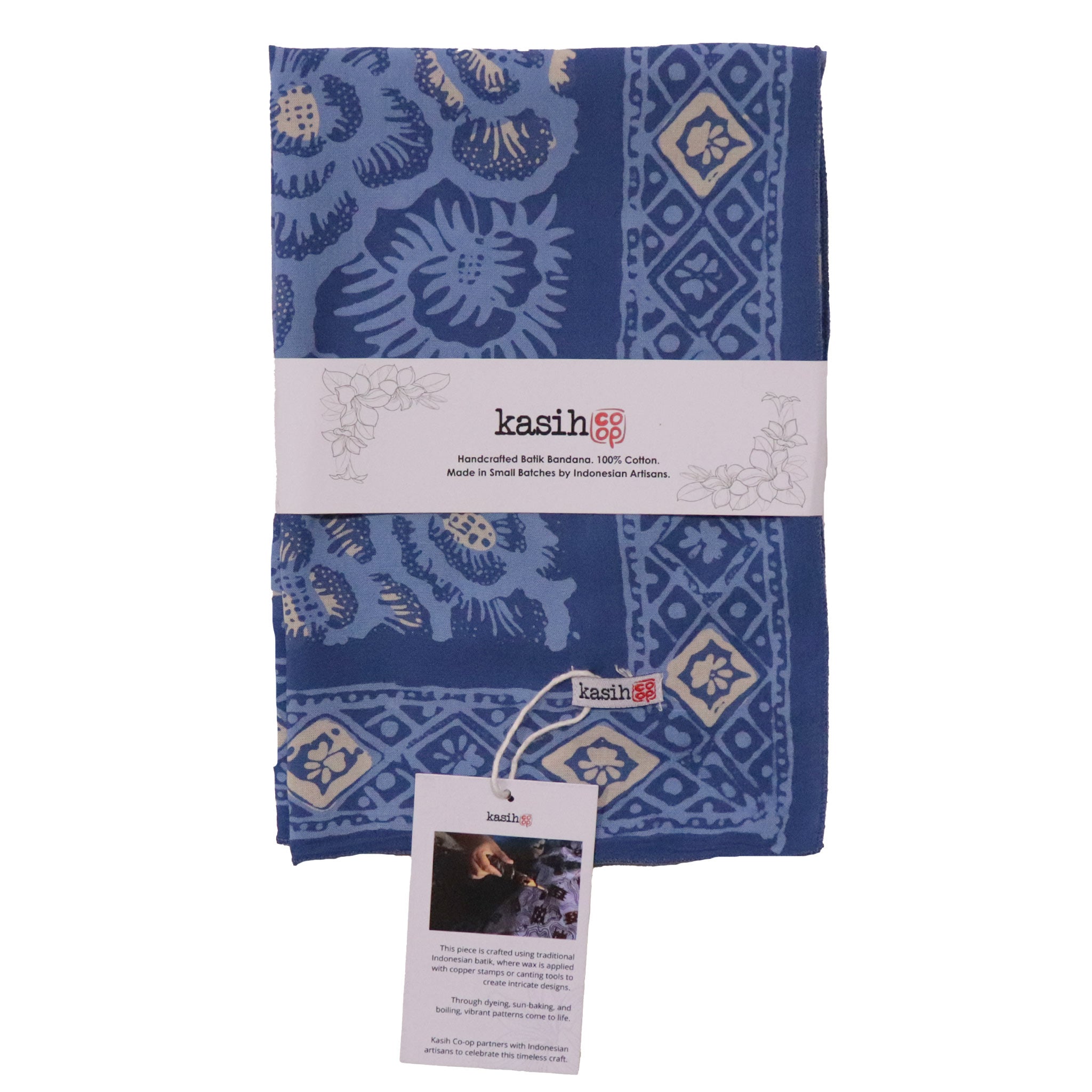
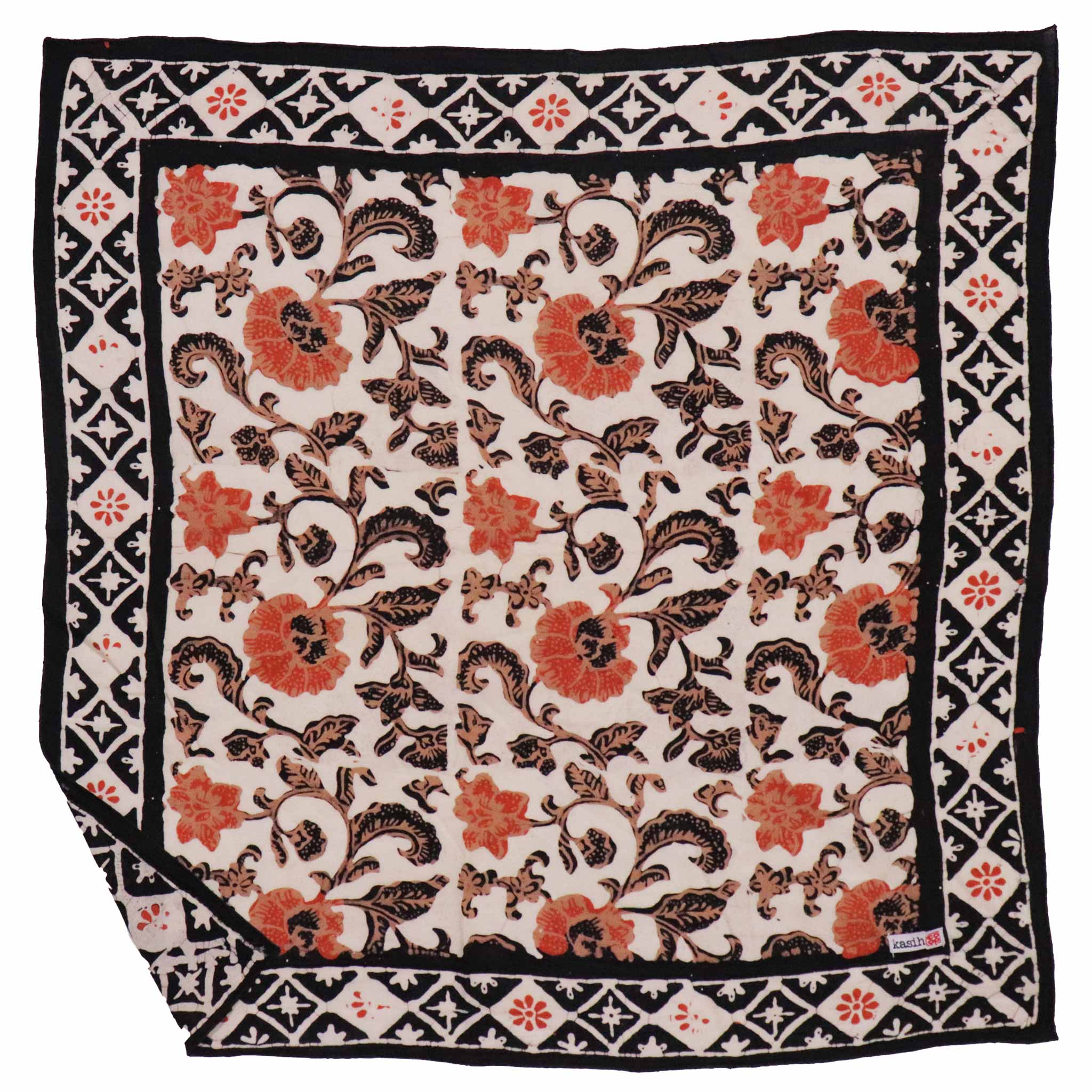
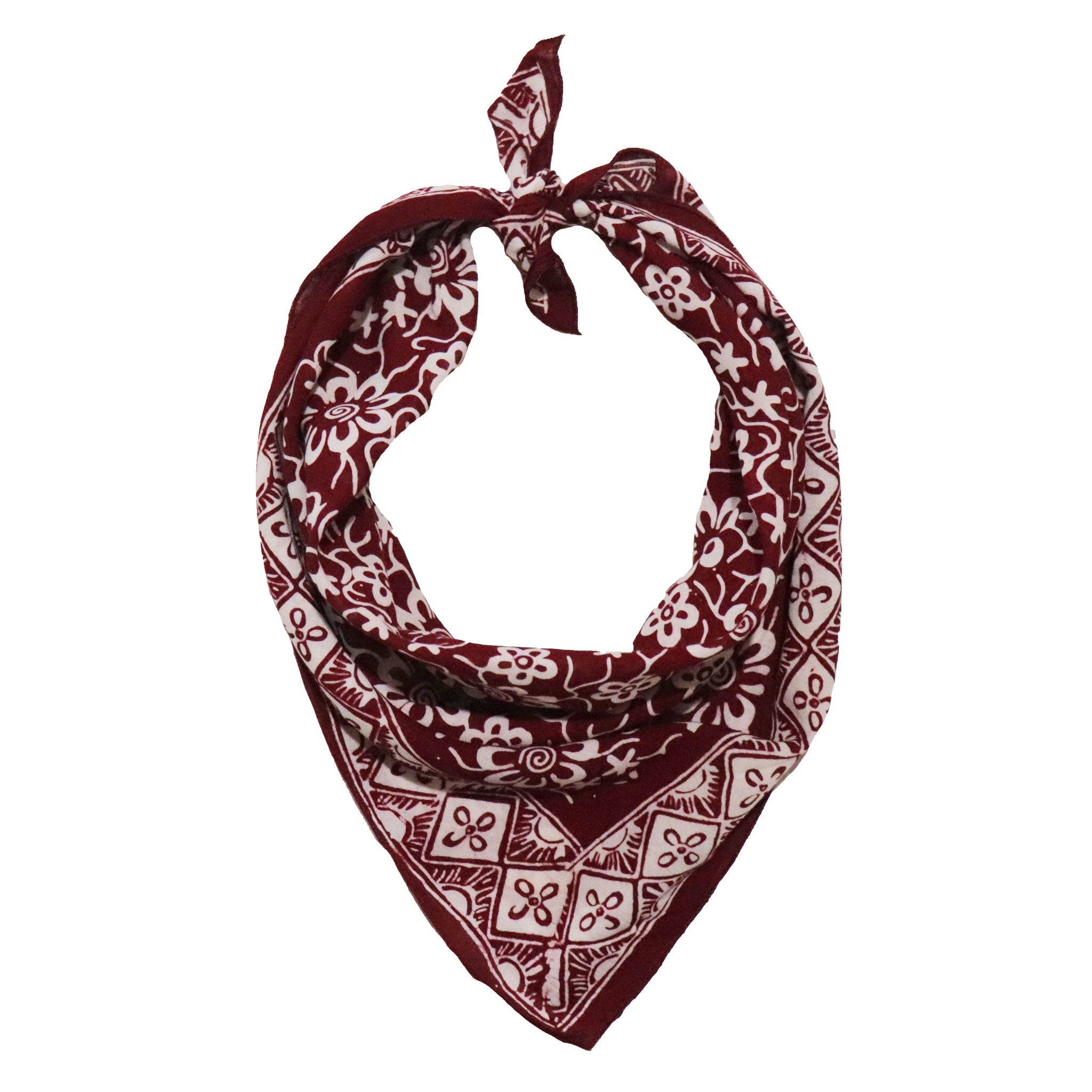
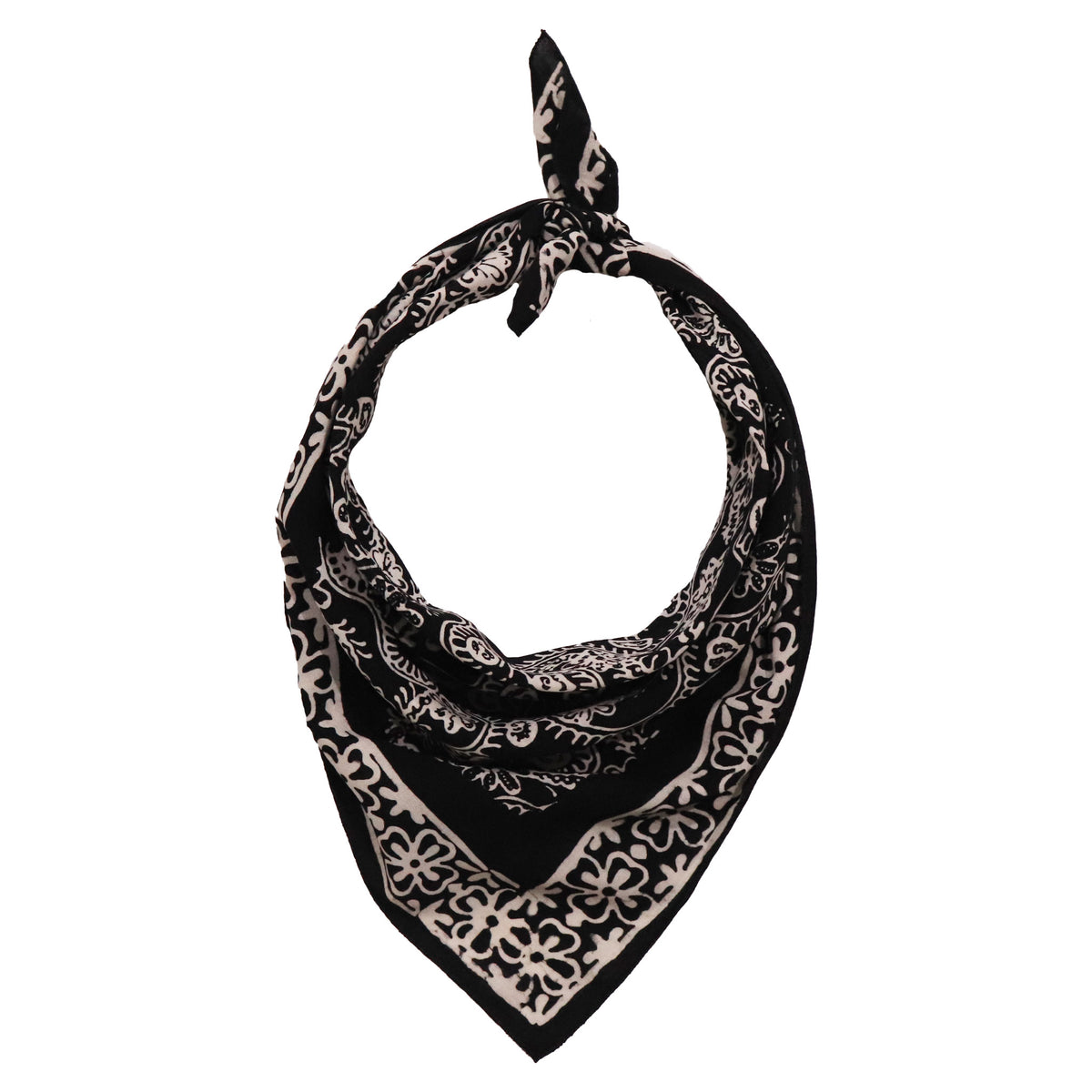
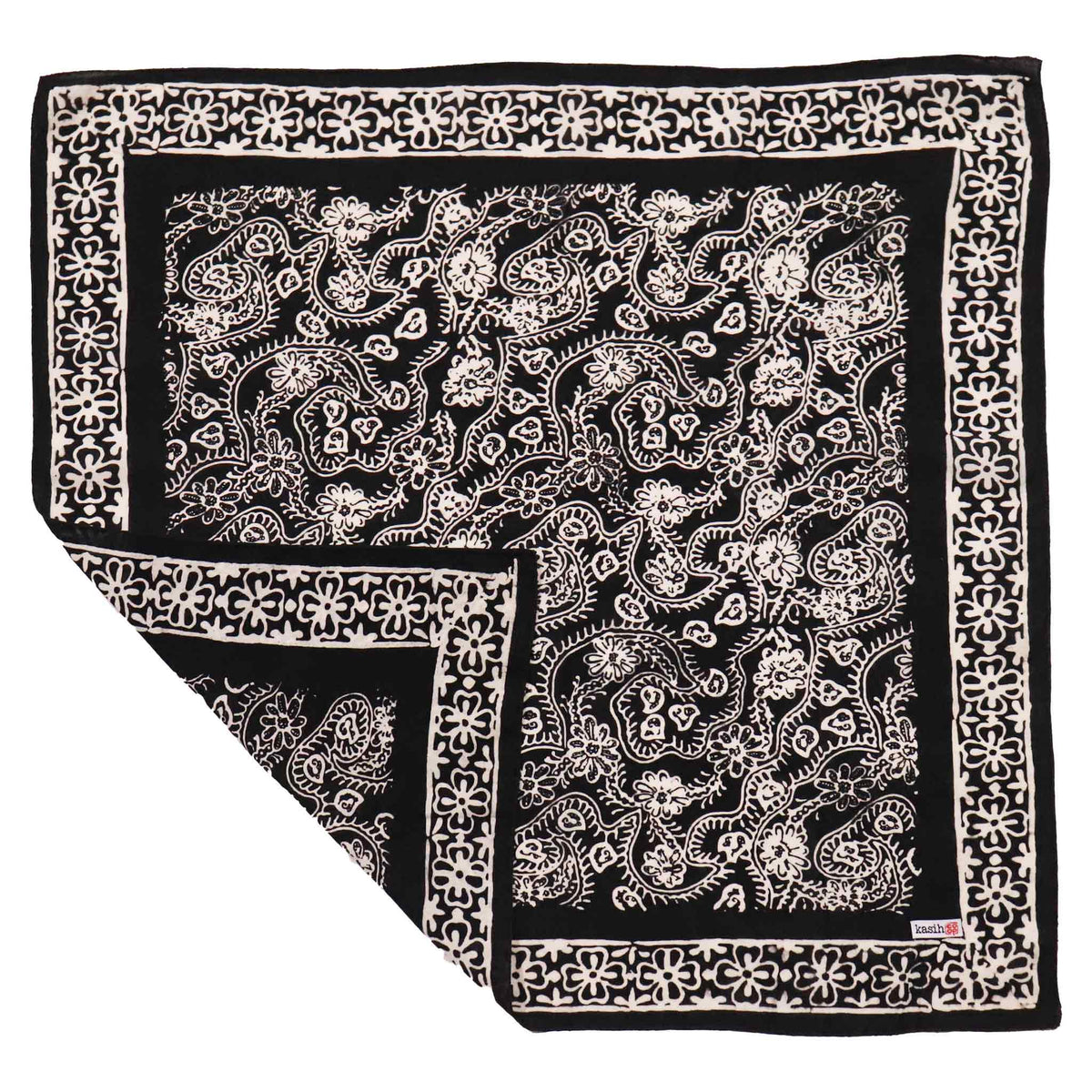
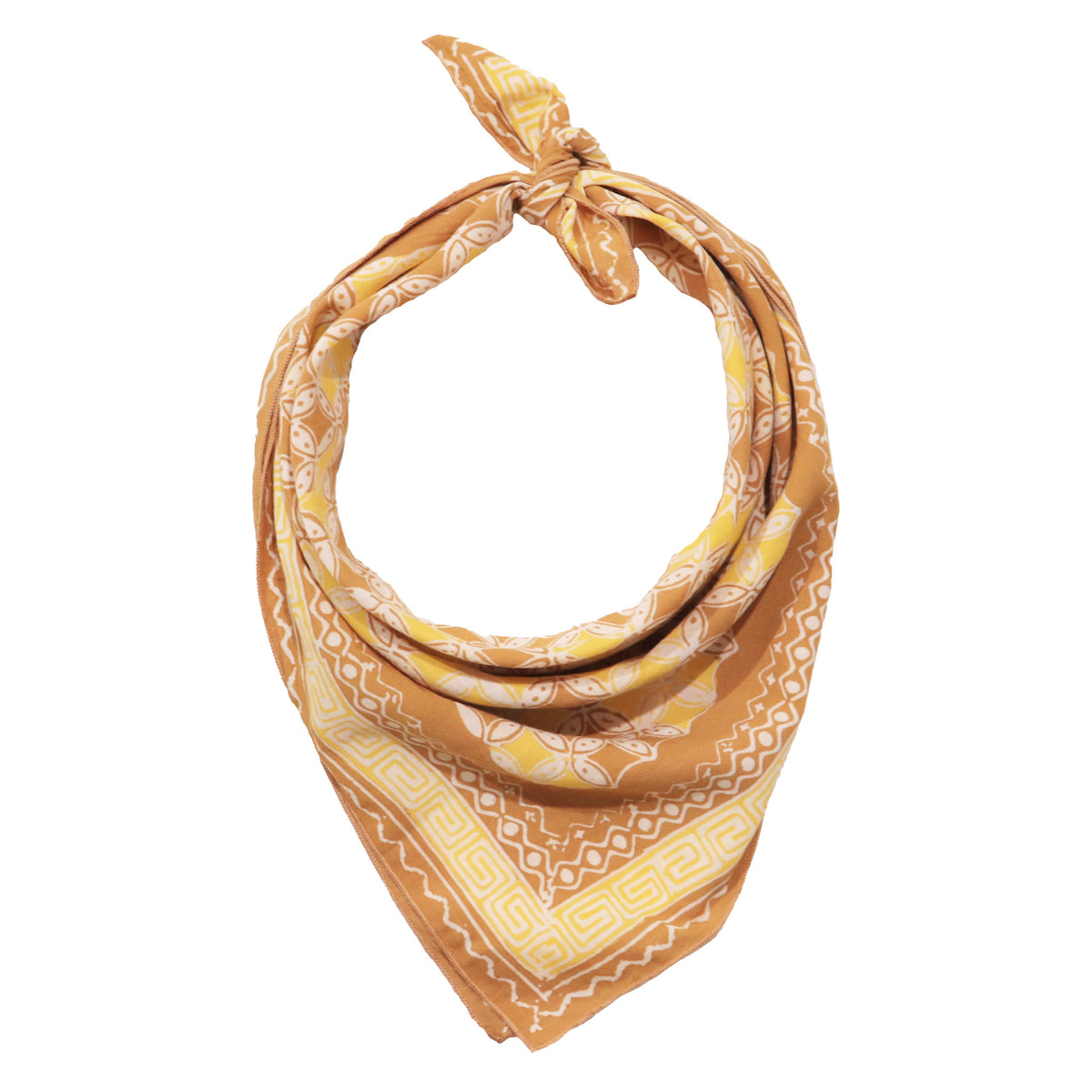
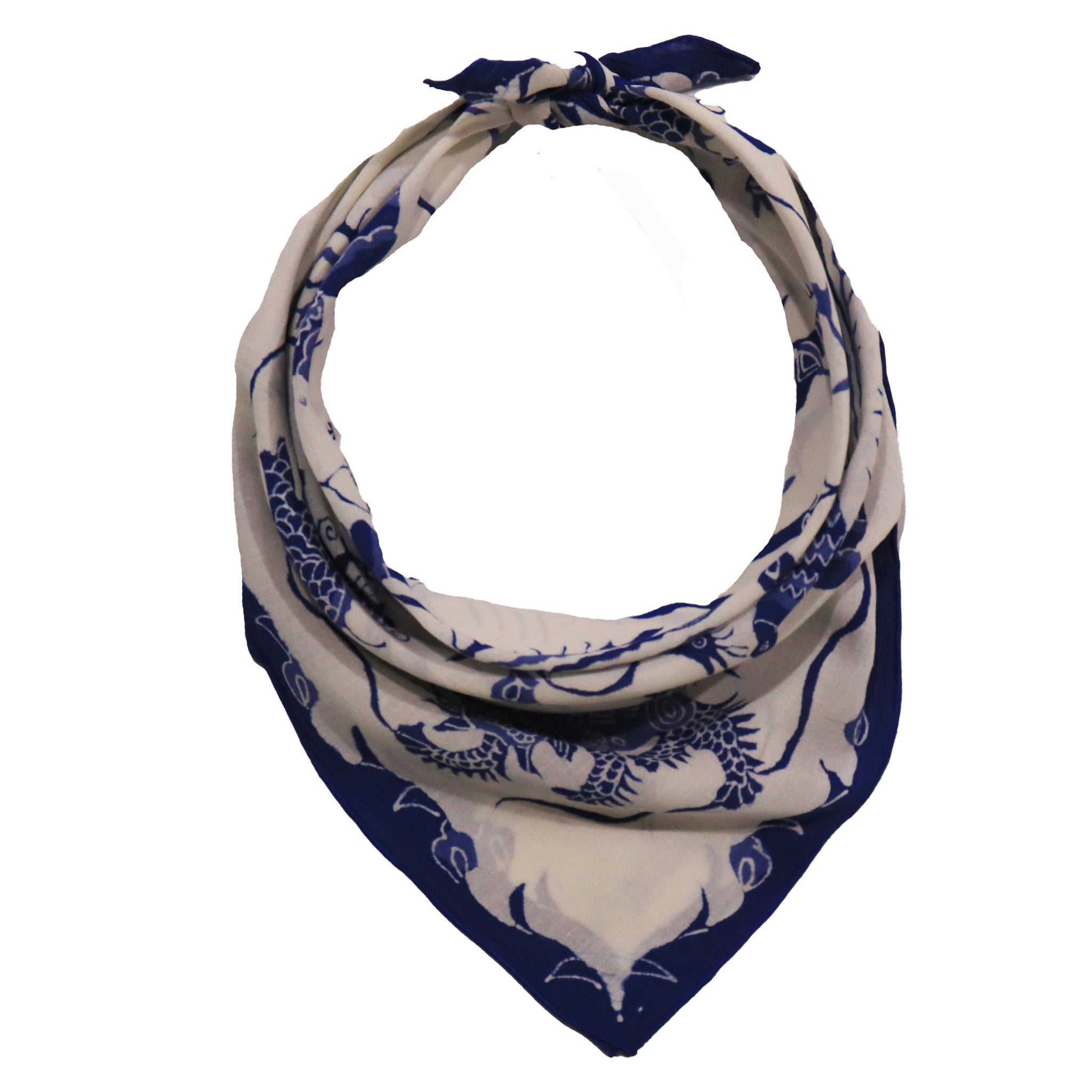
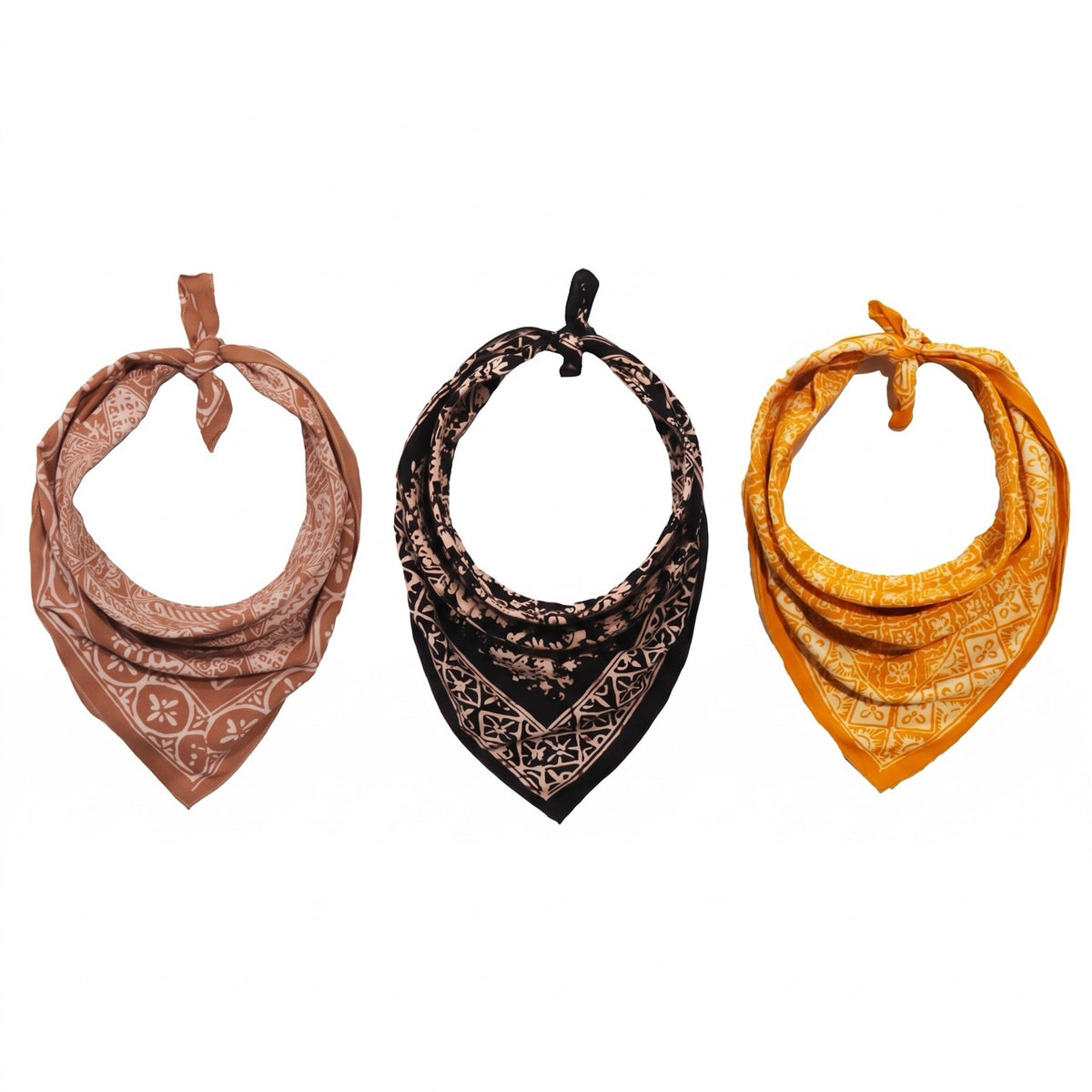
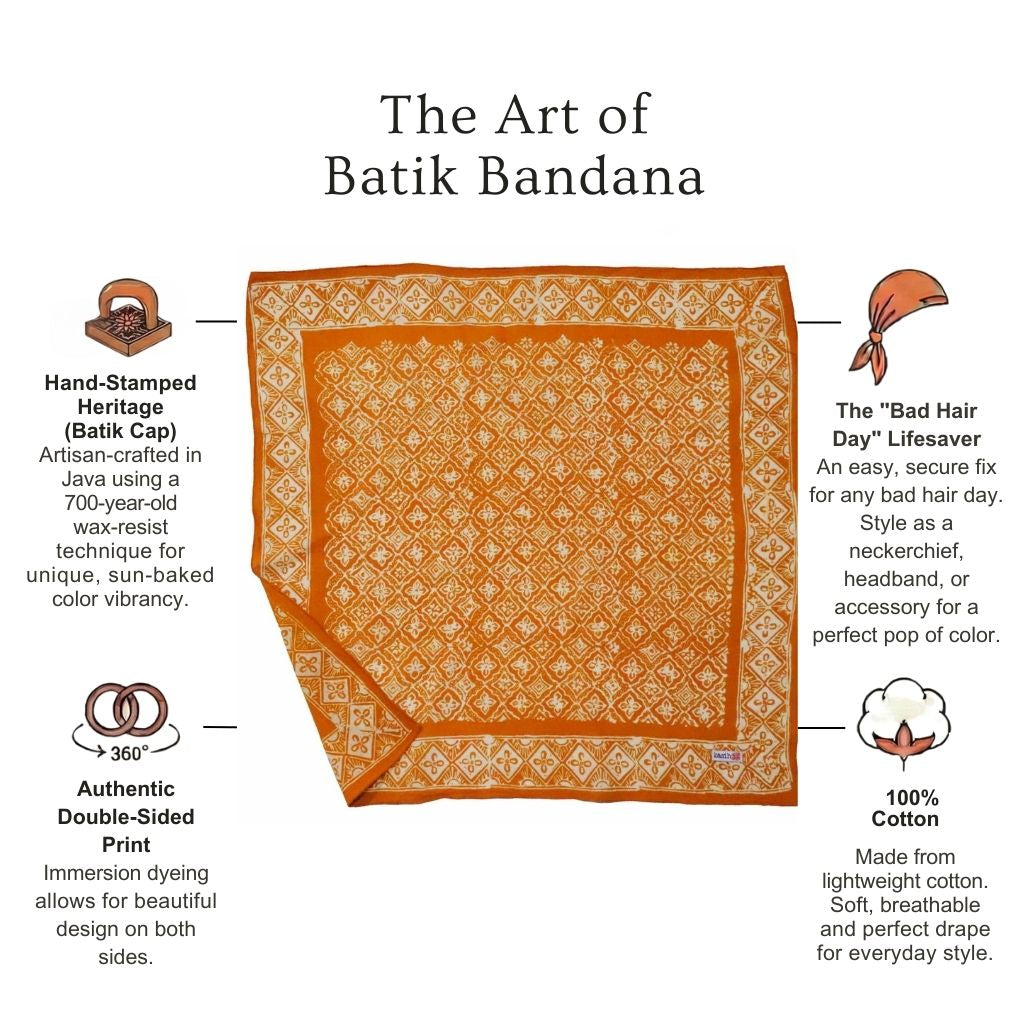
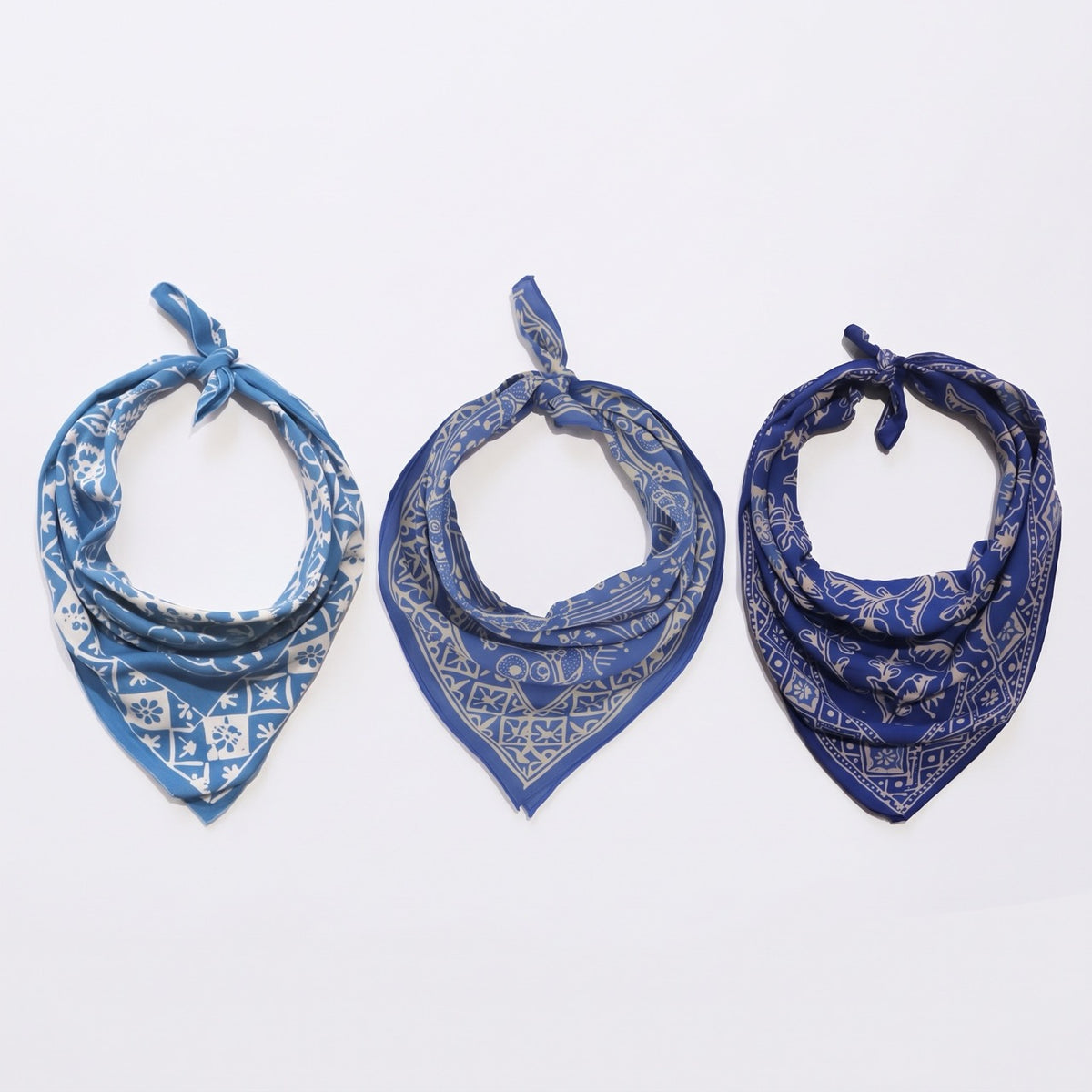
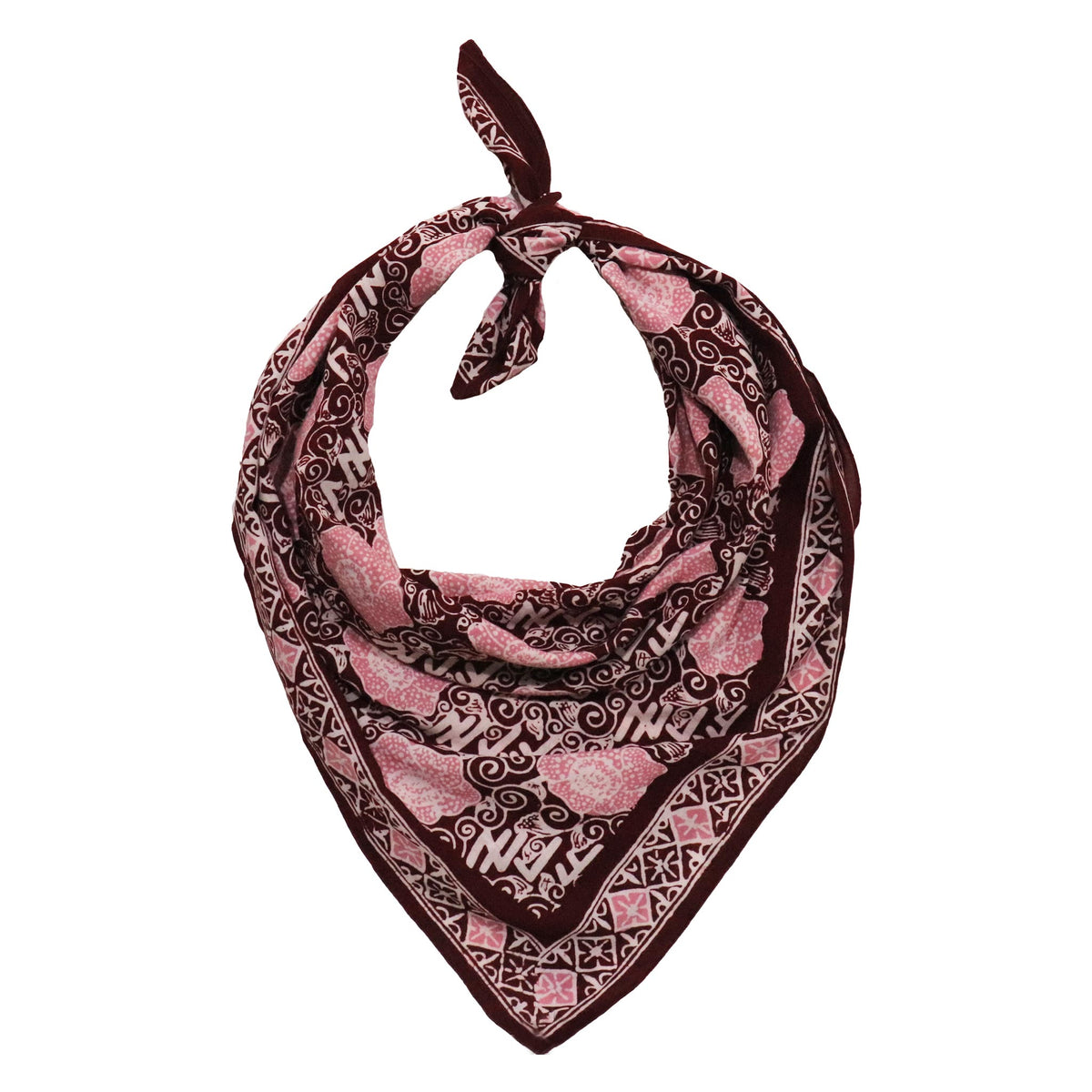
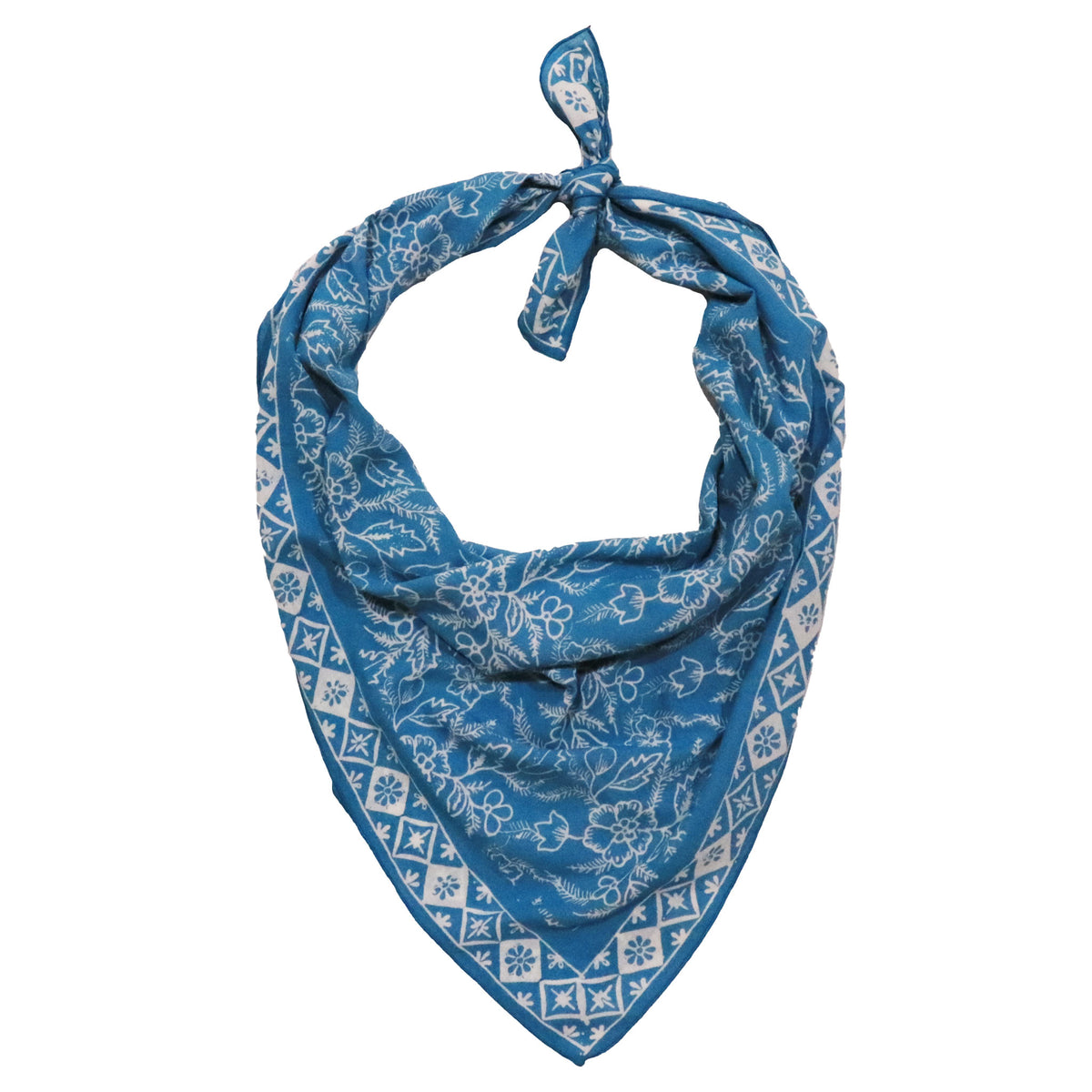
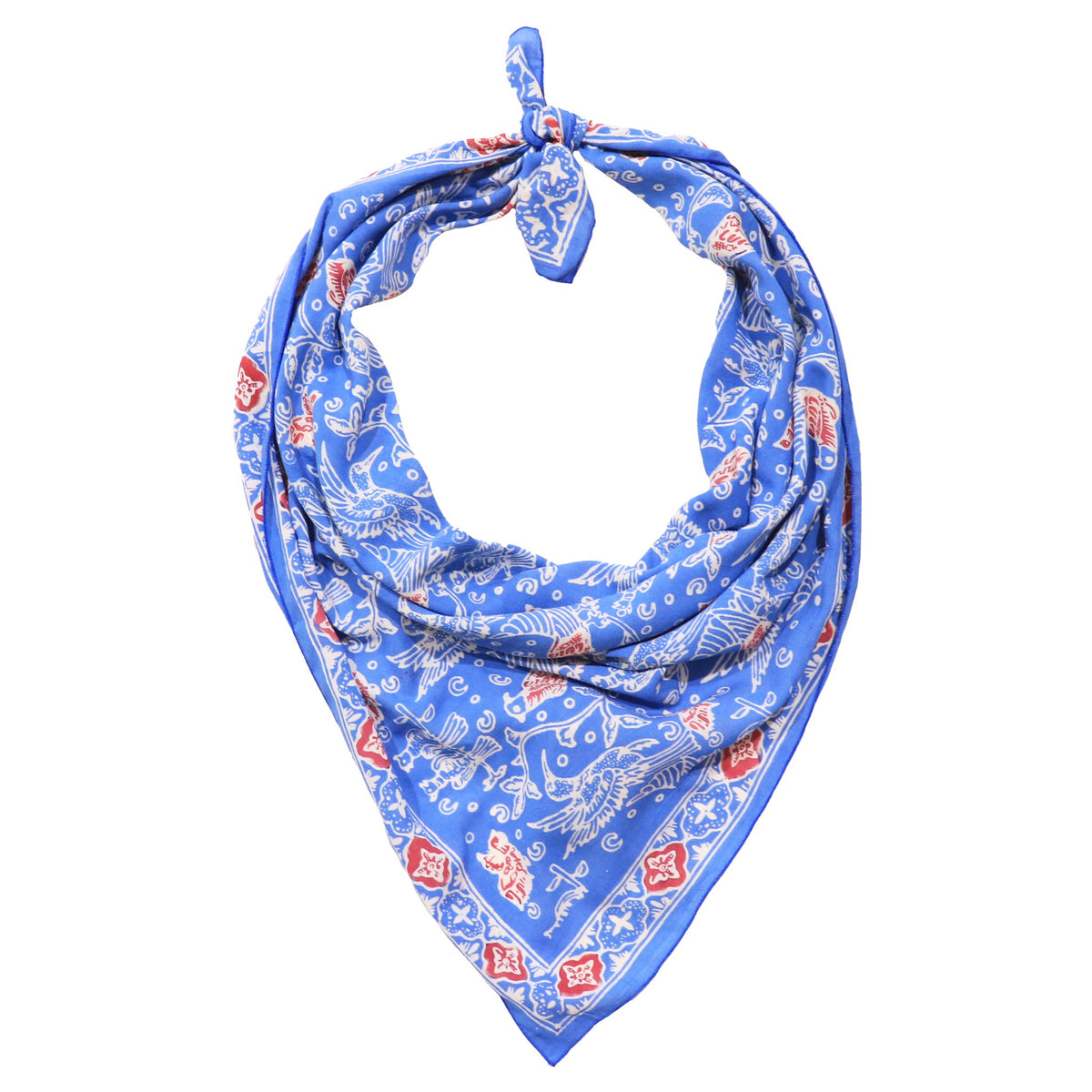
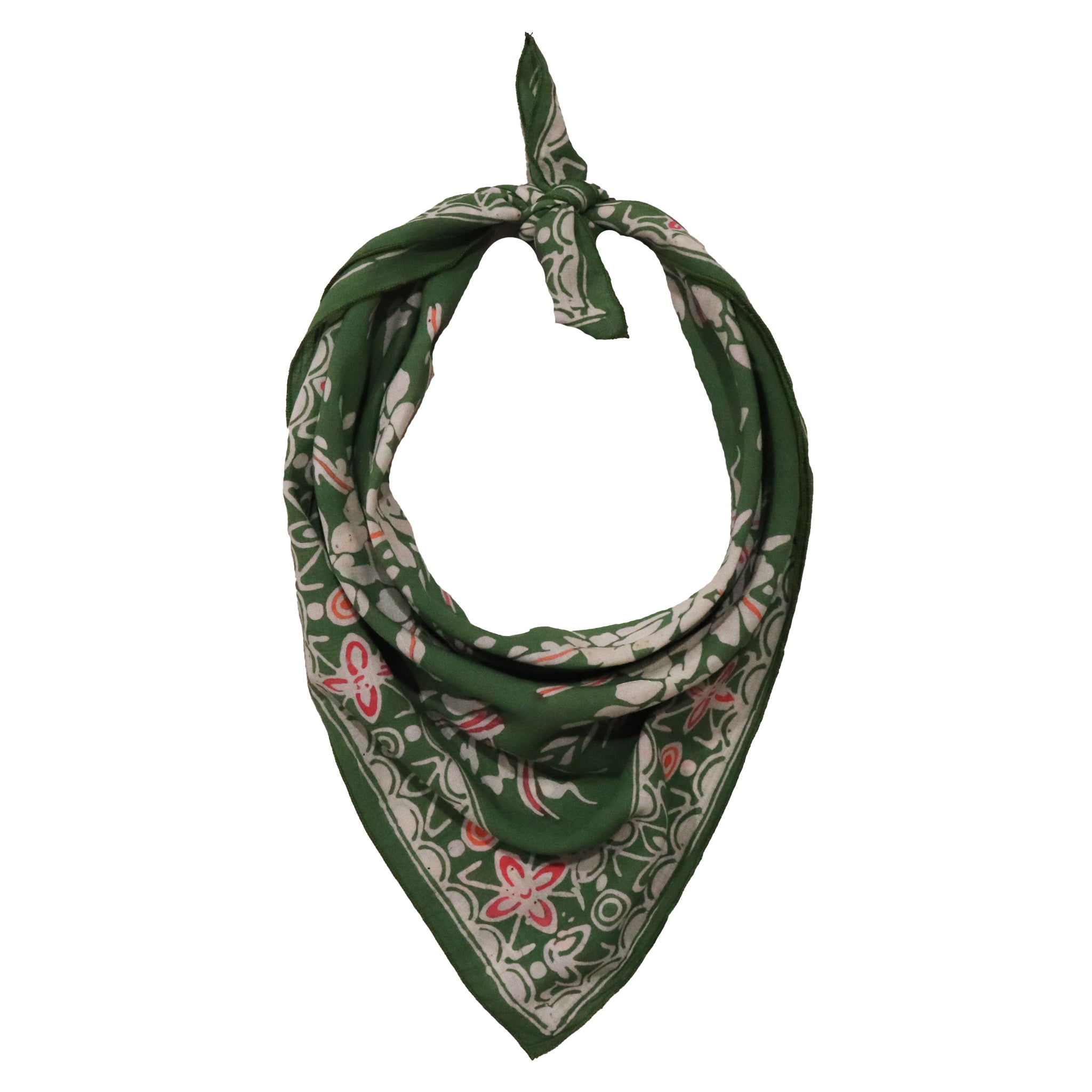
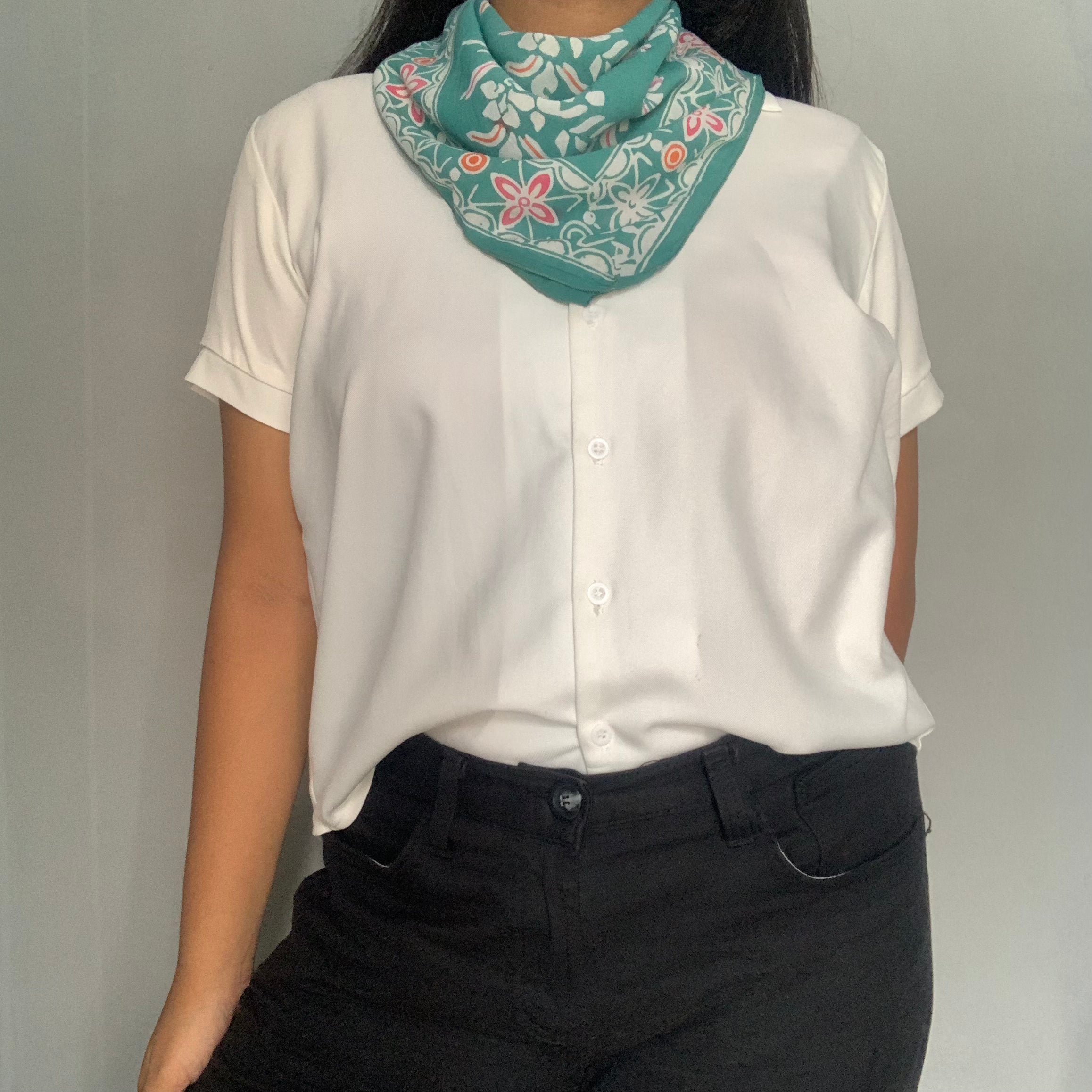
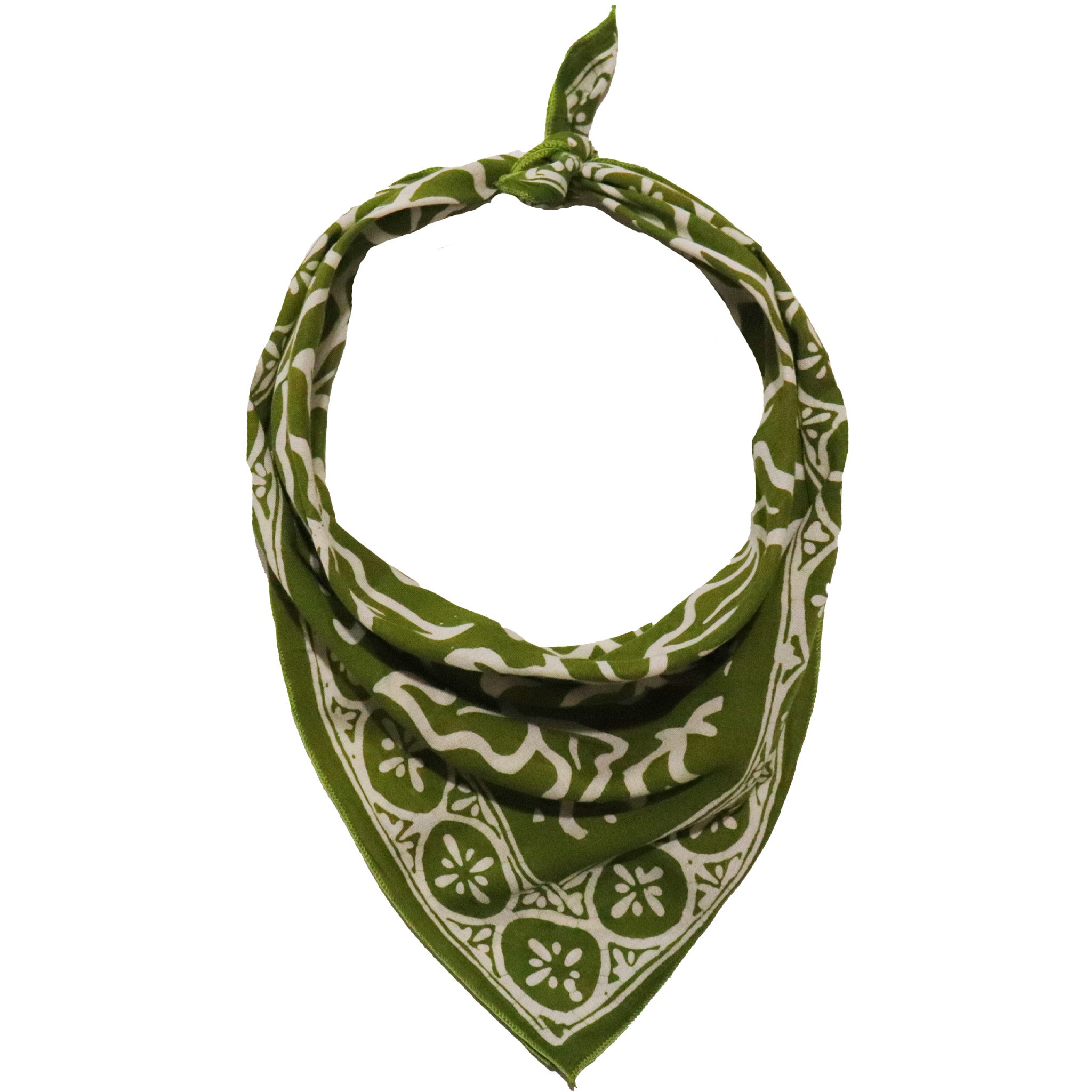
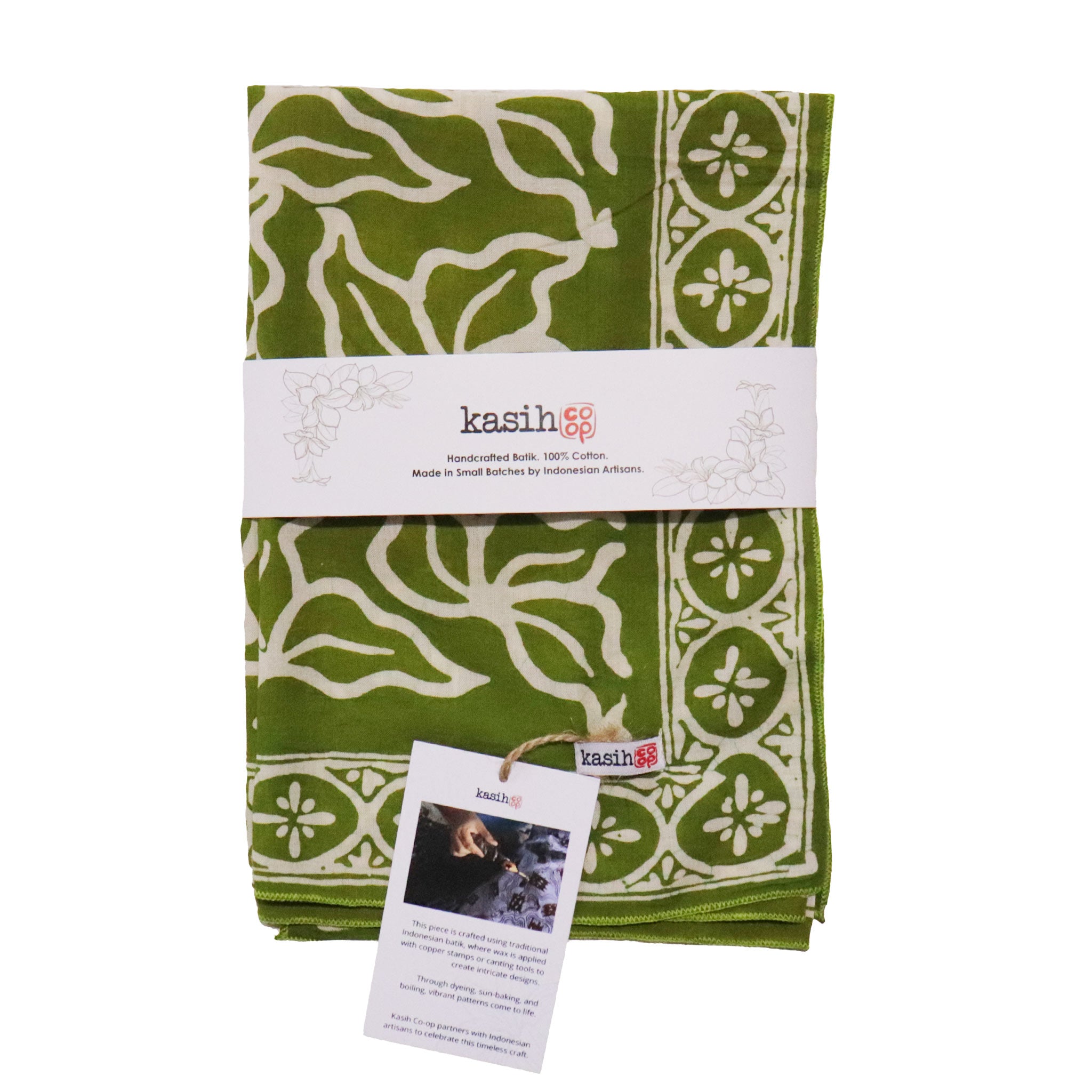
Our bandanas are designed to be versatile, durable, and easy to style. Whether for daily wear or special occasions, each piece is made with care and proper craftsmanship.
Thanks for choosing handmade and supporting local artisans. If you want to see more behind-the-scenes content or explore our latest bandana collection, check out shop.