La teinture naturelle n'est pas aussi douce et prévisible qu'il y paraît. Derrière ces couleurs délicates se cachent des techniques qui pourraient vous surprendre.
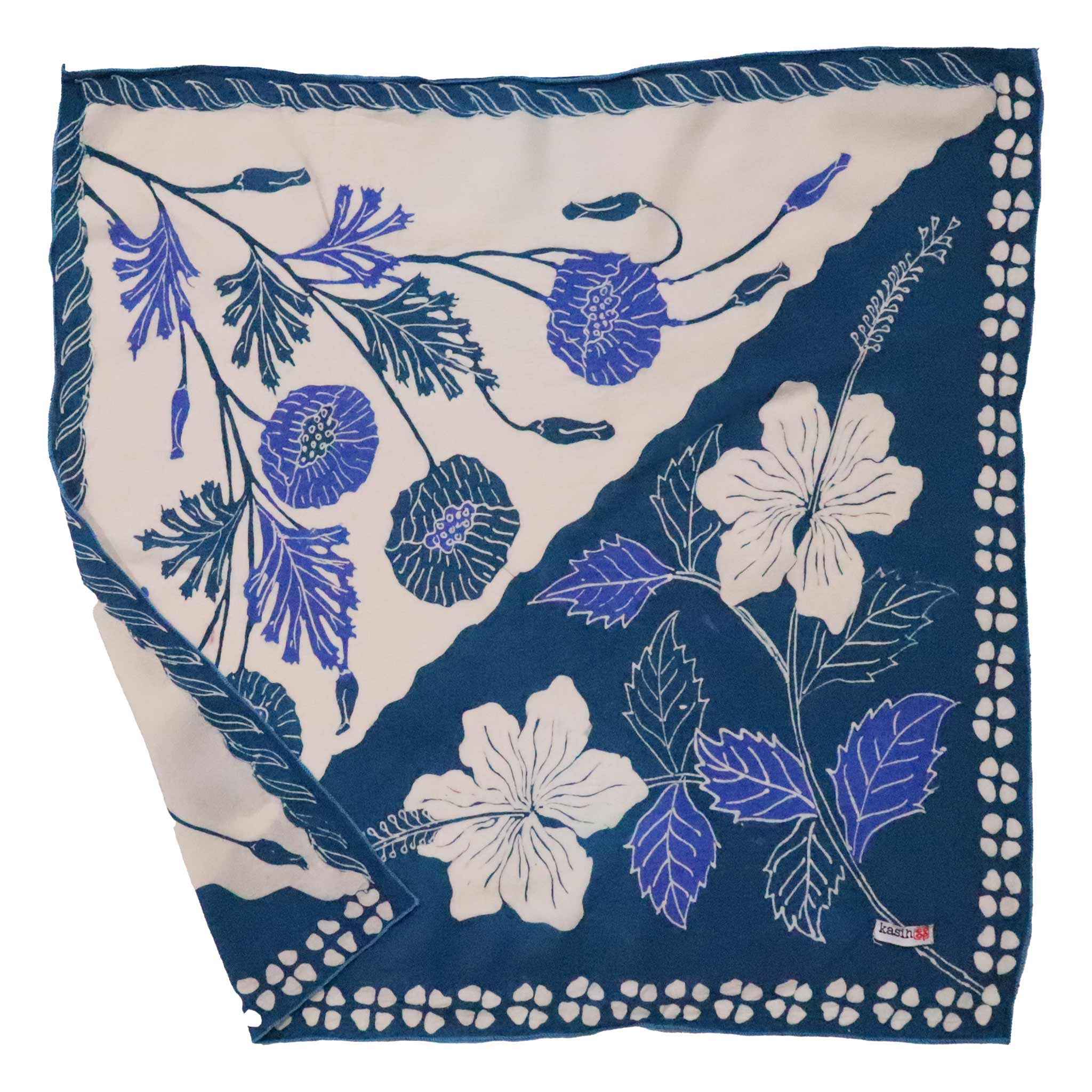
Prenez l'indigo, par exemple. Historiquement, la teinture à l'indigo impliquait la fermentation — et oui, les gens utilisaient autrefois l'urine comme mordant pour activer la teinture. L'ammoniac aidait à faire ressortir cette nuance de bleu profond. Ceci dit, nous n'utilisons absolument pas d'urine dans notre processus aujourd'hui. La teinture naturelle moderne utilise des mordants plus sûrs, à base de plantes ou de minéraux, sans les... ingrédients douteux.

Un autre fait inattendu ? Certains des rouges les plus vifs de l'histoire provenaient d'insectes. Les cochenilles étaient broyées pour produire d'intenses pigments rouges utilisés sur les textiles à travers le monde. Ces techniques ont influencé les tissus artisanaux teints naturellement bien avant l'existence des teintures synthétiques.
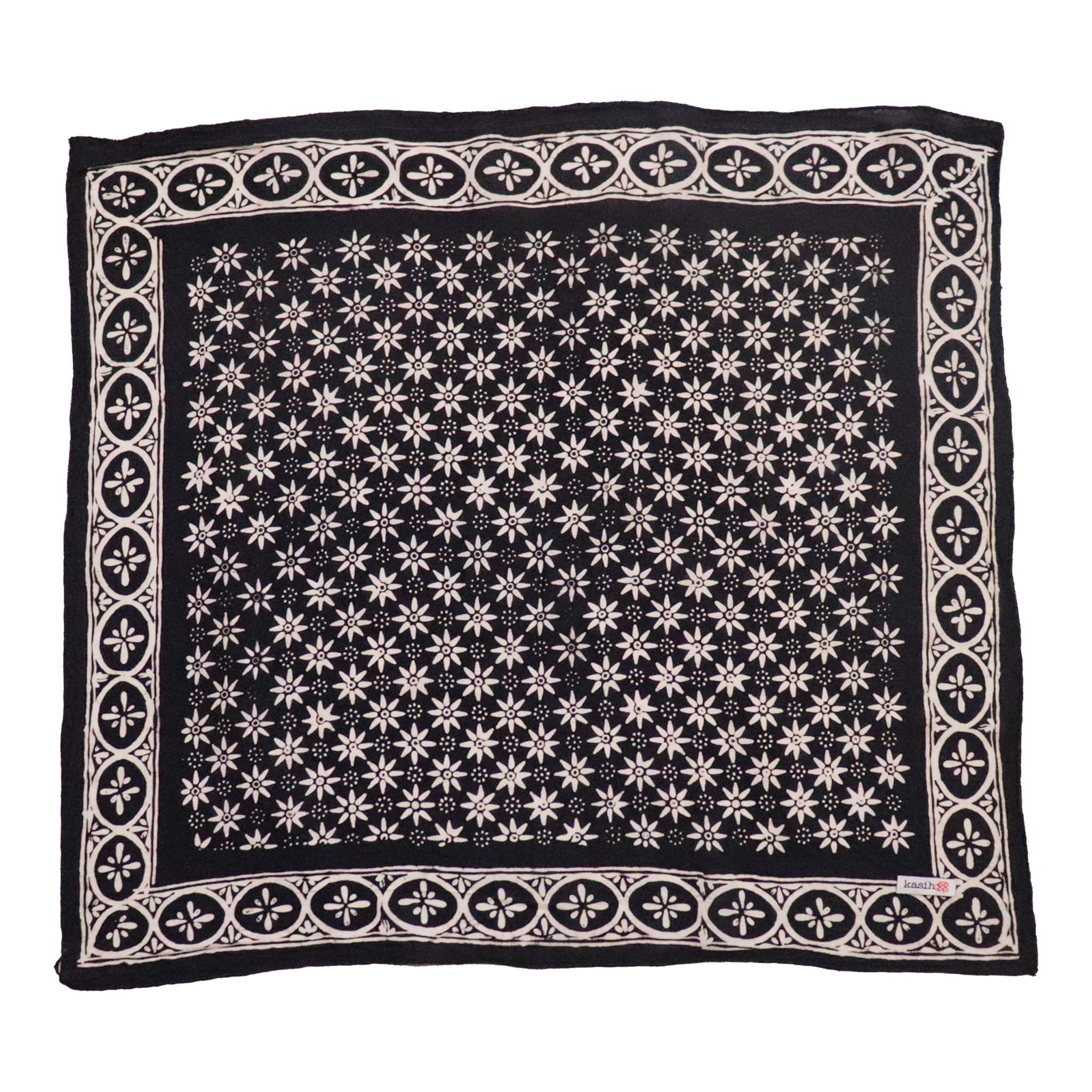
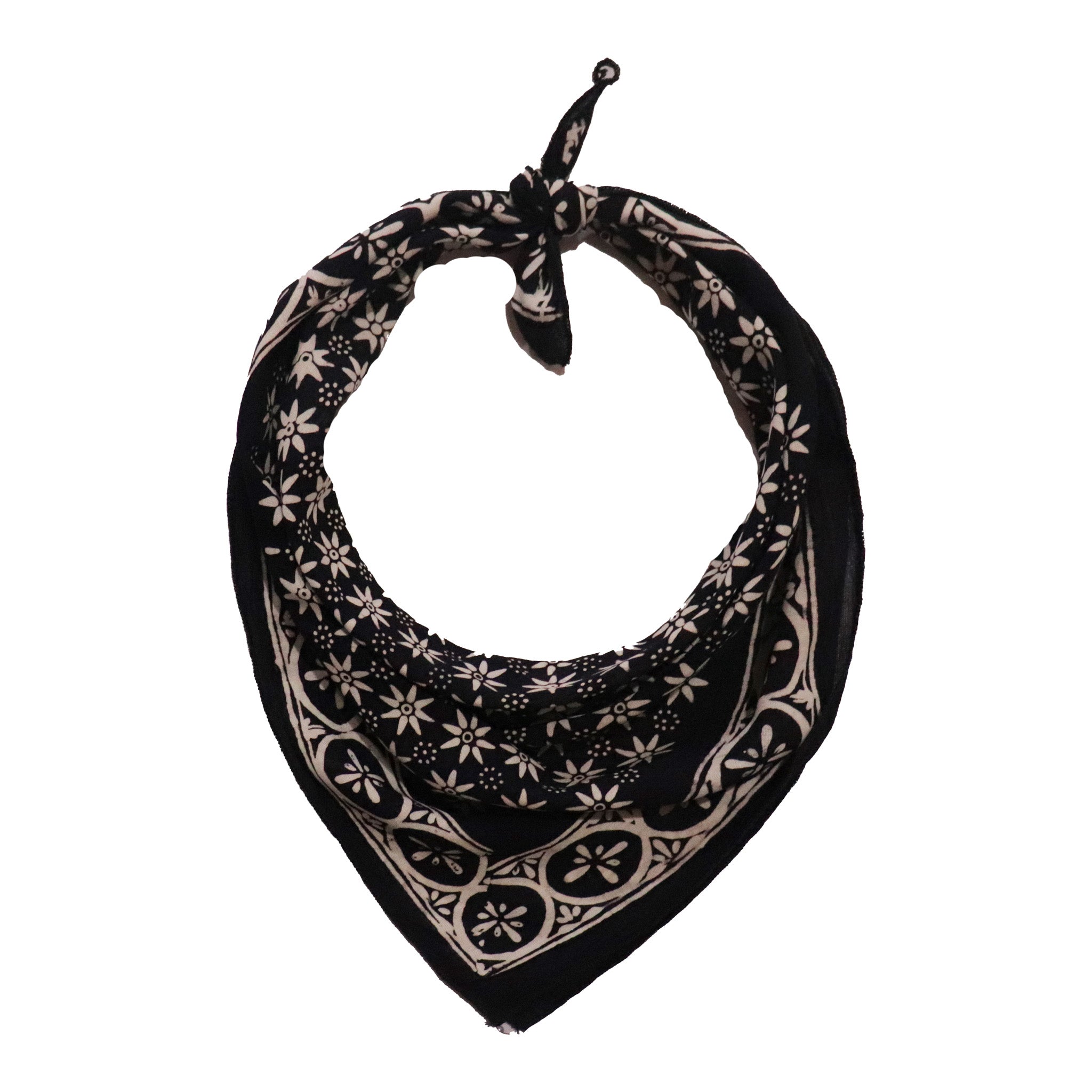
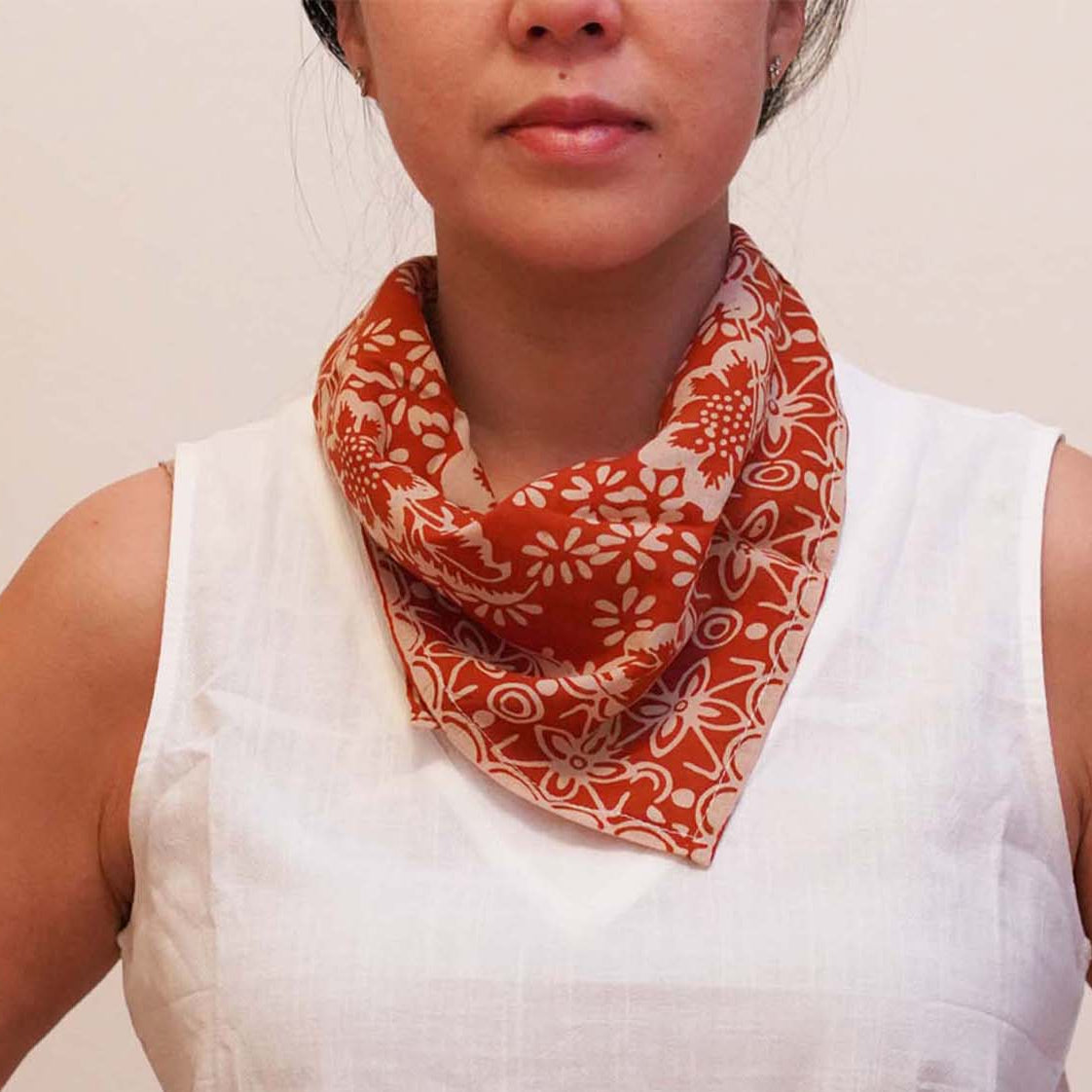
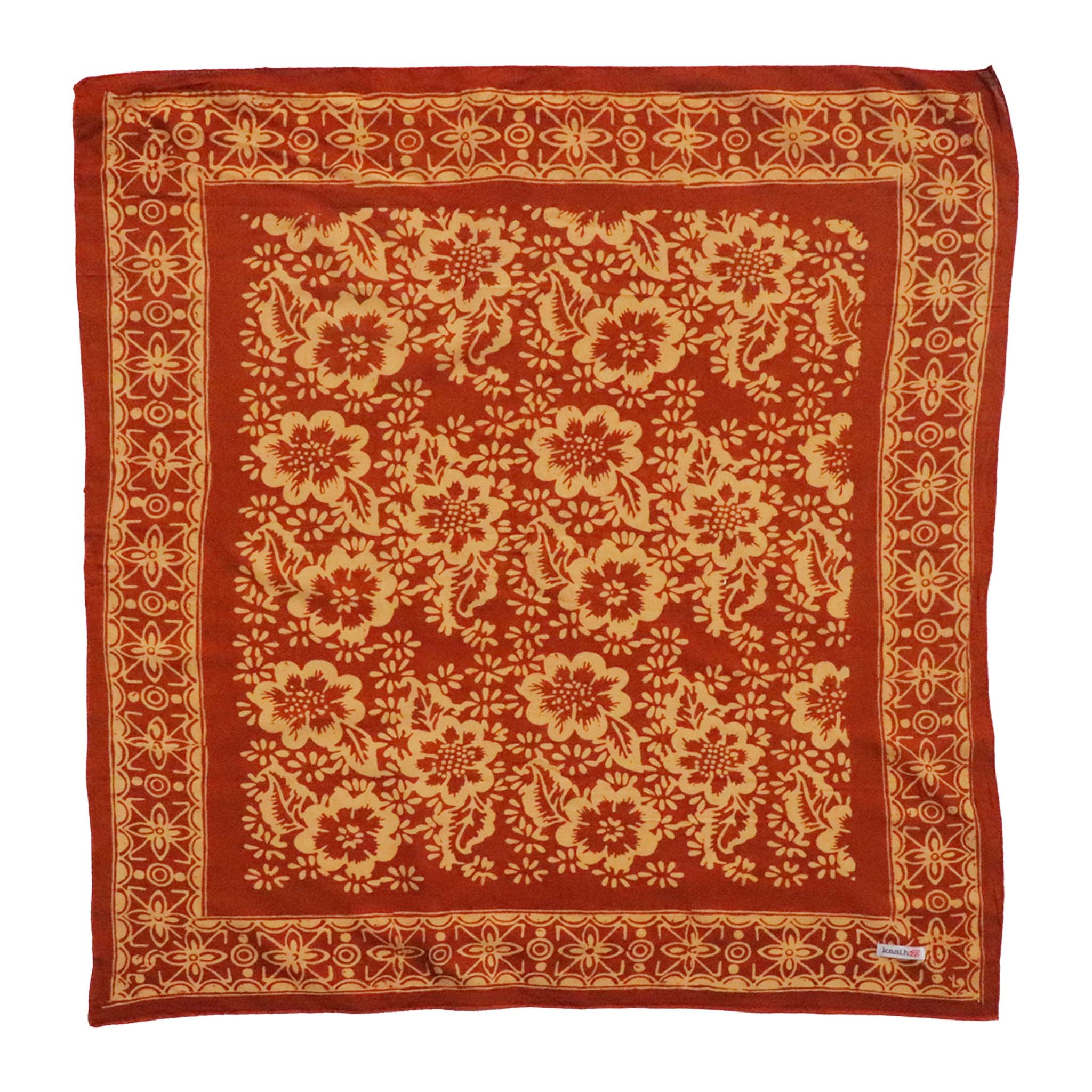
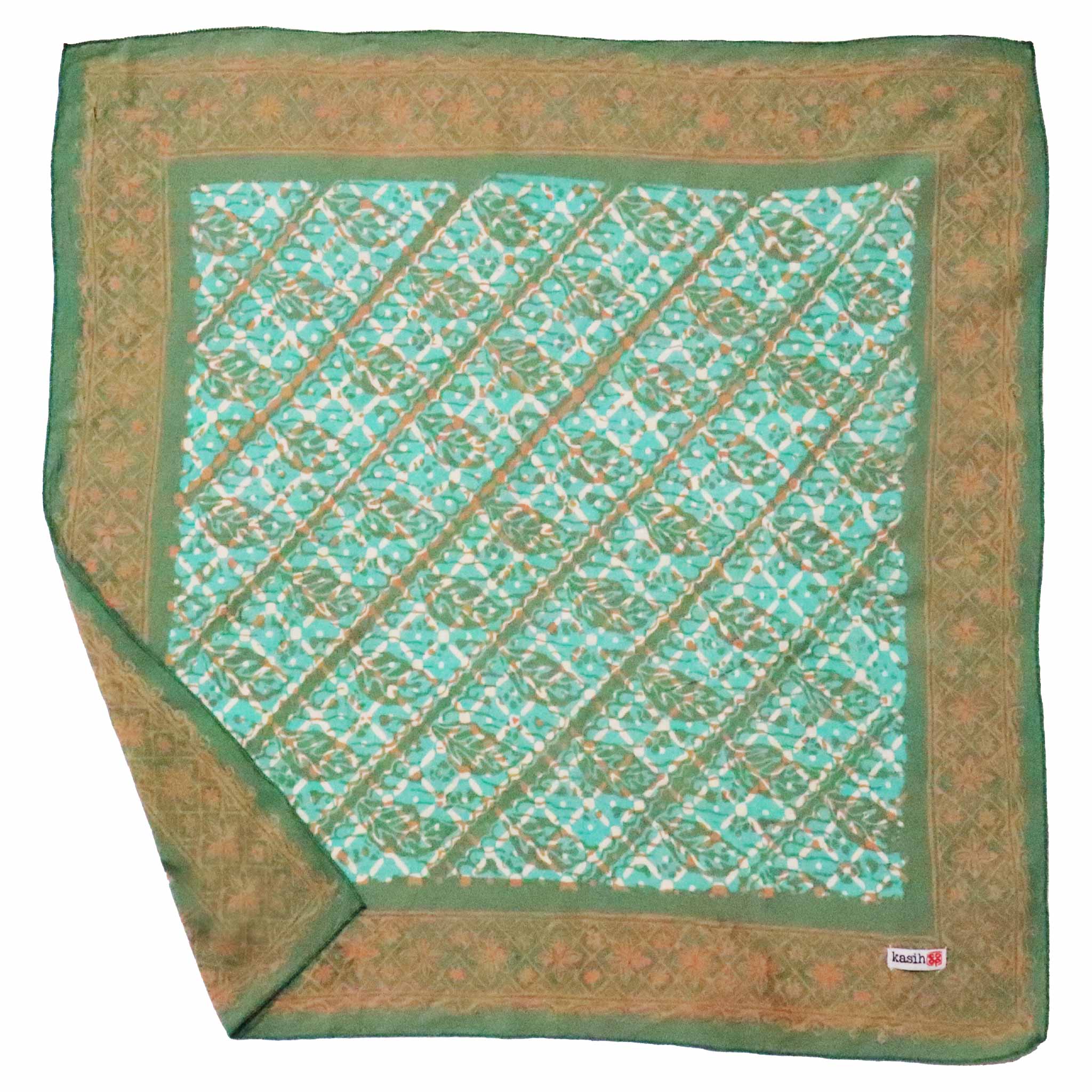
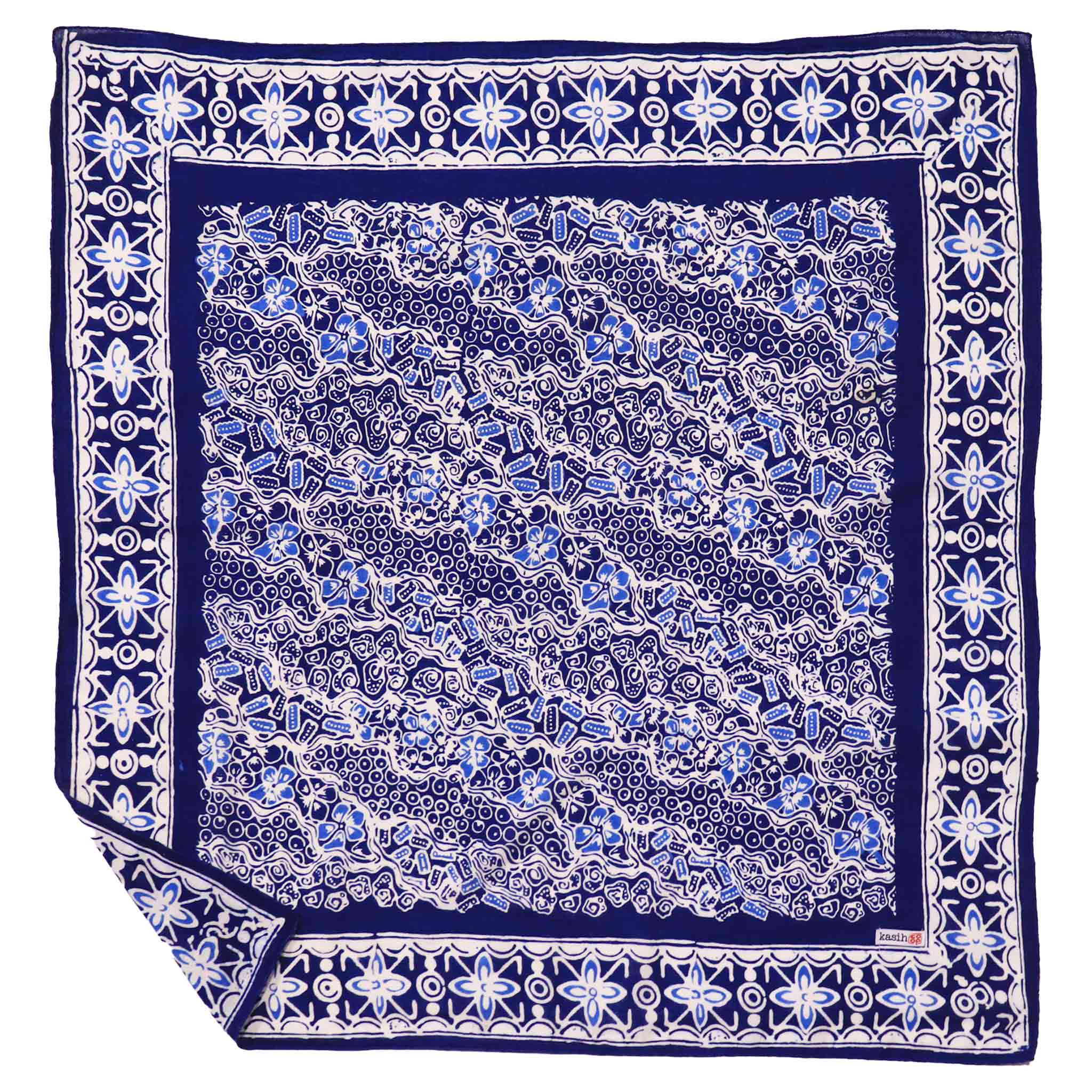
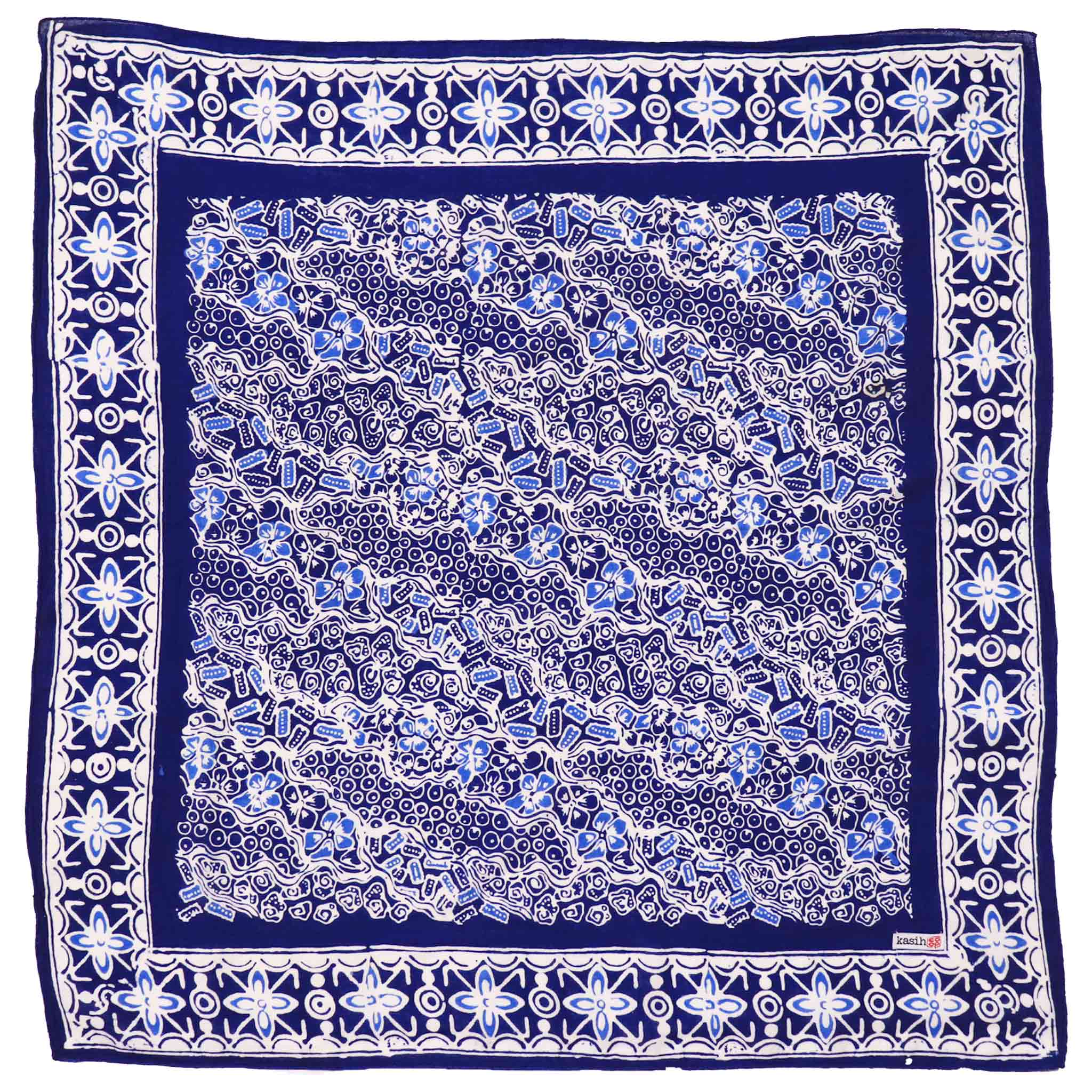
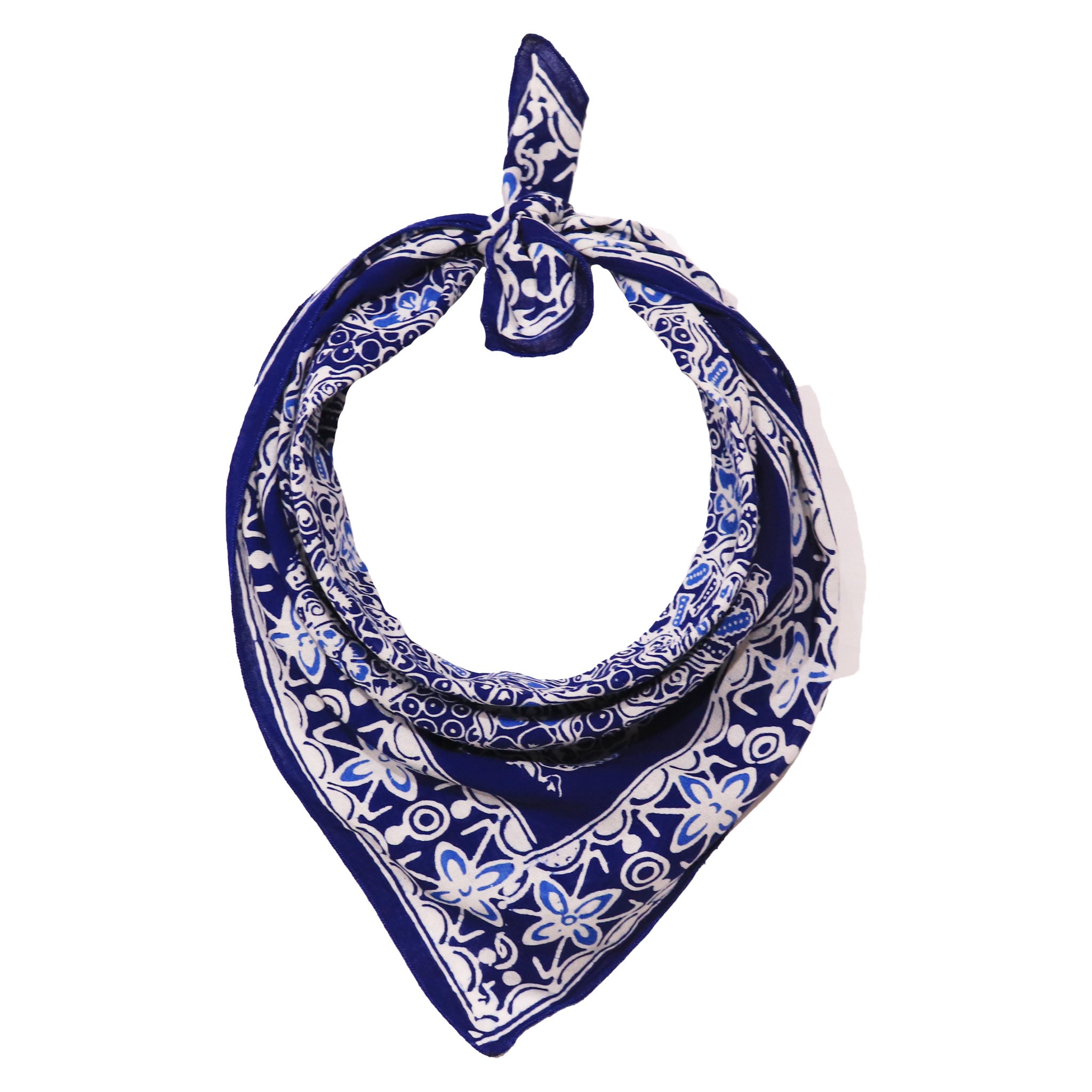
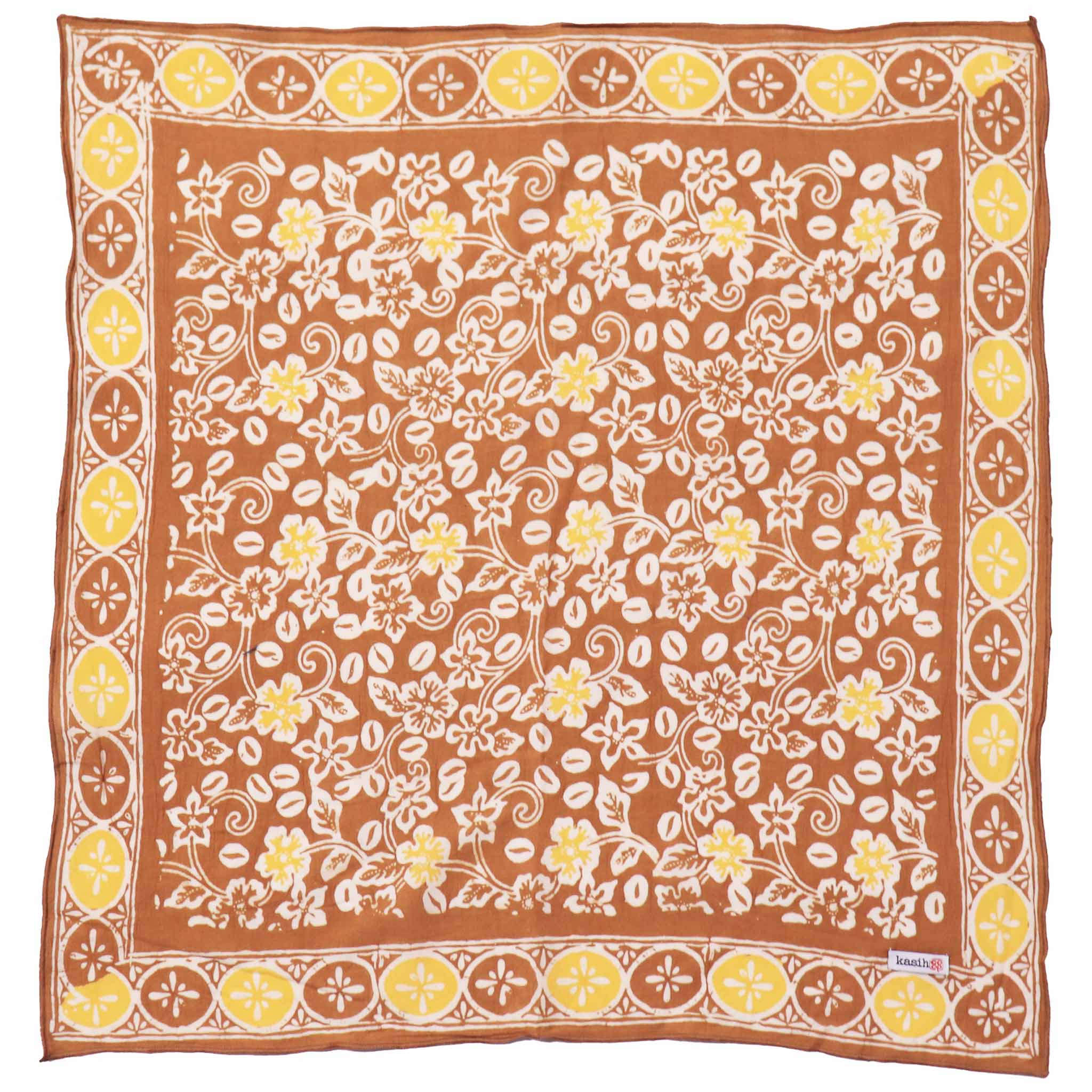
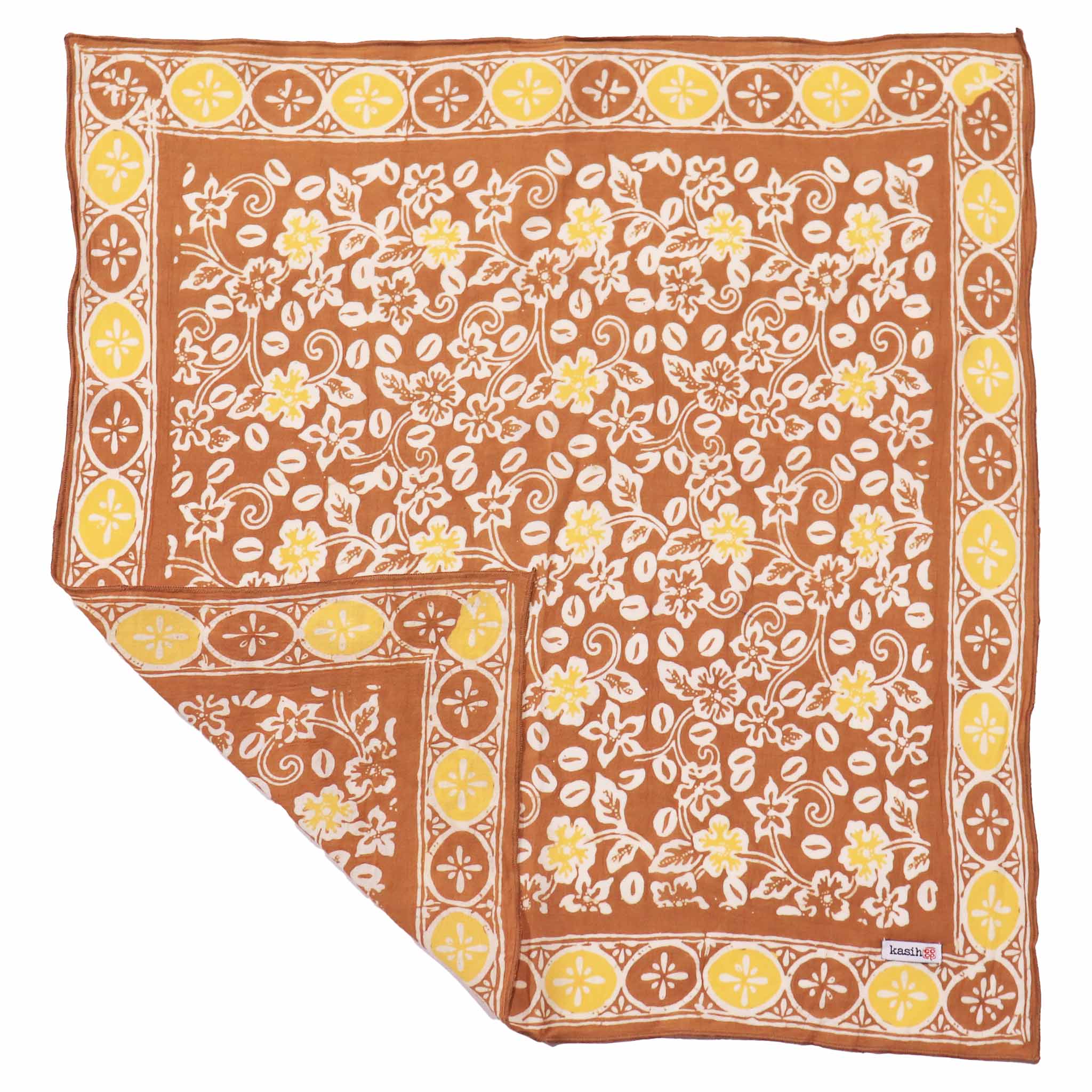
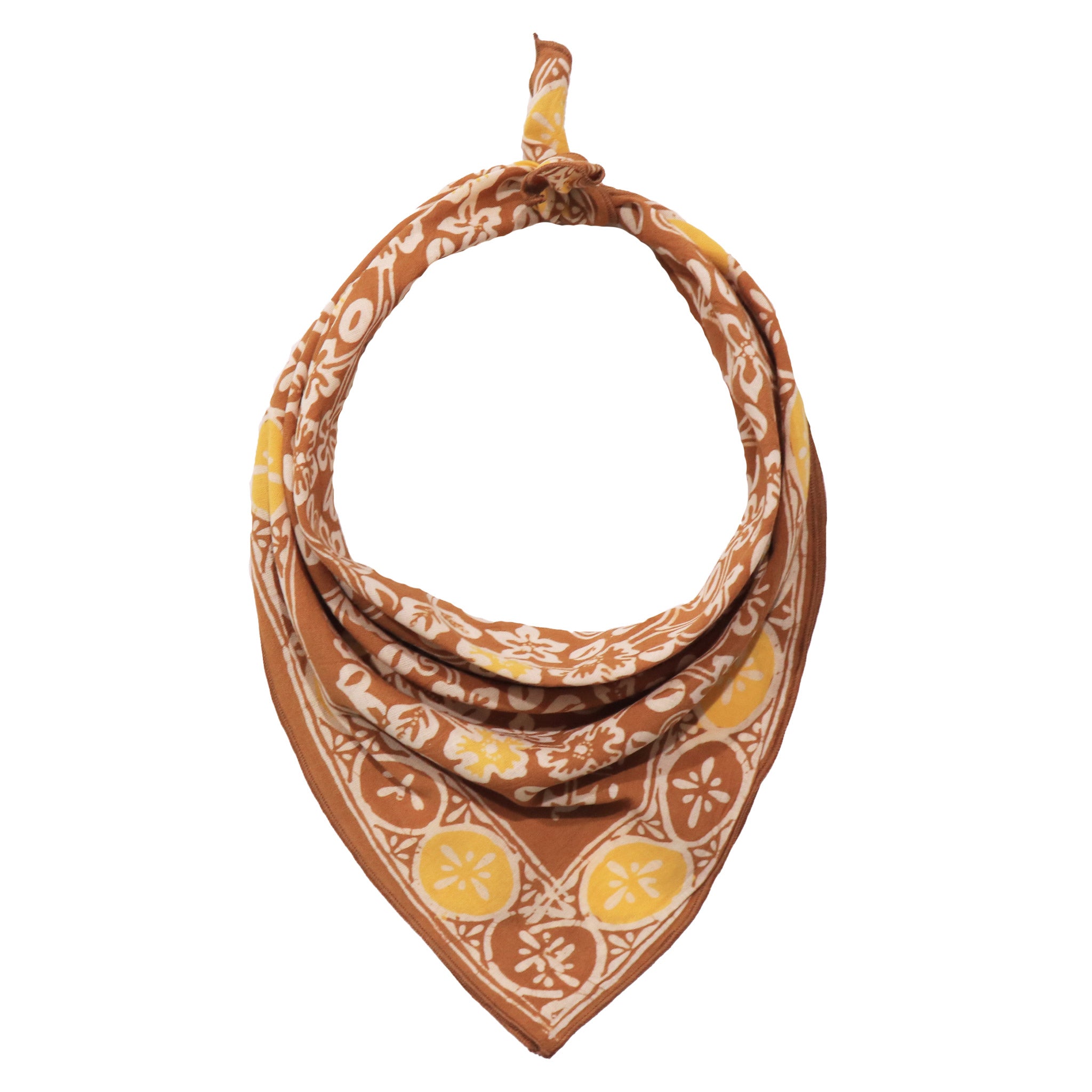
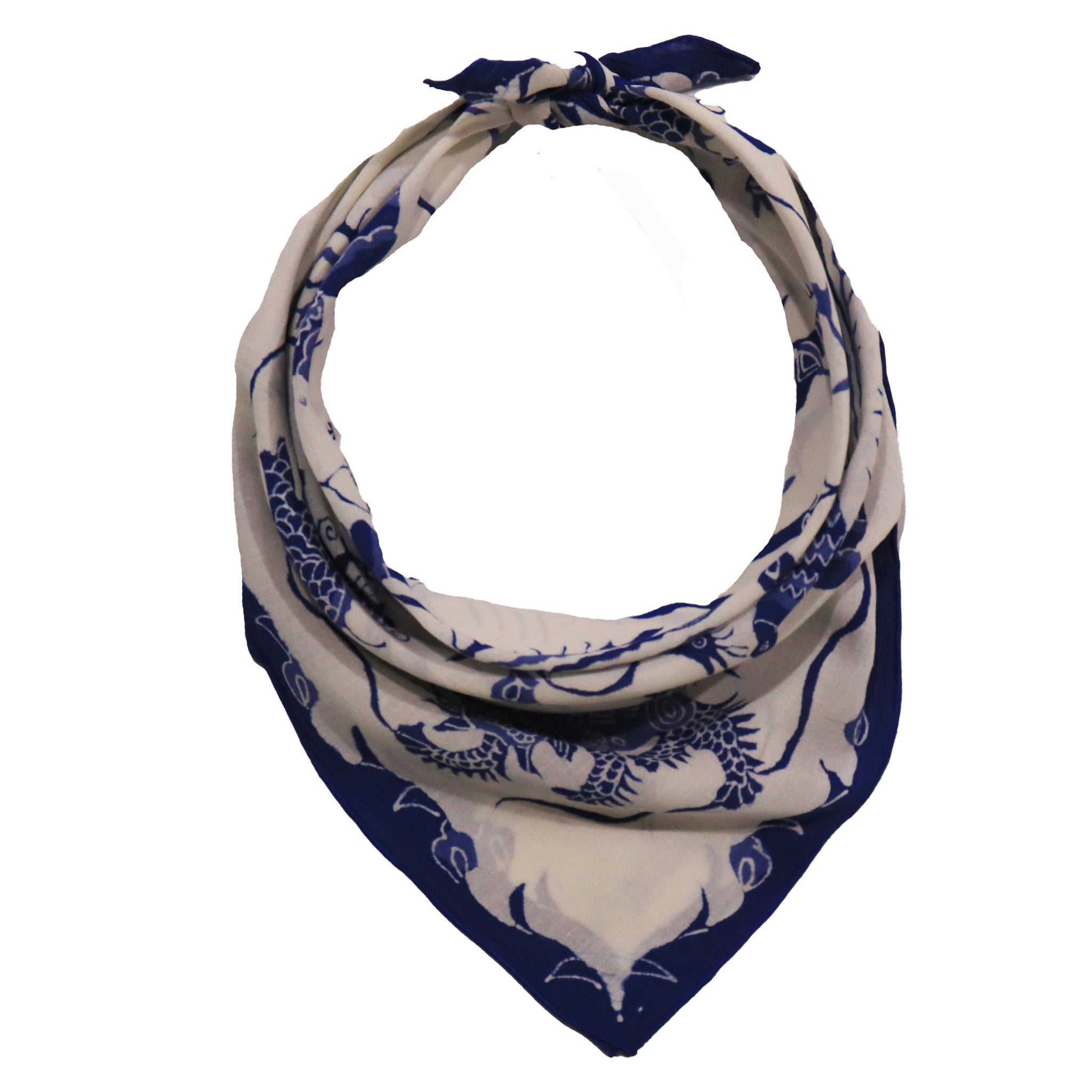
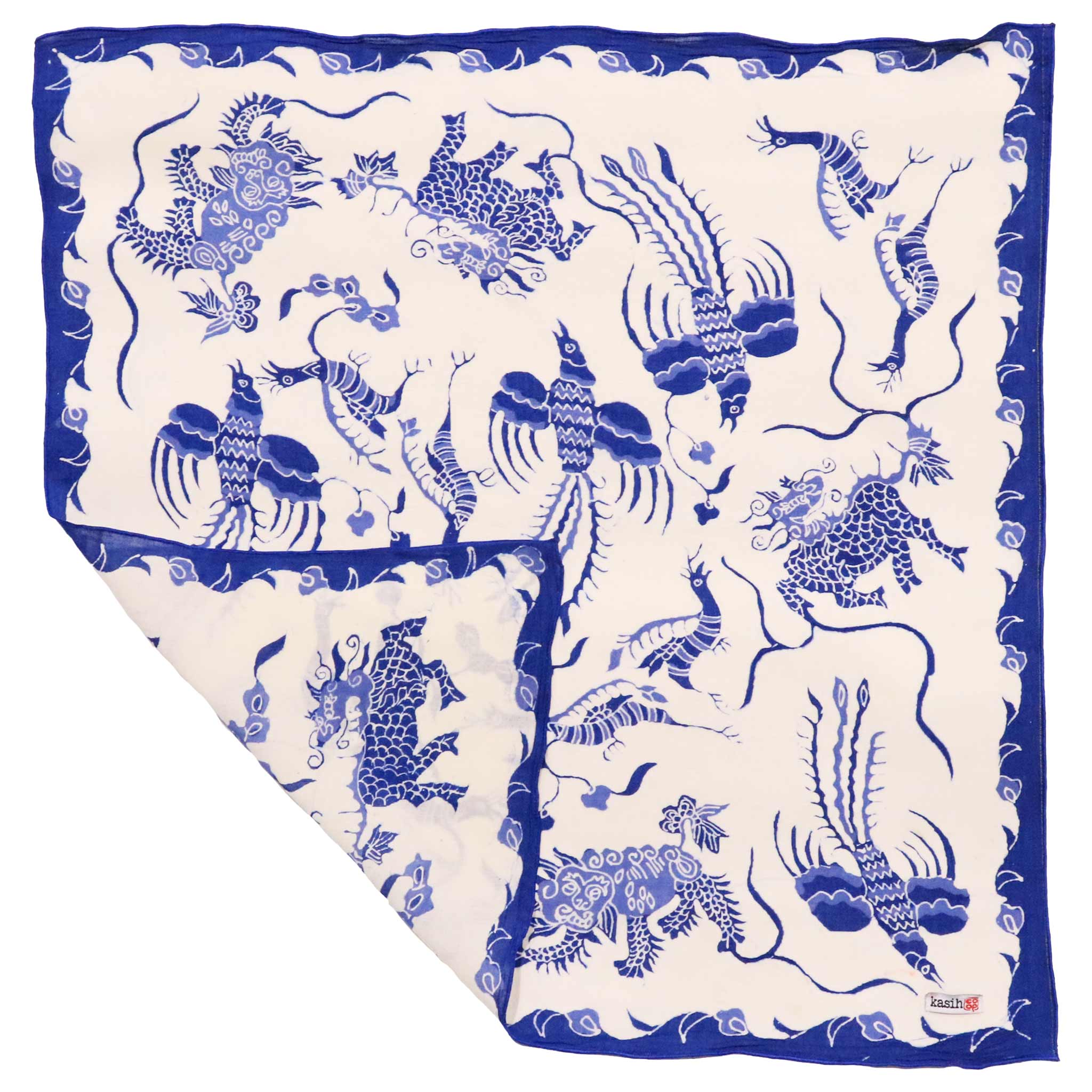
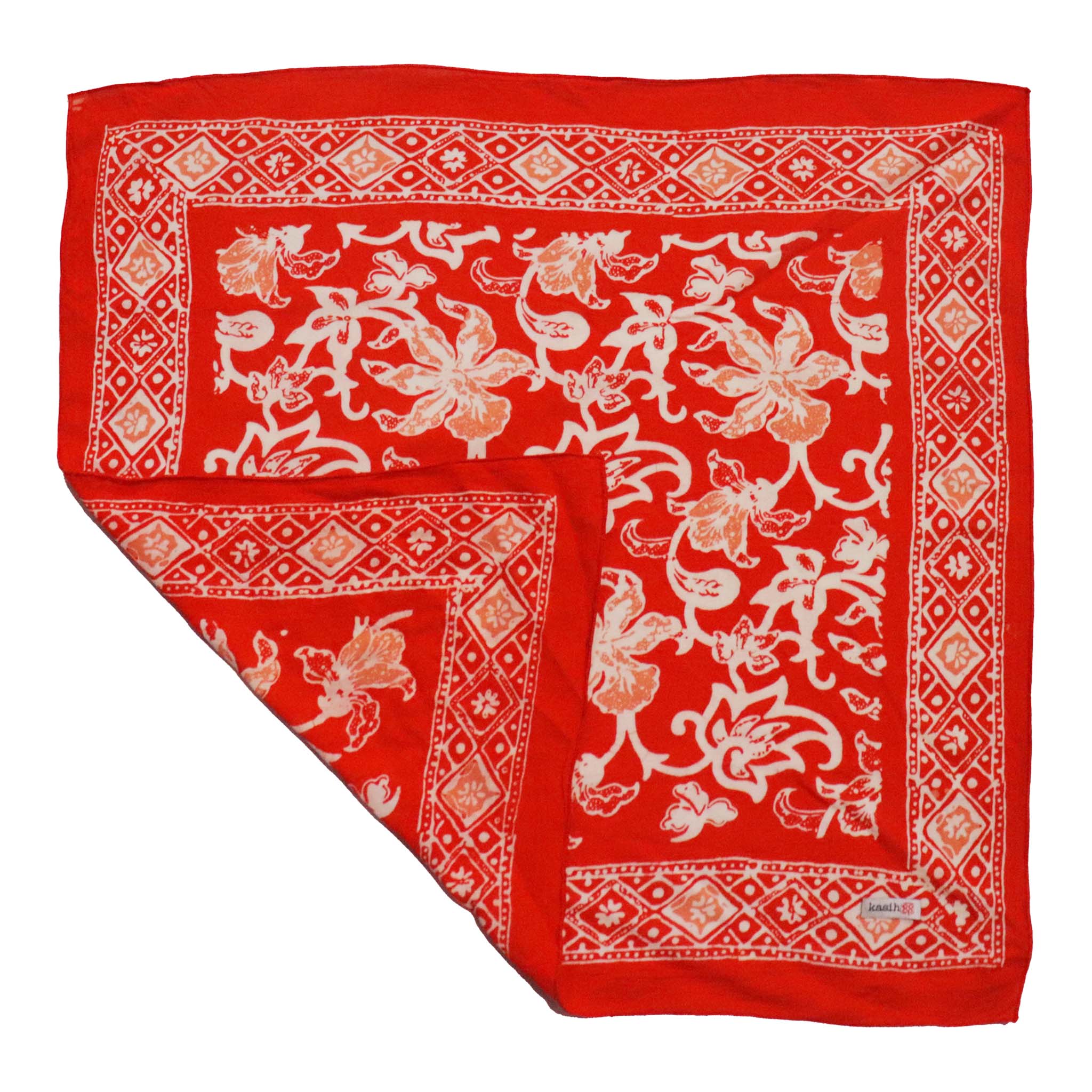
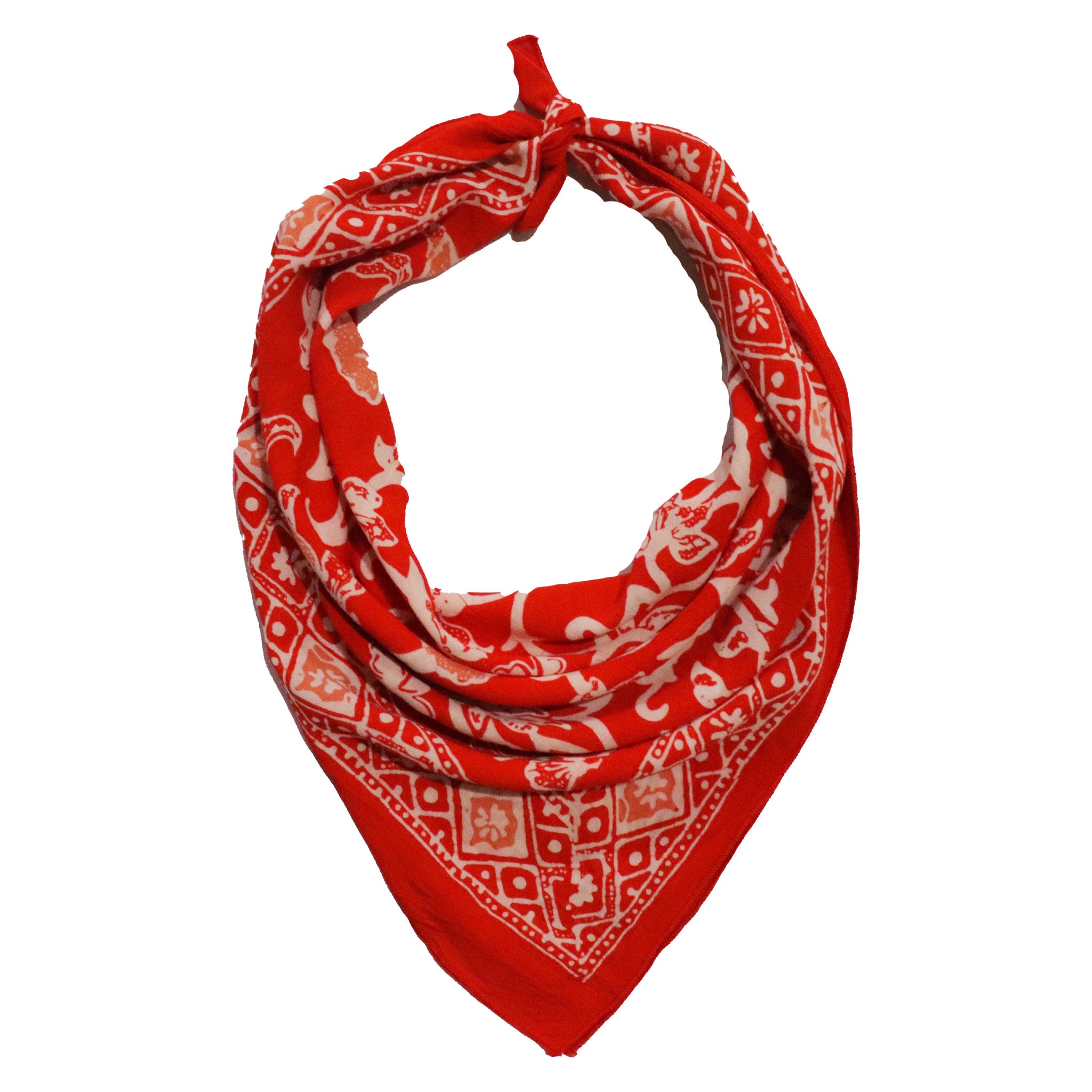
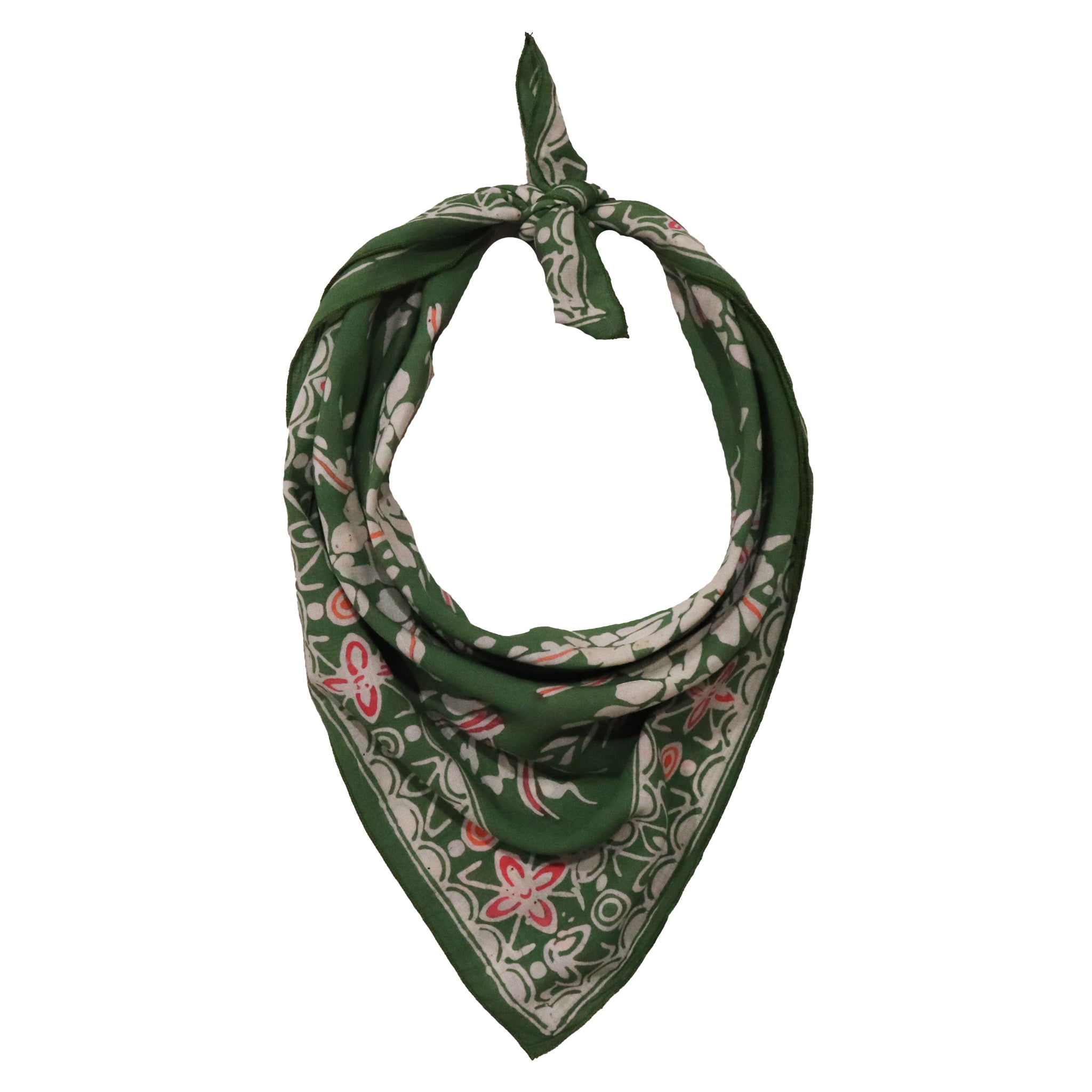
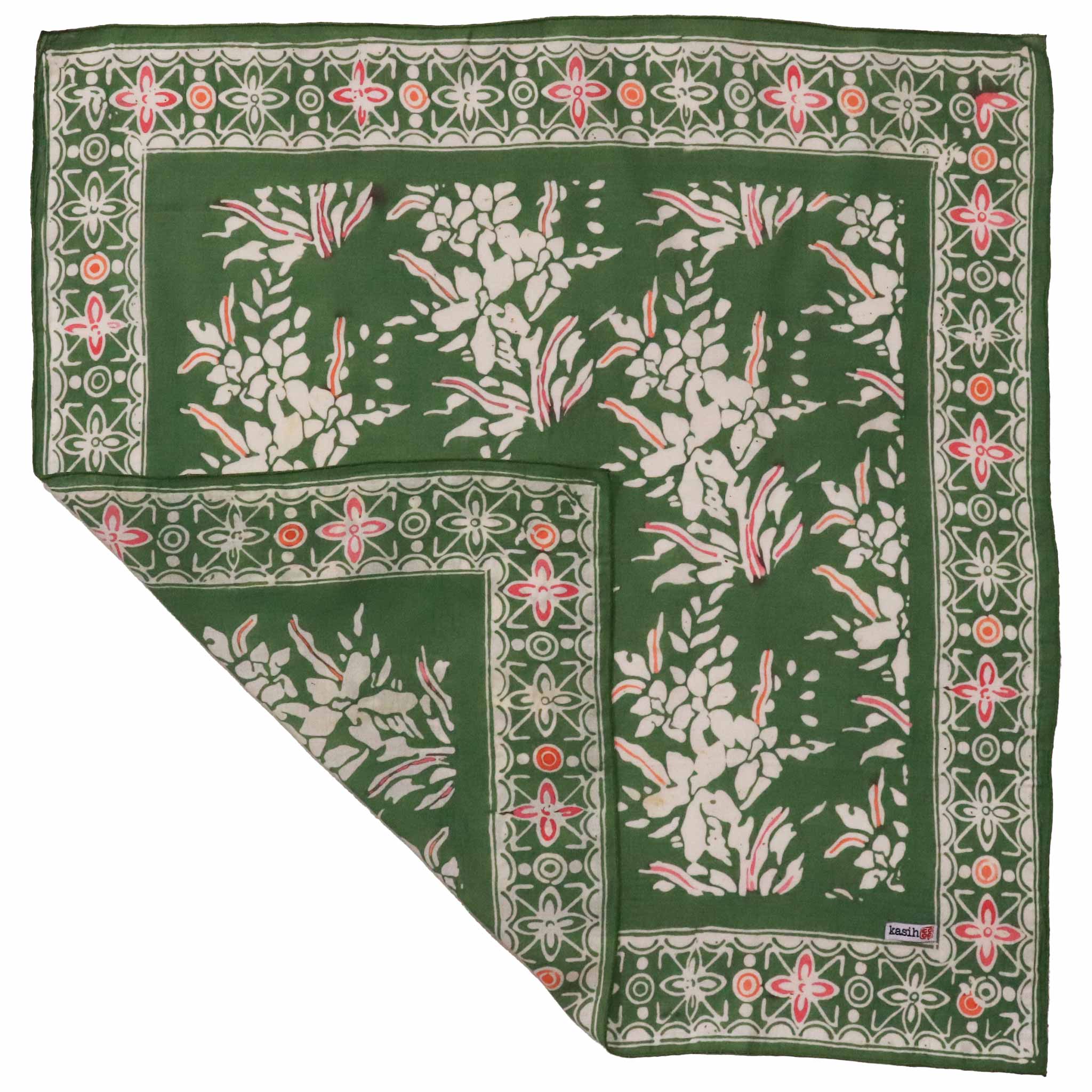
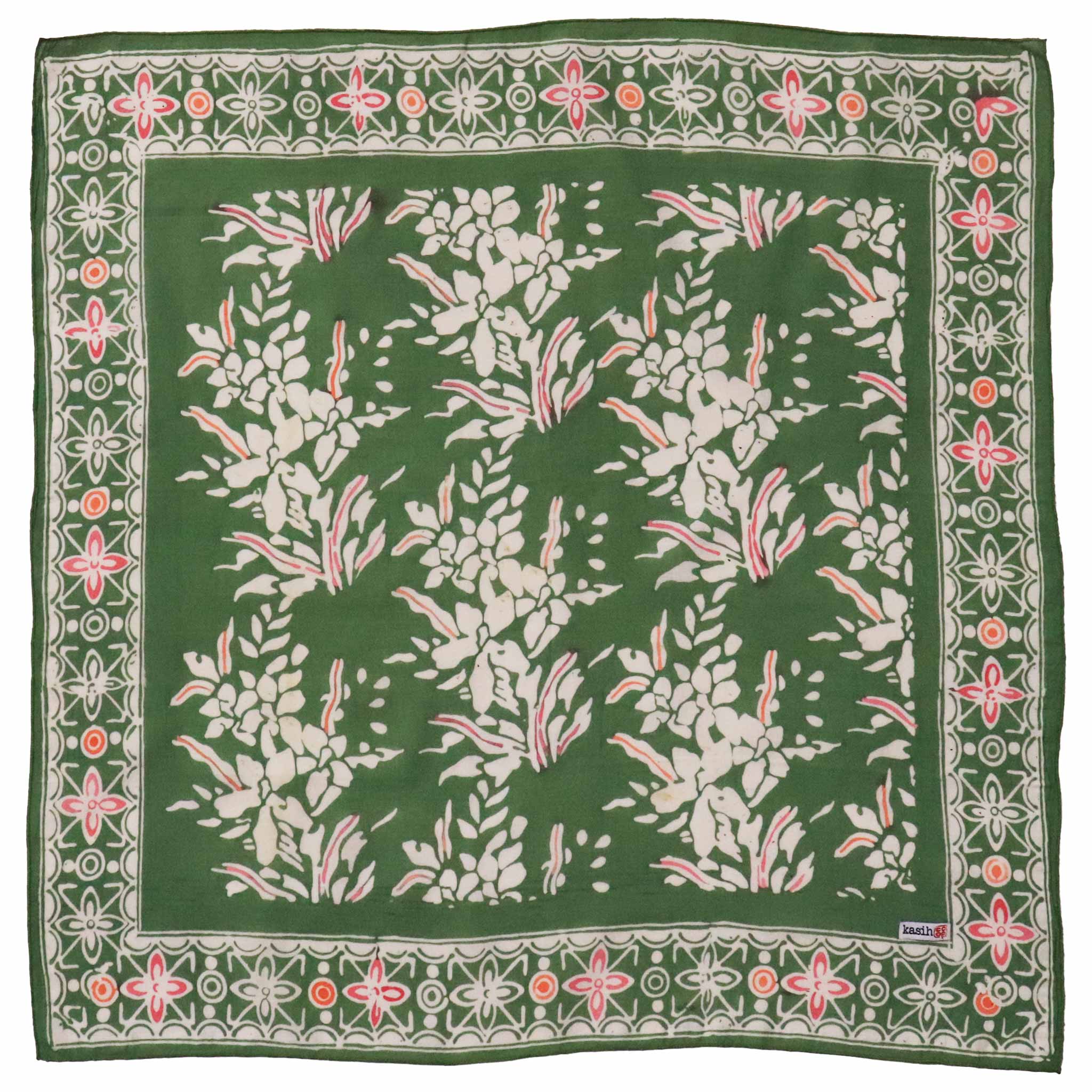
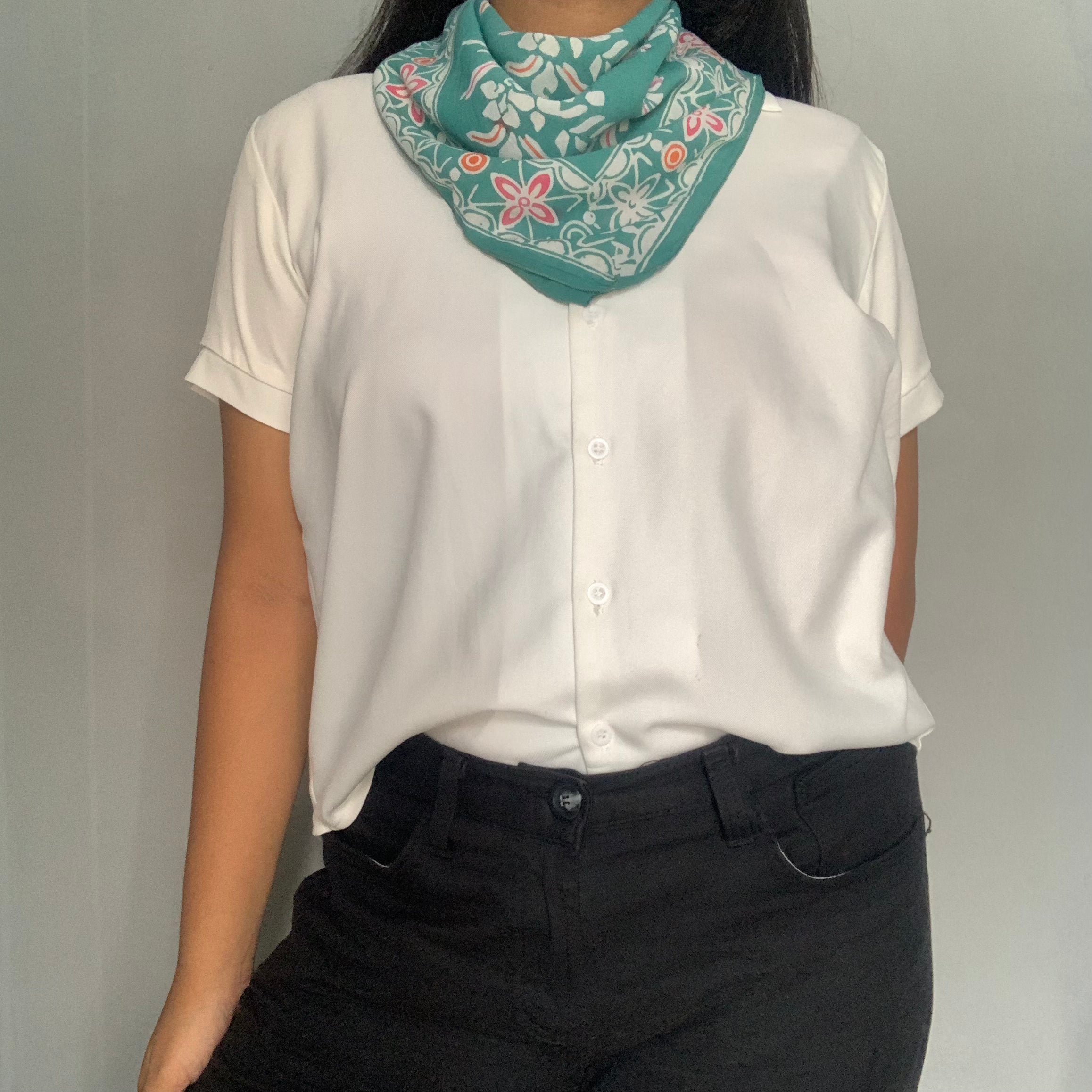
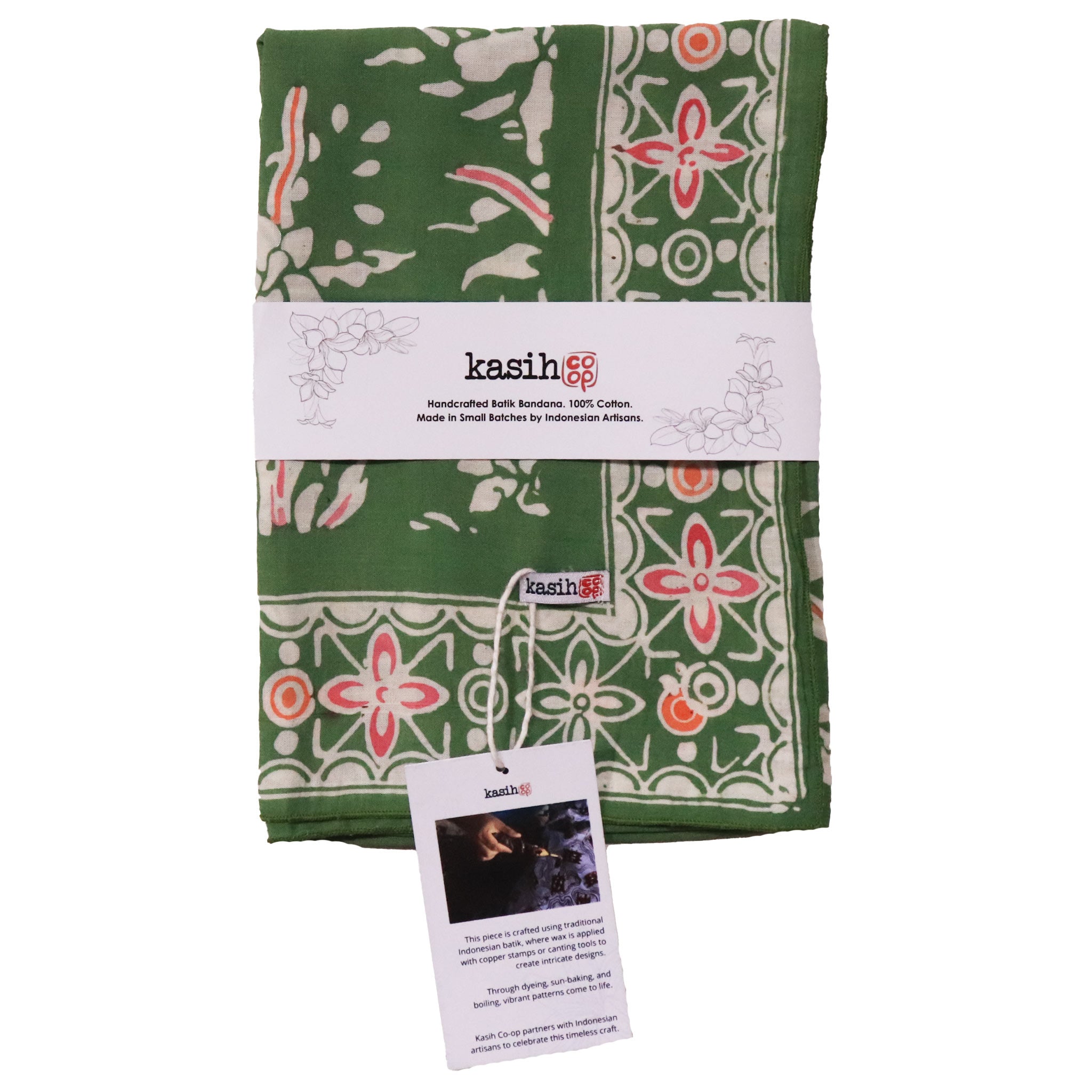
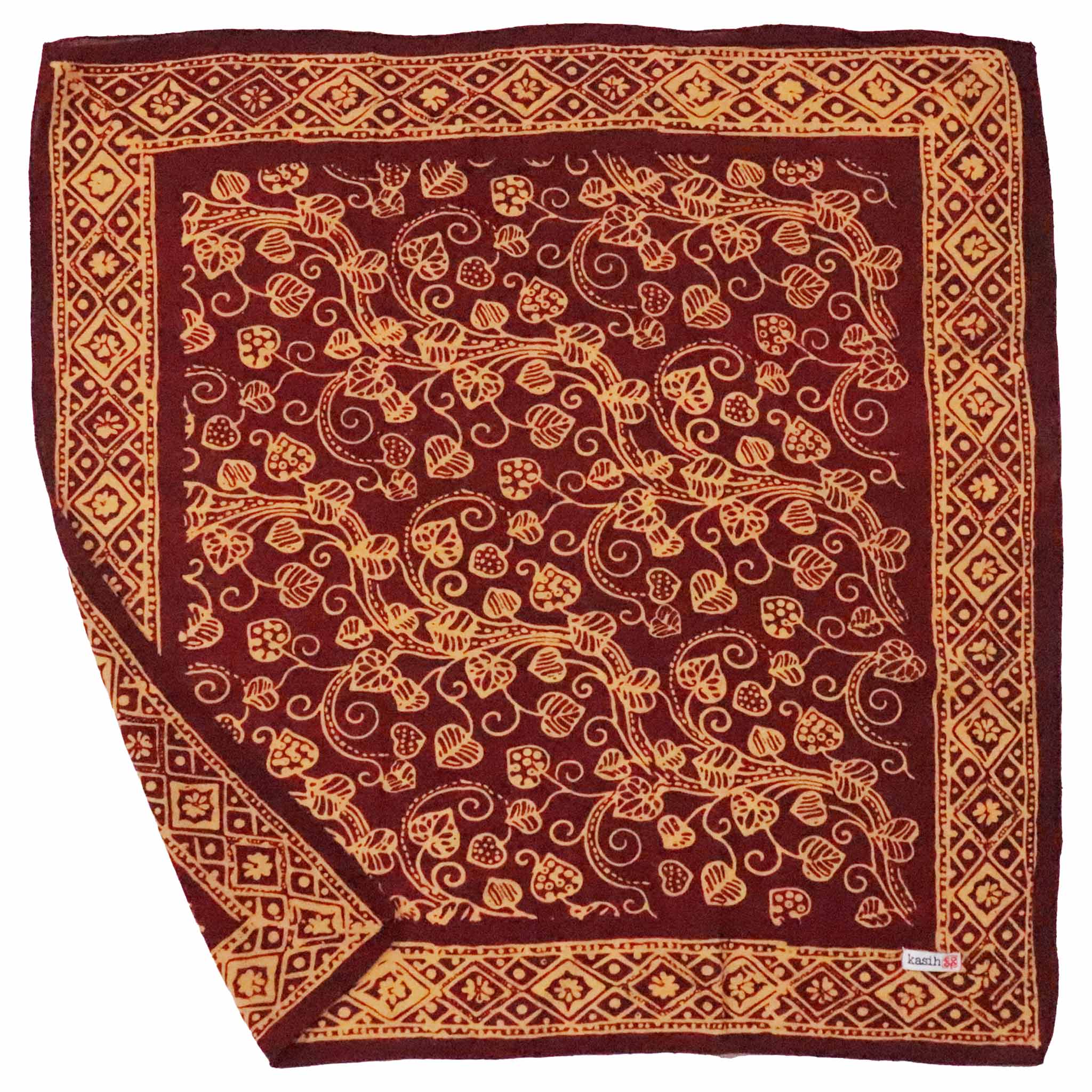
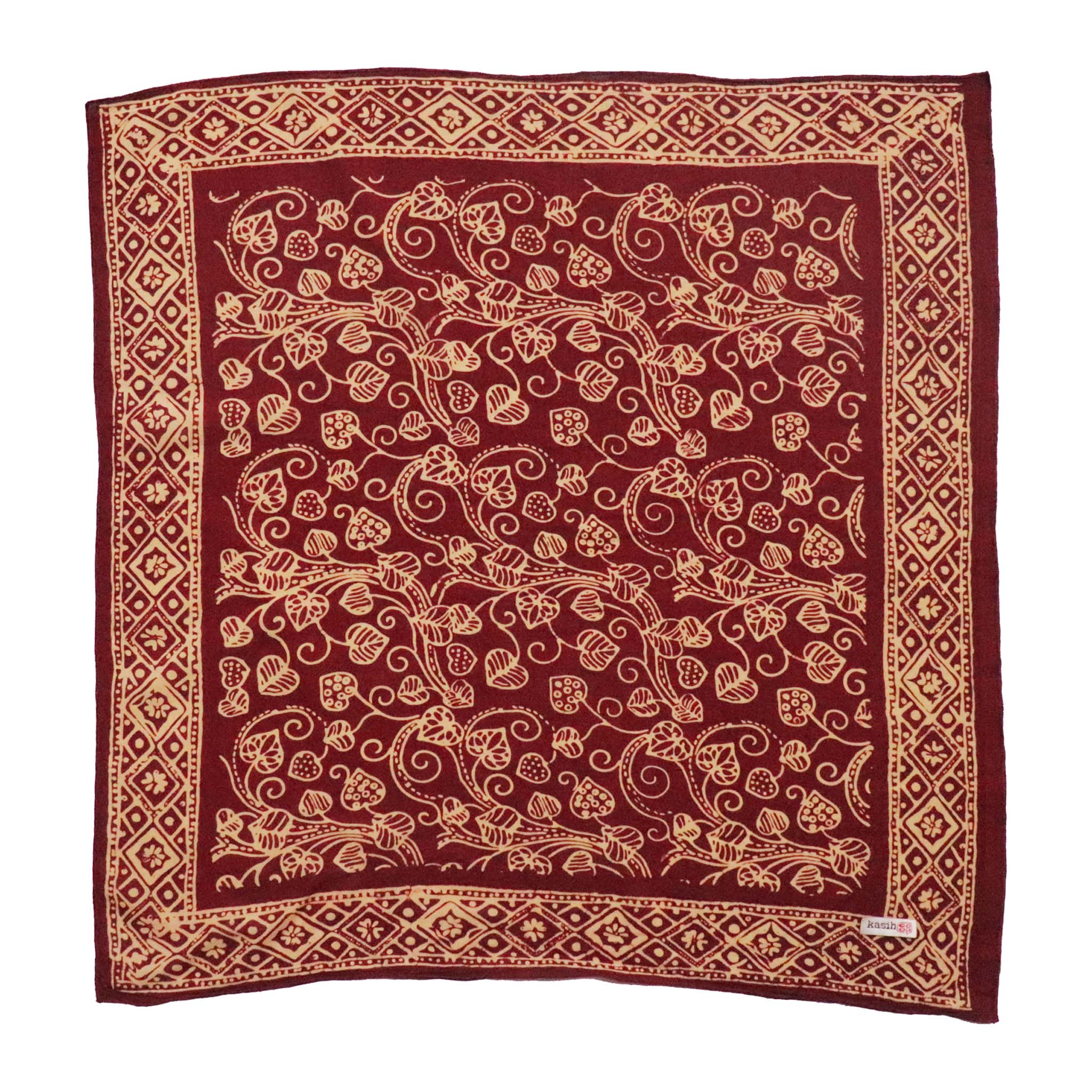
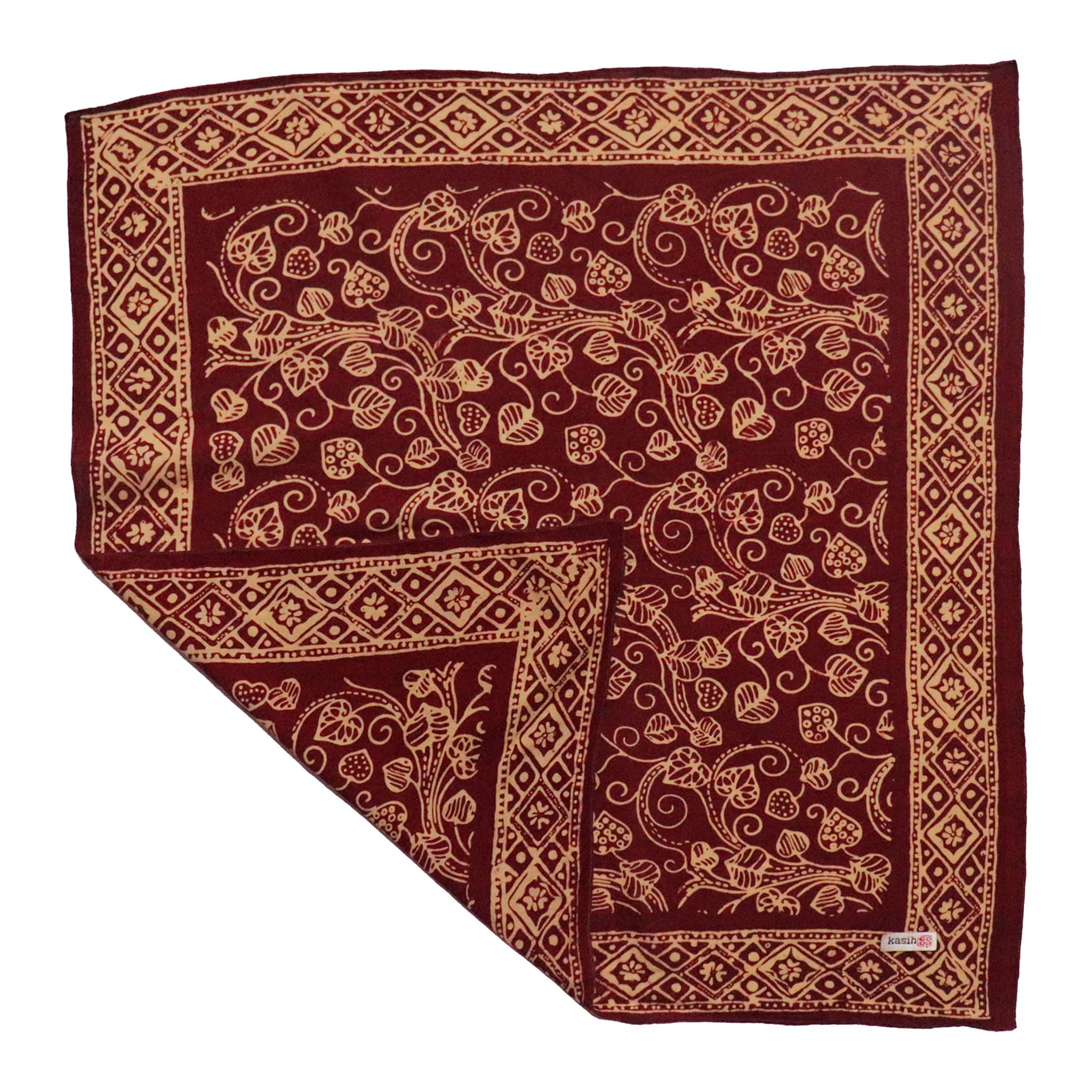
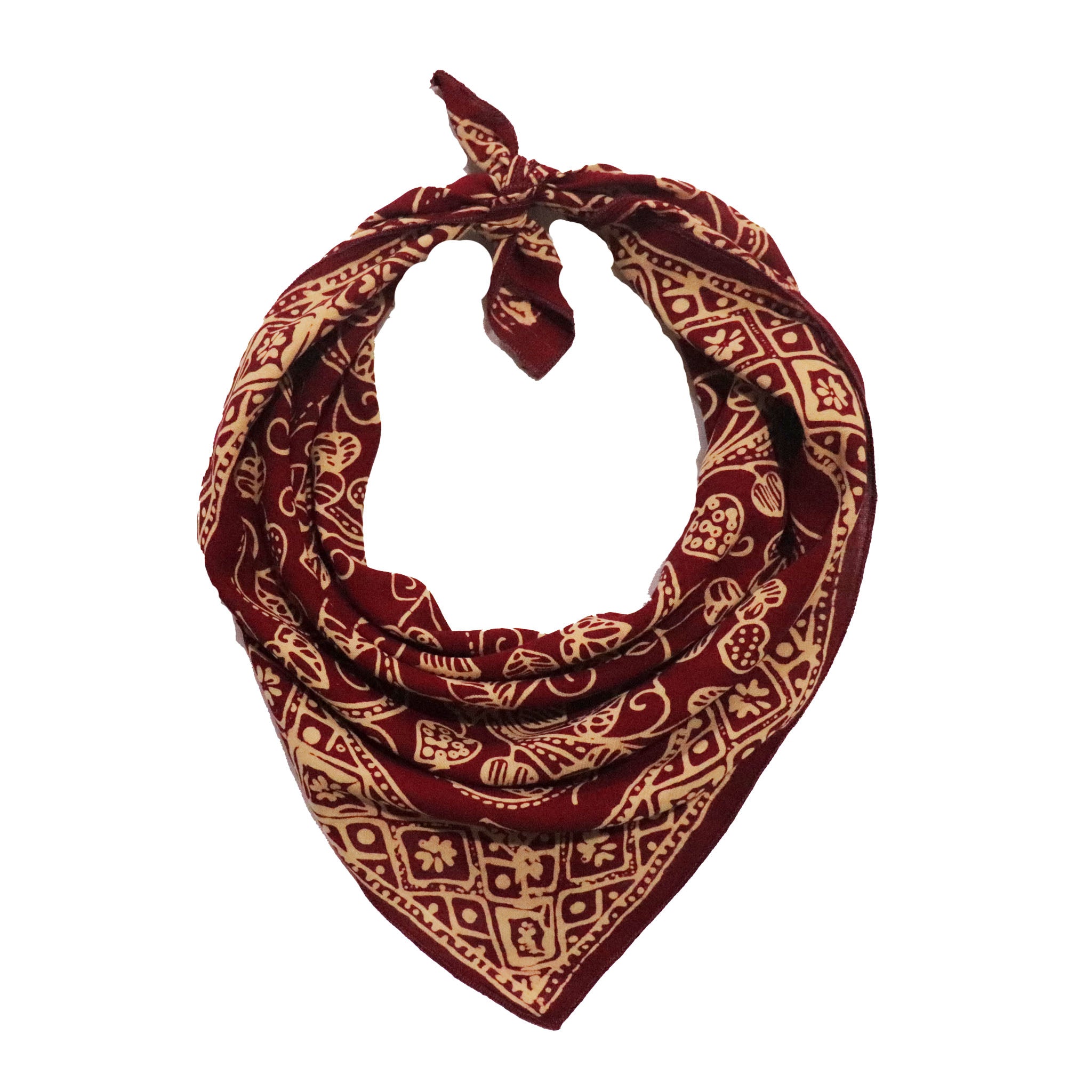
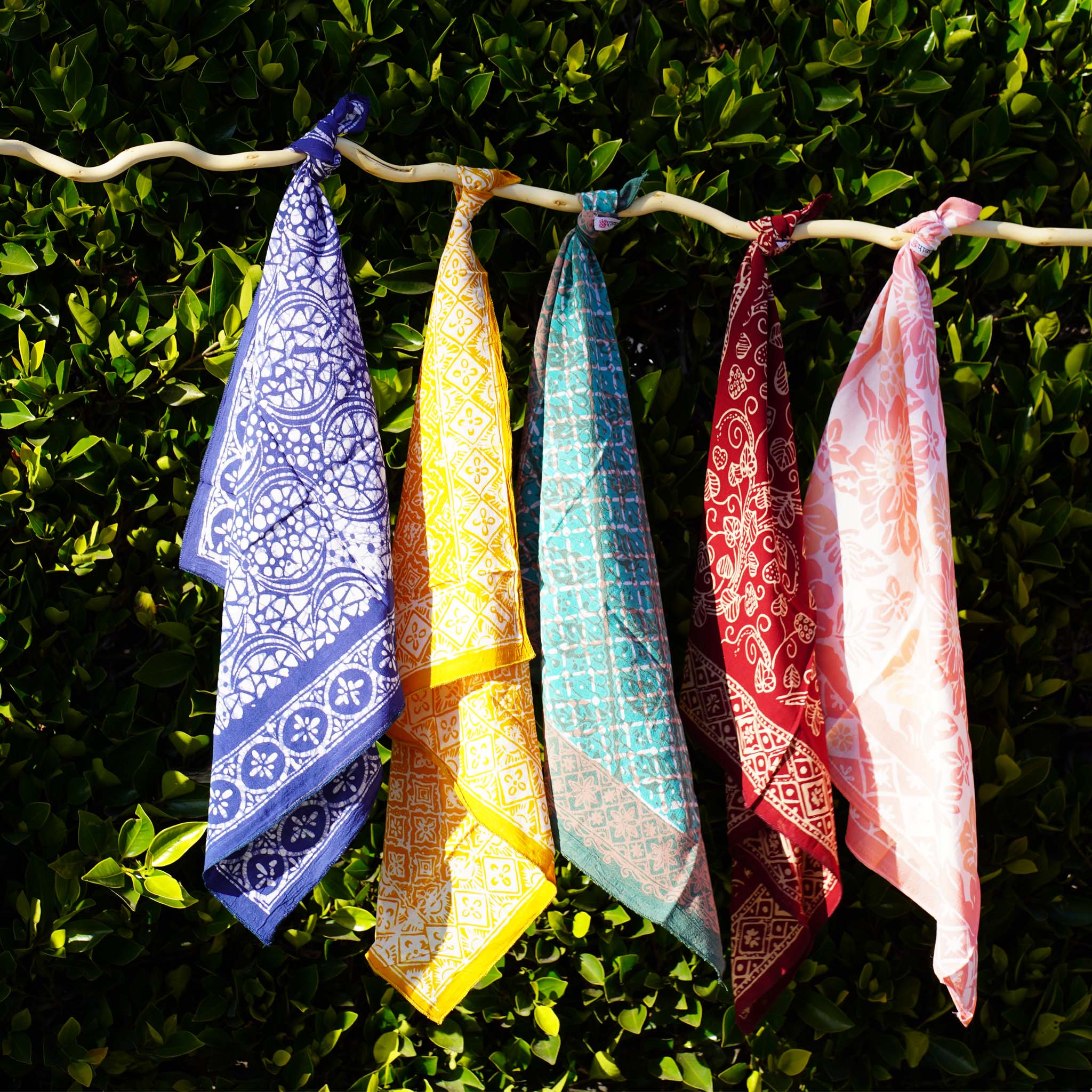
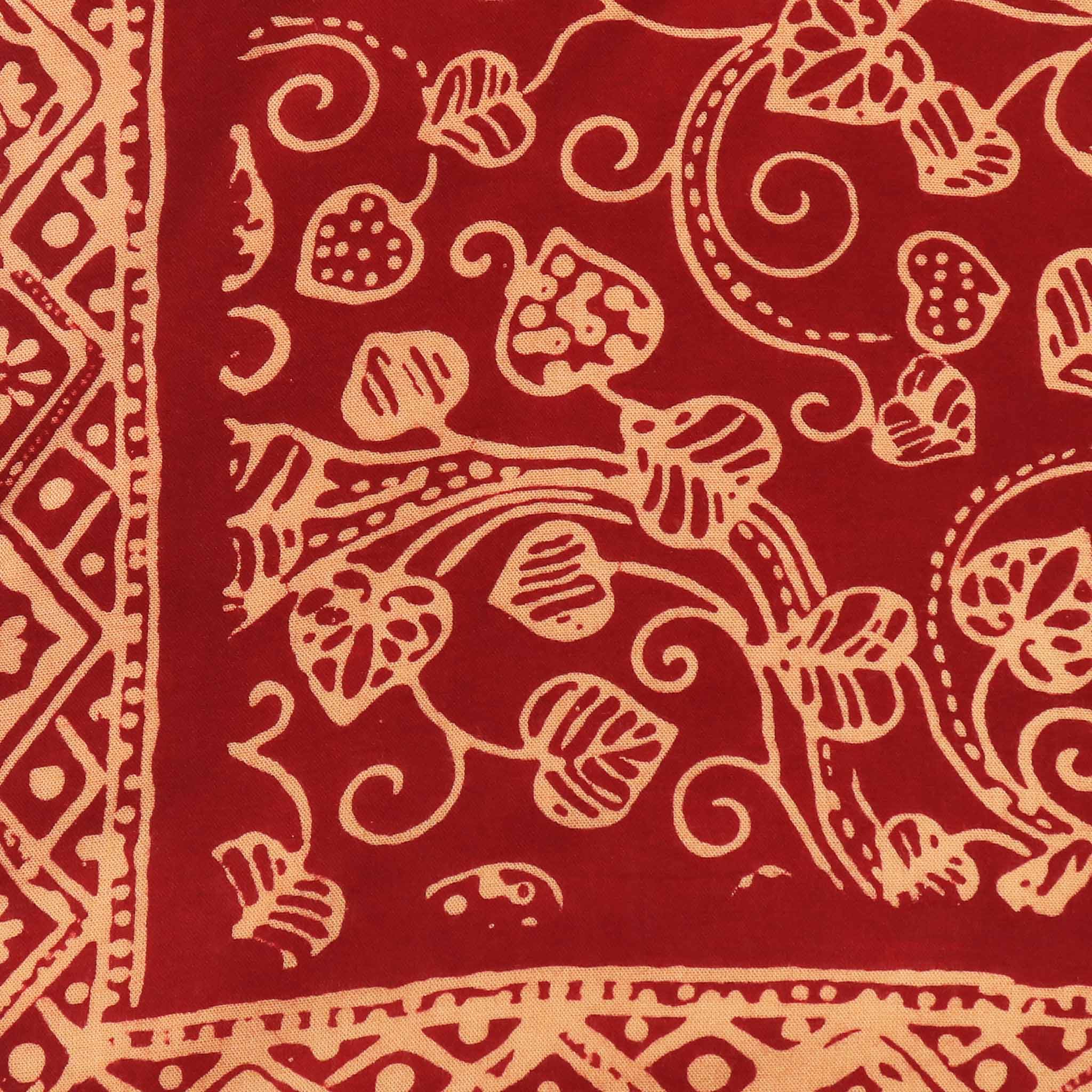
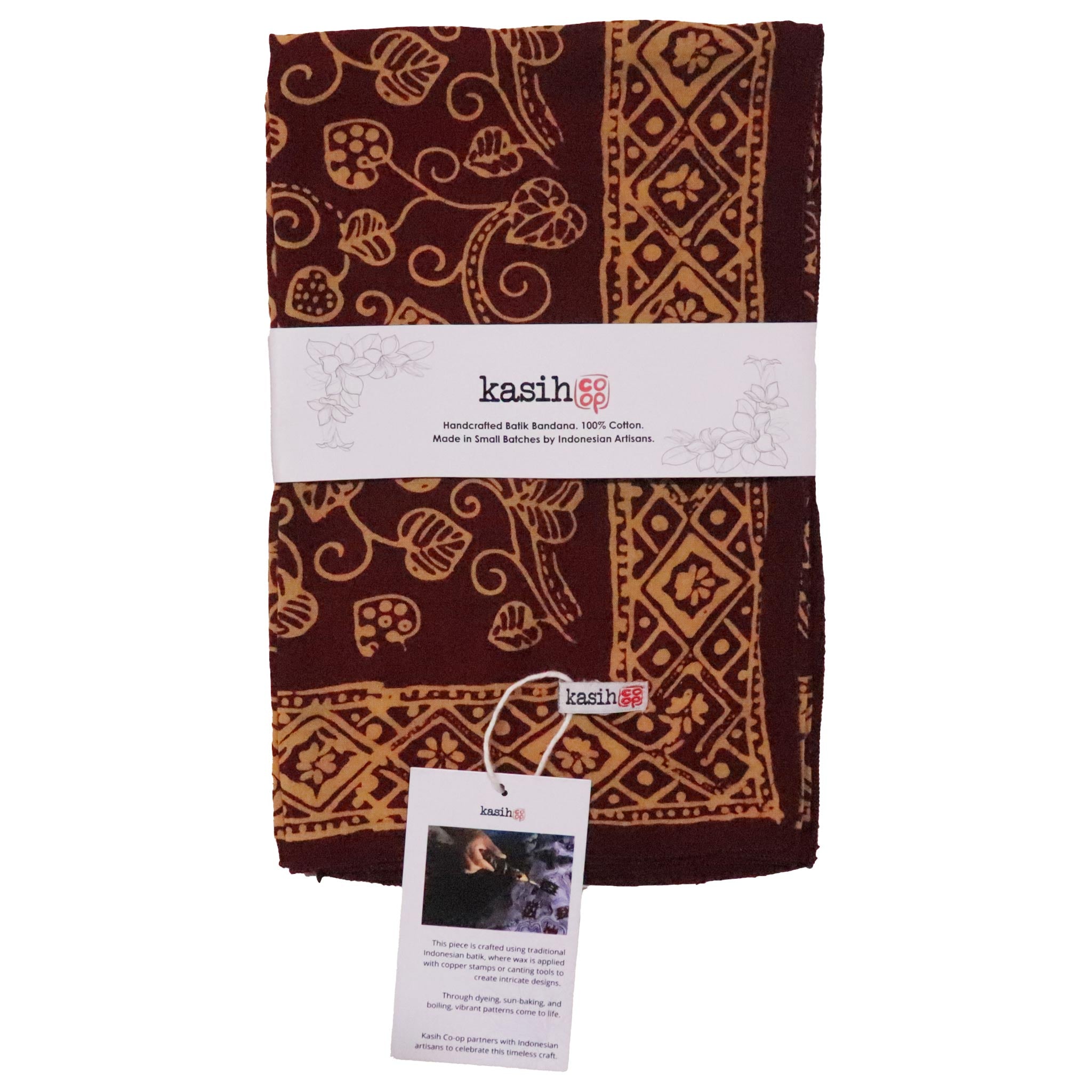
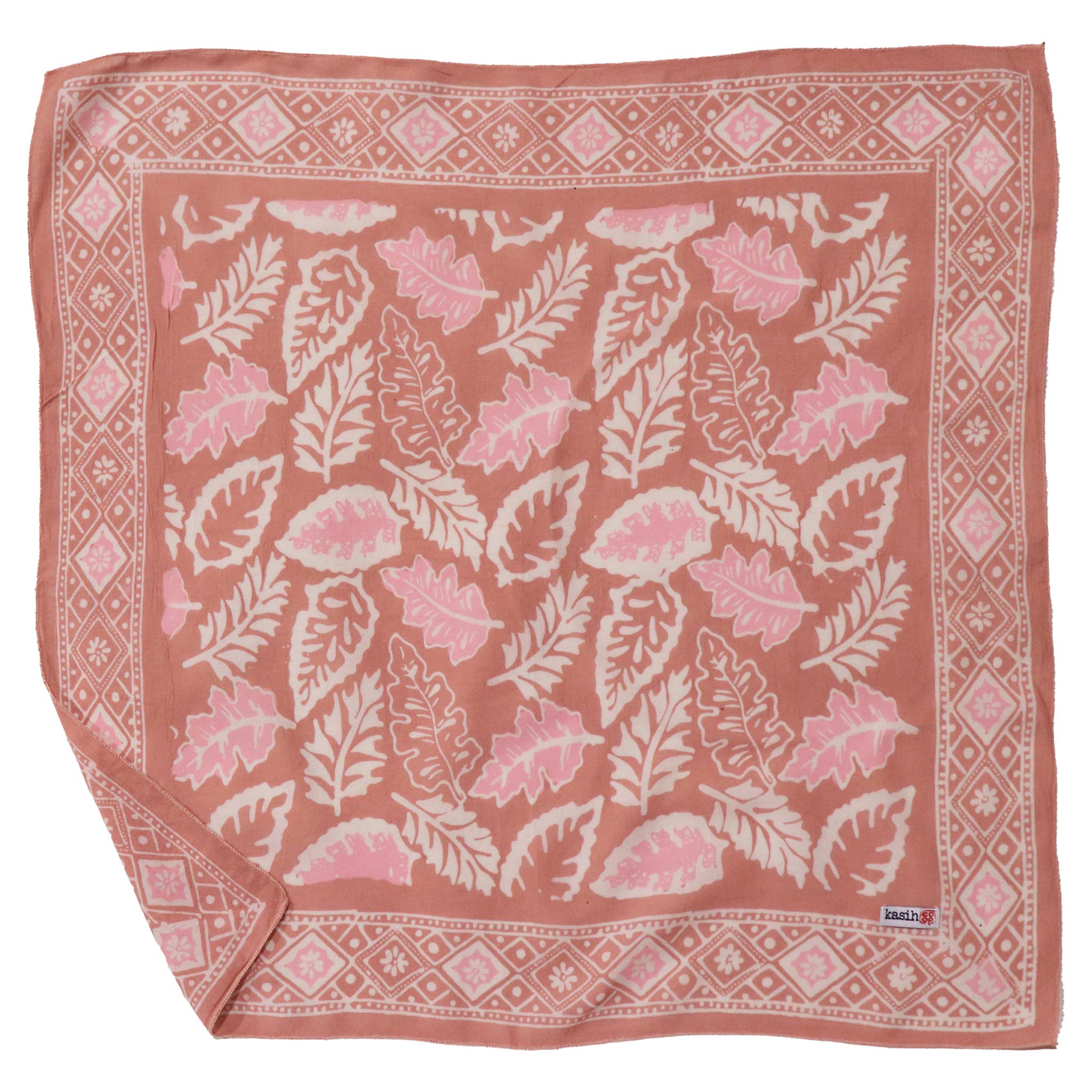
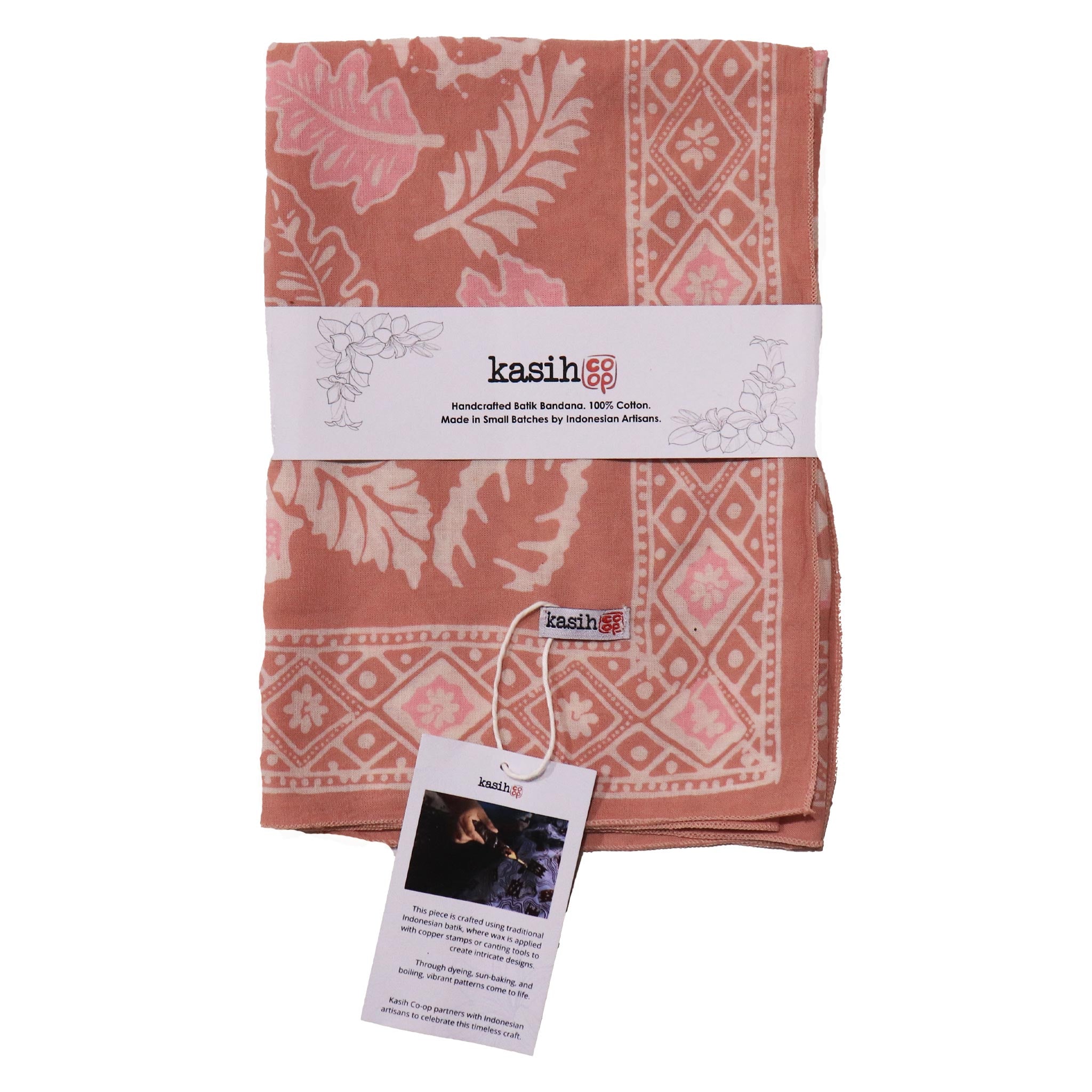
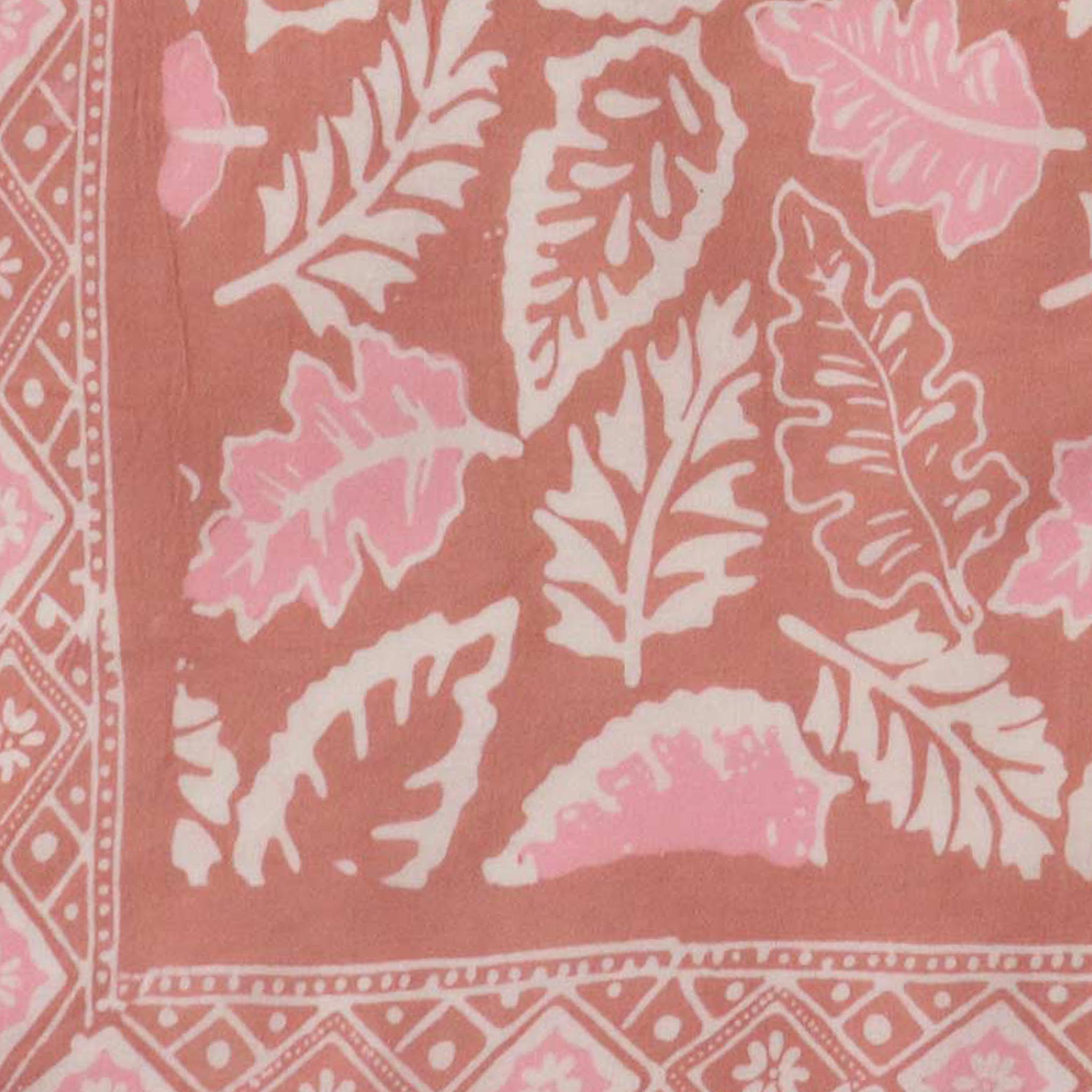
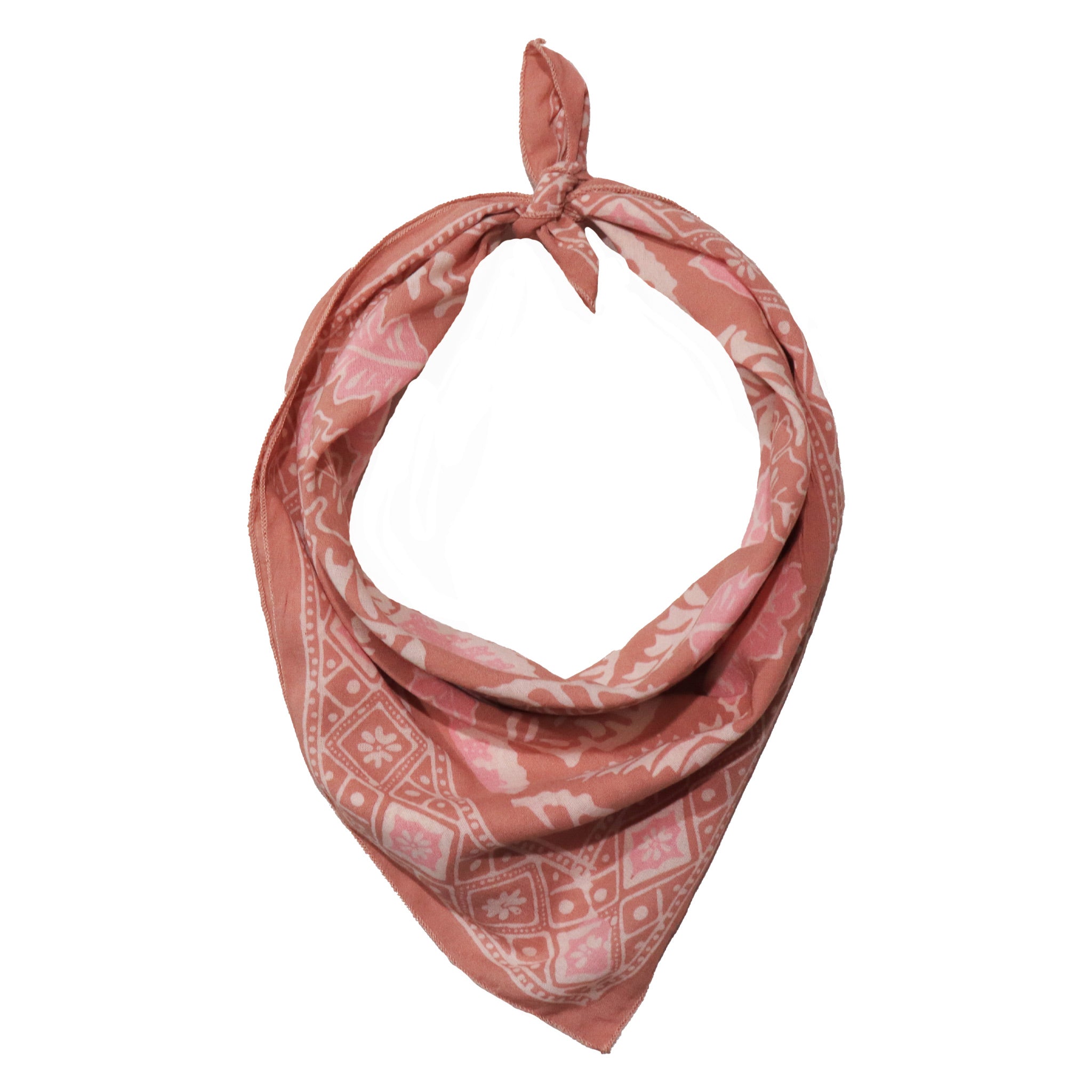
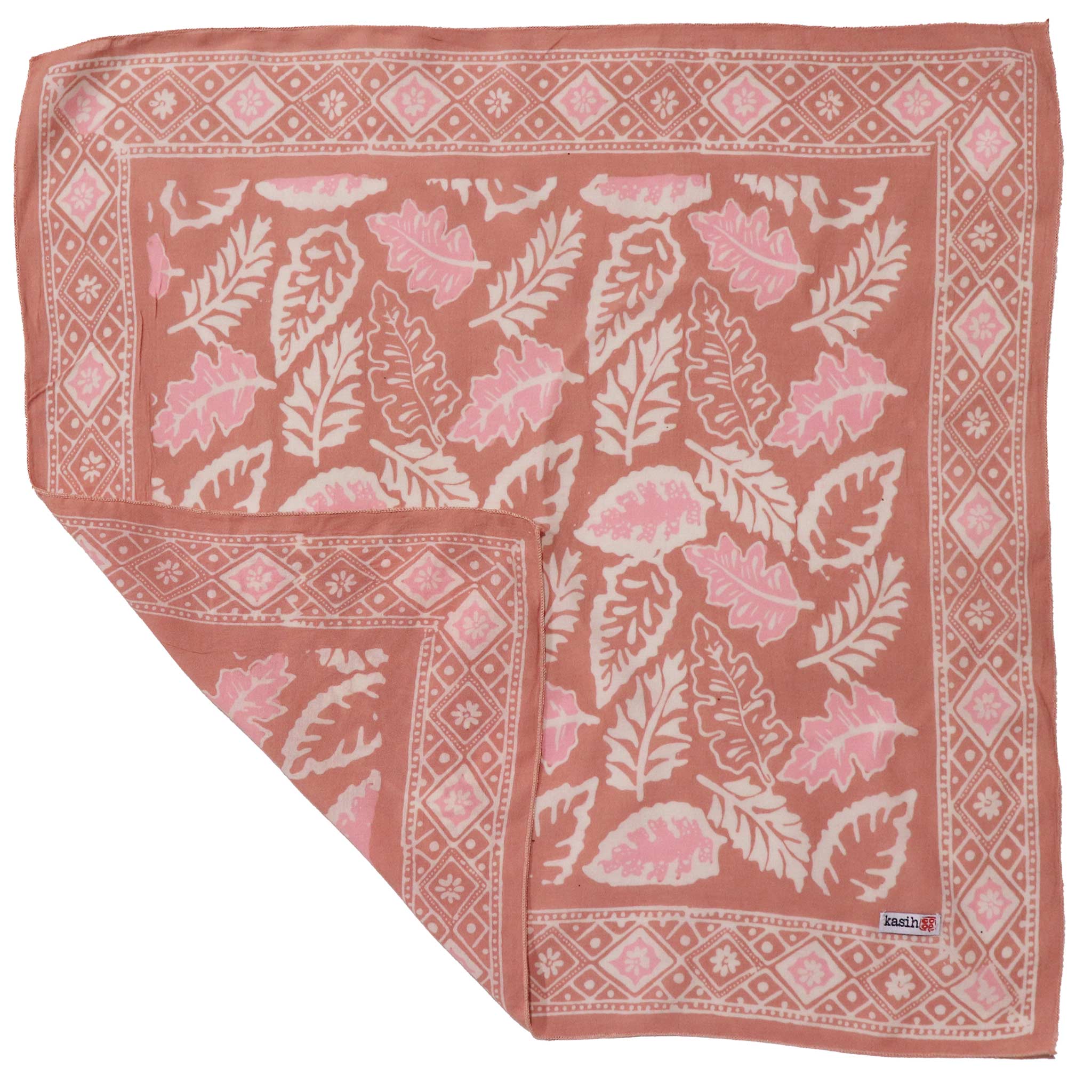
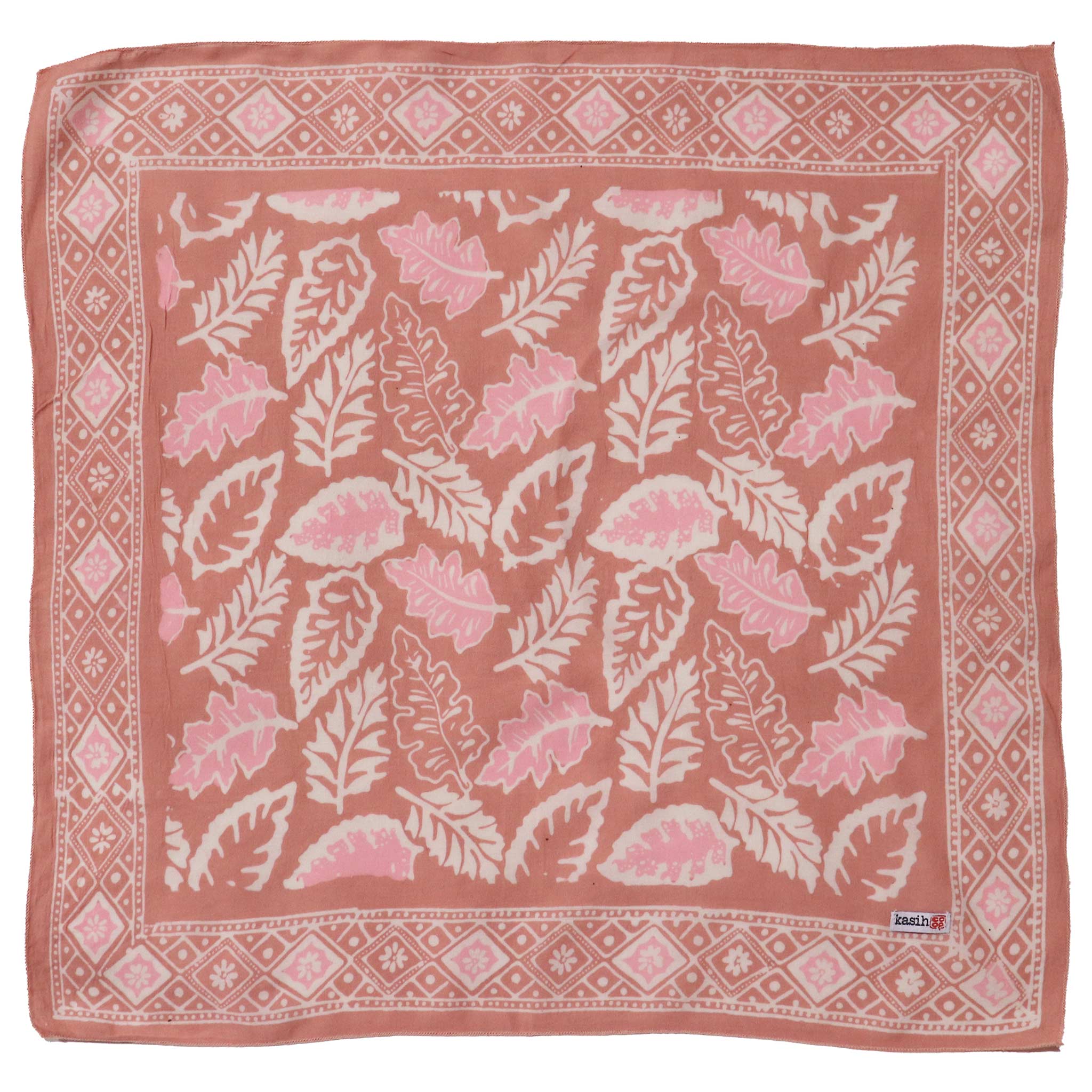
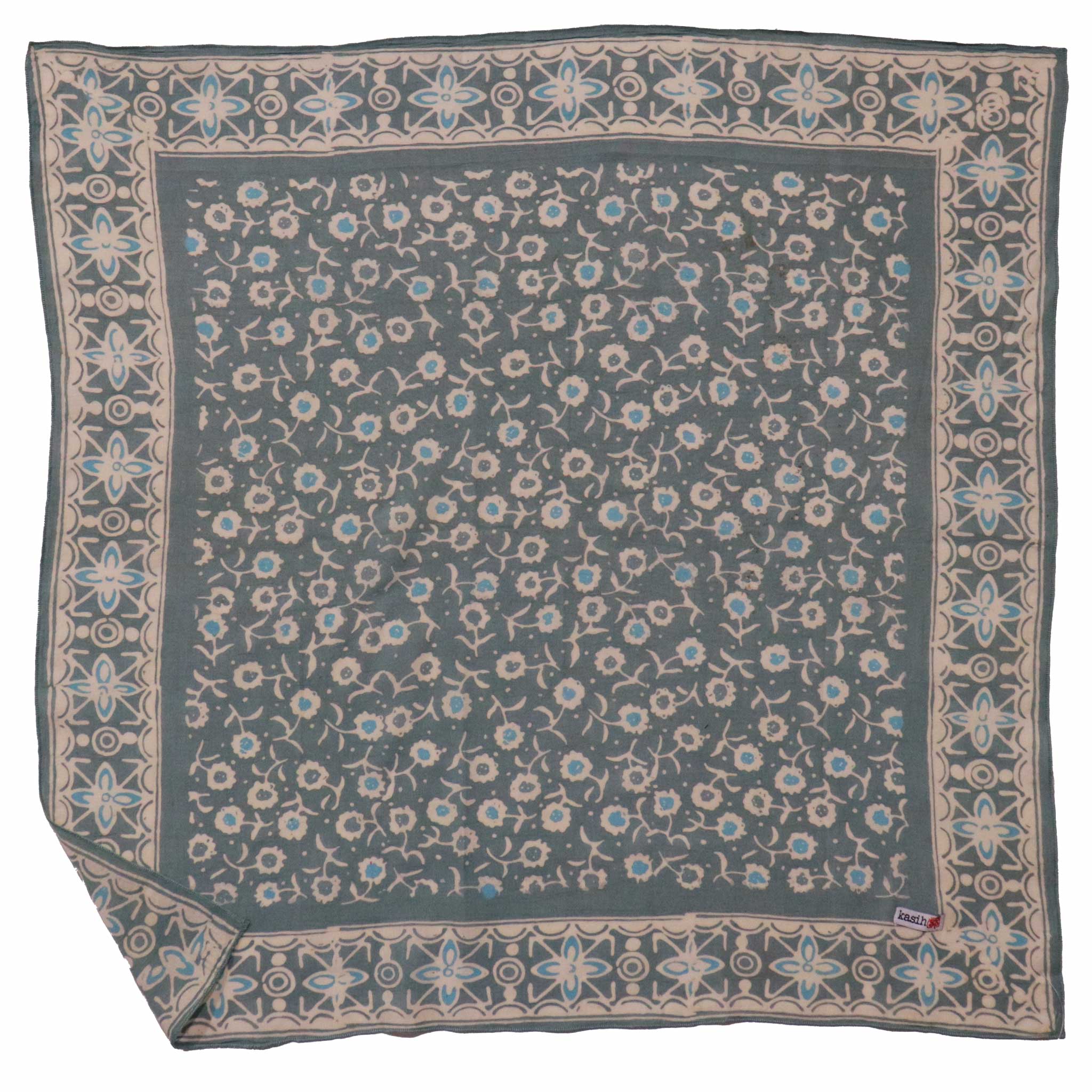
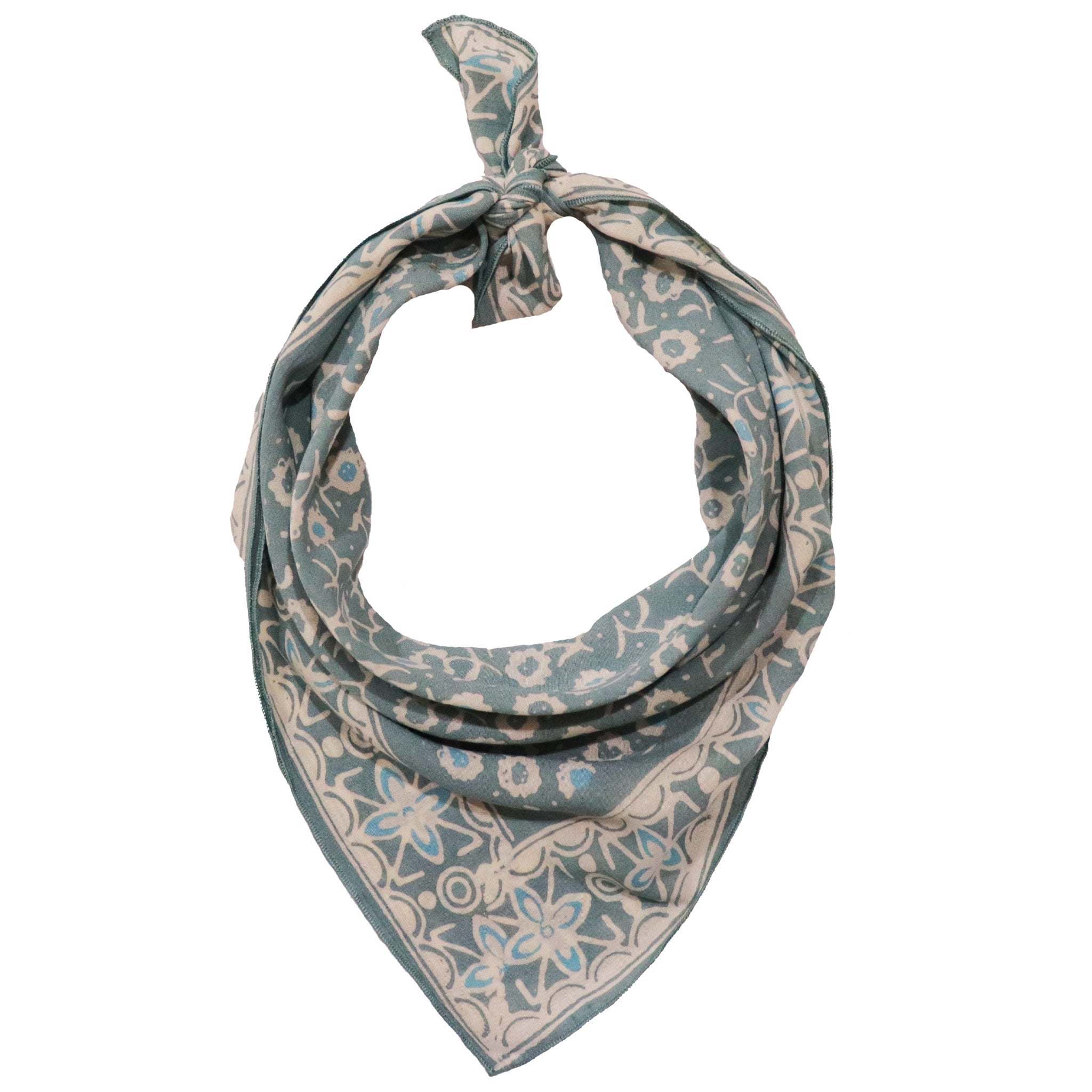
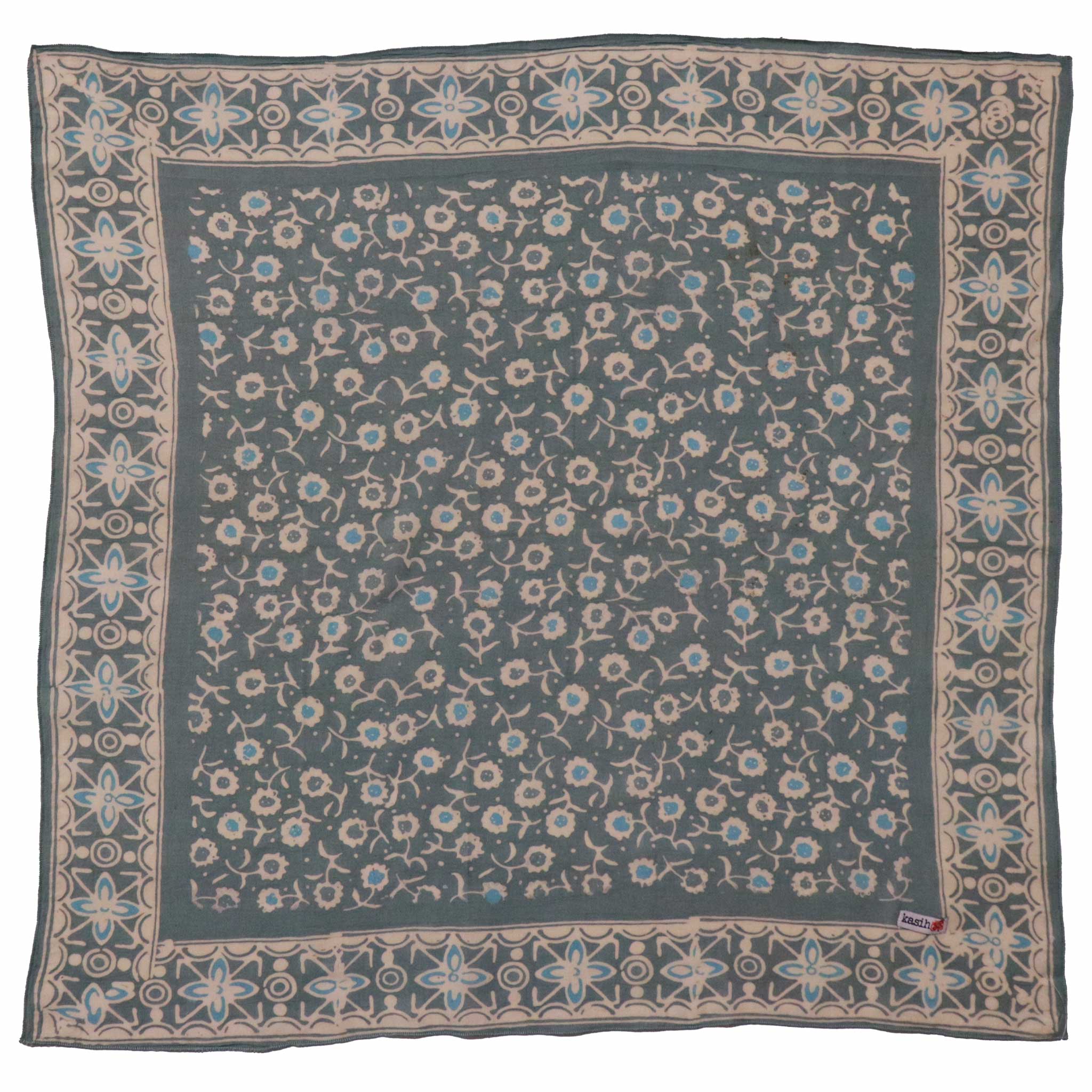
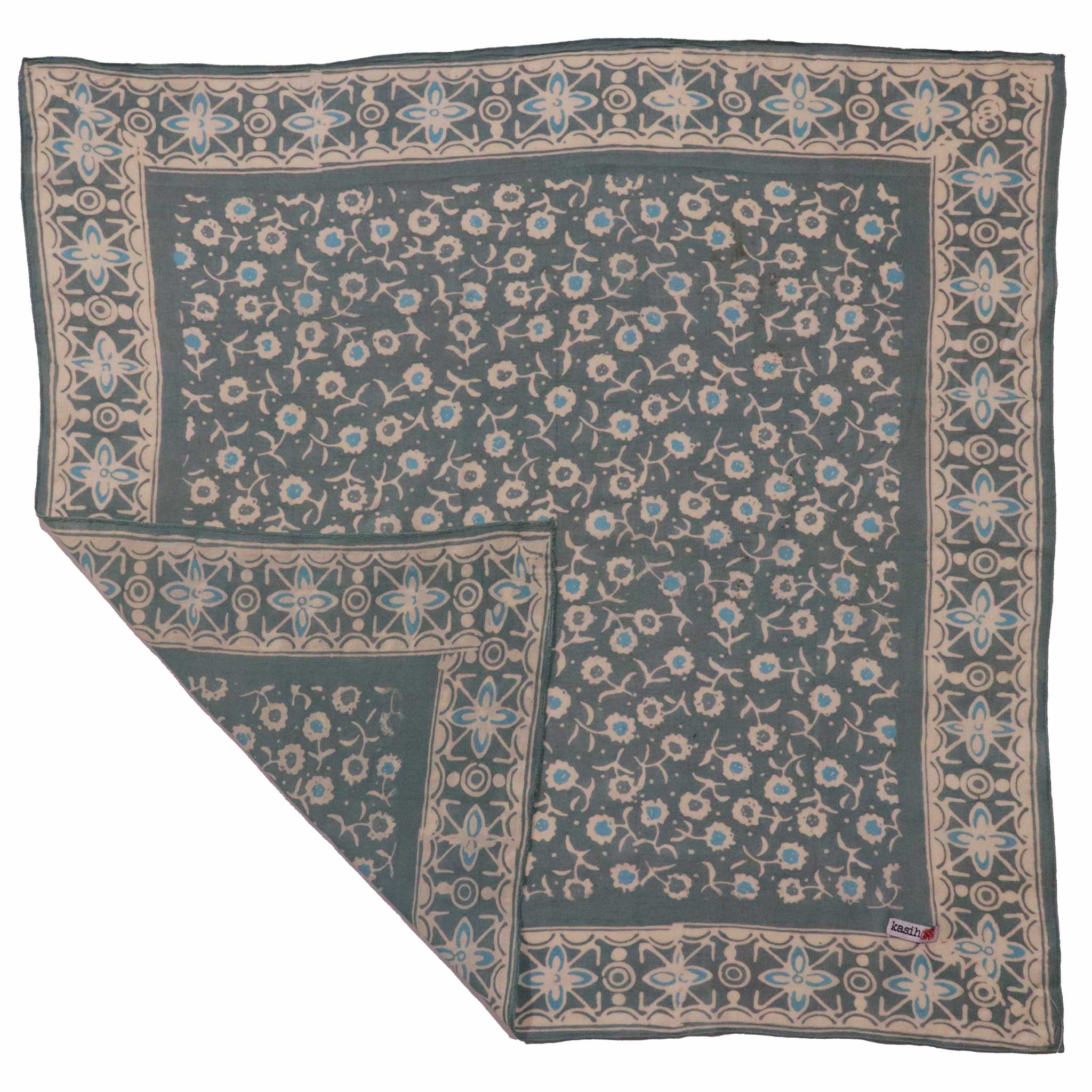
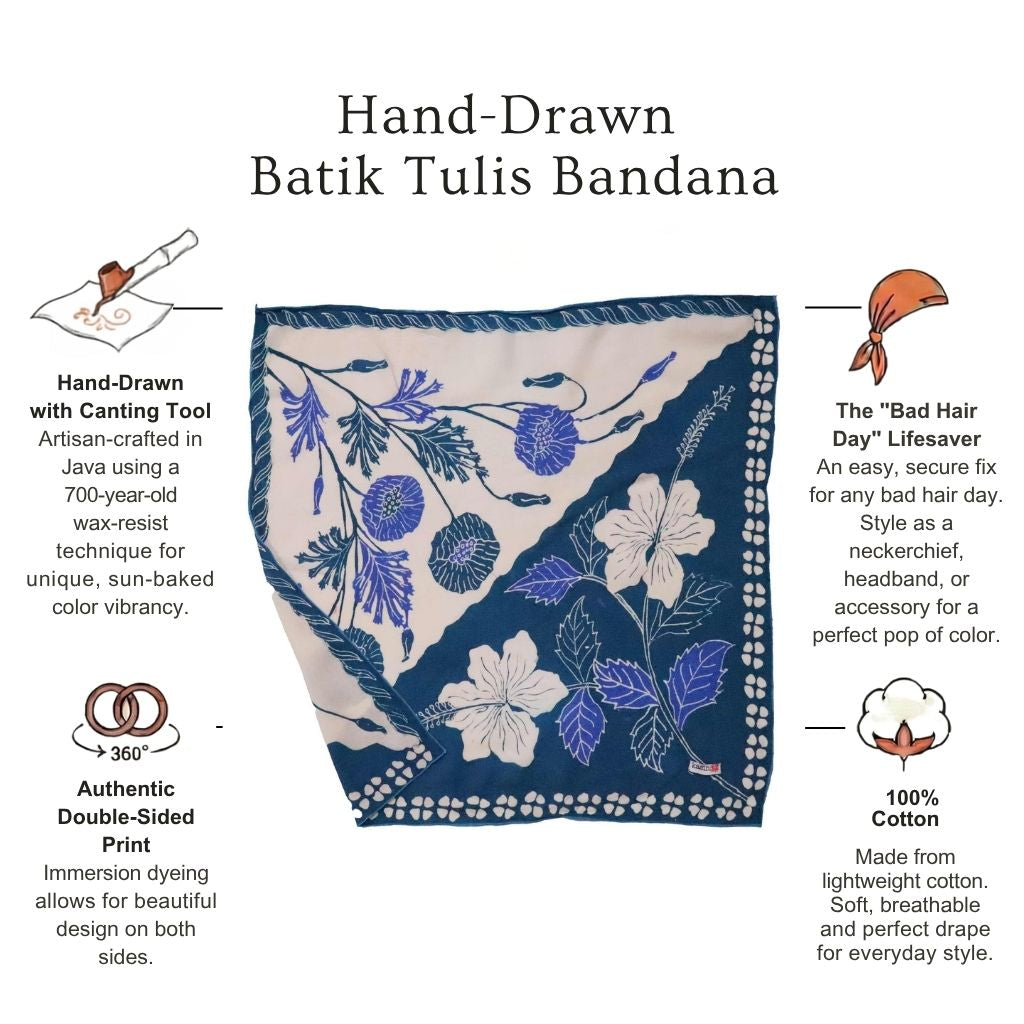
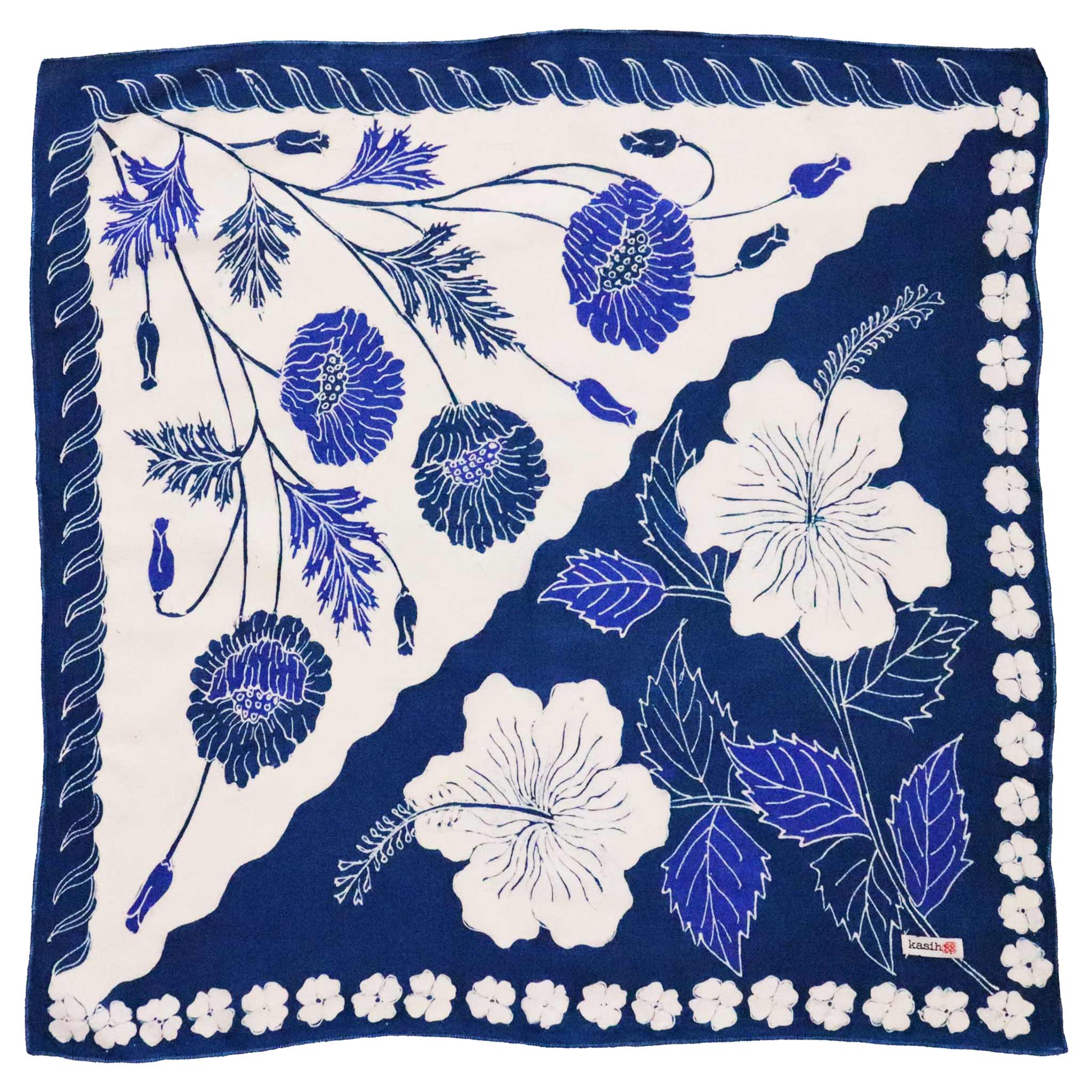
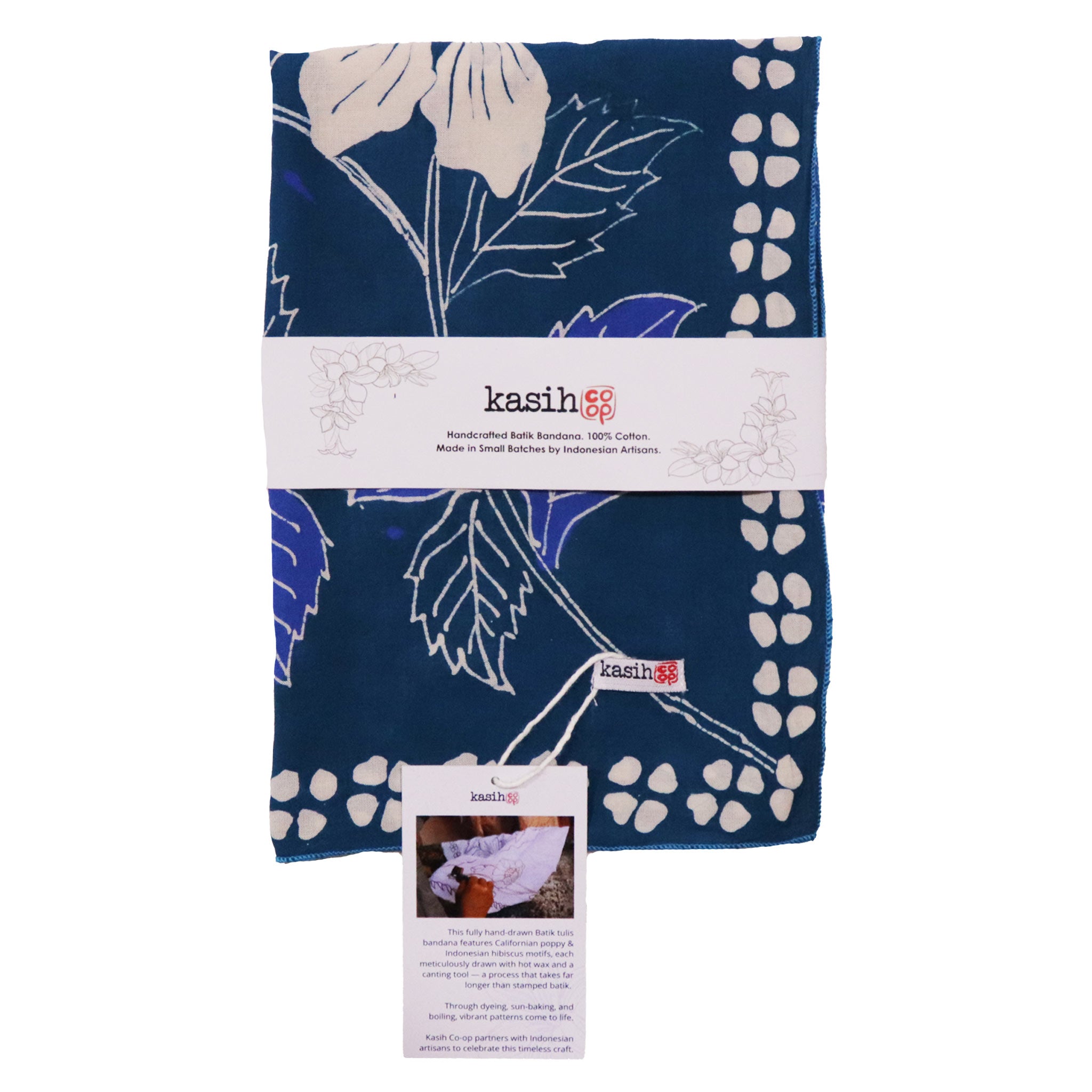
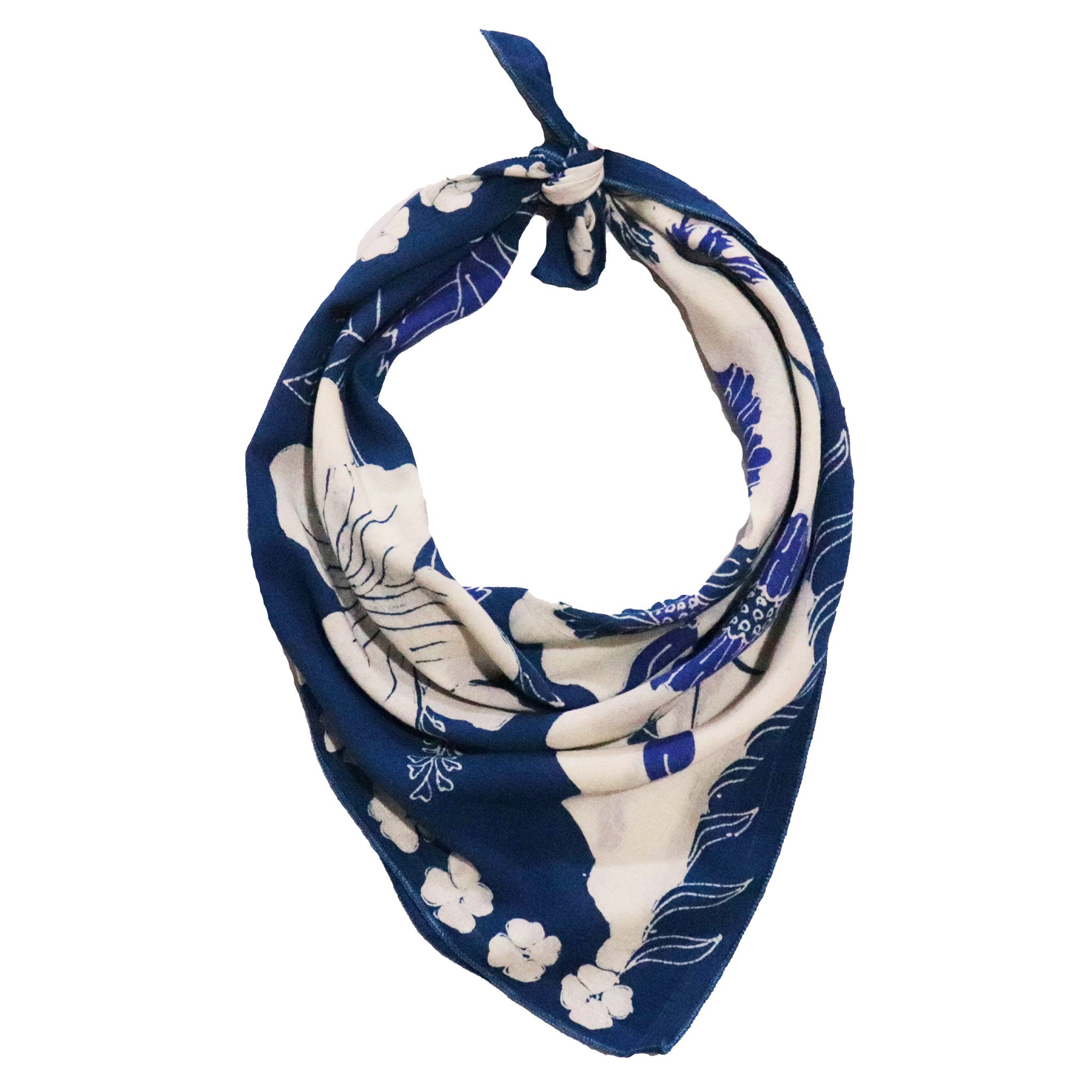
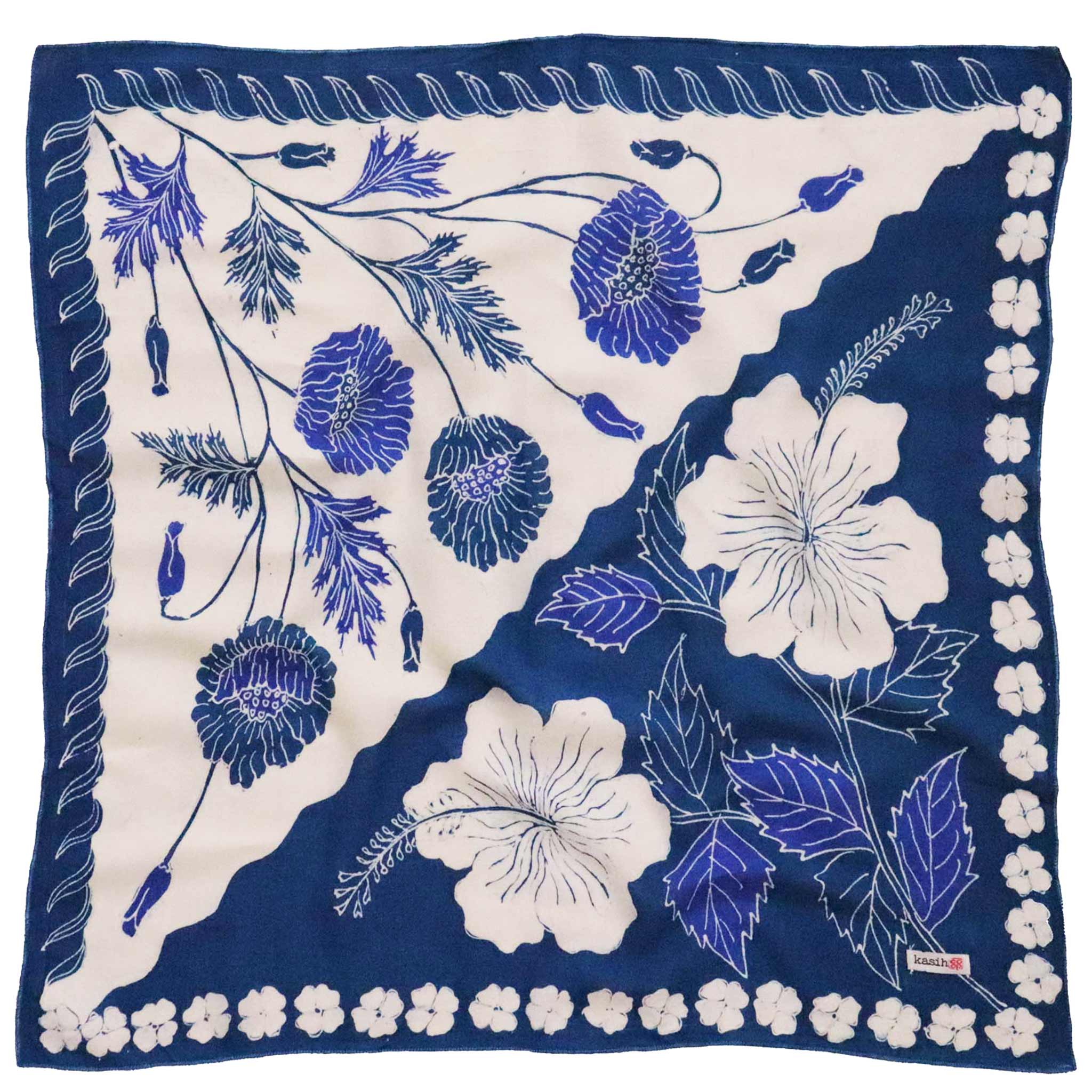
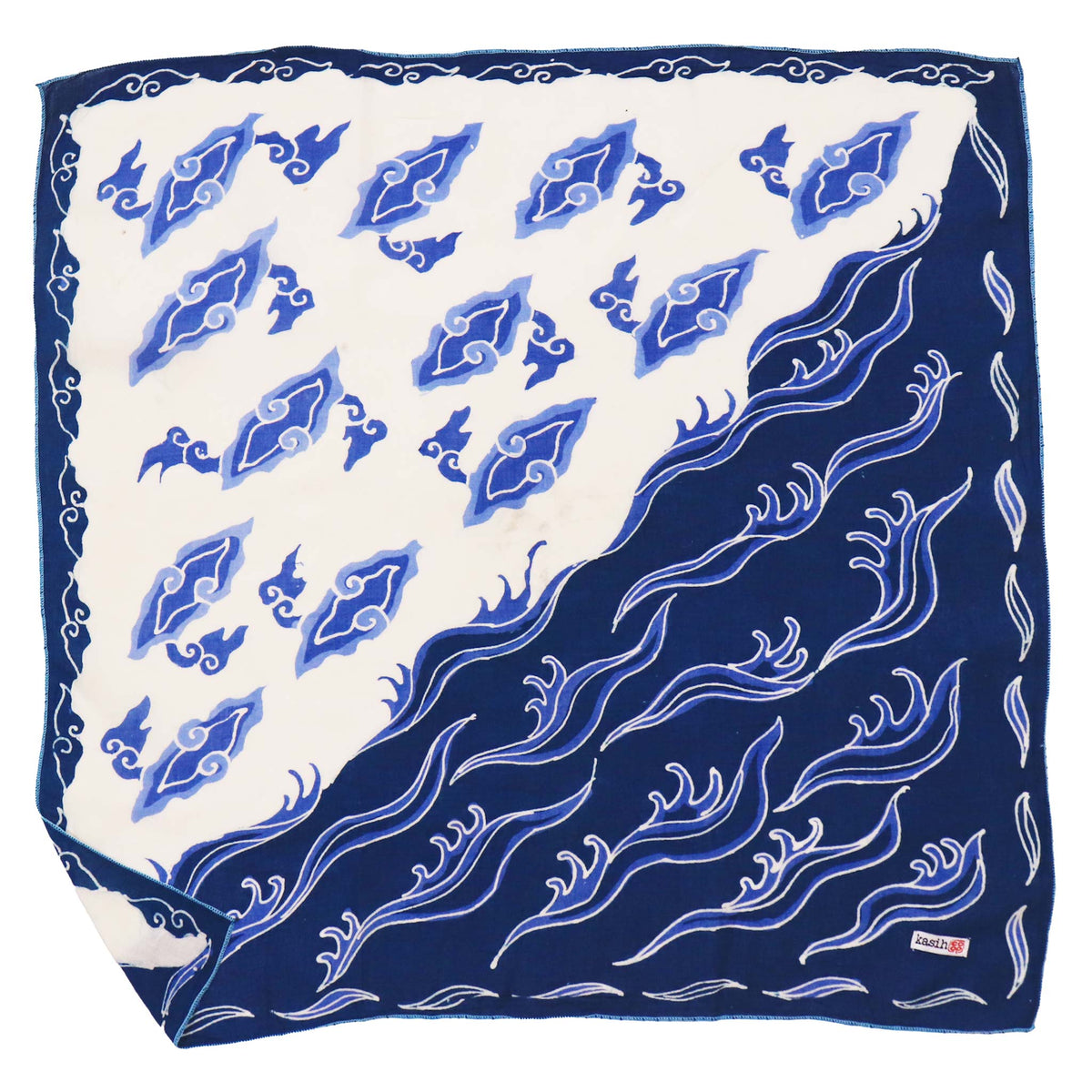
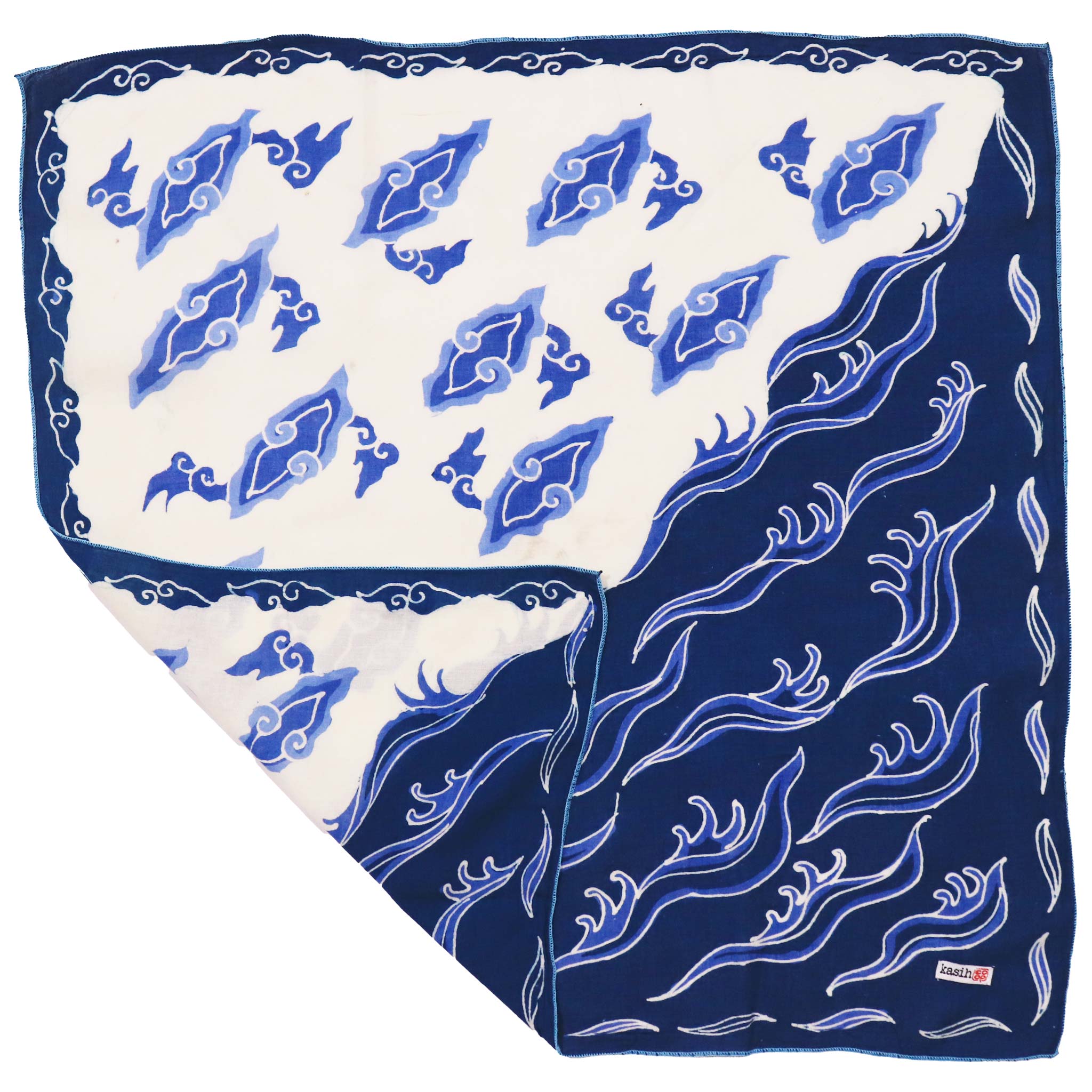
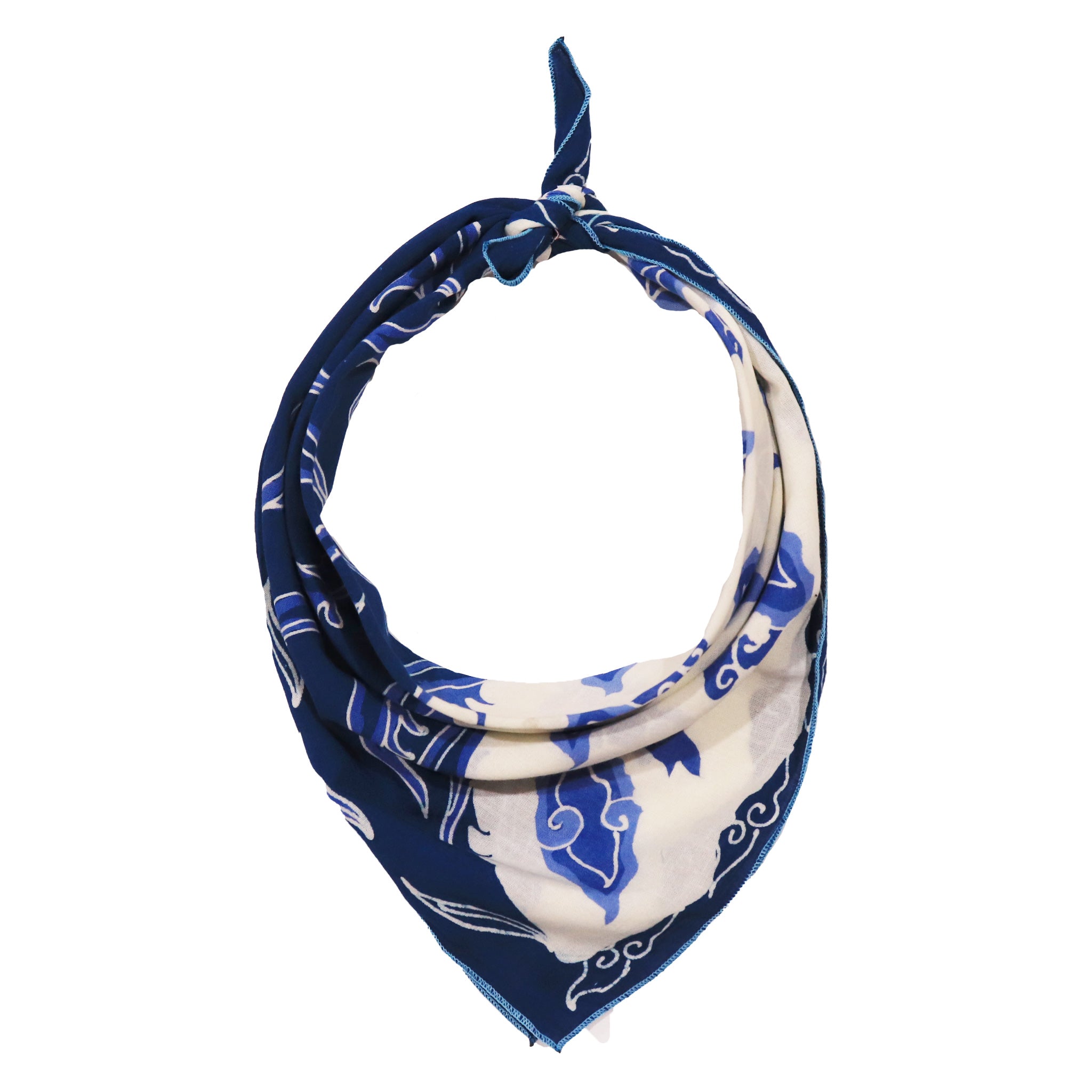
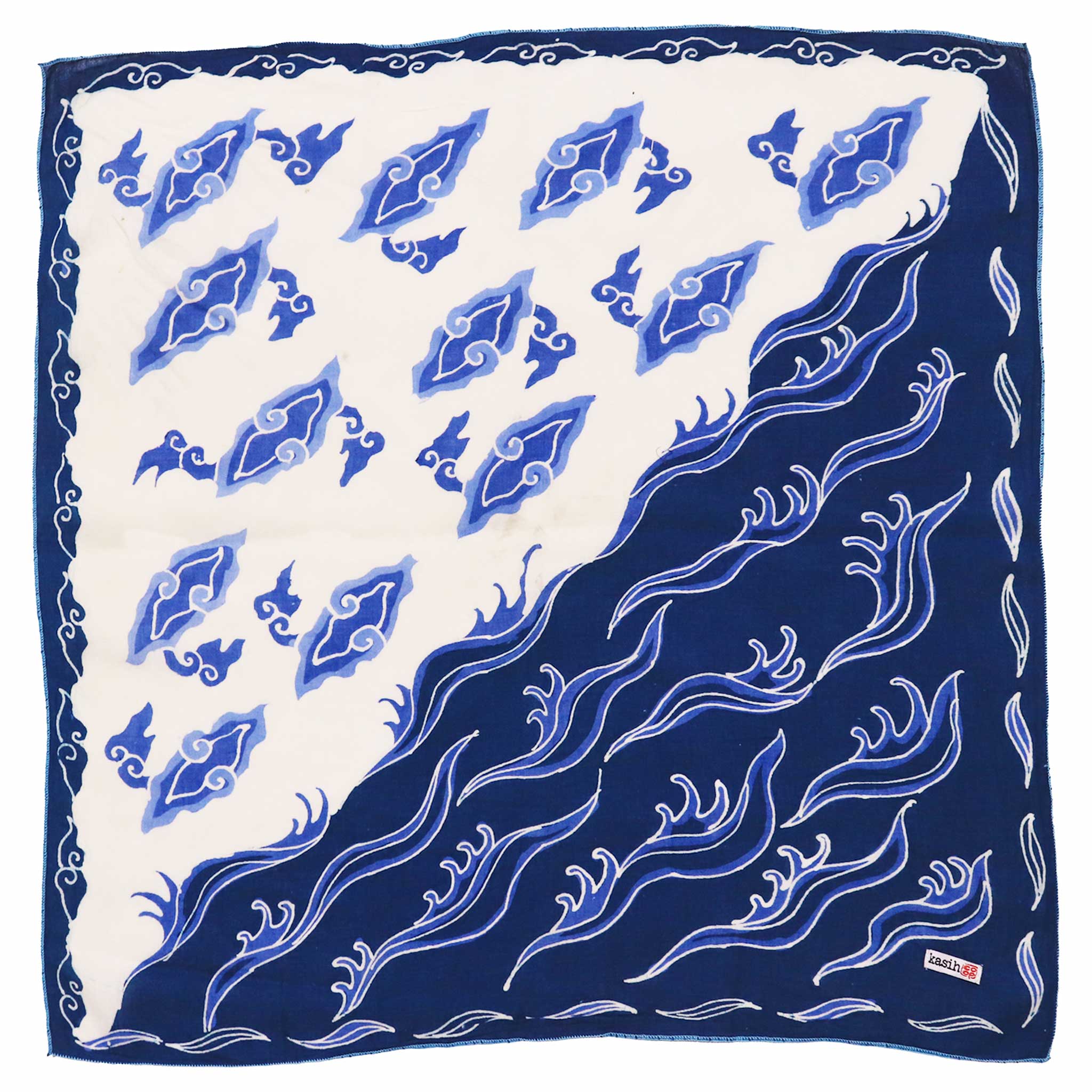
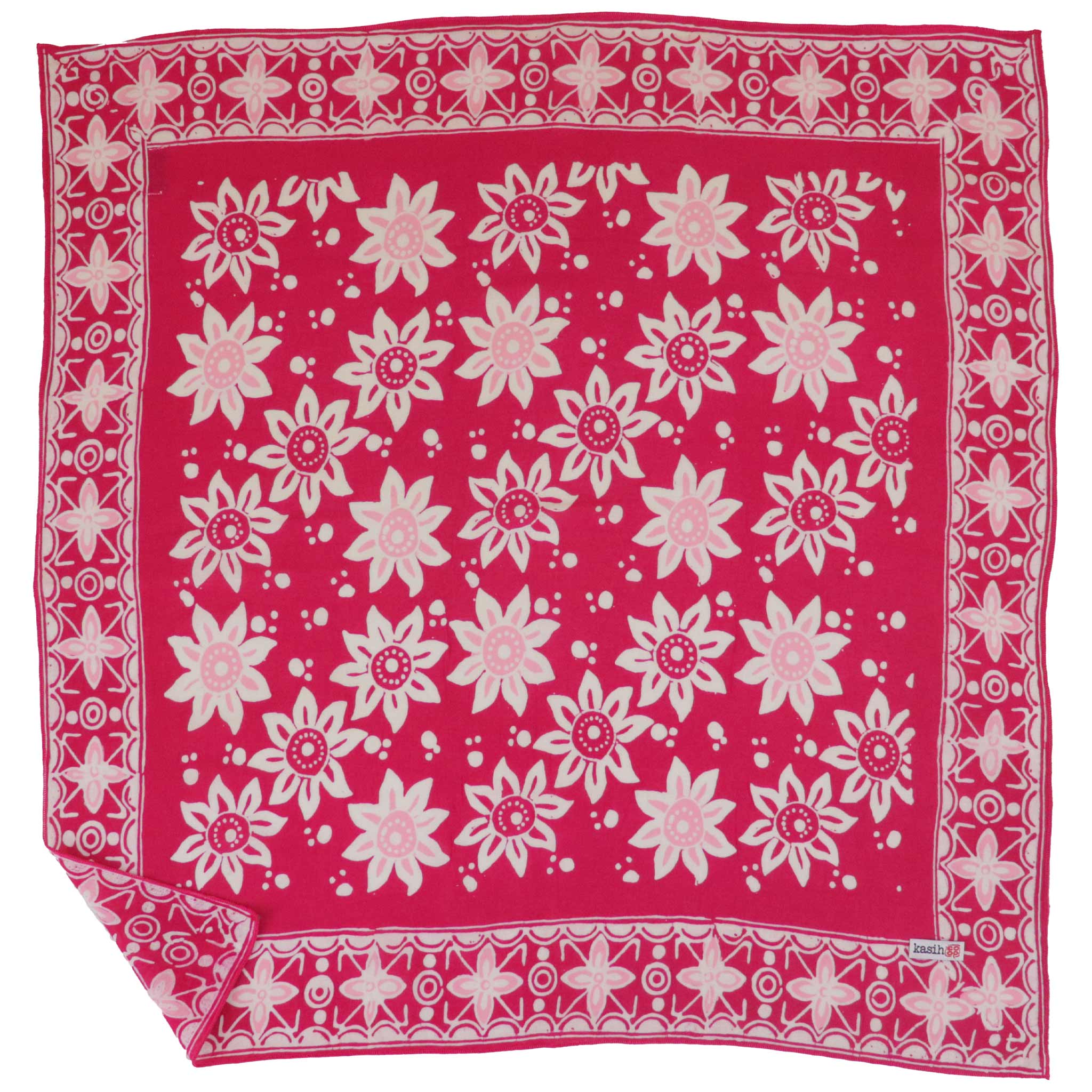
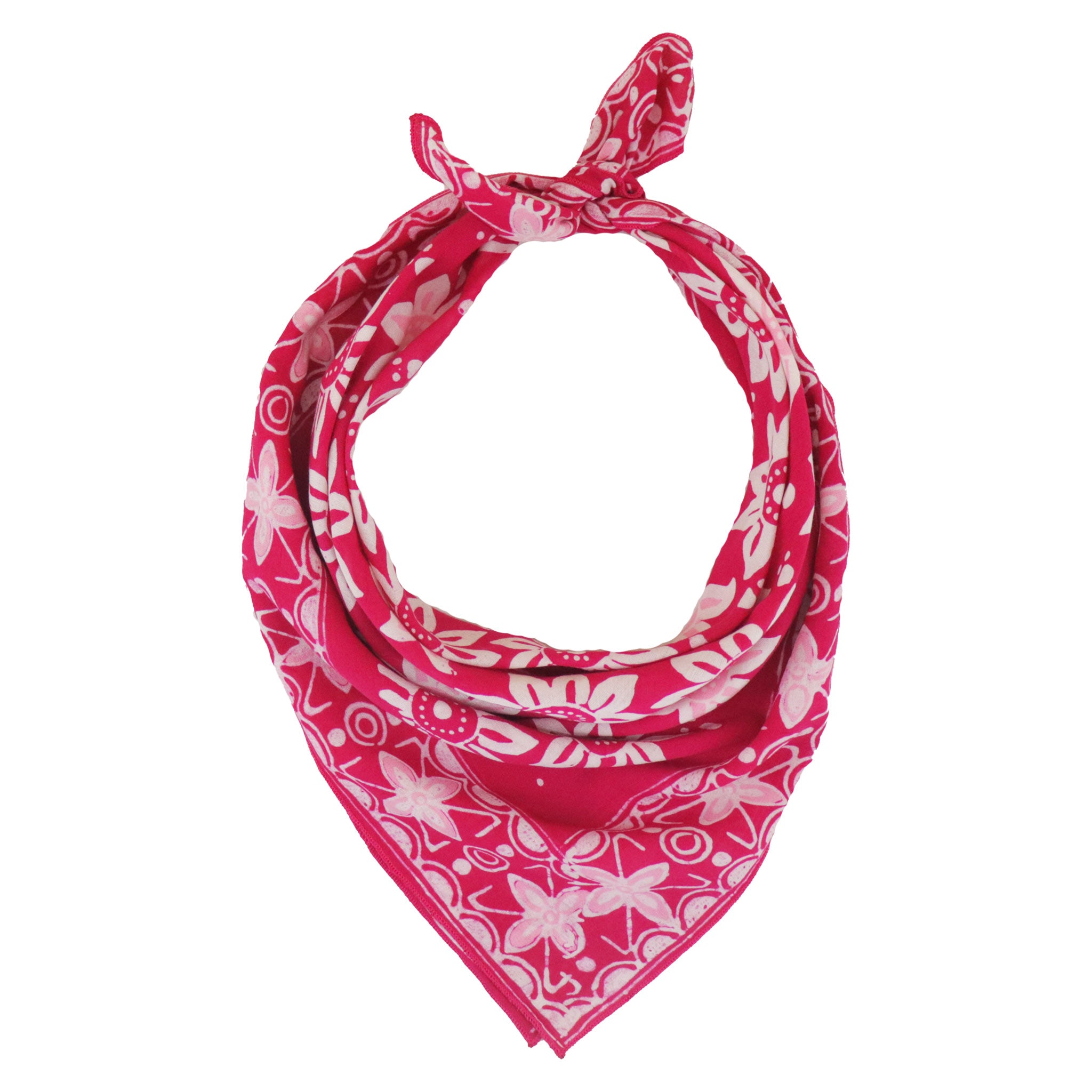
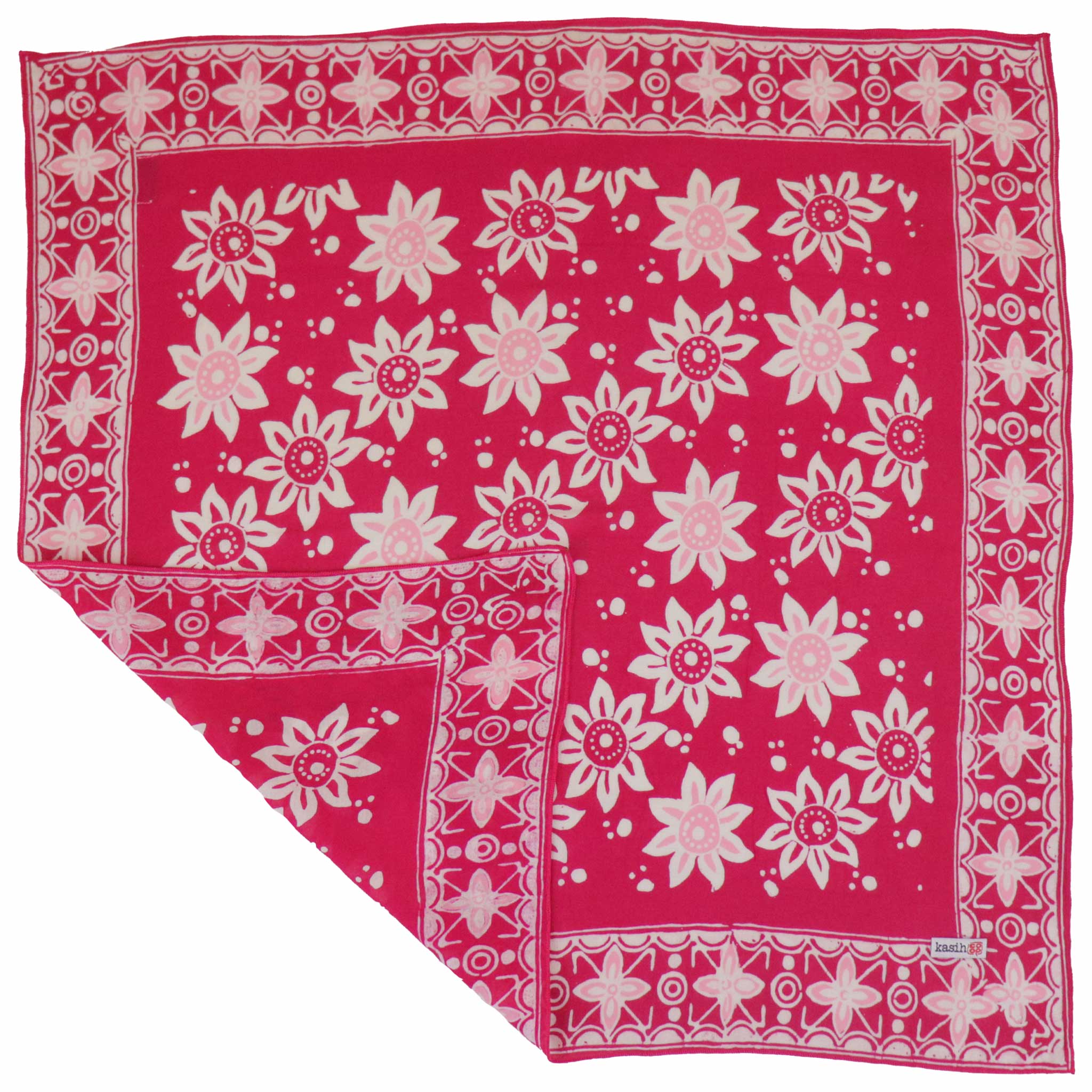
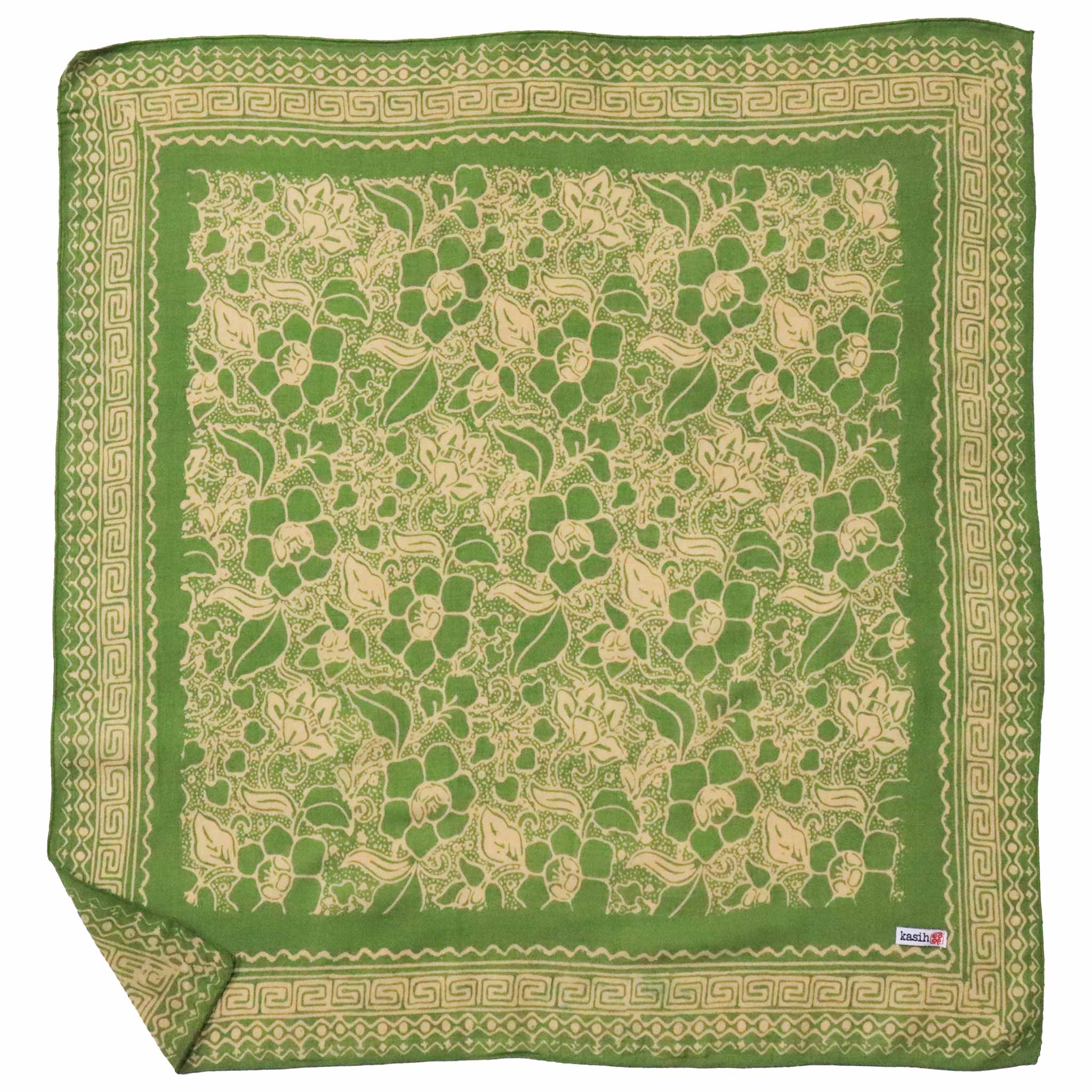
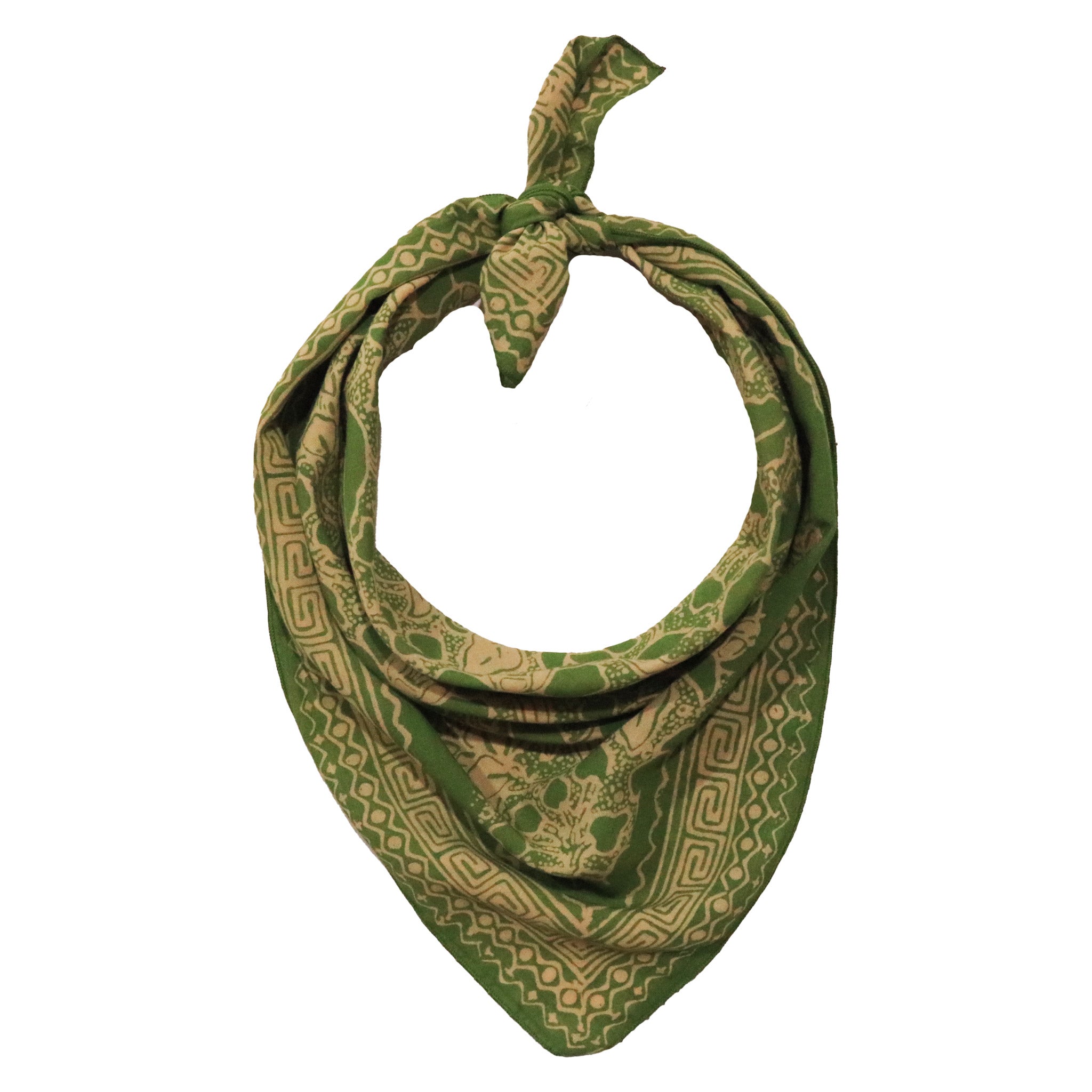
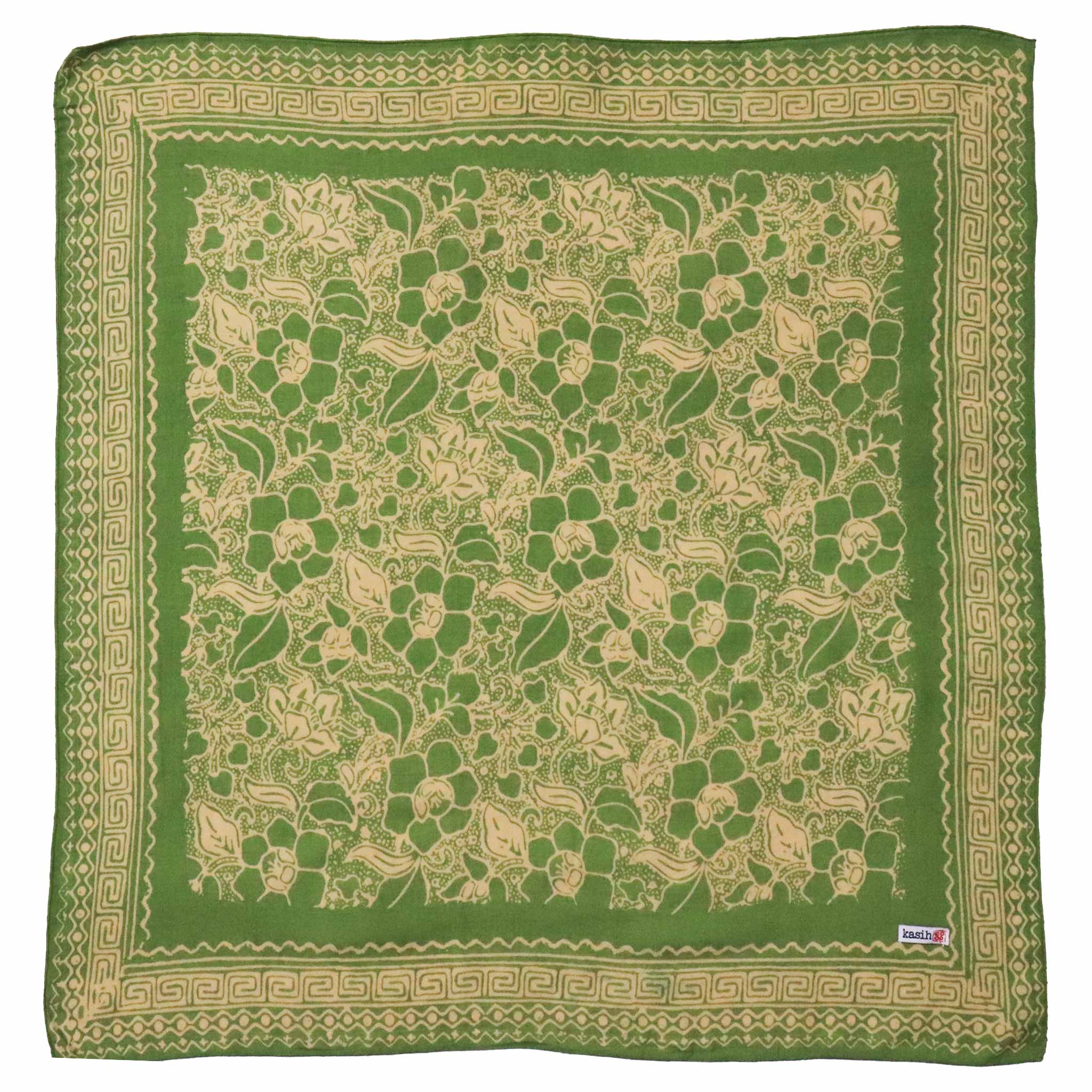
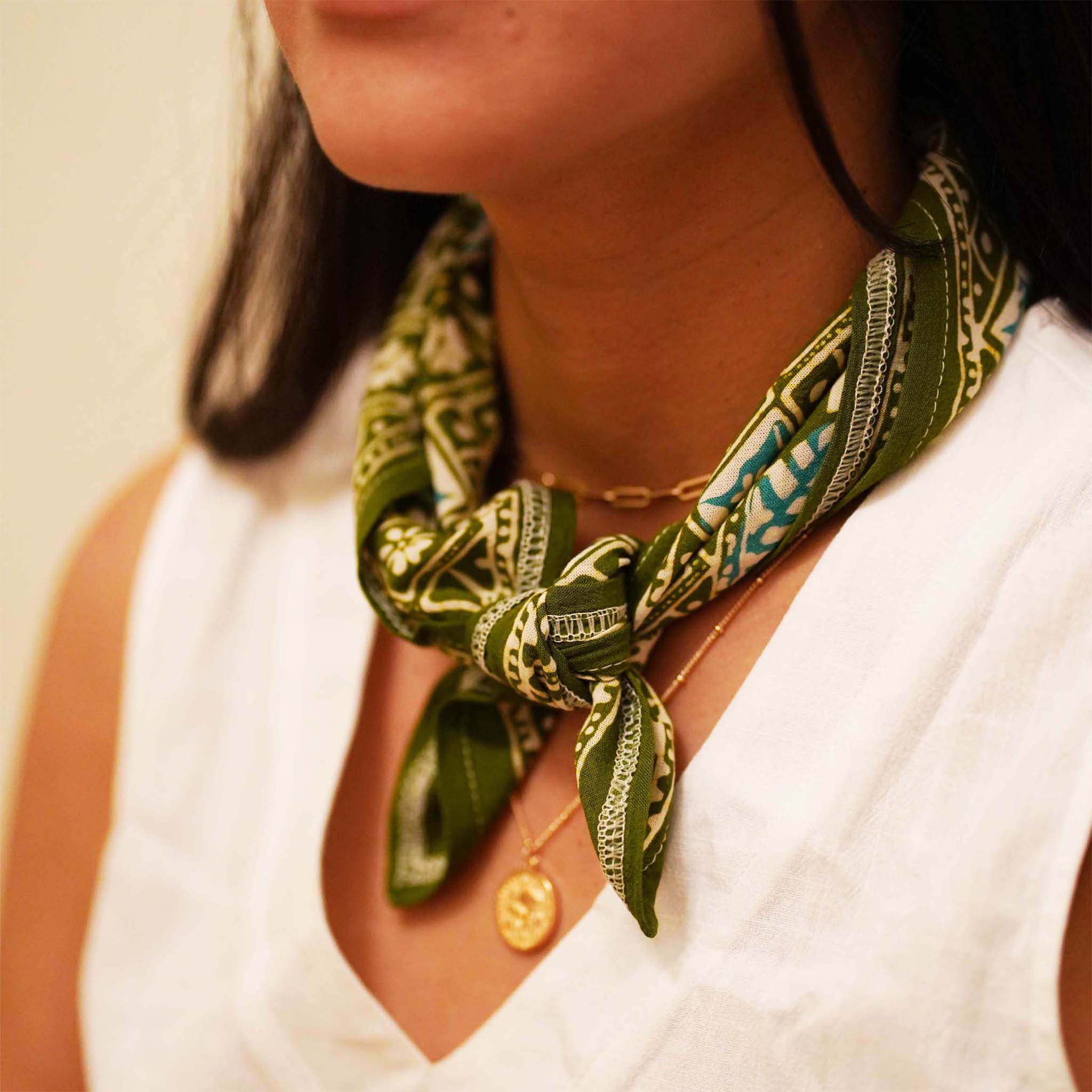
La teinture naturelle est également d'une imprévisibilité folle. La même plante peut produire des couleurs différentes selon la qualité de l'eau, la température, ou même le pot utilisé. C'est pourquoi chaque bandana en coton fait à la main ou chaque écharpe en coton s'avère légèrement différente, et pourquoi la perfection n'est pas l'objectif.
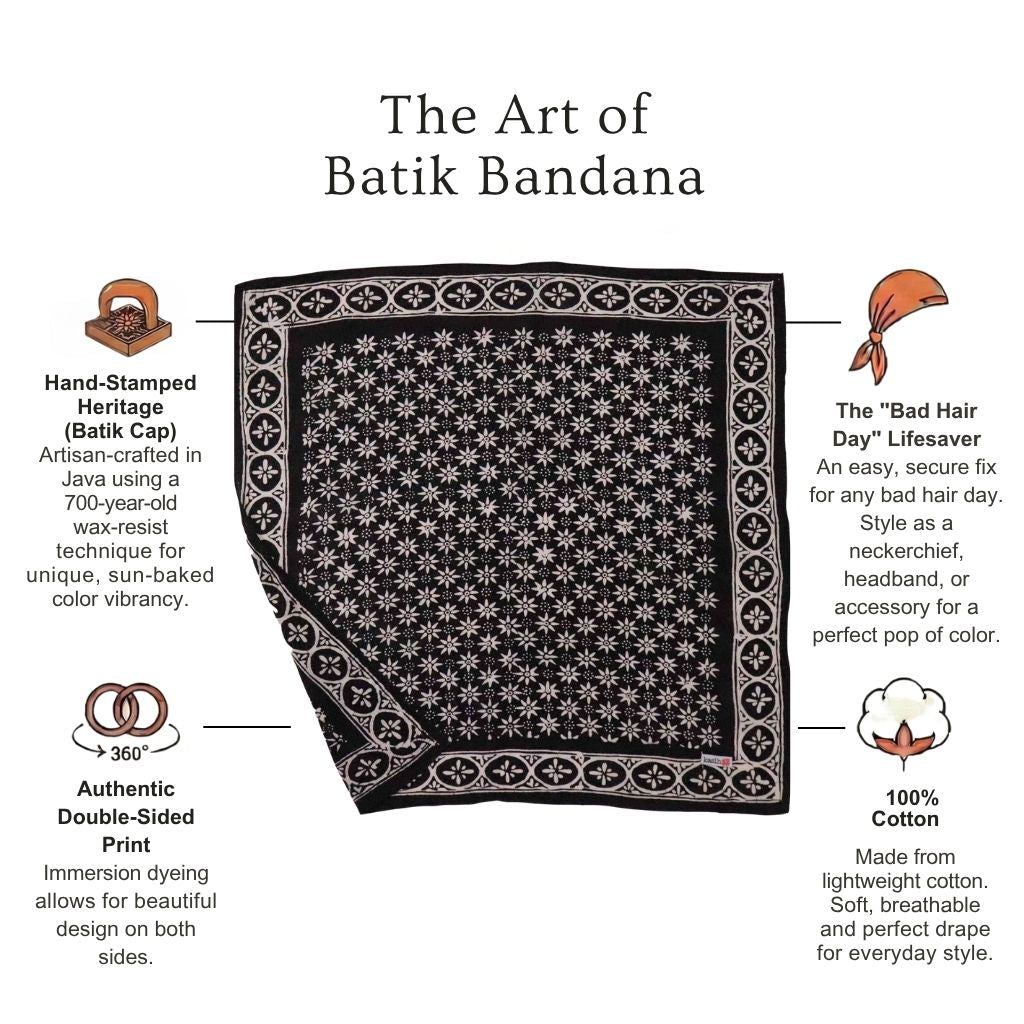
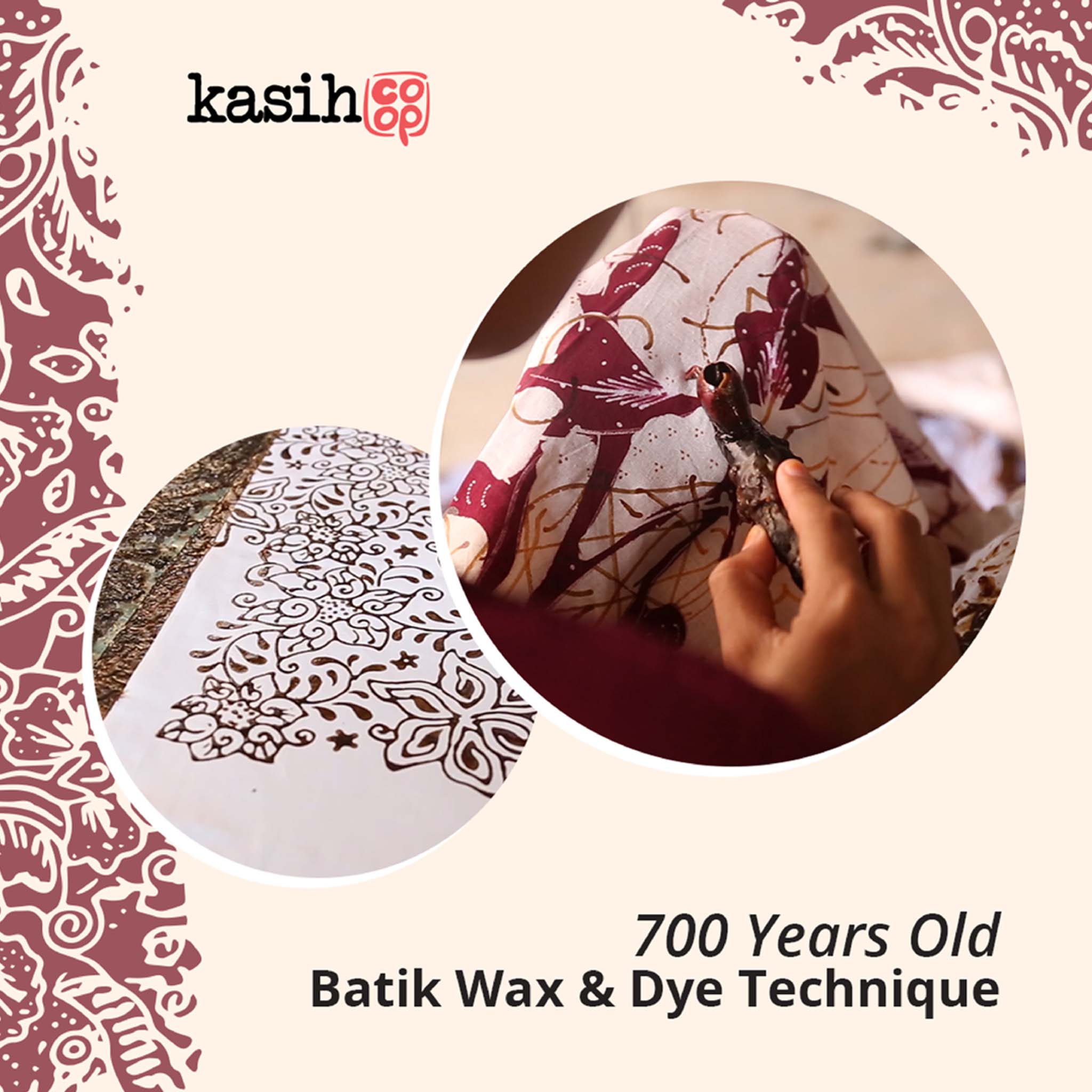
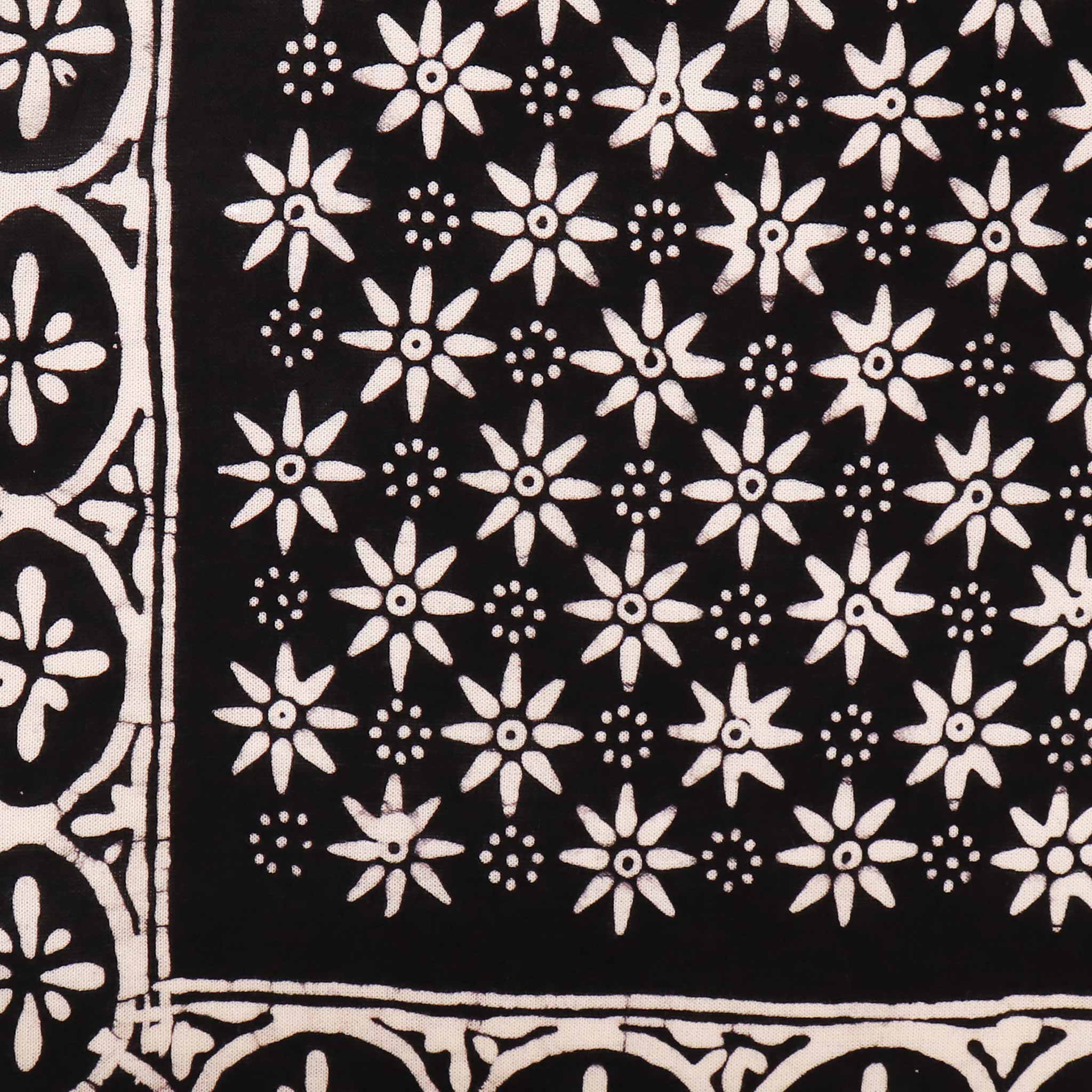
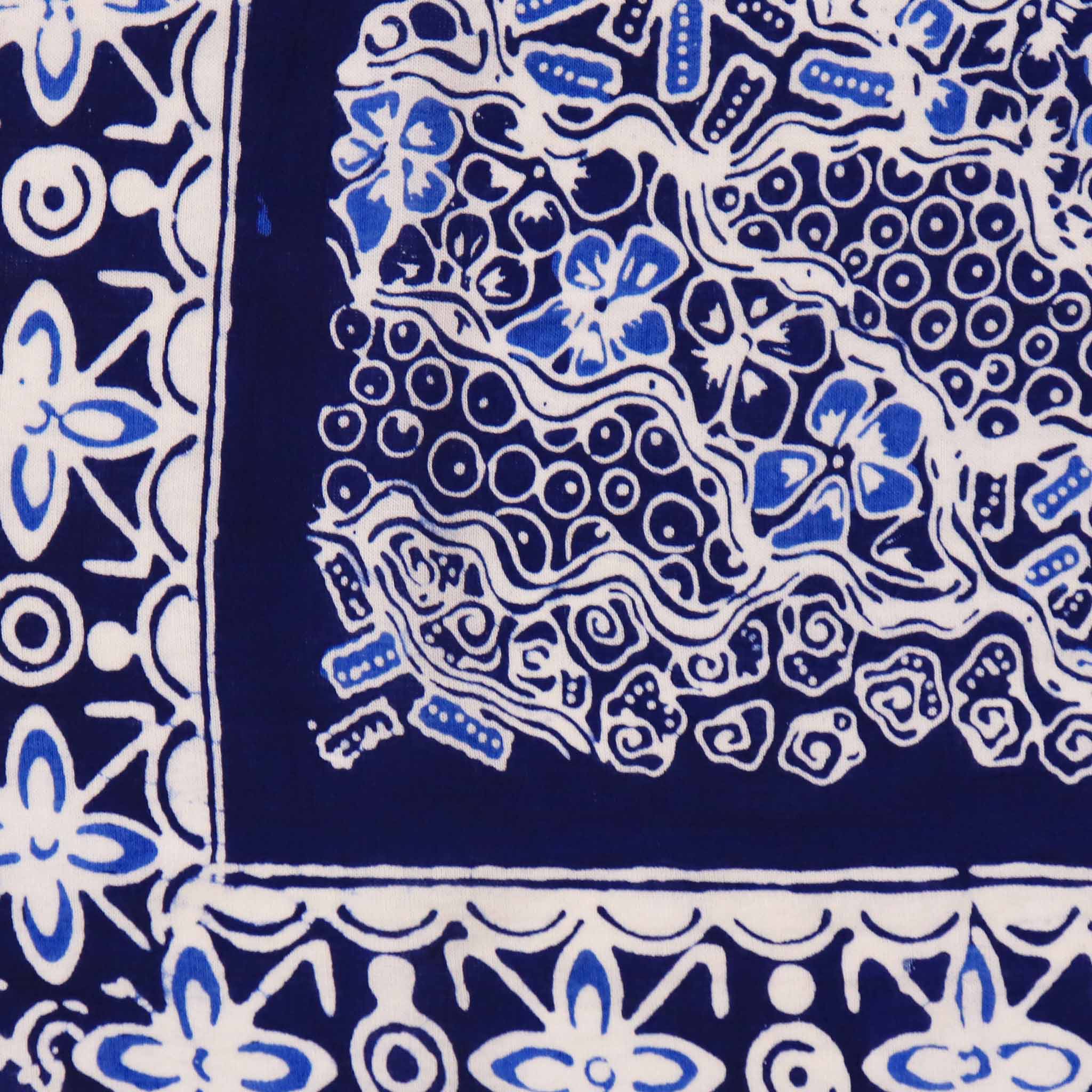
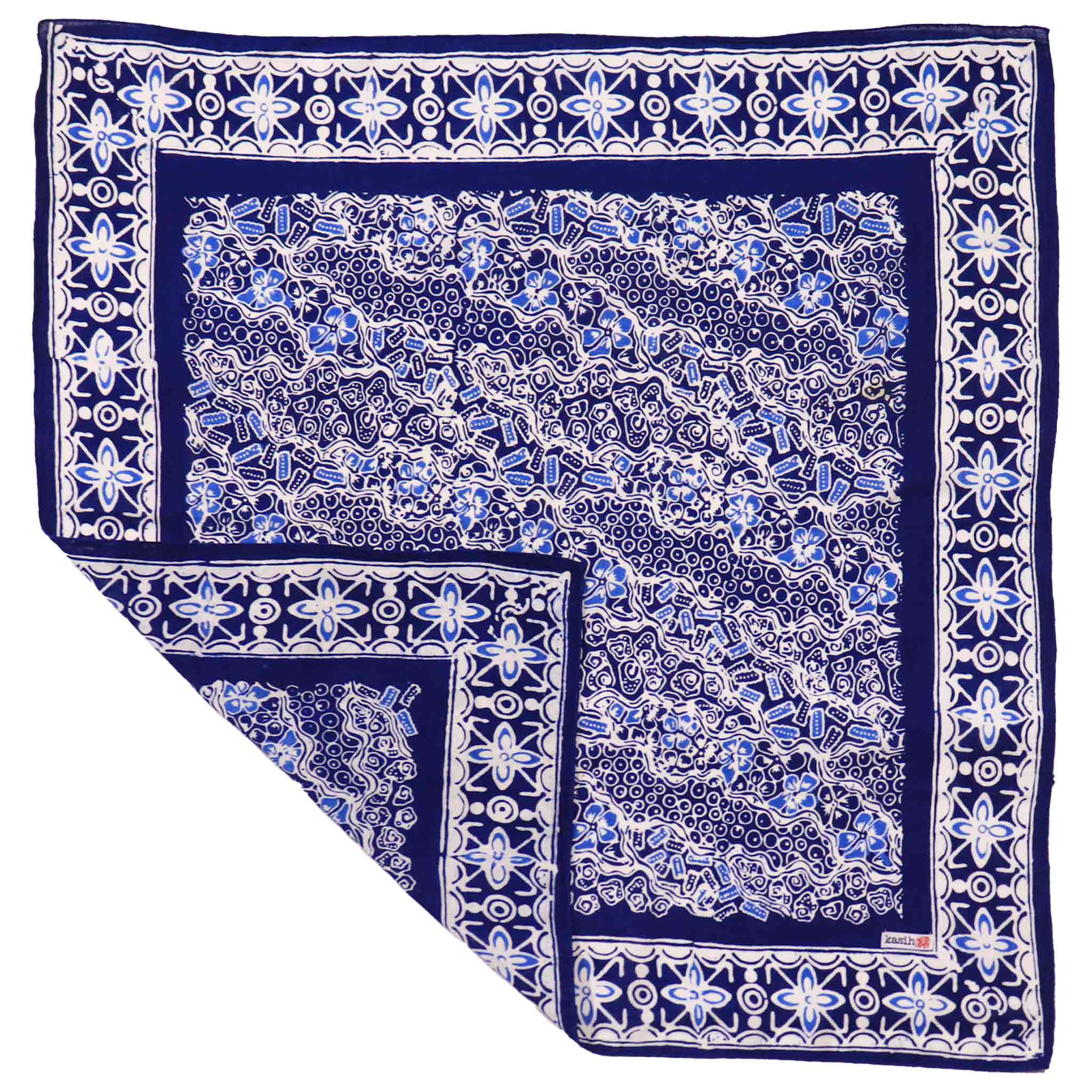
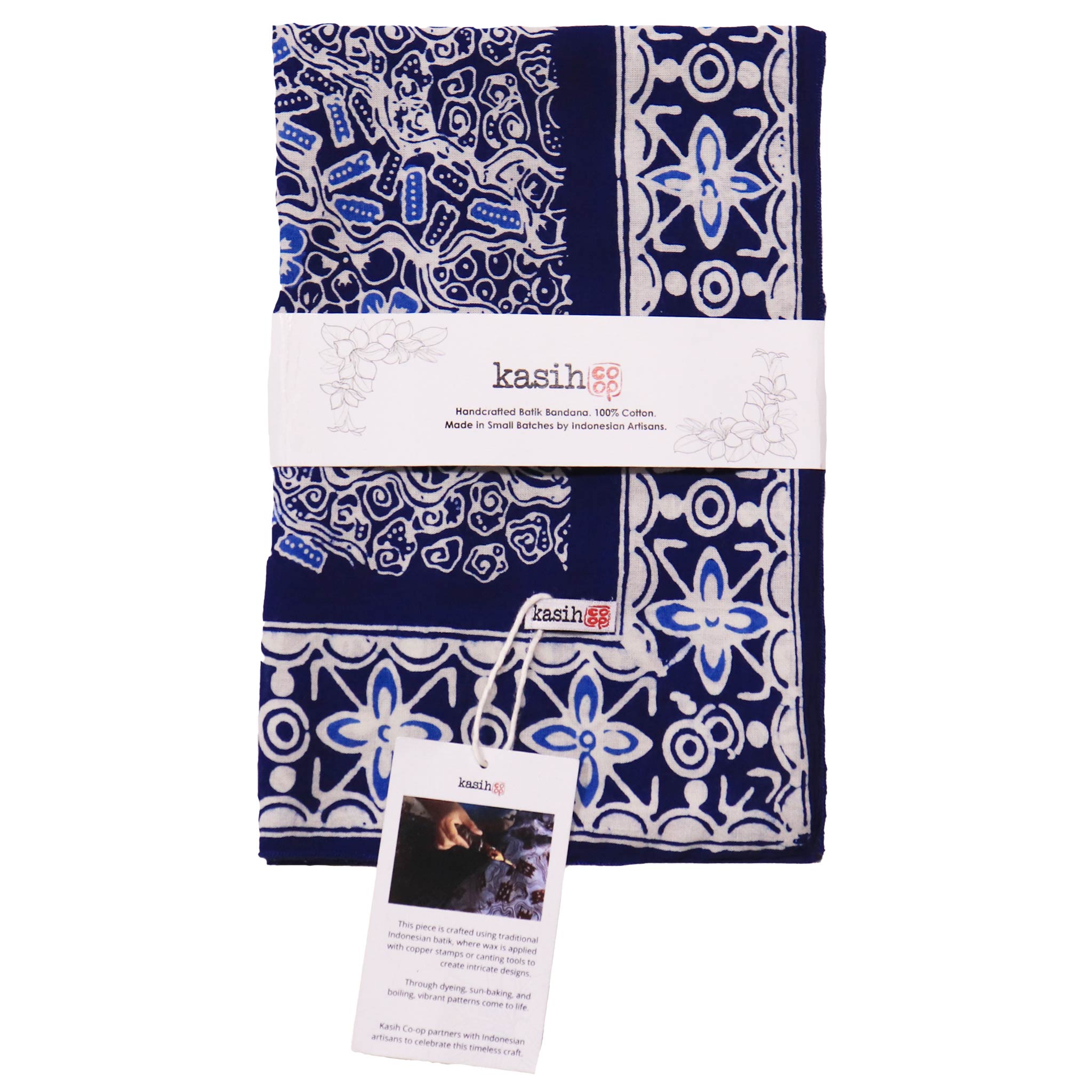
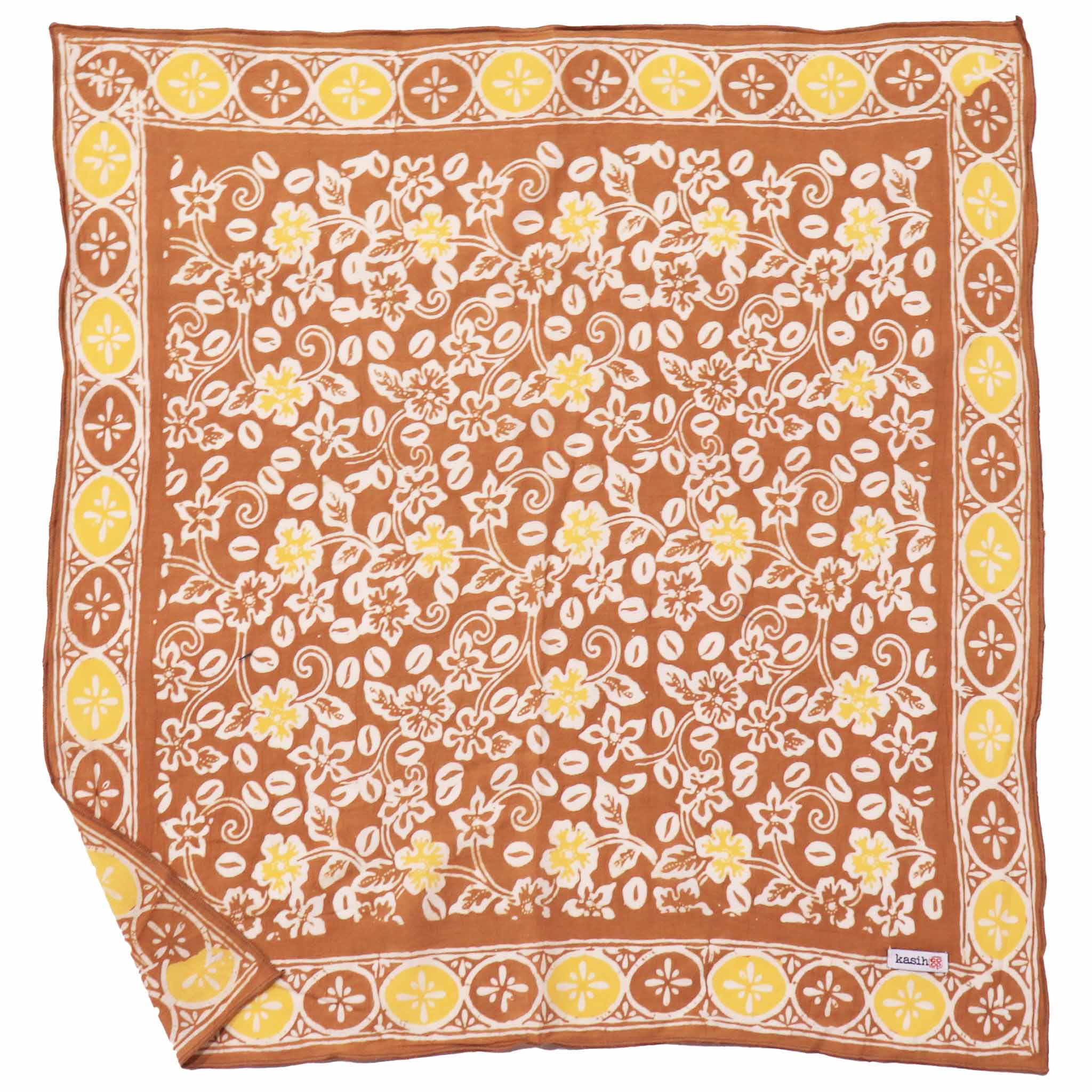
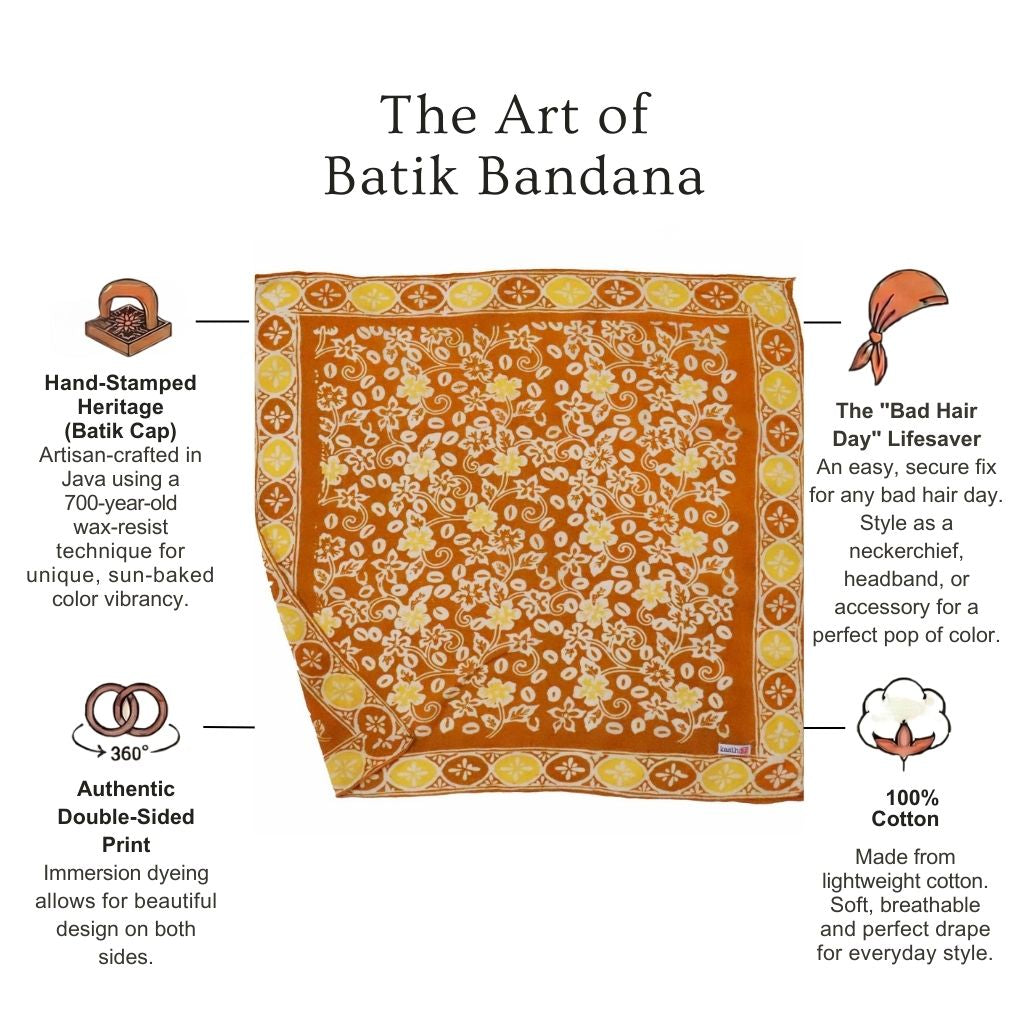
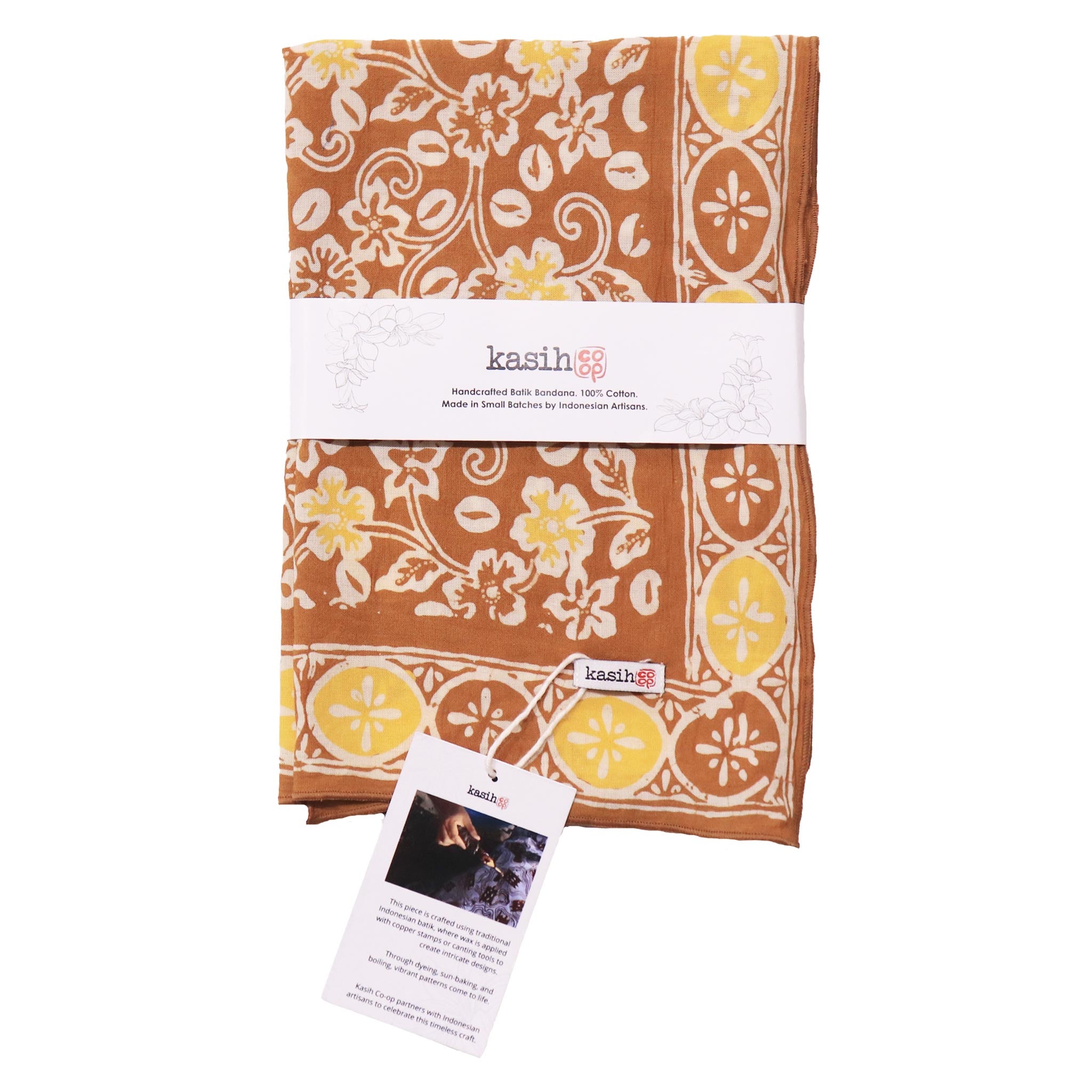
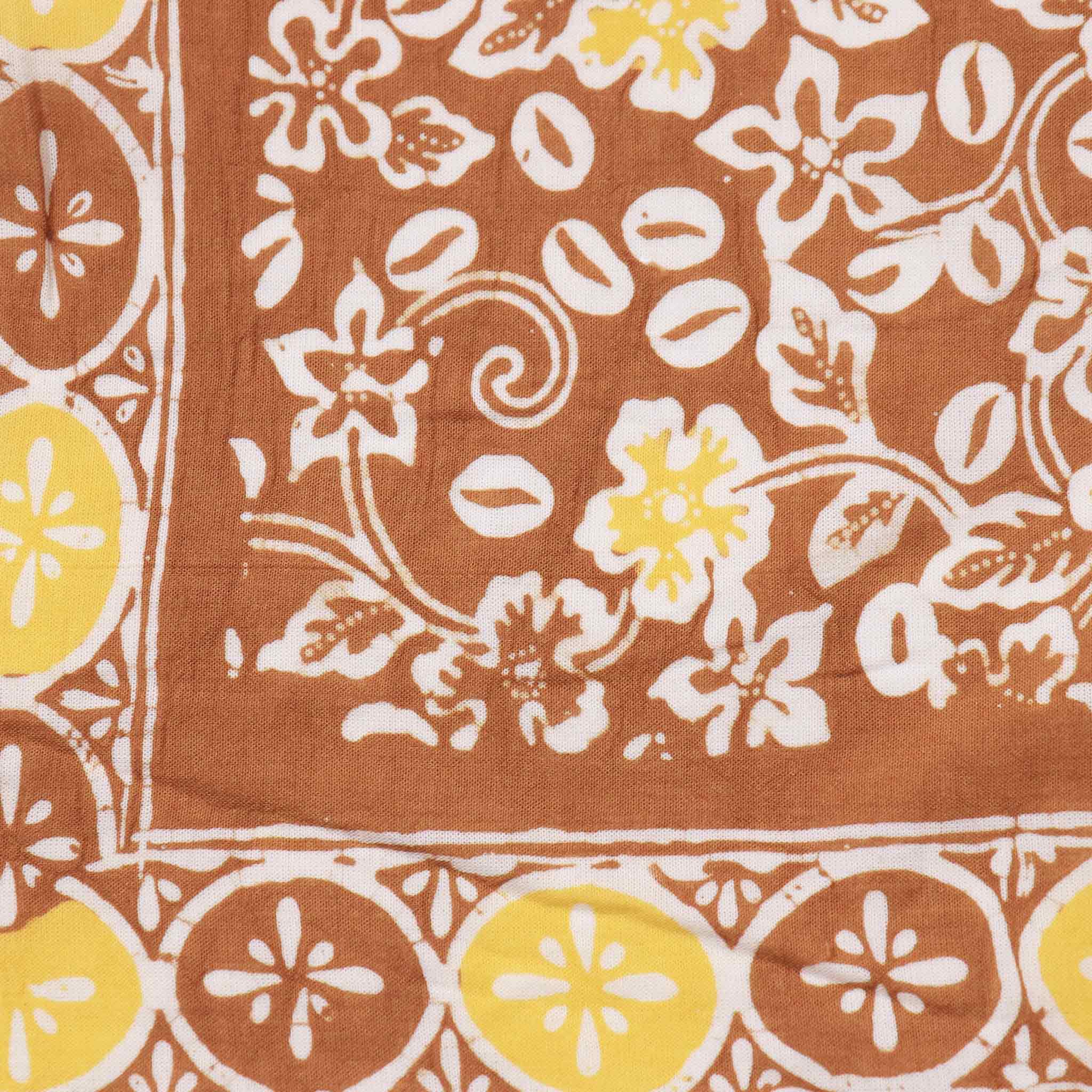
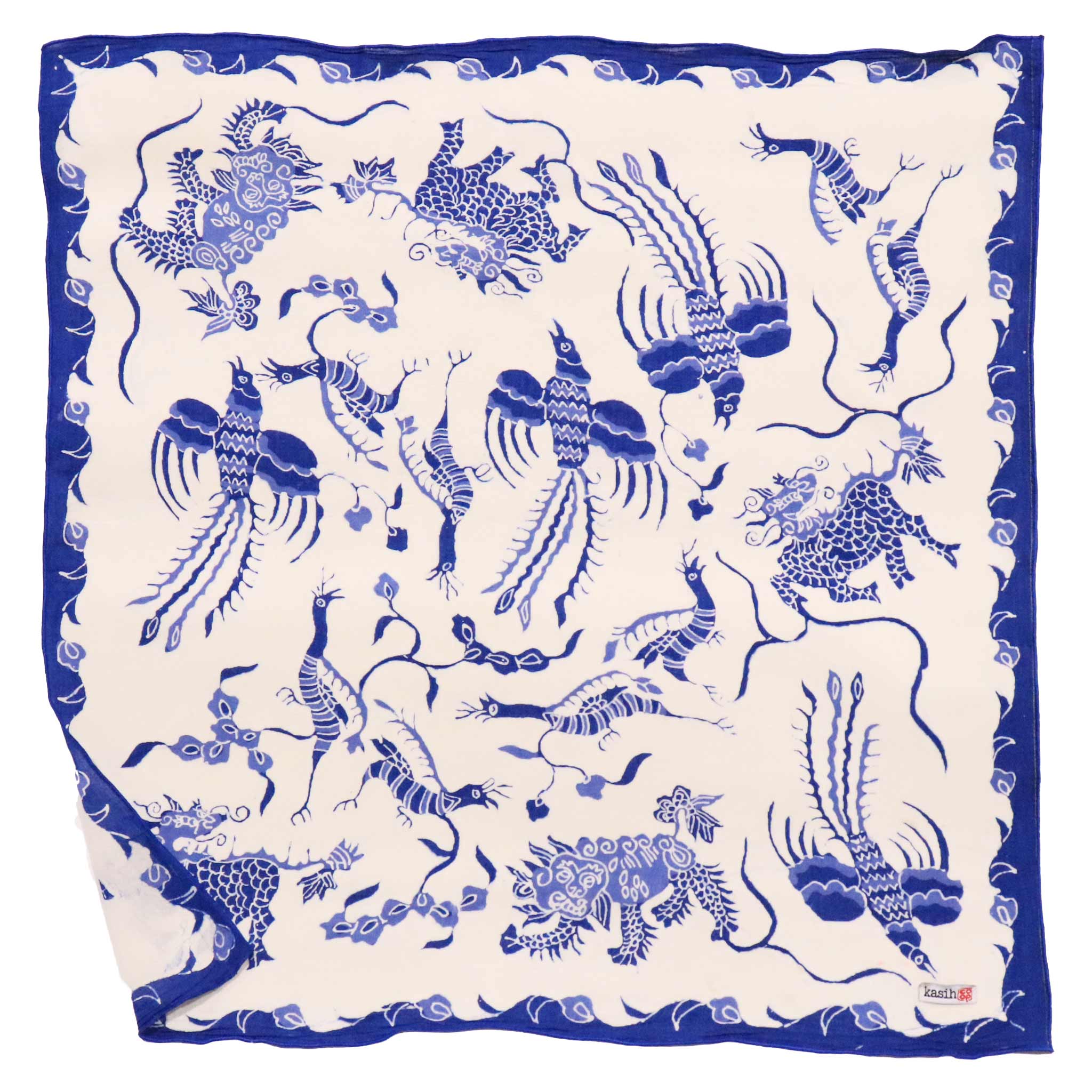
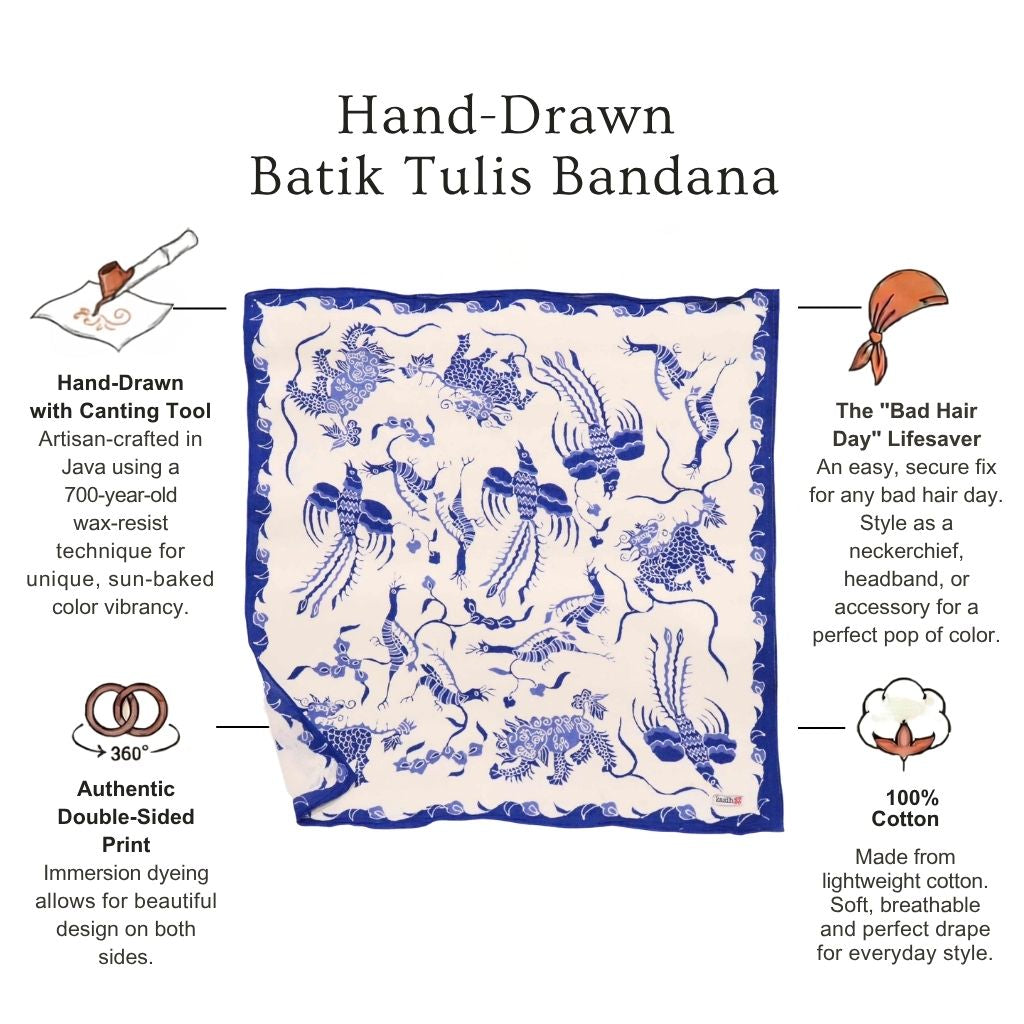
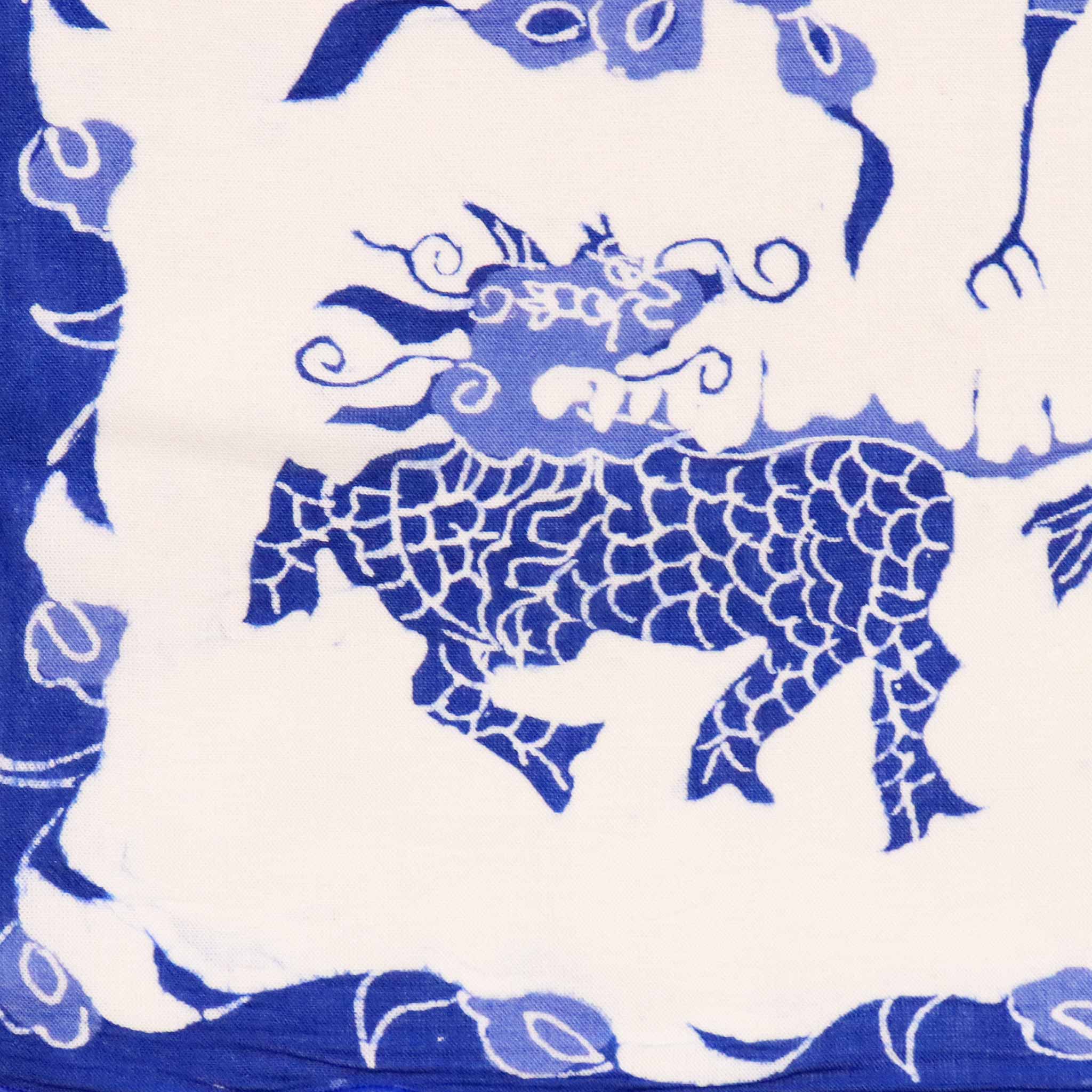
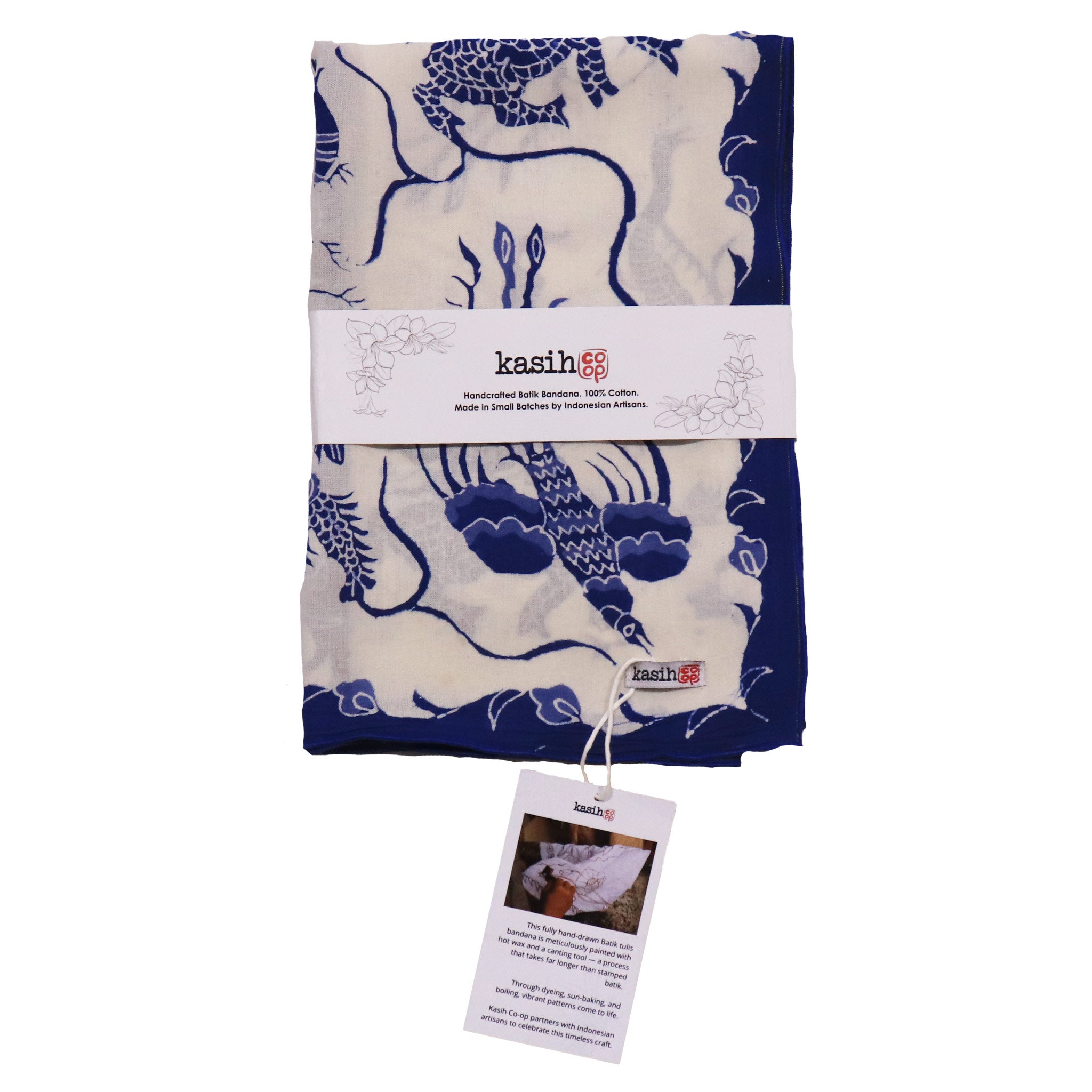
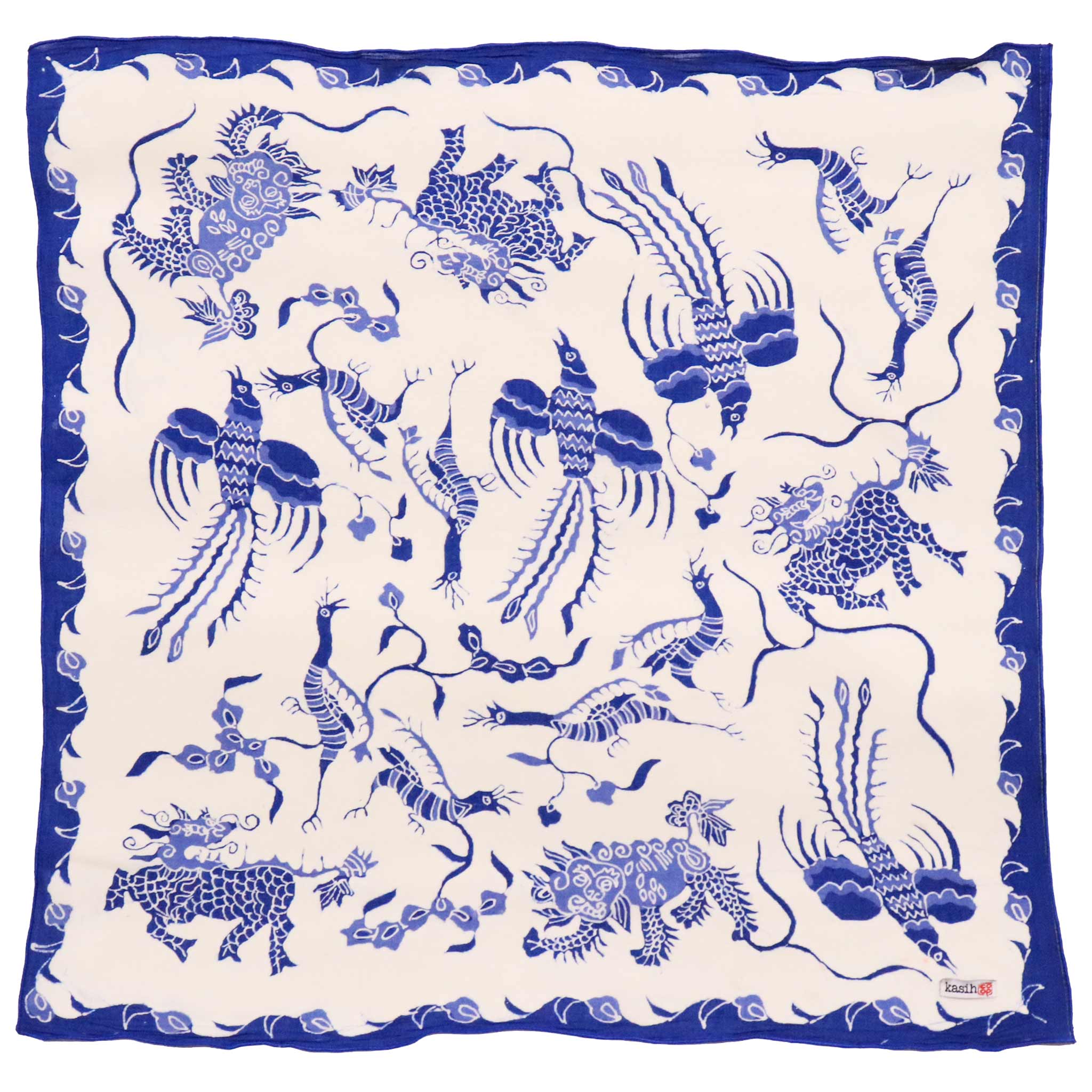
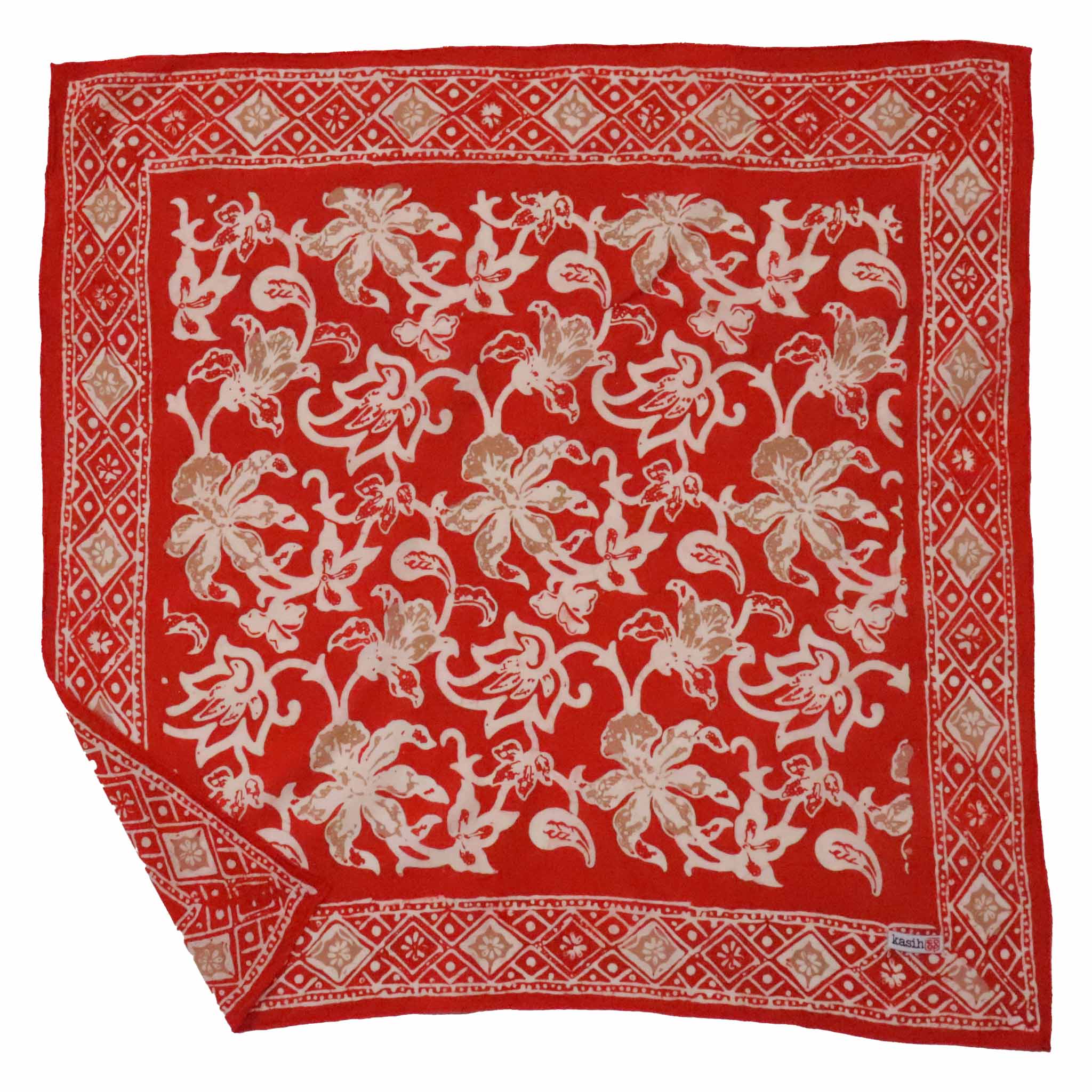
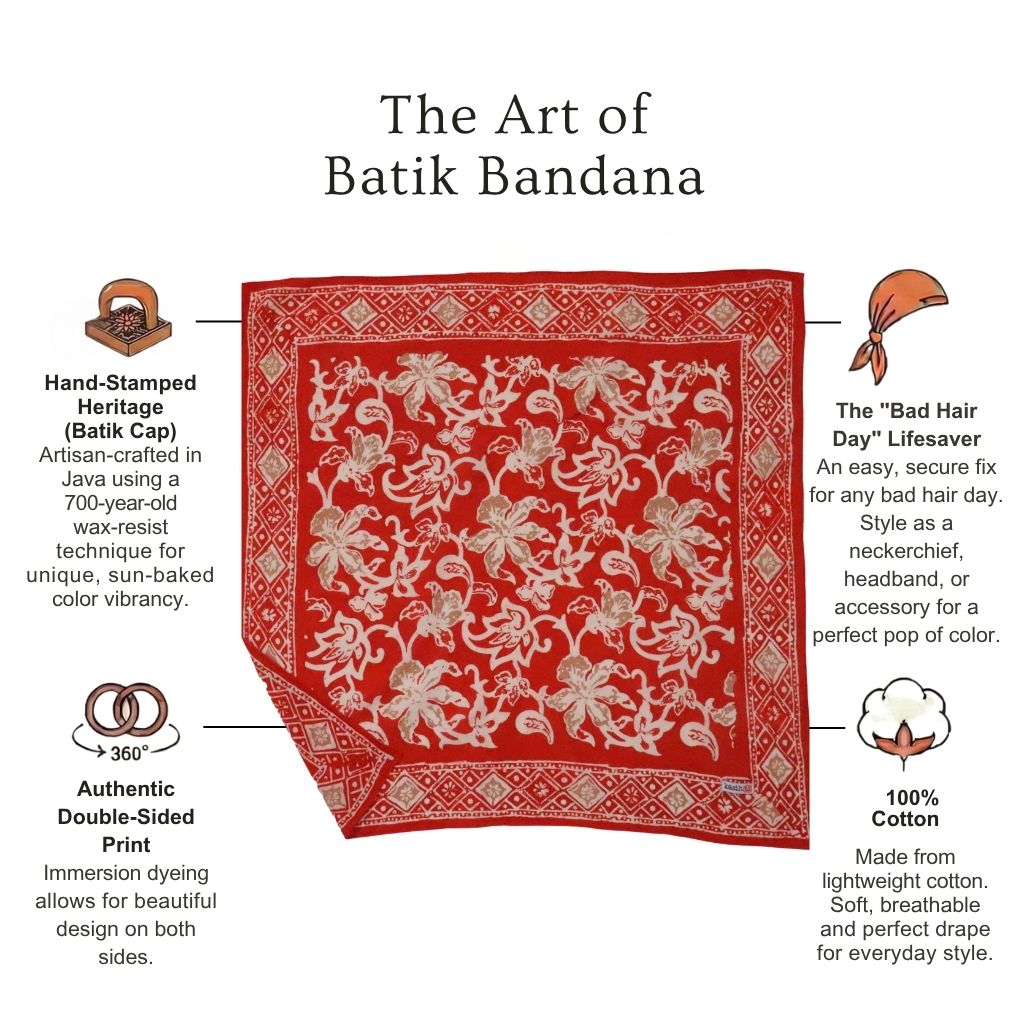
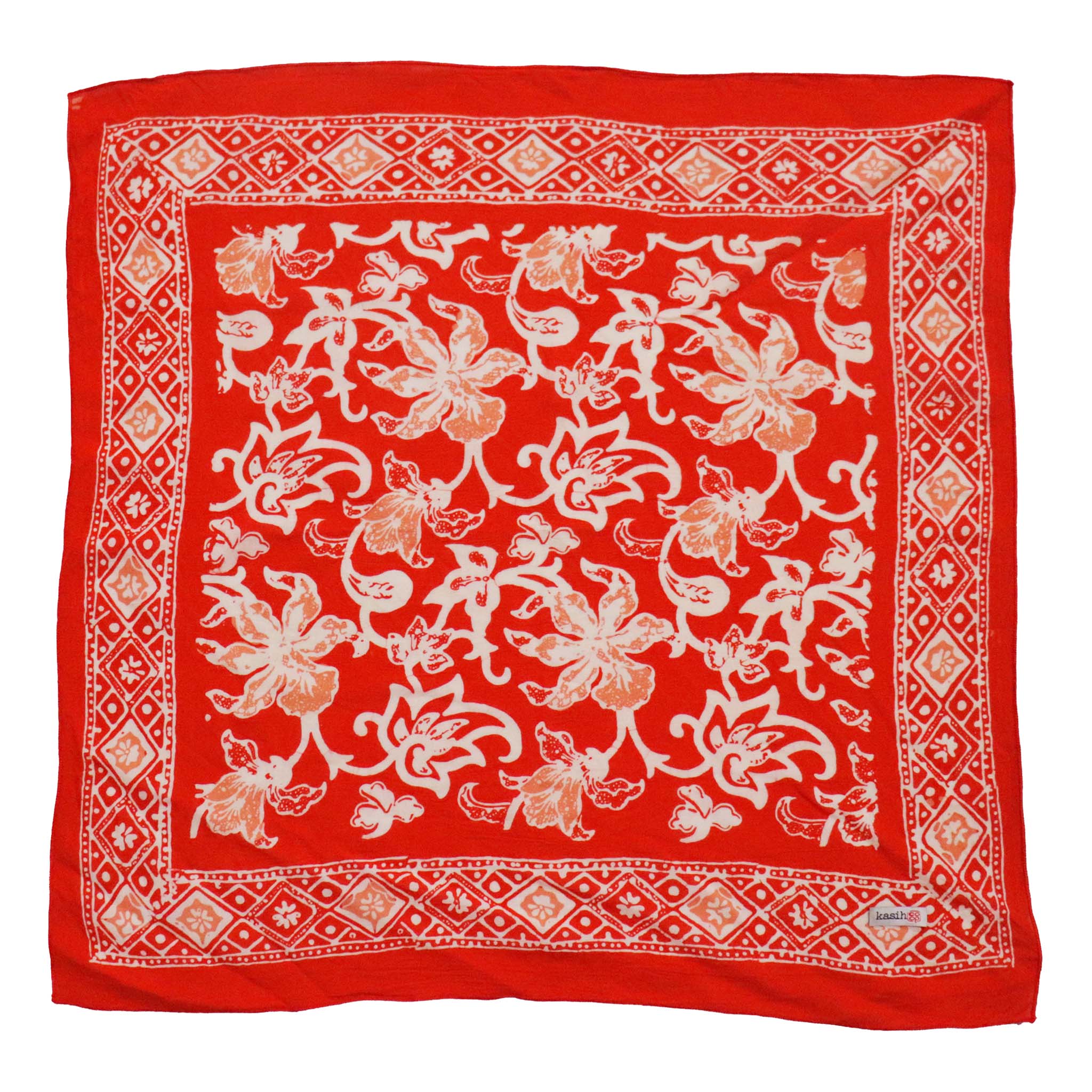
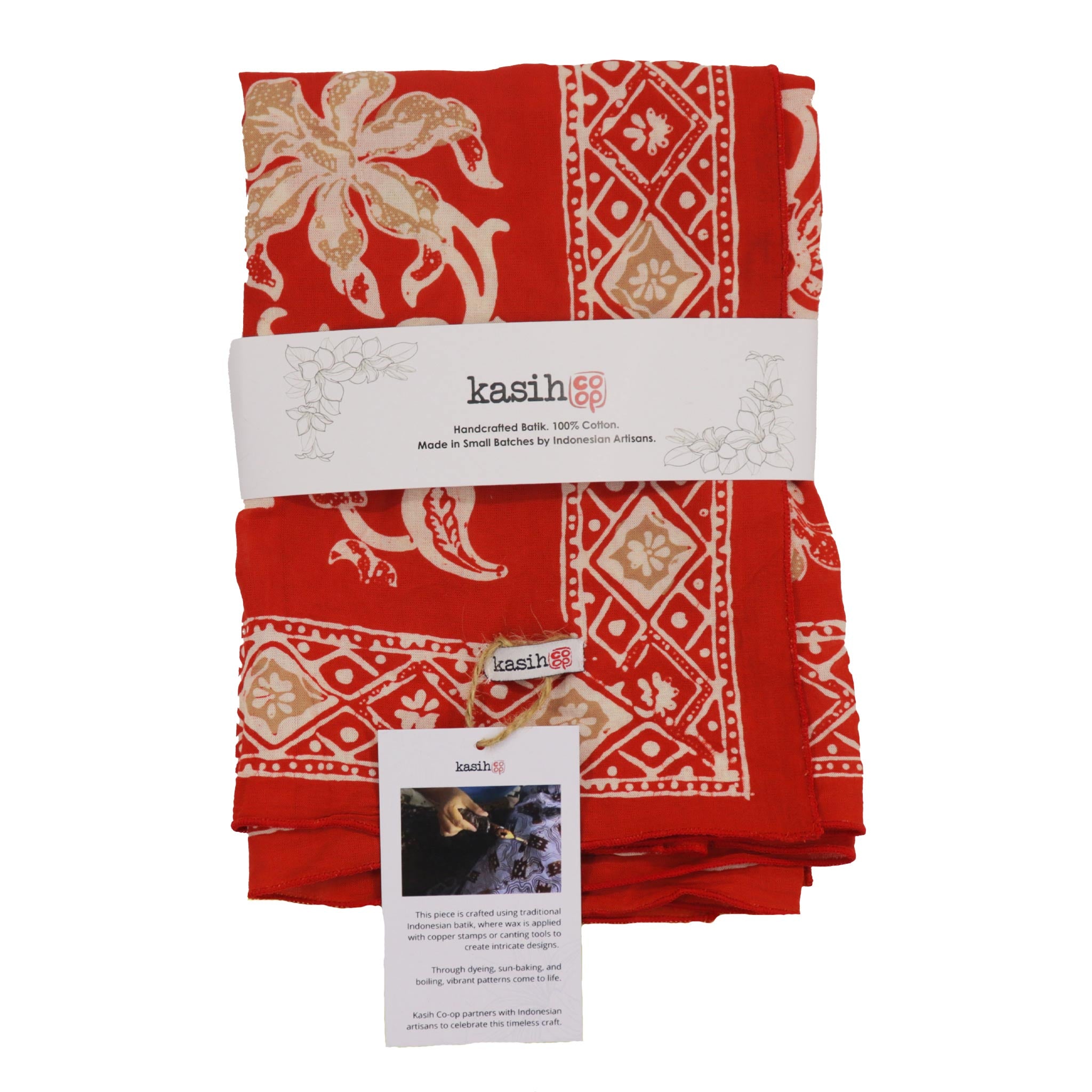
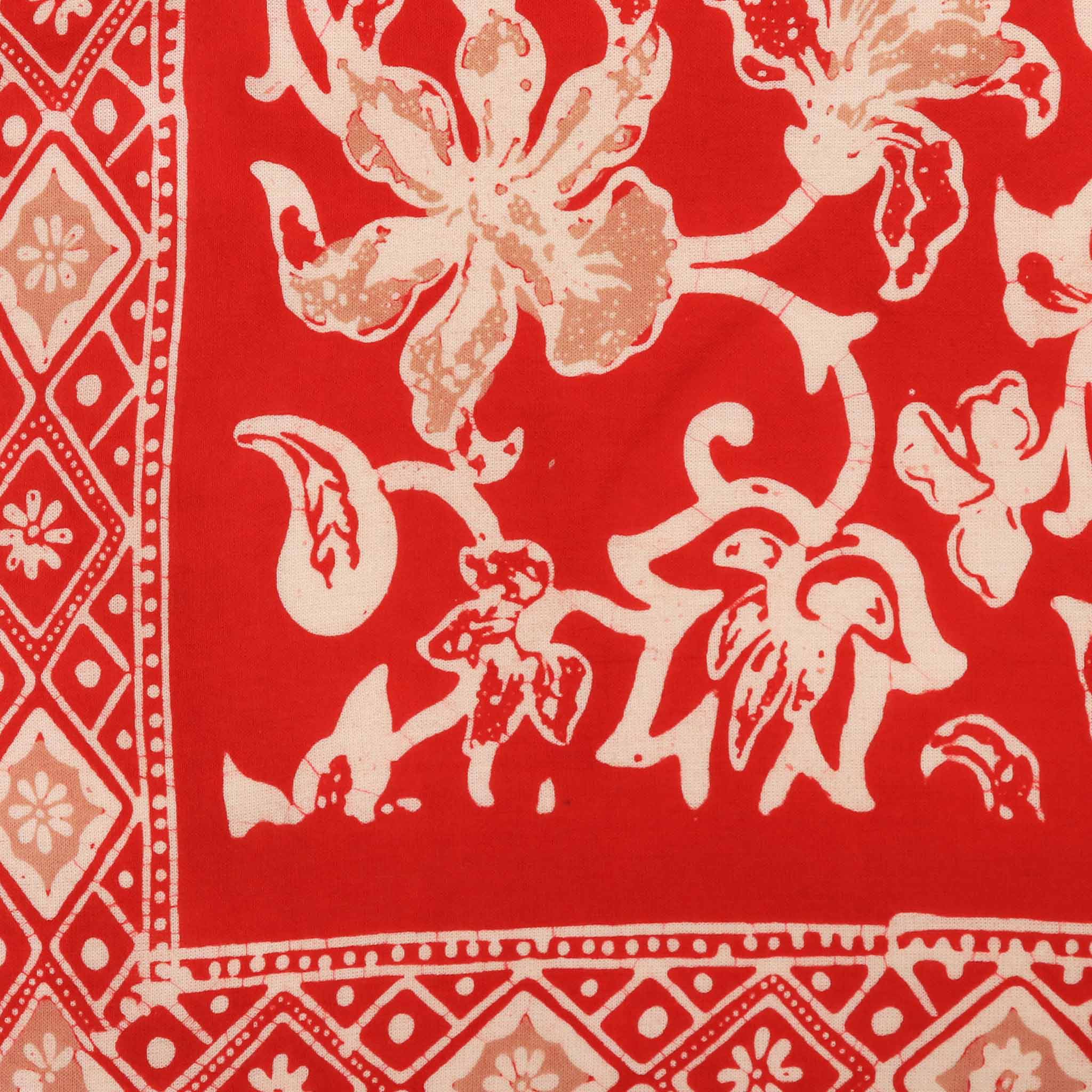
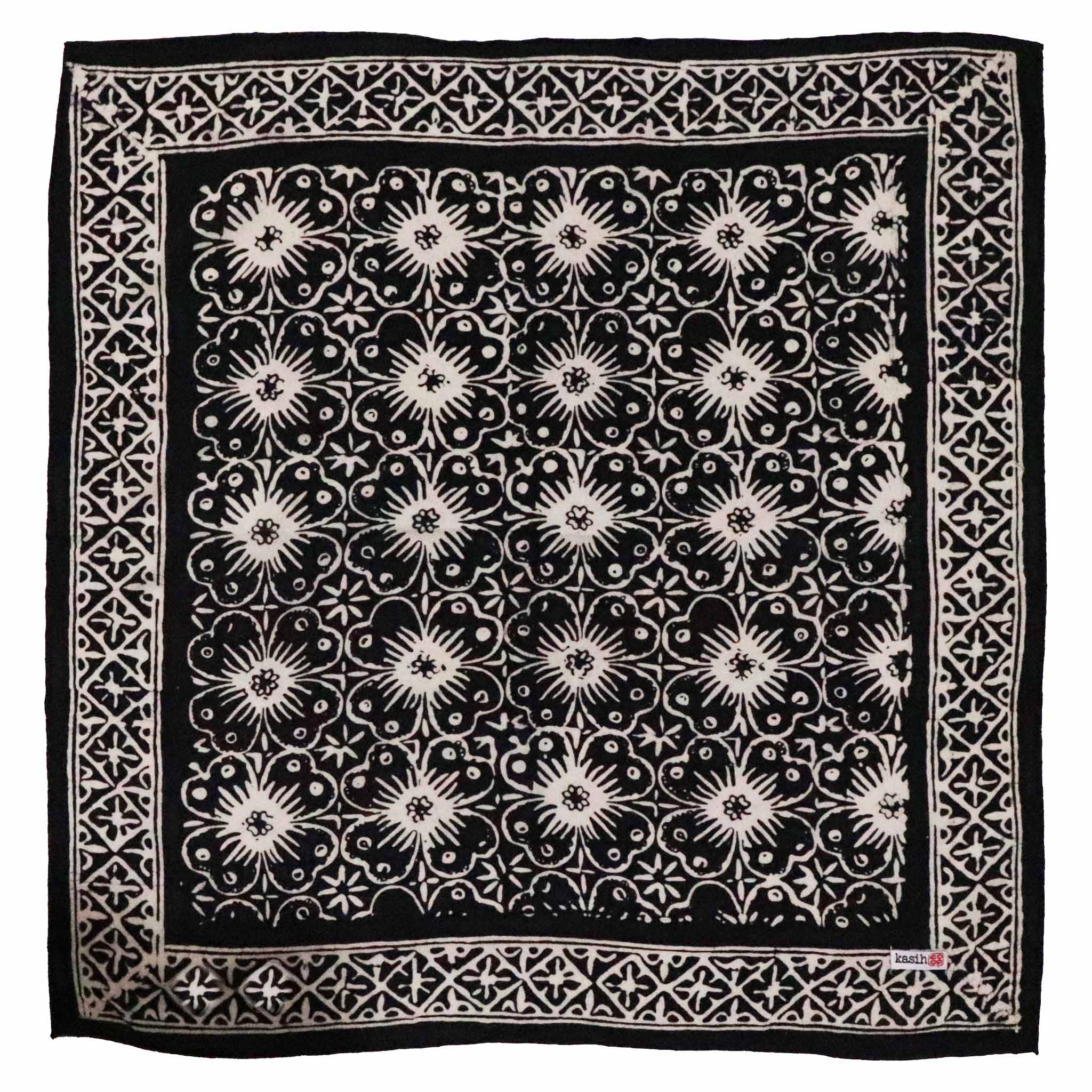
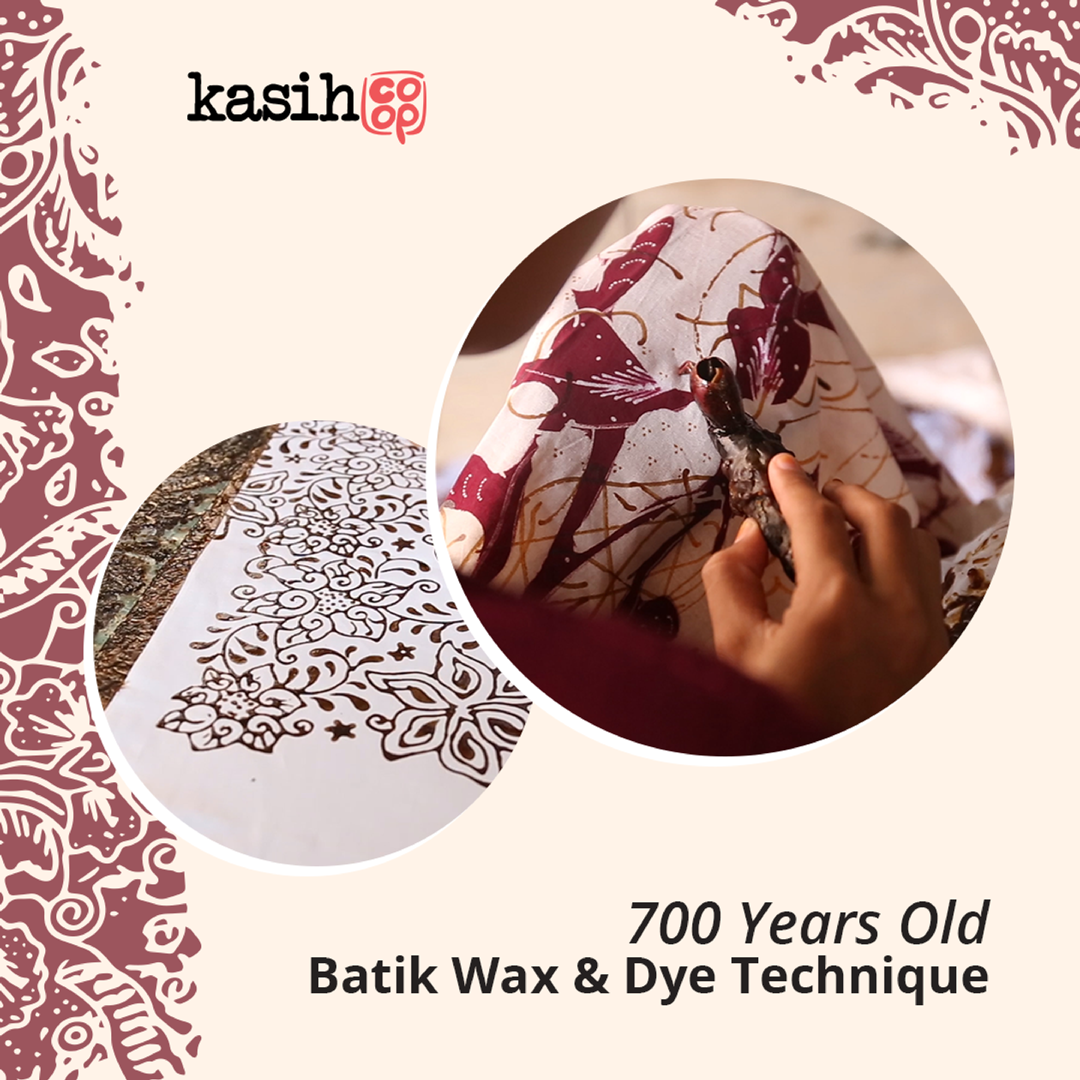
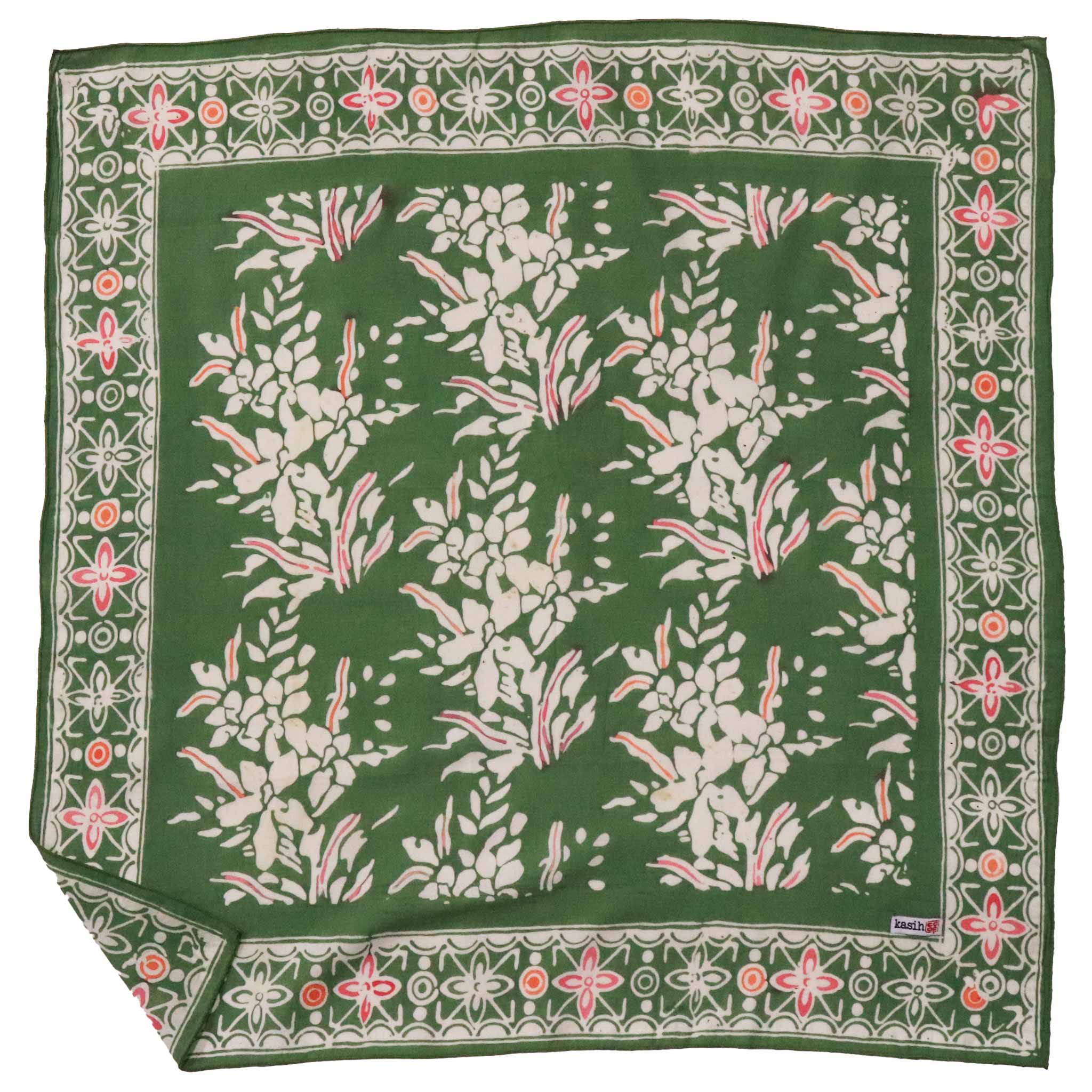
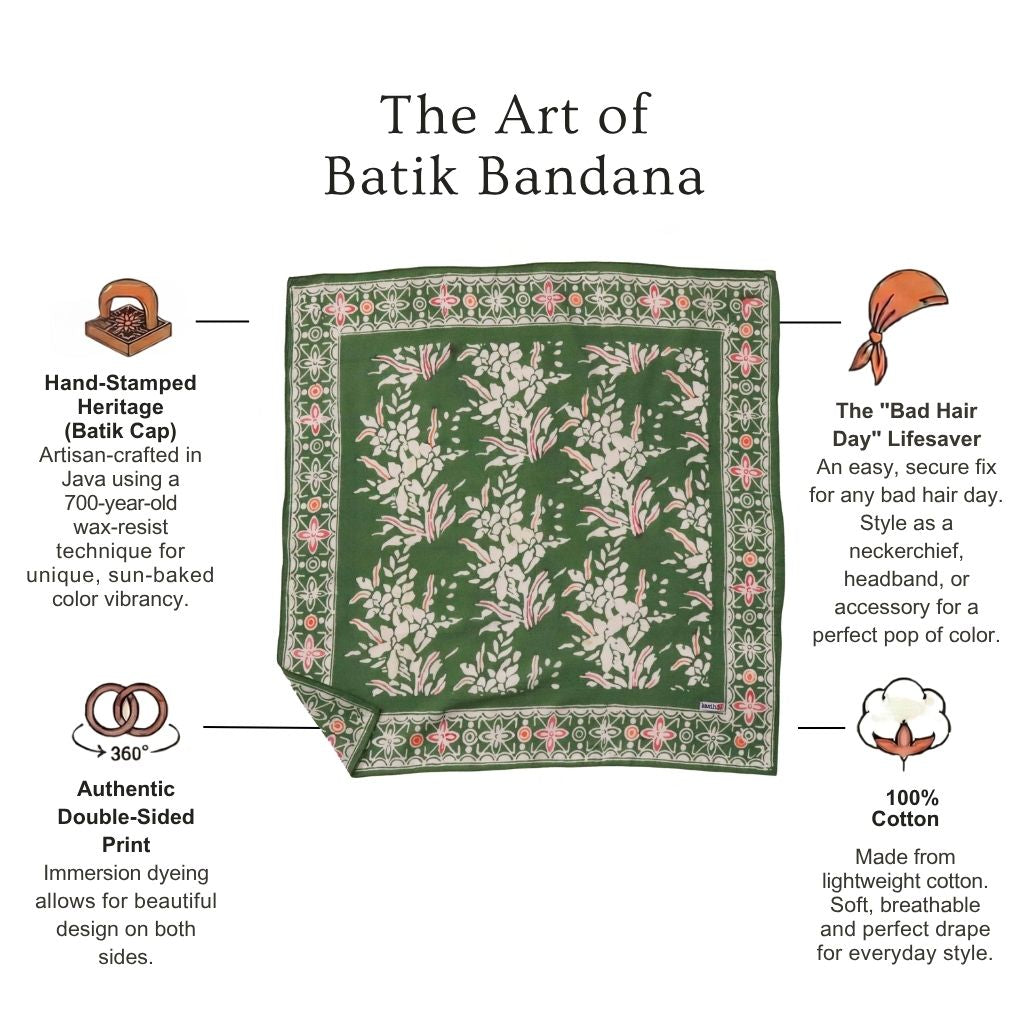
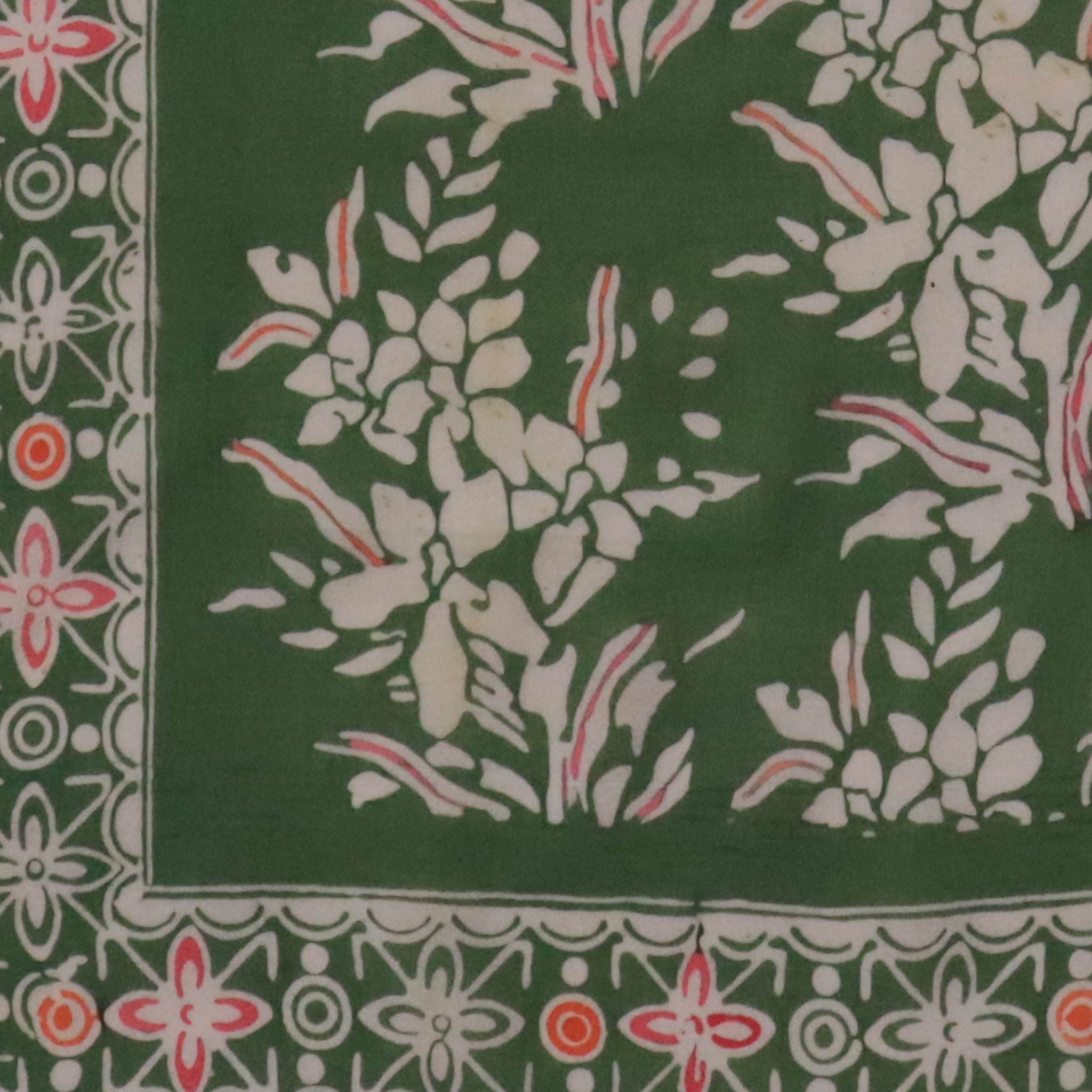
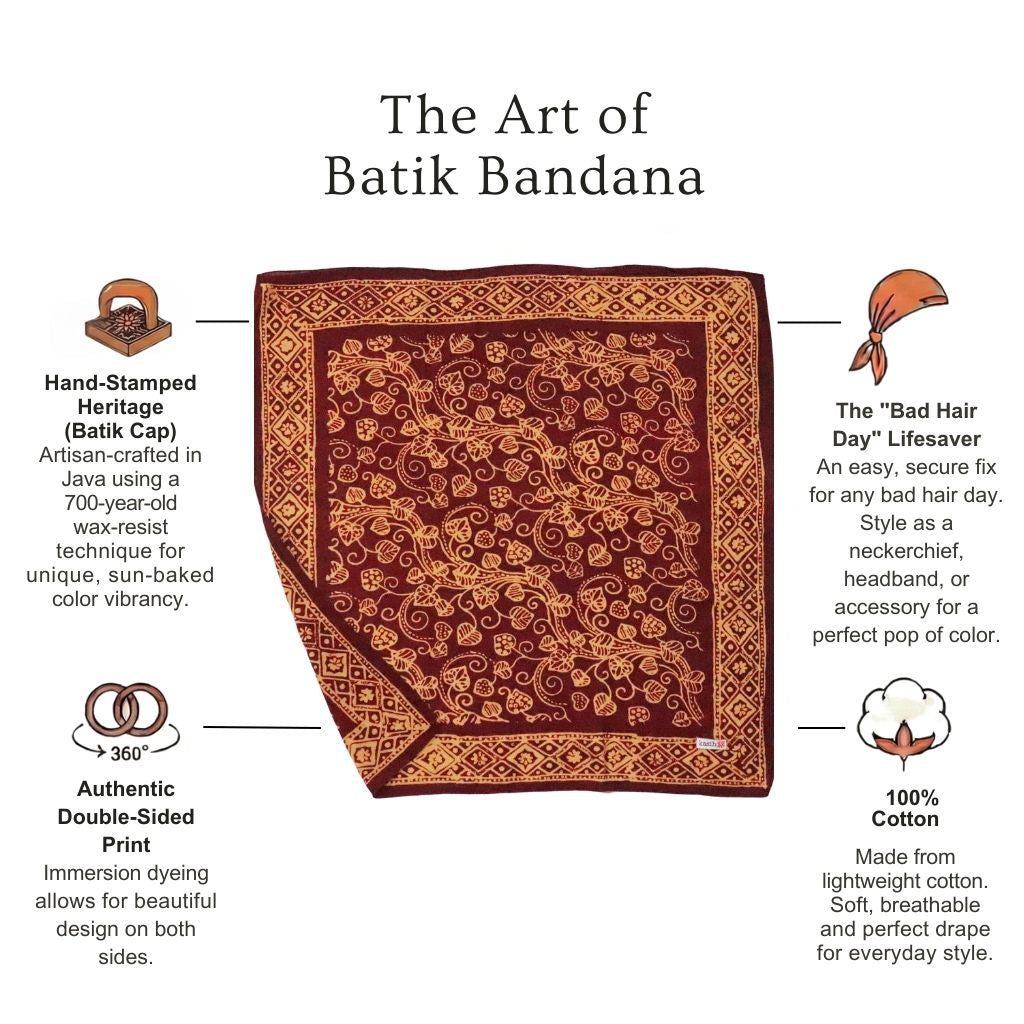
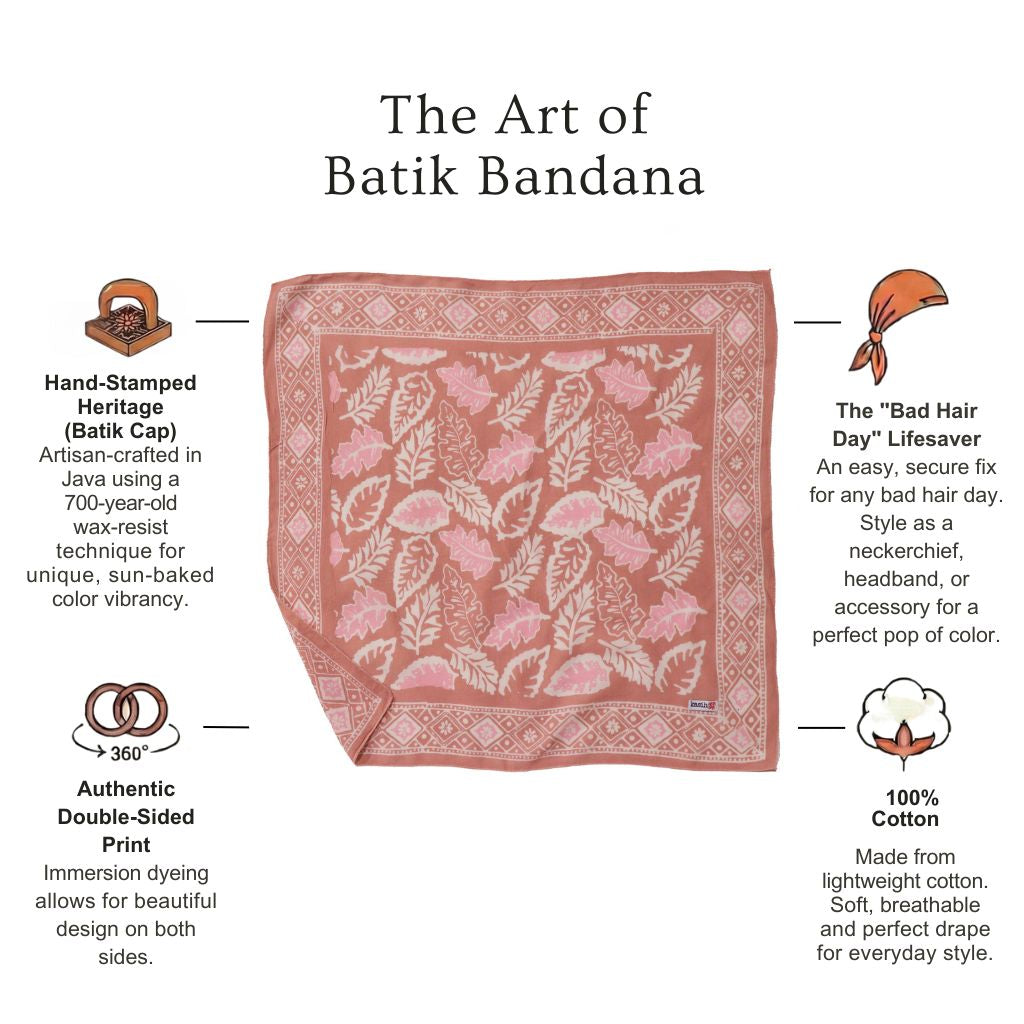
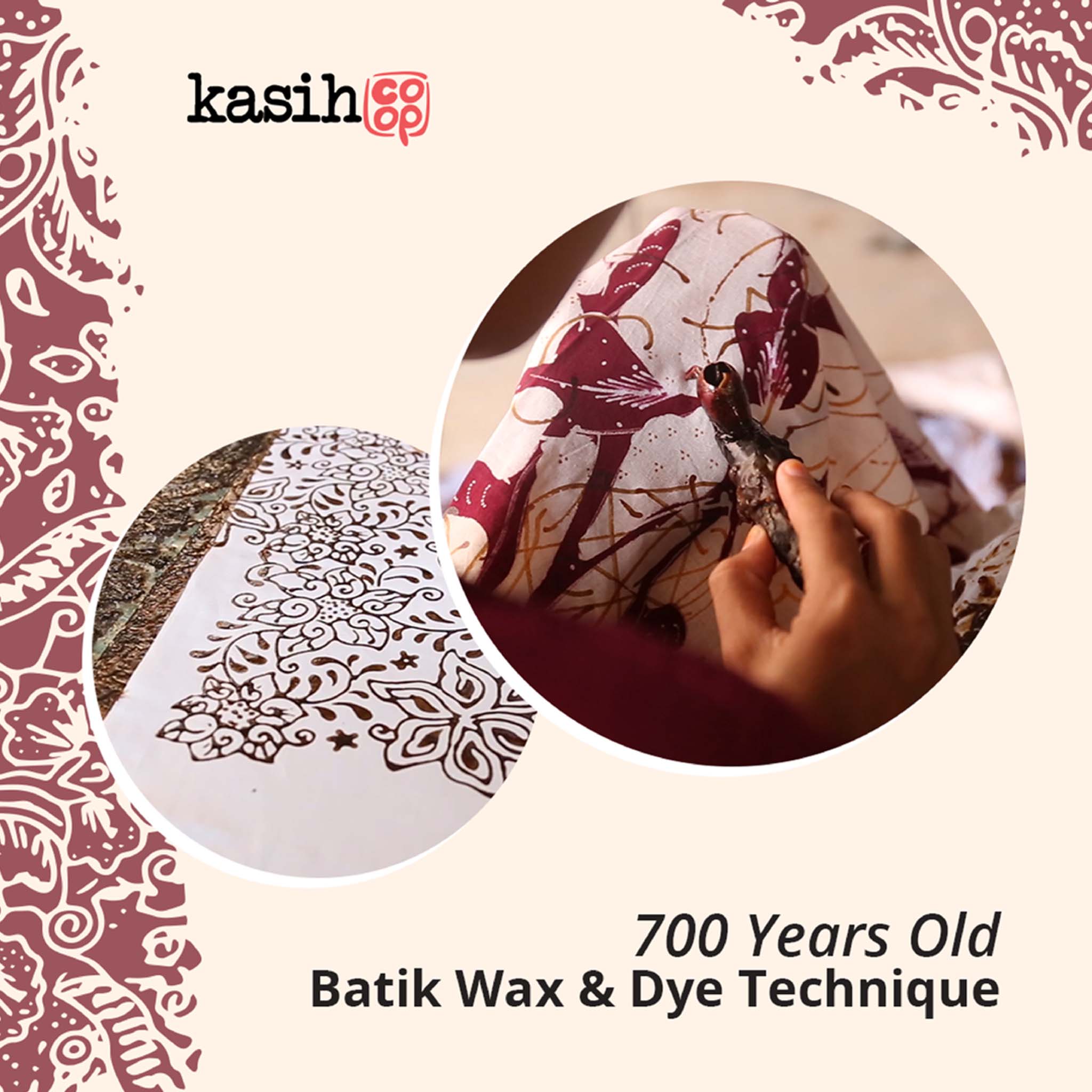
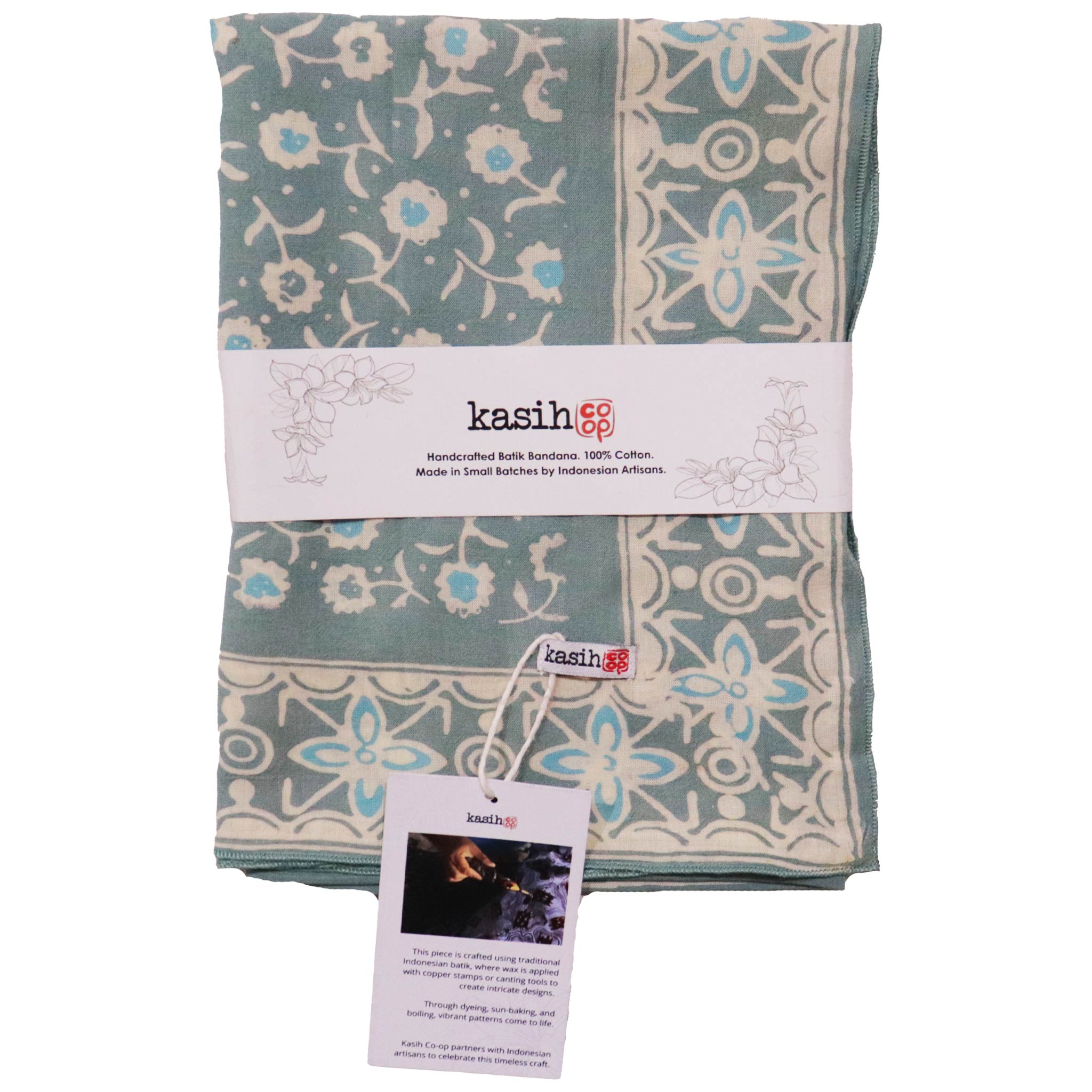
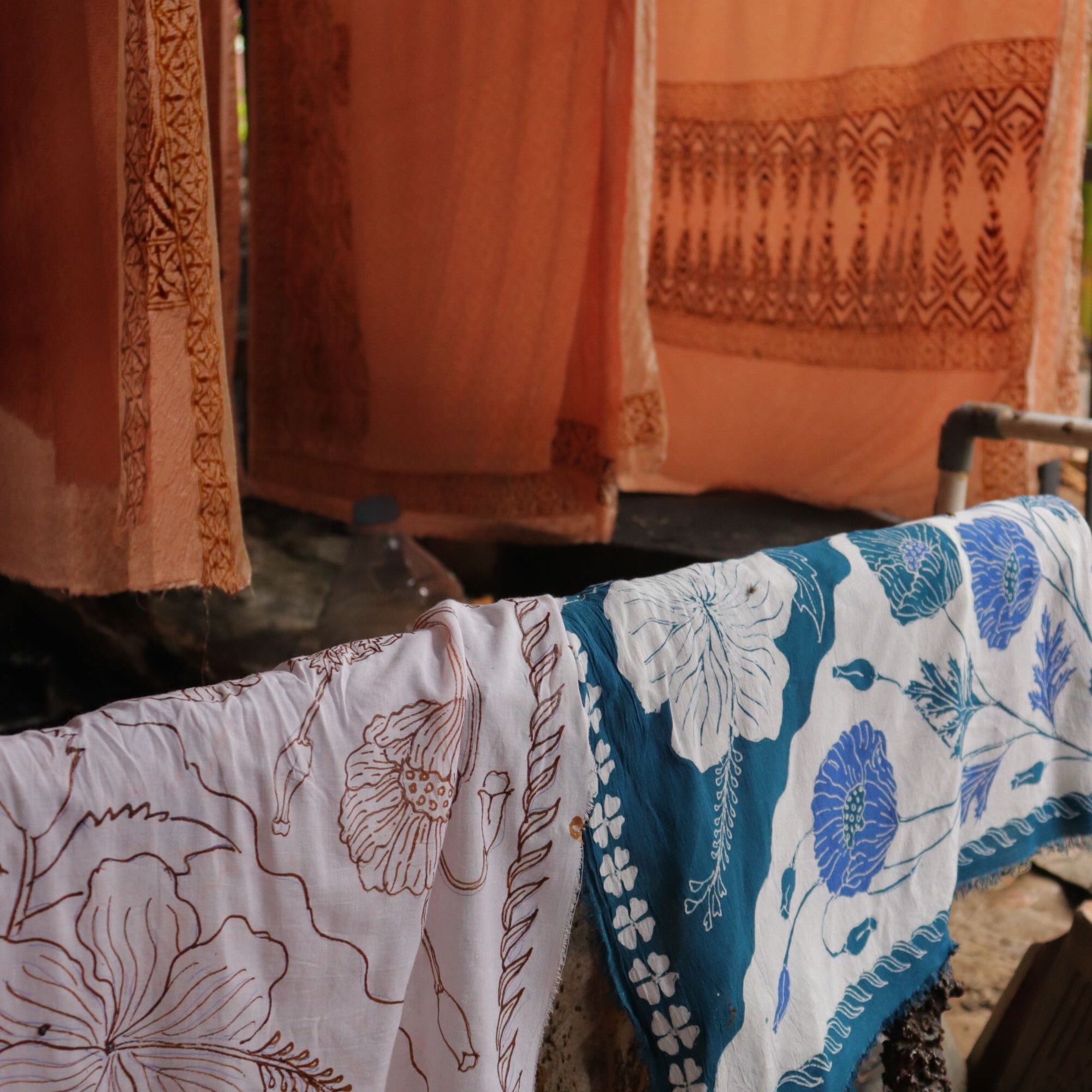
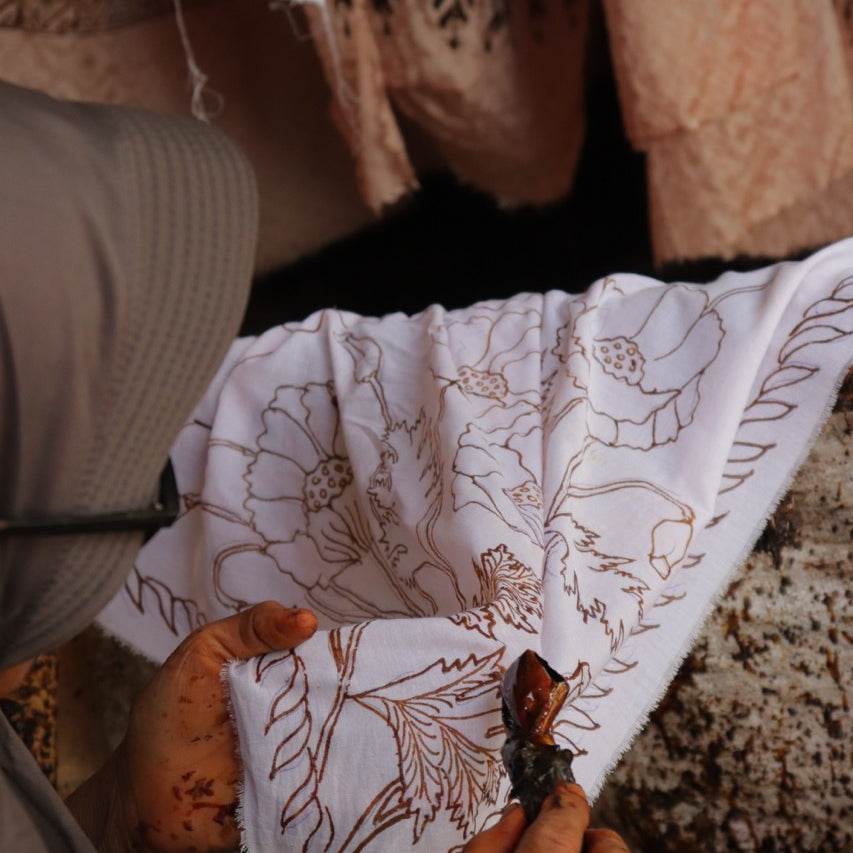
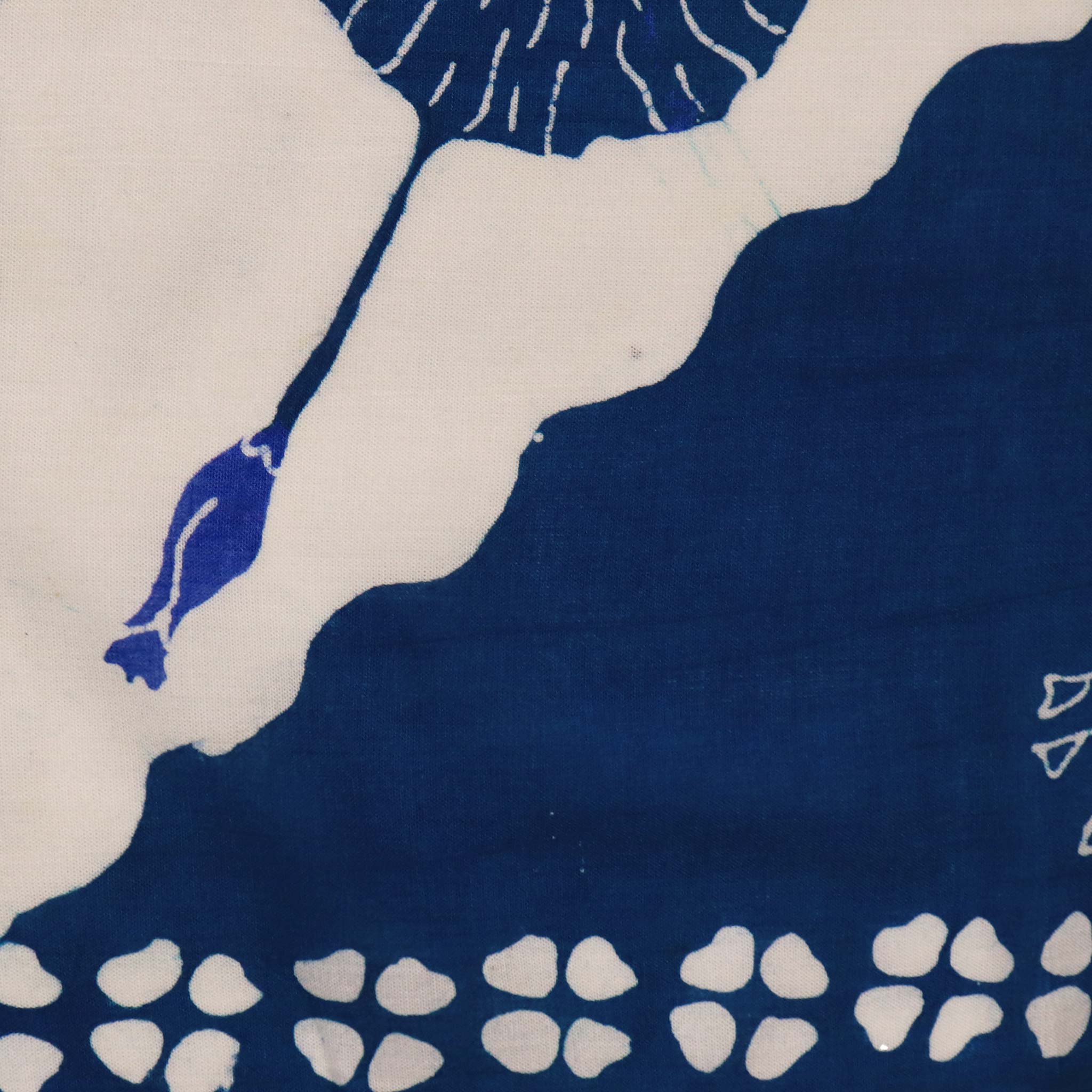
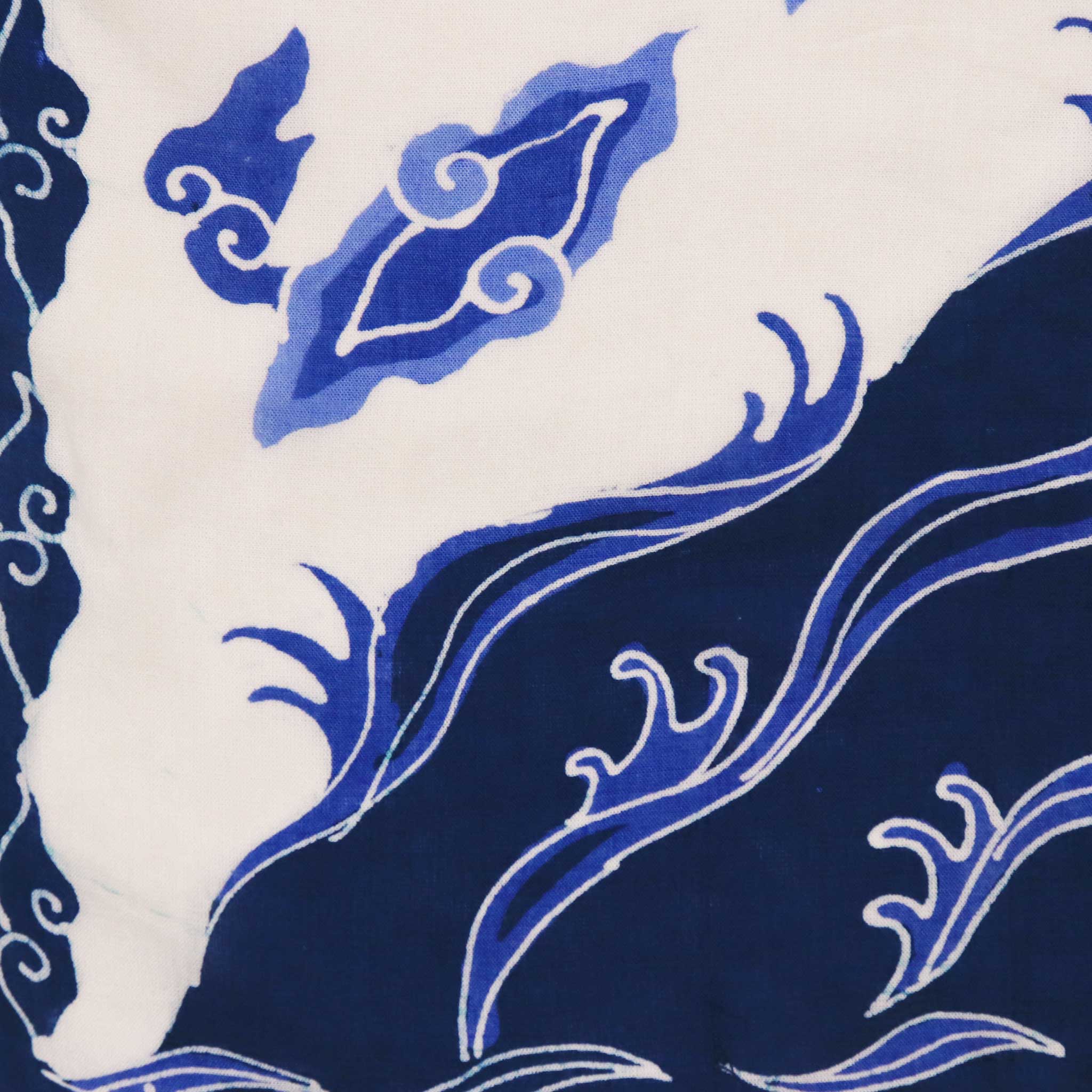
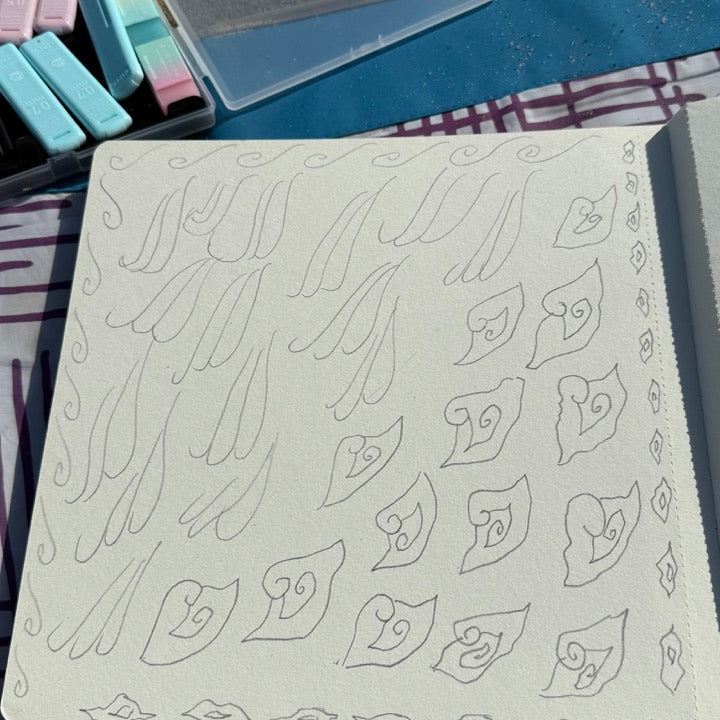
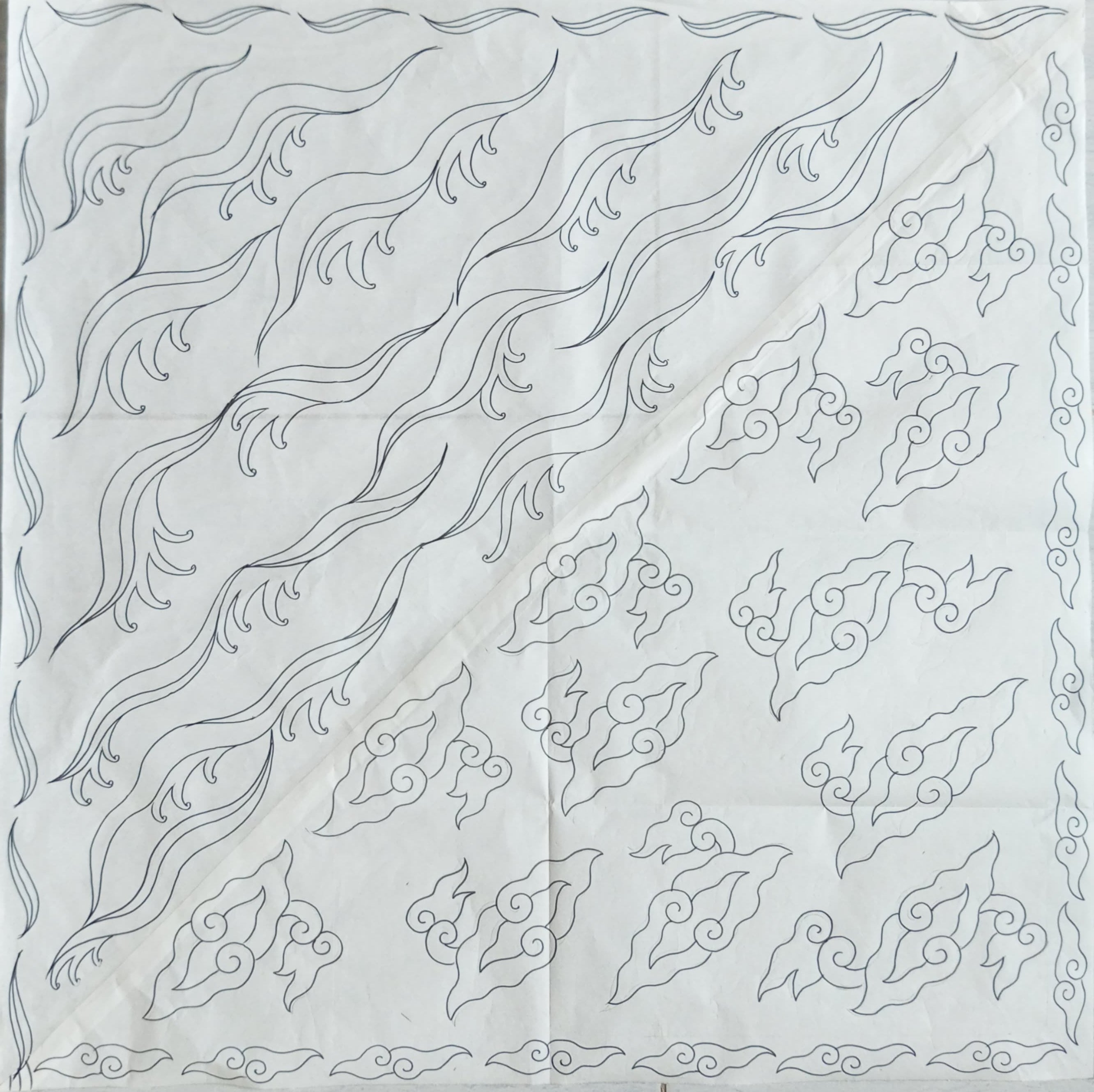
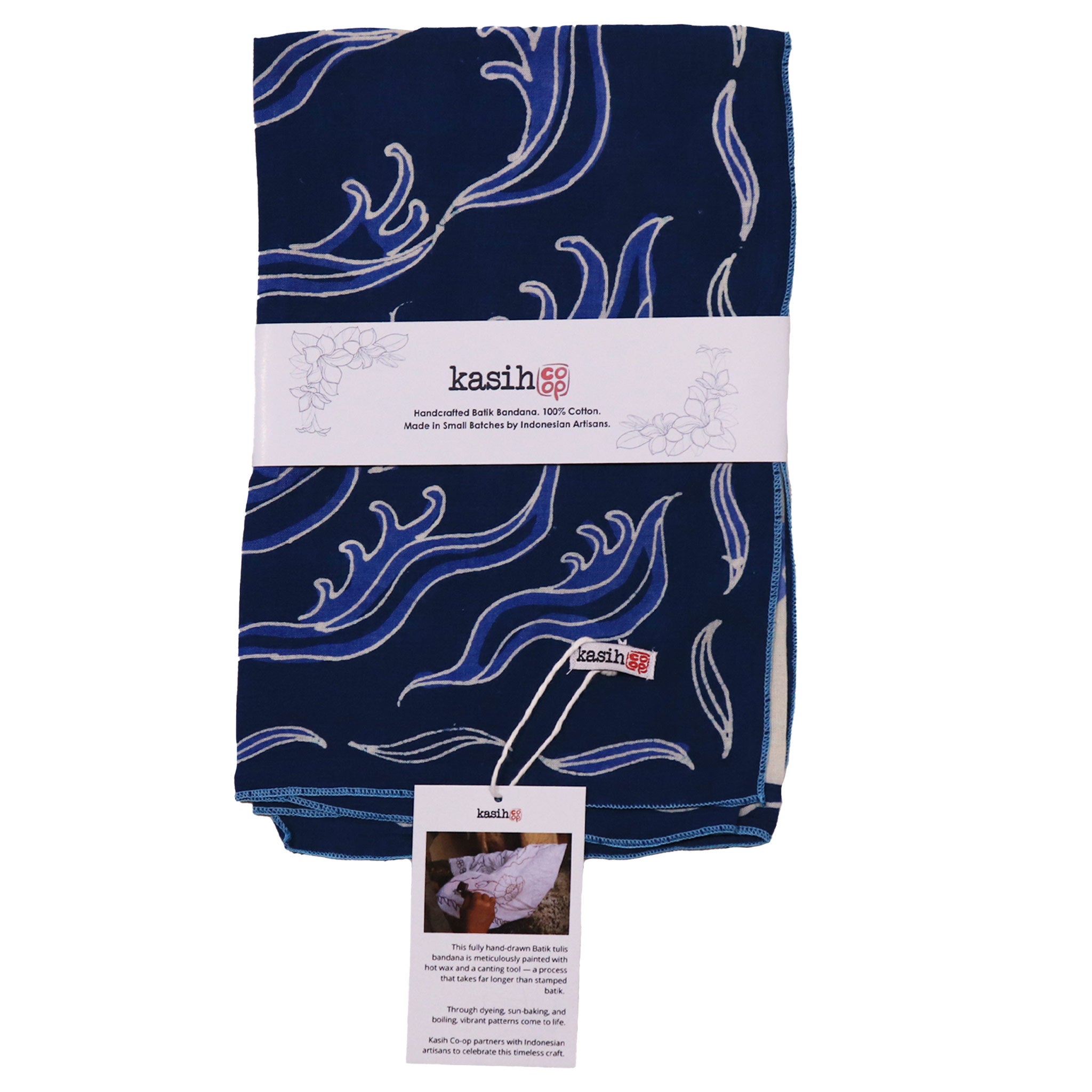
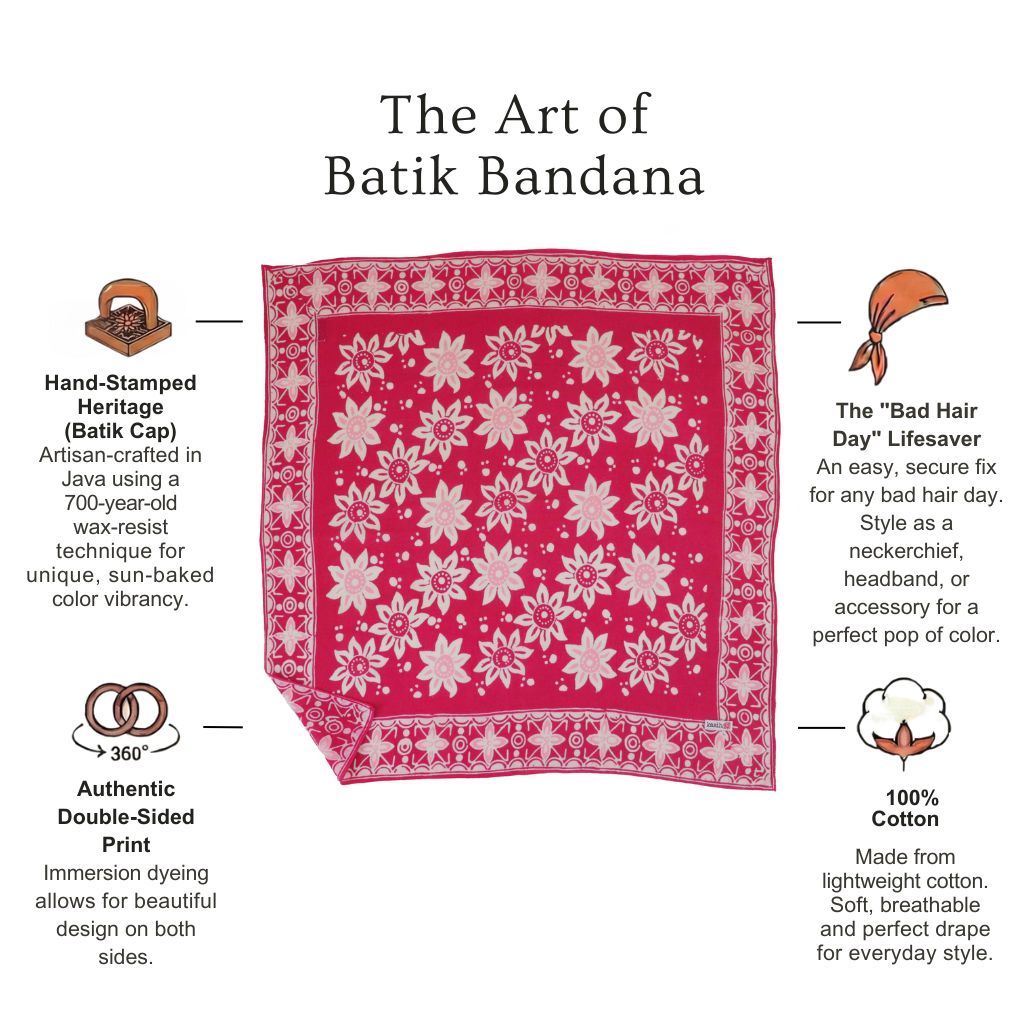
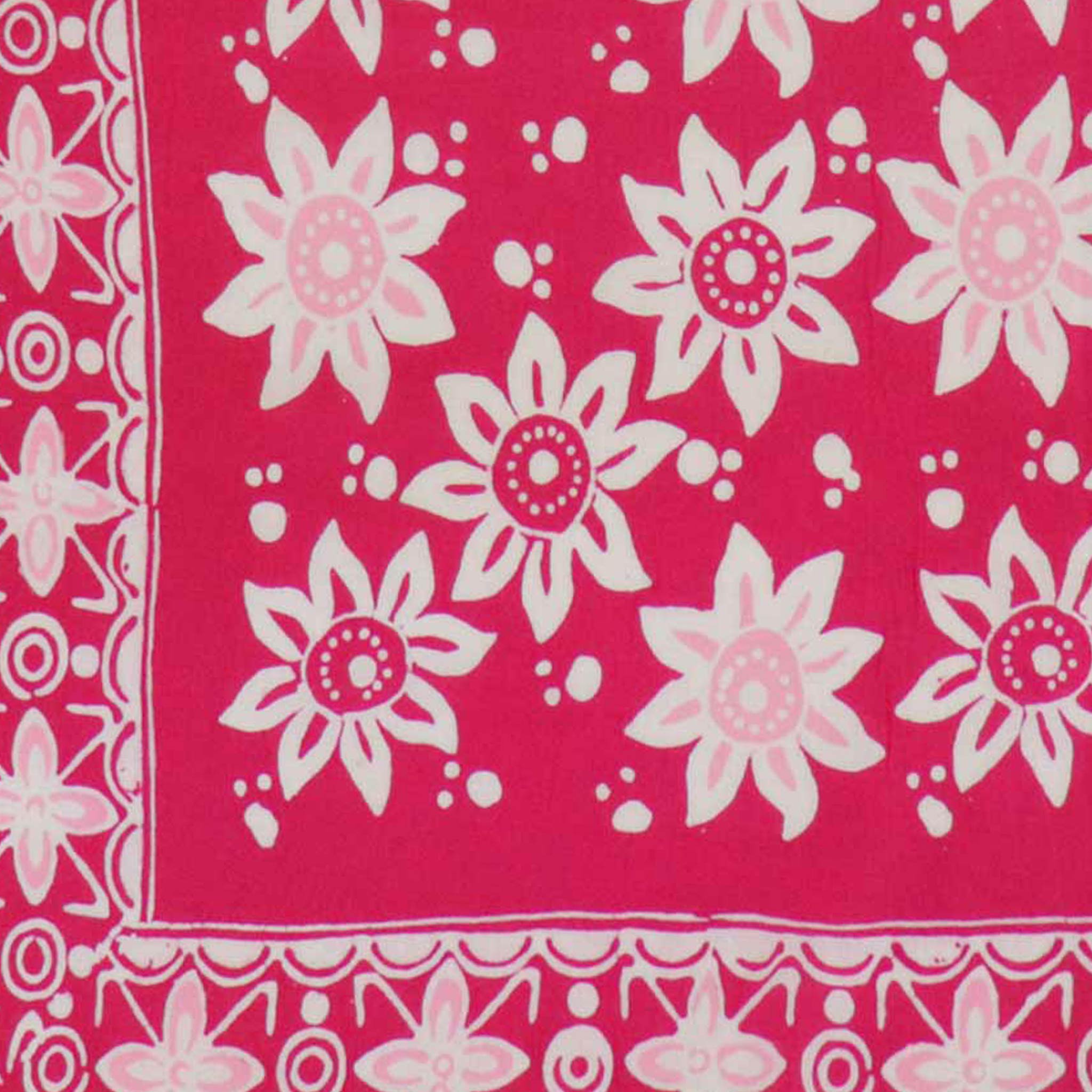
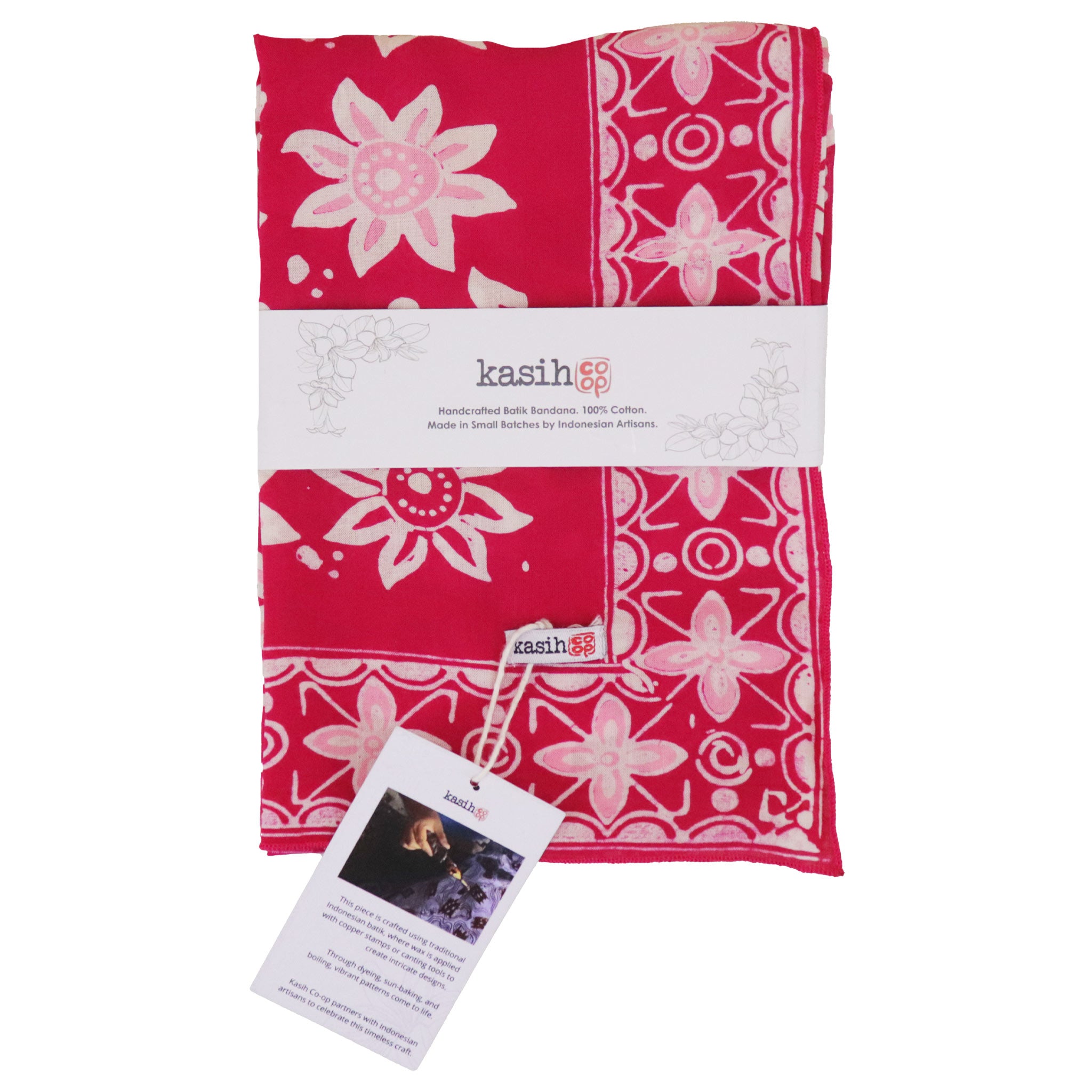
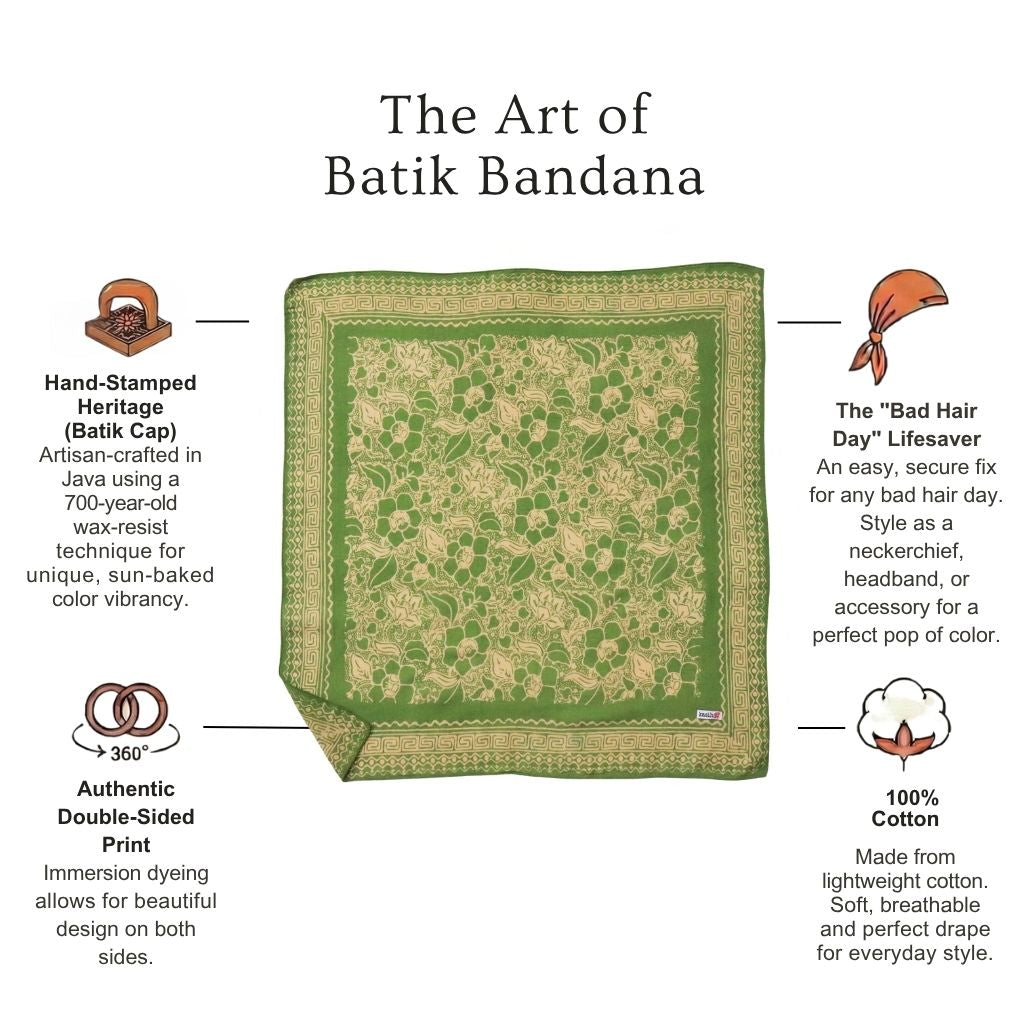
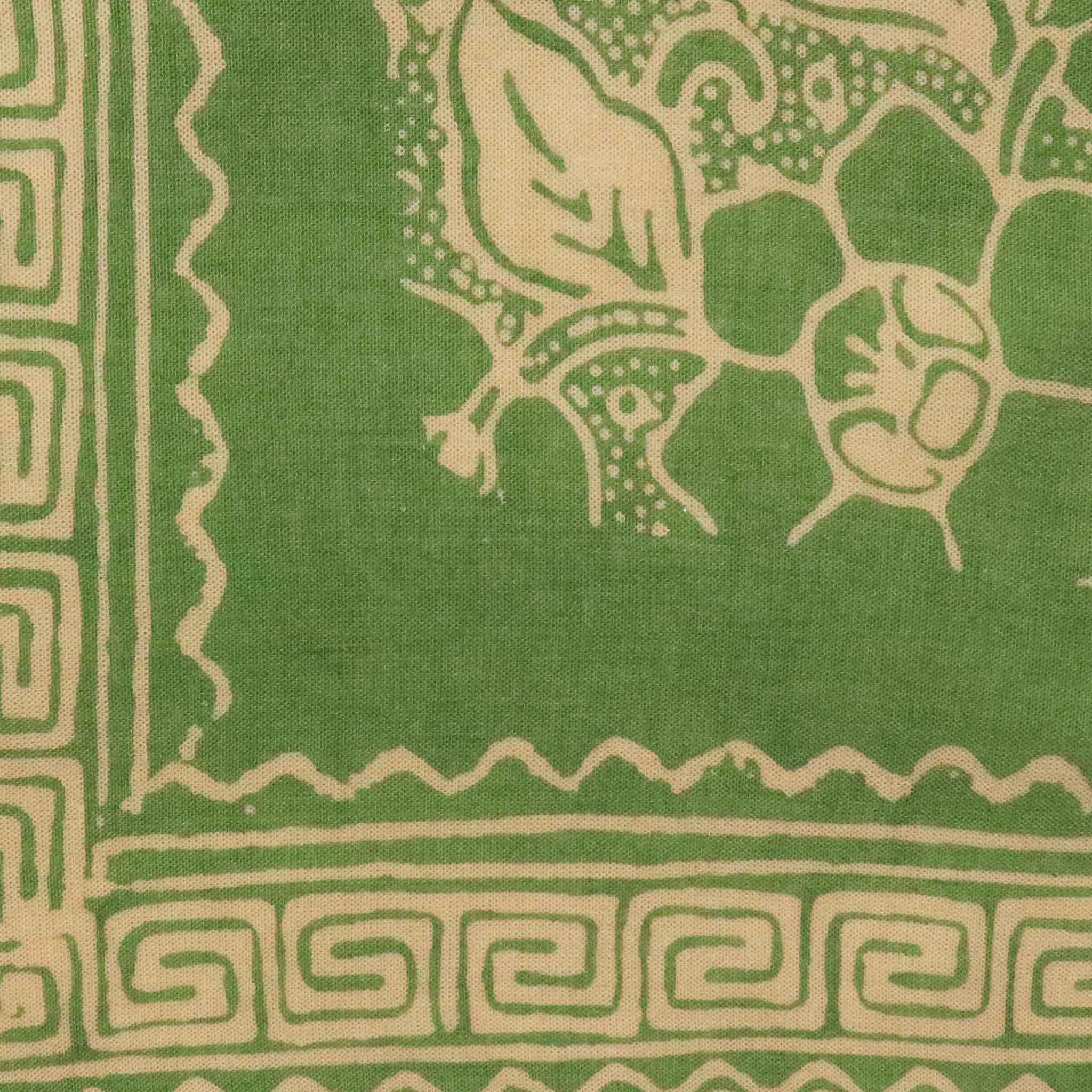
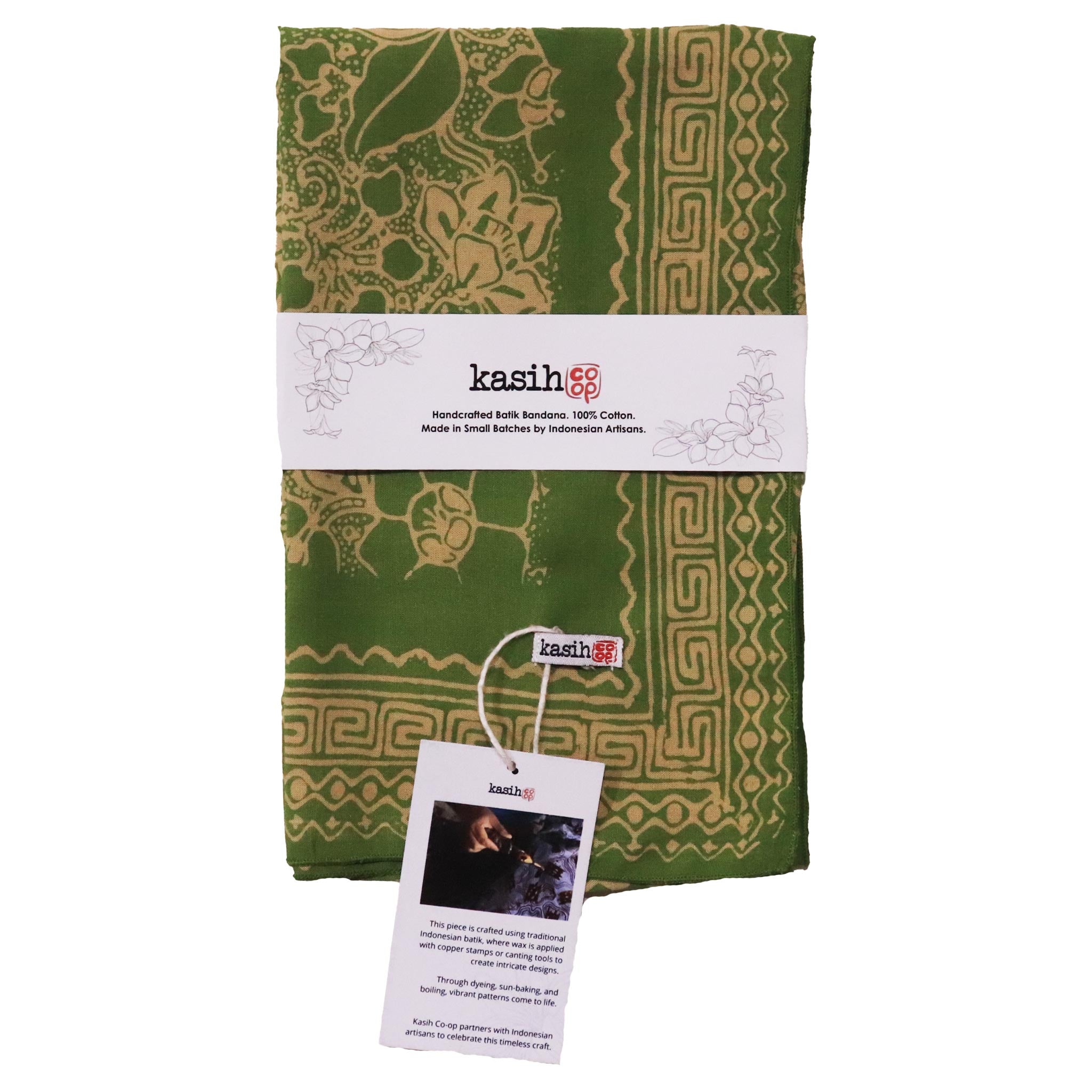
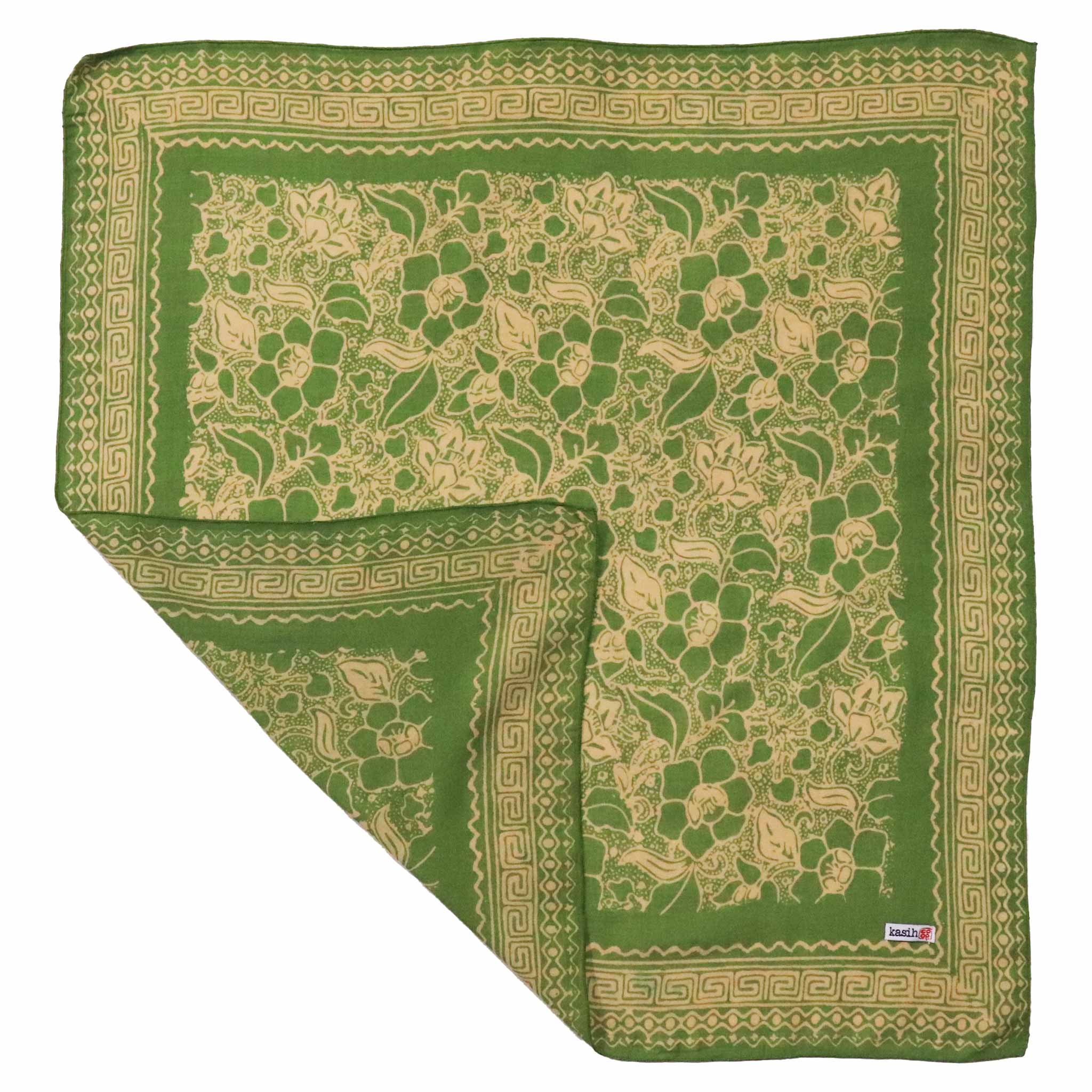
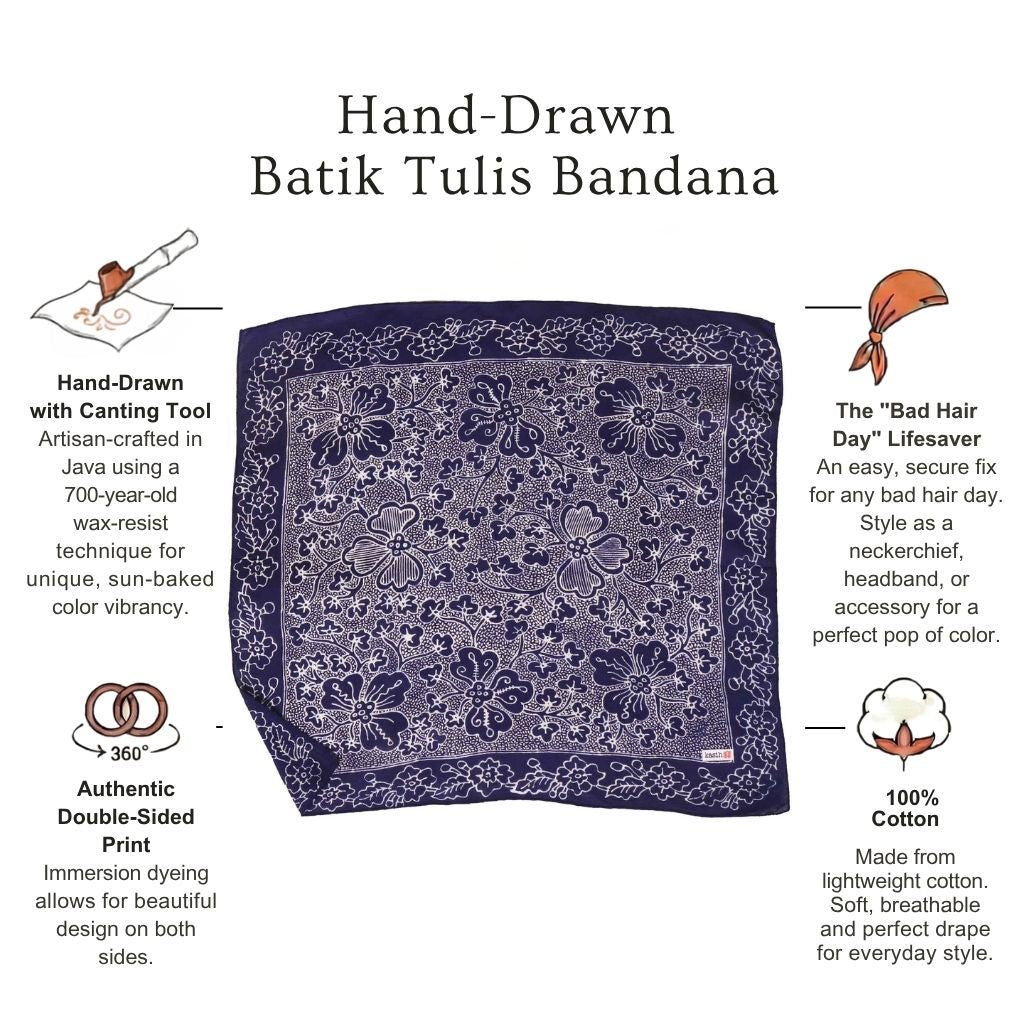
Dans le batik indonésien, le processus devient encore plus complexe. La cire est appliquée sur le tissu avant la teinture, puis retirée et réappliquée sur plusieurs bains de teinture. Une seule écharpe en coton batik ou un bandana batik fait à la main peut prendre des jours à être fini, couche par couche, couleur par couleur.

La teinture naturelle continue de changer même après la fin du processus. L'exposition à la lumière, l'usure quotidienne et le lavage adoucissent lentement la couleur, donnant à chaque pièce plus de caractère au fil du temps.
Cet artisanat est profondément lié à la culture indonésienne, où la teinture et la fabrication du batik sont transmises de génération en génération. Chaque pièce de batik d'Indonésie porte un savoir qui existait bien avant les calendriers de la mode moderne.
C'est pourquoi les pièces teintes naturellement ne sont jamais vraiment « produites en masse ». Avec tant de variables et tant de travail manuel impliqués, elles deviennent naturellement des cadeaux artisanaux significatifs — imparfaits, personnels et impossibles à reproduire exactement.
La teinture naturelle est belle, étrange et profondément humaine. Et oui, parfois un peu choquante, juste plus aussi choquante aujourd'hui.