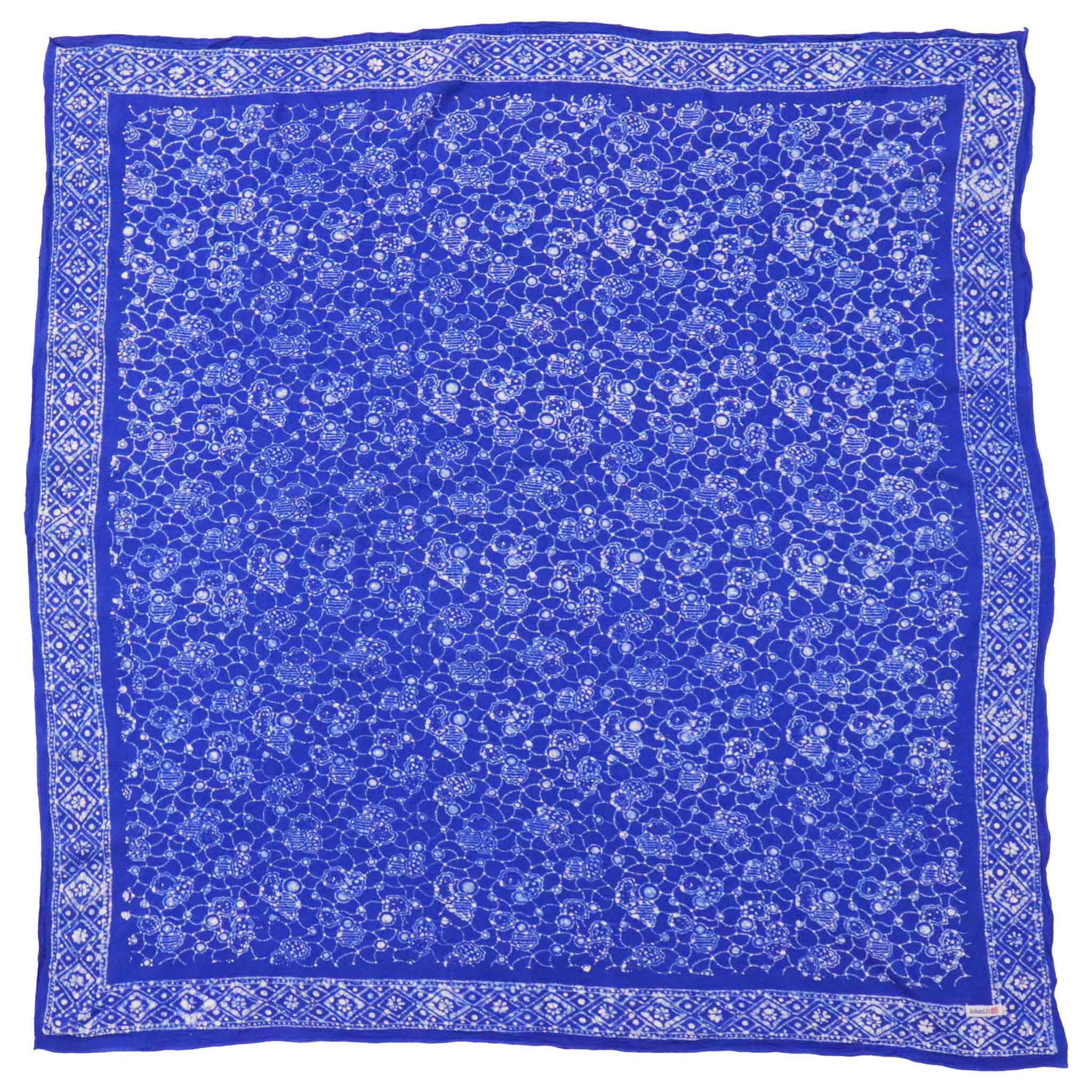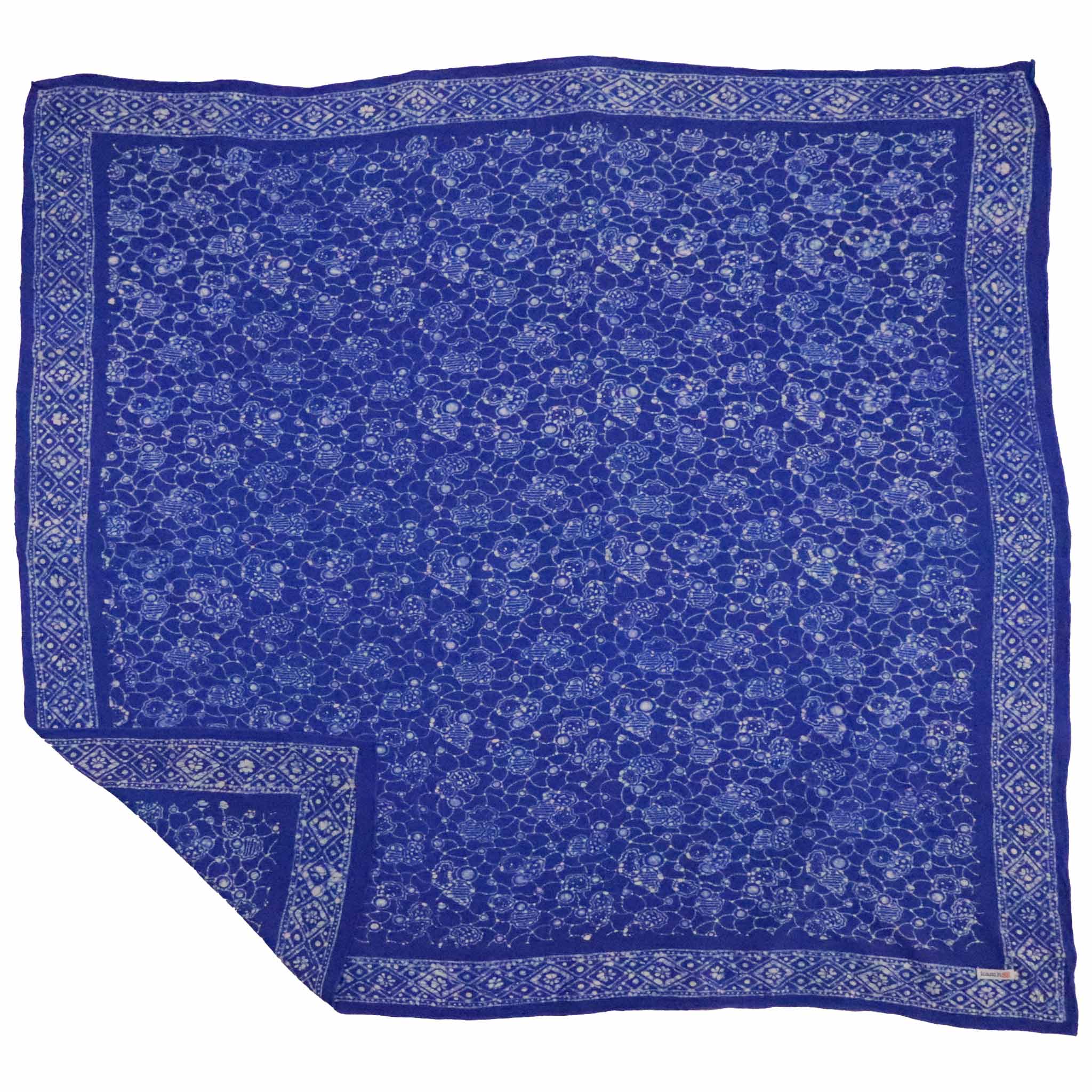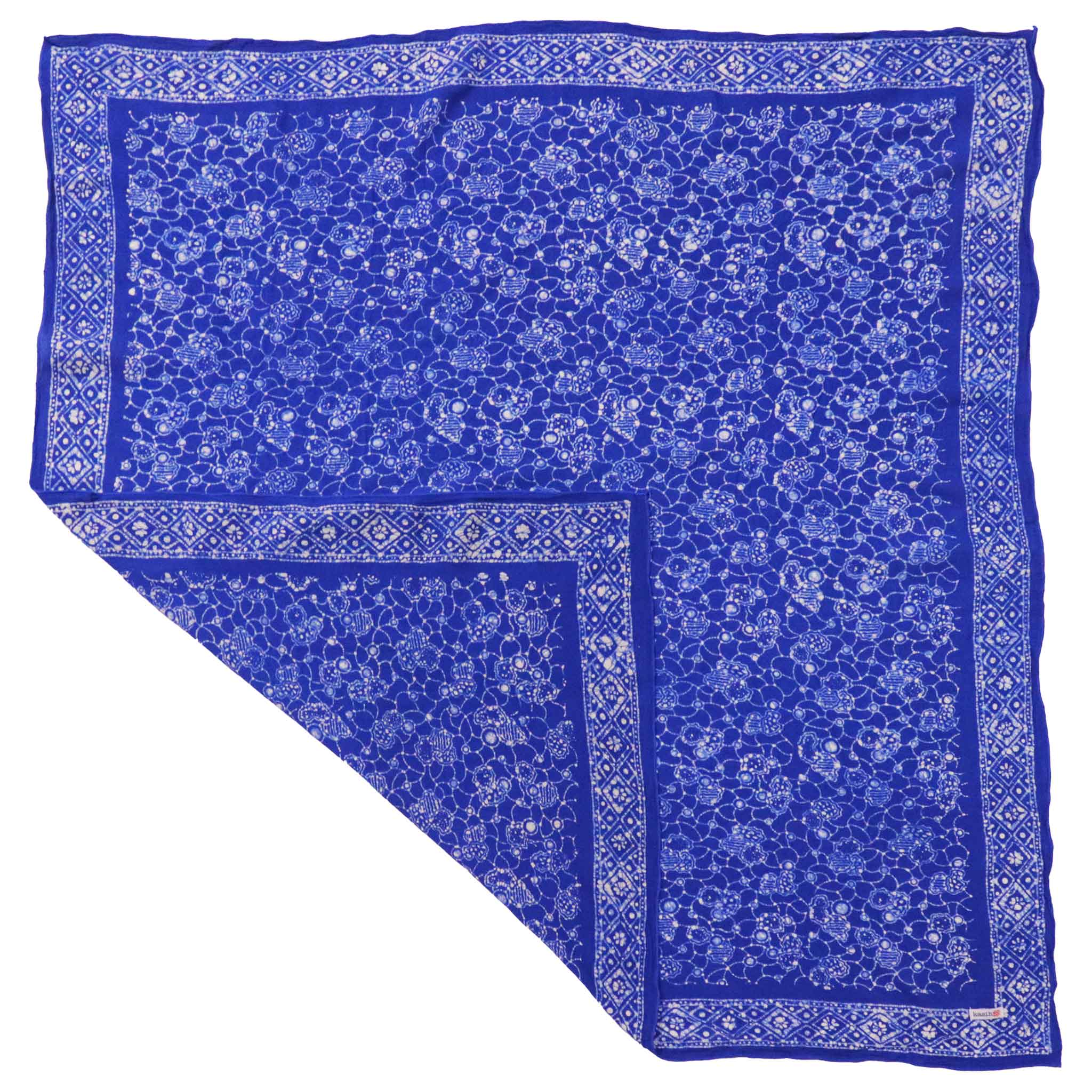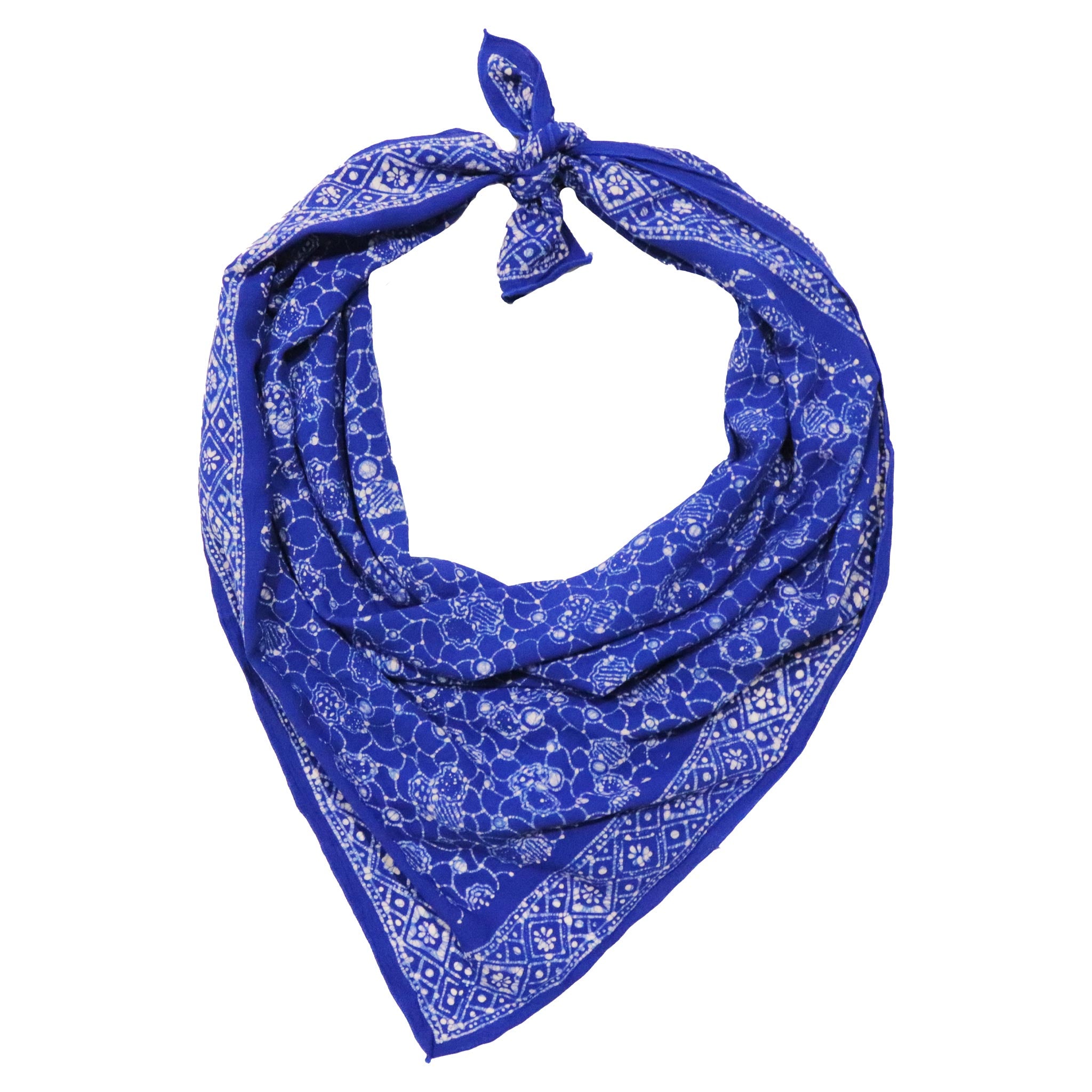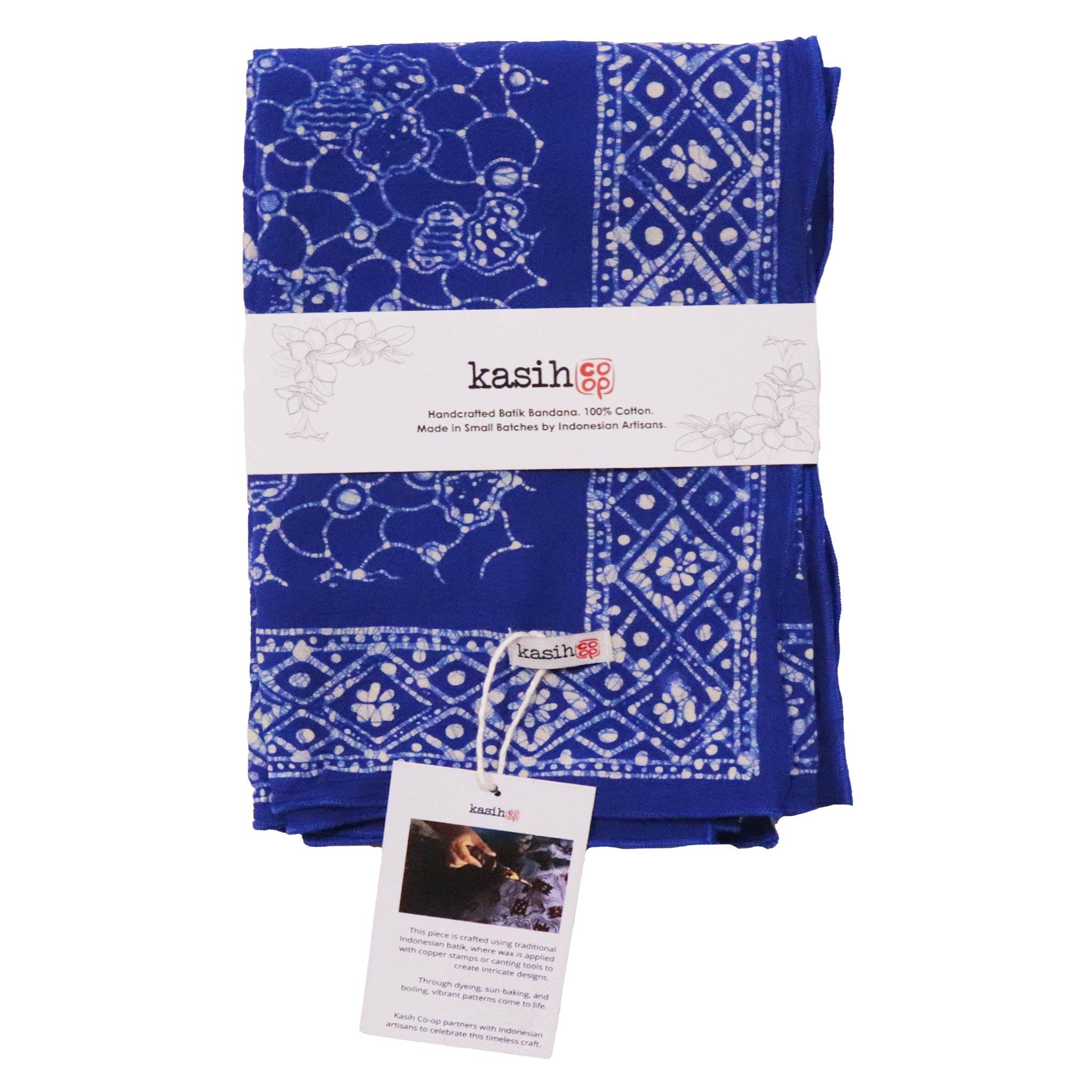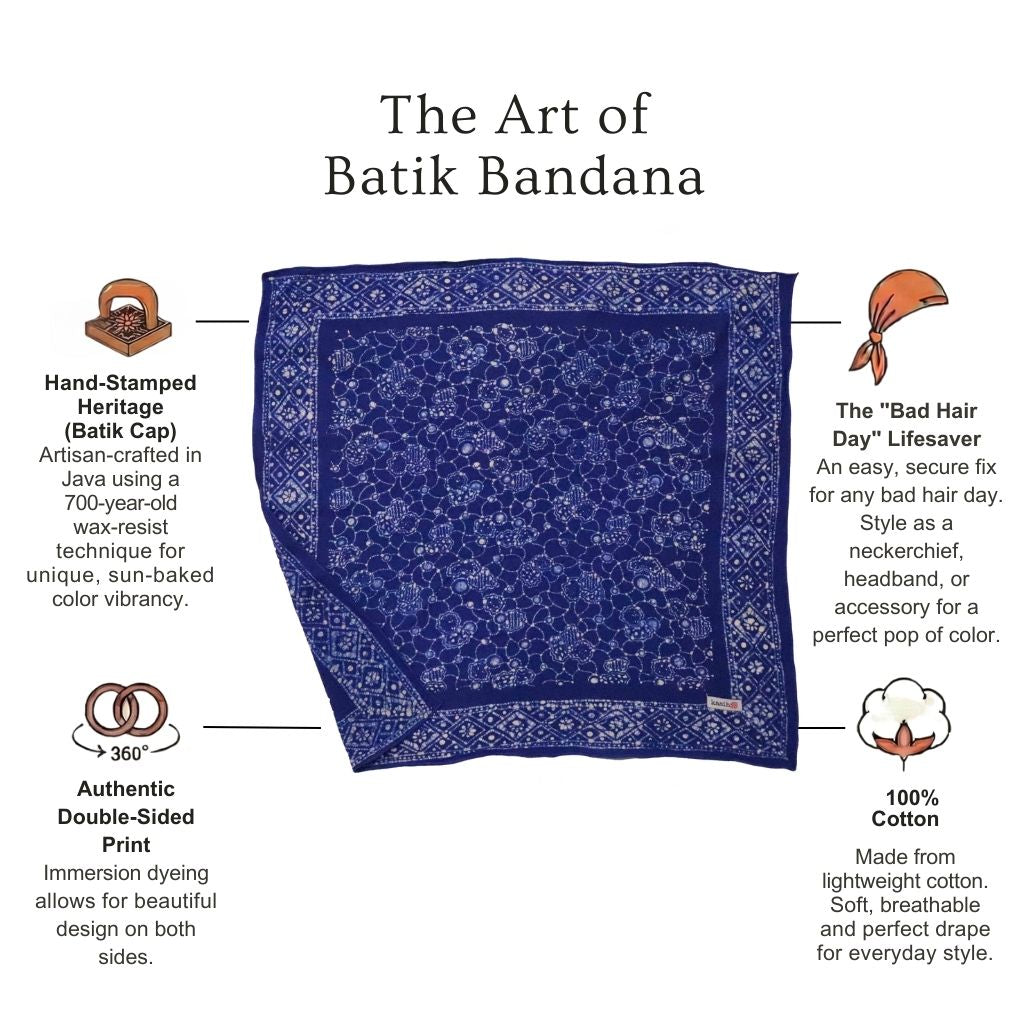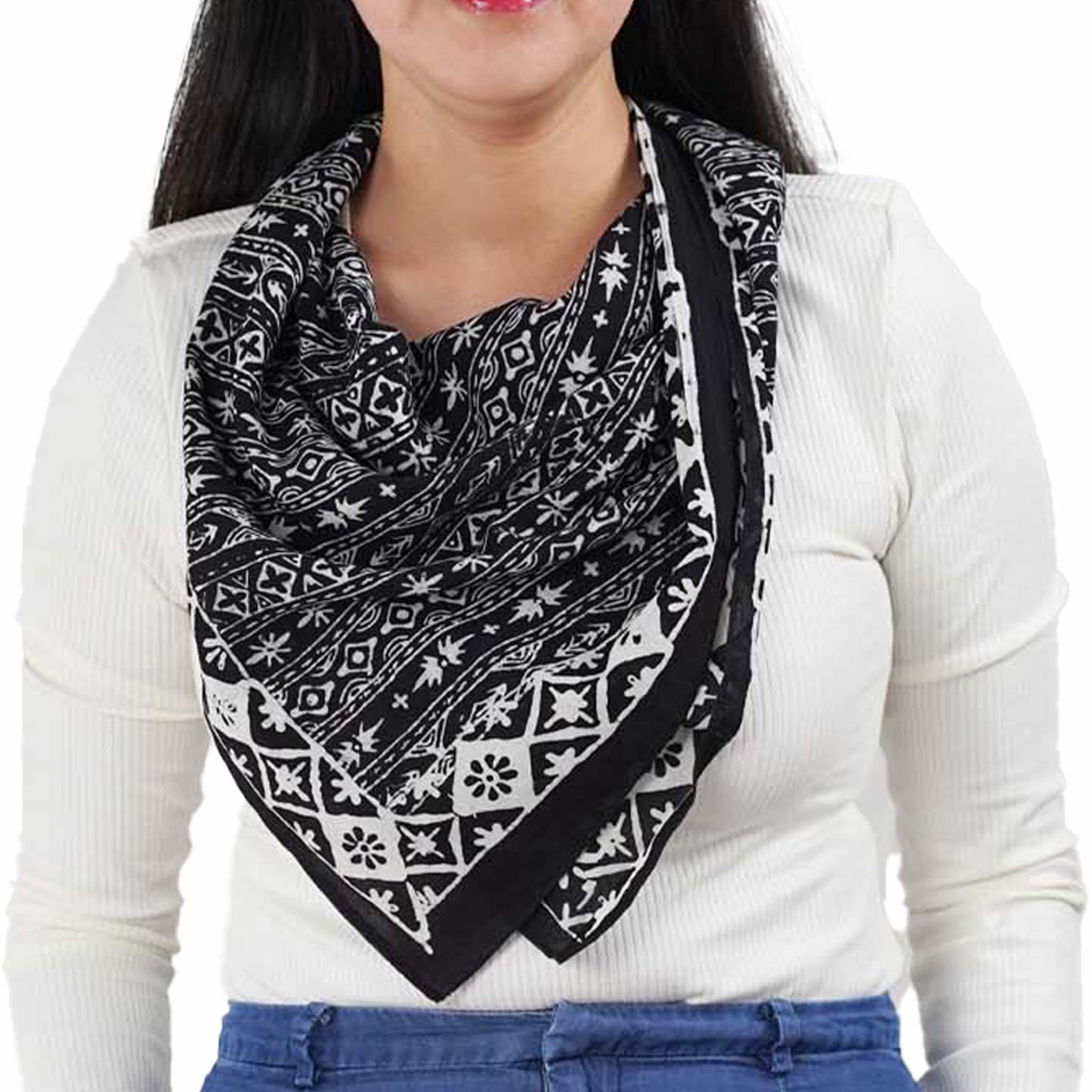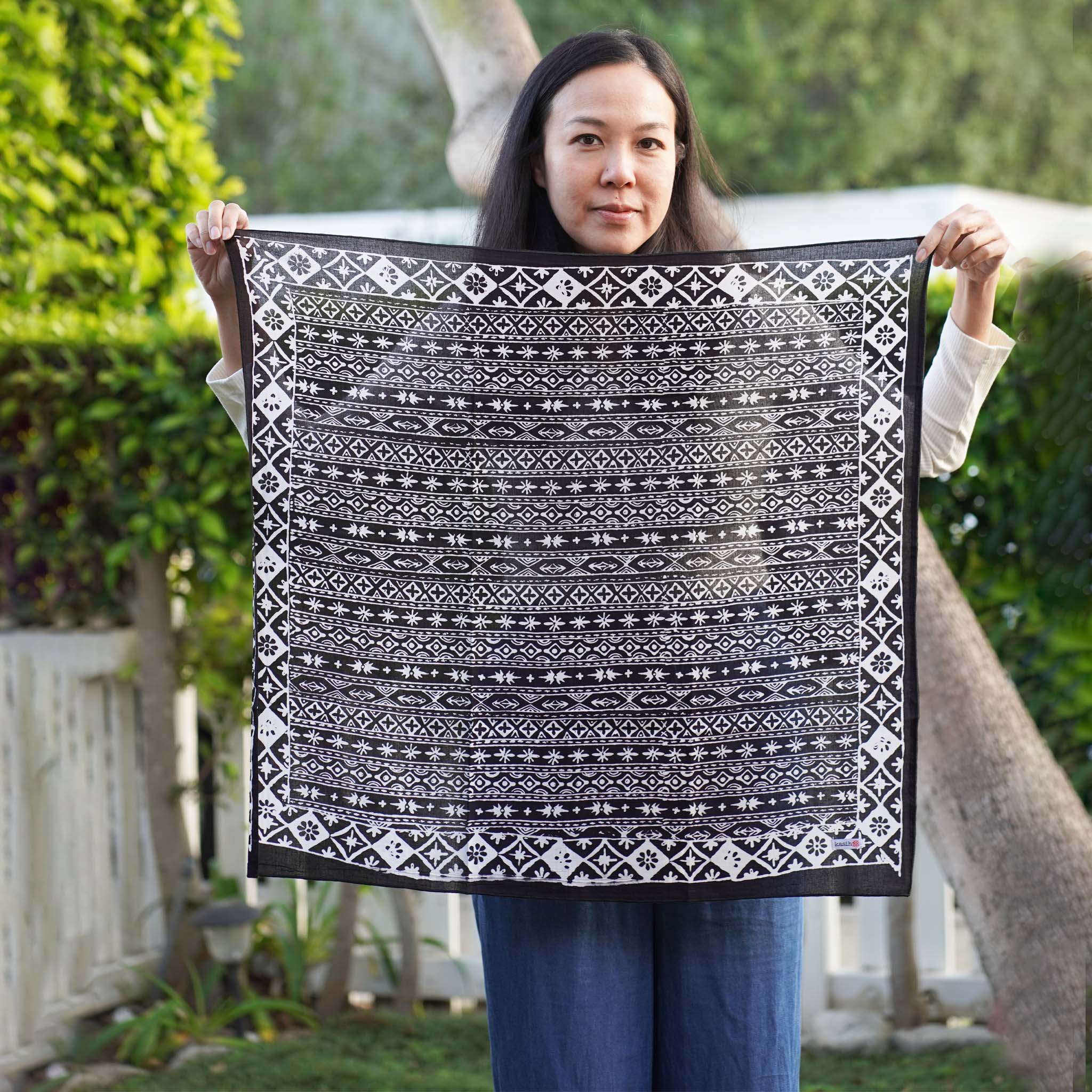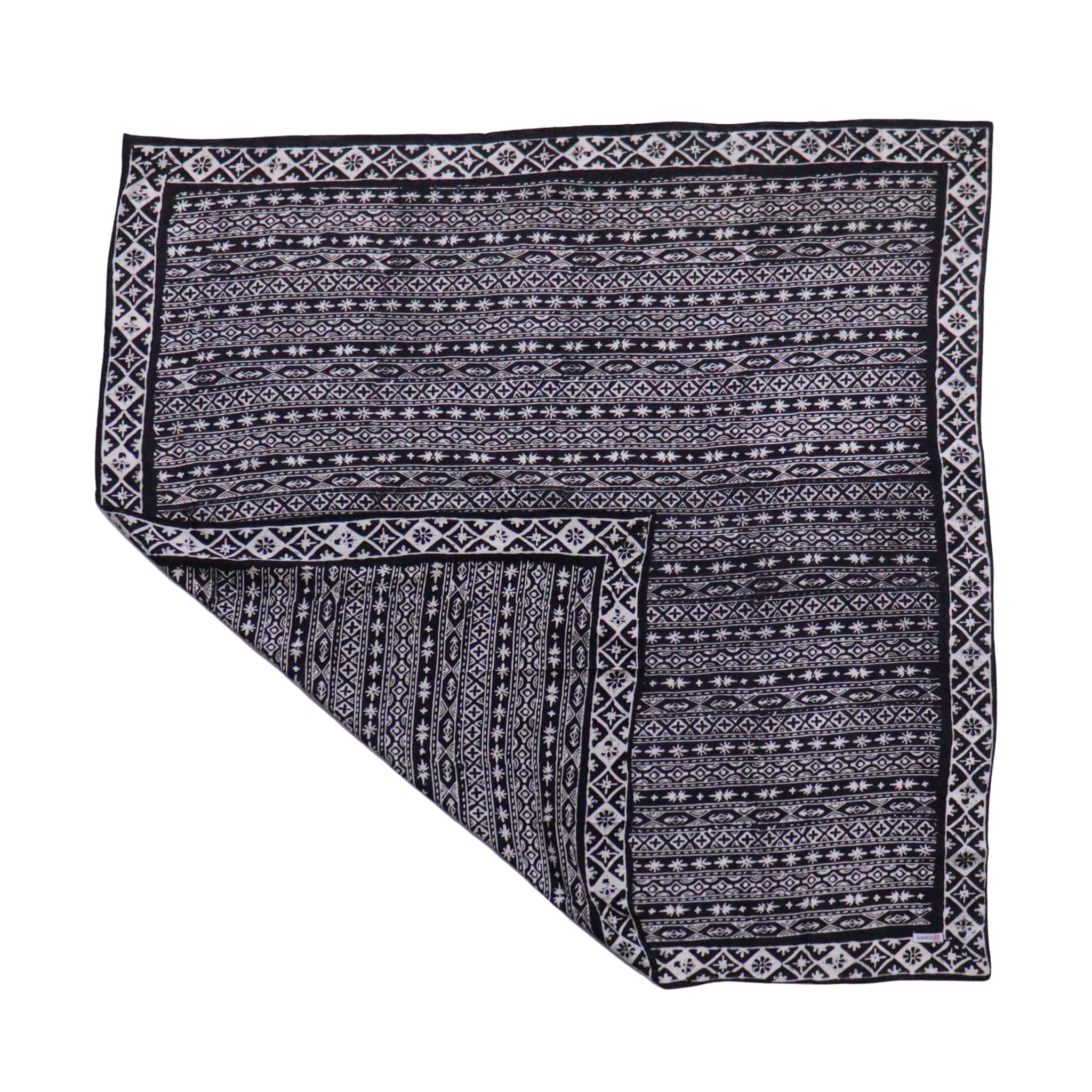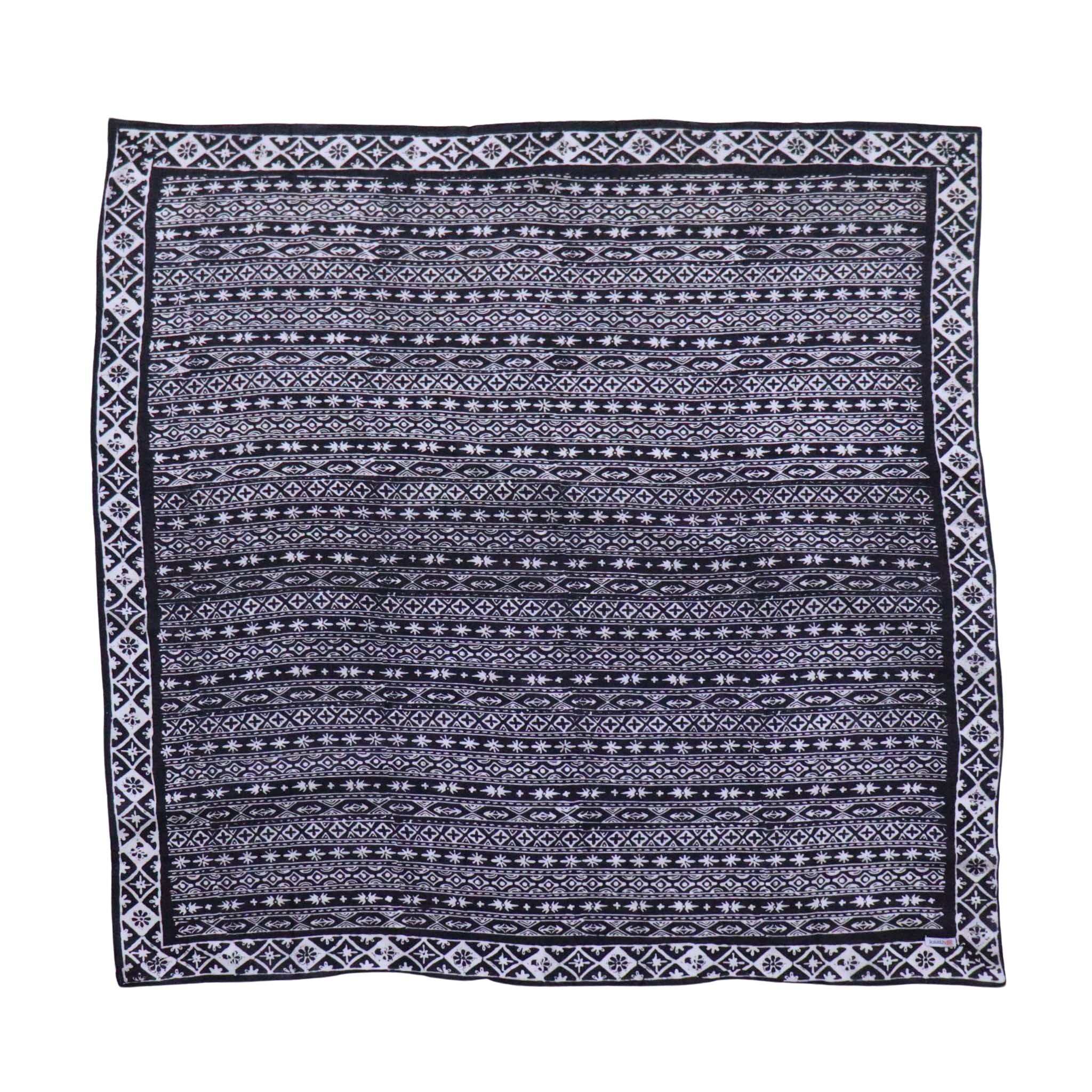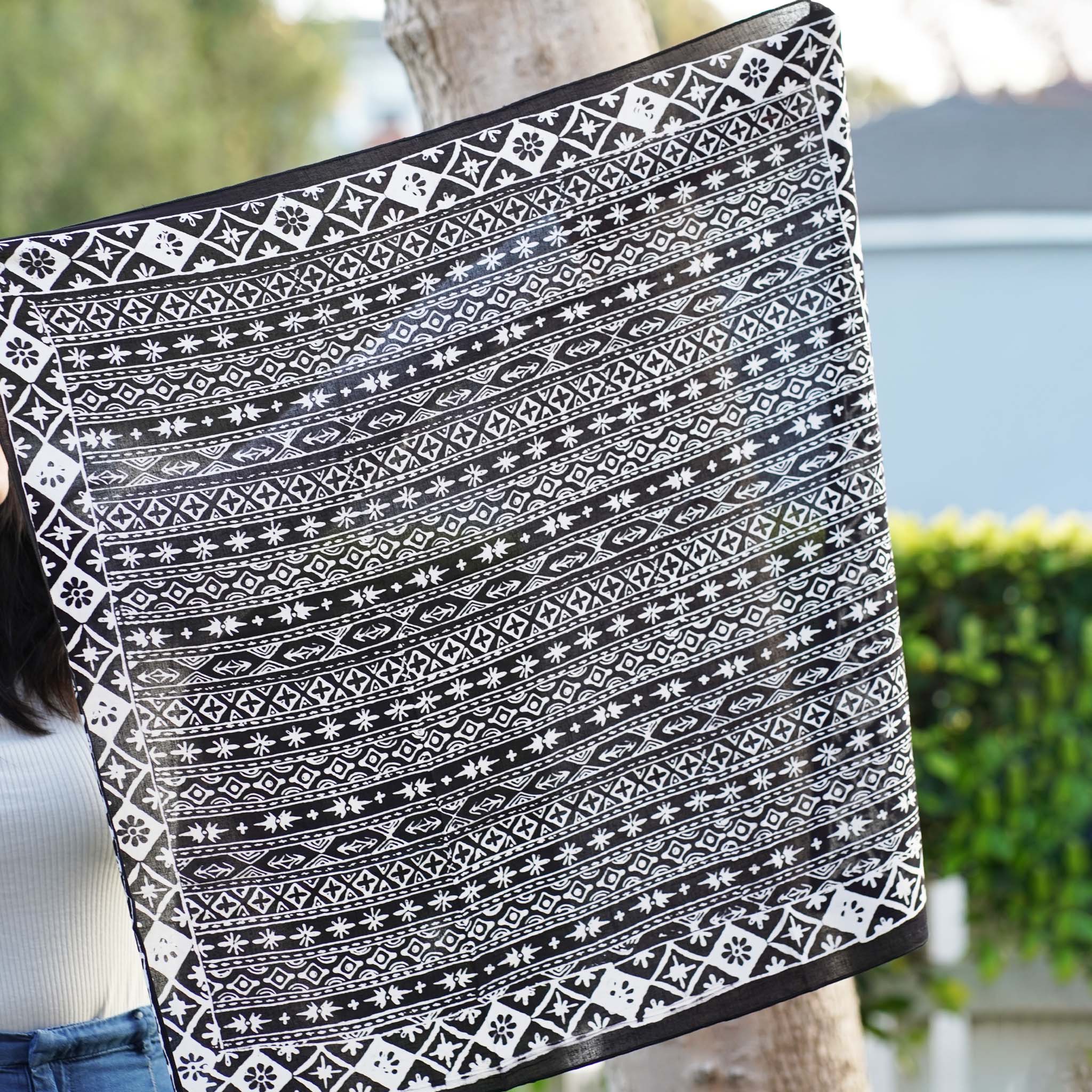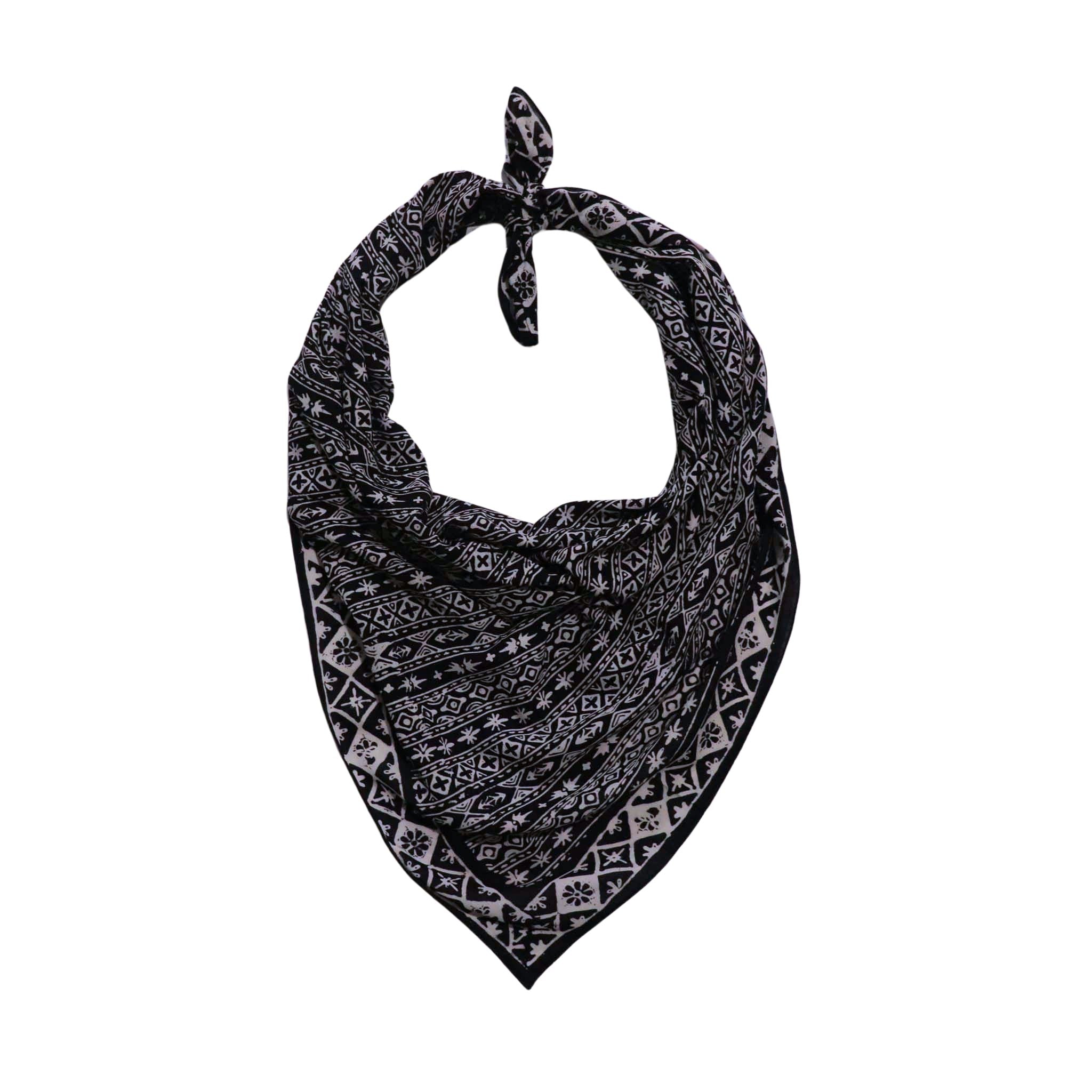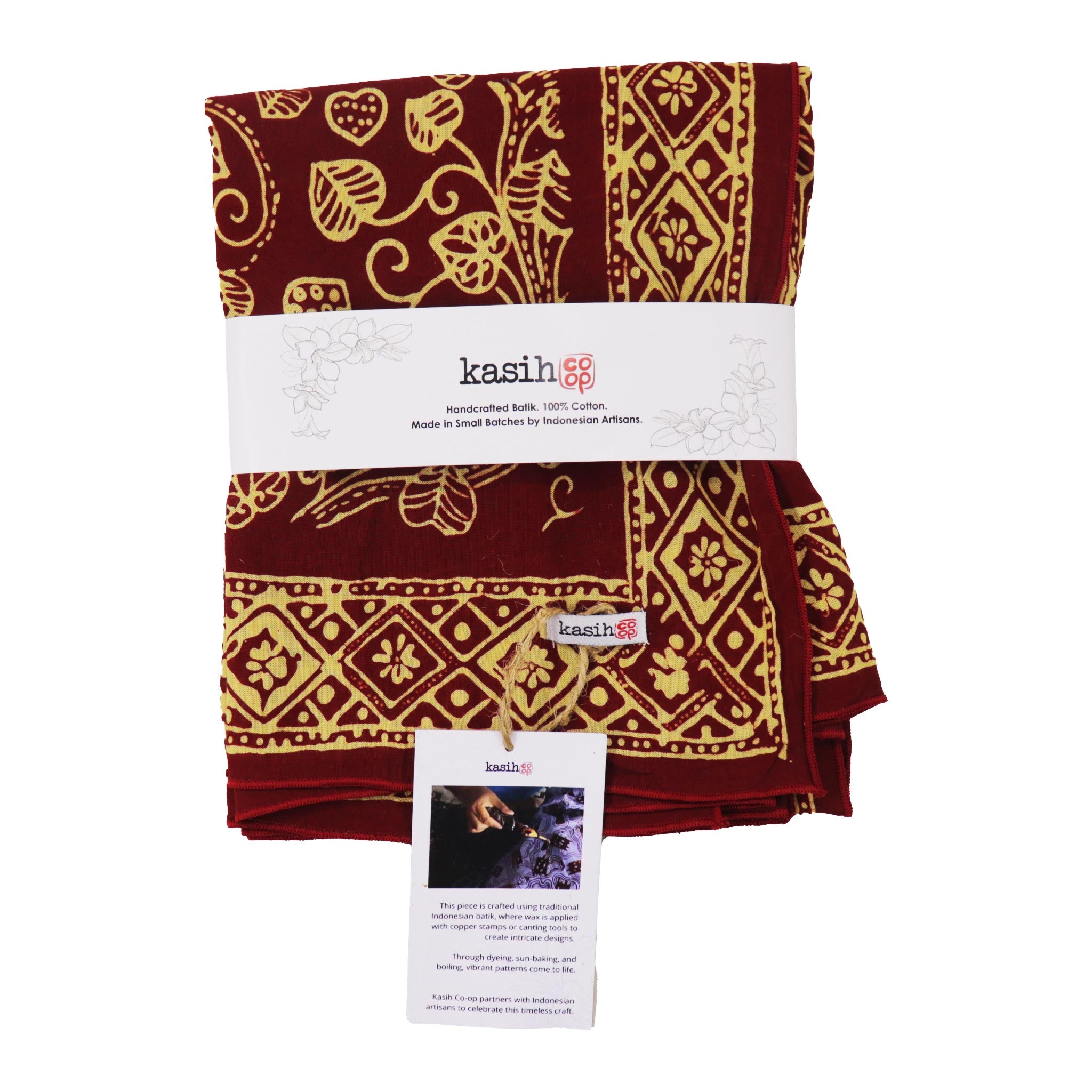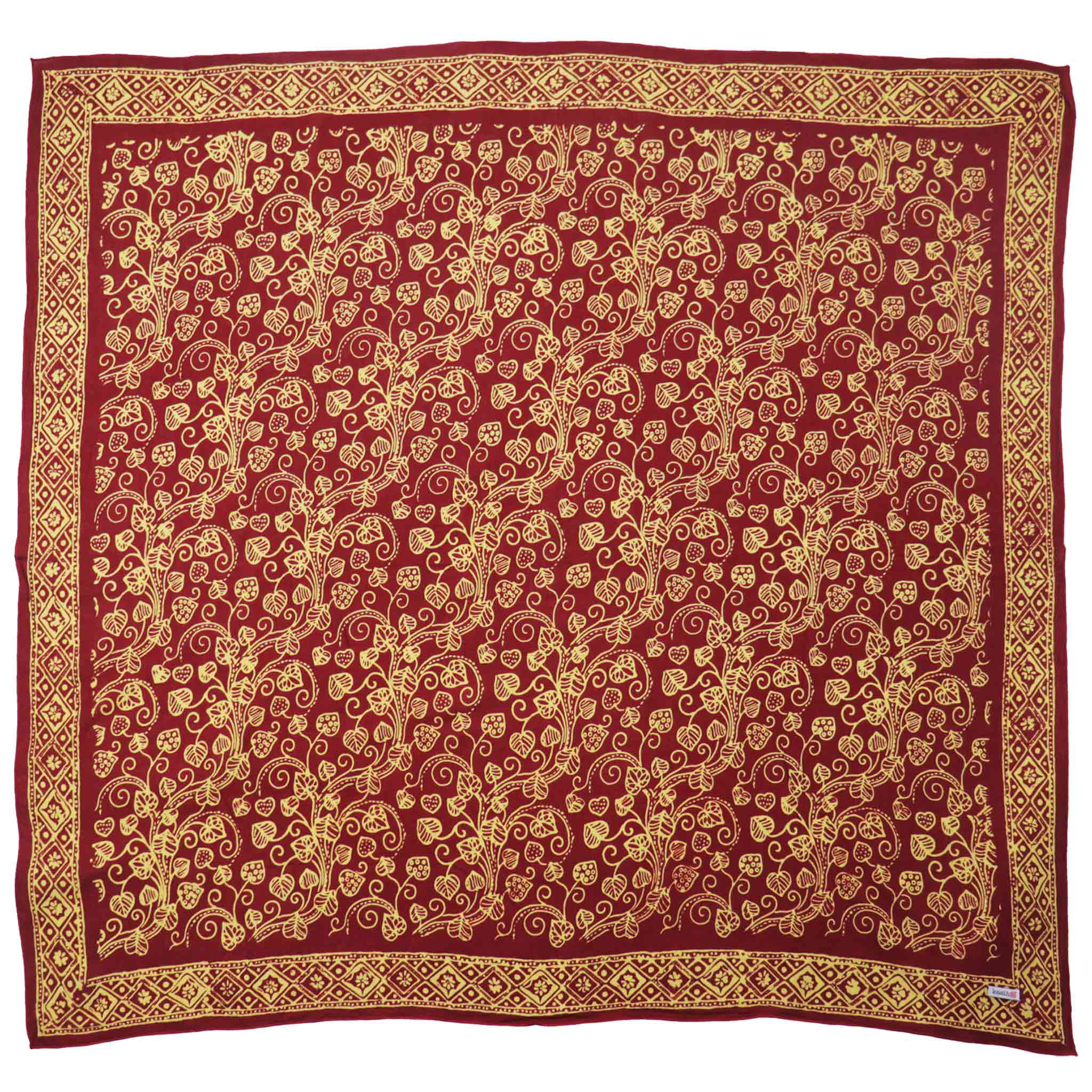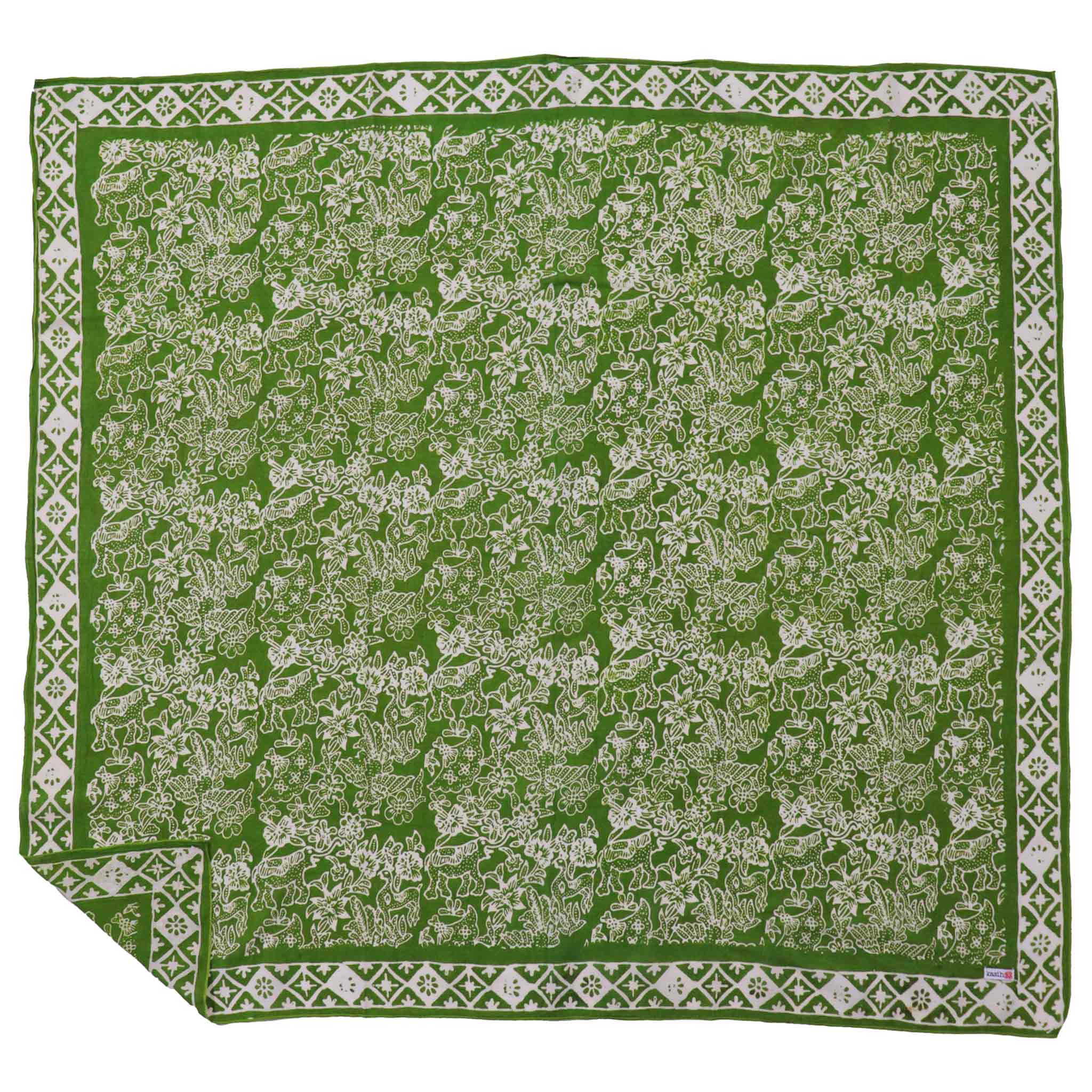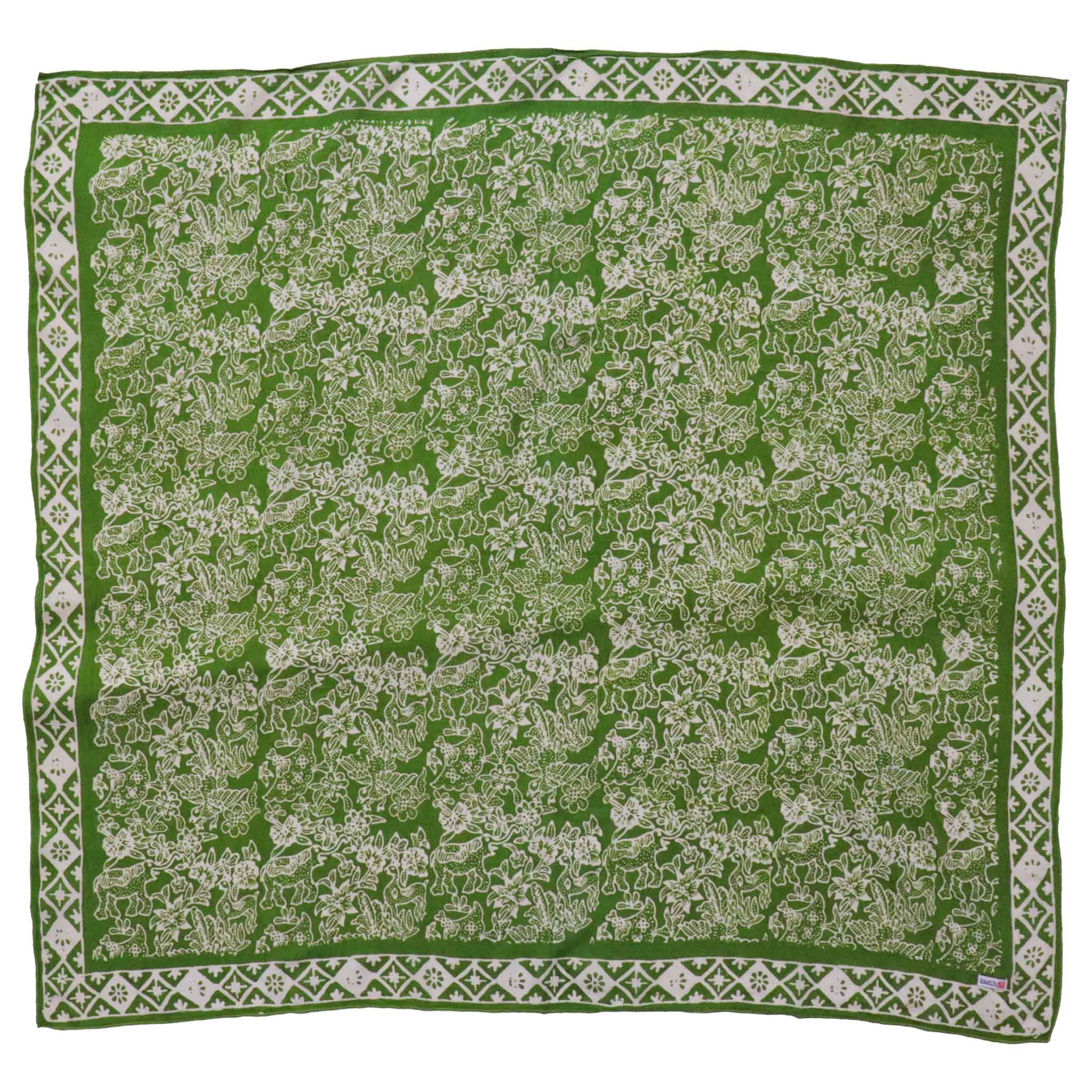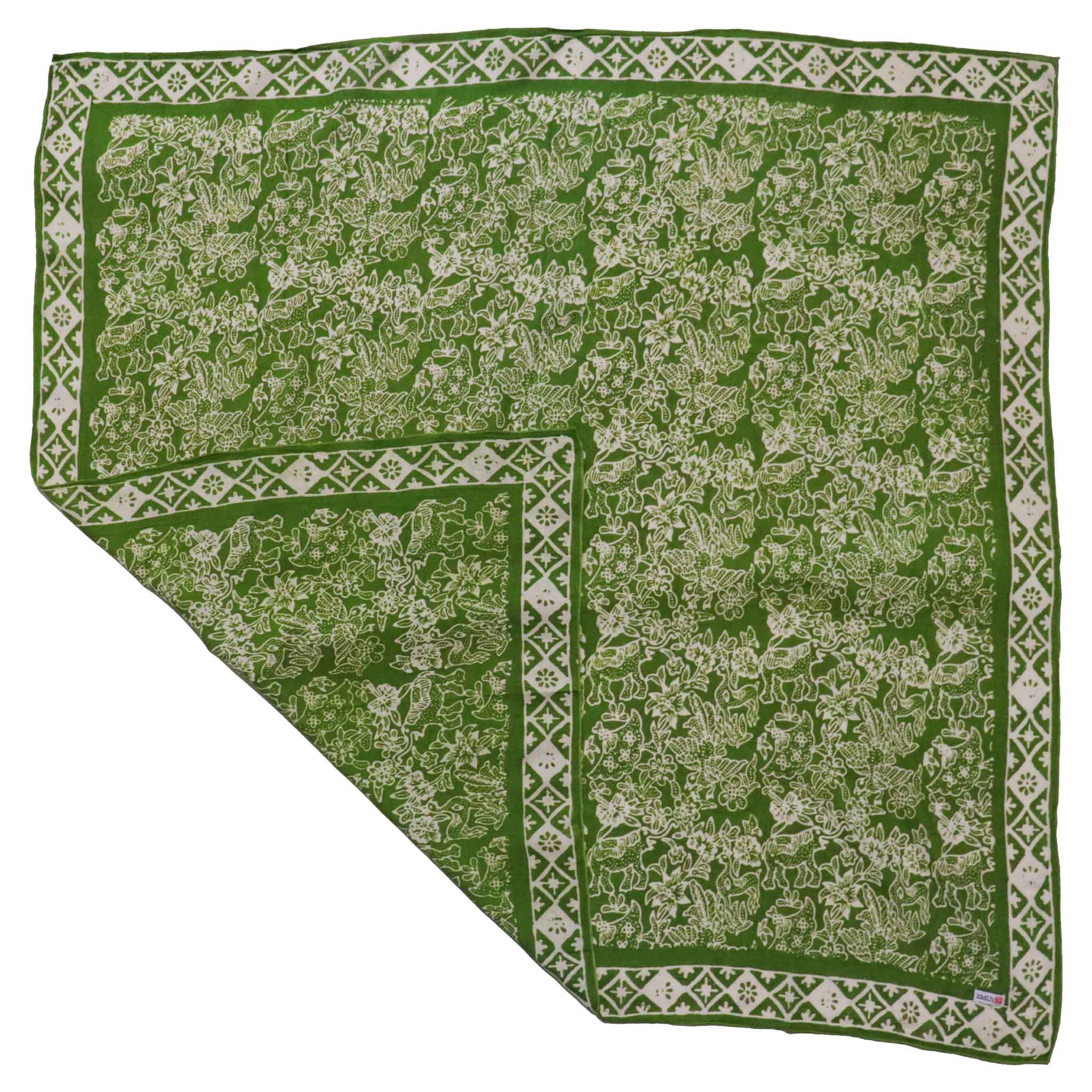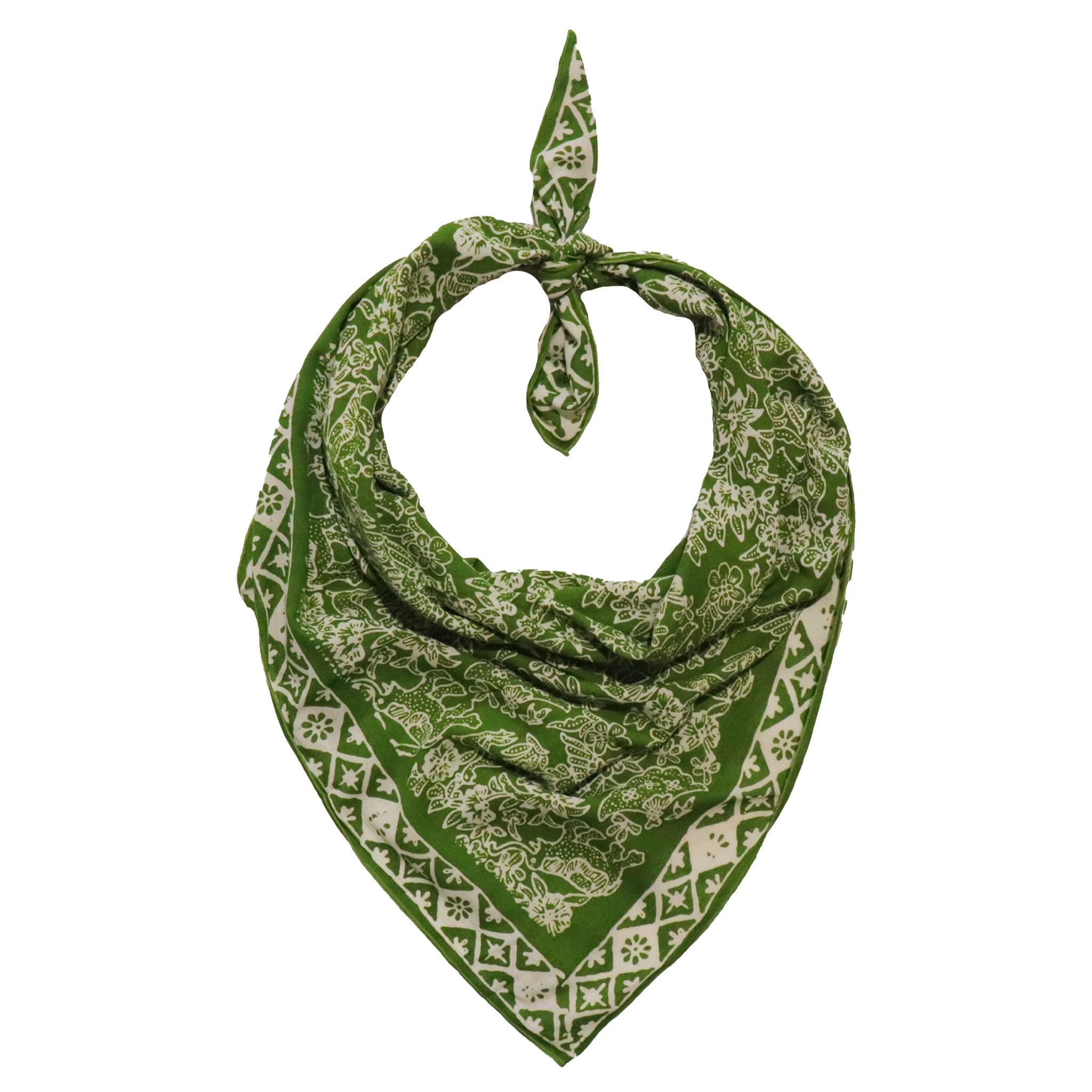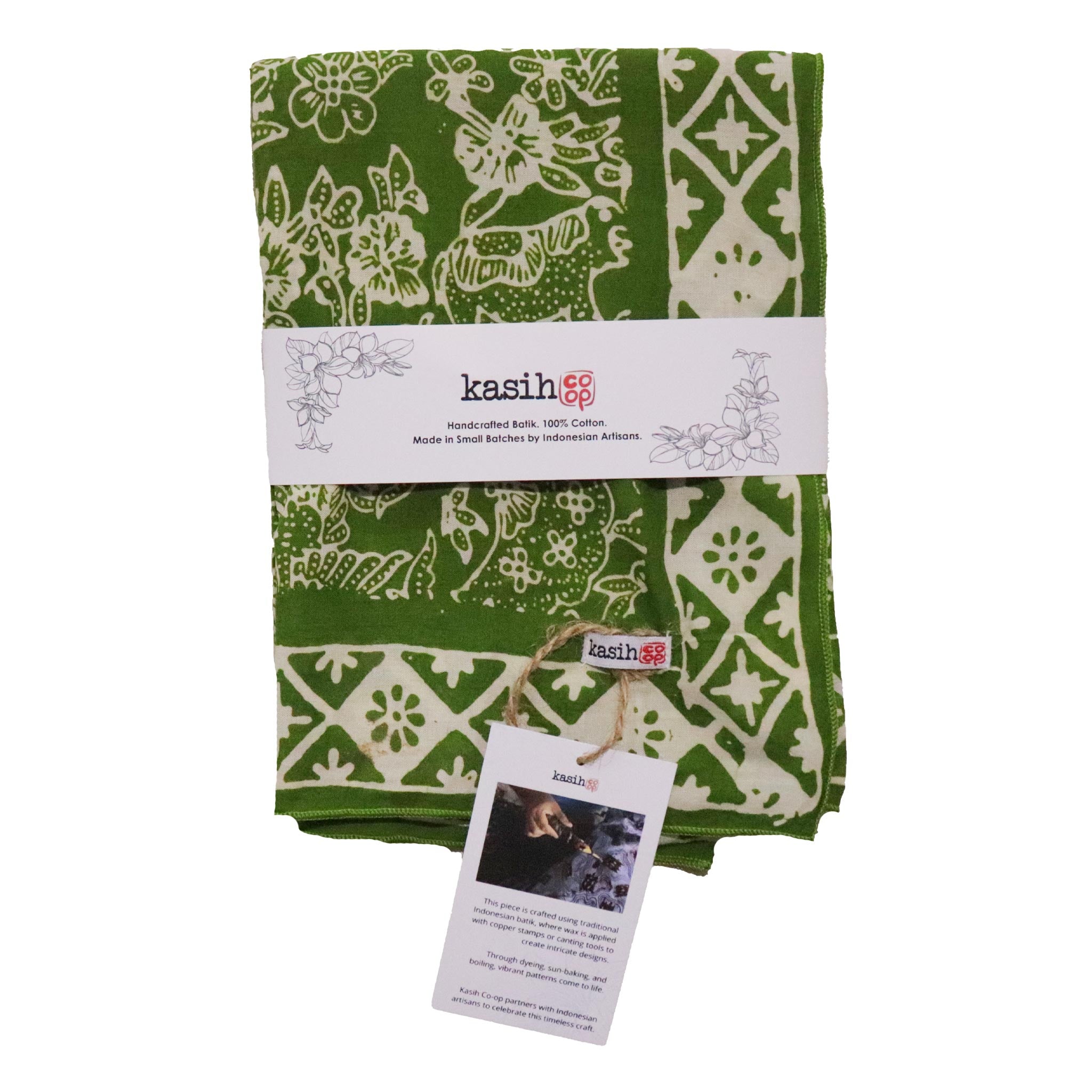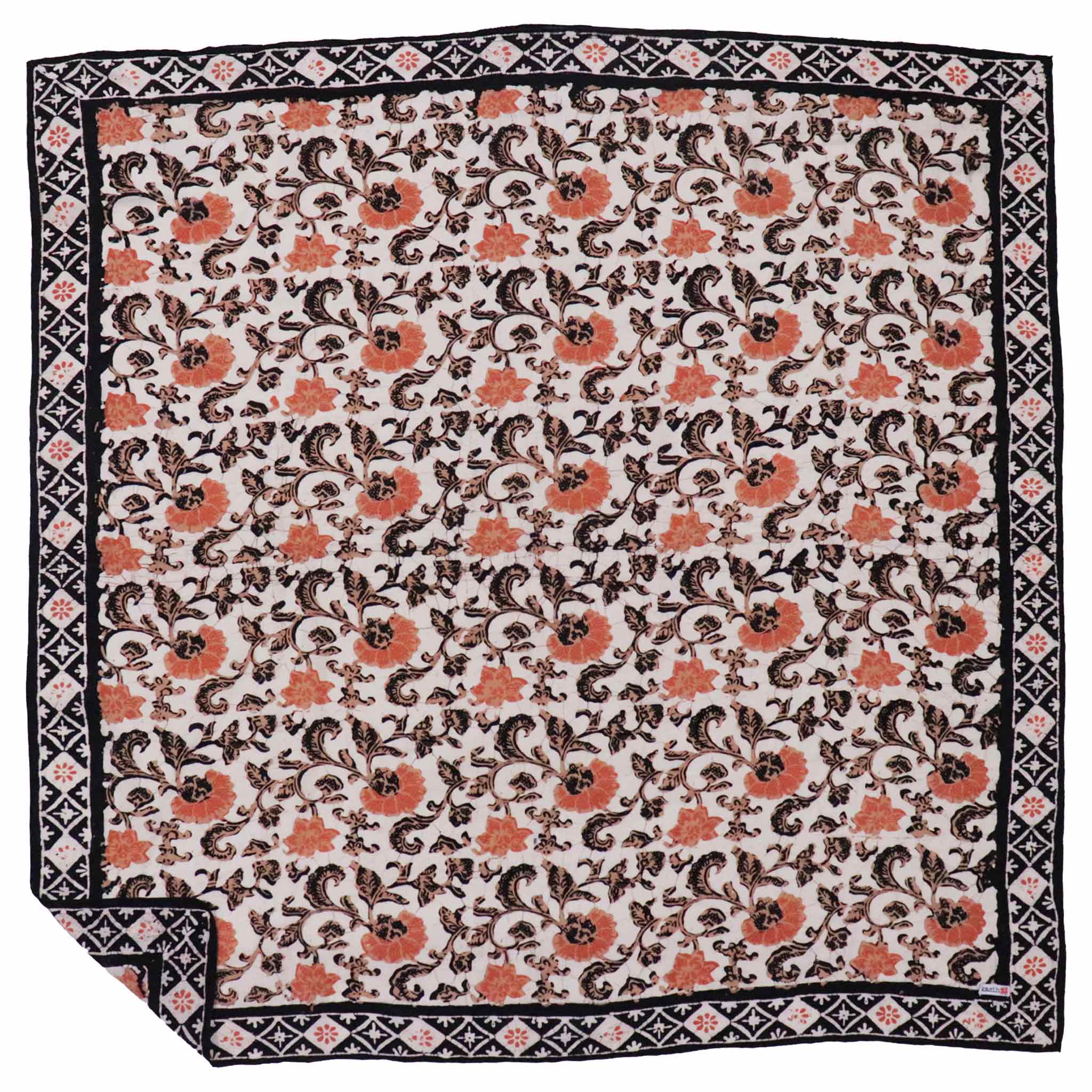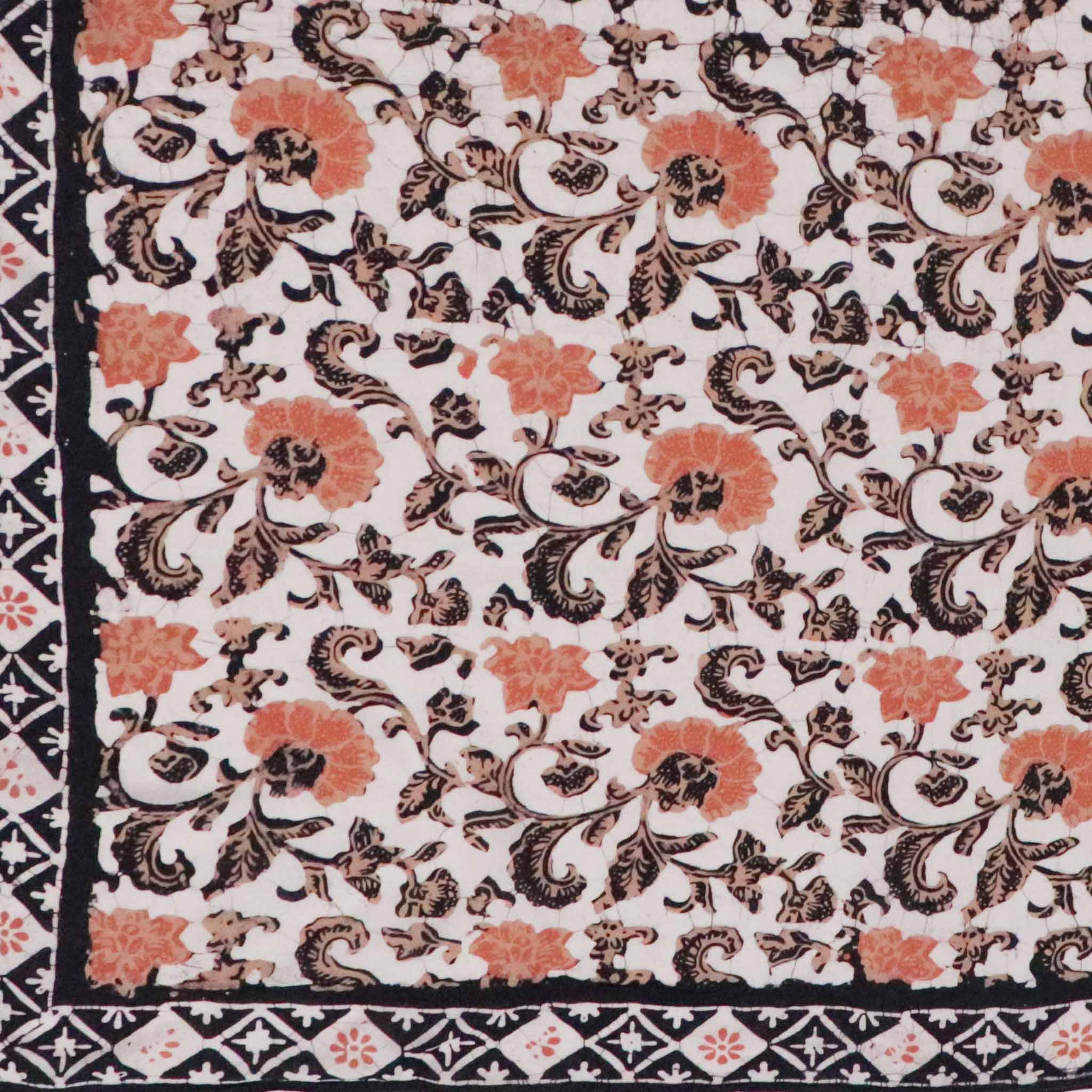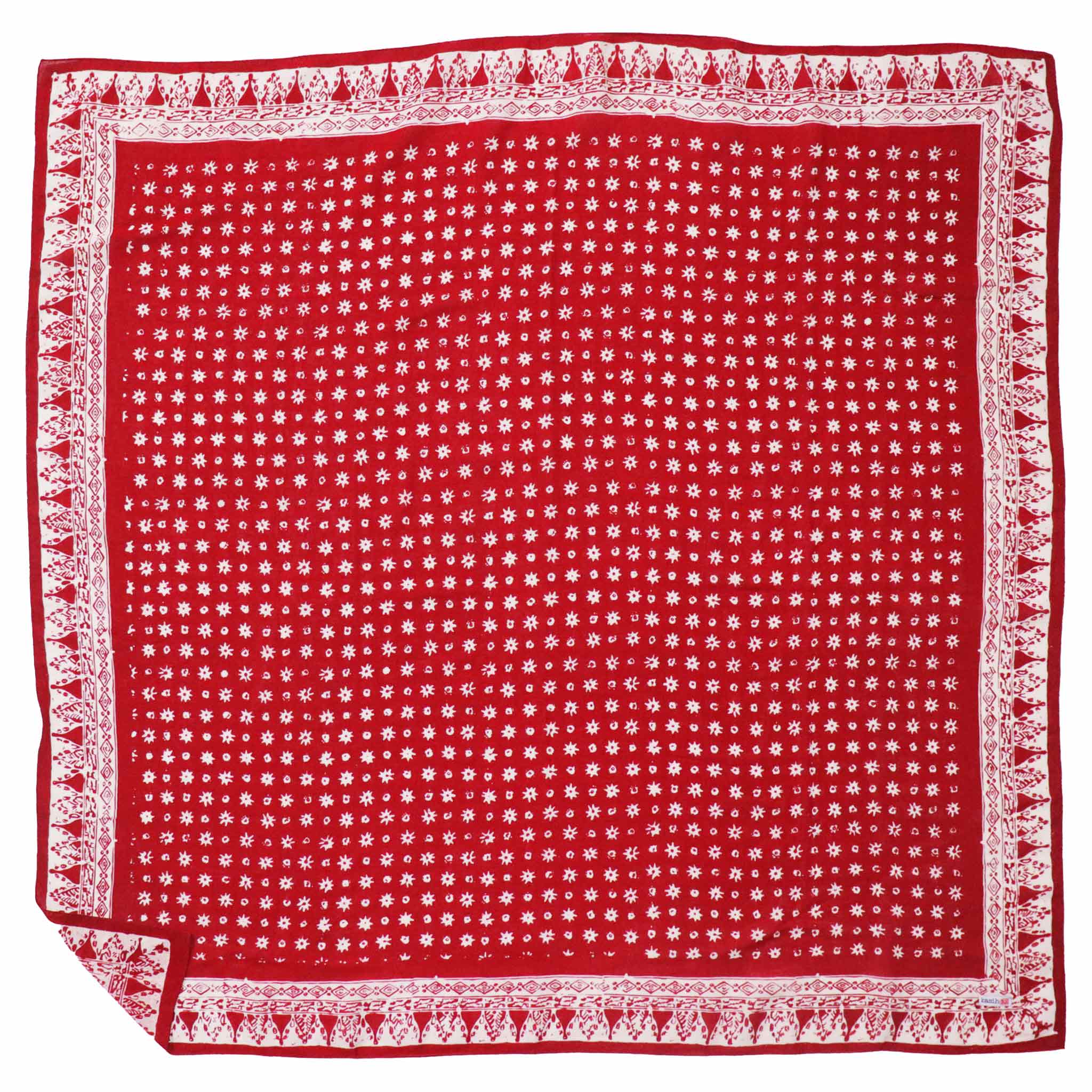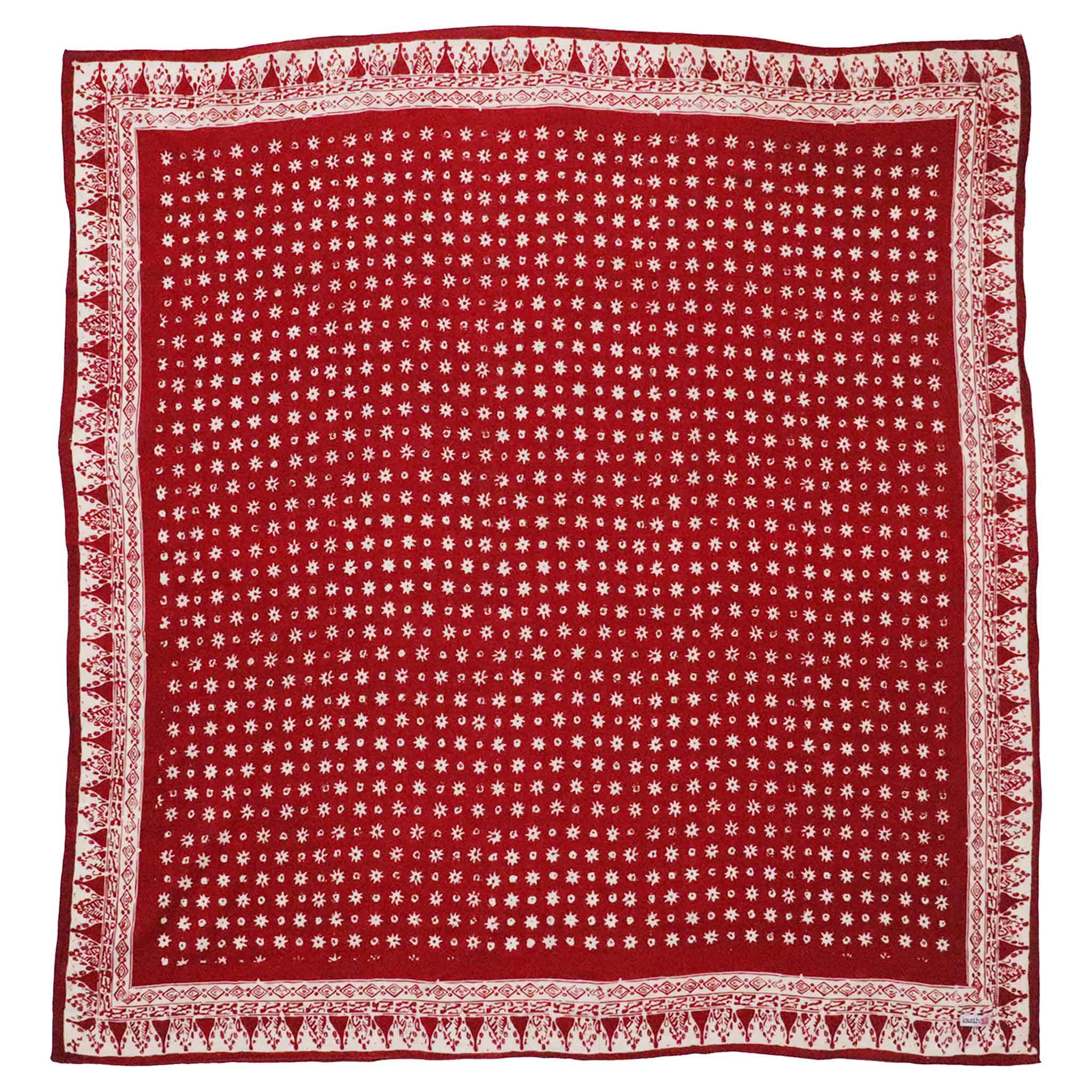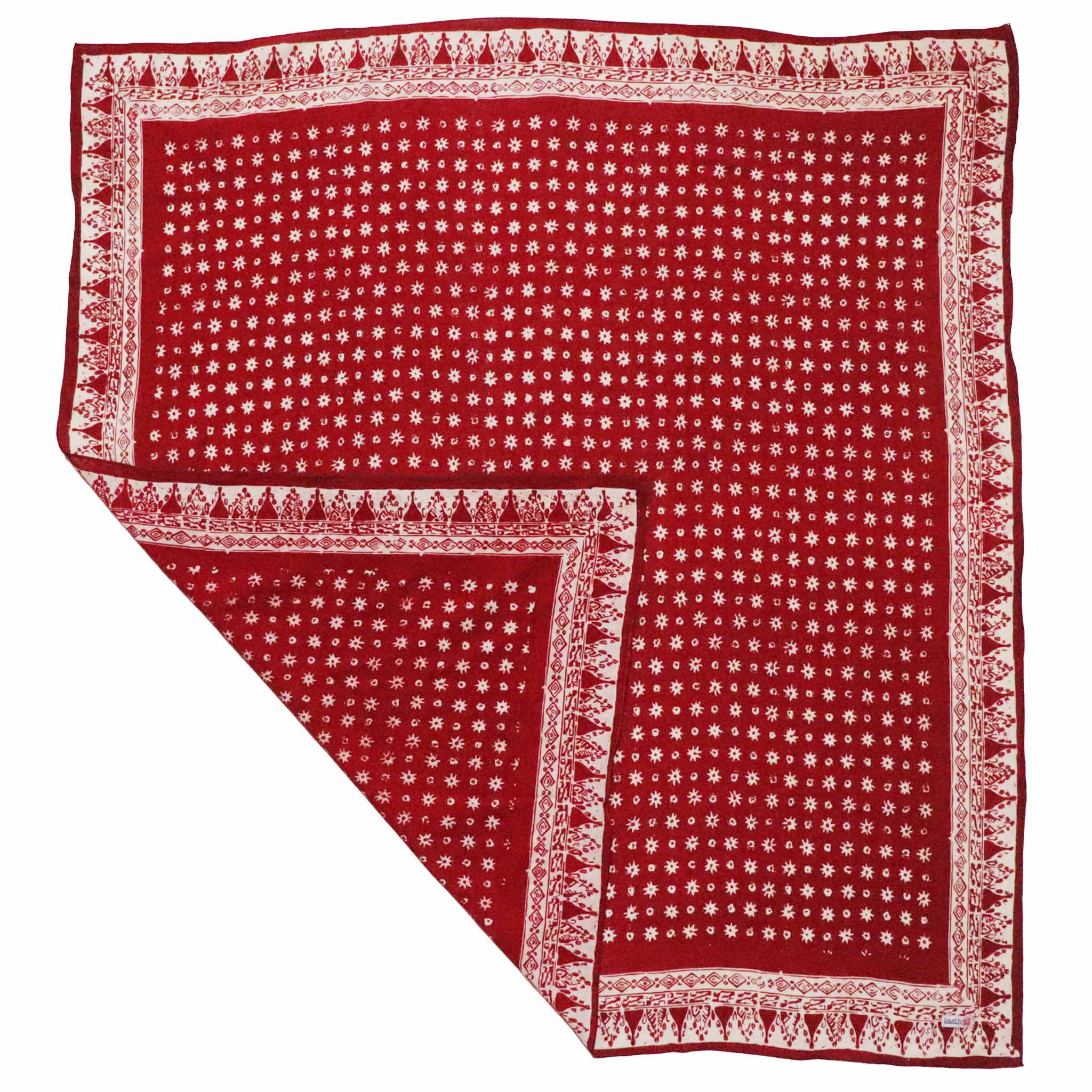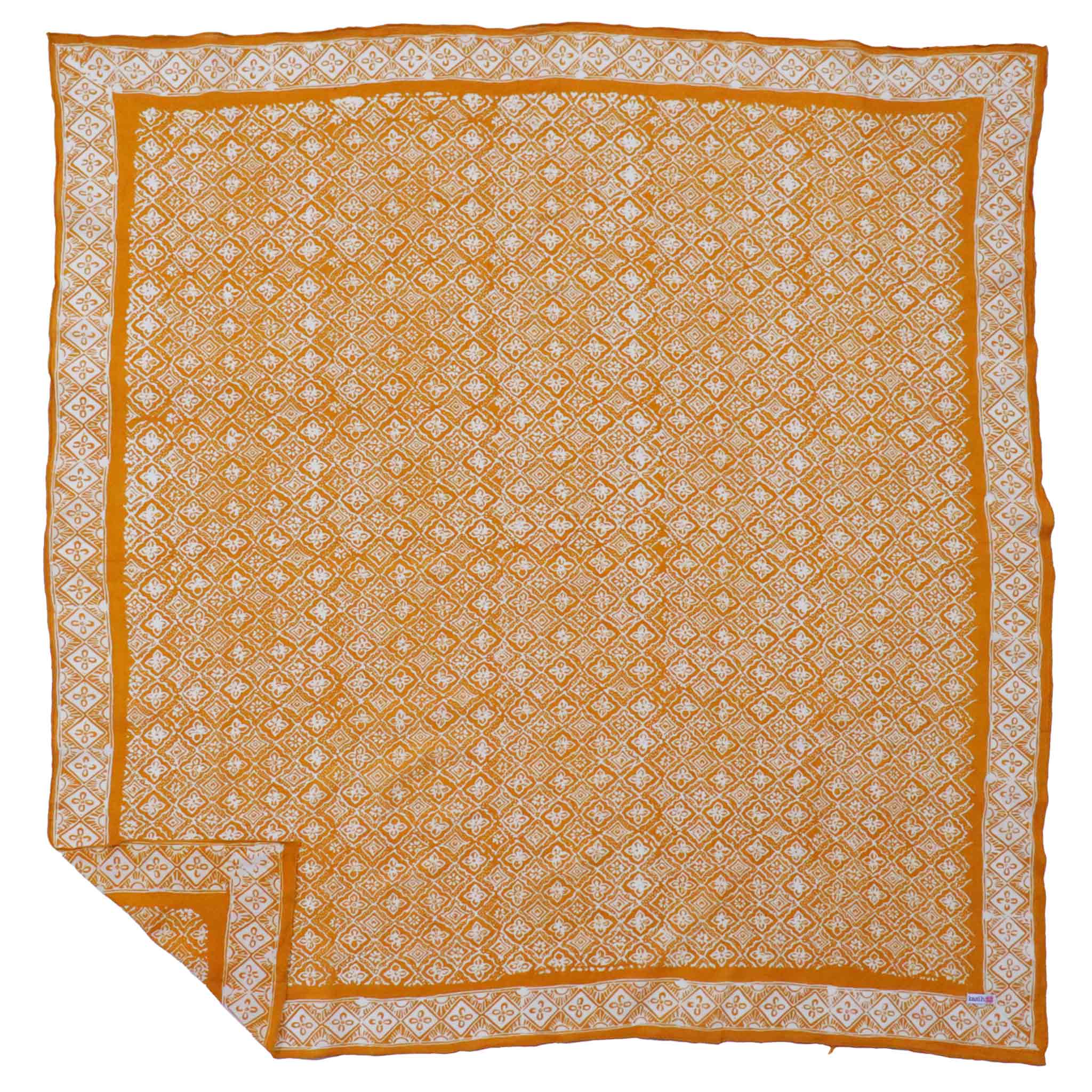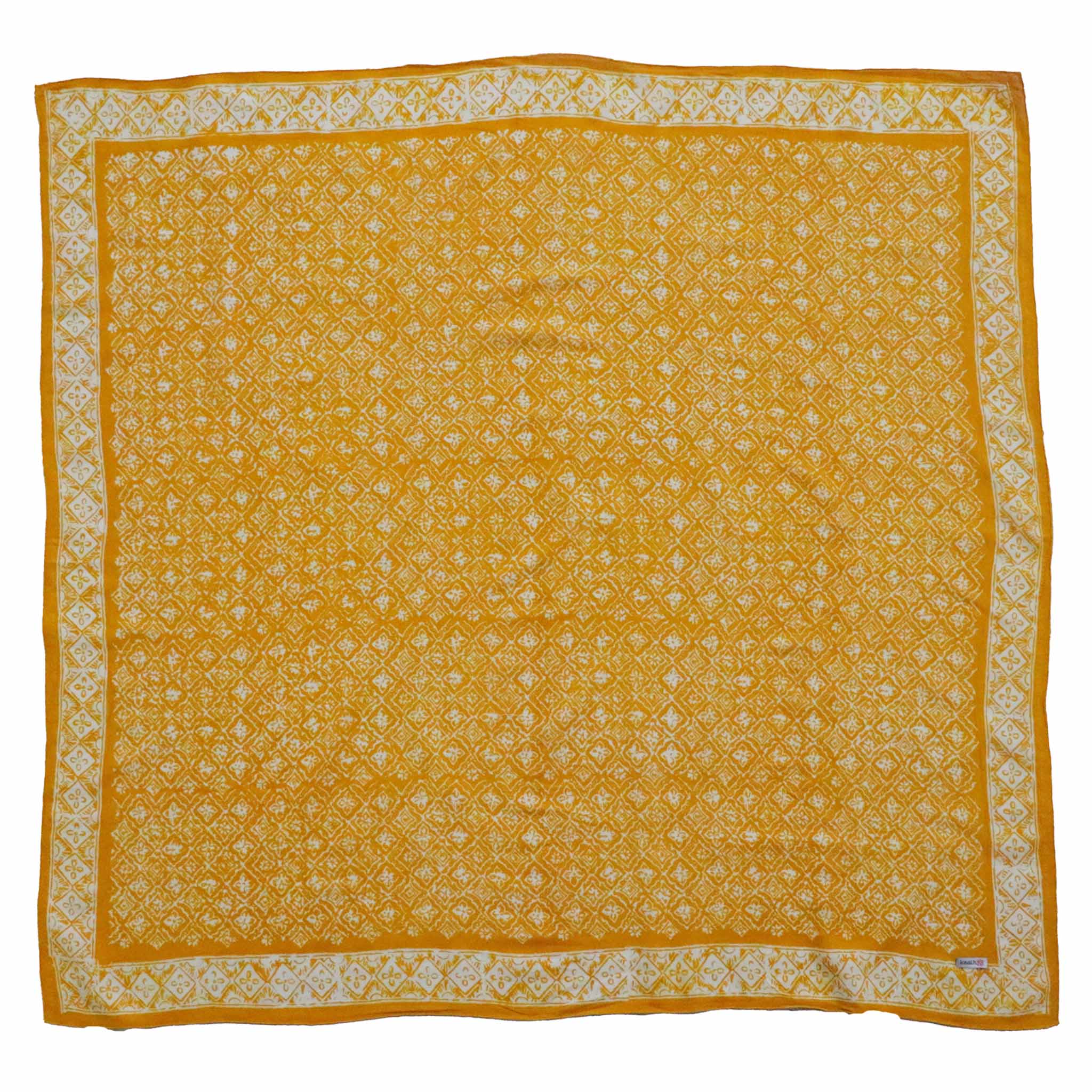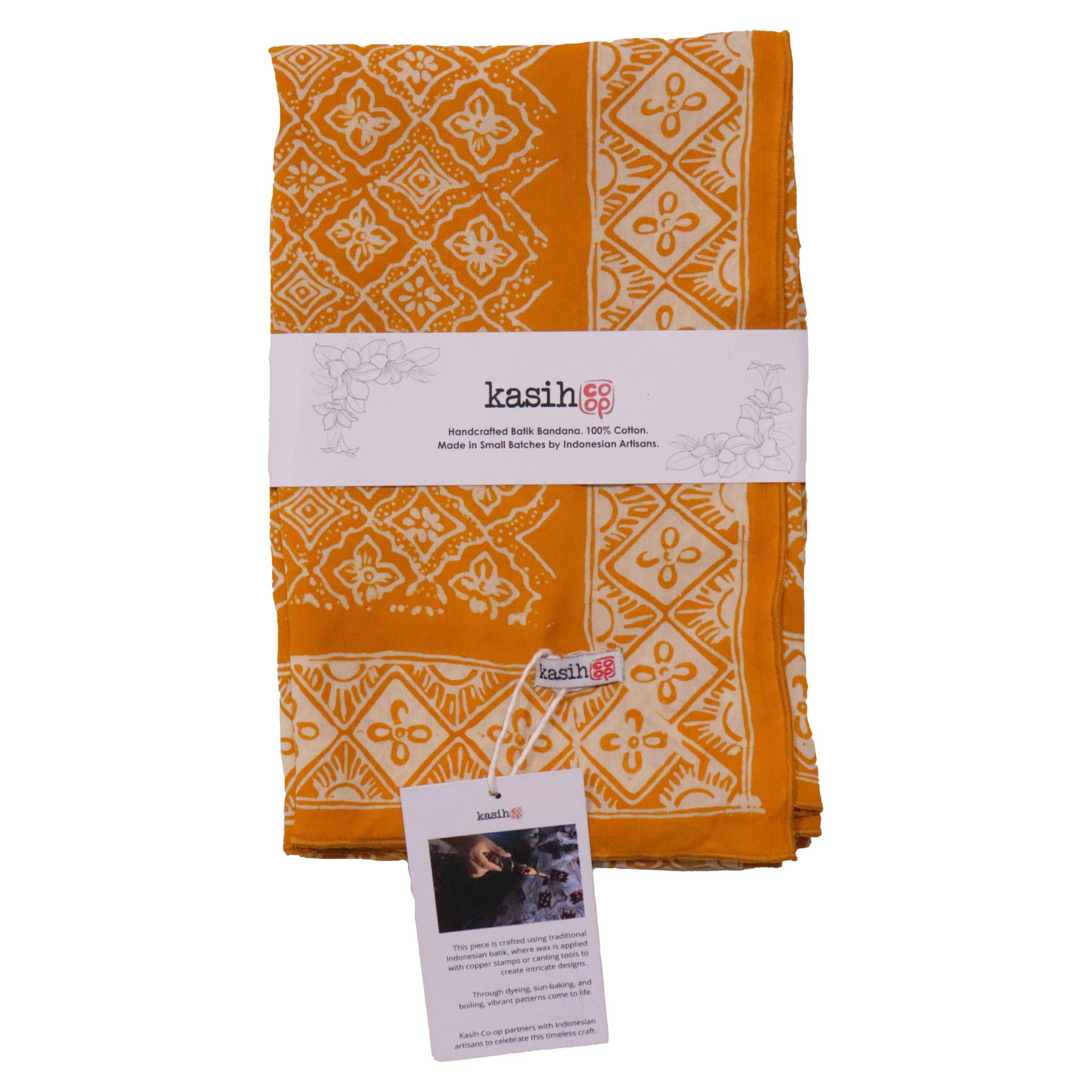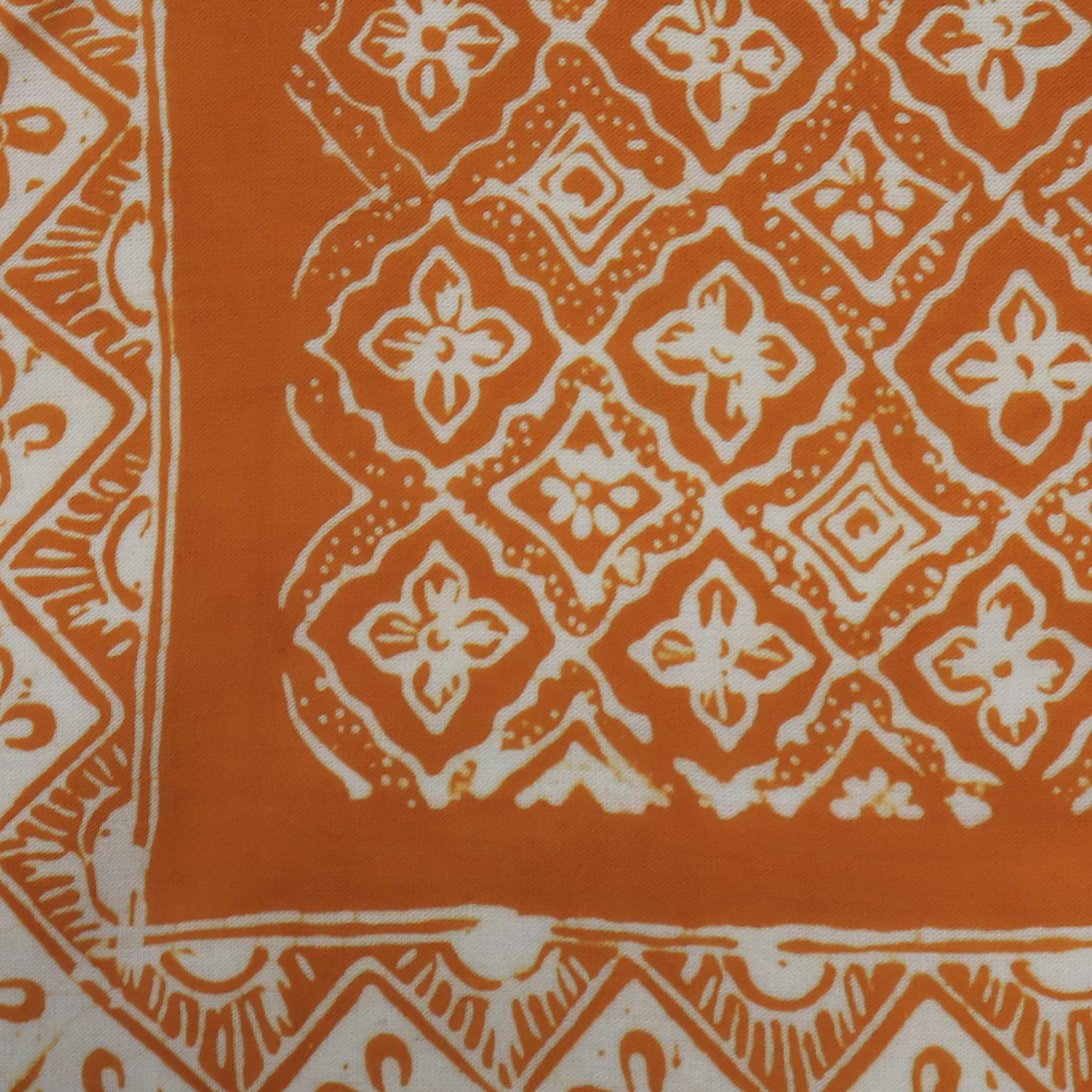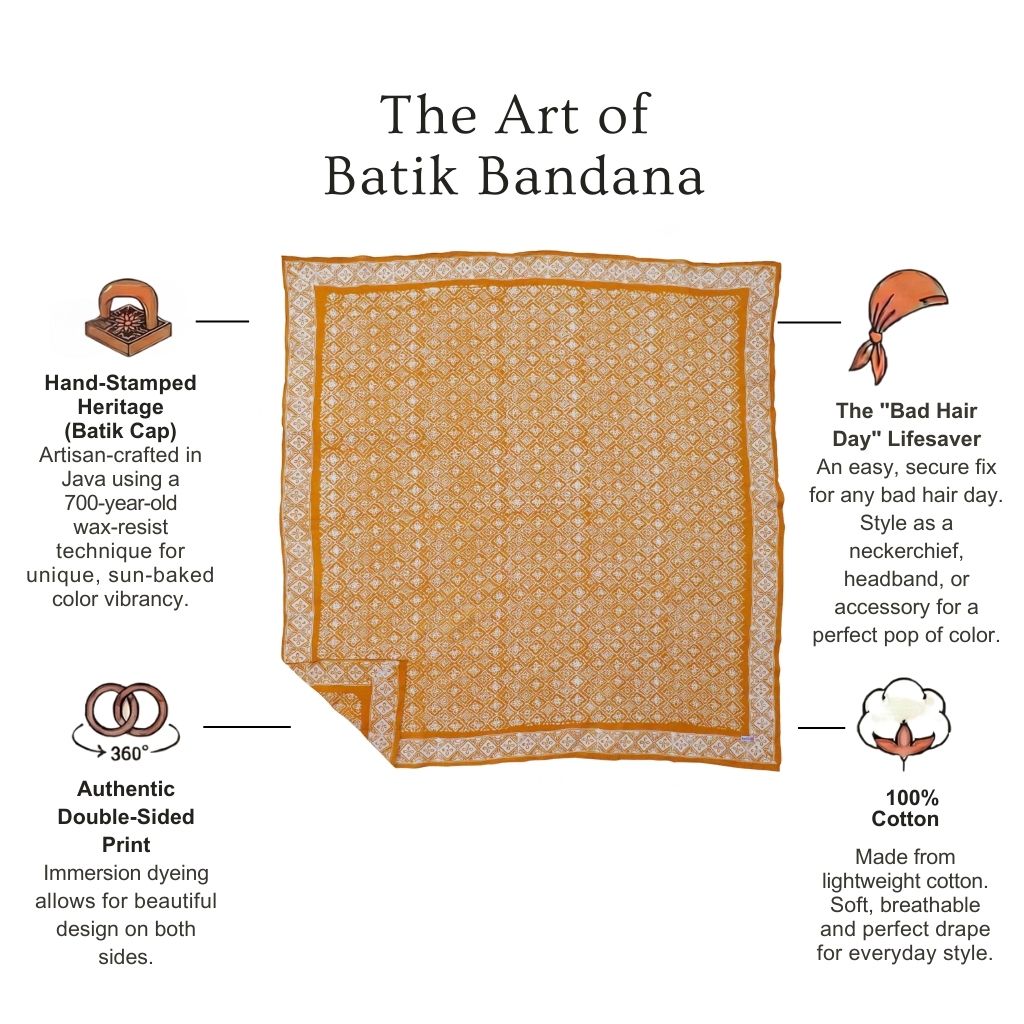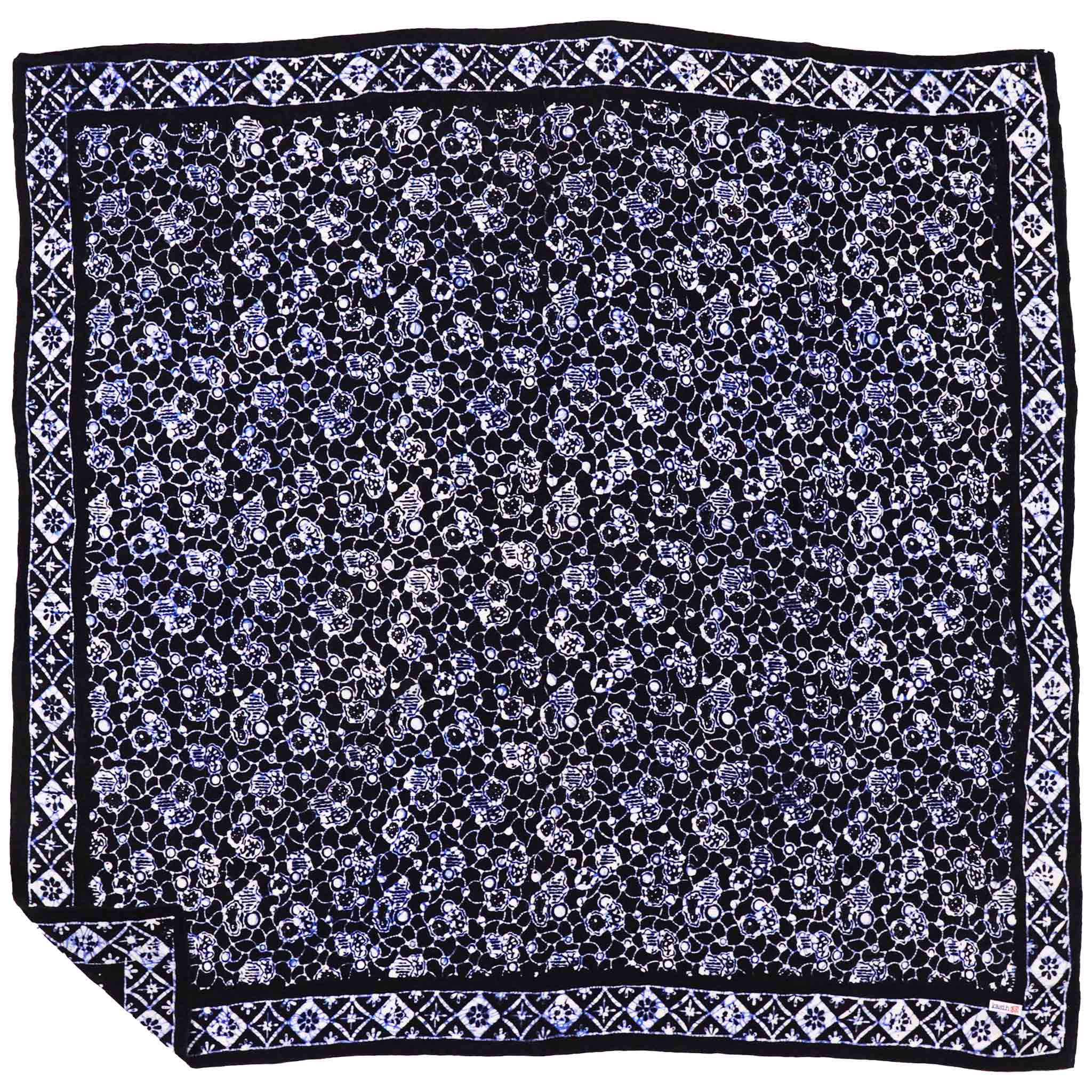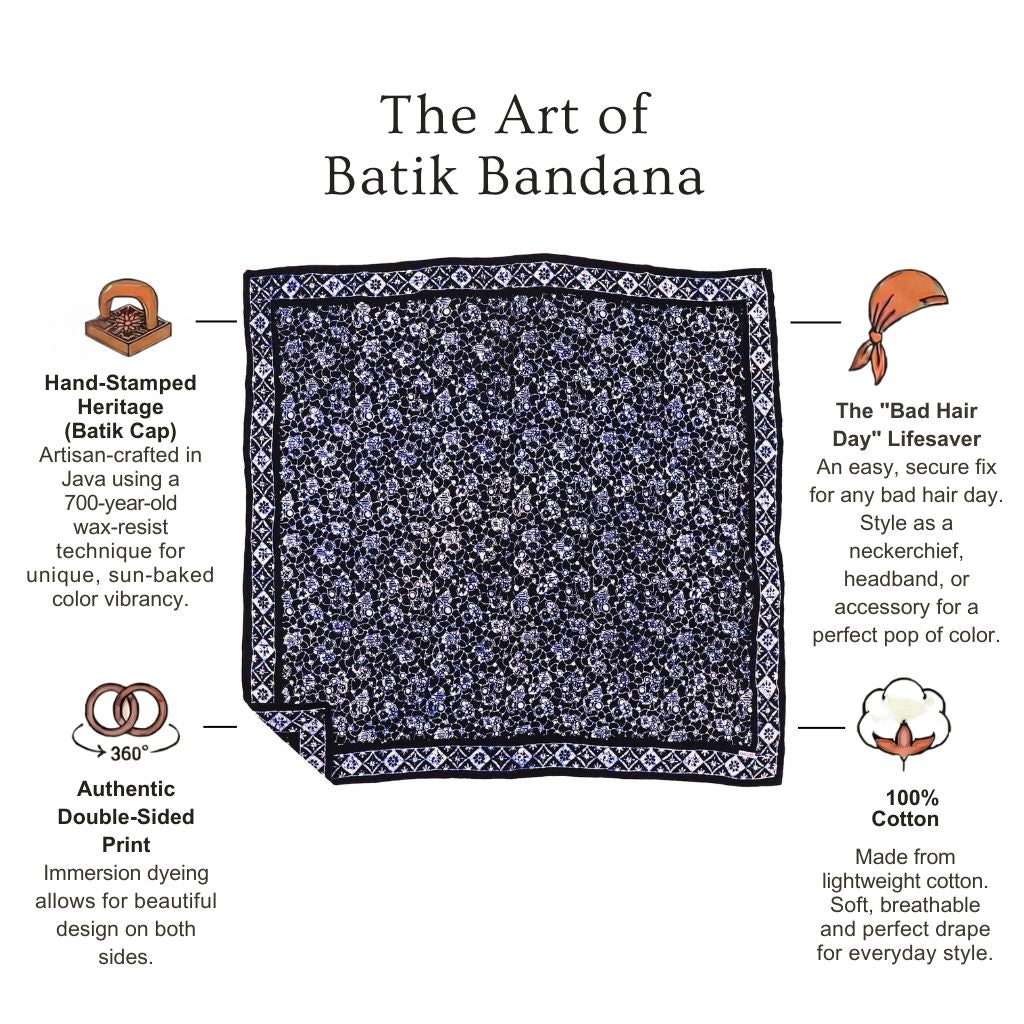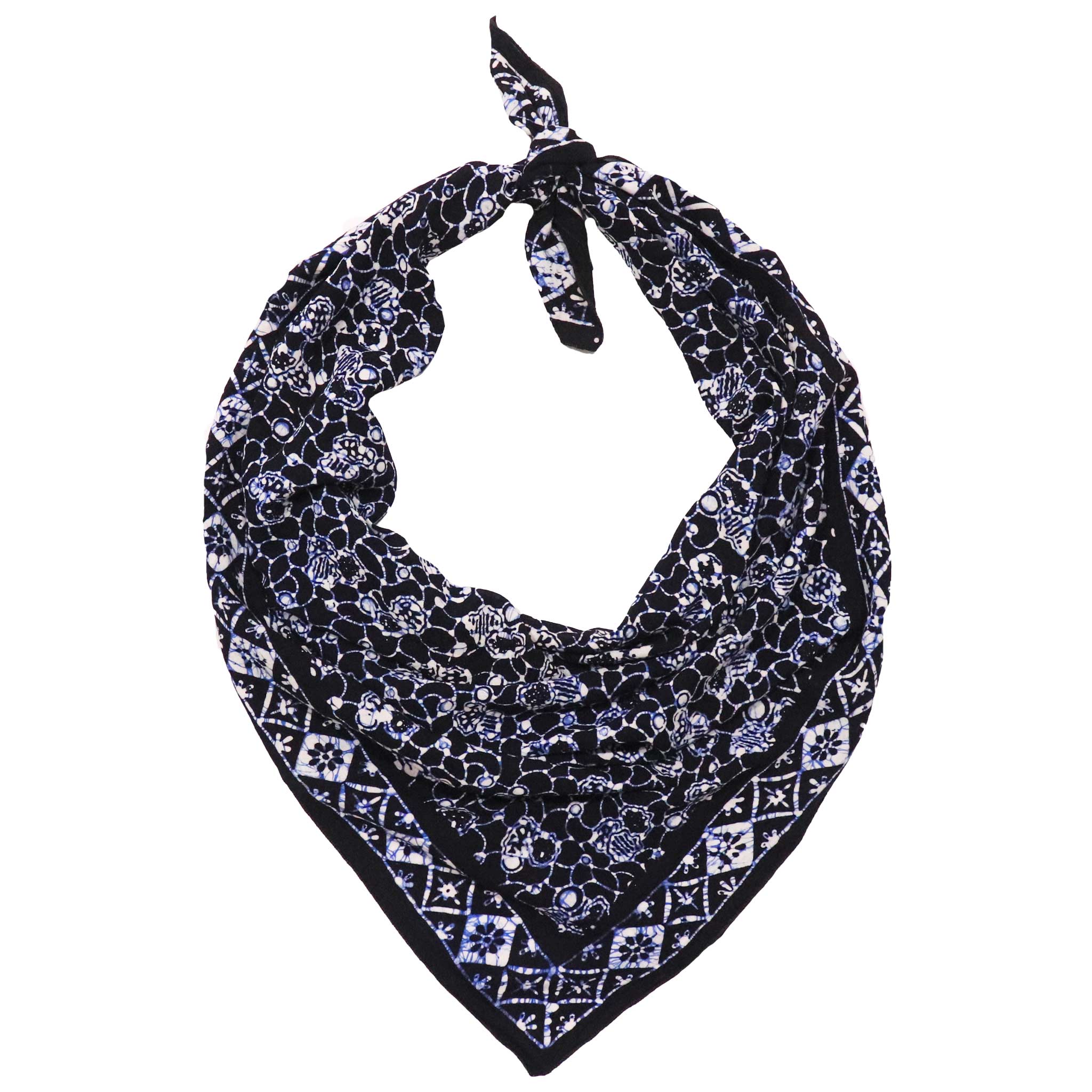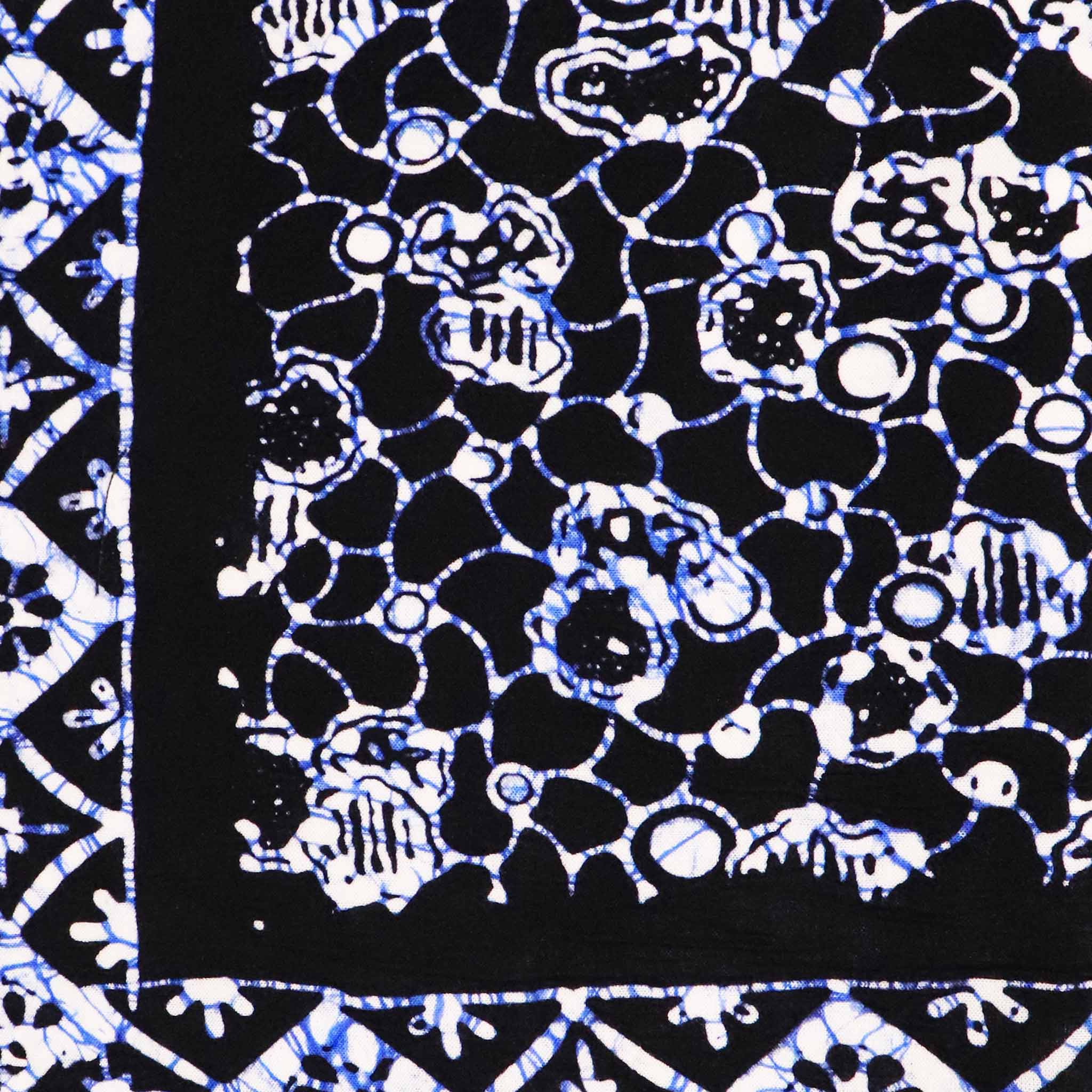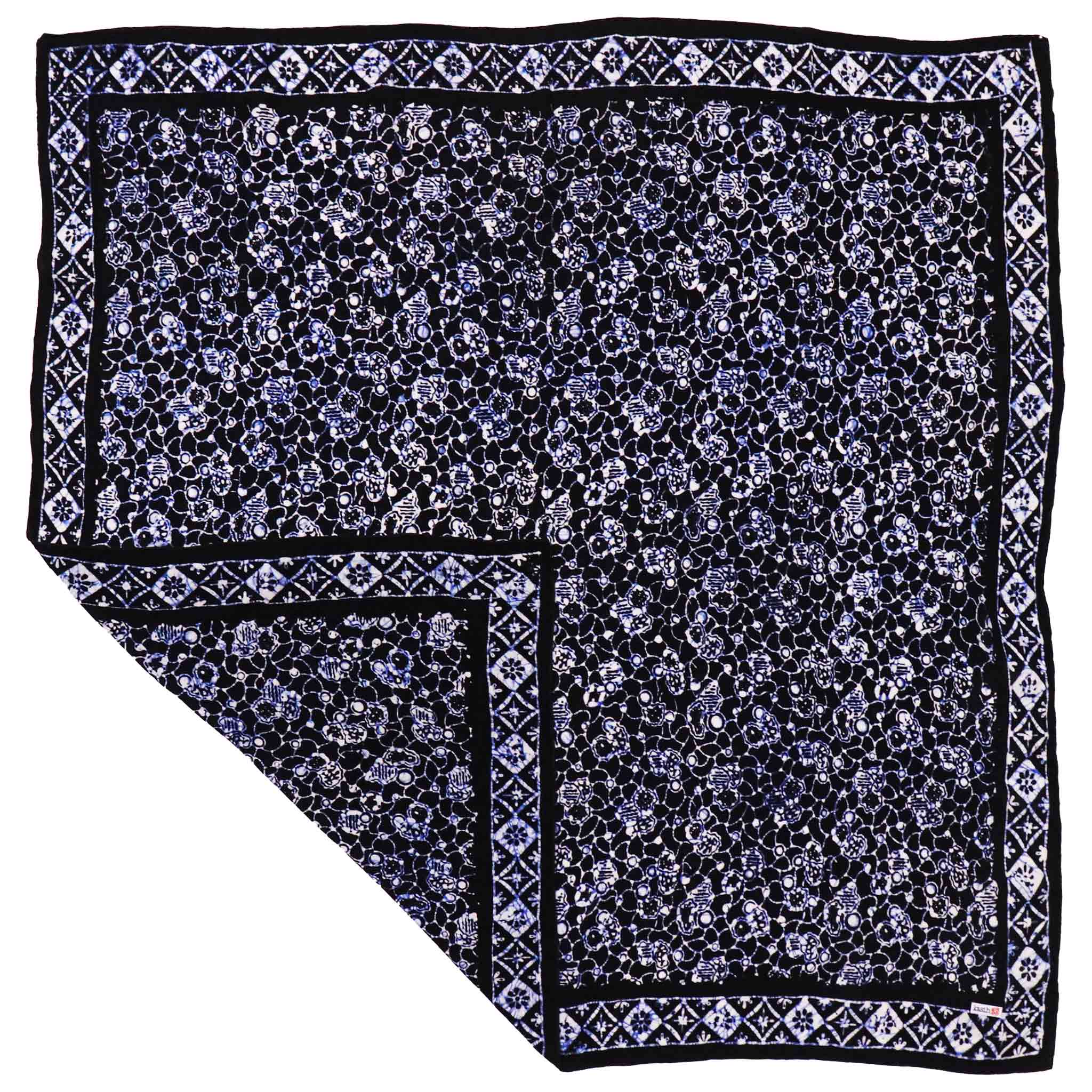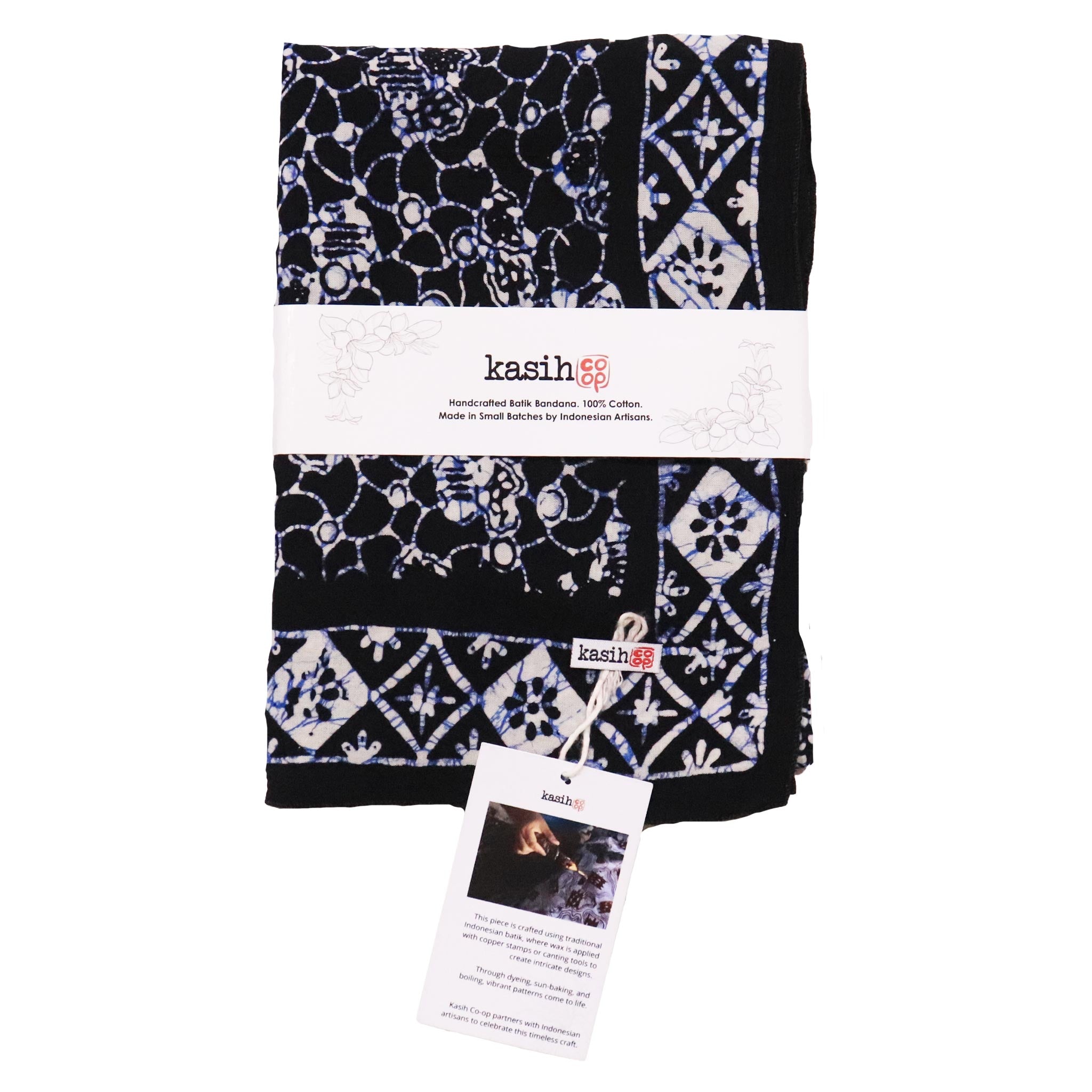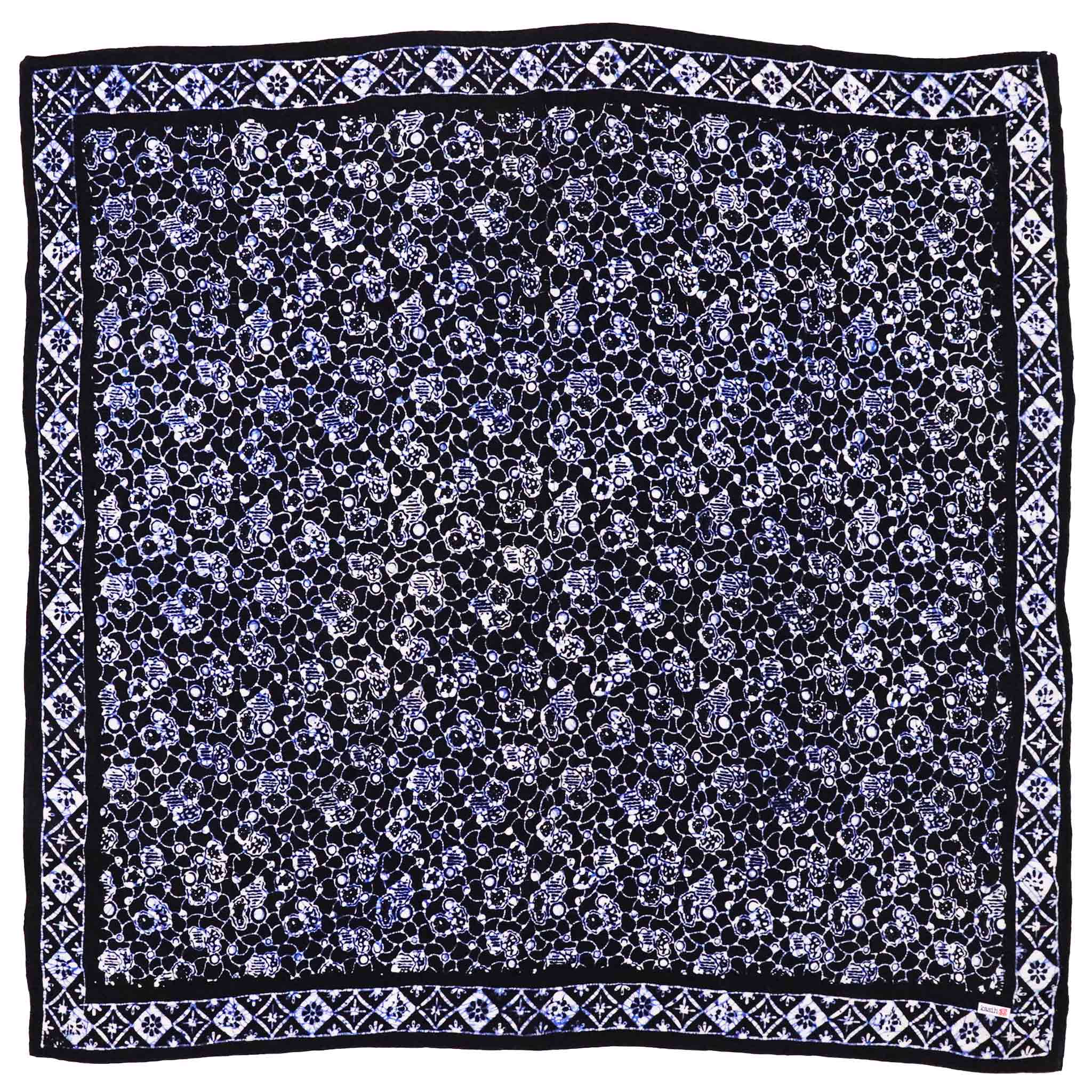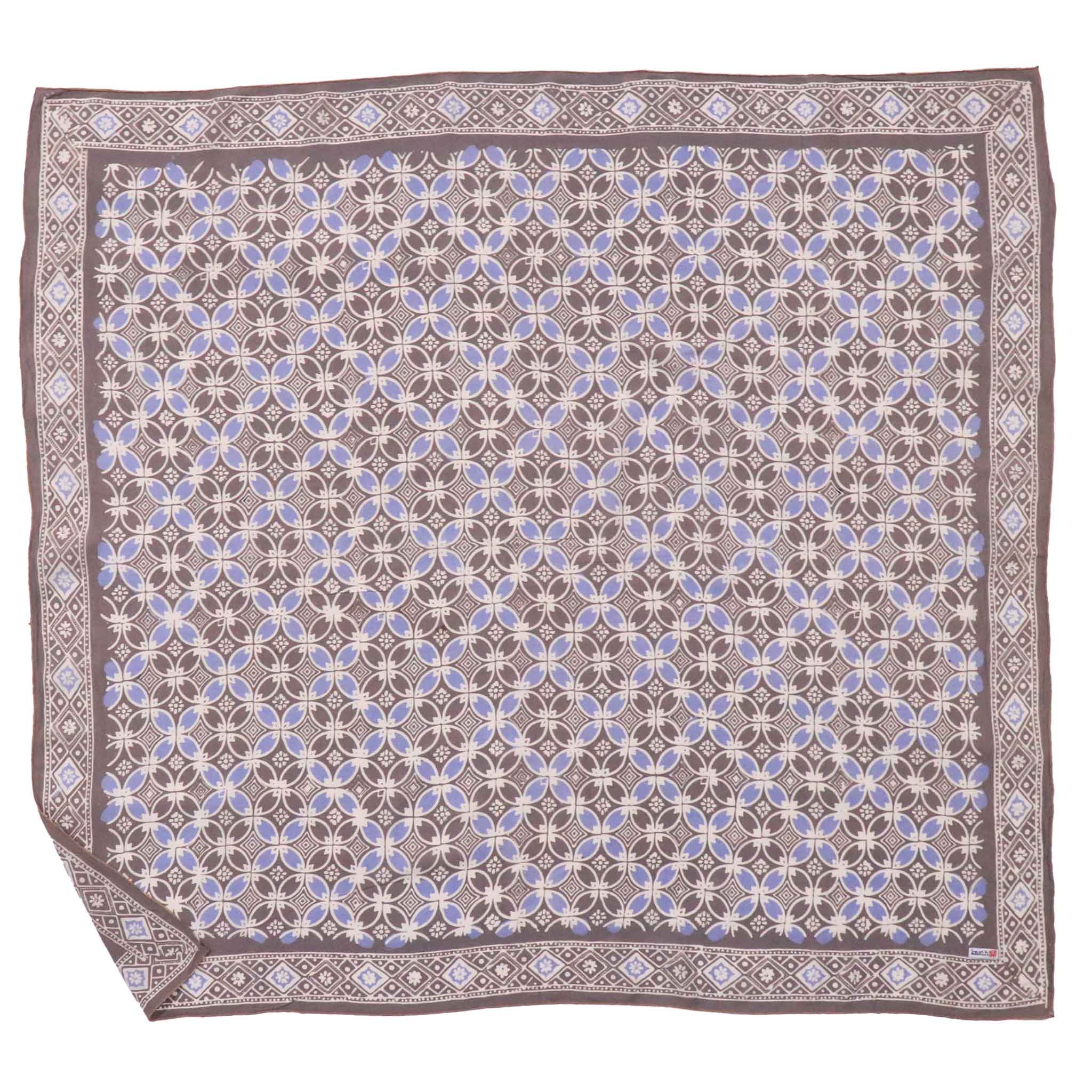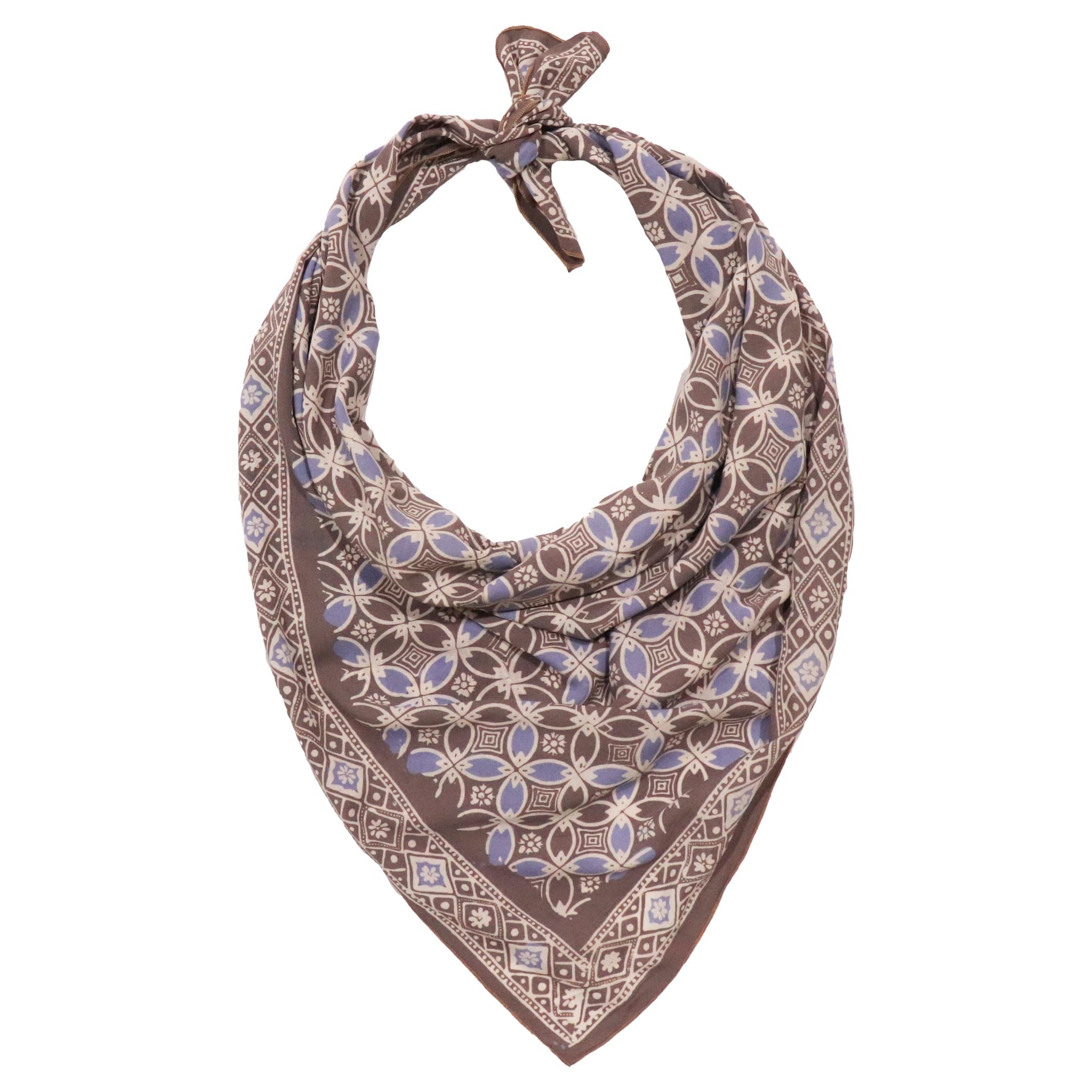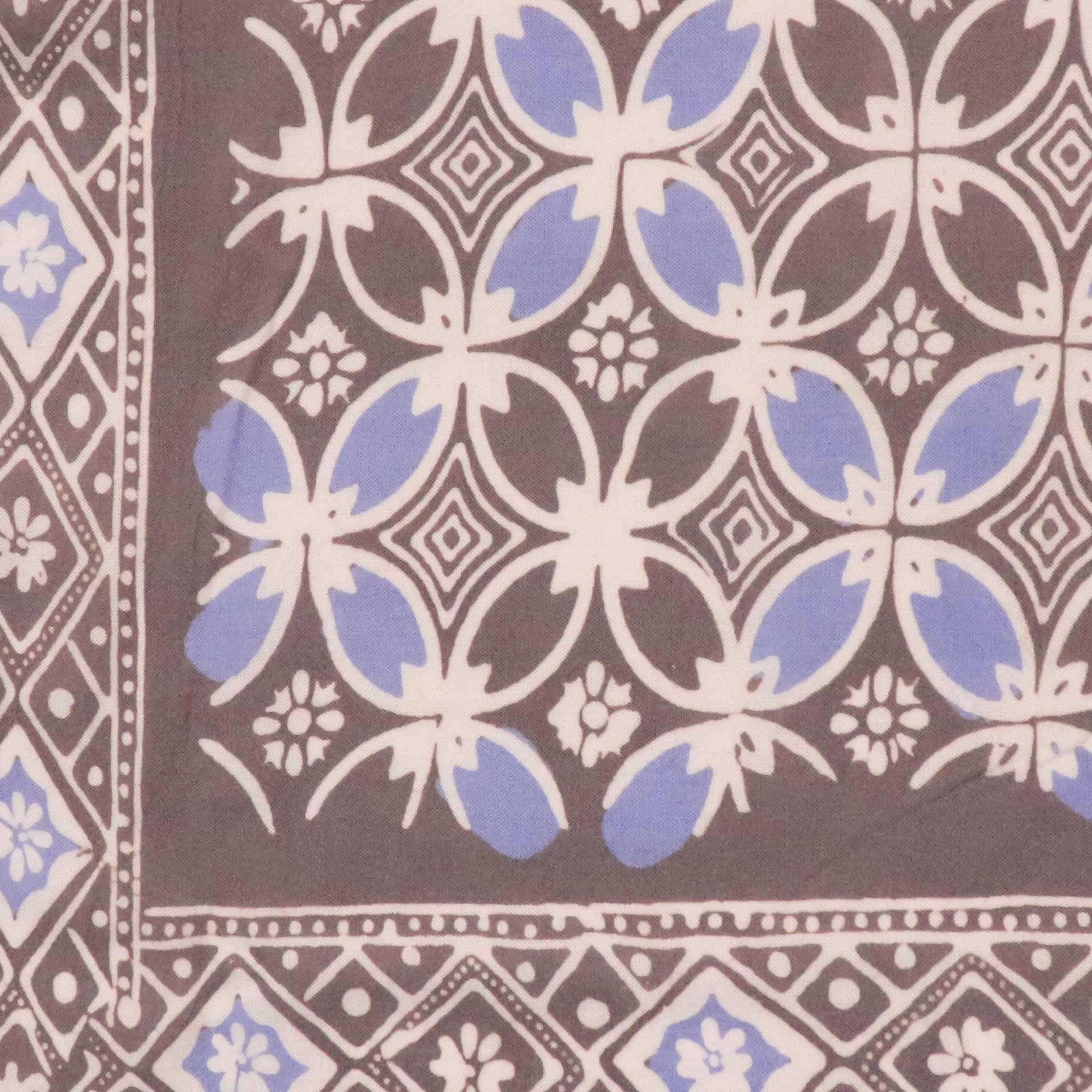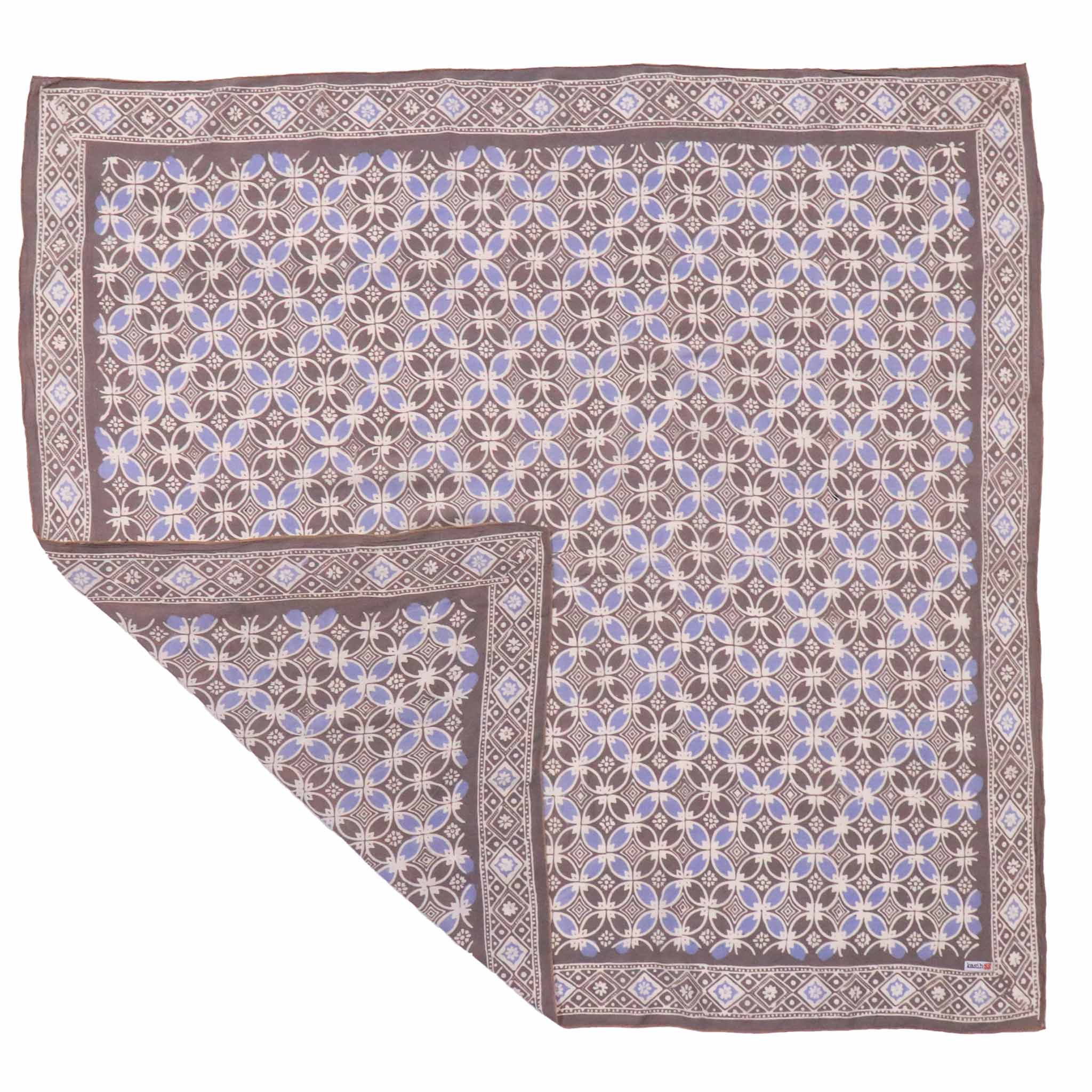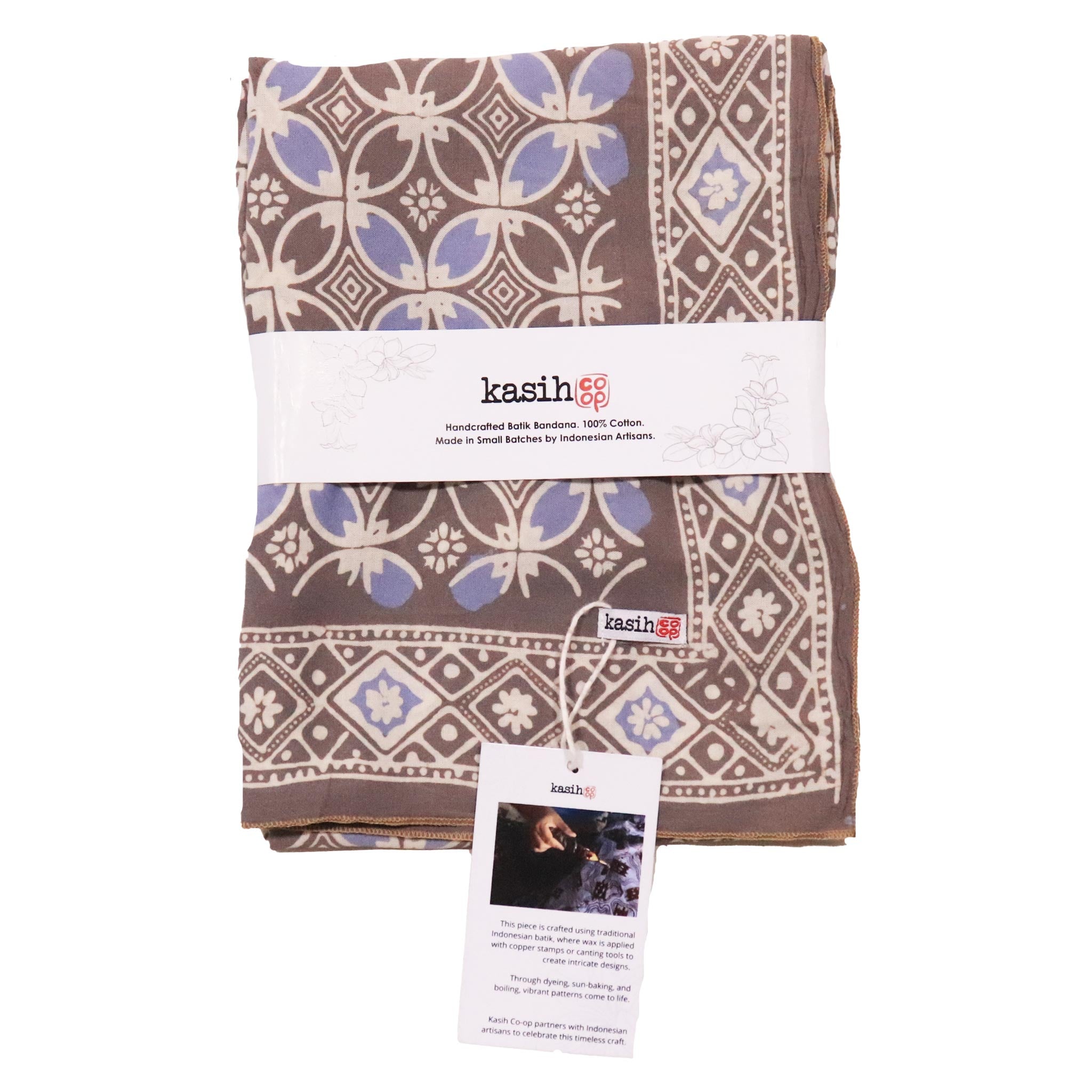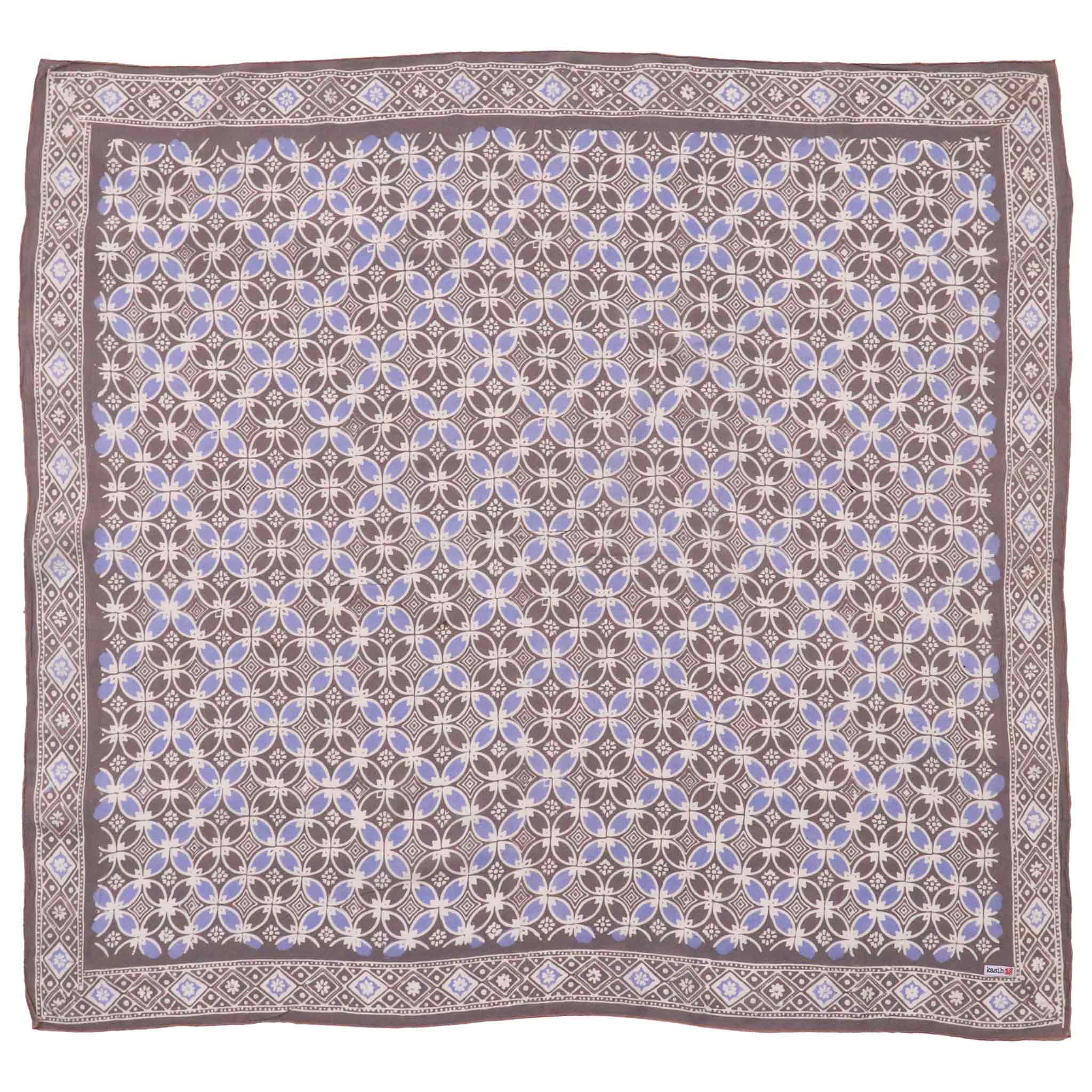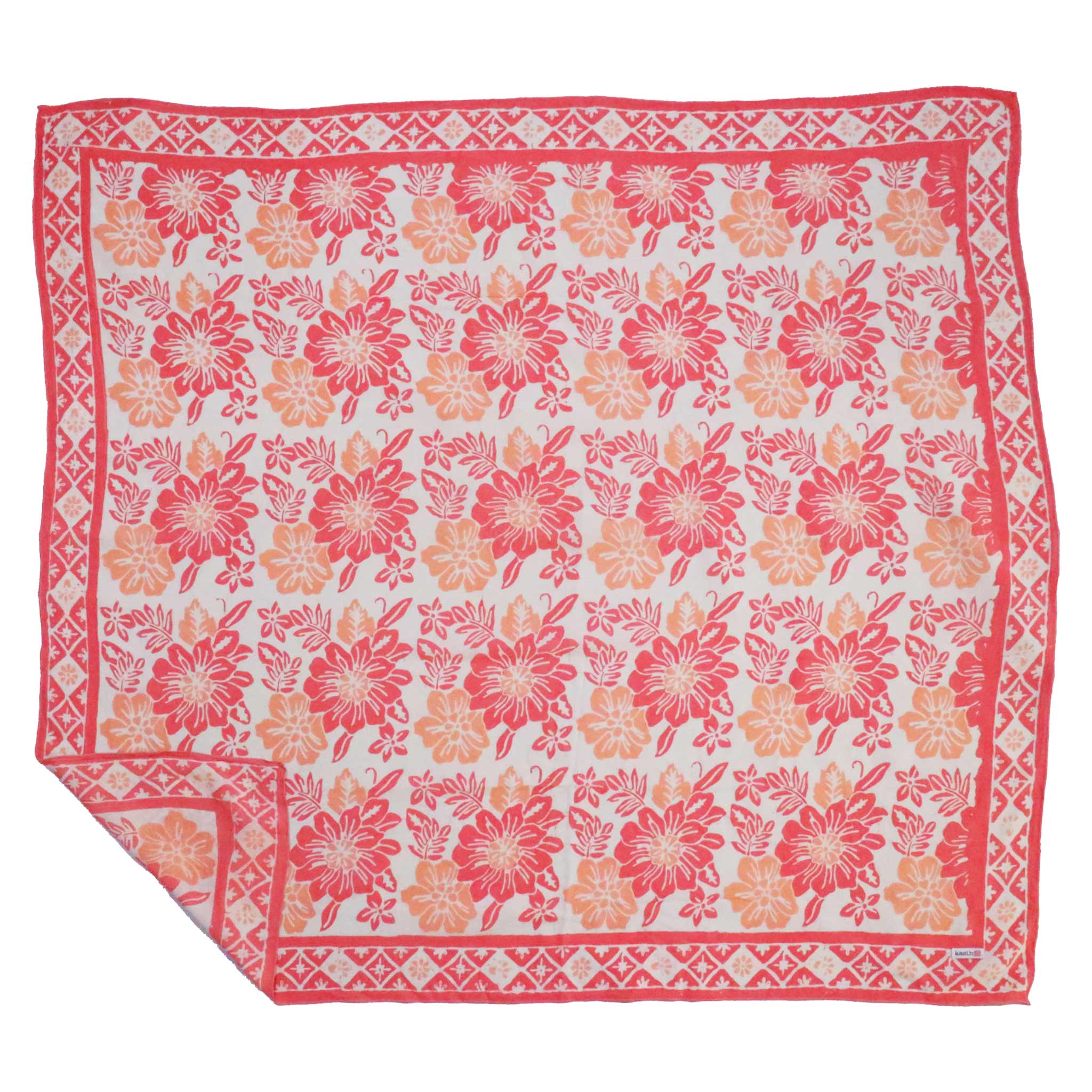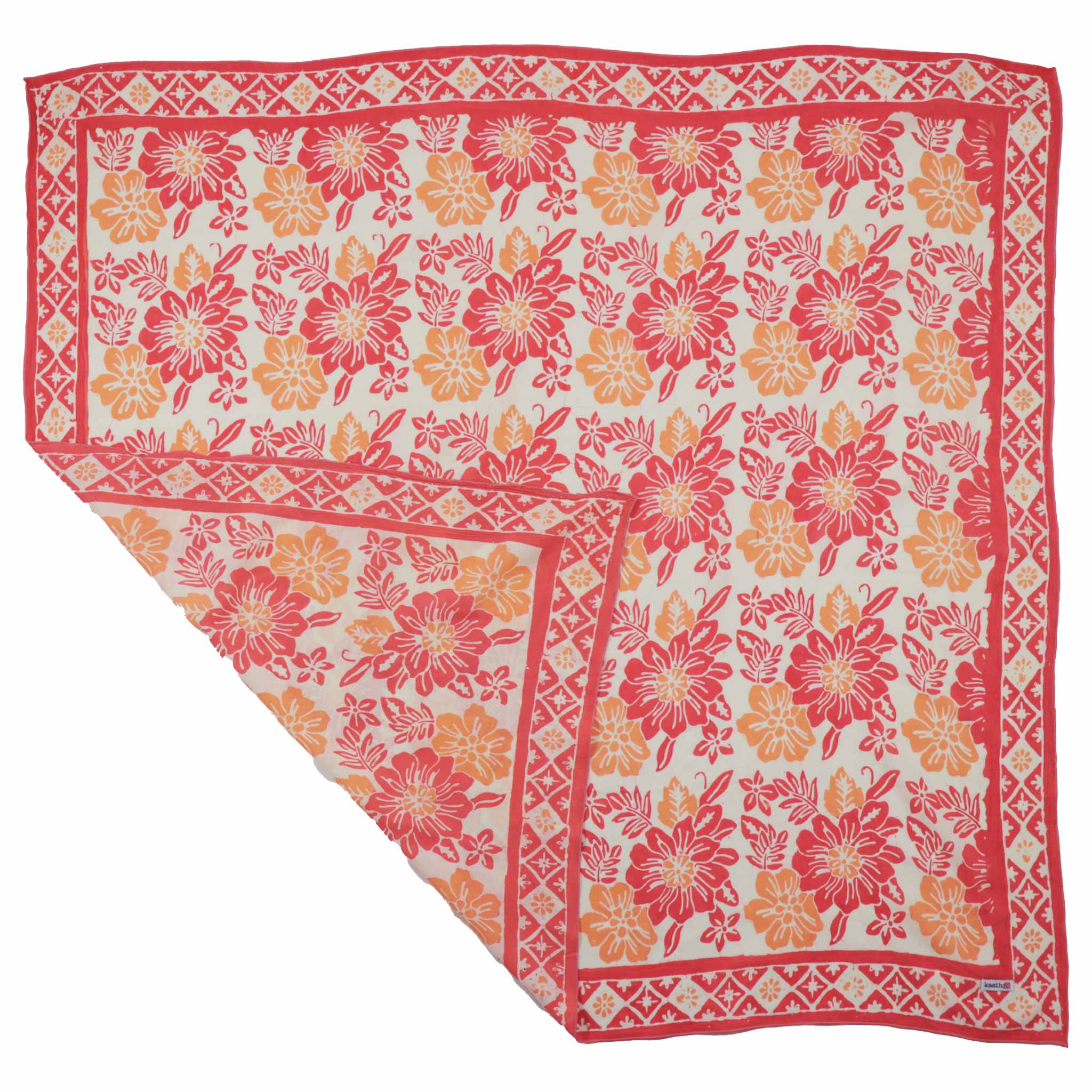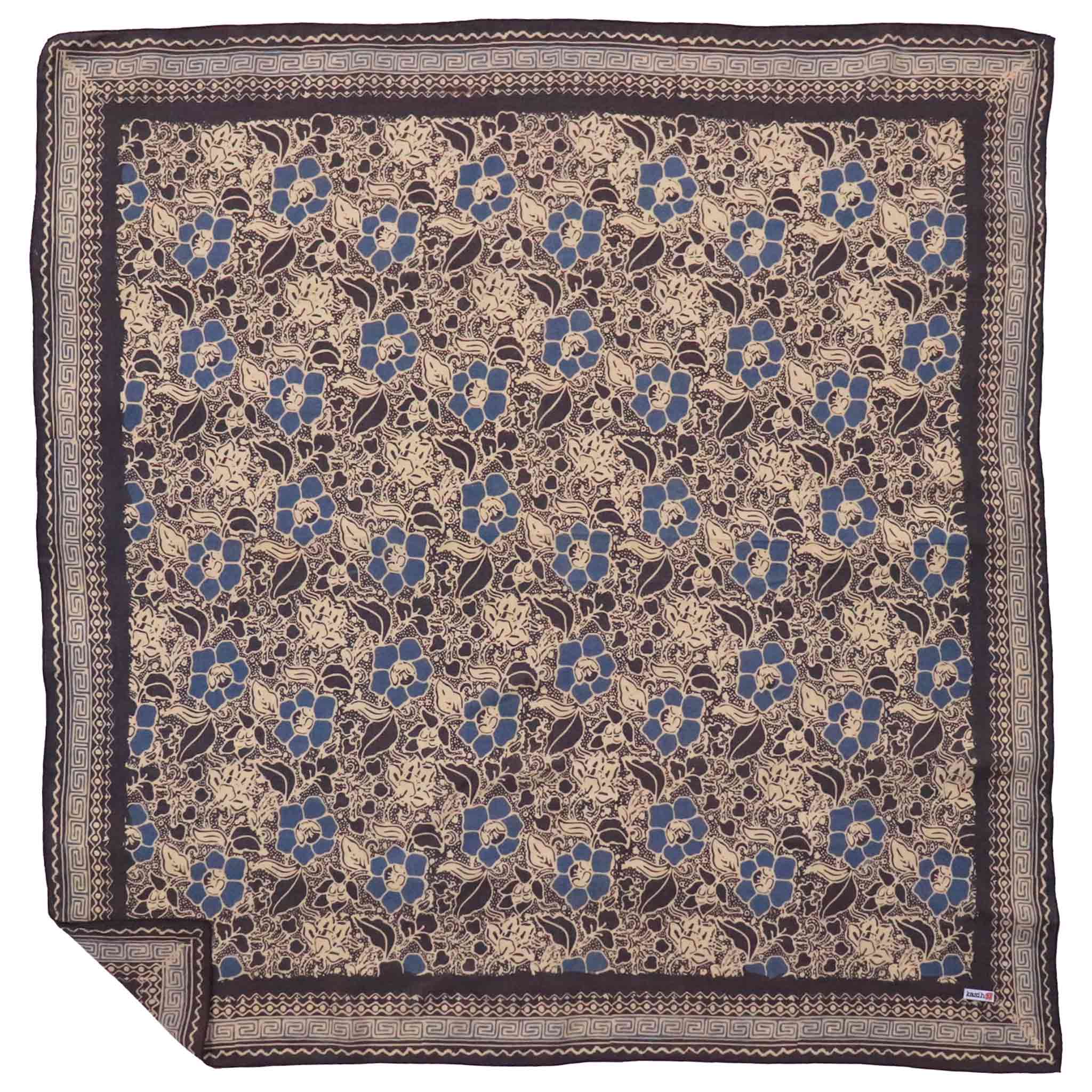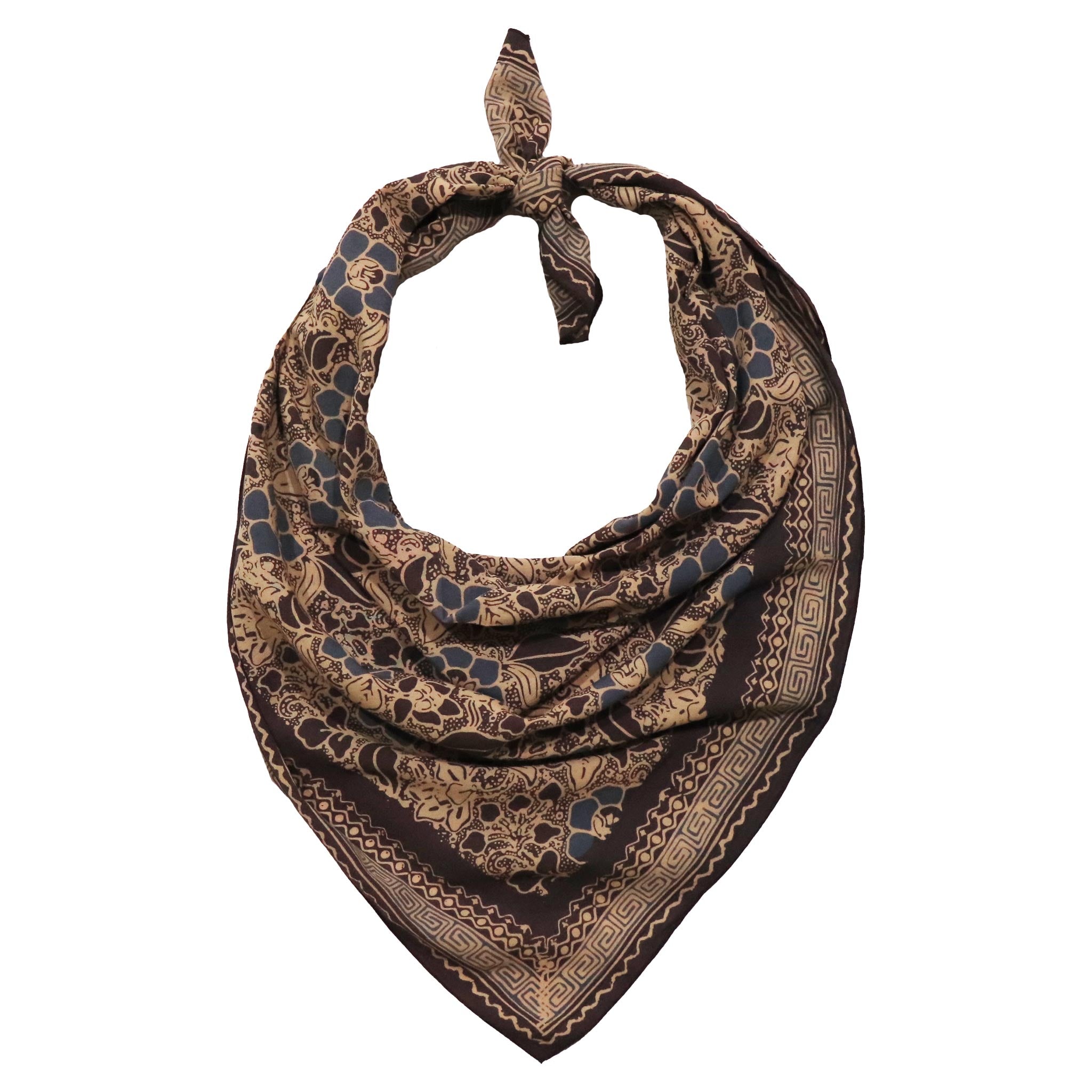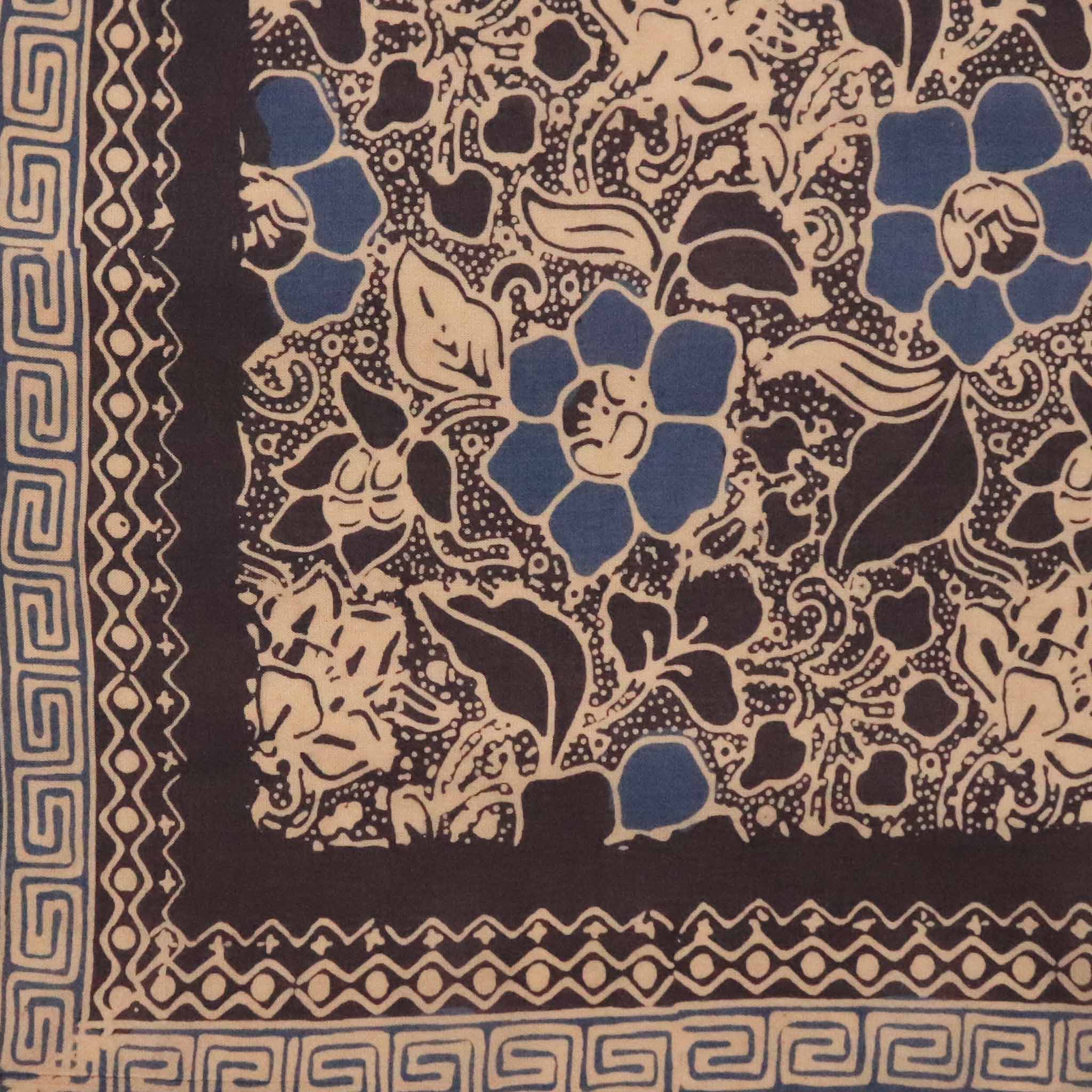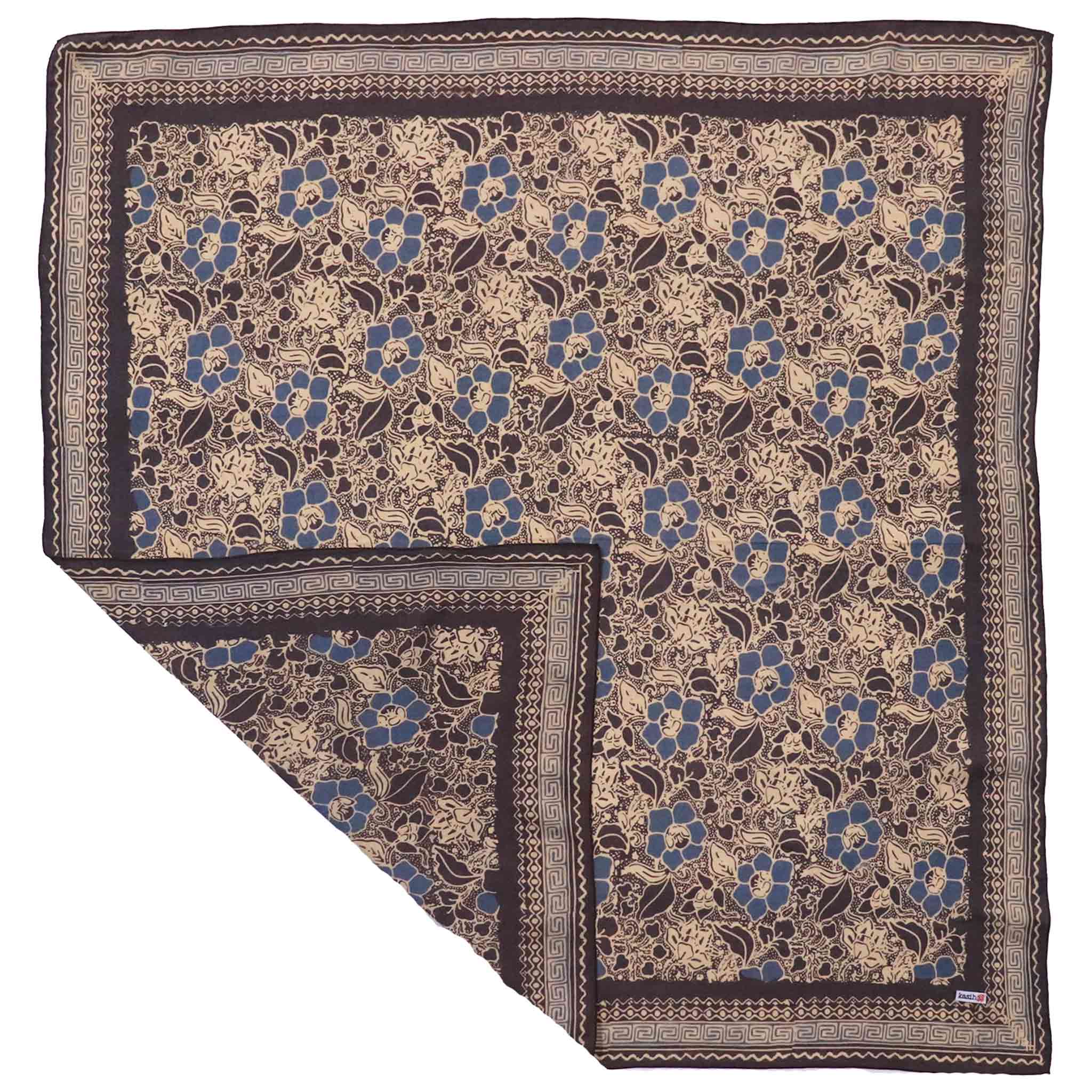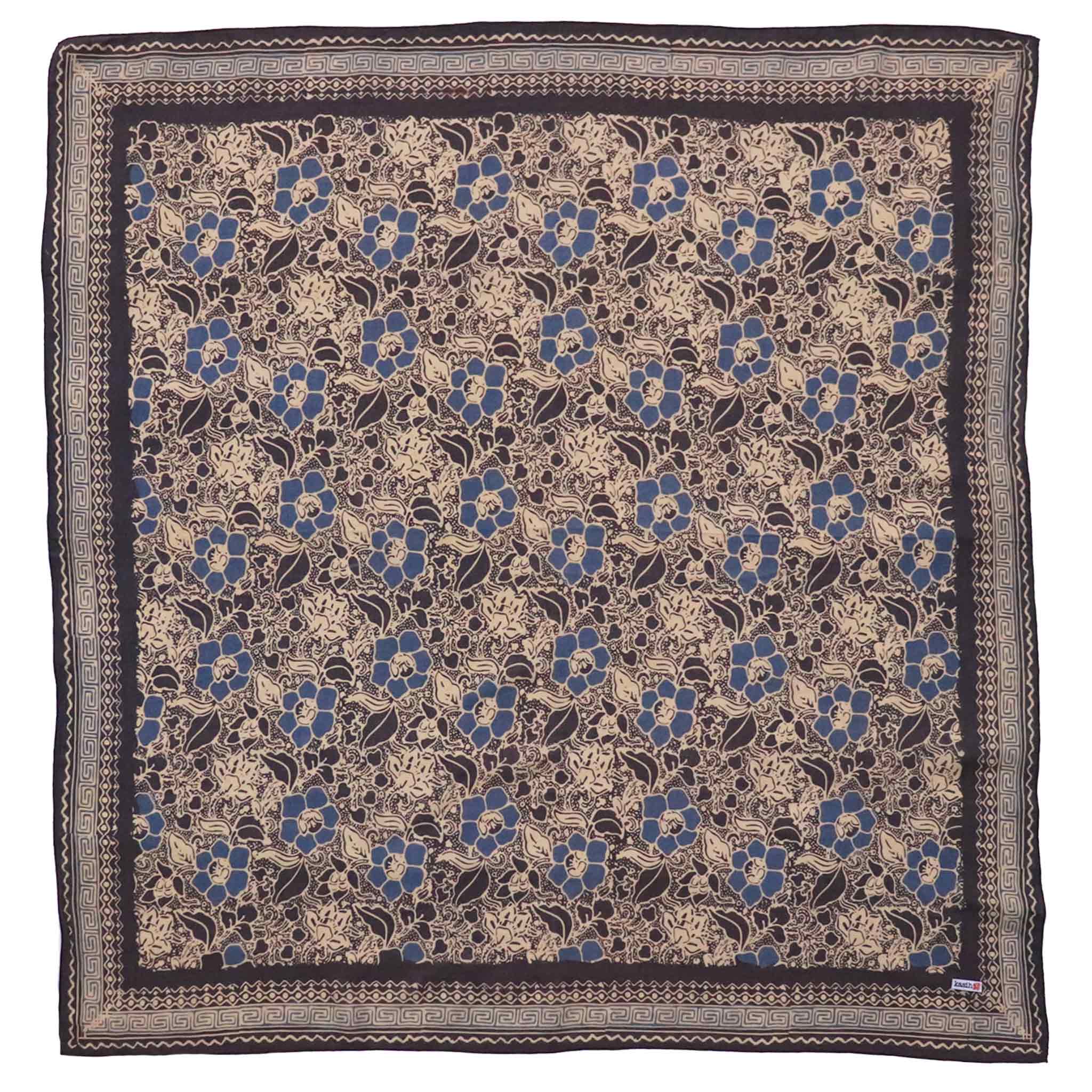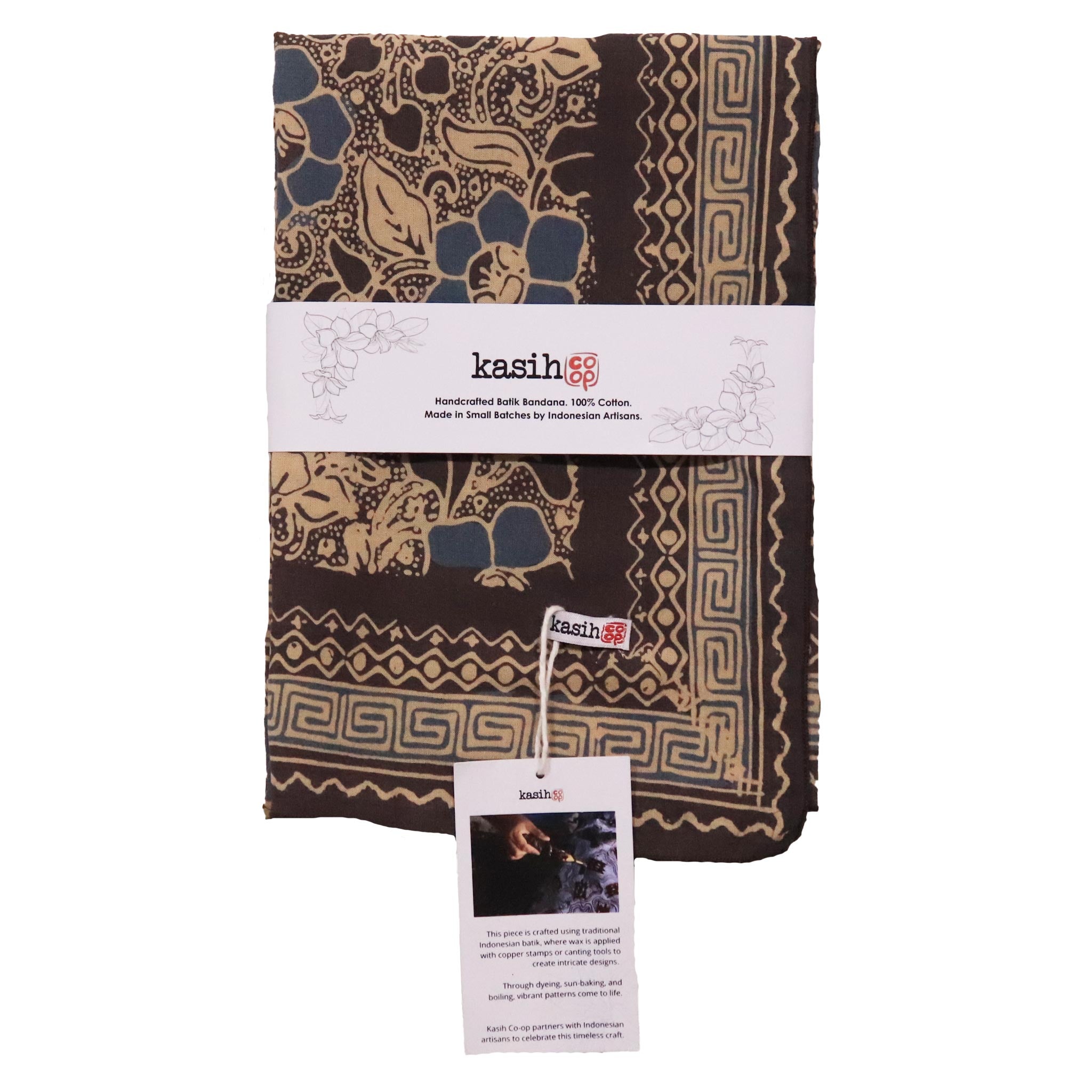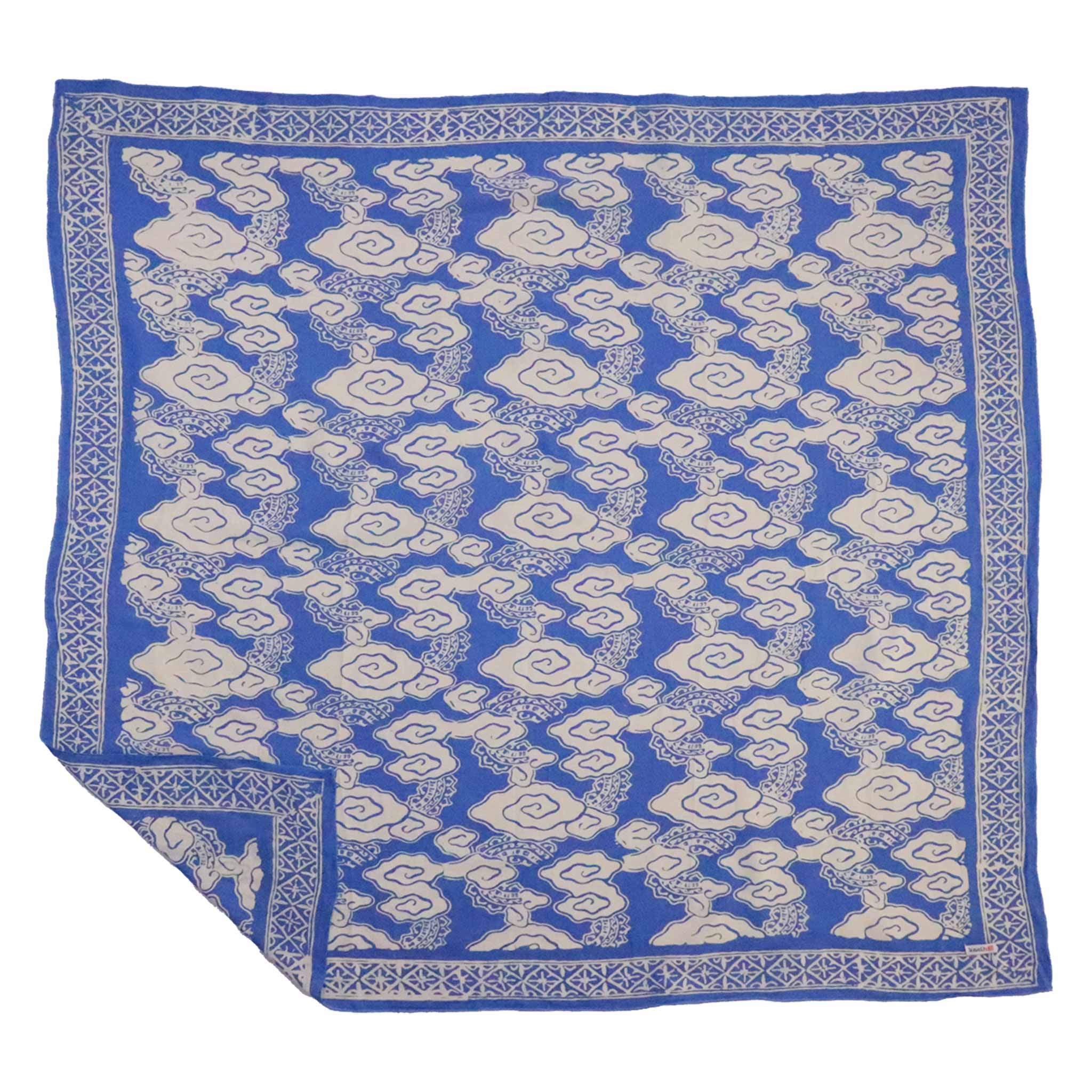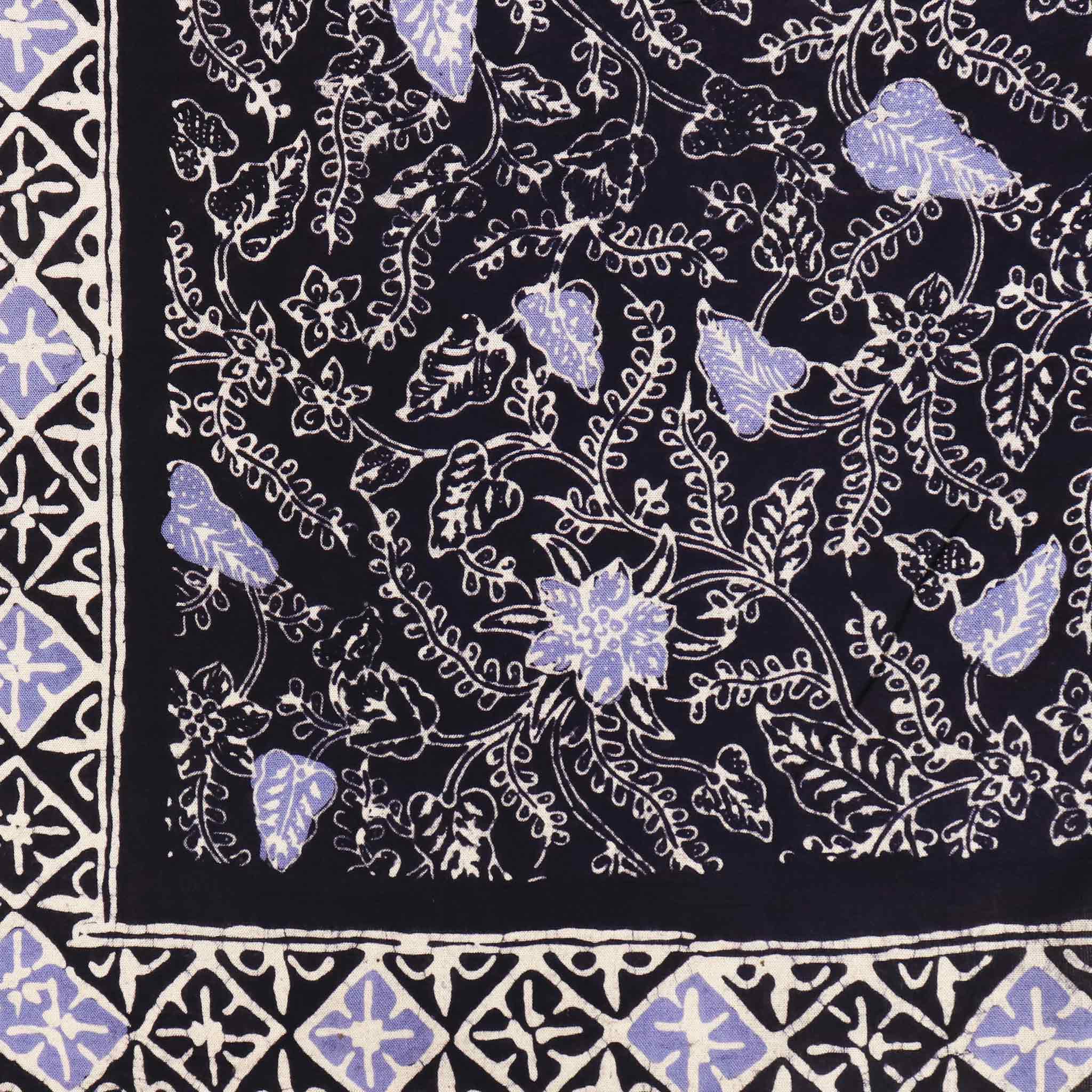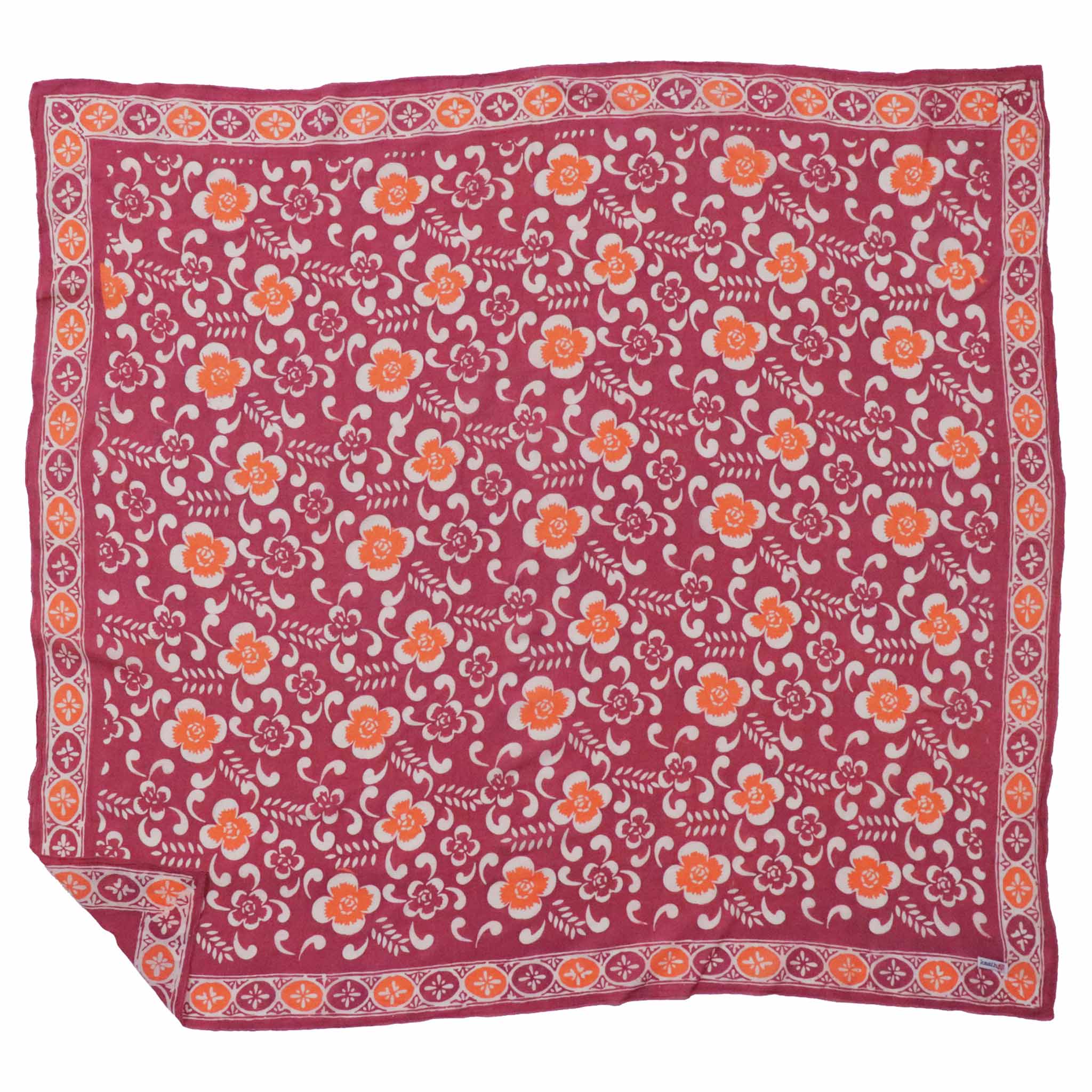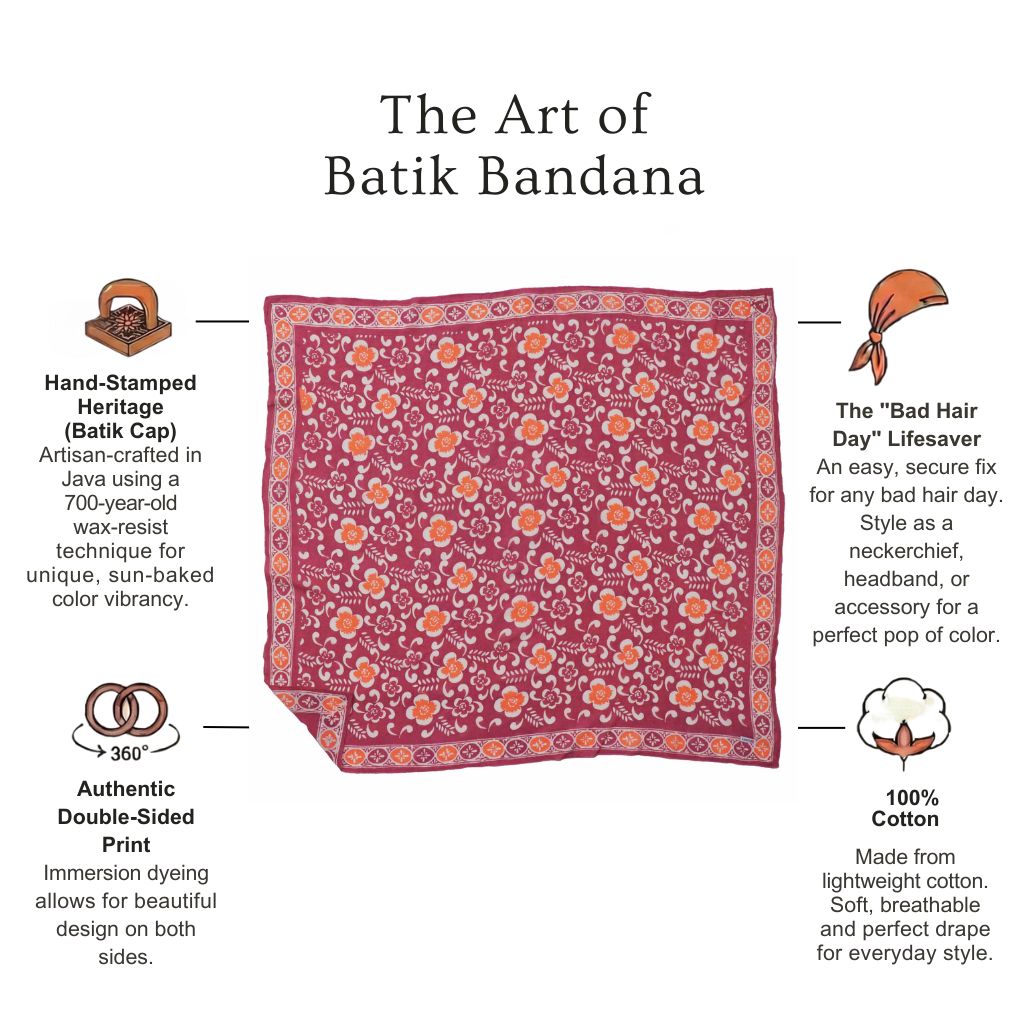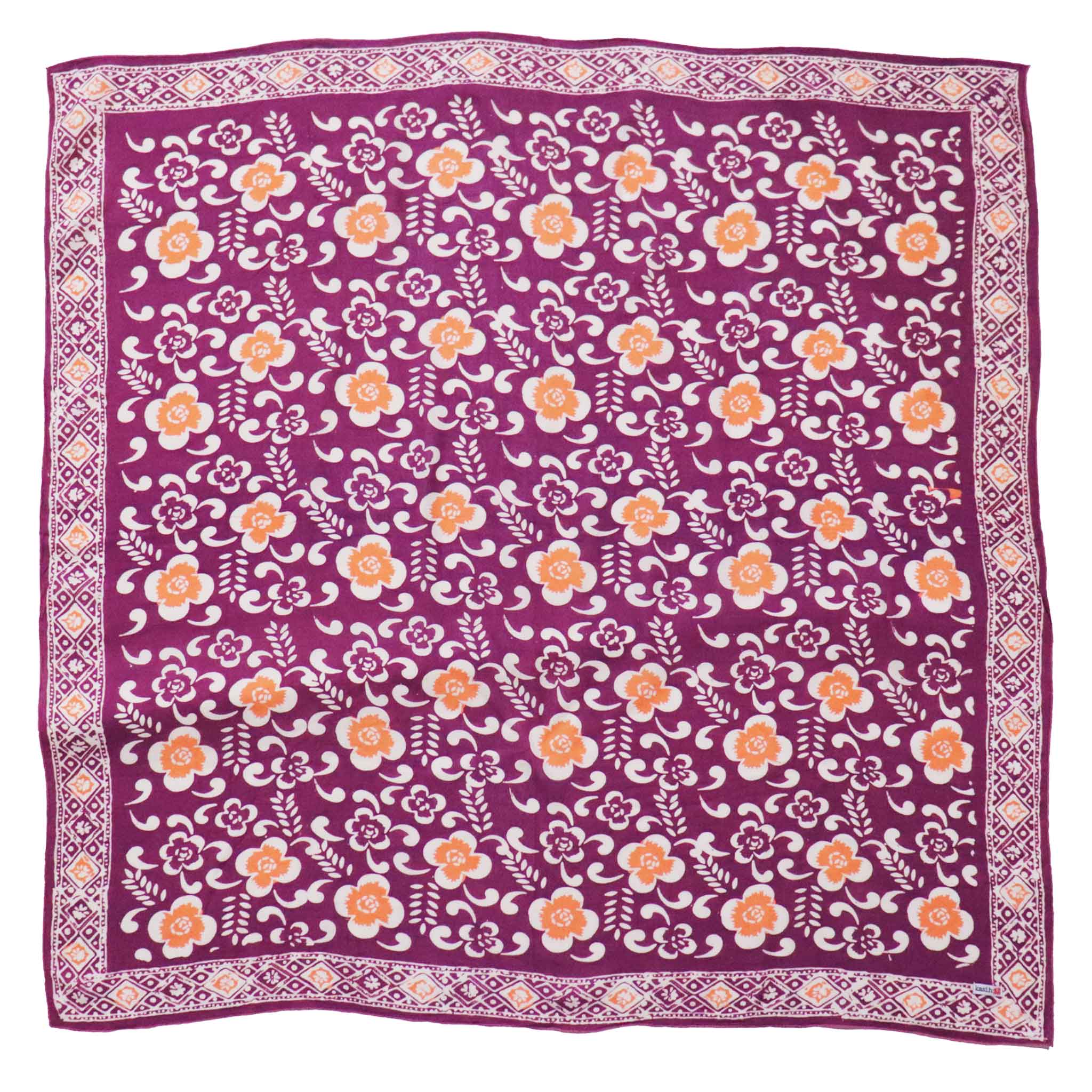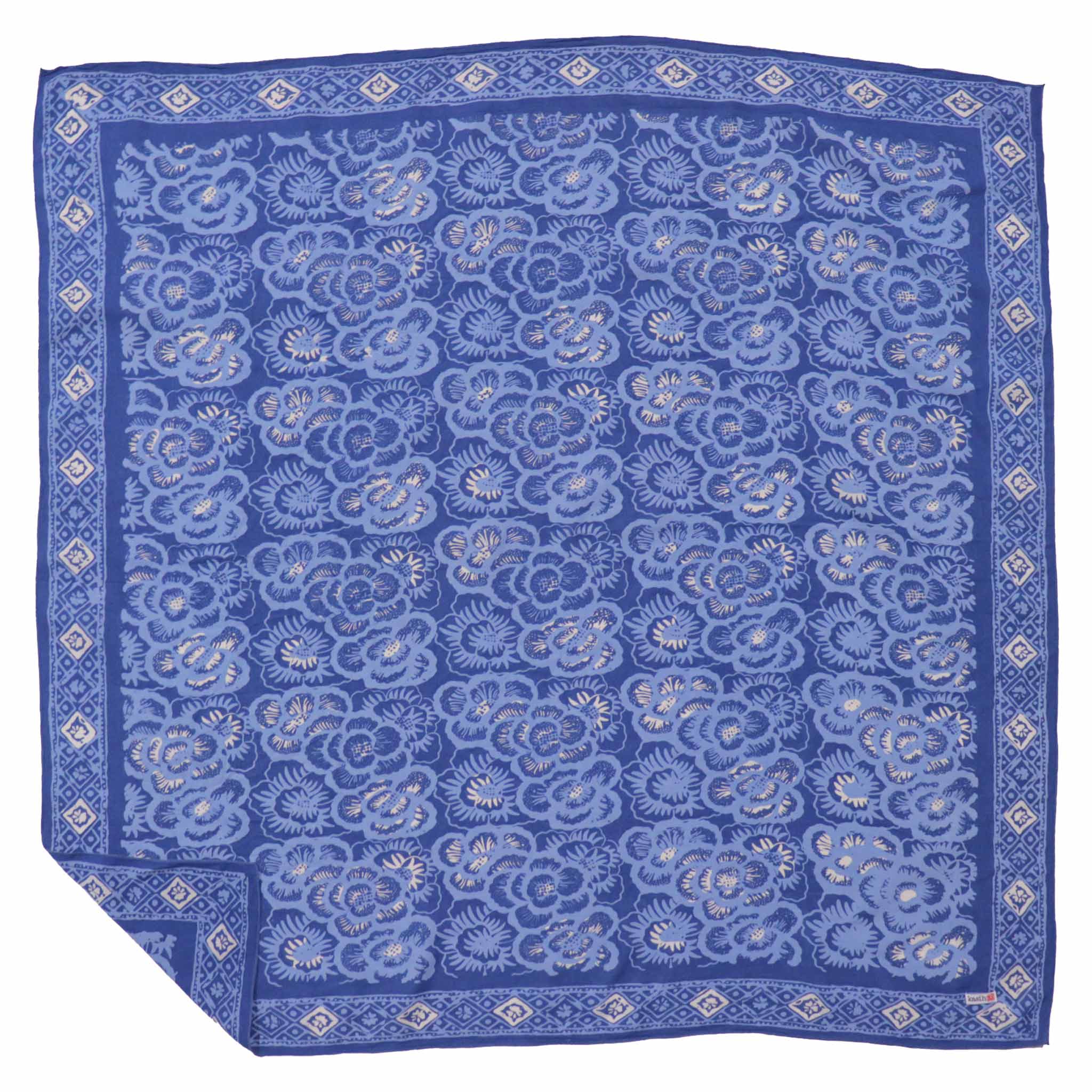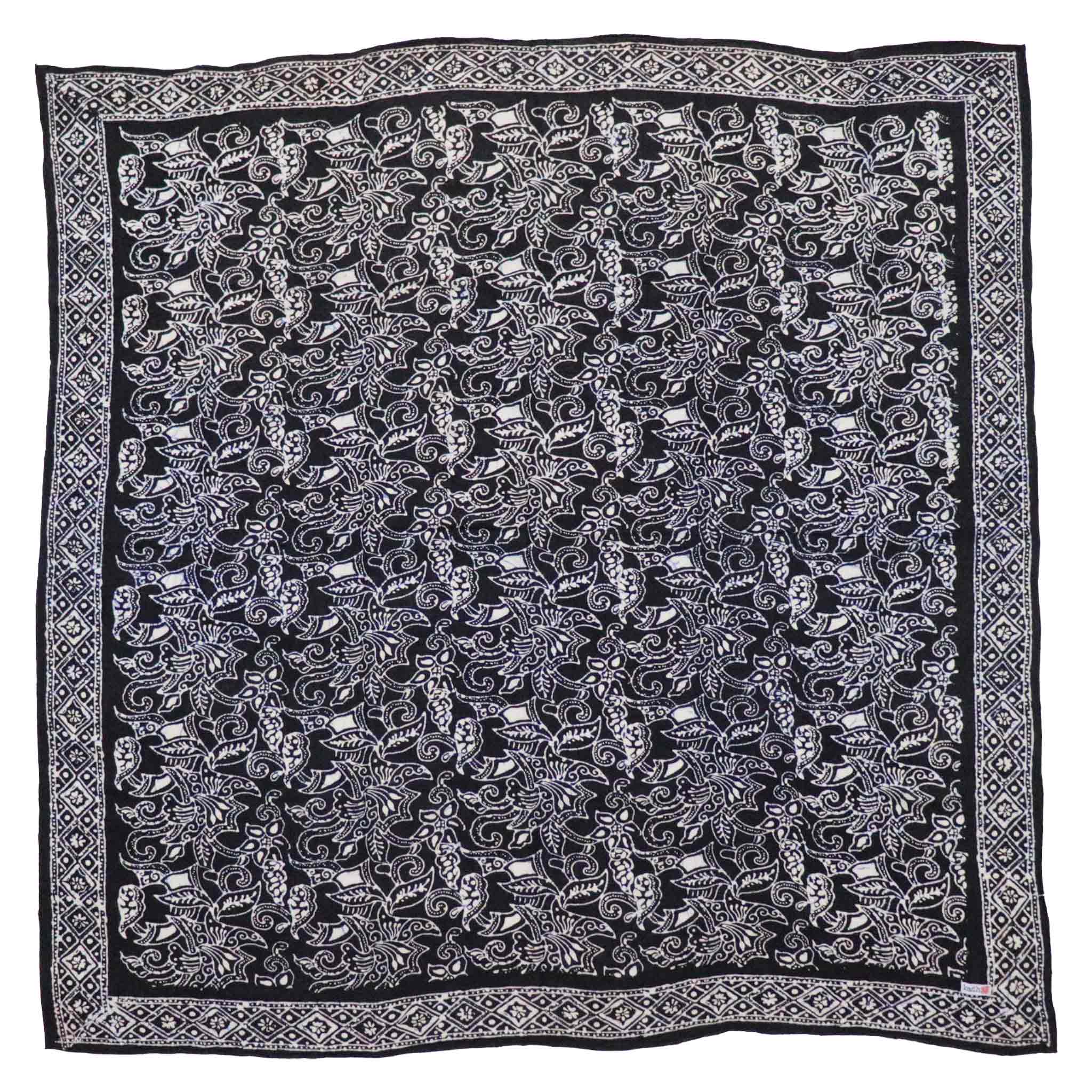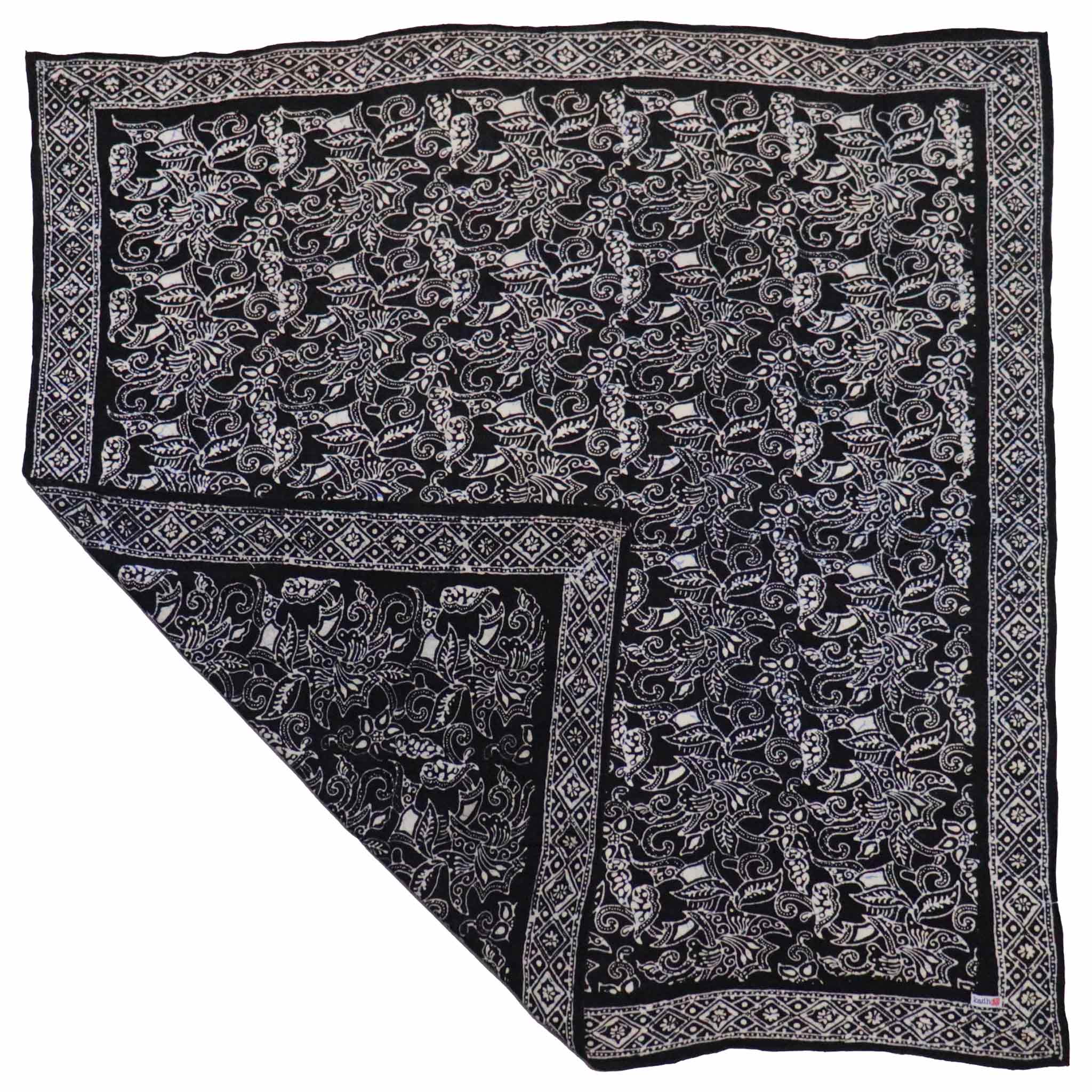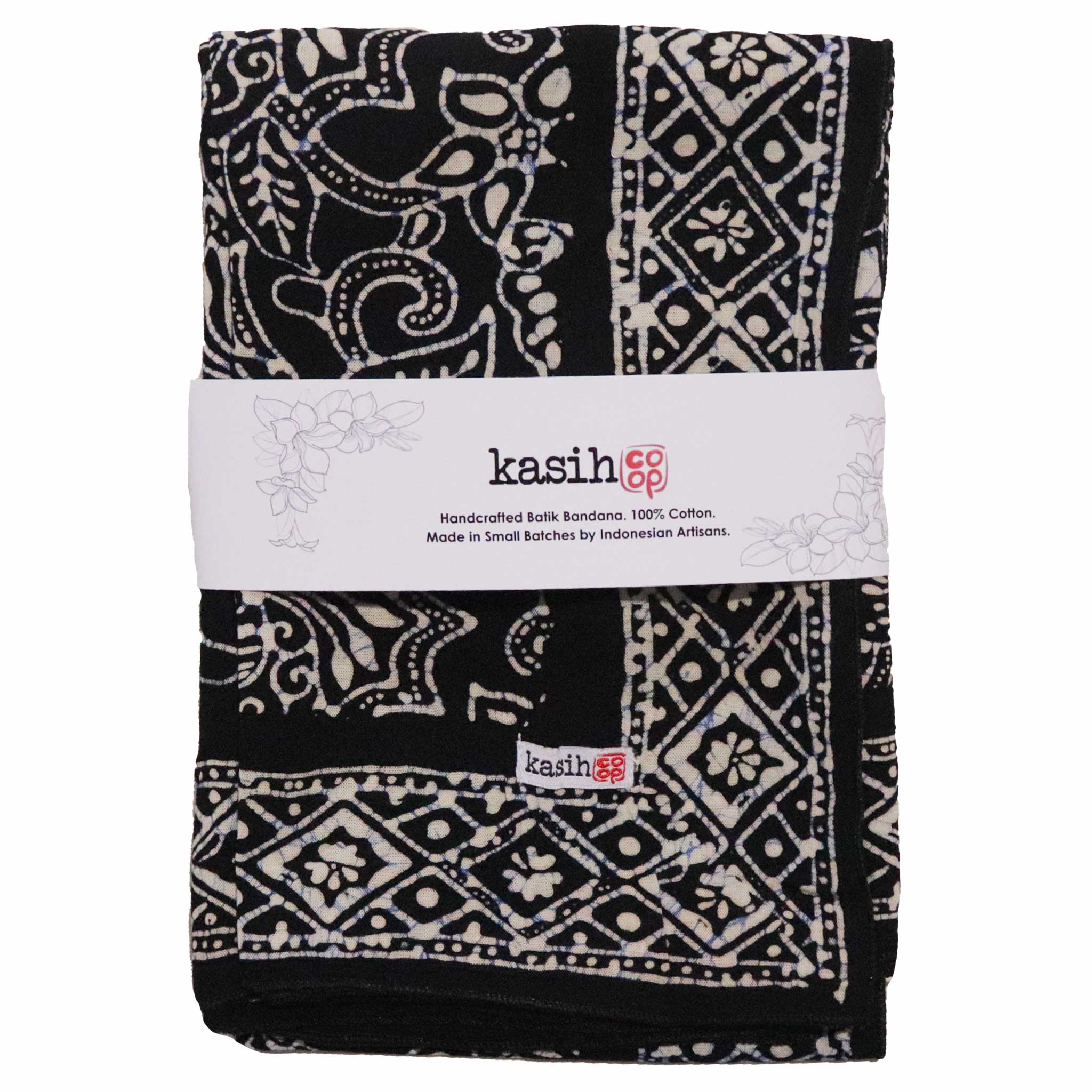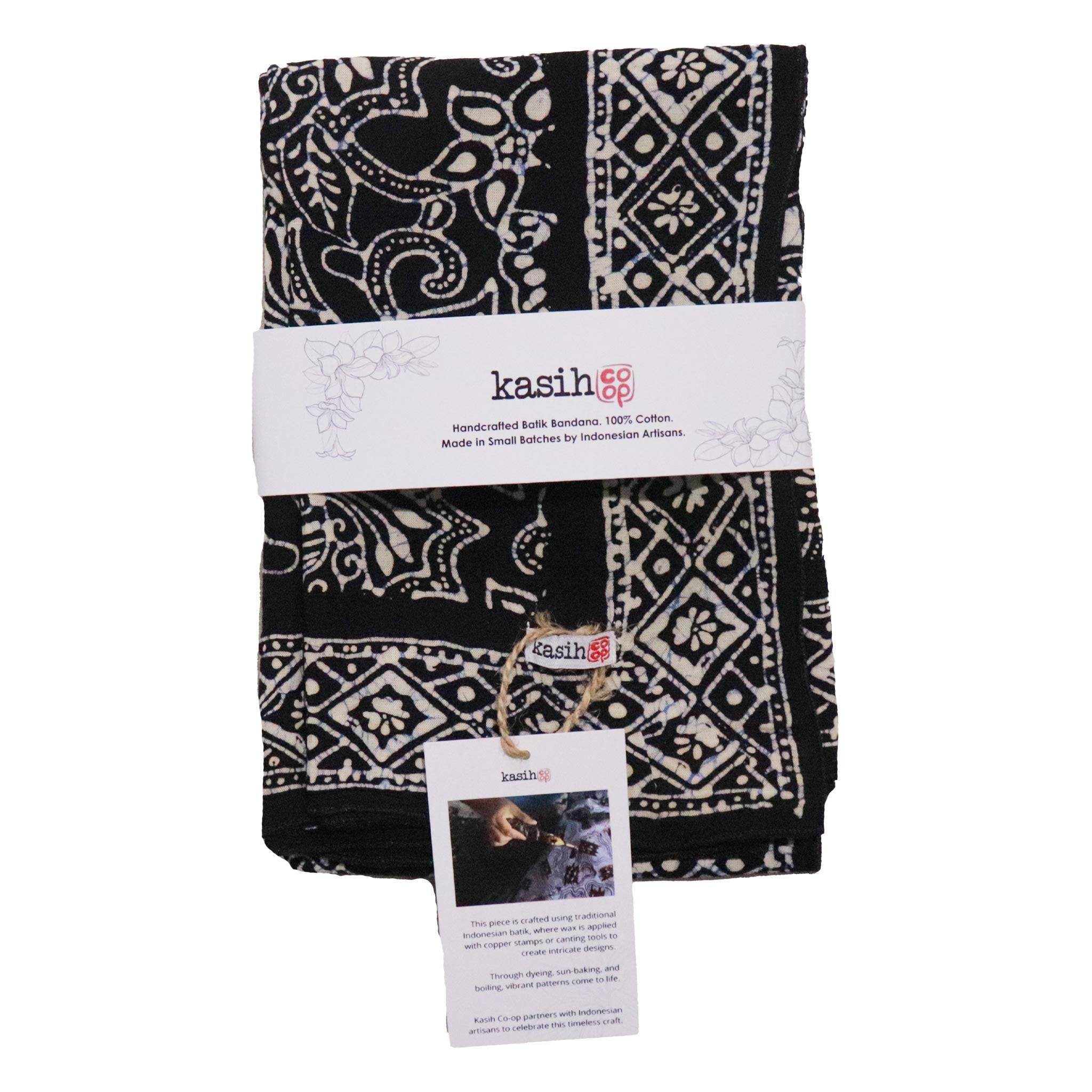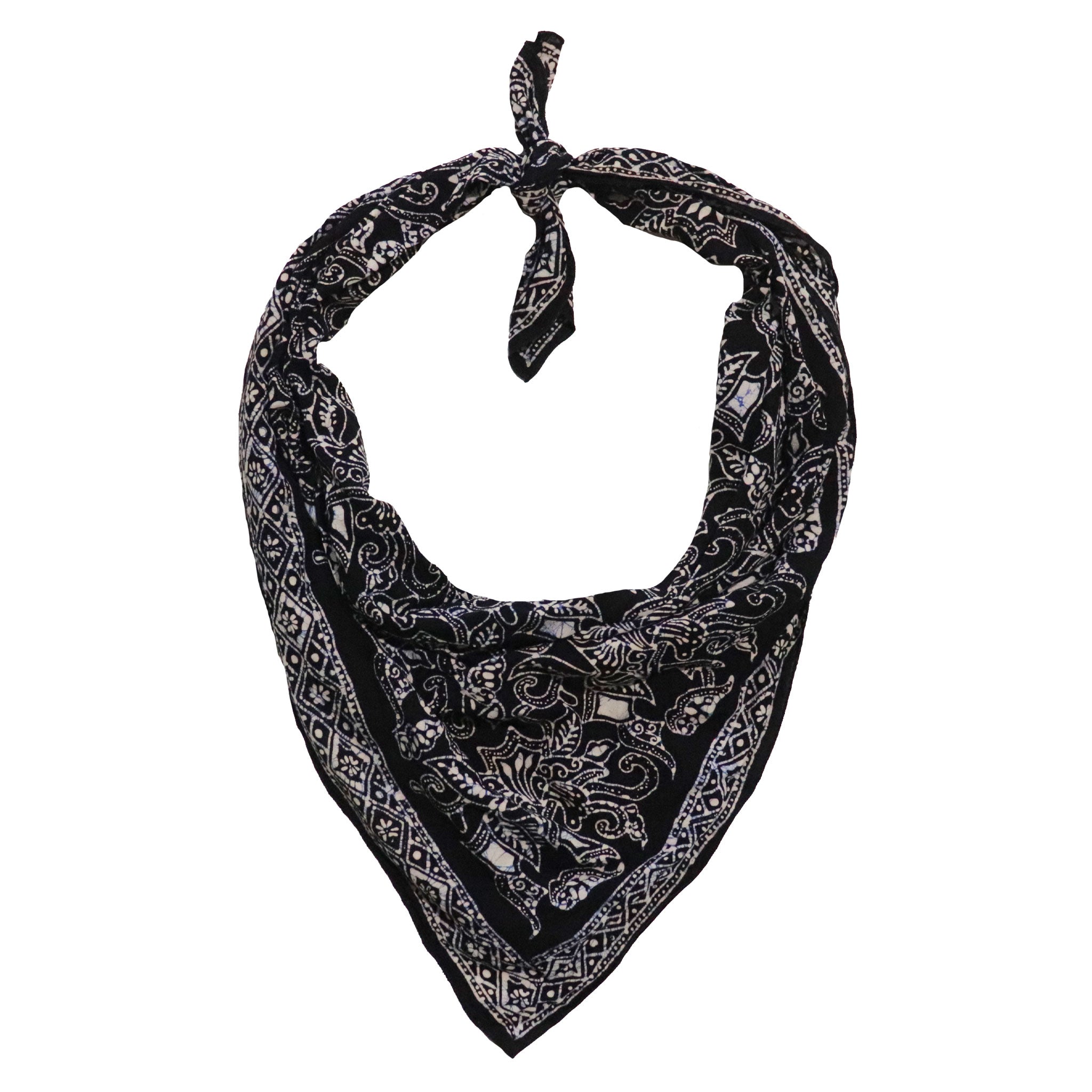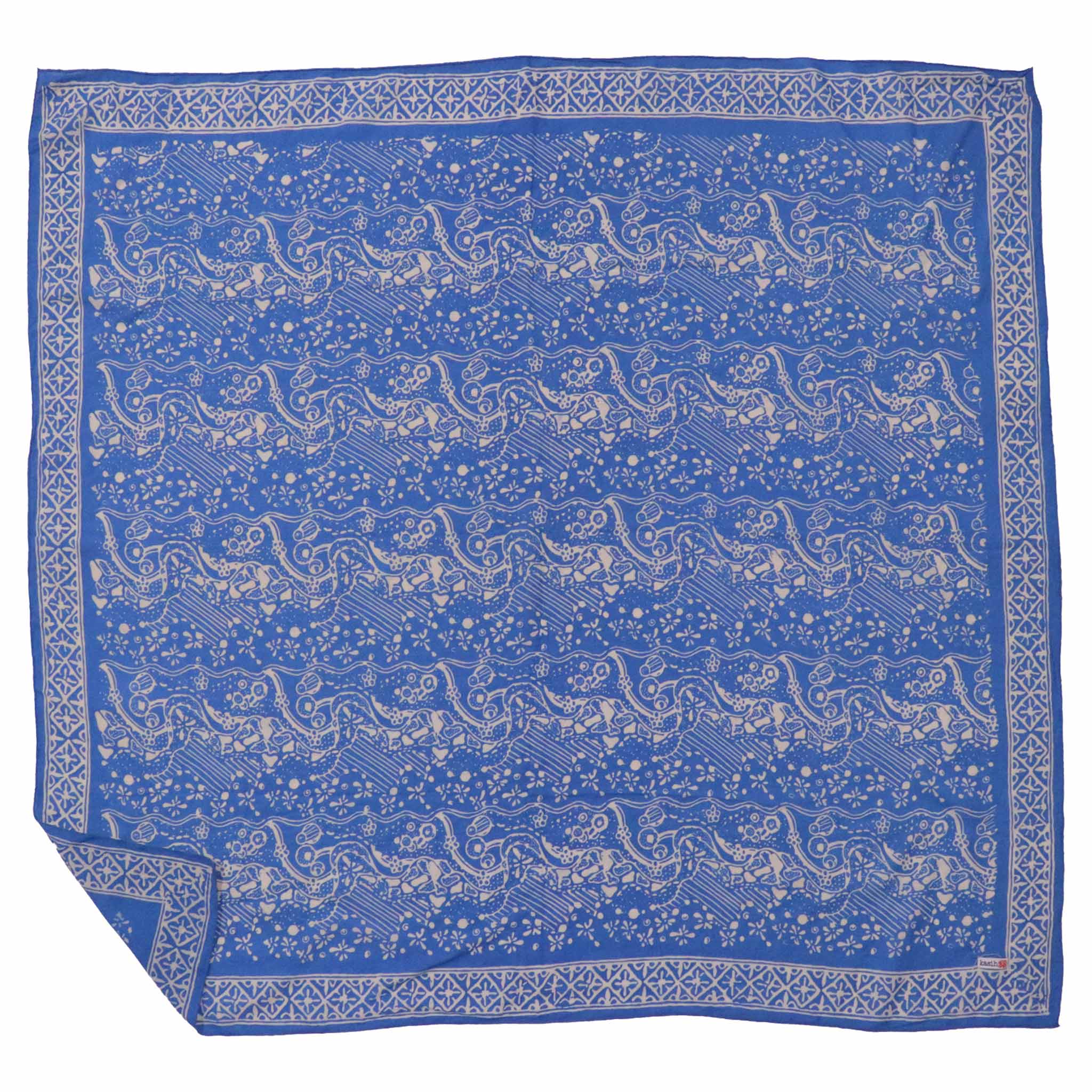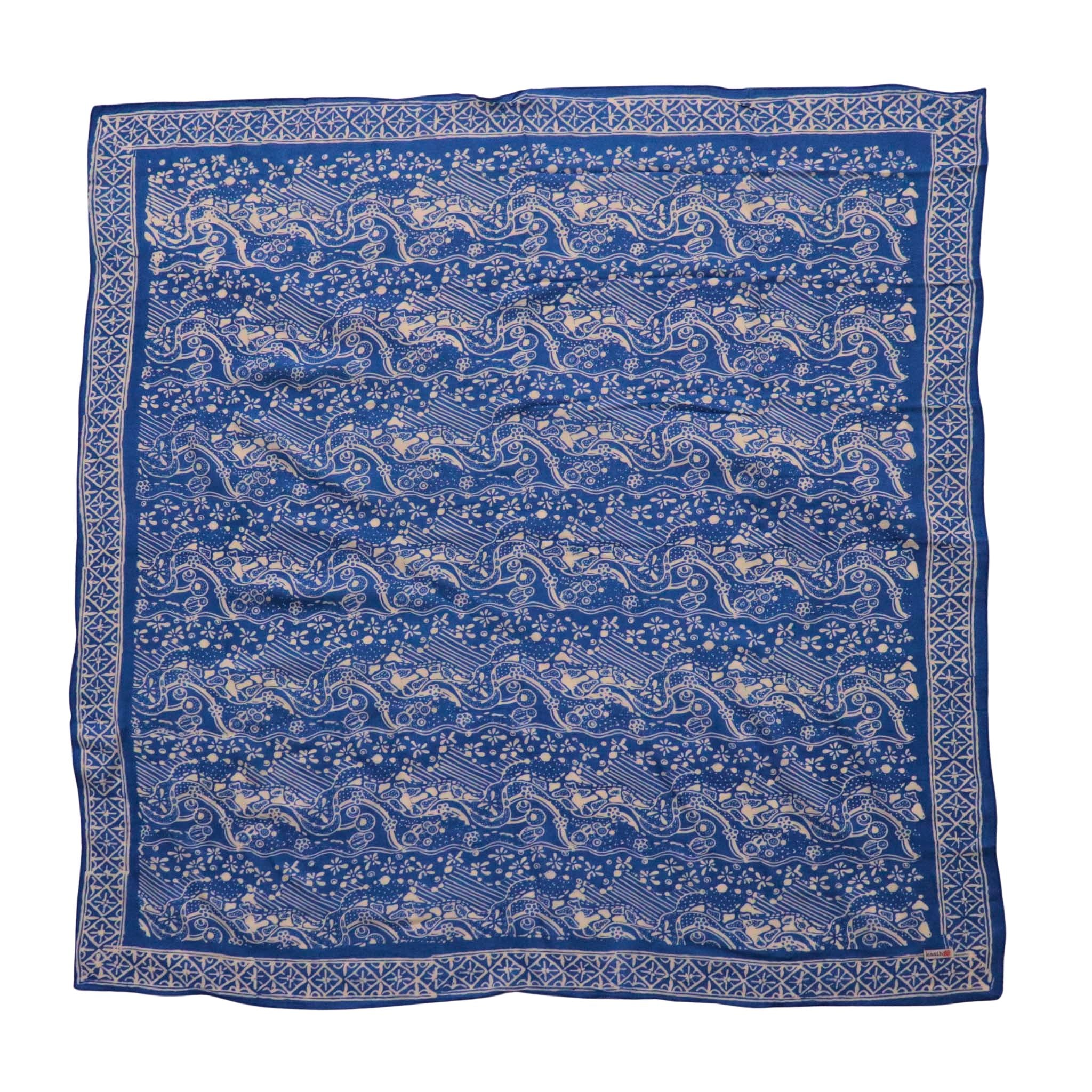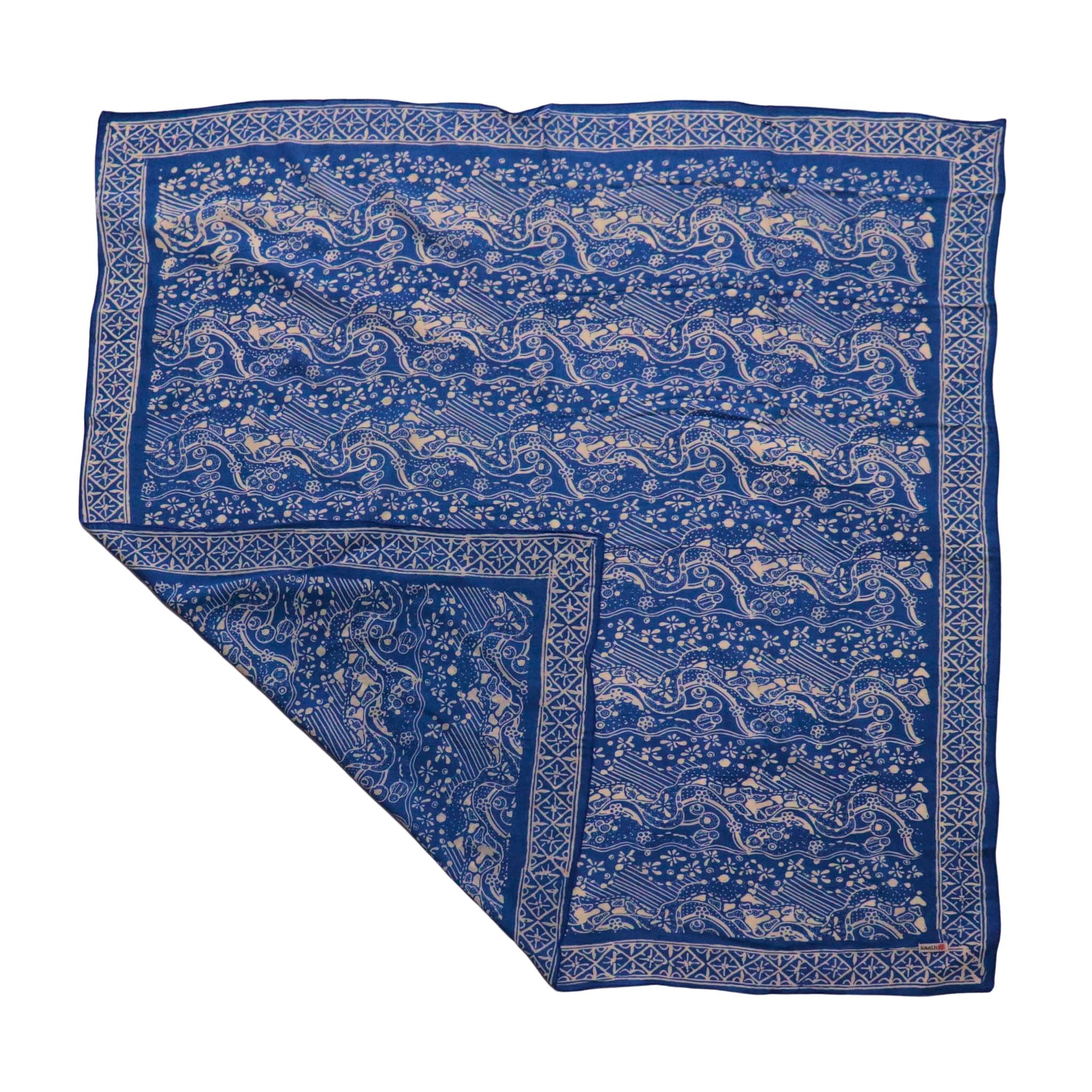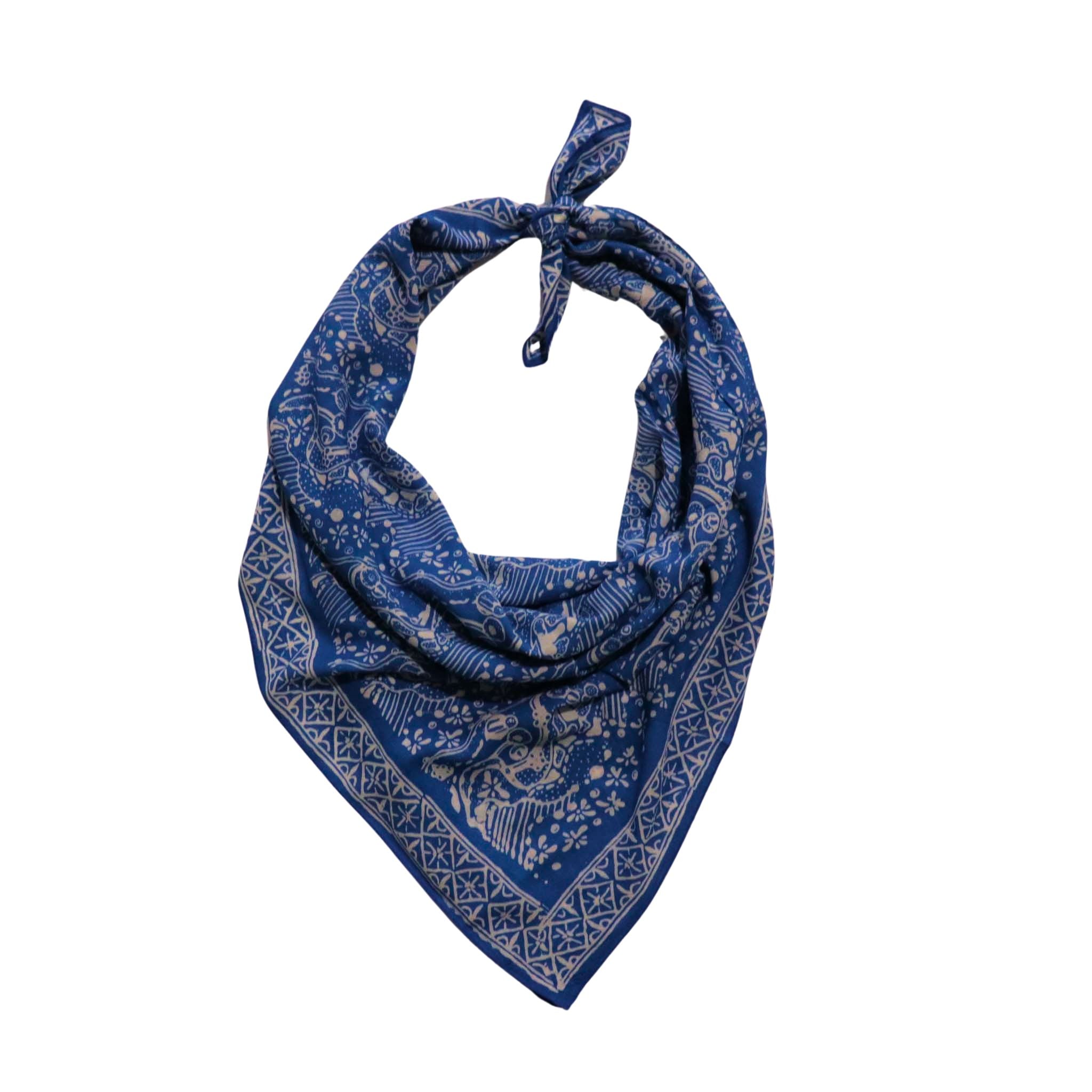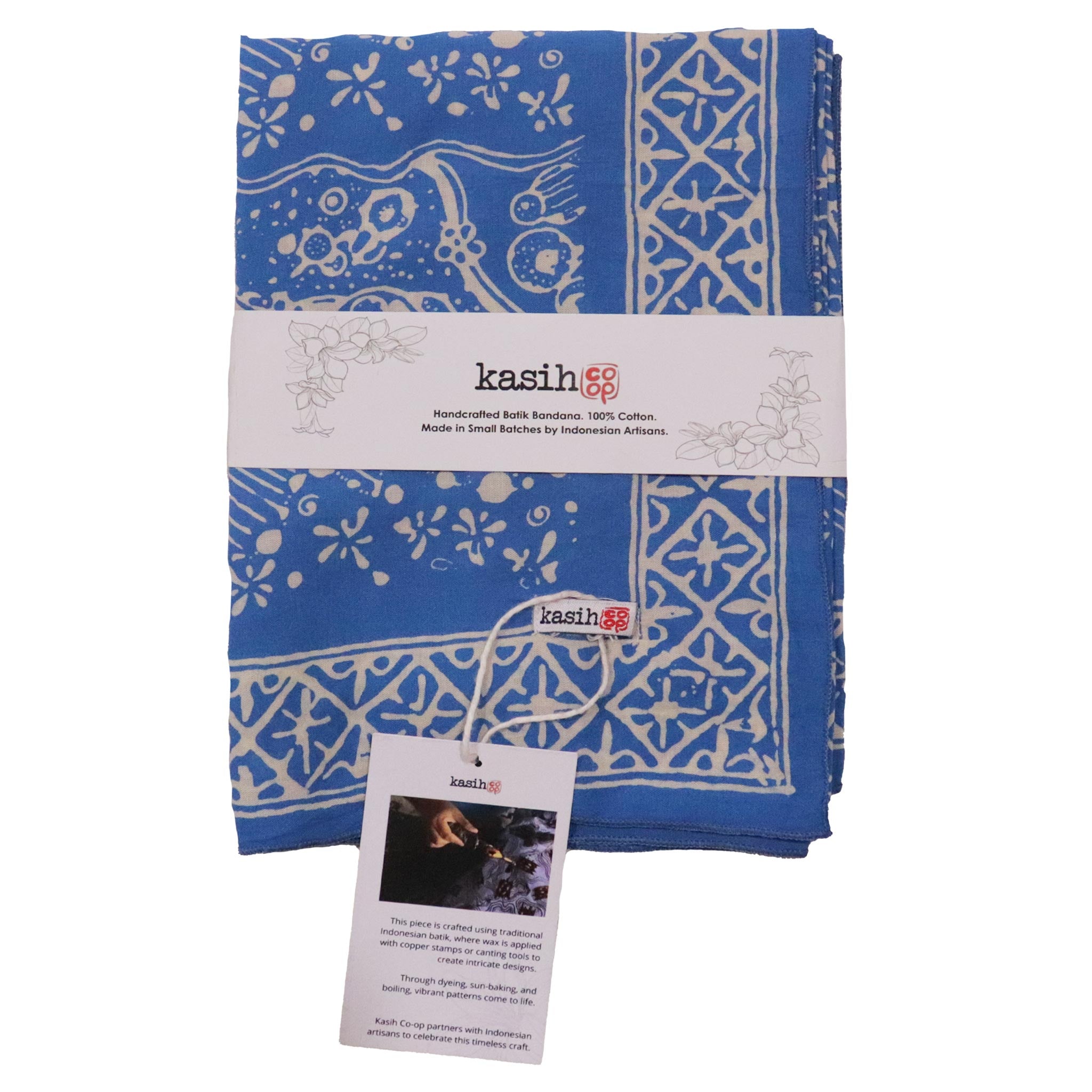
La teinture naturelle est l'une des plus anciennes traditions textiles au monde, profondément enracinée dans la culture, l'artisanat et la nature. Dans le batik, la teinture naturelle joue un rôle important en créant des couleurs riches et vibrantes qui ne peuvent être reproduites par des teintures synthétiques. Ce processus est plus lent, plus intentionnel et étroitement lié aux plantes qui nous entourent.
Dans cet article, nous explorons les teintures naturelles à base de plantes et leur rôle dans le processus traditionnel de teinture du batik, donnant vie à chaque pièce.
Qu'est-ce que la teinture naturelle ?
La teinture naturelle est le processus de coloration des tissus à l'aide de pigments dérivés de plantes, de minéraux ou d'insectes. Dans le batik, les teintures à base de plantes sont les plus couramment utilisées, produisant des tons terreux, doux et organiques.
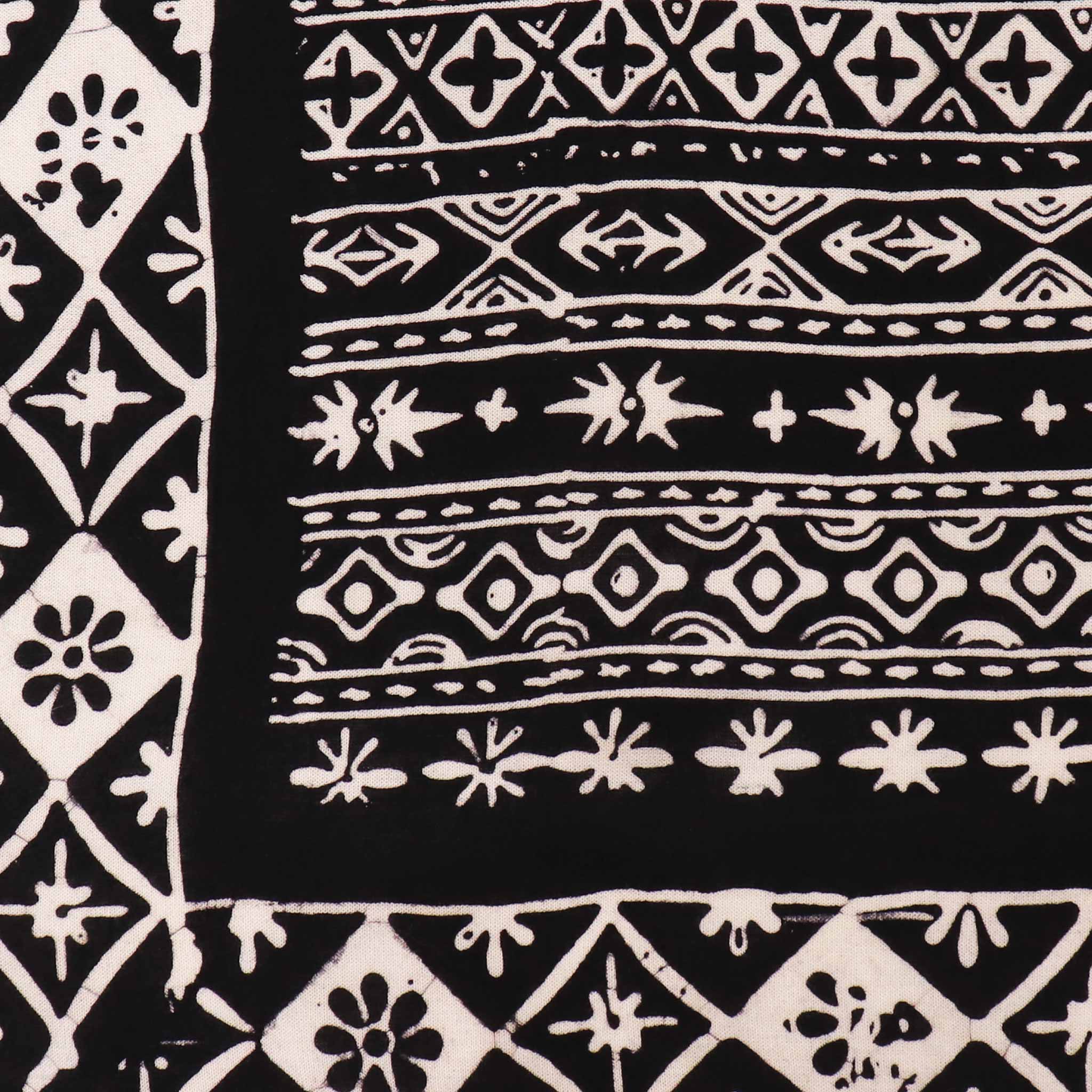
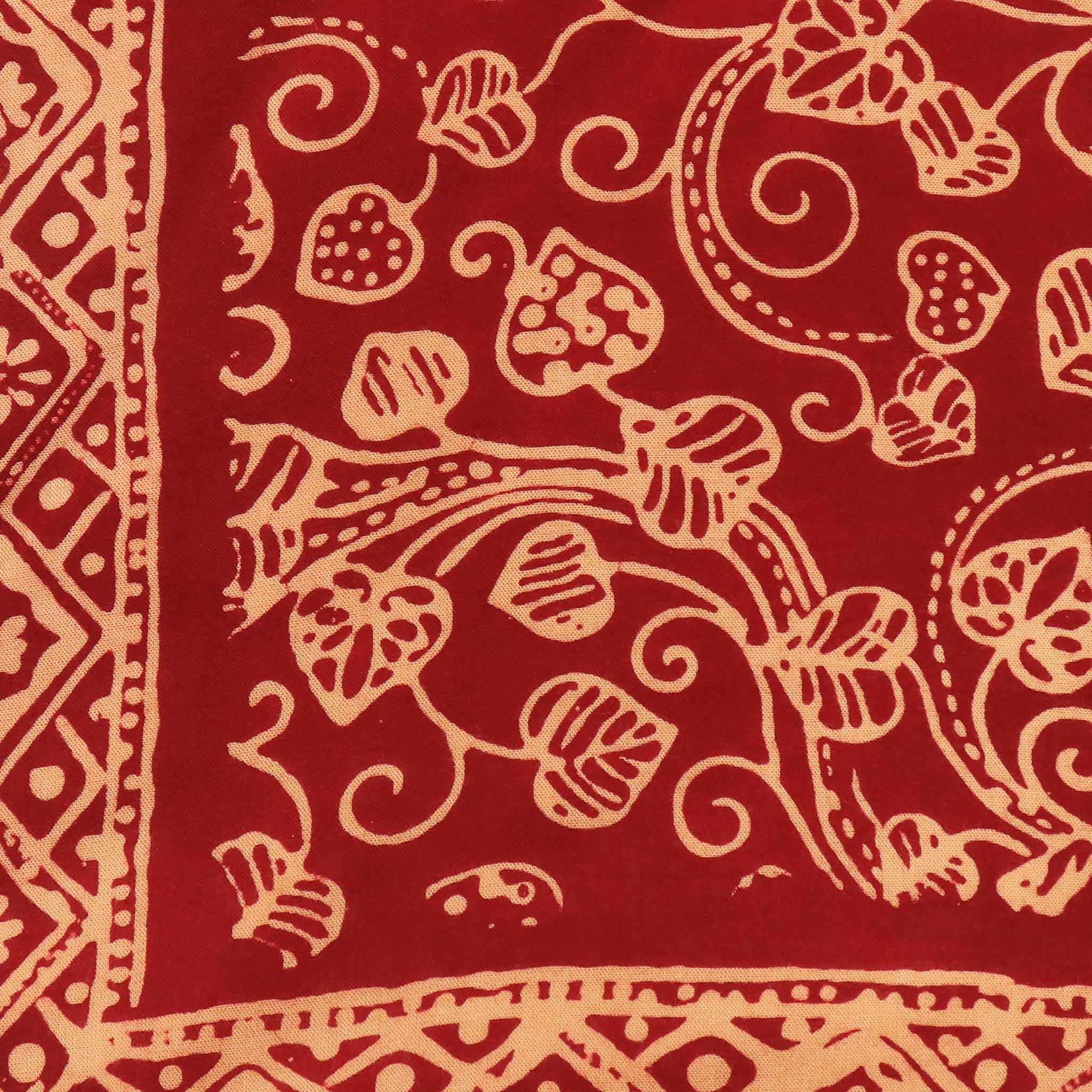
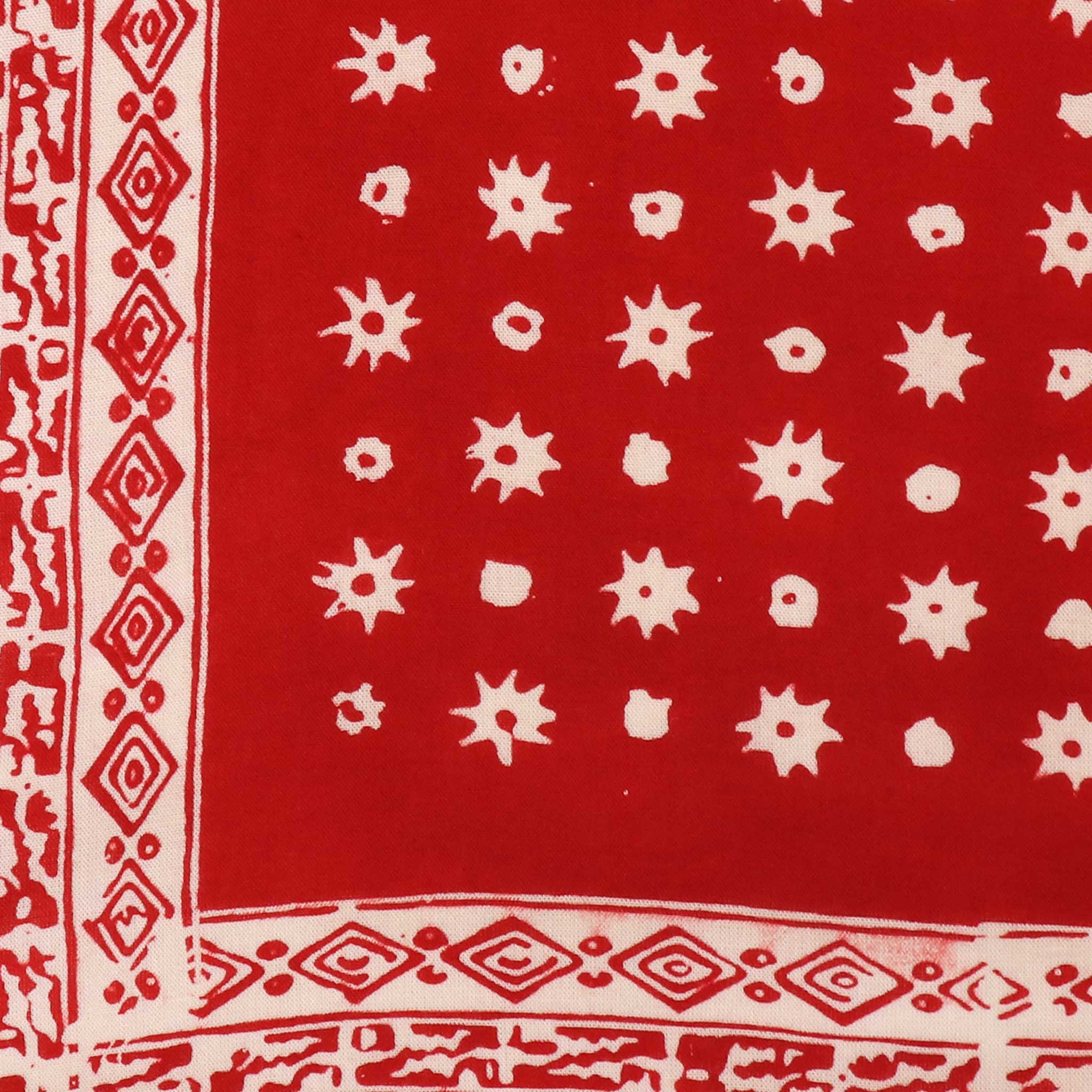
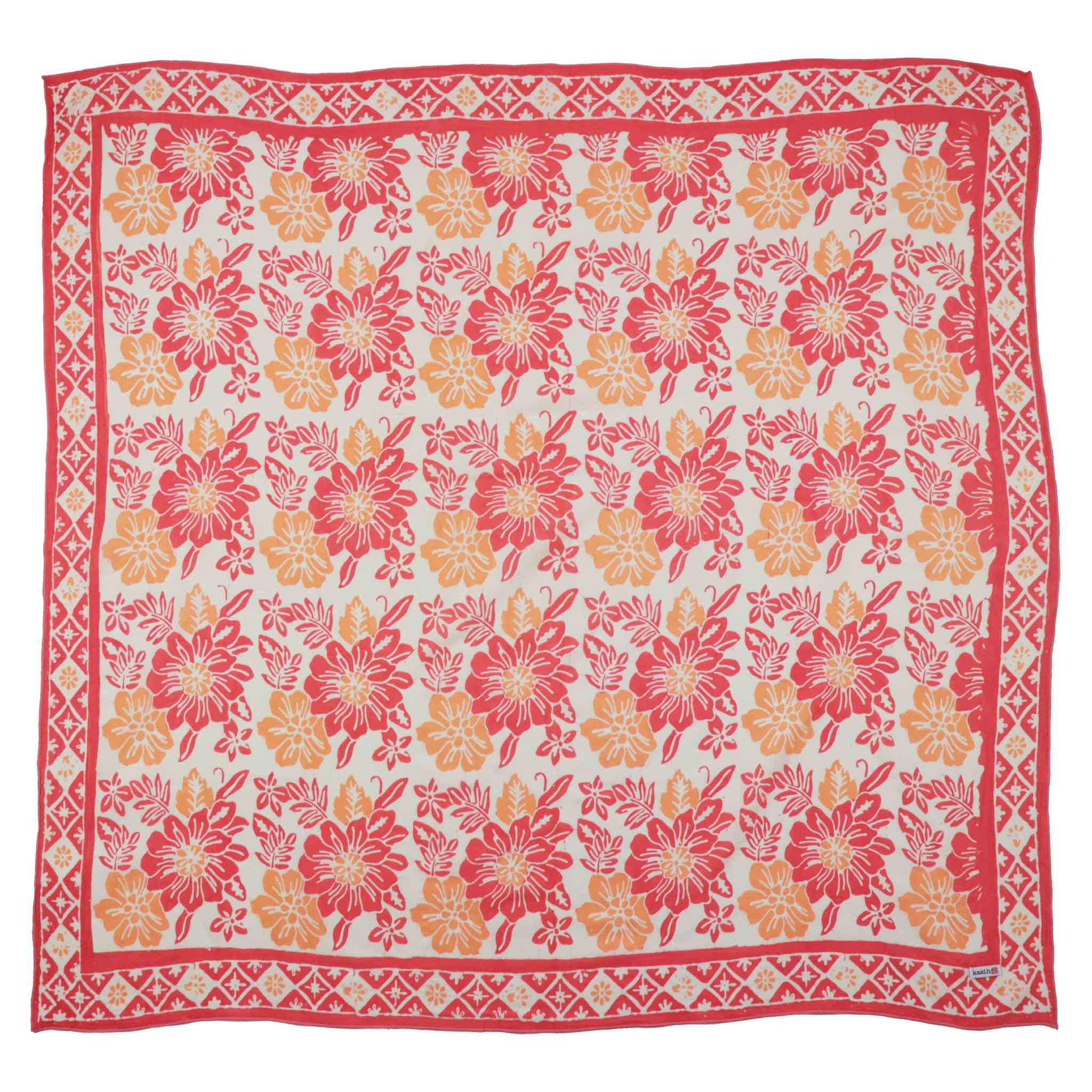
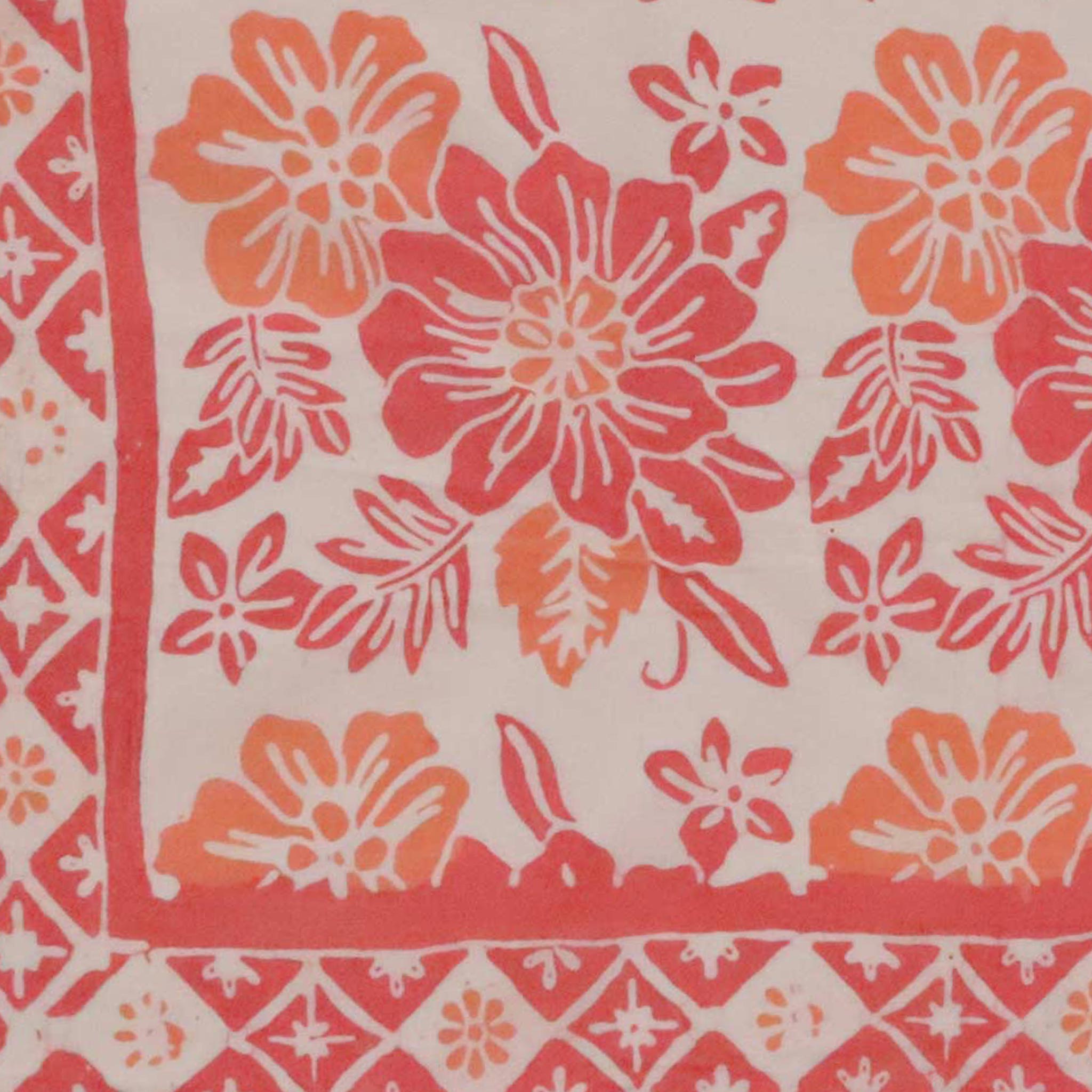
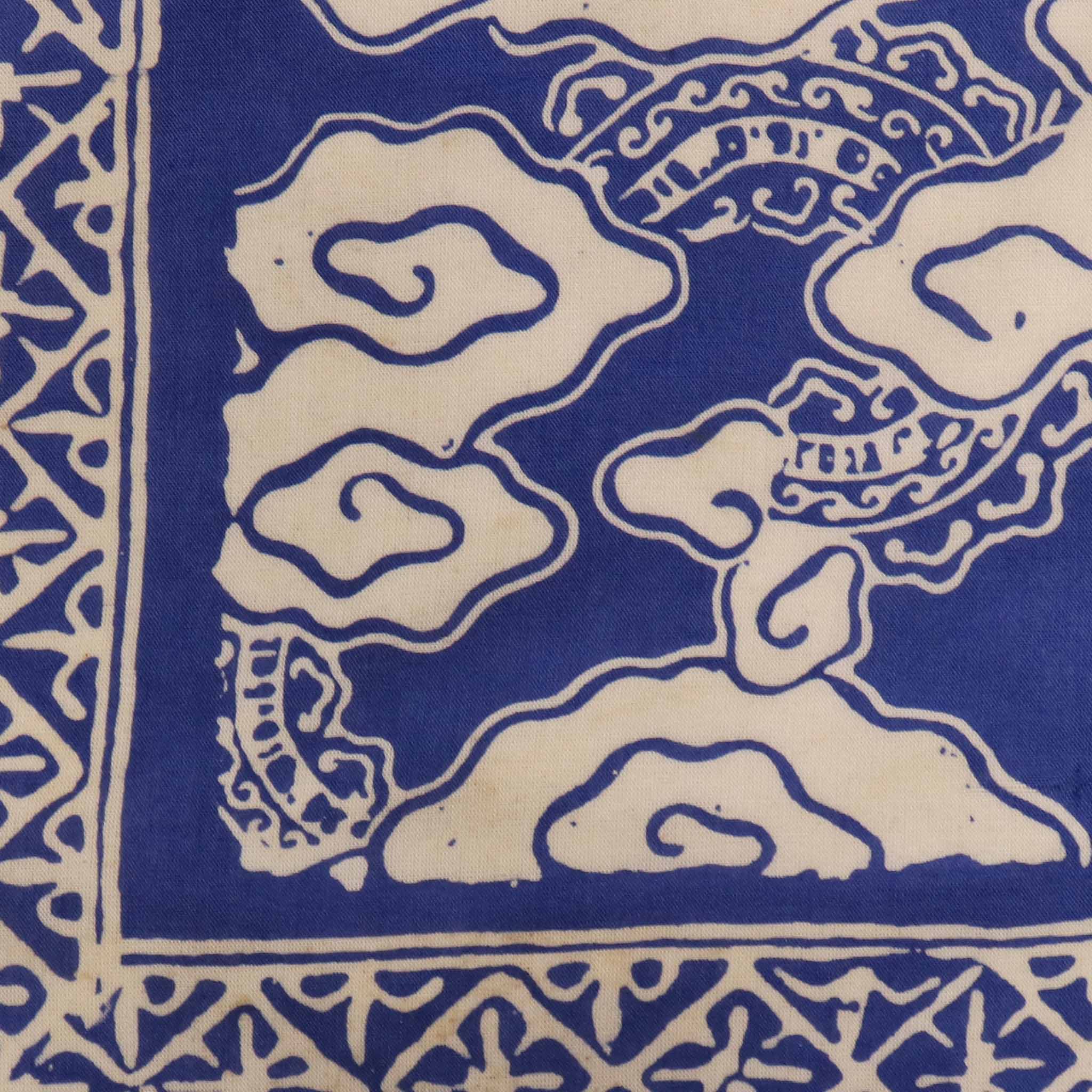
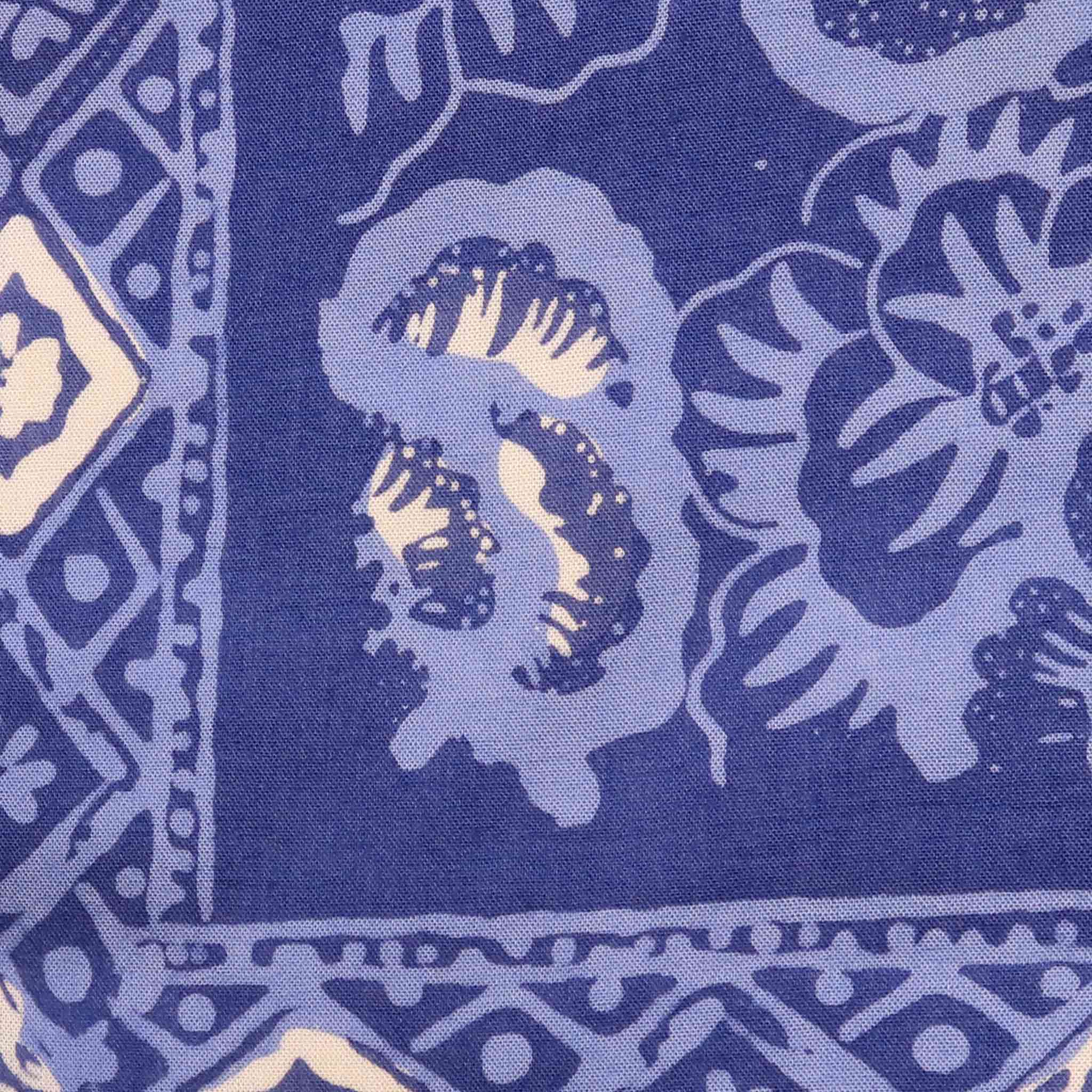
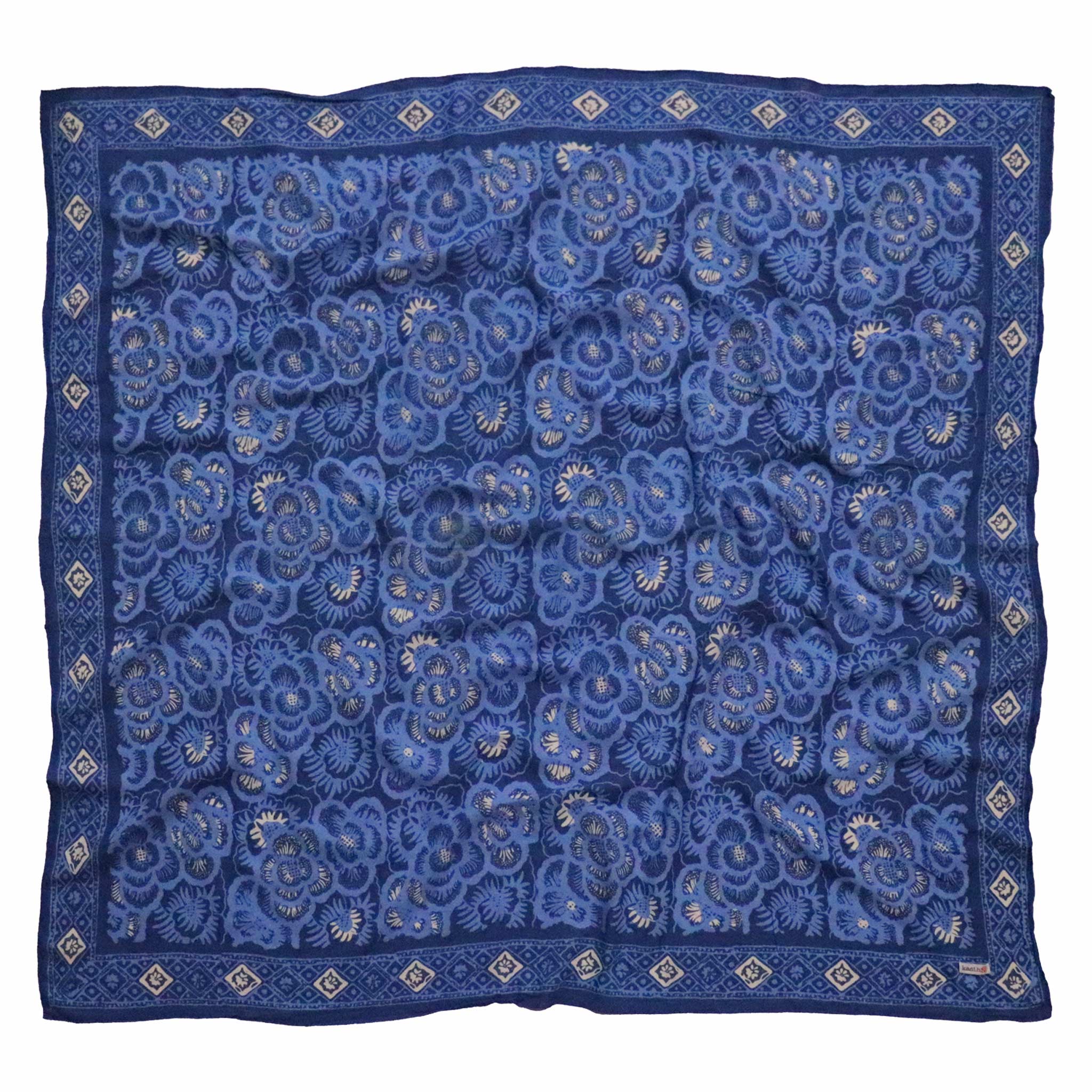
Contrairement aux teintures chimiques, les teintures naturelles interagissent différemment avec les fibres du tissu, créant des variations de couleur qui rendent chaque pièce unique. C'est pourquoi deux bandanas teints à la main ne sont jamais exactement identiques.
Sources végétales pour la teinture de couleur batik
Les artisans traditionnels du batik utilisent une variété de plantes pour créer des teintures naturelles pour batik. Chaque plante produit une nuance et un caractère distincts.
1. Indigo (Indigofera)
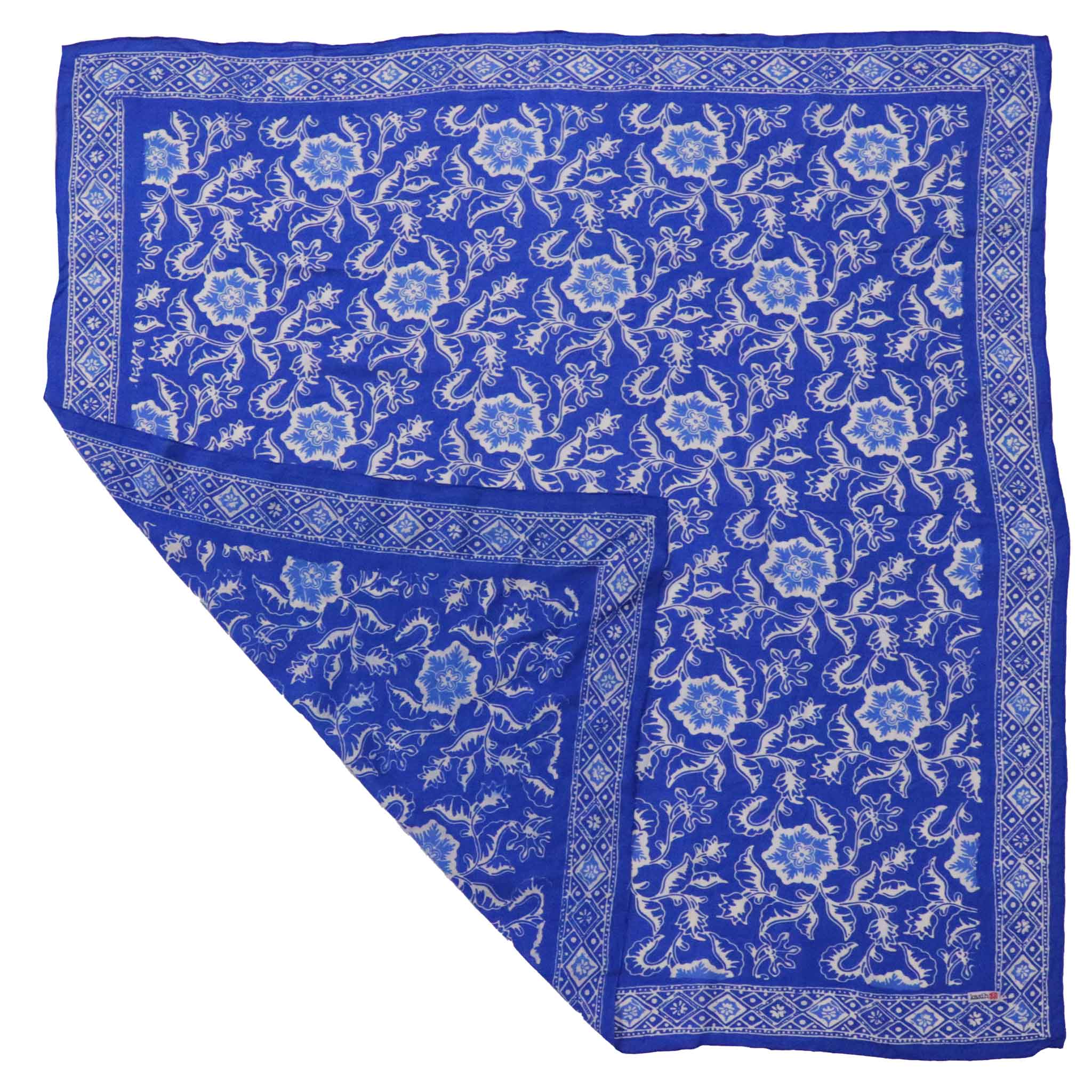
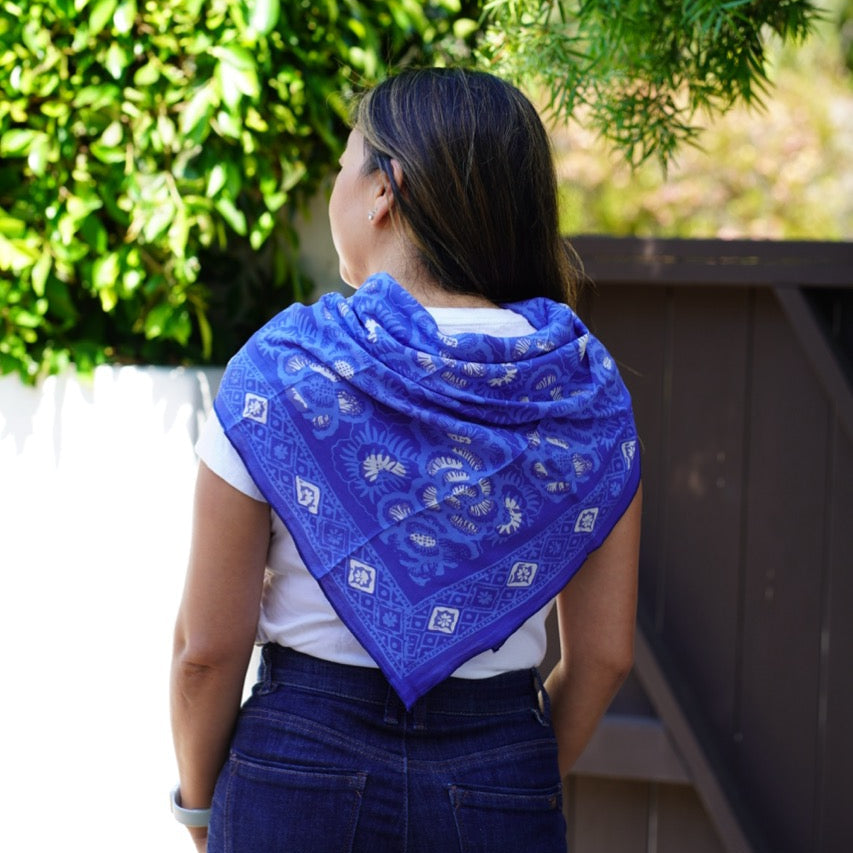
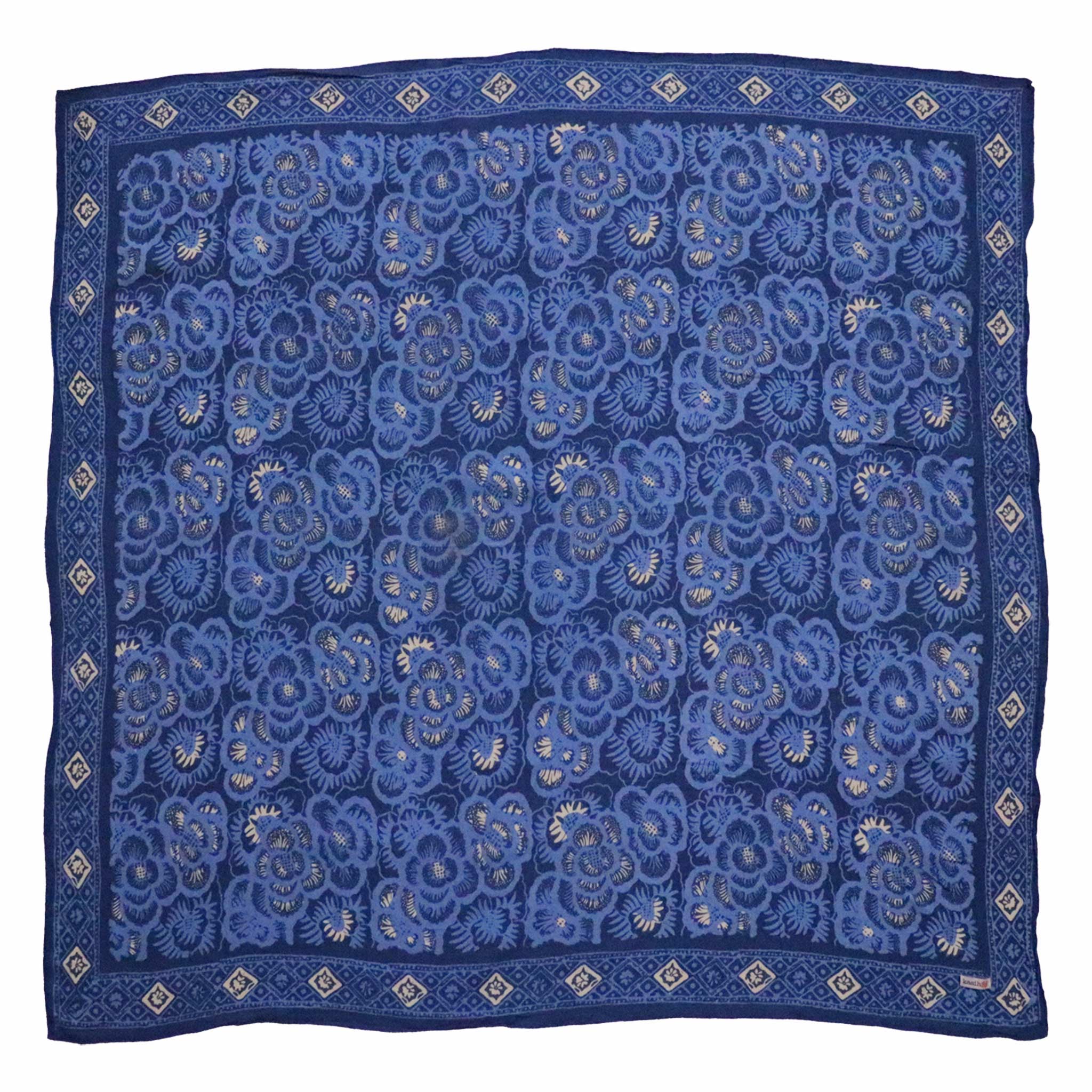
L'indigo est l'une des sources de teinture de batik les plus connues. Il produit des tons bleu profond et nécessite un processus de fermentation avant la teinture.
-
Résultat de la couleur : Bleu à indigo profond
-
Couramment utilisé dans : Batik traditionnel et contemporain
2. Feuilles de Fuji
Les feuilles de Fuji sont utilisées pour créer des tons verts dans la teinture naturelle.
-
Résultat de la couleur : Vert
-
Préparation de la teinture : Les feuilles sont finement hachées puis bouillies pour extraire le pigment.
3. Graines d'Annatto (Caesalpinia sappan)
Le Secang utilise son bois de cœur pour produire des teintes rouges chaudes.
-
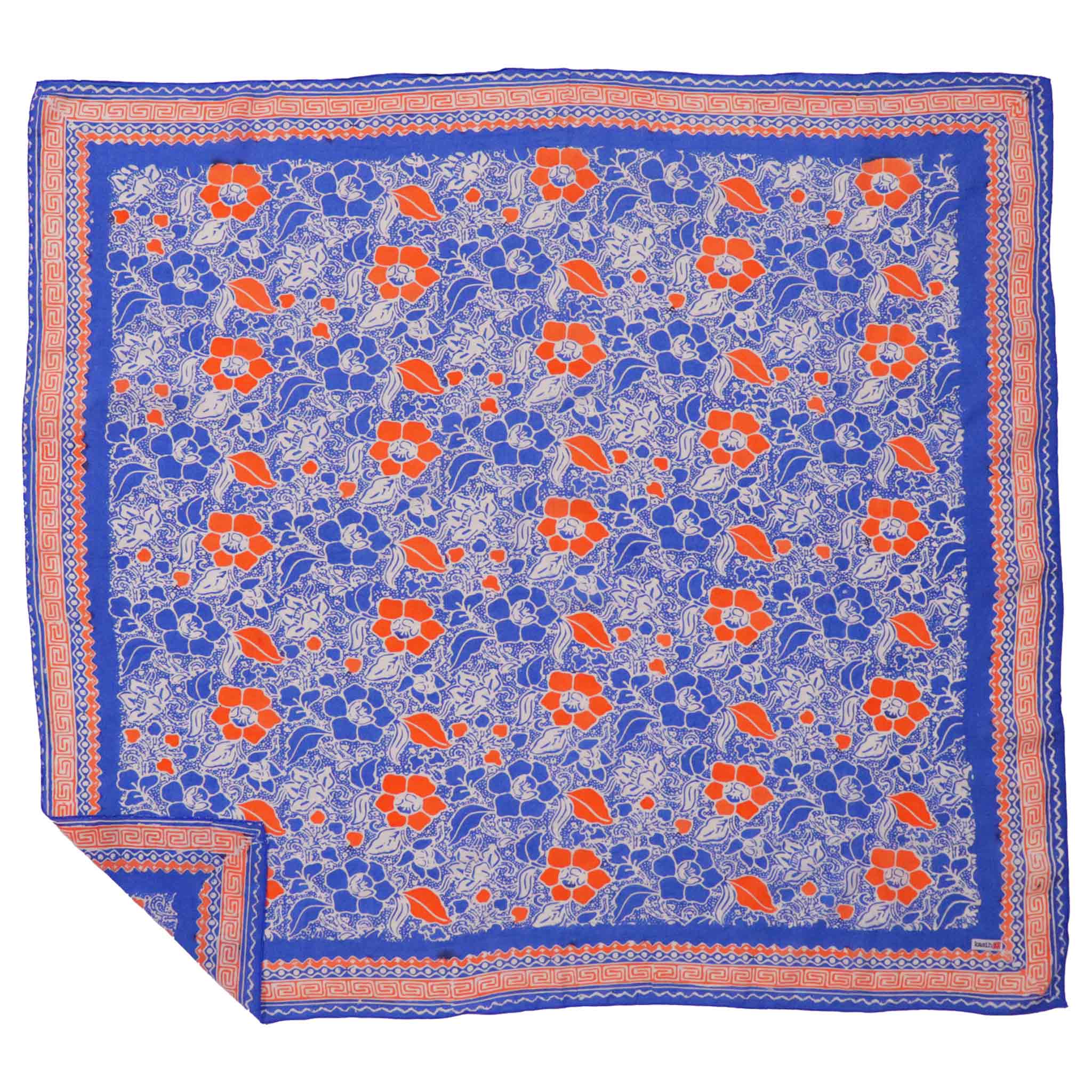
Résultat de la couleur : Orange-rouge à des tons rougeâtres profonds
-
Préparation de la teinture : Le bois est coupé en petits morceaux et bouilli pour libérer la couleur.
4. Feuilles de Cordyline (Cordyline fruticosa)
Bien que les feuilles apparaissent bleuâtres, elles produisent des nuances de vert lorsqu'elles sont utilisées en teinture naturelle.
-
Résultat de la couleur : Vert
-
Préparation de la teinture : Les feuilles sont bouillies et souvent superposées avec d'autres teintures.
5. Feuilles de Teck
Les feuilles de teck sont couramment utilisées dans le batik pour les couleurs terreuses à base de rouge.
-
Résultat de la couleur : Rouge brique, marron et brun rougeâtre
-
Préparation de la teinture : Les feuilles sont bouillies pour extraire le pigment.
6. Graines de Roucou (Bixa orellana)
Les graines sont utilisées pour créer des couleurs vives et chaudes.
-
Résultat de la couleur : Orange
-
Préparation de la teinture : Les graines sont écrasées et bouillies pour libérer la teinture.
7. Eugenia densiflora
Cette plante est utilisée en teinture naturelle pour des tons doux et terreux.
-
Résultat de la couleur : Nuances naturelles sourdes
-
Préparation de la teinture : Les parties de la plante sont bouillies pour extraire le pigment.
8. Feuilles de Badamier (Terminalia catappa)
Les feuilles de Ketapang sont largement utilisées dans la teinture du batik.
-
Résultat de la couleur : Brun à brun foncé
-
Préparation de la teinture : Les feuilles séchées sont bouillies pour créer un bain de teinture riche.
Comment teindre le batik avec des teintures naturelles
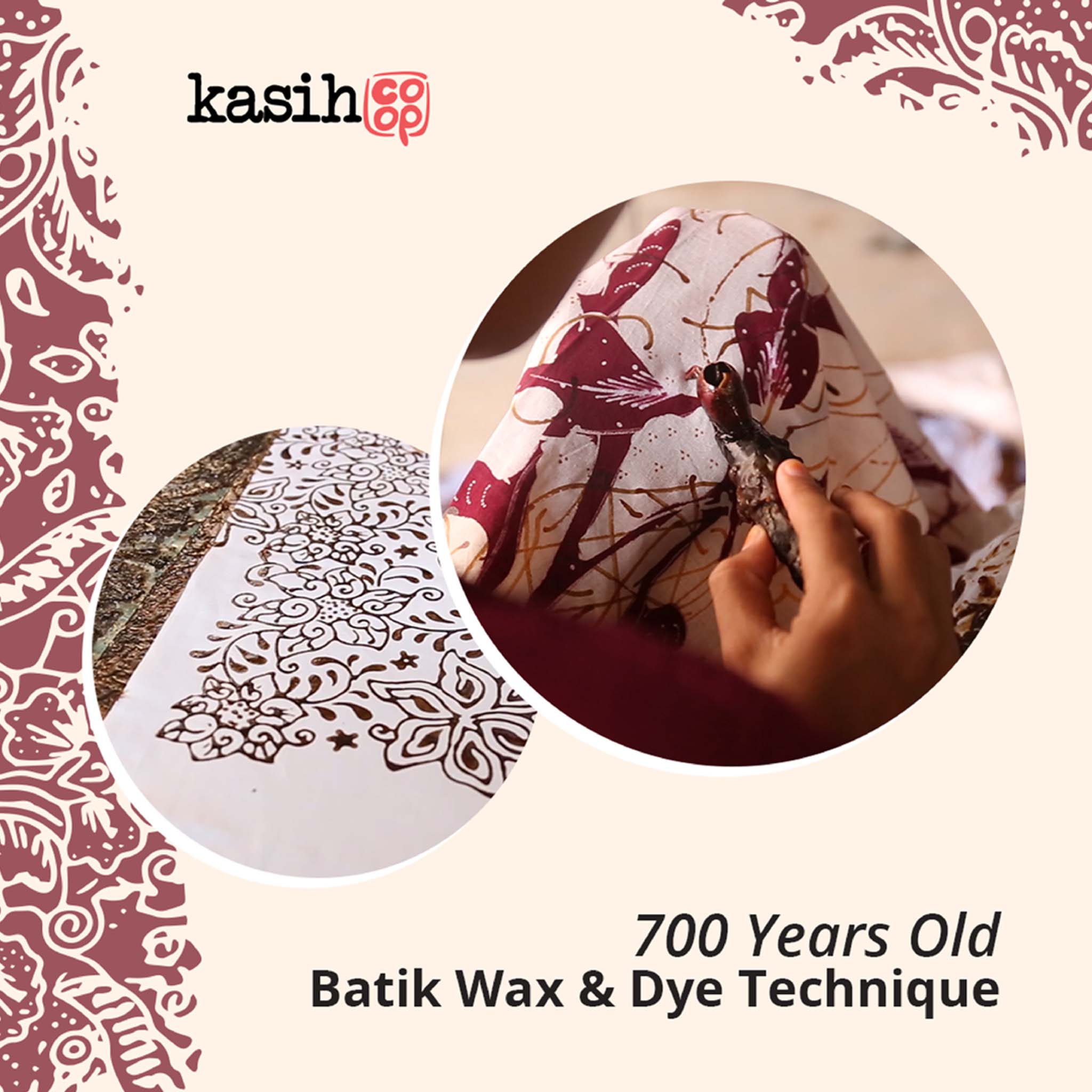
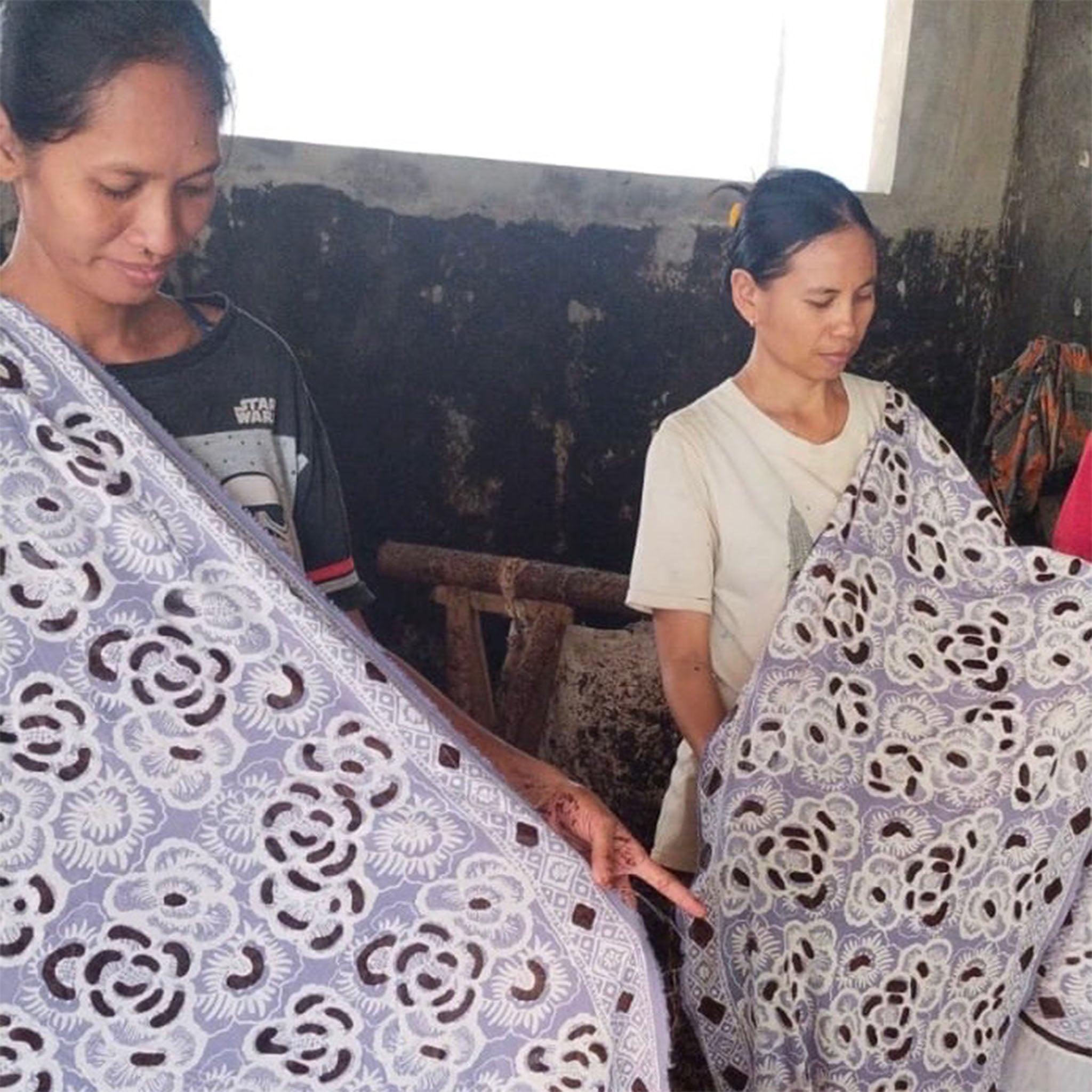
Si vous êtes curieux de savoir comment teindre le batik, il est important de comprendre que la teinture naturelle n'est pas une question de rapidité ou de précision, c'est une question de processus.
Les principes clés incluent :
-
Utiliser des fibres naturelles telles que le coton ou le lin
-
Laisser le temps à la teinture d'être absorbée et oxydée
-
Accepter la variation des couleurs comme faisant partie de la beauté
Cette approche est ce qui rend le batik teint à la main personnel et intemporel.
Pourquoi choisir les bandanas en batik teints à la main ?
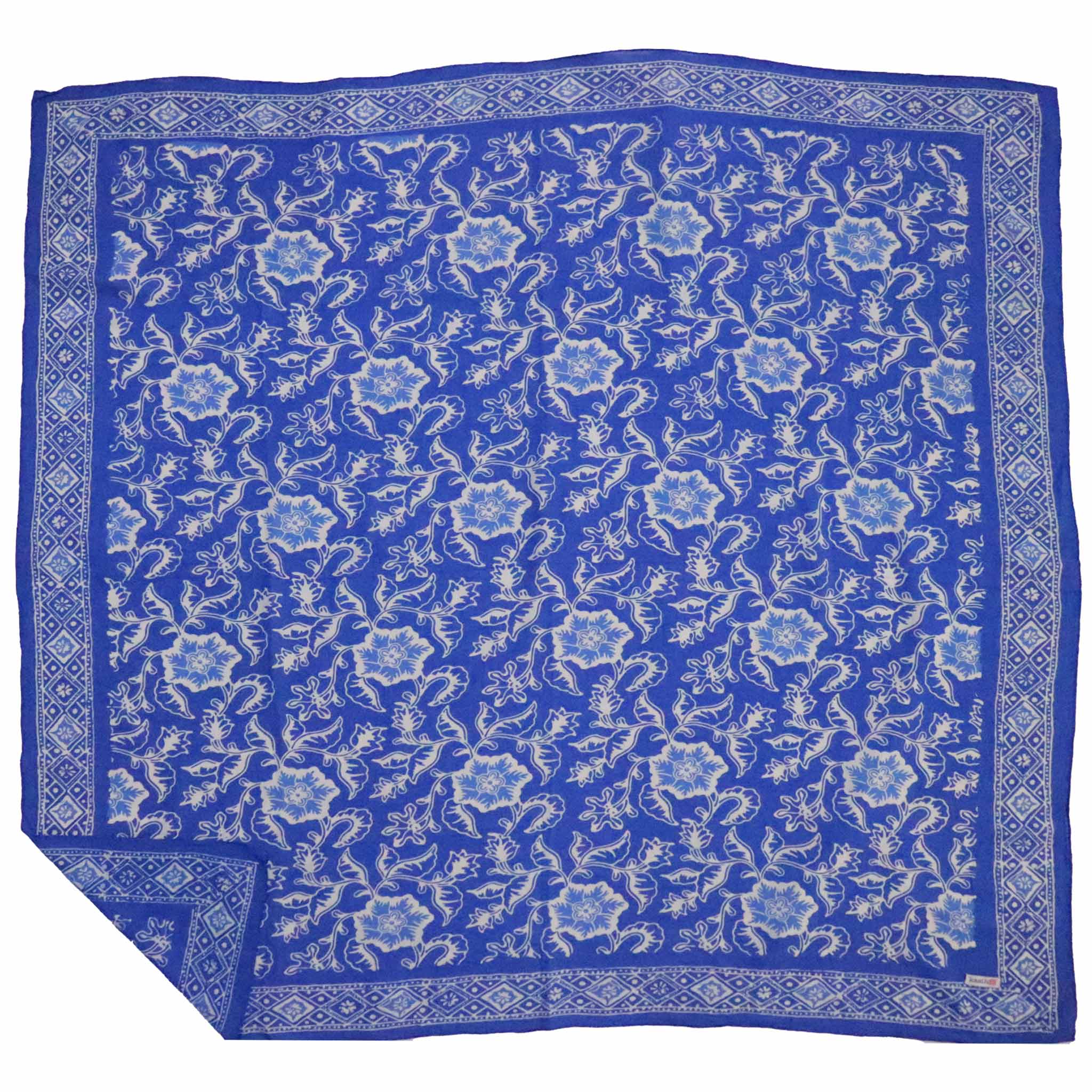
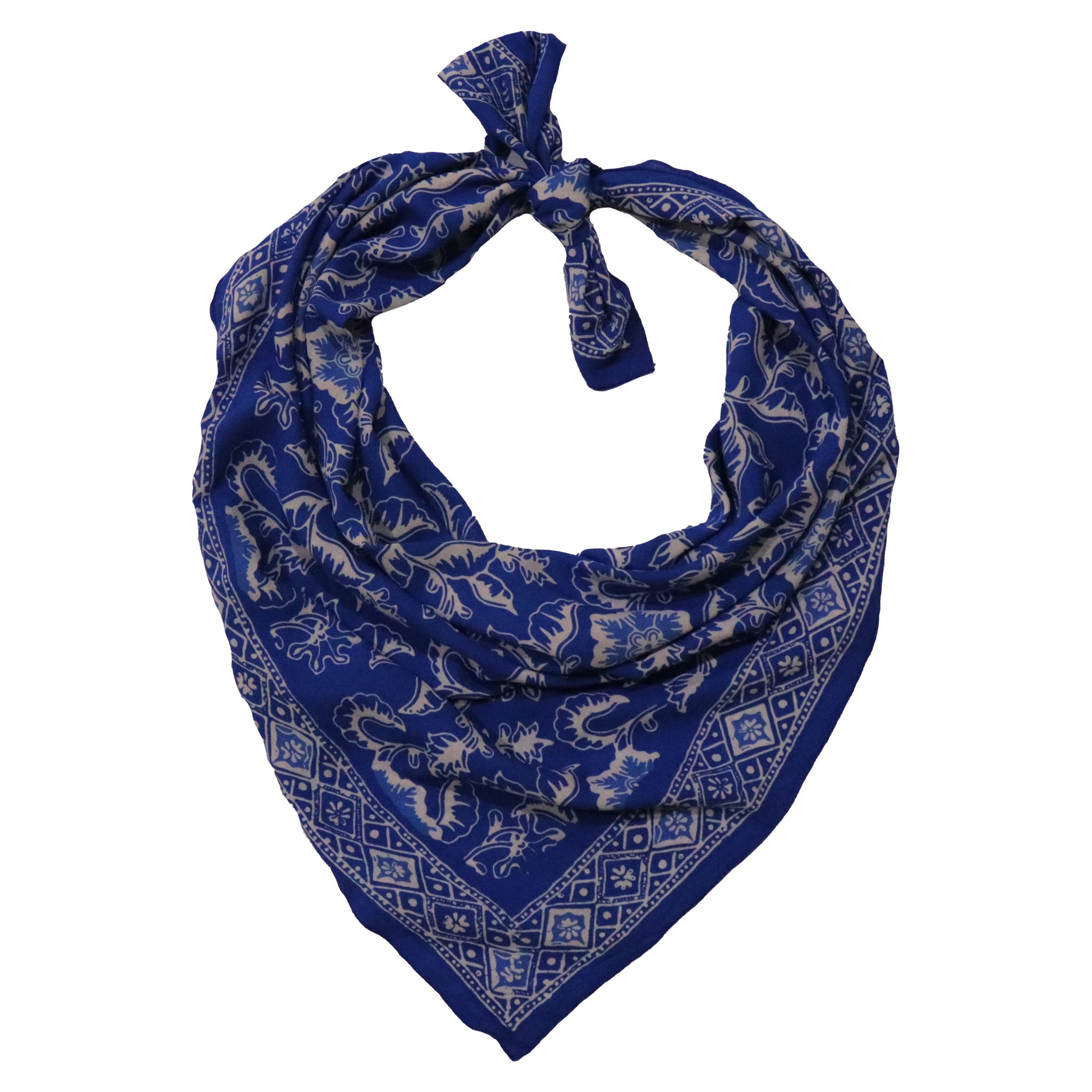
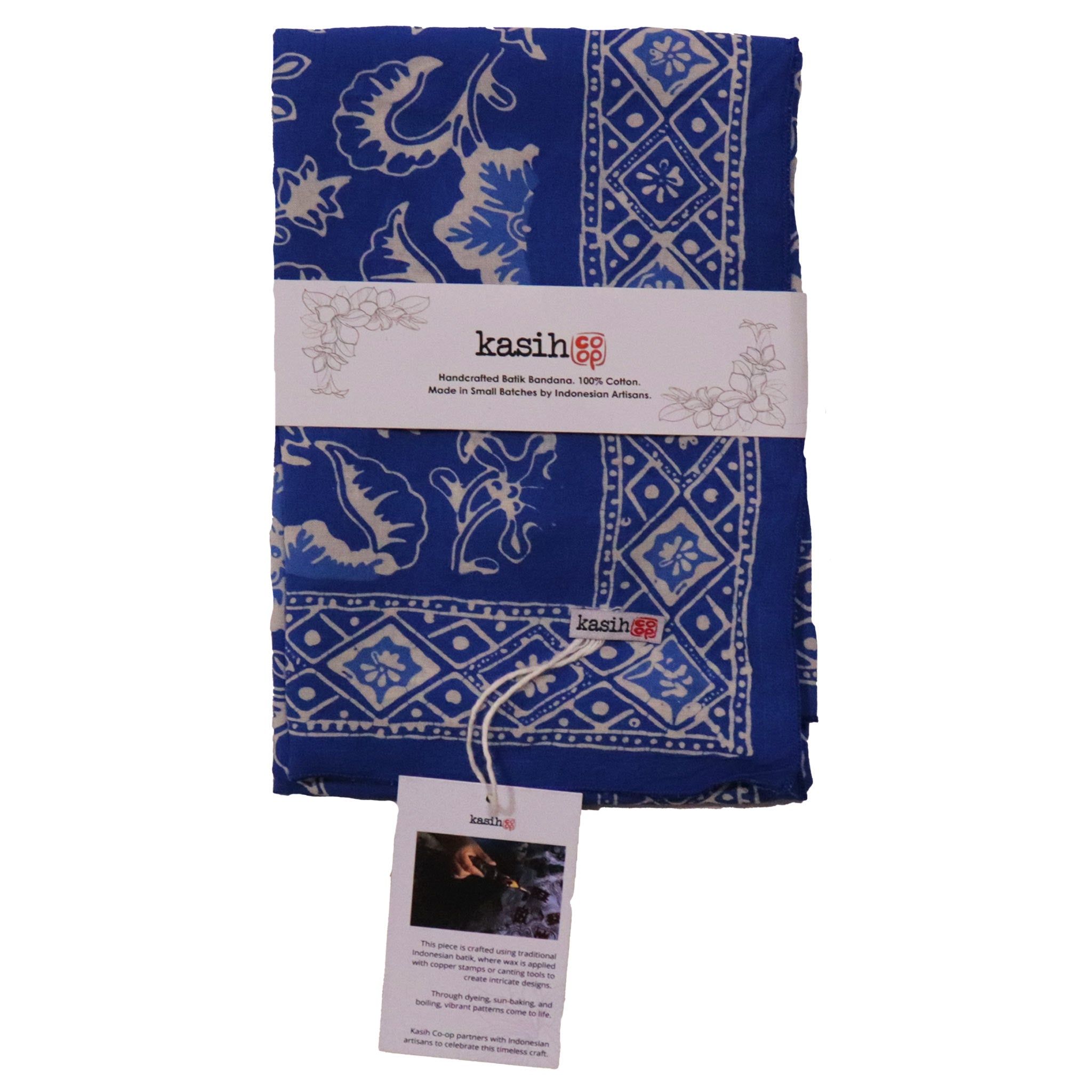
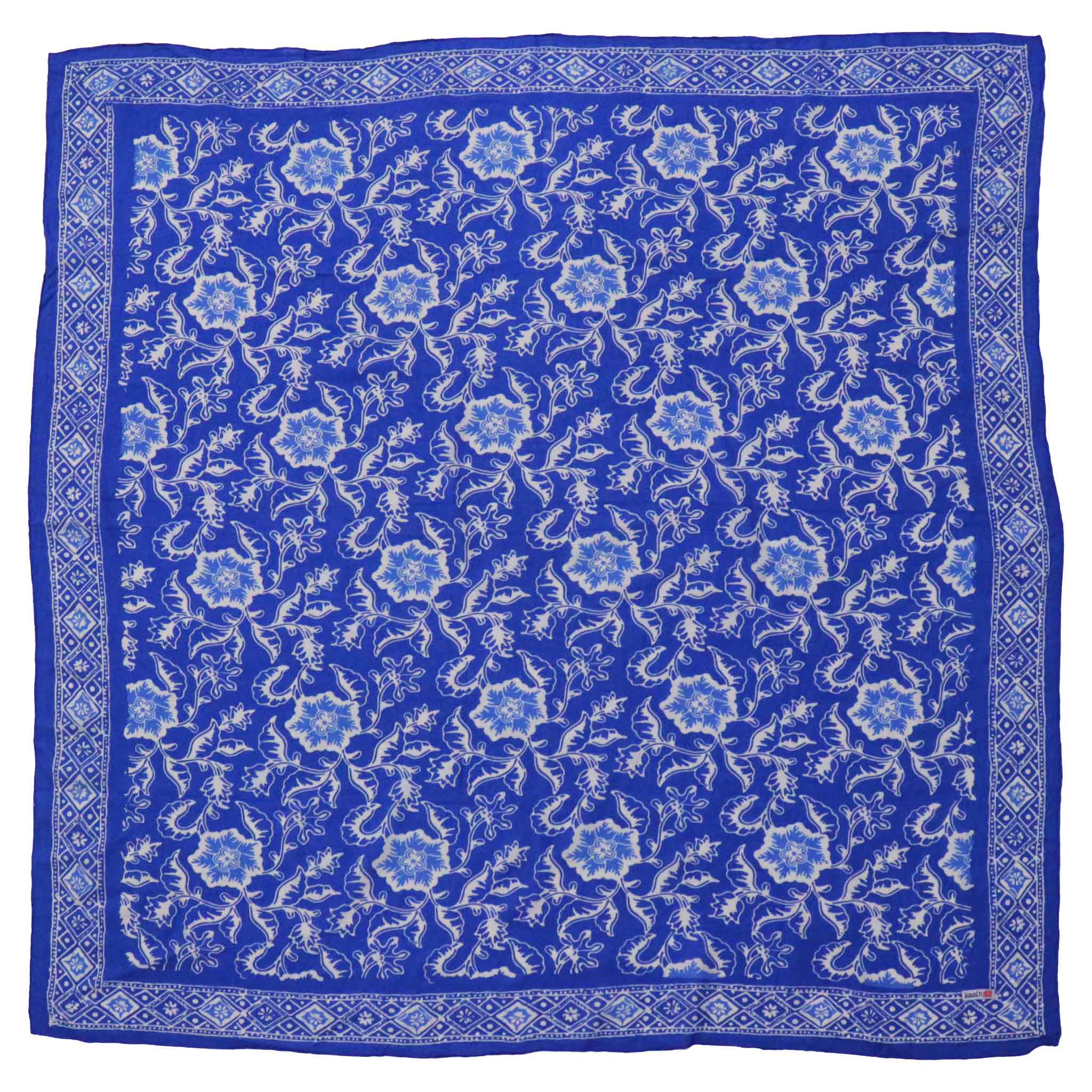
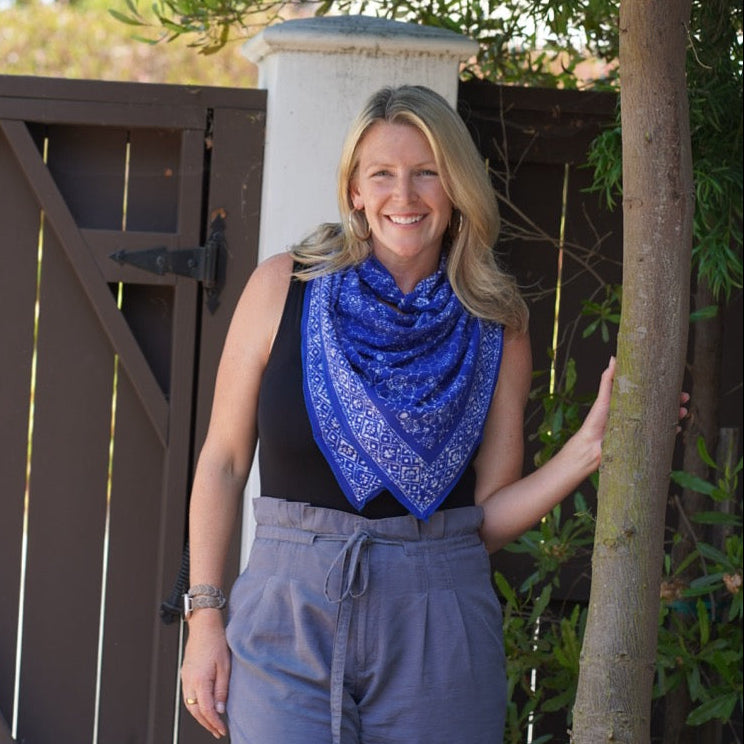
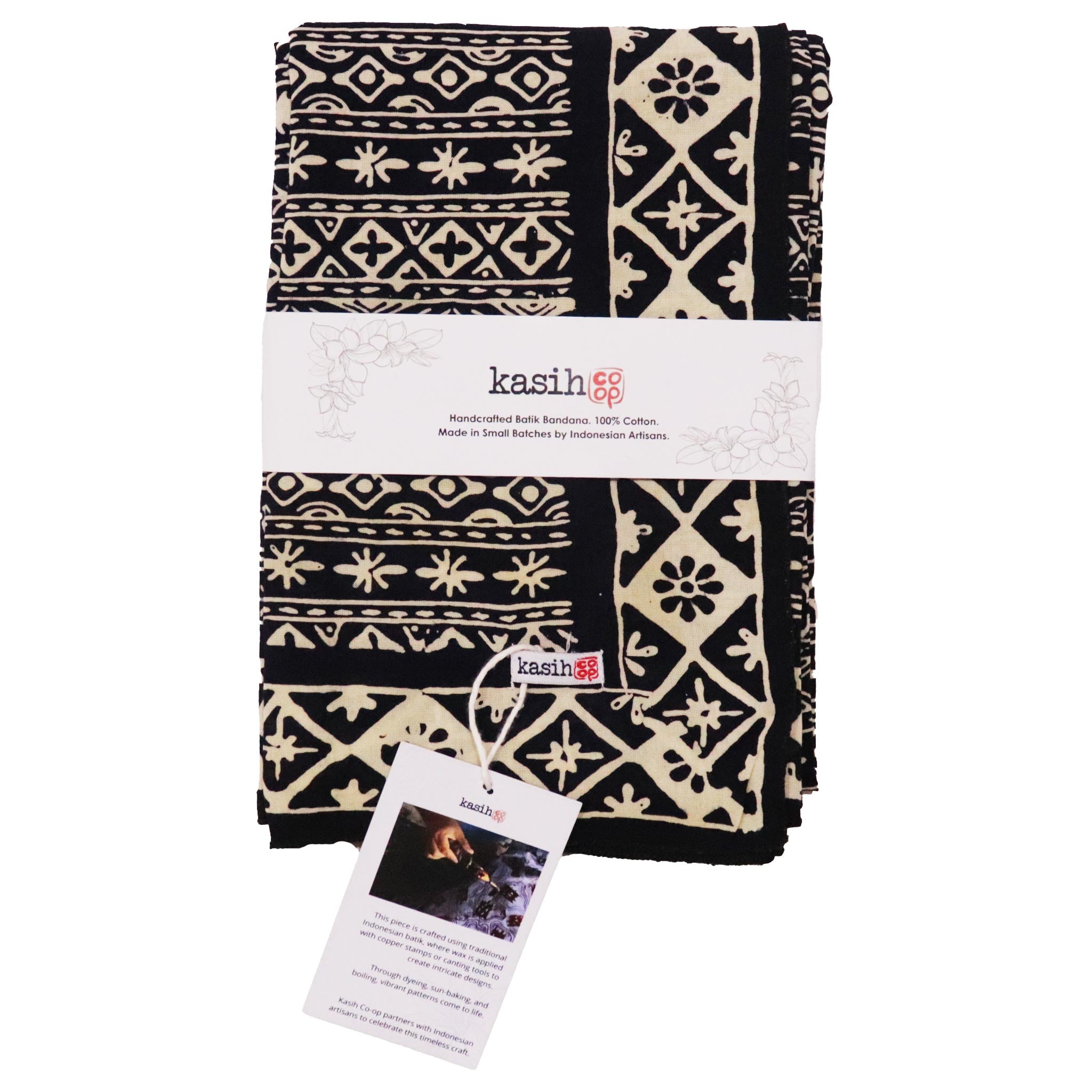
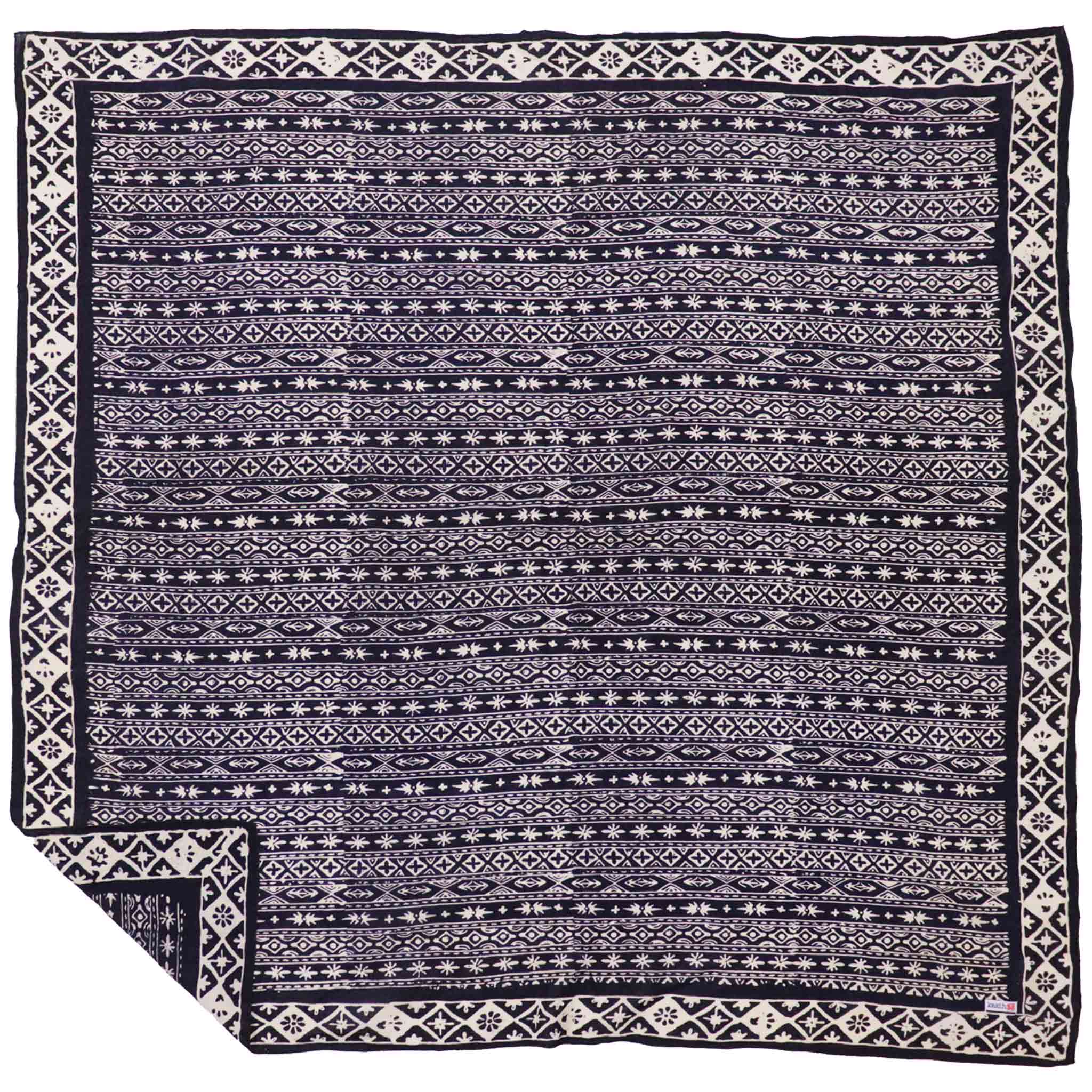
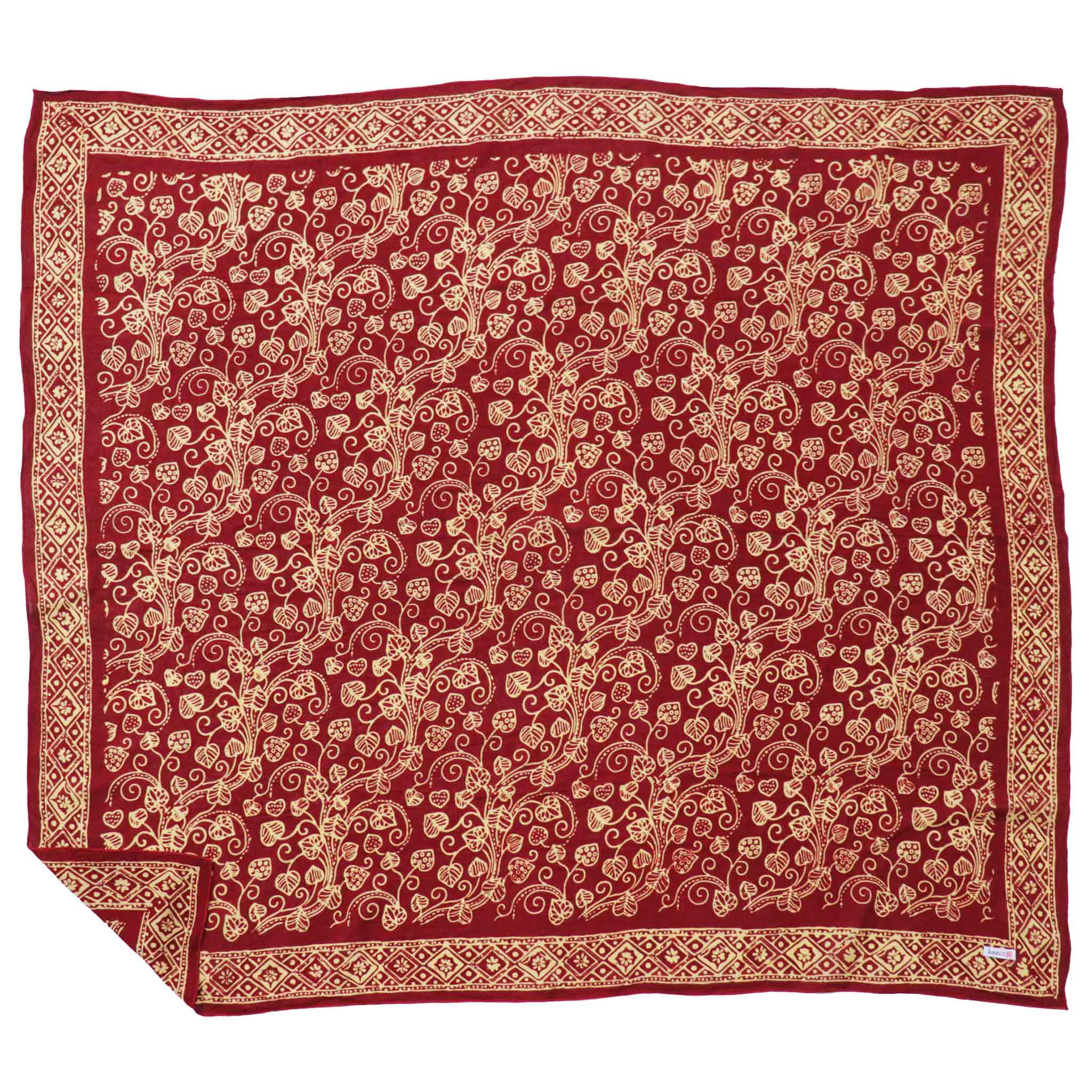
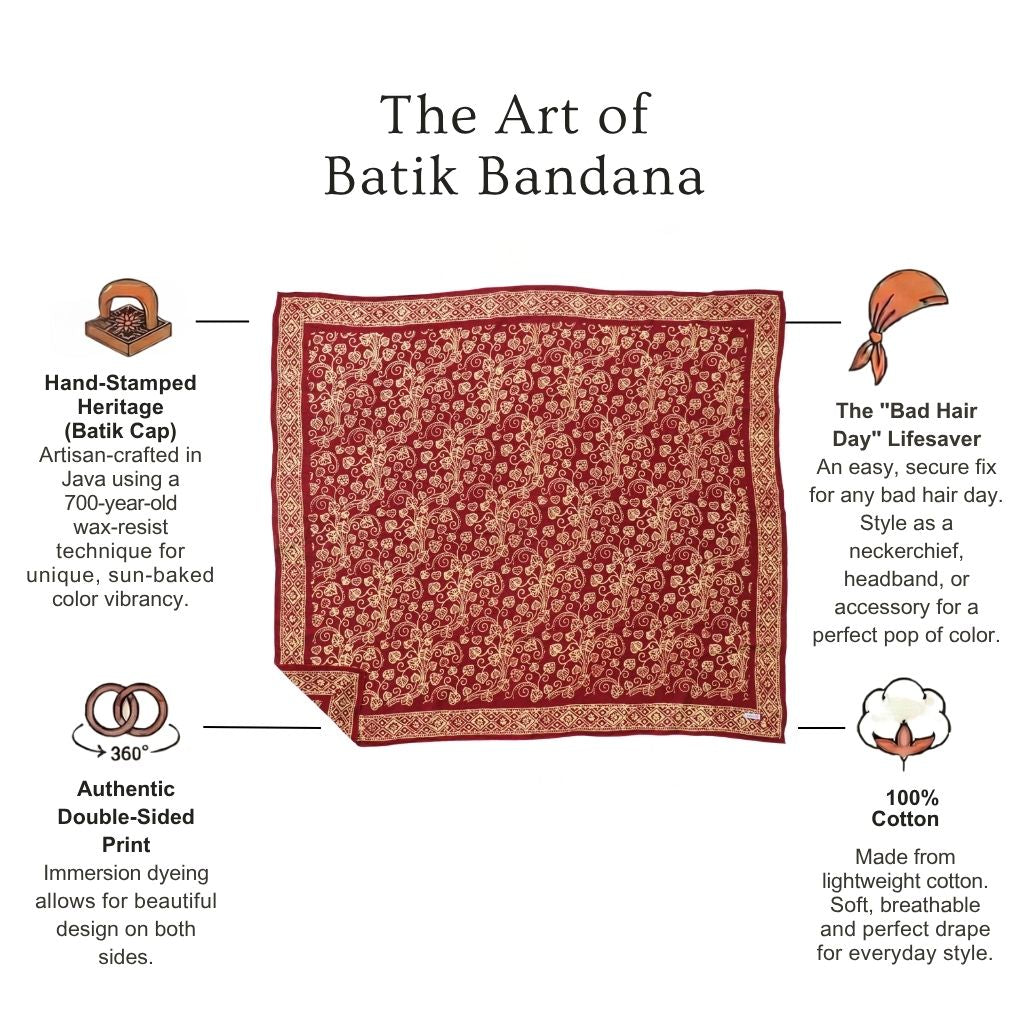
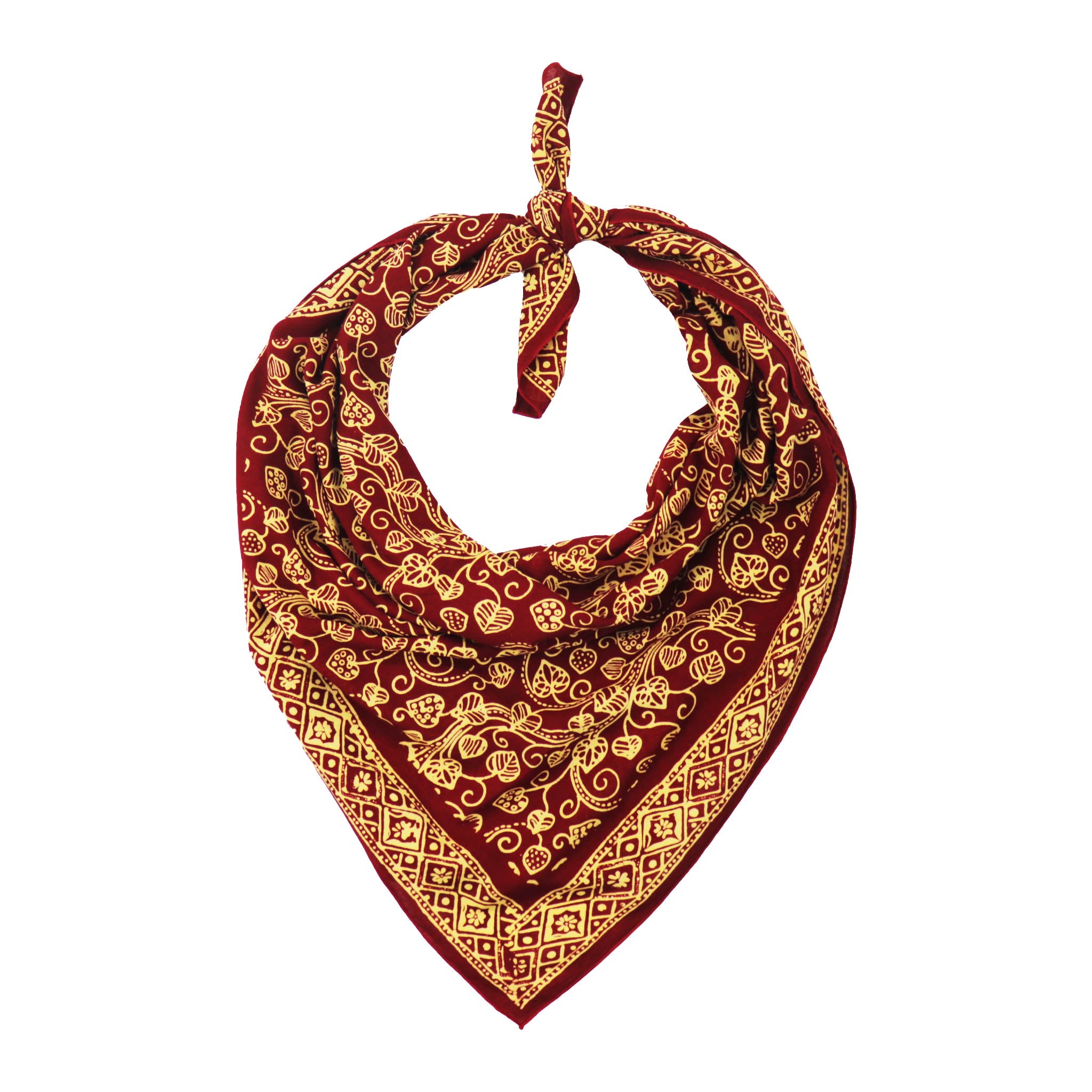
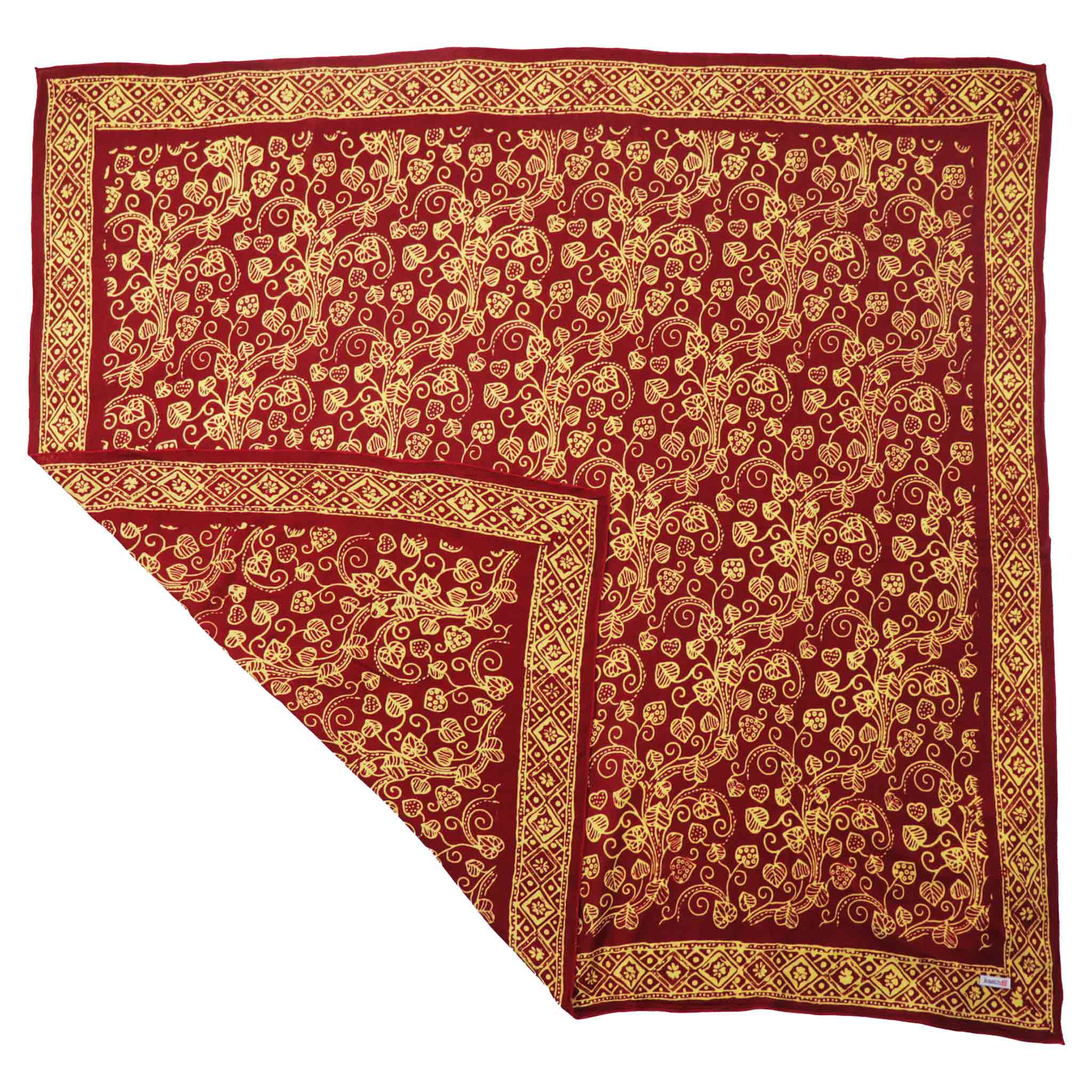
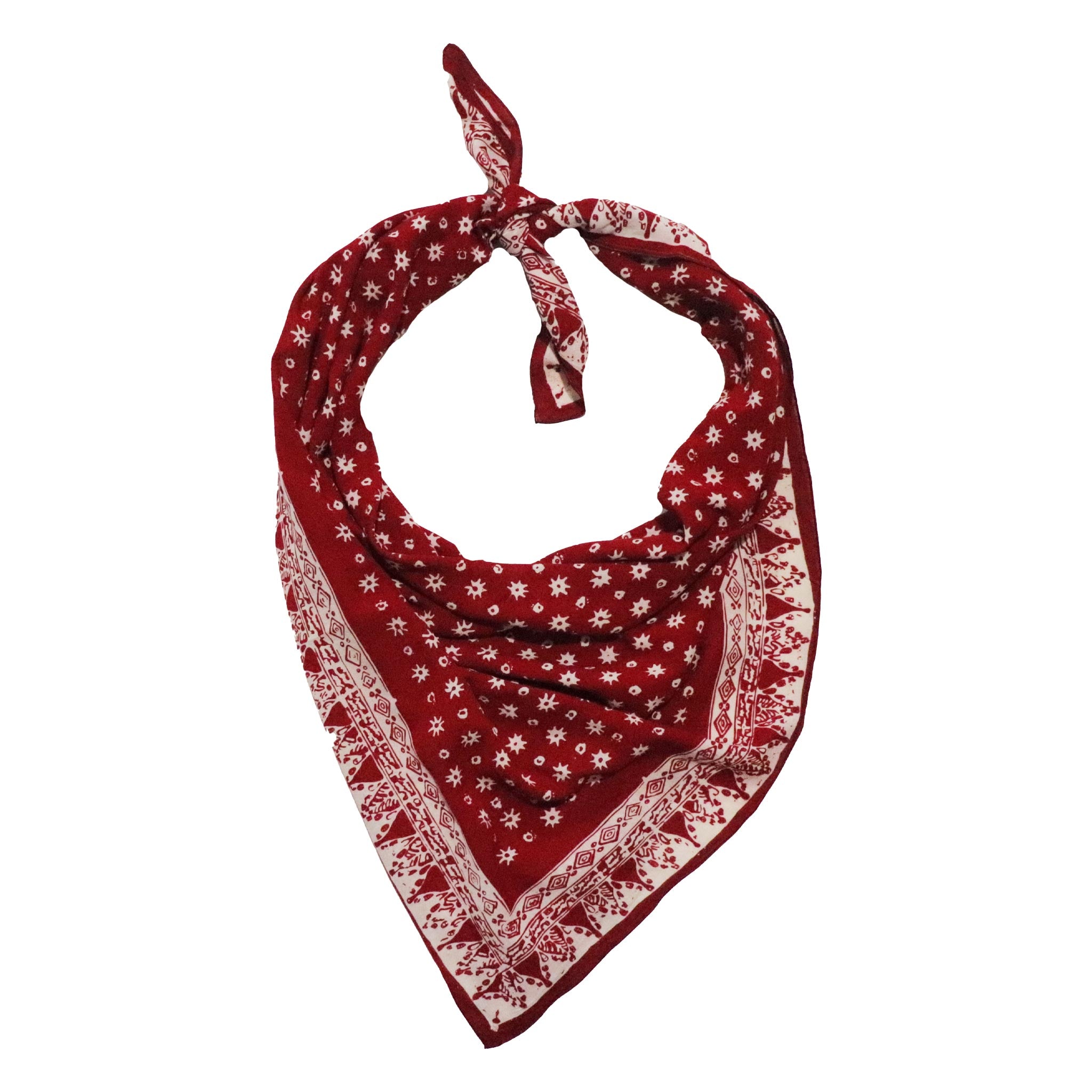
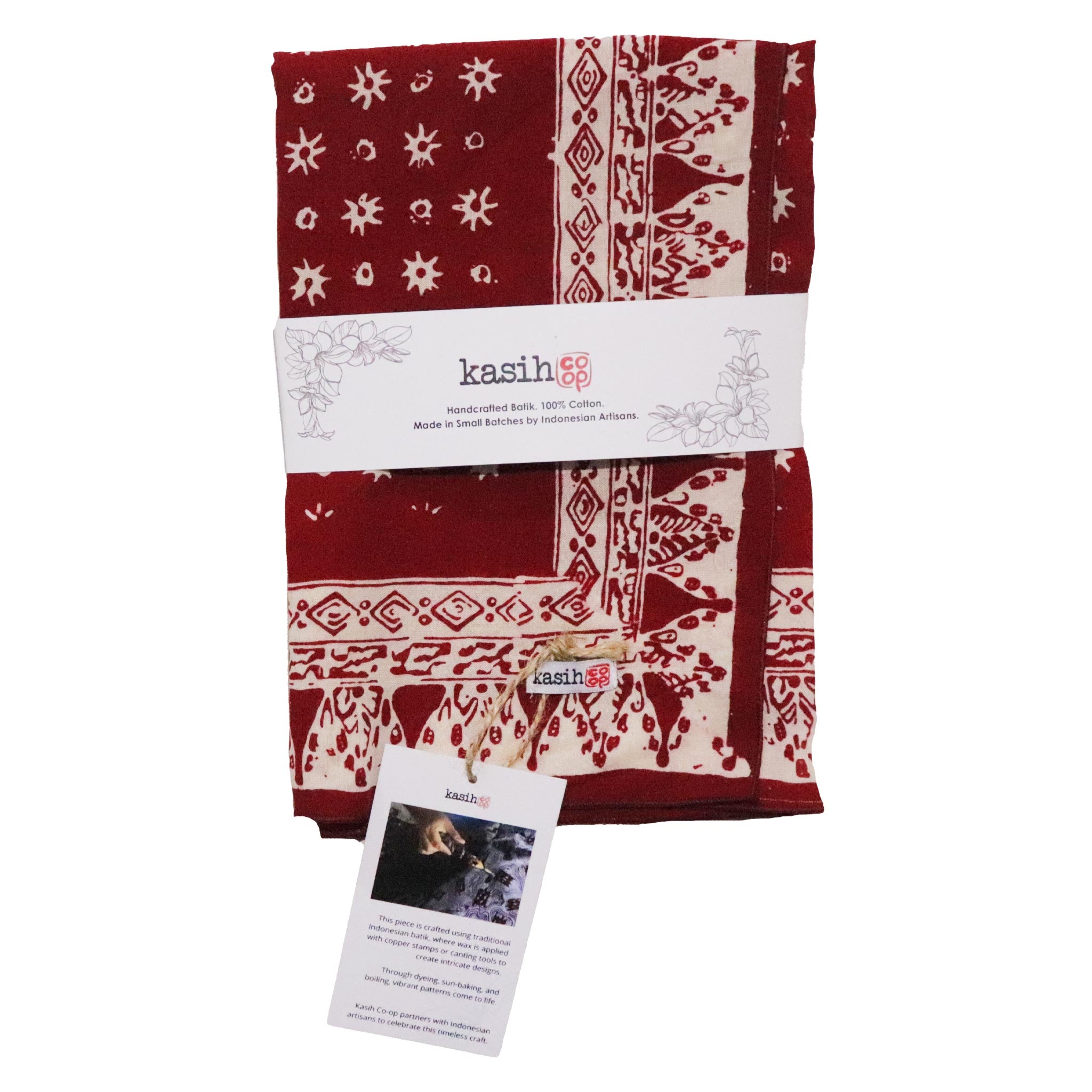
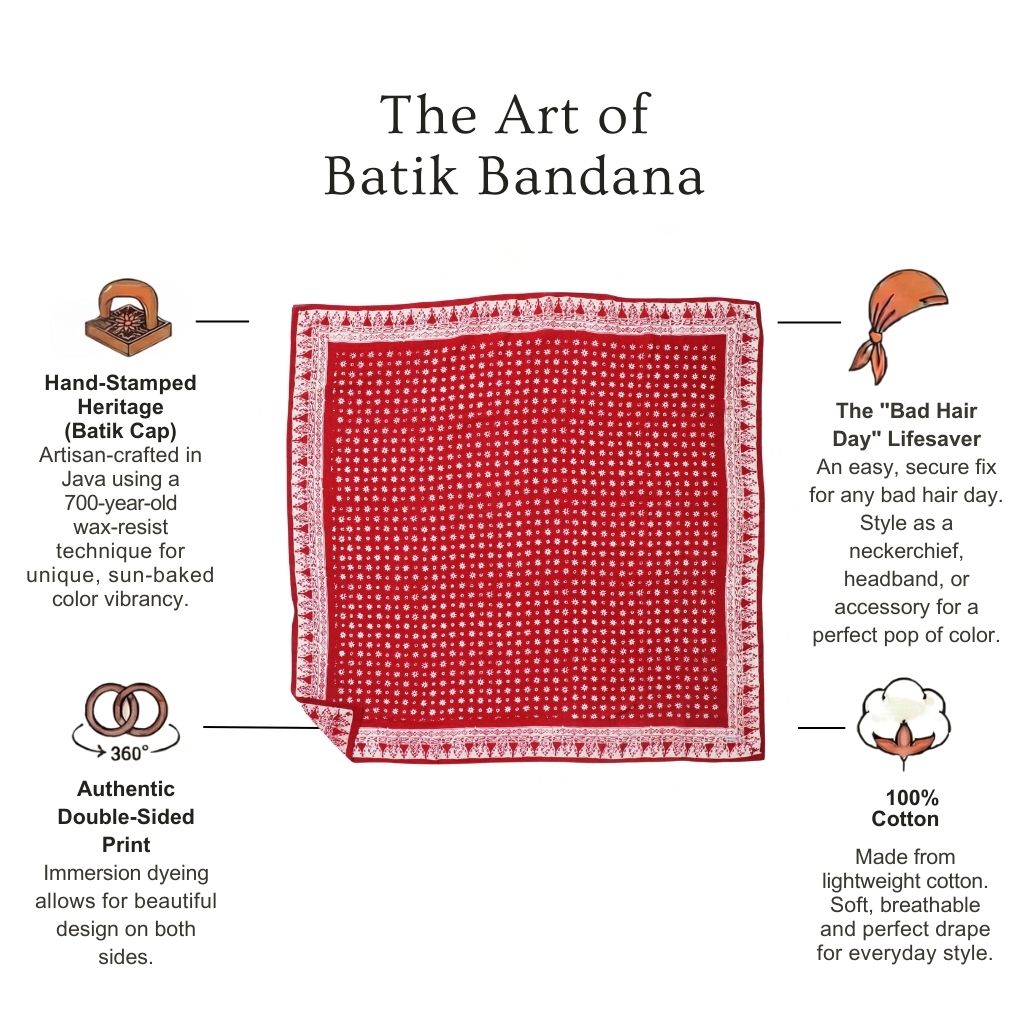
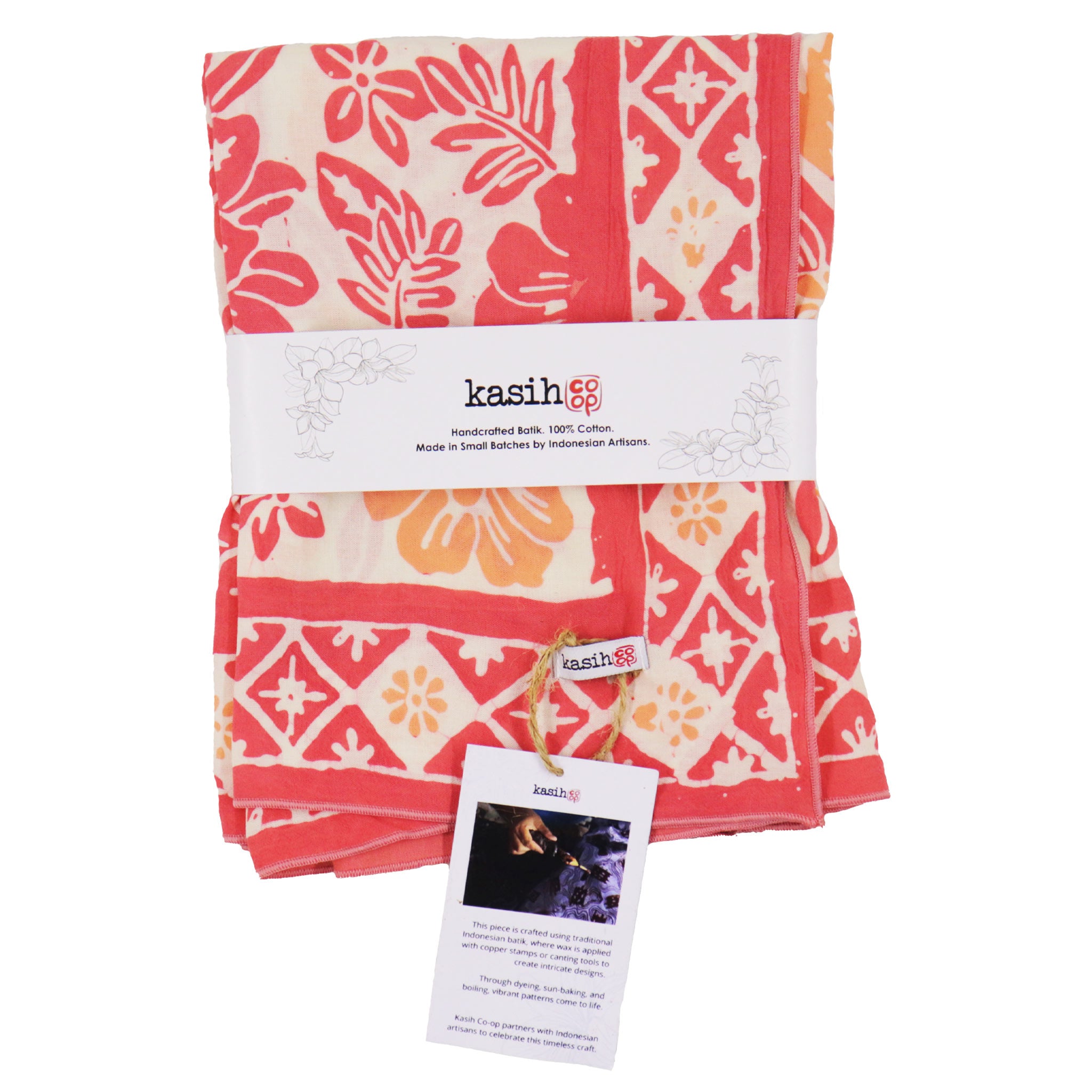
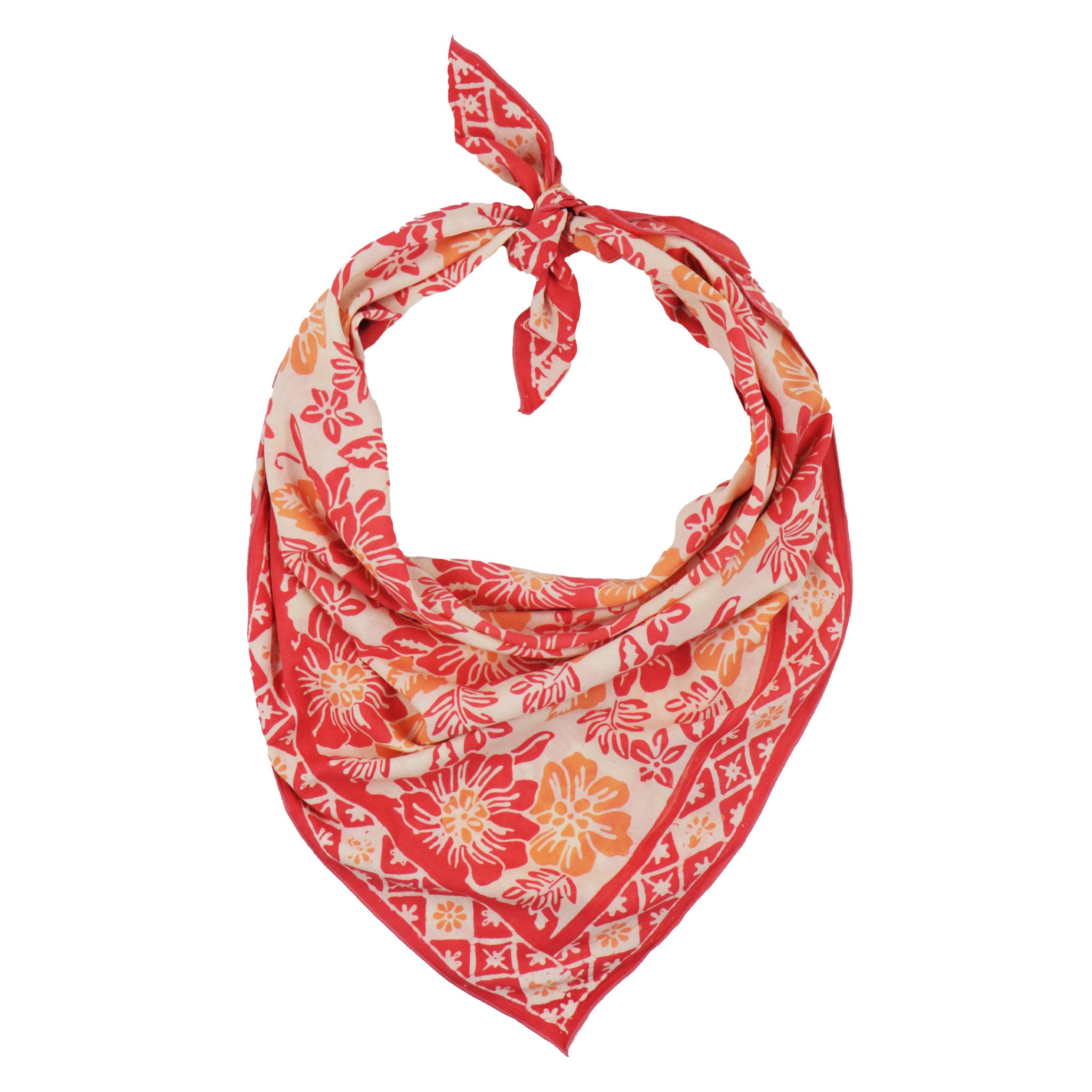
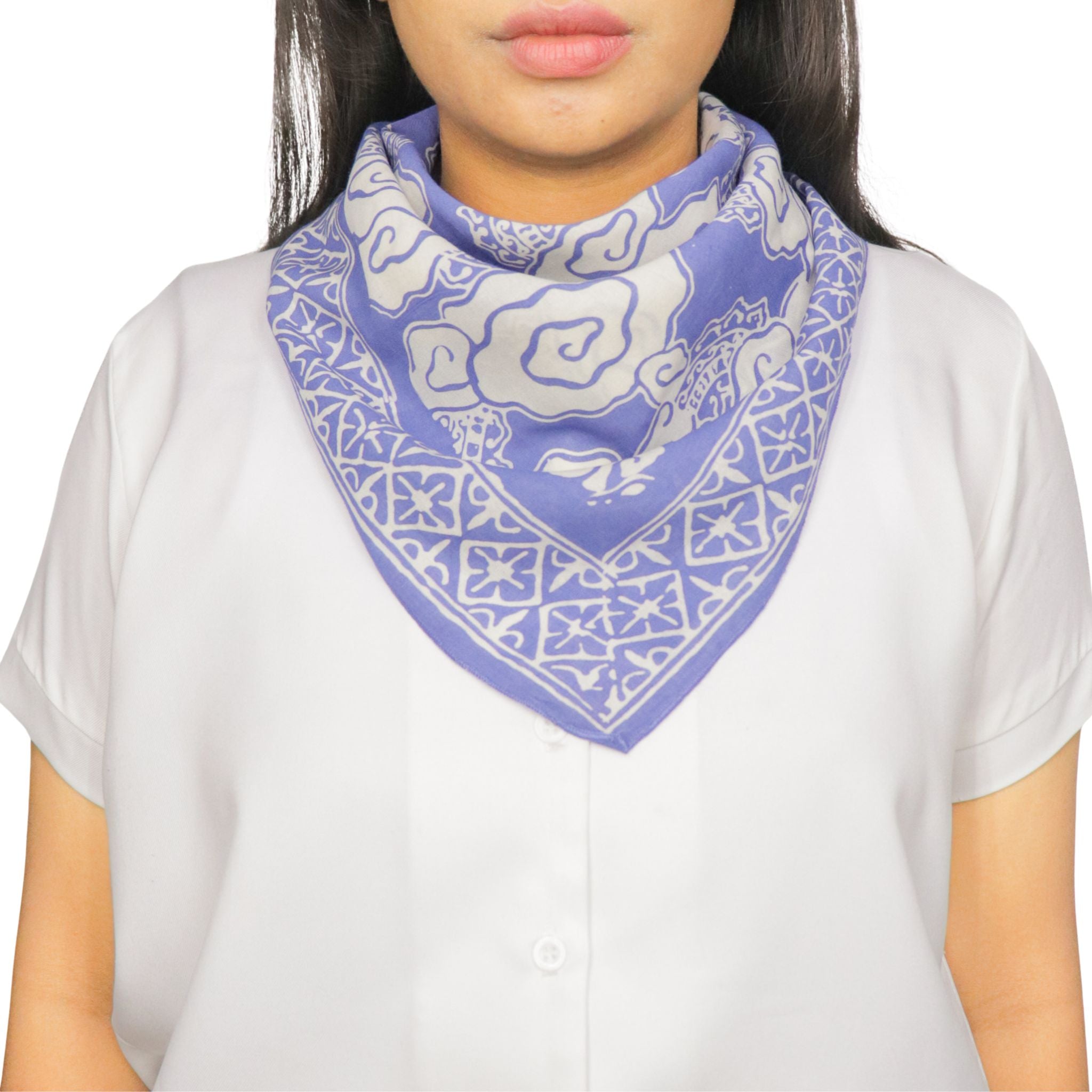
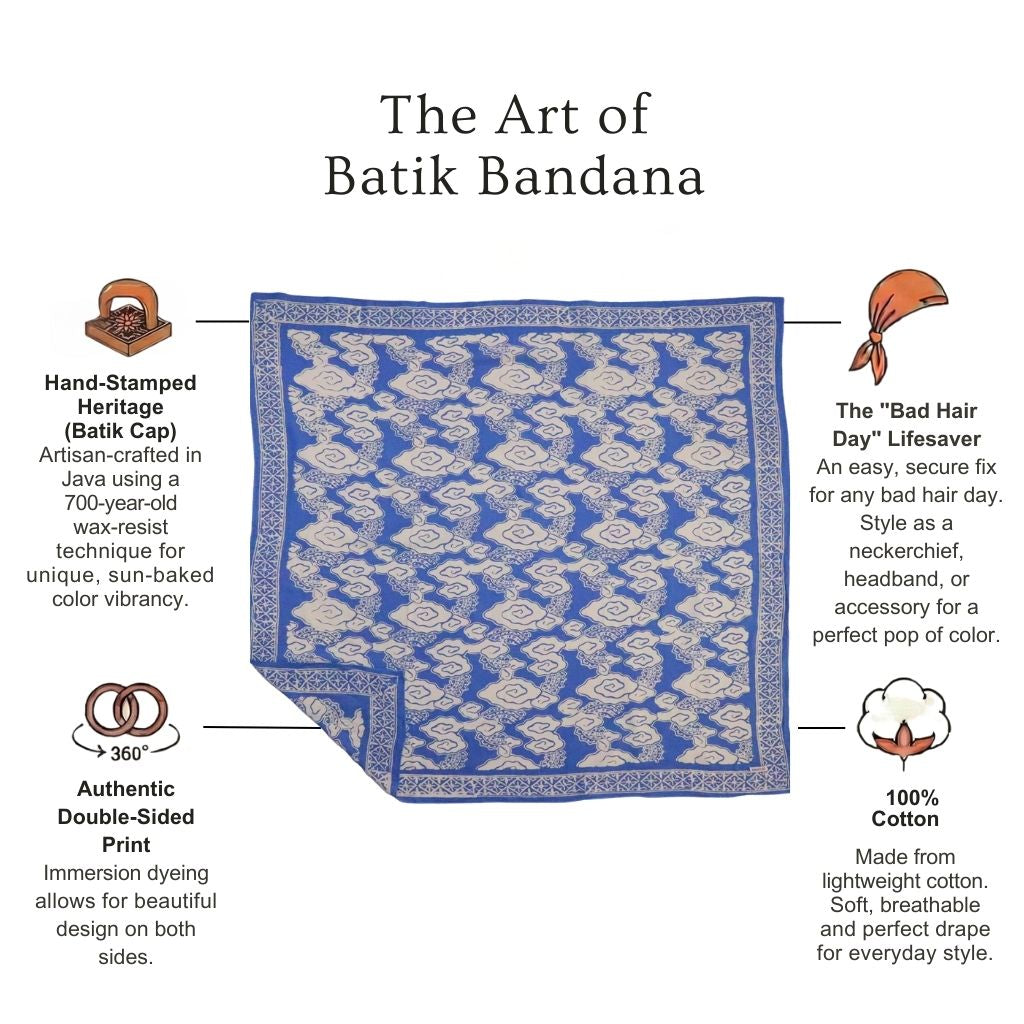
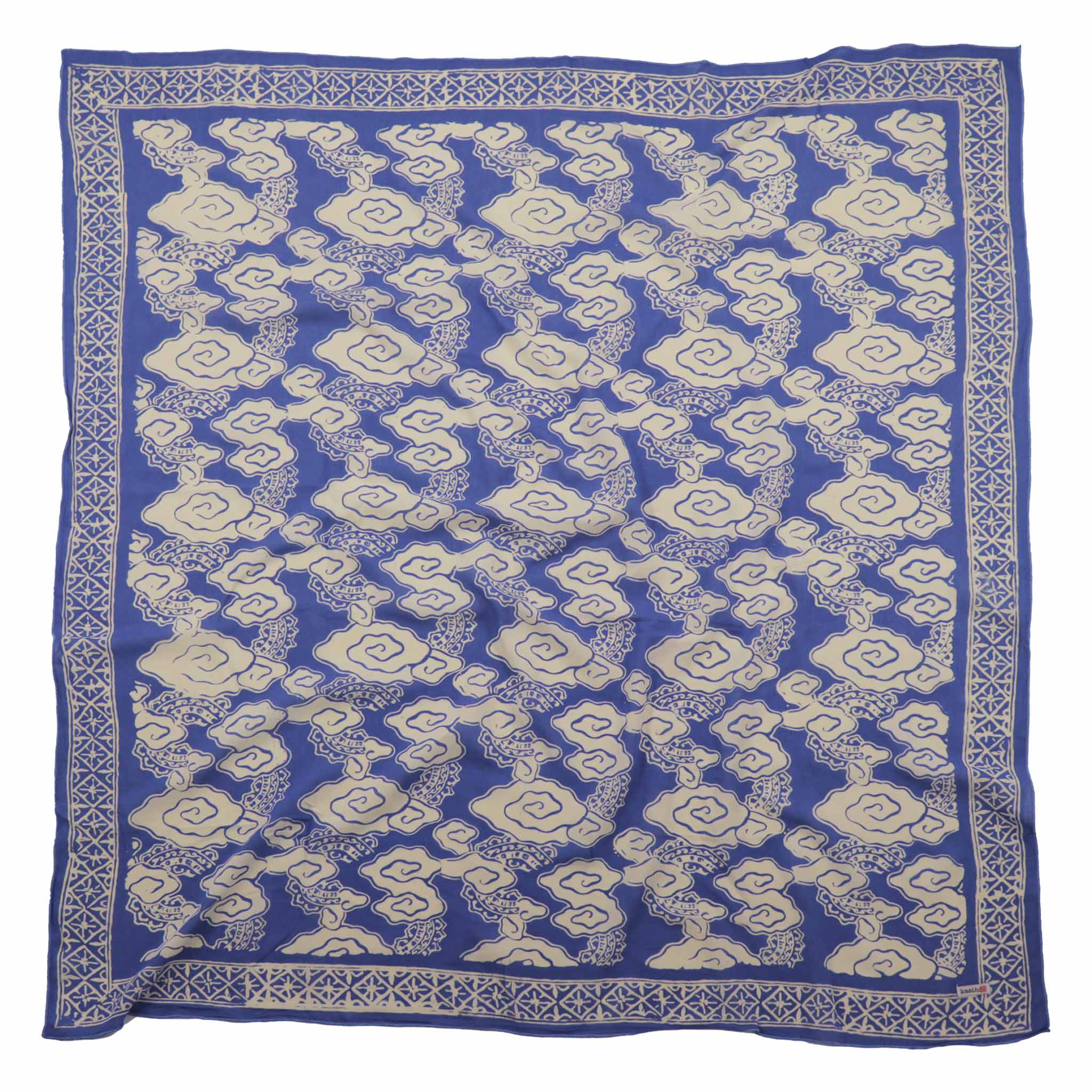
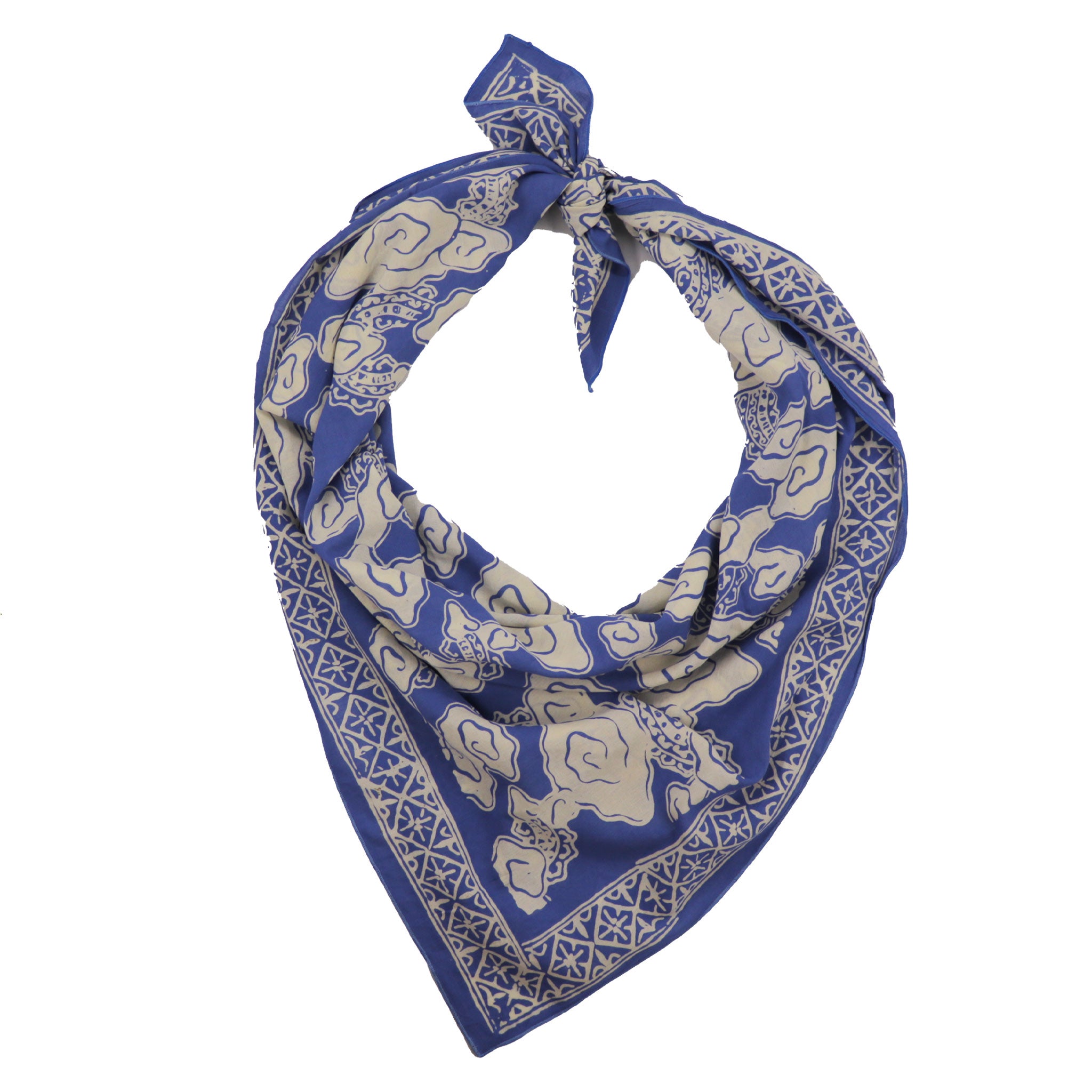
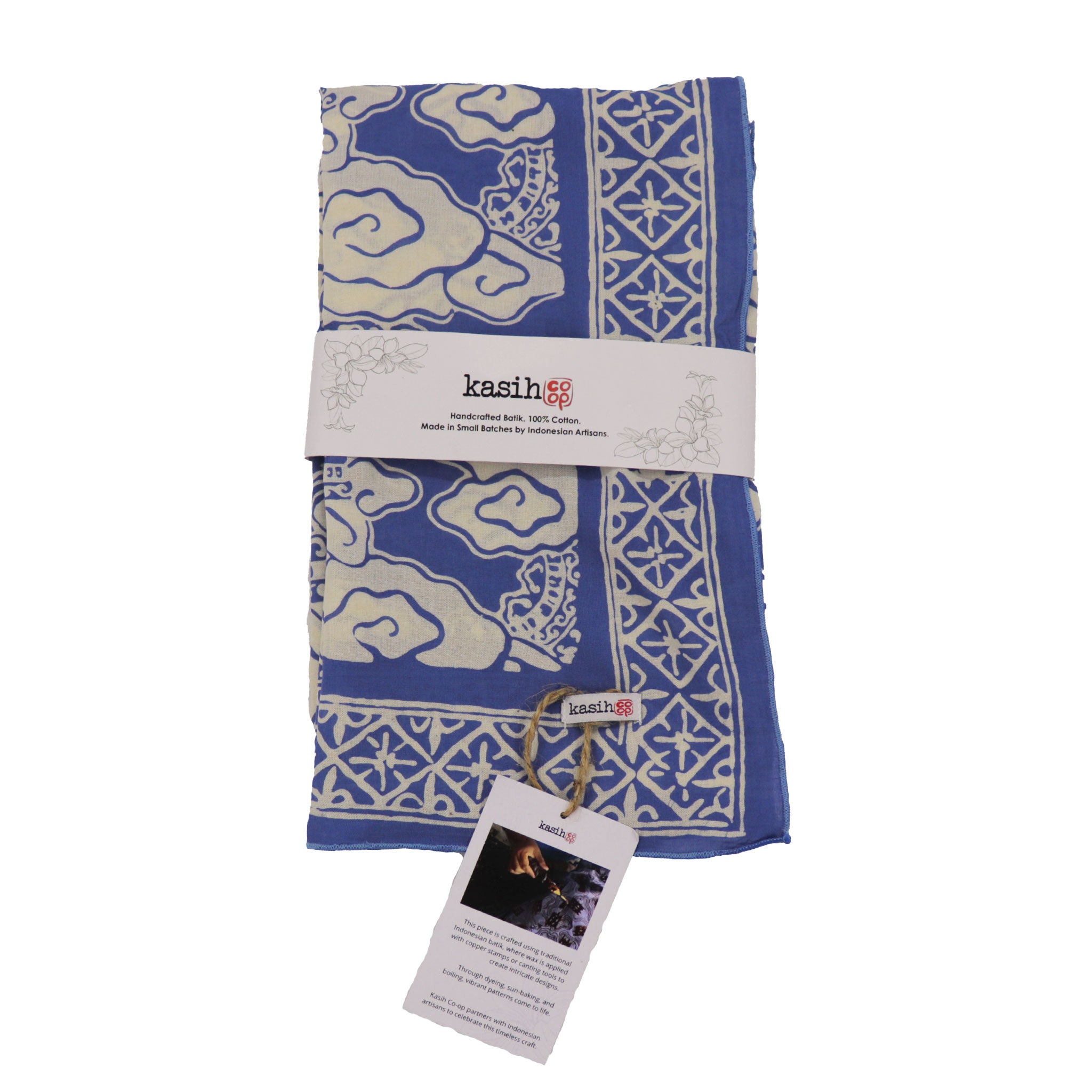
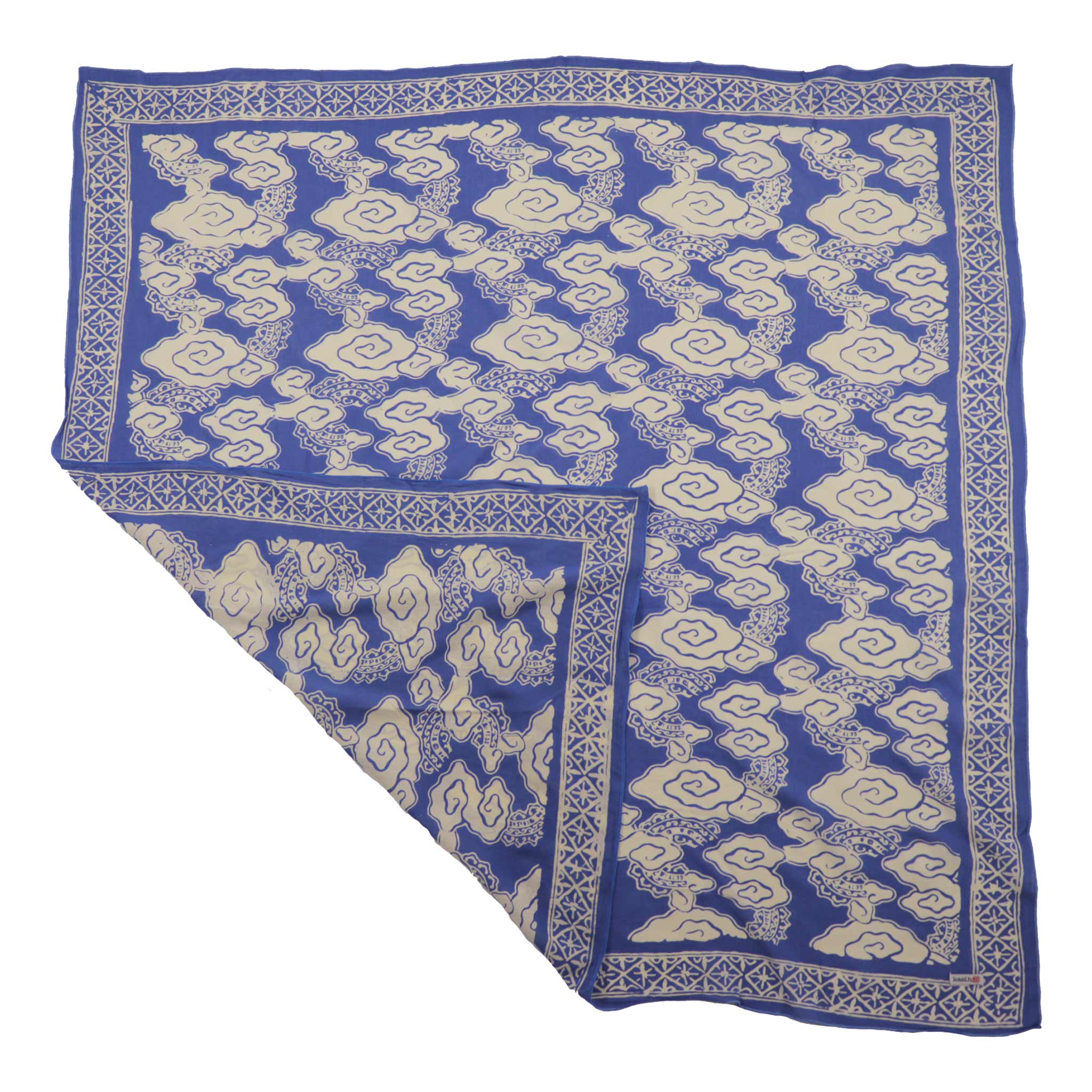
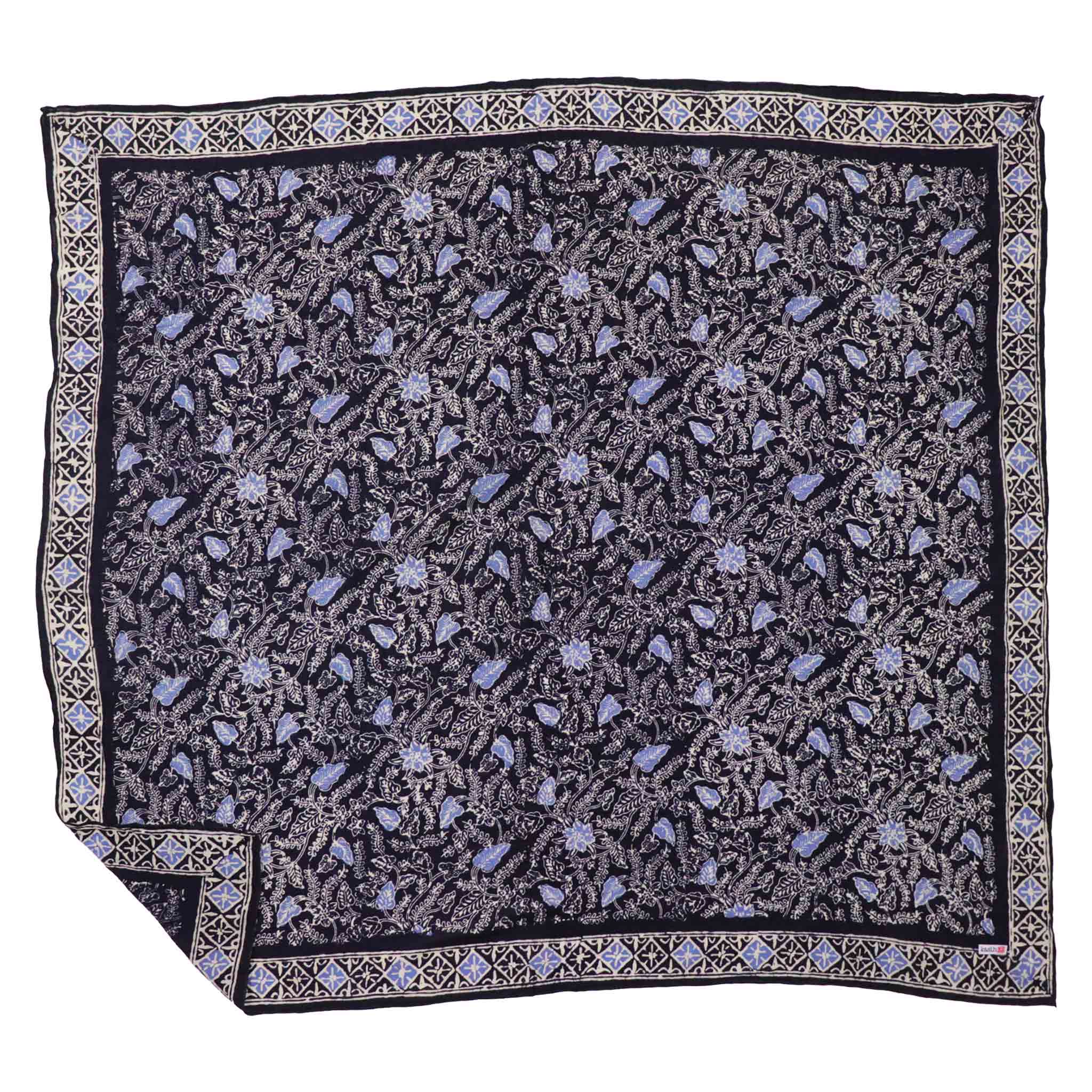
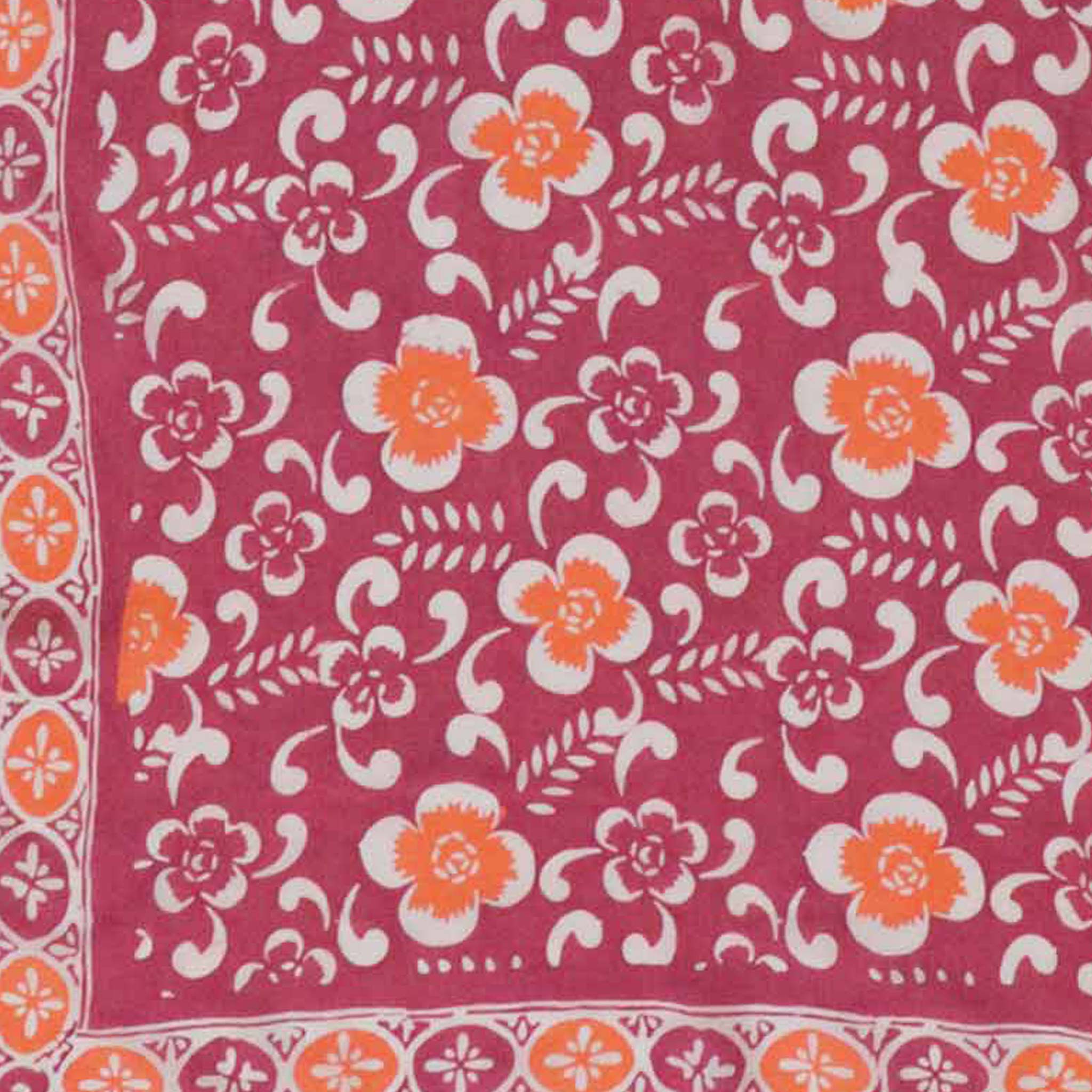
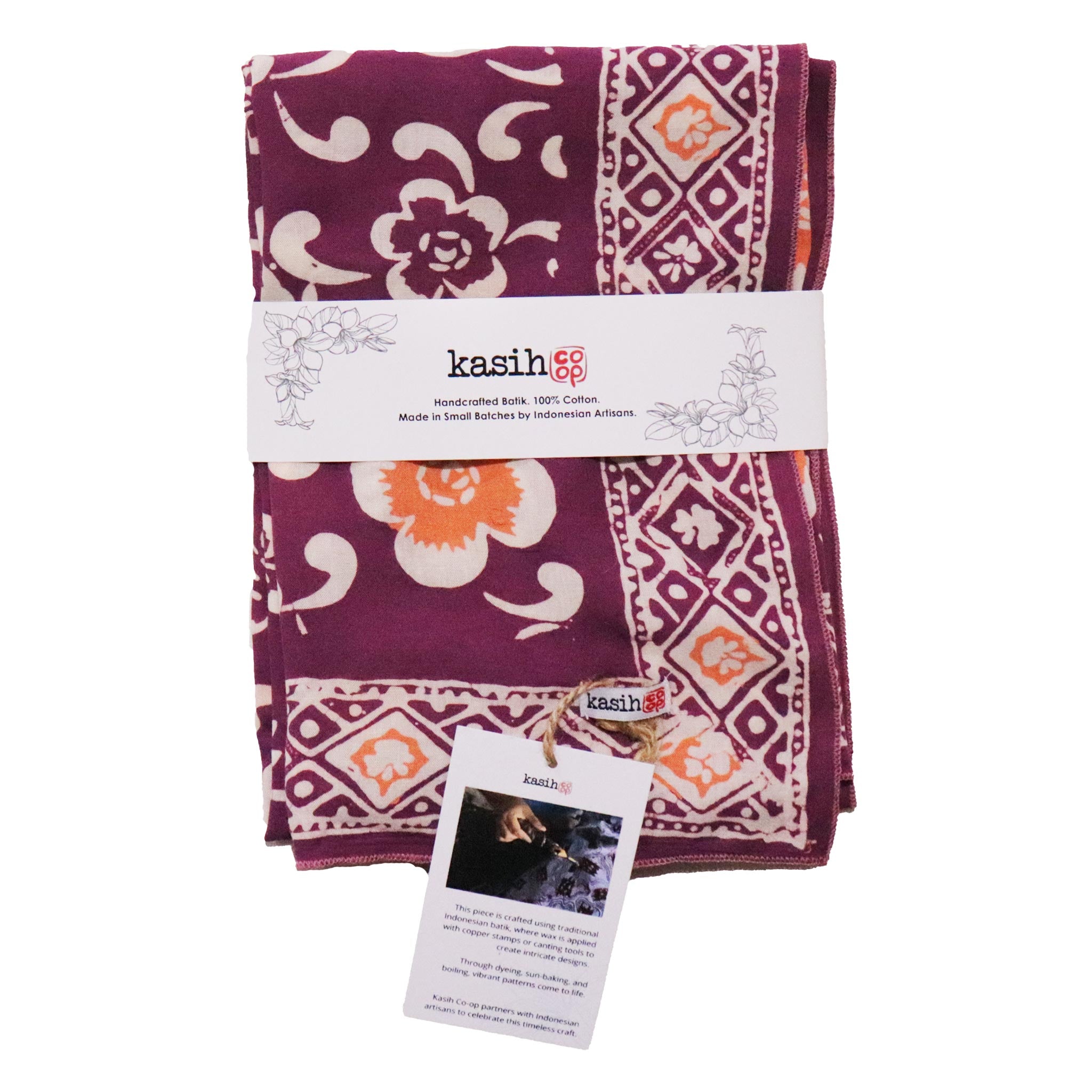
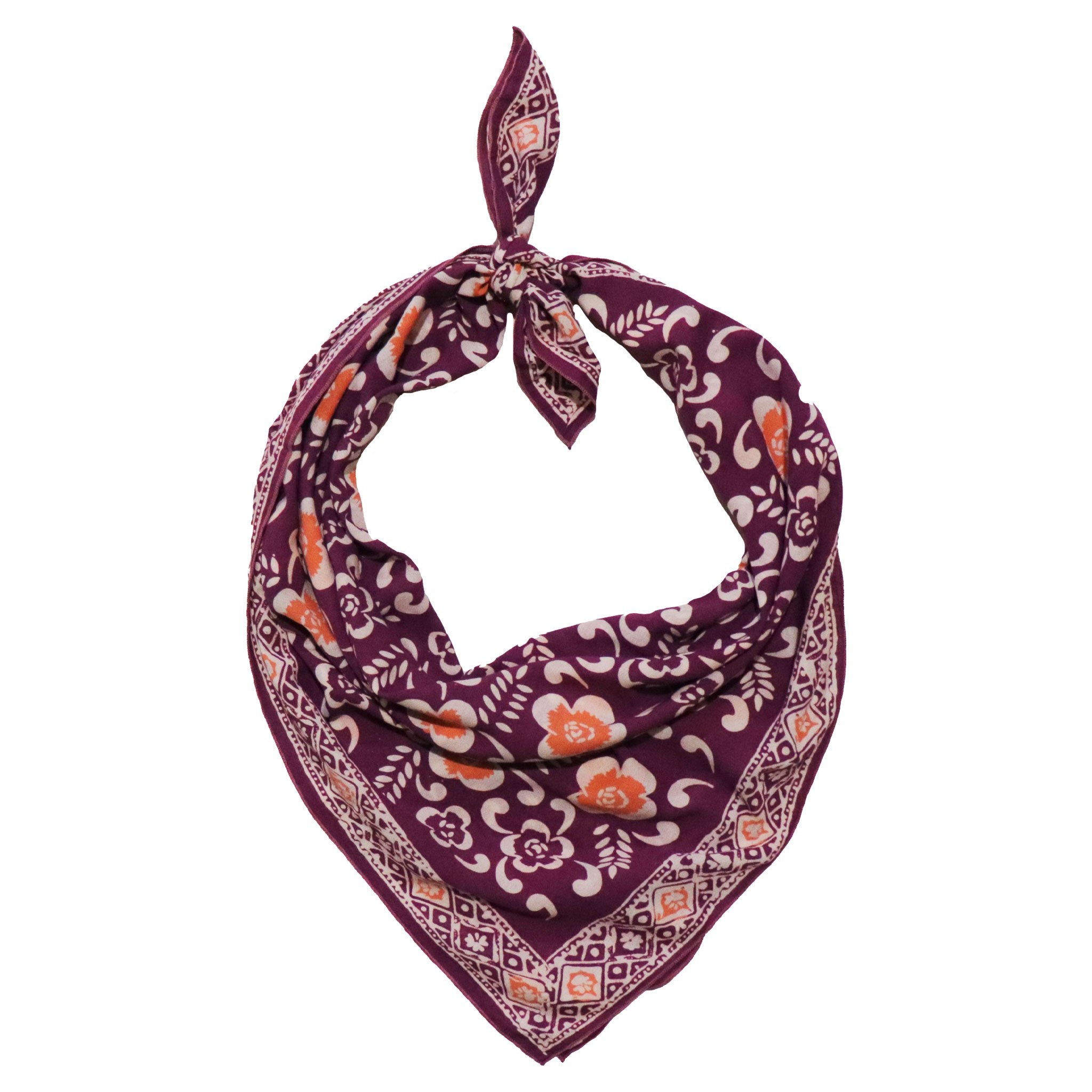
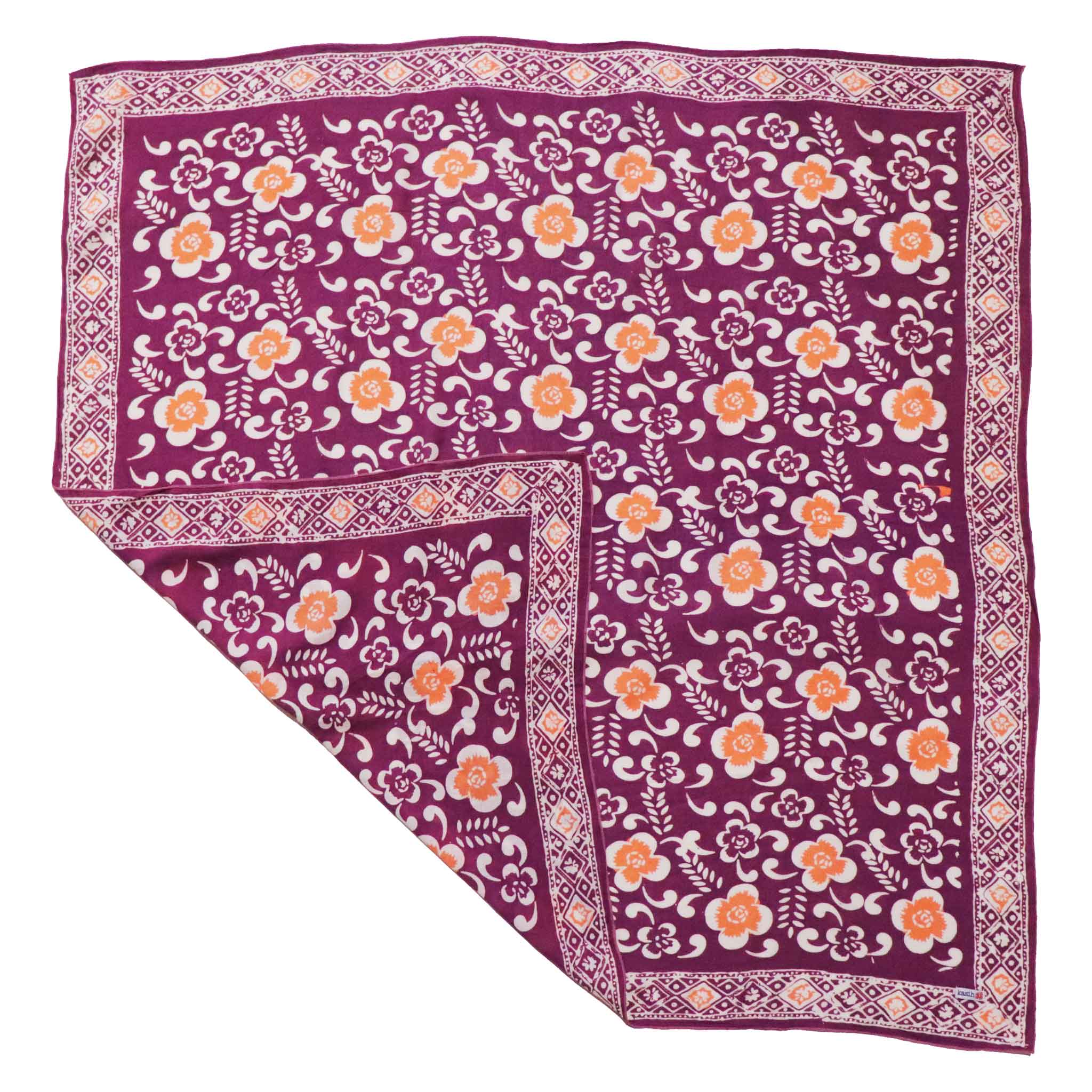
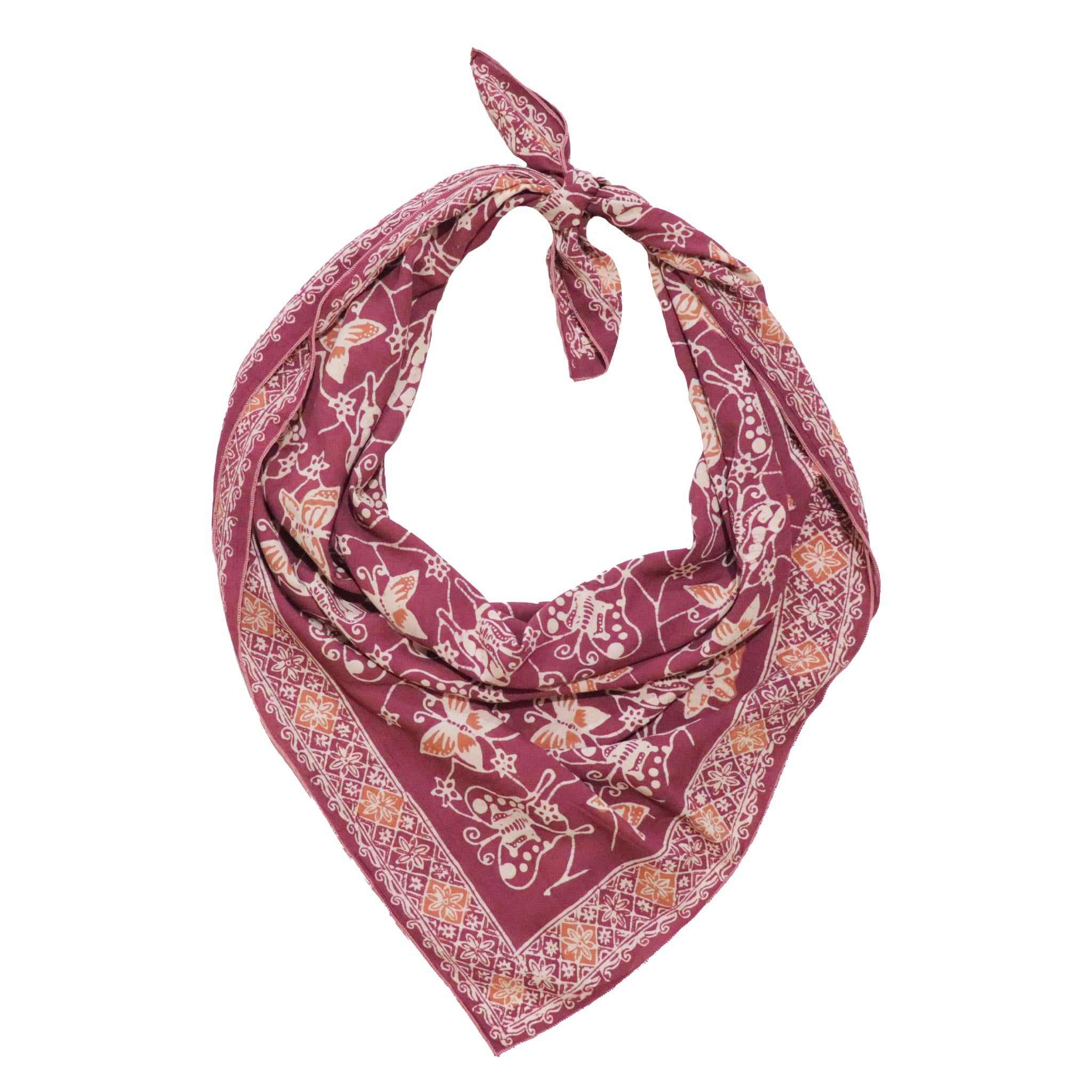
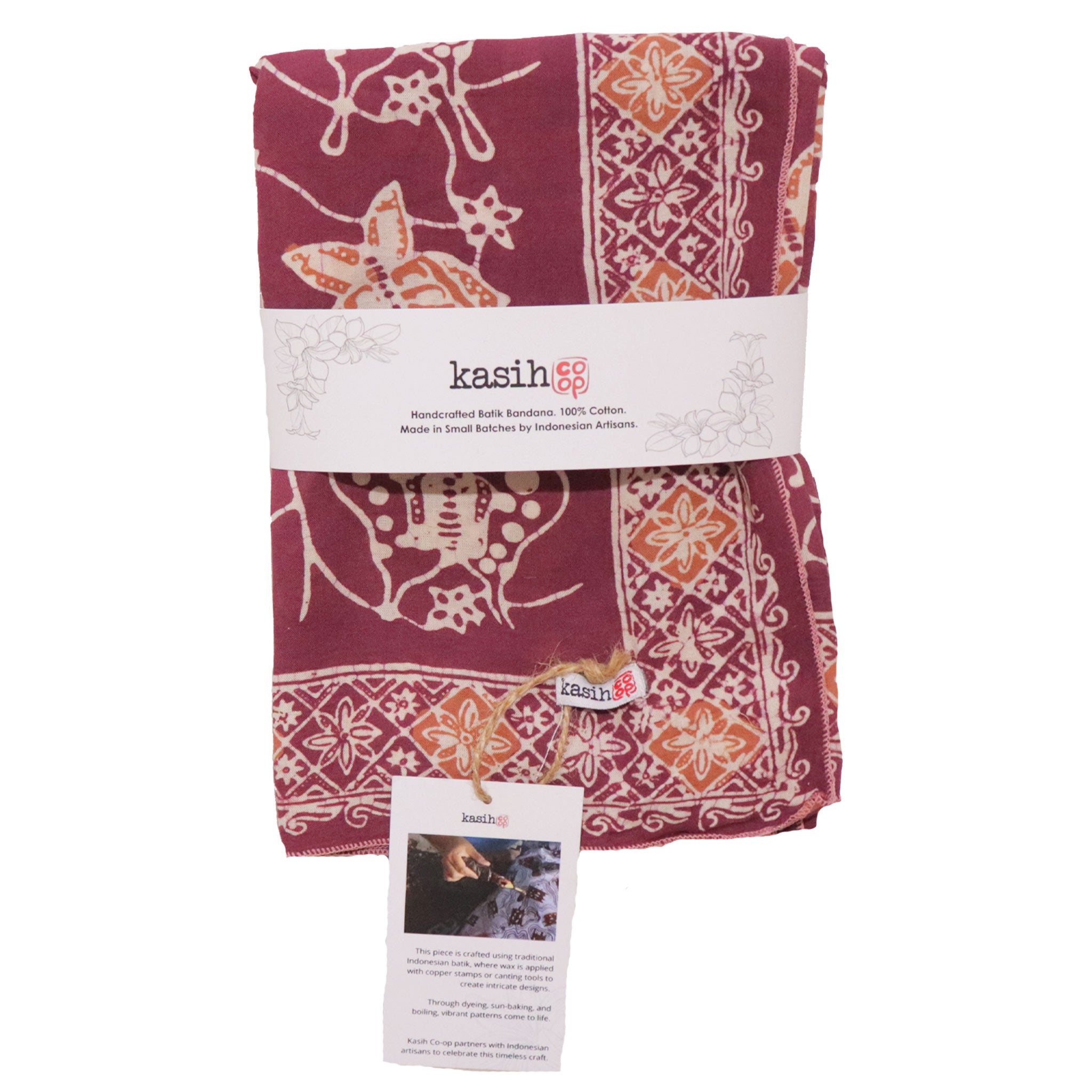
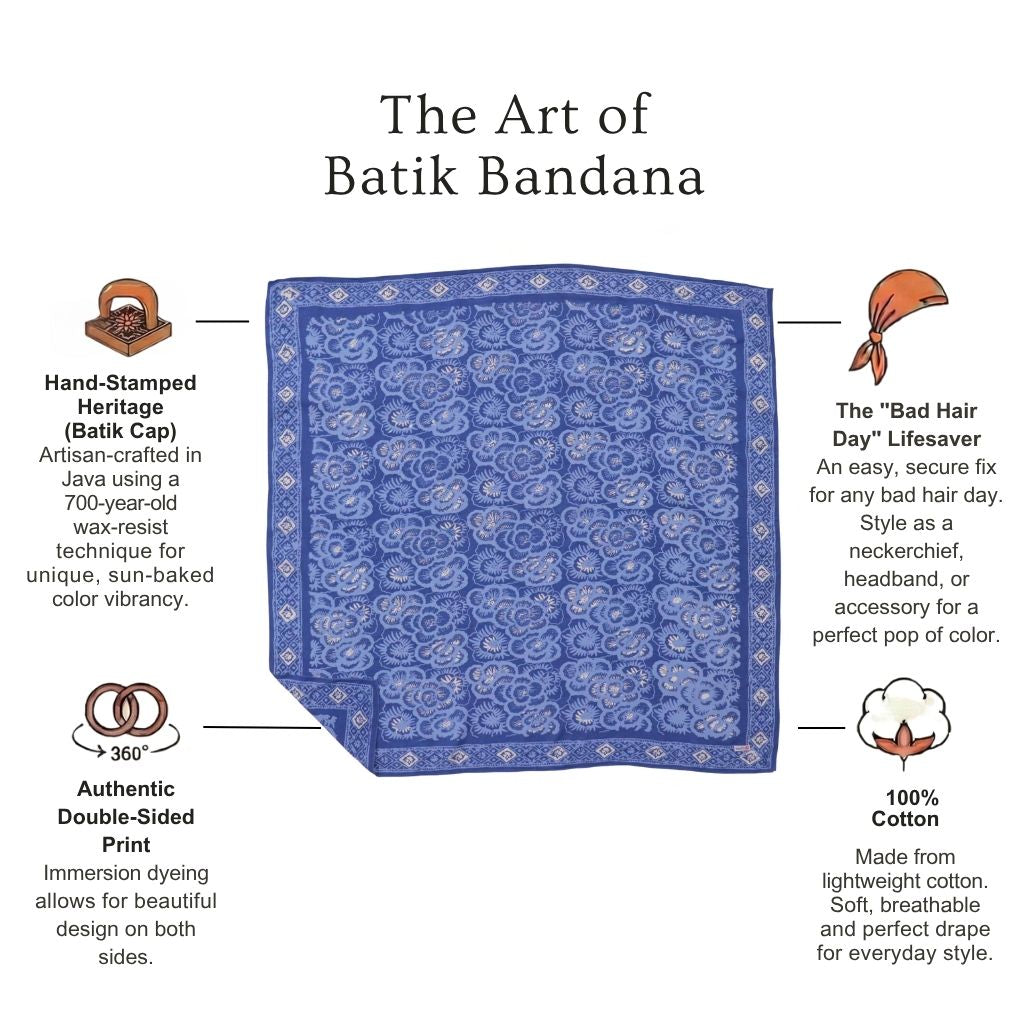
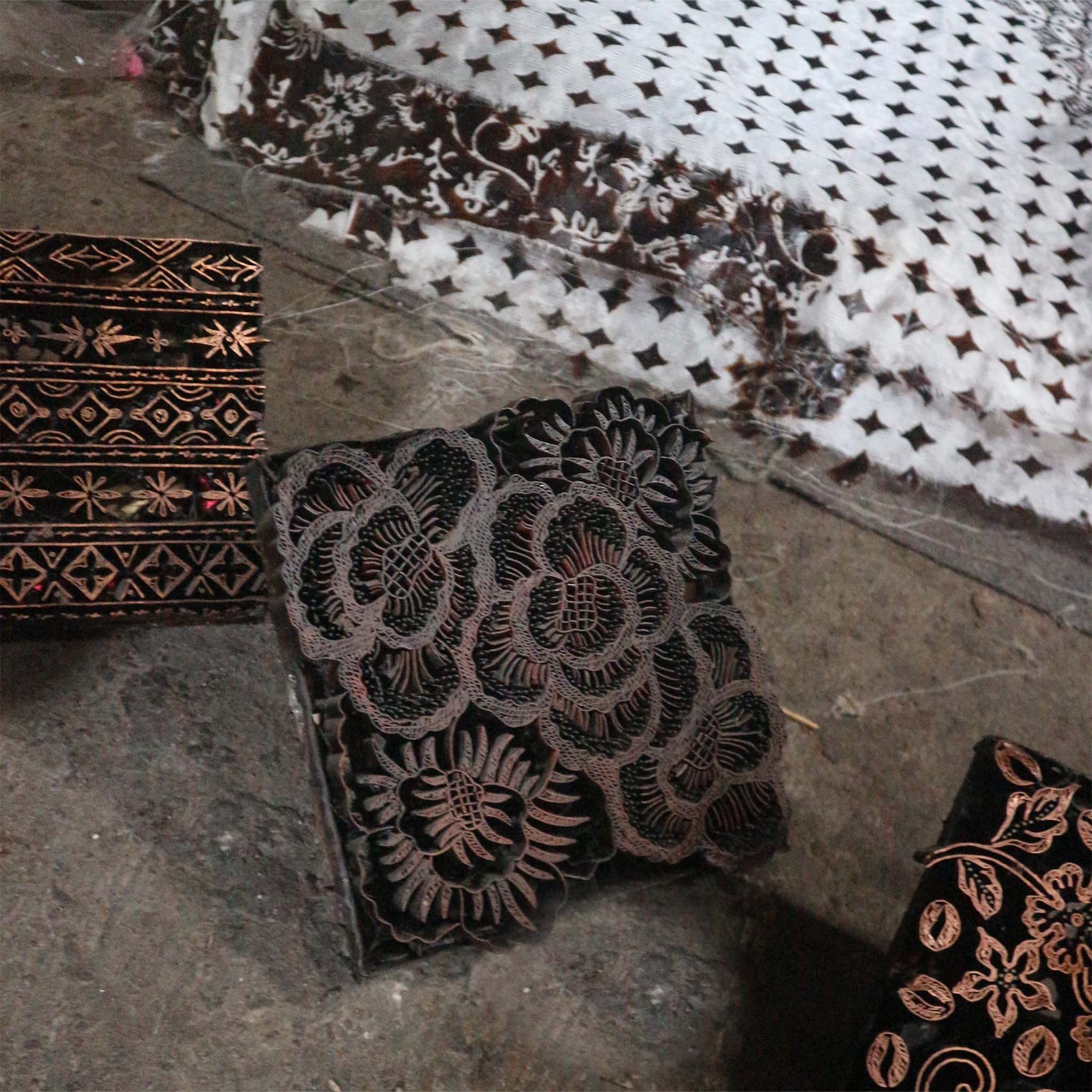
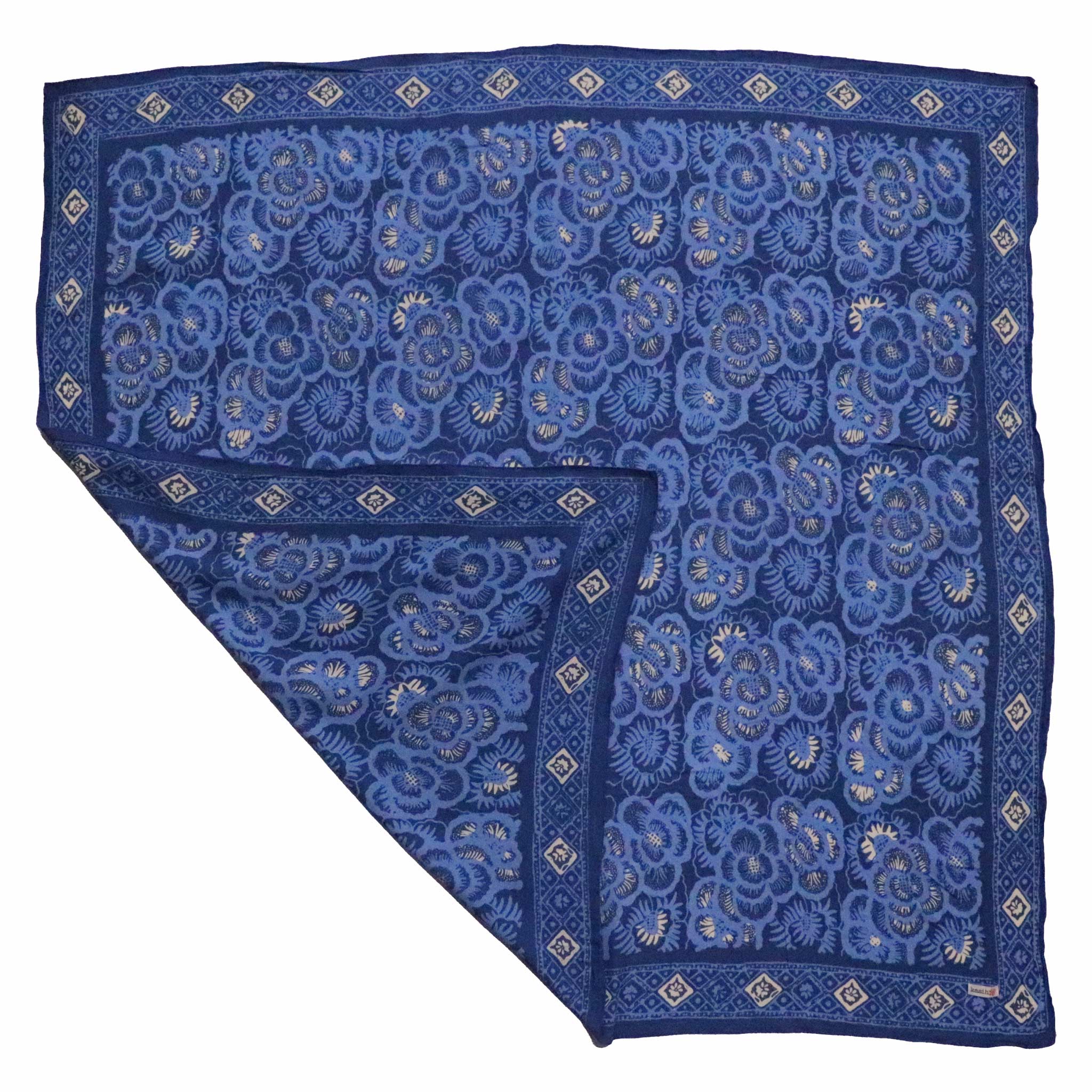
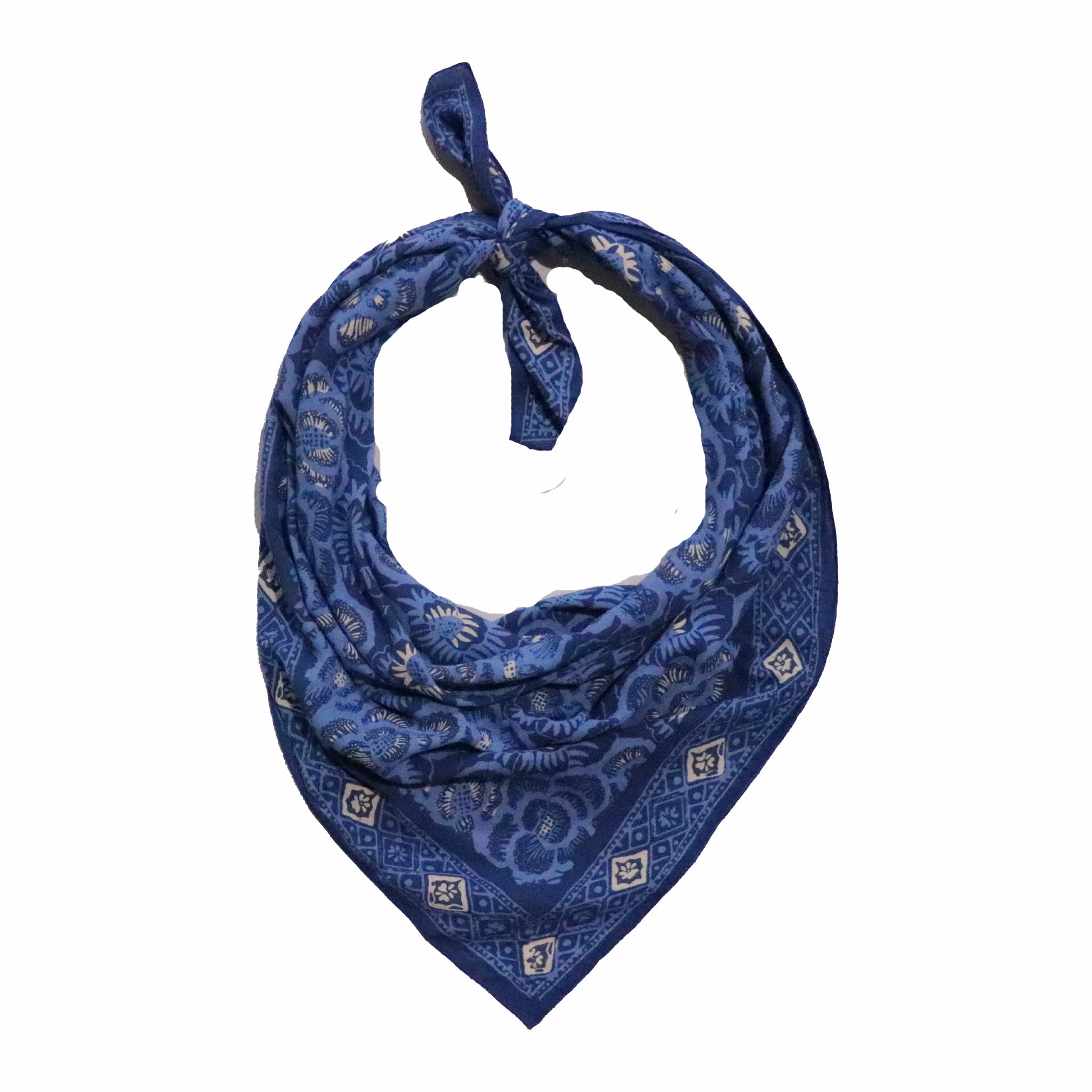
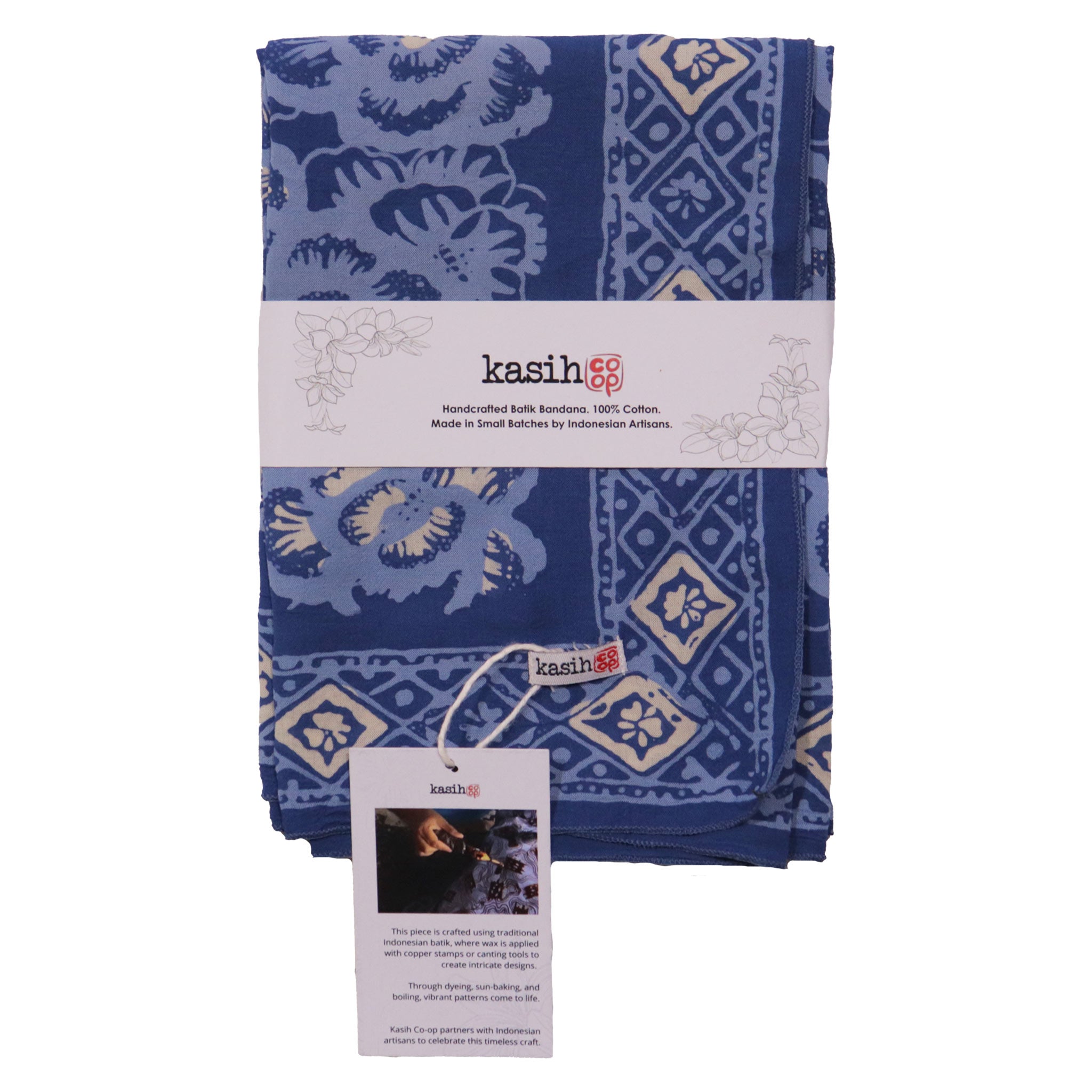
Les bandanas en batik teints à la main avec des teintures naturelles reflètent une manière plus lente et plus réfléchie de fabriquer des textiles. Chaque pièce porte les marques du processus de teinture du batik, des plantes utilisées et des mains qui l'ont fabriquée.
Choisir un batik teint naturellement soutient l'artisanat traditionnel, les pratiques durables et une connexion plus profonde avec les matériaux que nous portons.
Réflexions finales
La teinture naturelle est plus qu'une technique, c'est une relation entre le tissu, la plante et l'artisan. Grâce aux méthodes traditionnelles de teinture du batik et aux teintures à base de plantes, le batik continue de raconter des histoires enracinées dans la nature et la culture.
Que vous appreniez la teinture du batik, que vous exploriez les techniques de teinture du batik ou que vous appréciiez simplement le batik teint à la main, la teinture naturelle nous invite à ralentir et à apprécier la beauté du processus.