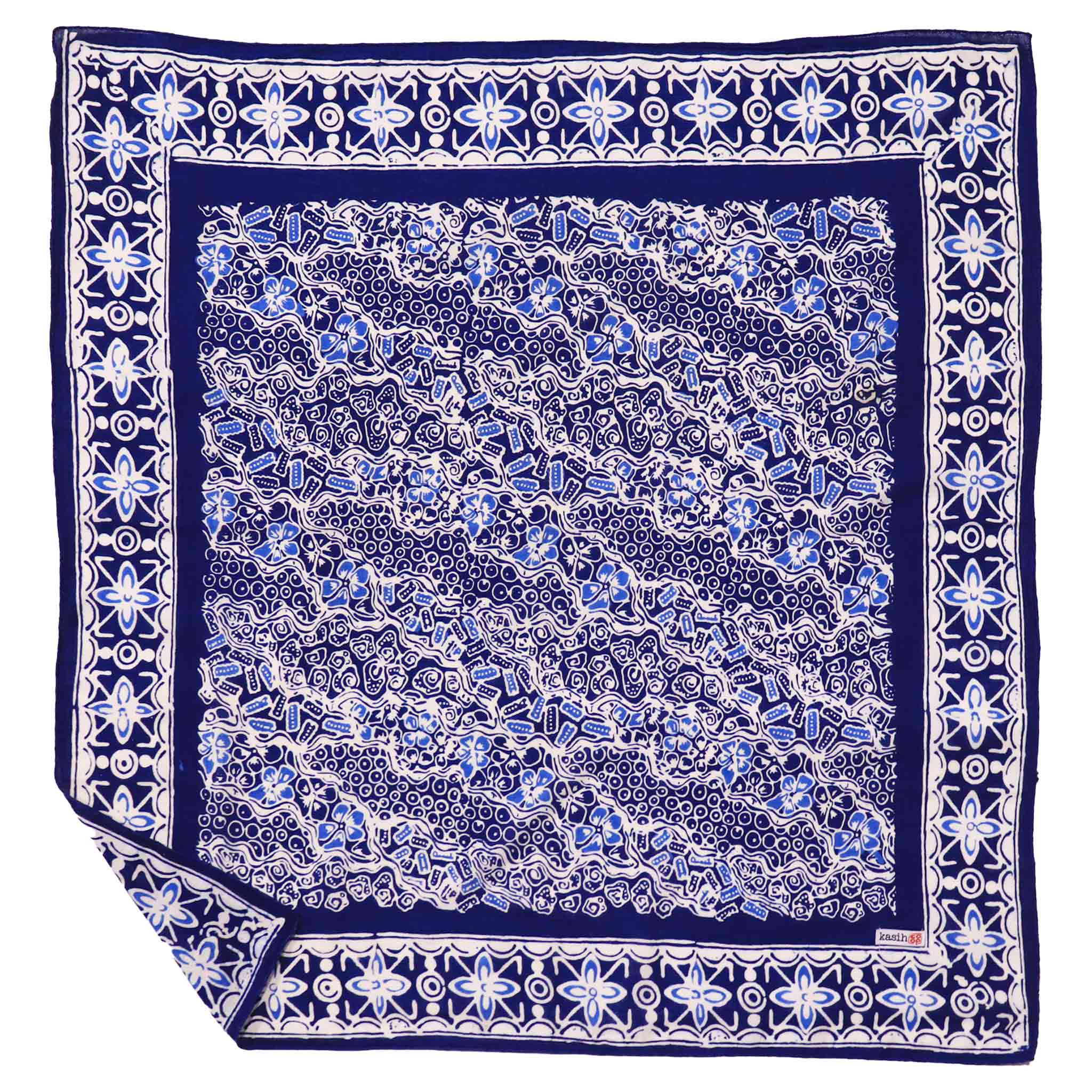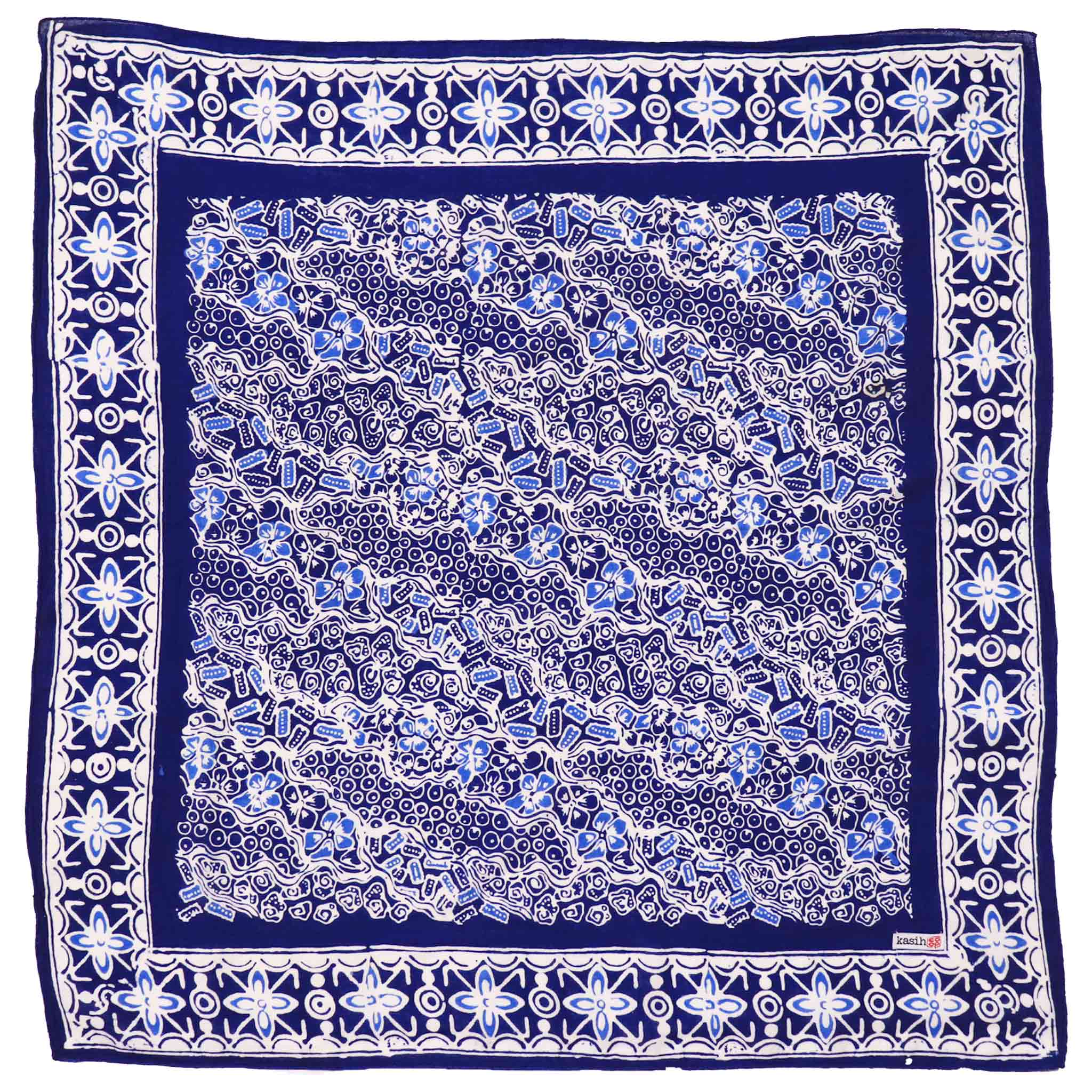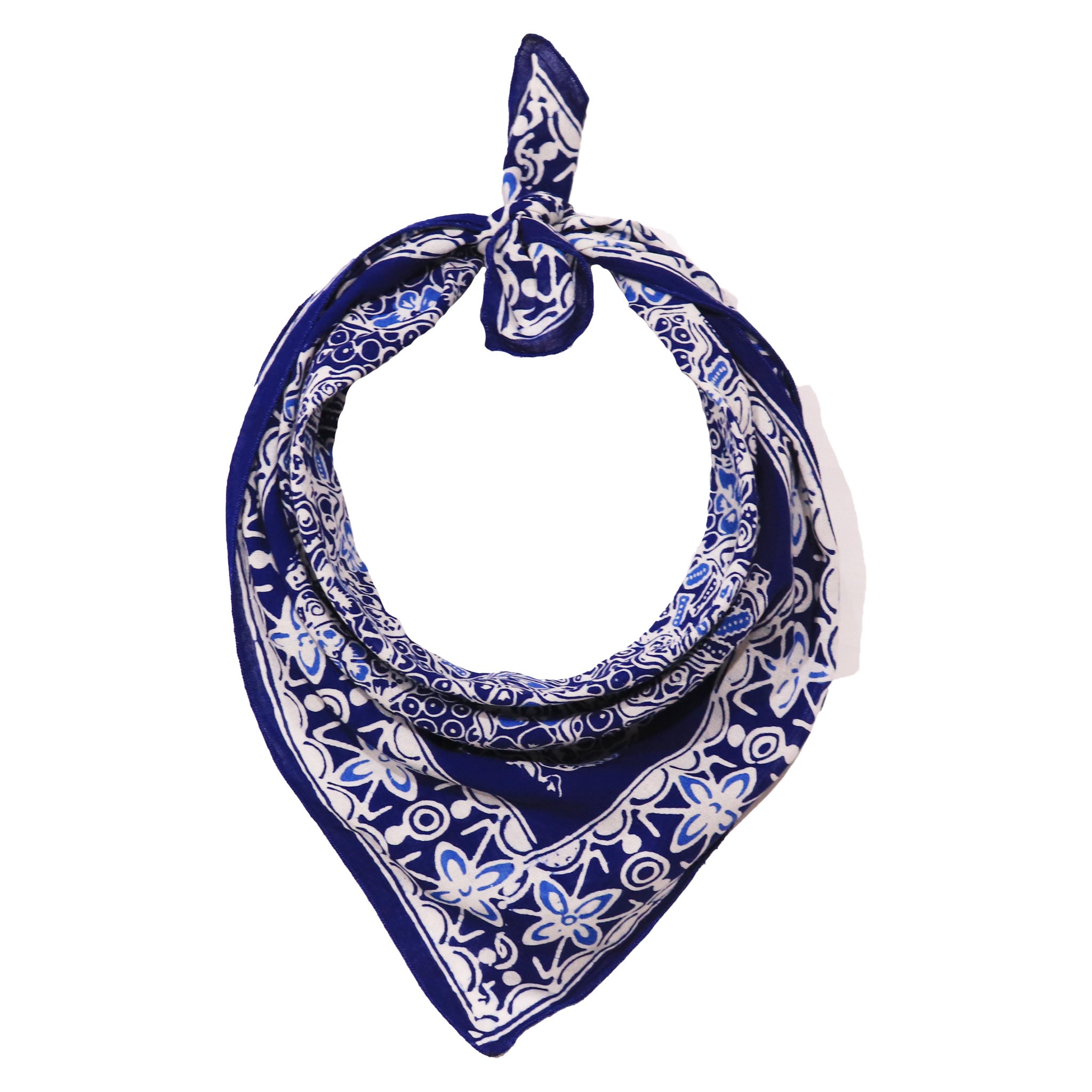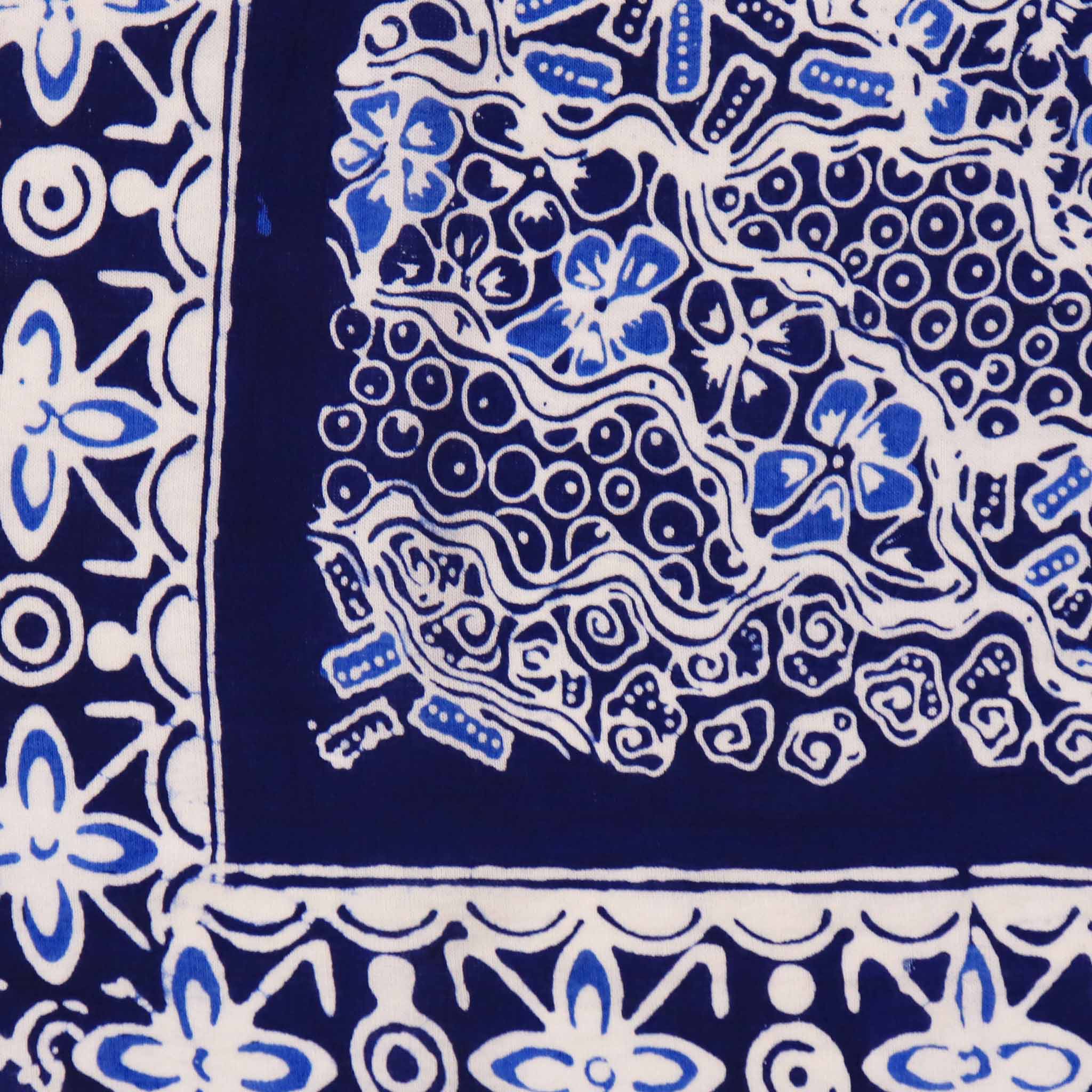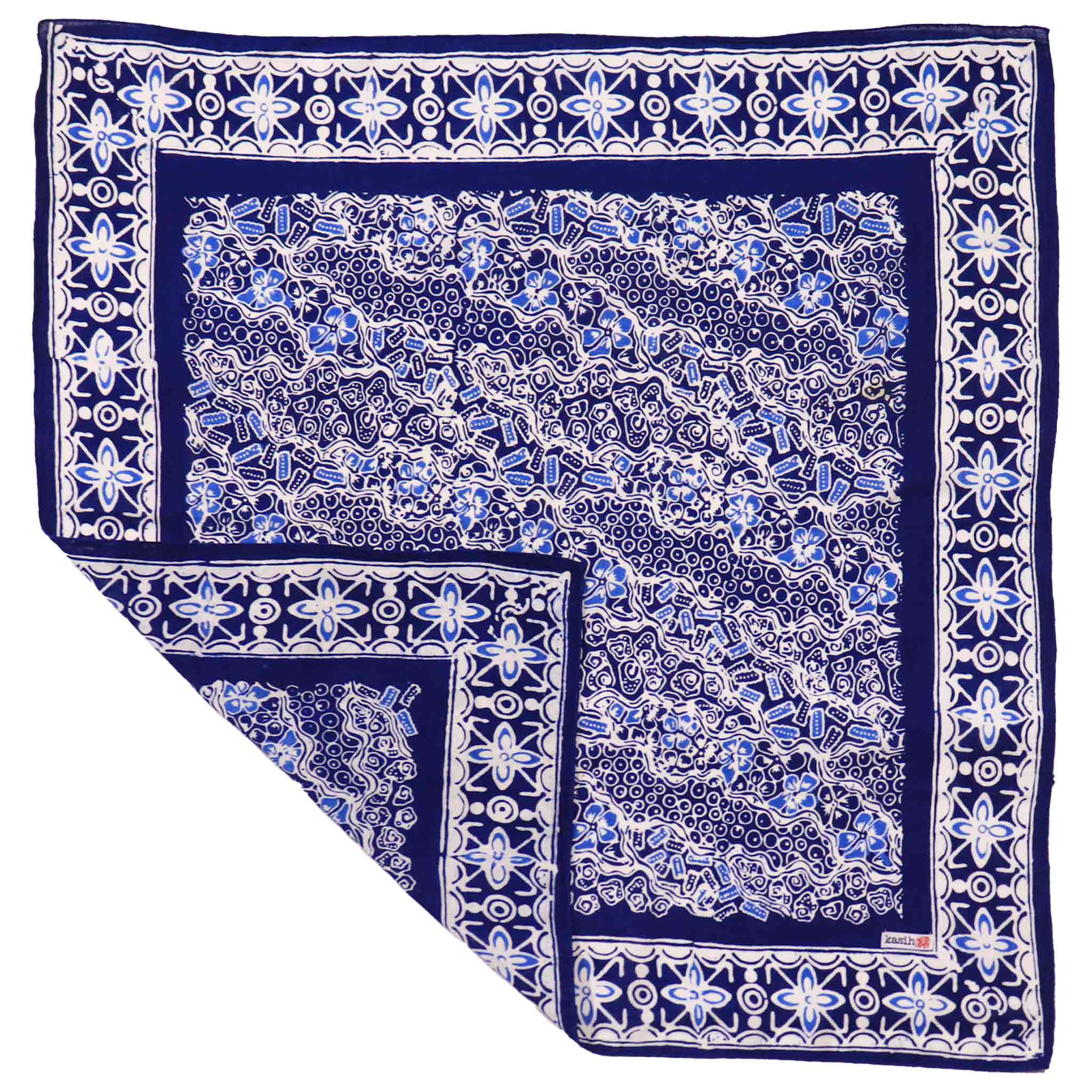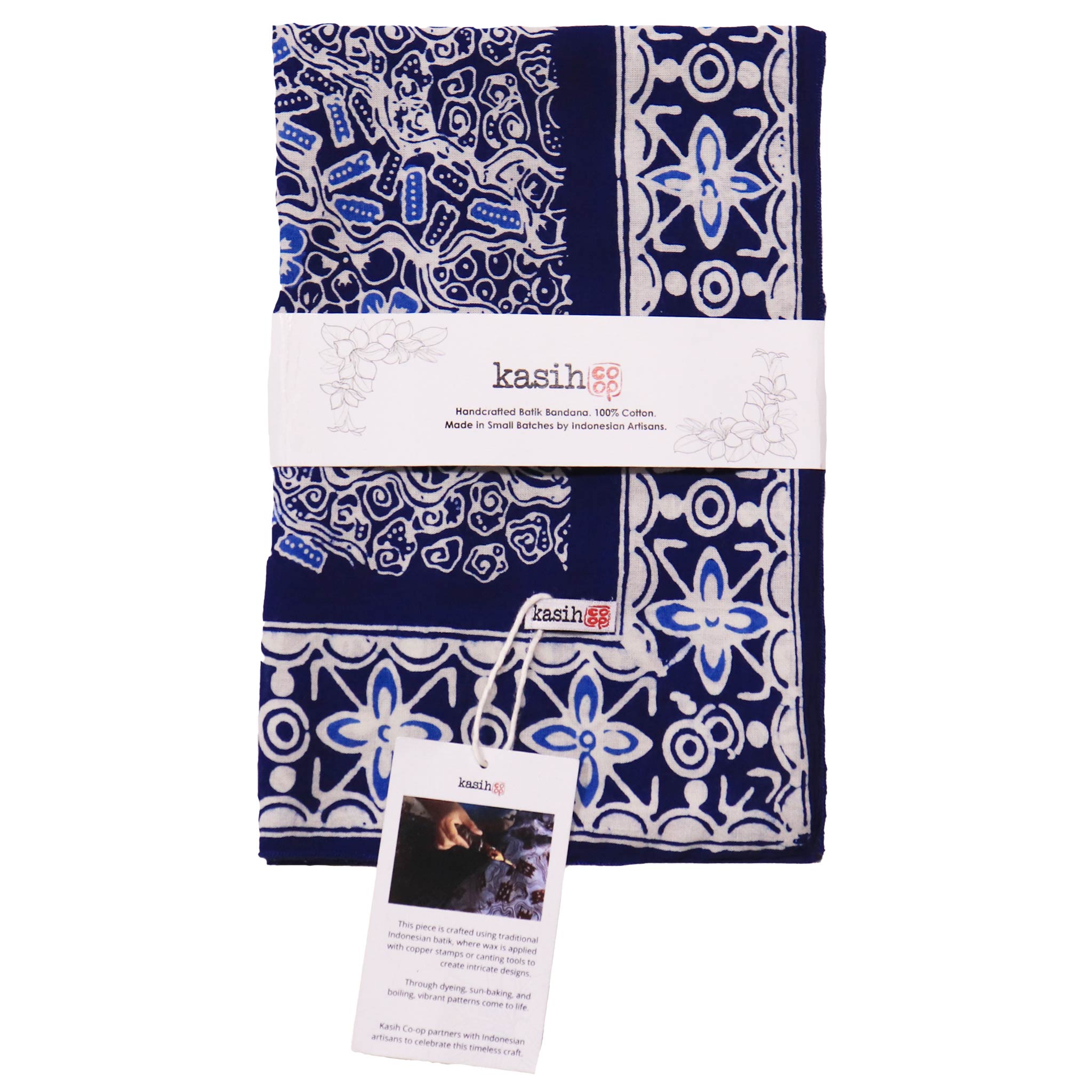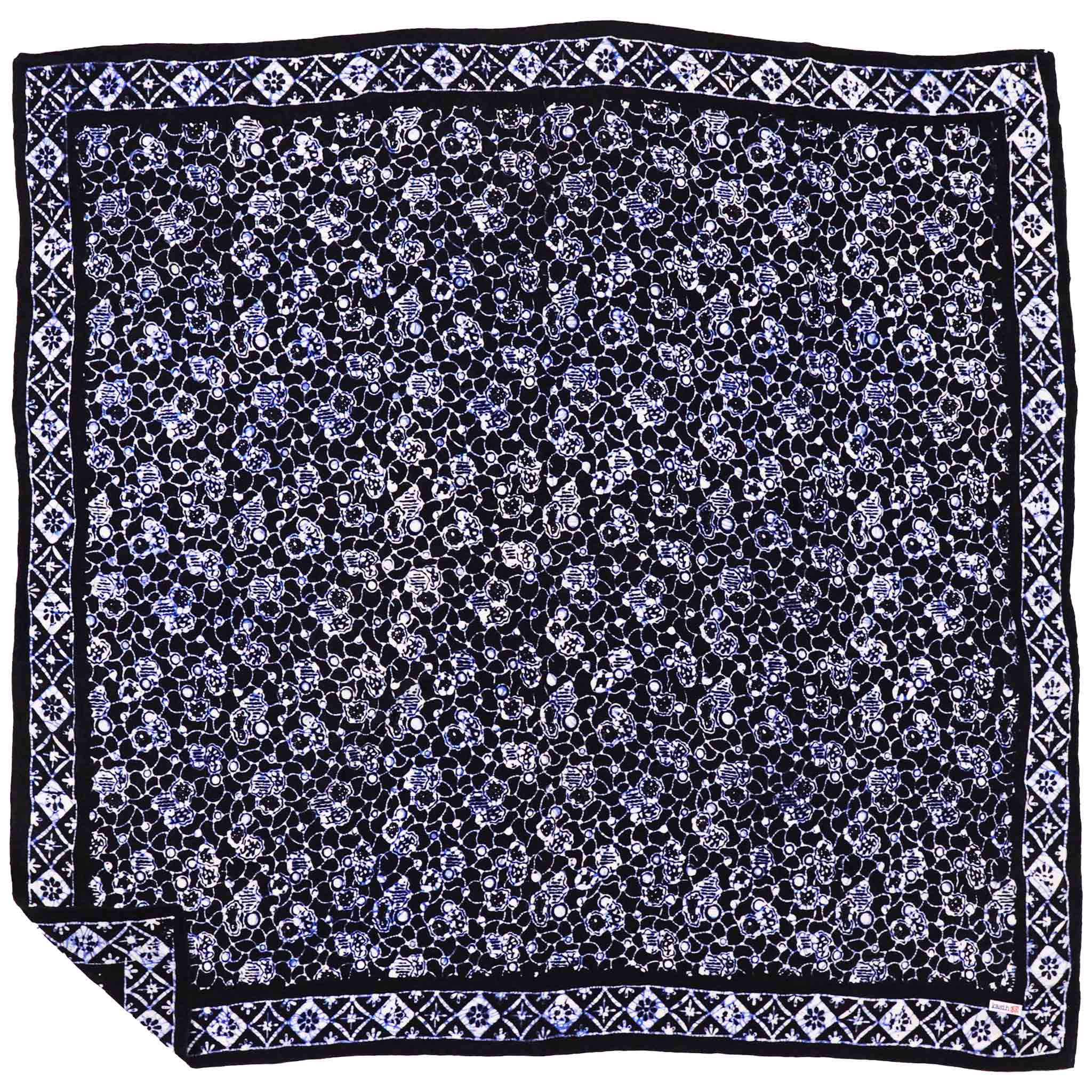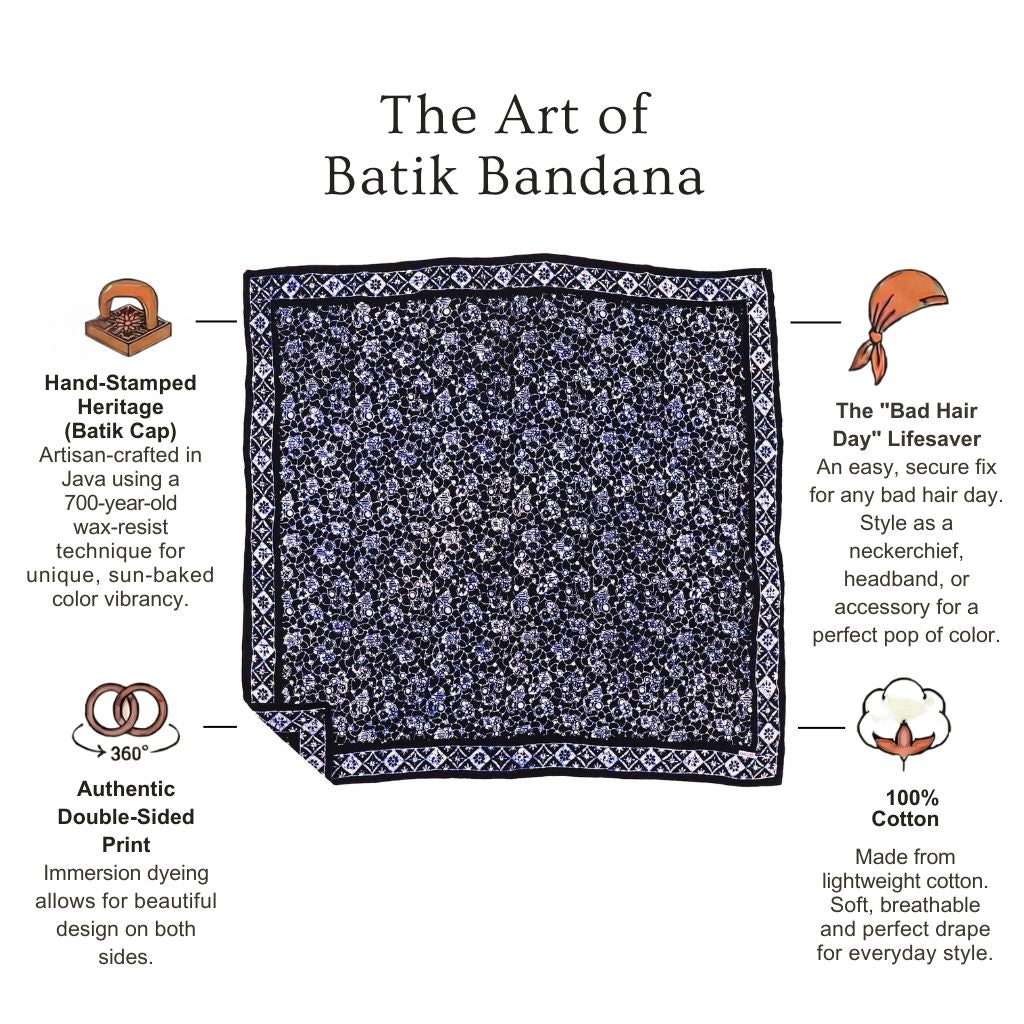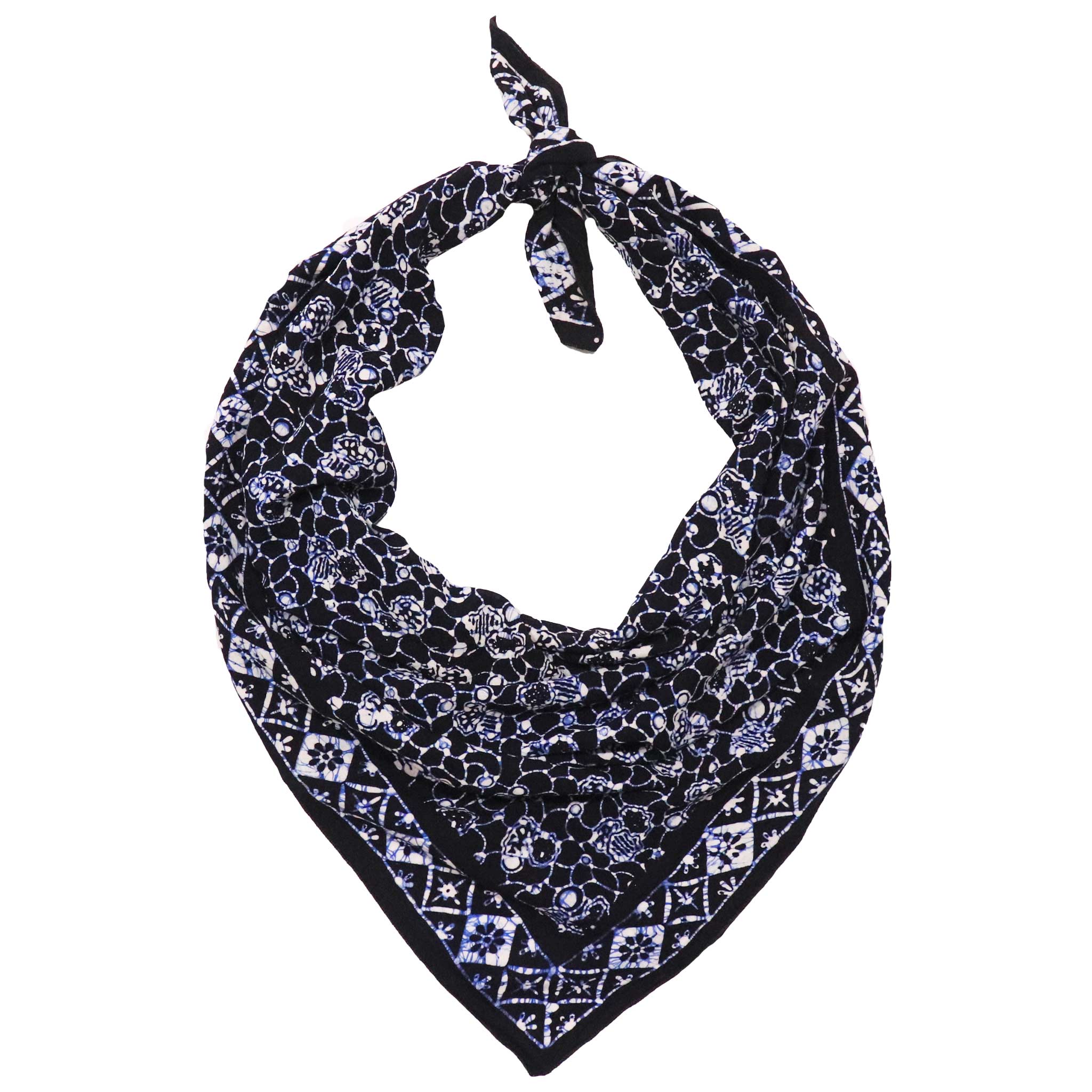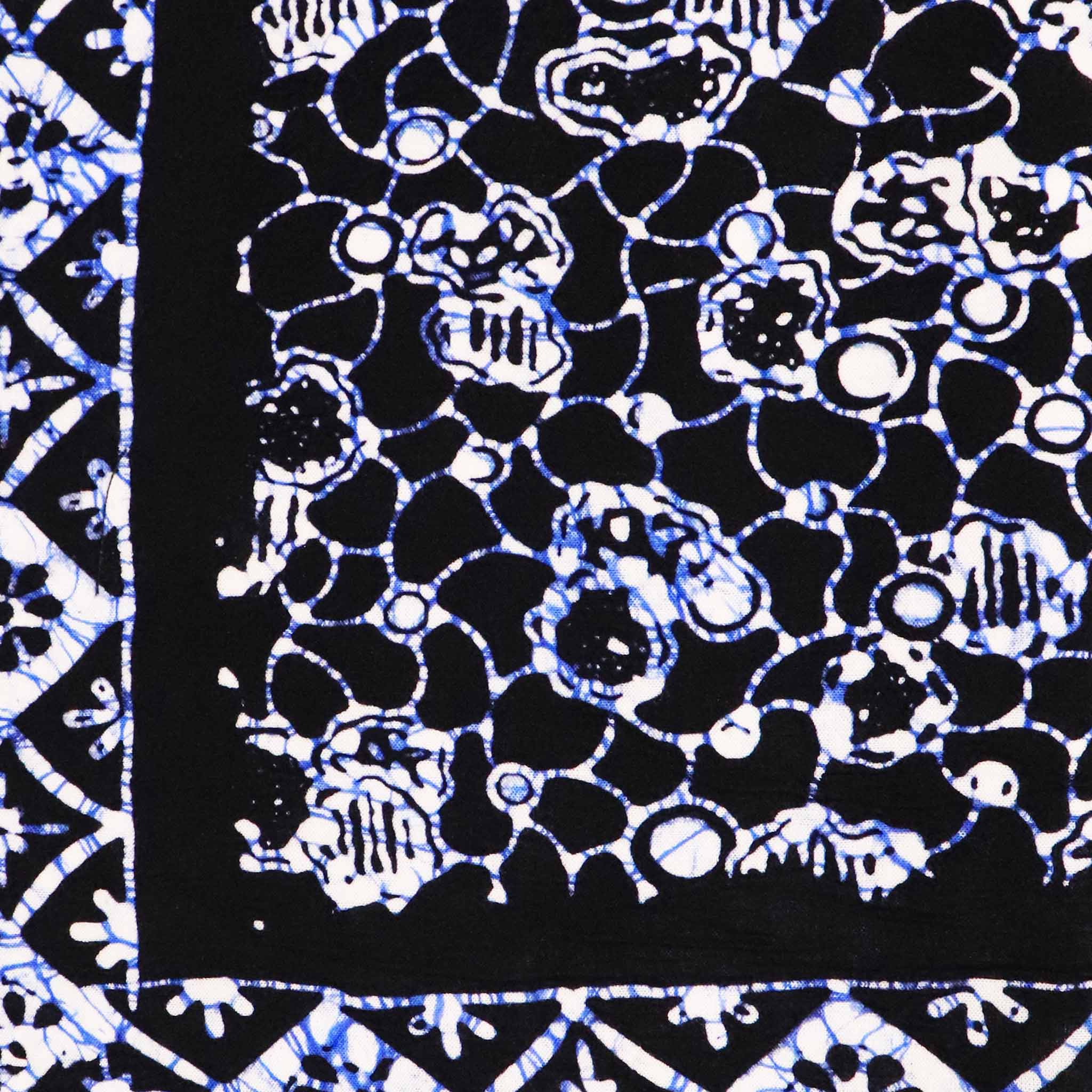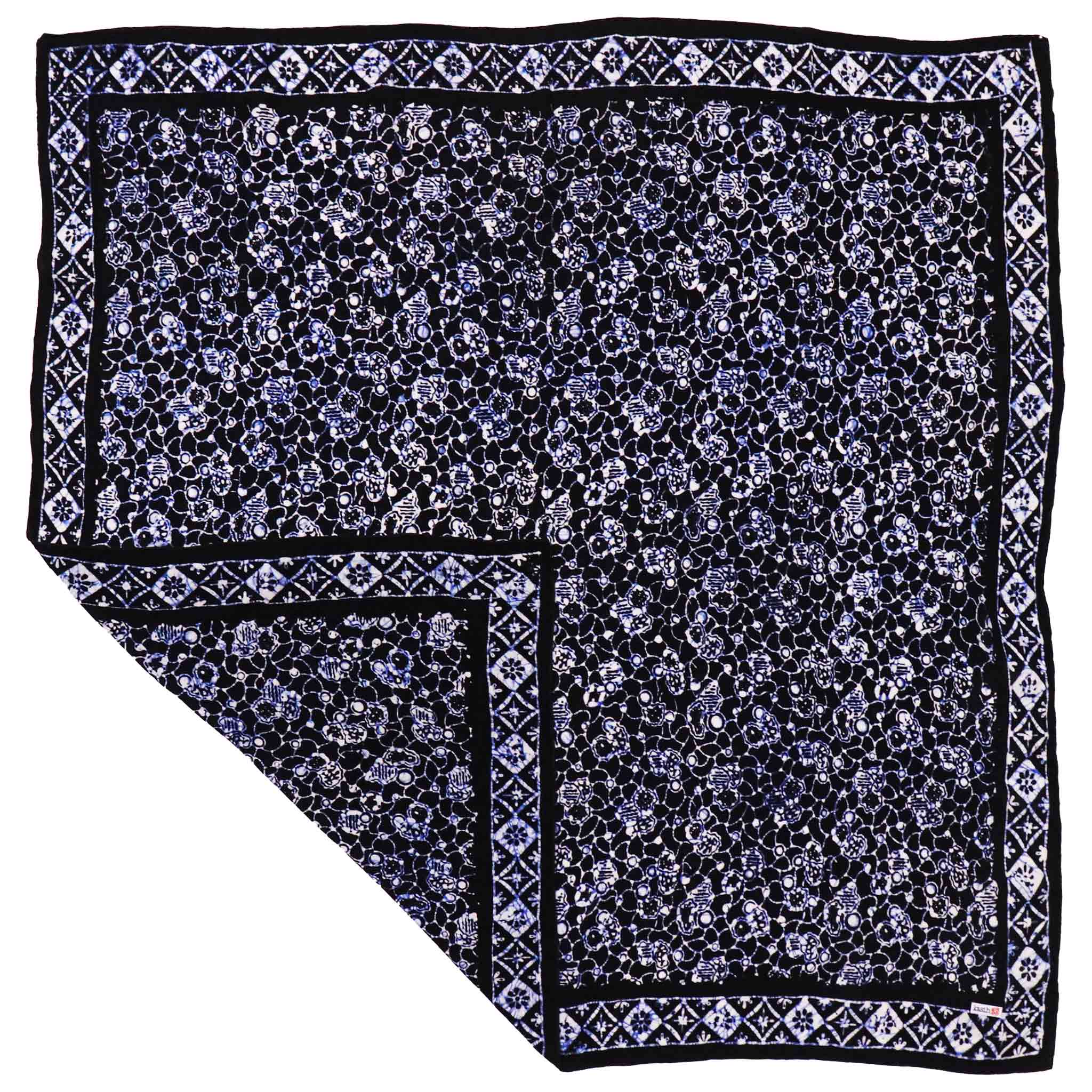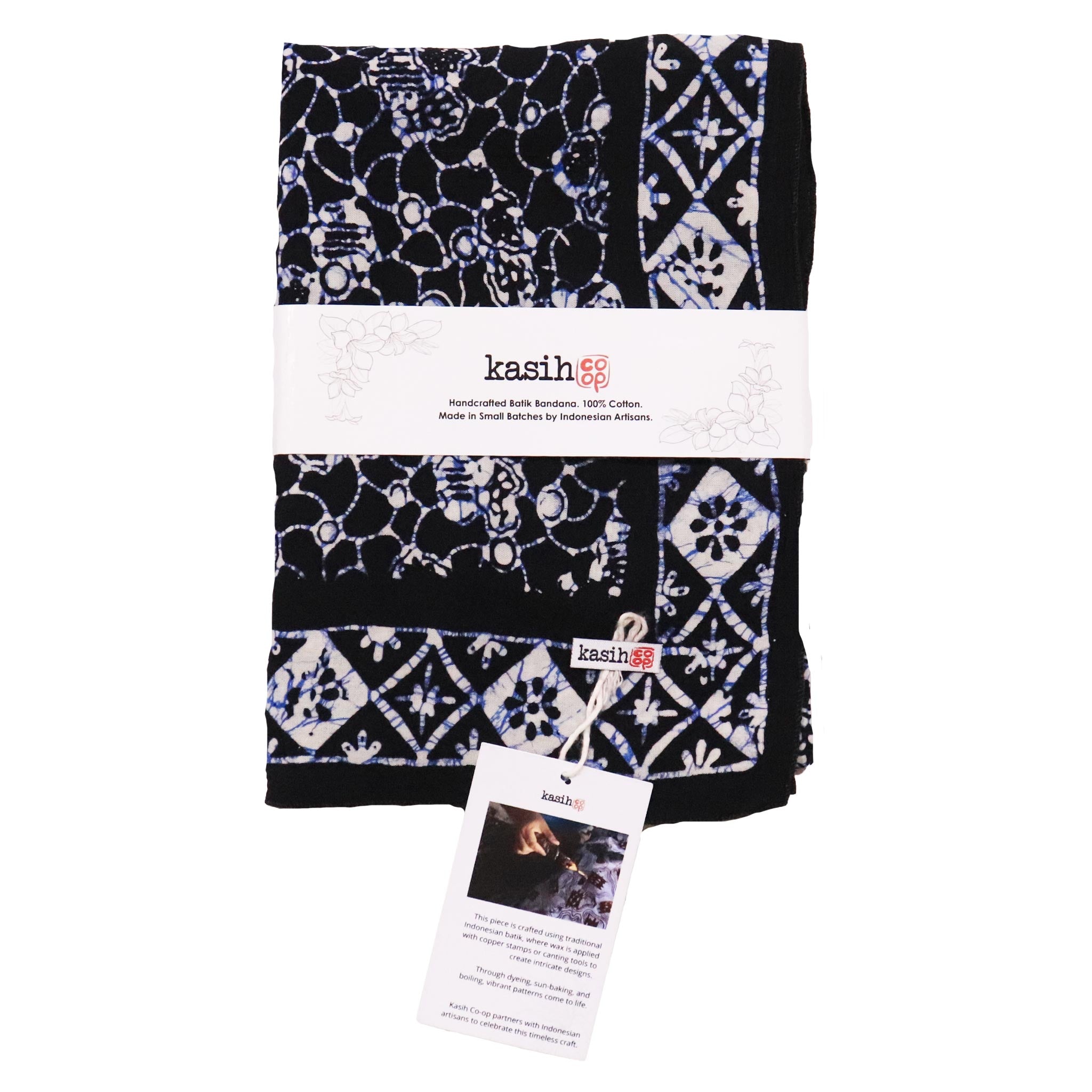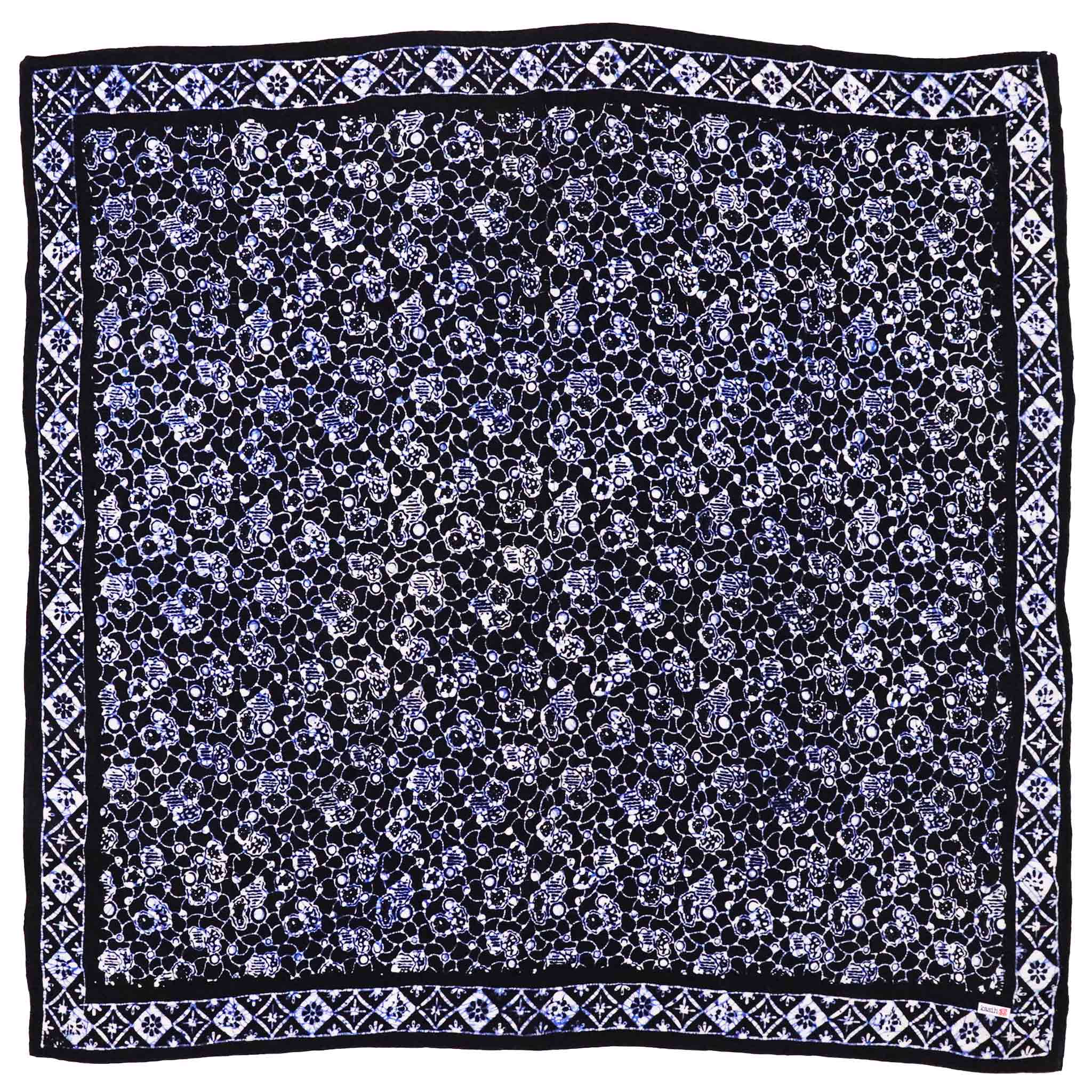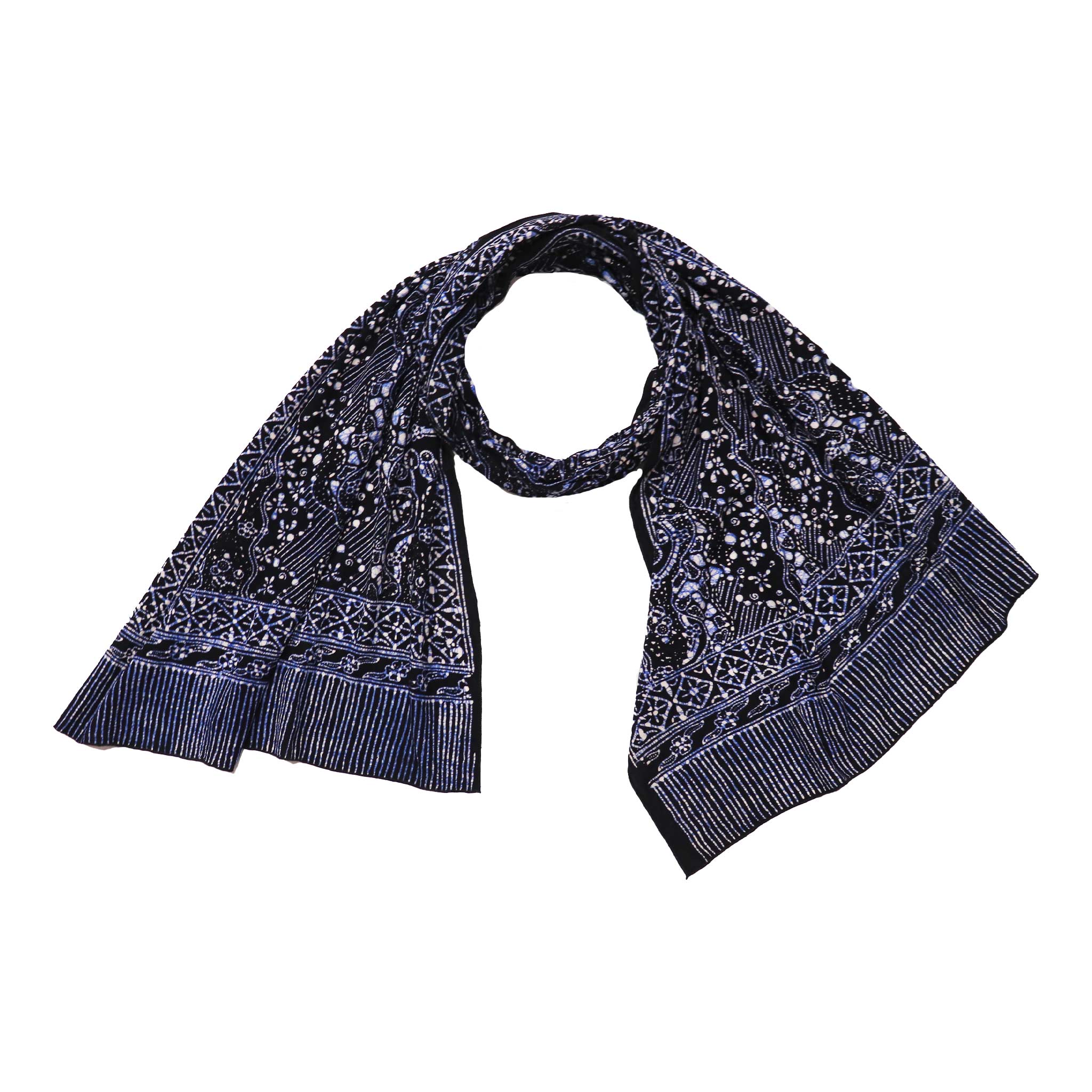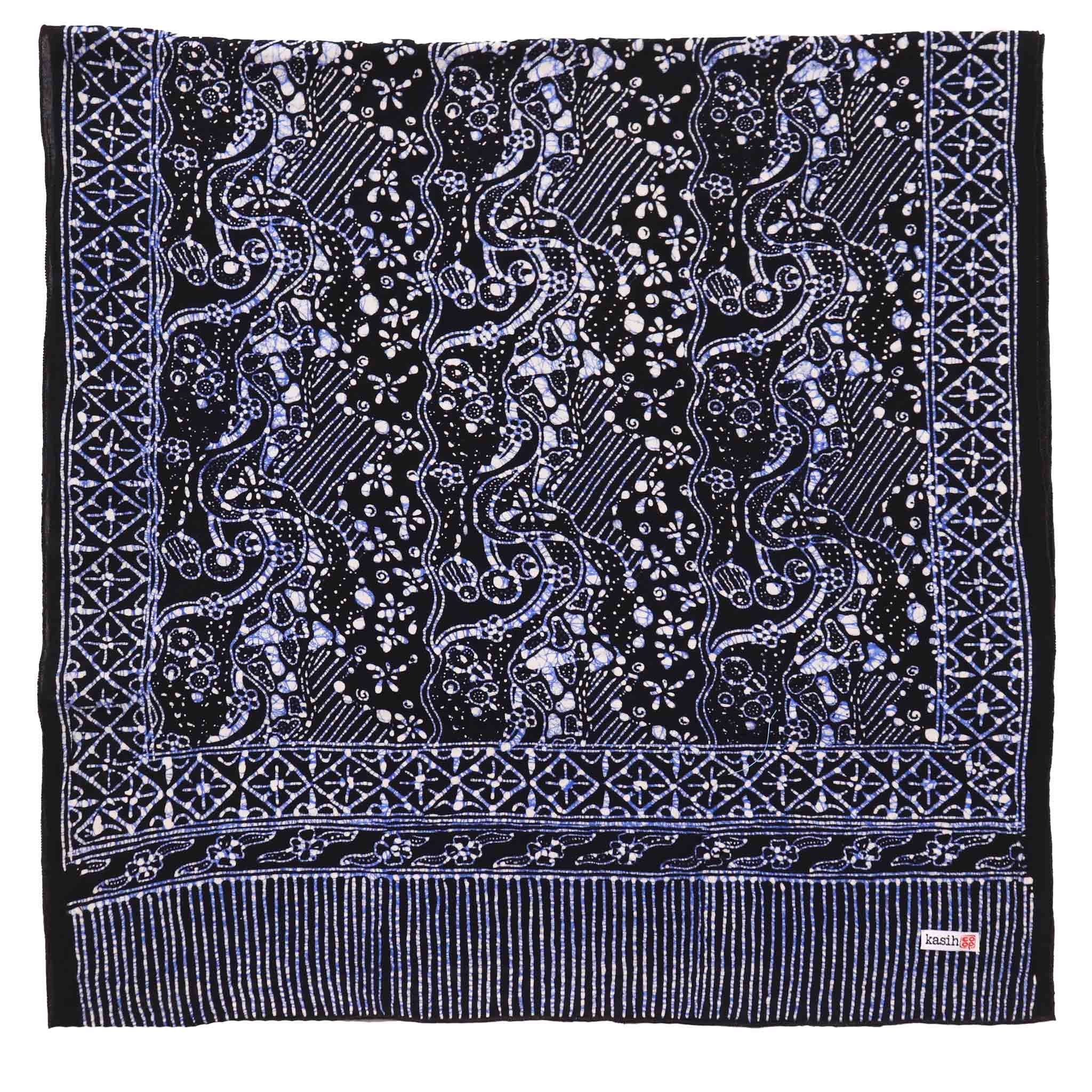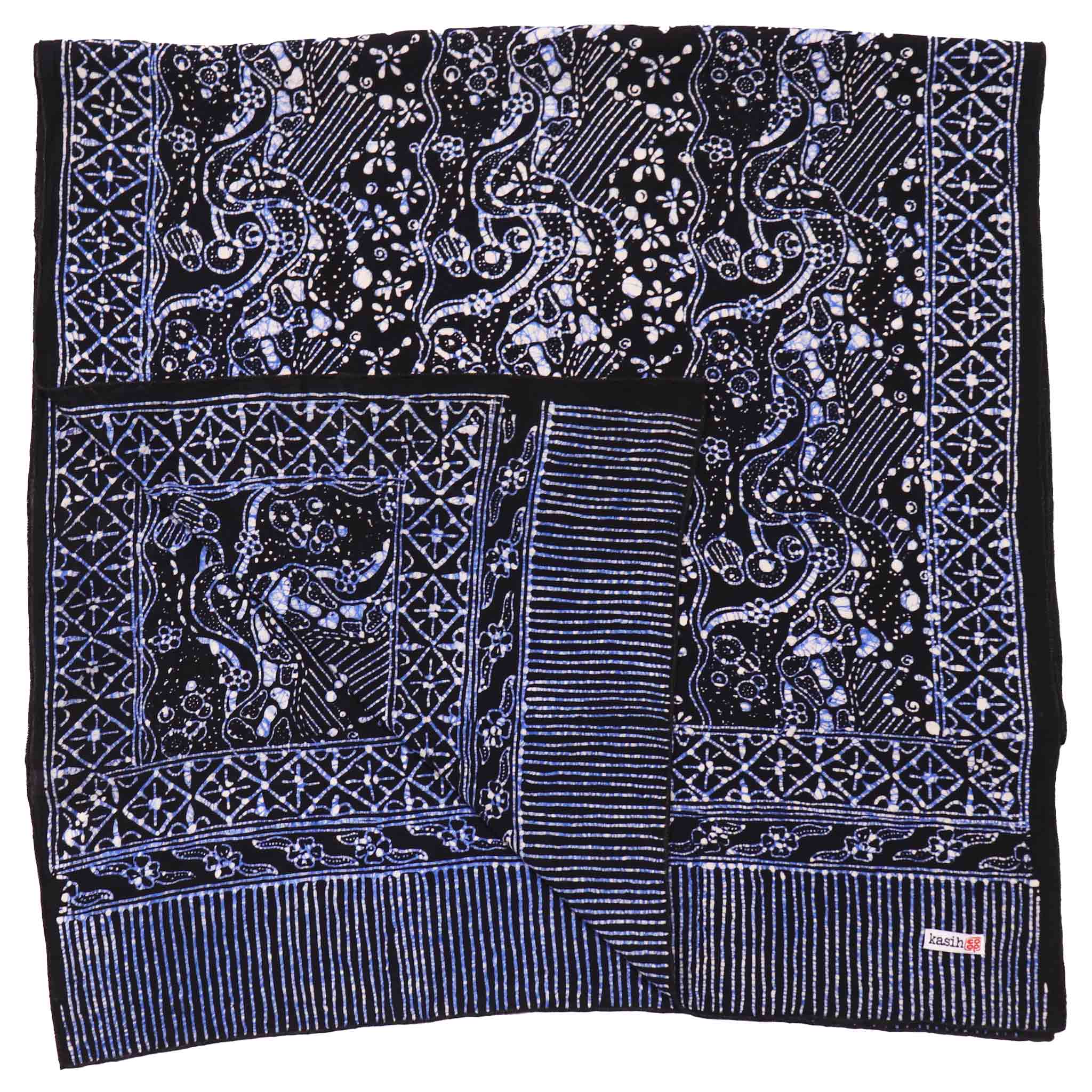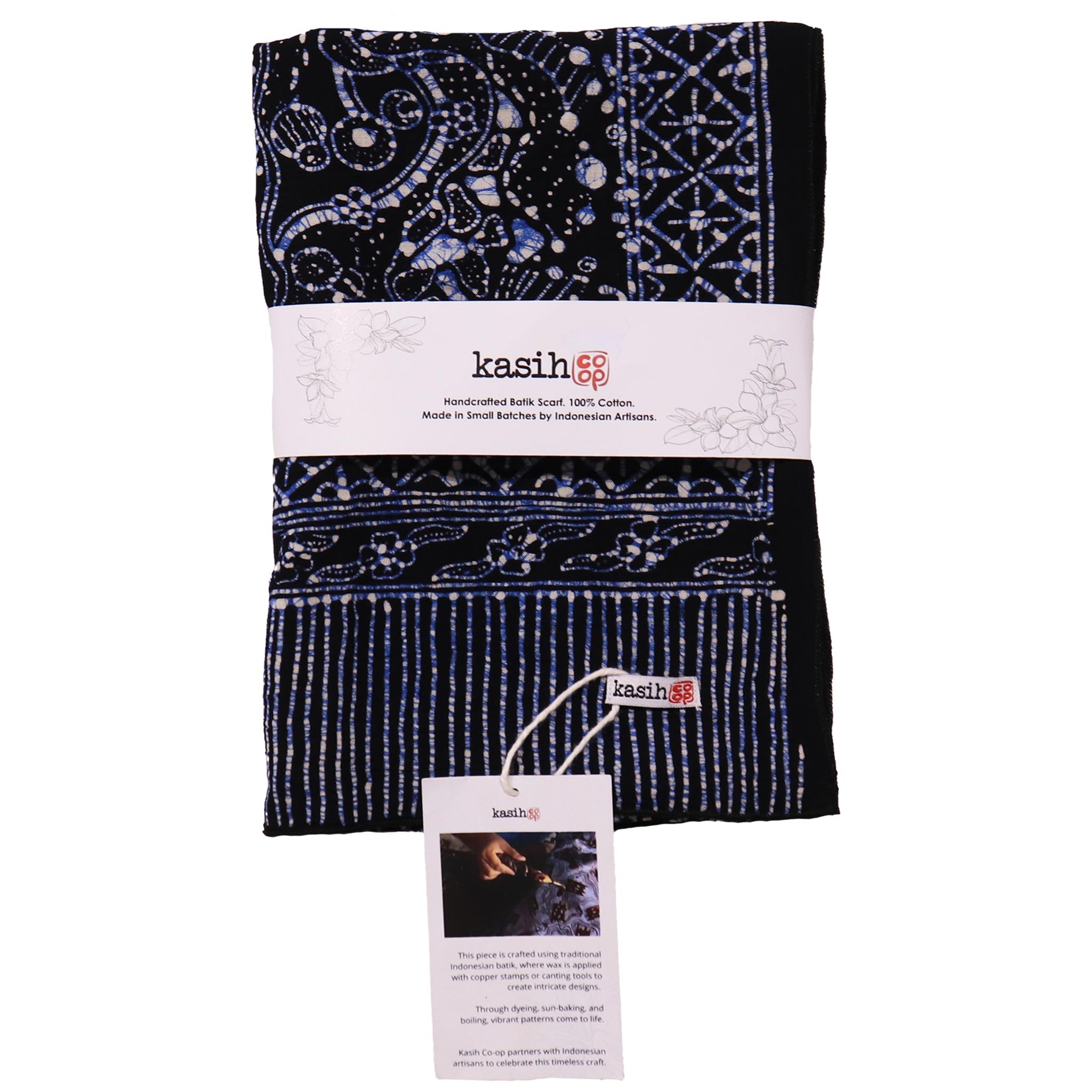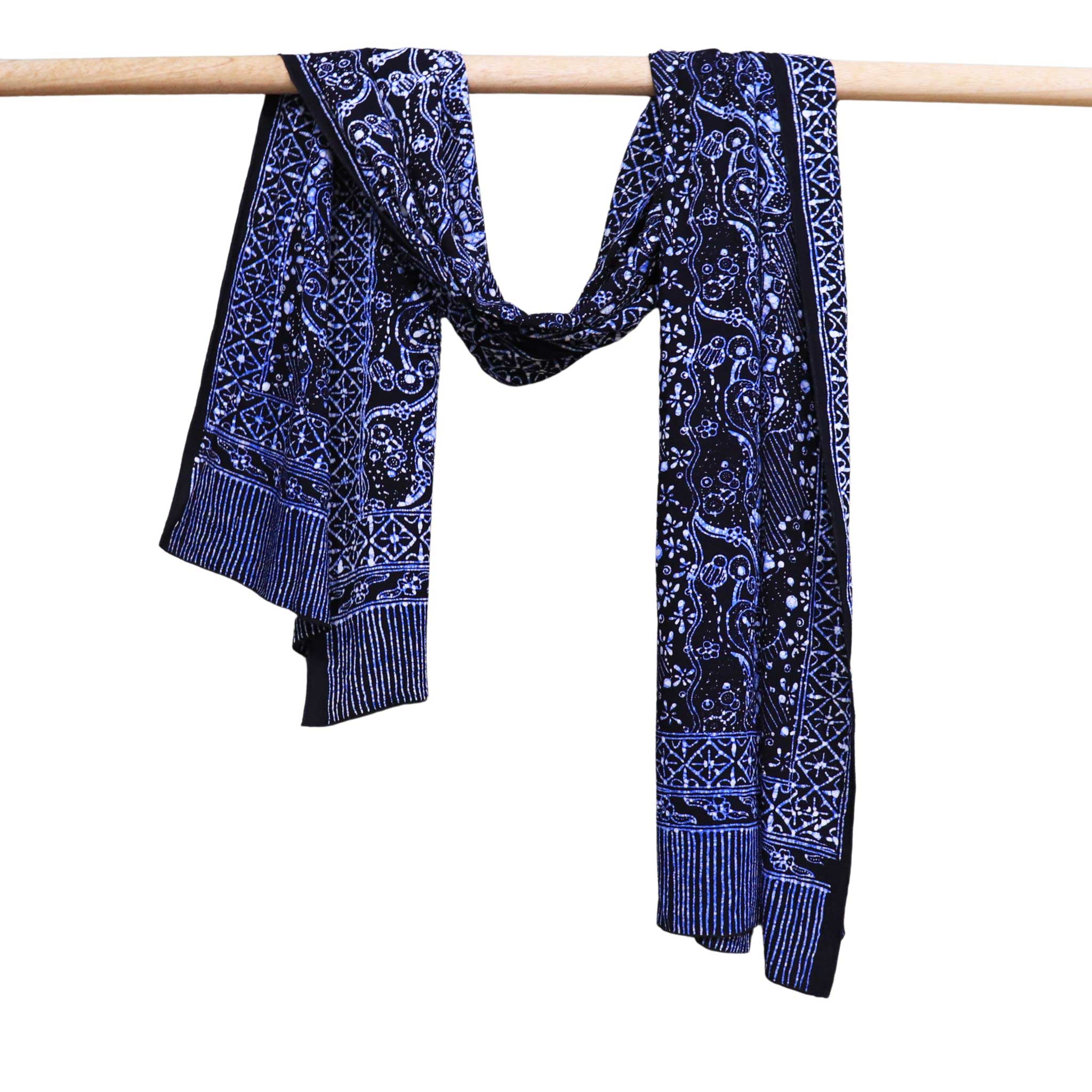
Vous avez accidentellement renversé quelque chose sur votre bandana ou votre foulard en batik préféré ? Pas de panique. Le tissu batik est délicat, mais avec la bonne technique, vous pouvez enlever les taches sans abîmer la couleur ou le motif que vous aimez.
Dans ce guide, nous vous expliquerons comment traiter en toute sécurité les taches courantes sur le tissu batik, afin que votre pièce reste belle pendant des années.
Pourquoi le tissu batik nécessite-t-il un soin particulier ?
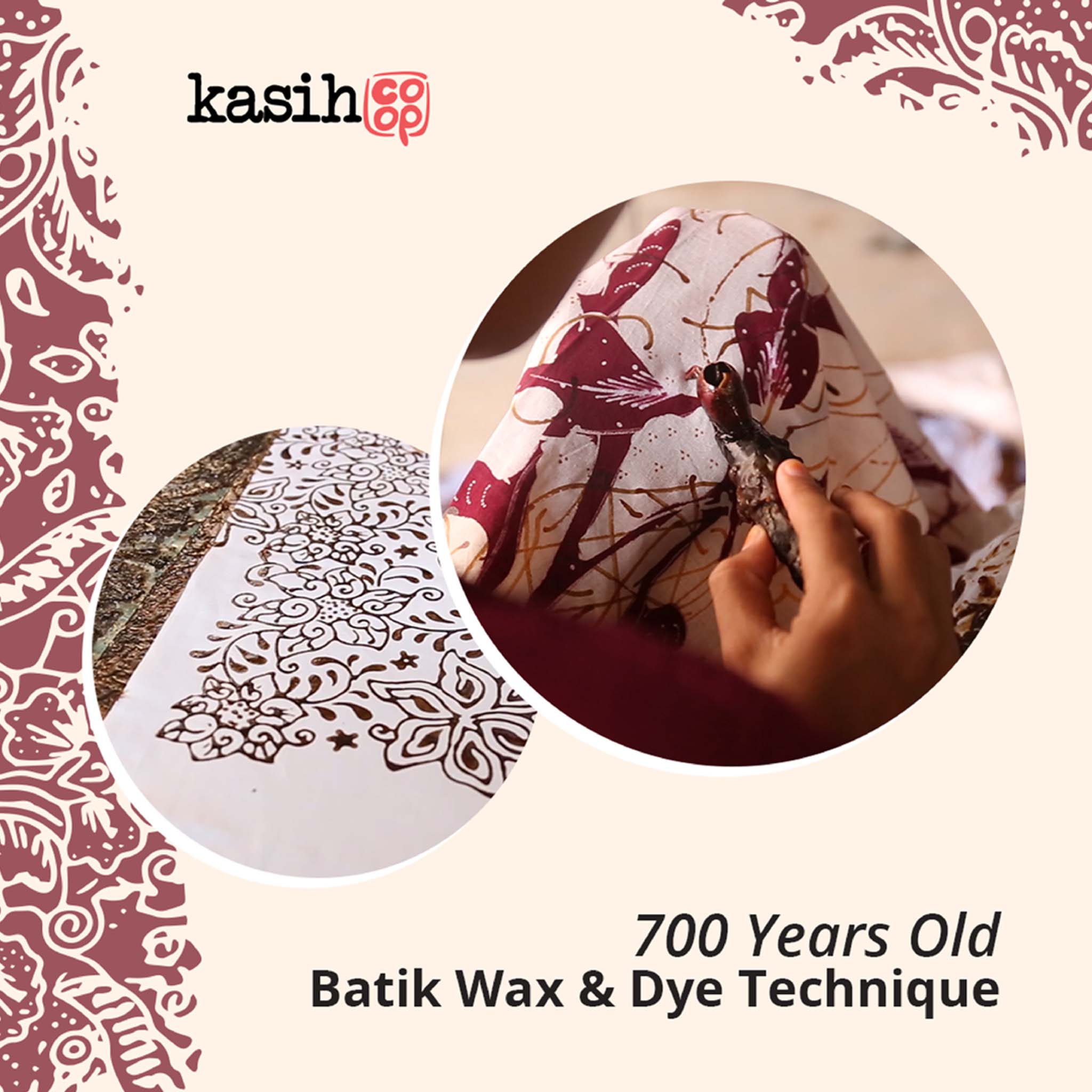
Le batik est fabriqué à l'aide d'une technique de teinture à la cire, ce qui signifie que les couleurs et les motifs sont plus sensibles à la chaleur, aux produits chimiques agressifs et aux manipulations brutales que les tissus ordinaires. L'utilisation d'une mauvaise méthode de détachage — comme l'eau de Javel ou l'eau chaude — peut faire dégorger, décolorer ou craquer les couleurs.
C'est pourquoi il est important d'agir rapidement et avec précaution lorsqu'une tache apparaît.
Règles d'or avant de commencer
Avant de traiter une tache sur votre bandana ou votre foulard en batik, gardez ces règles à l'esprit :
-
❌ N'utilisez jamais d'eau de Javel — elle détruit instantanément la teinture batik
-
❌ Évitez l'eau chaude — la chaleur fixe les taches et endommage les motifs en cire
-
❌ Ne frottez pas fort — cela étend la tache et endommage les fibres
-
✅ Tamponnez toujours, ne frottez jamais
-
✅ Utilisez uniquement de l'eau froide ou tiède
-
✅ Agissez vite — plus tôt vous traitez la tache, mieux c'est
Comment enlever les taches du tissu batik : étape par étape
Étape 1 : Tamponnez immédiatement la tache
Dès qu'une tache apparaît, prenez un chiffon blanc propre ou un mouchoir en papier et tamponnez délicatement (ne frottez pas !) la zone affectée. Cela absorbe le plus de tache possible avant qu'elle ne s'incruste dans le tissu.
💡 Astuce : Utilisez toujours un chiffon blanc pour qu'aucune couleur du chiffon ne se transfère sur votre batik.
Étape 2 : Rincez à l'eau froide par l'envers
Retournez le tissu et faites couler de l'eau froide par l'envers de la tache. Cela pousse la tache hors du tissu plutôt que plus profondément dans les fibres.
Étape 3 : Appliquez un détachant doux
Pour la plupart des taches, une petite quantité de savon liquide doux (comme du savon pour bébé ou un savon à vaisselle doux) fonctionne bien. Appliquez-le directement sur la tache et laissez agir pendant 3 à 5 minutes.
Évitez les détergents à base d'enzymes ou les détachants contenant des azurants optiques — ceux-ci peuvent altérer les couleurs du tissu batik.
Étape 4 : Faites pénétrer délicatement le savon
À l'aide de vos doigts ou d'un chiffon très doux, faites pénétrer délicatement le savon dans la tache par de petits mouvements circulaires. Soyez patient — n'appuyez pas trop fort.
Étape 5 : Rincez abondamment
Rincez la zone à l'eau froide jusqu'à ce que tout le savon soit parti. Assurez-vous qu'aucun résidu de savon ne reste, car un détergent restant peut attirer plus de saleté avec le temps.
Étape 6 : Séchez à l'air libre à l'ombre
Après le rinçage, posez le batik à plat ou suspendez-le dans un endroit ombragé pour le faire sécher à l'air libre. Évitez la lumière directe du soleil, qui décolore les couleurs du batik, et ne mettez jamais le tissu batik au sèche-linge.
Conseils spécifiques aux taches pour le tissu batik
|
Type de tache |
Traitement recommandé |
|
Aliments & sauces |
Tamponnez immédiatement, rincez par l'envers, savon doux |
|
Huile / Graisse |
Saupoudrez d'abord d'amidon de maïs pour absorber l'huile, puis traitez avec du savon doux |
|
Encre |
Tamponnez avec un coton imbibé d'alcool à friction (testez d'abord sur une zone cachée) |
|
Transpiration |
Faites tremper dans un mélange d'eau froide + vinaigre blanc (rapport 1:3) pendant 10 minutes |
|
Café / Thé |
Rincez immédiatement par l'envers, puis traitez avec du savon doux |
|
Rouge à lèvres / Maquillage |
Enlevez délicatement avec un chiffon doux, puis appliquez du savon doux |
Ce qu'il faut éviter lors du nettoyage du batik
Pour conserver votre bandana ou votre foulard en batik en parfait état, évitez toujours :
-
L'eau de Javel ou les agents blanchissants
-
L'eau chaude ou bouillante
-
Le frottement ou l'essorage énergique
-
La machine à laver avec un cycle d'essorage élevé
-
La lumière directe du soleil lors du séchage
-
Le stockage tant qu'il est encore humide (provoque des moisissures et un dégorgement des couleurs)
Quand faire appel à un professionnel
Si la tache est grande, ancienne ou causée par quelque chose comme du vin, un marqueur permanent ou de la peinture, il est préférable de consulter un nettoyeur de tissus professionnel qui a de l'expérience avec les textiles traditionnels indonésiens. Tenter de nettoyer de force une tache tenace peut parfois causer plus de dommages que la tache elle-même.
Gardez votre batik sous son meilleur jour
Prendre soin de votre bandana ou de votre foulard en batik n'a pas besoin d'être compliqué. La clé est d'agir vite, d'être doux et d'éviter la chaleur et les produits chimiques agressifs. Avec les bons soins, votre pièce en batik peut rester vibrante et belle pendant des années, voire des décennies.
Chez Kasih Coop, chaque bandana et foulard est fabriqué avec une technique de batik authentique, ce qui signifie que des soins appropriés font vraiment la différence quant à la durée de vie de votre pièce.
Foire aux questions
Puis-je mettre du tissu batik en machine ? Nous recommandons de laver le tissu batik à la main à l'eau froide. Si vous devez utiliser une machine, utilisez le cycle délicat avec de l'eau froide et un détergent doux. Placez le tissu dans un sac de lavage en filet pour une protection supplémentaire.
Puis-je utiliser du vinaigre sur du tissu batik ? Oui, le vinaigre blanc dilué (1 partie de vinaigre pour 3 parties d'eau froide) est sûr et efficace pour les taches de transpiration et peut également aider à préserver l'éclat des couleurs du batik.
Comment puis-je prévenir les taches sur le tissu batik ? La meilleure prévention est d'être attentif lorsque vous le portez à proximité d'aliments et de boissons. Vous pouvez également traiter légèrement le nouveau batik avec un spray protecteur de tissu sûr pour les textiles délicats.
Le tissu batik rétrécit-il au lavage ? Le tissu batik, en particulier le batik à base de coton, peut rétrécir légèrement s'il est lavé à l'eau chaude. Utilisez toujours de l'eau froide pour éviter cela.