Chaque année, le 8 mars, le monde célèbre la Journée internationale des femmes, une journée dédiée à la reconnaissance des réalisations des femmes dans les domaines sociaux, économiques, culturels et politiques. Au-delà de la célébration, c'est aussi un moment de réflexion.
Car si des progrès ont été faits, de nombreux défis subsistent. Partout dans le monde, les femmes continuent de faire face à des écarts salariaux, à un accès limité aux opportunités de leadership, à un accès inégal au financement, et à la double charge d'équilibrer le travail rémunéré avec les responsabilités domestiques non rémunérées.
Dans de nombreuses communautés, les femmes artisanes et propriétaires de petites entreprises luttent pour la visibilité, des prix équitables et un revenu durable. Sur les plans politique et social, les femmes rencontrent encore des obstacles qui limitent leur pleine participation et leur représentation.
La Journée internationale des femmes nous rappelle que l'autonomisation n'est pas abstraite. Elle est pratique. Elle est économique. Elle concerne l'accès, l'opportunité et la reconnaissance.
En tant que marque, nous croyons qu'un soutien réel passe par l'action.
Aujourd'hui, 88 % de nos partenaires sont des entreprises appartenant à des femmes. Cela signifie que la majorité de nos collaborations soutiennent directement des femmes entrepreneures qui construisent leurs propres chemins, créent des emplois et renforcent leurs communautés.
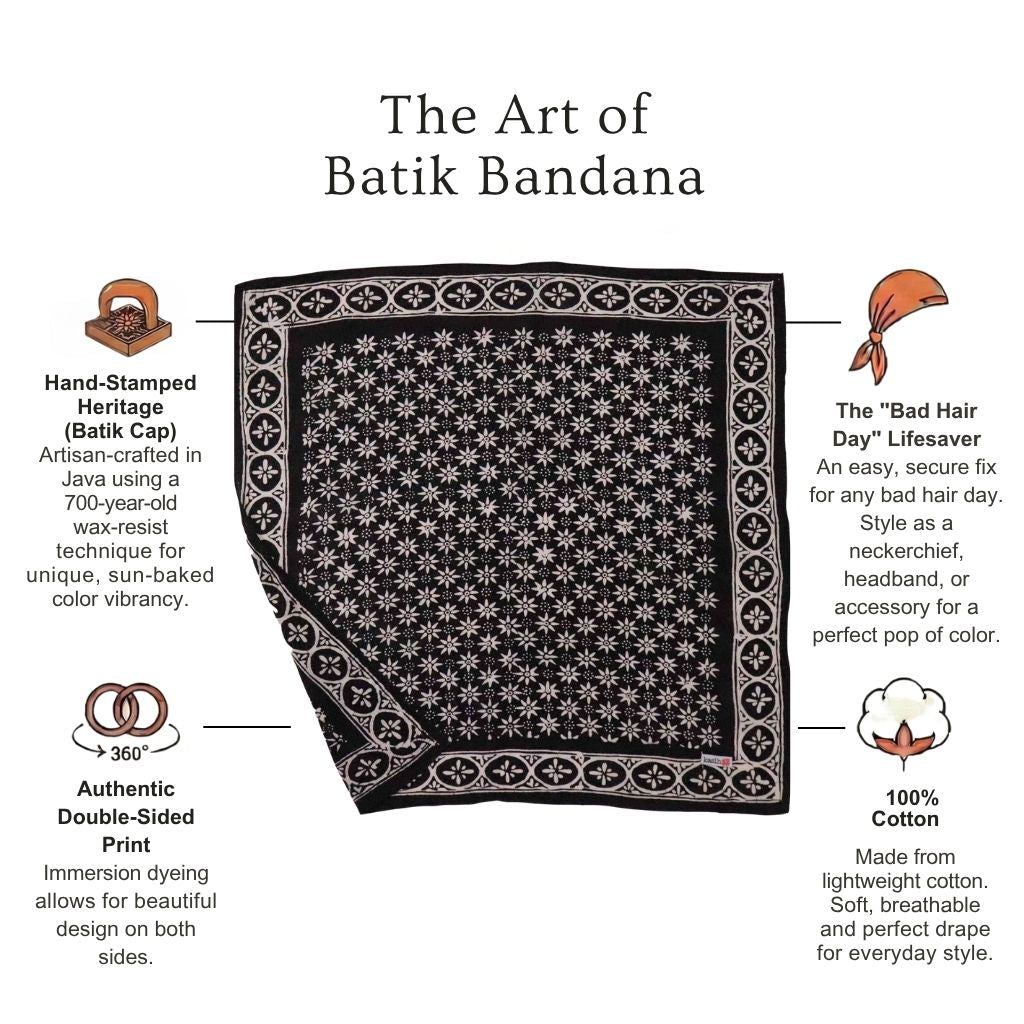
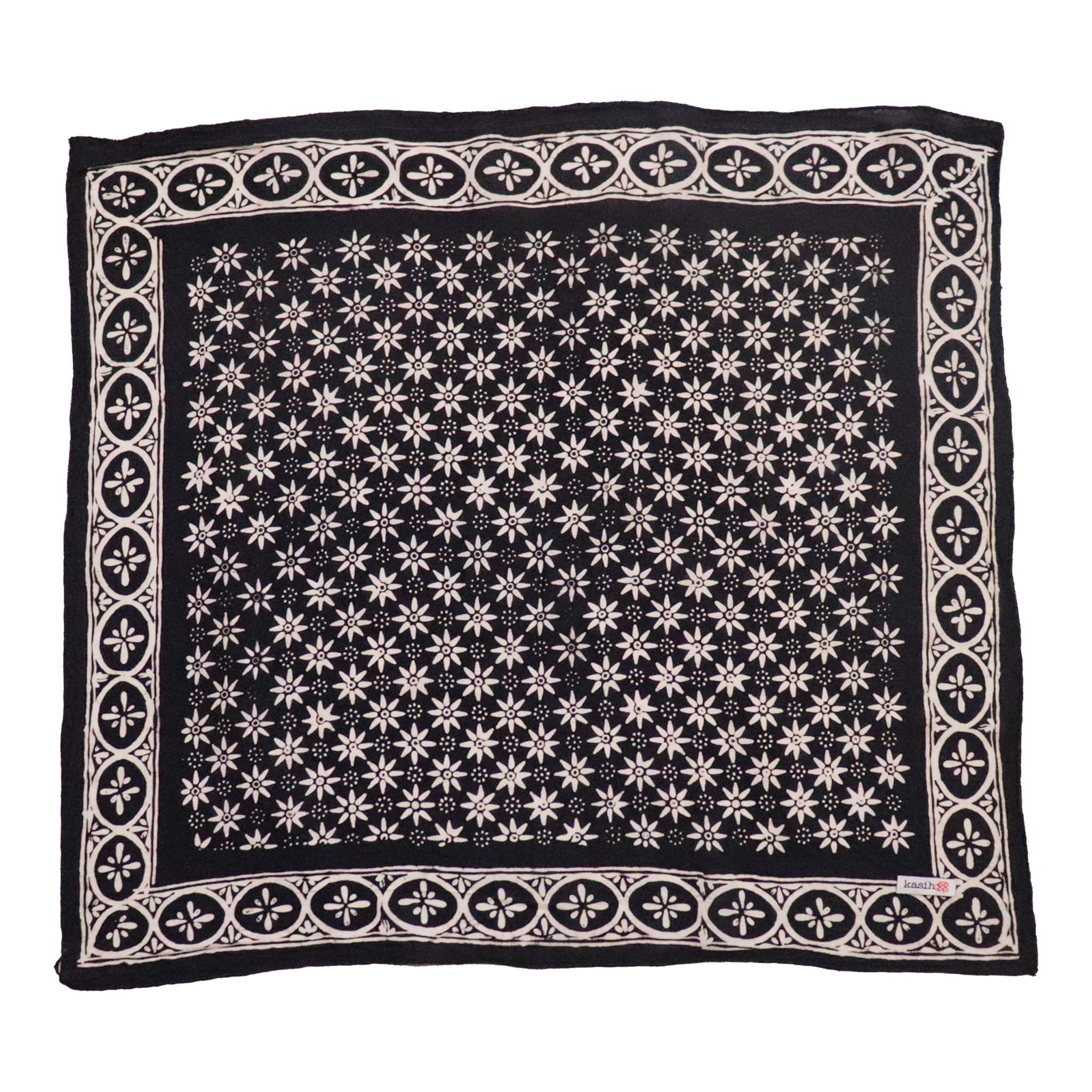
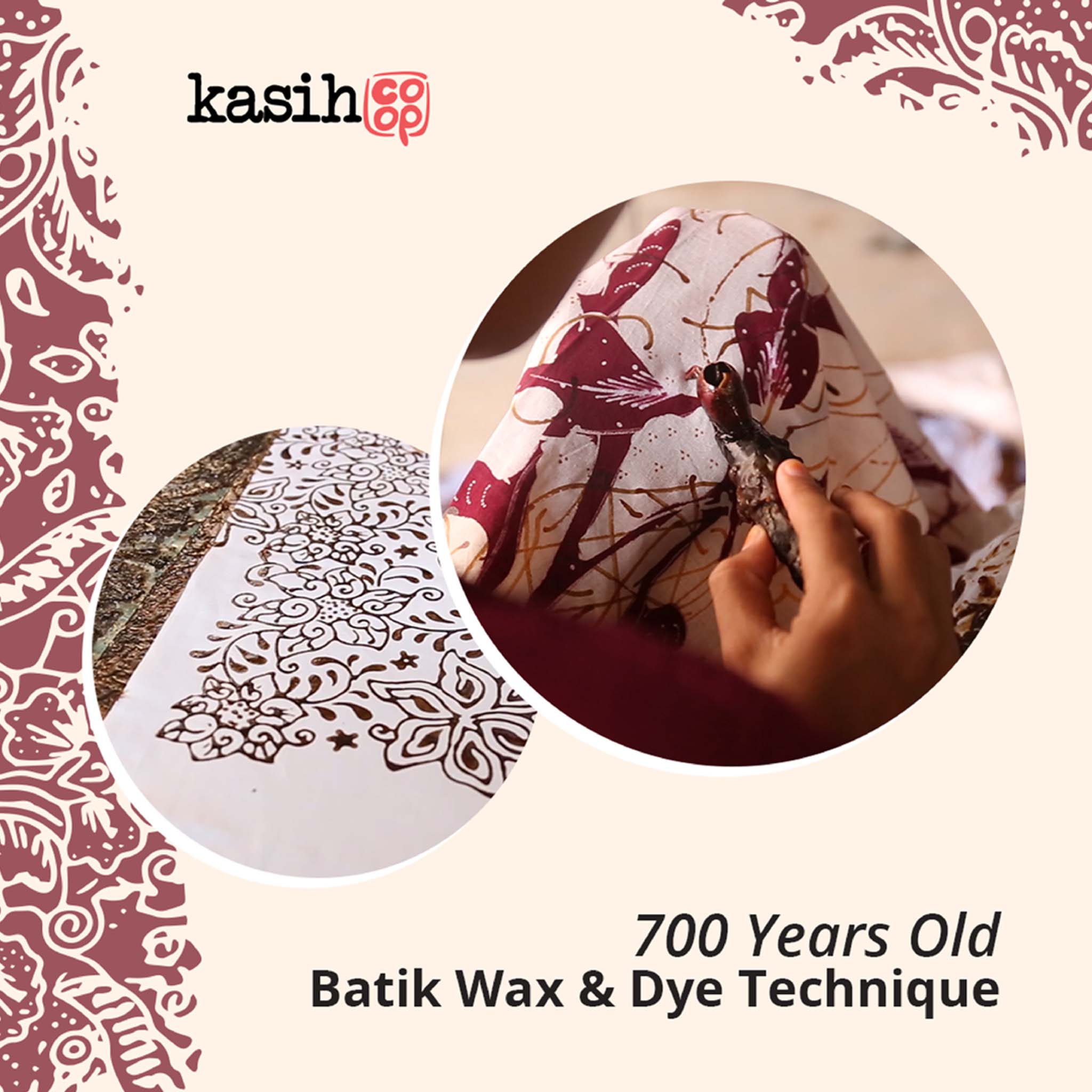
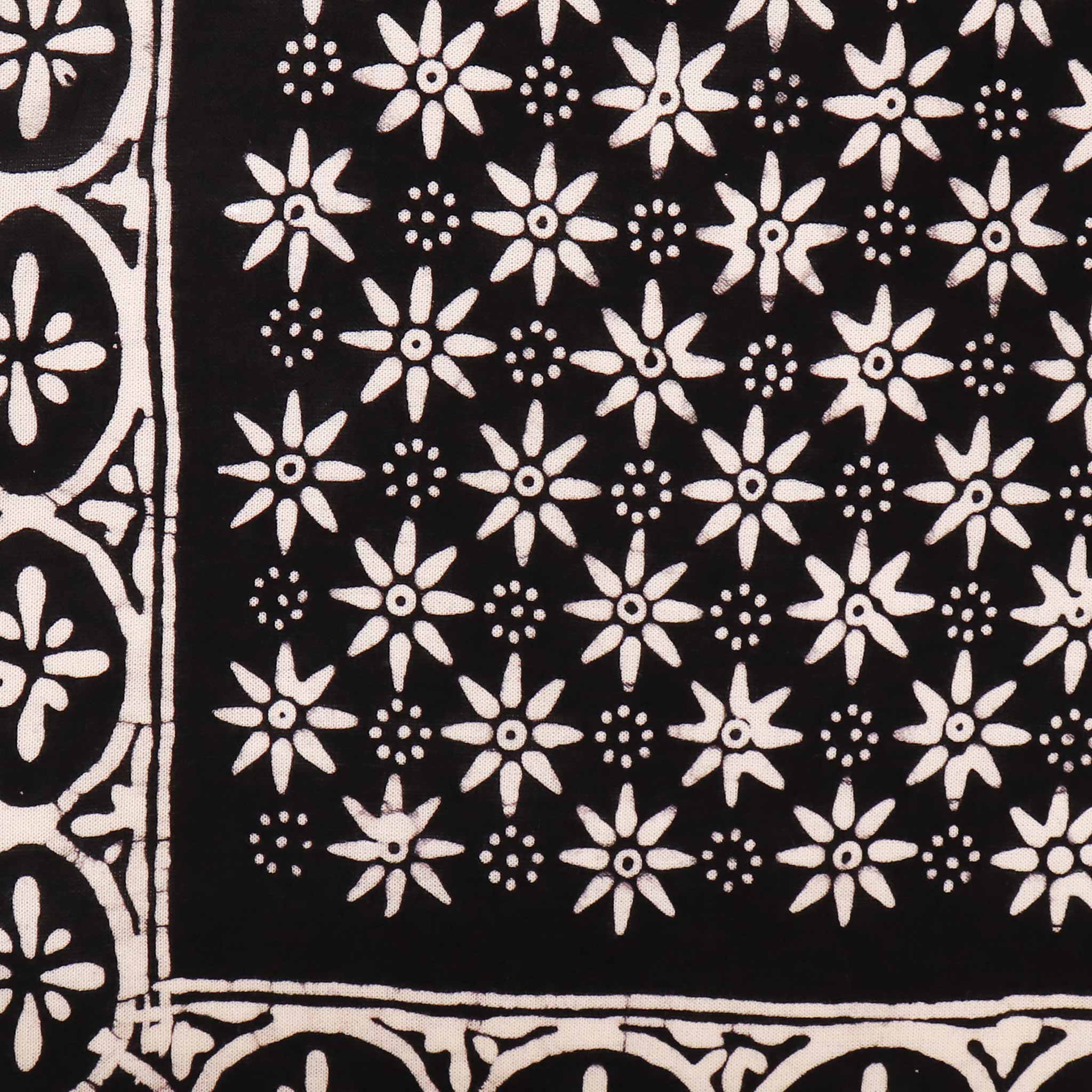
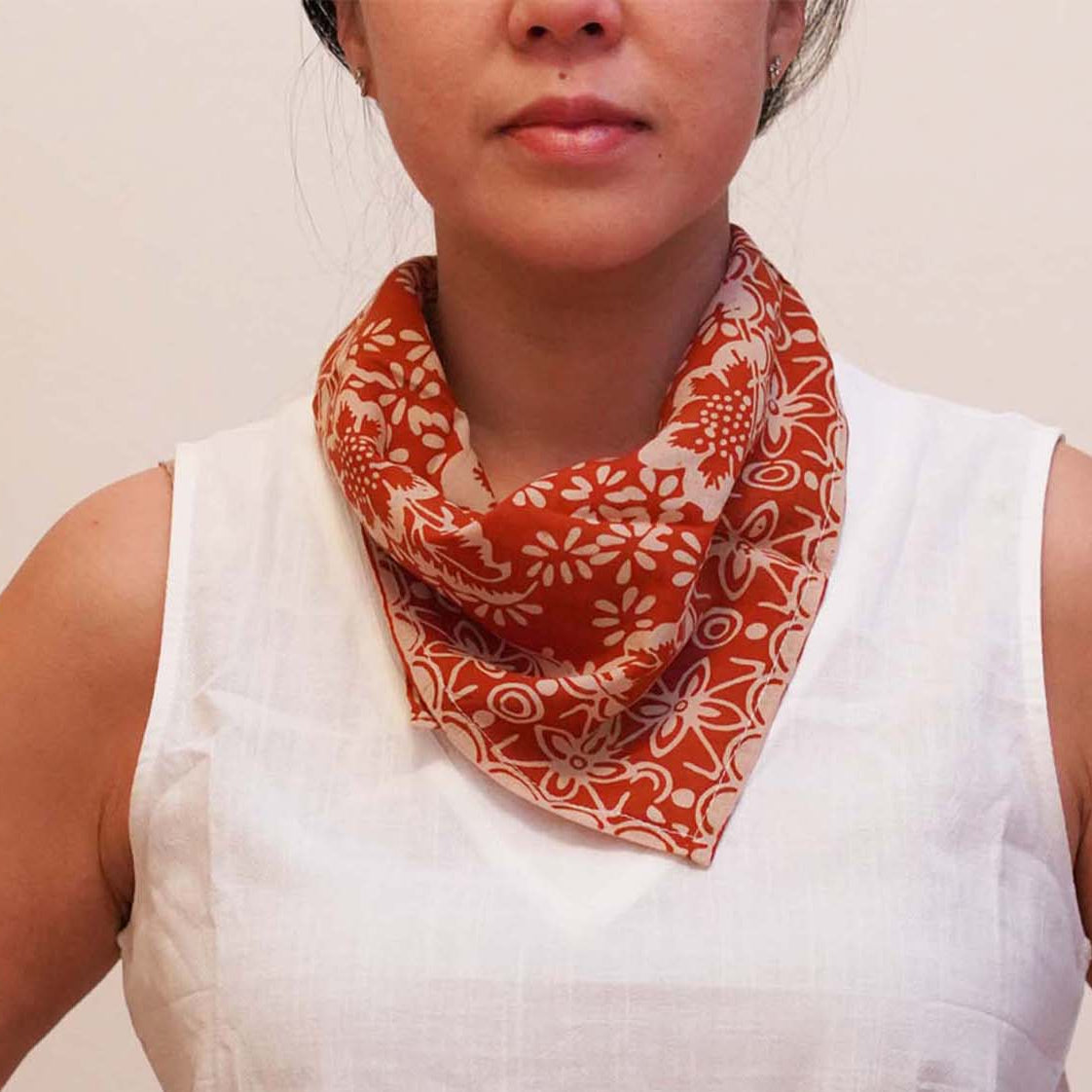
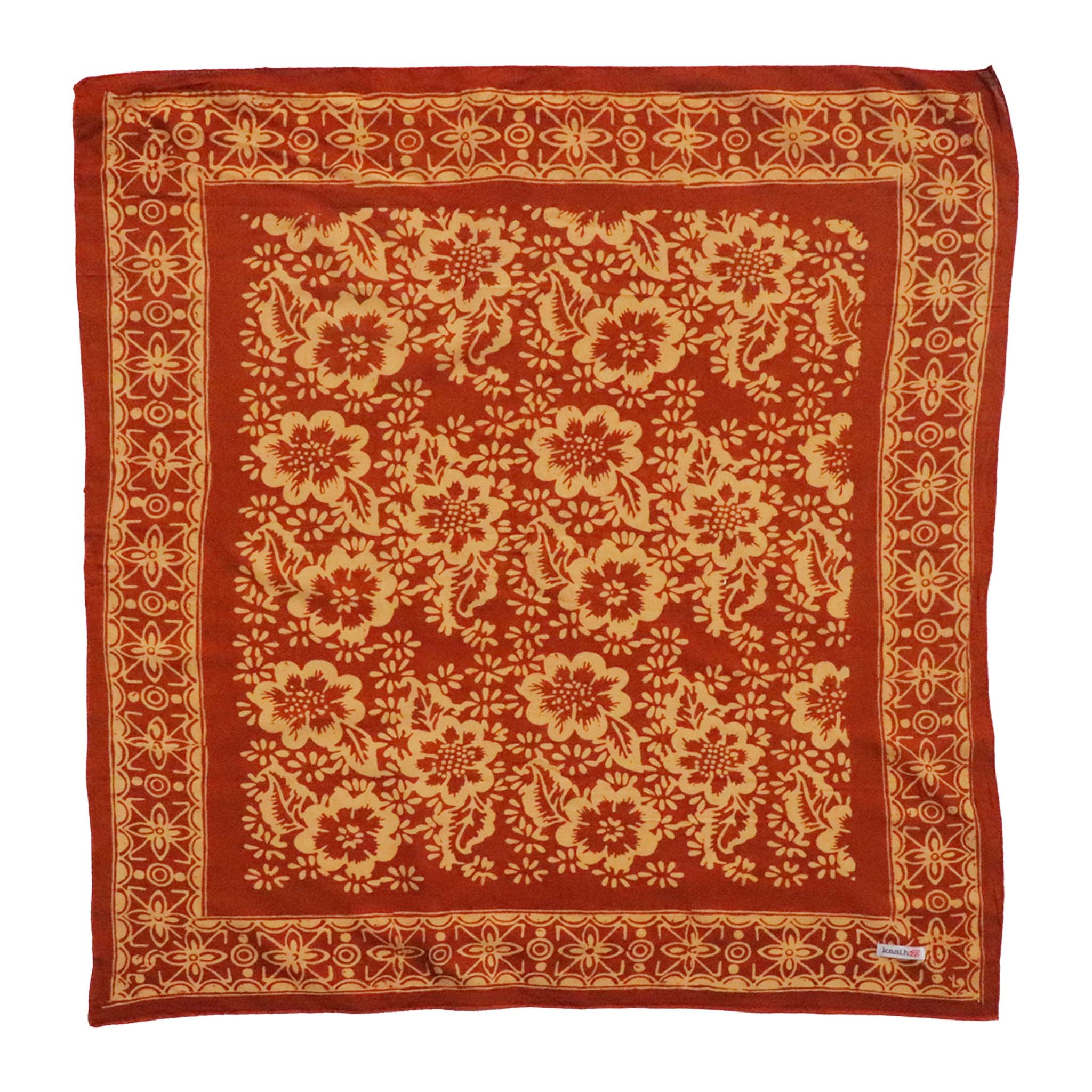
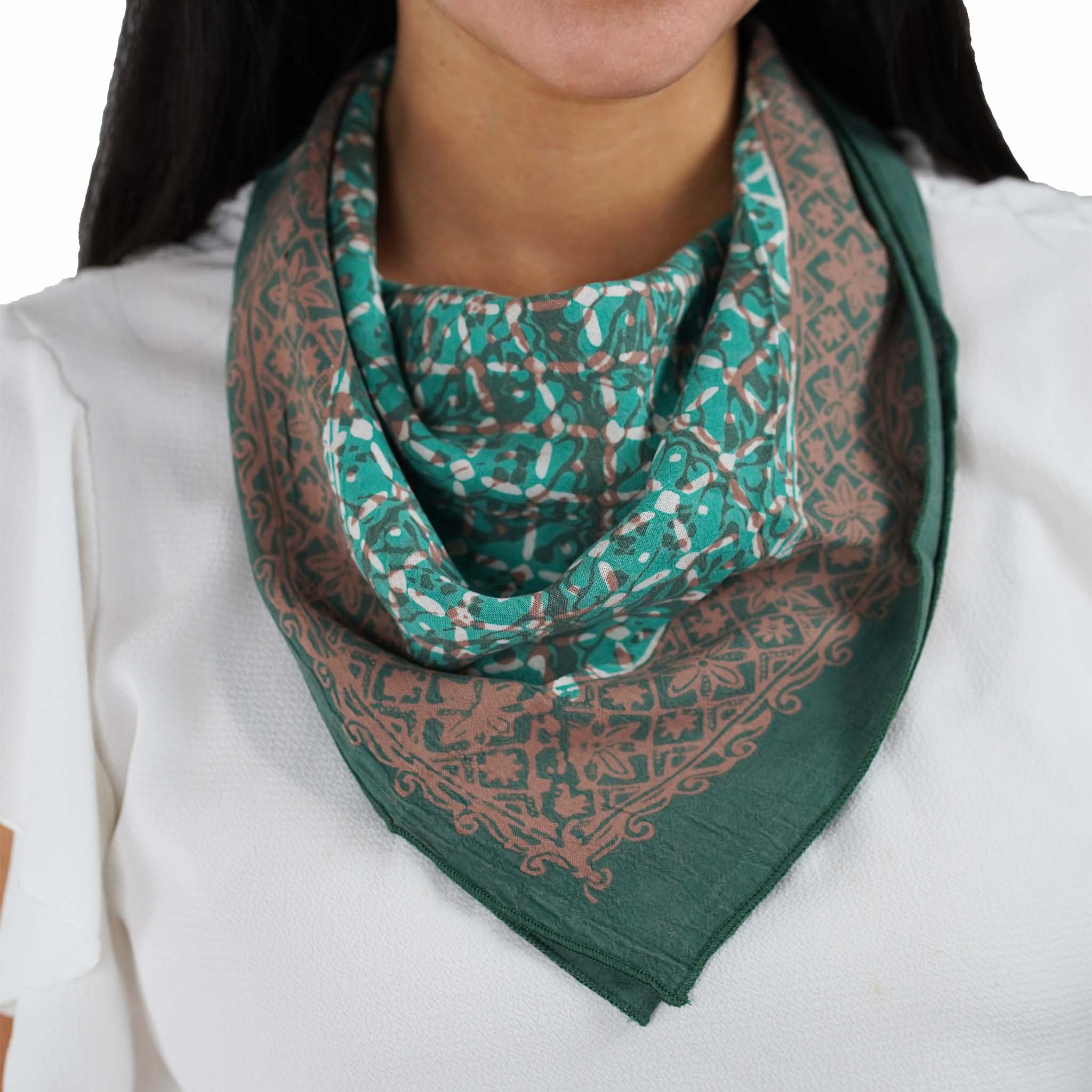
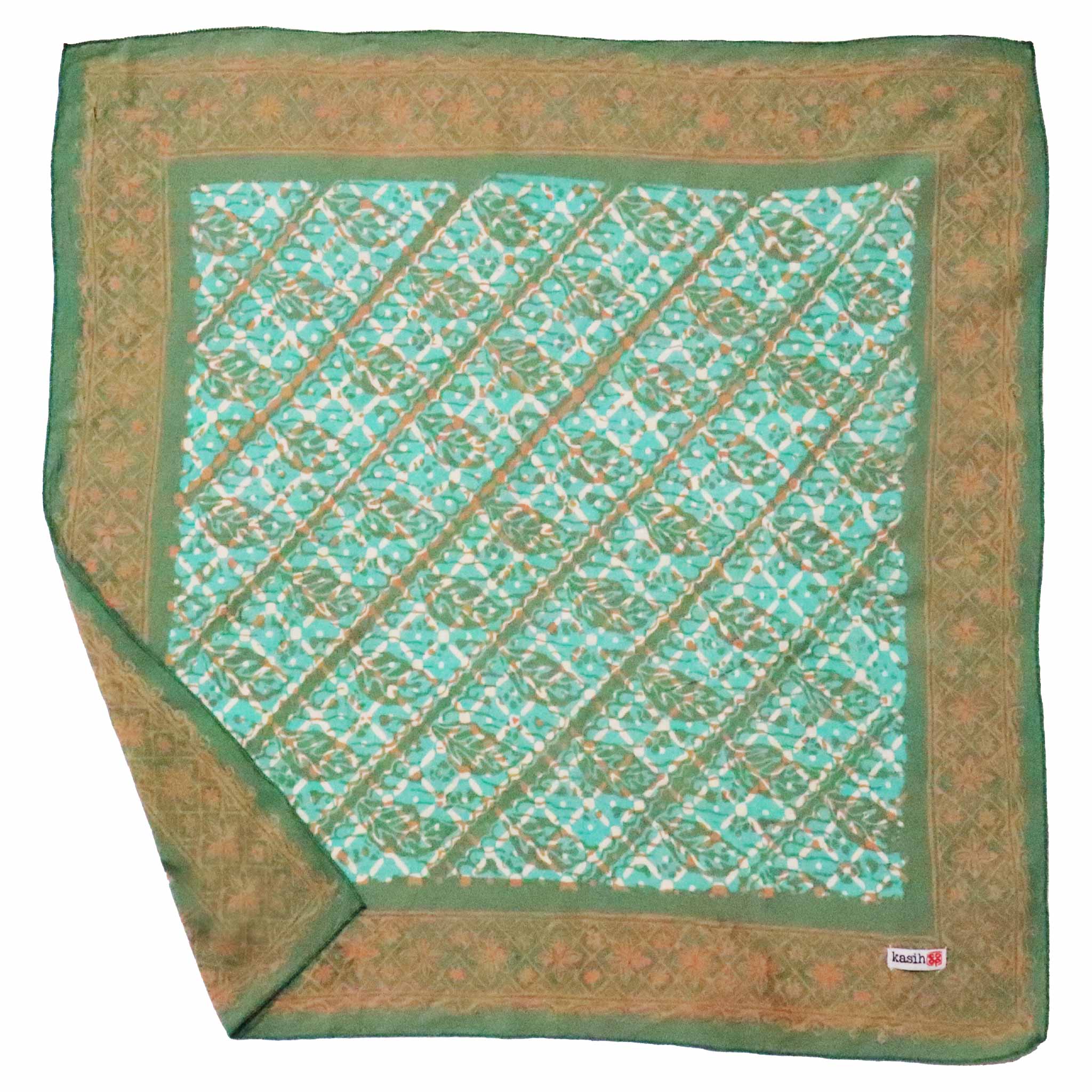
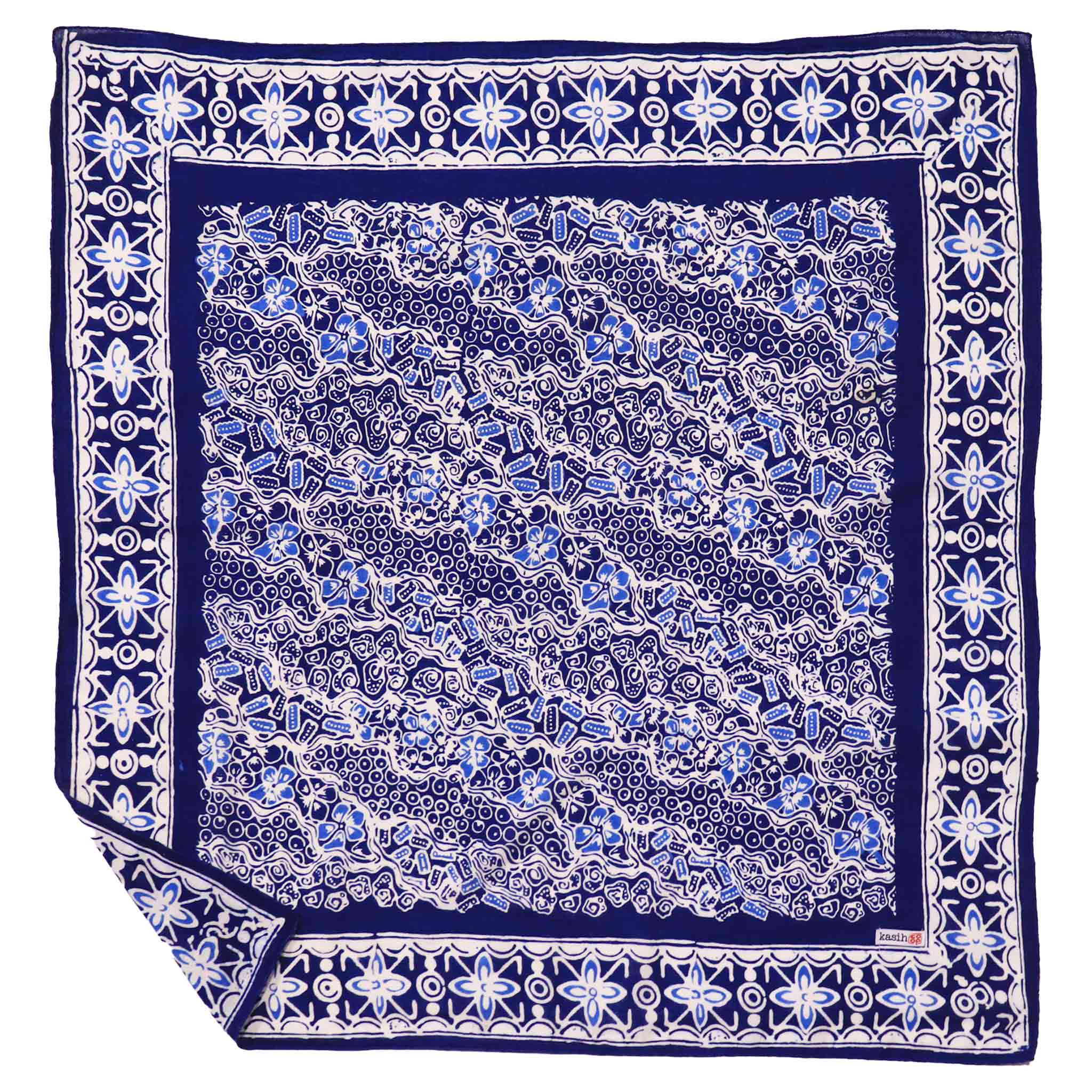
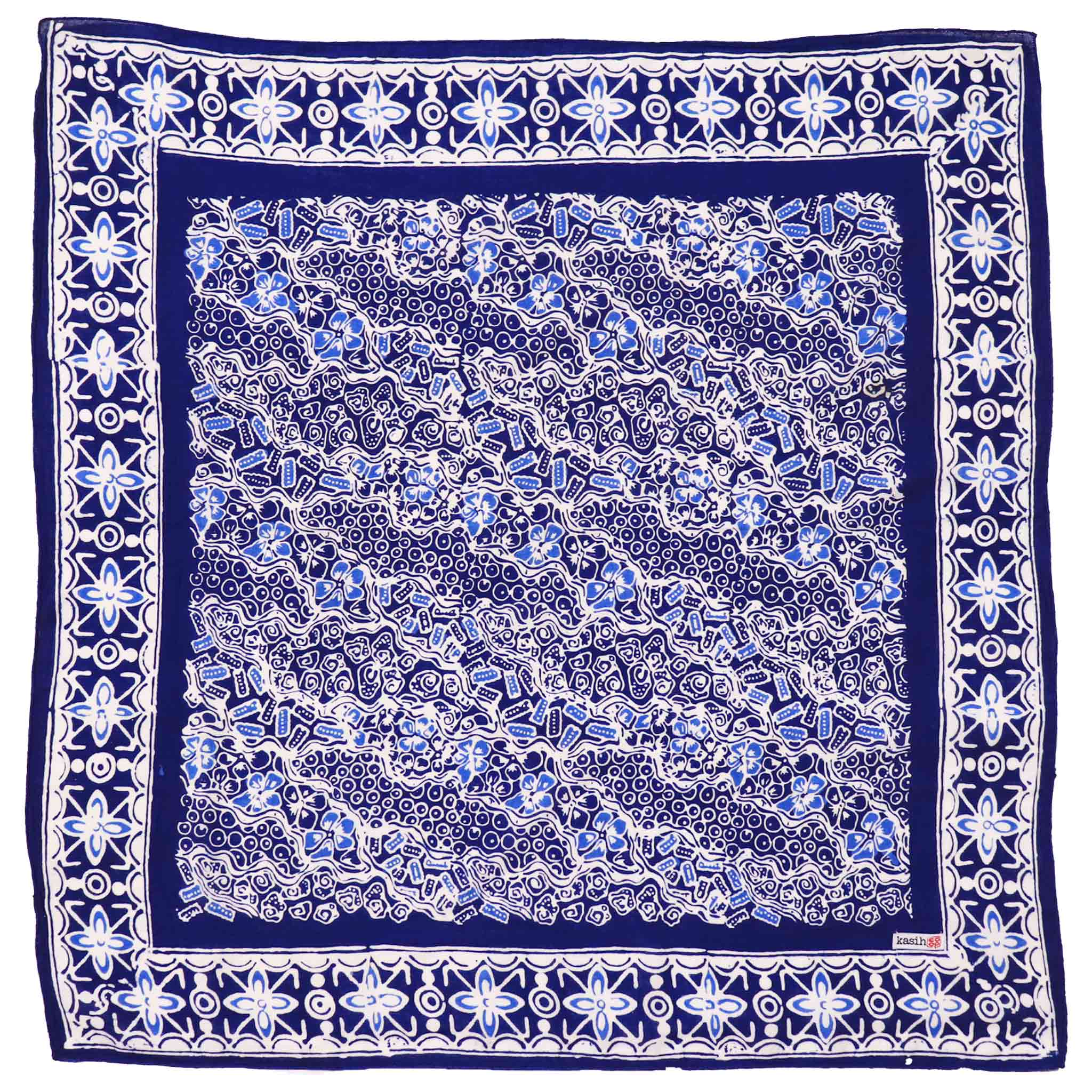
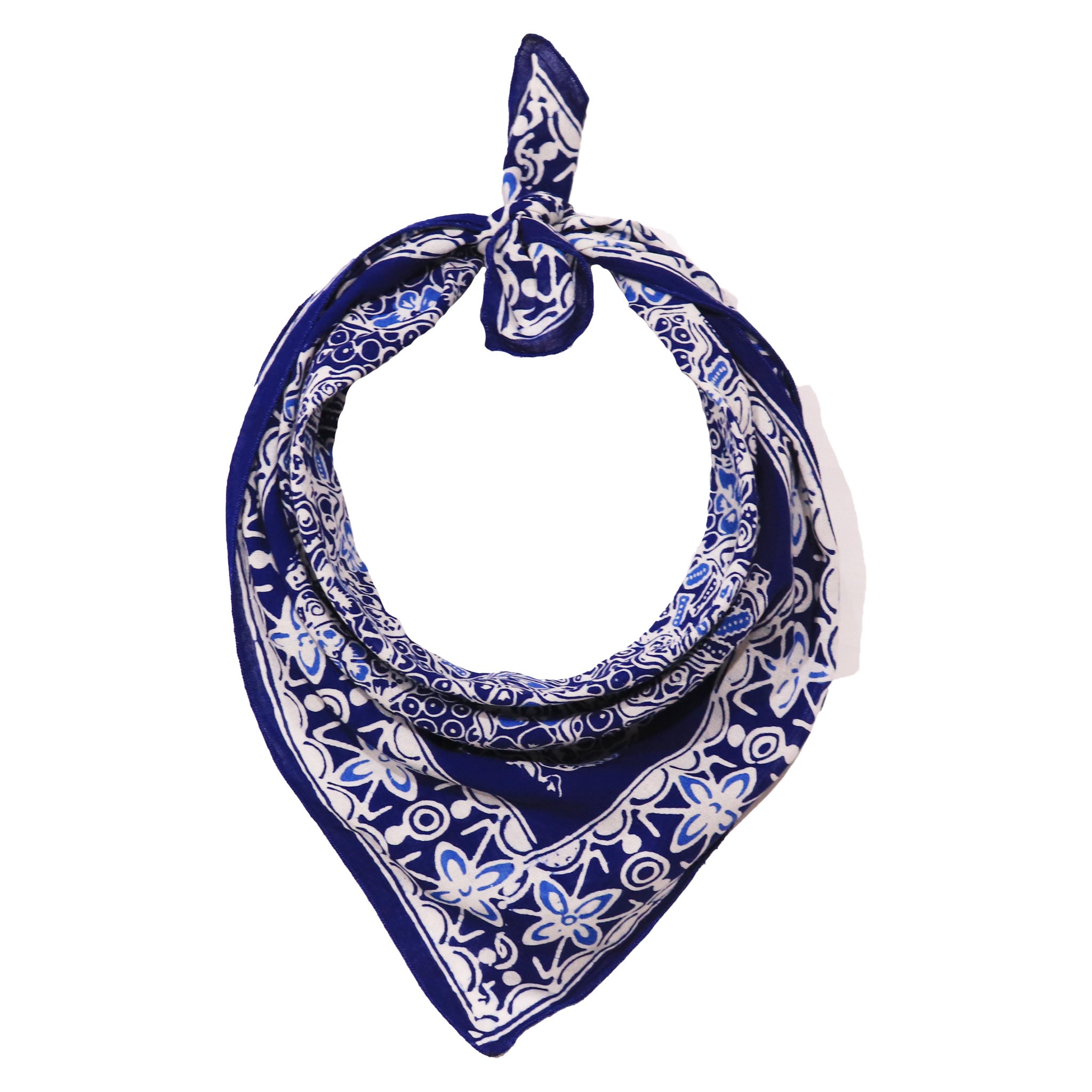
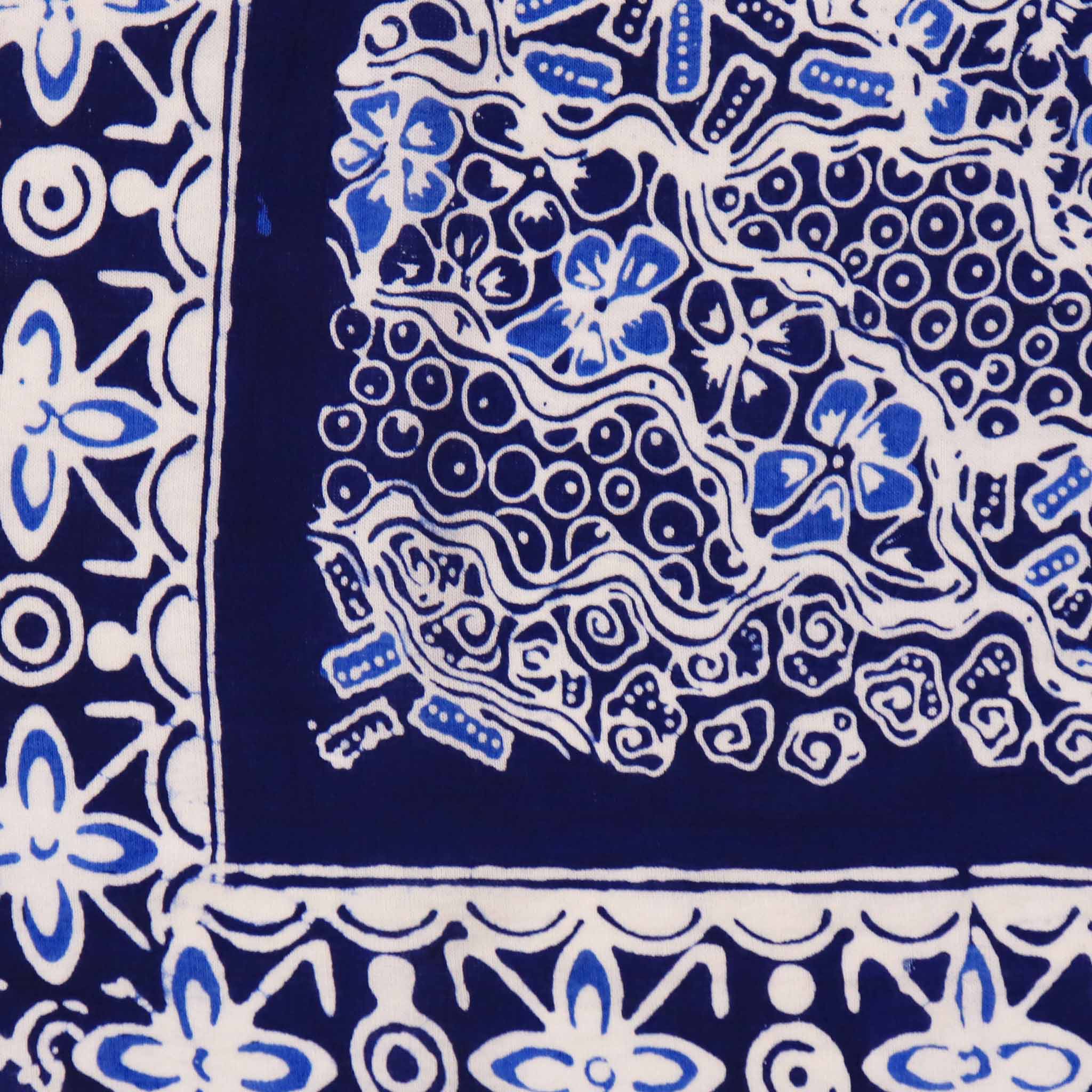
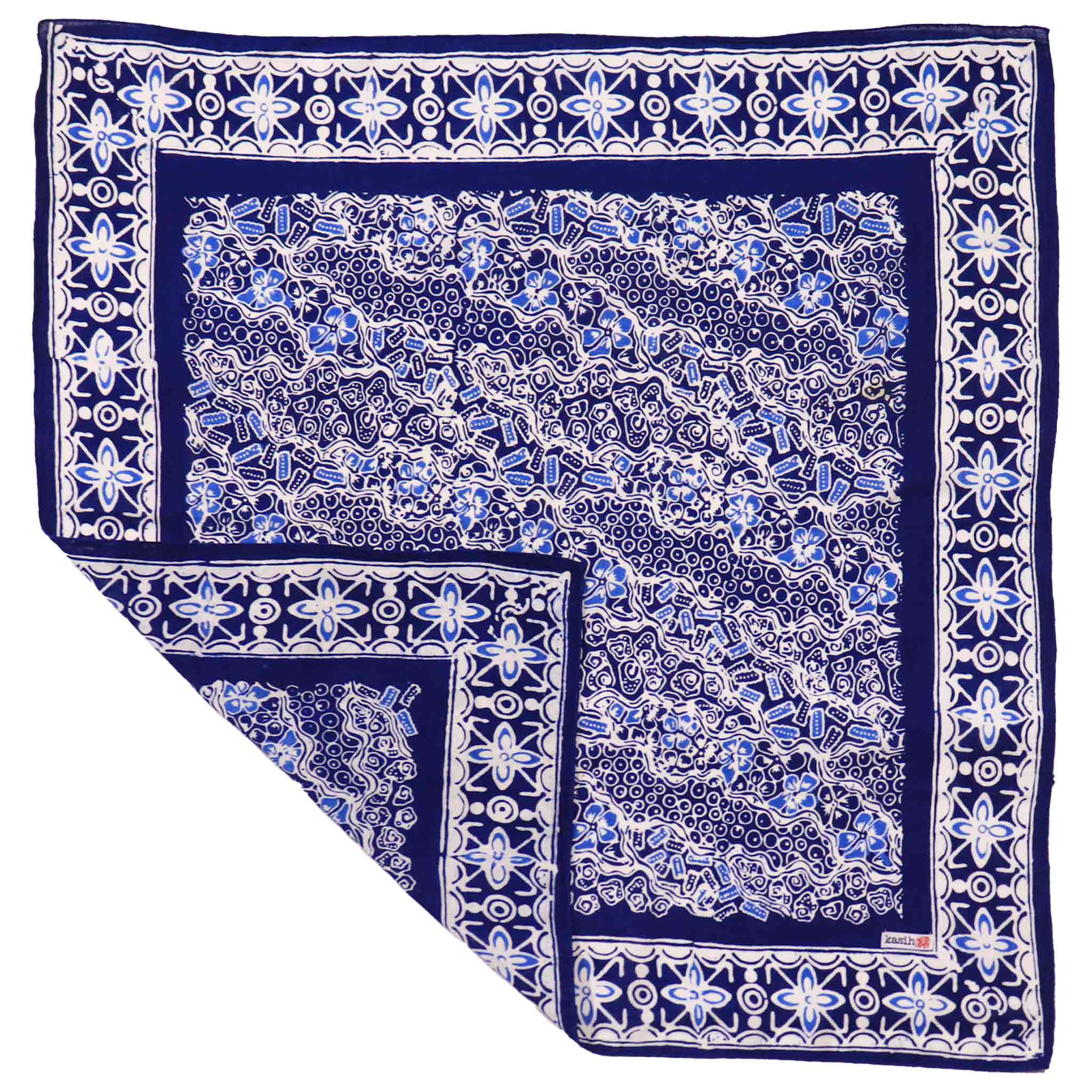
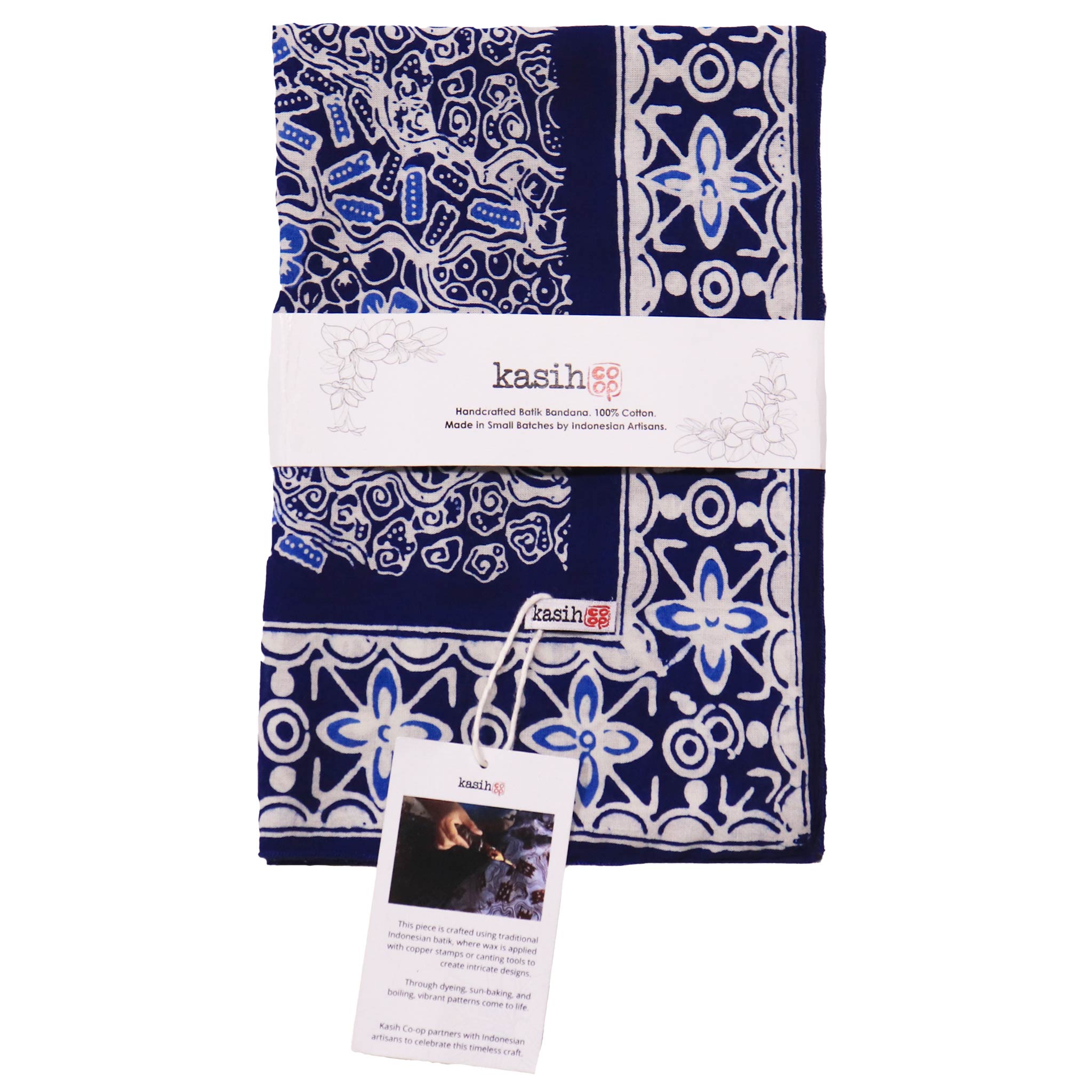
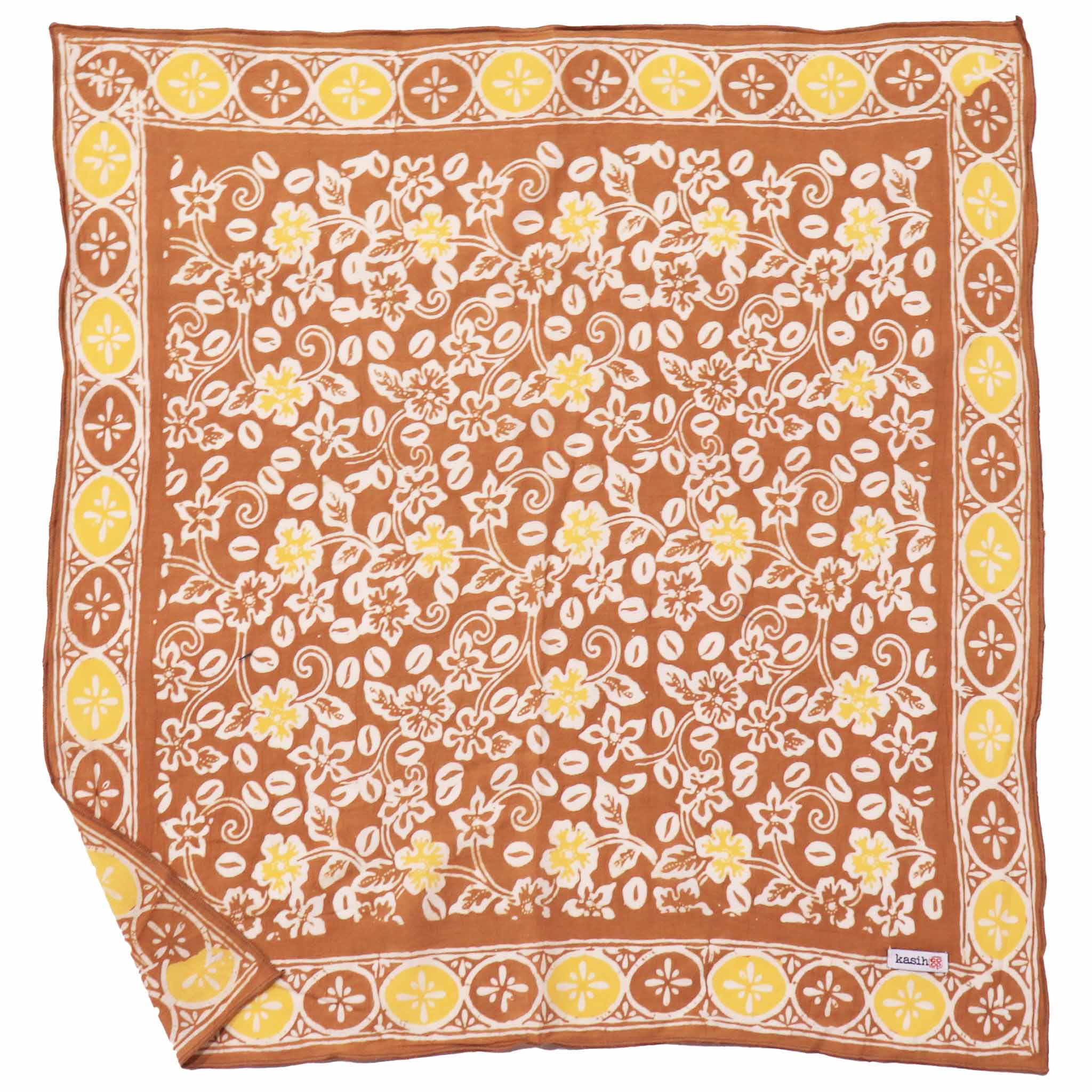
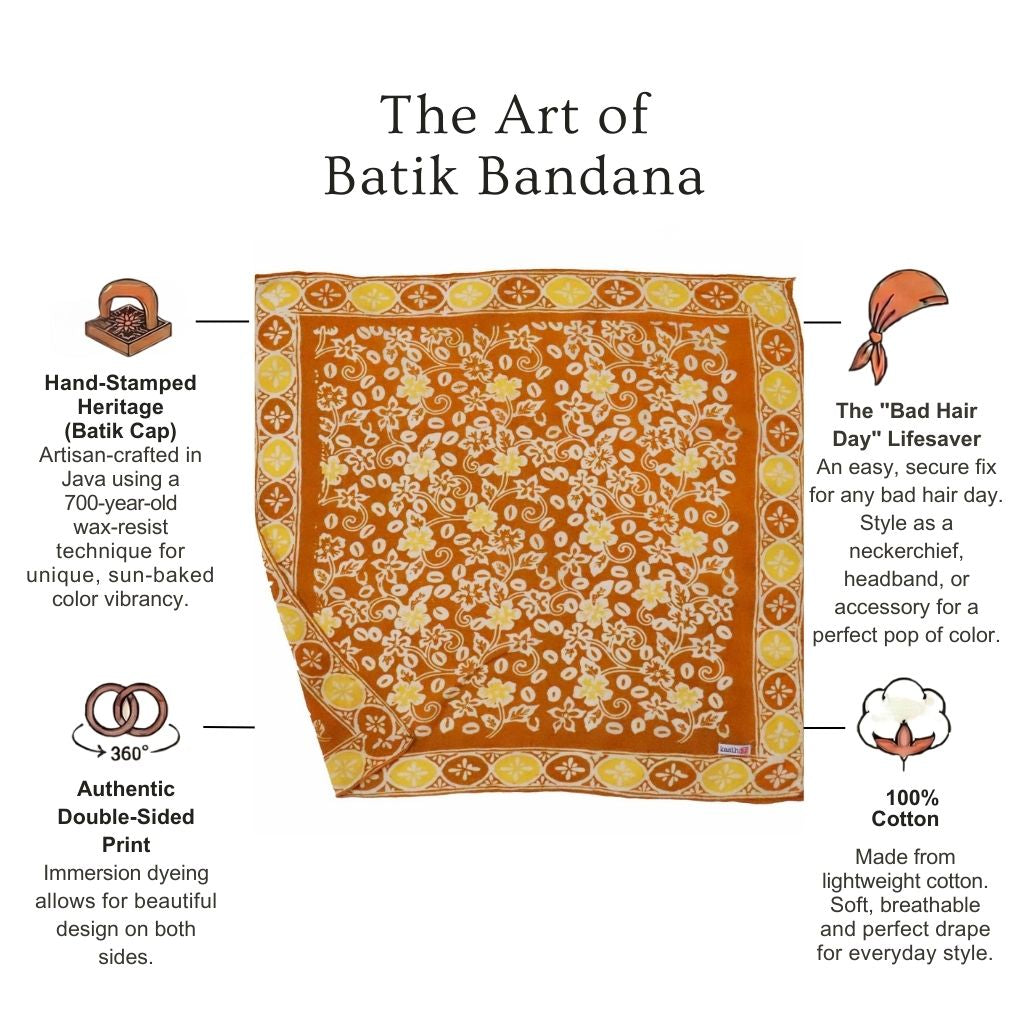
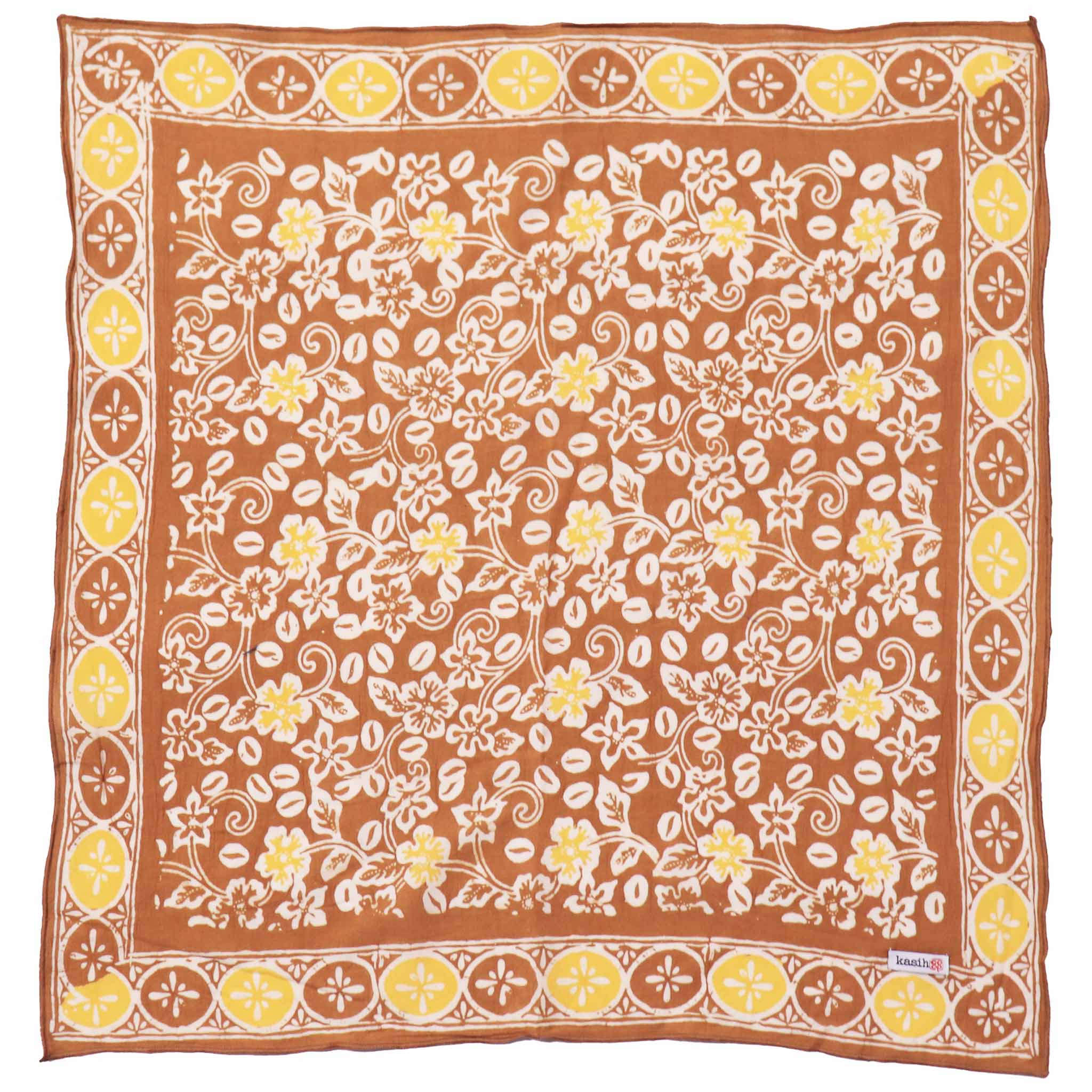
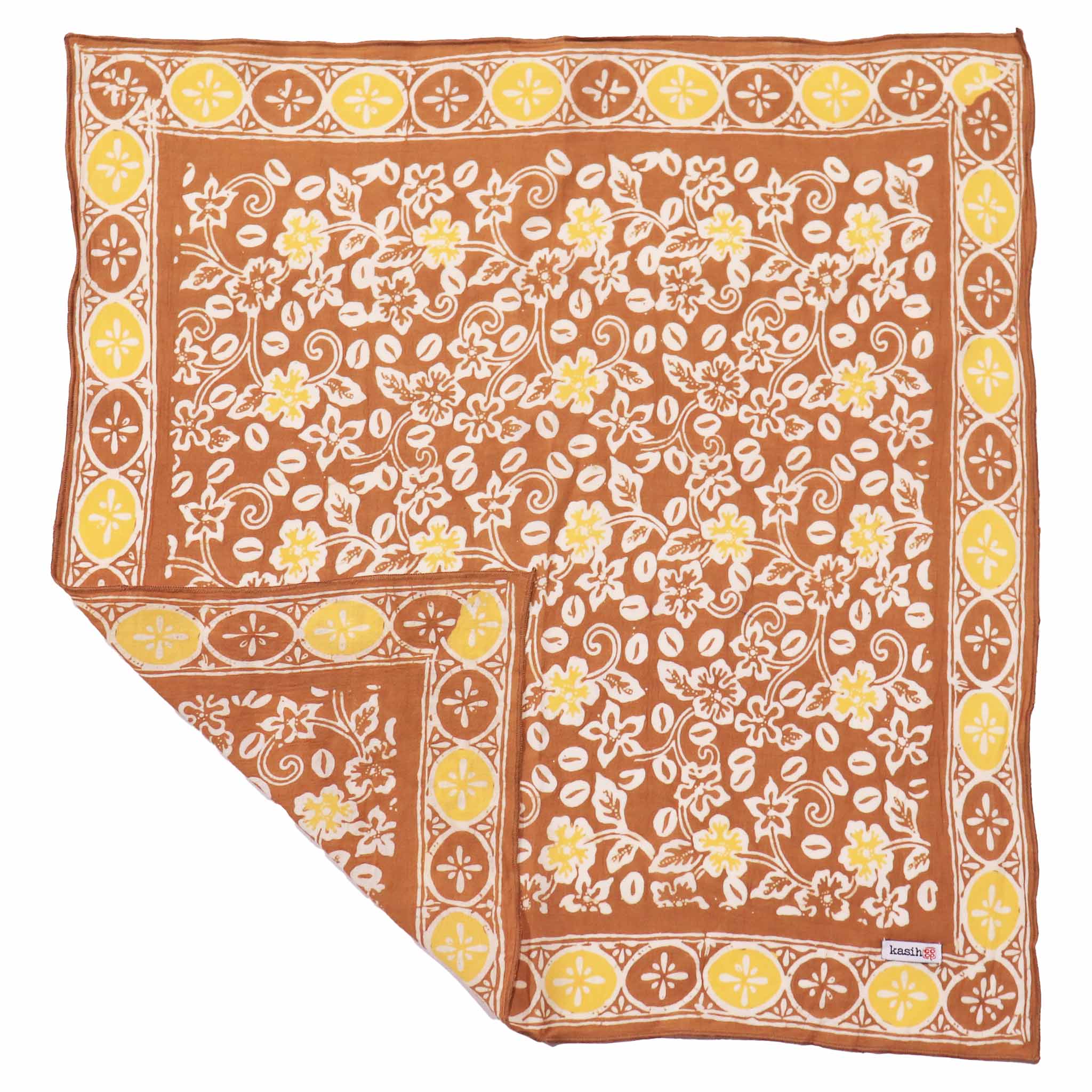
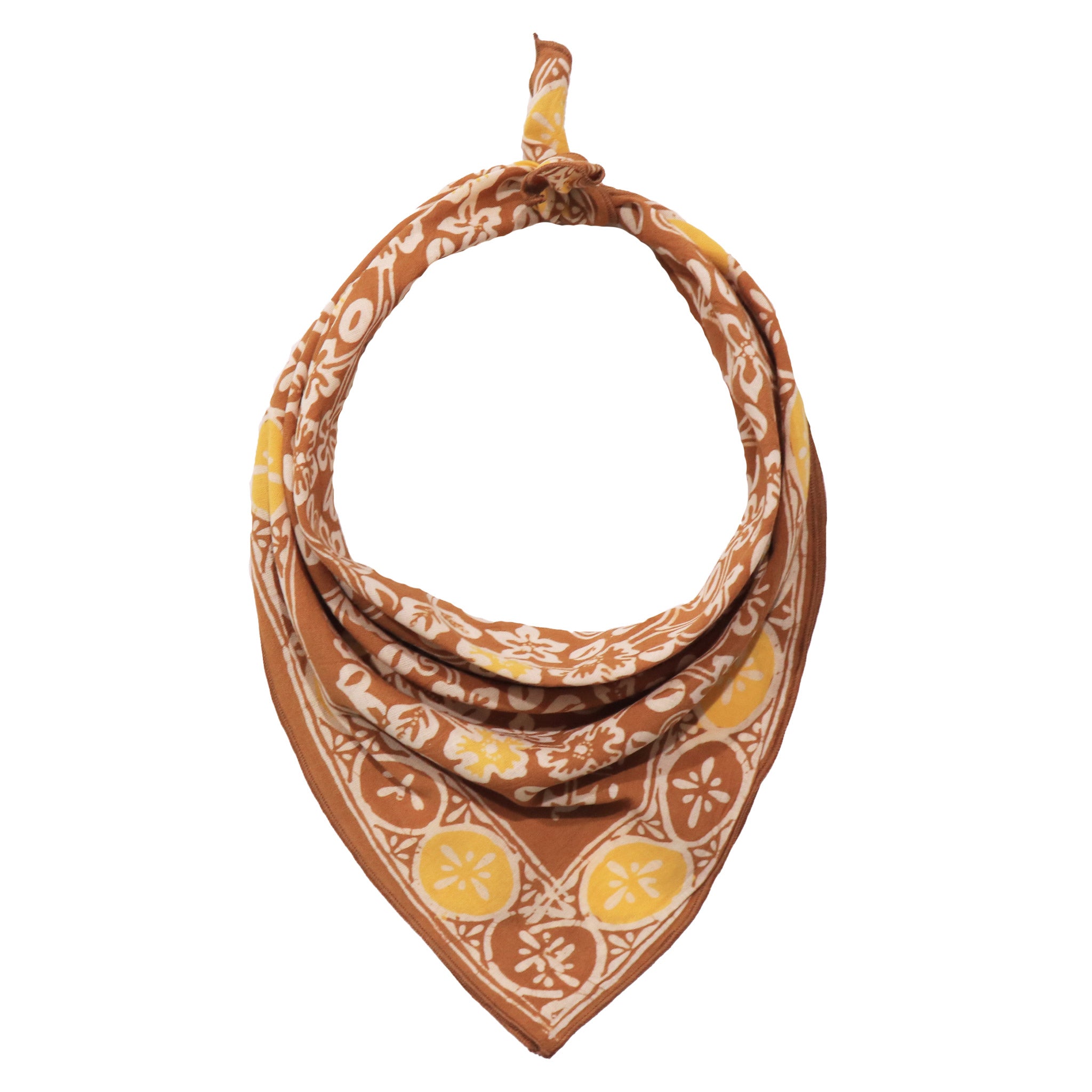
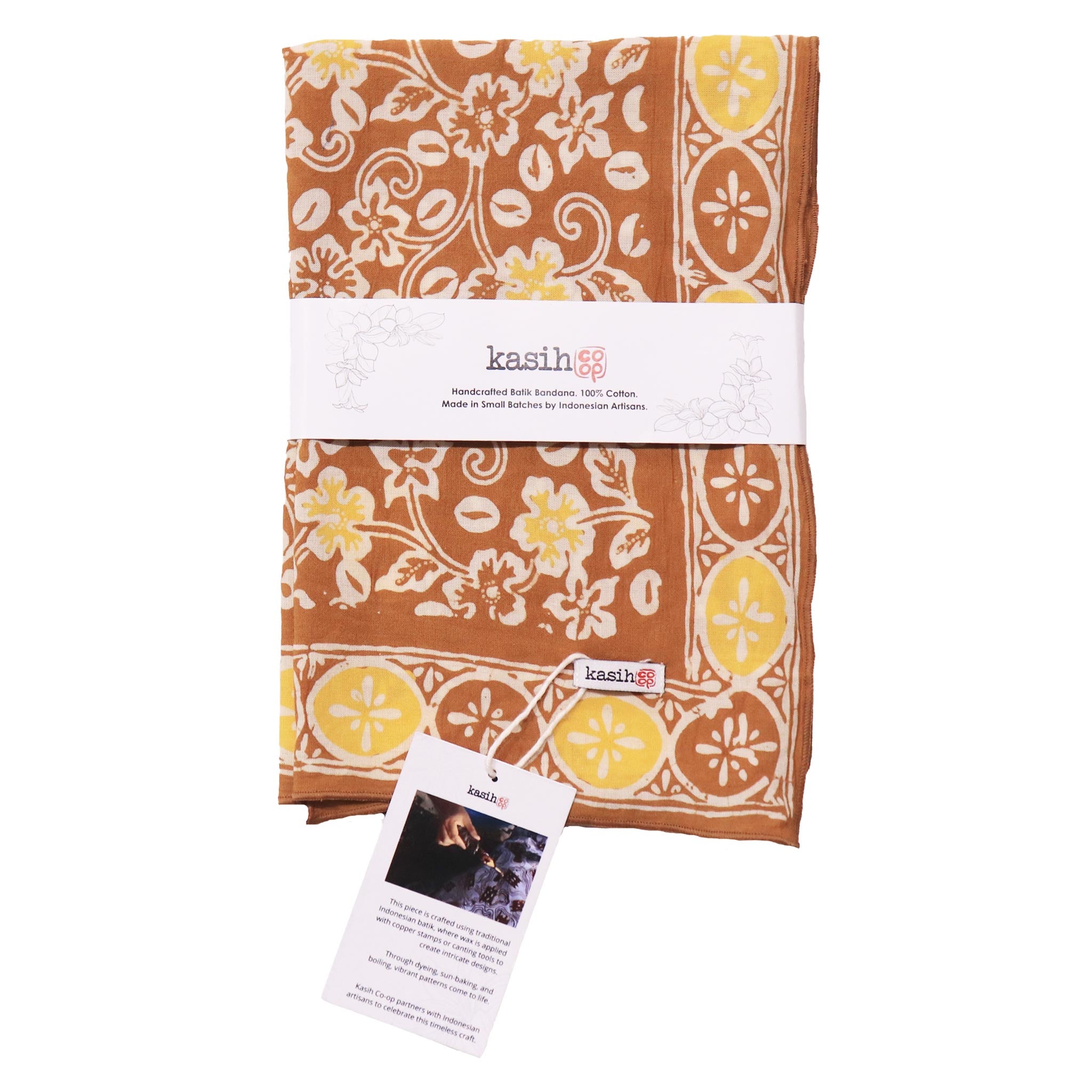
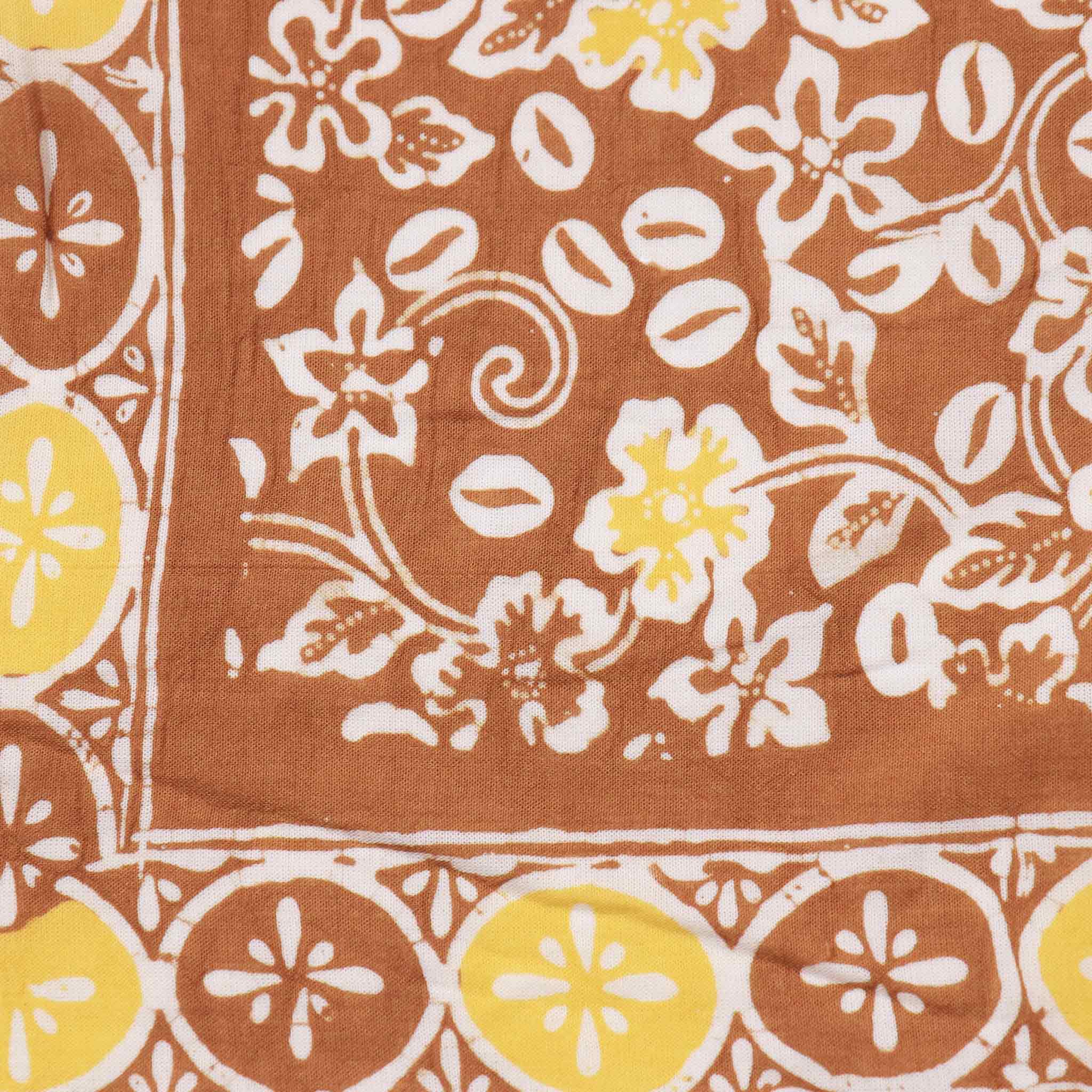
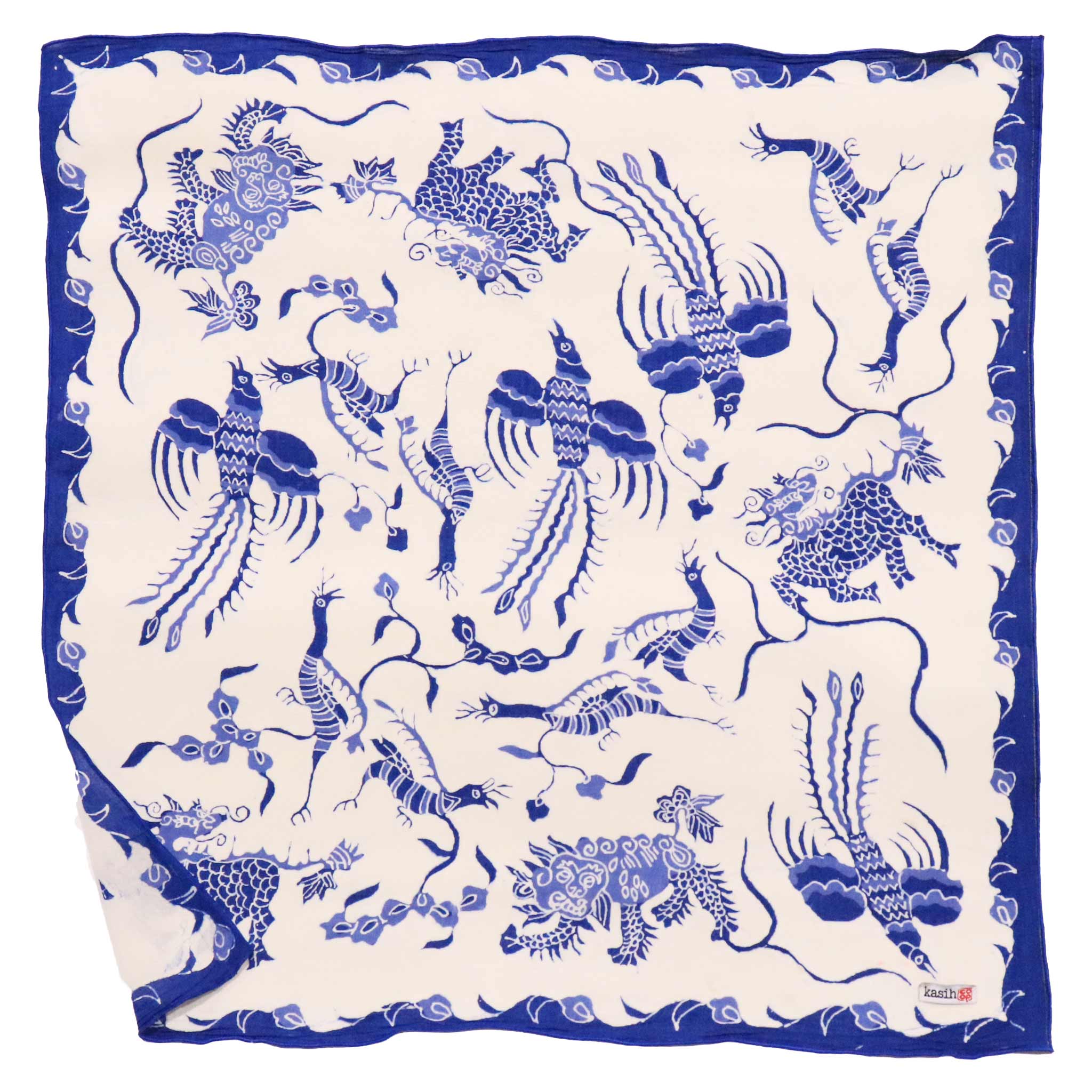
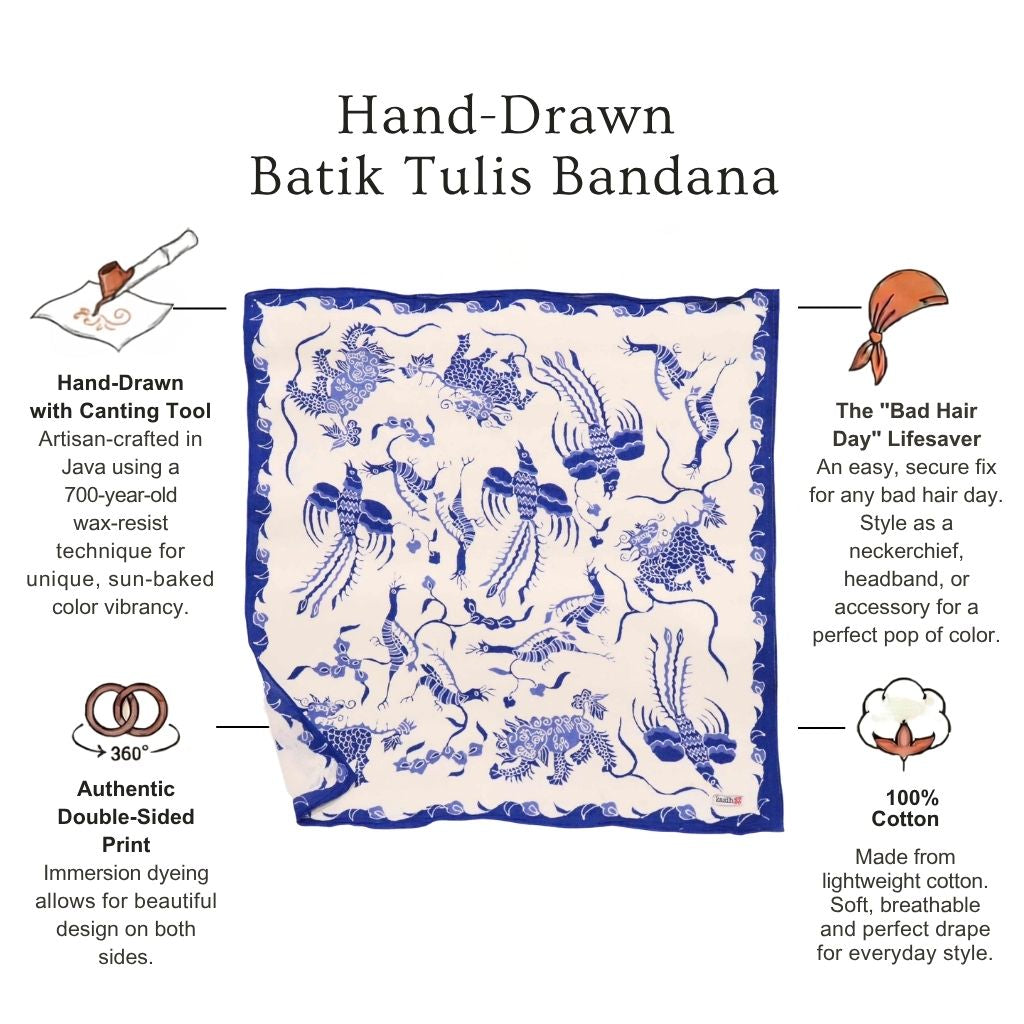
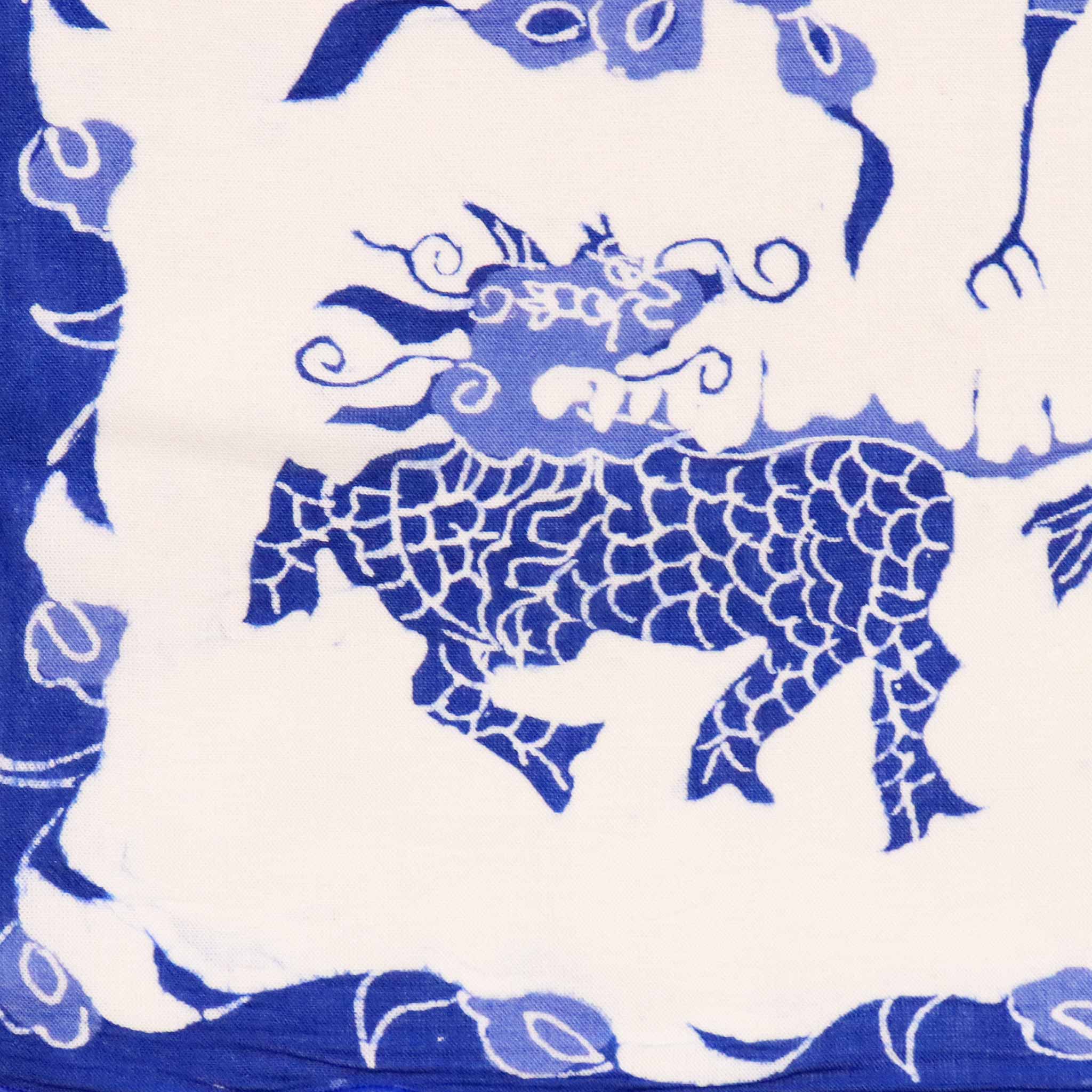
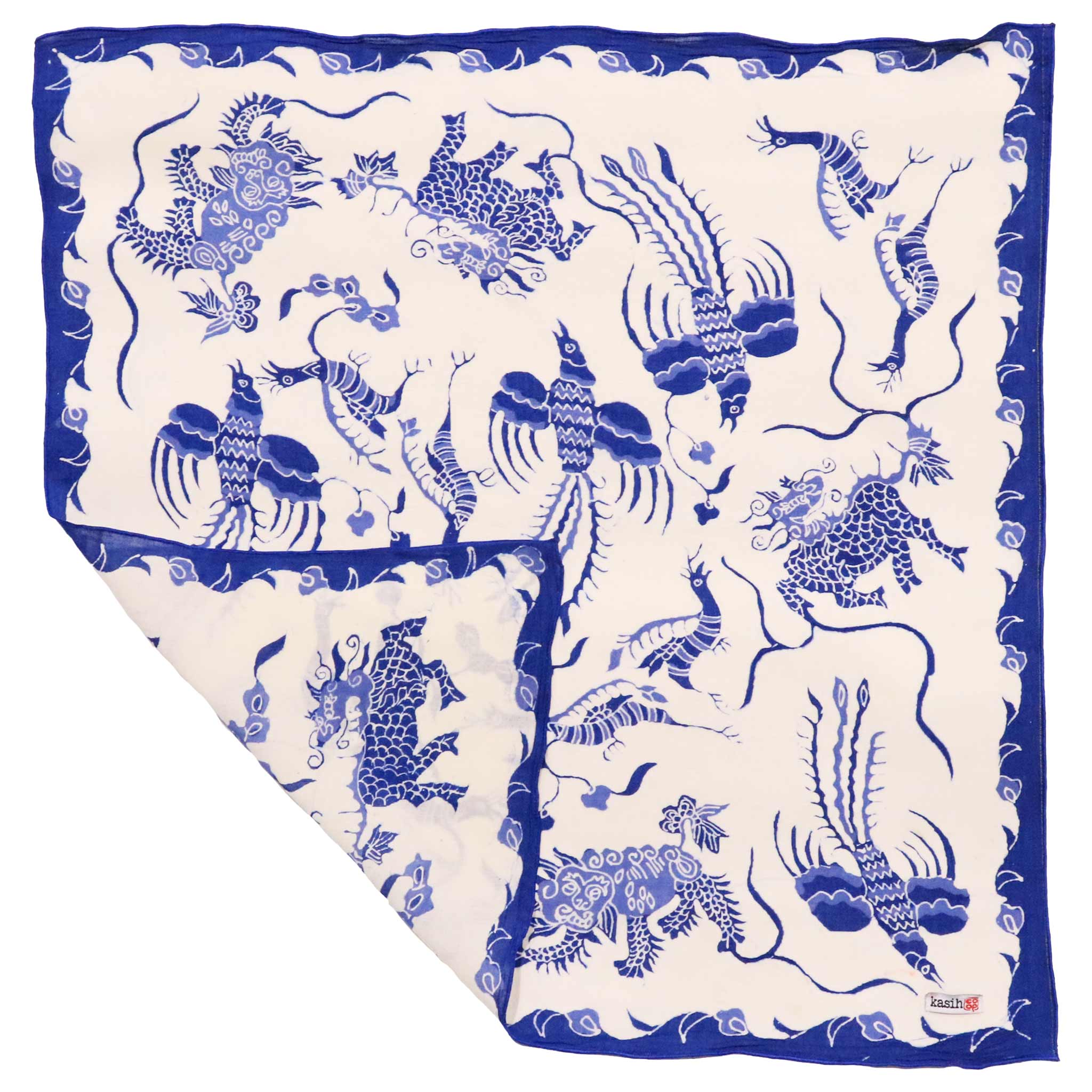
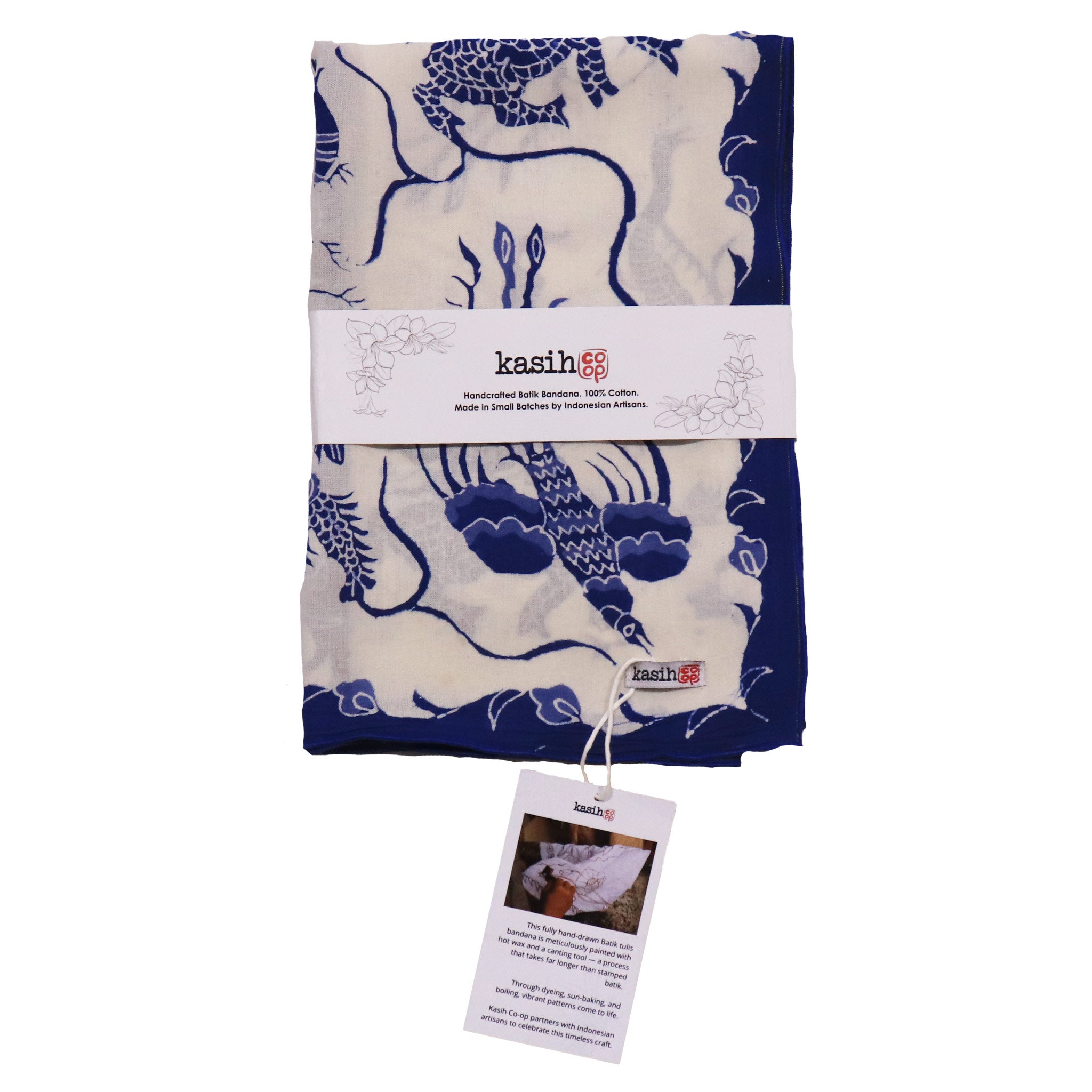
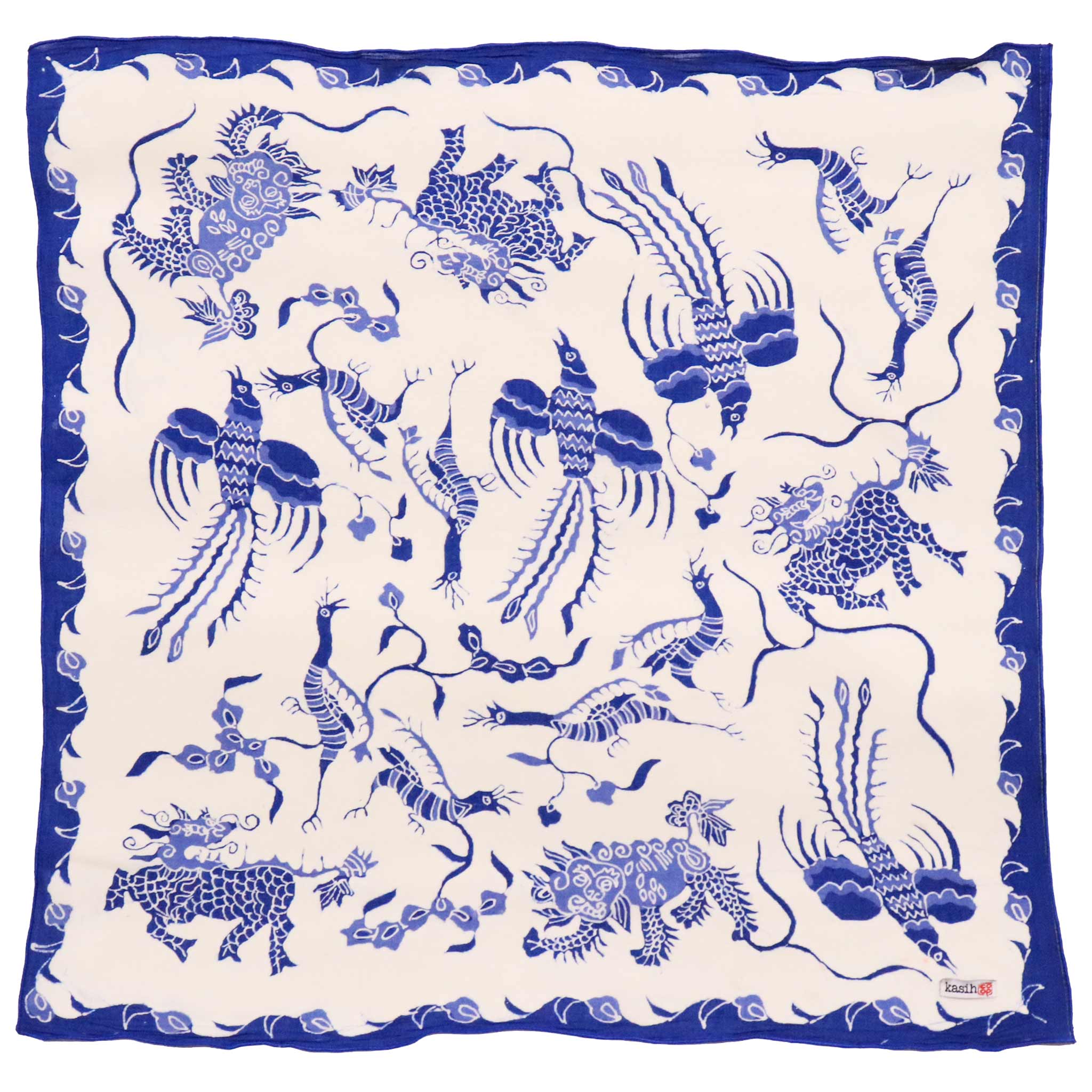
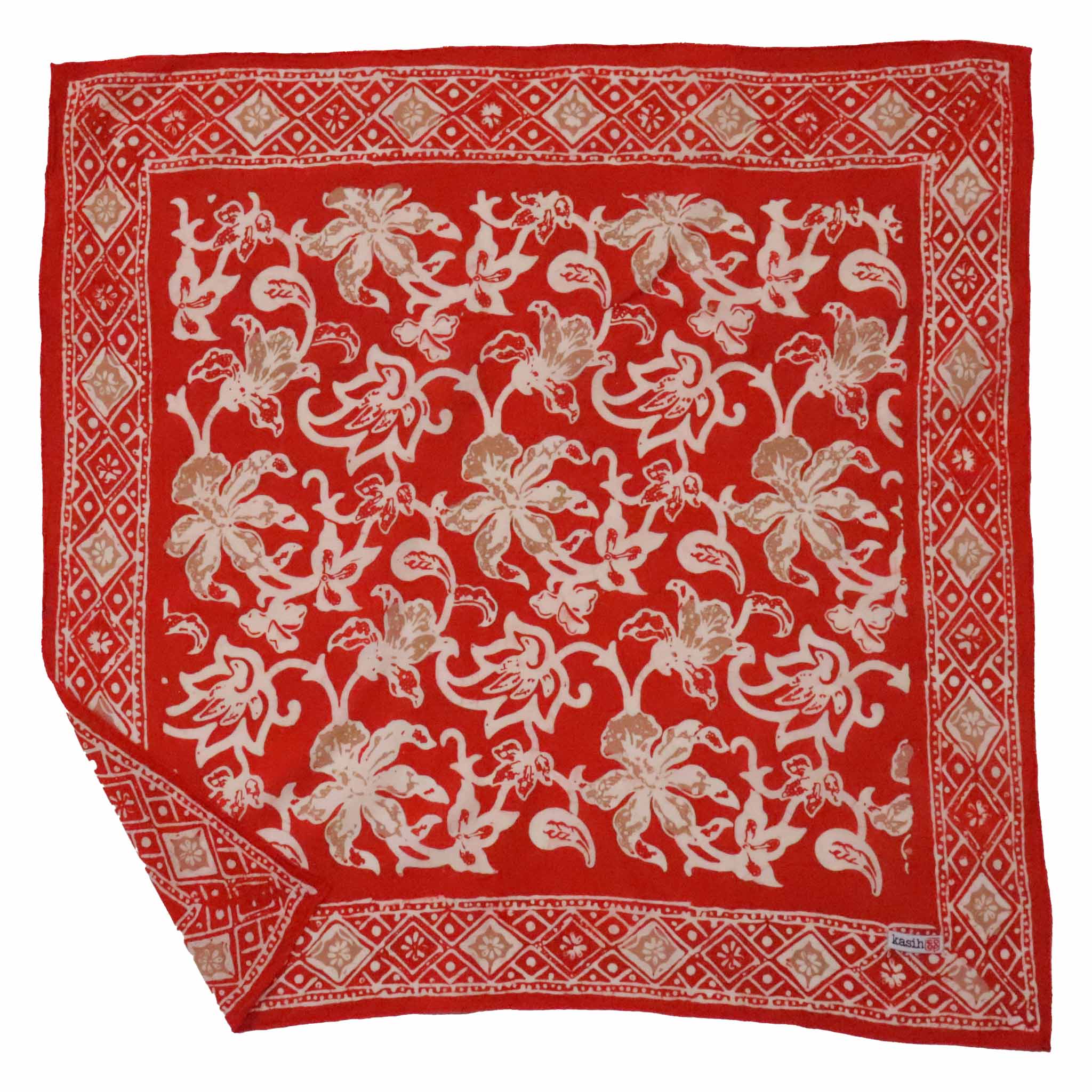
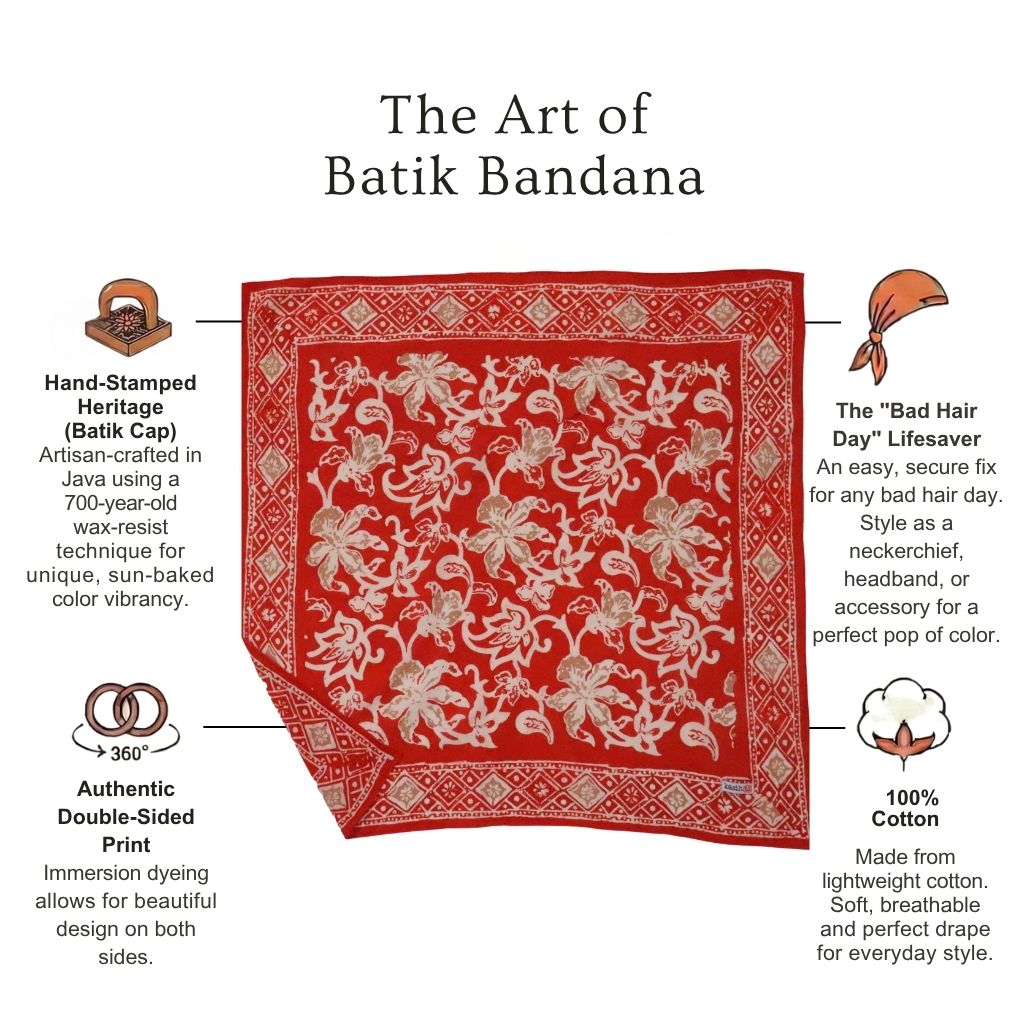
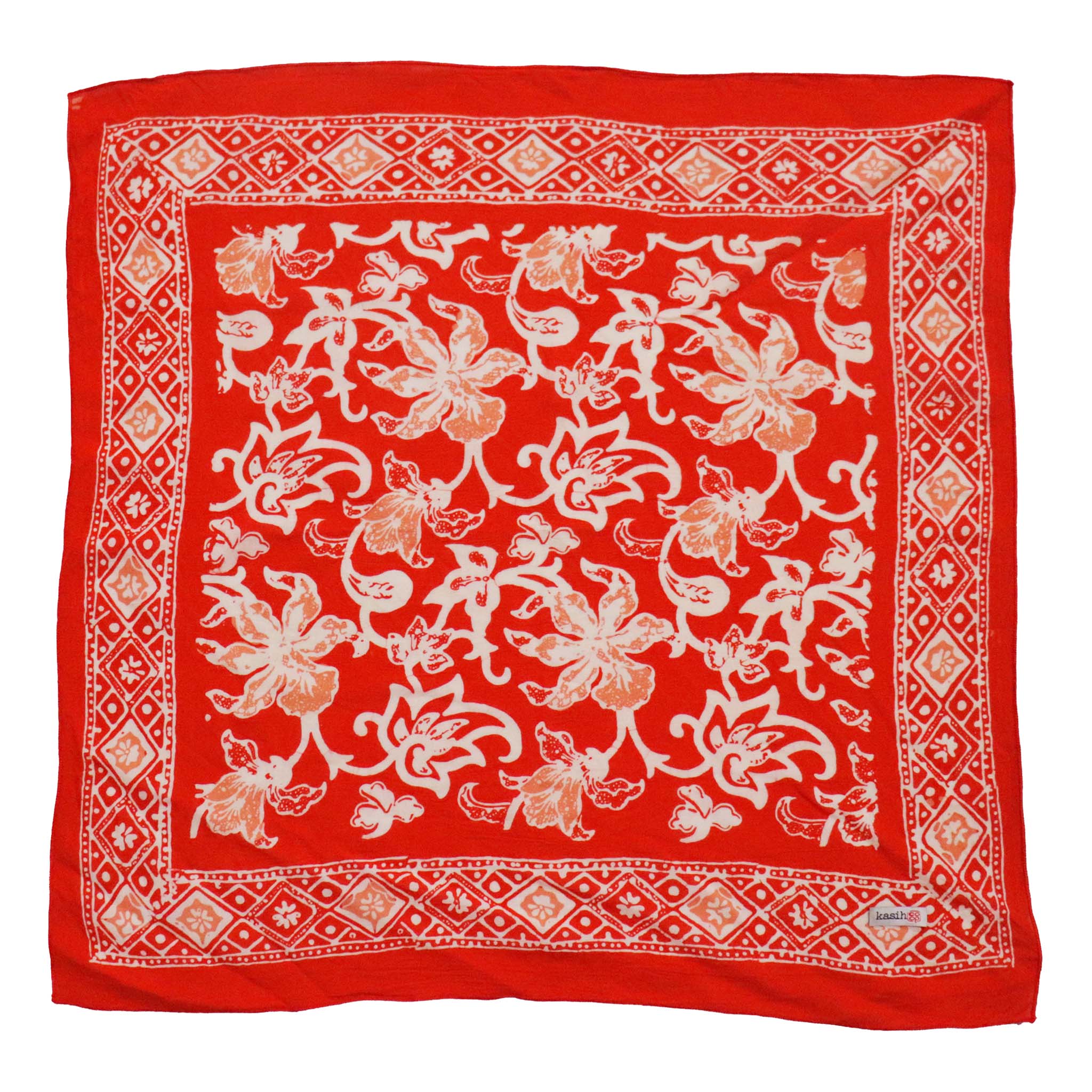
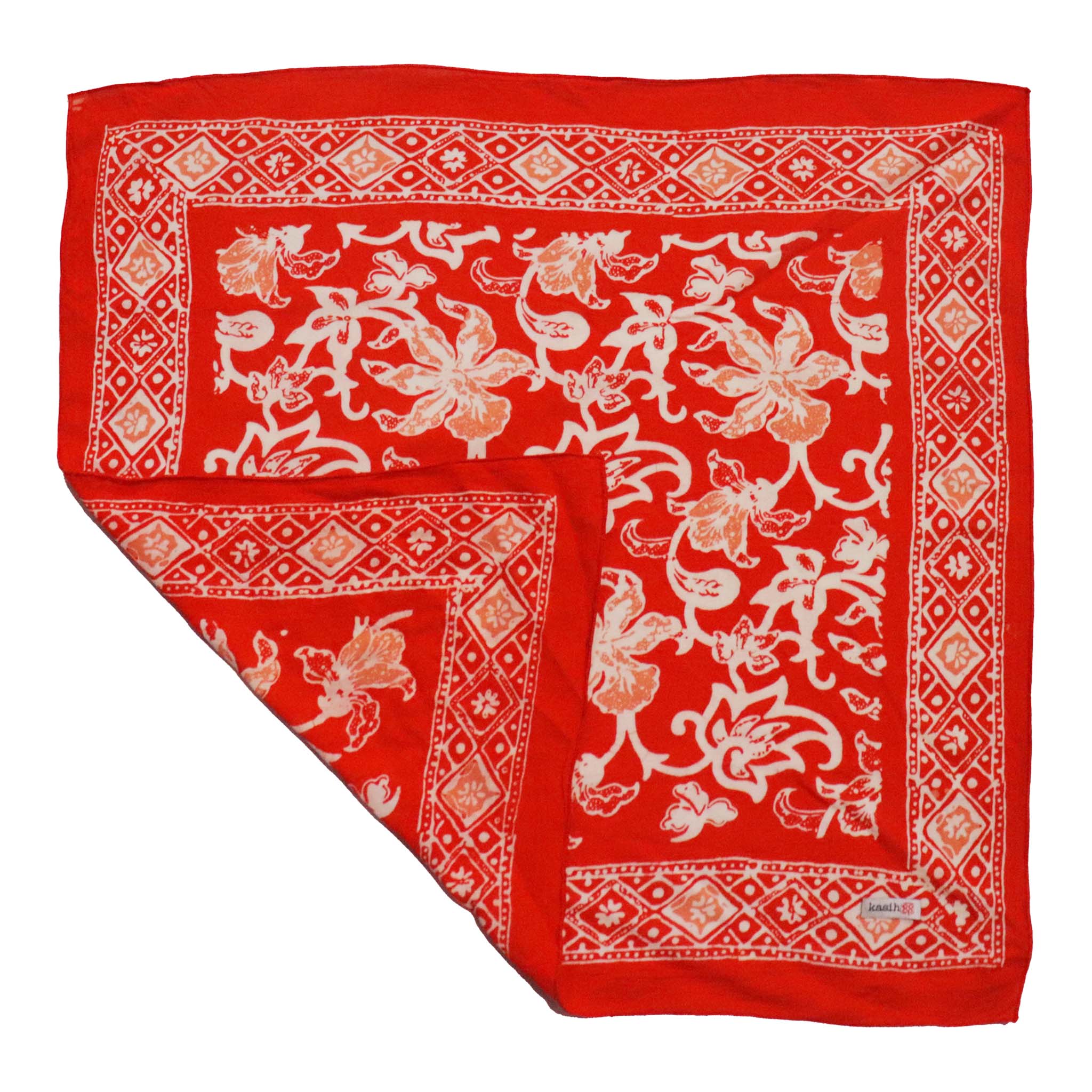
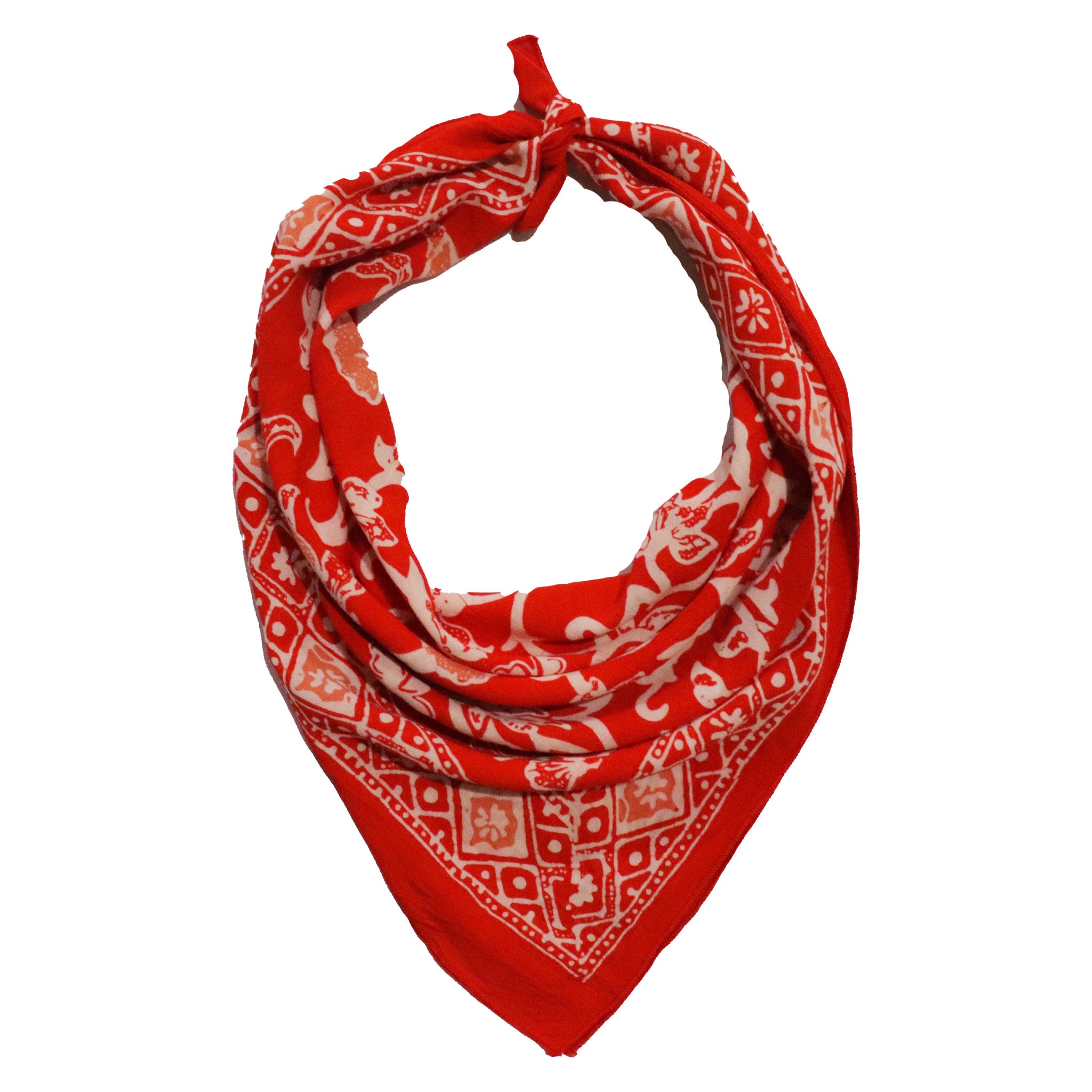
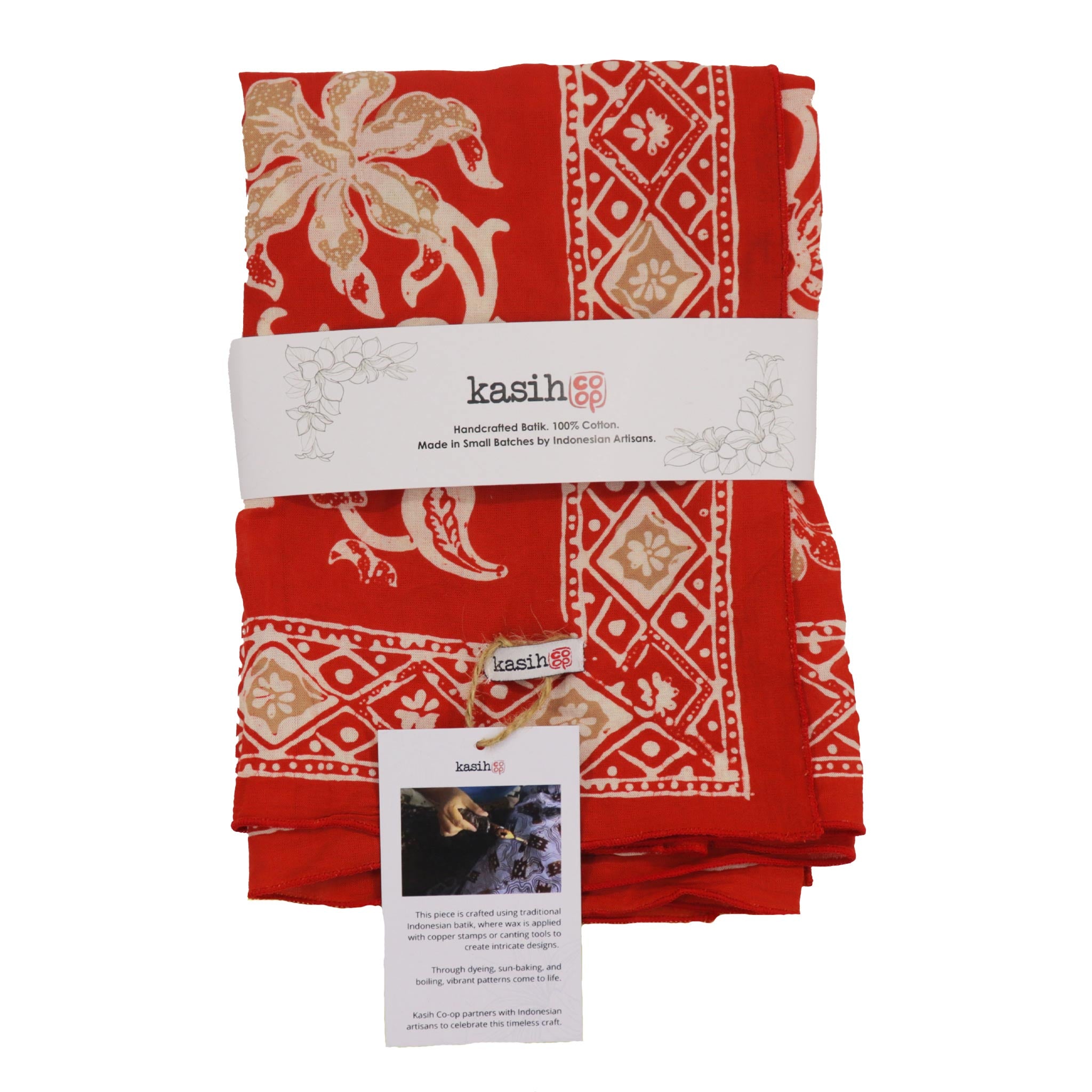
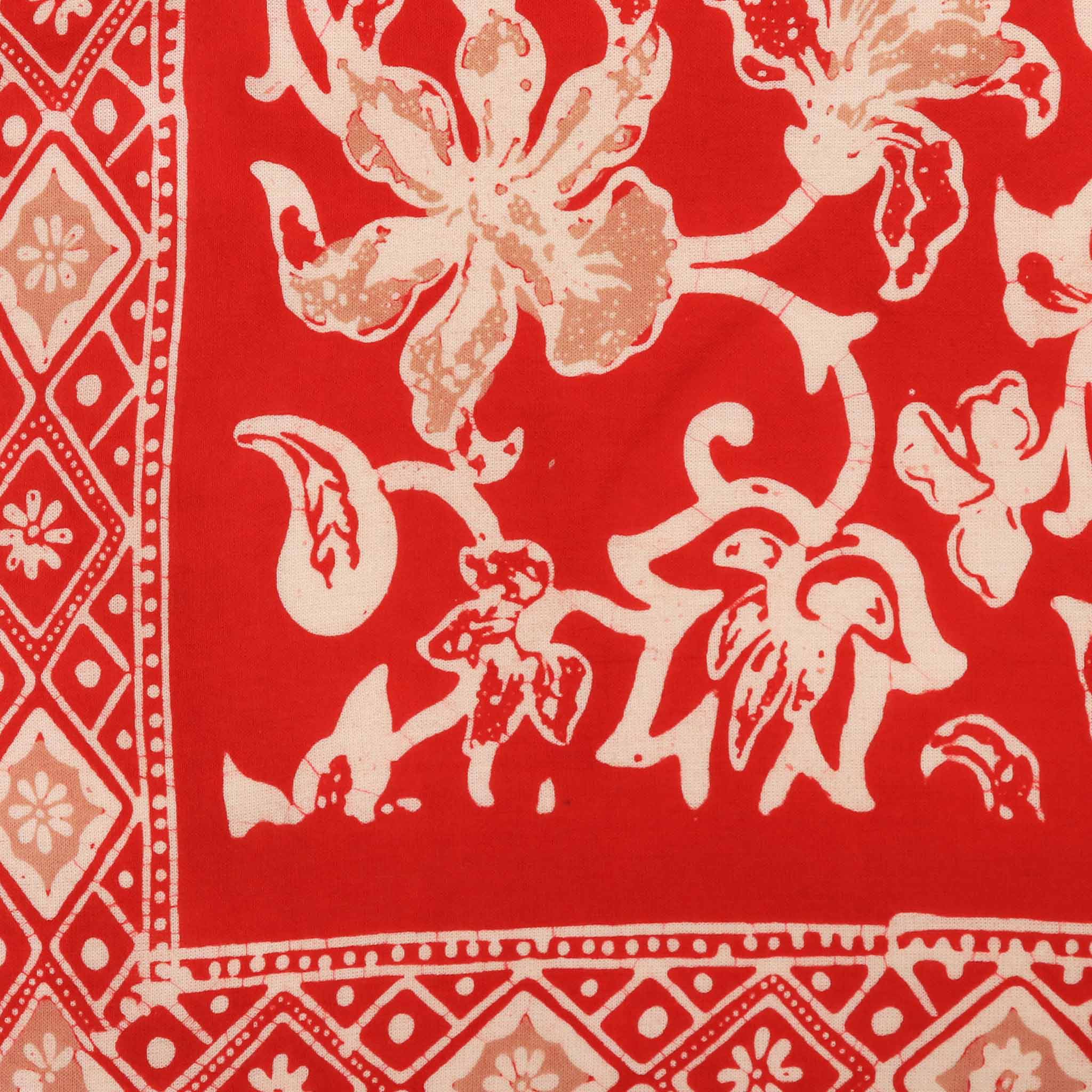
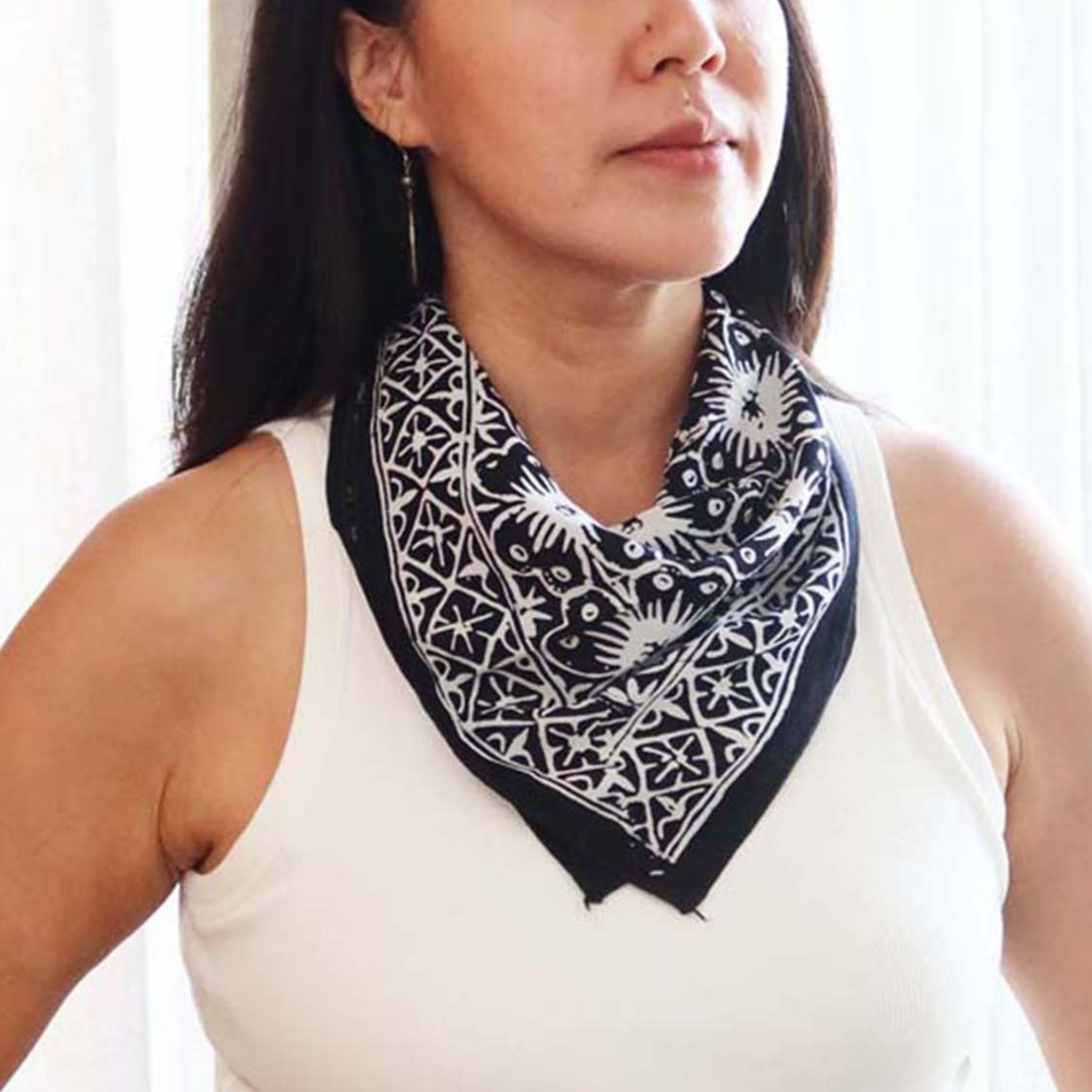
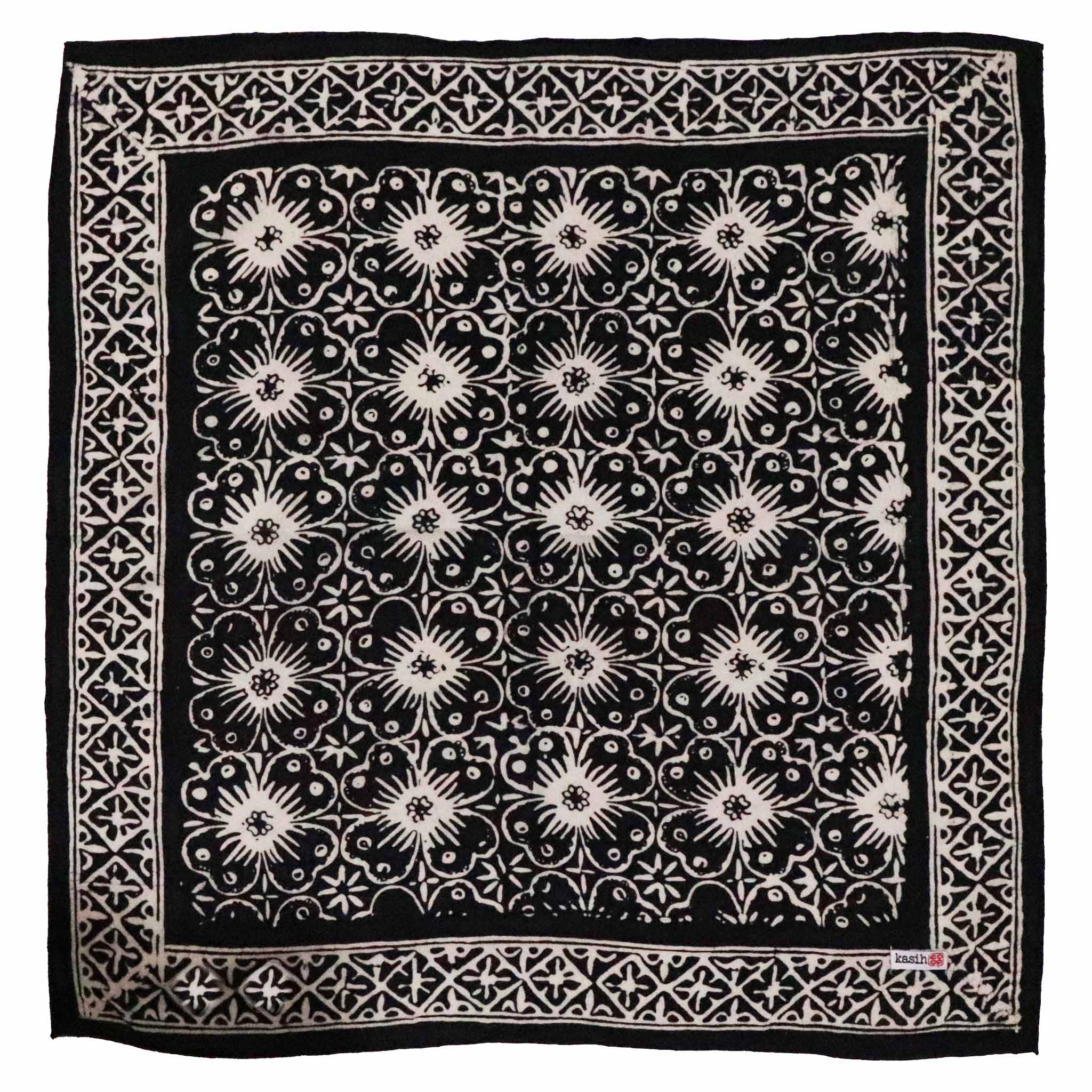
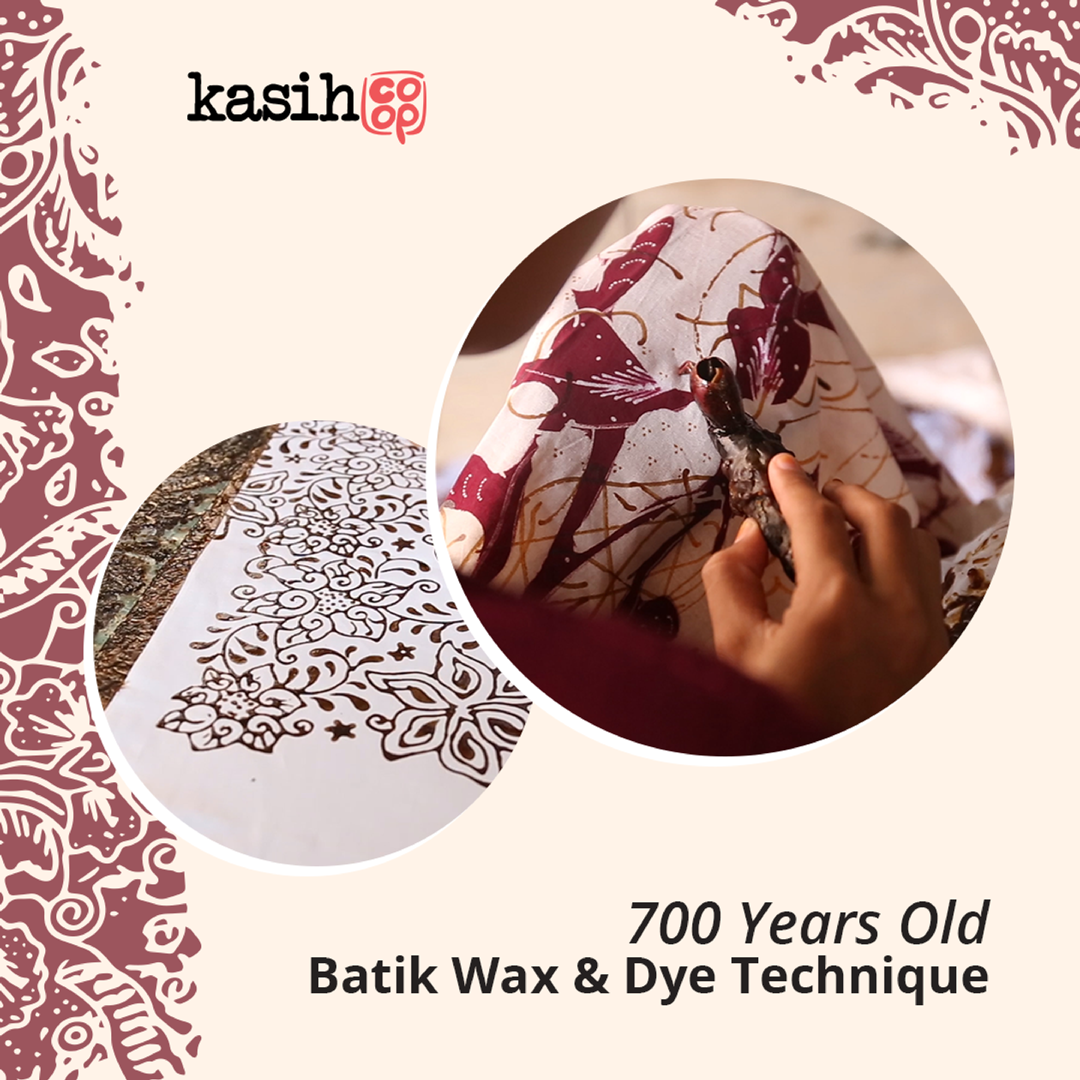
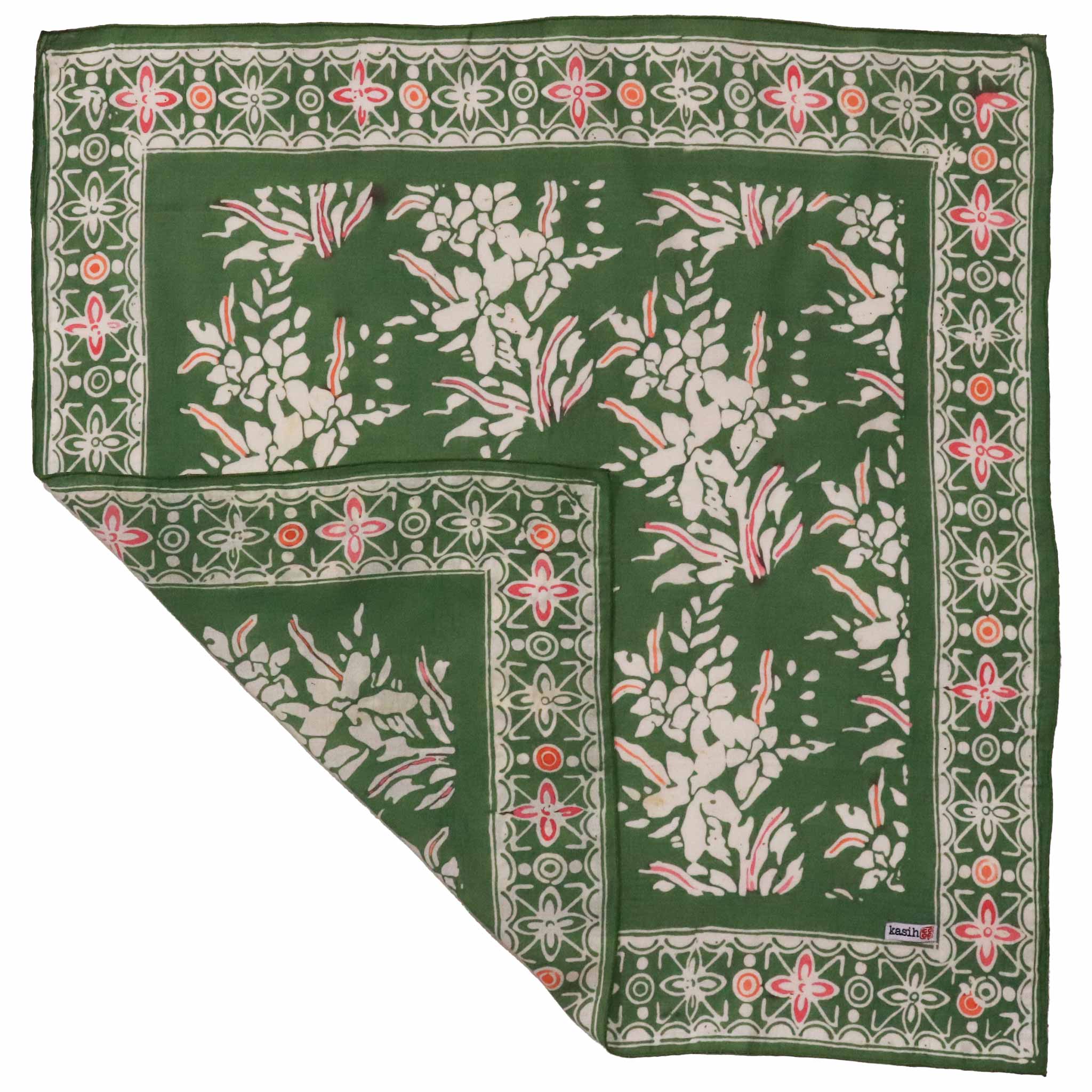
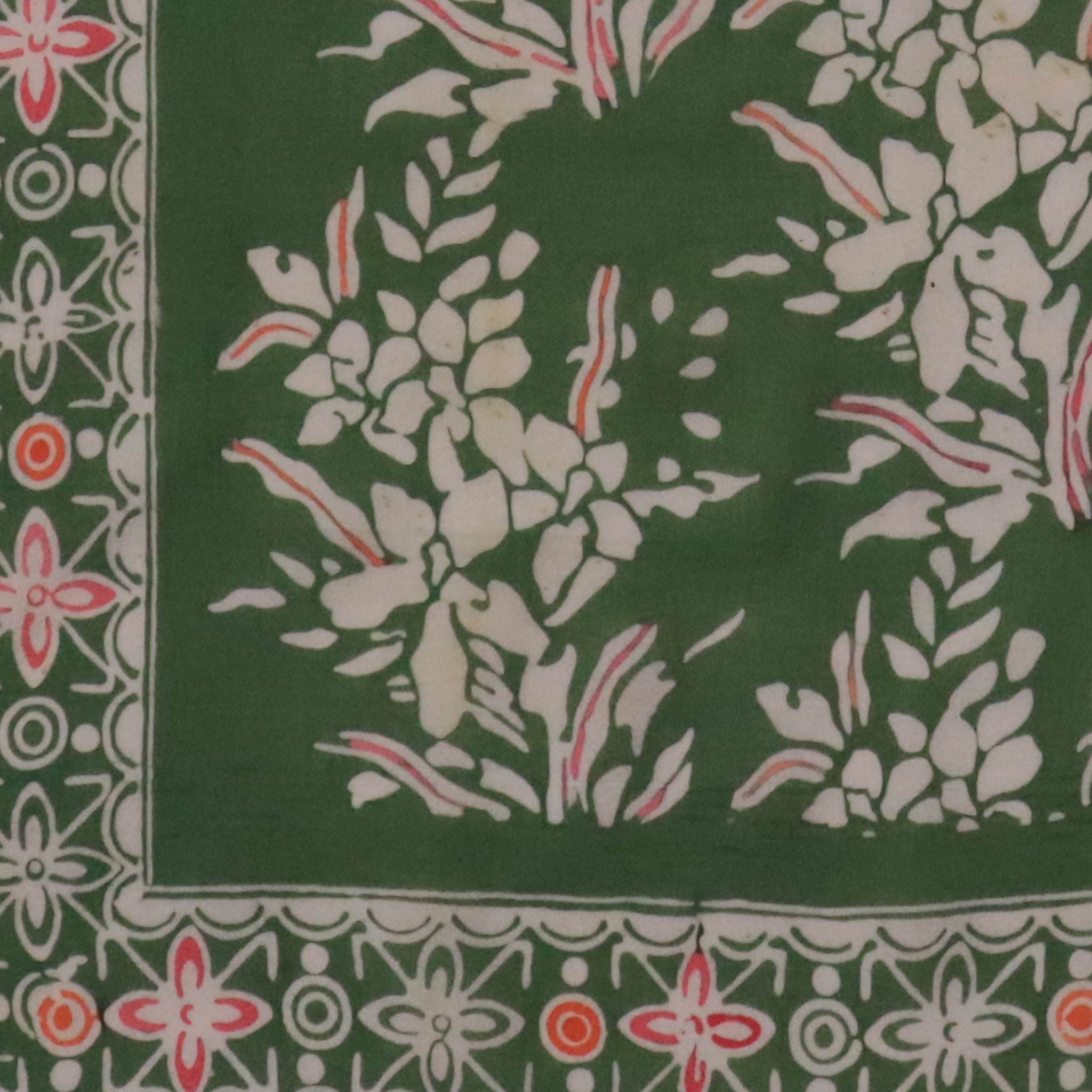
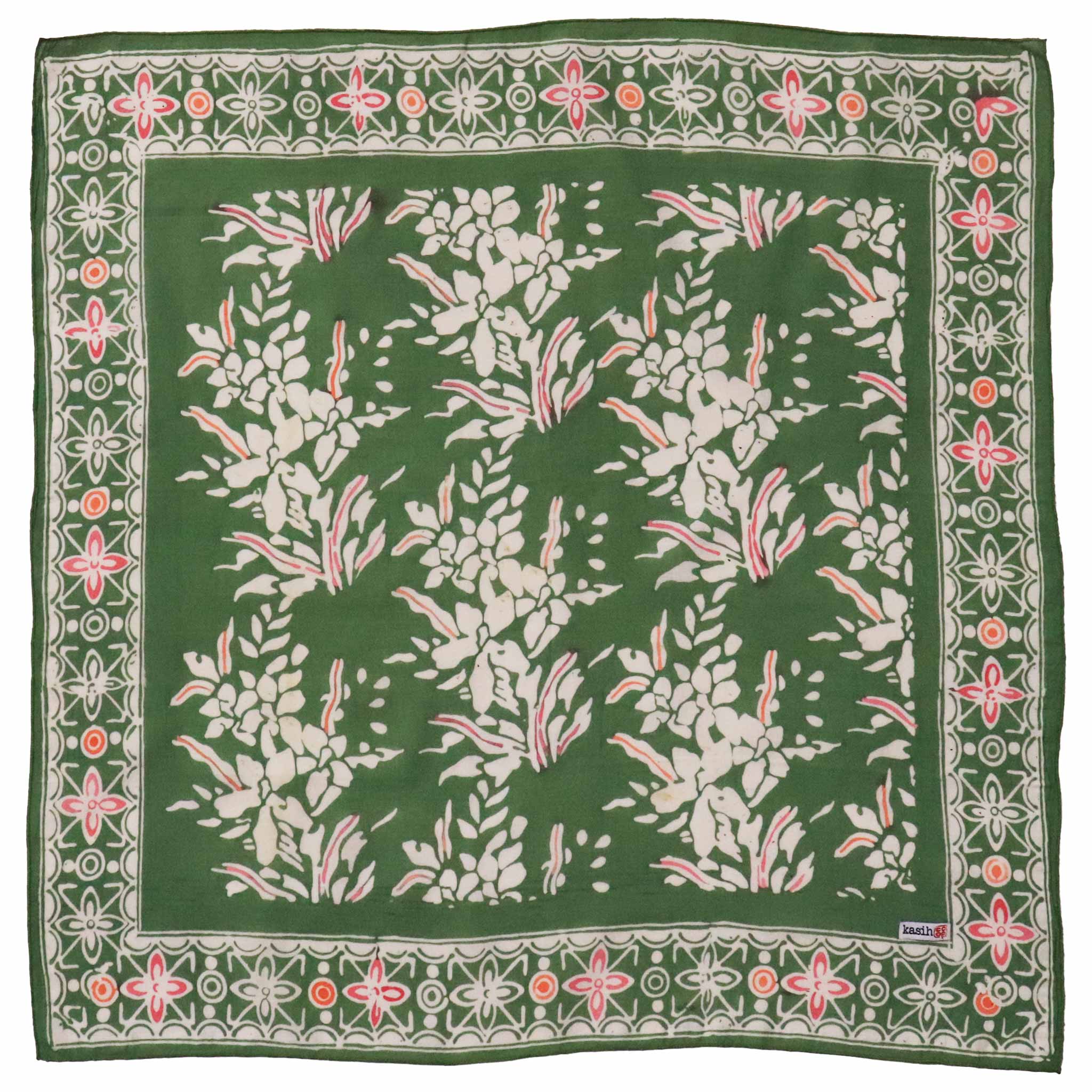
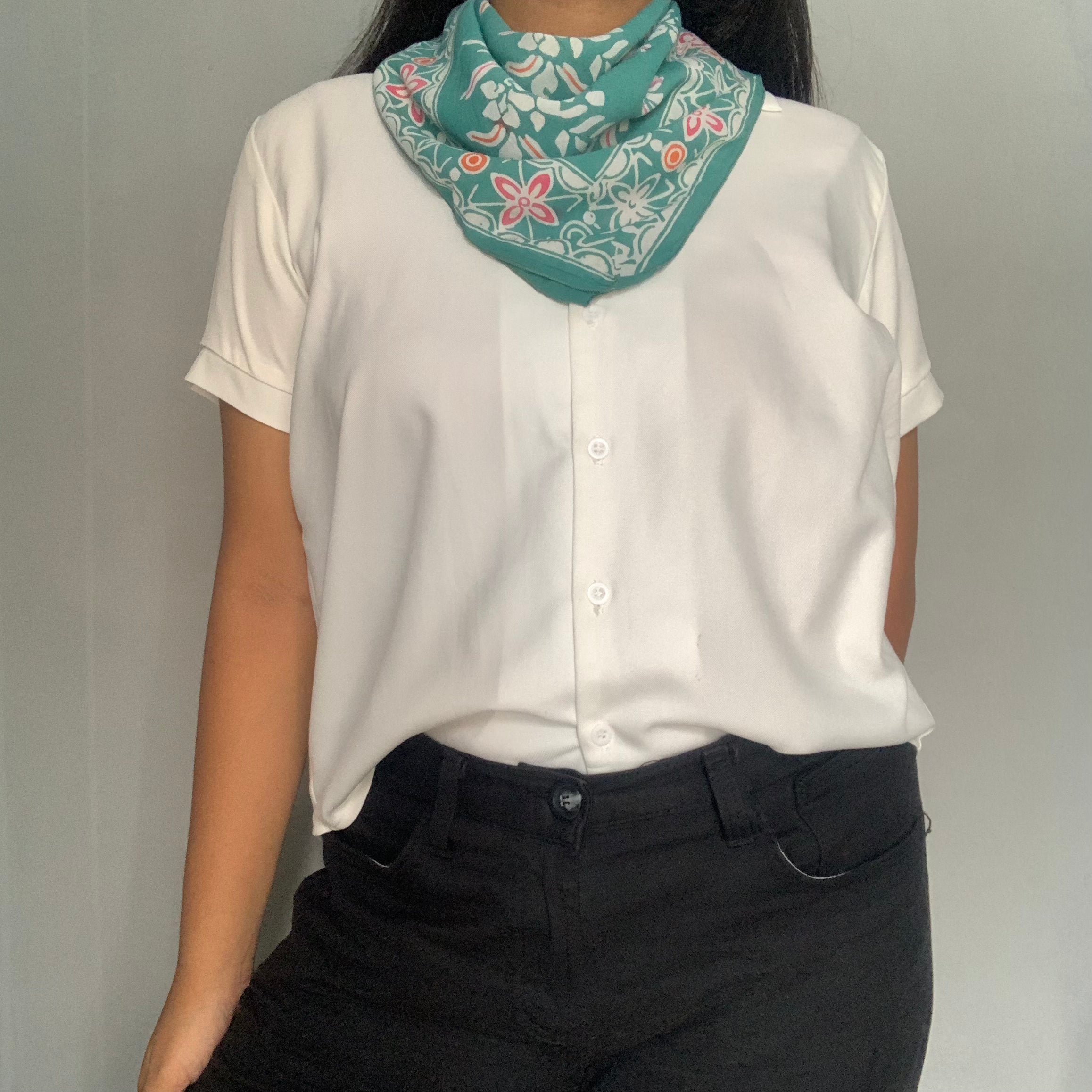
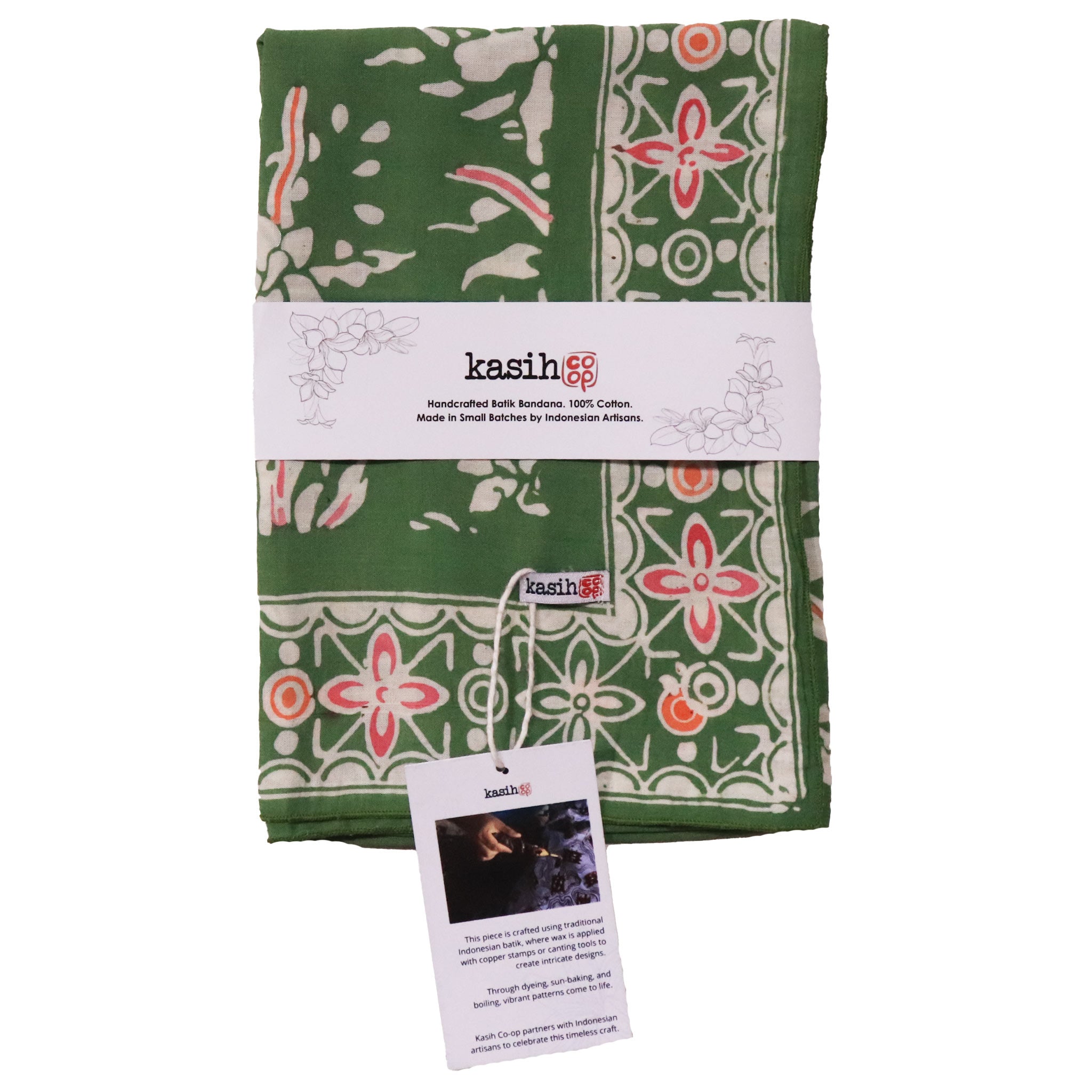
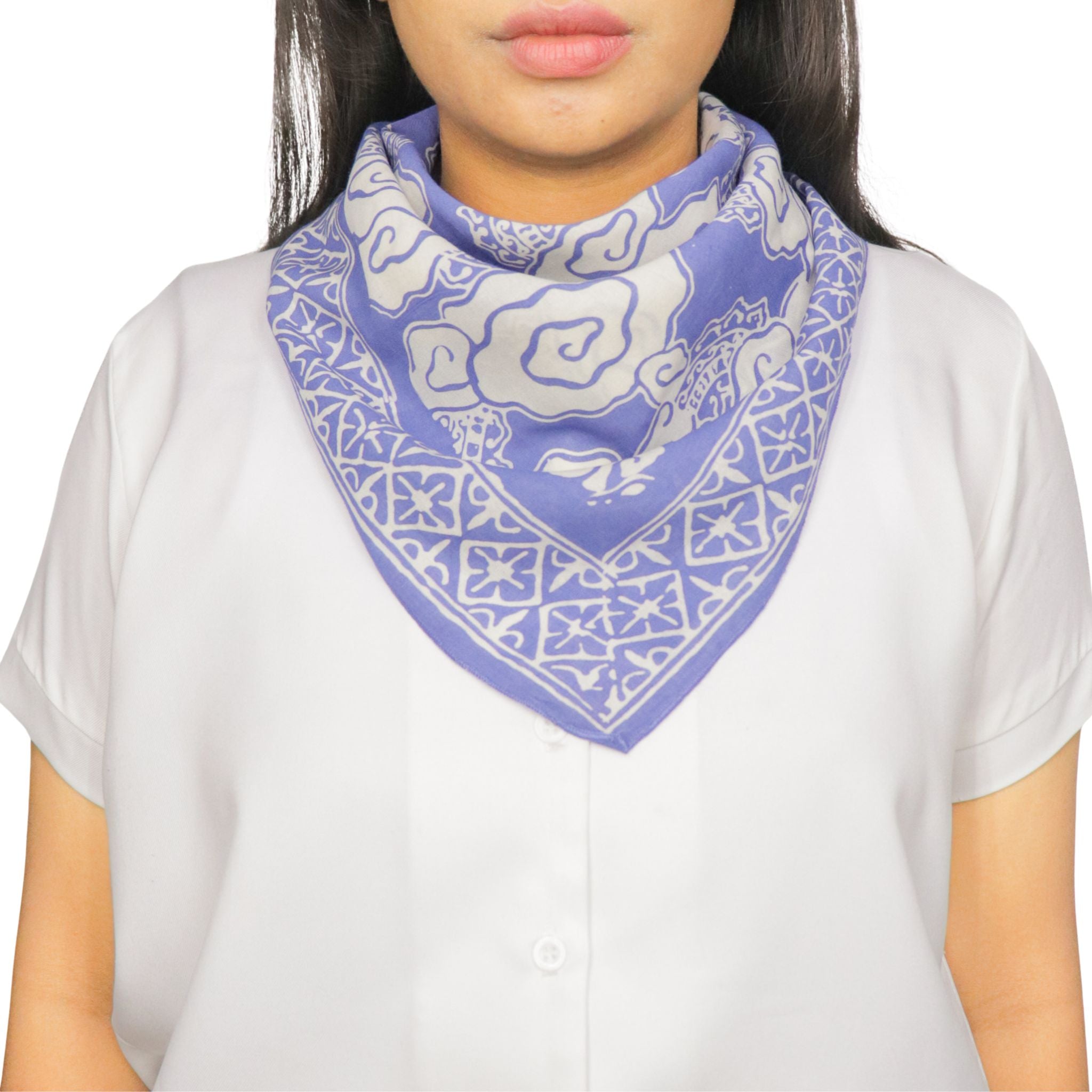
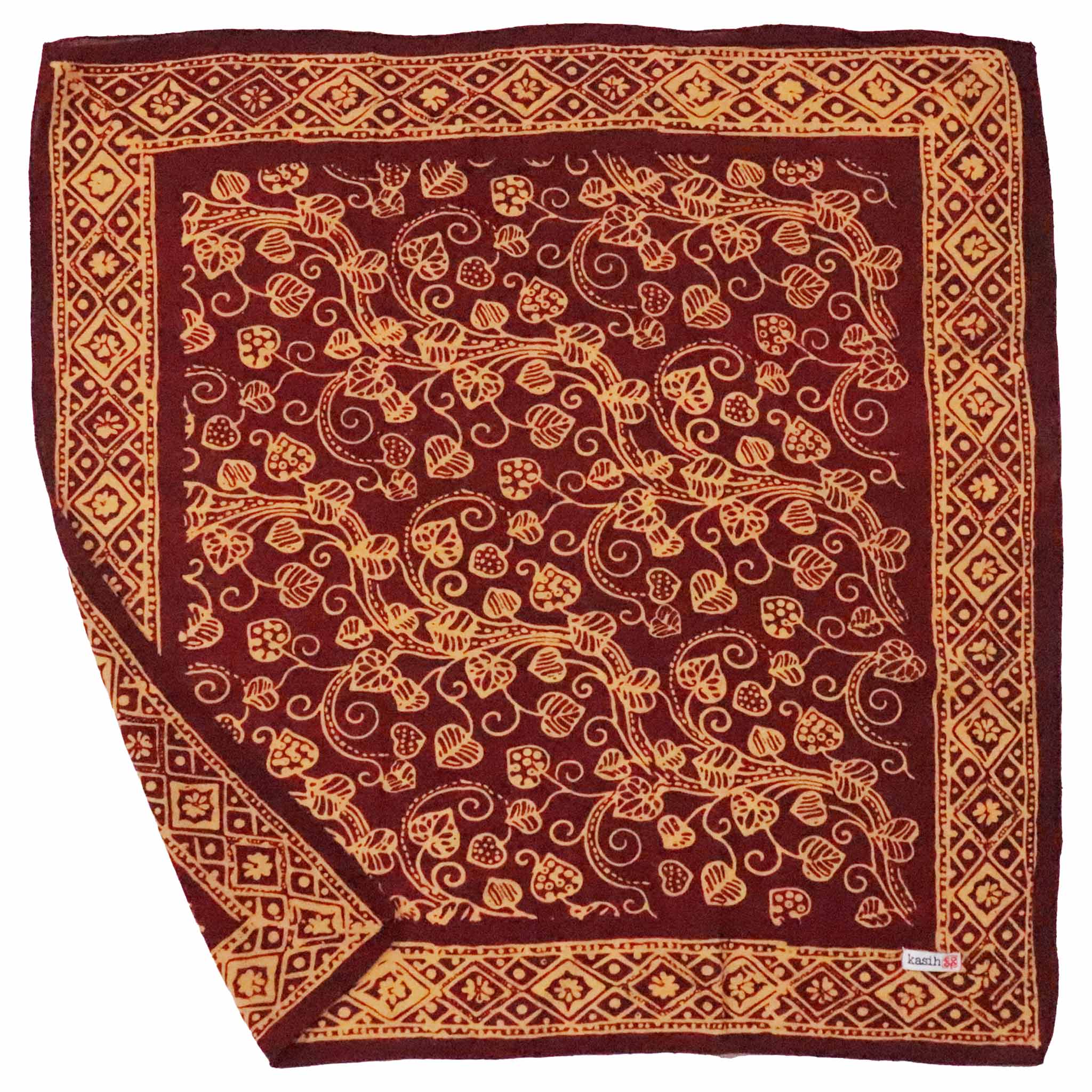
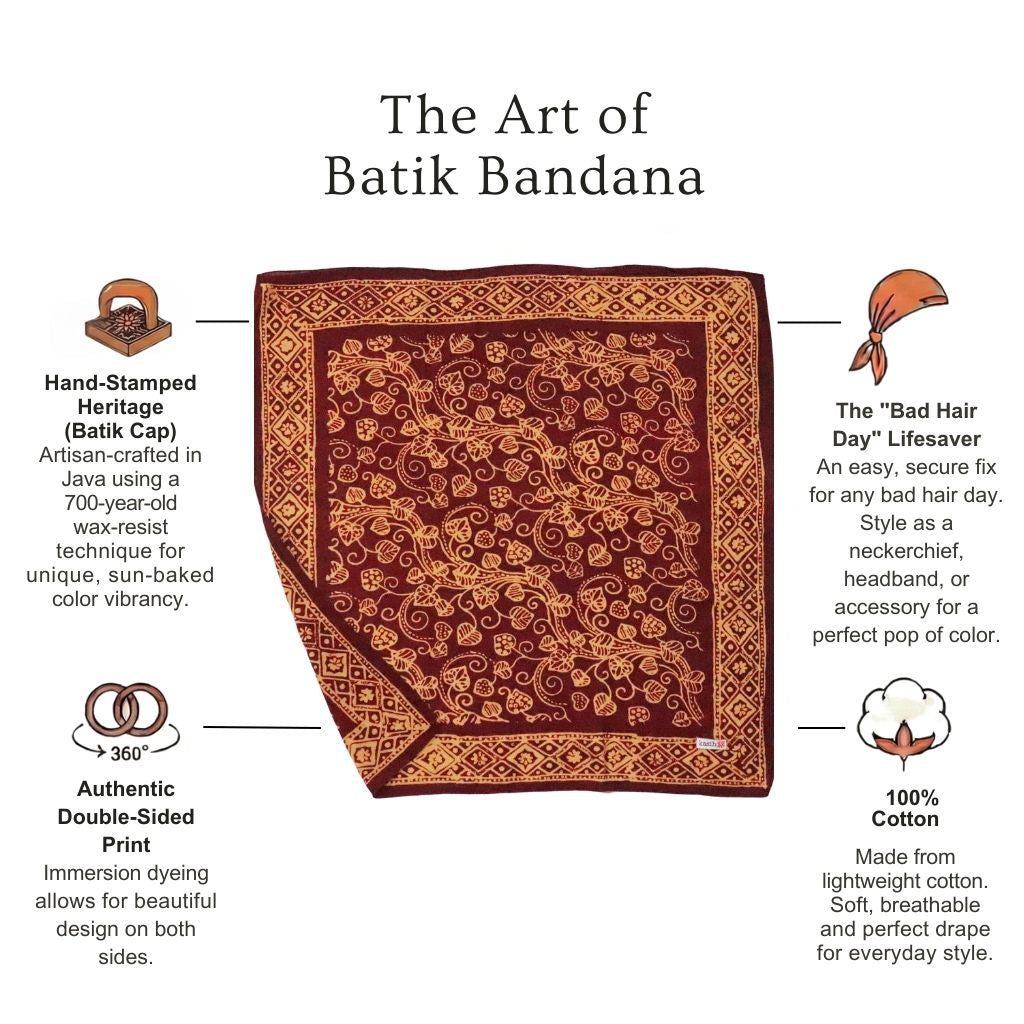
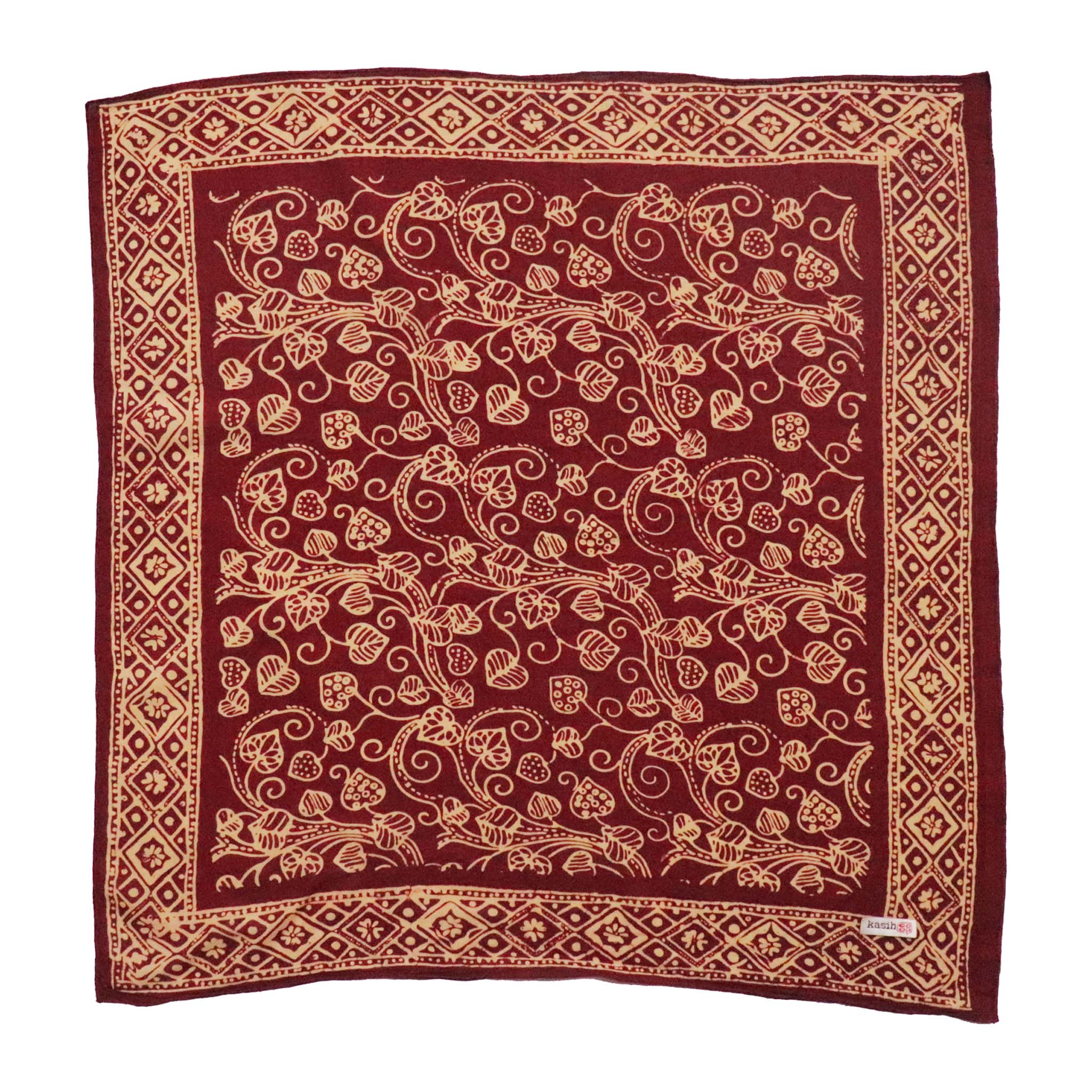
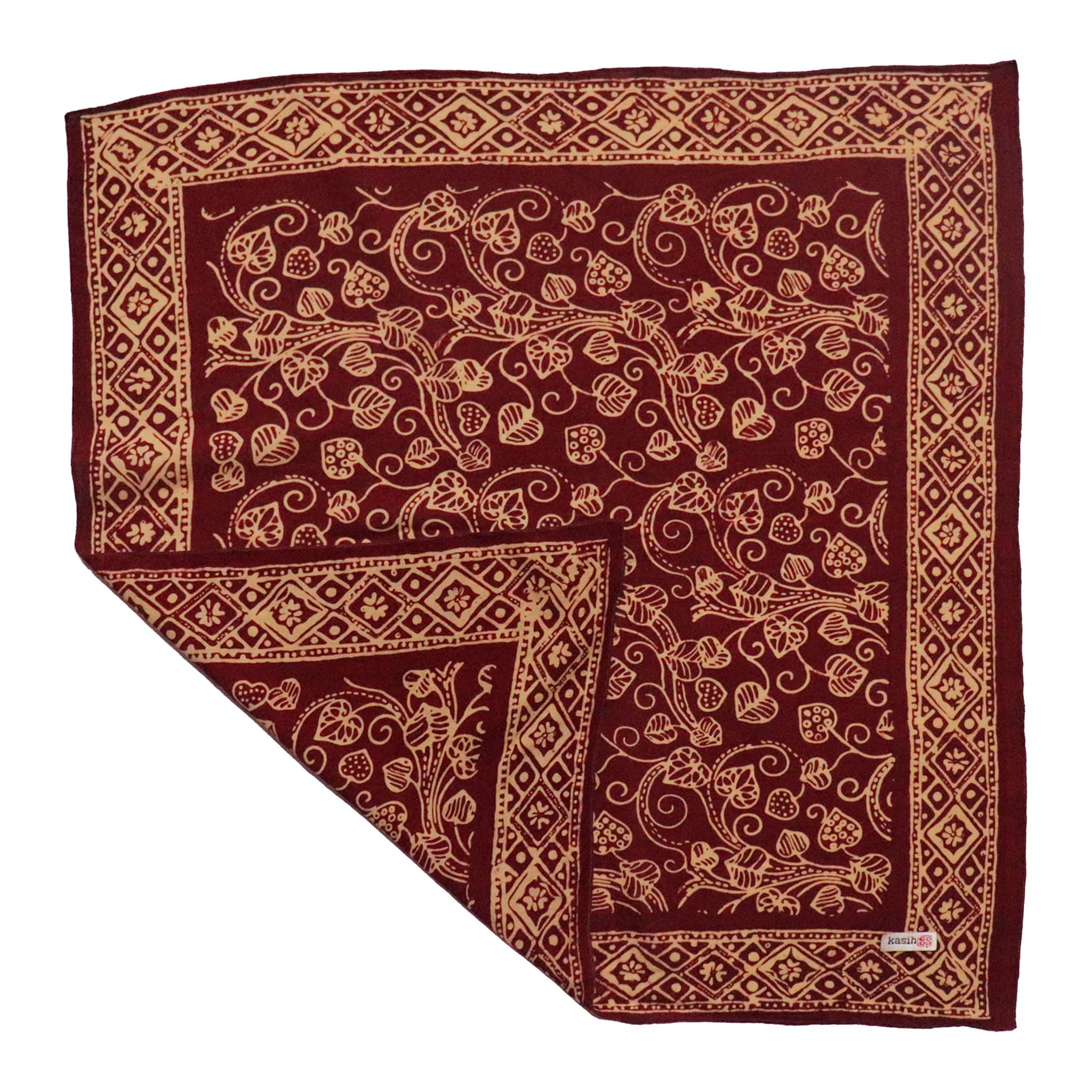
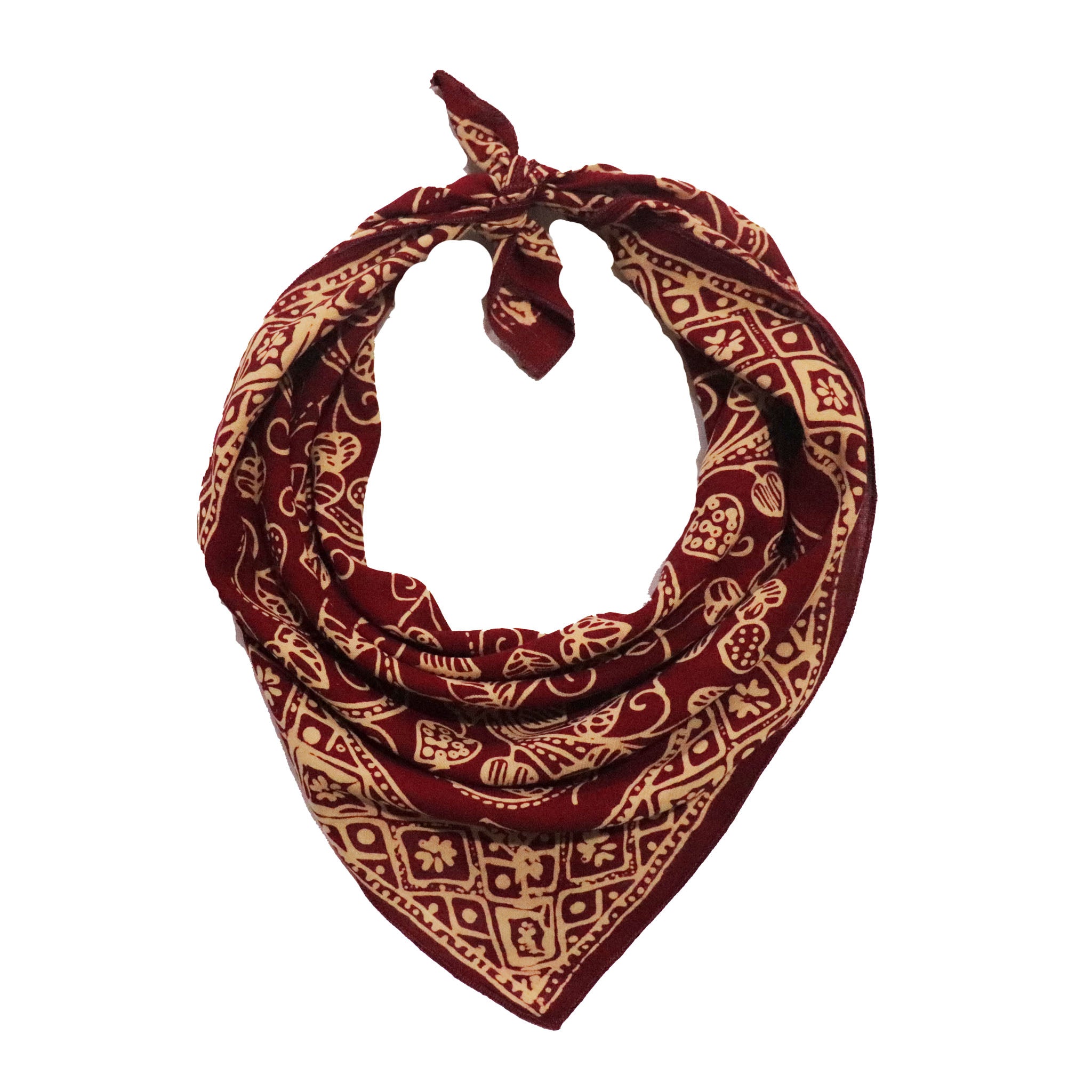
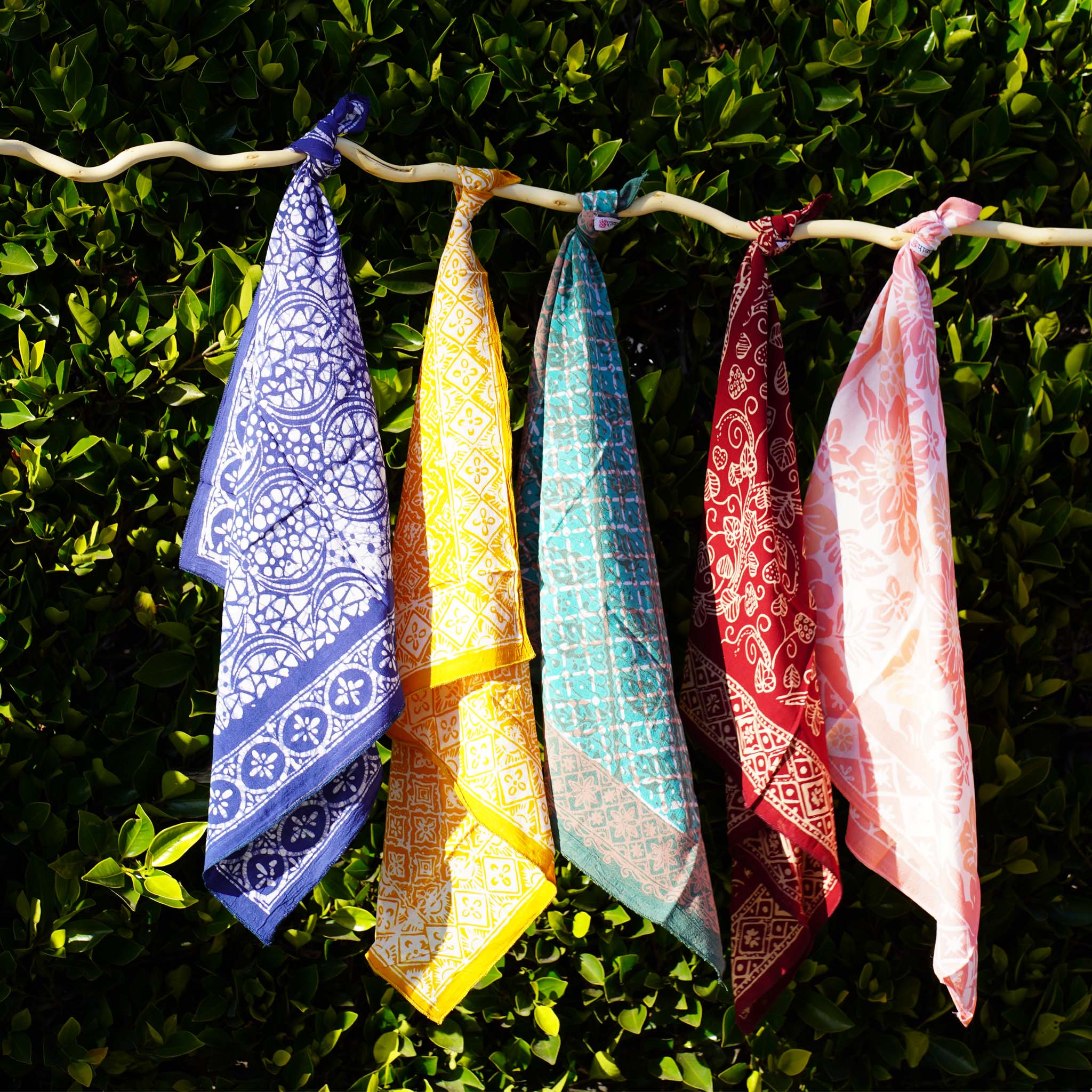
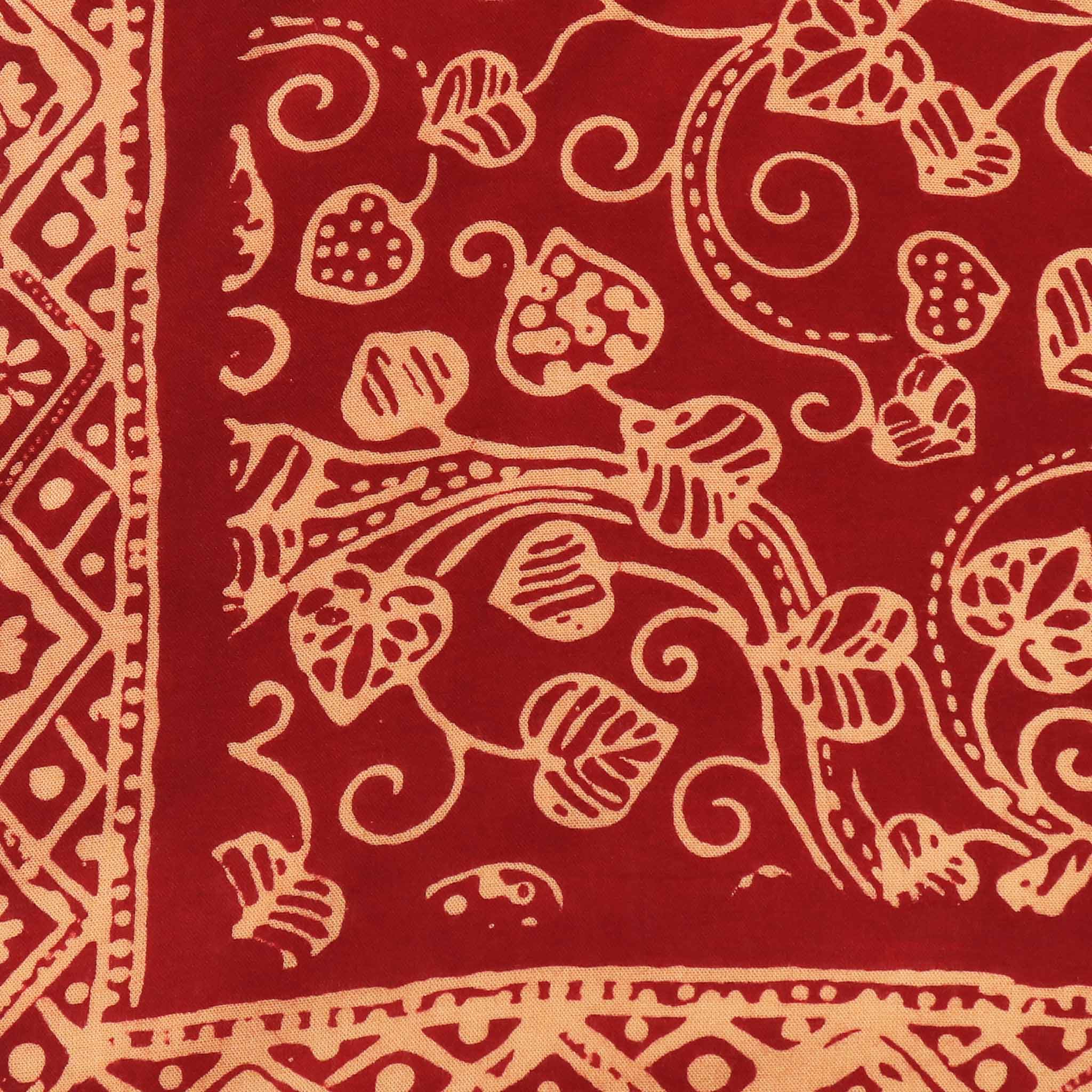
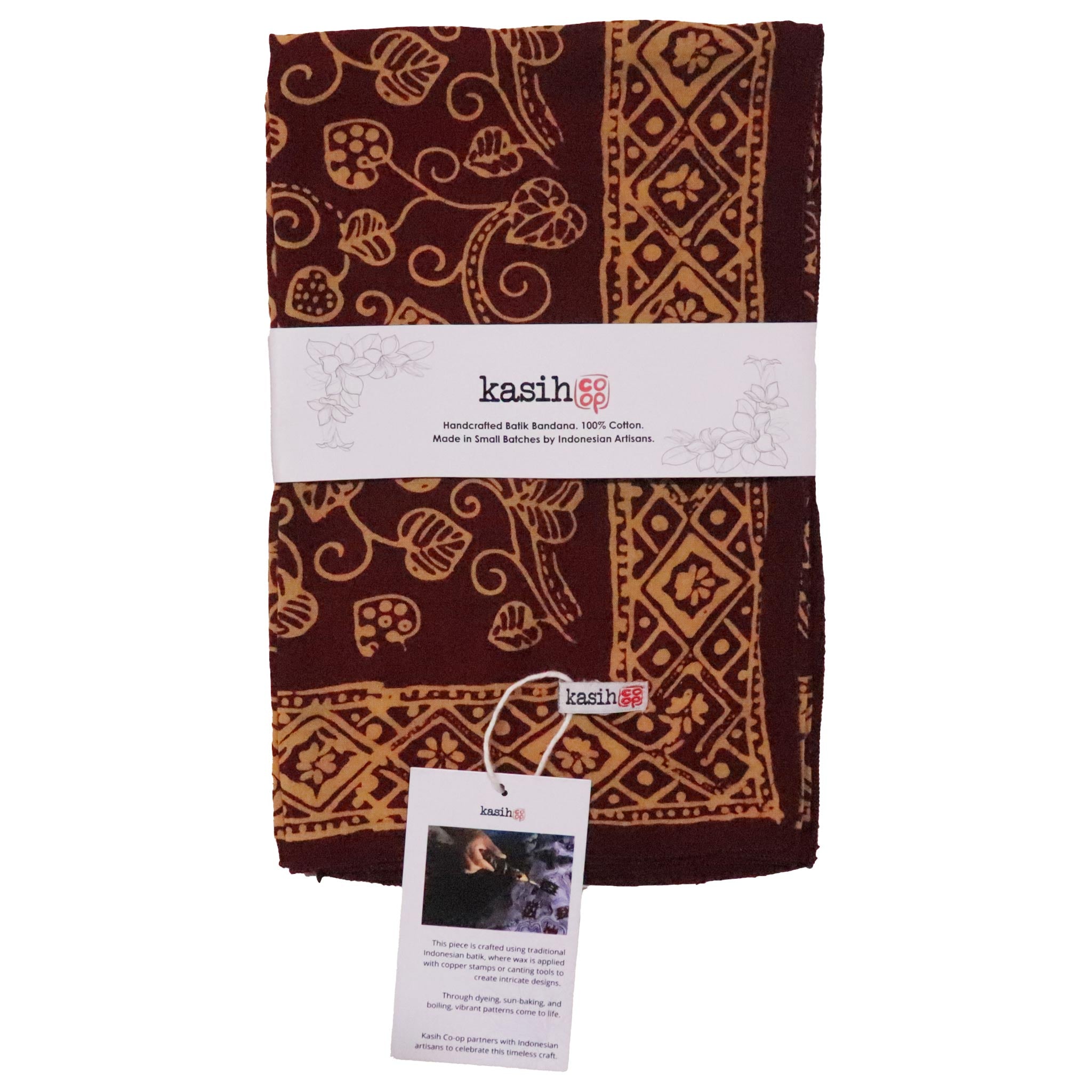
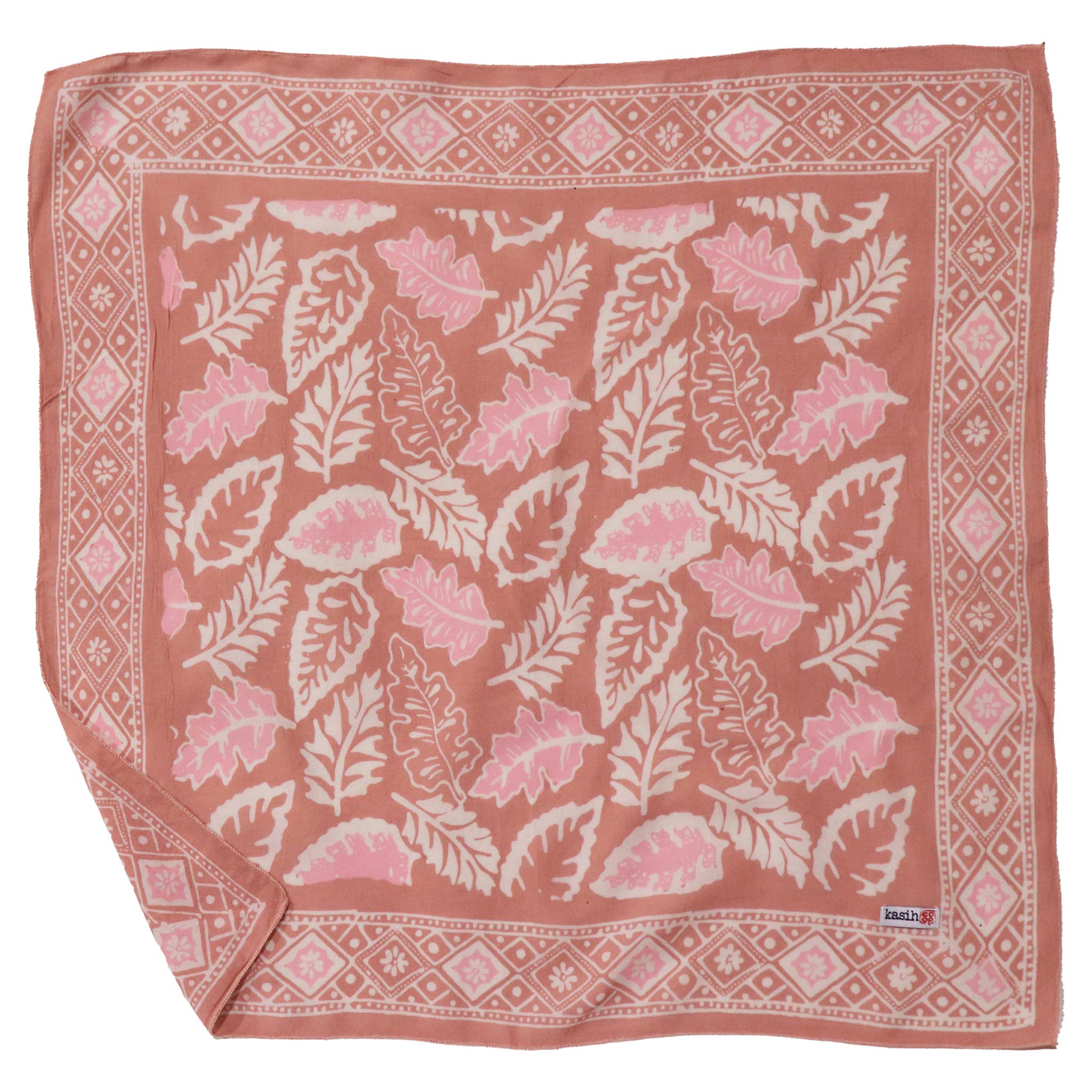
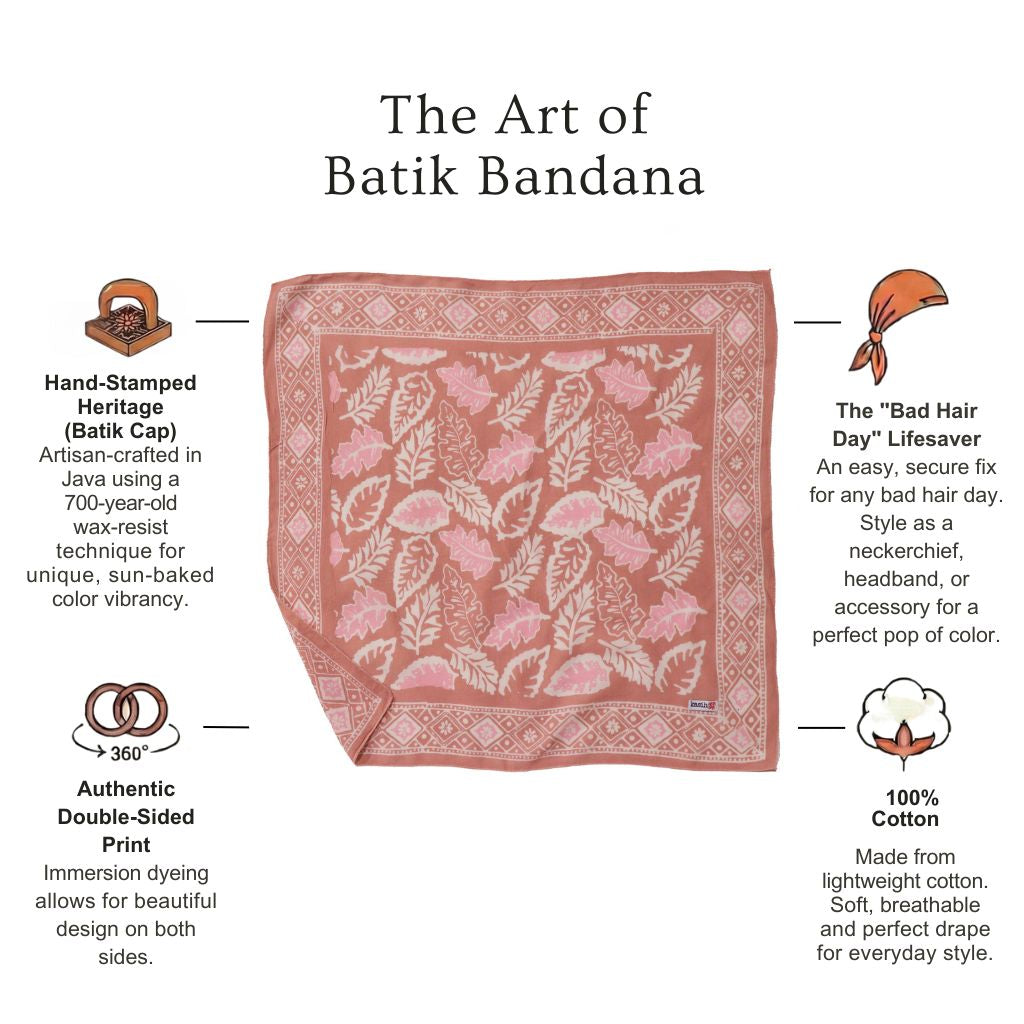
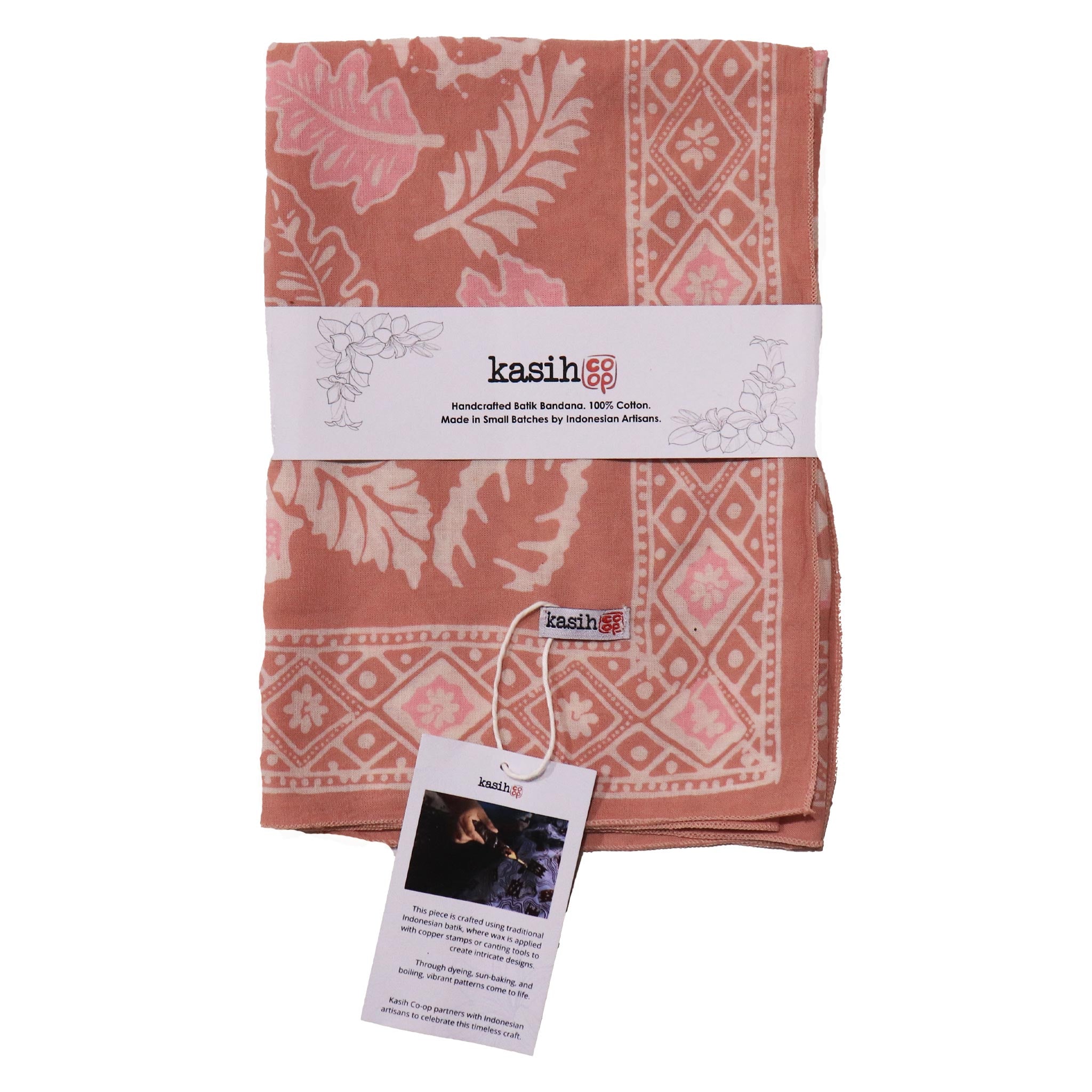
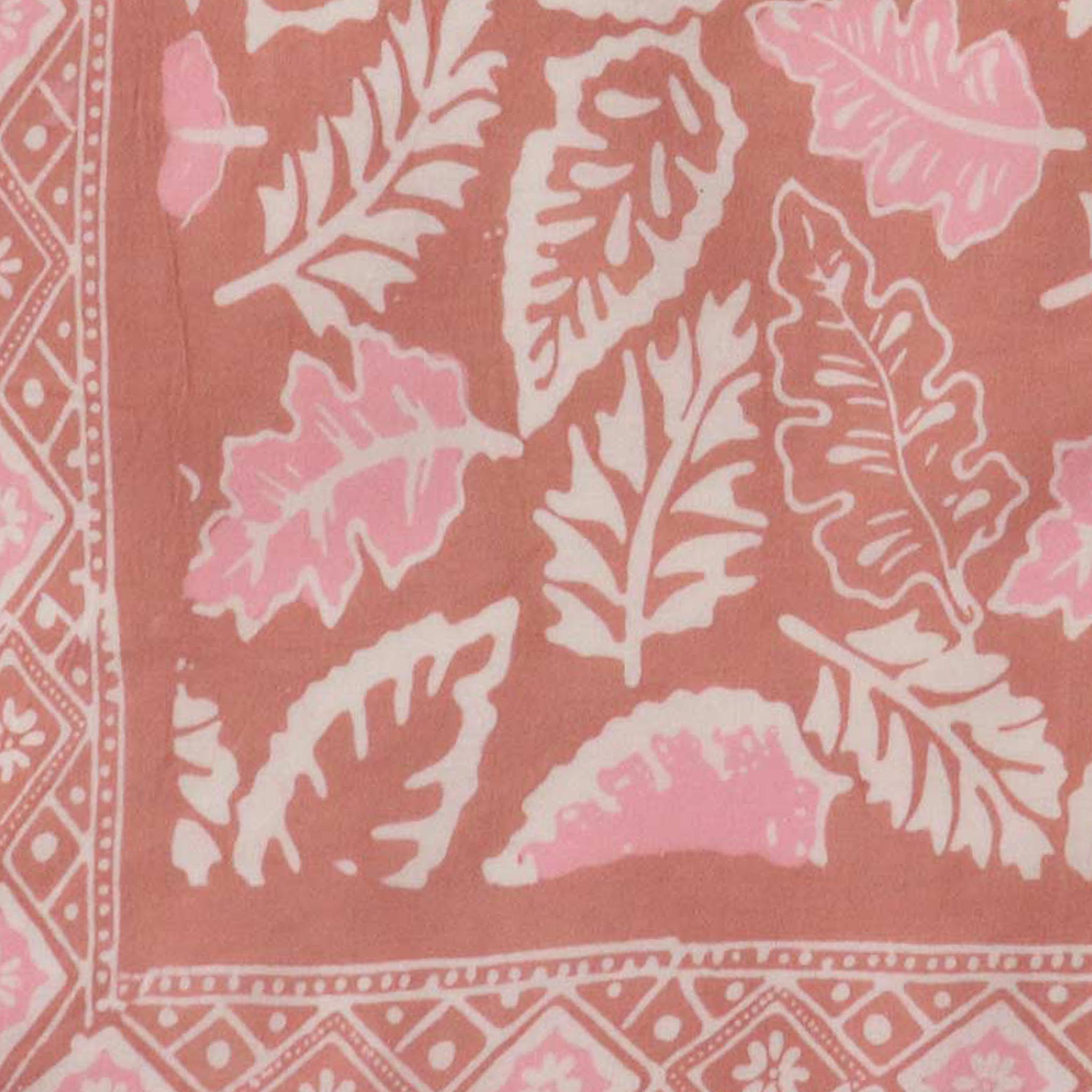
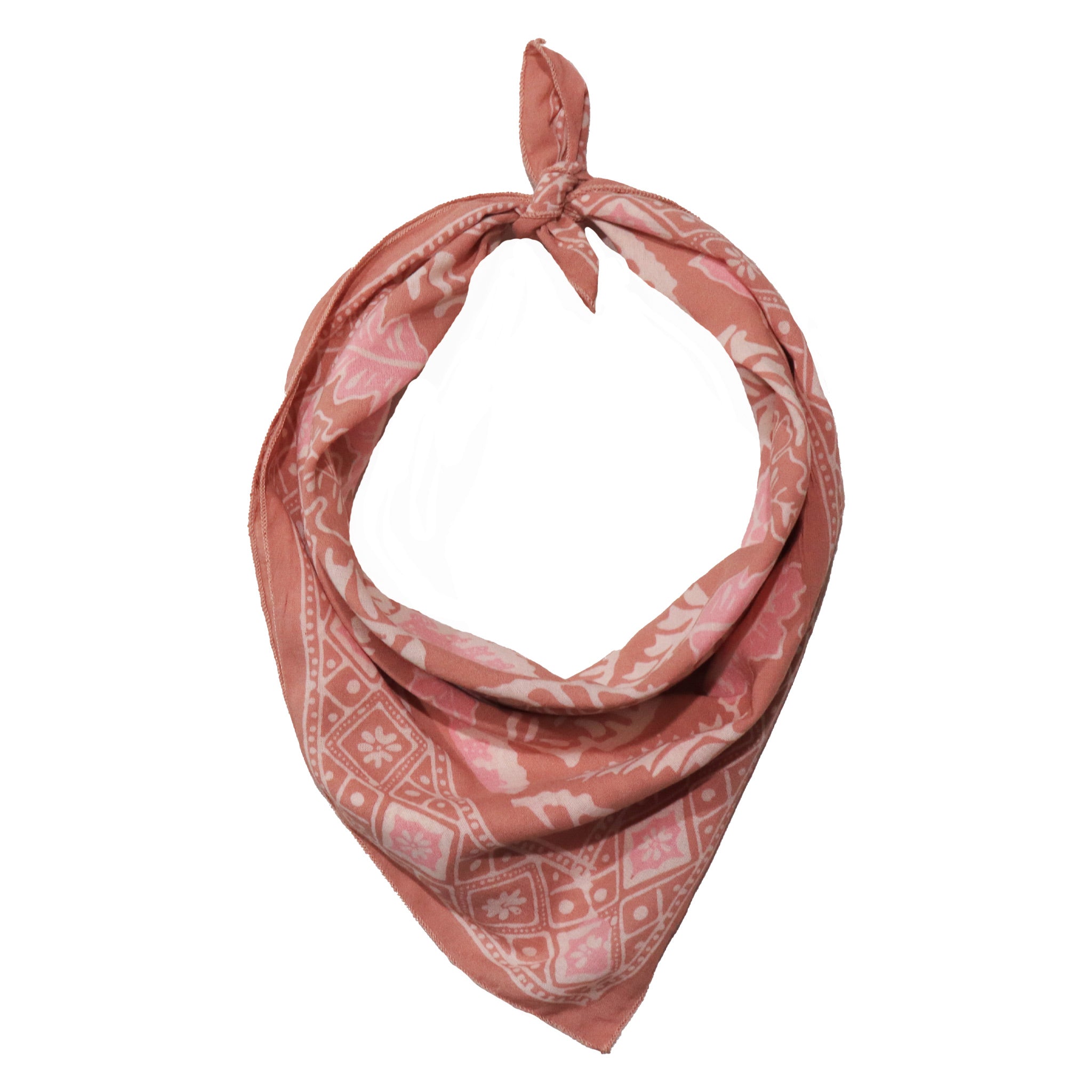
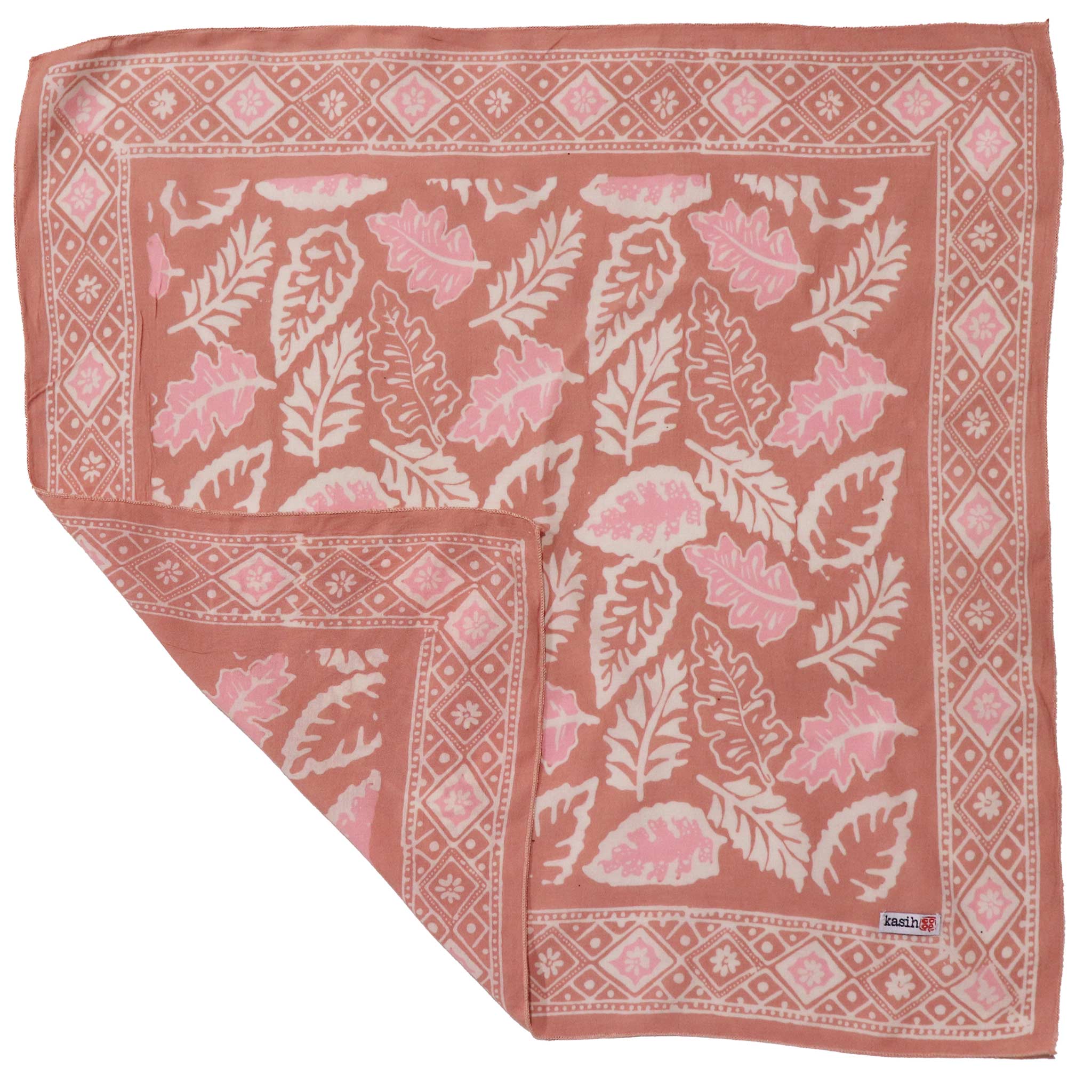
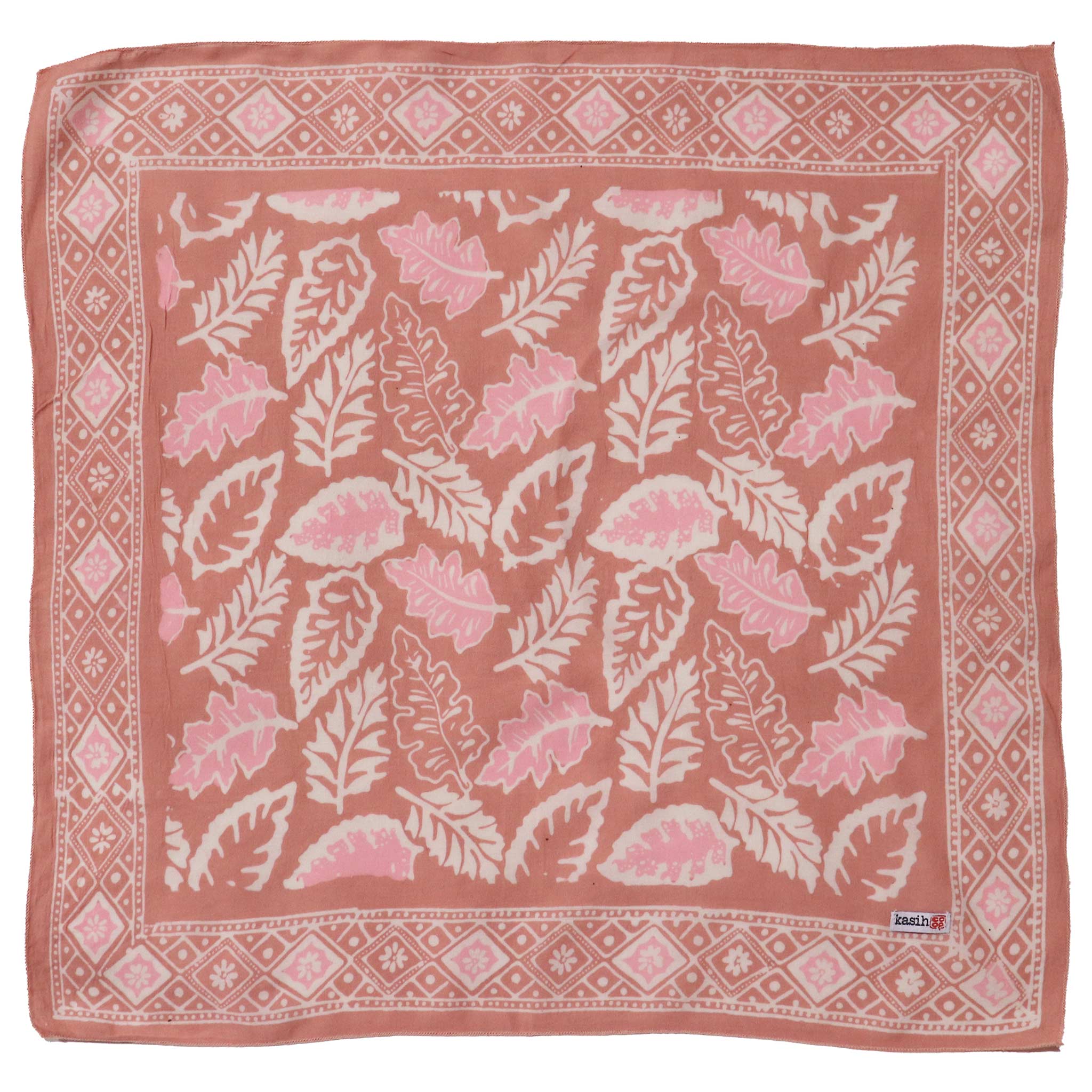
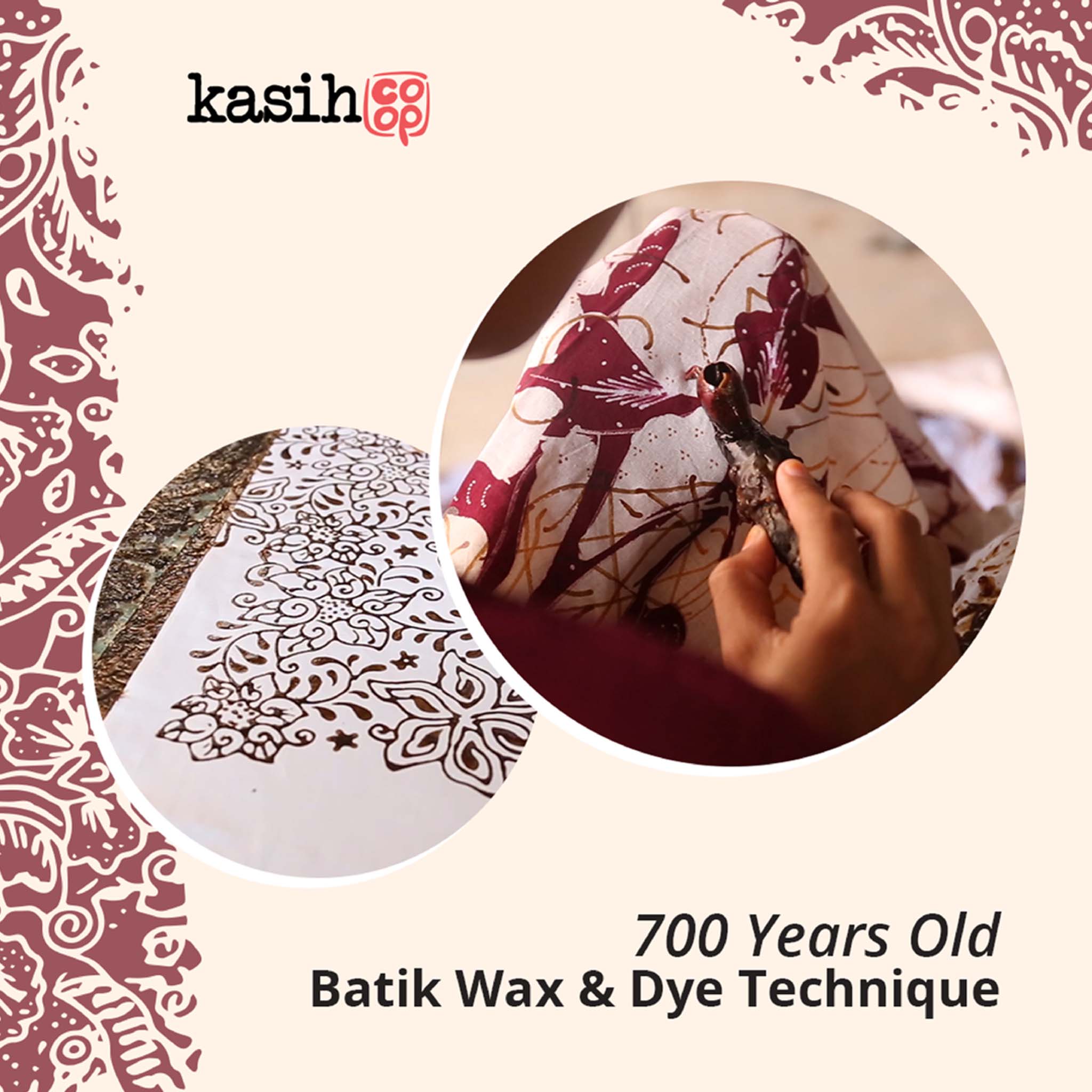
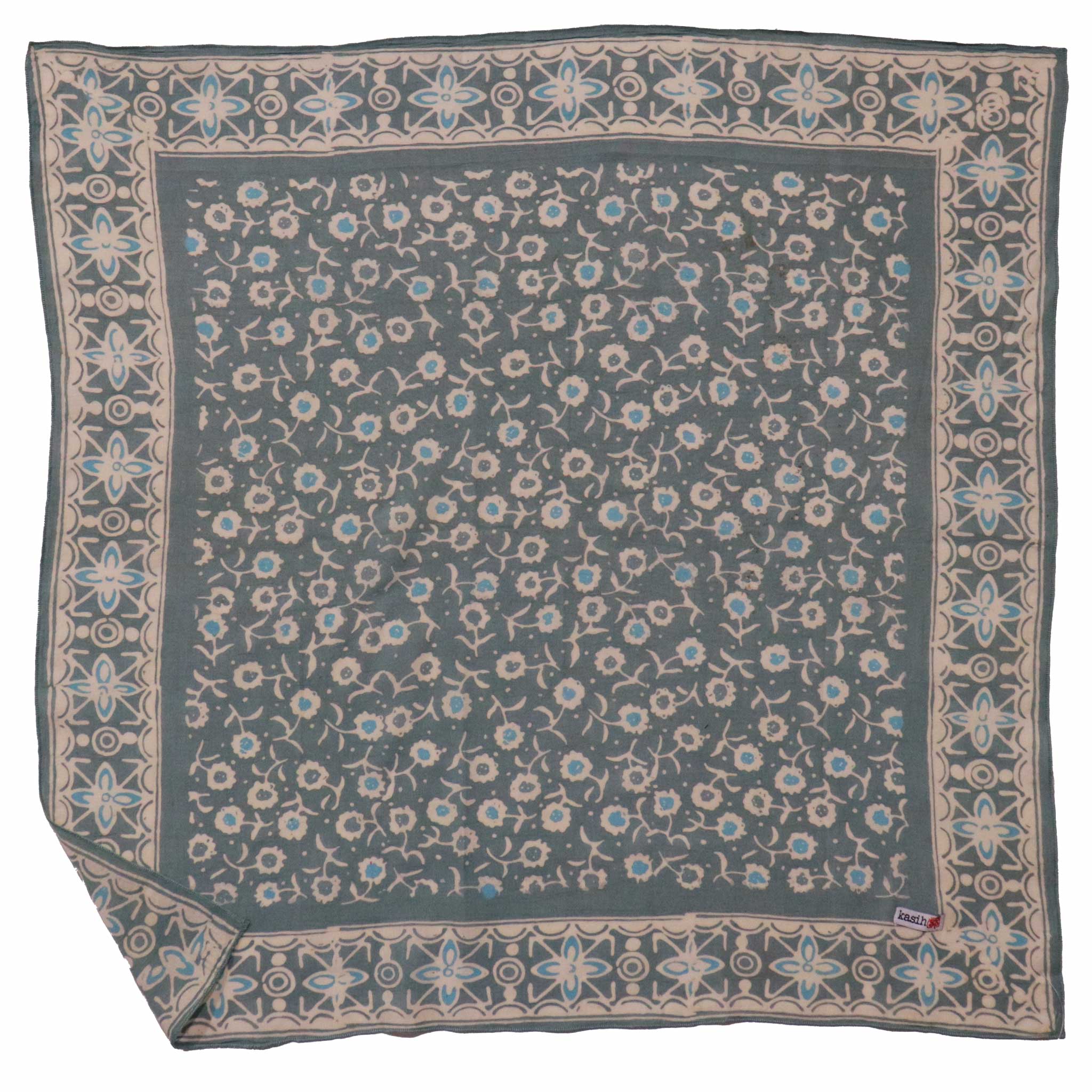
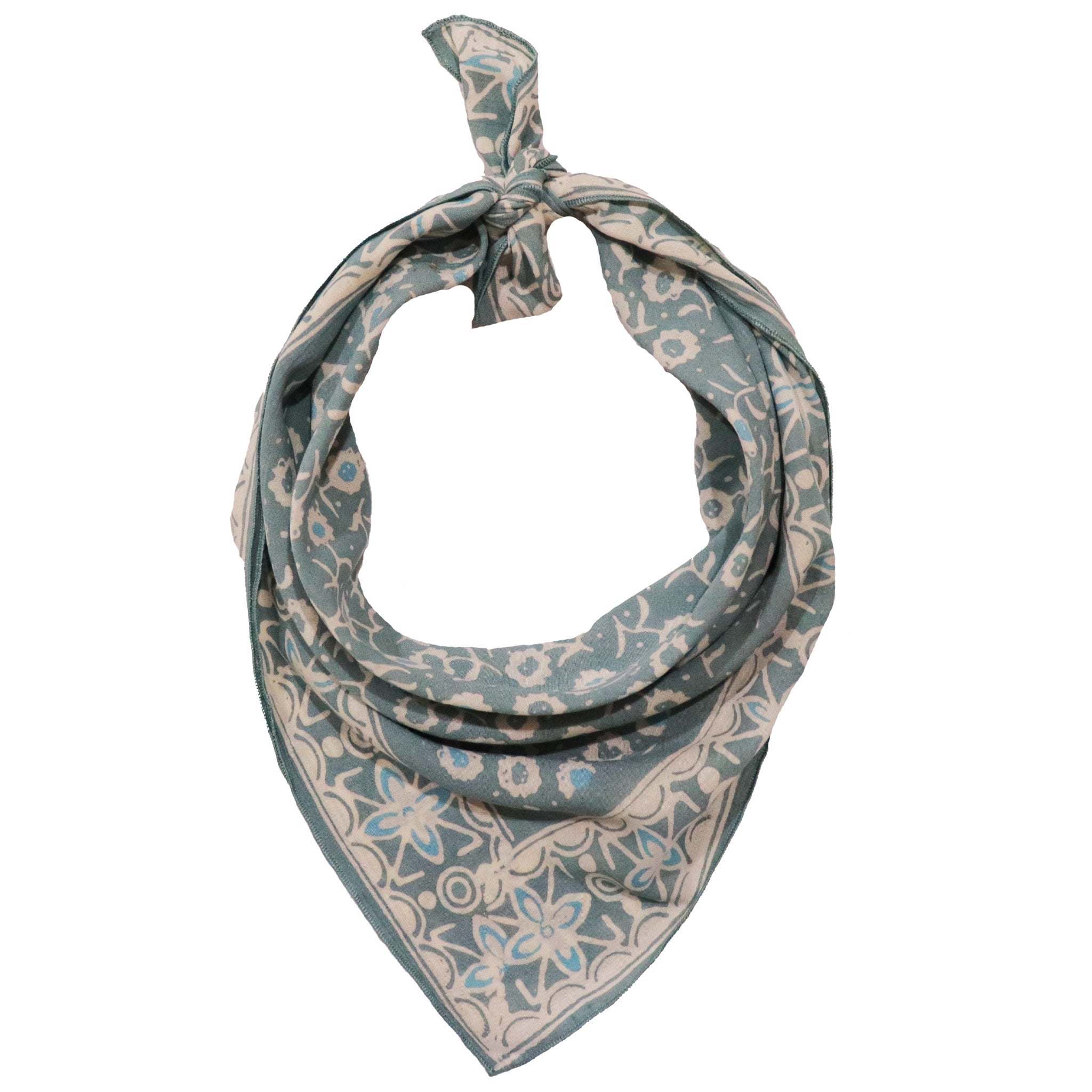
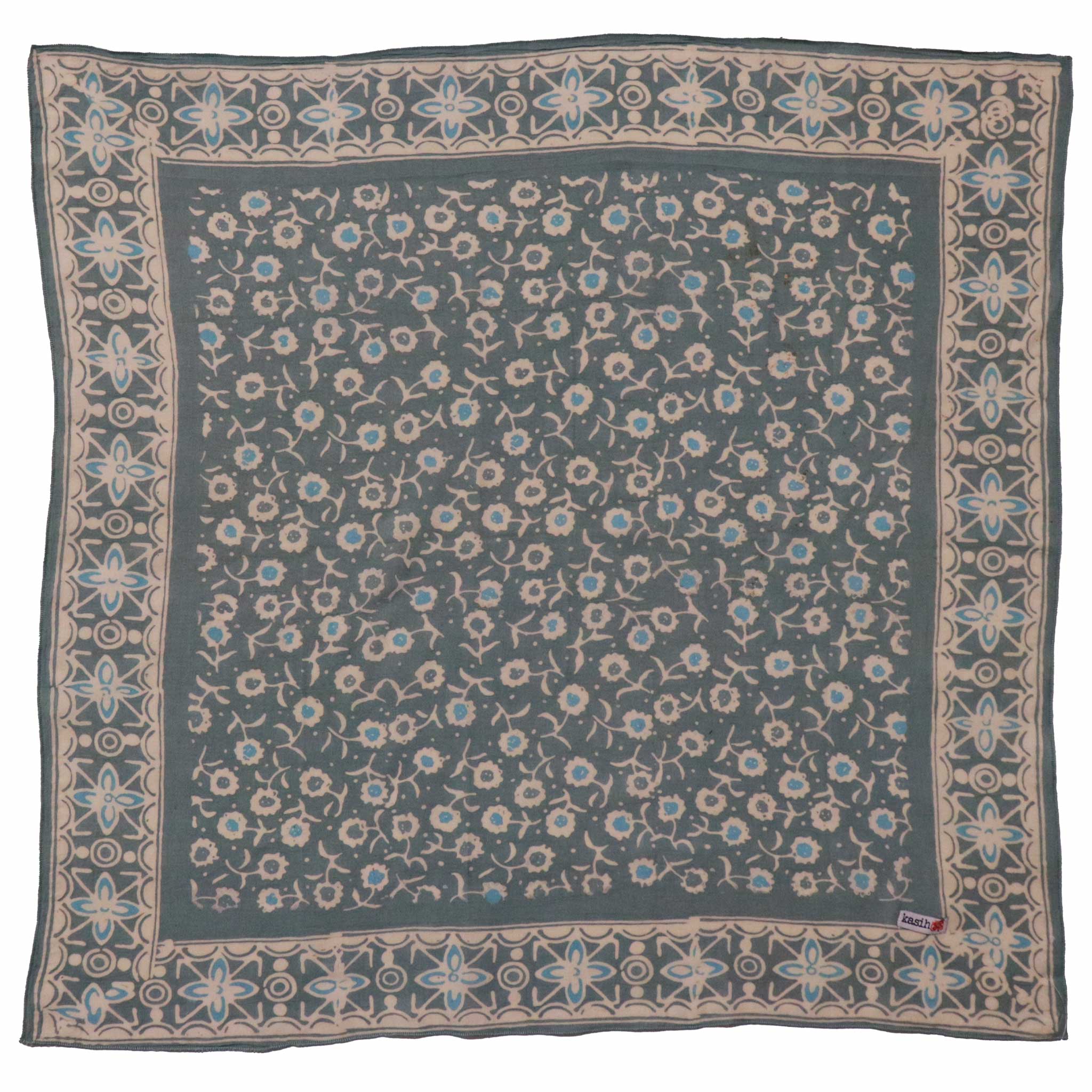
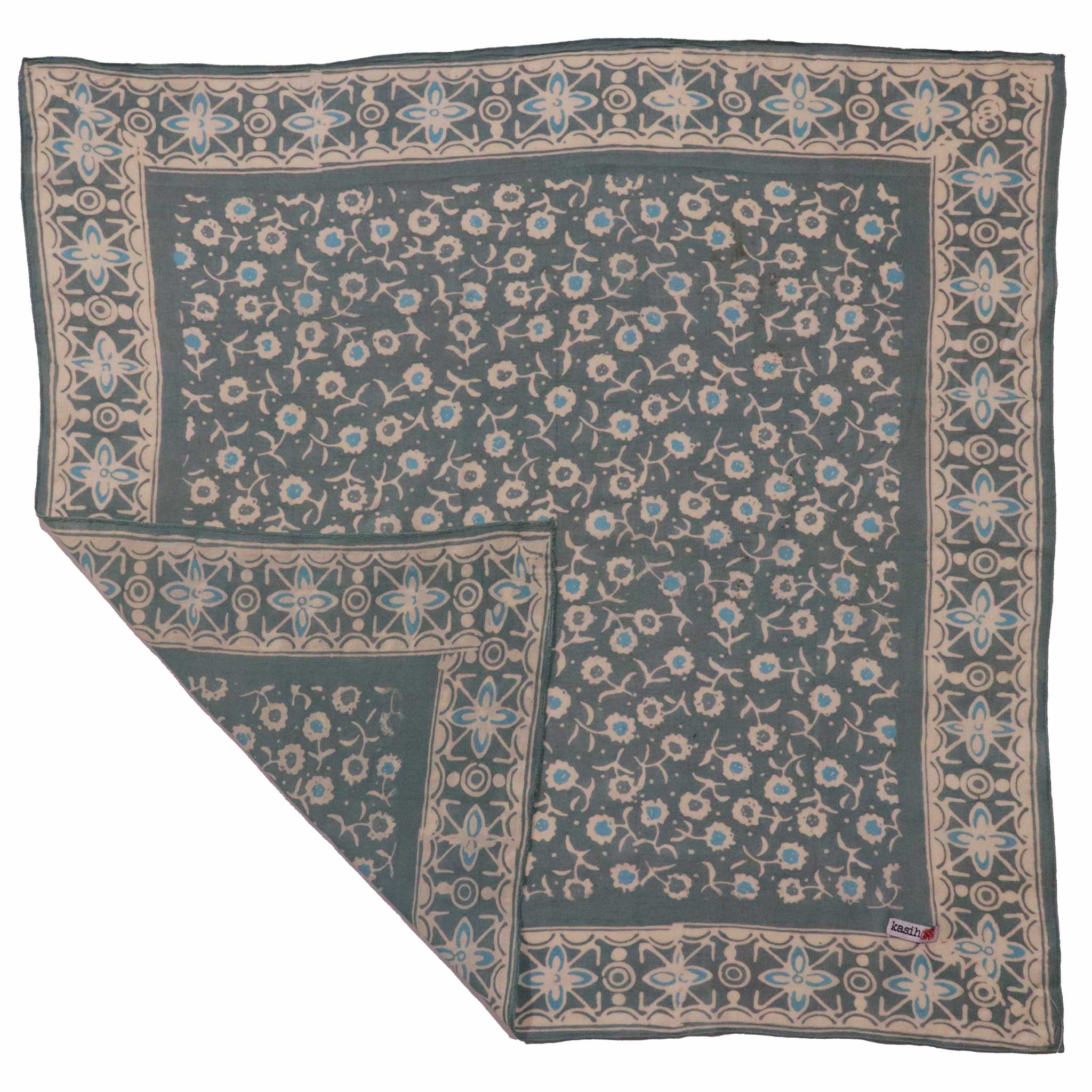
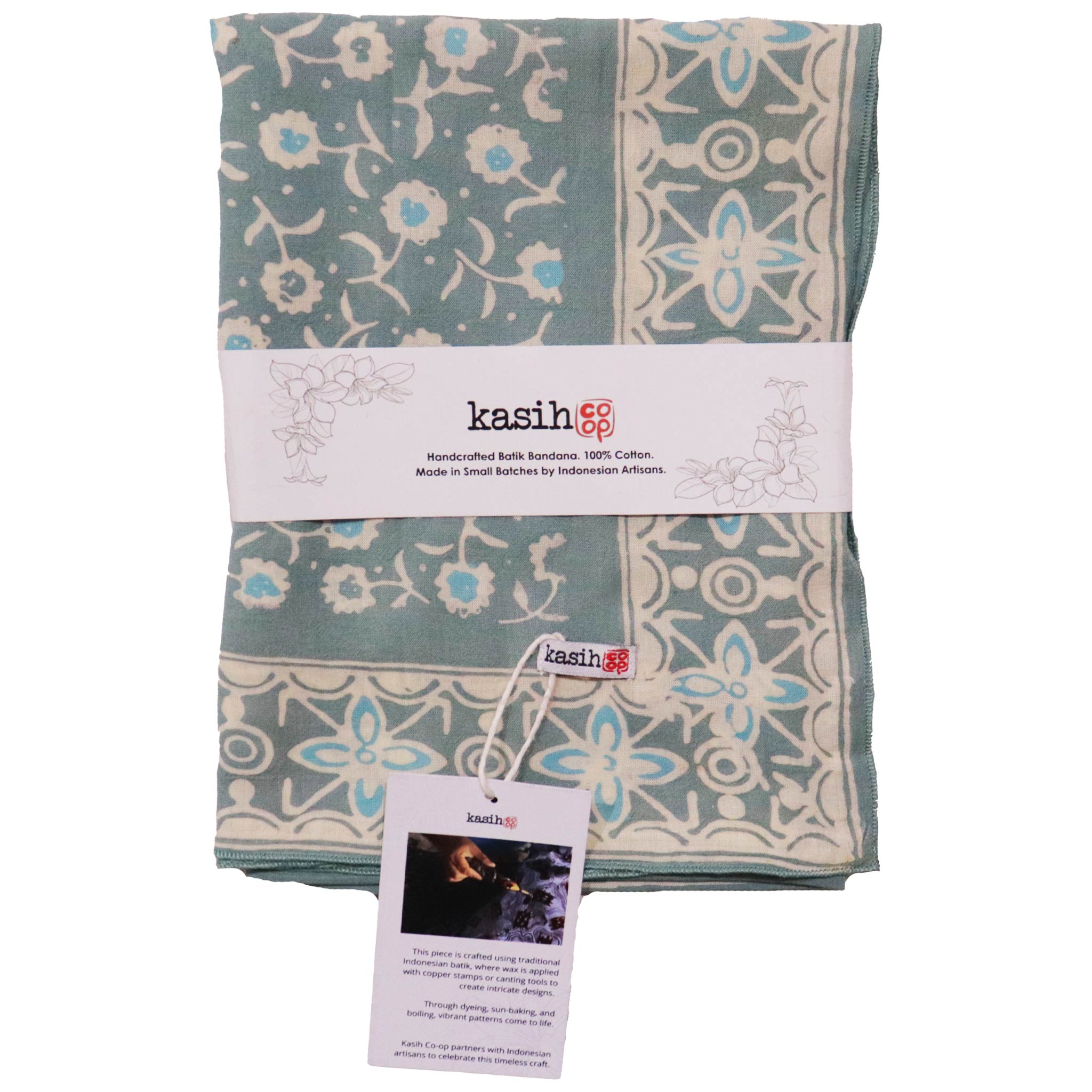
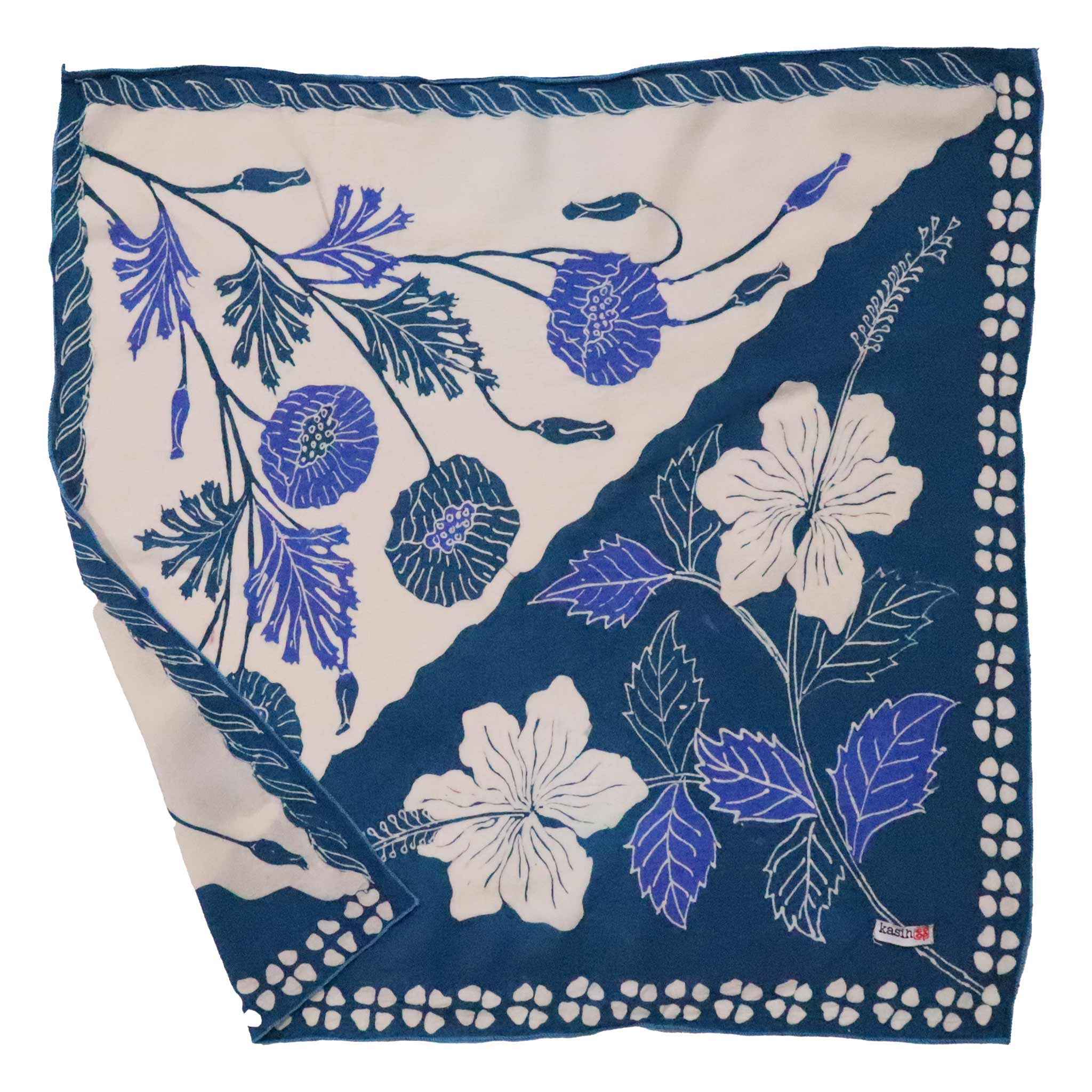
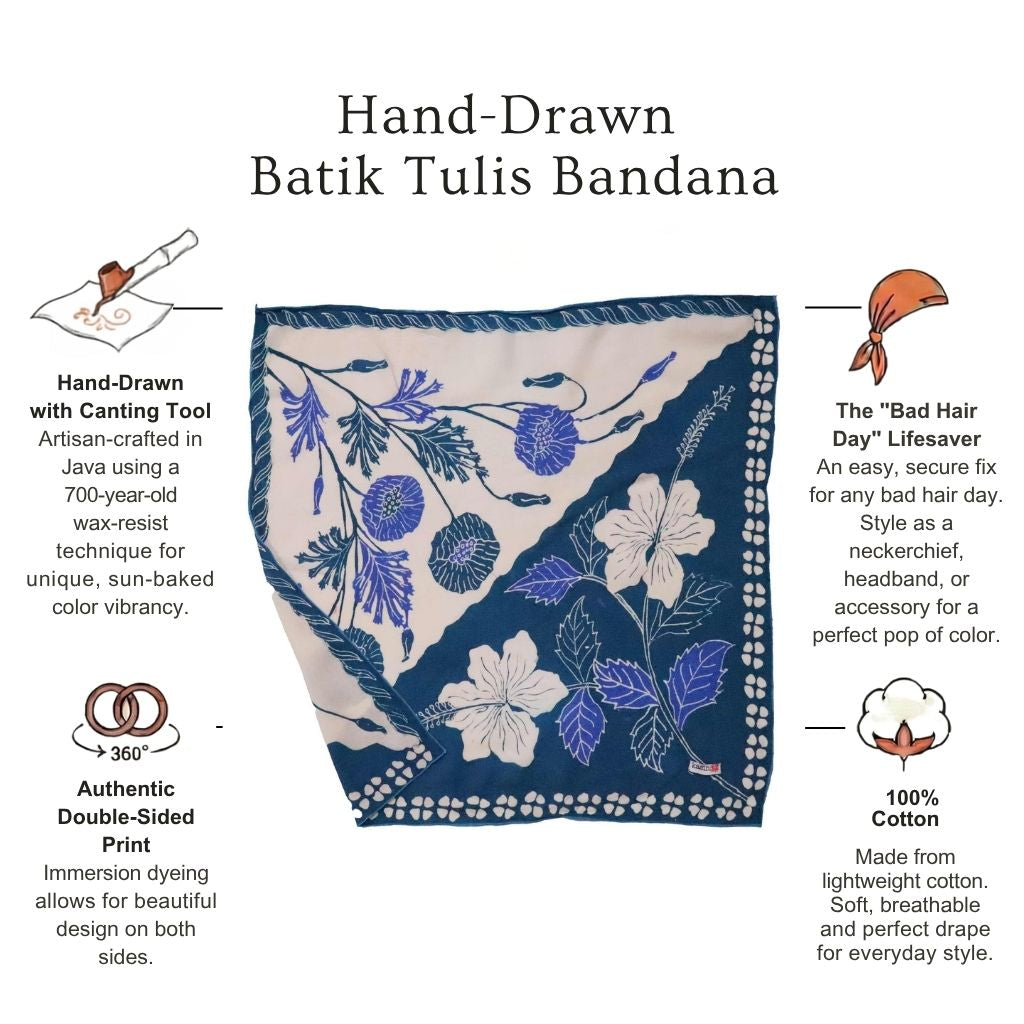
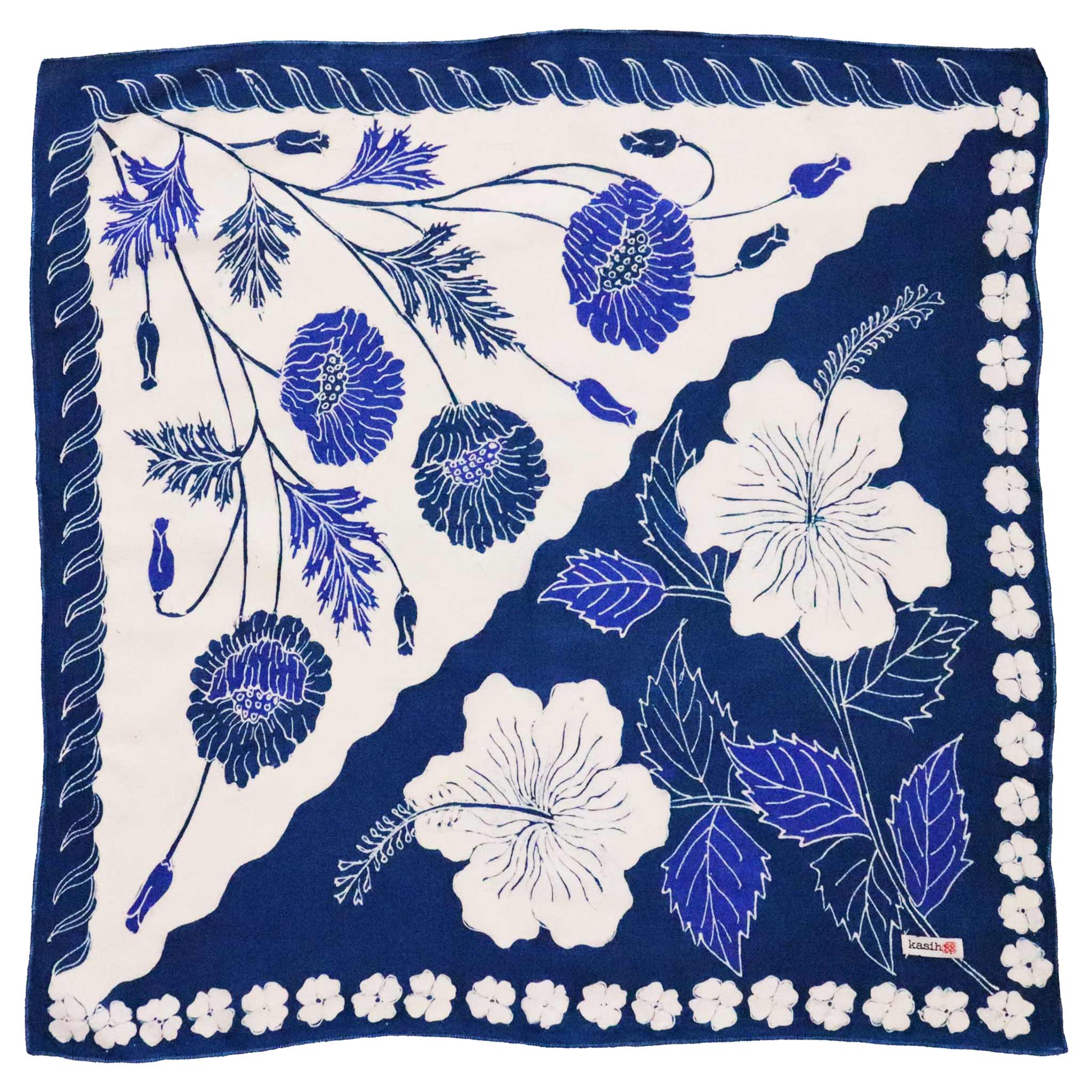
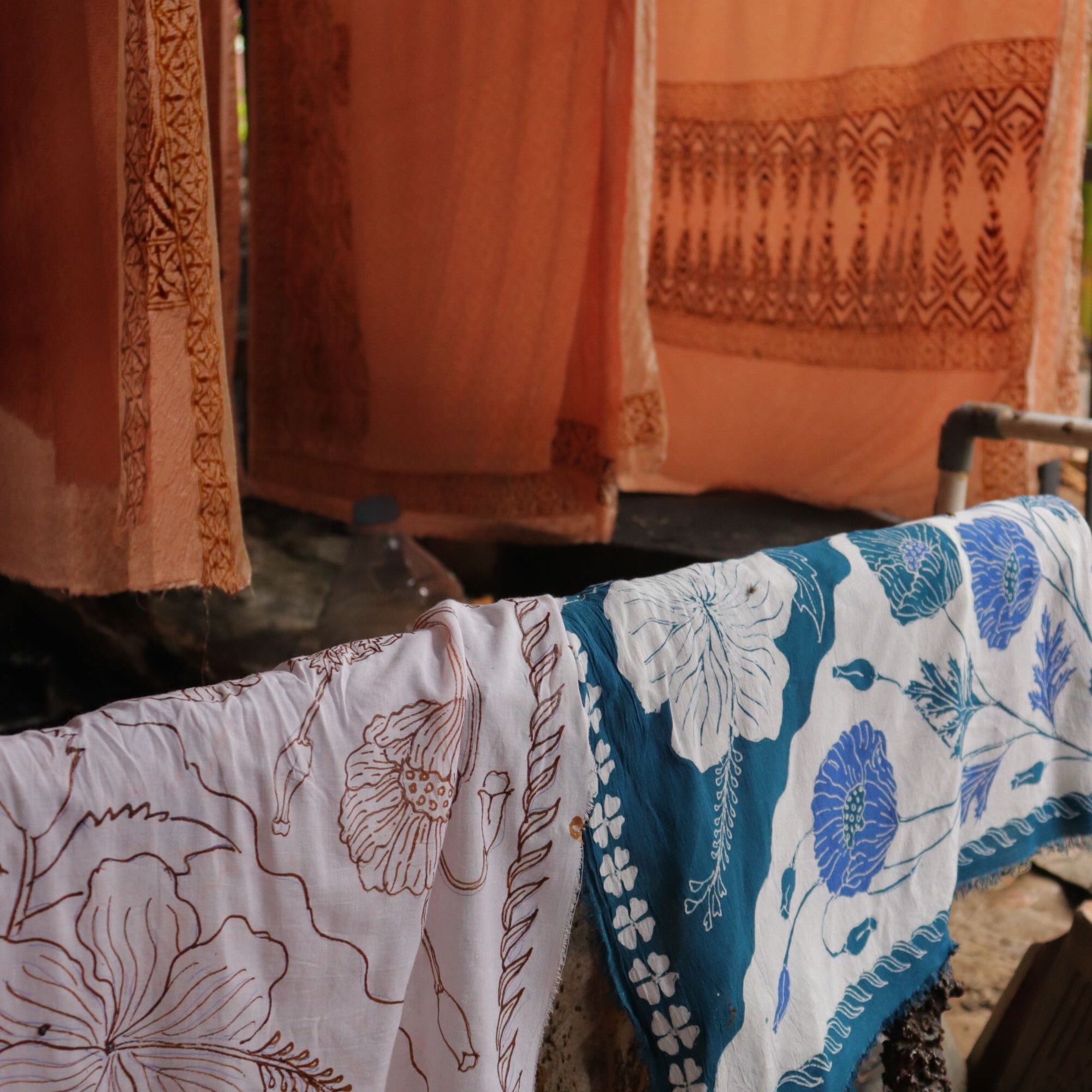
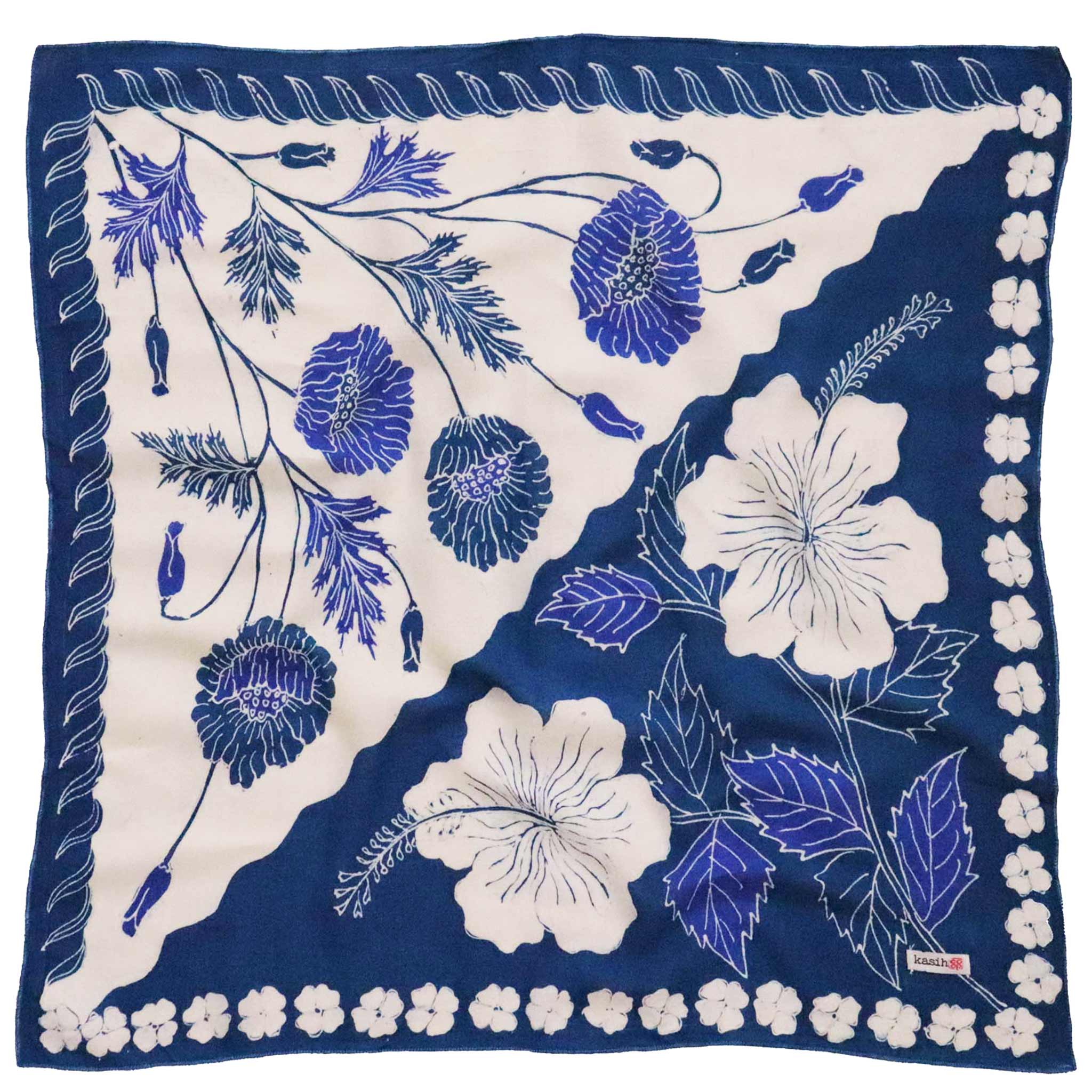
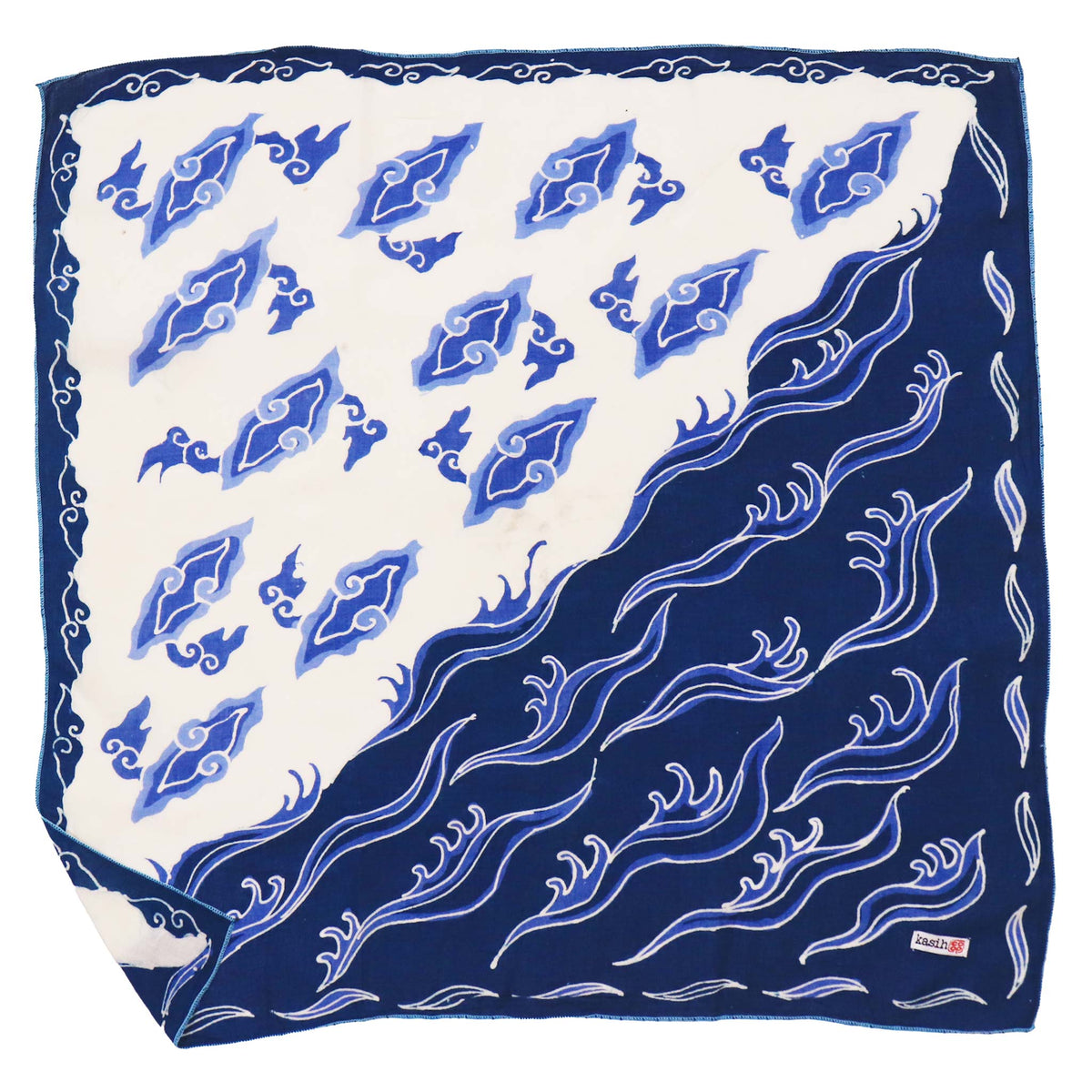
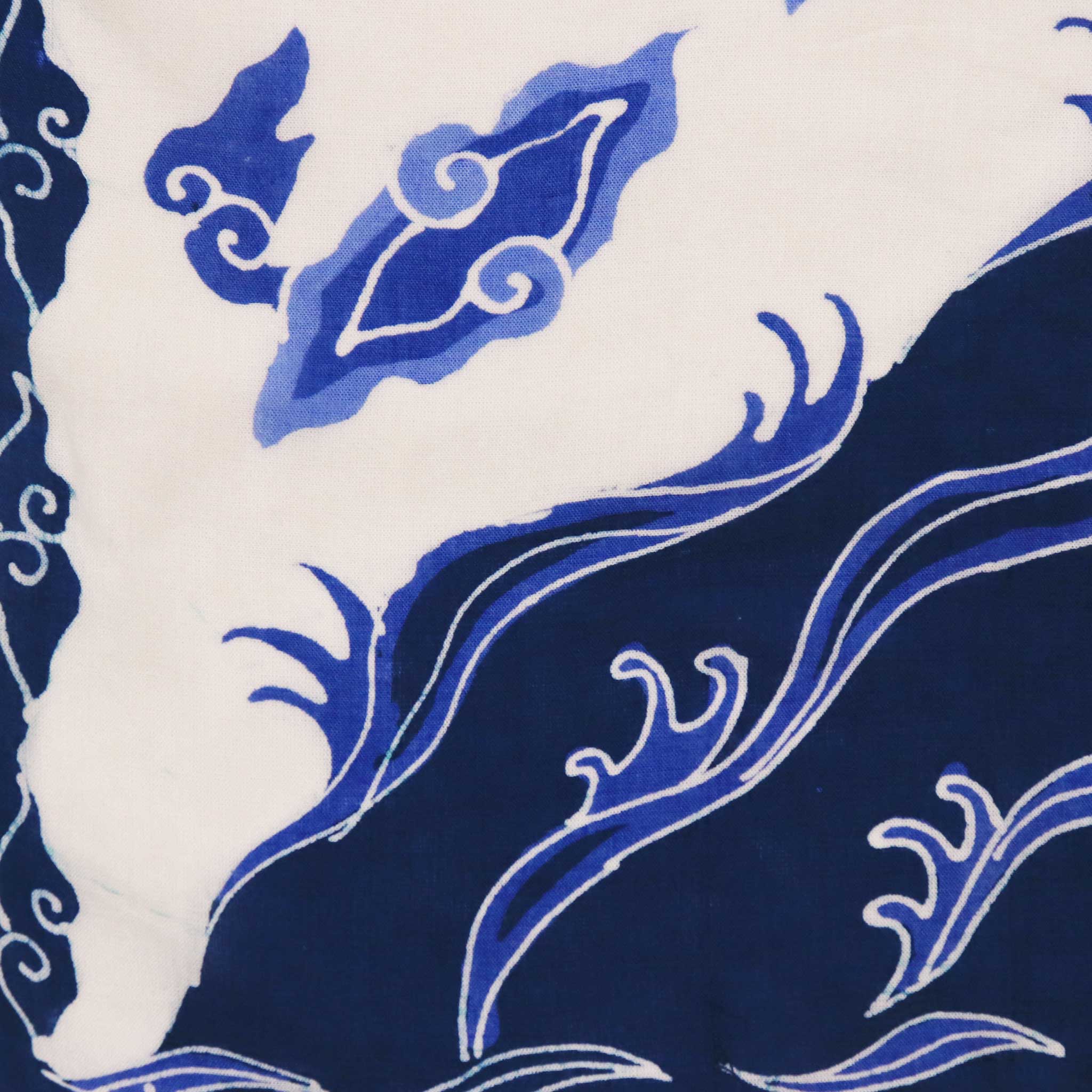
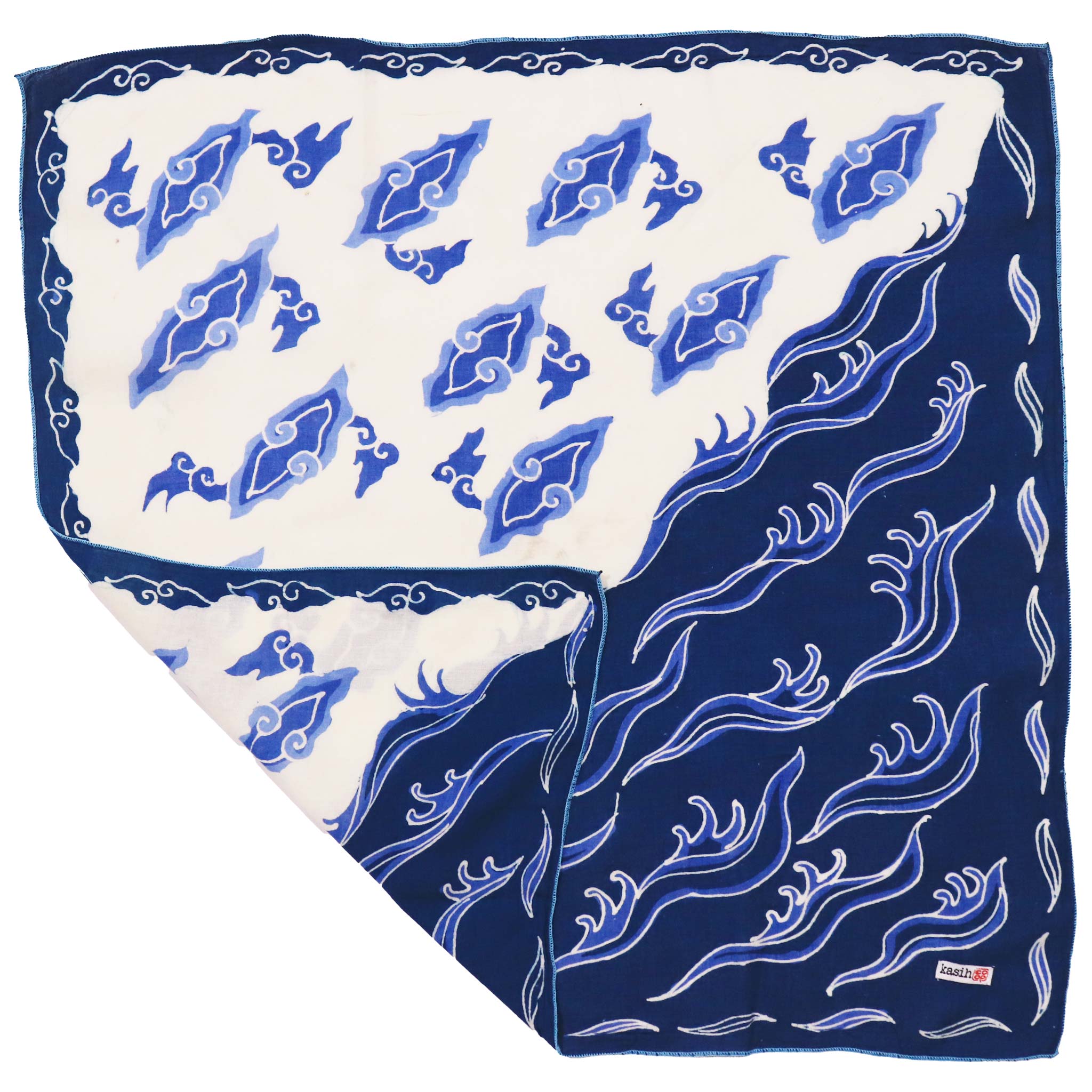
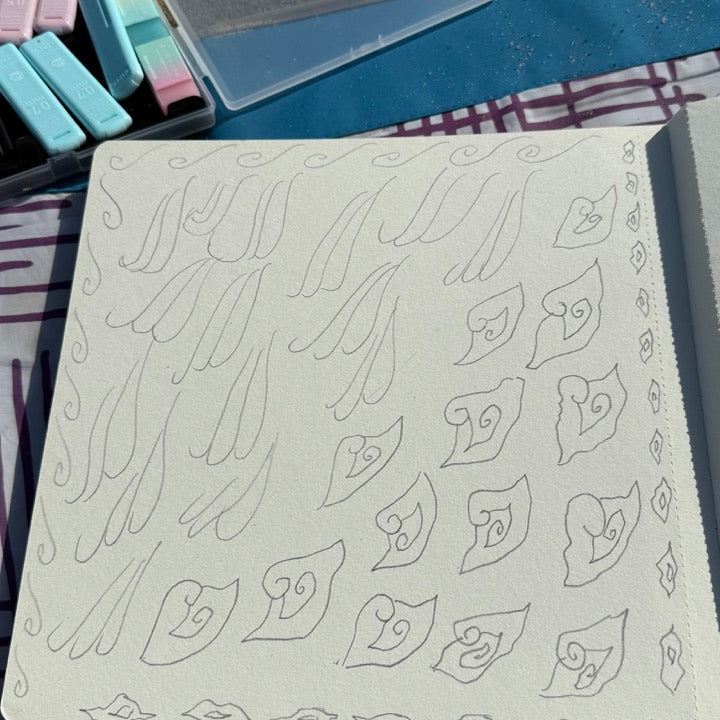
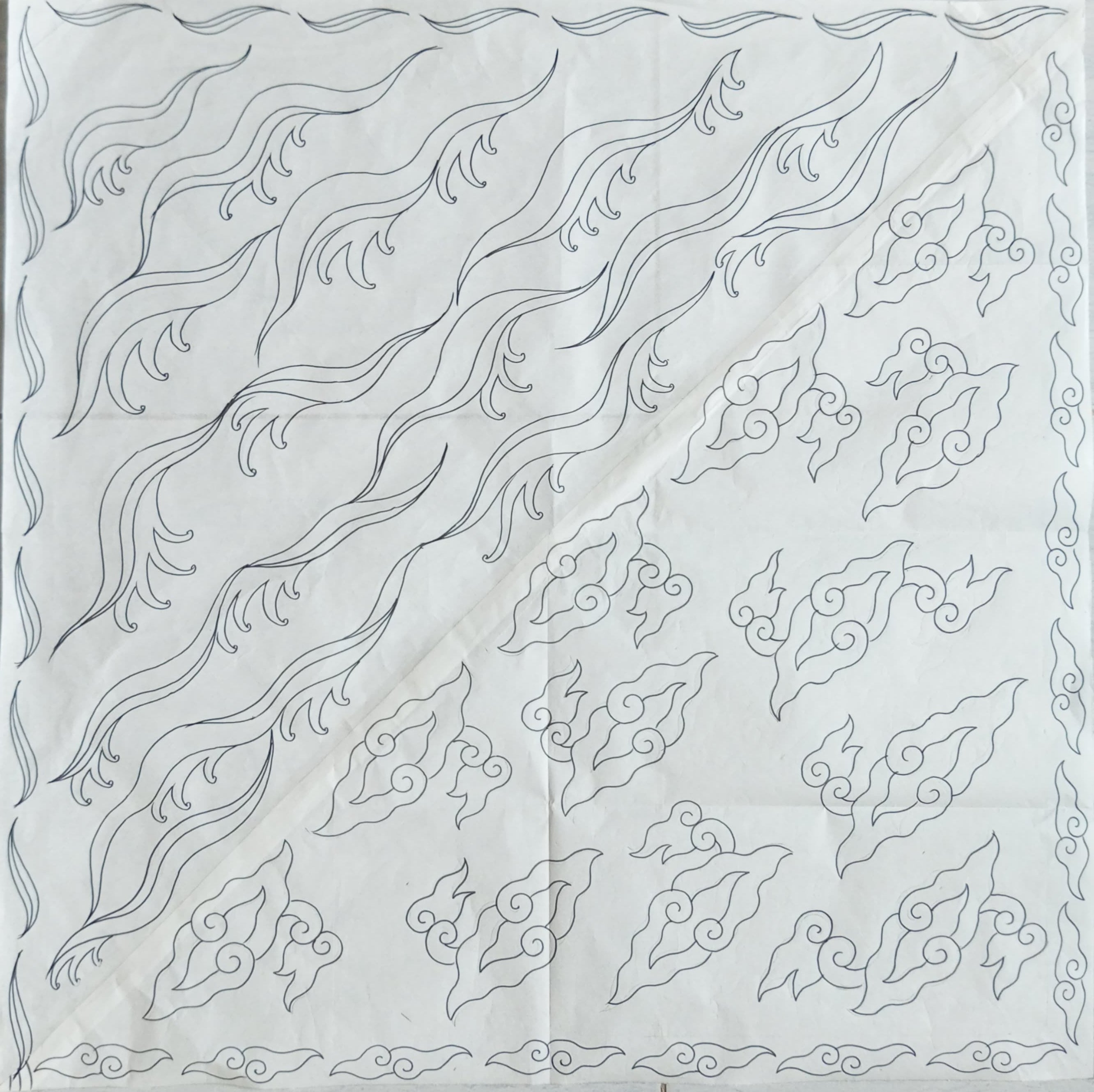
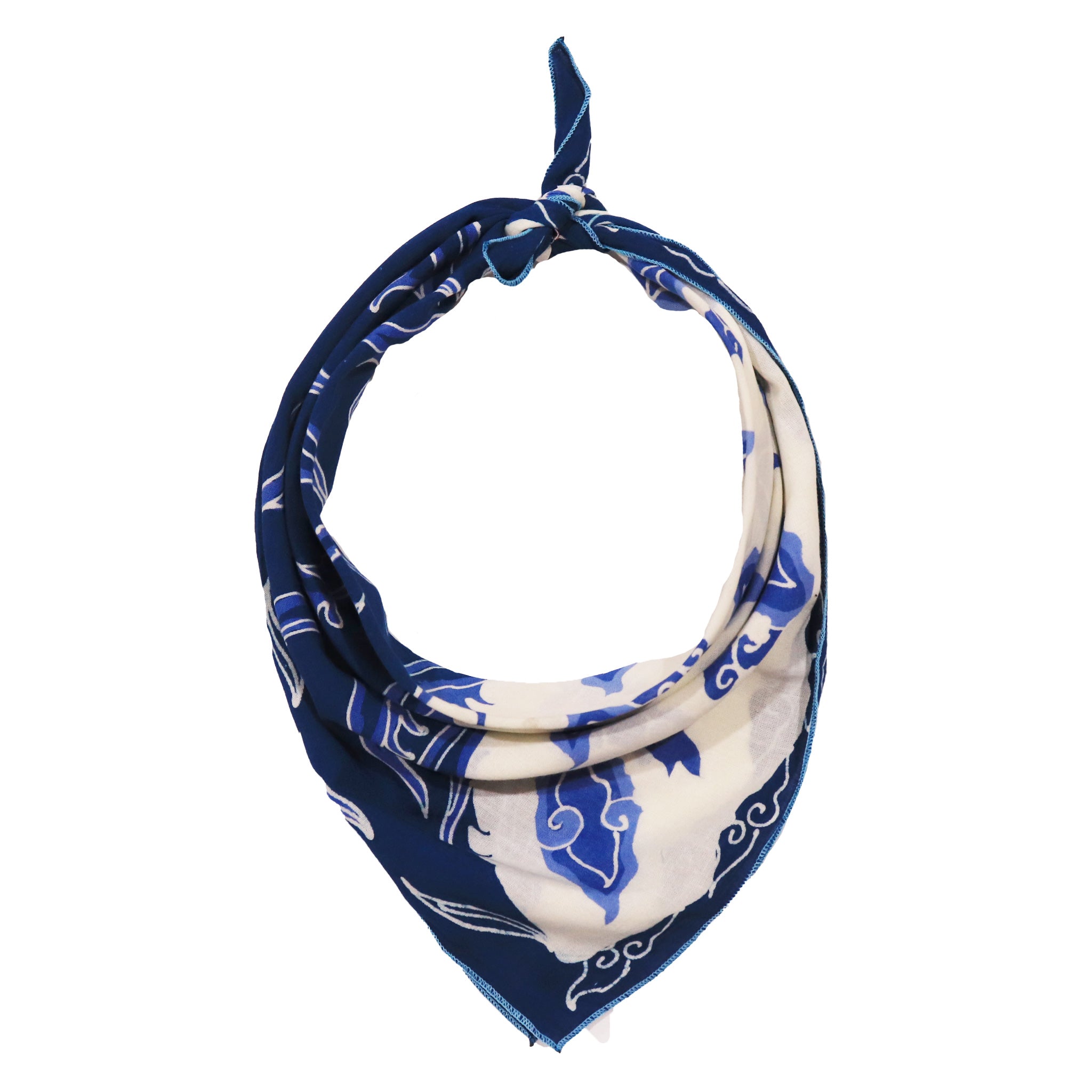
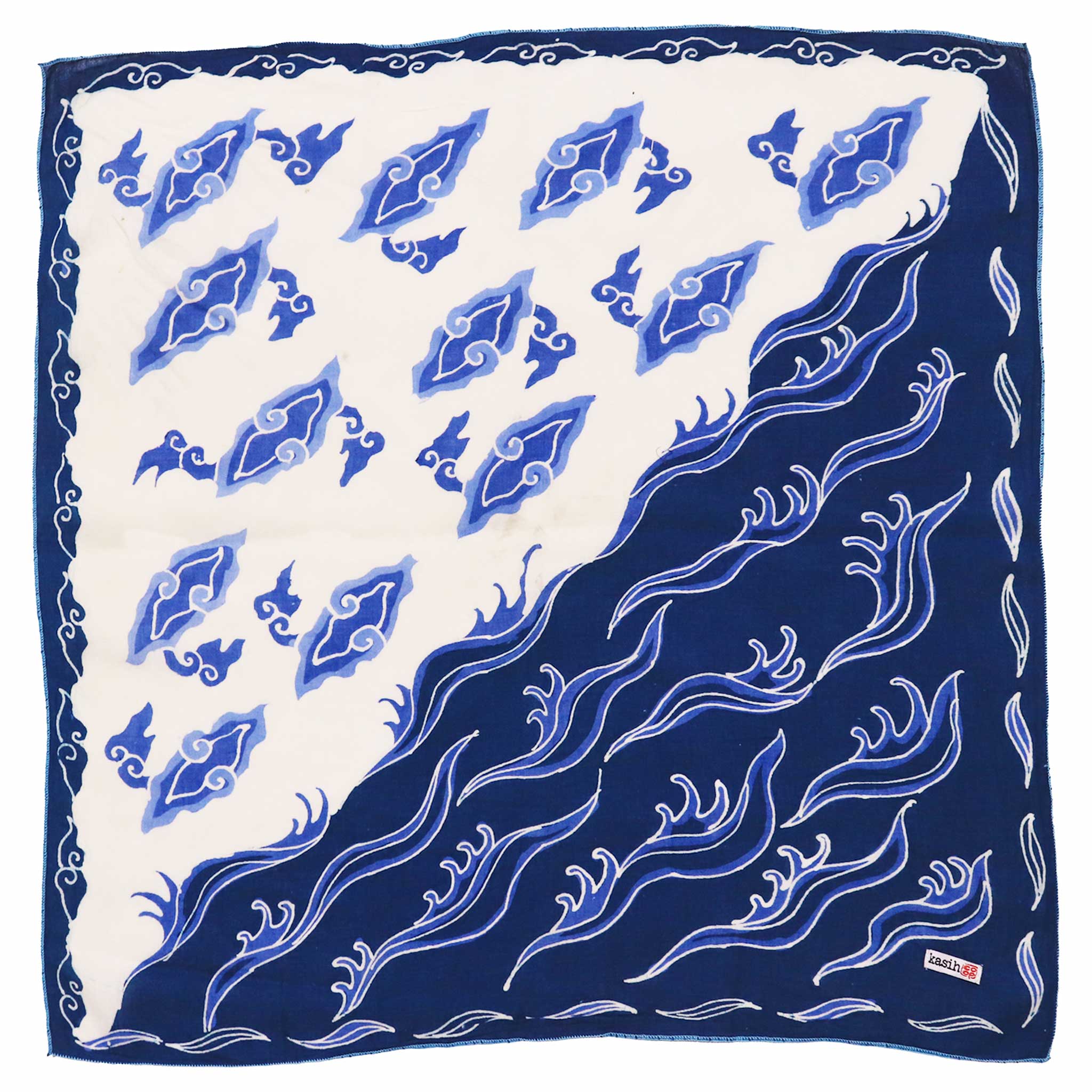
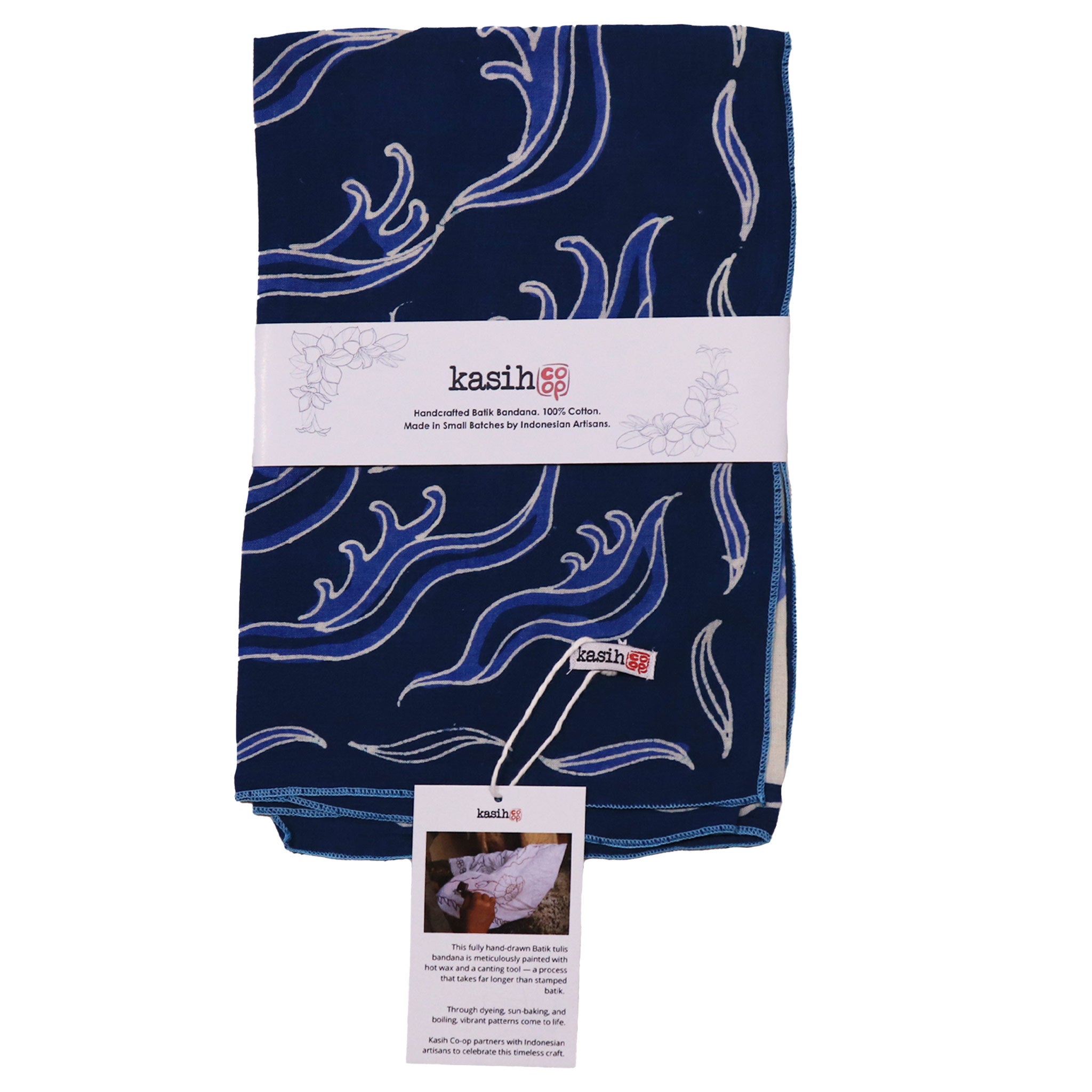
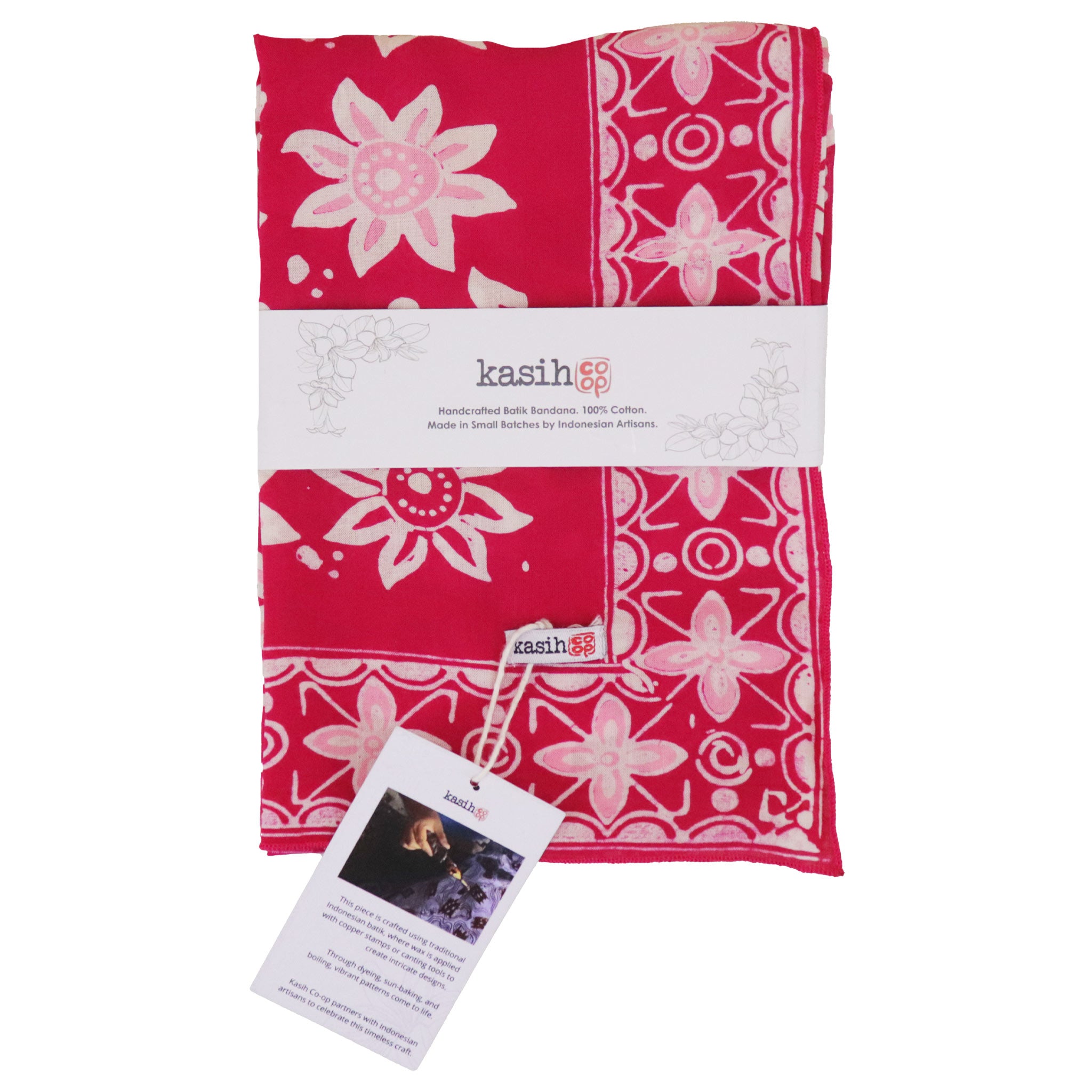
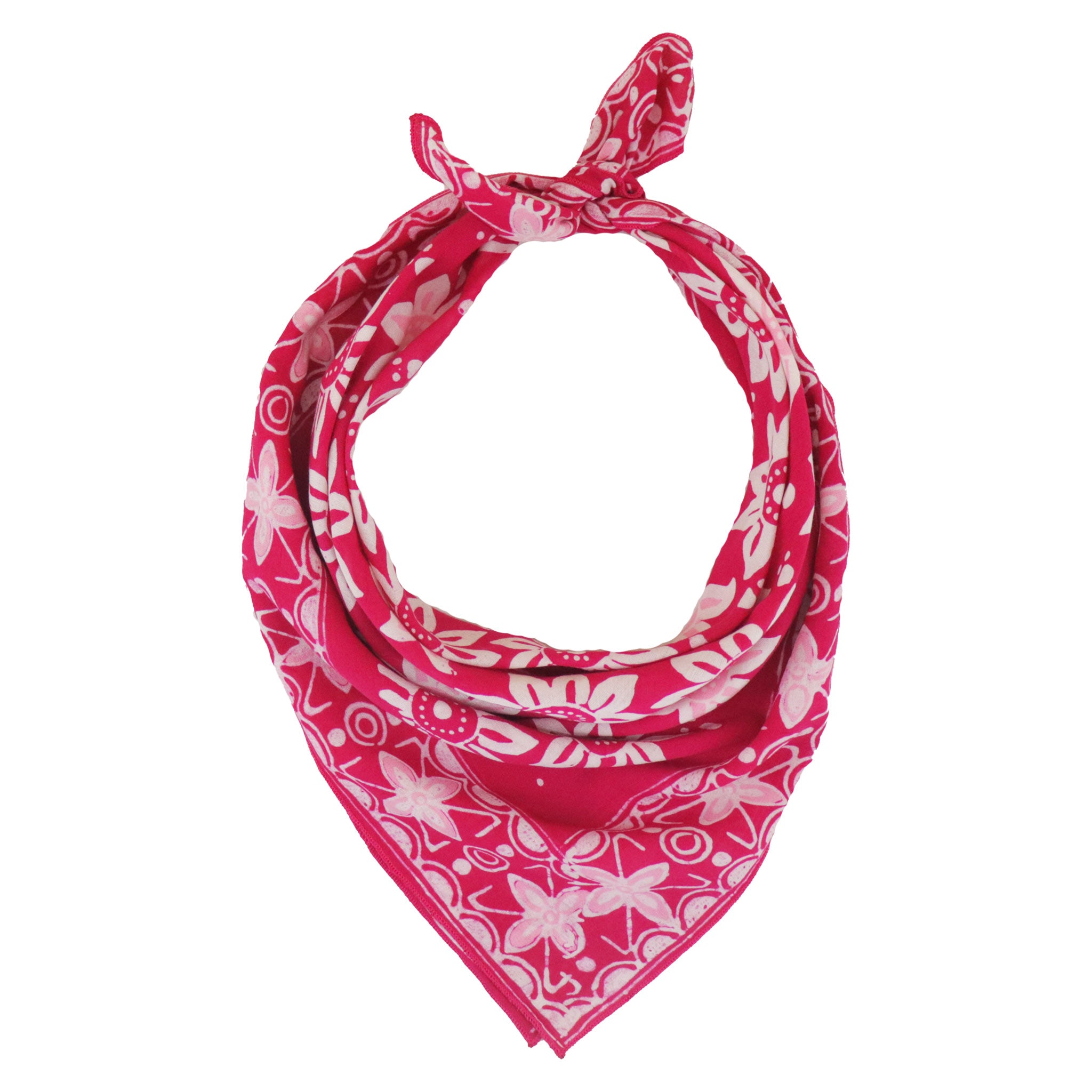
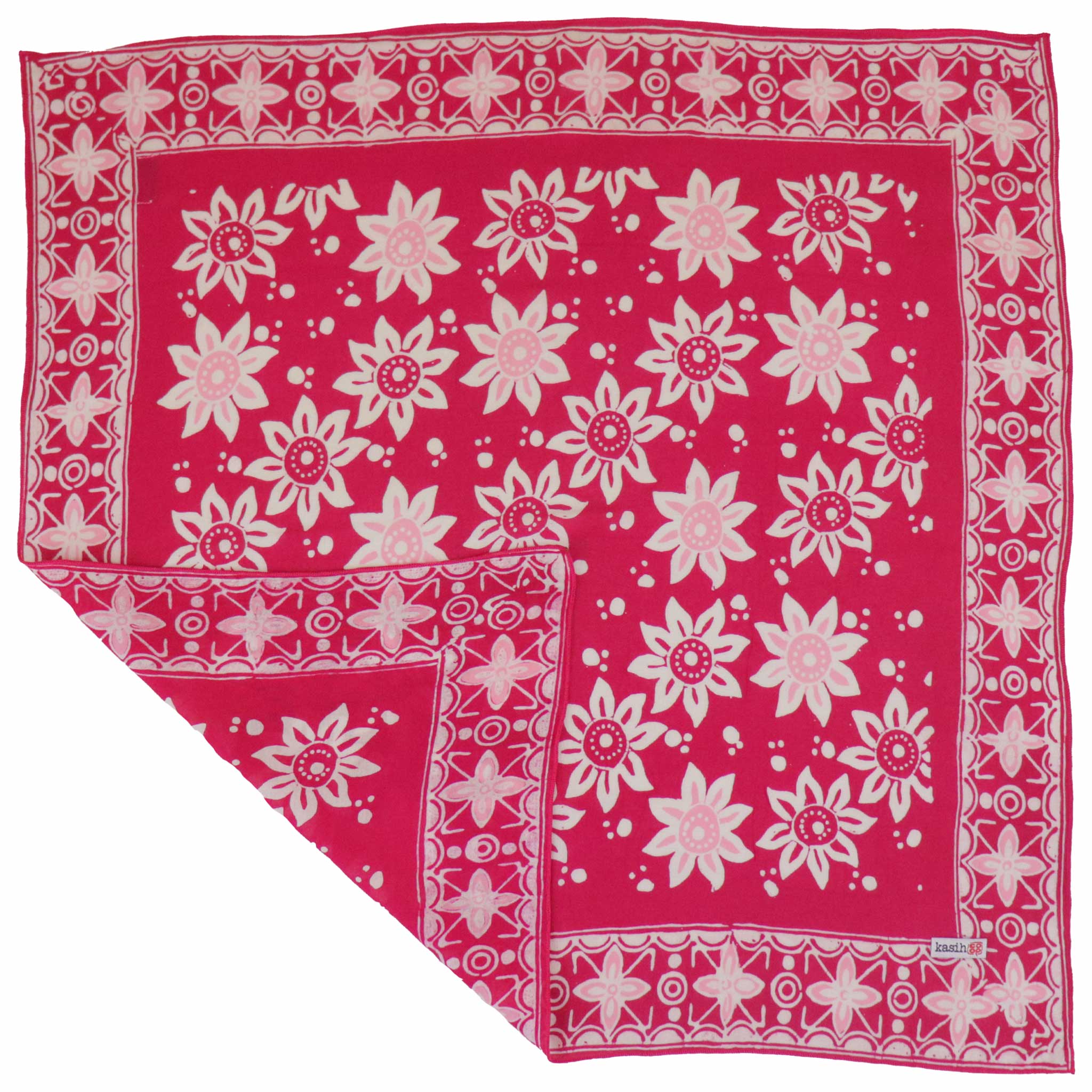
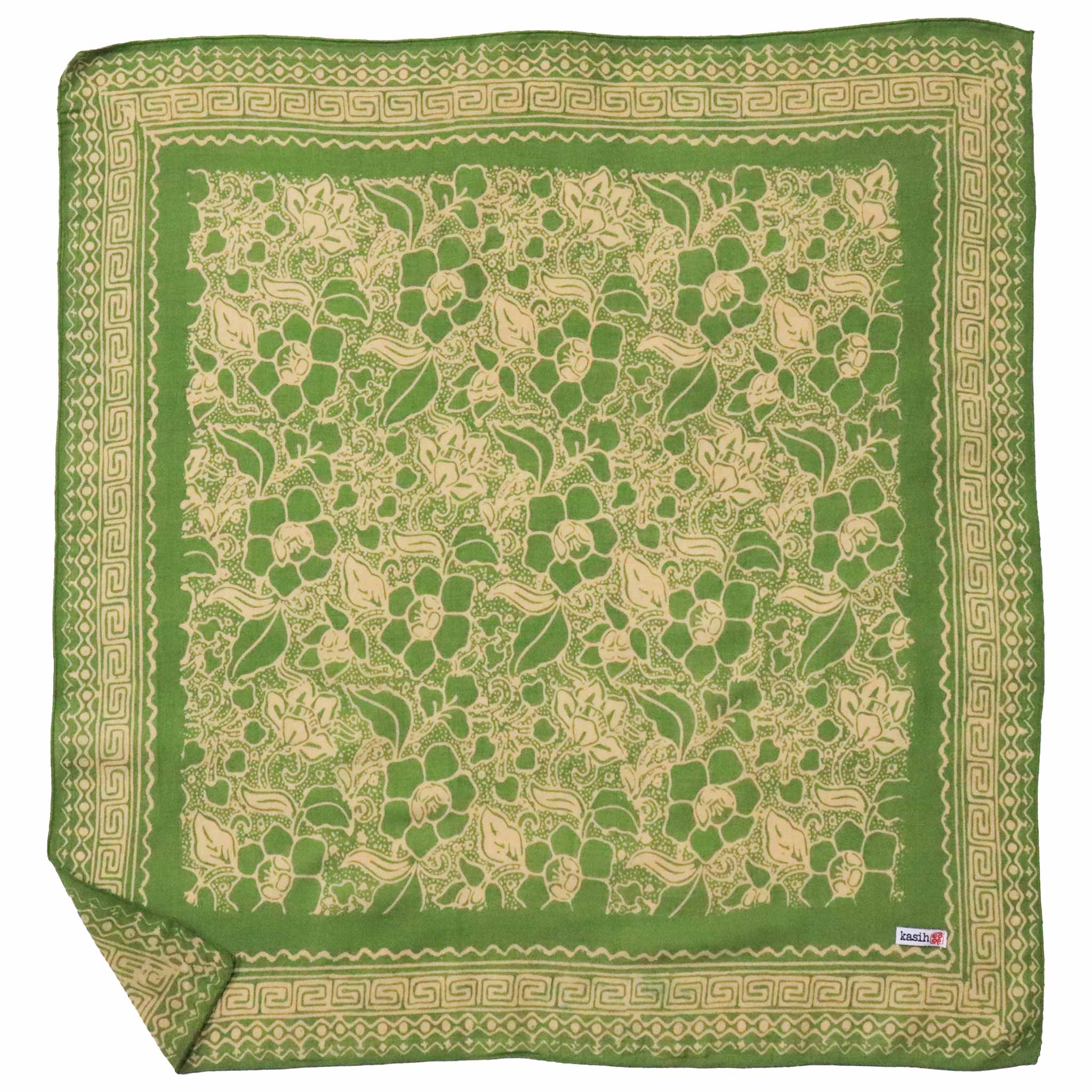
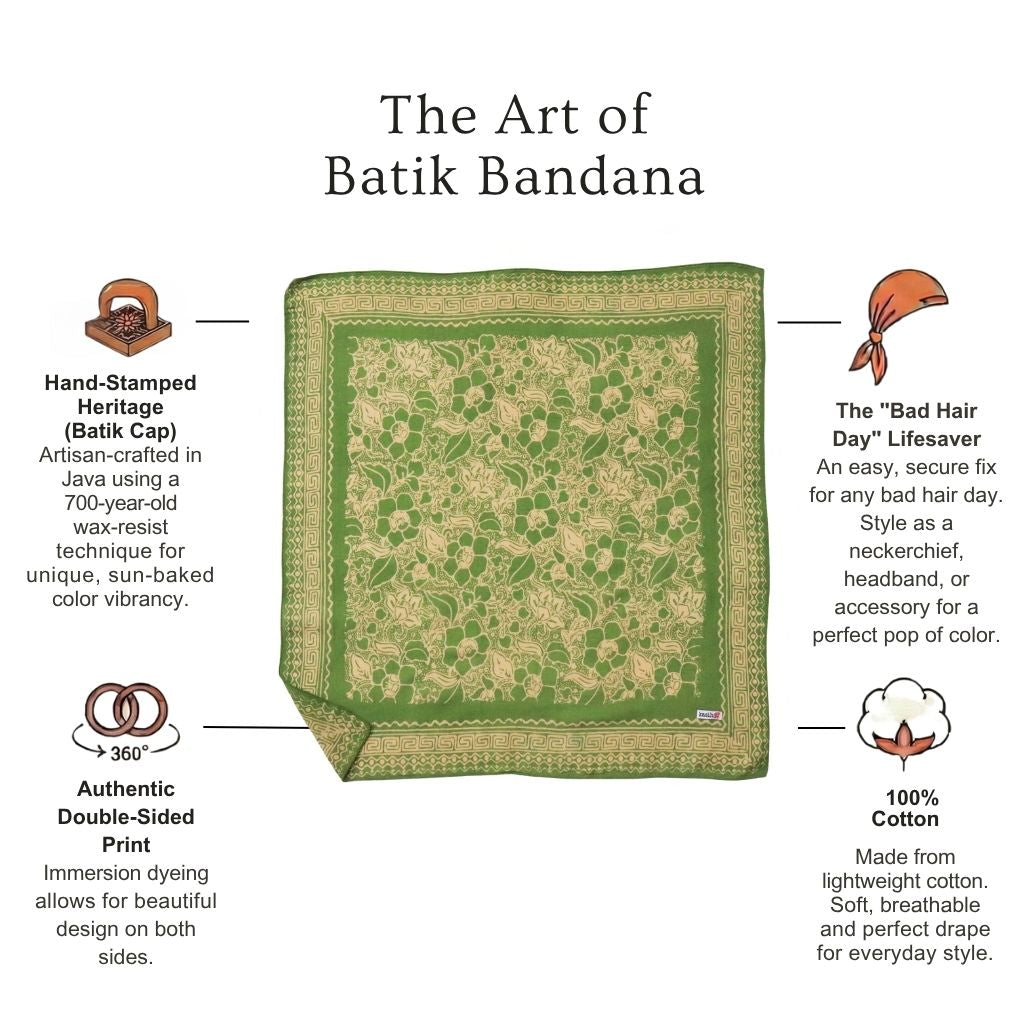
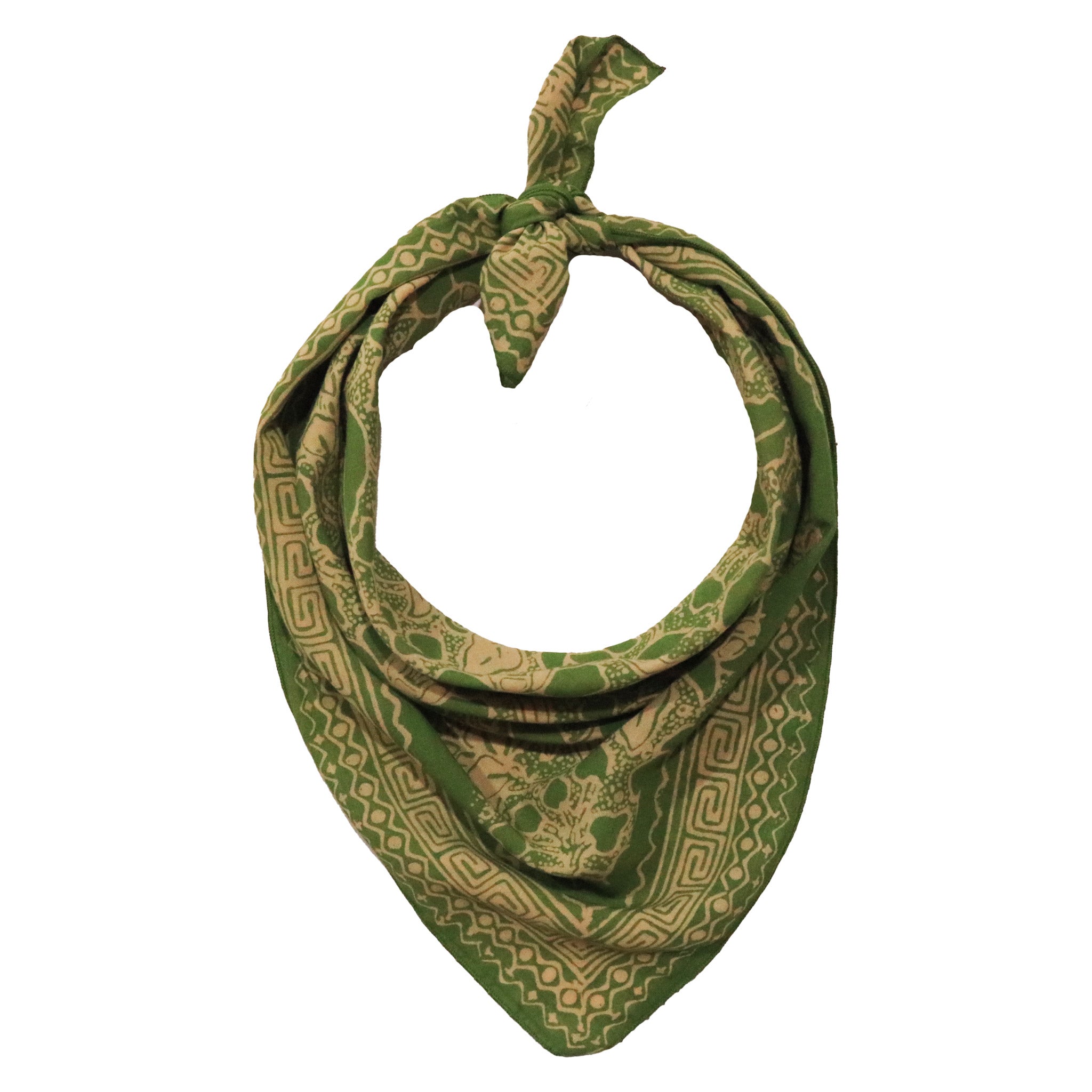
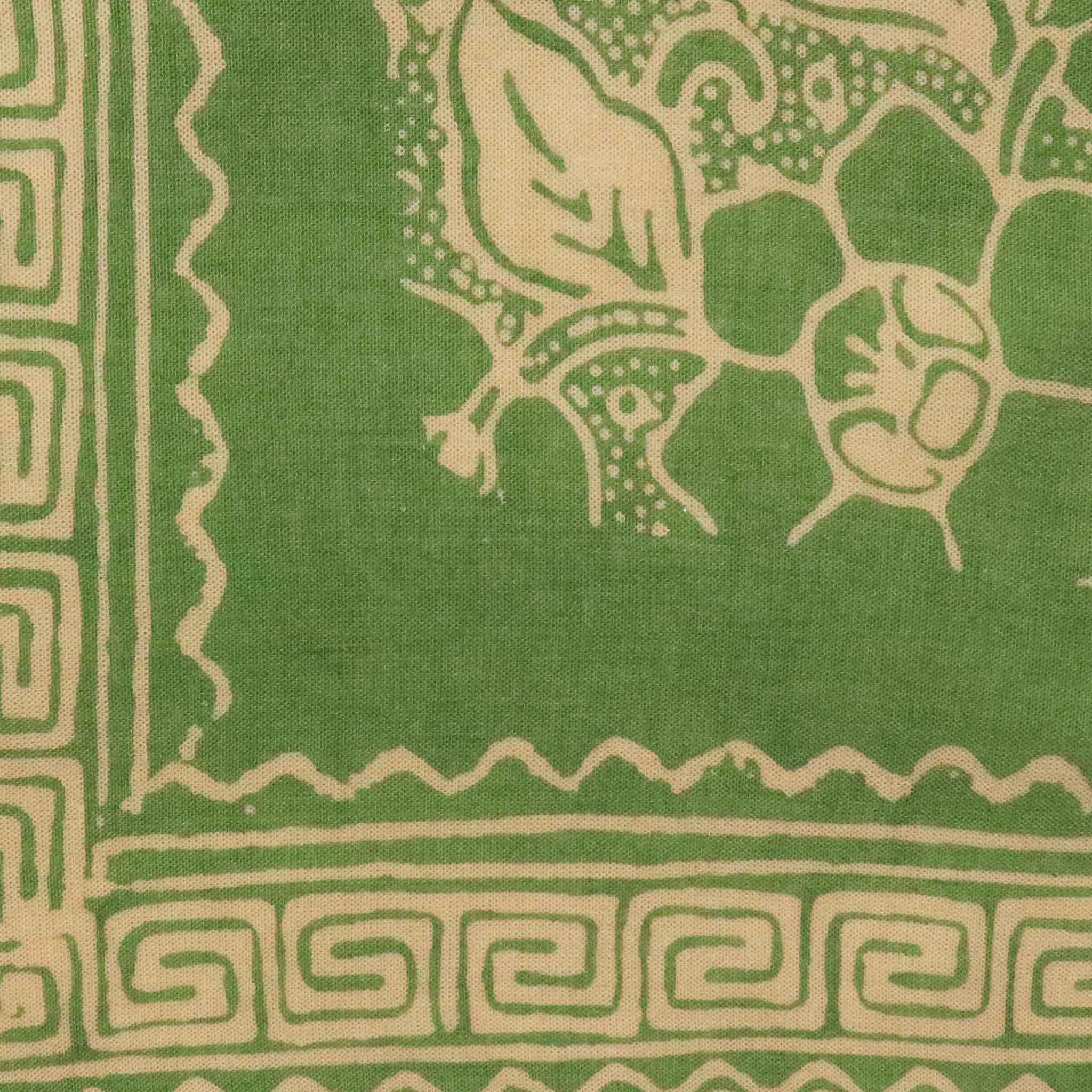
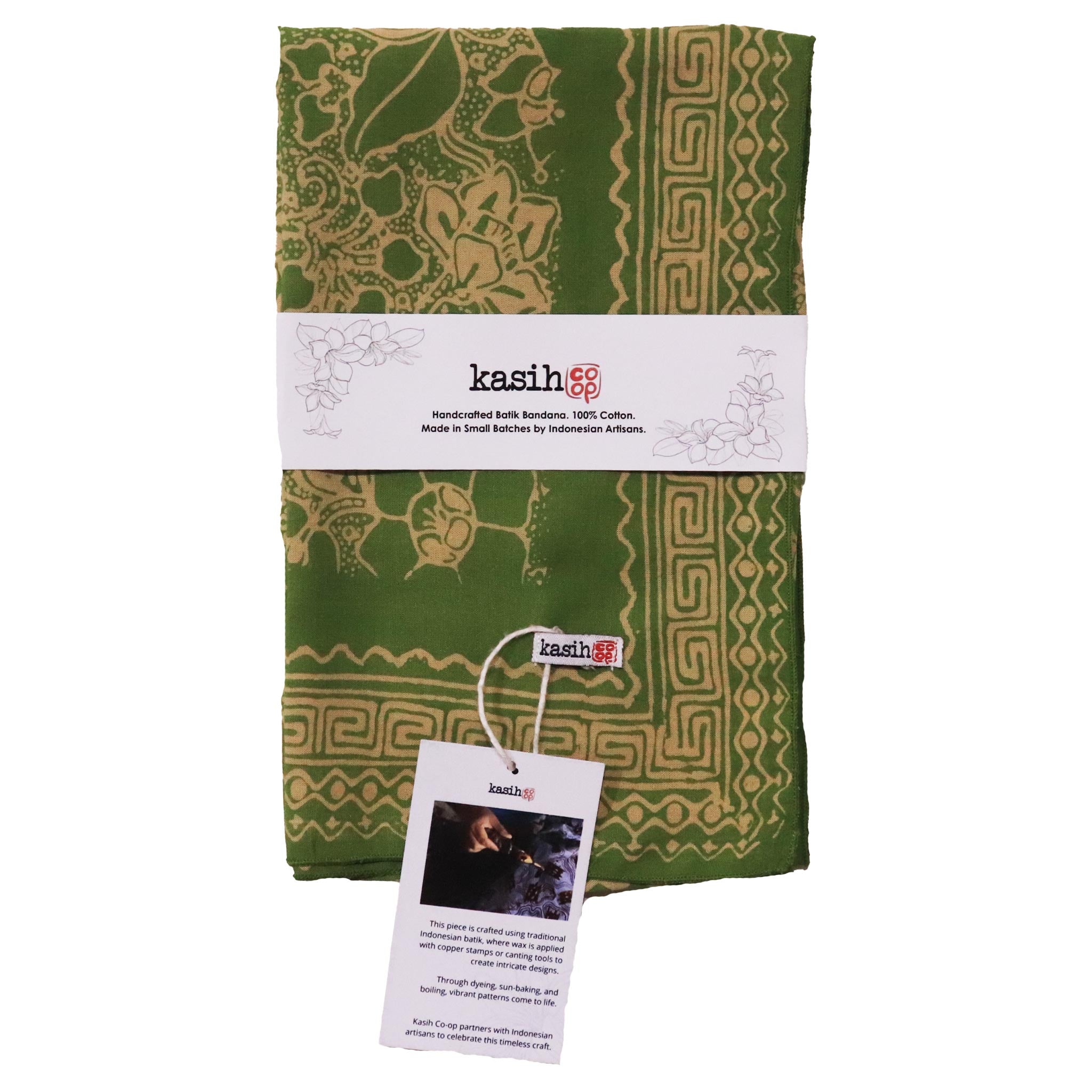
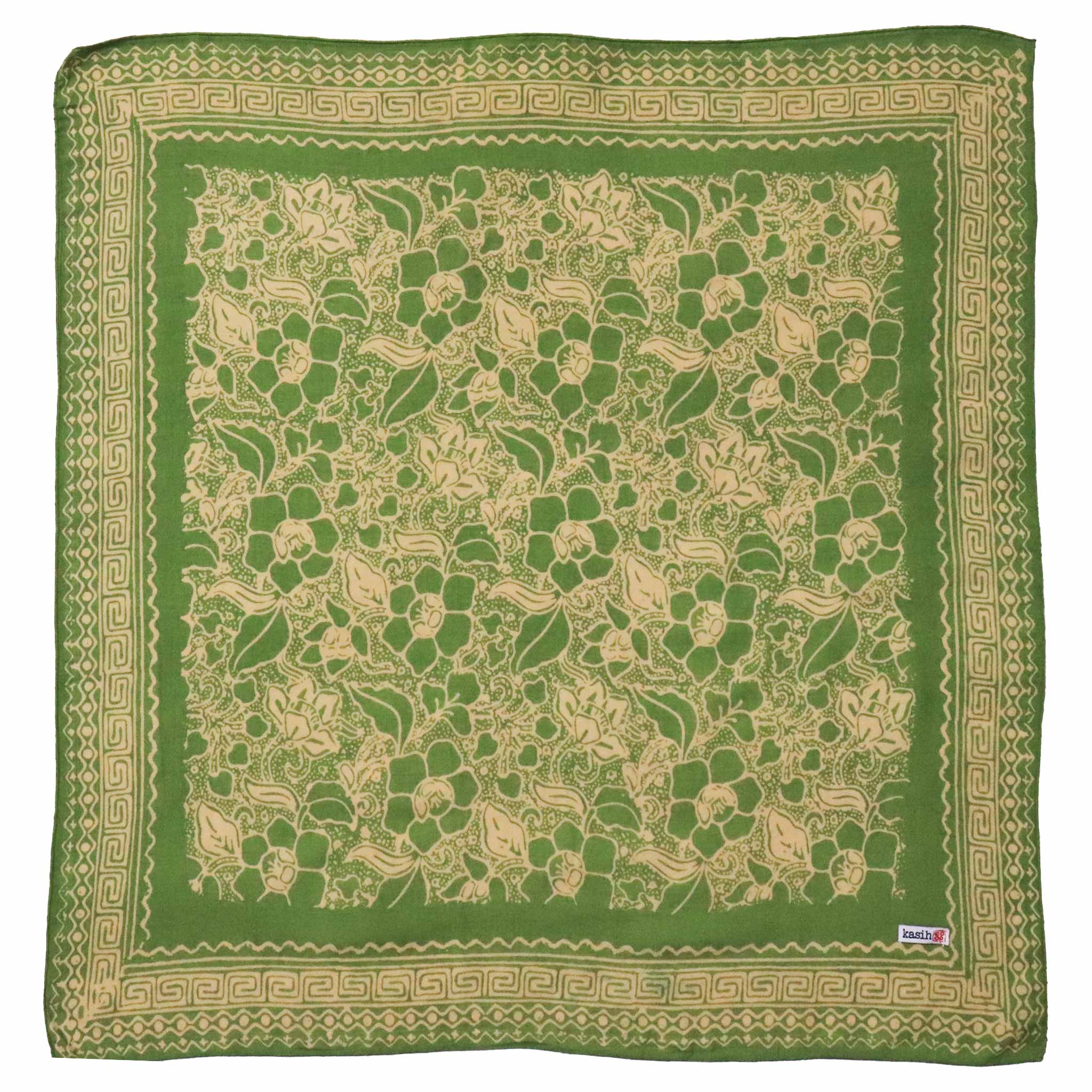
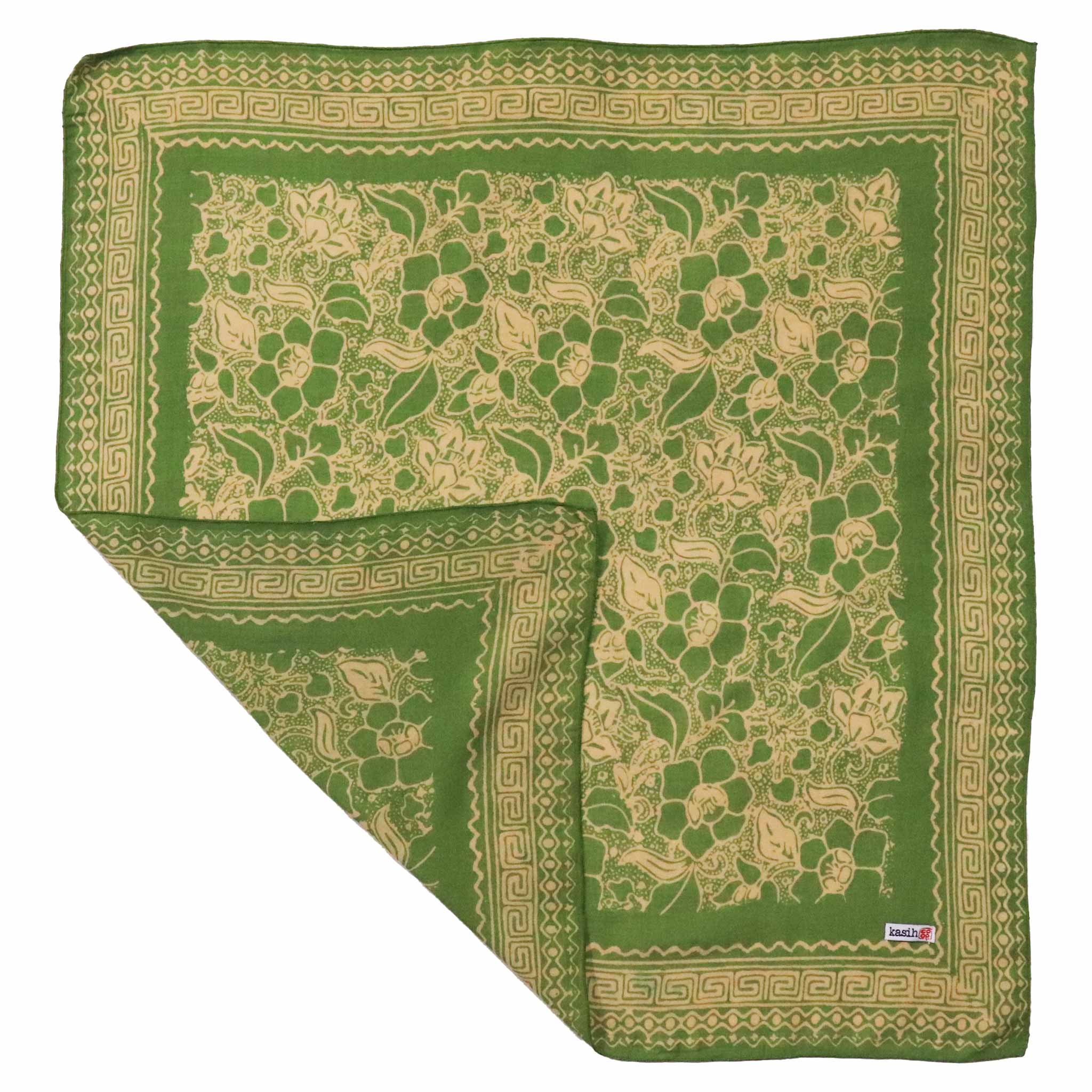
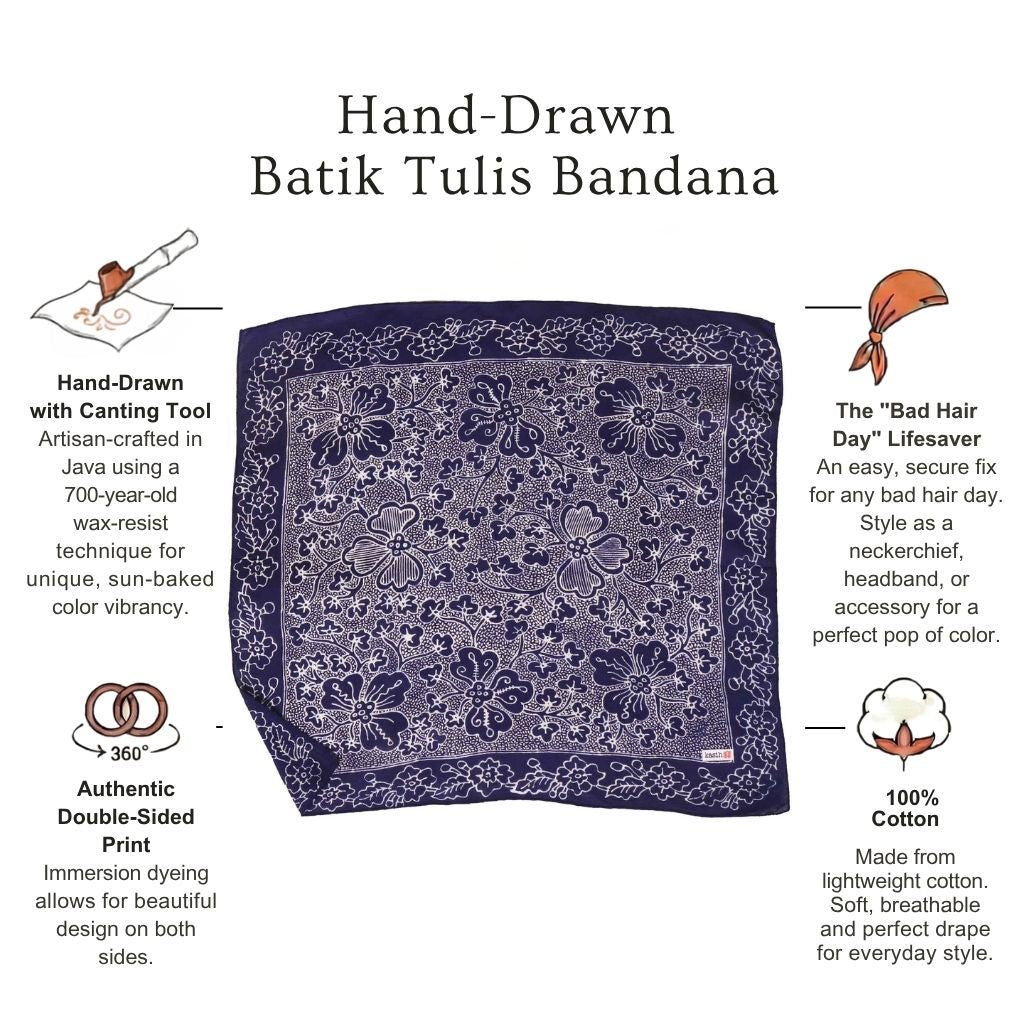
Nous travaillons également avec fierté avec des femmes artisanes, des créatrices qualifiées qui préservent des techniques textiles traditionnelles transmises de génération en génération. En choisissant de nous approvisionner de manière intentionnelle et de construire des partenariats à long terme, nous visons à contribuer à des revenus durables et à une visibilité continue pour leur artisanat.
Rencontrez nos artisanes
Madame Maroh

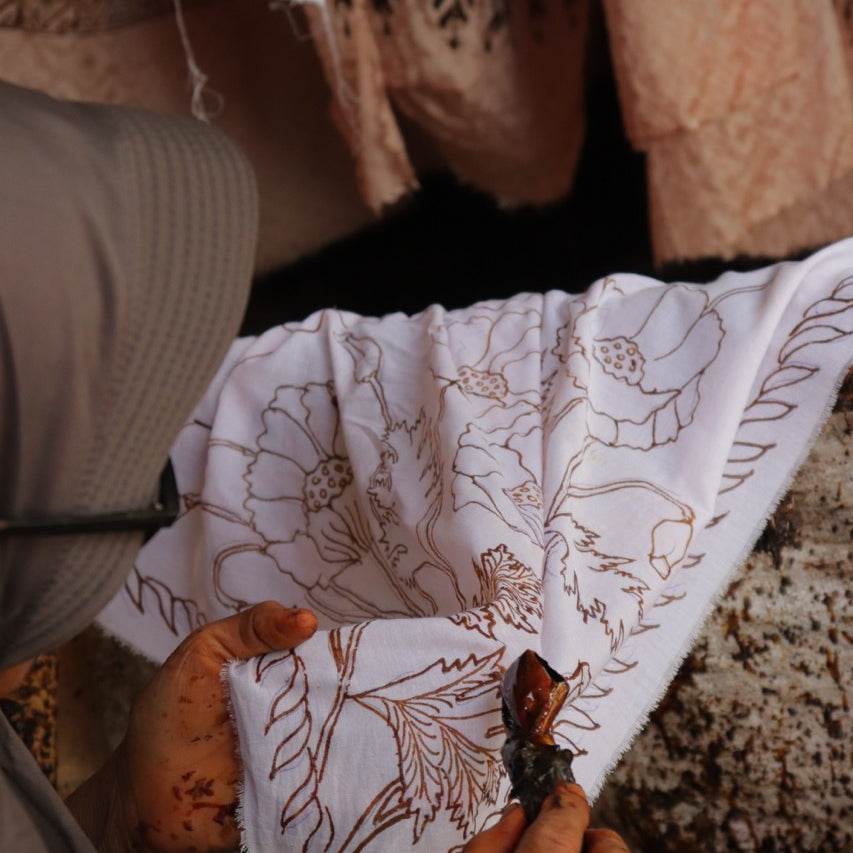
Madame Maroh a commencé son parcours dans le batik en travaillant pour d'autres, confectionnant soigneusement des pièces à la main bien avant de créer sa propre entreprise. Au fil du temps, elle a construit son propre atelier et s'est consacrée à la préservation des techniques traditionnelles.
En vieillissant, elle a choisi de se concentrer uniquement sur le batik entièrement dessiné à la main — le processus le plus complexe et le plus long — laissant les opérations quotidiennes à sa fille et à son gendre. Aujourd'hui, l'entreprise familiale ne fait pas seulement perdurer son héritage, mais offre également des opportunités d'emploi aux voisins de sa communauté, créant un impact local modeste mais significatif.
Madame Rosipah

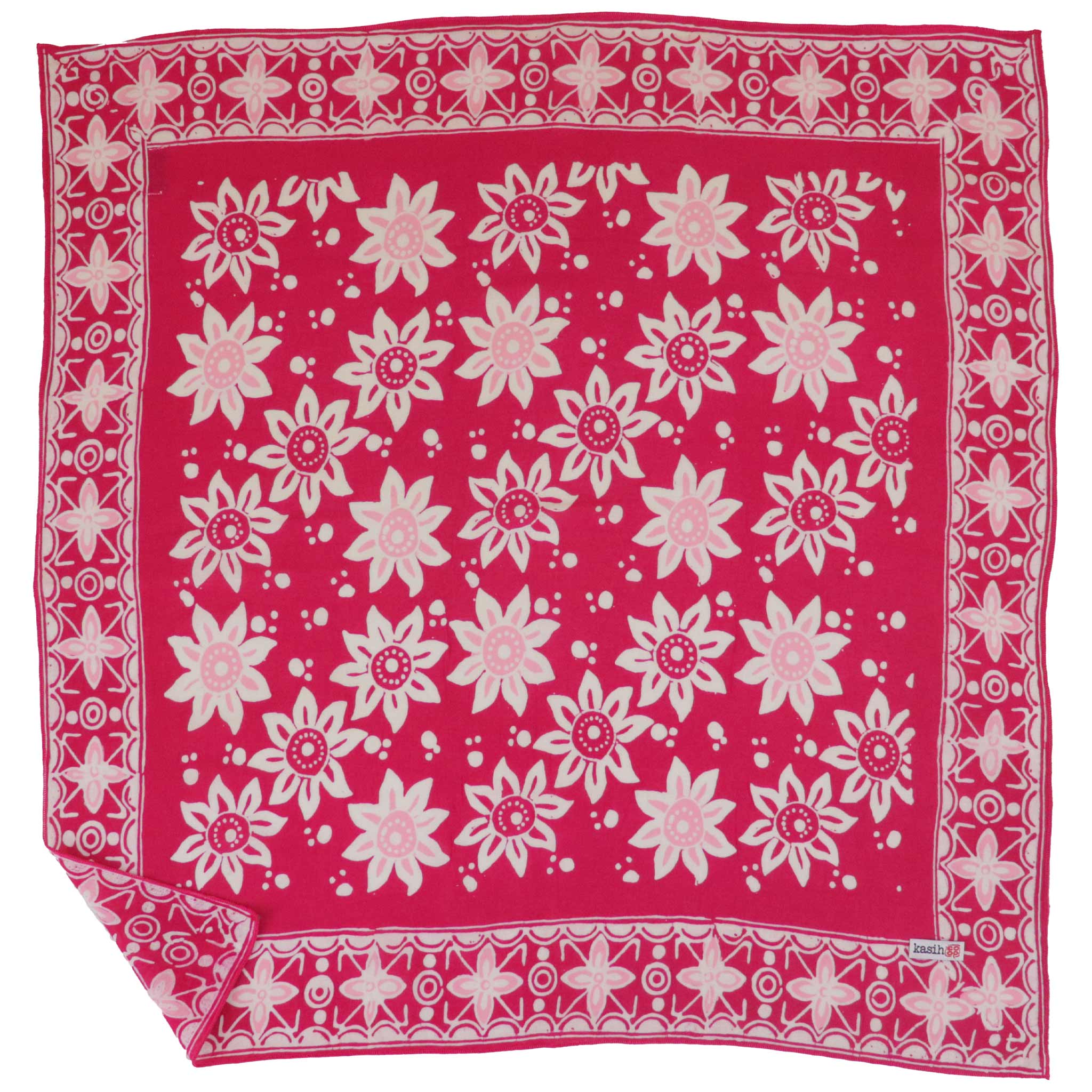
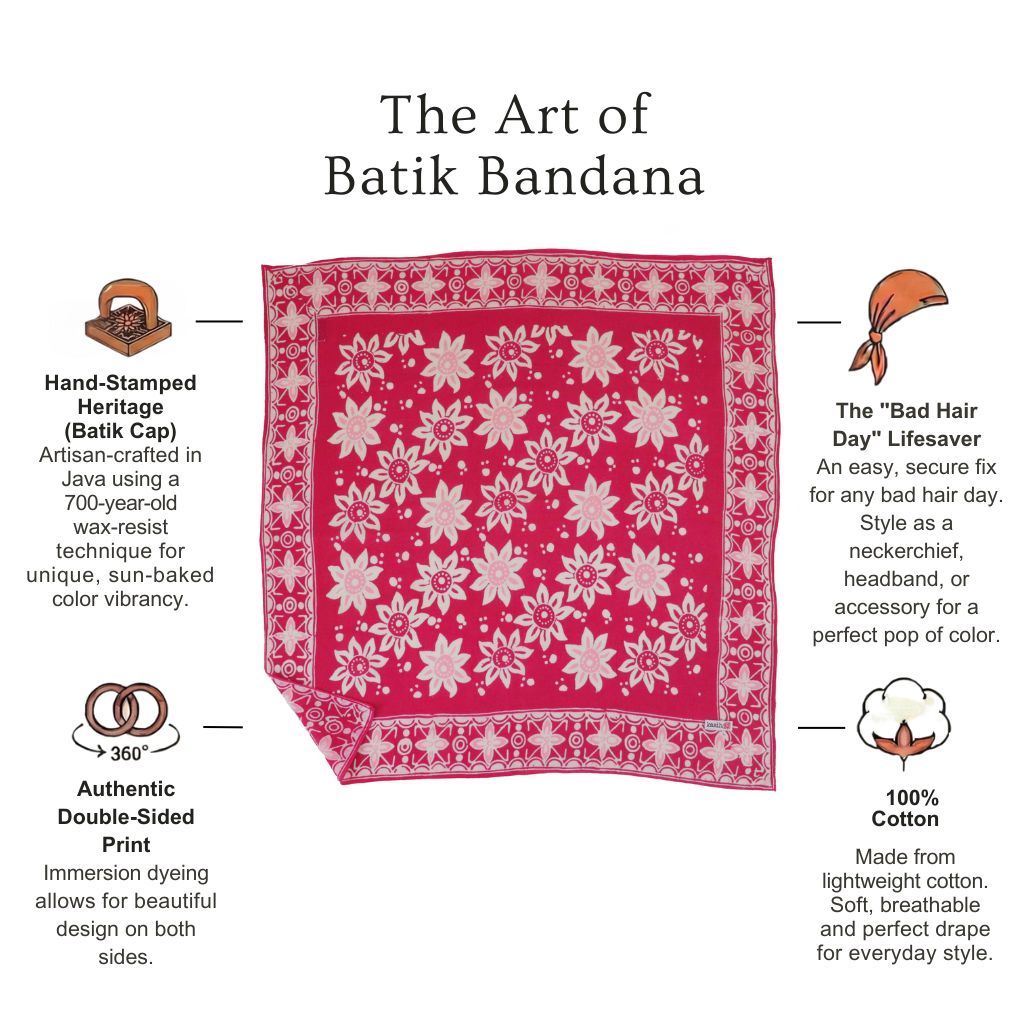
Madame Rosipah représente la prochaine génération d'artisanes du batik. Elle a hérité de l'entreprise de batik de ses parents et a appris dès son plus jeune âge à créer du batik à la main. Au fil des années d'apprentissage et de pratique, l'artisanat est devenu à la fois sa compétence et sa vocation.
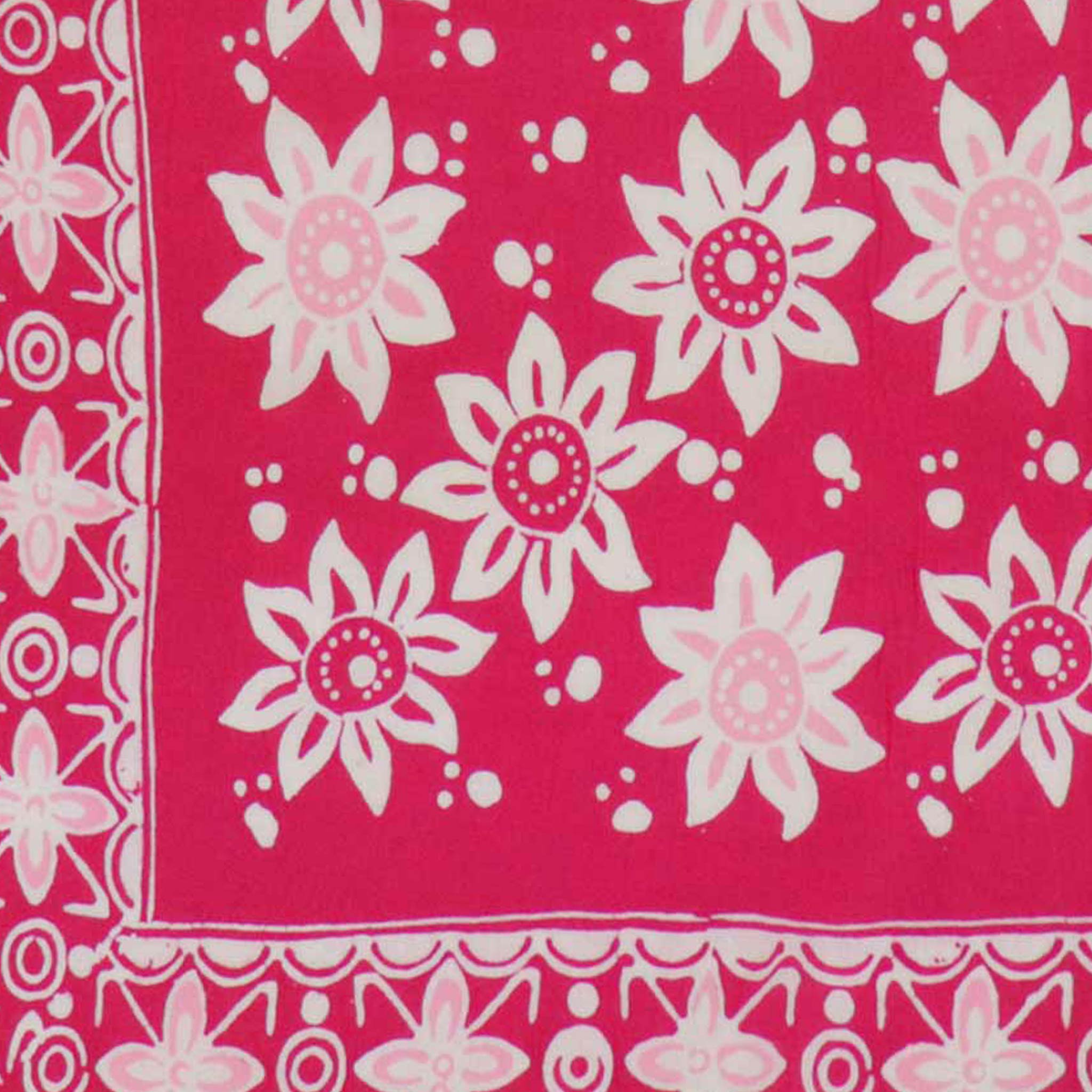
Elle a ensuite rencontré son mari, qui a également appris l'art du batik, et ensemble ils continuent de diriger l'entreprise familiale. Malgré la gestion des opérations, Madame Rosipah passe toujours ses journées à faire elle-même du batik estampillé, restant étroitement liée à l'artisanat qui a façonné sa vie.
En cette Journée internationale des femmes, nous célébrons les femmes qui dirigent des entreprises, préservent le patrimoine, élèvent des familles, brisent les barrières et façonnent l'avenir, souvent tout à la fois. Et nous restons déterminés à faire notre part.