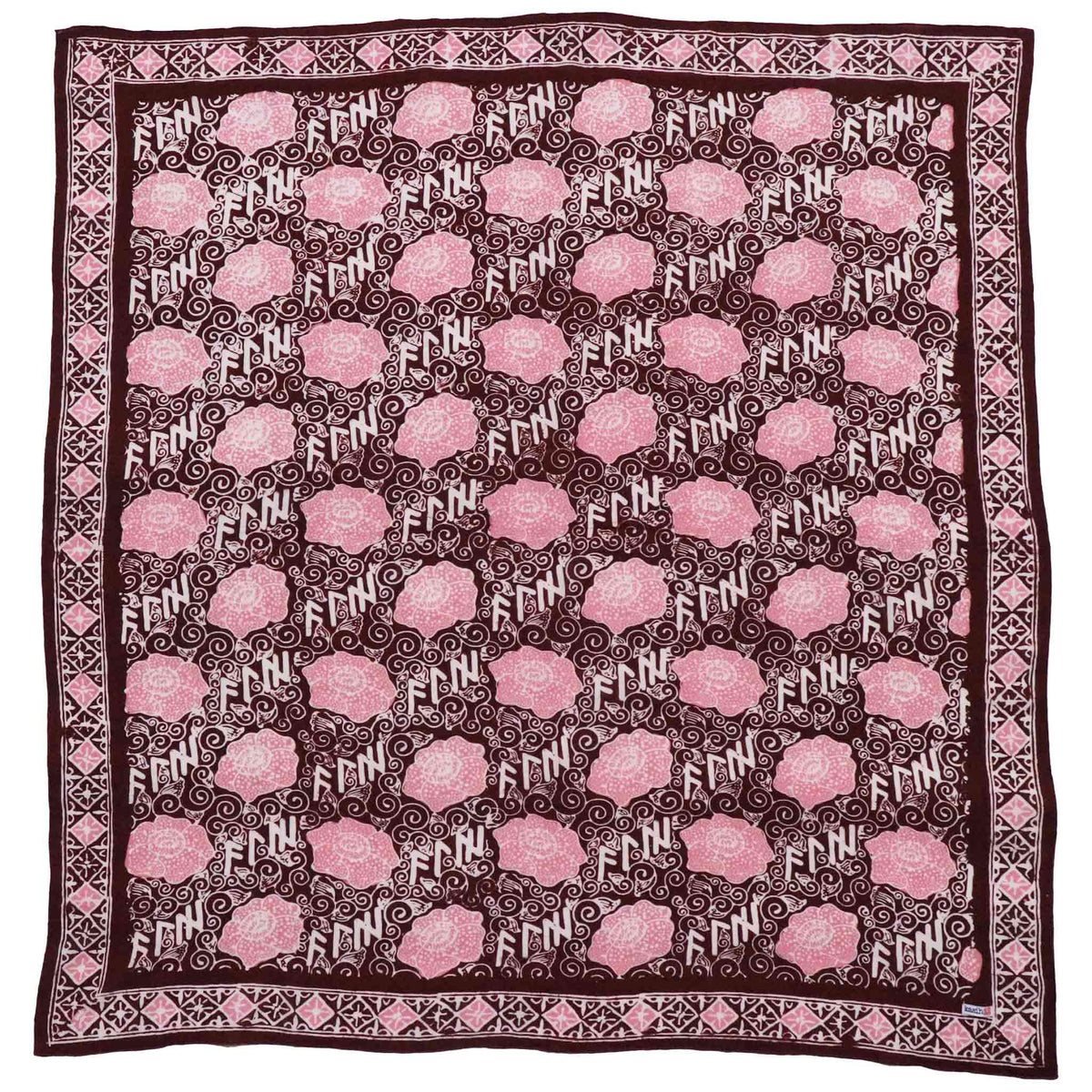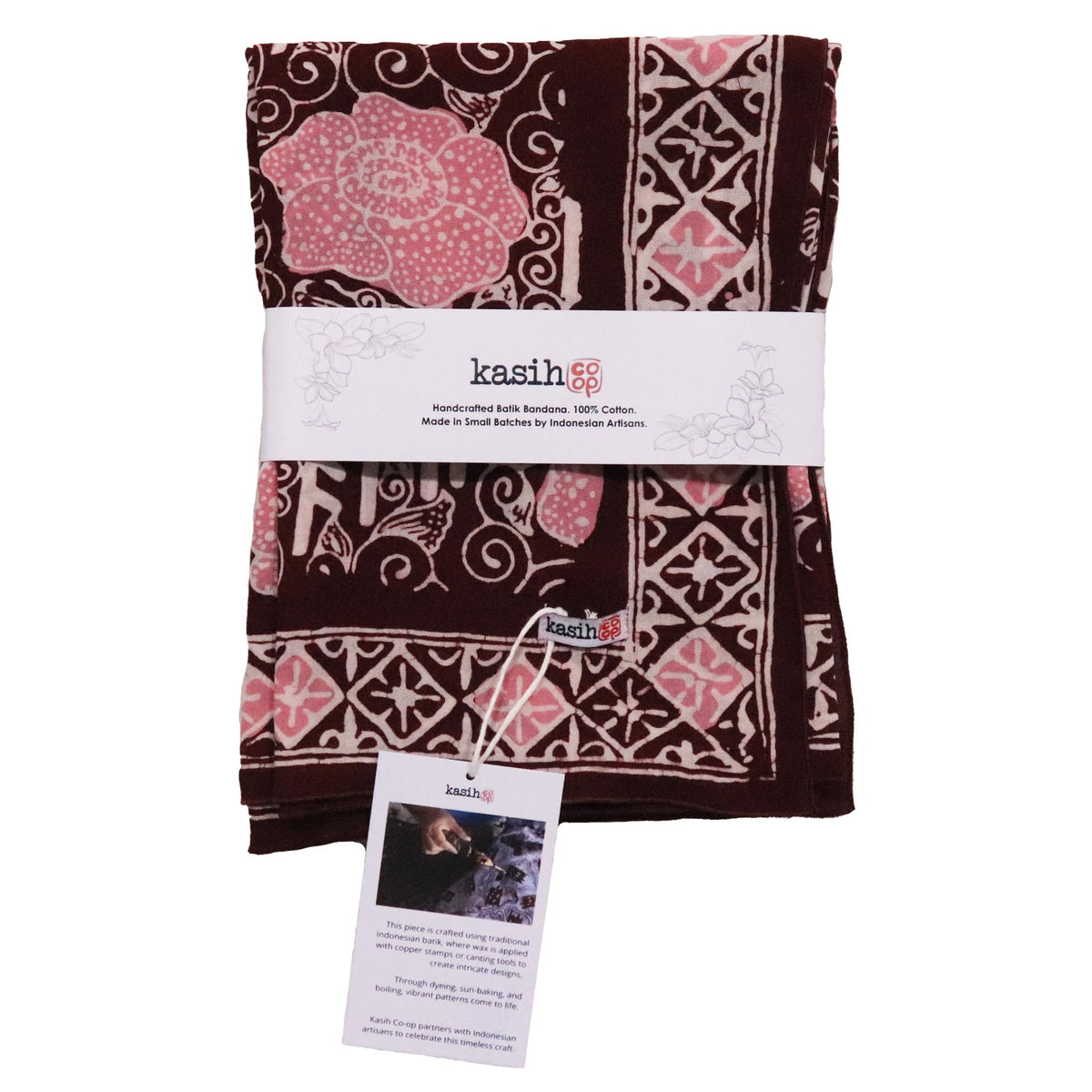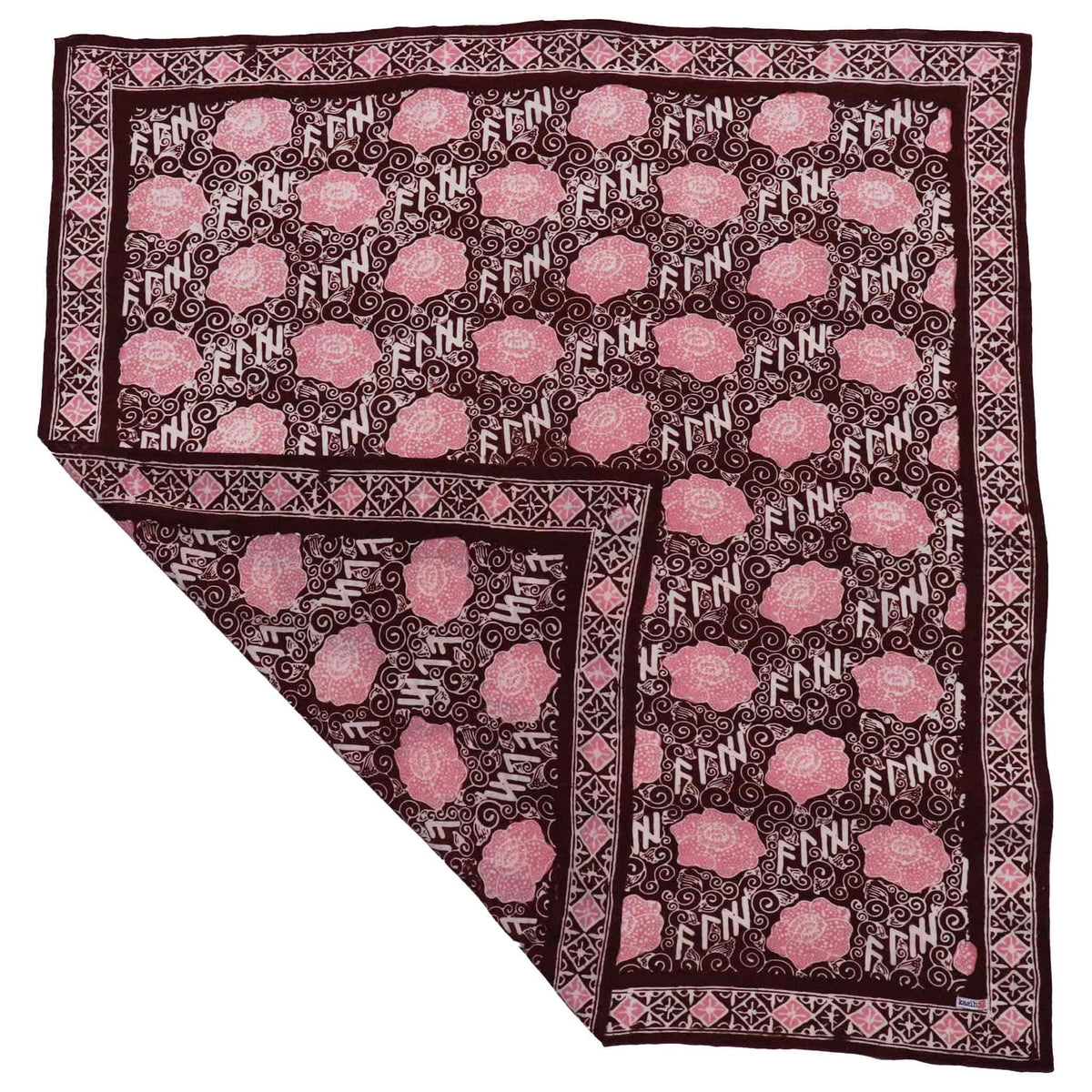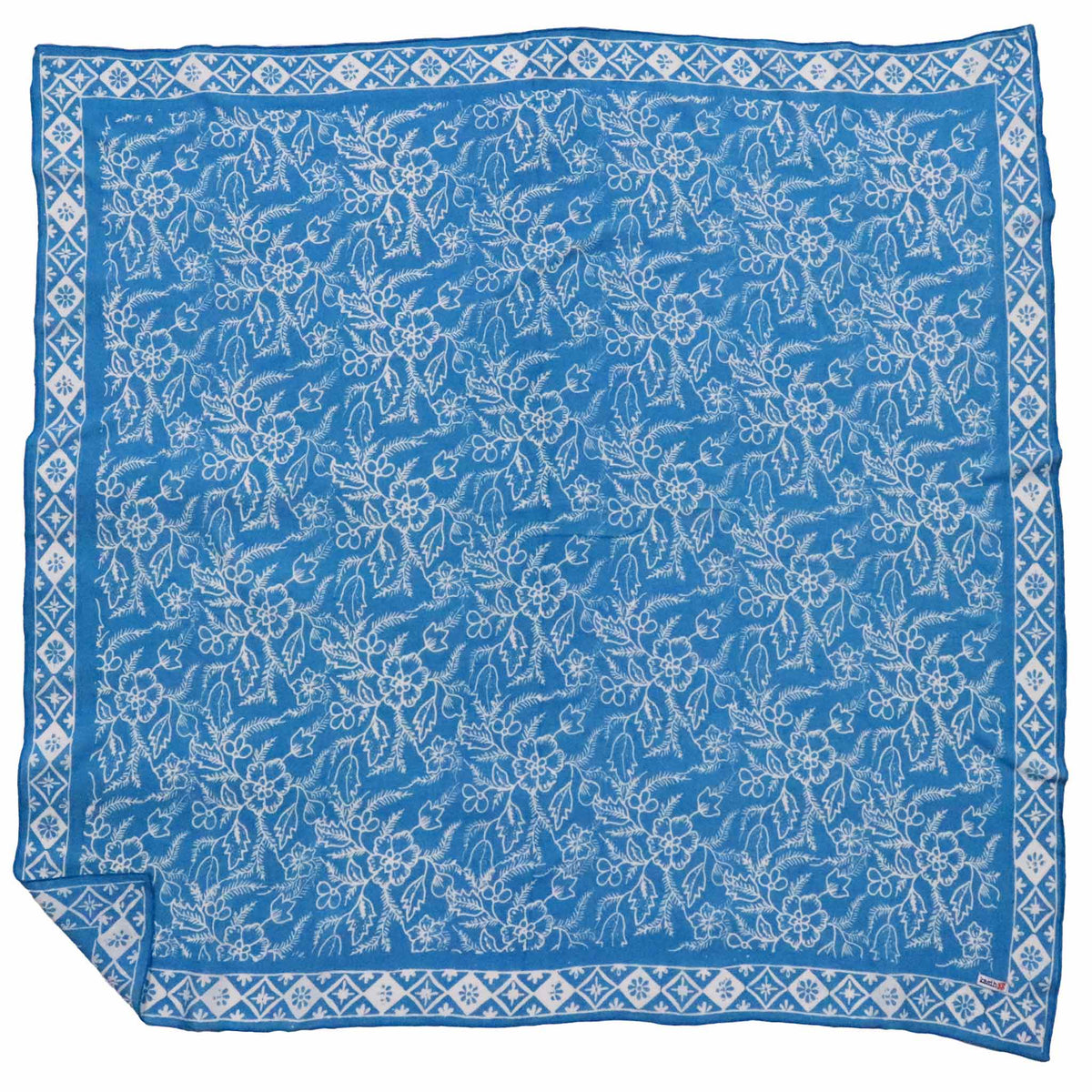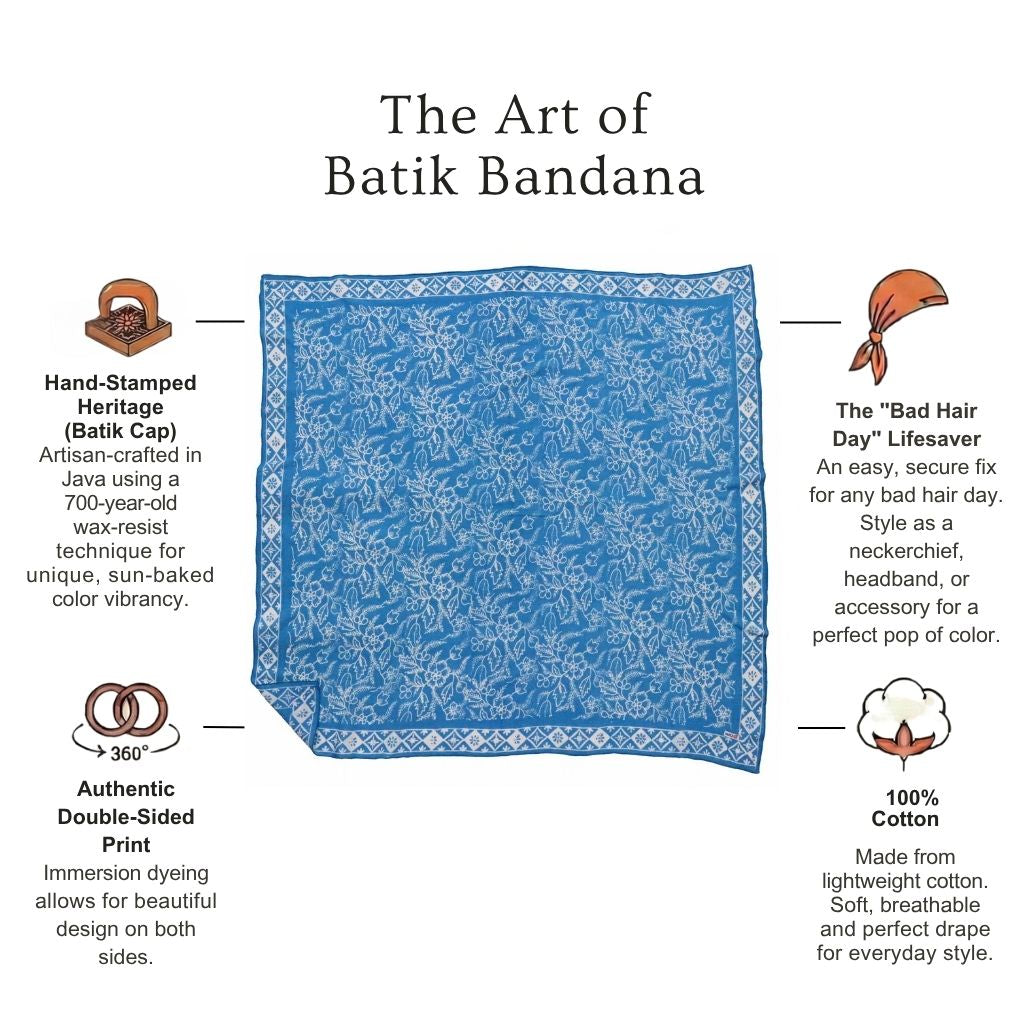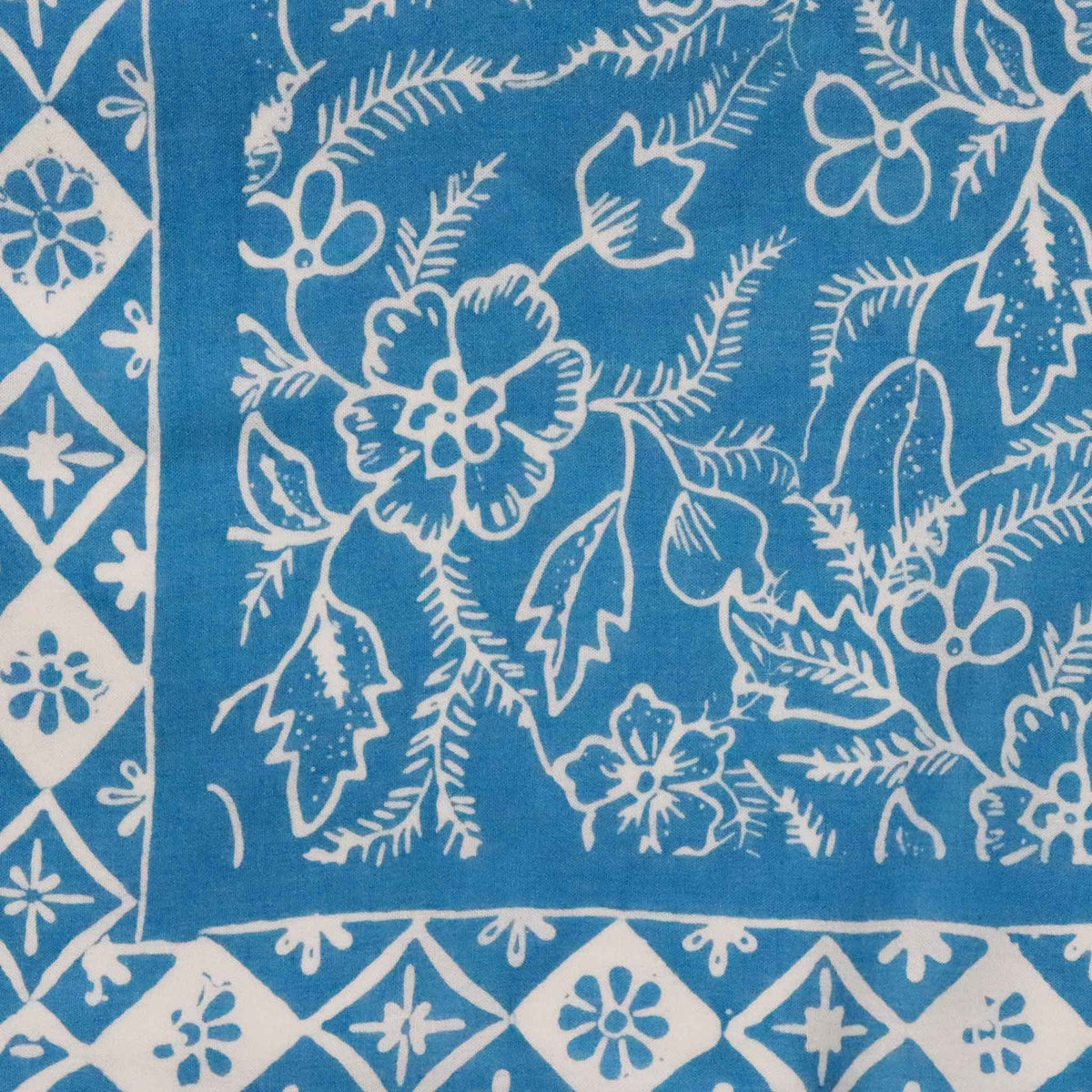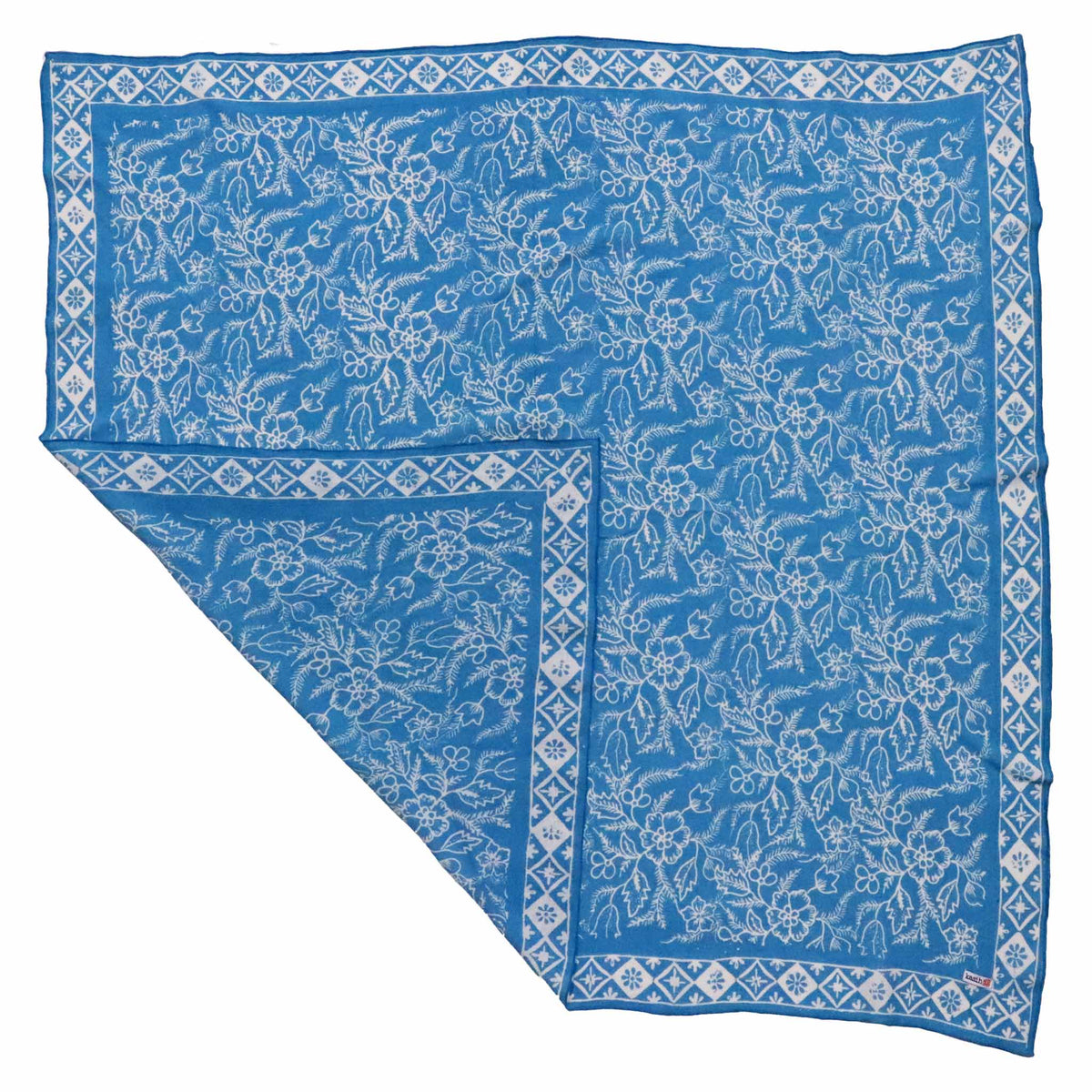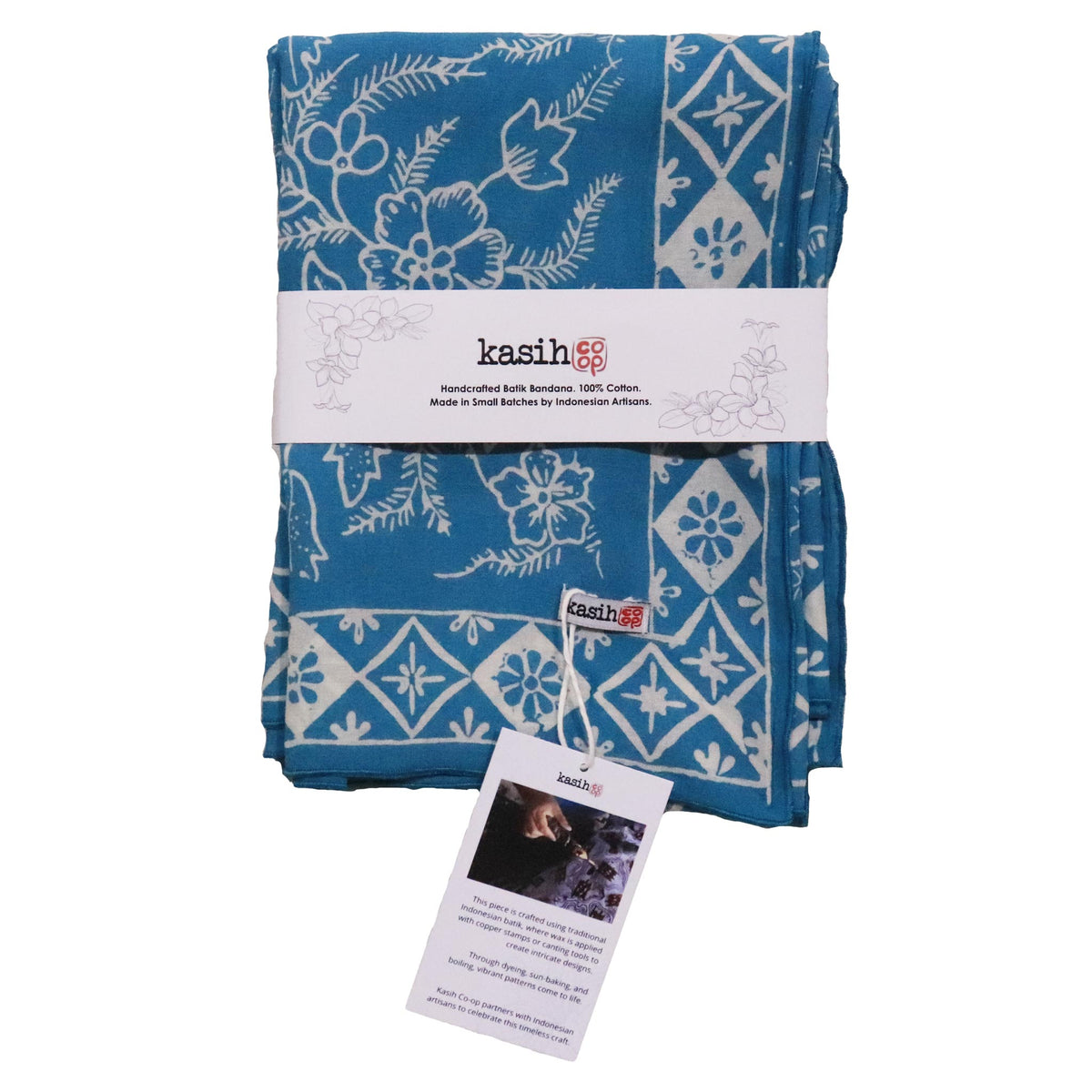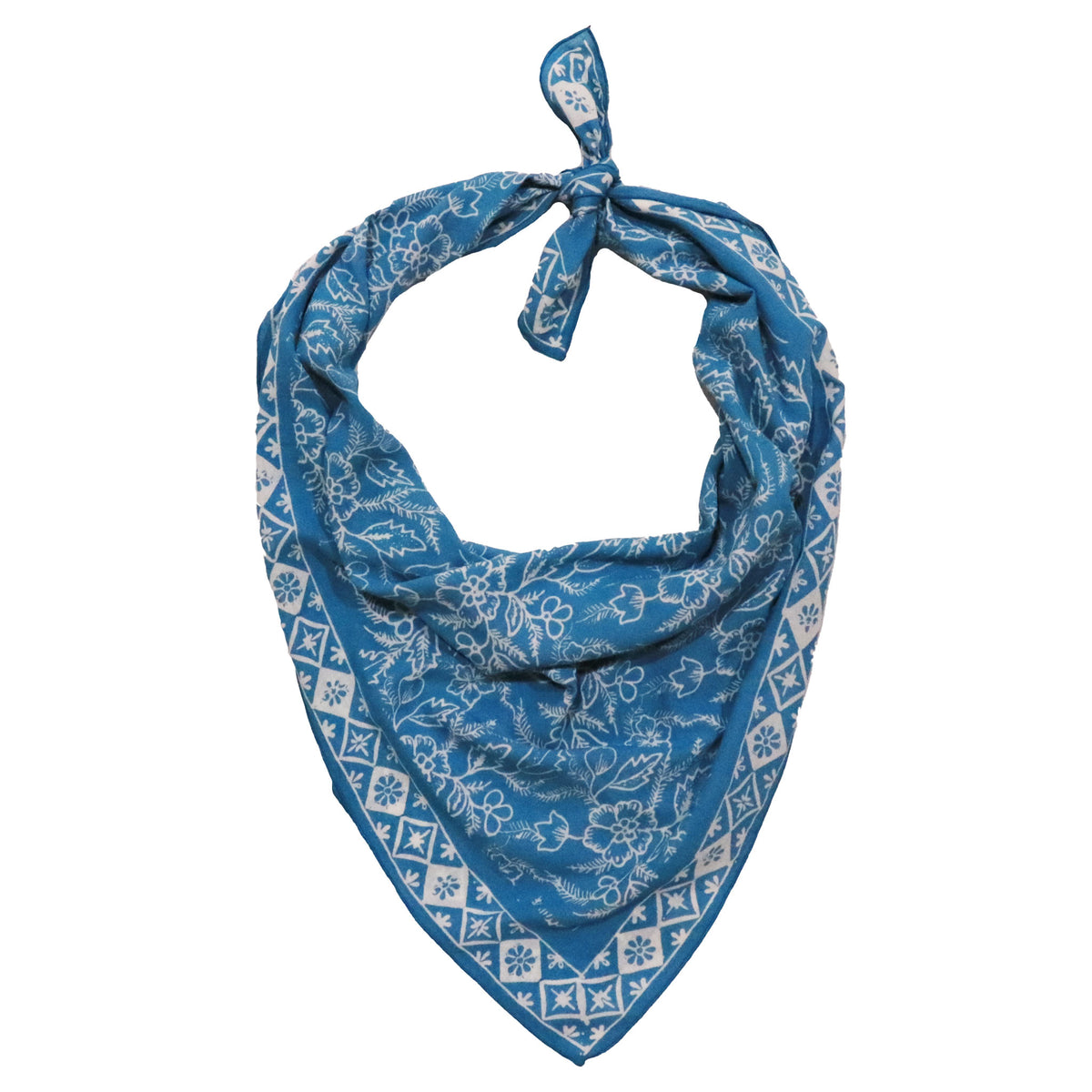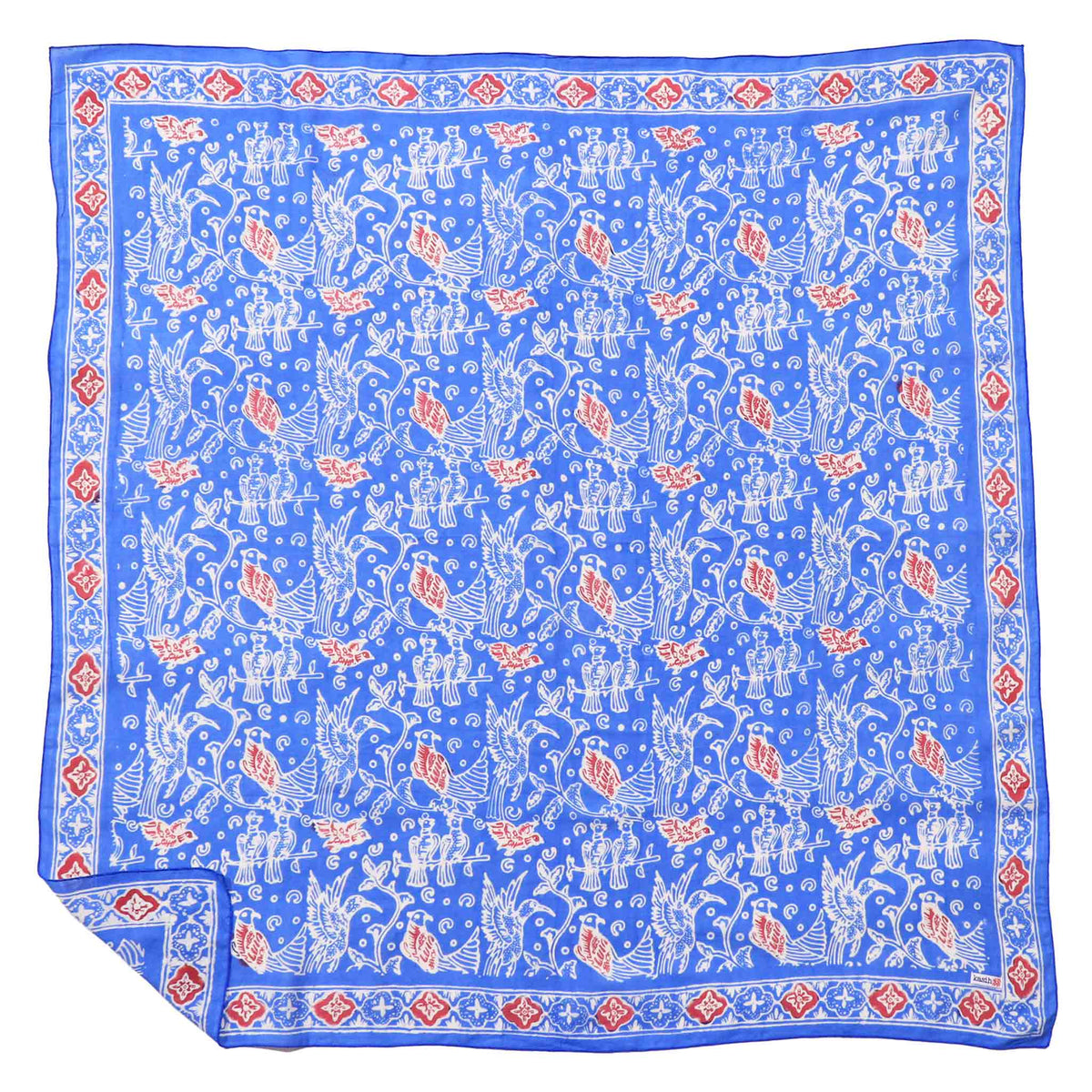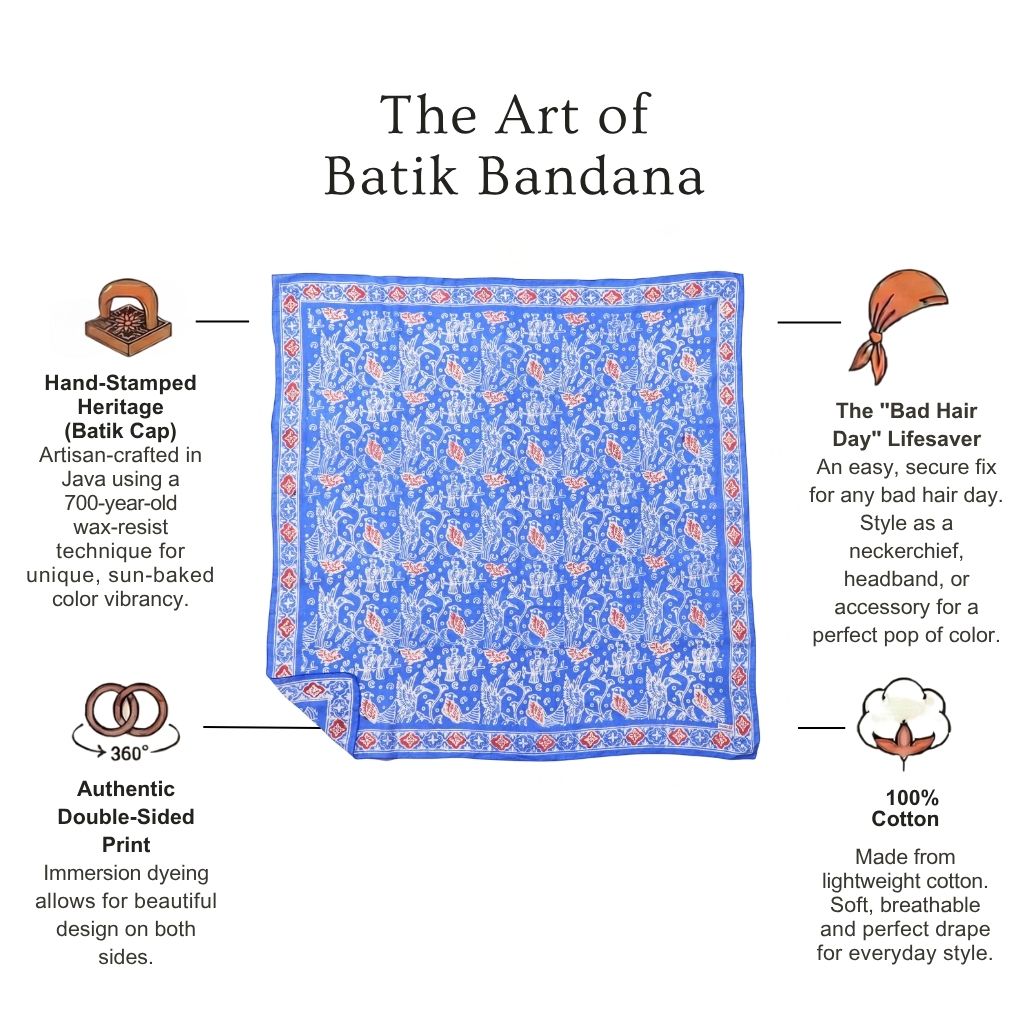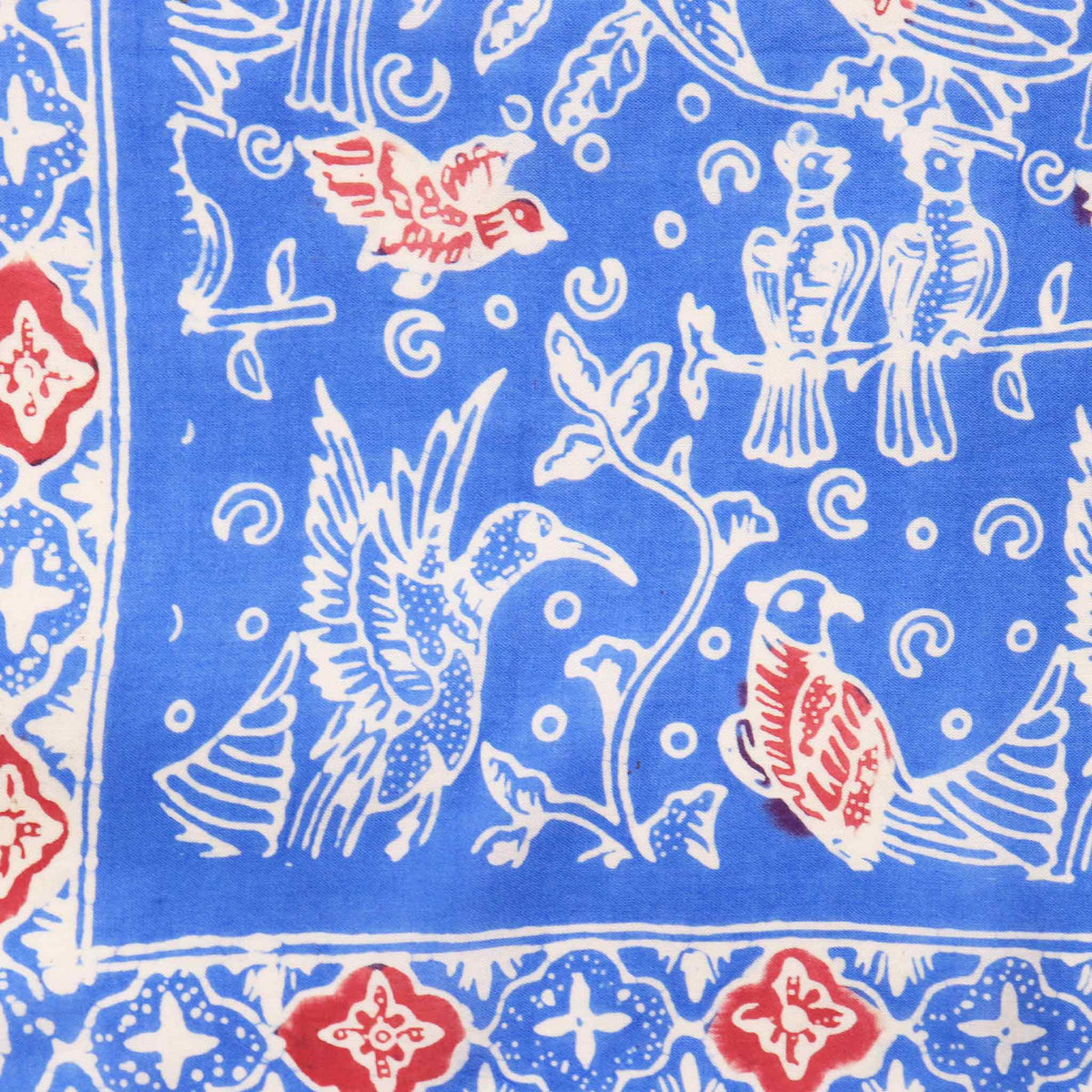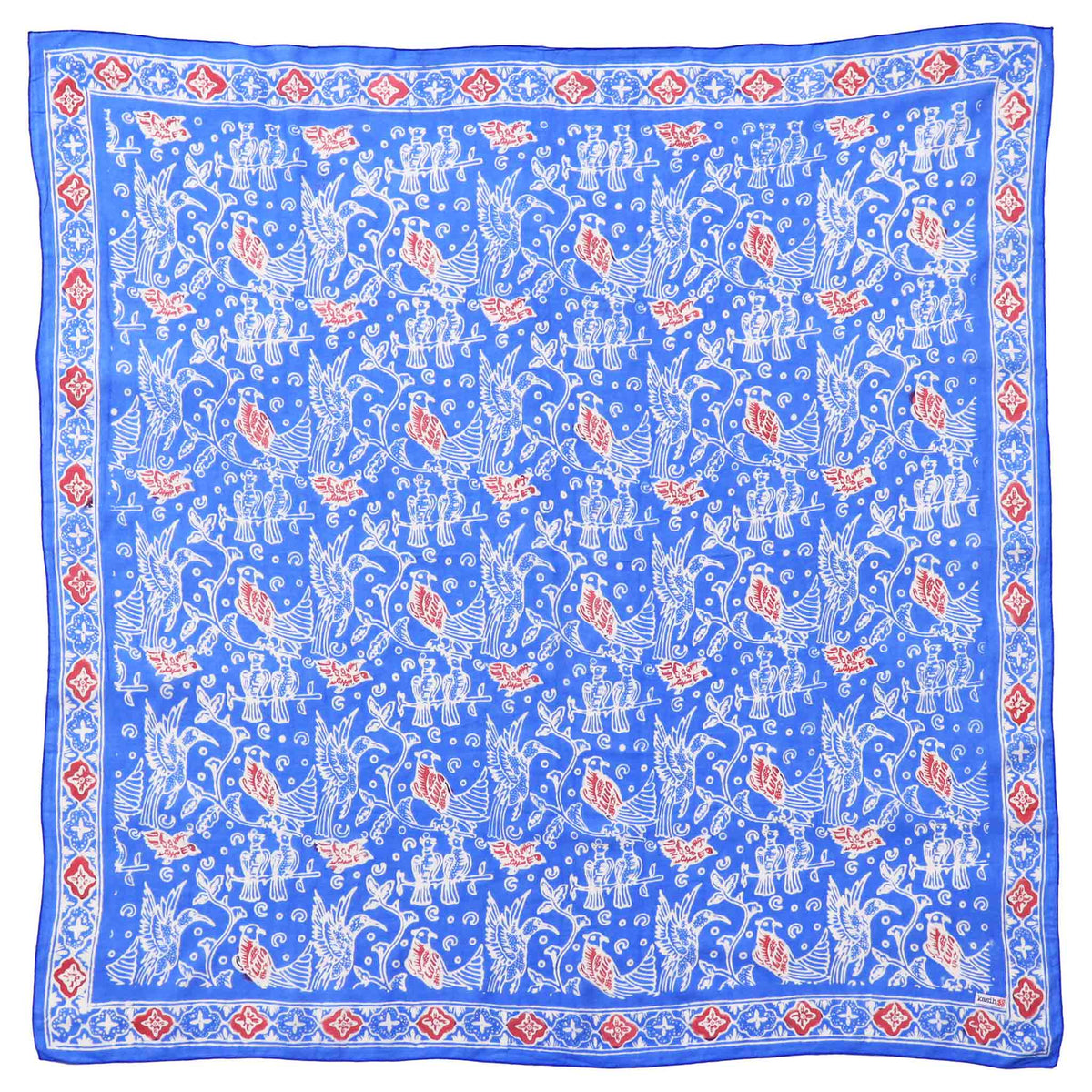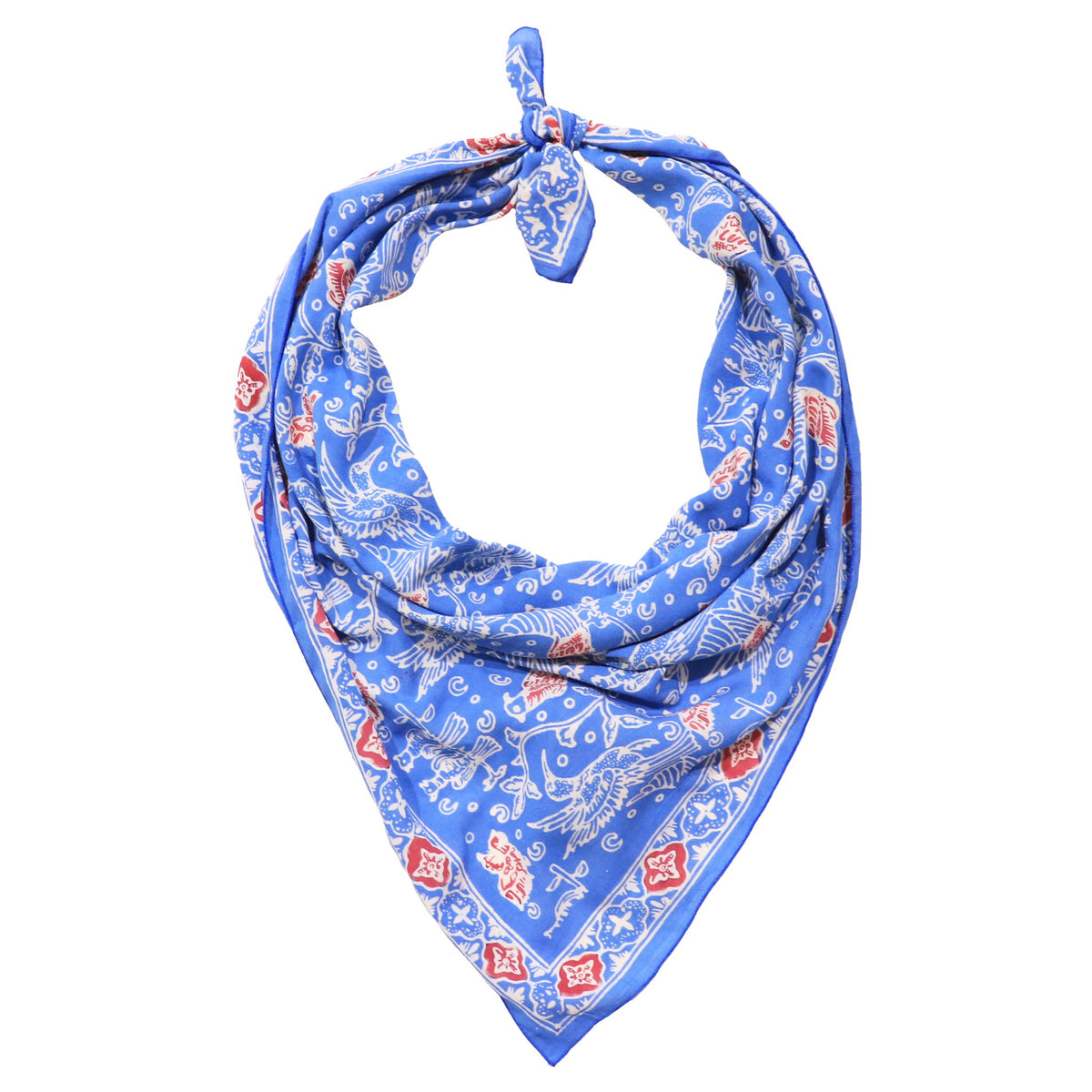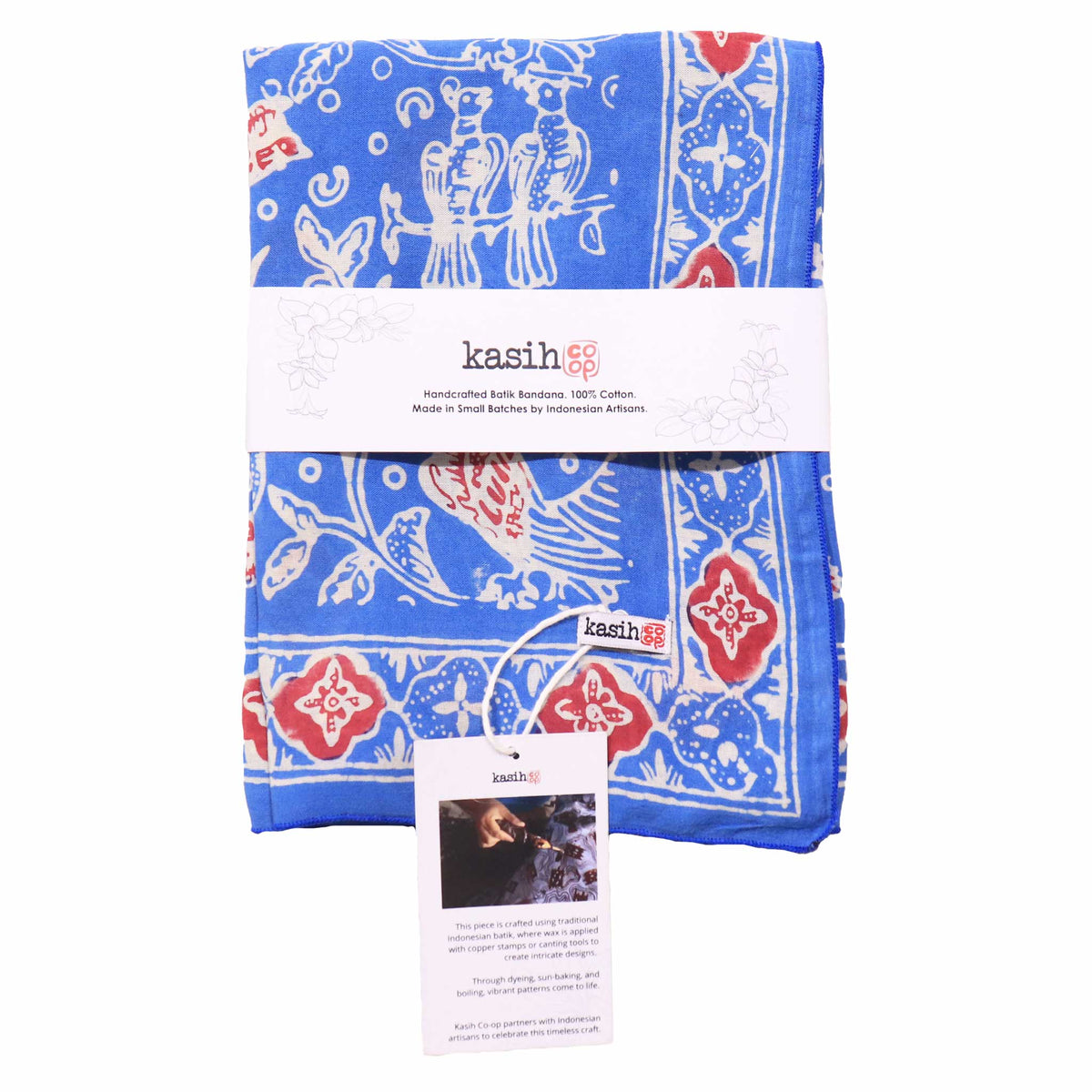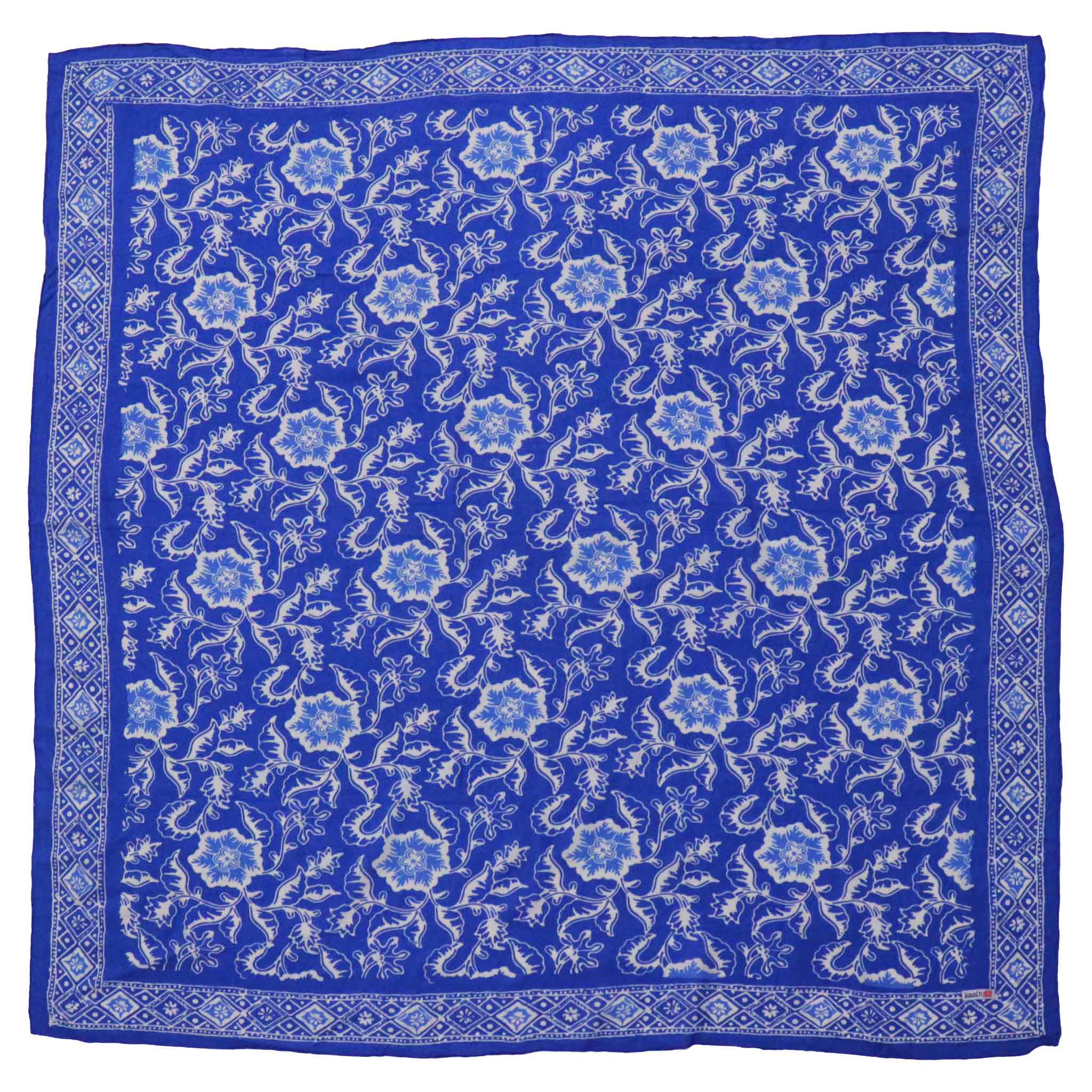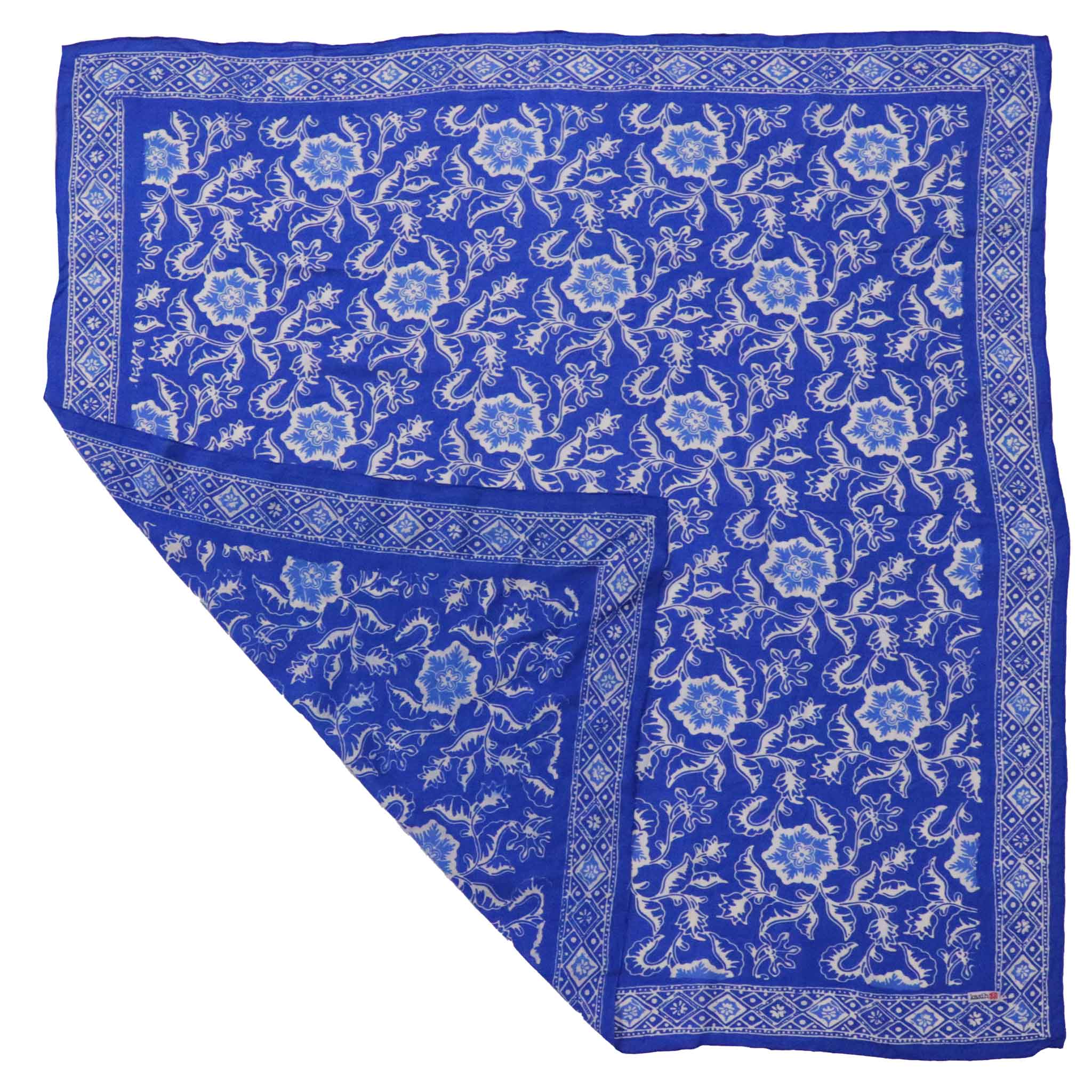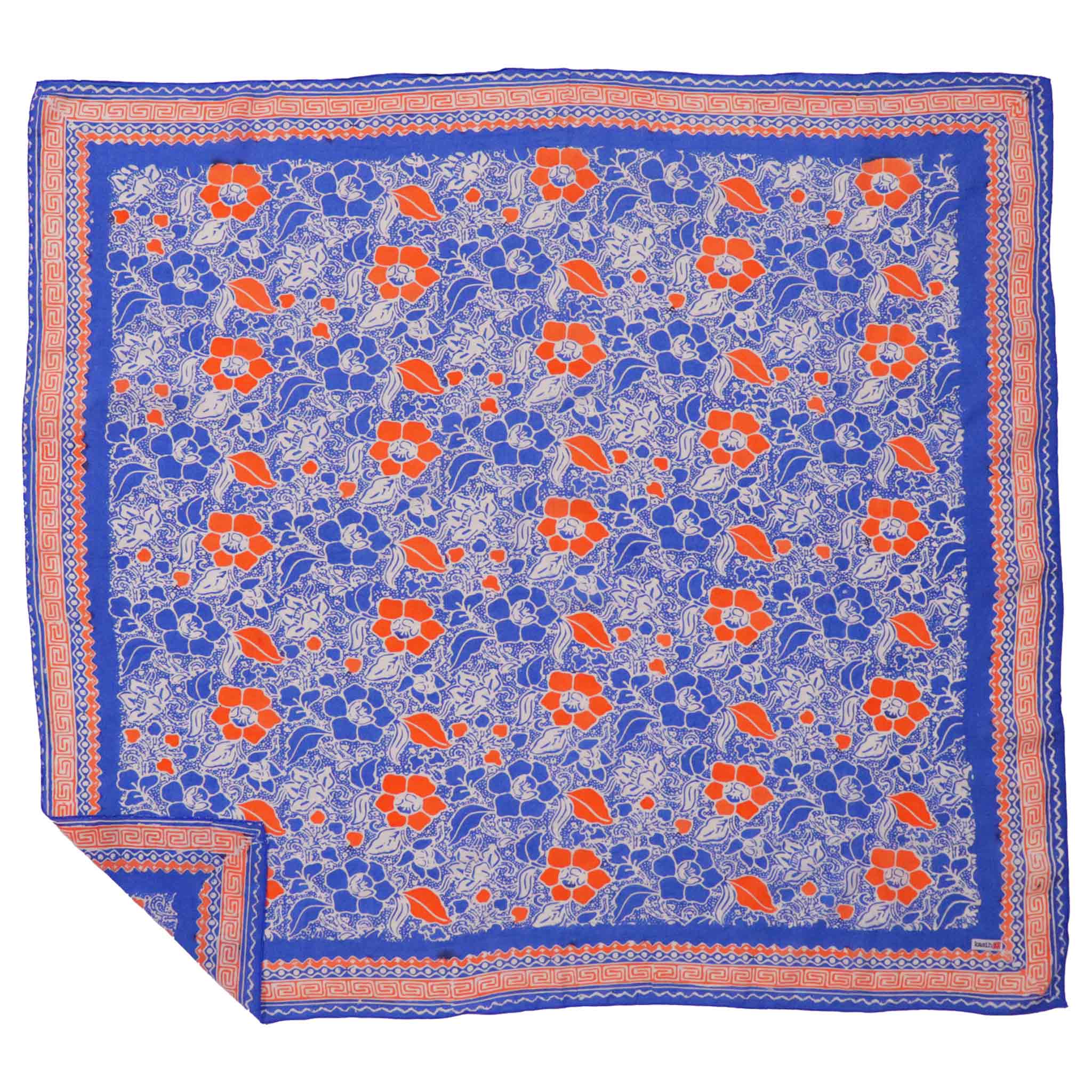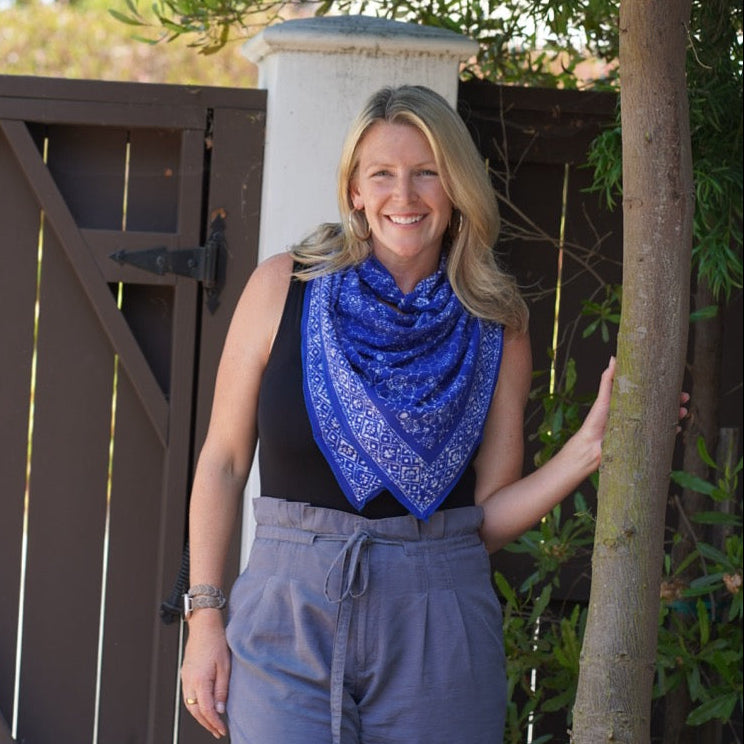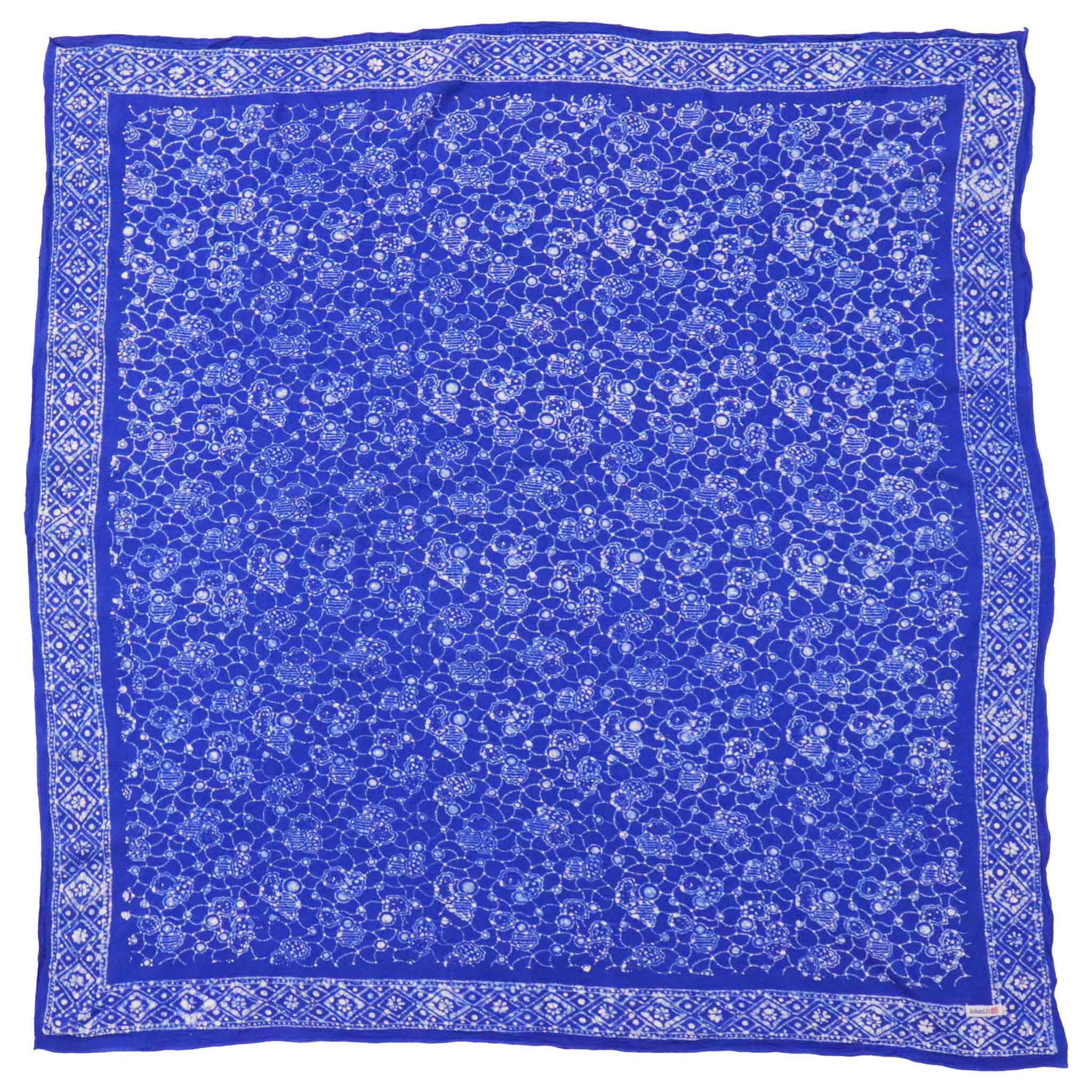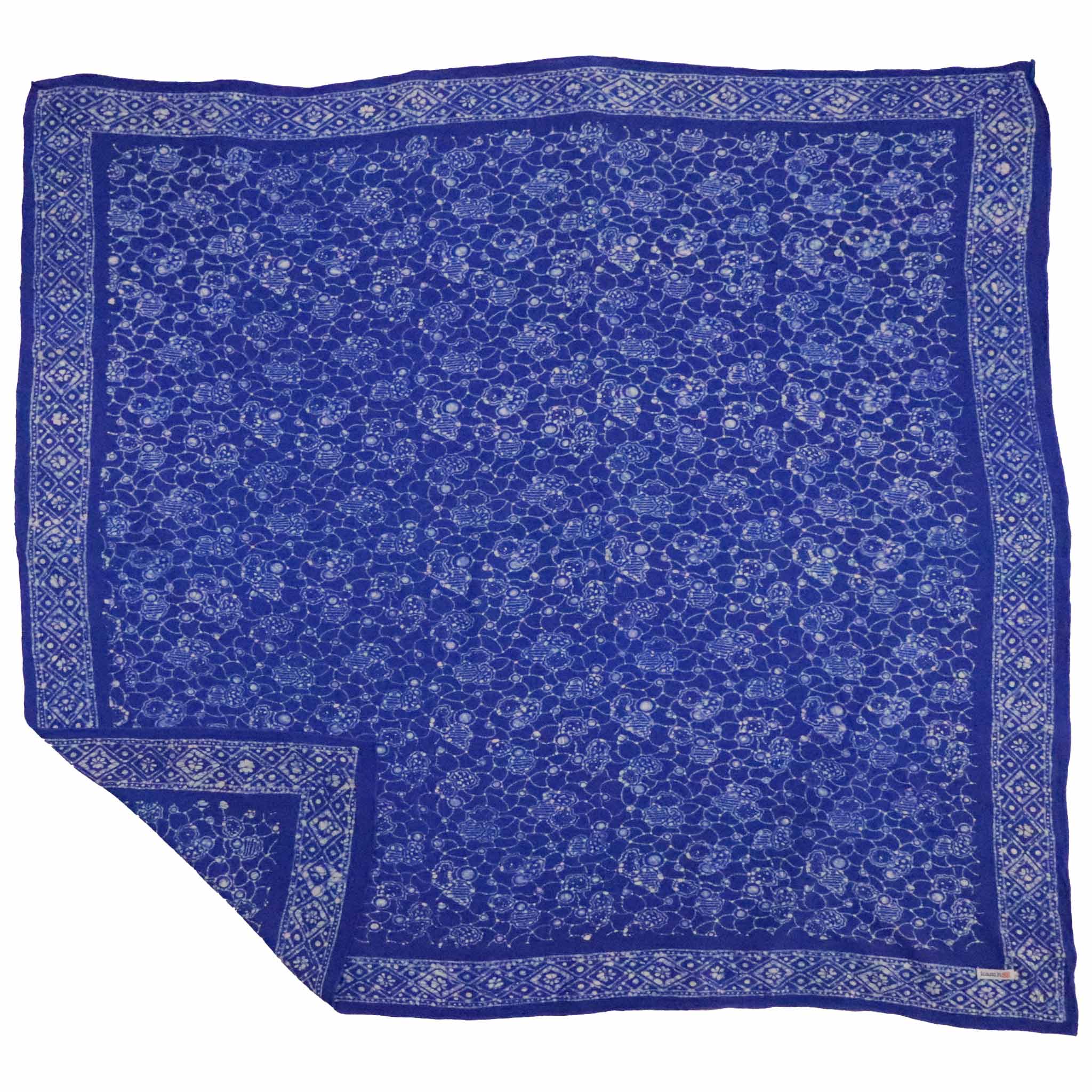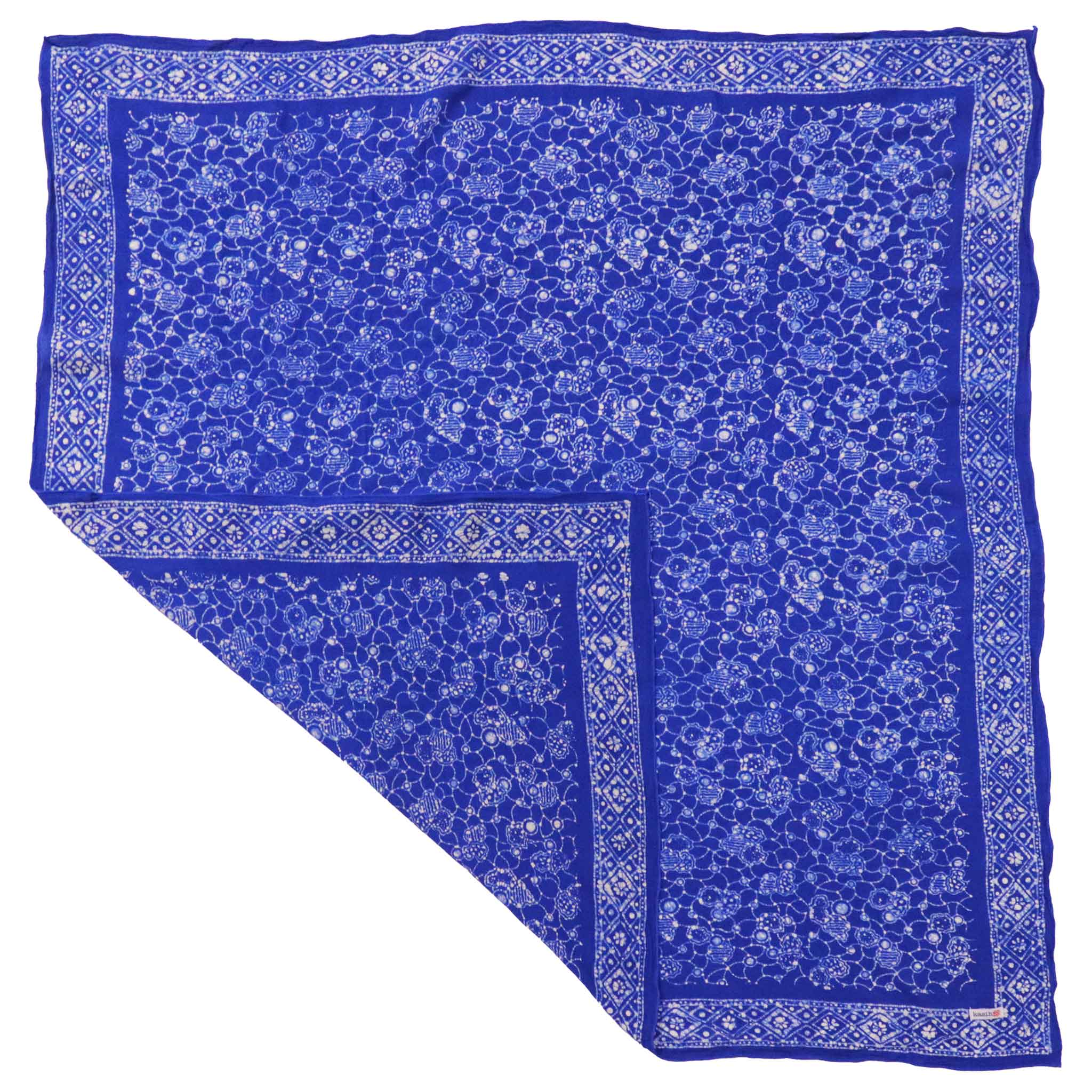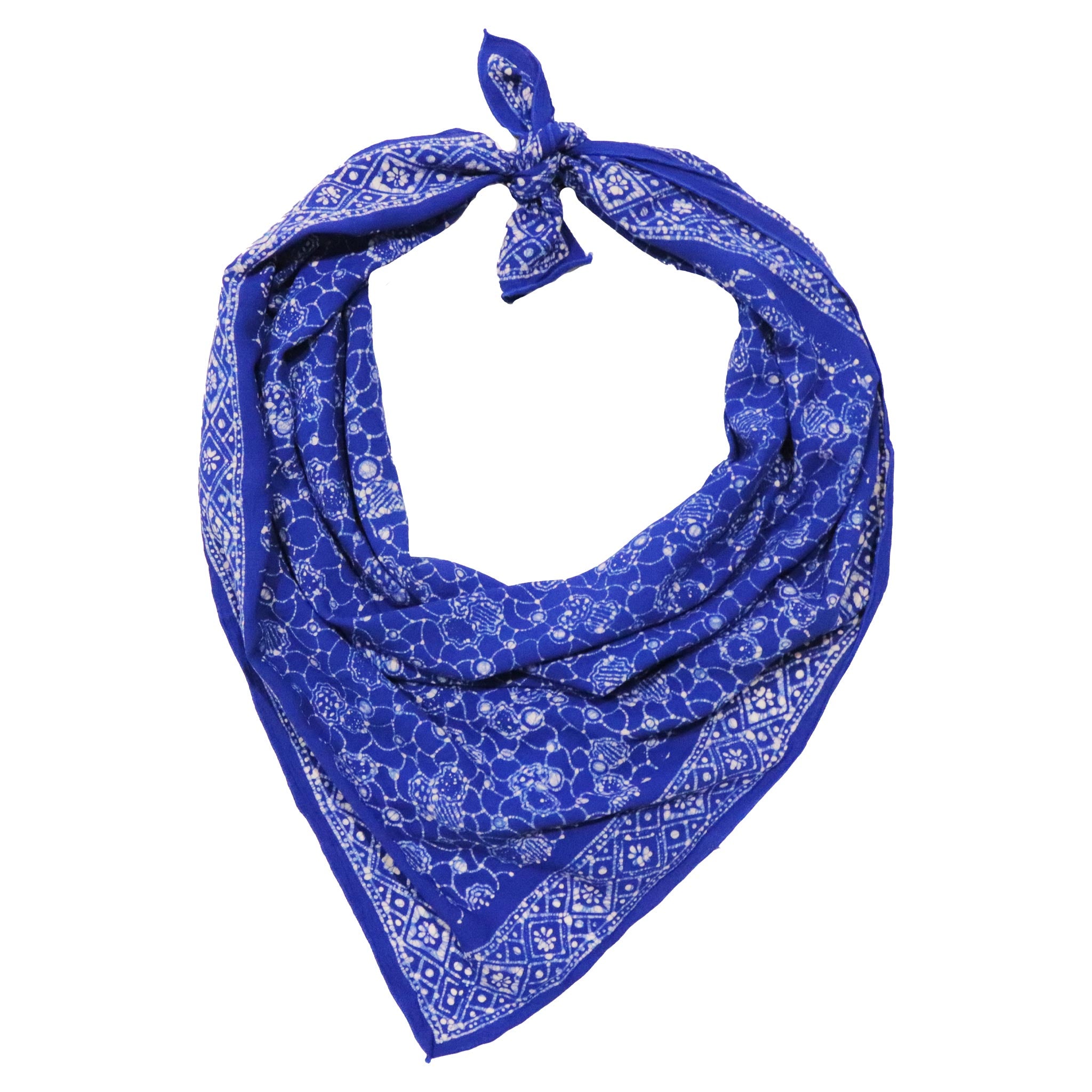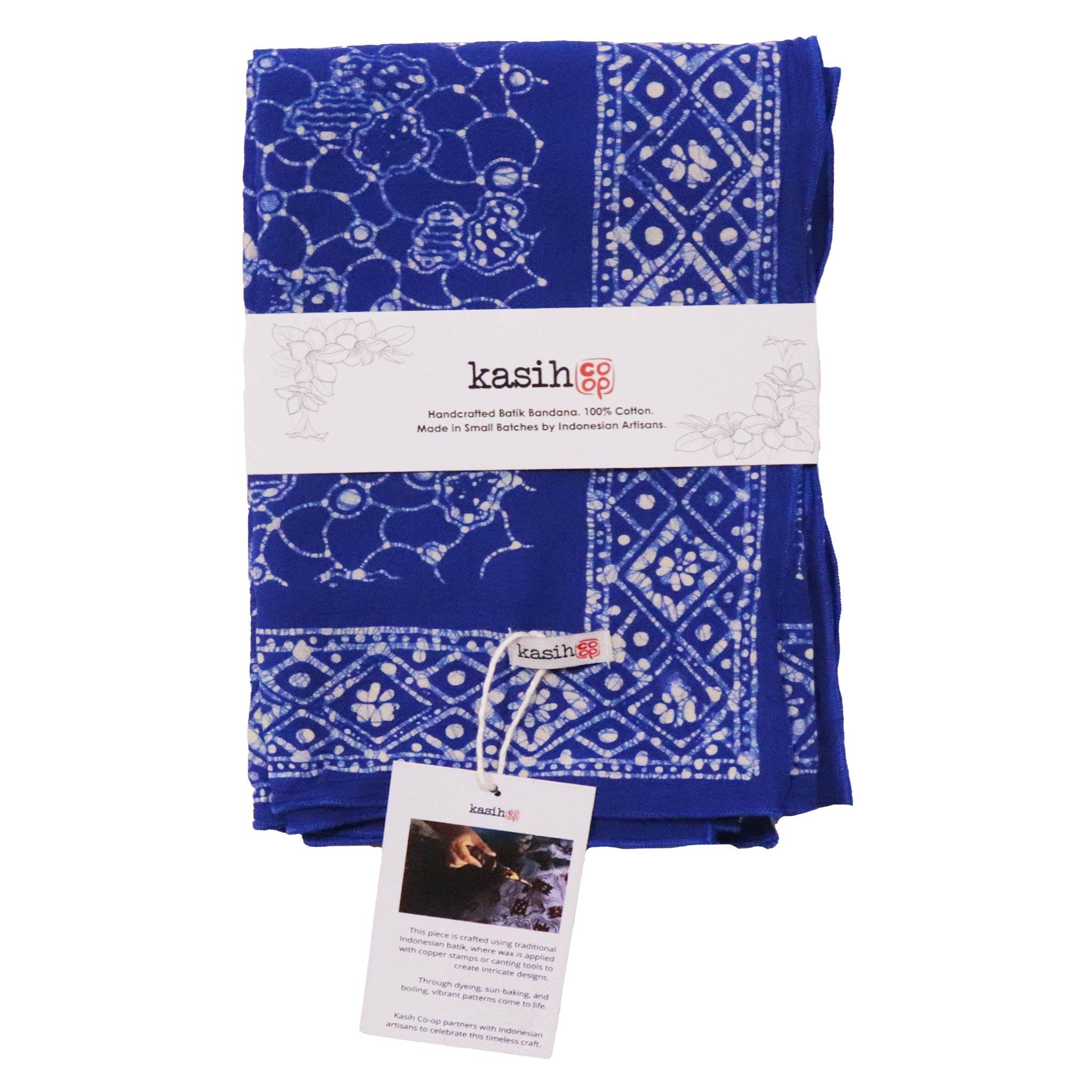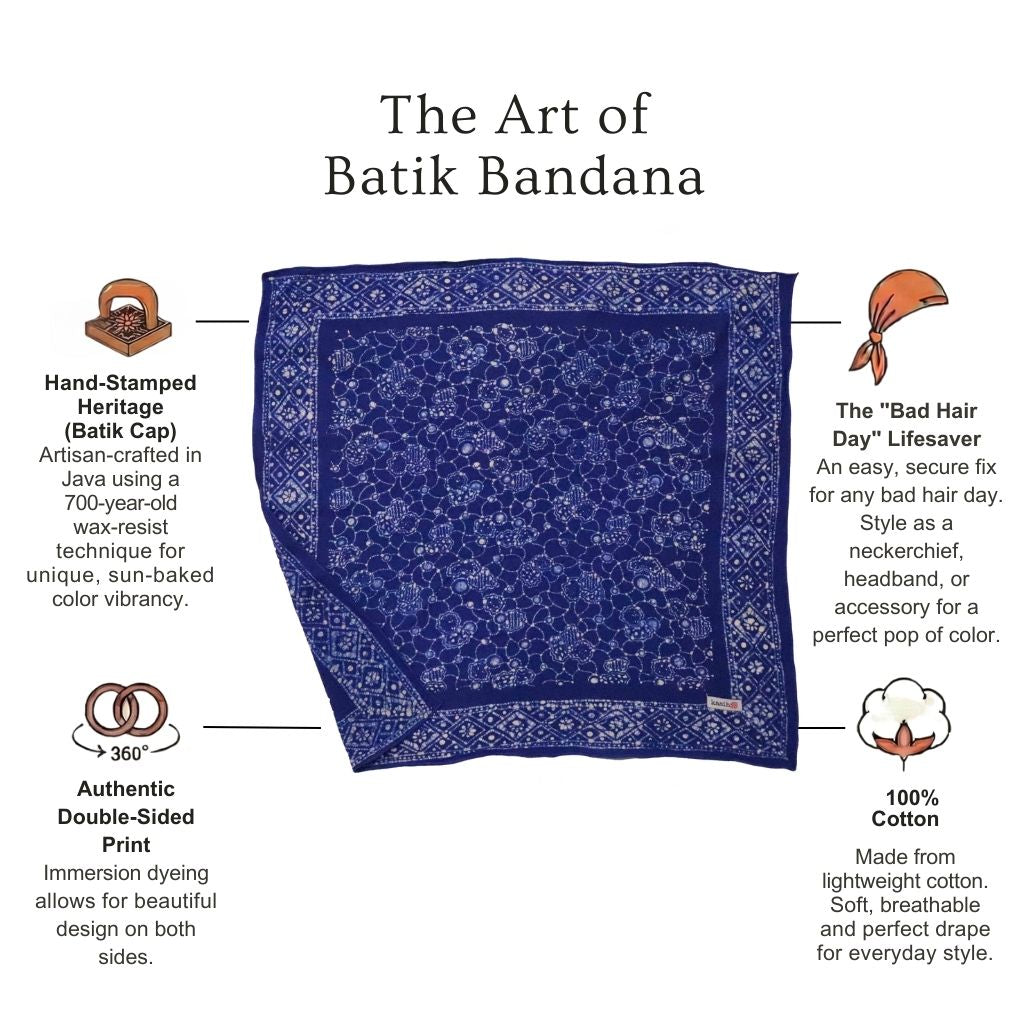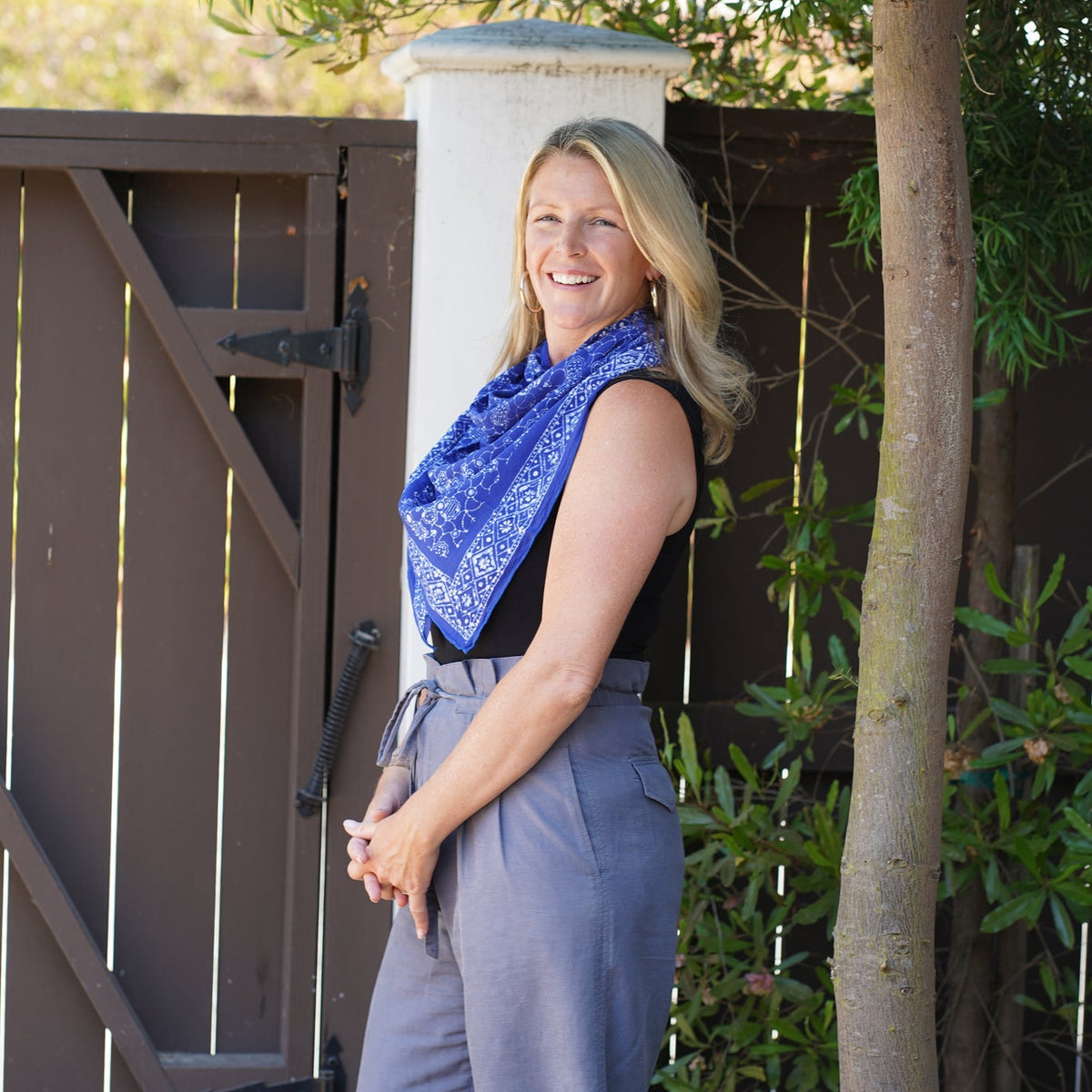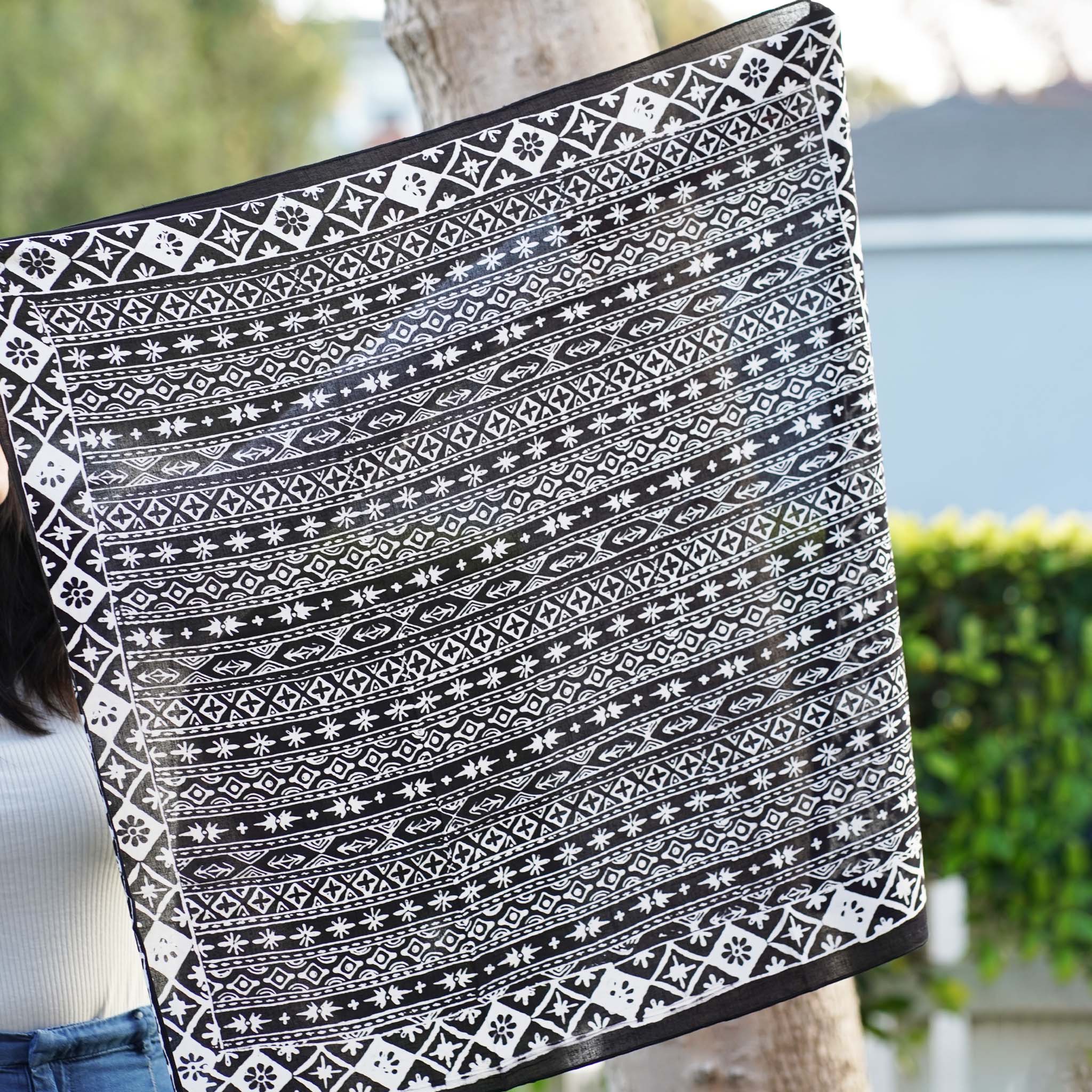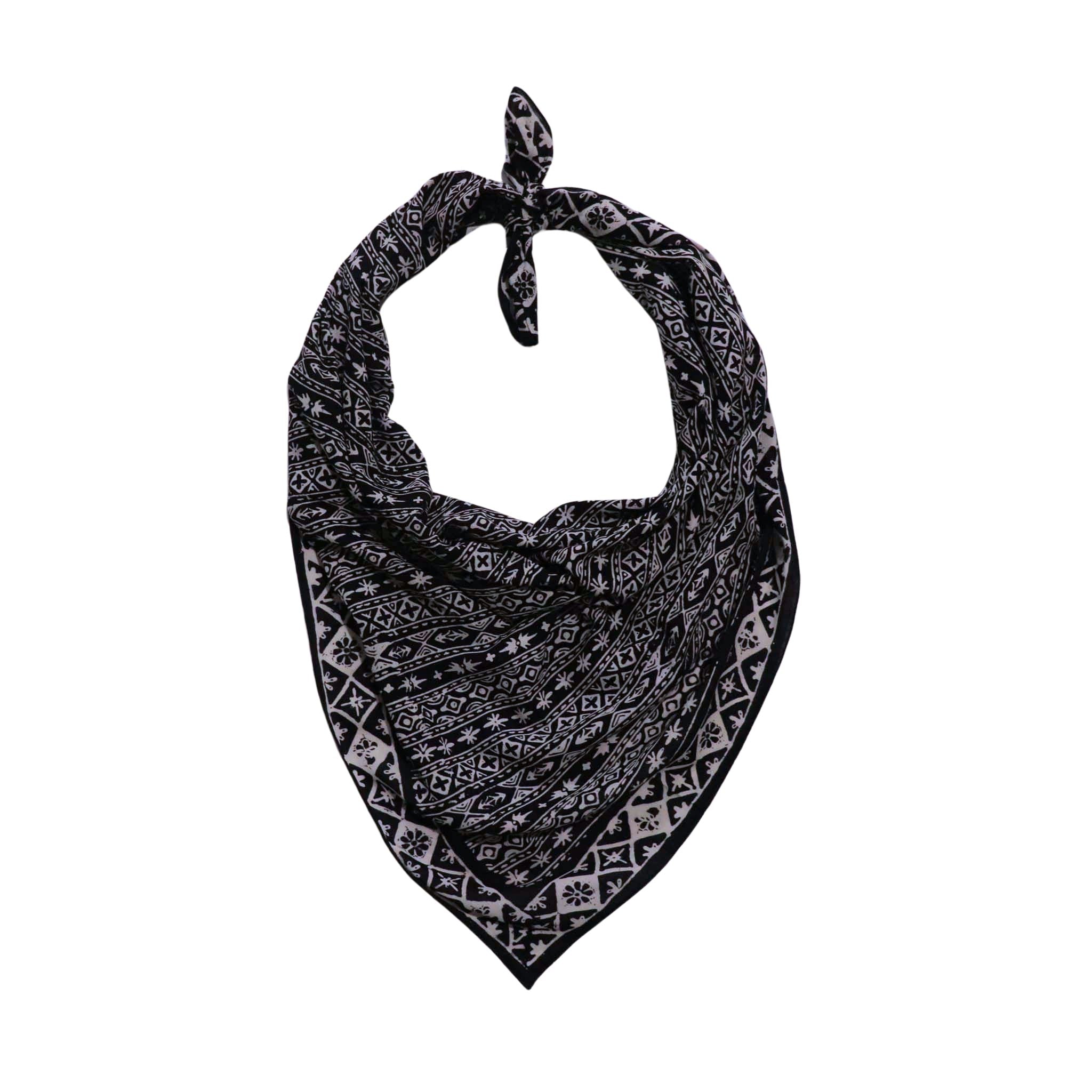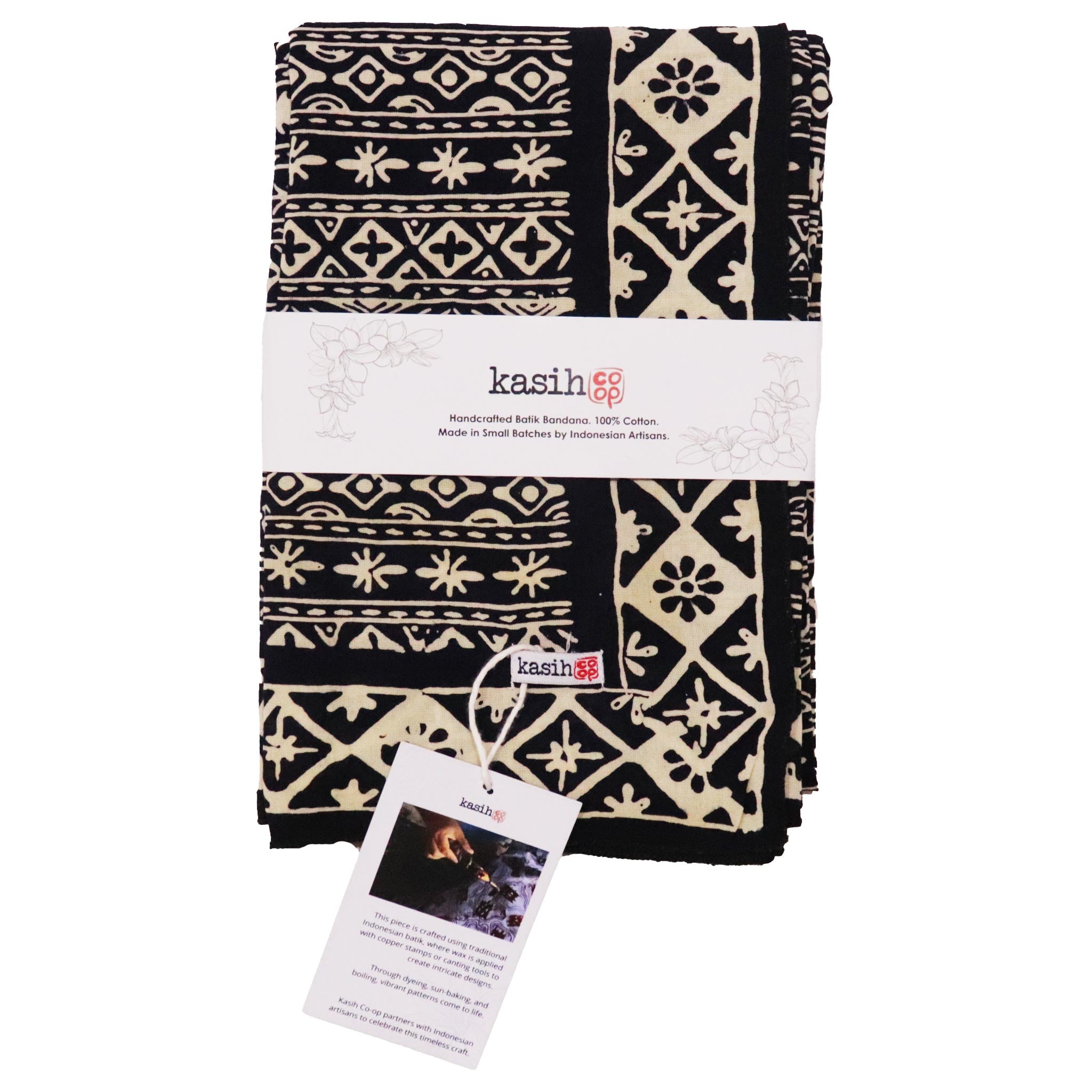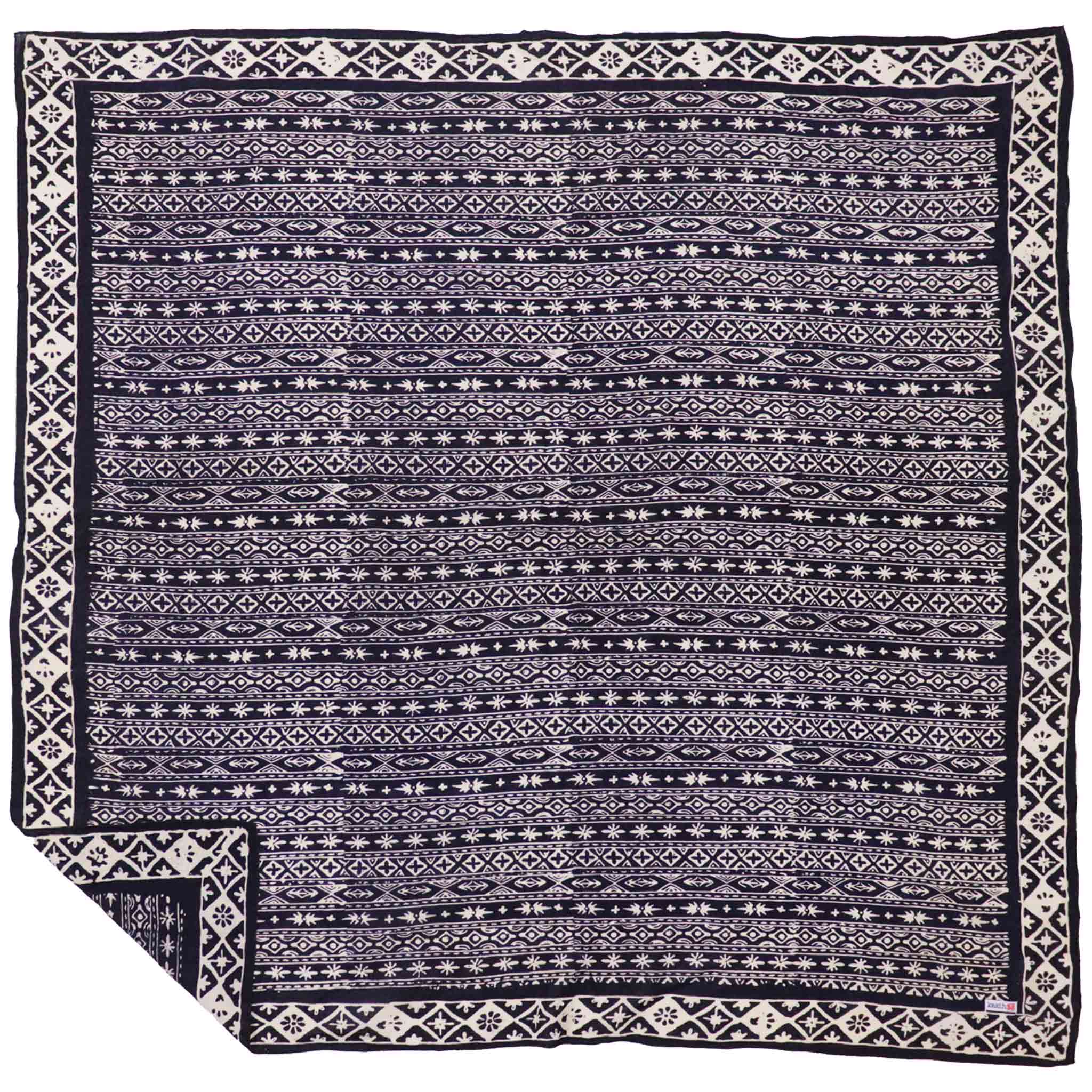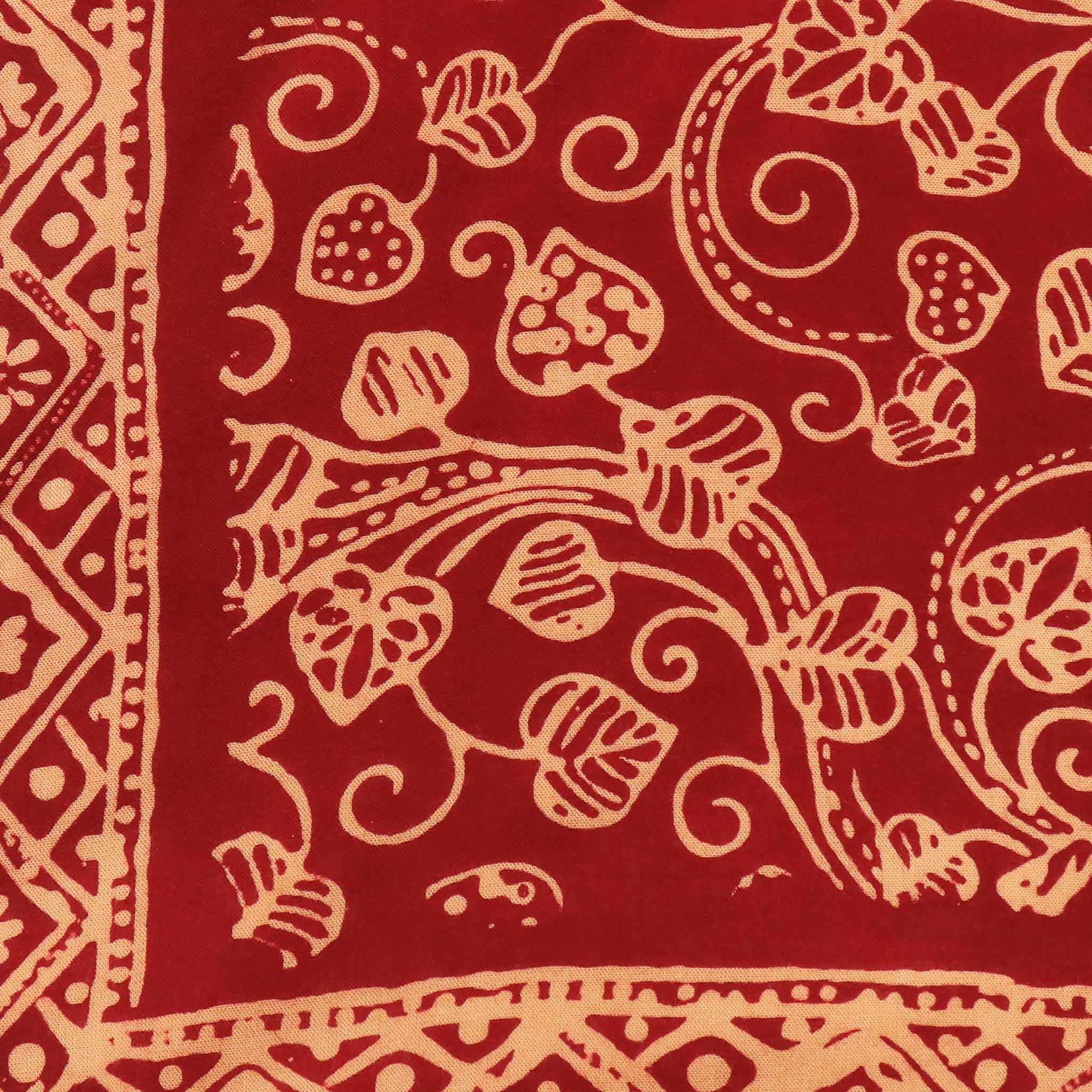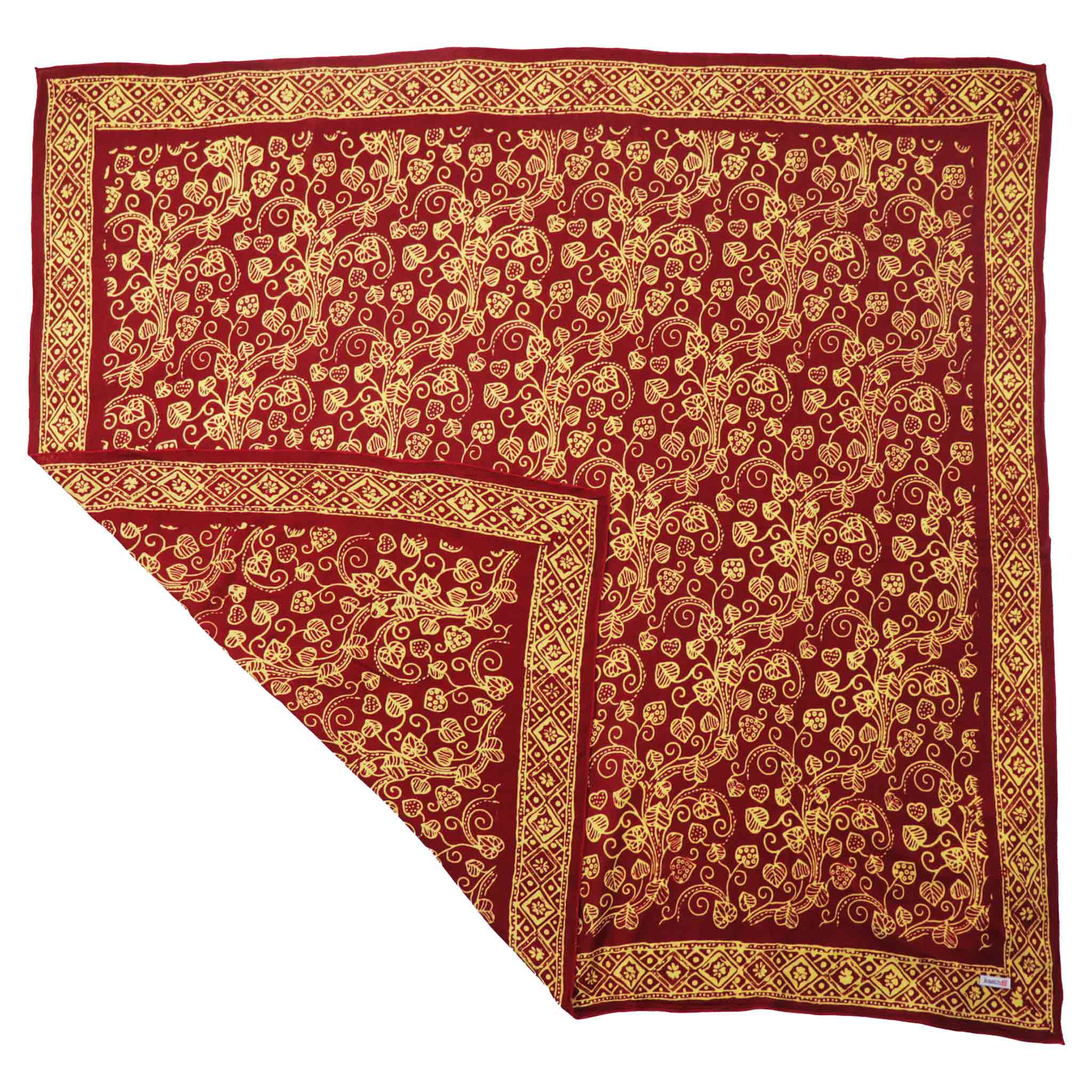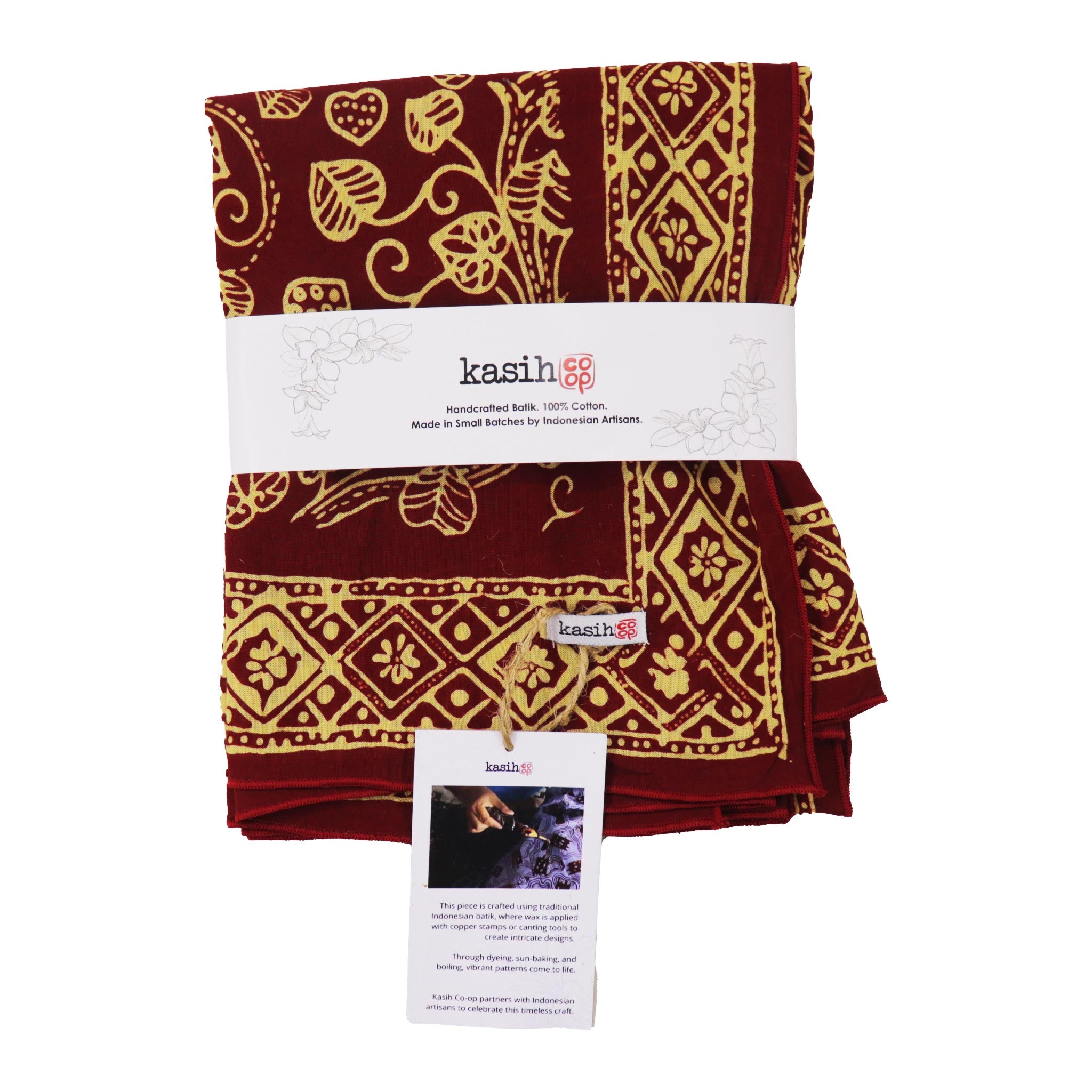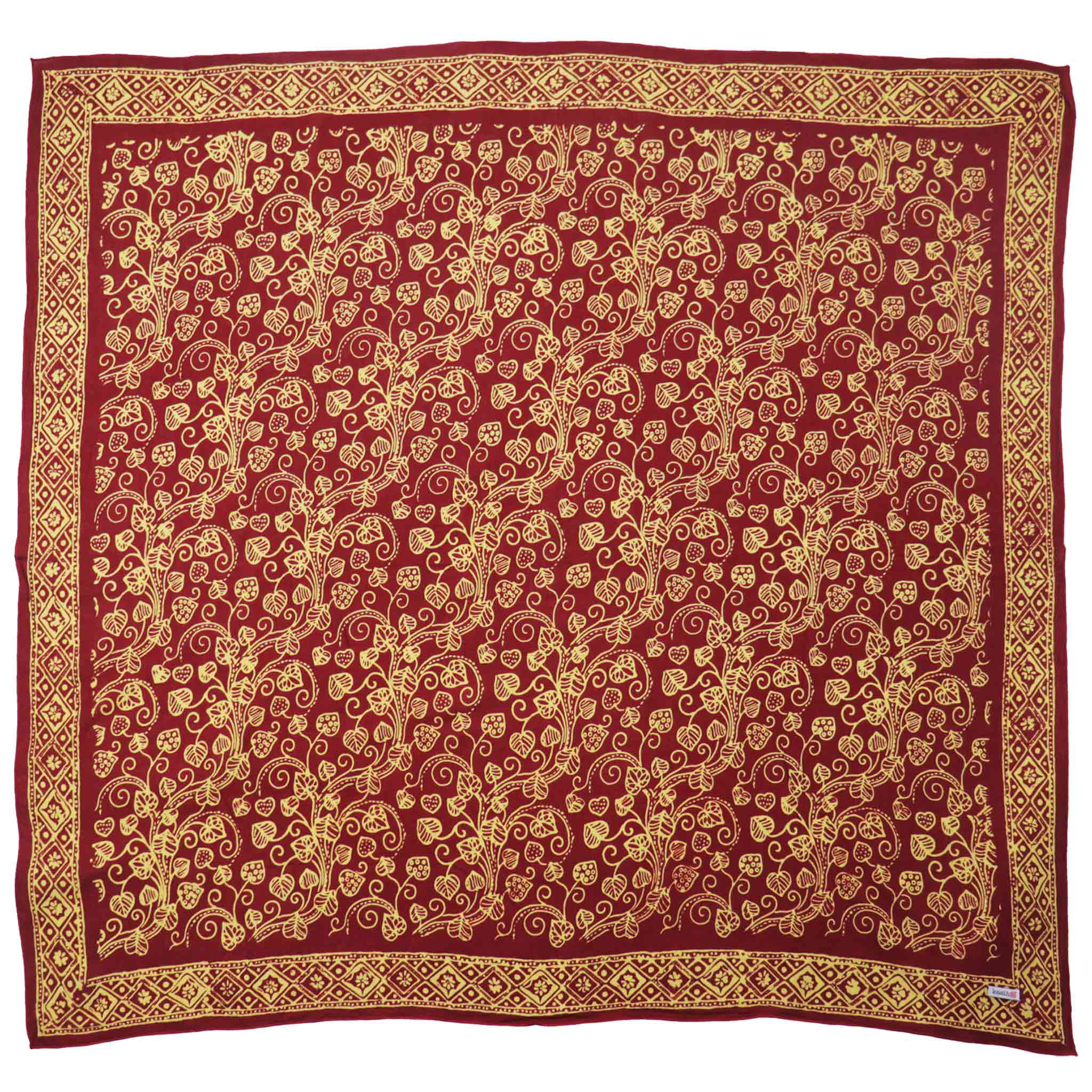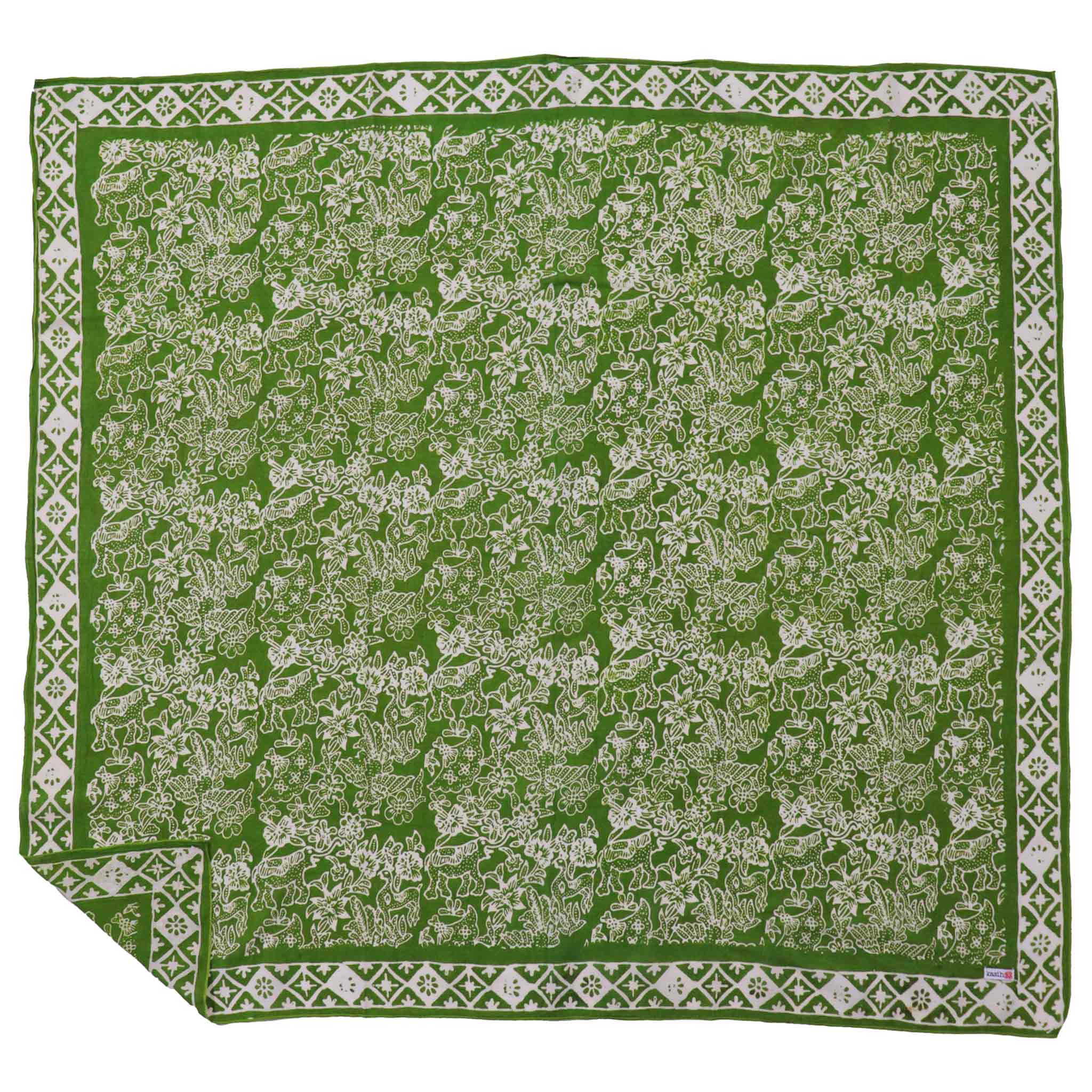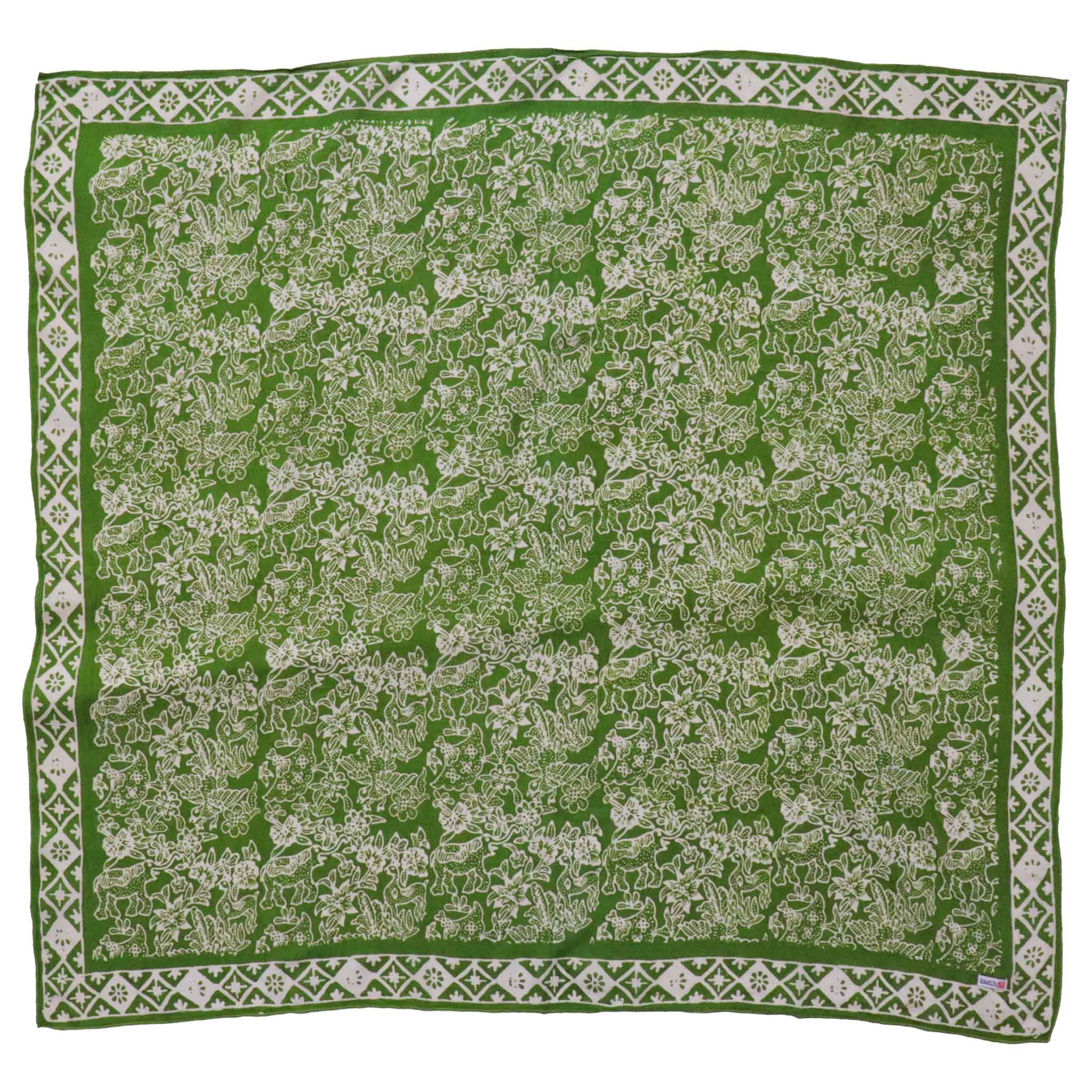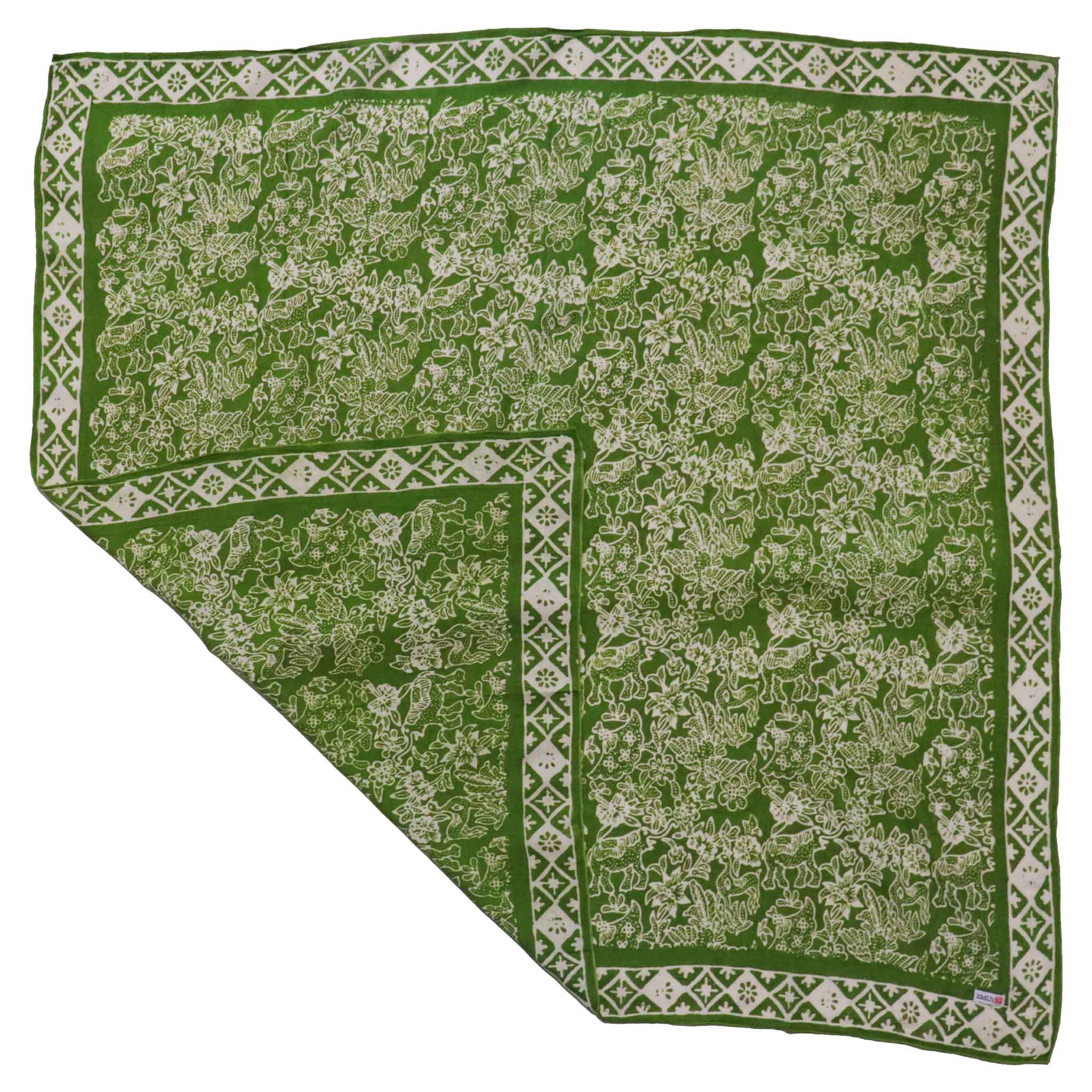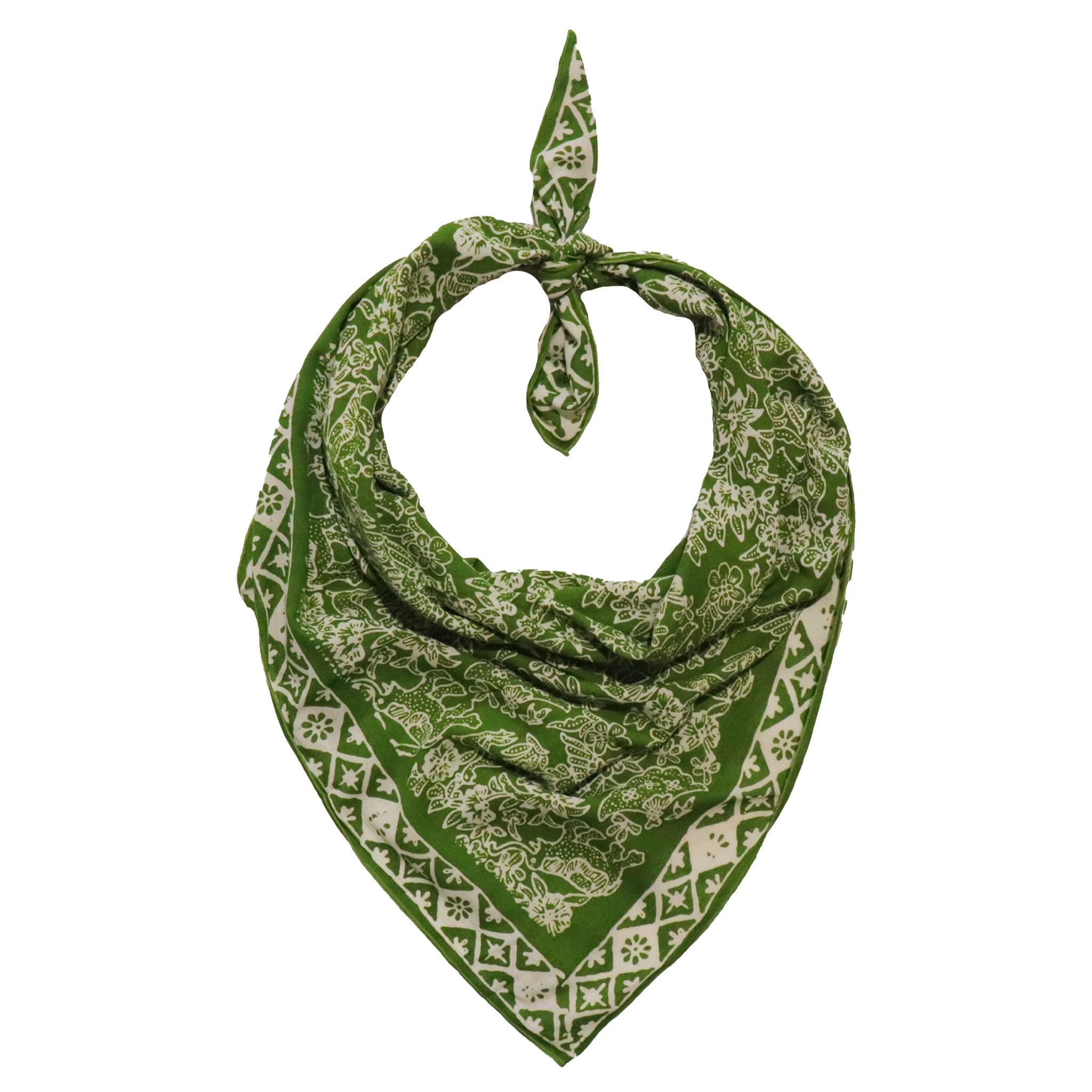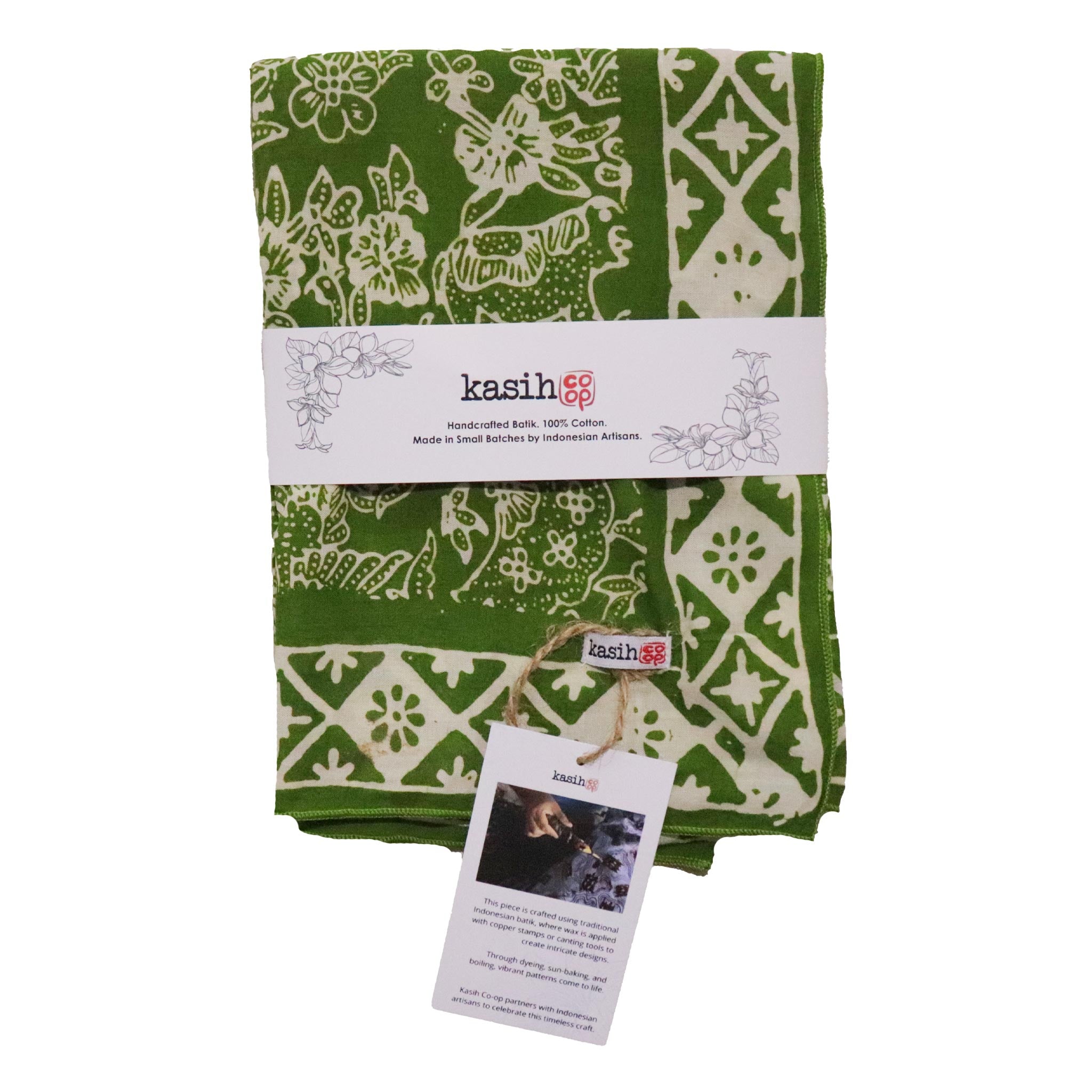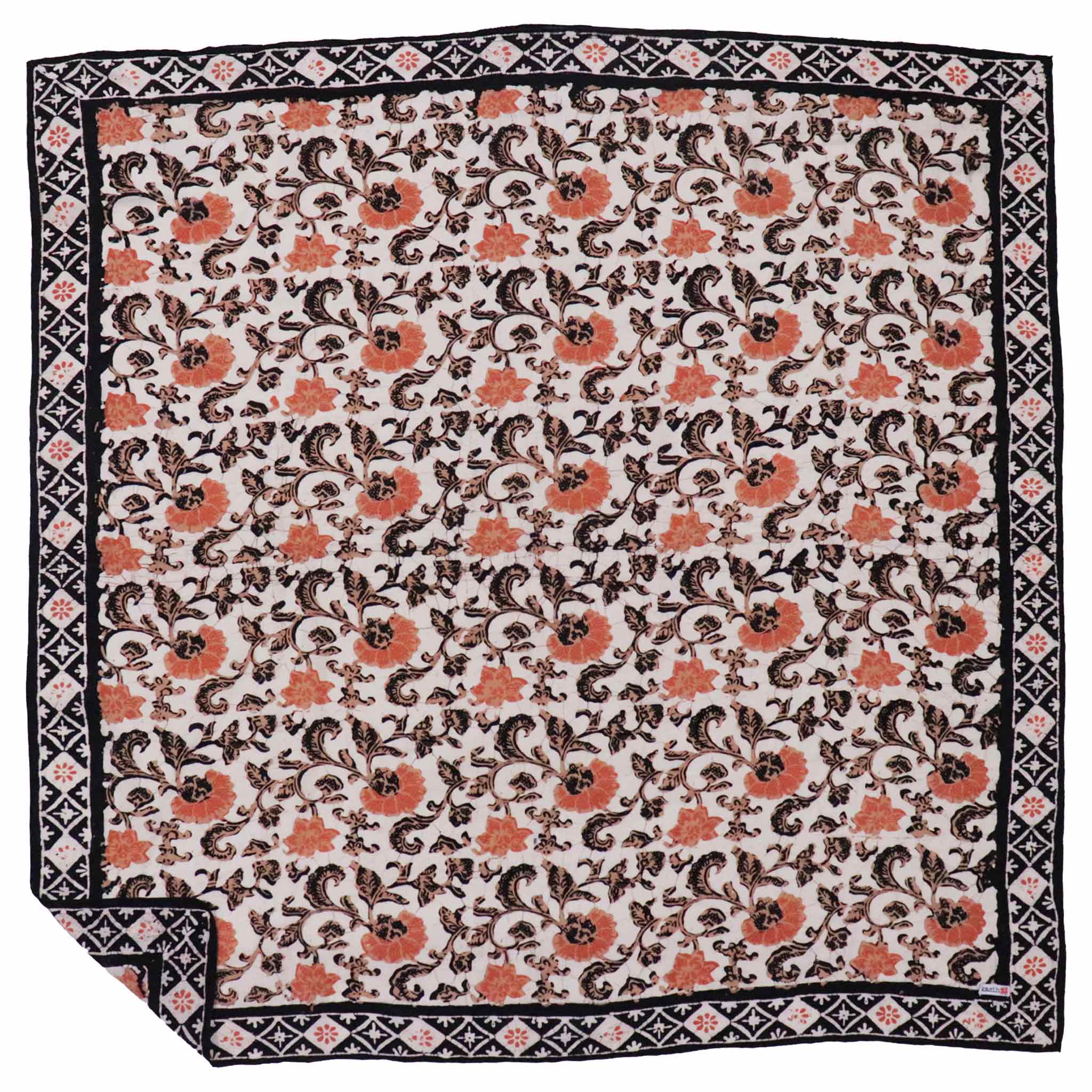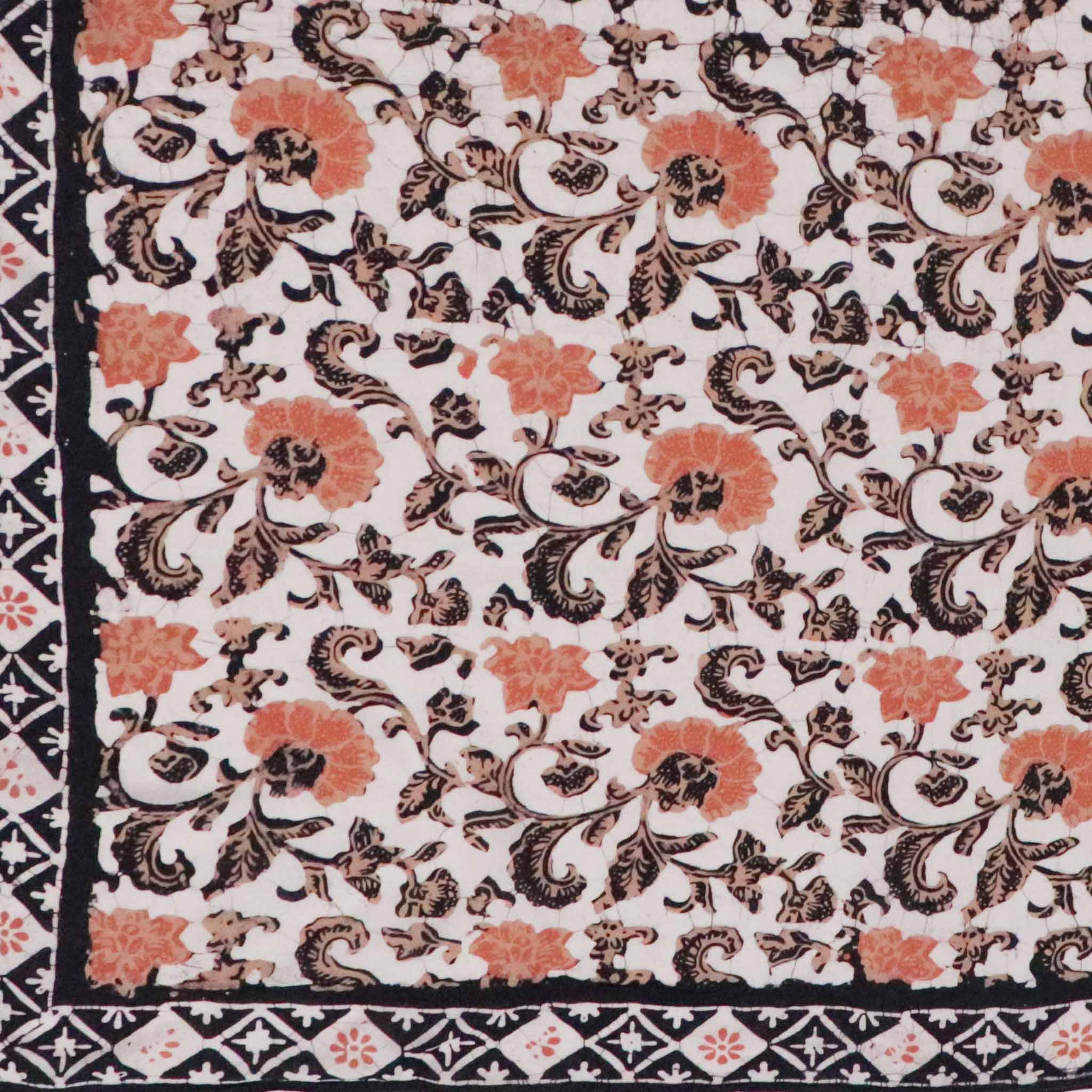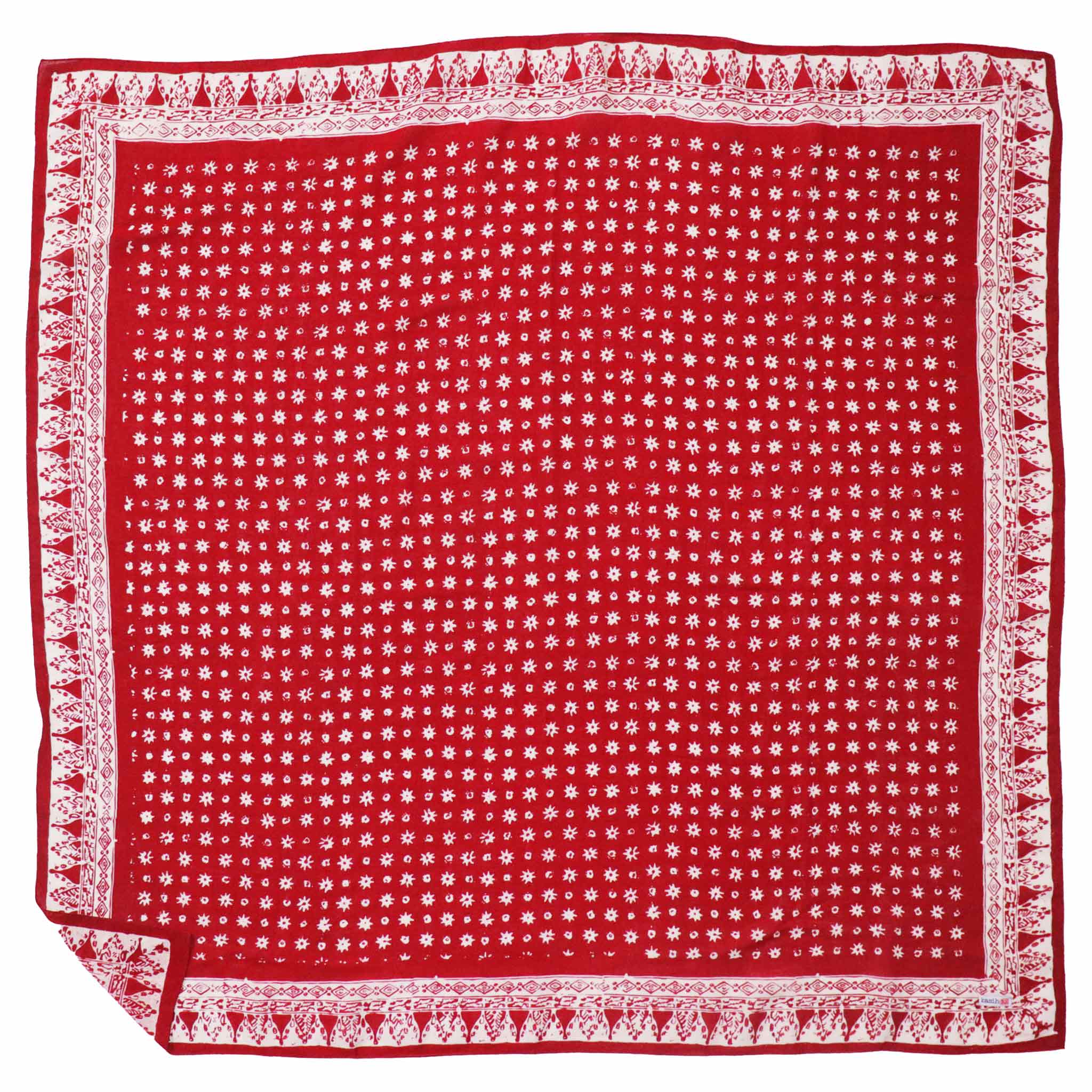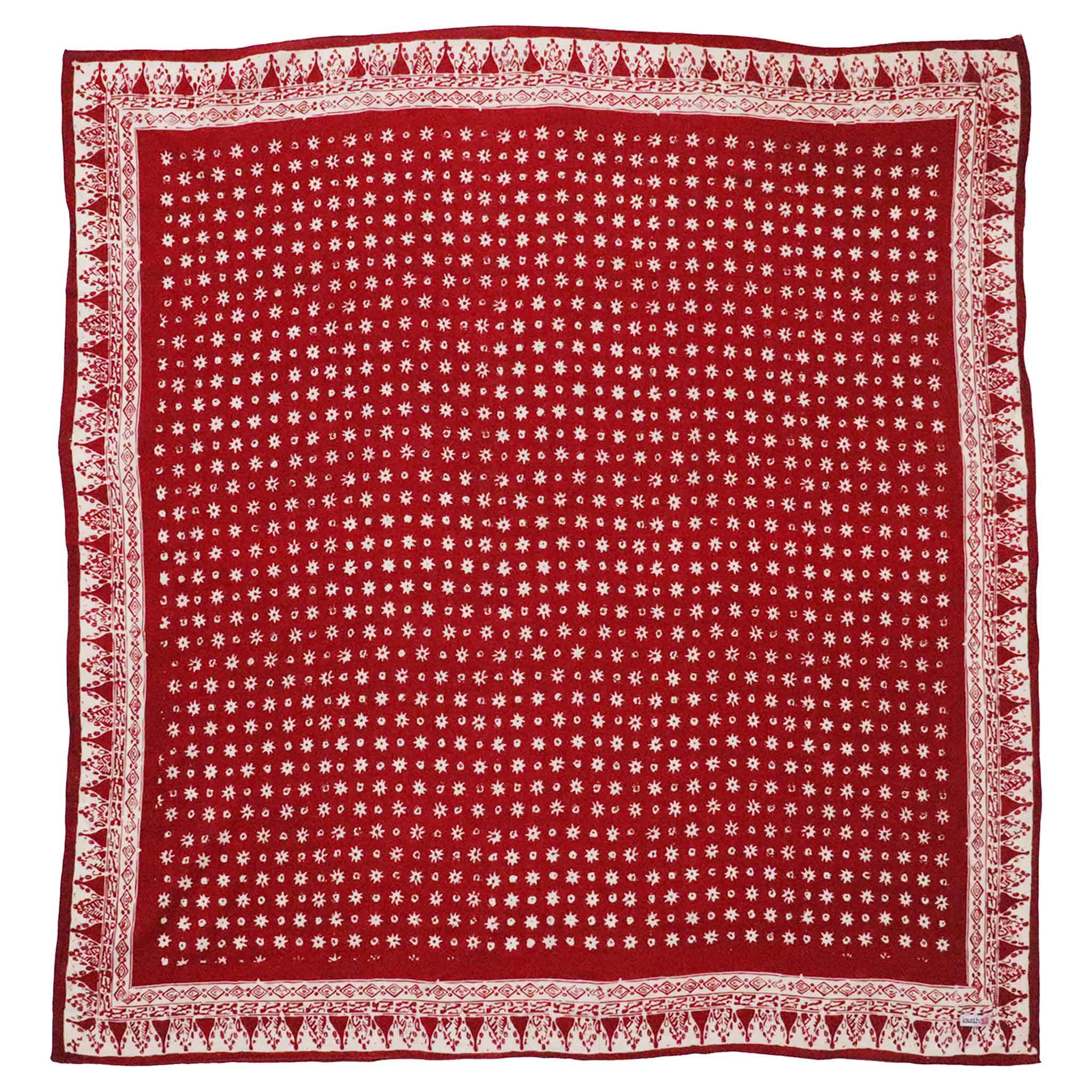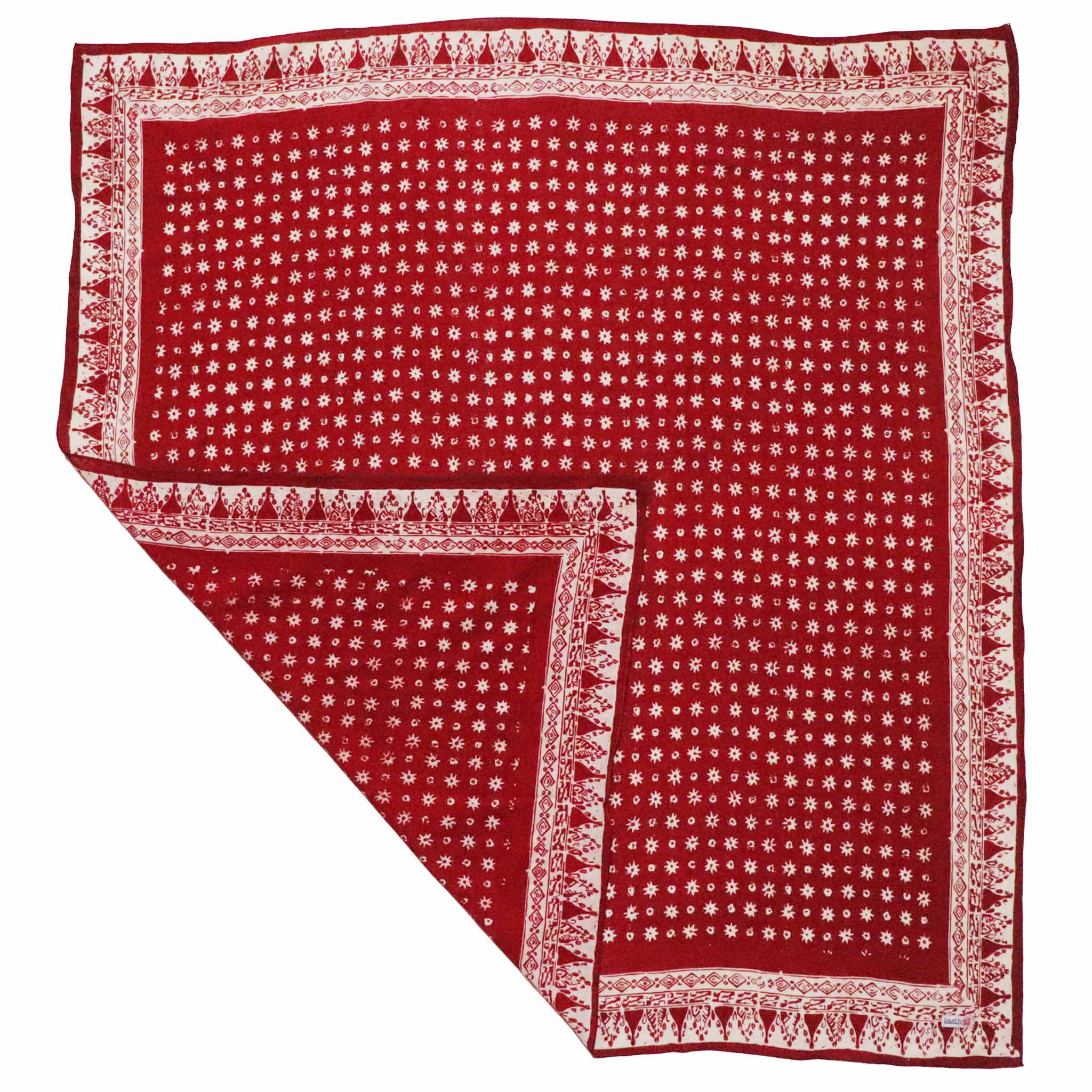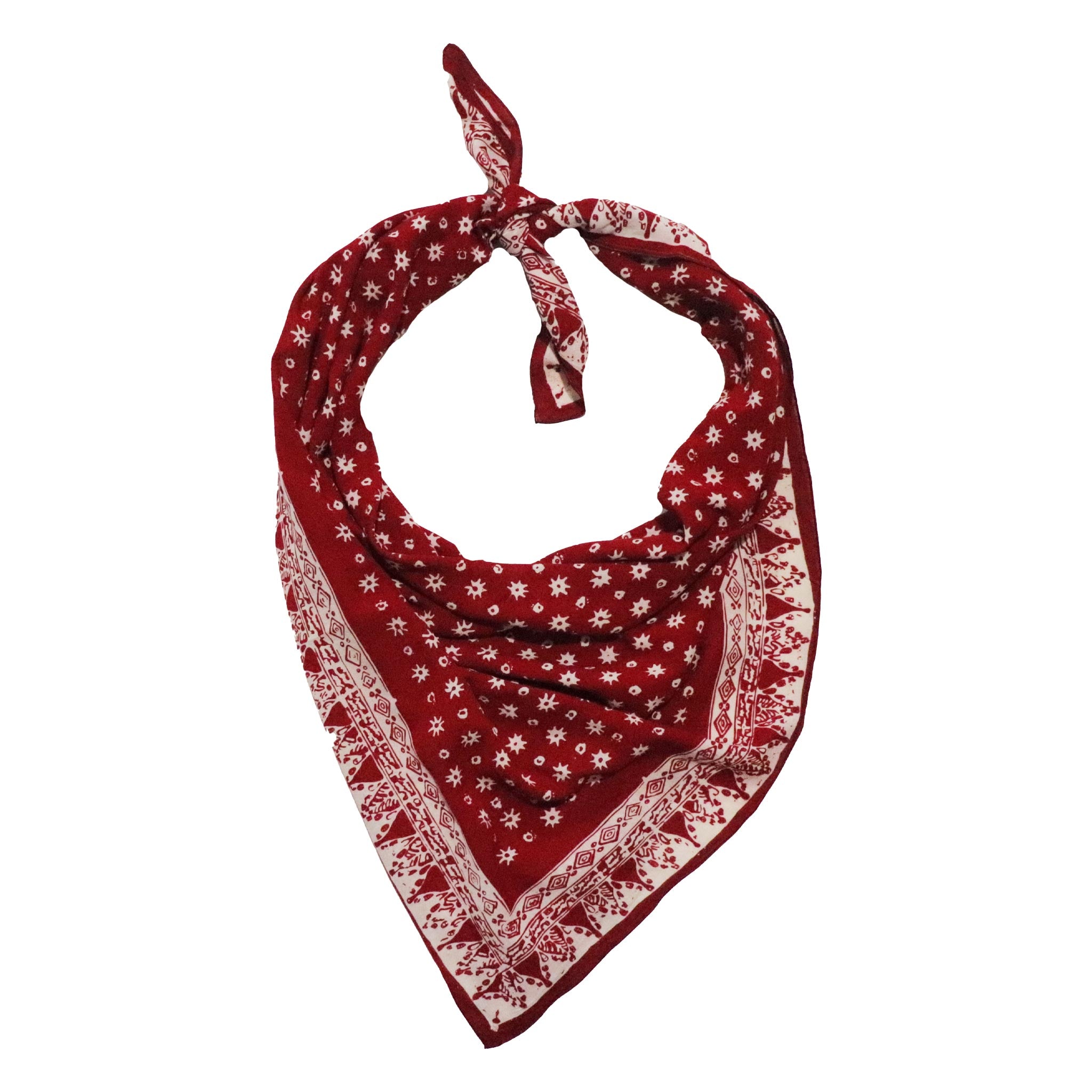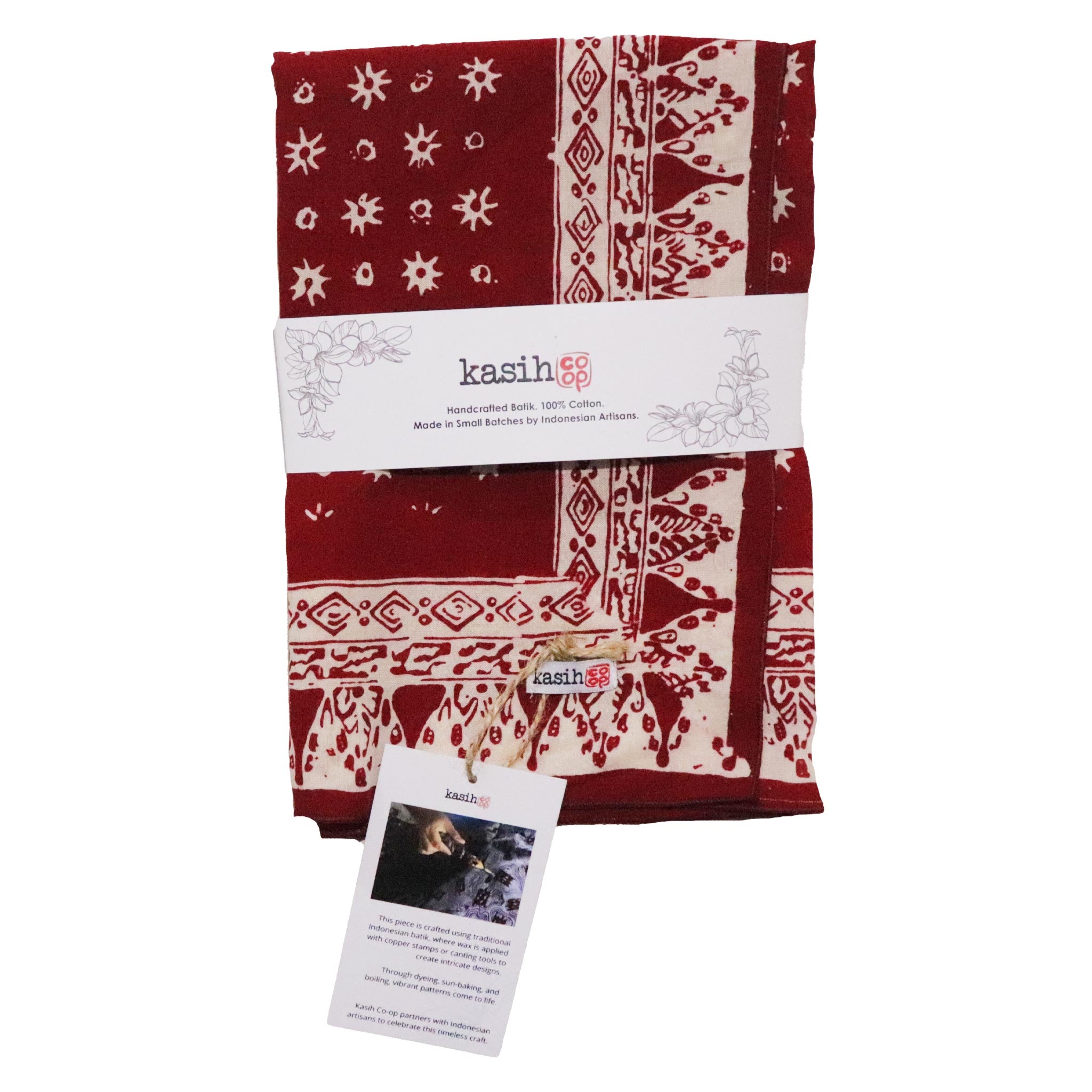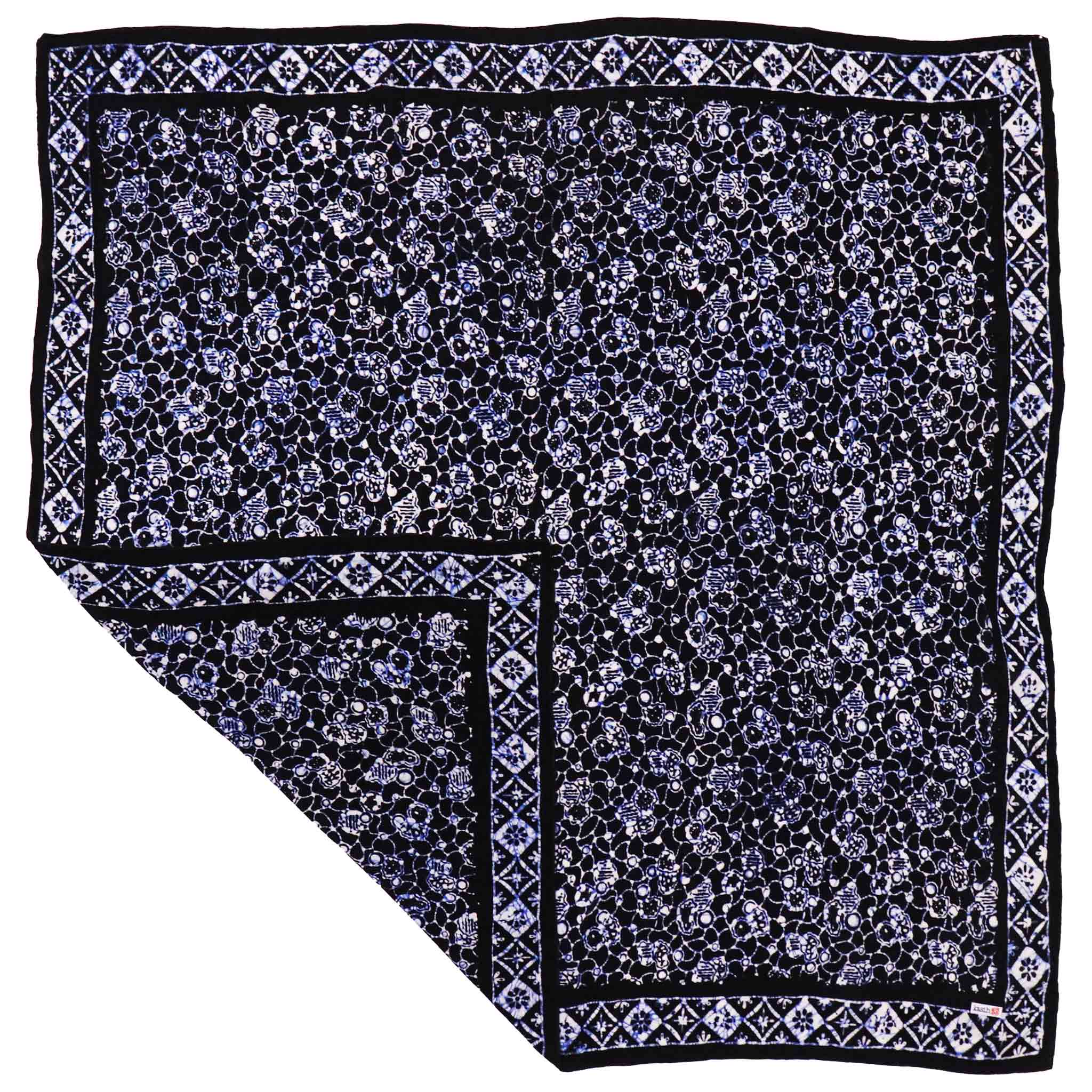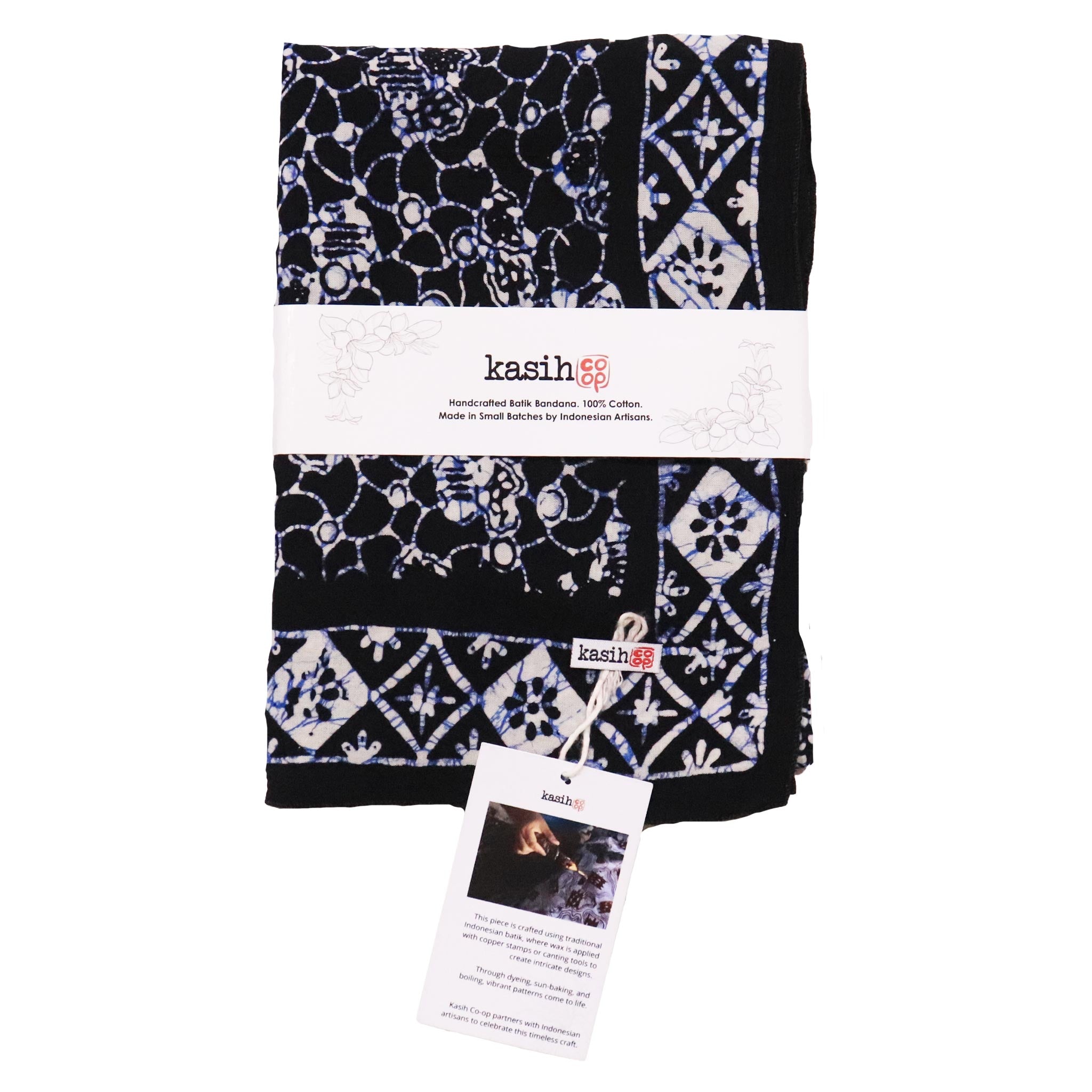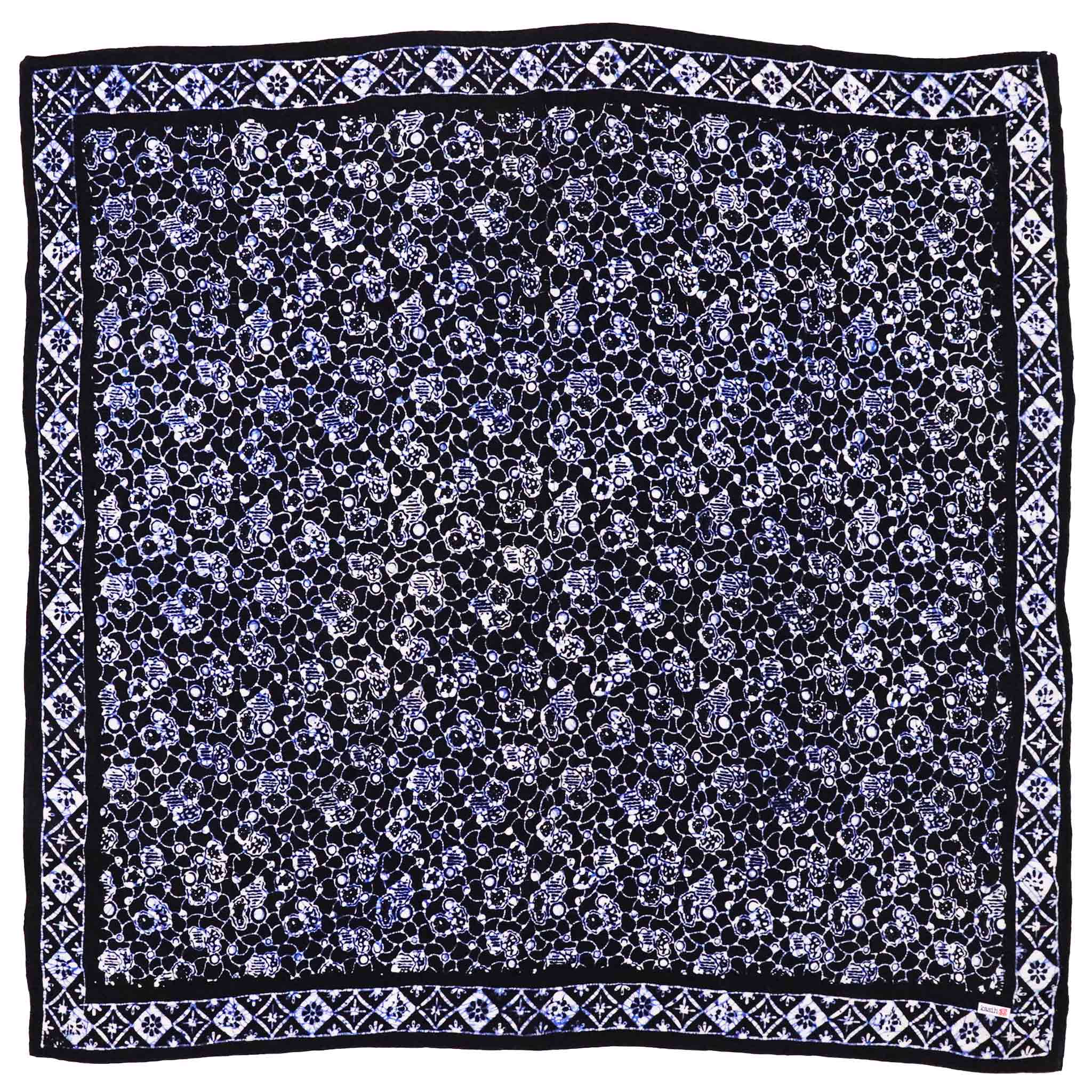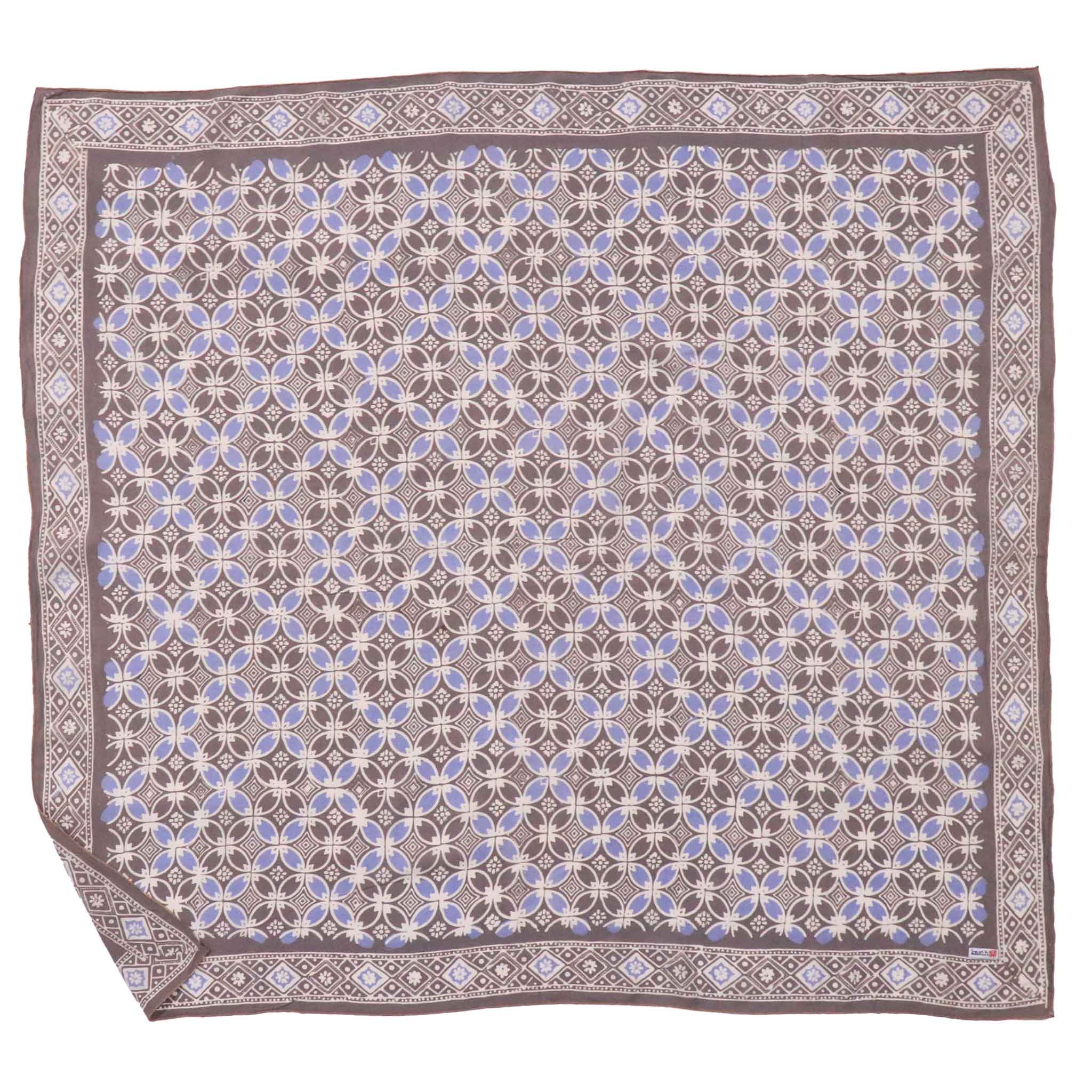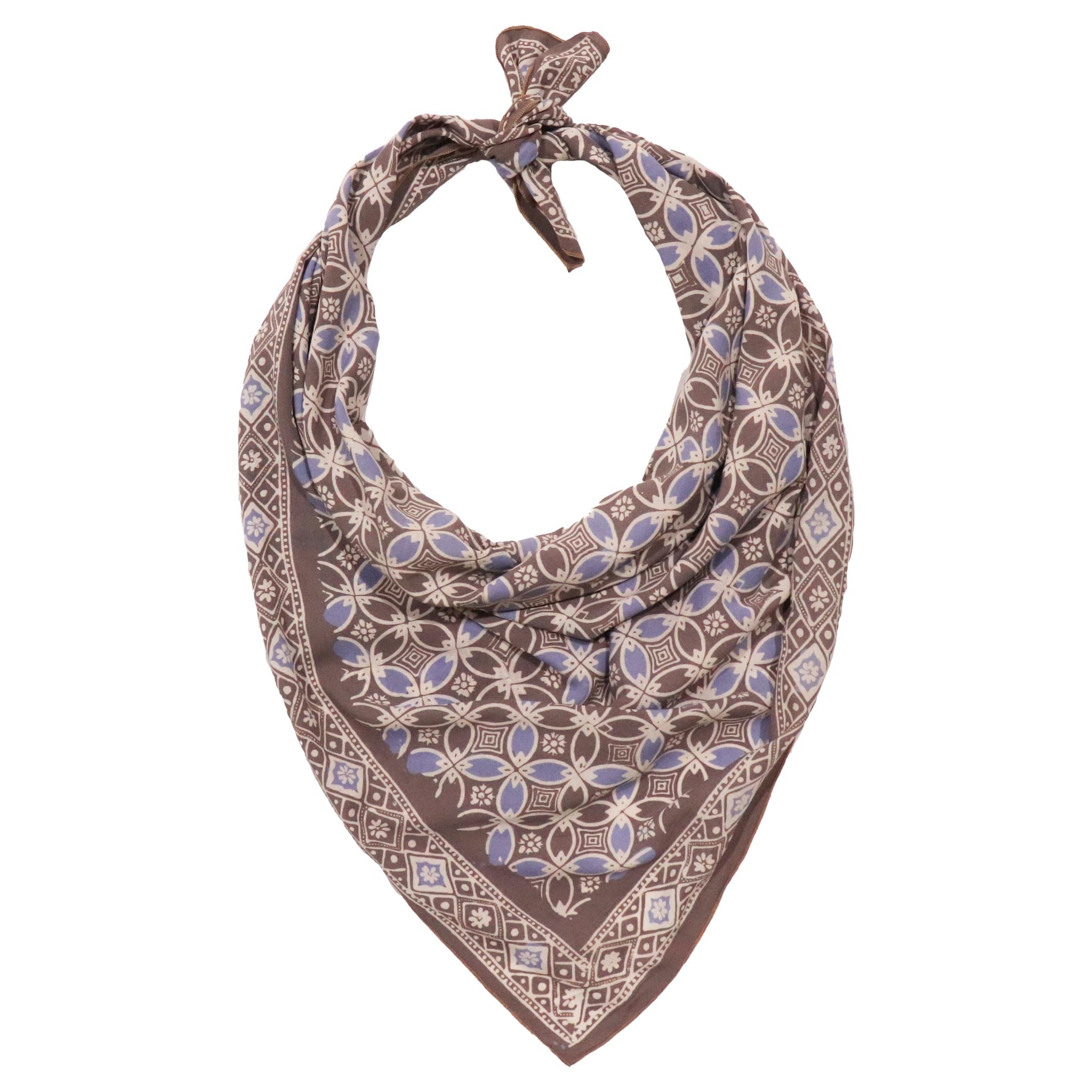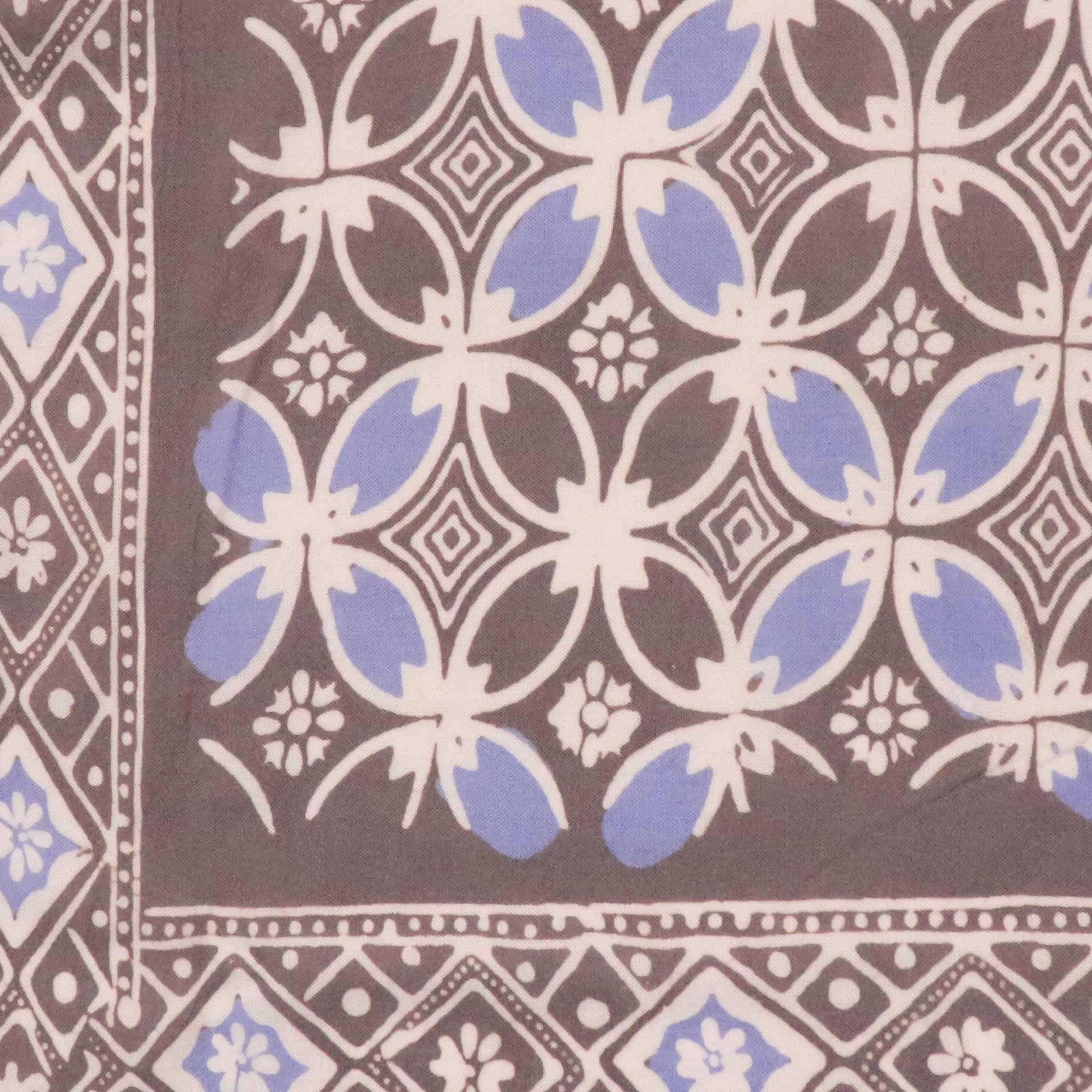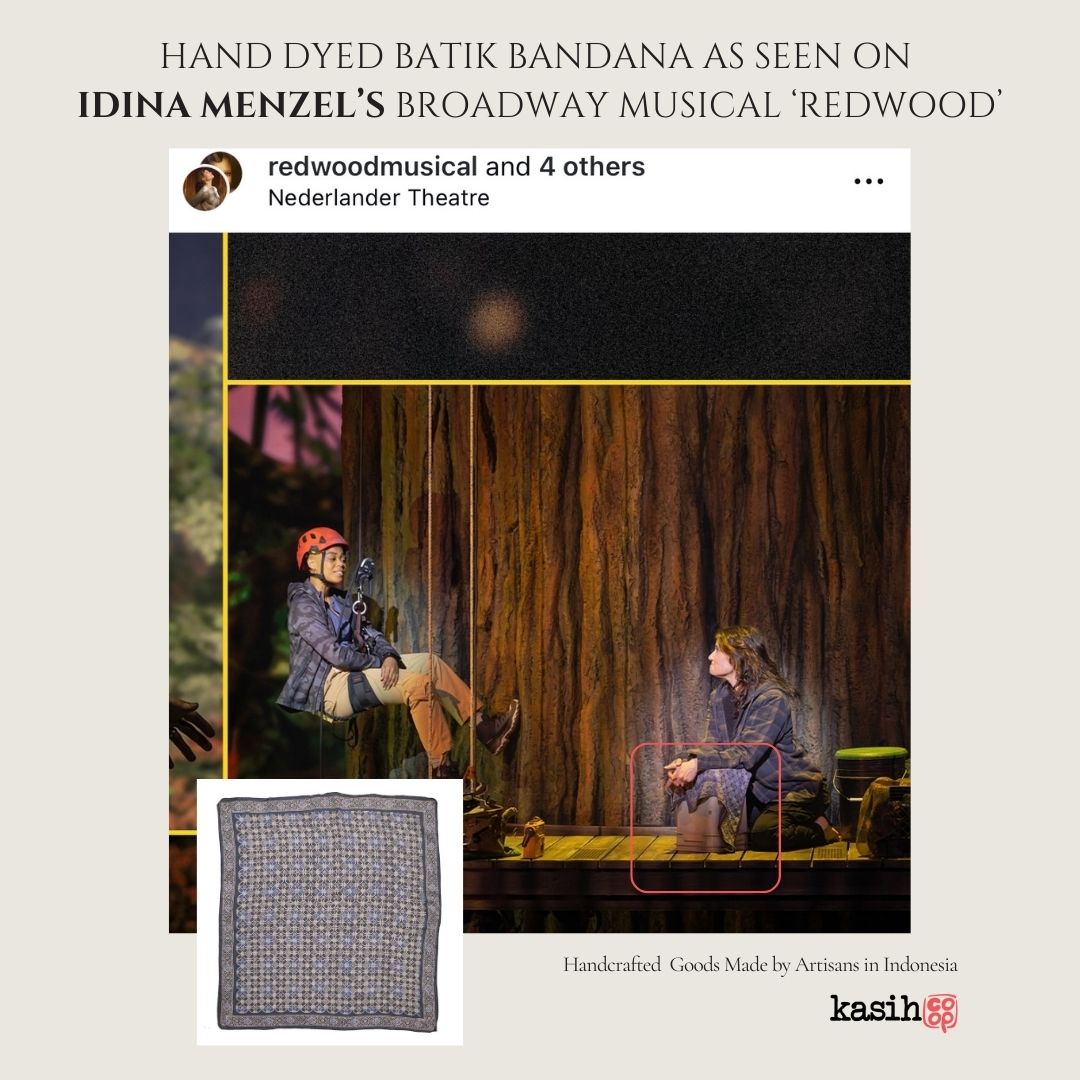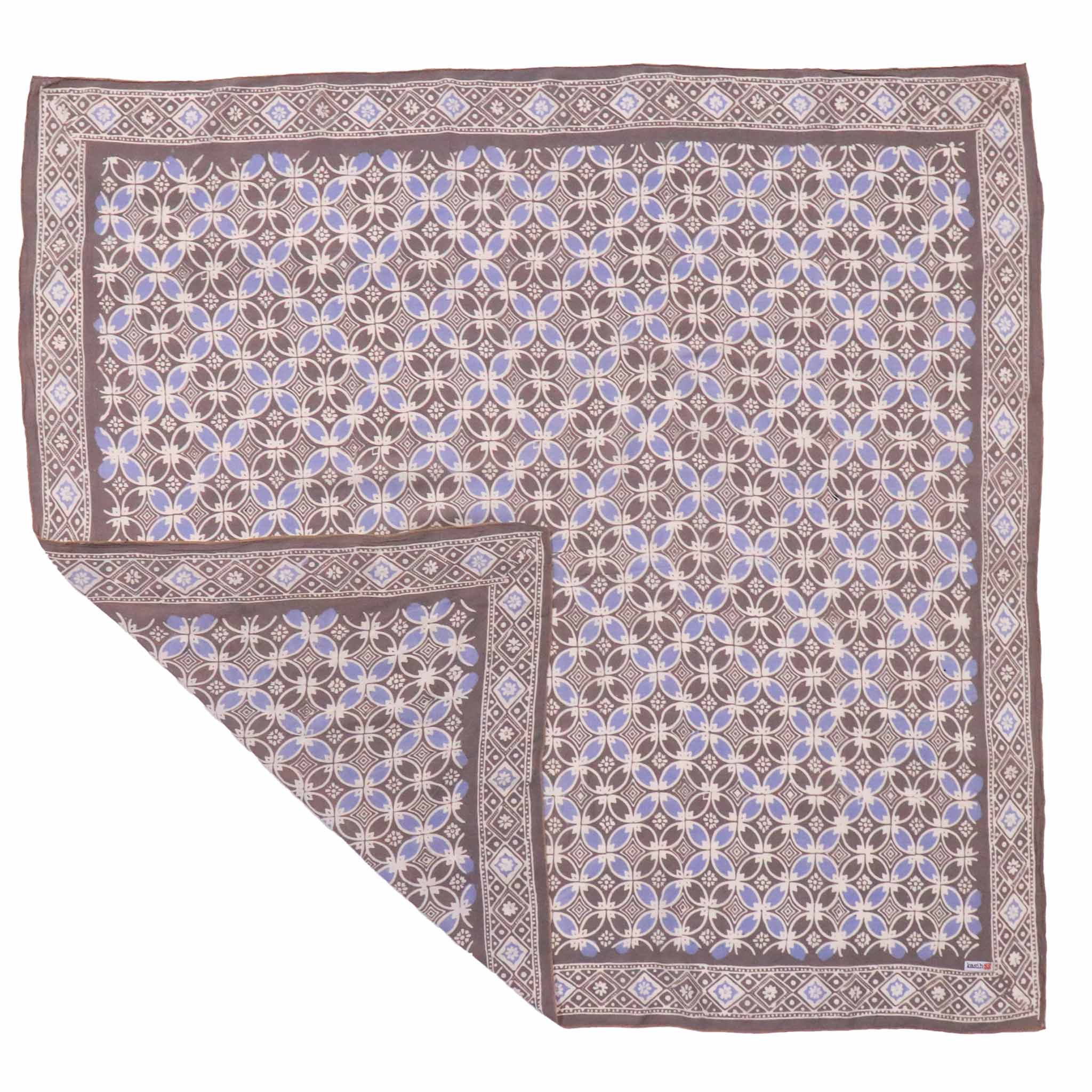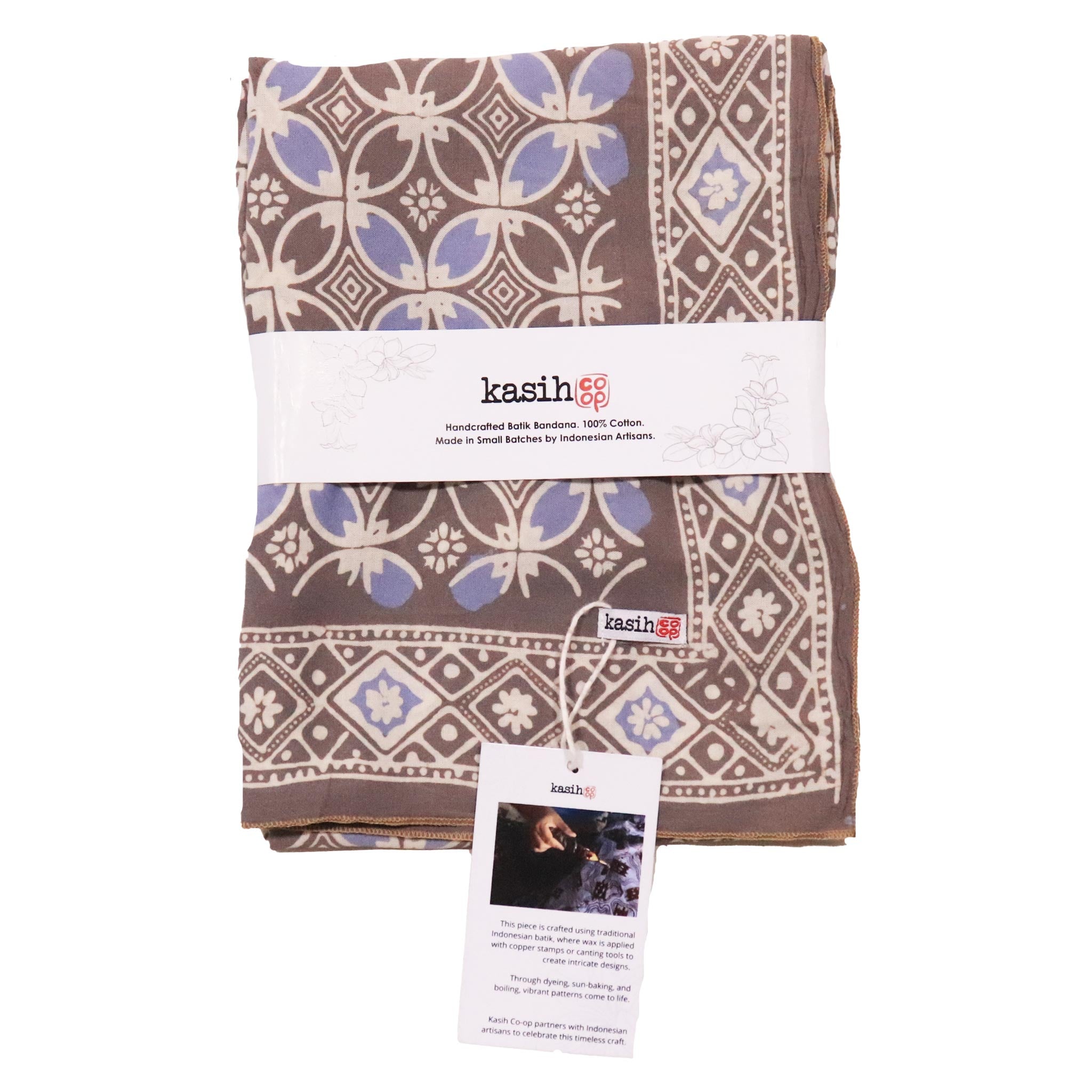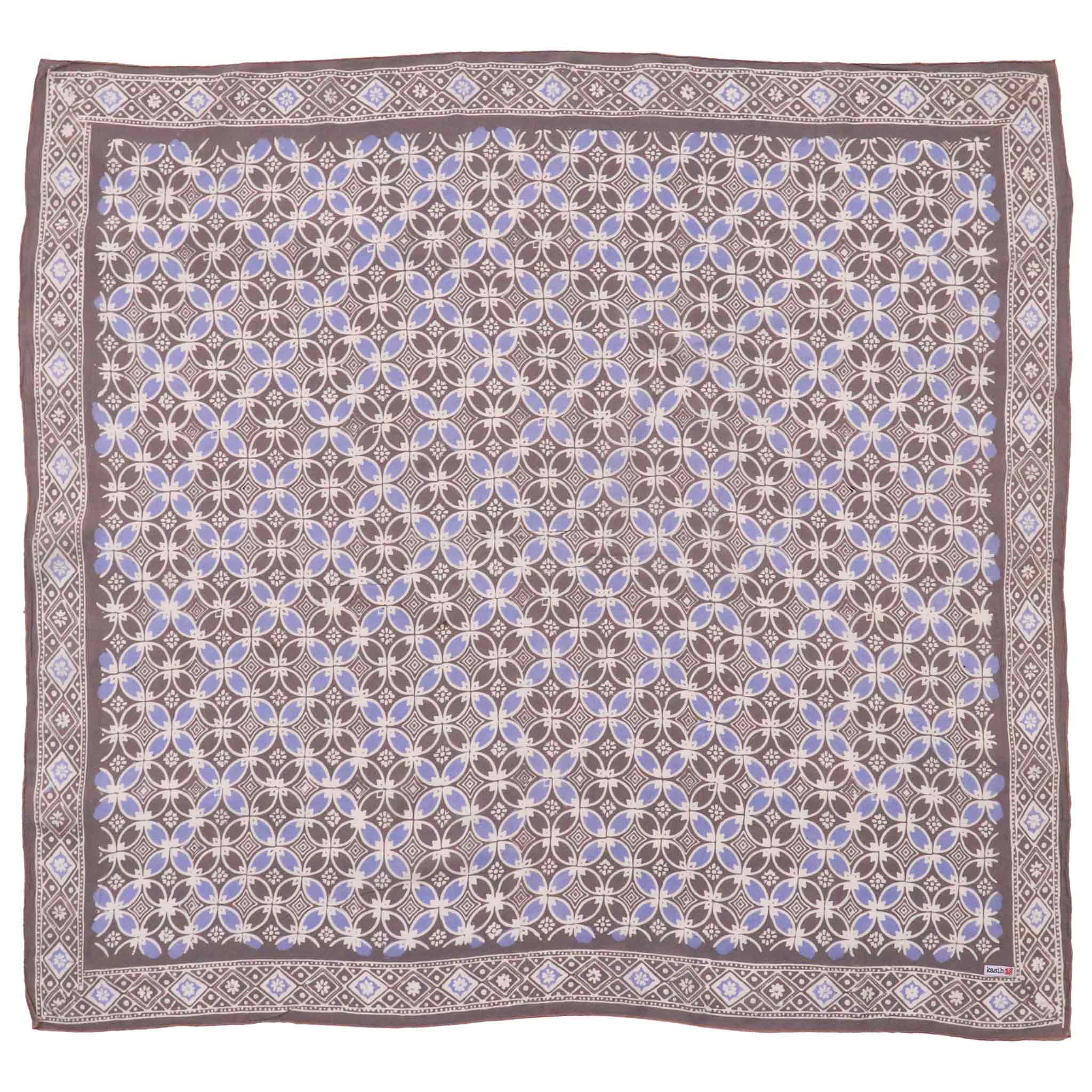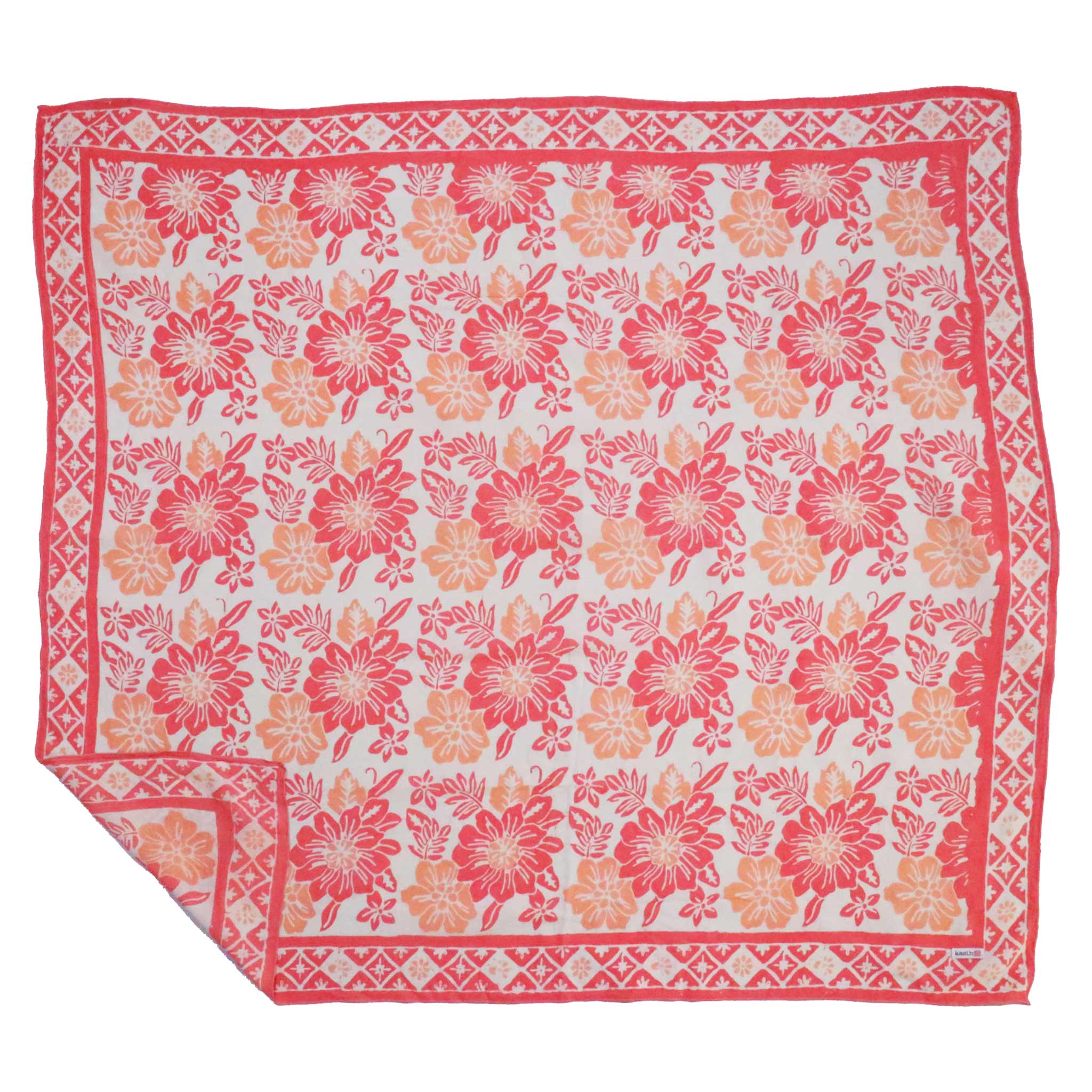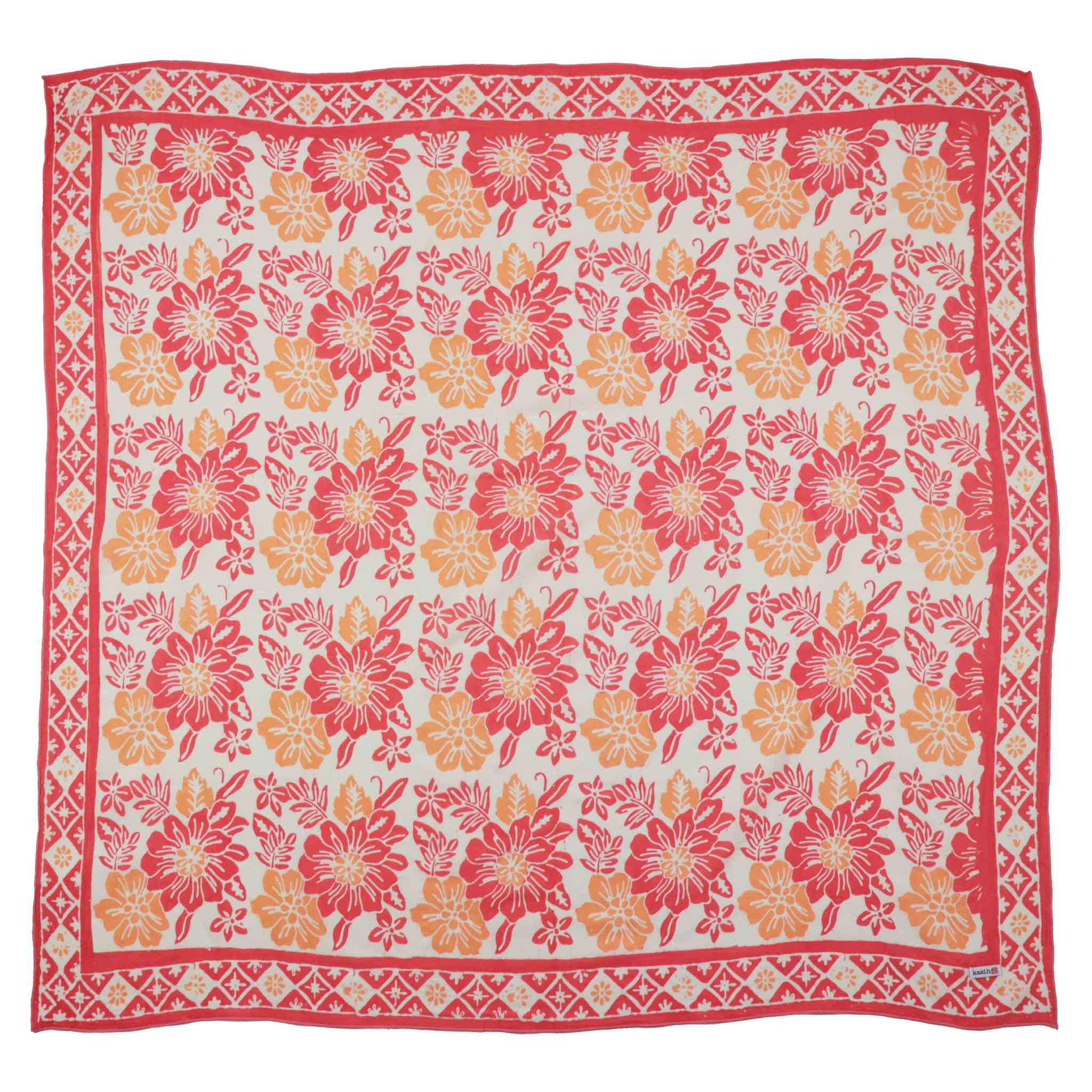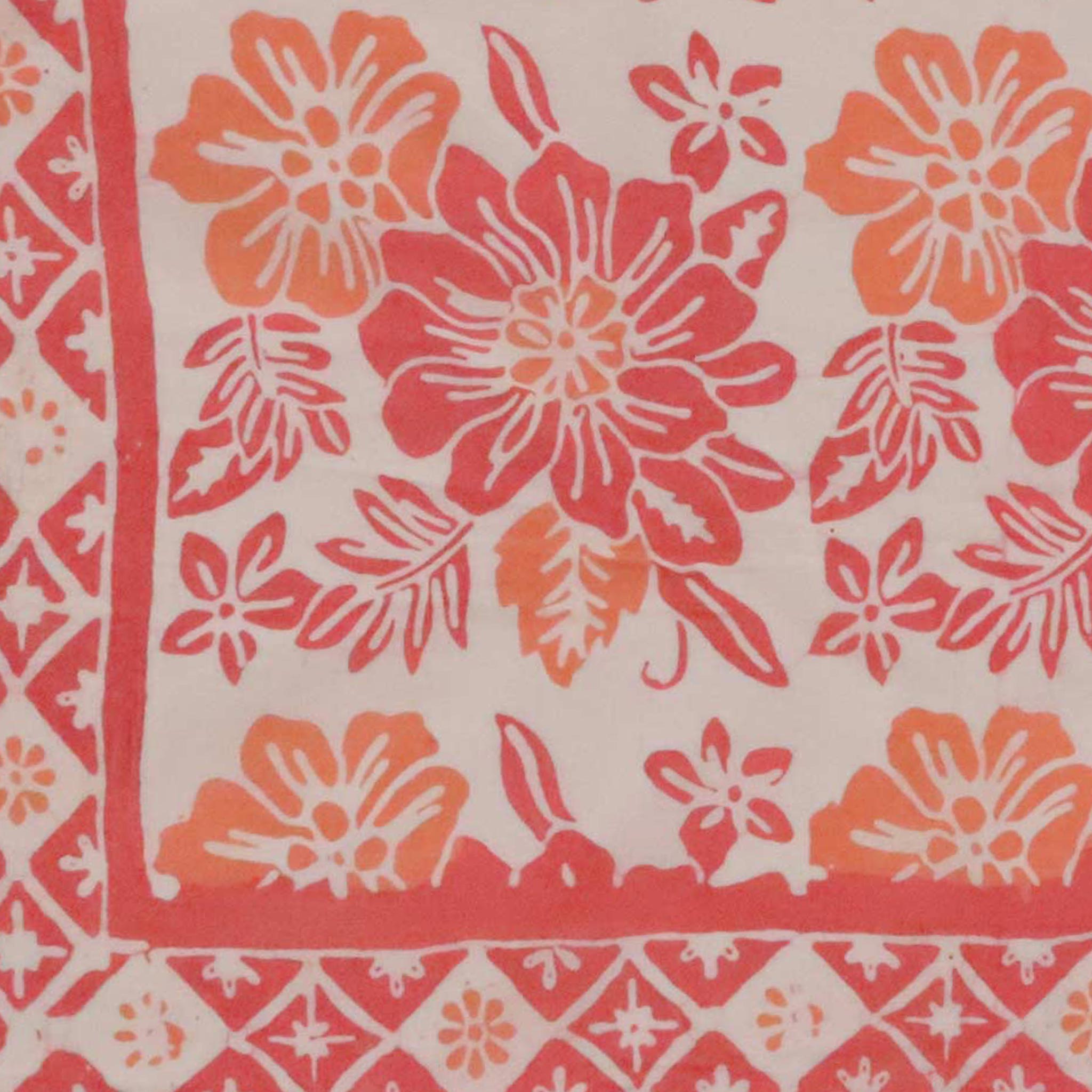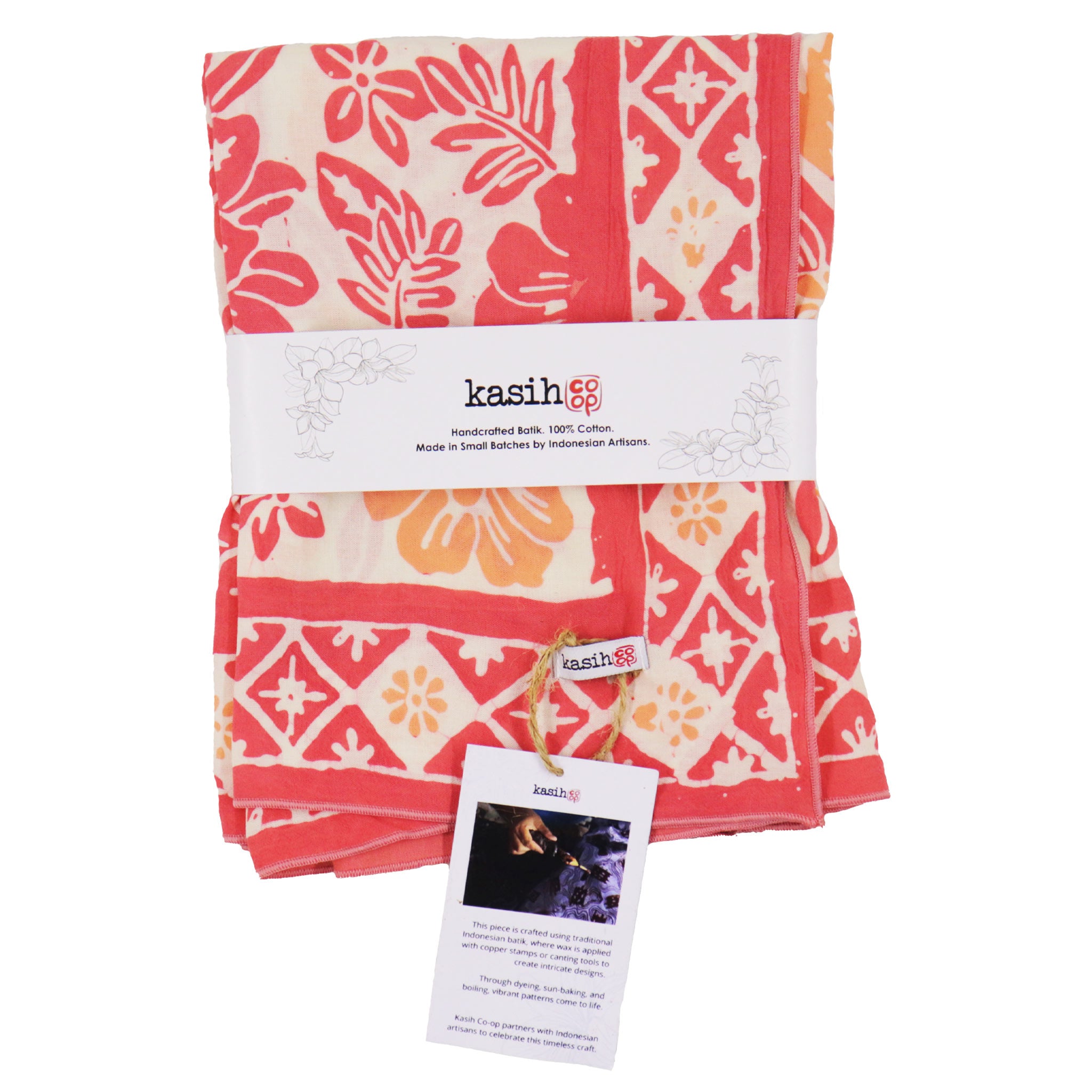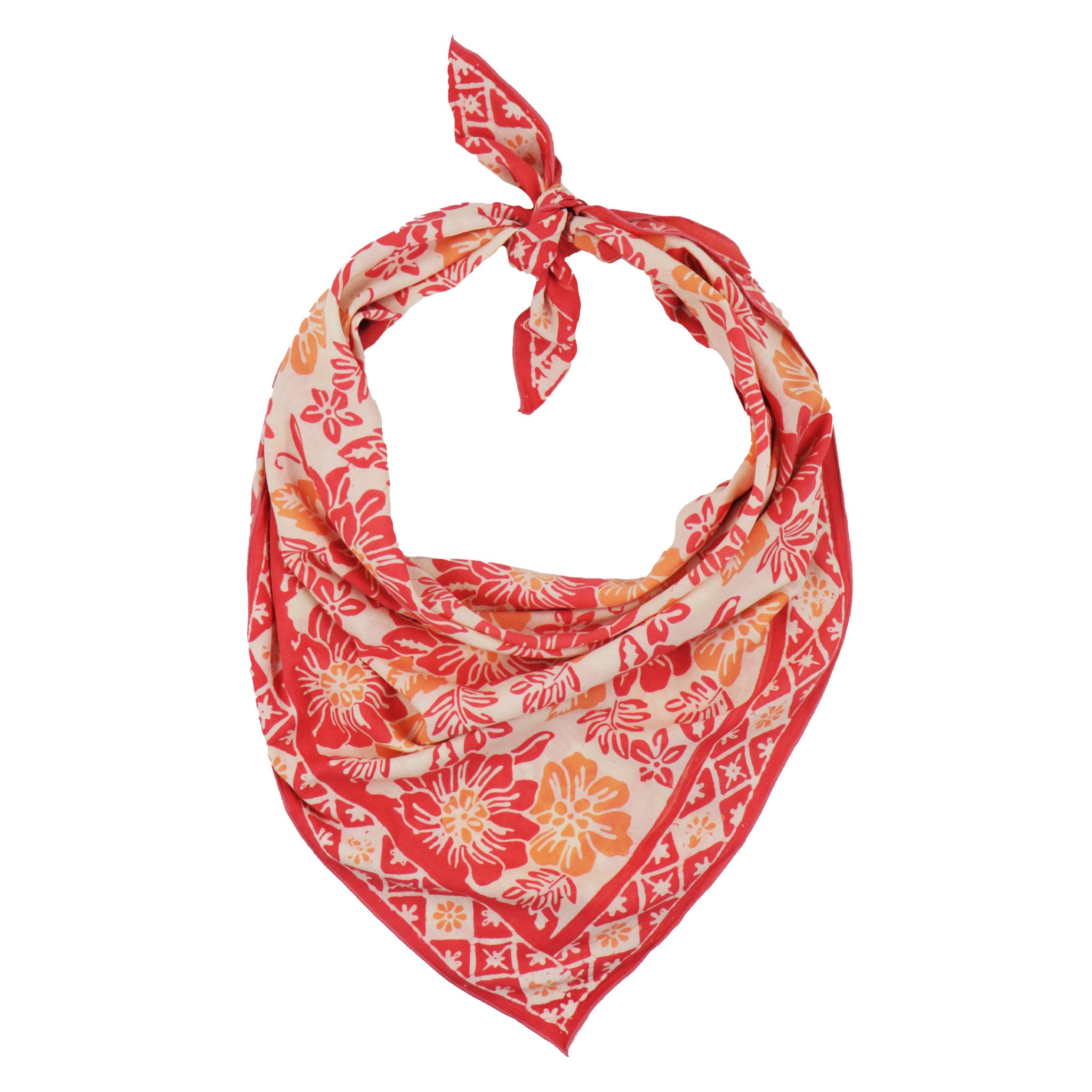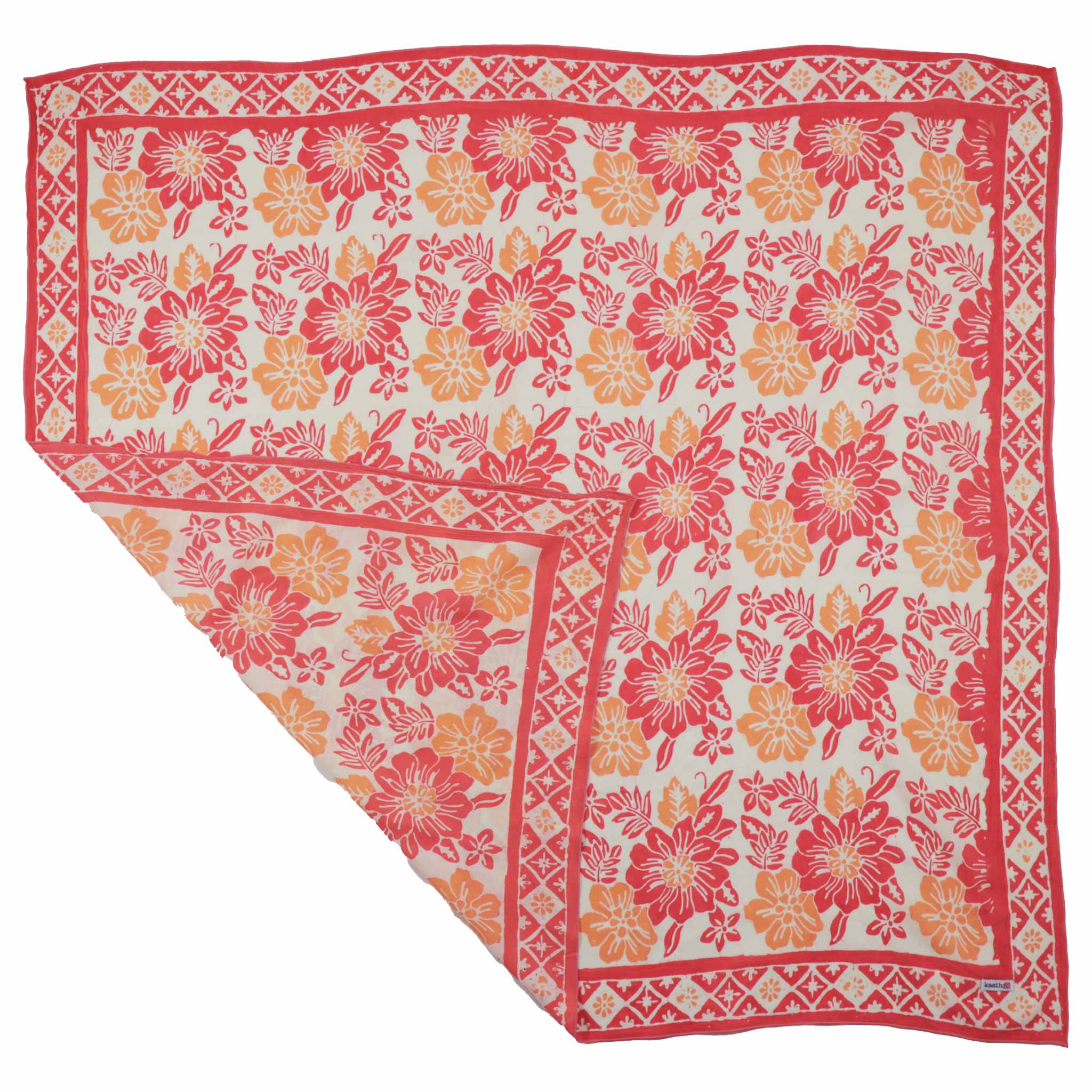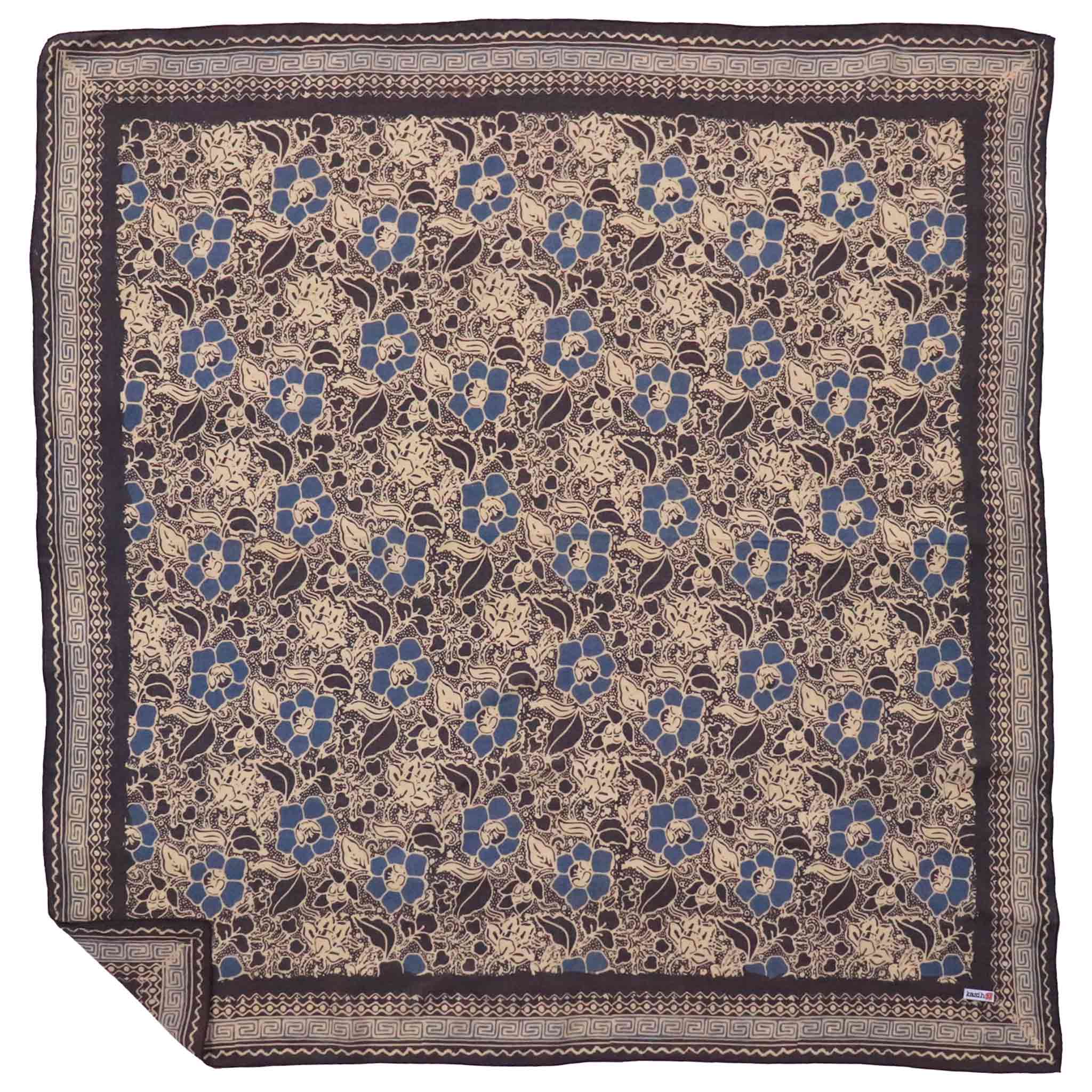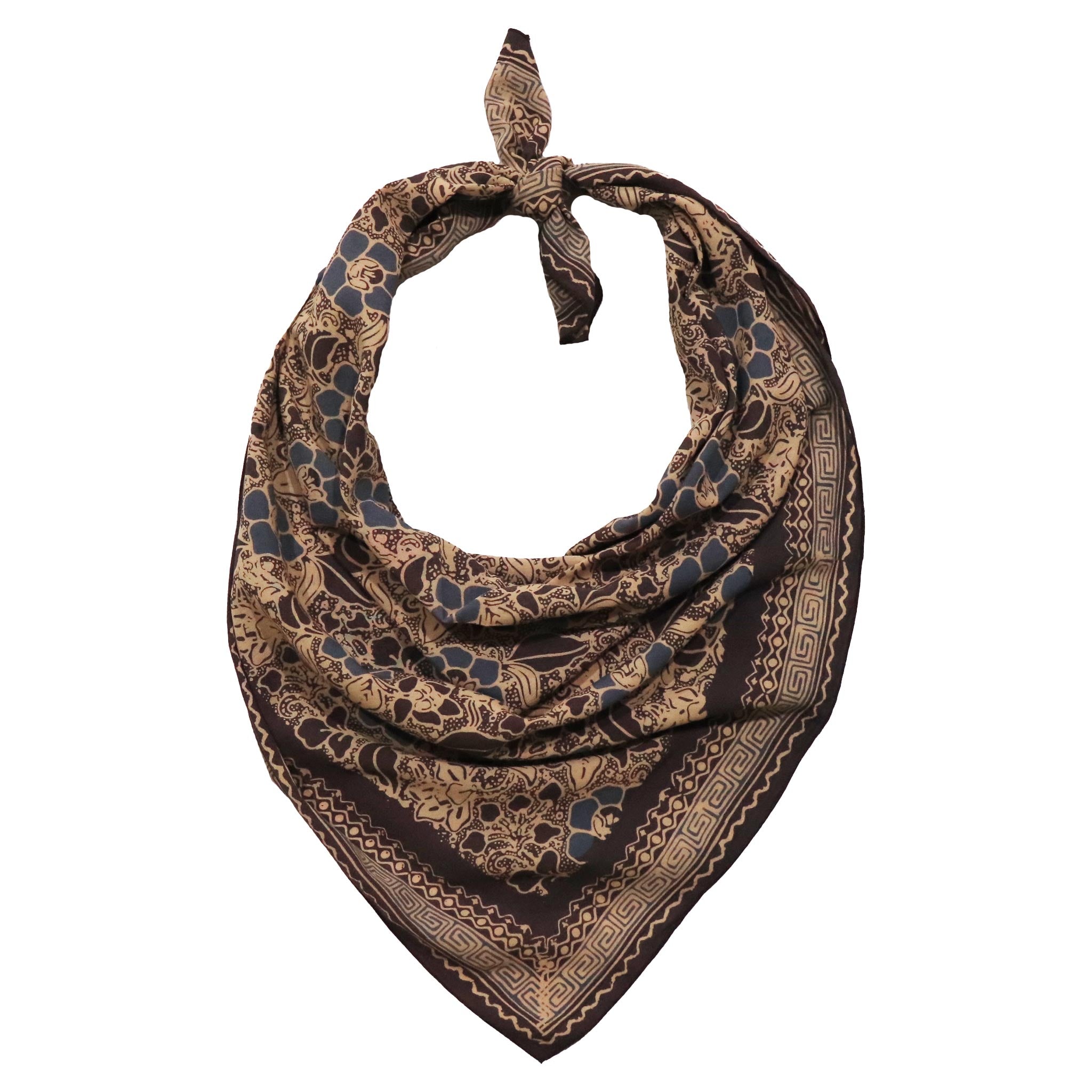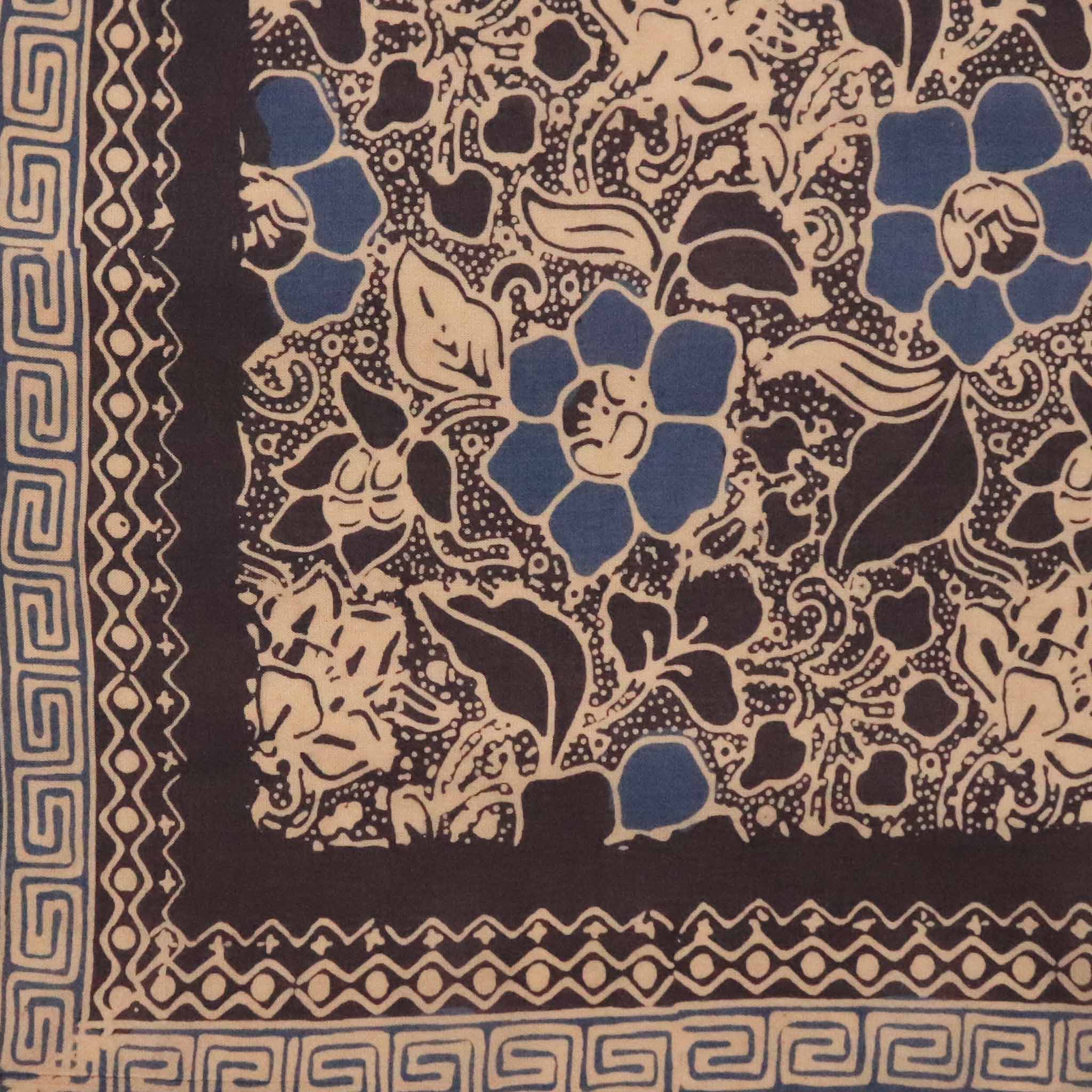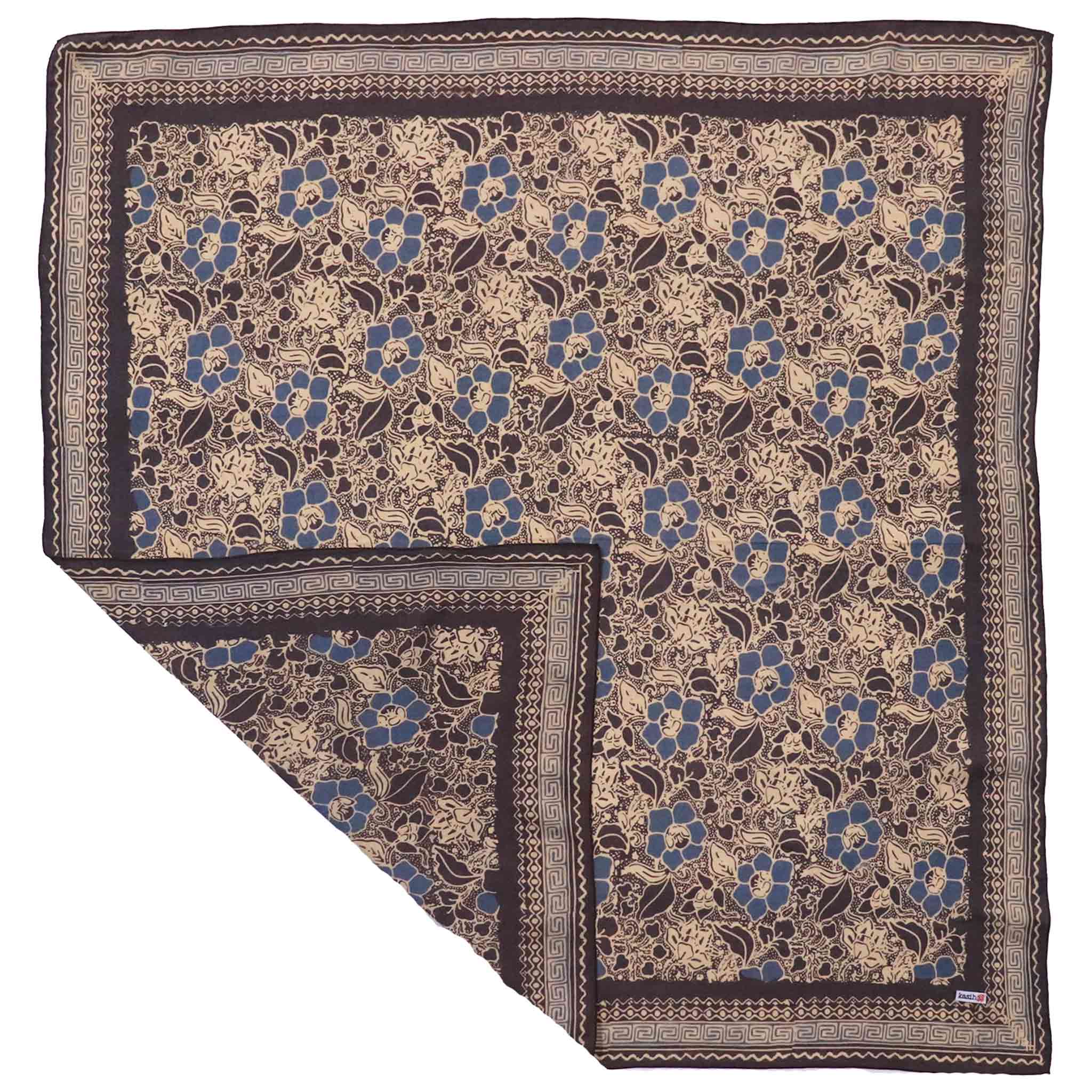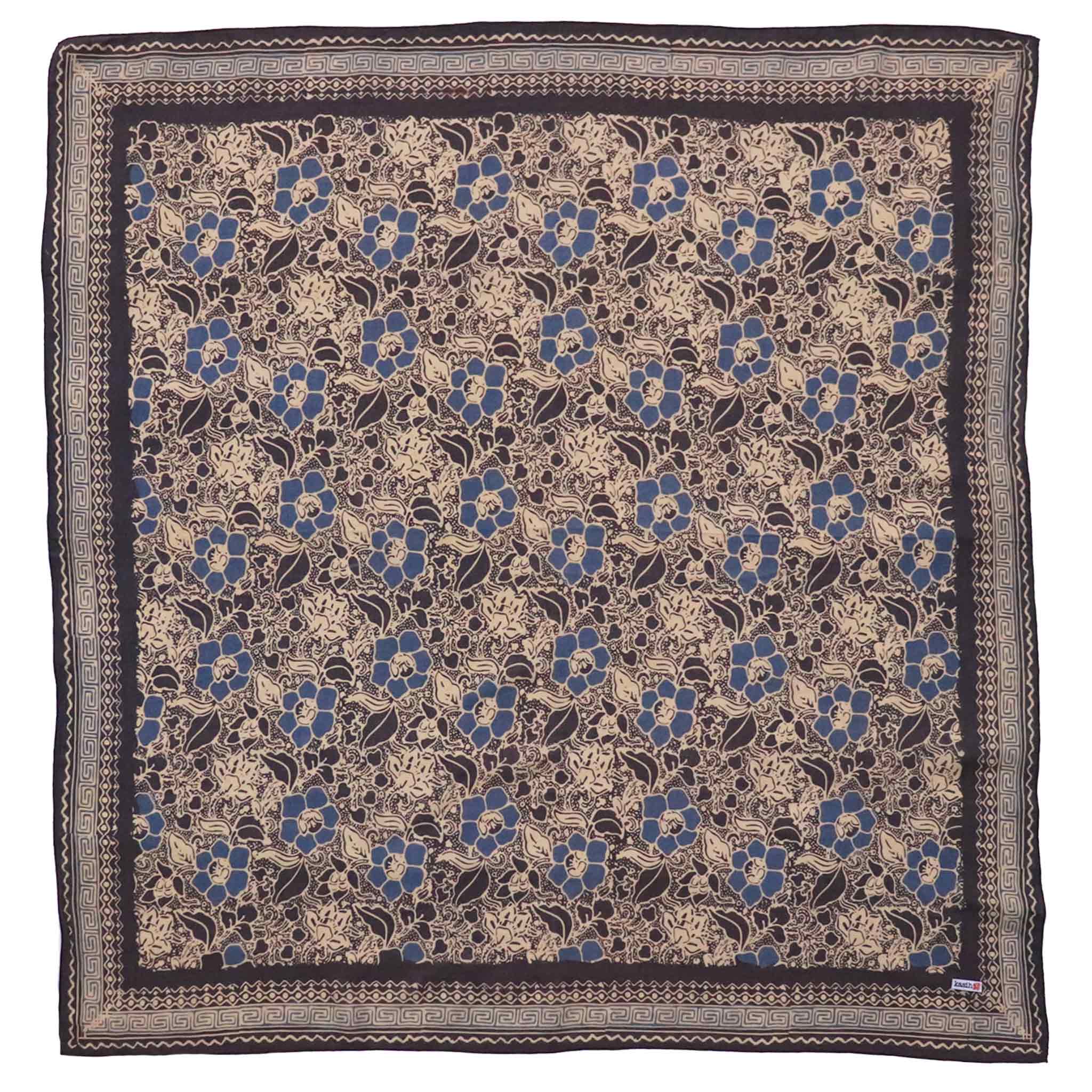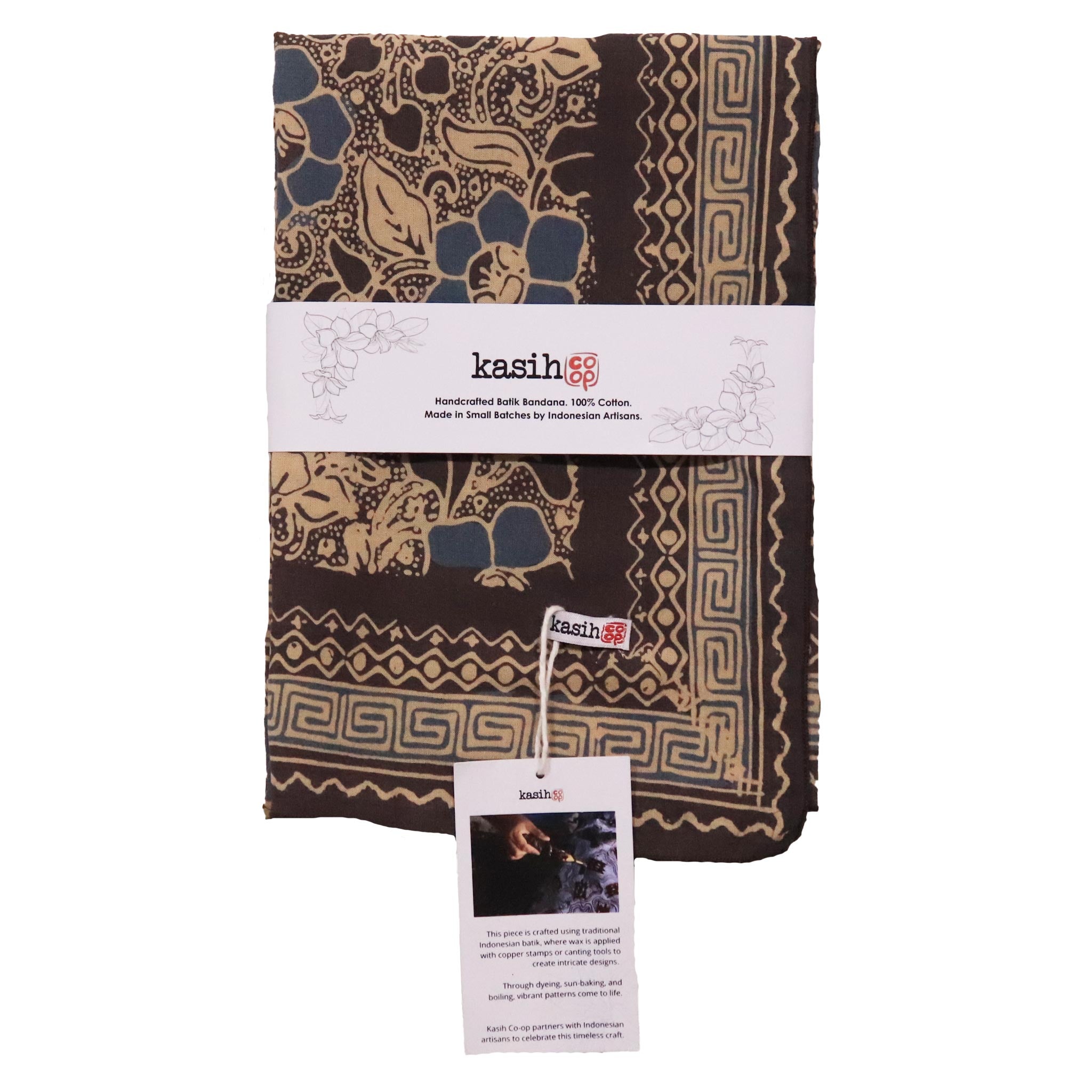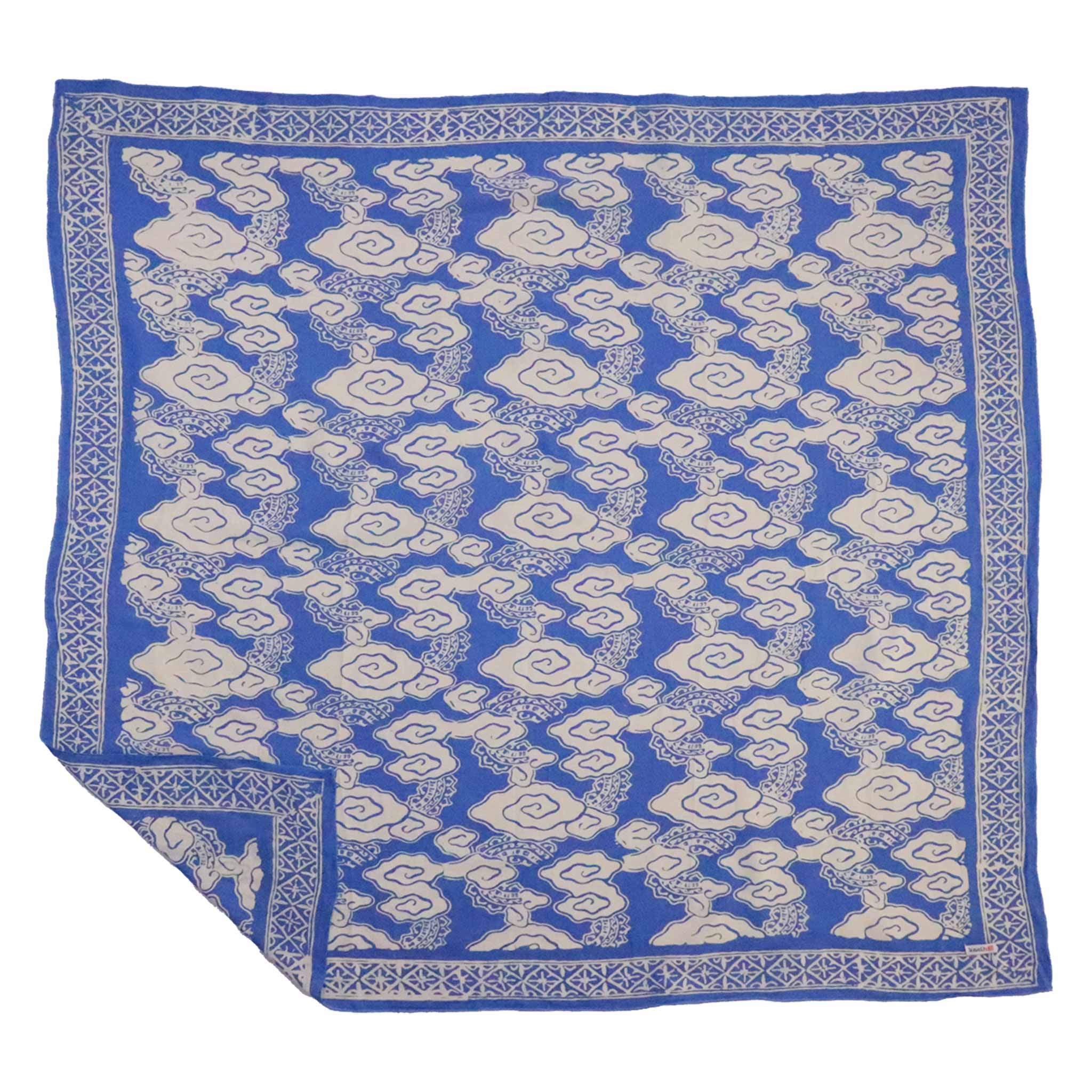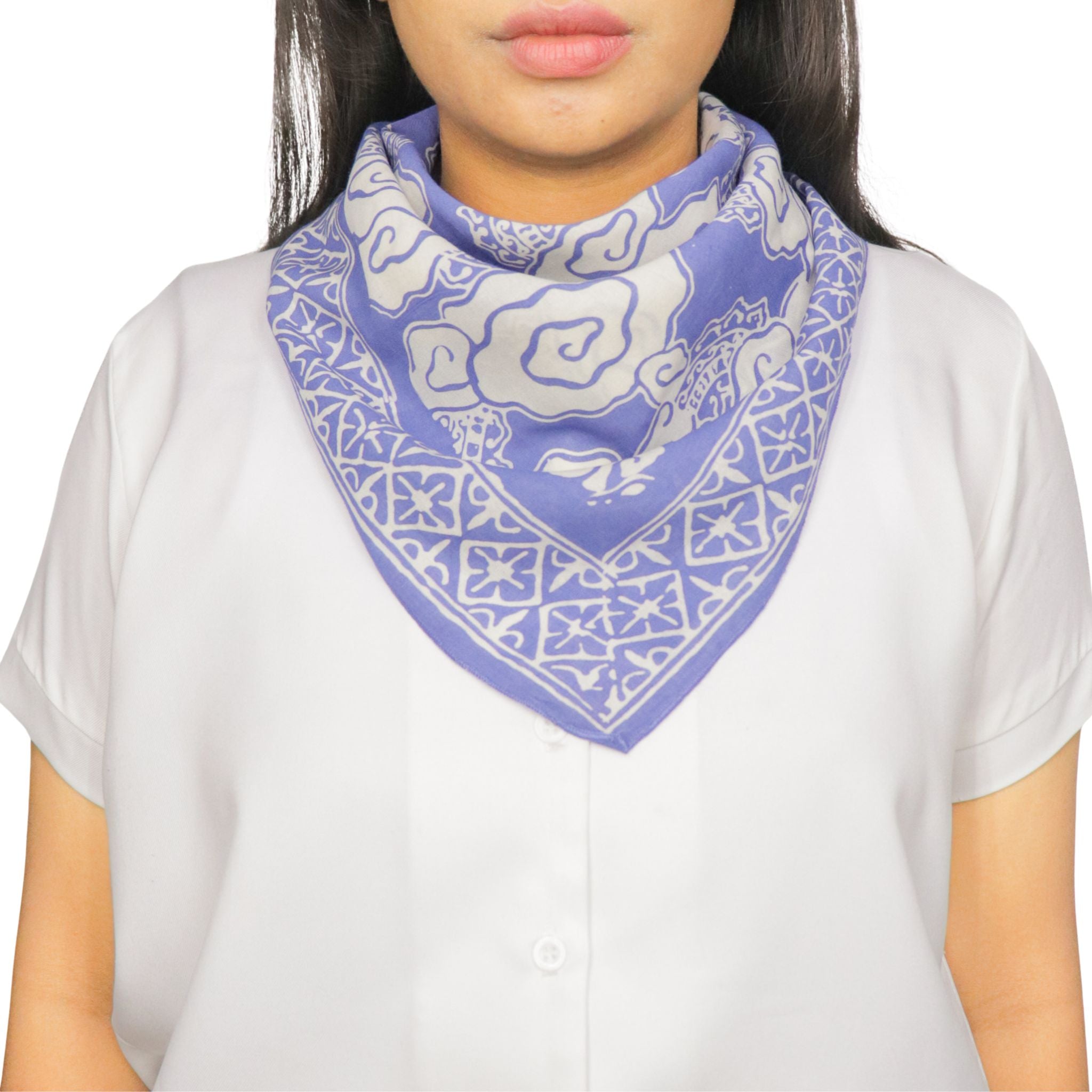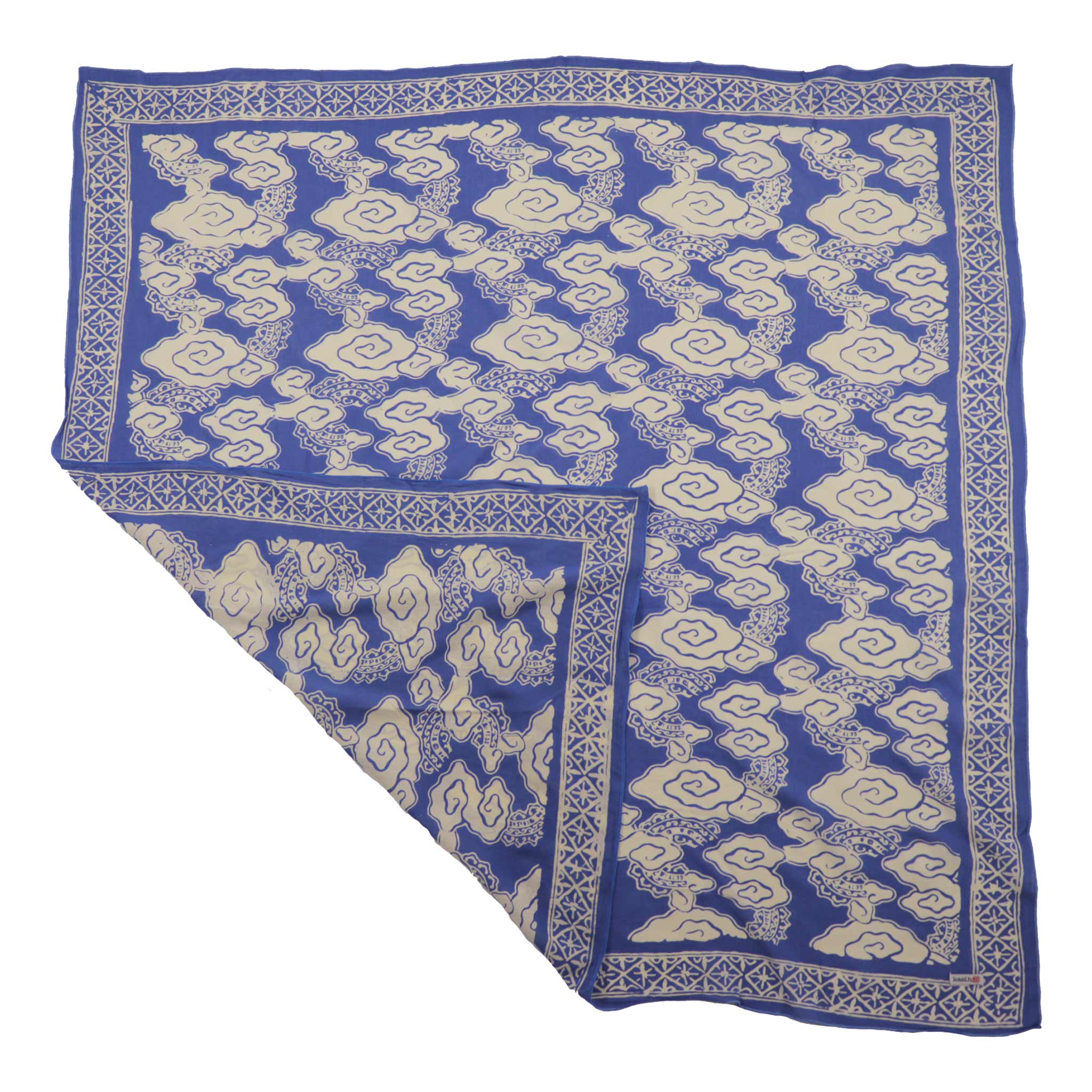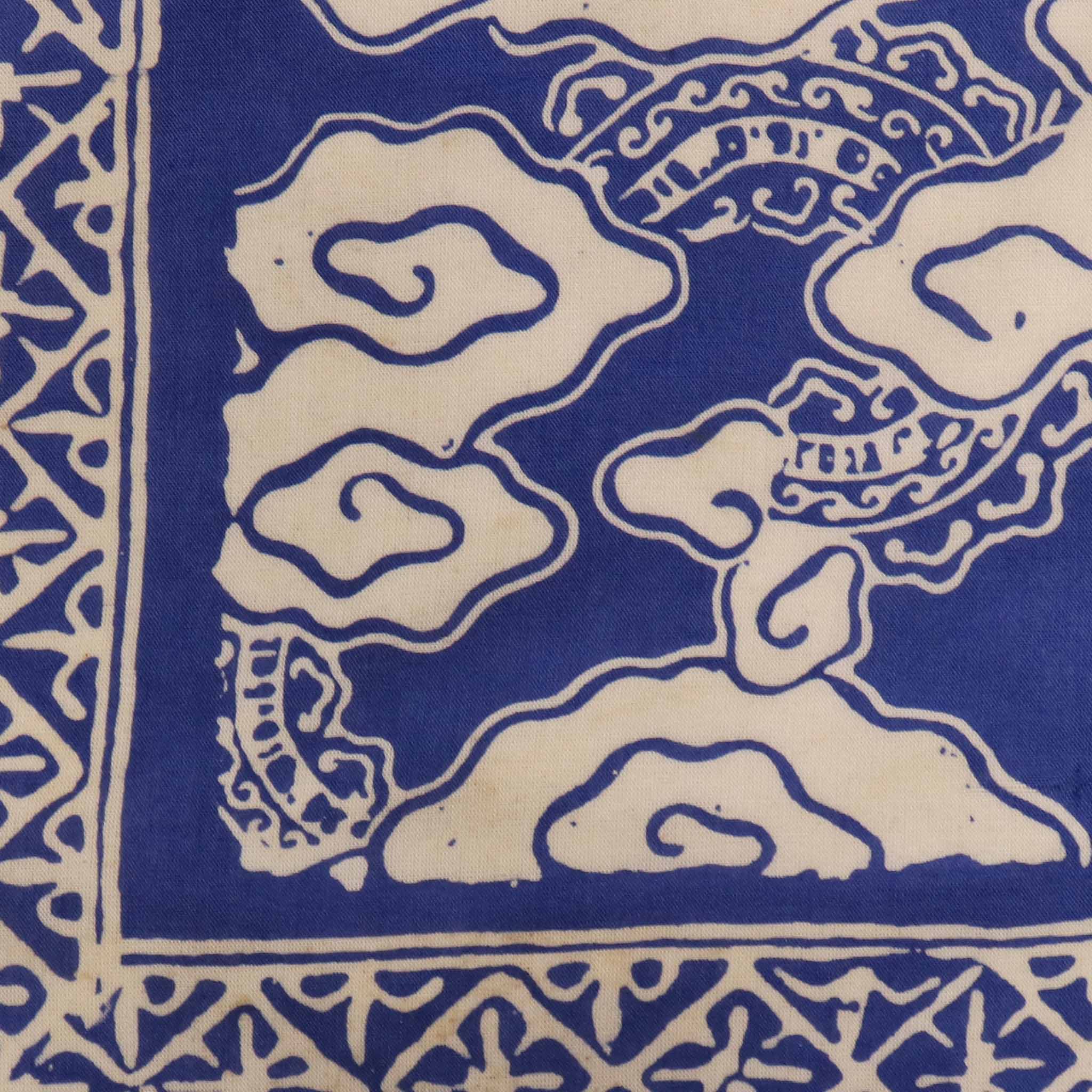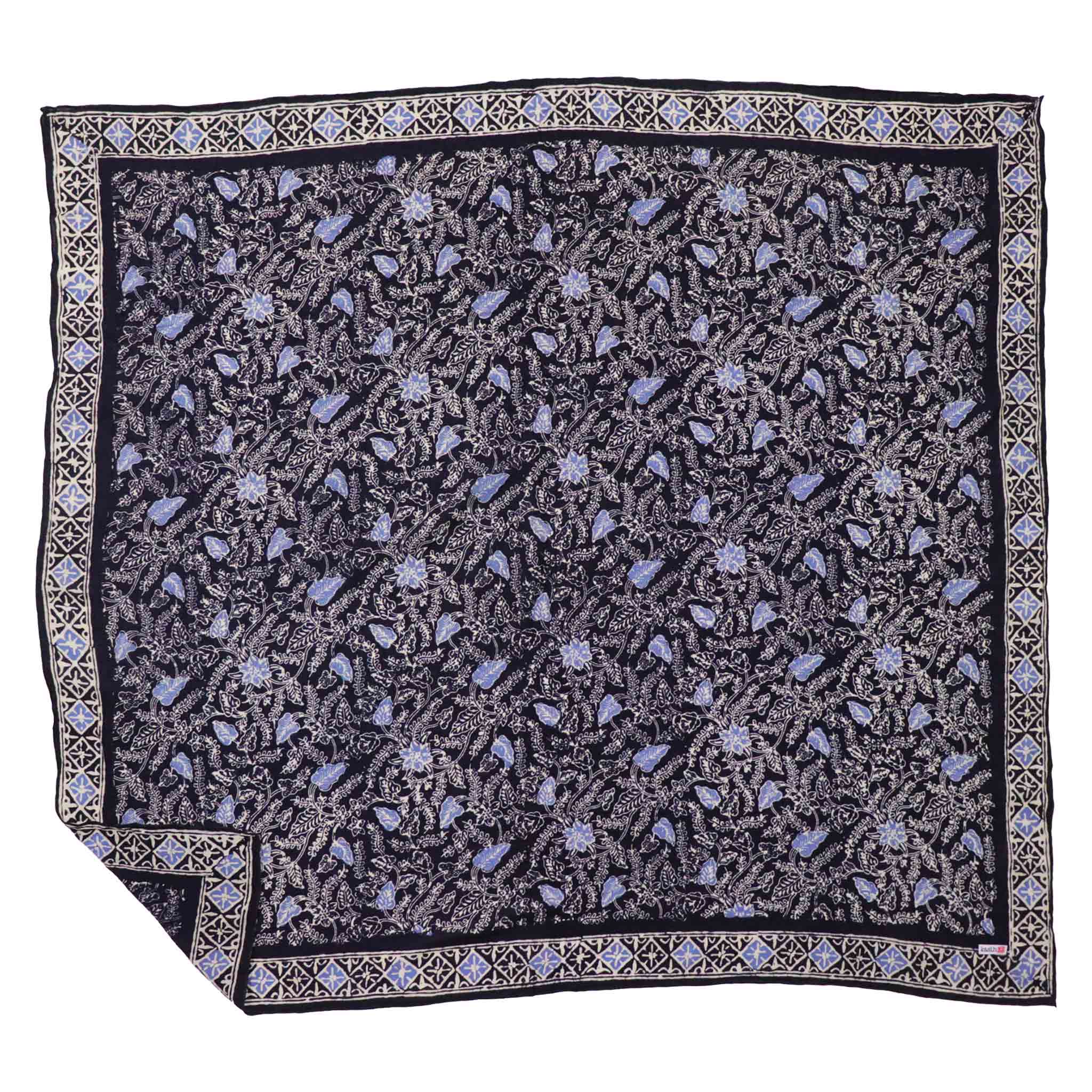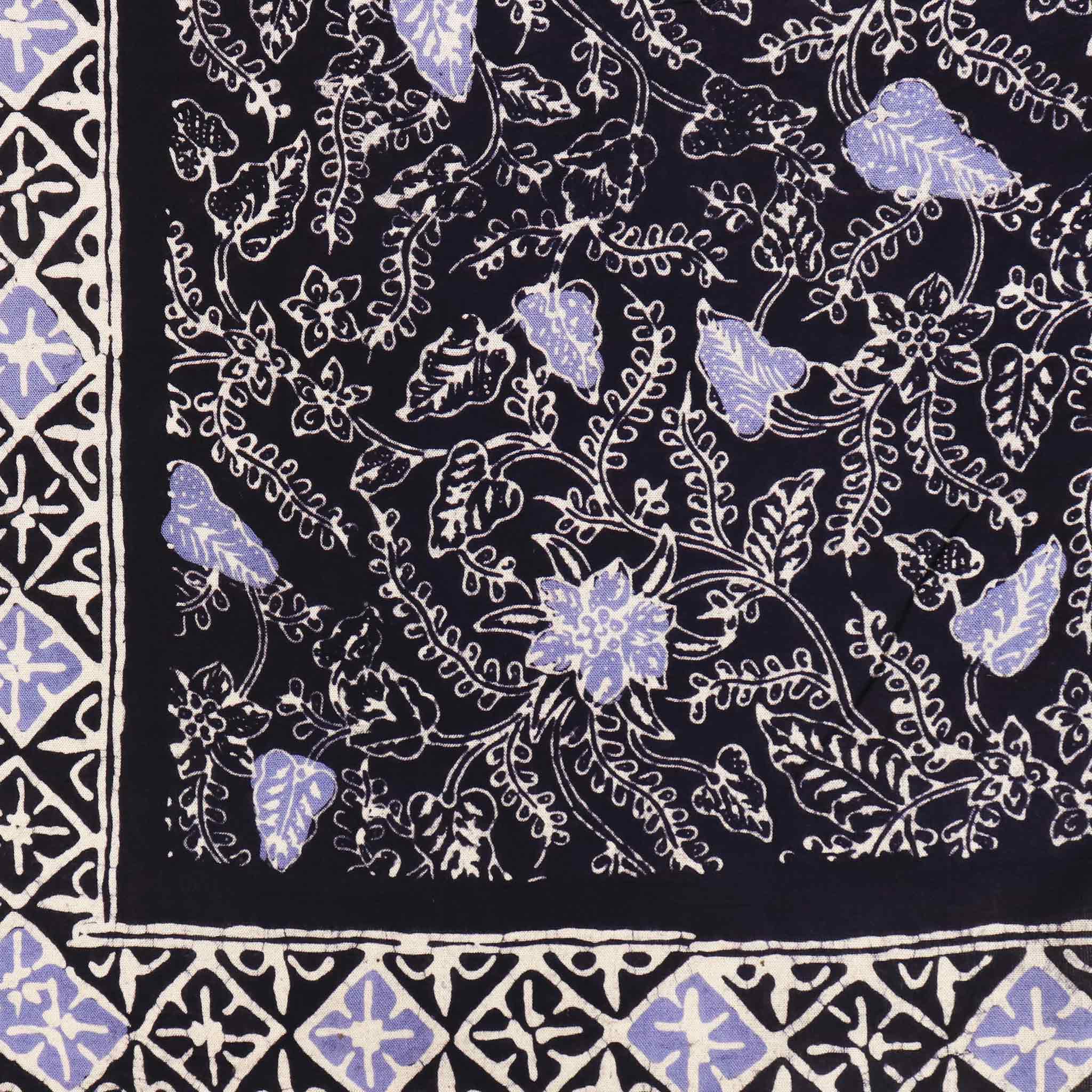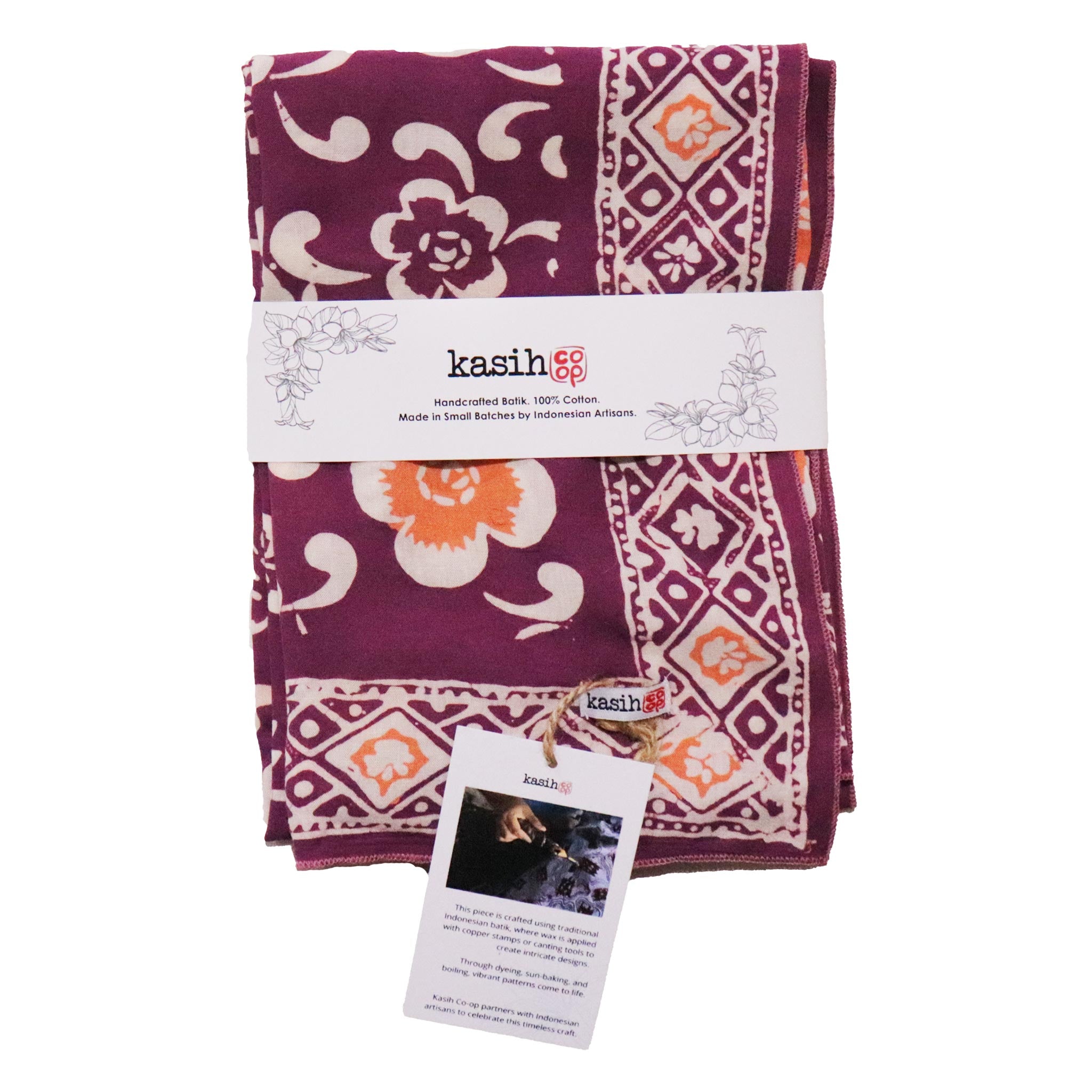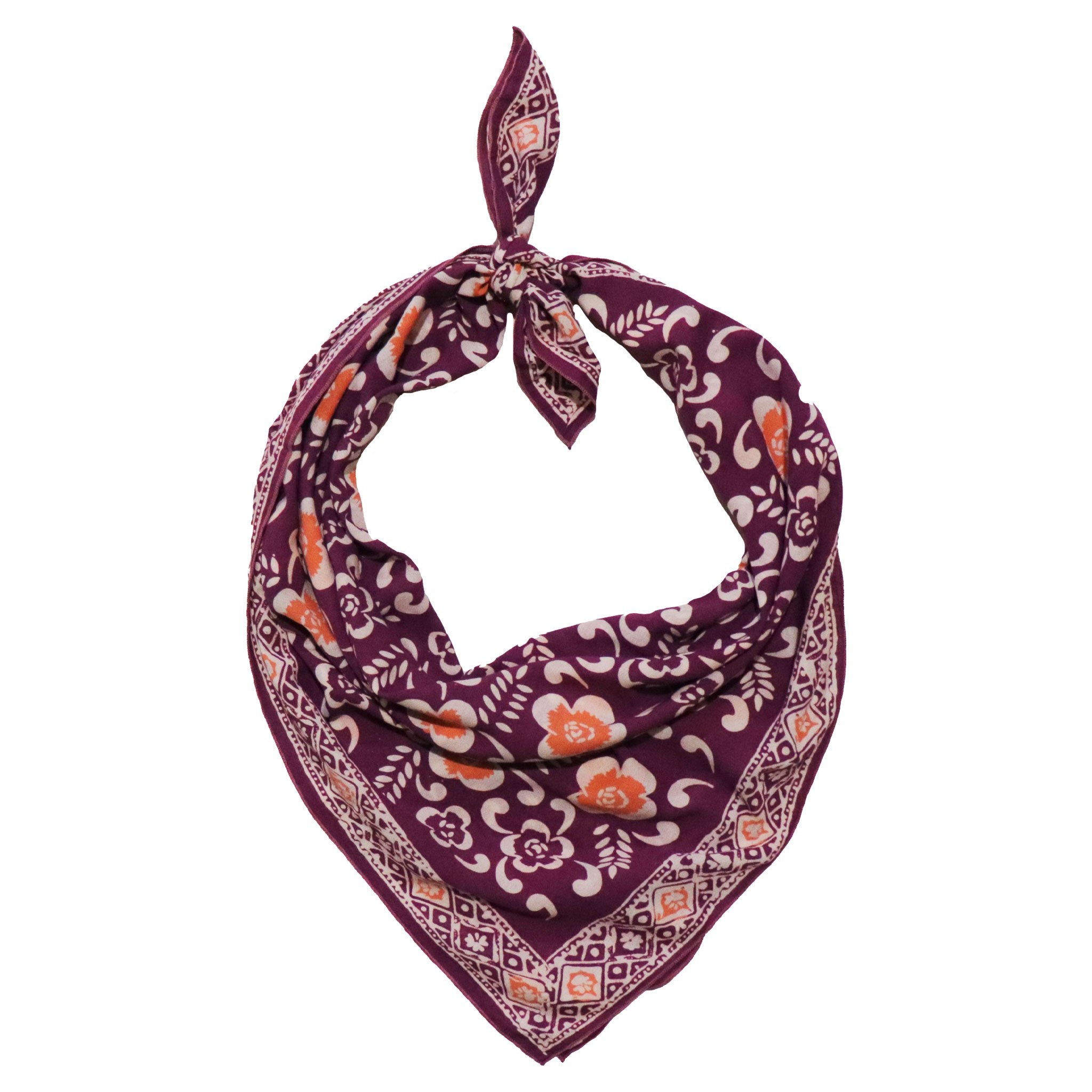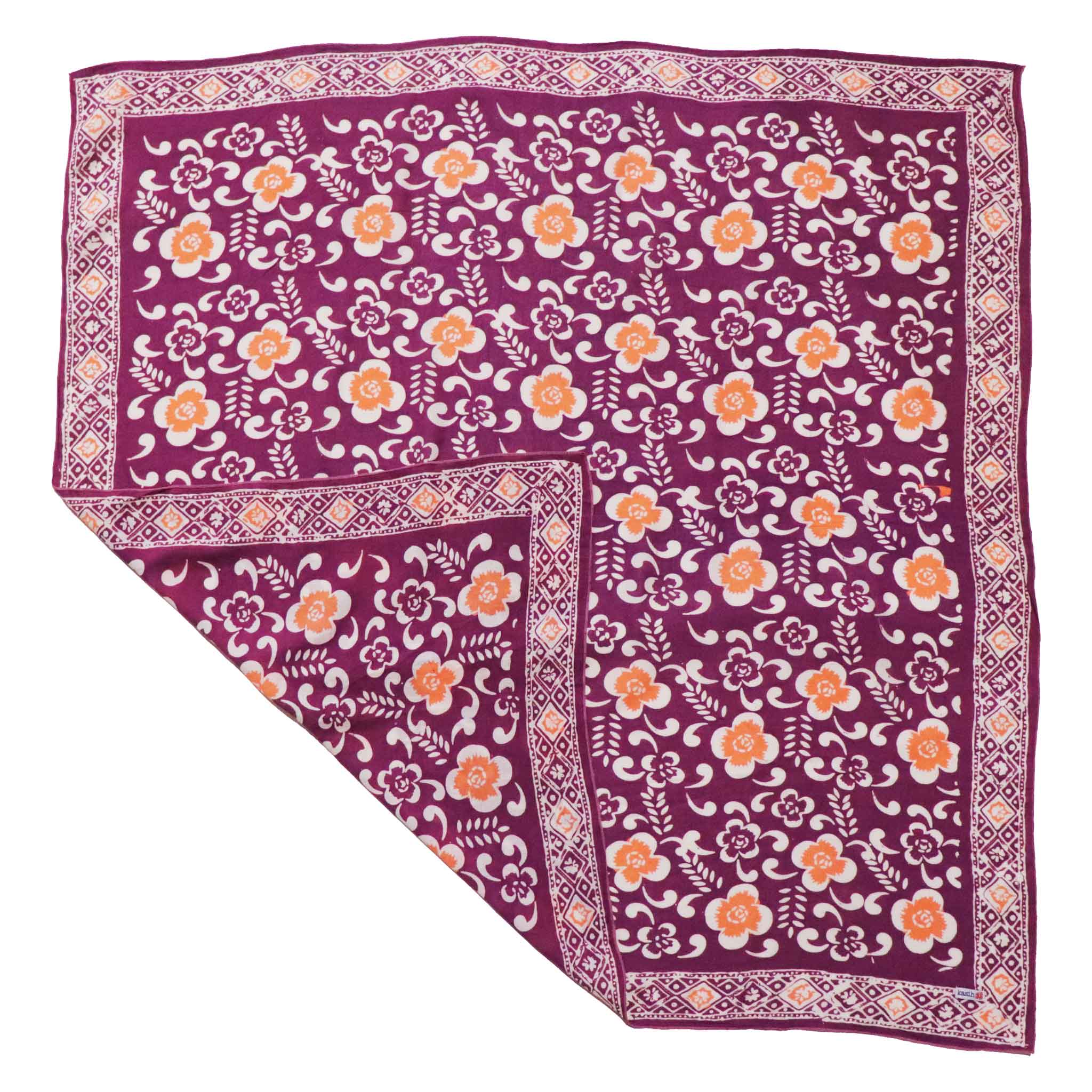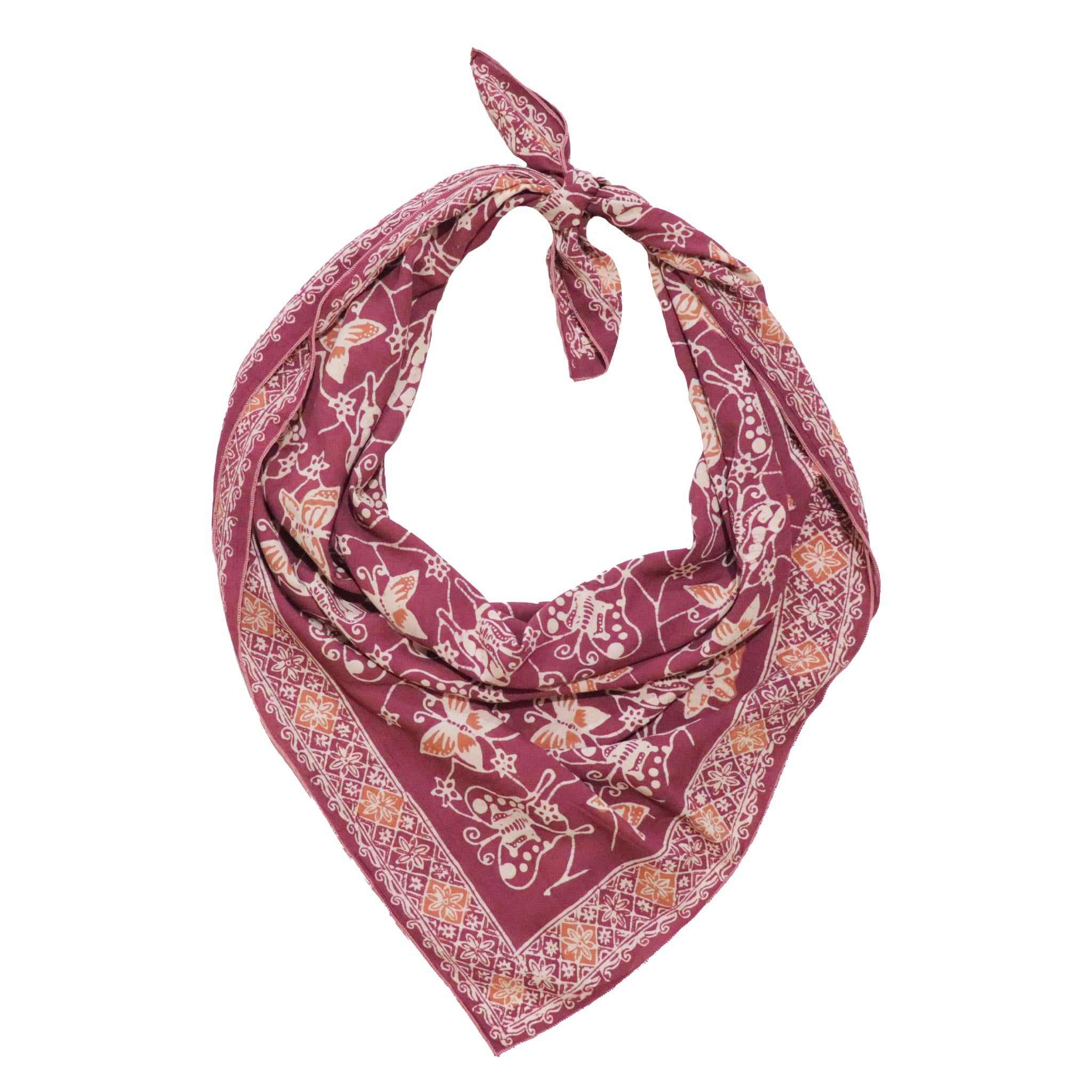
You've probably seen the word "canting" in our product descriptions. Maybe you've scrolled past it without thinking much about it. This post is for anyone who's ever been curious, what exactly is a canting, how is it made, and why does it matter?
First, How Do You Even Say It?
Canting is pronounced "chan-ting", the "c" in Javanese makes a "ch" sound. You might also see it spelled tjanting, which is the older Dutch colonial spelling. Same tool, different era.
What Is a Canting?

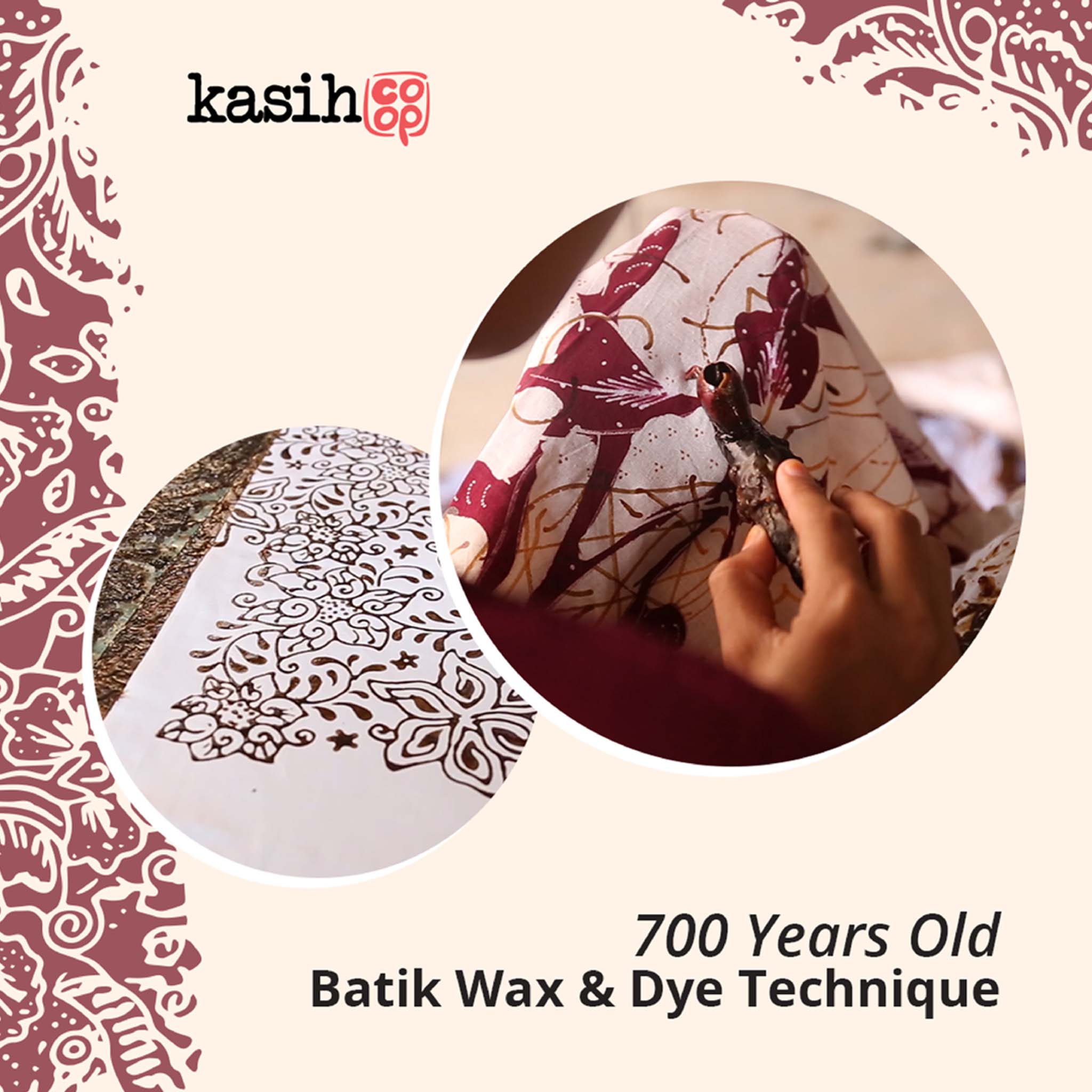
A canting is a small handheld tool — roughly 11 centimeters long — used to apply hot liquid wax directly onto fabric. It's the defining instrument of batik tulis, which literally translates to "hand-written batik."
Think of it like a wax pen. Instead of ink, it carries molten wax. Instead of paper, it writes on 100% cotton. And instead of a ballpoint, it has a tiny copper spout that controls exactly how much wax flows through and exactly how fine or thick the line becomes.
It has three main parts:
Nyamplung: the small copper or brass cup that holds the liquid wax. This is the "reservoir" of the pen, and it sits at the tip of the tool where the artisan's hand controls direction.
Cucuk: the spout, also made of copper or brass, that the wax flows through onto the fabric. The size of the cucuk determines everything: fine dots, hairline details, wider fills. Spout diameters range from under 1 millimeter for ultra-fine work, all the way to several millimeters for filling in larger areas.
Gagang: the handle, traditionally carved from bamboo or wood. It absorbs heat and gives the artisan grip and control during hours of close, detailed work.
How Is a Canting Made?

The canting itself is a handmade object which feels right, given what it's used to create.
Traditional canting tools are crafted by skilled toolmakers, most of them based in Java. The copper reservoir is individually shaped from heavy-gauge copper sheeting — cut, formed, and soldered by hand. Pure copper is preferred because it retains heat effectively, which keeps the wax liquid and flowing smoothly for longer. The spout is typically made from brass, which holds its shape well under repeated heating.
The handle is carved from wood, often recycled teak, and fitted to the copper cup. No two handmade cantings are perfectly identical. The spout diameter varies slightly from tool to tool, which is why experienced artisans often have a personal collection of cantings they've worked with long enough to understand and trust.
Modern cantings also exist in materials like zinc, iron, and teflon, but traditional artisans, including the women who make Kasih Co-op's batik tulis piece, still predominantly use copper, for the same reason Javanese craftspeople have for centuries: it simply works better.
The Different Types of Canting
Not all cantings are the same, and artisans use multiple types in a single piece depending on what the design requires.
By function, there are two main types. The canting rengrengan is used to draw the primary outline of a pattern, the skeleton of the design. The canting isen is used to fill in the spaces, adding texture, detail, and depth inside the outlines the rengrengan created. Think of it like sketching a flower first, then adding every petal's veins.
By spout count, cantings get more interesting. A canting cecekan has one spout for single-line work. A canting laron has two spouts, useful for parallel lines. A canting telon has three spouts arranged in a triangle, allowing three dots to be placed simultaneously. Some cantings have four, six, or even more spouts, each producing a different repeated pattern with a single stroke.
This is how artisans create those tiny repeating dot patterns you sometimes see filling the background of batik tulis, not drawn one dot at a time, but with a multi-spouted canting that stamps several at once.
How the Artisan Uses It

The process starts long before the canting touches the cloth. The fabric, tightly woven 100% cotton, is first washed, soaked, and beaten flat to prepare it for even wax absorption. A pattern is lightly sketched in pencil, or for the most experienced artisans, drawn entirely from memory.
A small wok called a wajan sits over a low flame, keeping the wax — a mixture of beeswax and paraffin — at the right temperature: hot enough to flow, but not so hot it bleeds into the fabric uncontrollably.
The artisan scoops wax into the nyamplung, tilts the canting slightly, and begins to draw. The angle of hold, the temperature of the wax, the speed of the hand, and the pressure applied all affect the result. Too fast and the line breaks. Too slow and the wax pools. The artisan sometimes blows gently on the spout to clear any clog and keep the flow steady.
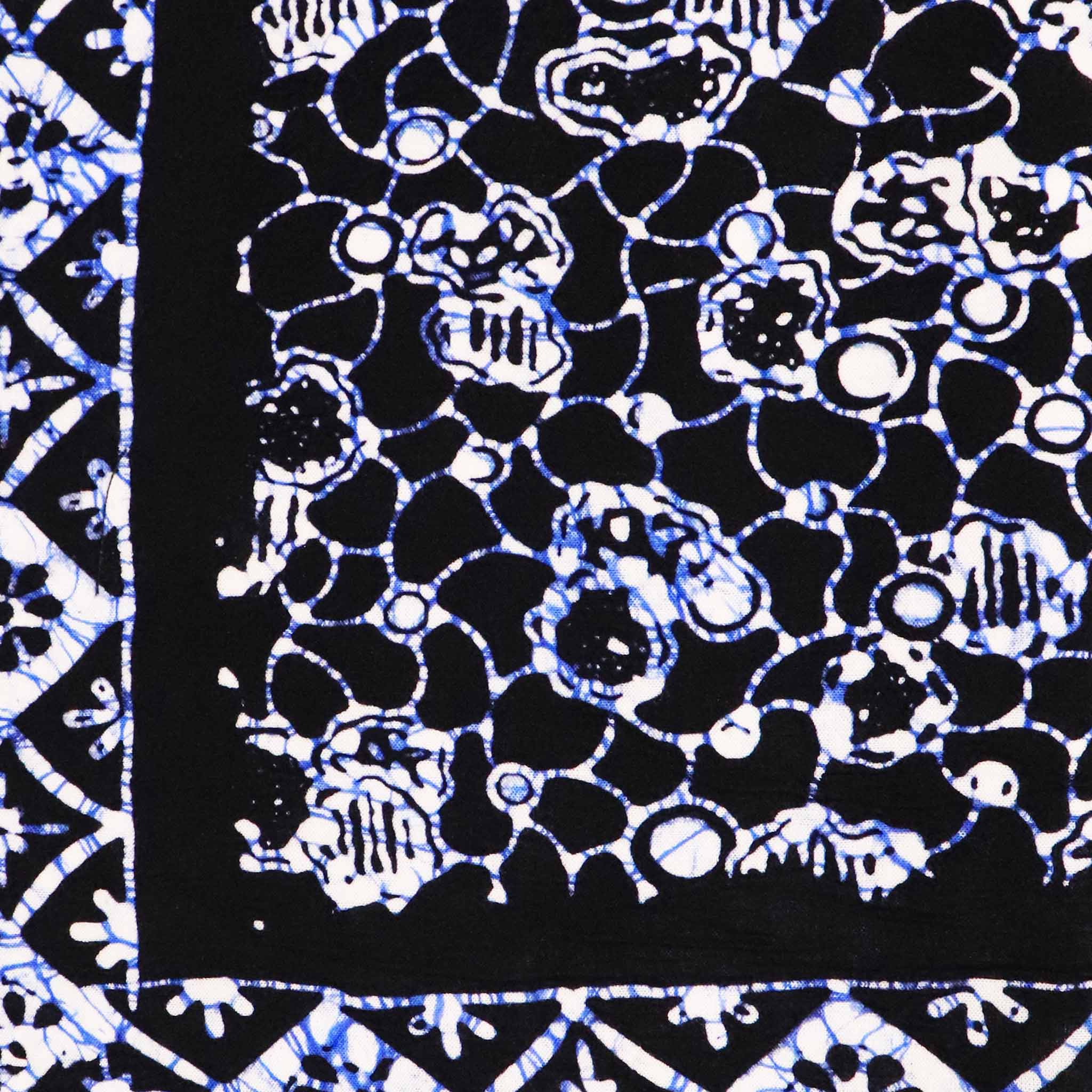
When the wax hits the cloth, it cools almost instantly, sealing that area against dye. This is the resist. When the cloth is later dipped into a dye bath, every waxed area stays the original color of the fabric. Every unwaxed area takes on the new color. After dyeing, the wax is removed by boiling the cloth, and the pattern is revealed.
For multi-colored pieces, this entire cycle (waxing, dyeing, boiling) is repeated multiple times, building color layer by layer. A single batik tulis bandana with three colors might go through three separate rounds of this process before it's done.
Why It Takes So Long
A batik tulis piece can take anywhere from three days to several weeks to complete. There is no shortcut that doesn't change what the piece is.
Every line is drawn freehand. Every dot is placed by a human hand, guided by a copper spout smaller than a pencil tip. And because the wax dries fast, there's no going back, no erasing, no undoing a misplaced stroke. Artisans work around mistakes, or they start over.
This is why batik tulis is priced differently from batik cap (stamped batik) or mass-printed batik fabric. The time alone is significant. But beyond time, there's also the skill that take years, often decades, to learn how to hold the canting, how to read the wax, how to feel when the flow is right.
The slight irregularities you might notice in a hand-drawn batik — a line that thickens slightly, a curve that isn't perfectly symmetrical — are not flaws. They're proof that a person made this.
A UNESCO-Recognized Heritage
In 2009, UNESCO designated Indonesian batik as a Masterpiece of Oral and Intangible Cultural Heritage of Humanity. The recognition acknowledged not just the textile itself, but the entire ecosystem around it — the techniques, the knowledge passed between generations, the cultural meaning embedded in the motifs.
The canting sits at the center of all of it. It is the tool that makes batik tulis possible, and it has not fundamentally changed in centuries. The materials are essentially the same. The technique is essentially the same. What has changed is simply the hands holding it — each generation of artisans learning from the one before.
What This Means When You Hold a Kasih Co-op Piece
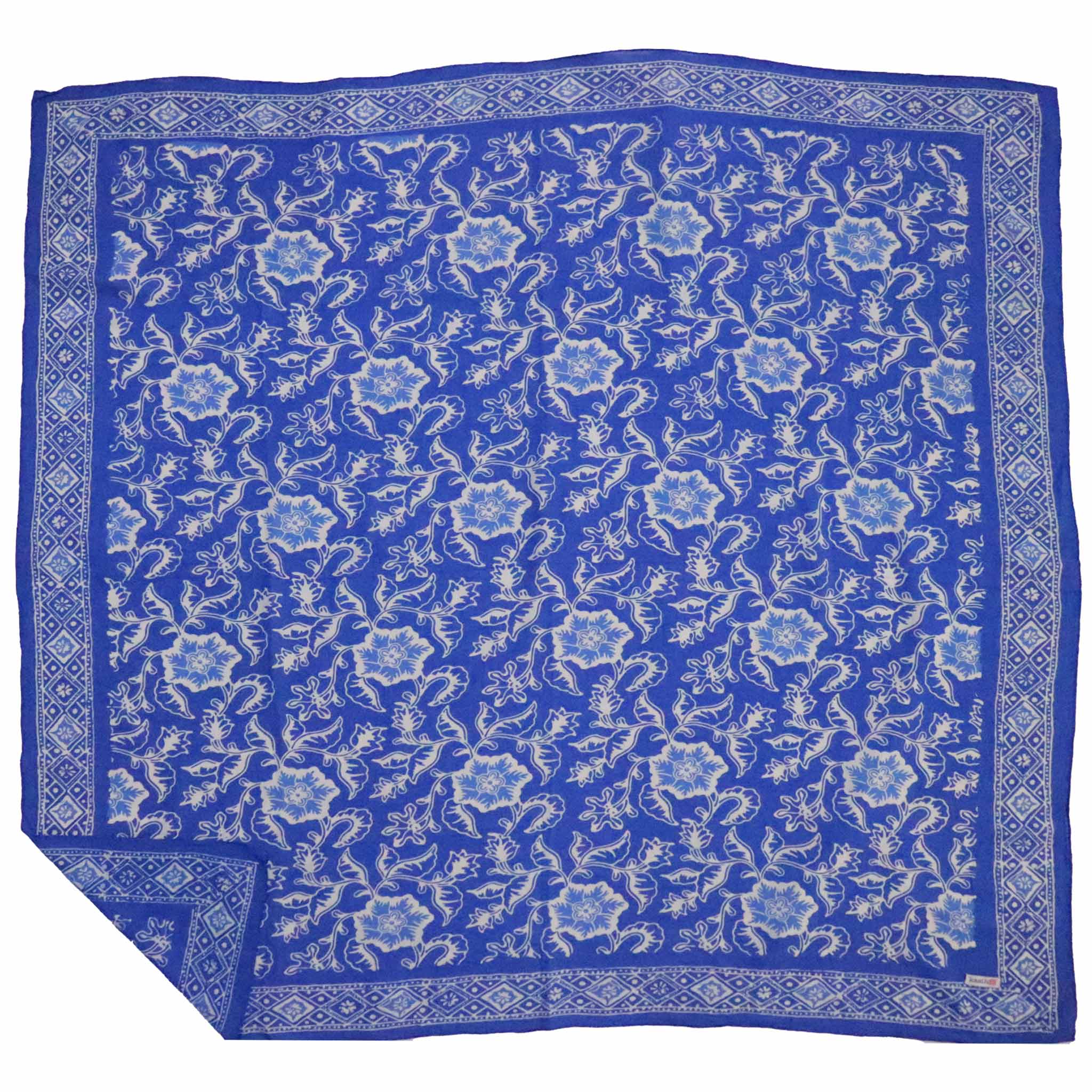
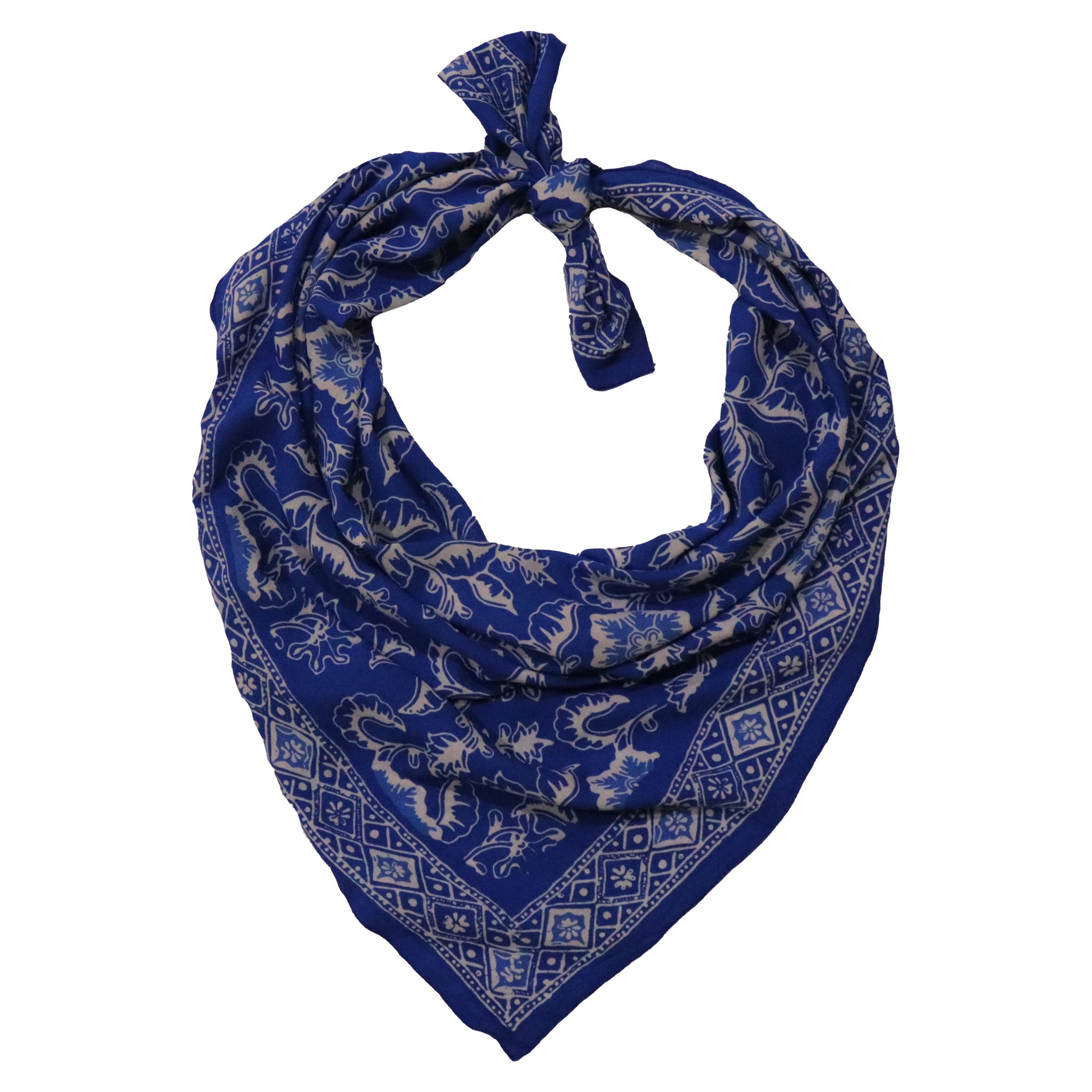
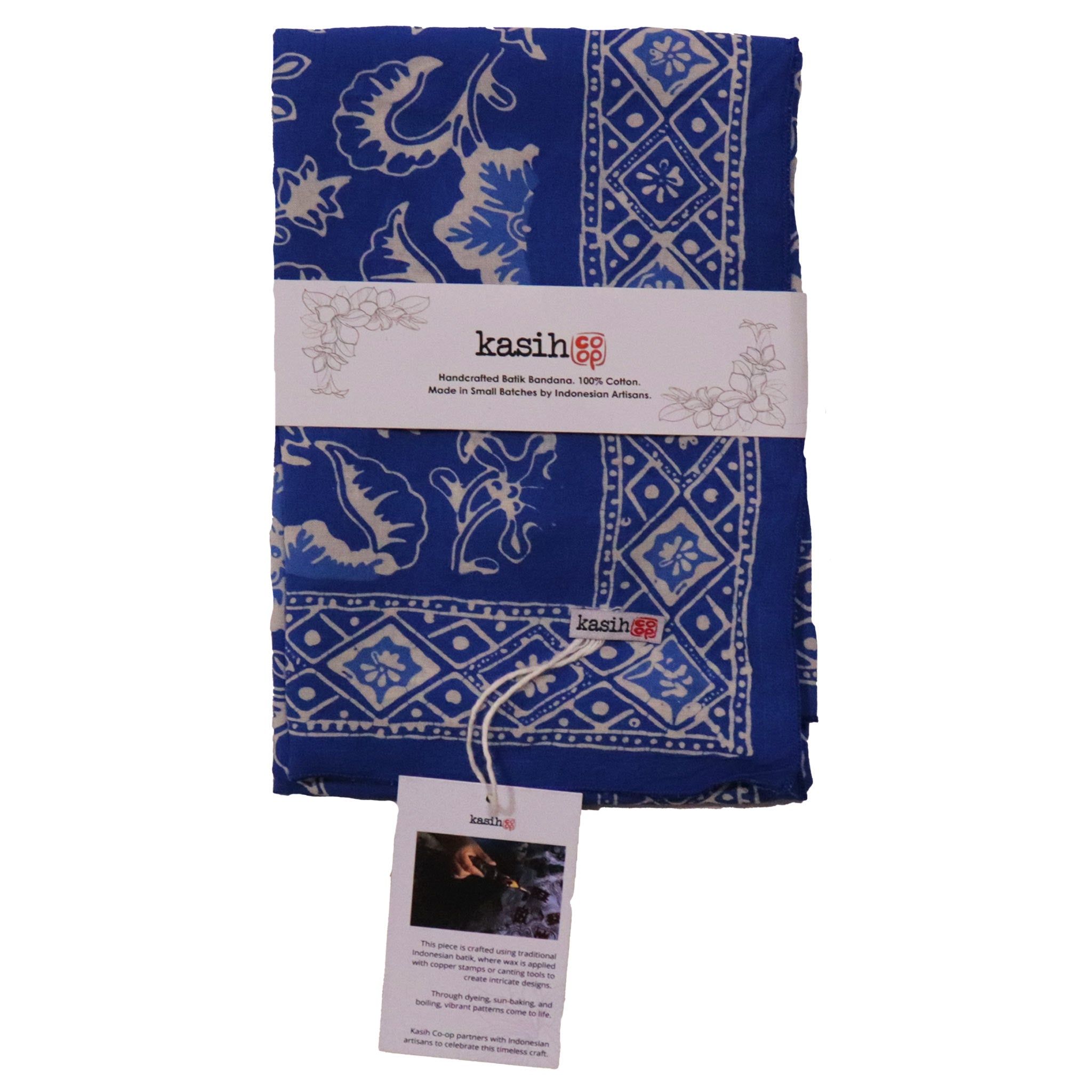
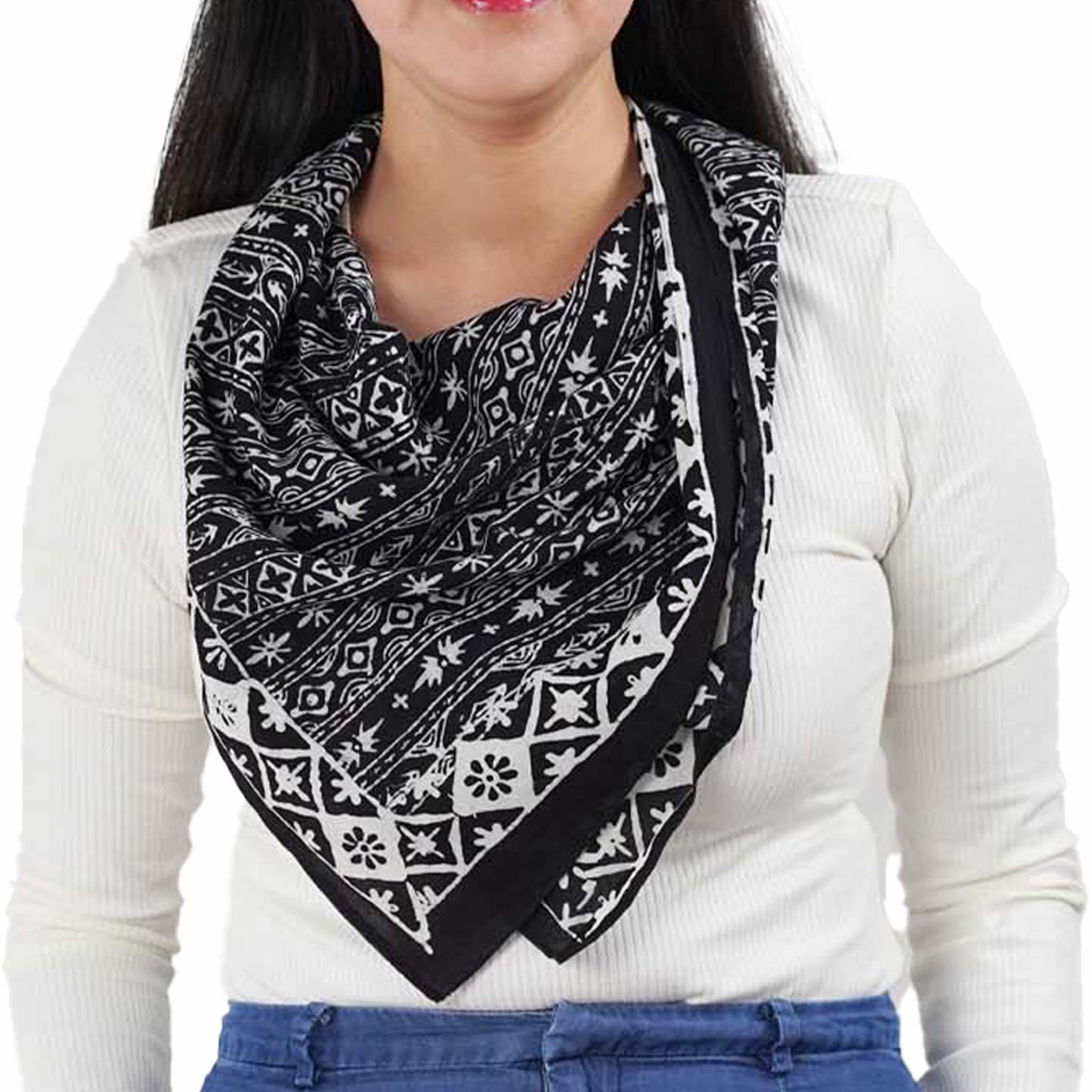
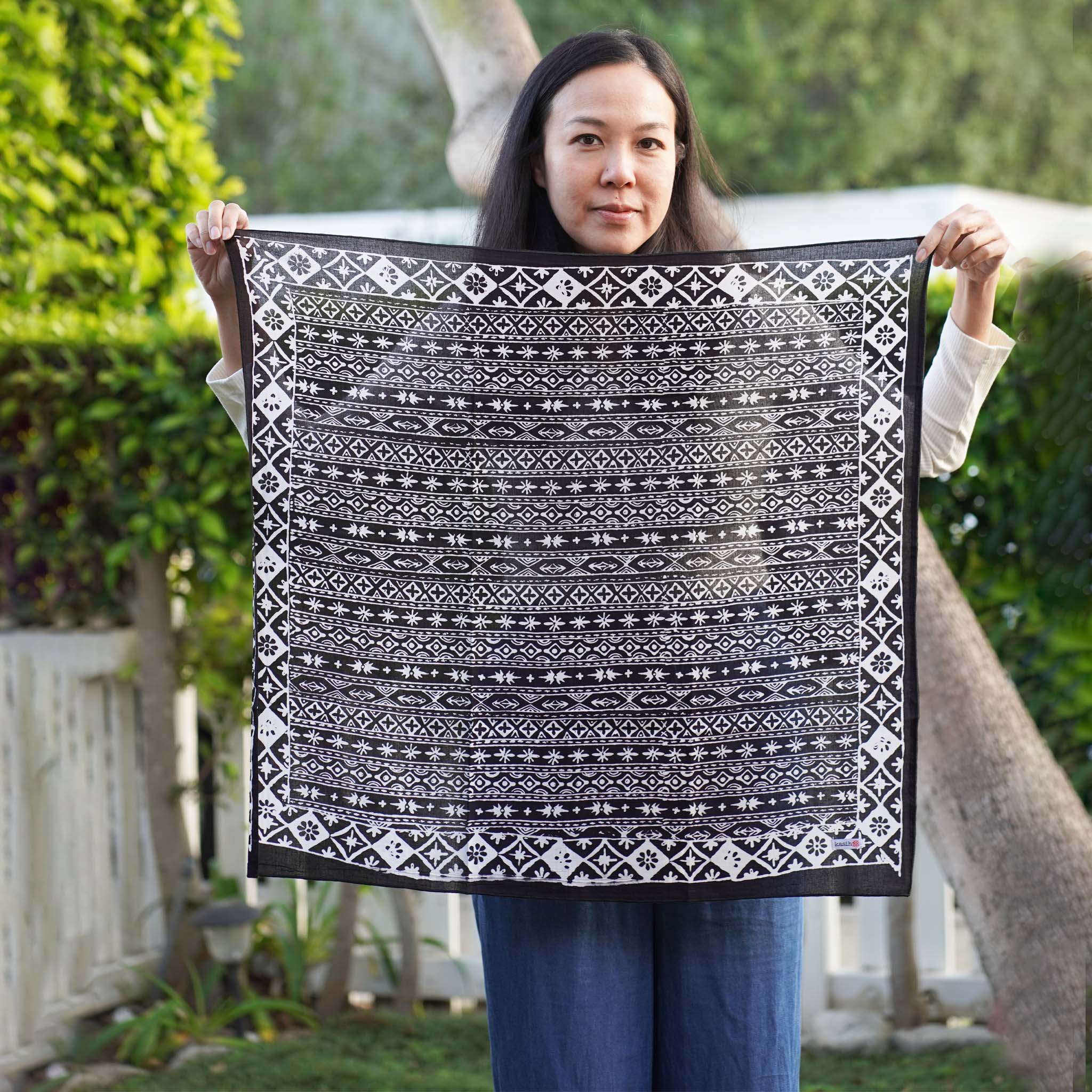
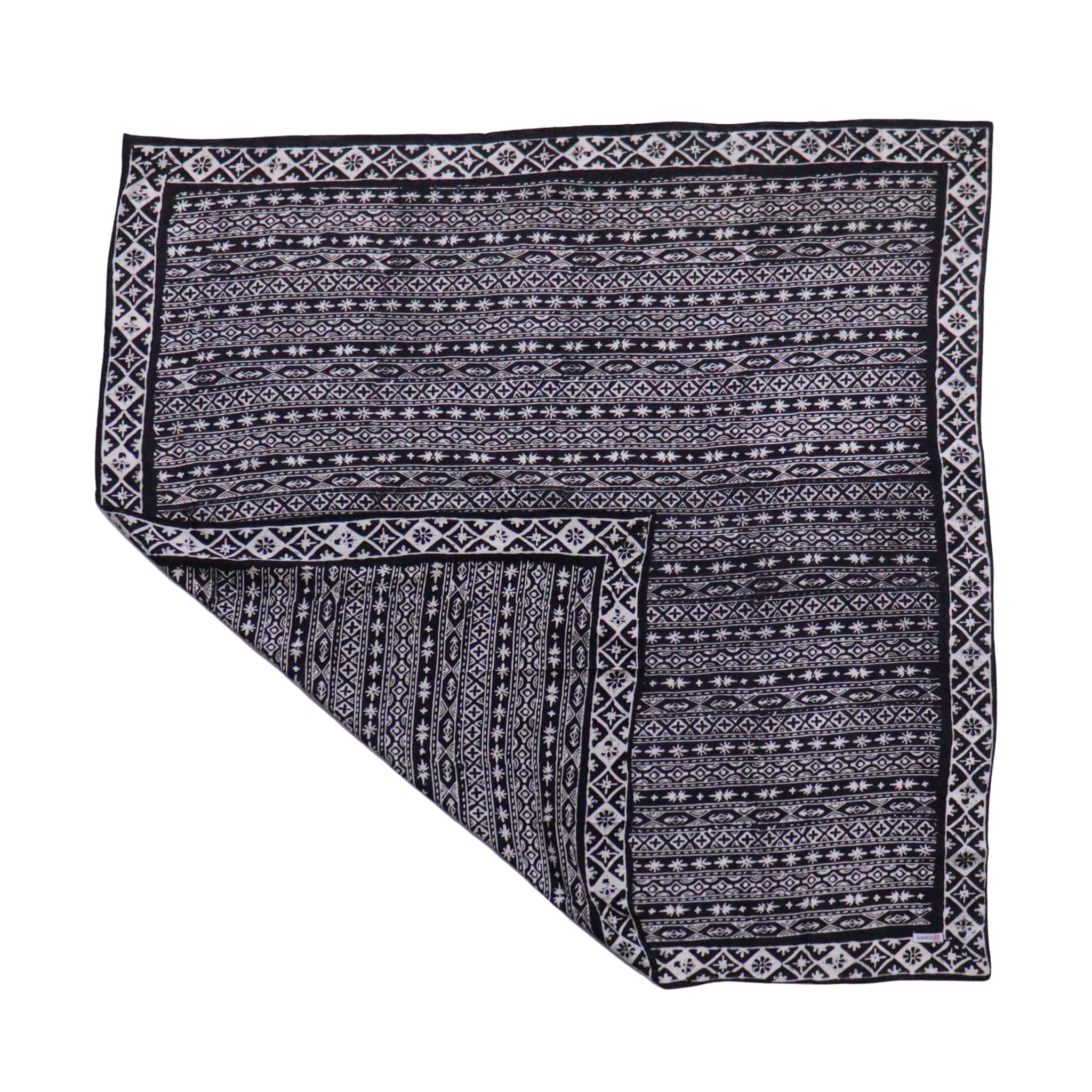
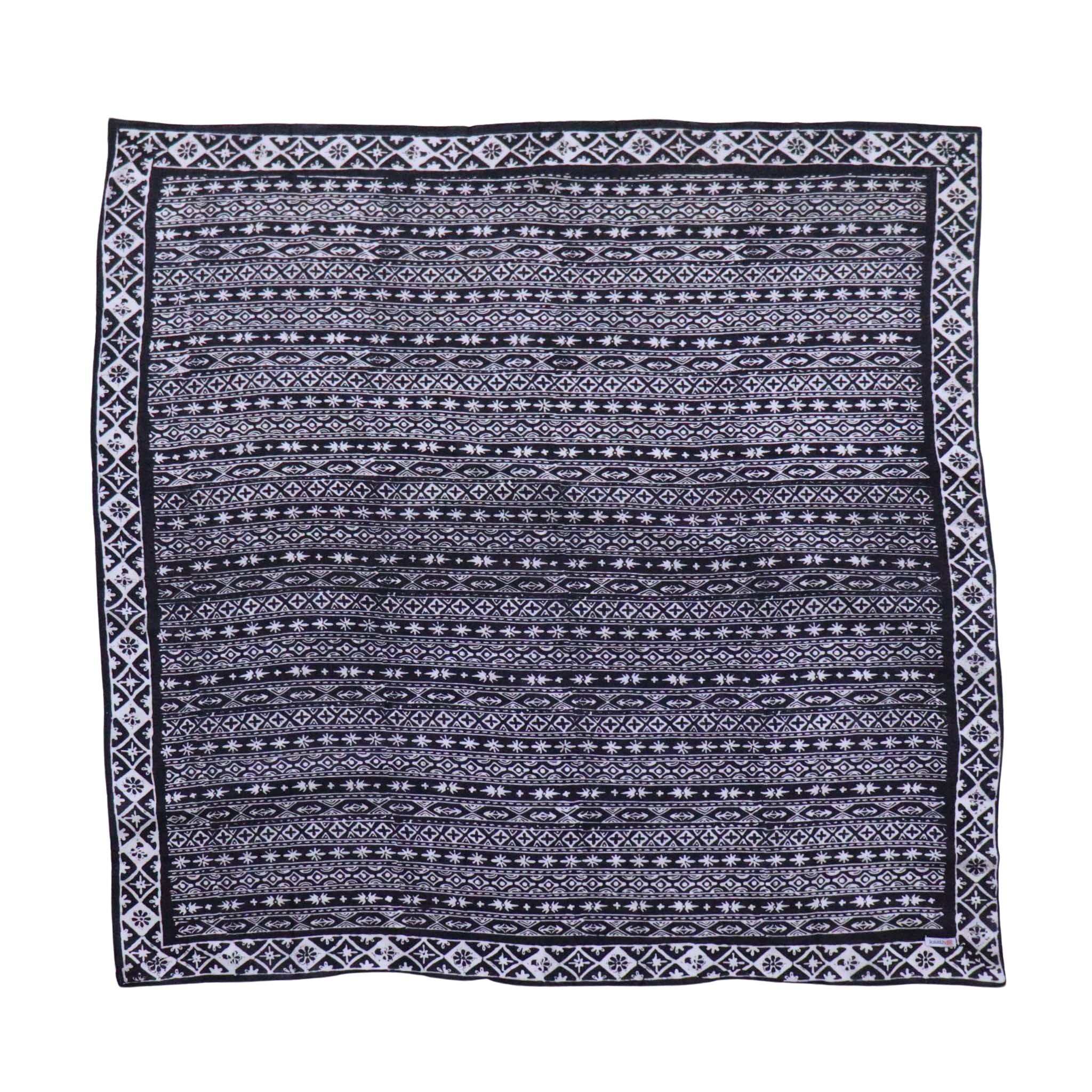
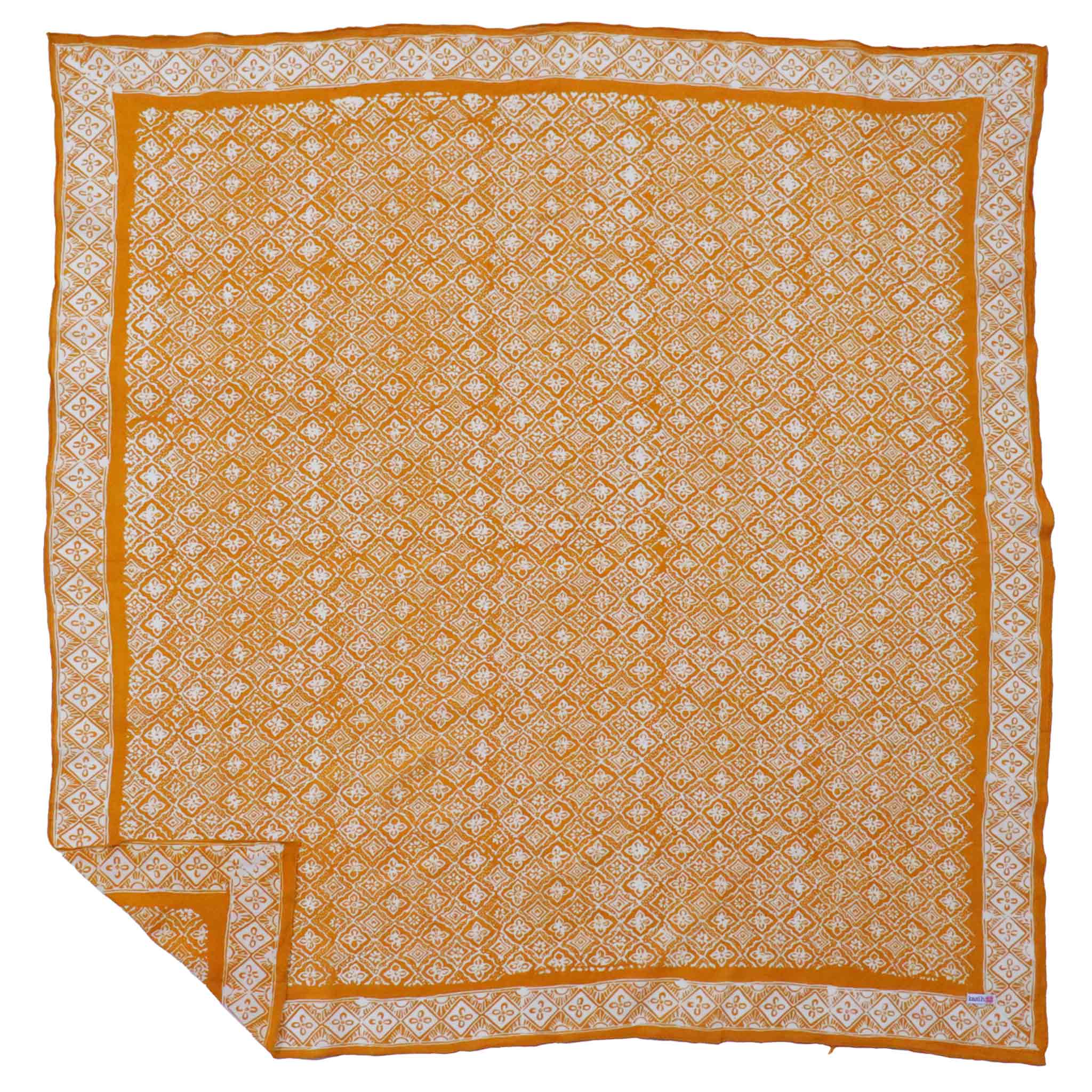
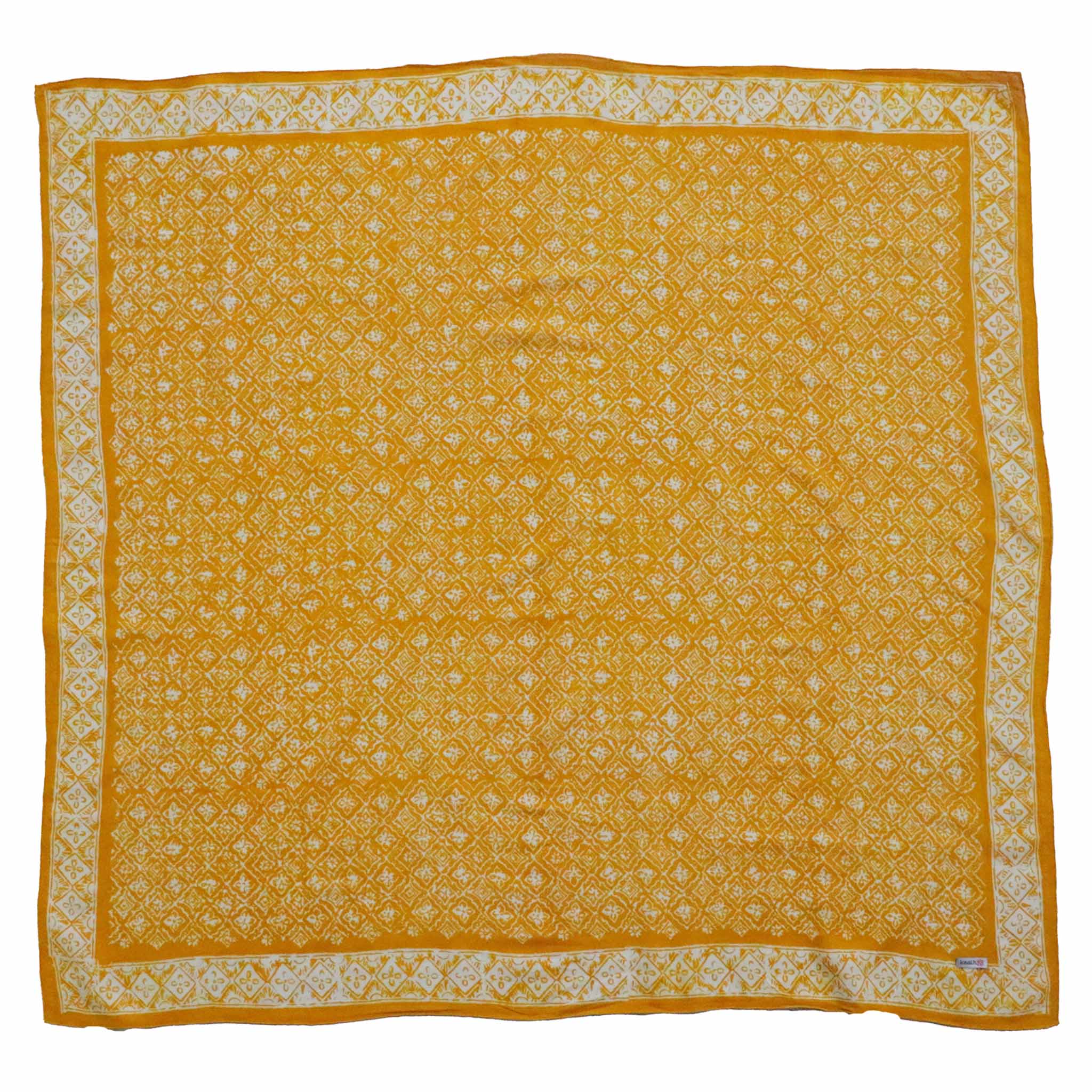
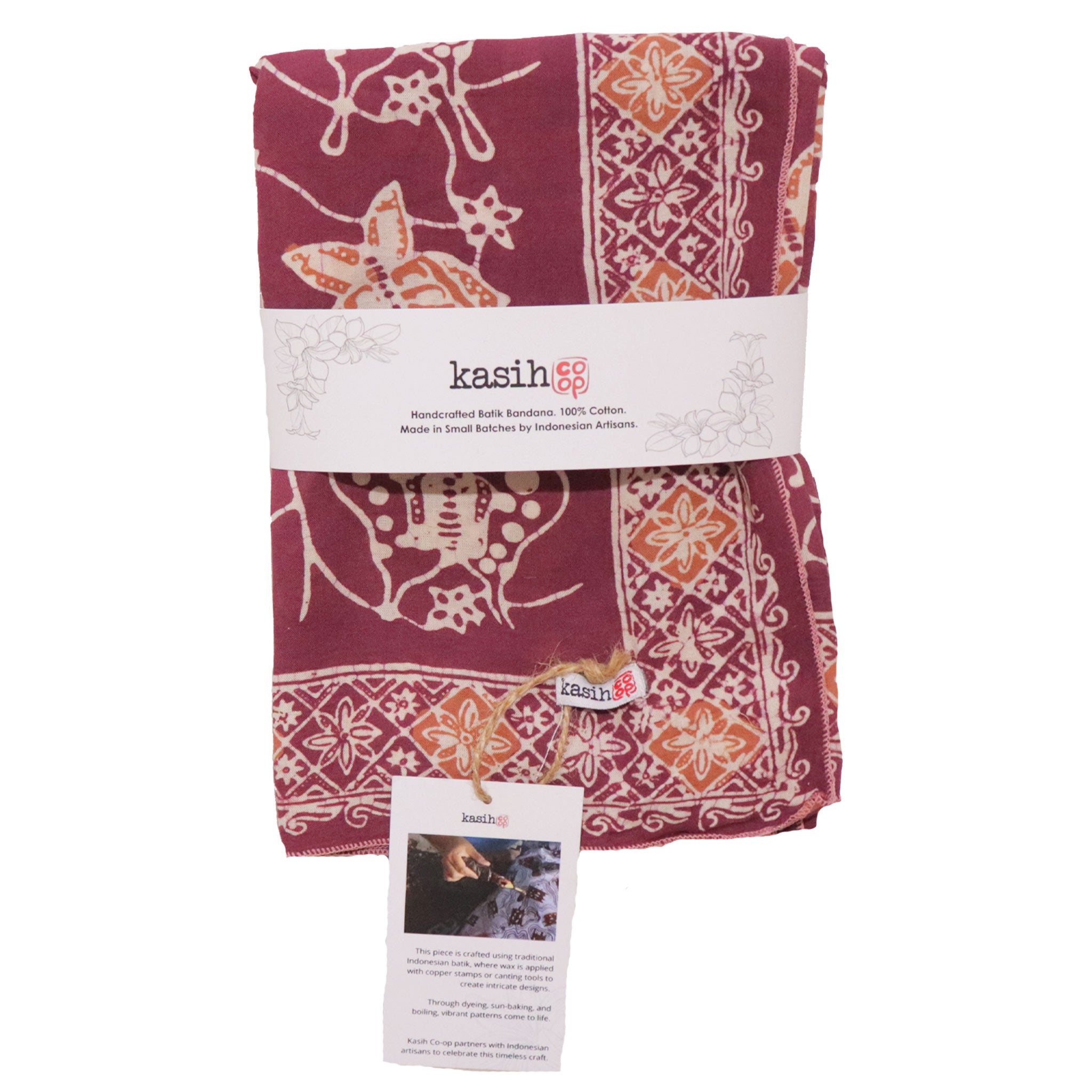
When you buy a batik tulis bandana from us, you're holding something that passed through multiple pairs of hands — the toolmaker who shaped the canting, and the artisan who spent days drawing with it.
That's not marketing language. That's just what batik tulis is.
Explore our hand-drawn batik tulis collection