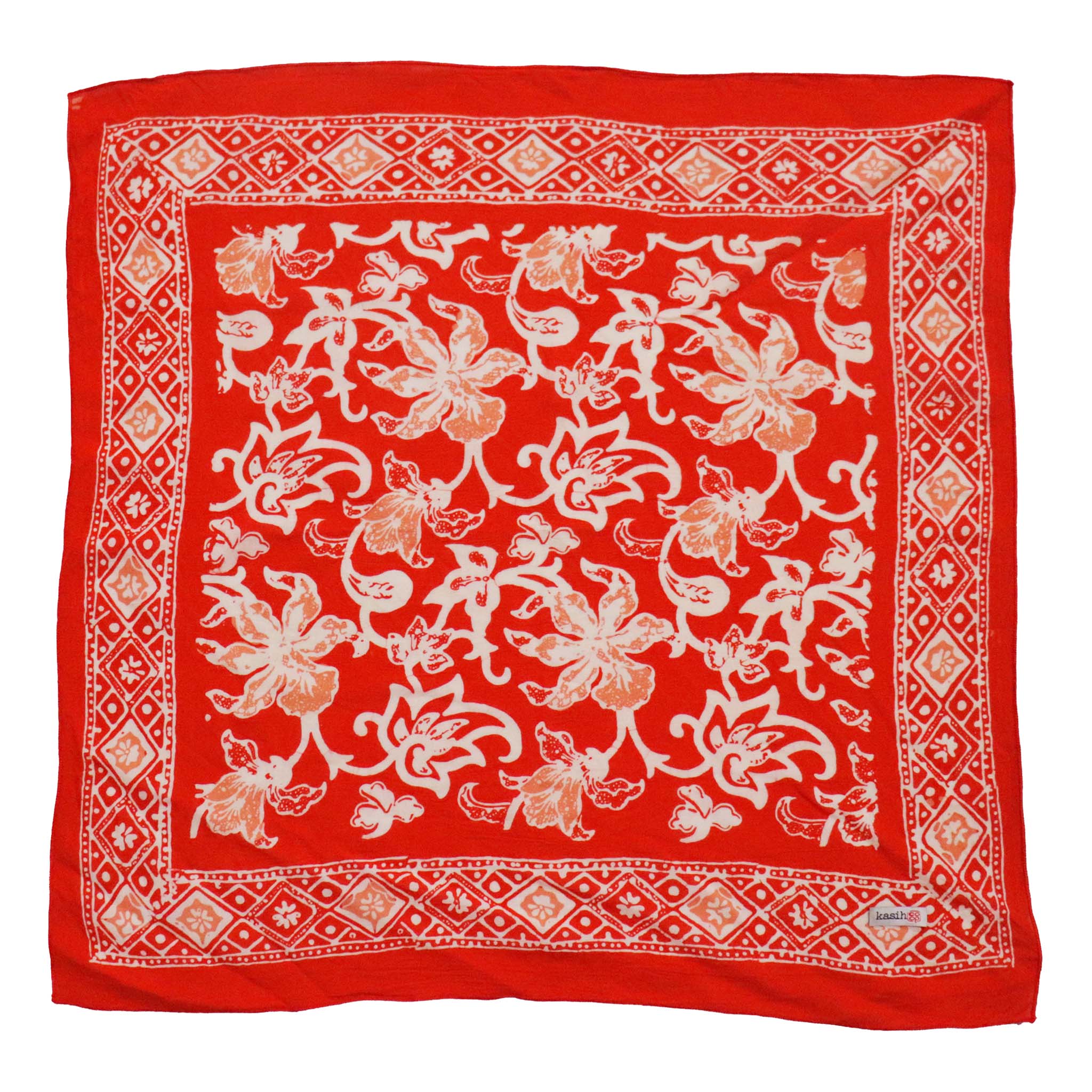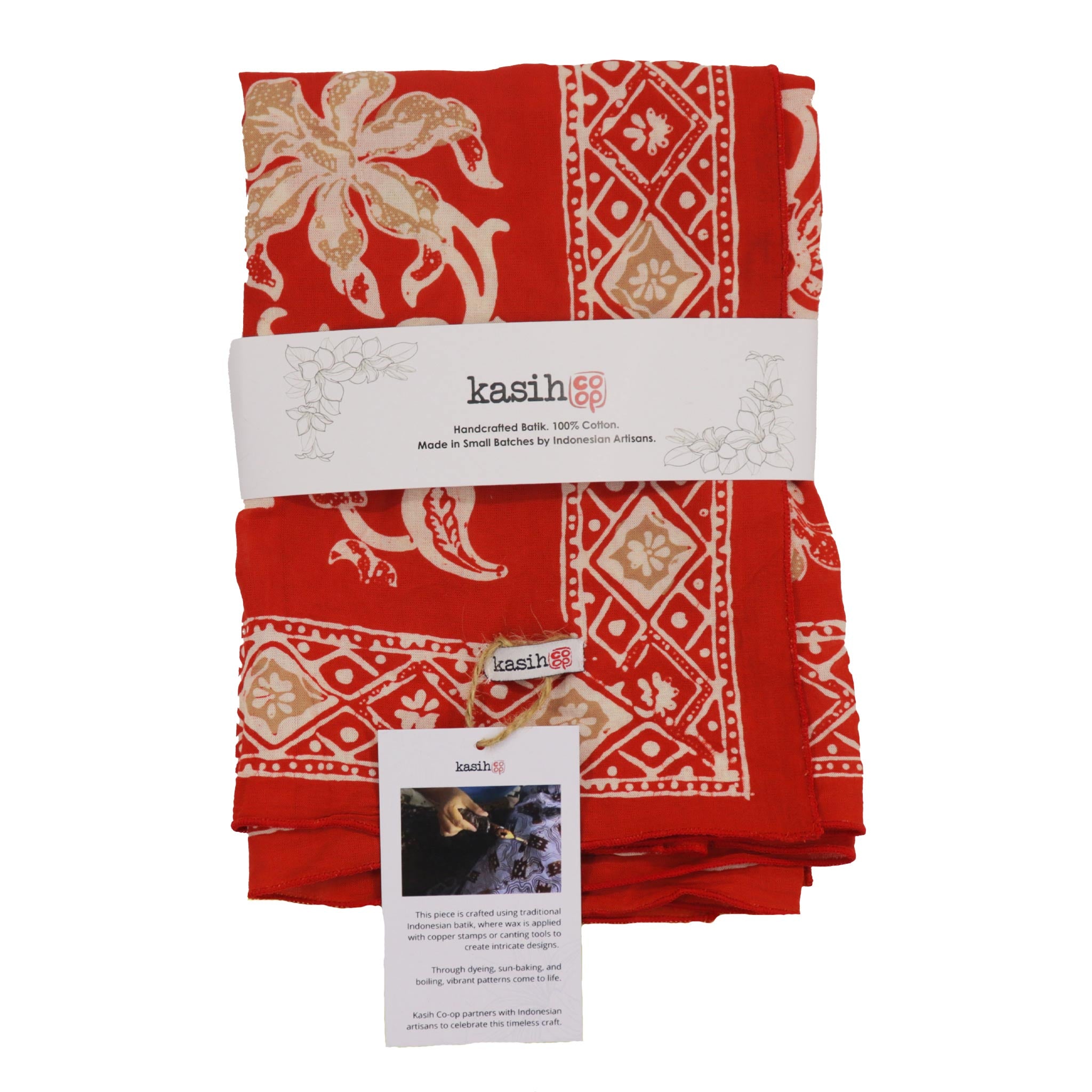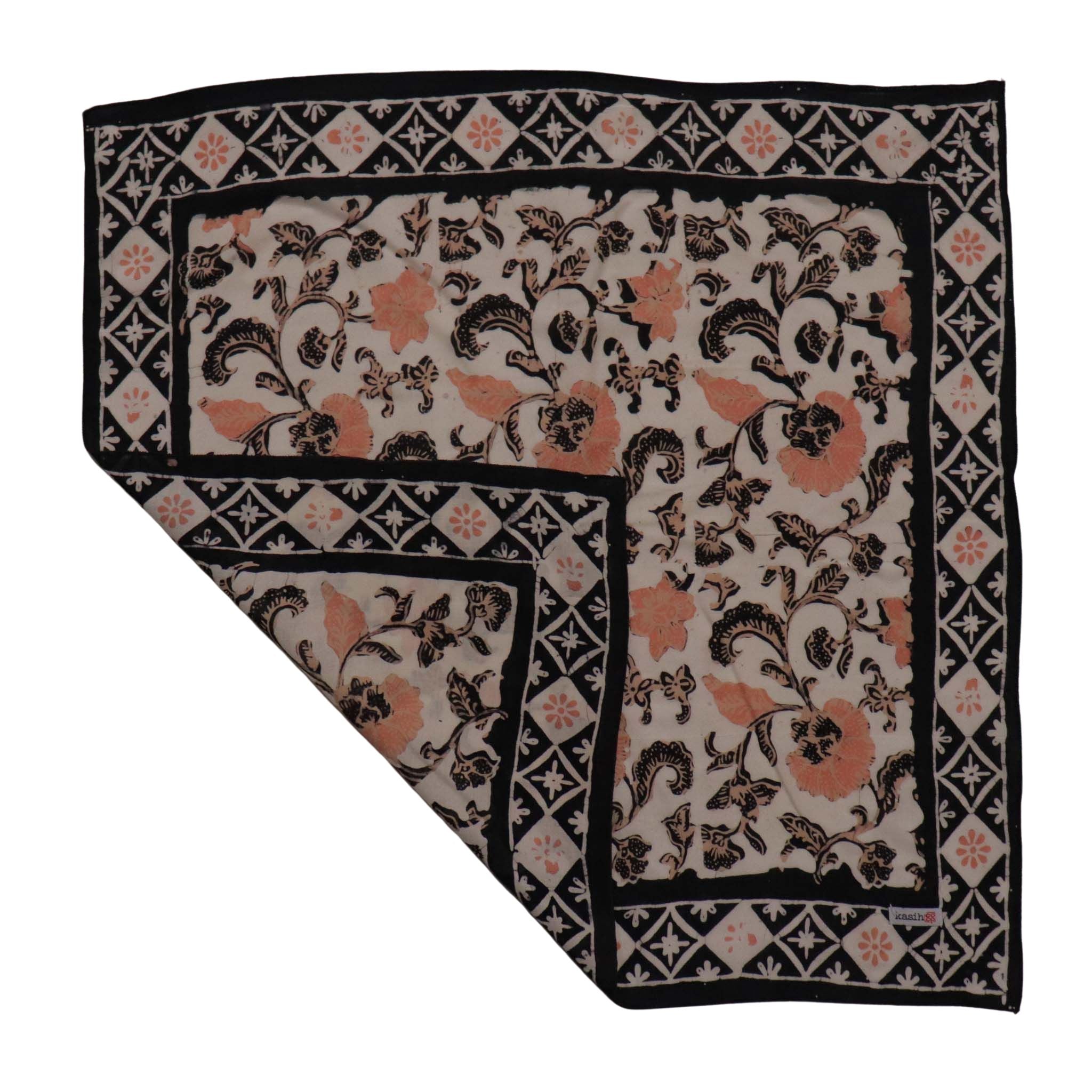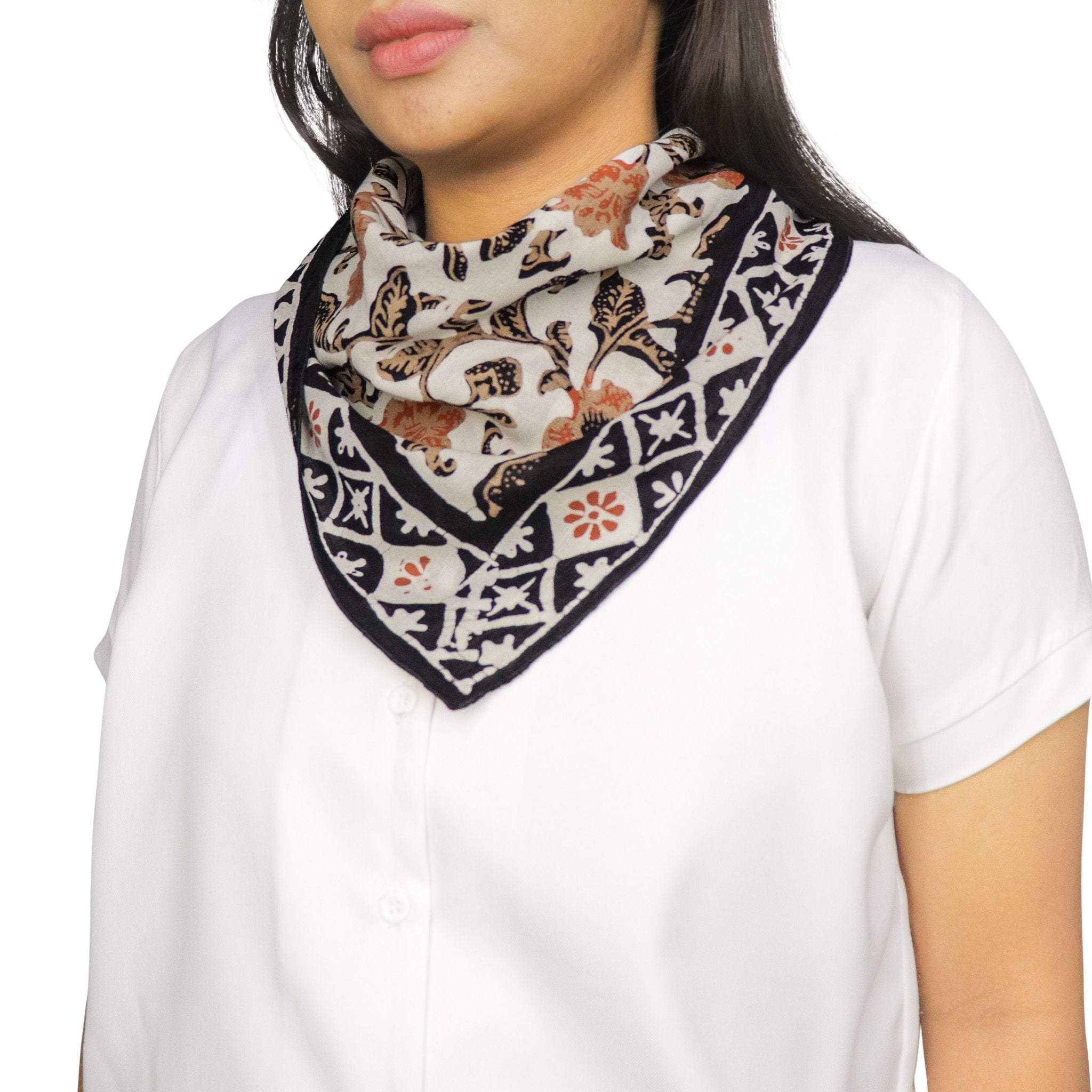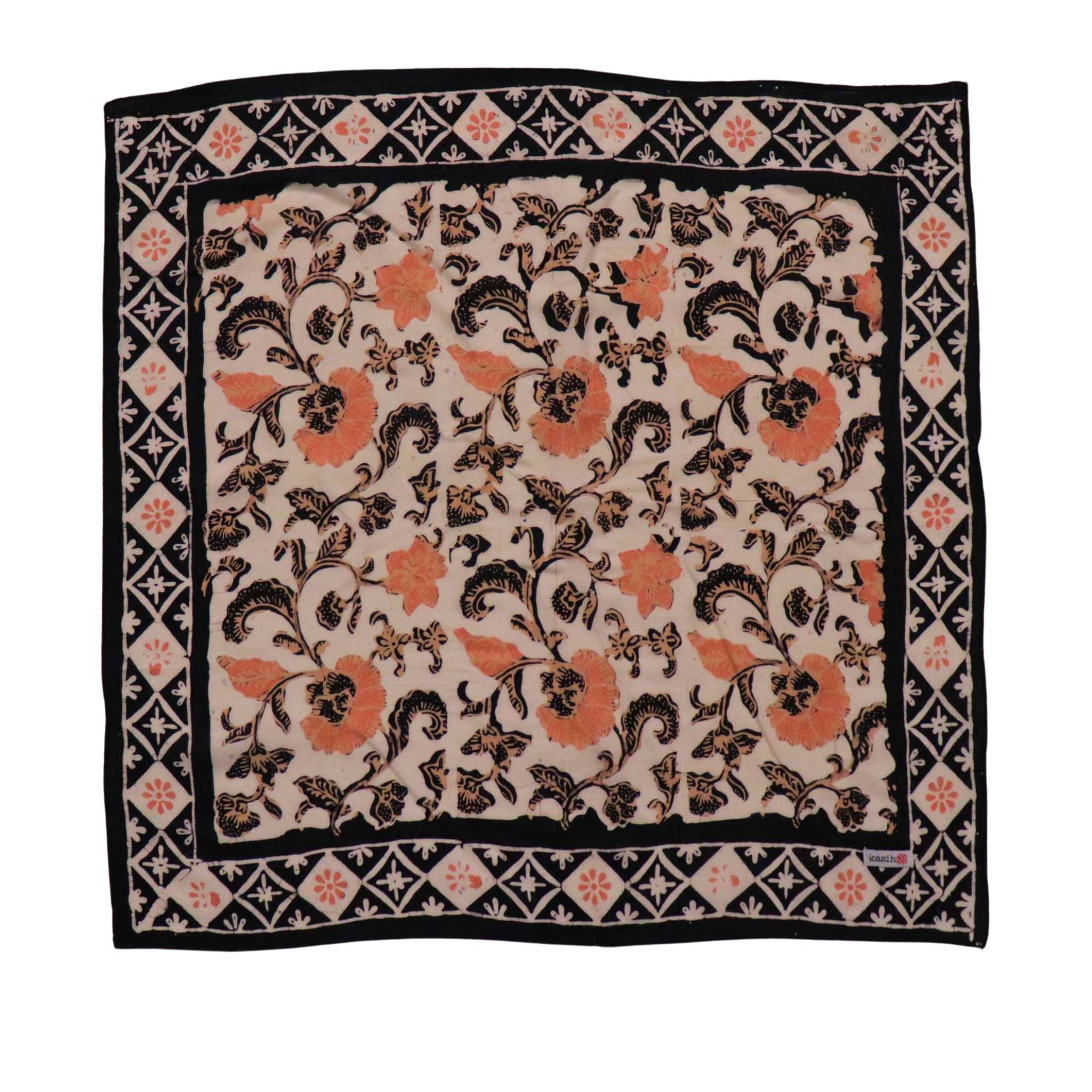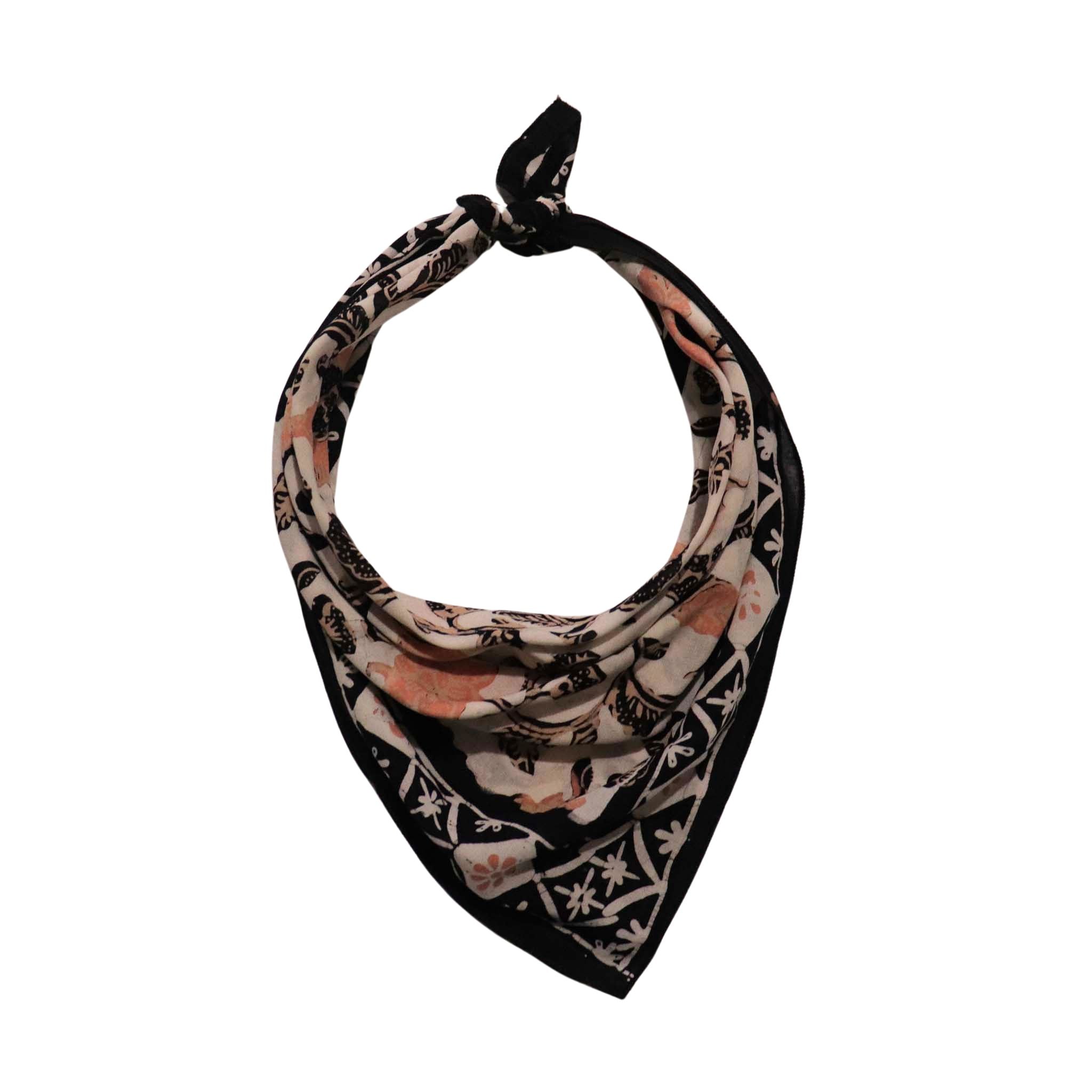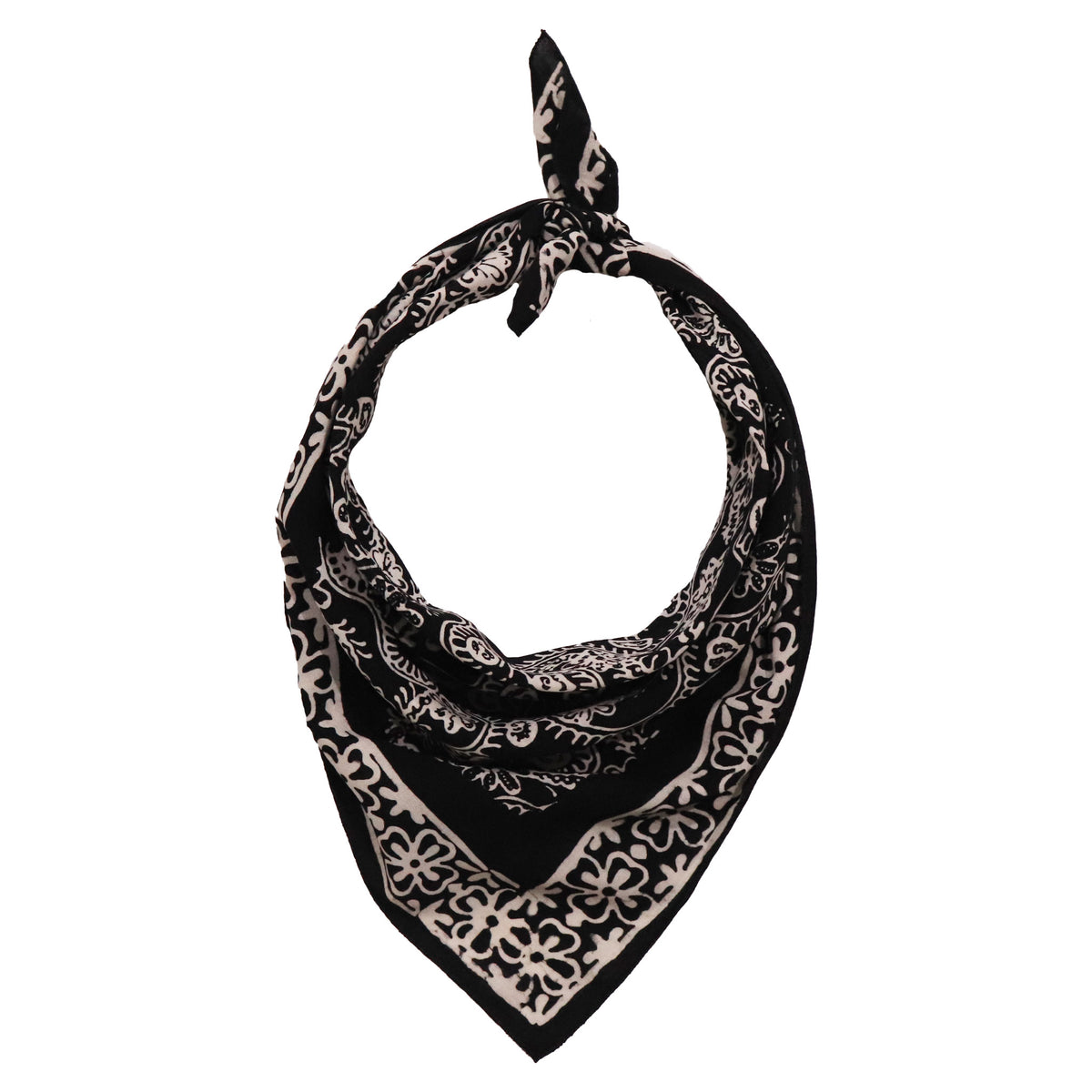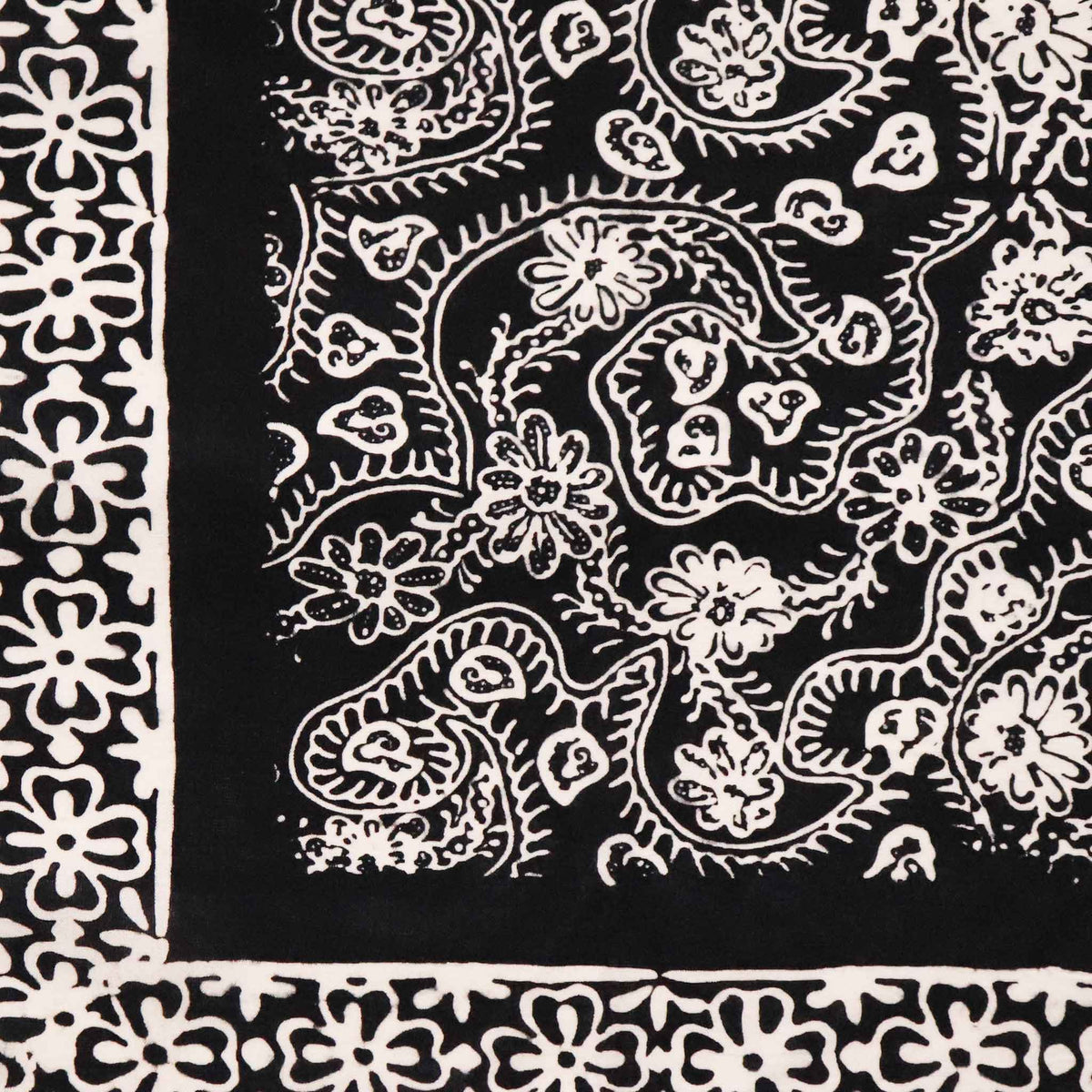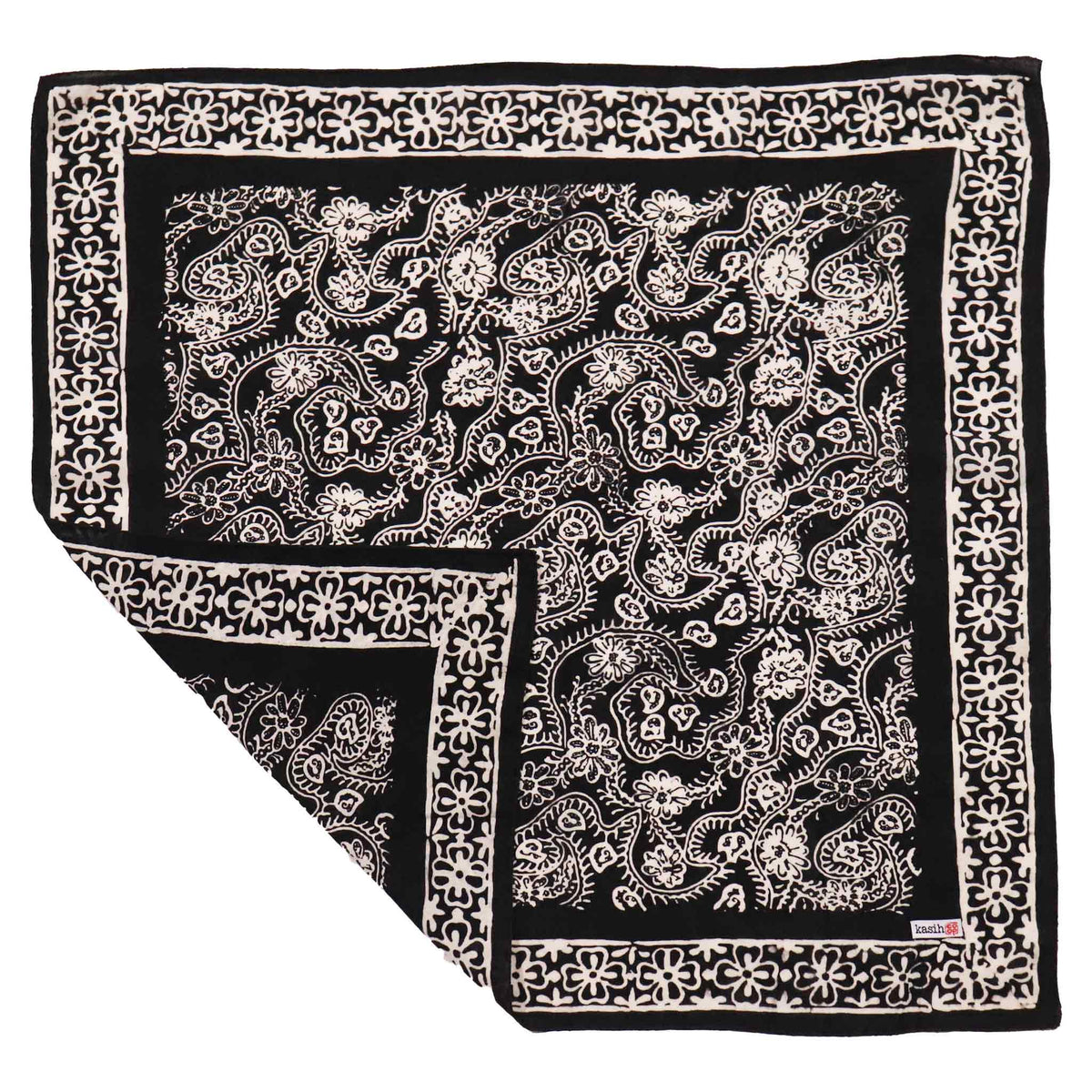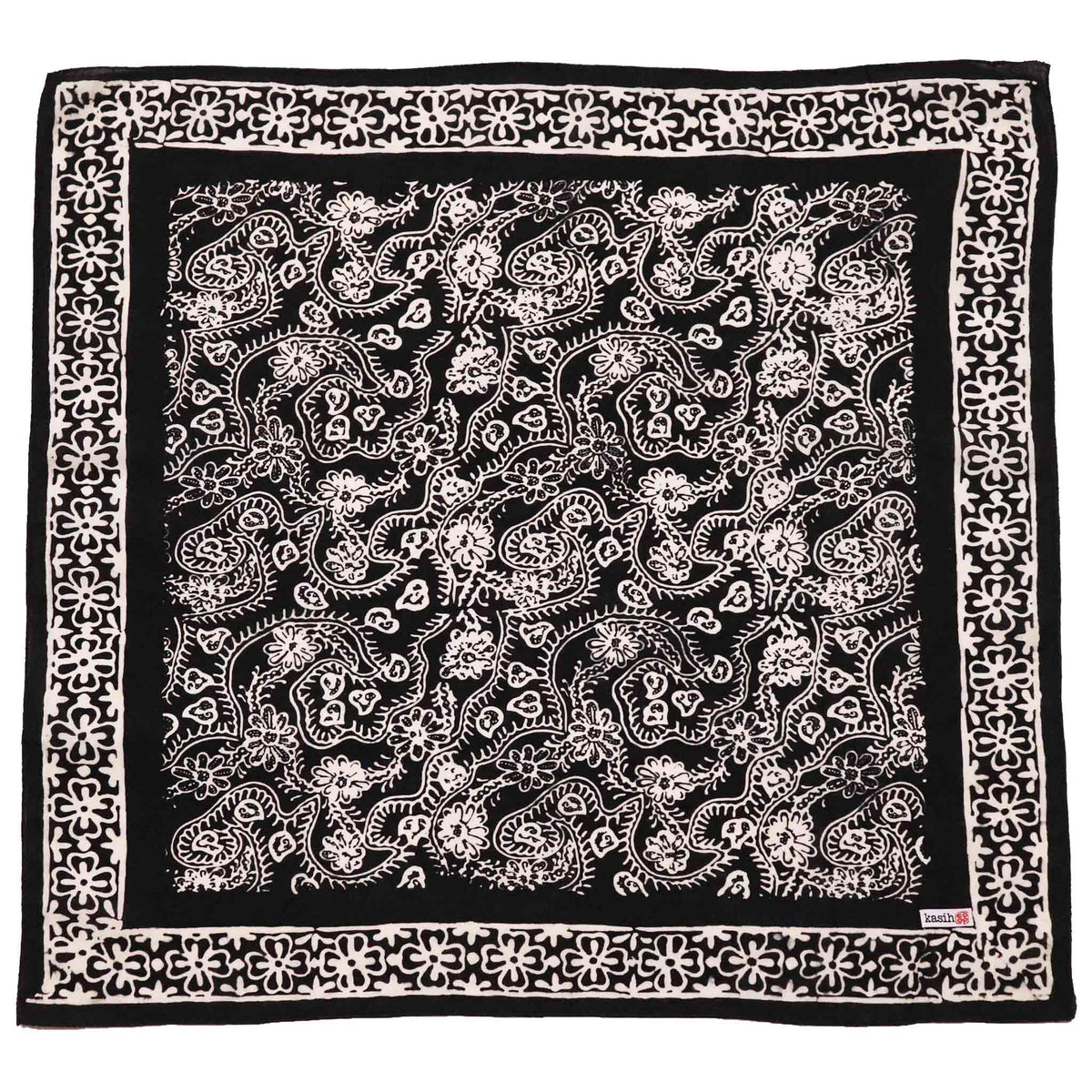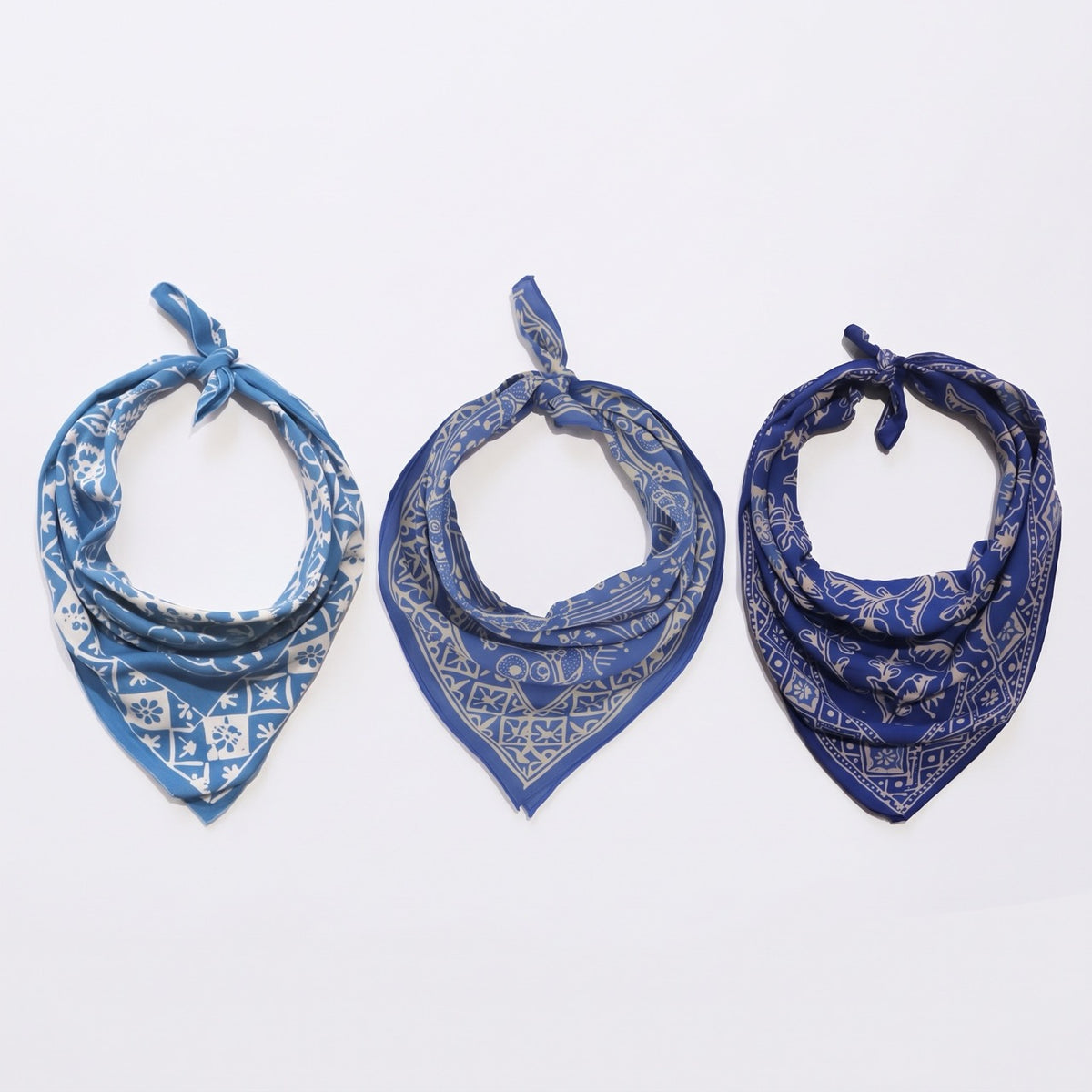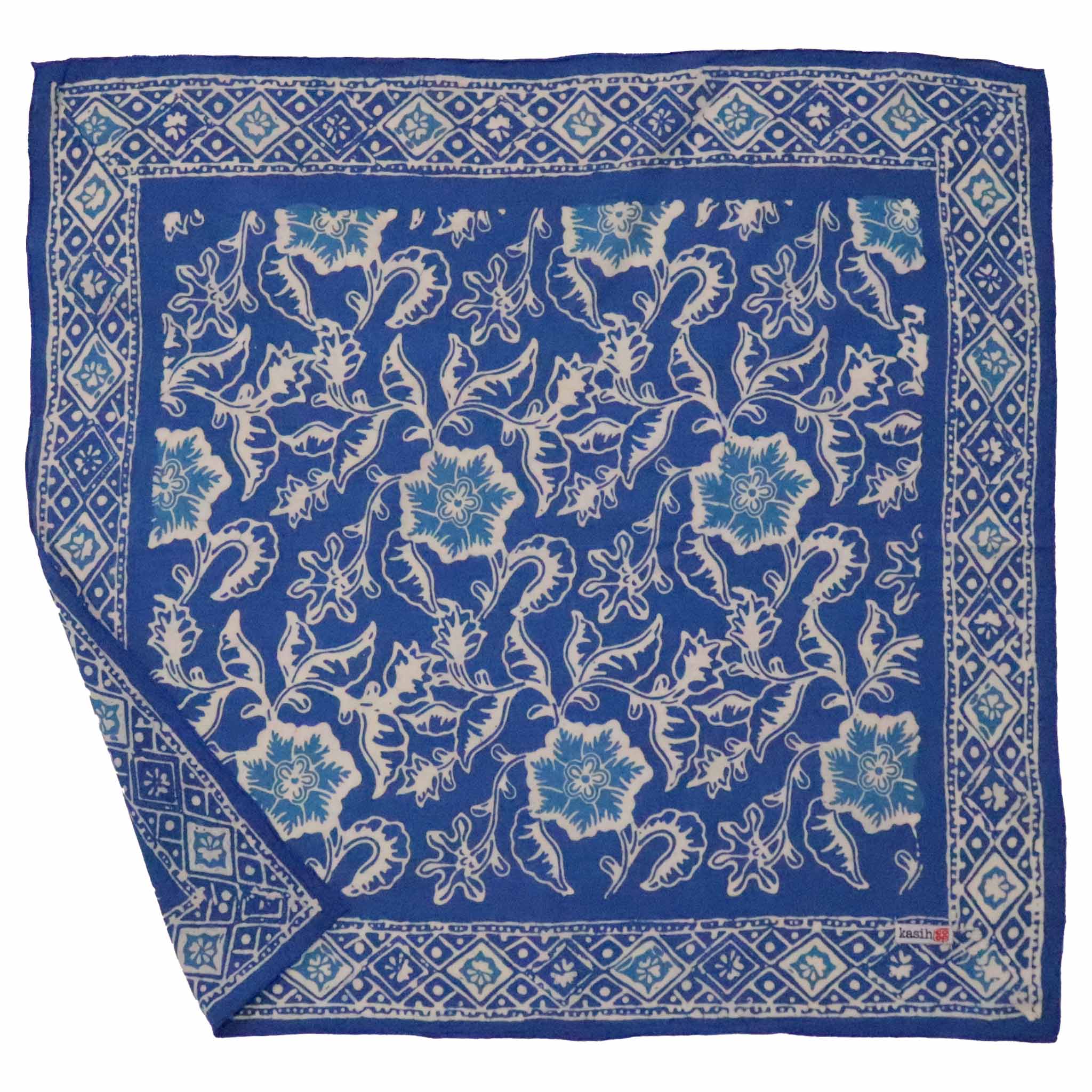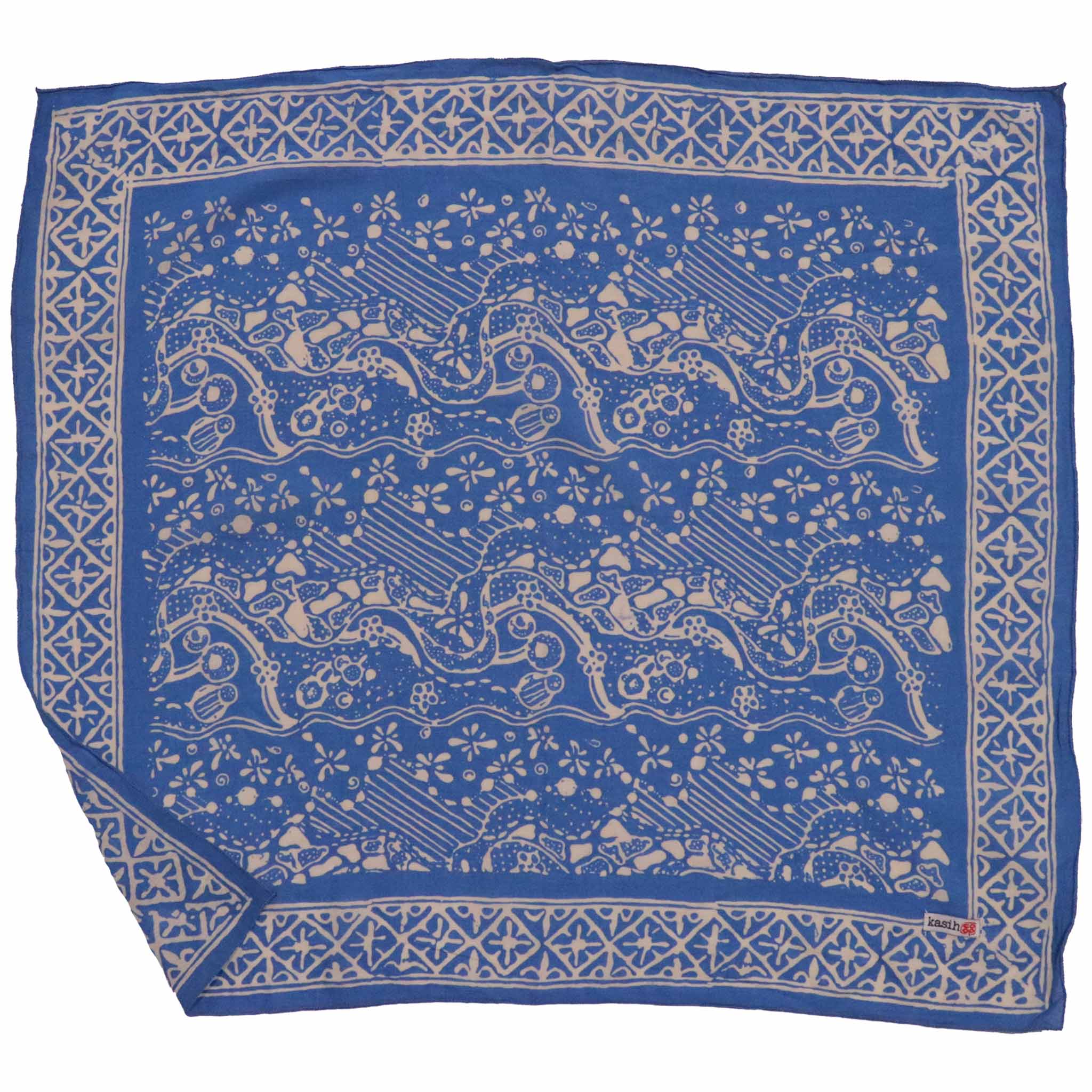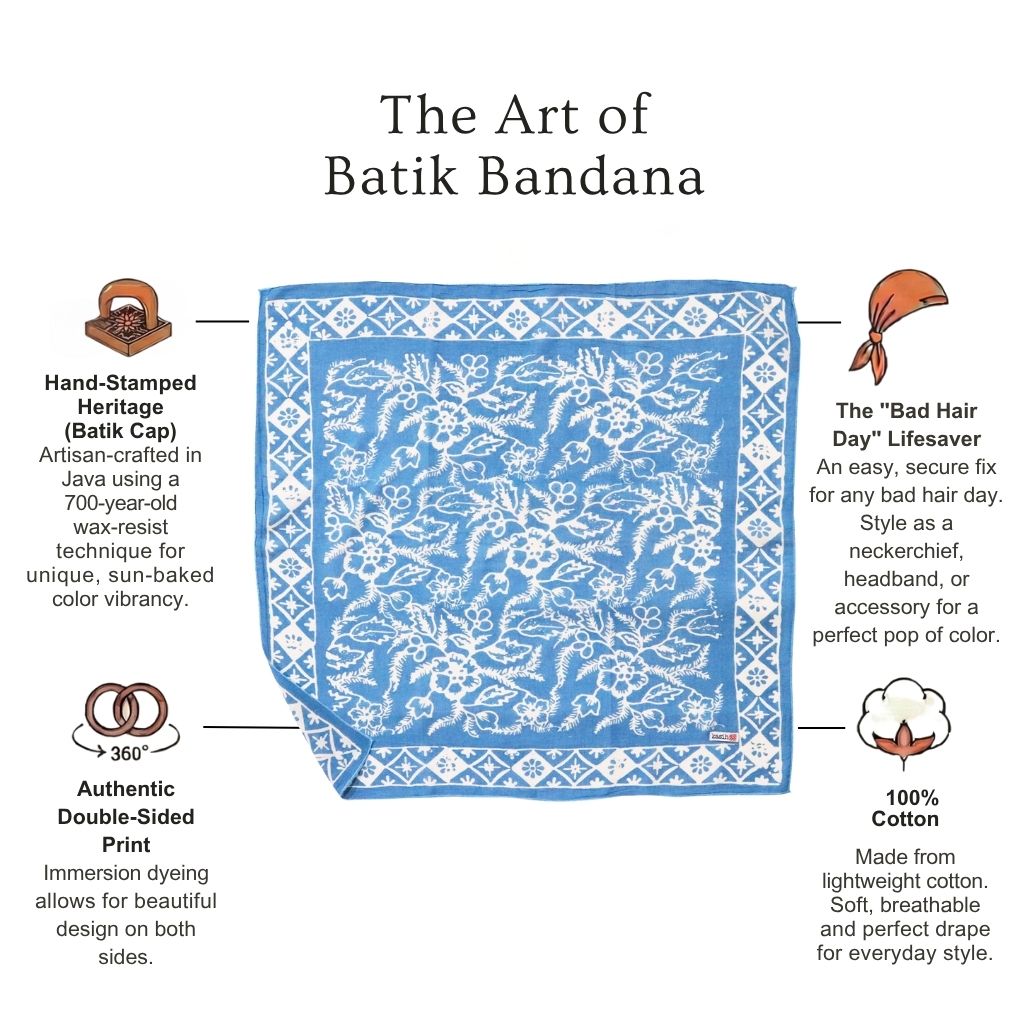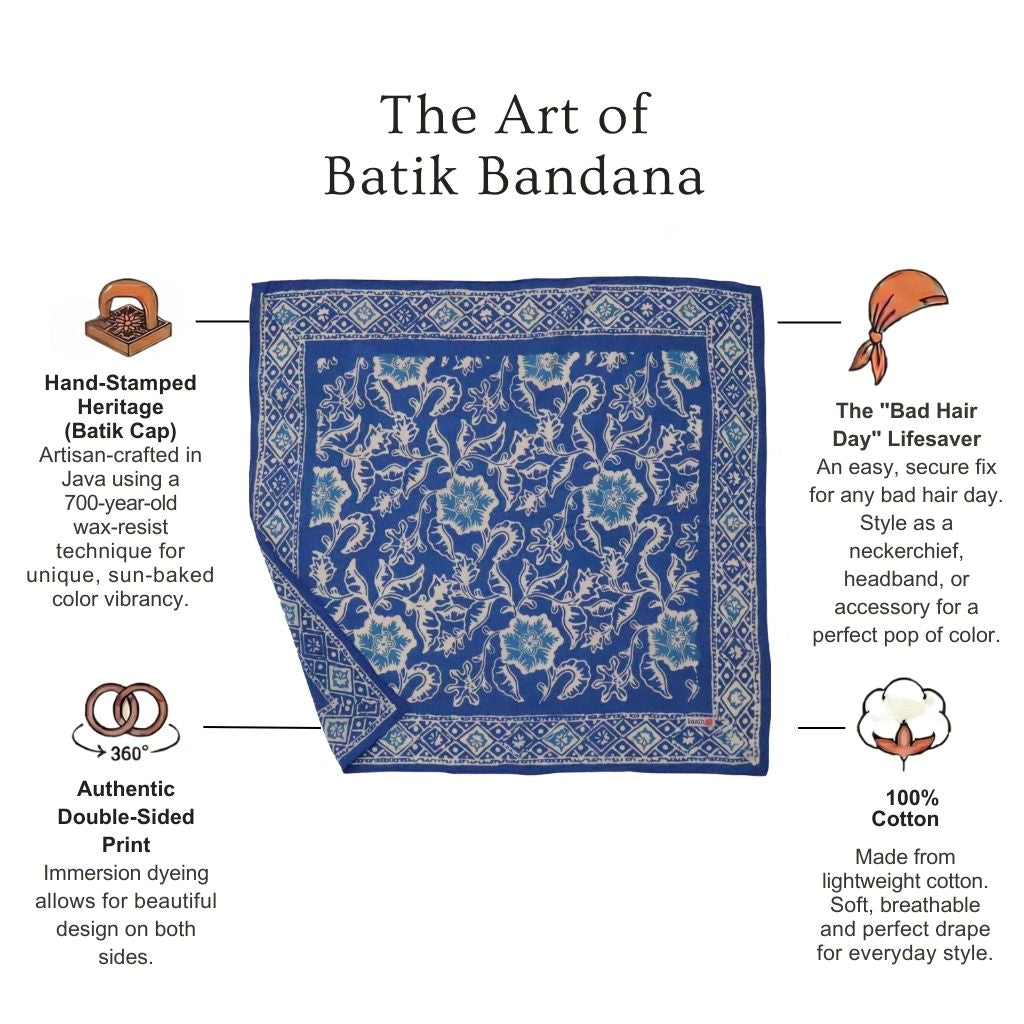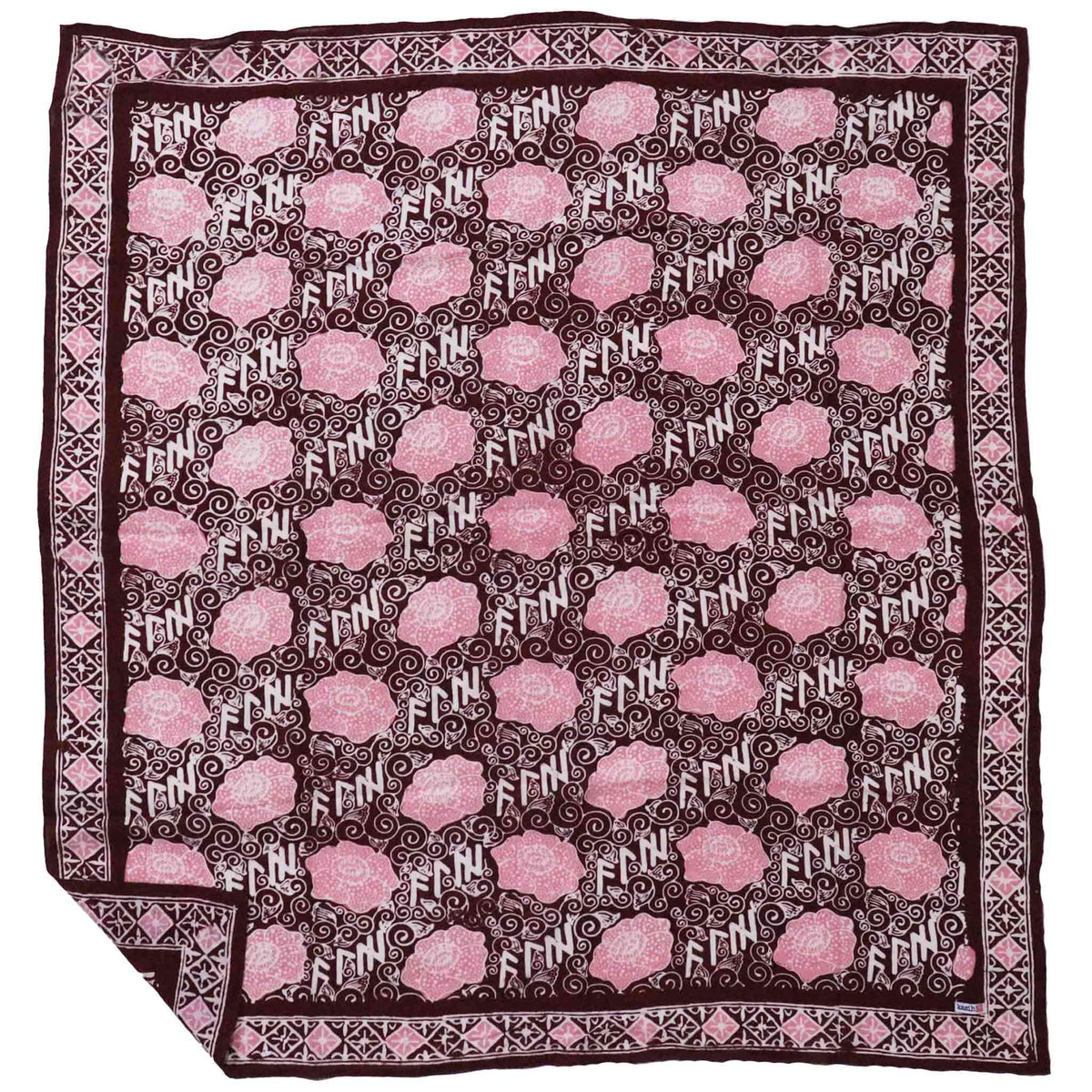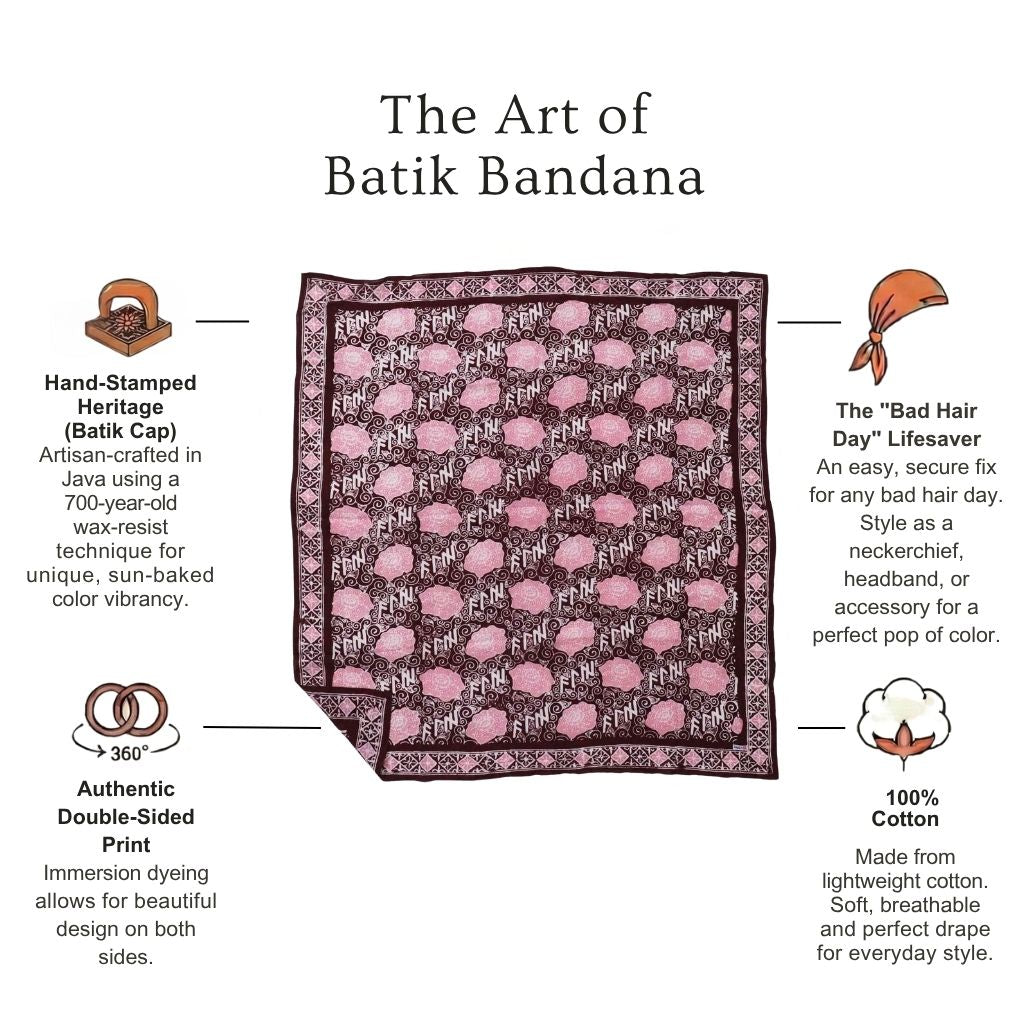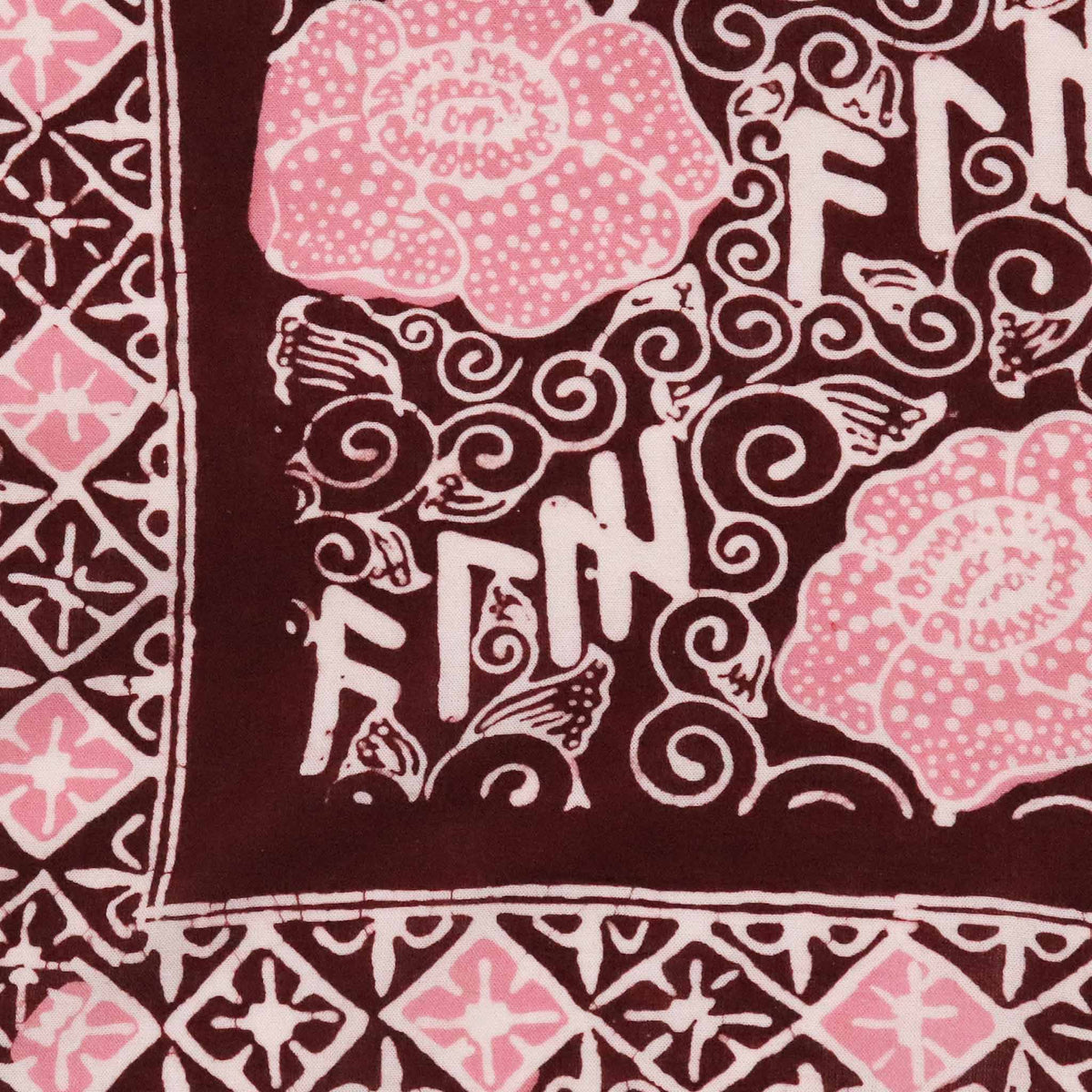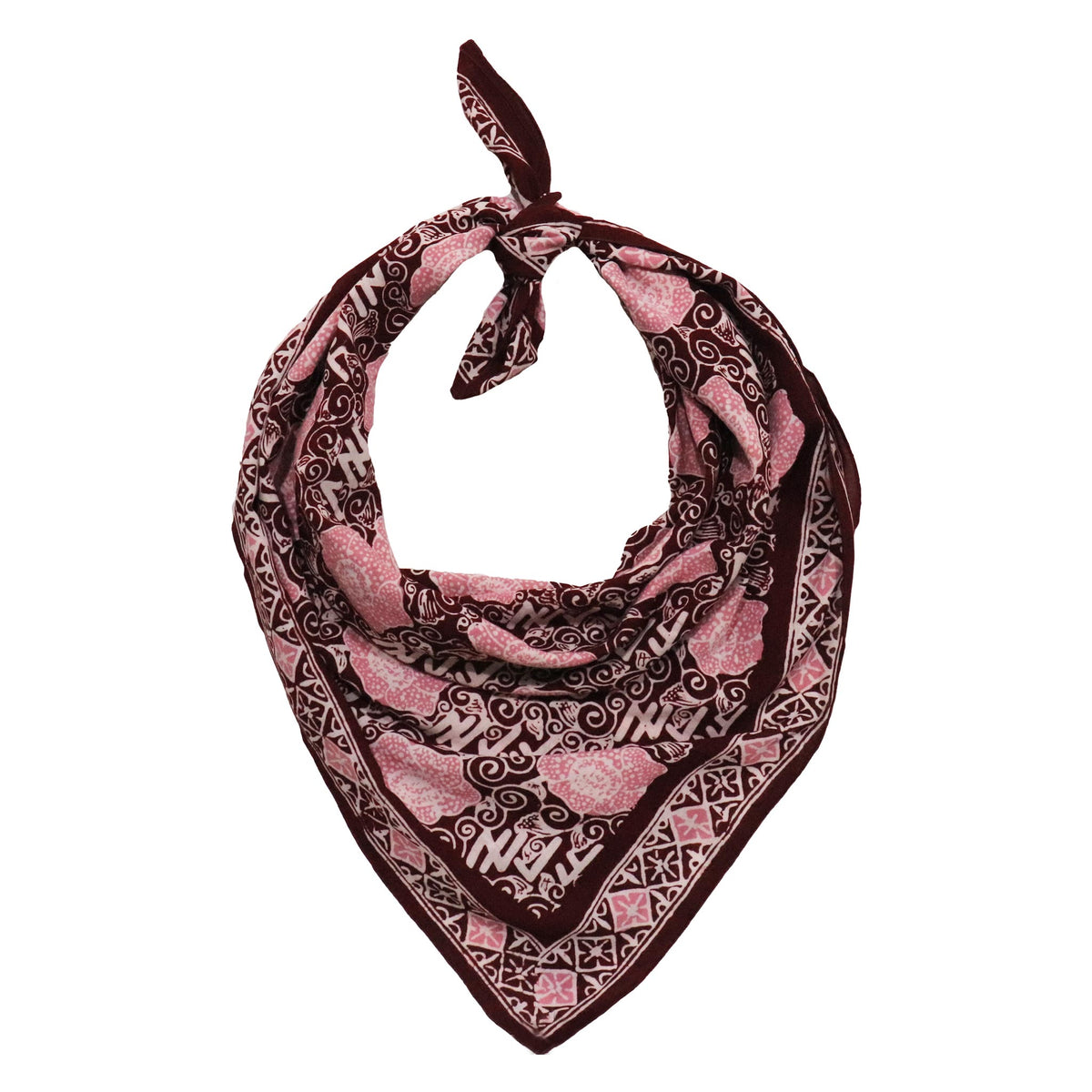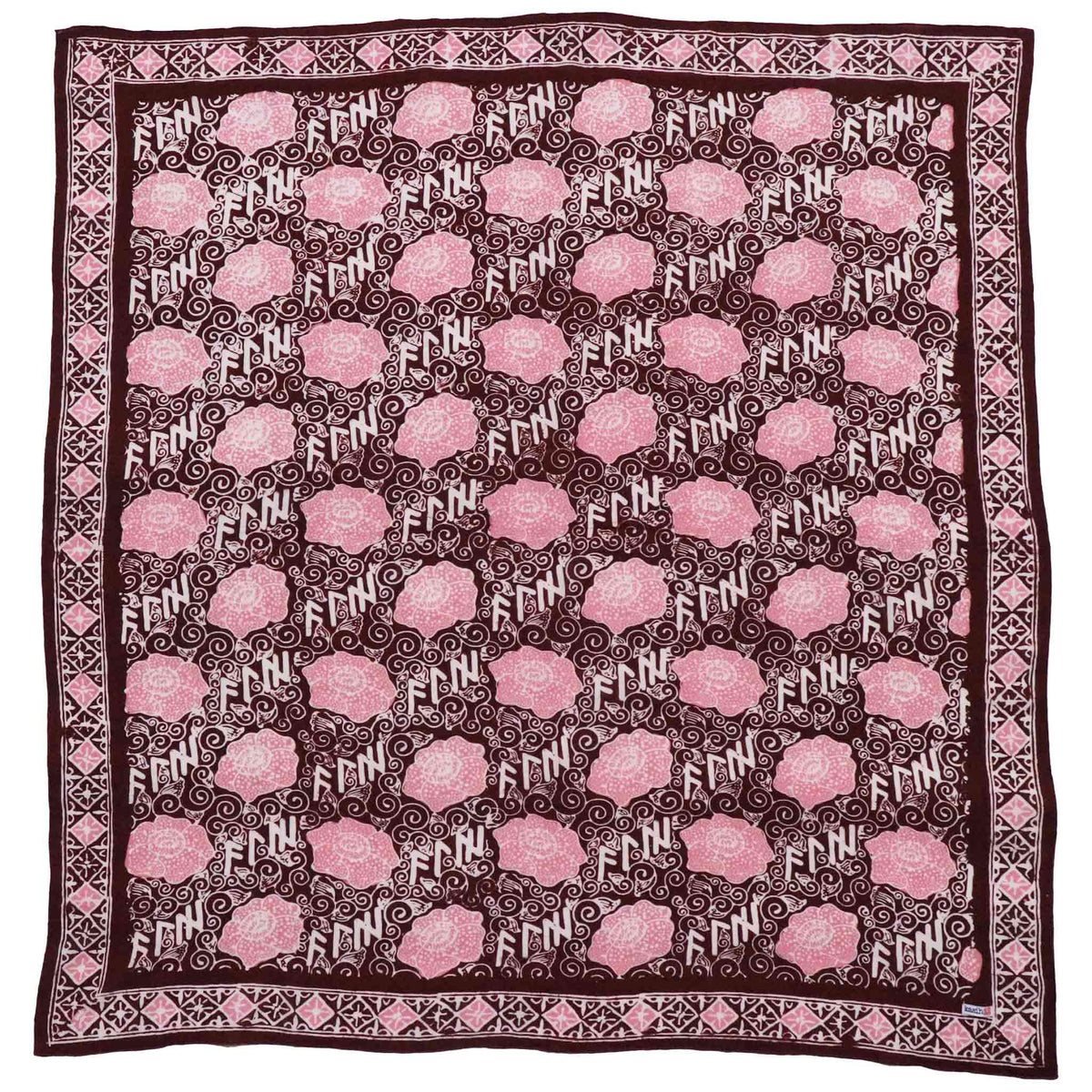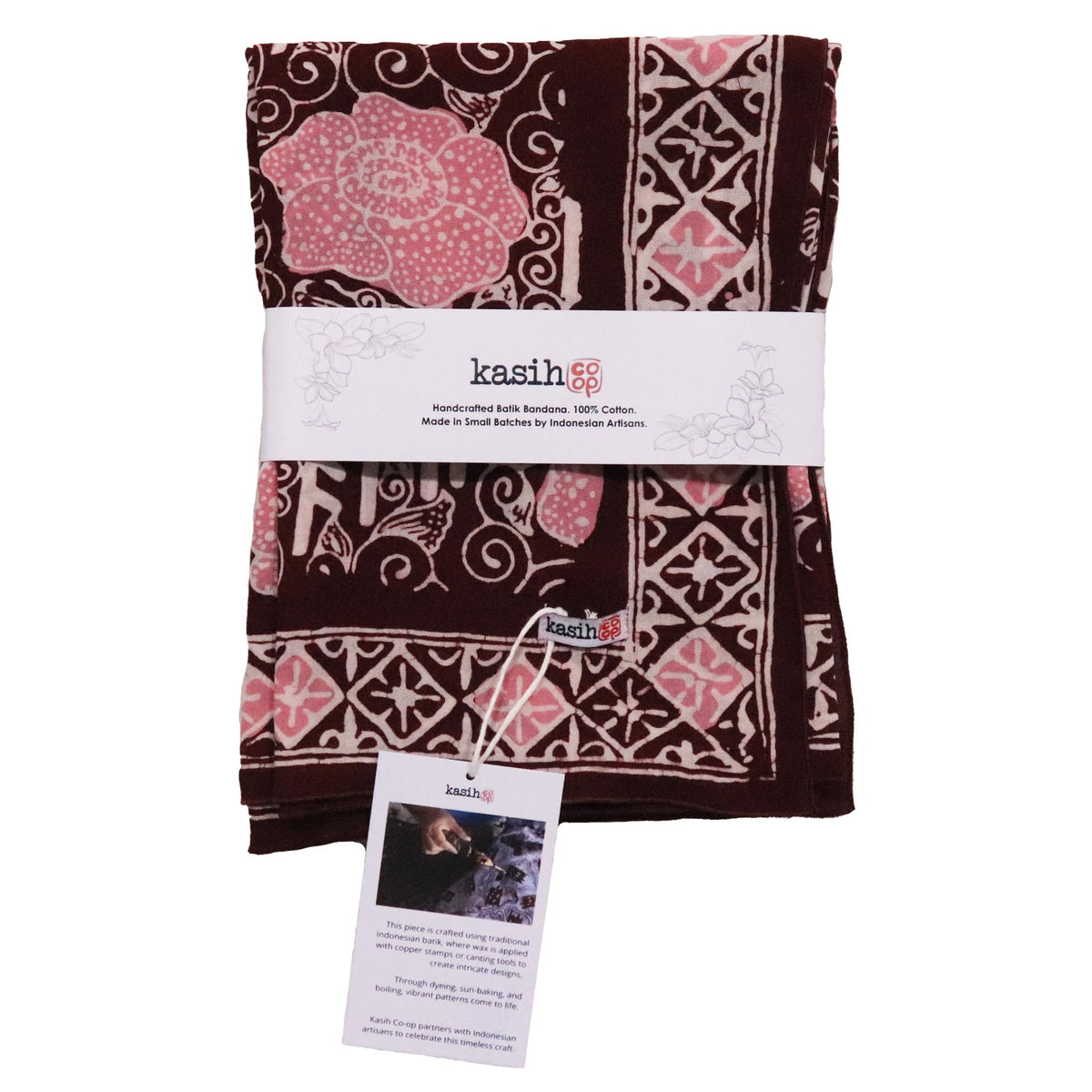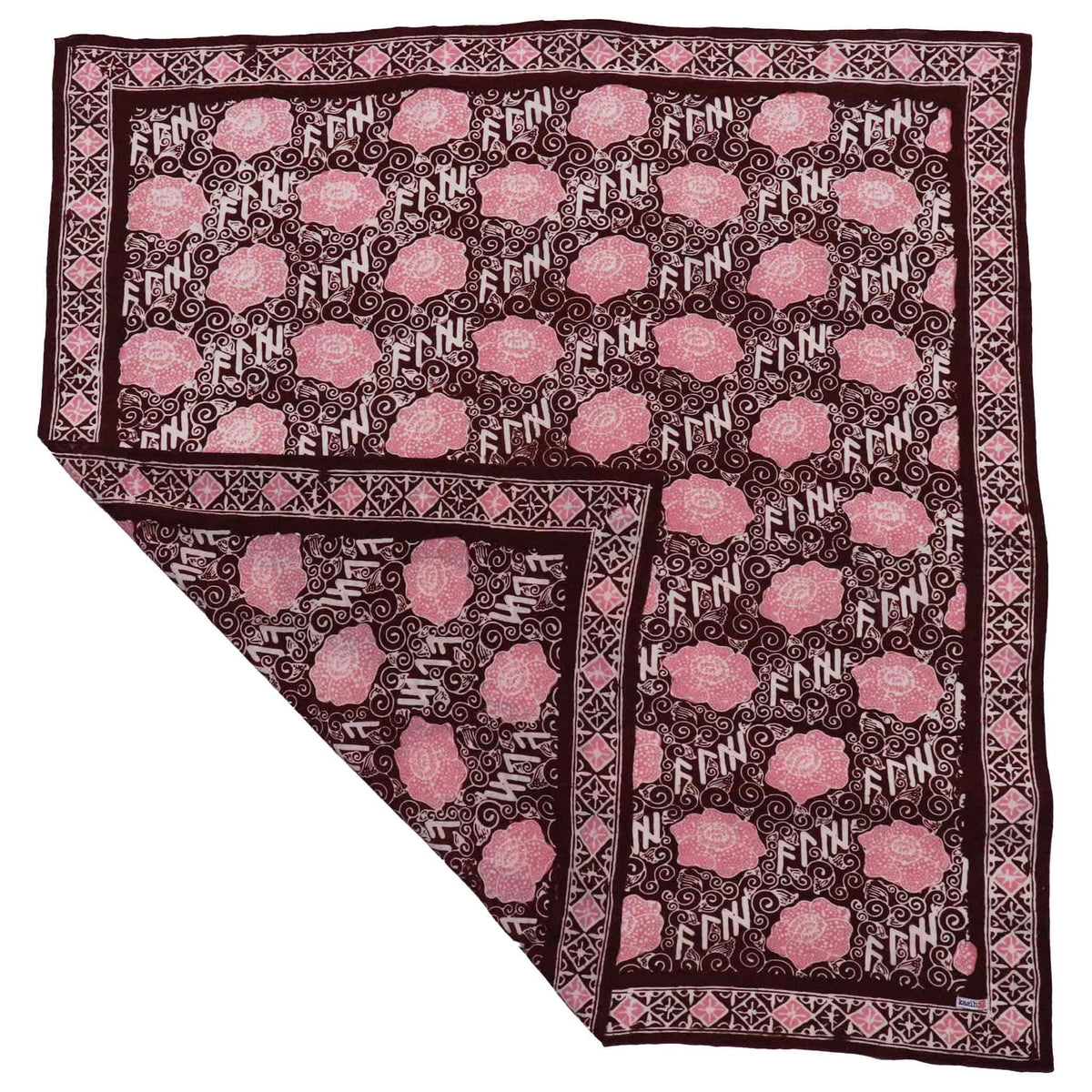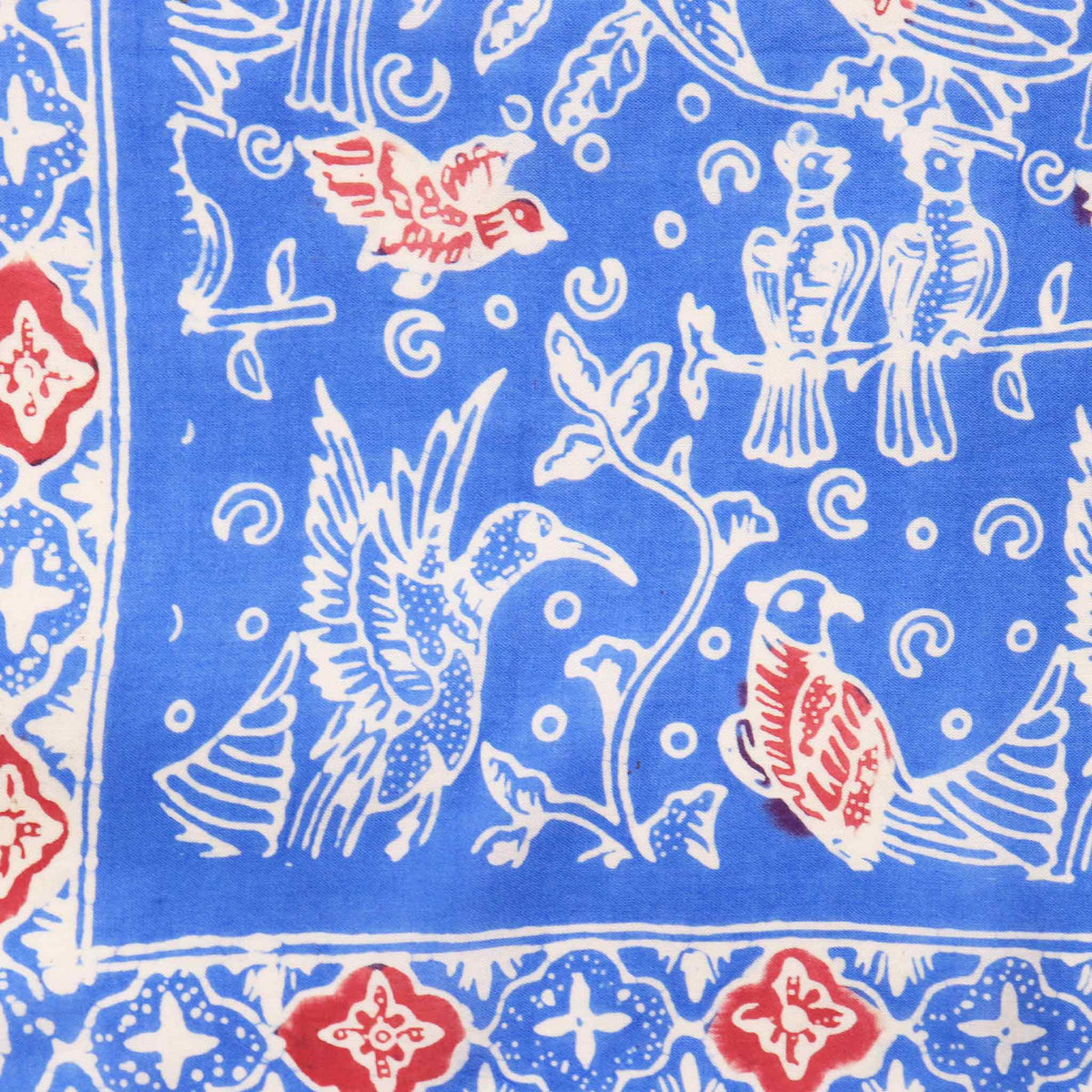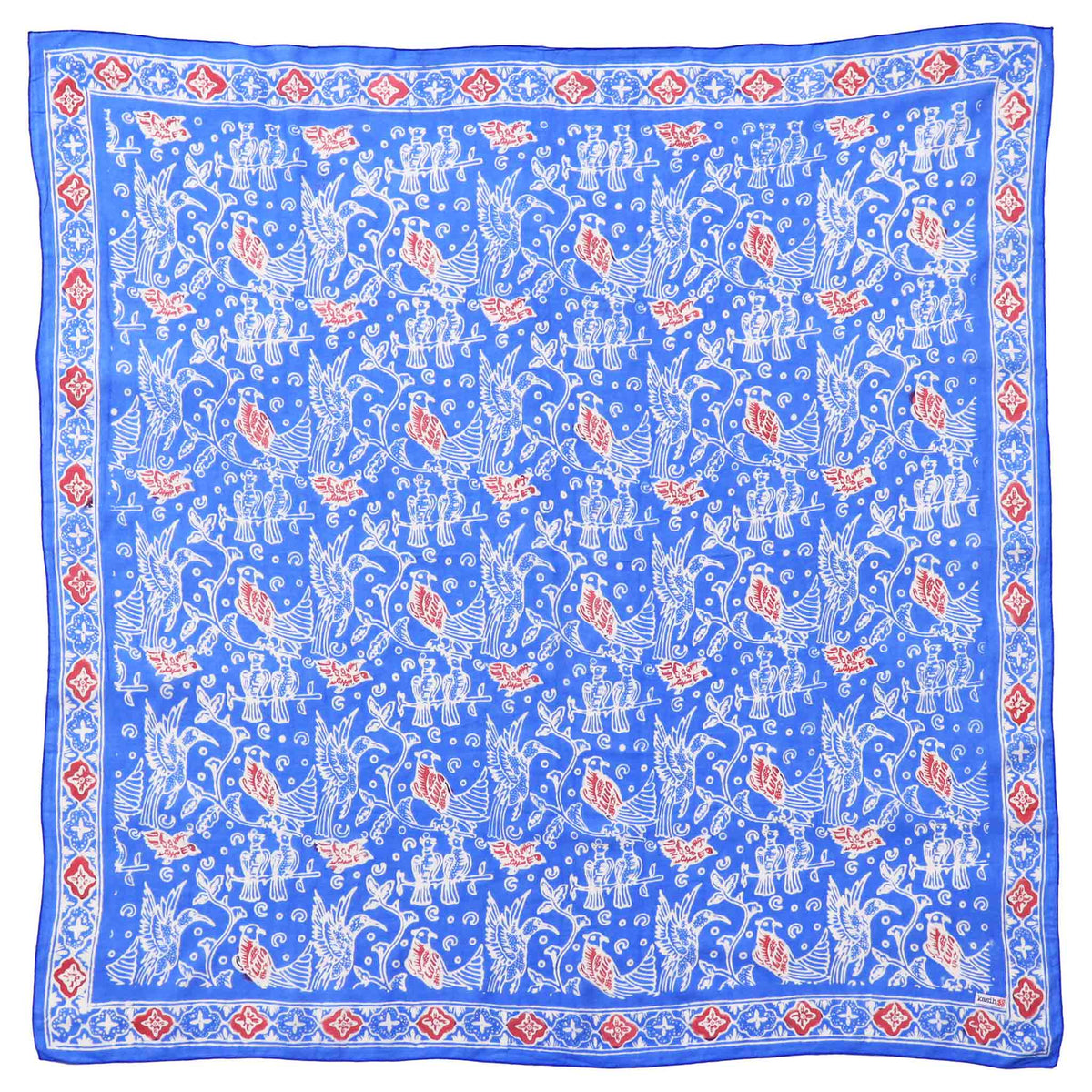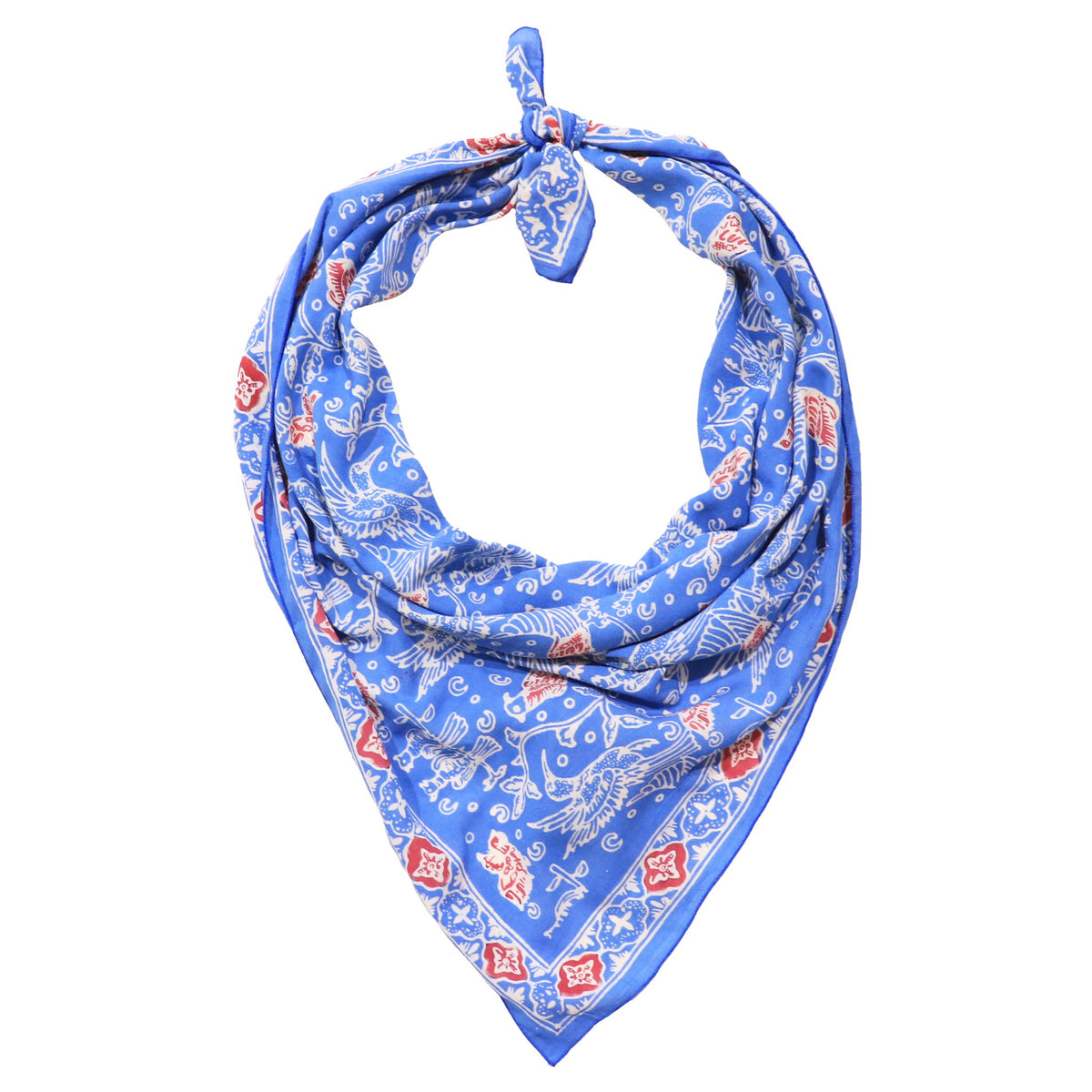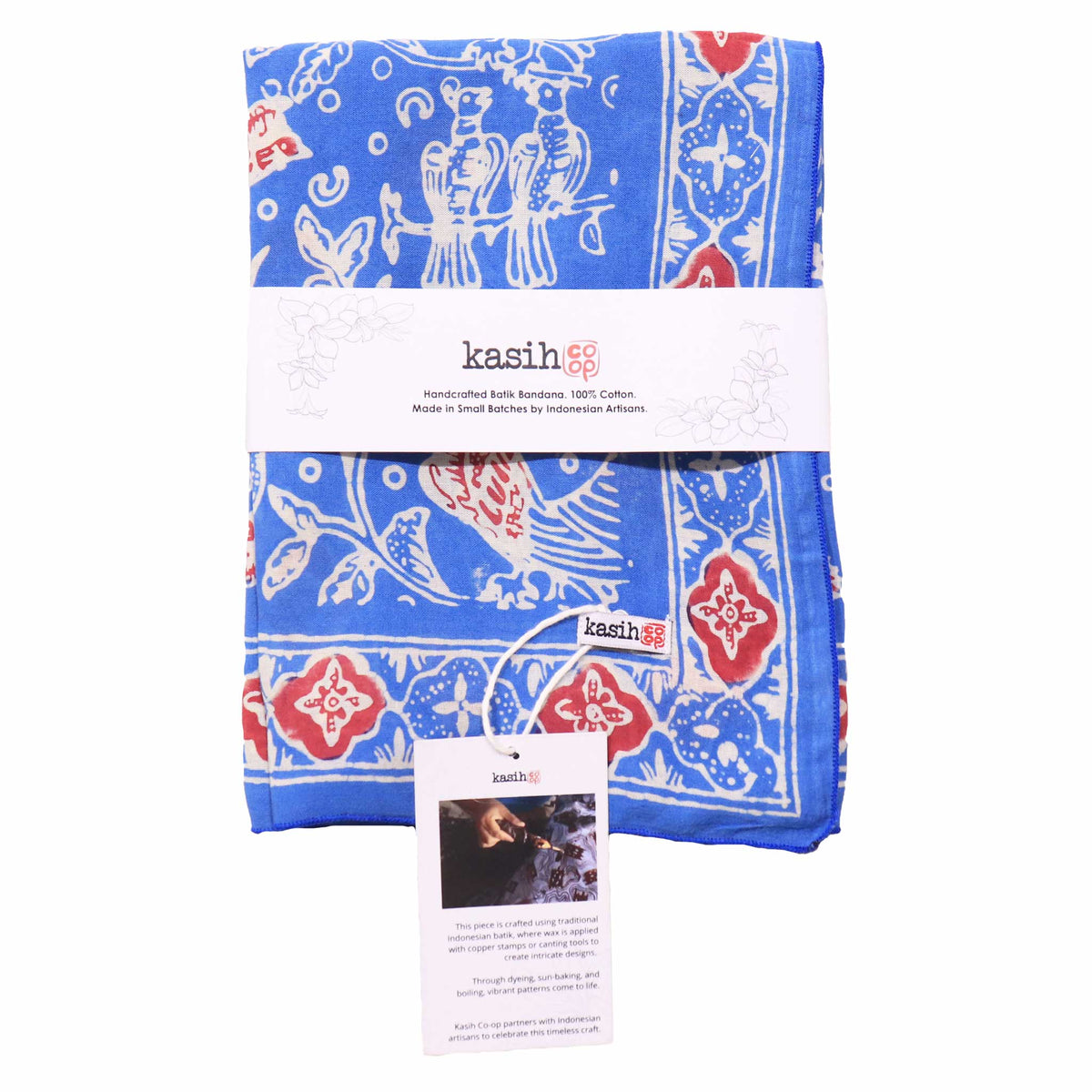

Our bandanas are made in open-air, family-run batik studios, built for ventilation during hot-wax and dyeing work. They are fenced, locked at night, and laid out in separate zones for each step. One issue isn't solved yet: bare-hand contact with dye, which we're still working on with our artisans.
Who works there
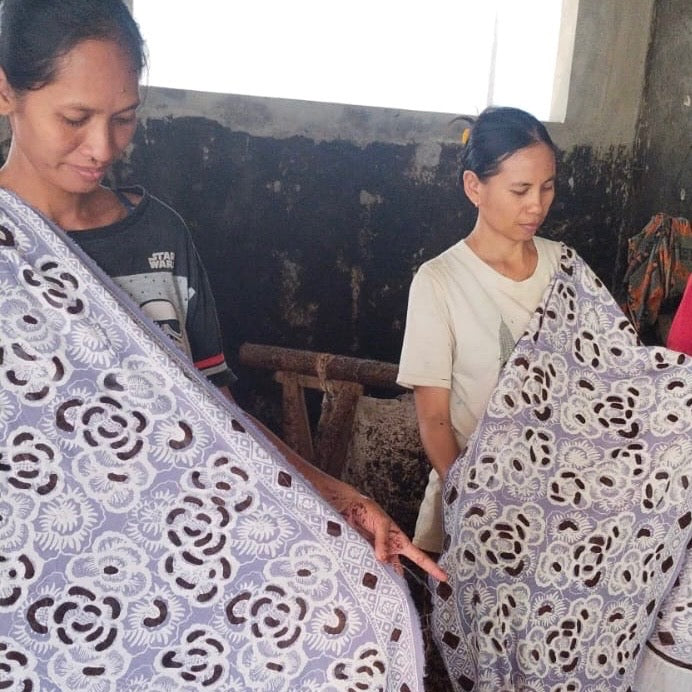
Most of the workshops we partner with are family businesses, often run by a mother and son or a mother and daughter. They hire artisans from their own neighborhoods. No one under 18 works on our products, and every workshop knows that's a firm expectation.
How a studio is laid out
Each master artisan keeps a dedicated workspace organized by step:
- Fabric preparation. Cotton is measured and cut.
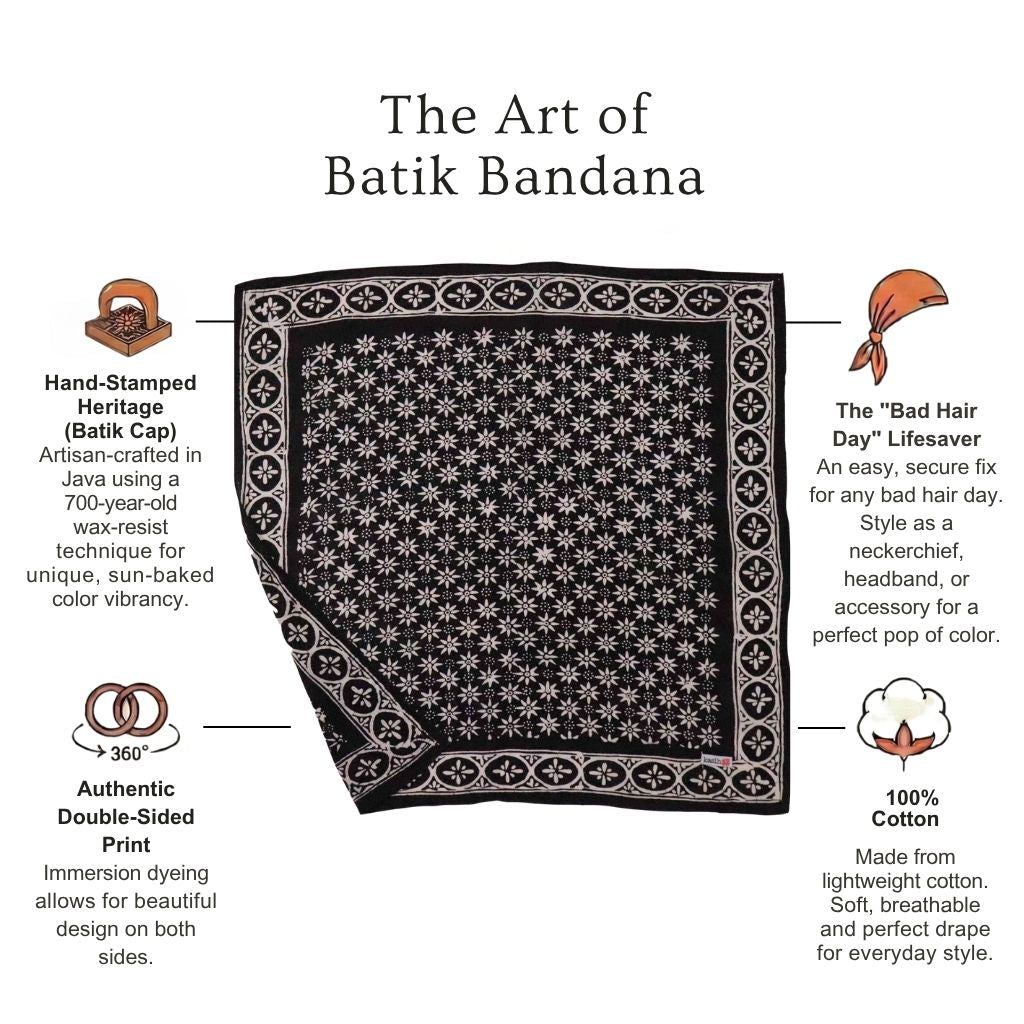
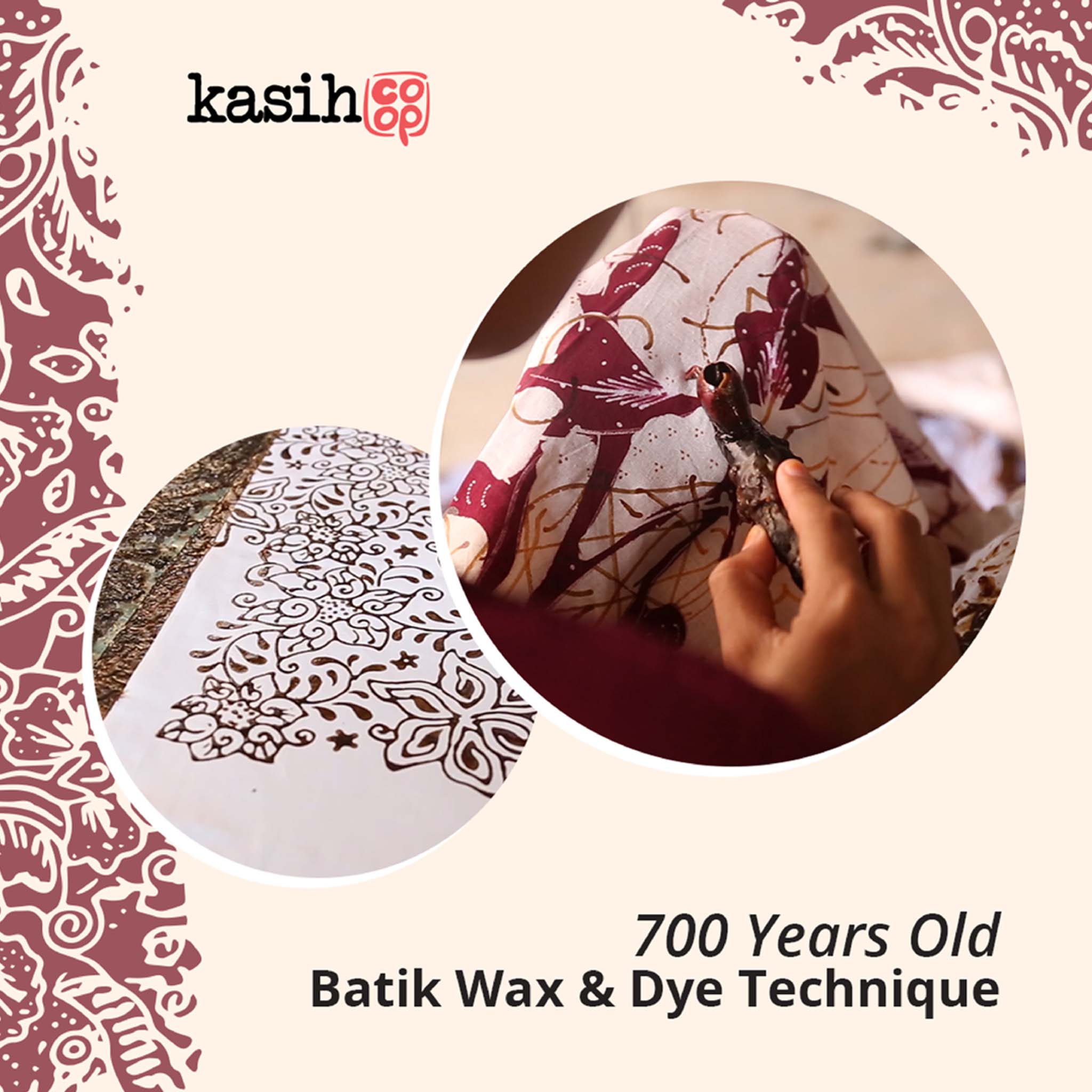
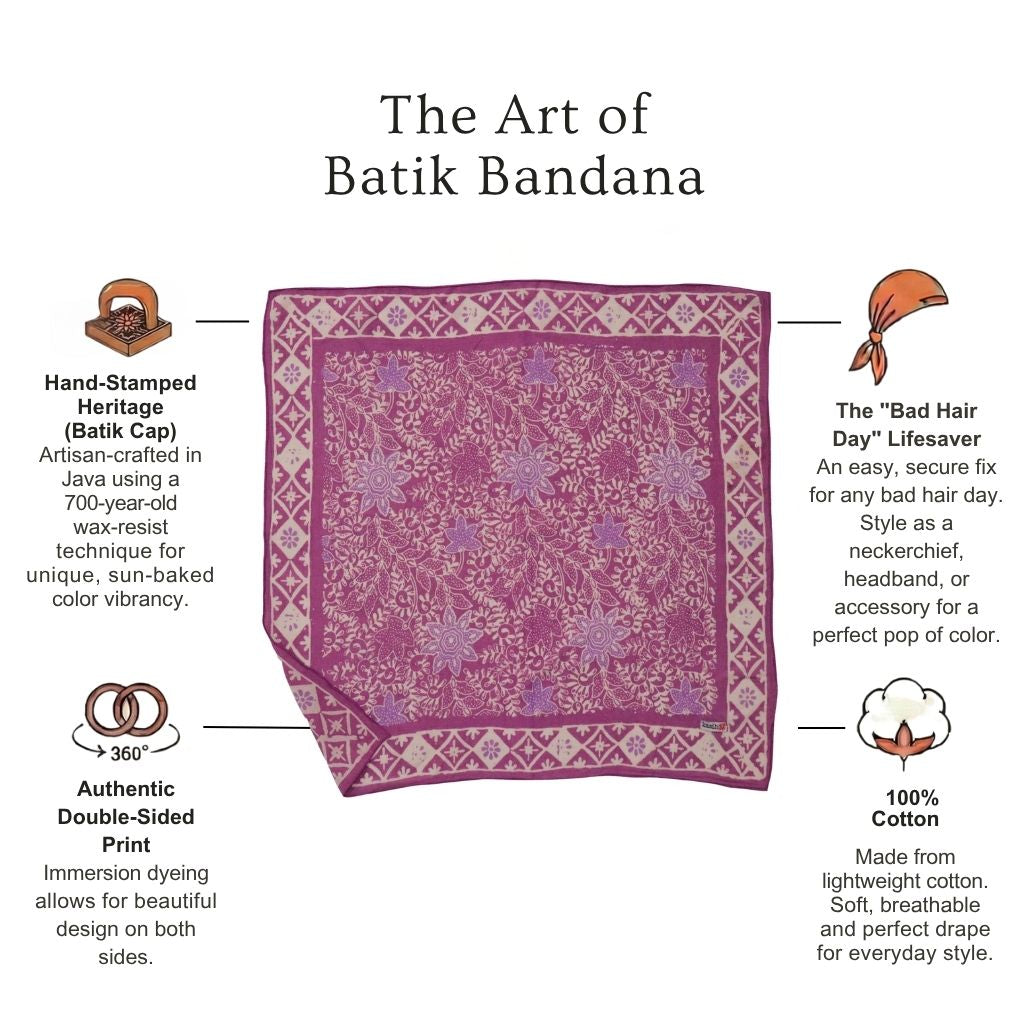
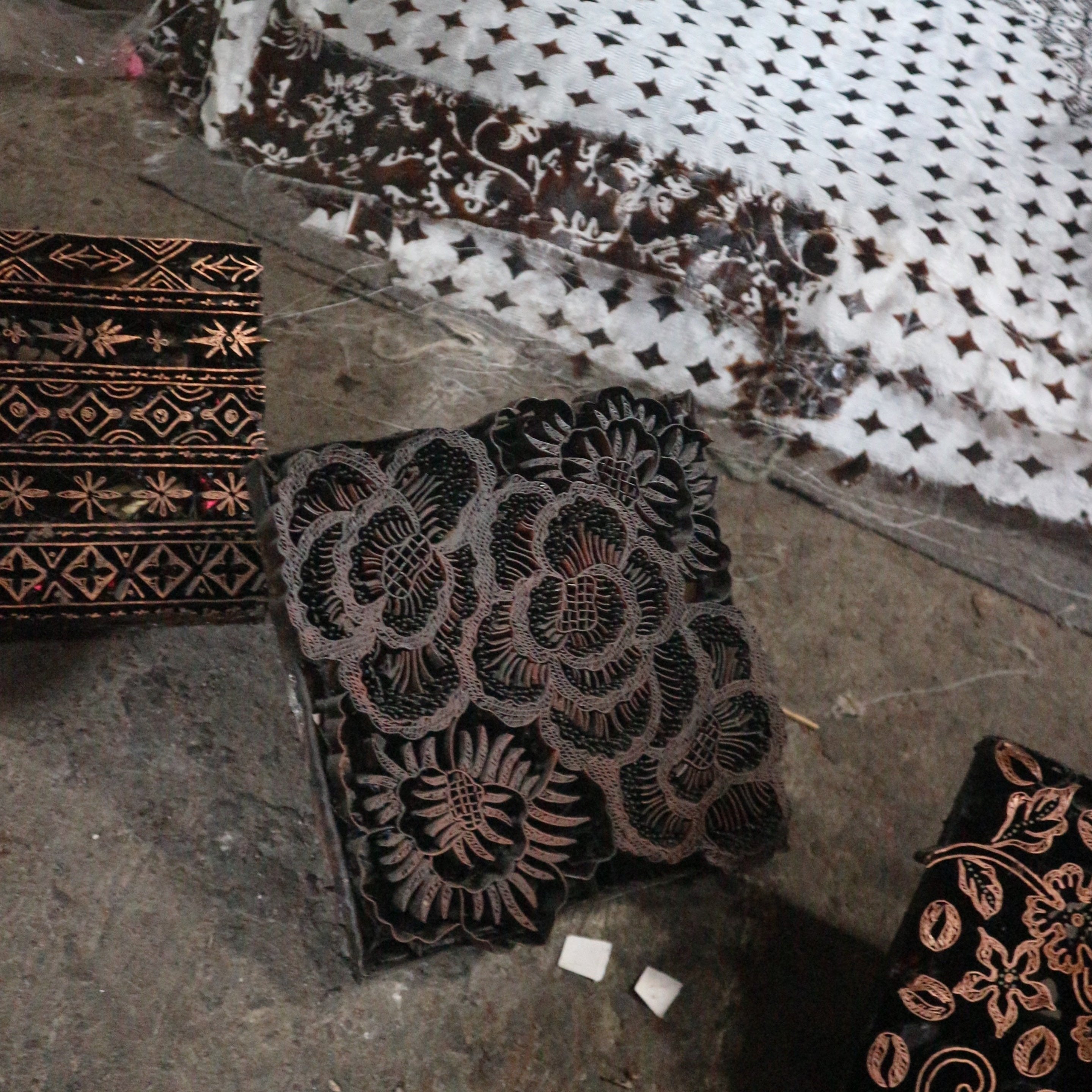
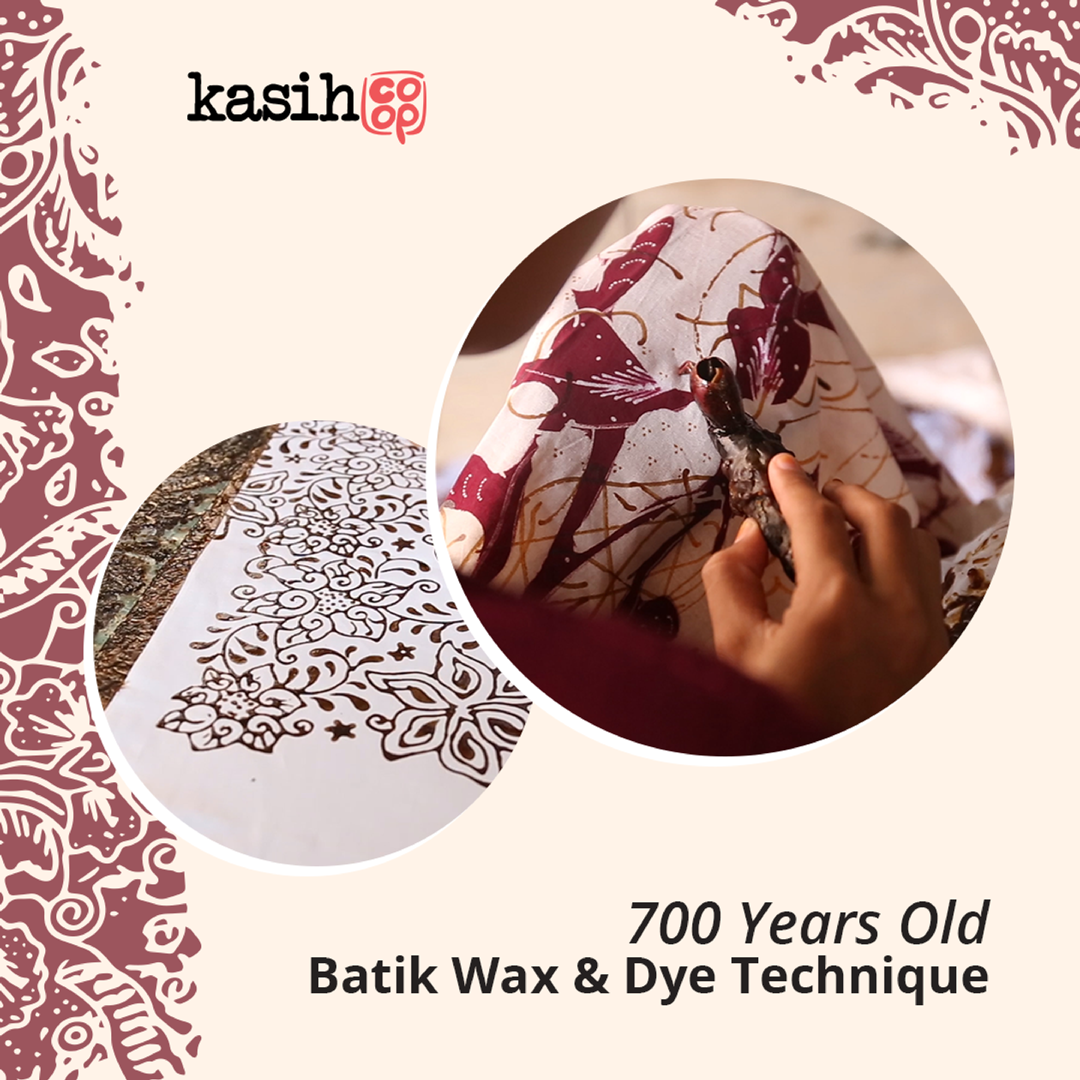
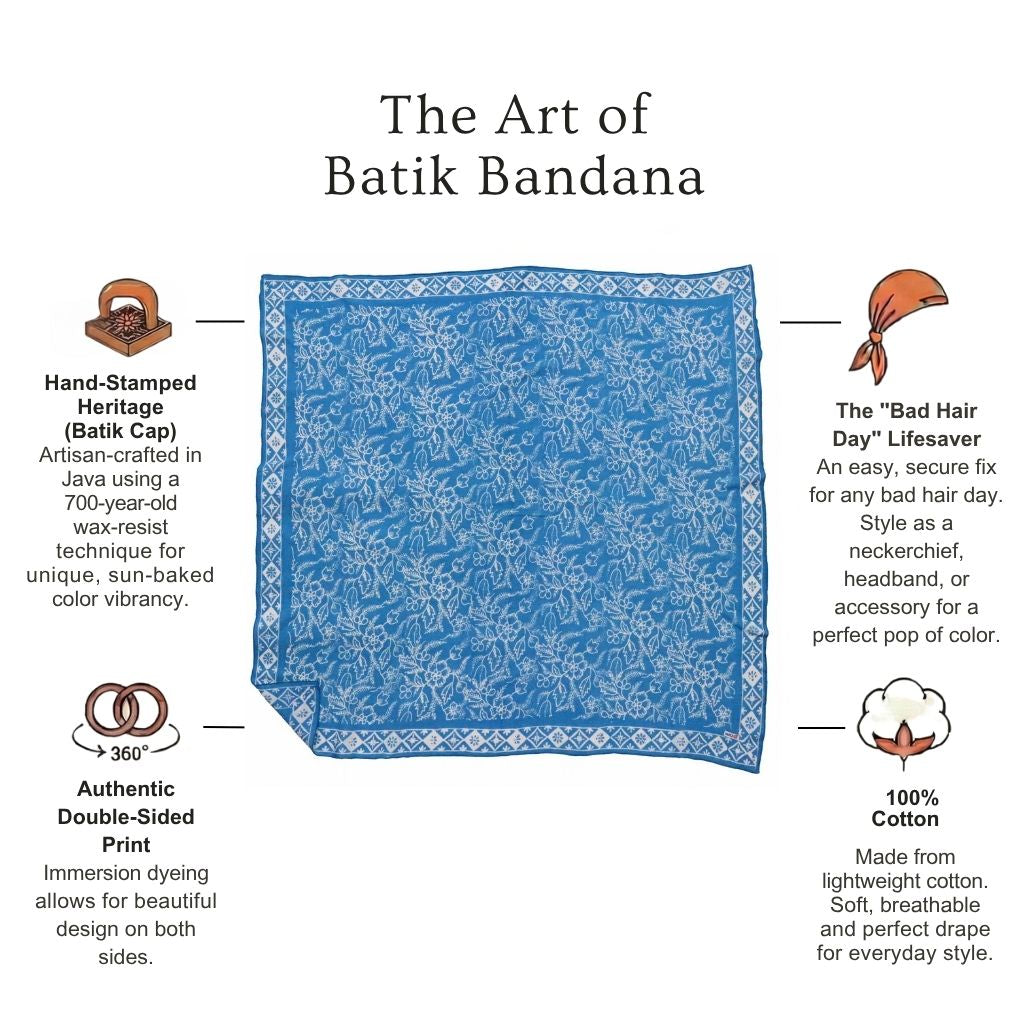
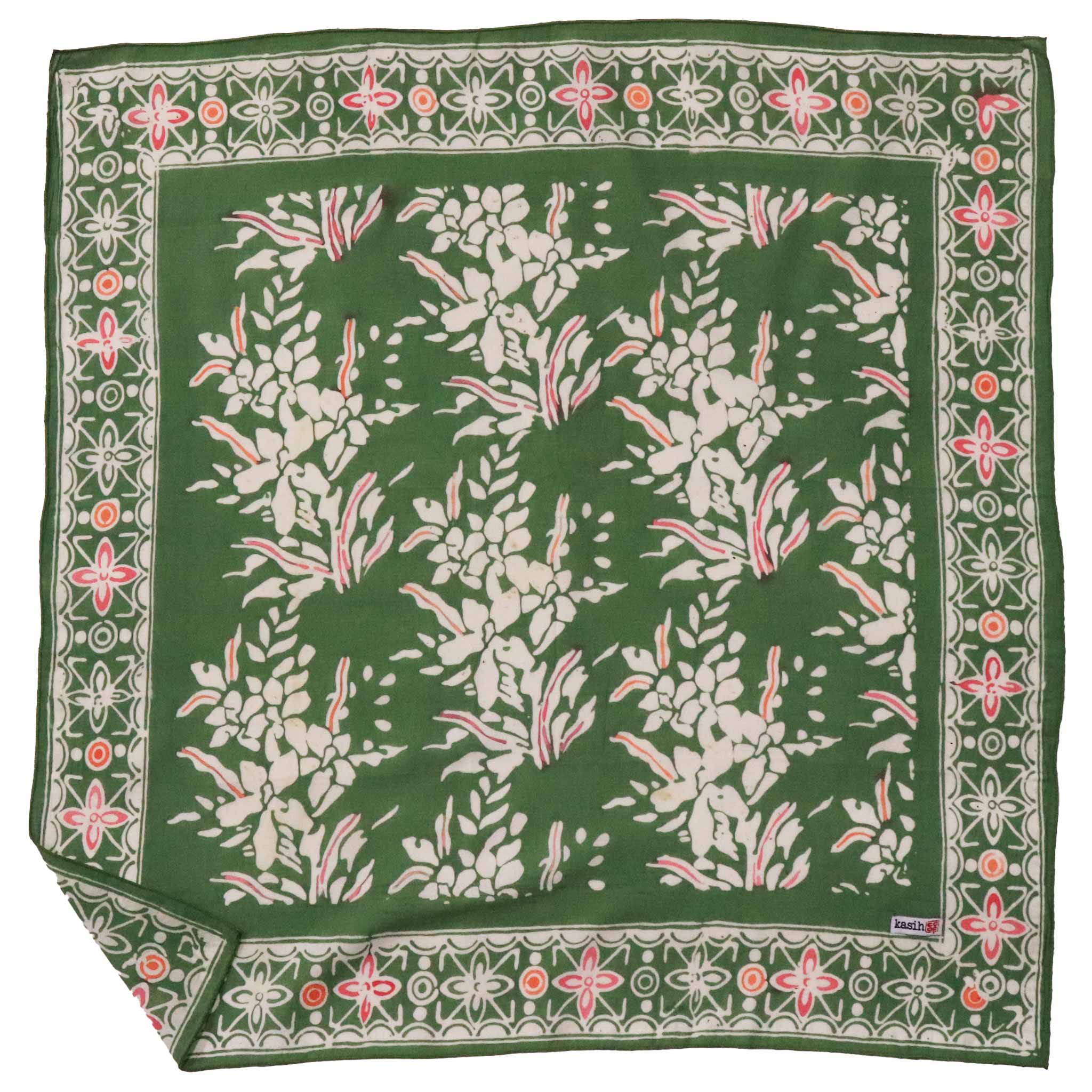
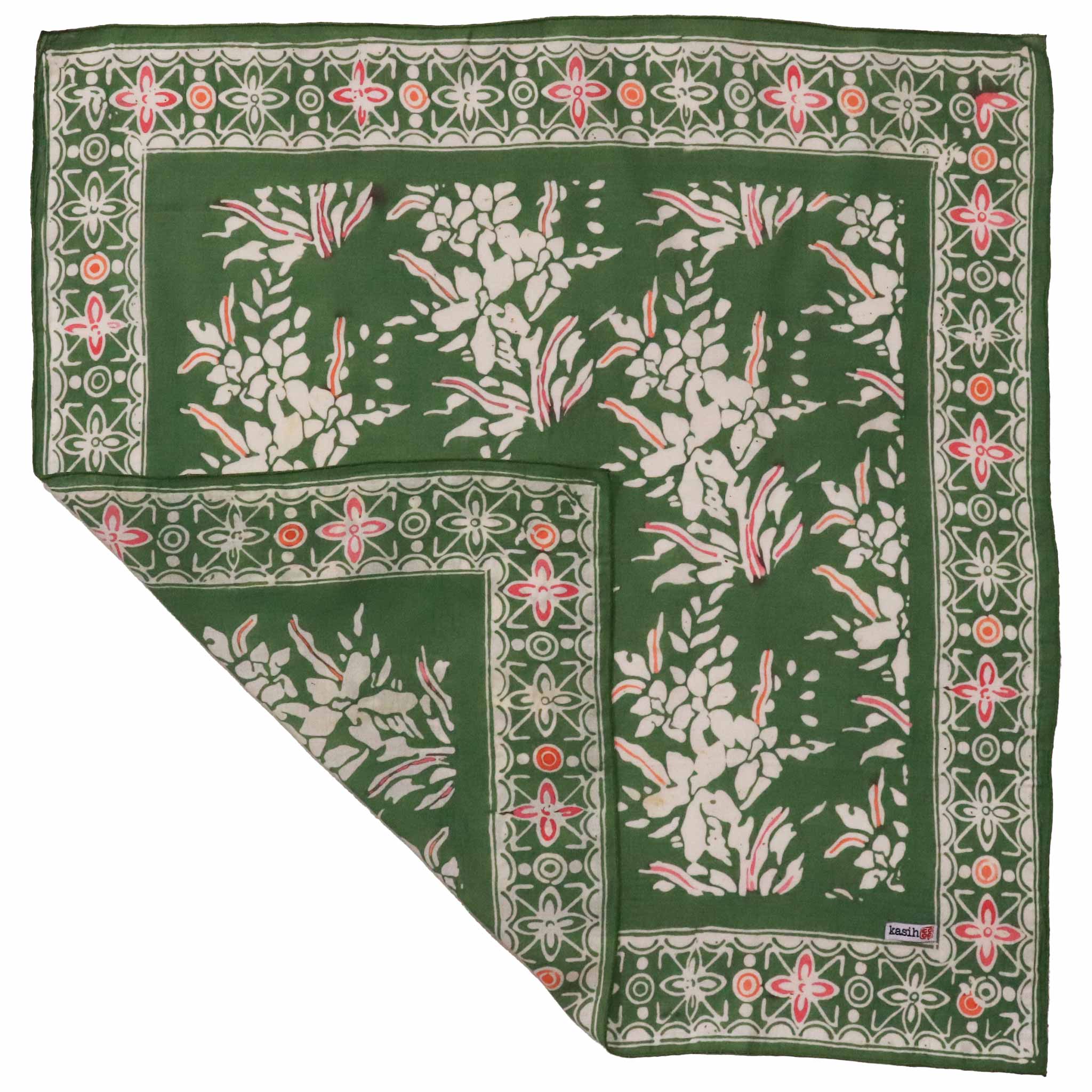
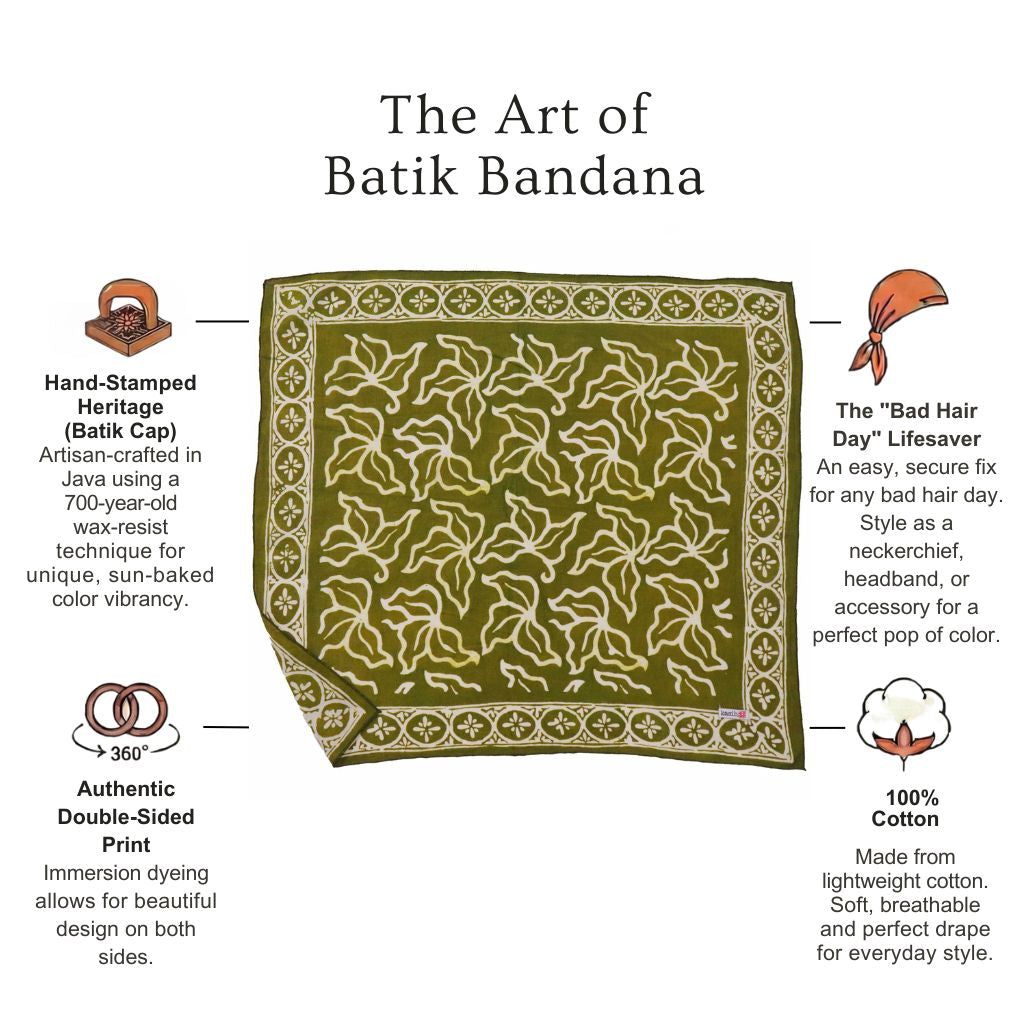
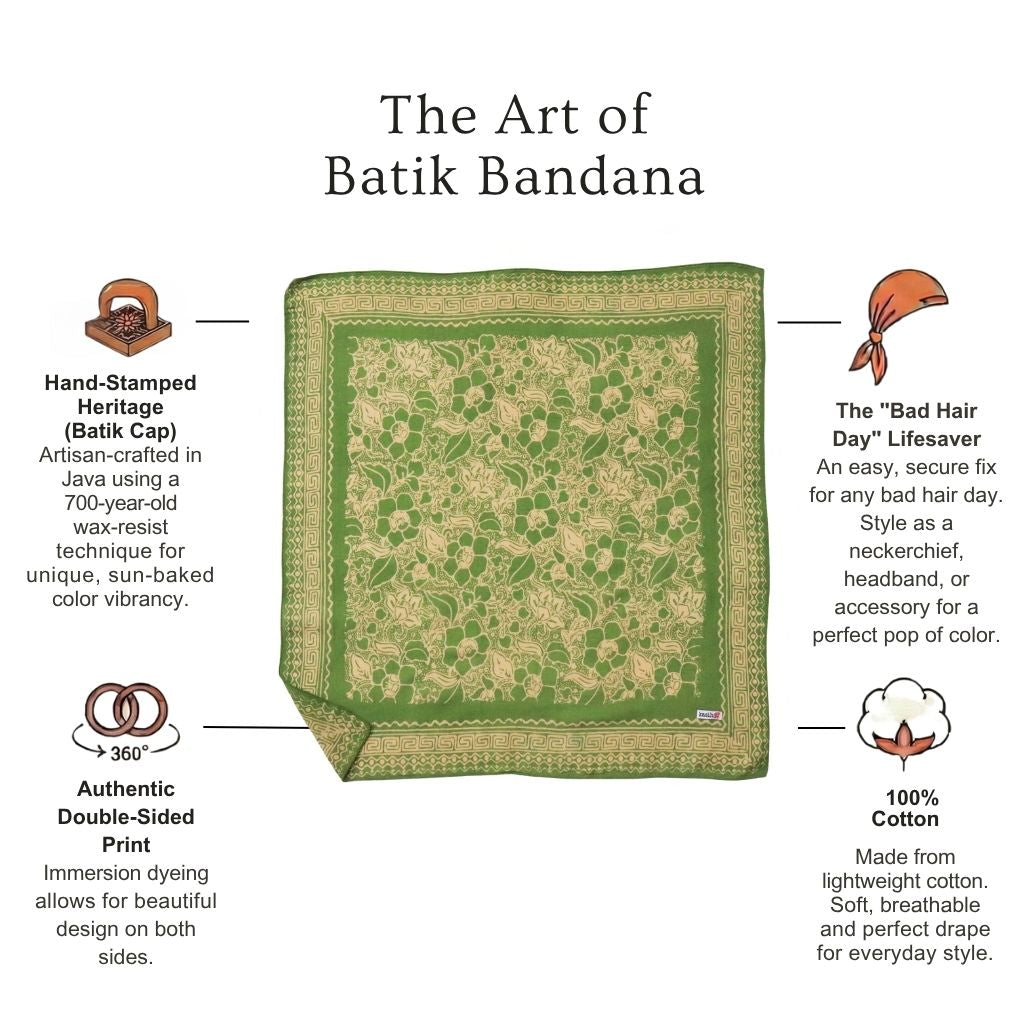
- Wax stamping (cap). Hot wax goes on with hand-forged copper stamps, in a ventilated area.
- Dyeing. Fabric is dyed in a wet area.
- Boiling. A boiling station removes the wax and reveals the pattern.
- Drying. Finished cloth air-dries in open space.
The open-air design matters. Hot wax and dye give off fumes, and a roof without walls lets them clear instead of building up around the people working.
Security for tools and materials
Each studio is fully fenced, with gates locked at the end of every workday. Many copper cap stamps are family or village heirlooms, so protecting the tools protects the craft.
What we're still fixing: gloves
On early visits we noticed artisans handling wet, freshly dyed cloth with bare hands, which can irritate skin over time. We asked workshops to use professional-grade gloves. Many artisans prefer the feel of bare hands, so adoption is still partial. We keep raising it on every visit. We'd rather tell you that than claim a problem is solved when it isn't.
How we check
Our team in Indonesia checks in with each workshop yearly, and I visit in person every one to two years to walk through each studio. Between visits, we talk with our master artisans almost daily about production. That's when small concerns come up early.
Kasih Co-op is a verified member of the Fair Trade Federation. Read more on How We Work.