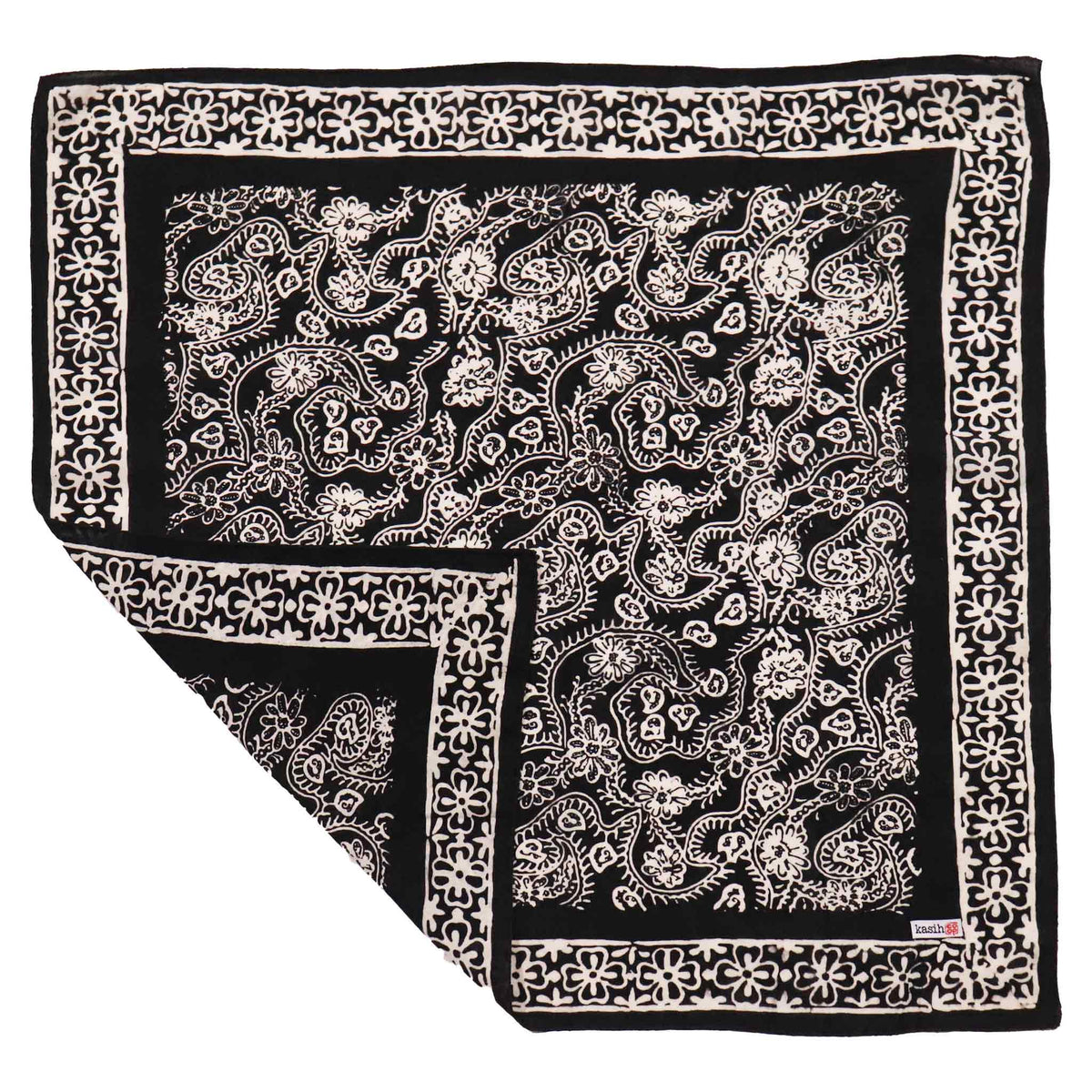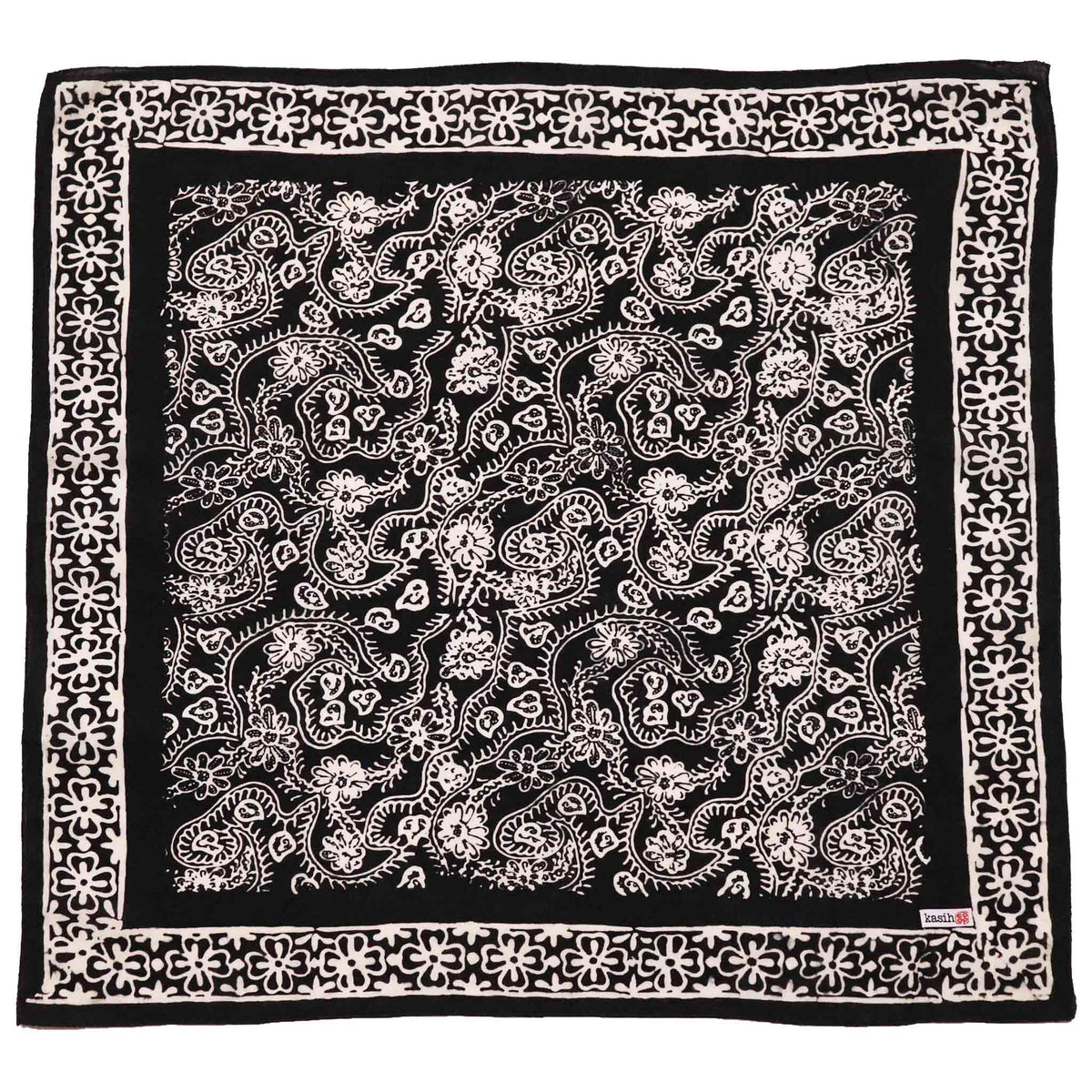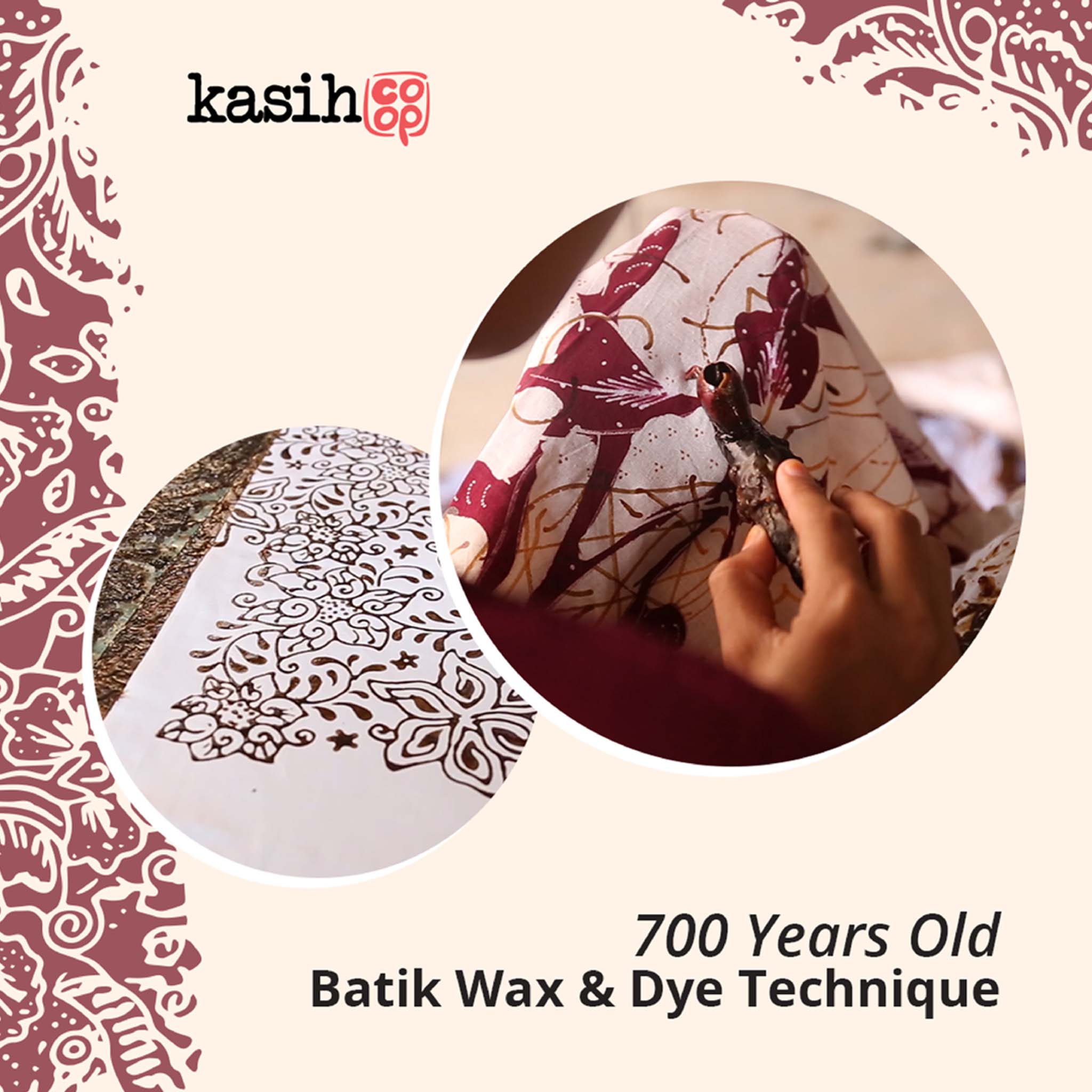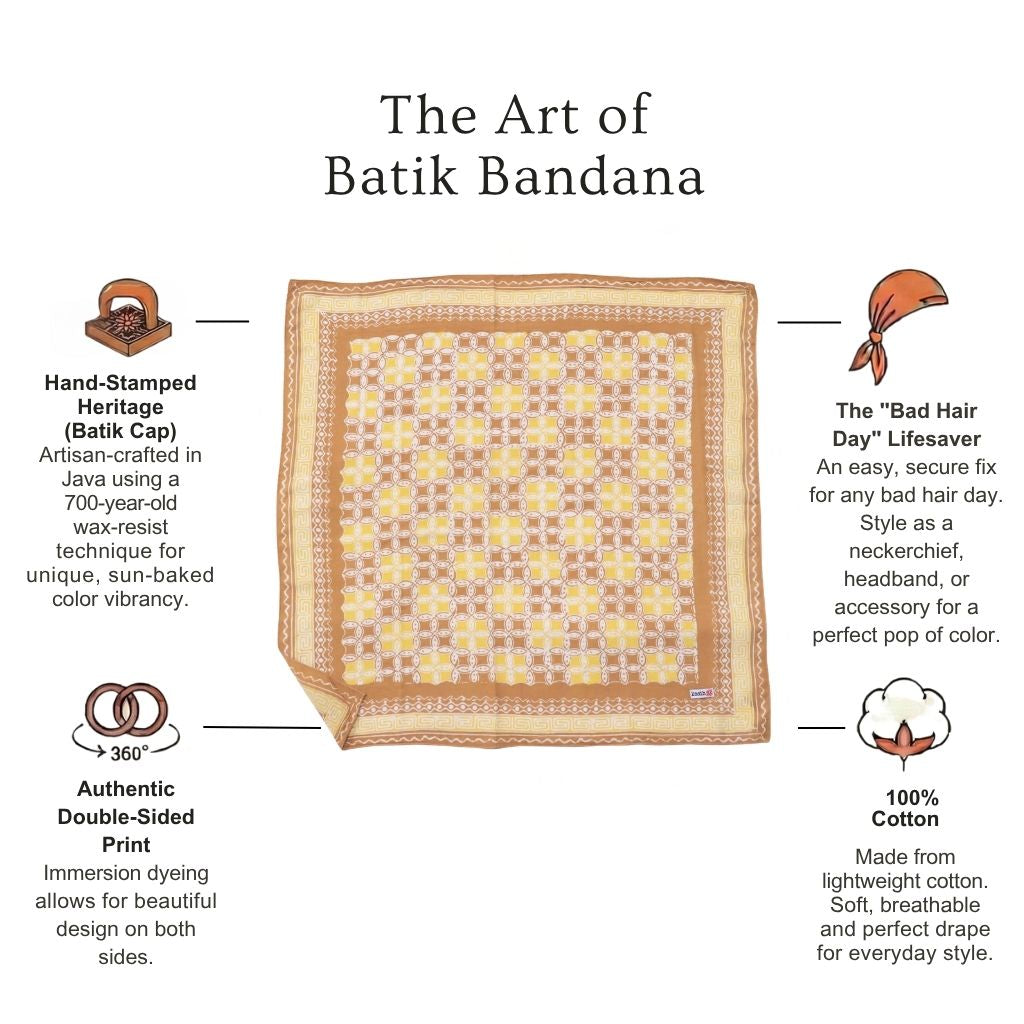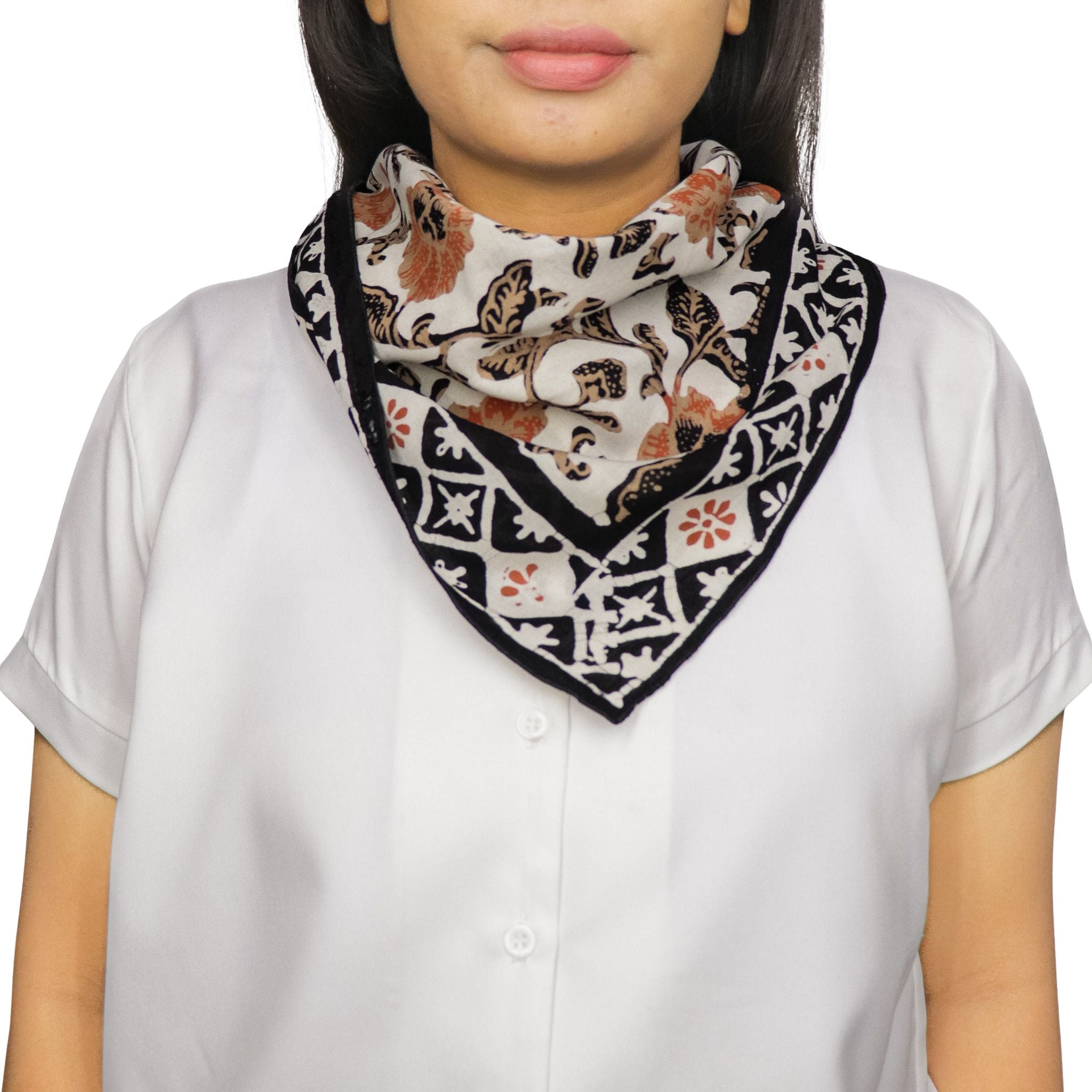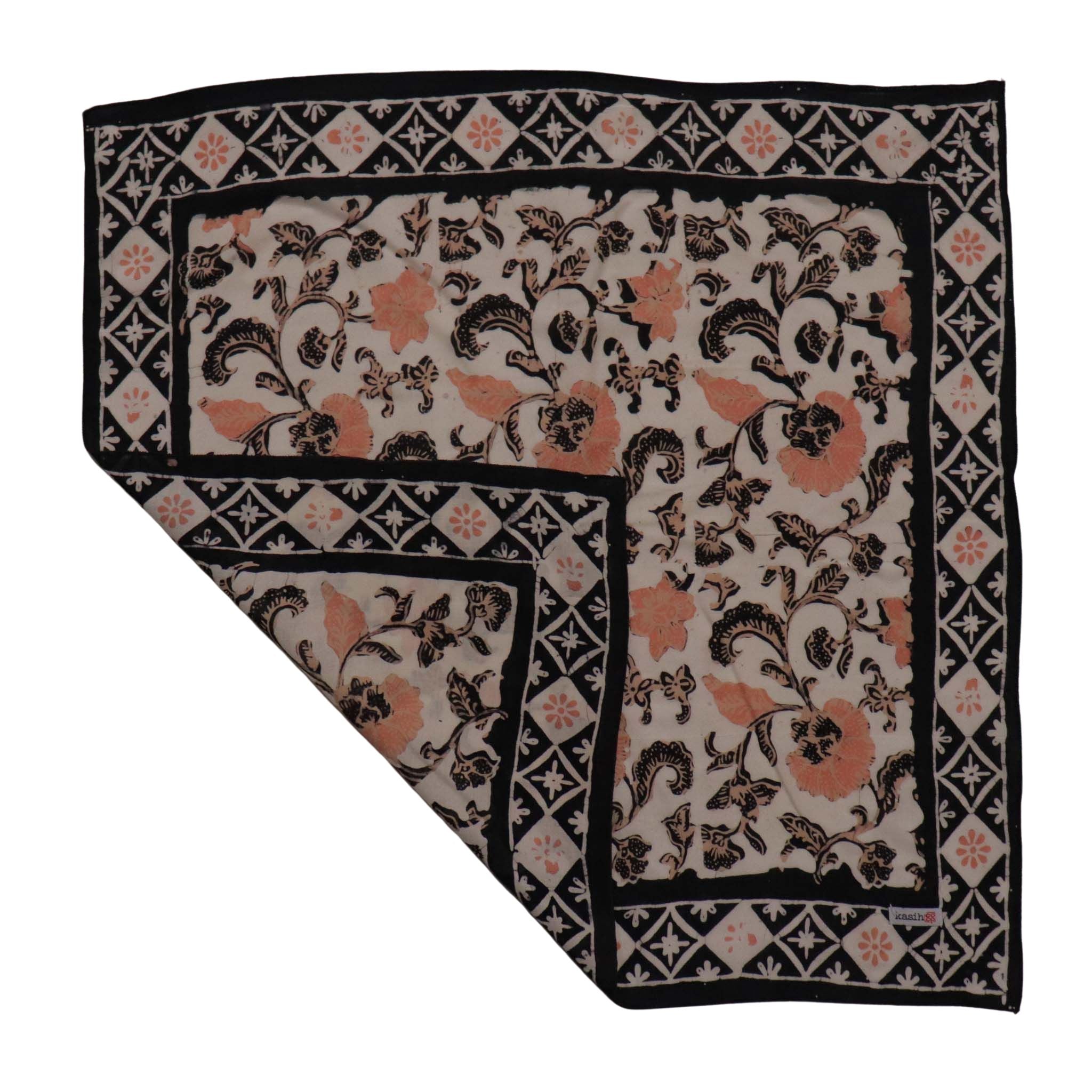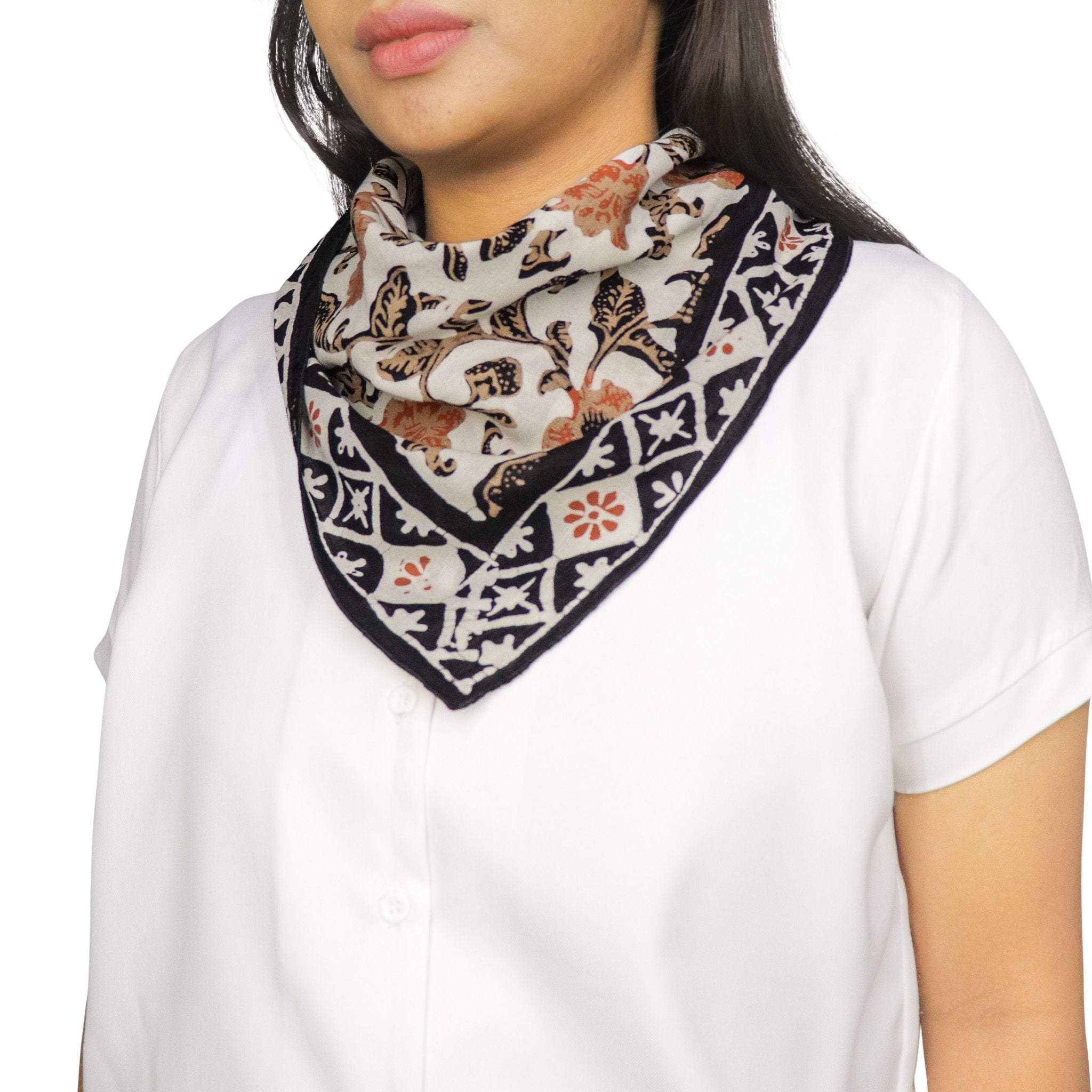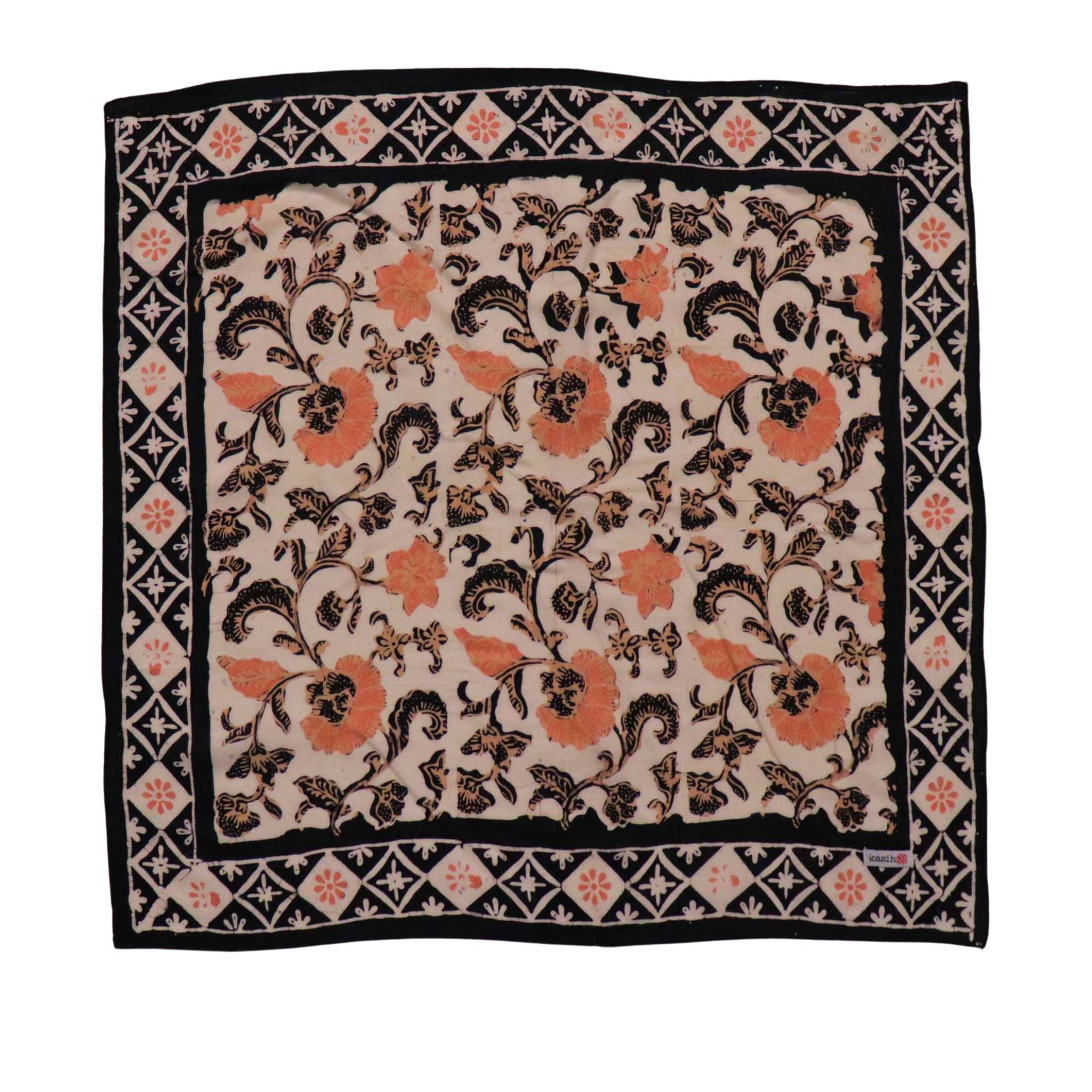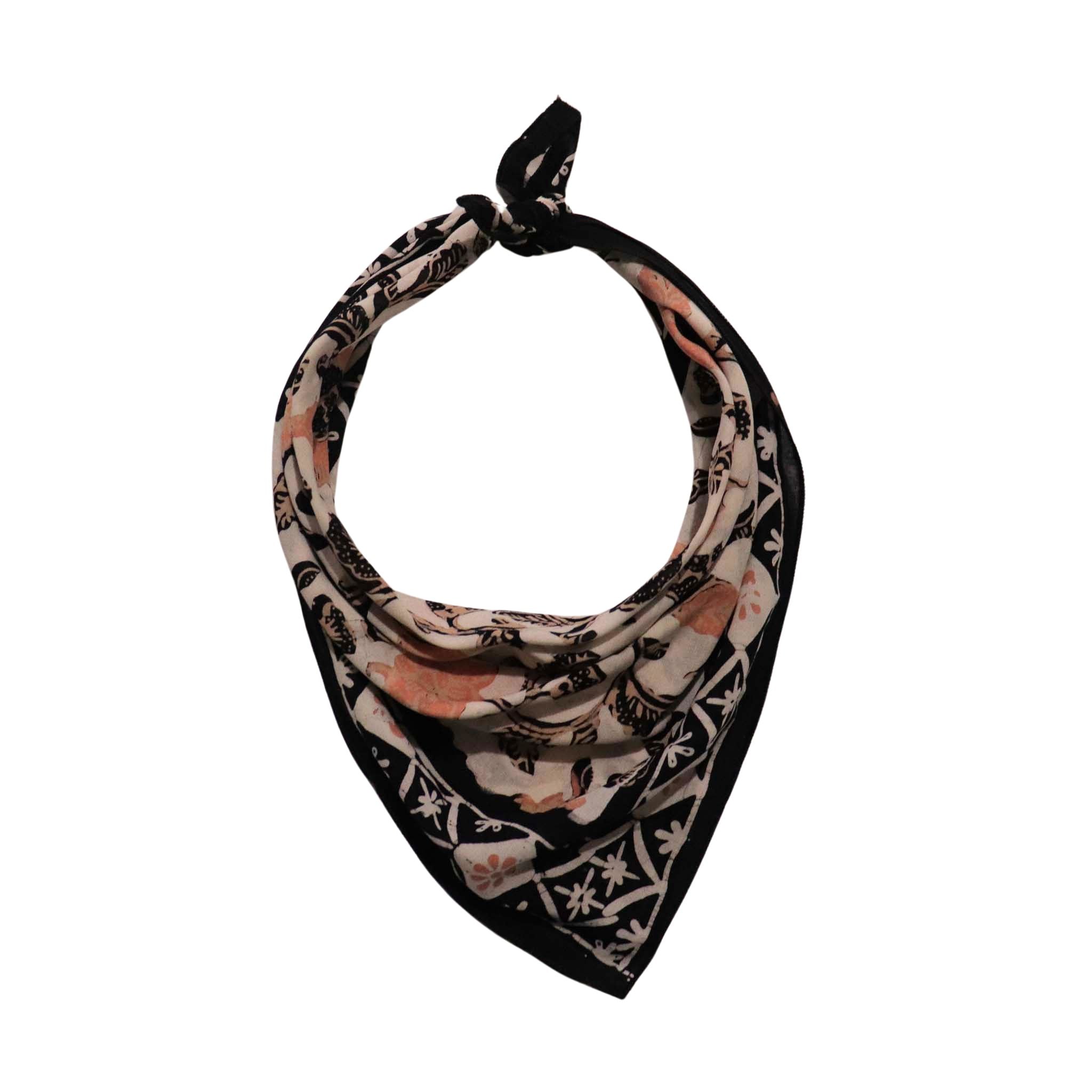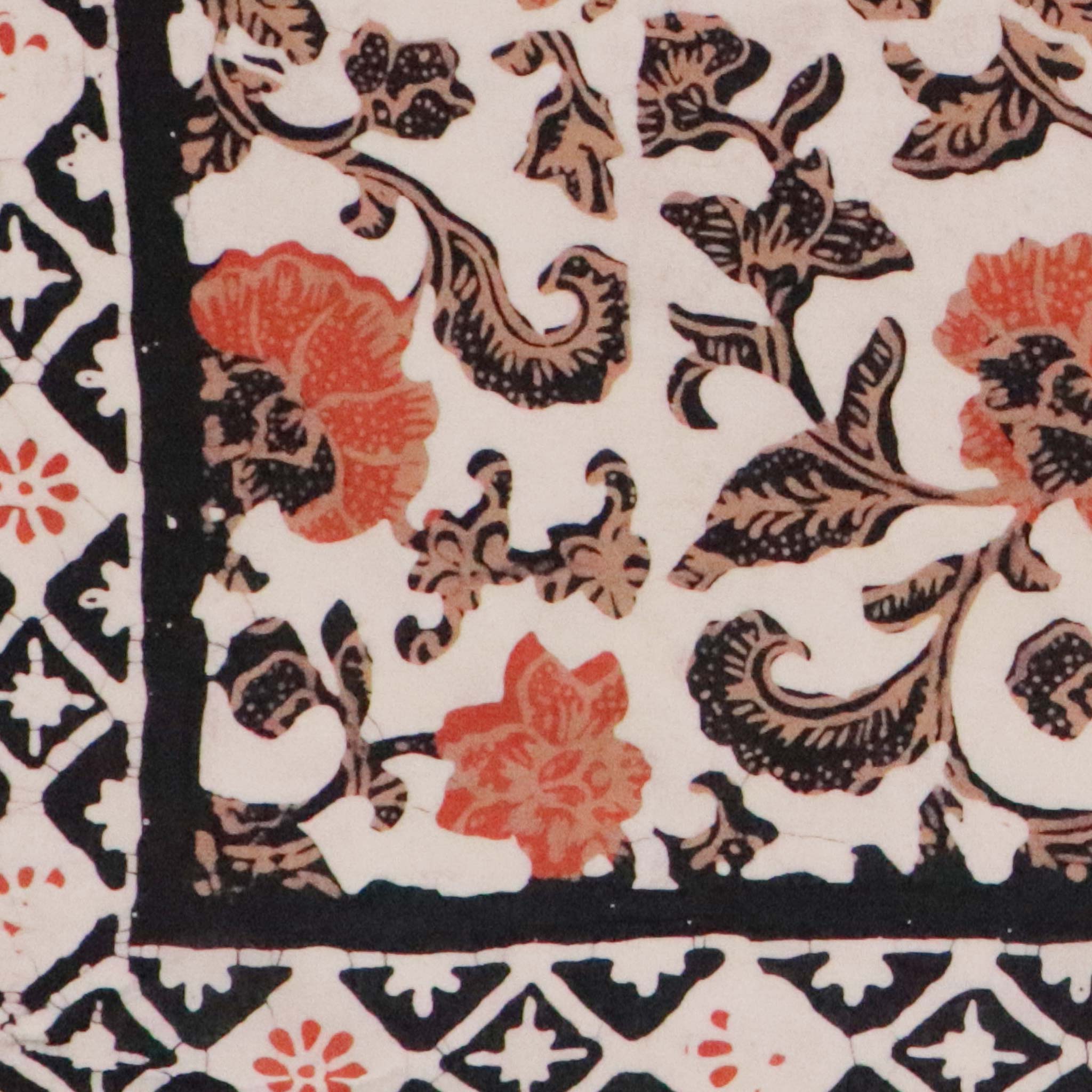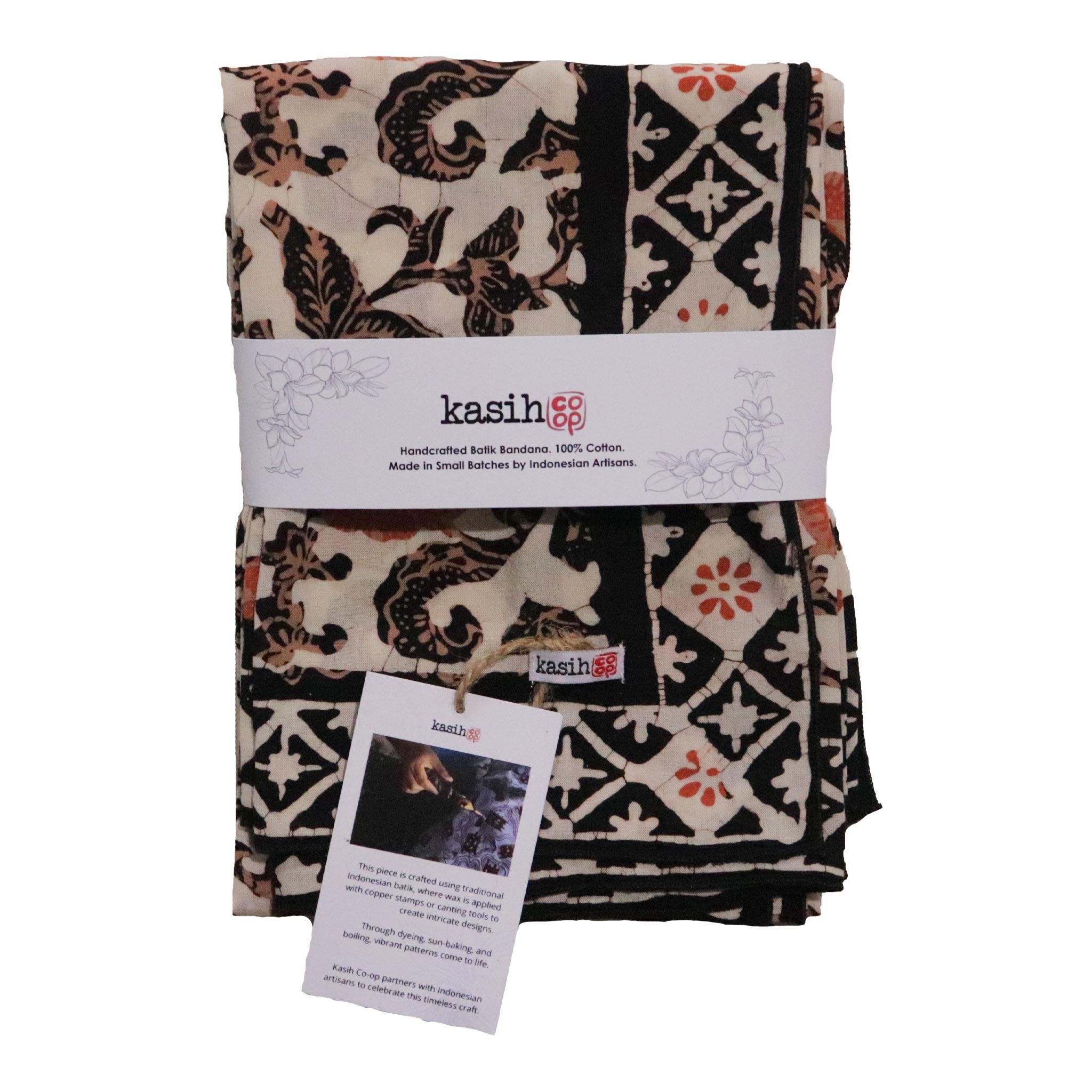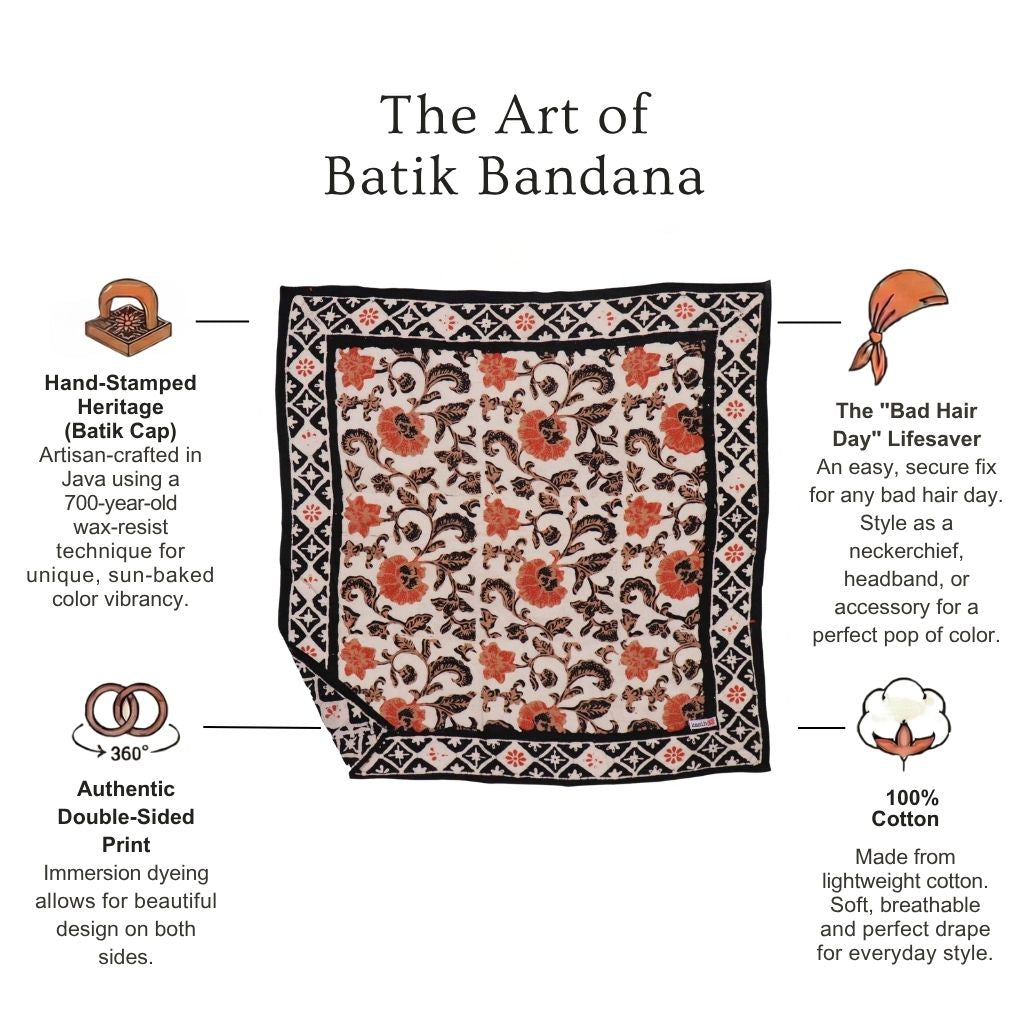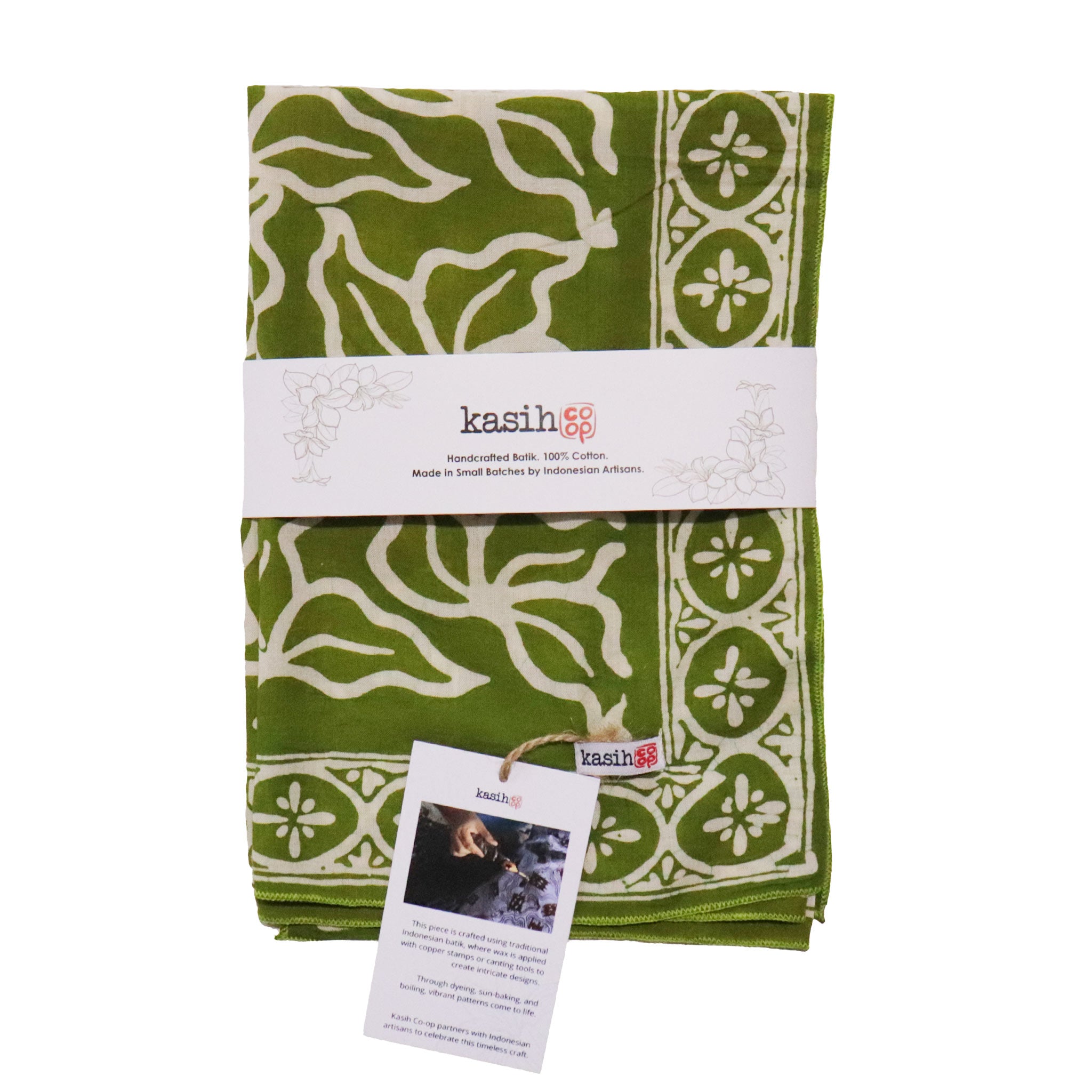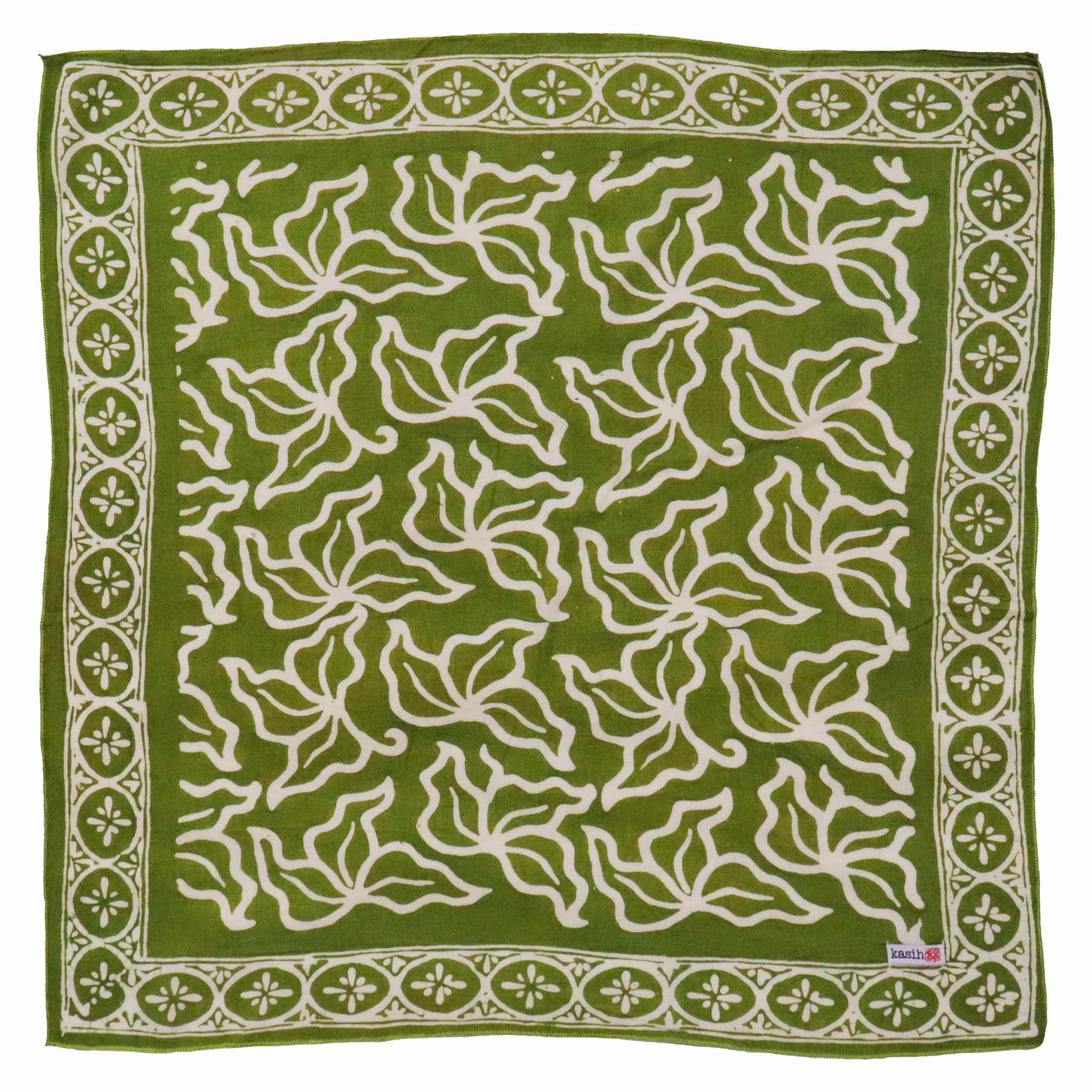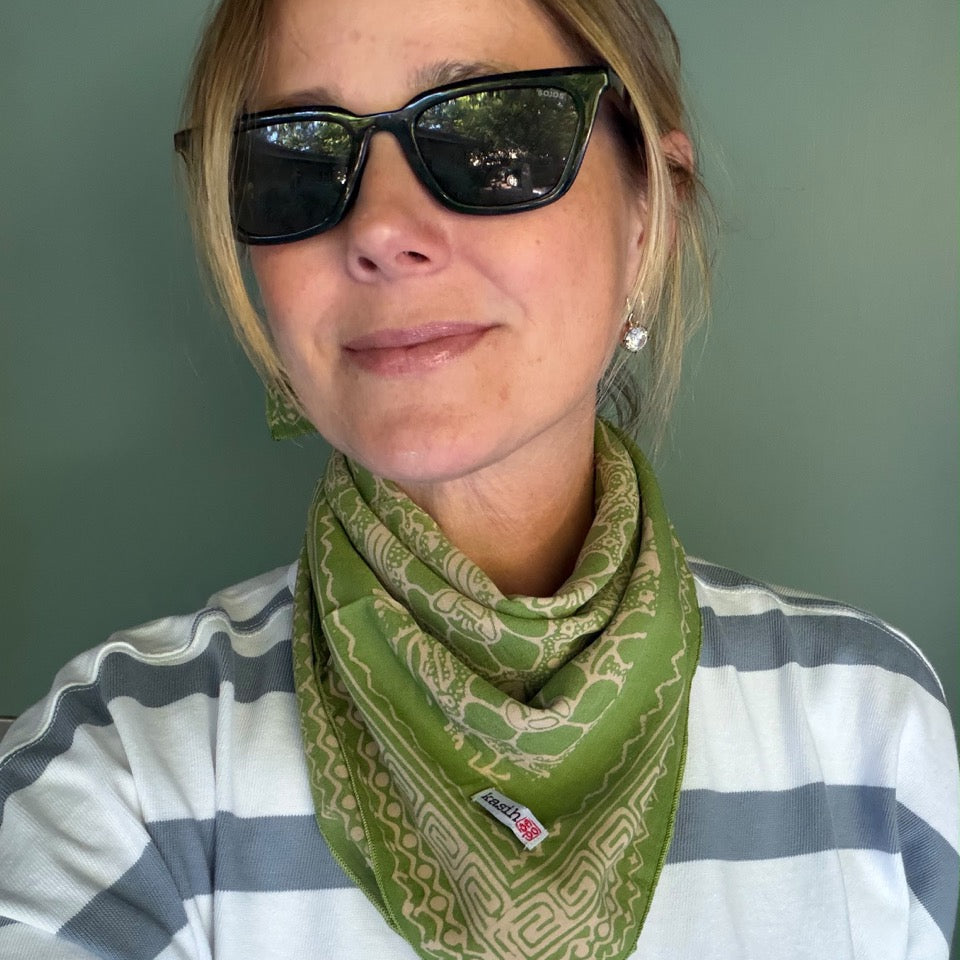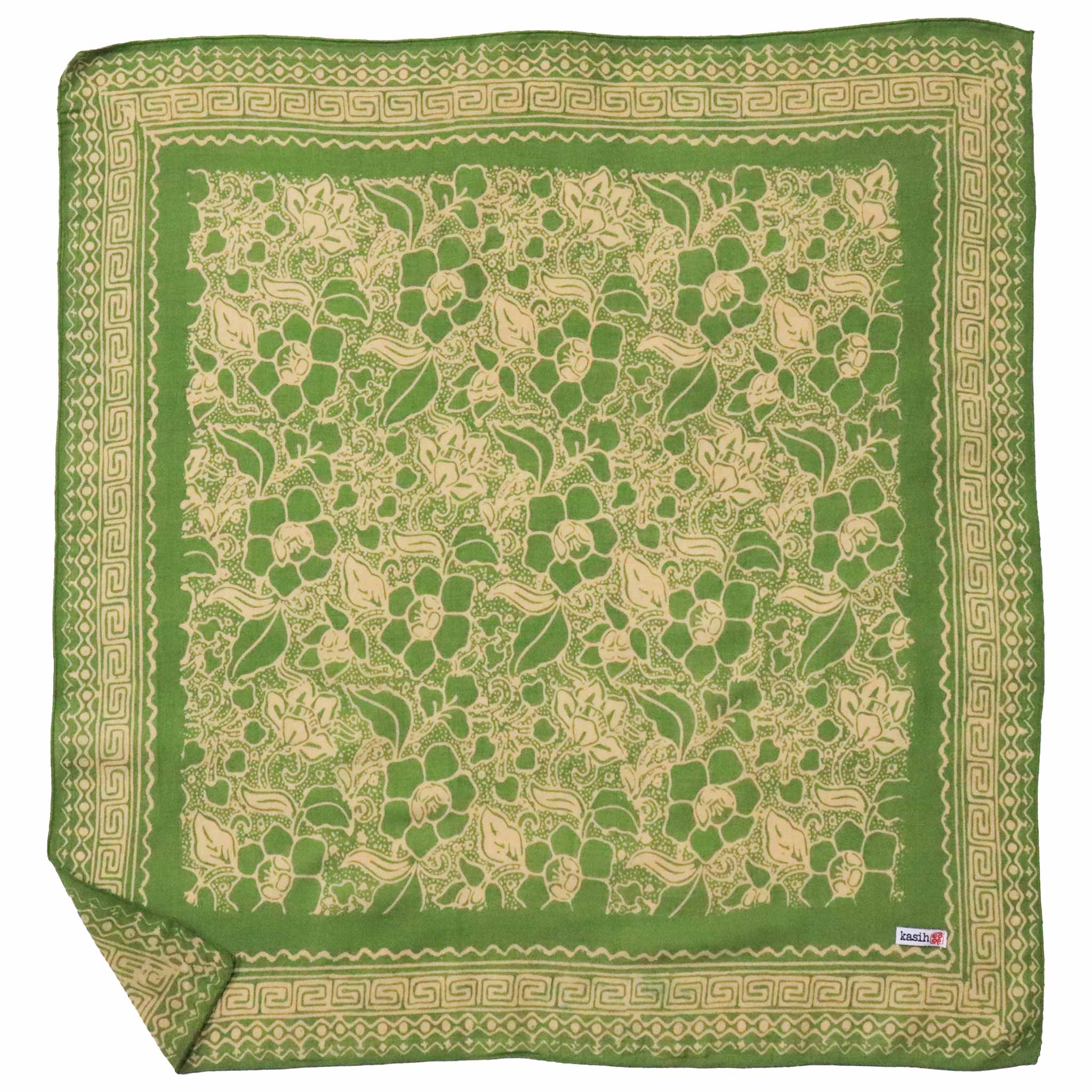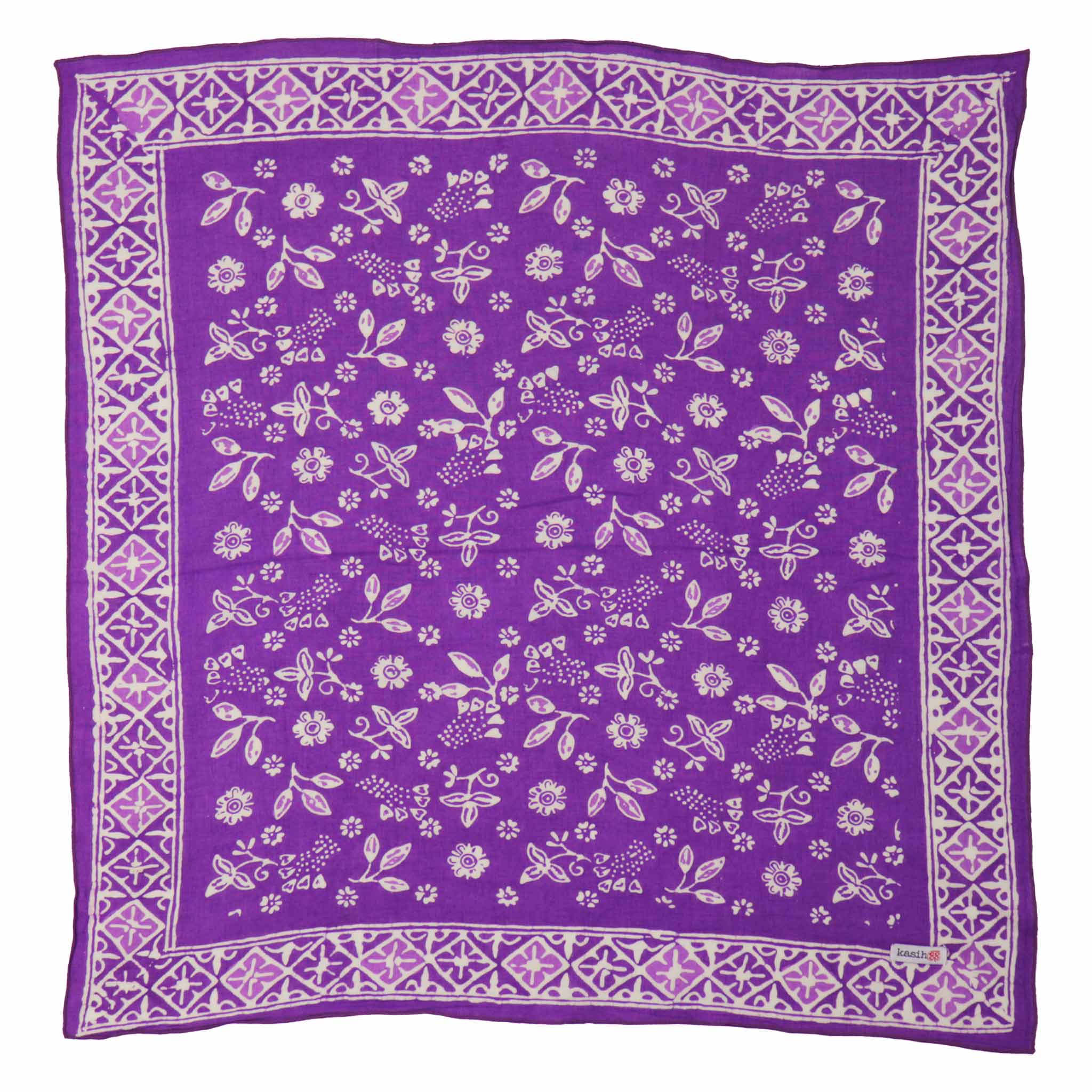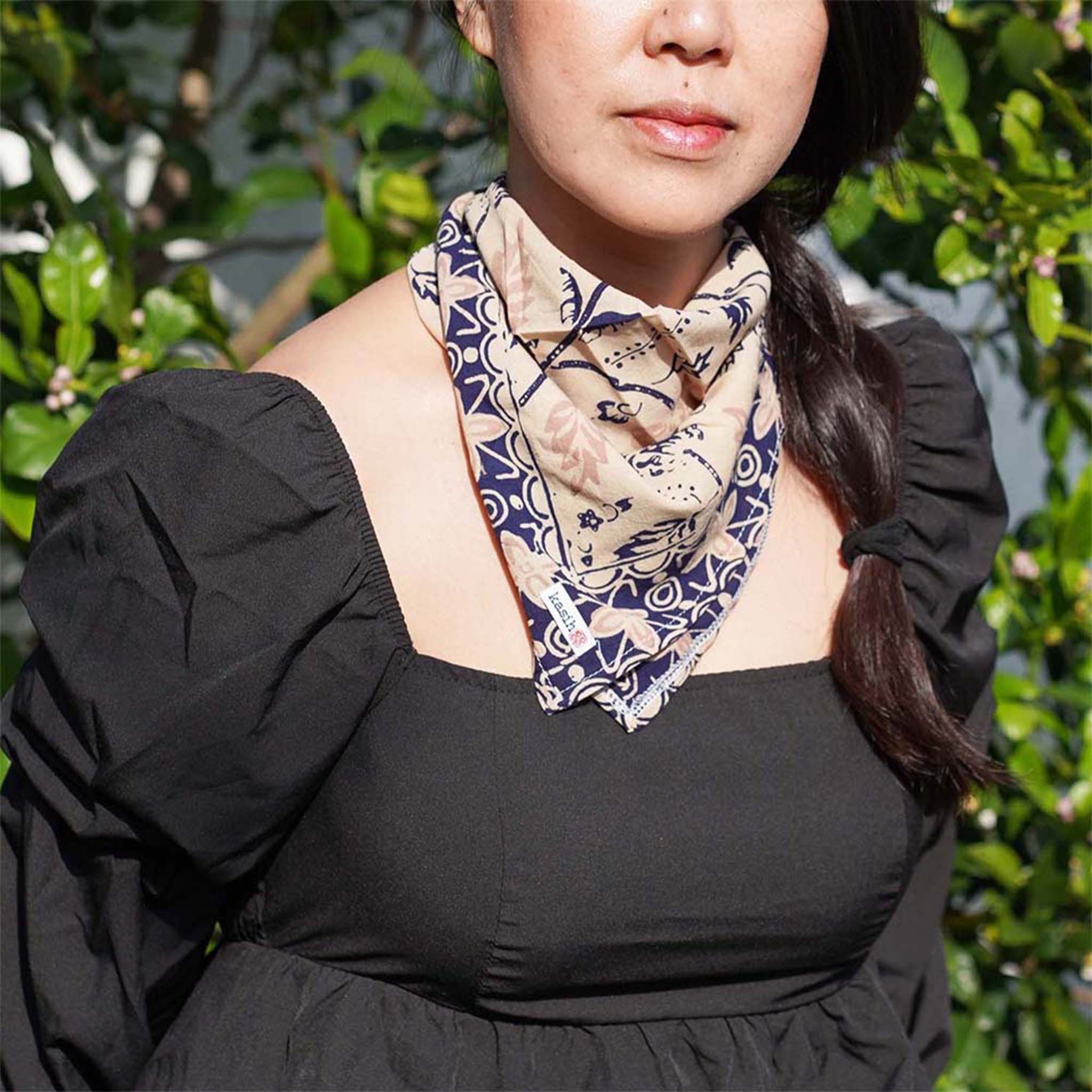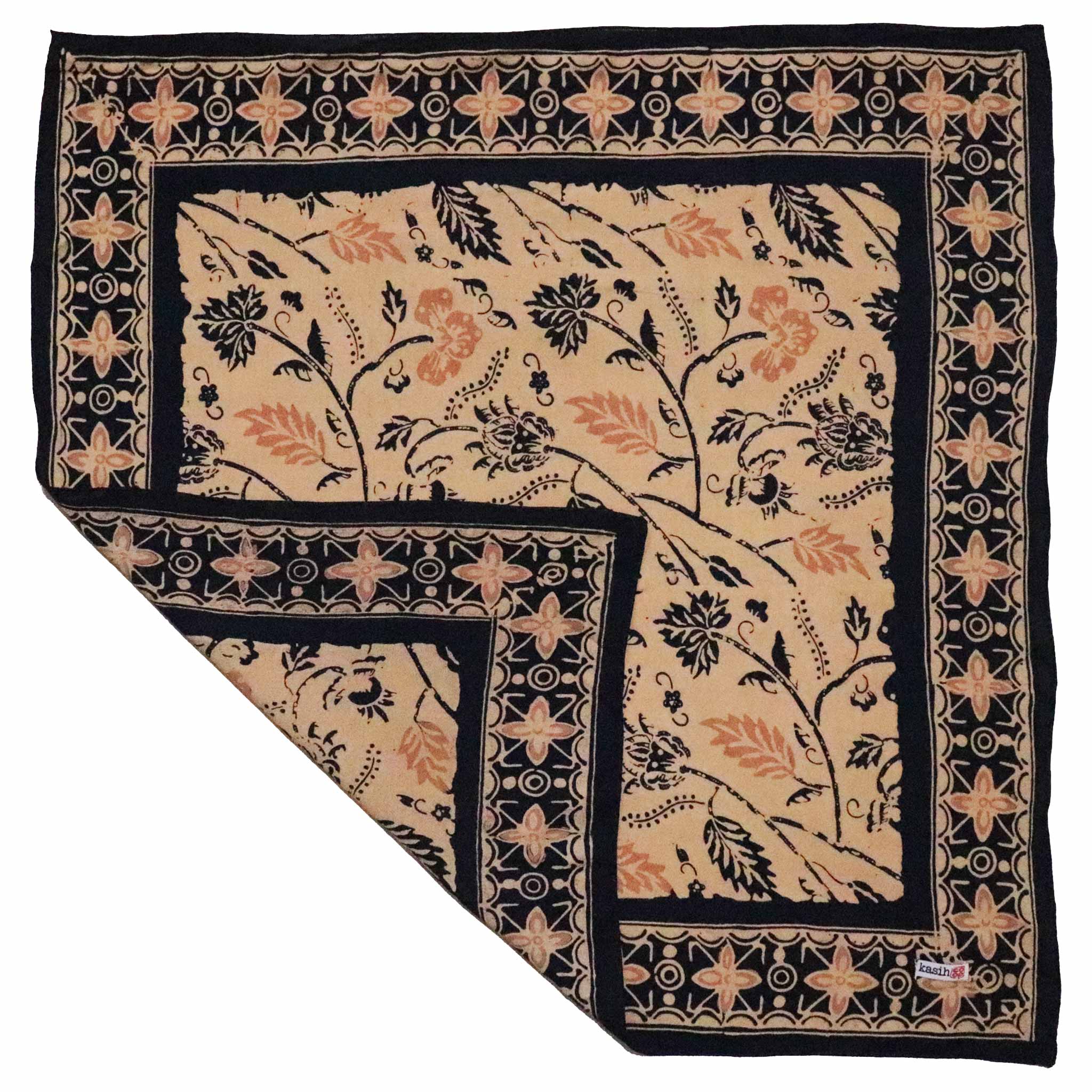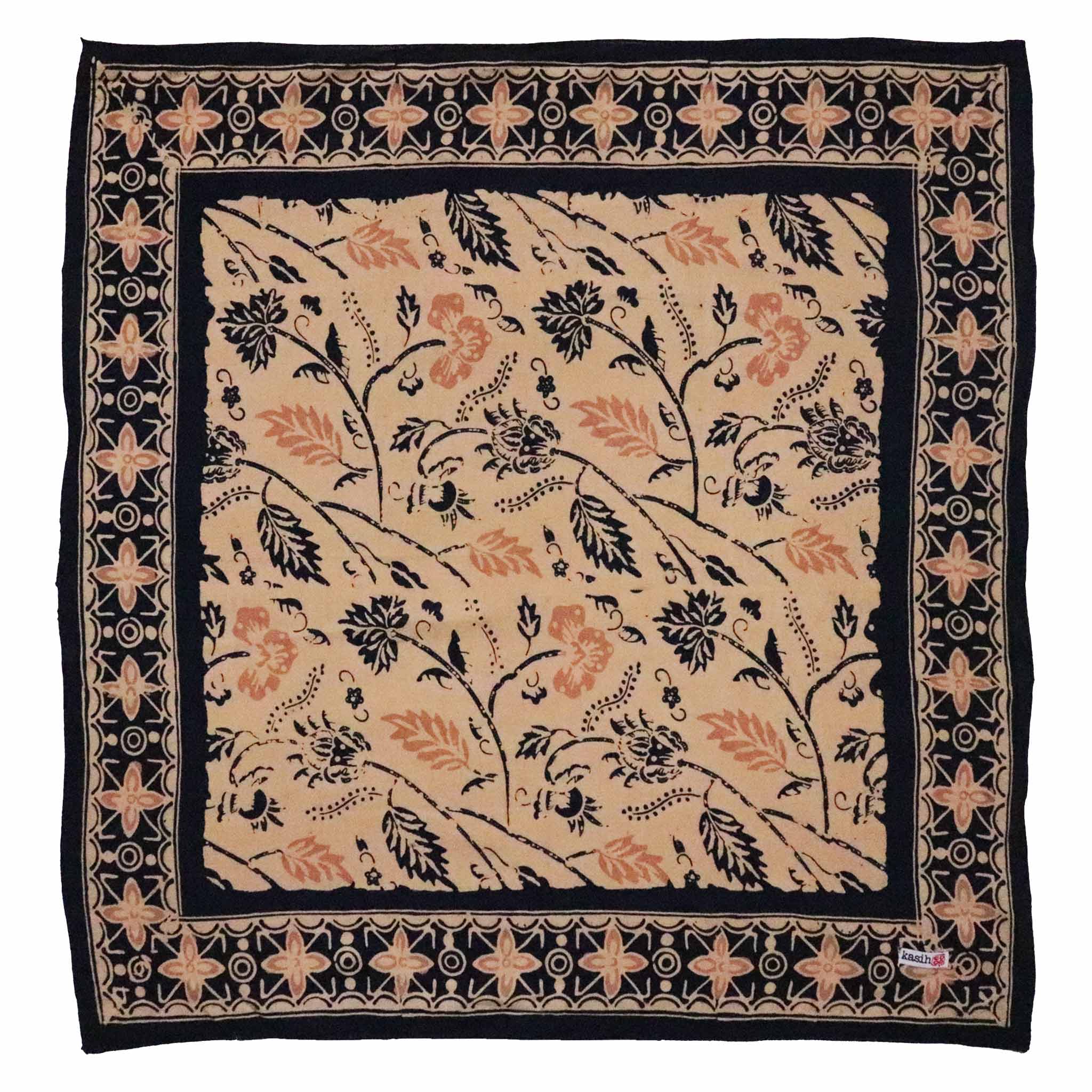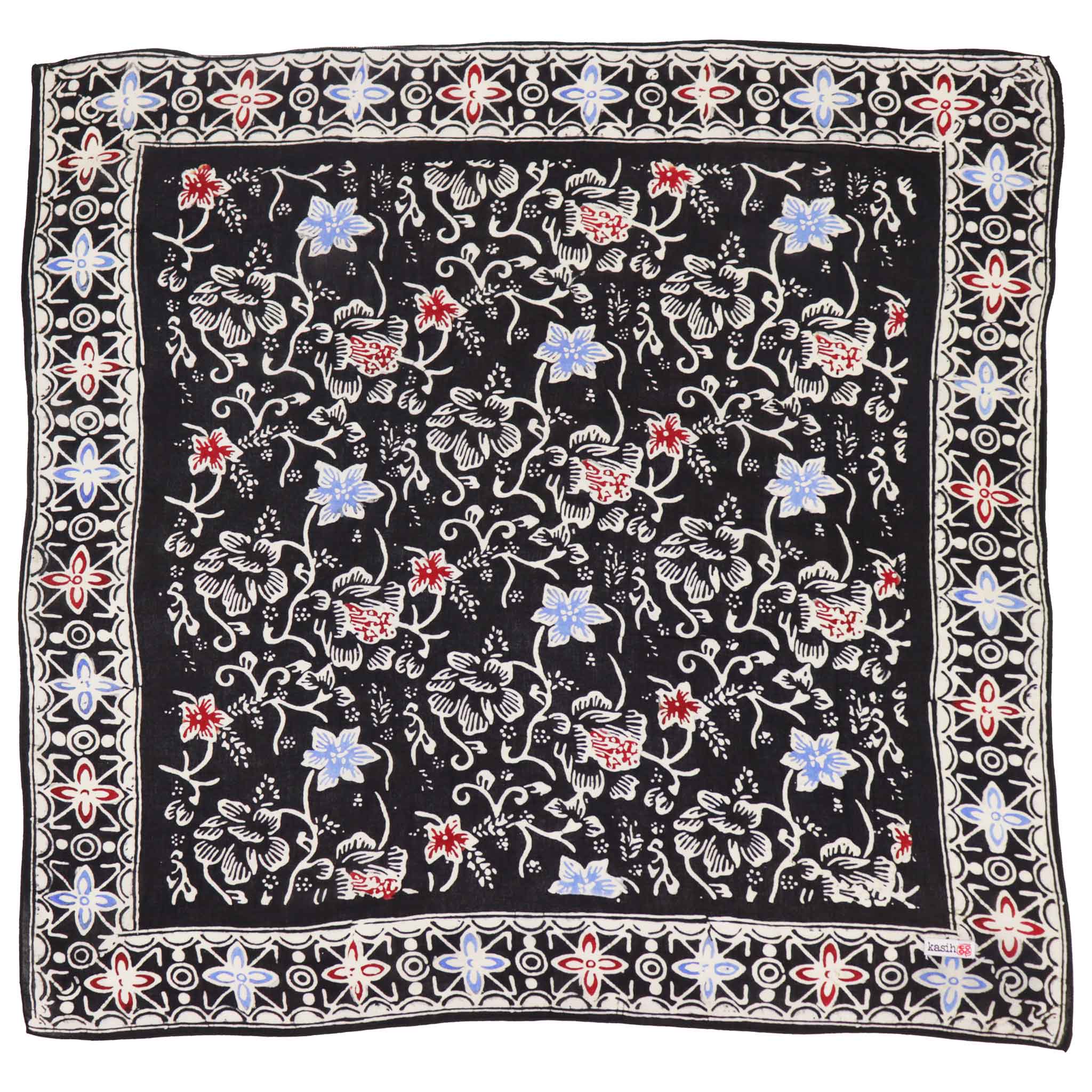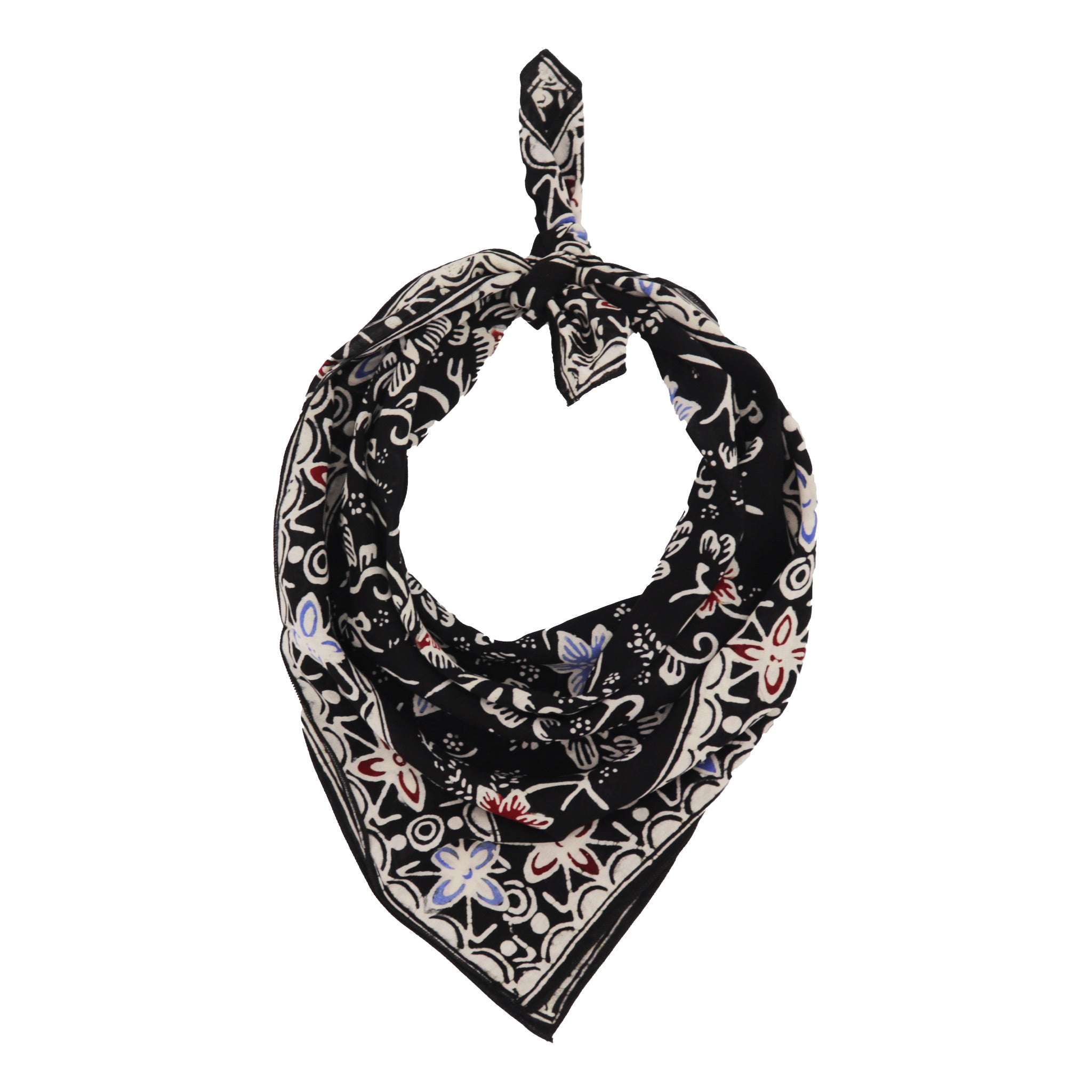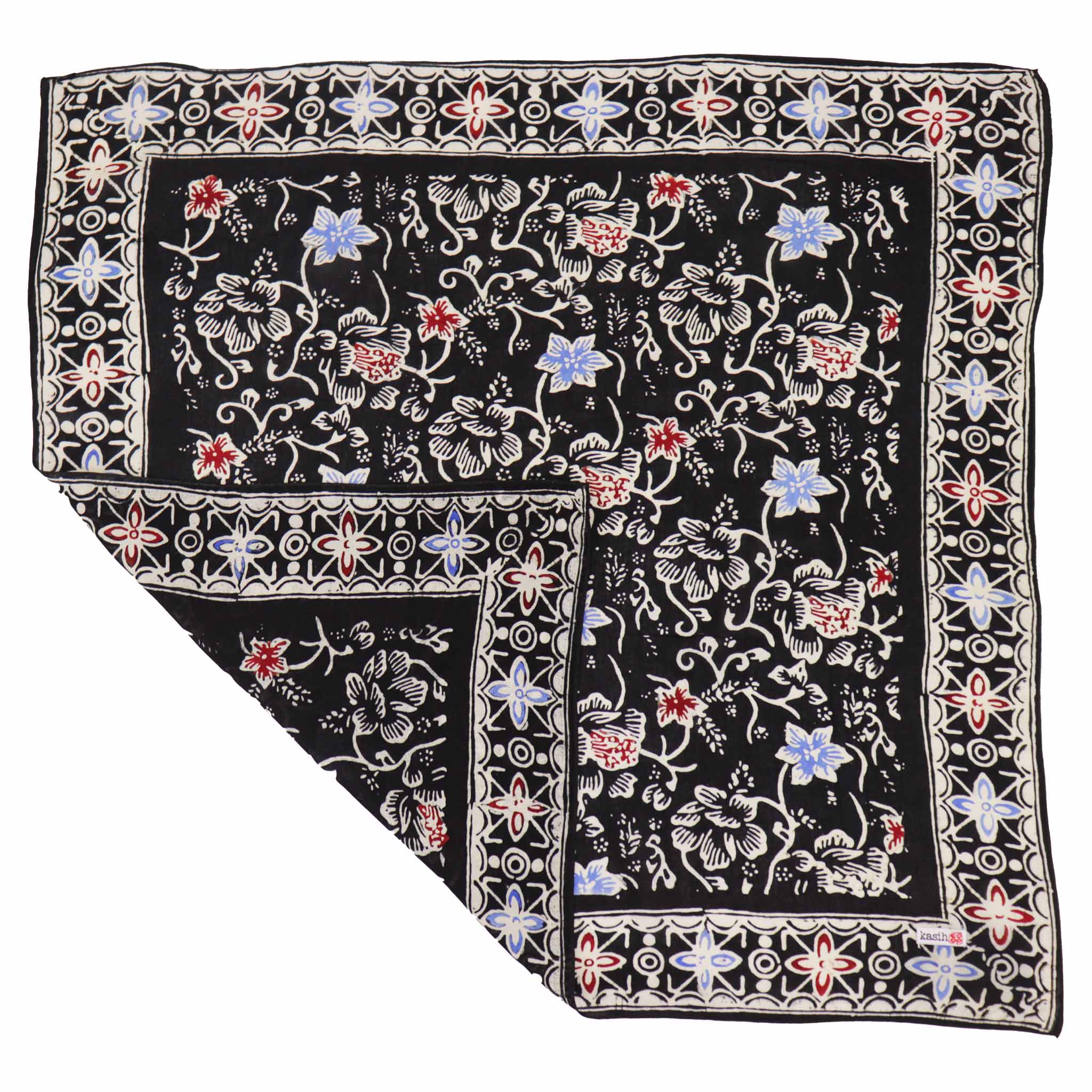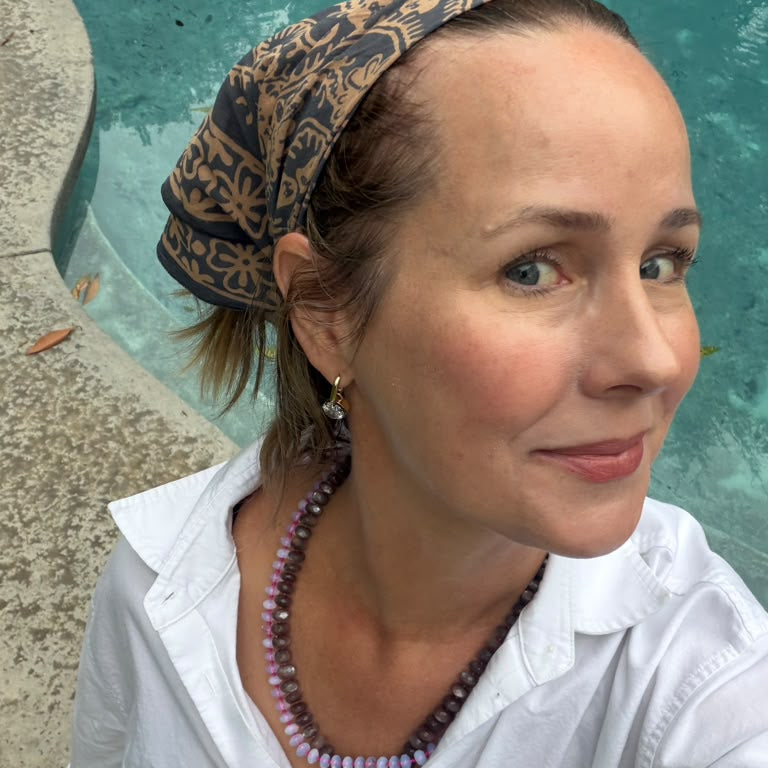

"Batik" describes a technique, not a single look. Walk through a textile market in Java and you'll see deep brown, formal patterns next to bright, flower-filled cloths and bold cloud designs, all of it batik. Much of that variety comes from geography: each region developed its own colors, motifs, and influences over centuries. This guide covers the main styles. (For an overview of motif families, start with Types of Batik Patterns; this post focuses on where styles come from.)
Two Big Families: Court Batik and Coastal Batik
Most Javanese batik falls broadly into two traditions:
- Keraton (court) batik from the royal courts of Yogyakarta and Solo in Central Java: restrained colors, formal geometric motifs, and strong symbolism.
- Pesisiran (coastal) batik from port towns along Java's north coast, like Pekalongan, Cirebon, and Lasem: brighter colors and motifs shaped by centuries of trade with Chinese, Arab, Indian, and European merchants.
Yogyakarta: Crisp, Formal, Light Backgrounds
Yogyakarta batik is known for strong contrast: deep indigo and sogan brown on a white or light cream background. Motifs are bold and geometric, especially the diagonal parang and the four-petal kawung. Some parang patterns were historically reserved for the sultan's family, which is why they still carry an air of formality.

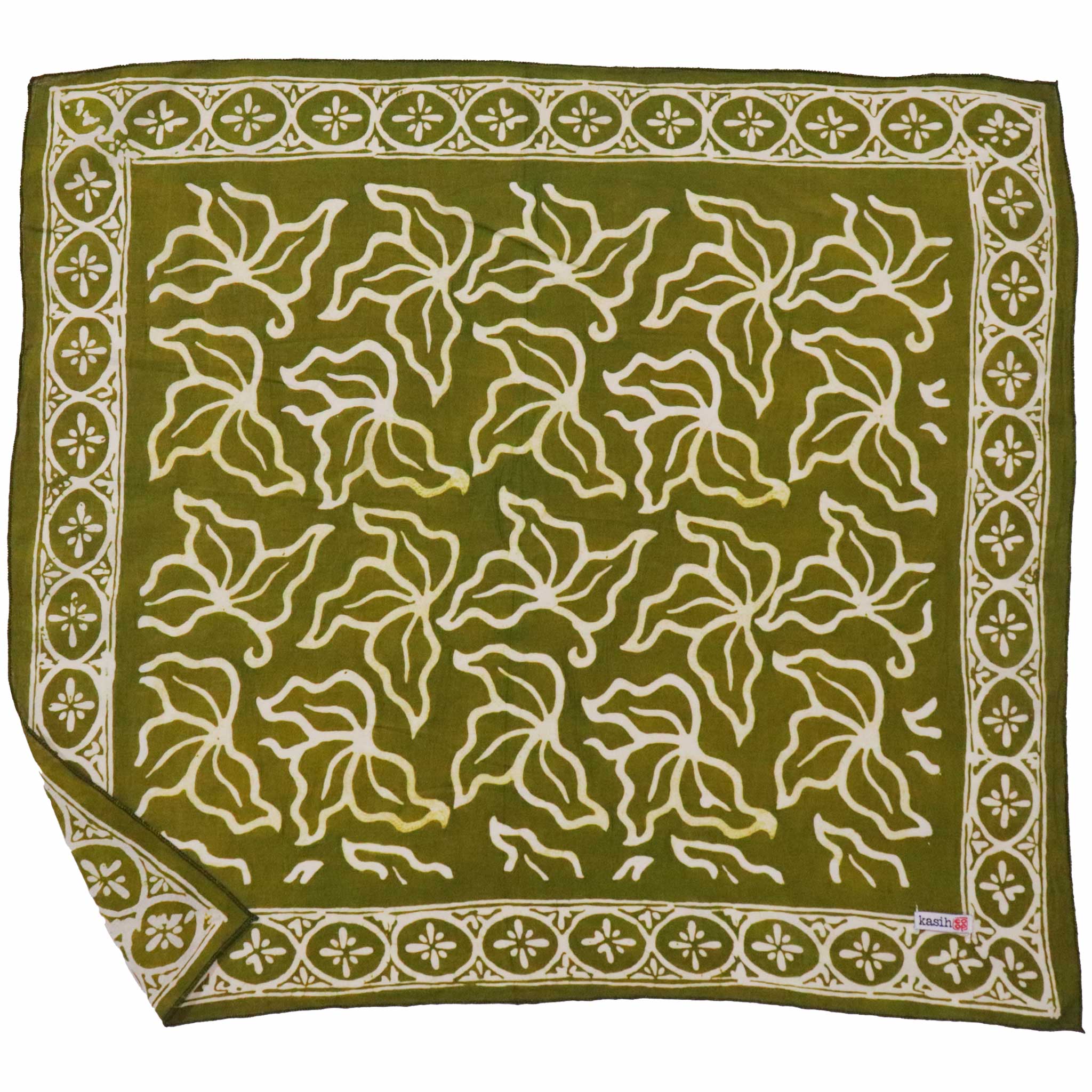
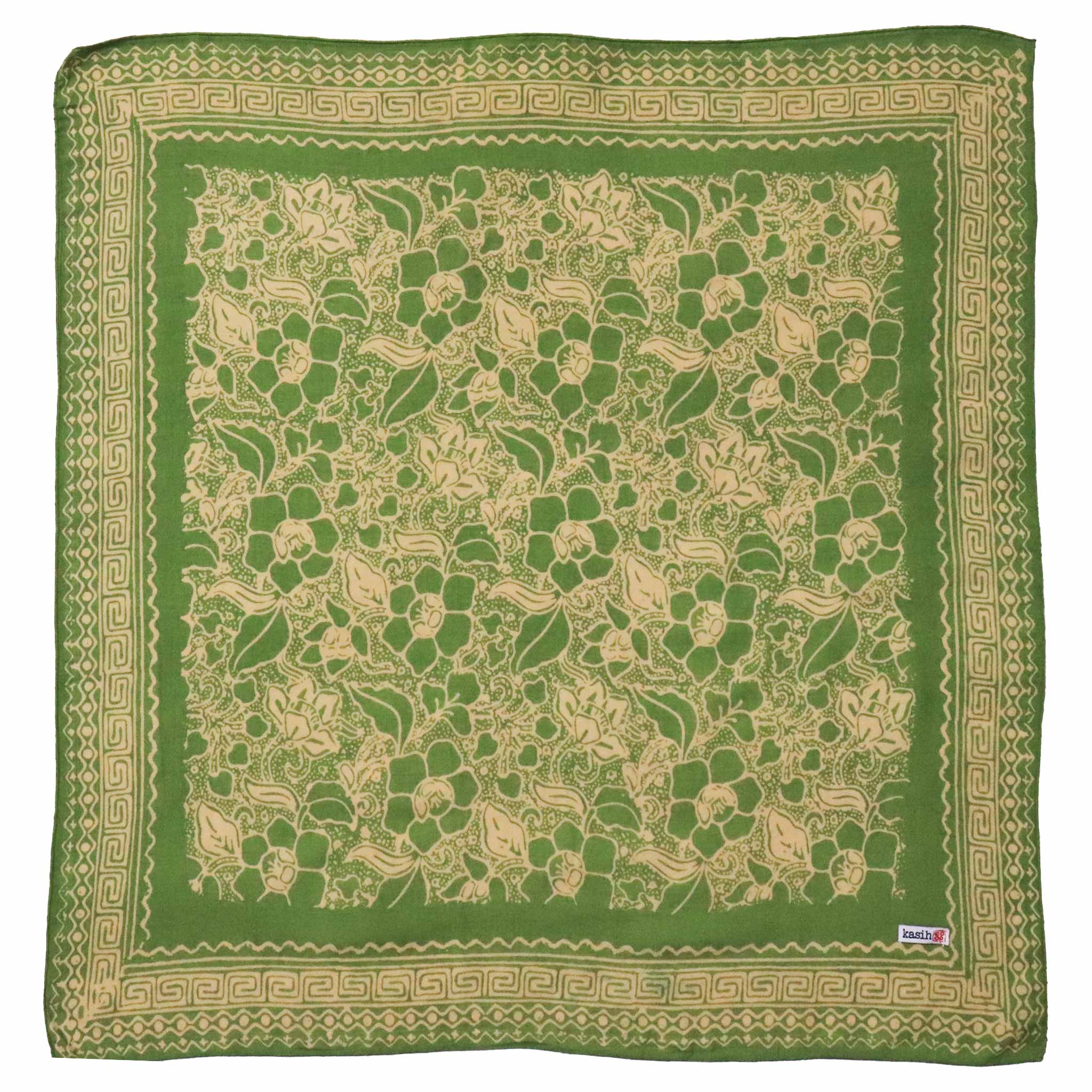
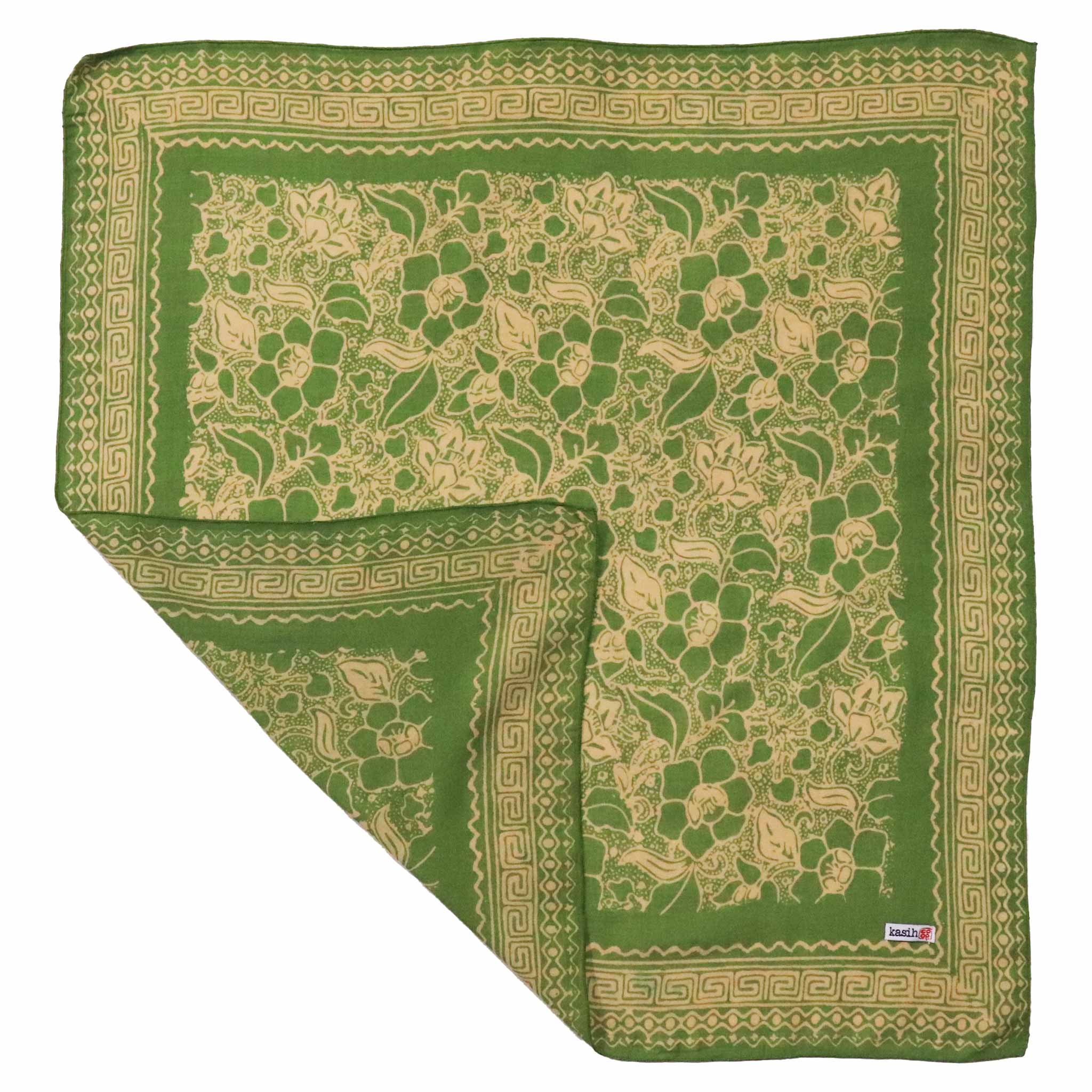
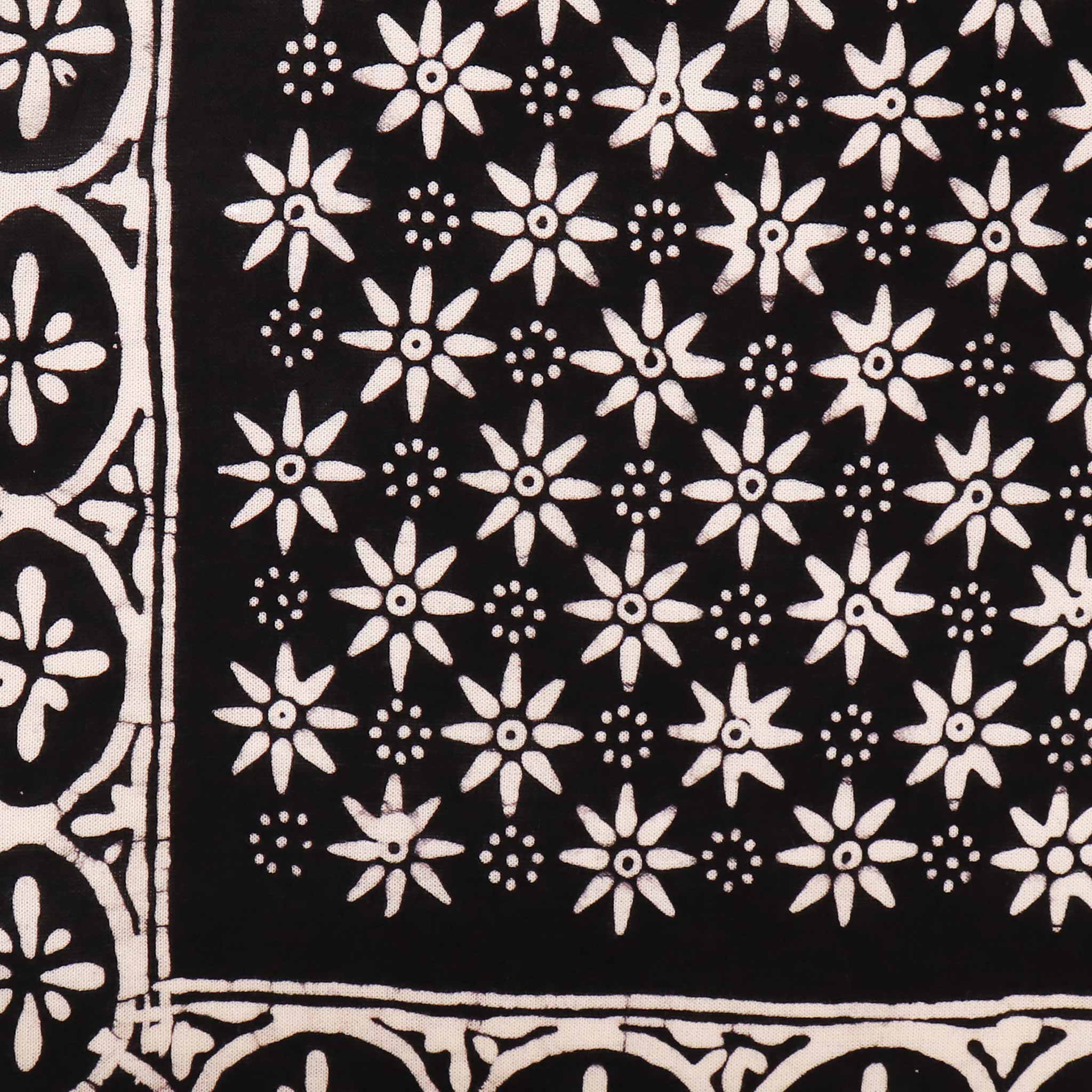
Our Machete and Flower Petals bandana and Green Royalty scarf both use the parang kawung combination.
Solo (Surakarta): Softer, Warmer, Sogan Brown
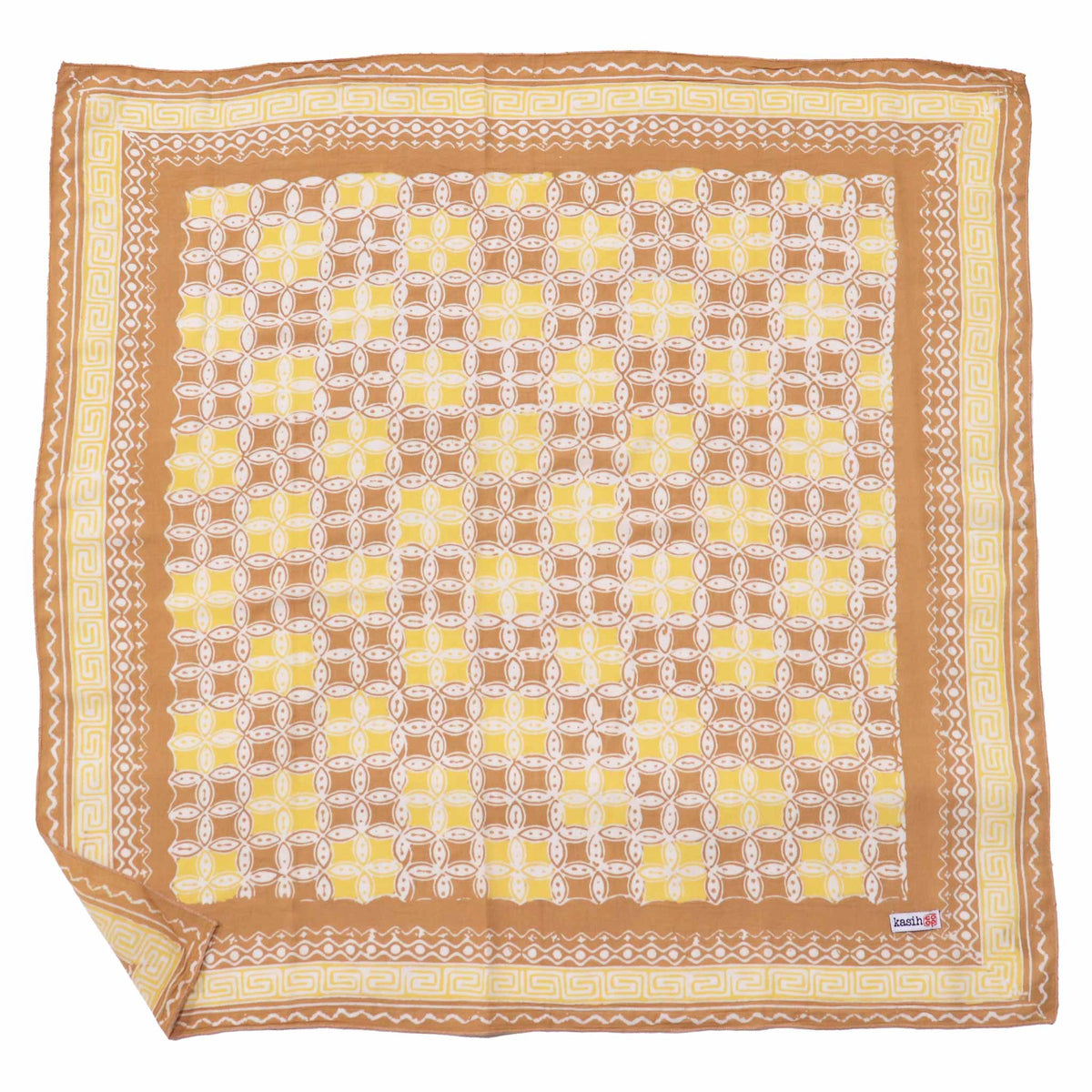
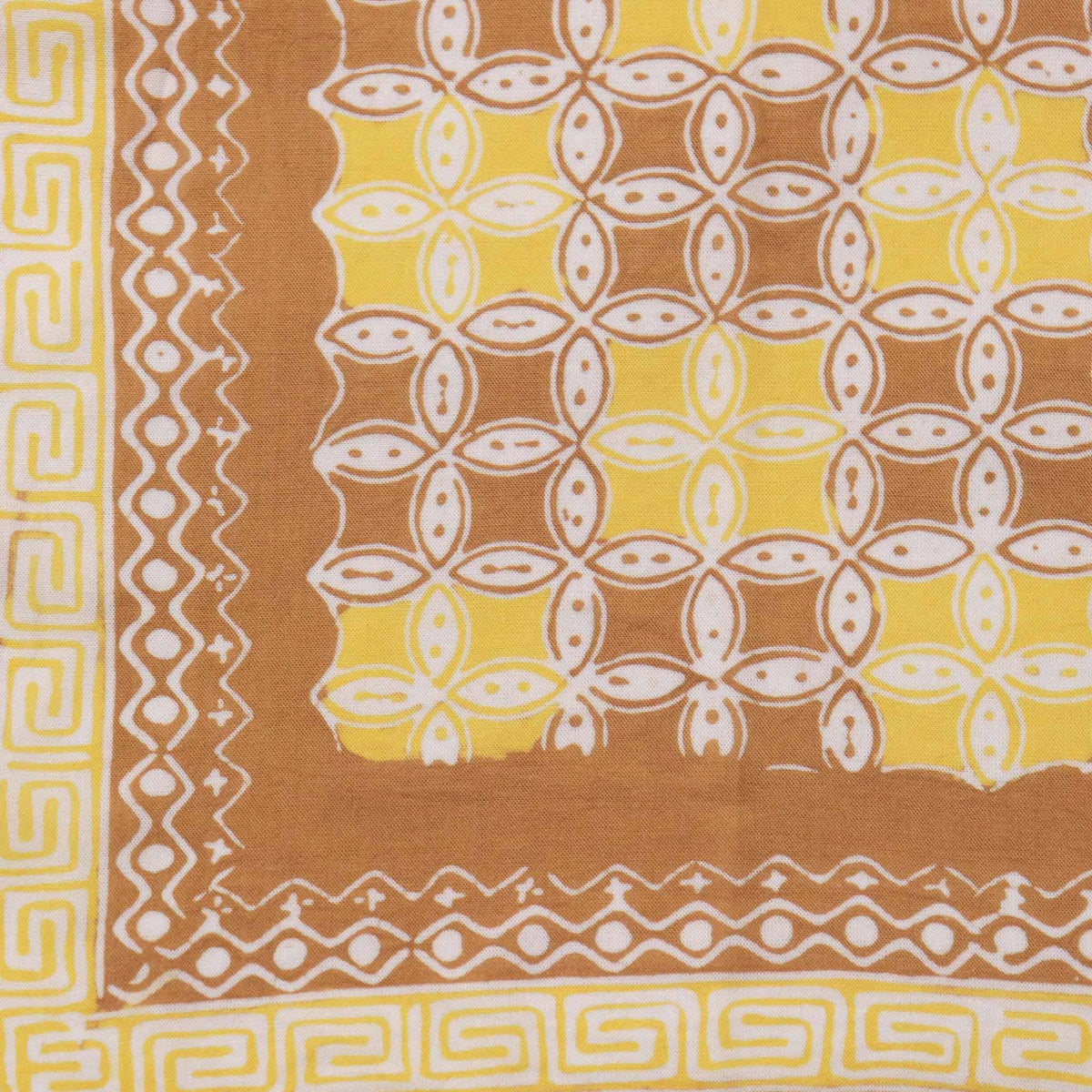
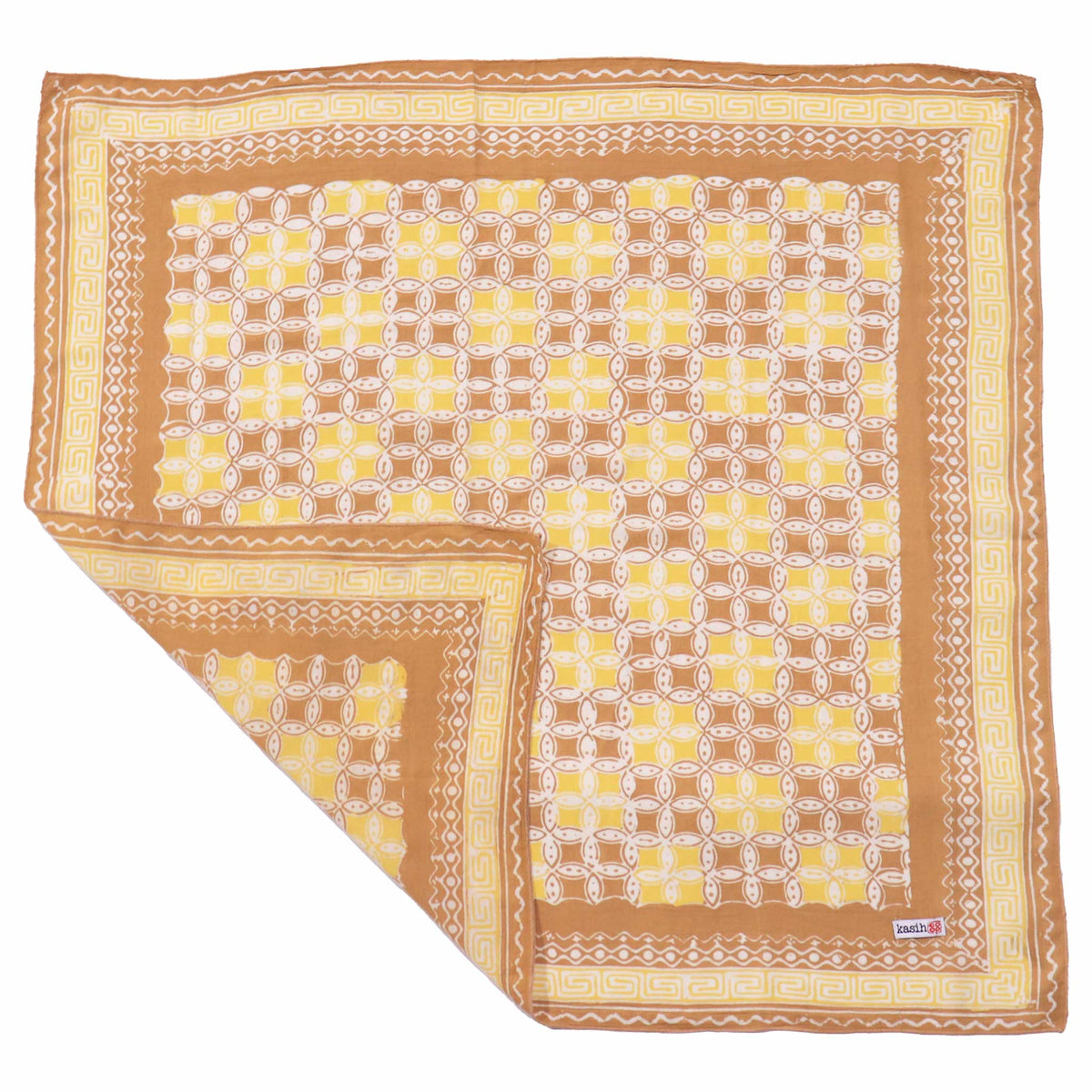
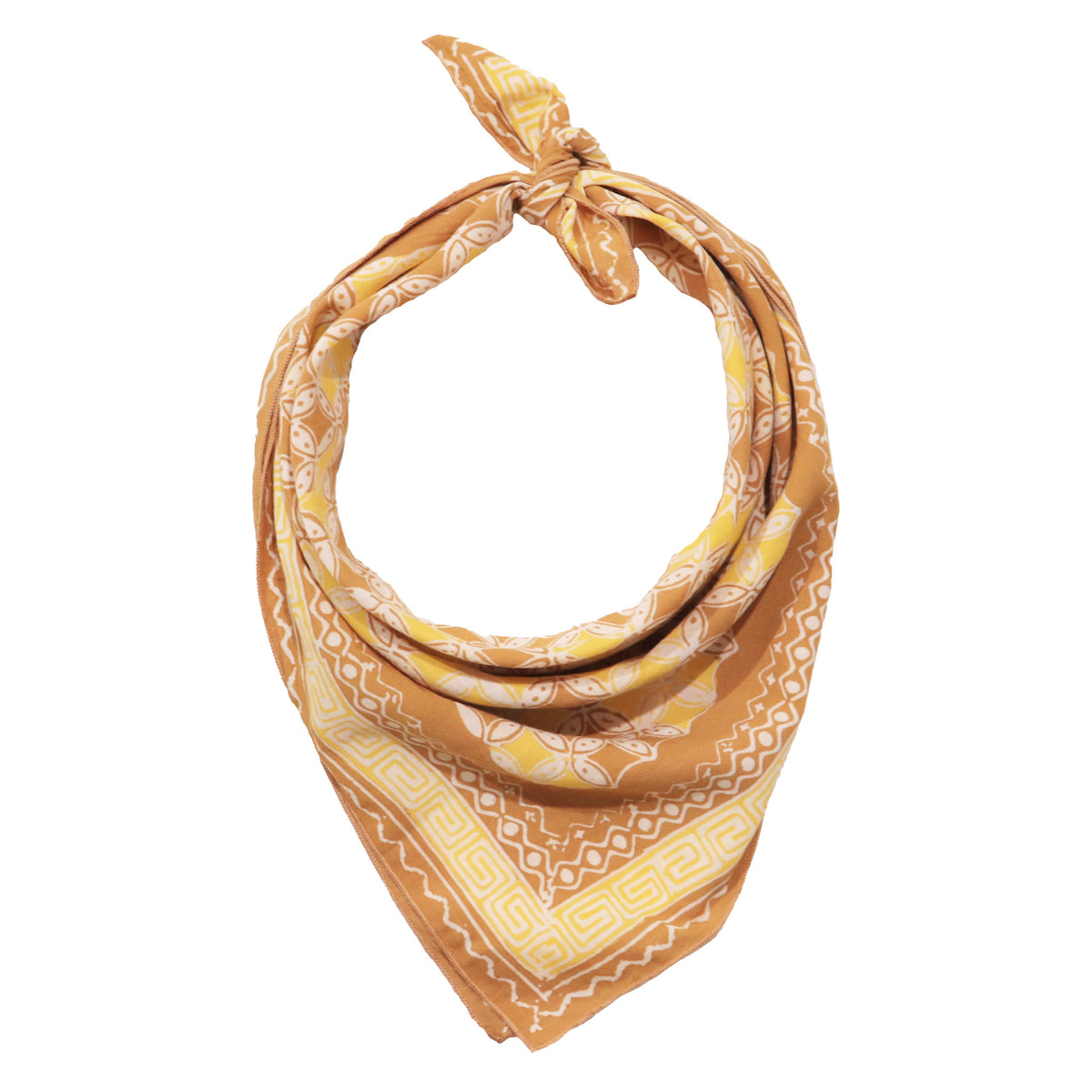
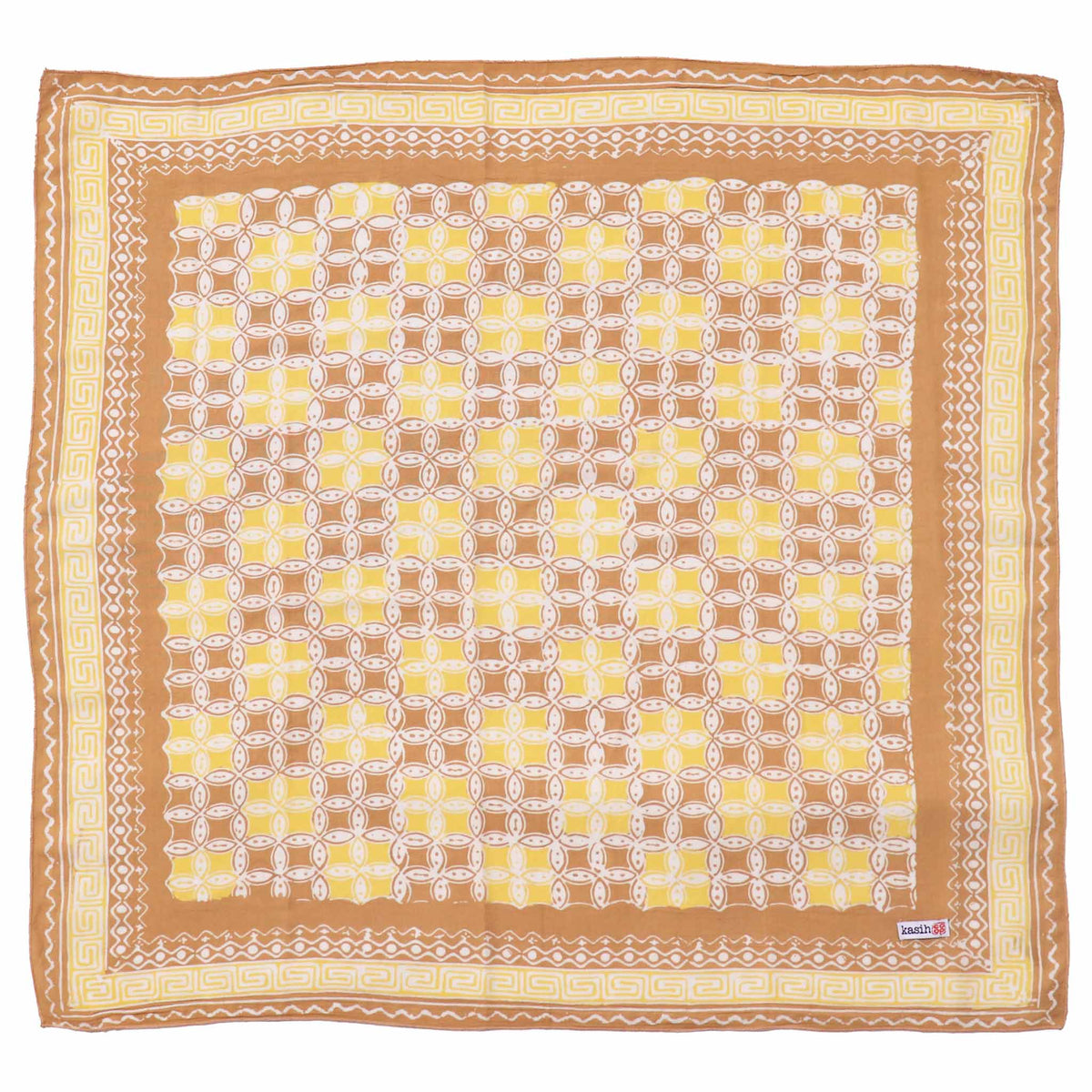
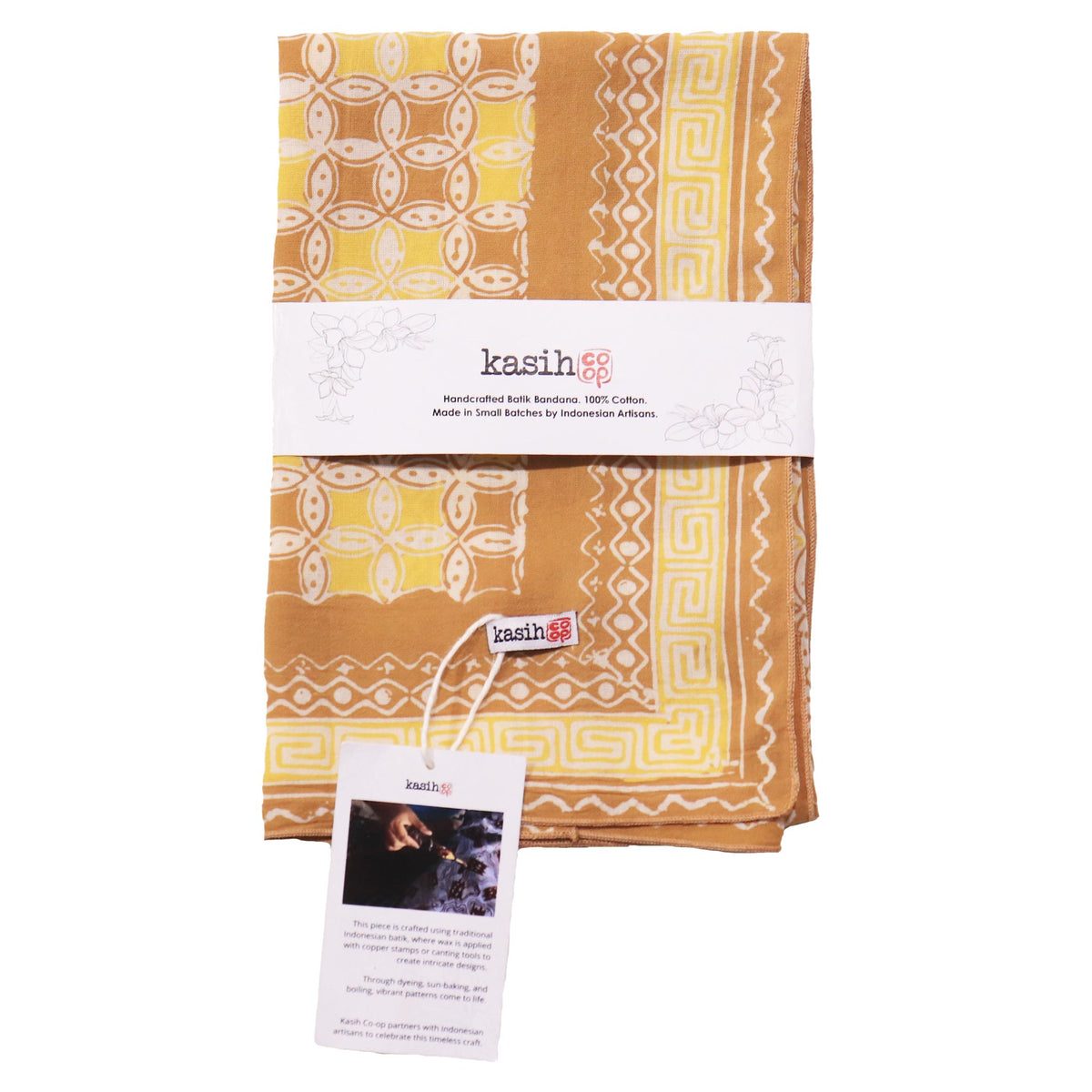
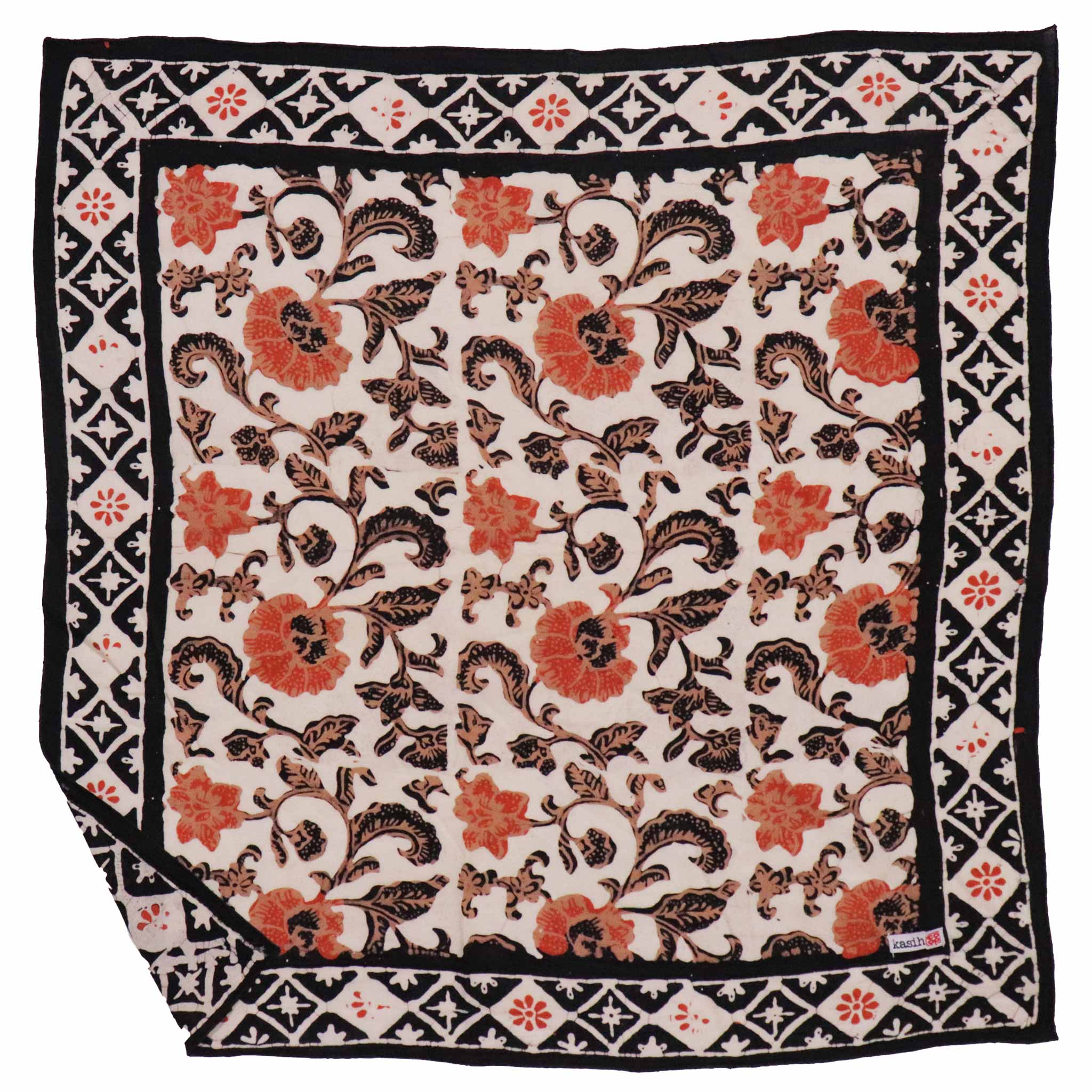
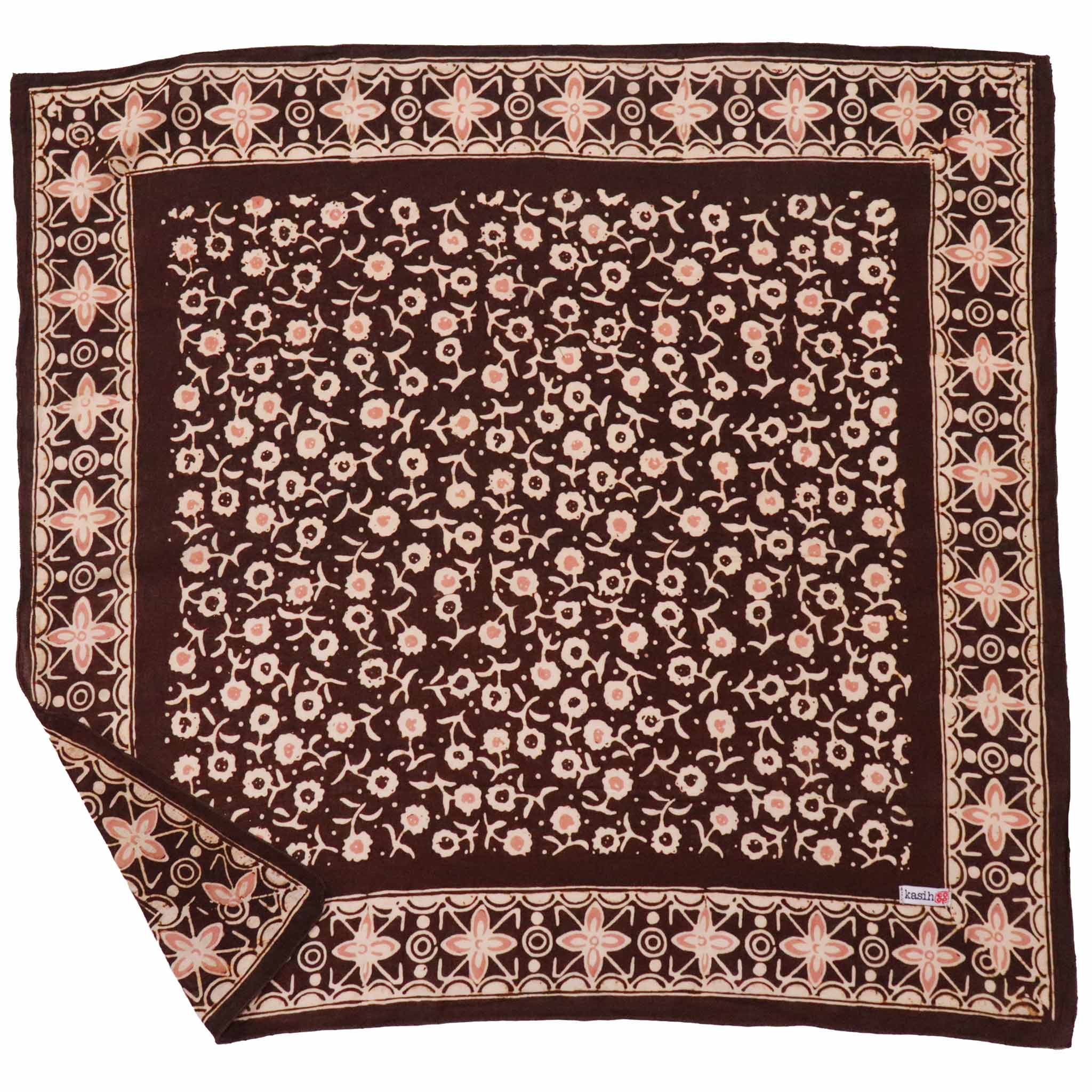
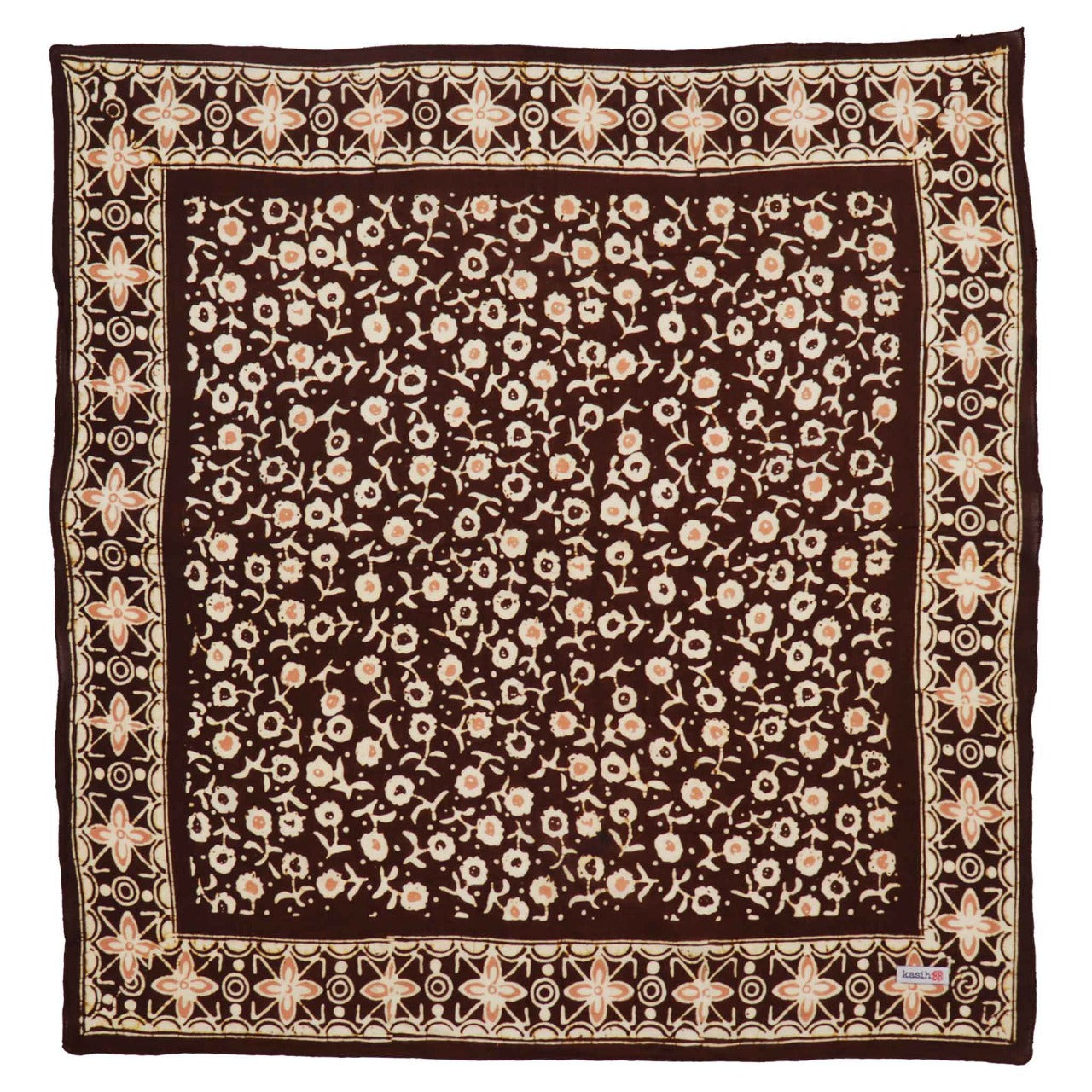
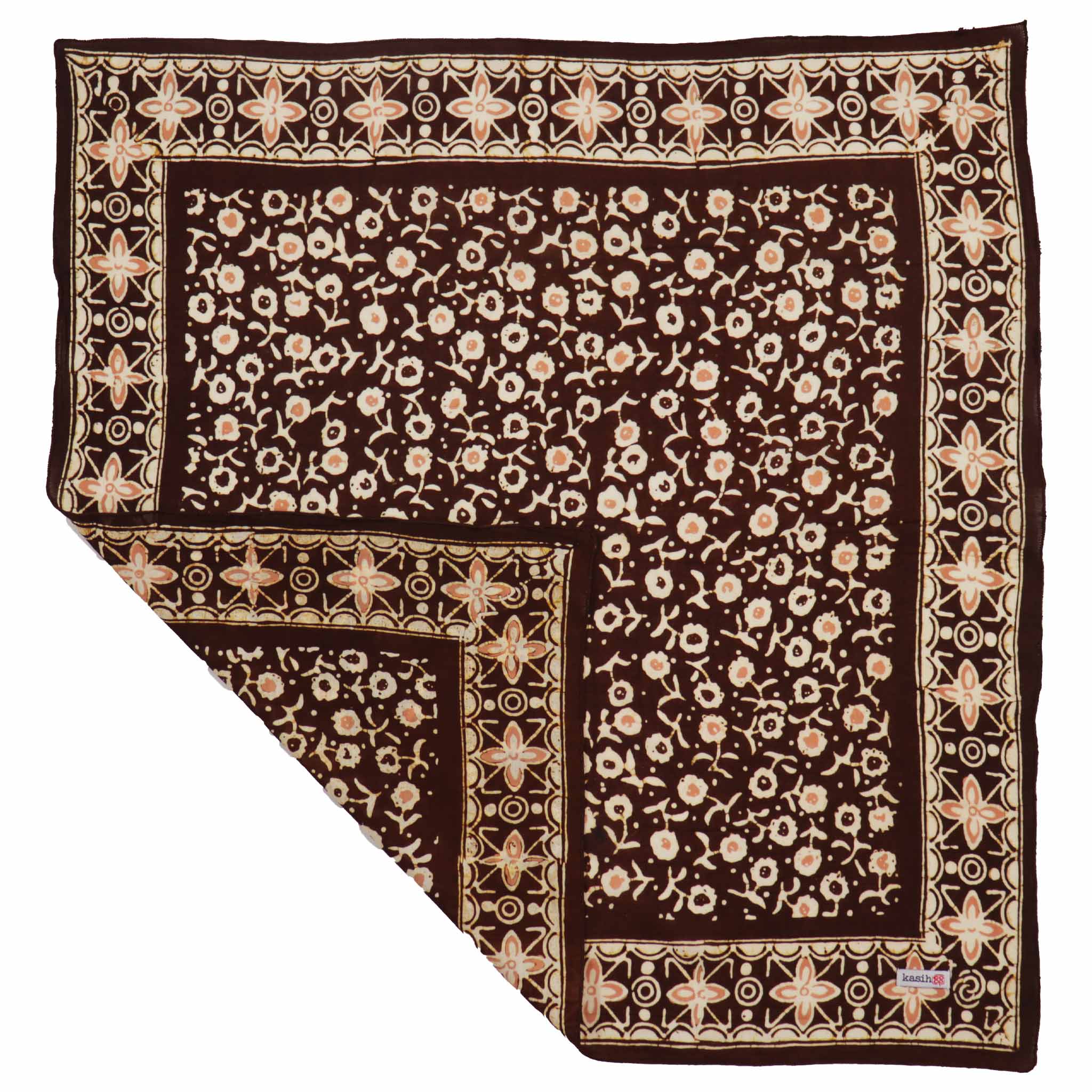
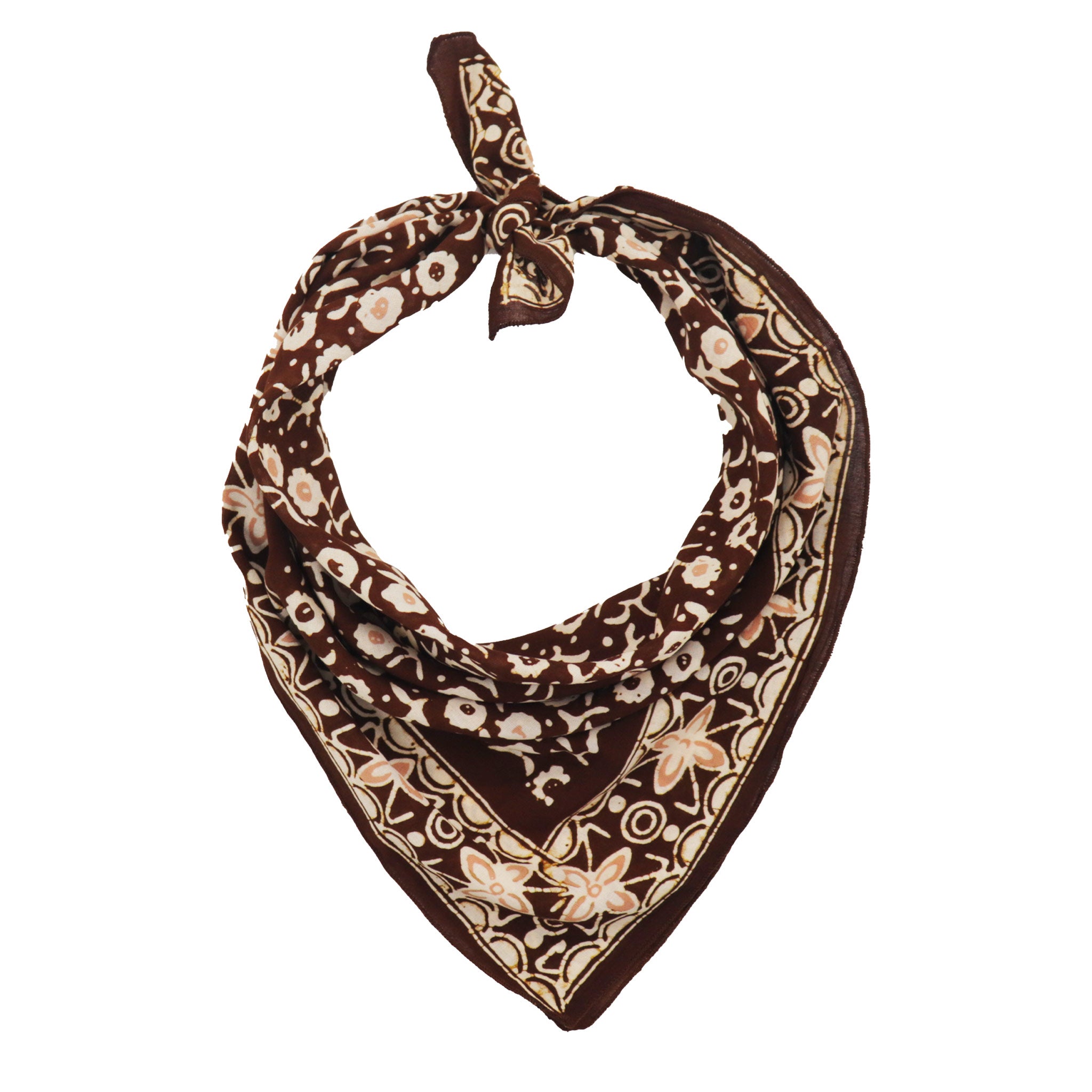
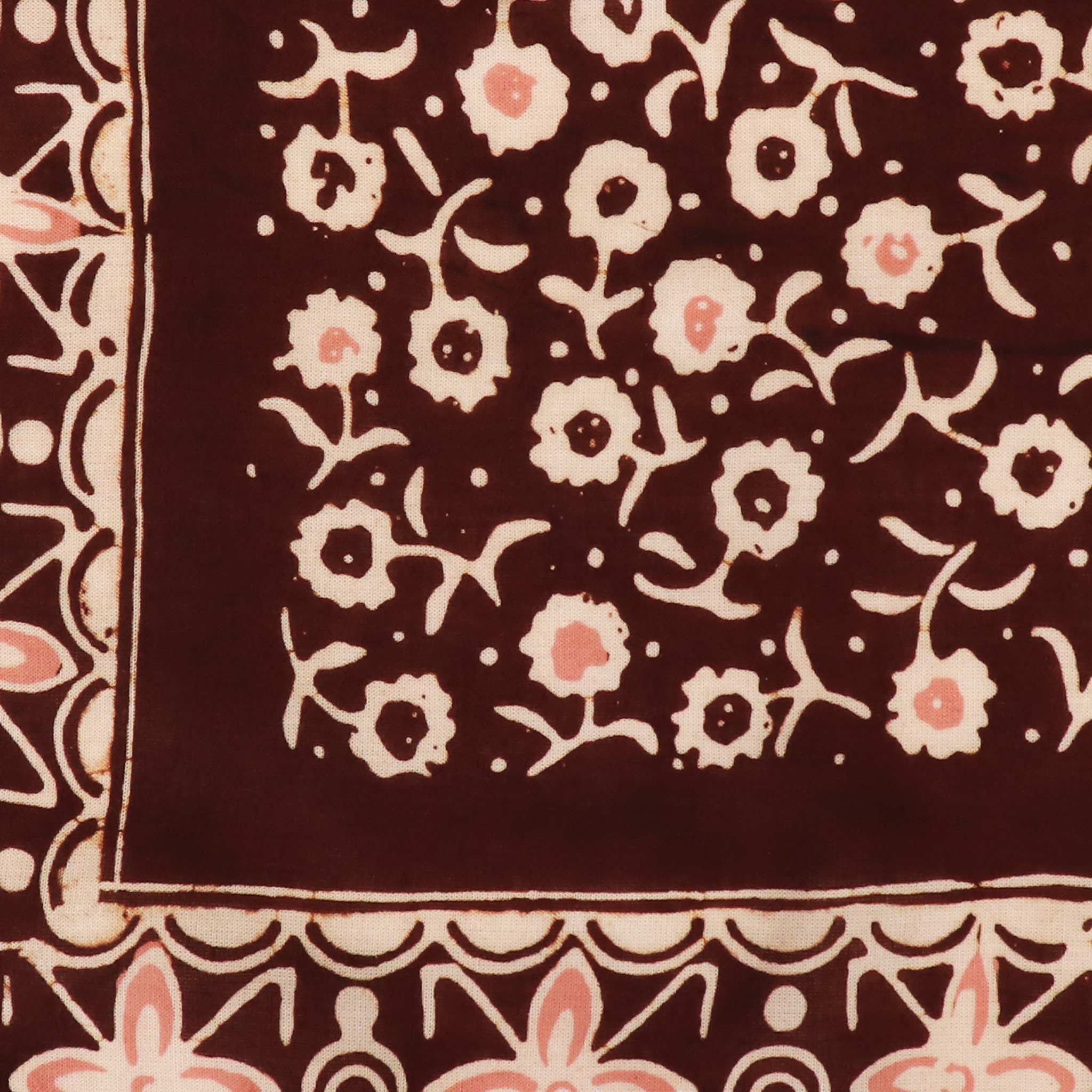
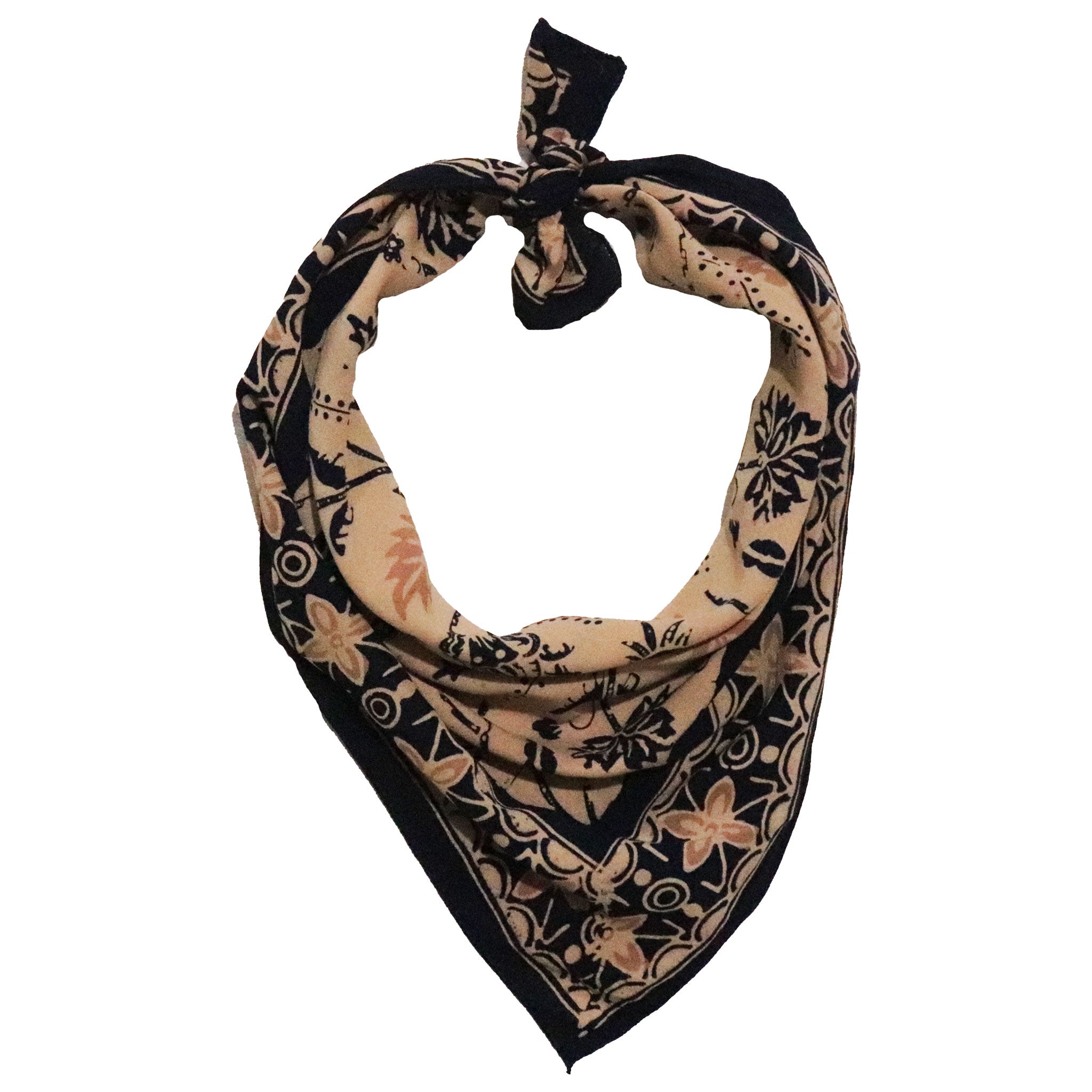
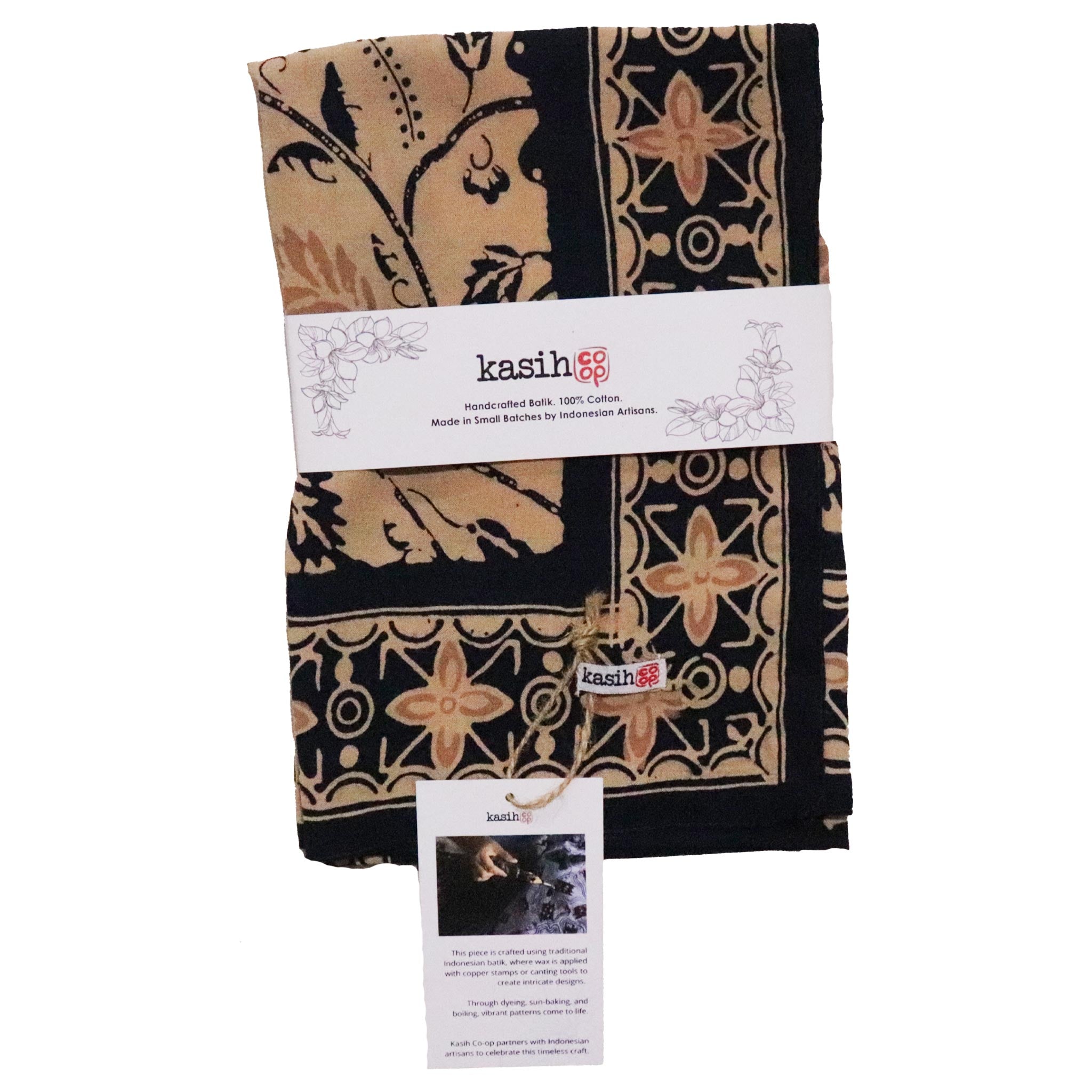
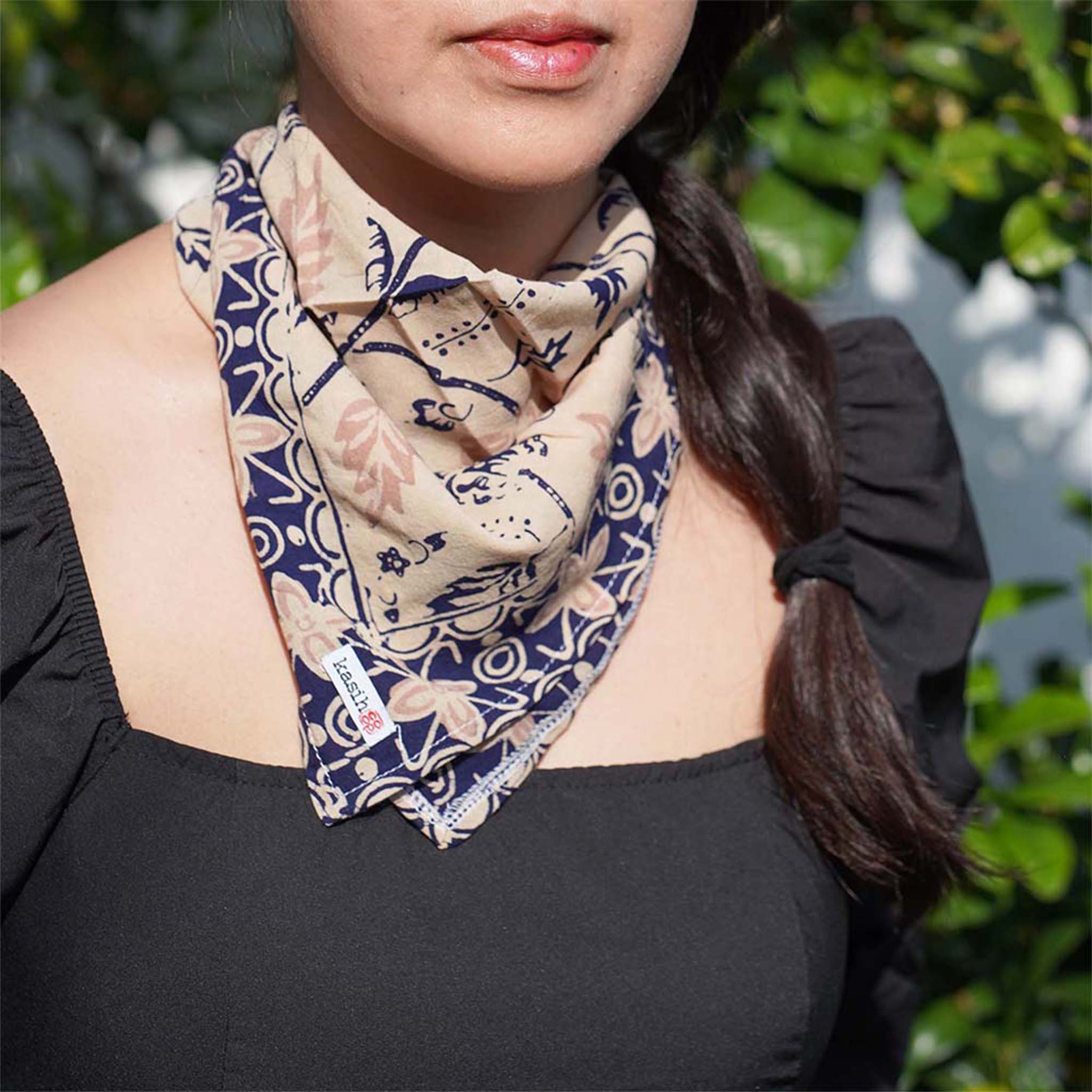
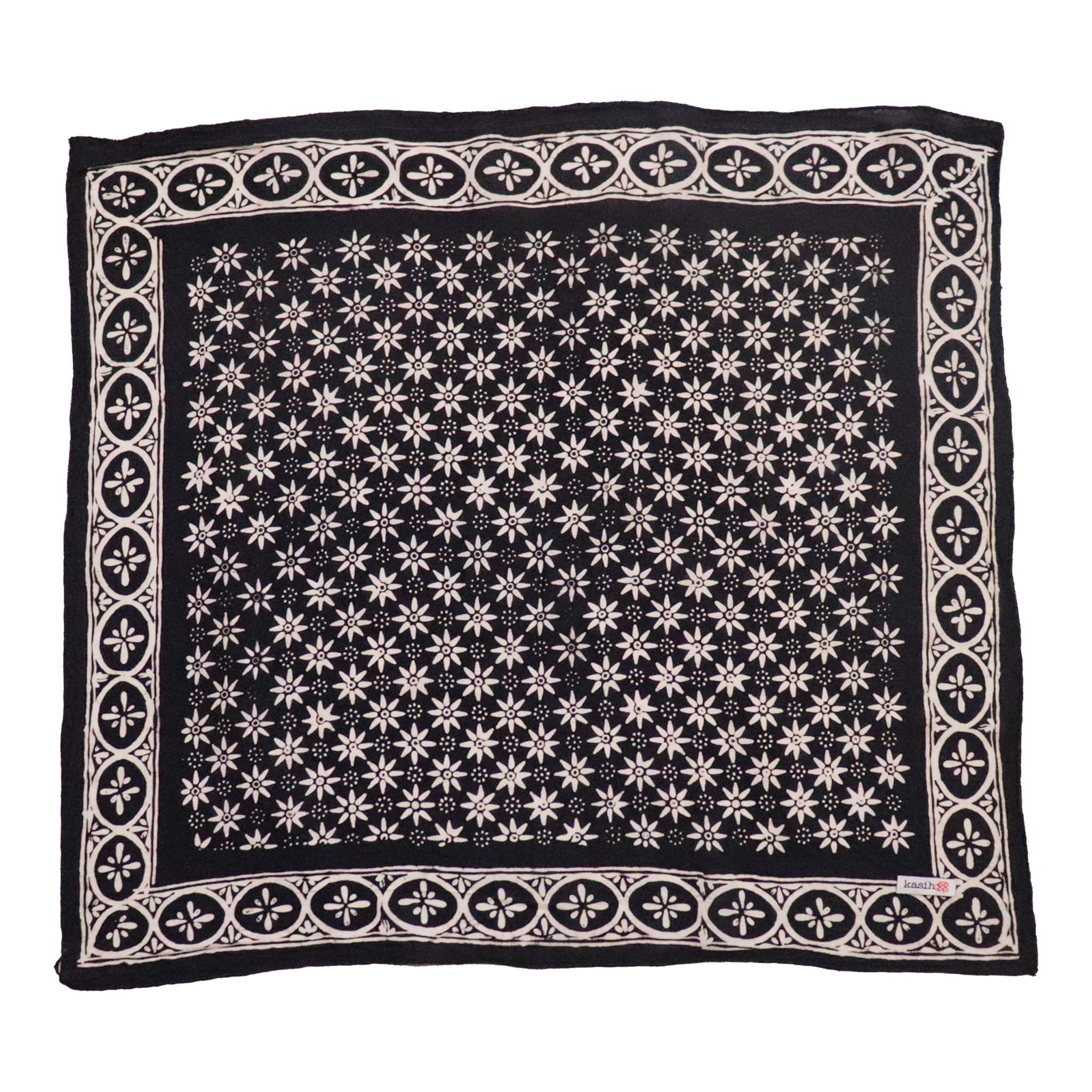
Just 60-odd kilometers away, Solo's court batik shares many of the same motifs but feels softer. Backgrounds lean toward warm yellow-brown sogan instead of white, giving the cloth a golden, muted look. Motifs like truntum (small star-like flowers symbolizing lasting love) and sidomukti are popular for weddings. If you like brown, gold, and cream together, this is your palette: try the Royal Honey kawung bandana.

Pekalongan: Bright, Floral, Always Changing
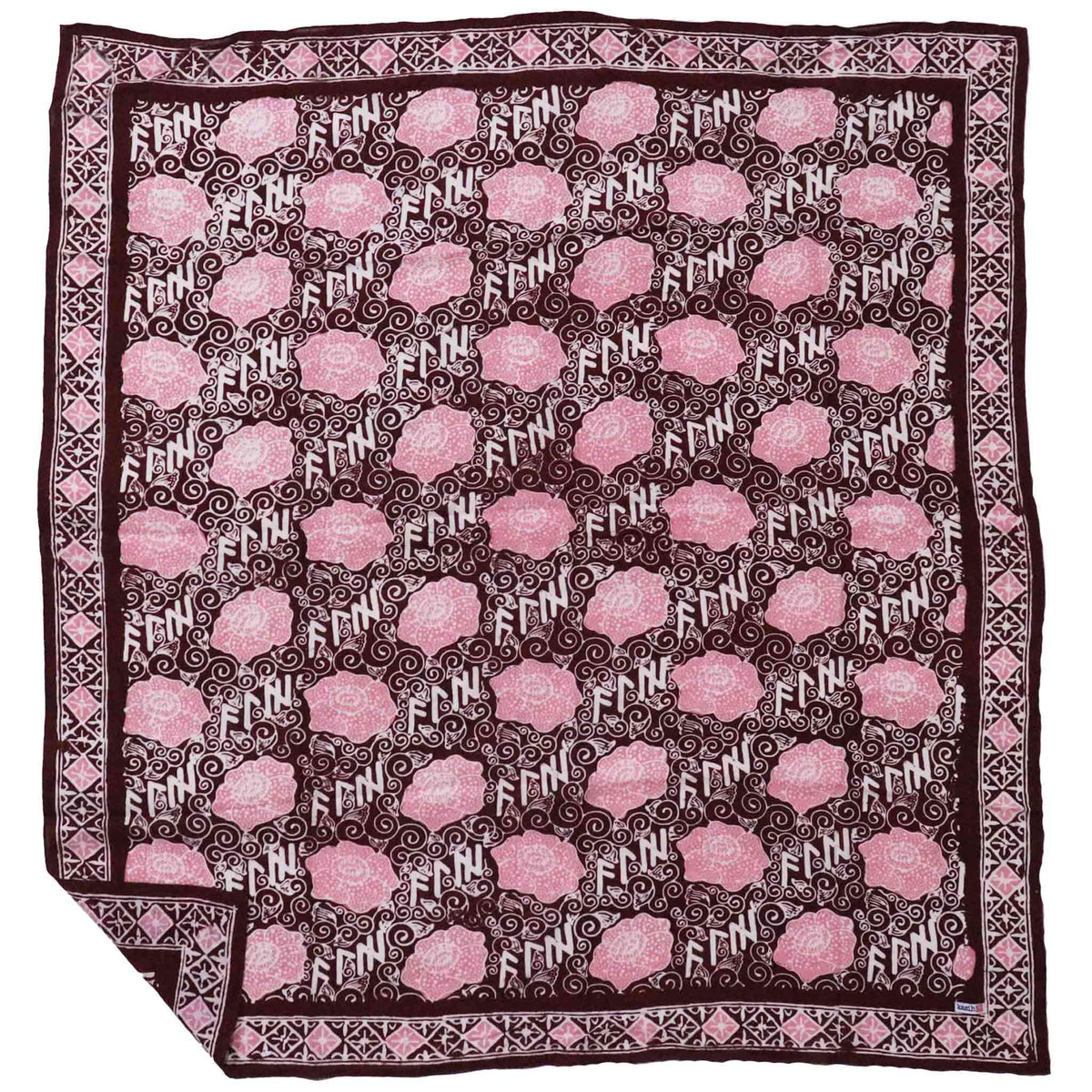
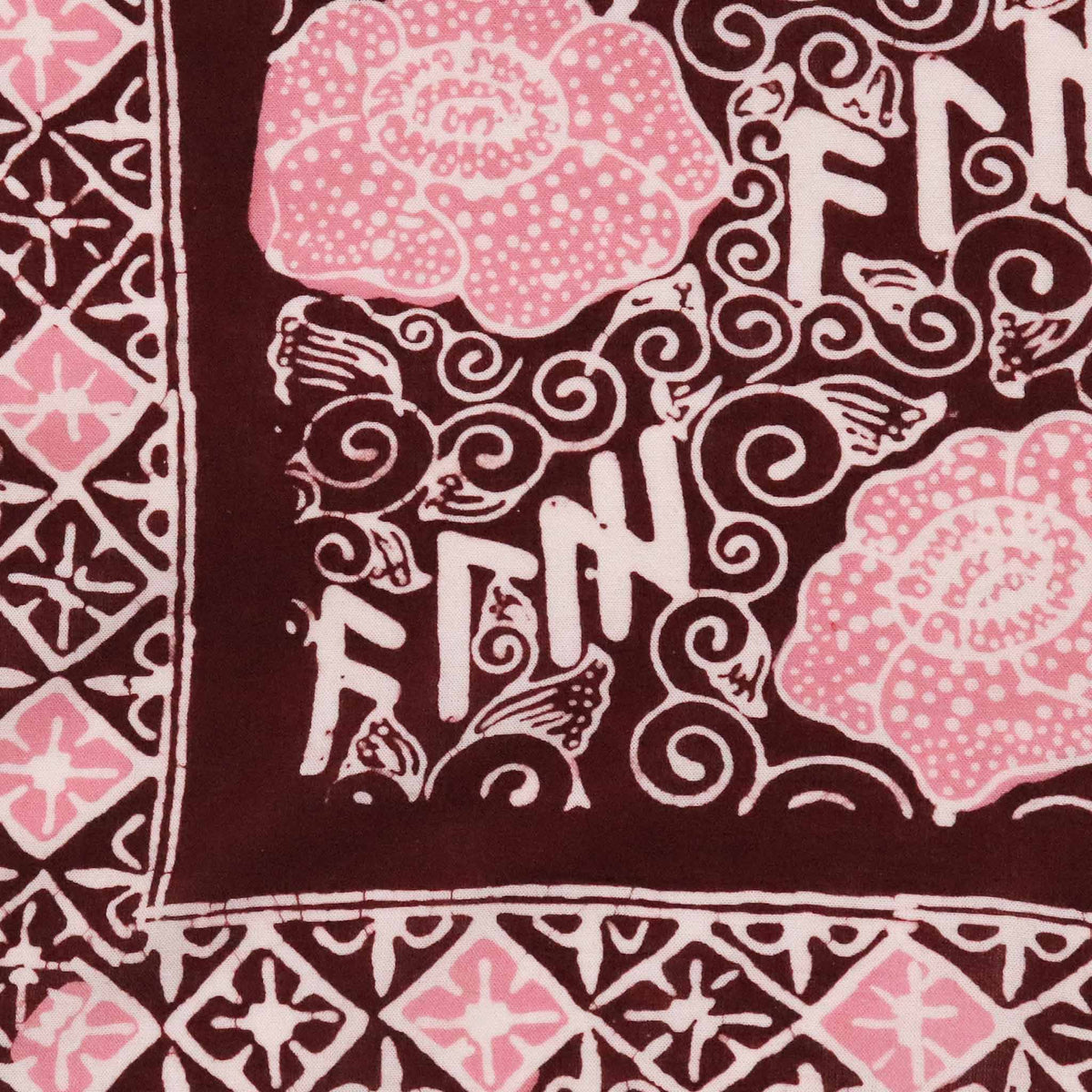
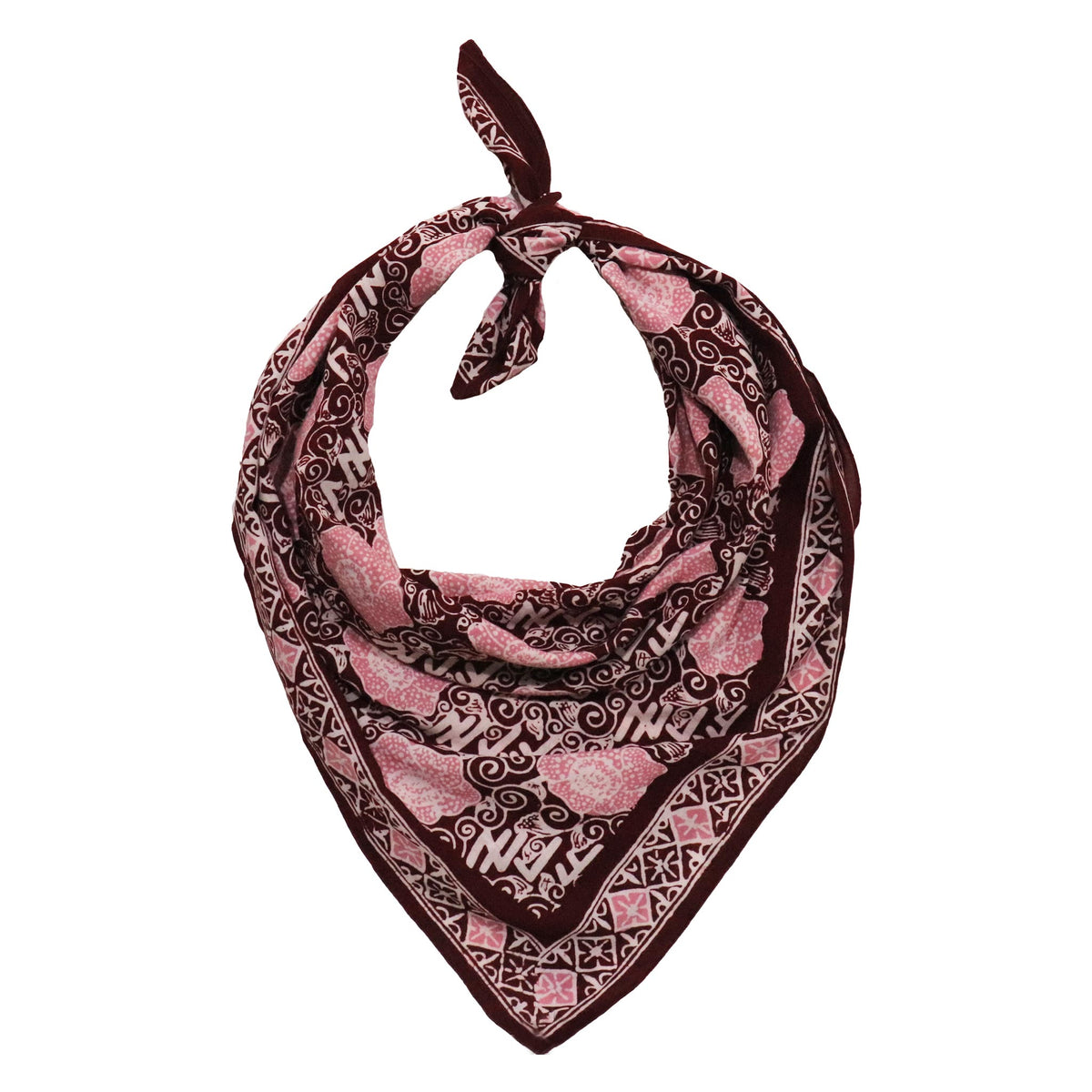
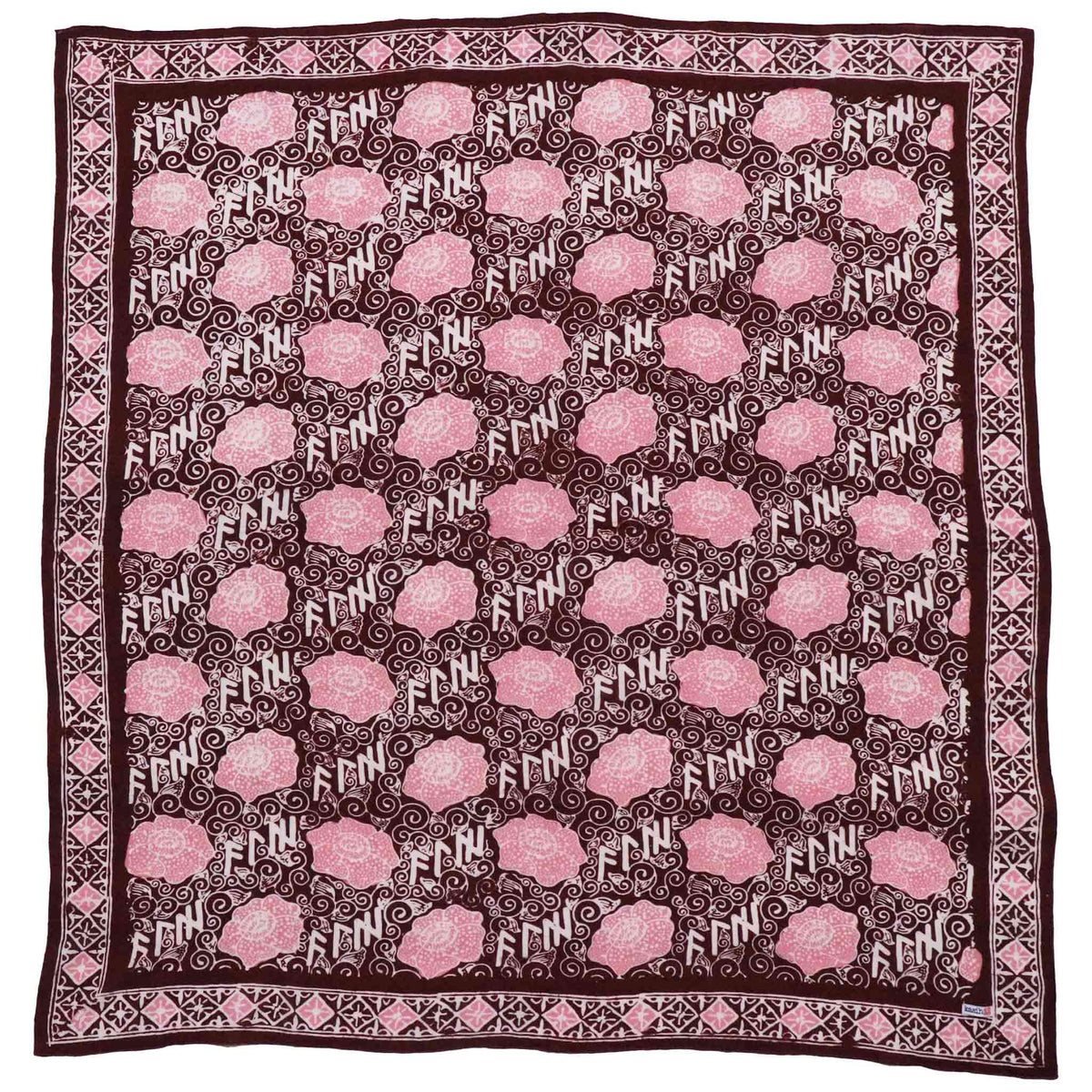
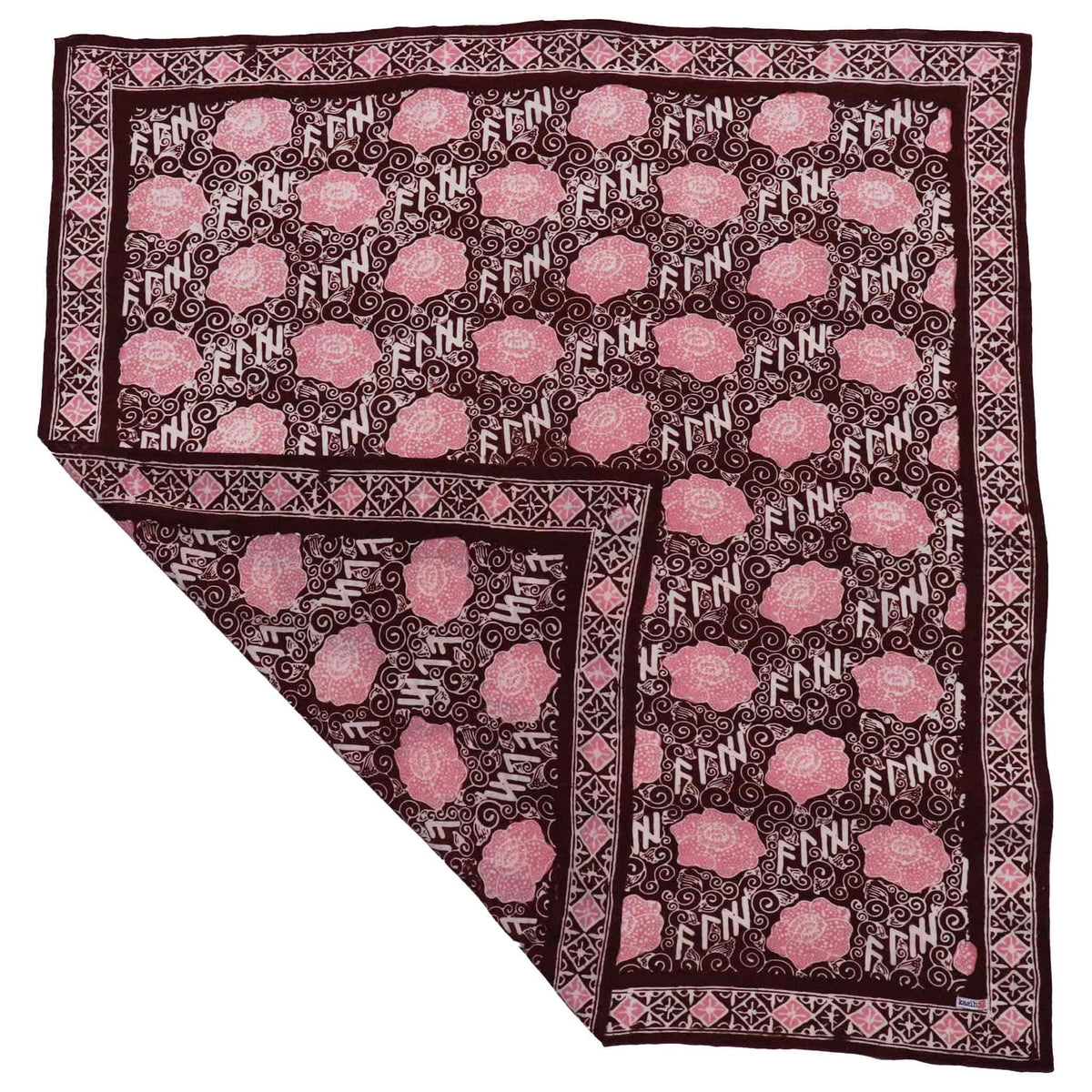
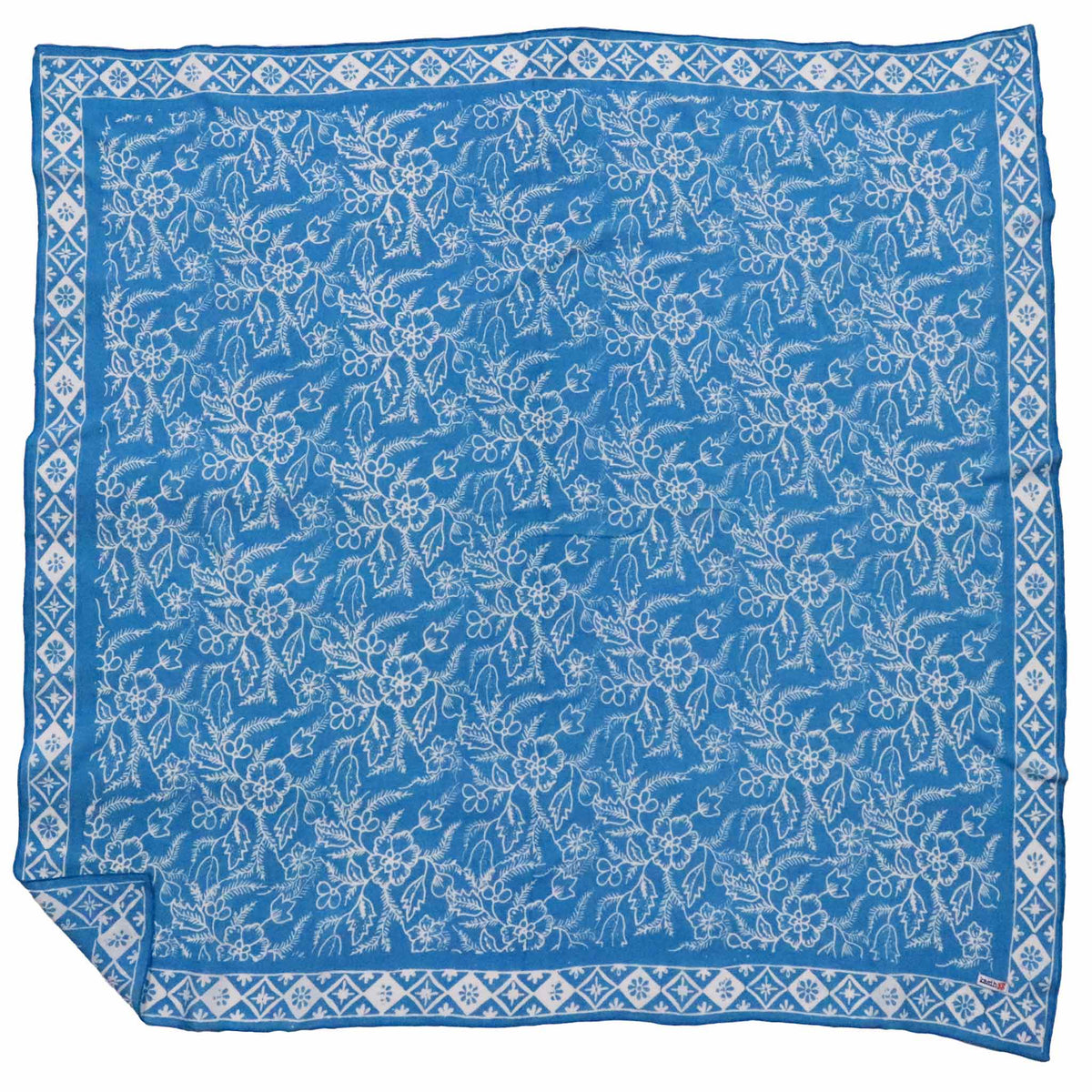
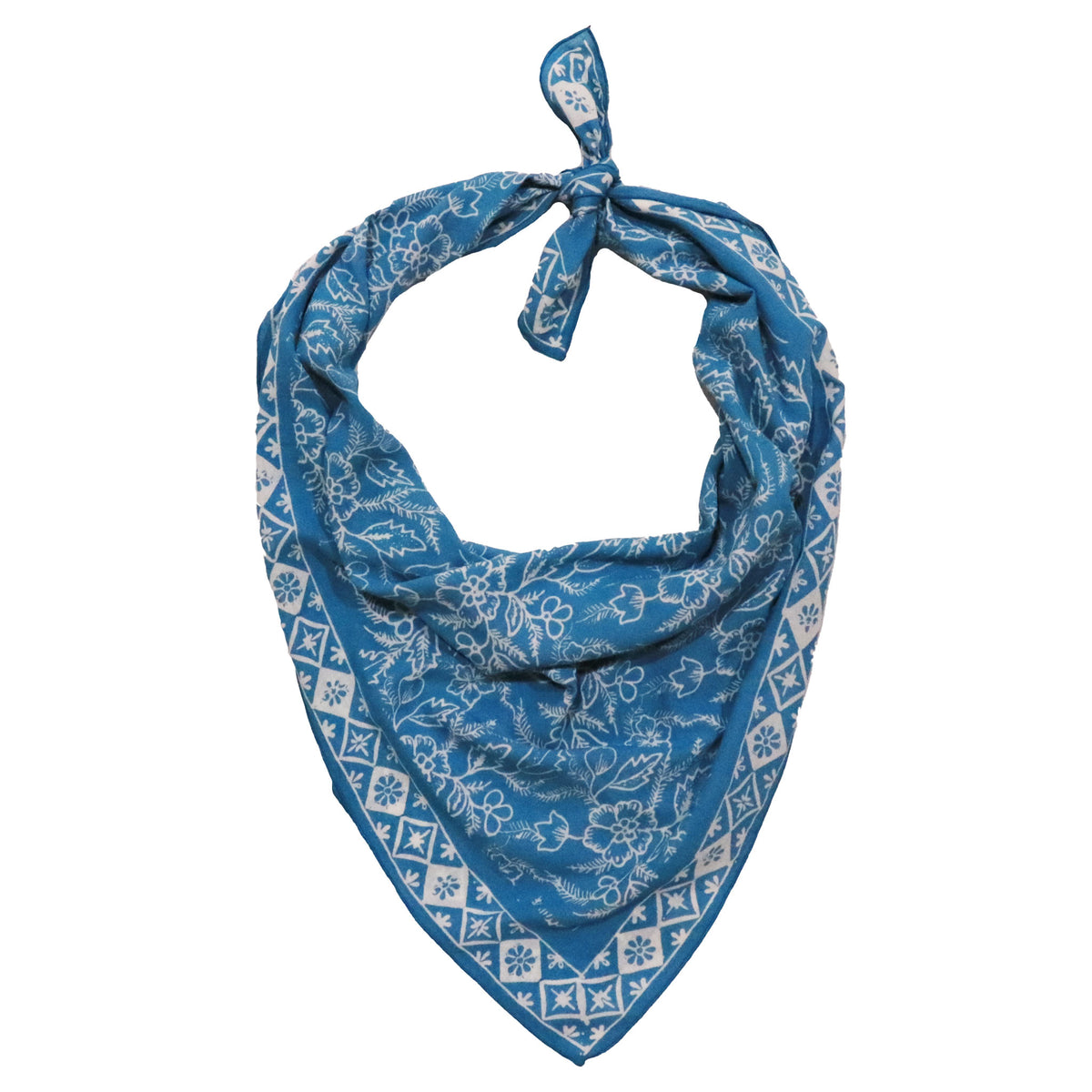
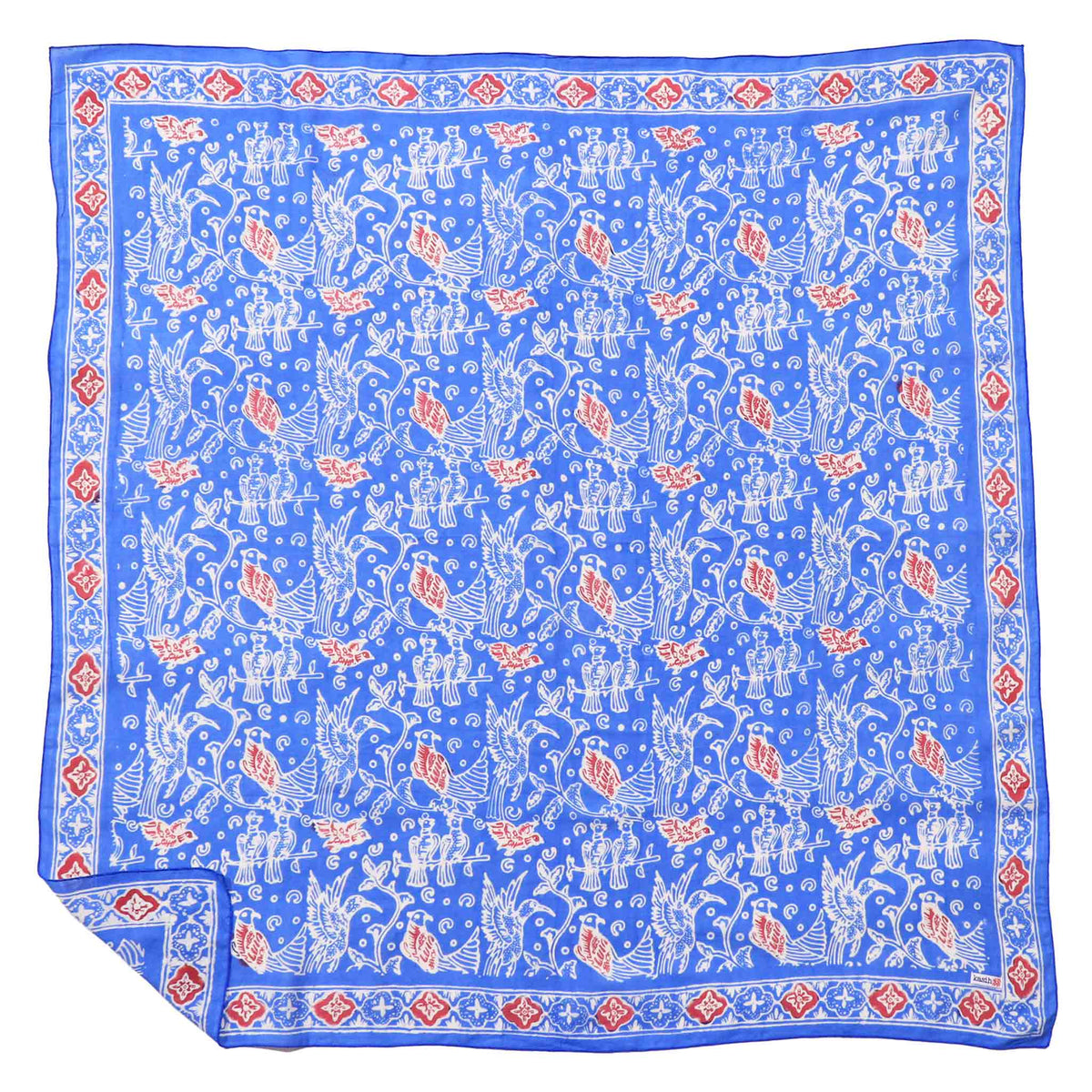
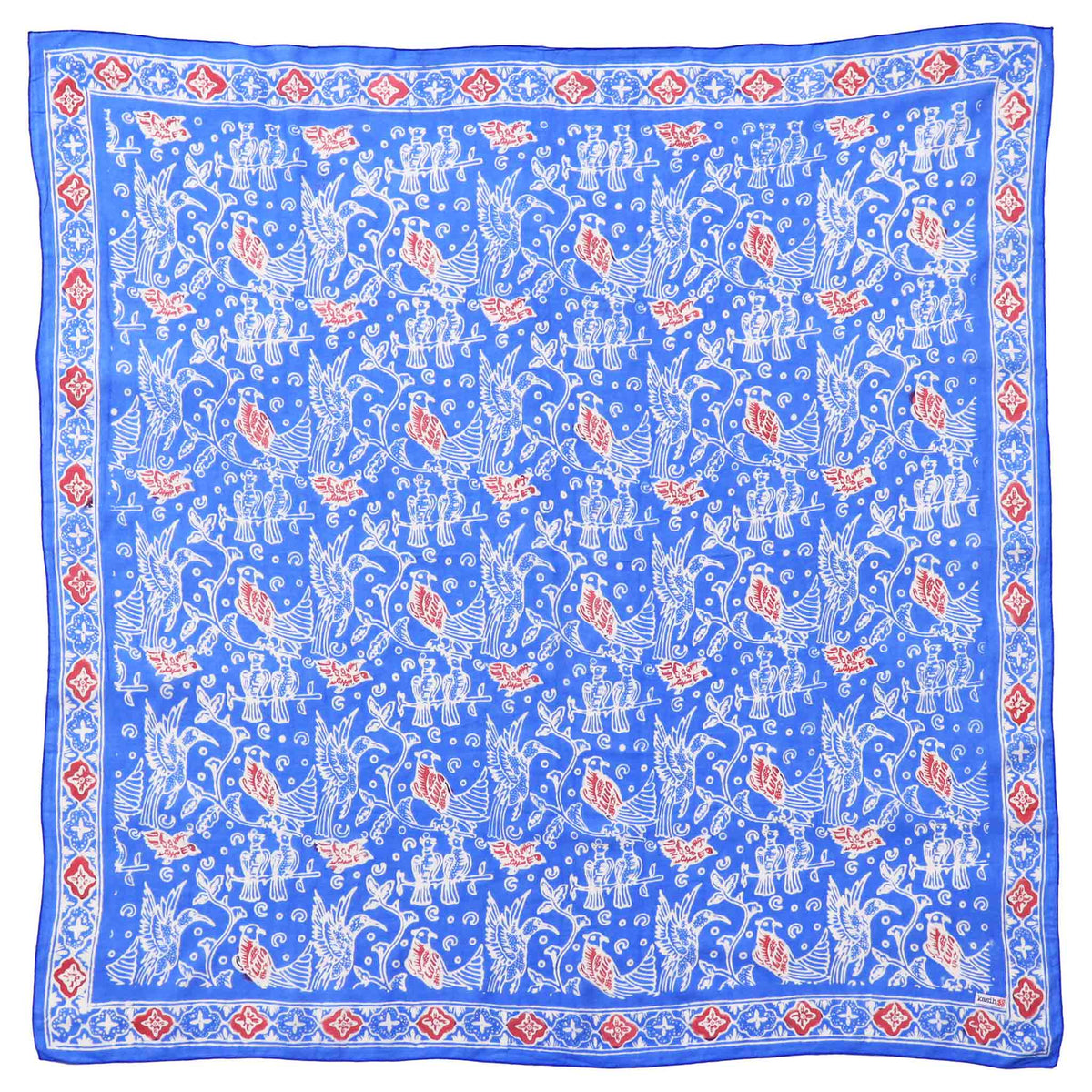
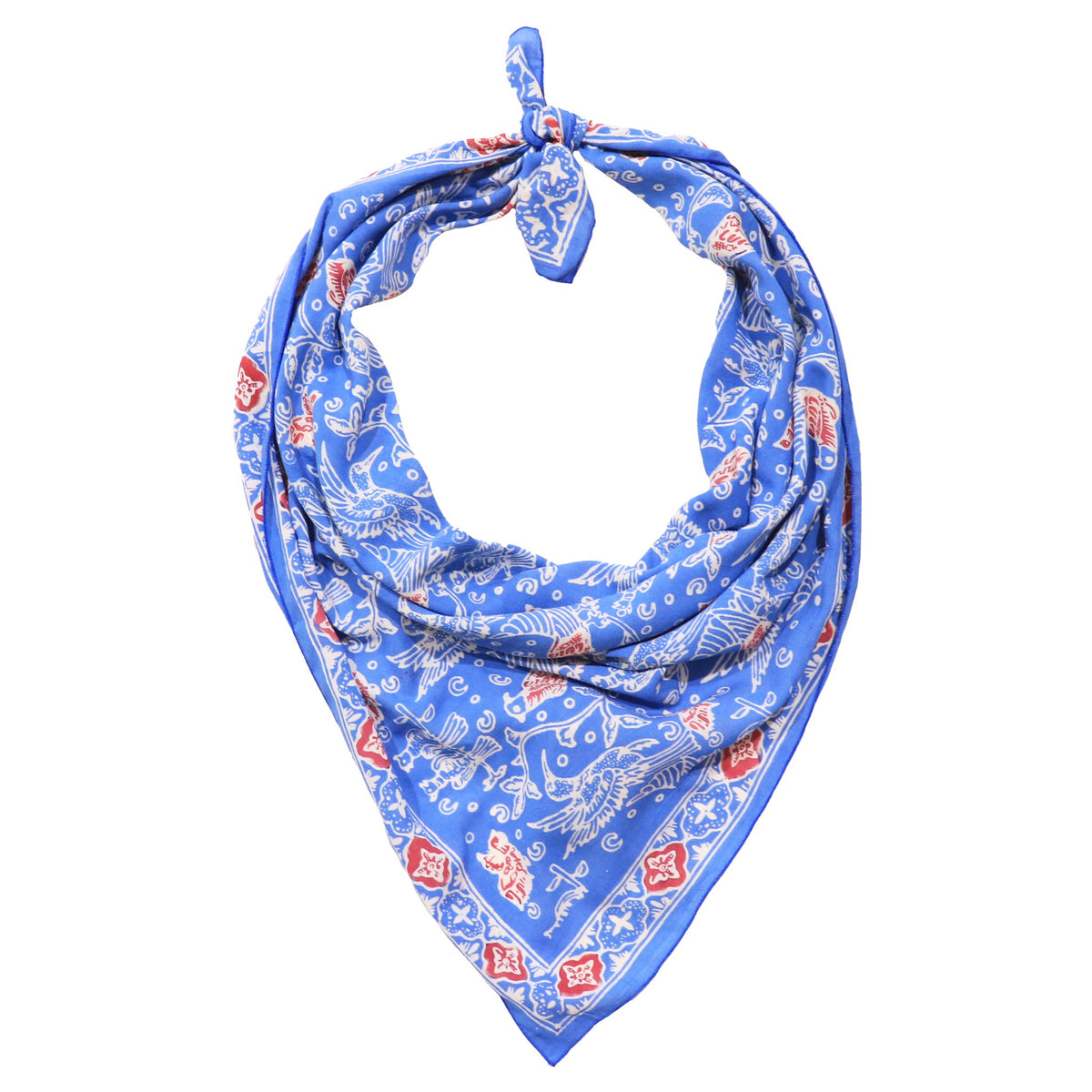
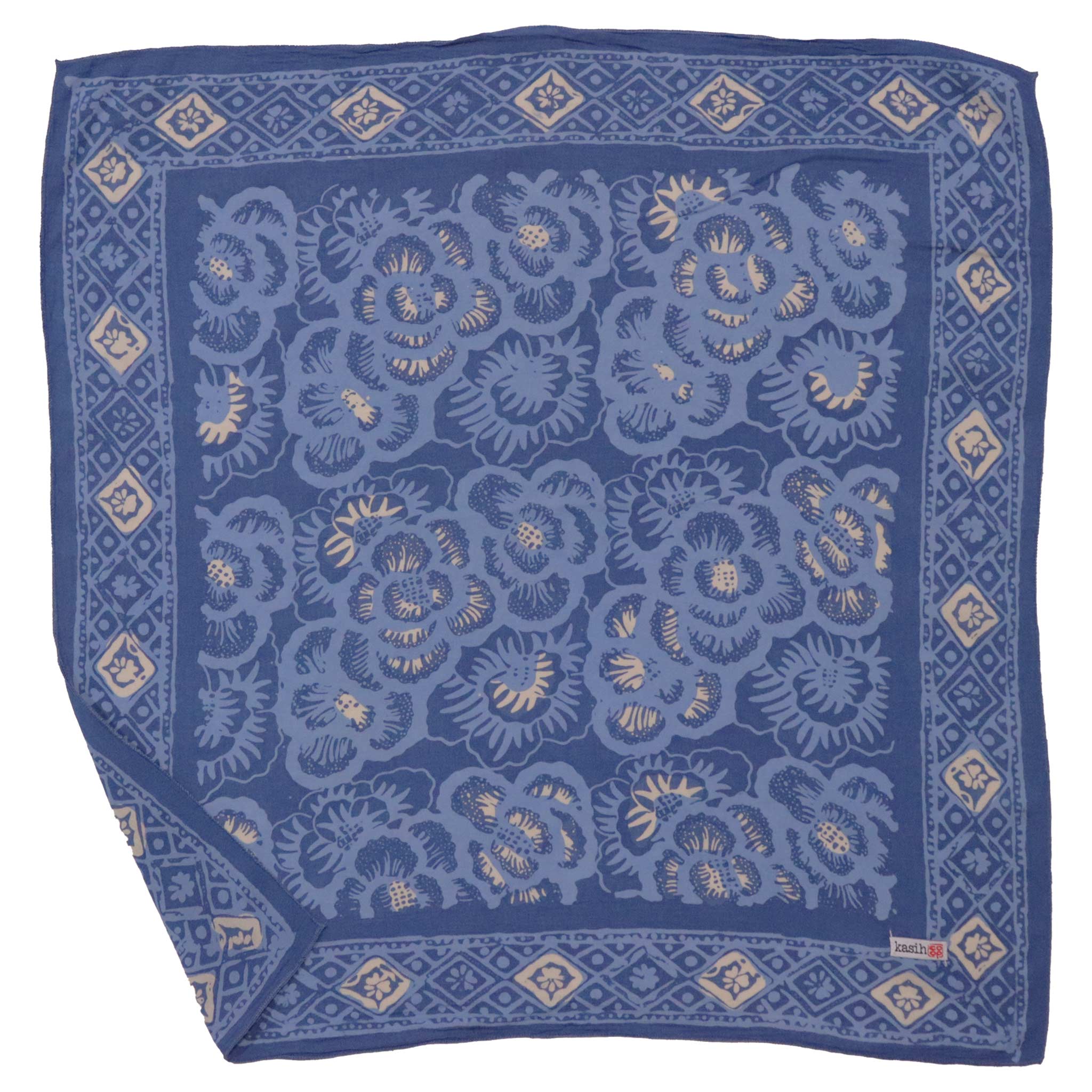
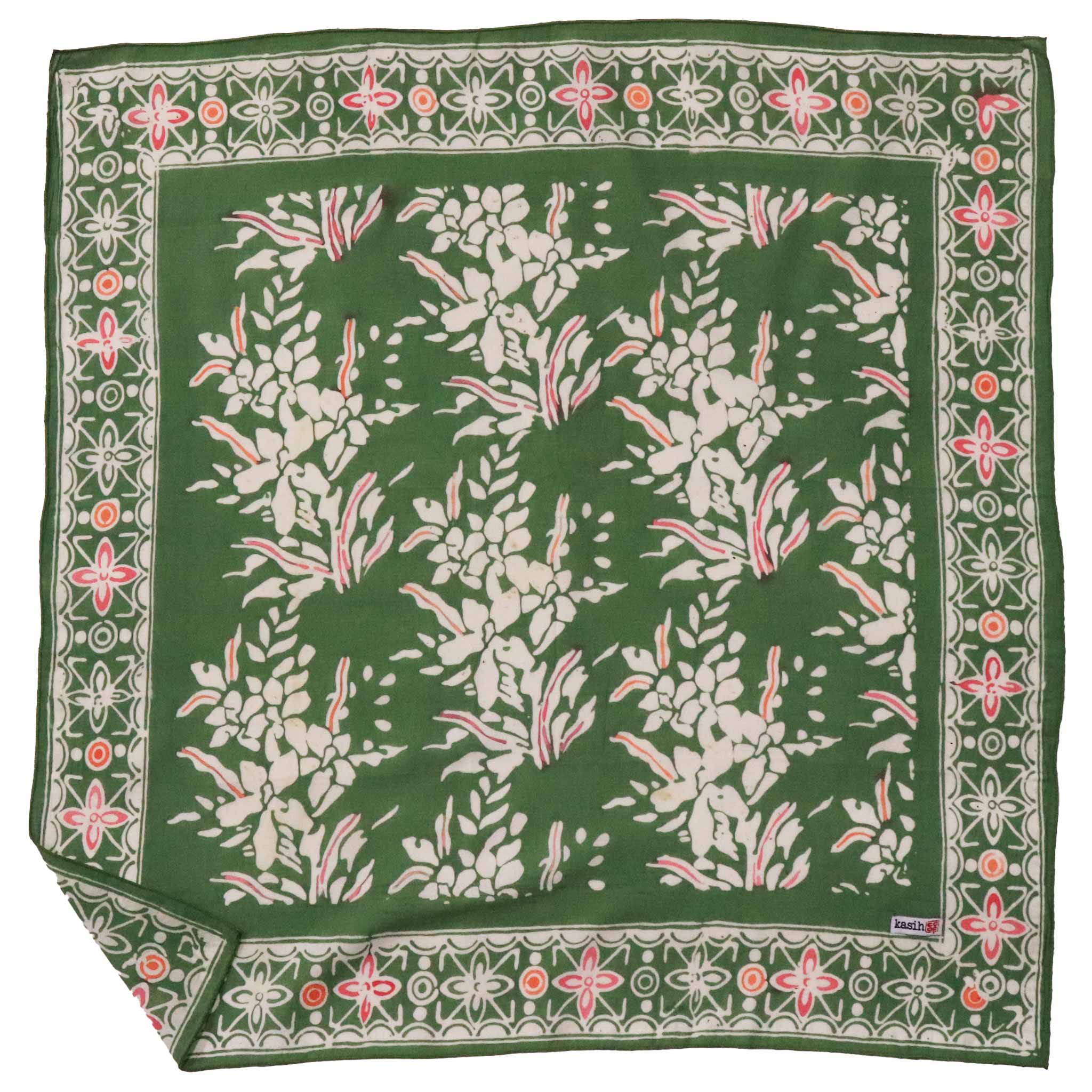
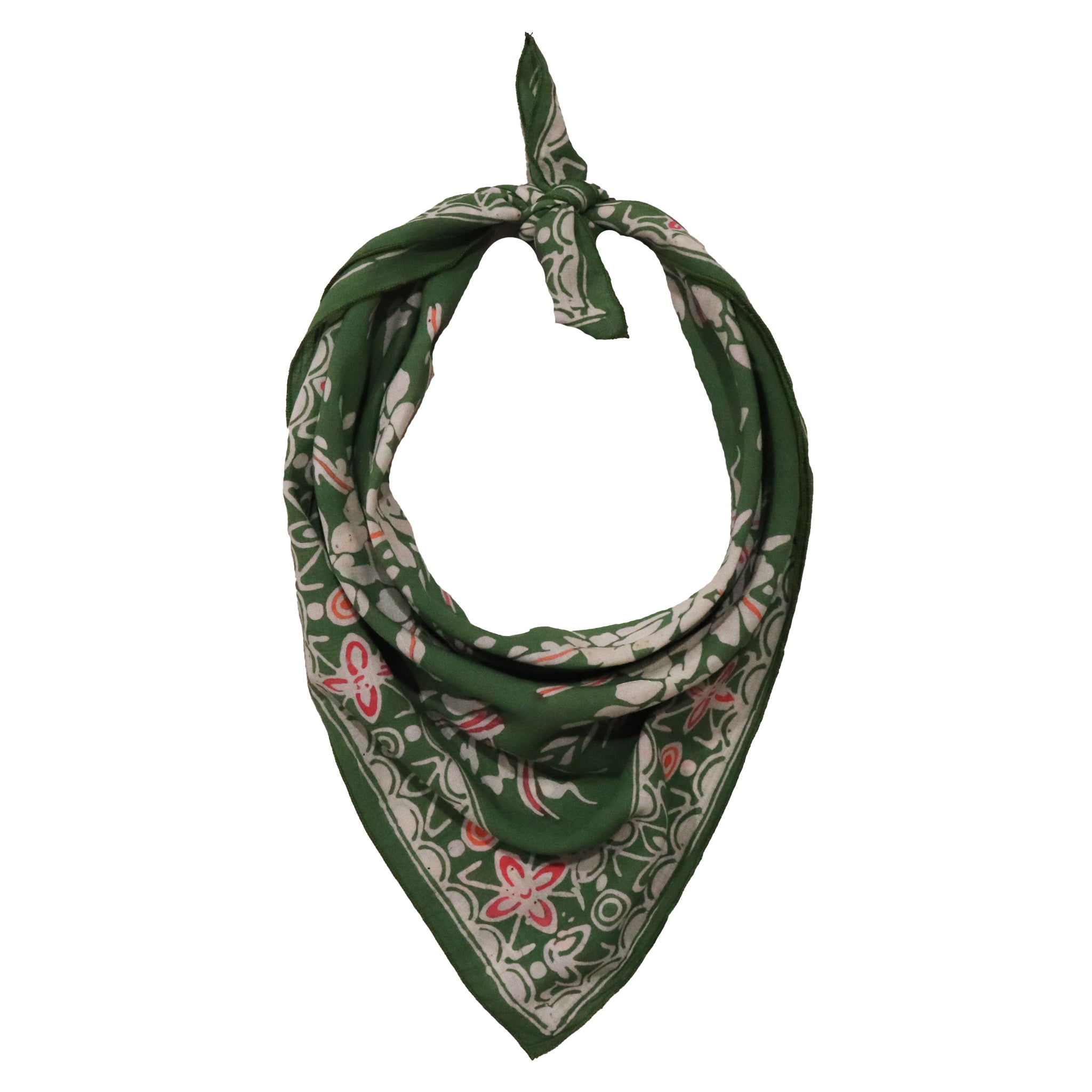
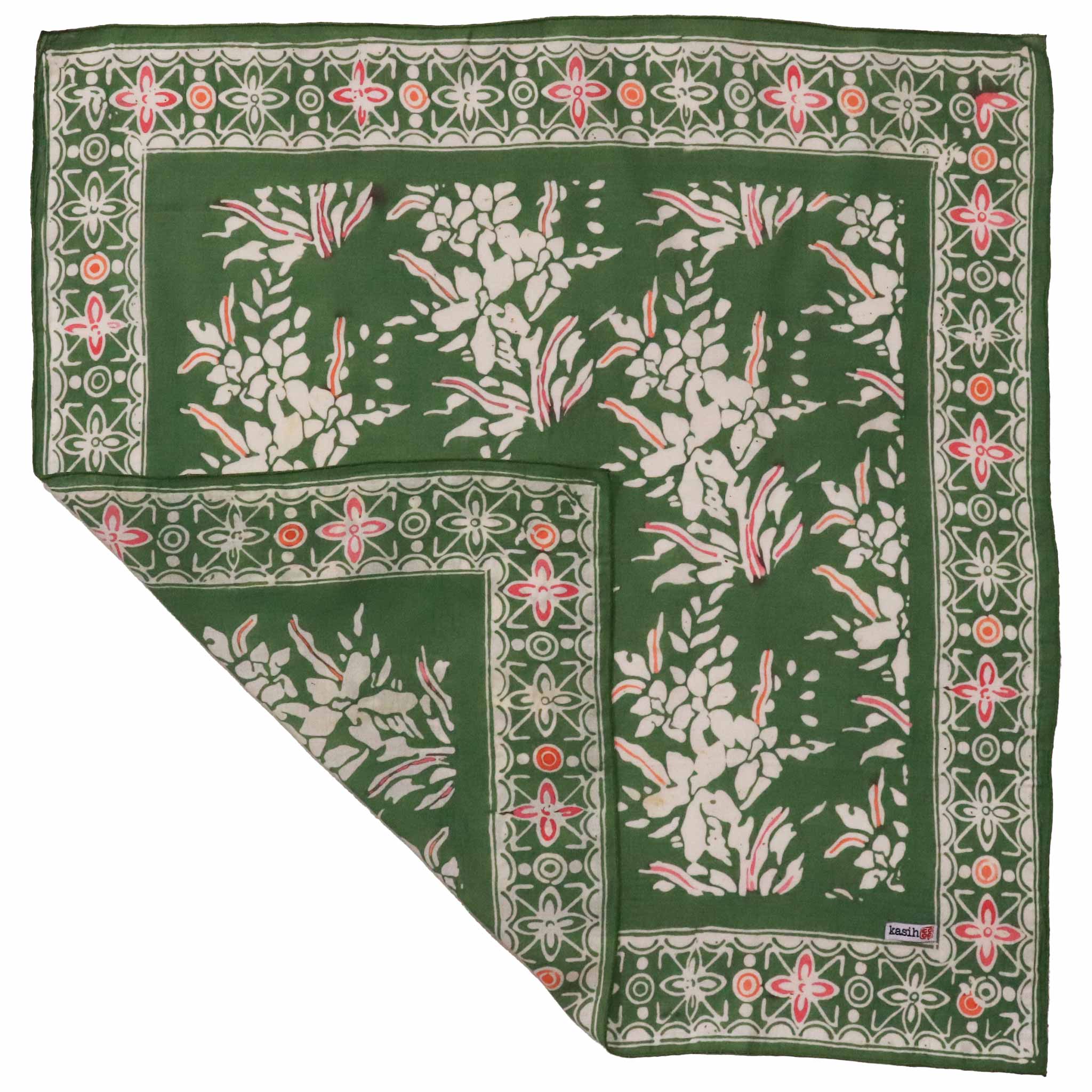
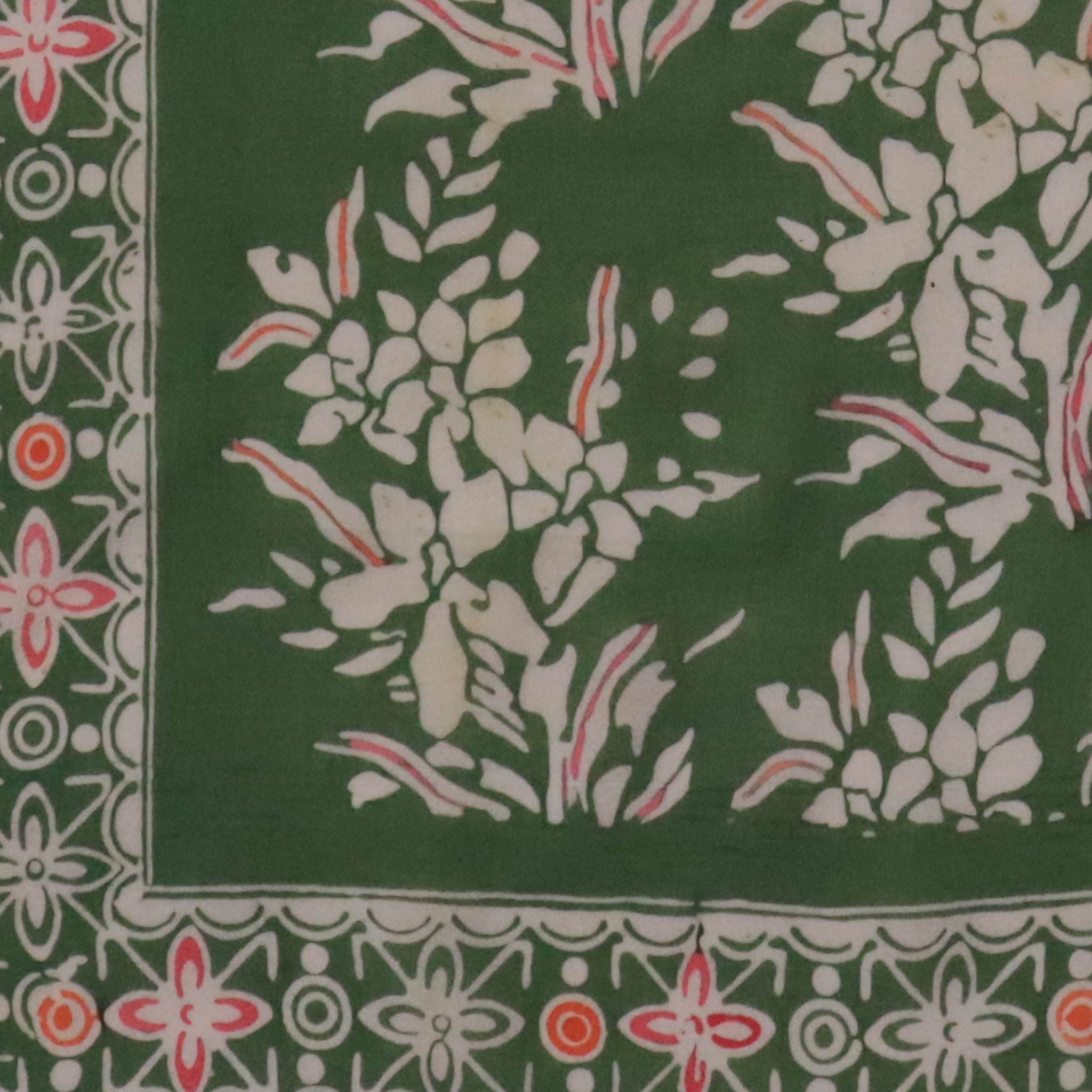
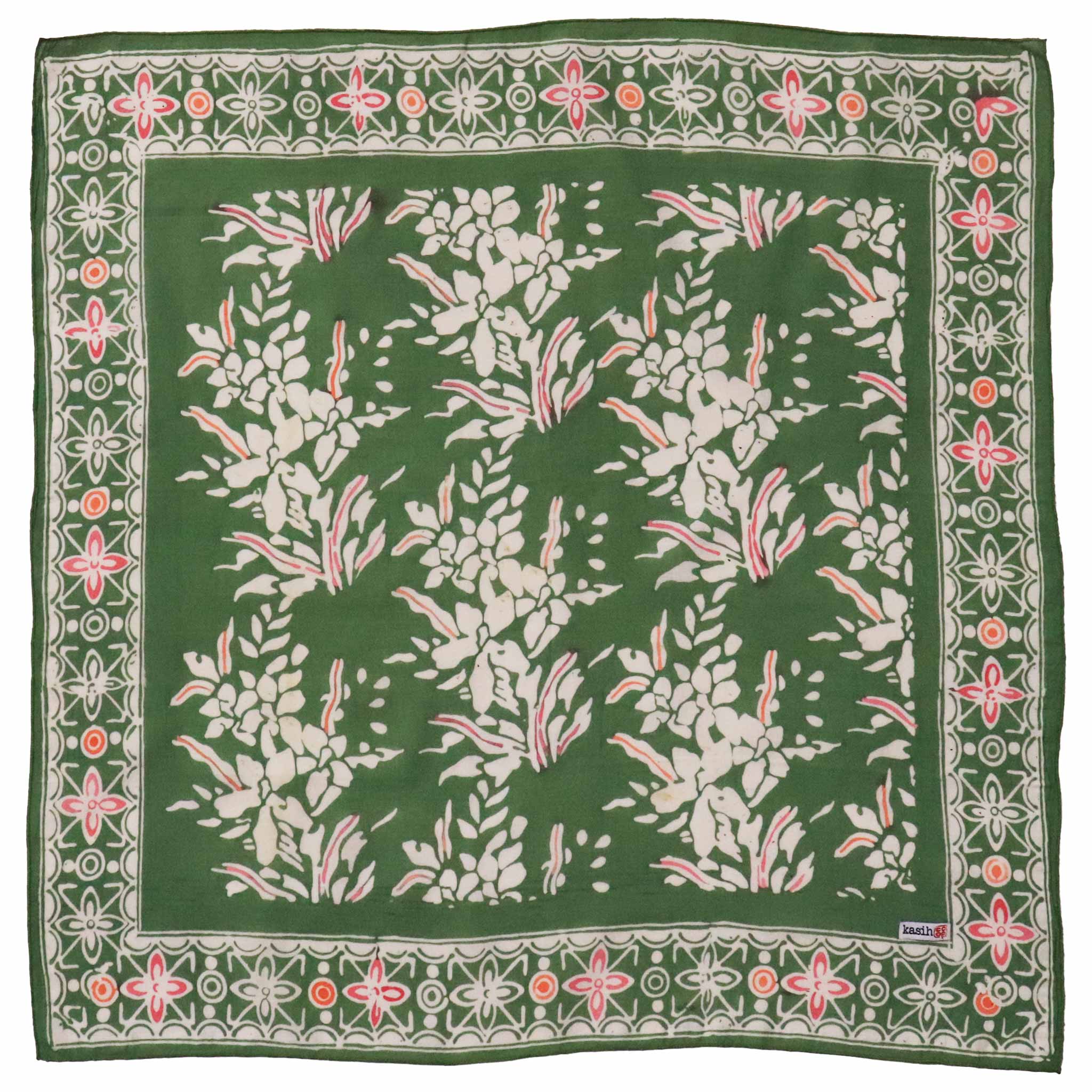
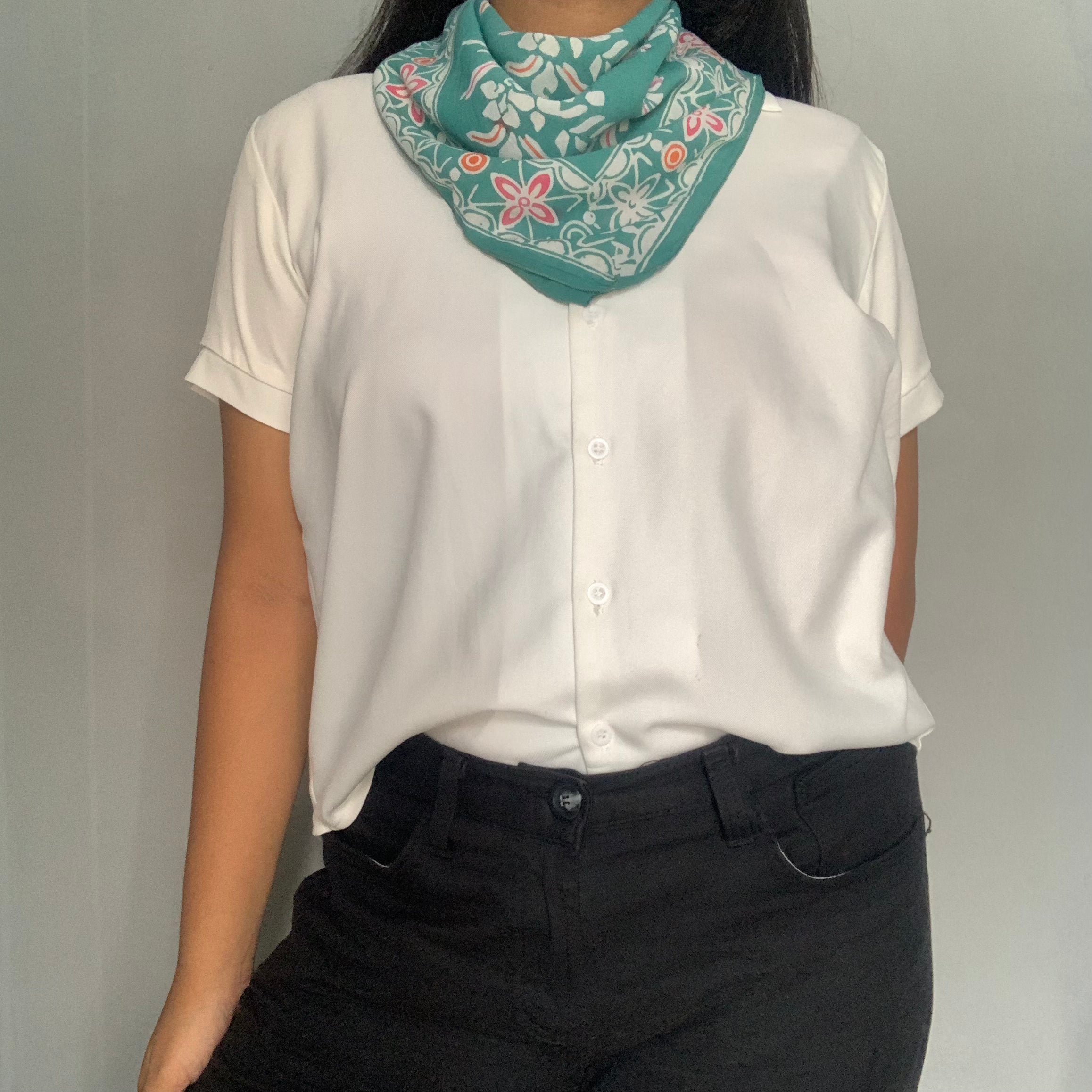
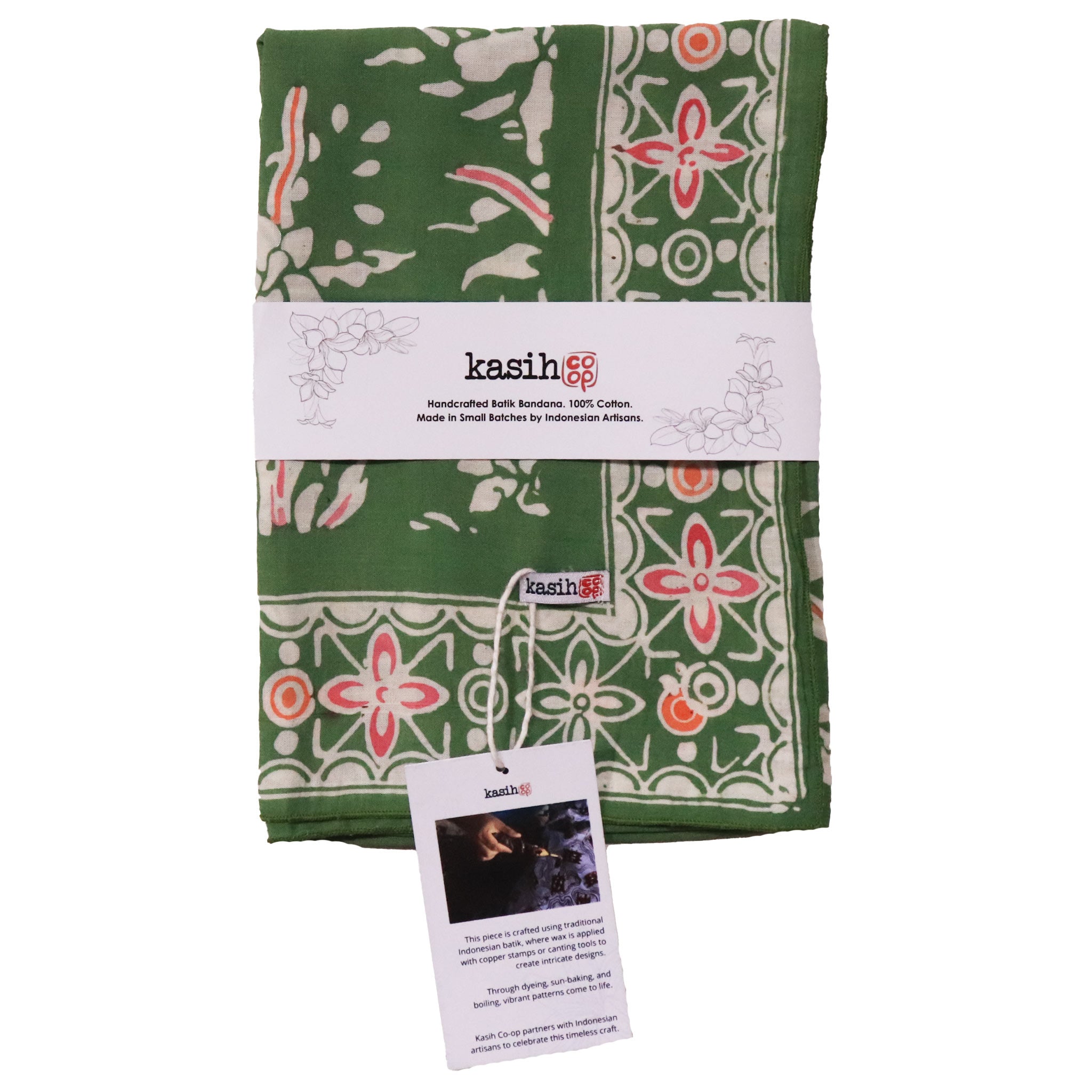
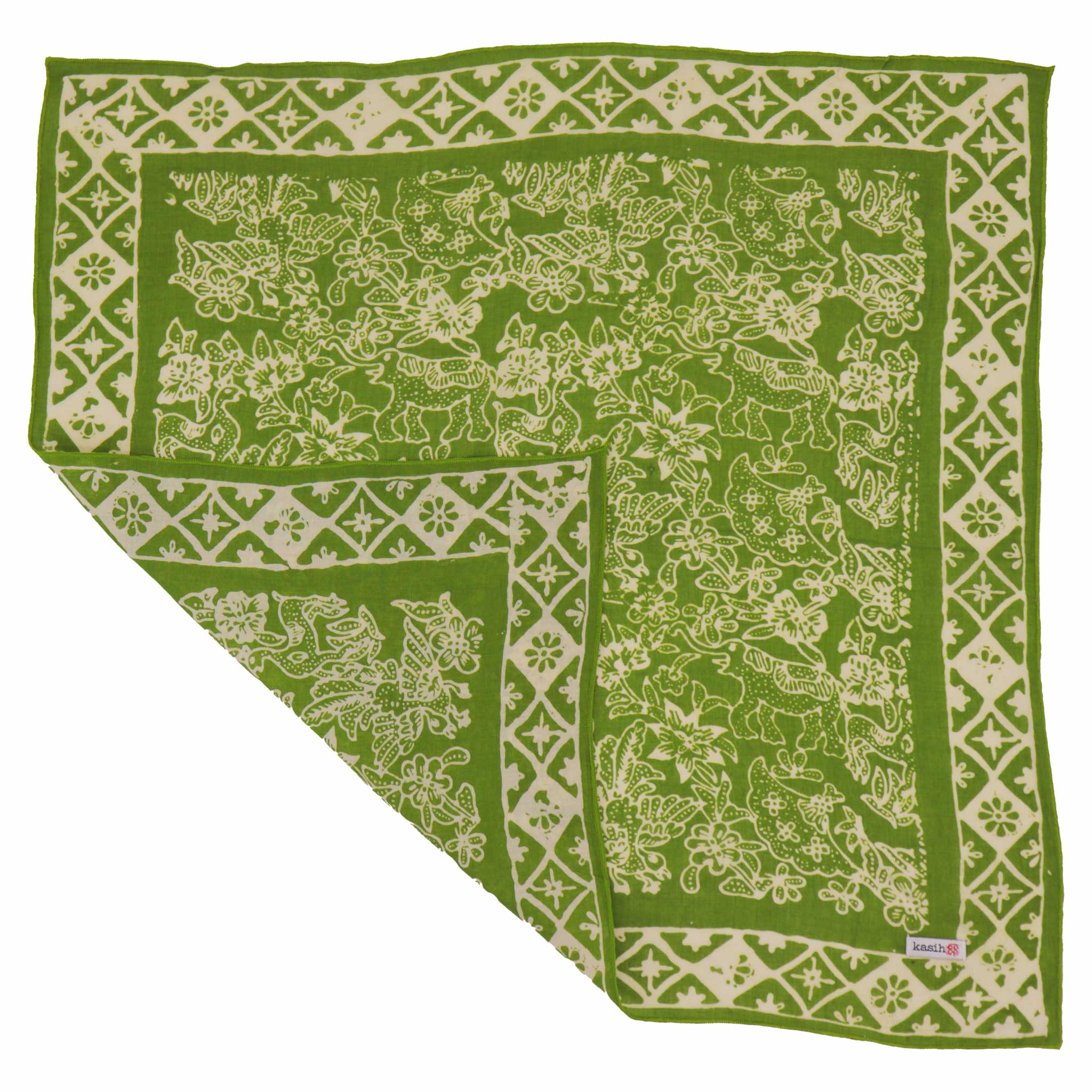
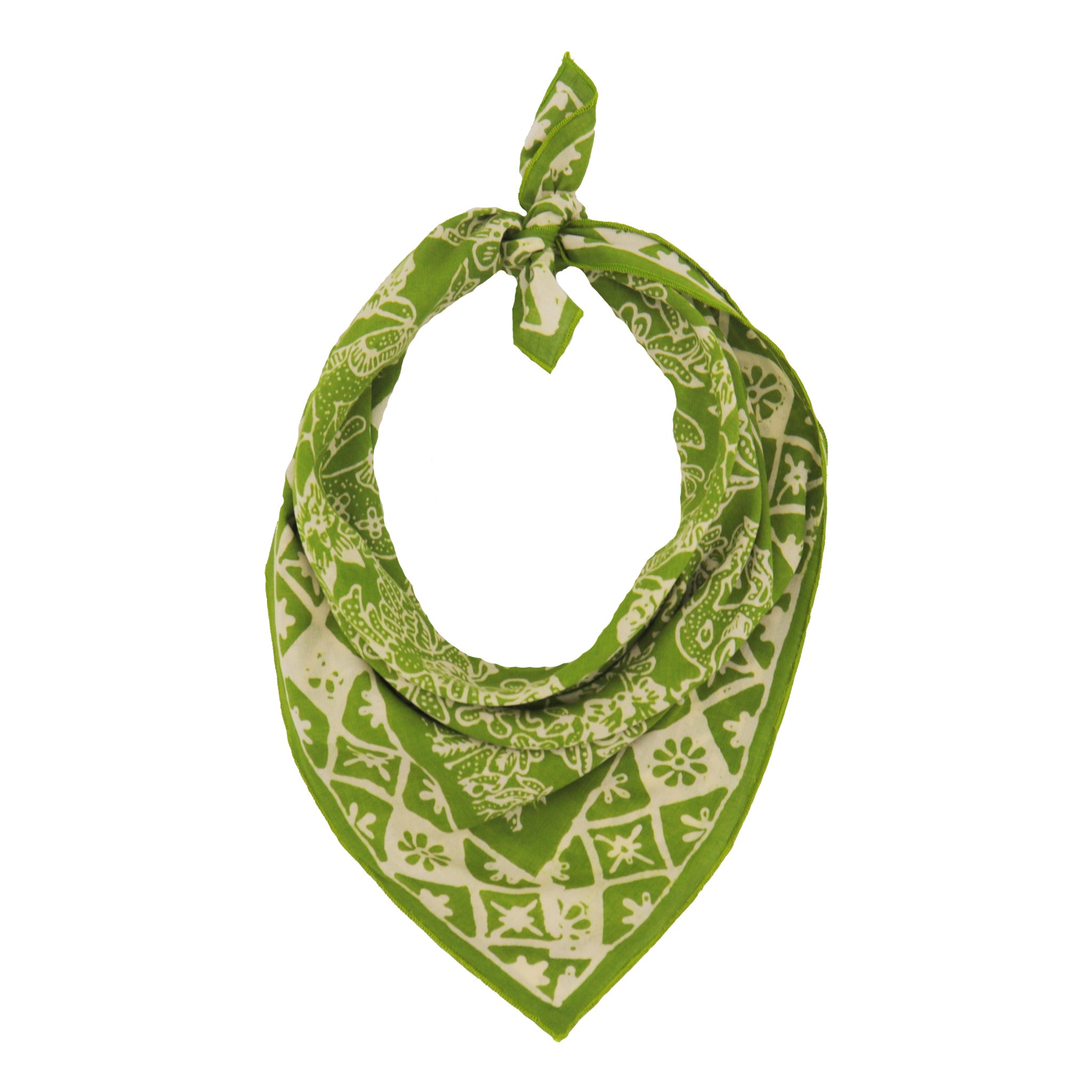
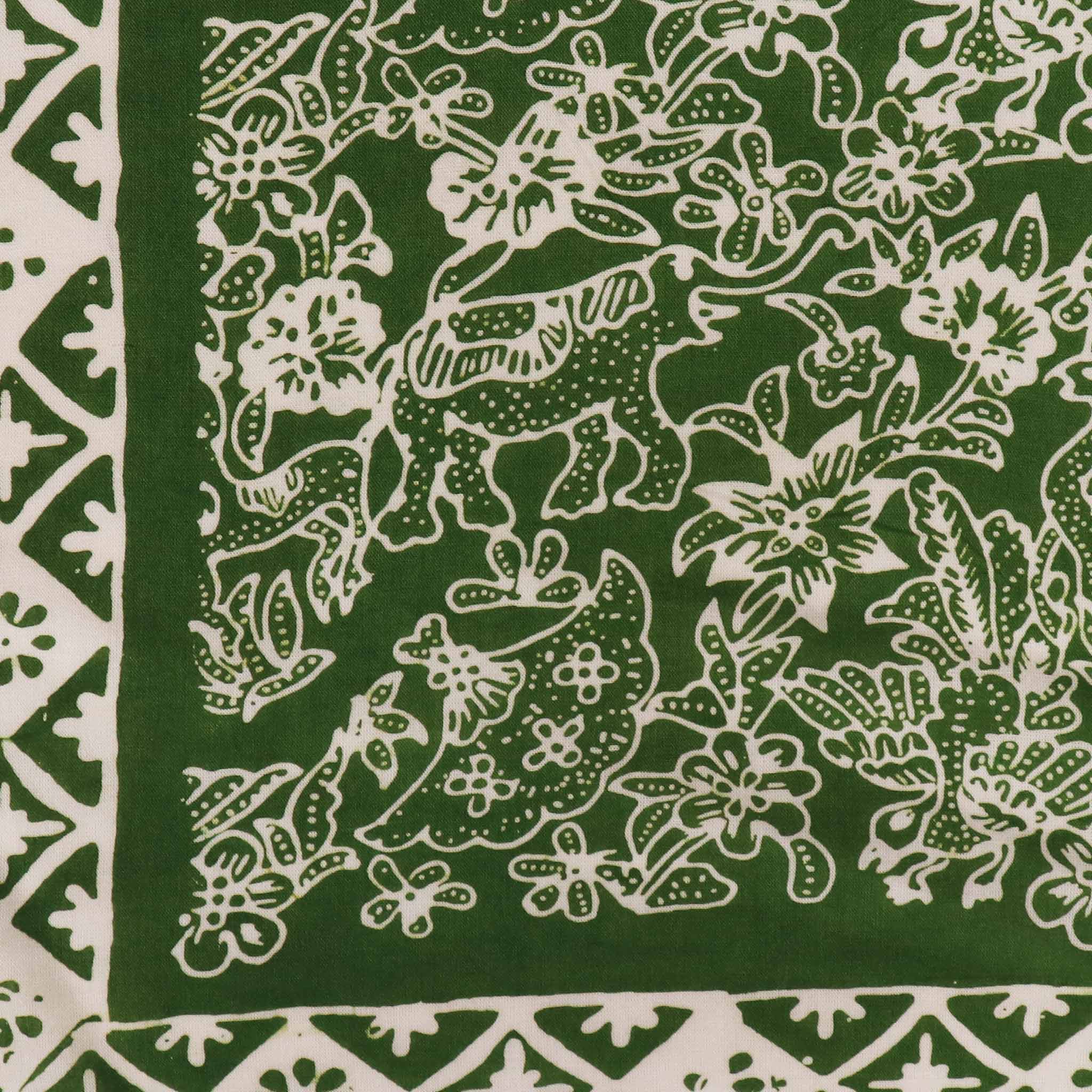
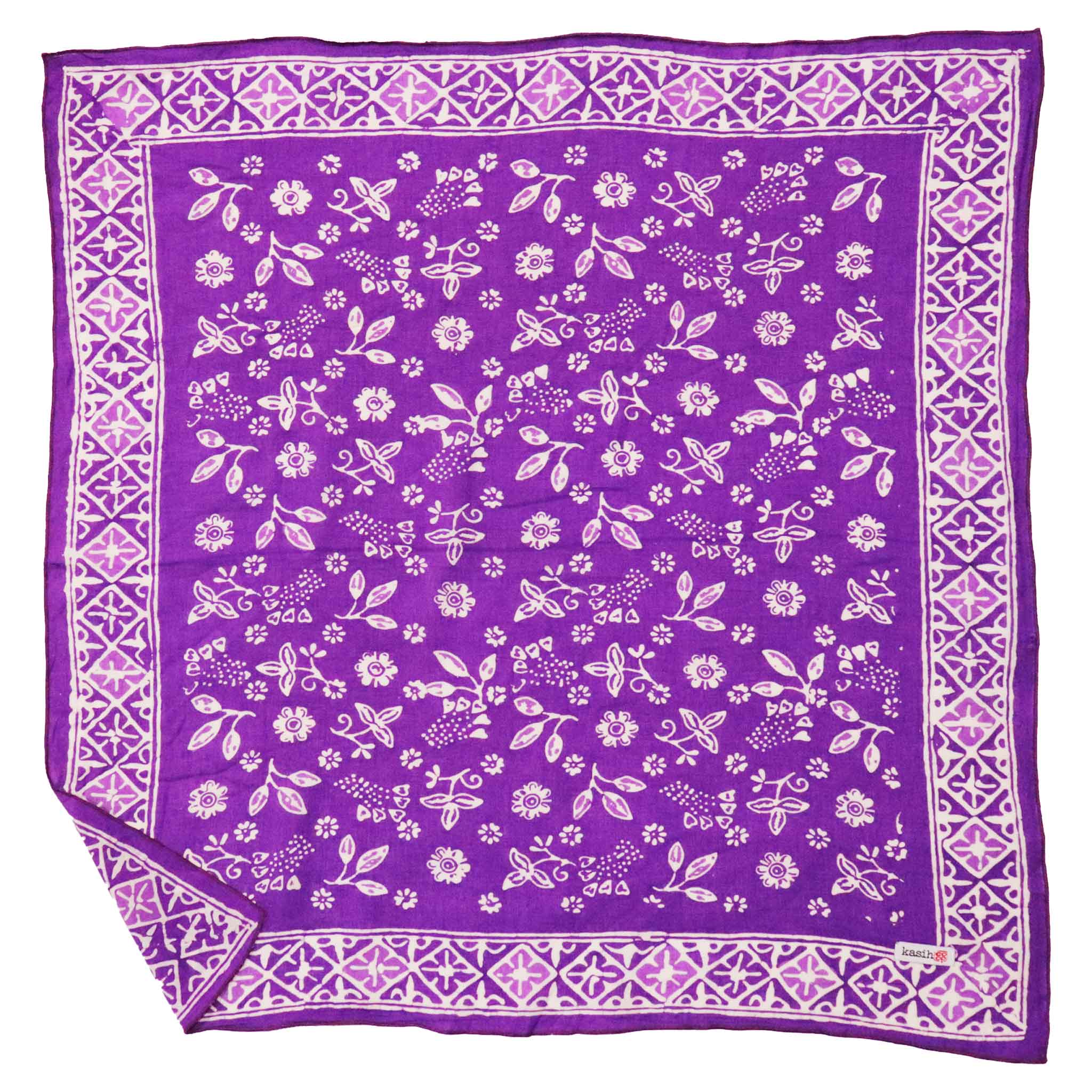
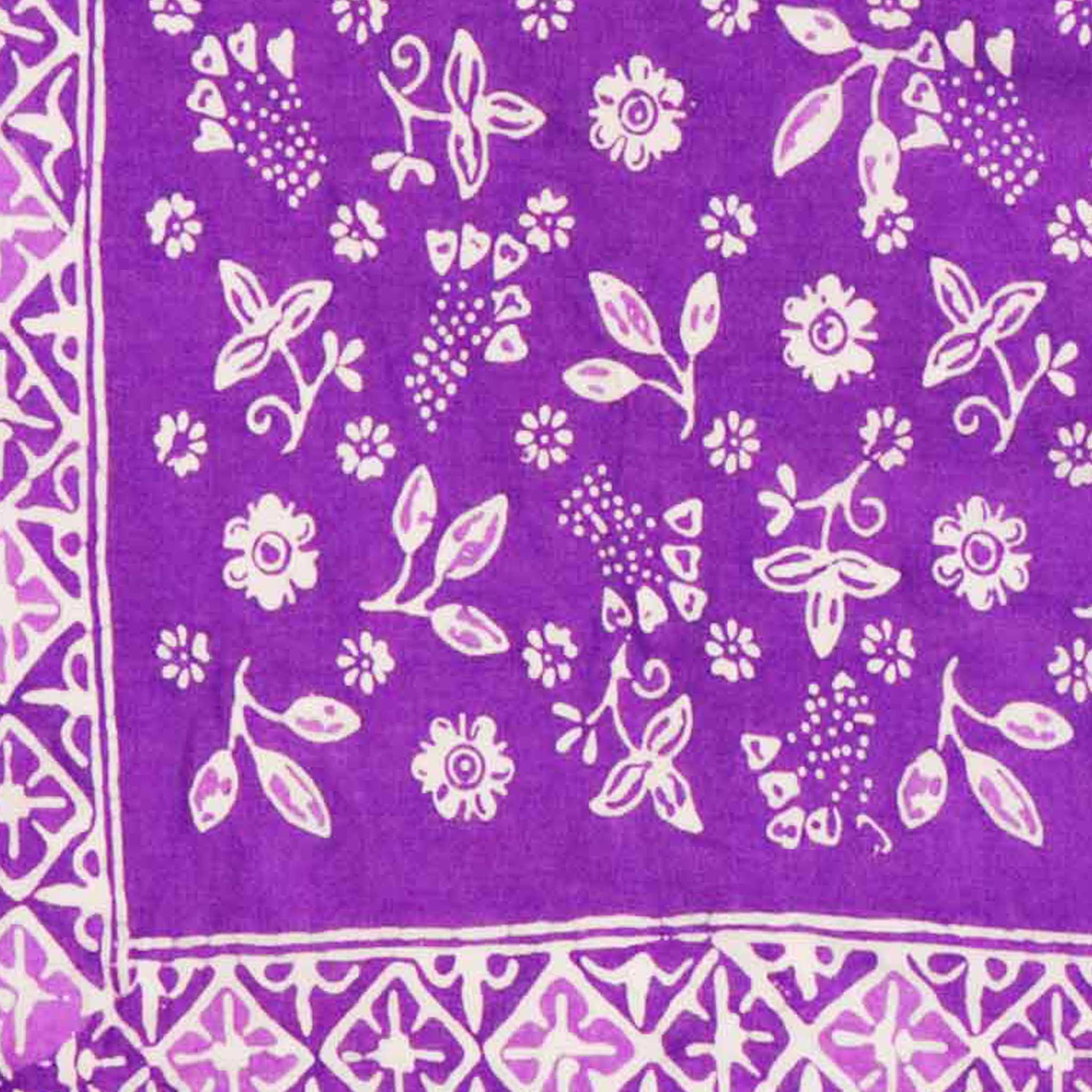
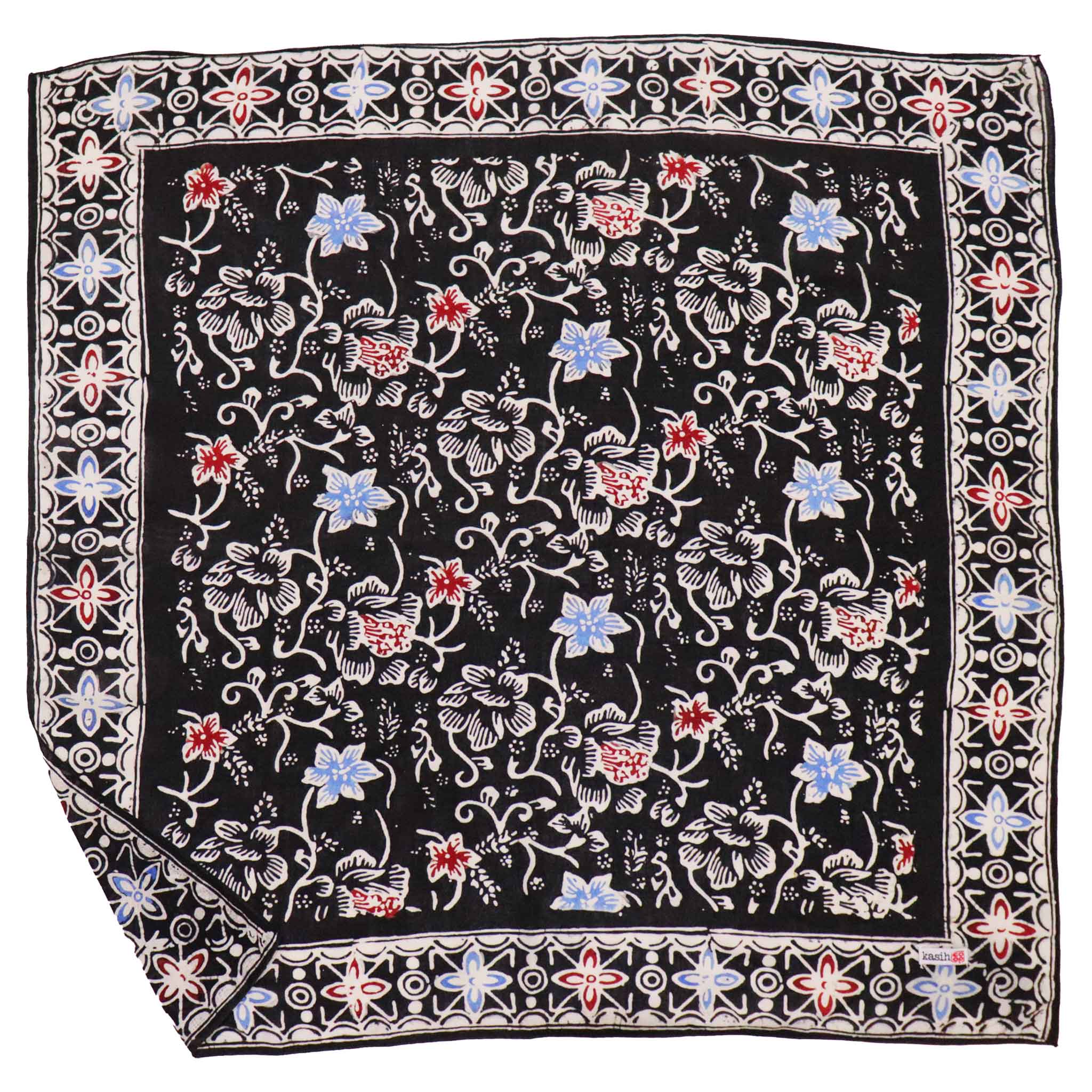
Pekalongan, on the north coast, is often called Indonesia's "City of Batik." Its style is the opposite of court batik: bright pinks, blues, greens, and oranges, with lush buketan (bouquet) florals, birds, and butterflies, influenced by Chinese, Dutch, and Arab traders. Pekalongan batik changes with fashion and is known for experimenting with new colors. If you love our floral and butterfly bandanas, this is the tradition they echo. Browse Blue Butterfly or our colorful bandana collection.
Cirebon: Clouds and Rocks
Cirebon, further west along the coast, is home to one of batik's most recognizable motifs: mega mendung, layered clouds in graduated shades. It reflects Chinese influence in the region and is said to represent patience and calm before the rain. Cirebon also has wadasan, a stylized rock motif. The village of Trusmi is the area's best-known batik center.

Our Red Storm bandana is a mega mendung design.
Lasem & Madura: Bold Reds
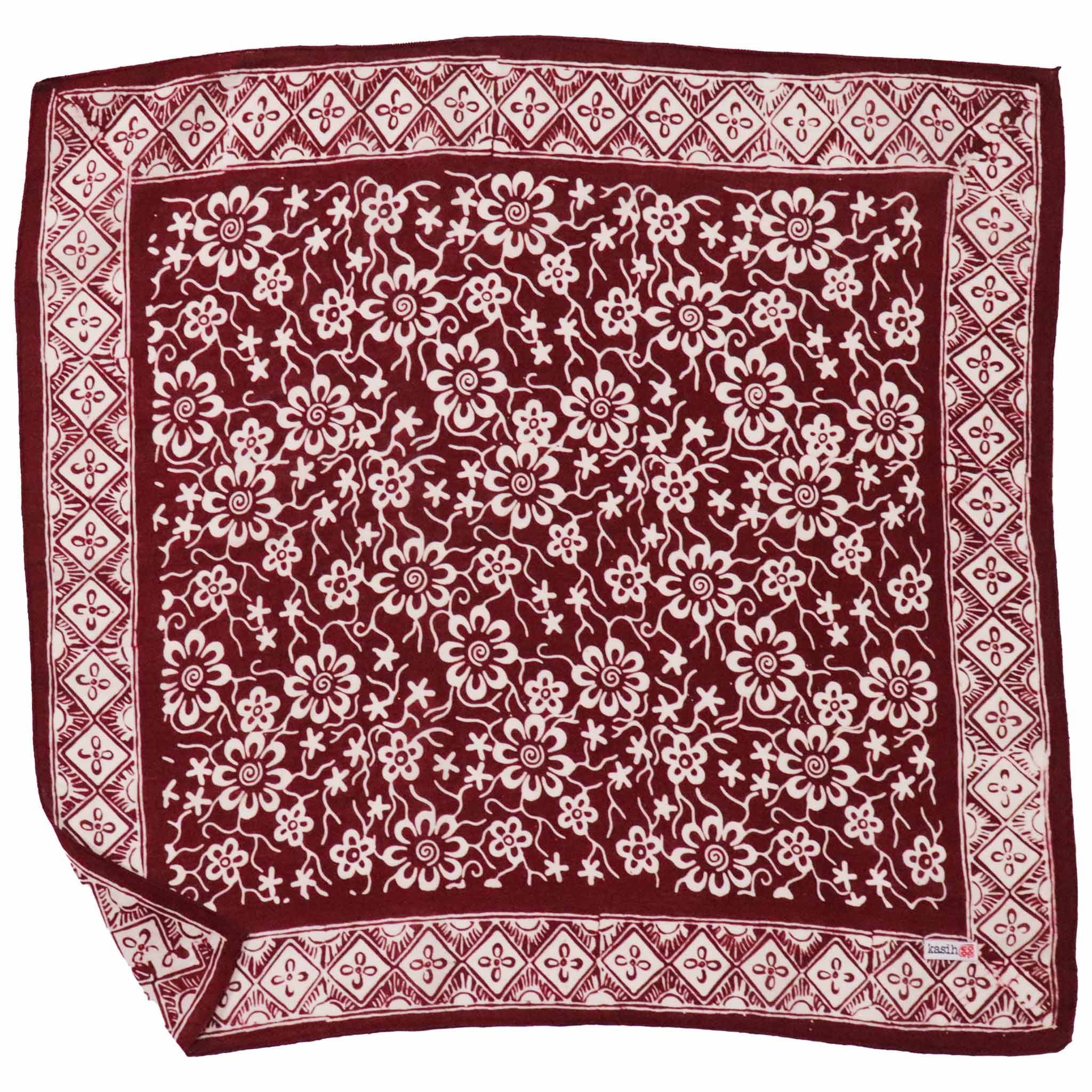
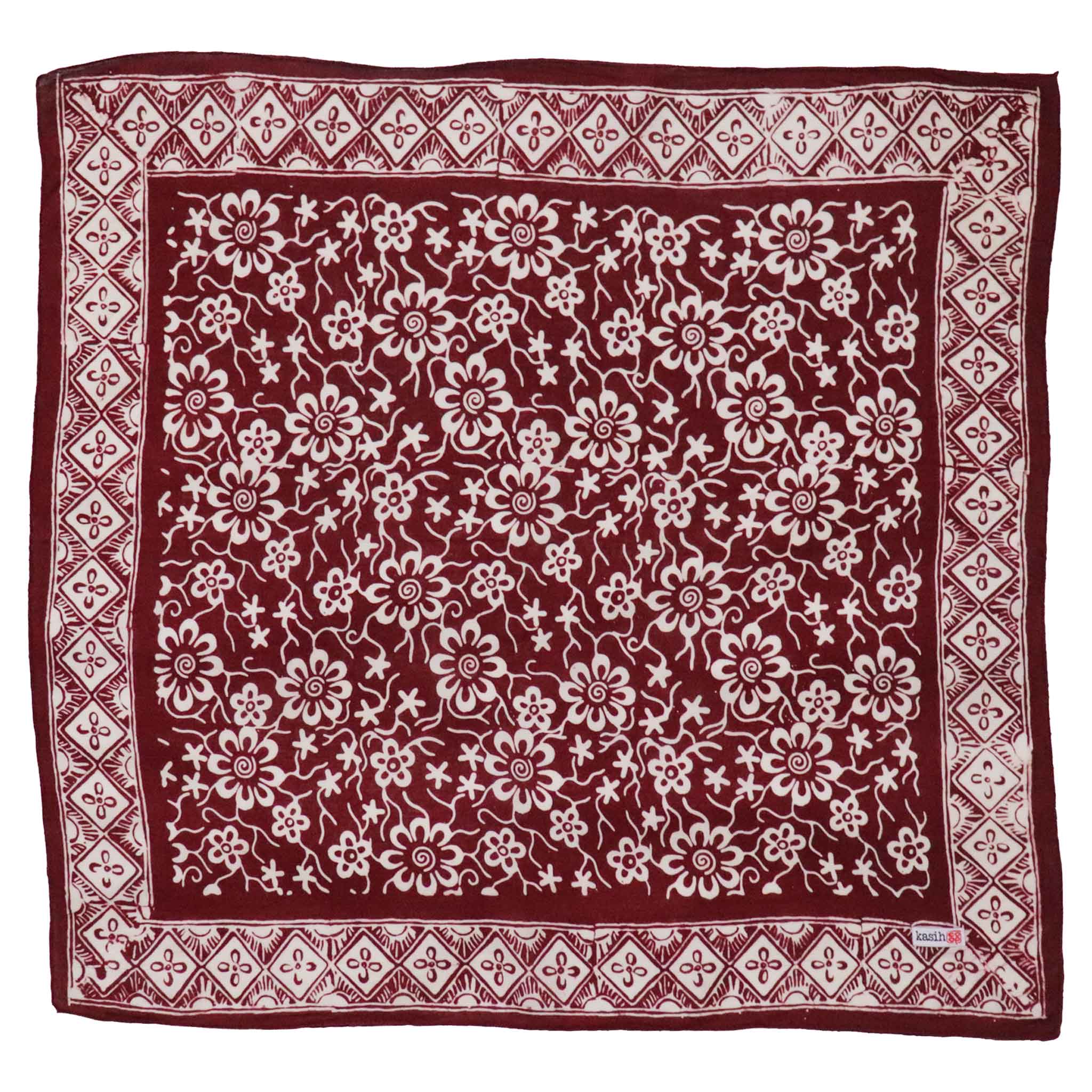
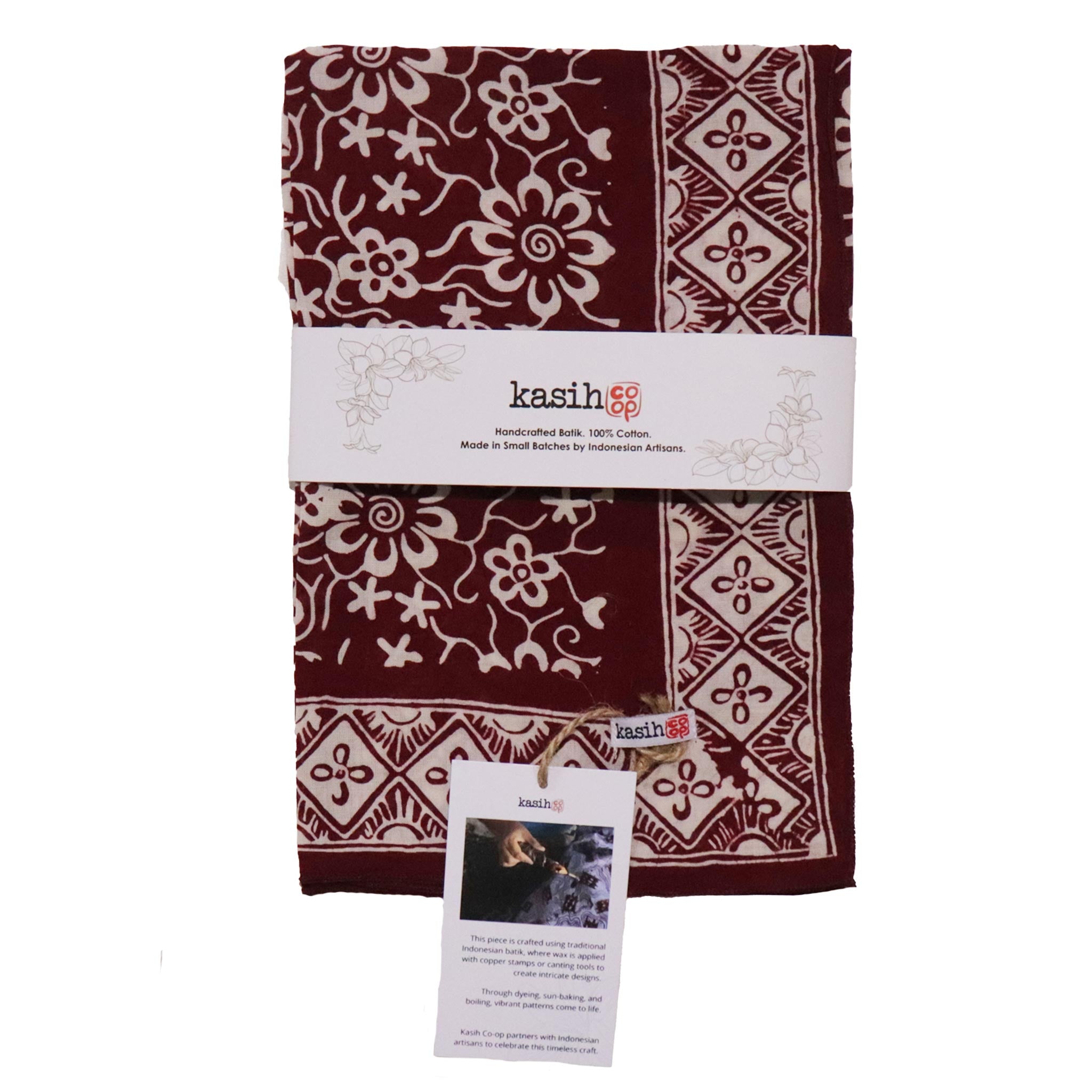
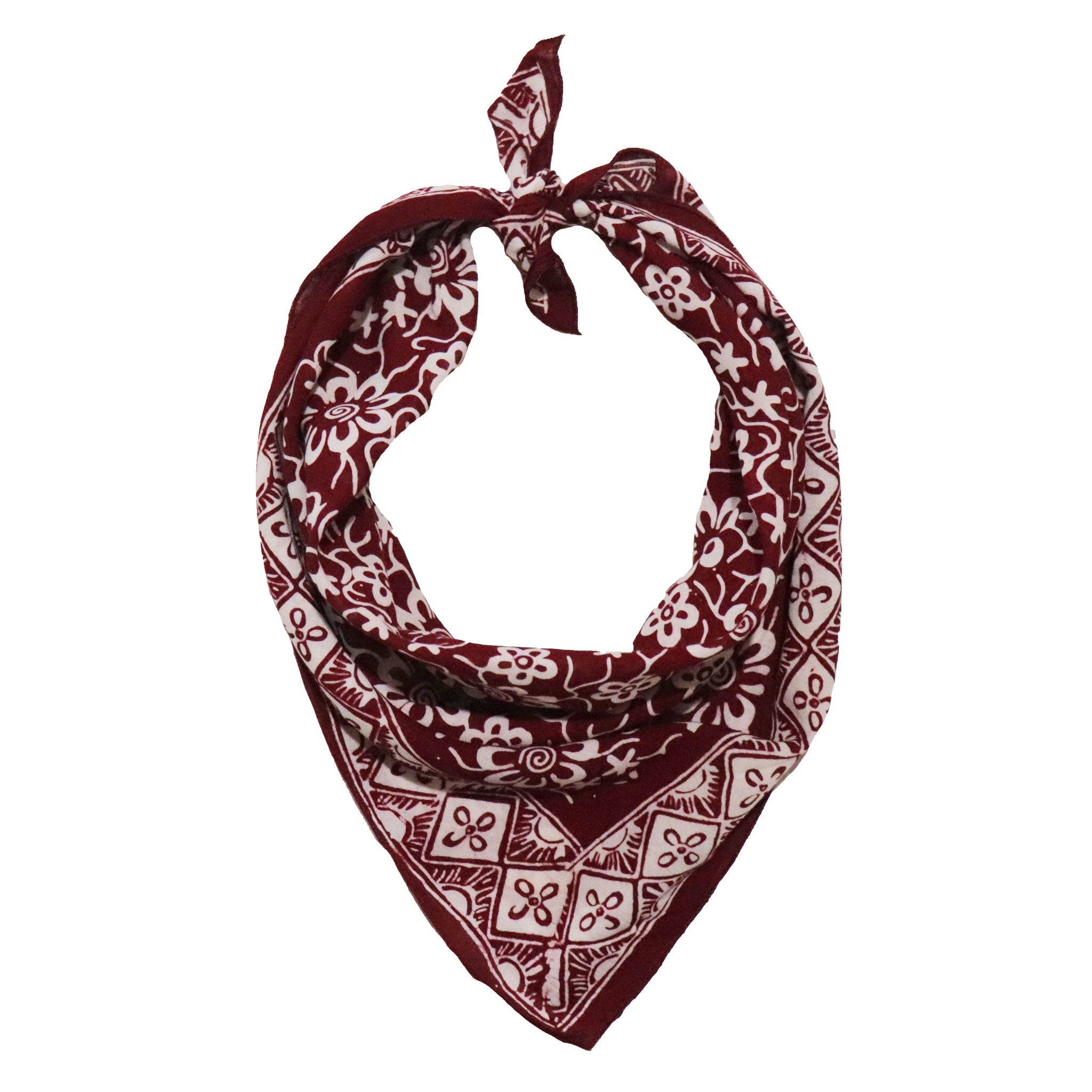
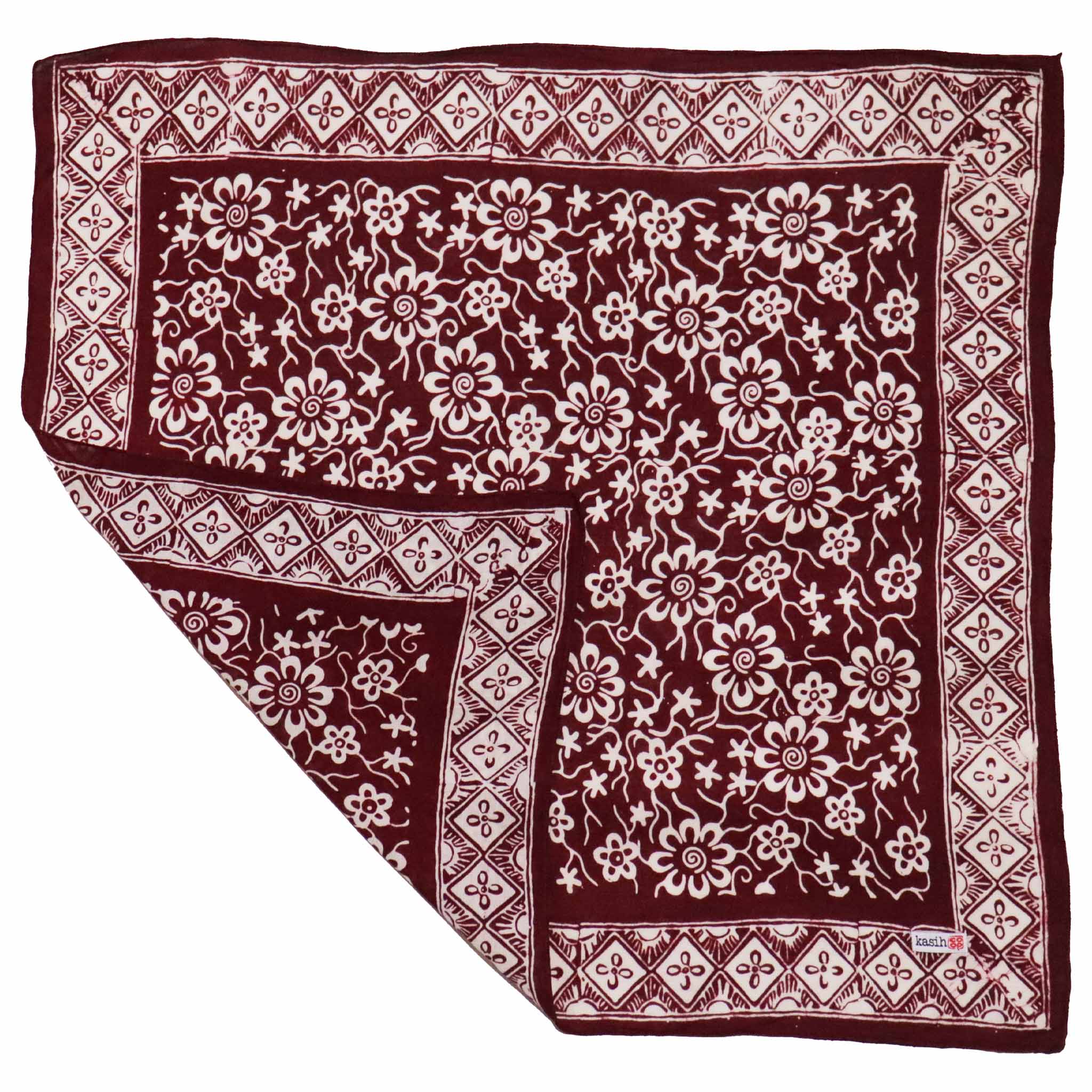
Two more coastal styles are worth knowing. Lasem, with a long Chinese-Indonesian heritage, is famous for a deep, rich red. Madura, the island off East Java, is known for bold, saturated colors and strong contrasts. If you're drawn to red batik, these are the traditions behind it; see our red picks in Fall 2026 Bandana Colors.
How to Use This When Shopping
- Like calm, classic, and formal? Look for court-style browns, indigo, and cream with parang or kawung.
- Like color and florals? Coastal-style batik is your lane.
- Want a conversation piece? Mega mendung clouds are instantly recognizable to anyone who knows batik.
For what individual motifs mean, read The Meaning Behind the Motifs, and for the words you'll see on labels, our Batik Glossary. To go beyond Java, see Indonesian Textiles 101.
Shop the full batik bandana collection and batik scarves.